In modern kitchens, the oven has become a familiar appliance not only in restaurants and bakeries but also in many households. From baking cakes and roasting meat to preparing healthier meals with less oil, ovens now play an important role in everyday cooking.
What Is an Oven?
An oven is an appliance that uses heat to cook food inside an enclosed chamber. The heat can be generated by electricity, gas, or other heating technologies, allowing food to cook more evenly compared to direct stovetop cooking.
Unlike microwave ovens, which mainly use electromagnetic waves to heat food, ovens are primarily designed for baking, roasting, grilling, and drying foods using high temperatures.
Today, ovens are commonly used for:
- Baking cakes and bread
- Roasting meat, fish, and vegetables
- Cooking poultry
- Reheating food
- Drying foods
- Preparing meals with less oil
How Does an Oven Help in Daily Life?
1. More Cooking Possibilities
An oven can replace several traditional cooking methods such as charcoal grilling, pan frying, or roasting. It allows users to prepare everything from pizza and bread to large roasted meats.
2. More Even Cooking
Thanks to its enclosed heating chamber and stable temperature control, an oven helps food cook evenly, reducing the chances of a burnt exterior and undercooked interior.
3. Supports Healthier Cooking
Many dishes can be baked instead of deep-fried, helping reduce the amount of fat and oil in meals.
4. Saves Time in the Kitchen
Modern ovens often include automatic cooking modes, timers, and preset temperatures for different types of dishes.
The History of Ovens
The history of ovens dates back thousands of years.
Ancient Times
The earliest forms of ovens are believed to have appeared in the Middle East and Ancient Egypt. Early humans used pits in the ground or stone chambers to retain heat from firewood and charcoal for baking bread.
Ancient Rome
The Romans developed enclosed clay ovens that provided better heat control and improved cooking efficiency.
18th and 19th Centuries
During the Industrial Revolution, coal- and gas-powered ovens became more common in households.
Modern Electric Ovens
In the early 20th century, electric ovens became increasingly popular as household electricity spread. Since then, ovens have continuously evolved with electronic controls, temperature sensors, and smart cooking technologies.
Common Types of Ovens Today
1. Conventional Oven
This basic type uses upper and lower heating elements to generate heat.
Features:
- Simple design
- Affordable price
- Suitable for basic baking and roasting
2. Convection Oven
A convection oven includes a fan that circulates hot air throughout the cooking chamber.
Advantages:
- More even cooking
- Faster cooking times
- Ideal for baking and multi-rack cooking
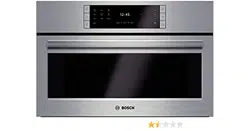
3. Steam Oven
Steam ovens combine heat with steam cooking.
Advantages:
- Helps retain moisture in food
- Prevents meat from drying out
- Suitable for bread and steamed dishes
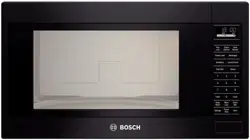
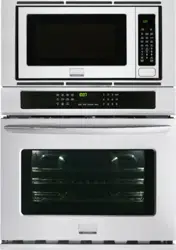
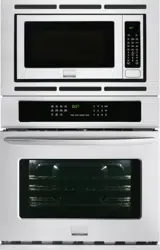
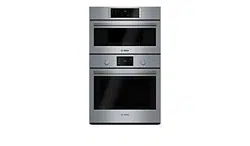
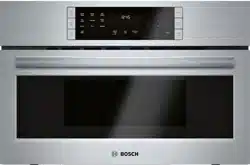
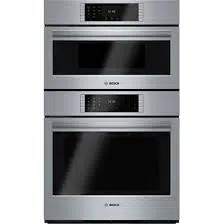
4. Microwave Oven with Grill Functions
Some modern microwave ovens also include grilling or baking capabilities.
Advantages:
- Space-saving
- Multi-functional
- Suitable for smaller kitchens
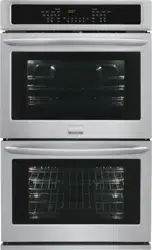
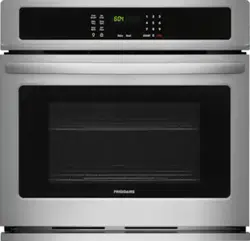
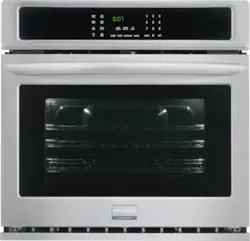
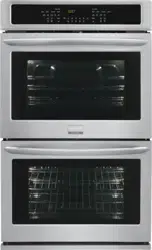
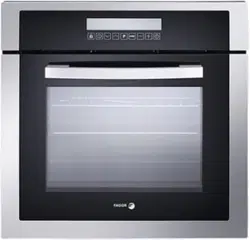
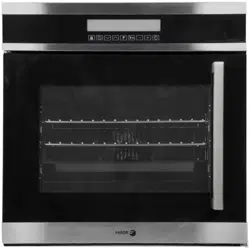
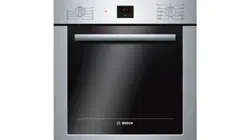
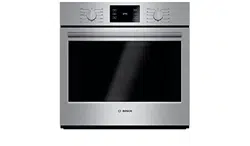
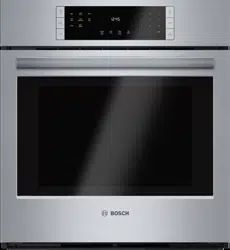
5. Built-In Oven
Designed to be installed directly into kitchen cabinetry.
Advantages:
- Modern appearance
- Saves space
- Often includes larger capacity and advanced features
6. Toaster Oven
A compact oven commonly used for toast, mini pizzas, and reheating food.
Modern Oven Technologies
Modern ovens are no longer just simple heating appliances. They now include various technologies that improve cooking performance and convenience.
1. Convection Technology
Uses a fan to circulate hot air inside the oven.
Benefits:
- Even heat distribution
- Faster cooking
- More evenly browned food
2. Air Fry Technology
Some modern ovens include air frying functions.
This technology uses high-speed hot air circulation to create crispy textures with little or no oil.
3. Smart Oven Technology
Smart ovens can connect to Wi-Fi and be controlled through mobile apps.
Users can:
- Monitor cooking progress
- Adjust temperature remotely
- Receive notifications when food is ready
4. Steam Cooking Technology
Adds steam during cooking to help food retain moisture.
This is commonly used for:
- Bread baking
- Steaming vegetables
- Cooking delicate foods
5. Self-Cleaning Technology
Some premium ovens include self-cleaning modes that use extremely high temperatures to burn away grease and food residue.
This makes cleaning easier and more convenient.
6. Temperature Sensors
Temperature sensors help the oven automatically maintain suitable heat levels, reducing the risk of overcooking or uneven cooking.
7. Multi-Zone Heating
Multi-zone heating systems allow different areas inside the oven to be heated independently.
This is especially useful for cooking multiple dishes at the same time.
Ovens in Modern Kitchen Trends
Today, ovens are no longer appliances used only in restaurants or bakeries. With advances in technology and the growing interest in home cooking, ovens have become increasingly common in modern homes and apartments.
Current trends focus on:
- Minimalist built-in designs
- Smart connectivity
- Energy efficiency
- Healthier cooking
- Multi-functional appliances
From ancient clay ovens to modern smart ovens connected to the internet, ovens have undergone a long evolution to become an essential part of today’s kitchen.
Beyond making cooking more convenient, ovens provide more versatile ways to prepare food and support modern cooking lifestyles. As technology continues to advance, future ovens are expected to become even smarter, more energy-efficient, and increasingly automated.
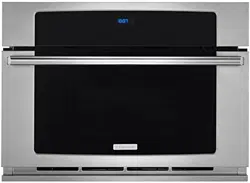
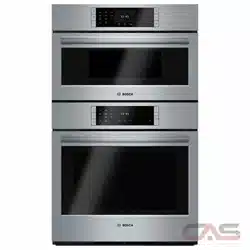
 JET19V ACP XpressChef 2c Series Combination Oven
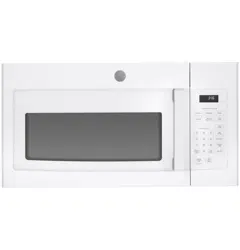
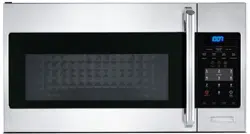
 Whirlpool WMH76719CE 1.9 cu. ft. Over-the-Range Microwave Oven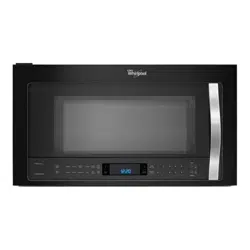
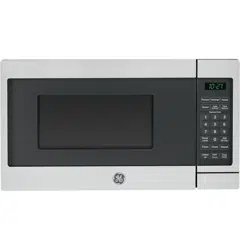
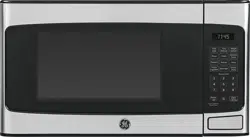
 GE® JES1072SHSS 0.7 Cu. Ft. Capacity Countertop Microwave Oven