Register
your product
www.kaercher.com/welcome
9.801-193.0-BF 09/14/23
SSG
English 02
TO
REDUCE
T
HE
RISK
OF
INJU
R
Y
,
RE
A
D
OP
-
E
R
A
T
I
N
G
I
NST
RUC
TIONS
C
A
REF
U
L
L
Y
B
E
FOR
E
US
I
NG.
T
his
machin
e
is
to
be
us
e
d
only
b
y
quali
fi
ed o
p
erato
r
s
.
LIR
E
L
E
M
ANUE
L
DE
L
'OPER
A
T
EUR
AV
AN
T
UT
I
L
IS
A
TION
.
C
e
t
appar
e
i
l
doit
être
uti
l
ise
p
a
r
des operat
e
urs q
u
a
li
fi
es
.
LE
A
EL
MA
N
UAL
O
PERACIO
N
ANTE
S
DE
U
S
-
A
R
S
E
.
Este
eq
u
ipo
de
b
e
ser
u
sado
s
o
lam
e
nt
e
por
o
p
eradore
s c
a
li
fi
ca
d
os
.
RISK
OF
ASPHYXI
A
TION.
Use
this
product
only in a well ve
ntilated area.
RI
SQUE
D
'ASPHYXIE.
Utiliser
dans
un
e
n-
droit b
ien aéré.
RIESGO
DE
ASFIXIA.
Use
el
producto
en
un
area de ventilación adecuada.
RISK
O
F
EXPLOSION.
Operate
only
where
open
fl
am
e
or
torch
is
pe
r-
mitted.
Do
not
spray
fl
ammable
liquids.
RISK
OF
FIRE.
Do
n
ot
add
fuel
when the machine is operating.
RISQUE
D'EX
PLOS
I
ON
.
Util
iser
a
u
x
e
nd
r
oits
où
un
e
fl
amm
e
n
ue
es
t
pe
r
-
mise.
Ne
pas
vapo
ris
e
r
d
e
liq
u
ides
in
fl
a
mmabl
e
s.
RISQUE
DE
F
E
U
.
N
e
p
a
s ajo
u
te
r
d
e ca
r
bu
r
a
n
t d
i
esel p
e
n
d
ant
q
u
e la machin
e
e
st en o
p
é
r
atio
n
.
R
I
E
S
GO
D
E
E
XP
L
OS
I
O
N
Us
e
el
p
ro
d
uc
to
e
n
á
r
e
as
d
on
d
e
e
l
fueg
o
o
l
l
a
m
a
sea
n
perm
itid
o
s.
No
r
o
c
ie
l
iq
ui
do
s
i
n
fl
a
m
a
bl
e
s
.
RIES
GO
DE
F
UEG
O.
N
o
añadir
gasoli
n
a cu
a
nd
o
l
a
m
á
g
u
i
n
a
e
ste
tr
a
b
a
j
a
ndo
.
RISK
OF
INJECTION
O
R
SEVE
R
E
INJU
R
Y
TO
PERSONS.
Keep
clear
of
nozzle.
HOT
DISCHARGE
FLUID.
Do
not
touch
or
direct
discharge
stream at persons.
RISQUE
DE
B
L
E
SSU
R
ES
.
Se
t
e
nir
loin
d
e
s
buses.
EAU
CH
A
UDE
SO
U
S
PRESS
ION
A
L
A
S
O
R
TI
E
.
Ne p
a
s
d
irige
r
l
e
j
e
t
d
'
e
au vers
des personnes
.
RIESGO
DE
P
ENETRACIÓN
O
LESIONES
SEVERAS
A
PERSONAS.
Man-
téngase
fuera
del
alcance
de
boquilla.
DESCARGA
DE
AGUA
CALIENTE
A
A
L
T
A
PRESION.
No
toque
ni
dir
ij
a
e
l
fl
ujo
del
agua
o
otras
per
sonas.
RISK
OF
INU
R
Y
.
P
ROTEC
T
I
V
E
EYEW
EAR
A
ND
OTHER
PRO
TECTI
V
E
CLOTHING MU
S
T B
E
WO
R
N
w
h
en oper
a
ting
t
his
machi
n
e
.
RISQUE
DE
B
L
E
SSU
R
E.
Port
e
z
d
e
s
l
u
n
e
ttes
d
e
p
rot
e
cti
o
n
et
v
ê
teme
nt
s
protect
e
ur
s quan
d
vous
u
tilisez cett
e
m
achi
n
e
.
RIESGO
DE
L
ESIONES.
Us
e
lentes
d
e
segur
i
dad
y
p
r
o
t
e
j
a
su
cu
e
rpo
a
d
ec
-
u
a
da
m
ent
e
cua
n
do op
e
re est
e
e
qui
p
o
.
W
ARNING /
A
VERTISSEMENT / PRECAUCION
RISK
OF
INJU
R
Y.
HOT
SUR
F
ACES
CAN
C
A
USE
BURNS
.
Use
only
d
esigned
gripping
areas
of
sp
ray g
u
n and wand.
SUR
F
ACES
CHAUDES.
T
oucher
seulement
les
parties
isolées
des
poignée
pistolets
et
lances.
SUP
ERFICIES
CALIENTES.
Use
solamente
las
áreas aisladas del gatillo y la la
n
za.
SPR
A
Y
G
UN
K
I
C
K
S
BA
C
K
.
H
ol
d
wi
th
b
ot
h
han
ds
.
LA
POIGNEE
PISTOLET
REP
OUSSE
.
Tenir
à
deux mains.
LA
P
I
STOLA
SE
MUEVE
CON
LA
PR
ESIÓN.
Sostenga con las dos manos
.
RISK
OF
ELECTROCUTI
ON.
Keep
a
ll
connections
d
r
y
and
off
the
ground. Keep spray away from electrical wi
rin
g and components.
RIS
Q
UE
D'ELECTROCUTION.
Tous
les
fi ls doivent
être
ma
intenus
secs
et
être
s
u
spendus.
Ne
jamais
projeter
d'eau
sur
les
composantes
et
fi
l
s
élect
riques.
RIESGO
DE
ELECTROCUCIÓN.
Mante
nga
to
das
las
conneccione
s
se-
cas y arriba del suelo. No rocie componentes e
léctricos
.
D
ANGER
8.923-560.0
2 Kärcher SSG Operator’s Manual 9.801-193.0 - BF
Machine Data Label
MODELS:
SSG-403037E
1.110-579.0
SSG-503027E
1.110-580.0
SSG-503027E/G
1.110-581.0
SSG-503537E
1.110-582.0
SSG-503537E/G
1.110-583.0
SSG-603537E
1.110-584.0
SSG-603537E/G
1.110-585.0
SSG-503537E/G
1.110-603.0

3
Table of Contents
Machine Data Label . . . . . . . . . . . . . . . . . . . . . . . . . .2
Table of Contents . . . . . . . . . . . . . . . . . . . . . . . . . . .3
How To Use This Manual . . . . . . . . . . . . . . . . . . . . . 4
Safety
Introduction & Safety Information . . . . . . . . . . . . . . .5
Operations
Component Identification . . . . . . . . . . . . . . . . . . . . .9
Assembly Instructions . . . . . . . . . . . . . . . . . . . . . . .10
Battery Installation . . . . . . . . . . . . . . . . . . . . . . . . . 10
Operating Instructions. . . . . . . . . . . . . . . . . . . . . . . 11
Detergents & General Cleaning Techniques . . . . .14
Thermal Pump Protection . . . . . . . . . . . . . . . . . . . .14
Cleaning Tips . . . . . . . . . . . . . . . . . . . . . . . . . . . . . 14
Rinsing . . . . . . . . . . . . . . . . . . . . . . . . . . . . . . . . . .15
Shutting down & Cleaning Up . . . . . . . . . . . . . . . . . 16
Storage . . . . . . . . . . . . . . . . . . . . . . . . . . . . . . . . . .17
After Extended Storage. . . . . . . . . . . . . . . . . . . . . . 17
Engine Maintenance . . . . . . . . . . . . . . . . . . . . . . . .17
Maintenance
Preventative Maintenance . . . . . . . . . . . . . . . . . . . 18
Maintenance and Service . . . . . . . . . . . . . . . . . . . . 18
Oil Change Chart . . . . . . . . . . . . . . . . . . . . . . . . . . 22
Maintenance Chart . . . . . . . . . . . . . . . . . . . . . . . . .22
Troubleshooting . . . . . . . . . . . . . . . . . . . . . . . . . . .23
Parts
SSG . . . . . . . . . . . . . . . . . . . . . . . . . . . . . . . . . . . 28
SSG Parts List . . . . . . . . . . . . . . . . . . . . . . . . . . . 30
SSG Parts List . . . . . . . . . . . . . . . . . . . . . . . . . . . 35
Float Tank . . . . . . . . . . . . . . . . . . . . . . . . . . . . . . . 36
Control Panel . . . . . . . . . . . . . . . . . . . . . . . . . . . . 38
Hose & Spray Gun . . . . . . . . . . . . . . . . . . . . . . . . 40
Burner Specifications . . . . . . . . . . . . . . . . . . . . . . 41
Pump Specifications . . . . . . . . . . . . . . . . . . . . . . . 41
Generator Specifications. . . . . . . . . . . . . . . . . . . . 41
Engine Specifications . . . . . . . . . . . . . . . . . . . . . . 41
Pump - 5-2300, 5-3000, 6-3200 KT.2 Series . . . . 42
DC Burner . . . . . . . . . . . . . . . . . . . . . . . . . . . . . . . 44
Burner - AC . . . . . . . . . . . . . . . . . . . . . . . . . . . . . . 46
VRT 3 Unloader . . . . . . . . . . . . . . . . . . . . . . . . . . 48
Unloader Adjustment Procedures . . . . . . . . . . . . . . 49
Kärcher SSG Operator’s Manual 9.801-193.0 - BF

4
How To Use This Manual
This manual contains the following sections:
• How to Use This Manual
•Safety
• Operations
• Maintenance
• Parts List
The HOW TO USE THIS MANUAL section will tell you
how to find important information for ordering correct
repair parts.
Parts may be ordered from authorized dealers. When
placing an order for parts, the machine model and
machine serial number are important. Refer to the
MACHINE DATA box which is filled out during the
installation of your machine. The MACHINE DATA box
is located on the inside of the front cover of this manual.
The model and serial number of your machine are
located on the back of the machine.
The SAFETY section contains important information
regarding hazardous or unsafe practices of the
machine. Levels of hazards are identified that could
result in product damage, personal injury, or severe
injury resulting in death.
The OPERATIONS section is to familiarize the operator
with the operation and function of the machine.
The MAINTENANCE section contains preventive main-
tenance to keep the machine and its components in
good working condition. They are listed in this general
order:
• Storage
• Maintenance
• Troubleshooting
The PARTS LIST section contains assembled parts
illustrations and corresponding parts list. The parts lists
include a number of columns of information:
• REF – column refers to the reference number
on the parts illustration.
• PART NO. – column lists the part number for
the part.
• QTY – column lists the quantity of the part used
in that area of the machine.
• DESCRIPTION – column is a brief description
of the part.
• NOTES – column for information not noted by
the other columns.
NOTE: If a service or option kit is installed on your
machine, be sure to keep the KIT INSTRUCTIONS
which came with the kit. It contains replacement parts
numbers needed for ordering future parts.
NOTE: The manual part number is located on the
lower right corner of the front cover.
Model:
Date of Purchase:
Serial Number:
Dealer:
Address:
Phone Number:
Sales Representative:
Kärcher SSG Operator’s Manual 9.801-193.0 - BF

5
Safety
Introduction & Safety Information
Thank you for purchasing this Kärcher Pressure
Washer. We reserve the right to make changes at any
time without incurring any obligation.
Owner/User Responsibility:
The owner and/or user must have an understanding of
the manufacturer’s operating instructions and warnings
before using this pressure washer. Warning information
should be emphasized and understood. If the operator
is not fluent in English, the manufacturer’s instructions
and warnings shall be read to and discussed with the
operator in the operator’s native language by the
purchaser/owner, making sure that the operator
comprehends its contents.
Owner and/or user must study and maintain for future
reference the manufacturers’ instructions.
The operator must know how to stop the machine
quickly and understand the operation of all controls.
Never permit anyone to operate the engine without
proper instructions.
Save these Instructions:
This manual should be considered a permanent part of
the machine and should remain with it if machine is
resold.
When ordering parts, please specify model and serial
number. Use only identical replacement parts.
This machine is to be used only by trained operators.
WARNING: To reduce the risk of
injury, read operating
instructions carefully before
using.
AVERTISSEMENT : Pour
réduire le risque de blessures,
lire attentivement les
instructions de fonctionnement
avant l'utilisation.
1.Read the owner's manual thor-
oughly. Failure to follow instructions could cause
malfunction of machine and result in death, serious
bodily injury and/or property damage.
2. Know how to stop the machine and bleed pressure
quickly. Be thoroughly familiar with the controls.
3. Stay alert — watch what you are doing.
WARNING: Keep wand, hose,
and water spray away from
electric wiring or fatal electric
shock may result.
AVERTISSEMENT : Garder la
lance, le boyau et le jet d'eau à
l'écart de tout câblage élec-
trique ou des chocs électriques
mortels pourraient survenir.
4.All installations must comply
with local codes. Contact your electrician, plumber,
utility company or the selling distributor for specific
details.
WARNING: This machine
exceeds 85 db appropriate ear
protection must be worn.
AVERTISSEMENT : Cette
machine excède 85 dB et une
protection de l'ouïe appropriée
doit être portée.
WARNING: High pressure spray
can cause paint chips or other
particles to become airborne
and fly at high speeds. To avoid
personal injury, eye, hand and
foot safety devices must be
worn.
AVERTISSEMENT : Un jet haute
pression peut écailler la
peinture ou provoquer l'émis-
sion d'autres particules dans
l'air et leur projection à hautes vitesses. Pour
éviter les lésions corporelles, une protection des
yeux, du visage, des mains et des pieds doit être
portée lors de l'utilisation de cet équipement.
5. Eye, hand, and foot protection must be worn when
using this equipment.
6. Keep operating area clear of all persons.
WARNING
READ OPERATOR’S
MANUAL THOROUGHLY
PRIOR TO USE.
OPERATIONS
SAFETY
MAINTENANCE
KEEP WATER
SPRAY AWAY FROM
ELECTRICAL WIRING.
WARNING
WARNING
EAR PROTECTION
MUST BE WORN
WARNING
USE PROTECTIVE
EYE WEAR
AND CLOTHING
WHEN OPERATING
THIS EQUIPMENT.
Kärcher SSG Operator’s Manual 9.801-193.0 - BF

6
Safety
WARNING: Flammable liquids
can create fumes which can
ignite, causing property
damage or severe injury.
AVERTISSEMENT : Des liquides
inflammables peuvent produire
des vapeurs qui peuvent
s'enflammer, causant ainsi des
dommages à la propriété ou
des blessures graves.
WARNING: Risk of explosion — Operate only where
open flame or torch is permitted.
AVERTISSEMENT : Risque explosion - Utiliser
uniquement dans des endroits où l'utilisation d'une
flamme nue ou d'une torche est permise.
WARNING: Risk of fire — Do not
add fuel when the product is
operating or still hot.
AVERTISSEMENT : Risque
d'incendie - Ne pas ajouter de
carburant pendant que la
machine fonctionner ou est
encore chaude.
WARNING: Do not use gasoline
crankcase draining or oil
containing gasoline, solvents or alcohol. Doing so
will result in fire and/or explosion.
AVERTISSEMENT : Ne pas utiliser d'essence, de
drainage du carter de moteur ou d'essence
contenant de l'huile, de solvants ou de l'alcool.
Agir de la sorte risquerait de créer un incendie et/
ou une explosion.
WARNING: Risk of fire — Do not spray flammable
liquids
AVERTISSEMENT : Risque d'incendie - Ne pas
pulvériser de liquides inflammables.
7. Allow engine to cool for 1-2 minutes before refu-
eling. If any fuel is spilled, make sure the area is
dry before testing the spark plug or starting the
engine. (Fire and/or explosion may occur if this is
not done.)
Gasoline engines on mobile or portable equipment
shall be refueled:
a. outdoors;
b. with the engine on the equipment stopped;
c. with no source of ignition within 10 feet of the
dispensing point; and
d. with an allowance made for expansion of the fuel
should the equipment be exposed to a higher
ambient temperature.
In an overfilling situation, additional precautions are
necessary to ensure that the situation is handled in a
safe manner.
WARNING: Risk of injury. Disconnect battery
ground terminal before servicing.
AVERTISSEMENT : Risque de blessures -
Débrancher la borne de mise à la terre de la batterie
avant de procéder à des opérations d'entretien.
8. When in use , do not place machine near
flammable objects as the engine is hot.
9. Oil burning appliances shall be installed only in
locations where combustible dusts and flammable
gases or vapors are not present. Do not store or
use gasoline near this machine.
10. Use No. 1 or No. 2 heating oil (ASTM D306) only.
NEVER use gasoline in your fuel oil tank. Gasoline
is more combustible than fuel oil and could result in
a serious explosion. NEVER use crankcase or
waste oil in your burner. Fuel unit malfunction could
result from contamination.
11. Do not confuse gasoline and fuel oil tanks. Keep
proper fuel in proper tank.
WARNING: Risk of injury. Hot
surfaces can cause burns. Use
only designated gripping areas
of spray gun and wand. Do not
place hands or feet on non-
insulated areas of the pressure
washer.
AVERTISSEMENT : Risque de
blessures - Les surfaces
chaudes peuvent causer des
brûlures. Utiliser uniquement
les zones de prise désignées du pistolet pulvérisa-
teur et de la lance. Ne pas placer les mains ou les
pieds sur des endroits non isolés de la laveuse à
pression.
12. Transport/Repair with fuel tank EMPTY or with fuel
shut-off valve OFF.
WARNING
RISK OF EXPLOSION:
OPERATE ONLY WHERE
OPEN FLAME OR TORCH
IS PERMITTED
WARNING
RISK OF FIRE.
DO NOT ADD FUEL
WHEN OPERATING
MACHINE.
WARNING
RISK OF INJURY.
HOT SURFACES
CAN CAUSE BURNS
Kärcher SSG Operator’s Manual 9.801-193.0 - BF

7
Safety
CAUTION: Hot discharge fluid.
Do not direct discharge stream
at people or animals or severe
injury or death will result.
ATTENTION : Liquide de
décharge chaud. Ne pas
décharger directement le jet
vers des personnes ou des
animaux, car cela risquerait de
causer des
blessures graves ou même la mort.
WARNING: This machine produces hot water and
must have insulated components attached to
protect the operator.
AVERTISSEMENT : Cette machine produit de l'eau
chaude et doit comporter des composants isolés
attachés pour protéger l'opérateur.
13. To reduce the risk of injury, close supervision is
necessary when a machine is used near children.
Do not allow children to operate the pressure
washer. This machine must be attended during
operation.
WARNING: Grip cleaning wand
securely with both hands
before starting. Failure to do
this could result in injury from a
whipping wand.
AVERTISSEMENT : Agripper la
lance de nettoyage avec les
deux mains avant de
commencer. Le non-respect de
cette consigne pourrait mener à
des blessures causées par le
mouvement violent de la lance.
14. Never make adjustments on machine while in
operation.
15. Be certain all quick coupler fittings are secured
before using pressure washer.
WARNING: High pressure
developed by these machines
will cause personal injury or
equipment damage. Keep clear
of nozzle. Use caution when
operating. Do not direct
discharge stream at people, or
severe injury or death will
result.
AVERTISSEMENT : La haute pression générée par
ces machines causera des lésions corporelles ou
des dommages à l'équipement. Se tenir à l'écart de
la buse. Faire preuve de prudence lors de l'utilisa-
tion. Ne pas décharger directement le jet vers des
personnes ou des animaux, car cela risquerait de
causer des blessures graves ou même la mort.
WARNING: Protect machine
from freezing.
AVERTISSEMENT : Protéger la
machine contre le gel.
16.To keep machine in best
operating conditions, it is
important you protect machine
from freezing. Failure to protect
machine from freezing could
cause malfunction of the machine
and result in death, serious bodily injury, and/or
property damage. Follow storage instructions
specified in this manual.
17. Inlet water must be clean fresh water and no hotter
then 90°F.
WARNING: Risk of asphyxia-
tion. Running this product
indoors can result in death due
to carbon monoxide, a
poisonous gas you cannot see
or smell. Never operate
indoors, even if windows and
doors are open. Only use
outdoor and far away from
windows, doors, and openings
or vents.
AVERTISSEMENT: Risque d'asphyxie : L'utilisation
de ce produit à l'intérieur peut causer la mort par
monoxyde de carbone, un gaz toxique incolore et
inodore. Ne jamais utiliser à l'intérieur, même si les
fenêtres et les portes sont ouvertes. Utiliser
uniquement à l'extérieur et à l'écart des fenêtres,
des portes et des ouvertures ou fentes de ventila-
tion.
18. Avoid installing machines in small areas or near
exhaust fans. Adequate oxygen is needed for
combustion or dangerous carbon monoxide will
result.
19. Manufacturer will not be liable for any changes
made to our standard machines or any compo-
nents not purchased from us.
20. The best insurance against an accident is precau-
tion and knowledge of the machine.
WARNING
HOT DISCHARGE FLUID:
DO NOT TOUCH OR
DIRECT DISCHARGE
STEAM AT PERSONS.
WARNING
TRIGGER GUN KICKS
BACK — HOLD WITH
BOTH HANDS
WARNING
RISK OF INJECTION
OR SEVERE INJURY
TO PERSONS. KEEP
CLEAR OF NOZZLE.
WARNING
PROCTECT FROM
FREEZING
WARNING
RISK OF
ASPHYXIATION.
USE THIS PRODUCT
ONLY IN A WELL
VENTILATED AREA.
Kärcher SSG Operator’s Manual 9.801-193.0 - BF

8
Safety
WARNING: Be extremely careful
when using a ladder, scaf-
folding or any other relatively
unstable location. The cleaning
area should have adequate
slopes and drainage to reduce
the possibility of a fall due to
slippery surfaces.
AVERTISSEMENT : Faire
preuve d'une extrême prudence
au moment d'utiliser une
échelle, des échafaudages ou toute autre surface
relativement instable. La zone de nettoyage doit
avoir une pente et un drainage adéquats pour
réduire la possibilité d'une chute due à une surface
glissante.
21. Do not allow acids, caustic or abrasive fluids to
pass through the pump.
22. Never run pump dry or leave spray gun closed
longer than 1-2 minutes.
23. Machines with shut-off spray gun should not be
operated with the spray gun in the off position for
extensive periods of time as this may cause
damage to the pump.
24. Protect discharge hose from vehicle traffic and
sharp objects. Inspect condition of high pressure
hose before using or bodily injury may result.
25. Before disconnecting discharge hose from water
outlet, turn burner off and open spray gun to allow
water to cool below 100° before stopping the
machine. Then open the spray gun to relieve
pressure. Failure to properly cool down or maintain
the heating coil may result in a steam explosion.
26. Do not overreach or stand on unstable support.
Keep good footing and balance at all times.
27. Do not operate this machine when fatigued or
under the influence of alcohol, prescription medica-
tions, or drugs.
28. In oil burning models, use only kerosene, No. 1
home heating fuel, or diesel. If diesel is used, add a
soot remover to every tankful.
WARNING: If connection is made to a
potable water system, the system
shall be protected against back flow.
AVERTISSEMENT: Si une connexion
est établie avec un réseau d'eau
potable, le réseau doit être protégé contre le retour
d'eau.
Follow the maintenance
instructions specified in the
manual.
WARNING
RISK OF INJURY
FROM FALLS WHEN
USING LADDER.
Kärcher SSG Operator’s Manual 9.801-193.0 - BF

9
Operations
Component Identification
Pump — Delivers a specific gpm to the high pressure
nozzle which develops pressure.
Starter Grip— Used for starting the engine manually.
Spray Gun — Controls the application of water and
detergent onto cleaning surface with trigger device.
Includes safety latch.
Unloader Valve— Safety device which allows
pressure to be released when spray gun is closed.
High Pressure Hose — Connect one end to water
pump discharge nipple and the other end to spray gun.
Adjustable Thermostat — Safety control which
prevents temperatures from going above adjustable
setting.
Wand — Must be connected to the spray gun.
NOTE: If trigger on spray gun is released for more
than 2 minutes, warm water will discharge from pump
protector onto floor. This system prevents internal
pump damage.
NOTE: If flue adapter is installed, the burner
assembly air adjustment must be adjusted.
98011930-2
TO
REDUCE
T
HE
RISK
O
F
INJU
R
Y
,
RE
A
D
OP
-
E
R
A
T
I
N
G
I
N
S
T
RU
C
T
I
ONS
CA
REF
UL
L
Y
B
E
FOR
E
US
I
NG.
T
his
mac
h
in
e
is
to
be
us
e
d
only
b
y
qualifi
ed o
p
erat
o
r
s
.
LIR
E
L
E
MA
NUE
L
DE
L
'OPER
A
T
EUR
AV
A
N
T
UTI
L
IS
A
TION
.
C
e
t
appare
i
l
d
oit
êtr
e
uti
l
ise
p
a
r
des ope
r
a
t
e
u
r
s q
u
ali
fi
es
.
LE
A
E
L
MA
N
UAL
O
PERACIO
N
ANTE
S
DE
U
S
-
A
R
S
E
.
E
ste
eq
u
ipo
de
be
ser
u
s
ado
s
o
lam
ent
e
por
o
p
erador
e
s
c
a
li
fi
ca
d
o
s
.
RISK
OF
ASPHYXIA
TION.
Use
this
product
only in a well v
e
n
tilated area.
RISQU
E
D'ASPH
Y
XIE.
Utiliser
dans
un
e
n
-
droit bien
aéré.
RIESGO
DE
ASFIX
I
A.
Use
el
pro
d
ucto
en
u
n
are
a de v
ent
il
a
ción adecuada.
RISK
O
F
E
X
PLOSION.
Ope
r
ate
only
where
op
e
n
fl
ame
or
torch
is
pe
r
-
mitted.
D
o
n
ot
spray
fl
amm
a
ble
liquids.
RI
S
K
OF
FIR
E.
Do
not
add
fue
l
when the
ma
c
hi
n
e
is
operati
n
g.
R
I
SQUE
D'E
X
P
LOS
I
O
N
.
U
t
i
l
i
ser
a
u
x
e
nd
r
oits
où
u
n
e
fl
amm
e
n
ue
est
p
e
r
-
mise.
N
e
pas
vapor
i
s
e
r
d
e
liq
u
i
d
es
in
fl
a
mm
a
bl
e
s.
RISQ
U
E
DE
F
E
U
.
N
e
p
a
s
aj
o
u
te
r
d
e ca
r
b
u
r
an
t
d
i
es
el
p
e
n
d
ant
q
u
e
la machin
e
e
s
t
e
n o
p
é
r
atio
n
.
R
I
E
S
GO
D
E
E
X
P
L
OS
I
ON
Us
e
el
p
ro
du
c
to
e
n
á
r
e
as
d
ond
e
el
fu
e
g
o
o
lla
m
a
sea
n
per
m
itid
o
s.
No
r
oc
ie
l
i
q
ui
do
s
i
n
fl
a
m
a
bl
e
s.
RIES
GO
DE
F
UEG
O
.
N
o
añadir
g
a
s
o
l
i
n
a
cu
a
nd
o
l
a
m
á
g
u
i
n
a
e
ste
tr
a
b
a
j
a
ndo
.
RISK
OF
INJ
ECTION
OR
SEVERE
I
NJ
U
RY
TO
PERS
O
NS
.
Keep
clear
of
nozzle.
HOT
DISCHARGE
FLUID.
Do
n
ot
touch
or
d
ir
e
ct
disc
ha
rge
stream at pe
rsons.
R
ISQUE
D
E
B
L
E
SSU
R
ES
.
Se
t
e
nir
l
oin
d
e
s
buses
.
EA
U
CH
A
UDE
S
O
U
S
P
RESSION
A
L
A
S
O
R
TI
E
.
N
e
p
a
s
d
i
rige
r
l
e
j
e
t
d
'
e
au ve
rs
d
es personne
s
.
RIESG
O
D
E
P
ENE
TRAC
I
Ó
N
O
LESIONES
S
E
VERAS
A
PERSONAS.
Ma
n-
téngase
f
u
era
del
alcance
de
boquilla
.
D
E
SCARGA
DE
AGUA
CALIENTE
A
A
L
T
A
PRESIO
N.
N
o
t
oque
ni
dirija
el
fl
ujo
del
a
g
u
a
o
otra
s
person
a
s.
RISK
OF
IN
U
R
Y
.
P
ROTEC
T
I
V
E
E
YEWE
AR
A
N
D
O
THE
R
PR
O
T
ECT
I
V
E
C
LOTHING
MU
S
T B
E
W
O
R
N
w
h
en oper
a
ting
t
h
is
mach
in
e
.
R
I
S
Q
UE
D
E
B
L
E
SSUR
E.
Port
e
z
d
e
s
l
u
n
e
ttes
d
e
p
rot
e
cti
o
n
et
v
ê
te
m
e
n
t
s
pr
o
tect
e
urs qua
n
d v
ous
u
tilisez
cet
te
m
achi
n
e
.
R
I
E
S
GO
DE
L
E
SIO
NES.
U
se
lentes
d
e
se
gur
i
dad
y
p
r
o
t
e
j
a
su
c
u
e
r
p
o
a
dec
-
u
a
d
am
ent
e
cua
n
do
ope
re est
e
e
qui
p
o
.
W
ARNING /
A
VER
TISSEMENT /
PREC
A
UCION
RI
S
K
OF
INJU
R
Y
.
HOT
SUR
F
ACES
C
AN
CAUSE
BURN
S
.
Use
only
d
e
s
ign
e
d
g
r
ipping
areas
of
spra
y gun and wan
d.
SUR
F
ACES
CHAUDES
.
T
o
uch
e
r
s
eulement
les
parti
es
isolée
s
des
poignée
pi
st
ole
ts
et
l
a
nces.
SUPER
F
ICIES
CALIENTES.
U
s
e
solamente
las
á
r
eas a
isl
adas del ga
t
i
l
l
o
y la lanza.
SPR
A
Y
G
UN
K
I
C
K
S
BA
C
K
.
H
ol
d
wi
th
b
ot
h
h
a
n
d
s
.
L
A
POIG
N
EE
PISTOLET
REPOUSSE
.
T
enir
à
d
e
ux mains
.
LA
PIST
OLA
SE
M
UEV
E
C
ON
LA
P
RE
S
IÓN.
Soste
n
ga con la
s
dos manos
.
RISK
OF
ELECTROCUTION.
Keep
all
c
onne
c
t
i
o
n
s
d
r
y
and
off
t
he
grou
nd
. Keep spray
a
way f
rom elec
t
rical wir
in
g and c
om
pon
e
nts.
RIS
Q
UE
D'
E
LE
C
T
R
OCUTI
O
N.
T
ous
les
fi
ls
doive
nt
êtr
e
maintenus
sec
s
et
êtr
e
suspend
u
s.
Ne
jamais
p
rojeter
d
'
eau
s
ur
les
c
o
m
pos
a
n
tes
et
fi
ls électriques.
RIES
GO
D
E
ELEC
T
ROCUCIÓN.
M
a
ntenga
todas
las
co
nneccione
s
se-
c
as y arriba del sue
l
o. No roc
i
e co
m
pone
n
tes elé
ct
ricos
.
D
ANGER
8
.
923-560.0
Unloader
High
Pressure
Hose
22mm
Coupling
Wand
Spray Gun
Trigger
Power
Nozzle
Burner Fuel
Tank
Water
Supply Hose
(not included)
Flue Adapter
Optional 7-10049
Insulation Gasket
Optional 7-01471
Burner
Switch
Hour Meter
Adjustable
Thermostat
Unloader Valve
Detergent
Valve
Pump
High Pressure
Nozzel
Kärcher SSG Operator’s Manual 9.801-193.0 - BF
10
Operations
Assembly Instructions
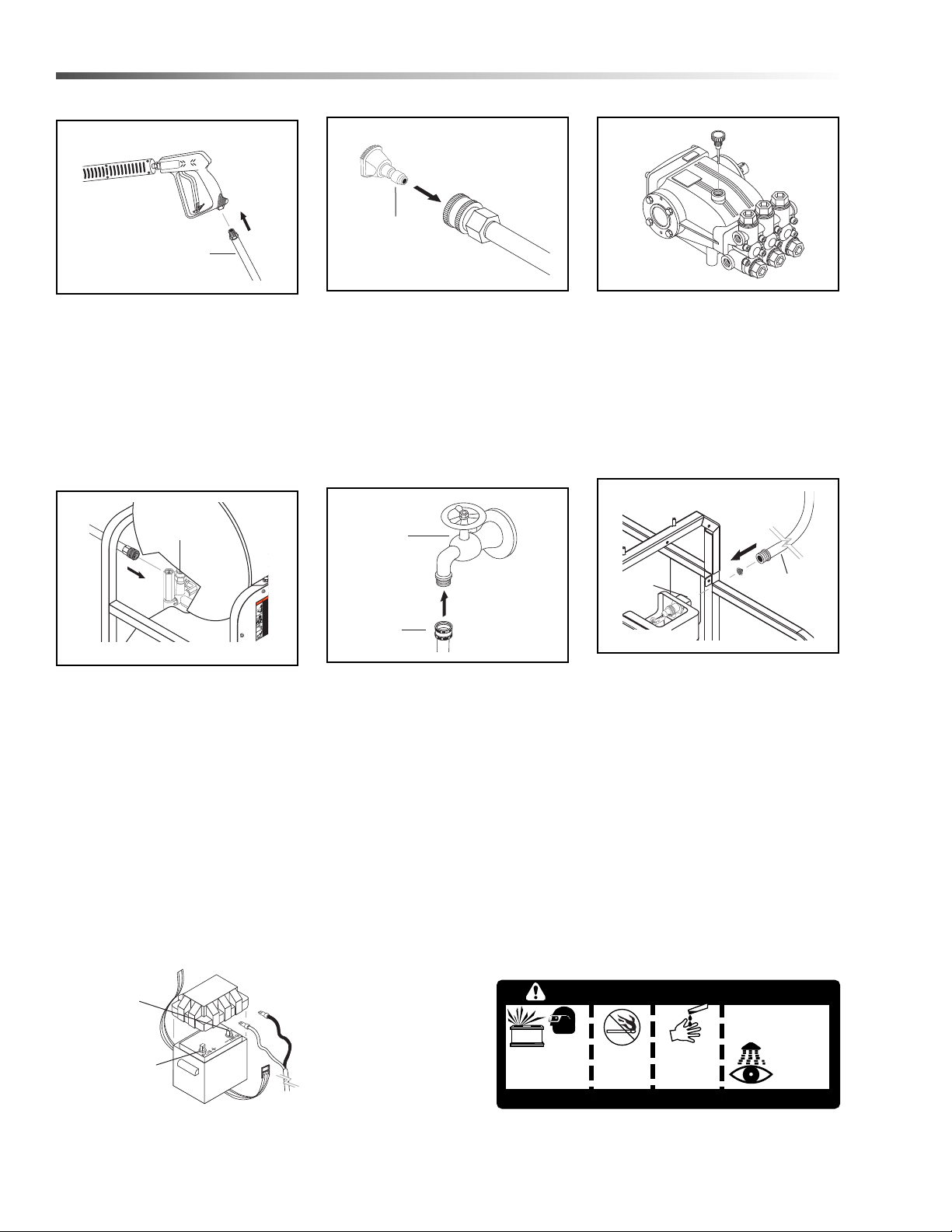
STEP 1: Attach the high pressure
hose to the spray gun by threading
twist connect onto spray gun inlet.
Use teflon tape or sealant
STEP 4: Connect the high pressure
hose to the pump discharge fitting.
Thread twist connect to discharge
fitting by turning clockwise.
STEP 2: Remove Wand end and
first place the o-ring followed by the
high pressure nozzle as shown.
Replace end of wand.
STEP 5: Connect garden hose to
the cold water source.
STEP 3: Remove shipping cap and
install oil dipstick (Depending on
type of shipping, dipstick may
already be installed). Check pump
oil level by using dipstick or
observe oil level in oil window (if
equipped). Use 30 wt. non
detergent oil.
STEP 6: Check inlet filters, remove
debris, then connect the garden
hose to pump water inlet.
CAUTION: Do not run the pump
without water or pump damage
will result.
ATTENTION : Ne pas faire
fonctionner la pompe sans eau
ou endommager la pompe.
98011930-3
Spray
Gun
High Pressure
Hose
TO
REDUCE
T
H
E
ERA
TING
I
N
STR
U
US
I
NG
.
T
his
m
a
quali
fi
ed op
e
rat
o
LIR
E
L
E
M
A
NU
E
UTI
L
IS
A
TION
.
C
e
des operat
e
u
rs
q
LE
A
EL
MA
NUA
L
ARS
E
.
Este
eq
u
i
p
por
o
p
eradore
s
c
RISK
OF
ASPH
Y
only
i
n
a well v
e
RISQUE
D'ASP
H
droit bien aéré.
RIESGO
DE
AS
F
area de ventilac
W
A
R
RISK
OF INJUR
Y
BURNS
.
Use
o
n
spray gun and
w
SU
R
F
ACES
CHA
U
parties
isolées
d
SUPERFICIES
C
A
áreas aisladas
d
SPR
A
Y
G
UN
KI
CK
S
LA POIGN
EE PI
S
deux mains.
L
A
PIST
OL
A
S
E
Sostenga con la
98011930-6
Pump
Discharge
98011930-4
Wand
High Pressure
Nozzle
98011930-7
Cold
Water
Source
Garden
Hose
98011930-5
98011930-8
Water
Inlet
Garden
Hose
Kärcher SSG Operator’s Manual 9.801-193.0 - BF
Battery Installation
Local purchase of battery will be the responsibility of the owner, except when the machine is purchased with a
factory installed battery option (8.904-051.0). Automotive type 12 Volt Group 24 battery is recommended for
placement within the weather resistant box. Follow safety and installation instructions furnished with the battery.
Red Cable is attached to battery (+) positive terminal, black cable is connected to battery (-) negative terminal.
Bla
ck - Negative
Terminal
Red + Positive
Terminal
SHIELD
EYES
EXPLOSIVE
GASES
CAN CAUSE
BLINDNESS OR INJURY
NO
SPARKS
FLAMES
SMOKING
SULFURIC
ACID
CAN CAUSE
BLINDNESS OR
SEVERE BURNS
FLUSH EYES
IMMEDIATELY
WITH WATER
GET
MEDICAL
HELP
FAST
KEEP OUT OF THE REACH OF CHILDREN. DO NOT TIP. KEEP VENT CAPS TIGHT AND LEVEL.
DANGER
/
POISON

11
Operations
Operating Instructions
STEP 1: Check engine oil level. Oil level should be
level to the fill markings on the dipstick. Be sure the
machine is level when checking the oil level. (Refer to
the engine's operating manual included with machine.)
We recommend that the oil be changed after the first 5
hours of use, then once every 100 hours. Note:
Improper oil levels will cause low oil sensor to shut off
engine.
CAUTION: Do not run engine with high or low oil
levels as this will cause engine damage.
ATTENTION : Ne pas faire fonctionner le moteur si
le niveau d'huile est trop haut ou trop bas, car cela
risquerait d'endommager le moteur.
STEP 3: Connect garden hose to the cold water source
and turn water on completely. Never use hot water.
STEP 2: Fill gas tank with unleaded gasoline. Do not
use leaded gasoline.
STEP 4: Before installing pressure nozzle, trigger
spray gun to eliminate trapped pressure. Then run
machine, allowing water to flush through the system
until clear. Engage the safety latch before inserting
high pressure nozzle.
98011030-9
Oil
Dipstick
98011930-7
Cold
Water
Source
Garden
Hose
98011930-10
Gas
Tank
98011930-11
Safety Latch
Kärcher SSG Operator’s Manual 9.801-193.0 - BF
12
Operations
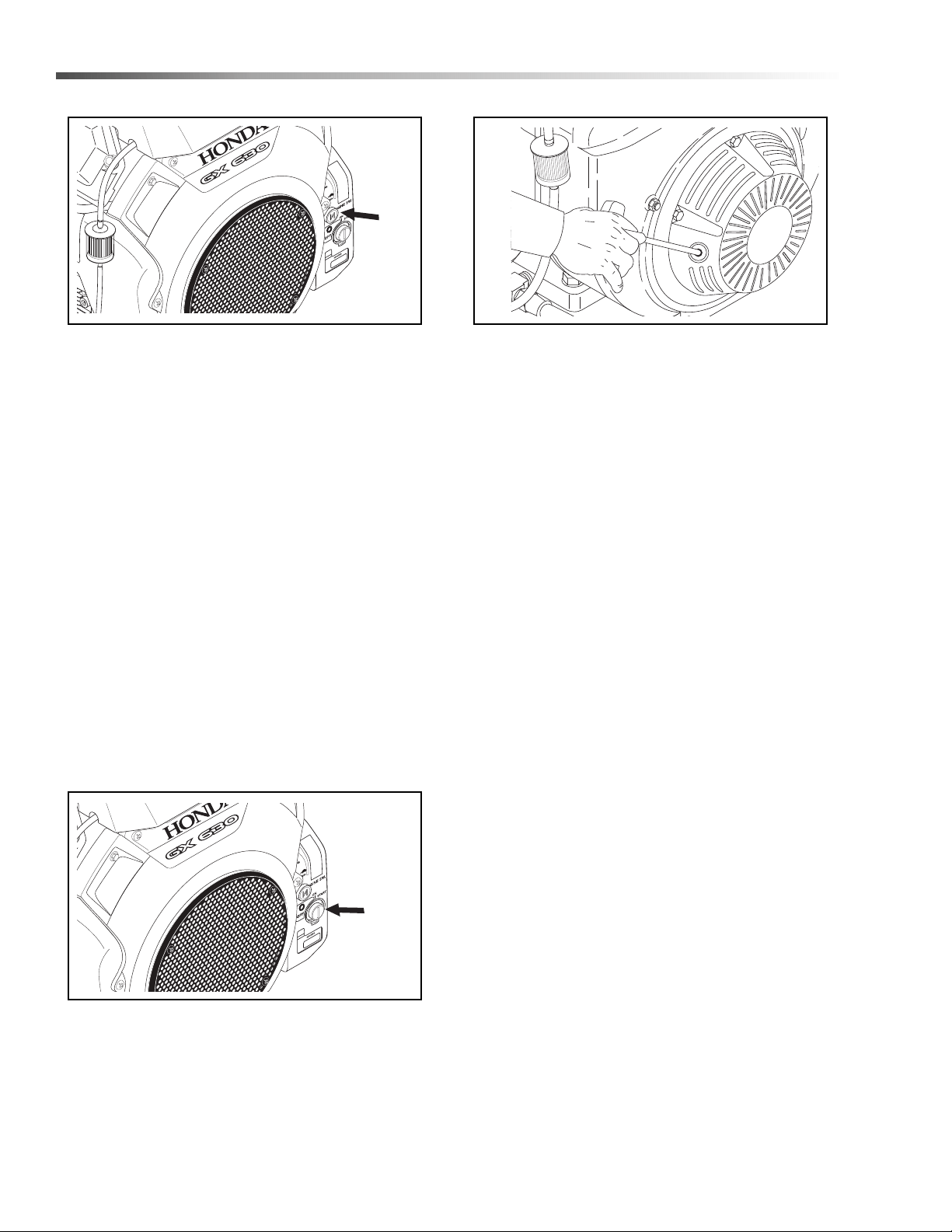
STEP 5: Pull the choke lever out to the "Choke"
position (on a warm engine, leave the choke lever in
the run position). Push the choke lever to the "Closed"
position. To restart a warm engine, leave the choke
lever in the "Open" position.
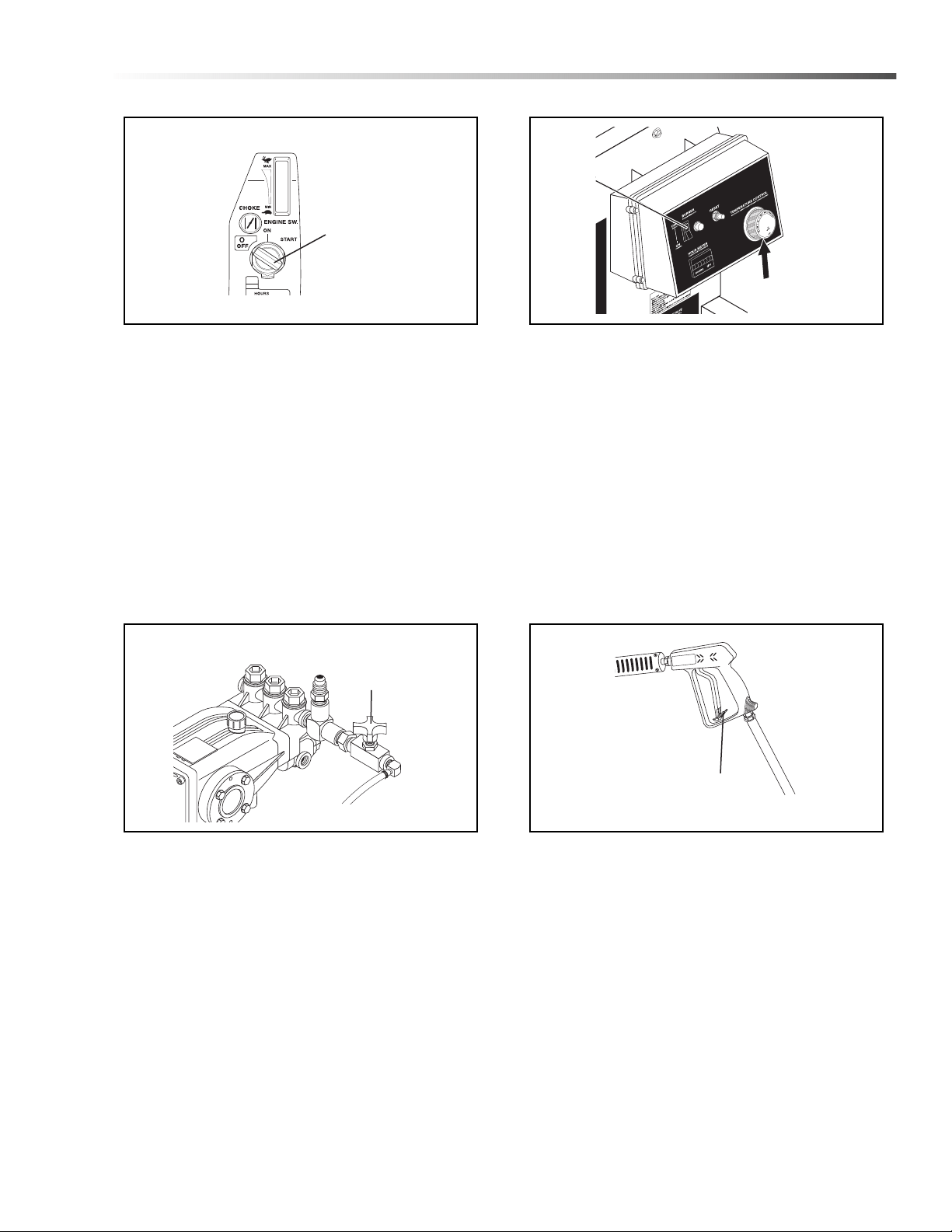
STEP 7: (Electric Start Models) Turn the engine
switch to "Start" position.
STEP 6: (Non-Electric Start Models) Pull the starter
grip. If the engine fails to start after 2 pulls, squeeze the
trigger gun to release pressure and repeat step. Return
starter gently. After the engine warms up enough to run
smoothly, move choke to run position and throttle to
fast position.
WARNING: Starter cord kickback (rapid retraction)
can result in bodily injury. Kickback will pull hand
and arm toward engine faster than you can let go.
Always relieve spray gun pressure before pulling
starter cord. Pull starter cord slowly until resis-
tance is felt, then pull rapidly
AVERTISSEMENT : Le retour du cordon de
lancement (rétraction rapide) peut causer des
lésions corporelles. La rétraction rapide de la
corde du démarreur (recul) attire la main et le bras
vers le moteur plus vite qu'il n'est possible de
lâcher la corde. Toujours réduire la pression du
pistolet pulvérisateur avant de tirer sur le cordon
de lancement. Tirer lentement sur le cordon de
lancement jusqu'à ce qu'une résistance soit sentie,
puis tirer rapidement.
98011930-12
Choke
Lever
98011930-14
On/Off
Switch
98011930-13
Kärcher SSG Operator’s Manual 9.801-193.0 - BF
13
Operations
STEP 8: (Electric Start Models) Turn the key to the
START position, and hold it there until the engine starts.
If the engine fails to start within 5 seconds, release the
key, and wait at least 10 seconds before operating the
starter again.
Using the electric starter for more than 5 seconds
at a time will over heat the starter motor and can
damage it.
When the engine starts, release the key, allowing it to
return to the ON position. If the choke knob has been
pulled to the CLOSED position to start the engine,
gradually push it to the OPEN position as the engine
warms up.
STEP 10: (Pump Steam Option)
a. Operate machine as instructed.
b. Open steam valve counterclockwise, which will
lower pressure.
c. Turn thermostat knob to 250°F.
d. When steam is no longer desired, Turn steam
valve clockwise and thermostat knob to 200°F.
STEP 9: Turn the burner switch “ON”. Turn thermostat
dial to the 210° mark.
WARNING! Never replace nozzle without engaging
the safety latch on the spray gun trigger.
AVERTISSEMENT : Ne jamais remplacer les buses
sans d'abord mettre le dispositif de sécurité sur la
détente du pistolet pulvérisateur.
98011930-15
Engine
Switch
98011930-17
Steam
Valve
98011930-16
Thermostat
Burner
Switch
98011930-18
Safety
Latch
Kärcher SSG Operator’s Manual 9.801-193.0 - BF

14
Operations
Detergents & General Cleaning
Techniques
WARNING: Some detergents
may be harmful if inhaled or
ingested, causing severe
nausea, fainting or poisoning.
The harmful elements may
cause property damage or
severe injury. Read msds
before handling.
AVERTISSEMENT : Certains
détergents peuvent être
dangereux s'ils sont inhalés ou
ingérés, provoquant de fortes nausées, des
évanouissements et l'empoisonnement. Les
éléments dangereux peuvent causer des
dommages à la propriété ou des blessures graves.
Lire la fds avant la manipulation.
STEP 1: Use detergent designed
specifically for pressure washers.
Household detergents could
damage the pump. Prepare
detergent solution as required by
the manufacturer. Fill a container
with pressure washer detergent.
Place the filter end of detergent
suction tube into the detergent
container.
STEP 2: Open detergent metering valve.
STEP 3: Detergent will be drawn
into the pump and coil and
discharged under pressure. Never
use anything that will damage the
pump and coil.
STEP 4: With the engine running, pull trigger to operate
machine. Liquid detergent is drawn into the machine
and mixed with water. Apply detergent to work area. Do
not allow detergent to dry on surface.
IMPORTANT: You must flush the detergent from
your machine after each use by placing the suction
tube into a bucket of clean water and then running
the pressure washer for 1-2 minutes.
Thermal Pump Protection
If you run the engine on your pressure washer for 3-5
minutes without pressing the trigger on the spray gun,
circulating water in the pump can reach high tempera-
tures. When the water reaches this temperature, the
pump protector engages and cools the pump by
discharging the warm water onto the ground. This
thermal device prevents internal damage to the pump.
Cleaning Tips
Pre-rinse cleaning surface with fresh water. Place
detergent suction tube directly into cleaning solution
and apply to surface at low pressure (for best results,
limit your work area to sections approximately 6 feet
square and always apply detergent from bottom to top).
Allow detergent to remain on surface 1-3 minutes. Do
not allow detergent to dry on surface. If surface
appears to be drying, simply wet down surface with
fresh water. If needed, use brush to remove stubborn
dirt. Rinse at high pressure from top to bottom in an
even sweeping motion keeping the spray nozzle
approximately 1 foot from cleaning surface. Use over-
lapping strokes as you clean and rinse any surface. For
best surface cleaning action spray at a slight angle.
Recommendations:
• Before cleaning any surface, an inconspicuous
area should be cleaned to test spray pattern
and distance for maximum cleaning results.
• If painted surfaces are peeling or chipping, use
extreme caution as pressure washer may
remove the loose paint from the surface.
• Keep the spray nozzle a safe distance from the
surface you plan to clean. High pressure wash
a small area, then check the surface for
damage. If no damage is found, continue to
pressure washing.
WARNING
98011930-19
98011930-20
Detergent
Valve
98011930-21
Kärcher SSG Operator’s Manual 9.801-193.0 - BF

15
Operations
CAUTION - Never use:
• Bleach, chlorine products and other corrosive
chemicals
• Liquids containing solvents (i.e., paint thinner,
gasoline, oils)
• Tri-sodium phosphate products
• Ammonia products
• Acid-based products
These chemicals will harm the machine and will
damage the surface being cleaned.
ATTENTION : Ne jamais utiliser :
• Eau de Javel, produits à base de chlore et
autres produits chimiques corrosifs
• Liquides contenant des solvants (c.-à-d. diluant
à peinture, essence, huiles, etc.)
• Produits à base de tripolyphosphate de sodium
• Ammoniac ou produits à base d'acide
Rinsing
It will take a few seconds for the detergent to clear.
Apply safety latch to spray gun. Remove black soap
nozzle from the quick coupler. Select and install the
desired high pressure nozzle.
NOTE: You can also stop detergent from flowing by
simply removing detergent siphon tube from bottle.
Kärcher SSG Operator’s Manual 9.801-193.0 - BF

16
Operations
Shutting down & Cleaning
Up
STEP 1: Remove detergent suction
tube from container and insert into
one gallon of fresh water. Open
detergent metering valve. Pull
trigger on spray gun and siphon
water for one minute. Close
detergent valve.
Turn burner
switch off and continue spraying,
allowing the water to cool to below
100°F.
STEP 4: Press trigger to release
water pressure.
STEP 7: Engage the spray gun
safety latch.
STEP 2: Turn off the engine.
STEP 5: Disconnect the garden
hose from the water inlet on the
machine.
STEP 3: Turn off water supply.
STEP 6: Disconnect the high
pressure hose from high pressure
outlet.
98011930-22
98011930-21
98011930-27
Safety
Latch
98011930-23
On/Off
Switch
Water
Inlet
Garden
Hose
98011930-24
High Pressure
Outlet
Kärcher SSG Operator’s Manual 9.801-193.0 - BF

17
Operations
Storage
CAUTION: Always store your pressure washer in a
location where the temperature will not fall below
32°F (0°C). The pump in this machine is susceptible
to permanent damage if frozen. FREEZE DAMAGE
IS NOT COVERED BY WARRANTY.
ATTENTION : Toujours entreposer la laveuse à
pression dans un endroit où la température ne sera
pas inférieure à 0 °C (32 °F). La pompe sur cette
machine est susceptible de subir des dommages si
elle est exposée au gel. LES DOMMAGES DUS AU
GEL NE SONT PAS COUVERTS PAR LA GARANTIE.
1. Stop the pressure washer, squeeze spray gun
trigger to release pressure.
2. Detach water supply hose and high pressure hose.
3. Turn on the machine for a few seconds, until
remaining water exits. Turn engine off immediately.
4. Drain the gas and oil from the engine.
5. Do not allow high pressure hose to become kinked.
6. Store the machine and accessories in a room
which does not reach freezing temperatures.
CAUTION: Failure to follow the above directions will
result in damage to your pressure washer.
ATTENTION : Le non-respect des directives ci-dessus
entraînera des dommages à la laveuse à pression.
When the pressure washer is not being operated or is
being stored for more than one month, follow these
instructions:
1. Replenish engine oil to upper level.
2. Drain gasoline from fuel tank, fuel line, fuel valve
and carburetor.
3. Pour about one teaspoon of engine oil through the
spark plug hole, pull the starter grip several times
and replace the plug. Then pull the starter grip
slowly until you feel increased pressure which
indicates the piston is on its compression stroke
and leave it in that position. This closes both the
intake and exhaust valves to prevent rusting of
cylinder.
4. Cover pressure washer and store in a clean, dry
place that is well ventilated away from open flame
or sparks.
NOTE: Use of a fuel additive, such as STA-BIL®, or
an equivalent, will minimize the formulation of fuel
deposits during storage. Such additives may be
added to the gasoline in the fuel tank of the engine, or
to the gasoline in a storage container.
After Extended Storage
CAUTION: Prior to restarting, thaw out any possible
ice from pressure washer hoses, spray gun or
wand.
ATTENTION : Avant de redémarrer, faire fondre la
glace se trouvant sur les boyaux, le pistolet pulvéri-
sateur ou la lance de la laveuse à pression.
Engine Maintenance
During the winter months, rare atmospheric conditions
may develop which will cause an icing condition in the
carburetor. If this develops, the engine may run rough,
lose power and may stall. This temporary condition can
be overcome by deflecting some of the hot air from the
engine over the carburetor area. NOTE: Refer to the
engine manufacturer's manual for service and mainte-
nance of the engine.
Kärcher SSG Operator’s Manual 9.801-193.0 - BF

18
Maintenance
Preventative Maintenance
1. Check to see that water pump is properly lubri-
cated.
2. Follow winterizing instructions to prevent freeze
damage to pump and coils.
3. Always neutralize and flush detergent from system
after use.
4. If water is known to have high mineral content, use
a water softener in your water system, or de-scale
as needed.
5. Do not allow acidic, caustic or abrasive fluids to be
pumped through system.
6. Always use high grade quality cleaning products.
7. Never run pump dry for extended periods of time.
8. Use clean fuel: kerosene, No. 1 fuel oil, or diesel.
Clean or replace fuel filter every 100 hours of oper-
ation. Avoid water contaminated fuel as it will
damage the fuel pump.
9. If machine is operated with smoky or eye burning
exhaust, coils will soot up, not letting water reach
maximum operating temperature.
10. Never allow water to be sprayed on or near engine
or burner assembly or any electrical component.
11. Periodically delime coils as per instructions.
12. Check to see that engine is properly lubricated.
It is advisable, periodically, to visually inspect the
burner. Check air inlet to make sure it is not clogged or
blocked. Wipe off any oil spills and keep equipment
clean and dry.
The flow of combustion and ventilating air to the burner
must not be blocked or obstructed in any manner.
The area around the pressure washer should be kept
clean and free of combustible materials, gasoline and
other flammable vapors and liquids.
Maintenance and Service
Unloader Valves:
Unloader valves are preset and tested at the factory
before shipping. Occasional adjustment of the unloader
may be necessary to maintain correct pressure.
Adjusting Unloader Valves:
Tampering with the factory setting may cause personal
injury and/or property damage and will void the manu-
facturer's warranty.
Winterizing Procedure:
Damage due to freezing is not covered by warranty.
Adhere to the following cold weather procedures
whenever the washer must be stored or operated
outdoors under freezing conditions.
During winter months, when temperatures drop below
32°F, protecting your machine against freezing is
necessary. Store the machine in a heated room. If this
is not possible then mix a 50/50 solution of anti-freeze
and water in the float tank. Turn the engine on to siphon
the anti-freeze mixture through the machine. If
compressed air is available, an air fitting can be
screwed into the float tank by removing the float tank
strainer and fitting. Then inject the compressed air.
Water will be blown out of the machine when the trigger
on the spray gun is opened.
High Limit Hot Water Thermostat:
For safety, each machine is equipped with a tempera-
ture sensitive high limit control switch. In the event that
the water should exceed its operating temperature, the
high limit control will turn the burner off until the water
cools then it will automatically reset itself. The thermo-
stat sensor is located on the discharge side of the
heating coil. The thermostat control dial is located on
the control panel.
Pumps:
Before running the pump check the pump crankcase for
a proper oil level. A proper oil level is indicated by the
red dot in the sightglass or between the high and low
marks on the dipstick. Use only SAE 30 non-detergent
oil. Change the initial oil after the first 50 hours and then
change the oil every 500 hours or every three months.
When draining oil, clean inside of crankcase to remove
all impurities.
CAUTION: When operating in damp places or with high
temperature fluctuations oil must be changed immedi-
ately.
ATTENTION : Lorsque l'appareil est utilisé dans des
endroits humides ou où les températures fluctuent
fortement, l'huile doit être changée immédiatement.
Kärcher SSG Operator’s Manual 9.801-193.0 - BF

19
Maintenance
Cleaning of Coils:
In alkaline water areas, lime deposits can accumulate
rapidly inside the heating coil. This growth is increased
by the extreme heat build up in the coil. The best
preventative for liming conditions is to use high quality
cleaning detergents. In areas where alkaline water is
an extreme problem, periodic use of Coil Conditioner
will remove lime and other deposits before coil
becomes plugged. (See Deliming instructions for use of
Coil Conditioner.)
Deliming Coils:
Periodic flushing of coils or optional float tank is recom-
mended.
1. Fill a container with 4 gallons of water, then add 1
lb. of deliming powder. Mix thoroughly. Pour
mixture into float tank.
2. Remove wand assembly from spray gun and put
spray gun into float tank. Secure the trigger on the
spray gun into the open position.
3. Turn engine on, allowing solution to be pumped
through coils back into the float tank. The solution
should be allowed to circulate 2- 4 hours or until
the color changes.
4. After circulating solution, flush the entire system
with fresh water. Clean out float tank and then
reinstall wand assembly to spray gun.
Removal of Soot from Heating Coil:
In the heating process, fuel residue in the form of soot
deposits may develop between the heating coil pipe,
and block air flow which will affect burner combustion.
When soot has been detected on visual observation,
the soot on the coil must be washed off after following
the coil removal steps (See Coil Removal section).
Fuel:
Use clean fuel oil that is not contaminated with water
and debris. Replace fuel filter and drain tank every 100
hours of operation.
Use No.1 or No 2 Heating Oil (ASTM D306) only.
NEVER use gasoline in your burner fuel tank. Gasoline
is more combustible than fuel oil and could result in a
serious explosion. NEVER use crankcase or waste oil
in your burner. Fuel unit malfunction could result from
contamination.
Fuel Control System:
This machine utilizes a fuel solenoid valve located on
the fuel pump to control the flow of fuel to the combus-
tion chamber. The solenoid, which is normally closed, is
activated by a flow switch when water flows through it.
When the operator releases the trigger on the spray
gun, the flow of water through the flow switch stops,
turning off the electrical current to the fuel solenoid.
The solenoid then closes, shutting off the supply of fuel
to the combustion chamber. Controlling the flow of fuel
in this way gives an instantaneous burn-or-no-burn situ-
ation, thereby eliminating high and low water tempera-
tures and the combustion smoke normally associated
with machines incorporating a spray gun. Periodic
inspection, to insure that the fuel solenoid valve
functions properly, is recommended. This can be done
by operating the machine and checking to see that the
burner is not firing when the spray gun is in the OFF
position.
Rupture Disk:
If pressure from pump or thermal expansion should
exceed safe limits, the rupture disk will burst allowing
high pressure to be discharged through hose to ground.
When disk ruptures it will need to be replaced.
The Rupture Disk should be replaced every two years.
Kärcher SSG Operator’s Manual 9.801-193.0 - BF
20
Maintenance
Fuel Pressure Adjustment:
To adjust fuel pressure, First install a pressure gage
into the port just after the pump fuel exit. Turn the
adjusting screw (located at the regulator port)
clockwise to increase, and counterclockwise to
decrease. Do not exceed 200 psi or lower the pressure
below 130 PSI, when checked at the post-pump
pressure port.
The fuel pressure may need to be adjusted due to
altitude. For every 500 ft altitude above sea level, the
boiling point of water goes down 1 °F. At high altitude
environments, this boiling point change may require the
heat input to be lowered so the water input does not
turn to steam earlier than at the factory settings and
activate the pressure sensors and pressure relief
equipment when the unit is operated and much higher
altitudes from factory settings or local dealer site
settings. Check with your dealer before making local
site fuel pressure adjustments.
Also, as ambient temperature changes seasonally, the
fuel temperature in the feed tank and air temperature
inlet can impact fuel flow. In more extreme tempera-
tures, this local-site adjustment may also require
different fuel nozzles for fuel inlet temperatures that are
at seasonal extremes (higher or lower) in locations
where the temperature changes are beyond moderate
temperatures of between 40°F and 90°F. Colder
temperatures will make for a thicker flow and less fine a
fuel spray while hotter temperatures will make for a
thinner flow a more fine spray with the same nozzle.
Consider alternate nozzle configurations from the
baseline factory-supplied nozzle for operating in such
temperature extremes if performance is not meeting
needs with air band and fuel pressure settings alone.
NOTE: When changing fuel pump, a by-pass plug
must be installed in return line port or fuel pump will
not prime
Burner Nozzle:
Keep the tip free of surface deposits by wiping it with a
clean, solvent saturated cloth, being careful not to plug
or enlarge the nozzle. For maximum efficiency, replace
the nozzle each season.
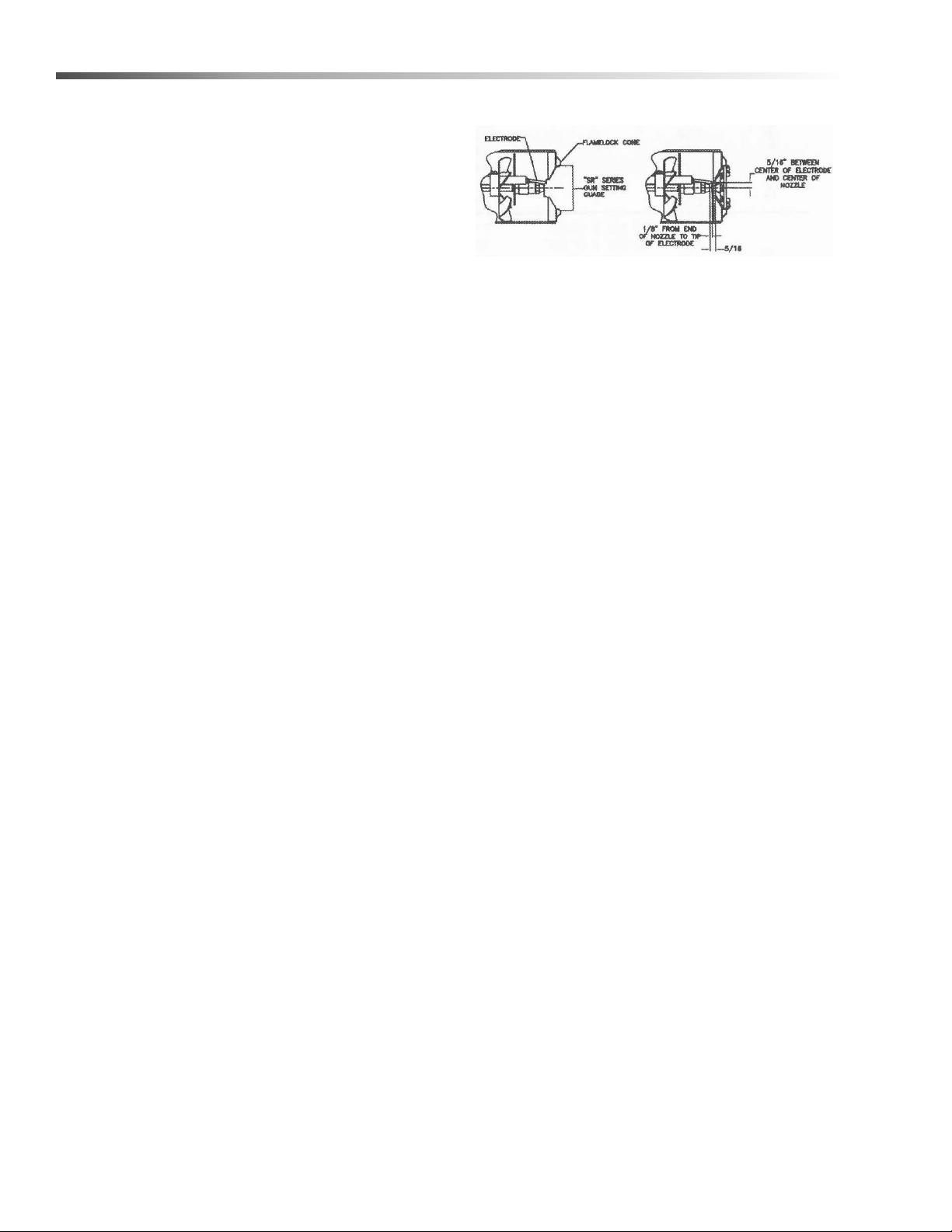
Electrode Setting
SR Series Gage
KNA Part # 8.717-379.0
Oil Burner
Burner Air Adjustment: The oil burner on this machine
is preset for operation at altitudes below 500 feet. If
operated at higher altitudes, it may be necessary to
adjust the air band for a #1 or #2 smoke spot on the
Bacharach scale.
To adjust, start machine and turn burner ON. Loosen
two locking screws found on the air band and close air
band until black smoke appears from burner exhaust
vent. Note air band position. Next, slowly open the air
band until white smoke just starts to appear. Turn air
band halfway back to the previously noted position.
Tighten locking screws.
For higher altitudes, the air band opening may need to
be increased; for lower altitude, the .air band may need
to be decreased.
For higher humidity, the air band opening may need to
be increased; for lower relative humidity, the .air band
may need to be decreased.
For higher ambient temperatures the air band opening
may need to be increased; for lower ambient tempera-
tures, the air band opening may need to be decreased.
Adjust to your operating location’s environment as-
needed for best smoke spot and performance
compliant with local, state, and federal regulations.
Caution: If white smoke appears from burner exhaust
vent during start-up or operation, discontinue use and
readjust air bands.
NOTE: If a flue is installed, have a professional
serviceman adjust your burner for a #1 or #2 smoke
spot on the Bacharach scale.
Kärcher SSG Operator’s Manual 9.801-193.0 - BF

21
Maintenance
Coil Removal:
Removal of coil because of freeze breakage, or to
clean soot from it can be done quickly and easily.
1. Disconnect hose from pump to inlet side of the coil.
2. Carefully disconnect the thermostat sensor making
sure you do not crimp the capillary tube.
3. Remove burner assembly from combustion
chamber.
4. Remove the 3-3/8" bolts from each side of coil and
tank assembly (these bolts are used to fasten tank
to chassis).
5. Remove fittings connected to the 1/2" pipe nipples
from inlet and discharge sides of coil.
6. Remove top tank wrap, bend back insulation tabs
and fold back blanket.
7. Remove bolts that hold down coil to bottom wrap.
8. Remove coil.
9. Replace or repair any insulation found to be torn or
broken.
Remove insulation retainer plates.
Coil Reinstallation:
Reinstall new or cleaned coil by reversing Steps 9
through 1.
Kärcher SSG Operator’s Manual 9.801-193.0 - BF

22
Maintenance
Oil Change Chart
This pressure washer was produced with the best available materials and quality craftsmanship. However, you as
the owner have certain responsibilities for the correct care of the equipment. Attention to regular preventative main-
tenance procedures will assist in preserving the performance of your equipment. Contact your dealer for mainte-
nance. Regular preventative maintenance will add many hours to the life of your pressure washer. Perform
maintenance more often under severe conditions.
Check pump oil level before first use of your new pressure washer. Change pump oil after first 50 hours and every
3 months or 500 hours thereafter. Use SAE 30 weight oil, non-detergent.
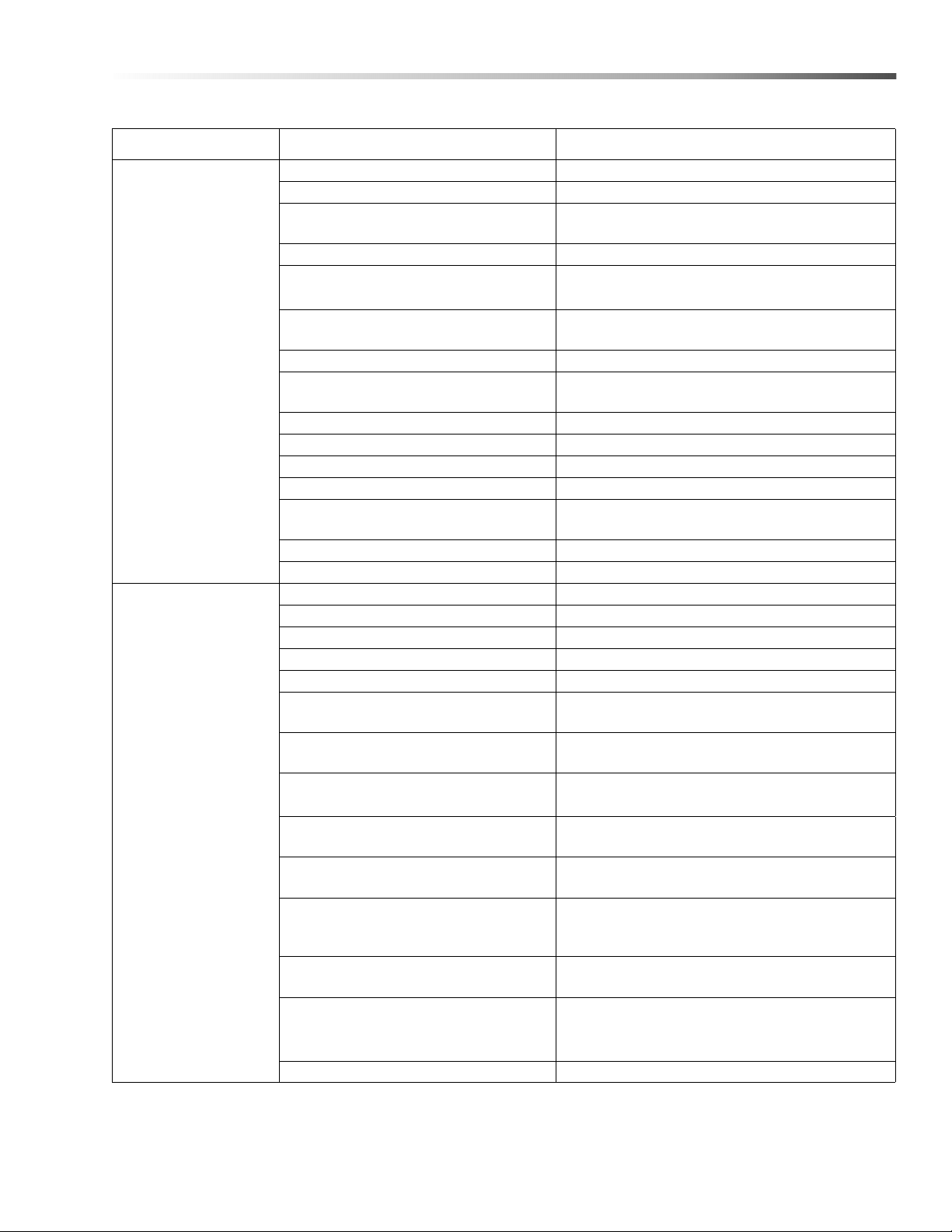
Maintenance Chart
Date Oil Changed
Month/Day/Year
No. of Operating Hours Since Last Oil
Change
Brand Name and Type of Oil
(See Above)
Maintenance Operation
Every 8 Hrs
or Daily
25 Hrs or
Weekly
50 Hrs or
Monthly
100 Hrs or Yearly Yearly
Check Oil
Pump X
Engine X
Change Oil
Pump X
Engine X
Air Cleaner Check Clean
Spark Plug X
Check Valve Clearance X
Fuel Tank Filter X
Water Filter/Clean Check X
Rupture Disk Replace every 2 years
Kärcher SSG Operator’s Manual 9.801-193.0 - BF
23
Maintenance
Troubleshooting
PROBLEM
POSSIBLE CAUSE
SOLUTION
LOW
OPERATING
PRESSURE
Faulty pressure gauge Install new gauge.
Insufficient water supply Use larger supply hose; clean filter at water inlet.
Old, worn or incorrect spray nozzle
Match nozzle number to machine and/or replace
with new nozzle.
Belt slippage Tighten or replace; use correct belt.
Plumbing or hose leak
Check plumbing system for leaks. Retape leaks
with teflon tape.
Faulty or misadjusted unloader valve
Adjust unloader for proper pressure. Install
repair kit when needed.
Worn packing in pump Install new packing kit.
Fouled or dirty inlet or discharge valves
in pump
Clean inlet and discharge valves.
Worn inlet or discharge valves Replace with valve kit.
Obstruction in spray nozzle Remove obstruction.
Leaking pressure control valve Rebuild or replace as needed.
Slow engine RPM Set engine speed at proper specifications.
Pump sucking air
Check water supply and possibility of air
seepage.
Valves sticking Check and clean or replace if necessary.
Unloader valve seat faulty Check and replace if necessary.
BURNER
WILL NOT
LIGHT
Little or no fuel Fill tank with fuel.
Improper fuel or water in fuel Drain fuel tank and fill with proper fuel.
Clogged fuel line Clean or replace.
Plugged fuel filter Replace as needed.
Misadjusted burner air bands Readjust air bands for clean burn.
Little or no fuel pressure from fuel
pump
Increase fuel pressure to specification and/or
replace fuel pump. Test with pressure gauge.
Faulty burner transformer
Test transformer for proper arc between
contacts. Replace as needed.
Disconnected or short in electrical
wiring
All wire contacts should be clean and tight. No
breaks in wire.
Flex coupling slipping on fuel pump
shaft or burner motor shaft
Replace if needed.
On-Off switch defective
Check for electrical current reaching burner
assembly with burner switch on.
Heavy sooting on coil and burner can
cause interruption of air flow and
shorting of electrodes
Clean as required.
Improper electrode setting
Check and reset according to diagram in Oper-
ator's Manual.
Fuel not reaching combustion chamber
Check fuel pump for proper flow.
Check solenoid
flow switch on machines with spray gun
control, for proper on-off fuel flow control.
Clogged burner nozzle Clean as required.
Kärcher SSG Operator’s Manual 9.801-193.0 - BF

24
Maintenance
PROBLEM POSSIBLE CAUSE SOLUTION
BURNER
WILL NOT
LIGHT
Thermostat faulty or slow engine
speed
Increase engine RPM to increase voltage.
Flow switch malfunction
Remove, test for continuity and replace as
needed.
Flow solenoid malfunction Replace if needed.
FLUCTUATING
PRESSURE
Valves worn Check and replace if necessary.
Blockage in valve Check and replace if necessary.
Pump sucking air
Check water supply and air seepage at joints in
suc- tion line.
Worn piston packing Check and replace if necessary.
Gasoline engine altitude
The gasoline engine is preset for opera-
tion at altitudes below 1000 ft above sea
level. If operated at higher altitudes, it may be
necessary to install a high altitude main jet in the
carburetor. Contact your local authorized engine
sales and service center for details.
MACHINE SMOKES
WHILE BURNER
UNIT IS RUNNING
OR
UNIT SMOKES AT
COLD-START ONLY
WHEN BURNER IS
OFF
Improper fuel or water in fuel Drain tank and replace contaminated fuel
Improper air adjustment Readjust air bands on burner assembly
Fuel pressure is low <140 psi for
burner
Adjust fuel pump pressure to specifications
Burner nozzle is plugged or dirty
Replace nozzle. Check parts breakdown for
nozzle size
Burner nozzle spray pattern is faulty
Replace nozzle. Check parts breakdown for
nozzle size
Heavy accumulation of soot on coils
and burner assembly
Remove coils and burner assembly, clean thor-
oughly Call local dealer
Misaligned electrode setting Realign electrodes to specifications
Obstruction in smoke stack
Check for insulation blockage or other foreign
objects
Low engine RPM Increase RPM to correct specs. See serial plate
Fuel Pressure is too high for clean burn
(fuel PSI above 140 and below 200)
and smokes when burner is off
Reduce fuel pressure PSI/Increase air band set
for cleaner without max water heat loss
LOW WATER
TEMPERATURE
Improper fuel or water in fuel Replace with clean and proper fuel.
Low fuel pressure Increase fuel pressure.
Weak fuel pump
Check fuel pump pressure. Replace pump if
needed.
Fuel filter partially clogged Replace as needed.
Soot build-up on coils not allowing heat
transfer
Clean coils.
Improper burner nozzle See specifications.
WATER
TEMPERATURE TOO
HOT
Incoming water to machine warm or
hot
Lower incoming water temperature.
Fuel pump pressure too high See specifications for proper fuel pressure.
Fuel pump defective Replace fuel pump.
RELIEF VALVE
LEAKS WATER
Relief valve defective Replace or repair
Kärcher SSG Operator’s Manual 9.801-193.0 - BF
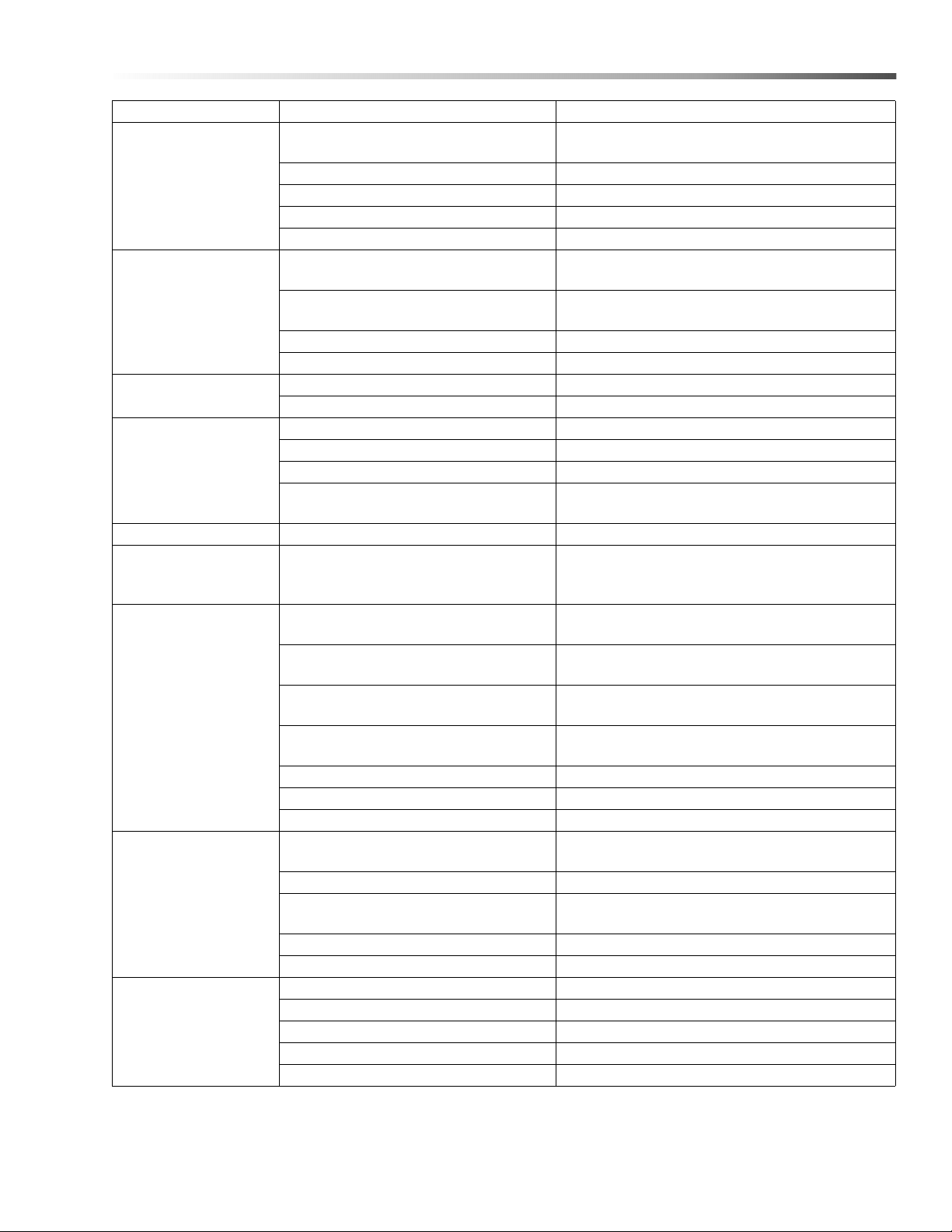
25
Naintenance
WATER
TEMPERATURE TOO
HOT
Detergent line sucking air
Tighten all clamps. Check detergent lines for
holes.
Defective temperature switch Replace.
Incorrect fuel nozzle size See specifications for proper fuel nozzle.
Insufficient water supplied Check water G.P.M. to machine.
Restricted water flow Check nozzle for obstruction, proper size.
PUMP NOISY
Air in suction line
Check water supply and connections on suction
line.
Broken or weak inlet or discharge
valve springs
Check and replace if necessary.
Excessive matter in valves Check and clean if necessary.
Worn bearings Check and replace if necessary.
PRESENCE OF
WATER IN OIL
Oil seal worn Check and replace if necessary.
High humidity in air Check and change oil twice as often.
WATER DRIPPING
FROM UNDER PUMP
Piston packing worn Check and replace if necessary.
O-Ring plunger retainer worn Check and replace if necessary.
Cracked piston Check and replace if necessary.
Pump protector
Lower water supply pressure. Do not run with
spray gun closed longer than 2 minutes
OIL DRIPPING Oil seal worn Check and replace if necessary.
EXCESSIVE
VIBRATION IN
DELIVERY LINE
Irregular functioning of the valves Check and replace if necessary.
DETERGENT NOT
DRAWING
Air leak
Tighten all clamps. Check detergent lines for
holes.
Restrictor in float tank is missing
Replace restrictor. Check for proper orifice in
restrictor.
Filter screen on detergent suction hose
plugged
Clean or replace.
Dried up detergent plugging metering
valve
Disassemble and clean thoroughly.
High viscosity of detergent Dilute detergent to specifications.
Hole in detergent line(s) Repair hole.
Low detergent level Add detergent, if needed.
PUMP RUNNING
NORMALLY BUT
PRESSURE LOW ON
INSTALLATION
Pump sucking air
Check water supply and possibility of air
seepage.
Valves sticking Check and clean or replace if necessary.
Nozzle incorrectly sized
Check and replace if necessary (See serial plate
for proper size).
Unloader valve seat faulty Check and replace if necessary.
Worn piston packing Check and replace if necessary.
BURNER MOTOR
WILL NOT RUN
Fuel pump seized Replace fuel pump.
Burner fan loose or misaligned Position correctly, tighten set screw.
Defective control switch Replace switch.
Loose wire Check and replace or tighten wiring.
Defective burner motor Replace motor.
PROBLEM POSSIBLE CAUSE SOLUTION
Kärcher SSG Operator’s Manual 9.801-193.0 - BF
Registrieren Sie Ihr Prudukt und Sie von vielen Vorteilen.
Register your product and benefit from many advantages.
Enregistrez votre produit et bénéficiez de nombreux avantages.
Registre su producto y aproveche de muchas ventajas.
Bewerten Sie Ihr Produkt und sagen Sie uns Ihre Meinung.
Rate your product and tell us your opinion.
Évaluez votre produit et donnez-nous votre opinion.
Reseña su producto y díganos su opinión.
www.kaercher.com/welcome
www.kaercher.com/dealersearch
Kärcher North America
6398 N Kärcher Way
Aurora, CO 80019
Phone: +1 800 444-7654
DANKE!
THANK YOU!
MERCI!
GRACIAS!
!