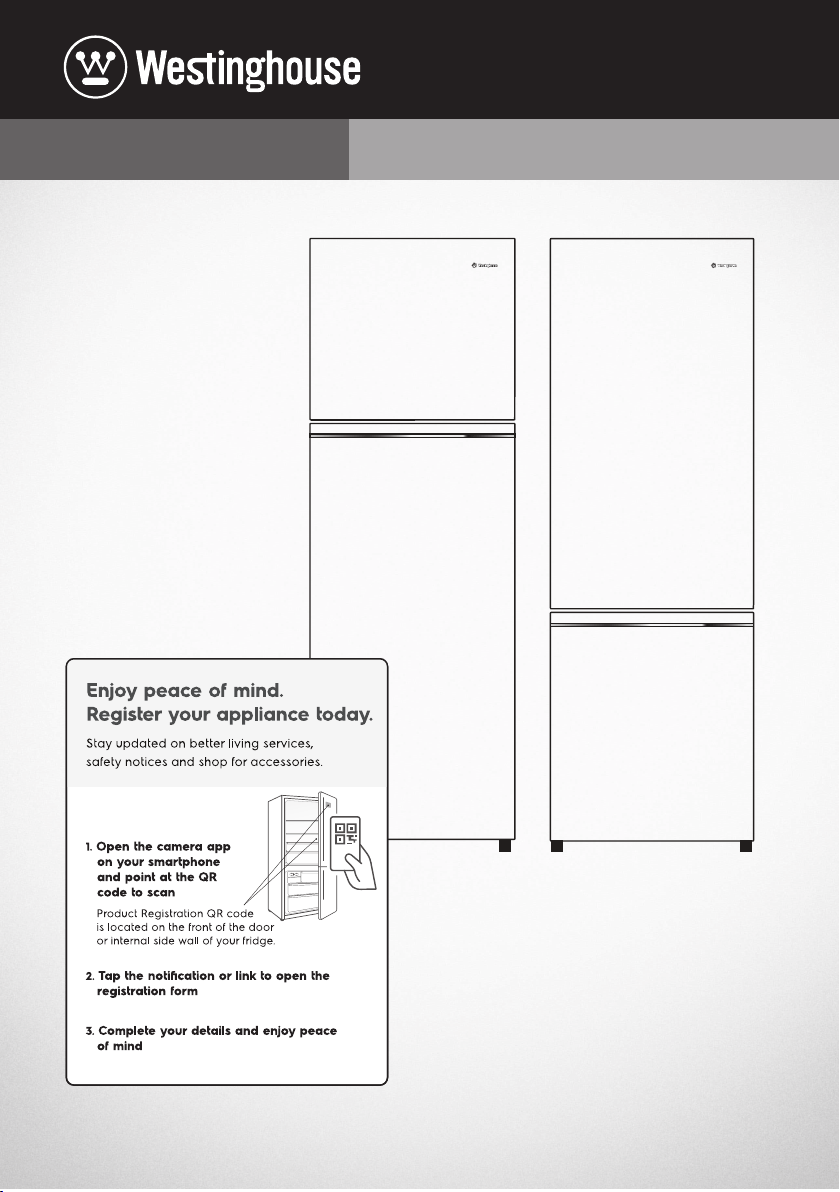
USER MANUAL
WTB2300, WTB2500,
WTB2800, WTB3100,
WTB3400, WBB3100,
WBB3400
REFRIGERATION
2 www.westinghouse.com
WE’RE THINKING OF YOU
Thank you for choosing Westinghouse. We have designed this product to make your life
simpler and deliver impeccable performance for many years. Please spend a few
minutes reading this document to get the best from your new Westinghouse appliance.
Visit our website to:
Get usage advice or service information:
www.westinghouse.com
Register your product for better service:
www.westinghouse.com/support/register-warranty
Buy Accessories, Consumables and Original spare parts for your appliance:
www.westinghouse/shop
CUSTOMER CARE AND SERVICE
Always use original spare parts.
When contacting our Authorised Service Centre, ensure that you have the following
data available: Model, PNC, Serial Number.
The information can be found on the rating plate.
Warning / Caution-Safety information.
General information and tips.
Environmental information.
Subject to change without notice.
CONTENTS
1. SAFETY INFORMATION ........................................................................................................3
2. DESCRIPTION OF THE APPLIANCE ...............................................................................5
3. TEMPERATURE CONTROL ..................................................................................................8
4. INSTALLING YOUR NEW APPLIANCE ..........................................................................9
5. USING YOUR REFRIGERATOR .......................................................................................... 11
6. CLEANING YOUR REFRIGERATOR ............................................................................... 13
7. FOOD STORAGE GUIDE ...................................................................................................... 14
8. TROUBLESHOOTING............................................................................................................ 15
9. NOISES ........................................................................................................................................ 17
3
EN
1. SAFETY INFORMATION
Note: You must read these warnings carefully
before installing or using the refrigerator. If
you need assistance, contact your customer
care centre. The manufacturer will not accept
liability, should these instructions or any
other safety instructions incorporated in this
book be ignored.
WARNING
• It is essential the electric outlet is properly
earthed to ground. Consult a qualified
electrician if you are unsure.
• Do not use electrical appliances inside the
food storage compartments of the
appliance, unless they are of the type
recommended by the manufacturer.
• Unplug the refrigerator before cleaning
or moving it to avoid electric shock.
• Never unplug the refrigerator by pulling
the electrical cord as this may damage it.
Grip the plug firmly and pull straight out.
• If the power cord is damaged, it must be
replaced by the manufacturer, its service
agent or similarly qualified persons in
order to avoid a hazard.
• Don’t use a steam cleaner. If live
components come into contact with
condensing steam, they may short-circuit
or cause an electric shock.
• Do not store explosive substances such as
aerosol cans with a flammable propellant
this appliance. If pressurised aerosol
containers bear the word ‘flammable’ and/
or a small flame symbol, do not store them
inside any refrigerator or freezer.If you do
so you may cause an explosion.
• Do not damage the refrigerant circuit.
• This appliance contains insulation formed
with flammable blowing gases. Avoid
safety hazards by carefully disposing of
this appliance.
• If you wish to discard this refrigerator,
please contact your local authorities and
ask for the correct method of disposal.
• When you dispose of your old refrigerators
and freezers, remove any doors. Children
can suocate if they get trapped inside.
• When positioning the appliance, ensure
the supply cord is not trapped or
damaged.
• Do not locate multiple portable socket-
outlets or portable power supplies at the
rear of the appliance.
WARNING
R600a refrigerant warning
This appliance contains flammable
R600a refrigerant. Avoid safety
hazards by carefully installing,
handling, servicing and disposing
of this appliance.
• Ensure that the tubing of the refrigerant
circuit is not damaged during
transportation and installation.
• Leaking refrigerant may cause eye injuries
or ignite.
• The room for installing appliance must be
at least 1m
3
per 8g of refrigerant. The
amount of refrigerant in the appliance
can be found on the rating plate inside the
appliance.
• If you are unsure of the refrigerant
check the rating plate inside the
refrigerator compartment.
• It is hazardous for anyone other than
an Authorised Service Person to service
this appliance. In Queensland Australia
the Authorisation Service Person MUST
hold a Gas Work Authorisation for
hydrocarbon refrigerants to carry out
servicing or repairs which involve the
removal of covers.
• Keep ventilation openings in the appliance
enclosure or in the built-in structure, clear
of obstruction.
• Do not use mechanical devices or other
means to accelerate the defrosting
process, other than those recommended
by the manufacturer.
WARNING
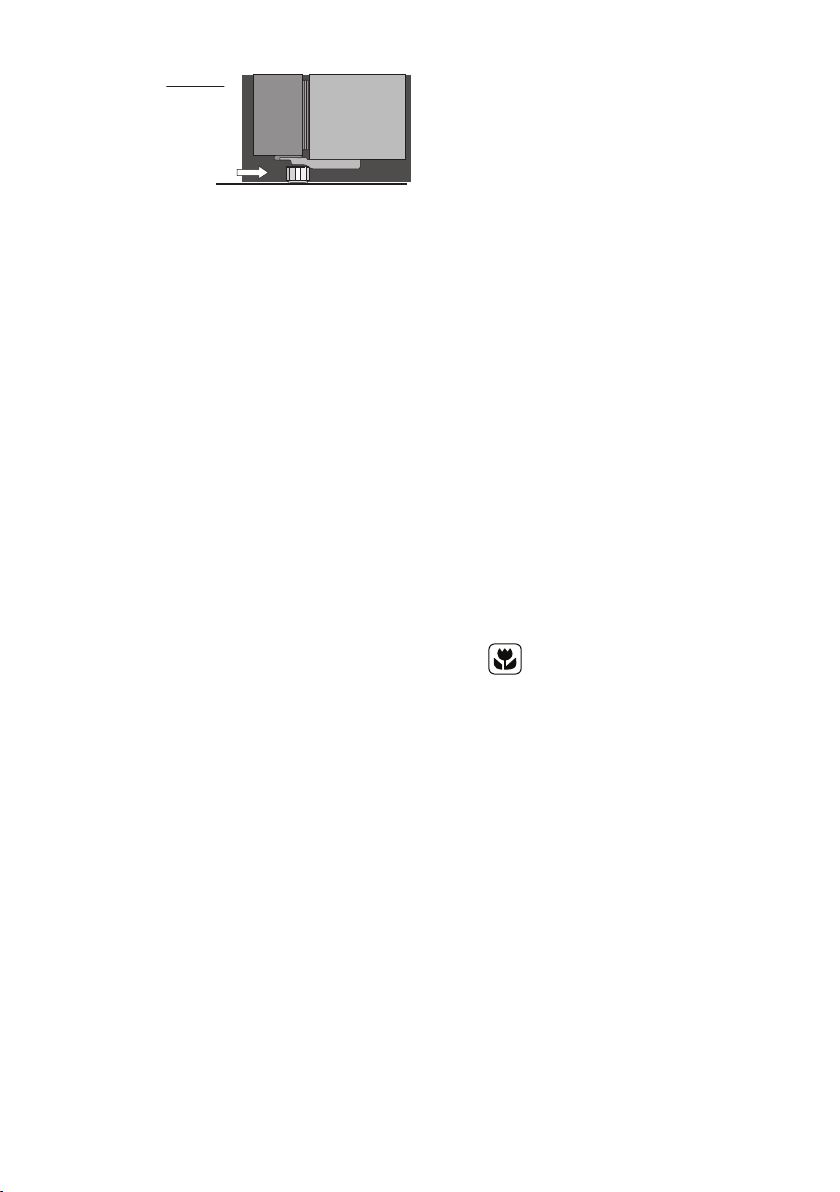
Stable Footing
When your refrigerator is in place,
you need to stabilise it. Lift the front
of the refrigerator to take the weight
o each stability foot and make small
quarter turns to each foot until it is in
firm contact with the floor. If you
intend to move the refrigerator,
remember to wind up each foot so
that you can move it freely. Repeat
the process of the foot adjustment
once you have settled on the new
location of the refrigerator.
4 www.westinghouse.com
GENERAL WARNINGS
Read the following carefully to avoid
damage or injury. It is important to use your
refrigerator safely. Check these safety points
before using your refrigerator.
• The appliance must be plugged into its
own dedicated electrical outlet.
• The plug must be accessible when the
refrigerator is in position.
• It is essential the powerpoint is properly
earthed to ground. Consult a qualified
electrician if you are unsure.
• Don’t use extension cords or adapter
plugs with this refrigerator.
• If the supply cord is damaged, it must
be replaced by the manufacturer, its
service agent or similarly qualified
persons in order to avoid a hazard.
• Unplug the appliance before cleaning
and before changing the light bulb
(when fitted) to avoid electric shock.
• Never unplug the refrigerator by pulling
the electrical cord as this may damage
it. Grip the plug firmly and pull straight
out.
• Choose a location for your refrigerator
that isn’t too cold. The ambient room
temperature should be above 10°C.
• Stand your refrigerator in a dry place
avoid areas of high moisture or humidity.
• Don’t put the refrigerator in frosty or
unprotected areas like a garage or on
the verandah.
• Don’t plug your refrigerator into a timer
fitted to the powerpoint.
• Do not put the refrigerator in direct
sunlight, near stoves, fires or heaters.
• Do not put the refrigerator on an
uneven surface.
• Do not store flammable materials on or
under the appliance, e.g. aerosols.
• Do not store explosive substances
such as aerosol cans with a flammable
propellant in this appliance.
• Never store fizzy drinks in the freezer
compartment.
• Never try to repair the refrigerator
yourself, only use a qualified or
authorised service person for repairs.
• Never use electric heaters or dryers
to defrost the freezer because you can
receive an electric shock
Side View
Stabilising foot
wound down
• When transporting and installing the
refrigerator, care should be taken to
ensure that no parts of the refrigerating
circuit are damaged.
• Keep ventilation openings in the
appliance enclosure or in the built-in
structure clear of obstruction.
• When installed correctly, your
refrigerator should:
– Have adequate space at the back
and sides for air circulation.
– Be vertically aligned to the
surrouning cupboards.
– Have doors that will self-close from
a partially open position.
• The appliance is not to be used by persons
(including children) with reduced physical,
sensory or mental capabilities, or lack of
experience and knowledge, unless they
have been given supervision or instruction.
• Children being supervised not to play with
the appliance.
NOTE: You must read these warnings
carefully before installing or using the
refrigerator. If you need assistance, contact
your Customer Care Department. The
manufacturer will not accept liability, should
these instructions or any other safety
instructions incorporated in this book be
ignored.
Environmental information.
This appliance is intended to be used
in household and similar applications
such as,
• The kitchen areas in shops, offices
and other working enviroments;
• Farm house and by clients in
hotels, motels and other
residential type enviroments;
• Bed and breakfast type
environments;
• Catering and similar non-retail
applications;
5
EN
2. DESCRIPTION OF THE APPLIANCE
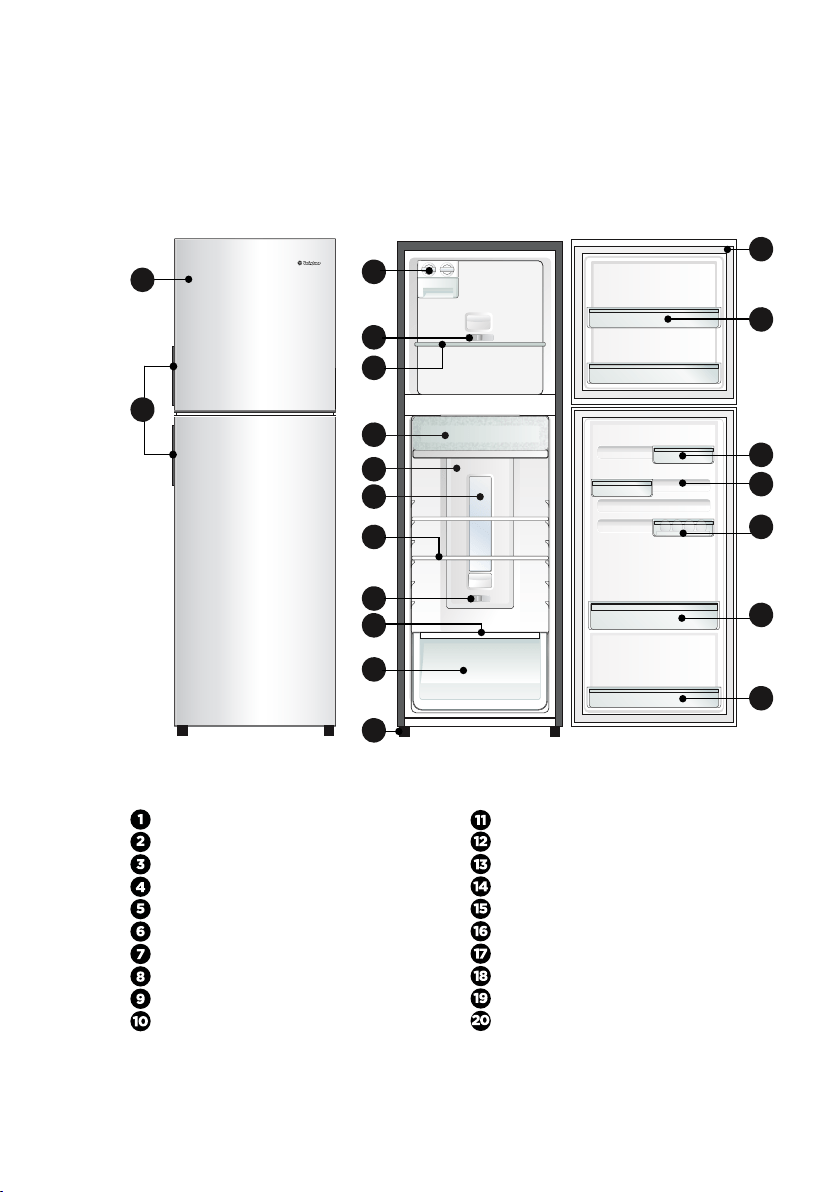
TOP MOUNT REFRIGERATOR FEATURES
The details of the refrigerator feature:
Door
Door Handle
Twist Ice and Serve
Temperature Control (Freezer)
Freezer Shelf
Chiller Compartment
Multiflow
Refrigerator Light
Adjustable Glass Shelves
Temperature Control (Refrigerator)
Humidity Slide Control
Crisper
Adjustable Feet
Gaskets
Freezer Door Bins
Door Bins
Slide Rails
Egg Tray
Door Bin Upper
Bottle Door Bins
ICEMAX
ICEMAX
14
15
16
17
18
19
20
3
4
5
6
7
8
9
10
11
12
13
1
2
• WTB2300
• WTB2500
• WTB2800
6 www.westinghouse.com
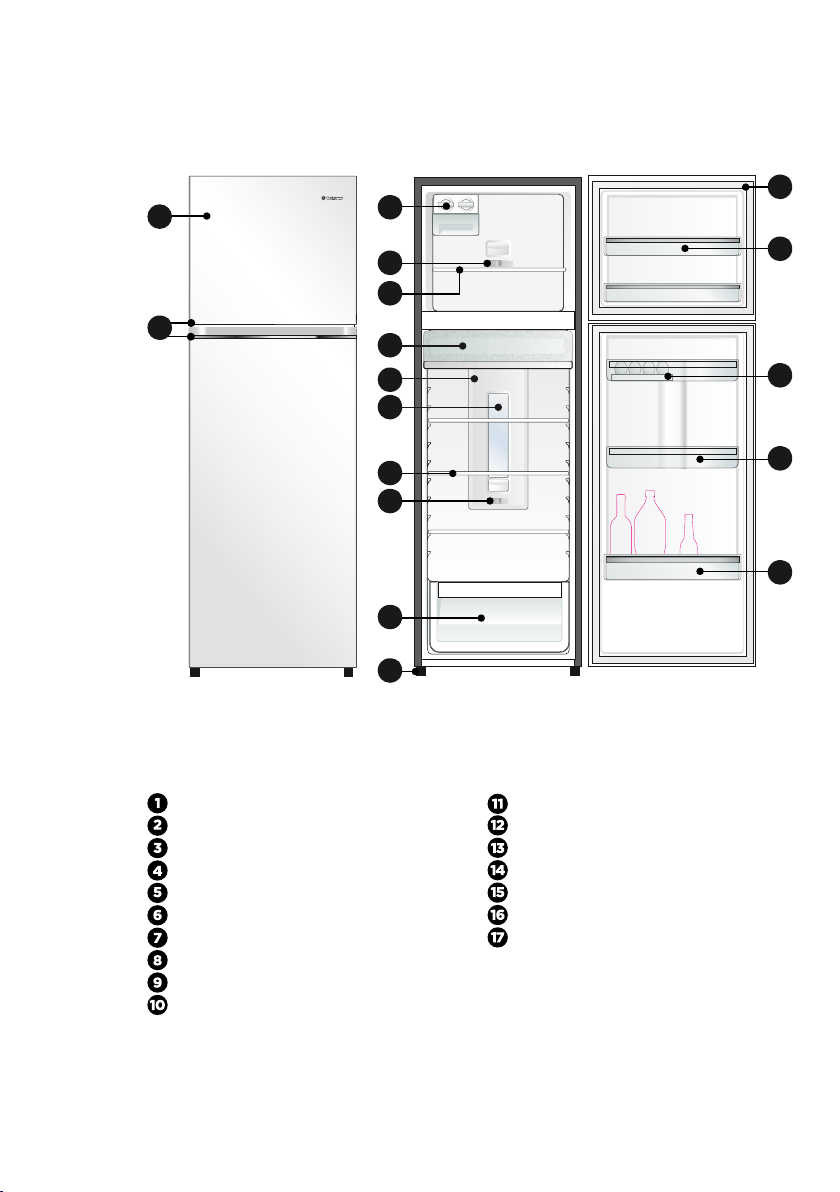
TOP MOUNT REFRIGERATOR FEATURES
The details of the refrigerator feature:
Door
Door Handle
Twist Ice and Serve
Temperature Control (Freezer)
Freezer Shelf
Chiller Compartment
Multiflow
Refrigerator Light
Adjustable Glass Shelves
Temperature Control (Refrigerator)
Sealed Crisper
Adjustable Feet
Gaskets
Freezer Door Bins
Egg Tray
Door Bin Upper
Bottle Door Bins
• WTB3100
• WTB3400
13
14
15
16
17
3
4
5
6
7
8
9
10
11
12
1
2
7
EN
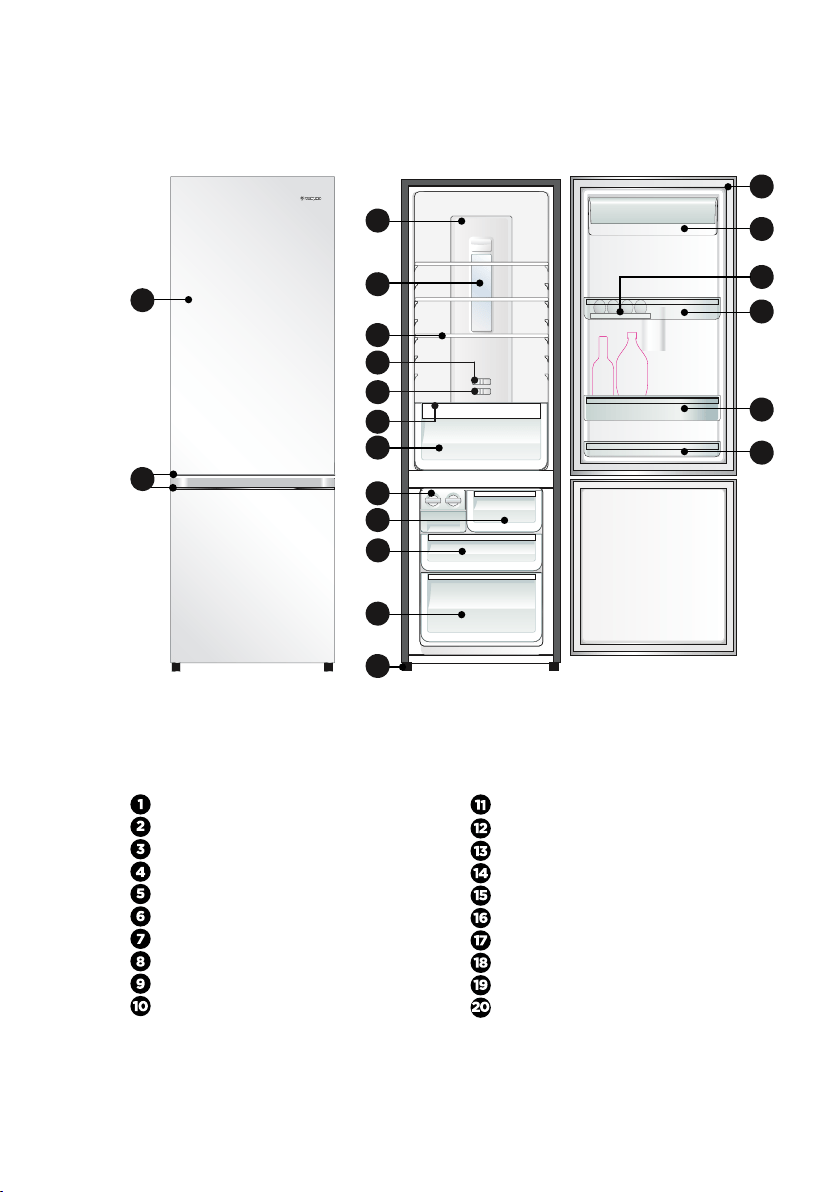
BOTTOM MOUNT REFRIGERATOR FEATURES
The details of the refrigerator feature:
Door
Door Handle
Multiflow
Refrigerator Light
Adjustable Glass Shelves
Temperature Control (Refrigerator)
Temperature Control (Freezer)
Humidity Slide Control
Crisper
Twist Ice and Serve
Drawer Meat Box
Drawer Middle Freezer
Drawer Lower
Adjustable Feet
Gaskets
Door Bin Dairy
Egg Tray
Door Bin
Bottle Door Bins
Small Door Bins
• WBB3100
• WBB3400
1
2
3
5
6
7
8
9
11
10
13
14
12
4
15
16
18
17
19
20
8 www.westinghouse.com
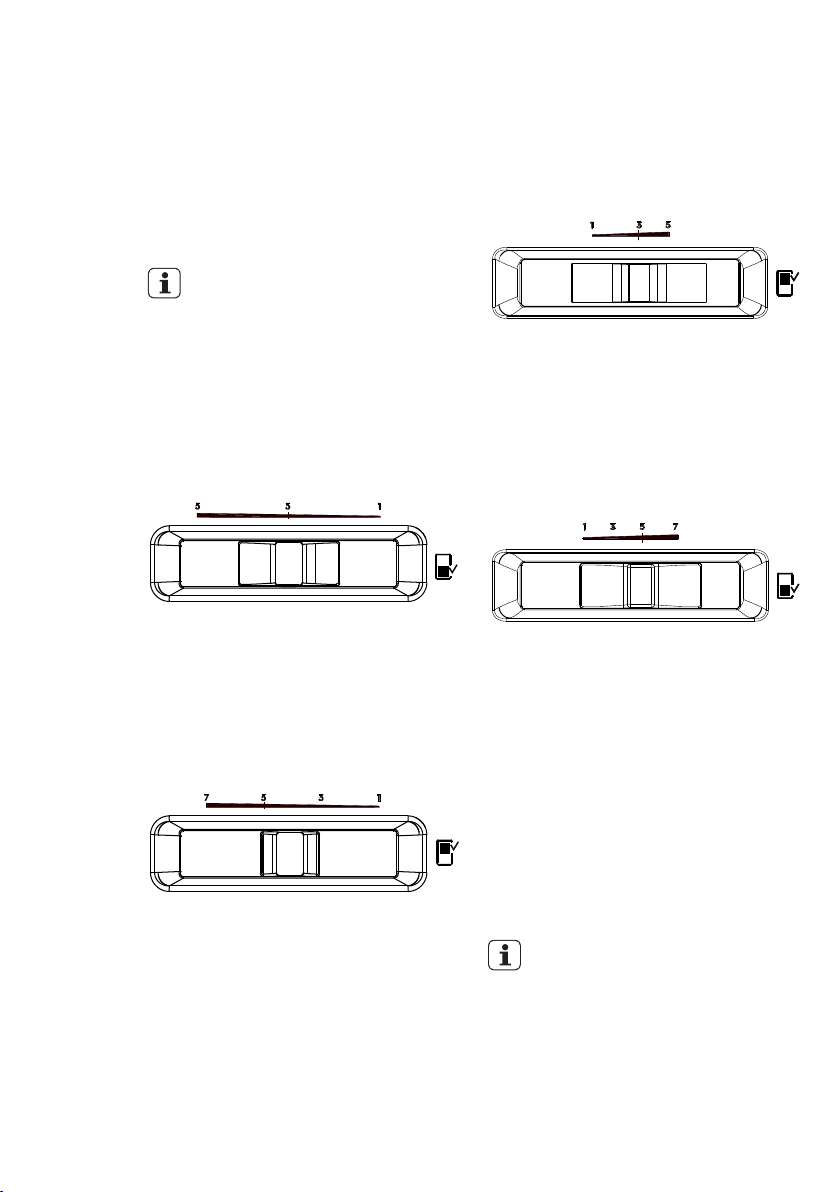
3. TEMPERATURE CONTROL
Set the temperature by using the slide
temperature controls, refer to the relevant
instruction for Bottom mount freezer or Top
mount freezer models shown in this section.
When you first turn on the refrigerator, set
both the refrigerator and freezer temperature
control to MID.
IMPORTANT
Changing settings
When you change the temperature
settings, make small adjustments
and wait 24 hours before assessing
whether you need to make any
further changes.
3.1 Top mount models
Top mount refrigerator temperature
adjustment
1. Select the refrigerator control.
2. Slide the control to the left to set
Colder.
3. Slide the control to theright to set Less
Cold.
Top mount freezer temperature adjustment
1. Select the freezer control.
2. Slide the control to the left to set
Colder.
3. Slide the control to the right to set Less
Cold.
3.2 Bottom mount models
Bottom mount refrigerator temperature
adjustment
1. Select the refrigerator control.
2. Slide the control to the right to set
Colder.
3. Slide the control to the left to set Less
Cold.
Bottom mount freezer temperature
adjustment
1. Select the freezer control.
2. Slide the control to the right to set Colder.
3. Slide the control to the left to set Less
Cold.
Recommended Freezer Setting
Room Temp. Setting
Below 15° 7
Above 15° 5
Only install refrigerator indoors where the
room temperature is above 10°
IMPORTANT
Setting the freezer temperature to
the lowest is not recommended for
normal or very hot climate condition
as this will limit the cooling capacity
to other sections of the refrigerator.
In a very cold climate, the freezer
will need to be set colder.
9
EN
4. INSTALLING YOUR NEW APPLIANCE
Unpacking
ENVIRONMENT
Most of the packing materials are
recyclable. Please dispose of those
materials through your local recycling
depot or by placing them in
appropriate collection containers.
Important – check for any damages or
marks. If you find the refrigerator is damaged
or marked, you must report it within 7 days
should you wish to claim for damage/marks
under the manufacturers warranty. This does
not aect your statutory rights.
Clean your refrigerator thoroughly following
the instructions in the “Cleaning” section
and wipe o any dust that has accumulated
during shipping.
Locating the refrigerator
CAUTION
Automatic aerosol systems (such as
insect control) should not be located
adjacent to the product as the spray
may cause long term damage to the
external plastics of the appliance.
Do not put the refrigerator in a location that
is too cold or is unprotected, for example in
a garage or on a veranda. The ambient
temperature should be above 10°C.
Put the refrigerator in a dry place avoiding
areas of high moisture or humidity.
Ensure the refrigerator is located on an even
surface.
Adequate ventilation around your
refrigerator
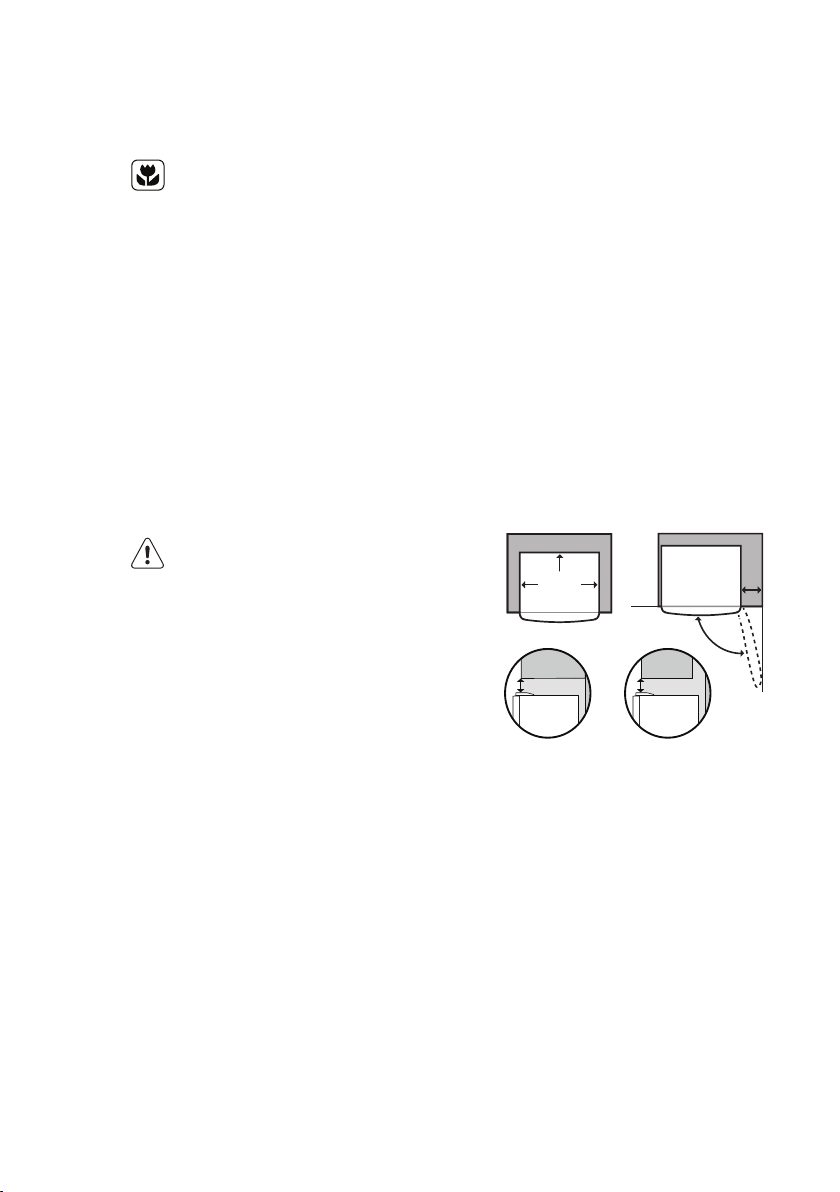
The diagram below shows the recommened
airspace to allow for ventilation of your
refrigerator.
• Allow a minimum of 30mm clearance on
both sides of the refrigerator.
• Allow 50mm clearance at the back of the
refrigerator.
• Allow a minimum of 10mm clearance
above the hinge cover.
• If you do not have a cupboard with
allowance for air flow above the
refrigerator, the recommended clearance
area on top increases to 90 mm.
• When positioned in a corner area, spacing
of at 350mm on the hinge side will allow
the doors to open enough to enable the
removal of bins and shelves.
NOTE: In installation where both sides and
the rear of the refrigerator are not enclosed
by cabinetry e.g. the refrigerator is placed
against a wall, the clearance between the
rear of refrigerator and the wall should not
be greater than 75mm.
You refrigerator uses energy efficient
components that may produce dierent
noises (Refer “Noises” page for examples) to
your old refrigerator. Occasionally a gurgling
sound of refrigerator flowing or the sound
of parts expanding and contracting can be
heard. These noises are quite normal.
350mm
30mm
30mm
DOOR
CABINET
airspace
Recommended
50mm
90 mm
10 mm
ight adjusting nut
uneveness of floor
adjust front feet for
stability foot
10 www.westinghouse.com
Installing your refrigerator
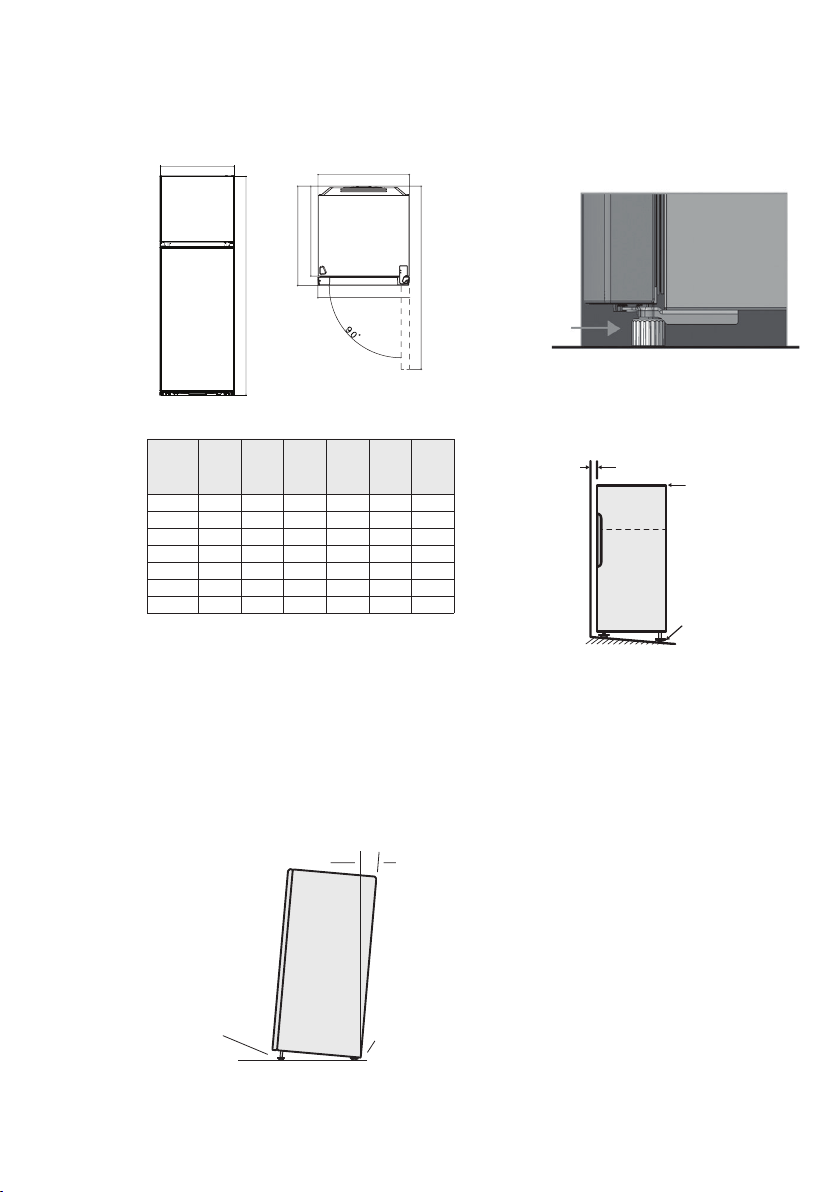
Allow the following clearances for ease
of installation, proper air circulation, and
plumbing and electrical connections:
MODEL MAX
DOOR
HEIGHT
(H)
DOOR
WIDTH
(W)
CABINET
WIDTH
(W1)
TOTAL
DEPTH
(D)
CABINET
DEPTH
(D1)
DEPTH
DOOR
OPEN
(D2)
WTB2300 1405 540 540 626 551 1110
WTB2500 1470 540 540 626 551 1110
WTB2800 1605 540 540 626 551 1110
WTB3100 1646 598 595 657 586 1199
WTB3400 1756 598 595 647 586 1199
WBB3100 1646 598 595 647 586 1200
WBB3400 1756 598 595 647 587 1200
1. Roll the refrigerator into place, the rollers
are designed for forward or backward
movement only, they are not castors.
Moving the refrigerator sideways may
damage your floor and the rollers. Before
moving your refrigerator, ensure height
adjusting nut and the stability foot are
fully wound up o the floor.
2. Wind the height adjusting nut under door
hinge down until the refrigerator is tilted
back by 10mm (see diagram).
Height adjusting nut
Fixed rear rollers
10-15mm
uneveness of floor
adjust front feet for
stability foot
W
H
W1
W
D2
D
D1
3. Wind the height adjusting nut on the
handle side down until the refrigerator
is level and stable. If you have difficulty
winding the nut or height adjusting foot
down, have someone tilt the refrigerator
back so you have better access.
4. Check the alignment of the refrigerator
to the surrounding cupboards to see if it is
level. You can adjust the level as detailed
in step 2 and 3.
ight adjusting nut
uneveness of floor
adjust front feet for
stability foot
wound up
ight adjusting nut
aligned to
cupboards
ie. even gap
top of refrigerator is
level ie. horizontal
uneveness of floor
adjust front feet for
eg. wind this foot
stability foot
down or up
11
EN
5. USING YOUR REFRIGERATOR
Refrigerators work by transferring heat
from the food inside to the outside air.
This operation makes the back and sides
of the refrigerator feel warm or even hot
particularly at start-up and on warm days –
this is normal.
Avoid placing food against the air vents
in the refrigerator as it aects efficient
circulation. If the door is opened frequently,
a light frosting will occasionally occur on
the freezer’s interior. This is normal and will
clear after a few days. If the freezer door is
accidentally kept open, a heavy frost will
coat the inside walls and should be removed.
Your new refrigerator uses a high-speed
compressor, along with other energy-
efficient components, which may make
unusual sounds and be more noticeable at
night and quieter times. These sounds simply
indicate your refrigerator is working how it
should. They include:
• Compressor running noises; modern, high
efficiency compressors run much faster
than older models.
• Air movement noise from the small fan
motor;
• A gurgling sound, similar to water boiling;
• A popping noise, heard during automatic
defrosting; and
• A clicking noise, prior to compressor
start-up. Further details can be found in
the Troubleshooting Guide.
For bottom mount refrigerators
(where freezer is below the fresh
food compartment):
• Ensure all freezer drawer and
shelves are pushed back
completely to prevent them from
keeping the door open.
For top mount refrigerators
(where freezer is on top the fresh
food compartment):
• Don’t place food forward of the
ribs on the freezer floor, as it will
obstruct the door from closing
5.1 USING AND REMOVING FEATURES
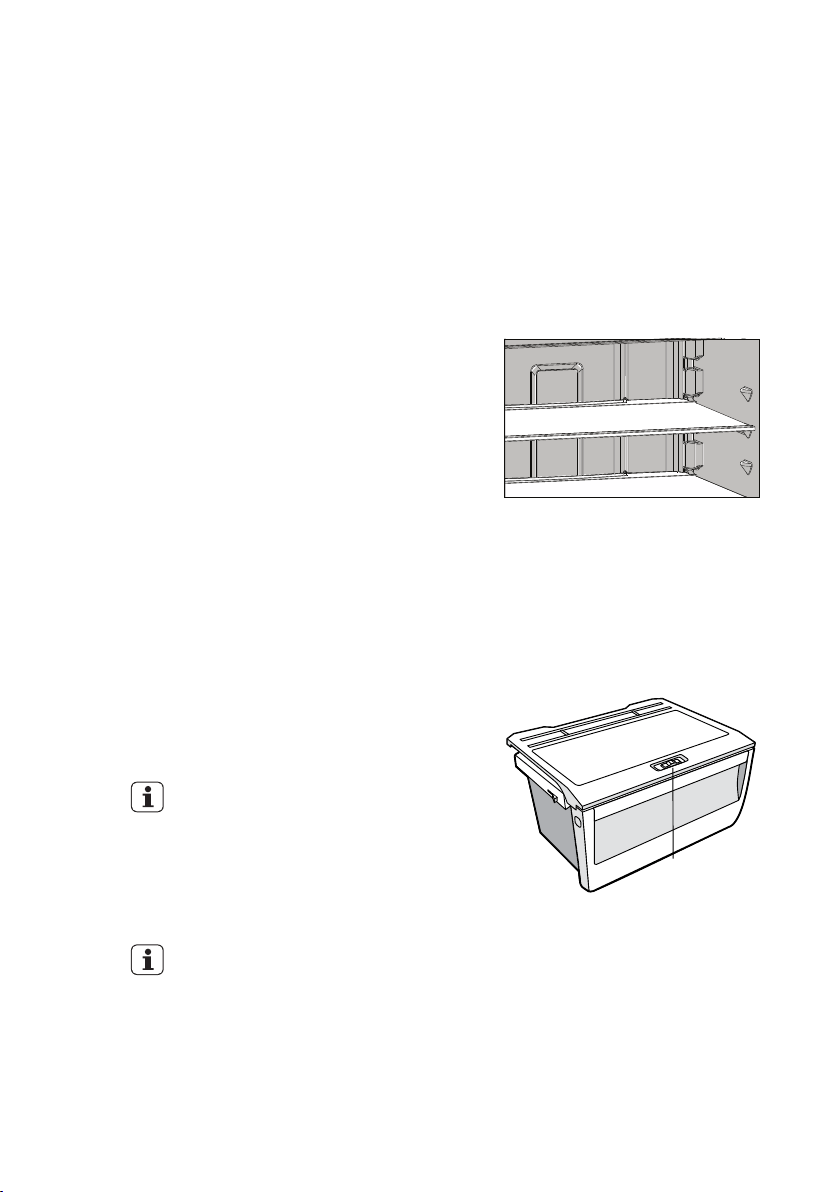
5.1.1 Glass Shelves
To remove the shelves, gently pull them
forward unit the shelf comes clear of the
shelf guides.
To return the shelf, make sure there is
nothing behind that may obstruct
movement. Gently push the shelf, into
the cabinet and back into position.
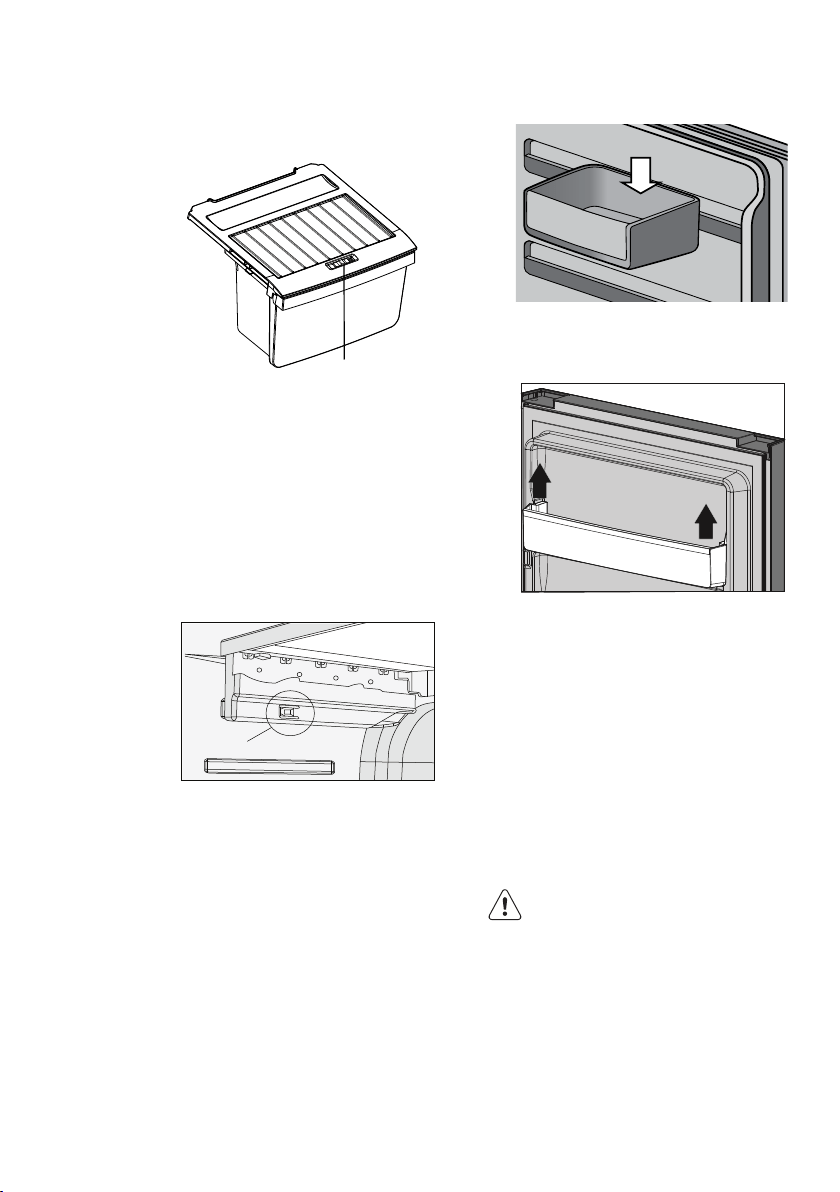
5.1.2 Crisper bin
Storing Vegetables Usethe crisper bin to
store vegetables, fruits or small items.
You can adjust the humidity inside the
bin by sliding the humidity control.
Model WTB23**, WTB25**, WBB31** and
WBB34** have humidity slide control.
remove the bottle storage bins.
- Remove the crisper by pulling
forward, then up and forward again.
crisper shelf by lifting the catches on
the left and right underside of the
shelf and pulling the shelf forward.
Crisper drawer is designed for storing
fruits, vegetables, and other fresh
maintain optimum humidity for longer fresh
vegetables.
Humidity control
12 www.westinghouse.com
5.1.3 Crisper Drawer
Crisper drawer is designed for storing
fruits, vegetables, and other fresh
produce.
– To empty food from the crisper.
On some models it will be
necessary to remove the bottle
storage bins.
– Remove the crisper by pulling
forward, then up and forward
again.
– For top mount models, remove
the crisper shelf by lifting
the catches on the left and right
underside of the shelf and pulling
the shelf forward.
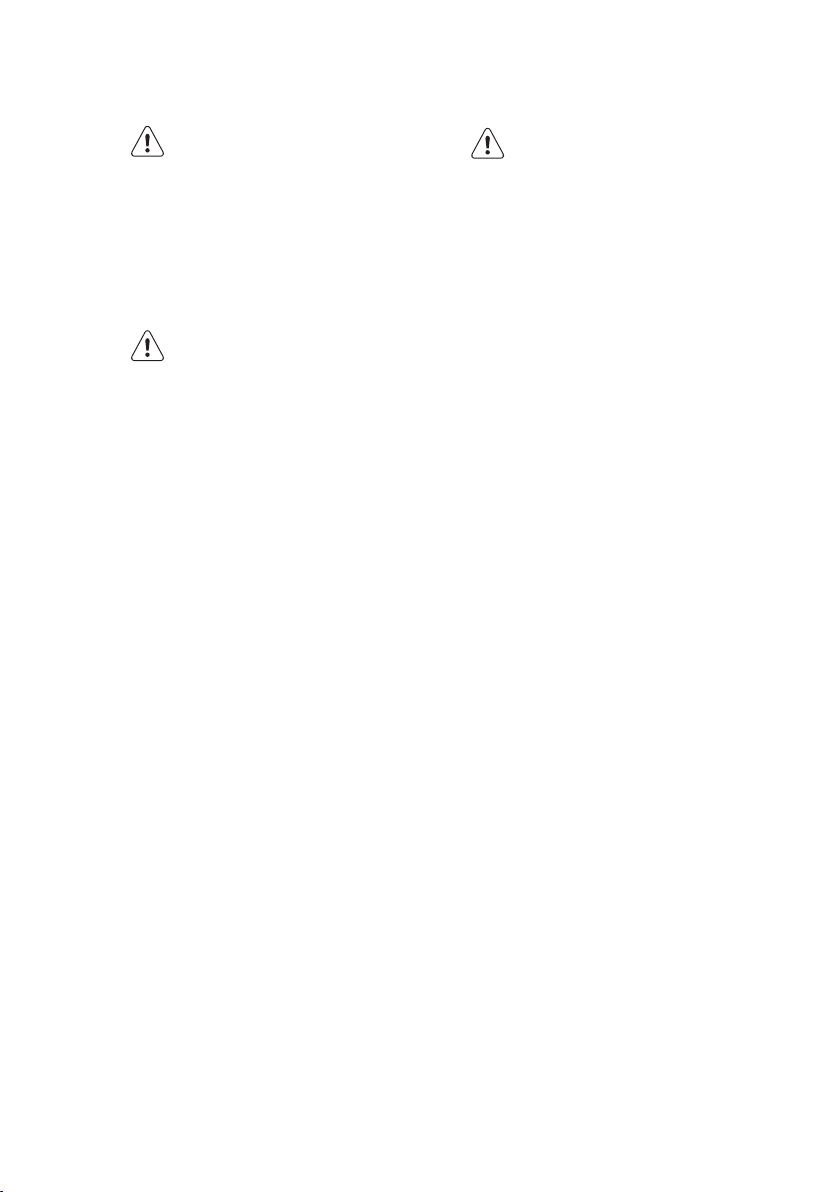
5.1.4 Door storage bins
Both the refrigerator and freezer have
door storage bins.
You can adjust the refrigerator bins to
meet dierent storage needs. All the
door bins are competely removable for
cleaning. If you want to remove or adjust
a bin, lift and unlock from lugs to
remove. To replace, lift up and push bin
down until the support lugs lock it in
place.
remove the bottle storage bins.
- Remove the crisper by pulling
forward, then up and forward again.
crisper shelf by lifting the catches on
the left and right underside of the
shelf and pulling the shelf forward.
Crisper drawer is designed for storing
fruits, vegetables, and other fresh
maintain optimum humidity for longer fresh
vegetables.
CATCH
Door storage bins for model : WTB23** ,
WTB25** , WTB28**
Door storage bins for model : WTB31** ,
WTB34** , WBB31** , WBB34**
5.1.5 Door alarm
If the refrigerator door is left open longer
than two minutes, a buzzer will sound.
Re-set the alarm by pressing the light
switch.
5.1.6 LED lighting
Your refrigerator is fitted with long life
LED lighting. In the unlikely event the
LED lights should ever fail, then the LED
lights need to be serviced by a qualified
technician. Refer to page 15 for contact
details.
CAUTION
LED lighting
Your appliance is fitted with long
life LED lighting. In the unlikely
event the LED lights should fail,
then the LED lights should be
serviced by the manufacturer.
Refer to the warranty page for contact
details.
Humidity control
13
EN
6. CLEANING YOUR REFRIGERATOR
WARNING
BEFORE CLEANING: Turn the
refrigerator o at the electric
outlet and unplug the cord to
prevent any chance of electrocuting
yourself.
Doors and exterior (white and silver):
You should only clean the doors with
lukewarm soapy water and a soft cloth.
CAUTION
Never use stainless steel cleaners,
abrasive pads or other cleaners that
will scratch the surface. Damage to the
appliance after delivery is not covered
by your warranty.
Interior
Clean the inside of your refrigerator regularly
with a soft cloth, unscented mild soap and
lukewarm water.
Thoroughly dry all surfaces and removable
parts and avoid getting water on the
controls. Replace removable parts, plug
power cord in and switch the power on
before returning the food.
Door seals
Always keep door seals clean by washing
them with a mild detergent and warm water,
followed by a thorough drying.
Sticky food and drink can cause seals to stick
to the cabinet and tear when you open the
door.
CAUTION
Never use hot water, solvents,
commercial kitchen cleaners,
aerosol cleaners, metal polishes,
caustic or abrasive cleaners, or
scourers to clean your refrigerator.
Many commercially available cleaning
products and detergents contain
solvents that will damage your
refrigerator. Use only a soft cloth with
an unscented mild soap and lukewarm
water.
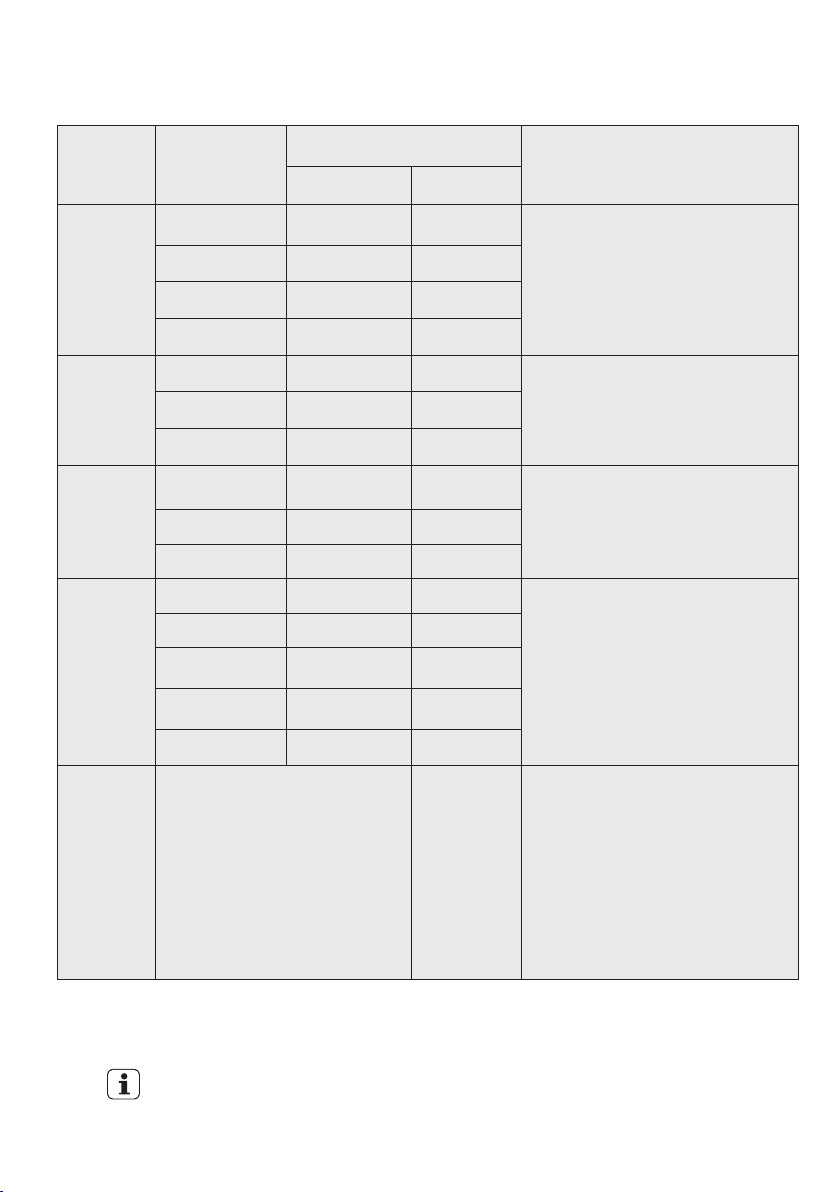
To clean a crisper or freezer bin with
telescopic extension slides, simply
wipe with a damp cloth and warm
soapy water. Never immerse the cover
in water, as this could aect the
operation of the slide.
Switching o your refrigerator
If you switch o your refrigerator for an
extended period, follow these steps to
reduce the chances of mould:
1. Remove all food.
2. Remove the power plug from the
electric outlet.
3. Thoroughly clean and dry the Interior.
4. Ensure that all the doors are wedged
open slightly for air circulation.
14 www.westinghouse.com
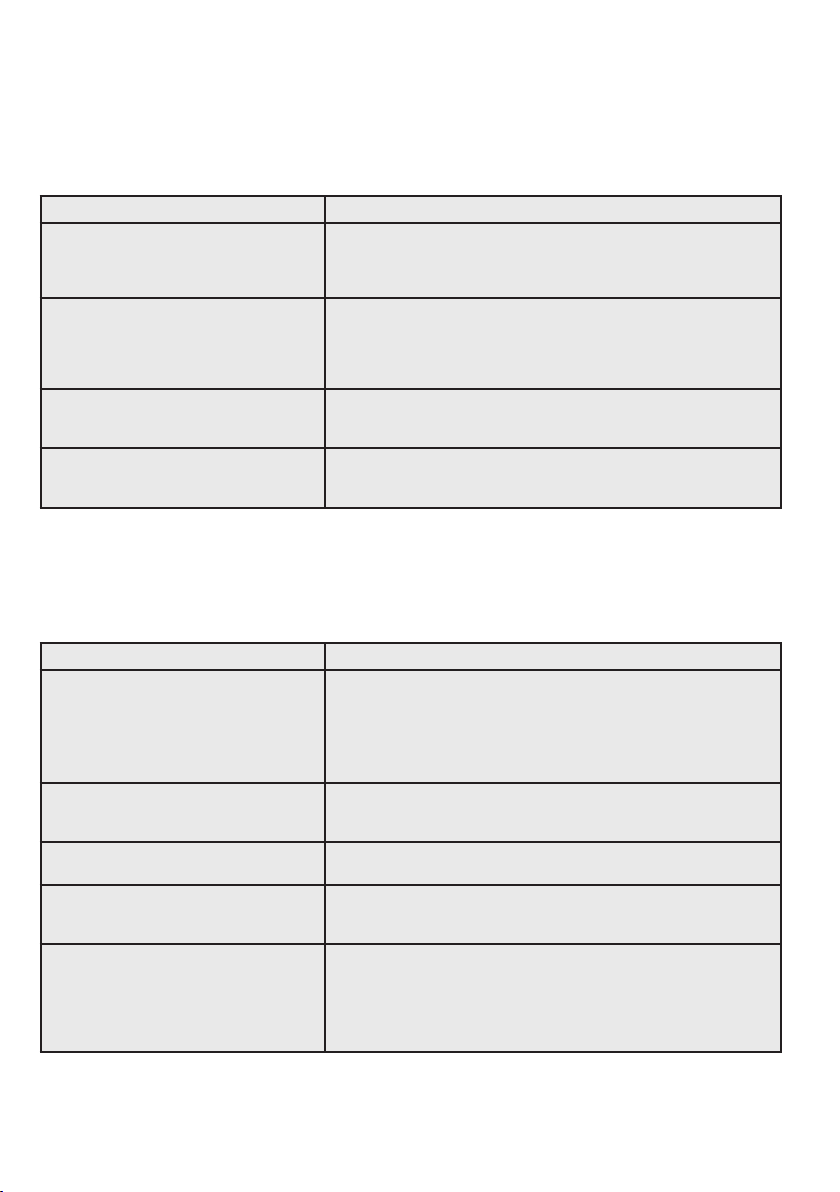
7. FOOD STORAGE GUIDE
CATEGORY PRODUCT
RECOMMENDED STORAGE TIMES
FOR FRESH FOODS *
STORAGE TIPS
REFRIGERATOR FREEZER
MEAT Sausages and
Mince
1-2 Days 2-3 Months Keep cold meat at the back of the
refrigerator where it is coldest.
Plastic can cause meat to sweat if stored in
refrigerator for more than a day.
Roast can take up to 48 hours to defrost
properly, transfer frozen roast to the
refrigerator 2 days before use.
Chops and Steak 3-4 Days 4-6 Months
Cold Meats 3-5 Days 4-6 Months
Roasts 3-5 Days 12 Months
POULTRY Chicken 1-2 Days 2 Months If poultry takes on a smell or colour you are
unsure about it is best to throw it out.
Whole eggs are not suitable for freezing,
slightly beaten eggs may be frozen for four
months.
Roast Chicken 3-5 Days 12 Months
Eggs 6 Weeks Not Suitable
SEAFOOD Whole fish and
fillets
2-3 Days 2 Months Store in an airtight container or foil.
Never freeze prawns in salty water as this
will dehydrate the flesh.
Lobster and Crab 1-2 Days 2 Months
Prawns 1-2 Days 2 Months
DAIRY Milk Until Expiry Date Not Suitable If dairy takes on a smell or colour and you
are unsure about it, it is best to throw it
out.
Yoghurt 7- 10 Days Not Suitable
Hard Cheeses 2 Weeks – 2
Months
2 Months
(Grated)
Depending on the variety hard cheese can
last from 2 weeks to 2 months.
Soft Cheeses 1-2 Weeks Not Suitable * Texture may change depending of the
type of soft cheese
Butter 8 Weeks 12 Months
FRUIT &
VEGETABLES
Every fruit and vegetable has a
dierent shelf life. Some stay fresh for
a couple of days e.g. beans, others can
last for a couple of months e.g. onions.
8-12 Months
When freezing
chop and
blanch in small
portions.
Keep vegetables in the crisper and away
from the air vents to avoid freezing.
If you wash fruit and vegetables before
storing them make sure they are dry or
wrap in absorbent paper before storing
in the refrigerator as this can make them
susceptible to rotting.
Try to keep fruit and vegetables separated
as fruits that give o high levels of
ethylene (the ripening agent) can
prematurely ripen and spoil surrounding
vegetables
IMPROTANT
* Please note, use this information as a guide only, actual storage times will vary
depending on how you use your refrigerator.
15
EN
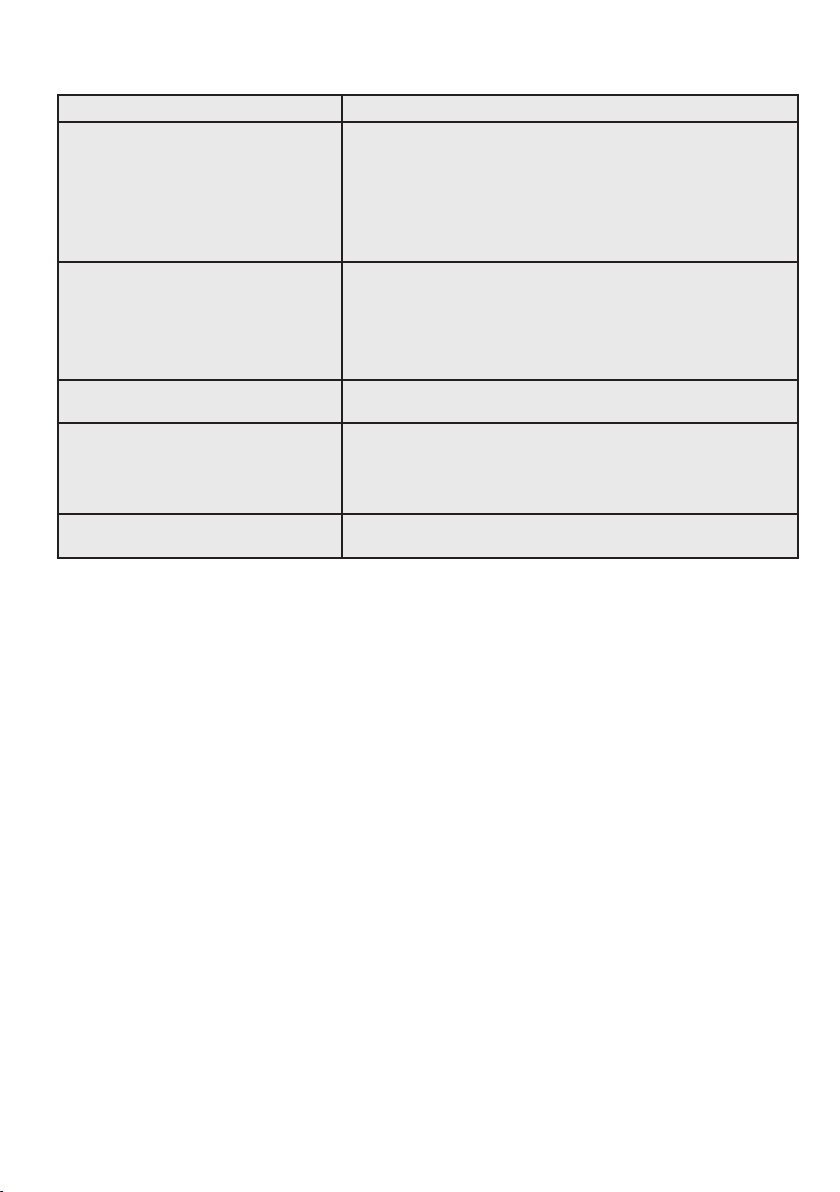
8. TROUBLESHOOTING
CONCERN WHAT TO DO
Refrigerator is too warm. • Ensure food is allowed to cool before placing inside the refrigerator.
• Ensure the appliance is set up as per instructions.
• Ensure that contents are not obstructing the cooling vents.
• Ensure the door is not held open or is being opened too frequently.
Freezer is too warm. • Adjust temperature to a colder setting.
• Ensure food is allowed to cool before placing inside the freezer.
• Ensure the appliance is set up as per instructions.
• Ensure that contents are not obstructing the cooling vents.
• Ensure the door is not held open or is being opened too frequently.
Food is freezing in the refrigerator. • Adjust temperature to a warmer setting.
• Ensure that fruit and vegetables are stored in the crisper. Items with a
high water content should not be placed near the cooling vents.
Unable to change temperature settings. • Refer to function guide in Controlling Your Refrigerator.
• Ensure that user interface is in “awake” mode before trying to adjust
temperature settings.
CONCERN WHAT TO DO
Motor noise (compressor). Nothing. This is normal as your new refrigerator uses a variable speed
compressor and fan that at start up and on warm days runs at a high
speed to provide additional cooling.
When less cooling is required the compressor and fan will run at a lower
speed Note that the compressor noise may seem louder at the start of
the on cycle.
A clicking noise heard just before the
compressor starts.
Nothing. This is normal as your new refrigerator has an automatic
switching action of the temperature control, turning the compressor on
and o.
Occcasional gurgling, similar to water
boiling.
Nothing. As each refrigeration cycle ends, you may hear a gurgling sound
due to the refrigerant flowing in your refrigerator system.
Airflow noise. Nothing, this is normal as your new refrigerator uses high efficiency
fans to circulate air. Fan speed and noise may increase during periods of
heavy usage or hot weather.
Rattling and other noises. • Ensure that the cabinet is level and stable, refer to Installation
Instructions.
• Check the surrounds of the appliance to ensure there is nothing
touching or placed on top of the appliance.
• Ensure that contents of the appliance are not placed in such a way that
they are vibrating (such as bottles).
Appliance does not operate at desired temperature
In a modern frost free refrigerator / freezer, cold air is circulated around the various compartments through
air vents using a high efficiency fan.
Appliance noise
Your new refrigerator may make sounds that your old one didn’t make. Because the sounds are new to you,
you might be concerned about them. Most of the new sounds are normal. Hard surfaces, like the floor, walls
and cabinets, can make the sounds seem louder than they actually are. The following describes the kinds of
sounds and what may be making them.
16 www.westinghouse.com
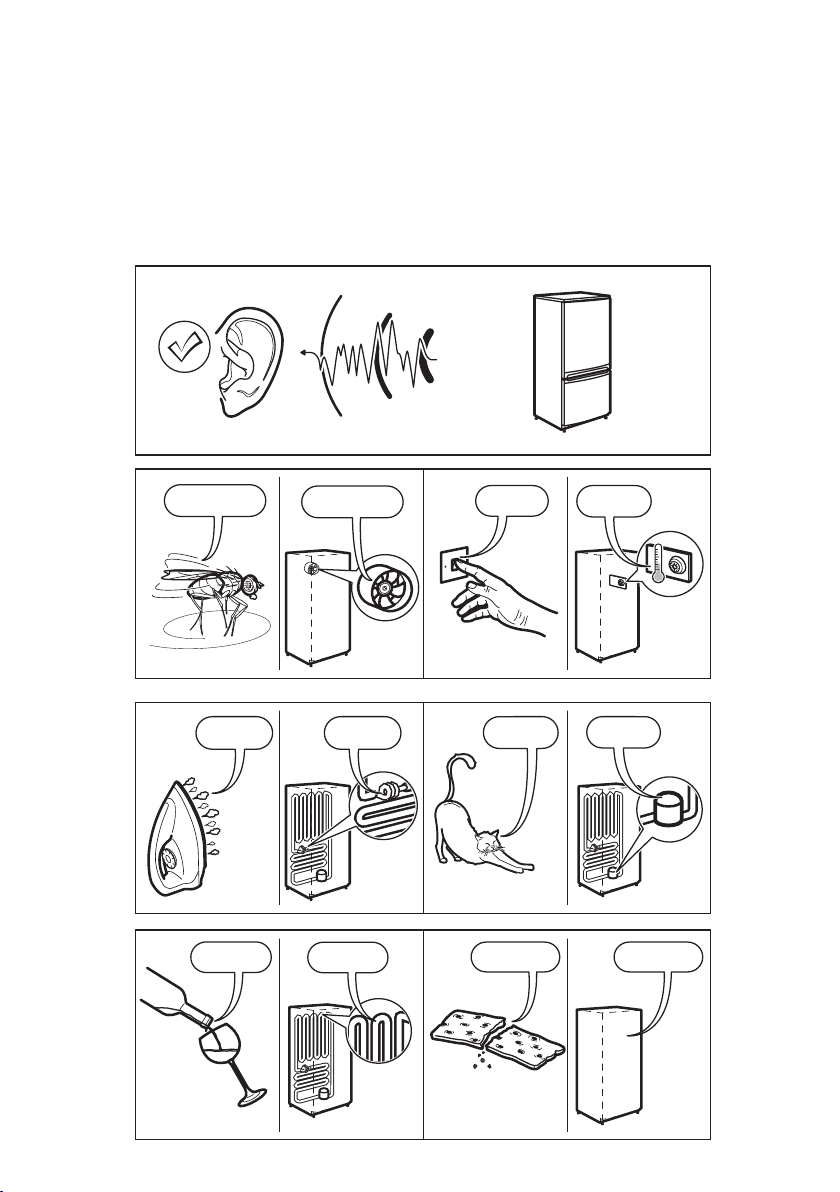
CONCERN WHAT TO DO
When your appliance is not operating • Check that the power cord is plugged into the power outlet properly
and that the outlet is switched on.
• Try running another appliance from the same power outlet. If no power
is coming out from the outlet, you may have a blown fuse or tripped
your household power supply circuit.
• Try adjusting the temperature control to a slightly colder position.
• It is normal for the freezer fan to NOT operate during the automatic
defrost cycle or for a short time after the refrigerator is turned on.
When there is refrigerator noise Your refrigerator uses energy efficient components that may produce
dierent noises from your old refrigerator.
Occasionally, a gurgling sound of the refrigerant flowing or the sound of
parts contracting or expanding may be heard.
These sounds are quite normal. If the refrigerator is rattling or making
vibrating noises, check that it is level and adjust levelling foot.
If there are odours inside the refrigerator • The interior may need cleaning.
• Some foods may produce strong odours and need to be tightly sealed.
If the temperature in the refrigerator is too
warm
• Check that the refrigerator has enough clearance at the sides, back and
top. Refer to ‘Installing Your New Appliance’ in this manual.
• Refer to ‘Temperature Control’ section.
• The door may have been opened for too long or too frequently.
• Food containers or packaging may be holding the door.
If the temperature in the refrigerator is too
cold
• Refer to ‘Temperature Control’ section.
• Increase the temperature to avoid high energy consumption.
Refrigerator operation
17
EN
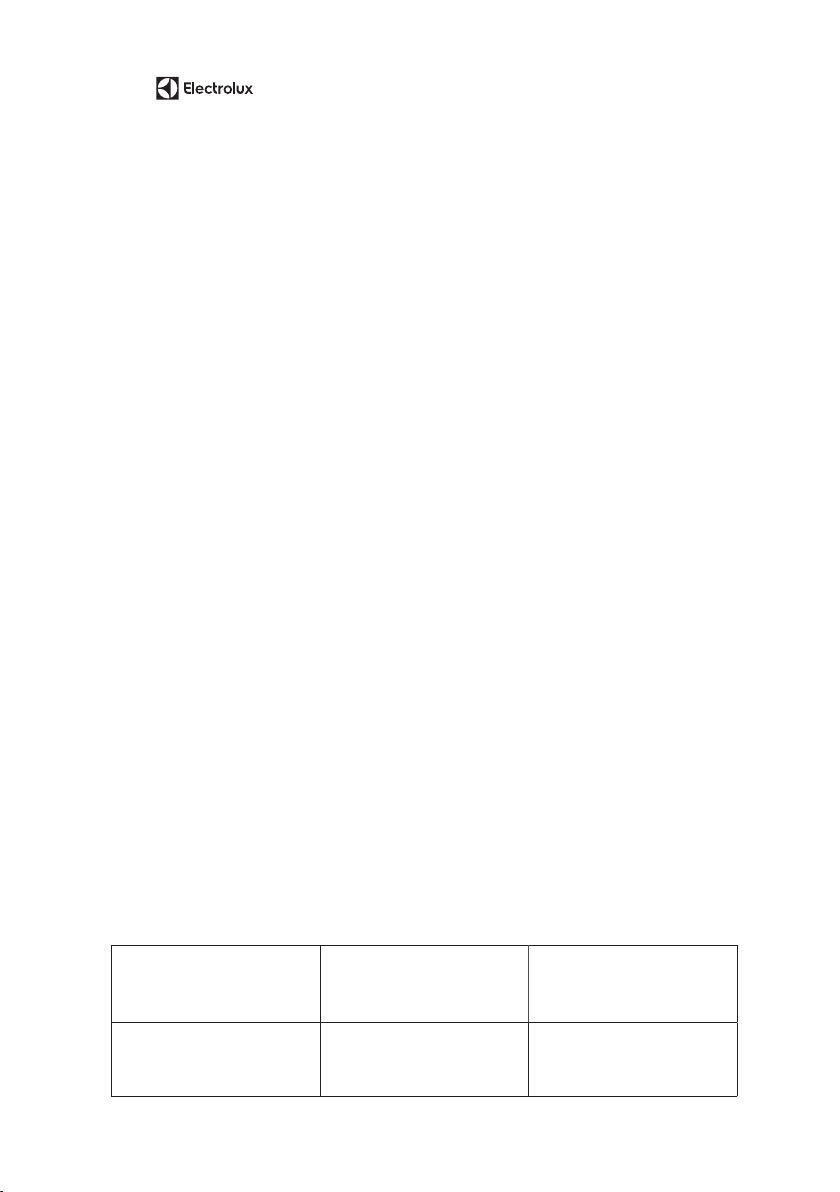
9. NOISES
Appliance noise
Your new refrigerator may make sounds that your old one didn’t make. Because the sounds
are new to you, you might be concerned about them. Most of the new sounds are normal. Hard
surfaces, like the floor, walls and cabinets, can make the sounds seem louder than they actually
are. The following describes the kinds of sounds and what may be making them.”
BRRR
!
HISSS!
CLICK!
BLUBB!
CRACK!
SSSRR
R!
OK
CLICK!
CLICK!
SSSRRR!
SSSRRR!
BRRR!
BRRR!
HISSS!
HISSS!
BLUBB!
BLUBB!
CRACK!CRACK!
18 www.westinghouse.com
This document sets out the terms and conditions of the product
warranties for Westinghouse Appliances. It is an important
document. Please keep it with your proof of purchase documents
in a safe place for future reference should there be a manufacturing
defect in your Appliance. This warranty is in addition to other rights
you may have under the Australian Consumer Law.
1. In this warranty:
(a) ‘ACL’ or ‘Australian Consumer Law’ means Schedule 2 to the
Competition and Consumer Act 2010;
(b) ‘Appliance’ means any Electrolux product purchased by you and
accompanied by this document;
(c) ‘ASC’ means Electrolux’s authorised serviced centres;
(d) ‘Westinghouse’ is the brand controlled by Electrolux Home Products
Pty Ltd of 163 O’Riordan Street, Mascot NSW 2020, ABN 51 004
762 341 in respect of Appliances purchased in Australia and Electrolux
(NZ) Limited (collectively “Electrolux”) of 3-5 Niall Burgess Road, Mount
Wellington, in respect of Appliances purchased in New Zealand;
(e) ‘WarrantyPeriod’meanstheperiodspeciedinclause3ofthis
warranty;
(f) ‘you’ means the purchaser of the Appliance not having purchased
the Appliance for re-sale, and ‘your’ has a corresponding meaning.
2. Application: This warranty only applies to new Appliances, purchased
and used in Australia or New Zealand and is in addition to (and does not
exclude, restrict, or modify in any way) other rights and remedies under
a law to which the Appliances or services relate, including any non-
excludable statutory guarantees in Australia and New Zealand.
3. Warranty Period: Subject to these terms and conditions, this warranty
continues for in Australia for a period of 24 months and in New Zealand
for a period of 24 months, following the date of original purchase of the
Appliance.Speciccomponentsarewarrantedagainstmanufacturing
defects in Australia and New Zealand for the periods listed below;
• Compressor – Further 3 years
• External Condenser – Further 3 years
• Evaporator – Further 3 years
• Drier – Further 3 years
4. Repair or replace warranty: During the Warranty Period, Electrolux
or its ASC will, at no extra charge if your Appliance is readily accessible
for service, without special equipment and subject to these terms and
conditions, repair or replace any parts which it considers to be defective.
Electrolux may, in its absolute discretion, choose whether the remedy
oeredforavalidwarrantyclaimisrepairorreplacement.Electroluxorits
ASC may use refurbished parts to repair your Appliance. You agree that
any replaced Appliances or parts become the property of Electrolux.
5. Travel and transportation costs: Subject to clause 7, Electrolux will
bear the reasonable cost of transportation, travel and delivery of the
Appliance to and from Electrolux or its ASC. Travel and transportation will
be arranged by Electrolux as part of any valid warranty claim.
6. Proof of purchase is required before you can make a claim under this
warranty.
7. Exclusions: You may not make a claim under this warranty unless the
defect claimed is due to faulty or defective parts or workmanship. This
warranty does not cover:
(a) lightglobes,batteries,ltersorsimilarperishableparts;
(b) parts and Appliances not supplied by Electrolux;
(c) cosmeticdamagewhichdoesnotaecttheoperationofthe
Appliance;
(d) damage to the Appliance caused by:
(i) negligence or accident;
(ii) misuse or abuse, including failure to properly maintain or service;
(iii) improper, negligent or faulty servicing or repair works done by
anyone other than an Electrolux authorised repairer or ASC;
(iv) normal wear and tear;
(v) power surges, electrical storm damage or incorrect power supply;
(vi) incomplete or improper installation;
(vii) incorrect, improper or inappropriate operation;
(viii) insect or vermin infestation;
(ix) failure to comply with any additional instructions supplied with
the Appliance;
In addition, Electrolux is not liable under this warranty if:
(a) the Appliance has been, or Electrolux reasonably believes that the
Appliance has been, used for purposes other than those for which
the Appliance was intended, including where the Appliance has
been used for any non-domestic purpose;
(b) theApplianceismodiedwithoutauthorityfromElectroluxinwriting;
(c) the Appliance’s serial number or warranty seal has been removed
or defaced.
8. How to claim under this warranty: To enquire about claiming under
this warranty, please follow these steps:
(a) carefully check the operating instructions, user manual and the
terms of this warranty;
(b) have the model and serial number of the Appliance available;
(c) have the proof of purchase (e.g. an invoice) available;
(d) telephone the numbers shown below.
9. Australia: For Appliances and services provided by Electrolux in
Australia: Electrolux goods come with guarantees that cannot be
excluded under the Australian Consumer Law. You are entitled to a
replacement or refund for a major failure and for compensation for any
other reasonably foreseeable loss or damage. You are also entitled to
have the Appliance repaired or replaced if the Appliance fails to be of
acceptable quality and the failure does not amount to a major failure.
‘Acceptable quality’ and ‘major failure’ have the same meaning as
referred to in the ACL.
10. New Zealand: For Appliances and services provided by Electrolux
in New Zealand, the Appliances come with a guarantee by Electrolux
pursuant to the provisions of the Consumer Guarantees Act, the Sale
of Goods Act and the Fair Trading Act. Where the Appliance was
purchased in New Zealand for commercial purposes the Consumer
Guarantee Act does not apply.
11.Condentiality: You accept that if you make a warranty claim, Electrolux
and its agents including ASC may exchange information in relation to you
to enable Electrolux to meet its obligations under this warranty.
Warranty
FOR SALES IN AUSTRALIA AND NEW ZEALAND
APPLIANCE: WESTINGHOUSE REFRIGERATORS AND FREEZERS
Important Notice
Before calling for service, please ensure that the steps listed in clause 8 above have been followed.
AUSTRALIA
FOR SERVICE
ortondtheaddressofyournearest
authorised service centre in Australia
PLEASE CALL 13 13 49
For the cost of a local call
FOR SPARE PARTS
ortondtheaddressofyournearest
spare parts centre in Australia
PLEASE CALL 13 13 50
For the cost of a local call
NEW ZEALAND
FOR SERVICE
ortondtheaddressofyournearest
authorised service centre in New Zealand
PLEASE CALL 0800 10 66 10
FOR SPARE PARTS
ortondtheaddressofyournearest
spare parts centre in New Zealand
PLEASE CALL 0800 10 66 20
WFridgeFreezer_Warr_May19
Notes

email:
web:
customercare@electrolux.com.au
westinghouse.com.au
email:
NEW ZEALAND
phone: 0800 436 245
fax: 0800 225 088
For more information on all Westinghouse
appliances, or for dimension and installation
information, call into your retailer, phone or email
our customer care team or visit our website:
AUSTRALIA
phone: 1300 363 640
fax: 1800 350 067
web:
customercare@electrolux.co.nz
westinghouse.co.nz
TOP SERVICE
Top Service encompasses the after sales service
provided by The Electrolux Group to consumers
including delivery, home service and spare parts.
and WESTINGHOUSE are trademarks of Westinghouse Electric Corporation.
Used under license. All Rights Reserved.
© 2017 Electrolux Home Products Pty Ltd.
ABN 51 004 762 341
A12081686-A-362021