Installation and operating instructions Tumble dryer
Energy-saving tips
- Spin the laundry before drying. The drier the laundry, the shorter the programme will be, in turn reducing energy consumption.
- Load the appliance with the maximum loads permitted for the programmes.
Note: If the maximum load is exceeded, this extends the programme duration and increases energy consumption.
- Operate the appliance in a ventilated room and make sure that the air inlet on the appliance is unobstructed so that air exchange can take place unhindered.
- Regularly remove the fluff from the appliance. If there is fluff in the appliance, this extends the programme duration and increases energy consumption.
- If you do not perform any actions on the appliance for an extended period before the programme starts or once the programme has ended, the appliance will automatically switch to energy-saving mode. The display and indicator lights go out after a few minutes and Start/Reload flashes. To end energy-saving mode, all you need to do is perform an action on the appliance, such as opening and closing the door.
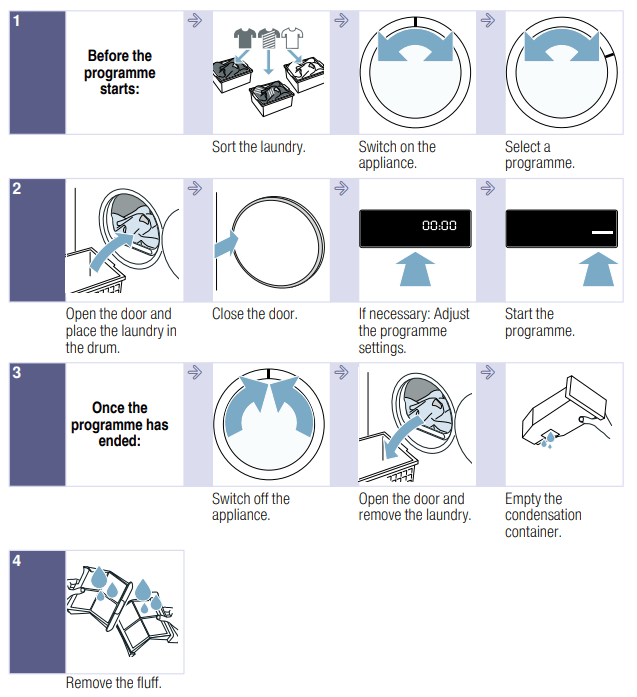
Quick reference guide
Note: The appliance must be correctly installed and connected
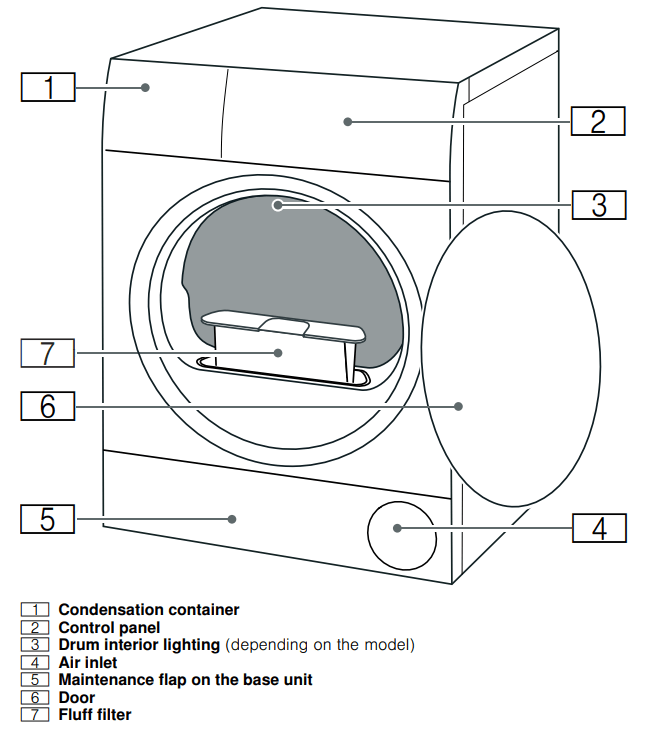
Familiarising yourself with your appliance
Appliance overview
Fascia
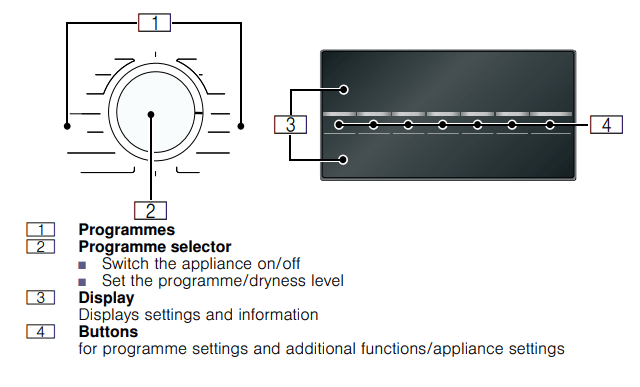
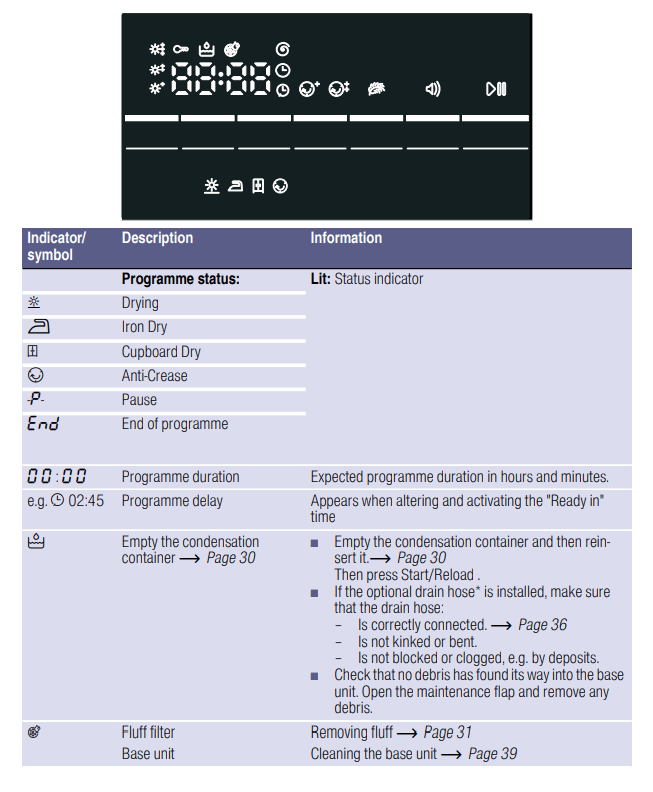
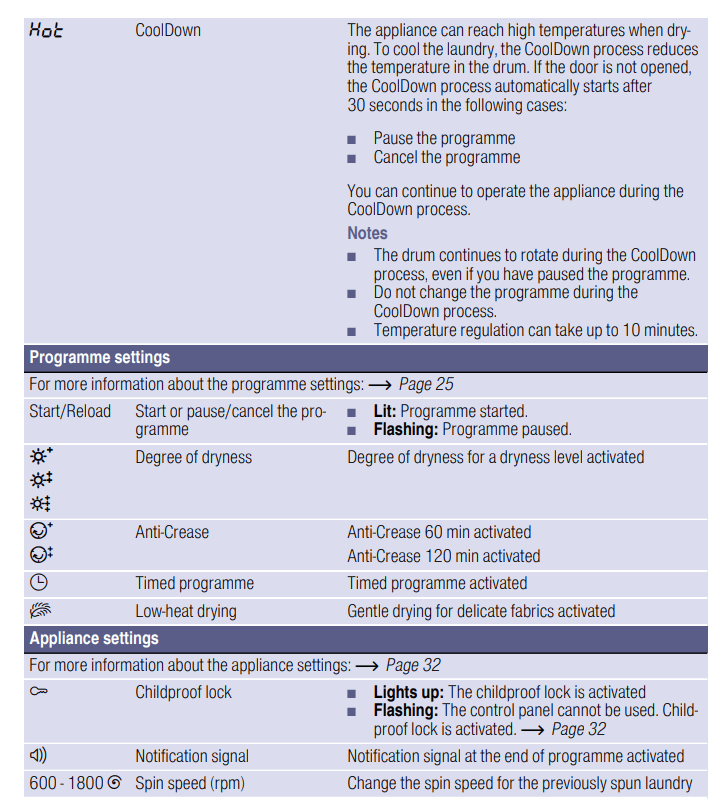
Display
 Operating the appliance
Loading laundry and switching on the appliance
Note: The appliance must be correctly installed and connected.
1. Prepare and sort the laundry.
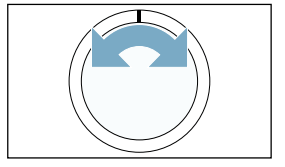
2. Turn the programme selector to switch on the appliance.
3. Open the door. Check that the drum has been completely emptied. Empty it if necessary
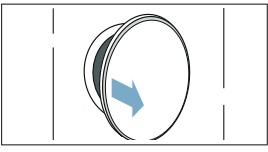
4. Load the laundry unfolded into the drum.
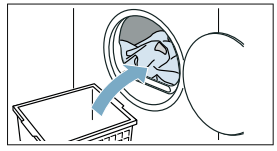
5. Close the appliance door.
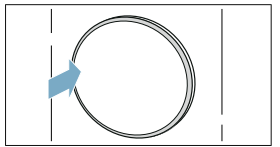
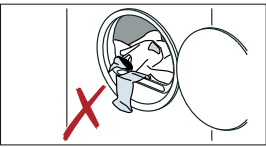
Caution! Risk of material damage to the appliance or laundry. Make sure that laundry is not trapped in the door.
Note: The appliance's drum is lit up after the door is opened and closed and once the programme has started. The drum's interior light goes out on its own
Setting a programme
Note: If you have activated the childproof lock, you must deactivate it before you can set a programme.
1. Set the programme you require.
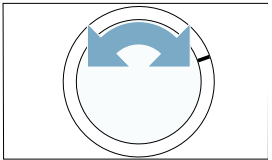
2. Adjust the programme settings, if required. ~ "Programme settings"
Starting the programme
- Press Start/Reload .
- Note: If you want to prevent the programme from being adjusted inadvertently, activate the childproof lock.
Programme progress
- The programme status will be indicated on the display.
- Note: When a programme is selected, the expected drying time for the maximum permitted load is displayed. The moisture sensor measures the residual moisture in the laundry as it is being dried. The programme duration and the remaining time indicated on the display are automatically adjusted as the programme progresses, depending on how damp the laundry is (exception: Timed programmes).
Changing the programme or adding more laundry
You can remove or add laundry and change or adjust the programme at any time during drying.
- Open the door or press Start/ Reload to pause the programme. Note: The drum will continue to rotate when the CoolDown process is in progress, even if you have paused the programme. You can stop the CoolDown process at any time by opening the door.
- Add or remove laundry.
- If required, select a different programme or a different programme setting.~ "Overview of programmes" ~ "Programme settings" Note: Do not change the programme during the CoolDown process.
- Close the appliance door.
- Press Start/Reload .
Note: The programme duration is updated on the display, depending on the load and on the residual moisture in the laundry. The values displayed may change when the programme or load is changed.
Cancelling the programme
- The programme can be cancelled at any time by opening the door or pressing Start/Reload .
- Caution! Risk of fire. Laundry may catch fire. If you cancel the programme, remove all items of laundry from the dryer and spread them out to allow the heat to dissipate.
End of programme
- The following message appears in the display:

Removing laundry and switching off the appliance
1. Remove the laundry.
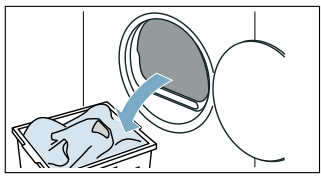
2. Turn the programme selector to switch off the appliance
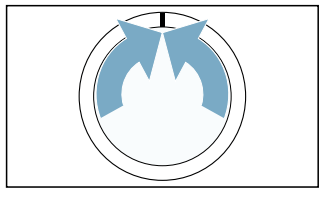
Emptying the condensation container
By default, the condensation from the appliance runs into the condensation container.
Alternatively, you have the option of discharging the condensation water* supplied depending on the model. If you choose to discharge the condensation water into the waste-water system, you will not need to empty the condensation container during the drying programme or after each time you use the dryer.
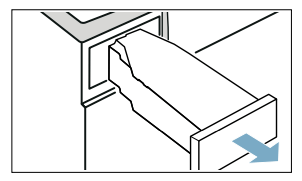
1. Pull out the condensation container horizontally.
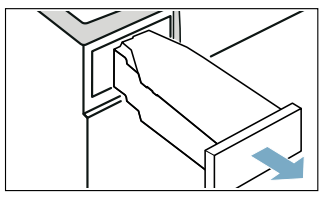
2. Pour out the condensation water.
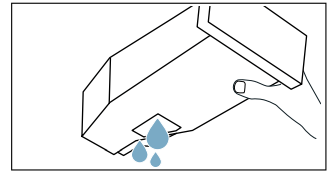
Caution! Risk of harm to health and material damage Condensation water is not suitable for drinking and may be contaminated with fluff. Contaminated condensation water may be harmful to your health and cause material damage. Do not drink the condensation water or reuse it.
* into the waste-water system via a drain hose
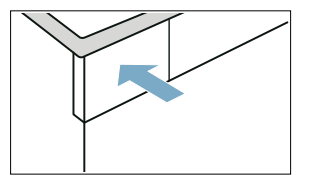
3. Push the condensation container back into the appliance until you feel it lock into place.
Removing the fluff
Note: During drying, fluff and hair from the laundry is trapped by the fluff filter. If the fluff filter is clogged or dirty, this reduces the flow of air, preventing the appliance from achieving optimal drying results. Dirty fluff filters increase the power consumption and increase the required drying time.
Clean the fluff filter after each drying cycle:
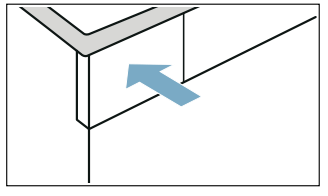
1. Open the door and remove all fluff from it.
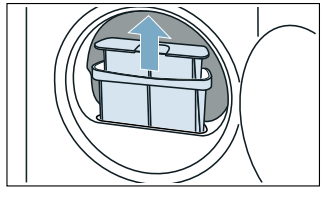
2. Pull out the two-part fluff filter.
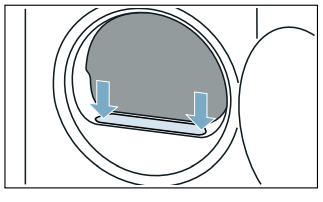
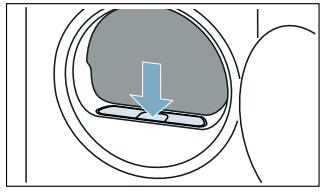
3. Remove the fluff from the fluff filter recess. Ensure that no fluff falls into the open shaft.
4. Pull the two-part fluff filter apart.
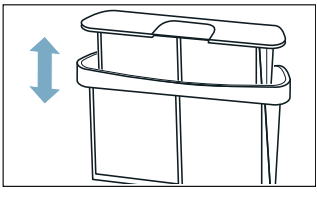
5. Open the two parts of the filter.
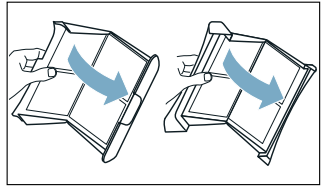
6. Remove all fluff from both parts of the filter.
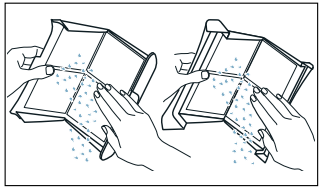
7. Rinse off fluff under warm, running water.
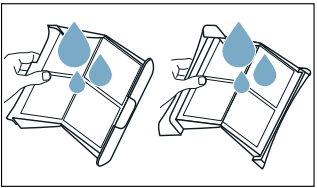
8. Dry the two parts of the fluff filter, snap them shut and reinsert the filter.
Cleaning and maintenance
Cleaning the appliance
Warning Risk of death! The appliance is powered by electricity. There is a risk of electric shock if you come into contact with live components. Therefore please note:
- Switch off the appliance. Disconnect the appliance from the power supply (pull out the plug).
- Never take hold of the mains plug with wet hands.
- When removing the mains plug from the socket, always take hold of the plug itself and never the mains cable, otherwise this may damage the mains cable.
- Do not make any technical modifications to the appliance or its features.
- Repairs and any other work on the appliance must only be conducted by our customer service or by an electrician. The same applies for replacing the mains cable (when necessary).
- Spare mains cables can be ordered from our customer service.
Warning Risk of poisoning! Poisonous fumes may be given off by cleaning agents that contain solvents, e.g. cleaning solvent. Do not use cleaning agents that contain solvents.
Warning Risk of electric shock/material damage/damage to the appliance! If moisture penetrates the appliance, this may cause it to short circuit. Do not use a pressure washer, steam cleaner, hose or spray gun to clean your appliance.
Caution! Material damage/damage to the appliance
Cleaning agents and agents for pretreating laundry (e.g. stain removers, prewash sprays, etc.) may cause damage if they come into contact with the surfaces of the appliance. Therefore please note:
- Do not allow these agents to come into contact with the surfaces of the appliance.
- Clean the appliance with nothing but water and a soft, damp cloth.
- Remove any detergent, spray or other residues immediately
Cleaning the moisture sensor
Note: The moisture sensor measures the amount of moisture in the laundry. After long periods of usage, the moisture sensor may become covered by a fine layer of limescale or detergent and care product residue. These deposits must be removed regularly, otherwise the drying results may not be optimal.
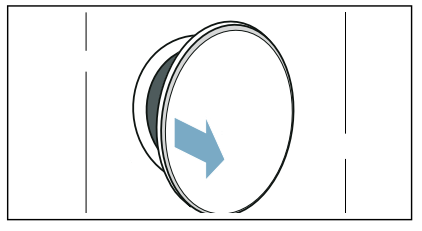
1. Open the door.
2. Clean the moisture sensor with a rough sponge.
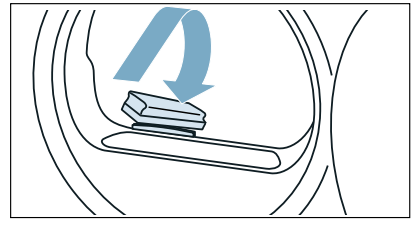
Caution! Risk of damaging the moisture sensor. The moisture sensor is made from stainless steel. Do not clean the sensor with abrasive cleaning products or wire wool.
Cleaning the base unit
- Fluff and hair from the laundry collect in the base unit during drying. Clean the appliance's base unit if the following message appears in the display:

- You can also clean the appliance's base unit even if this message does not appear in the display, e.g. if there is visible soiling.
- Warning Risk of injury! You could cut your hands on the sharp fins on the heat exchanger. Do not touch the fins on the heat exchanger with your hands.
- Note: Allow the appliance to cool down for approximately 30 minutes after use before commencing cleaning.
Clean the base unit as follows:
1. Clean the fluff filter
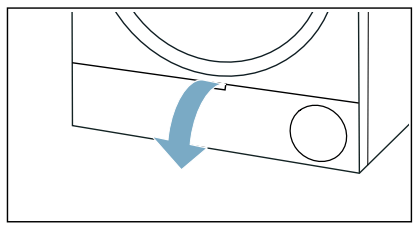
2. Open the maintenance flap by the handle.
3. Unlock the levers on the heat exchanger cover.
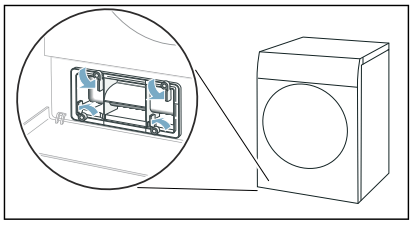
4. Pull the heat exchanger cover out by its grip.
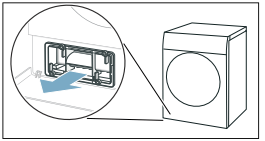
5. Carefully remove the filter mat from the heat exchanger cover.
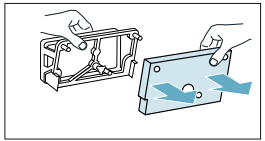
Note: Take care not to damage the filter mat when doing this.
6. Use a soft brush to clean the heat exchanger cover. Note: Make sure that no dirt or debris is left on the seal.
7. Rinse the filter mat under running water and squeeze out the water with your hand.
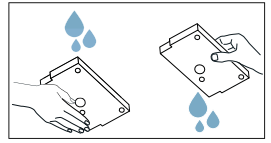
Notes
- If there are heavy deposits, you can clean the filter mat carefully with a vacuum cleaner.
- Only clean with clear water; do not use cleaning products.
8. Position the filter mat fully on the retainers in the heat exchanger cover.
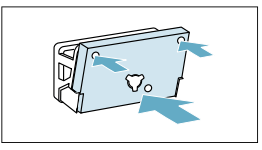
Notes – Ensure that the filter mat is clean and dry, and positioned on the retainers as shown.
- The filter mat must not be put back if misshapen, damaged or reversed.
- You can order a new filter mat from our after-sale services using the spare part number: 12022801. Contact information for all countries can be found in the enclosed aftersales service directory.
9. If there is visible soiling, carry out the following steps (optional):
- Lift the middle tab on the insert slightly.
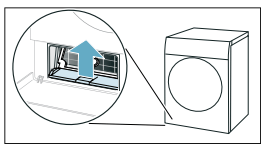
- Pull the insert out horizontally.
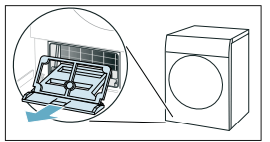
- Rinse the insert under running water and dry it off.
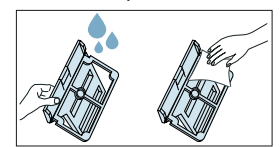
- Clean the opening in the appliance with a soft, damp cloth.
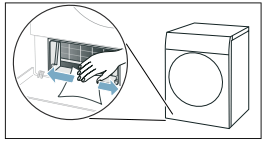
Note: Take care not to damage the heat exchanger, as it is exposed.
- Carefully clean the fins on the heat exchanger with a vacuum cleaner and brush attachment.
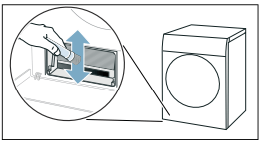
Note: Always clean the fins on the heat exchanger from top to bottom, taking care not to bend or damage them.
- Push the insert in horizontally until you hear the tab click into place.
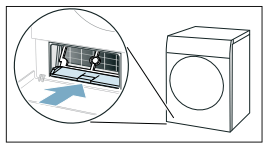
10.Slide the heat exchanger cover in by its grip.
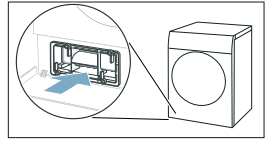
Note: You can only slide the heat exchanger cover in if the insert is in the appliance.
11.Lock the levers on the heat exchanger cover.
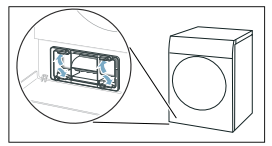
12.Close the maintenance flap.
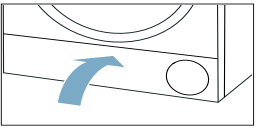
You have now finished cleaning the appliance's base unit
Troubleshooting
Help with the appliance
| Faults |
Cause/Remedy |
| Appliance does not start |
Check the mains plug and the fuses |
| Creasing |
- Load exceeded or incorrect programme selected for a type of fabric. All the required information can be found in the programme table.
- Remove laundry from the drum as soon as the drying programme has finished. Creasing occurs when clothing is left in the drum.
|
| Water is leaking out. |
- The appliance may be positioned at an angle. Level the appliance.
- In the base unit, make sure that:
- The heat exchanger cover is properly locked.
- There is no dirt or debris on the heat exchanger cover's seal.
- If the optional drain hose* is installed, make sure that the drain hose is correctly connected.
|
| The appliance is paused but the drum is turning. |
The appliance has detected a high temperature and has started the CoolDown process. Temperature regulation can take up to 10 minutes. You can cancel the CoolDown process at any time by opening the door. |
| The programme does not start |
Make sure that:
- The door is closed
- The
 3 sec. (child lock 3 sec.) has been deactivated 3 sec. (child lock 3 sec.) has been deactivated
- You have pressed Start/Reload
Note: If the programme has been delayed by setting Finished in , the programme starts at a later point.
|
| Programme duration displayed changes as drying progresses. |
Not a fault. The moisture sensor measures the residual moisture in the laundry and adjusts the programme duration (with the exception of timed programmes) |
| Laundry is not dried properly or is still too damp |
- After the programme has ended, warm laundry feels damper than it actually is. Spread out the laundry and let it cool down.
- Adjust the drying time or increase the degree of dryness. This will extend the drying time but the temperature will remain the same.
- Select a timed programme to add extra drying time for laundry that is still damp.
- Select a timed programme for a small load.
- Do not exceed the maximum load for a programme.
- Clean the moisture sensor in the drum. The sensor may become covered in a fine layer of limescale or detergent and care product residue, which then impairs its performance.
- Drying has been interrupted as a result of a power cut, because the condensation container is full or because the maximum drying time has been exceeded.
Note: See also the laundry tips.
|
| Humidity in the room is increasing. |
Make sure the room is sufficiently ventilated. |
| Unusual noises when drying |
When drying is in progress, the pump and compressor generate noise when operating normally. This does not indicate that the appliance is malfunctioning. |
| The appliance feels cold despite drying |
Not a fault. The appliance can dry effectively at low temperatures using a heat pump. |
| Drying programme is stopped. |
If the drying programme is stopped due to a power failure, restart the programme or remove the laundry and spread it out. |
| Drying is taking too long. |
- The appliance may have fluff in it. This will increase the required drying time.
- Remove the fluff.
- Clean the base unit.
- The heat exchanger may have fluff in it. If you can see fluff in the exposed heat exchanger, clean it carefully using a vacuum cleaner.
- If the air inlet on the appliance is blocked or not fully open, this may increase the drying time. Make sure that the air inlet remains unobstructed.
- If the ambient temperature is lower than 15 °C or higher than 30 °C, this may increase the drying time.
- Inadequate air circulation in the room may increase the drying time. Make sure the room is adequately ventilated.
|
* Depending on how the appliance is equipped or the available accessory
Note: If you cannot rectify the fault yourself by turning the appliance off and then on again, please contact our after-sales service
 Transporting the appliance
Warning Risk of injury/material damage/ damage to the appliance! If you take hold of any of the appliance's protruding parts (e.g. the appliance door) in order to lift or move it, these parts may break off and cause injury. Do not take hold of any of the appliance's protruding parts in order to move the appliance.
Warning Risk of injury!
- The appliance is very heavy. Lifting it may result in injury. Do not lift the appliance on your own. Risk of injury!
- The appliance has sharp edges on which you could cut your hands. Do not take hold of the appliance by its sharp edges. Wear protective gloves to lift it.
Prepare the appliance for transportation as follows:
1. Pull out the condensation container horizontally and empty it.
2. Push the condensation container back into the appliance until you feel it lock into place.
3. Switch on the appliance.
4. Set any programme.
5. Press Start/Reload .
6. Wait for 5 minutes. The condensation water will be drained.
7. Empty the condensation container again.
8. If installed, remove the drain hose from the washbasin, siphon or floor drain.
Caution! Secure the drain hose to the appliance to prevent it from slipping out. Do not kink the drain hose.
9. Switch off the appliance.
10.Disconnect the appliance's mains plug from the power supply. The appliance is now ready to be transported.
Caution! Risk of material damage/damage to the appliance Despite draining, there will always be some residual water in the appliance. Any residual water may leak out and cause material damage. The appliance should therefore be transported upright.