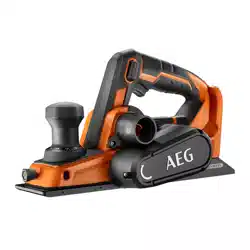

BHO18B
Original instructions
2
2
Important!
It is essential that you read the instructions in this manual before assembling, operating and
maintaining the product.
Subject to technical modifications.
3
3
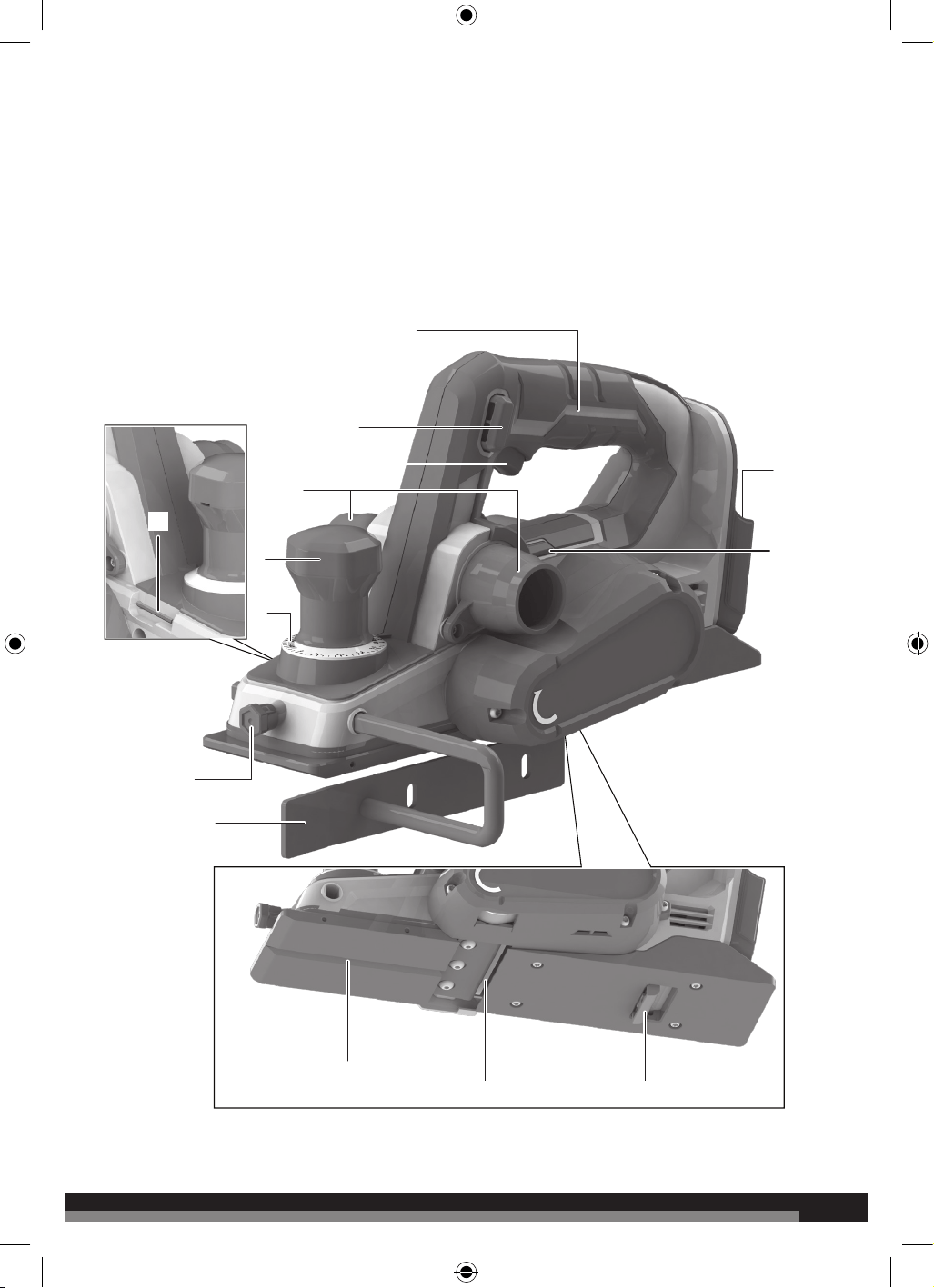
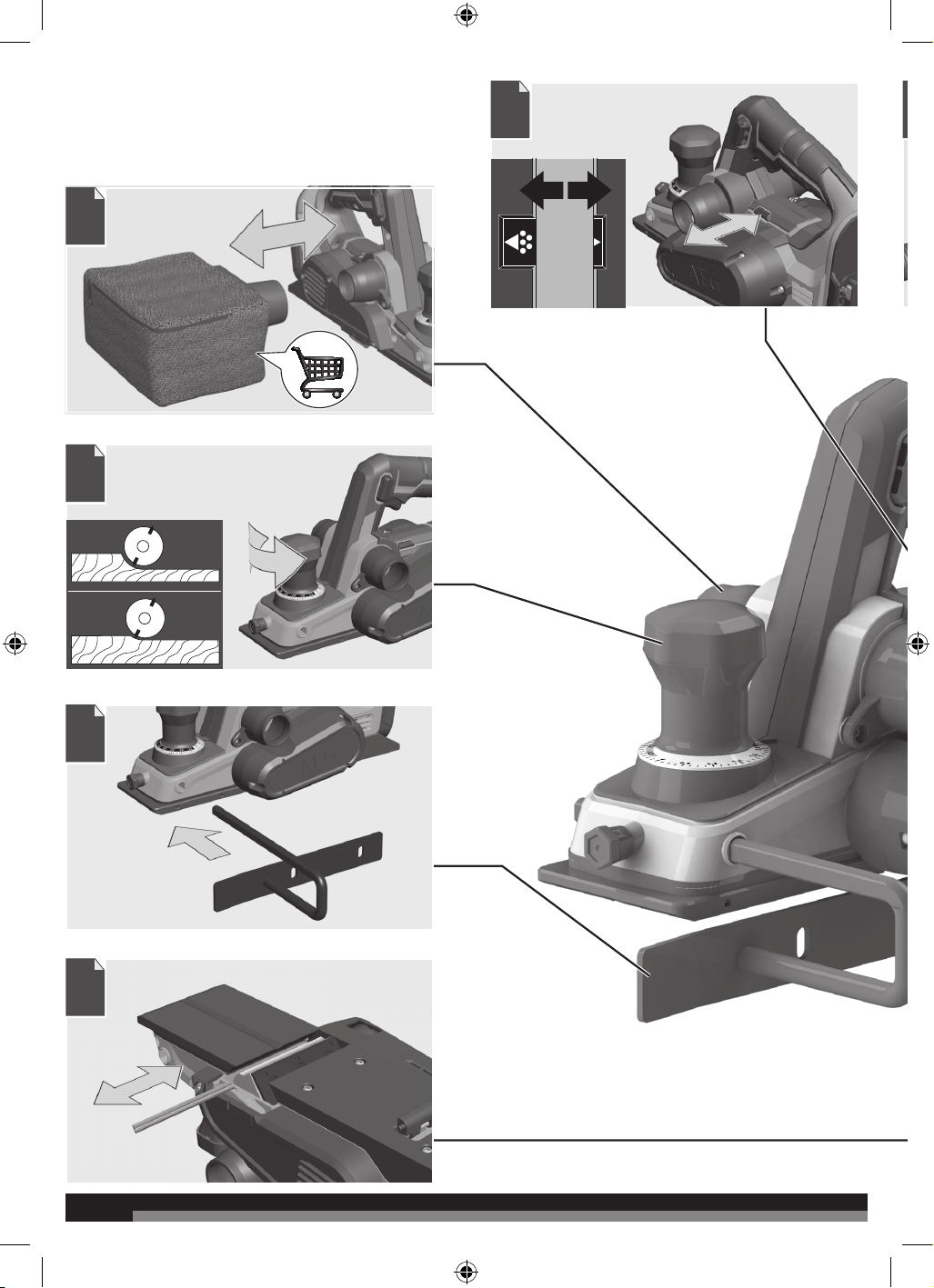
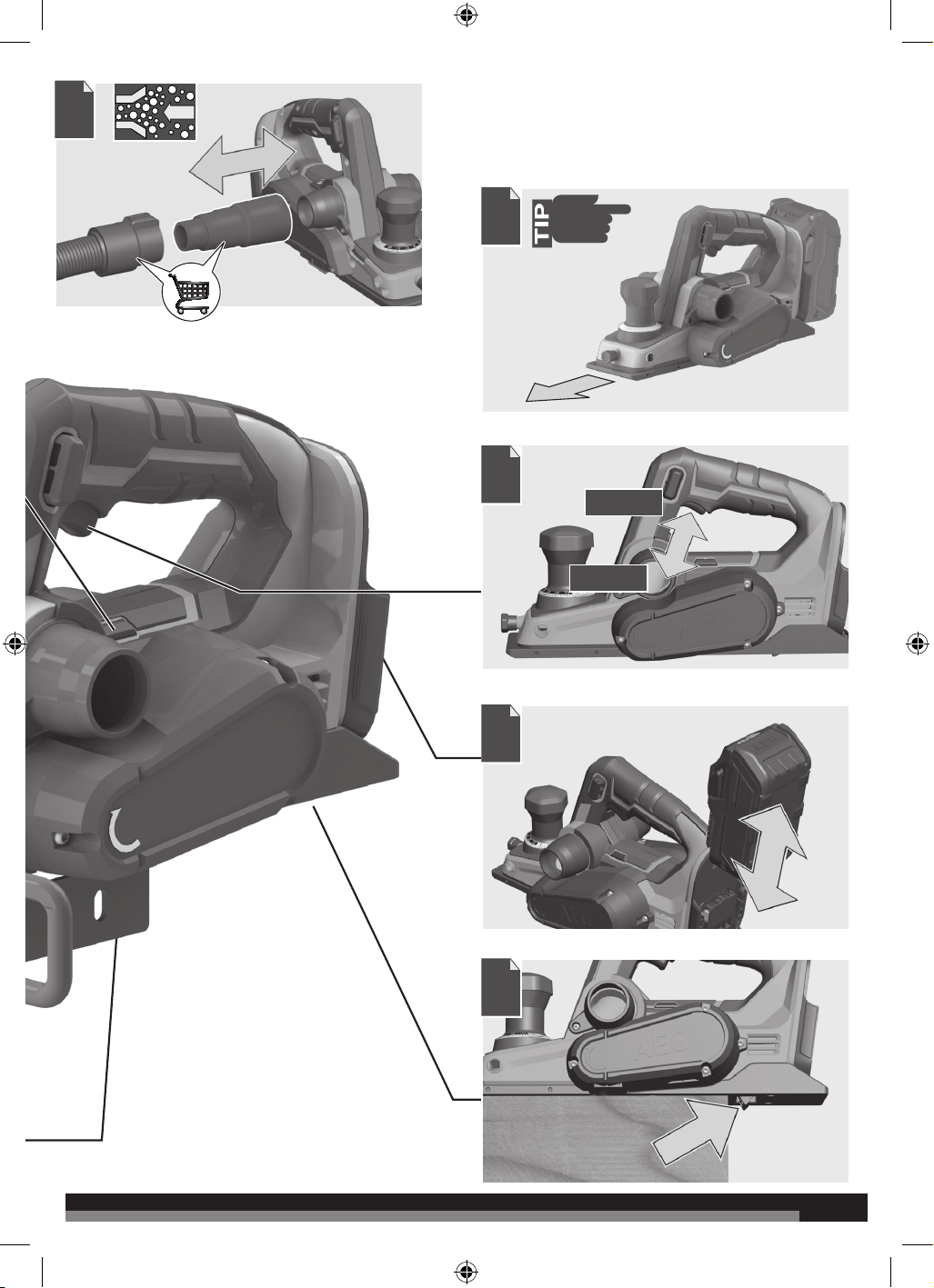
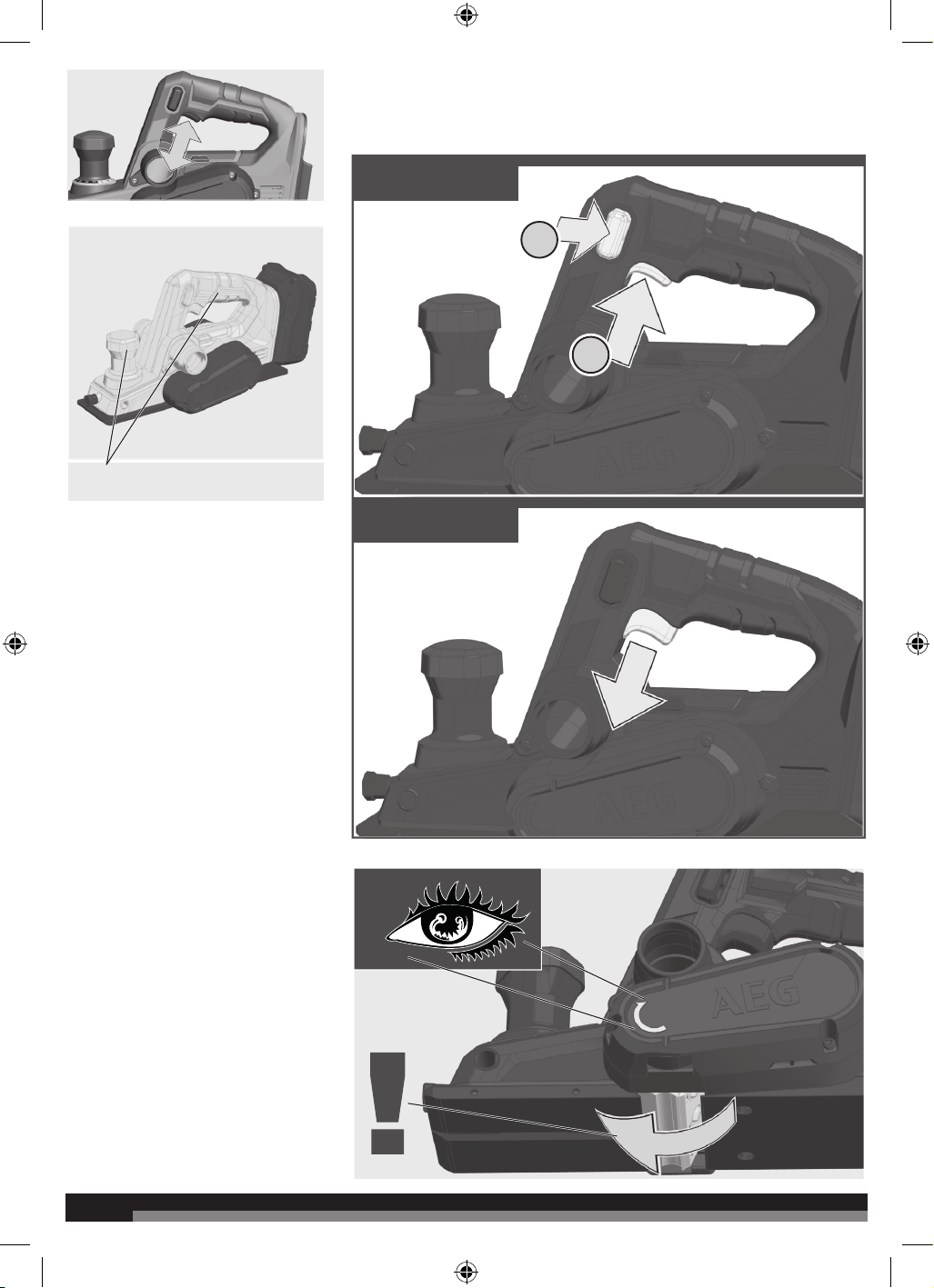
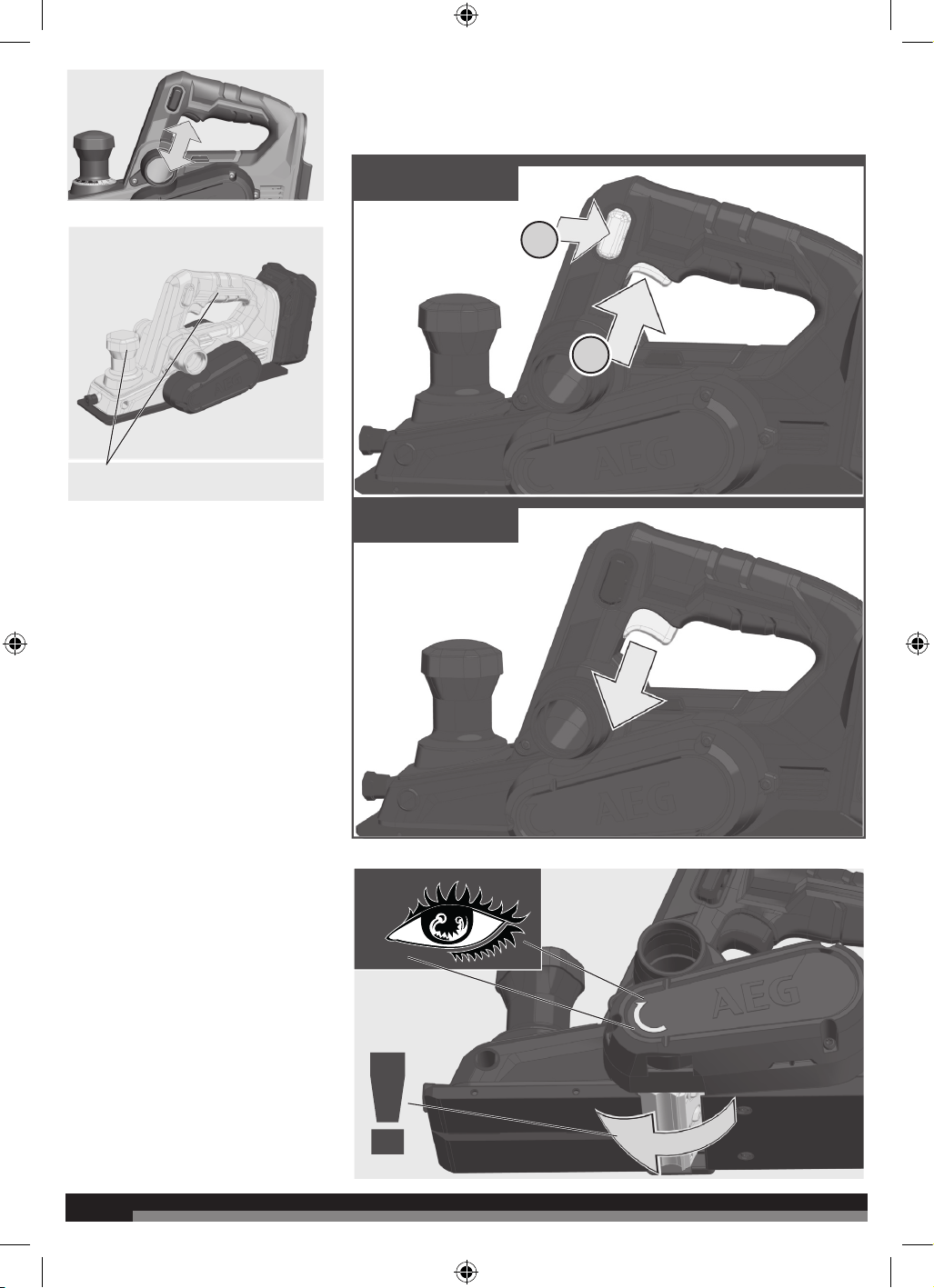
1. Handle, insulated gripping surface
2. Lock-off button
3. Trigger
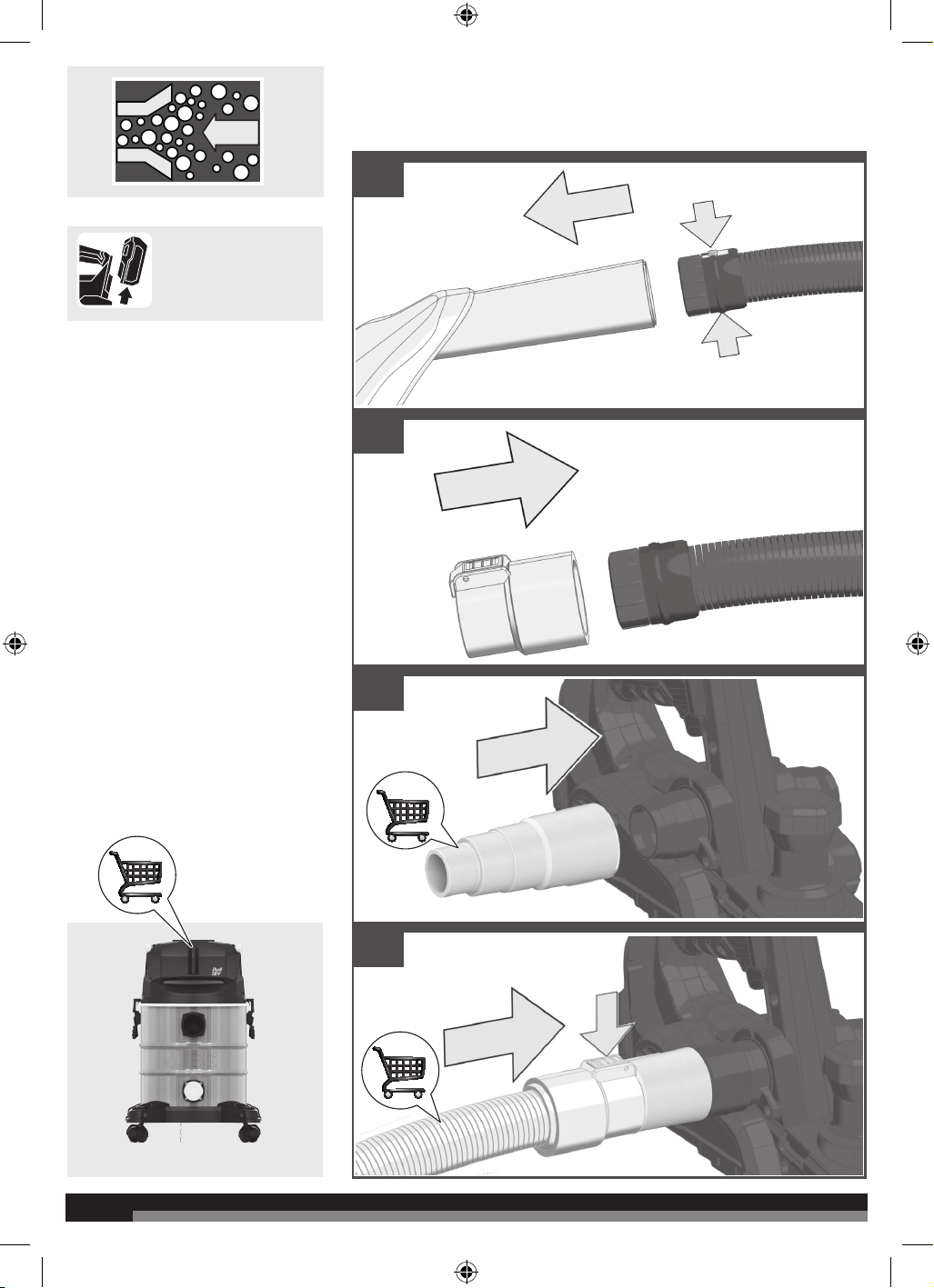
4. Dust port
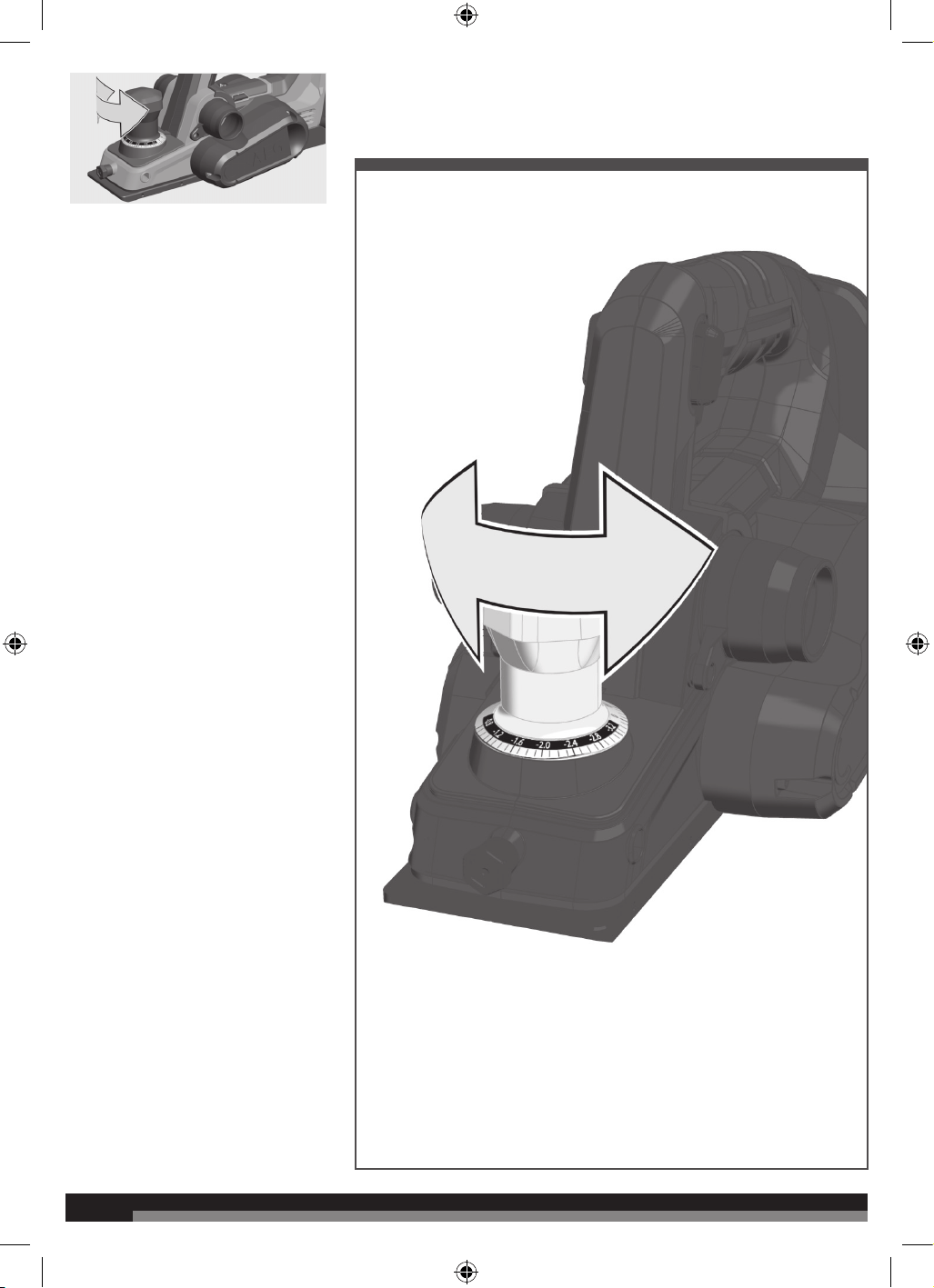
5. Depth adjustment knob
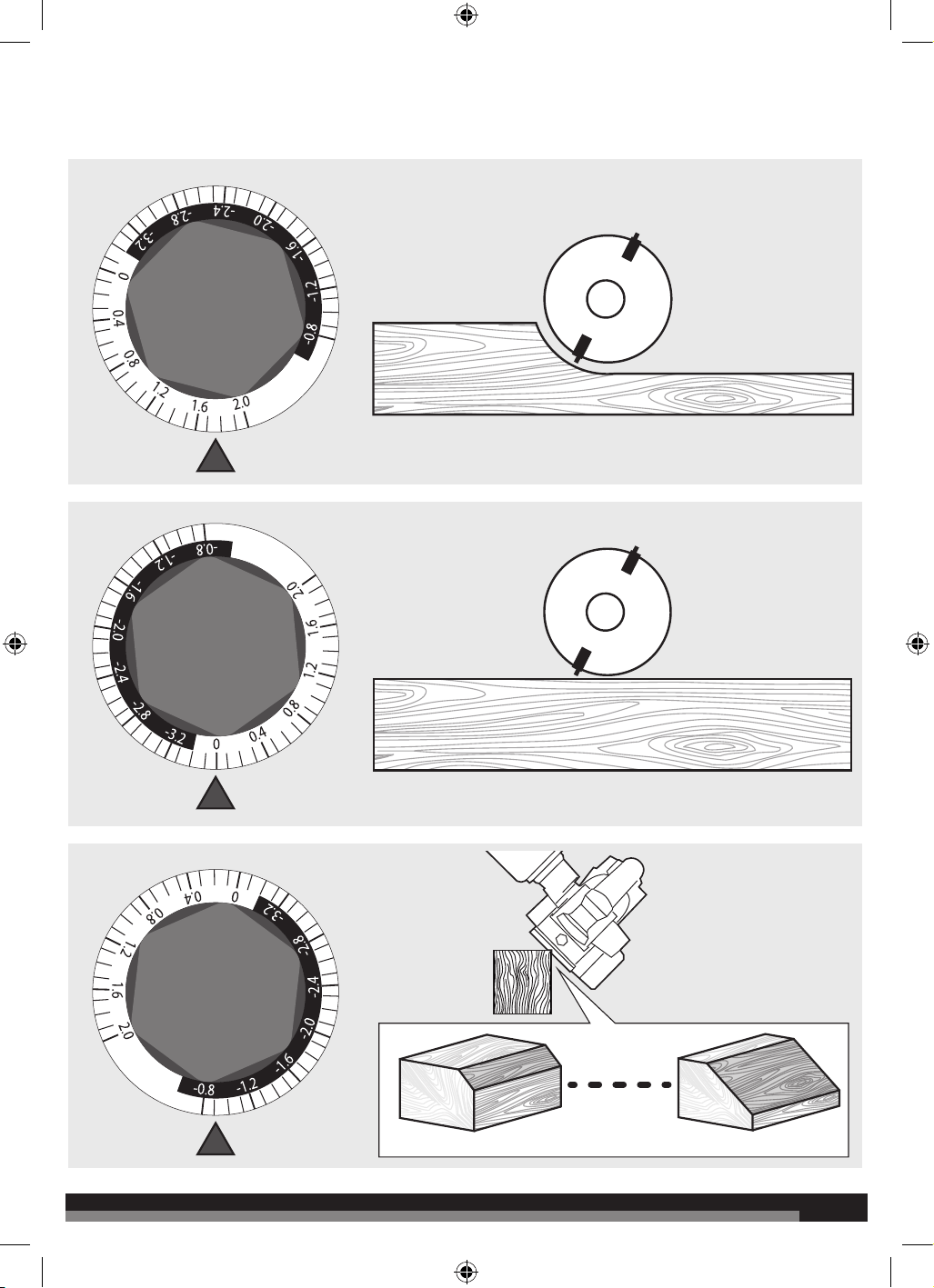
6. Depth scale
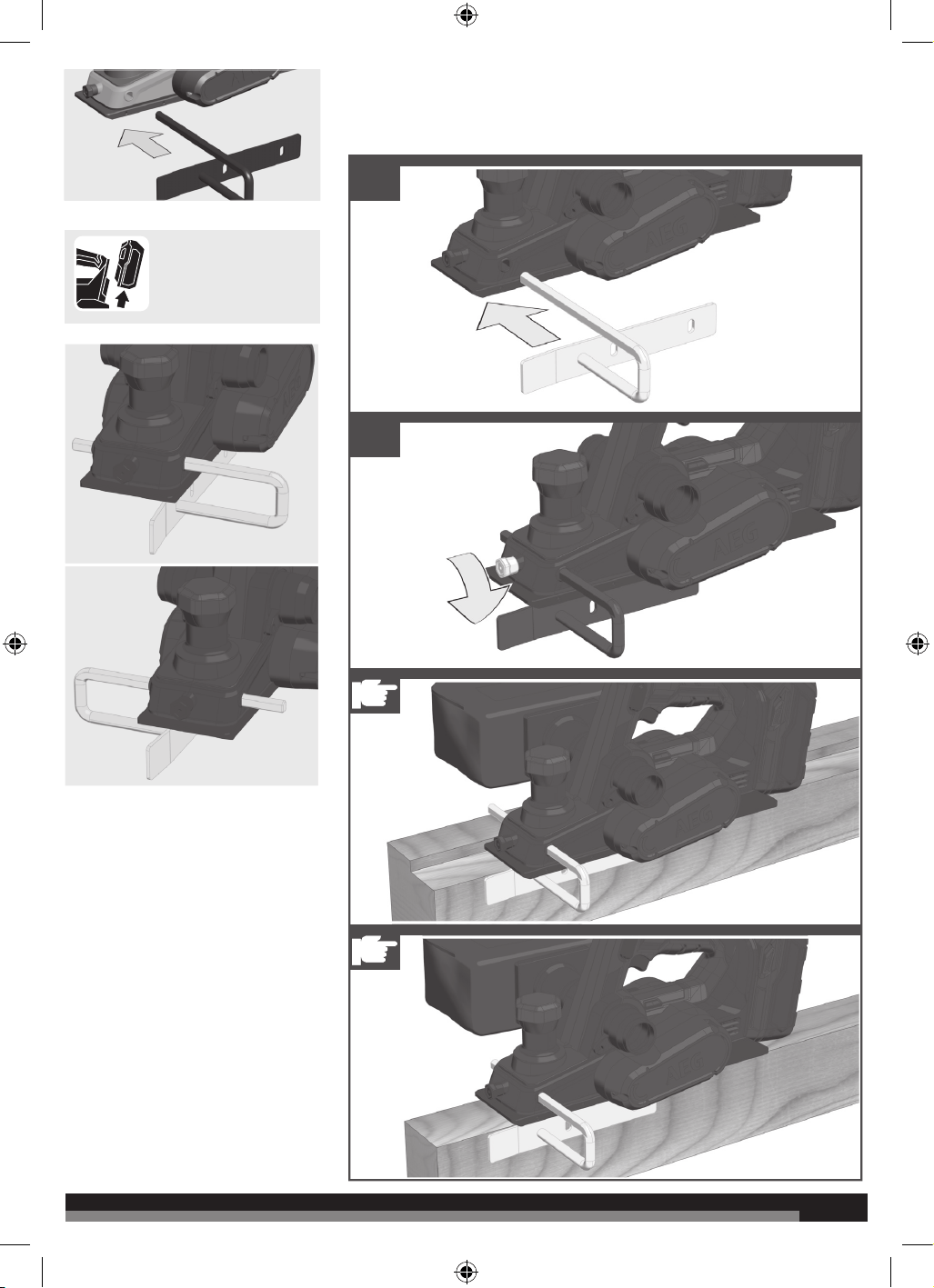
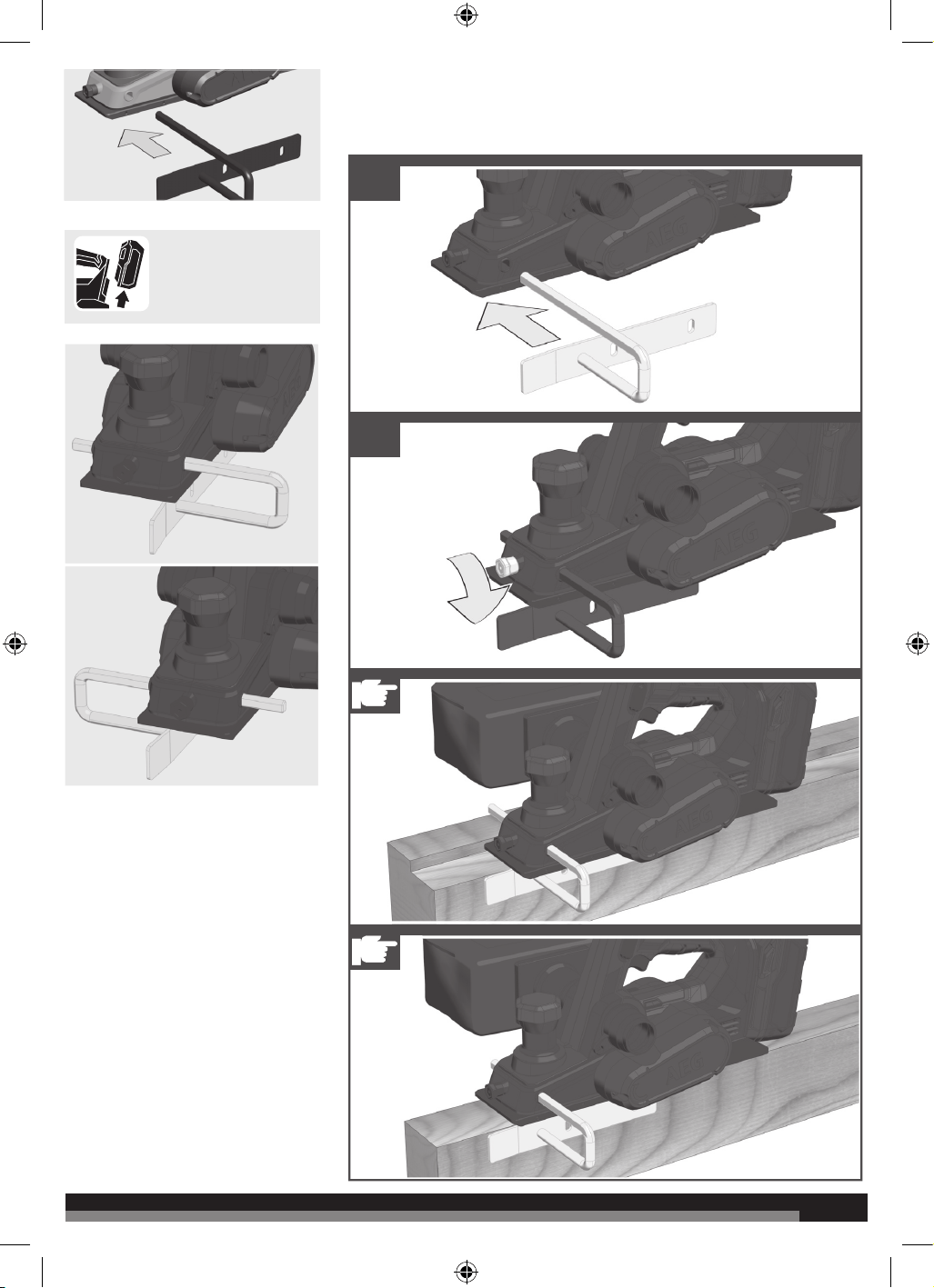
7. Hex key
8. Aux fence knob
9. Side fence
10. Battery port
11. Dust flow direction knob
12. V-shape notch
13. Blade
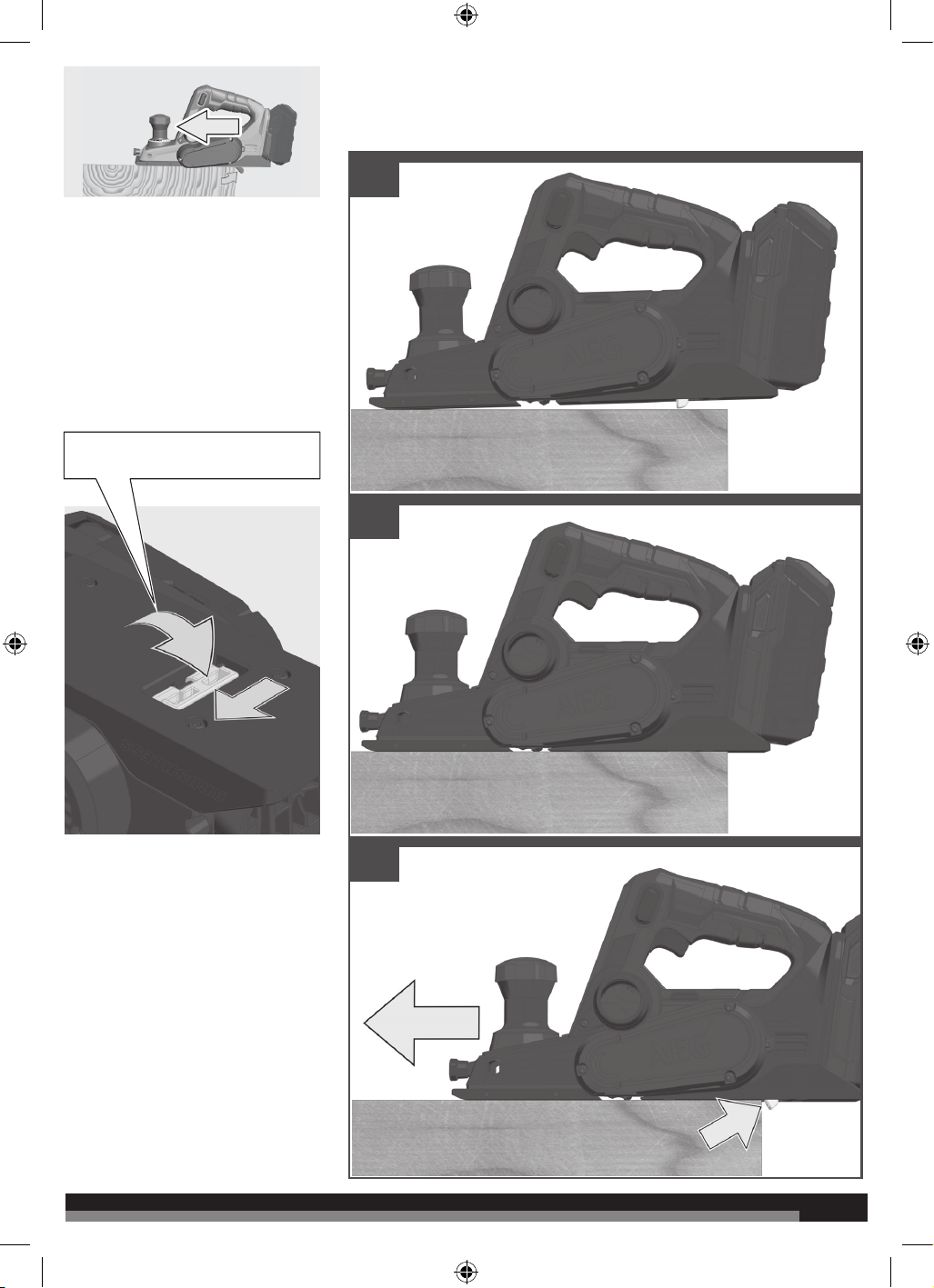
14. Kickstand
1
4
10
9
11
1413
12
5
8
6
2
3
7
4
4
15
14
16
18
10
6
17
8
11
12
START
STOP
5
5
15
14
16
18
10
6
17
8
11
12
START
STOP
6
6
click
2
2
1
1
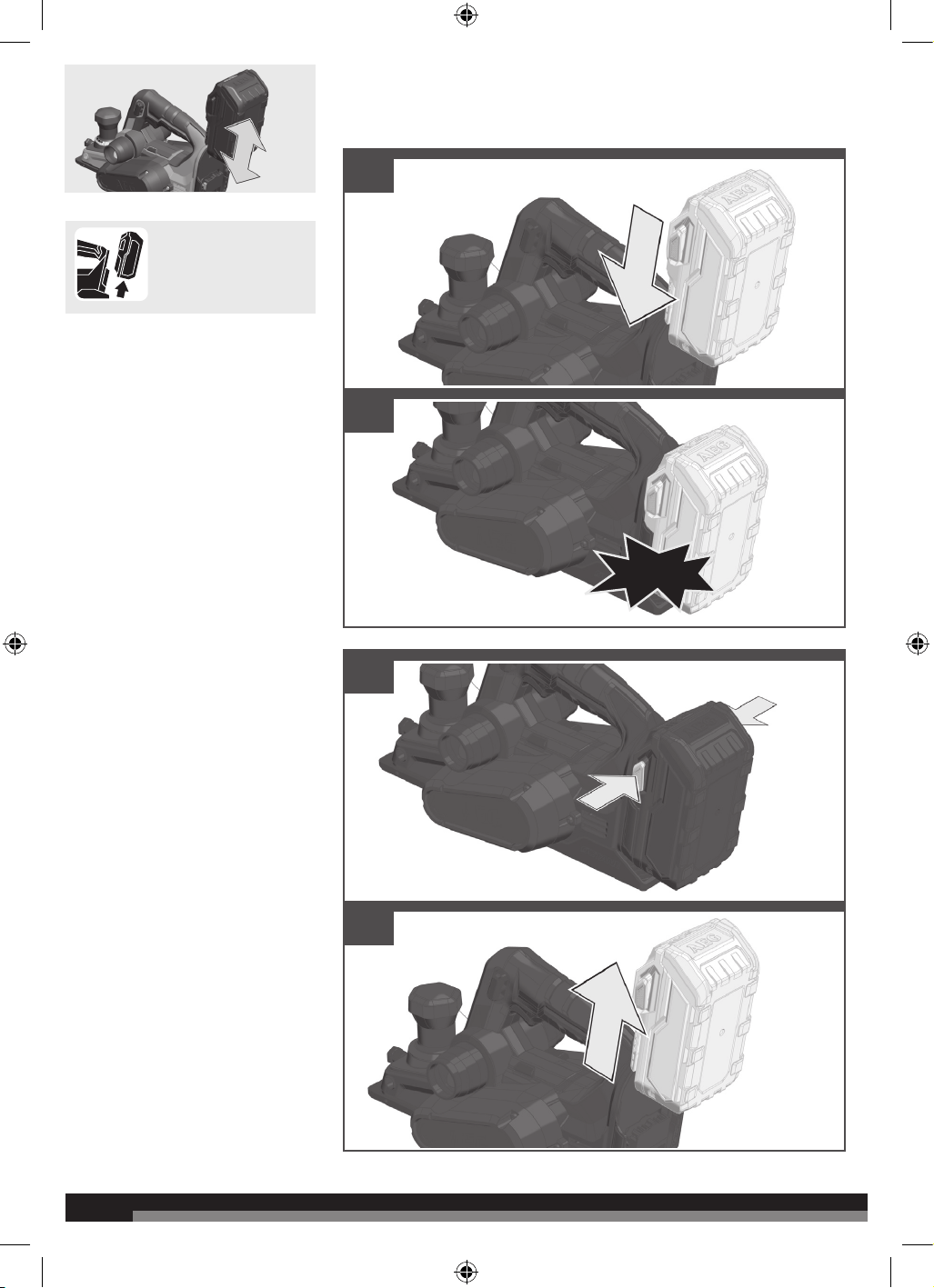
Remove the battery pack
before starting any work
on the machine.
7
7
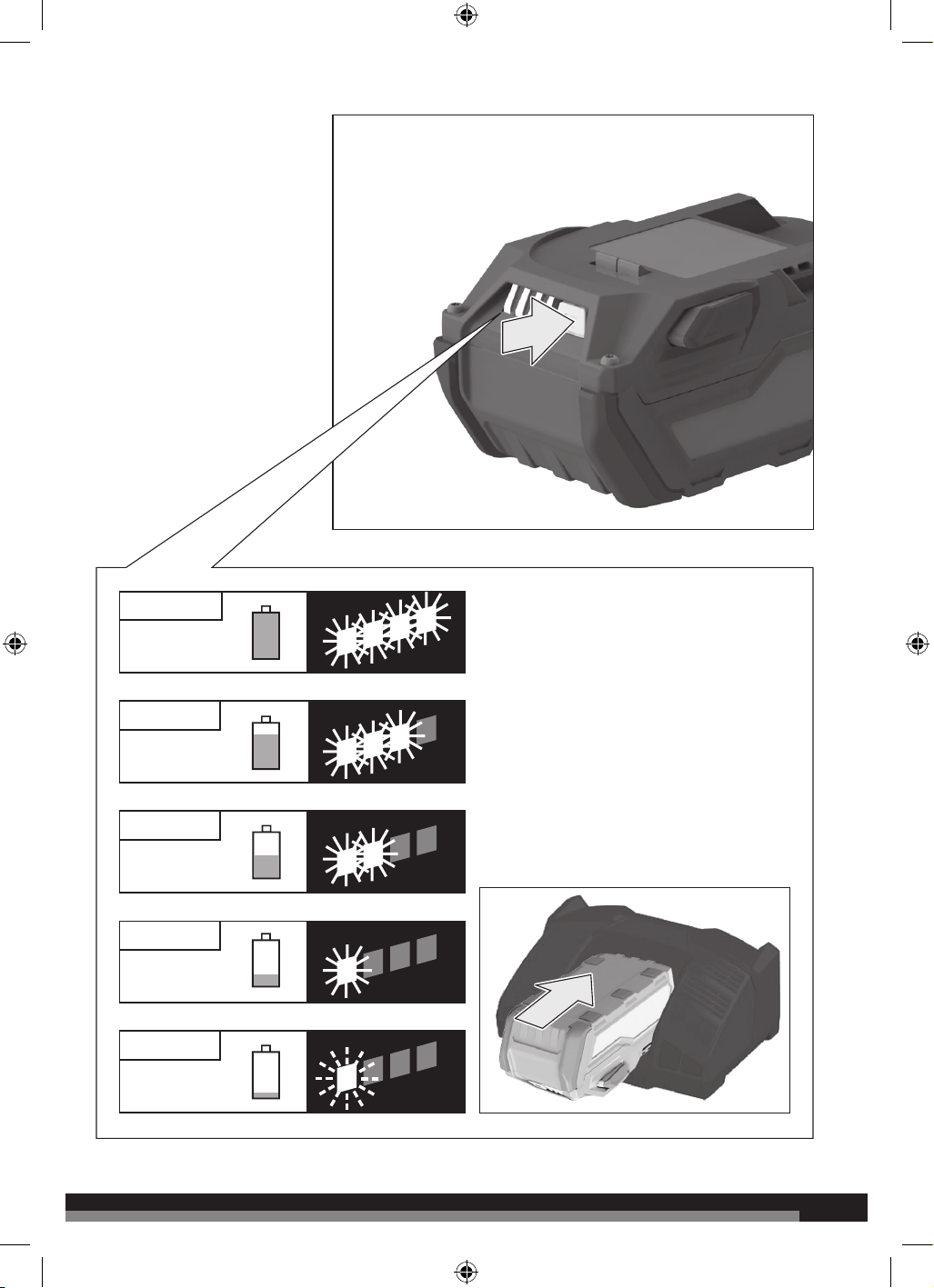
78-100 %
33-54 %
55-77 %
10-32 %
<10 %
click
2
2
1
1
Remove the battery pack
before starting any work
on the machine.
8
8
-3.2 ................................. -0.8
9
9
-3.2 ................................. -0.8
10
10
11
2
1
START
STOP
1
2
Insulated gripping surface
Remove the battery pack
before starting any work
on the machine.
11
11
11
2
1
START
STOP
1
2
Insulated gripping surface
Remove the battery pack
before starting any work
on the machine.
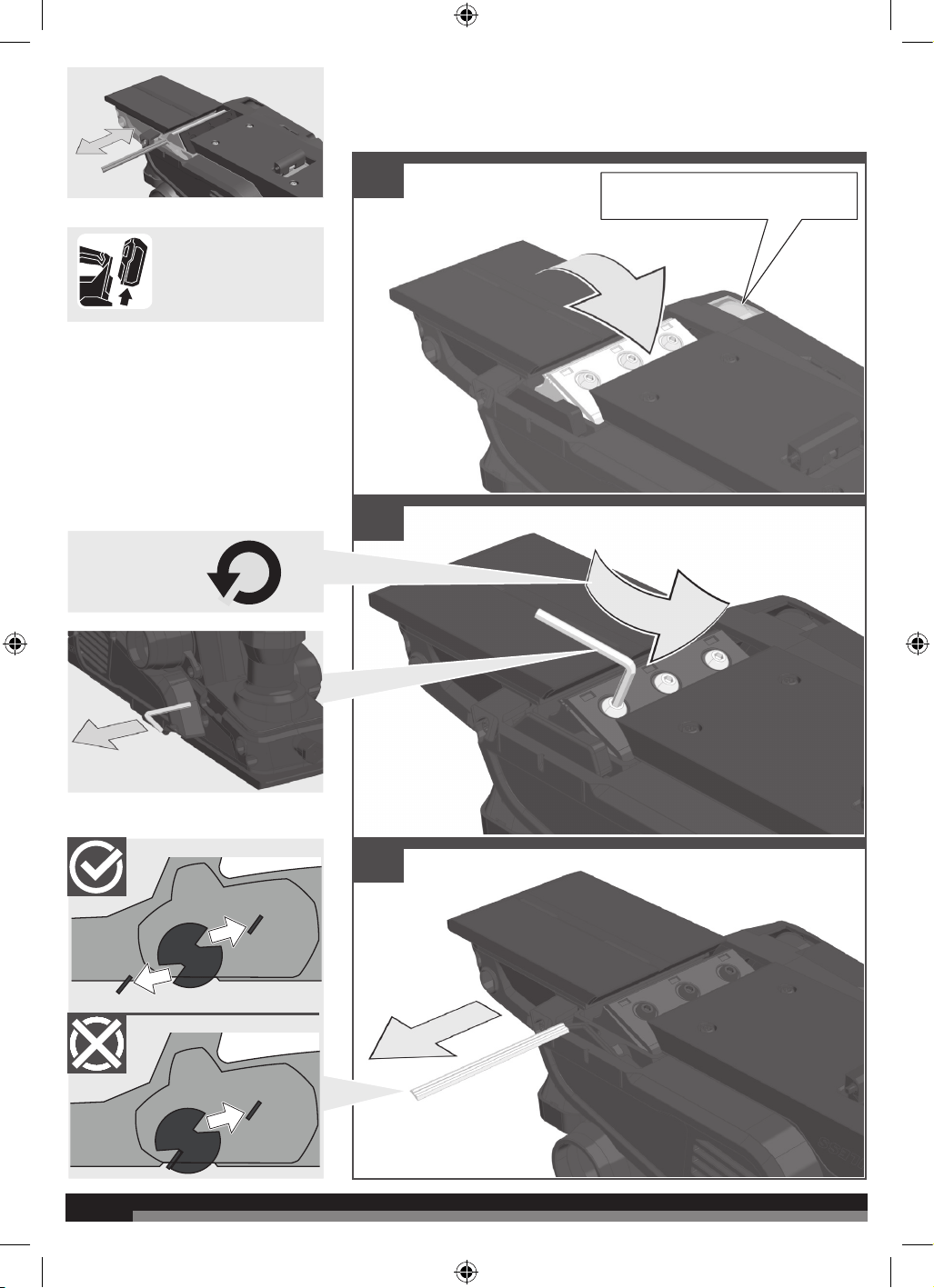
12
12
180°
4
5
6
1
2
3
3x
2x
1x
Max 1 x
Remove the battery pack
before starting any work
on the machine.
Use the belt cover notch to move the
blades to the desired position.
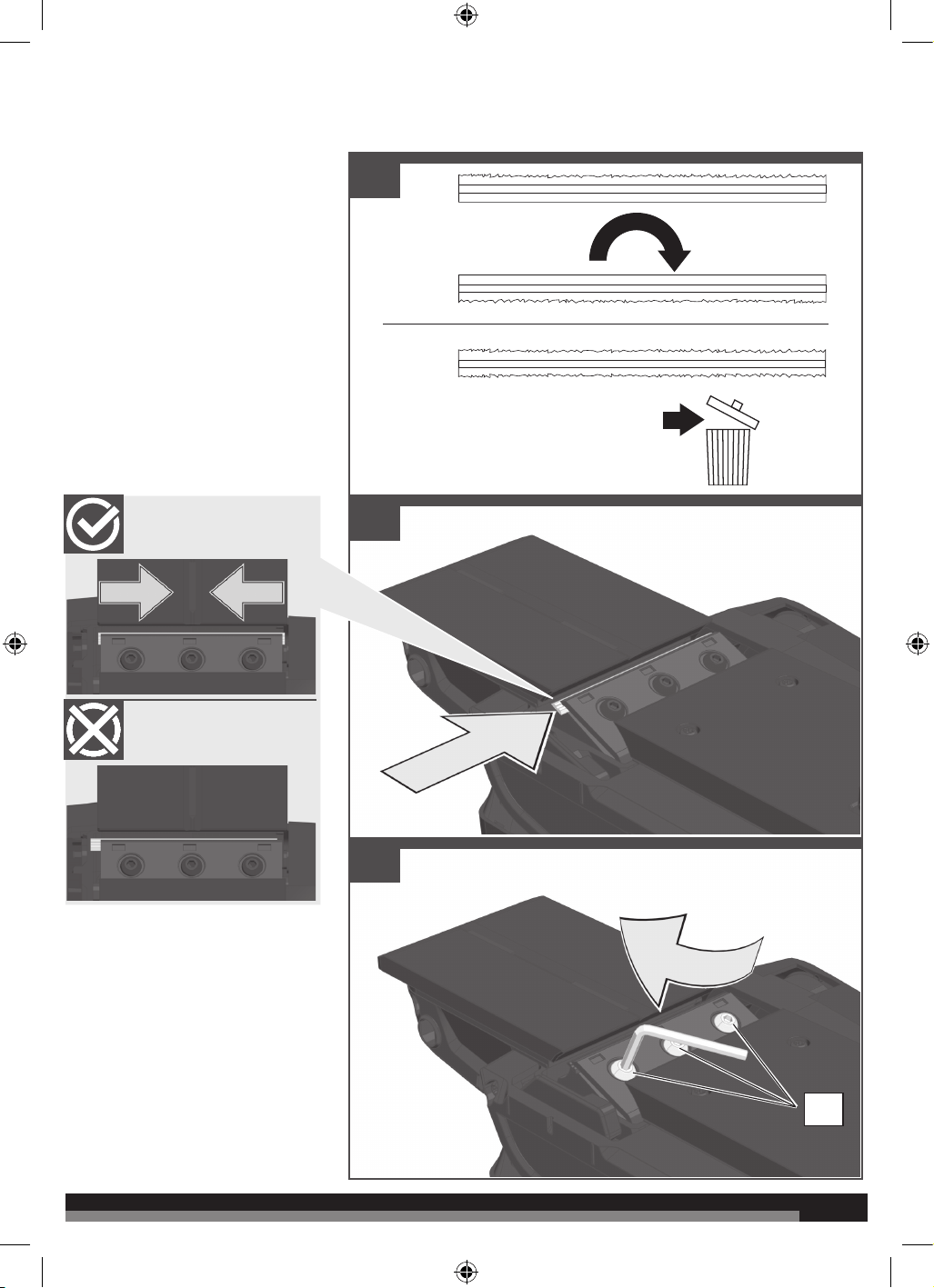
13
13
180°
4
5
6
1
2
3
3x
2x
1x
Max 1 x
Remove the battery pack
before starting any work
on the machine.
Use the belt cover notch to move the
blades to the desired position.
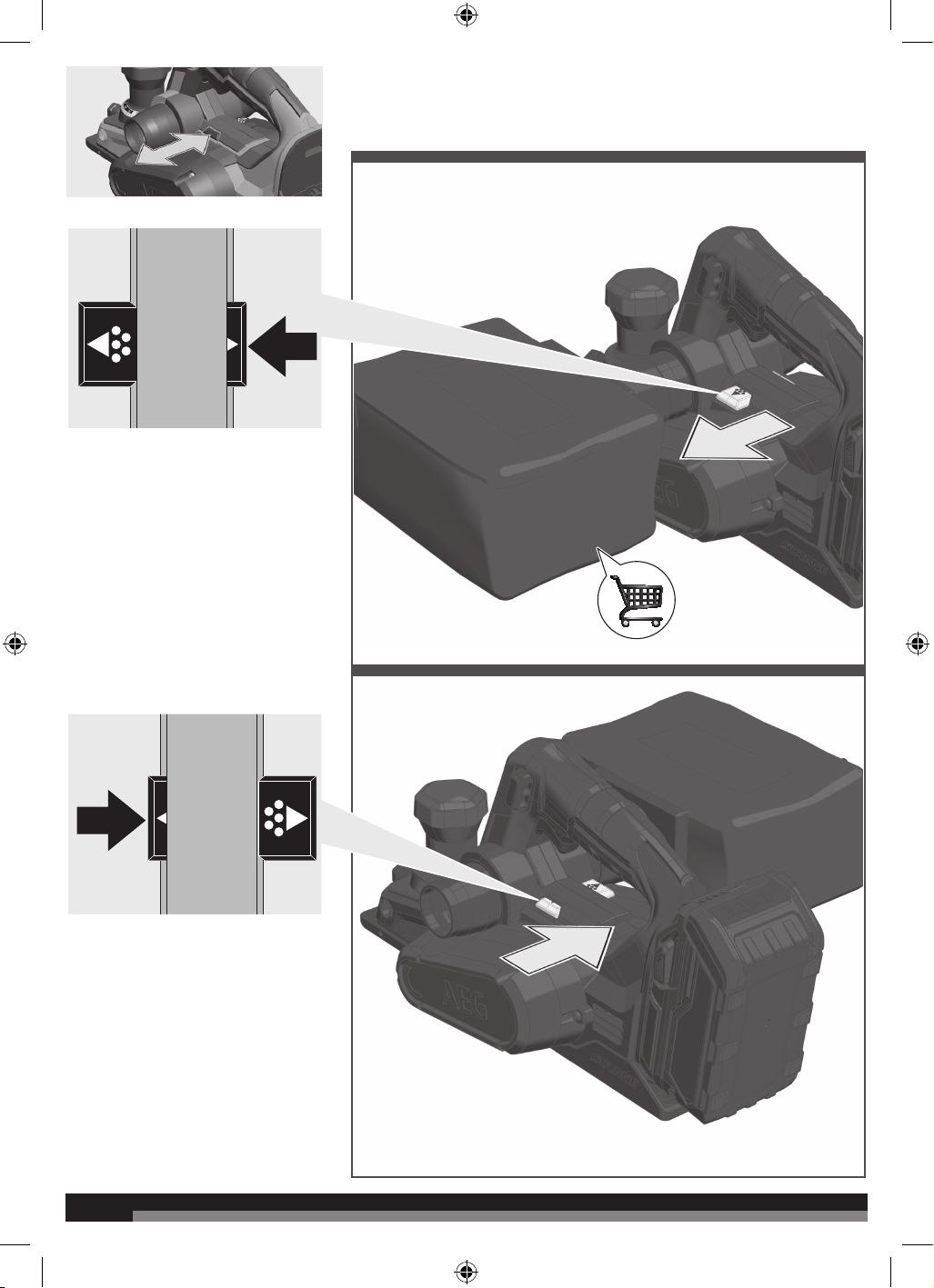
14
14
1
1
2
Remove the battery pack
before starting any work
on the machine.
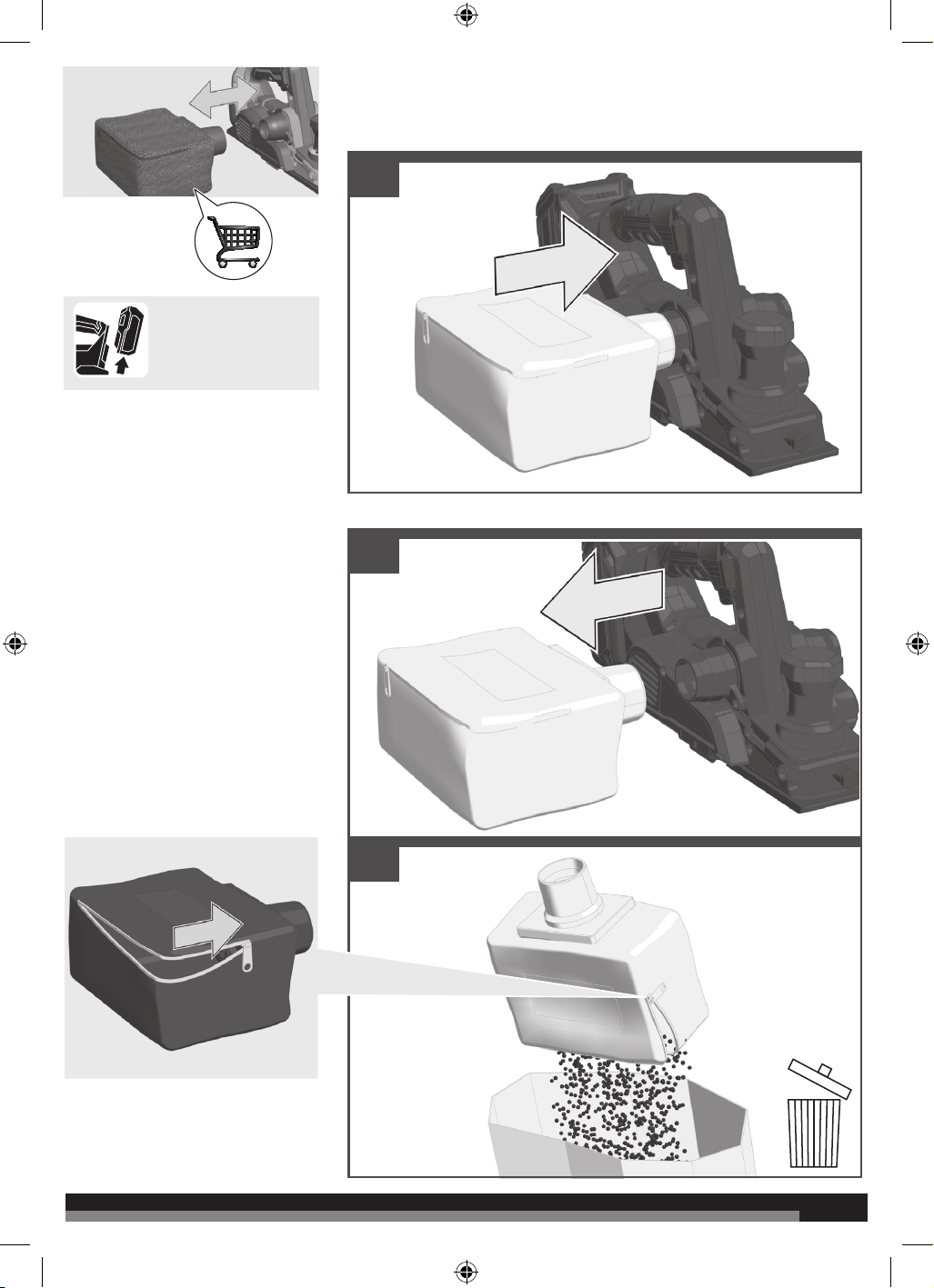
15
15
1
1
2
Remove the battery pack
before starting any work
on the machine.
16
16
11
2
1
START
STOP
1
2
Insulated gripping surface
Remove the battery pack
before starting any work
on the machine.
17
17
11
2
1
START
STOP
1
2
Insulated gripping surface
Remove the battery pack
before starting any work
on the machine.
18
18
3
1
A
B
C
2
4
Remove the battery pack
before starting any work
on the machine.
AP218E
Push in the kick stand and slide to lock
in the retracted position.
19
19
3
1
A
B
C
2
4
Remove the battery pack
before starting any work
on the machine.
AP218E
Push in the kick stand and slide to lock
in the retracted position.
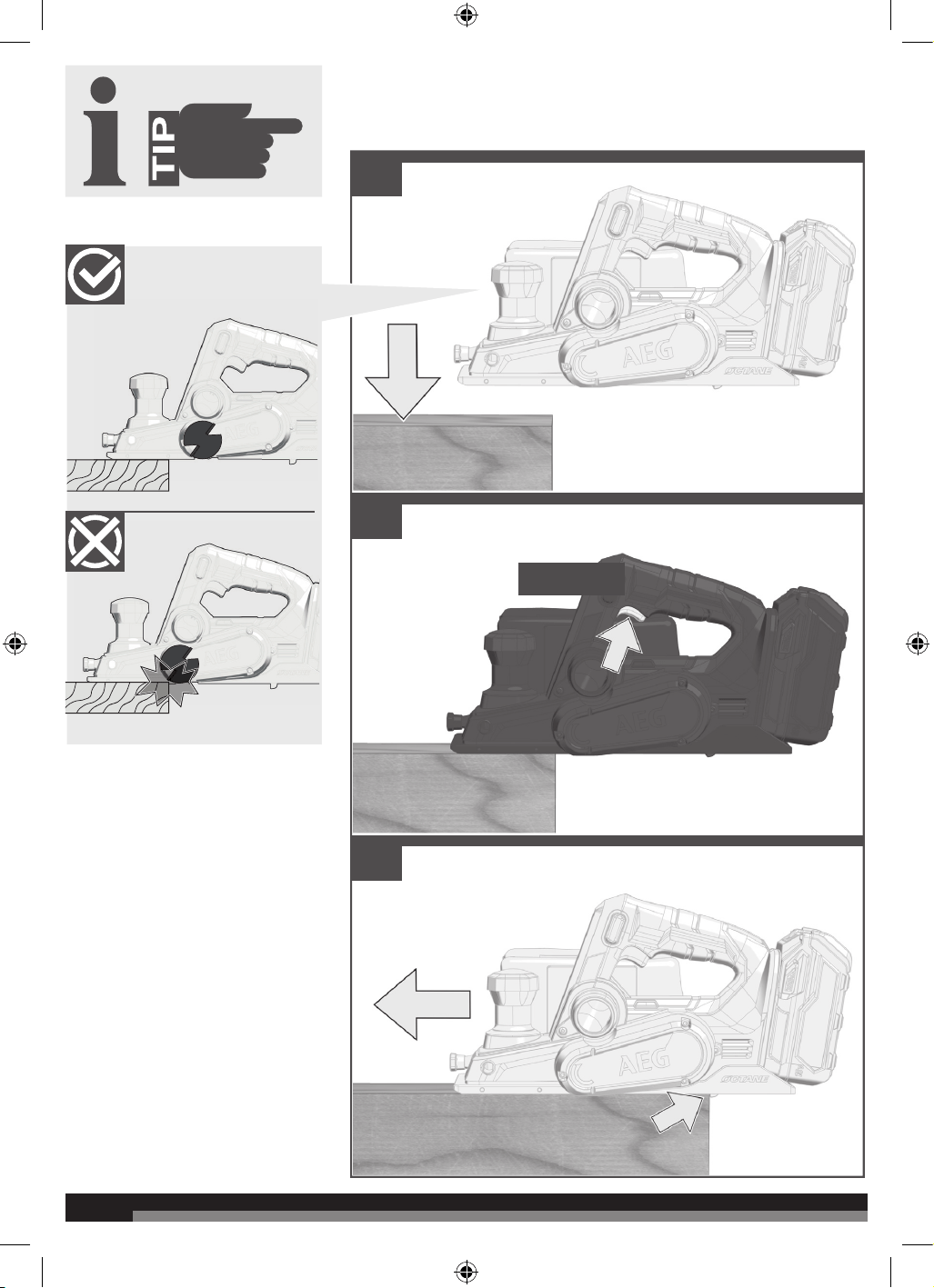
20
20
4
5
STOP
1
2
3
START
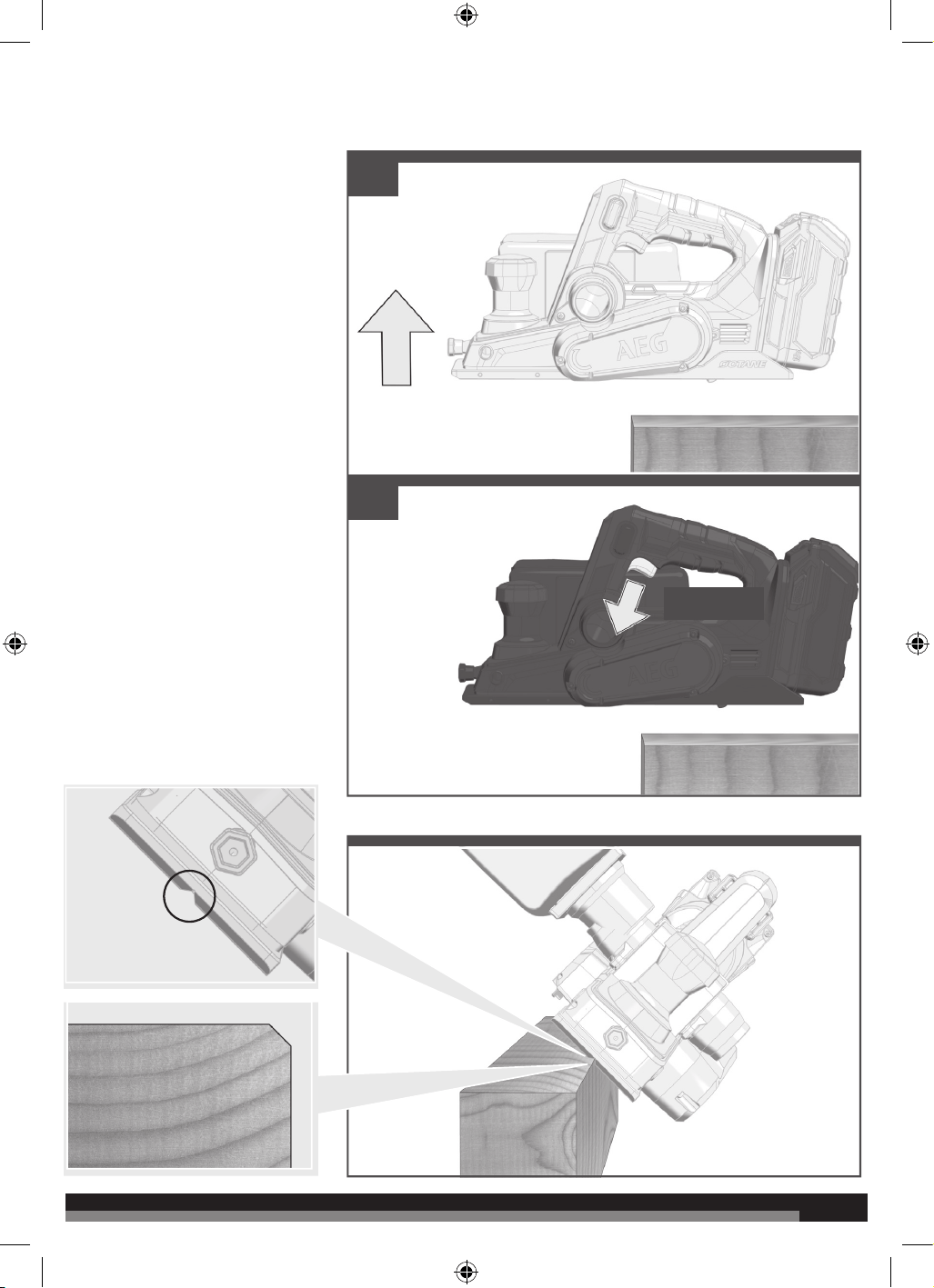
21
21
4
5
STOP
1
2
3
START

22
22
BATTERY AND CHARGER
Compatible battery pack
(not included)
Compatible charger
(not included)
L1815R
L1820R
L1825R
L1830R-X5
L1840R
L1850R
L1860R
L1860R-X5
L1890R
AL18G
AL1218G
BL1218
BLK1218
BL18DP-X5
BL18DP2-X5
BL18DPS
Use AEG 18V battery and charger only
WARNING! Read all safety warnings, instructions, illustrations and
specifications provided with this power tool. Failure to follow all instructions
listed below may result in electric shock, fire and/or serious injury. Save all
warnings and instructions for future reference.
PLANER SAFETY WARNINGS
Wait for the cutter to stop before setting the tool down. An exposed
rotating cutter may engage the surface leading to possible loss of control and
serious injury.
Use clamps or another practical way to secure and support the workpiece
to a stable platform. Holding the workpiece by your hand or against the body
leaves it unstable and may lead to loss of control.
Remove the battery pack before starting any work on the machine.
Do not dispose of used battery packs in the household refuse or by
burning them. AEG Distributors oer to retrieve old batteries to protect our
environment.
Do not store the battery pack together with metal objects (short circuit
risk).
Use only System AEG chargers for charging System AEG battery packs. Do
not use battery packs from other systems.
Battery acid may leak from damaged batteries under extreme load or
extreme temperatures. In case of contact with battery acid wash it o
immediately with soap and water. In case of eye contact rinse thoroughly for
at least 10 minutes and immediately seek medical attention.
ADDITIONAL SAFETY WARNINGS
Ambient temperature range for tool during operation is between 0°C and 40°C.
Ambient temperature range for tool storage is between 0°C and 40°C.
The recommended ambient temperature range for the charging system during
charging is between 10°C and 38°C.
RESIDUAL RISKS
Even when the product is used as prescribed, it is still impossible to completely
eliminate certain residual risk factors. The operator should pay particular and
additional attention to these points in order to reduce the risk of serious personal
injury.
■ Injury to hearing – Wear suitable ear protection and limit exposure.
■ Injury to sight – Wear protective eye shields or goggles when using the
product.
■ Injury caused by vibration – Limit exposure and follow the instructions on
risk reduction in this manual.
■ Electric shock after contact with hidden wires – Hold the product only by
insulated surfaces.
■ Injury caused by dust – Dust created by operating the product can cause
respiratory injury. Wear appropriate dust control mask with filters suitable
for protecting against particles from the material being worked on.
TECHNICAL DATA PLANER
BHO18B
Rated voltage 18 V
Planing width 82 mm
Planing depth max 2.0 mm
Rabbet depth 12.5 mm
No-load speed 14300 min
-1
Weight - not including battery pack 2.6 kg
Measured values determined according to EN 62841:
A-weighted sound pressure level L
p
= 89.5 dB(A)
Uncertainty K 3 dB(A)
A-weighted sound power level L
W
= 100.5 dB(A)
Uncertainty K 3 dB(A)
Wear ear protectors.
The vibration total values (triaxial vector sum) determined according to EN 62841:
Vibration emission value a
h
= 3.4 m/s
2
Uncertainty K 1.5 m/s
2
WARNING
The vibration emission level given in this information sheet has been measured in accordance with a standardised test given in EN 62841 and may be used to compare
one tool with another. It may be used for a preliminary assessment of exposure. The declared vibration emission level represents the main applications of the tool.
However if the tool is used for dierent applications, with dierent accessories or poorly maintained, the vibration emission may dier. This may significantly increase
the exposure level over the total working period.
An estimation of the level of exposure to vibration should also take into account the times when the tool is switched o or when it is running but not actually doing
the job. This may significantly reduce the exposure level over the total working period.
Identify additional safety measures to protect the operator from the eects of vibration such as: maintain the tool and the accessories, keep the hands warm,
organisation of work patterns.

23
23
RISK REDUCTION
It has been reported that vibrations from hand-held tools may contribute to
a condition called Raynaud’s Syndrome in certain individuals. Symptoms may
include tingling, numbness and blanching of the fingers, usually apparent upon
exposure to cold. Hereditary factors, exposure to cold and dampness, diet,
smoking and work practices are all thought to contribute to the development
of these symptoms. There are measures that can be taken by the operator to
possibly reduce the eects of vibration:
■ Keep your body warm in cold weather. When operating the unit wear gloves
to keep the hands and wrists warm. It is reported that cold weather is a
major factor contributing to Raynaud’s Syndrome.
■ After each period of operation, exercise to increase blood circulation.
■ Take frequent work breaks. Limit the amount of exposure per day.
If you experience any of the symptoms of this condition, immediately discontinue
use and see your doctor about these symptoms.
WARNING! Injuries may be caused, or aggravated, by prolonged use of a
tool. When using any tool for prolonged periods, ensure you take regular breaks.
SPECIFIED CONDITIONS OF USE
The planer is intended for planing wood (removing an even layer to provide a
smooth, flat finish) and rebating wood.
Do not use the product for any other purpose.
BATTERIES
Battery packs which have not been used for some time should be recharged
before use.
Temperatures in excess of 50°C (122°F) reduce the performance of the battery
pack. Avoid extended exposure to heat or sunshine (risk of overheating).
The contacts of chargers and battery packs must be kept clean.
For an optimum life-time, the battery packs have to be fully charged, after used.
To obtain the longest possible battery life remove the battery pack from the
charger once it is fully charged.
For battery pack storage longer than 30 days:
• Store the battery pack where the temperature is below 27°C and away from
moisture.
• Store the battery packs in a 30% - 50% charged condition.
• Every six months of storage, charge the pack as normal.
ADDITIONAL BATTERY SAFETY WARNINGS
WARNING! To reduce the risk of fire, personal injury, and product damage
due to a short circuit, never immerse your tool, battery pack or charger in fluid or
allow a fluid to flow inside them. Corrosive or conductive fluids, such as seawater,
certain industrial chemicals, and bleach or bleach containing products, etc., can
cause a short circuit.
Ambient temperature range for battery during use is between 0°C and 40°C.
Ambient temperature range for battery storage is between 0°C and 27°C.
TRANSPORTING LITHIUM BATTERIES
Lithium-ion batteries are subject to the Dangerous Goods Legislation
requirements.
Transportation of those batteries has to be done in accordance with local,
national and international provisions and regulations.
■ The user can transport the batteries by road without further requirements.
■ Commercial transport of lithium-ion batteries by third parties is subject
to Dangerous Goods regulations. Transport preparation and transport
are exclusively to be carried out by appropriately trained persons and the
process has to be accompanied by corresponding experts.
When transporting batteries:
■ Ensure that battery contact terminals are protected and insulated to
prevent short circuit.
■ Ensure that battery pack is secured against movement within packaging.
■ Do not transport batteries that are cracked or leak.
Check with forwarding company for further advice.
BATTERY PACK PROTECTION
The battery pack has overload protection that protects it from being overloaded
and helps to ensure long life. Under extreme stress the battery electronics
switch o the machine automatically. To restart, switch the machine o and then
on again. If the machine does not start up again, the battery pack may have
discharged completely. In this case it must be recharged in the battery charger.
THERMAL OVERLOAD PROTECTION
Overheated cells will reduce performance, run time and life. Overheating
can occur from battery packs being exposed to very hot environments or
from the tool they are powering being over-worked. The control electronics
will automatically shut down the battery pack to protect the cells which in
turn protects the electronics and motor within the tool. The battery pack will
automatically shut itself down again should the temperature condition remain
high when the trigger is pulled again. The system will continue to shut the
battery pack down until the temperature is returned to a safe operating level.
CURRENT OVERLOAD PROTECTION
The control electronics will instantly shut down the battery back when excessive
current draw is detected - protecting both the battery cells and the motor of the
tool. Releasing the trigger will reset the battery pack each time.
INDIVIDUAL CELL MONITORING
The control electronics constantly check each individual cell and automatically
adjust its charge and discharge requirements accordingly.
This system maximises individual cell life whilst ensuring that the battery pack is
delivering peak performance to the tool at all times.
MAINTENANCE
The ventilation slots of the machine must be kept clear at all times.
Use only AEG accessories and AEG spare parts. Should components need to be
replaced which have not been described, please contact one of our AEG service
agents (see our list of guarantee/service addresses).
If needed, an exploded view of the tool can be ordered. Please state the Article
No. as well as the machine type printed on the label and order the drawing at
your local service agents or directly at:
Techtronic Industries Australia Pty Ltd
PO Box 1065
Mount Waverley VIC 3149
Tel. no. 1300 234 797
Australia
Techtronic Industries N.Z. Limited
PO Box 12-806
Penrose AUCKLAND 1642
Tel. no. 0800 234 797(0800 AEGPWR)
New Zealand
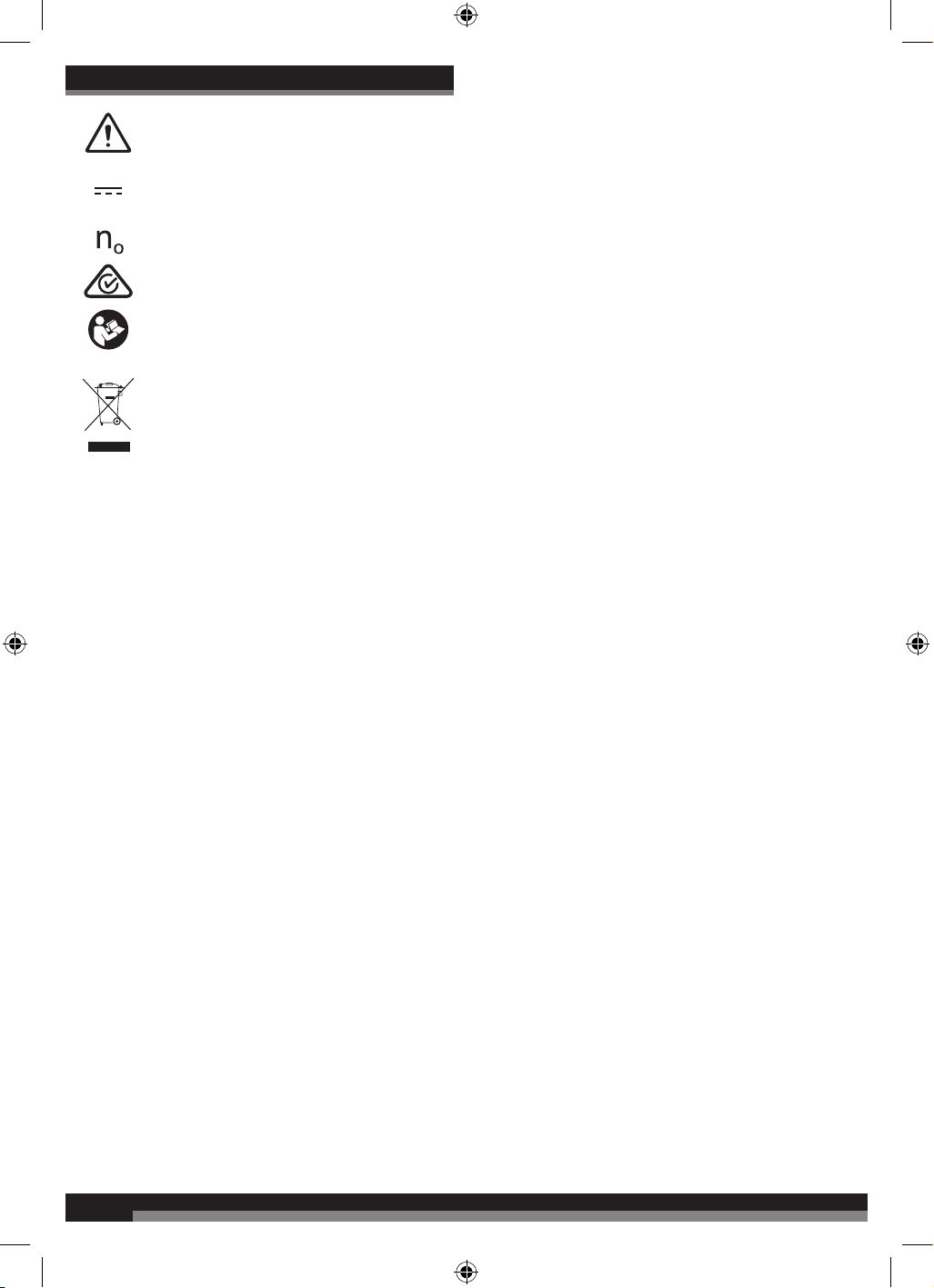
24
24
SYMBOLS
Safety alert
V
Volts
Direct current
min
-1
Revolutions or reciprocations per minute
No-load speed
Regulatory Compliance Mark (RCM). Product meets
applicable regulatory requirements.
Please read the instructions carefully before starting the
machine.
Do not dispose of electric tools together with household
waste material. Electric tools and electronic equipment
that have reached the end of their life must be collected
separately and returned to an environmentally compatible
recycling facility.




Techtronic Industries Australia Pty Ltd
31 Gilby Road, Mount Waverley,
VIC, 3149, Australia
Techtronic Industries N.Z. Limited
Unit C, 70 Business Parade South,
Highbrook, Auckland 2013, New Zealand
www.aegpowertools.com.au
www.aegpowertools.co.nz
961096519-01A
AEG is a registered trademark used under
license from AB Electrolux (publ).