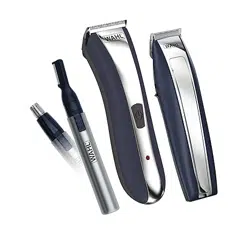
Lithium Ion Battery in Clipper/Shaver/Trimmer;
Lithium Ion Battery in Nail Grinder
Safety Data Sheet
According To Federal Register / Vol. 77, No. 58 / Monday, March 26, 2012 / Rules And Regulations And According To The Hazardous
Products Regulation (February 11, 2015).
Revision Date: 07/07/2022
Version: 1.0
07/07/2022
EN (English US)
1/12
SECTION 1: IDENTIFICATION
1.1. Product Identifier
Product Form: Mixture
Product Name: Lithium Ion Battery in Clipper/Shaver/Trimmer; Lithium Ion Battery in Nail Grinder
1.2. Intended Use of the Product
Lithium based battery product
1.3. Name, Address, and Telephone of the Responsible Party
Wahl Clipper Corporation
2900 N. Locust Street
Sterling, IL 61081
USA
Phone: (815) 625-6525
1.4. Emergency Telephone Number
Emergency Number
:
ChemTel LLC
(800)255-3924 (North America)
+1 (813)248-0585 (International)
SECTION 2: HAZARDS IDENTIFICATION
2.1. Classification of the Substance or Mixture
GHS-US/CA Classification
Acute Tox. 4 (Oral)
H302
Acute Tox. 2 (Inhalation)
H330
Skin Irrit. 2
H315
Eye Dam. 1
H318
Carc. 2
H351
STOT RE 1
H372
Aquatic Chronic 3
H412
Full text of hazard classes and H-statements : see section 16
2.2. Label Elements
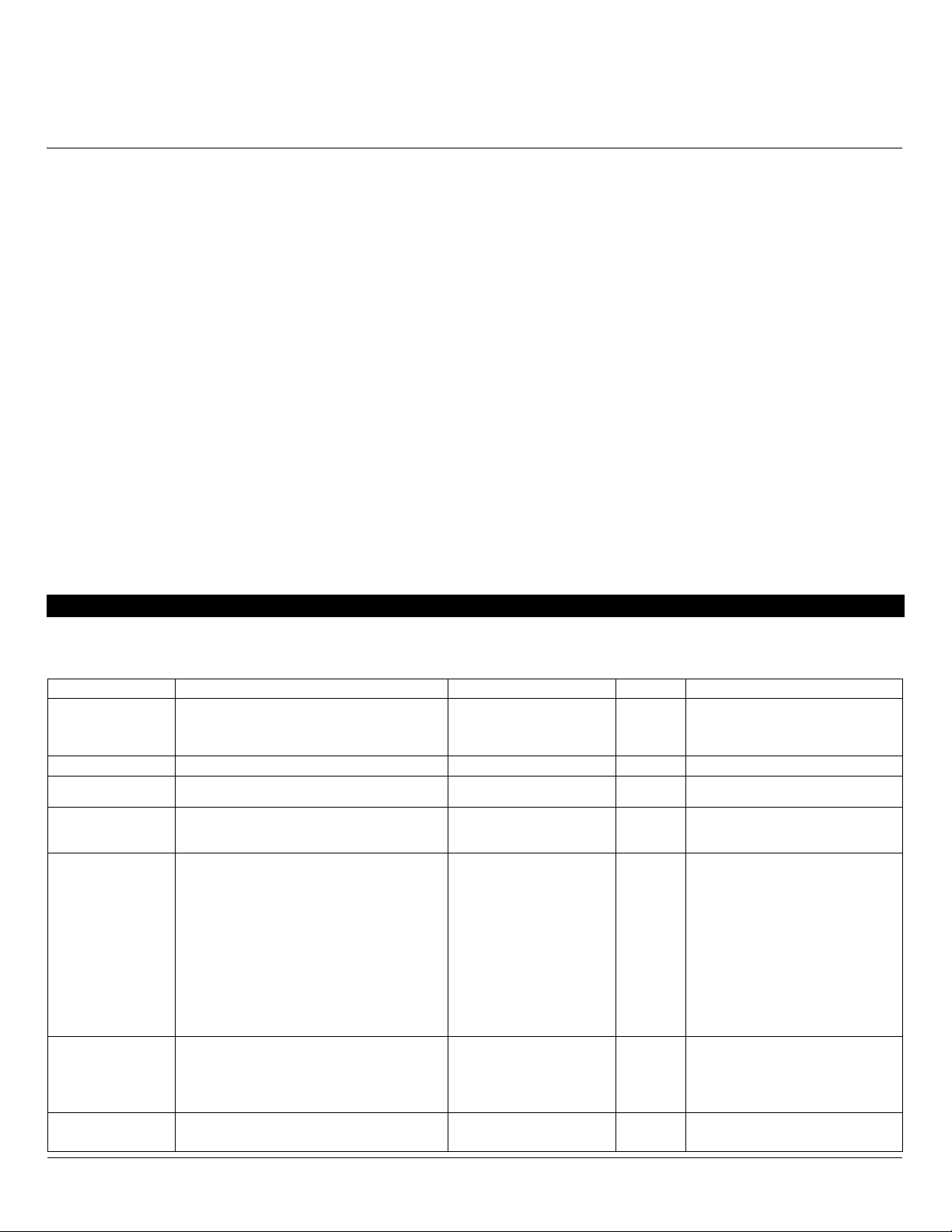
GHS-US/CA Labeling
Hazard Pictograms (GHS-US/CA)
:
GHS05
GHS06
GHS08
Signal Word (GHS-US/CA)
:
Danger
Hazard Statements (GHS-US/CA)
:
H302 - Harmful if swallowed.
H315 - Causes skin irritation.
H318 - Causes serious eye damage.
H330 - Fatal if inhaled.
H351 - Suspected of causing cancer (Inhalation).
H372 - Causes damage to organs through prolonged or repeated exposure.
H412 - Harmful to aquatic life with long lasting effects.
Precautionary Statements (GHS-US/CA)
:
P201 - Obtain special instructions before use.
P202 - Do not handle until all safety precautions have been read and understood.
P260 - Do not breathe vapors, mist, or spray.
P264 - Wash hands, forearms, and other exposed areas thoroughly after handling.
P270 - Do not eat, drink or smoke when using this product.
P271 - Use only outdoors or in a well-ventilated area.
P273 - Avoid release to the environment.
Lithium Ion Battery in Clipper/Shaver/Trimmer;
Lithium Ion Battery in Nail Grinder
Safety Data Sheet
According To Federal Register / Vol. 77, No. 58 / Monday, March 26, 2012 / Rules And Regulations And According To The Hazardous Products Regulation (February 11, 2015).
07/07/2022
EN (English US)
2/12
P280 - Wear protective gloves, protective clothing, and eye protection.
P284 - [In case of inadequate ventilation] wear respiratory protection.
P301+P312 - IF SWALLOWED: Call a POISON CENTER or doctor if you feel unwell.
P302+P352 - IF ON SKIN: Wash with plenty of water.
P304+P340 - IF INHALED: Remove person to fresh air and keep comfortable for
breathing.
P305+P351+P338 - IF IN EYES: Rinse cautiously with water for several minutes. Remove
contact lenses, if present and easy to do. Continue rinsing.
P308+P313 - If exposed or concerned: Get medical advice/attention.
P310 - Immediately call a POISON CENTER or doctor.
P314 - Get medical advice/attention if you feel unwell.
P320 - Specific treatment is urgent (see section 4 on this SDS).
P330 - Rinse mouth.
P332+P313 - If skin irritation occurs: Get medical advice/attention.
P362+P364 - Take off contaminated clothing and wash it before reuse.
P403+P233 - Store in a well-ventilated place. Keep container tightly closed.
P405 - Store locked up.
P501 - Dispose of contents/container in accordance with local, regional, national,
territorial, provincial, and international regulations.
2.3. Other Hazards
Exposure may aggravate pre-existing eye, skin, or respiratory conditions.
2.4. Unknown Acute Toxicity (GHS-US/CA)
No additional information available
SECTION 3: COMPOSITION/INFORMATION ON INGREDIENTS
3.1. Substance
Not applicable
3.2. Mixture
Name
Synonyms
Product Identifier
% *
GHS Ingredient Classification
Cobalt lithium
manganese
nickel oxide
Lithium cobalt manganese nickel oxide
(CAS-No.) 182442-95-1
30 – 45
Acute Tox. 2 (Inhalation), H330
STOT RE 1, H372
Aquatic Chronic 3, H412
Graphite
C.I. Pigment Black 10 / C.I. 77265 / graphite
(CAS-No.) 7782-42-5
15 – 25
Comb. Dust
Copper
C.I. 77400 / C.I. Pigment Metal 2 / Copper,
elemental / Copper metal / Copper, metallic
(CAS-No.) 7440-50-8
5 – 10
Comb. Dust
Aluminum
Aluminium / Aluminum, metal / Aluminum,
elemental / C.I. 77000 / / Pigment Metal 1 /
Aluminum powder
(CAS-No.) 7429-90-5
2 – 8
Comb. Dust
Styrene-
butadiene
copolymer
Benzene, ethenyl-, polymer with 1,3-butadiene /
Butadiene-styrene copolymer / 1,3-Butadiene-
styrene copolymer / Butadiene-styrene polymer /
1,3-Butadiene-styrene polymer / Butadiene-
styrene resin / Butadiene-styrene rubber /
Styrene-1,3-butadiene copolymer / Styrene-
butadiene polymer / Styrene-butadiene rubber /
Polymer of styrene and 1,3-butadiene / Styrene
homopolymer and 1,3-butadiene homopolymer,
block copolymer / Polymer of buta-1,3-
diene/styrene / Polymer mainly composed of
styrene/butadiene
(CAS-No.) 9003-55-8
0.5 – 5
Comb. Dust
Phosphate(1-),
hexafluoro-,
lithium
Lithium hexafluorophosphate(1-) / Lithium
phosphohexafluoride / Phosphate(1-), hexafluoro-
, lithium (1:1) / Lithium hexafluorophosphate
(CAS-No.) 21324-40-3
1 – 3
Acute Tox. 3 (Oral), H301
Skin Corr. 1A, H314
Eye Dam. 1, H318
STOT RE 1, H372
1,1-
Difluoroethylene
Ethene, 1,1-difluoro-, homopolymer /
Homopolymer, ethene, 1,1-difluoro- /
(CAS-No.) 24937-79-9
0.1 – 2
Comb. Dust

Lithium Ion Battery in Clipper/Shaver/Trimmer;
Lithium Ion Battery in Nail Grinder
Safety Data Sheet
According To Federal Register / Vol. 77, No. 58 / Monday, March 26, 2012 / Rules And Regulations And According To The Hazardous Products Regulation (February 11, 2015).
07/07/2022
EN (English US)
3/12
polymer
Polyvinylidene fluoride / Polyvinylidene fluoride
resin / Poly(vinylidene fluoride) / Poly(1,1-
difluoroethene) / Vinylidene fluoride
homopolymer / Polymer of 1,1-difluoroethene
Carbon black
C.I. 77266 / C.I. Pigment Black 6 / C.I. Pigment
Black 7 / Lampblack / Vegetable carbon / Microjet
Black CW / Coal soot / Channel black / Bonjet
Black CW / D and C Black No. 4 / D and C Black No.
2
(CAS-No.) 1333-86-4
0.5 – 2
Carc. 2, H351
Comb. Dust
Full text of H-statements: see section 16
*Percentages are listed in weight by weight percentage (w/w%).
SECTION 4: FIRST AID MEASURES
4.1. Description of First-aid Measures
General: The following first aid measures apply in case of exposure to the interior battery components, if the battery is damaged and
exposure occurs.
Inhalation: For exposure to battery contents: First, take proper precautions to ensure your own safety before attempting rescue (e.g.
wear appropriate respiratory protective equipment, use the buddy system), then remove the exposed person to fresh air. Keep at
rest in a position comfortable for breathing. Immediately call a poison center or doctor/physician.
Skin Contact: For exposure to battery contents: Immediately remove contaminated clothing. Flush with plenty of water for at least 15
minutes. Seek medical advice if irritation develops or persists.
Eye Contact: For exposure to battery contents: Immediately rinse with water for at least 30 minutes. Remove contact lenses, if
present and easy to do. Continue rinsing. Get immediate medical advice/attention.
Ingestion: For exposure to battery contents: Do NOT induce vomiting. Rinse mouth. Immediately call a POISON CENTER or doctor.
4.2. Most Important Symptoms and Effects Both Acute and Delayed
General: Exposure to battery contents may result in the following: Causes skin irritation. Causes serious eye damage. May be fatal if
inhaled. Suspected of causing cancer (Inhalation). Harmful if swallowed. Causes damage to organs through prolonged or repeated
exposure.
Inhalation: Exposure to materials housed in battery: May be fatal if inhaled in significant amounts.
Skin Contact: Exposure to materials housed in battery: Causes skin irritation.
Eye Contact: Exposure to materials housed in battery: Causes permanent damage to the cornea, iris, or conjunctiva.
Ingestion: Exposure to materials housed in battery: This material is harmful orally and can cause adverse health effects.
Chronic Symptoms: Exposure to materials housed in battery: Causes damage to organs through prolonged or repeated exposure.
Carbon black is classified under the IARC as 2B, “possibly carcinogenic to humans” and under ACGIH as A3 “confirmed animal
carcinogen with unknown relevance to humans”.
4.3. Indication of Any Immediate Medical Attention and Special Treatment Needed
If exposed or concerned, get medical advice and attention. If medical advice is needed, have product container or label at hand.
SECTION 5: FIRE-FIGHTING MEASURES
5.1. Extinguishing Media
5.2. Special Hazards Arising From the Substance or Mixture
5.3. Advice for Firefighters
Precautionary Measures Fire: Exercise caution when fighting any chemical fire.
Firefighting Instructions: Remove containers from fire area if this can be done without risk. Evacuate area. Fight fire remotely due to
the risk of explosion.
Protection During Firefighting: Do not enter fire area without proper protective equipment, including respiratory protection.
Suitable Extinguishing Media: Carbon dioxide (CO2). Dry chemical powder. Foam. Sand/earth. Water spray, fog (flooding amounts).
Unsuitable Extinguishing Media: Application of water to product may generate heat and increase fire intensity.
Fire Hazard: Not considered flammable but may burn at high temperatures.
Explosion Hazard: Battery may rupture/explode when exposed to excessive heat or fire, if overcharged, short circuited, punctured,
or crushed.
Reactivity: Batteries are non-reactive under normal conditions of storage and use. If the internal contents are leaked lithium ion
batteries may react with incompatible materials such as water, acids, bases, oxidizers, and reducing agents and form corrosive,
irritating, and harmful fumes and by-products. If the battery is damaged, the interaction of water or water vapor and exposed
lithium hexafluorophosphate may result in the generation of hydrogen and hydrogen fluoride (HF) gas.

Lithium Ion Battery in Clipper/Shaver/Trimmer;
Lithium Ion Battery in Nail Grinder
Safety Data Sheet
According To Federal Register / Vol. 77, No. 58 / Monday, March 26, 2012 / Rules And Regulations And According To The Hazardous Products Regulation (February 11, 2015).
07/07/2022
EN (English US)
4/12
Hazardous Combustion Products: Carbon oxides (CO, CO
2
). Hydrogen Fluoride (HF). Lithium oxides. Metal oxides. Phosphorus
oxides.
Other Information: Batteries may explode in fire. Damaged batteries can result in rapid heating and the release of flammable
vapors.
5.4. Reference to Other Sections
Refer to Section 9 for flammability properties.
SECTION 6: ACCIDENTAL RELEASE MEASURES
6.1. Personal Precautions, Protective Equipment and Emergency Procedures
General Measures: Do not handle until all safety precautions have been read and understood. Product itself under normal
conditions of use is not considered hazardous, for materials housed within product: Do not breathe dust or fumes. Do not get in
eyes, on skin, or on clothing.
6.1.1. For Non-Emergency Personnel
Protective Equipment: Use appropriate personal protective equipment (PPE).
Emergency Procedures: Evacuate unnecessary personnel.
6.1.2. For Emergency Personnel
Protective Equipment: Equip cleanup crew with proper protection.
Emergency Procedures: Upon arrival at the scene, a first responder is expected to recognize the presence of dangerous goods,
protect oneself and the public, secure the area, and call for the assistance of trained personnel as soon as conditions permit.
Ventilate area.
6.2. Environmental Precautions
Prevent entry to sewers and public waters. Avoid release to the environment. Collect spillage.
6.3. Methods and Materials for Containment and Cleaning Up
For Containment: Contain solid spills with appropriate barriers and prevent migration and entry into sewers or streams. As an
immediate precautionary measure, isolate spill or leak area in all directions. Ventilate area.
Methods for Cleaning Up: Clean up spills immediately and dispose of waste safely. If battery is not damaged cleanup spills
mechanically, and put into approved container for disposal. If battery is damaged and/or leaking: Using shovel or broom, cover
battery or spilled substances with dry sand or vermiculite, place in approved container and dispose in accordance with local
regulations. Contact competent authorities after a spill.
6.4. Reference to Other Sections
See Section 8 for exposure controls and personal protection and Section 13 for disposal considerations.
SECTION 7: HANDLING AND STORAGE
7.1. Precautions for Safe Handling
Precautions for Safe Handling: Obtain special instructions before use. Do not handle until all safety precautions have been read and
understood. Since this product is a sealed battery, normal handling hazards are minimal unless the battery is damaged or the
internal contents are exposed. Do not get in eyes, on skin, or on clothing. Do not breathe dust, vapors, spray from inner battery
components. Wash hands and other exposed areas with mild soap and water before eating, drinking or smoking and when leaving
work.
Hygiene Measures: Handle in accordance with good industrial hygiene and safety procedures.
7.2. Conditions for Safe Storage, Including Any Incompatibilities
Technical Measures: Comply with applicable regulations. Proper grounding procedures to avoid static electricity should be followed.
Storage Conditions: Batteries should be separated from other materials and stored in a noncombustible, well ventilated, sprinkler-
protected structure with sufficient clearance between walls and battery stacks. Do not store batteries in a manner that allows
terminals to short circuit. Do not place batteries near heating equipment, nor expose to direct sunlight for long periods. Store in a
dry, cool place. Store locked up/in a secure area. Keep/Store away from direct sunlight, extremely high or low temperatures and
incompatible materials.
Incompatible Materials: Strong acids, strong bases, strong oxidizers. Water.
7.3. Specific End Use(s)
Lithium based battery product
SECTION 8: EXPOSURE CONTROLS/PERSONAL PROTECTION
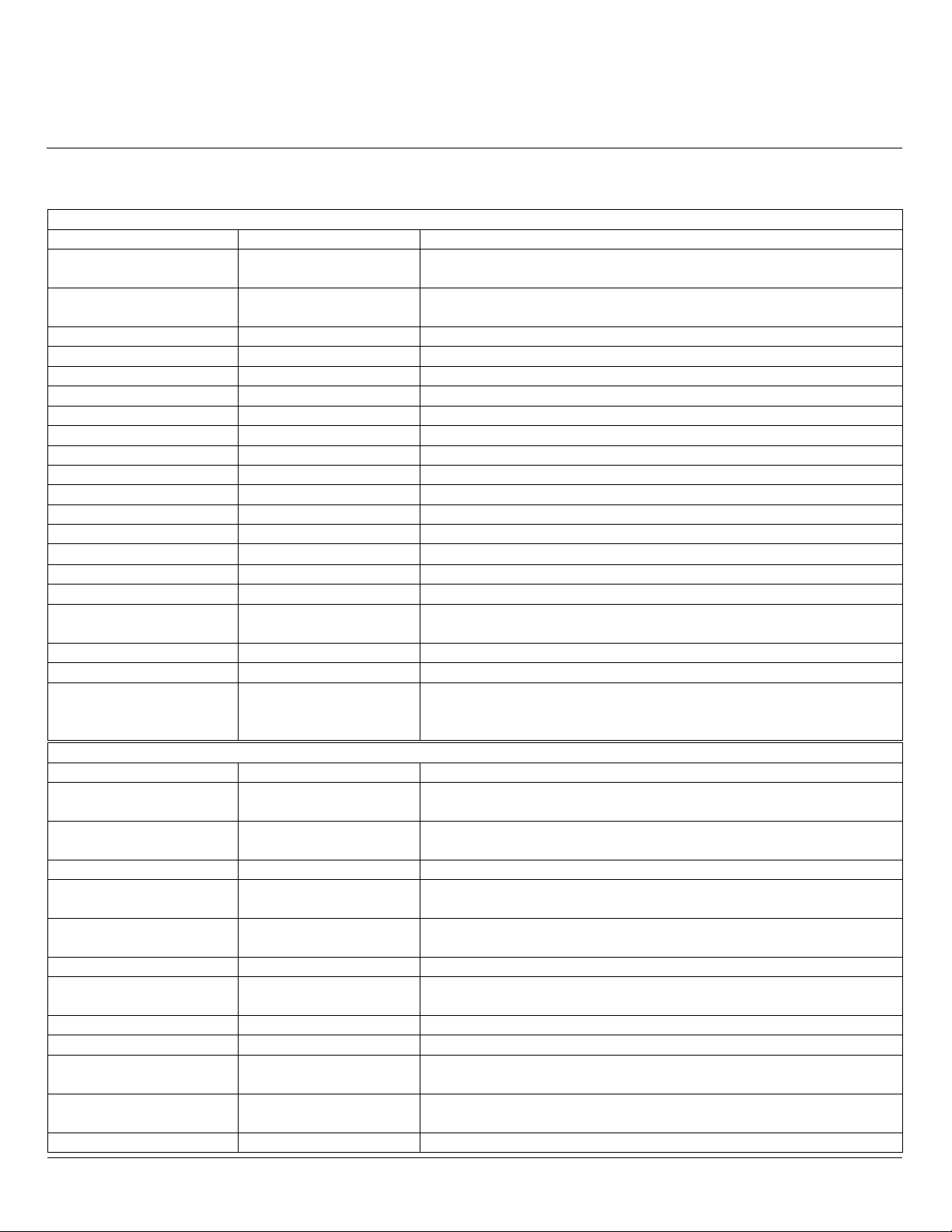
8.1. Control Parameters
Lithium Ion Battery in Clipper/Shaver/Trimmer;
Lithium Ion Battery in Nail Grinder
Safety Data Sheet
According To Federal Register / Vol. 77, No. 58 / Monday, March 26, 2012 / Rules And Regulations And According To The Hazardous Products Regulation (February 11, 2015).
07/07/2022
EN (English US)
5/12
For substances listed in section 3 that are not listed here, there are no established exposure limits from the manufacturer, supplier,
importer, or the appropriate advisory agency including: ACGIH (TLV), AIHA (WEEL), NIOSH (REL), OSHA (PEL), or Canadian provincial
governments.
Graphite (7782-42-5)
USA ACGIH
ACGIH OEL TWA
2 mg/m³ (all forms except graphite fibers-respirable particulate matter)
USA OSHA
OSHA PEL TWA
15 mg/m³ (synthetic-total dust)
5 mg/m³ (synthetic-respirable fraction)
USA OSHA
OSHA PEL TWA
15 mppcf (natural)
(See 29 CFR 1910.1000 TABLE Z-3)
USA NIOSH
NIOSH REL TWA
2.5 mg/m³ (natural-respirable dust)
USA IDLH
IDLH
1250 mg/m³ (Graphite (natural))
Alberta
OEL TWA
2 mg/m³ (all forms except Graphite fibres-respirable)
British Columbia
OEL TWA
2 mg/m³ (all forms except Graphite fibres-respirable)
Manitoba
OEL TWA
2 mg/m³ (all forms except Graphite fibers-respirable particulate matter)
New Brunswick
OEL TWA
2 mg/m³ (all forms except graphite fibres)
Newfoundland & Labrador
OEL TWA
2 mg/m³ (all forms except Graphite fibers-respirable particulate matter)
Nova Scotia
OEL TWA
2 mg/m³ (all forms except Graphite fibers-respirable particulate matter)
Nunavut
OEL STEL
4 mg/m³ (natural, all forms, except Graphite fibres-respirable fraction)
Nunavut
OEL TWA
2 mg/m³ (natural, all forms, except Graphite fibres-respirable fraction)
Northwest Territories
OEL STEL
4 mg/m³ (natural, all forms, except Graphite fibres-respirable fraction)
Northwest Territories
OEL TWA
2 mg/m³ (natural, all forms, except Graphite fibres-respirable fraction)
Ontario
OEL TWA
2 mg/m³ (except Graphite fibres-respirable particulate matter)
Prince Edward Island
OEL TWA
2 mg/m³ (all forms except Graphite fibers-respirable particulate matter)
Québec
VEMP OEL TWA
2 mg/m³ (containing no Asbestos and <1% Crystalline silica, except
Graphite fibres-respirable dust)
Saskatchewan
OEL STEL
4 mg/m³ (natural, except Graphite fibres-respirable fraction)
Saskatchewan
OEL TWA
2 mg/m³ (natural, except Graphite fibres-respirable fraction)
Yukon
OEL TWA
20 mppcf
30 mppcf (synthetic)
10 mg/m³ (synthetic)
Copper (7440-50-8)
USA ACGIH
ACGIH OEL TWA
0.2 mg/m³ (fume)
USA OSHA
OSHA PEL TWA
0.1 mg/m³ (fume)
1 mg/m³ (dust and mist)
USA NIOSH
NIOSH REL TWA
1 mg/m³ (dust and mist)
0.1 mg/m³ (fume)
USA IDLH
IDLH
100 mg/m³ (dust, fume and mist)
Alberta
OEL TWA
0.2 mg/m³ (fume)
1 mg/m³ (dust and mist)
British Columbia
OEL TWA
1 mg/m³ (dust and mist)
0.2 mg/m³ (fume)
Manitoba
OEL TWA
0.2 mg/m³ (fume)
New Brunswick
OEL TWA
0.2 mg/m³ (fume)
1 mg/m³ (dust and mist)
Newfoundland & Labrador
OEL TWA
0.2 mg/m³ (fume)
Nova Scotia
OEL TWA
0.2 mg/m³ (fume)
Nunavut
OEL STEL
3 mg/m³ (dust and mist)
0.6 mg/m³ (fume)
Nunavut
OEL TWA
0.2 mg/m³ (fume)
1 mg/m³ (dust and mist)
Northwest Territories
OEL STEL
3 mg/m³ (dust and mist)
Lithium Ion Battery in Clipper/Shaver/Trimmer;
Lithium Ion Battery in Nail Grinder
Safety Data Sheet
According To Federal Register / Vol. 77, No. 58 / Monday, March 26, 2012 / Rules And Regulations And According To The Hazardous Products Regulation (February 11, 2015).
07/07/2022
EN (English US)
6/12
0.6 mg/m³ (fume)
Northwest Territories
OEL TWA
0.2 mg/m³ (fume)
1 mg/m³ (dust and mist)
Ontario
OEL TWA
0.2 mg/m³ (fume)
1 mg/m³ (dust and mist)
Prince Edward Island
OEL TWA
0.2 mg/m³ (fume)
Québec
VEMP OEL TWA
0.2 mg/m³ (fume)
1 mg/m³ (dust and mist)
Saskatchewan
OEL STEL
0.6 mg/m³ (fume)
3 mg/m³ (dust and mist)
Saskatchewan
OEL TWA
0.2 mg/m³ (fume)
1 mg/m³ (dust and mist)
Yukon
OEL STEL
0.2 mg/m³ (fume)
2 mg/m³ (dust and mist)
Yukon
OEL TWA
0.2 mg/m³ (fume)
1 mg/m³ (dust and mist)
Aluminum (7429-90-5)
USA ACGIH
ACGIH OEL TWA
1 mg/m³ (respirable particulate matter)
USA ACGIH
ACGIH chemical category
Not Classifiable as a Human Carcinogen
USA OSHA
OSHA PEL TWA
15 mg/m³ (total dust)
5 mg/m³ (respirable fraction)
USA NIOSH
NIOSH REL TWA
10 mg/m³ (total dust)
5 mg/m³ (respirable dust)
Alberta
OEL TWA
10 mg/m³ (dust)
British Columbia
OEL TWA
1 mg/m³ (respirable)
Manitoba
OEL TWA
1 mg/m³ (respirable particulate matter)
New Brunswick
OEL TWA
10 mg/m³ (metal dust)
Newfoundland & Labrador
OEL TWA
1 mg/m³ (respirable particulate matter)
Nova Scotia
OEL TWA
1 mg/m³ (respirable particulate matter)
Nunavut
OEL STEL
20 mg/m³ (metal-dust)
Nunavut
OEL TWA
10 mg/m³ (metal-dust)
Northwest Territories
OEL STEL
20 mg/m³ (metal-dust)
Northwest Territories
OEL TWA
10 mg/m³ (metal-dust)
Ontario
OEL TWA
1 mg/m³ (respirable particulate matter)
Prince Edward Island
OEL TWA
1 mg/m³ (respirable particulate matter)
Québec
VEMP OEL TWA
10 mg/m³
Saskatchewan
OEL STEL
20 mg/m³ (dust)
Saskatchewan
OEL TWA
10 mg/m³ (dust)
Carbon black (1333-86-4)
USA ACGIH
ACGIH OEL TWA
3 mg/m³ (inhalable particulate matter)
USA ACGIH
ACGIH chemical category
Confirmed Animal Carcinogen with Unknown Relevance to Humans
USA OSHA
OSHA PEL TWA
3.5 mg/m³
USA NIOSH
NIOSH REL TWA
3.5 mg/m³
0.1 mg/m³ (Carbon black in presence of Polycyclic aromatic
hydrocarbons)
USA IDLH
IDLH
1750 mg/m³
Alberta
OEL TWA
3.5 mg/m³
British Columbia
OEL TWA
3 mg/m³ (inhalable)
Manitoba
OEL TWA
3 mg/m³ (inhalable particulate matter)
New Brunswick
OEL TWA
3.5 mg/m³
Lithium Ion Battery in Clipper/Shaver/Trimmer;
Lithium Ion Battery in Nail Grinder
Safety Data Sheet
According To Federal Register / Vol. 77, No. 58 / Monday, March 26, 2012 / Rules And Regulations And According To The Hazardous Products Regulation (February 11, 2015).
07/07/2022
EN (English US)
7/12
Newfoundland & Labrador
OEL TWA
3 mg/m³ (inhalable particulate matter)
Nova Scotia
OEL TWA
3 mg/m³ (inhalable particulate matter)
Nunavut
OEL STEL
7 mg/m³
Nunavut
OEL TWA
3.5 mg/m³
Northwest Territories
OEL STEL
7 mg/m³
Northwest Territories
OEL TWA
3.5 mg/m³
Ontario
OEL TWA
3 mg/m³ (inhalable particulate matter)
Prince Edward Island
OEL TWA
3 mg/m³ (inhalable particulate matter)
Québec
VEMP OEL TWA
3 mg/m³ (inhalable dust)
Saskatchewan
OEL STEL
7 mg/m³
Saskatchewan
OEL TWA
3.5 mg/m³
Yukon
OEL STEL
7 mg/m³
Yukon
OEL TWA
3.5 mg/m³
8.2. Exposure Controls
Appropriate Engineering Controls: Ensure adequate ventilation, especially in confined areas. Ensure all national/local regulations
are observed. Emergency eye wash fountains and safety showers should be available in the immediate vicinity of any potential
exposure. Gas detectors should be used when toxic gases may be released.
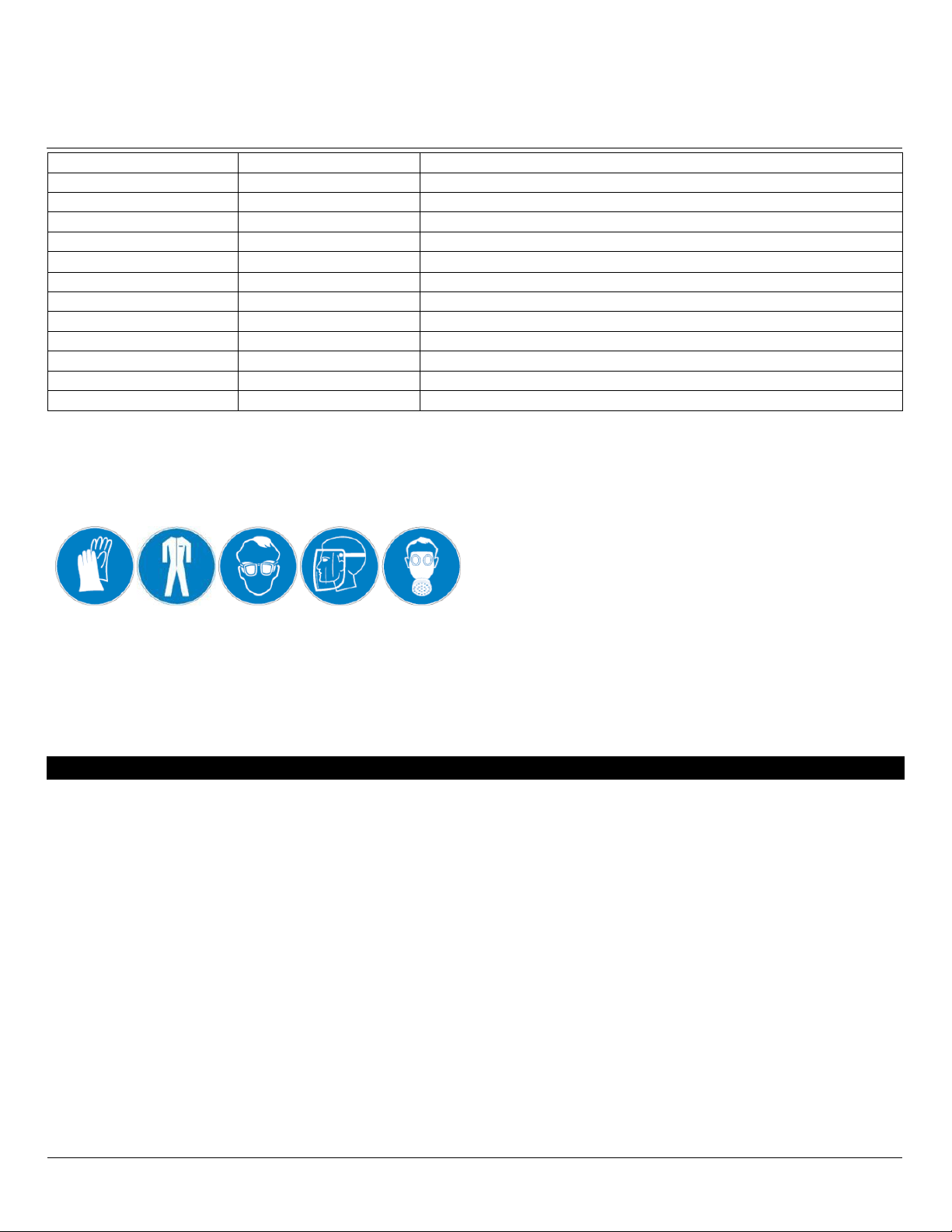
Personal Protective Equipment: Not required under normal conditions of use. When handling damaged batteries: . Gloves.
Protective clothing. Protective goggles. Face shield. Insufficient ventilation: wear respiratory protection.
Materials for Protective Clothing: Chemically resistant materials and fabrics. Corrosion-proof clothing.
Hand Protection:
Eye and Face Protection:
Skin and Body Protection:
Respiratory Protection: If exposure limits are exceeded or irritation is experienced, approved respiratory protection should be worn.
In case of inadequate ventilation, oxygen deficient atmosphere, or where exposure levels are not known wear approved respiratory
protection.
Other Information: When using, do not eat, drink or smoke.
SECTION 9: PHYSICAL AND CHEMICAL PROPERTIES
9.1. Information on Basic Physical and Chemical Properties
Physical State
:
Solid
Appearance
:
No data available
Odor
:
Odorless
Odor Threshold
:
No data available
pH
:
No data available
Evaporation Rate
:
No data available
Melting Point
:
No data available
Freezing Point
:
No data available
Boiling Point
:
No data available
Flash Point
:
No data available
Auto-ignition Temperature
:
130 °C (266 °F)
Decomposition Temperature
:
No data available
Flammability (solid, gas)
:
No data available
Lower Flammable Limit
:
No data available
Upper Flammable Limit
:
No data available
Vapor Pressure
:
No data available
Relative Vapor Density at 20°C
:
No data available
Relative Density
:
No data available

Lithium Ion Battery in Clipper/Shaver/Trimmer;
Lithium Ion Battery in Nail Grinder
Safety Data Sheet
According To Federal Register / Vol. 77, No. 58 / Monday, March 26, 2012 / Rules And Regulations And According To The Hazardous Products Regulation (February 11, 2015).
07/07/2022
EN (English US)
8/12
Specific Gravity
:
No data available
Solubility
:
Water: Insoluble
Partition Coefficient: N-Octanol/Water
:
No data available
Viscosity
:
No data available
Voltage
:
3.6 – 10.8 V
Watt Hour Rating
:
3.06 - 12.36 Wh
SECTION 10: STABILITY AND REACTIVITY
10.1. Reactivity:
Batteries are non-reactive under normal conditions of storage and use. If the internal contents are leaked lithium ion batteries may
react with incompatible materials such as water, acids, bases, oxidizers, and reducing agents and form corrosive, irritating, and
harmful fumes and by-products. If the battery is damaged, the interaction of water or water vapor and exposed lithium
hexafluorophosphate may result in the generation of hydrogen and hydrogen fluoride (HF) gas.
10.2. Chemical Stability:
Stable under recommended handling and storage conditions (see section 7).
10.3. Possibility of Hazardous Reactions:
Hazardous polymerization will not occur.
10.4. Conditions to Avoid:
Do not heat, expose to fire, disassemble, short circuit, immerse in water, or abuse batteries.
10.5. Incompatible Materials:
Strong acids, strong bases, strong oxidizers. Water.
10.6. Hazardous Decomposition Products:
Thermal decomposition may produce: Hydrogen Fluoride (HF). Carbon oxides (CO, CO
2
). Lithium oxides. Metal oxides. Phosphorus
oxides.
SECTION 11: TOXICOLOGICAL INFORMATION
11.1. Information on Toxicological Effects - Product
LD50 and LC50 Data:
Lithium Ion Battery in Clipper/Shaver/Trimmer; Lithium Ion Battery in Nail Grinder
ATE US/CA (oral)
> 1666 mg/kg body weight
ATE US/CA (inhalation)
> 0.11 mg/l/4h
Skin Corrosion/Irritation: Causes skin irritation.
Eye Damage/Irritation: Causes serious eye damage.
Respiratory or Skin Sensitization: Not classified
Germ Cell Mutagenicity: Not classified
Carcinogenicity: Suspected of causing cancer (Inhalation).
Specific Target Organ Toxicity (Repeated Exposure): Causes damage to organs through prolonged or repeated exposure.
Reproductive Toxicity: Not classified
Specific Target Organ Toxicity (Single Exposure): Not classified
Aspiration Hazard: Not classified
Symptoms/Injuries After Inhalation: Exposure to materials housed in battery: May be fatal if inhaled in significant amounts.
Symptoms/Injuries After Skin Contact: Exposure to materials housed in battery: Causes skin irritation.
Symptoms/Injuries After Eye Contact: Exposure to materials housed in battery: Causes permanent damage to the cornea, iris, or
conjunctiva.
Symptoms/Injuries After Ingestion: Exposure to materials housed in battery: This material is harmful orally and can cause adverse
health effects.
Chronic Symptoms: Exposure to materials housed in battery: Causes damage to organs through prolonged or repeated exposure.
Carbon black is classified under the IARC as 2B, “possibly carcinogenic to humans” and under ACGIH as A3 “confirmed animal
carcinogen with unknown relevance to humans”.
Exposure to the internal contents of the battery may result in:
Acute Toxicity (Oral): Harmful if swallowed.
Acute Toxicity (Dermal): Not classified
Acute Toxicity (Inhalation): Fatal if inhaled.
Lithium Ion Battery in Clipper/Shaver/Trimmer;
Lithium Ion Battery in Nail Grinder
Safety Data Sheet
According To Federal Register / Vol. 77, No. 58 / Monday, March 26, 2012 / Rules And Regulations And According To The Hazardous Products Regulation (February 11, 2015).
07/07/2022
EN (English US)
9/12
11.2. Information on Toxicological Effects - Ingredient(s)
LD50 and LC50 Data:
Graphite (7782-42-5)
LD50 Oral Rat
> 2000 mg/kg
LC50 Inhalation Rat
> 2000 mg/m³ (Exposure time: 4 h)
Copper (7440-50-8)
LC50 Inhalation Rat
> 5.11 mg/l/4h
Aluminum (7429-90-5)
LC50 Inhalation Rat
> 0.888 mg/l/4h
Carbon black (1333-86-4)
LD50 Oral Rat
> 8000 mg/kg
LC50 Inhalation Rat
> 4.6 mg/m³ (Exposure time: 4 h)
Phosphate(1-), hexafluoro-, lithium (21324-40-3)
LD50 Oral Rat
50 – 300 mg/kg
Carbon black (1333-86-4)
IARC Group
2B
OSHA Hazard Communication Carcinogen List
In OSHA Hazard Communication Carcinogen list.
SECTION 12: ECOLOGICAL INFORMATION
12.1. Toxicity
Ecology - General: Harmful to aquatic life with long lasting effects.
Graphite (7782-42-5)
LC50 Fish
> 100 mg/l (Exposure time: 96 h - Species: Danio rerio [semi-static])
EC50 Crustacea
> 100 mg/l (Exposure time: 48 h - Species: Daphnia magna [static])
ErC50 Algae
> 100 mg/l (Exposure time: 72 h - Species: Pseudokirchneriella subcapitata [static])
NOEC Chronic Fish
> 100 mg/l (Exposure time: 96 h - Species: Danio rerio [semi-static])
NOEC Chronic Crustacea
> 100 mg/l (Exposure time: 48 h - Species: Daphnia magna [static])
NOEC Chronic Algae
> 100 mg/l (Exposure time: 72 h - Species: Pseudokirchneriella subcapitata [static])
Carbon black (1333-86-4)
EC50 Crustacea
5600 mg/l (Exposure time: 24 h - Species: Daphnia magna)
12.2. Persistence and Degradability
Lithium Ion Battery in Clipper/Shaver/Trimmer; Lithium Ion Battery in Nail Grinder
Persistence and Degradability
May cause long-term adverse effects in the environment.
Copper (7440-50-8)
Persistence and Degradability
Not readily biodegradable.
12.3. Bioaccumulative Potential
Lithium Ion Battery in Clipper/Shaver/Trimmer; Lithium Ion Battery in Nail Grinder
Bioaccumulative Potential
Not established.
12.4. Mobility in Soil
No additional information available
12.5. Other Adverse Effects
Other Information: Avoid release to the environment.
SECTION 13: DISPOSAL CONSIDERATIONS
13.1. Waste treatment methods
Waste Disposal Recommendations: Material should be recycled if possible. Dispose of contents/container in accordance with local,
regional, national, territorial, provincial, and international regulations.
Additional Information: Batteries should be completely discharged prior to disposal and/or the terminals taped or capped to prevent
short circuit.
Ecology - Waste Materials: This material is hazardous to the aquatic environment. Keep out of sewers and waterways. Avoid release
to the environment.
Lithium Ion Battery in Clipper/Shaver/Trimmer;
Lithium Ion Battery in Nail Grinder
Safety Data Sheet
According To Federal Register / Vol. 77, No. 58 / Monday, March 26, 2012 / Rules And Regulations And According To The Hazardous Products Regulation (February 11, 2015).
07/07/2022
EN (English US)
10/12
SECTION 14: TRANSPORT INFORMATION
The shipping description(s) stated herein were prepared in accordance with certain assumptions at the time the SDS was authored,
and can vary based on a number of variables that may or may not have been known at the time the SDS was issued.
14.1. In Accordance with DOT
Proper Shipping Name
:
LITHIUM ION BATTERIES, CONTAINED IN EQUIPMENT
Hazard Class
:
9
Identification Number
:
UN3481
Label Codes
:
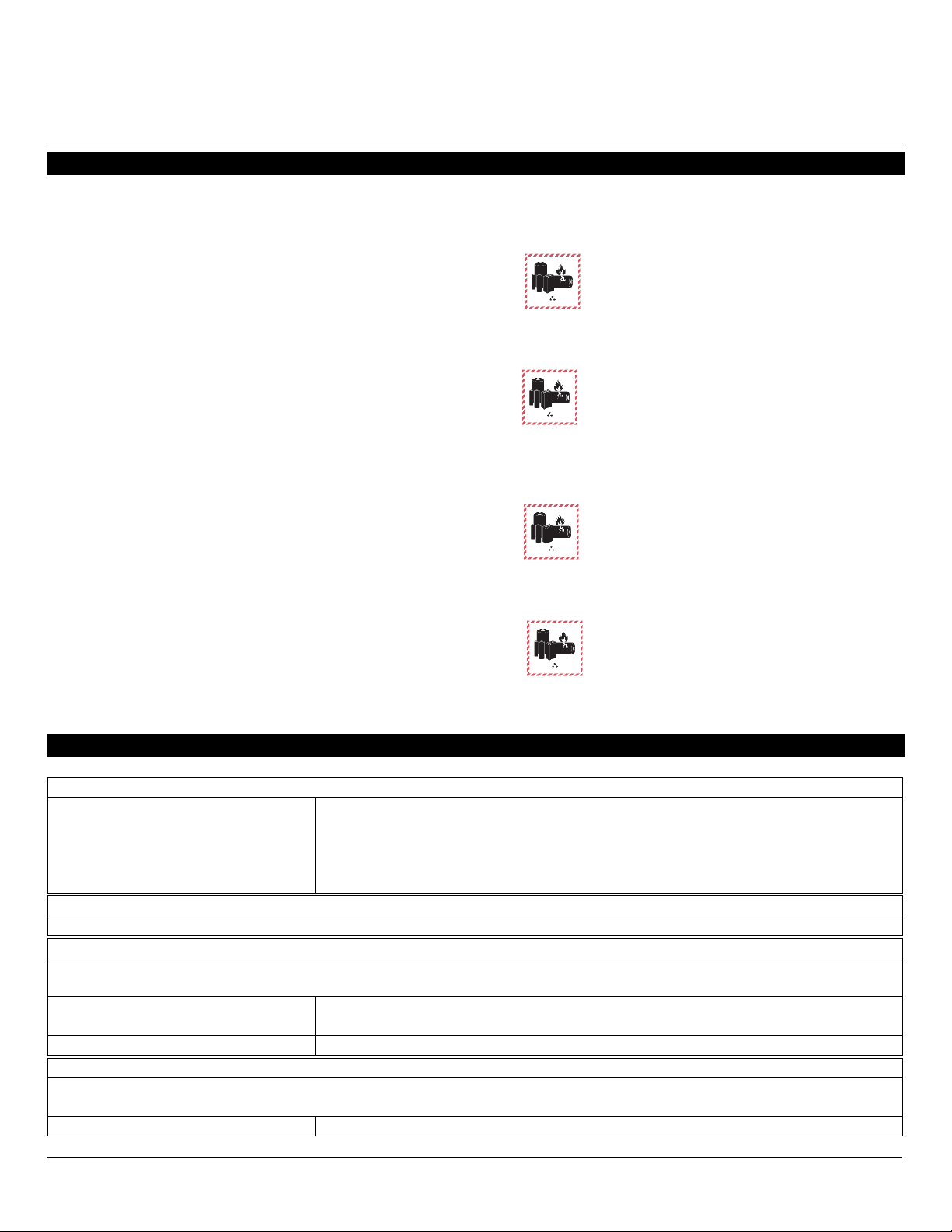
Lithium battery mark
ERG Number
:
147
14.2. In Accordance with IMDG
Proper Shipping Name
:
LITHIUM ION BATTERIES CONTAINED IN EQUIPMENT
Hazard Class
:
9A
Identification Number
:
UN3481
Label Codes
:
Lithium battery mark
EmS-No. (Fire)
:
F-A
EmS-No. (Spillage)
:
S-I
14.3. In Accordance with IATA Dangerous Goods Regulations (DGR), Edition 63
Proper Shipping Name
:
LITHIUM ION BATTERIES CONTAINED IN EQUIPMENT
Hazard Class
:
9A
Identification Number
:
UN3481
Label Codes
:
Lithium battery mark
ERG Code (IATA)
:
12FZ
14.4. In Accordance with TDG
Proper Shipping Name
:
LITHIUM ION BATTERIES CONTAINED IN EQUIPMENT
Hazard Class
:
9
Identification Number
:
UN3481
Label Codes
:
Lithium battery mark
Additional Information
:
This battery has passed the test requirements according to the UN Manual of Tests and Criteria
Part III, Subsection 38.3
SECTION 15: REGULATORY INFORMATION
15.1. US Federal Regulations
Lithium Ion Battery in Clipper/Shaver/Trimmer; Lithium Ion Battery in Nail Grinder
SARA Section 311/312 Hazard Classes
Health hazard - Carcinogenicity
Health hazard - Specific target organ toxicity (single or repeated exposure)
Health hazard - Acute toxicity (any route of exposure)
Health hazard - Serious eye damage or eye irritation
Health hazard - Skin corrosion or Irritation
Graphite (7782-42-5)
Listed on the United States TSCA (Toxic Substances Control Act) inventory - Status: Active
Copper (7440-50-8)
Listed on the United States TSCA (Toxic Substances Control Act) inventory - Status: Active
Subject to reporting requirements of United States SARA Section 313
CERCLA RQ
5000 lb no reporting of releases of this hazardous substance is required if the diameter of
the pieces of the solid metal released is >100 µm
SARA Section 313 - Emission Reporting
1 %
Aluminum (7429-90-5)
Listed on the United States TSCA (Toxic Substances Control Act) inventory - Status: Active
Subject to reporting requirements of United States SARA Section 313
SARA Section 313 - Emission Reporting
1 % (dust or fume only)
Lithium Ion Battery in Clipper/Shaver/Trimmer;
Lithium Ion Battery in Nail Grinder
Safety Data Sheet
According To Federal Register / Vol. 77, No. 58 / Monday, March 26, 2012 / Rules And Regulations And According To The Hazardous Products Regulation (February 11, 2015).
07/07/2022
EN (English US)
11/12
1,1-Difluoroethylene polymer (24937-79-9)
Listed on the United States TSCA (Toxic Substances Control Act) inventory - Status: Active
EPA TSCA Regulatory Flag
XU - XU - indicates a substance exempt from reporting under the Chemical Data Reporting
Rule, (40 CFR 711).
Cobalt lithium manganese nickel oxide (182442-95-1)
Listed on the United States TSCA (Toxic Substances Control Act) inventory - Status: Active
EPA TSCA Regulatory Flag
PMN - PMN - indicates a commenced PMN substance.
S - S - indicates a substance that is identified in a final Significant New Use Rule.
5E - 5E - indicates a substance that is the subject of a TSCA section 5E order.
Carbon black (1333-86-4)
Listed on the United States TSCA (Toxic Substances Control Act) inventory - Status: Active
Styrene-butadiene copolymer (9003-55-8)
Listed on the United States TSCA (Toxic Substances Control Act) inventory - Status: Active
EPA TSCA Regulatory Flag
XU - XU - indicates a substance exempt from reporting under the Chemical Data Reporting
Rule, (40 CFR 711).
Phosphate(1-), hexafluoro-, lithium (21324-40-3)
Listed on the United States TSCA (Toxic Substances Control Act) inventory - Status: Active
EPA TSCA Regulatory Flag
PMN - PMN - indicates a commenced PMN substance.
15.2. US State Regulations
California Proposition 65
WARNING: This product can expose you to Carbon black, which is known to the State of California to cause cancer. For
more information go to www.P65Warnings.ca.gov.
Chemical Name (CAS No.)
Carcinogenicity
Developmental
Toxicity
Female Reproductive
Toxicity
Male Reproductive
Toxicity
Carbon black (1333-86-4)
X
Graphite (7782-42-5)
U.S. - New Jersey - Right to Know Hazardous Substance List
U.S. - Pennsylvania - RTK (Right to Know) List
U.S. - Massachusetts - Right To Know List
Copper (7440-50-8)
U.S. - New Jersey - Right to Know Hazardous Substance List
U.S. - Pennsylvania - RTK (Right to Know) List
U.S. - Massachusetts - Right To Know List
U.S. - Pennsylvania - RTK (Right to Know) - Environmental Hazard List
Aluminum (7429-90-5)
U.S. - New Jersey - Right to Know Hazardous Substance List
U.S. - Pennsylvania - RTK (Right to Know) List
U.S. - Massachusetts - Right To Know List
U.S. - Pennsylvania - RTK (Right to Know) - Environmental Hazard List
Carbon black (1333-86-4)
U.S. - New Jersey - Right to Know Hazardous Substance List
U.S. - Pennsylvania - RTK (Right to Know) List
U.S. - Massachusetts - Right To Know List
Lithium Ion Battery in Clipper/Shaver/Trimmer;
Lithium Ion Battery in Nail Grinder
Safety Data Sheet
According To Federal Register / Vol. 77, No. 58 / Monday, March 26, 2012 / Rules And Regulations And According To The Hazardous Products Regulation (February 11, 2015).
07/07/2022
EN (English US)
12/12
15.3. Canadian Regulations
Graphite (7782-42-5)
Listed on the Canadian DSL (Domestic Substances List)
Copper (7440-50-8)
Listed on the Canadian DSL (Domestic Substances List)
Aluminum (7429-90-5)
Listed on the Canadian DSL (Domestic Substances List)
1,1-Difluoroethylene polymer (24937-79-9)
Listed on the Canadian DSL (Domestic Substances List)
Carbon black (1333-86-4)
Listed on the Canadian DSL (Domestic Substances List)
Styrene-butadiene copolymer (9003-55-8)
Listed on the Canadian DSL (Domestic Substances List)
Phosphate(1-), hexafluoro-, lithium (21324-40-3)
Listed on the Canadian NDSL (Non-Domestic Substances List)
SECTION 16: OTHER INFORMATION, INCLUDING DATE OF PREPARATION OR LAST REVISION
Date of Preparation or Latest
Revision
:
07/07/2022
Other Information
:
This document has been prepared in accordance with the SDS requirements of the OSHA
Hazard Communication Standard 29 CFR 1910.1200 and Canada’s Hazardous Products
Regulations (HPR) SOR/2015-17.
GHS Full Text Phrases:
------
Acute Tox. 2 (Inhalation)
Acute toxicity (inhalation) Category 2
------
Acute Tox. 2 (Inhalation)
Acute toxicity (inhalation) Category 2
------
Acute Tox. 3 (Oral)
Acute toxicity (oral) Category 3
------
Acute Tox. 4 (Oral)
Acute toxicity (oral) Category 4
------
Aquatic Chronic 3
Hazardous to the aquatic environment - Chronic Hazard Category 3
------
Carc. 2
Carcinogenicity Category 2
------
Comb. Dust
Combustible Dust
------
Eye Dam. 1
Serious eye damage/eye irritation Category 1
------
Skin Corr. 1A
Skin corrosion/irritation Category 1A
------
Skin Irrit. 2
Skin corrosion/irritation Category 2
------
STOT RE 1
Specific target organ toxicity (repeated exposure) Category 1
------
H301
Toxic if swallowed
------
H302
Harmful if swallowed
------
H314
Causes severe skin burns and eye damage
------
H315
Causes skin irritation
------
H318
Causes serious eye damage
------
H330
Fatal if inhaled
------
H351
Suspected of causing cancer
------
H372
Causes damage to organs through prolonged or repeated exposure
------
H412
Harmful to aquatic life with long lasting effects
This information is based on our current knowledge and is intended to describe the product for the purposes of health, safety and
environmental requirements only. It should not therefore be construed as guaranteeing any specific property of the product.
NA GHS SDS 2015 (Can, US)
