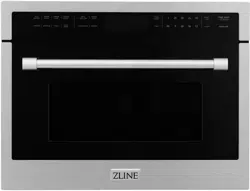

MICROWAVE OVEN
www.zlinekitchen.com
Installation Manual

ZLINE Kitchen and Bath provides Attainable Luxury, where the kitchen and bath of your dreams
is never out of reach. Through our unique designs and unparalleled quality, we’re dedicated to
providing you an elevated experience in the heart of your home. With an endless selection of
features and finishes, our inspiration is your reality.
ZLINE is fueled by a passion for innovation; A relentless pursuit of bringing the highest end luxury
designs and professional features into everyone’s homes. Because we continually strive to improve
our products, we may change specifications and designs without prior notice.
WARNING: This product can expose you to chemicals including nickel, which is known to the
State of California to cause cancer. For more information, go to www.P65Warnings.ca.gov.

1
General Safety
Read all instructions before using the appliance.
When using electrical appliances basic safety precautions
should be followed, including the following:
• Install or locate this appliance only in accordance with
the provided installation instructions.
• This appliance is intended to be used in household and
similar applications such as: staff kitchen areas in shops,
offices, and other working environments; by clients in
hotels, motels, and other residential type environments;
farm houses; bed and breakfast type environments.
WARNING
WARNING: Ensure that the appliance is switched off
before replacing the lamp to avoid the possibility of
electric shock.
•
• Do not attempt to operate this oven with the door open.
This can result in harmful exposure to microwave energy.
It is important not to break or tamper with the safety
interlocks.
• Do not place any object between the oven front face and
the door or allow soil or cleaner residue to accumulate
on sealing surfaces.
• Do not operate the oven if it is damaged. It is particularly
important that the oven door close properly and that
there is no damage to the:
• Door (bent)
• Hinges and latches (broken or loosened)
• Door seals and sealing surfaces
• The oven should not be adjusted or repaired by anyone
except properly qualified service personnel.
• If the oven is not maintained in a good state of
cleanliness, its surface could be degraded and affect the
lifespan of the oven and lead to a dangerous situation.
SAFETY INSTRUCTIONS

2
General Safety
SAFETY INSTRUCTIONS
• Use this appliance only for its intended use as described
in the manual. Do not use corrosive chemicals or
vapors in this appliance. This type of oven is specifically
designed to heat, cook or dry food. It is not designed for
industrial or laboratory use.
• Do not use harsh abrasive cleaners or sharp metal
scrapers to clean the oven door glass since they can
scratch the surface, which may result in shattering of the
glass.
• Heavily soiled seal: If the seal is very dirty, the appliance
door will no longer close properly during operation. The
fronts of adjacent units could be damaged. Always keep
the seal clean.
• This appliance can be used by children if they have been
given supervision or instruction concerning use of the
appliance in a safe way and understand the hazards
involved. Children shall not play with the appliance.
Cleaning and user maintenance shall not be made by
children without supervision. Keep the appliance and its
cord out of reach of children without supervision.
• If the supply cord is damaged, it must be replaced by
the manufacturer, its service agent or similarly qualified
persons in order to avoid a hazard. (For appliances with
type Y attachment.)
• Do not immerse cord or plug in water.
• Keep cord away from heated surface.
• Do not let cord hang over edge of table or counter.
• Do not cover or block any openings on the appliance.
• Do not store this appliance outdoors. Do not use this
product near water - for example, near a kitchen sink,
in a wet basement, near a swimming pool, or similar
location.
3
Fire Safety
SAFETY INSTRUCTIONS
• To reduce the risk of fire in the oven cavity:
• Do not overcook food. Carefully attend
appliance when paper, plastic, or other
combustible materials are placed inside the oven
to facilitate cooking.
• Remove wire twist-ties from paper or plastic bag
before placing bag in oven.
• If material inside of the oven ignites, keep oven
door closed, turn oven off, and disconnect
power cord or shut off power at the fuse or circuit
breaker panel.
• Do not use the cavity for storage purposes. Do
not leave paper products, cooking utensils, or
food in the cavity when not in use.
• If smoke is emitted, switch off or unplug the appliance
and keep the door closed in order to stifle any flames.
• Care should be taken not to displace the turntable when
removing containers from the appliance.
• Some products, such as whole eggs and sealed
containers - for example, closed glass jars - can explode
and should not be heated in this oven.
WARNING
WARNING: Liquids and other foods must not be
heated in sealed containers since they are liable to
explode.

4
Food Safety
SAFETY INSTRUCTIONS
• Liquids, such as water, coffee, or tea may be heated
beyond the boiling point without appearing to be
boiling. Visible bubbling or boiling when the container
is removed from the microwave oven is not always
present. THIS COULD RESULT IN VERY HOT LIQUID
SUDDENLY BOILING OVER WHEN THE CONTAINER
IS DISTURBED OR A UTENSIL IS INSERTED INTO THE
LIQUID. To reduce the risk of injury to persons:
• Do not overheat the liquid.
• Stir the liquid both before and halfway through
heating it.
• Do not use straight-sided containers with narrow
necks.
• After heating, allow the container to stand in the
microwave oven for a short time before removing
the container.
• Use extreme care when inserting a spoon or
other utensil into the container.
• Do not operate any heating or cooking appliance
beneath the appliance. (Exception: A microwave oven
made for use above another heating appliance.)
• Do not mount unit over or near any portion of heating or
cooking appliance. (Exception: A microwave oven made
for use above another heating appliance.)
• Do not mount over sink.
• Do not store anything directly on top of the appliance
surface when the appliance is in operation.
• Oversized food or oversized metal utensils should not
be inserted in a microwave/ toaster oven as they may
create a fire or risk of electric shock.
• The appliance shall not be cleaned with a steam cleaner.
5
Cooking Safety
SAFETY INSTRUCTIONS
• Do not clean with metal scouring pads. Pieces can burn
off the pad and touch electrical parts involving a risk of
electric shock.
• Do not use paper products when appliance is operated in
the toaster mode.
• Do not store any materials, other than manufacturer’s
recommended accessories, in this oven when not in use.
• Do not cover racks or any other part of the oven with
metal foil. This will cause overheating of the oven.
• When heating food in plastic or paper containers, keep
an eye on the oven due to the possibility of ignition.
• Only use utensils that are suitable for use in microwave
ovens.
• The contents of feeding bottles and baby food jars shall
be stirred or shaken and the temperature checked before
consumption, in order to avoid burns.
• The oven should be cleaned regularly and any food
deposits removed since they may explode, even after
microwave heating has ended.
• The microwave oven is intended for heating food and
beverages. Drying of food or clothing and heating of
warming pads, slippers, sponges, damp cloth, and similar
may lead to risk of injury, ignition, or fire.
WARNING
WARNING: The appliance and its accessible parts
become hot during use. Surface of a storage
drawer can get hot. Care should be taken to avoid
touching heating elements. Metallic containers for
food and beverages are not allowed during
microwave cooking.
• The appliance is intended to be used built-in.
• The appliance must not be installed behind a decorative
door in order to avoid overheating.

6
Cooking Safety
SAFETY INSTRUCTIONS
• Using metal with the microwave function can cause
• sparks. Metal - e. g. a spoon in a glass - must be kept at
least 1 in. from the oven walls and the inside of the door.
Sparks could irreparably damage the glass on the inside
of the door.
• Water in the hot cooking compartment: Never pour water
into the hot cooking compartment. This will cause steam.
The temperature change can cause damage.
• Moist food: Do not store moist food in the closed cooking
compartment for long periods.
• Do not use the appliance to store food. This can lead to
corrosion.
• Cooling with the appliance door open: Only leave the
cooking compartment to cool with the door closed. Do
not trap anything in the appliance door. Even if the door
is only slightly ajar, the fronts of adjacent units may be
damaged over time.
• Operating the microwave without food: Operating the
appliance without food in the cooking compartment may
lead to overloading. Never switch on the appliance
unless there is food in the cooking compartment.
• Using the appliance door for standing on or placing
objects on: Do not stand or place anything on the open
appliance door. Do not place ovenware or accessories
on the appliance door.
• Transporting the appliance: Do not carry or hold the
appliance by the door handle. The door handle cannot
support the weight of the appliance and could break.
7
Environmental Safety
SAFETY INSTRUCTIONS
ENVIRONMENTALLYFRIENDLY DISPOSAL
■
■
■
■ is
■
Dispose o
Th
96/EC on W
(WEEE). The direct
collection and recycli
across t
Dispose of packaging in an environmentally-
friendly manner. This appliance complies with
European Directive 2002/ 96/EC on Waste
Electrical and Electronic Equipment (WEEE). The
directive gives a framework for the collection and
recycling of old appliances, which is valid across
the EU.
8
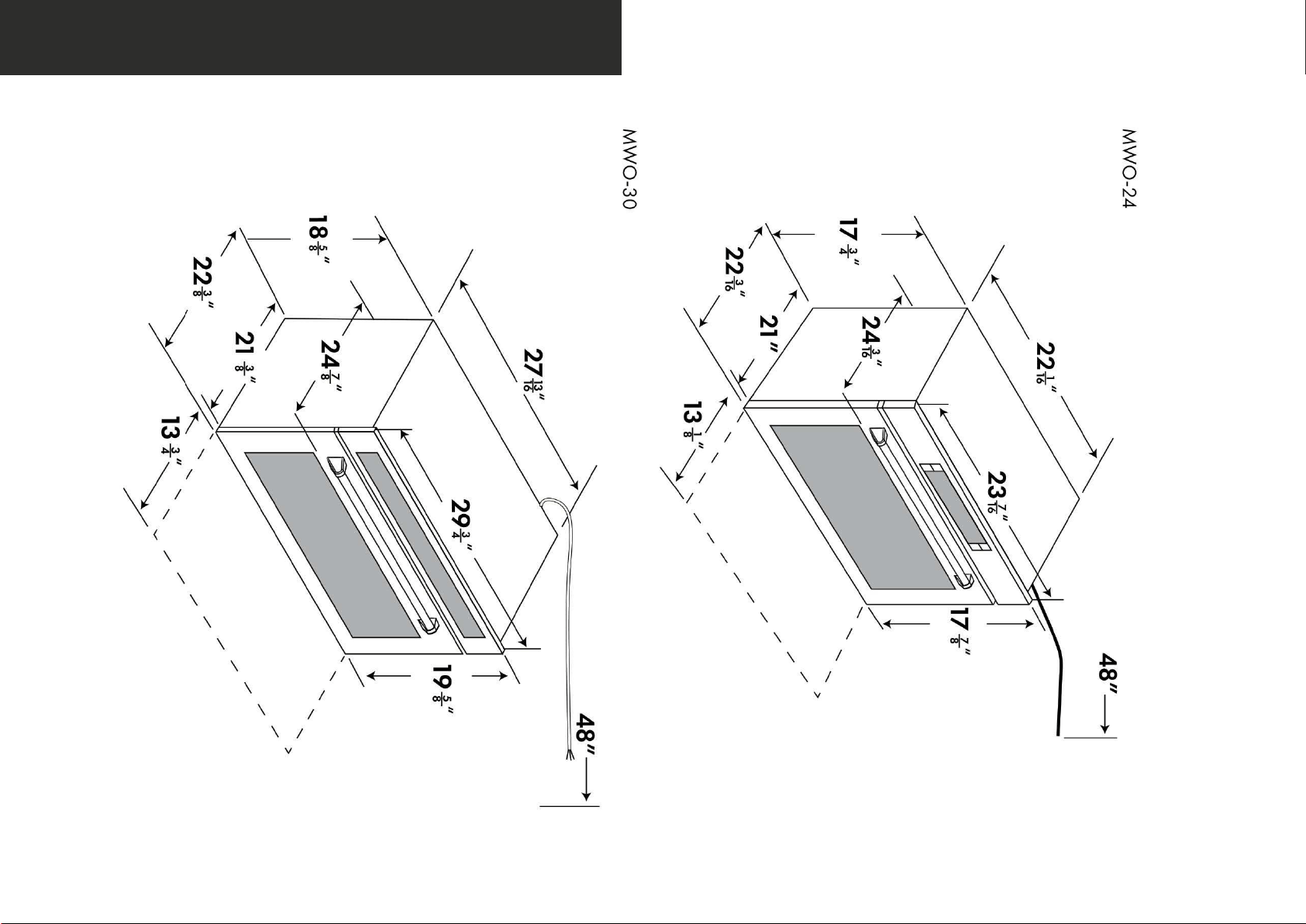
Product Specifications
BEFORE INSTALLATION

9
Tools Needed
BEFORE INSTALLATION
Gather the required tools before starting installation. Read and follow the instructions
provided with any tools listed here.
TOOLS AND PARTS NEEDED
• Philips head screwdriver
• 1/8” drill bit and drill
• Measuring tape
• Knife
PARTS PROVIDED
• Philips head screws
10
Electrical Connection
BEFORE INSTALLATION
WARNING
ELECTRIC SHOCK HAZARD
• Before you plug in an electrical cord or turn on power supply, make sure all
controls are in the OFF position.
• This appliance must be grounded. Connect only to properly grounded outlet.
• Improper grounding can result in a risk of electric shock. Consult a qualified
electrician if the grounding instructions are not completely understood, or if
doubt exists as to whether the appliance is properly grounded.
• Do not cut or remove the ground prong. It must be plugged into a matching
grounding type receptacle to avoid electrical shock. If there is any doubt as to
whether the wall receptacle is properly grounded, the check with a qualified
electrician.
• Before installing, turn power OFF at the service panel. Lock service panel to
prevent power from being turned ON accidentally.
• Be sure your appliance is properly installed and grounded by a qualified
technician. Installation, electrical connections and grounding must comply with
all applicable codes. This appliance must be grounded. In the event of an
electrical short circuit, grounding reduces the risk of electric shock by providing
an escape wire for the electric current. This appliance is equipped with a cord
having a grounding wire with a grounding plug. The plug must be plugged into
an outlet that is properly installed and grounded. The outlet must be properly
grounded in accordance with all applicable codes.
WARNING: Improper use of the grounding can result in a risk
of electric shock.
• Consult a qualified electrician or serviceman if the grounding instructions are not
completely understood, or if doubt exists as to whether the appliance is properly
grounded. If it is necessary to use an extension cord, use only a 3-wire extension
cord that has a 3-blade grounded plug, and 3-slot receptacle that will accept
the plug on the appliance. The marked rating of the extension cord shall be
equal to or greater than the electrical rating of the appliance.
WARNING
11
Electrical Connection
• Only a qualified electrician who takes the appropriate regulations into account
may install the socket or replace the connecting cable. If the plug is no longer
accessible following installation, an all-pole isolating switch must be present on
the installation side with a contact gap of at least 1/8”. Contact protection must
be ensured by the installation.
• Touching some of the internal components can cause serious personal injury or
death. Do not disassemble this appliance. Improper use of the grounding can
result in electric shock. Do not plug into an outlet until appliance is properly
installed and grounded.
• A short power-supply cord is provided to reduce the risks resulting from
becoming entangled in or tripping over a longer cord.
WARNING
WARNING: We do not recommend using an extension cord and if used
on this appliance, it will void warranty. If you are going to use an
extension cord, make sure the wire gauge and length are correct for use
with a microwave. The use of an extension cord can cause voltage drop,
fire hazard, and can cause permanent damage to the microwave if used.
• Longer cord sets or extension cords are available and may be used if care is
exercised in their use.
• If a long cord or extension cord is used:
• The marked electrical rating of the cord set or extension cord should be
at least as great as the electrical rating of the appliance.
• The extension cord must be a grounding-type 3-wire cord.
• The longer cord should be arranged so that it will not drape over the
counter top or tabletop where it can be pulled on by children or
tripped over unintentionally.
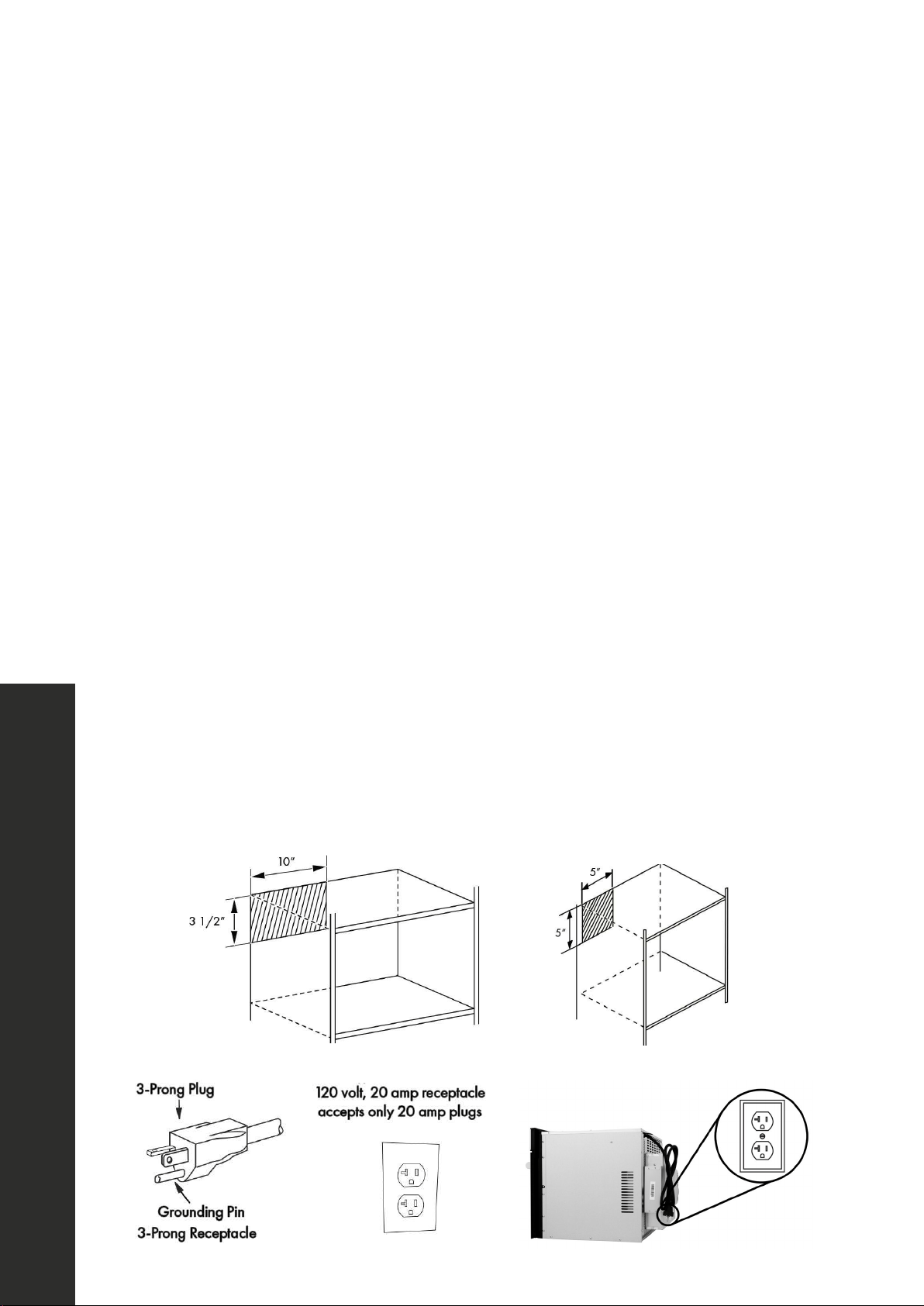
ELECTRICAL REQUIREMENTS:
• A three prong grounded outlet
• 120V, 60 Hz, AC only NEMA 5-20 plug
• 20 Amp electrical supply with a fuse or a circuit breaker
BEFORE INSTALLATION
12
Electrical Connection
BEFORE INSTALLATION
ELECTRIC INSTALLATION
• This product must be connected to a supply circuit of the proper voltage and
frequency. Wire size must conform to the requirements of the National Electric
Code or the prevailing local code for this rating.
• The power supply cord and plug should be brought to a separate 20-amp
branch circuit single grounded outlet. The outlet box should be located inside the
cabinet above the appliance.
• The outlet box and supply circuit should be installed by a qualified electrician
and conform to the National Electrical Code or the prevailing local code.
• The voltage used must be the same as specified on this microwave oven. Using
a higher voltage is dangerous and may result in a fire or oven damage. Using a
lower voltage will cause slow cooking.
• The manufacturer is not responsible for any damages resulting from the use of the
oven with any voltage other than specified.
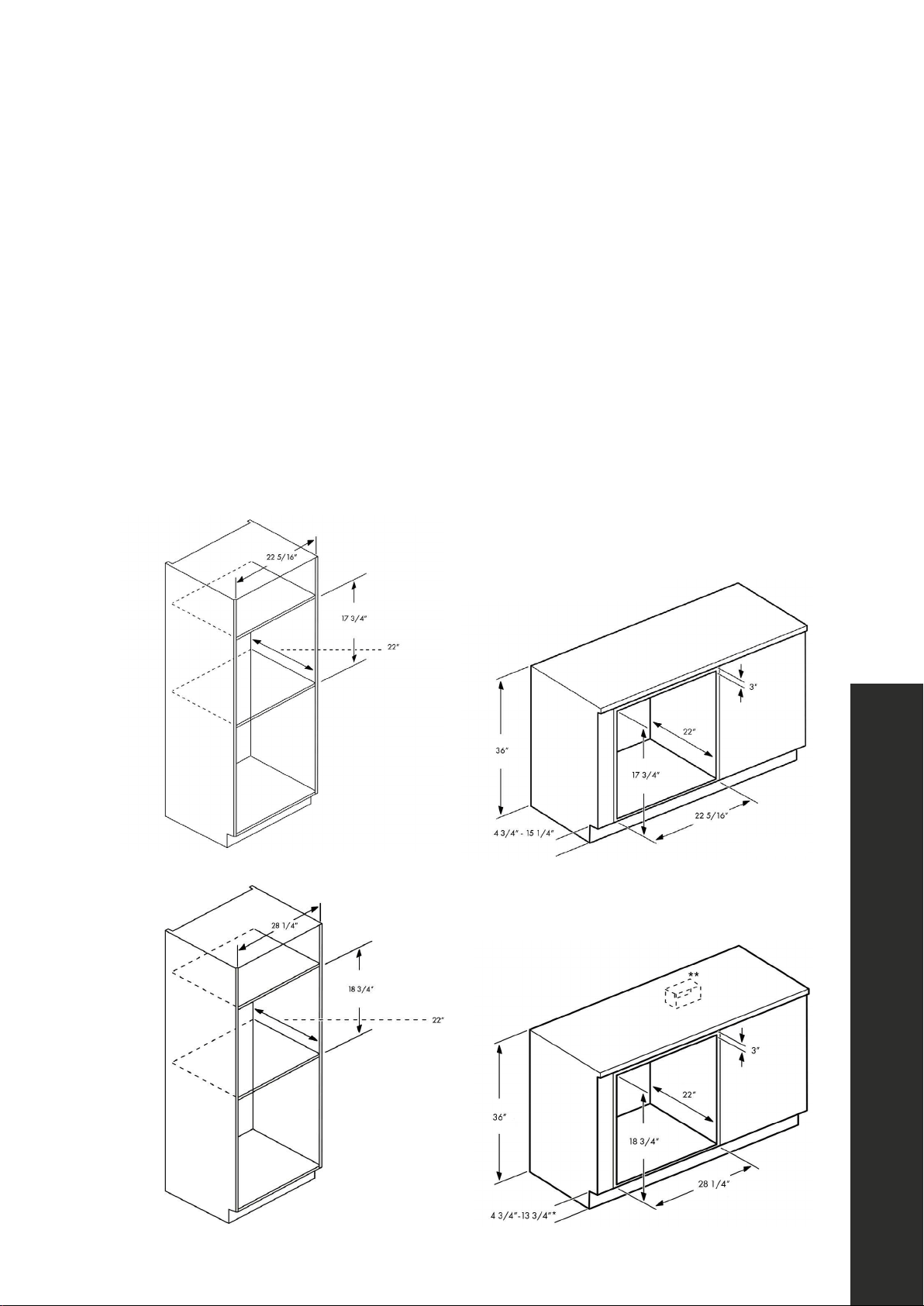
OUTLET AREA
• Anywhere within the shaded area the minimal distance between the appliance
and the wall is 1 3/4”.
• The outlet can be located anywhere within the shaded area.
MWO-24
MWO-30
NEMA 520
13
Cabinet Requirements
INSTALLATION
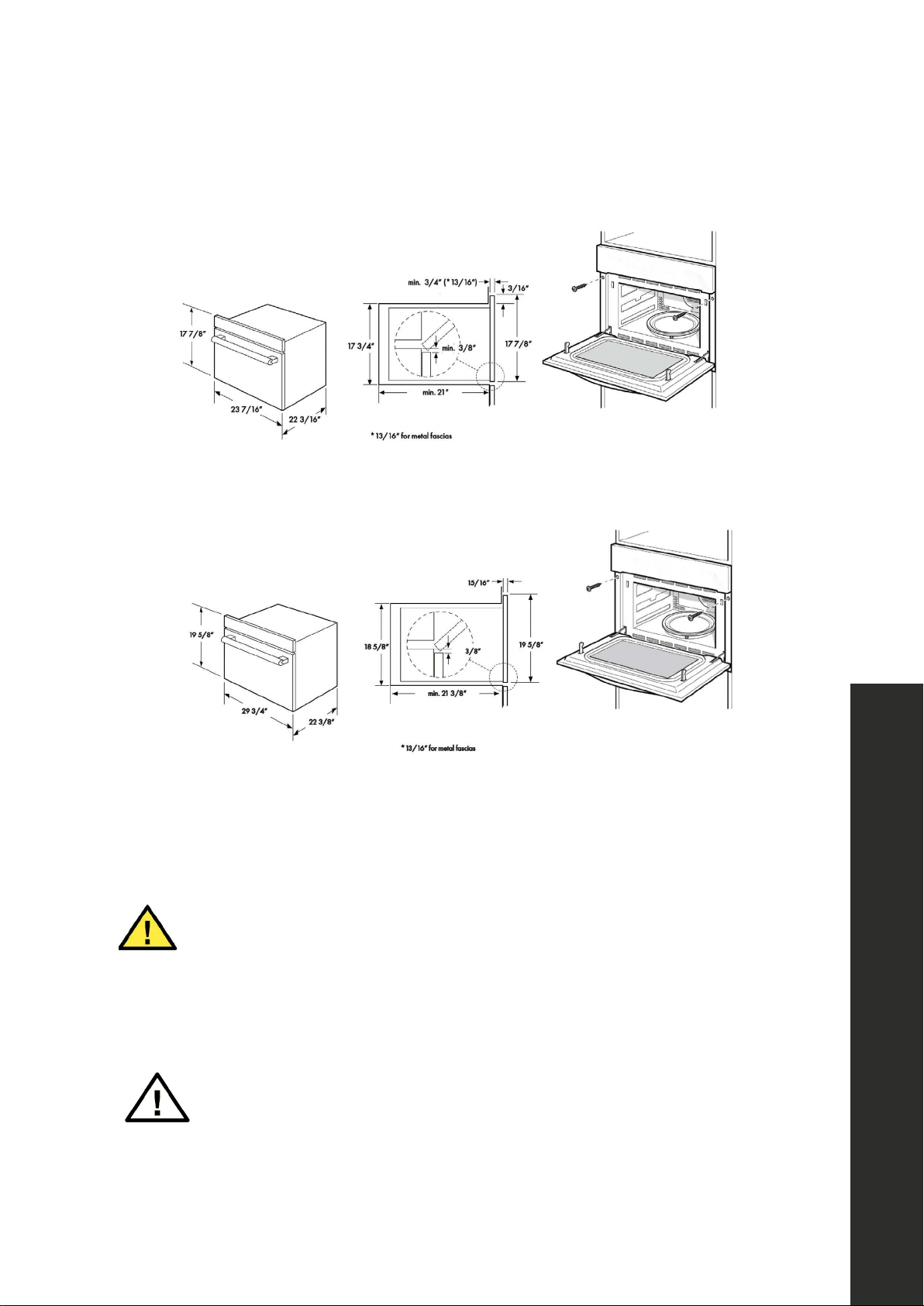
GENERAL CABINET REQUIREMENTS:
• 1⁄4” space between the side of the appliance and an adjacent wall or cabinet
door when installed at the end of a cabinet run.
• The cabinet base must be flat and capable of supporting the weight of your
appliance when in use.
• The appliance door will overlap the furniture below by approx 3/16” when
opened.
• There must be an air gap of at least 1/4” between the appliance and the
cabinet walls when the appliance is installed, i.e. 1/8” each side.
MWO-24
MWO-30
14
Cabinet Requirements
INSTALLATION
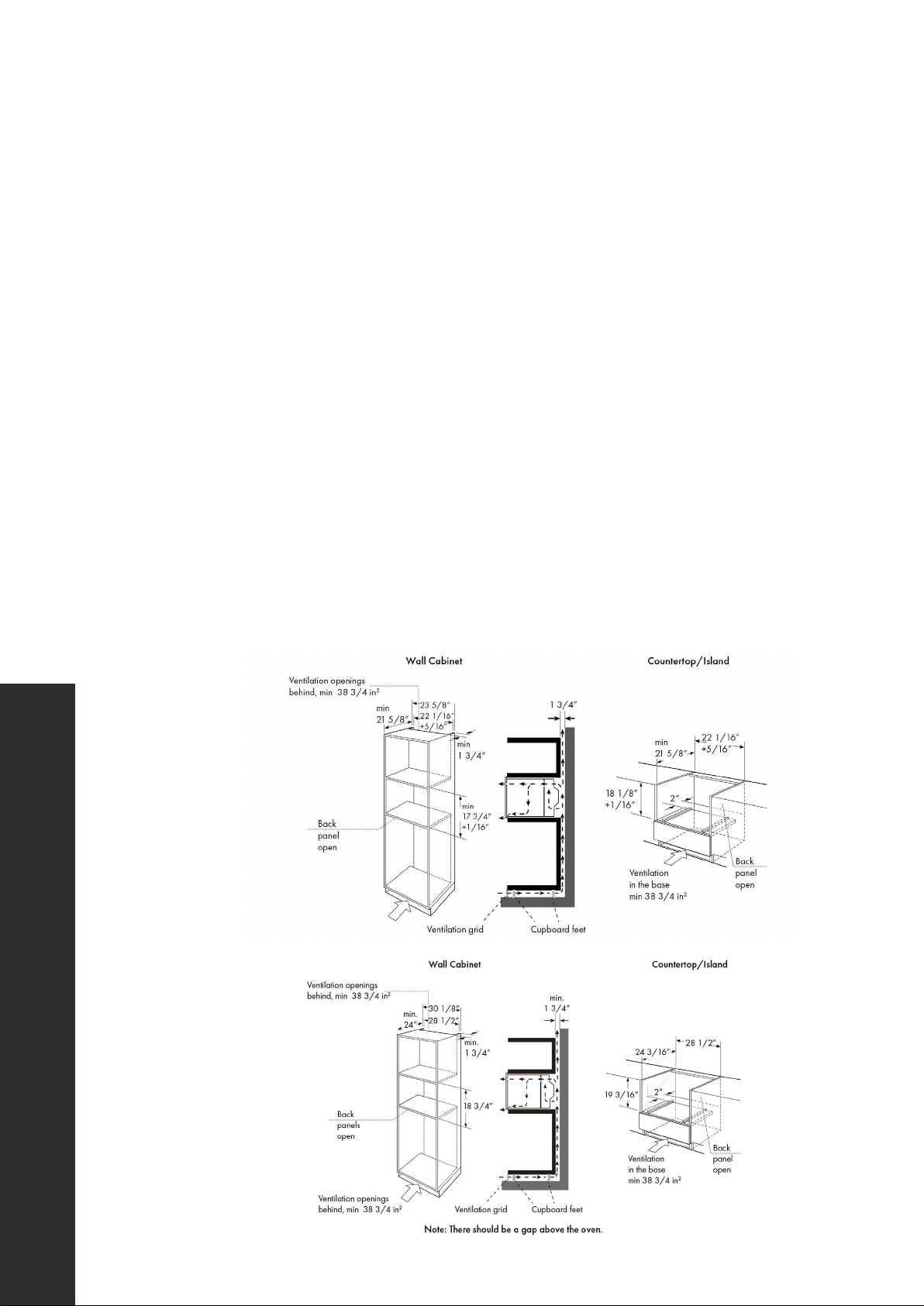
VENTILATED CABINET
This appliance is only intended to be fully fitted in a kitchen.
• This appliance is not designed to be used as a tabletop appliance or inside a
cupboard.
• The fitted cabinet must not have a back wall behind the appliance.
• A gap of at least 1 3/4” must be maintained between the wall and the base or
back panel of the unit above.
• The fitted cabinet must have a ventilation opening of 38 3/4 in² on the front. To
achieve this, cut back the base panel or fit a ventilation grill.
• Ventilation slots and intakes must not be covered.
• The safe operation of this appliance can only be guaranteed if it has been
installed in accordance with these installation instructions.
• The units into which the appliance is fitted must be heat-resistant up 194°F.
• Note: There should be a gap above the oven.
MWO-24
MWO-30
15
Cabinet Requirements
INSTALLATION
BUILTIN (FLUSH)
MWO24
MWO30
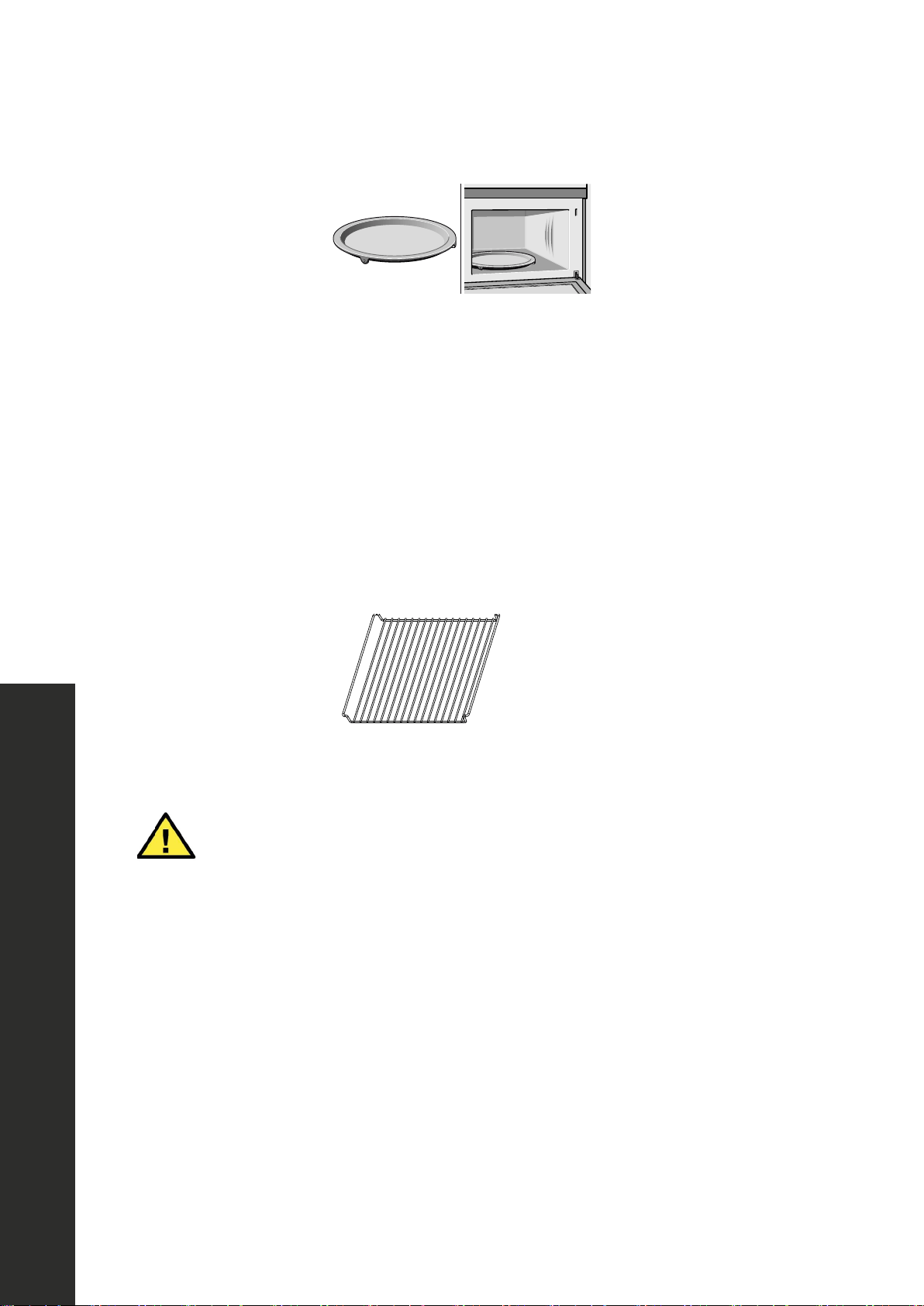
• Carefully push the microwave into the cabinetry, making sure that it is in the
center.
• Do not kink the connecting cable.
• Open the door and fasten the microwave with the screws that were supplied.
WARNING
WARNING: The gap between the worktop and the appliance must
not be closed by additional battens.
MOUNT TO CABINET
NOTE: The appliance is heavy. It is advisable to install it with a second person.
NOTICE
NOTICE: Before installing the appliance, be sure to verify the
cabinet dimensions and electrical connections.
1. Fully insert the appliance and center it. Do not kink the electrical cable.
2. Screw the appliance into place.
16
Accessories and Handles
OPERATION
TURNTABLE
Accessories
Before using the appliance for the first time
Here you will find everything you need to do before using your
oven to prepare food for the first time. First read the section on
Safety information
.
Setting the clock
Heating up the oven
Cleaning the accessories
Before you use the accessories for the first time, clean them
thoroughly with hot soapy water and a soft dish cloth.
Setting the oven
There are various ways in which you can set your oven. Here we
will explain how you can select the desired type of heating and
temperature or grill setting. You can also select the oven cooking
time for your dish. Please refer to the section on
Setting the time-
setting options
.
Setting Convection mode
Turntable
As a surface for the wire rack.
Food which particularly requires a lot of heat from underneath can be
prepared directly on the turntable.
The turntable can turn clockwise or anti-clockwise.
Place the turntable on the drive in the centre of the cooking
compartment. Ensure that it is properly fitted.
■ Never use the microwave without the turntable.
■ The turntable can withstand max. 5 kg.
■ The turntable must turn when using all types of heating.
Lower wire rack
For the microwave and for baking and roasting in the oven.
Higher wire rack
For grilling, e.g. steaks, sausages and for toasting bread.
As a support for shallow dishes.
Once the appliance is connected, "12:00" will be displayed as
Opening the oven door during operation
Operation is suspended. After closing the door, touch the
key. Operation continues.
Cancelling operation
Note:
Type and quantity of accessories is subject to actual demand.
the time of day. To set the correct time, proceed as follows:
Example: roast 350 for 20 minutes
Food which particularly requires a lot of heat from underneath can be prepared
directly on the turntable.
• The turntable can turn clockwise or counterclockwise.
• Place the turntable on the drive in the center of the cooking compartment. Ensure
that it is properly fitted.
• Never use the microwave without the turntable.
• The turntable can withstand max 11 lbs.
• The turntable must turn when using all types of heating.
• Reversible rack included.
Accessories
Before using the appliance for the first time
Here you will find everything you need to do before using your
oven to prepare food for the first time. First read the section on
Safety information
.
Setting the clock
Heating up the oven
Cleaning the accessories
Before you use the accessories for the first time, clean them
thoroughly with hot soapy water and a soft dish cloth.
Setting the oven
There are various ways in which you can set your oven. Here we
will explain how you can select the desired type of heating and
temperature or grill setting. You can also select the oven cooking
time for your dish. Please refer to the section on
Setting the time-
setting options
.
Setting Convection mode
Turntable
As a surface for the wire rack.
Food which particularly requires a lot of heat from underneath can be
prepared directly on the turntable.
The turntable can turn clockwise or anti-clockwise.
Place the turntable on the drive in the centre of the cooking
compartment. Ensure that it is properly fitted.
■ Never use the microwave without the turntable.
■ The turntable can withstand max. 5 kg.
■ The turntable must turn when using all types of heating.
Lower wire rack
For the microwave and for baking and roasting in the oven.
Higher wire rack
For grilling, e.g. steaks, sausages and for toasting bread.
As a support for shallow dishes.
Once the appliance is connected, "12:00" will be displayed as
Opening the oven door during operation
Operation is suspended. After closing the door, touch the
key. Operation continues.
Cancelling operation
Note:
Type and quantity of accessories is subject to actual demand.
the time of day. To set the correct time, proceed as follows:
Example: roast 350 for 20 minutes
Accessories
Before using the appliance for the first time
Here you will find everything you need to do before using your
oven to prepare food for the first time. First read the section on
.
Setting the clock
Heating up the oven
Cleaning the accessories
Before you use the accessories for the first time, clean them
thoroughly with hot soapy water and a soft dish cloth.
Setting the oven
There are various ways in which you can set your oven. Here we
will explain how you can select the desired type of heating and
temperature or grill setting. You can also select the oven cooking
time for your dish. Please refer to the section on
Setting the time-
setting options
.
Setting Convection mode
Turntable
As a surface for the wire rack.
Food which particularly requires a lot of heat from underneath can be
prepared directly on the turntable.
The turntable can turn clockwise or anti-clockwise.
Place the turntable on the drive in the centre of the cooking
compartment. Ensure that it is properly fitted.
■ Never use the microwave without the turntable.
■ The turntable can withstand max. 5 kg.
■ The turntable must turn when using all types of heating.
Lower wire rack
For the microwave and for baking and roasting in the oven.
Higher wire rack
For grilling, e.g. steaks, sausages and for toasting bread.
As a support for shallow dishes.
Once the appliance is connected, "12:00" will be displayed as
Opening the oven door during operation
Operation is suspended. After closing the door, touch the
key. Operation continues.
Cancelling operation
Note:
Type and quantity of accessories is subject to actual demand.
the time of day. To set the correct time, proceed as follows:
Example: roast 350 for 20 minutes
Accessories
Before using the appliance for the first time
Here you will find everything you need to do before using your
oven to prepare food for the first time. First read the section on
Safety information
.
Setting the clock
Heating up the oven
Cleaning the accessories
Before you use the accessories for the first time, clean them
thoroughly with hot soapy water and a soft dish cloth.
Setting the oven
There are various ways in which you can set your oven. Here we
will explain how you can select the desired type of heating and
temperature or grill setting. You can also select the oven cooking
time for your dish. Please refer to the section on
Setting the time-
setting options
.
Setting Convection mode
Turntable
As a surface for the wire rack.
Food which particularly requires a lot of heat from underneath can be
prepared directly on the turntable.
The turntable can turn clockwise or anti-clockwise.
Place the turntable on the drive in the centre of the cooking
compartment. Ensure that it is properly fitted.
■ Never use the microwave without the turntable.
■ The turntable can withstand max. 5 kg.
■ The turntable must turn when using all types of heating.
Lower wire rack
For the microwave and for baking and roasting in the oven.
Higher wire rack
For grilling, e.g. steaks, sausages and for toasting bread.
As a support for shallow dishes.
Once the appliance is connected, "12:00" will be displayed as
Opening the oven door during operation
Operation is suspended. After closing the door, touch the
key. Operation continues.
Cancelling operation
Note:
Type and quantity of accessories is subject to actual demand.
the time of day. To set the correct time, proceed as follows:
Example: roast 350 for 20 minutes
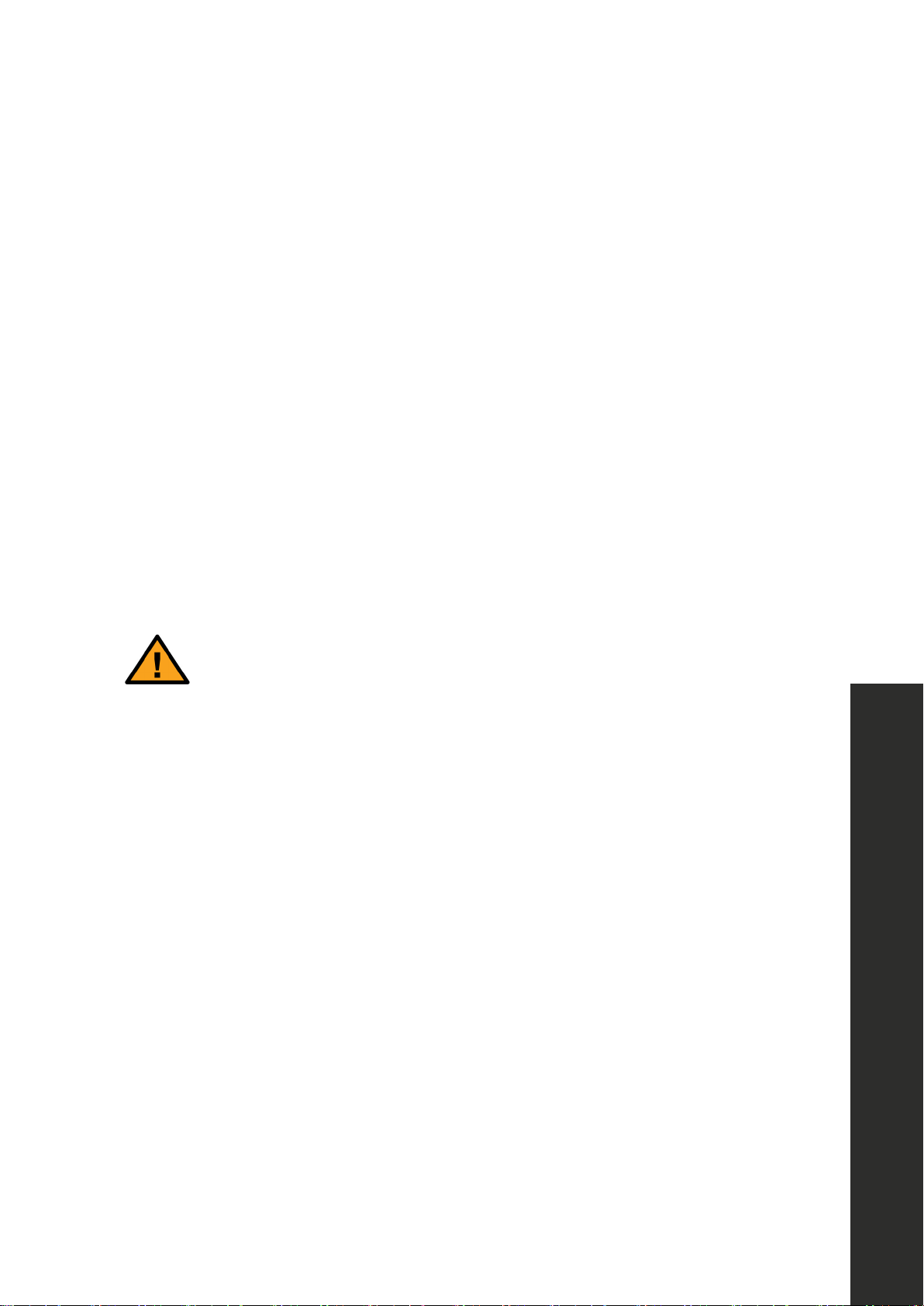
Grill Rack
• Face up for grilling.
• Face down for baking and roasting.
WARNING
The rack can remain inside the microwave during the microwave
function as long as it is placed properly in the rack holders.
• Before you using the accessories for the first time, clean them thoroughly with hot
soapy water and a soft dish cloth.
INSTALLING HANDLES
Note: The Allen key needed to remove the handle is only included with Autograph
Edition handles (Champagne Bronze, Gold, and Matte Black.)
1. Locate the holes on the underside of each handle base.
2. Using a 7/64” Allen key, loosen both the left and right set screws.
3. Carefully remove the handle. If installing an Autograph Edition handle, carefully
place the new handle on the mounting studs. Then, using the Allen key, tighten
the left and right set screws until the handle is firmly in place.
17
Safe Materials
OPERATION
RADIO INTERFERENCE
• Operation of the microwave oven may cause interference to your radio, TV or
similar equipment.
• When there is interference, it may be reduced or eliminated by taking the
following measures:
• Clean door and sealing surface of the oven.
• Reorient the receiving antenna of radio or television.
• Move the microwave oven away from the receiver.
• Plug the microwave oven into a different outlet so that microwave oven
and receiver are on different branch circuits.
This device complies with part 18 of the FCC Rules.
UTENSILS
CAUTION
CAUTION: Personal Injury Hazard
• Tightly-closed utensils could explode. Closed containers should be
opened and plastic pouches should be pierced before cooking.
• See the instructions on “Materials you can use in microwave oven or to
be avoided in microwave oven.” (right)
• There may be certain non-metallic utensils that are not safe to use for
microwaving. If in doubt, you can test the utensil in question following the
procedure below.
UTENSIL TEST
Fill a microwave-safe container with 1 cup of cold water along with the
utensil in question.
1. Cook on maximum power for 1 minute.
2. Carefully feel the utensil. If the empty utensil is warm, do not use it for
microwave cooking.
3. Do not exceed 1 minute cooking time.
18
Safe Materials
OPERATION
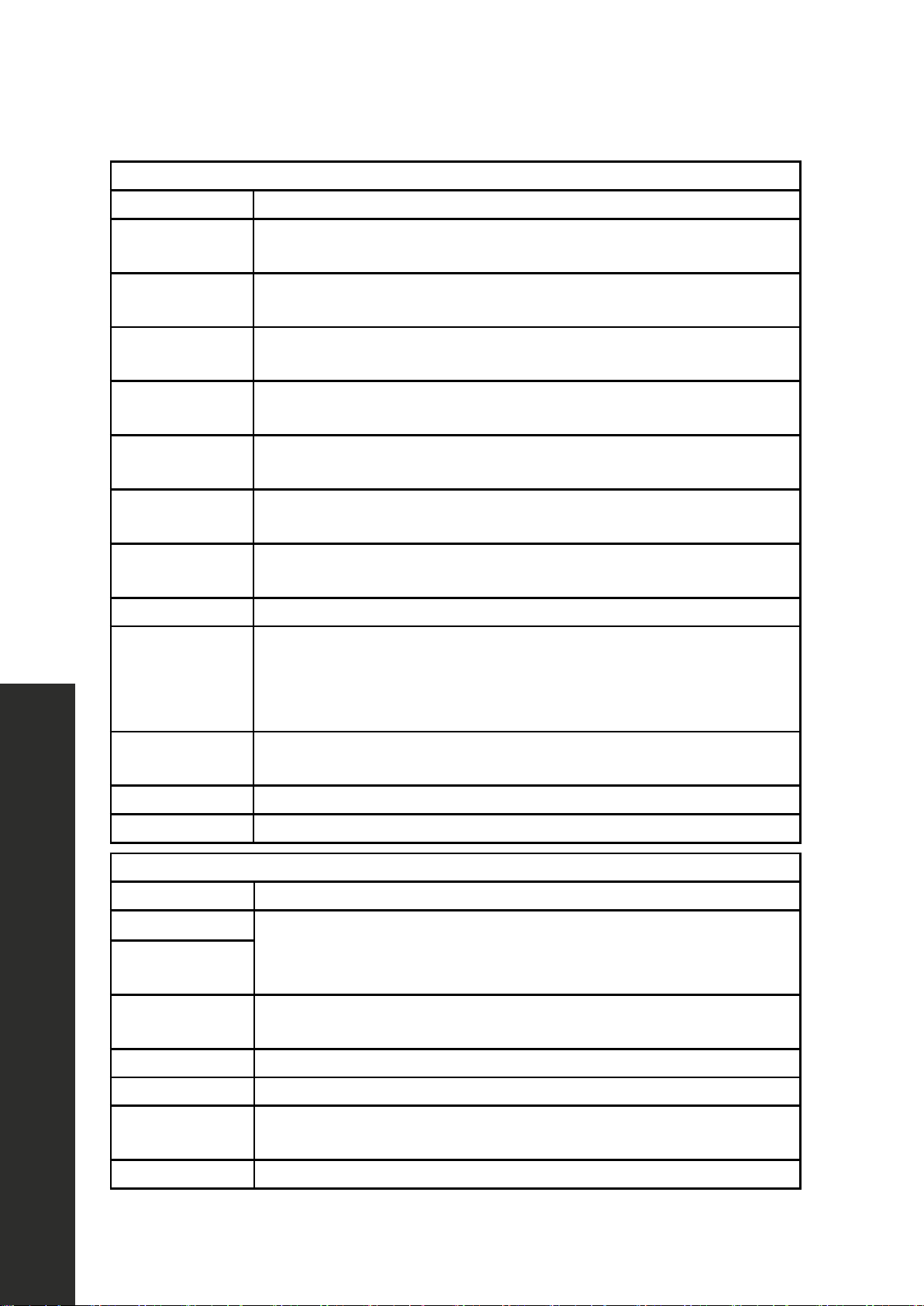
MATERIALS YOU CAN USE IN MICROWAVE OVEN
UTENSILS GUIDE
Browning dish
Follow manufacturer* instructions. The bottom of browning dish must be at least 3/16”
above the turntable. Incorrect usage may cause the turntable to break.
Dinnerware
Microwave-safe only. Follow manufacturer’s instructions. Do not use
cracked or chipped dishes.
Glass jars
Always remove lid. Use only to heat food until just warm. Most glass jars are not heat
resistant and may break.
Glassware
Heat-resistant oven glassware only. Make sure there is no metallic trim. Do not use cracked
or chipped dishes.
Oven cooking bags
Follow manufacturer* instructions. Do not close with metal tie. Make slits to allow steam to
escape.
Paper plates
and cups
Use for short term cooking/warming only. Do not leave oven unattended while cooking.
Paper towels
Use to cover food for reheating and absorbing fat. Use with supervision for a short-term
cooking only.
Parchment paper Use as a cover to prevent splattering or a wrap for steaming.
Plastic
Microwave-safe only. Follow the manufacturer* instructions. Should be labeled
“Microwave Safe”. Some plastic containers soften, as the food inside gets hot. “Boiling
bags” and tightly closed plastic bags should be slit, pierced or vented as directed by
package. Microwave-safe only. Use to cover food during cooking
Plastic wrap
Microwave-safe only. Use to cover food during cooking to retain moisture. Do not allow
plastic wrap to touch food.
Thermometers Microwave-safe only (meat and candy thermometers).
Wax paper Use as a cover to prevent splattering and retain moisture.
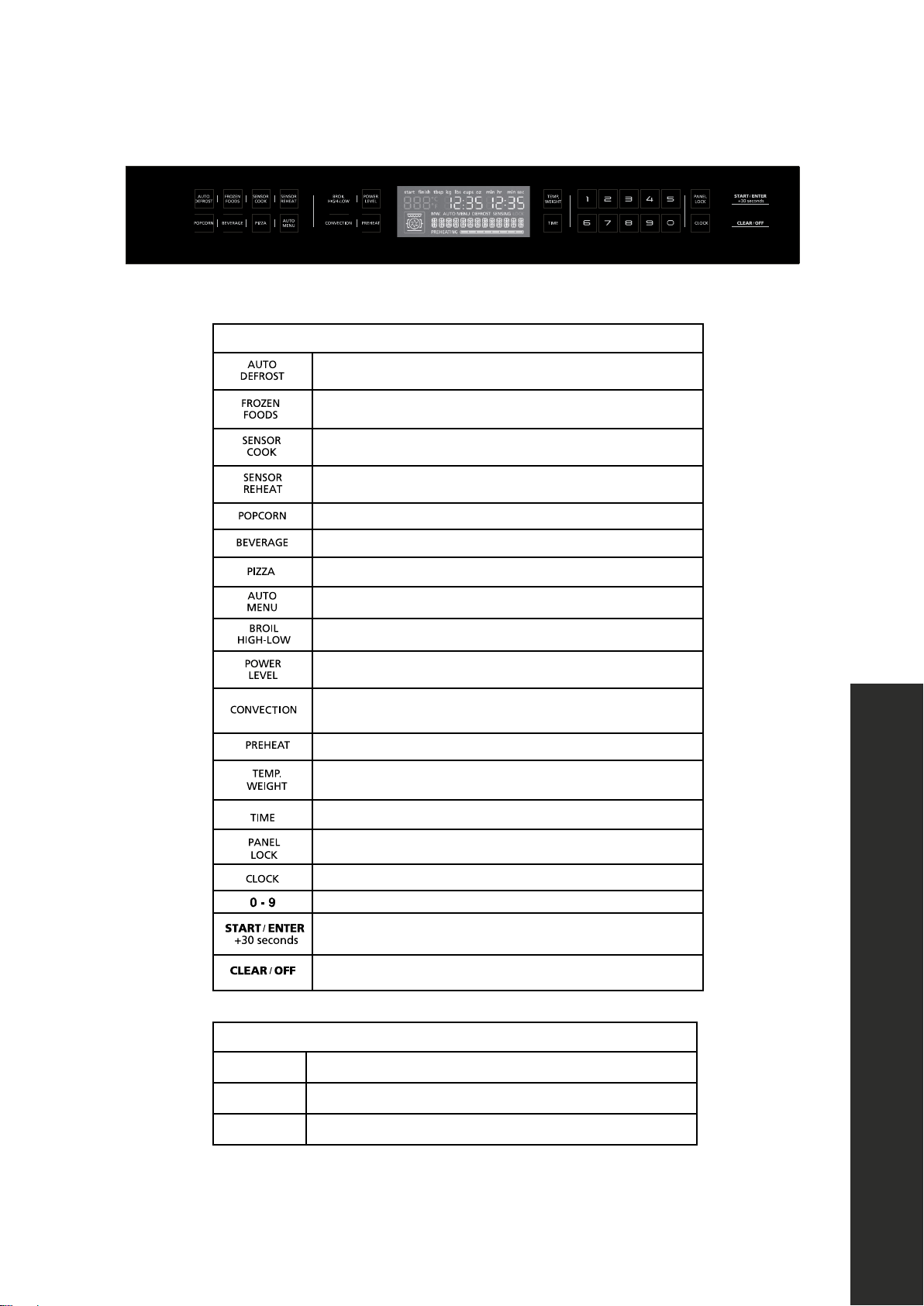
MATERIALS TO BE AVOIDED IN MICROWAVE OVEN
UTENSILS GUIDE
Aluminum tray
May cause arcing. Transfer food into microwave-safe dish.
Food carton with
metal handle
Metal or metal-
trimmed utensils
Metal shields the food from microwave energy. Metal trim may cause arcing.
Metal twist ties May cause arcing and could cause a fire in the oven.
Paper bags May cause a fire in the oven.
Plastic foam Plastic foam may melt or contaminate the liquid inside when exposed to high temperature.
Wood Wood will dry out when used in the microwave oven and may split or crack.
19
■
■
■
■
■
■
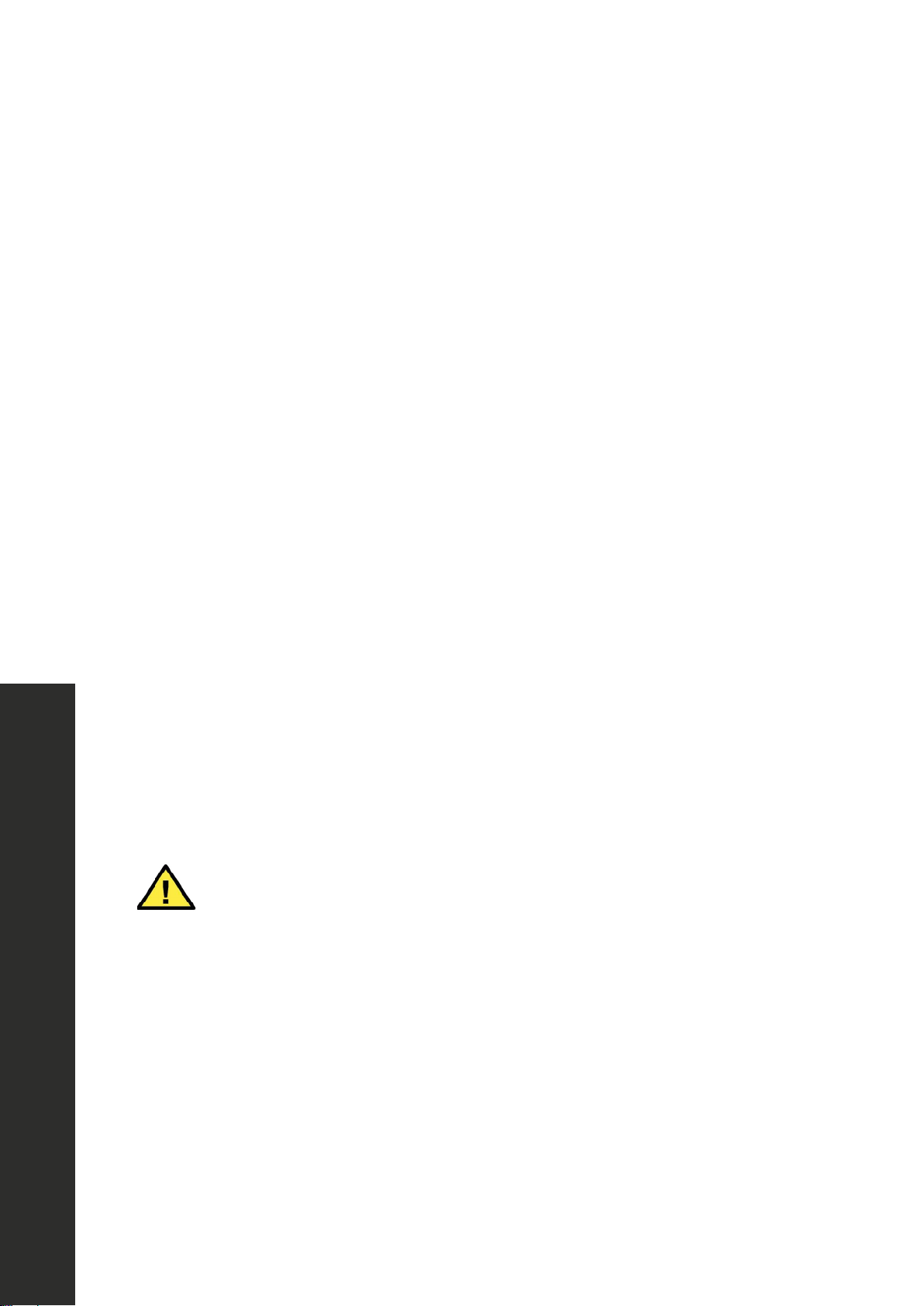
TOUCH KEYS AND DISPLAY
■
■
Select Auto Defrost programs
■
■
Start cooking programs for frozen convenience foods
■
■
Select Sensor Cook programs
■
■
Select Sensor Reheat programs
■
■
Cook popcorn
■
■
Heat beverages
■
■
Select pizza programs
■
■
Select auto menu programs
■
■
Set Broil modes (Hi/Lo)
■
■
Set power level for microwave operation
■
■
Select Bake Cook programs
Select Roast Cook programs
■
■
Select preheat programs
■
■
Set Temp. or weight of cooking
■
■
Set cooking time
■
■
Activate/deactivate child lock
■
■
Set time of day
■
■
Use the number keys to enter customized values
■
■
Confirm entered values/Start cooking mode
Add 30 seconds
■
■
Clear entered value/turn appliance off
Keys
OPERATION
PARAMETER ADJUSTMENT
Auto menu Select 8 automatic programs.
Weight Set the weight of cooking.
Time Set the time of cooking.
20
Childproof Lock
OPERATION
CHILDPROOF LOCK
The oven has a childproof lock to prevent children switching it on accidentally. The
oven will not react to any settings. The timer and clock can also be set when the
childproof lock has been switched on.
SWITCHING ON THE CHILDPROOF LOCK
1. No cooking time should be set.
2. Touch and hold the Panel lock key for approx. 3 seconds. The lock symbol
appears in the display. The childproof lock is activated.
SWITCHING OFF THE CHILDPROOF LOCK
Touch and hold the Panel lock key for approx. 3 seconds. The lock symbol on the
display goes out. The childproof lock is deactivated.
CHILDPROOF LOCK WITH OTHER COOKING OPERATIONS
When other cooking programs have been set, the childproof lock is not operational.
COOLING FAN
• Your appliance has a cooling fan. The cooling fan switches on during operation.
The hot air escapes above the door.
• The cooling fan continues to run for a certain time after operation.
WARNING
WARNING: Do not cover the ventilation slots. Otherwise, the
appliance will overheat.
• The appliance needs to remain cool during microwave operation. The cooling
fan may continue to run even when the microwave operation has completed.
• Condensation may appear on the door window, interior walls and floor. This
is normal and does not adversely affect microwave operation. Wipe away the
condensation after cooking.

21
Clock Settings
OPERATION
SETTING THE CLOCK
1. Once the appliance is connected, “12:00” will be displayed as the time of day.
To set the correct time, proceed as follows:
2. Touch Clock.
3. Enter the correct time using the number keys.
Example: To set the clock to 12:41 type in 1 2 4 1.
4. Touch Start/Enter to confirm.
CHANGING THE CLOCK
1. Touch Clock in waiting state.
2. Enter the correct time using the number keys.
3. Touch Start/Enter to confirm.
SETTING THE TIMESETTING OPTIONS
Your oven has various time-setting options. You can use the Clock key to call up the
menu and switch between the individual functions.
SETTING THE COOKING TIME
1. The cooking time for your meal can be set on the oven. When the cooking time
has elapsed, the oven switches itself off automatically. This means that you do not
have to interrupt other work to switch off the oven. The cooking time cannot be
accidentally exceeded.
2. The oven starts. The cooking time counts down in the display.
3. The cooking time has elapsed
4. An audible signal sounds. The oven stops heating.

22
Oven Settings
OPERATION
HEATING UP THE OVEN
To remove the new oven smell, heat up the microwave when it is empty and closed.
One hour with Convection at 350°F is ideal. Ensure that no packaging remnants
have been left in the oven cavity.
1. Touch Convection once to enter bake mode.
2. Enter the numbers 3 5 0 with the number keys.
3. Touch TEMP./ WEIGHT to adjust cooking time.
4. Enter the numbers 6 0 with the number keys.
5. Touch Start/Enter to start cooking.
The oven light turns on and the appliance starts heating.
SETTING CONVECTION MODE
Example: Roast 350°F for 20 minutes
1. Touch Convection twice to enter roast mode.
2. Enter the numbers 3 5 0 with the number keys.
3. Touch TEMP./ WEIGHT to adjust cooking time.
4. Enter the numbers 2 0 with the number keys.
5. Touch Start/Enter to start cooking.
OPENING THE OVEN DOOR DURING OPERATION
Operation is suspended. After closing the door, touch the Start/Enter key. Operation
continues.
CANCELING OPERATION
1. Touch Clear/Off to cancel the active oven mode. The appliance turns off and
the clock is displayed.
2. The cooling fans may continue to run for awhile and then switch off
automatically.

23
Preheating Settings
OPERATION
RAPID PREHEATING
With rapid preheating, your oven reaches the set temperature particularly quickly.
1. To ensure an oven cooking result, only put your food in the cooking compartment
when the preheating phase is complete.
2. Touch the PREHEAT key.
3. Enter the temperature setting with the number keys. The input temperature should
be within 100°F to 450°F .
4. Touch the Start/Enter key. The oven begins to heat up.
THE PREHEATING PROCESS IS COMPLETE
A signal sounds. Put your dish in the oven. Set the cooking mode you need.
CANCELING RAPID PREHEATING
• During setting the rapid preheating function, touch the Clear/Off can cancel the
function.
• During rapid preheating, touch Clear/Off can cancel the function. You can also
open the door to cancel the function.
NOTE: Only when you can hear alarm and preheating icon is blinking you can open
the door and put food inside.
SUITABLE MICROWAVE OVENWARE
Suitable dishes are heat-resistant ovenware made of glass, oven heat resistant silicon
cookware, glass ceramic, porcelain, ceramic or heat-resistant plastic. These materials
allow microwaves to pass through.
You should only use ovenware with decorative gold or silver trim if the manufacturer
guarantees that they are suitable for use in microwaves.
UNSUITABLE MICROWAVE OVENWARE
Metal ovenware is unsuitable. Metal does not allow microwaves to pass through.
Food in covered metal containers will remain cold.

24
Power Settings
OPERATION
OVENWARE TEST
Do not switch on the microwave unless there is food inside. The following ovenware
test is the only exception to this rule. Perform the following test if you are unsure
whether your ovenware is suitable for use in the microwave:
• Heat the empty ovenware at maximum power for 1/2 to 1 minute.
• Check the temperature occasionally during that time.
• The ovenware should still be cold or warm to the touch.
• The ovenware is unsuitable if it becomes hot or sparks are generated.
MICROWAVE POWER SETTINGS
• You can select from
10 different microwave power levels. If you do not set a
power level, the microwave will automatically operate at the highest power level
10.
• The table on the next page provides suggested power levels for various types of
food that can be prepared in the microwave.
25
Power Settings
OPERATION
POWER LEVEL MICROWAVE OUTPUT USE FOR
With rapid preheating, your oven reaches the set temperature
particularly quickly.
To ensure an oven cooking result, only put your food in the
cooking compartment when the preheating phase is complete.
1.
2.
3.
The oven begins to heat up.
The preheating process is complete
A signal sounds. Put your
dish in the oven. Set the cooking mode
Cancelling rapid preheating
The microwave
Microwaves are converted to heat in foodstuffs. The microwave
can be used solo, i.e. on its own, or in combination with a different
type of heating. You will find information about ovenware and how
to set the microwave.
Notes regarding ovenware
Suitable ovenware
Suitable dishes are heat-resistant ovenware made of glass, glass
ceramic, porcelain, ceramic or heat-resistant plastic. These
materials allow microwaves to pass through.
You can also use serving dishes. This saves you having to
transfer food from one dish to another. You should only use
ovenware with decorative gold or silver trim if the manufacturer
guarantees that they are suitable for use in microwaves.
Unsuitable ovenware
Metal ovenware is unsuitable. Metal does not allow microwaves to
pass through. Food in covered metal containers will remain cold.
Caution!
Creation of sparks: metal – e.g. a spoon in a glass – must be kept
at least 2 cm from the oven walls and the inside of the door.
Sparks could destroy the glass on the inside of the door.
Ovenware test
Do not switch on the microwave unless there is food inside. The
following ovenware test is the only exception to this rule.
Perform the following test if you are unsure whether your
ovenware is suitable for use in the microwave:
1. Heat the empty ovenware at maximum power for ½ to 1 minute.
2. Check the temperature occasionally during that time.
The ovenware should still be cold or warm to the touch.
The ovenware is unsuitable if it becomes hot or sparks are
generated.
Microwave power settings
Note:
Only when you can hear alarm and preheating icon is
blinking you can open the door and put food inside.
Rapid Preheating
Note:
In the
, you will find
examples for defrosting, heating and cooking with the microwave
oven.
Touch the key.
Touch the key.
Expert Cooking Guide
During setting the rapid preheating function,touch the
During rapid preheating ,touch
can cancel the
function. Also you can open the door to cancel the function.
you need.
‚‹
High
Š
‰
ˆ
‡
can cancel the function.
†
100%
Boiling water
Cooking ground meat
Making candy
Cooking fresh fruit & vegetables
Cooking fish & poultry
Preheating browning dish
Reheating beverages
Cooking bacon slices
With rapid preheating, your oven reaches the set temperature
particularly quickly.
To ensure an oven cooking result, only put your food in the
cooking compartment when the preheating phase is complete.
1.
2.
3.
The oven begins to heat up.
The preheating process is complete
A signal sounds. Put your
dish in the oven. Set the cooking mode
Cancelling rapid preheating
The microwave
Microwaves are converted to heat in foodstuffs. The microwave
can be used solo, i.e. on its own, or in combination with a different
type of heating. You will find information about ovenware and how
to set the microwave.
Notes regarding ovenware
Suitable ovenware
Suitable dishes are heat-resistant ovenware made of glass, glass
ceramic, porcelain, ceramic or heat-resistant plastic. These
materials allow microwaves to pass through.
You can also use serving dishes. This saves you having to
transfer food from one dish to another. You should only use
ovenware with decorative gold or silver trim if the manufacturer
guarantees that they are suitable for use in microwaves.
Unsuitable ovenware
Metal ovenware is unsuitable. Metal does not allow microwaves to
pass through. Food in covered metal containers will remain cold.
Caution!
Creation of sparks: metal – e.g. a spoon in a glass – must be kept
at least 2 cm from the oven walls and the inside of the door.
Sparks could destroy the glass on the inside of the door.
Ovenware test
Do not switch on the microwave unless there is food inside. The
following ovenware test is the only exception to this rule.
Perform the following test if you are unsure whether your
ovenware is suitable for use in the microwave:
1. Heat the empty ovenware at maximum power for ½ to 1 minute.
2. Check the temperature occasionally during that time.
The ovenware should still be cold or warm to the touch.
The ovenware is unsuitable if it becomes hot or sparks are
generated.
Microwave power settings
Note:
Only when you can hear alarm and preheating icon is
blinking you can open the door and put food inside.
Rapid Preheating
Note:
In the
, you will find
examples for defrosting, heating and cooking with the microwave
oven.
Touch the key.
Touch the key.
Expert Cooking Guide
During setting the rapid preheating function,touch the
During rapid preheating ,touch
can cancel the
function. Also you can open the door to cancel the function.
you need.
‚‹
Š
‰
ˆ
‡
can cancel the function.
†
90%
Reheating meat slices quickly
Saute onions, celery, and green peppers
With rapid preheating, your oven reaches the set temperature
particularly quickly.
To ensure an oven cooking result, only put your food in the
cooking compartment when the preheating phase is complete.
1.
2.
3.
The oven begins to heat up.
The preheating process is complete
A signal sounds. Put your
dish in the oven. Set the cooking mode
Cancelling rapid preheating
The microwave
Microwaves are converted to heat in foodstuffs. The microwave
can be used solo, i.e. on its own, or in combination with a different
type of heating. You will find information about ovenware and how
to set the microwave.
Notes regarding ovenware
Suitable ovenware
Suitable dishes are heat-resistant ovenware made of glass, glass
ceramic, porcelain, ceramic or heat-resistant plastic. These
materials allow microwaves to pass through.
You can also use serving dishes. This saves you having to
transfer food from one dish to another. You should only use
ovenware with decorative gold or silver trim if the manufacturer
guarantees that they are suitable for use in microwaves.
Unsuitable ovenware
Metal ovenware is unsuitable. Metal does not allow microwaves to
pass through. Food in covered metal containers will remain cold.
Caution!
Creation of sparks: metal – e.g. a spoon in a glass – must be kept
at least 2 cm from the oven walls and the inside of the door.
Sparks could destroy the glass on the inside of the door.
Ovenware test
Do not switch on the microwave unless there is food inside. The
following ovenware test is the only exception to this rule.
Perform the following test if you are unsure whether your
ovenware is suitable for use in the microwave:
1. Heat the empty ovenware at maximum power for ½ to 1 minute.
2. Check the temperature occasionally during that time.
The ovenware should still be cold or warm to the touch.
The ovenware is unsuitable if it becomes hot or sparks are
generated.
Microwave power settings
Note:
Only when you can hear alarm and preheating icon is
blinking you can open the door and put food inside.
Rapid Preheating
Note:
In the
, you will find
examples for defrosting, heating and cooking with the microwave
oven.
Touch the key.
Touch the key.
Expert Cooking Guide
During setting the rapid preheating function,touch the
During rapid preheating ,touch
can cancel the
function. Also you can open the door to cancel the function.
you need.
‚‹
Š
‰
ˆ
‡
can cancel the function.
†
80%
All reheating
Cooking scrambled eggs
With rapid preheating, your oven reaches the set temperature
particularly quickly.
To ensure an oven cooking result, only put your food in the
cooking compartment when the preheating phase is complete.
1.
2.
3.
The oven begins to heat up.
The preheating process is complete
A signal sounds. Put your
dish in the oven. Set the cooking mode
Cancelling rapid preheating
The microwave
Microwaves are converted to heat in foodstuffs. The microwave
can be used solo, i.e. on its own, or in combination with a different
type of heating. You will find information about ovenware and how
to set the microwave.
Notes regarding ovenware
Suitable ovenware
Suitable dishes are heat-resistant ovenware made of glass, glass
ceramic, porcelain, ceramic or heat-resistant plastic. These
materials allow microwaves to pass through.
You can also use serving dishes. This saves you having to
transfer food from one dish to another. You should only use
ovenware with decorative gold or silver trim if the manufacturer
guarantees that they are suitable for use in microwaves.
Unsuitable ovenware
Metal ovenware is unsuitable. Metal does not allow microwaves to
pass through. Food in covered metal containers will remain cold.
Caution!
Creation of sparks: metal – e.g. a spoon in a glass – must be kept
at least 2 cm from the oven walls and the inside of the door.
Sparks could destroy the glass on the inside of the door.
Ovenware test
Do not switch on the microwave unless there is food inside. The
following ovenware test is the only exception to this rule.
Perform the following test if you are unsure whether your
ovenware is suitable for use in the microwave:
1. Heat the empty ovenware at maximum power for ½ to 1 minute.
2. Check the temperature occasionally during that time.
The ovenware should still be cold or warm to the touch.
The ovenware is unsuitable if it becomes hot or sparks are
generated.
Microwave power settings
Note:
Only when you can hear alarm and preheating icon is
blinking you can open the door and put food inside.
Rapid Preheating
Note:
In the
, you will find
examples for defrosting, heating and cooking with the microwave
oven.
Touch the key.
Touch the key.
Expert Cooking Guide
During setting the rapid preheating function,touch the
During rapid preheating ,touch
can cancel the
function. Also you can open the door to cancel the function.
you need.
‚‹
Š
‰
ˆ
‡
can cancel the function.
†
70%
Cooking breads and cereal products
Cooking cheese dishes
Cooking muffins, brownies, and cupcakes
Cooking whole poultry
With rapid preheating, your oven reaches the set temperature
particularly quickly.
To ensure an oven cooking result, only put your food in the
cooking compartment when the preheating phase is complete.
1.
2.
3.
The oven begins to heat up.
The preheating process is complete
A signal sounds. Put your
dish in the oven. Set the cooking mode
Cancelling rapid preheating
The microwave
Microwaves are converted to heat in foodstuffs. The microwave
can be used solo, i.e. on its own, or in combination with a different
type of heating. You will find information about ovenware and how
to set the microwave.
Notes regarding ovenware
Suitable ovenware
Suitable dishes are heat-resistant ovenware made of glass, glass
ceramic, porcelain, ceramic or heat-resistant plastic. These
materials allow microwaves to pass through.
You can also use serving dishes. This saves you having to
transfer food from one dish to another. You should only use
ovenware with decorative gold or silver trim if the manufacturer
guarantees that they are suitable for use in microwaves.
Unsuitable ovenware
Metal ovenware is unsuitable. Metal does not allow microwaves to
pass through. Food in covered metal containers will remain cold.
Caution!
Creation of sparks: metal – e.g. a spoon in a glass – must be kept
at least 2 cm from the oven walls and the inside of the door.
Sparks could destroy the glass on the inside of the door.
Ovenware test
Do not switch on the microwave unless there is food inside. The
following ovenware test is the only exception to this rule.
Perform the following test if you are unsure whether your
ovenware is suitable for use in the microwave:
1. Heat the empty ovenware at maximum power for ½ to 1 minute.
2. Check the temperature occasionally during that time.
The ovenware should still be cold or warm to the touch.
The ovenware is unsuitable if it becomes hot or sparks are
generated.
Microwave power settings
Note:
Only when you can hear alarm and preheating icon is
blinking you can open the door and put food inside.
Rapid Preheating
Note:
In the
, you will find
examples for defrosting, heating and cooking with the microwave
oven.
Touch the key.
Touch the key.
Expert Cooking Guide
During setting the rapid preheating function,touch the
During rapid preheating ,touch
can cancel the
function. Also you can open the door to cancel the function.
you need.
‚‹
Š
‰
ˆ
‡
can cancel the function.
†
60% Cooking pasta
With rapid preheating, your oven reaches the set temperature
particularly quickly.
To ensure an oven cooking result, only put your food in the
cooking compartment when the preheating phase is complete.
1.
2.
3.
The oven begins to heat up.
The preheating process is complete
A signal sounds. Put your
dish in the oven. Set the cooking mode
Cancelling rapid preheating
The microwave
Microwaves are converted to heat in foodstuffs. The microwave
can be used solo, i.e. on its own, or in combination with a different
type of heating. You will find information about ovenware and how
to set the microwave.
Notes regarding ovenware
Suitable ovenware
Suitable dishes are heat-resistant ovenware made of glass, glass
ceramic, porcelain, ceramic or heat-resistant plastic. These
materials allow microwaves to pass through.
You can also use serving dishes. This saves you having to
transfer food from one dish to another. You should only use
ovenware with decorative gold or silver trim if the manufacturer
guarantees that they are suitable for use in microwaves.
Unsuitable ovenware
Metal ovenware is unsuitable. Metal does not allow microwaves to
pass through. Food in covered metal containers will remain cold.
Caution!
Creation of sparks: metal – e.g. a spoon in a glass – must be kept
at least 2 cm from the oven walls and the inside of the door.
Sparks could destroy the glass on the inside of the door.
Ovenware test
Do not switch on the microwave unless there is food inside. The
following ovenware test is the only exception to this rule.
Perform the following test if you are unsure whether your
ovenware is suitable for use in the microwave:
1. Heat the empty ovenware at maximum power for ½ to 1 minute.
2. Check the temperature occasionally during that time.
The ovenware should still be cold or warm to the touch.
The ovenware is unsuitable if it becomes hot or sparks are
generated.
Microwave power settings
Note:
Only when you can hear alarm and preheating icon is
blinking you can open the door and put food inside.
Rapid Preheating
Note:
In the
, you will find
examples for defrosting, heating and cooking with the microwave
oven.
Touch the key.
Touch the key.
Expert Cooking Guide
During setting the rapid preheating function,touch the
During rapid preheating ,touch
can cancel the
function. Also you can open the door to cancel the function.
you need.
‚‹
Š
‰
ˆ
‡
can cancel the function.
†
50%
Cooking meat
Cooking custard
Cooking spare ribs, rib roast, and sirloin roast
Setting the microwave
The cooking time has elapsed
A signal sounds. Microwave operation has finished.
…
„
ƒ
‚
Opening the oven door during operation
Operation is suspended. After closing the door, touch the
key. Operation continues.
Cancelling operation
Express cooking
Multi-stage cooking
40%
Cooking less tender cuts of meat
Reheating frozen packaged foods
Setting the microwave
The cooking time has elapsed
A signal sounds. Microwave operation has finished.
…
„
ƒ
‚
Opening the oven door during operation
Operation is suspended. After closing the door, touch the
key. Operation continues.
Cancelling operation
Express cooking
Multi-stage cooking
30%
Thawing meat, poultry, and seafood
Cooking small quantities of food
Finish cooking casseroles, stew, and some sauces
Melting chocolate
Setting the microwave
The cooking time has elapsed
A signal sounds. Microwave operation has finished.
…
„
ƒ
‚
Opening the oven door during operation
Operation is suspended. After closing the door, touch the
key. Operation continues.
Cancelling operation
Express cooking
Multi-stage cooking
20% Softening butter and cream cheese
Setting the microwave
The cooking time has elapsed
A signal sounds. Microwave operation has finished.
…
„
ƒ
‚
Opening the oven door during operation
Operation is suspended. After closing the door, touch the
key. Operation continues.
Cancelling operation
Express cooking
Multi-stage cooking
10%
Softening ice cream
Raise yeast dough

26
OPERATION
Power Settings
SETTING THE MICROWAVE
1. Enter the desired cook time with the number keys. The timer display will fill in from
right to left.
Example: To set a microwave time of 20 minutes and 30 seconds, enter the
numbers 2 0 3 0.
2. You can start microwave operation with the default power level 10 by touching
3. Start/Enter or you can set a different power level. Touch Power Level.
4. Enter the desired power level using the number keys.
5. Touch Start/Enter to start microwave operation. The microwave timer will start to
count down.
EXPRESS COOKING
1. In waiting state, touch number keys 1 to 9 to start 100% microwave cooking in
1 to 9 minutes.
2. If the door is closed, the oven will start to cook automatically after 2 seconds.
CHANGE POWER LEVEL
1. Touch Power Level.
2. Enter the desired power level with the number keys.
3. Touch Start/Enter. Microwave operation continues with the new power level.
OPENING THE OVEN DOOR DURING OPERATION
Operation is suspended. After closing the door, touch the Start/Enter key. Operation
continues.
CANCELING OPERATION
1. Touch Clear/Off to cancel the active oven mode. The appliance turns off and
the clock is displayed.
2. The cooling fans may continue to run for awhile and then switch off
automatically.

27
Power Settings
OPERATION
SPEEDY MICROWAVE COOKING
1. Use the Start/Enter key to quick-start your microwave at the highest power
level. You can touch the key repeatedly to increase the microwave time in
increments of 30 seconds.
2. Touching this key during microwave operation will add 30 seconds to the
remaining microwave time.
3. A signal will sound when the cooking time has elapse. Microwave operation has
finished.
MULTISTAGE COOKING
1. Enter the desired cook time with the number keys.
2. Touch Power Level.
3. Enter the desired power level using the number keys.
4. Touch Power Level.
5. Enter the desired power level using the number keys.
6. Touch Start/Enter.
7. Enter the desired cook time with the number keys.
8. Touch Start/Enter to start microwave operation.
9. The buzzer will sound 3 times when the first stage cooking is finished and enter to
the second stage.
28
Automatic Programs
OPERATION
AUTOMATIC PROGRAMS
SETTING A PROGRAM
1. When you have selected a program, set the oven. The temperature selector must
be in the off position.
2. Touch Auto menu.
3. Touch Auto menu repeatedly to scroll through all Auto menu .
4. Touch the TEMP/WEIGHT to adjust weight of food.
5. Touch Start/Enter to start cooking.
OPENING APPLIANCE DOOR DURING OPERATION
Opening the appliance door during operation will interrupt the current mode. Close
the appliance door and then touch Start/Enter to resume operation.
CANCEL OPERATION
Touch Clear/Off to cancel the active oven mode. The appliance turns off and the
clock is displayed. The cooling fans may continue to run for awhile and then switch
off automatically.
AUTO MENU
PROGRAM WEIGHT RANGE FOOD PLACEMENT
1- Chicken Breasts 0.5 - 3.0 lbs Wire rack, facing down
2 - Chicken Thigh 0.5 - 3.0 lbs Wire rack, facing down
3 - Whole Poultry 1.5 - 4.5 lbs Turntable
4 - Beef Roast 0.5 - 3.25 lbs Turntable
5 - Pork Tenderloin 1.0 - 3.0 lbs Wire rack, facing down
6 - Pork Chops 0.5 - 3.0 lbs Wire rack, facing down
7 - Meatloaf 1.0 - 3.25 lbs Turntable
8 - Fish Fillets 0.5 - 2.0 lbs Wire rack, facing down
29
Defrosting Settings
OPERATION
DEFROSTING PROGRAMS
You can use the 2 defrosting programs to defrost ground meat and meat pieces.
1. Touch Auto Defrost once or twice to choose “GROUND MEAT” or “MEAT PIECES”.
2. Enter the weight of the food you want to defrost using the number keys.
3. Touch Start/Enter to start defrosting.
PREPARING FOOD
1. Use food that has been frozen at -0.4 °F and stored in portion- sized quantities that are as
thin as possible.
2. Take the food to be defrosted out of all packaging and weigh it. You need to know the
weight to set the program.
3. Liquid will be produced when defrosting meat or poultry. Drain off this liquid when turning
meat and poultry and under no circumstances use it for other purposes or allow it to come
into contact with other foods.
OVENWARE
Place the food in a microwaveable shallow dish, e.g. a ceramic or glass plate, but do not cover.
When defrosting chicken and chicken portions, an audible signal will sound on two occasions to
indicate that the food should be turned.
RESTING TIME
The defrosted food should be left to stand for an additional 10 to 30 minutes until it reaches an
even temperature. Large pieces of meat require a longer standing time than smaller pieces. Flat
pieces of meat and items made from minced meat should be separated from each other before
leaving to stand.
After this time, you can continue to prepare the food, even though thick pieces of meat may still
be frozen in the middle. The giblets can be removed from poultry at this point.
PROGRAM NO. DEFROST WEIGHT RANGE IN LBS
1 Ground meat 0.50 - 2.00
2 Meat pieces 0.50 - 3.00
30
Popcorn Settings
OPERATION
POPCORN
• Do not leave oven unattended while popping corn. Popcorn may ignite and
cause fire.
• Never set the microwave power too high. Use a power setting no higher than
600 watts. Always place the popcorn bag on a glass plate. The disc may jump if
overloaded.
• The popcorn feature lets you pop 3 different bag sizes of commercially
packaged microwave popcorn. Use the following table to determine the setting
to use:
• NOTE: Popcorn times may vary by brand and/or type.
BAG SIZE TOUCH POPCORN KEY
1.2 oz 1 time
2.5 oz 2 times
3.5 oz 3 times
SETTING POPCORN MODE
1. The appliance must be turned off.
2. Touch Popcorn. The cook time is displayed.
3. Touch Popcorn repeatedly or touch number key 1 to 3 to choose the desired
weight.
4. Touch Start/Enter.
5. The microwave timer starts counting down.
6. When the microwave time has elapsed, a beep will sound. The appliance turns
off and the clock is displayed.
31
Beverage Settings
OPERATION
BEVERAGE
The beverage feature heats 0.5 to 2 cups of a beverage. Use the table below to
determine the setting to use.
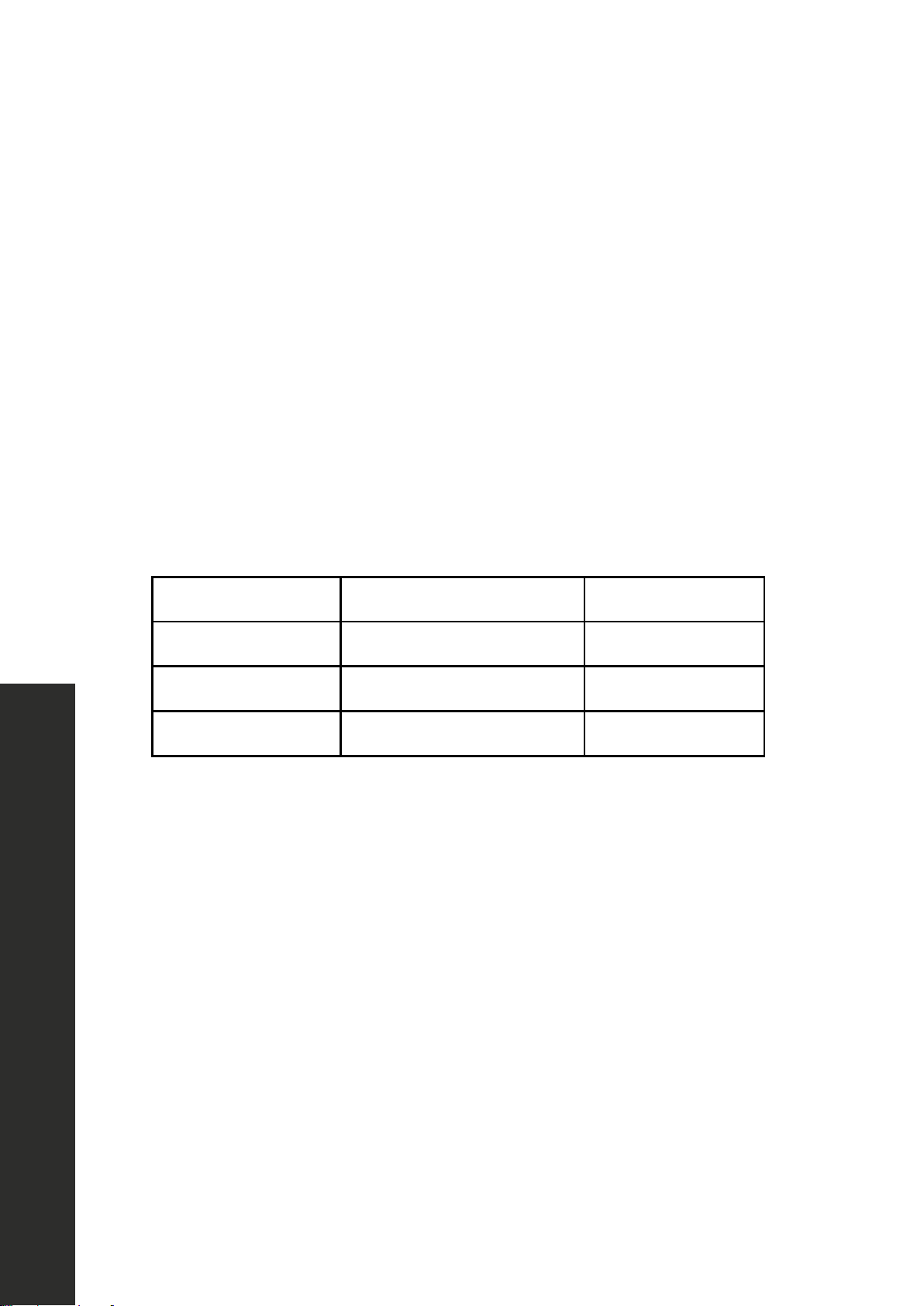
AMOUNT TOUCH BEVERAGE KEY
0.5 cups (about 4 oz.) 1 time
1 cup (about 8 oz.) 2 times
1.5 cups (about 12 oz.) 3 times
2 cups (about 16 oz.) 4 times
SETTING BEVERAGE MODE
1. Touch Beverage. The cook time is displayed.
2. Touch Beverage repeatedly or touch number key 1 to 4 to choose the desired
amount.
3. Touch Start/Enter.
4. The microwave timer starts counting down. When the microwave timer has
elapse, a beep will sound. The appliance turns off and the clock is displayed.
FROZEN FOODS
SETTING FROZEN FOODS
The appliance must be turned off.
1. Touch Frozen Foods.
2. You can change the temperature by using the number keys. You can enter a
temperature between 200 and 450° F.
3. Touch TEMP./WEIGHT to adjust cooking time.
4. Touch Start/Enter to start cooking.
32
Pizza Settings
OPERATION
OPENING APPLIANCE DOOR DURING OPERATION
Opening the appliance door during operation will interrupt the current mode. When
you close the appliance door, operation will be resumed.
CANCEL OPERATION
1. Touch Clear/Off to cancel the active oven mode. The appliance turns off and
the clock is displayed.
2. The cooling fans may continue to run for awhile and then switch off
automatically.
PIZZA
You can use the Pizza mode to bake three different types of pizza:
MODE NO. PIZZA TYPE BAKE ON
1 Frozen pizza Metal tray
2 Fresh pizza Metal tray
3 Microwave pizza Ceramic tray
PIZZA TIPS
• Check pizza before minimum time, pizza may cook faster compared to a
traditional oven.
• For fresh pizza use a pizza paddle for sliding the pizza on and from the metal
turntable.
• If using a pizza paddle, sprinkle the paddle liberally with cornmeal for ease in
transferring the dough to the metal turntable.
• Maximum size is 12 inches for fresh and frozen pizzas.
• Avoid using a pizza stone as it can damage the oven.
• The metal turntable can be used for cutting pizza into slices. Remove the
turntable from the oven after the pizza is baked.

33
Pizza Settings
OPERATION
SETTING PIZZA MODE FOR FRESH OR FROZEN PIZZA
• The appliance must be turned off.
• You can set a temperature range from 375 to 450° F for fresh and frozen pizza
modes.
• You can bake fresh or frozen pizza directly on the metal tray turntable.
1. Touch Pizza.
2. Touch Pizza repeatedly to scroll through all pizza modes.
3. Touch Start/Enter.
4. You can change the temperature by using the number keys. Touch Start/Enter to
confirm.
5. The microwave oven starts preheating.
6. The set temperature is reached once the preheat bar has filled up completely and
a beep sounds.
OPENING APPLIANCE DOOR DURING OPERATION
Opening the appliance door during operation will interrupt the current mode. When
you close the appliance door, operation will be resumed.
SETTING PIZZA MODE FOR MICROWAVE PIZZA
1. Place the microwave pizza on the ceramic tray and put it in the oven following
package directions.
2. Touch Pizza.
3. Touch the number key 3 or touch Pizza repeatedly until MICROWAVE PIZZA is
displayed.
4. Touch Start/Enter.
5. When sensing is complete, a beep will sound and the calculated cook time
will start to count down. After the cook time has run out a beep will sound. The
appliance turns off and the clock is displayed.
• Do not open the door during the sensing process, or the program will be
canceled.
6. Once the calculated cook time is displayed, you can open the door to stir, turn
or rearrange the food. Touch Start/Enter to resume operation.

34
OPERATION
Sensor Cooking
OPENING APPLIANCE DOOR DURING OPERATION
Opening the appliance door during operation will interrupt the current mode. Close the
appliance door and then touch Start/Enter to resume operation.
SENSOR COOKING
You can select two sensor cooking modes. Sensor cooking allows you to cook many of
your favorite foods without selecting cooking times and power levels. The microwave
oven automatically determines the required cooking time for each food item. For best
results for cooking by sensor, follow these recommendations:
• Food cooked with the sensor system should start from normal storage temperature.
• Turntable tray, ceramic tray and outside of container should be dry.
• Foods should always be covered loosely with microwavable plastic wrap, wax
paper or lid.
• Do not open the door or touch Clear/Off key during sensing time. When sensing
time is over, the oven beeps once and the remaining cooking time will appear in the
display. At this time you can open the door to stir, turn or rearrange the food.
SENSOR REHEAT
The Sensor Reheat feature lets you reheat dinner plates or casseroles (8-16 oz.) for your
cooking convenience.
SETTING SENSOR REHEAT
1. Touch Sensor Reheat.
2. Touch Start/Enter. Sensing is displayed. The microwave operates during sensing.
3. When sensing is complete, a beep will sound and the calculated cook time will start
to count down.
• Do not open the door during the sensing process, or the program will be canceled.
4. Once the calculated cook time is displayed, you can open the door to stir, turn or
rearrange the food. Touch Start/Enter to resume operation.
5. When sensor reheat is finished, a beep will sound and the appliance turns off.
• Cover with vented plastic wrap or wax paper.
• Reheat food on a microwaveable dinner plate.
35
Sensor Cooking
OPERATION
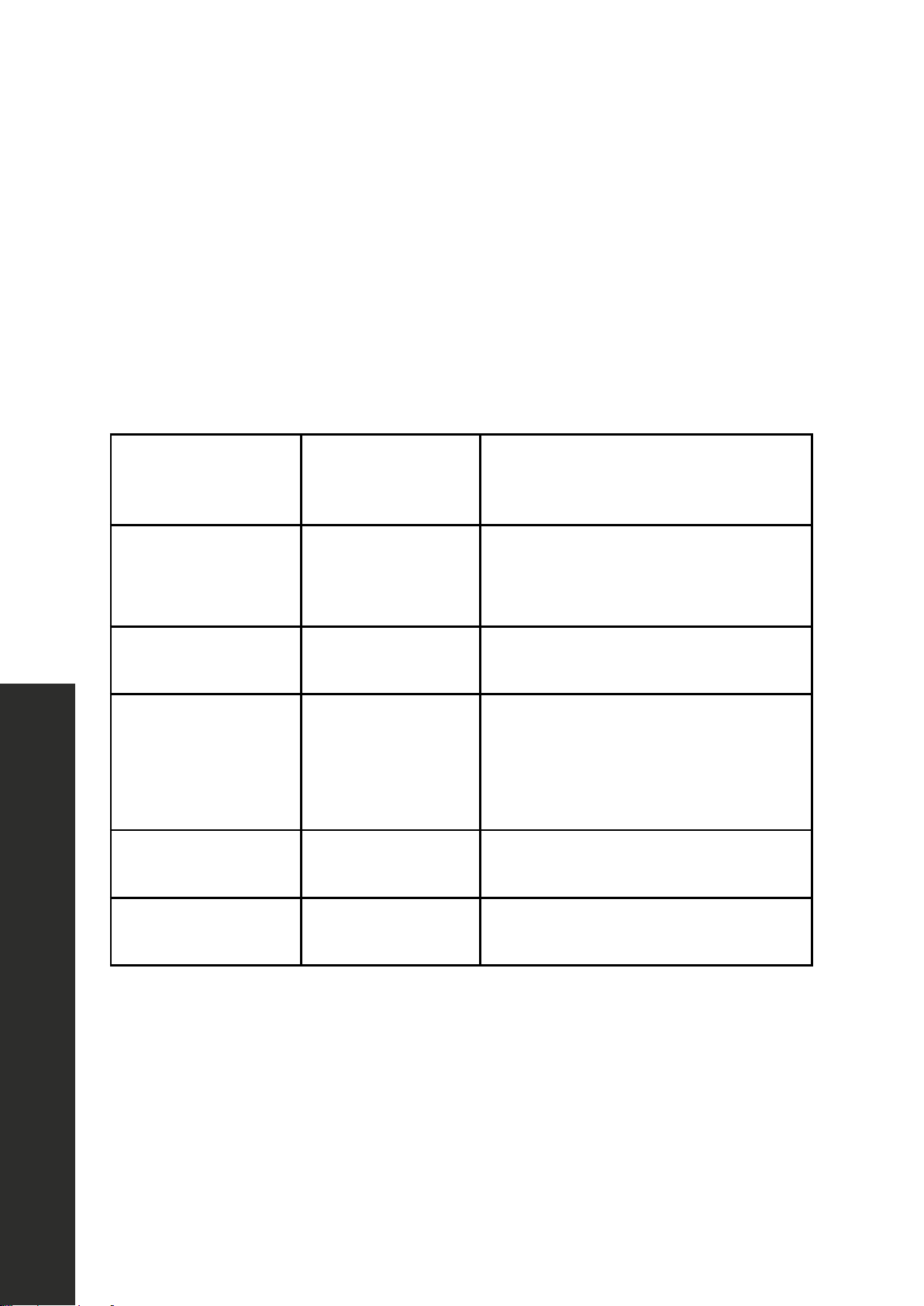
REHEAT COOKING SUGGESTIONS
FOOD DIRECTIONS QUANTITY
Dinner
plate
Use only pre-cooked, refrigerated foods.
Cover plate with vented plastic wrap or waxed
paper, tucked under plate. If food is not hot
enough after heating with the Reheat feature,
continue heating using manual time and power
level setting.
Contents:
• 3-4 oz. meat, poultry or fish (up to 6 oz.
with bone)
• 1/2 cup starch (potatoes, pasta, rice, etc.)
• 1/2 cup of vegetables (about 3-4 oz.)
1 serving (1 plate)
Casserole,
Pasta
Cover plate with lid or vented plastic wrap. If
food is not hot enough after heating with the
Reheat feature, continue heating using manual
time and power level setting.
Stir foods once before serving.
Contents:
• Casserole: refrigerated foods (such as
beef stew or lasagna)
• Pasta: Canned spaghetti and ravioli,
refrigerated foods
1 to 4 servings
SENSOR COOK
Sensor Cook allows you to cook many of your favorite foods without selecting
cooking times and power levels. The microwave oven automatically determines the
required cooking time for each food item.
36
Sensor Cooking
OPERATION
SETTING SENSOR COOK
1. The appliance must be turned off.
Example: Set Sensor Cook for Ground Meat.
2. Touch Sensor Cook.
3. Select the desired program from the label at the oven cavity. For Ground Meat,
touch Sensor Cook repeatedly to scroll through all Sensor Cook modes.
4. Touch Start/Enter.
5. The program will start sensing with the microwave operating.
SENSOR COOK
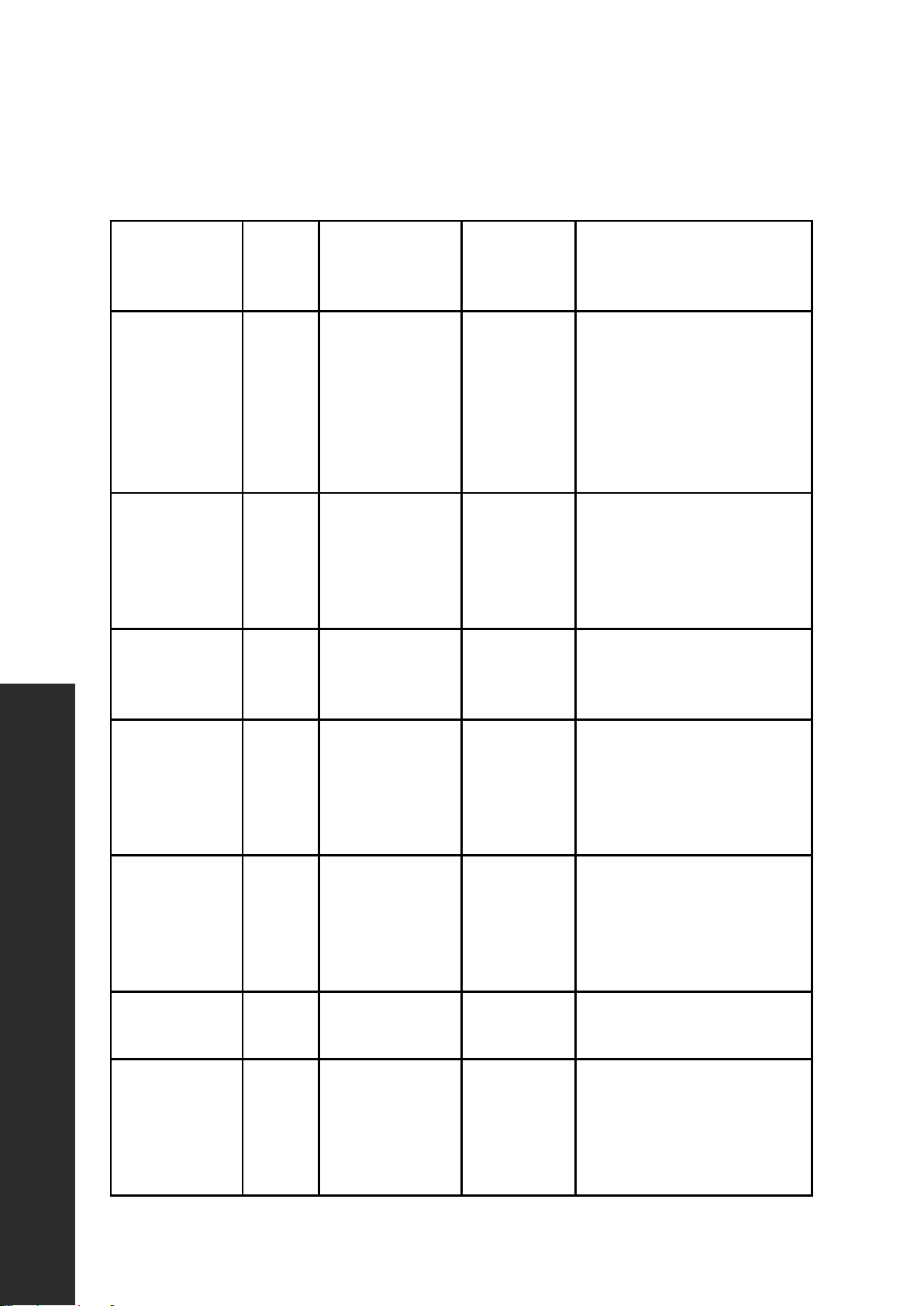
PROGRAM
QUANTITY COOKING TIPS
1 - Baked Potato
1 - 4 potatoes (8 -
32 oz.)
Pierce skin with a fork. Do not
cover. After cooking, allow to stand
wrapped in foil for 5 minutes.
2 - Ground Meat
8 - 24 oz. (0.5 -
1.5 lbs)
After cooking, allow to stand,
covered, for 3 - 4 minutes.
3 - Fresh Vegetables
4 - 16 oz. (0.25 -
1 lbs)
No water is needed if vegetables
have just been washed. Add 2
tablespoons water per 8 ounces of
fresh vegetables.
4 - Fish/Seafood
8 - 20 oz. (0.5
-1.25 lbs)
Roll thin edges underneath. Arrange
in a ring around microwaveable dish.
5 - Frozen Entrees 10 - 20 oz.
Follow package instructions for
venting, cutting plastic film, etc.
When sensing is complete, a beep will sound and the calculated cook time will start
to count down.
Do not open the door during the sensing process, or the program will be canceled.
1. Once the calculated cook time is displayed, you can open the door to stir, turn
or rearrange the food. Touch Start/Enter to resume operation.
2. When sensor cook is finished a beep will sound and the appliance turns off.

37
Broil Settings
OPERATION
OPENING APPLIANCE DOOR DURING OPERATION
Opening the appliance door during operation will interrupt the current mode. Close
the appliance door and then touch Start/Enter to resume operation.
CANCEL OPERATION
1. Touch Clear/Off to cancel the active oven mode. The appliance turns off and
the clock is displayed.
2. The cooling fans may continue to run for awhile and then switch off
automatically.
BROIL
The Broil feature uses intense heat radiated from the upper element.
SETTING BROIL MODE
1. The appliance must turned off.
2. Touch Broil HIGH-LOW.
3. Touch Broil again to change to Broil low mode.
4. Enter the desired cooking time with the number keys.
5. Touch Start/Enter to start operation.
Always use a broil pan when cooking in Broil mode.
38
Cooking Guide
OPERATION
BROIL: Place pan of food on the wire rack with the recess facing up.
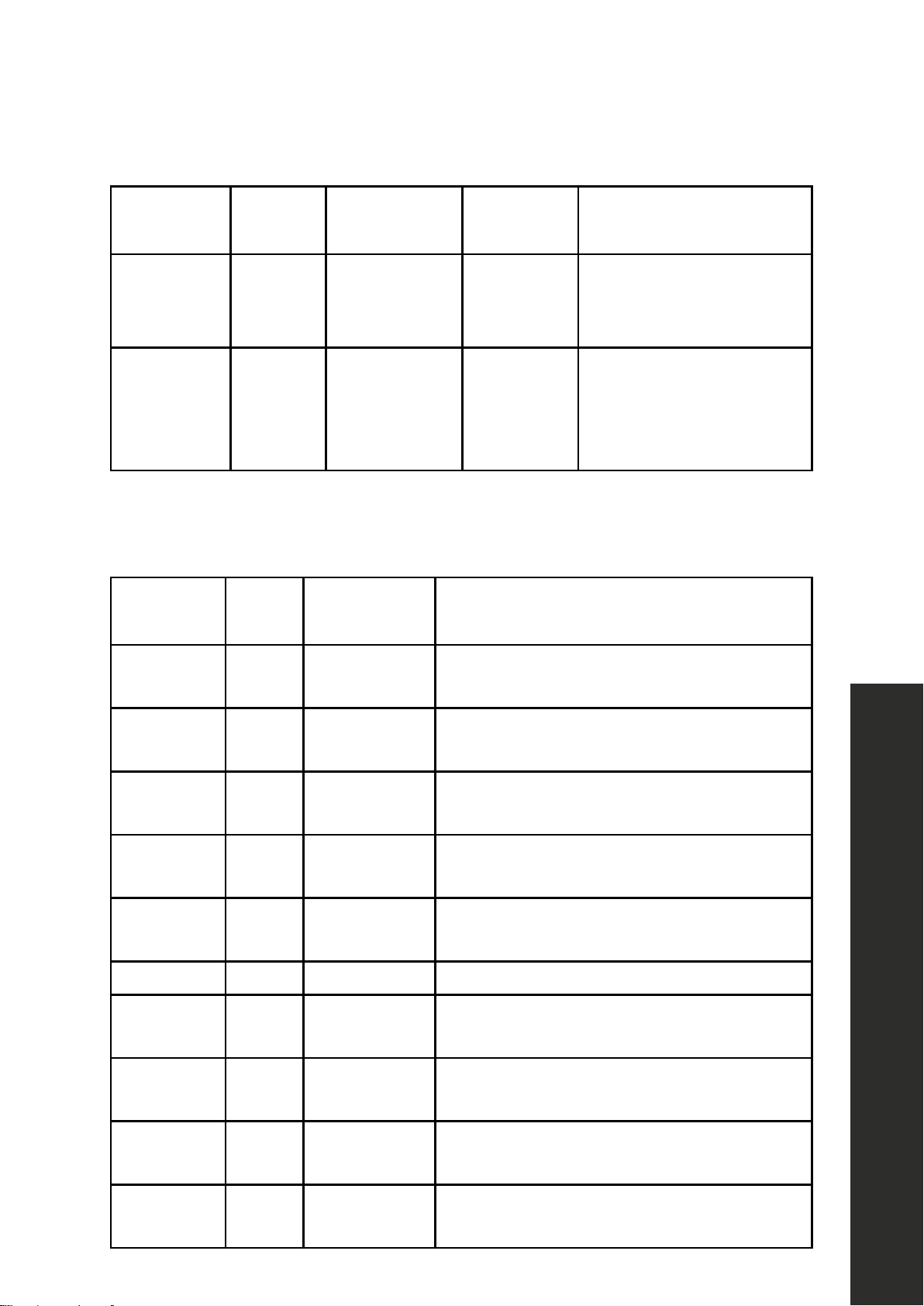
FOOD
OVEN
TEMP
COOKING
TIME (MINS)
INTERNAL
TEMP
COOKING TIPS
Hamburgers
3/4”-1”,
medium
High Side 1: 9-11
Side 2: 10-12
160°F Use pan that allows fat to
drain away from the food.
High fat meat causes more
spattering.
Lamb chops
1”, medium
High Side 1: 9-11
Side 2: 10-12
160°F Use pan that allows fat to
drain away from the food.
Slit fat to prevent curling.
Sausage
Fresh
High Side 1: 9-11
Side 2: 8-10
160°F Use pan that allows fat to
drain away from the food.
Steaks
3/4”-1”,
medium rare
High Side 1: 9-11
Side 2: 10-12
145°F Use pan that allows fat to
drain away from the food.
Slit fat to prevent curling.
Steaks
3/4”-1”,
medium
High Side 1: 9-11
Side 2: 10-12
160°F Use pan that allows fat to
drain away from the food.
Slit fat to prevent curling.
Toasting
bread
Low 3-5 - Check at minimum time.
Top
browning
casseroles
Low 3-5 - Use only metal or glass
ceramic dishes such as
CorningWare
®
.
39
Cooking Guide
OPERATION
CONVECTION BROIL: Place pans of food on the wire rack with the recess facing up.
FOOD
OVEN
TEMP
COOKING
TIME (MINS)
INTERNAL
TEMP
COOKING TIPS
Chicken
breasts,
bone-in
Low Side 1: 9-11
Side 2: 10-12
170°F Start breast side down.
Fish fillet
3/4“ to 1”
Low 11-15 145°F No turning of fish.
Turn thin ends under.
Brush with olive oil or
butter to prevent sticking.
CONVECTION: Preheat the oven before adding foods. Once the oven is preheated,
place the food in the oven quickly to minimize loss of heat. Place pans of food on the
wire rack with the recess facing down.
FOOD
OVEN
TEMP
COOKING
TIME (MINS)
COOKING TIPS
Biscuits 350°F 13 - 20 A dark or dull baking sheet will result in a
browner, crisper crust.
Cake
13” x 9”
350°F 23 - 28 For a tender, light golden brown crust, use
light, shiny metal bakeware.
Cookies 350 -
375°F
8 - 14 A dark or dull baking sheet will result in a
browner, crisper crust.
Cornbread 425 -
450°F
25 - 30 Use a square baking pan.
Cupcakes 350°F 18 - 21 Ideal for ready-made mixes. Prepare
according to package directions.
Dinner rolls 400°F 12 - 18 Use with fresh or frozen dinner rolls.
Fresh fruit
pie
375°F 50 - 60 A dark or dull baking pie pan will result in
a browner, crisper crust.
Muffins 400°F 10 - 18 Ideal for ready-made mixes. Prepare
according to package directions.
Roasted
vegetables
425 -
450°F
15 - 20 Use dark or dull metal pan. Stir once.
Shortcakes 450°F 10 - 18 Best for individual shortcakes. Use dark
coated pan.
40
Cooking Guide
OPERATION
COOKING SEAFOOD IN YOUR MICROWAVE
Be sure to place fish on a microwave-safe roasting rack in a microwave-safe dish. Be
sure to always cook fish until it flakes easily with a fork. Use a tight cover to steam
fish; a lighter cover of wax paper or paper towel provides less steaming. And be sure
not to overcook fish; check it at a minimum cooking time before cooking longer.
SEAFOOD
POWER
LEVEL
COOKING
TIME
DIRECTIONS
Fish steaks up to
1 1/2” lbs
Medium high
(7)
7–11
min/lb
Arrange fish on roasting rack
with meaty portions towards the
outside of rack. Cover with wax
paper. Turn over and rearrange
halfway through cook time.
Cook until fish flakes easily with
fork.
Let stand 3–5 mins.
Fish fillets up to
1 1/2” lbs
Medium high
(7)
7–11
min/lb
Arrange fillets in a baking
dish. Cover with wax paper. If
over 1/2” thick, turn over and
rearrange halfway through cook
time. Cook until fish flakes easily
with fork.
Let stand 2–3 mins.
Shrimp
up to
1 1/2” lbs
Medium high
(7)
7–11
min/lb
Arrange shrimp in a baking dish
without overlapping or layering.
Cover with wax paper. Cook
until firm and opaque, stirring 2
or 3 times.
Let stand 5 mins.
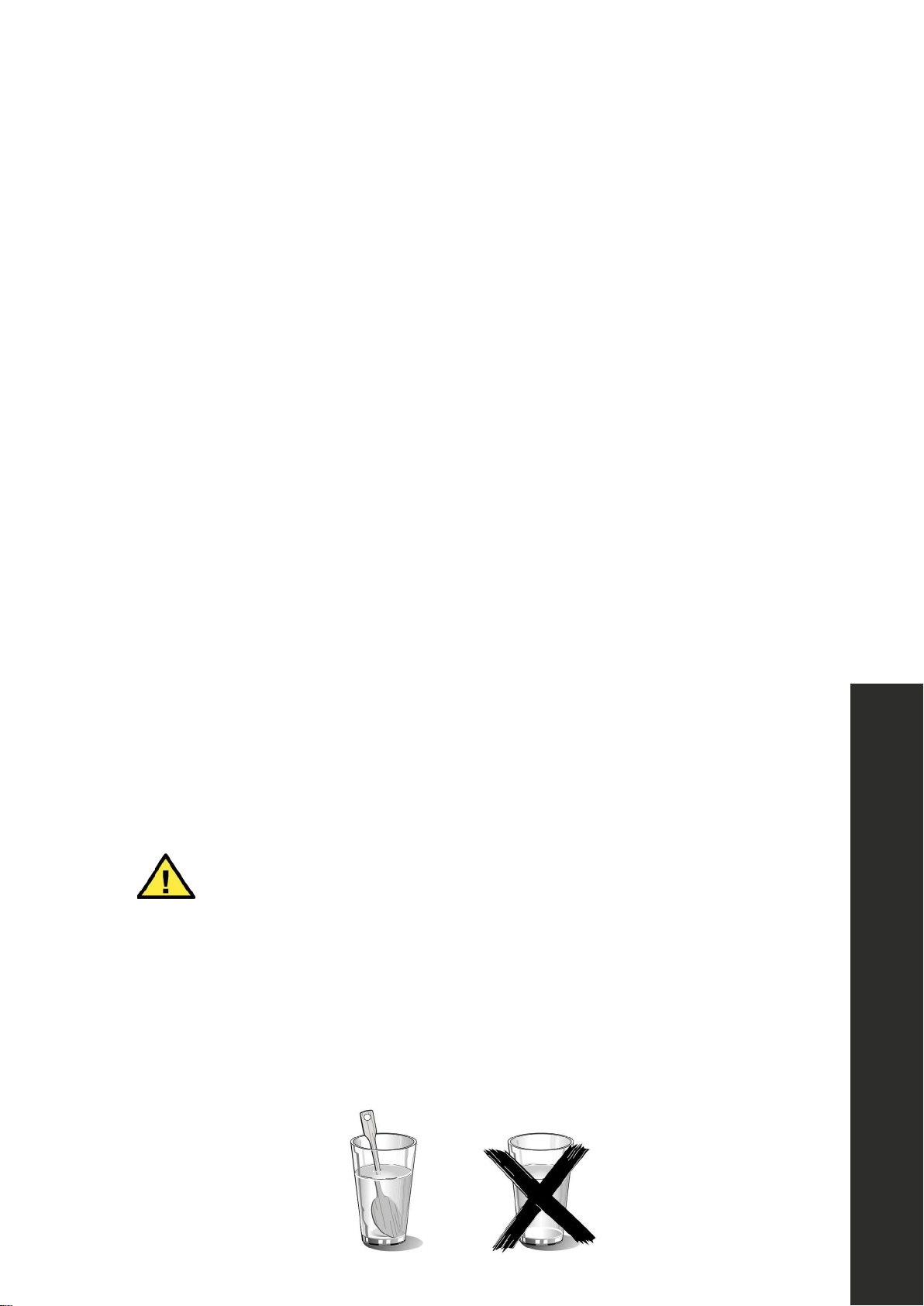
41
Cooking Guide
OPERATION
COOKING EGGS AND VEGETABLES IN YOUR MICROWAVE
• Never cook eggs in the shell and never warm hard- cooked eggs in the shell;
they can explode.
• Always pierce yolk on whole eggs to keep them from bursting.
• Cook eggs just until set; they will become tough if overcooked.
• Cooking scrambled eggs is safe.
• Always place vegetables like asparagus and broccoli with the stem ends
pointing towards the edge of the dish and the tips toward the center.
• When cooking cut vegetables, always cover the dish with a lid or vented
microwavable plastic wrap.
• Whole, unpeeled vegetables such as potatoes, sweet potatoes, squash,
eggplant, etc., should have their skin pricked in several locations before cooking
to prevent them from bursting.
• For more even cooking, stir or rearrange whole vegetables halfway through the
cook time.
• Most of the time, the denser the food, the longer the required standing time. For
example, a baked potato should stand for 5 minutes before serving, while a dish
of peas may be served immediately.
HEATING FOOD
WARNING
WARNING: Risk of scalding
There is a possibility of delayed boiling when a liquid is heated. This means that
the liquid reaches boiling temperature without the usual steam bubbles rising to the
surface. Even if the container only moves a little, the hot liquid can suddenly boil over
and spatter. When heating liquids, always place a wooden spoon or chopstick in the
container. This will prevent delayed boiling.

42
Acrylamide in Food
OPERATION
ACRYLAMIDE IN FOOD
Which foods are affected? Acrylamide is mainly produced in grain and potato
products that are heated to high temperatures, such as potato crisps, chips, toast,
bread rolls, bread, fine baked goods (biscuits, gingerbread, cookies).
Tips for keeping acrylamide to a minimum when preparing food:
• Keep cooking times to a minimum.
• Cook meals until they are golden brown, but not too dark. Large, thick pieces of
food contain less acrylamide.
• Max. 392°F in Top/bottom heating or max 356°F in 3D hot air or hot air mode.
• Max. 374°F in Top/bottom heating or max 338°F in 3D hot air or hot air mode.
• Egg white and egg yolk reduce the formation of acrylamide. Distribute thinly and
evenly over the baking tray. Cook at least 400 g at once on a baking tray so
that the chips do not dry out.
ENERGY AND ENVIRONMENT TIPS
Here you can find tips on how to save energy when baking and roasting and how to
dispose of your appliance properly.
SAVING ENERGY
• Only preheat the oven if this is specified in the recipe or in the operating
instruction tables.
• Use dark, black lacquered or enameled baking tins. They absorb the heat
particularly well.
• Open the oven door as infrequently as possible while you are cooking, baking
or roasting.
• It is best to bake several cakes one after the other. The oven is still warm. This
reduces the baking time for the second cake. You can also place two loaf tins
next to each other.
• For longer cooking times, you can switch the oven off 10 minutes before the end
of the cooking time and use the residual heat to finish cooking.

43
Maintenance and Cleaning
MAINTENANCE AND CLEANING
CARE AND CLEANING
• Risk of electric shock! Penetrating moisture may cause an electric shock. Do not
use any high-pressure cleaners or steam cleaners.
• Risk of burns! Never clean the appliance immediately after switching off. Let the
appliance cool down.
• Risk of serious damage to health! Microwave energy may escape if the cooking
compartment door or the door seal is damaged. Never use the appliance if the
cooking compartment door or the door seal is damaged.
Contact us at 1-614-777-5004.
• Slight differences in color on the front of the appliance are caused by the use of
different materials, such as glass, plastic and metal.
• Shadows on the door panel which look like streaks, are caused by reflections
made by the oven light.
• Unpleasant odors, e.g. after fish has been prepared, can be removed very
easily. Add a few drops of lemon juice to a cup of water. Place a spoon into the
container as well, to prevent delayed boiling. Heat the water for 1 to 2 minutes
at maximum microwave power.
• When cleaning surfaces of door and oven that comes together on closing the
door, use only mild, nonabrasive soaps, or detergent applied with a sponge or
soft cloth.
CLEANING AGENTS
• To ensure that the different surfaces are not damaged by using the wrong
cleaning agent, observe the information in the table. Do not use:
• Sharp or abrasive cleaning agents
• Metal or glass scrapers to clean the glass in the appliance door
• Metal or glass scrapers to clean the door seal
• Hard scouring pads and sponges
• Cleaning agents with high concentrations of alcohol.
• Wash new sponge cloths thoroughly before use.
• Allow all surfaces to dry thoroughly before using the appliance again.
44
Maintenance and Cleaning
MAINTENANCE AND CLEANING
CLEANING GUIDE
Appliance front
Hot soapy water: Clean with a dish cloth and dry with a soft
cloth. Do not use glass cleaners or metal or glass scrapers for
cleaning.
Appliance front
with stainless steel
Hot soapy water: Clean with a dish cloth and dry with a
soft cloth. Remove flecks of limescale, grease, starch and
albumin (e.g. egg white) immediately. Corrosion can form
under such residues. Special stainless steel cleaning agents
can be obtained from the after-sales service or from specialist
shops. Do not use glass cleaners or metal or glass scrapers
for cleaning.
Cooking
compartment
Hot soapy water: Clean with a dish cloth and dry with a
soft cloth. Remove flecks of limescale, grease, starch and
albumin (e.g. egg white) immediately. Corrosion can form
under such residues. Special stainless steel cleaning agents
can be obtained from the after-sales service or from specialist
shops. Do not use glass cleaners or metal or glass scrapers
for cleaning.
Recess in cooking
compartment
Always remove lid. Use only to heat food until just warm.
Most glass jars are not heat resistant and may break.
Door panels
Glass cleaner: Clean with a dish cloth. Do not use a glass
scraper.
Seal
Hot soapy water: Clean with a dish cloth, do not scour. Do
not use a metal or glass scraper for cleaning.
45
Troubleshooting
TROUBLESHOOTING
FAULT POSSIBLE CAUSE TROUBLESHOOTING
The appliance does not work
Faulty circuit breaker
Look in the fuse box
and check that the
circuit breaker for the
appliance is in working
order.
Plug not plugged in Plug in the plug.
Power interrupted Check outlet.
The appliance does not
work.
Malfunction table
Malfunctions often have simple explanations. Please refer to the
malfunction table before calling the after-sales service.
If a meal does not turn out exactly as you wanted, refer to the
plenty of cooking tips and tricks.
Risk of electric shock!
Incorrect repairs are dangerous. Repairs may only be carried out
by one of our trained after-sales engineers.
Malfunction table
Problem Possible cause Remedy/information
The appliance does not work. Faulty circuit breaker. Look in the fuse box and check that the circuit
breaker for the appliance is in working order.
Plug not plugged in. Plug in the plug.
Power cut Check whether the kitchen light works.
The appliance does not work.
appears in the display panel.
Childproof lock is active. Deactivate the childproof lock (see section:
Childproof lock).
‹:‹‹ is in the display panel. Power cut Reset the clock.
The microwave does not switch on. Door not fully closed. Check whether food residue or debris is
trapped in the door.
It takes longer than before for the food
to heat up in the microwave
The selected microwave power level is too low. Select a higher power level.
A larger amount than usual has been placed in
the appliance.
Double the amount = almost double the
cooking time.
The food was colder than usual. Stir or turn the food during cooking.
Turntable grates or grinds. Dirt or debris in the area around the turntable
drive.
Clean the rollers under the turntable and the
recess in the oven floor thoroughly.
A particular operating mode or power
level cannot be set.
The temperature, power level or combined
setting is not possible for this operating mode.
Choose permitted settings.
“‚ appears in the display panel. The thermal safety switch-off function has been
activated.
Call the after-sales service.
“…
appears in the display panel. The thermal safety switch-off function has been
activated.
Call the after-sales service.
appears in the display panel. Humidity sensor
“‚ˆ appears in the display panel. Rapid heating has failed. Call the after-sales service.
Acrylamide in foodstuffs
Which foods are affected?
Acrylamide is mainly produced in grain and potato products that
are heated to high temperatures, such as potato crisps, chips,
toast, bread rolls, bread, fine baked goods (biscuits, gingerbread,
cookies).
Tips for keeping acrylamide to a minimum when preparing food
General Keep cooking times to a minimum. Cook meals until they are golden brown, but not too
dark. Large, thick pieces of food contain less acrylamide.
Baking biscuits
Oven chips
Max. 200 °C in Top/bottom heating or max. 180 °C in 3D hot air or hot air mode. Max.
190° C in Top/bottom heating or max. 170 °C in 3D hot air or hot air mode. Egg white
and egg yolk reduce the formation of acrylamide. Distribute thinly and evenly over the
baking tray. Cook at least 400 g at once on a baking tray so that the chips do not dry out.
Expert Cooking Guide
section, where you will find
error Call the after-sales service
appears in the
display panel.
Childproof lock is active.
Deactivate the childproof
lock (page 21).
Malfunction table
Malfunctions often have simple explanations. Please refer to the
malfunction table before calling the after-sales service.
If a meal does not turn out exactly as you wanted, refer to the
plenty of cooking tips and tricks.
Risk of electric shock!
Incorrect repairs are dangerous. Repairs may only be carried out
by one of our trained after-sales engineers.
Malfunction table
Problem Possible cause Remedy/information
The appliance does not work. Faulty circuit breaker. Look in the fuse box and check that the circuit
breaker for the appliance is in working order.
Plug not plugged in. Plug in the plug.
Power cut Check whether the kitchen light works.
The appliance does not work.
appears in the display panel.
Childproof lock is active. Deactivate the childproof lock (see section:
Childproof lock).
‹:‹‹ is in the display panel. Power cut Reset the clock.
The microwave does not switch on. Door not fully closed. Check whether food residue or debris is
trapped in the door.
It takes longer than before for the food
to heat up in the microwave
The selected microwave power level is too low. Select a higher power level.
A larger amount than usual has been placed in
the appliance.
Double the amount = almost double the
cooking time.
The food was colder than usual. Stir or turn the food during cooking.
Turntable grates or grinds. Dirt or debris in the area around the turntable
drive.
Clean the rollers under the turntable and the
recess in the oven floor thoroughly.
A particular operating mode or power
level cannot be set.
The temperature, power level or combined
setting is not possible for this operating mode.
Choose permitted settings.
“‚ appears in the display panel. The thermal safety switch-off function has been
activated.
Call the after-sales service.
“…
appears in the display panel. The thermal safety switch-off function has been
activated.
Call the after-sales service.
appears in the display panel. Humidity sensor
“‚ˆ appears in the display panel. Rapid heating has failed. Call the after-sales service.
Acrylamide in foodstuffs
Which foods are affected?
Acrylamide is mainly produced in grain and potato products that
are heated to high temperatures, such as potato crisps, chips,
toast, bread rolls, bread, fine baked goods (biscuits, gingerbread,
cookies).
Tips for keeping acrylamide to a minimum when preparing food
General Keep cooking times to a minimum. Cook meals until they are golden brown, but not too
dark. Large, thick pieces of food contain less acrylamide.
Baking biscuits
Oven chips
Max. 200 °C in Top/bottom heating or max. 180 °C in 3D hot air or hot air mode. Max.
190° C in Top/bottom heating or max. 170 °C in 3D hot air or hot air mode. Egg white
and egg yolk reduce the formation of acrylamide. Distribute thinly and evenly over the
baking tray. Cook at least 400 g at once on a baking tray so that the chips do not dry out.
Expert Cooking Guide
section, where you will find
error Call the after-sales service
is in the display
panel.
Power cut
Reset the clock (page
22).
The microwave does not
switch on.
Door not fully closed.
Check whether food
residue or debris is
trapped in the door.
It takes longer than before
for the food to heat up in
the microwave
The selected microwave
power level is too low.
Select a higher power
level (page 26).
A larger amount than
usual has been placed in
the appliance.
Double the amount of
food equals almost
double the cooking time.
The food was colder than
usual.
Stir or turn the food
during cooking.
Turntable grates or grinds.
Dirt or debris in the area
around the turntable drive.
Clean the rollers under
the turntable and the
recess in the oven floor
thoroughly.
A particular operating
mode or power level
cannot be set.
The temperature, power
level, or combined setting
is not possible for this
operating mode.
Choose permitted
settings.
46
Troubleshooting
TROUBLESHOOTING
FAULT POSSIBLE CAUSE TROUBLESHOOTING
Malfunction table
Malfunctions often have simple explanations. Please refer to the
malfunction table before calling the after-sales service.
If a meal does not turn out exactly as you wanted, refer to the
plenty of cooking tips and tricks.
Risk of electric shock!
Incorrect repairs are dangerous. Repairs may only be carried out
by one of our trained after-sales engineers.
Malfunction table
Problem Possible cause Remedy/information
The appliance does not work. Faulty circuit breaker. Look in the fuse box and check that the circuit
breaker for the appliance is in working order.
Plug not plugged in. Plug in the plug.
Power cut Check whether the kitchen light works.
The appliance does not work.
appears in the display panel.
Childproof lock is active. Deactivate the childproof lock (see section:
Childproof lock).
‹:‹‹ is in the display panel. Power cut Reset the clock.
The microwave does not switch on. Door not fully closed. Check whether food residue or debris is
trapped in the door.
It takes longer than before for the food
to heat up in the microwave
The selected microwave power level is too low. Select a higher power level.
A larger amount than usual has been placed in
the appliance.
Double the amount = almost double the
cooking time.
The food was colder than usual. Stir or turn the food during cooking.
Turntable grates or grinds. Dirt or debris in the area around the turntable
drive.
Clean the rollers under the turntable and the
recess in the oven floor thoroughly.
A particular operating mode or power
level cannot be set.
The temperature, power level or combined
setting is not possible for this operating mode.
Choose permitted settings.
“‚ appears in the display panel. The thermal safety switch-off function has been
activated.
Call the after-sales service.
“…
appears in the display panel. The thermal safety switch-off function has been
activated.
Call the after-sales service.
appears in the display panel. Humidity sensor
“‚ˆ appears in the display panel. Rapid heating has failed. Call the after-sales service.
Acrylamide in foodstuffs
Which foods are affected?
Acrylamide is mainly produced in grain and potato products that
are heated to high temperatures, such as potato crisps, chips,
toast, bread rolls, bread, fine baked goods (biscuits, gingerbread,
cookies).
Tips for keeping acrylamide to a minimum when preparing food
General Keep cooking times to a minimum. Cook meals until they are golden brown, but not too
dark. Large, thick pieces of food contain less acrylamide.
Baking biscuits
Oven chips
Max. 200 °C in Top/bottom heating or max. 180 °C in 3D hot air or hot air mode. Max.
190° C in Top/bottom heating or max. 170 °C in 3D hot air or hot air mode. Egg white
and egg yolk reduce the formation of acrylamide. Distribute thinly and evenly over the
baking tray. Cook at least 400 g at once on a baking tray so that the chips do not dry out.
Expert Cooking Guide
section, where you will find
error Call the after-sales service
appears in the display
panel.
The thermal safety
switch-off function
has been activated.
Call customer service at
614-777-5004.
Malfunction table
Malfunctions often have simple explanations. Please refer to the
malfunction table before calling the after-sales service.
If a meal does not turn out exactly as you wanted, refer to the
plenty of cooking tips and tricks.
Risk of electric shock!
Incorrect repairs are dangerous. Repairs may only be carried out
by one of our trained after-sales engineers.
Malfunction table
Problem Possible cause Remedy/information
The appliance does not work. Faulty circuit breaker. Look in the fuse box and check that the circuit
breaker for the appliance is in working order.
Plug not plugged in. Plug in the plug.
Power cut Check whether the kitchen light works.
The appliance does not work.
appears in the display panel.
Childproof lock is active. Deactivate the childproof lock (see section:
Childproof lock).
‹:‹‹ is in the display panel. Power cut Reset the clock.
The microwave does not switch on. Door not fully closed. Check whether food residue or debris is
trapped in the door.
It takes longer than before for the food
to heat up in the microwave
The selected microwave power level is too low. Select a higher power level.
A larger amount than usual has been placed in
the appliance.
Double the amount = almost double the
cooking time.
The food was colder than usual. Stir or turn the food during cooking.
Turntable grates or grinds. Dirt or debris in the area around the turntable
drive.
Clean the rollers under the turntable and the
recess in the oven floor thoroughly.
A particular operating mode or power
level cannot be set.
The temperature, power level or combined
setting is not possible for this operating mode.
Choose permitted settings.
“‚ appears in the display panel. The thermal safety switch-off function has been
activated.
Call the after-sales service.
“…
appears in the display panel. The thermal safety switch-off function has been
activated.
Call the after-sales service.
appears in the display panel. Humidity sensor
“‚ˆ appears in the display panel. Rapid heating has failed. Call the after-sales service.
Acrylamide in foodstuffs
Which foods are affected?
Acrylamide is mainly produced in grain and potato products that
are heated to high temperatures, such as potato crisps, chips,
toast, bread rolls, bread, fine baked goods (biscuits, gingerbread,
cookies).
Tips for keeping acrylamide to a minimum when preparing food
General Keep cooking times to a minimum. Cook meals until they are golden brown, but not too
dark. Large, thick pieces of food contain less acrylamide.
Baking biscuits
Oven chips
Max. 200 °C in Top/bottom heating or max. 180 °C in 3D hot air or hot air mode. Max.
190° C in Top/bottom heating or max. 170 °C in 3D hot air or hot air mode. Egg white
and egg yolk reduce the formation of acrylamide. Distribute thinly and evenly over the
baking tray. Cook at least 400 g at once on a baking tray so that the chips do not dry out.
Expert Cooking Guide
section, where you will find
error Call the after-sales service
appears in the display
panel.
The thermal safety
switch-off function
has been activated.
Malfunction table
Malfunctions often have simple explanations. Please refer to the
malfunction table before calling the after-sales service.
If a meal does not turn out exactly as you wanted, refer to the
plenty of cooking tips and tricks.
Risk of electric shock!
Incorrect repairs are dangerous. Repairs may only be carried out
by one of our trained after-sales engineers.
Malfunction table
Problem Possible cause Remedy/information
The appliance does not work. Faulty circuit breaker. Look in the fuse box and check that the circuit
breaker for the appliance is in working order.
Plug not plugged in. Plug in the plug.
Power cut Check whether the kitchen light works.
The appliance does not work.
appears in the display panel.
Childproof lock is active. Deactivate the childproof lock (see section:
Childproof lock).
‹:‹‹ is in the display panel. Power cut Reset the clock.
The microwave does not switch on. Door not fully closed. Check whether food residue or debris is
trapped in the door.
It takes longer than before for the food
to heat up in the microwave
The selected microwave power level is too low. Select a higher power level.
A larger amount than usual has been placed in
the appliance.
Double the amount = almost double the
cooking time.
The food was colder than usual. Stir or turn the food during cooking.
Turntable grates or grinds. Dirt or debris in the area around the turntable
drive.
Clean the rollers under the turntable and the
recess in the oven floor thoroughly.
A particular operating mode or power
level cannot be set.
The temperature, power level or combined
setting is not possible for this operating mode.
Choose permitted settings.
“‚ appears in the display panel. The thermal safety switch-off function has been
activated.
Call the after-sales service.
“…
appears in the display panel. The thermal safety switch-off function has been
activated.
Call the after-sales service.
appears in the display panel. Humidity sensor
“‚ˆ appears in the display panel. Rapid heating has failed. Call the after-sales service.
Acrylamide in foodstuffs
Which foods are affected?
Acrylamide is mainly produced in grain and potato products that
are heated to high temperatures, such as potato crisps, chips,
toast, bread rolls, bread, fine baked goods (biscuits, gingerbread,
cookies).
Tips for keeping acrylamide to a minimum when preparing food
General Keep cooking times to a minimum. Cook meals until they are golden brown, but not too
dark. Large, thick pieces of food contain less acrylamide.
Baking biscuits
Oven chips
Max. 200 °C in Top/bottom heating or max. 180 °C in 3D hot air or hot air mode. Max.
190° C in Top/bottom heating or max. 170 °C in 3D hot air or hot air mode. Egg white
and egg yolk reduce the formation of acrylamide. Distribute thinly and evenly over the
baking tray. Cook at least 400 g at once on a baking tray so that the chips do not dry out.
Expert Cooking Guide
section, where you will find
error Call the after-sales service
appears in the display
panel.
Humidity sensor error
Malfunction table
Malfunctions often have simple explanations. Please refer to the
malfunction table before calling the after-sales service.
If a meal does not turn out exactly as you wanted, refer to the
plenty of cooking tips and tricks.
Risk of electric shock!
Incorrect repairs are dangerous. Repairs may only be carried out
by one of our trained after-sales engineers.
Malfunction table
Problem Possible cause Remedy/information
The appliance does not work. Faulty circuit breaker. Look in the fuse box and check that the circuit
breaker for the appliance is in working order.
Plug not plugged in. Plug in the plug.
Power cut Check whether the kitchen light works.
The appliance does not work.
appears in the display panel.
Childproof lock is active. Deactivate the childproof lock (see section:
Childproof lock).
‹:‹‹ is in the display panel. Power cut Reset the clock.
The microwave does not switch on. Door not fully closed. Check whether food residue or debris is
trapped in the door.
It takes longer than before for the food
to heat up in the microwave
The selected microwave power level is too low. Select a higher power level.
A larger amount than usual has been placed in
the appliance.
Double the amount = almost double the
cooking time.
The food was colder than usual. Stir or turn the food during cooking.
Turntable grates or grinds. Dirt or debris in the area around the turntable
drive.
Clean the rollers under the turntable and the
recess in the oven floor thoroughly.
A particular operating mode or power
level cannot be set.
The temperature, power level or combined
setting is not possible for this operating mode.
Choose permitted settings.
“‚ appears in the display panel. The thermal safety switch-off function has been
activated.
Call the after-sales service.
“…
appears in the display panel. The thermal safety switch-off function has been
activated.
Call the after-sales service.
appears in the display panel. Humidity sensor
“‚ˆ appears in the display panel. Rapid heating has failed. Call the after-sales service.
Acrylamide in foodstuffs
Which foods are affected?
Acrylamide is mainly produced in grain and potato products that
are heated to high temperatures, such as potato crisps, chips,
toast, bread rolls, bread, fine baked goods (biscuits, gingerbread,
cookies).
Tips for keeping acrylamide to a minimum when preparing food
General Keep cooking times to a minimum. Cook meals until they are golden brown, but not too
dark. Large, thick pieces of food contain less acrylamide.
Baking biscuits
Oven chips
Max. 200 °C in Top/bottom heating or max. 180 °C in 3D hot air or hot air mode. Max.
190° C in Top/bottom heating or max. 170 °C in 3D hot air or hot air mode. Egg white
and egg yolk reduce the formation of acrylamide. Distribute thinly and evenly over the
baking tray. Cook at least 400 g at once on a baking tray so that the chips do not dry out.
Expert Cooking Guide
section, where you will find
error Call the after-sales service
Malfunction table
Malfunctions often have simple explanations. Please refer to the
malfunction table before calling the after-sales service.
If a meal does not turn out exactly as you wanted, refer to the
plenty of cooking tips and tricks.
Risk of electric shock!
Incorrect repairs are dangerous. Repairs may only be carried out
by one of our trained after-sales engineers.
Malfunction table
Problem Possible cause Remedy/information
The appliance does not work. Faulty circuit breaker. Look in the fuse box and check that the circuit
breaker for the appliance is in working order.
Plug not plugged in. Plug in the plug.
Power cut Check whether the kitchen light works.
The appliance does not work.
appears in the display panel.
Childproof lock is active. Deactivate the childproof lock (see section:
Childproof lock).
‹:‹‹ is in the display panel. Power cut Reset the clock.
The microwave does not switch on. Door not fully closed. Check whether food residue or debris is
trapped in the door.
It takes longer than before for the food
to heat up in the microwave
The selected microwave power level is too low. Select a higher power level.
A larger amount than usual has been placed in
the appliance.
Double the amount = almost double the
cooking time.
The food was colder than usual. Stir or turn the food during cooking.
Turntable grates or grinds. Dirt or debris in the area around the turntable
drive.
Clean the rollers under the turntable and the
recess in the oven floor thoroughly.
A particular operating mode or power
level cannot be set.
The temperature, power level or combined
setting is not possible for this operating mode.
Choose permitted settings.
“‚ appears in the display panel. The thermal safety switch-off function has been
activated.
Call the after-sales service.
“…
appears in the display panel. The thermal safety switch-off function has been
activated.
Call the after-sales service.
appears in the display panel. Humidity sensor
“‚ˆ appears in the display panel. Rapid heating has failed. Call the after-sales service.
Acrylamide in foodstuffs
Which foods are affected?
Acrylamide is mainly produced in grain and potato products that
are heated to high temperatures, such as potato crisps, chips,
toast, bread rolls, bread, fine baked goods (biscuits, gingerbread,
cookies).
Tips for keeping acrylamide to a minimum when preparing food
General Keep cooking times to a minimum. Cook meals until they are golden brown, but not too
dark. Large, thick pieces of food contain less acrylamide.
Baking biscuits
Oven chips
Max. 200 °C in Top/bottom heating or max. 180 °C in 3D hot air or hot air mode. Max.
190° C in Top/bottom heating or max. 170 °C in 3D hot air or hot air mode. Egg white
and egg yolk reduce the formation of acrylamide. Distribute thinly and evenly over the
baking tray. Cook at least 400 g at once on a baking tray so that the chips do not dry out.
Expert Cooking Guide
section, where you will find
error Call the after-sales service
Malfunction table
Malfunctions often have simple explanations. Please refer to the
malfunction table before calling the after-sales service.
If a meal does not turn out exactly as you wanted, refer to the
plenty of cooking tips and tricks.
Risk of electric shock!
Incorrect repairs are dangerous. Repairs may only be carried out
by one of our trained after-sales engineers.
Malfunction table
Problem Possible cause Remedy/information
The appliance does not work. Faulty circuit breaker. Look in the fuse box and check that the circuit
breaker for the appliance is in working order.
Plug not plugged in. Plug in the plug.
Power cut Check whether the kitchen light works.
The appliance does not work.
appears in the display panel.
Childproof lock is active. Deactivate the childproof lock (see section:
Childproof lock).
‹:‹‹ is in the display panel. Power cut Reset the clock.
The microwave does not switch on. Door not fully closed. Check whether food residue or debris is
trapped in the door.
It takes longer than before for the food
to heat up in the microwave
The selected microwave power level is too low. Select a higher power level.
A larger amount than usual has been placed in
the appliance.
Double the amount = almost double the
cooking time.
The food was colder than usual. Stir or turn the food during cooking.
Turntable grates or grinds. Dirt or debris in the area around the turntable
drive.
Clean the rollers under the turntable and the
recess in the oven floor thoroughly.
A particular operating mode or power
level cannot be set.
The temperature, power level or combined
setting is not possible for this operating mode.
Choose permitted settings.
“‚ appears in the display panel. The thermal safety switch-off function has been
activated.
Call the after-sales service.
“…
appears in the display panel. The thermal safety switch-off function has been
activated.
Call the after-sales service.
appears in the display panel. Humidity sensor
“‚ˆ appears in the display panel. Rapid heating has failed. Call the after-sales service.
Acrylamide in foodstuffs
Which foods are affected?
Acrylamide is mainly produced in grain and potato products that
are heated to high temperatures, such as potato crisps, chips,
toast, bread rolls, bread, fine baked goods (biscuits, gingerbread,
cookies).
Tips for keeping acrylamide to a minimum when preparing food
General Keep cooking times to a minimum. Cook meals until they are golden brown, but not too
dark. Large, thick pieces of food contain less acrylamide.
Baking biscuits
Oven chips
Max. 200 °C in Top/bottom heating or max. 180 °C in 3D hot air or hot air mode. Max.
190° C in Top/bottom heating or max. 170 °C in 3D hot air or hot air mode. Egg white
and egg yolk reduce the formation of acrylamide. Distribute thinly and evenly over the
baking tray. Cook at least 400 g at once on a baking tray so that the chips do not dry out.
Expert Cooking Guide
section, where you will find
error Call the after-sales service
Malfunction table
Malfunctions often have simple explanations. Please refer to the
malfunction table before calling the after-sales service.
If a meal does not turn out exactly as you wanted, refer to the
plenty of cooking tips and tricks.
Risk of electric shock!
Incorrect repairs are dangerous. Repairs may only be carried out
by one of our trained after-sales engineers.
Malfunction table
Problem Possible cause Remedy/information
The appliance does not work. Faulty circuit breaker. Look in the fuse box and check that the circuit
breaker for the appliance is in working order.
Plug not plugged in. Plug in the plug.
Power cut Check whether the kitchen light works.
The appliance does not work.
appears in the display panel.
Childproof lock is active. Deactivate the childproof lock (see section:
Childproof lock).
‹:‹‹ is in the display panel. Power cut Reset the clock.
The microwave does not switch on. Door not fully closed. Check whether food residue or debris is
trapped in the door.
It takes longer than before for the food
to heat up in the microwave
The selected microwave power level is too low. Select a higher power level.
A larger amount than usual has been placed in
the appliance.
Double the amount = almost double the
cooking time.
The food was colder than usual. Stir or turn the food during cooking.
Turntable grates or grinds. Dirt or debris in the area around the turntable
drive.
Clean the rollers under the turntable and the
recess in the oven floor thoroughly.
A particular operating mode or power
level cannot be set.
The temperature, power level or combined
setting is not possible for this operating mode.
Choose permitted settings.
“‚ appears in the display panel. The thermal safety switch-off function has been
activated.
Call the after-sales service.
“…
appears in the display panel. The thermal safety switch-off function has been
activated.
Call the after-sales service.
appears in the display panel. Humidity sensor
“‚ˆ
appears in the display panel. Rapid heating has failed. Call the after-sales service.
Acrylamide in foodstuffs
Which foods are affected?
Acrylamide is mainly produced in grain and potato products that
are heated to high temperatures, such as potato crisps, chips,
toast, bread rolls, bread, fine baked goods (biscuits, gingerbread,
cookies).
Tips for keeping acrylamide to a minimum when preparing food
General Keep cooking times to a minimum. Cook meals until they are golden brown, but not too
dark. Large, thick pieces of food contain less acrylamide.
Baking biscuits
Oven chips
Max. 200 °C in Top/bottom heating or max. 180 °C in 3D hot air or hot air mode. Max.
190° C in Top/bottom heating or max. 170 °C in 3D hot air or hot air mode. Egg white
and egg yolk reduce the formation of acrylamide. Distribute thinly and evenly over the
baking tray. Cook at least 400 g at once on a baking tray so that the chips do not dry out.
Expert Cooking Guide
section, where you will find
error Call the after-sales service
appears in the
display panel.
Rapid heating has
failed
Need to purchase a part or accessory for your ZLINE product?
Visit ZLINEparts.com, ZLINE's official parts distribution partner.

WARRANTY
COVERAGE
ZLINE Kitchen and Bath microwave parts will be warrantied for two years from the
original purchase date for the original purchaser of the product.
TERMS
This warranty applies only to the original purchaser of the product installed for
normal residential use. This is defined as a single-family, residential dwelling in a non-
commercial setting. Commercial settings include but are not limited to: schools, churches,
hotels, restaurants, vacation rentals such as Airbnb, day care centers, private clubs, fire
stations, common areas in multi-family dwellings, nursing homes, food service locations,
and institutional food service locations such as hospitals or correction facilities. This
warranty is non-transferable and will not be extended based on the date of installation.
The warranty applies only to products installed in the contiguous United States and
the District of Columbia. Warranty shall not apply and ZLINE Kitchen and Bath is not
responsible for damage resulting from negligence, improper maintenance, misuse,
abuse, alteration of or tampering with the appliance, accident, natural disaster, improper
electric supply, unauthorized service or repair, improper installation, or installation not in
accordance with the instructions contained in the manual or the local codes.
WHAT IS NOT COVERED
1. Installation or start-up damages or problems caused by improper installation or use.
2. Damage related to unauthorized service or unauthorized parts.
3. Installation in any commercial or non-residential application.
4. Aesthetic damage, scratches, or natural wear caused by normal use.
5. Second-hand, open box products, or products purchased from an unauthorized
retailer.