

WHEELED TRIMMER
M
odel HYWT5080
User Manual
Licensed by Hyundai Corporation, Korea

Page 2
Ver 3 - September 2016

CONTENTS
4 - 7
8 - 16
17 - 18
19
20
21 - 24
25
26
27
28
29
29
1. SAFETY
2. QUICK START
3. STARTING PROCEDURE
4. STOPPING PROCEDURE
5. USING THE MACHINE
6. MAINTENANCE
7. TROUBLESHOOTING
8. SPECIFICATION
9. PART LOCATIONS
10. DECLARATIONS OF CONFORMITY
11. RECYCLING & PRODUCT DISPOSAL
12. CONTACT DETAILS
13. MANUAL UPDATES
14. WARRANTY
29
30
Page 3
Ver 3 - September 2016
1. SAFETY
1.1. General safety notes.
1.1.1. The operator of the machine is
responsible for, and has a duty of care in
making sure that the machine is operated
safely and in accordance with the instructions
in this user manual. Keep the manual safe and
pass it on if the machine is loaned or sold to
another user.
1.1.2. Please note the following safety
points.
1.1.2.1. The machine should never be left it in
a condition which would allow an untrained or
unauthorised person/s to operate this
machine.
1.1.2.1.1. All due care and diligence
should be taken by the operator for the safety
of, and with regard to those around whilst
using the machine.
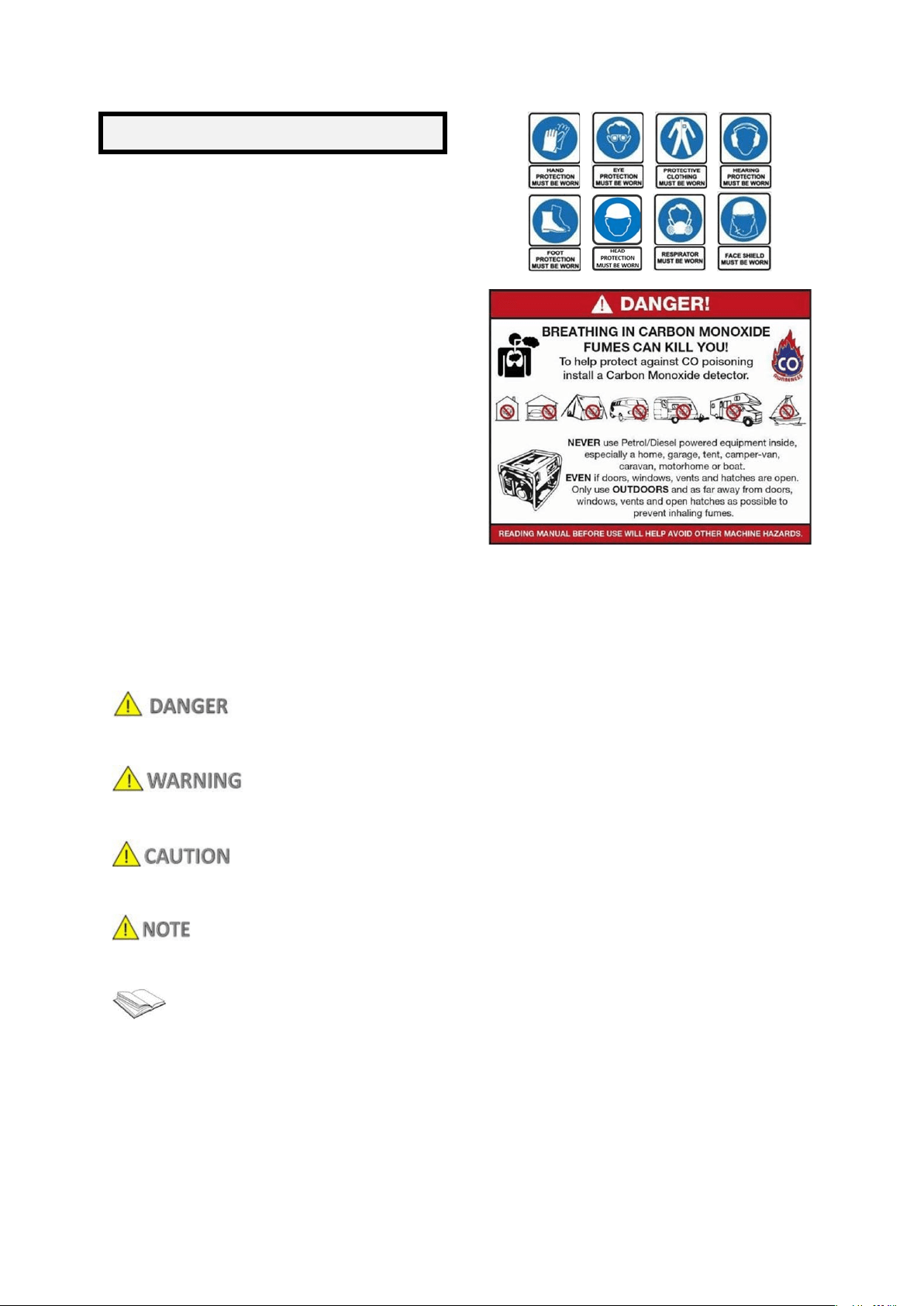
1.1.2.1.2. Some or all of the following -
warning signs, symbols and/or PPE pictograms
may appear throughout this manual. You
MUST adhere to their warning/s. Failure to do
so may result in personal injury to yourself or
those around you.
Indicates a hazard, which, if not avoided, could
result in serious injury or death.
Indicates a hazard, which, if not avoided, could
result in serious injury.
Indicates a hazard which, if not avoided, might
result in minor or moderate injury.
Indicates a situation that could easily result in
equipment damage.
READ and keep the manual safe and pass it on
if the machine is loaned or sold to another
user. You MUST fully read instructions to make
sure you use and operate machine safely.
Appropriate Personal Protective Equipment
(PPE), MUST be worn at all times when
Machine is in use or being repaired.
1.2. Carbon monoxide (where applicable).
1.2.1. Carbon monoxide is a colourless and
odourless gas. Inhaling this gas can cause
death as well as serious long term health
problems such as brain damage.
1.2.2. The symptoms of carbon monoxide
poisoning can include but are not limited to
the following; Headaches, dizziness, nausea,
breathlessness, collapsing or loss of
consciousness.
1.2.2.1. Carbon monoxide poisoning
symptoms are similar to flu, food poisoning,
viral infections and simply tiredness. It is quite
common for people to mistake this very
dangerous poisoning for something else.
1.2.2.2. To avoid carbon monoxide poisoning
DO NOT use Petrol/Diesel- powered
equipment inside any of the following; Home,
garage, tent, camper van, mobile home,
caravan or boat.
This list is not exhaustive and if you are in any
doubt contact your dealer.
1.2.3. If you think you have or someone
around you has been affected by carbon
monoxide poisoning;
1.2.3.1. Get them fresh air immediately, by
leaving the affected area or by opening doors
and windows. If safe and practical to do so
Page 4
Ver 3 - September 2016

make sure that the machine is turned off. DO
NOT enter a room you suspect of having
carbon monoxide present – instead call the
emergency services.
1.2.3.2. Contact a doctor immediately or go to
hospital - let them know that you suspect
carbon monoxide poisoning.
1.2.4 DO NOT use in an enclosed area or a
moving vehicle.
1.3. General fuel safety (where applicable).
ALL FUELS ARE FLAMMABLE
1.3.1. Fire hazard - keep fuel away from all
sources of ignition for example heaters, lamps,
sparks from grinding or welding.
1.3.2. DO NOT carry out hot work on tanks
that have contained fuel it is extremely
dangerous.
1.3.3. ALWAYS keep work area clean and
tidy.
1.3.4. ALWAYS clean up all spills promptly
using correct methods i.e. absorbent granules
and a lidded bin.
1.3.5. ALWAYS dispose of waste fuels
correctly.
1.4. Fueling/De-fueling (where applicable).
ALL FUELS ARE FLAMMABLE
1.4.1. ALWAYS fuel and defuel in a well-
ventilated area outside of buildings.
1.4.2. ALWAYS wear correct, suitable and fit
for purpose Personal Protective Equipment
(PPE), suggested items are but not limited to
safety gloves and overalls.
1.4.3. When fueling/de-fueling ALWAYS
avoid inhaling fumes
1.4.4. When de-fueling ALWAYS use a
propriety fuel retriever.
1.4.5. ALWAYS carry fuel in the correct and
clearly marked container.
1.5. Electrical safety (where applicable).
1.5.1. Electricity can kill - NEVER work on
LIVE/ENERGISED equipment.
1.5.2. Prior to carrying out any maintenance
work you MUST Identify electrical isolation
methods and isolate all electrical supplies,
1.5.3. Prior to use and with all electrical
supplies isolated You MUST check all electrical
cables, plugs and connections for the
following;
1.5.3.1. Are intact and have no signs of
damage, to include but not limited to bare
wires, chaffing, cuts and loose wiring.
1.5.3.2. If there are any signs of damage, the
damaged item MUST be taken out of service
until the damage has been repaired by an
electrically competent person.
1.5.3.3. All trailing cables should be routed so
as not to cause any kind of trip hazard.
1.5.3.4. NEVER work on or near electricity with
wet hands, wet clothing, and wet gloves.
1.6. Batteries (where present).
1.6.1. Batteries present a risk if they become
damaged by the possible leaking of electrolyte.
This electrolyte is an acid and can cause
serious burn injuries. Care should be taken
when working on or near them. NOTE the
electrolyte may be in liquid or gel form.
1.6.2. Should you come into contact with
electrolyte you should;
Page 5
Ver 3 - September 2016

1.6.2.1. Remove all clothing contaminated
with electrolyte. If you cannot remove then
saturate in water.
1.6.2.2. Get medical assistance as soon as
possible. You must advise the medical staff of
the type acid.
1.6.2.2.1. Lead/acid battery = dilute
sulphuric acid
1.6.2.2.2. Nickel/cadmium = potassium
hydroxide alkali electrolyte.
1.6.2.3. Use fresh running water to wash off
excess electrolyte, continue this until medical
assistance arrives. Make sure that you do not
wash the electrolyte to another part of the
face or body.
1.6.2.4. If electrolyte comes into contact with
Eyes the electrolyte needs to be immediately
washed away with large amounts of water.
Make sure that you do not wash the
electrolyte to another part of the face or body.
1.6.3. Gasses from charging batteries are
highly flammable and great care should be
taken to charge in well ventilated areas.
1.6.4. There is an explosion risk if the battery
terminals are short circuited, when
connecting/dis-connecting ALWAYS exercise
great care so that the terminals or battery
leads are NOT allowed to touch and cause a
spark. ALWAYS use suitable insulated tools.
1.7. Vibrations (where applicable).
1.7.1. Prolonged use of hand held (operated)
machines will cause the user to feel the effects
of/from vibrations. These vibrations can lead
to white finger (Raynaud's phenomenon) or
carpal tunnel syndrome. This condition
reduces the ability of the hand to feel and
regulate temperature, causing numbness and
heat sensations and may cause nerve damage
and circulatory tissue death.
1.7.2. Not all factors that lead to white finger
disease are known, but cold weather, smoking
and other diseases that affect blood vessels
and blood circulation as well as large and long-
lasting impact of shocks are considered factors
in the formation of white finger. Note the
following to reduce the risk the white finger
and carpal tunnel syndrome:
1.7.2.1. Wear gloves and keep your hands
warm
1.7.2.2. Take regular breaks
1.7.3. All of the above precautions may help
reduce the risk of white finger disease but not
rule out carpal tunnel syndrome. Long-term
and regular users are therefore recommended
to observe the condition of your hands and
fingers. Seek medical attention immediately if
any of the above symptoms should occur.
1.8. Noise (where applicable).
1.8.1. The operating noise of the machine
can damage your hearing. Wear hearing
protection such as earplugs or ear defenders
to protect your hearing. Long- term and
regular users are advised to have hearing
checked regularly. Be especially vigilant and
cautious when wearing hearing protection
because your ability to hear alarm warnings
will be reduced.
1.8.2. Noise emissions for this equipment is
unavoidable. Carry out noisy work at approved
times and for certain periods. Limit the
working time to a minimum. For your personal
protection and protection of people working
nearby it is also advisable for them to wear
hearing protection.
1.8.3. See CERTIFICATE of CONFORMITY
section for Outdoor Noise declaration of
conformity.
Page 6
Ver 3 - September 2016
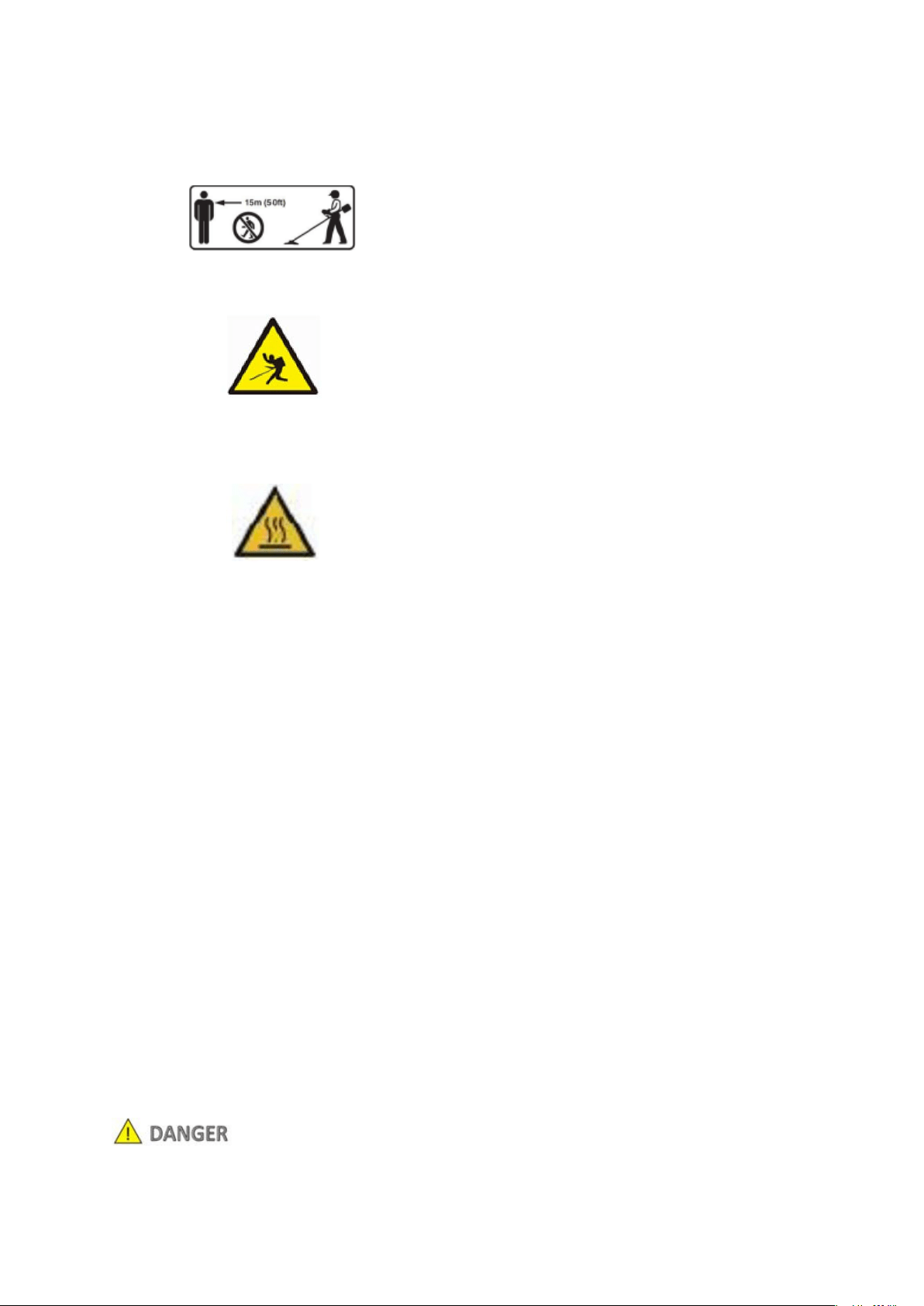
1.9. Additional safety labels.
Keep all children, bystanders and helpers 15
meters from the machine.
Warning against flying objects wear helmet,
goggles and ear protection.
Warning: Danger from hot components,
especially exhaust - Keep clear of combustible
materials.
1.10. Additional safety instructions.
1.10.1. This machine may only be used for
trimming grass. NEVER use for other purposes,
as this may result in serious injury! Safety
instructions must be observed. DO NOT
EXPOSE YOURSELF OR OTHERS TO THE RISKS.
Follow these general instructions -
• ALWAYS wear safety goggles for eye
protection.
• Long hair must be tied back.
• DO NOT wear loose clothing or jewelry that
could get caught in moving parts of the
machine. Safe, strong, non-slip safety shoes
should be worn.
• It is recommended that the legs and feet
are fully protected, to protect themselves
during the operation against flying objects.
1.10.2. Check the entire machine for
loose/missing parts (nuts, bolts, screws, etc.).
Tighten/ replace before using the machine. DO
NOT use accessories with this machine other
than those recommended/supplied by the
manufacturer. Otherwise serious injuries to
the user or bystanders as well as damage to
the machine will result.
NEVER use the machine
with a saw blade attachment it is STRICTLY
FORBIDDEN.
• Keep the handles free of oil and fuel.
• ALWAYS use the correct interface handles
and shoulder strap.
• DO NOT smoke when mixing fuel or when
filling the tank.
• DO NOT mix fuel in an enclosed area or
near open fires.
• Make sure there is sufficient ventilation.
• Mix and store the fuel mixture in a
correctly marked container, which is
allowed by local regulations.
1.10.3. During and after use the engine and
exhaust will be very HOT you must keep all
your all parts of your body and clothing
including all combustible materials clear of the
engine and exhaust.
1.10.4. DO NOT use the machine during or
after rain, snow or sleet. The floor will become
slippery. DO NOT use the machine on a slope
or uneven ground or if there is the chance of
slipping or losing the stability.
1.10.5. If you trip or fall whilst machine is in
use you MUST immediately release the
throttle, and turn off the ignition switch.
1.10.6. If you hit any obstacles you must stop
the machine and remove the HT lead so that
you can inspect the machine. IF the machine is
damaged in any way you MUST get it repaired
before restarting work.
1.10.7. DO NOT use a damaged machine or a
machine with a blunt, cracked or damaged
cutter blade or trimmer head.
1.10.8. If any trimmed materials get tangled in
the nylon cord or cutting blade you MUST stop
the machine and remove the HT lead. Onley
then can you clear any blockages.
1.10.9. DO NOT wear rings and jewelry or
loose, dangling clothing that could get caught
in the machine. DO NOT wear footwear with
unprotected toes and DO NOT work barefoot
or without leg protection. In certain situations,
you have to wear head protection.
1.10.11.DO not use the brush cutter for
trimming trees.
Page 7
Ver 3 - September 2016
2. QUICK START
You can also check out our online video at www.youtube.com/hyundaipowerequip.co.uk
2.1. This guide is meant to serve as a quick reference for operating your Hyundai Wheeled
trimmer it is for convenience and the user should read the safety section first.
FOR OUTDOOR USE ONLY.
This Wheeled trimmer produces carbon monoxide - a poisonous, colourless & odourless gas that can
cause death or serious injury. Petrol is highly flammable, always handle with extreme care and in a
well ventilated area.
Always remove HT lead from spark plug when checking machine or changing parts.
2.2. This product includes, Main unit, Operators handle, Trimmer head shaft, Trimmer head, Spare
2.5 mm nylon cord, Full harness, Gloves, Face shield, Ear defenders, Tool kit, Spare spark plug, 2-
Stroke oil mixing bottle, User manual, Warranty registration form.
2.3. At this point, check that you have all of the included items listed above. If any are missing or
damaged, call 01646 687 880 or email info@hyundaipowerequipment.co.uk
.
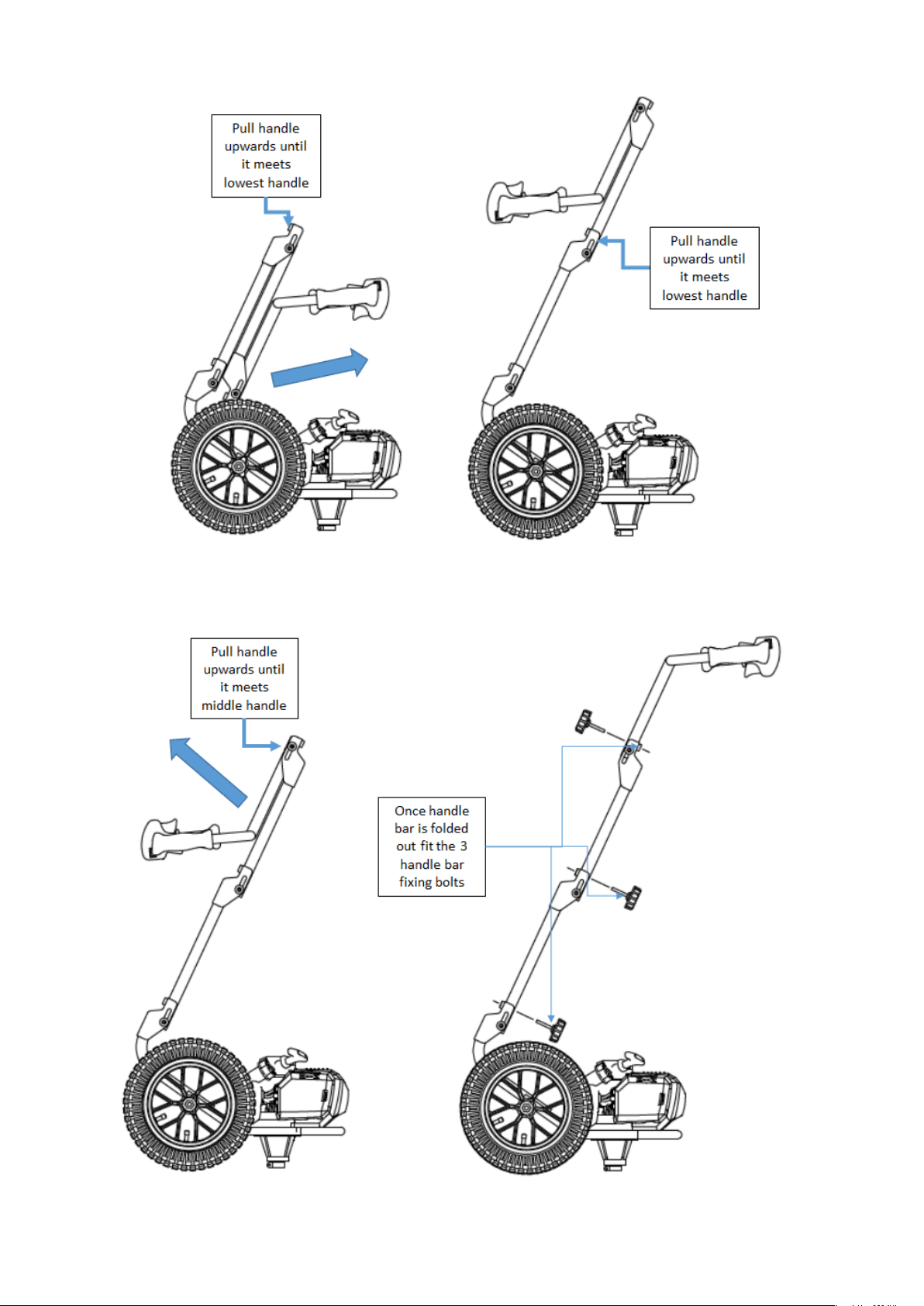
2.4. Handle assembly.
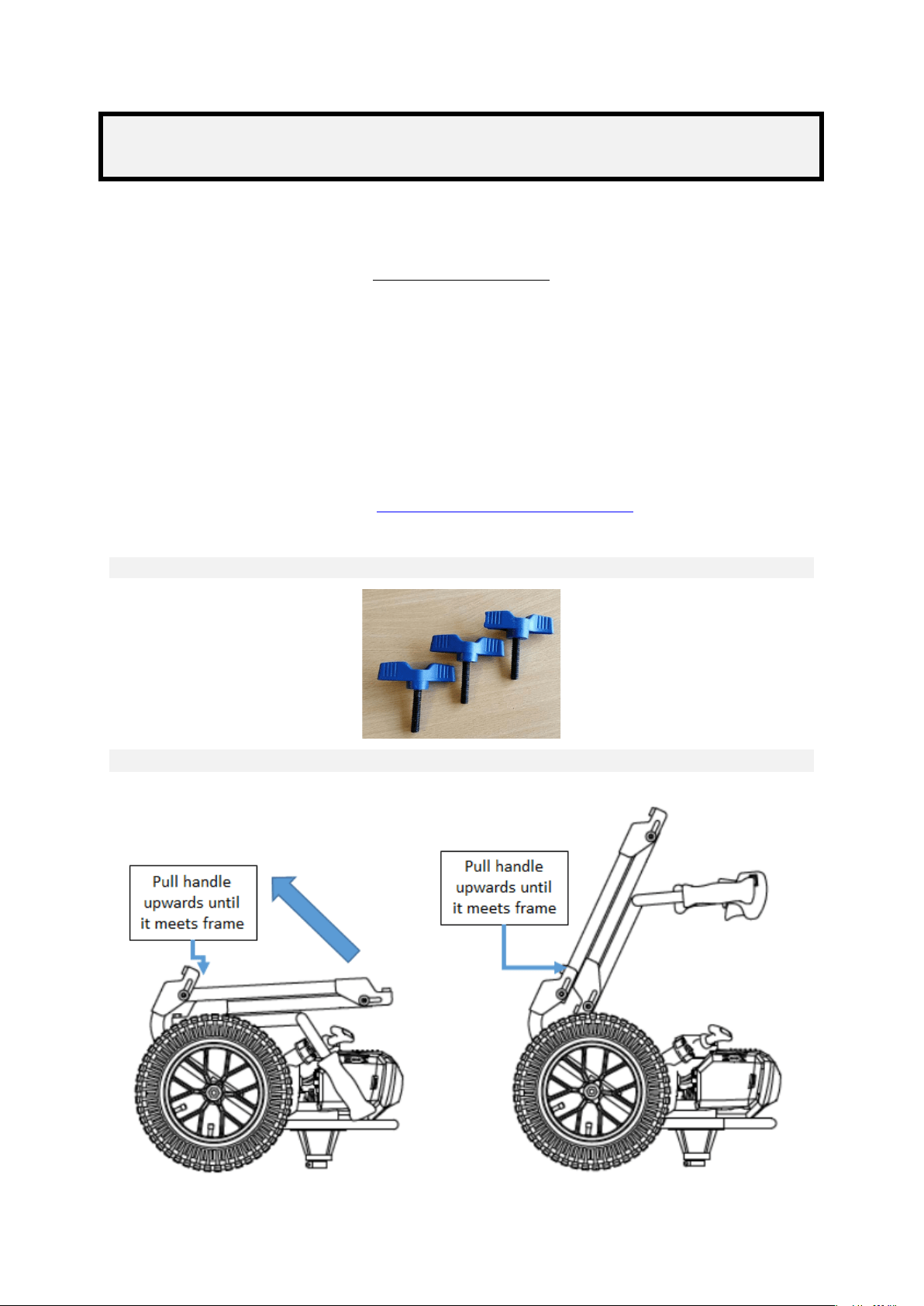
Take the 3 handle fixing bolts from the tool kit bag
Unfold the handle bars as shown in following images
Page 8
Ver 3 - September 2016
Page 9
Ver 3 - September 2016
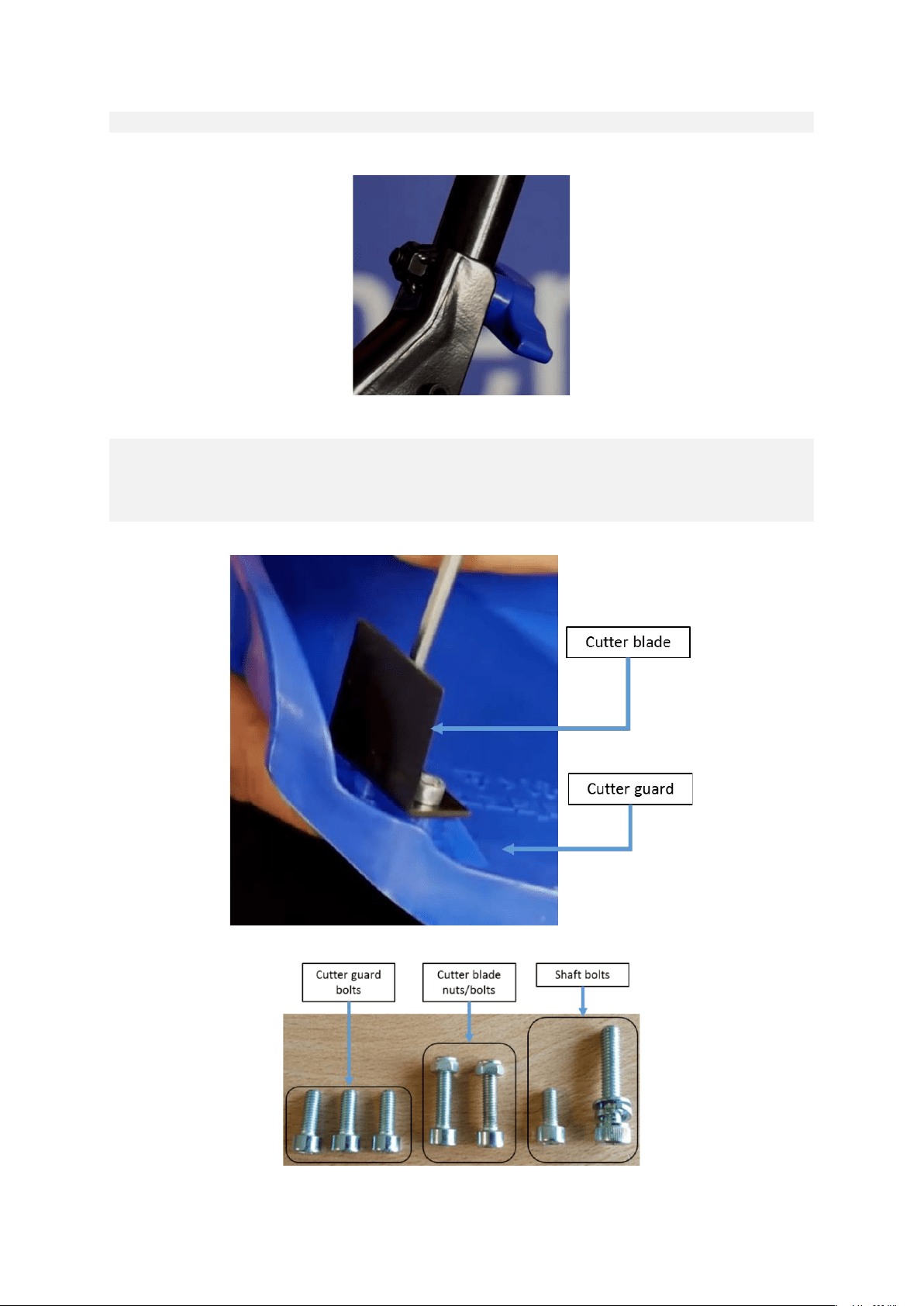
Screw handlebar bolts (clockwise) in each section of handle as shown in image below.
2.5. Cord cutter assembly.
Take the cutter guard from the box and the cord cutter from the tool kit bag along with the two cutter
blade nuts/bolts. You are advised to wear safety gloves to prevent injury.
Pass the bolts through the blade and then through the cutter guard into the locknuts on the other side
– once both nuts and bolts have been fitted make sure they are fully tightened.
Page 10
Ver 3 - September 2016
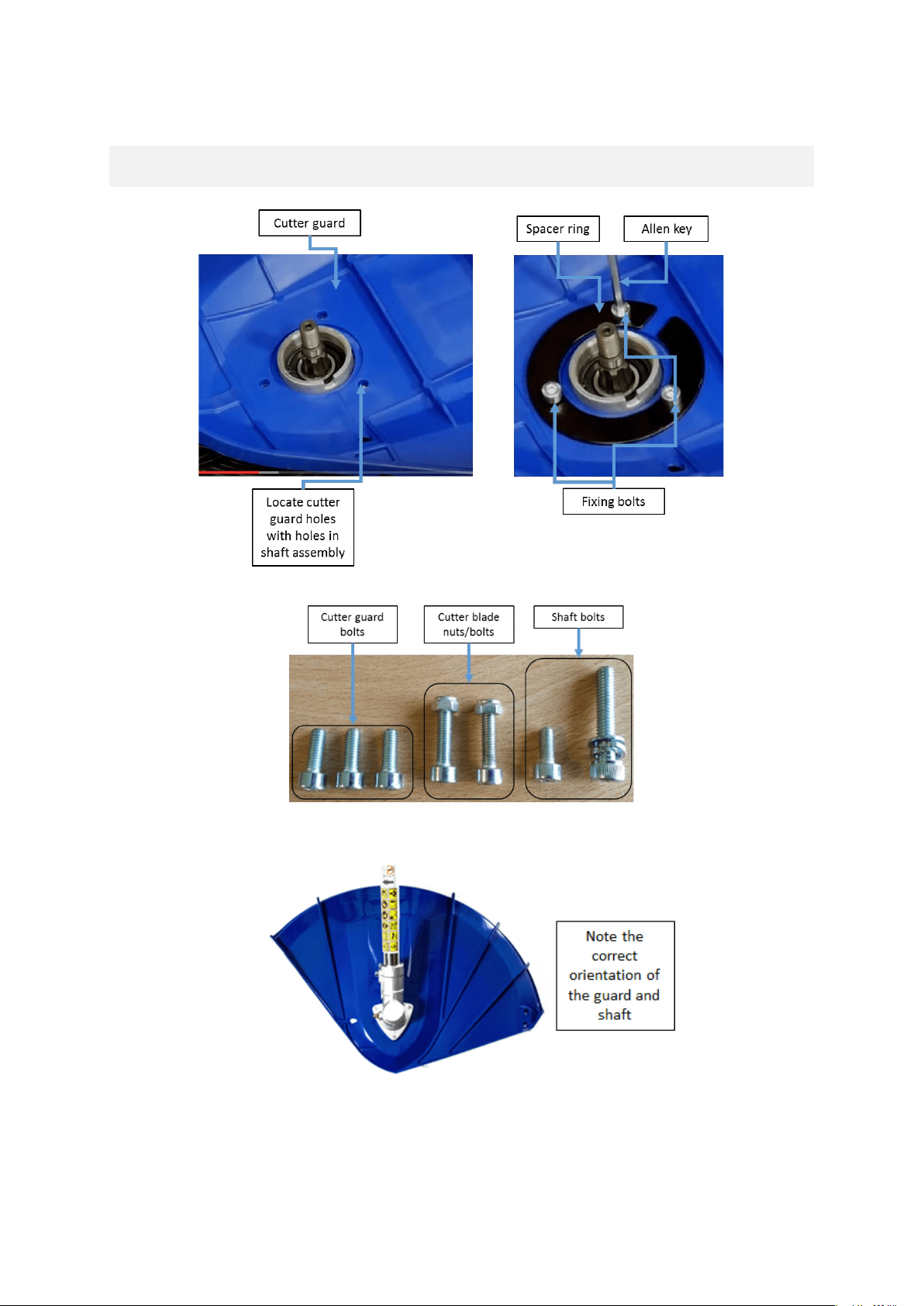
2.6. Attaching cutter guard to the shaft assembly.
Take the cutter guard and place it over the shaft, then using the three cutter guard bolts and the spacer
ring. Fix the guard to the shaft assembly. Tighten the three bolts using the supplied Allen key.
Page 11
Ver 3 - September 2016
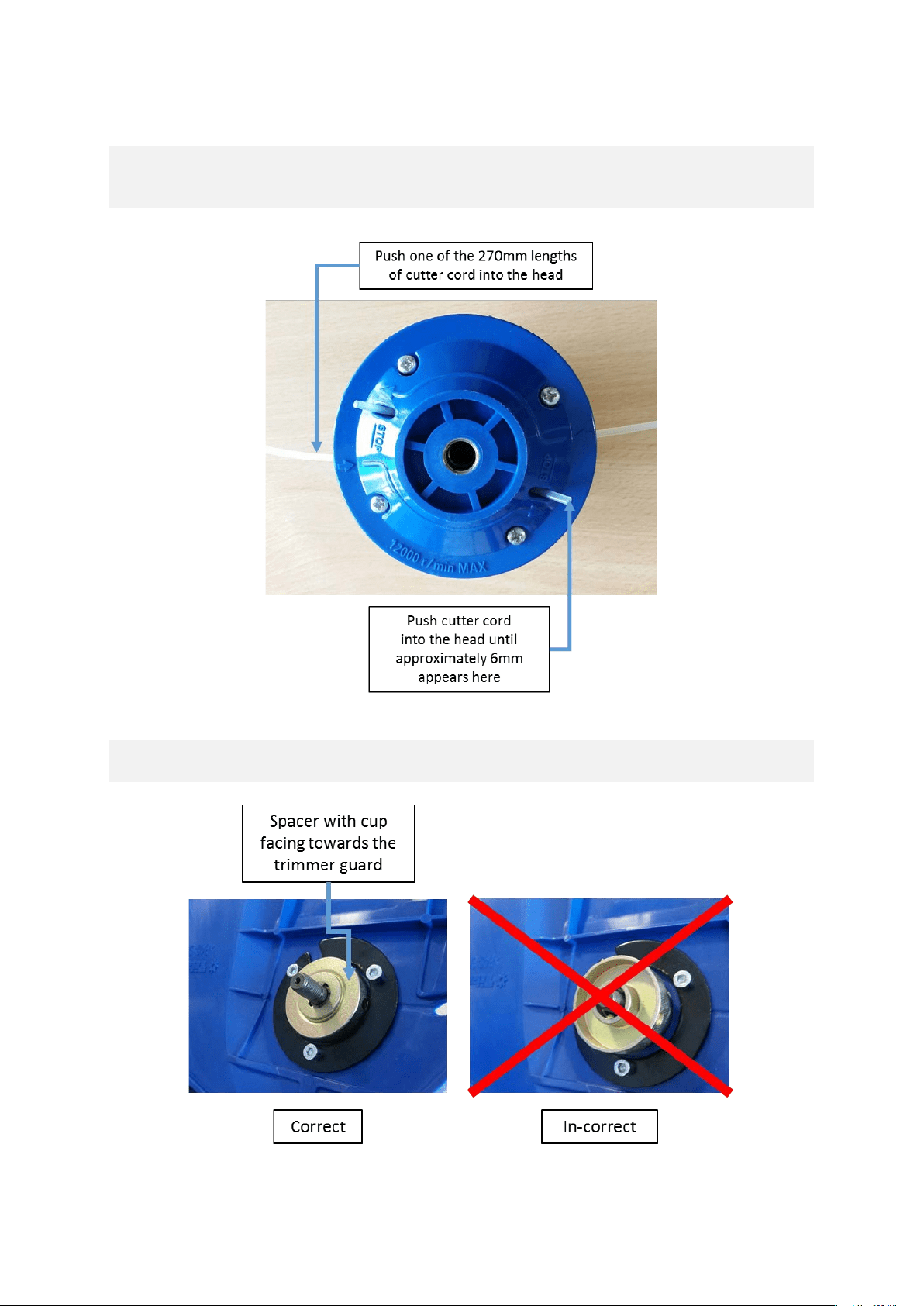
2.7. Installing/Replacing cutting cord.
Take the cutter head and cut 2 x 270mm lengths of cutting cord.
Push one piece of cutting cord and push it into the head as shown below. Repeat for the other side. Any
excess cord will be cut off by the cored cutter on the shield when first used.
2.8. Trimmer head assembly – NEVER use a saw blade with this machine.
Take spacer from the tool bag and place it over the shaft, then using the one of the supplied Allen keys
lock the shaft and spacer.
Page 12
Ver 3 - September 2016
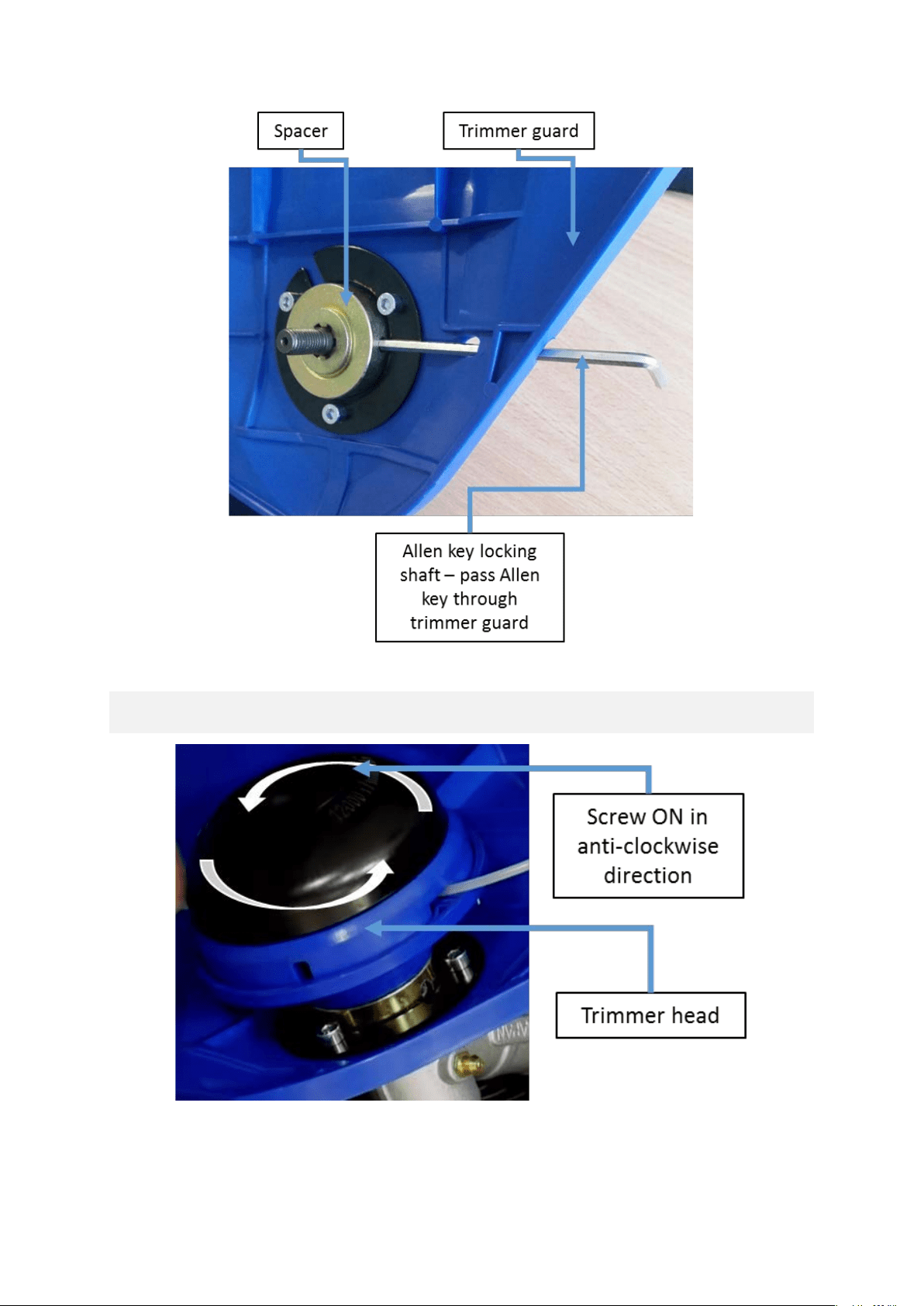
Take the trimmer head and screw it onto the shaft in an anti-clockwise direction until fully tightened.
Remove the Allen key before use.
Page 13
Ver 3 - September 2016
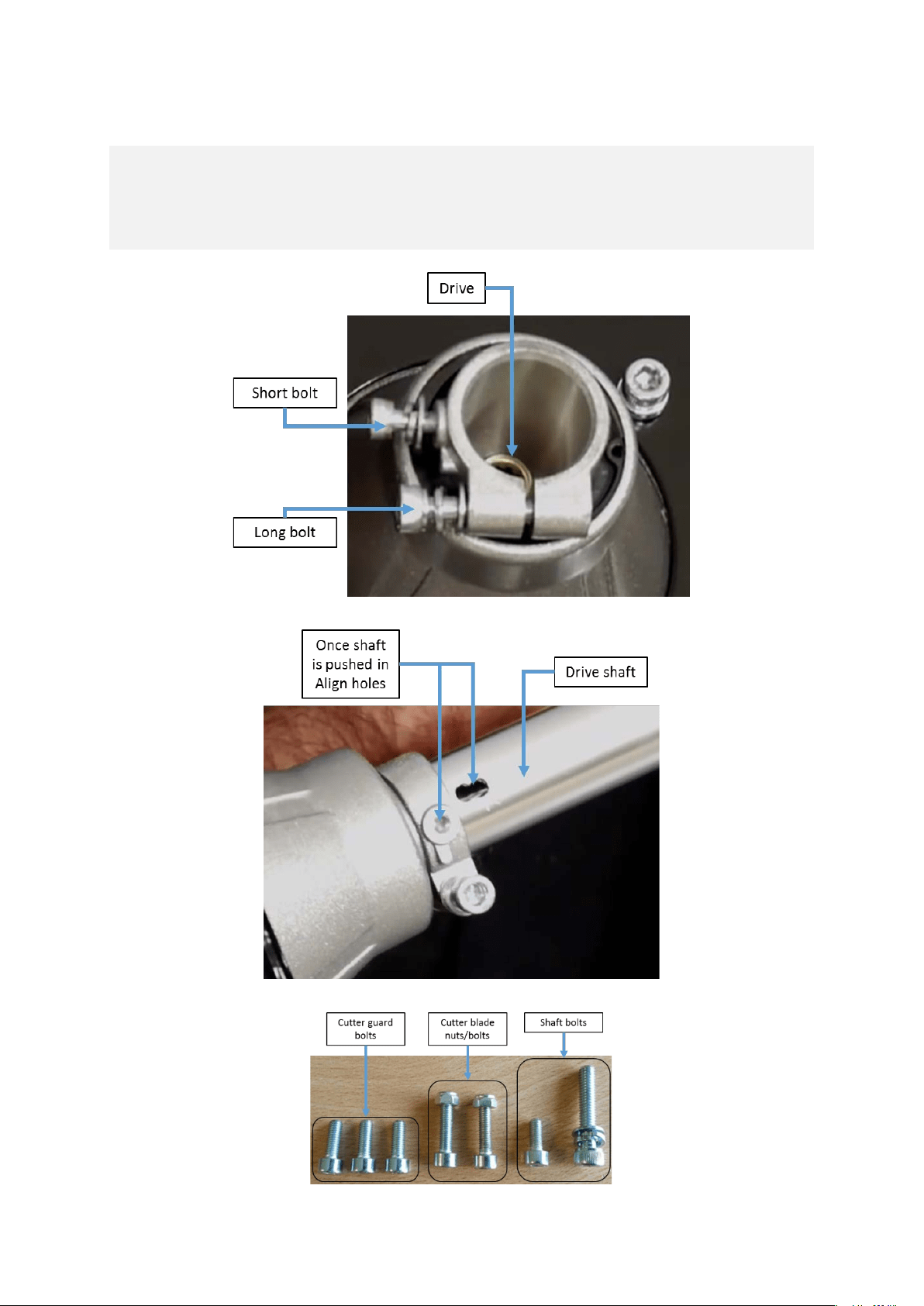
2.8. Head assembly.
Take the shaft assembly and push it into the drive shaft hole. N.B. you will need to remove the transit
bung. Keep the bung safe for use when machine is stored. Make sure to align the hole on the shaft with
the hole on the drive shaft. Once aligned screw and tighten the shorter of the two shaft bolts and then
tighten the longer shaft bolt until it is fully tightened. You may have to rotate the shaft to align holes
and drive.
Page 14
Ver 3 - September 2016
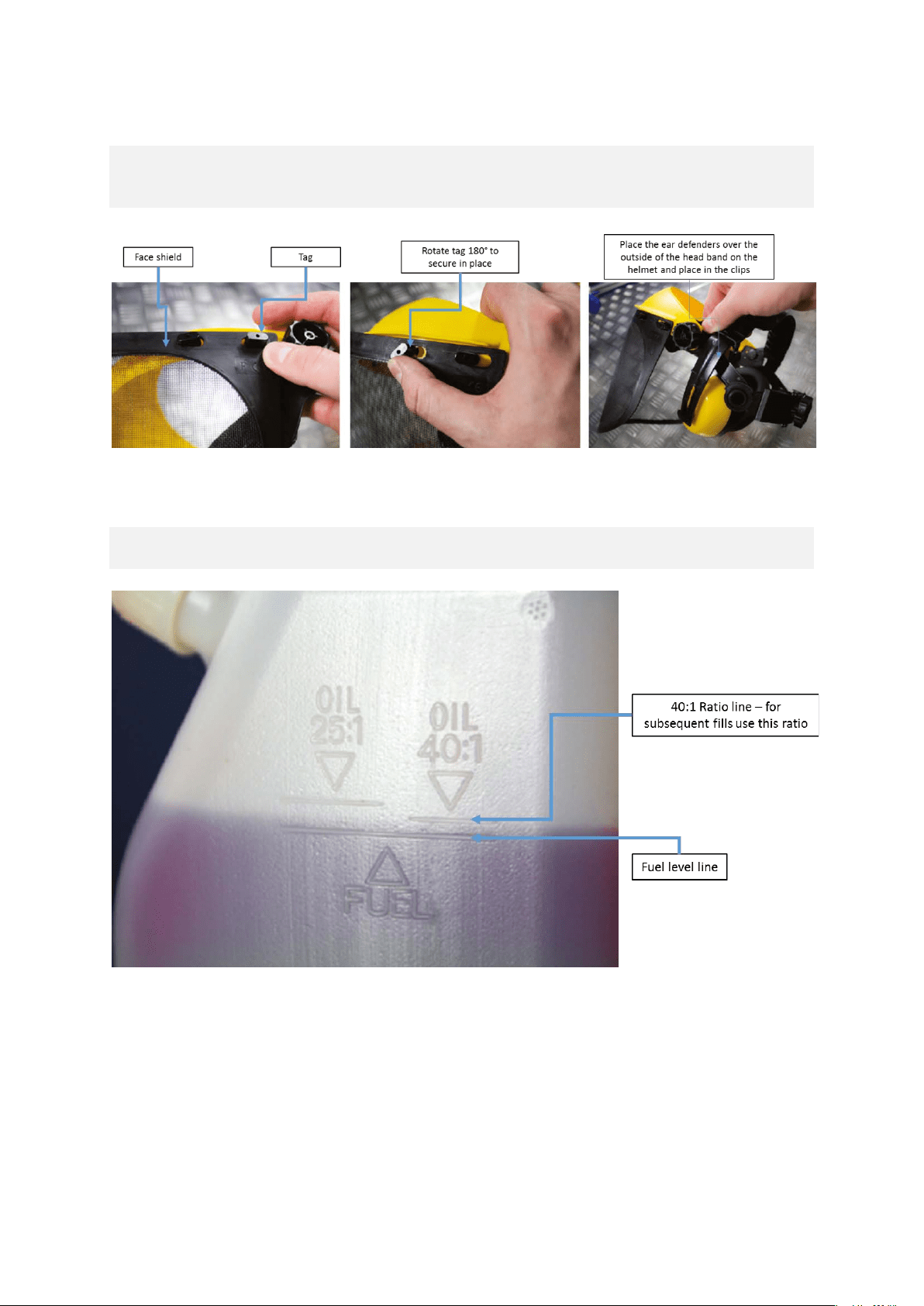
2.9. Head shield/Ear defender assembly.
Rotate to align the tags on the helmet to match the holes on the top of the visor. Place the visor over
the tags, then rotate the tags 180° to secure into place. Place the ear defenders over the outside of the
headband on the helmet and place into the clips.
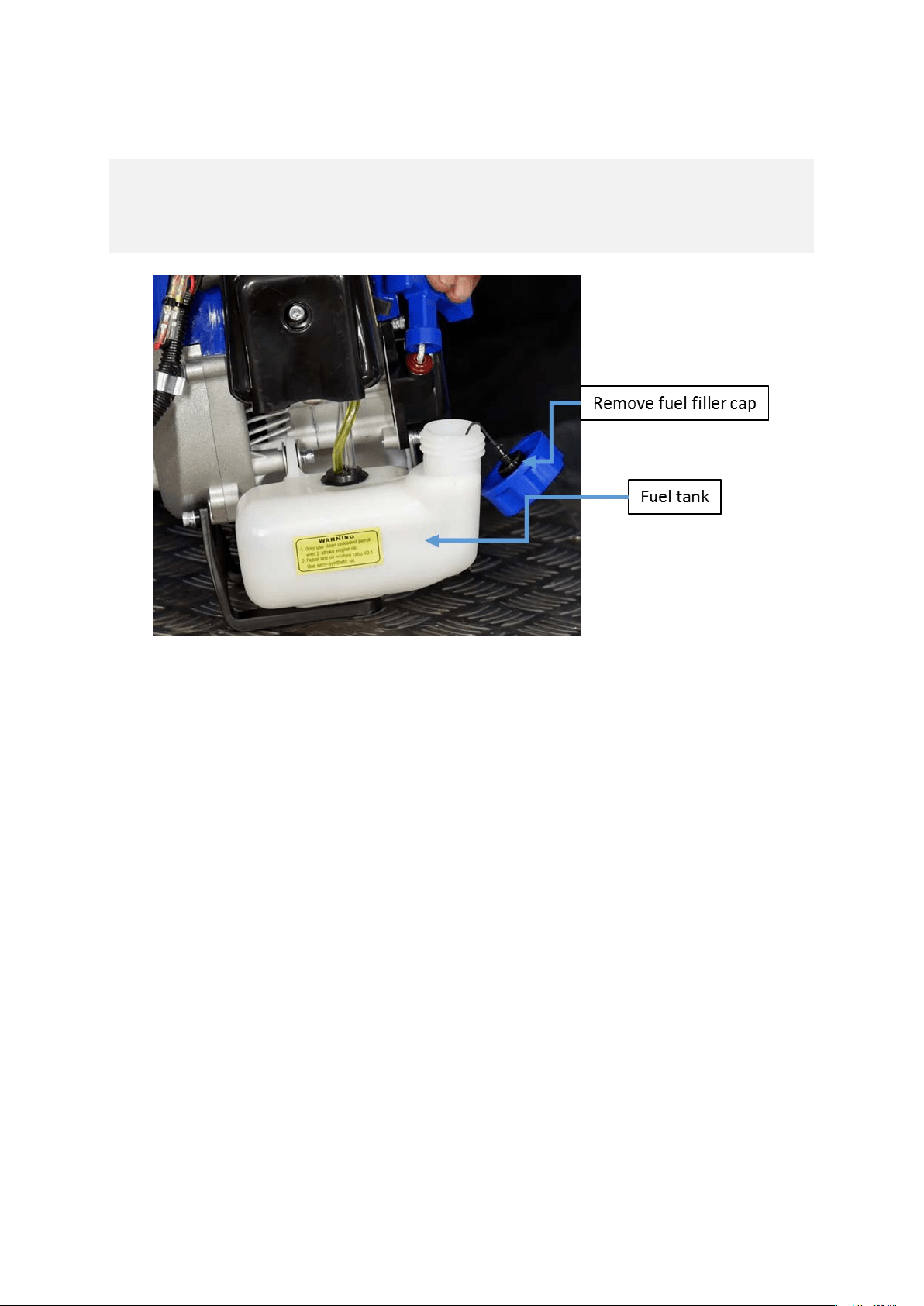
2.10. Mixing 2 stroke oil.
Fill the mixing bottle with fresh unleaded petrol to the fuel marker line use a 40:1 ratio. Then top up
with 2 stroke oil to 40:1 ratio line shake until fuel/oil has mixed.
Page 15
Ver 3 - September 2016
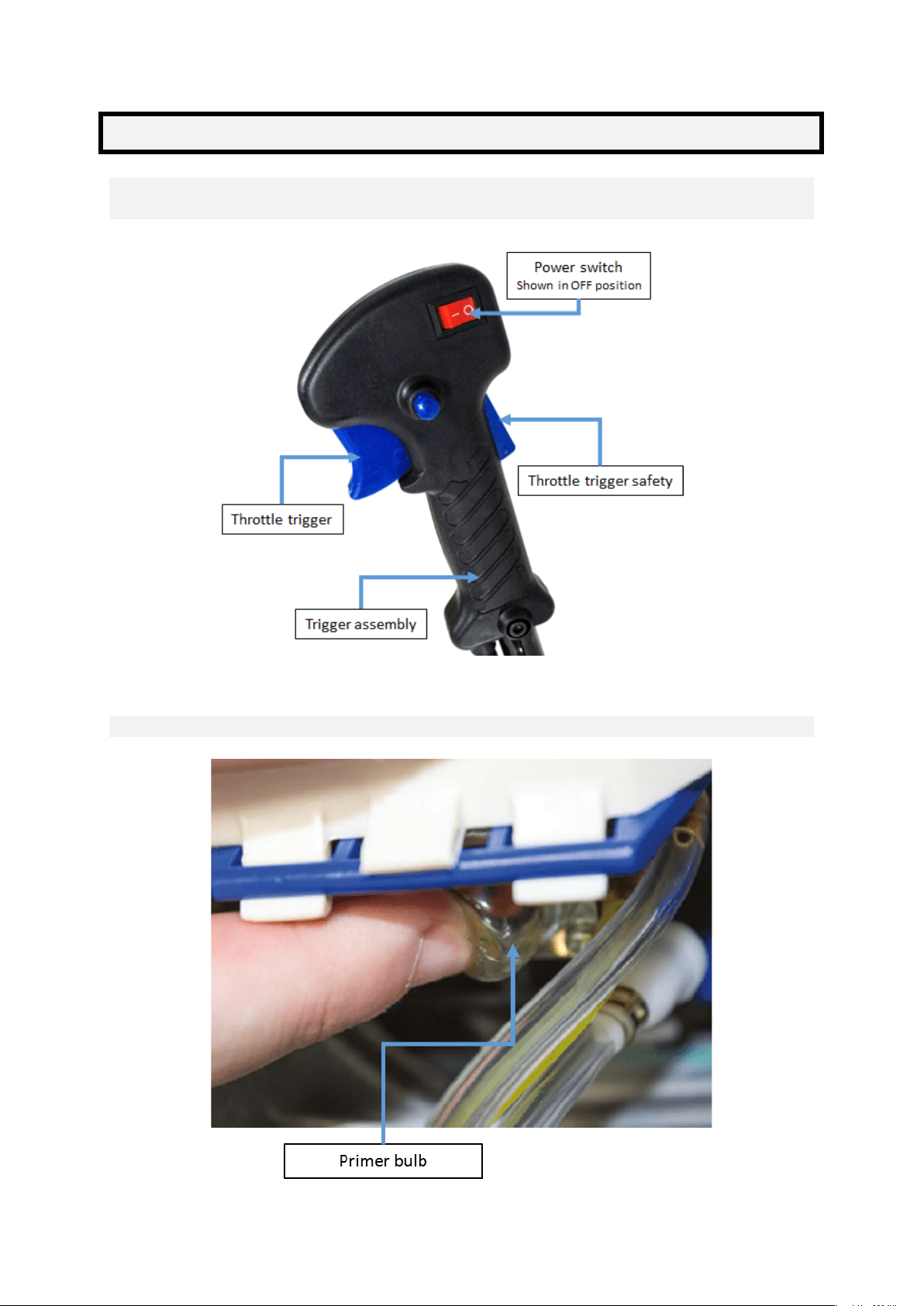
2.11. Adding fuel.
Unscrew the fuel tank cap and carefully add a 2-stroke fuel/oil mixture as in section 2.10. DO NOT
overfill and allow a 25 mm gap at the top of the tank. Once full replace and correctly tighten the fuel
cap. Fuel tank capacity is 1200ml.
DO NOT use straight unleaded petrol.
Page 16
Ver 3 - September 2016
3. STARTING PROCEDURE
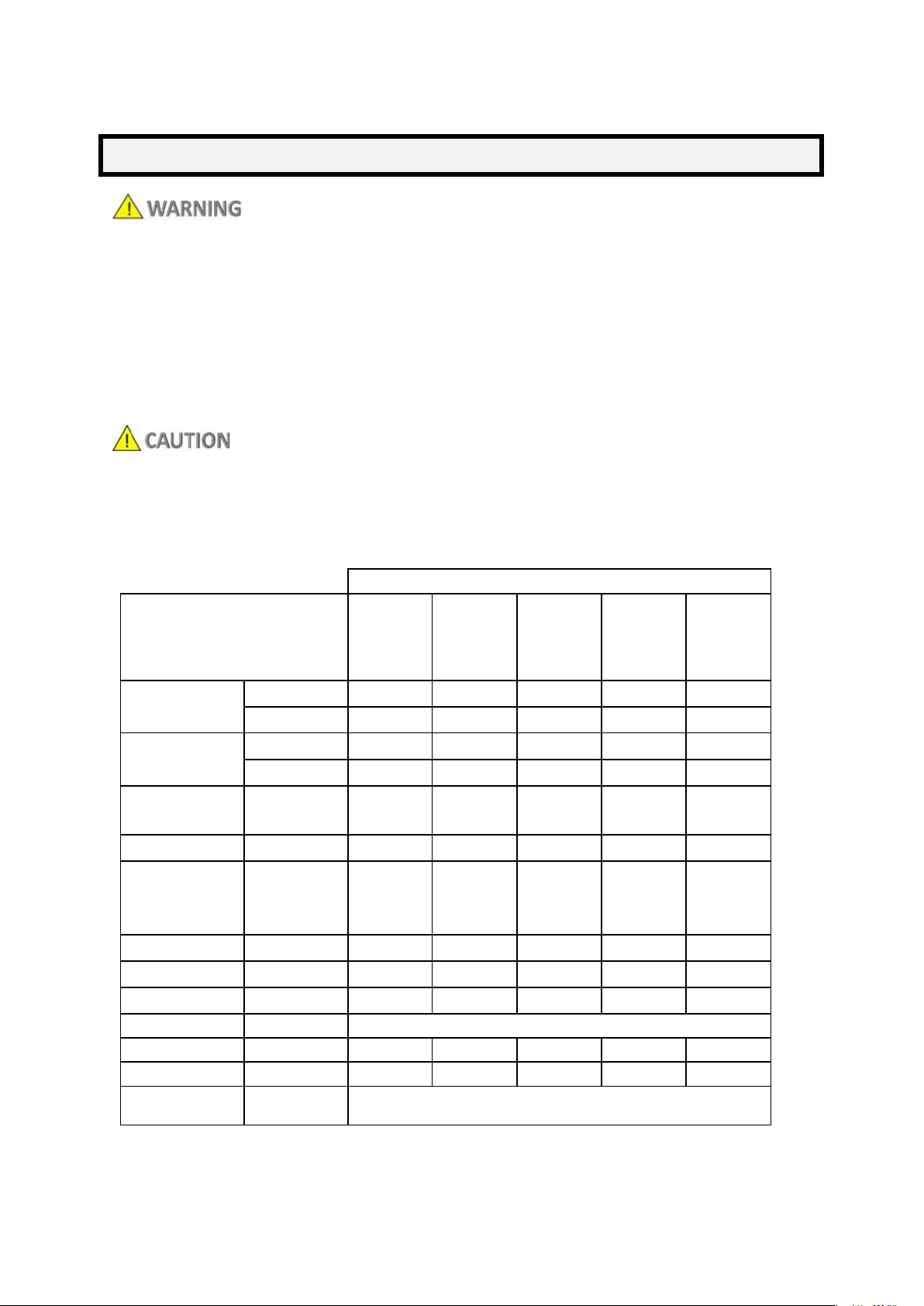
Fill with fuel/oil mixture, make sure the fuel cap is secure – see section 2.11. - Set the power switch on
the handle to the ON position.
Pump the primer bulb about 8 to 10 times until fuel shows in the bulb.
Page 17
Ver 3 - September 2016
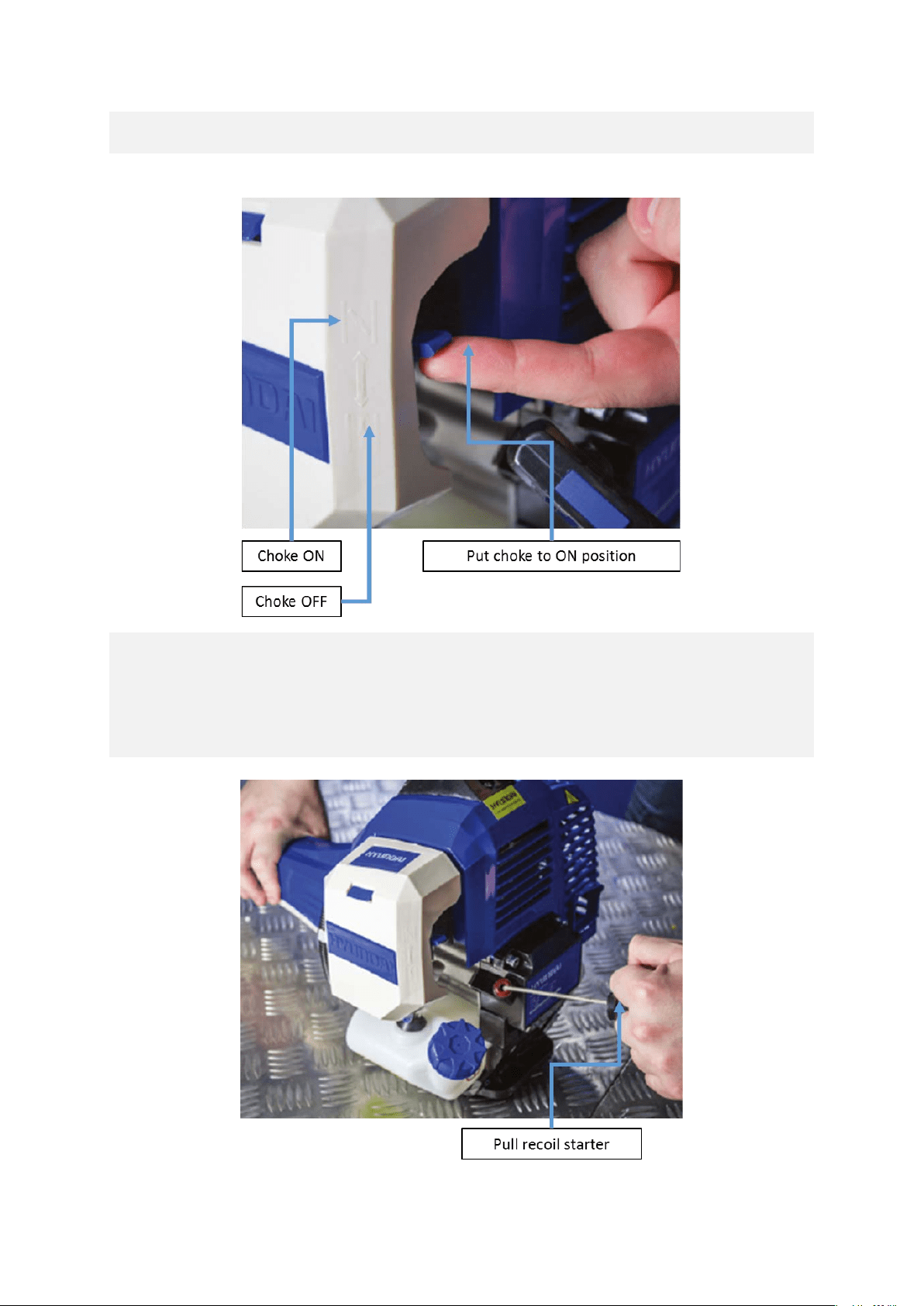
For COLD start move choke lever UP to start position.
N.B. For a WARM/HOT start you will not need to do this.
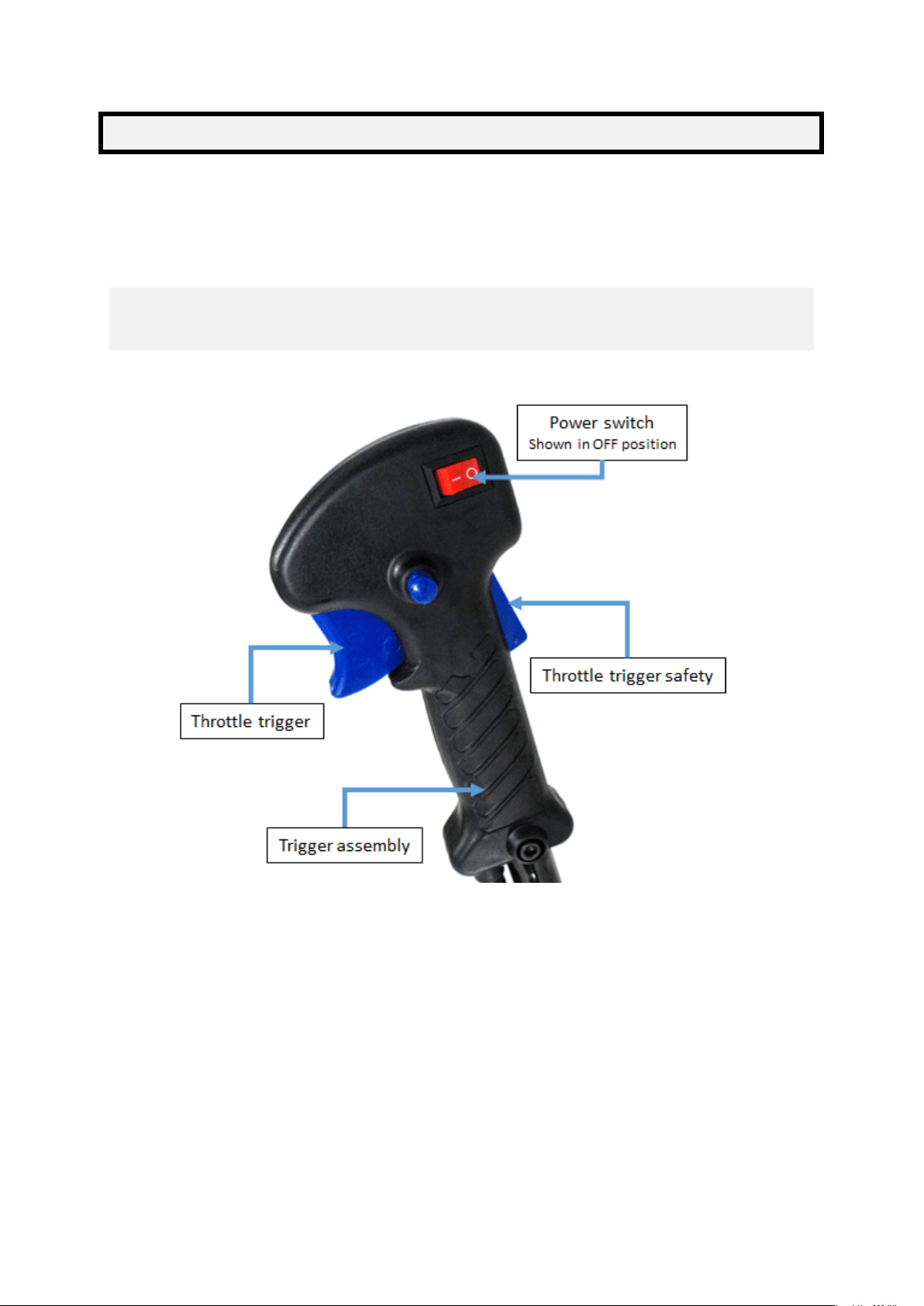
Place one hand on the machine, and using the other hand pull the recoil until you feel a resistance, then
pull briskly. Repeat until machine starts.
When the engine starts and move the choke to the OFF position. DO NOT let go of the recoil handle
instead allow the recoil cord to return gently. Once started you need to reduce the choke by slowly
moving lever to RUN position if engine falters move choke between START/RUN positions and adjust
until engine runs smoothly.
Page 18
Ver 3 - September 2016
4. STOPPING PROCEDURE
4.1. Before stopping the machine allow the engine to cool down for a few minutes, by
allowing it to run without throttle.
4.2. You MUST allow the cutting head to come to a full stop before carrying out any
maintenance on the machine.
To STOP the machine release the throttle lever, allow the machine to cool down with no throttle then
move the power switch to the OFF position.
If not already in OFF position move the choke to the OFF position.
Page 19
Ver 3 - September 2016

5. USING THE MACHINE
5.1. Trimming techniques.
If you are not familiar with this type of
machine you should practice in a safe
place.
5.1.1. ALWAYS clear the work area of
cans, bottles, rocks, etc. Flying or whirling
objects may cause serious injury and
damage to users or bystanders. If an
object is accidentally flung out from
machine, immediately stop and check the
machine
5.1.2. Always trim at high speeds.
5.1.3. Maneuverer the cutting head of
the trimmer horizontally from one side to
the other.
5.1.4. Keep cutting deck parallel with the
ground.
5.1.5. DO NOT tilt the nylon cutting head
during operation.
5.1.6. For correct cutting height carry out
a test trim in advance in a test area.
5.1.7. NEVER let the machine run with
damaged or defective parts.
5.1.8. Trimmer is to be used for trimming
grass only.
5.1.9. NEVER raise the nylon cutting head
above knee height during operation.
5.1.10. DO NOT use the machine on a
slope or uneven ground or if there is the
chance of slipping or losing the stability.
5.1.11. NEVER over cut – instead cut short
lengths then cut successively lower
heights.
ALWAYS stop the machine before
removing grass deposits. To prevent
overheating of the drive axle remove all
tangled grass and weed fibre. The tangled
grass and weed fibre/s prevent the shaft
from cooling properly. Remove grass
deposits with a screwdriver or similar tool.
5.2. Trimming around trees.
5.2.1. Trim around trees carefully this will
prevent damage to the tree, and tree bark.
5.2.3. Move around the tree in a
clockwise direction. Approach grass/weeds
with the tip of the cutting cord.
5.2.4. To replace worn out cord refer to
section
2.7. Installing/Replacing cutting
cord.
Page 20
Ver 3 - September 2016
6. MAINTENANCE
Always stop the engine and unplug the spark plug before doing any repairs or maintenance.
Never touch the rotating nylon cord or blade.
Check and maintain fuel level regularly, and maintain the fuel/oil mix to the correct ratio.
Frequently check the brush cutter and make sure that all grass deposits are removed from
the trimmer head and trimmer guard.
At regular intervals, check the tightness of all nuts, bolts and screws.
If the blade hits an obstacle check for damage and if the machine vibrates badly stop the
lawnmower and take it to a service dealer.
Always refuel in a well-ventilated area with the engine off and spark plug HT cap removed.
Whilst carrying out maintenance you must wear appropriate Personal Protective Equipment
(PPE). Suggested PPE Sturdy footwear, work gloves (especially when working near cord cutter
blade), long trousers and hearing protection.
Maintenance cycle
Component Each use
Every 3
mths or
15
hours
Every 6
mths or
50
hours
Every 12
mths or
100
hours
Every
24 mths
or 300
hours
Air filter
Check ○
Clean
○
a
Sparkplug
Check/Adjust
○
Change ○
Sparkplug
electrode
Clean ○
Cooling fins Check/Clean ○
Connections
– nuts bolts
screws etc.
Check and
tighten as
required
○
Coupling Examine
○
b
Idle Check/Adjust
○
b
Valve clearance Check/Adjust
○
b
Spark arrester Check/Clean Every 300hours
Fuel tank Examine ○
Fuel pipes Examine
Bevel gear Fill
After 25 hours of use (For location of bevel gear grease nipple
Section 9 Part Location.
a = Increase maintenance intervals if operating in dusty environments. b = All maintenance operations - except those listed
in the operating instructions, must be performed by qualified service personnel
Page 21
Ver 3 - September 2016
6.1. Air filter.
Never let the engine run without the air filter being fitted. A dirty air filter element affects the
engine performance, increases fuel consumption and makes it difficult to start. If you notice a
loss of engine power.
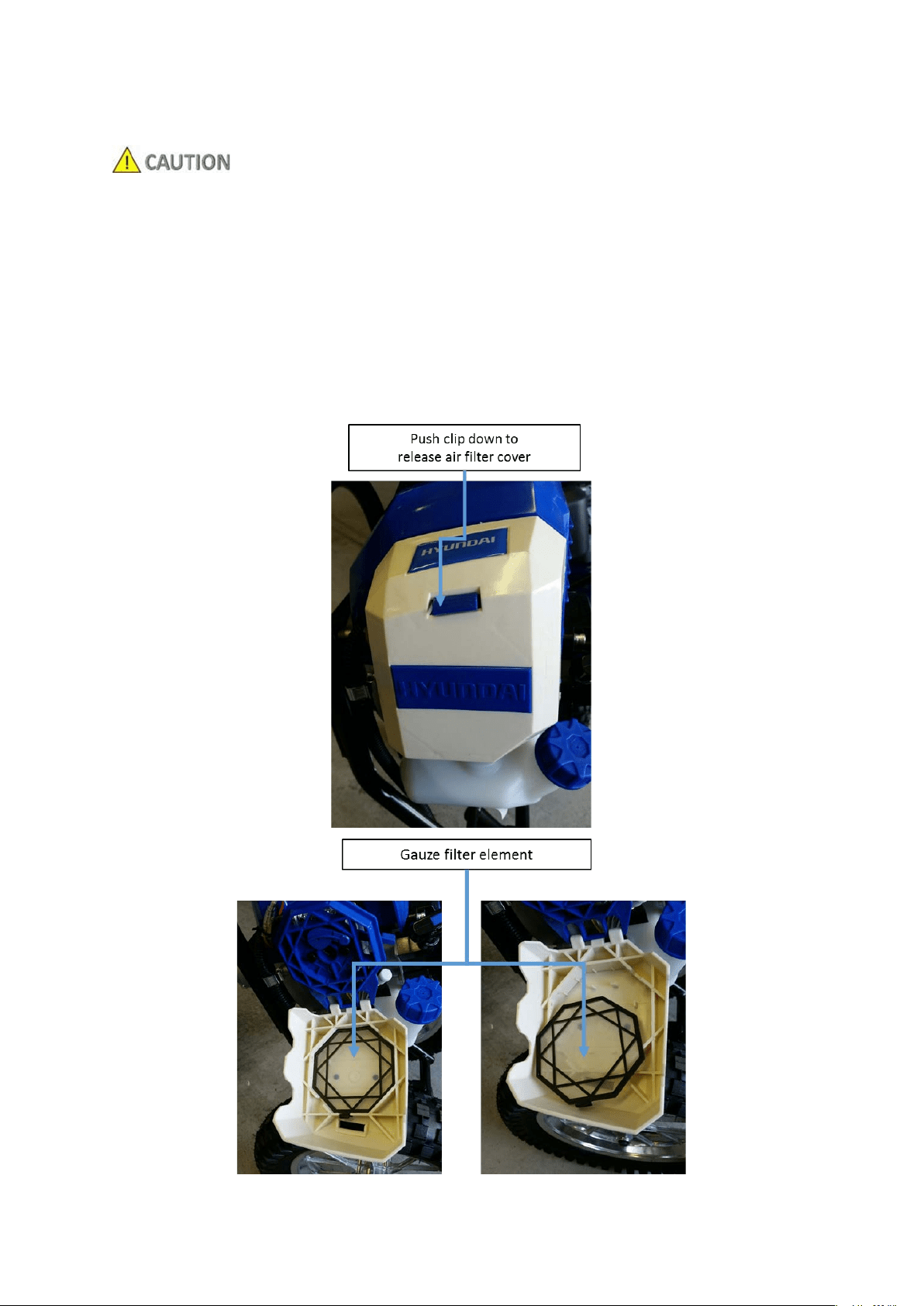
6.1.1. Remove the air filter cover by pressing down on clip and pulling cover forward.
6.1.2. Carefully lower the outer cover.
6.1.3. Once the outer cover has been lowered you can remove the nylon gauze filter
element. If it is damaged replace it. Otherwise wash the element in clean soapy water, rinse
in fresh water and allow to fully air dry before replacing filter element.
N.B. To reinstate the fliter assembly reverse the above process.
Page 22
Ver 3 - September 2016
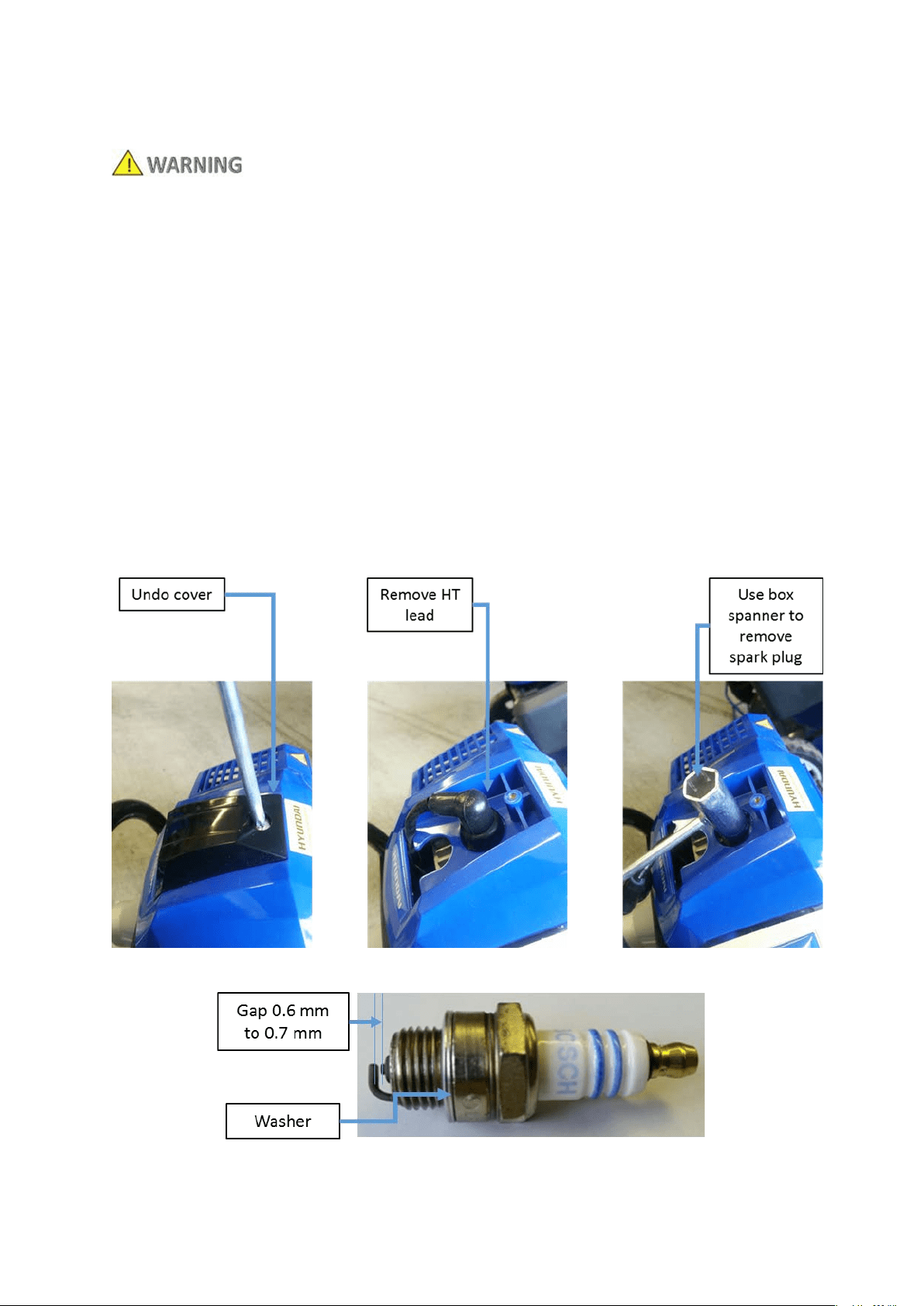
6.2. Spark plug.
The spark plug MUST be fully tightened otherwise the engine will overheat causing damage.
Always complete the following steps after the engine has been turned off and allowed to cool
down.
6.2.1. To make sure the engine runs correctly a spark plug gap of 0.6 -0.7 mm must be
maintained and the spark plug must be free of carbon deposits.
6.2.1. To remove the spark undo the cover then pull back the protective cover. Pull off the
HT lead and then undo the spark plug using the supplied box spanner in an anti-clockwise
direction.
6.2.3. Once the plug has been removed check it for visual damage, electrode wear and
carbon deposits. Replace a damaged or badly worn spark plug. Clean off any carbon deposits
by using a soft brass brush.
6.2.4. Check the gap with a feeler gauge and adjust electrode at the correct gap of 0.6 -0.7
mm.
6.2.5. Check the washer (replace as required) of the spark plug. Refit the spark plug by hand
to make sure it does not cross thread, tighten the spark plug to a torque of 12/15Nm.
6.2.6. To refit spark plug reverse the above process.
Page 23
Ver 3 - September 2016
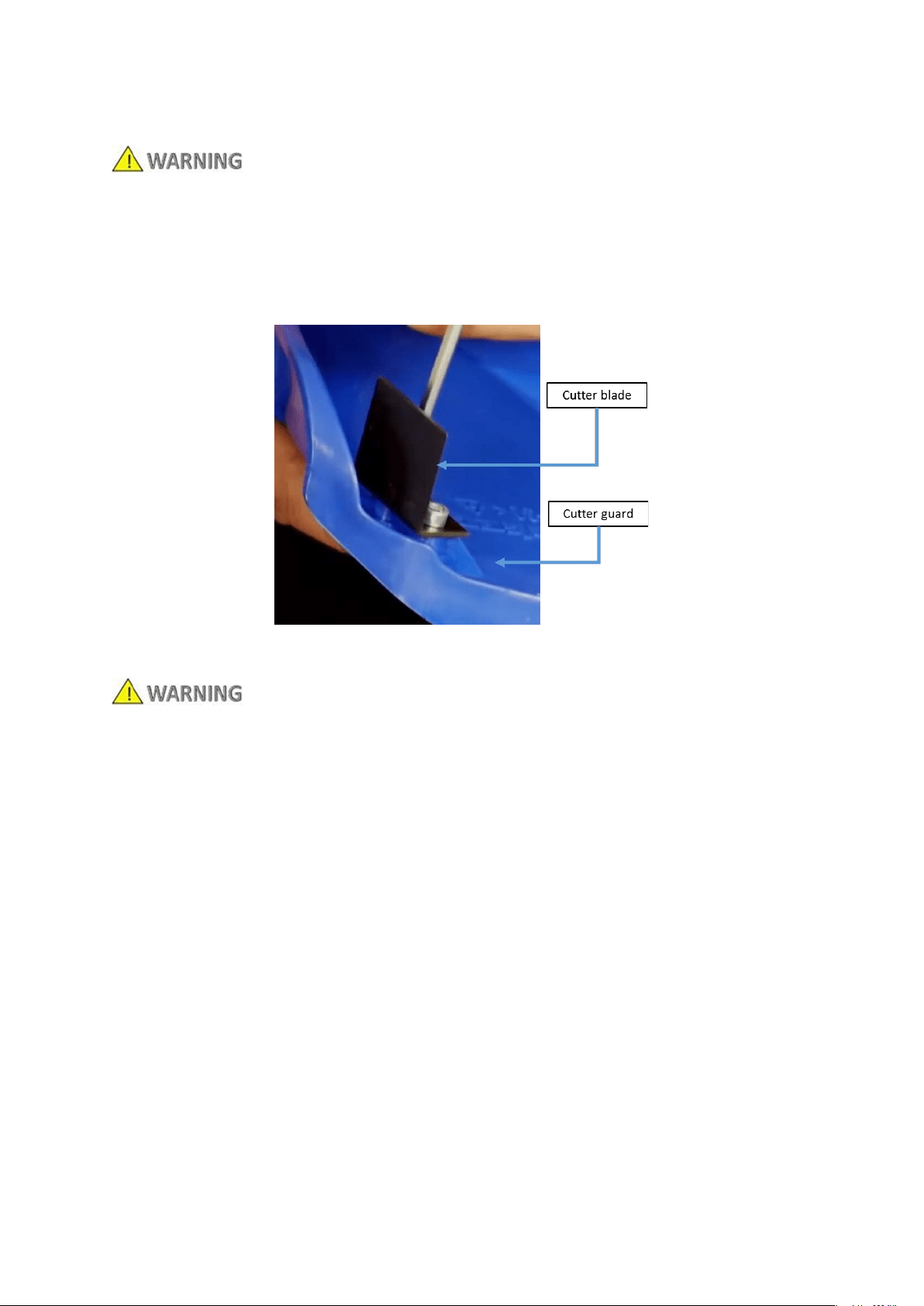
6.3. Cutter blade sharpening.
When sharpening cutter blade wear suitable safety gloves.
6.3.1. Remove the cutting blade from the guard.
6.3.2. Put cutting blade securely into a vice.
6.3.3. Sharpen the blade with a suitable flat file.
6.3.4. Make sure that you maintain the original cutting angle.
6.4. Storage.
If you do not follow these steps, deposit may arise in the carburetor. This will cause starting
difficulties and may cause permanent damage.
6.4.1. Perform all the general maintenance that the maintenance section of your ‘User
Manual’ is recommended.
6.4.2. Clean the outside of the machine, drive axle, shield and nylon cutting head.
6.4.3. Remove all fuel from the fuel tank, by undoing fuel cap and tipping content into a
suitable container. DO NOT use stale fuel/oil mixture in the next season.
6.4.4. After all the fuel has been removed from the fuel tank. Start the engine. Allow the
engine to run in idle until engine stops alone. This allows the fuel to be removed from the
carburetor.
6.4.5. Allow the engine to cool down for about five minutes.
6.4.6. Remove the spark plug and pour 1 teaspoon of clean 2-cycle oil into the combustion
chamber. Slowly pull the starter rope several times to coat internal components. Replace the
spark plug.
6.4.7. Store the machine in a cool, dry place away from any source of ignition such as an oil
burner, water heater etc.
6.5. Transporting the machine.
6.5.1. When transporting the machine make sure that no fuel is allowed to leak out.
6.5.2. DO NOT allow the trimmer to come into contact with persons, animals and property.
Page 24
Ver 3 - September 2016
7. TROUBLESHOOTING
7.1. If troubleshooting does not solve
the problem, contact your dealer or the
manufacturer directly. Use only original
parts approved by the manufacturer,
otherwise a hazard risk arises.
NO SPARK
Possible causes;
1. Carbon deposit between electrodes of the
spark plug.
2. Ignition coil defective flywheel magneto too
weak.
Possible corrective actions;
1. Clean the spark plug. Adjust the gap to 0.6 ~
0.7mm, Replace the spark plug.
2. Replace the Ignition coil or the flywheel.
WEAK SPARK
Possible causes;
1. Too much fuel in the combustion chamber,
poor fuel or water in tank.
2. Blocked fuel line
Possible corrective actions;
1. Remove spark plug and dry, replace fuel.
2. Clean the carburetor and clean the lines.
NORMAL FUEL SUPPLY BUT WEAK
COMPRESSION
Possible causes;
1. Worn piston rings, spark plug not tightened,
the cylinder head is not tightly wrong valve
clearance or ignition.
Possible corrective actions;
1. Replace or adjust.
NORMAL FUEL SUPPLY AND POOR SPARK
Possible causes;
1. Poor contact between spark plug cap and
spark plug.
Possible corrective actions;
1. Check or exchange.
MOTOR DOES NOT COME UPTO SPEED
Possible causes;
1. Choke is in "cold start" position, exhaust
system does not clog air supply, worn Movable
elements, spark weak, valve clearance to big,
sooty cylinder head.
Possible corrective actions;
1. Open choke, exhaust system ignition coil
exchange check or replace flywheel Adjust
spark plug.
POWER RUNS OUT
Possible causes;
1. Congested fuel lines to the carburetor.
Spark plug gap incorrect.
Possible corrective actions;
1. Unblock/Replace lines and carburetor. Reset
spark plug gap.
NOISY ENGINE
Possible causes;
1. Incorrect choke lever position, or damage to
crankshaft.
Possible corrective actions;
1. Check and correct choke lever position.
Check and/or replace crankshaft.
LEAKING CARBURETTOR
Possible causes;
1. Failure of the non-return valve on the fuel
tank lid. Worn carburetor gasket.
Possible corrective actions;
1. Replace the fuel cap. Replace the carburetor
seal.
Page 25
Ver 3 - September 2016

8. SPECIFICATION
MODEL
HYWT5080
ENGINE
Engine type
Single cylinder, 2 stroke air cooled
Engine size – cc
50.8
Fuel tank capacity – ml
1200
Noise level – dB (A)
119
Power – kw
1.56
Start method
Recoil
Fuel type/ratio
Fresh unleaded petrol – Semi-synthetic 2
stroke/40:1
MACHINE
Bevel gear grease type/qty ml
High temperature gear grease/25
Head line length/diameter mm
2 x 270/2.5
Cutting diameter mm
450
Gross weight – kg
15.96
Dry weight – kg
14.06
Fully assembled dimensions
L x W x H - mm
1390 x 425 x 1185
Page 26
Ver 3 - September 2016
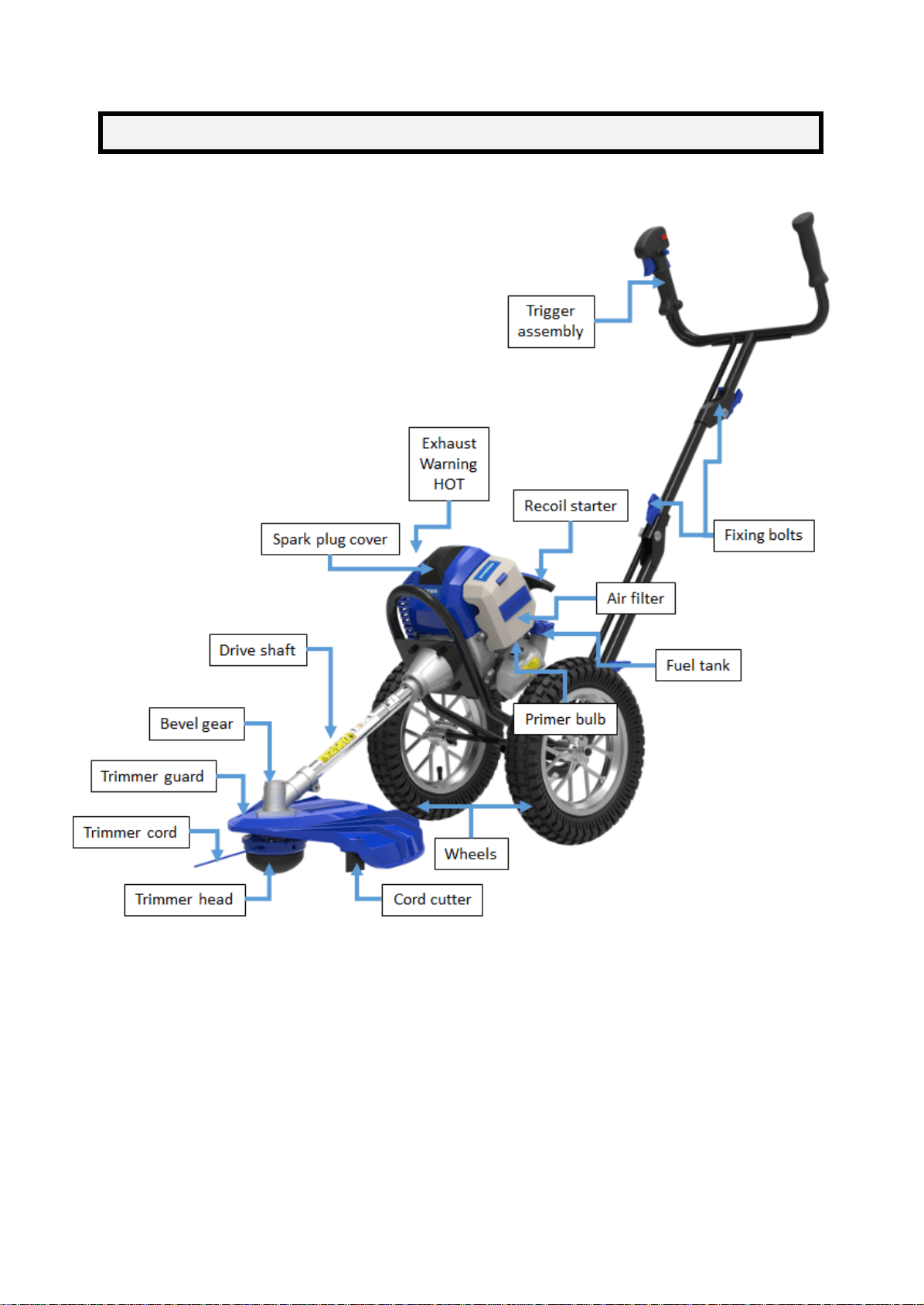
9. PART LOCATIONS
Page 27
Ver 3 - September 2016
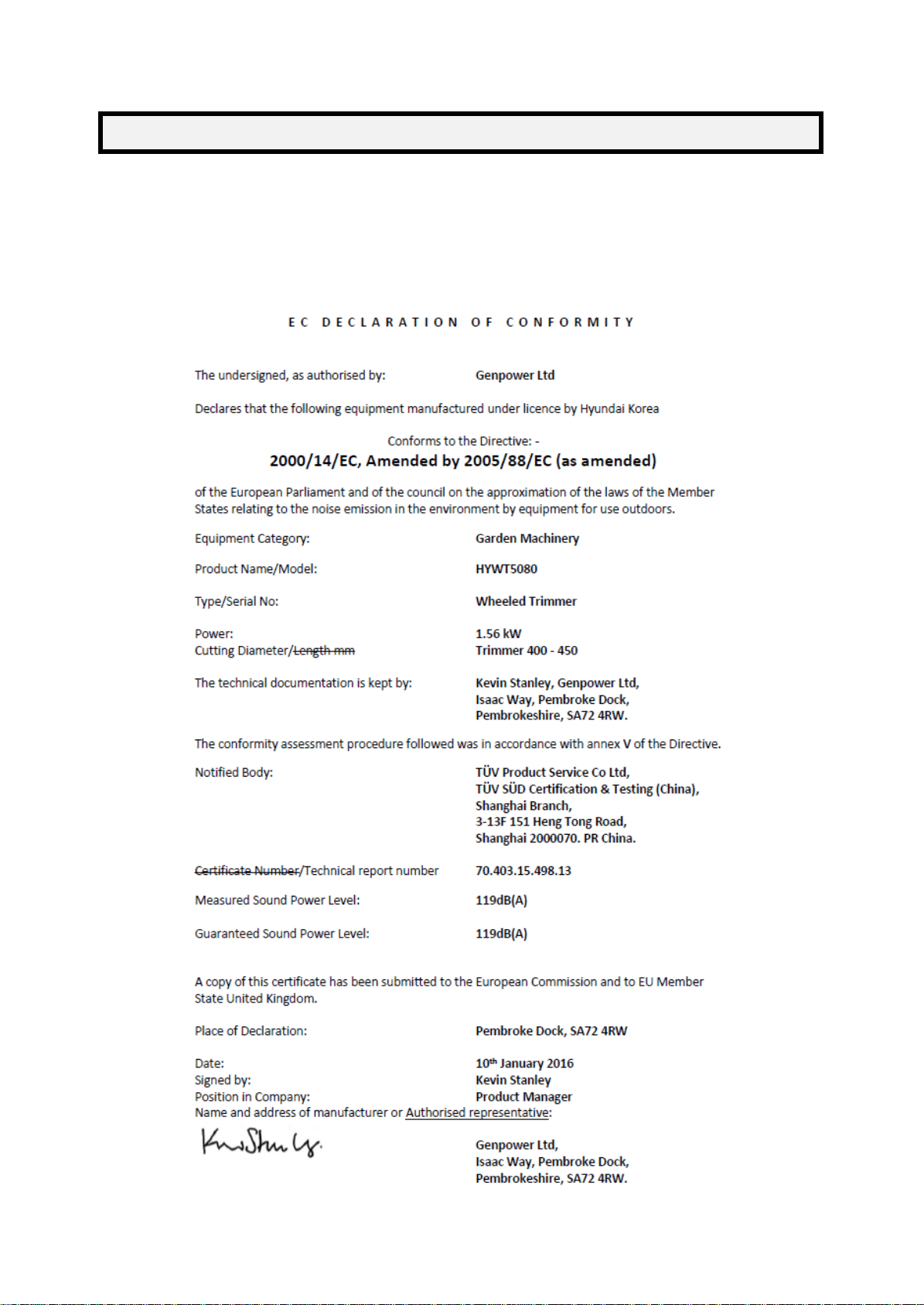
10. DECLARATIONS OF CONFORMITY
Ge
npower Ltd confirms that these Hyundai products conform to the following CE Directives;
2006/42/EC Machinery Directive
2004/108/EC EMC Directive
2000/14/EC, Amended by 2005/88/EC Noise Emissions Directive
97/68/EC_2010/26/EC NRMM Emissions Directive
Page 28
Ver 3 - September 2016
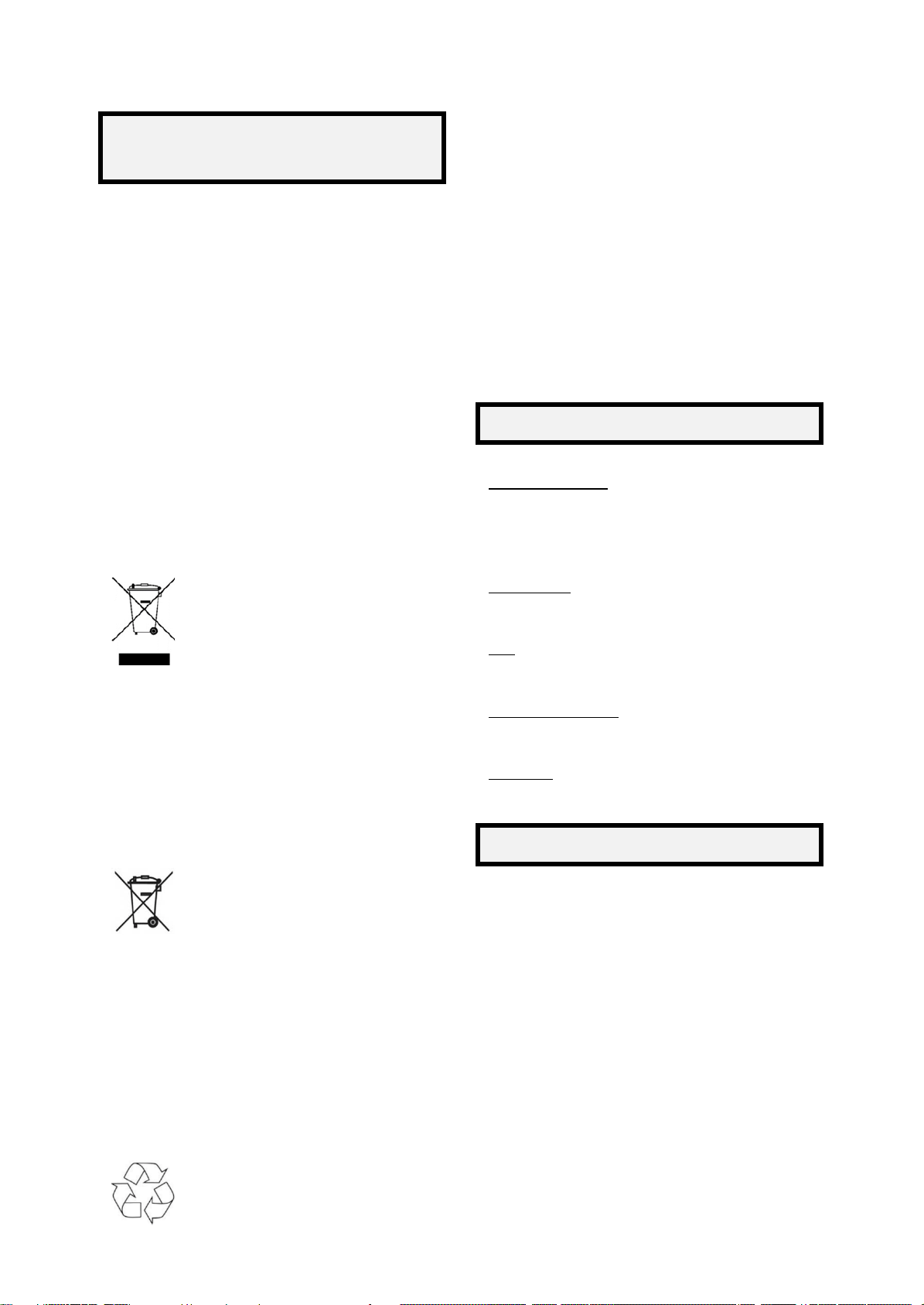
11. RECYCLING & PRODUCT
DISPOSAL
11.
1. We do not offer a takeback scheme
for the recovery of Waste Electrical Electronic
Equipment (WEEE) & Batteries instead the
responsibility to dispose of WEEE and or
Batteries is passed onto you by us. So when it
becomes necessary to dispose of your
machine you must take it to your local Civic
Amenity Site. For further information please
contact your Local Authority for disposal
advice.
11.2. You MUST make sure that all unused
oil and fuel is disposed of correctly either
beforehand or at your local Civic Amenity Site.
Under NO circumstance must any oil and fuel
be put down any drains.
11.3. Waste Electrical Electronic Equipment
(WEEE) recycling.
11.
3.1. Certain products contain WEEE waste
which should not be disposed of in your
domestic waste.
11.3.2. You MUST recycle WEEE in accordance
with your local authority or recycling centre.
11.4. Battery recycling, certain products
contain batteries which should not be
disposed of in your domestic waste.
11.
4.1. You MUST recycle batteries in
accordance with your local authority or
recycling centre.
11.5. Unwanted packaging materials should
be sorted and taken to a recycling centre so it
can be disposed of in a manner which is
compatible with the environment.
11.6. The following symbol means that you
should ‘Reduce – Reuse – Recycle’.
11.7. We are a Member of the VALPAK
National Compliance scheme and our
registration number is
RM08660
.
11.8. For further information about disposal
please contact your Local Authority.
11.9. You can also get more advice and
guidance about recycling at the following
website http://www.recycle-more.co.uk
11.10. Should you pass this product onto
another user either sold or loaned you MUST
pass on this user manual. This will make sure
that all other users can use and maintain the
machine safely.
12. CONTACT DETAILS
POSTAL ADDRESS
Genpower Ltd, Isaac Way, London Road,
Pembroke Dock, Pembrokeshire,
SA72 4RW. UK.
TELEPHONE
+44 (0) 1646 687880
FAX
+44 (0) 1646 686198
TECHNICAL E-MAIL
service@genpower.co.uk
WEBSITE
www.hyundaipowerequipment.co.uk
13. MANUAL UPDATES
13
.1. Our manuals are constantly being
reviewed and updated. Should you find an
error, omission or something you find unclear
please contact your dealer for assistance.
E&OE.
13.2. Our latest manuals are also placed
online.
13.3. We reserve the right to make any
modifications without prior notice whenever
necessary.
Page 29
Ver 3 - September 2016

Page 30
Ver 3 - September 2016
1
4. WARRANTY
14.1. For specific warranty and warranty
exclusions details for your product please
visit our Customer services section on our
website at
www.hyundaipowerequipment.co.uk
If you require a hard copy of Warranty details
please contact aftersales on

Page 31
Ver 3 - September 2016

www.hyundaipowerequipment.co.uk
GENPOWER LTD
Isaac Way, London Road
Pembroke Dock, UNITED KINGDOM, SA72 4RW
T: +44 (0) 1646 687 880 F: +44 (0) 1646 686 198
