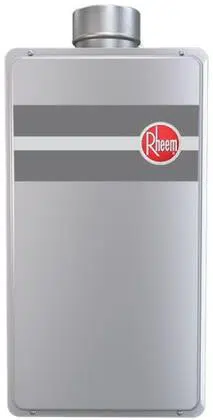
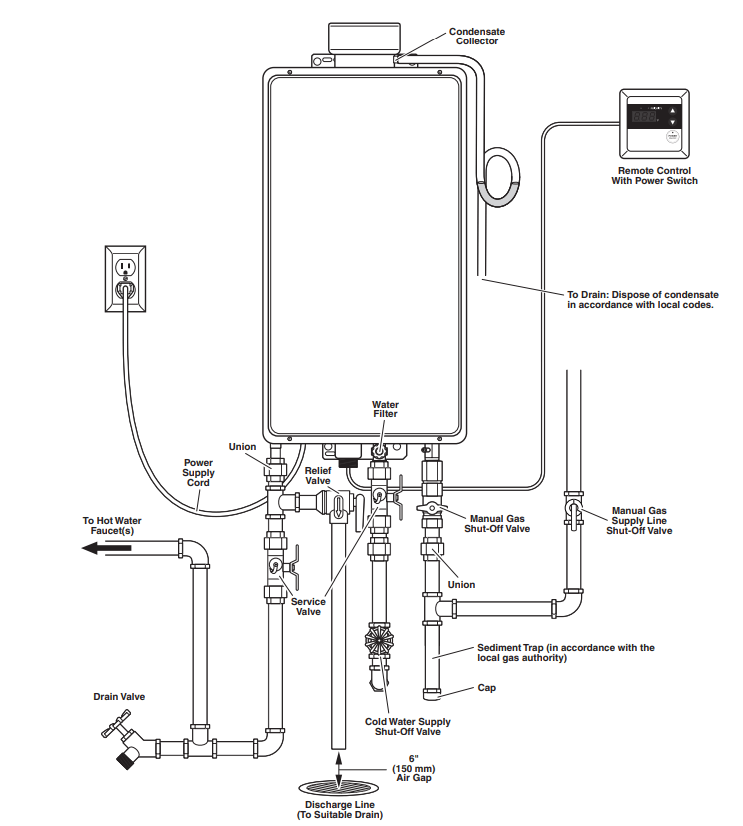
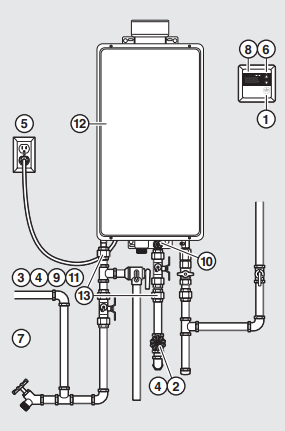
Typical Direct-Vent Water Heater (Venting Required)
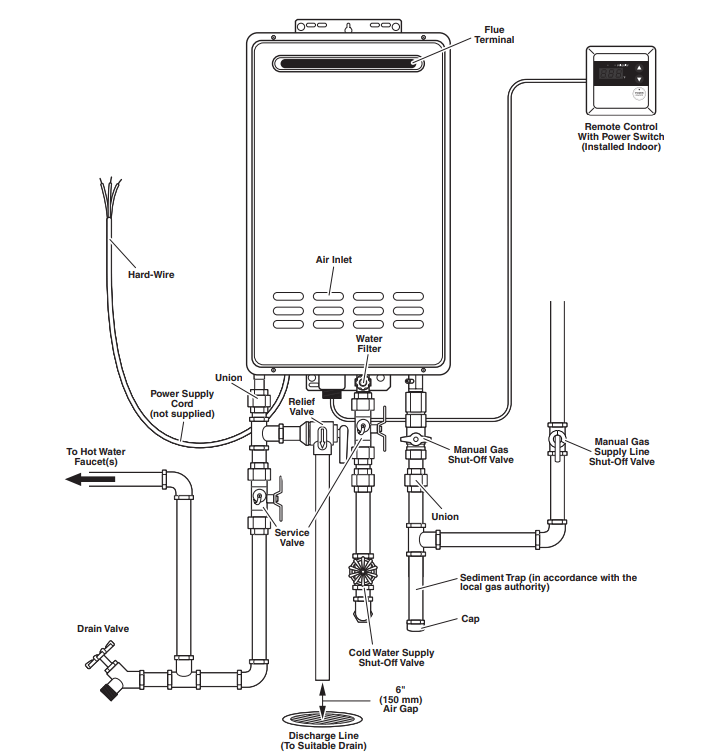
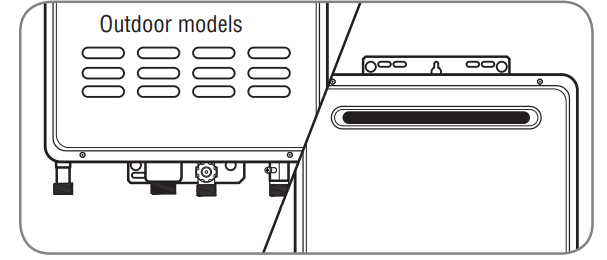
Typical Outdoor Water Heater (No Venting Required)
This water heater is for OUTDOOR installation only.
USING YOUR WATER HEATER
Safety Precautions
WARNING:
Flammable vapors can be drawn by air currents from surrounding areas to the water heater. Vapors can ignite causing death, personal injury, or product damage.
DO NOT store or use flammable or combustible materials (gasoline, paint thinner, adhesives, newspapers, rags, mops, etc.) in the vicinity of the water heater or any other gas appliance. If they must be used, open doors and windows for ventilation, and shut off all gas-burning appliances, including their pilot lights.
DO turn off manual gas shut-off valve if water heater has been subjected to overheating, fire, flood, physical damage, or if the gas supply fails to shut off.
DO NOT turn on water heater unless water and gas supplies are completely opened.
If there is any difficulty in understanding or following the operating and care instructions in this manual, it is recommended that you contact a qualified service technician to perform the work.
Setting the Water Temperature
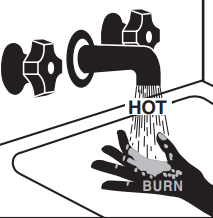
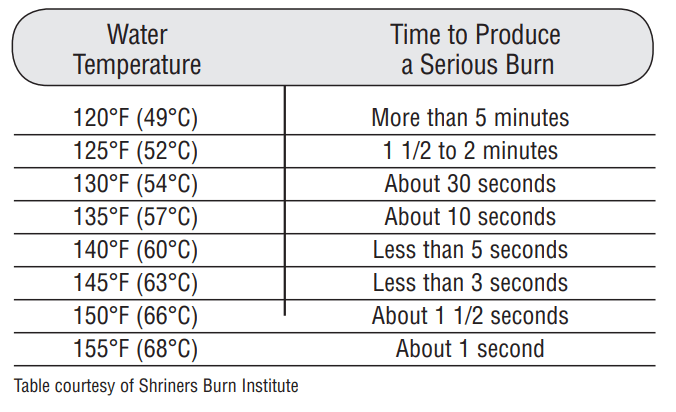
DANGER: Water temperatures above 125°F (52°C) will result in death and/or severe burns from scalding. Safety and energy conservation are factors to be considered when selecting the water temperature setting. The temperature of the water in the water heater can be regulated by setting the temperature on the front of the remote control. Be sure to read and follow the warnings outlined on the pictured label. The remote control has been preset and shipped at the recommended temperature setting. Safety factors should be considered whenever altering the water temperature setting. The chart below may be used as a guide in determining the proper water temperature for your home.
Water temperature over 125° can cause severe burns instantly or death from scalds. Children, disabled and elderly are at highest risk of being scalded. See instruction manual before setting temperature at water heater. Feel water before bathing or showering. Temperature limiting valves are available, see manual.
Time/Temperature Relationship in Scalds
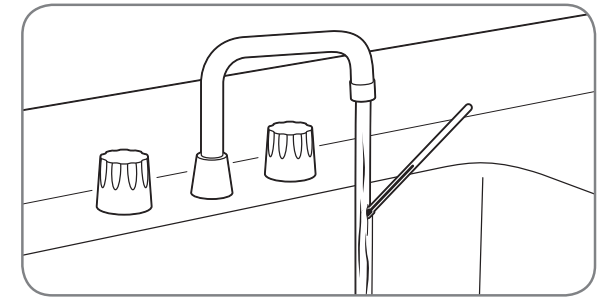
Maximum water temperature occurs while the water heater burner is on. To determine the water temperature:
Turn on the hot water faucet and place a thermometer in the water stream.
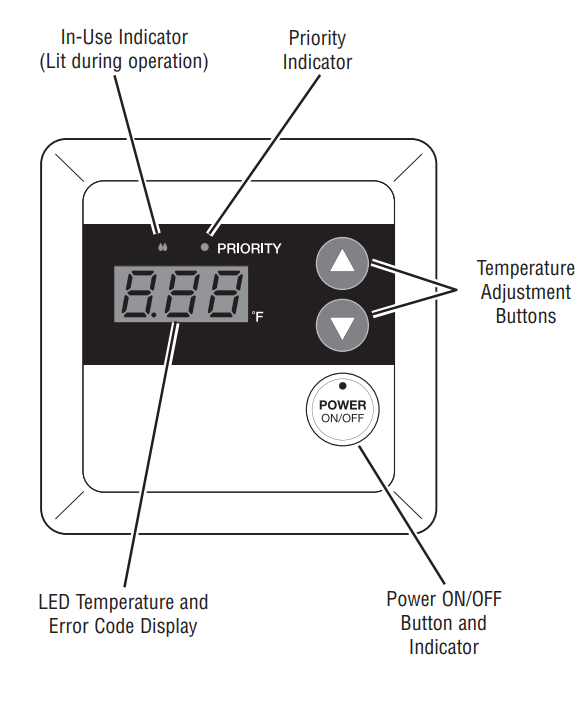
NOTICE: Water temperature at the faucet may vary depending on the season and the length of pipe from the water heater. The remote control temperature range is between 100°F (38°C) and 120°F (49°C). To adjust the temperature to a desired setting, press the UP or DOWN adjustment button on the face of the remote control. The new temperature set point will show on the LED display.
NOTICE:
The temperature set point on the standard remote control cannot be increased above 112°F (44°C) when a hot water faucet is in the open position. To achieve temperatures above 120°F (49°C) or below 85°F (29°C), contact a qualified service technician. Only factoryauthorized remote control(s) should be used.
The water heater may not operate with a small water flow Increase the water flow and recheck If it still does not operate with the hot water faucet completely open, increase the temperature setting on the remote control
Water Heater Facts
DANGER:
Water temperatures above 125°F (52°C) will result in death and/or severe burns from scalding.
The hottest-temperature water will be at the faucet closest to the water heater
Always remember to test the water temperature with your hand before use
Always supervise young children or others who are incapacitated
The water heater is equipped with a device that will shut off the gas supply to the burner if the water heater exceeds normal operating temperatures
Any water heater that has been subjected to fire, flood, physical damage, or been under water should be turned off at the manual gas shut-off valve and not used until it has been checked by qualified service personnel
CARING FOR YOUR WATER HEATER
Water Heater Inspections
Venting System (Direct Vent Only)
The venting system should be inspected annually by a qualified service technician to ensure all of the vent sections are secure and airtight
WARNING: DO NOT operate the water heater if the vent system shows signs of leaking exhaust. Leaking exhaust could lead to death, personal injury, and/or product failure.
Check the air intake and vent outlet for blockage and/or debris
Condensate Trap (Direct Vent Only)
CAUTION: DO NOT operate without the condensate trap connected to the vent and routed to the proper drain. It could cause the system to malfunction or fail.
On a regular basis, inspect the condensate trap to ensure there is enough water in the trap and the condensate is draining properly
Ensure that condensate is disposed of per local codes and regulations
Burner
It is recommended that the burner be inspected annually by a qualified service technician
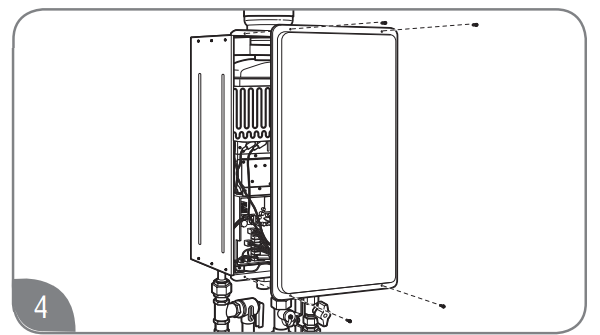
DANGER: Shock Hazard – Removing the front cover panel exposes you to live electricity. Electric shock will cause death or serious personal injury.
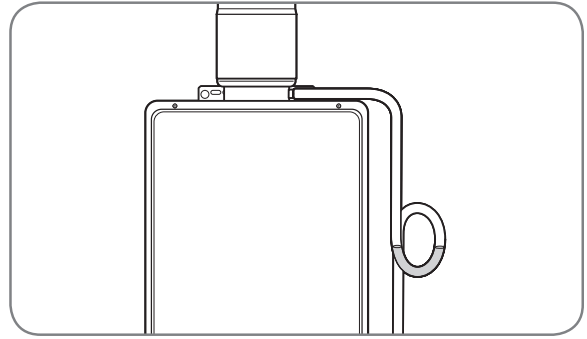
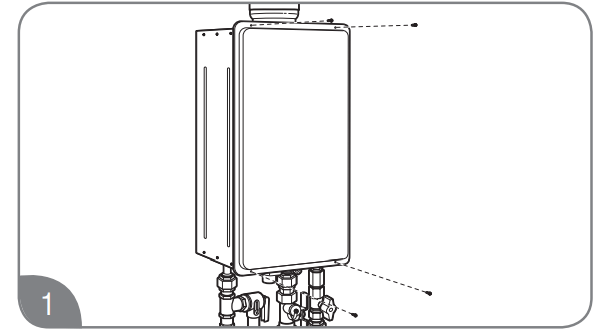
Remove 4 screws and the unit cover panel
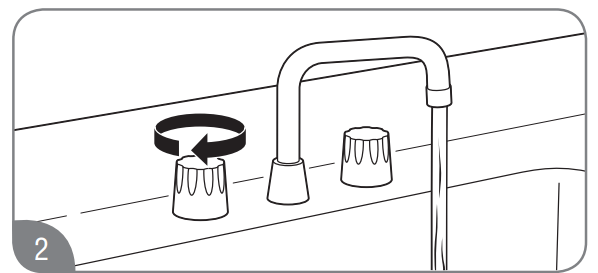
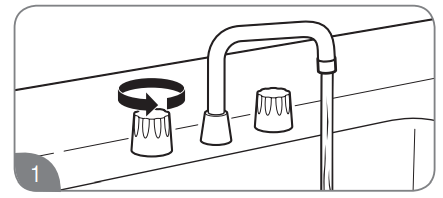
Turn on a hot water faucet
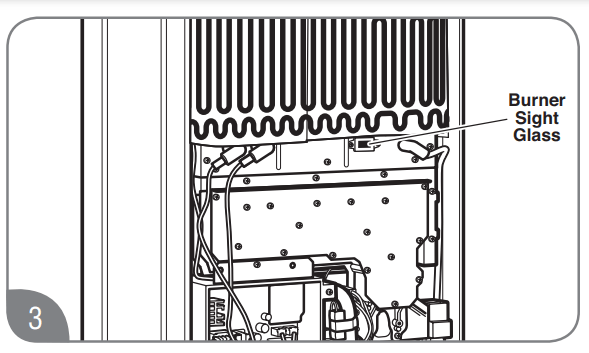
While the water heater is operating, inspect the main burner flames through the burner sight glass The flames should be blue when the main burner is firing
NOTICE: If the flames are not blue or you observe unusual burner operation, shut off the water heater and contact a qualified service technician.
Turn off the hot water faucet and reinstall the unit cover panel
Care and Cleaning
WARNING: Combustible materials, such as clothing, cleaning materials, or flammable liquids, must not be placed against or next to the water heater. Fire or explosion can occur causing death, personal injury, and/or product damage
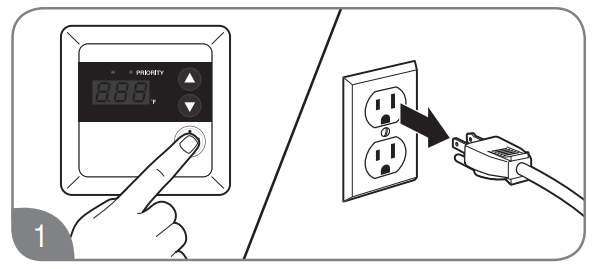
All care and cleaning to and around the water heater should only be performed with the water heater turned off and the electrical power supply disconnected
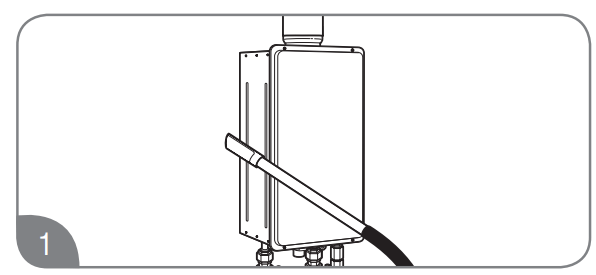
Vacuum around the water heater to remove any dust, dirt, and/or lint buildup
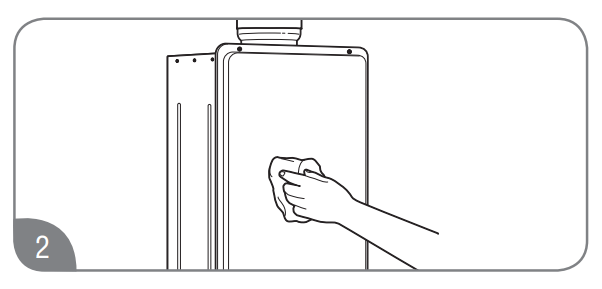
Clean the water heater and the remote control with a damp soft cloth and mild detergent. Gently wipe and completely dry all surfaces.
Check the air intake and vent outlet for blockage and/or debris.
NOTICE: The air intake requires a minimum of 12 in. (30 cm) of clearance between the air intake opening and any obstruction. Clean the water filter monthly, as described below and on page 18.
Water Filter Cleaning
Turn off the water heater and disconnect the electrical power supply
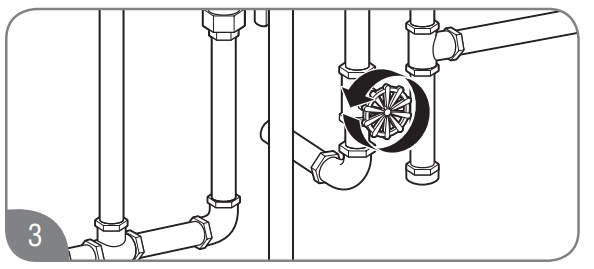
Turn off the water supply to the water heater.
Drain the water heater. See page 20.
CAUTION: DO NOT tap or force the filter during removal. This can deform and/or damage the filter.
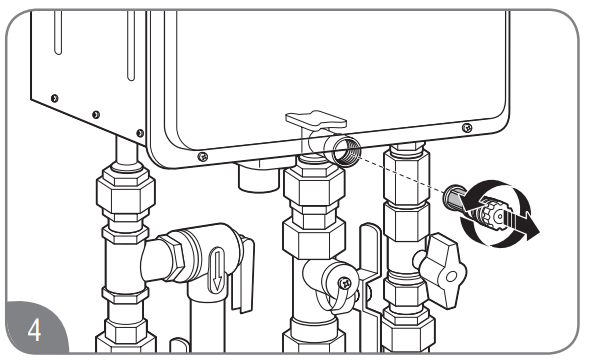
Unscrew the water filter from the base of the cold water inlet line and carefully slide it out of the line
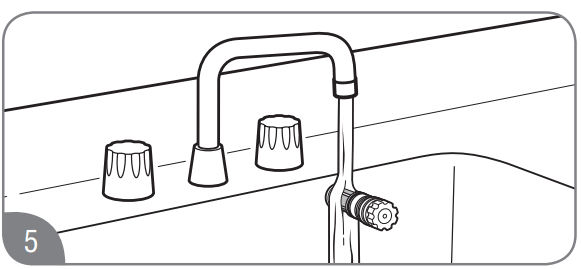
Clean the water filter under running water To remove severe sediment and dirt, use a soft brush
CAUTION:DO NOT overtighten the water filter. Overtightening can deform and/or damage the filter.
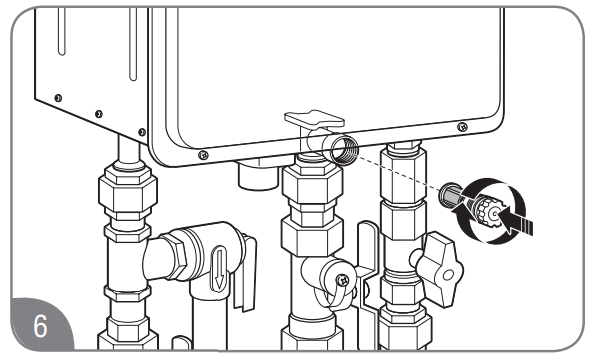
Replace the filter in the cold water inlet line and tighten until it is snug
Turn on the water supply, reconnect the electrical supply, and turn on the water heater
Preventive Maintenance
WARNING: Failure to perform routine preventive maintenance can prevent the water heater from operating properly. Improper operation can cause carbon monoxide dangers, excessive water temperatures, and other potentially hazardous conditions resulting in death, personal injury, and/or product damage.
Properly maintaining your water heater will ensure dependable, trouble-free service
User Preventive Maintenance
Establish and follow a routine preventive maintenance program The following suggested items should be included in your program
Monthly check and clean the water filter See “Water Filter Cleaning” on page 17
WARNING: Hot water is released during manual operation of the relief valve. Make sure all people and animals are clear from the area before performing this check to prevent death, personal injury, and/or property damage from hot drain water.
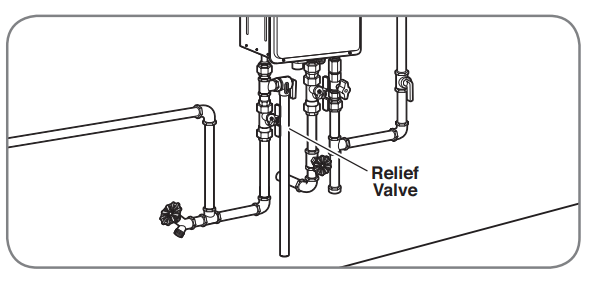
Annually check the operation of the pressure-relief valve Lifting the lever handle on the pressure-relief valve opens the valve to flush hot water through the discharge line to the drain After several gallons have drained, release the lever handle to close the valve and stop draining
NOTICE: If the pressure relief valve on the hot water heater discharges periodically, this may indicate a problem in the water system. Contact the water supplier or a plumbing contractor to correct the problem. DO NOT plug the relief valve outlet.
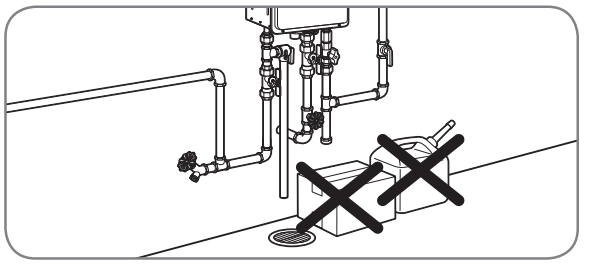
Inspect and keep the area around the water heater clear and free of flammable materials, such as gasoline and other flammable vapors and liquids.
Visually inspect the water heater for damage and/ or denting. If present, contact a service personnel to verify proper operation.
Check for abnormal sound during normal operation (e.g., hissing or banging noises). Contact a qualified service technician or plumbing contractor.
Check all gas and water pipes for leaks. See page 54.
NOTICE:
DO NOT operate the water heater if you feel something is wrong with the unit.
DO NOT allow children to operate or handle the unit.
After inspections, maintenance, and/or cleaning, ensure proper operation by turning on a hot water faucet
Professional Preventive Maintenance
It is recommended that a periodic inspection of the water heater burner, relief valve, air intake filter, water filter, and venting system be made by a qualified service technician
WARNING: Certain water conditions can damage the water heater and may cause defects, malfunctions or failures of the water heater that are not covered by the limited warranty. See page 46 for more detail.
Draining the Water Heater
WARNING: Failure to follow these draining instructions can cause serious personal injury from scalding and/or product damage.
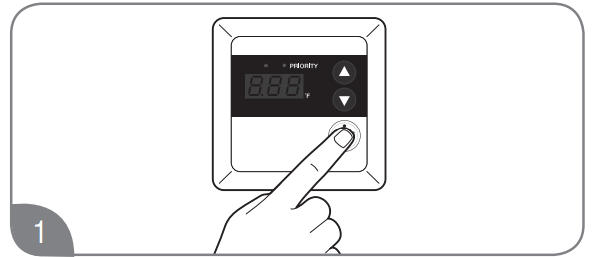
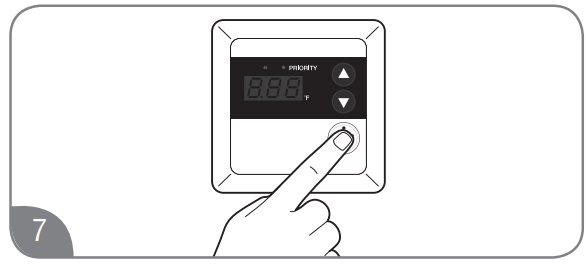
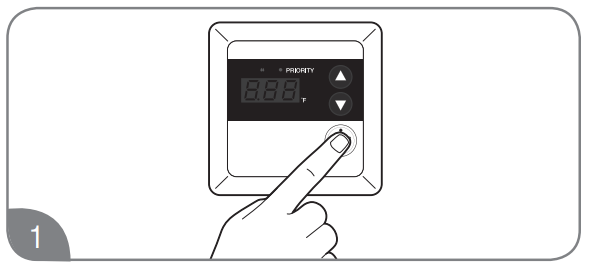
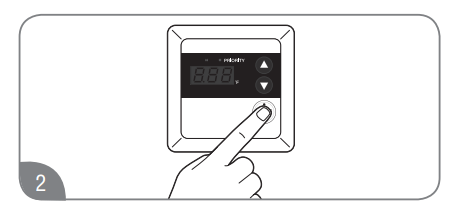
Turn off the water heater by pressing the POWER ON/OFF button on the control panel.
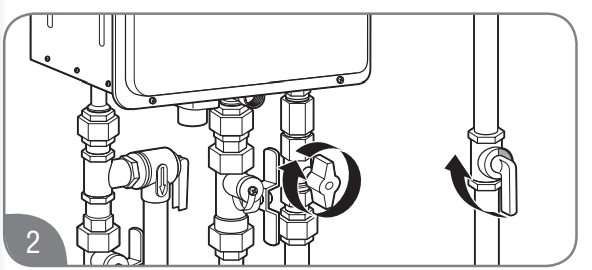
Close the gas shut-off valve(s).
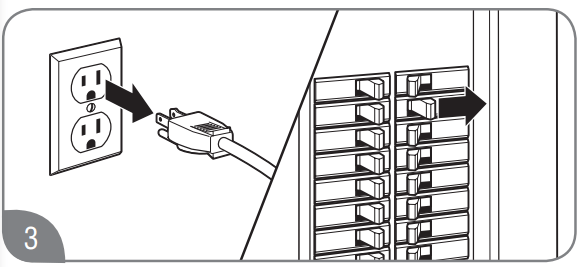
At least 10 seconds after Step 1, unplug the water heater or disconnect the power supply at the circuit breaker box.
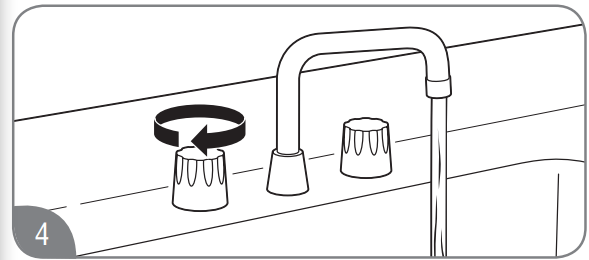
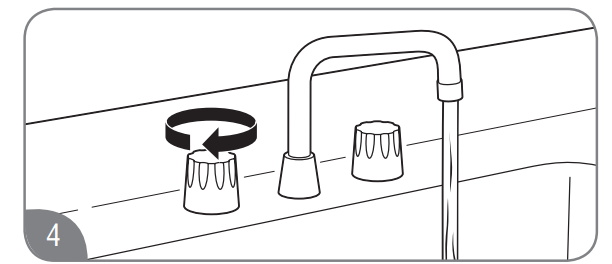
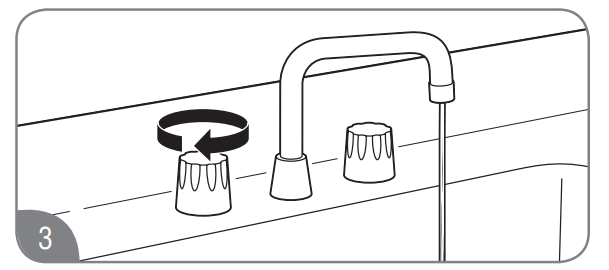
Open all hot water faucets. Run the water until it is COLD; then shut off the faucet.
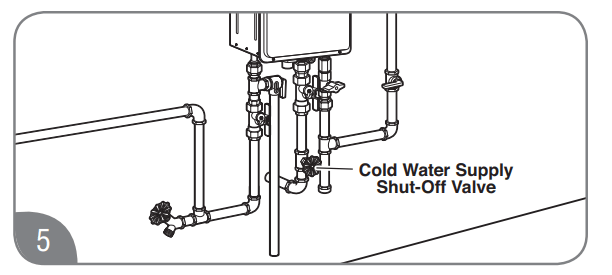
Close the water shut-off valve.
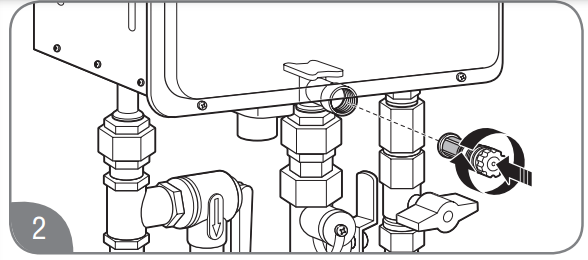
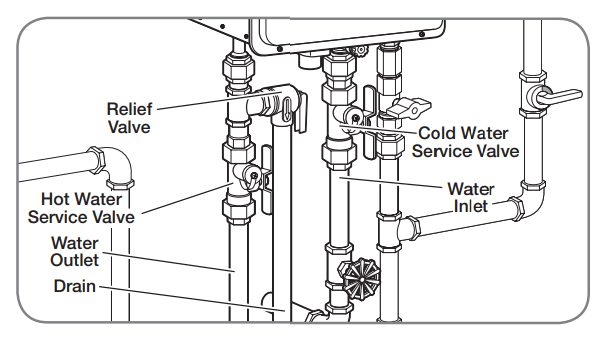
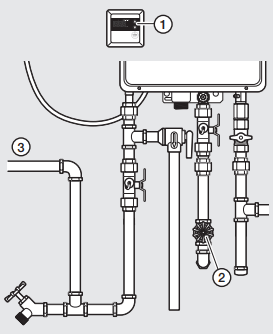
Using a suitable container to catch the water, remove the water filter from the base of the cold water inlet line.
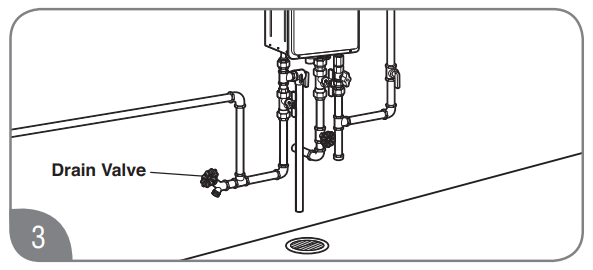
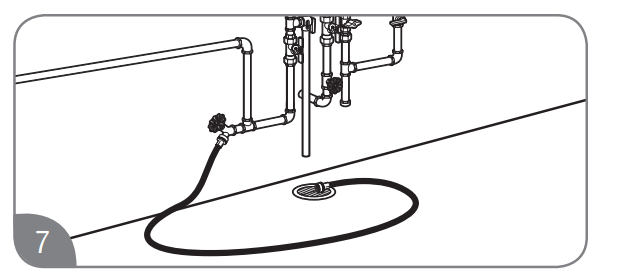
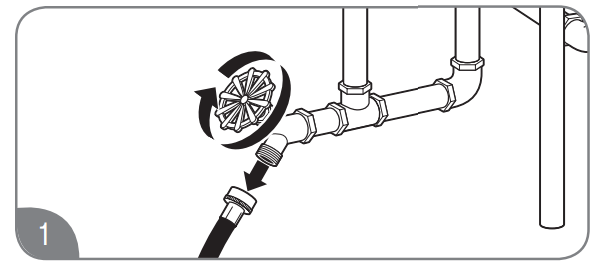
Connect a garden hose to the drain valve in the hot water outlet line and place the other end in a suitable drain. Open the drain valve until all the water has drained from the water heater. Leave water heater as is until placed back in service.
CAUTION: Even when drained properly, a small amount of water will remain in the water heater. In cold weather conditions, this water can freeze. If this happens, allow the defrost protection on the water heater at least 30 minutes to melt the frozen water. The water heater will not work properly until this water is thawed.
To put the water heater back in service:
Disconnect drain hose. Make sure the drain valve is closed.
Reinstall the water filter in the base of the cold water inlet line.
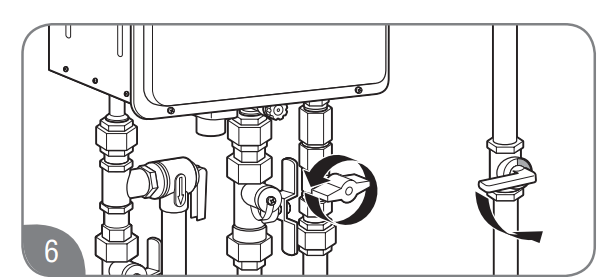
Open the water shut-off valve.
Open all hot water faucets and let run until all air has been purged from the lines.
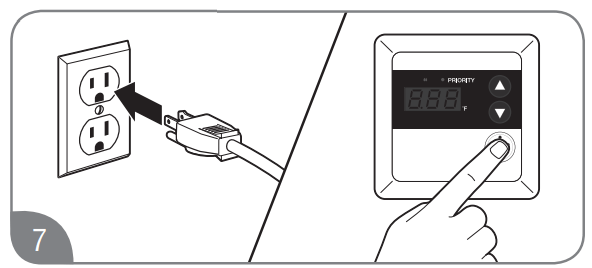
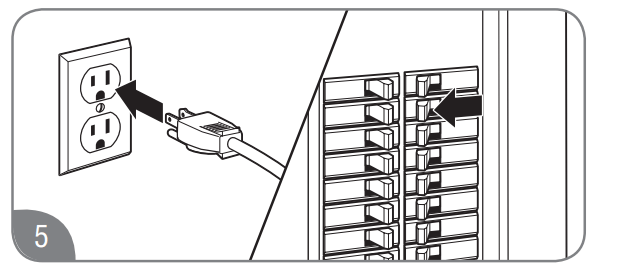
Plug in the power cord or reconnect the power supply at the circuit breaker box.
Open the gas shut-off valve(s).
Press the POWER ON/OFF button on the control panel to restart the unit.
Preferred Drain Method
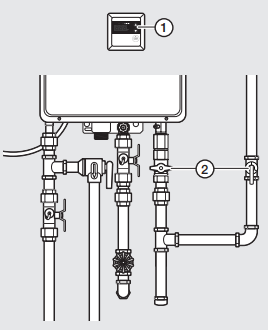
Isolator valve kits may be purchased from the manufacturer, distributor, or place of purchase The kits include two full port isolation valves to be used in the inlet and outlet water lines It is highly recommended to install isolator valve kits because these kits provide a means for full diagnostic testing and ease of system flushing
Freeze Protection
WARNING: Failure to drain the water heater can cause serious personal injury from scalding and/or product damage.
Whenever the water heater may be exposed to freezing conditions, make sure to completely drain the water from the unit See page 20
Freezing conditions come from the ventilation system on direct-vent models and from exposure to cold air on outdoor models
All of these water heaters are equipped with a freeze protection electric heater This heater prevents freezing inside the water heater down to an ambient temperature of approximately -30°F (-34°C) These temperatures are all based on temperatures without wind
The heater only protects the internal components of the water heater
NOTICE:Unplugging or disconnecting the power supply to the water heater will also disconnect the power to the heater.
External piping and valves require additional freeze protection One method is to wrap insulation around the piping and valves
Another method is to turn on a hot water faucet and leave a small amount of water running at a faucet This will protect the water heater, piping, and valves from freezing
Running Water Freeze Protection
Turn off the water heater by pressing the POWER ON/OFF button on the control panel
Close the gas shut-off valve(s)
Open a hot water faucet slightly until the water stream is approximately 1/8 in (03 cm) Be sure to check the flow periodically
Vacation and Extended Shutdown
WARNING: Failure to drain the water heater can cause serious personal injury from scalding and/or product damage.
If the water heater is to remain idle for an extended period of time, the power and water to the heater should be turned off
The water heater and piping should be drained if they might be subjected to freezing temperatures See “Freeze Protection” section on page 22
After an extended shutdown, the water heater’s operation and controls should be checked by a qualified service technician
Troubleshooting Chart
The information in the following troubleshooting chart may help you diagnose and/or fix a problem you may be experiencing Please review this chart before calling for service assistance
DANGER: Shock Hazard – Make certain power to the water heater is OFF before removing protective cover for any reason. Electric shock will cause death or serious personal injury.
WARNING: For Your Safety, DO NOT attempt repair of electrical wiring, gas piping remote control, burners, vent connectors, or other safety devices. Refer repairs to a qualified service technician.
Not enough or no hot water
Unit is not ON
Turn on the unit by pressing the POWER ON/OFF button
Water shut-off valve is not completely opened
Check shut-off valve and open completely
Hot water faucet is not completely opened
Open hot water faucet completely (The main burner goes off when incoming water volume is inadequate)
Water piping is frozen
Allow piping to thaw
Electrical power is disconnected or water supply is shut off
Plug in the power cord or reconnect the power supply at the circuit breaker box
Completely open the water supply valve (Inadequate water volume will cause the main burner to turn off)
The temperature may be set too low
Increase the temperature setting
Mixing valve malfunctions (if applicable)
Check and replace the mixing valve
Error code displayed on the remote control
See “Service Error Code Chart” on page 25 If required, contact a qualified service technician
Not enough water demand
Increase the hot water flow at the faucet
Water filter is clogged or dirty
Clean the water filter (See page 17)
Fixture aerator is clogged or dirty
Clean the aerator
Scale buildup in the heat exchanger
Check for error code If required, contact a qualified service technician
Hot and cold water lines reversed
Reverse the water lines
Water not hot enough
The temperature may be set too low
Increase the temperature setting at the remote control
The gas valve is not completely opened
Check and completely open the gas valve
Gas supply pressure is low
Contact your gas utility company or gas contractor to verify the gas meter and gas piping size
Bleed-over in one of the hot water fixtures
Contact a dealer or a qualified service technician
Water too hot
Temperature is set too high
Decrease the temperature setting at the remote control
Water shut-off valve is not completely opened
Check and completely open the water shutoff valve
Small amount of water has been heated
Increase the hot water flow at the faucet to allow more water to flow through the water heater
Fan continues to rotate after the hot water faucet is closed
The post-purge cycle clears flue gases
Normal operation
Service Error Code Chart
Your water heater has an electronic diagnostic system built into it. When the water heater finds a problem, it displays an error code in the LED display on the remote control. The following chart lists the error codes along with their possible problem and solution. Using this chart may help you diagnose and/or fix a problem you may be experiencing. Please refer to this chart before calling for service assistance.
DANGER: Shock Hazard – Make certain power to the water heater is OFF before removing protective cover for any reason. Electric shock will cause death or serious personal injury.
WARNING: For Your Safety, DO NOT attempt repair of electrical wiring, gas piping, remote control, burners, vent connectors, or other safety devices. Refer repairs to a qualified service technician.
When an error code is displayed:
Turn off all the hot water faucets.
Turn off the water heater by pressing the POWER ON/OFF button on the remote control.
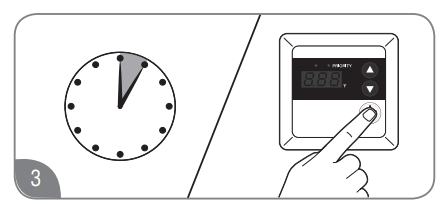
Wait about 5 minutes; then restart the water heater by pressing the POWER ON/OFF button.
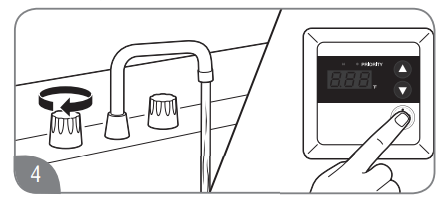
Turn on a hot water faucet and recheck the remote control display.
If the error code remains in the display:
Turn off the hot water faucet
Turn off the water heater
Unplug the water heater from power, wait about 30 seconds and plug back in
Follow the error code chart information
Restart the water heater, turn on a hot water faucet, and recheck the remote control display
If the error code is still shown:
Turn off the hot water faucet
Turn off the water heater
Make note of the displayed error code and call for service assistance See “Call for Assistance” section on page 26
NOTICE: If the displayed error code is not listed in the chart, immediately turn off the water heater and call for service assistance.
Error Code
Possible Cause
Solution
1L
Water heater has buildup of lime deposits
Contact a dealer or qualified service technician
05
Air intake or vent exhaust opening may be blocked
Remove any blockage (Air intake requires 12 in [30cm] of clearance)
The vent pipes on the vent termination may not be connected properly
Contact a dealer or qualified service technician
11
The gas shut-off valve is not fully opened
Check shut-off valve and open completely
12
Gas service has been interrupted
Contact your gas utility company
LP gas is running low (LP models only)
Refill or replace your LP gas container
13
If this code is still displayed after taking the numbered steps above
Contact a dealer or qualified service technician
14
Water heater is overheating
Contact a dealer or qualified service technician
15
The heat exchanger is too hot
Check for blockage in the vent. Contact a dealer or qualified service technician
31
Faulty inlet thermistor
Contact a dealer or qualified service technician
33
Faulty outlet thermistor
Contact a dealer or qualified service technician
61 or 99
Faulty blower motor
Contact a dealer or qualified service technician
65
Faulty water flow solenoid
Contact a dealer or qualified service technician
P1
Not enough water flow to operate the unit
Increase the water flow from the fixtures
88
Reminder of flushing the heat exchanger and/or replacing the water treatment filter