
DxTerity SARS-CoV-2 RT-PCR CE Test EUA Summary – Updated February 11, 2021
1
EMERGENCY USE AUTHORIZATION (EUA) SUMMARY
DxTerity SARS-CoV-2 RT-PCR CE Test
(DxTerity Diagnostics, Inc.)
For in vitro Diagnostic Use
Rx Only
For Use Under Emergency Use Authorization (EUA) Only
(The DxTerity SARS-CoV-2 RT-PCR CE Test will be performed at the DxTerity
Diagnostics Clinical Laboratory, located at 19500 S. Rancho Way, Suite 116 Rancho
Dominguez, CA 90220, which is certified under Clinical Laboratory Improvement
Amendments of 1988 (CLIA), 42 U.S.C. §263a and meets requirements to perform high-
complexity tests, as described in the Laboratory Standard Operating Procedure that was
reviewed by the FDA under this EUA.)
INTENDED USE
The DxTerity SARS-CoV-2 RT-PCR CE Test is an end point reverse transcription polymerase
chain reaction (RT-PCR) test followed by detection with capillary electrophoresis (CE) test
intended for the qualitative detection of nucleic acid from the SARS-CoV-2 in saliva specimens
collected from any individuals determined to be appropriate for COVID-19 testing by their
healthcare provider (HCP), including from individuals without symptoms of COVID-19.
Testing is limited to DxTerity Diagnostics, Inc. located at 19500 S. Rancho Way, Suite 116,
Rancho Dominguez, CA 90220, which is certified which is certified under Clinical Laboratory
Improvement Amendments of 1988 (CLIA), 42 U.S.C. §263a, and meets requirements to
perform high complexity tests.
DxTerity SARS-CoV-2 RT-PCR CE Test is for use with saliva specimens that are self-collected
at home using the DxTerity COVID-19 Test Collection Kit when determined to be appropriate
by a HCP.
Results are for the detection and identification of SARS-CoV-2 RNA. The SARS-CoV-2 RNA is
generally detectable in respiratory specimens during the acute phase of infection. Positive results
are indicative of the presence of SARS-CoV-2 RNA; clinical correlation with patient history and
other diagnostic information is necessary to determine patient infection status. Positive results do
not rule out bacterial infection or co-infection with other viruses. The agent detected may not be
the definite cause of disease. Laboratories within the United States and its territories are required
to report all results to the appropriate public health authorities.
Negative results do not preclude SARS-CoV-2 infection and should not be used as the sole basis
for patient management decisions. Negative results must be combined with clinical observations,
patient history, and epidemiological information. Negative results obtained from saliva

DxTerity SARS-CoV-2 RT-PCR CE Test EUA Summary – Updated February 11, 2021
2
specimens from individuals without symptoms should be considered as presumptive and
confirmed with a preferred specimen type or different molecular assay validated for testing
saliva, if necessary for patient management.
The DxTerity SARS-CoV-2 RT-PCR CE assay is intended for use by qualified clinical
laboratory personnel specifically instructed and trained in the techniques of PCR assays,
capillary electrophoresis and in vitro diagnostic procedures. The DxTerity SARS-CoV-2 RT-
PCR CE assay is only for use under the Food and Drug Administration’s Emergency Use
Authorization.
DEVICE DESCRIPTION AND TESTPRINCIPLE
The DxTerity SARS-CoV-2 RT-PCR CE Test is an end point reverse transcription polymerase
chain reaction (RT-PCR) test followed by detection with capillary electrophoresis (CE). The
SARS-CoV-2 primers are designed to detect RNA from SARS-CoV-2 in saliva specimens from
individuals 18 years old or older as recommended for testing by public health authority
guidelines. Children under the age of 18 may use this test, under adult supervision to assist, as
needed, with the steps beyond spitting into the collection tube.
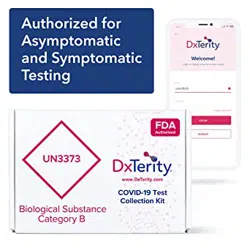
Saliva specimens must be self-collected using the DxTerity COVID-19 Test Collection Kit
which contains the Spectrum Solutions LLC SDNA-1000 Saliva Collection Device.
DxTerity Ordering Process:
The saliva collection kit will be shipped under a standing ordering prescription from a physician
licensed in all 50 states and Washington DC to any individual for COVID-19 testing as
determined to be appropriate by the healthcare provider, including individuals without symptoms
of COVID-19. The individual first receives the saliva collection kit. When they wish to collect
the saliva sample in order to be tested, the individual will login to a secure online portal to
complete a required health questionnaire. As determined by the standing ordering prescription,
individuals exhibiting severe COVID warning symptoms are not allowed to proceed with kit
registration and instead are directed to seek emergency medical care. Individuals deemed to be
appropriate for testing are authorized to proceed with collection kit registration and the
unsupervised saliva collection process. The collection kit is then returned to DxTerity laboratory
for testing; results are returned to the individual via a secure online portal. A statement to the
report for positive and invalid results is added instructing the patient to contact their HCP if they
have concerns regarding the results. In addition, a link to the fact sheets for both HCP and patient
for the test is included in the test report that goes back to the patient via the portal.
The DxTerity COVID-19 Test Collection Kit contains the Spectrum Solutions LLC SDNA-1000
Saliva Collection Device, biohazard specimen bag with absorbent material, pre-labeled return
shipping box along with Instructions for Use for shipping the samples on the same day of
collection for next day delivery to the laboratory. Saliva specimens must be transported and
stored at ambient temperature and tested within 72 hours of collection. Specimens are received
at the clinical laboratory for testing with the DxTerity SARS-CoV-2 RT-PCR CE Test.
The test uses primers to detect specific nucleic acid sequences from the genome of the SARS-
DxTerity SARS-CoV-2 RT-PCR CE Test EUA Summary – Updated February 11, 2021
3
CoV-2 from the nucleocapsid (N) gene, envelope gene (E), and ORF1ab region. The human
RNase P gene is also a target in the test to serve as an internal and extraction control.
RNA extraction from saliva specimens is performed using Sera-Mag SpeedBeads Carboxyl
Magnetic Beads (GE Healthcare) using the Applied Biosystem MagMax 96 Magnetic Particle
Processor. The input sample volume is 540µL, the elution volume is 50µL.
Reverse transcription-PCR (RT-PCR) is performed using the ThermoFisher Scientific TaqPath
1-Step Multiplex Master Mix (No ROX) using the DxTerity SARS-CoV-2 RT-PCR CE Test
Primer Mix with 10 µL of the extracted sample on the VeritiDx PCR Thermal Cycler. There are
four different primer mixes containing primer pairs for N, E, Orf1 ab, and RNase P. Sample
testing is performed with only one primer mix per plate. Each sample is run with one of the four
primer mixes.
PCR products are then separated by capillary electrophoresis (CE). The amplified PCR products
corresponding to each target sequence is identified and quantified based on its characteristic
length and dye wavelength.
FSA files generated from the Data Collection Software on the 3500xL Dx Genetic Analyzer are
used to determine peak heights in Relative Fluorescent Units (RFU) of each target. The RFUs are
then normalized for each injection to the peak heights of the Internal Size Standard (ISS), which
are evaluated against target specific thresholds.
DxTerity’s custom analysis software, DxTerity Lab API Version 1.2.0, normalizes the Peak
height data (RFU) and automatically interprets test results.
INSTRUMENTS FOR USE WITH THE TEST
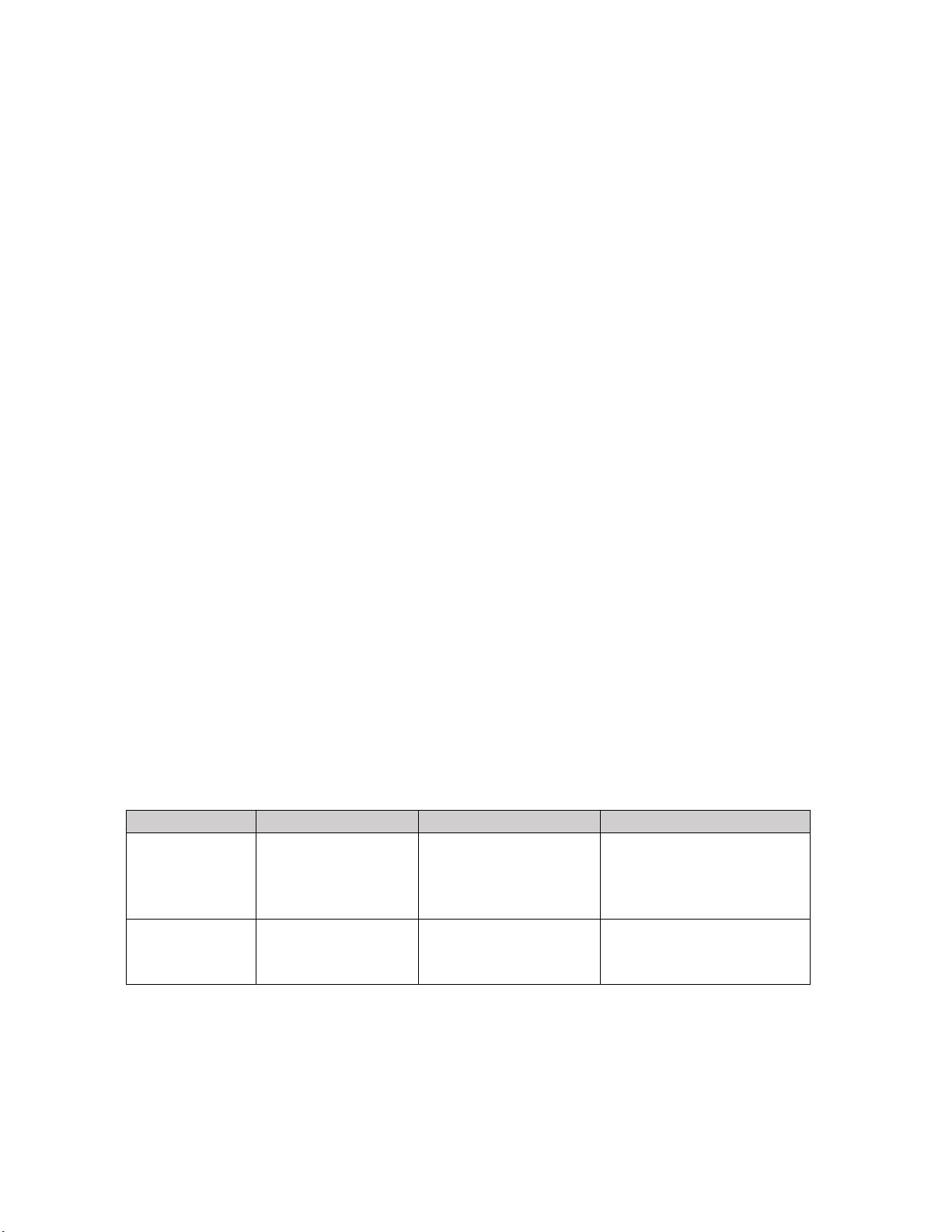
The DxTerity SARS-CoV-2 RT-PCR CE Test is to be used with the following instruments and
software (Table 1).
Table 1. Instruments and Software
Instrument
Manufacturer
Model
Software/Version
Automated
RNA
Extraction
Instrument
Applied Biosystem
MagMax 96
Magnetic Particle
Processor
software BindIt 4.0
RT-PCR
Instrument
ThermoFisher
VeritiDx and Veriti
PCR Thermal Cycler
4375786 or 4452300
N/A
DxTerity SARS-CoV-2 RT-PCR CE Test EUA Summary – Updated February 11, 2021
4
Capillary
electrophoresis
Instrument
ThermoFisher
ABI 3500xL
Dx Genetic Analyzer
(K191030) Catalog
#4404688 (IVD
instrument)
Data Collection
Software Version 3.2
COLLECTION KITS USED WITH THE TEST
This test must be used with the Spectrum Solutions LLC SDNA-1000 Saliva Collection
Device to self-collect saliva specimens at home when determined to be appropriate by an
HCP.
REAGENTS AND MATERIALS
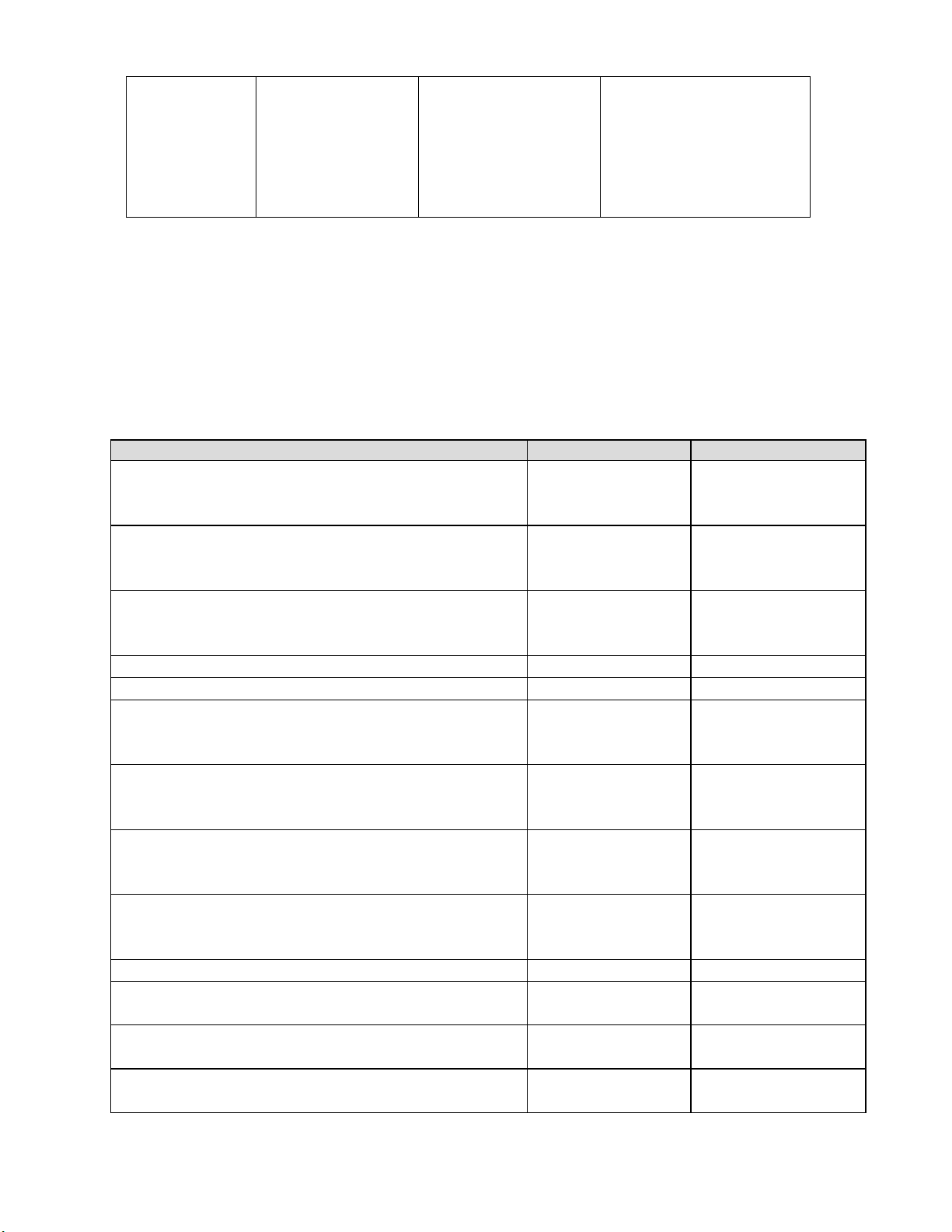
Table 2. Reagents and Materials for Use with the DxTerity SARS-CoV-2 RT-PCR CE Test
Reagent
Manufacturer
Catalogue #
DxPure Bead Mix DxTerity
Diagnostics
N/A not
commercially
available
DxBind II
DxTerity
Diagnostics
N/A not
commercially
available
DxPure Wash Buffer
DxTerity
Diagnostics
N/A not
commercially
available
96 well deep well plates
PerkinElmer
43001-0120
TaqPath™ 1-Step Multiplex Master Mix (No ROX)
ThermoFisher
A28523
DxT SARS-CoV-2 Mix 1 – FAM
DxTerity
Diagnostics
N/A not
commercially
available/Proprietary
DxT SARS-CoV-2 Mix 2 – VIC
DxTerity
Diagnostics
N/A not
commercially
available/ Proprietary
DxT SARS-CoV-2 Mix 3 – NED
DxTerity
Diagnostics
N/A not
commercially/
Proprietary available
DxT SARS-CoV-2 Mix 4 – PET equivalent Atto-565
DxTerity
Diagnostics
N/A not
commercially
available/ Proprietary
Twist Synthetic SARS-CoV-2 RNA Control
Twist Biosciences
102024
SARS-Related Coronavirus 2, Isolate USA-
WA1/2020, Gamma-Irradiated
BEI
NR
-52287
Positive Control Dilution Buffer
DxTerity
Diagnostics
N/A not commercially
available
Amplicon Dilution Buffer
DxTerity
Diagnostics
N/A not commercially
available
DxTerity SARS-CoV-2 RT-PCR CE Test EUA Summary – Updated February 11, 2021
5
96 well PCR plates
Thermo Fisher
Scientific
--
Strip caps
Thermo Fisher
Scientific
--
Reagent
Manufacturer
Catalogue #
Nuclease-free water
--
--
Isopropanol, Molecular Biology Grade, > 99.9%
--
--
Ethanol (96-100%)
--
--
GeneScan 600 LIZ Size Standard v2.0
Thermo Fisher
Scientific
4482976
GeneScan Installation Standard DS-33
Thermo Fisher
Scientific
4482975
DS-33 Matrix Standard-CG (Dye Set G5
Thermo Fisher
Scientific
4482974
Hi-Di Formamide
Thermo Fisher
Scientific
4404307
POP-7™ Polymer for 3500xL Dx Genetic Analyzers
Thermo Fisher
Scientific
A35219 or A34323
3500xL Dx Genetic Analyzer 24-Capillary Array, 50
cm
Thermo Fisher
Scientific
4404688
Cathode Buffer Container for 3500xL Dx Genetic
Analyzers
Thermo Fisher
Scientific
4408258
Anode Buffer Container for 3500xL Dx Genetic
Analyzers
Thermo Fisher
Scientific
4393925
MicroAmp Optical 96-Well Reaction Plate with
Barcode
Thermo Fisher
Scientific
4306737
Plate Septa 96-Well
Thermo Fisher
Scientific
4315933
CONTROLS
Assay controls are run concurrently with all test samples. The assay positive and
negative controls are prepared fresh for each run.
Negative Control: The negative control is nuclease free water, which is combined with
stabilization buffer from the saliva collection device and undergoes RNA extraction prior to
PCR. PCR of the Negative Control is conducted using the same PCR mix as used for sample
testing in a given batch.
Positive Control: The positive control is prepared by diluting Synthetic SARS-CoV-2 RNA
Control (Cat# 102024, concentration 1 × 10
6
copies/μL) from Twist Biosciences or SARS-
Related Coronavirus 2, Isolate USA-WA1/2020, Gamma-Irradiated (BEI, Cat# NR-52287) in
positive control dilution buffer to get a final concentration of 2 copies/μL. 10 μL (20 copies of
RNA) of this solution is used as positive control for the test. The positive control does not undergo
RNA extraction. The Positive Control is PCR amplified with either Primer Mix 1, 2, 3 or 4,
depending on the Primer Mix used for sample testing. One PC is used per plate with one primer
DxTerity SARS-CoV-2 RT-PCR CE Test EUA Summary – Updated February 11, 2021
6
mix at the time.
Internal Control: The primer set for RNase P, which is contained in each PCR Mix (1-4)
amplifies the human RNase P gene in the saliva sample. The primer sets share a common reverse
primer and a fluorescently labeled forward primer.
The controls run with the DxTerity SARS-CoV-2 RT-PCR CE Test are described in Table 3.
Table 3. External and Internal Controls of the DxTerity SARS-CoV-2 RT-PCR CE Test
Control Type
Purpose
Frequency of Testing
Negative
To monitor for cross-
contamination during RNA
extraction and RT-PCR
Once per batch of specimens
and Run on every plate
Positive
To monitor the integrity of
the RT
-PCR reagents and
process
Every RT-PCR run
RNAse P (Internal Control)
To monitor the integrity of
nucleic acid extraction and
PCR for each specimen
Included in each sample
INTERPRETATION OF RESULTS
All test controls must be examined prior to interpretation of patient results. If the controls are
not valid, the patient results cannot be interpreted. The results from the controls are interpreted
according to the criteria shown in Table 4.
Table 4: Expected Results for the Assay External Controls.
Control
Target
N
Gene
ORF1a
b
E Gene RNase P
1
Negative
─
≤1000
─
≤1000
─
≤1000
─
≤1000
Positive
2
+
ISS > 1000
+
ISS > 2500
+
ISS > 1000
─
ISS ≤1000
All other combinations of Negative Control or Positive Control results yield a Batch Fail
and require retest.
1
There is no RNase P in the Positive or Negative Controls
2
Any single sample in the reaction plate (Positive Control or clinical sample) that
generates positive results for the 3 viral targets is sufficient to meet the requirements of
the Positive Control. In the absence of a passing positive control or positive sample
meeting the viral target criteria, the entire plate must be repeated
DxTerity SARS-CoV-2 RT-PCR CE Test EUA Summary – Updated February 11, 2021
7
The results from testing of patient samples are interpreted according to the criteria described in
Table 5
Table 5. Result Interpretation for Patient Samples
Step
Sum of
ORF1ab
+ E
N
Gene
ORF1ab
E
Gene
RNaseP
1
Result
2
Result
Interpretation/Action
1
N/A
─
─
─
─
INVALID
RESULT
Repeat test on original sample.
If the repeat result remains
invalid, consider collecting a
new specimen.
ISS
≤
1000
ISS ≤
1000
ISS
≤
1000
ISS ≤
1000
(500
for FAM)
2
ISS >
3000
+
+
+
±
POSITIVE
SARS-CoV-2 Detected
Report results.
ISS
> 1000
ISS >
2500
ISS
>
1000
─
+
+
±
ISS
≤
1000
ISS >
2500
ISS
>
1000
+
─
+
±
ISS
> 1000
ISS ≤
2500
ISS
>
1000
+
+
─
±
ISS
> 1000
ISS >
2500
ISS
≤
1000
3
ISS ≤
3000
±
±
±
+
NEGATIVE
SARS-CoV-2 Not
Detected.
Report results. Consider
testing for other respiratory
viruses
ISS > 1000
(500
for FAM)
4
If Conditions in Step 1, Step 2 and Step 3 are not met
INDETERMINATE
Repeat test on original sample.
If the repeat result remains
Indeterminate, then report the
result as “Indeterminate” and
consider collecting a new
specimen.
1
RNase P is not required for a Positive Result
2
If sum of ISS non-specific signal is greater than 50,000 thresholds, report result as “Invalid”, regardless of outcome of steps 1-4.
DxTerity SARS-CoV-2 RT-PCR CE Test EUA Summary – Updated February 11, 2021
8
PERFORMANCE EVALUATION
1) Limit of Detection (LoD) - Analytical Sensitivity:
The LoD was evaluated using whole viral genomic RNA obtained from BEI Resources
(SARS-CoV-2 isolate USA-WA1/2020, Item NR-52347) diluted in SARS-CoV-2 negative
saliva samples prior to mixing with Spectrum Solutions LLC SDNA-1000 Saliva Collection
Device stabilization buffer.
Preliminary LoD:
An initial estimate of the LoD of each Primer Mix was determined by testing three (3) RNA
extraction replicates at each of the four different target levels, 50, 75, 150, and 300 copies/mL,
of the undiluted saliva sample. For each dilution, the PCR amplicon of all four (4) Primer
Mixes were combined for analysis on the ABI 3500 ABI 3500xL Dx Genetic Analyzer.
The presumptive LoD (determined as the lowest level at which all three replicates of a Primer
Mix were positive for SARS-CoV-2) was 300 copies/mL for Primer Mix-1, 2, 150copies/mL
for Primer Mix-3 and 75 copies/mL for Primer Mix- 4. A single replicate was determined as
retest at the 150 copies/mL condition for Primer Mix-1, 2 and 4 colors.
Spiked saliva specimens were tested according to the DxTerity SARS-CoV-2 RT-PCR CE
Test protocol.
Confirmation of the LoD:
The estimated LoD was confirmed by testing an additional 20 replicates at 150, 50, 75 and 100
copies/mL.
For all dilutions for the confirmatory LoD testing, the PCR amplicons of all four (4) Primer
Mixes were combined for analysis on the ABI 3500xL Dx Genetic Analyzer.
The lowest concentration in the confirmatory LoD testing at which 19 out of the 20 replicates
generated SARS-CoV-2 positive results for all Primer Mixes was 150 copies/mL Primer Mix-1,
3 and 4 and 100 copies/mL for Mix-2, so the LoD was therefore confirmed to be 150
copies/mL in undiluted saliva. Table 6 below shows the final Limit of detection for the
different primer mixes used with the DxTerity SARS-CoV-2 RT PCR Test.
Table 6. Summary of overall results from LoD Confirmation by Primer Mix.
Primer Mix 1 FAM
Transcript
Copies/mL
(undiluted saliva)
Number
Tested
Overall
Percent
Positive
# Detected/ # Tested by Target Genes
N Gene ORF1ab E Gene RNase P
NTC
1
0
(0/1)
0
(0/1)
0
(0/1)
0
(0/1)
0
(0/1)
PTC
1
100
(1/1)
100
(1/1)
100
(1/1)
100
(1/1)
0
(0/1)
50 20
0
(0/20)
15
(3/20)
50
(10/20)
5
(1/20)
100
(20/20)
DxTerity SARS-CoV-2 RT-PCR CE Test EUA Summary – Updated February 11, 2021
9
Primer Mix 1 FAM
Transcript
Copies/mL
(undiluted saliva)
Number
Tested
Overall
Percent
Positive
# Detected/ # Tested by Target Genes
N Gene ORF1ab E Gene RNase P
75
20
45
(9/20)
35
(7/20)
70
(14/20)
50
(10/20)
100
(20/20)
100
20 60
(12/20)
75
(15/20)
75
(15/20)
35
(7/20)
100
(20/20)
150 20
100
(20/20)
100
(20/20)
100
(20/20)
85
(17/20)
100
(20/20)
Primer Mix 2 VIC
Transcript
Copies/mL
(undiluted saliva)
Number
Tested
Overall
Percent
Positive
# Detected/ # Tested by Target Genes
N Gene
ORF1ab E Gene
RNase P
NTC
1
0
(0/1)
0
(0/1)
0
(0/1)
0
(0/1)
0
(0/1)
PTC
1
100
(1/1)
100
(1/1)
100
(1/1)
100
(1/1)
0
(0/1)
50 20
55
(11/20)
75
(15/20)
60
(12/20)
40
(8/20)
90
(18/20)
75
20
80
(16/20)
95
(19/20)
75
(15/20)
20
(4/20)
95
(19/20)
100
20
95 (19/20)
95
(19/20)
90
(18/20)
45
(9/20)
100
(20/20)
150 20
100
(20/20)
100
(20/20)
100
(20/20)
90
(18/20)
100
(20/20)
Primer Mix 3 NED
Transcript
Copies/mL
(undiluted saliva)
Number
Tested
Overall
Percent
Positive
# Detected/ # Tested by Target Genes
N Gene
ORF1ab E Gene RNase P
NTC
1
0
(0/1)
0
(0/1)
0
(0/1)
0
(0/1)
0
(0/1)
PTC
1
100
(1/1)
100
(1/1)
100
(1/1)
100
(1/1)
0
(0/1)
50 20
35
(7/20)
60
(12/20)
45
(9/20)
40
8/20
100
(19/20)
75
20 65
(13/20)
80
(16/20)
70
(14/20)
50
(10/20)
100
(20/20)
100
20 85
(17/20)
95
(19/20)
80
(16/20)
75
(15/20)
100
(20/20)
150 20
100
(20/20)
100
(20/20)
100
(20/20)
90
(18/20)
100
(20/20)
DxTerity SARS-CoV-2 RT-PCR CE Test EUA Summary – Updated February 11, 2021
10
Primer Mix 4 PET
Transcript
Copies/mL
(undiluted saliva)
Number
Tested
Overall
Percent
Positive
# Detected/ # Tested by Target Genes
N Gene
ORF1ab E Gene RNase P
NTC
1
0
(0/1)
0
(0/1)
0
(0/1)
0
(0/1)
0
(0/1)
PTC
1
100
(1/1)
100
(1/1)
100
(1/1)
100
(1/1)
0
(0/1)
50 20
40
(8/20)
60
(12/20)
45
(9/20)
40
(8/20)
95
(19/20)
75
20 90
(18/20)
90
(18/20)
85
(17/20)
90
(18/20)
100
(20/20)
100
20
90
(18/20)
85
(17/20)
90
(18/20)
75
(15/20)
100
(20/20)
150 20
95
(19/20)
95
(19/20)
95
(19/20)
90
(18/20)
95
(19/20)
2) Inclusivity (analytical sensitivity):
The DxTerity SARS-CoV-2 RT-PCR CE Test targets specific genomic regions of the
SARS-CoV-2 nucleocapsid (N) gene, ORF1ab region, and Envelope (E) gene.
Inclusivity was demonstrated by performing BLAST alignment of the primers against
the SARS- CoV-2 (taxid:2697049) data set. The resulting alignments were filtered for
complete SARS-CoV-2 genomes (sequence length between 29.6 kb to 30.1 kb)
available in the GenBank databases as of January 14, 2021. Primer mismatches based
on available data in GenBank database as of January 14, 2021 are summarized in
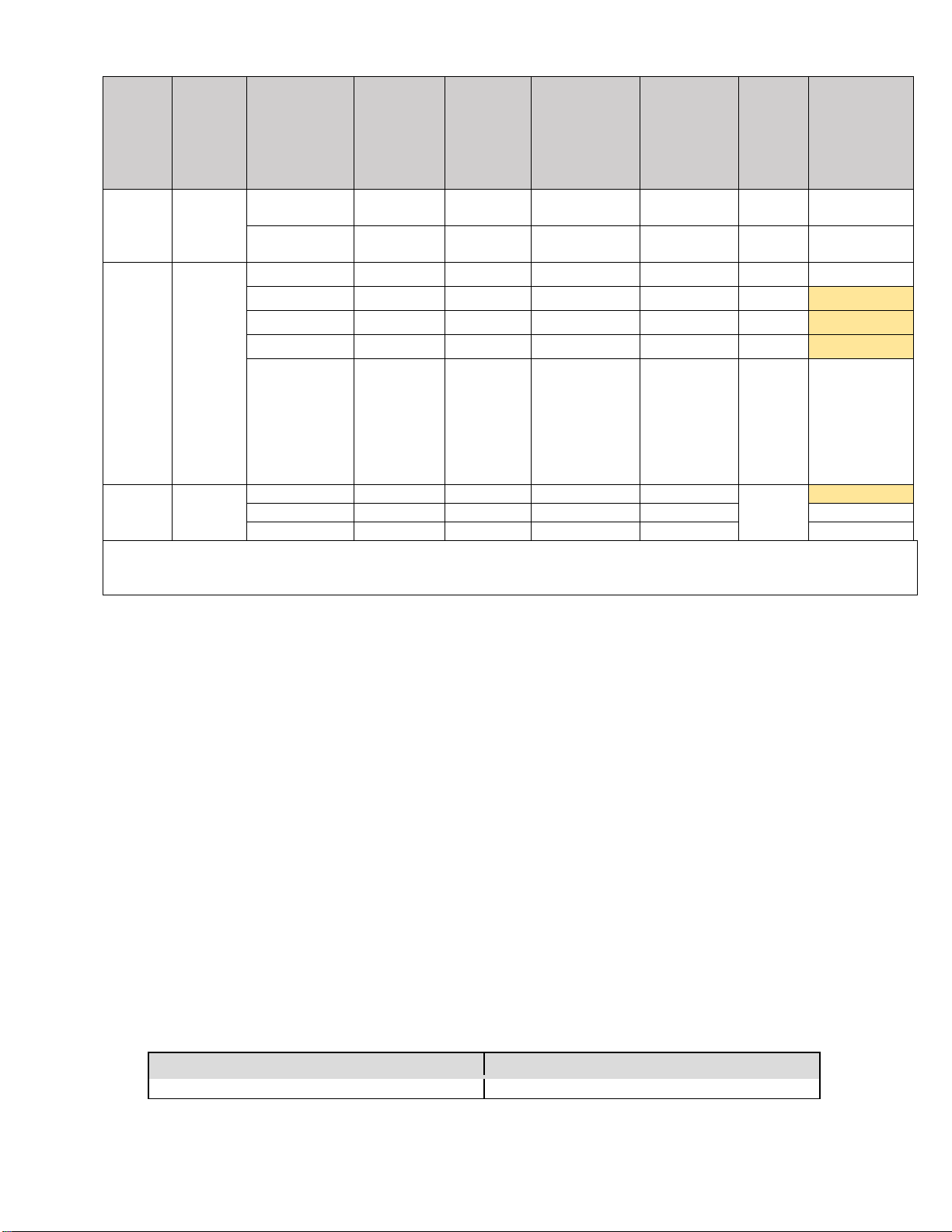
Table 7. The mismatch frequencies identified for the individual targets are: N =
0.2%, ORF1ab = 0.2 % and E = 0.04%. No SARS-CoV-2 sequence shows
mutation(s) in BOTH the N1 and N2 targets. In instances where the Tm of the
mismatched primer is higher than the assay annealing temperature of 60°C, the
mismatch is unlikely to have a significant impact on sequence detection. Cases where
the Tm of the mismatched primer is lower than the assay annealing temperature, for
any given strain, mismatches have only been observed in a single primer from a
single target, thus there is a low risk of false negative result because loss of all three
targets is necessary to generate a negative result.
DxTerity SARS-CoV-2 RT-PCR CE Test EUA Summary – Updated February 11, 2021
11
Table 7: Summary of Primer Mismatches
Primer
ID
Primer
Length
(bp)
Number of
Mismatches
Mismatch Location
No. of
GenBank
Strains with
Mismatch
GenBank
Accession
Numbers
Exact
Tm
(°C)
*
1
Mismatch
Tm (°C)
N_F 23
1 C-A 3' 4
MT560706,
MT509959,
MT293178,
MW433757
62.3 56
1 C-T 3' 4
MT786799,
MT786800,
LR962951,
LR962937
62.3 55.2
1 C-T 3' 1 MT745678 62.3 54.6
1
G-A
3’
1
MW280179
62.3
59.0
1 A-G Middle 1 MT259269 62.3 59.2
1 G-T Middle 4
MT259237,
MT740431,
MW342094,
MW332997
62.3 57.9
1 T-C Middle 1 MW369388 62.3 60.6
3
GAT-CTA
(mismatch
associated
with the
B.1.1.7
Variant
(UK)
Middle 12
MW422256,
MW423686,
MW440433,
MW450666,
LR991699,
LR991698,
MW451205,
MW422255
MW430966,
MW430974,
MW430968,
MW430967
62.3 59.3
1 C-A 5’ 1 MW326521 62.3 56.8
N_R 19
1 A-G 3' 2
MT520478,
MT520290
64.3 60.1
1
C-T
5'
1
MT259274
64.3
63.1
1 C-A 5' 4
MT683418,
MT683417,
MT683416
MW436738
64.3 63.1
1
A-G
5'
1
MT750164
64.3
58.1
1 C-A Middle 2
MT435081,
MT435082
64.3 57.8
1 G-A Middle 2
MT745654,
MW340736
64.3 58.8
1 C-A Middle 1 MT628116 64.3 55.4
1 T-G Middle 2
MT535500,
MW449314
64.3 59.2
1 C-G Middle 1 MT759844 64.3 56.8
1
T-C
Middle
1
MW449515
64.3
56.8
DxTerity SARS-CoV-2 RT-PCR CE Test EUA Summary – Updated February 11, 2021
12
Primer
ID
Primer
Length
(bp)
Number of
Mismatches
Mismatch Location
No. of
GenBank
Strains with
Mismatch
GenBank
Accession
Numbers
Exact
Tm
(°C)
*
1
Mismatch
Tm (°C)
1 C-A 3' 2
MT772433,
MW321394
64.3 56.5
1 C-G 3' 3
MT642410,
MW369344,
MW321360
64.3 57.7
1 G-R Middle 1 MT184913 64.3 64.3/59.3
Orf1ab_
F
25
1 C-T 5' 2
MT820131,
MT806776
66.2 60.5
1
T-G
Middle
1
MT755896
66.2
61.6
1 T-C 5’ 1 MW341465 66.2 64.8
1 G-T Middle 5
MT601281,
MT451726,
MT773134,
MT772297,
MT676388
66.2 62.3
1 C-T 3' 2
MT642225,
MW276212
66.2 62.5
1 G-K Middle 2
MT614595,
MT614347
66.2 66.2/62.3
Orf1ab_
R
24
1 C-A 5' 2
MT461651,
MT795873
65.5 64.5
2 G-A, A-G 3' 1 MT641528 65.5 61.8
1 A-G 3' 18
MT642411,
MT642346,
MT642259,
MT641592,
MT641590,
MT641582,
MT641564,
MT641560,
MT641555,
MT641553,
MT641549,
MT641538,
MT641529,
MT641511,
MT632979,
MT632890,
MT632872,
MT632841
65.5 62.5
1 T-A 3’ 1 MW321351 65.5 62.3
1 G-A 3’ 1 MW277092 65.5 62.3
1 C-T Middle 1 MW369399 65.5 61.7
1 G-A Middle 2
MW449310,
MW449493
65.5 62
1 A-G Middle 1 MW321356 65.5 63
DxTerity SARS-CoV-2 RT-PCR CE Test EUA Summary – Updated February 11, 2021
13
Primer
ID
Primer
Length
(bp)
Number of
Mismatches
Mismatch Location
No. of
GenBank
Strains with
Mismatch
GenBank
Accession
Numbers
Exact
Tm
(°C)
*
1
Mismatch
Tm (°C)
2
C-A,
G-A
Middle 1 MW321407 65.5
60.2/
62.3
1 G-C/T 5’ 1 MW321318 65.5
61.3/
61.8
E_F 24
1
G-C
5'
1
MT632491
62.7
60.1
1 G-A Middle 1 MT598173 62.7 58.4
1
C-T
Middle
1
MT628097
62.7
58.3
1 G-T Middle 1 MT731733 62.7 59.7
1 G-K 5' 7
MT451436,
MT451386,
MT451358,
MT451279,
MT451276,
MT451269,
MT451259
62.7 62.7/57.2
E_R 26
1
C-A
3’
1
MW369373
63.9
58.8
1
G-A
5’
1
MW321325
60.3
1
G-T
Middle
1
MW321427
61.4
* Mismatch Tm lower than annealing temperature highlighted in yellow
1
Mismatch Tm calculated using the Oligo Analyzer tool available through Integrated DNA Technologies
(https://www.idtdna.com/calc/Analyzer/Home/Instructions)
3) Cross-reactivity (Analytical Specificity)
The analytical specificity of the DxTerity SARS-CoV-2 RT-PCR CE Assay was
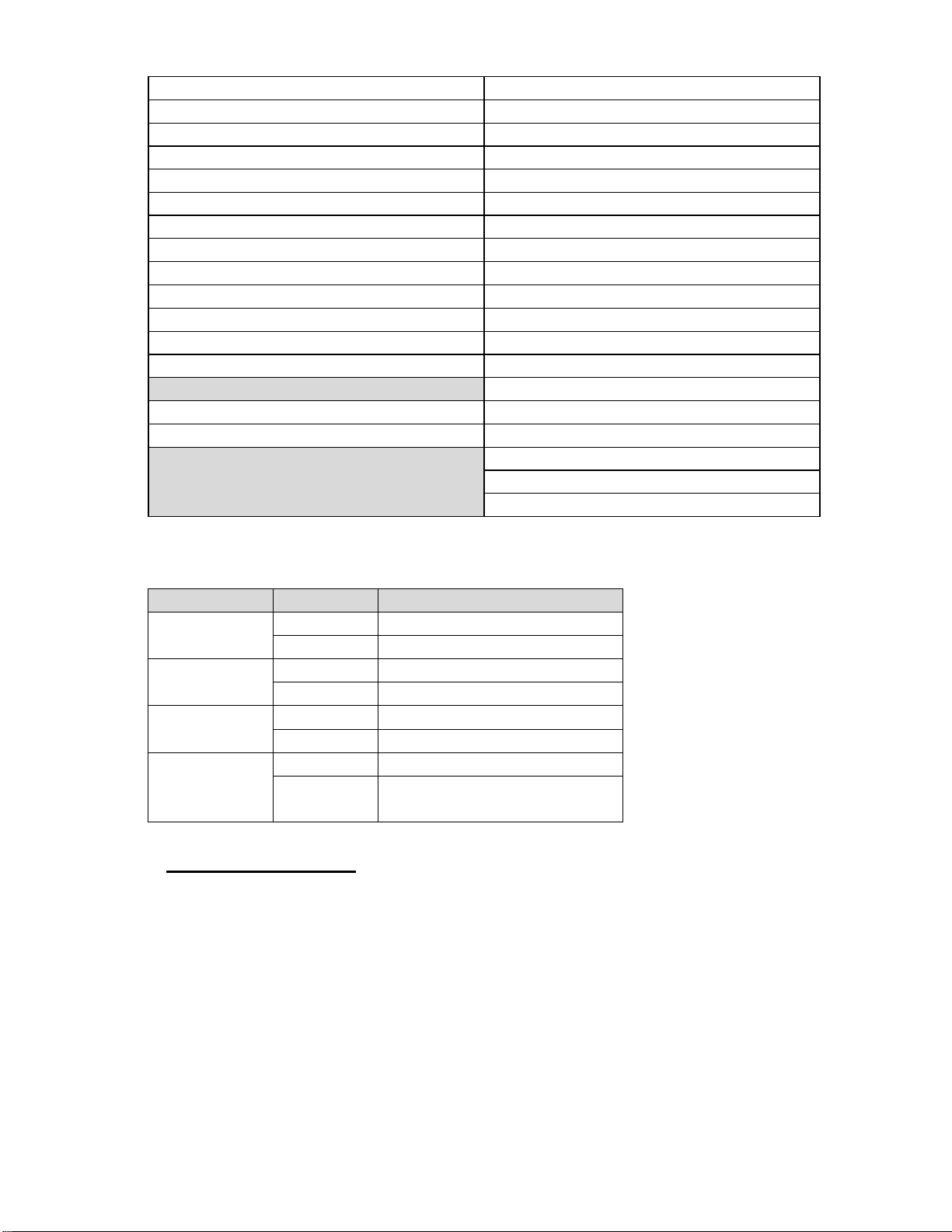
demonstrated in silico and the analysis included evaluation of the primer homology with
the 43 organisms and viruses listed in Table 8.
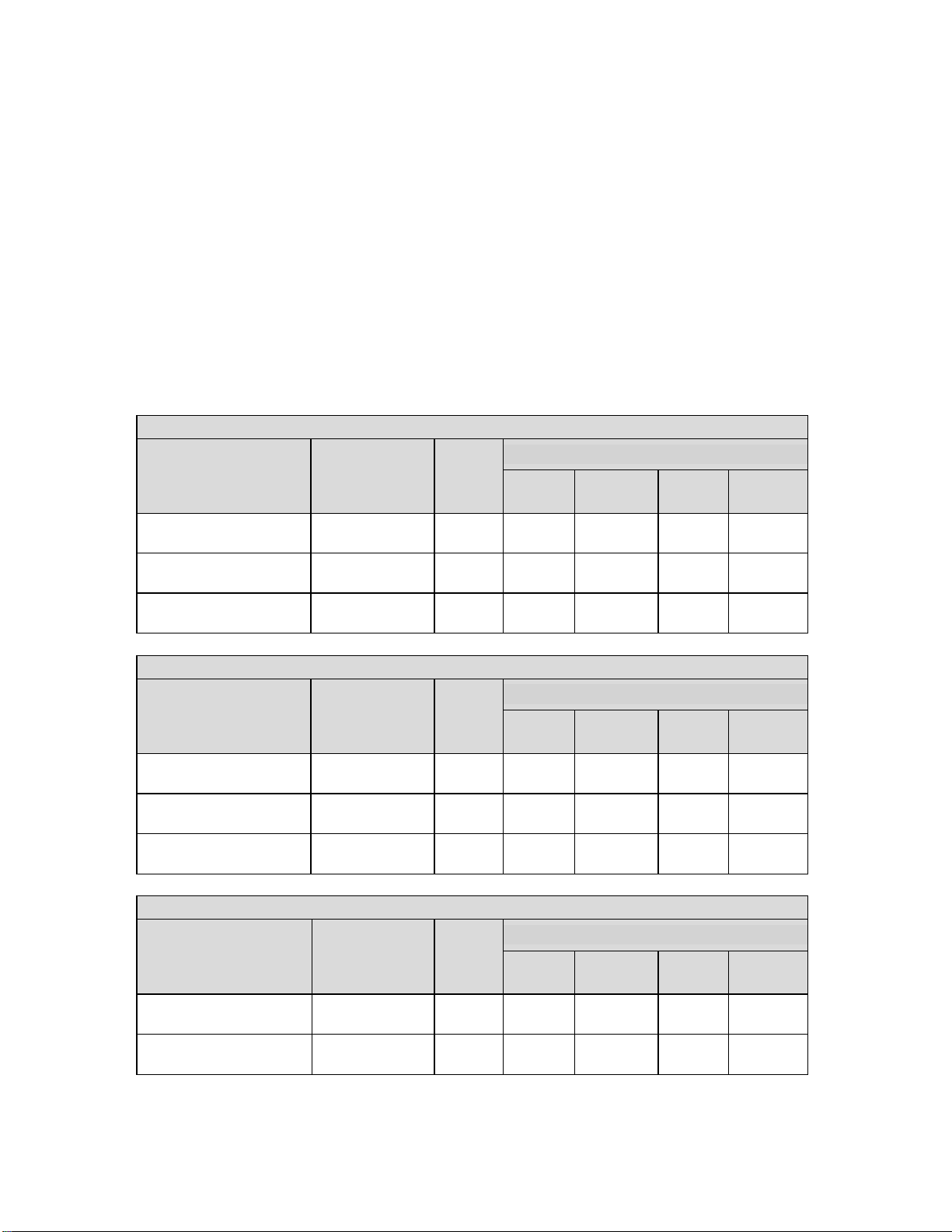
The in silico analysis demonstrated that the assay does not cross react with any
organisms/strains except some closely related SARS coronavirus and bat coronavirus
RaTG13 (Table 9). However, since the prevalence of these strains is very low, and
contamination of saliva with bat coronavirus is not expected, the risk of cross-reacting
(false positive) is very low.
The analysis also demonstrated a homology of the RNase P gene forward primer with
Candida albicans, Haemophilus influenzae, and Moraxella catarrhalis. However, these
species are not expected to produce a detectable PCR product as there is no homology
between the RNase P reverse primer and these organisms. There is no risk of reporting
SARS-CoV-2 false positive results because of this homology.
Table 8. Organisms and viruses evaluated for potential cross-reaction and/or
interference with the DxTerity SARS-CoV-2 RT-PCR CE Assay
Viruses
Bacteria
Adenovirus
Bacillus anthracis
DxTerity SARS-CoV-2 RT-PCR CE Test EUA Summary – Updated February 11, 2021
14
Enterovirus
Bordetella pertussis
Human coronavirus 229E
Chlamydophila pneumoniae
Human coronavirus HKU1
Chlamydophila psittaci
Human coronavirus NL63
Corynebacterium diphtheriae
Human coronavirus OC43
Coxiella burnetii
Human Metapneumovirus (hMPV)
Haemophilus influenzae
Influenza A, B and C
Legionella (non-pneumophila)
MERS-coronavirus
Legionella pneumophila
Parainfluenza 1-4
Leptospira sp.
Parechovirus
Moraxella catarrhalis
Respiratory Syncytial Virus A and B
Mycobacterium tuberculosis
Rhinovirus/Enterovirus
Mycoplasma pneumoniae
SARS-coronavirus
Neisseria elongata and Neisseria
Yeast/Fungus
Pseudomonas aeruginosa
Candida albicans
Staphylococcus aureus
Pneumocystis jirovecii
Staphylococcus epidermidis
Streptococcus pneumoniae
Streptococcus pyogenes
Streptococcus salivarius
Table 9. Summary of In Silico Analytical Exclusivity Analysis
4) Competitive Interference
Lack of competitive interference was demonstrated when combining amplicons from a
high positive sample with either a low positive or negative sample. No interference was
observed when amplicons from the saliva specimens were combined for analysis on the
Genetic Analyzer.
Competitive Interference was evaluated using whole viral genomic RNA obtained from
BEI Resources (Genomic RNA from SARS-Related Coronavirus 2, Item NR-52285)
diluted in SARS-CoV-2 negative saliva samples collected into the Spectrum Solutions
LLC SDNA- 1000 Saliva Collection Device. The pooled negative saliva samples were
used to contrive high positive (100x LoD), low positive (3x LoD) and negative samples.
The four (4) Primer Mixes were each tested with the low positive (3x LoD), high
Gene
Primer
>80% Homology
N
F
SARS coronavirus
R
SARS coronavirus
E
F
SARS coronavirus
R
SARS coronavirus
Orf1ab
F
SARS coronavirus
R
Bat coronavirus RaTG13
RNase P
F
Candida albicans
R
Haemophilus influenzae,
Moraxella catarrhalis
DxTerity SARS-CoV-2 RT-PCR CE Test EUA Summary – Updated February 11, 2021
15
positive (100x LoD) and negative samples. Each Primer Mix test combination (Table
10), consisted of equal proportions of the four (4) PCR amplicons, one from each
Primer Mix generated using a low positive, high positive and negative sample, and
combined for analysis on the Genetic Analyzer. Each of these combinations were tested
in three (3) PCR replicates. The controls for each Primer Mix, without the PCR
amplicon from the interfering high positive sample were used as baseline reference
controls. All 3 replicates of the control combination were required to be SARS-CoV-2
positive.
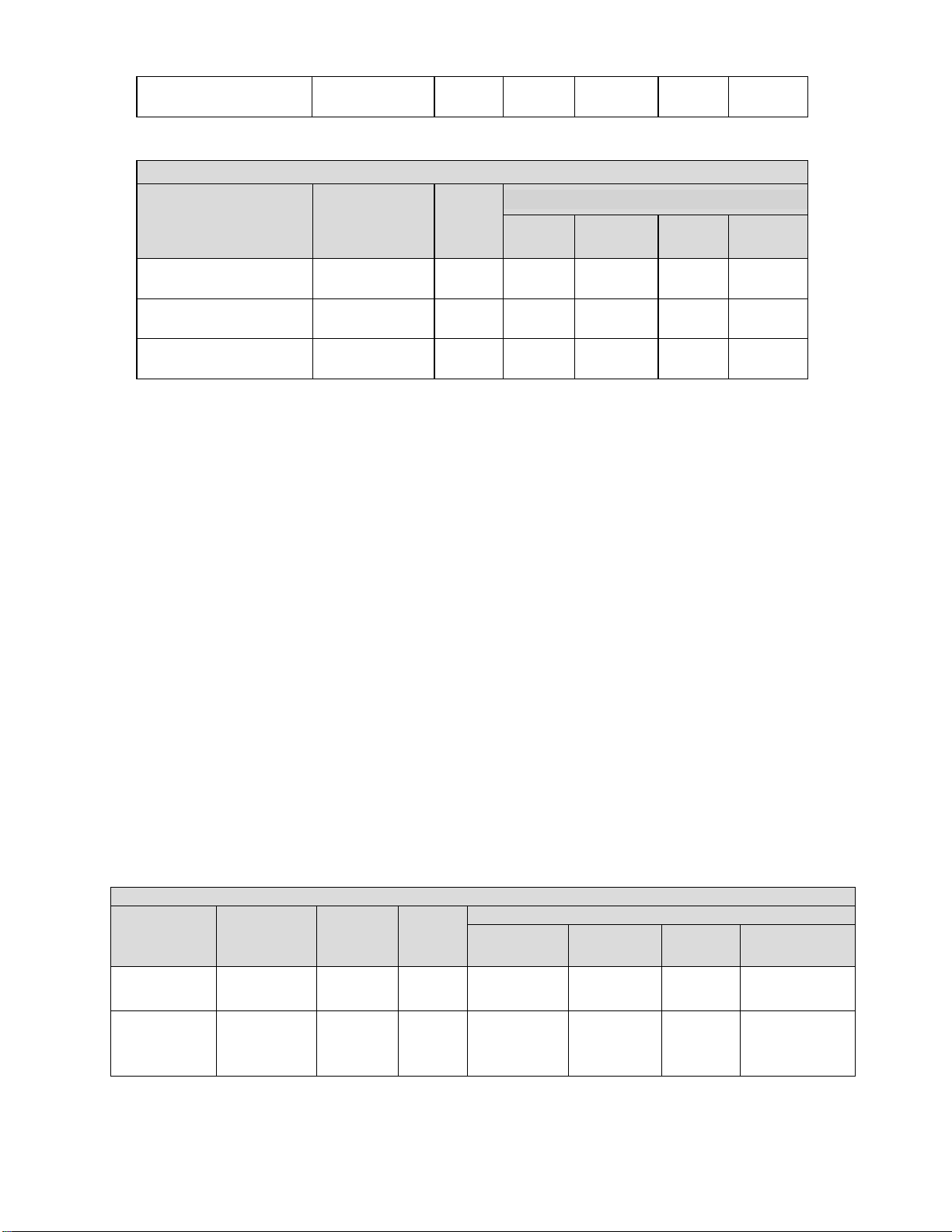
All low positive and high positive samples were detected for all 4 primer mixes for all
three replicates. All the expected negative samples were correctly called negative.
Thus, no interference was observed when amplicons from the saliva specimens were
combined for analysis on the Genetic Analyzer.
Table 10: Summary of Overall results from Competitive Interference Study by Primer Mix
Primer Mix 1 FAM
Sample
Concentration
Number
Tested
Overall
Percent
Positive
# Detected / # Tested by Target Genes
N Gene ORF1 ab E Gene RNase P
LP (3X LoD)
12
100
(12/12)
12/12
12/12
12/12
12/12
HP (100X LoD)
9
100 (9/9)
9/9
9/9
9/9
9/9
NEG
27
0 (0/27)
0/27
0/27
0/27
27/27
Primer Mix 2 VIC
Sample
Concentration
Number
Tested
Overall
Percent
Positive
# Detected / # Tested by Target Genes
N Gene ORF1 ab E Gene RNase P
LP (3X LoD)
12
100
(12/12)
12/12
12/12
12/12
12/12
HP (100X LoD)
9
100
(9/9)
9/9
9/9
9/9
9/9
NEG
27
0
(0/27)
0/27
0/27
0/27
27/27
Primer Mix 3 NED
Sample
Concentration
Number
Tested
Overall
Percent
Positive
# Detected/ # Tested by Target Genes
N Gene ORF1 ab E Gene RNase P
LP (3X LoD)
12
100
(12/12)
12/12
12/12
12/12
12/12
HP(100X LoD)
9
100
(9/9)
9/9
9/9
9/9
9/9
DxTerity SARS-CoV-2 RT-PCR CE Test EUA Summary – Updated February 11, 2021
16
NEG
27
0
(0/27)
0/27
0/27
0/27
27/27
Primer Mix 4 PET
Sample
Concentration
Number
Tested
Overall
Percent
Positive
# Detected / # Tested by Target Genes
N Gene ORF1 ab E Gene RNase P
LP (3X LoD)
12
100
(12/12)
12/12
12/12
12/12
12/12
HP (100X LoD)
9
100
(9/9)
9/9
9/9
9/9
9/9
NEG
27
0
(0/27)
0/27
0/27
0/27
27/27
5) Carryover and Cross-Contamination
Carryover and Cross-Contamination from both the extraction as well as the PCR and
capillary electrophoresis steps was determined using a checkboard layout of negative
and high positive (10x LoD) samples. The high positive sample was contrived using
whole viral genomic RNA obtained from BEI Resources (Genomic RNA from SARS-
Related Coronavirus 2, Item NR-52285) diluted in SARS-CoV-2 negative saliva
samples collected into the Spectrum Solutions LLC SDNA-1000 Saliva Collection
Device.
A total of 24 samples (12 high positive and 12 negative) were extracted in an alternating
pattern and then the resulting RNA was processed through PCR and capillary
electrophoresis in the alternating pattern in a 96-well plate. For each sample replicate
(well), the PCR amplicon of all four (4) Primer Mixes were combined for analysis on
the ABI 3500 ABI 3500xL Dx Genetic Analyze. A single CE injection consists of 24
samples, thus the 96 well plate evaluates potential carryover from earlier injections.
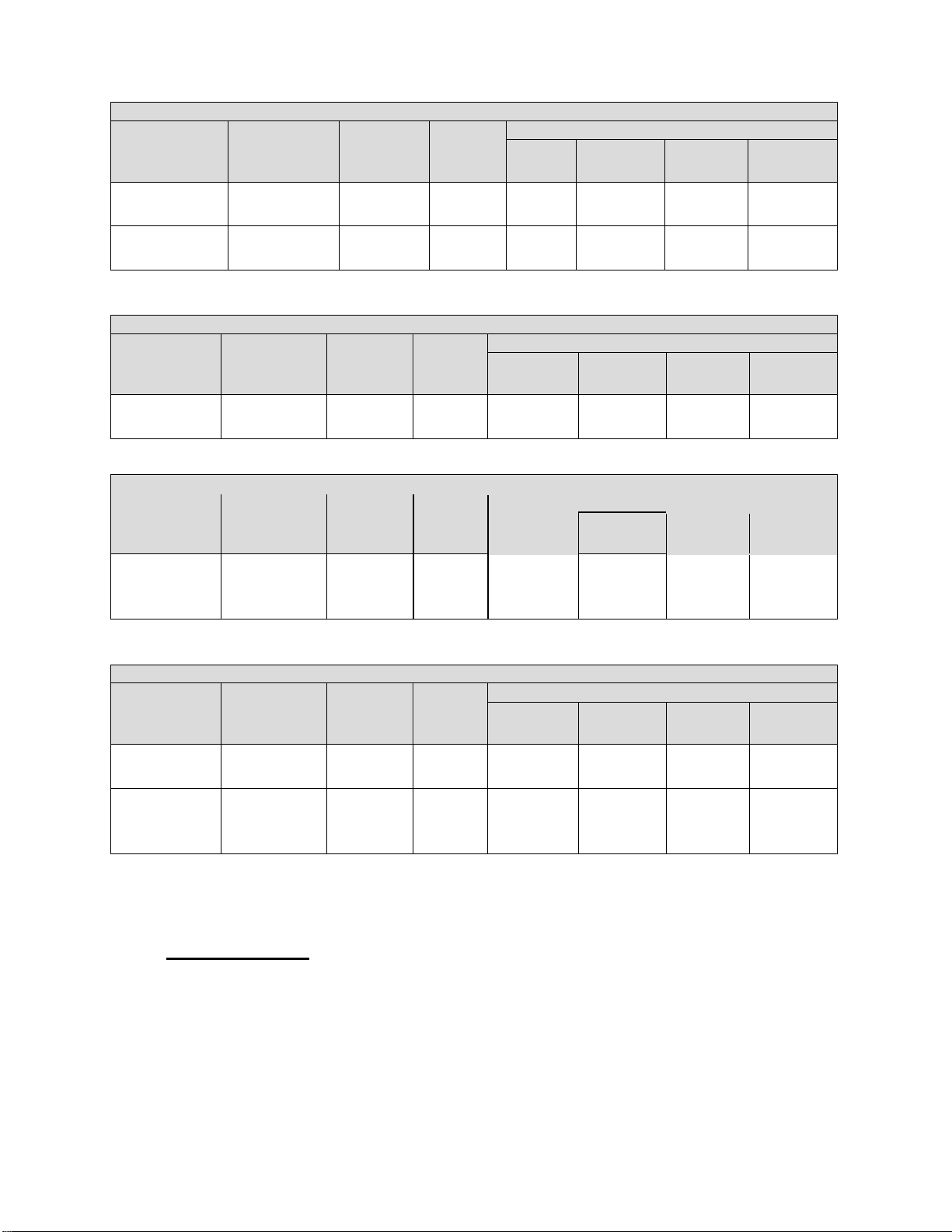
The results were 100% concordant with the expected results, as shown in Table 11. All 48
High positive and 48 negative samples were correctly called, thus there is no carryover or
cross-contamination observed from any step of the assay process.
Table 11: Carry Over and Cross-Contamination Study Results
Primer Mix 1 FAM
Sample
Description
Transcript
Copies/mL
Number
Tested
Overall
Percent
Positive
# Detected / # Tested by Target Genes
N Gene ORF1ab
E
Gene
RNase P
Negative 0 48
0
(0 /48)
0
(0/48)
0
(0/48)
0
(0/48)
100
(48/48)
High
Positive
(10X LoD)
500
48
100
(48/48)
100
(48/48)
100
(48/48)
100
(48/48)
100
(48/48)
DxTerity SARS-CoV-2 RT-PCR CE Test EUA Summary – Updated February 11, 2021
17
Primer Mix 2 VIC
Sample
Description
Transcript
Copies/mL
Number
Tested
Overall
Percent
Positive
# Detected / # Tested by Target Genes
N
Gene
ORF1ab
E
Gene
RNase
P
Negative 0 48
0
(0 /48)
0
(0/48)
0
(0/48)
0
(0/48)
100
(48/48)
High Positive
(10X LoD)
500
48
100
(48/48)
100
(48/48)
100
(48/48)
100
(48/48)
100
(48/48)
Primer Mix 3 NED
Sample
Description
Transcript
Copies/mL
Number
Tested
Overall
Percent
Positive
# Detected / # Tested by Target Genes
N
Gene
ORF1ab
E
Gene
RNase
P
Negative 0 48
0
(0 /48)
0
(0/48)
0
(0/48)
0
(0/48)
100
(48/48)
Primer Mix 3 NED
Sample
Description
Transcript
Copies/mL
Number
Tested
Overall
Percent
Positive
# Detected / # Tested by Target Genes
N
Gene
ORF1ab
E
Gene
RNase
P
High
Positive
(10X LoD)
500
48
100
(48/48)
100
(48/48)
100
(48/48)
100
(48/48)
100
(48/48)
Primer Mix 4 PET
Sample
Description
Transcript
Copies/mL
Number
Tested
Overall
Percent
Positive
# Detected / # Tested by Target Genes
N
Gene
ORF1ab
E
Gene
RNase
P
Negative
0 48
0
(0 /48)
0
(0/48)
0
(0/48)
0
(0/48)
100
(48/48)
High
Positive
(10X LoD)
500
48
100
(48/48)
100
(48/48)
100
(48/48)
100
(48/48)
100
(48/48)
6) Clinical Evaluation
Contrived Testing:
The clinical performance of the DxTerity SARS-CoV-2 RT-PCR CE Test was first
evaluated using negative saliva specimen collected in the Spectrum Solution LLC
SDNA-100 Collection device and spiked with quantified SARS-CoV-2 genomic RNA
(BEI Resources).
A total of 30 individual negative clinical saliva and 30 positive contrived saliva samples
DxTerity SARS-CoV-2 RT-PCR CE Test EUA Summary – Updated February 11, 2021
18
were tested. Of the 30 contrived positive samples, 10 were prepared at 1.4X LoD (75
copies/mL), 10 samples were spiked at 2X LoD (100 copies/mL), five samples at 3X
LoD (150 copies/mL) and 5 samples were spiked at 5X LoD (250 copies/mL) spanning
the assay detection range. Each sample was tested with all four Primer Mixes and the
PCR amplicons of a sample was combined for analysis on the Genetic Analyzer.
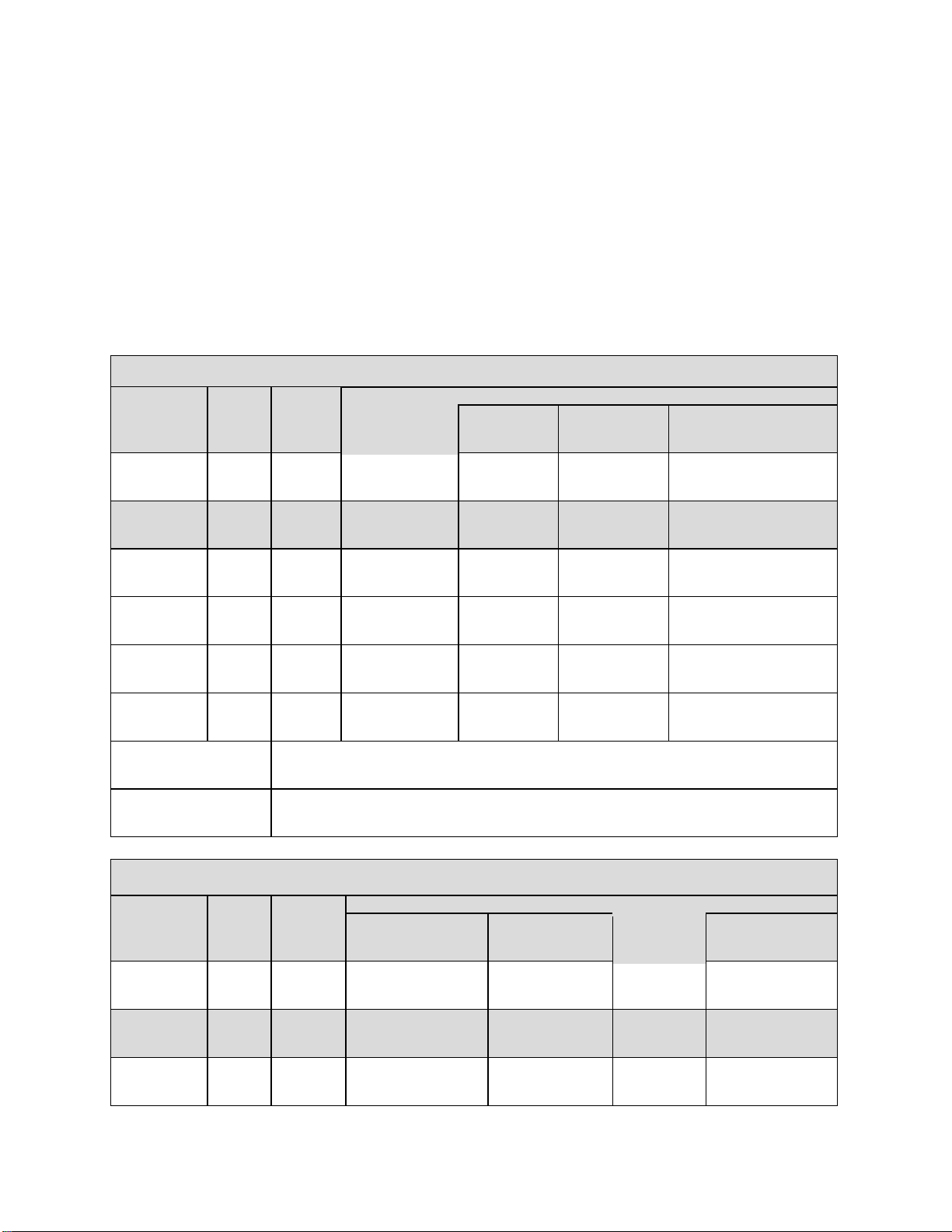
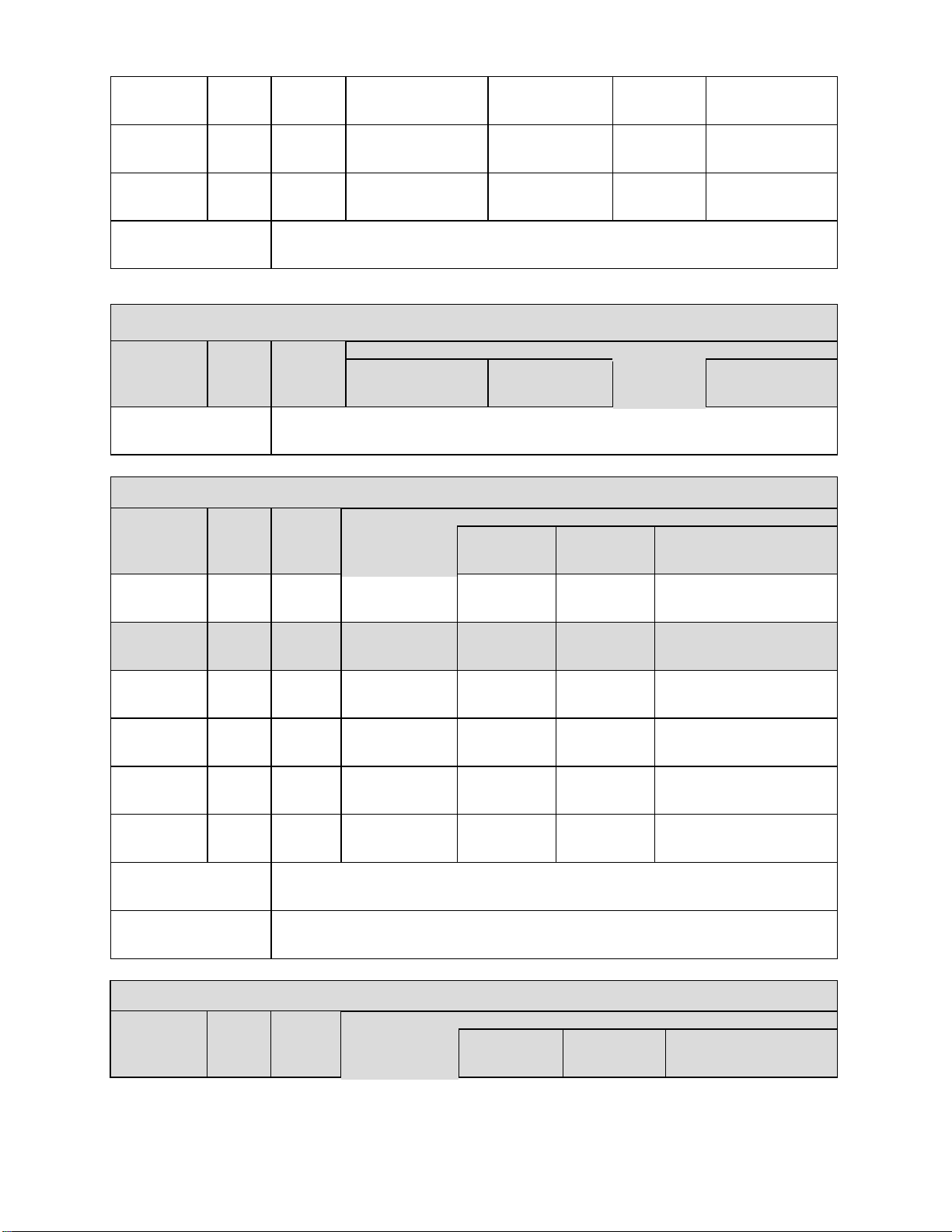
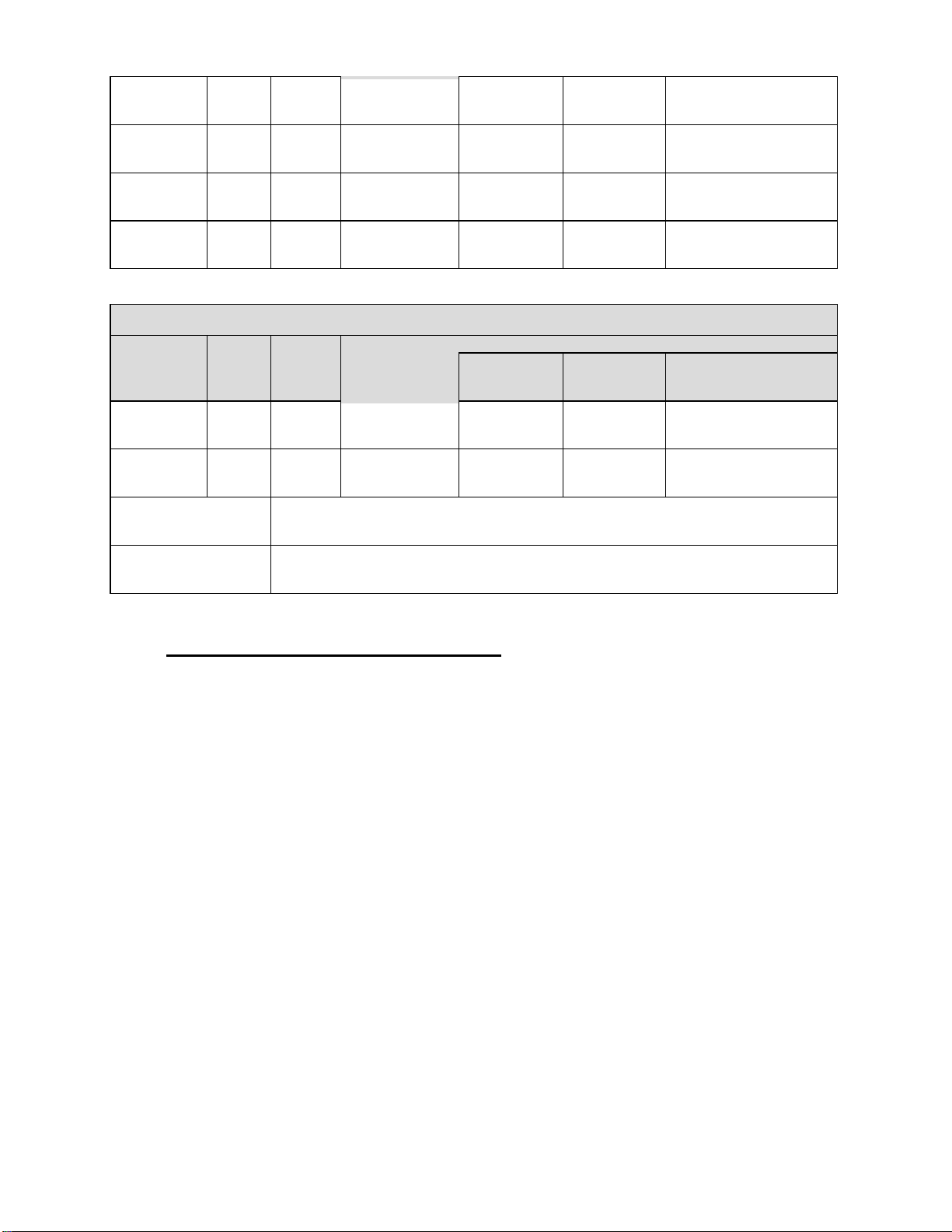
The results of all tested levels for spiked positive in clinical matrix demonstrated 100%
agreement with expected results and all negative samples were non-reactive. A summary
of the results for each primer mix is provided in Table 12
Table 12. Summary of results from the contrived specimen study with Saliva Samples by Primer
Mix, stratified by target level and measurand.
Primer Mix 1-FAM
Transcript
Copies/mL
N
umber
Tested
Overall
Percent
Positive
# Detected / # Tested by Target Genes
N
Gene
ORF1ab E Gene RNase P
0 30
0
(0/30)
0
(0/30)
0
(0/30)
0
(0/30)
100
(30/30)
75 10
100
(10/10)
100
(10/10)
100
(10/10)
90
(9/10)
100
(10/10)
100 10
100
(10/10)
80
(8/10)
100
(10/10)
100
(10/10)
100
(10/10)
150 5
100
(5/5)
100
(5/5)
100
(5/5)
100
(5/5)
100
(5/5)
250 5
100
(5/5)
100
(5/5)
100
(5/5)
100
(5/5)
100
(5/5)
All Positives
30
100
(30/30)
100
(30/30)
100
(30/30)
100
(30/30)
100
(30/30)
Percent Positive
Agreement:
100% 95% CI: 88.6-100%
Negative Percent
Agreement
100% 95% CI: 88.6-100%
Primer Mix 2-VIC
Transcript
Copies/mL
N
umber
Tested
Overall
Percent
Positive
# Detected / # Tested by Target Genes
N Gene ORF1ab
E
Gene
RNase P
0 30
0
(0/30)
0
(0/30)
0
(0/30)
0
(0/30)
100
(30/30)
75 10
100
(10/10)
100
(10/10)
100
(10/10)
80
(8/10)
100
(10/10)
100 10
100
(10/10)
90
(9/10)
100
(10/10)
90
(9/10)
100
(10/10)
DxTerity SARS-CoV-2 RT-PCR CE Test EUA Summary – Updated February 11, 2021
19
150 5
100
(5/5)
100
(5/5)
100
(5/5)
100
(5/5)
100
(5/5)
250 5
100
(5/5)
100
(5/5)
100
(5/5)
100
(5/5)
100
(5/5)
All Positives
30
100
(30/30)
100
(30/30)
100
(30/30)
100
(30/30)
100
(30/30)
Percent Positive
Agreement:
100% 95% CI: 88.6-100%
Primer Mix 2-VIC
Transcript
Copies/mL
N
umber
Tested
Overall
Percent
Positive
# Detected / # Tested by Target Genes
N Gene ORF1ab
E
Gene
RNase P
Negative Percent
Agreement
100% 95% CI: 88.6-100%
Primer Mix 3-NED
Transcript
Copies/mL
N
umber
Tested
Overall
Percent
Positive
# Detected / # Tested by Target Genes
N
Gene
ORF1ab
E Gene RNase P
0 30
0
(0/30)
0
(0/30)
0
(0/30)
0
(0/30)
100
(30/30)
75 10
100
(10/10)
100
(10/10)
90
(9/10)
90
(9/10)
100
(10/10)
100 10
100
(10/10)
90
(9/10)
100
(10/10)
90
(9/10)
100
(10/10)
150 5
100
(5/5)
100
(5/5)
100
(5/5)
100
(5/5)
100
(5/5)
250 5
100
(5/5)
100
(5/5)
100
(5/5)
100
(5/5)
100
(5/5)
All Positives
30
100
(30/30)
100
(30/30)
100
(30/30)
100
(30/30)
100
(30/30)
Percent Positive
Agreement:
100% 95% CI: 88.6-100%
Negative Percent
Agreement
100% 95% CI: 88.6-100%
Primer Mix 4-PET
Transcript
Copies/mL
N
umber
Tested
Overall
Percent
Positive
# Detected / # Tested by Target Genes
N
Gene
ORF1ab E Gene RNase P
DxTerity SARS-CoV-2 RT-PCR CE Test EUA Summary – Updated February 11, 2021
20
0 30
0
(0/30)
0
(0/30)
0
(0/30)
0
(0/30)
100
(30/30)
75 10
100
(10/10)
80
(8/10)
100
(10/10)
80
(8/10)
100
(10/10)
100 10
100
(10/10)
90
(9/10)
100
(10/10)
90
(9/10)
100
(10/10)
150 5
100
(5/5)
100
(5/5)
100
(5/5)
100
(5/5)
100
(5/5)
Primer Mix 4-PET
Transcript
Copies/mL
N
umber
Tested
Overall
Percent
Positive
# Detected / # Tested by Target Genes
N
Gene
ORF1ab E Gene RNase P
250 5
100
(5/5)
100
(5/5)
100
(5/5)
100
(5/5)
100
(5/5)
All Positives
30
100
(30/30)
100
(30/30)
100
(30/30)
100
(30/30)
100
(30/30)
Percent Positive
Agreement:
100% 95% CI: 88.6-100%
Negative Percent
Agreement
100% 95% CI: 88.6-100%
Paired Saliva and NP Swab Clinical Study
Clinical evaluation was also performed with natural prospectively collected clinical
samples to evaluate the use of saliva as a specimen type for detection of SARS-CoV-2 in
a population representative of the intended use population from individuals suspected of
COVID-19 by their healthcare provider as well as individuals without any symptoms.
Paired NP swab and saliva collections were performed under an IRB approved protocol
and informed consent and either purchased from The MT Group (Van Nuys, CA) with
samples collected in California and Florida or obtained at “pop-up” testing clinics
throughout the greater Los Angeles area and Phoenix, Arizona.
A total of 621 paired NP swab and saliva specimens were collected prospectively at
multiple sites. This study included various ethnic groups and ages.
NP swab specimens (Hardy Diagnostics, Cat. No. 972912) were collected by registered
nurses, placed into a sterile 0.9% sodium chloride solution (Teknova, Cat. No. S5820)
and shipped on cold packs to Med Fusion Quest Laboratory (Lewisville, TX) for testing
with an EUA authorized test.
Following collection of the nasopharyngeal swab, within an hour subjects self-collected
a 2 mL saliva sample using the Spectrum Solutions SDNA-1000 Saliva Collection
Device. Saliva samples were transported at ambient temperature to DxTerity Diagnostics
DxTerity SARS-CoV-2 RT-PCR CE Test EUA Summary – Updated February 11, 2021
21
(Rancho Dominguez, CA) for testing with the DxTerity SARS-CoV-2 RT-PCR CE Test.
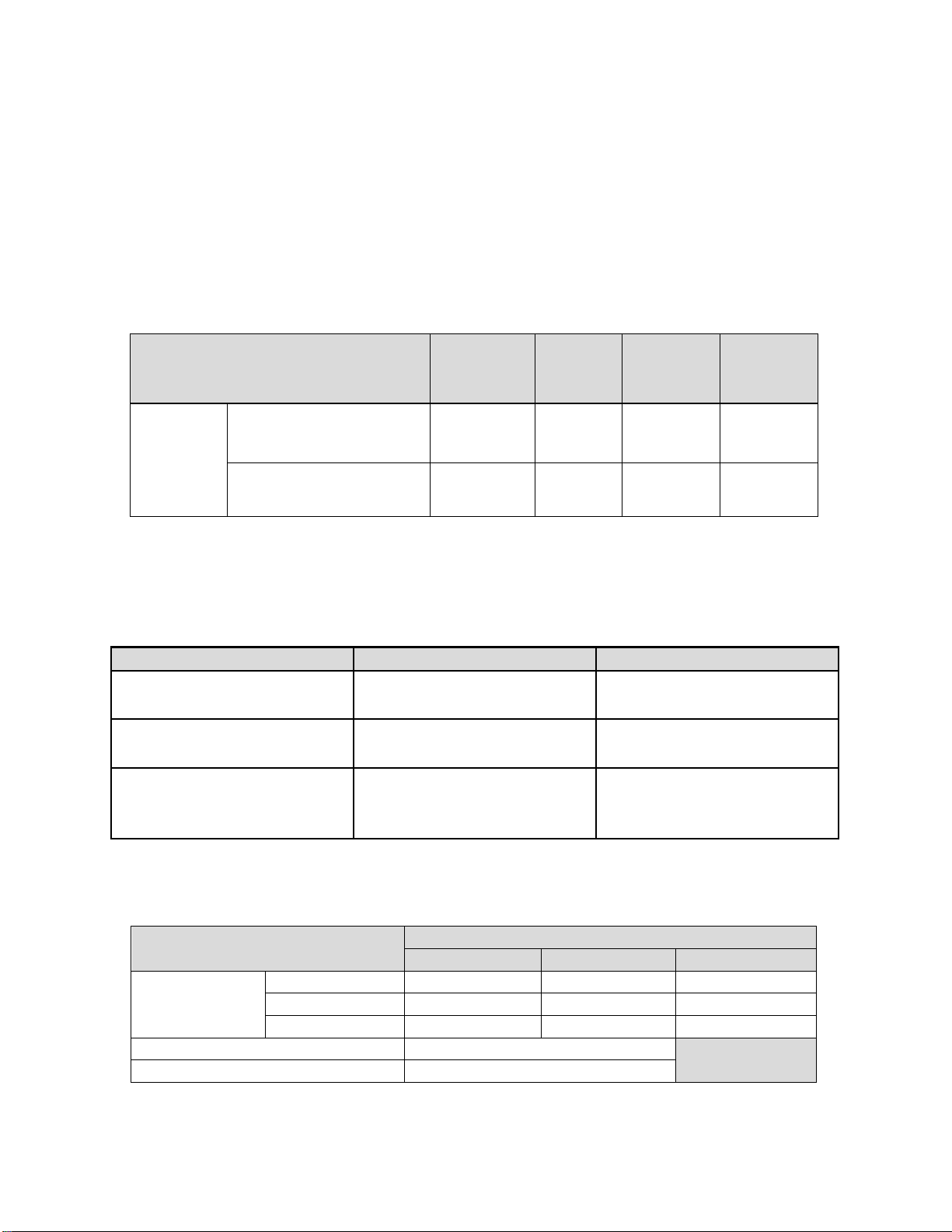
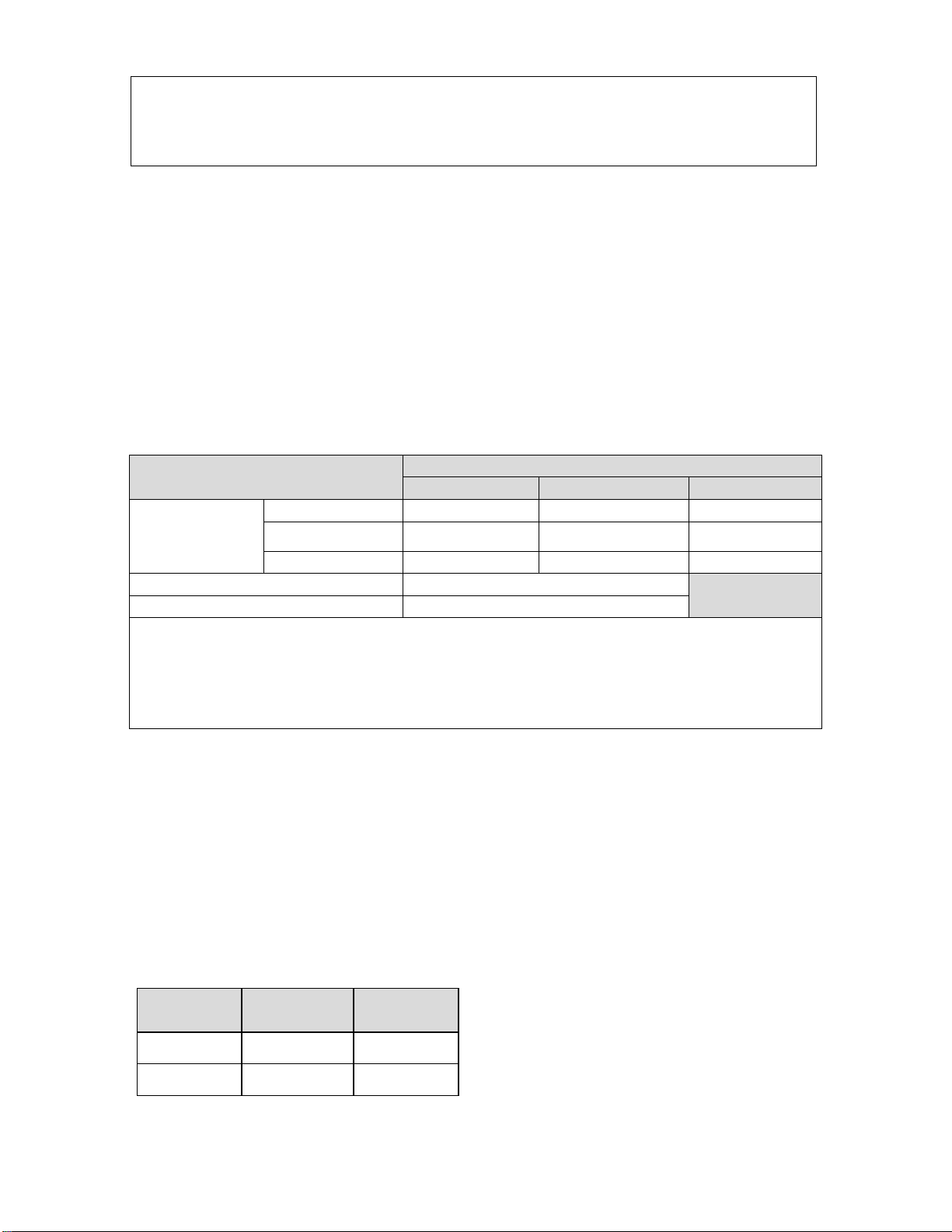
A summary of the results of the study is presented in Table 13C and Table 13D for
symptomatic and asymptomatic individuals respectively.
Based on NP swab results, there are 63 positive samples of which 37 positives were from
symptomatic individuals and 26 positives from asymptomatic individuals. The median
and mean Ct values for symptomatic and asymptomatic were similar as shown in Table
13A below.
Table 13A: Ct distribution in Symptomatic and Asymptomatic Populations
FDA authorized comparator
assay
Mean Ct
Target
1
Mean Ct
Target2
Median
Ct
target1
Median
Ct
Target2
NP
Positive
specimens
Symptomatic,
(37 positive samples)
28.99
29.50
30.44
31.49
Asymptomatic
(26 positive samples)
28.69
29.74
30.43
31.07
Also, both symptomatic and asymptomatic individuals have similar proportion of
specimens with a viral load close to the LoD for NP swabs as determined by Ct values
obtained with the FDA comparator assay (Table 13B).
Table 13B. Percent of Positive Individuals with Low Viral Load
Target 1, Ct >31
Target 2, Ct>34
Symptomatic,
37 positive NPS samples
48.6%
(18/37)
29.7%
(11/37)
Asymptomatic,
26 positive NPS individuals
42.3%
(11/26)
34.6%
(9/26)
Difference
6.3%,
95%CI: (-17.8%; 29.1%)
Not stat. significant
-4.9%
95%CI: (-27.6%; 17.2%)
Not stat. significant
Table 13C. Summary of qualitative results obtained from parallel testing of nasopharyngeal
swab samples and saliva from individuals suspected of COVID-19 (symptomatic)
DxTerity SARS-CoV-2 RT-PCR
CE Test
Nasopharyngeal Swab (FDA EUA))
Positive
Negative
Total
Saliva
Positive
36
4*
40
Negative
1
36
37
Total
37
40
77
Positive Percent Agreement
97.3% (36/37) [86.2%-99.5%]
Negative Percent Agreement
90% (36/40) [76.9%-96%]
DxTerity SARS-CoV-2 RT-PCR CE Test EUA Summary – Updated February 11, 2021
22
*4 of the 4 negative NPS samples as determined by the FDAEUA comparator test were
also negative by anotherFDA authorized test
3 of the 4 false positive saliva samples were also positive by an FDA authorized
Test
For individuals suspected of COVID-19 by their healthcare provider (symptomatic), there
was 97.3% positive percent agreement between the results obtained from testing of saliva
and those obtained from nasopharyngeal swabs. There were four symptomatic individuals
who tested positive by DxTerity on saliva specimen but were negative by FDA EUA
comparator test on NP specimen yielding an NPA of 90%. The sponsor will further evaluate
the performance of the DxTerity SARS-CoV2 RT-PCR CE Test, especially the negative
percent agreement, in an FDA agreed upon post authorization paired NP and saliva clinical
study.
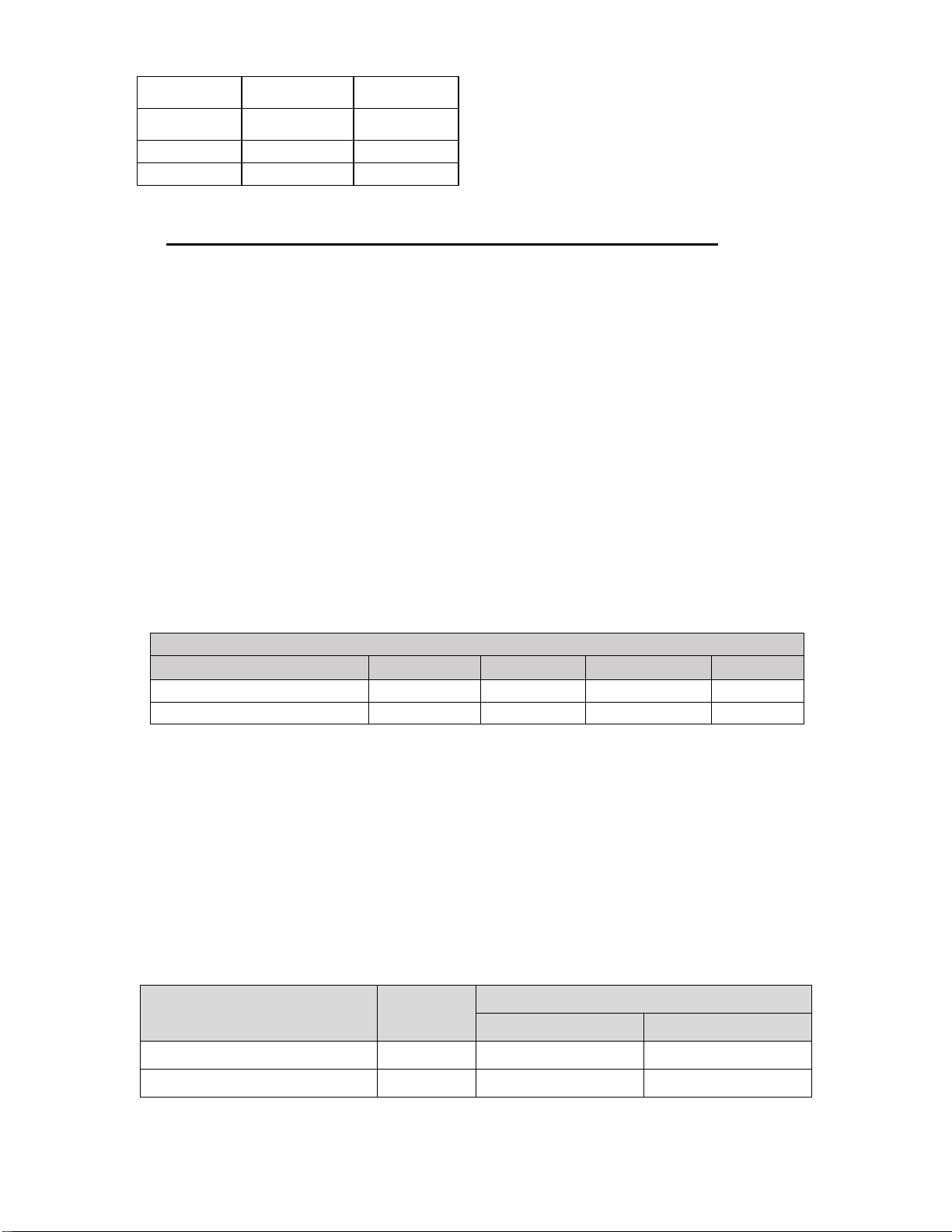
Table 13D. Summary of qualitative results obtained from parallel testing of nasopharyngeal and
swab samples and saliva from asymptomatic individuals
DxTerity SARS-CoV-2 RT-PCR
CE Test
Nasopharyngeal Swab (FDA authorized Test)
Positive
Negative
Total
Saliva
Positive
22
5
27
Negative
4
1
513
517
Total
26
518
544
Positive Percent Agreement
84.6% (22/26) [66.5%-93.8%]
Negative Percent Agreement
99% (513/518) [97.8%-99.6%]
1
For the 4 samples which were negative by the DxTerity SARS-CoV-2 RT-PCR Test
assay and positive by the NP swab with the EUA comparator test (Ct values are
provided in Table 13E below). 2 of these 4 samples were negative upon confirmatory
testing with the FDA authorized EUA comparator assay, with one of these also negative
by another EUA test.
For asymptomatic individuals, there was 99.0% negative agreement between the results
obtained from testing of saliva and those obtained from nasopharyngeal swabs. There
were four asymptomatic individuals which tested negative by the DxTerity SARS-CoV-2
RT-PCR test and positive by the NP swab with the FDA EUA comparator test. The four
samples had low viral loads at the limit of detection for the FDA EUA comparator assay.
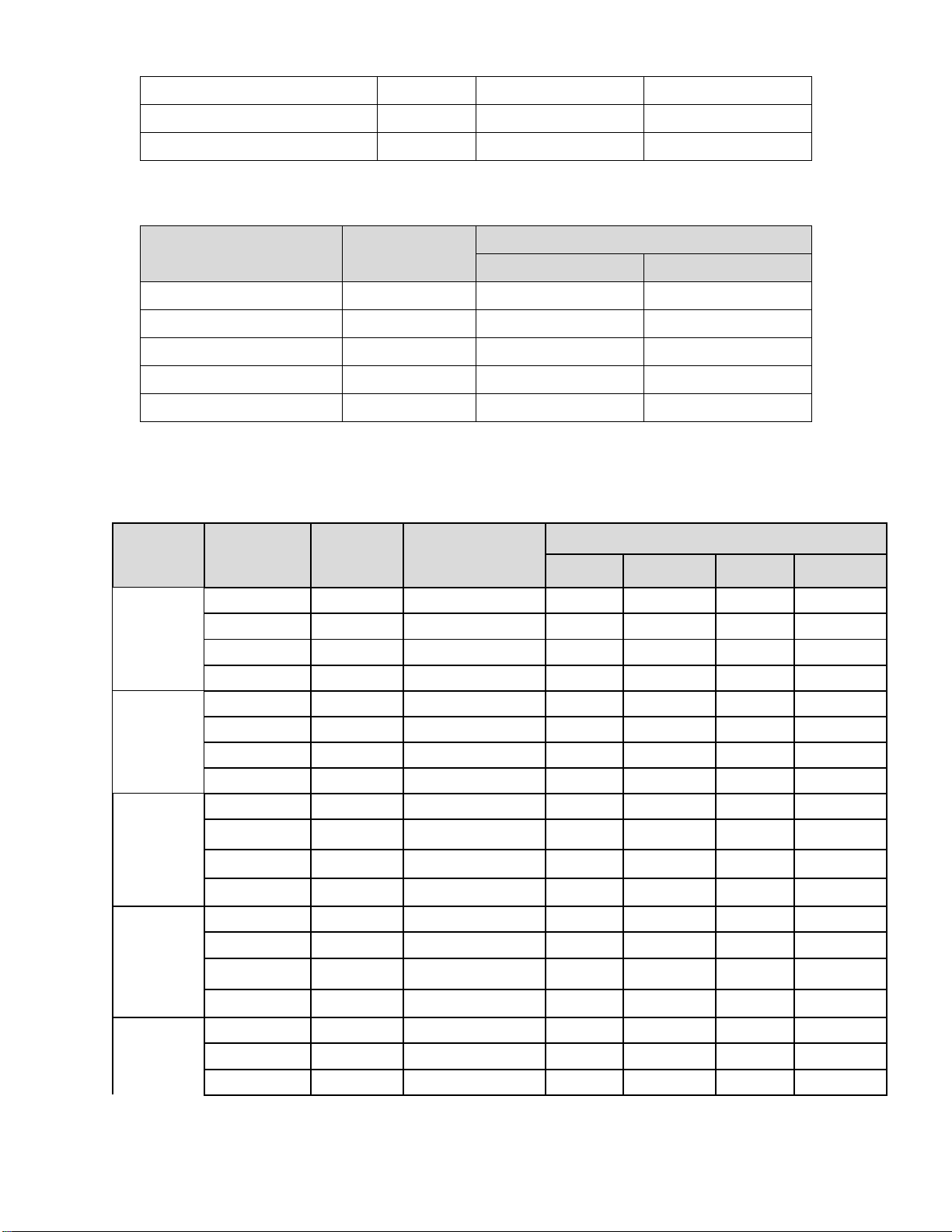
The Ct values for the 4 NP positive samples that were negative by saliva are provided in
Table 13E
Table 13E. Ct values of 4 NP Swab Positive/Saliva Negative Specimens:
NP
Samples
Target
1Ct
Target 2 Ct
1
45
38.1
2
35.11
38.24
DxTerity SARS-CoV-2 RT-PCR CE Test EUA Summary – Updated February 11, 2021
23
3
32.16
34.71
4
34.13
36.51
Mean Ct
33.80
36.89
Median Ct
34.62
37.305
7) Simulated Shipping Study with the SDNA-1000 Saliva Collection Device
To support the stability for samples collected at home using the Spectrum Solutions LLC
SDNA-1000 Saliva Collection Device for 72 hours, a Simulated Shipping Study was
performed that was designed to evaluate the effect of temperature variation on the stability
of SARS-CoV-2 RNA during transport of saliva specimens for an extended duration.
The study was conducted using samples contrived by spiking of inactivated SARS-
CoV-2 virus obtained from BEI Resources (Irradiated, Novel Coronavirus, 2019-
nCoV/USA-WA1/2020, Item NR-52287) diluted in SARS-CoV-2 negative saliva
samples. A separate set of samples were prepared for the summer and winter profiles.
Due to the nature of end-point PCR detection used in the DxTerity SARS-CoV-2 RT-
PCR CE Test, signals generated from low positive samples may overlap in magnitude
with those generated from high positives. Consequently, it is not possible to use signal
threshold criteria to categorize clinical samples as low-positive and high-positive. Thus,
the SARS-CoV-2 positive specimens were prepared to target Ct values associated with
2X LOD for Low Positives and 5-10X LOD for high positives with the EUA Authorized
Test upon initial testing.
Target Range of Ct values based on FDA EUA Comparator
Sample Description
# Samples
Target 1
Target 2
S gene
Low Positive (2x LoD)
20
≥ 31
≥ 33
≥ 32
High Positive (5-10x LoD)
10
28 – 30
29 – 32
29 – 31
The saliva specimens subjected to the thermal profiles outlined in Table 14D and Table
14E below were intended to simulate the extreme temperature conditions that may be
experienced in shipment of specimens during the summer and winter, respectively. After
being subjected to each thermal profile (either summer or winter), the samples were tested
after 80 hours of total incubation time with the DxTerity’s SARS-CoV-2 RT-PCR CE Test
the results obtained were compared to initial testing (T0).
A summary of the observed detection for each SARS-CoV-2 specific target gene is provided
in Table 14F.
Table 14D. Summer Temperature Simulated Shipping Conditions
Temperature (°C)
Cycle
Period
Time (hours)
Cycle Period
Total Time
1
40 (39.5-40.70)
1
8
8
22 (20.47-21.83)
2
4
12
DxTerity SARS-CoV-2 RT-PCR CE Test EUA Summary – Updated February 11, 2021
24
40 (39.5-40.70) 3 6 18
30 (27.91 -21.83) 4 56 74
40 (39.5-40.70) 5 6 80
1
Sum of Cycle Periods
Table 14E. Winter Temperature Simulated Shipping Conditions
Temperature
(°C)
Cycle
Period
Time (hours)
Cycle Period
Total Time
1
-10 (-15.00-7.61)
1
8
8
18 (16.96-17.51)
2
4
12
-10 (-15.00-7.61)
3
6
18
10 (8.32-10.18)
4
56
74
-10 (-15.00-7.61)
5
6
80
1
Sum of Cycle Periods
Table 14F. Summary of results from the Simulated Shipping Study with the SDNA-1000
Saliva Collection Device
Sample
Group
Test Point
Number
Tested
Overall
Percent
Positive (%)
# Detected / # Tested by Target Genes
N Gene ORF1ab
E Gene
RNase P
NTC
T = 0
1
0 (0/1)
0/1
0/1
0/1
0/1
Summer
1
0 (0/1)
0/1
0/1
0/1
0/1
T = 0
1
0 (0/1)
0/1
0/1
0/1
0/1
Winter
1
0 (0/1)
0/1
0/1
0/1
0/1
PTC
T = 0
1
100 (1/1)
1/1
1/1
1/1
0/1
Summer
1
100 (1/1)
1/1
1/1
1/1
0/1
T = 0
1
100 (1/1)
1/1
1/1
1/1
0/1
Winter
1
100 (1/1)
1/1
1/1
1/1
0/1
Negative
T = 0
10
N/A
0/10
0/10
0/10
10/10
Summer
1
10 100 (10/10) 0/10 0/10 0/10 10/10
T = 0
10
N/A
0/10
0/10
0/10
10/10
Winter
2
10
100 (10/10)
0/10
0/10
0/10
10/10
Low
Positive
T = 0
20
N/A
20/20
20/20
20/20
20/20
Summer
20
100 (20/20)
0/20
20/20
20/20
20/20
T = 0 20 N/A 20/20 20/20 20/20 20/20
Winter 20 100 (20/20) 15/20 20/20 20/20 20/20
High
Positive
T = 0
10
N/A
10/10
10/10
10/10
10/10
Summer
10
100 (10/10)
0/10
10/10
10/10
10/10
T = 0
10
N/A
10/10
10/10
10/10
10/10

DxTerity SARS-CoV-2 RT-PCR CE Test EUA Summary – Updated February 11, 2021
25
Sample
Group
Test Point
Number
Tested
Overall
Percent
Positive (%)
# Detected / # Tested by Target Genes
N Gene ORF1ab
E Gene
RNase P
Winter
10
100 (10/10)
10/10
10/10
10/10
10/10
N/A: Not Applicable
1
Testing performed at the conclusion of the thermal excursions described in Table 14D
2
Testing performed at the conclusion of the thermal excursions described in Table 14E
Summary of Results (Table 14F):
• For the SARS-CoV-2 negative specimens, 10 /10 (100%) and 10/10 (100%) were
reported as Negative after summer and winter temperature excursions, respectively.
• For the SARS-CoV-2 High Positive saliva samples 10/10 (100%) and 10 /10 (100%)
were reported as positive after the summer and winter temperature excursions
respectively.
• From 20 Low Positive saliva samples exposed to winter shipping profile, 20/20
(100%) were reported positive. From 20 Low Positive saliva samples exposed to the
summer shipping profile, 20/20 (100%) were reported positive.
These results demonstrate that SARS-CoV-2 positive saliva specimens are stable in the
SDNA-1000 Saliva Collection Device when exposed to a broad range of temperature
conditions. These data support the use of the SDNA-1000 Saliva Collection Device
for transport and storage of specimens for 72 hours following home collection of
saliva.
8) Saliva Sample Volume Tolerance Study:
A study was conducted to evaluate the effect of over or under filling of the Spectrum
Solutions LLC SDNA-1000 Saliva Collection Device by the user. The over fill and
under fill of 25, 50 and 75% were evaluated and compared to intended (standard - STD)
saliva collection volume of 2.0 mL.
The effect of over or under filling the Spectrum Solutions LLC SDNA-1000 Saliva
Collection Device was evaluated using a total of 4 contrived positive and 2 negative
specimens. Presumptive negative saliva collected into the Spectrum Solutions LLC
SDNA-1000 Saliva Collection Device were pooled and spiked with SARS-CoV-2
genomic RNA (BEI Resources) at 2x LoD and 200x LoD to create low and high
positive samples. Negative clinical samples without spiked-in viral genomic RNA were
used as negative samples.
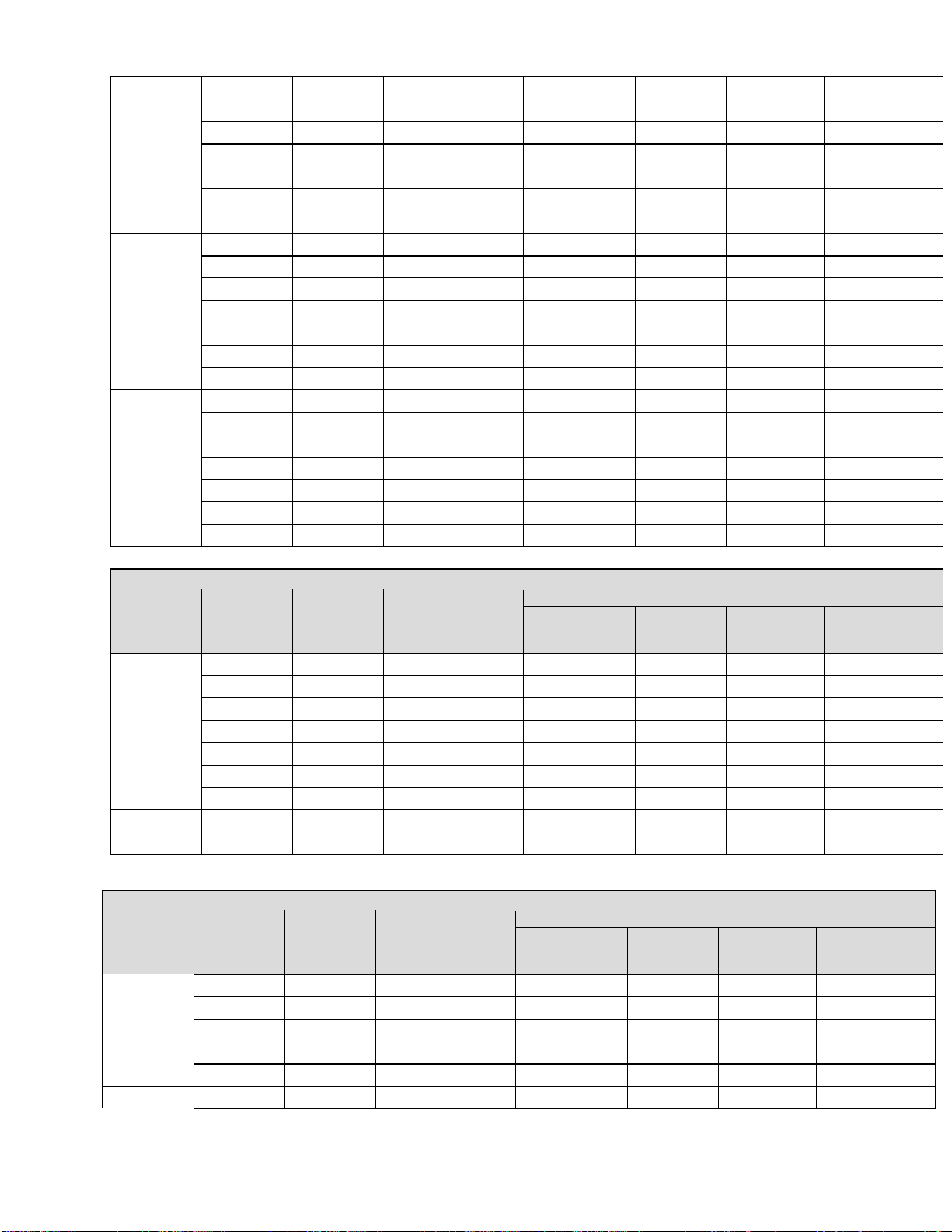
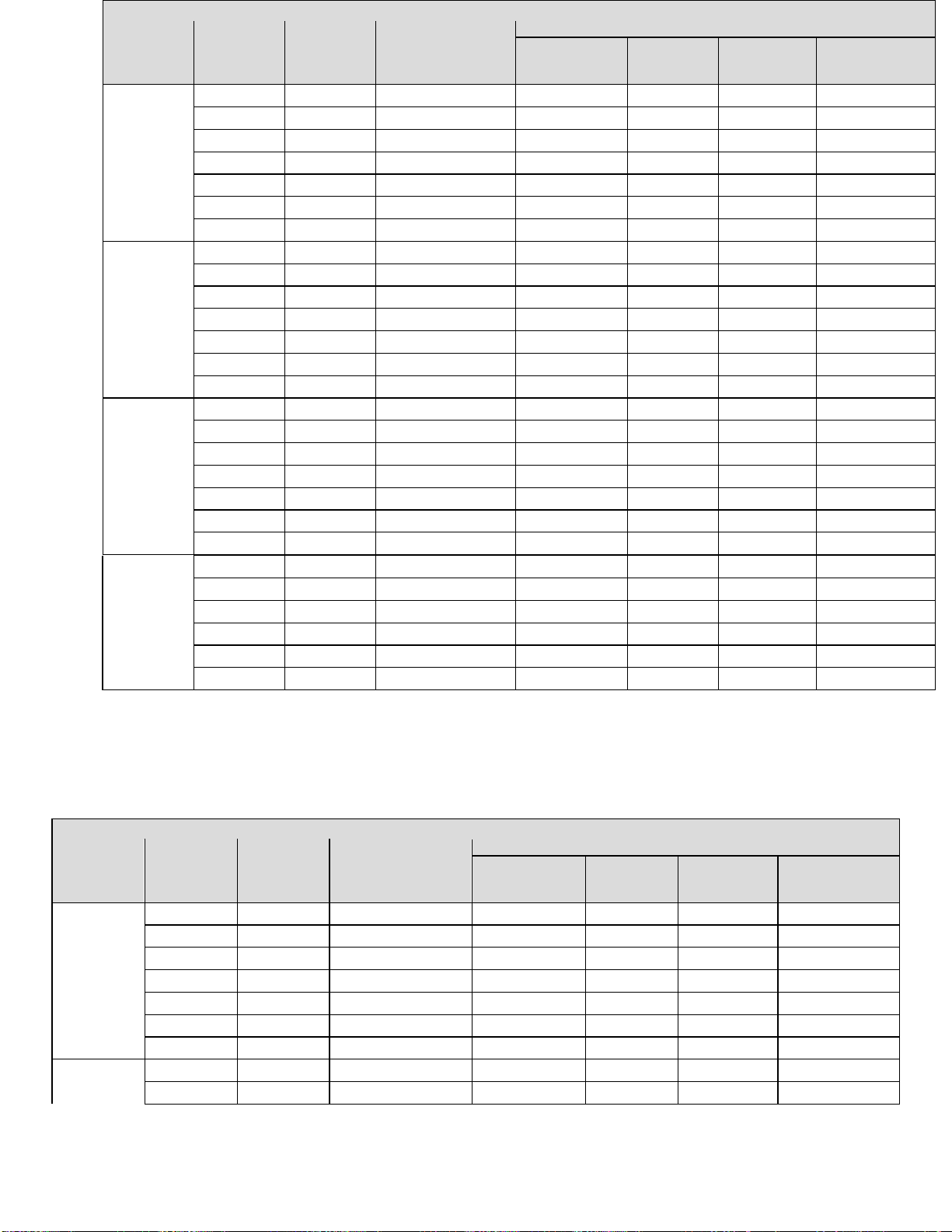
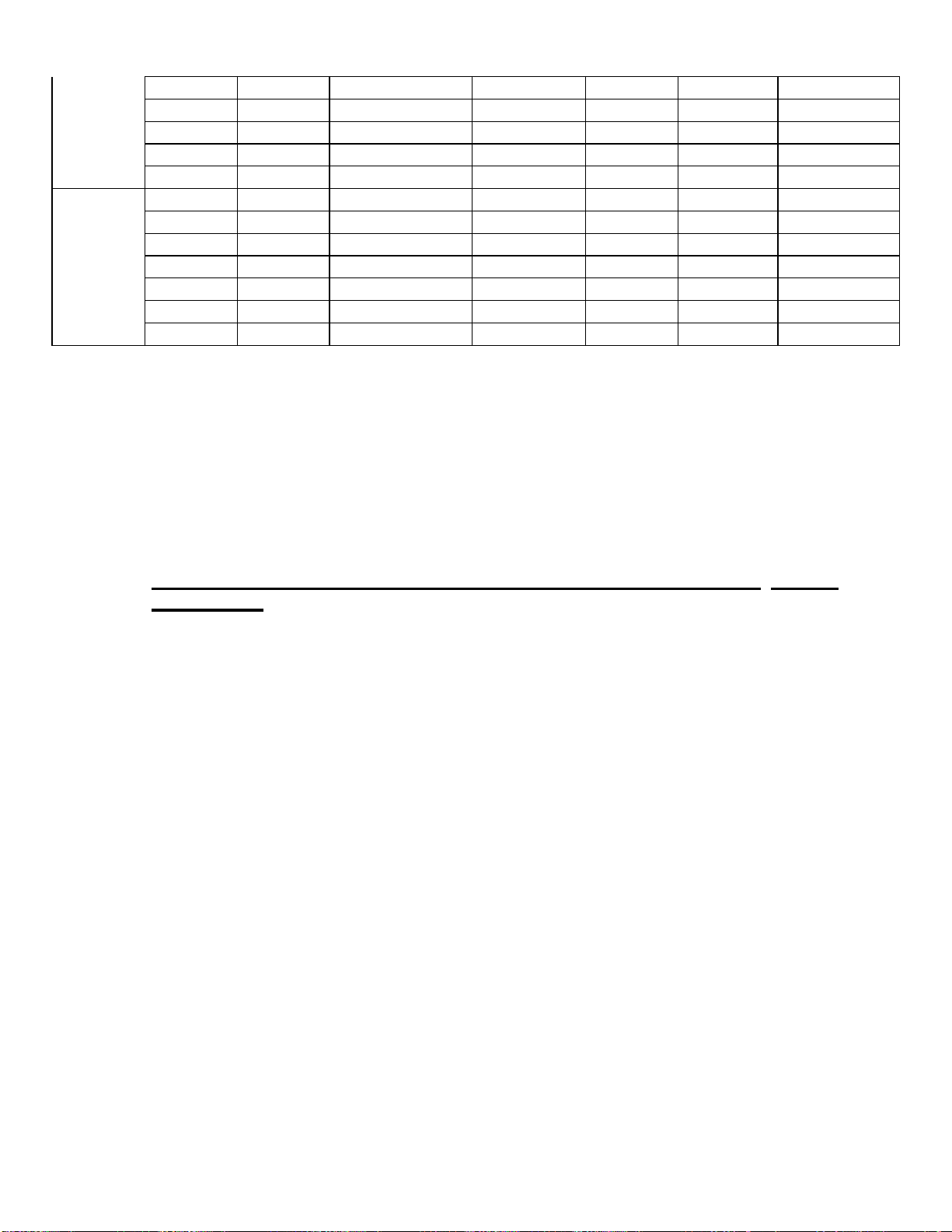
A summary of the results is provided in Table 15.
Table 15. Summary of results from Saliva Sample Volume Tolerance Study by
Primer Mix, stratified by condition and measurand
Primer Mix 1 FAM
Sample
Filling
Condition
Replicates
Tested
Overall Percent
Agreement
# Detected / #Tested by Target Gene
N Gene ORF1ab
E Gene RNase P
DxTerity SARS-CoV-2 RT-PCR CE Test EUA Summary – Updated February 11, 2021
26
Negative
-75
2
100 (2/2)
0/2
0/2
0/2
2/2
-50
2
100 (2/2)
0/2
0/2
0/2
2/2
-25
2
100 (2/2)
0/2
0/2
0/2
2/2
STD
2
100 (2/2)
0/2
0/2
0/2
2/2
+25
2
100 (2/2)
0/2
0/2
0/2
2/2
+50
2
0 (0/2)
0/2
0/2
0/2
0/2
+75
2
0 (0/2)
0/2
0/2
0/2
0/2
2x LoD
Low
Positive
-75
2
100 (2/2)
1/2
2/2
1/2
2/2
-50
2
100 (2/2)
1/2
2/2
2/2
2/2
-25
2
100 (2/2)
1/2
2/2
2/2
2/2
STD
2
100 (2/2)
2/2
2/2
2/2
2/2
25
2
100 (2/2)
2/2
2/2
1/2
2/2
50
2
100 (2/2)
2/2
2/2
2/2
2/2
75
2
100 (2/2)
1/2
2/2
2/2
2/2
200x
LoD
High
Positive
-75
2
100 (2/2)
2/2
2/2
2/2
2/2
-50
2
100 (2/2)
2/2
2/2
2/2
2/2
-25
2
100 (2/2)
2/2
2/2
2/2
2/2
STD
2
100 (2/2)
2/2
2/2
2/2
2/2
+25
2
100 (2/2)
2/2
2/2
2/2
2/2
+50
2
100 (2/2)
2/2
2/2
1/2
1/2
+75
2
100 (2/2)
2/2
2/2
1/2
0/2
Primer Mix 2 VIC
Sample
Filling
Condition
Replicates
Tested
Overall Percent
Agreement
# Detected / #Tested by Target Gene
N Gene ORF1ab
E Gene RNase P
Negative
-75
2
100 (2/2)
0/2
0/2
0/2
2/2
-50
2
50 (1/2)
0/2
0/2
0/2
1/2
-25
2
100 (2/2)
0/2
0/2
0/2
2/2
STD
2
100 (2/2)
0/2
0/2
0/2
2/2
+25
2
100 (2/2)
0/2
0/2
0/2
2/2
+50
2
0 (0/2)
0/2
0/2
0/2
0/2
+75
2
50 (1/2)
0/2
0/2
0/2
1/2
2x LoD
Low
-75
2
100 (2/2)
2/2
2/2
1/2
2/2
-50
2
100 (2/2)
1/2
2/2
2/2
1/2
Primer Mix 2 VIC
Sample
Filling
Condition
Replicates
Tested
Overall Percent
Agreement
# Detected / #Tested by Target Gene
N Gene ORF1ab
E Gene RNase P
Positive
-25
2
50 (1/2)
0/2
2/2
1/2
2/2
STD
2
100 (2/2)
2/2
2/2
1/2
2/2
25
2
100 (2/2)
2/2
2/2
2/2
2/2
50
2
100 (2/2)
2/2
2/2
1/2
2/2
75
2
100 (2/2)
2/2
2/2
2/2
2/2
-75
2
100 (2/2)
2/2
2/2
2/2
2/2
DxTerity SARS-CoV-2 RT-PCR CE Test EUA Summary – Updated February 11, 2021
27
200x
LoD
High
Positive
-50
2
100 (2/2)
2/2
2/2
2/2
2/2
-25
2
100 (2/2)
2/2
2/2
2/2
2/2
STD
2
100 (2/2)
2/2
2/2
2/2
2/2
+25
2
100 (2/2)
2/2
2/2
2/2
2/2
+50
2
100 (2/2)
2/2
2/2
2/2
2/2
+75
2
100 (2/2)
2/2
2/2
2/2
2/2
Primer Mix 4 PET
Sample
Filling
Condition
Replicates
Tested
Overall Percent
Agreement
# Detected / #Tested by Target Gene
N Gene ORF1ab E Gene RNase P
Negative
-75
2
100 (2/2)
0/2
0/2
0/2
2/2
-50
2
100 (2/2)
0/2
0/2
0/2
2/2
-25
2
100 (2/2)
0/2
0/2
0/2
2/2
STD
2
100 (2/2)
0/2
0/2
0/2
2/2
+25
2
100 (2/2)
0/2
0/2
0/2
2/2
+50
2
0 (0/2)
0/2
0/2
0/2
0/2
+75
2
0 (0/2)
0/2
0/2
0/2
0/2
-75
2
100 (2/2)
2/2
2/2
2/2
2/2
-50
2
100 (2/2)
2/2
2/2
2/2
2/2
Primer Mix 3 NED
Sample
Filling
Condition
Replicates
Tested
Overall Percent
Agreement
# Detected / #Tested by Target Gene
N Gene ORF1ab E Gene RNase P
Negative
-75
2
100 (2/2)
0/2
0/2
0/2
2/2
-50
2
100 (2/2)
0/2
0/2
0/2
2/2
-25
2
100 (2/2)
0/2
0/2
0/2
2/2
STD
2
100 (2/2)
0/2
0/2
0/2
2/2
+25
2
100 (2/2)
0/2
0/2
0/2
2/2
+50
2
0 (0/2)
0/2
0/2
0/2
0/2
+75
2
0 (0/2)
0/2
0/2
0/2
0/2
2x LoD
Low
Positive
-75
2
100 (2/2)
2/2
2/2
1/2
2/2
-50
2
100 (2/2)
2/2
2/2
1/2
2/2
-25
2
100 (2/2)
2/2
2/2
0/2
2/2
STD
2
100 (2/2)
2/2
2/2
0/2
2/2
25
2
100 (2/2)
2/2
2/2
1/2
2/2
50
2
100 (2/2)
2/2
2/2
1/2
2/2
75
2
100 (2/2)
2/2
2/2
2/2
2/2
200x
LoD
High
Positive
-75
2
100 (2/2)
2/2
2/2
2/2
2/2
-50
2
100 (2/2)
2/2
2/2
2/2
2/2
-25
2
100 (2/2)
2/2
2/2
2/2
2/2
STD
2
100 (2/2)
2/2
2/2
2/2
2/2
+25
2
100 (2/2)
2/2
2/2
2/2
2/2
+50
2
100 (2/2)
2/2
2/2
1/2
1/2
+75
2
100 (2/2)
2/2
2/2
1/2
1/2
DxTerity SARS-CoV-2 RT-PCR CE Test EUA Summary – Updated February 11, 2021
28
2x LoD
Low
Positive
-25
2
100 (2/2)
1/2
2/2
2/2
2/2
STD
2
100 (2/2)
1/2
2/2
2/2
2/2
25
2
100 (2/2)
2/2
2/2
2/2
2/2
50
2
100 (2/2)
2/2
2/2
2/2
2/2
75
2
100 (2/2)
2/2
2/2
2/2
2/2
200x
LoD
High
Positive
-75
2
100 (2/2)
2/2
2/2
2/2
2/2
-50
2
100 (2/2)
2/2
2/2
2/2
2/2
-25
2
100 (2/2)
2/2
2/2
2/2
2/2
STD
2
100 (2/2)
2/2
2/2
2/2
2/2
+25
2
100 (2/2)
2/2
2/2
2/2
2/2
+50
2
100 (2/2)
2/2
2/2
2/2
2/2
+75
2
100 (2/2)
2/2
2/2
2/2
1/2
These results demonstrate that positive saliva samples were unaffected by overfilling the
Spectrum saliva collection device up to 50% and 75% over-fill for all four Primer Mixes.
However, negative samples may be invalid and require retest, if the internal control
(RNaseP) is below the threshold. Thus, the RNAse P internal control serves as an
effective control for ensuring that saliva samples are not overfilled. The Spectrum
Solutions LLC SDNA-1000 Saliva Collection Device is tolerant to saliva collection
volume range of up to 75% under-fill to 25% over-fill. The collection device
instructions for use emphasize the need to not overfill.
9) Human Usability Study: for home-collection and mailing the sample to a CLIA- certified
lab for testing:
To support home use of the DxTerity Home Collection Kit, using the Spectrum Solutions
LLC SDNA-1000 Saliva Collection Device, a Human Usability Study was conducted to
evaluate the entire workflow including kit registration, sample collection, packaging of the
sample, and mailing to the laboratory with pre-paid label.
Testing included 41 participants representing varying education levels and ages and took
place in user’s homes. Two (2) participants with prior self-collection experience were
excluded from the study.
After enrollment in the study, the collection kit was shipped to each participant for next day
delivery. Upon receipt of the kit and on the day/time of the scheduled video conference call
set up to monitor self-collection, each participant logged onto an electronic portal to consent
for the study and to provide basic demographic data and information on risk factors or
symptoms of COVID-19.
Each participant collected the saliva sample while under observation by a DxTerity staff via
video conference, who recorded any difficulties with the registration and the sample
collection process.
After the entire process was completed, the user was given a questionnaire to indicate the
ease of use of the kit and sample collection as well as understanding the consequences if
steps are not performed correctly.
DxTerity SARS-CoV-2 RT-PCR CE Test EUA Summary – Updated February 11, 2021
29
Two out of the 39 participants had no responses to any questions. Overall, 89% (33/37) of
the respondents rated the entire process as easy to use. The difficulties experienced by the
users related to saliva collection (getting enough saliva and cap closure) and packaging are
listed as common feedback in Table 16A below and will be addressed by revising the
instructions for use as appropriate.
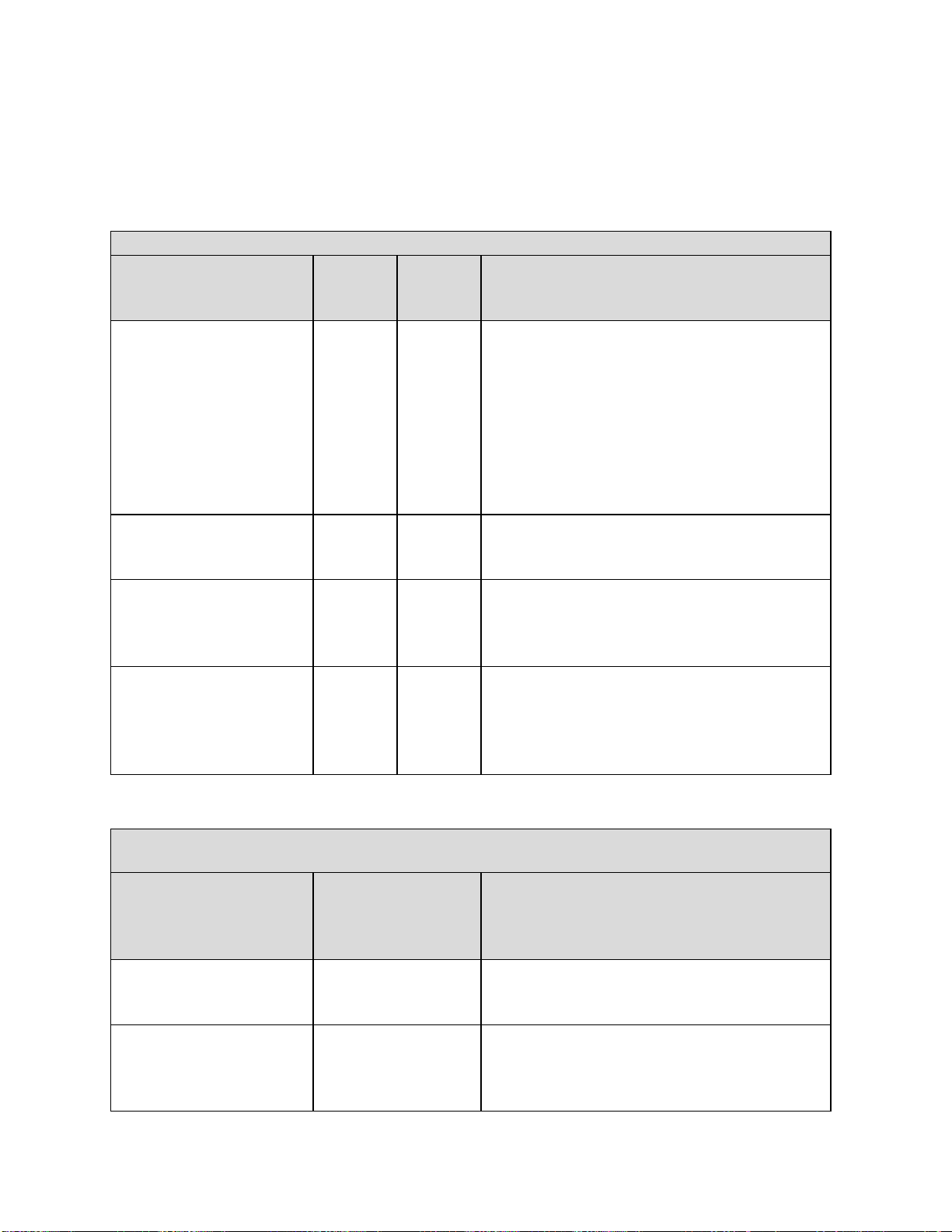
Table 16A. Summary of participant feedback from Human Usability Study
Questions in the Participant Questionnaire with a YES or NO Response
Questions in the
Participant
Questionnaire
Yes
No
Common Feedback
Were the sample
collection kit
instructions easy to
follow?
29
8
1) Instructions on sealing the box could be
clearer
2) Include instructions on which box
contents to keep or discard
3) Instructions on which barcode to use -the
box or the tube was not clear
4) Clarify that no eating and drinking prior
to collection also includes not drinking
water
Did you encounter any
problem with the saliva
collection process?
6
31
1) Hard to gather enough saliva
2) Cap is hard to close
Did you have any
concerns with packaging
and shipping the sample
back to us?
3
34
Include instructions on which box contents
to keep or discard.
Are you able to easily
perform self-collection
using this kit and the
materials we provided?
34
3
1) Confused on which instructions to use
(those included with kit vs collection
device) and therefore had difficulty with
packaging and barcode registration
2) Difficulty in closing the tube
Questions in the Participant Questionnaire with Response Rated on a Scale of
1 through 5
Questions in the
Participant
Questionnaire
Rating of 1-3
(Very Easy to
Neutral)/
Total Responses
Rating of 4-5 (Difficult or very Difficult)/
Total Responses
How would you rate
your experience with the
registration process?
21/37
6/37
How would you rate
your experience with the
sample collection
process?
36/37
1/37
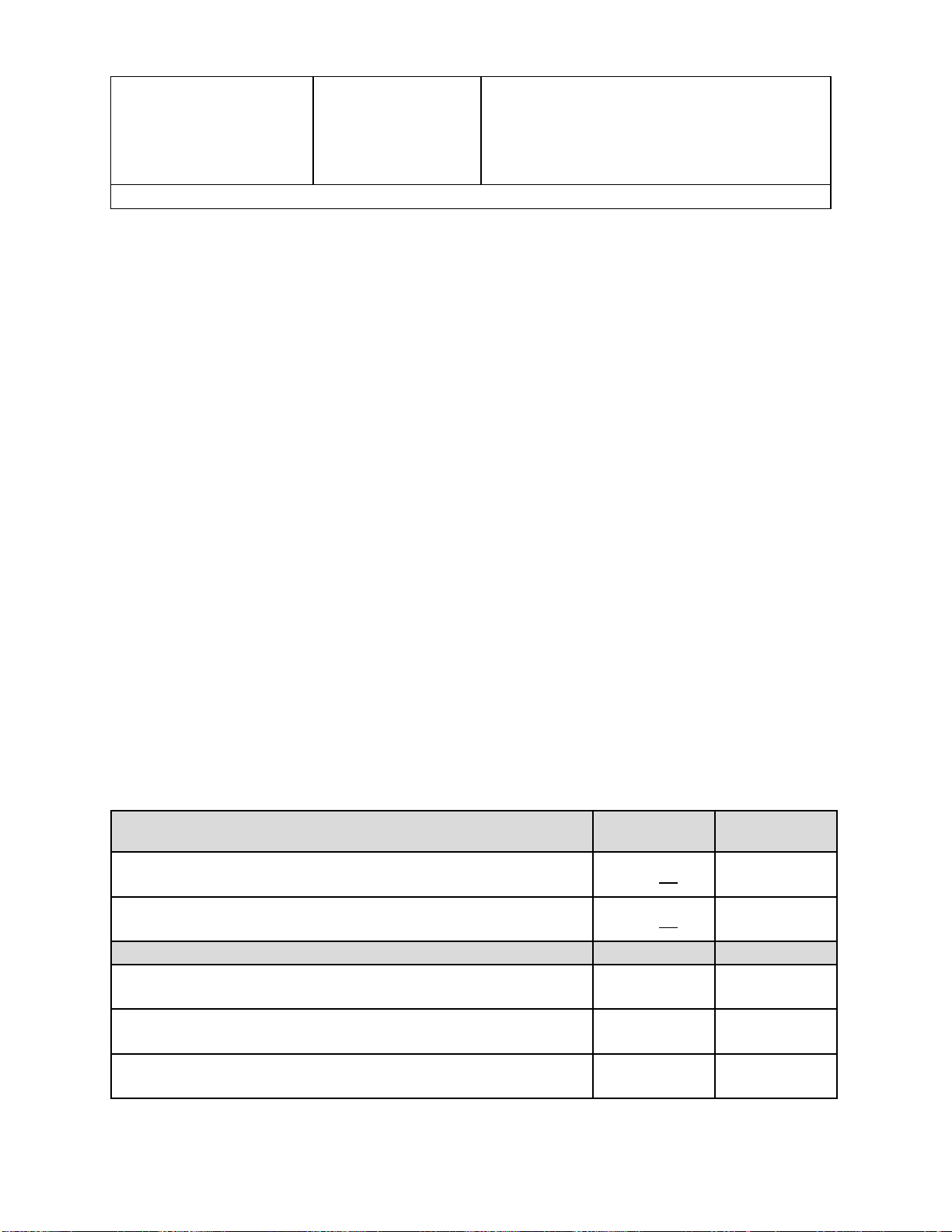
DxTerity SARS-CoV-2 RT-PCR CE Test EUA Summary – Updated February 11, 2021
30
How would you rate
your overall experience
with the entire process
(from registration to
collection to shipping)?
33/37
4/37
2 out of the 39 participants had no responses to any of these questions
The sample was packed with the provided shipping materials and shipped via FedEx to the
laboratory with the provided pre-paid return envelope. 35 out of the 39 samples were shipped
and received at DxTerity within 24 hours of saliva collection. Of the 4 samples received after
24 hours, 2 were received after 48 hours and the other 2 were received after 72 hours.
Upon receipt, laboratory personnel inspected the packaging and recorded any packaging errors
and noted acceptability of the sample for testing. Two out of the 39 samples were processed
by the laboratory and not inspected and thus excluded from further testing. A total of 37
samples were inspected upon receipt for packaging errors and were tested using the DxTerity
SARS- CoV-2 RT-PCR CE test (Primer Mix-3 NED), that detects RNase P for specimen
adequacy.
The packaging error (4/37) was mainly failure to seal the sample box. The users did not peel
the adhesive cover strip prior to closing the box. All 37 samples were deemed acceptable for
testing. The major observations with the samples were green colored samples (24/37), less than
standard fill (13/37) and greater than standard fill (6/37) saliva sample. For samples where
greater than standard fill was observed, the over fill volumes were less than 50% overfill.
Based on the sample volume tolerance study, no failure in RNase P detection was expected
in the under fill or over fill samples. This was confirmed, as these 37 samples plus 4
samples received later than 24 hours after collection were valid with RNase P was detected.
Table 16B. Summary of Human Usability Study
Participant Summary
N %
Participants Enrolled
41
100% (41/41)
Participants with No Prior Medical or Laboratory
Training
39
95% (39/41)
Kit Summary
Kits Distributed
41
100% (41/41)
Kits Received for Testing within 24 hrs of Saliva
Collection
37
95% (37/39)
Kits Received for Testing after 48 hrs of Saliva
Collection
1
2.5% (1/39)
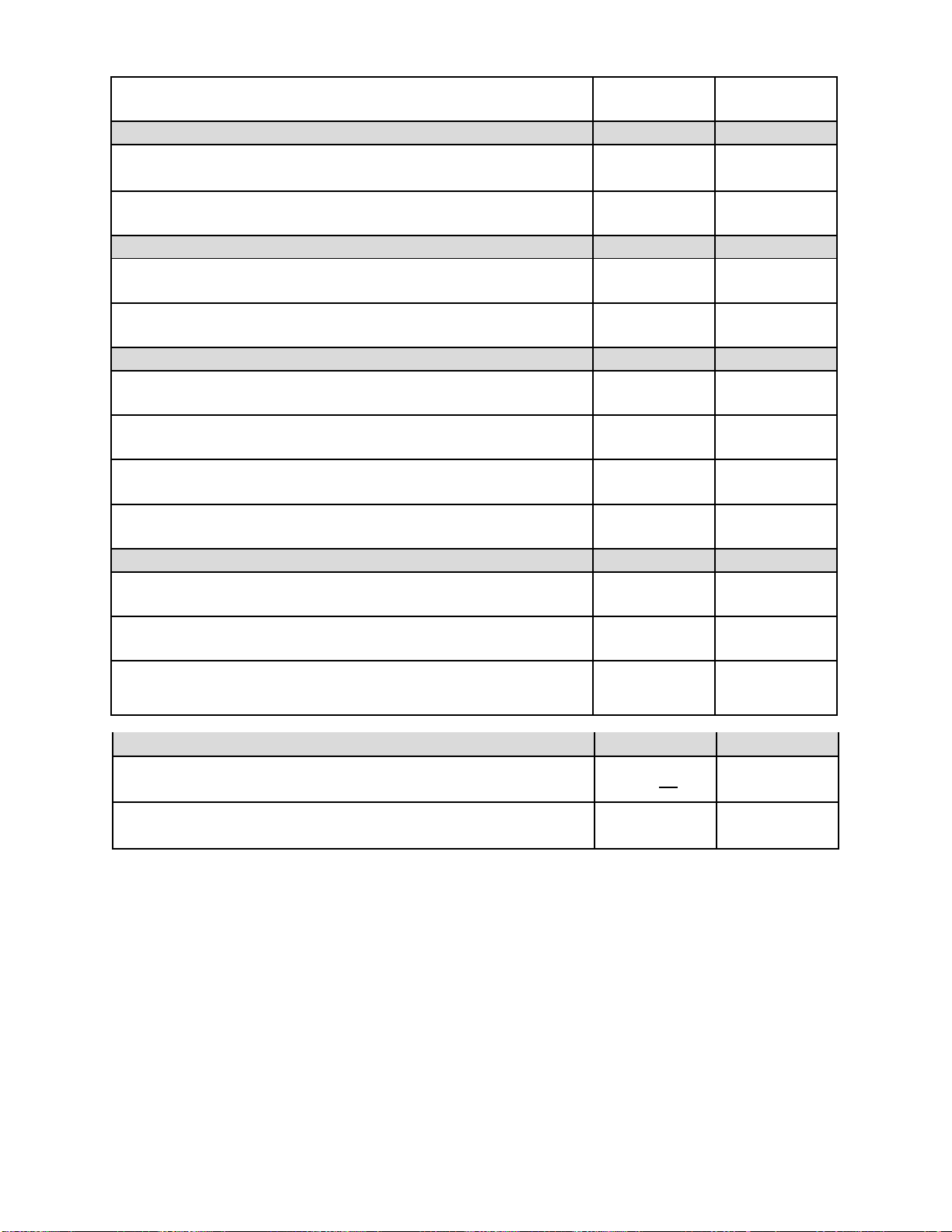
DxTerity SARS-CoV-2 RT-PCR CE Test EUA Summary – Updated February 11, 2021
31
Kits Received for Testing after 72 hrs of Saliva
Collection
1
2.5% (1/39)
Errors Noted at Sample Accessioning
Kits Received for Testing
39
100% (39/39)
Kits Not Inspected Prior to Processing, Thus Excluded
from Testing
2
5% (2/39)
Participant Responses
Participants who Provided Feedback
37
95% (37/39)
Participants who Rated the Entire Process as Easy to
Use
33
85% (33/39)
Packaging Errors
Package Intact
37
100% (37/37)
Package Seal
31
84% (31/37)
Absorbent Sheet Present
37
100% (37/37)
No Visible Signs of Sample Leakage
37
100% (37/37)
Observations at Sample Accessioning
Green Color Observed
1
25
67.5% (25/37)
Less Than Standard Fill Observed
13
35% (13/37)
Greater Than Standard Fill Observed
6
16% (6/37)
Sample Validity / Adequacy
Acceptable for Testing
37
100% (37/37)
Unacceptable for Testing
0
0% (0/37)
1
The Spectrum buffer solution is blue, upon mixture with saliva (which can be clear or yellow),
the resulting solution is expected to be blue or green. Only dark colored such as brown are
rejected.
LIMITATIONS:
• For asymptomatic individuals, negative results obtained using saliva should be considered as
presumptive and confirmed with a preferred specimen type or different molecular assay
validated for testing saliva, if necessary, for patient management.
• Testing of saliva for individuals with or without symptoms of COVID-19 should be prescribed
by healthcare provider.
• Based on the in-silico analysis, other SARS-like coronaviruses in the same subgenus

DxTerity SARS-CoV-2 RT-PCR CE Test EUA Summary – Updated February 11, 2021
32
(Sarbecovirus) as SARS-CoV-2 may cross-react with the DxTerity SARS-CoV-2 RT-PCR.
Other SARS-like coronaviruses in the same subgenus (Sarbecovirus) as SARS-CoV-2 are not
known to be currently circulating in the human population, therefore, are highly unlikely to be
present in individual specimens.
• The clinical performance of this test has not been established in all circulating variants but is
anticipated to be reflective of the prevalent variants in circulation at the time and location of the
clinical evaluation. Performance at the time of testing may vary depending on the variants
circulating, including newly emerging strains of SARS-CoV-2 and their prevalence, which
change over time.
WARNINGS
• Caution: Federal Law restricts this device to sale by or on the order of a licensed practitioner.
• For in vitro diagnostic use.
• This product has not been FDA cleared or approved but has been authorized by FDA under an
EUA for use by DxTerity Diagnostics, located at 19500 S. Rancho Way Suite 116, Rancho
Dominguez, CA 90220 USA which is certified under CLIA and meets the requirements to
perform high-complexity tests.
• This product has been authorized only for the detection of nucleic acid from SARSCoV-2,
not for any other viruses or pathogens.
• The emergency use of this product is only authorized for the duration of the declaration
that circumstances exist justifying the authorization of emergency use of in vitro
diagnostics for detection and/or diagnosis of COVID-19 under Section 564(b)(1) of the
Federal Food, Drug and Cosmetics Act, 21 U.S.C. § 360bbb-3(b)(1), unless the
declaration is terminated or authorization is revoked sooner.