
Not a nuisance, but a safety alert
AFCI and
Home Safety
Join the movement to make
homes safer
usa.siemens.com/afci
AFCI and Home Safety
Join the movement to make homes safer
Following is a collection of information and resources to
explain AFCIs and their effect on Home Safety.
Technology exists to help mitigate the effects of arcing
and sparking in our electrical systems. Arc Fault Circuit
Interrupters (AFCIs) are devices that alleviate the effects
of arcing faults to protect homes against the dangers of
electrical fires. Determining the cause of an AFCI trip can
be confusing and time-consuming, but the innovative trip
indicators and the Siemens exclusive Intelli-arc Diagnostic
Tool offer help in the troubleshooting process. This is a
technology that has a goal of stopping fires before they
begin and can be leveraged in new and existing homes to
mitigate the effects of the arcs and sparks that can cause
electrical fires.
Background information:
NFPA reported 47,700 home fires involved some type
of electrical failure or malfunction in 2011. Those fires
resulted in 418 deaths, 1,570 injuries, and $1.4 billion
direct property damage. However, the CPSC estimates
more than 50% of electrical fires that occur every year
could be prevented by AFCIs.
The U.S. Department of Housing and Urban Development’s
Healthy Homes Report listed the absence of AFCIs among
the primary residential hazards associated with burns and
fire-related injuries.
We all want to live in homes protected from fires caused by
electrical arcs.
Given these staggering statistics, here are some simple steps which will
help you to assure Safety for all.
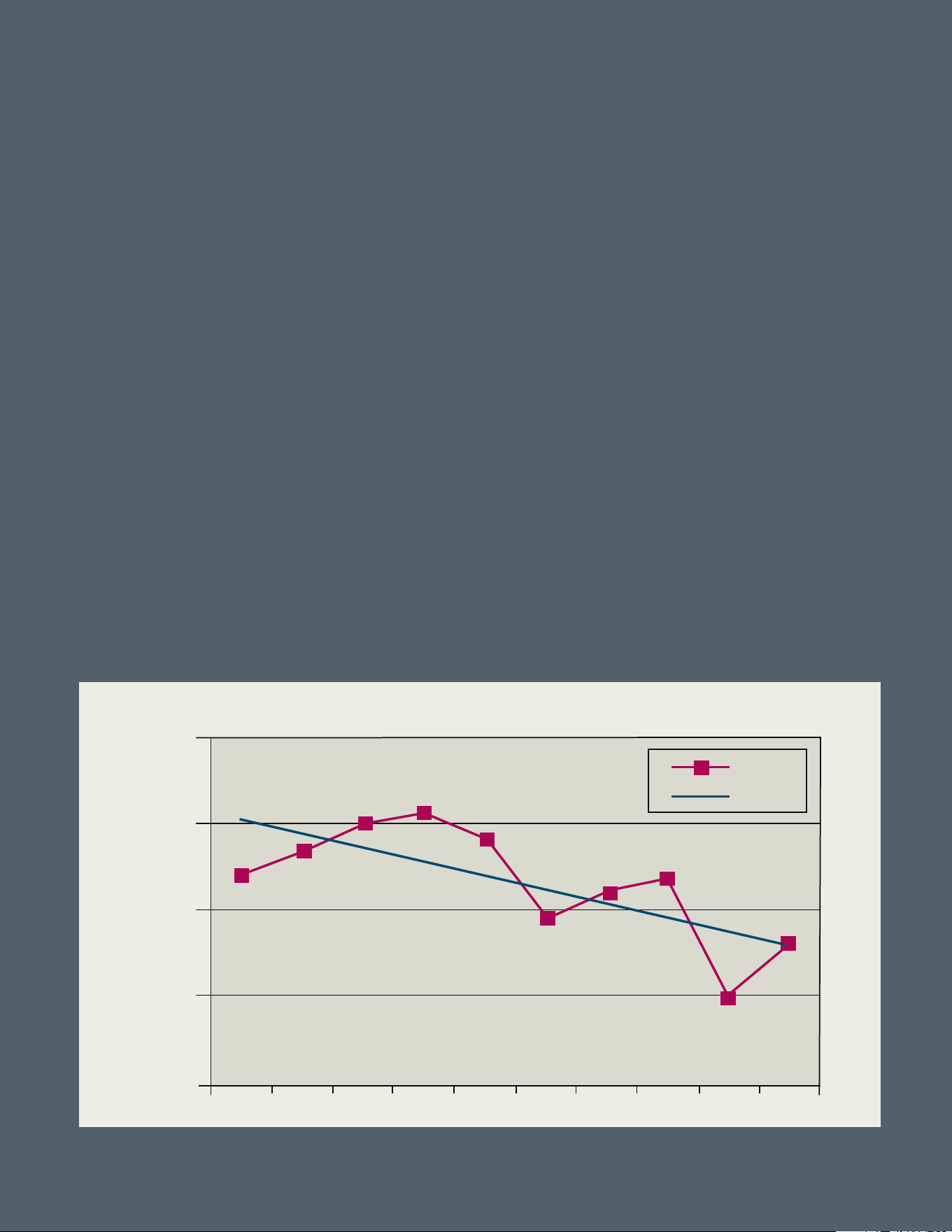
Residential Building Electrical Malfunction Fires
2004
27,000
28,500
30,000
30,600
24,700
29,100
2005 2006 2007 2008 2009 2010 2011 2012 2013
Year
35,000
30,000
25,000
20,000
15,000
Estimate of Fires
26,100
26,800
23,100
20,200
Fires
Trend
U.S. Fire Administration

Ensure light bulbs are tight in socket
Wire receptacles around the screw
Devices in the home should be UL and FCC
Part 15 compliant
Route wires in strategic areas so homeowners and other
trades are less likely to pierce through a wire
Preventative measures (for contractors)
Screw
terminal
Inserting wire into the pressure slots on the back of the
receptacle is not the best method
50 to 75 percent of all electrical fires in the United States are
caused by arc fault conditions
Wrapping wire around the screws located on sides of the
receptacle is the best method
Example of line-to-ground arc fault (nail puncturing
NM-B wire)

Preventative measures (homeowners)
Ensure light bulbs are tight in socket
Protect electronics on surge protectors
Do not put furniture on or push furniture up against
electrical wires
Devices in the home should be UL and FCC
Part 15 compliant
Do not overload a circuit
Light bulbs should make a complete connection with
the socket
Be careful not to overload a circuit
Surge supressors will not only protect the homeowners‘
electronics, but also decrease the “noise“ emitted
from electronics
Damaged/bent cords can cause arcs
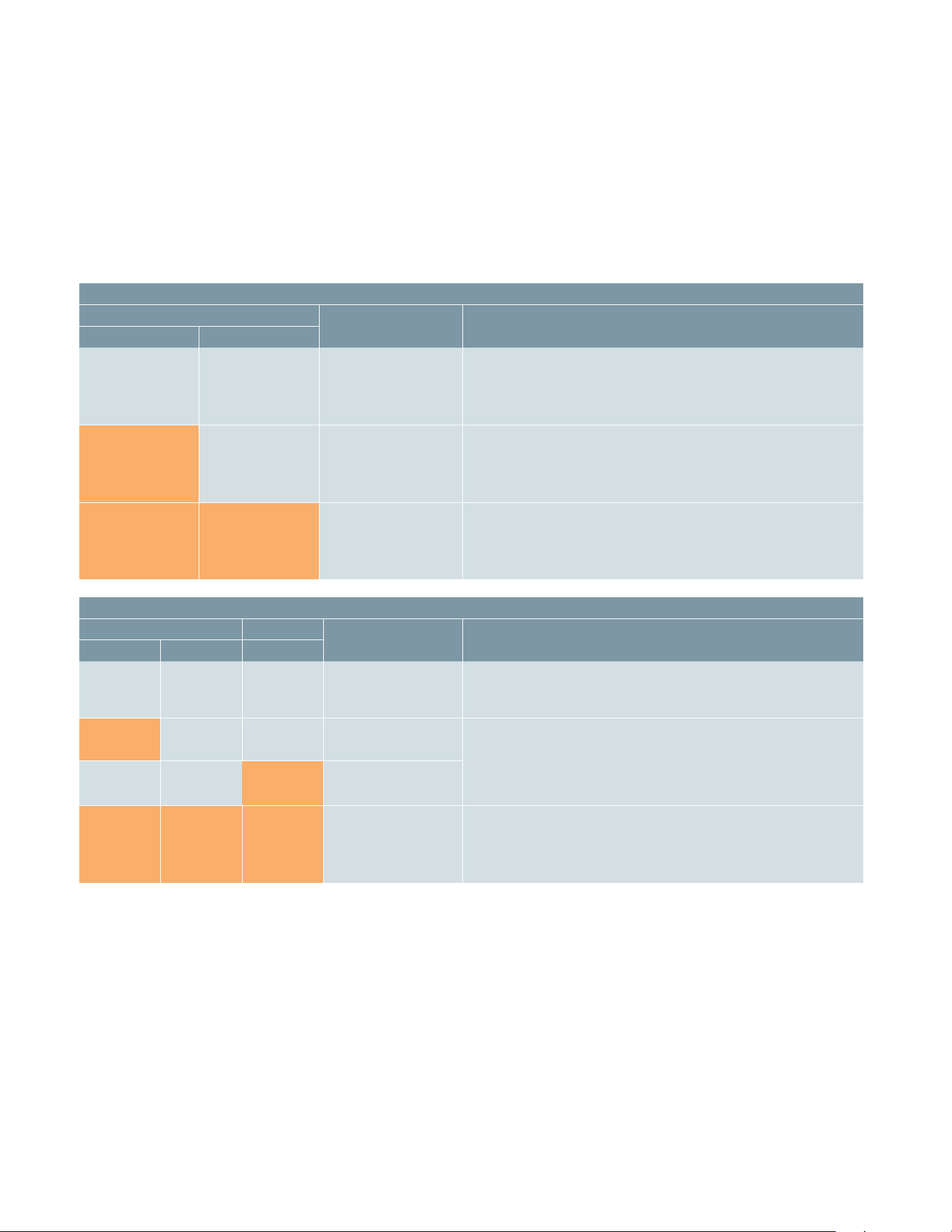
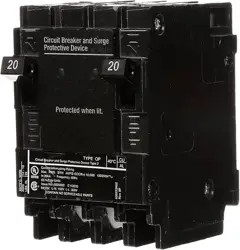
1-Pole CAFCI circuit breaker
LED indicators
Last known
trip condition Troubleshooting1 2
Off Off Overcurrent
Ensure current on the circuits does not exceed the current rating for
the breaker.
On Off Arc fault
Check wiring for the parallel and series arc faults. Check devices for
series arc faults. Use Intelli-Arc to assist and accelerate diagnosis.
On On Art fault to ground
Check wiring, switches, and receptacles for possible ground leakage.
Use Intelli-Arc or circuit tester to troubleshoot. Using safe electrical
practices, systematically identify the source of the ground fault.
2-Pole CAFCI circuit breaker
LED indicators
Last known
trip condition Troubleshooting1 2 3
Off Off Off Overcurrent
Ensure current on the circuits does not exceed the current rating for
the breaker.
On Off Off Arc fault (leg A)
Check wiring for the parallel and series arc faults. Check devices for
series arc faults. Use Intelli-Arc to assist and accelerate diagnosis.
Off Off On Arc fault (leg B)
On On On Art fault to ground
Check wiring, switches, and receptacles for possible ground leakage.
Use Intelli-Arc or circuit tester to troubleshoot. Using safe electrical
practices, systematically identify the source of the ground fault.
Additional questions to ask
when troubleshooting:
1) How many LED’s on the breaker upon reset?
2) What event/action is causing the trip condition?
3) Has the event/action for the trip condition been identified?
4) Which circuits are experiencing the trip condition?
5) What devices are on that circuit?
Additional Resources:
Siemens Technical Support: 1-800-333-7421
www.afcisafety.org
UL AFCI training – FREE!: Go to www.afcisafety.org and
click on the link at the top of the page for the “free online
training program”
NEMA White Paper: Wiring Practices & Troubleshooting
with AFCIs found under Publications and Multimedia
Presentations at afcisafety.org
usa.siemens.com/afci
Intelli-arc:
brainshark:
http://www.brainshark.com/siemens/DYKIntelliARC
CustomPoint resources:
Posters: RPMR-IADT1-0909, RPMR-IADT3-0909,
RPMR-IADT2-0909
DVD: RPMR-IADVD-0610
Brochure: RPFL-IADT2-1011

Published by
Siemens Industry, Inc. 2017.
Siemens Industry, Inc.
5400 Triangle Parkway
Norcross, GA 30092
For more information, please contact
our Customer Support Center.
Phone: 1-800-241-4453
E-mail: [email protected]
usa.siemens.com/afic
Order No. RPBR-TPSTR-0517
Printed in U.S.A.
© 2017 Siemens Industry, Inc.
The technical data presented in this document is based on an actual case
or on as-designed parameters, and therefore should not be relied upon for
any specific application and does not constitute a performance guarantee
for any projects. Actual results are dependent on variable conditions.
Accordingly, Siemens does not make representations, warranties, or
assurances as to the accuracy, currency or completeness of the content
contained herein. If requested, we will provide specific technical data or
specifications with respect to any customer’s particular applications. Our
company is constantly involved in engineering and development. For that
reason, we reserve the right to modify, at any time, the technology and
product specifications contained herein.