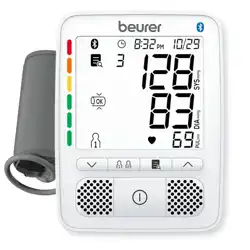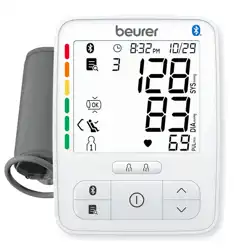
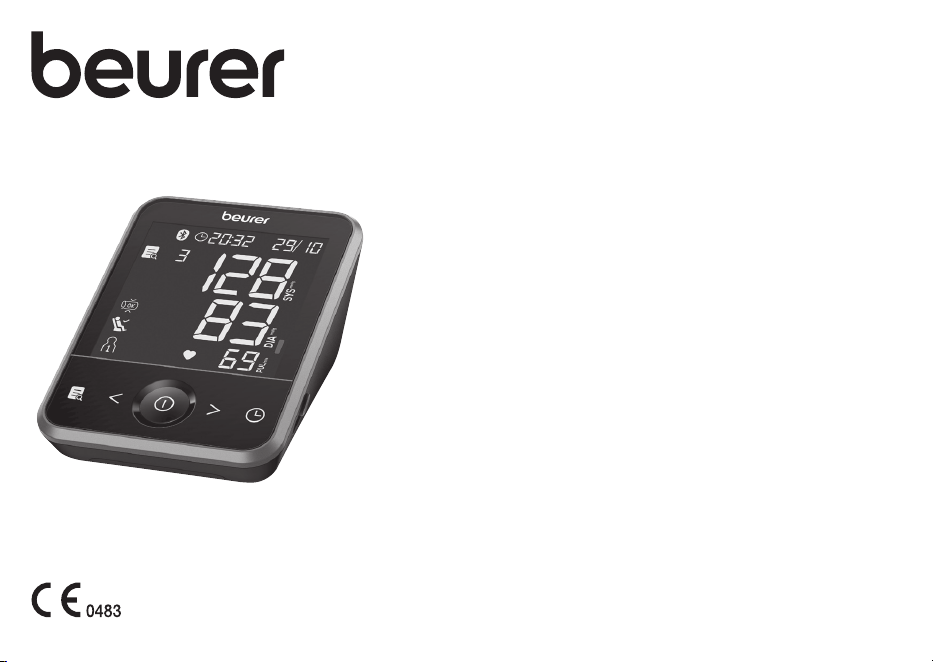
EN Upper arm blood pressure
monitor
Instructions for use
BM 64

2
3
mmHg
kPa
SYS
mmHg
kPa
DIA
AM
PM
/
x3
/min
PUL
1 2
AVG
AFIB
OK
25
24
23
22
21
20
19
11 12
161718 15
13
14
A
B
C
D
10
7
6
8
9
1 2 3 4
5
4
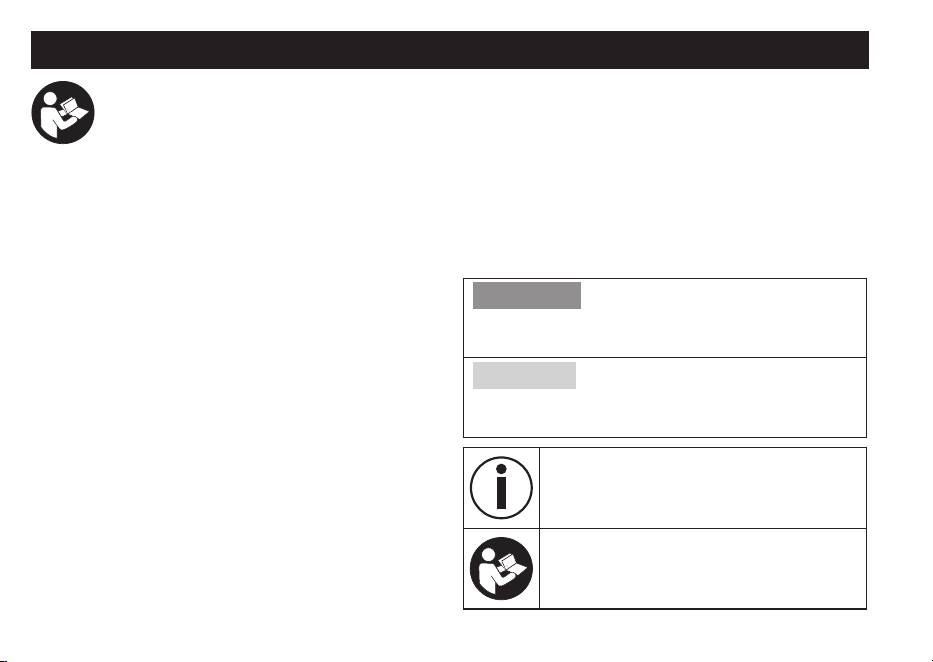
1. SIGNS AND SYMBOLS
The following symbols are used on the device, in these in-
structions for use, on the packaging and on the type plate
for the device:
WARNING
Indicates a potentially impending danger. If it is not
avoided, death or serious injury will occur.
CAUTION
Indicates a potentially impending danger. If it is not avoi-
ded, slight or minor injuries may occur.
Product information
Note on important information
Observe the instructions
Read the instructions before starting work
and/or operating devices or machines
ENGLISH
Read these instructions for use carefully. Observe the warnings and safety notes. Keep
these instructions for use for future reference. Make the instructions for use accessible
to other users. If the device is passed on, provide the instructions for use to the next user
as well.
1. Signs and symbols ........................................................ 4
2. Intended use ................................................................. 6
3. Warnings and safety notes ............................................ 7
4. Included in delivery ..................................................... 10
5. Device description ....................................................... 10
6. Usage .......................................................................... 10
6.1 Initial use ............................................................... 10
6.2 Before the blood pressure measurement .............. 12
6.3 Taking a blood pressure measurement ................. 13
6.4 Evaluating the results ............................................ 14
6.5 Displaying and deleting measured values ............. 17
7. Cleaning and maintenance .......................................... 18
8. Accessories and replacement parts ............................ 18
9. Troubleshooting ........................................................... 19
10. Disposal ...................................................................... 20
11. Technical specifications .............................................. 20
12. Guarantee/service ....................................................... 22
Contents
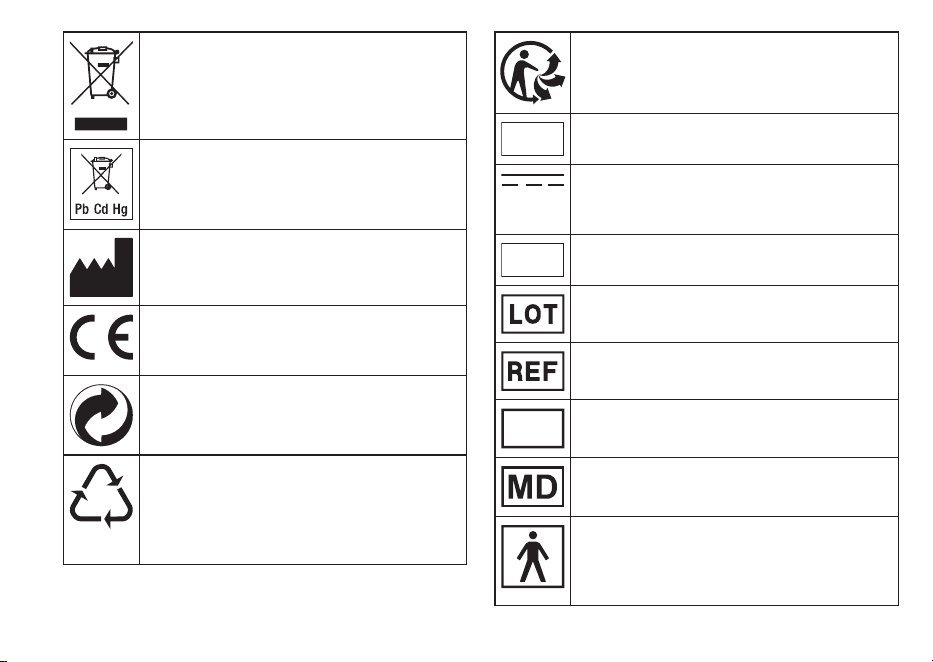
5
Disposal in accordance with the Waste Elec-
trical and Electronic Equipment EC Directive
– WEEE
Do not dispose of batteries containing harmful
substances with household waste
Manufacturer
CE labelling
This product satisfies the requirements of the
applicable European and national directives.
Dispose of packaging in an environmentally
friendly manner
B
A
Marking to identify the packaging material.
A = material abbreviation,
B = material number:
1–7 = plastics,
20–22 = paper and cardboard
Separate the product and packaging elements
and dispose of them in accordance with local
regulations.
IP20
Protected against solid foreign objects
12.5mm in diameter and larger
Direct current
The device is suitable for use with direct
current only
UDI
Unique device identifier (UDI)
Identifier for unique product identification
Batch designation
Item number
S
N
Serial number
Medical device
Type BF applied part
Galvanically isolated applied part (F stands
for “floating”); meets the requirements for
leakage currents for type B
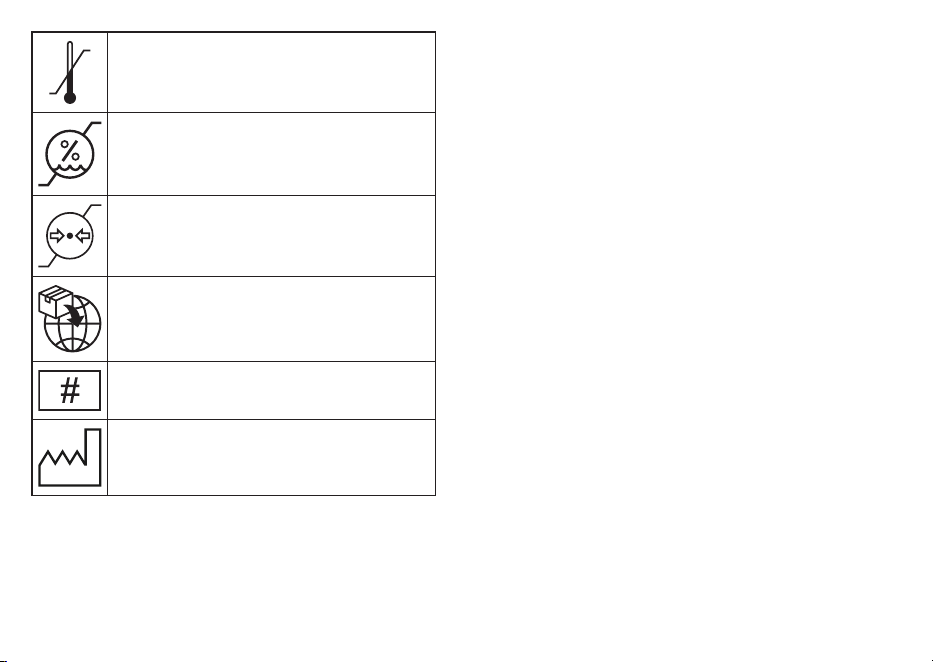
6
Temperature range
Humidity range
Atmospheric pressure limitation
Importer symbol
Type number
Date of manufacture
2. INTENDED USE
Intented purpose
The blood pressure monitor (hereinafter, device) is intended
for the fully automatic, non-invasive measurement of arterial
blood pressure and pulse values on the upper arm.
It is designed for self-measurement by adults in a domestic
environment.
Intended users
The blood pressure measurement is suitable for adult users
whose upper arm circumference is within the range printed
on the cu.
Clinical benefits
The user can record their blood pressure and pulse values
quickly and easily using the device. The recorded values are
classified according to internationally applicable guidelines
and evaluated graphically. Furthermore, the device can de-
tect any irregular heart beats that occur during measurement
and inform the user via a symbol in the display. The device
saves the recorded measurements and can also output av-
erage values of previous measurements. The recorded data
can provide healthcare service providers with support during
the diagnosis and treatment of blood pressure problems, and
therefore it plays a part in the long-term monitoring of the
user’s health.

7
Indications
In the event of hypertension or hypotension, the user can in-
dependently monitor their blood pressure and pulse values at
home. However, the user does not need to be suering from
hypertension or arrhythmia in order to use the device.
Contraindications
WARNING
• Do not use the blood pressure monitor on newborns,
children or pets.
• Persons with reduced physical, sensory or mental capa-
bilities should be supervised by a person responsible for
their safety and receive instructions from that person on
how to use the device.
• Do not use the device if you are using electrical implants
(e.g. pacemakers).
• Do not use the device if you have metal implants.
• Do not use the cu on people who have undergone a
mastectomy.
• Do not place the cu over wounds as this may cause
further injury.
• Make sure that the cu is not placed on an arm whose
arteries or veins are undergoing medical treatment, e.g.
intravascular access or intravascular therapy, or an arte-
riovenous (AV) shunt.
• Do not use the device on people with allergies or sen-
sitive skin.
Undesirable side eects
• skin irritation
• negative impact on blood circulation
3. WARNINGS AND SAFETY NOTES
General warnings
WARNING
• The measurements you take are for your information only
– they are not a substitute for a medical examination! Dis-
cuss your measured values with your doctor and never
make your own medical decisions based on them (e.g.
regarding medicine doses).
• The device is only intended for the purpose described in
these instructions for use. The manufacturer is not liable
for damage resulting from improper or incorrect use.
• Using the blood pressure monitor outside your home
environment or while on the move (e.g. while travelling
in a car, ambulance or helicopter, or while undertaking
physical activity such as playing sport) can influence the
measurement accuracy and cause incorrect measure-
ments.
• Cardiovascular diseases may lead to incorrect meas-
urements or have a detrimental eect on measurement
accuracy.
• Do not use the device at the same time as other medical
electrical devices (ME equipment). This could cause the

8
measuring device to malfunction and/or an inaccurate
measurement.
• Do not use the device outside of the specified storage
and operating conditions. This could lead to incorrect
measurements.
• Only use the cus included in delivery or described in
these instructions for use with the device. Using a dier-
ent cu may lead to inaccurate measurements.
• Note that when inflating the cu, the functions of the limb
aected may be impaired.
• Do not perform measurements more frequently than nec-
essary. Due to the restriction of blood flow, some bruis-
ing may occur.
• Blood circulation must not be stopped for an unneces-
sarily long time during the blood pressure measurement.
If the device malfunctions, remove the cu from the arm.
• Place the cu on the upper arm only. Do not place the
cu on other parts of the body.
• The air line poses a risk of strangulation for small chil-
dren.
• Small parts may present a choking hazard for small
children if swallowed. They should therefore always be
supervised
• Do not drop, step on or shake the device.
• Do not disassemble the device as this may cause dam-
age, faults and malfunctions.
• If you have any of the following conditions, it is essential
you consult your doctor before using the device: Cardiac
arrhythmia, circulatory problems, diabetes, pregnancy,
pre-eclampsia, hypotension, chills, shaking
• To rule out a dierence between sides, the measurement
should initially be taken on both arms.
General precautions
CAUTION
• The blood pressure monitor is made from precision and
electronic components. The accuracy of the measure-
ments and service life of the device depend on its careful
handling.
• Protect the device and its mains adapter from impacts,
humidity, dirt, marked temperature fluctuations and di-
rect sunlight.
• Ensure the device is at room temperature before taking a
measurement. If the measuring device has been stored
close to the maximum or minimum storage and trans-
port temperatures and is placed in an environment with
a temperature of 20°C, it is recommended that you wait
approx. 2 hours before using the measuring device.
• Do not use the device in the vicinity of strong electro-
magnetic fields and keep it away from radio systems or
mobile telephones.
• We recommend removing the batteries if the device is
not going to be used for a prolonged period of time.
• Avoid any mechanical restriction, compression or bend-
ing of the cu line.

9
Notes on handling batteries
WARNING
• If your skin or eyes come into contact with battery flu-
id, rinse the aected areas with water and seek medical
assistance.
• Choking hazard! Small children may swallow and choke
on batteries. Therefore, store batteries out of the reach
of small children.
• Seek medical attention immediately if swallowed.
• Risk of explosion! Do not throw batteries into a fire.
• If a battery has leaked, put on protective gloves and
clean the battery compartment with a dry cloth.
• Do not disassemble, open or crush the batteries.
• Observe the plus (+) and minus (-) polarity signs.
CAUTION
• Protect batteries from excessive heat.
• Do not charge or short-circuit the batteries.
• If the device is not going to be used for a long period
of time, remove the batteries from the battery compart-
ment.
• Use identical or equivalent battery types only.
• Always replace all batteries at the same time.
• Do not use rechargeable batteries.
Notes on electromagnetic compatibility
CAUTION
• The device is suitable for use in all environments listed
in these instructions for use, including domestic environ-
ments.
• The device may not be fully usable in the presence of
electromagnetic disturbances. This could result in issues
such as error messages or the failure of the display/de-
vice.
• Avoid using this device directly next to other devices or
stacked on top of other devices, as this could lead to
faulty operation. If, however, it is necessary to use the
device in the manner stated, this device as well as the
other devices must be monitored to ensure they are
working properly.
• The use of accessories or replacement parts other than
those specified or provided by the manufacturer of this
device can lead to an increase in electromagnetic emis-
sions or a decrease in the device’s electromagnetic im-
munity; this can result in faulty operation.
• Keep portable RF communication devices (including pe-
ripheral equipment, such as antenna cables or external
antennas) at least 30 cm away from all device parts, in-
cluding all cables included in delivery.
• Failure to comply with the above can impair the perfor-
mance of the device.
10
4. INCLUDED IN DELIVERY
Check that the exterior of the cardboard delivery packaging
is intact and make sure that all contents are present. Before
use, ensure that there is no visible damage to the device or
accessories and that all packaging material has been re-
moved.
If you have any doubts, do not use the device and contact
your retailer or the specified Customer Services address.
• Blood pressure monitor
• Upper arm cu (22-42 cm)
• Instructions for use
• Quick guide
• Blood pressure pass
• Batteries, see chapter “Technical specifications”
• USB-C cable
• Storage bag
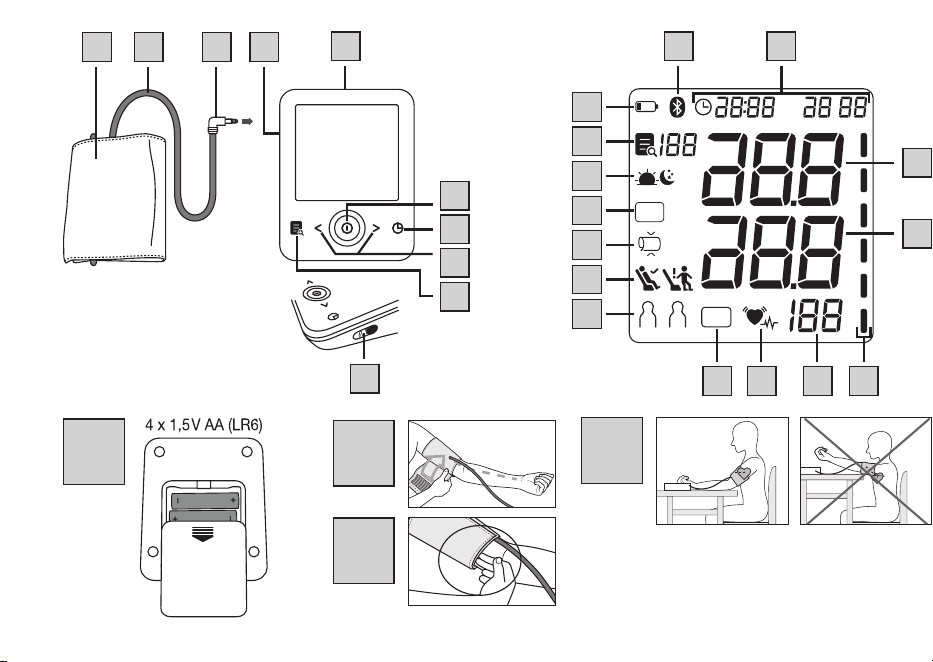
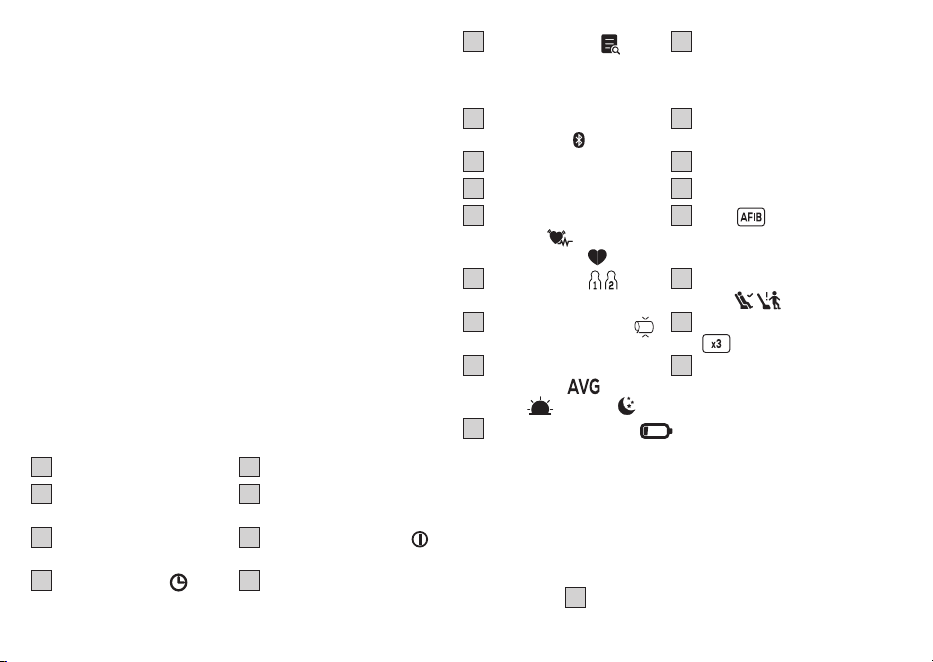
5. DEVICE DESCRIPTION
The associated drawings are shown on page 3.
1
Cu
2
Cu line
3
Cu connector
4
Connection for cu con-
nector (left-hand side)
5
Connection for mains
adapter
6
START/STOP button
7
Settings button
8
Function buttons < / >
9
Memory button
10
Slider for user selection
Information on the display
11
Symbol for Bluetooth
®
connection
12
Time and date
13
Systolic pressure
14
Diastolic pressure
15
Risk indicator
16
Calculated pulse value
17
Cardiac arrhythmia
symbol /
Pulse symbol
18
AFib
19
User memory
20
Resting indicator dis-
play
1
2
1
2
21
Cu position control
OK
22
Multiple measurement
23
Memory display: ave-
rage value , mor-
ning , evening
24
Memory space number
25
Low battery indicator
6. USAGE
6.1 Initial use
Inserting the batteries
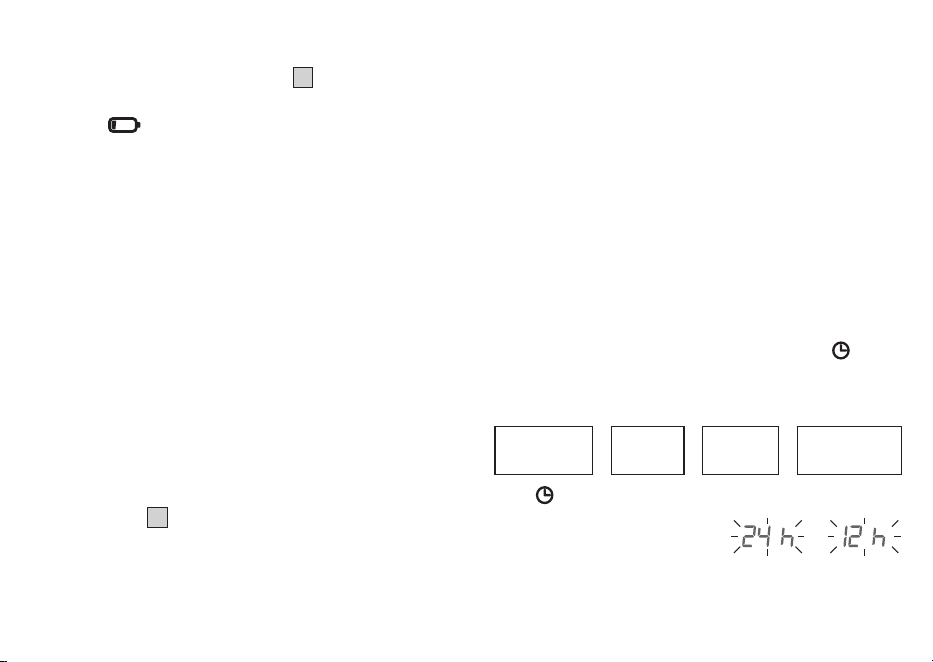
• Remove the battery compartment cover on the back of
the device
A
.
11
• Insert the batteries (see chapter “Technical specifica-
tions”). Insert the batteries, making sure the polarity is
correct according to the label
A
.
• Close the battery compartment cover.
If the
symbol is displayed and does not disappear,
measurement is no longer possible. Replace all the batteries.
Once the batteries have been removed from the device, the
date and time must be set again. Any saved measured values
are retained.
Operation with the mains part
You can also operate this device with a mains part (not in-
cluded in delivery). However, before connecting the device
with the mains part, please ensure that you have removed the
batteries from the device. During mains operation, there must
not be any batteries in the battery compartment, as this could
damage the device.
• To avoid any potential damage, the device may only be
operated with a mains part that meets the specifications
described in the chapter “Technical specifications”.
• Furthermore, the mains part must only be connected to
the mains voltage that is specified on the type plate.
• Insert the mains adapter into the connection provided
for this purpose on the rear side of the blood pressure
monitor
5
.
• Then insert the mains plug of the mains part into the
mains socket.
• After using the blood pressure monitor, unplug the mains
part from the mains socket first and then disconnect it
from the blood pressure monitor. As soon as you unplug
the mains part, the blood pressure monitor loses the date
and time setting but the saved measured values are re-
tained.
Adjusting the settings
Make sure that the device’s settings have been set correctly
so you can make full use of all its functions. Otherwise you
will not be able to save your measured values with the date
and time and access them later.
There are two dierent ways to access the settings menu:
• Before initial use and after each time you replace the
battery:
When inserting batteries into the device, you will be tak-
en to the relevant menu automatically.
• If the batteries have already been inserted:
With the device switched on, press and hold for ap-
prox. three seconds.
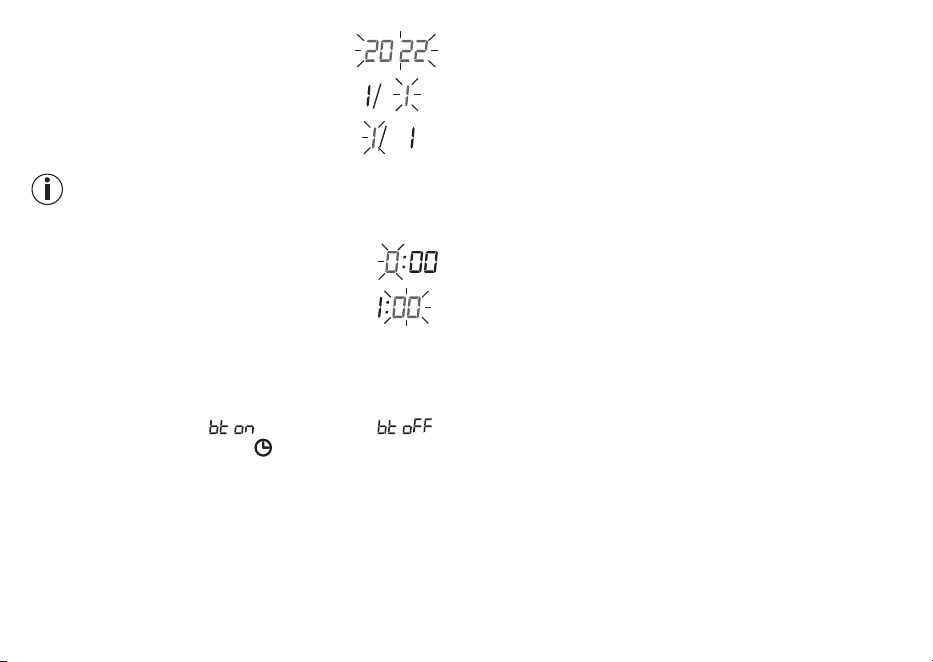
Set these settings in the order shown below:
Hour
format
➔
Date
➔
Time
➔
Bluetooth
®
Press to confirm your selection each time.
Time format
Time format flashes:
• Press < / > to select the time format
12
Date
The year flashes:
• Press < / > to select the year
The month flashes:
• Press < / > to select the month
The day flashes:
• Press < / > to select the day
If the time format is set to the 12-hour format, the
order in which the day and month are displayed is
reversed.
Time
The hour flashes:
• Press < / > to select the hour
The minutes flash:
• Press < / > to select the minutes
Bluetooth
®
The Bluetooth
®
symbol flashes on the display.
• Press < / > to select whether automatic Bluetooth
®
data
transfer is activated ( ) or deactivated ( )
and confirm this by pressing .
Bluetooth
®
data transfers will shorten the battery life.
6.2 Before the blood pressure measure-
ment
General rules when measuring your own blood
pressure
• In order to generate an informative profile of changes in
your blood pressure that can be used for comparisons,
you should measure your blood pressure regularly and
always at the same time of day.
Measure your blood pressure twice a day: once in the
morning after getting up and once in the evening.
• Always perform the measurement when you are su-
ciently physically rested. Avoid taking measurements at
stressful times.
• Do not take a measurement within 30 minutes of eating,
drinking, smoking or exercising.
• Before the initial blood pressure measurement, make
sure always to rest for about 5minutes.
• If you want to take several measurements in succession,
always make sure that you leave 5 minutes between
each measurement.
• Repeat the measurement if you have doubts about the
measured value.
Attaching the cu
You can measure your blood pressure on either arm. Some
deviations between the values in the right and left arm are
perfectly normal. Always perform the measurement on the
13
arm with the higher blood pressure values. Consult your doc-
tor about this before starting self-measurement.
• Always measure your blood pressure on the same arm.
• Only use the device with the cu supplied, based on your
upper arm circumference.
• Before taking the measurement, check the fit using the
index mark described below.
1. Expose your upper arm. The circulation of the arm must
not be hindered by tight clothing or similar.
2. Place the cu with the bottom edge approx. 2-3 cm
above your elbow. Adjust the device so that the mark
and the cu line are directly over the artery
B
.
The cu should be fastened so that two fingers fit under
the cu when it is closed
B
.
3. Now insert the cu line into the connection for the cu
connector.
4. The cu is suitable for you if the index mark
is within
the OK range after fitting the cu.
Adopting the correct posture
• Sit in a comfortable upright position when taking the
blood pressure measurement. Lean back so that your
back is supported.
• Place your arm on a surface
D
.
• Place your feet flat on the ground next to one another.
• The cu must be level with your heart.
• Stay as still as possible during the measurement and do
not talk.
Selecting the user
This device has two users with 120 memory spaces each in
order that you can save measurements from two dierent
people separately from each other.
If multiple people are using the device, make sure that the
correct user has been selected before each measurement:
• Use the slider
10
to set the desired user.
6.3 Taking a blood pressure measurement
Requirement: cu attached, user selected.
Measurement
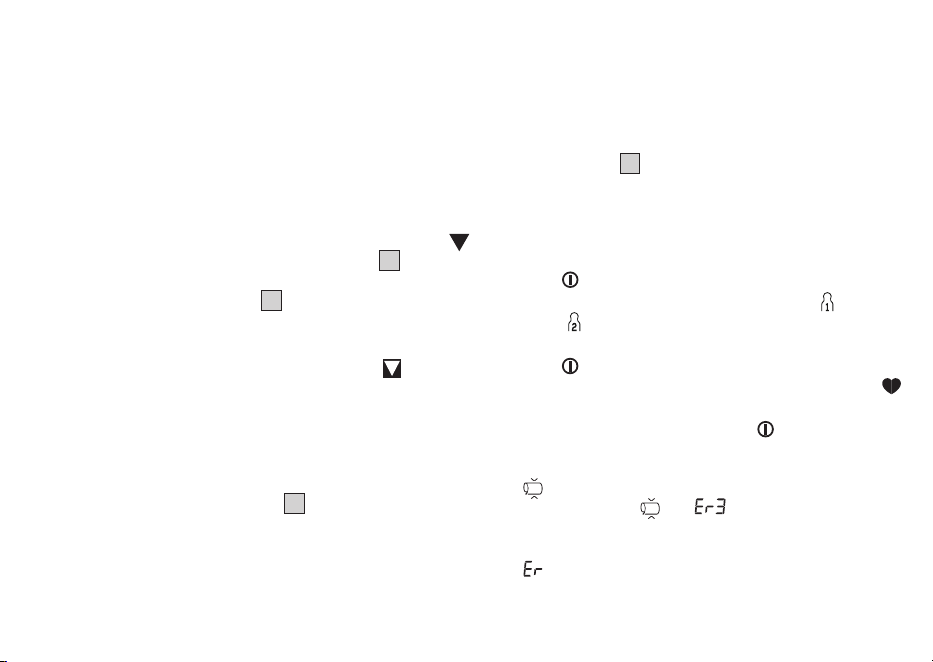
1. Press . All display elements are briefly displayed.
2. The start screen welcomes you for selected
or for se-
lected . From this start screen you can access all menu
items, e.g. user memory.
3. Press
again to start the measurement. The cu inflates
itself automatically. The measurement process starts.
is displayed as soon as a pulse is detected.
To cancel the measurement, press
.
4. The systolic pressure, diastolic pressure and pulse meas-
urements are displayed. The cu position control symbol
OK
is displayed throughout the entire measurement. If the
cu is too loose, and will be displayed. In such
cases, the measurement is cancelled after approx. 15 sec-
onds and the device switches itself o.
is displayed if the measurement could not be per-
formed properly. In this case, please refer to the “Trou-
bleshooting” section.

14
If necessary, re-attach the cu after 1 minute.
The device switches o automatically after approx.
30seconds. The value is saved to the selected or most
recently used user.
Multiple measurement
1. Press . All display elements are briefly displayed.
2. The start screen welcomes you for selected
or for se-
lected . From this start screen you can access all menu
items, e.g. user memory.
3.
Multiple measurement can be selected by pressing < or
>. flashes on the display. To start the measurement,
confirm with .
The cu inflates itself automatically. The measurement
starts.
4.
The device displays the first measurement cycle for 3
seconds and then performs a regular measurement that
is repeated three times. In the second and third cycle, a
30-second countdown is also displayed, indicating the
time to wait until the next measurement.
To cancel the measurement, press
.
5. After the third measurement, the average measurement of
systolic pressure, diastolic pressure and pulse is displayed
and indicated with .
The cu position control symbol
OK
is displayed through-
out the entire measurement. If the cu is too loose,
and will be displayed. In such cases, the measure-
ment is cancelled after approx. 5 seconds and the device
switches itself o.
is displayed if the measurement could not be per-
formed properly. In this case, please refer to the “Trou-
bleshooting” section.
If necessary, re-attach the cu after 1 minute.
The device switches o automatically after approx.
30seconds. The value is saved to the selected or most
recently used user.
6.4 Evaluating the results
General information about blood pressure
• Blood pressure is the force with which the bloodstream
presses against the arterial walls. Arterial blood pressure
constantly changes in the course of a cardiac cycle.
• Blood pressure is always stated in the form of two values:
- The highest pressure is the systolic blood pressure.
This occurs when the heart muscle contracts and
blood is pumped into the blood vessels.
- The lowest pressure is the diastolic blood pressure.
This occurs when the heart muscle has completely re-
laxed again and the heart is filling with blood.
• Fluctuations in blood pressure are normal. Even during
repeat measurements, there may be considerable dier-
ences between the measured values. One-o or irregular
measurements therefore do not provide reliable informa-
tion about the actual blood pressure. Reliable assess-
ment is only possible when you perform the measure-
ment regularly under comparable conditions.
15
Cardiac arrhythmia
The device can identify heart rhythm abnormalities during
the blood pressure measurement. If is displayed after
the measurement, this indicates that an irregularity has been
detected in your pulse.
Repeat the measurement if is displayed.
When assessing your blood pressure, only use the results
that have been recorded without any irregularities in your
pulse.
Consult your doctor if is displayed frequently. Only they
can determine, through an examination, whether there is an
abnormality.
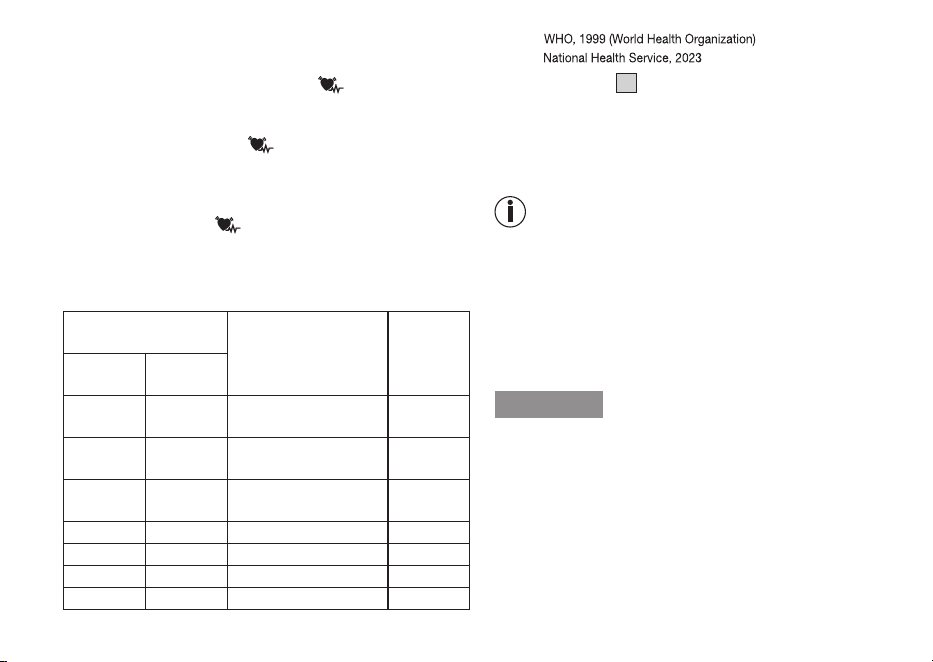
Risk indicator
Measured blood
pressure value range
Classification
Risk
indicator
colour
Systolic
(in mmHg)
Diastolic
(in mmHg)
≥ 180 ≥ 110
Stage 3 high blood
pressure (severe)
1
Red
160 – 179 100 – 109
Stage 2 high blood
pressure (moderate)
1
Orange
140 – 159 90 – 99
Stage 1 high blood
pressure (mild)
1
Yellow
130 – 139 85 – 89 High normal
1
Green
120 – 129 80 – 84 Normal
1
Green
< 120 < 80 Optimal
1
Green
< 90 < 60 Low blood pressure
2
Orange
1
Source:
2
Source:
The risk indicator
15
indicates which category the recorded
blood pressure values fall into. If the measured values are in
two dierent categories (e.g. systolic pressure in the “high
normal” range and diastolic pressure in the “normal” range),
the risk indicator always indicates the higher range – “high
normal” in the example described.
Note that these default values are for general guidance
only, as individual blood pressures may vary.
Please note that self-measurement at home usually results
in values lower than those recorded at a doctor’s surgery.
Consult your doctor at regular intervals. Only they are able to
give you personal target values for controlled blood pressure,
particularly if you are receiving medical therapy.
Low blood pressure
WARNING
Low blood pressure (hypotension) can be a health hazard
and cause dizziness or fainting. Blood pressure is considered
low if systolic and diastolic pressure are below 90/60 mmHG
(source: National Health Service, 2023).
Seek medical attention if you suddenly suer from low blood
pressure.
Atrial fibrillation
Atrial fibrillation is one of the most common forms of cardi-
ac arrhythmia and is characterised by an irregular heartbeat
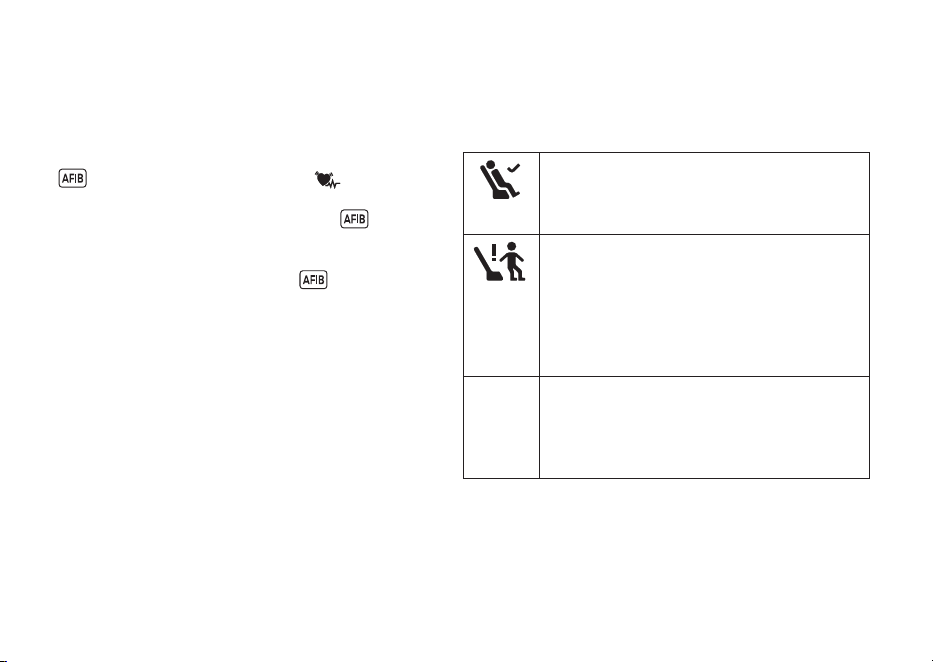
16
associated with an increased risk of stroke, heart failure and
other heart complications.
While the final diagnosis of atrial fibrillation can only be made
by a medical examination, the Beurer AFIB technology of this
device enables it to be detected with a high level of accuracy.
During the blood pressure measurement, possible atrial fibril-
lation is detected and displayed after the measurement with
the
symbol in combination with the symbol. If ar-
rhythmias, such as atrial fibrillation, are present, the displayed
blood pressure value may be incorrect. If the
symbol is
displayed after a blood pressure measurement, repeat the
measurement. Rest for 5 minutes beforehand. Do not move
or speak during the measurement. If the
symbol appears
for the first time and more frequently, please promptly consult
your doctor. If you have previously been diagnosed with atrial
fibrillation, follow your doctor’s instructions regarding what to
do in the event that AFIB is detected by the device.
Do not perform self-diagnosis and self-treatment based on
the measurements, but rather always follow the doctor’s in-
structions.
Resting indicator (using HSD diagnostics)
One of the most common errors made when taking a blood
pressure measurement is not ensuring that the user’s circu-
latory system is suciently at rest when taking the measure-
ment. In this case, the measured systolic and diastolic blood
pressure values do not represent the blood pressure at rest.
However, it is this blood pressure at rest that should be used
to assess the measured values.
This blood pressure monitor uses integrated haemodynamic
stability diagnostics (HSD) to measure the user’s haemody-
namic stability when taking the blood pressure measurement.
This enables it to indicate whether the blood pressure was
taken when the user’s circulatory system was suciently at
rest.
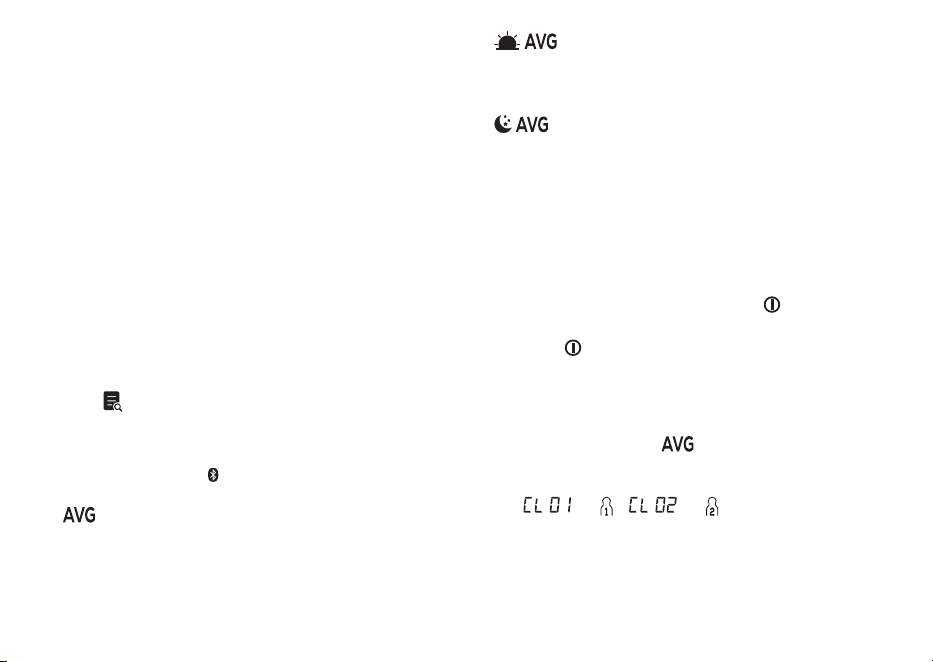
1
2
The measured blood pressure value was ob-
tained when the user’s circulatory system was
suciently at rest and reliably represents the
blood pressure at rest.
1
2
Indicates that the value was obtained when the
user’s circulatory system was not suciently
at rest. The blood pressure values measured in
this case generally do not represent the blood
pressure at rest. The measurement should
therefore be repeated after a period of physical
and mental rest lasting at least 5minutes.
No
resting
indicator
symbol is
displayed
During the measurement it was not possible to
determine whether the user’s circulatory system
was suciently at rest. In this case too, the
measurement should be repeated after a period
of rest lasting at least 5 minutes.
The user’s circulatory system not being suciently at rest
can be the result of various factors, such as physical stress,
mental strain/distraction, speaking or experiencing cardiac
arrhythmia during the measurement.
In an overwhelming number of cases, HSD will give a very
good guide as to whether the user’s circulatory system is
rested when a blood pressure measurement is taken.
17
However, certain patients suering from cardiac arrhythmia
or chronic mental conditions may remain haemodynamical-
ly unstable even in the long-term, something which persists
even after repeated periods of rest. The accuracy of the re-
sults for the blood pressure at rest is reduced in these users.
Like any medical measurement method, the precision of HSD
is limited and it can lead to incorrect results in some cases.
Nevertheless, the blood pressure measurements taken when
the user’s circulatory system is suciently at rest represent
particularly reliable results.
6.5 Displaying and deleting measured
values
User
The results of every successful measurement are saved with
the date and time. If there are more than 120 measurements,
the oldest measurements are deleted.
Press
on the start screen and select the desired user using
the slider.
Average value
Bluetooth
®
activated in the display: Measurement data is
transferred automatically.
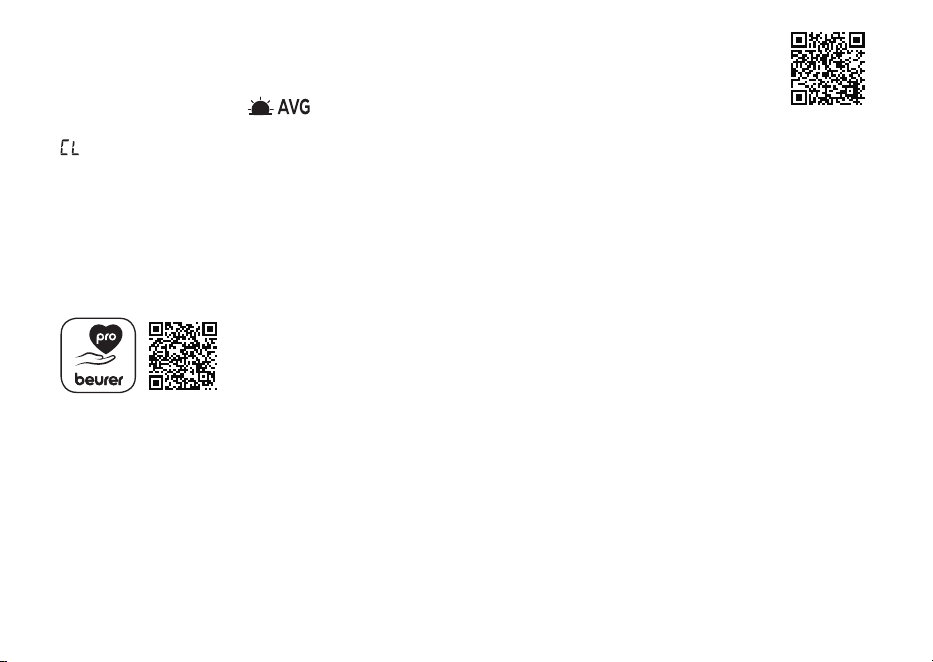
is displayed:
The average value of all this user’s saved measured values
is displayed.
1. Press >.
is displayed:
The average value of the morning measurements for the last
7 days is displayed (morning: 5:00–9:00).
2. Press >.
is displayed:
The average value of the evening measurements for the last 7
days is displayed (evening: 18:00–20:00).
Individual measured values
1.
If you press > again, the last individual measurement is
displayed (in this example, measurement 3).
2. If you press < / > again, you can view the individual meas-
ured values.
3. To switch the device o again, press
for approx. 2 sec-
onds.
Press
to exit the menu.
Deleting measured values
1. To delete all of a user’s saved measured values, go to the
respective user memory.
The display shows
and the average value of all
stored measured values of this user.
2. Press and hold < and > for approx. 5 seconds.
for / for appears in the display. All
values of the selected user are deleted.
The device switches o automatically.
18
Reset the device to factory settings
1. To delete all saved measured values and settings, select
the user memory.
Press >. The display shows
.
2. Press and hold < and > for approx. 15 seconds.
appears in the display. All data stored on the device is
deleted; the device is reset to factory settings.
The device switches o automatically.
Transfer of measured values
Transfer via Bluetooth
®
• Download the free beurer HealthManager Pro / beurer
HealthManager app from the Apple App Store or Google
Play.
Click here for the
beurer HealthManager Pro app
*
• Activate Bluetooth
®
in your smartphone’s settings.
• Start the app.
• Select BM 64 in the app and follow the instructions.
• A PIN code is displayed on the device when connecting
for the first time. Enter the PIN code on the smartphone.
After successfully entering the code, the device will be
connected to your smartphone.
List of system requirements and compatible
devices
* This product satisfies the requirements of the applicable European
directives.
7. CLEANING AND MAINTENANCE
• Clean the device and cu carefully using only a slightly
damp cloth.
• Do not use any cleaning solutions or solvents.
• Under no circumstances hold the device or cu under
water, as this can cause liquid to enter and damage the
device and cu.
• If you store the device and cu, do not place heavy ob-
jects on the device and cu. The cu line should not be
bent sharply.
• Remove the batteries if the device is not going to be used
for a long period of time.
8. ACCESSORIES AND
REPLACEMENT PARTS
Accessories and replacement parts are available on the
homepage www.beurer.de, under “Service”. Please state the
corresponding order number.
19
Designation Item number and/
or order number
Universal cu 164.503
Mains adapter (EU) 072.78
Mains adapter (UK) 072.79
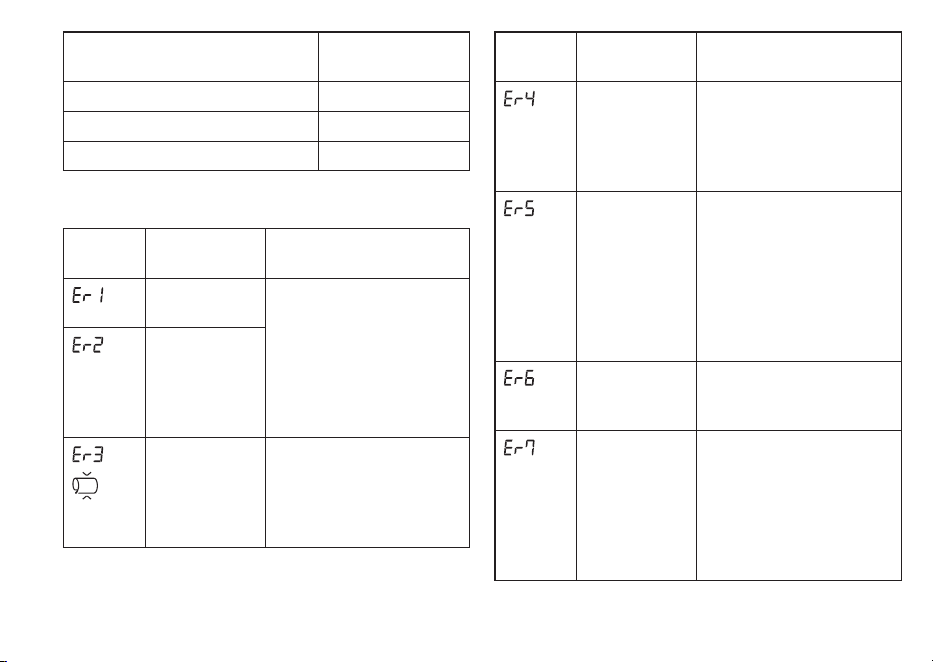
9. TROUBLESHOOTING
Error
message
Possible
cause
Solution
Unable to re-
cord a pulse.
Please wait one minute and
repeat the measurement.
Ensure that you do not
speak or move during the
measurement.
The measured
blood pressure
is outside the
measurement
range.
There is a
pneumatic
system error.
Repeat the measurement.
Ensure that the cu line is
correctly connected and
that you do not move or
speak.
Error
message
Possible
cause
Solution
An error oc-
curred during
the measure-
ment.
Please wait one minute and
repeat the measurement.
Ensure that you do not
speak or move during the
measurement.
The inflation
pressure is
higher than
300mmHg.
Please take another meas-
urement to check whether
the cu can be correctly
inflated. Make sure that
neither your arm nor other
heavy objects are pressing
on the line, and that the line
is not bent.
There is a
system error.
If this error message
appears, please contact
Customer Services.
There are
problems with
the connection
between the
smartphone/
tablet and the
app.
Switch o the main unit,
close the app and first
deactivate Bluetooth
®
on
your smartphone/tablet
before reactivating the
function. Try to establish
the connection again.
20
Error
message
Possible
cause
Solution
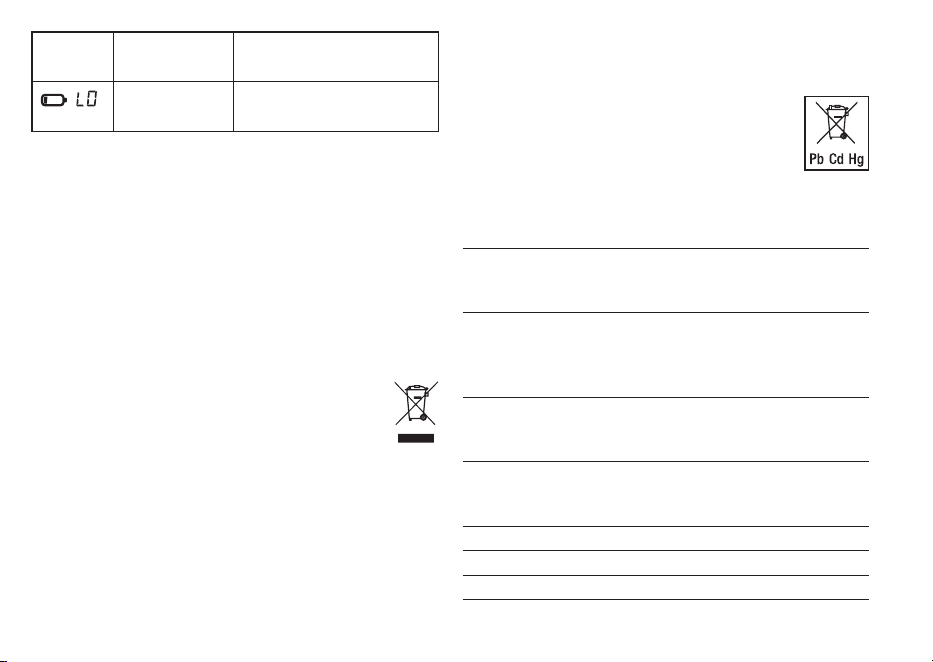
The batteries
are nearly flat.
Insert new batteries into the
device.
10. DISPOSAL
Repairing and disposing of the device
• Do not repair or modify the device yourself. Proper oper-
ation can no longer be guaranteed in this case.
• Do not open the device except for the battery compart-
ment. Failure to comply will invalidate the warranty.
• Repairs must only be carried out by Customer Services
or authorised retailers. Before making a complaint, first
check the batteries and replace them if necessary.
• The device must not be disposed of with household
waste. Dispose of the device at a suitable local
collection or recycling point in your country. Dis-
pose of the device in accordance with EC Direc-
tive – WEEE (Waste Electrical and Electronic
Equipment). Please contact the local authorities respon-
sible for waste disposal if you have any questions regard-
ing disposal.
Disposal of the batteries
• Used, completely discharged batteries must not be dis-
posed of with household waste. Dispose of the batter-
ies in specially designated collection boxes, at recycling
points or at electronics retailers. You are legally required
to dispose of the batteries correctly.
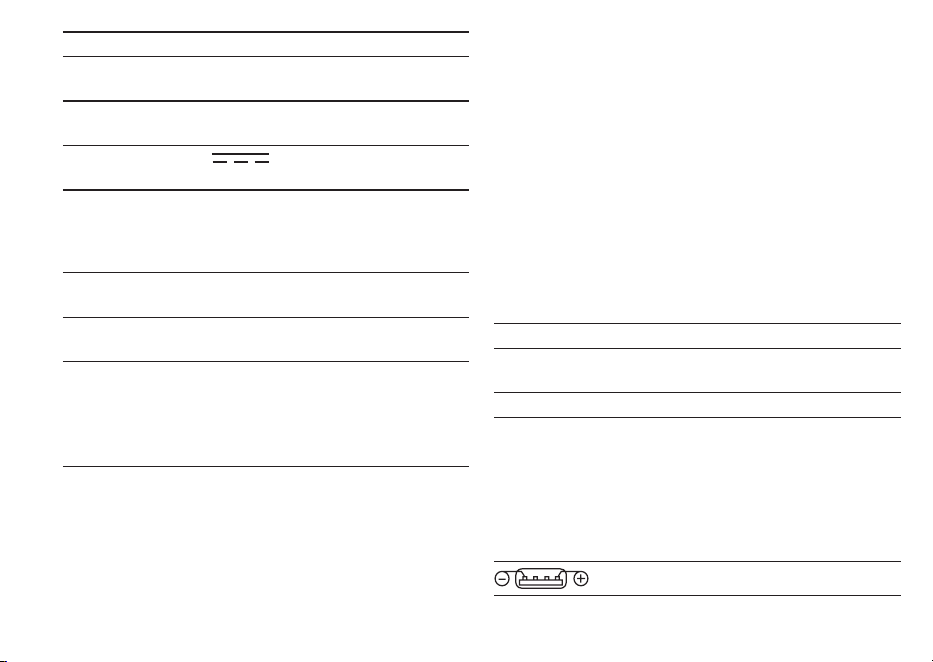
• The codes below are printed on batteries containing
harmful substances:
- Pb = battery contains lead
- Cd = battery contains cadmium
- Hg = battery contains mercury
11. TECHNICAL SPECIFICATIONS
Type BM 64
Meas-
urement
method
Oscillometric, non-invasive blood pressure
measurement on the upper arm
Measure-
ment range
Cu pressure 300 mmHg,
systolic pressure 50 – 280 mmHg,
diastolic pressure 30 – 200 mmHg,
pulse 40 – 199 beats/minute
Display
accuracy
Systolic pressure ± 3 mmHg,
diastolic pressure ± 3 mmHg,
pulse ± 5% of the displayed value
Meas-
urement
uncertainty
Max. permissible standard deviation according
to clinical testing: systolic pressure 8 mmHg,
diastolic pressure 8 mmHg
Memory 2 x 120 memory spaces
Dimensions L 143 mm x W 105 mm x H 60 mm
Weight Approx. 450 g (without batteries, with cu)
21
Cu size 22 to 42 cm upper arm circumference
Operating
conditions
+ 10 °C to + 40 °C, < 90 % relative humidity,
800 – 1050 hPa ambient pressure
Storage
conditions
-20 °C to + 55 °C, < 90% relative humidity
(non-condensing)
Power
supply
4 x 1.5 V
AA batteries
Battery life Lasts for approx. 300 measurements de-
pending on the blood pressure and inflation
pressure as well as the number of Bluetooth
®
connections
Expected
service life
At least 20.000 measurements
Classifica-
tion
Internal power supply, IP20 no AP or APG,
continuous operation, type BF applied part
Data
transfer via
Bluetooth
®
wireless
technology
The device uses Bluetooth
®
,
Frequency band 2.400 – 2.483 GHz, max.
transmission power 5 dBm,
The serial number is located on the device or in the battery
compartment.
Technical specifications are subject to change without notifi-
cation to allow for updates.
• This device conforms with the European stand-
ard EN 60601-1-2 (in accordance with CISPR-11,
IEC 61000-3-2, IEC 61000-3-3, IEC 61000-4-2,
IEC 61000-4-3, IEC 61000-4-4, IEC 61000-4-5,
IEC 61000-4-6, IEC 61000-4-7, IEC 61000-4-8,
IEC 61000-4-11) and is subject to particular precautions
with regard to electromagnetic compatibility. Please
note that portable and mobile HF communication sys-
tems may interfere with this device.
• The accuracy of this blood pressure monitor has been
carefully checked and developed with regard to a long
useful life. If the device is used for commercial medical
purposes, it must be regularly tested for accuracy by ap-
propriate means. Precise instructions for checking accu-
racy may be requested from the service address.
Mains part
Model no. LXCP12X-050100BG
Input 100 – 240 V, 50 – 60 Hz, 0.5 A max
Output 5 V DC, 1A, in conjunction with Beurer
blood pressure monitors only
Manufacturer Shenzhen Iongxc power supply co., ltd.
Protection This device is double protected and has a
primary-side cutout switch which discon-
nects the device from the mains in case of
malfunction.
Ensure that you have removed the batteries
from the battery compartment before you
use the mains part.
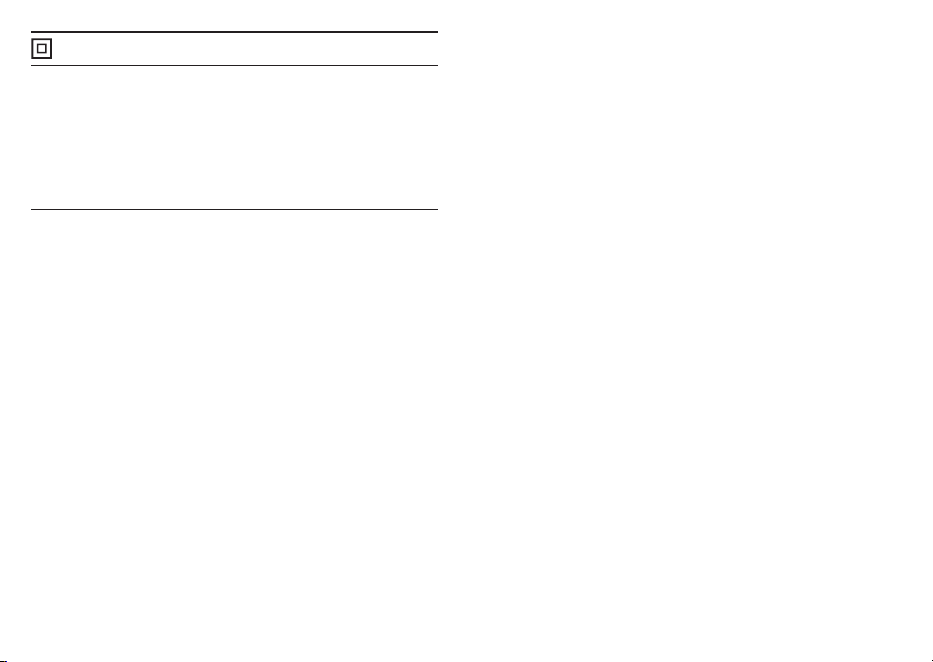
Polarity
22
Insulated/protection class 2
Housing and
protective
covers
The housing of the mains part protects users
from touching live parts or parts that could
be live (for example with their fingers, or with
a needle or checking hook).
The user must not touch the patient and the
output connector of the AC/DC mains part at
the same time.
12. GUARANTEE/SERVICE
Further information on the guarantee and guarantee condi-
tions can be found in the guarantee leaflet supplied.
Notification of incidents
For users/patients in the European Union and identical
regulation systems (EU Medical Device Regulation (MDR)
2017/745), the following applies: If during or through use of
the product a major incident occurs, notify the manufacturer
and/or their representative of this as well as the respective
national authority of the member state in which the user/pa-
tient is located.
Subject to errors and changes

23
24
654.00_BM64_2023-07-27_03_IM2_BEU_MDR_EN
Beurer GmbH
•
Söflinger Str. 218
•
89077 Ulm, Germany
www.beurer.com
•
www.beurer-healthguide.com
The Bluetooth
®
word mark and logos are registered trademarks owned by Bluetooth SIG, Inc. and any use of such marks by Beurer
GmbH is under license. Other trademarks and trade names are those of their respective owners.
Apple and the Apple logo are trademarks of Apple Inc., registered in the U.S. and other countries. App Store is a service mark of Apple
Inc., registered in the U.S. and other countries.
Google Play and the Google Play logo are trademarks of Google LLC.
Android is a trademark of Google LLC.
Beurer UK Ltd., Suite 16, Stonecross Place, Yew Tree Way
WA3 2SH Golborne, United Kingdom