1
INSTRUCTION MANUAL
S1170, REV D
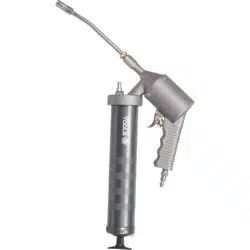
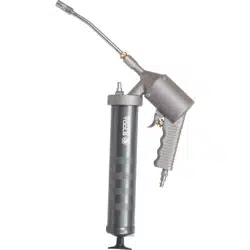
Air Operated
Grease Gun
Air Operated Continuous
flow grease gun. Continuous
grease discharge with the
trigger pressed
Air Operating Range
40-120 PSI (3-8 BAR)
Pressure Ratio
40:1
Air Compressor Volume
1 cfm/0.026 cubic metre and
above
Air Inlet Threaded
1/4" (F)
Each gun supplied with a
male quick connect coupler
fitting
Available in 2 models
• AGG-1 (Cartridge
capacity: 400gm & Bulk
500 cm
3
)
• AGG-4 (Cartridge
capacity: 450gm & Bulk
650 cm
3
)
FEATURES
4800 PSI
(330 BAR)
DEVELOPS
UPTO
400 GM / MIN.
(14 OZ / MIN.)
DELIVERS
SPECIFICATIONS
HANDLE STYLE Pistol
AIR INLET PRESSURE 40-120 PSI (3-8 BAR)
Recommended: 90 PSI (6 BAR)
PRESSURE RATIO 40:1
COMPRESSED AIR VOLUME 1 CFM Minimum
GREASE FILLING OPTIONS
CARTRIDGE LOADING Yes
SUCTION FILL Yes
FILLER PUMP LOADING Yes*
* For grease guns fitted with bulk loader valve on grease gun head
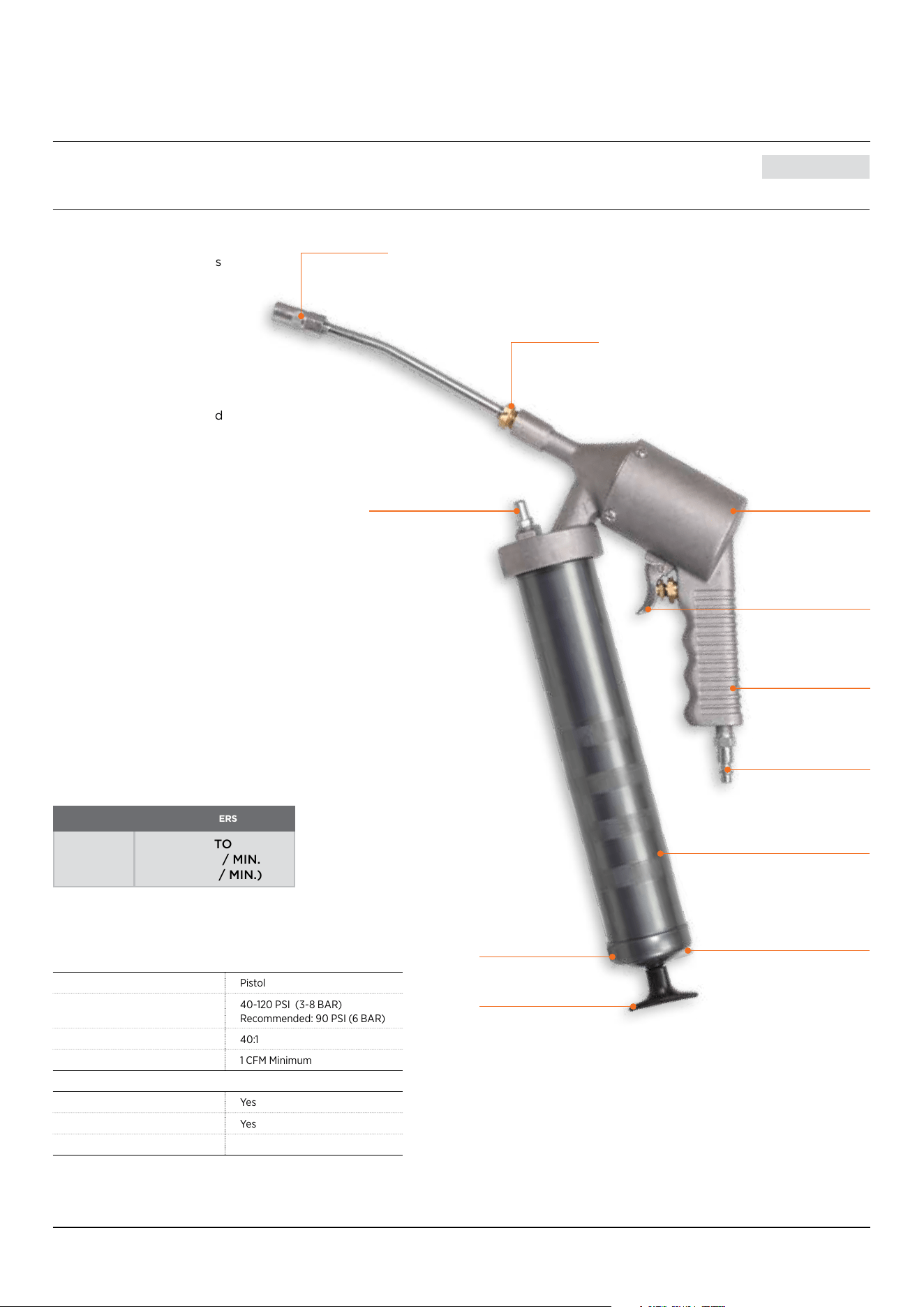
Pumping
Chamber
Barrel
Quick Coupler
Air Fitting
Die Cast
Handle
Trigger
Lock
Lever
Grease Loader
Fitting
Outlet
Nozzle
Coupler
End Cap
Plunger Rod
Handle
AGG

2
GENERAL SAFETY INFORMATION
Always wear safety glasses when using a grease gun. Keep work
area clean and remove any excess grease from tools, hands, and
clothing after use. Do not use grease gun whip hose for other
applications or at pressure levels above rated pressures.
CAUTION
Excess grease, if left on floors, tools, or equipment, can create
surfaces that become slippery.
GETTING READY TO USE THE AIR POWERED GREASE GUN
Air Supply: You need dry air to operate this gun. Make sure a FRL
(Filter, Regulator, and Lubricator) unit is installed in your airline.
Moisture in the air will damage the grease gun. The compressor
you use must have a minimum volume of 1 CFM (0.026 cubic
meter). Inlet air supply should have a pressure between 40
120 PSI (3–8 BAR). The recommended working pressure is 90
PSI (6 BAR). This grease gun has a 40:1 pressure ratio; i.e. the
grease discharge pressure will be 40 times the inlet air pressure.
Lubrication: Like all air equipment, this grease gun needs regular
lubrication. To lubricate, add a few drops of oil through the air
inlet on the grease gun. It is recommended to use SAE 30 or
greater oil. Connecting the grease gun to air supply: There are
several types of quick connect couplers available in the market.
This grease gun comes with one standard male quick connect
coupler. The coupler must fit properly onto the female quick
connect coupler on you airline. If it does not fit properly, use a
coupler that does. Operating the grease gun trigger: This is a
one shot grease gun, whereby there is grease discharge with
every press of the trigger. Do not keep the trigger pressed during
operation. The trigger must be repeatedly pressed and released
while greasing. Also, do not repeat the action too fast, as the
piston needs to complete a full cycle before starting a new one.
SETTING UP THE GREASE GUN HEAD
Attach the male quick connect coupler air fitting onto the air inlet
on the die cast handle. The male quick connect coupler air fitting
has ¼” NPT threads and should be threaded into the female
hole on the die cast handle using thread sealant. The connection
should be tight.
CAUTION
Grease or empty cartridge in barrel is under pressure from the
internal spring, use caution when removing either end of the
barrel.
PREPARING TO LOAD YOUR GREASE GUN
1. Remove any cartridge in the grease gun barrel prior to
refilling. To check if a cartridge is in the barrel, first compress
the spring by pulling the plunger handle out to its maximum
distance and lock it in place.
2. Remove the grease gun head by turning it counter clockwise.
3. Remove any empty cartridge.
There are 3 ways to load your grease gun: Cartridge, Bulk, or
Filler Pump. Always follow the steps listed above in preparing
to load your grease gun before proceeding to the appropriate
loading method.
LOADING GREASE GUN CARTRIDGES
1. Make sure the gun is disconnected from the air supply.
Loosen but do not remove the grease gun head from the
grease gun barrel by turning the grease gun head in a
counter clockwise direction 1 ½ turns. Pull back & lock the
plunger handle all the way to the end of the travel so the
grease cartridge can be fully inserted.
2. Now rotate the grease gun head in a counter clockwise
direction to unscrew the grease gun head from the barrel
completely.
3. Remove the plastic cap from the grease cartridge and insert
the open end of the cartridge into the grease gun barrel until
the rim of the pull-tab end meets the rim of the grease gun
barrel. Now remove the pull-tab seal.
4. Screw the head of the gun onto the barrel, but do not fully
tighten the barrel. For now leave at least 2-3 turns before the
barrel is fully tightened against the gasket in the head.
5. Unlock the plunger rod handle from the end cap.
6. Move the plunger rod forward and backward to force out
any trapped air pockets from the grease. Air will escape from
the connection between the grease gun head and the barrel,
which is not fully tightened.
7. Reconnect the air supply and “prime” the system by pressing
and releasing the trigger until the grease starts coming out
of the discharge nozzle. Initial grease discharge may have
trapped air. Once the gun has been primed, fully tighten the
grease gun head onto the barrel.
8. Push the plunger rod into the barrel for easier maneuverability
during use.
9. You should now connect the grease gun extension and
coupler onto the grease gun outlet. The connection between
the extension and grease gun must be tight and it is advisable
to use a thread sealant to ensure a leak-proof joint.
CAUTION
Do not apply excessive torque or over-tighten the grease gun
extension as this will apply undue stress to the die cast outlet
and may cause it to fracture.
10. Press and release the trigger several times until grease flows
out from the coupler. The grease pressure can be adjusted by
regulating the inlet air pressure. Grease pressure is 40 times
greater than the air inlet pressure.
LOADING GREASE GUN USING BULK GREASE
NOTE: Always remove any cartridges from the grease gun prior
to bulk filling.
1. Make sure the gun is disconnected from the air supply. Loosen
but do not remove, the grease gun head from the grease gun
barrel by turning the grease gun head in a counter clockwise
direction 1 ½ turns. Pull back the plunger rod handle all the
way to the end & lock the handle.
2. Now rotate the grease gun head in the counter- clockwise
direction to unscrew the grease gun head from the barrel
completely. Release plunger handle and allow the handle to
move to its most forward position.
3. Insert the open end of the barrel about 2” into the grease.
4. Slowly pull the plunger rod handle while pushing the barrel
deeper into the grease until the plunger rod is all the way
extended.
5. The grease gun barrel should now be filled with grease. The
barrel’s outside surface will have a lot of grease sticking to it,
wipe o all excess grease before use.
6. Screw the head of the gun onto the barrel, but do not fully
tighten the barrel. For now leave at least 2-3 turns before the
barrel is fully tightened against the gasket in the head.
7. Unlock the plunger rod handle from the end cap.
8. Move the plunger rod forward and backward to force out
any trapped air pockets from the grease. Air will escape from
the connection between the grease gun head and the barrel,
which is not fully tightened.
3
9. Reconnect the air supply and “prime” the system by pressing
and releasing the trigger until the grease starts coming out
of the discharge nozzle. Initial grease discharge may have
trapped air. Once the gun has been primed, fully tighten the
grease gun head onto the barrel.
10. Push the plunger rod into the barrel for easier during use.
11. You should now connect the grease gun extension and
coupler onto the grease gun outlet. The connection between
the extension and grease gun must be tight and it is
advisable to use a thread sealant to ensure a leak-proof joint.
CAUTION
Do not apply excessive torque or over-tighten the grease gun
extension as this will apply undue stress to the die cast outlet
and may cause it to fracture.
12. Press and release the trigger several times until grease flows
out from the coupler. The grease pressure can be adjusted by
regulating the inlet air pressure. Grease pressure is 40 times
greater than the air inlet pressure.
LOADING GREASE GUN USING A FILLER PUMP: (FOR MODELS
FITTED WITH BULK LOADER VALVE ON GREASE GUN HEAD)
NOTE: Always remove any cartridges from the grease gun prior
to filling by transfer pump.
1. Wipe the grease gun’s bulk loader clean.
2. Make sure that the filler pump is fully primed. Do this by
operating the lever handle on the pump to make sure there is
grease discharge.
3. Connect the bulk loader valve on the grease gun to the bulk
loader adapter on the grease gun filler pump. The connection
must be tight. If the two do not fit together properly, change
one or both as needed.
4. Operate the pump to fill grease into the barrel. Do not overfill
grease as this may result in grease leaking from the joints.
5. Disconnect the grease gun loader adapter from the filler
pump. Slightly loosen the grease gun head 2-3 turns.
6. Unlock the plunger rod handle from the end cap.
7. Move the plunger rod forward and backward to force out
any trapped air pockets from the grease. Air will escape from
the connection between the grease gun head and the barrel,
which is not fully tightened.
8. Reconnect the air supply and “prime” the system by pressing
and releasing the trigger until the grease starts coming out
of the discharge nozzle. Initial grease discharge may have
trapped air. Once the gun has been primed, fully tighten the
grease gun head onto the barrel.
9. Push the plunger rod into the barrel for easier
maneuverability during use.
10. You should now connect the grease gun extension and
coupler onto the grease gun outlet. The connection between
the extension and grease gun must be tight and it is
advisable to use a thread sealant to ensure a leak-proof joint.
Do not apply excessive torque or over-tighten the grease gun
extension as this will apply undue stress to the die cast outlet
and may cause it to fracture.
11. Press and release the trigger several times until grease flows
out from the coupler. The grease pressure can be adjusted by
regulating the inlet air pressure. Grease pressure is 40 times
greater than the air inlet pressure.
GREASING A GREASE FITTING / GREASE NIPPLE
The grease coupler provided at the end of the grease gun
extension has a jaw type construction. The coupler jaws will snap
on to a grease fitting and maintain a tight fit. When connecting
the coupler to the grease fitting, press the coupler straight onto
the grease fitting to form a snug fit. Start operating the grease
gun with the coupler as square to the grease fitting as possible.
Once greasing is completed, slightly tilt the coupler, twist and
pull back. The tilt and twist action will allow easy removal of the
coupler from the grease fitting.
MAINTENANCE
Grease guns and hoses should be kept clean and checked
for damage before each use. Use an air supply system that
incorporates a filter, regulator, and lubricator, or add a few drops
of lubricator oil (SAE 30 or greater) through the gun’s air supply
quick connect fitting in the die cast handle.
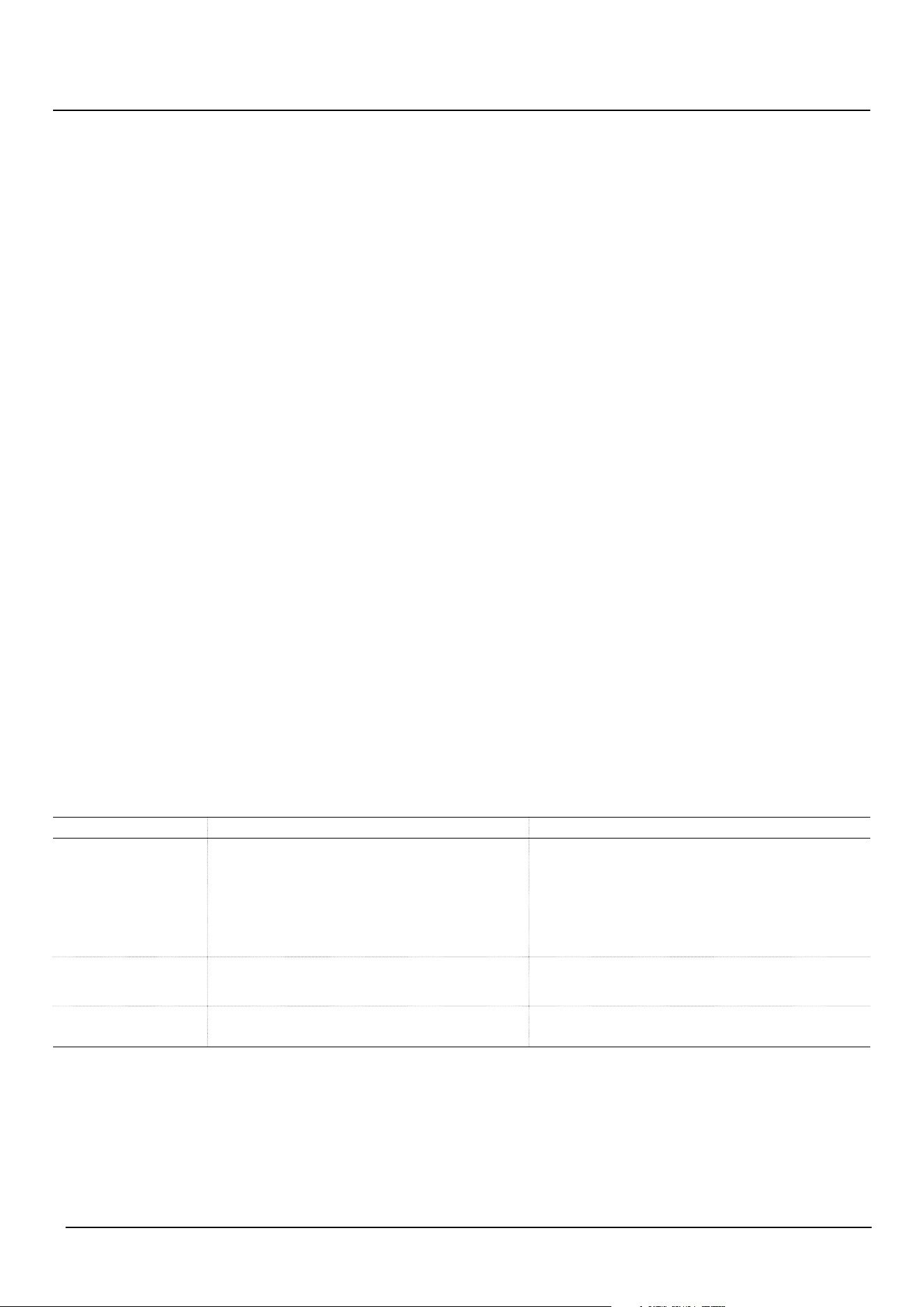
PROBLEM CAUSE SOLUTION
Grease gun pumps little or
no grease.
1. Barrel not completely tightened.
2. Air Pockets are trapped in grease.
3. Blocked grease gun extension.
4. Grease too thick or cold.
1. Tighten the barrel completely.
2. Prime grease gun as detailed in instructions.
3. Remove the extension and operate the grease gun. If the gun
dispenses grease then the gun is fine and you need to either
clean the extension or replace it.
4. Store grease gun and grease away from extreme cold or use
thinner grease.
Excessive grease leaking
past the follower.
1. Follower is damaged.
2. Improper seal between the plunger and the grease gun
barrel when using bulk fill or transfer pump
Replace the grease gun.
Gun cycles very slowly Inadequate lubrication of the pumping chamber Put a few drops of lubricator oil through the
quick connect coupler fitting
TROUBLESHOOTING