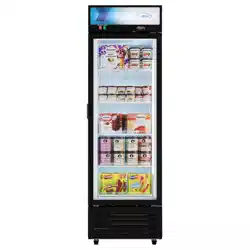
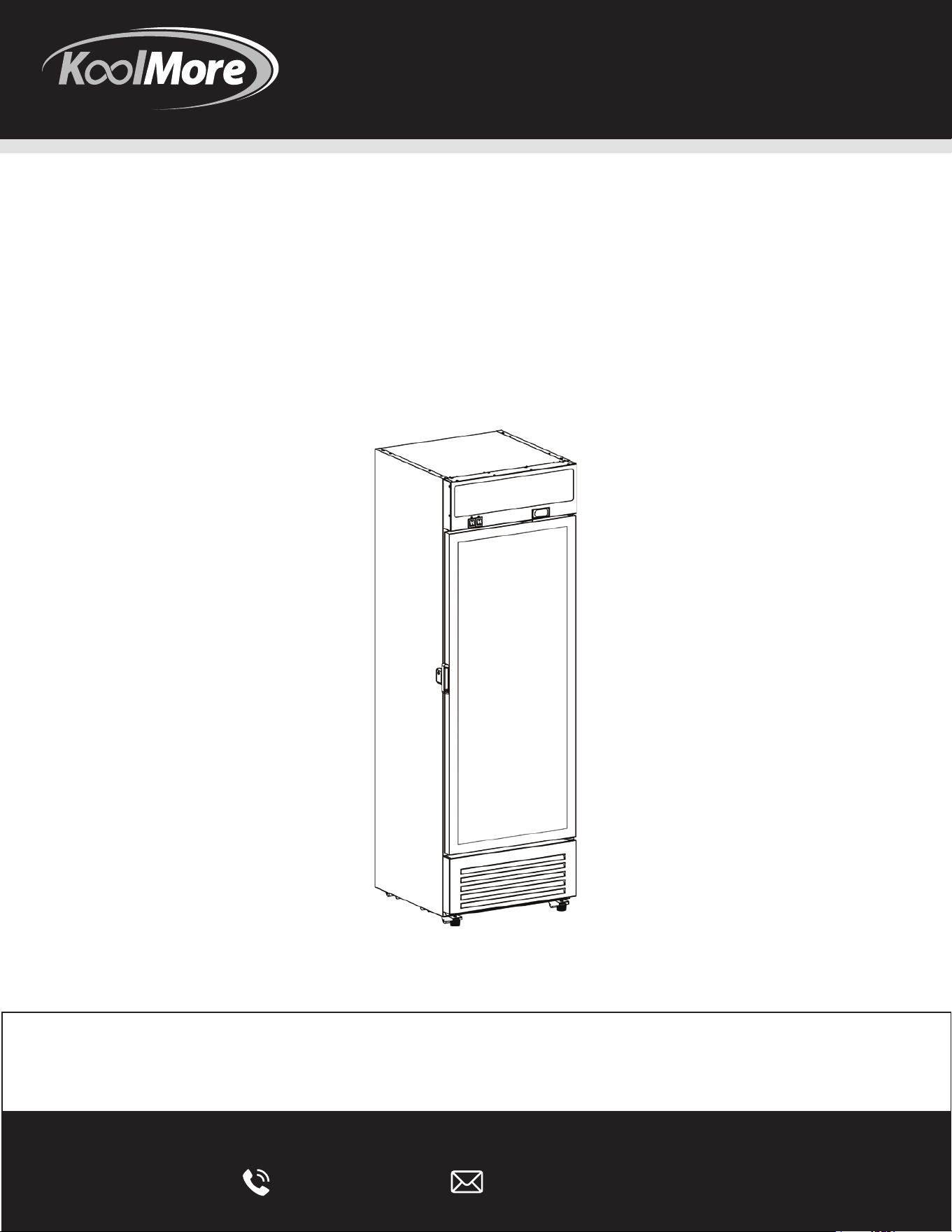
MERCHANDISER FREEZER
Model: KM-MDF-1GD-12C
KoolMore No Frost Commercial Upright
Merchandiser Freezer With LED lights
USER MANUAL

Stay informed with the latest information
for your KoolMore Appliance.
If you need any assistance or have questions, our customer
support team is here to help.

Dear Valued Customer,
This guide is your go-to resource for understanding your new Single Glass Door Display Freezer, which is designed for non-hazardous
packaged food products only. Here’s a summary of critical information for the safe operation and troubleshooting of the product:
Key Safety Guidelines
• Voltage Requirements: Use within 97V-130V to prevent compressor damage. A voltage stabilizer is recommended if voltage
fluctuates beyond this range.
• Power Connection: Connect only to a grounded single-phase socket with proper voltage rating. Avoid water pipes and gas lines
for grounding.
• Prohibited Items: Do not store strong acids, organic solvents, or corrosive materials in the freezer to prevent damage and
accidents.
• Maintenance of Insulation: Keep the cooler’s body and electrical parts clean to maintain insulation quality.
• Long-Term Shutdown: If not in use for extended periods, disconnect from power and clean before storing. Inspect and ensure
dryness before reusing.
• Power Cord Care: If damaged, the power cord should only be replaced by a professional or the manufacturer's service center.
• Cleaning Safety: Cut off power when performing cleaning or maintenance to avoid electrical hazards.
• Noise Control: Ensure the freezer operates below 70dB(A) to maintain a comfortable noise level.
• Chemical Storage: Do not store explosive chemicals, like aerosol cans with flammable propellants, inside the freezer.
• Safe Disposal: Follow local regulations for disposal and remove doors to prevent child entrapment.
Additional Cautions:
• Fire Safety: Be vigilant of flammable materials and open flames around the freezer to prevent fires.
• Ventilation: Keep all vents unobstructed for proper airflow.
• Defrosting: Use only manufacturer-approved methods for defrosting and cleaning.
• Refrigerant Circuit: Avoid damaging the circuit which could lead to leaks or malfunction.
• Internal Appliances: Only use manufacturer-recommended electrical appliances inside the freezer.
• Environmental Conditions: Operate the freezer within the recommended temperature and humidity levels as specified in the
climate class section below.
1. The appliance is designed for use by individuals without physical, sensory, or mental impairments, or those lacking experience
and knowledge, only under the supervision of a responsible person who can ensure their safety.
2. Always supervise children to prevent them from playing with the appliance. Children must not perform cleaning or maintenance
tasks without adult supervision.
3. Do not store items like aerosol cans with flammable propellants in the appliance.
4. If the power cord is damaged, it should be replaced by the manufacturer, service agent, or a similarly qualified person to prevent
any risk.
5. Dispose of the appliance according to local regulations concerning flammable refrigerants. Remove doors before disposal to
avoid entrapment hazards for children.
6. Ensure that the appliance’s ventilation openings are not blocked.
7. Avoid using mechanical devices or other means to speed up the defrosting process, except those recommended by the
manufacturer.
8. Do not damage the refrigerant circuit.
9. The use of electrical appliances inside the appliance’s food storage compartments is not recommended unless approved by the
manufacturer.
10. Installation of the appliance in public corridors or lobbies is prohibited.
11. Installation must comply with national wiring regulations and the Safety Standard for Refrigeration Systems (ANSI/ASHRAE 15).
12. Individuals working on or with the appliance's refrigerant circuit should be certified and follow industry-recognized safety
protocols.
13. Maintenance and repairs should be performed according to the manufacturer's recommendations, under the guidance of
someone knowledgeable about flammable refrigerants.
14. Replacement parts should match original specifications to minimize ignition risks from incorrect parts.
15. Avoid accelerating the defrosting or cleaning process with unapproved methods.
16. Store the appliance in a well-ventilated area, away from continuous ignition sources such as open flames or operational heaters.
17. Protect the appliance from mechanical damage.
18. Regularly inspect the power cable for wear, corrosion, and other environmental hazards.
19. Before decommissioning, ensure familiarity with the appliance and that all refrigerants are safely recovered, following best
practices and ensuring electrical power is available.
20. Use appropriate recovery equipment for refrigerants, including flammable types, and return recovered refrigerants to suppliers
with proper documentation. Avoid mixing refrigerants.
21. Inform maintenance staff and others nearby of the nature of the work to prevent fires and explosions. Avoid work in confined
spaces and ensure fire extinguishing equipment is readily available.
22. Only certified individuals should perform work on the refrigerant circuit, and all ignition sources should be kept away from
refrigerant handling areas.
23. Check for refrigerant leaks with appropriate detection equipment and ensure the area is well-ventilated during work.
24. Follow the manufacturer’s maintenance and service guidelines closely, consulting their technical department if necessary.
25. Do not use potential ignition sources, such as a halide torch, to detect refrigerant leaks.
26. Ensure that any activities involving the refrigeration system, including exposure of pipework, do not use ignition sources in a
manner that risks fire or explosion. Prohibit smoking and manage ignition risks by keeping the area clear of flammable materials.
27. Before initiating work on the appliance, survey the area for flammable hazards or ignition sources. Display "No Smoking" signs
prominently to prevent accidents.
28. When checking for the presence of refrigerant, use an appropriate detector to identify potentially toxic or flammable
atmospheres. Ensure leak detection equipment is suitable for the specific refrigerants, including features like non-sparking,
adequate sealing, or intrinsic safety.
29. Prioritize open or well-ventilated areas for work involving the system. Maintain ventilation throughout the work process to
disperse any released refrigerant safely.
30. When replacing electrical components, ensure they are specifically designed for the task and conform to the required
specifications. Adhere strictly to the manufacturer's maintenance and service guidelines. If there's any uncertainty, consult the
manufacturer's technical support for advice.
31. The detection of flammable refrigerants must be conducted without any potential sources of ignition. Specifically, a halide torch
or any other detector that uses a naked flame is strictly prohibited.
32. It is essential to handle all refrigerants, particularly those classified as A3 per ANSI/ASHRAE 34, with caution. This classification
indicates a higher level of flammability, underscoring the need for specialized handling and storage protocols to prevent
accidents.
33. Comprehensive safety measures and procedures are crucial for the prevention of accidents and injuries. This encompasses a
thorough understanding of the equipment, adherence to safety standards, and the use of proper tools and techniques.
34. Training and certification in handling refrigerants, understanding refrigeration systems, and awareness of the specific risks
associated with different refrigerant types are paramount for anyone involved in servicing or maintaining refrigeration
equipment.
35. Finally, always prioritize environmental safety and compliance with local regulations regarding refrigerant handling, disposal, and
appliance decommissioning. This ensures not only the safety of individuals but also the protection of the environment.
SAFETY
2

Dear Valued Customer,
This guide is your go-to resource for understanding your new Single Glass Door Display Freezer, which is designed for non-hazardous
packaged food products only. Here’s a summary of critical information for the safe operation and troubleshooting of the product:
Key Safety Guidelines
• Voltage Requirements: Use within 97V-130V to prevent compressor damage. A voltage stabilizer is recommended if voltage
fluctuates beyond this range.
• Power Connection: Connect only to a grounded single-phase socket with proper voltage rating. Avoid water pipes and gas lines
for grounding.
• Prohibited Items: Do not store strong acids, organic solvents, or corrosive materials in the freezer to prevent damage and
accidents.
• Maintenance of Insulation: Keep the cooler’s body and electrical parts clean to maintain insulation quality.
• Long-Term Shutdown: If not in use for extended periods, disconnect from power and clean before storing. Inspect and ensure
dryness before reusing.
• Power Cord Care: If damaged, the power cord should only be replaced by a professional or the manufacturer's service center.
• Cleaning Safety: Cut off power when performing cleaning or maintenance to avoid electrical hazards.
• Noise Control: Ensure the freezer operates below 70dB(A) to maintain a comfortable noise level.
• Chemical Storage: Do not store explosive chemicals, like aerosol cans with flammable propellants, inside the freezer.
• Safe Disposal: Follow local regulations for disposal and remove doors to prevent child entrapment.
Additional Cautions:
• Fire Safety: Be vigilant of flammable materials and open flames around the freezer to prevent fires.
• Ventilation: Keep all vents unobstructed for proper airflow.
• Defrosting: Use only manufacturer-approved methods for defrosting and cleaning.
• Refrigerant Circuit: Avoid damaging the circuit which could lead to leaks or malfunction.
• Internal Appliances: Only use manufacturer-recommended electrical appliances inside the freezer.
• Environmental Conditions: Operate the freezer within the recommended temperature and humidity levels as specified in the
climate class section below.
1. The appliance is designed for use by individuals without physical, sensory, or mental impairments, or those lacking experience
and knowledge, only under the supervision of a responsible person who can ensure their safety.
2. Always supervise children to prevent them from playing with the appliance. Children must not perform cleaning or maintenance
tasks without adult supervision.
3. Do not store items like aerosol cans with flammable propellants in the appliance.
4. If the power cord is damaged, it should be replaced by the manufacturer, service agent, or a similarly qualified person to prevent
any risk.
5. Dispose of the appliance according to local regulations concerning flammable refrigerants. Remove doors before disposal to
avoid entrapment hazards for children.
6. Ensure that the appliance’s ventilation openings are not blocked.
7. Avoid using mechanical devices or other means to speed up the defrosting process, except those recommended by the
manufacturer.
8. Do not damage the refrigerant circuit.
9. The use of electrical appliances inside the appliance’s food storage compartments is not recommended unless approved by the
manufacturer.
10. Installation of the appliance in public corridors or lobbies is prohibited.
11. Installation must comply with national wiring regulations and the Safety Standard for Refrigeration Systems (ANSI/ASHRAE 15).
12. Individuals working on or with the appliance's refrigerant circuit should be certified and follow industry-recognized safety
protocols.
13. Maintenance and repairs should be performed according to the manufacturer's recommendations, under the guidance of
someone knowledgeable about flammable refrigerants.
14. Replacement parts should match original specifications to minimize ignition risks from incorrect parts.
15. Avoid accelerating the defrosting or cleaning process with unapproved methods.
16. Store the appliance in a well-ventilated area, away from continuous ignition sources such as open flames or operational heaters.
17. Protect the appliance from mechanical damage.
18. Regularly inspect the power cable for wear, corrosion, and other environmental hazards.
19. Before decommissioning, ensure familiarity with the appliance and that all refrigerants are safely recovered, following best
practices and ensuring electrical power is available.
20. Use appropriate recovery equipment for refrigerants, including flammable types, and return recovered refrigerants to suppliers
with proper documentation. Avoid mixing refrigerants.
21. Inform maintenance staff and others nearby of the nature of the work to prevent fires and explosions. Avoid work in confined
spaces and ensure fire extinguishing equipment is readily available.
22. Only certified individuals should perform work on the refrigerant circuit, and all ignition sources should be kept away from
refrigerant handling areas.
23. Check for refrigerant leaks with appropriate detection equipment and ensure the area is well-ventilated during work.
24. Follow the manufacturer’s maintenance and service guidelines closely, consulting their technical department if necessary.
25. Do not use potential ignition sources, such as a halide torch, to detect refrigerant leaks.
26. Ensure that any activities involving the refrigeration system, including exposure of pipework, do not use ignition sources in a
manner that risks fire or explosion. Prohibit smoking and manage ignition risks by keeping the area clear of flammable materials.
27. Before initiating work on the appliance, survey the area for flammable hazards or ignition sources. Display "No Smoking" signs
prominently to prevent accidents.
28. When checking for the presence of refrigerant, use an appropriate detector to identify potentially toxic or flammable
atmospheres. Ensure leak detection equipment is suitable for the specific refrigerants, including features like non-sparking,
adequate sealing, or intrinsic safety.
29. Prioritize open or well-ventilated areas for work involving the system. Maintain ventilation throughout the work process to
disperse any released refrigerant safely.
30. When replacing electrical components, ensure they are specifically designed for the task and conform to the required
specifications. Adhere strictly to the manufacturer's maintenance and service guidelines. If there's any uncertainty, consult the
manufacturer's technical support for advice.
31. The detection of flammable refrigerants must be conducted without any potential sources of ignition. Specifically, a halide torch
or any other detector that uses a naked flame is strictly prohibited.
32. It is essential to handle all refrigerants, particularly those classified as A3 per ANSI/ASHRAE 34, with caution. This classification
indicates a higher level of flammability, underscoring the need for specialized handling and storage protocols to prevent
accidents.
33. Comprehensive safety measures and procedures are crucial for the prevention of accidents and injuries. This encompasses a
thorough understanding of the equipment, adherence to safety standards, and the use of proper tools and techniques.
34. Training and certification in handling refrigerants, understanding refrigeration systems, and awareness of the specific risks
associated with different refrigerant types are paramount for anyone involved in servicing or maintaining refrigeration
equipment.
35. Finally, always prioritize environmental safety and compliance with local regulations regarding refrigerant handling, disposal, and
appliance decommissioning. This ensures not only the safety of individuals but also the protection of the environment.
3
INSTALLATION
Note: The mass of water vapor in dry air is a critical factor that affects the performance and
energy efficiency of the coolers. The ranking of the climate classes in the table is determined
based on the water vapor mass values.
Safety Warning
Risk of Fire/Flammable Materials: Exercise caution due to the potential fire hazard presented by
flammable materials.
II. Transportation and Installation Guidelines
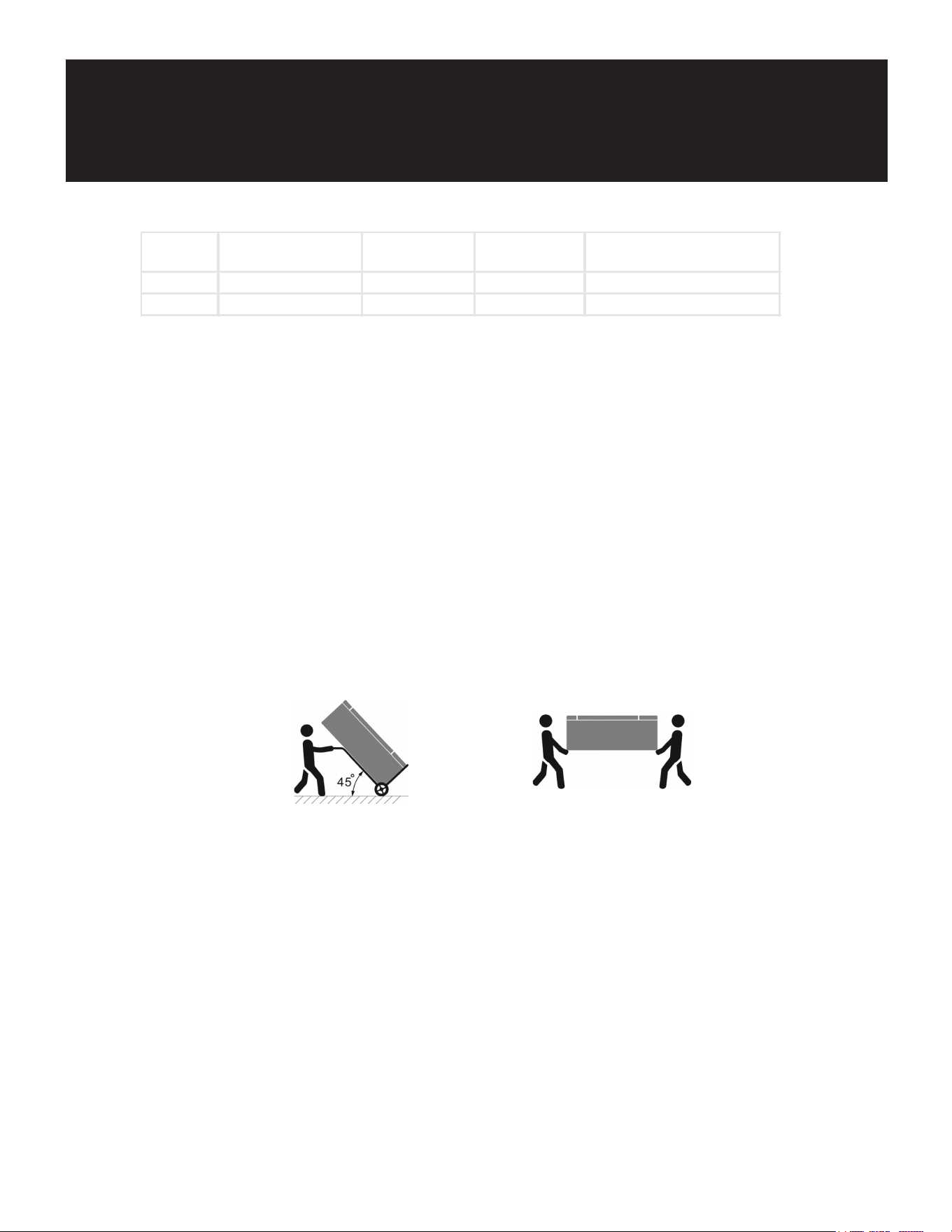
Transportation:
• Avoid tilting the cooler more than a 45-degree angle during relocation.
• Ensure the cooler remains vertical for at least 4 hours before activation if it has been
transported in a non-upright position.
Installation Site Selection
Indoor Use: This appliance is exclusively for indoor usage.
Environmental Considerations: Given that the appliance has a glass door, external conditions can
significantly affect its performance. To optimize efficiency, please adhere to the following
guidelines:
• Avoid situating the appliance near any heat sources.
• Do not place the unit in the path of airflows from fans, open doors, or windows.
• Position the appliance away from systems that may restrict ventilation, such as roof-mounted
units.
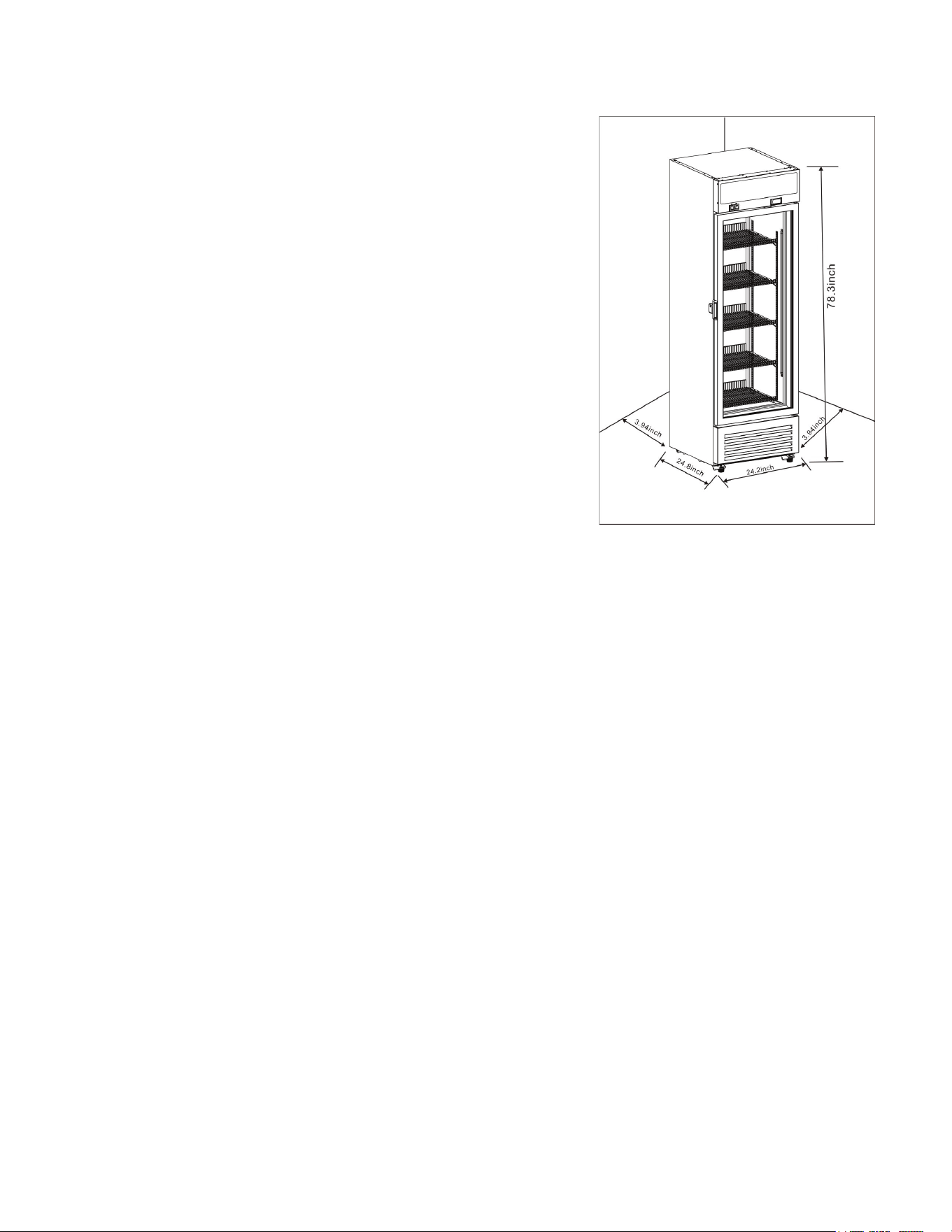
• Ensure the appliance has enough room to 'breathe' — maintain clear space at the rear for
adequate airflow.
• Protect the unit from direct exposure to sunlight.
• Keep the appliance’s ventilation openings unobstructed.
• The appliance must be installed by a qualified individual to mitigate fire risks.
C limate
C lass
Dry Bulb
Temperature (° F)
Relative
Humidity (%)
Dew Point
(° F)
Water Vapor Mass in Dry
Air (g/kg)
3 77 60 62.1 12
4 86 55 68 14.8
Installation Instructions
Open all packaging and wash the unit using lukewarm water
mixed with a mild, neutral detergent at a 5% concentration.
Dry with a soft towel. For cleaning the glass components,
opt for glass-specific cleaning solutions to prevent any
watermarks or lime deposits.
Ensure at least a 10 cm clearance from any wall or adjacent
cabinets for proper airflow. Use the adjustable feet to level
the unit.
The unit should be positioned on a stable, level surface,
distanced from any sources of heat, including direct
sunlight.
The unit is not designed for outdoor use; avoid exposure to
rain and outdoor elements.
Adjusting the Unit for Stability
Position your appliance at the preferred spot. Ensure it's perfectly horizontal by using a spirit level.
You can place the level on any shelf within the unit for accuracy. Proper leveling is crucial to
prevent ice build-up on the evaporator fins due to poor condensate drainage. Adjust the unit to
have a slight 2-degree tilt forward to facilitate the door's closure and effective drainage.
Please note the following:
• Avoid placing containers such as cream or spray bottles that could potentially disrupt the
cooling mechanism inside the cooler.
• It's important to not store any explosive materials, like aerosol cans with flammable
propellants, inside the cooler for safety reasons.
4
Note: The mass of water vapor in dry air is a critical factor that affects the performance and
energy efficiency of the coolers. The ranking of the climate classes in the table is determined
based on the water vapor mass values.
Safety Warning
Risk of Fire/Flammable Materials: Exercise caution due to the potential fire hazard presented by
flammable materials.
II. Transportation and Installation Guidelines
Transportation:
• Avoid tilting the cooler more than a 45-degree angle during relocation.
• Ensure the cooler remains vertical for at least 4 hours before activation if it has been
transported in a non-upright position.
Installation Site Selection
Indoor Use: This appliance is exclusively for indoor usage.
Environmental Considerations: Given that the appliance has a glass door, external conditions can
significantly affect its performance. To optimize efficiency, please adhere to the following
guidelines:
• Avoid situating the appliance near any heat sources.
• Do not place the unit in the path of airflows from fans, open doors, or windows.
• Position the appliance away from systems that may restrict ventilation, such as roof-mounted
units.
• Ensure the appliance has enough room to 'breathe' — maintain clear space at the rear for
adequate airflow.
• Protect the unit from direct exposure to sunlight.
• Keep the appliance’s ventilation openings unobstructed.
• The appliance must be installed by a qualified individual to mitigate fire risks.
Installation Instructions
Open all packaging and wash the unit using lukewarm water
mixed with a mild, neutral detergent at a 5% concentration.
Dry with a soft towel. For cleaning the glass components,
opt for glass-specific cleaning solutions to prevent any
watermarks or lime deposits.
Ensure at least a 10 cm clearance from any wall or adjacent
cabinets for proper airflow. Use the adjustable feet to level
the unit.
The unit should be positioned on a stable, level surface,
distanced from any sources of heat, including direct
sunlight.
The unit is not designed for outdoor use; avoid exposure to
rain and outdoor elements.
Adjusting the Unit for Stability
Position your appliance at the preferred spot. Ensure it's perfectly horizontal by using a spirit level.
You can place the level on any shelf within the unit for accuracy. Proper leveling is crucial to
prevent ice build-up on the evaporator fins due to poor condensate drainage. Adjust the unit to
have a slight 2-degree tilt forward to facilitate the door's closure and effective drainage.
Please note the following:
• Avoid placing containers such as cream or spray bottles that could potentially disrupt the
cooling mechanism inside the cooler.
• It's important to not store any explosive materials, like aerosol cans with flammable
propellants, inside the cooler for safety reasons.
5
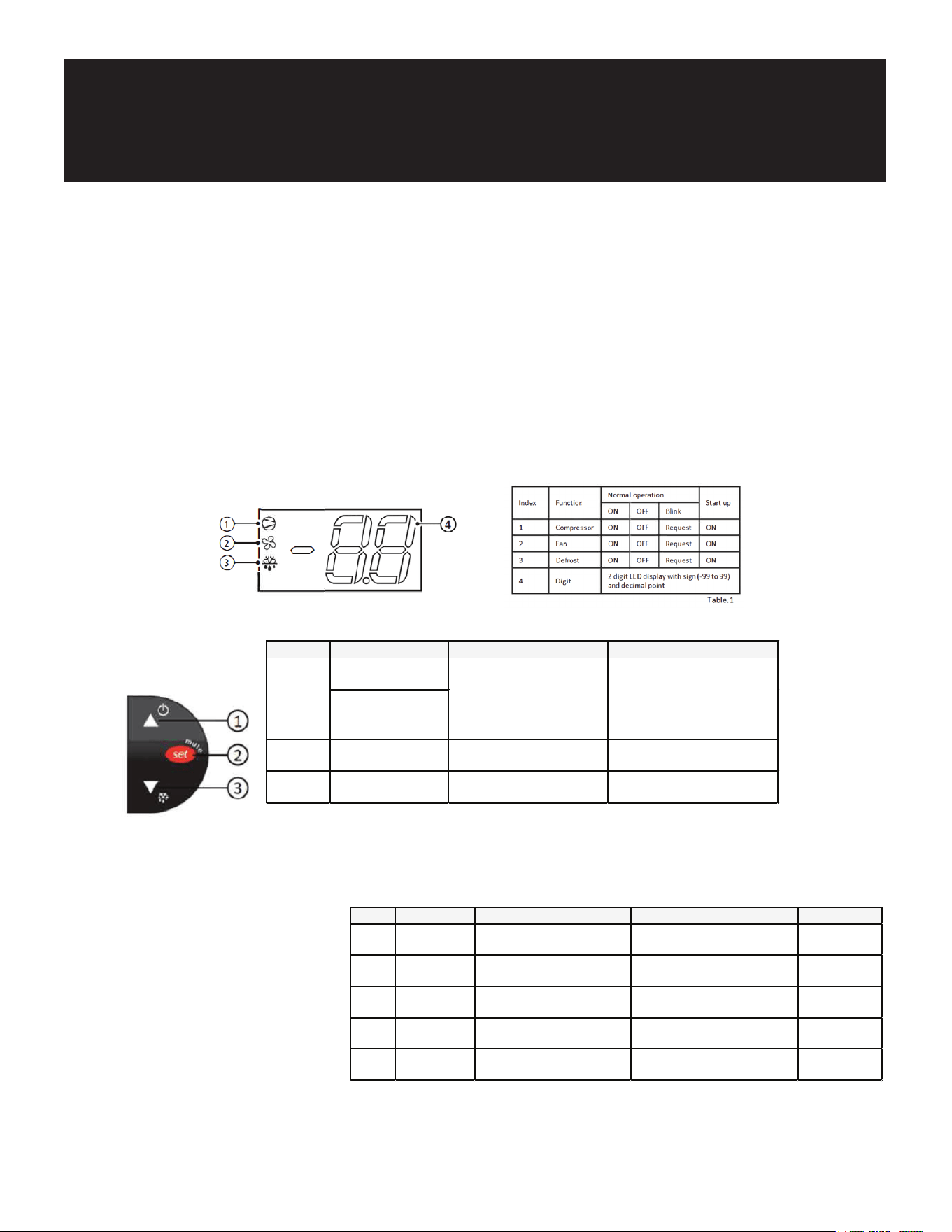
OPERATION
Interface and Controls
The control panel readily shows the current interior temperature during standard operation. It's also
equipped with LED indicators that signal the activation of various control functions, detailed in
Table 1. Additionally, three buttons are available to toggle certain features on or off, as outlined in
Table 2.
Refer to the associated tables for detailed LED indicators and their corresponding functions.
Index Button Normal Operation Start Up
1 Power Button
Pressing the button alone:
nothing
Pressed together: ---
Holding for more
than 3 seconds:
toggle ON/OFF
2 Set Button
Pressing once: display/set
the set point
Pressed together: start
parameter reset procedure
3 Defrost Button
Holding for more than 3
seconds: start/stop defrost
Pressed together: display
defrost probe temp.
Product Troubleshooting
1. Display Area Alarm Code
If a component of the
product fails, an error code
will appear on the control
panel. Below are the
common error codes and
their meanings.
NO Error C ode Error Description Handling Method Remarks
1 E1
Abnormal sensor in the
cabinet
Contact our professional after-
sales service technician
2 E2 Abnormal defrosting sensor
Contact our professional after-
sales service technician
3 DR Open the door alarm
Check the door if securely
closed
4 HI High temperature warning
Contact our professional after-
sales service technician
5 LO Low temperature warning
Contact our professional after-
sales service technician
6
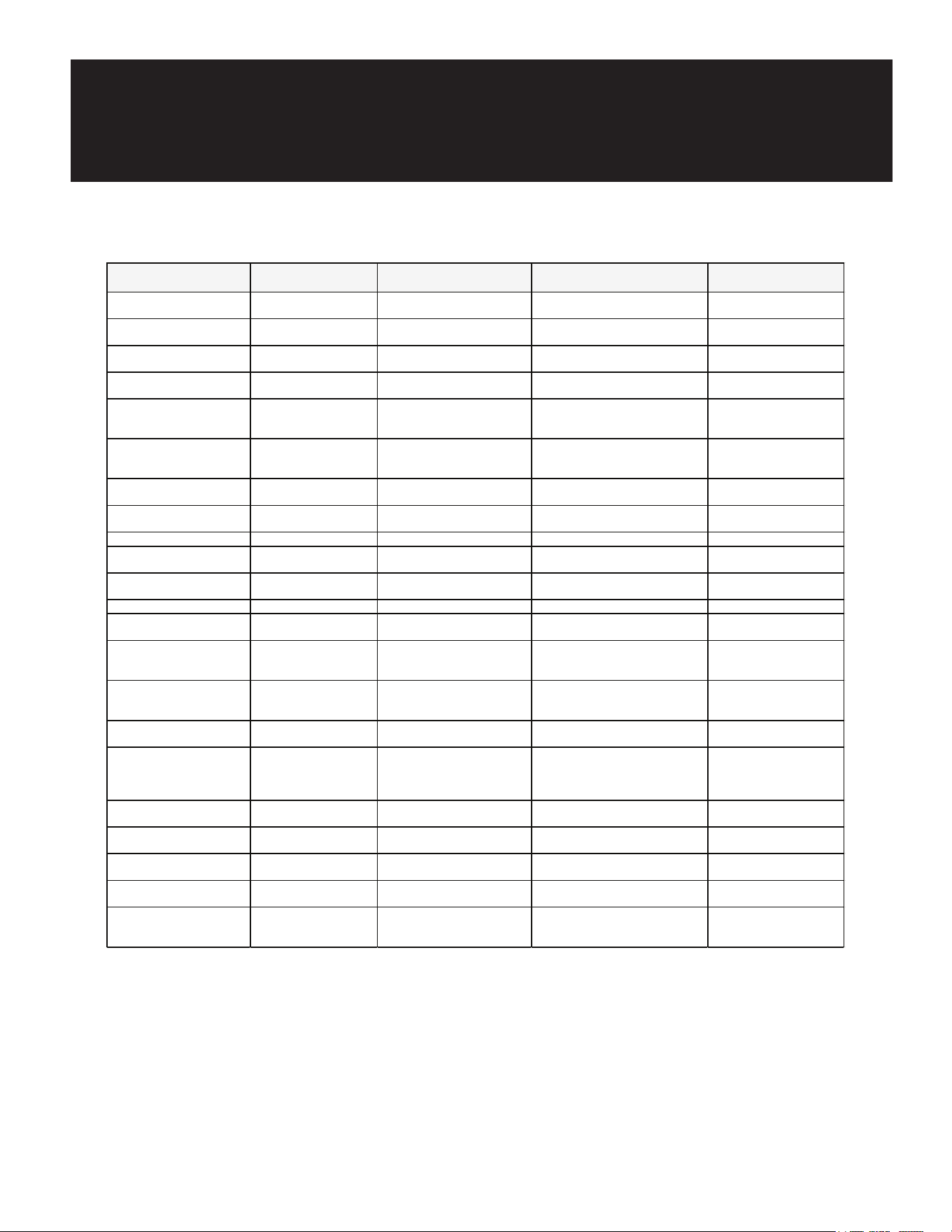
TROUBLESHOOTING
Trouble Reason Check Solution Remark
No display on the display panel
The power plug is not
properly plugged in
Plug in the power socket Reconnect the power
Power Outage
Check if the socket has
electricity or not
Reconnect the power
Key invalid / /
Contact our professional after-sales
service technician
No voltage Fuse breaking off Check fuse Change fuse
Contact our professional after-
sales service technician
Poor connection between the
plug and socket
Check the socket Repair or change socket
Lamp is not lighting on
Lamp has poor contact or
worn down
Check the lamp circuit and lamp
Tighten the connection or change a
new lamp
Contact our professional after
-
sales service technician
Lamp switch has poor contact Check the switch
Tighten the connection or change
a new switch
Condenser fan not running
Condenser fan is broken
down
Check condenser fan resistance Change condenser fan
Contact our professional after-
sales service technician
Condenser fan is blocked Check for blockage Clear the blockage
Condenser fan operates
continuously
The door is opened too
frequently
/ /
Too much storage / Take out part of the storage
Contact professional after-sales
personnel
Air outlet is blocked / /
Leakage of refrigerant /
Contact professional after-sales
personnel
Noise Cooler isn't leveled
Check if the four wheels are
adjusted to the same level and
touching the ground
Adjust the wheels
Contact professional after-
sales personnel
Fixing screws of compressor or
condenser fan are loose
Screws not tightly fixed Tighten the screws
Compressor or fan defective
Check the Compressor or
fan
Contact professional after-sales
personnel
Condenser fan is working, but
the compressor doesn’t operate
The terminal of starter or
OLP is loose
Check the resistance of
compressor CSM terminal
Install the starter or OLP
Contact professional after-
sales personnel
Compressor defective Check the input Voltage Change new compressor
Voltage is lower than 97V or
higher than 130V
Use a voltage stabilizer
Evaporator fan not running Fan switch defective Check the switch Change the switch
Contact professional after-
sales service personnel
Fan switch terminal is not
connected properly
Check the circuit of the
terminal
Connect the switch terminal
Power cord broken down
Not placed in correct
position and broken during
transportation
N/A Change the power cord
Contact professional after-
sales service personnel
7

Koolmore Supply, Inc. extends a limited warranty to the original purchaser, guaranteeing that this
Koolmore
product is free from manufacturing defects in material or workmanship for one year from the date of
purchase.
Should you discover any such defect within the warranty period, Koolmore Supply, Inc., reserves the
right to
repair or replace the product without charge, or to cover the cost of replacement parts and repair labor
needed
to correct defects present at the time of purchase or resulting from regular usage, when the appliance
has been
installed, operated, and maintained as per the instructions provided.
At its sole discretion, Koolmore Supply Inc. may decide to replace the product. In such an event, your
replacement
appliance will carry the warranty for the remaining term of the original unit's warranty period.
This warranty is valid exclusively to the original purchaser of the product and only applicable within the
United
States. The warranty commences from the date of original consumer purchase. Proof of the original
purchase
date will be required to obtain service under this warranty.
Under this limited warranty, your sole and exclusive remedy will be product repair, as outlined above. All
services must be provided by a Koolmore-designated service company.
To claim warranty or request repair service:
Email support@koolmore.com. Please include your name, address, phone number, warranty repair
request,
and a copy of your proof of purchase receipt. Alternatively, visit koolmore.com and use the contact us
page. A
Koolmore customer service representative will promptly arrange service for your appliance.
We thank you for choosing Koolmore.
This limited warranty will not cover:
1. Failure of the product to perform during power failures or interruptions,
or due to inadequate electrical service.
2. Damage incurred during transportation or handling.
3. Damage caused by accidents, vermin, lightning, winds, re, oods, or acts of God.
4. Damage resulting from accidents, alterations, misuse, abuse, improper installation, repair, or mainte-
nance.
This includes using any external device that alters or converts the voltage or frequency of
electricity.
5. Unauthorized product modications, repairs by unauthorized centers, or use of non-approved
replacement parts.
6. Abnormal cleaning and maintenance not aligned with the user's manual.
7. Use of incompatible accessories or components.
8. Any costs associated with repairs or replacements under these excluded circumstances shall be the
responsibility of the consumer.