Part Number 7119888 / ENGLISH REV 1 - 12/2022
SAVE THIS MANUAL FOR FUTURE REFERENCE
USE AND CARE MANUAL
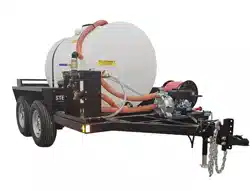
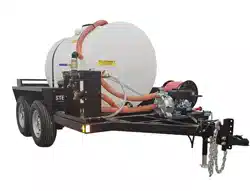
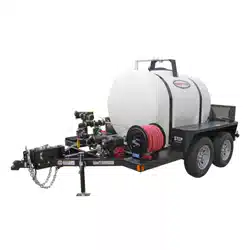
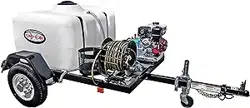
WATER TRAILER
READ THIS MANUAL CAREFULLY BEFORE OPERATION
Failure to follow the instructions and safety precautions in this manual can result
in property damage, serious injury and/or death.
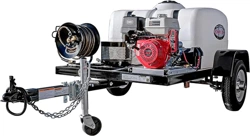
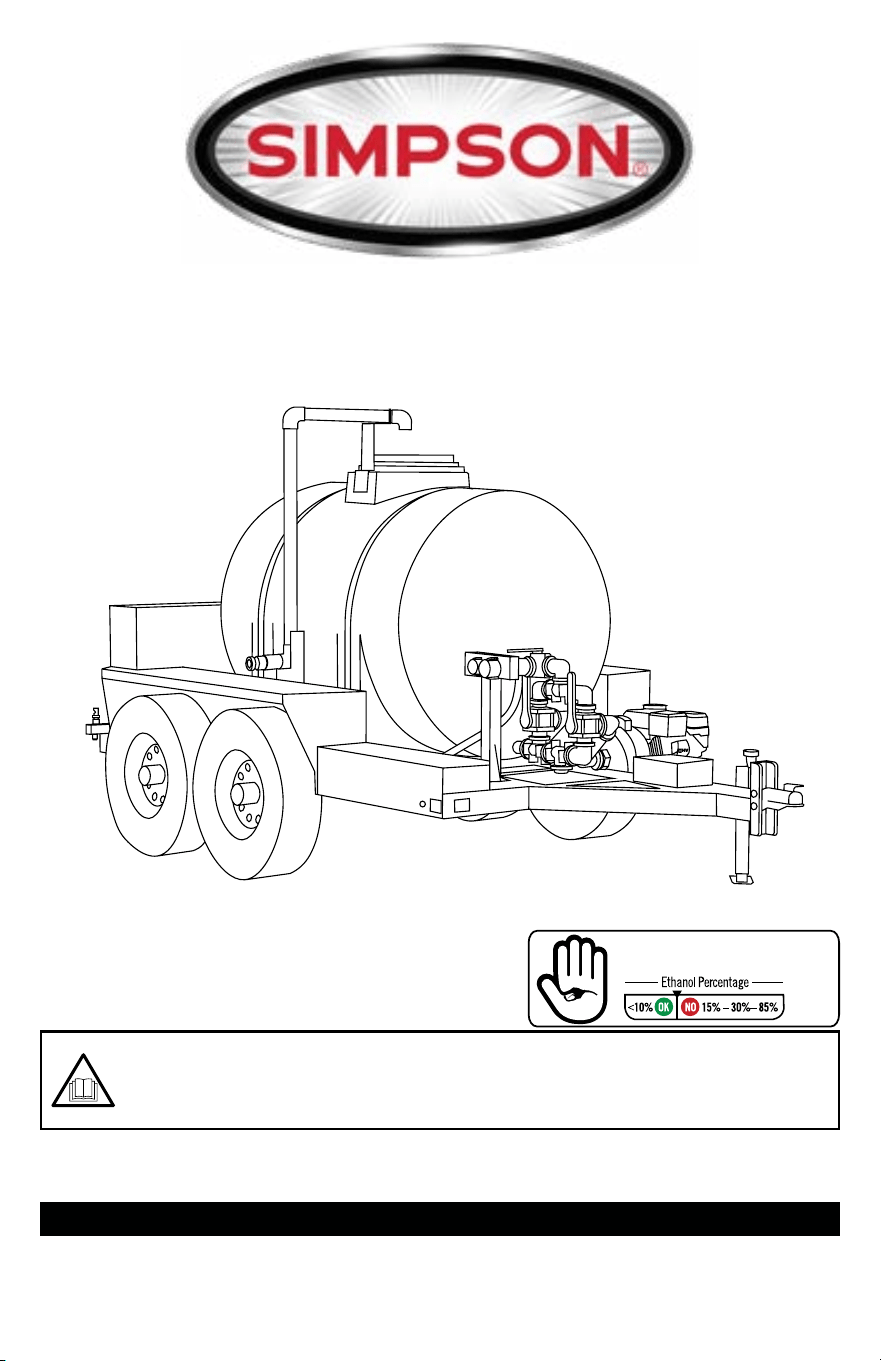
NOTE: Photographs and line drawings used in this manual are for reference only and may not
represent your specic model.
If your unit is not working or if there are parts missing or broken, please DO NOT RETURN IT TO THE
PLACE OF PURCHASE. Contact our Customer Service Department by calling 1-877-362-4271 or
emailing [email protected]
LOOK BEFORE YOU PUMP!

Page II
NOTES
THIS PAGE WAS INTENTIONALLY LEFT BLANK

Page 1
SAVE THIS MANUAL FOR FUTURE USE
Write down the model number, serial number, and purchase date of this product in the spaces
provided below then keep this manual with the purchase receipt(s) for future reference.
Keep this manual for future reference. This manual should be considered a permanent part
of the product and stay with it. This manual should be available to anyone operating the
product(s) it covers. This manual should remain with the product(s) it covers if sold to a new
owner. If the manual becomes damaged, lost, or otherwise unusable, you may download
a new copy from the product pages at www.simpsoncleaning.com or contact customer
support by calling 1-877-362-4271.
Model Number:
Serial Number:
Purchase Date:

Page 2
TABLE OF CONTENTS
DISCLAIMERS 5
Hazard Alert Symbols
4
Additional Instructions
4
Read this Manual Before Operating
4
4SAFETY INSTRUCTIONS
COMPONENT LOCATION 6
PRESSURE FILLING THE TANK 9
SETTING THE FLOW VALVES 10
SETTING THE MANIFOLD VALVES 11
SIDE PORT (DISCHARGE OR SUCTION)
12
FILLING THE TANK FROM A
STANDING WATER SOURCE
13
USING THE SIDE PORT OUTPUT 15
USING THE SPRAY BAR 16
DRAINING THE SYSTEM FOR
STORAGE (WINTERIZE)
17
Draining the System
17
TRAILERING SYSTEM 18
Trailer Coupler
18
OPERATING CHECKLIST 22
Location
22
High Altitude Operation
22
Operating Conditions
22
Checking the Engine Oil
24
Checking Fuel
25
Adjusting the Trailer Coupler Height
19
Trailer Electrical System
20
PRESSURE FILL PIPE INSTALLATION
8

Page 3
27STARTING THE ENGINE
29
TURNING THE ENGINE OFF
29
TROUBLESHOOTING
MAINTENANCE 30
Pump Maintenance
30
Exterior Pump Cleaning
30
Interior Pump Cleaning
31
Engine Maintenance
33
Plumbing Maintenance
33
Trailer Maintenance
33
ENGINE LONGTERM STORAGE 34
Storing for Two Months or Less
34
Storing for More Than Two Months
34
WARRANTY 35

CAUTION:CAUTION:
NOTICE
Page 4
This manual contains important safety information and instructions. Do not operate
this product until you have read, and completely understand all safety, operation, and
maintenance instructions listed in this manual. Failure to follow the information contained
in this manual will result in property damage, injury, and/or death.
NOTE: The warnings and precautions discussed in this manual cannot cover all conditions
and situations that may occur. The operator must understand awareness and caution are
factors which cannot be built into this product and so must be exercised by the operator.
READ THIS MANUAL BEFORE OPERATING
ADDITIONAL INSTRUCTIONS
Be sure to understand the safety symbols and denitions listed below. Each symbol
contains one of four words: DANGER, WARNING, CAUTION, NOTICE, indicating
dierent levels of hazard severity. These symbols are used throughout this manual and
are followed information about a specic hazard, the consequences of the hazard, and
instructions on how to avoid the hazard. Failure to heed these symbols and follow the
instructions provided with them will result in property damage, injury, and/or death.
HAZARD ALERT SYMBOLS
Indicates an imminently dangerous situation, which if not
avoided, will result in property damage, serious injury, and/
or death.
Indicates a potentially hazardous situation, which if not
avoided, could result in property damage, serious injury, and/
or death.
Indicates a hazardous situation, which if not avoided, could
result in property damage and/or minor to moderate injury.
Indicates information considered important, but not directly
hazard related.
SAFETY INSTRUCTIONS
Along with this manual, be sure to read any additional instructions provided both on and
with the product, attached equipment, accessories, and the engine powering the product.
Pay careful attention to all additional safety rules and instructions on proper startup,
operation, and shutdown procedures. Always use any recommended protective apparel
that may be needed to operate the equipment safely.
DANGER:DANGER:
WARNING:WARNING:
Attempting to start the engine incorrectly or using the unit incorrectly can result in engine
and/or pump failure and may cause serious injury or death. To avoid these hazards, be
sure to read, understand, and follow the steps outlined in the OPERATING CHECKLIST
section of the owner’s manual before starting the engine and follow all the guidelines for
proper use of the unit.
OPERATING CHECKLIST
WARNING:WARNING:
The SIMPSON Water Trailer is designed to be used only with fresh or gray water. Do not
pump or transport euent, black (sewage) water or any types of chemicals. Do not pump
or transport any uid that is intended for human consumption.
FLUID USAGE
WARNING:WARNING:
Page 5
This product and the engine exhaust can expose you to chemicals which are known to
the state of California to cause cancer, birth defects, or other reproductive harm. For
more information on California Proposition 65, go to www.P65Warnings.ca.gov.
CALIFORNIA PROPOSITION 65 WARNING
POLYCYCLIC AROMATIC HYDROCARBON WARNING
The air lter element and air box assembly may contain polycyclic aromatic hydrocarbons
(PAHs). Some PAHs may cause cancer. To avoid exposure to PAHs, wear gloves when
performing air lter maintenance.
DISCLAIMERS
SAVE THIS MANUAL FOR FUTURE USE.
All information in this publication was based on the latest product information
available at the time of printing. The FNA Group reserves the right to update,
change, and/or improve the product and this document at any time, without
notice and without incurring any obligation.
This manual may cover more than one machine. The pictures and gures
in the manual should be used for reference only. There may be dierences
between your product and the pictures, drawings and diagrams in this manual.
If you loan, rent or sell this machine, be sure to include all instructional materials
with the unit!

Page 6
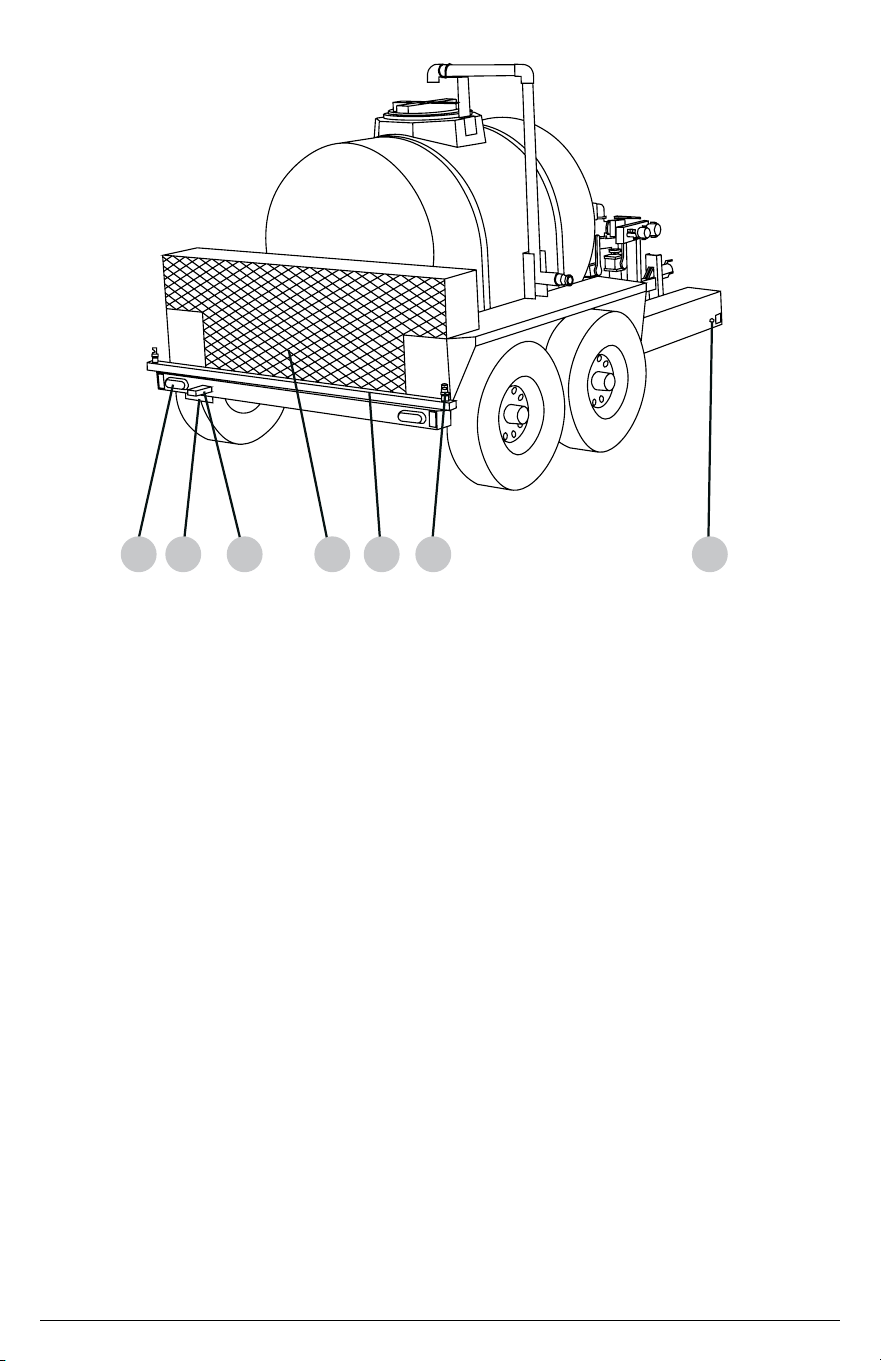
COMPONENT LOCATION
1
2
4
6
8
9
13
11
7
15
5
25
26
27
3
10
12
14
16
17
Page 7
18 19 20 21 22 23
3. Spray bar control valve, see page 11.
4. Side port control valve, see page 11.
5. Side port, see page 12.
6. Flow control valves, see page 10.
8. Vented tank cover.
9. Tank.
10.
Hose reel (optional) valve, see page 11.
11.
Tank valve, see page 11.
15. Trailer jack.
16. Trailer coupler, see page 18.
18. Red turn/brake light.
19. License plate holder.
20. License plate light.
21. Hose storage bin.
22. Spray bar assembly, see page 16.
23. Spray nozzle (one of two).
24. Amber marker light.
25. Side port garden hose bibb.
1. Pressure ll pipe, see pages 8 & 9.
2. Pressure ll pipe 2” hose connector.
7. 20ft (6.1M) Suction rated hose.
17. 50ft (15.2M) lay at discharge hose.
26. Side port 1.5” connector.
27. Side port 2” connector.
12. Hose reel (optional).
24
14. Protective cover for electrical
components including the break-
away system control, see page 21.
13.
Gasoline powered pump, see page 27

PRESSURE FILL PIPE INSTALLATION
The following tools are required:
(2) 1/2” open end wrenches
(1) 9/16” open end wrench
Please locate the pressure ll pipe in the hose storage bin at the rear of the trailer. Along
with it will be a bag containing the required hardware and U-bolts. Unwrap the protective
plastic from the pipe.
Step 1: Remove the cover from the top of the tank.
Step 2: Using the 5/16” hex bolts (2), 5/16” at washers (3) and 5/16” nylon insert lock
nuts (4), attach the ll pipe bracket (1) to the tank using 1/2” open end wrenches
(Fig. A).
Step 3: Place the pressure ll pipe (5) allowing the elbow to t into the circular relief of
the bracket (Fig. A). Attach using one of the included U-bolts (6). At this time,
only hand thread the nuts, do not tighten.
1
2
3 4
6
5
Fig. A
Step 4: Using the remaining U-bolt (6), attach the pressure ll pipe to the lower bracket
(Fig. B). Tighten both U-bolts using a 9/16” open end wrench.
Step 5: Place the cover back onto the tank.
Fig. B
6
Page 8

PRESSURE FILLING THE TANK
CAUTION:CAUTION:
Page 9
The tank can be lled from a pressurized water source by using the 2” tank ll on
the passenger’s side of the trailer. NOTE: Do not use a re hydrant unless you have
contacted your local municipality. Typically the water will need to be metered and a
back ow preventer may need to be placed with the meter by the municipal water
department.
1. Remove the cover of the tank.
2. Connect a 2” hose from the pressurized water source to the ll connector.
3. Turn on the water source allowing the tank to ll to the required level.
4. Turn o the water source then disconnect the hose from the ll pipe.
5. Place the cover back onto the tank, secure.
Whenever the trailer is disconnected from the tow vehicle, the trailer should be parked
on a level surface and with the wheels chocked (not included). Trailers with non-chocked
wheels can roll when parked on non-level pavement or when accidentally bumped from
another vehicle leading to injury/death and property damage.
TRAILER MOVEMENT

SETTING THE FLOW VALVES
Page 10
Along with the ability to pump water out (to the spray bar, for example), the SIMPSON
Water Trailer also has the capability to ll its tank from a standing water source such
as a lake, stream or pond.
To pump water from the tank (pump position) the valve handles must be set in the
upward position, (Fig. 1).
The ow valves are what routes the water through the pump. The valves must be set
so the water can either be sent to, or taken from, the tank.
In order to ll the tank (draw position) the valve handles must be set in the downward
position, (Fig. 2).
Fig. 1 (Pump Position)
Fig. 2 (Draw Position)
Input
Output
CAUTION:CAUTION:
Failure to properly set the valves can cause damage to the pump and the piping. Always
set the valves and verify the pump is properly primed before starting the engine.
PUMP DAMAGE
Input
Output
NOTICE
This pump will not prime when dry. Running the pump dry without priming can damage the
pump assembly and seals. Damage caused by running dry is not covered by warranty.
To avoid damaging the seals and pump assembly, do not run the pump when it is dry
without priming.
PUMP PRIMING

SETTING THE MANIFOLD VALVES
Page 11
Above the pump is a horizontal manifold (Fig. 3) that contains two valves (spray bar
valve and the passenger’s port side valve). See USING THE SPRAY BAR or USING
THE SIDE PORT, to determine which valve to use. Below the horizontal manifold is
the tank valve.
Spray bar
valve
Passenger’s
side port
Driver’s
side port
(optional)
The valve is open (water ows through) when the handle is in-line with the valve body.
The valve is closed (water cannot ow) when the handle is perpendicular to the valve
body. (See Fig. 4)
Passenger’s side port valve
Driver’s side port valve (optional)
Fig. 3
Fig. 4
Valve closed Valve open
Tank valve
Hose reel
(optional)
valve
SIDE PORT (DISCHARGE or SUCTION)
Always have the dust covers in place and locked before moving the trailer. Loose covers
may come free at highway speeds leading to injury. Make it a point each time you will be
moving the trailer to inspect the dust covers and verify they are properly locked.
DUST COVERS
WARNING:WARNING:
Page 12
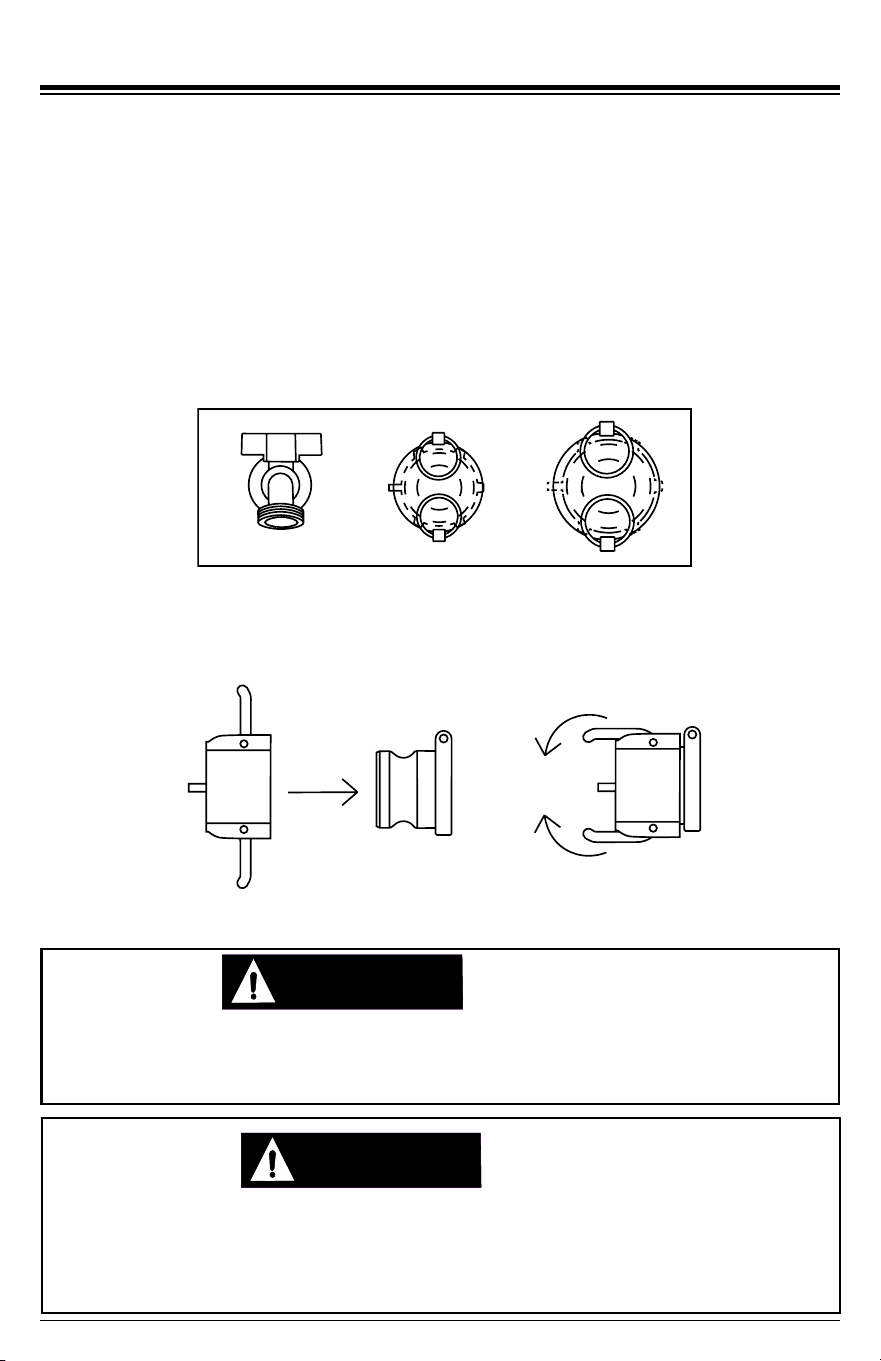
The side ports allows you to send water out to a hose (for example, irrigation) or using
a hose to draw water into the tank (1.5 or 2” only).
The port assembly contains a 1.5” hose connector, a 2” hose connector and a standard
3/4” garden hose bibb. (See Fig. 5)
1.5” Hose
2” Hose
3/4” Hose bibb
Fig. 5
The 1.5” and 2” hose connectors have cam lever dust covers (Fig. 6) that are chained
to the side port for retention. Always have the covers in place and locked before
moving the trailer. Loose covers may come free at highway speeds leading to injury.
CAUTION:CAUTION:
When pumping from a standing source using the side port, only use the 1.5” or 2” hose
connectors. The 3/4” hose bibb is too restrictive and could damage the pump due to
insucient water ow.
PUMP DAMAGE
Fig. 6
Place the cover on the hose
connector then rotate the
cams to lock the cover onto
the connector.
FILLING THE TANK FROM A STANDING
WATER SOURCE
Page 13
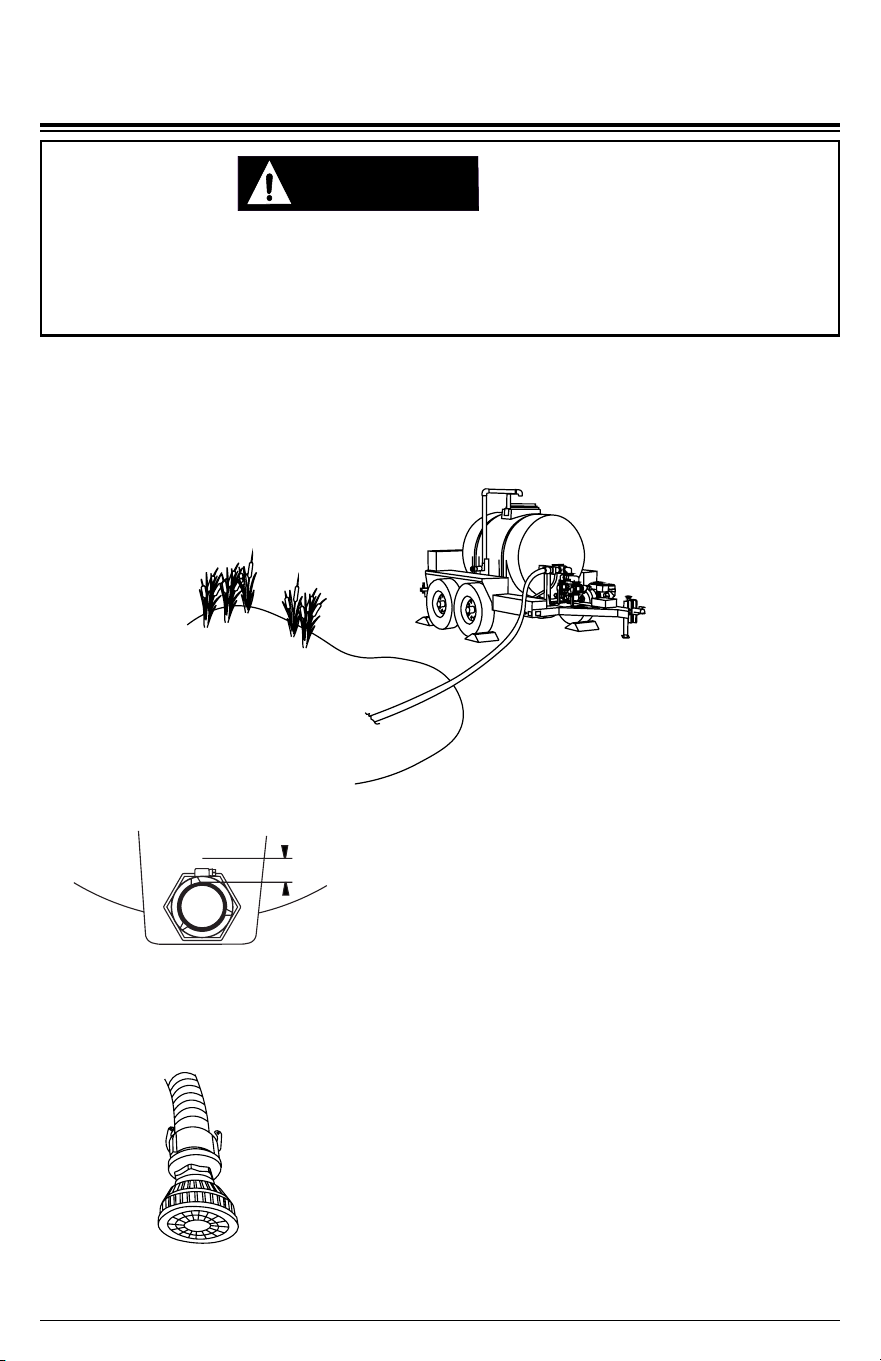
Besides lling the tank from a pressurized sources of water, you also have the ability
to ll the tank from a standing source of water (Fig. 7) such as a lake, stream or pond.
In order to do this, you will need to use the 2” rigid suction hose and the on-board
pump. We recommend using a strainer / lter (not included) on the suction hose.
Fig. 7
2. Place a lter / strainer (not included) onto the end
of the rigid suction hose (Fig. 9), before placing the
hose into the water. NOTE: The total lift from the
lter / strainer to the level of the side port must not
exceed 25 feet (7.6 meters).
1. In order to ll the tank from a standing source,
you must have water in the tank at a minimum of
1” above the outlet pipe (Fig. 8). If you do not have
a sucient amount of water in the tank, you will
need to ll the tank from a pressurized source; see
PRESSURE FILLING THE TANK.
Fig. 9
Fig. 8
1” min.
Whenever the trailer is disconnected from the tow vehicle, the trailer should be parked
on a level surface and with the wheels chocked (not included). Trailers with non-chocked
wheels can roll when parked on non-level pavement or when accidentally bumped from
another vehicle leading to injury/death and property damage.
TRAILER MOVEMENT
CAUTION:CAUTION:

NOTICE
Page 14
3. Connect the other end of the hose to the side port (Fig. 5).
4. Remove the primer cover on the pump (Fig. 10) then ll the pump with water. Place
the cover back onto the funnel, tighten.
6. Move the ow valves to the DRAW position (Fig. 2).
7. Make sure the spray bar and side port valves are CLOSED (Figs. 3 & 4).
CAUTION:CAUTION:
In order to ll the tank with the DRAW function, you must have at least one inch of water
above the outlet pipe of the tank. Water below this level may not be sucient to prime
the suction hose.
PUMP DAMAGE
8. Using the STARTING THE ENGINE instructions, start the engine of the pump.
9. Move the side port valve to OPEN (Fig. 4). You may notice air bubbles in the tank as
the water starts to ow. If the pump fails to prime, stop the engine and repeat step 4.
10. Wait until the tank is lled to the required level.
11. Once the tank is lled, move the side port valve to CLOSED.
12. Shut o the engine by using the SHUTDOWN instructions.
13. Move the tank valve to the CLOSED position
.
Fig. 10
We recommended having a lter (not included) on the end of the suction hose. Not using
a lter can introduce debris into the pump and the tank that may cause damage. Always
place the lter at a depth where air cannot be introduced into the system, but do not allow
it to sit on the muddy bottom of the source.
5. Move the tank valve to OPEN (Fig. 3).
14. Disconnect the hose then place the cover on the hose bard; lock into place (Fi
g. 6).
PUMP DAMAGE

USING THE SIDE PORT OUTPUT
Page 15
The side port outputs can be used for a variety watering uses. As talked about in
SIDE PORT (DISCHARGE or SUCTION), you have the ability to use a standard 3/4”
garden hose, a 1.5” or a 2” hose as the output. In order to use these outputs, make
sure the tank is fully lled or has enough water for your application. Do not allow the
pump to go dry as damage may occur.
2. Ensure the pump is primed. If you start to remove the primer cover and water
begins to ow out, it is primed. If not, remove the cover and ll the pump with water
(Fig. 10). Thread the cover back onto the funnel, tighten.
3. Move the ow valves to the PUMP position (Fig. 1).
4. Make sure the spray bar and side port valves are closed (Figs. 3 & 4).
5. Connect the hose to the appropriate side port connection (1.5”, 2” or 3/4” garden
hose).(Fig. 5).
6. If using a 3/4” garden hose, rotate the hose bibb handle to ON (Fig. 11).
7. Using the STARTING THE ENGINE instructions, start the engine of the pump.
8. Move the side port valve to OPEN (Fig. 4).
9. Use the output until your application is completed or you have met the minimum
allowed amount of water in the tank. DO NOT allow the tank to pump dry.
10. Move the side port valve to CLOSED.
11. Shut o the engine by using the SHUTDOWN instructions.
13. Disconnect the hose then place the cover on the hose bard, lock into place (Fi
g. 6)
-or- rotate the hose bibb handle to CLOSED.
Fig. 11
OFF ON
CAUTION:CAUTION:
Never allow the tank water level to fall below a level of one inch above the outlet pipe of
the tank. If the tank fully drains, pump damage may occur from lack of water and you will
only be able to rell the tank from a pressurized water source.
PUMP DAMAGE
1. Move the tank valve to OPEN (Fig. 3).
12. Move the tank valve to CLOSED.

USING THE SPRAY BAR
Page 16
The spray bar allows you to water down areas for dust reduction as well as washing
the pavement of loose dirt and debris. In order to use the spray bar, make sure the
tank is fully lled or has enough water for your application. Do not allow the pump to
go dry as damage may occur.
CAUTION:CAUTION:
Never allow the tank water level to fall below a level of one inch above the outlet pipe of
the tank. If the tank fully drains, pump damage may occur from lack of water and you will
only be able to rell the tank from a pressurized water source.
PUMP DAMAGE
2. Ensure the pump is primed. If you start to remove the primer cover and water
begins to ow out, it is primed. If not, remove the cover and ll the pump with water
(Fig. 10). Place the cover back onto the funnel, tighten.
3. Move the ow valves to the PUMP position (Fig. 1).
4. Make sure the spray bar and side port valves are closed (Figs. 3 & 4).
5. Using the STARTING THE ENGINE instructions, start the engine of the pump.
6. Move the spray bar valve to OPEN (Fig. 4).
7. Use the spray bar until your application is completed or you have met the minimum
allowed amount of water in the tank. DO NOT allow the tank to pump dry.
8. Move the spray bar valve to CLOSED.
9. Shut o the engine by using the SHUTDOWN instructions.
1. Move the tank valve to OPEN (Fig. 3).
10. Move the tank valve to CLOSED.
Page 17
DRAINING THE SYSTEM FOR STORAGE (WINTERIZE)
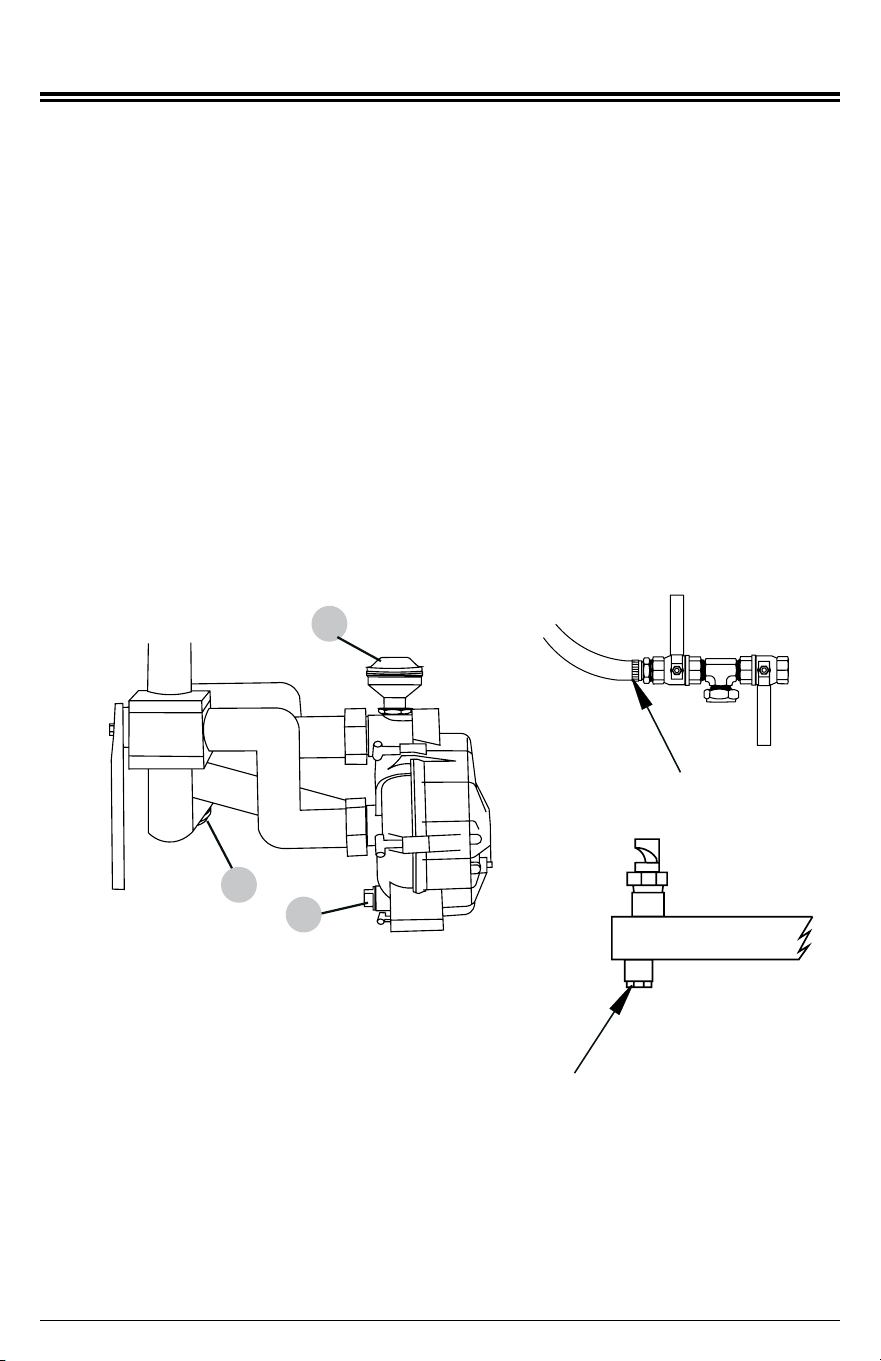
When you will not be using the trailer for an extended period of time or there is a
chance of freezing weather, you should drain the system.
2.
Using a screw or nut driver, loosen the worm screw clamp (Fig. 12-A). Carefully
remove it and the manifold plug from the tee ange.
3. Remove the drain plug on the bottom of the pump (Fig. 12 - B).
1. Ensure the trailer is as level as possible.
4. Remove the primer cover from the pump allowing air into the pump (Fig. 12 - C).
5. As the system drains, operate the ow valves (Figs. 1 & 2) to allow any trapped
water to drain.
6. Once the water has stopped owing, replace the caps and manifold plug; tighten.
C
Fig. 12
7. Move the tank valve to the CLOSED position.
DRAINING THE SYSTEM
A
4. Open the tank valve to allow the tank to empty
8. Using a screw or nut driver, loosen the hose clamp (Fig. 13). Carefully remove the
hose and lower it allowing residual water to drain.
9. Remove the drain plugs from the bottom of the spray bar near each nozzle (Fig. 14).
10. Allow any trapped water to drain from the hose and the spray bar.
Fig. 13
Fig. 14
11. Thread in the drain plugs; tighten.
12. Align the hose assembly back with the manifold, position the clamp and tighten.
B

NOTICE
Page 18
TRAILERING SYSTEM
The trailer coupler of the SIMPSON Water Trailer is adjustable in height. It is important
to keep the trailer as level as possible with the tow vehicle. This is accomplished by
raising or lowering the coupler within the channel.
1
2
3
4
5
6
7
8
1. Coupler retaining bolt and nylon-insert locknut
2. Safety cable retaining hair pin -or- cotter pin
Safety cable assembly
4. Safety pin and lanyard
5. Latch
6. Coupler
7. Coupler channel
8. Snap hook
3.
Whenever the trailer is disconnected from the tow vehicle, the trailer should be parked
on a level surface and with the wheels chocked (not included). Trailers with non-chocked
wheels can roll when parked on non-level pavement or when accidentally bumped from
another vehicle leading to injury/death and property damage.
TRAILER MOVEMENT
CAUTION:CAUTION:
TRAILER COUPLER
When the trailer was ordered, you
should have picked the coupler
that matched your hitch. If you did
not specify a coupler or did not
receive one, please contact our
Customer Service Department by
calling 1-877-362-4271 or emailing

Page 19
Improper front / rear load distribution can lead to poor trailer sway stability or poor tow
vehicle handling. The water trailer has been designed to have the proper tongue weight
regardless of the tank being empty or full. Adding items or storing items in or on the
trailer may exceed GVWR of the axles and GTW which will change the tongue weight
distribution and cause an unsafe traveling condition. DO NOT modify or add to the trailer.
LOAD DISTRIBUTION
WARNING:WARNING:
ADJUSTING THE TRAILER COUPLE HEIGHT
1. With the trailer on level pavement and the tank empty, connect the trailer to the tow
vehicle; raise the jack.
2. Place a spirit level on the tongue behind the coupler channel (Fig. 15).
Fig. 15
Spirit level
3. The trailer should be as level as possible with the tow vehicle. If it is not, go to step
4.
4. Lower the jack to allow the tow vehicle to be moved away from the trailer.
5. Using two open end wrenches, loosen the coupler retaining bolts. Remove the nuts.
6. If the spirit level bubble was toward the vehicle (Fig. 16), the coupler is set too low.
If the bubble was toward the trailer, the coupler is set too high.
7. While holding the coupler with one hand, remove the bolts being careful not to allow
the coupler to fall to the ground.
8. Raise or lower the coupler as required to level the trailer to the tow vehicle.
The use of a hitch with a load rating less than the load rating of the trailer can result in
loss of control and may lead to death or injury. Using a tow vehicle with a towing capacity
lower than the load rating of the trailer can result in loss of control and may result in
injury or death. Be sure your hitch and tow vehicle are rated for the Gross Vehicle Weight
Rating (GVWR) of your trailer.
MATCHING TRAILER
AND HITCH
WARNING:WARNING:

Page 20
Fig. 16
Water trailer
Tow vehicle
Level
Coupler set low
Coupler set high
13. Using open end wrenches, tighten the nuts.
14. If the trailer was not level in Step 12, repeats Steps 4 through 12 until it is. Once
the level as been made as close as possible, tighten the nuts as outlined in Step 13.
9. Insert the bolts then hand thread the nuts until snug. Do not fully tighten.
10. Once again connect the tow vehicle and rise the jack.
11. Using the spirit level, check for level by placing it on the tongue.
12. If the trailer is now level to the tow vehicle, lower the jack to release pressure o
of the coupler.
TRAILER ELECTRICAL SYSTEM
The SIMPSON Water Trailer is equipped with an electrical braking system as well as
an emergency break-away braking system. The tow vehicle must be equipped with
a seven pin trailer receptacle wired to the SAE J2863 standard for proper operation.
The pinout of the trailer connector is shown in (Fig. 17).
Fig. 17
Tail / running lights
Left turn / stop lights
Ground
Aux 12 volt charging
Right turn / stop lights
Trailer brakes
Backup lights

Page 21
The controls and battery for the break-away braking system are located within the
housing (Fig. 18) behind the trailer tongue. The battery is charged by the tow vehicle
but should be checked periodically and after long-term storage of the trailer. The
charge status of the battery can be determined by pushing the test button (Fig. 19).
1. Housing cover.
2. Wiring harness junction box.
3. Break-away controller and battery.
4. Break-away switch.
5. Break-away cable.
Fig. 18
FULL
LOW
CHARGE
TEST
Fig. 19
To test the battery, press the TEST
button on the controller housing. A
green LED indicates the battery is fully
charged. A red LED indicates the battery
must be charged before the trailer is
used. A steady yellow LED indicates the
trailer is connected to the tow vehicle
and the battery is being charged.
The battery should be fully charged
before each use of the trailer.
NOTE: A discharged or low battery will
not operated the brakes in a break-away
situation.
When trailering, you must secure the
break-away cable to the tow vehicle for
the system to operate correctly in the
situation of a break-away trailer.
1
2
3
4
5

WARNING:WARNING:
NOTICE
Page 22
OPERATING CHECKLIST
Location
Engine exhaust contains carbon monoxide, an odorless, colorless, poisonous gas.
Running an engine indoors will kill you in minutes. Never use this product inside a garage
or any other kind of enclosure even if doors and windows are open. Run engine outside
at least 20 feet (6 meters) away from windows, doors, and vents. Carefully consider wind
direction and air currents when using this product outside to avoid breathing in engine
exhaust. Always use a carbon monoxide detector in any occupied buildings near the
running engine.
TOXIC FUMES
Being that this is a trailer based device, it is understood that the trailer could be
used in many dierent locations. Never operate the gasoline powered pump inside
any structure or close to any structure. Fumes can easily enter the structure causing
carbon monoxide poisoning.
High Altitude Operation
This engine will have proper engine performance and emission control when it is
operated at or below an altitude of 5000 feet (1524 meters). This engine requires a high-
altitude carburetor kit to ensure proper engine performance and emission control when
operated at altitudes above 5000 feet (1524 meters). Operating the machine with the
wrong engine conguration above 5000 feet (1524 meters) may increase its emissions,
decrease fuel eciency, and hurt performance. To obtain a high altitude carburetor kit,
contact your nearest authorized service center.
Operating the engine with a high-altitude carburetor jet kit at an altitude below 5000 feet
(1524 meters) will cause the engine to run too hot. Overheating the engine could result
in serious engine damage. To avoid this hazard, make sure the correct carburetor kit is
installed and the air/fuel mixture is set correctly for your altitude.
ALTITUDE
Operating Conditions
Before each use, check for loose or damaged parts, leaks, and/or any other condition
that may aect proper operation. Repair or replace all damaged and/or defective
parts immediately. Always keep all safety guards in place and in proper working order.
For safety reasons, the manufacturer recommends all maintenance and repairs be
performed by an authorized service center.
Before starting the engine, remove any excessive dirt and debris from cooling vents,
exhaust, and starter recoil areas. If you have questions about the proper use of your
pump, please contact customer support at 1-877-362-4271 or [email protected].
WARNING:WARNING:
WARNING:WARNING:
WARNING:WARNING:
CAUTION:CAUTION:
Page 23
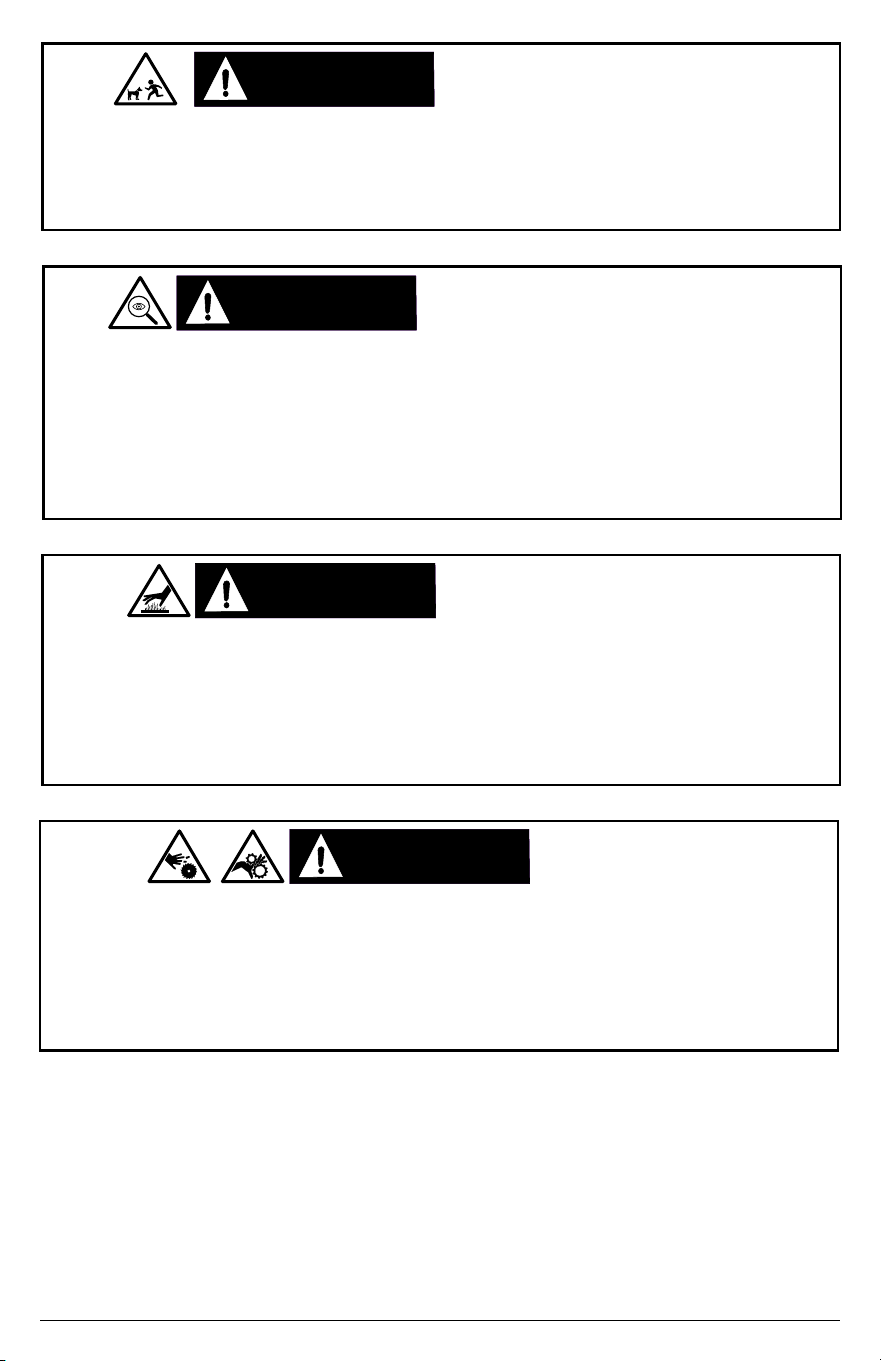
Untrained persons, young children, and pets can be seriously injured or killed if allowed
to operate or play with the water trailer. Do not let children operate the water trailer. Keep
young children and pets away from the trailer while it is being used. Always turn o the
pump before leaving the area. Do not move the trailer with children or pets present.
Failure to inspect this product before use could create a hazardous situation resulting in
product damage, serious injury, and/or death. To avoid these hazards, inspect the trailer
before each use. Check for loose or damaged parts, signs of oil or fuel leaks, missing
guards, plugged cooling vents, or any other condition that may aect proper operation.
Repair or replace all damaged or defective parts and keep all safety guards in place and
in proper working order before using the trailer.
UNTRAINED OPERATION
INSPECT BEFORE OPERATING
A running engine produces heat. The surfaces of the engine, other related components,
and engine exhaust gas can get hot enough to cause moderate burns or ignite materials
on contact. To avoid burns, do not touch engine surfaces or exhaust gases while
operating and allow engine to cool completely before moving, touching, or performing
any maintenance. To avoid a re, keep all ammable materials at least ve feet away
from all sides of the engine. Do not store extra fuel on the trailer.
This product has many parts that move at high speeds. Moving parts can cause crushing
injuries, broken bones, severe lacerations, and/or traumatic amputations. To prevent
injury, never place ngers, hands, feet, or other body parts near running engine. Never
operate product with covers, shrouds, or other guards removed. Do not wear loose-tting
clothing, dangling drawstrings, or any other hanging items that could become entangled
in moving parts while operating. Tie up long hair and remove jewelry before operating.
HOT SURFACES
MOVING PARTS
CAUTION:CAUTION:
NOTICE
Page 24
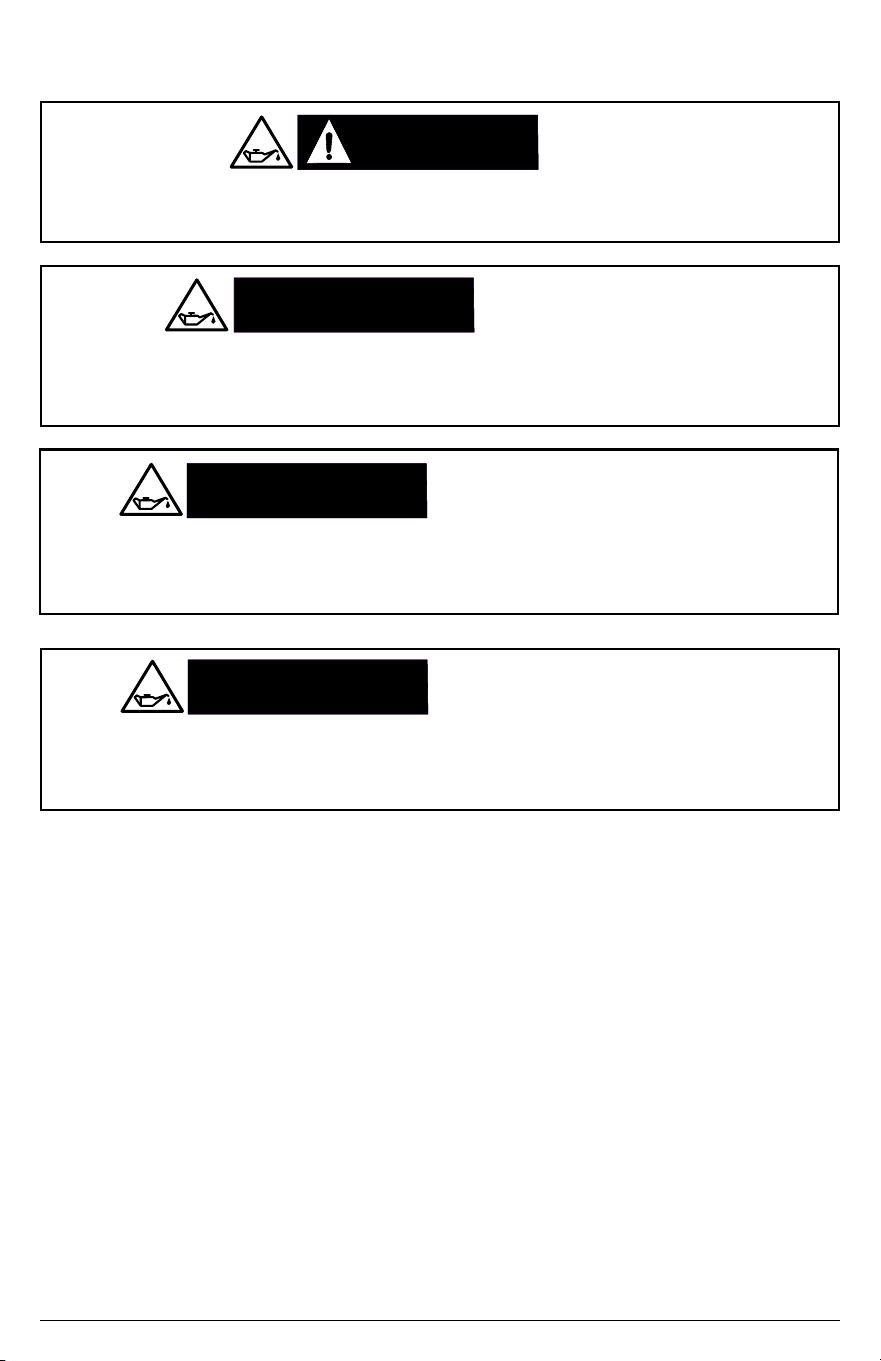
Hot oil can cause serious burns. To prevent getting burned when changing or checking
the engine oil, wear gloves and change the oil when the engine is warm but not hot.
The low oil sensor (if equipped) will automatically stop the engine when the oil level falls
below the safe limit. To avoid an unexpected shutdown, check the oil level regularly, ll to
the upper limit, and always operate engine on a level surface.
HOT OIL
LOW OIL SENSOR
Checking the Engine Oil
NOTICE
NOTICE
The engine is shipped from the factory without oil. Running the engine without oil will
result in severe engine damage and void the warranty. To avoid causing engine damage
and voiding the warranty, ll the engine with the recommended oil type before starting.
Oil is a major factor in the performance and service life of any engine. Using the incorrect
oil may damage the engine and void the warranty. To avoid causing engine damage and
voiding the warranty, check and change oil as required using the correct engine oil.
FILL ENGINE BEFORE USE
USE CORRECT ENGINE OIL
1. Check the oil with the trailer on level pavement.
2. Unscrew the engine oil dipstick (Fig. 20), remove it and wipe the dipstick clean.
3. Place the dipstick into the ller neck leaving it to rest on the lip; do not thread in.
4. Remove the dipstick from the ller neck then check the oil level. Oil level should be
at the upper oil limit on the dipstick (Fig. 21).
5. If the level is low, add the recommended oil to the crankcase until the level reaches
the upper limit of the dipstick. Do not overll. See Engine Owner’s Manual for the
recommended oil.
6. Thread in the dipstick, hand tighten.

WARNING:WARNING:
NOTICE
NOTICE
NOTICE
Page 25
Upper Oil Limit
Lower Oil Limit
Engine Oil
Dipstick
Old gasoline can create deposits that clog fuel systems causing hard starting and poor
performance. Damage caused by old fuel is not covered by warranty. To minimize
deposits, avoid old fuel related performance issues, and prevent costly repair work, do
not use gasoline that is older than 30 days.
Using gasoline with an alcohol blend greater than 10% (E10) will damage the engine.
Damage caused by using an alcohol blend of 15% (E15), 85% (E85), or any other alcohol
blend higher than 10% (E10) is not covered under warranty. To avoid engine damage
caused by an alcohol blend that is too high, use gasoline with 10% (E10) alcohol or lower.
The use of fuel system cleaning additives can damage the engine and fuel systems.
Damage caused by the use of fuel system cleaning additives is not covered by warranty.
To avoid engine and fuel system damage, do not use any fuel system cleaning additives.
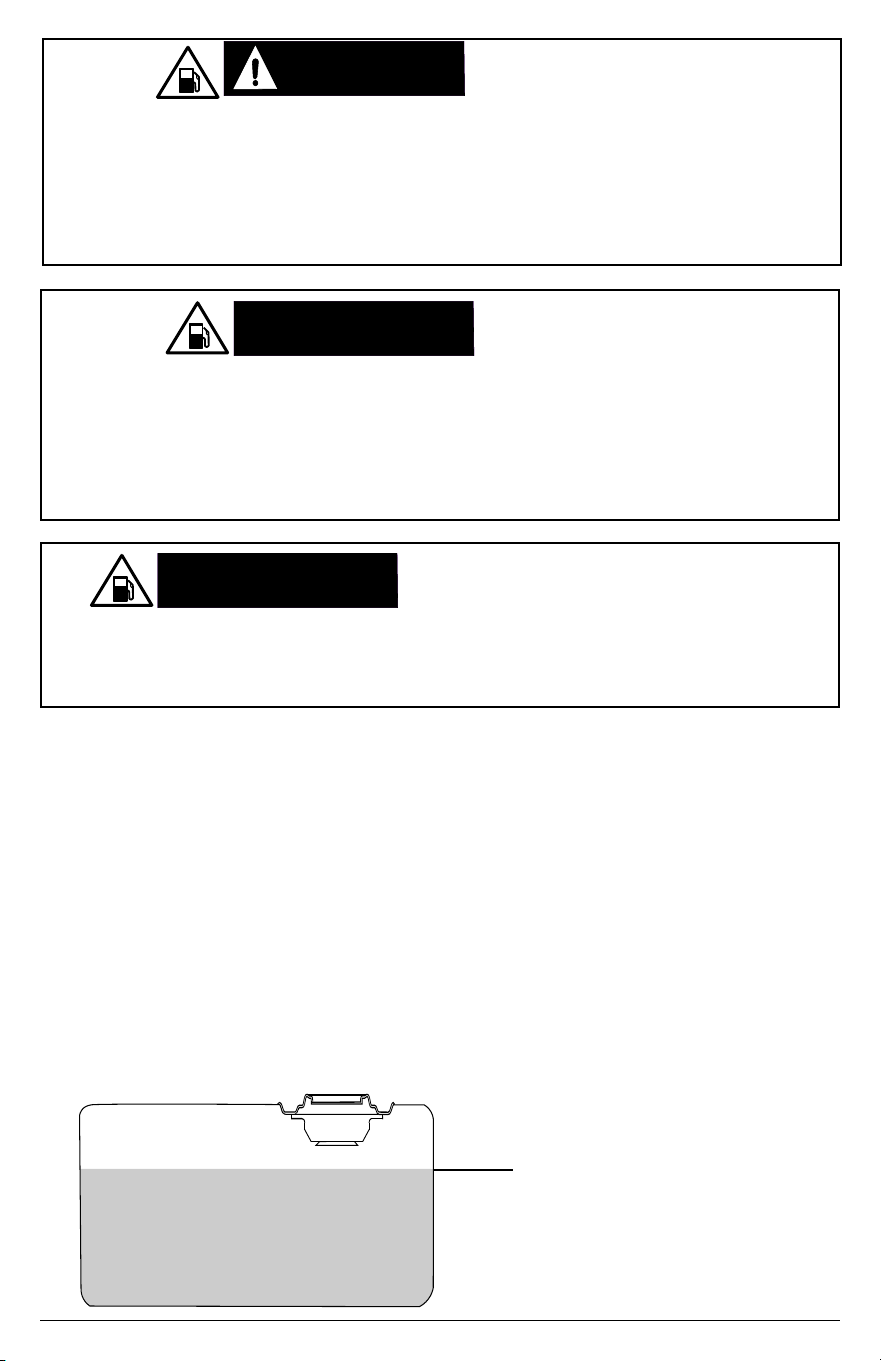
Gasoline is highly ammable and gasoline vapors are extremely explosive. Fire and
explosions can cause severe burns and/or death. Keep gasoline away from ames,
sparks, and other ignition sources. Refuel outdoors in a well-ventilated area with the
engine stopped and cool. Wipe up any spilled gasoline and allow engine to dry before
starting. Keep a re extinguisher handy while refueling. Do not operate engine with leaks
in the fuel system. Do not store gasoline near other ammable materials.
OLD GASOLINE
ALCOHOL BLENDS
GASOLINE ADDITIVES
REFUELING
Checking Fuel
Fig. 20
Fig. 21
CAUTION:CAUTION:
NOTICE
NOTICE
Maximum Fuel Level
Page 26
Gasoline vapor can build up inside the fuel tank creating pressure. This pressure may
increase when the engine is hot from running. Opening the fuel tank under pressure can
cause rapid escape of ammable vapors and possible fuel spills that may ignite from
contact with hot engine surfaces resulting in burn hazard. To avoid these hazards, always
allow the engine to cool for at least 2 minutes before removing fuel cap and loosen the
fuel cap slowly to relieve any pressure in the tank.
FUEL TANK PRESSURE
It is important to prevent gum deposits from forming in essential fuel system parts, such
as the carburetor, fuel lter, fuel hose or tank during storage. Alcohol-blended fuels (also
called gasohol, ethanol, or methanol) attract moisture, which leads to separation and
formation of acids during storage. Acidic fuel and gum deposits can damage the engine’s
fuel system while in storage. Damage caused by the use of old, stale, or contaminated
fuel are not covered under warranty.
Overlling the fuel tank can result in carbon canister damage (if equipped), poor engine
performance, and void the warranty. To avoid these hazards, do not ll the fuel tank
above the maximum level.
GASOLINE STORAGE
DO NOT OVERFILL FUEL TANK
1. Check the fuel with the engine o and the trailer on level pavement.
2. Remove the fuel tank cap, check level then ll fuel tank if needed. For the fuel cap
location see the FEATURES AND CONTROLS section of the Engine Owner’s Manual.
3. Do not use gasoline that is older than 30 days. Use only fresh unleaded gasoline
with a minimum octane rating of 87 and no more than 10% ethyl alcohol. Do not mix
oil with the gasoline.
4. Do not ll the fuel tank above the maximum fuel level to allow room for fuel expansion.
5. Replace fuel tank cap. Never run engine without the fuel cap in place and tightened.
NOTE: Using a fuel stabilizer (sold separately) when storing gasoline can help prevent
problems related to storing ethanol alcohol blended gasoline. Always follow the instructions
provided by the fuel stabilizer manufacturer to mix and use correctly.

WARNING:WARNING:
Page 27
STARTING THE ENGINE
Attempting to start the engine incorrectly can result in engine and/or pump damage, and
may cause serious injury or death. To avoid these hazards, be sure to read, understand,
and follow the steps outlined in the OPERATING CHECKLIST section of the owner’s
manual before starting the engine, and follow all the guidelines for proper use of the
SIMPSON Water Trailer.
OPERATING CHECKLIST
Starting the Engine
1. Complete the steps in the OPERATING CHECKLIST section of this manual before
starting the engine. Failure to do so could cause damage to the engine. If needed,
refer to your Engine Owner’s Manual for specic starting instructions. Lastly, make
sure the pump is primed and the trailer is ready for the desired operation.
2. Turn the engine switch to the ON position.
3. Slide the fuel valve to the ON position.
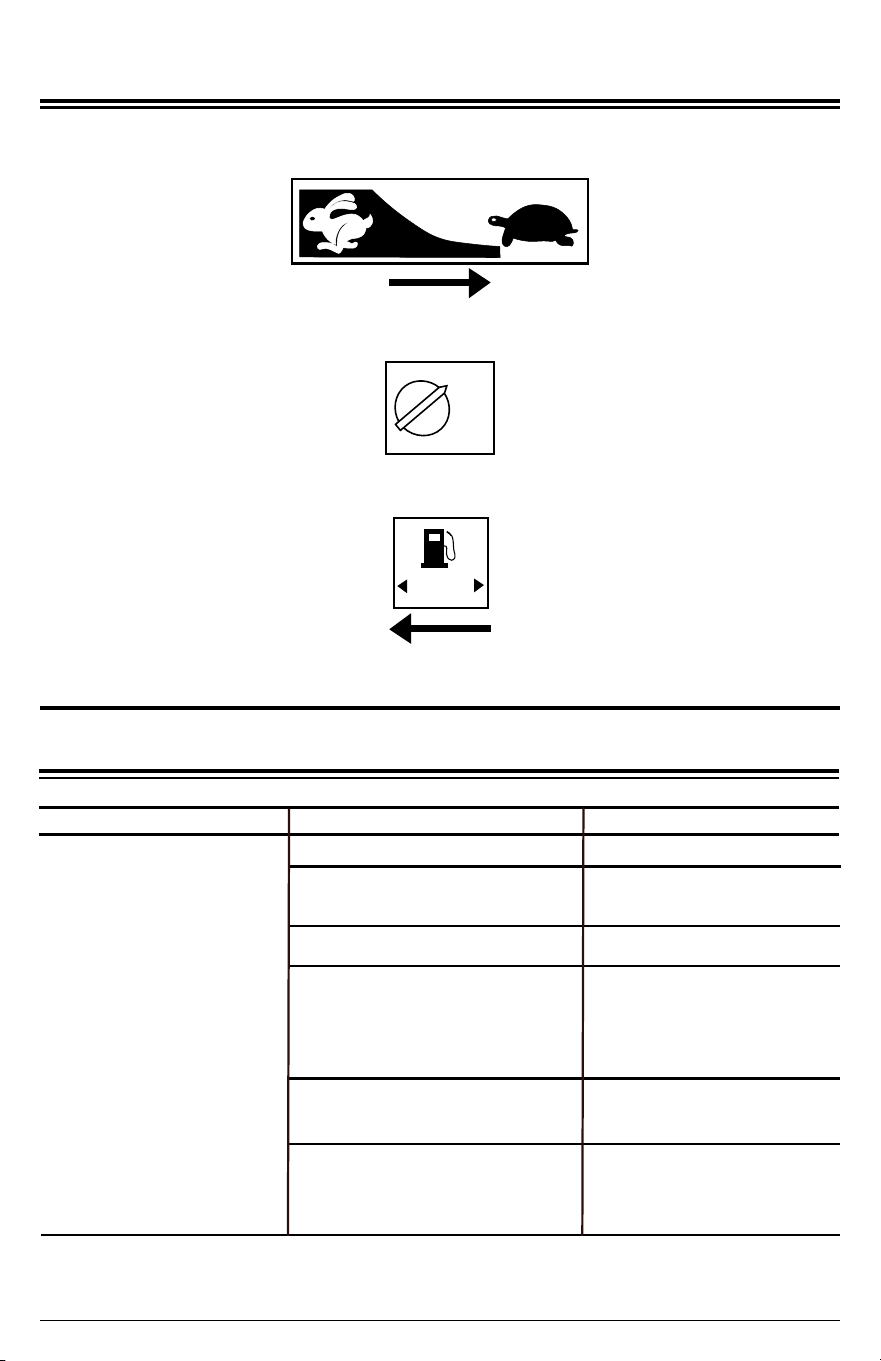
4. Slide the throttle to the RUN position.
OFF
ON
OFF
ON
NOTICE
This pump will not prime when dry. Running the pump dry without priming can damage the
pump assembly and seals. Damage caused by running dry is not covered by warranty.
To avoid damaging the seals and pump assembly, do not run the pump when it is dry
without priming.
PUMP PRIMING

WARNING:WARNING:
NOTICE
Page 28
NOTE: The starting position of the choke will vary depending on the engine temperature. If
starting a cold engine, move the choke lever towards the CHOKE position. If starting a warm
engine, move the choke lever towards the RUN position.
5. Slide the choke to CHOKE for starting a COLD engine. Slide to RUN for a warm
engine
CHOKE
RUN
Rapid retraction (also known as kickback) of the engine recoil starter cord will pull your
hand and arm towards the engine faster than you can let go of the handle resulting in
sprains, broken bones, lacerations, and/or traumatic amputations. Kickback is caused
by damage to the engine crankshaft key, compression release failure, and/or improper
starting techniques. To avoid kickback follow the appropriate maintenance schedule,
starting instructions and have repair work done by an authorized service center.
RAPID RETRACTION
Never allow the tank water level to fall below a level of one inch above the outlet pipe of
the tank. If the tank fully drains, pump damage may occur from lack of water and you will
only be able to rell the tank from a pressurized water source. When you approach this
level, TURN OFF THE ENGINE.
PUMP DAMAGE
6. Pull the recoil slowly until resistance is felt, then pull rapidly to start the engine.
CHOKE
RUN
7. Once the engine starts, slowly move the choke lever to RUN as the engine runs. If
the engine falters, move the choke toward CHOKE until the engine has warmed up.
Page 29
TURNING THE ENGINE OFF
OFF
ON
OFF
ON
1. Slide the throttle to the SLOW position. Allow the speed of the engine to decrease.
2. Turn the engine switch to OFF.
3. Slide the fuel switch to OFF.
TROUBLE SHOOTING
ISSUE POSSIBLE CAUSE SOLUTION
The fuel tank is empty. Add fresh fuel.
Refer to the STARTING
THE ENGINE section of
this manual for the correct
choke position.
Engine choke is in the wrong
position.
The spark plug lead is not
attached to the plug.
Connect spark plug lead.
Engine switch is in the OFF
position.
Turn the engine switch to
the ON position.
Engine fuel valve is turned OFF.
Turn fuel valve ON.
Engine oil is low. If the engine
is equipped with a Low Oil
Sensor, the engine will not start.
Check engine oil level. Fill per
the Engine Owner’s Manual.
Engine will not start.
Refer to the Engine
Owner’s Manual for more
engine troubleshooting
information.
Page 30
MAINTENANCE
For safety reasons, the manufacturer recommends all service and repairs be
performed by an authorized service center. All warranty replacement and repairs must
be performed by an authorized distribution or service center. To nd an authorized
service center near you, to make a warranty claim or for authorized warranty repair,
call 1-877-362-4271 or contact through email at [email protected]
It is the responsibility of the owner and / or operator to have all scheduled maintenance
completed before transporting or operating the SIMPSON Water Trailer. Be sure
to follow the inspection and maintenance recommendations as listed in all of the
manuals that came with this unit.
Pump Maintenance
Before each use, check the pump for loose or damaged parts and any other condition
that may aect proper operation. Be sure all safety guards are in place and in proper
working order. Inspect all air vents and cooling slots to ensure they are clean and
unobstructed. For safety reasons, the manufacturer recommends all service and
repairs be performed by an authorized service center. To nd an authorized service
center near you, to make a warranty claim or for authorized warranty repair, call
1-877-362-4271 or contact through email [email protected]
CAUTION:CAUTION:
Improper engine and pump maintenance as well as failing to correct problems before
operation could void the warranty and may result in property damage and injury. To
prevent these hazards, follow the maintenance procedures listed in this manual and any
other manual that came with the product.
MAINTENANCE
NOTICE
Water can damage the engine components if allowed to enter through cooling slots or
other holes. Damage caused by water intrusion is not covered under warranty. To avoid
engine water damage, do not use a pressure washer, garden hose, or any other sources
of running water to clean the engine and never submerge the pump/engine in any liquids.
CLEANING
Exterior Pump Cleaning
Always clean the pump with the engine o and cool. To clean the pump, rst use an
air compressor set at 25 PSI to clear dirt and debris from the pump surfaces, vents
and cooling slots. Next, wipe the exterior with a damp cloth.

Page 31
Interior pump cleaning
Keeping the pump clean will allow it to perform its best and prolong the life of the
pump. Never pump water from a standing source without using a lter / screen. Do
not store the pump without draining the pump housing. Do not allow dirt or debris to
dry inside the pump housing. You can clean the interior of the pump by following the
steps below:
1. Disconnect the spark plug lead from the engine. Place it to the side of the plug.
2. Drain the system as outlined in DRAINING THE SYSTEM FOR STORAGE section
of this manual.
3. Using a screw or nut driver, loosen the worm screw clamps (Fig. 22). Carefully
remove them from the anges then slide them to the right.
4. Using an open end wrench, loosen and remove the six nuts (four under the engine,
two under the pump) that hold the unit to the vibration mounts (Fig. 23).
NOTICE
Using chemical cleaners and/or corrosive liquids can damage the pump seals
and internal components. Damage caused by chemical cleaners and corrosive liquids
is not covered under warranty. To avoid damaging pump seals and components, do not
use chemical cleaners or corrosive liquids to clean the components inside the pump
housing.
CHEMICAL CLEANERS
WARNING:WARNING:
This product has many parts that move at high speeds. Moving parts can cause crushing
injuries, broken bones, severe lacerations, and/or traumatic amputations. To prevent
injury, never place ngers, hands, feet, or other body parts near running engine. Never
operate product with covers, shrouds, or other guards removed. Do not wear loose-tting
clothing, dangling drawstrings, or any other hanging items that could become entangled
in moving parts while operating. Tie up long hair and remove jewelry before operating.
MOVING PARTS
Fig. 22
Worm screw clamps

Page 32
5. With the assistance of another person, lift the engine/pump assembly o of the
vibration mounts and turn it 180 degrees so the pump faces the driver’s side of the
trailer. Make a note not to lose or damage the o-rings on the manifold connectors.
6. Remove the outer pump housing cover bolts (Fig. 24 - A)
7. Remove the outer pump housing cover (Fig. 24 - B ) and its rubber seal (Fig. 24 - C).
8. Remove the check valve (Fig. 24 - D).
9. Remove the impeller/volute (Fig. 24 - E).
10. Remove all dirt and debris from the components then rinse them clean with fresh
water. Do not use chemicals to clean the internal pump components as they may
damage the seals.
11. Reassemble the pump components making sure the rubber seals are in their
proper locations and do not get pinched or damaged during reassembly.
12. Place the o-rings back into the manifold ttings (Fig. 25).
Fig. 23
Mounting nuts
Fig. 24
C
E D B A

Page 33
13. With the assistance of another person, lift the engine/pump assembly and rotate it
back into position. Place it back onto the vibration mounts being careful not to damage
the o-rings on the manifold ttings.
15. Place the worm screw clamps back onto the ttings. Tighten.
16. Place the spark plug lead back onto the spark plug.
14. Place the nuts back onto the mounting bolts. Tighten with an open end wrench.
Fig. 25
Engine Maintenance
Before each use, check the engine for loose or damaged parts, signs of oil or fuel
leaks and/or any other condition that may aect proper operation. Always keep all
safety guards in place and in proper working order. Repair or replace all damaged or
defective parts immediately.
For safety reasons, the manufacturer recommends all engine service and repairs
(including emission control devices and systems) to be performed by an authorized
service center. All warranty replacements or repairs must be performed by an
authorized distribution or service center. To nd an authorized service center near
your, obtain information about how to make a warranty claim or to make arrangements
for authorized warranty repairs, please call 1-877-362-4271 or
contact through
email
For all other information on engine maintenance, refer to your Engine Owner’s Manual.
Plumbing Maintenance
The plumbing of the SIMPSON Water Trailer was designed to give years of worry-free
life. However, it is important to monitor all connections for leaks. If the trailer is not to
be used for an extended period of time, make sure to drain the trailer of water as talked
about in the DRAINING THE SYSTEM FOR STORAGE section of the manual. It is of
utmost importance to winterized the system if freezing weather is expected. Routinely
rotate all valves to make sure they move freely without binding.
Trailer Maintenance
Inspect the nozzles on the spray bar for debris that may cause the spray pattern to be
inconsistent. Remove large pieces of debris with needle-nosed pliers then sweep the
orice of the nozzle with a small bottle brush to remove any remaining particles.
For trailer maintenance, safety and towing information, please see the SIMPSON
Trailer Operations Manual, part number 7114734.
Page 34
ENGINE LONGTERM STORAGE
Storing for Two Months or Less
1. Fill the fuel tank per the OPERATING CHECKLIST section of this manual then add
a fuel stabilizer per the manufacturer’s recommendations.
NOTE: using a fuel stabilizer (sold separately) when storing gasoline may
help prevent the problems related to alcohol blended fuels in outdoor power
equipment engines. Always follow the instructions provided by the fuel stabilizer
manufacturer to mix and use correctly.
2. Make sure the water tank has enough water to allow the pump to run for two minutes.
DO NOT let the pump run dry.
3. Connect a garden hose to the side port outlet hose bibb. Turn the hose bibb on. Set
the ow valves to PUMP (both hands pointing upward).
4. Start the engine per the STARTING THE ENGINE section of this manual. Open the
side port valve.
Allow the engine to run for a minimum of two minutes to allow the fuel stabilizer
to circulate throughout the fuel system. Monitor the water level in the tank, do not
allow the pump to go dry.
5. Turn the engine OFF.
6. Drain the tank, pump and plumbing system per the DRAINING THE SYSTEM FOR
STORAGE section of this manual.
Storing for More Than Two Months
1. Make sure the engine is cool.
2. Using an appropriate container,
completely drain the fuel system
by removing the drain screw on the
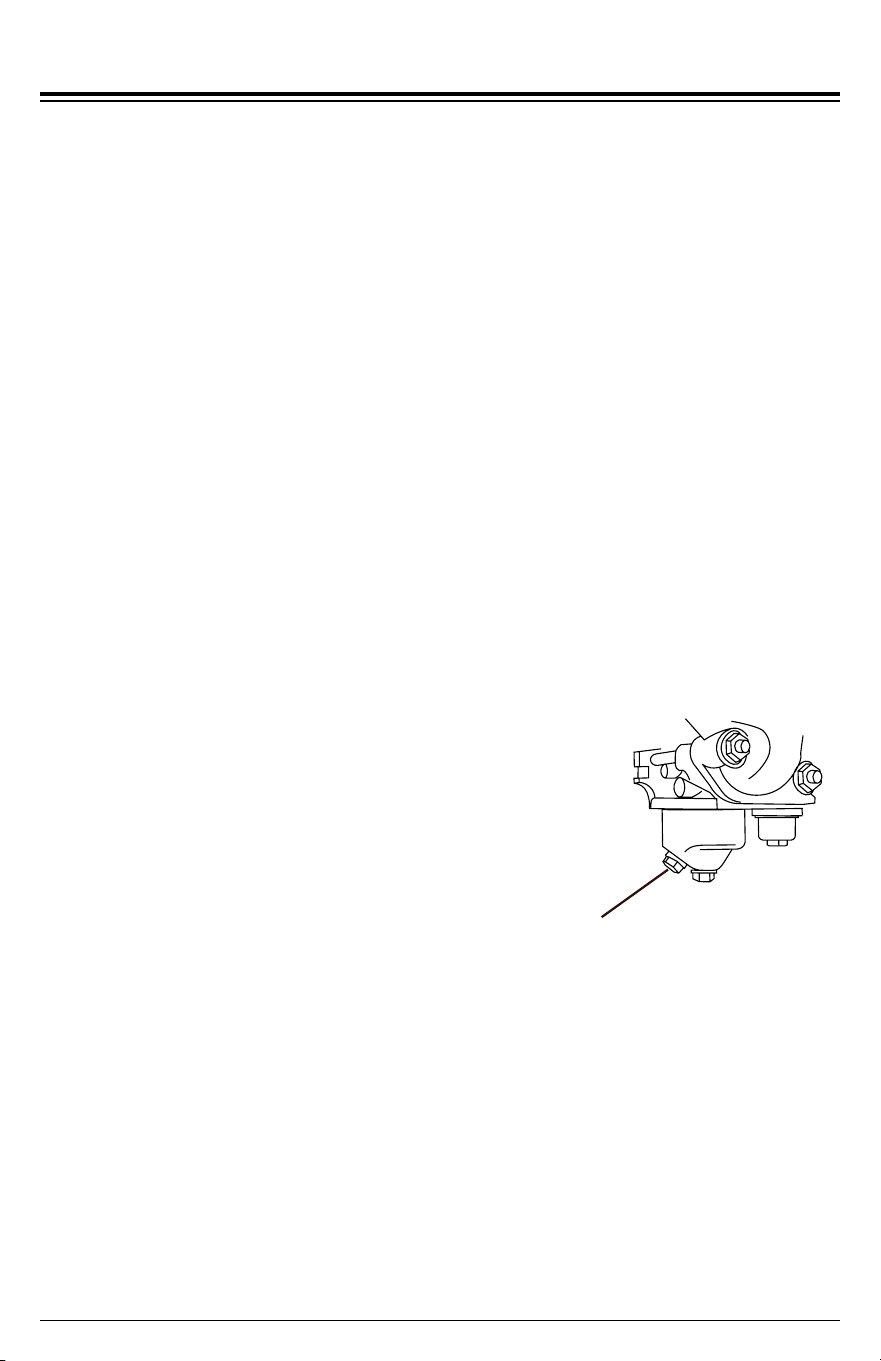
bottom of the carburetor (Fig. 26).
Open the fuel tank cap to make
sure all of the gasoline has drained
from the system. Thread in the drain
screw once the fuel is removed.
3. Change the engine oil; see the Engine Owner’s Manual for reference.
4. Remove any dirt or debris from the area around the spark plug. Using a spark plug
wrench, remove the spark plug.
5. Pour 0.5 ounces (15mL) of new engine oil into the engine combustion chamber.
Slowly crank the engine by pulling on the recoil two times to distribute the oil and
lubricate the cylinder.
6. Hand thread the spark plug then tighten with the spark plug wrench. Torque to meet
the requirements set forth in the Engine Owner’s Manual.
7. Drain the tank, pump and plumbing system per the DRAINING THE SYSTEM FOR
STORAGE section of this manual.
Fig. 26
Drain screw

Page 35
LIMITED WARRANTY
Industrial / Rental Products
WARRANTY COVERAGE TERMS:
The manufacturer of this product agrees to repair or replace designated parts that prove defective within the warranty period
listed below at the manufacturers sole discretion. Specic limitations/extensions and exclusions apply.
This warranty covers defects in material and workmanship and not parts failure due to normal wear, depreciation, abuse,
accidental damage, negligence, improper use, maintenance, water quality and storage. To make a claim under the terms of the
warranty, all parts said to be defective must be retained and available for return upon request to a designated Warranty Service
Center for warranty inspection. The judgments and decisions of the manufacturer concerning warranty claims are nal.
There warranties pass through to the end user and are non-transferable. As a factory authorized and trained Warranty Service
Center, the factory will honor the terms of all component warranties and satisfy claims of the appropriate warranty provisions.
Normal wear items included, but are not limited to, items such as valve and seals, which are not covered by this warranty.
This warranty replaces all warranties, express or implied, including without limitation any warranties of merchantability or tness
for a particular purpose and all such warranties are hereby disclaimed and excluded by the manufacturer. The manufacturer’s
warranty obligation is limited to repair and replacement of defective products as provided herein and the manufacturer shall not
be liable for any further loss, damages, or expenses - including damages from shipping, accident, abuse, acts of God, mis
-
use, or neglect. Neither is damage from repairs using parts not purchased from the manufacturer or alterations performed by
non-factory authorized personnel. Failure to install and operate equipment according to the guidelines put forth in the instruction
manual shall void warranty.
THIS WARRANTY DOES NOT COVER:
Damage resulting from shipping (claims must be led with freighter), accident, abuse, acts of God, misuse or neglect. This war-
ranty also does not cover damage from repairs or alterations performed by non-factory authorized personnel or failure to install
and operate equipment according to the guidelines put forth in the instruction manual. The manufacturer will not be liable to any
persons for consequential damage, for personal injury or for commercial loss.
RESPONSIBILITY OF ORIGINAL PURCHASER (INITIAL USER):
To process a warranty claim on your SIMPSON® pressure washer, report the concern to 1-877-362-4271 or cservice@fna-
group.com for authorization and direction to the nearest authorized service center in your area.
Retain original cash register receipt as proof of purchase for warranty work.
Use reasonable care in the operation and maintenance of the product as described in the Owner’s Manual.
WHAT THIS WARRANTY DOES NOT COVER:
• Freight damage
• Damage due to chemical deterioration, scale build up, rust, corrosion or thermal expansion
• Freeze damage
• Damage caused by parts or accessories not obtained from an authorized dealer or not approved by the manufacturer
• Normal wear of moving parts or components aected by moving parts
WARRANTY COVERAGE PERIODS:
ENGINE AND EMISSIONS CONTROL SYSTEM
• Three (3) years from date of purchase (see engine manual for details).
PUMP (DEFECTS IN MATERIAL AND WORKMANSHIP)
• Three (3) years from date of purchase
FRAME (DEFECTS IN MATERIAL AND WORKMANSHIP)
• One (1) year from date of purchase
ACCESSORIES (DEFECTS IN MATERIAL AND WORKMANSHIP)
• Ninety (90) days from date of purchase

Page 36
THIS PAGE WAS INTENTIONALLY LEFT BLANK

Page 37
THIS PAGE WAS INTENTIONALLY LEFT BLANK

Part Number 7119888 / ENGLISH REV 1 - 12/2022
READ THIS MANUAL CAREFULLY BEFORE OPERATION
Failure to follow the instructions and safety precautions in this manual can result
in property damage, serious injury and/or death.
SAVE THIS MANUAL FOR FUTURE REFERENCE