1
2
4
5
6
7
8
9
10
A
B
C
3
1
1 2 3 4 5 6
2
3 4
5 6
7 8
9 10
11 12
13 14
15 16
17 18

en
5
Table of contents
Safety...............................................7
General information..........................7
Intended use.....................................7
Restriction on user group.................8
Safe transport...................................8
Safe installation ................................8
Safe use ...........................................9
Damaged appliance .......................11
Preventing material damage ........13
Environmental protection and
saving energy................................13
Disposing of packaging .................13
Saving energy.................................13
Installation and connection..........14
Scope of delivery............................14
Installing and connecting the ap-
pliance ............................................14
Criteria for the installation loca-
tion..................................................15
Preparing the appliance for the
first time..........................................15
Connecting the appliance to the
electricity supply.............................15
Familiarising yourself with
your appliance...............................16
Appliance .......................................16
Controls ..........................................16
Features.........................................16
Shelf................................................16
Variable shelf..................................16
Extendable shelf .............................17
Bottle shelf......................................17
Fruit and vegetable container ........17
Cool-fresh container .......................17
Butter and cheese compartment ...17
Door racks......................................17
Accessories....................................17
Basic operation .............................18
Switching on the appliance ............18
Operating tips.................................18
Switching off the appliance ............18
Setting the temperature..................18
Additional functions .....................19
Super function ................................19
Alarm..............................................19
Door alarm .....................................19
Refrigerator compartment ............19
Tips for storing food in the refri-
gerator compartment .....................19
Chill zones in the refrigerator
compartment ..................................20
Cool-fresh compartment...............20
Storage times in the cool-fresh
compartment at 0°C .....................20
Freezer compartment....................20
Freezer compartment door ............21
Freezing capacity ...........................21
Tips for buying frozen food ............21
Tips for storing food in the
freezer compartment ......................21
Tips for freezing fresh food ............22
Shelf life of frozen food at
−18°C............................................22
Defrosting methods for frozen
food ................................................23
Defrosting......................................23
Defrosting in the refrigerator
compartment ..................................23
Defrosting in the cool-fresh com-
partment .........................................23
Defrosting in the freezer com-
partment .........................................23
Cleaning and servicing.................24
Preparing the appliance for
cleaning ..........................................24

en
6
Cleaning the appliance ..................24
Removing the fittings......................25
Removing appliance compon-
ents.................................................25
Troubleshooting............................27
Malfunctions ...................................27
Information on display panel..........27
Temperature problem.....................28
Noise ..............................................28
Odours............................................29
Conducting an appliance self-
test..................................................30
Storage and disposal....................30
Switching off the appliance ............30
Disposing of old appliance ............30
Customer Service..........................30
Product number (E-Nr.) and pro-
duction number (FD) ......................31
Technical data ...............................31
Safety en
7
Safety
Please read the safety information to ensure that you use the ap-
pliance safely.
This appliance complies with the relevant safety regulations for
electrical appliances and is fitted with noise suppression.
General information
You can find general information about this instruction manual
here.
¡ Read this instruction manual carefully. Only this will ensure you
use the appliance safely and efficiently.
¡ This manual is intended for the user of the appliance.
¡ Follow the safety instructions and warnings.
¡ Keep the instruction manual and the product information safe
for future reference or for the next owner.
¡ Check the appliance after unpacking it. Do not connect the ap-
pliance if it has been damaged in transit.
Intended use
Read the information on intended use to ensure that you use the
appliance correctly and safely.
This appliance is only intended to be fully fitted in a kitchen. Ob-
serve the special installation instructions.
Only use this appliance:
¡ As specified in this instruction manual.
¡ For chilling and freezing food and making ice.
¡ In private households and in enclosed spaces in a domestic en-
vironment.
¡ Up to an altitude of max. 2000m above sea level.
en Safety
8
Restriction on user group
Avoid risks to children and vulnerable persons.
This appliance may be used by children aged 8 or over and by
people who have reduced physical, sensory or mental abilities or
inadequate experience and/or knowledge, provided that they are
supervised or have been instructed on how to use the appliance
safely and have understood the resulting dangers.
Children must not play with the appliance.
Cleaning and user maintenance must not be performed by chil-
dren unless they are being supervised.
Keep children under the age of 8 years away from the appliance
and power cable.
Children above the age of three years old and younger than eight
years old may load and unload the the fridge-freezer.
Safe transport
Follow these safety instructions when transporting the appliance.
WARNING‒Risk of injury!
The high weight of the appliance may result in injury when lif-
ted.
▶
Do not lift the appliance on your own.
Safe installation
Follow these safety instructions when installing the appliance.
WARNING‒Risk of electric shock!
Improper installation is dangerous.
▶
Connect and operate the appliance only in accordance with
the specifications on the rating plate.
▶
Connect the appliance to a power supply with alternating
current only via a properly installed socket with earthing.
▶
The protective conductor system of the domestic electrical
installation must be properly installed.
▶
Never equip the appliance with an external switching
device, e.g. a timer or remote control.
Safety en
9
▶
When the appliance is installed, the mains plug of the
power cord must be freely accessible. If free access is not
possible, an all-pole isolating switch must be installed in the
permanent electrical installation according to the installation
regulations.
▶
When installing the appliance, check that the power cable is
not trapped or damaged.
WARNING‒Risk of fire!
¡ It is dangerous to use an extended power cord and non-ap-
proved adapters.
▶
Do not use extension cables or multiple socket strips.
▶
If the power cord is too short, contact Customer Service.
▶
Only use adapters approved by the manufacturer.
¡
Portable multiple socket strips or portable power supply units
may overheat and cause a fire.
▶
Do not position portable multiple socket strips or portable
power supply units behind the appliance.
Safe use
Follow these safety instructions when using the appliance.
WARNING‒Risk of electric shock!
¡ If the insulation of the power cord is damaged, this is danger-
ous.
▶
Never let the power cord come into contact with hot appli-
ance parts or heat sources.
▶
Never let the power cord come into contact with sharp
points or edges.
▶
Never kink, crush or modify the power cord.
¡ An ingress of moisture can cause an electric shock.
▶
Only use the appliance in enclosed spaces.
▶
Never expose the appliance to intense heat or humidity.
▶
Do not use steam- or high-pressure cleaners to clean the
appliance.
en Safety
10
WARNING‒Risk of suffocation!
¡ Children may put packaging material over their heads or wrap
themselves up in it and suffocate.
▶
Keep packaging material away from children.
▶
Do not let children play with packaging material.
¡ Children may breathe in or swallow small parts, causing them
to suffocate.
▶
Keep small parts away from children.
▶
Do not let children play with small parts.
WARNING‒Risk of explosion!
¡ Electrical devices within the appliance may explode (e.g. heat-
ers or electric ice makers).
▶
Do not operate electrical devices within the appliance.
¡ Mechanical devices or other devices may damage the refri-
geration circuit; flammable refrigerant may escape and ex-
plode.
▶
To accelerate the defrosting process, do not use any other
mechanical devices or devices other than those recommen-
ded by the manufacturer.
¡ Products which contain flammable propellants and explosive
substances may explode, e.g. spray cans.
▶
Do not store products which contain flammable propellants
(e.g. spray cans) or explosive substances in the appliance.
WARNING‒Risk of injury!
¡ Containers that contain carbonated drinks may burst.
▶
Do not store containers that contain carbonated drinks in
the cool-fresh compartment.
▶
Do not store containers that contain carbonated drinks in
the freezer compartment.
¡ Injury to the eyes caused by escaping flammable refrigerant
and hazardous gases.
▶
Do not damage the pipes of the refrigerant circuit or the in-
sulation.
Safety en
11
WARNING‒Risk of cold burns!
Contact with frozen food and cold surfaces may cause burns
by refrigeration.
▶
Never put frozen food straight from the freezer compartment
into your mouth.
▶
Avoid prolonged contact of skin with frozen food, ice and
the tubes in the freezer compartment.
CAUTION‒Risk of harm to health!
To prevent food from being contaminated, you must observe
the following instructions.
▶
If the door is open for an extended period of time, this may
lead to a considerable temperature increase in the compart-
ments of the appliance.
▶
Regularly clean the surfaces that may come into contact
with food and accessible drain systems.
▶
Store raw meat and fish in suitable containers in the refri-
gerator so that they do not touch or drip on other food.
▶
If the fridge/freezer is empty for an extended period of time,
switch off the appliance, defrost it, clean it and leave the
door open to prevent the formation of mould.
Damaged appliance
Follow the safety instructions if your appliance is damaged.
WARNING‒Risk of electric shock!
¡ If the appliance or the power cord is damaged, this is danger-
ous.
▶
Never operate a damaged appliance.
▶
Never operate an appliance with a cracked or fractured sur-
face.
▶
Never pull on the power cord to unplug the appliance. Al-
ways unplug the appliance at the mains.
▶
If the appliance or the power cord is damaged, immediately
unplug the power cord or switch off the fuse in the fuse box.
▶
Call Customer Service. →Page30
en Safety
12
▶
Repairs to the appliance should only be carried out by
trained specialist staff.
¡ Improper repairs are dangerous.
▶
Repairs to the appliance should only be carried out by
trained specialist staff.
▶
Only use genuine spare parts when repairing the appliance.
▶
If the power cord of this appliance is damaged, it must be
replaced by the manufacturer, the manufacturer's Customer
Service or a similarly qualified person in order to prevent
any risk.
WARNING‒Risk of fire!
If the tubes are damaged, flammable refrigerant and harmful
gases may escape and ignite.
▶
Keep naked flames and ignition sources away from the ap-
pliance.
▶
Ventilate the room.
▶
Switch off the appliance. →Page18
▶
Unplug the appliance from the mains or switch off the cir-
cuit breaker in the fuse box.
▶
Call after-sales service. →Page30
Preventing material damage en
13
Preventing material damage
Preventing material dam-
age
Follow these instructions to prevent
material damage to your appliance,
accessories or other objects in your
kitchen.
ATTENTION!
¡ Contamination with oil or fat may
cause plastic parts and door seals
to become porous.
▶
Keep plastic parts and door
seals free of oil and grease.
¡ Using the base, runners or appli-
ance doors as a seat surface or
climbing surface may damage the
appliance.
▶
Do not stand or support yourself
on the base, runners or doors.
Environmental protection and saving energy
Environmental protection
and saving energy
Help protect the environment by us-
ing your appliance in a way that con-
serves resources and by disposing of
reusable materials properly.
Disposing of packaging
The packaging materials are environ-
mentally compatible and can be re-
cycled.
▶
Sort the individual components by
type and dispose of them separ-
ately.
Information about current disposal
methods are available from your
specialist dealer or local authority.
Saving energy
If you follow these instructions, your
appliance will use less power.
Selecting the installation
location
Follow these instructions when in-
stalling your appliance.
¡ Keep the appliance out of direct
sunlight.
¡ Install the appliance as far away
as possible from heating ele-
ments, cookers and other heat
sources:
– Maintain a 30mm clearance to
electric or gas cookers.
– Maintain a 30cm clearance to
oil or solid-fuel cookers.
The appliance needs to cool less
frequently at low ambient temper-
atures.
¡ Use a niche depth of 560mm.
¡ Do not cover or block ventilation
openings.
¡ Ventilate the room daily.
The air on the back wall of the ap-
pliance does not warm up so in-
tensely.
The appliance must cool less fre-
quently.
Saving energy during use
Follow these instructions when using
your appliance.
Note:The arrangement of the fittings
does not affect the energy consump-
tion of the appliance.
¡ Do not cover or block ventilation
openings.
The air on the back wall of the ap-
pliance does not warm up so in-
tensely.
en Installation and connection
14
¡ Open the appliance door only
briefly.
¡ Transport purchased food in a
cool bag and place in the appli-
ance quickly.
¡ Allow warm food and drinks to
cool down before placing them in
the appliance.
¡ Thaw frozen food in the refriger-
ator compartment to utilise the low
temperature of the food.
The air in the appliance does not
warm up so intensely.
The appliance must cool less fre-
quently.
¡ Always leave some space
between the food and to the back
panel.
¡ Pack the food airtight.
The air can circulate and the air
humidity remains constant.
¡ Defrost the freezer compartment
regularly.
A frost-free freezer compartment is
power-saving and cools the frozen
food optimally.
¡ Only open the freezer compart-
ment door briefly and then care-
fully close it.
A closed freezer compartment
door protects the freezer compart-
ment against severe icing.
Installation and connection
Installation and connec-
tion
You can find out where and how best
to install your appliance here. You
will also learn how to connect your
appliance to the power supply.
Scope of delivery
After unpacking all parts, check for
any transport damage and check the
completeness of the delivery.
If you have any complaints, contact
your dealer or our after-sales service
→Page30.
The delivery consists of the following:
¡ Built-in appliance
¡ Equipment and accessories
1
¡ Installation material
¡ Installation instructions
¡ Operating instructions
¡ Customer service booklet
¡ Warranty enclosure
2
¡ Energy label
¡ Product data sheet
¡ Information on the energy con-
sumption and noises
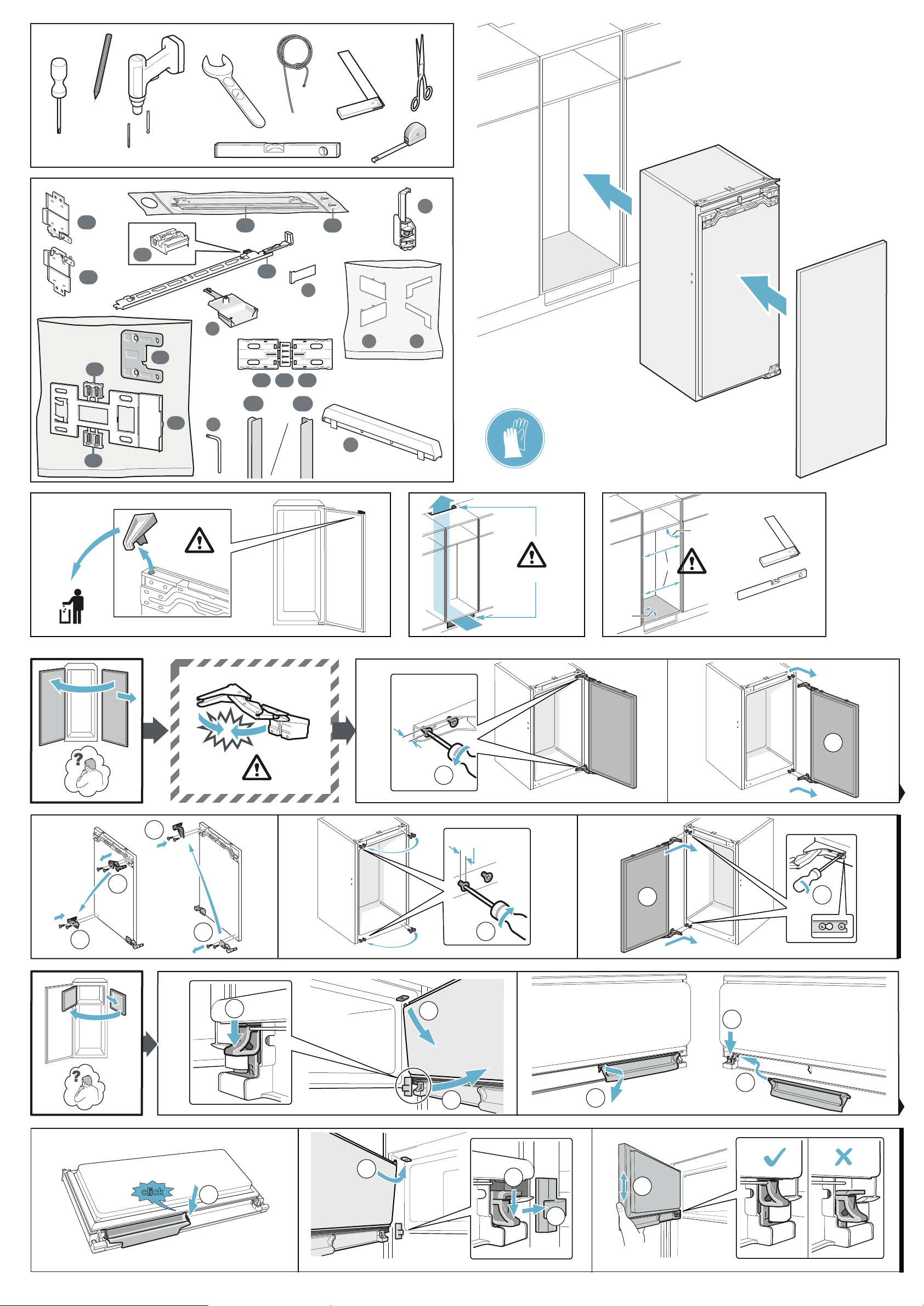
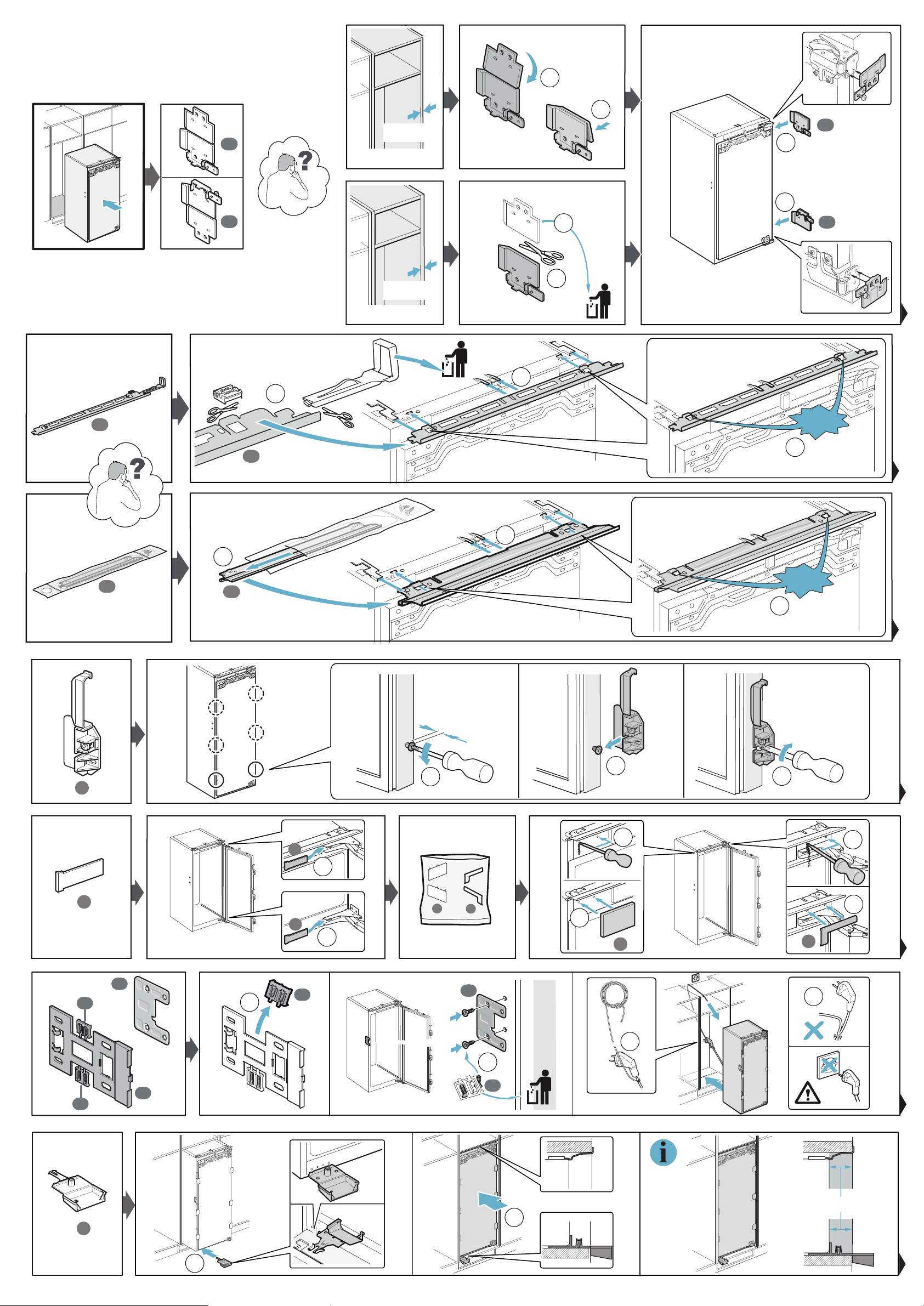
Installing and connecting the ap-
pliance
Requirement:The scope of delivery
of the appliance is checked.
→Page14
1. Observe the criteria for the appli-
ance's installation location.
→Page15
2. Install the appliance in accordance
with the enclosed installation in-
structions.
1
Depending on the appliance specifications
2
Not in all countries
Installation and connection en
15
3. Prepare the appliance for first use.
→Page15
4. Electrically connect the appliance.
→Page15
Criteria for the installation loca-
tion
Follow these instructions when in-
stalling your appliance.
WARNING
Risk of explosion!
If the appliance is in a space that is
too small, a leak in the refrigeration
circuit may result in a flammable mix-
ture of gas and air.
▶
Only install the appliance in a
space with a volume of at least
1m
3
per 8g refrigerant. The
volume of refrigerant is indicated
on the rating plate. →Fig.
1
/
8
The weight of the appliance ex works
may be up to 75kg depending on
the model.
The subfloor must be of sufficient sta-
bility to bear the weight of the appli-
ance.
Permitted room temperature
The permitted room temperature de-
pends on the appliance's climate
class.
The climate class can be found on
the rating plate. →Fig.
1
/
8
Climate class Permitted room temperat-
ure
SN 10°C to 32°C
N 16°C to 32°C
ST 16°C to 38°C
T 16°C to 43°C
The appliance is fully functional within
the permitted room temperature.
If an appliance with climate class SN
is operated at colder room temperat-
ures, the appliance will not be dam-
aged up to a room temperature of
5°C.
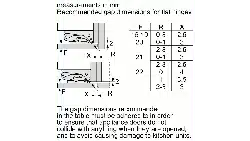
Niche dimensions
Observe the niche dimensions if you
install your appliance in the furniture
recess. If this is not the case, prob-
lems may occur when installing the
appliance.
Niche depth
Install the appliance in the recom-
mended niche depth of 560mm.
If the niche depth is smaller, the en-
ergy consumption increases slightly.
The niche depth must be a minimum
550mm.
Niche width
An inside niche width of at least
560mm is required for the appli-
ance.
Preparing the appliance for the
first time
1. Remove the informative material.
2. Remove the protective foil and
transit bolts, e.g. remove the ad-
hesive strips and carton.
3. Clean the appliance for the first
time. →Page24
Connecting the appliance to the
electricity supply
1. Insert the mains plug of the appli-
ance's power cable in a socket
nearby.
The connection data of the appli-
ance can be found on the rating
plate. →Fig.
1
/
8
2. Check the mains plug is inserted
properly.
a The appliance is now ready for
use.
en Familiarising yourself with your appliance
16
Familiarising yourself with your appliance
Familiarising yourself
with your appliance
Familiarise yourself with the parts of
your appliance.
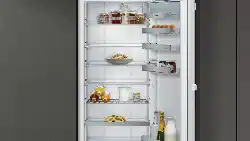
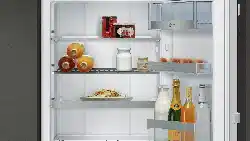
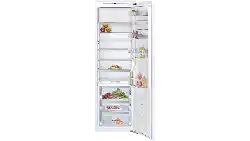
Appliance
You can find an overview of the parts
of your appliance here.
→Fig.
1
A
Freezer compartment
B
Refrigerator compartment
C
Cool-fresh compartment
1
Controls
2
Variable shelf →Page16
3
Bottle shelf →Page17
4
Extendable shelf →Page17
5
Partition with humidity controller
6
Fruit and vegetable container
→Page17
7
Cool-fresh container →Page17
8
Rating plate
9
Butter and cheese compartment
→Page17
10
Door storage compartment for large
bottles
Note:Deviations between your appli-
ance and the diagrams may differ
with regard to their features and size.
Controls
The controls are used to configure all
functions of your appliance and to
obtain information about the operat-
ing status.
→Fig.
2
1
lights up when the appliance is
operating.
2
switches the warning signal off.
3
Displays the set temperature for the
refrigerator compartment in°C.
4
/ sets the temperature of the refriger-
ator compartment.
5
switches the Super function on
or off.
6
switches the appliance on or off.
Features
Features
Here you can see an overview of the
features of your appliance and their
use.
The features of your appliance de-
pend on the model.
Shelf
To vary the shelves as required, re-
move the shelf and re-insert it else-
where.
→"Removing the shelf", Page25
Variable shelf
Use the variable shelf to the store tall
items, e.g. cans or bottles, on the
shelf below. You can remove the
front section of the variable shelf and
slide it below the rear part of the
shelf.
→Fig.
3

Features en
17
Extendable shelf
In order to achieve an improved over-
view and to remove food more
quickly, remove the shelf.
Bottle shelf
Store bottles securely on the bottle
shelf.
To vary the bottle shelf as required,
remove the bottle shelf and re-insert
it elsewhere.
→"Removing the bottle shelf",
Page25
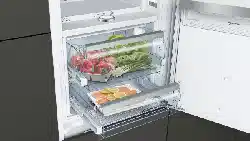
Fruit and vegetable container
Store fresh fruit and vegetables in the
fruit and vegetable container.
You can adjust the humidity in the
fruit and vegetable container via the
humidity controller on the partition
and a special seal.
→Fig.
4
The air humidity in the fruit and
vegetable container can be set
according to the type and amount of
food to be stored:
¡ Low humidity required when
primarily storing fruit or if the appli-
ance is very full.
¡ Higher humidity required when
primarily storing vegetables as well
as when the appliance is filled with
mixed items or is not very full.
Condensation may form in the fruit
and vegetable container depending
on the food and quantity stored.
Remove the condensation with a dry
cloth and adjust the air humidity us-
ing the humidity controller.
To ensure that the quality and aroma
are retained, store fruit and veget-
ables that are sensitive to cold out-
side of the appliance at temperatures
of approx. 8°C to 12°C.
Fruit that is sensitive
to cold
¡ Pineapples
¡ Bananas
¡ Mangoes
¡ Papayas
¡ Citrus fruits
Vegetables that are
sensitive to cold
¡ Aubergines
¡ Gherkins
¡ Courgettes
¡ Peppers
¡ Tomatoes
¡ Potatoes
Cool-fresh container
Use the lower temperatures in the
cool-fresh container to store perish-
able food, e.g. fish, meat and saus-
ages.
Butter and cheese compartment
Store butter and hard cheese in the
butter and cheese compartment.
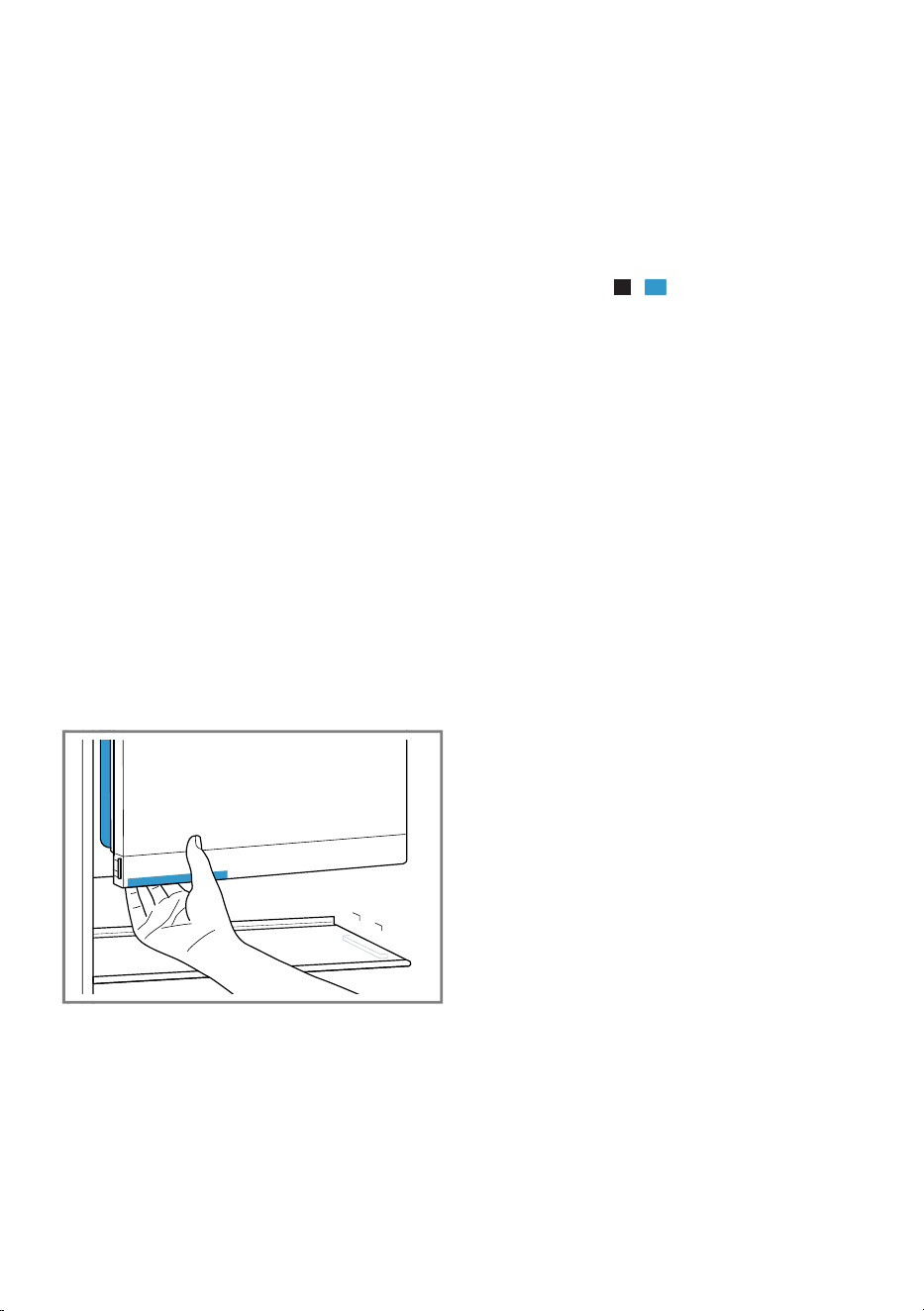
To open the butter and cheese com-
partment, press down lightly on the
centre of the flap.
Note:The compartment opens down-
wards. The flap slides under the com-
partment.
→Fig.
5
Door racks
To adjust the door racks as required,
remove the door rack and re-insert
elsewhere.
→"Removing door racks", Page25
Accessories
Only use original accessories. These
have been made especially for your
appliance. Here you can find an over-
view of your appliance's accessories
and how to use them.
The accessories for your appliance
depend on the model.
en Basic operation
18
Egg tray
Store eggs safely on the egg tray.
Bottle holder
The bottle holder prevents bottles
from falling over when the appliance
door is opened and closed.
→Fig.
6
Ice cube tray
Use the ice cube tray to make ice
cubes.
Making ice cubes
1. Fill the ice cube tray with water up
to ¾ and place in the freezer com-
partment.
If the ice cube tray is stuck to the
freezer compartment, loosen with a
blunt implement only (e.g. spoon
handle).
2. To loosen the ice cubes, twist the
ice cube tray slightly or hold briefly
under flowing water.
Basic operation
Basic operation
You can find out everything you need
to know about operating your appli-
ance here.
Switching on the appliance
1. Press .
a The appliance begins to cool.
2. Set the required temperature.
→Page18
Operating tips
¡ Once you have switched on the
appliance, the set temperature is
only reached after several hours.
Do not put in any food in the appli-
ance until the temperature is
reached.
¡ The housing to the left, the right
and beneath the cool-fresh com-
partment may heat up slightly tem-
porarily. This prevents condensa-
tion in the area of the door seal.
Switching off the appliance
▶
Press .
a The appliance stops cooling.
Setting the temperature
After you have switched on the appli-
ance, you can set the temperature.
Setting the refrigerator
compartment temperature
▶
Press / repeatedly until the tem-
perature display shows the re-
quired temperature.
The recommended temperature in
the refrigerator compartment is
4°C.
Setting the cool-fresh
compartment temperature
Note:The temperature in the cool-
fresh compartment is kept at around
0°C.
▶
If frost forms on the food items in
the cool-fresh compartment, set a
higher cool-fresh temperature.
→Page28
Setting the freezer compartment
temperature
▶
In order to set the freezer compart-
ment temperature, change the re-
frigerator compartment temperat-
ure →Page18.
The refrigerator compartment tem-
perature influences freezer com-
partment temperature. Refrigerator
compartment temperatures that
are set to warm generate warmer
freezer compartment temperatures.
Additional functions en
19
Additional functions
Additional functions
Find out which additional functions
which can be used for your appli-
ance.
Super function
With the Super function, the refriger-
ator compartment and the freezer
compartment cool more intensively.
This refrigerates or freezes food
quickly right through to the centre.
Switch on the Super function 4 to
6hours before placing food weighing
2kg or more.
In order to utilise the freezer capacity,
use the Super function.
→"Freezing capacity", Page21
Note:When the Super function is
switched on, increased noise may
occur.
Switching on Super function
▶
Press .
a lights up.
Note:After approx. 36hours, the ap-
pliance switches to normal operation.
Switching off Super function
▶
Press .
a The previously set temperature is
displayed.
Alarm
Alarm
Your appliance is equipped with
alarm functions.
Door alarm
If the appliance door is open for a
longer period, the door alarm
switches on.
Switching off the warning signal
(door alarm)
▶
Close the appliance door or press
.
a The warning tone is switched off.
Refrigerator compartment
Refrigerator compartment
You can keep dairy products, eggs,
ready meals, pastries, open pre-
serves and hard cheese in the refri-
gerator compartment.
You can set the temperature in the
refrigerator compartment from 3°C
to 8°C.
The recommended temperature in
the refrigerator compartment is 4°C.
The refrigerator compartment can
also be used to store highly perish-
able foods in the short to medium
term. The lower the selected temper-
ature, the longer the food remains
fresh.
Tips for storing food in the refri-
gerator compartment
Follow the tips if you store food in
your refrigerator compartment.
¡ To ensure that the freshness and
quality of the food is retained for
longer, only store fresh and un-
spoiled food.
en Cool-fresh compartment
20
¡ In the case of ready-made
products and bottled goods, do
not exceed the best-before date or
use-by date specified by the manu-
facturer.
¡ To retain aroma, colour and fresh-
ness or to prevent taste transfer
and discolouration of the plastic
parts, store food well wrapped or
covered.
¡ Leave warm food and beverages
to cool down before placing them
in the refrigerator compartment.
Chill zones in the refrigerator
compartment
The air circulation in the refrigerator
compartment creates different chill
zones.
Coldest zone
The coldest zone is on the partition
and in the door rack for large bottles.
Warmest zone
The warmest zone is at the very top
of the door.
Tips
¡ Store food that does not spoil eas-
ily in the warmest zone, e.g. hard
cheese and butter. Cheese can
then continue to release its aroma
and the butter will still be easy to
spread.
¡ Store perishable food such as fish,
sausages and meat in the cool-
fresh compartment.
→"Cool-fresh compartment",
Page20
Cool-fresh compartment
Cool-fresh compartment
In the cool-fresh compartment, you
can keep fresh food fresh three times
longer than in the refrigerator com-
partment.
The temperature in the cool-fresh
compartment is kept at around 0°C.
Storing food in the fresh compart-
ment retains the quality of the food
better. The low temperature and the
optimum moisture provide ideal stor-
age conditions for fresh food.
Storage times in the cool-fresh
compartment at 0°C
The storage times are dependent on
the original quality of your food.
Food Storage
time
Fresh fish, seafood up to 3days
Poultry, meat (boiled/fried) up to 5 days
Beef, pork, lamb, sausage (cold
meat)
up to 7 days
Smoked fish, broccoli up to 14
days
Salad greens, fennel, apricots,
plums
up to 21
days
Soft cheese, yoghurt, quark,
buttermilk, cauliflower
up to 30
days
Freezer compartment
Freezer compartment
You can store frozen food, freeze
food and make ice cubes in the
freezer compartment.
The temperature in the freezer com-
partment depends on the temperat-
ure in the refrigerator compartment.
Long-term storage of food should be
at –18°C or lower.
Freezer compartment en
21
The freezer compartment can be
used to store perishable food long-
term. The low temperatures slow
down or stop the spoilage.
The time between putting fresh food in
the freezer compartment and it freezing
solid depends on various factors:
¡ Set temperature
¡ Food (size and type)
¡ Quantity and type of storage
¡ Quantity and type of food already
stored
Freezer compartment door
To ensure that the frozen food that is
stored does not thaw and the freezer
compartment is not covered in too
much ice, always close the freezer
compartment door.
The position of the handle on the
freezer compartment door indicates
whether or not the freezer compart-
ment is correctly closed.
Note:When you close the freezer
compartment door, you can hear it
engaging.
Freezing capacity
The maximum freezing capacity indic-
ates the quantity of food that can be
frozen right through to the centre
within a specific period of time.
Information on the maximum freezing
capacity can be found on the rating
plate. →Fig.
1
/
8
Prerequisites for freezing
capacity
1. Approx. 6hours before placing
fresh food in the appliance, switch
on Super function.
→"Switching on Super function",
Page19
2. Store larger quantities of fresh
food store at the bottom, close to
the back panel. This is where food
will freeze most quickly.
Tips for buying frozen food
Follow the tips when you are buying
frozen food.
¡ Check the packaging is not dam-
aged.
¡ Check the best-before date.
¡ The temperature in the supermar-
ket freezer must be –18°C or
lower.
¡ Do not interrupt the deep-freeze
chain. If possible, transport frozen
food in a cool bag and quickly
place it in the freezer compart-
ment.
Tips for storing food in the
freezer compartment
Follow the tips if you are storing food
in the freezer compartment.
¡ Spread out the food over a wide
area in the freezer compartment.
¡ Do not bring food which is to be
frozen into contact with frozen
food.

en Freezer compartment
22
If necessary, redistribute frozen
food in the freezer compartment.
Tips for freezing fresh food
Follow the tips when you freeze fresh
food.
¡ Freeze fresh and undamaged food
only.
¡ Cooked, roasted or baked food is
more suitable for consumption
than food that can be eaten raw.
¡ In order to retain the nutritional
value, flavour and colour, you
should prepare certain food for
freezing.
– Vegetables: Wash, chop up,
blanch.
– Fruit: Wash, pit and perhaps
peel, possibly add sugar or
ascorbic acid solution.
Additional information on how to do
this can be found in the relevant liter-
ature.
Food suitable for freezing
¡ Baked goods
¡ Fish and seafood
¡ Meat
¡ Poultry and game
¡ Vegetables, fruit and herbs
¡ Eggs without shells
¡ Dairy products, e.g. cheese, butter
and quark
¡ Ready meals and leftovers, e.g.
soups, stews, cooked meat and
fish, potato dishes, bakes and
desserts
Food that is unsuitable for
freezing
¡ Types of vegetables that are usu-
ally eaten raw, e.g. lettuce or
radishes
¡ Unpeeled or hard-boiled eggs
¡ Grapes
¡ Whole apples, pears and peaches
¡ Yoghurt, soured milk, sour cream,
crème fraîche and mayonnaise
Packing frozen food
If you select suitable packaging ma-
terial the correct type of packaging,
you can determine the product qual-
ity and prevent freezer burn.
1. Place the food in the packaging.
Suitable packaging:
– Plastic film made of polyethyl-
ene
– Tubular film made of polyethyl-
ene
– Freezer bags made from poly-
ethylene
– Freezer containers
Unsuitable packaging:
– Wrapping paper
– Greaseproof paper
– Cellophane
– Aluminium foil
– Rubbish bags and used shop-
ping bags
2. Squeeze out the air.
3. Pack food airtight to prevent it
from losing flavour and drying out.
Suitable seals:
– Rubber bands
– Plastic clips
– Cold-resistant adhesive tape
4. Label the packaging with the con-
tents and the date of freezing.
Shelf life of frozen food at
−18°C
Observe the storage times when you
freeze food.
Food Storage time
Fish, sausages, ready
meals and baked goods
Up to 6months
Poultry, meat Up to 8months
Vegetables, fruit Up to 12months
Defrosting en
23
Defrosting methods for frozen
food
To retain the best-possible product
quality, the defrosting method must
be adjusted to the food and applica-
tion.
CAUTION
Risk of harm to health!
During the thawing process, bacteria
may develop and spoil the frozen
food.
▶
Do not refreeze food after it has
been defrosted or started to de-
frost.
▶
Refreeze food only after cooking.
▶
The frozen items should no longer
be stored for the maximum stor-
age period.
Defrosting
method
Food
Refrigerator com-
partment
Animal-based food such
as fish, meat, cheese,
quark
Room temperature Bread
Microwave Food for immediate con-
sumption or immediate
preparation
Oven or cooker Food for immediate con-
sumption or immediate
preparation
Defrosting
Defrosting
Observe the information when you
want to defrost your appliance.
Defrosting in the refrigerator
compartment
The refrigerator compartment in your
appliance defrosts automatically.
Defrosting in the cool-fresh
compartment
The cool-fresh compartment in your
appliance defrosts automatically.
Defrosting in the freezer com-
partment
As the frozen food must not start
thawing, the freezer compartment
does not defrost automatically. A
layer of hoarfrost in the freezer com-
partment impairs refrigeration of the
frozen food and increases power
consumption.
Defrosting the freezer
compartment
Regularly defrost the freezer com-
partment.
1. Switch on the Super function ap-
prox. fourhours before defrosting.
→"Switching on Super function",
Page19
This means that the food reaches
very low temperatures and it can
be stored for longer at room tem-
perature.
2. Remove the frozen food and tem-
porarily place it in a cool location.
Place ice packs (if available) on
the frozen food.
3. Switch off the appliance.
→Page18
en Cleaning and servicing
24
4. Disconnect the appliance from the
power supply.
Unplug the appliance from the
mains or switch off the circuit
breaker in the fuse box.
5. To accelerate the defrosting pro-
cess, place a pan of hot water on
a trivet in the freezer compartment.
6. Wipe up the condensation water
with a soft cloth or sponge.
7. Rub the freezer compartment dry
with a soft, dry cloth.
8. Electrically connect the appliance.
9. Switch on the appliance.
→Page18
10.Put the frozen food in the appli-
ance. →Page21
Cleaning and servicing
Cleaning and servicing
To keep your appliance working effi-
ciently for a long time, it is important
to clean and maintain it carefully.
Preparing the appliance for
cleaning
Find out how to prepare your appli-
ance for cleaning.
1. Switch off the appliance.
→Page18
2. Disconnect the appliance from the
power supply.
Unplug the appliance from the
mains or switch off the circuit
breaker in the fuse box.
3. Take out all of the food and store it
in a cool location.
Place ice packs (if available) onto
the food.
4. If there is a layer of hoarfrost, allow
this to defrost.
5. Remove all fittings from the appli-
ance. →Page25
6. To remove the following compon-
ents from the appliance:
– →"Partition and cover of the
fruit and vegetable container",
Page25
– →"Telescopic rails", Page26
Cleaning the appliance
Clean the appliance as specified to
ensure that it is not damaged by in-
correct cleaning or unsuitable clean-
ing products.
WARNING
Risk of electric shock!
¡ An ingress of moisture can cause
an electric shock.
▶
Do not use steam- or high-pres-
sure cleaners to clean the appli-
ance.
¡ Liquid in the lighting can be dan-
gerous.
▶
The rinsing water must not run
into the light.
ATTENTION!
¡ Unsuitable cleaning products may
damage the surfaces of the appli-
ance.
▶
Do not use hard scouring pads
or cleaning sponges.
▶
Do not use harsh or abrasive
detergents.
▶
Do not use cleaning products
with a high alcohol content.
¡ If you clean fittings and accessor-
ies in the dishwasher, this may
cause them to become deformed
or discolour.
▶
Never clean shelves or contain-
ers in the dishwasher.
1. Prepare the appliance for cleaning.
→Page24
Cleaning and servicing en
25
2. Clean the appliance, the fittings,
the components and the door
seals with a dish cloth, lukewarm
water and a little pH-neutral wash-
ing-up liquid.
3. Dry thoroughly with a soft, dry
cloth.
4. Refit the fittings and the compon-
ents.
5. Electrically connect the appliance.
6. Switch on the appliance.
→Page18
7. Putting the food into the appliance.
Removing the fittings
If you want to clean the fittings thor-
oughly, remove these from your ap-
pliance.
Removing the shelf
▶
Pull out and remove the shelf.
Removing the extendable shelf
1. Pull out the extendable shelf until
the locking catch is released.
→Fig.
7
2. Lower the shelf and swing it out to
the side.
Removing the bottle shelf
▶
Pull out and remove the bottle
shelf.
→Fig.
8
Removing door racks
▶
Lift the door rack upwards and re-
move it.
→Fig.
9
Removing the fruit and
vegetable container
▶
Tilt the fruit and vegetable con-
tainer forwards and remove it .
→Fig.
10
Removing the cool-fresh
container
▶
Tilt the cool-fresh container for-
wards and remove it .
→Fig.
10
Removing appliance compon-
ents
If you want to clean your appliance
thoroughly, you can remove certain
components from your appliance.
Partition and cover of the fruit
and vegetable container
You can remove the partition and the
cover of the fruit and vegetable con-
tainer in order to clean it thoroughly.
Removing the partition
1. Remove the glass plate from the
partition.
→Fig.
11
2. Remove the fruit and vegetable
container.
3. Press the lever on the underside
on both sides and pull the parti-
tion forwards .
→Fig.
12
4. Lift the partition and swivel it out to
the side.
Removing the cover
▶
Lift the cover of the fruit and veget-
able container, pull it forwards and
swivel it out to the side.
Fitting the partition and cover
1. Insert the cover for the fruit and ve-
getable container.
2. Insert the partition.
→Fig.
13
3. Place the glass plate on the parti-
tion.
en Cleaning and servicing
26
Telescopic rails
You can remove the telescopic rails
in order to clean them thoroughly.
Removing telescopic rails
1. Pull out the telescopic rail.
→Fig.
14
2. Move the lock in the direction of
the arrow and loosen the pin
from the rear .
→Fig.
15
3. Push in the telescopic rail.
4. Push the telescopic rail backwards
above the rear pin and disen-
gage .
→Fig.
16
Installing telescopic rails
1. Place the extended telescopic rail
on the front pin and pull it for-
wards slightly to lock in place .
→Fig.
17
2. Place the telescopic rail on the
rear pin and push the locking
mechanism back .
→Fig.
18
Troubleshooting en
27
Troubleshooting
Troubleshooting
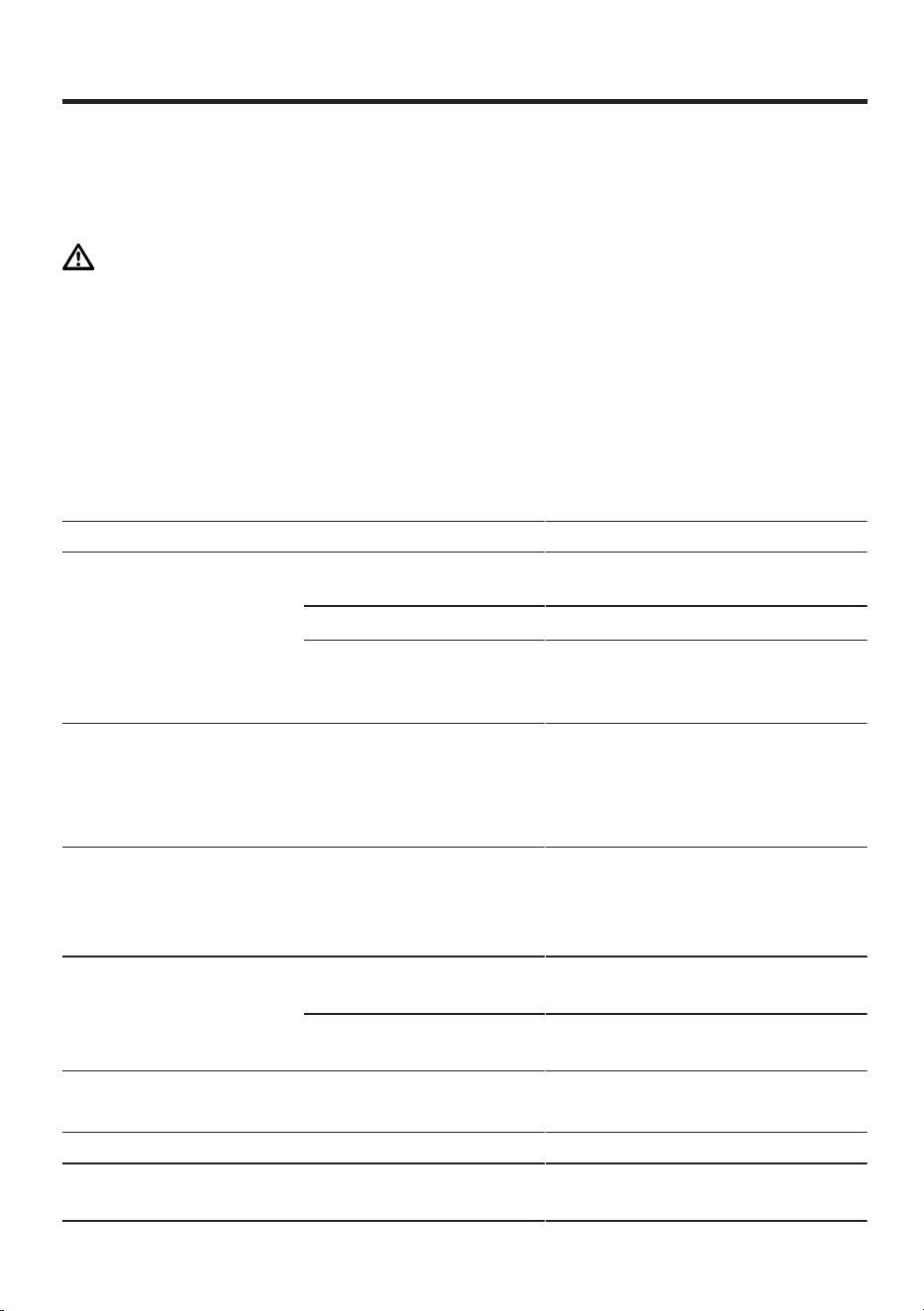
You can rectify minor faults on your appliance yourself. Read the troubleshoot-
ing information before contacting after-sales service. This will avoid unneces-
sary costs.
WARNING
Risk of electric shock!
Improper repairs are dangerous.
▶
Repairs to the appliance should only be carried out by trained specialist
staff.
▶
Only use genuine spare parts when repairing the appliance.
▶
If the power cord of this appliance is damaged, it must be replaced by the
manufacturer, the manufacturer's Customer Service or a similarly qualified
person in order to prevent any risk.
Malfunctions
Fault Cause troubleshooting
The appliance is not work-
ing.
No displays light up.
The mains plug has not been
inserted properly.
▶
Connect the mains plug.
Fuse has been tripped.
▶
Check the fuses.
The power has failed. 1. Check whether the power is on.
2. Place ice packs (if available) on the
frozen food.
The appliance is not cooling,
the displays and lighting
light up.
Showroom mode is switched
on.
▶
Carry out the appliance self-test.
→Page30
a Once the appliance self-test has
ended, the appliance switches to
normal operation.
The LED lighting does not
work.
Do not remove the lamp
cover.
Different causes are pos-
sible.
▶
Call the after-sales service.
→"Customer Service", Page30
The refrigeration unit is
switching on more fre-
quently and for longer.
The appliance door was
opened frequently.
▶
Do not open appliance door unne-
cessarily.
The ventilation openings are
covered up.
▶
Remove any obstructions from in
front of the ventilation openings.
Information on display panel
Fault Cause troubleshooting
Message showing "D" or "E"
appears in the display.
The electronics have detec-
ted a fault.
▶
Call the after-sales service.
→"Customer Service", Page30
en Troubleshooting
28
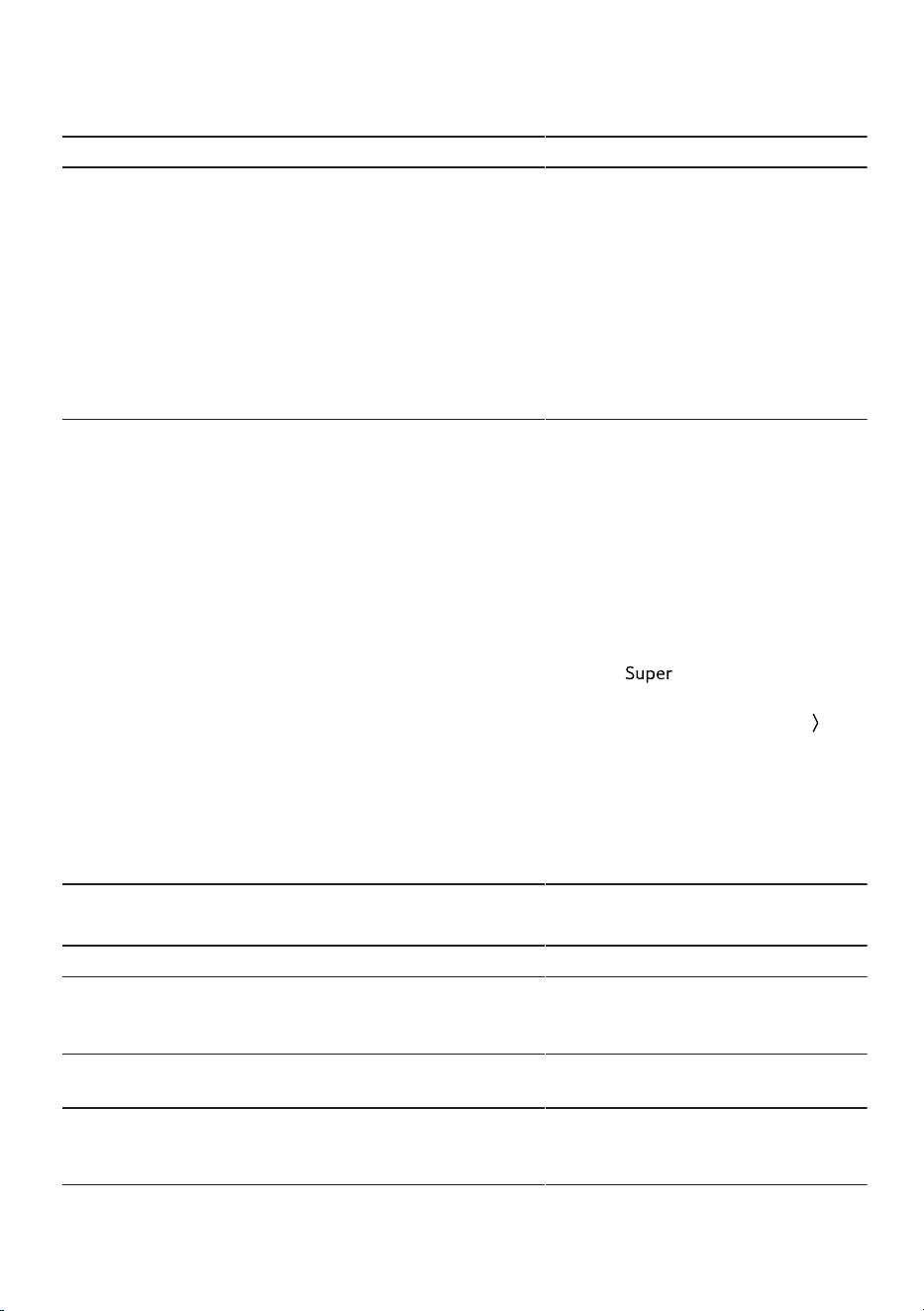
Temperature problem
Fault Cause troubleshooting
The temperature differs
greatly from the setting.
Different causes are pos-
sible.
1. Switch off the appliance.
→Page18
2. Switch the appliance back on after
fiveminutes. →Page18
‒ If the temperature is too
warm, check the temperature
again after a couple of hours.
‒ If the temperature is too cold,
check the temperature again
on the following day.
Cool-fresh compartment is
too warm or cold.
Standard setting is too high
or too low, e.g. frost in cool-
fresh compartment.
Note:The standard setting of the cool-
fresh compartment is preset at 0. Set-
ting 0 corresponds to a temperature of
around 0°C. You can set the temperat-
ure in the cool-fresh compartment to
3settings warmer or colder.
A change in the standard setting will
affect the temperature in the refriger-
ator compartment and the freezer
compartment.
1. Press until the temperature
display flashes.
2. To change the setting, press / .
– Setting –3 corresponds to the
coldest setting.
– Setting +3 corresponds to the
warmest setting.
a The selected setting is saved after
one minute.
Noise
Fault Cause troubleshooting
Appliance has a humming
sound.
Not a fault. A motor is run-
ning, e.g. refrigerating unit,
fan.
No action required.
The appliance bubbles,
buzzes or gargles.
Not a fault. Refrigerant flows
through the pipes.
No action required.
The appliance clicks. Not a fault. Motor, switches
or solenoid valves are
switching on or off.
No action required.
Troubleshooting en
29
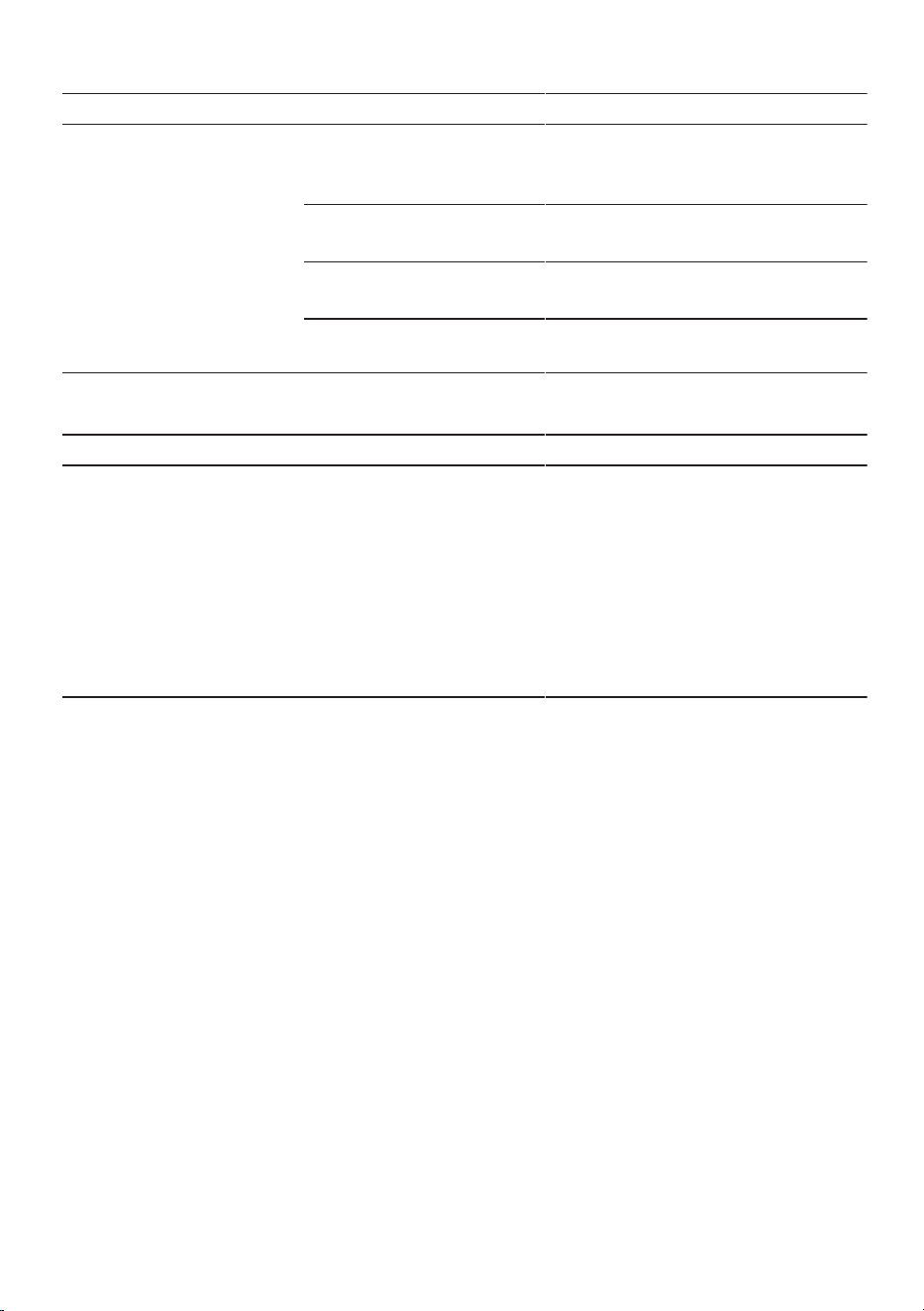
Fault Cause troubleshooting
The appliance makes
noises.
The appliance is not level.
▶
Align the appliance using a spirit
level. If required, place something
underneath it.
Fittings wobble or stick.
▶
Check the removable fittings and, if
required, replace these.
Bottles or containers are
touching.
▶
Move the bottles or containers
away from each other.
Super function is switched
on.
No action required.
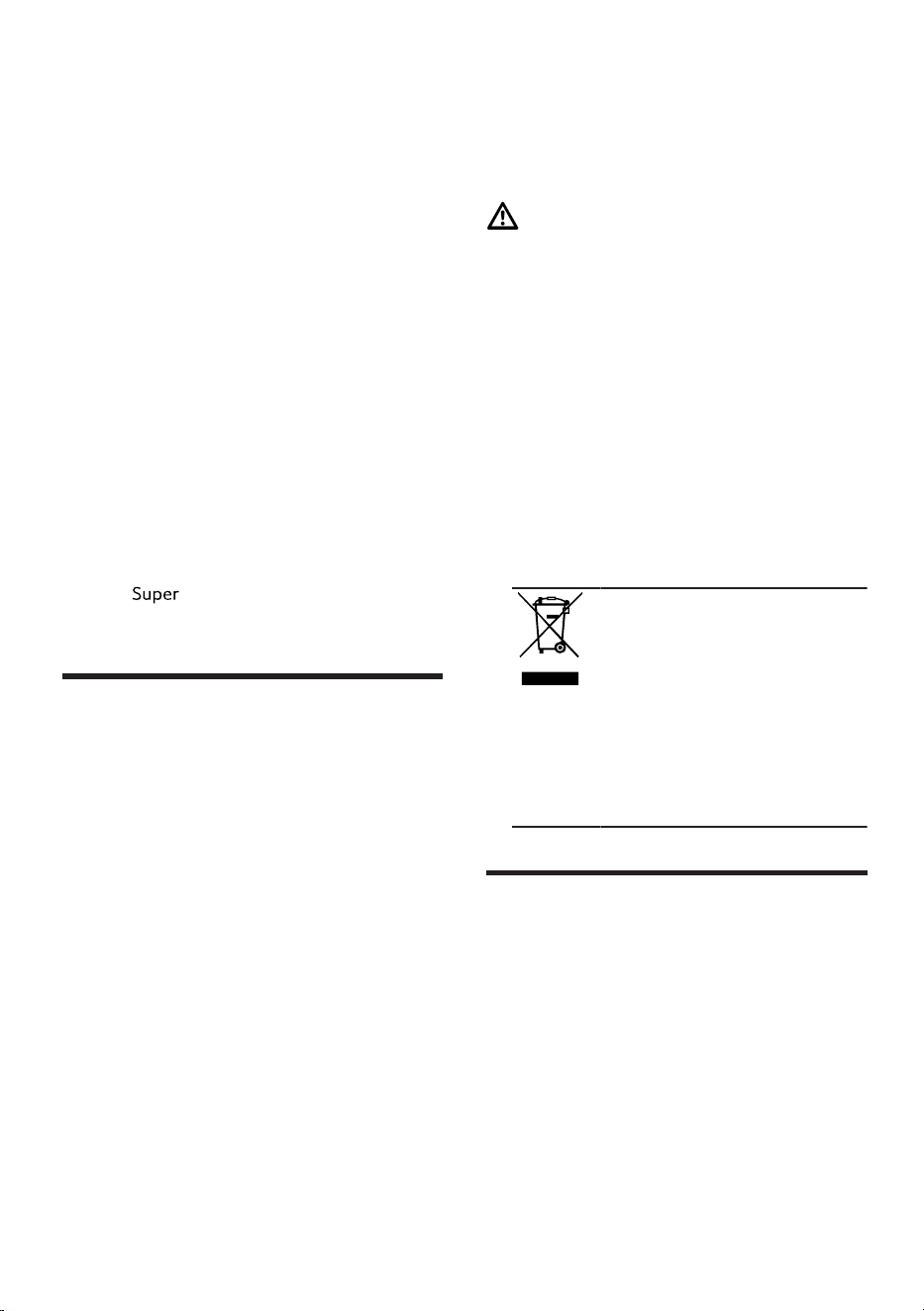
Odours
Fault Cause troubleshooting
The appliance has an un-
pleasant smell.
Different causes are pos-
sible.
1. Prepare the appliance for cleaning.
→Page24
2. Clean the appliance. →Page24
3. Clean all food packaging.
4. To prevent odours from forming,
store strong smelling food in air-
tight containers.
5. After 24hours, check whether
odours are still forming.
en Storage and disposal
30
Conducting an appliance self-
test
1. Switch off the appliance.
→Page18
2. Switch the appliance back on after
approx. fiveminutes. →Page18
3. Within the first 10seconds after
switching on, press and hold 3 to
5seconds.
a The appliance self-test starts.
a While the appliance self-test is run-
ning, a long audible signal sounds.
a If, at the end of the appliance self-
test, two audible signals sound
and the temperature display indic-
ates the set temperature, your ap-
pliance is OK. The appliance then
switches to normal operation.
a If, at the end of the appliance self-
test, five audible signals sound
and flashes for 10seconds,
inform the after-sales service.
Storage and disposal
Storage and disposal
You can find out here how to prepare
your appliance for storage. You will
also find out how to dispose of old
appliances.
Switching off the appliance
1. Switch off the appliance.
→Page18
2. Disconnect the appliance from the
power supply.
Unplug the appliance from the
mains or switch off the circuit
breaker in the fuse box.
3.
Defrost the appliance. →Page23
4.
Clean the appliance. →Page24
5. Leave the appliance door open.
Disposing of old appliance
Valuable raw materials can be re-
claimed by recycling.
WARNING
Risk of harm to health!
Children can lock themselves in the
appliance, thereby putting their lives
at risk.
▶
Leave shelves and containers in-
side the appliance to prevent chil-
dren from climbing in.
▶
Keep children away from the re-
dundant appliance.
1. Unplug the appliance from the
mains.
2. Cut through the power cord.
3. Dispose of the appliance in an en-
vironmentally friendly manner.
This appliance is labelled in ac-
cordance with European Direct-
ive 2012/19/EU concerning
used electrical and electronic
appliances (waste electrical and
electronic equipment - WEEE).
The guideline determines the
framework for the return and re-
cycling of used appliances as
applicable throughout the EU.
Customer Service
Customer Service
If you have any queries, are unable to
rectify faults on the appliance your-
self or if your appliance needs to be
repaired, contact Customer Service.
You can solve many problems your-
self by consulting the information on
eliminating faults in this instruction
manual or on our website. If this is
not the case, contact our Customer
Service.
Technical data en
31
We will always find an appropriate
solution and try to avoid unnecessary
visits being made by a Customer Ser-
vice technician.
With any warranty claims we will
make sure that your appliance is re-
paired by trained Customer Service
technicians using original spare
parts, including after the manufac-
turer's warranty has expired.
For safety reasons repairs to the ap-
pliance should only be carried out by
trained specialist staff. The warranty
claim becomes void if repairs or in-
terventions have been carried out by
persons not authorised by us for that
purpose or if our appliances have
been fitted with spare, supplementary
or accessory parts that were not
genuine parts and then resulted in a
defect.
Function-relevant genuine spare parts
according to the corresponding Eco-
design Order can be obtained from
Customer Service for a period of at
least 10 years from the date on
which your appliance was placed on
the market within the European Eco-
nomic Area.
Note:Under the terms of the manu-
facturer's warranty applicable to the
location the use of Customer Service
is free of charge. The minimum dura-
tion of the warranty (manufacturer's
warranty for private consumers) in
the European Economic Area is 2
years (except for Denmark and
Sweden, where it is 1 year) accord-
ing to the terms of warranty applic-
able to the location. The terms of
warranty do not affect other rights or
claims held by yourself under local
legislation.
Detailed information on the warranty
period and terms of warranty in your
country is available from our Cus-
tomer Service, your retailer or on our
website.
If you contact Customer Service, you
will require the product number (E-
Nr.) and the production number (FD)
of your appliance.
The contact details for Customer Ser-
vice can be found in the enclosed
Customer Service directory or on our
website.
Product number (E-Nr.) and pro-
duction number (FD)
You can find the product number (E-
Nr.) and the production number (FD)
on the appliance's rating plate.
→Fig.
1
/
8
Make a note of your appliance's de-
tails and the Customer Service tele-
phone number to find them again
quickly.
Technical data
Technical data
Refrigerant, cubic capacity and fur-
ther technical specifications can be
found on the rating plate.
→Fig.
1
/
8
More information about your model
can be found online at https://
www.bsh-group.com/energylabel
1
.
This web address is linked to the offi-
cial EU EPREL product database. At
the time of printing its web address
had not yet been published. Please
then follow the instructions on
searching for models. The model
identifier is made up of the charac-
ters before the slash in the product
number (E-Nr.) on the rating plate. Al-
1
Only applies to countries in the European Economic Area

en Technical data
32
ternatively you can also find the
model identifier in the first line of the
EU energy label.
Constructa-Neff Vertriebs-GmbH
Carl-Wery-Straße 34
81739 München
GERMANY
*9001535913*
9001535913
en
000224