User manual 2
用户手册
37
HR2332
使用产品前请仔细阅读请本用户手册
保留备用

English
3
Quick Start Guide/
快速入门指南
3
1
2
3
4 5
2
1
2
1
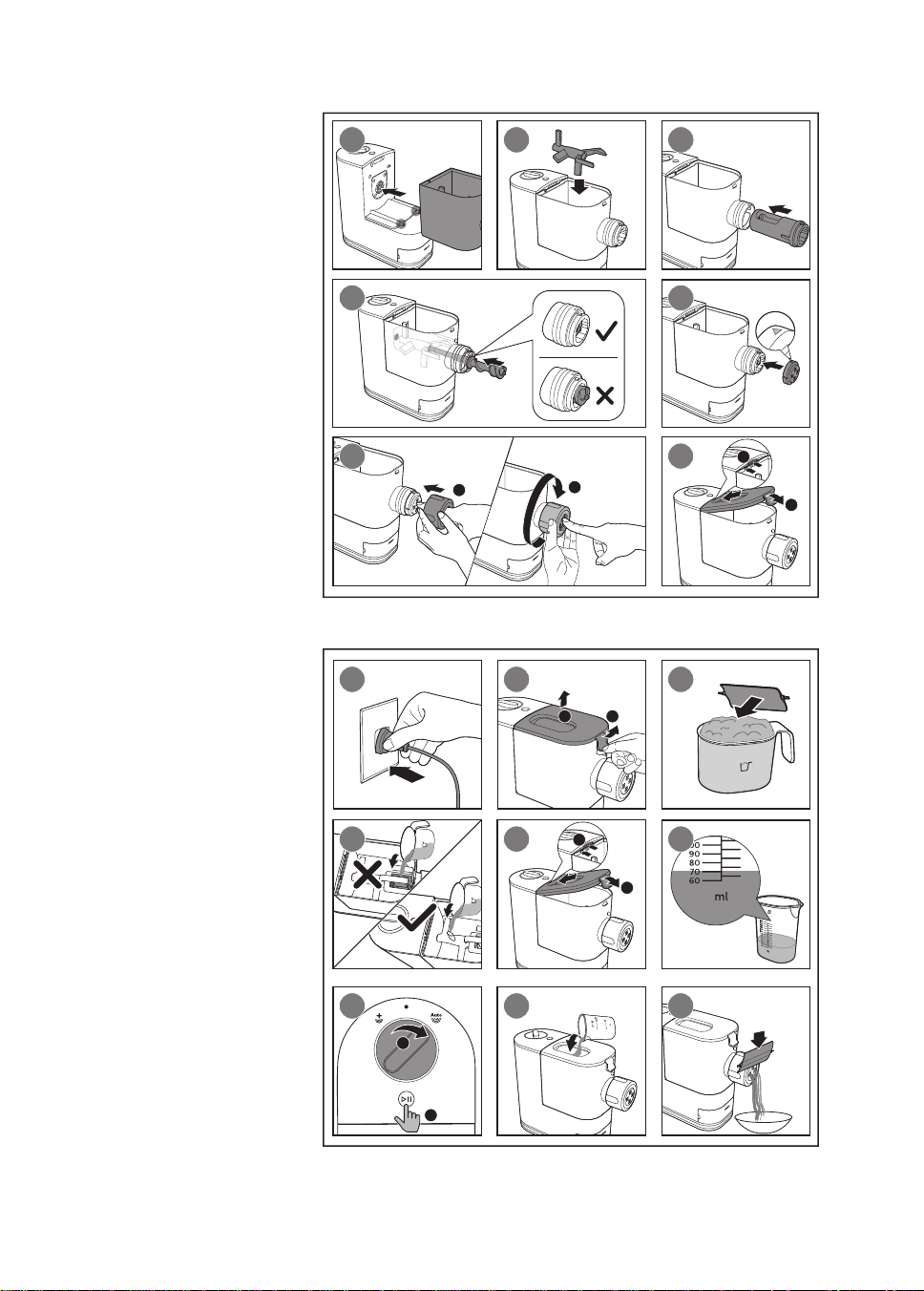
Disassembling and
cleaning before rst use
首次使用前的拆卸和清洁
4
English
2
3
5
1
2
6
7
2
1
1
2
1
2
3
4
5
2
1
6
2
1
7
8
9
1
4
Assembling
组装
Using the Pasta
and noodle
maker
使用意面
/
面条机

English
5
Important ����������������� 6
What's in the box ������������� 11
Overview ������������������ 12
Disassembling and cleaning before
rst use ������������������� 14
Assembling ���������������� 16
Using the Pasta and noodle maker �� 19
Cleaning ������������������ 27
Storage ������������������ 30
Troubleshooting ������������� 31
Product information �����������34
Recycling ������������������34
Guarantee and service ����������35
Table of Contents
6
English
Important
Safety
Read this user manual carefully
before you use the appliance, and
save it for future reference.
• Before you connect the appliance to the power,
make sure that the voltage indicated on the bottom
of the appliance corresponds to the local power
voltage.
• Make sure that your hands are dry before you insert
the plug into the power outlet.
• Do not immerse the main unit in water or rinse it with
water or other liquid.
• To prevent a short circuit or an electric shock, do not
pour water or any liquid on the appliance.
• Make sure that the plug is firmly inserted into the
power outlet.
• Never connect this appliance to a timer switch or
separate remote control system.
• Make sure that the appliance is assembled correctly
before you insert the plug into the power outlet.
• If the power cord, the plug, or other parts are
damaged, do not use the appliance.
• Make sure the control knob is in the OFF position
and the appliance is unplugged when not in use,
left unattended, before assembling, disassembling,
cleaning or storing. Always make sure the appliance
is properly assembled before putting the plug
into the wall outlet and operating the appliance.
Warning
English
7
Warning
The appliance will not operate unless it is properly
assembled.
• Do not place hands, fingers or utensils in the mixing
chamber of the appliance unless the control knob
is in the OFF position, the appliance is unplugged
and the motor and mixing paddle have come
to a complete stop. Ensure the motor and the
mixing paddle have completely stopped before
disassembling, cleaning or storing.
• If the power cord is damaged, you must have it
replaced by Philips, a service center authorized
by Philips or similarly qualified persons to avoid a
hazard.
• Do not replace parts of the appliance by yourself.
• This appliance shall not be used by children. Keep
the appliance and its power cord out of reach of
children.
• This appliance is not intended for use by persons
with reduced physical, sensory or mental
capabilities, or lack of experience and knowledge,
unless they have been given supervision or
instruction concerning use of the appliance by a
person responsible for their safety.
• Children should be supervised to ensure that they
do not play with the appliance.
• To prevent any accidents, do not use the appliance
if it is damaged for any reason.
8
English
• Before using the appliance for the first time,
disassemble and wash the accessories thoroughly
(refer to the chapter “Disassemble and cleaning
before first use”).
• This appliance is intended for household use only.
• Never use any accessories or parts from other
manufacturers or that Philips does not specifically
reommend. If you use such accessories or parts, your
guarantee becomes invalid.
• Do not use this appliance on an unstable or uneven
surface.
• Do not disconnect the power cord before the
processing is complete. If you have to stop processing,
disconnect the power cord before you perform other
operations.
• Do not exceed the maximum operation cycle of
2 cycles continuously at all applications. To better
protect the lifetime of the appliance, you can
restart using the appliance after 30 minutes upon 2
continuous operation cycles.
• If you intend to use the appliance continuously, clean
the shaping disc with the supplied cleaning tool each
time after use.
• Do not bend, jerk, twist, or bundle the power cord
forcibly, nor put it under heavy objects.
• Unplug the appliance when not in use.
• Do not use the appliance near flammable objects
such as table cloth or drapes.
Caution
English
9
Caution
• Pull out the power plug immediately after you detect
smoke.
• When unplugging the power cord, do not pull the
cable but grab the plug part.
• Keep the power plug clean.
• Do not put heavy objects on the appliance.
• This appliance is designed as consumer kitchen
appliance. Do not use for any other purpose.
• Do not move the appliance while it is operating.
• Disconnect the power cord if the appliance is left
unattended and before assembling, disassembling or
cleaning.
• Place the appliance in a dry and well ventilated place
after use.
• Do not hold and move the appliance by grabbing the
shaping disc holder. Hold the main unit to do so.
• Make sure the shaping disc hole is unblocked each
time before using.
• Keep hands, hair, clothing, as well as spatulas and
other utensils away from appliance during operation
to reduce the risk of injury to persons, and/or damage
to the appliance.
• Do not put your fingers or other objects into the Pasta
and noodle maker opening while it is in operation.
Avoid contact with moving parts.
• Do not attempt to defeat the cover interlock
mechanism.
10
English
• The shaping discs and all detachable parts of the
appliance are dishwasher safe. When you clean
them in dishwasher, make sure to select the proper
program which has a maximum temperature at no
higher than 60°C (140°F).
• Use only on properly grounded outlet.
Caution
Electromagnetic elds (EMF)
This Philips appliance complies with all applicable standards and regulations
regarding exposure to electromagnetic elds.
English
11
Congratulations on your purchase, and welcome to Philips!
To fully benet from the support that Philips oers, register your product at
www.philips.com/welcome.
Read this user manual carefully before you install and use the appliance. Save it
for future reference.
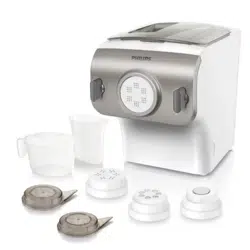
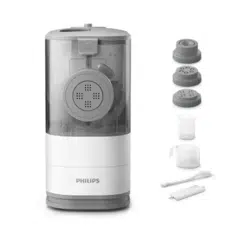
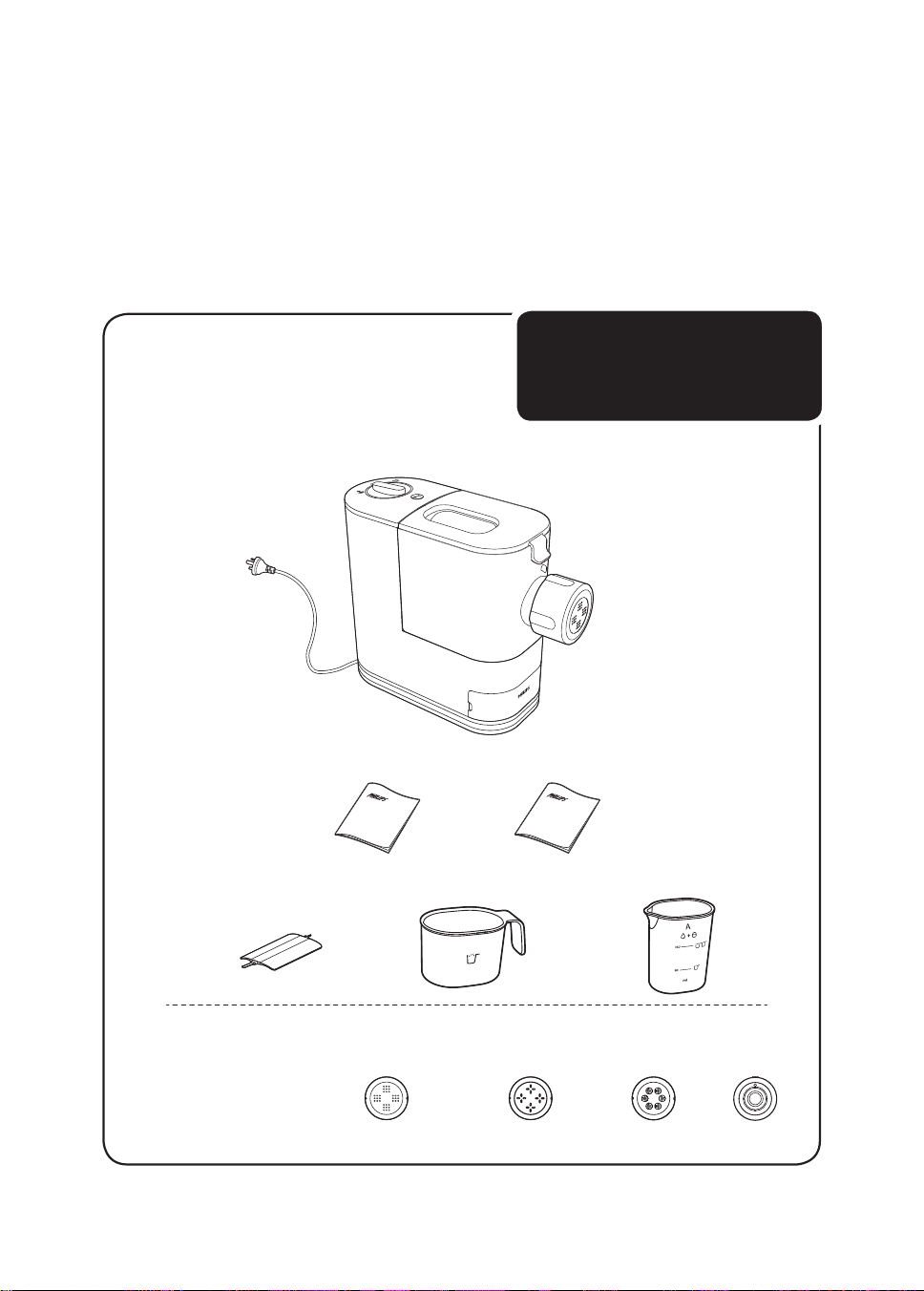
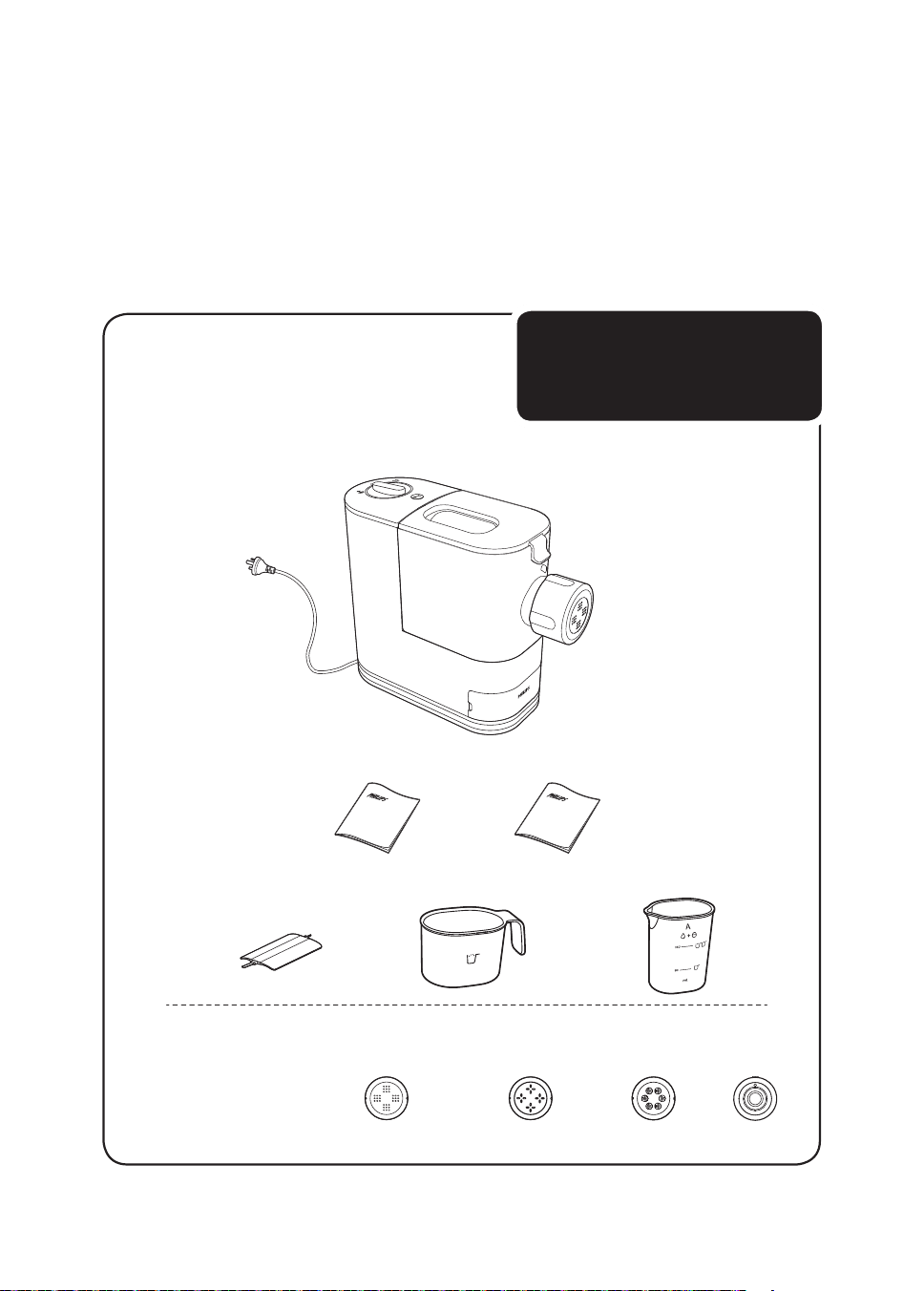
What's in the box
Spaghetti/
Thin noodle*
Shaping discs:
Penne Lasagna
Fettuccine/
Ban Mian noodle
Water cup
User manual
Main unit
Recipe book
Flour cup
Flat cleaning
tool
* The spaghetti/thin noodle shaping disc is assembled on the appliance upon purchase.
12
English
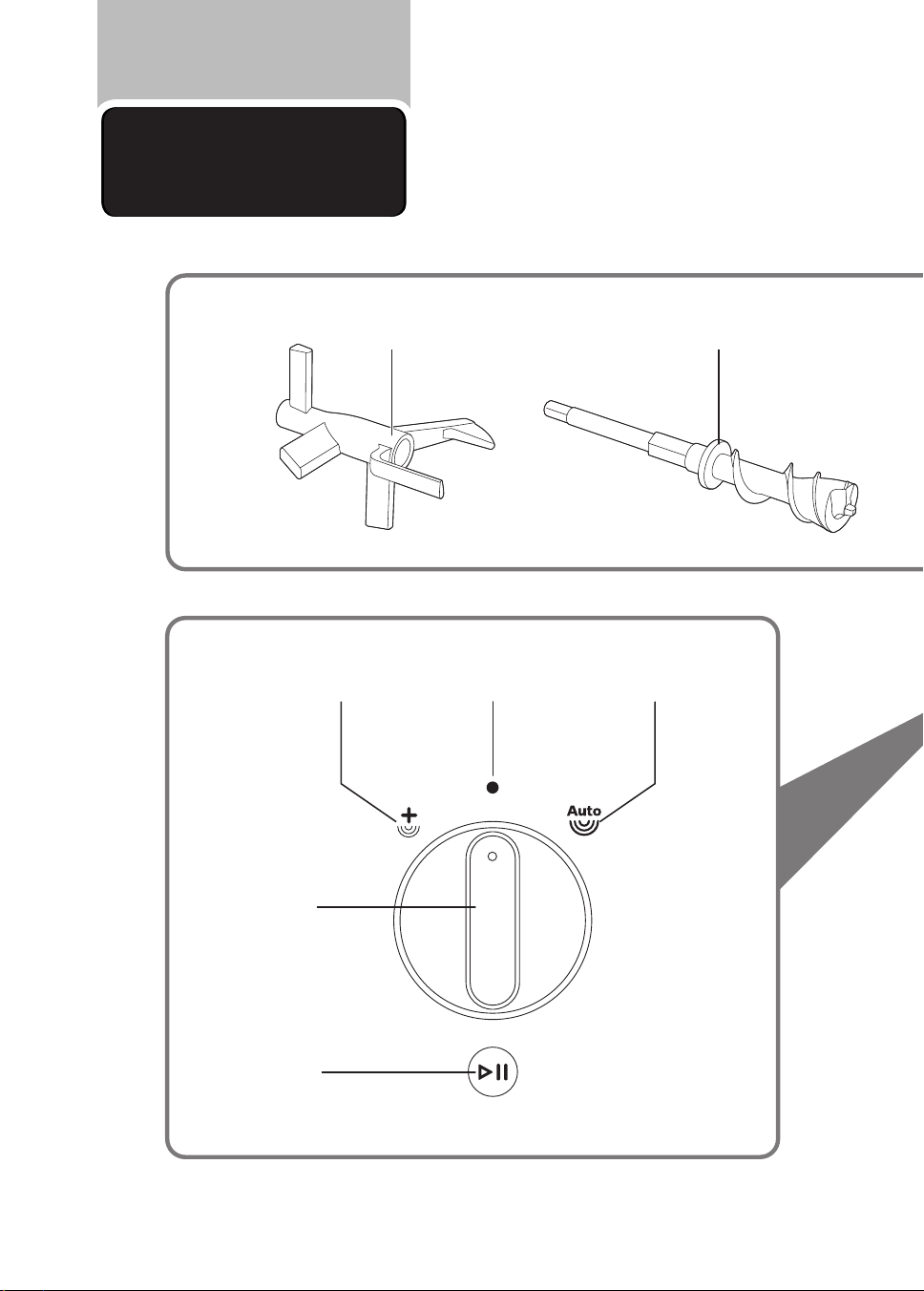
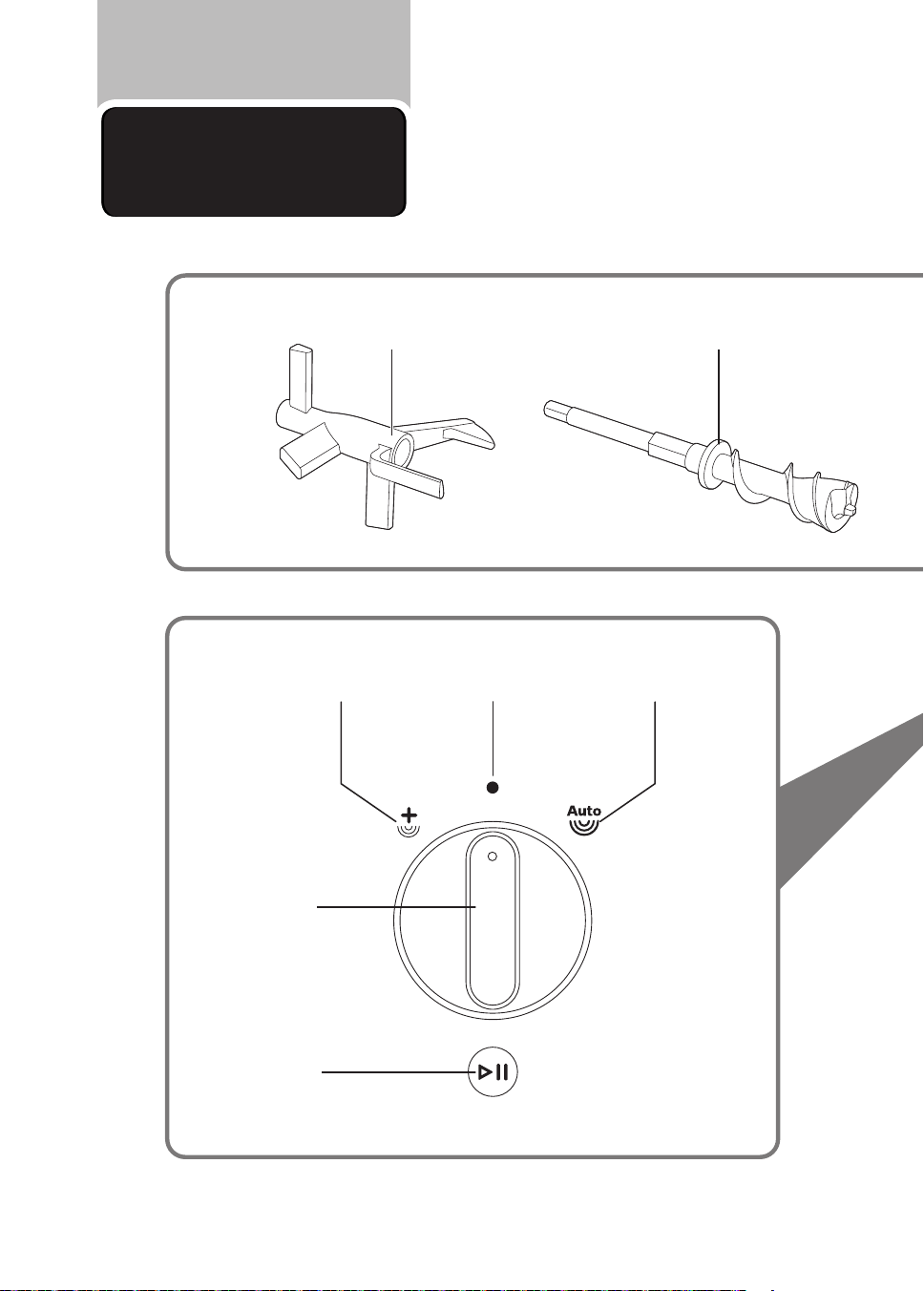
Overview
Start/pause
button
Control knob
Extra-extrusion
Mixing paddle Squeezing bar
Auto operationOFF
Main unit
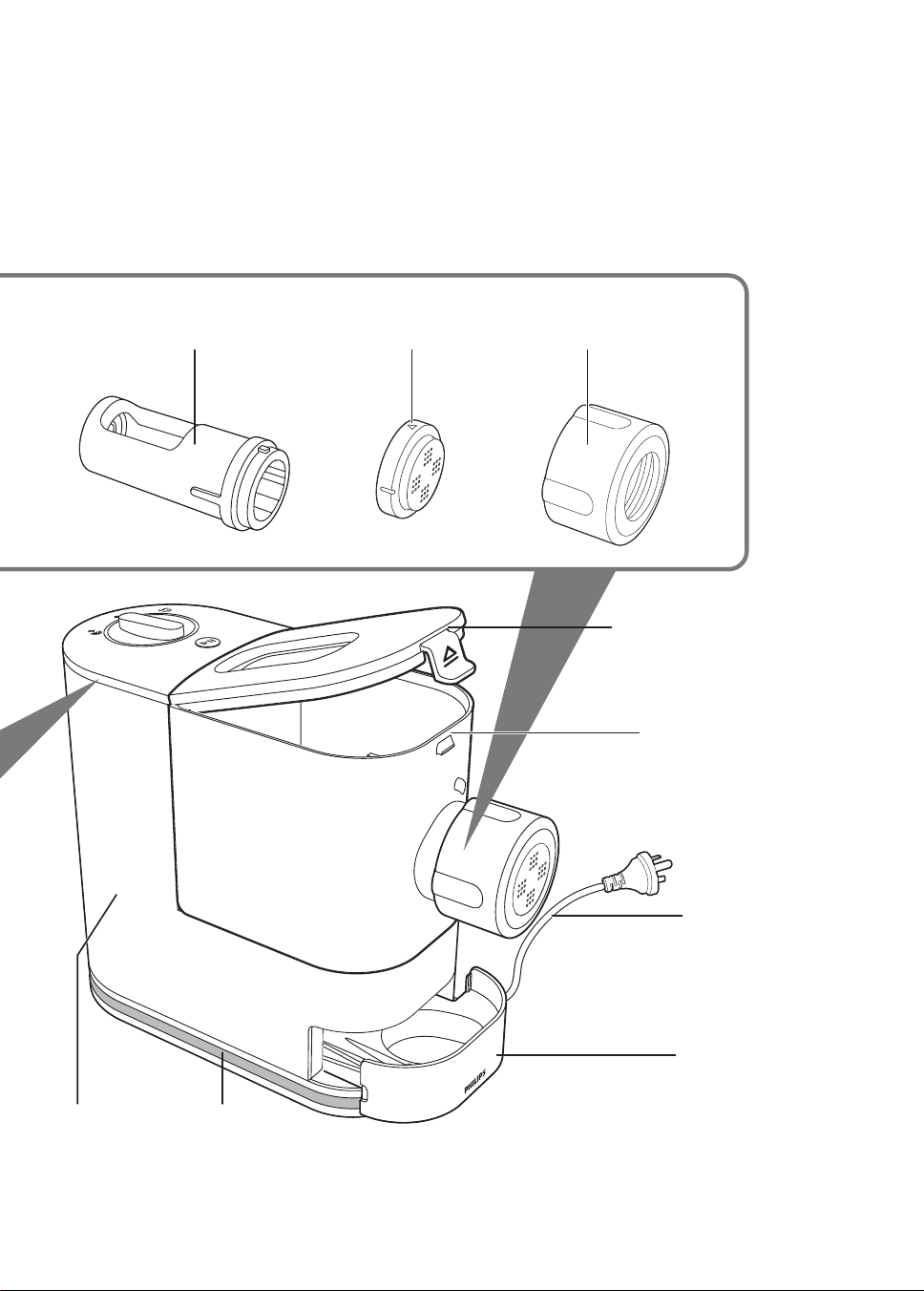
English
13
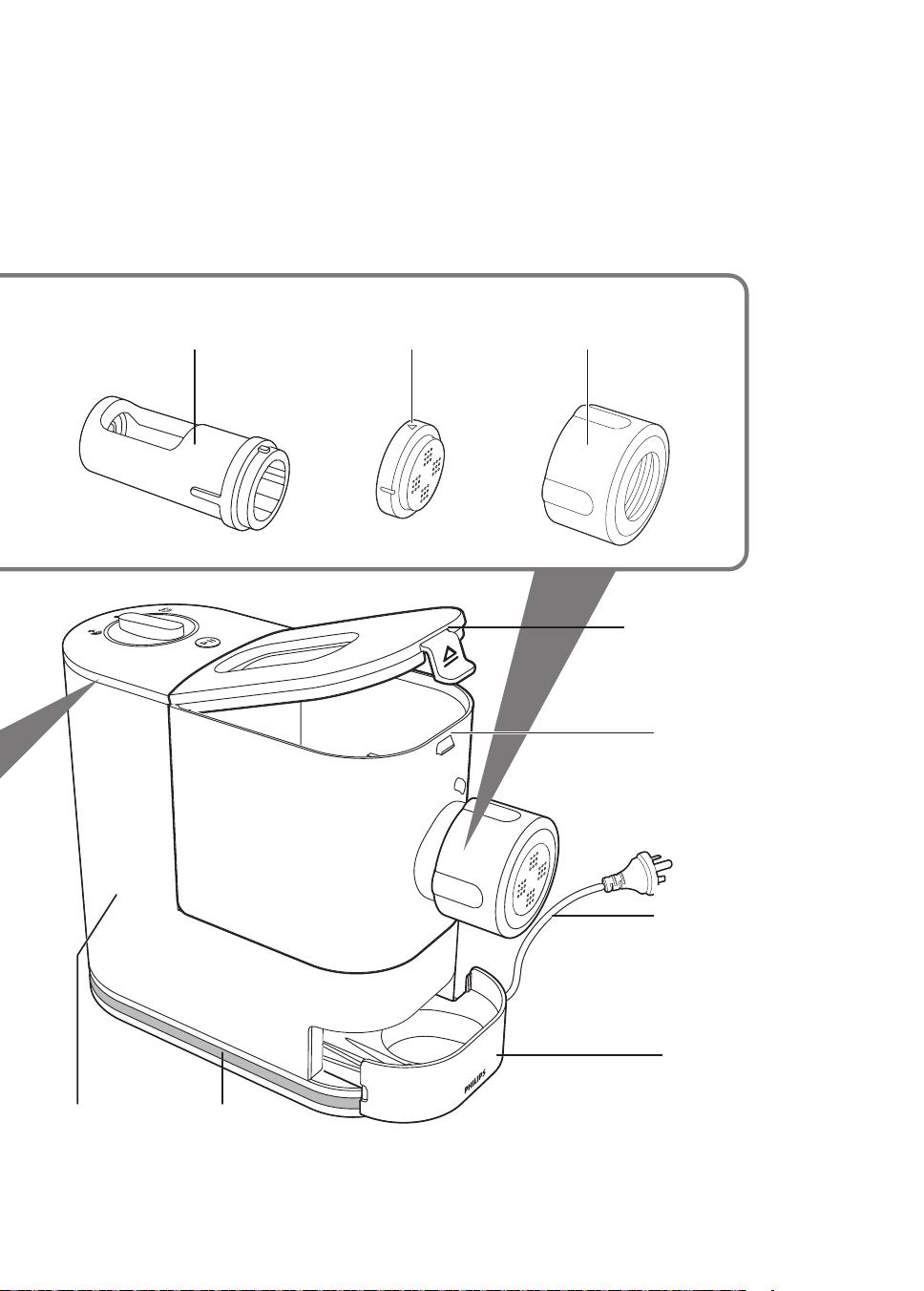
Power cord
Mixing chamber
Mixing chamber lid
Storage box
Squeezing tube Shaping disc Shaping disc holder
Main unit Cord storage
wrap
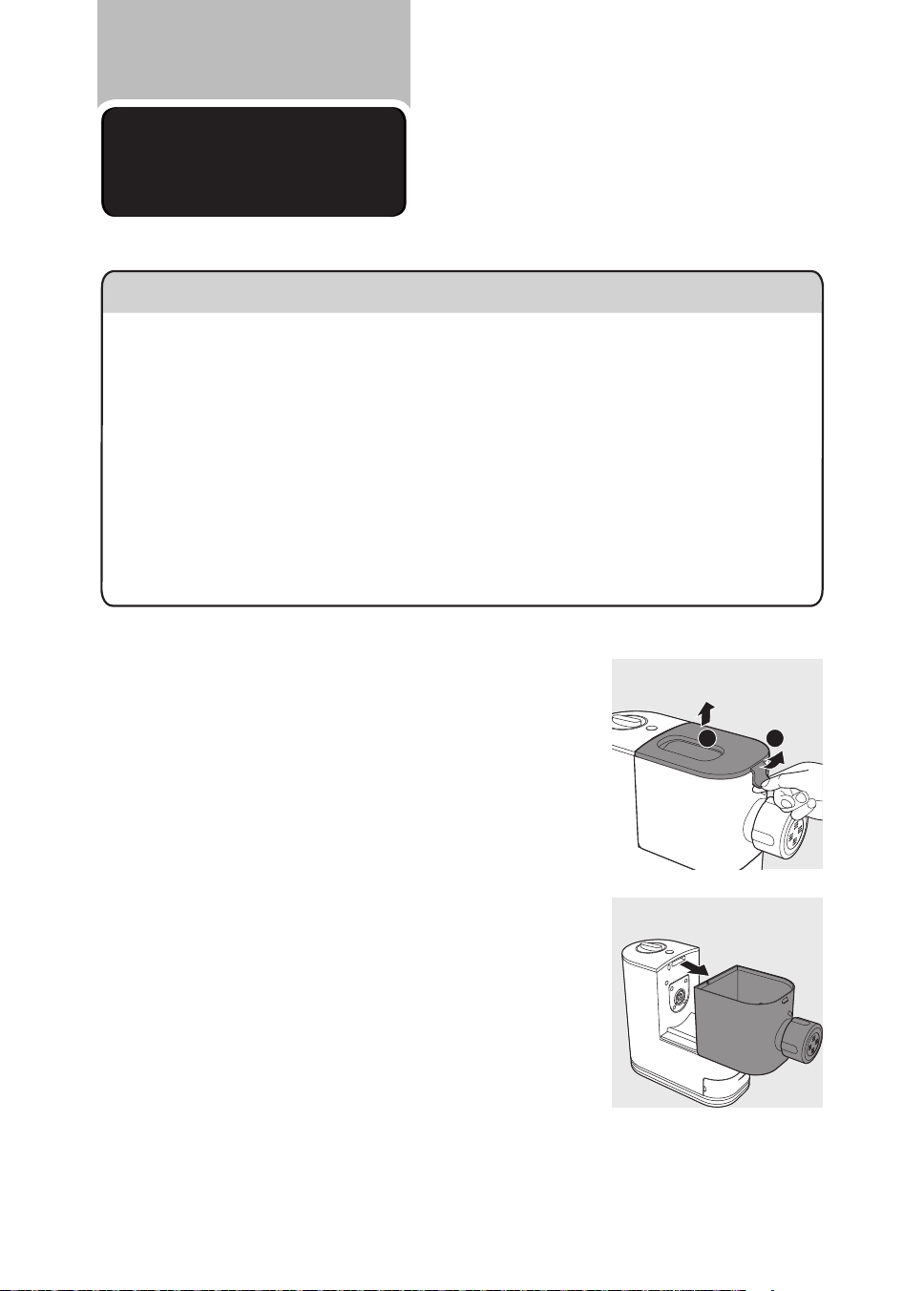
14
English
Important
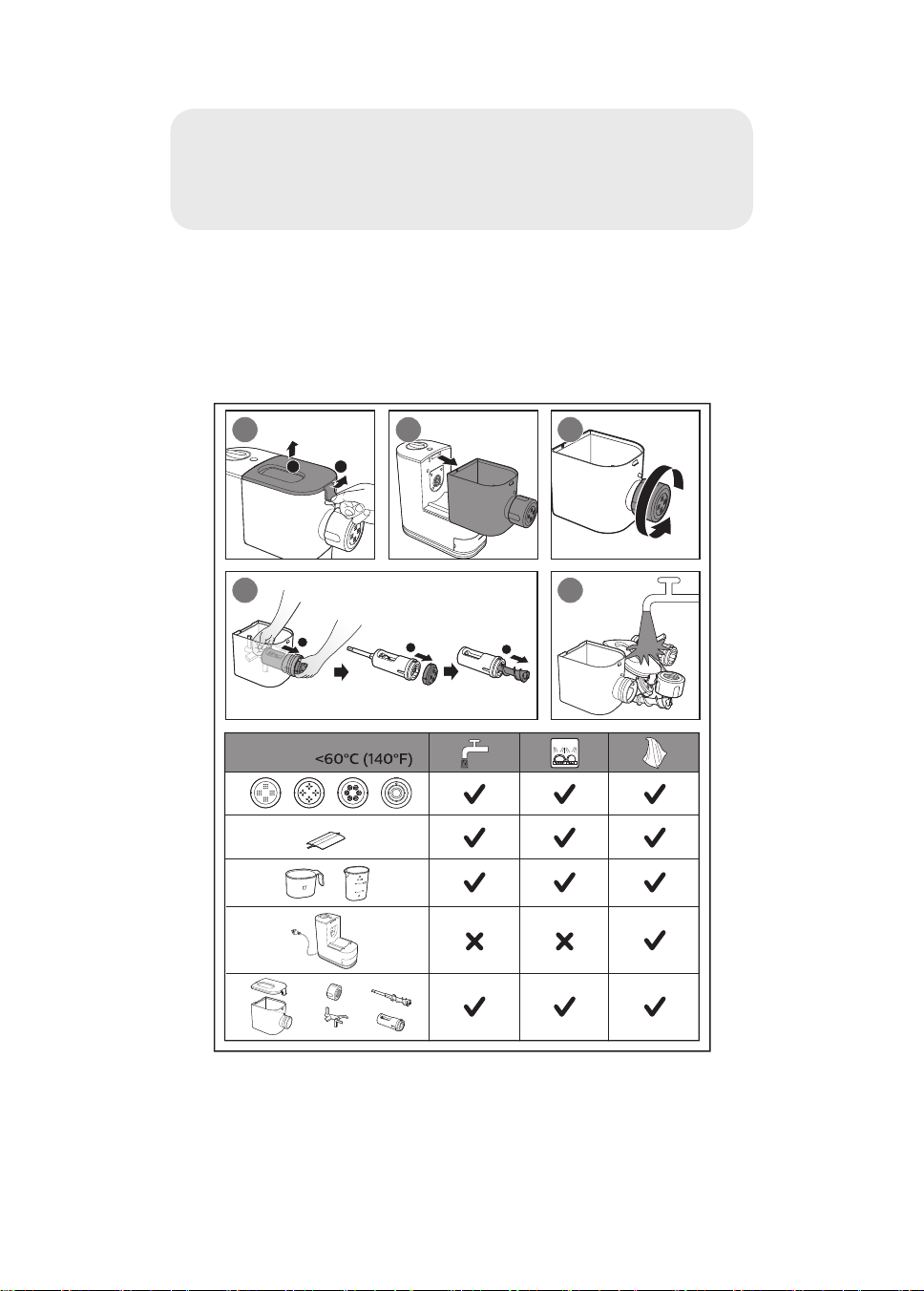
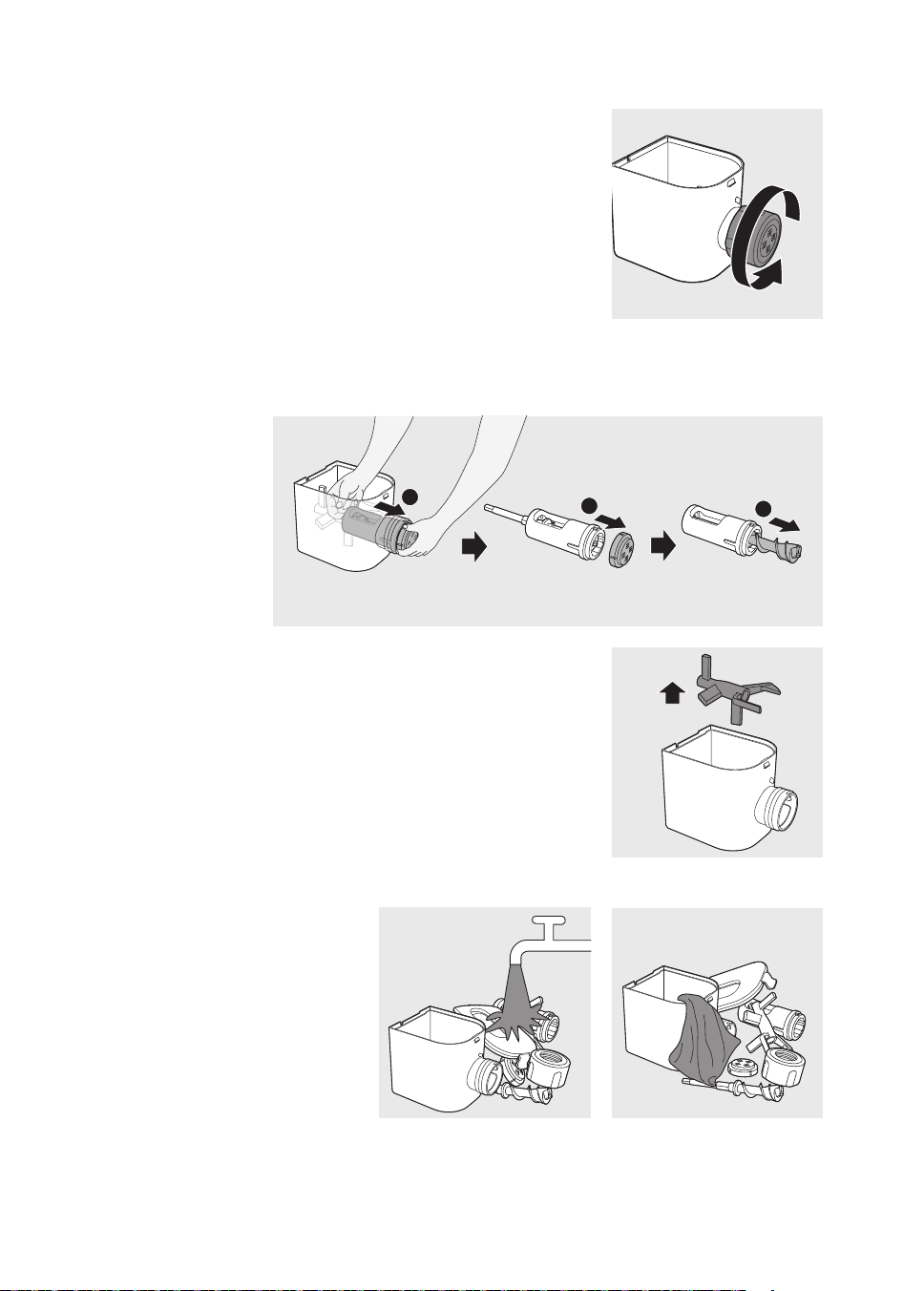
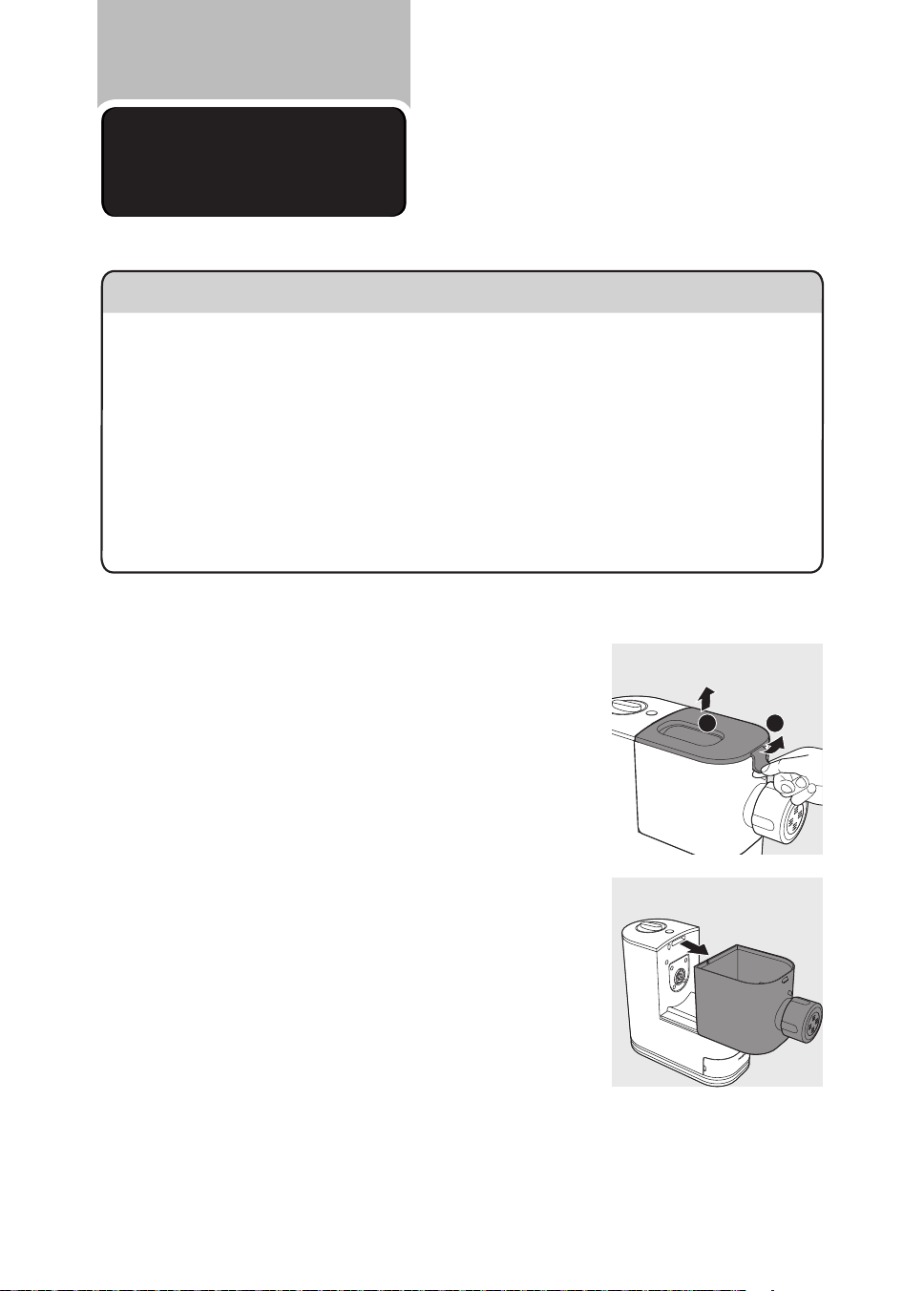
1 Pull the lid to unlock it and then remove the lid
from the mixing chamber.
2 Slide the mixing chamber o the main unit.
1
2
Disassembling
and cleaning
before rst use
• Before using the appliance for the first time, remove and safely discard any
packing material and /or promotional labels.
• Take out all detachable parts and accessories, wash and thoroughly dry all
parts and accessories (refer to the chapter "Cleaning").
• Do not use water to rinse or soak the main unit, the power cord, or the
power plug.
• Do not use a scouring pad or similar cleaners as these will scratch the
plastic surface and affect the lifetime of the Pasta and noodle maker.
• The shaping discs and all detachable parts of the appliance are dishwasher
safe. When you clean them in a dishwasher, make sure to select the proper
program which has a maximum temperature at no higher than 60°C (140°F).
• This appliance is intended for household use only.
English
15
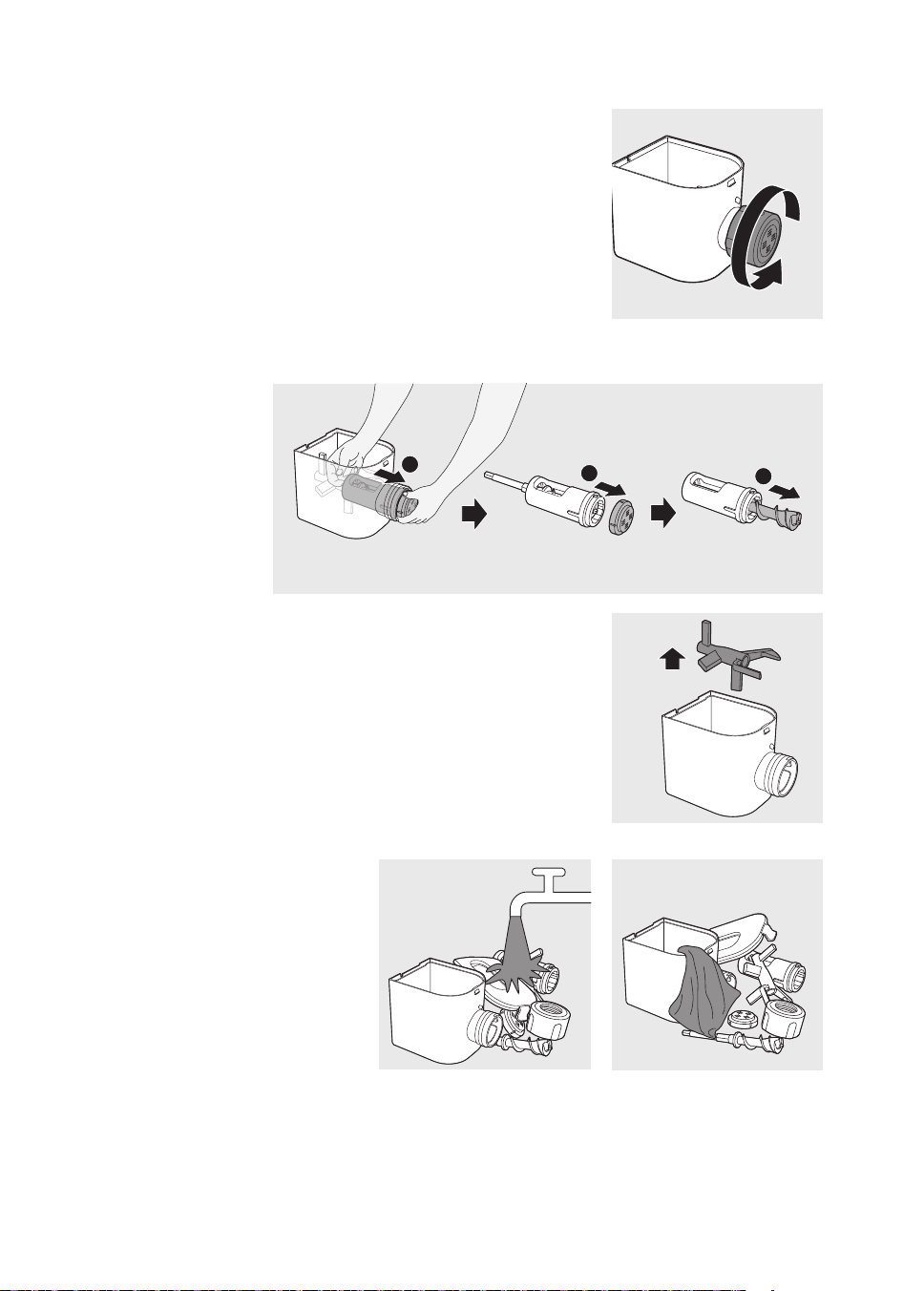
3 Turn the shaping disc holder counterclockwise to
remove it from the mixing chamber outlet.
4 Put your nger in the mixing chamber and push the squeezing tube
outwards to slide it out of the mixing chamber outlet. Detach the shaping
disc, and then pull the squeezing bar out of the squeezing tube.
5 Take the mixing paddle out of the mixing
chamber.
6 Clean all detachable parts and accessories, and then wipe them dry.
1
2
3
16
English
Important
Assembling
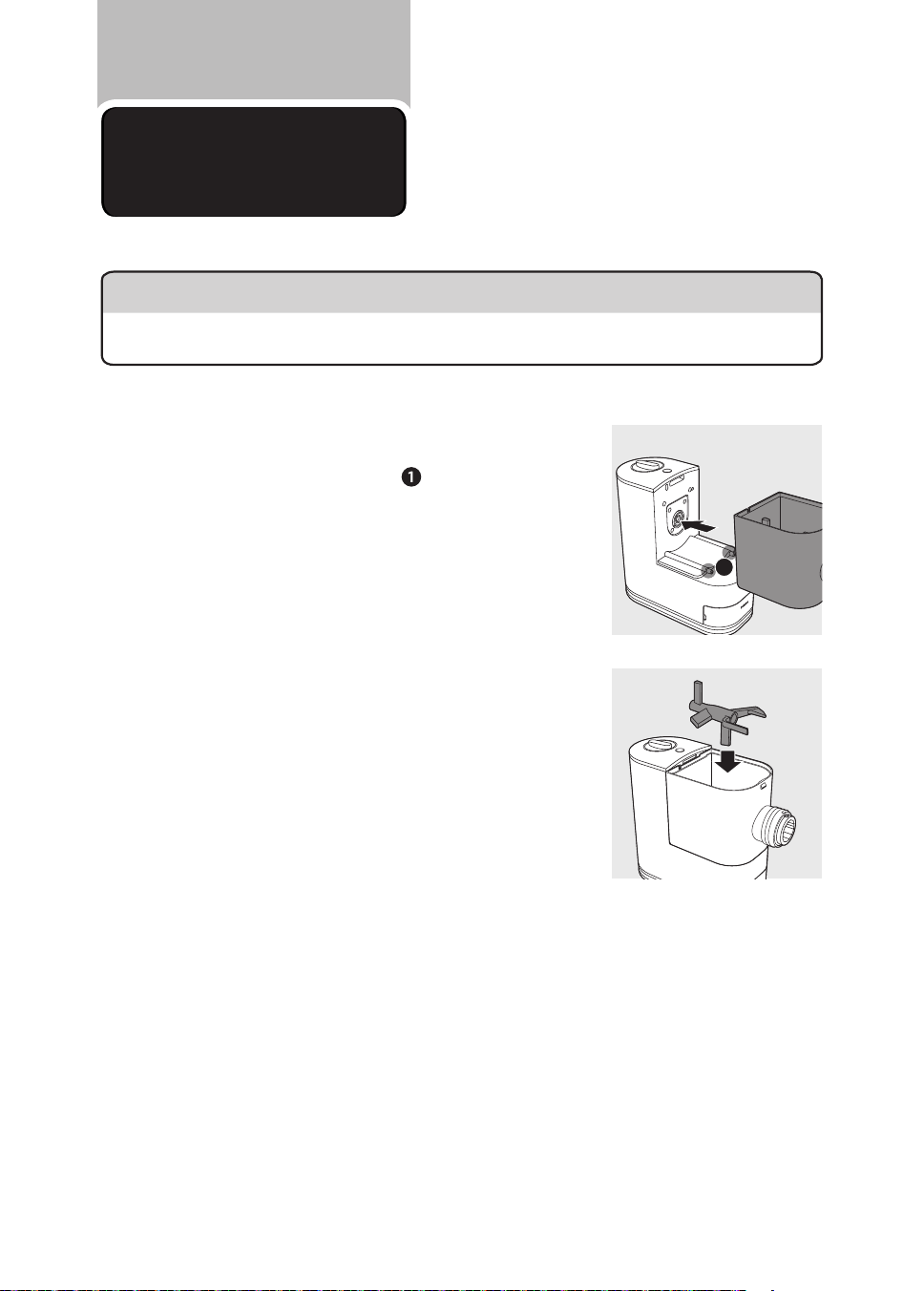
Follow below assembling steps to install
the Pasta and noodle maker.
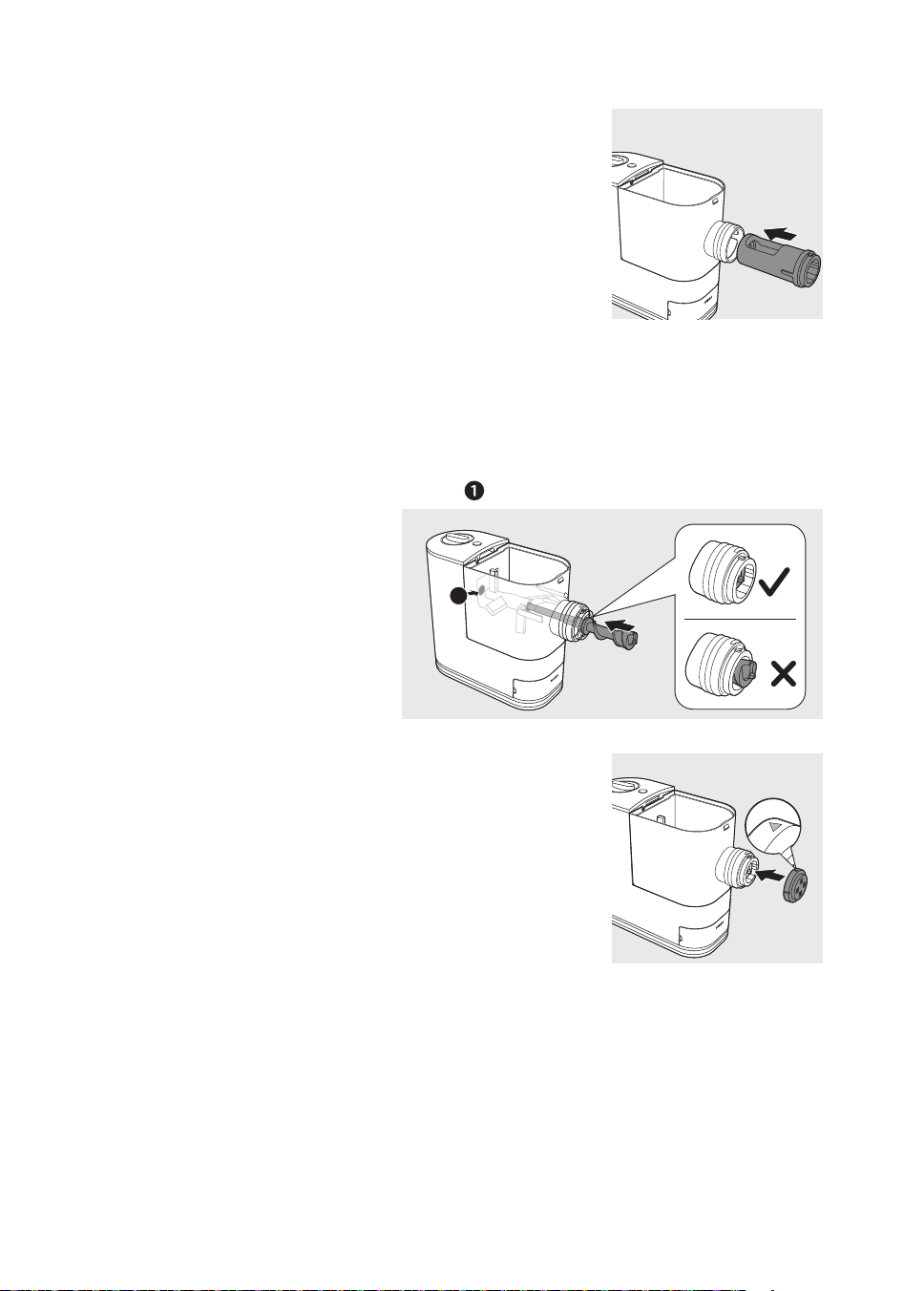
1 Slide the mixing chamber onto the main unit.
Note:
• Make sure the xing levers
on the main
unit are tted with the openings on the
bottom of the mixing chamber.
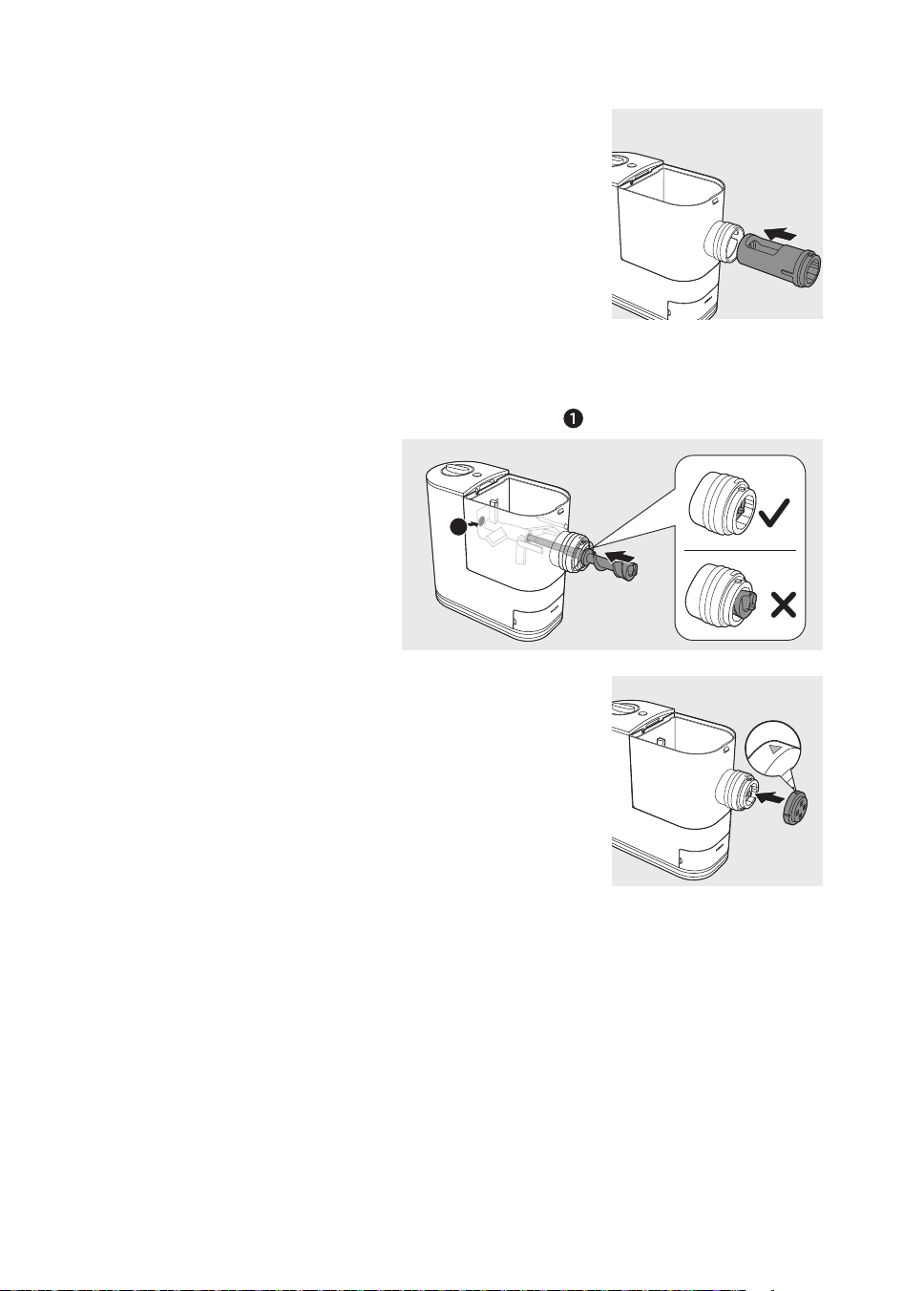
2 Put the mixing paddle in the mixing chamber as
shown in the illustration.
1
• Make sure the appliance is not plugged in during assembly.
English
17
3 Insert the squeezing tube into the mixing
chamber.
Note:
• Make sure the big opening on the squeezing
tube faces up when you insert the tube into the
chamber.
4 Insert the squeezing bar into the mixing chamber. Make sure the squeezing
bar slides all the way through both the squeezing tube and the mixing
paddle and into the shaft in the main unit.
Note:
• Slightly turn the mixing paddle to make sure the squeezing bar is
connected correctly with the shaft
in the main unit.
5 Attach the shaping disc on the mixing chamber
outlet.
Note:
• Make sure the at side of the shaping disc is
facing out.
• Make sure the shaping disc ts into the xing
point on the squeezing bar.
• Make sure the arrow on the shaping disc face
upwards when you attach it on the mixing
chamber outlet.
1
18
English
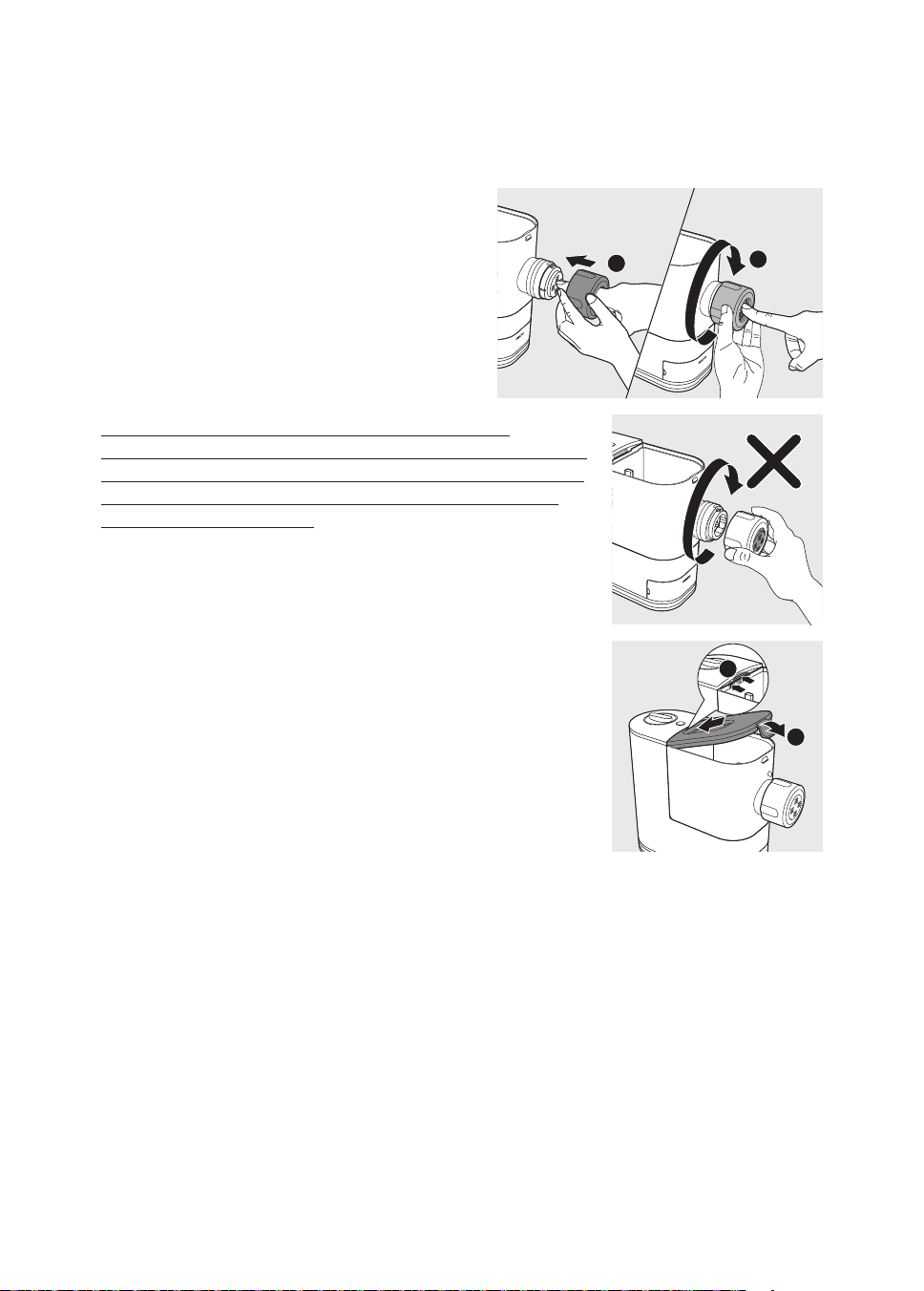
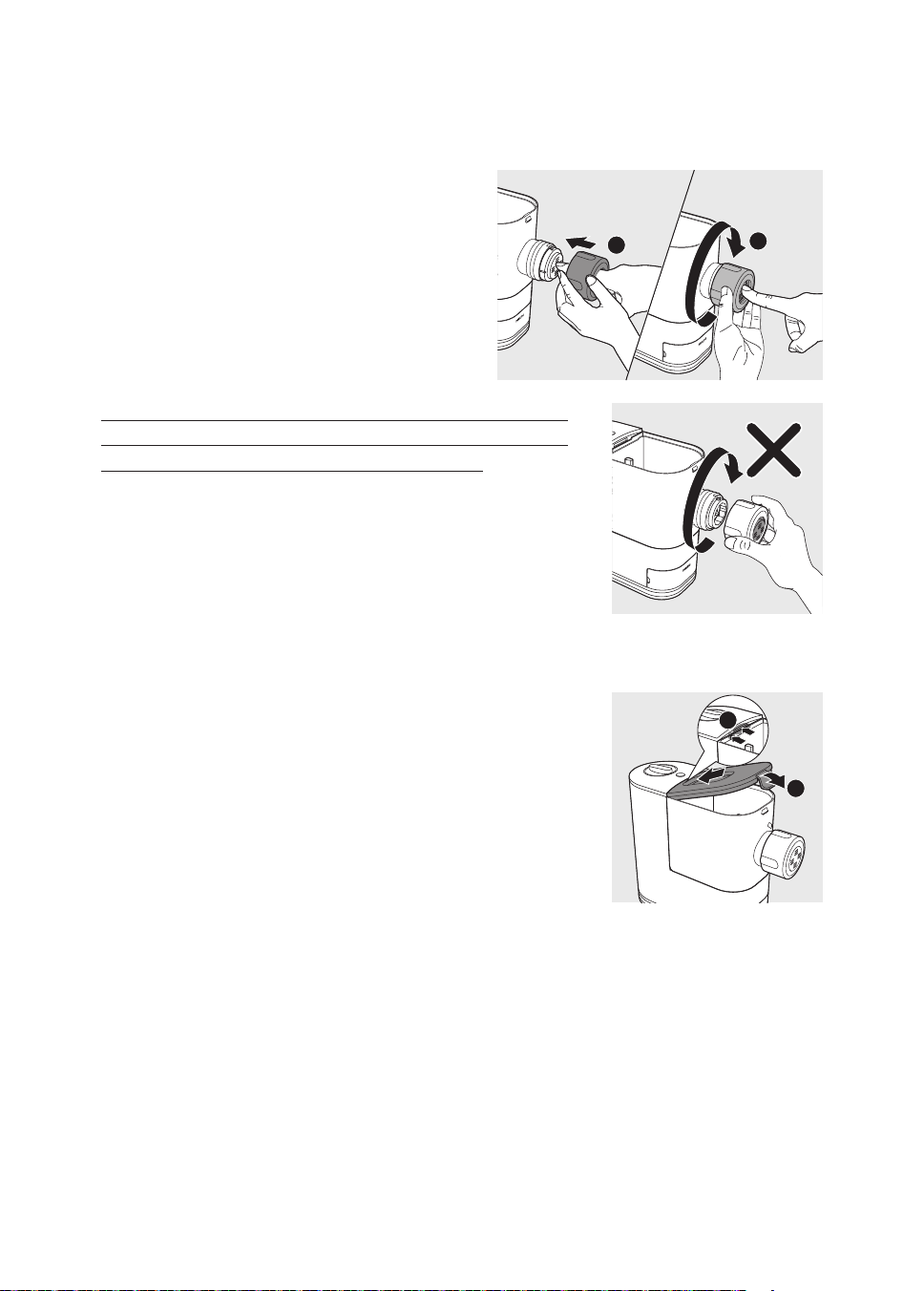
6 Press the shaping disc through the opening of the shaping disc holder, and
then assemble the holder on the mixing chamber outlet. Turn the holder
clockwise to rmly lock it in place.
Always attach the shaping disc on the mixing
chamber outlet before you assemble the shaping disc
holder. Never put the shaping disc in the shaping disc
holder and assemble them on the mixing chamber
outlet at the same time.
7 Attach the lid onto the mixing chamber.
Note:
• If the mixing chamber lid is not properly installed,
the safety switch will prevent the appliance from
working.
1
2
2
1
English
19
Important
Using the Pasta
and noodle
maker
• Place the product on a flat surface and prevent table shaking or vibration.
• Make sure all the parts are well assembled before plugging in.
• Do not put less than 200g (1 flour cup) or more than 400g (2 flour cups) of
flour in the chamber.
• Pour in the liquid slowly through the water slot after the appliance starts
kneading.
• If you want to dispose of the weighed flour before processing with the next
batch, empty the chamber and restart the appliance by unplugging and
plugging in again.
• Do not put any ingredients that are 60°C / 140°F or above into the Pasta and
noodle maker, or place the Pasta and noodle maker in surroundings at high
temperature (60°C / 140°F), for instance in a high temperature sterilization
environment. This will deform the appliance.
• Do not pour liquid into the mixing chamber before the Pasta and noodle
maker starts running.
• Make sure the shaping disc and shaping disc holder are assembled properly
before plugging in the appliance.
20
English
Preparing and measuring the our
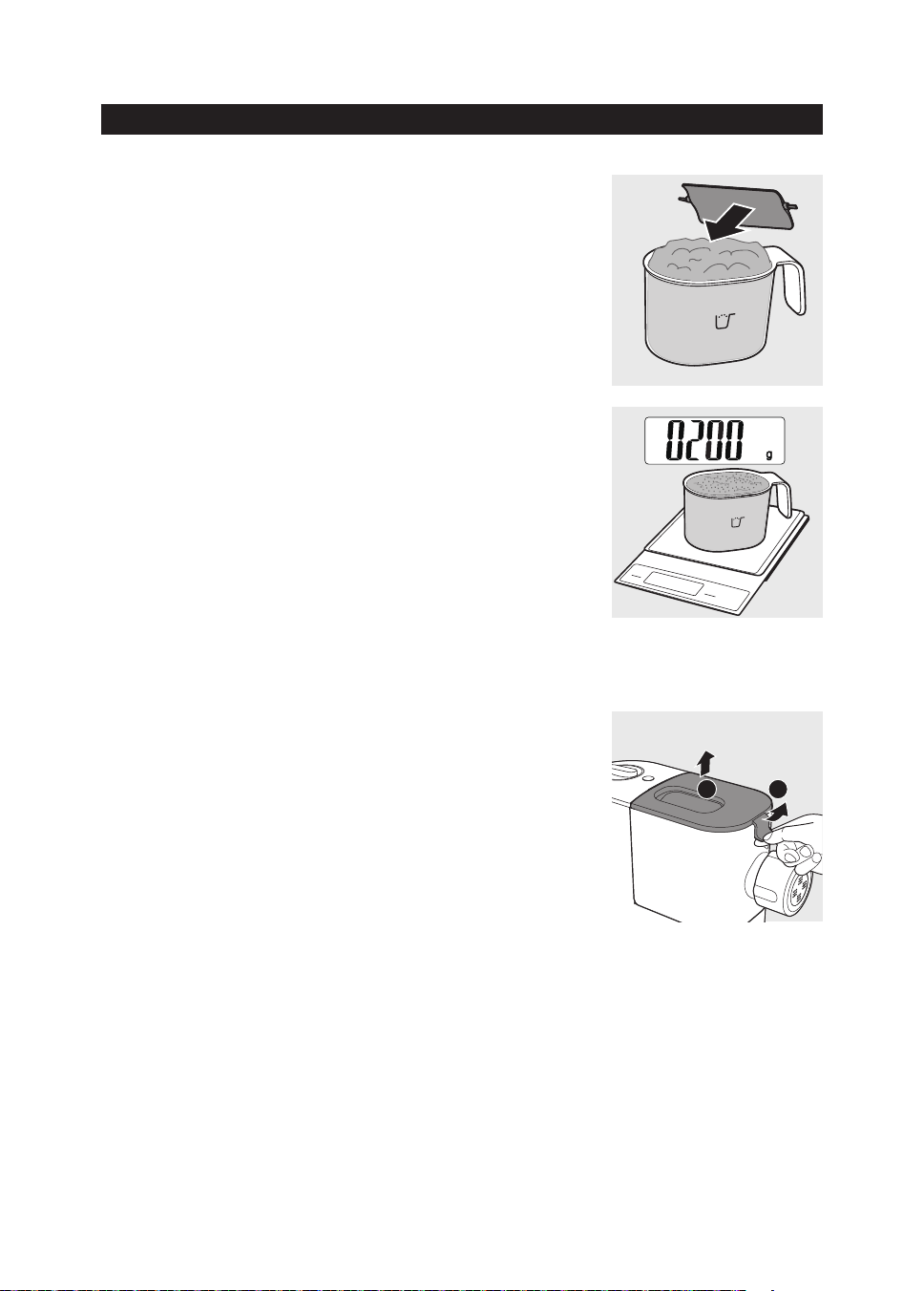
1 Scoop one full cup of our using the our cup.
Scrape o any excessive our from the cup edge
with the supplied at cleaning tool. 1 full cup of
our weighs around 200g, and 2 full cups of our
weigh around 400g.
Note:
• Do not shake or hit the our cup to remove
excessive our. This will aect the our weight.
• Use a kitchen scale to measure the weight more
accurately.
• 200g of our makes about 200g fresh
pasta/noodles. 400g of our makes about 450g
fresh pasta/noodles.
2 Pull the lid to unlock it and then remove the
lid from the mixing chamber.
1
2
English
21
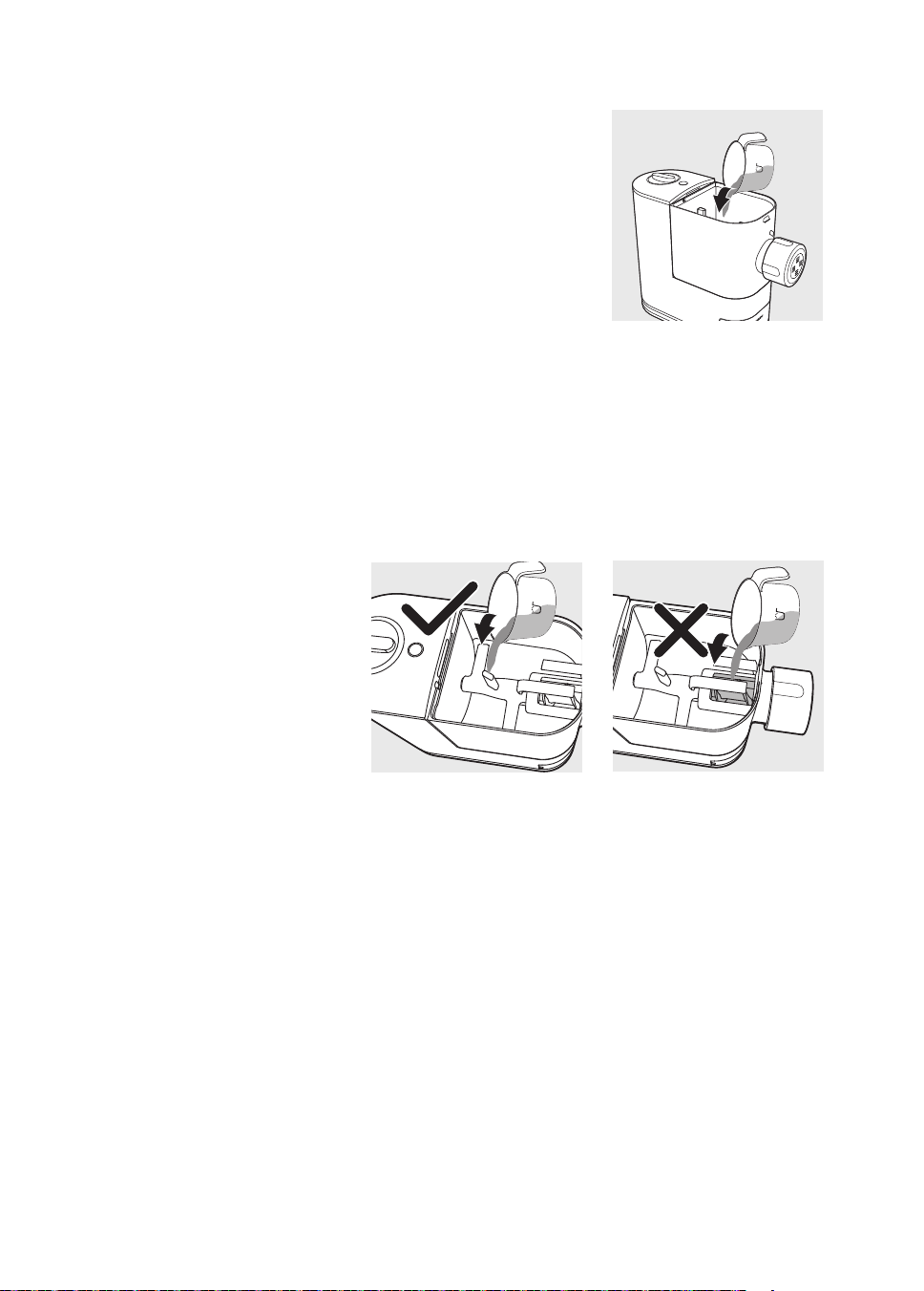
3 Pour the our into the chamber. If you want to
make 2-3 servings, add a second cup of our as
you will need 2 cups (~400g) of our in total.
Note:
• Do not pour liquid into the mixing chamber at this point. Only pour liquid
after the Pasta and noodle maker starts running.
• Do not put less than 200g or more than 400g of our in the chamber. If
you put too little or too much our in the chamber, the appliance may not
operate.
• Do not pour the our into the opening of the squeezing tube, otherwise
the our in the squeezing tube will not be mixed evenly.
22
English
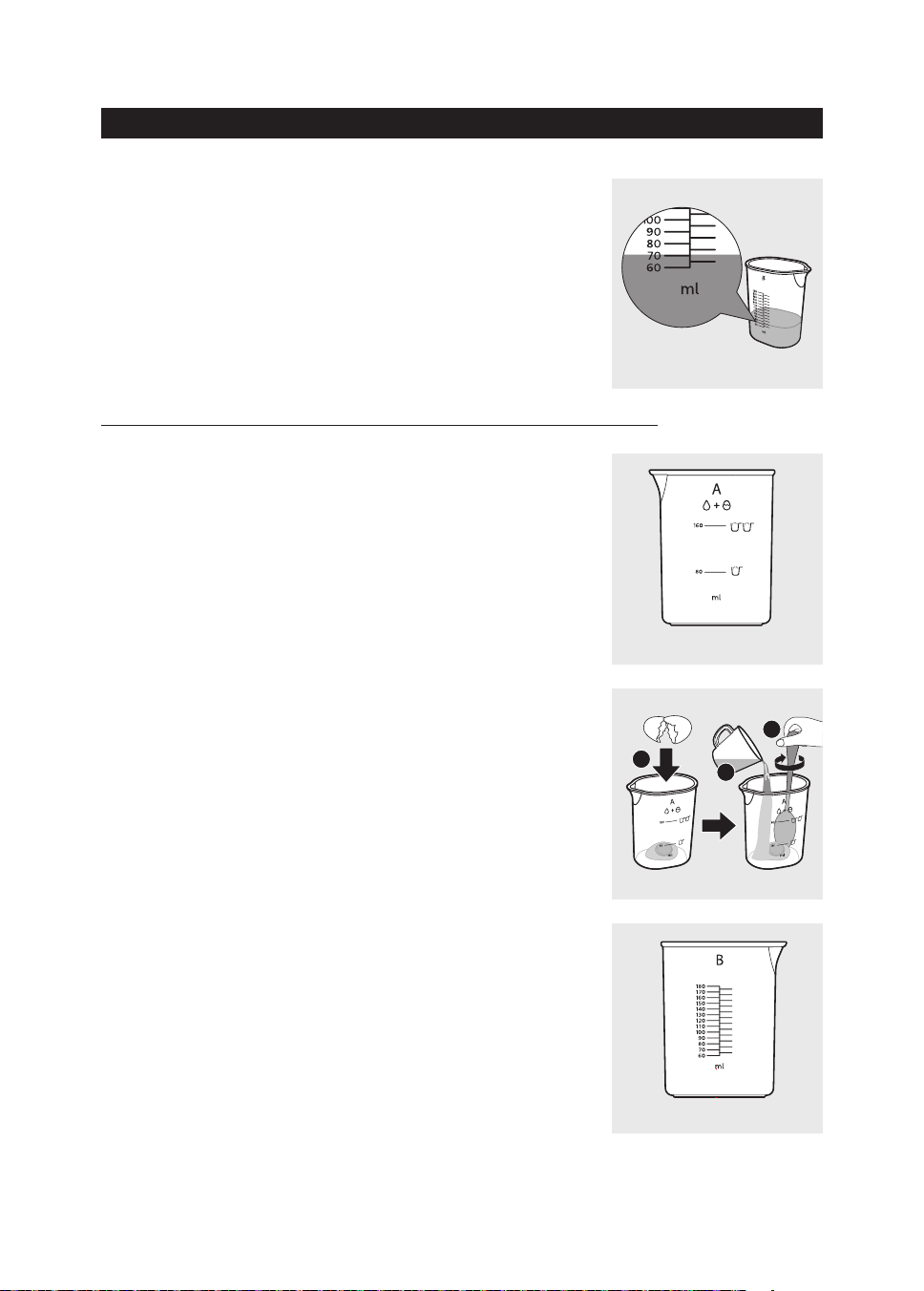
Preparing and measuring the liquid
1 Measure the liquid volume at eye level on a flat
surface.
Note:
• Do not pour liquid into the mixing chamber
before the Pasta and noodle maker starts
running.
There are 2 sets of water markings on the supplied water cup.
When using all-purpose our and egg mixture to
make plain egg pasta, refer to side A with two liquid
levels.
• Level 1 (80ml): required egg mixture amount for
1 cup of our.
• Level 2 (160ml): required egg mixture amount for
2 cups of our.
To make egg mixture for plain egg pasta, crack 1 egg
into the water cup. Add water up to the required
amount as shown on side A, and then whisk the water
and egg to combine.
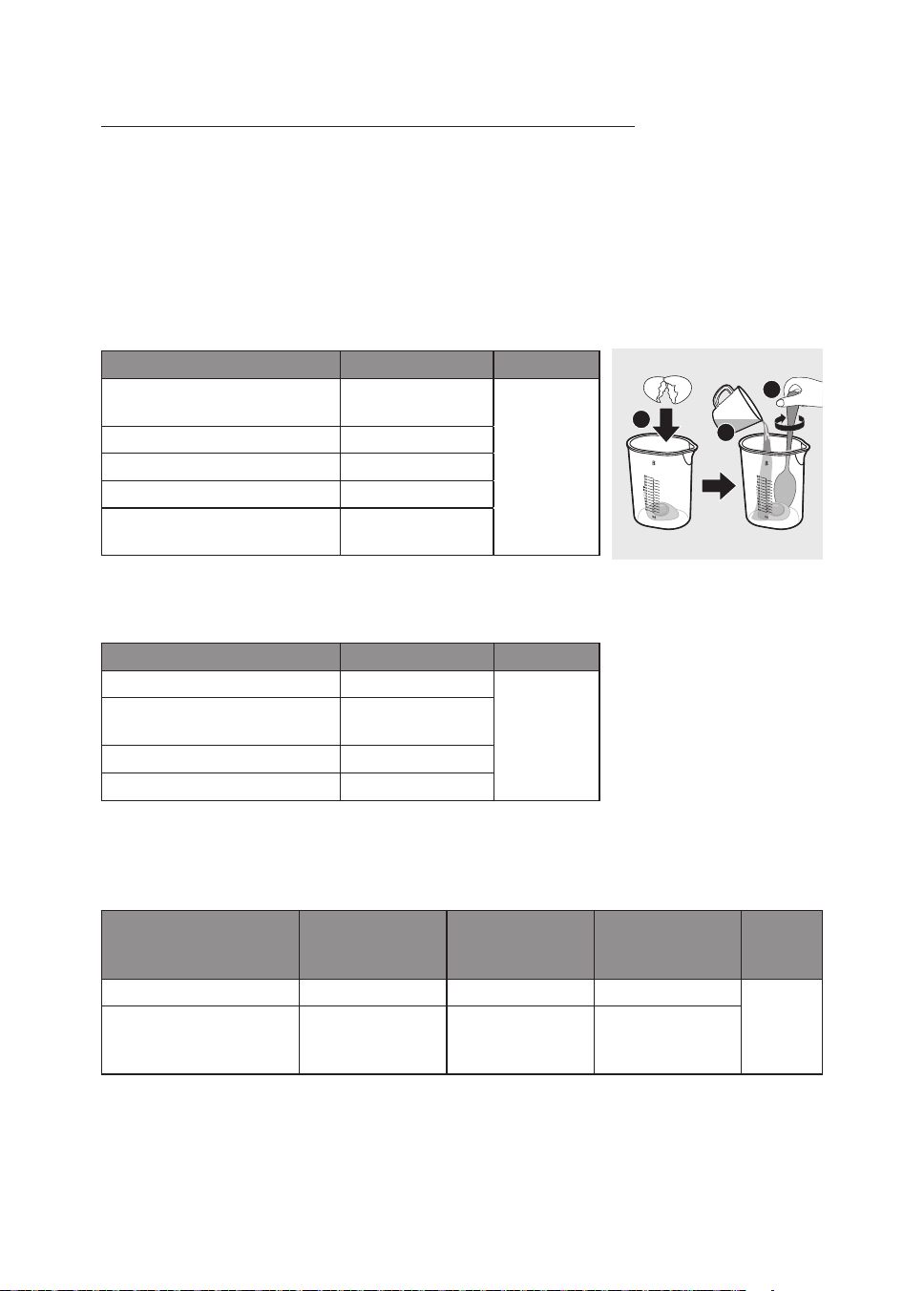
When using the following combinations of our and
liquid to make pasta, refer to side B with specic
volume.
• All-purpose our mixed with pure water/vegetable
juice mixture.
• Various other ours (as shown in the following
tables) mixed with egg mixture/pure water/
vegetable juice mixture.
Side A
1
2
3
Side B
English
23
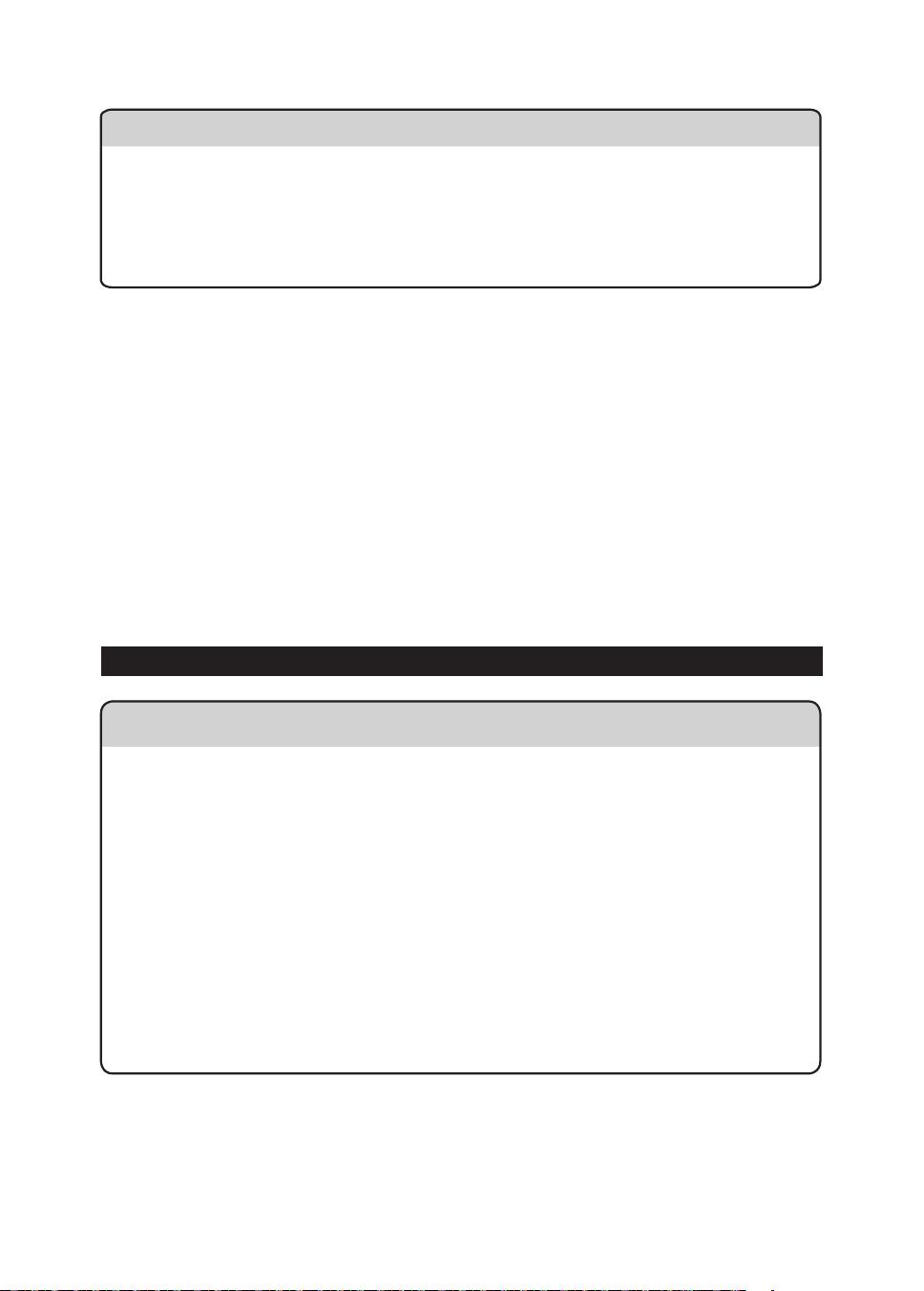
Check the following tables for detailed water and our ratio.
Note:
• These tables show the our-liquid ratio base on 200g of our. When using
400g of our to make pasta, double the liquid volume (including egg) to get
the right our-liquid ratio.
When using egg mixture to make pasta, crack 1 egg into the water cup. Add
water up to the required amount as shown below, and then whisk the water and
egg to combine.
Flour Egg mixture (ml) Water cup
Durum (Semolina our 150g
+ all-purpose our 50g)*
75
Side B
Whole wheat 200g 90
Spelt 200g 90
Bread our 200g 80
Soba (buckwheat our 130g
+ all-purpose our 70g)*
80
When using pure water to make pasta, add water to the required amount as
shown below.
Flour Pure water (ml) Water cup
All-purpose our 200g 70
Side B
Durum (Semolina our 150g
+ all-purpose our 50g)*
65
Whole wheat 200g 80
Spelt 200g 65
When using vegetable juice (including 1 egg) to make pasta, crack 1 egg into the
water cup. Add vegetable juice up to the required amount as shown below, and
then whisk the juice and egg to combine.
Flour
Spinach juice
(including 1 egg)
(ml)
Beet juice
(including 1 egg)
(ml)
Carrot juice
(including 1 egg)
(ml)
Water
cup
All-purpose our 200g 75 80 80
Side B
Durum (Semolina our
150g + all-purpose
our 50g)*
75 75 75
* Use a kitchen scale to measure the weight more accurately.
1
2
3
24
English
Important
• The pasta recipes provided in the recipe book have been tested for
success. If you experiment with or use other pasta recipes, the flour and
water/egg ratios will need to be adjusted to the flour and water cup ratios
included with the Pasta and noodle maker. The Pasta and noodle maker
will not operate successfully without adjusting the new recipe accordingly.
Note:
• For best results, use all-purpose our with the recommended liquid
proportions indicated on the cup.
• Seasonal changes, using ingredients from dierent regions may aect the
our/water ratio.
• “Gluten” is a binder which ensures the pasta does not break easily. Gluten-
free our does not contain a binder, therefore it needs a thickener to act as a
"binder" eg. Xanthan gum or Guar. Various kinds of gluten-free our perform
dierently when making pasta. Some ours are not suitable for making
varieties pasta such as coconut our and white rice our; some our varieties
work well, such as quinoa and buckwheat.
• See the recipe book provided for more delicious pasta and noodle ideas.
Starting the pasta making program
Important
• Do not select the extra extrusion program before the dough mixing is
complete. Otherwise, this will damage the Pasta and noodle maker and its
lifetime.
• Do not disconnect the power cord before the processing is complete. If you
have to stop the pasta making process, turn the control knob to "OFF" to
stop the working process and then disconnect the power cord from outlet
before performing other operations.
• Do not exceed the maximum operation cycle of 2 cycles continuously at all
applications. To better protect the lifetime of the appliance, you can restart
using the appliance after 30 minutes upon 2 continuous operation cycles.
• If you intend to use the appliance continuously, clean each shaping disc
with the supplied cleaning tool each time after the pasta making session.
For easy cleaning, do not soak the shaping disc directly in water.
English
25
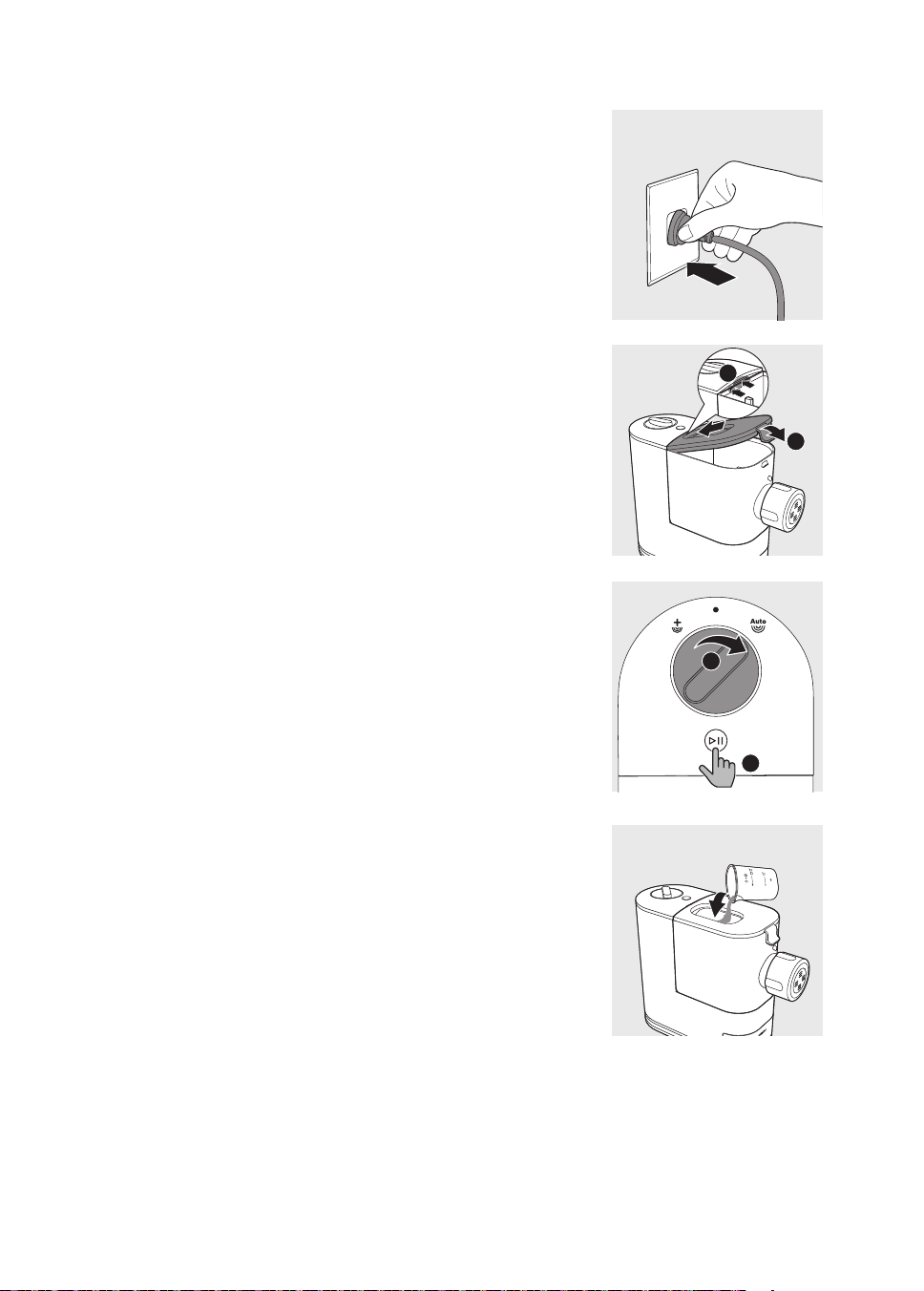
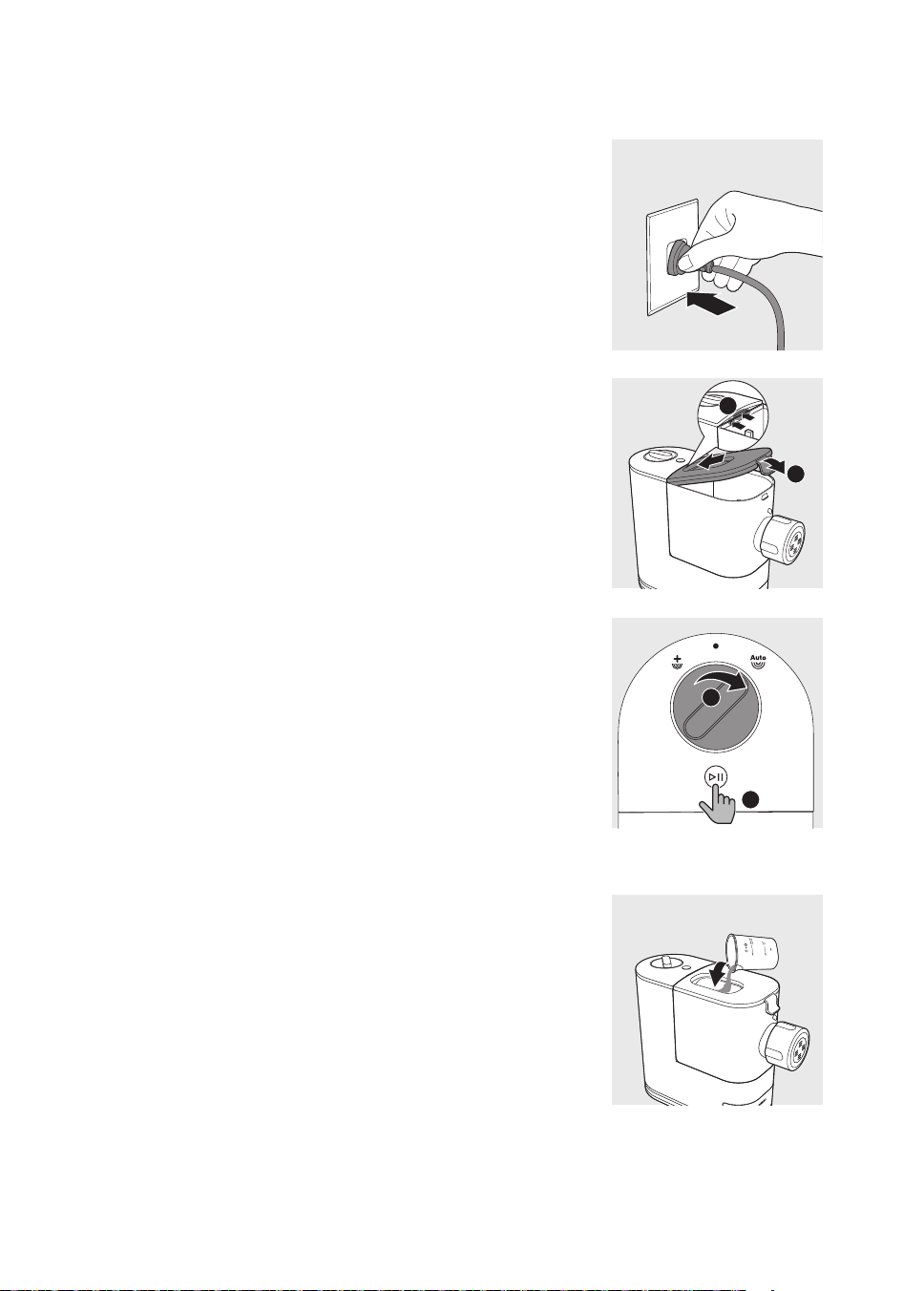
1 Put the plug of the appliance into the power
outlet. The Pasta and noodle maker will sound
once.
Note:
• Make sure all the parts are well assembled before
plugging in.
2 Attach the lid onto the mixing chamber.
Note:
• The appliance will not start working if the
chamber lid is not properly closed. During
the pasta making process, if the chamber lid
becomes loose, the appliance will automatically
stop working.
3 Turn the control knob to select the automatic
pasta making process, and then press the Start/
Pause button.
Note:
• The whole working process (including kneading
and extruding) takes around 12 minutes for 200g
of our and 18 minutes for 400g of our.
4 After the kneading starts, slowly pour in the liquid
along the entire length of the slot in the lid.
Note:
• During dough mixing, do not add other
ingredients after you have poured in the liquid.
Otherwise, it will aect the results of the pasta
texture.
2
1
2
1
26
English
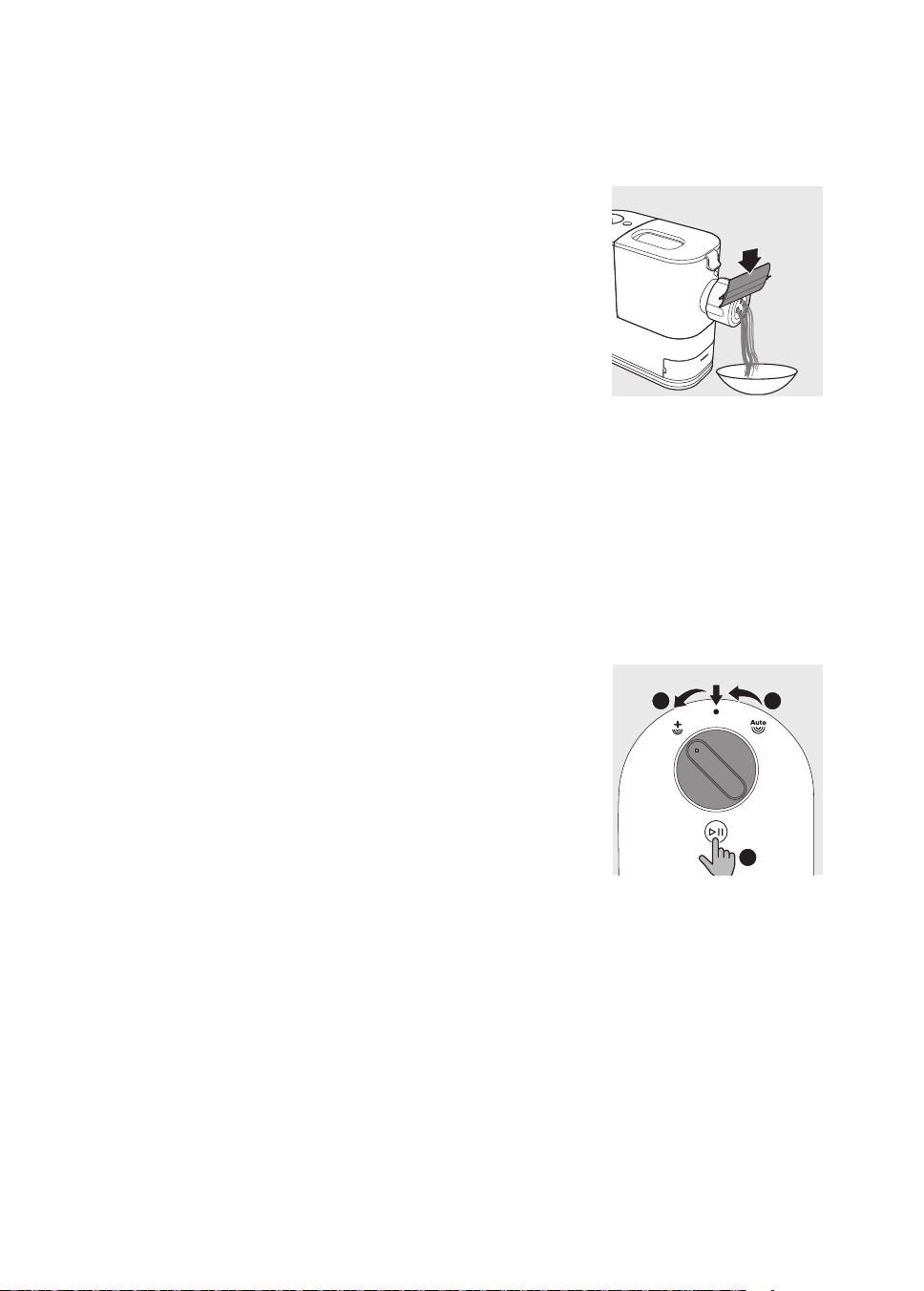
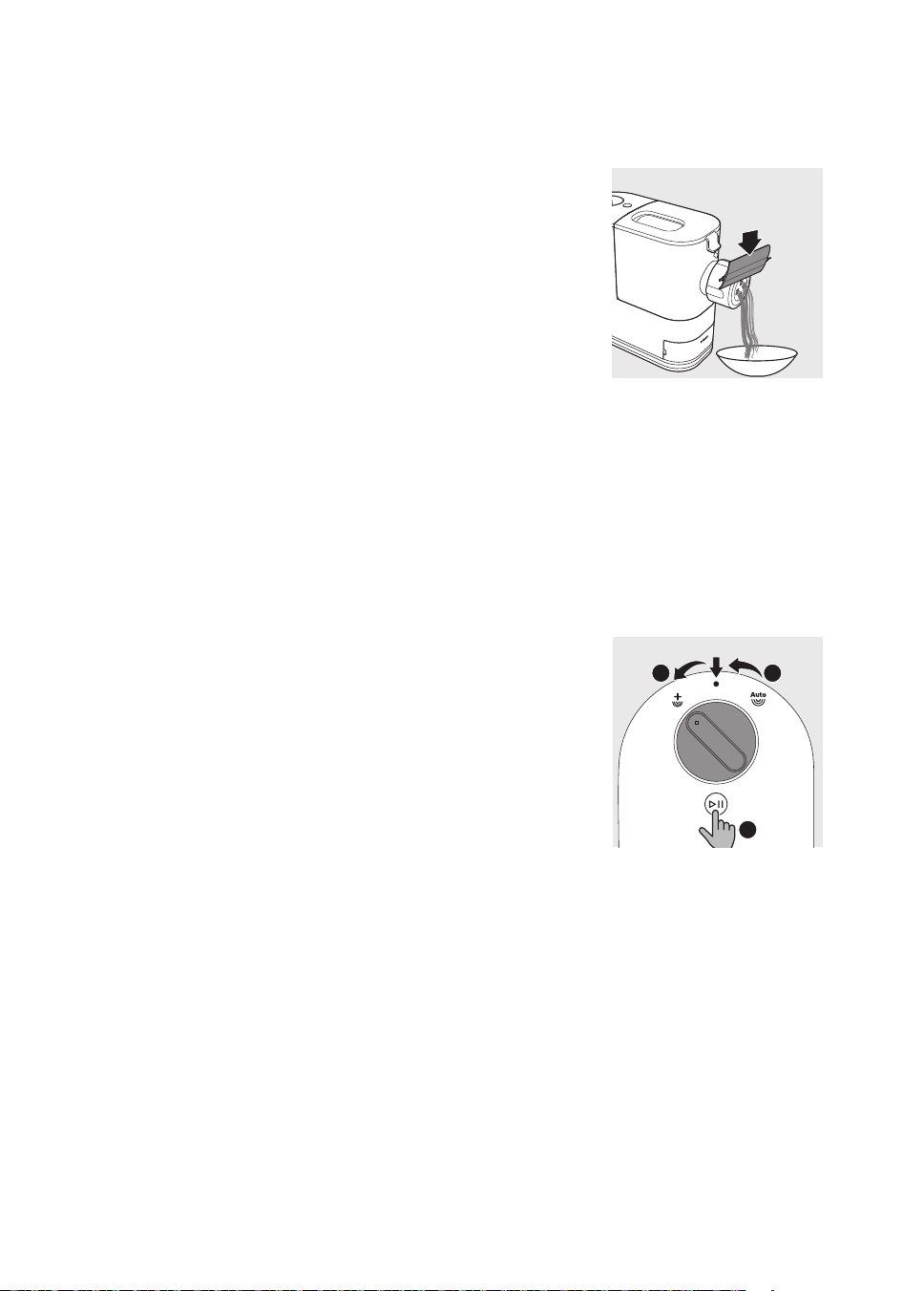
5 After the Pasta and noodle maker nishes kneading, it will beep a few times
and the pasta extrusion will start after a few seconds. Place a container right
under the outlet. Cut the pasta into the desired length with the cleaning tool.
Note:
• If the ratio of liquid and our is not correct, the
extrusion will not succeed. In this case, prepare
the ingredients again.
• Move the cleaning tool downwards to cut the
pasta.
6 When the extrusion process is complete, the appliance will beep a few
times.
Note:
• Do not turn the control knob to the “OFF” position before the whole
process is over (you will hear the “beep” sound).
7 After the pasta making is complete, if you notice some leftover dough inside
the chamber, you can turn the control knob to the OFF position rst, and
then turn the control knob to the extra-extrusion position. Press the Start/
Pause button to start the extra-extrusion program.
Note:
• You may nd some ne pasta threads on the
pasta surface. This is normal.
• The cooking time of the pasta varies depending
on personal preferences, pasta shapes, and
number of servings.
3
2
1
English
27
Important
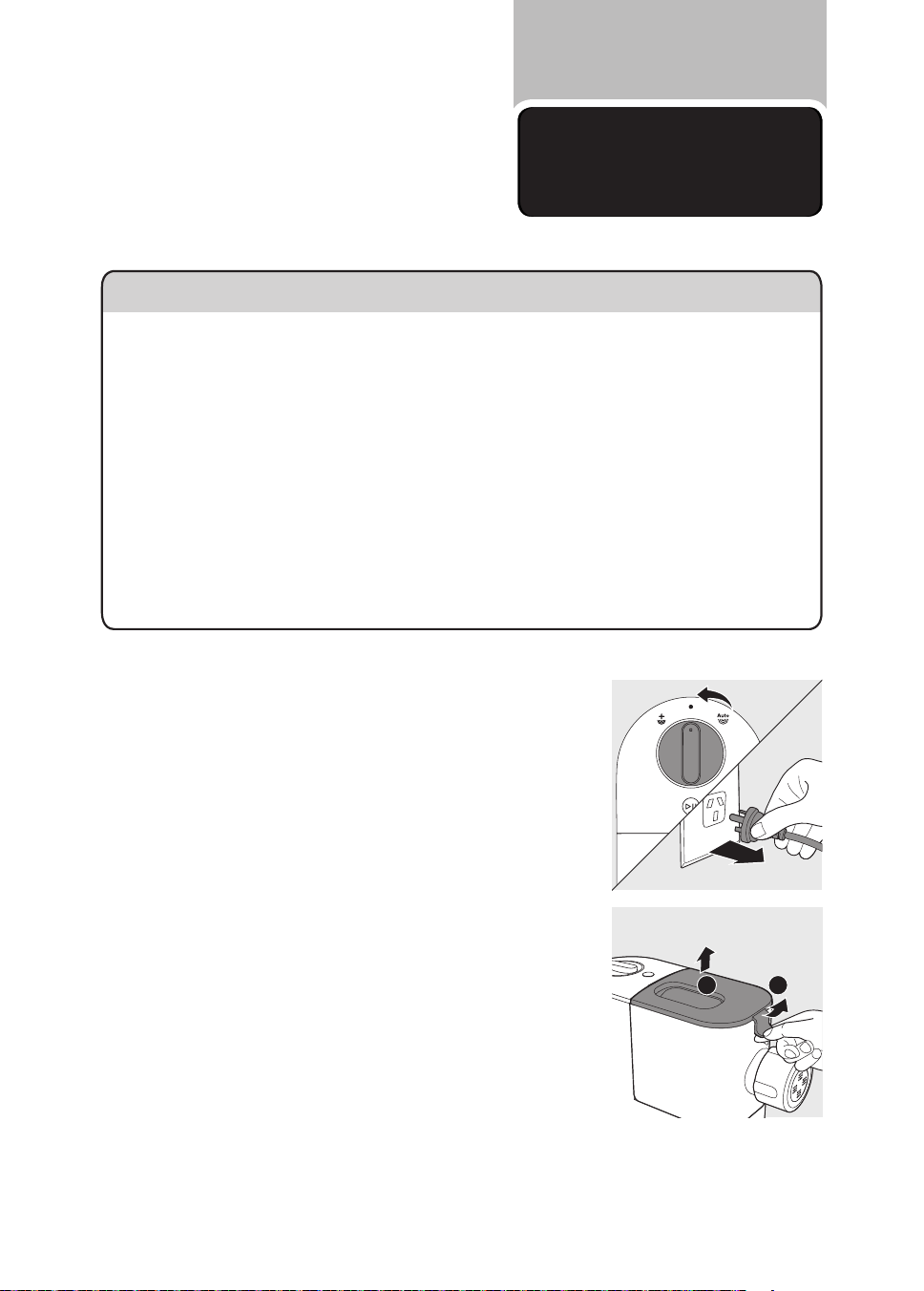
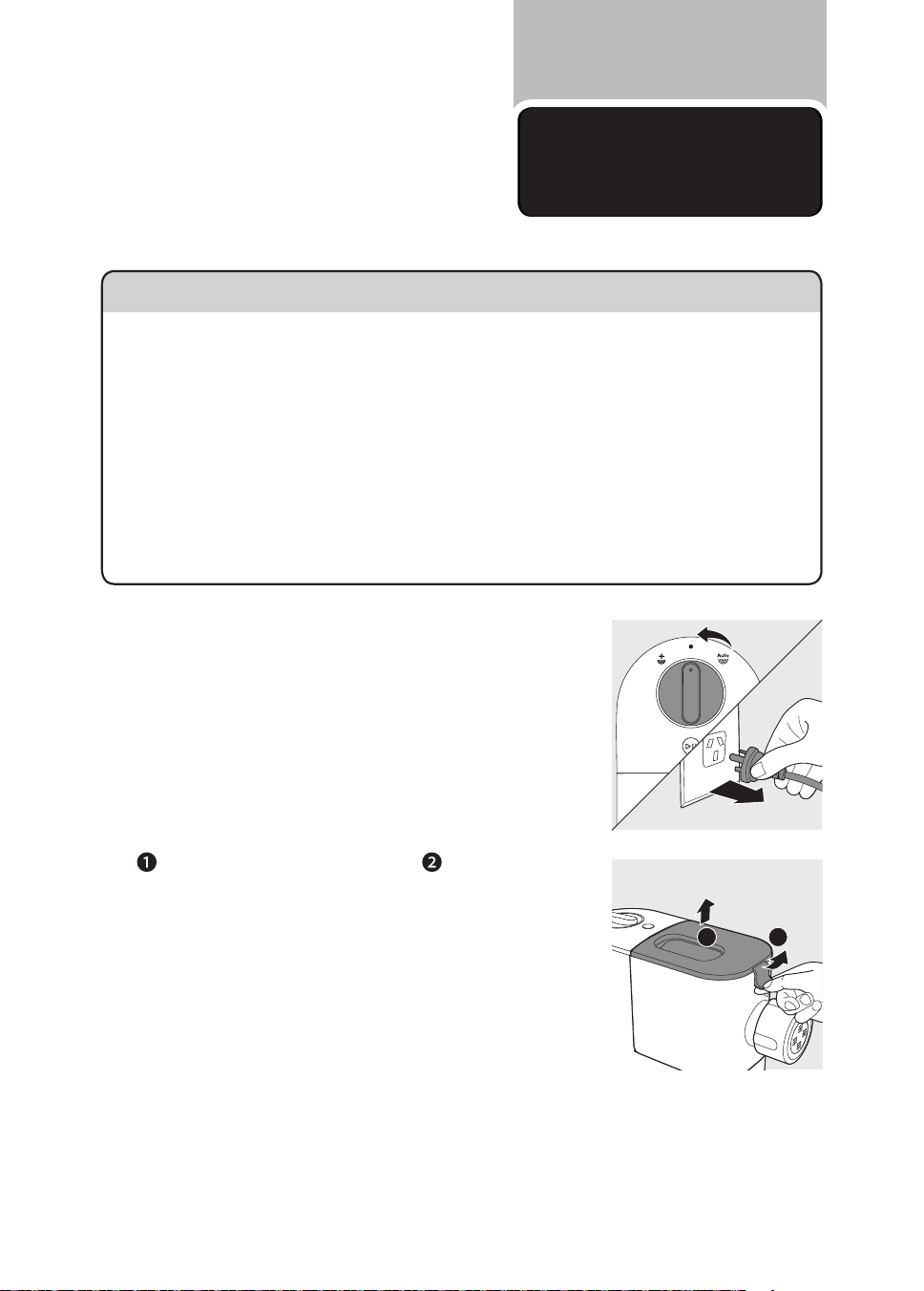
1 Turn the control knob to "OFF" and disconnect
the plug from the power outlet.
2 Pull the lid to unlock it and then remove the
lid from the mixing chamber.
2
1
2
Cleaning
• Turn the control knob to "OFF", disconnect the power and remove the
power cord before cleaning or disassembling this appliance.
• Do not immerse the main unit in water.
• Do not use a scouring pad, caustic cleaners, or abrasive cleaners
(for examples, gasoline, alcohol, and propanol) to clean the appliance.
• Clean the appliance each time after use, or the appliance might not operate
properly.
• Take extra caution when cleaning the appliance to avoid getting cut by any
sharp edges.
• The shaping discs and all detachable parts of the appliance are dishwasher
safe. When you clean them in a dishwasher, make sure to select the proper
program which has a maximum temperature at no higher than 60°C (140°F).
28
English
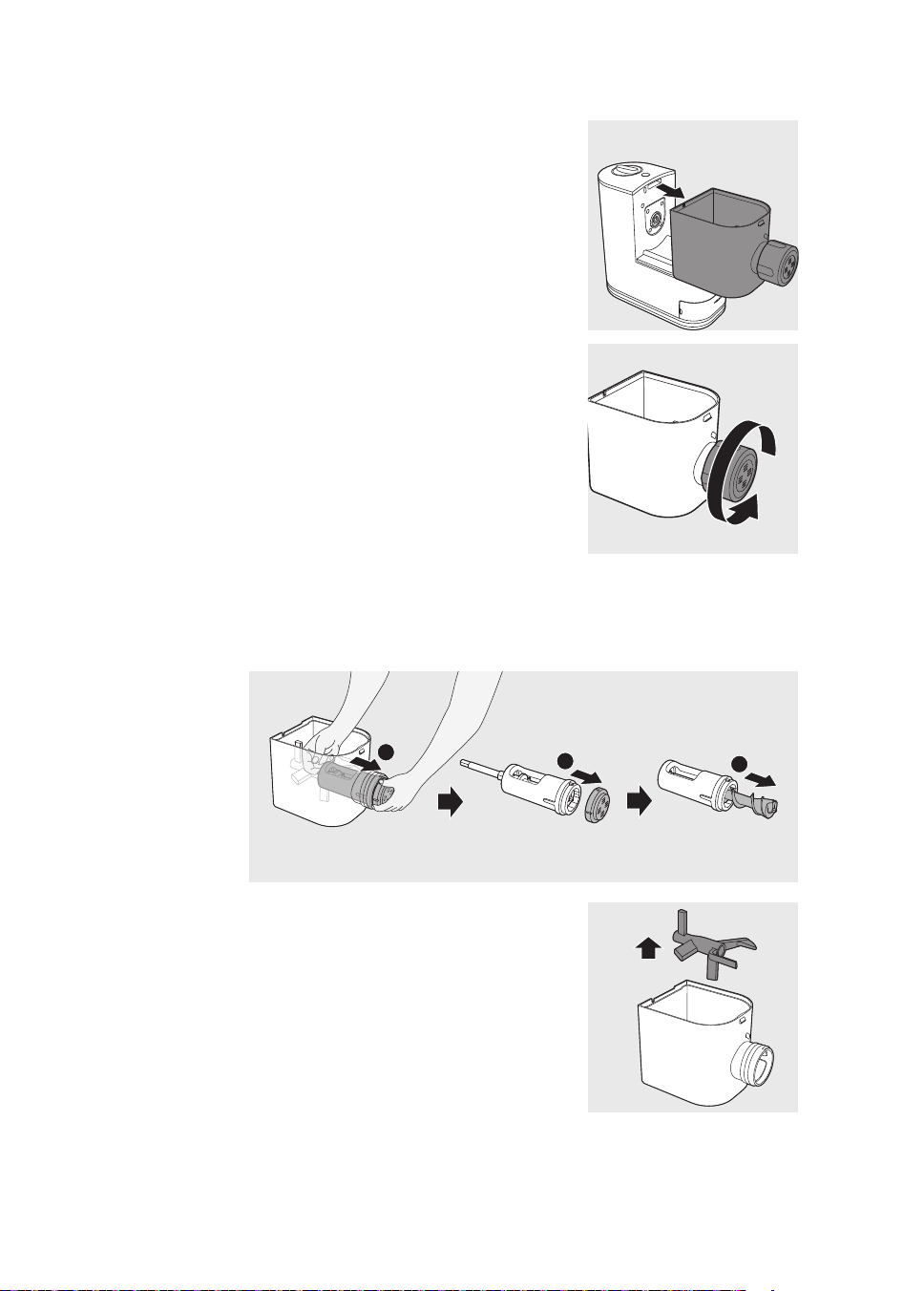
3 Slide the mixing chamber o the main unit.
4 Turn the shaping disc holder
counterclockwise to remove it from the
mixing chamber outlet.
5 Put your nger in the mixing chamber and push the squeezing tube
outwards to slide it out of the mixing chamber outlet. Detach the
shaping disc, and then pull the squeezing bar out of the squeezing
tube.
6 Take the mixing paddle out of the mixing
chamber.
1
2
3
English
29
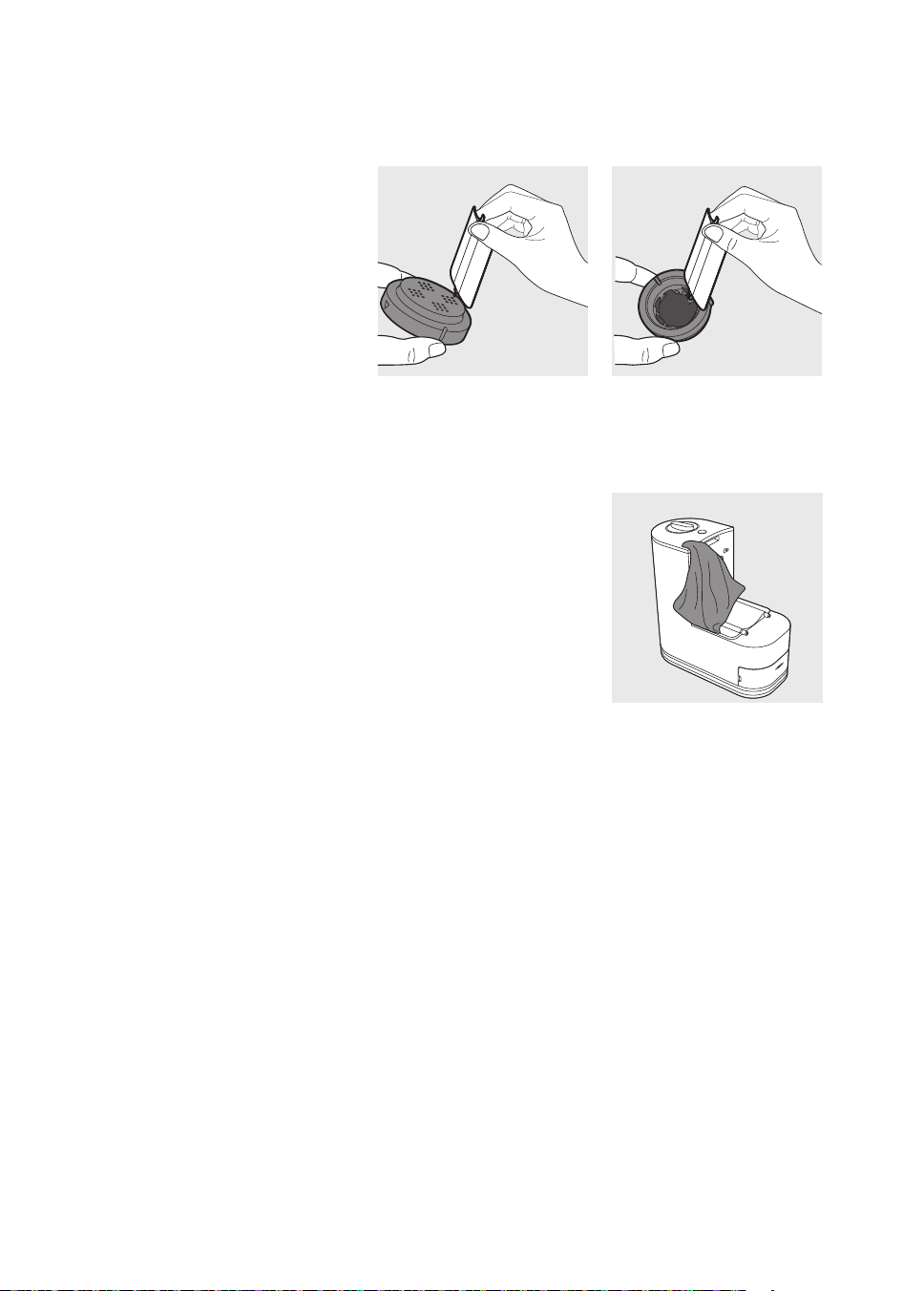
7 Clean the shaping disc with the supplied cleaning tool to remove the dough
residues. After that, you can clean it with water.
8 Clean all detachable parts with dishwashing liquid and warm water or clean
in the dishwasher. After that, wipe all parts dry.
9 Use a dry cloth to clean the main unit, control
knob, and the exterior of the Pasta and noodle
maker.
Note:
• After cleaning, make sure all parts and the shaping
disc air dry thoroughly before storing. Assemble
the Pasta and noodle maker back for next use.
30
English
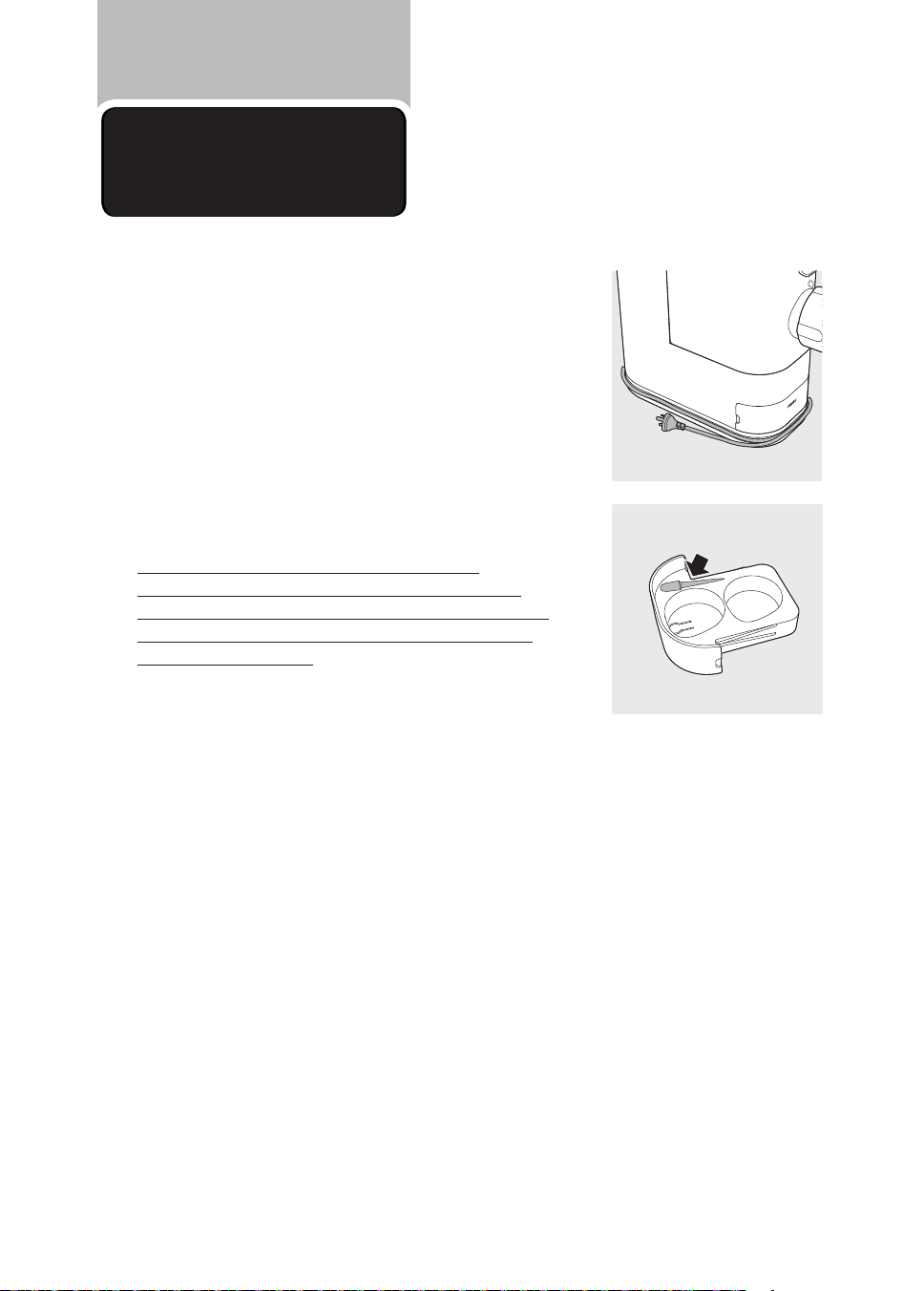
1 Wind the power cord around the cord storage
wrap.
2 Dry the shaping discs and store them in the
storage box.
The small groove in the storage box is
designed for the cleaning tool of the angel
hair shaping disc, which is not included in this
Pasta and noodle maker. It will be launched
and sold separately.
3 Store the Pasta and noodle maker in a dry, well
ventilated place after use.
Storage
English
31
Troubleshooting
The appliance does not sound after the plug is put in the wall outlet.
The appliance does not start the pasta making process after the plug is put
in the wall outlet.
After pressing the start button , the appliance makes alarm sounds
and does not work.
• The plug is not connected properly, or the outlet is not connected to power source.
Check whether the power plug is plugged correctly and the outlet is working properly.
•
You have not chosen a pasta making program or pressed the start button .
Choose a pasta making program and press the start button .
• The chamber lid is not assembled properly.
Make sure you follow the user manual to assemble the chamber lid properly.
The chamber lid is pushed open from the inside.
• There’s too much flour in the mixing chamber.
The maximum amount of flour for each batch is 400g. If you have put more than 400g of flour
in the mixing chamber, reduce the amount and make another batch of pasta.
• The ratio of flour and water provided in the "Flour/water ratio table" was not followed. The
dough is too wet.
Disconnect from the power source, clean the Pasta and noodle maker, and follow the user
manual again to restart the pasta making.
• The chamber lid is not assembled properly.
Make sure you follow the user manual to assemble the chamber lid properly.
This chapter summarizes the most common problems you could encounter with
the appliance. If you are unable to solve the problem with the information below,
visit www.philips.com/support or refer to page 32 for the consumer care
number to call for assistance.
32
English
During the pasta making process, the appliance stops working, and there
is no alarm sound.
• The Pasta and noodle maker has overheated due to long and continuous working time.
Disconnect from the power source, and allow the Pasta and noodle maker to cool down. Do
not exceed the maximum operation cycle of 2 cycles continuously at all applications. To better
protect the lifetime of the appliance, you can restart using the appliance after 30 minutes upon
2 continuous operation cycles.
During the pasta making process, the appliance stops working, and makes
alarm sounds.
• The ratio of flour and water provided in the "Flour/water ratio table" was not followed. The
dough may be too dry.
• The mixing paddle may be blocked by some foreign objects.
• The wrong program is selected.
Disconnect from the power source, clean the Pasta and noodle maker, and follow the user
manual again to restart the pasta making.
The mixing paddle is running idle, and there is no pasta coming out.
• The ratio of the flour and water is incorrect.
Disconnect the plug from the power source and discard dough. Clean the Pasta and noodle
maker, measure ingredients correctly (use a kitchen scale to measure the flour weight more
accurately), and follow the user manual again to restart the pasta making
• The flour becomes damp after longtime storage.
Use flour that is fresh or properly stored.
The pasta breaks easily.
• The ratio of the flour and water is incorrect.
Disconnect the plug from the power source and discard dough. Clean the Pasta and noodle
maker, measure ingredients correctly (use a kitchen scale to measure the flour weight more
accurately), and follow the user manual again to restart the pasta making.
• You did not use the correct type of flour.
Use all-purpose flour or flour with higher protein content (refer to the chapter 'Using the Pasta
and noodle maker' in the user manual or the supplied recipe book).
English
33
The pasta sticks together.
• The ratio of the flour and water is incorrect, too much water is poured in the mixing chamber.
Measure flour and water with the provided flour and water cup and according to the "flour/
water ratio table". Use a kitchen scale to measure the flour weight more accurately.
Too much leftover dough inside the chamber.
• The flour is either exposed to moisture before use, or the dough is too wet.
Keep your flour dry during storage. Follow the user manual instructions to restart the pasta
making.
• The chamber, the mixing paddle, the shaping disc are not cleaned properly before use.
Make sure all parts are clean before use.
• The mixing paddle or the chamber is still wet.
Make sure all parts are completely dry before use.
• Water is not added in the right order.
The flour type is not suitable.
Follow the user manual instructions to make pasta.
Small amount of water is leaking out from the appliance.
After pasta making, the squeezing tube cannot be pushed out of the
mixing chamber.
• Water is added before the program starts.
Follow the user manual instructions to add water right after the program starts.
• The appliance is stopped during extrusion before the pasta making process is finished
completely.
1. Restore the disassembled parts back in place until the appliance is assembled properly, and
turn the control knob to the OFF position.
2. Plug in, select the automatic pasta making program, and press the start button. Keep the
mixing paddle rotating for around 10 seconds, and then turn the control knob to the OFF
position.
3. Unplug the appliance, disassemble and clean the appliance as described in the user manual
(see chapter “cleaning”).
34
English
Model HR2332
Motor power 150W
Rated voltage AC220-240V (50Hz)
Dimensions (L x W x H) 350 mm x 135 mm x 287 mm
Net weight 4.7 kg
• For rated voltage and frequency information, refer to the type plate on the product. Product
information is subject to change without prior notice.
Components
Mixing
chamber
Lid
Mixing paddle /
squeezing bar
Shaping discs
Material Tritan Tritan POM POM
Do not throw away the product with the normal household waste at the end of
its life, but hand it in at an ocial collection point for recycling. By doing this, you
help to preserve the environment.
Abbreviations
g = grams
~
= approximately
ml = milliliters
mm = millimeters
kg = kilogram
Recycling
Product
information

English
35
If you have a problem, need service or need information, see
www.philips.com/support or contact the Philips Consumer Care Center in your
country.
Guarantee and
service


简体中文
37
重要信息
…………………………………
38
包装盒内物品
………………………………
41
概览
………………………………………
42
首次使用前的拆卸和清洁
………………
44
组装
………………………………………
46
使用意面
/
面条机
………………………
49
清洁
………………………………………
57
存储
………………………………………
60
故障排除
…………………………………
61
产品信息
…………………………………
64
回收
………………………………………
64
保修和服务
………………………………
65
目录
38
简体中文
重要信息
安全
使用本产品之前,请仔细阅读本用
户手册,并妥善保管以备日后参考。
•
在将产品连接到电源之前,确保产品底部上标示的电压
与当地的电源电压相符。
•
将插头插入电源插座之前,双手要保持干燥。
•
请勿将主装置浸入水中,或用水或其他液体冲洗。
•
为防止短路或触电,请勿让水或任何液体流入产品中。
•
确保插头牢固插入电源插座。
•
切勿将本产品连接到定时器或单独的遥控系统。
•
将插头插入电源插座之前,确保正确组装产品。
•
如果电源线、插头或其他部件受损,请勿再使用本产品。
•
在不使用、无人看管时,或在拆装、清洁或存放前,请
确保控制旋钮处于关闭位置
(OFF)
,且已拔下产品的电源
插头。在将插头接入墙上插座和操作产品之前,请务必
确保产品已正确组装。本产品只有在正确组装的情况下
才会正常工作。
•
切勿将手、手指或器皿放入产品搅拌容器,除非控制旋
钮处于关闭位置
(OFF)
,已拔下产品的电源插头,且马达
和搅拌叶片已完全停止。确保马达和搅拌叶片已完全停止,
然后再拆卸、清洁或存放。
•
如果电源线损坏,为避免危险,必须由飞利浦或其授权
的服务中心,或类似的专职人员进行更换。
•
请勿自行更换产品部件。
•
儿童不得使用本产品。将产品及其电源线放在儿童接触
不到的地方。
警告
简体中文
39
警告
•
本产品不打算由肢体不健全、感觉或精神上有障碍或缺
乏相关经验和知识的人(包括儿童)使用,除非有负责
他们安全的人对他们使用本产品进行监督或指导。
•
应照看好儿童,避免他们玩耍本产品。
•
为防止发生意外,如果产品因任何原因发生损坏,请勿
再使用。
•
首次使用产品之前,拆卸并彻底清洗附件(请参阅“首
次使用前的拆卸和清洁”一章。)
•
本产品仅限于家用。
•
切勿使用由其他制造商生产或未经飞利浦特别推荐的任
何附件或部件。如果使用此类附件或部件,您的保修将
失效。
•
请勿在不稳固或不平坦的表面上使用本产品。
•
加工完成之前,请勿拔掉电源线。如果必须停止加工,请
先拔掉电源线再执行其他操作。
•
在所有工作状态下,最长运转周期不得超过
2
个连续周期。
为更好地延长产品使用寿命,您可以在
2
个连续运转周
期后休息
30
分钟再重新启动本产品。
•
如果要连续使用产品,请在每次使用后用随附的清洁工
具清洁塑形模块。
•
请勿强行弯折、猛拉、扭曲或捆扎电源线,也不要将其
置于重物下。
•
不用时要拔下产品的插头。
•
请勿在桌布或布帘等易燃物附近使用产品。
注意
40
简体中文
注意
•
发现冒烟后请立即拔出电源插头。
•
拔出电源线时不要拉扯线缆,而要抓住插头部分。
•
请保持电源插头洁净。
•
请勿将重物放在产品上。
•
本产品旨在作为厨房用具使用。请勿将产品用于任何其
他用途。
•
请勿在使用期间移动本产品。
•
产品处于无人看管时、拆装或清洁之前,请拔掉电源线。
•
使用后,将产品置于干燥和通风良好的地方。
•
切勿通过抓住塑形模块支架握住和移动产品。请抓住主
装置来这样做。
•
每次使用之前,请确保塑形模块孔未堵塞。
•
在操作过程中保持双手、头发、衣服以及厨具和其他器皿
远离本产品,从而减少人身伤害和
/
或损坏本产品的风险。
•
在意面
/
面条机运行期间,请勿将手指或其它物体放入
意面
/
面条机出面口处。避免接触活动部件。
•
切勿尝试破坏上盖互锁机制。
•
产品的塑形模块及所有可拆卸部件均可用洗碗机清洗。用
洗碗机清洗时,确保选择最高温度不超过
60
0
C (140
0
F)
的合适程序。
•
仅使用正确接地的插座。
电磁场
(EMF)
本飞利浦产品符合所有有关暴露于电磁场的适用标准和法规。
简体中文
41
感谢您的惠顾,欢迎光临飞利浦!
为了让您能充分享受飞利浦提供的支持,请在
www.philips.com/welcome
上注册您的产品。
在安装和使用产品之前,请仔细阅读本用户手册。妥善保管以供日后参考。
包装盒内物品
意大利面
/
细面
*
塑形模块:
意大利
通心粉 千层面
意大利宽面
/
板面
水杯
用户手册
主装置
食谱
面粉杯
扁平清洁工具
*
意大利面
/
细面塑形模块在您购买产品时已经组装在产品上。
42
简体中文
概览
开始
/
暂停按钮
控制旋钮
追加挤面
搅拌叶片 挤压棒
自动操作关
简体中文
43
挤压管 塑形模块 塑形模块支架
主装置 电线储藏
绕线装置
电源线
搅拌容器
搅拌容器盖
存储盒
44
简体中文
重要信息
1
拉开盖子将其解锁,然后从搅拌容器上取下盖子。
2
将搅拌容器从主装置上滑出。
1
2
首次使用前的
拆卸和清洁
•
第一次使用产品前,请拆下并安全弃置任何包装材料和
/
或促销标签。
•
取出所有可拆卸部件和附件,清洗并彻底干燥所有部件和附件(请参阅“清
洁”一章)。
•
请勿用水冲洗或浸泡主装置、电源线或电源插头。
•
请勿使用钢丝绒或类似的清洁工具,以免刮花意面
/
面条机的塑料表面和
影响使用寿命。
•
产品的塑形模块及所有可拆卸部件均可用洗碗机清洗。用洗碗机清洗时,
确保选择最高温度不超过
60
°
C (140
°
F)
的合适程序。
•
本产品仅限于家用。
简体中文
45
3
逆时针转动塑形模块支架,将其从搅拌容器出面
口上卸下。
4
将您的手指放入搅拌容器中,并向外推动挤压管,将其从搅拌容器出面口
滑出。拆下塑形模块,然后将挤压棒从挤压管中拉出。
5
将搅拌叶片从搅拌容器取出。
6
清洁所有可拆卸部件和附件,然后将其擦干。
1
2
3

46
简体中文
重要信息
组装
按照以下组装步骤安装意面
/
面条机。
1
将搅拌容器滑到主装置上。
注意:
•
请确保主装置上的
固定杆正确插入搅拌容
器底部的开口。
2
如图所示,将搅拌叶片放入搅拌容器中。
1
•
组装时确保产品不要通电。
简体中文
47
3
将挤压管插入搅拌容器中。
注意:
•
在将挤压管插入搅拌容器中时,请确保挤压管
上的大开口朝上。
4
将挤压棒插入搅拌容器中。确保挤压棒穿过挤压
管和搅拌叶片一直滑入到主装置中的驱动轴中。
注意:
•
轻轻转动搅拌叶片,确保挤压棒正确连接到
主装置的驱动轴上。
5
将塑形模块固定到搅拌容器出面口上。
注意:
•
确保塑形模块的平面朝外。
•
确保塑形模块装入挤压棒的固定点。
•
在将塑形模块固定到搅拌容器出面口上时,确保
塑形模块的箭头面朝上。
1
48
简体中文
6
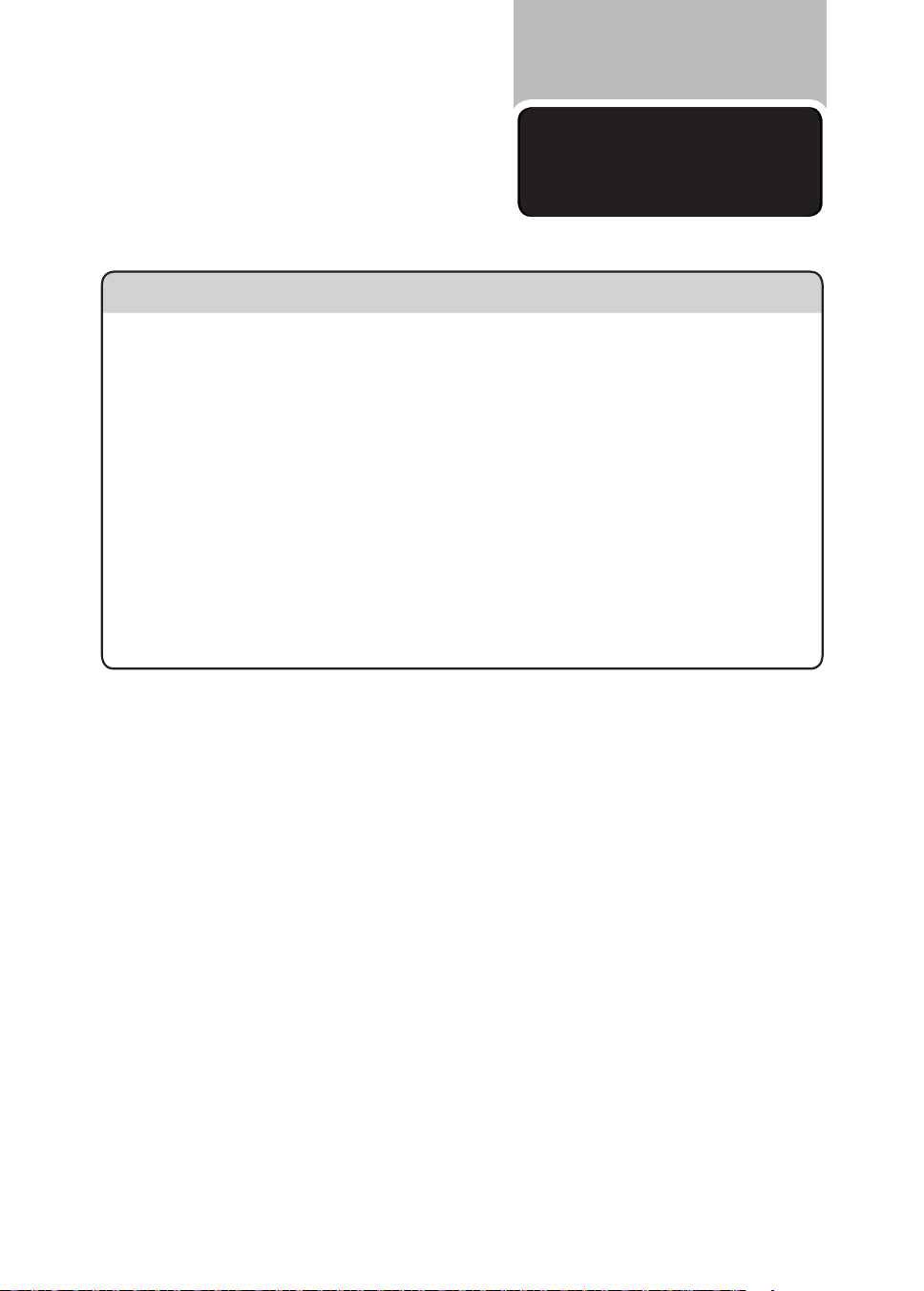
用手指穿过塑形模块支架并按住塑形模块,然后将支架组装在搅拌容器出
面口上。顺时针旋转支架将其牢固地锁定就位。
在组装塑形模块支架前,始终将塑形模块固定在搅
拌容器出面口上。请勿同时将塑形模块放入塑形模
块支架并将其安装在搅拌容器出面口上。
7
盖好搅拌容器盖。
注意:
•
如果搅拌容器盖安装不正确,安全开关会阻止产品工作。
1
2
2
1
简体中文
49
重要信息
使用意面
/
面条机
•
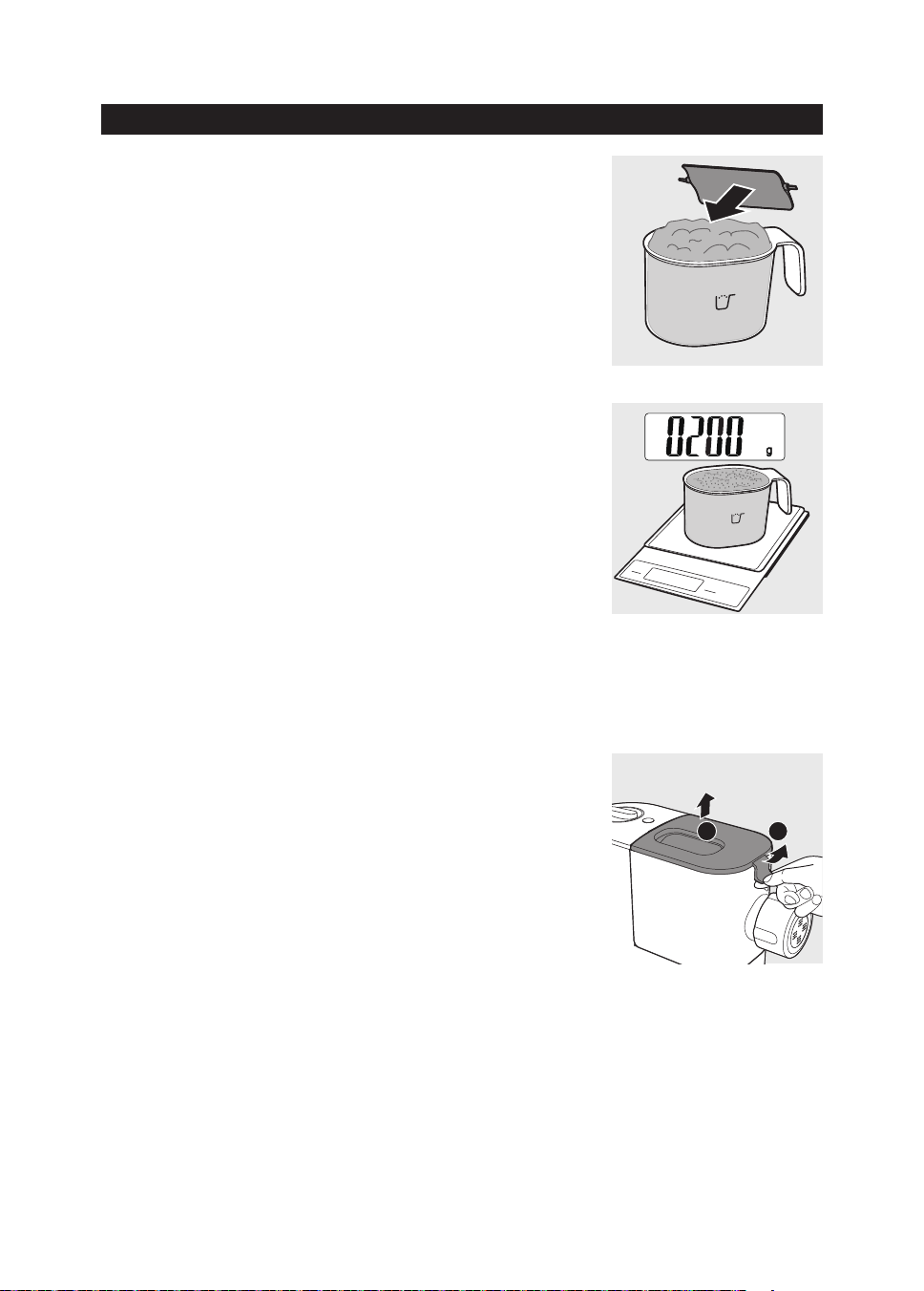
将产品置于平坦的表面上并防止桌子晃动或振动。
•
产品通电之前,确保所有部件均已装好。
•
请勿将不足
200
克(
1
面粉杯)或超过
400
克(
2
面粉杯)的面粉放入搅
拌容器。
•
产品开始和面后,通过水槽缓慢倒入液体。
•
如果要弃置已称量的面粉,然后再加工下一批面粉,请清空搅拌容器并拔
下电源插头,然后再次插入插头,重启产品。
•
请勿将
60
°
C / 140
°
F
或以上温度的原料放入意面
/
面条机,也不要将意
面
/
面条机放在高温
(60
°
C / 140
°
F)
环境中,例如高温消毒环境
。这样会
使产品变形。
•
在盖好搅拌容器盖之前,请勿向搅拌容器注入液体。
•
插入产品电源插头前,确保塑形模块和塑形模块支架均已正确组装。
50
简体中文
准备并称取面粉
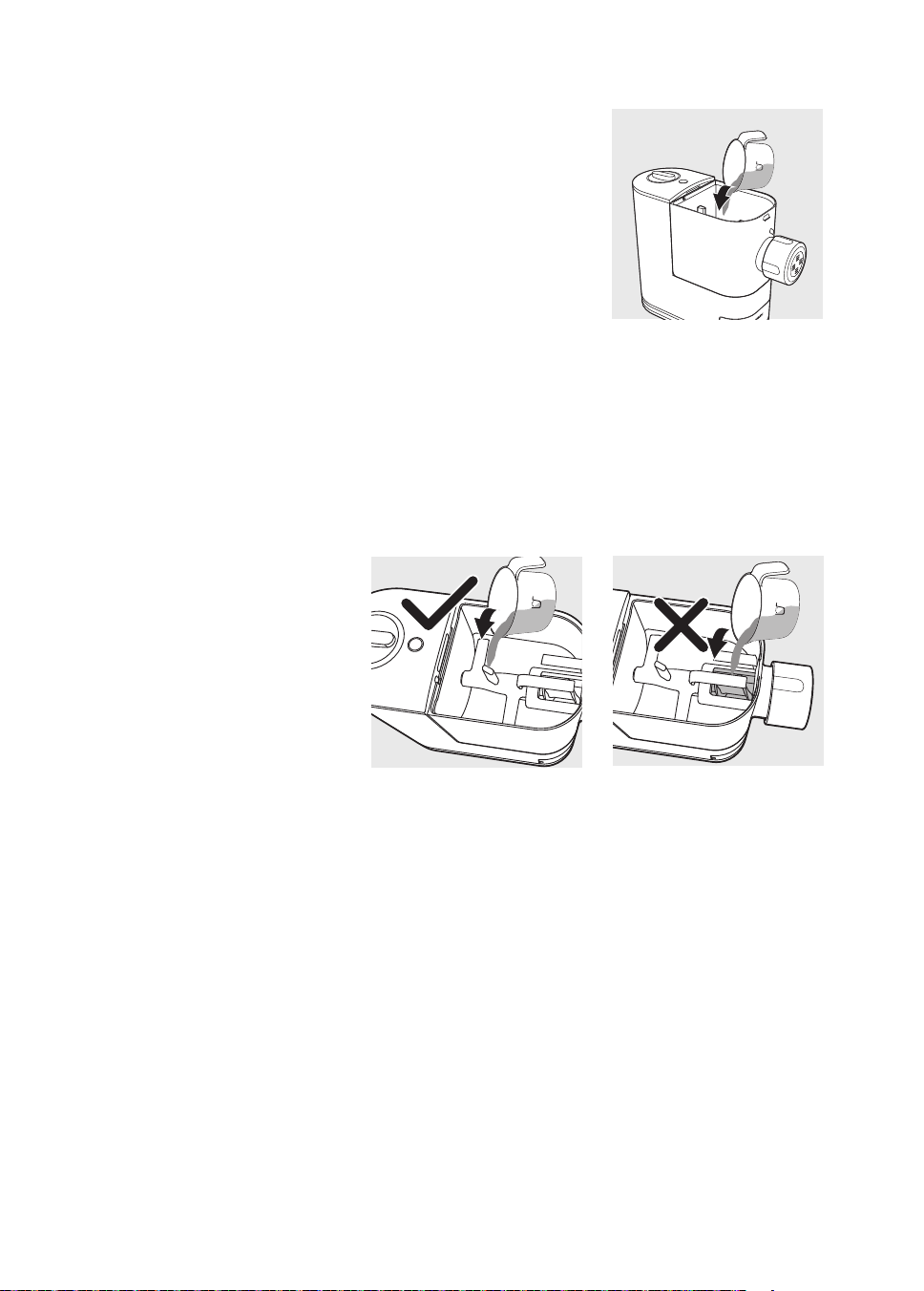
1
使用面粉杯舀一满杯面粉。使用提供的扁平清洁
工具,沿杯缘刮去多余的面粉。一满杯面粉重约
200
克,两杯面粉重约
400
克。
注意:
•
不要通过晃动或击打面粉杯来去除多余的面粉。
这会影响面粉重量。
•
使用厨房秤,称量结果会更加准确。
•
200
克面粉可制作大约
200
克新鲜意大利面
/
面条;
400
克面粉可制作大约
450
克新鲜意大
利面
/
面条。
2
拉开盖子以将其解锁,然后从搅拌容器上
取下盖子。
1
2
简体中文
51
3
将面粉倒入搅拌容器。如果要制作
2-3
人份,请
再添加一杯面粉,因为总共需要
2
杯( 约
400
克)
面粉。
注意:
•
此时请勿将液体加入搅拌容器。只有在运行意面
/
面条机之后才能加入
液体。
•
请勿将
不足
200
克重
或
超过
400
克重
的面粉放入搅拌容器。如果搅拌
容器中的面粉量过少或过多,机器可能无法运行。
•
请勿将面粉倒入挤压管的开口中,否则挤压管中的面粉无法混合均匀。

52
简体中文
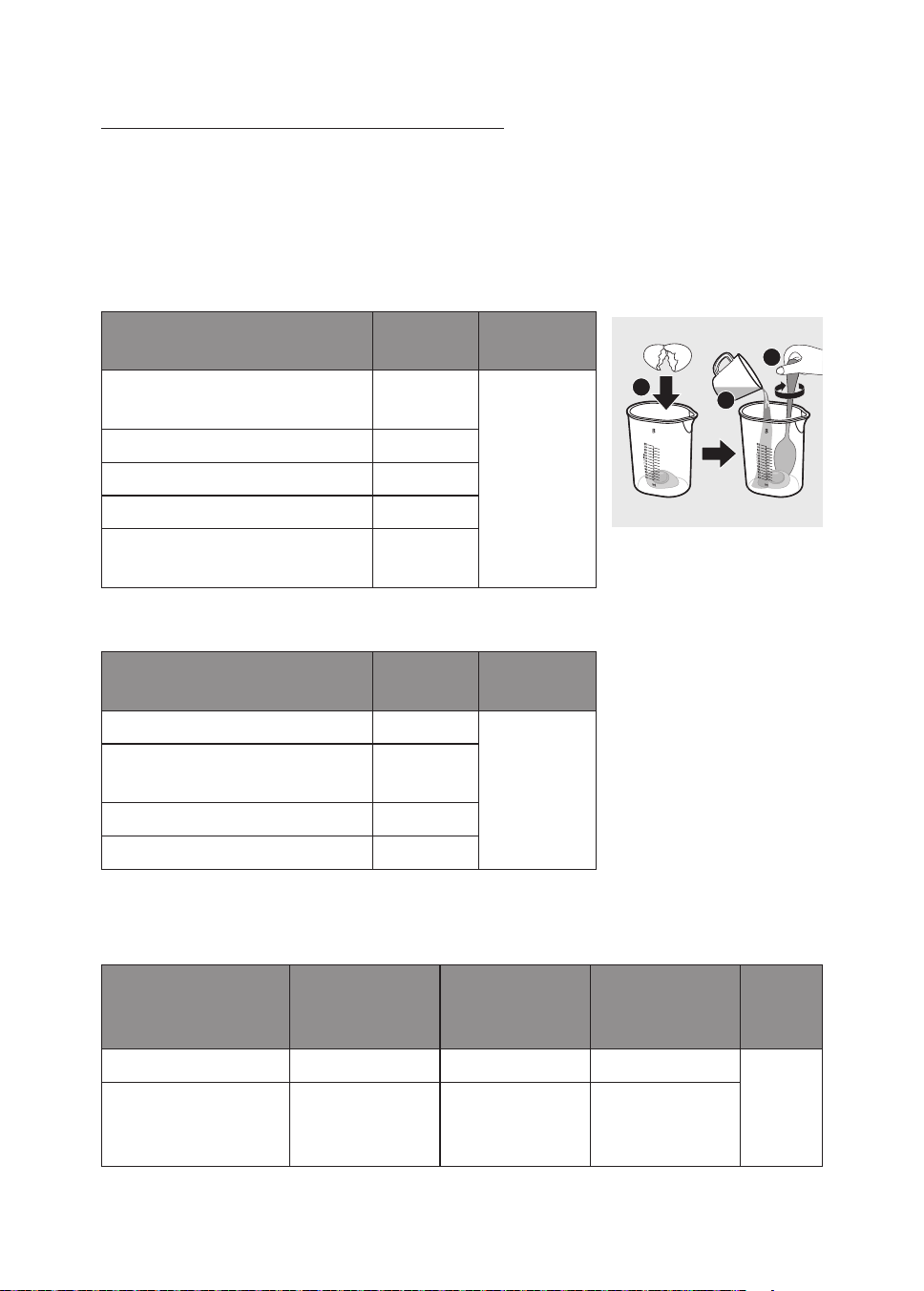
准备并量取液体
1
在平坦表面上以齐眼高度量取液体容量。
注意:
•
运行意面
/
面条机之前,请勿将液体倒入搅拌
容器。
随附的水杯上有
2
种水位标记。
使用
家用面粉
和
蛋糊
来制作普通鸡蛋意面时
,
参考水
杯
A
面
的水位标记。
•
刻度
1
(
80
毫升):使用
1
杯面粉所需的蛋糊容量。
•
刻度
2
(
160
毫升):使用
2
杯面粉所需的蛋糊容量。
为普通鸡蛋意面制作蛋糊时,将一个鸡蛋打碎,倒入
水杯中。根据水杯
A
面
显示的水位标记加入所需水量,
然后将水和鸡蛋搅拌混合。
使用以下面粉和液体搭配制作意面时,请参考
B
面
的
详细水位标记。
•
家用面粉
和
纯净水
/
蔬菜汁
混合而成。
•
其它种类面粉
(如下页表格所示)和
蛋糊
/
纯净水
/
蔬菜汁
等混合而成。
A
面
1
2
3
B
面
简体中文
53
查看以下表格以了解详细的水和面粉比例。
注意:
•
以下表格提供的面粉与液体比例基于
200
克面粉。在使用
400
克面粉制作
意面时,将液体容量(包括鸡蛋)加倍以获得正确的面粉与液体比例。
使用
蛋糊
来制作意面时,将一个鸡蛋打碎,倒入水杯中。根据下表加入所需水
量,然后将水和鸡蛋搅拌混合。
面粉
蛋糊容量
(毫升)
水杯
硬粒小麦(粗粒面粉
150
克
+
家用面粉
50
克)
*
75
B
面
全麦面粉
200
克
90
斯佩尔特小麦
200
克
90
面包粉
200
克
80
荞麦面(荞麦粉
130
克
+
家用面粉
70
克)
*
80
使用
纯净水
来制作意面时,根据下表加入所需水量。
面粉
纯净水
(毫升)
水杯
家用面粉
200
克
70
B
面
硬粒小麦(粗粒面粉
150
克
+
家用面粉
50
克)
*
65
全麦面粉
200
克
80
斯佩尔特小麦
200
克
65
使用
蔬菜汁(含鸡蛋一个)
来制作意面时,将一个鸡蛋打碎,倒入水杯中。根
据下表加入所需蔬菜汁量,然后将蔬菜汁和鸡蛋搅拌混合。
面粉
菠菜汁
(含鸡蛋一个)
(毫升)
甜菜汁
(含鸡蛋一个)
(毫升)
胡萝卜汁
(含鸡蛋一个)
(毫升)
水杯
家用面粉
200
克
75 80 80
B
面
硬粒小麦(粗粒面
粉
150
克
+
家用面
粉
50
克)
*
75 75 75
1
2
3
54
简体中文
*
使用厨房秤,称量结果会更加准确。
重要信息
•
食谱中提供的意面配方均已经过测试,可成功制作一份成品。如果您试
验或使用其他意面配方,那么面粉和水
/
蛋比例需要调整到意面
/
面条
机随附的面粉和水杯比例。若不相应调整新配方,意面
/
面条机将不会
成功运转。
注意:
•
为获得最佳品质,请使用中筋面粉并根据水杯上推荐的液体比例制作意面。
•
时令和使用不同地区所用的原料可能会影响面
/
水比例。
•
“麦麸”是确保意面不易断裂的粘结剂。无麦麸面粉不含粘结剂,因此需要
一种增稠剂(例如黄原胶、瓜尔豆等)充当“粘结剂”的角色,在制作意面
时各种无麦麸面粉的表现不同。有些面粉不适合制作各种意面,如椰子粉和
白面粉;有些面粉品种则非常适合,如藜麦、荞麦等。
•
请参阅随附的食谱了解更多美味意面的做法。
启动意面制作程序
重要信息
•
在和面完成前,请勿选择追加挤面程序。否则,这会损坏意面
/
面条机,
缩短其使用寿命。
•
加工完成之前,请勿拔掉电源线。如果必须停止意面制作过程,请将控
制旋钮转至关闭位置
(OFF)
以停止制作过程,然后从插座上拔下电源线,
之后再执行其他操作。
•
在所有工作状态下,最长运转周期不得超过
2
个连续周期。为更好地延
长产品使用寿命,您可以在
2
个连续运转周期后休息
30
分钟再重新启动
本产品。
•
如果要连续使用产品,请在每次制作意面后,用随附的清洁工具清洁塑
形模块。为便于清洗,请不要将塑形模块直接浸入水中。
简体中文
55
1
将产品插头插入电源插座。意面
/
面条机会响一
声。
注意:
•
产品通电之前,确保所有部件均已装好。
2
盖好搅拌容器盖。
注意:
•
如果搅拌容器盖未盖好,产品不会开始工作。在
意面制作期间,如果搅拌容器盖出现松动,产品
会自动停止工作。
3
转动控制旋钮可选择自动制作意面流程,然后按
下开始
/
暂停按钮。
注意:
•
加工
200
克面粉时,整个工作过程(包括和面
和挤压成形)需要
12
分钟;加工
400
克面粉时,
整个工作过程(包括和面和挤压成形)需要
18
分钟。
4
和面开始后,沿着盖中的整个槽沟缓慢倒入液体。
注意:
•
和面过程中,倒入液体后就不要再加入其他原料。
否则,会影响最终的意面质地。
2
1
2
1
56
简体中文
5
意面
/
面条机完成和面后,会发出几声蜂鸣音,几秒钟后将开始挤出意面。
将容器放在出面口正下方。用清洁工具将意面切至所需的长度。
注意:
•
如果液体和面粉的比例不正确,挤出不会成功。
这种情况下,请重新准备原料。
•
向下移动清洁工具可切削意面。
6
挤出过程完成后,产品会发出几声蜂鸣音。
注意:
•
在整个过程完成前(您将会听到蜂鸣音),请勿将控制旋钮转至关闭位
置
(OFF)
。
7
意面制作完成后,如果发现搅拌容器中有一些剩面,您可以先将控制旋钮
转至关闭位置
(OFF)
,然后将控制旋钮转到追加挤面位置。按下开始
/
暂
停按钮以启动追加挤面程序。
注意:
•
意面表面可能会有一些意面细丝。这是正常的。
•
意面的烹饪时间不固定,具体应取决于个人偏好、
意面形状以及份量。
3
2
1
简体中文
57
重要信息
1
将控制旋钮转至关闭位置
(OFF)
,断开电源并拔
出电源线。
2
拉开盖子以将其解锁,然后
从搅拌
容器上取下盖子。
2
1
2
清洁
•
清洁或拆卸本产品之前,请将控制旋钮转至关闭位置
(OFF)
,断开电源并
拔出电源线。
•
请勿将主装置浸入水中。
•
请勿使用钢丝绒、碱性洗洁剂或磨蚀性清洁剂(例如汽油、酒精和丙醇)
清洁产品。
•
每次使用后都要清洁产品,否则产品可能无法正常运行。
•
清洁产品时要加倍小心,以免被任何锋利边缘割伤。
•
产品的塑形模块及所有可拆卸部件均可用洗碗机清洗。用洗碗机清洗时,
确保选择最高温度不超过
60
°
C (140
°
F)
的合适程序。
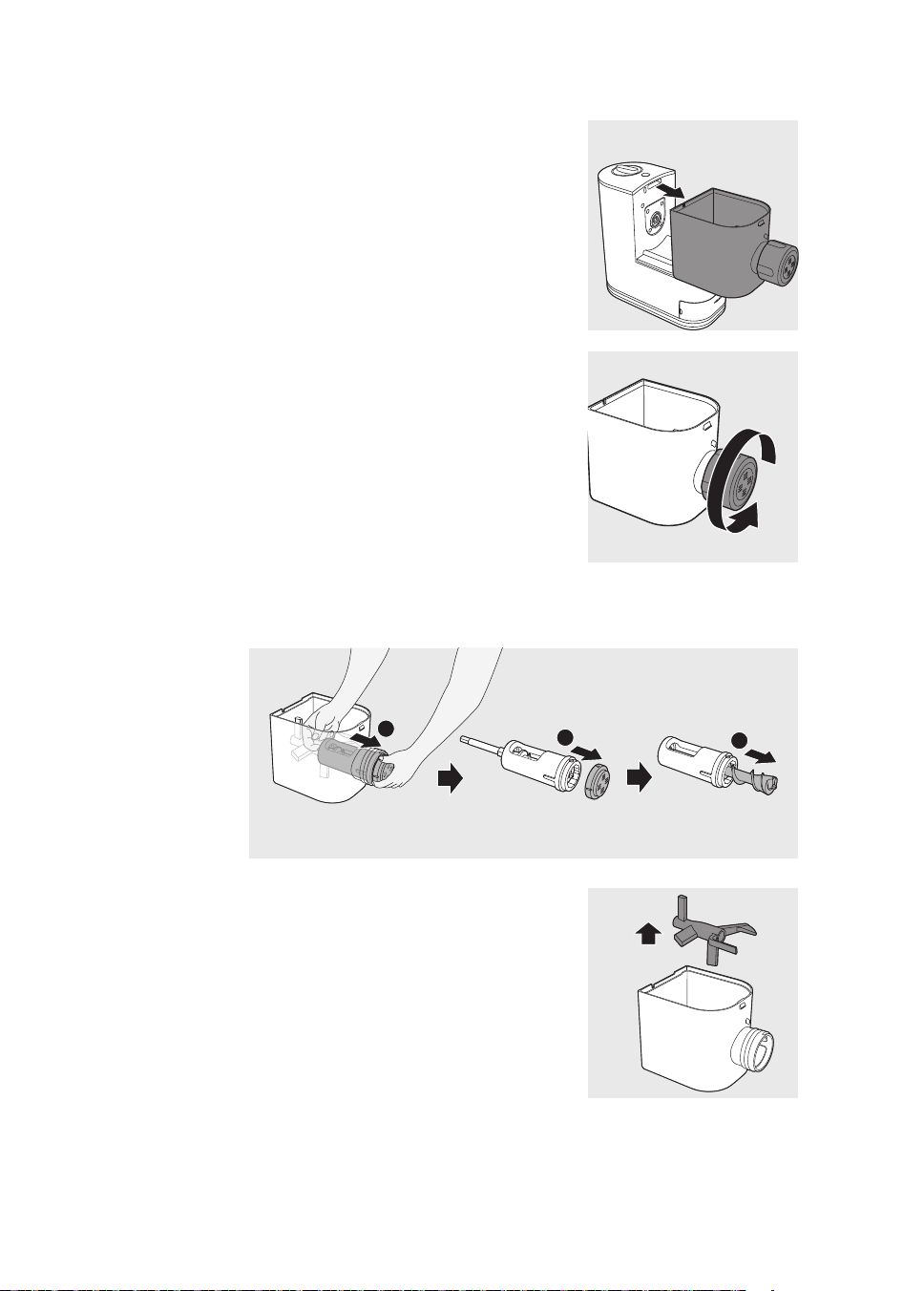
58
简体中文
3
将搅拌容器从主装置上滑出。
4
逆时针转动塑形模块支架,将其从搅拌容
器出面口上卸下。
5
将您的手指放入搅拌容器中,并向外推动
挤压管,将其从搅拌容器出面口滑出。拆
下塑形模块,然后将挤压棒从挤压管中拉出。
6
将搅拌叶片从搅拌容器取出。
1
2
3
简体中文
59
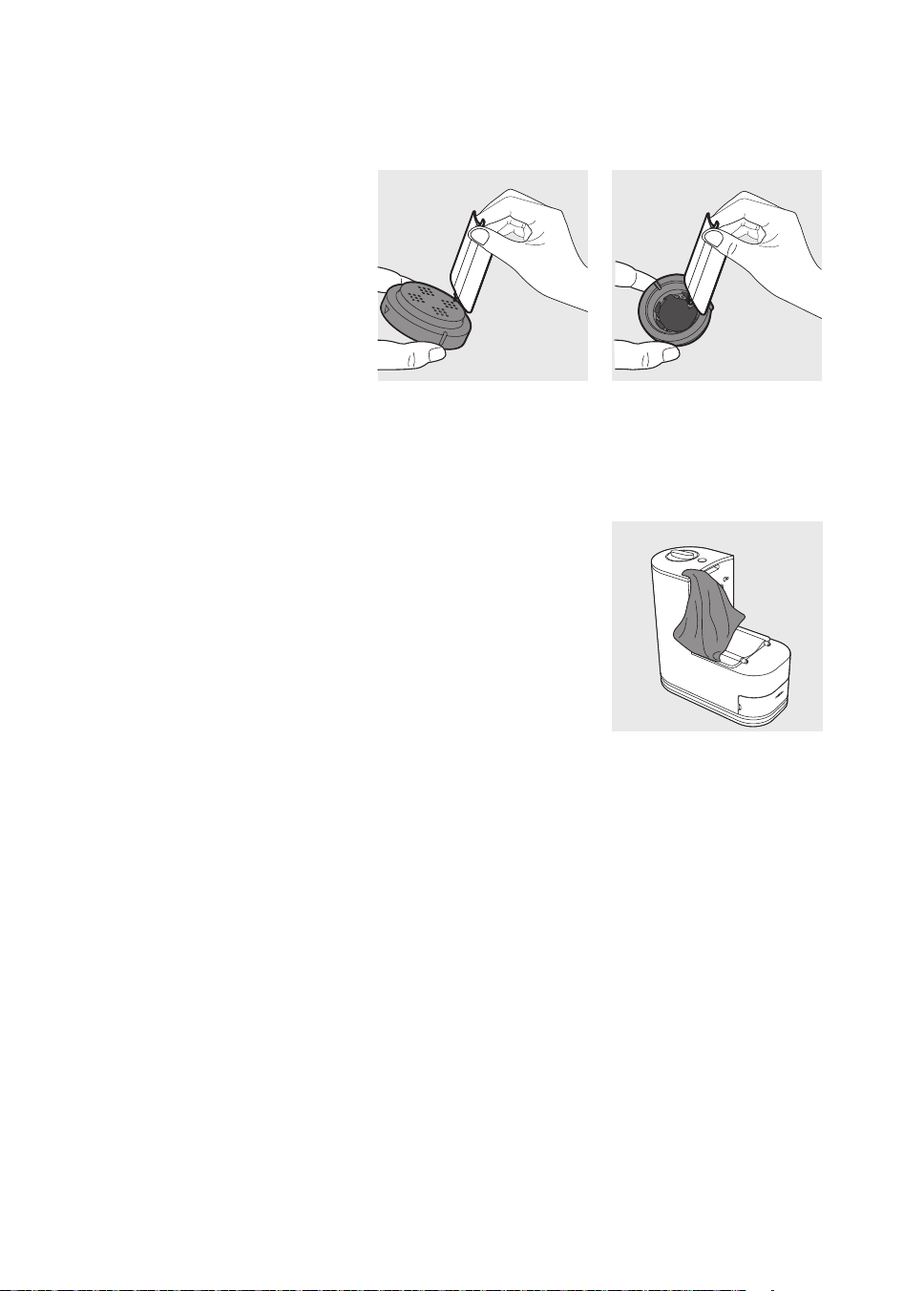
7
使用随附的清洁工具清洁塑形模块,清除残留的面。之后可以用水进行清洗。
8
用清洁剂和温水清洗所有可拆卸部件,或在洗碗机中清洗。接下来,擦干
所有部件。
9
使用干布清洁主装置、控制旋钮以及意面
/
面条
机的外表面。
注意:
•
清洁后,确保将所有部件和塑形模块完全晾干
后再进行存储。重新组装意面
/
面条机以备下
次使用。
60
简体中文
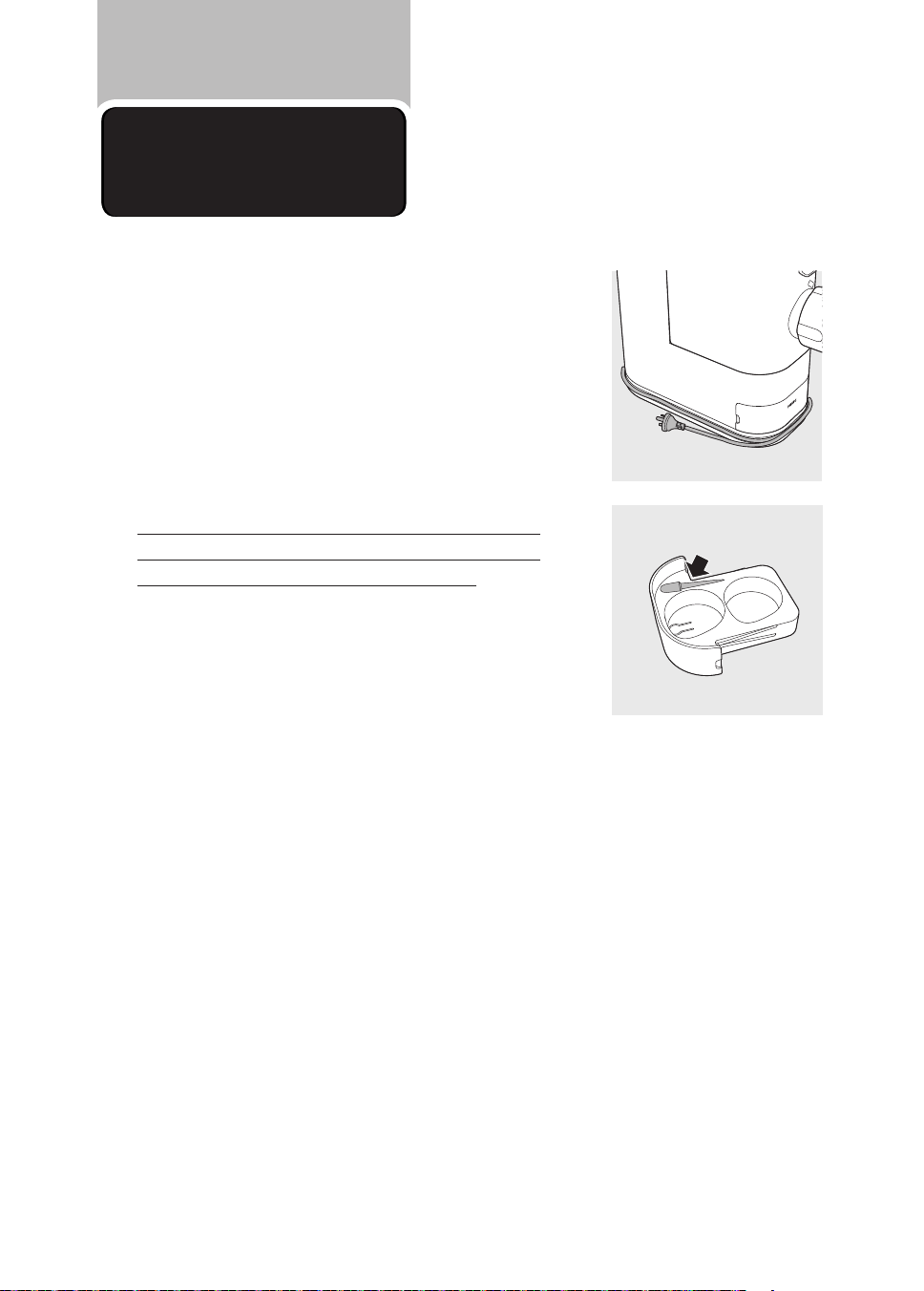
1
将电源线缠绕在电源线储藏绕线装置中。
2
晾干塑形模块并将其存放在存储盒中。
存储盒中较小的沟槽专为天使细面条塑形模
块的清洁工具而设计,该工具未包含在此意
面
/
面条机中。它将单独推出与出售。
3
使用后,请将意面
/
面条机存放在干燥、通风良
好的地方。
存储
简体中文
61
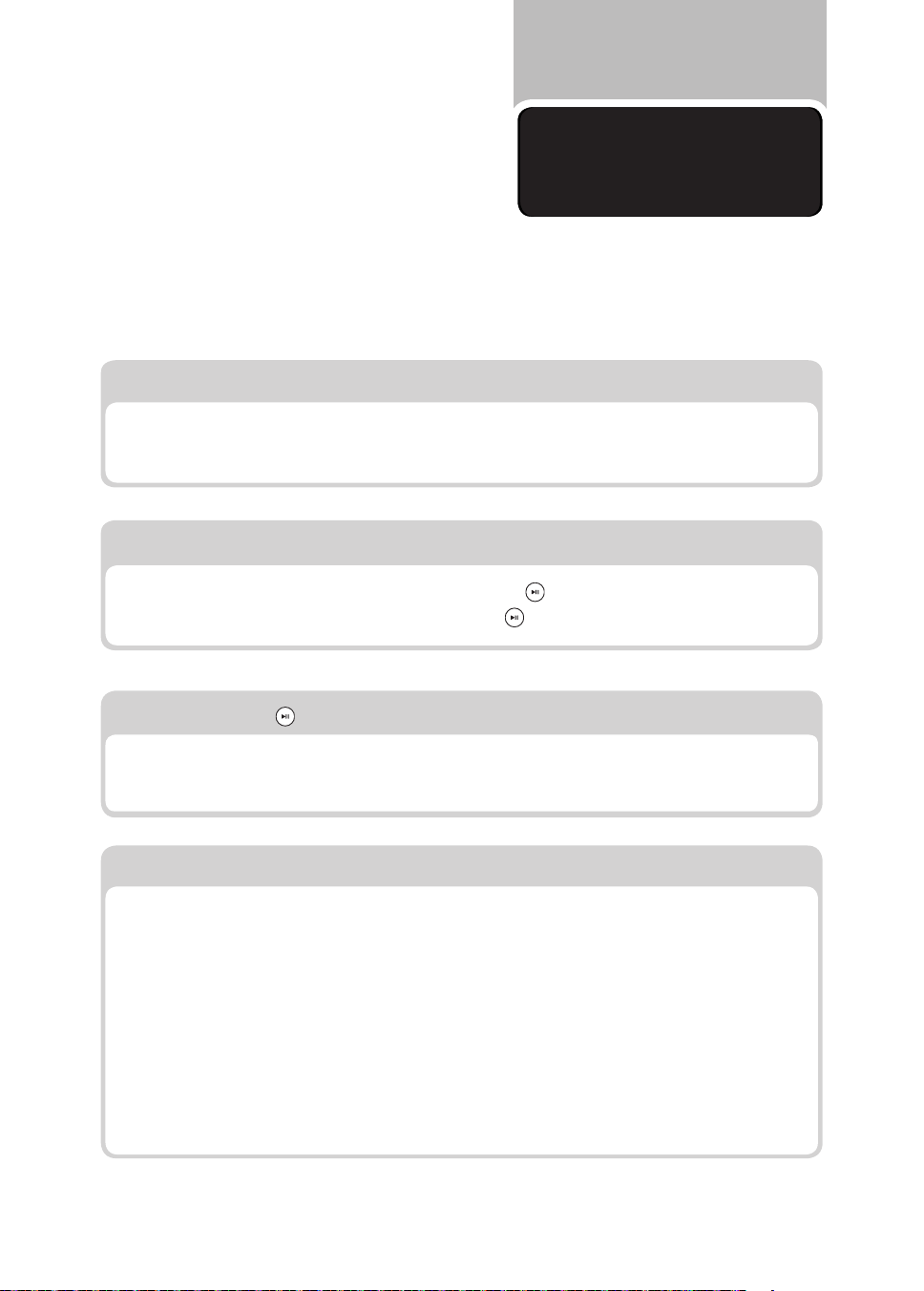
故障排除
将插头插入墙上插座后,产品不会发出声音。
•
未正确连接插头,或插座未连接至电源。
检查电源插头是否插好,插座是否可以正常使用。
必须先将插头插入墙上插座,本产品才能开始意面制作过程。
•
您未选择意面制作程序或未按下开始按钮
。
选择意面制作程序,然后按下开始按钮
。
按下开始按钮后
,若产品发出警报声便无法工作。
•
搅拌容器盖没有正确组装。
确保按照用户手册正确组装搅拌容器盖。
搅拌容器盖从内侧推开。
•
搅拌容器中面粉过多。
每次可用最大面粉量为
400
克。如果您在搅拌容器中放入超过
400
克
面粉,
请减少面粉量并制作另一批意面。
•
未按照“面
/
水比例表”中的面粉和水的比例。面团太湿。
断开电源,清洁意面
/
面条机,再次按照用户手册中的说明重新开始制
作意面。
•
搅拌容器盖没有正确组装。
确保按照用户手册正确组装搅拌容器盖。
本章归纳了您在使用产品时最常遇到的问题。如果根据以下信息无法解决问题,
请访问
www.philips.com/support
。
62
简体中文
意面制作过程中,产品停止工作,并且没有发出警报声。
•
意面
/
面条机因长时间连续工作而过热。
断开电源,让意面
/
面条机冷却。在所有工作状态下,最长运转周期不
得超过
2
个连续周期。为更好地延长产品使用寿命,您可以在
2
个连续
运转周期后休息
30
分钟再重新启动本产品。
意面制作期间,产品停止工作,并发出警报声。
•
未按照“面
/
水比例表”中的面粉和水的比例。面团可能太干。
•
搅拌叶片可能被一些异物阻塞。
•
选择了错误的程序。
断开电源,清洁意面
/
面条机,再次按照用户手册中的说明重新开始制
作意面。
搅拌叶片空转,不出意面。
•
面
/
水比例不正确。
从电源插座上拔出插头,弃置面团。清洁意面
/
面条机,正确称量原料
份量(使用厨房秤可以更准确地称量面粉重量),再次按照用户手册中
的说明重新开始制作意面
•
面粉在长期存放后变得潮湿。
使用新鲜或正确存放的面粉。
意面轻易断裂。
•
面
/
水比例不正确。
从电源插座上拔出插头,弃置面团。清洁意面
/
面条机,正确称量原料
份量(使用厨房秤可以更准确地称量面粉重量),再次按照用户手册中
的说明重新开始制作意面。
•
您没有使用正确类型的面粉。
使用家用面粉或蛋白质含量较高的面粉(请参阅用户手册“使用意面
/
面条机”一章或随附的食谱)。
简体中文
63
意面粘在一起。
•
面和水的比例不正确,搅拌容器中的水太多。
根据“面
/
水比例表”使用随附的面粉和水杯测量面粉和水。使用厨房
秤可以更准确地称量面粉重量。
搅拌容器中剩面过多。
•
面粉在使用前已受潮或面团太湿。
存储时使面粉保持干燥。按照用户手册中的说明重新开始制作意面。
•
使用之前未正确清洁搅拌容器、搅拌叶片、塑形模块。
使用之前,确保所有部件洁净。
•
搅拌叶片或搅拌容器仍然是湿的。
使用之前,确保所有部件完全干燥。
•
未按正确的顺序加水。
面粉种类不正确。
按照用户手册中的说明制作意面。
产品有少量漏水。
意面制作完成后,无法将挤压管从搅拌容器中推出。
•
程序开始之前已经加水。
按照用户手册说明,在程序开始后再加水。
•
在意面制作过程完成之前,在挤出过程中产品停止运行。
1.
将已拆卸部件复原到位直到产品正确组装,然后将控制旋钮转至关闭
位置
(OFF)
。
2.
将插头接入插座,选择自动意面制作程序,然后按下开始按钮
。保持
搅拌叶片旋转约
10
秒钟,然后将控制旋钮转至关闭位置
(OFF)
。
3.
拔下产品插头,然后按用户手册(请参阅“清洁”一章)所述拆卸并
清洁产品。
64
简体中文
型号
HR2332
电机功率
150
瓦
电压
交流
220 - 240
伏(
50
赫兹)
尺寸(长
x
宽
x
高)
350
毫米
x 135
毫米
x 287
毫米
净重
4.7
千克
•
有关额定电压和频率信息,请参阅产品上的铭牌。产品信息如有更改,恕不另行通知。
产品部件
搅拌容器 搅拌容器盖 搅拌叶片
/
挤压
杆
塑形模块
制造材料
Tritan Tritan POM POM
弃置产品时,请不要将它与一般生活垃圾一同丢弃,应将其交给官方指定的回
收中心。这样做有利于环保。
回收
产品信息

简体中文
65
如果您需要服务或信息,或者有任何疑问,请访问飞利浦网站:
www.philips.com/support
。您也可与所在地的飞利浦客户服务中心联系。
保修和服务
产品
:飞利浦全自动面条机
型号
:
HR2332
额定电压
:
220V
额定频率
:
50Hz
额定输入功率
:
150 W
生产日期
:请见产品底部
产地
:中国江苏苏州
飞利浦(中国)投资有限公司
上海市静安区灵石路
718
号
A1
幢
全国顾客服务热线
: 4008 800 008
本产品根据国标
GB4706.1-2005,
GB4706.30-2008
制造


Specifications are subject to change without notice
技术规格如有变更恕不另行通知
© 2018 Koninklijke Philips N.V.
All rights reserved.
保留所有权利
3000 023 35241 A