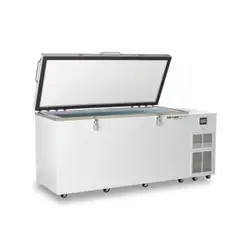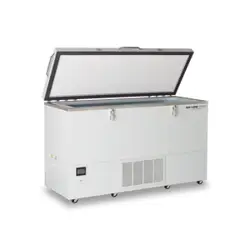

OWNER’S GUIDE
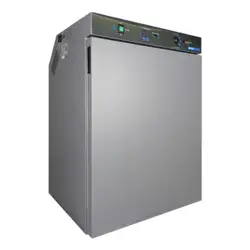
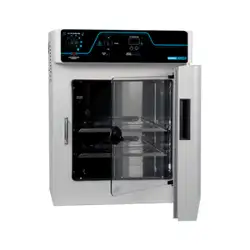
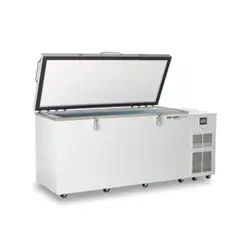
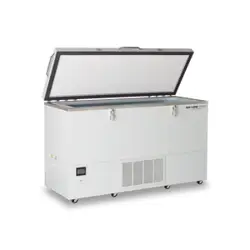
Undercounter Freestanding Refrigerator & Freezer
with Mechanical Thermostat Temp Control
Table of Contents
RECEIVING AND SHIPPING DAMAGE HANDLING............................................... 2
SAFETY ............................................................................................................... 3
RELEASE OF LIABILITY ........................................................................................ 3
ELECTRICAL INFORMATION ............................................................................... 4
INSTALLATION .................................................................................................... 5
OPERATION ........................................................................................................ 7
Quick Troubleshooting Guide ............................................................................ 9
Maintenance and Cleaning .............................................................................. 12
Hydrocarbon Service Notes ............................................................................. 13
Factory Warranty Policy .................................................................................. 14
PN: 21652
DY Rev. 7-11-2018
P a g e | 2
RECEIVING AND SHIPPING DAMAGE HANDLING
Each refrigerator or freezer is carefully inspected to meet our high standard quality
assurance policy, before it ships to you. Unfortunately, shipping damage can happen
during transportation to you. There are two general types of shipping damage. The
first is visible damage. This type of damage includes visible loss, damage, shortage or
any external evidence of loss or damage that is visible at time of delivery. This type of
damage must be noted in detail on your delivery receipt. Make sure the driver signs
and dates the delivery receipt, acknowledging the damages. We also recommend to
take many pictures to demonstrate and document the damaged area(s). This has to
happen at the time of delivery or it won’t happen at all. Keep a copy for your records
and send another to the carrier’s damage claims department along with a formal
request for an inspection report. Follow up with a phone call. Their contact information
can be found on the carrier’s web site.
The second type of shipping damage is concealed damage. This type of damage will
probably not be apparent at time of delivery and may not be discovered until
unpacking and inspecting the unit. Remember, time is of the essence here. You should
unpack and inspect the unit as soon as possible. Each day that passes reduces the
likelihood that the carrier will pay the claim. As soon as the concealed damage is
discovered, stop unpacking and retain all packing materials. Take many pictures to
demonstrate and document the concealed damage area(s). Contact the carrier by
phone to report the claim. Note the date and time and person you spoke with. Get a
claim number. Follow up with a written letter referencing the claim number and
including a formal request for an inspection. Again, consult the carrier’s website for
specific claim instructions and follow them precisely.
AS STATED ABOVE, THE CARRIER IS YOUR SOLE SOURCE FOR SATISFACTION OF
A DAMAGE CLAIM. UNDER NO CIRCUMSTANCES SHOULD THE MERCHANDISE BE
RETURNED TO THE MANUFACTURER. NO RETURNS WILL BE ACCEPTED WITHOUT
PRIOR AUTHORIZATION.
P a g e | 3
SAFETY
For your safety
• DO NOT store any unsealed chemical material in this refrigerator or freezer.
Corrosive fumes from chemical material can linger inside of the chamber,
and cause serious damage to the refrigeration coils. Storing unsealed
chemical material in this equipment will void the factory product warranty.
• DO NOT store or use gasoline, or other flammable liquid in this refrigerator
or freezer. This equipment is not rated to be a flammable material storage.
• DO NOT operate this equipment in the presence of explosive fumes. This
equipment is not rated to be a hazardous locations refrigerator or freezer.
We offer flammable material storage and hazardous locations refrigerators and/or
freezers for your application. Please contact your local sale representative for more
information.
RELEASE OF LIABILITY
Before you start to use this refrigerator, please take a moment to:
• Connect your remote alarm contacts system, or auto dialer, to the
refrigerator’s alarm system (if any).
• If your refrigerator model does not have an alarm system, you can
install your 3
rd
party alarm into our refrigerator via the 3/8” access
porthole. Please see “Field Monitor Probe Installation” Section.
• Develop an emergency backup plan, and designate a different
refrigerator or freezer to store the contents, if this refrigerator has an
unforeseen issue.
IF YOU PLAN TO STORE IRREPLACEABLE AND/OR HIGH VALUE PRODUCTS IN
THIS UNIT TAKE THE PROPER PRECAUTIONS NOW.
P a g e | 4
The manufacturer’s sole obligation under this warranty is limited to either repair or
replacement of parts, subject to the additional limitations below. This warranty
neither assumes, nor authorizes any person to assume obligations other than those
expressly covered by this warranty.
NO CONSEQUENTIAL DAMAGES. The manufacturer is not responsible for economic
loss, profit loss, or special indirect or consequential damages, including without
limitation, losses, or damages arising from contents spoilage claims whether or not
on account of refrigeration or mechanical failure.
ELECTRICAL INFORMATION
• The supply circuit to this cabinet must
conform to NEC (National Electrical Code).
Consult the cabinet Serial-Data plate for
voltage, cycle, phase, and amp
requirements before making connection.
• SUPPLY VOLTAGE SHOULD NOT VARY
MORE THAN 5% FROM SERIAL PLATE
RATINGS.
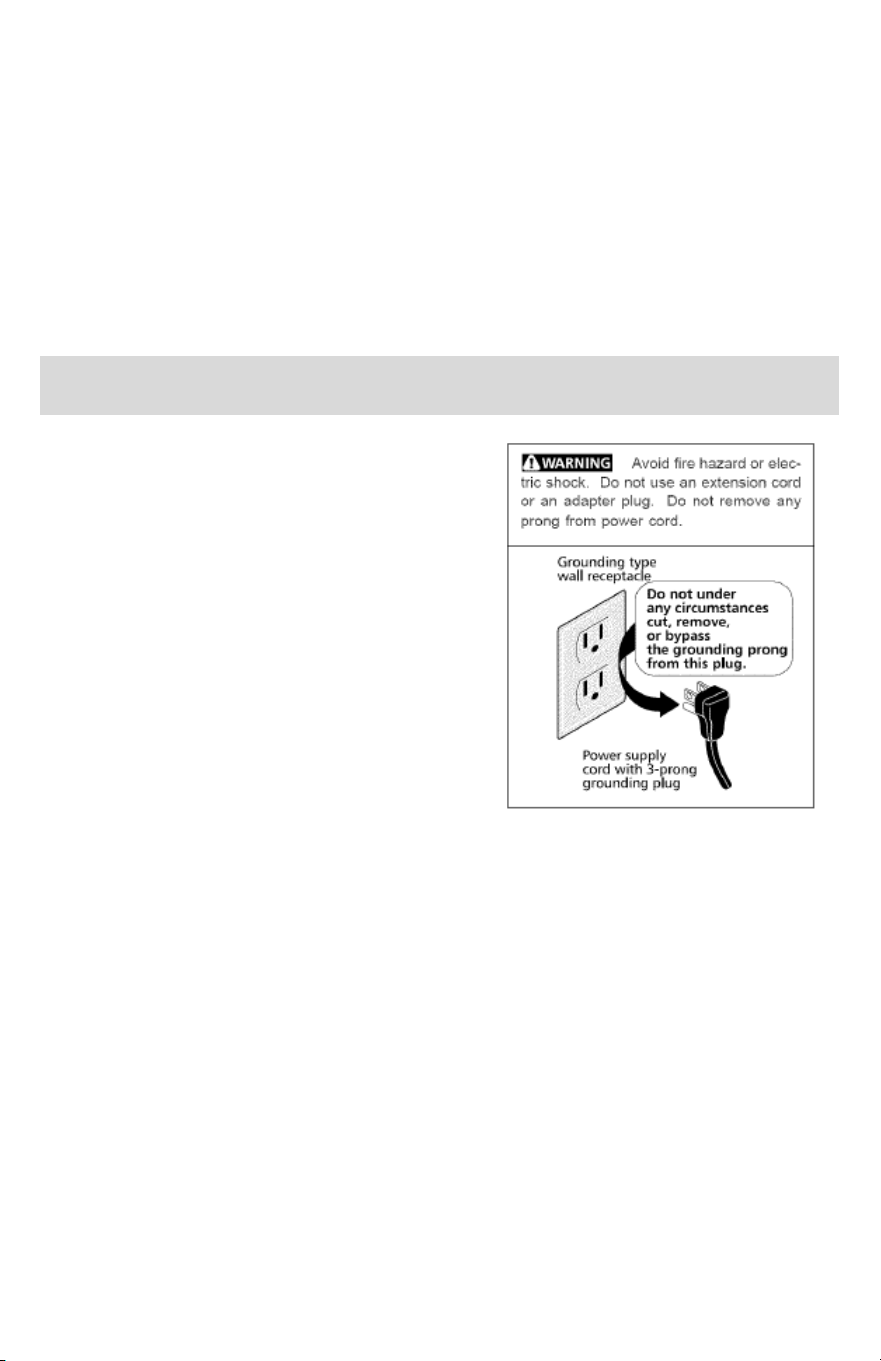
• DO NOT connect this equipment to a GFI
(Ground Fault Interrupt) circuit.
• Do not use an extension cord or any multi-
outlet strip or plug. Using such devices can lead to insufficient power, and lead
to component failure, such as the compressor or starting components.
• If the power cord is damaged, it should be replaced immediately by an
authorized service technician.
• Be sure your unit is properly grounded. Use the 3-prong plug provided into a 3-
prong grounded outlet. Unless the above grounding method is followed, you are
not protected against severe or lethal shock in the event of a short circuit of an
electrical component or wiring of the unit.

P a g e | 5
INSTALLATION
Please take a moment to follow the steps below, before using this equipment.
1. Find a suitable location to install this refrigerator (or freezer)
2. Level this refrigerator (or freezer)
3. Set up the shelves inside (if applicable)
4. Install the optional monitor probe for field installation
5. Ready to use
1. SUITABLE LOCATION
Ambient Temperature – Unlike a household refrigerator, this equipment is designed
for scientific / medical application. Many components are heavy duty and extra
sized, in order to meet the ultimate temperature performance. Therefore, the
sounds generated from its operation may not be accepted by everyone in the room.
Please take the operation sound factor into consideration, and locate this refrigerator
accordingly.
Please ensure the ambient temperature is climate-controlled, between 65°F to 85°F,
in order to achieve the ultimate temperature performance.
Clearance Space – We require 2 to 3 inches of clearance space around the refrigerator.
So it would be easier to remove the refrigerator for annual maintenance, or service.
P a g e | 6
2. LEVELING
Once this refrigerator or freezer is at its final location, please level your refrigerator,
because it is critical to equipment operation. Here are a few benefits to a good leveled
refrigerator (or freezer):
1. Moving mechanical parts, such as fan or compressor, would have less chances
to fail, since it is in the designed upright position.
2. Reduce noise.
3. Door(s) would close properly.
4. Condensate water would flow out the refrigerator properly.
To level this equipment, set a leveler in each corner on the top. If the equipment is not
level, adjust either the leveling legs or casters.
We recommend to slightly tilt the refrigerator (or freezer) toward to the back,
about 5 degrees. So the non-self-closing door can be shut properly, and condensate
water would flow out easier.
3. (OPTIONAL) MONITOR PROBE FOR FIELD INSTALLATION
Each refrigerator or freezer is equipped with a 3/8” probe access port hole for your
independent probe installation. The port hole is generally located in the back of your
refrigerator (or freezer). Simply remove the white caps, run your probe through, and
seal the hole with electrical putty to prevent air from getting into the chamber.
DO NOT run your probe through the door gasket, as it may cause serious
condensation or a frozen evaporator issue. The port hole is specifically designed to
allow you to install the monitor probe.
4. READY TO USE
Once you ensure the electrical service is adequate and Steps 1 to 3 are followed, you
are ready to use this refrigerator (or freezer). Simply plug in the power cord into the
wall outlet.
This refrigerator (or freezer) is factory set to run at its ultimate temperature
performance. There should not be a need to adjust the temp settings. If you feel the
temp settings must be adjusted, please refer to “TEMPERATURE ADJUSTMENT” section
in this manual for more details.
P a g e | 7
OPERATION
Temperature Controller System
Product Description
The temperature controller is designed to provide temperature control of refrigerators
or freezers.
Please Note: The digital temperature controller has been factory
set and tested to allow your unit to operate at its desired
temperature cycle.
Adjusting the settings on the controller will alter these factory
settings. WE STRONGLY RECOMMEND YOU CONTACT THE
MANUFACTURER’S TECHNICAL SUPPORT DEPARTMENT BEFORE
MAKING ANY ADJUSTMENTS TO THIS CONTROLLER. THE TECHNICAL
SUPPORT PHONE NUMBER IS (800) 648 4041, SELECT THE OPTION
FOR TECHNICAL SERVICE.
Operation
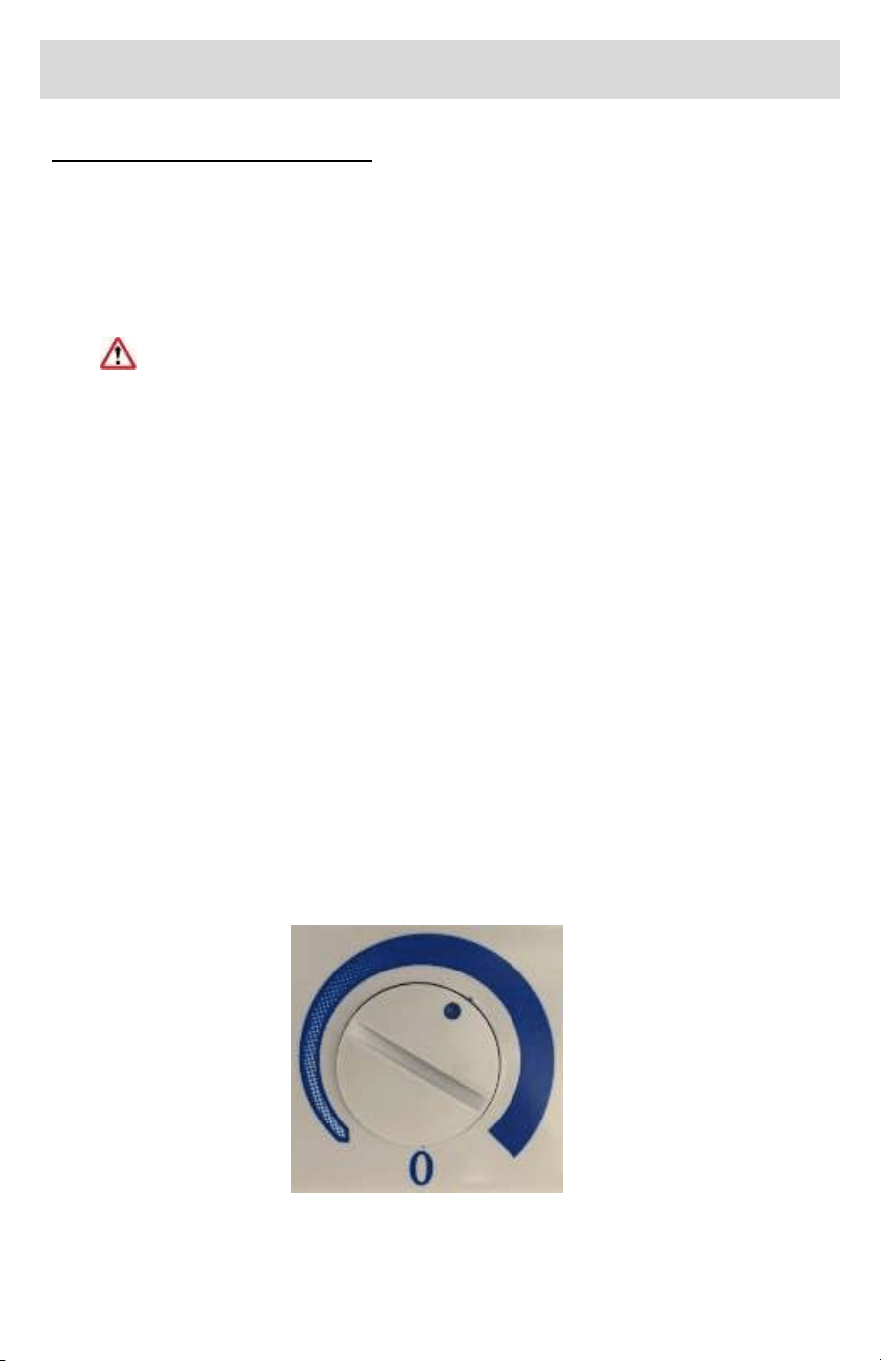
The temperature control has a turntable disk with a blue dot indicating the current
setting. For a warmer temperature setting, turn the disk with blue dot to the
lighter blue gradient side. For a colder temperature setting, turn the disk with
blue dot to the darker blue gradient side.
We recommend after each setting to allow 3 hours of operation before making
another adjustment.
P a g e | 8
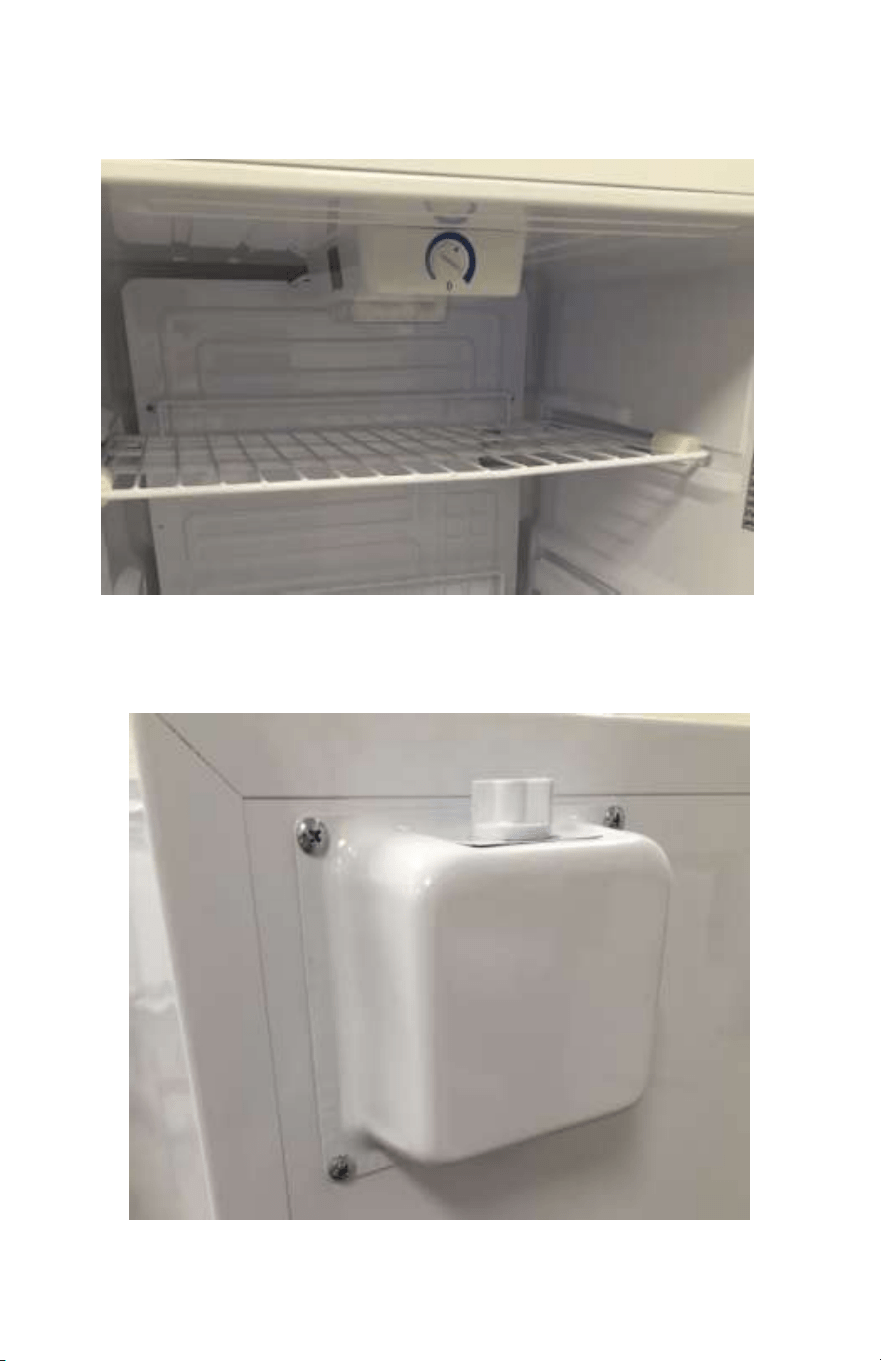
Refrigerator
The temperature control is located inside the chamber top center.
Freezer
The temperature control is located outside in the rear of cabinet top left.

P a g e | 9
Quick Troubleshooting Guide
Check these items before calling for service
PROBLEM:
POSSIBLE CAUSE / SOULTIONS:
Unit does not run
• Electrical circuit is not 110-120V 60Hz.
• The power cord is not plugged in.
• No power at electrical outlet. Check to make
sure breaker is not tripped or fuse is not
blown. Additionally, make sure unit is not
plugged into a Ground Fault Circuit Interrupter
(GFCI) type of outlet.
Unit does not
maintain at the
proper
temperature
• Check the room temperature. We recommend
the refrigerator or freezer should be placed in
an air conditioned room between 65°F to 85°F.
If the room temp is too warm, the refrigerator
or freezer may not be able to maintain the
interior temp at proper range.
• Door is not closed properly.
• Amount of stored product is overloaded.
• Product replacements are pushed against rear
wall or interrupted the proper refrigerator air
circulation. For the proper air circulation,
place the products evenly on each shelf. Do
not push against the refrigerator’s rear or side
walls.
• Evaporator is blocked by frost or ice. Remove
the products, unplug the refrigerator or
freezer power, and allow the unit to defrost. If
the problem still exists, call for service.
• 3
rd
party thermometer is placed incorrectly.
For proper temperature monitoring, the
thermometer should be place in the middle of
refrigerator.
PLEASE NOTE! Prior to shipment, each refrigerator and
freezer has been calibrated and tested at proper
temperature range.
P a g e | 10
Appliance runs too
long
• Prolong door openings.
• Control set too cold.
• Room temperature is high which will make the
unit work harder to keep cool.
Temperature of
external wall
surface is warm
• The exterior walls can be as much as 30
degrees warmer than room temperature due
to the embedded condenser coils. This is
normal when the unit is operating.
Compressor noises
• Compressor may be overheated. Please check
the room temp and ensure the range is within
65°F to 85°F. If the problem still exists, call for
service.
Moisture collects
inside
• Door gasket is not sealing properly. Check for
debris, cracks, and items passing through door
at the gasket.
• The refrigerator or freezer is facing a doorway
or is underneath of air conditioning vent.
Relocate the unit or redirect air vent.
• Too many door openings. Minimize time door
is open.
• Hot, humid weather increases condensation.
• Make sure there is a water trap (U-shaped
loop) in the drain tube near the compressor.
This will “trap” a small amount of water in the
loop and prevent air from entering the
chamber through the tube.
Moisture collects
on outside surface
• Hot, humid weather increases condensation.
• As humidity decreases, moisture will
disappear.
Odor inside the
unit
• Interior needs to be cleaned. See section on
maintenance and cleaning in this manual.
• Make sure product containers are tightly
sealed to prevent leakage
Door will not close
• The unit is not level. Refer to the Leveling
section at the beginning of this manual
• Check for dirt and debris or items passing
through the door seal.
MOISTURE DURING THE SUMMER SEASON
The amount of moisture, condensation, or high humidity related issues increase
during the summer and, in most cases, will self-resolve when the weather cools
down. Please note a refrigeration system will NOT generate moisture or water but
simply condenses the moisture that is already in the chamber. Keeping the unit in an

P a g e | 11
air conditioned, low humidity space will resolve many issues. Other things you should
check
1. Location of the refrigerator (See Quick Troubleshooting Guide above)
2. Door sealing and frequency of door opening event (See Quick Troubleshooting
Guide above)
3. Make sure there is a water trap (U-shaped loop) in the drain tube near the end.
This will “trap” a small amount of water in the loop and prevent air from entering
the chamber through the tube.
BEFORE CALLING THE MANUFACTURER’S TECHNICAL SUPPORT DEPARTMENT,
please have the unit’s model and serial number ready as well as the problem
description. The model and serial number is located on the serial tag which can be
found on the interior left upper wall of the unit.
P a g e | 12
Maintenance and Cleaning
CLEANING
PART
CLEANING AGENTS
TIPS AND PRECAUTIONS
Interior
and Door
Liners
Soap and water
Baking soda and
water
Use 2 tablespoons of baking soda
in 1 quart of warm water
Be sure to wring excess water out
of sponge or cloth before cleaning
around controls, light bulb or any
electrical parts.
Door
Gaskets
Soap and water
Wipe gaskets and their seating
surfaces with a clean soft cloth
Shelves
Soap and water
Do not wash removable shelves in
dishwasher
Exterior
and
Handles
Soap and water
Non Abrasive
Glass Cleaner
Do not use commercial household
cleaners, ammonia, or alcohol to
clean handles
Use a soft cloth to clean smooth
handles
Do not use a dry cloth to clean
smooth handles
Clean the glass with a mild detergent and water on a soft cloth or sponge. Rinse with
water and wipe dry.
For Swinging door units, pay particular attention to the gasket and its seating surfaces.
Any debris buildup on these can cause air leaks into the compartment resulting in
condensation as well as reduced efficiency.

P a g e | 13
Hydrocarbon Service Notes
According to U.S. Code of Federal Regulation 40 Part 82, this refrigerator
employs the natural refrigerant, specifically hydrocarbon, R290 or R600a.
Because of the nature of hydrocarbon refrigerant, for mechanical repair, such
as recharge the refrigerant, or compressor replacement, should only be carried
out by a certified refrigeration technician.
The safety of this equipment is listed by Underwriter Laboratory (UL) under
Standard 471, Section SB – “natural refrigerant”.

P a g e | 14
Factory Warranty Policy
Horizon Scientific, Inc. warrants to the original purchaser every new Horizon Scientific,
Inc. refrigerated unit, the cabinet and all parts thereof, to be free from defects in
material or workmanship, when such unit is installed, used, and maintained in
accordance with provided instructions. The warranty period starts two weeks from the
date of shipment from Horizon Scientific, Inc. This two week period allows ample
shipping time so that the warranty will go into effect at approximately the same time
your equipment is delivered. Unless subject to prior written agreement with Horizon
Scientific, Inc., this warranty does not allow for any warranty start deferment greater
than two weeks from date of shipment due to a delayed installation and/or start-up.
By purchasing any product from Horizon Scientific, Inc., you and any entity for which
you are purchasing acknowledge and agree to each and every provision contained
herein, and all other Notices and Terms provided to Purchaser by Horizon Scientific,
Inc., which are hereby incorporated.
Under this warranty, Horizon Scientific, Inc., through its authorized service
organizations, will repair, or at its option, replace any part found to contain a
manufacturing defect in material or workmanship without charge to the owner for
parts and service labor. Replacement or repaired parts will be warranted for only the
unexpired portion of the original warranty. Horizon Scientific, Inc. will not assume any
shipping or cartage costs for parts under warranty. These costs shall be paid by the
customer.
NO CONSEQUENTIAL DAMAGES. Horizon Scientific, Inc. is not responsible for
economic loss; profit loss; or special, indirect or consequential damages, including
without limitation, losses or damages arising from contents spoilage claims whether or
not on account of refrigeration failure, electrical failure, power failure, or compressor
failure. HORIZON SCIENTIFIC, INC.’S MAXIMUM CUMULATIVE LIABILITY RELATIVE TO
ALL CLAIMS AND LIABILITIES, INCLUDING OBLIGATIONS UNDER ANY INDEMNITY,
WHETHER OR NOT INSURED, SHALL NOT EXCEED THE COST OF THE PRODUCT(S)
GIVING RISE TO THE CLAIM OR LIABILITY.
WARRANTY IS NOT TRANSFERABLE. This warranty is not assignable and applies only
in favor of the original purchaser/user to whom delivered. Any such assignment or
transfer shall void the warranties herein made and shall void all warranties, express or
implied, including any warranty of merchantability of fitness for a particular purpose.
NO IMPLIED WARRANTY OF MERCHANTABILITY OF FITNESS FOR A PARTICULAR
PURPOSE. There are no other warranties, express, implied, or statutory, except the
standard warranty and the additional compressor warranty as described above. These
warranties are exclusive and in lieu of all other warranties, including implied warranty
and merchantability of fitness for a particular purpose. There are no warranties which
extend beyond the description on the face hereof, whether based on contract,
warranty, tort (including negligence), strict liability, indemnity, or any other legal

P a g e | 15
theory, and whether arising out of warranties, representations, instructions,
installations, or non-conformities from any cause. Purchaser further acknowledges
that the purchase price of the Product reflects these warranty terms and remedies.
ALTERATION, NEGLECT, ABUSE, MISUSE, ACCIDENT, DAMAGE DURING TRANSIT OR
INSTALLATION, FIRE, FLOOD OR OTHER EXTERNAL CAUSES.
Horizon Scientific, Inc. is not responsible for the repair or replacement of any parts that
Horizon Scientific, Inc. determines have been subjected after the date of manufacture
to alteration, neglect, abuse, misuse, accident, damage during transit or installation,
fire, flood or other external causes. It does not apply to defects resulting from failure
to properly install, operate or maintain the product in accordance with the printed
instructions provided, or damage caused by the storage of any corrosive material that
comes in contact with the interior or exterior portions of the cabinet, or the use of
spark producing equipment or containers (such as galvanized or carbonized steel
containers) that come in contact with any interior portion of the cabinet.
OUTSIDE U.S./CANADA. This warranty does not apply to, and Horizon Scientific, Inc.
is not responsible for, any warranty claims made on products sold or used outside the
United States and Canada.
CHOICE OF LAW/VENUE. The laws of the State of South Carolina shall govern the
validity, interpretation and enforcement of this warranty, regardless of conflicts of law
principles. Purchaser agrees that proper venue for any action to enforce the terms of
this warranty shall be the Dorchester County District Courts, South Carolina. Purchaser
submits the jurisdiction of such courts over the Purchaser and the subject matter of
any such action. Any action for breach of these warranty provisions must be
commenced within one (1) year after that cause of action has accrued.
WARRANTY CLAIMS. To obtain prompt warranty service, simply contact the
manufacturer at 800-648-4041. Horizon Scientific, Inc.’s shipping records showing date
of shipment shall be conclusive in establishing the warranty period. All claims should
include: model number of the refrigerator, the serial number of the cabinet, proof of
purchase, date of installation, and all pertinent information supporting the existence
of the alleged defect. Any repairs must be authorized by Horizon in order for the
warranty to be honored.