User Guide
Smart Ceiling Fan Control and Dimmer Switch
© 2024 TP-Link 1910013617 REV1.0.0

Contents
About This Guide ···················································· 1
Introduction ······························································· 2
Appearance ······························································· 3
Wire Your Switch······················································ 5
Before You Start ····················································· 5
Wire Your Switch······················································ 6
Set Up Your Switch via Kasa ···························10
Set Up Your Switch via HomeKit ···················11
Use Your Smart Switch ······································13
Manage Device Settings ··································20
Remove Your Device ···········································26
Authtication ······························································28
1
About This Guide
This guide provides a brief introduction to Smart Ceiling Fan Control and Dimmer Switch and the Kasa Smart app, as well as regulatory information.
Please note that features of Smart Ceiling Fan Control and Dimmer Switch may vary slightly depending on the model and software version you have,
and on your location and language. All images, steps, and descriptions in this guide are only examples and may not reect your actual experience.
Conventions
In this guide, the following convention is used:
Convention Description
Teal
Key information appears in teal, including management page text such as menus, items, buttons and so on.
Underline
Hyperlinks are in teal and underlined. You can click to redirect to a website.
More Info
• Operating temperature, storage temperature, and other specications can be found on the product page at https://www.tp-link.com.
• Our Technical Support and troubleshooting information can be found at https://www.tp-link.com/support/.
• A TP-Link Community is provided for you to discuss our products at https://community.tp-link.com.
• Install & setup video can be found at https://www.tp-link.com/support/setup-video/#home-smart-switches.
• FAQs on wiring and compatibility can be found at https://www.tp-link.com/support/faq/3682/.

2
Introduction
KS240 is a 2-in-1 Smart Ceiling Fan Control and Dimmer Light Switch. Adjust fan speed and dim your lights from anywhere with smart-
phone using theKasa Smart app.
• Smooth Dimming - Set the optimal brightness of your lights for the perfect ambiance. Smoothly
illuminate or dim your lights with the Fade On/O feature.
• 4-Speed Fan Control - Choose from four fan speeds to nd the ideal airow that suits your comfort.
• Voice Control - Use simple voice commands with Alexa, Siri®, or Google Assistant to conveniently
control the fan and light without leaving your spot.
• Set Schedule - Schedule your lights and fans to turn on at your preferred brightness and speed so
you always walk into a well-lit, suitably cooled home.
• HomeKit Supported - Control your plugged-in appliances using the Apple Home app and Siri on
your iPhone, iPad, Apple Watch, HomePod, or Mac.
• Remote Control - Adjust fan speeds and set lighting levels separately from anywhere with the Kasa
Smart app.
• Sleep Mode - Automatically switches to a gentle fan speed after a set time, guiding you to restful
sleep.
3
Appearance
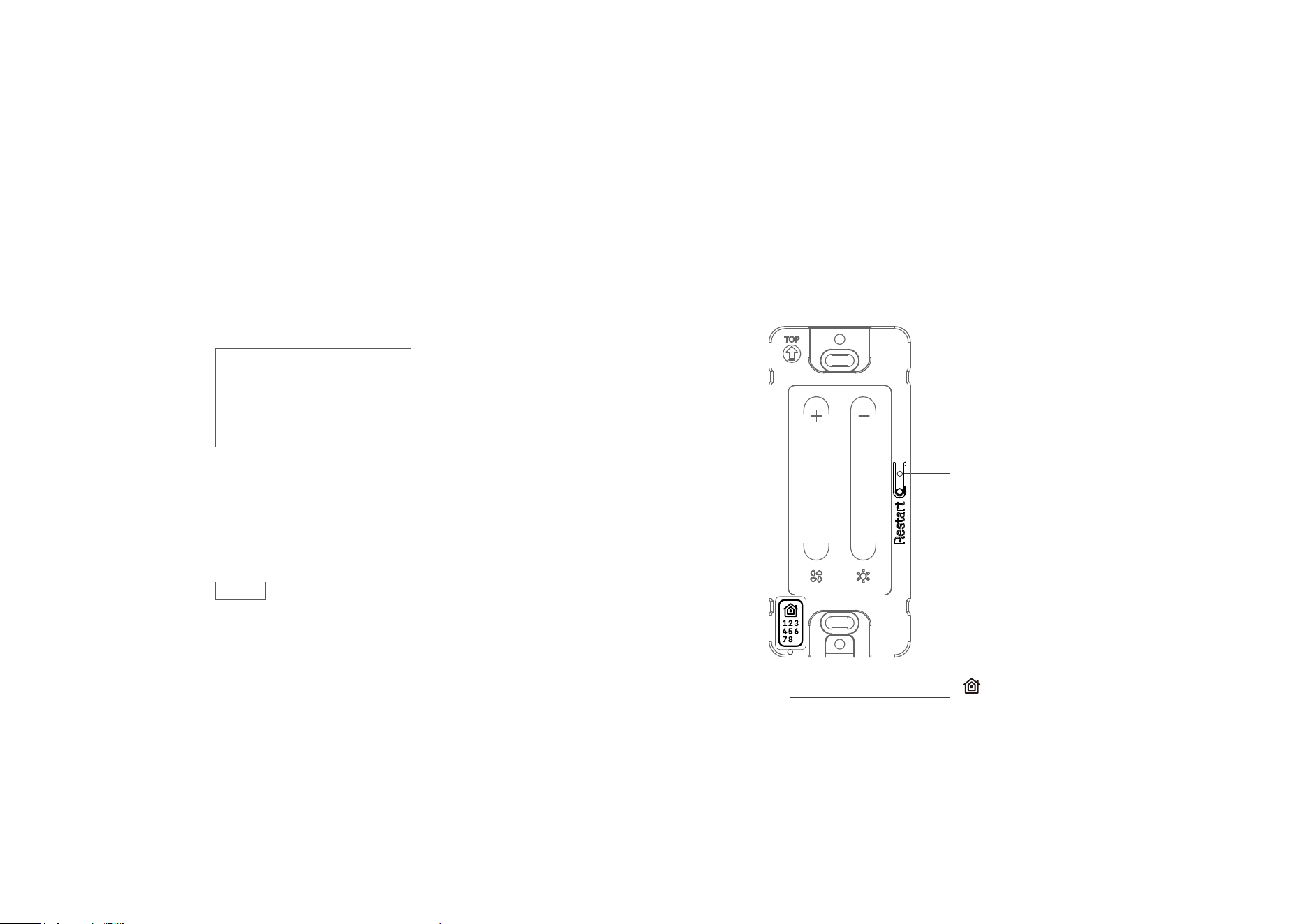
The Smart Ceiling Fan Control and Dimmer Switch includes a fan speed bar, a fan LED/button, brightness bar, a light LED/button, and a
Restart button. See the explanation below:
Slide to adjust the fan speed.
Slide to adjust the lighting brightness.
Buttons:
Touch to turn on/o the fan/light.
Press and hold for 10s:
Factory reset the whole switch.
LEDs:
Indicates the device status.
Restart Button
HomeKit Numeric Code
• For HomeKit setup.
4
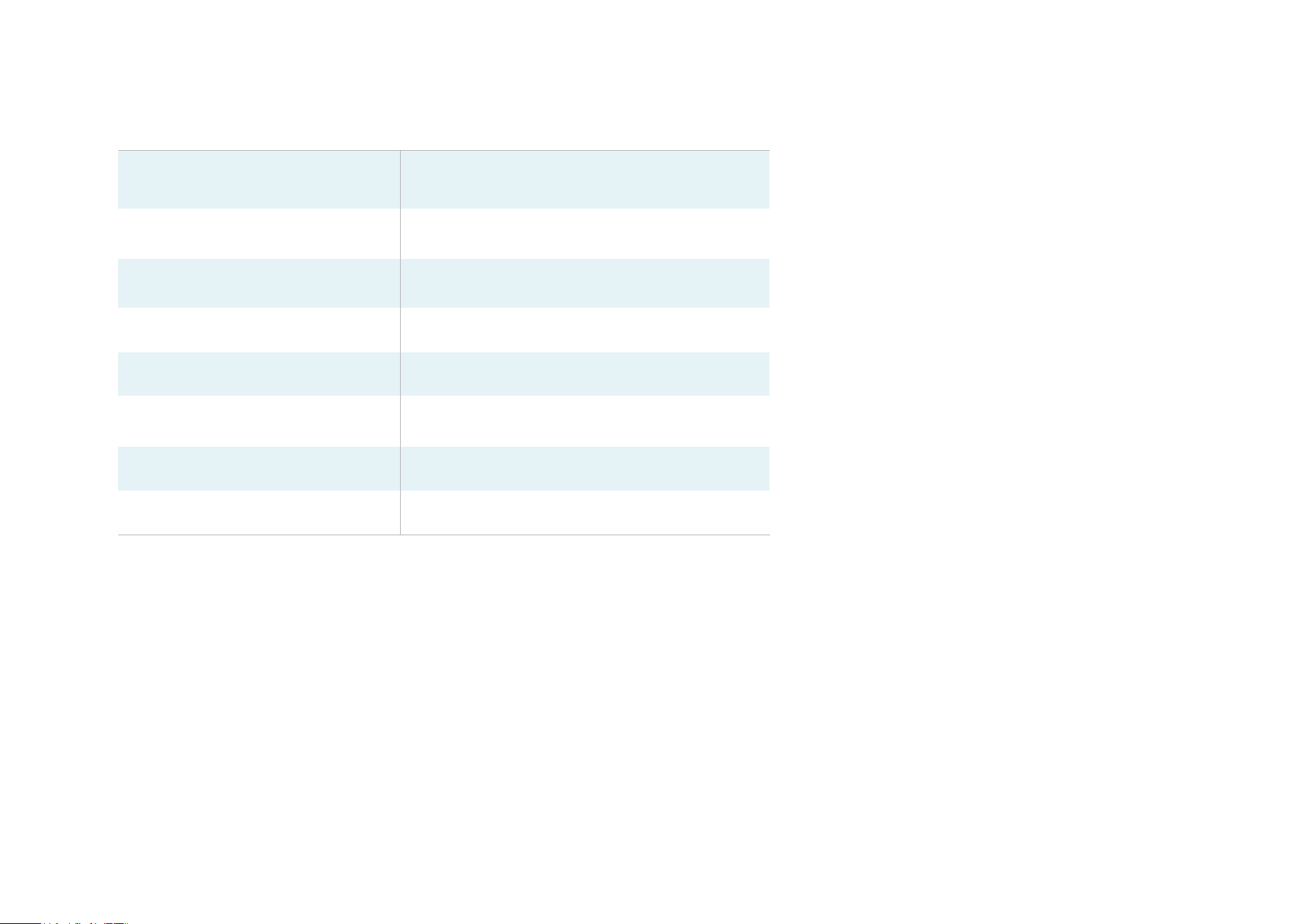
LED Status
Starting up;
Disconnected from Cloud.
Solid red
Blinking red quickly
Blinking white quickly
Blinking red slowly
Solid white
Blinking red & white slowly
Connecting to Wi-Fi.
Ready for setup.
Restoring to factory default settings.
Blinking white slowly Firmware updating.
Blinking red & white quickly Resetting Wi-Fi.
Disconnected from Wi-Fi.
Connected to Cloud.

5
Wire Your Switch
Follow the steps below to wire your Smart Ceiling Fan Control and Dimmer Switch. If you are not familiar with basic electronical wiring, please consult an
electrician.
Before You Start
1.
Prepare Baisc Knowledge of Wiring
• Neutral: Usually a bundle of white wires, not connected
to the old switch. They may be folded up in the very back of
your wallbox. If the old switch is smart, then the neutral wire
may be connected to the switch.
• Ground: Usually a green or bare copper wire.
• Line (Live/Hot): Usually black. One end is connected to the
circuit breaker, the other to your old switch.
• Load: Usually black or red. One end is connected to the
switch, the other to your electrical device.
Note: If you are unsure, consult a qualied electrician.
2. Requirements
• Separate load wires for fan and light are required.
• A neutral wire is required to install the smart switch.
• The smart switch is designed for single-pole (one location)
wiring (not compatible with 3-way/multi-way switch wiring).
• Supported fan type: AC motor speed control (most pull-
chain ceiling fans) with a recommended rating of less than
60W.
• For optimal fan performance, please manually adjust the fan speed to the
highest settings with the independent speed control (e.g., pull chain) of your
fan.
• If you have an additional controller connected to your fan, remove it rst.
• DO NOT use to control exhaust fans, DC motor fans, and fans with
integrated fan speed controls (i.e., fans with remote control or Bluetooth/
Wi-Fi enabled).
3. Prepare Your Tools
Prepare a philips and slotted screwdriver, pliers, wire strippers
,
a voltage
detector, and a pair of insulated gloves.
4. Check Wi-Fi Strength
Make sure your switch is in an
area with strong Wi-Fi signal.
6
Wire Your Switch
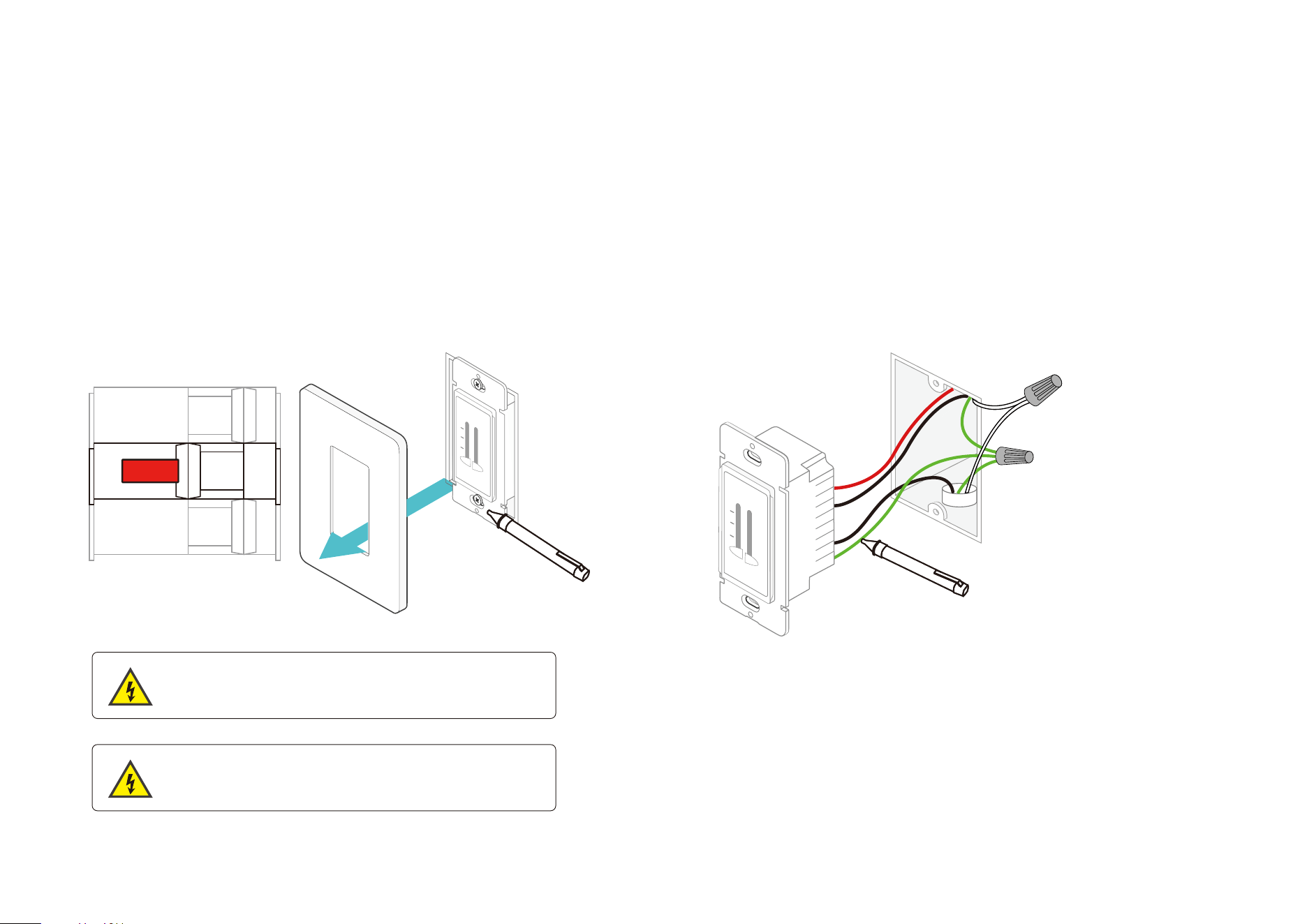
Turn o the light and fan of the old switch and turn o the circuit
breaker. Remove the wallplate of your old switch and use a voltage
detector to conrm that all power is o.
Unscrew the old switch and pull it out. Use a voltage detector to
test all the wires to conrm that all power is o.
Step 1. Turn O Power and Remove the Wallplate
CAUTION
Risk of Electric Shocks - High Voltage - Disconnect power supply
at the circuit breaker before servicing.
OFF
MISE EN GARDE
Risque d'électrocution - Haute tension: débranchez l'alimentation
électrique au niveau du disjoncteur avant l'utiliser.
Step 2. Pull out the Old Switch
Fan
Light
Fan
Light
7
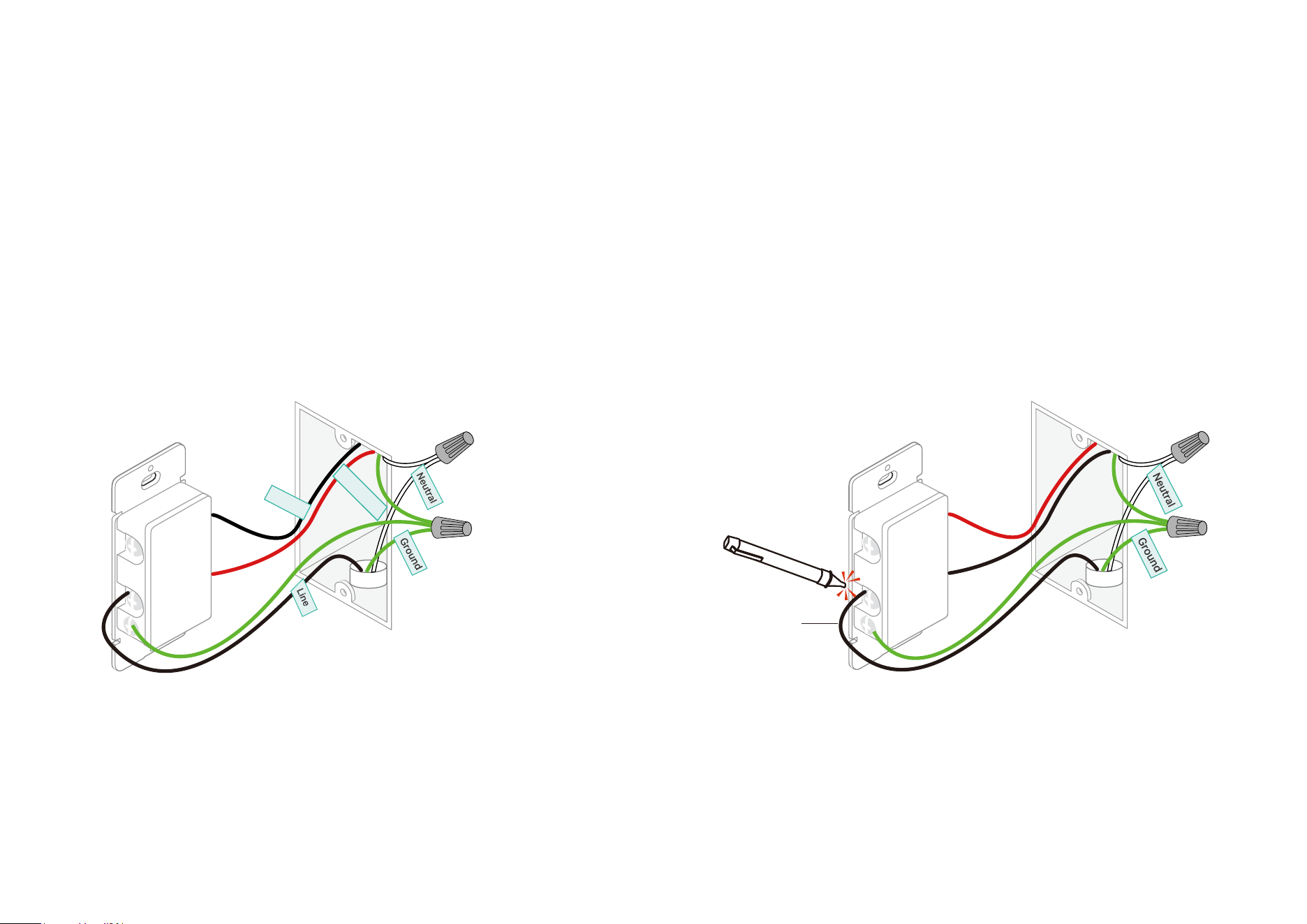
1) Identify and label the Ground and Neutral wires in the wall box.
2) Identify the Line, Fan Load, and Lighting Load wires of the old
switch according to their wire colors and the existing marks, if any,
and label them with the provided wire labels.
3) Take a photo of the old switch wiring conditions for later
reference.
Step 3. Identify the Wires
1) Turn on the circuit breaker. Make sure your old light and fan
switch is turned o.
2) Use a voltage detector to identify the energized wire (Line wire).
Note: If you nd more than one wire is energized, please refer to:
https://www.tp-link.com/support/faq/3682/
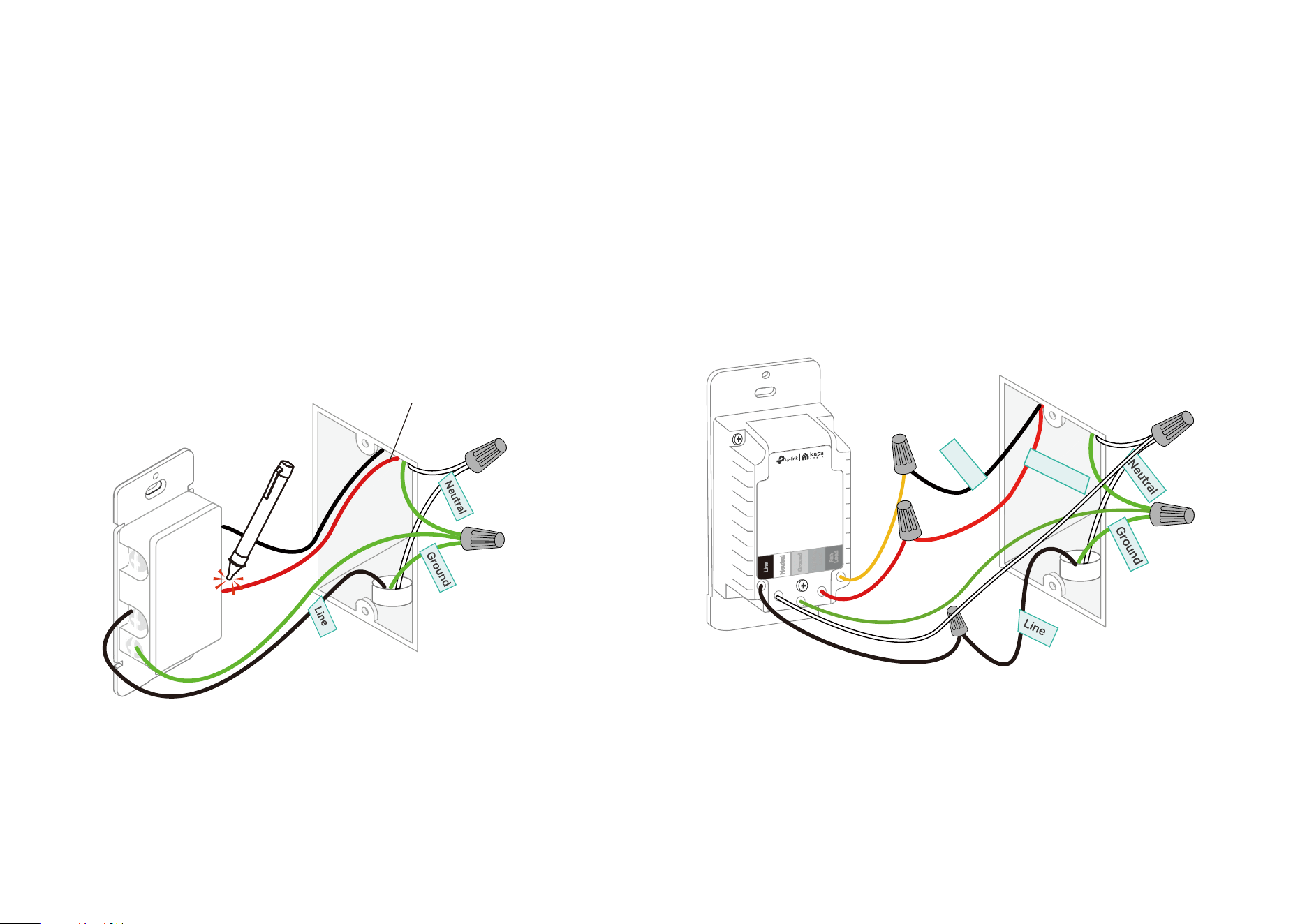
3) Turn o the circuit breaker. Label the energized wire as the Line
wire.
Step 4. Identify the Line Wire
Line wire
Fan
Light
Fan
Light
Lighting Load
Fan Load
If you cannot identify and label the Line, Fan Load, and Lighting
Load wires, you can follow Steps 4 and 5 to make it. Otherwise, you
can skip Steps 4 and 5.
8
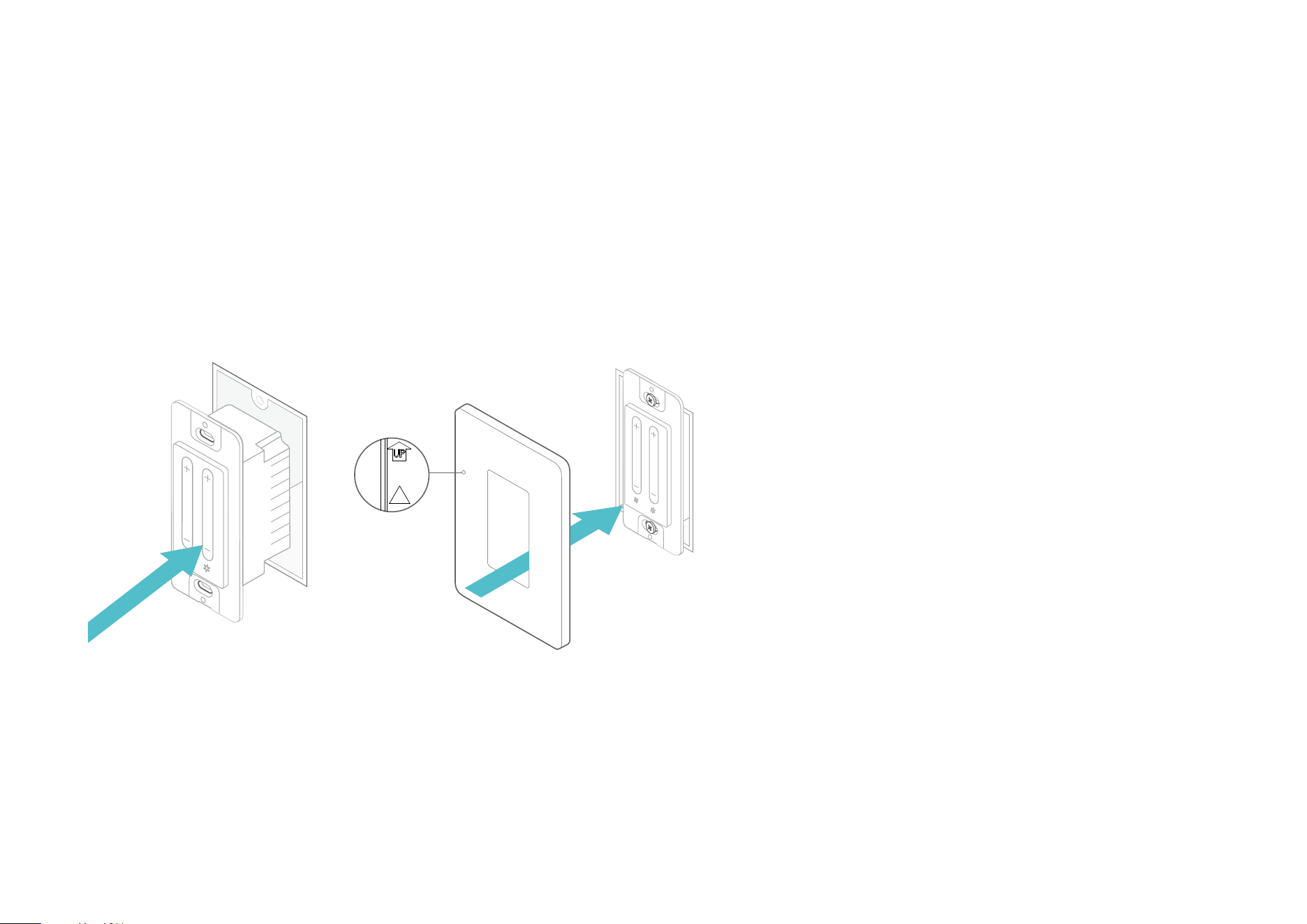
Disconnect all wires from the old switch, and connect them to the
smart switch as below. Check that all the wires are correct. Pull
gently to make sure each wire is secure.
Step 6. Remove Old Switch
1) Turn on your light switch, turn o your fan switch, and turn on the
circuit breaker to see that your light is working.
2) Use a voltage detector to identify the energized wire among the
two load wires. This should be the load wire of your light switch.
3) Turn o the circuit breaker and the light switch. Label the
energized wire as Lighting Load. Then label the other one as Fan
Load.
Step 5. Identify the Load Wires
Fan Load
Lighting Load
Light Load
Fan
Light
9
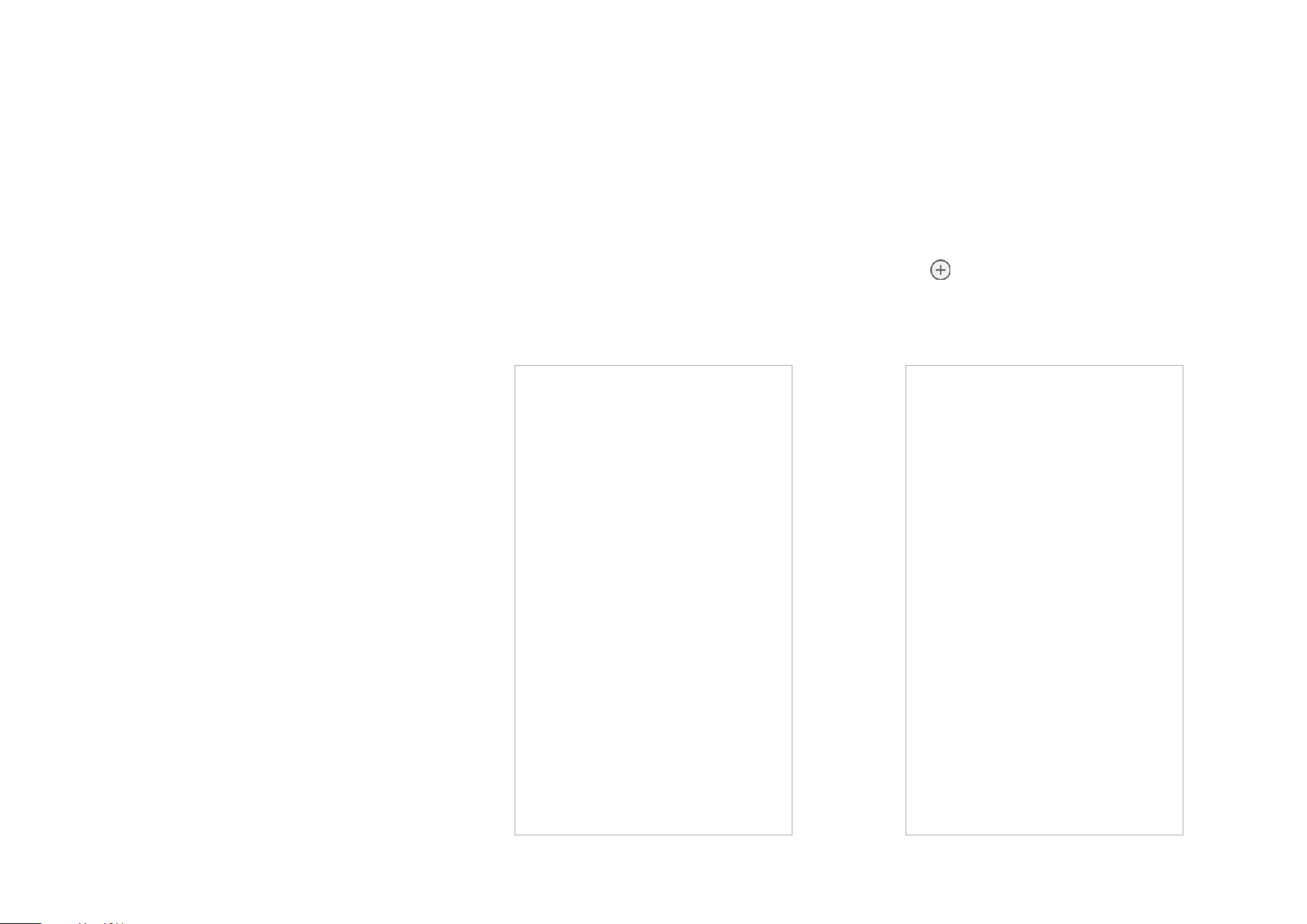
Line up the smart switch with the mounting holes. Secure it with screws. Ensure
the UP arrow on the back of the wallplate points up and attach the wallplate.
Then turn on the circuit breaker.
Step 7. Install Smart Switch
10
Set Up Your Switch via Kasa
Follow the steps below to set up your smart dimmer switch via Kasa Smart app.
1. Install Kasa Smart app
Get the Kasa Smart app from Google Play or
the App Store, or scan the QR code below to
download it.
2. Log in or sign up with TP-Link ID
Open the Kasa Smart app and log in with
your TP-Link ID. If you don’t have an account,
create one rst.
3. Add Device
Tap the button in the Kasa Smart app,
select Add a Device > Smart Switches > Fan
Control & Dimmer Switch. Follow the app
instructions to complete the setup.

11
Set Up Your Switch via HomeKit
Before You Start
How to Set Up?
• Your iPhone/iPad should be connected to a stable 2.4 GHz Wi-Fi network with internet access.
• Ensure your iPhone/iPad, HomeKit device, and Apple home hub* (if any) are connected to the same Wi-Fi network.
*The hub like HomePod, HomePod mini, and Apple TV helps control your HomeKit devices remotely, share the devices with others, and
automate your devices to do tasks for you.
• To control the HomeKit-enabled device in the Apple Home app, the latest iOS or iPadOS version is highly recommended.
• Find the HomeKit QR code or numeric code on your device or in its packaging. After setup, you can save the code in Device Settings in
the Kasa Smart app.
1. Factory reset your Smart Switch.
2. Open the Apple Home app.
If you have added your smart device to the Kasa Smart app, you can go to Device Settings > Device Info in the app to nd the HomeKit
setup code and add the device to the Home app.
3. Scan the HomeKit QR code or enter the provided numeric setup code.
4. Follow the instructions in the app to complete setup.
12
Failed to Set Up?
• Factory reset the Smart Switch and restart your phone. Then try again.
• Move your iPhone/iPad and the smart device closer to the router to get a stronger Wi-Fi signal.
• HomeKit setup will be disabled in 10 minutes since the smart device is powered on. You can power o your Smart Switch, then power it
on and try again.
• Creating a new home in the Home app can greatly help set up your smart device.
• You can visit https://www.tp-link.com/support/faq/3390/ or scan the QR code below for more troubleshooting instructions.
Scan QR Code
Contact us at
https://www.tp-link.com/support
for Technical Support, FAQs & more

13
Use Your Smart Switch
After setup, your Smart Switch will be listed on the Home page. You can tap your device to manage it.
1. Home Page
Your can turn on or o your device on the Home page.
2. Status Page
Tap your fan control or light switch to enter its Status page.

14
3. Standard Mode VS Sleep Mode
Standard Mode: Normal working status for the fan.
Sleep Mode: Automatically switches to a gentle fan speed after a
set time. In Sleep Mode, the fan will gradually lower its speed by 1
increment every interval you set, stopping at Speed 1.
4. Adjust fan speed.
Go to the Status page. You can change fan speed when working on
Standard Mode. In Sleep Mode, adjusting the speed or turning o the
fan will disable Sleep Mode.

15
5. Adjust lighting brightness.
Change light brightness from 1% to 100%.
You can also set brightness presets here.
16
6. Set schedules for the fan/light.
Fan schedule: Adjust speed or turn on/o the fan at set times.
Light schedule: Adjust brightness or turn on/o the light at set times.
17
7. Set Timer for the fan/light.
Fan Timer: Turn on/o the fan, adjust fan speed, or enter Sleep Mode, after a set time.
Light Timer: Turn on/o the light after a set time.
18
8. Set Away Mode for the light.
With Away Mode, the light will turn on/o automatically at random intervals while you are away to make the appearance that someone is at home.
19
9.
Check Runtime of the fan/light.
Fan Runtime: Check runtime of the fan.
Light Runtime: Check runtime of the light.
20
Manage Device Settings
Tap the gear icon on the Status page of the fan or the light to enter the Device Settings page.
21
1. Edit device name and icon.
You can edit the device name and icon for the fan/light.
2. Set light brightness presets.
Set preset brightness levels so you can switch to the desired
brightness with just one tap. The presets will appear on the Status
page of the light.
22
3. Set default state for your Smart Switch.
Set the default state your Smart Switch will turn to when it is
turned on from the app or the power source.
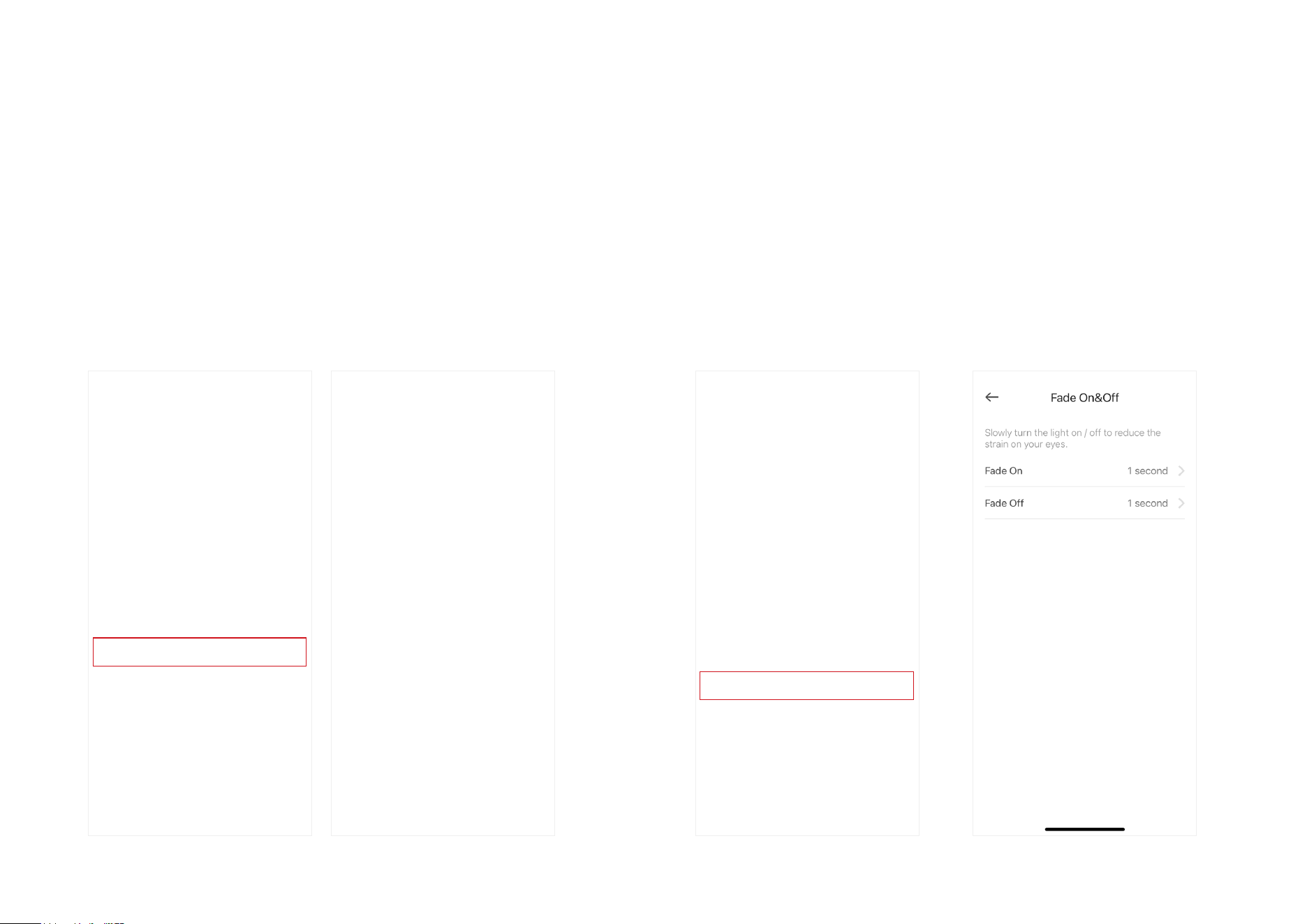
4. Set fade on/o for the light.
Set the fade on/o time for the light to reduce the strain on your eyes.
23
5. Control your device LEDs.
Set when to turn on your device LEDs and the brightness.
6. Calibrate your Smart Switch.
Calibrate your device to better dim your light.
24
7. Set Sleep Mode for the fan.
Set the interval for your fan to gradually lower its speed on Sleep
Mode.
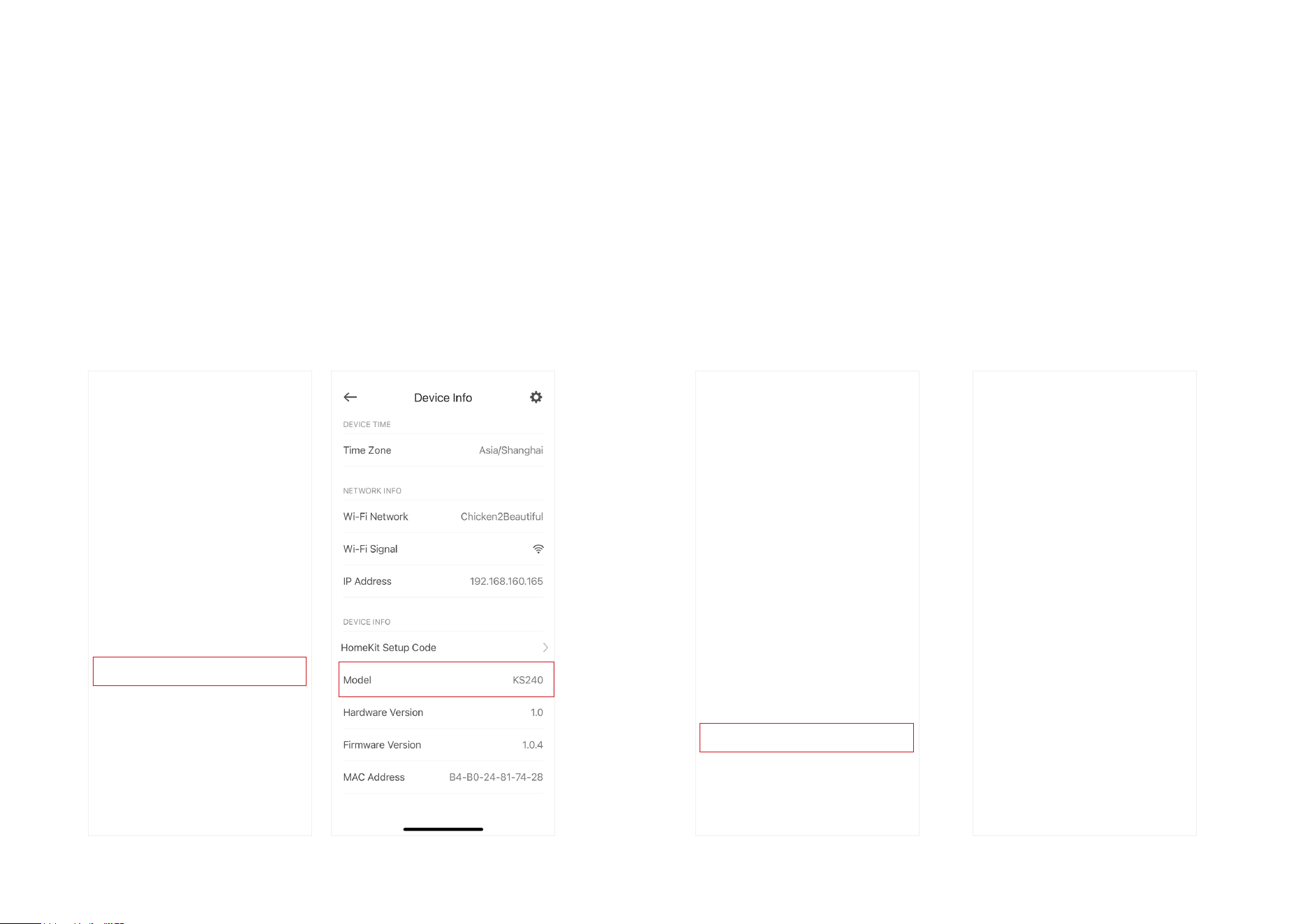
8. Check Groups that your Smart Switch is in.
Check whether your device is added to a group with other devices for
simultaneous control.
25
9. Check Homekit setup code.
You can check the HomrKit setup code and save the code to
add your device to your Apple Home app anytime.
10. Add to Home
Add your device to your Apple Home app.

26
Remove Your Device
You can remove your device from the Kasa Smart app on the Home page or on the Device Settings page, or by pressing the fan/light button of your
device.
Home Page
Long press the fan or the light and then tap . The whole
device will be removed.
Device Settings Page
Tap Remove Device. The whole device will be removed.

27
Press the fan/light button
Press and hold the fan or light button for at least 10 seconds to restore factory default settings.

28
Authtication
FCC compliance information statement
Product Name: Smart Ceiling Fan Control and Dimmer Switch
Model Number: KS240
Responsible party:
TP-Link USA Corporation
Address: 10 Mauchly, Irvine, CA 92618
Website: http://www.tp-link.com/us/
Tel: +1 626 333 0234
Fax: +1 909 527 6804
E-mail: [email protected]om
This equipment has been tested and found to comply with the limits for a Class B digital device, pursuant to part 15 of the FCC Rules. These limits are
designed to provide reasonable protection against harmful interference in a residential installation. This equipment generates, uses and can radiate
radio frequency energy and, if not installed and used in accordance with the instructions, may cause harmful interference to radio communications.
However, there is no guarantee that interference will not occur in a particular installation. If this equipment does cause harmful interference to radio
or television reception, which can be determined by turning the equipment off and on, the user is encouraged to try to correct the interference by
one or more of the following measures:
• Reorient or relocate the receiving antenna.
• Increase the separation between the equipment and receiver.
• Connect the equipment into an outlet on a circuit different from that to which the receiver is connected.
• Consult the dealer or an experienced radio/ TV technician for help.
This device complies with part 15 of the FCC Rules. Operation is subject to the following two conditions:
1. This device may not cause harmful interference.

29
2. This device must accept any interference received, including interference that may cause undesired operation.
Any changes or modifications not expressly approved by the party responsible for compliance could void the user’s authority to operate the
equipment.
Note: The manufacturer is not responsible for any radio or TV interference caused by unauthorized modifications to this equipment. Such modifications
could void the user’s authority to operate the equipment.
FCC RF Radiation Exposure Statement
This equipment complies with FCC RF radiation exposure limits set forth for an uncontrolled environment. This device and its antenna must not be
co-located or operating in conjunction with any other antenna or transmitter.
“To comply with FCC RF exposure compliance requirements, this grant is applicable to only Mobile Configurations. The antennas used for this
transmitter must be installed to provide a separation distance of at least 20 cm from all persons and must not be co-located or operating in conjunction
with any other antenna or transmitter.”
We, TP-Link USA Corporation, has determined that the equipment shown as above has been shown to comply with the applicable technical standards,
FCC part 15. There is no unauthorized change is made in the equipment and the equipment is properly maintained and operated.
Issue Date: 2024-01-18

30
Canadian Compliance Statement
This device contains licence-exempt transmitter(s)/receiver(s) that comply with Innovation, Science and Economic Development Canada’s licence-
exempt RSS(s). Operation is subject to the following two conditions:
(1) This device may not cause interference.
(2) This device must accept any interference, including interference that may cause undesired operation of the device.
L’émetteur/récepteur exempt de licence contenu dans le présent appareil est conforme aux CNR d’Innovation, Sciences et Développement
économique Canada applicables aux appareils radio exempts de licence. L’exploitation est autorisée aux deux conditions suivantes :
1) L’appareil ne doit pas produire de brouillage;
2) L’appareil doit accepter tout brouillage radioélectrique subi, même si le brouillage est susceptible d’en compromettre le fonctionnement.
Radiation Exposure Statement:
This equipment complies with IC radiation exposure limits set forth for an uncontrolled environment. This equipment should be installed and operated
with minimum distance 20cm between the radiator & your body.
Déclaration d’exposition aux radiations:
Cet équipement est conforme aux limites d’exposition aux rayonnements IC établies pour un environnement non contrôlé. Cet équipement doit être
installé et utilisé avec un minimum de 20 cm de distance entre la source de rayonnement et votre corps.
Industry Canada Statement
CAN ICES-3 (B)/NMB-3(B)
Safety Information
Before installing, servicing or removing the switch, read and follow all safety precautions including the following:
• Follow all national and local safety regulations and practices. If you are uncertain or uncomfortable when performing the installation, consult a
qualified electrician.
• CAUTION – Risk of Electric Shock – More than one disconnect switch may be required to de-energize the equipment and luminaire before servicing.
A circuit breaker which disconnects the Line and Neutral conductor simultaneously is suitable.
• CAUTION – High Voltage – Disconnect power supply before servicing. Ensure power is off at the circuit breaker before removing or installing any
switch. Use a non-contact voltage tester to ensure the power is off.
• Do not install the Smart Dimmer Switch with wet hands or when standing on wet or damp surfaces.
31
• Keep the device away from water, fire, humidity or hot environments.
• Do not attempt to disassemble, repair, or modify the device. If you need service, please contact us.
• Do not use the device where wireless devices are not allowed.
• Rating: 120V~ 60Hz
• Lighting Load: 300W INC/HAL, 150W LED
• Dimming Type: Leading Edge Dimming / TRIAC Phase Cut
• Ceiling Fan Load: 1.5A Max Load, 4-Speed
• Supported Fan Type: AC Motor Speed Control
• Operation temperature: 32°F~104°F (0~40℃)
• Install only in a suitable UL Listed outlet box (suitable dimensions: H > 2.95 in. / 75 mm, W > 1.81 in. / 46 mm, D > 2 in. / 51 mm).
• Tighten terminal screws to 13 lbf-in.
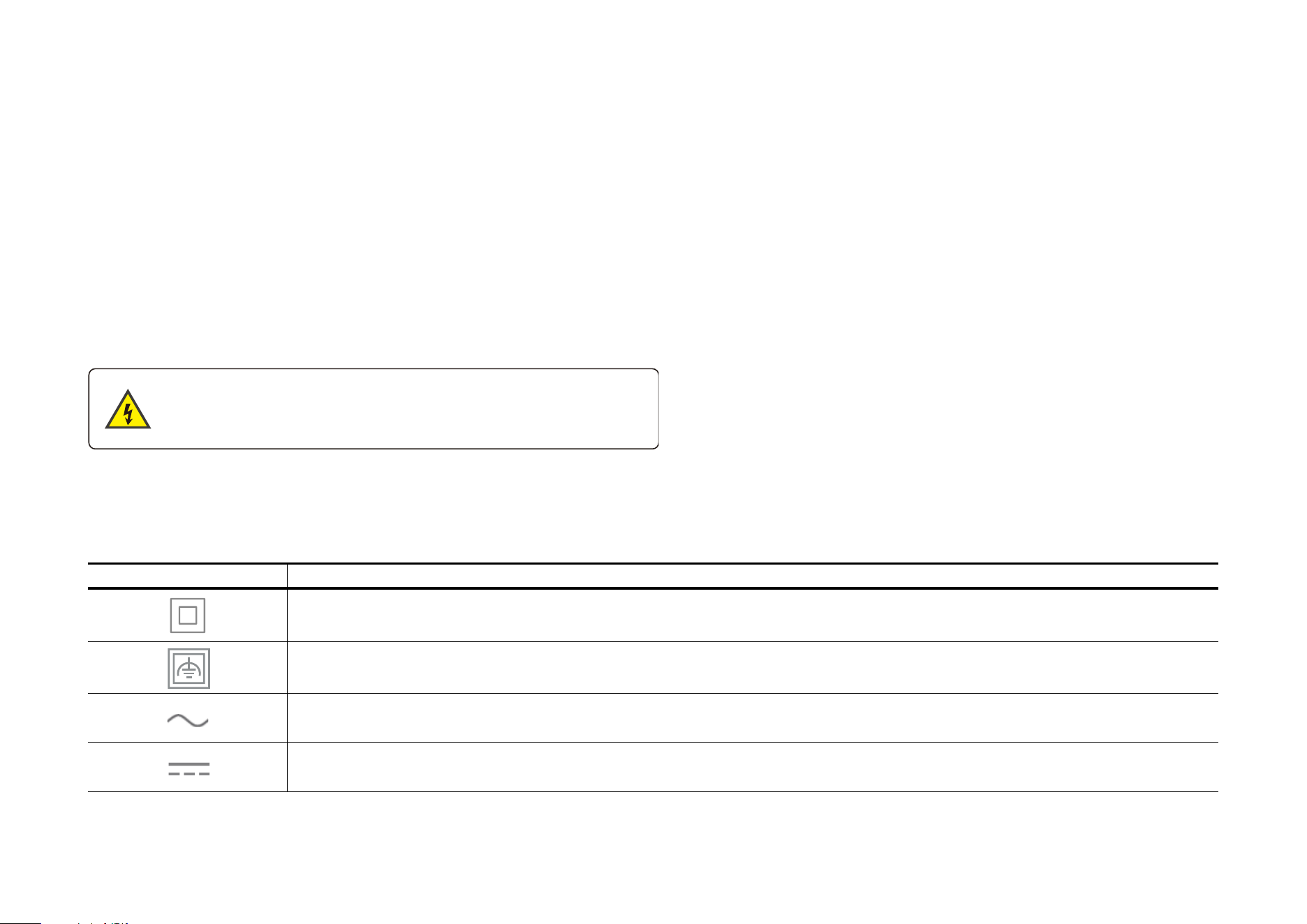
CAUTION
Electrical switch integrated in this product is only intended for functional purposes.
De-energized the product at the circuit breaker before servicing.
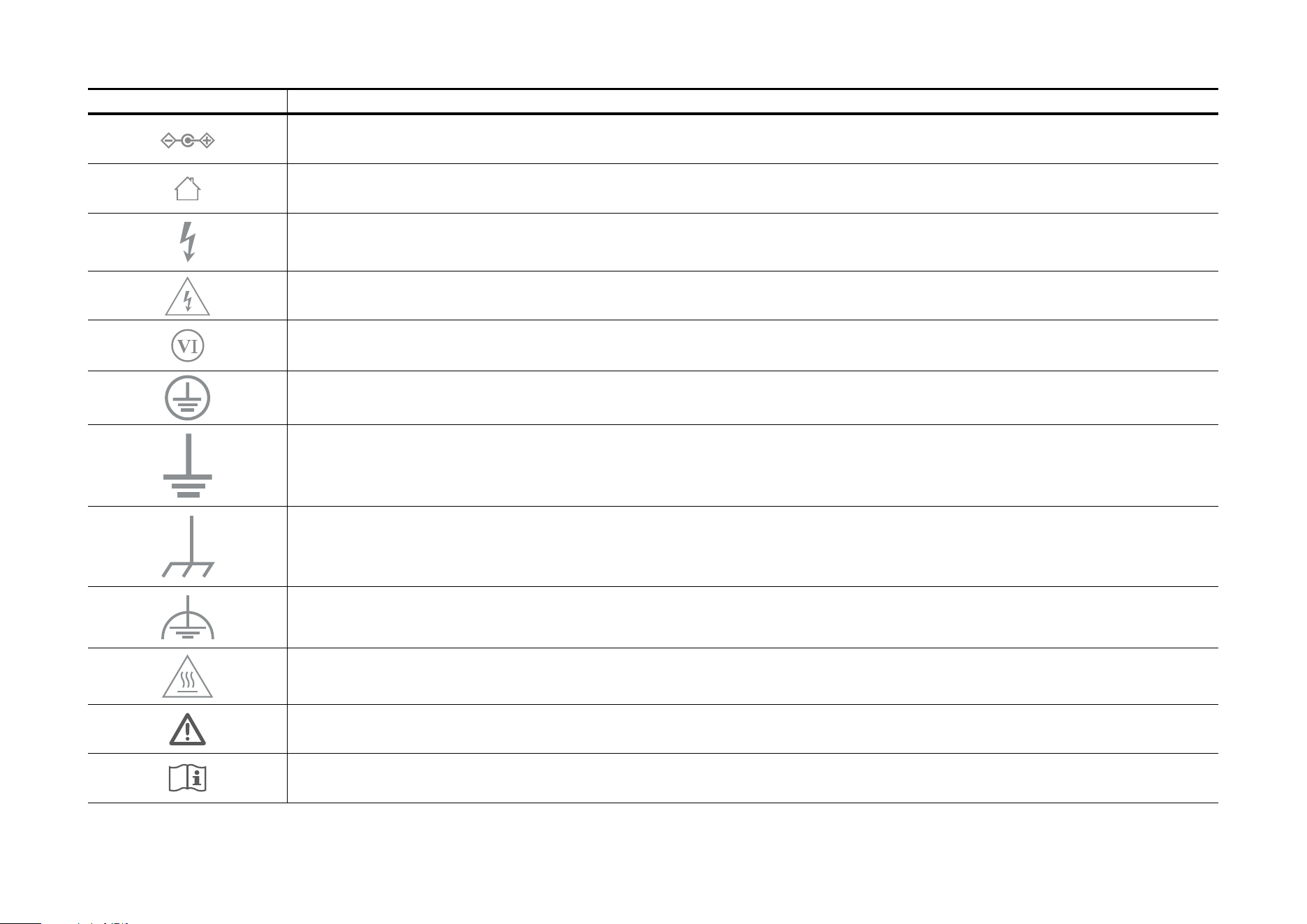
Explanation of the symbols on the product label
Symbols may vary from products
Symbol Explanation
Class II equipment
Class II equipment with functional earthing
Alternating current
DC voltage
32
Symbol Explanation
Polarity of output terminals
Indoor use only
Dangerous voltage
Caution, risk of electric shock
Energy efficiency Marking
Protective earth
Earth
Frame or chassis
Functional earthing
Caution, hot surface
Caution
Operator’s manual
33
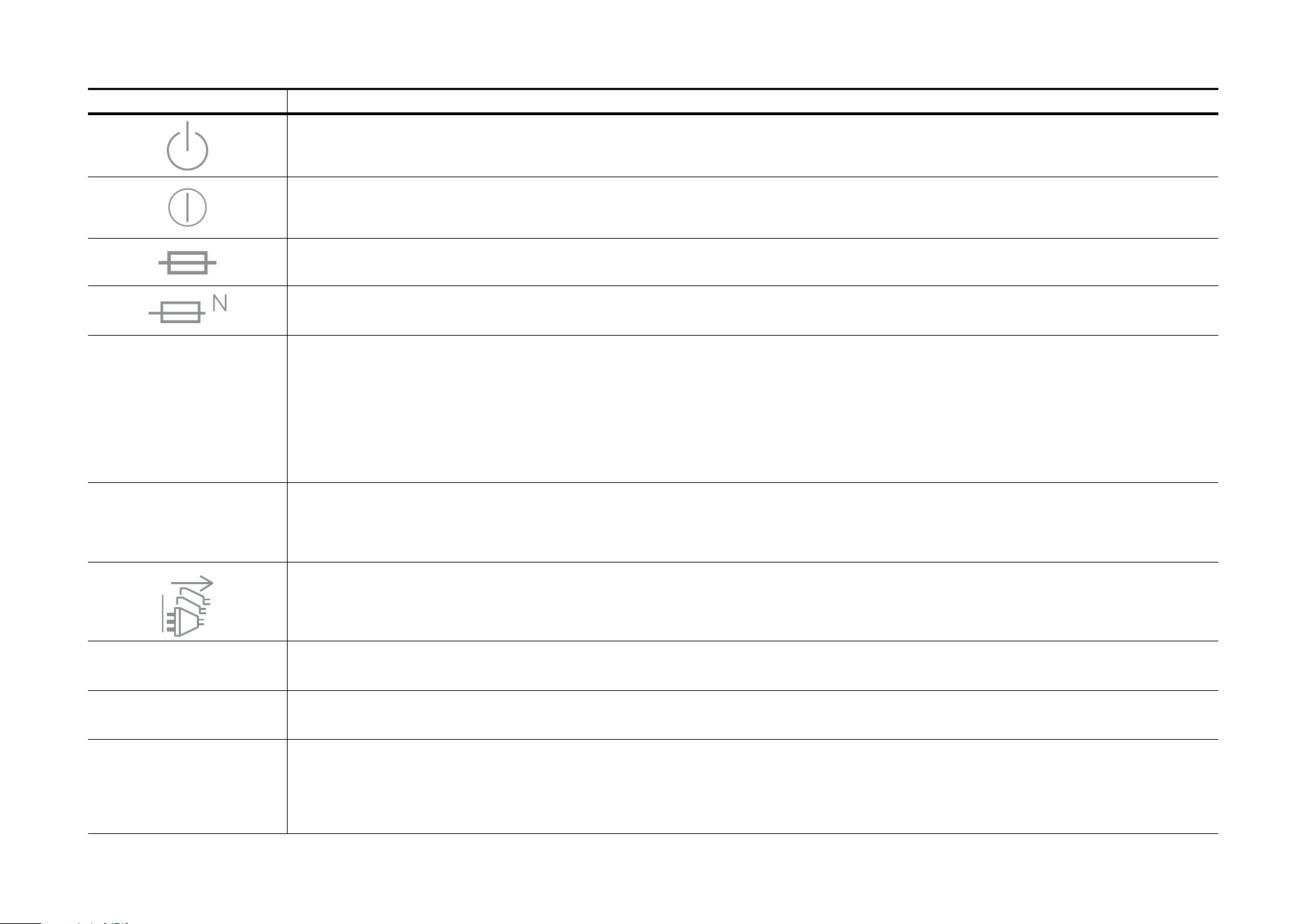
Symbol Explanation
Stand-by
“ON”/”OFF” (push-push)
Fuse
Fuse is used in neutral N
RECYCLING
This product bears the selective sorting symbol for Waste electrical and electronic equipment (WEEE). This means
that this product must be handled pursuant to European directive 2012/19/EU in order to be recycled or dismantled to
minimize its impact on the environment.
User has the choice to give his product to a competent recycling organization or to the retailer when he buys a new
electrical or electronic equipment.
Caution, avoid listening at high volume levels for long periods
Disconnection, all power plugs
m Switch of mini-gap construction
µ
Switch of micro-gap construction (for US version)
Switch of micro-gap / micro-disconnection construction (for other versions except US)
ε Switch without contact gap (Semiconductor switching device)