INSTRUCTION MANUAL
IMPORTANT SAFETY INSTRUCTIONS:
1. Before initial use, please fully charge the device to ensure proper operation.
2. Read and understand all instructions carefully before use.
After-Sales Support Email: [email protected]
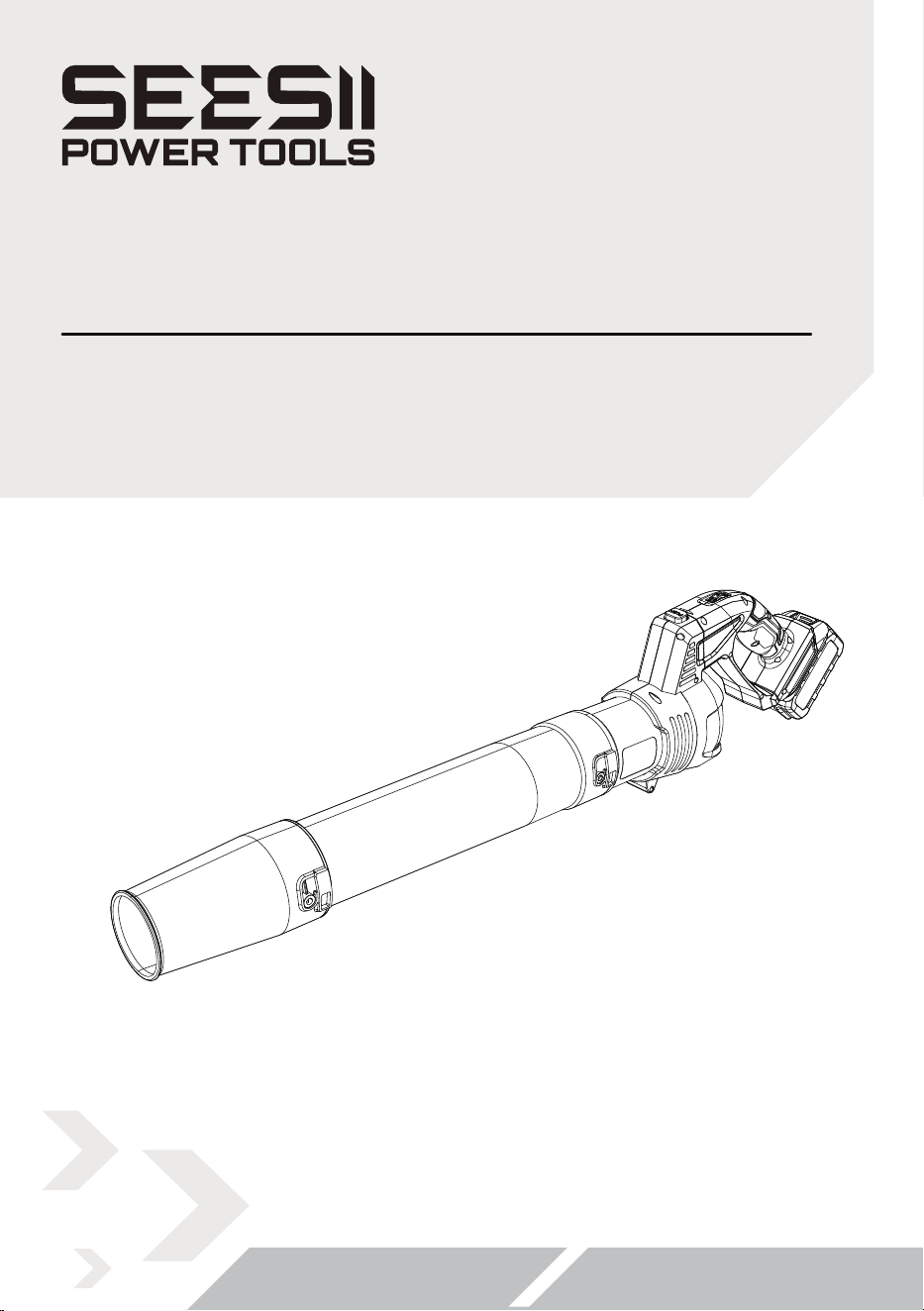
Model: BL200
Email: [email protected]
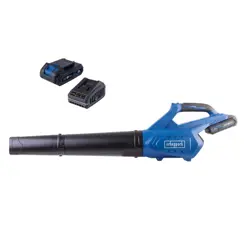
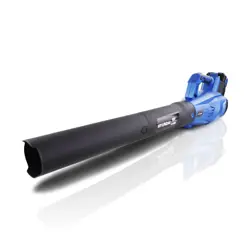
Cordless Leaf Blower
TABLE OF CONTENTS
SPECIFICATIONS
Product specification
Applicable battery cartridge and charger
Symbols
Intended use
SAFETY WARNINGS
Cordless blower safety instructions
Important safety instructions for battery cartridge
OVERVIEW
ASSEMBLY
Indicating the remaining battery capacity
Installing battery cartridge
Installing the extension nozzle
Installing the round nozzle
Installing the round nozzle onto the extension nozzle
Operating angle adjustment
OPERATION
Start the machine
Blower operation
Speed adjustment
MAINTENANCE
Cleaning the machine
WARRANTY POLICY
Contact Us Online
DISPOSAL
Disposal of the appliance
Disposal of an exhausted battery pack
Disposal of the packaging
01
01
01
01
02
02
02
06
08
08
09
09
10
10
10
11
11
11
11
12
12
12
13
13
14
14
14
14
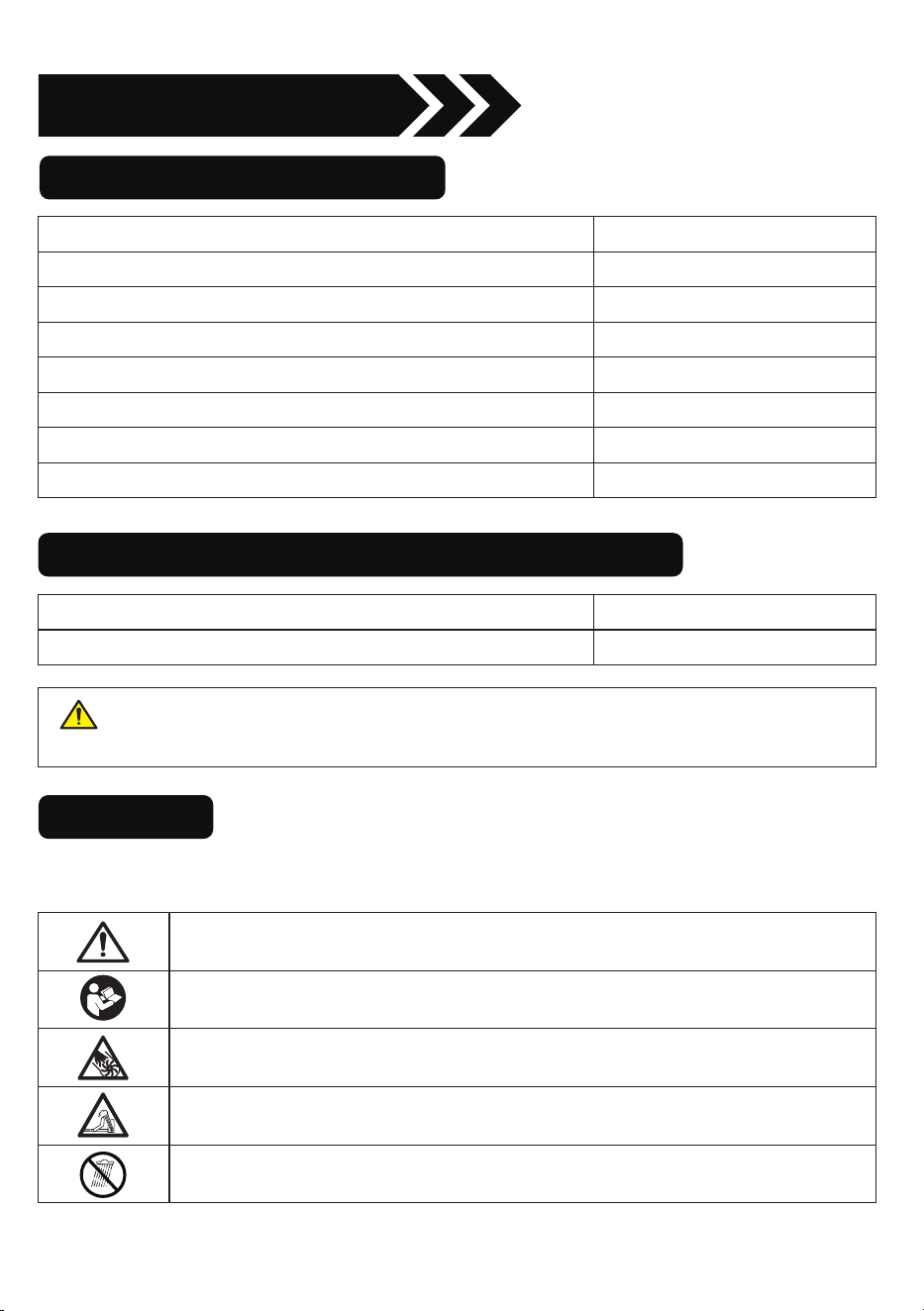
Do not expose to moisture.
-01- -02- -03- -04- -05- -06- -07- -08- -09- -10- -11- -12- -13- -14-
SPECIFICATIONS
Model
Air volume
Air speed (max.)
Overall length (with round nozzle)
Overall length (with extension nozzle)
Overall length (with round and extension nozzle)
Rated voltage
Net weight
BL200
550CFM
150MPH
420mm (16.54")
700mm (27.56")
820mm (32.28")
21V
1.65kg (3.64lbs)
Applicable battery cartridge and charger
Battery cartridge
Charger
T1840-10
HC201-0212000UA
WARNING: Only use the battery cartridges and chargers listed above.
Use of any other battery cartridges and chargers may cause injury and/or fire.
The followings show the symbols which may be used for the equipment. Be sure
that you understand their meaning before use.
Take particular care and attention.
Read instruction manual.
Keep hands away from rotating parts.
Long hair may cause entanglement accident.
1. Product Specifications
Symbols
-01- -02- -03- -04- -05- -06- -07- -08- -09- -10- -11- -12- -13- -14-
94
Li-ion
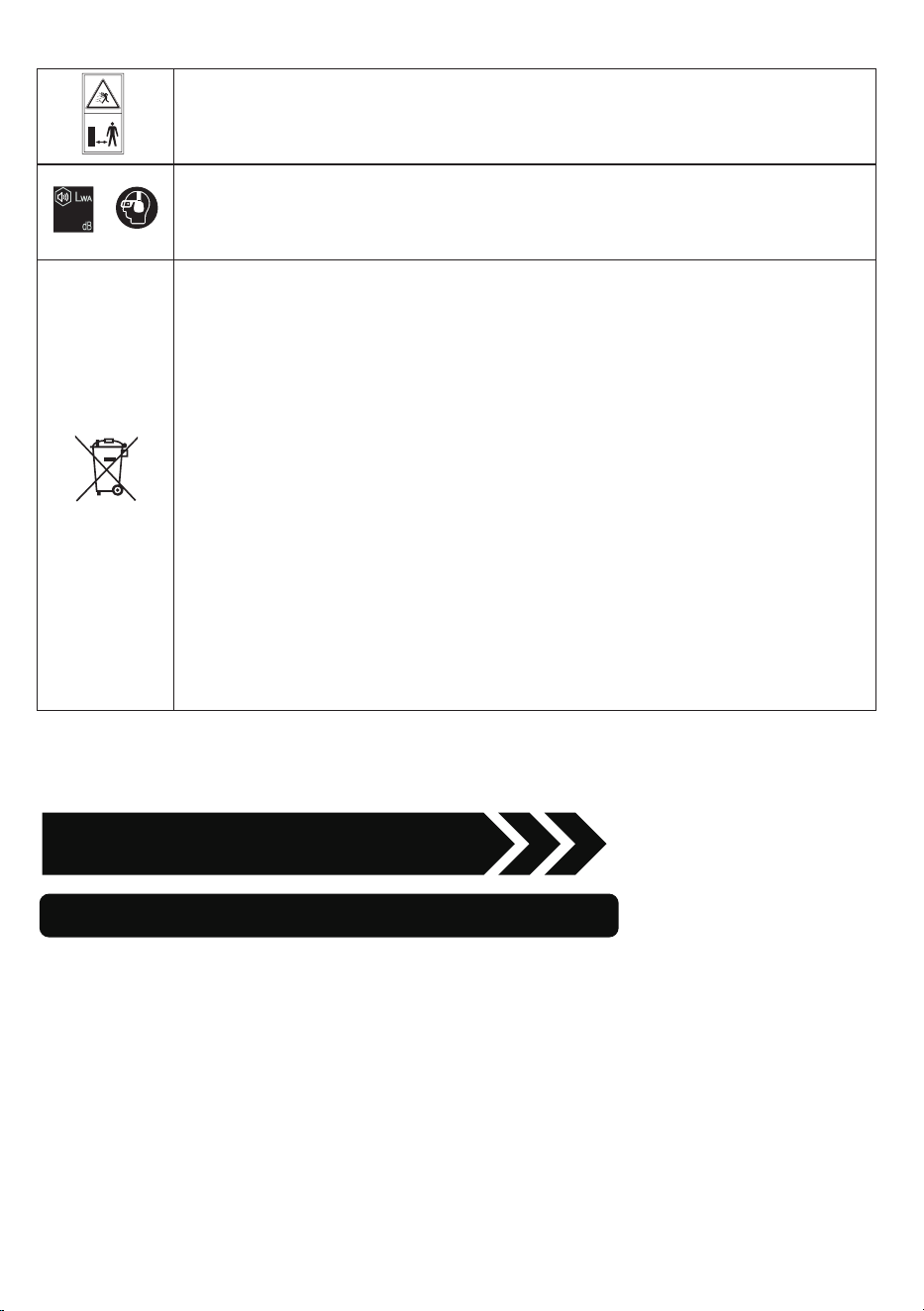
Keep bystanders away.
Wear eye and ear protection.
Only for EU countries
Due to the presence of hazardous com ponents in the
equipment, waste electrical and electronic equipment,
accumulators and batteries may have a negative impact on the
environment and human health. Do not dispose of electrical
and electronic appliances or batteries with household waste!
In accordance with the European Directive on waste electrical
and electronic equipment and on accumulators and batteries
and waste accumulators and batteries, as well as their
adaptation to national law, waste electrical equipment,
batteries and accumulators should be stored separately and
delivered to a separate collection point for municipal waste,
operating in accordance with the regulations on environmental
protection.
This is indicated by the symbol of the crossed-out wheeled bin
placed on the equipment.
Intended use
The machine is intended for blowing dust.
SAFETY WARNINGS
Cordless blower safety instructions
Training
1. Read the instructions carefully. Be familiar with the controls and the correct
use of the blower.
2. Never allow children, persons with reduced physical, sensory or mental
capabilities or lack of experience and knowledge or people unfamiliar with
these instructions to use the blower. Local regulations may restrict the age of
the operator.
3. Never operate the blower while people, especially children, or pets are nearby.
Keep in mind that the operator or user is responsible for accidents or hazards
occurring to other people or their property.

-01- -02- -03- -04- -05- -06- -07- -08- -09- -10- -11- -12- -13- -14-
Preparation
1. Always wear substantial footwear and long trousers while operating the
blower.
2. Do not wear loose clothing or jewellery that can be drawn into the air inlet.
Keep long hair away from the air inlets.
3. Always wear protective goggles to protect your eyes from injury when using
power tools. The goggles must comply with ANSI Z87.1 in the USA, EN 166 in
Europe, or AS/NZS 1336 in Australia/New Zealand. In Australia/New Zealand, it
is legally required to wear a face shield to protect your face, too. It is an
employer's responsibility to enforce the use of appropriate safety protective
equipments by the tool operators and by other persons in the immediate
working area.
4. To prevent dust irritation the wearing of a face mask is recommended.
5. While operating the machine, always wear non-slip and protective footwear.
Non-skid, closed-toed safety boots and shoes will reduce the risk of injury.
6. Use personal protective equipment. Always wear eye protection. Protective
equipment such as a dust mask, non-skid safety shoes, hard hat or hearing
protection used for appropriate conditions will reduce personal injuries.
Operation
1. Switch off the blower and remove the battery cartridge and make sure that all
moving parts have come to a complete stop
• whenever you leave the blower.
• before clearing blockages.
• before checking, cleaning or working on the blower.
• if the blower starts to vibrate abnormally.
2. Operate the blower only in daylight or in good artificial light.
3. Do not overreach and keep proper balance and footing at all times.
4. Always be sure of your footing on slopes.
5. Walk, never run.
6. Keep all cooling air inlets clear of debris.
7. Never blow debris in the direction of bystanders.
8. Operate the blower in a recommended position and on a firm surface.
9. Do not operate the blower at high places.
10. Never point the nozzle at anyone in the vicinity when using the blower.
11. Never block suction inlet and/or blower outlet.
• Be careful not to block suction inlet or blower outlet with dust or dirt when
operating in dusty area.
• Do not use nozzles other than the nozzles provided by Seesii. Do not use the
blower to inflate balls, rubber boat or the similar.
• Do not use the blower to inflate balls, rubber boat or the similar.
12. Do not operate the blower near open window, etc.
13. Operating the blower only at reasonable hours is recommended - not early in

-01- -02- -03- -04- -05- -06- -07- -08- -09- -10- -11- -12- -13- -14-
Preparation
1. Always wear substantial footwear and long trousers while operating the
blower.
2. Do not wear loose clothing or jewellery that can be drawn into the air inlet.
Keep long hair away from the air inlets.
3. Always wear protective goggles to protect your eyes from injury when using
power tools. The goggles must comply with ANSI Z87.1 in the USA, EN 166 in
Europe, or AS/NZS 1336 in Australia/New Zealand. In Australia/New Zealand, it
is legally required to wear a face shield to protect your face, too. It is an
employer's responsibility to enforce the use of appropriate safety protective
equipments by the tool operators and by other persons in the immediate
working area.
4. To prevent dust irritation the wearing of a face mask is recommended.
5. While operating the machine, always wear non-slip and protective footwear.
Non-skid, closed-toed safety boots and shoes will reduce the risk of injury.
6. Use personal protective equipment. Always wear eye protection. Protective
equipment such as a dust mask, non-skid safety shoes, hard hat or hearing
protection used for appropriate conditions will reduce personal injuries.
Operation
1. Switch off the blower and remove the battery cartridge and make sure that all
moving parts have come to a complete stop
• whenever you leave the blower.
• before clearing blockages.
• before checking, cleaning or working on the blower.
• if the blower starts to vibrate abnormally.
2. Operate the blower only in daylight or in good artificial light.
3. Do not overreach and keep proper balance and footing at all times.
4. Always be sure of your footing on slopes.
5. Walk, never run.
6. Keep all cooling air inlets clear of debris.
7. Never blow debris in the direction of bystanders.
8. Operate the blower in a recommended position and on a firm surface.
9. Do not operate the blower at high places.
10. Never point the nozzle at anyone in the vicinity when using the blower.
11. Never block suction inlet and/or blower outlet.
• Be careful not to block suction inlet or blower outlet with dust or dirt when
operating in dusty area.
• Do not use nozzles other than the nozzles provided by Seesii. Do not use the
blower to inflate balls, rubber boat or the similar.
• Do not use the blower to inflate balls, rubber boat or the similar.
12. Do not operate the blower near open window, etc.
13. Operating the blower only at reasonable hours is recommended - not early in
the morning or late at night when people might be disturbed.
14. Using rakes and brooms to loosen debris before blowing is recommended.
15. If the blower strikes any foreign objects or should start making any unusual
noise or vibration, immediately switch off the blower to stop it. Remove the
battery cartridge from the blower and inspect the blower for damage before
restarting and operating the blower. If the blower is damaged, ask Seesii
Authorized Service Centers for repair.
16. Do not insert fingers or other objects into suction inlet or blower outlet.
17. Prevent unintentional starting. Ensure the switch is in the off-position before
inserting battery cartridge, picking up or carrying the blower. Carrying the
blower with your finger on the switch or energizing the blower that has the
switch on invites accidents.
18. Never blow dangerous materials, such as nails, fragments of glass, or blades.
19. Do not operate the blower near flammable materials.
20. Avoid operating the blower for a long time in low temperature environment.
21. Do not use the machine when there is a risk of lightning.
22. When you use the machine on muddy ground, wet slope, or slippery place, pay
attention to your footing.
23. Avoid working in poor environment where increased user fatigue is expected.
24. Do not use the machine in bad weather where visibility is limited. Failure to do
so may cause fall or incorrect operation due to low visibility.
25. Do not submerge the machine into a puddle.
26. When wet leaves or dirt adhere to the suction mouth (ventilation window) due
to rain, remove them.
Maintenance and storage
1. Keep all nuts, bolts and screws tight to be sure the blower is in safe working
condition.
2. If the parts are worn or damaged, replace them with parts provided by Seesii.
3. Store the blower in a dry place out of the reach of children.
4. When you stop the blower for inspection, ser vicing, storage, or changing
accessory, switch off the blower and make sure that all moving parts come to
a complete stop, and remove the battery cartridge. Cool down the blower
before making any work on the blower. Maintain the blower with care and keep
it clean.
5. Always cool down the blower before storing.
6. Do not expose the blower to rain. Store the blower indoors.
7. When you lift the blower, be sure to bend your knees and be careful not to hurt
your back.
8. Do not leave the machine unattended outdoors in the rain.
9. Do not wash the machine with high pressure water.
10. When storing the machine, avoid direct sun light and rain, and store it in a
place where it does not get hot or humid.

-01- -02- -03- -04- -05- -06- -07- -08- -09- -10- -11- -12- -13- -14-
11. Perform inspection or maintenance in a place where rain can be avoided.
12. After using the machine, remove the adhered dirt and dry the machine
completely before storing. Depending on the season or the area, there is a risk
of malfunction due to freezing.
Battery tool use and care
1. Recharge only with the charger specified by the manufacturer. A charger that
is suitable for one type of battery pack may create a risk of fire when used
with another battery pack.
2. Use power tools only with specifically designated battery packs. Use of any
other battery packs may create a risk of injury and fire.
3. When battery pack is not in use, keep it away from other metal objects, like
paper clips, coins, keys, nails, screws or other small metal objects, that can
make a connection from one terminal to another. Shorting the battery
terminals together may cause burns or a fire.
4. Under abusive conditions, liquid may be ejected from the battery; avoid
contact. If con tact accidentally occurs, flush with water. If liquid contacts
eyes, additionally seek medical help. Liquid ejected from the battery may
cause irritation or burns.
5. Do not use a battery pack or tool that is dam aged or modified. Damaged or
modified batteries may exhibit unpredictable behaviour resulting in fire,
explosion or risk of injury.
6. Do not expose a battery pack or tool to fire or excessive temperature.
Exposure to fire or temperature above 130 °C may cause explosion.
7. Follow all charging instructions and do not charge the battery pack or tool
outside the temperature range specified in the instructions. Charging
improperly or at temperatures outside the specified range may damage the
battery and increase the risk of fire.
Electrical and battery safety
1. Do not dispose of the battery(ies) in a fire.
The cell may explode. Check with local codes for possible special disposal
instructions.
2. Do not open or mutilate the battery(ies).
Released electrolyte is corrosive and may cause damage to the eyes or skin. It
may be toxic if swallowed.
3. Do not charge battery in rain, or in wet locations.
4. Do not charge the battery outdoors.
5. Do not handle charger, including charger plug, and charger terminals with wet
hands.
6. Do not replace the battery in the rain.
7. Do not wet the terminal of battery with liquid such as water, or submerge the
battery. Do not leave the battery in the rain, nor charge, use, or store the
-01- -02- -03- -04- -05- -06- -07- -08- -09- -10- -11- -12- -13- -14-
11. Perform inspection or maintenance in a place where rain can be avoided.
12. After using the machine, remove the adhered dirt and dry the machine
completely before storing. Depending on the season or the area, there is a risk
of malfunction due to freezing.
Battery tool use and care
1. Recharge only with the charger specified by the manufacturer. A charger that
is suitable for one type of battery pack may create a risk of fire when used
with another battery pack.
2. Use power tools only with specifically designated battery packs. Use of any
other battery packs may create a risk of injury and fire.
3. When battery pack is not in use, keep it away from other metal objects, like
paper clips, coins, keys, nails, screws or other small metal objects, that can
make a connection from one terminal to another. Shorting the battery
terminals together may cause burns or a fire.
4. Under abusive conditions, liquid may be ejected from the battery; avoid
contact. If con tact accidentally occurs, flush with water. If liquid contacts
eyes, additionally seek medical help. Liquid ejected from the battery may
cause irritation or burns.
5. Do not use a battery pack or tool that is dam aged or modified. Damaged or
modified batteries may exhibit unpredictable behaviour resulting in fire,
explosion or risk of injury.
6. Do not expose a battery pack or tool to fire or excessive temperature.
Exposure to fire or temperature above 130 °C may cause explosion.
7. Follow all charging instructions and do not charge the battery pack or tool
outside the temperature range specified in the instructions. Charging
improperly or at temperatures outside the specified range may damage the
battery and increase the risk of fire.
Electrical and battery safety
1. Do not dispose of the battery(ies) in a fire.
The cell may explode. Check with local codes for possible special disposal
instructions.
2. Do not open or mutilate the battery(ies).
Released electrolyte is corrosive and may cause damage to the eyes or skin. It
may be toxic if swallowed.
3. Do not charge battery in rain, or in wet locations.
4. Do not charge the battery outdoors.
5. Do not handle charger, including charger plug, and charger terminals with wet
hands.
6. Do not replace the battery in the rain.
7. Do not wet the terminal of battery with liquid such as water, or submerge the
battery. Do not leave the battery in the rain, nor charge, use, or store the
battery in a damp or wet place. If the terminal gets wet or liquid enters inside of
battery, the battery may be short circuited and there is a risk of overheat, fire,
or explosion.
8. After removing the battery from the machine or charger, be sure to attach the
battery cover to the battery and store it in a dry place.
9. Do not replace the battery with wet hands.
10. If the battery gets wet, drain the water inside and then wipe it with a dry
cloth. Dry the battery completely in a dry place before use.
11. Avoid dangerous environment. Don't use the machine in dump or wet
locations or expose it to rain. Water entering the machine will increase the
risk of electric shock.
Service
1. Have your power tool serviced by a qualified repair person using only identical
replacement parts. This will ensure that the safety of the power tool is
maintained.
2. Never service damaged battery packs. Service of battery packs should only be
performed by the manufactu rer or authorized service providers.
WARNING: DO NOT let comfort or familiarity with product (gained from
repeated use) replace strict adherence to safety rules for the subject product.
MISUSE or failure to follow the safety rules stated in this instruction manual
may cause serious personal injury.
Important safety instructions for battery cartridge
1. Before using battery cartridge, read all instructions and cautionary markings
on (1) battery charger, (2) battery, and (3) product using battery.
2. Do not disassemble or tamper the battery cartridge. It may result in a fire,
excessive heat, or explosion.
3. If operating time has become excessively short, stop operating immediately. It
may result in a risk of overheating, possible burns and even an explosion.
4. If electrolyte gets into your eyes, rinse them out with clear water and seek
medical attention right away. It may result in loss of your eyesight.
5. Do not short the battery cartridge:
(1) Do not touch the terminals with any conductive material.
(2) Avoid storing battery cartridge in a container with other metal objects such
as nails, coins, etc.
(3) Do not expose battery cartridge to water or rain.
A battery short can cause a large current flow, overheating, possible burns and
even a breakdown.
6. Do not store and use the tool and battery cartridge in locations where the
temperature may reach or exceed 50 °C (122 °F).
7. Do not incinerate the battery cartridge even if it is severely damaged or is
completely worn out. The battery cartridge can explode in a fire.
8. Do not nail, cut, crush, throw, drop the battery cartridge, or hit against a hard
object to the battery cartridge. Such conduct may result in a fire, excessive
heat, or explosion.
9. Do not use a damaged battery.
10. The contained lithium-ion batteries are subject to the Dangerous Goods
Legislation requirements.
For commercial transports e.g. by third parties, forwarding agents, special
requirement on packaging and labeling must be observed.
For preparation of the item being shipped, consulting an expert for hazardous
material is required. Please also observe possibly more detailed nationa
regulations.
Tape or mask off open contacts and pack up the battery in such a manner that
it cannot move around in the packaging.
11. When disposing the battery cartridge, remove it from the tool and dispose of it
in a safe place. Follow your local regulations relating to disposal of battery.
12. Use the batteries only with the products specified by Seesii. Installing the
batteries to non-compliant products may result in a fire, excessive heat,
explosion, or leak of electrolyte.
13. If the tool is not used for a long period of time, the battery must be removed
from the tool.
14. During and after use, the battery cartridge may take on heat which can cause
burns or low temperature burns. Pay attention to the handling of hot battery
cartridges.
15. Do not touch the terminal of the tool immediately after use as it may get hot
enough to cause burns.
16. Do not allow chips, dust, or soil stuck into the terminals, holes, and grooves of
the battery cartridge. It may result in poor performance or breakdown of
the tool or battery cartridge.
17. Unless the tool supports the use near high-voltage electrical power lines, do
not use the battery cartridge near a high-voltage electrical power lines. It may
result in a malfunction or breakdown of the tool or battery cartridge.
18. Keep the battery away from children.

-01- -02- -03- -04- -05- -06- -07- -08- -09- -10- -11- -12- -13- -14-
WARNING: Only use genuine Seesii batteries. Use of non-genuine Seesii
batteries, or batteries that have been altered, may result in the battery
bursting causing fires, personal injury and damage. It will also void the Seesii
warranty for the Seesii tool and charger.
1. Before using battery cartridge, read all instructions and cautionary markings
on (1) battery charger, (2) battery, and (3) product using battery.
2. Do not disassemble or tamper the battery cartridge. It may result in a fire,
excessive heat, or explosion.
3. If operating time has become excessively short, stop operating immediately. It
may result in a risk of overheating, possible burns and even an explosion.
4. If electrolyte gets into your eyes, rinse them out with clear water and seek
medical attention right away. It may result in loss of your eyesight.
5. Do not short the battery cartridge:
(1) Do not touch the terminals with any conductive material.
(2) Avoid storing battery cartridge in a container with other metal objects such
as nails, coins, etc.
(3) Do not expose battery cartridge to water or rain.
A battery short can cause a large current flow, overheating, possible burns and
even a breakdown.
6. Do not store and use the tool and battery cartridge in locations where the
temperature may reach or exceed 50 °C (122 °F).
7. Do not incinerate the battery cartridge even if it is severely damaged or is
completely worn out. The battery cartridge can explode in a fire.
8. Do not nail, cut, crush, throw, drop the battery cartridge, or hit against a hard
object to the battery cartridge. Such conduct may result in a fire, excessive
heat, or explosion.
9. Do not use a damaged battery.
10. The contained lithium-ion batteries are subject to the Dangerous Goods
Legislation requirements.
For commercial transports e.g. by third parties, forwarding agents, special
requirement on packaging and labeling must be observed.
For preparation of the item being shipped, consulting an expert for hazardous
material is required. Please also observe possibly more detailed nationa
regulations.
Tape or mask off open contacts and pack up the battery in such a manner that
it cannot move around in the packaging.
11. When disposing the battery cartridge, remove it from the tool and dispose of it
in a safe place. Follow your local regulations relating to disposal of battery.
12. Use the batteries only with the products specified by Seesii. Installing the
batteries to non-compliant products may result in a fire, excessive heat,
explosion, or leak of electrolyte.
13. If the tool is not used for a long period of time, the battery must be removed
from the tool.
14. During and after use, the battery cartridge may take on heat which can cause
burns or low temperature burns. Pay attention to the handling of hot battery
cartridges.
15. Do not touch the terminal of the tool immediately after use as it may get hot
enough to cause burns.
16. Do not allow chips, dust, or soil stuck into the terminals, holes, and grooves of
the battery cartridge. It may result in poor performance or breakdown of
the tool or battery cartridge.
17. Unless the tool supports the use near high-voltage electrical power lines, do
not use the battery cartridge near a high-voltage electrical power lines. It may
result in a malfunction or breakdown of the tool or battery cartridge.
18. Keep the battery away from children.
-01- -02- -03- -04- -05- -06- -07- -08- -09- -10- -11- -12- -13- -14-
Tips for maintaining maximum battery life
1. Charge the battery cartridge before completely discharged. Always stop tool
operation and charge the battery cartridge when you notice less tool power.
2. Never recharge a fully charged battery cartridge. Overcharging shortens the
battery service life.
3. Charge the battery cartridge with room temperature at 10 °C - 40 °C (50 °F -
104 °F). Let a hot battery cartridge cool down before charging it.
4. When not using the battery cartridge, remove it from the tool or the charger.
5. Charge the battery cartridge if you do not use it for a long period (more than
OVERVIEW
ASSEMBLY
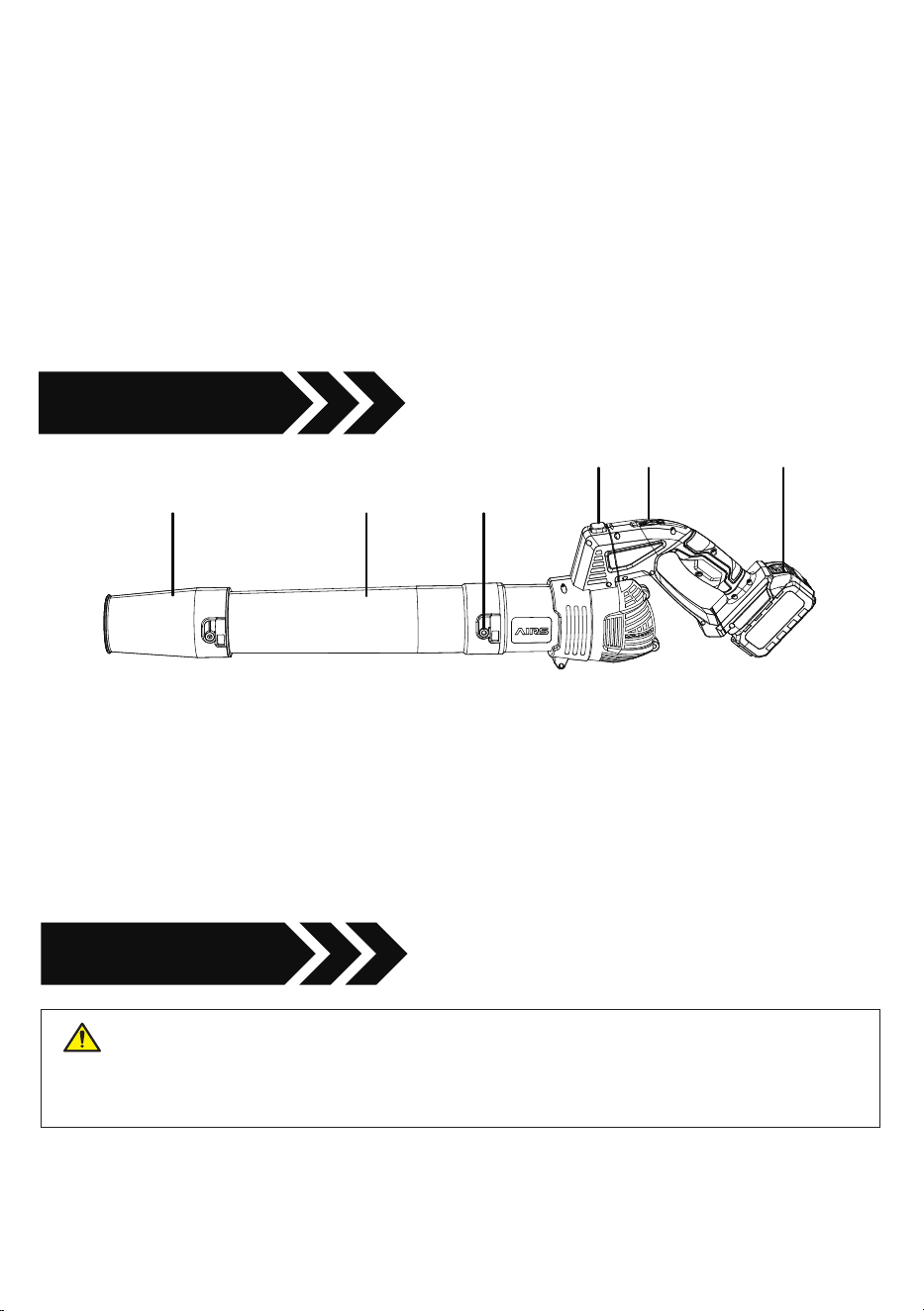
1. Round nozzle
2. Extension nozzle
3. Round snap
4. Rotation button
5. Speed adjustment wheel
6. Battery cartridge
CAUTION: Always be sure that the machine is switched off and the
battery cartridge is removed before adjusting or checking function on the
machine.
1 2 3
4 5 6
-01- -02- -03- -04- -05- -06- -07- -08- -09- -10- -11- -12- -13- -14-
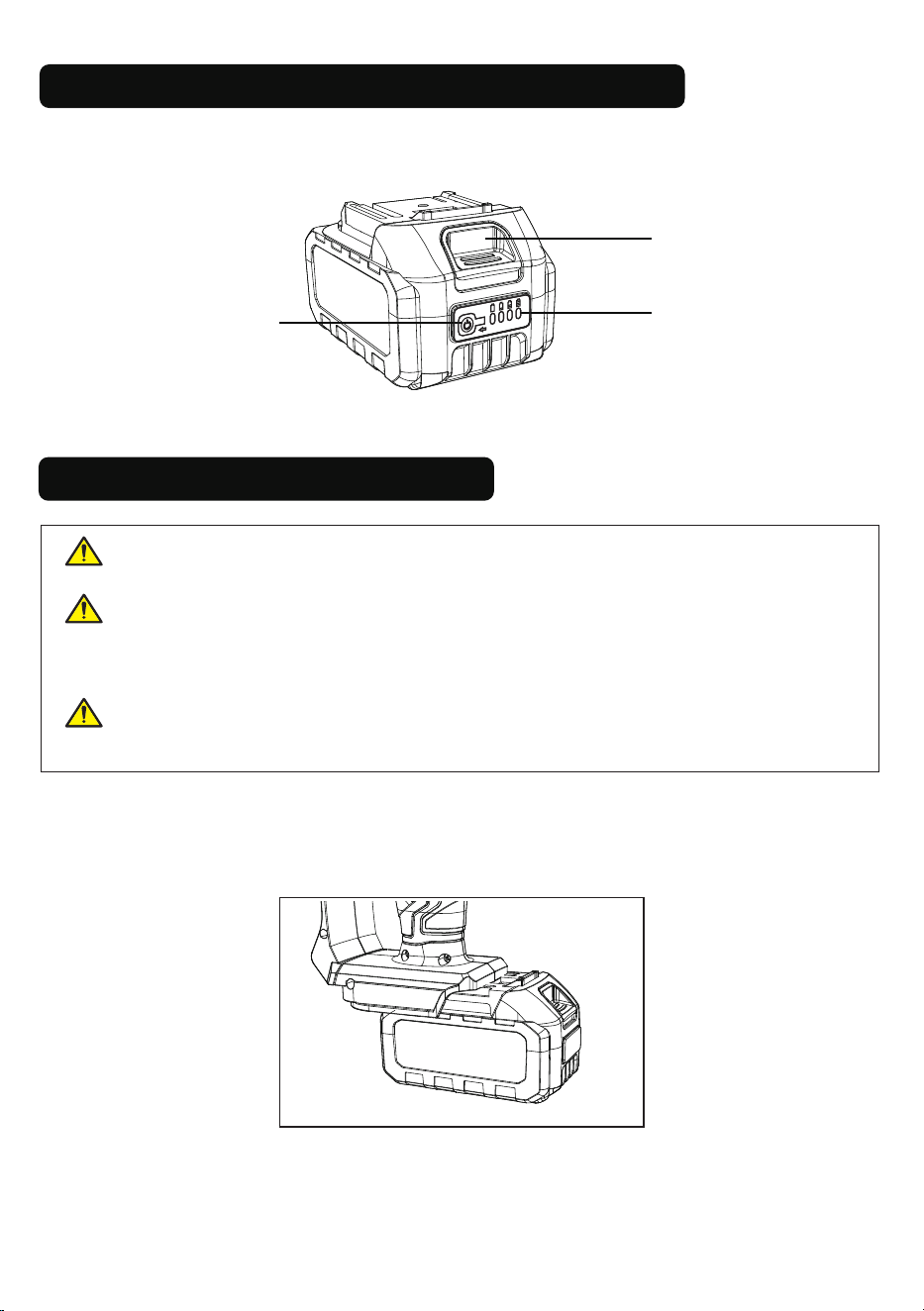
Indicating the remaining battery capacity
Press the Power check button on the battery cartridge to indicate the remaining
battery capacity. The indicator lamps light up for a few seconds.
1. Release button 2. Indicator lamps 3. Power check button
Installing battery cartridge
CAUTION: Always switch off the machine before installing or
removing of the battery cartridge.
CAUTION: Hold the machine and the battery cartridge firmly when
installing or removing battery cartridge. Failure to hold the machine and the
battery cartridge firmly may cause them to slip off your hands and result in
damage to the machine and battery cartridge and a personal injury.
CAUTION: Do not install the battery cartridge forcibly. If the
cartridge does not slide in easily, it is not being inserted correctly.
To install the battery cartridge: Press the release button, align the tongue on the
battery cartridge with the groove in the housing and slip it into place. Insert it all
the way until it locks in place with a little click.
To remove the battery: Press the release button to remove the battery pack left.
1
2
3
-01- -02- -03- -04- -05- -06- -07- -08- -09- -10- -11- -12- -13- -14-
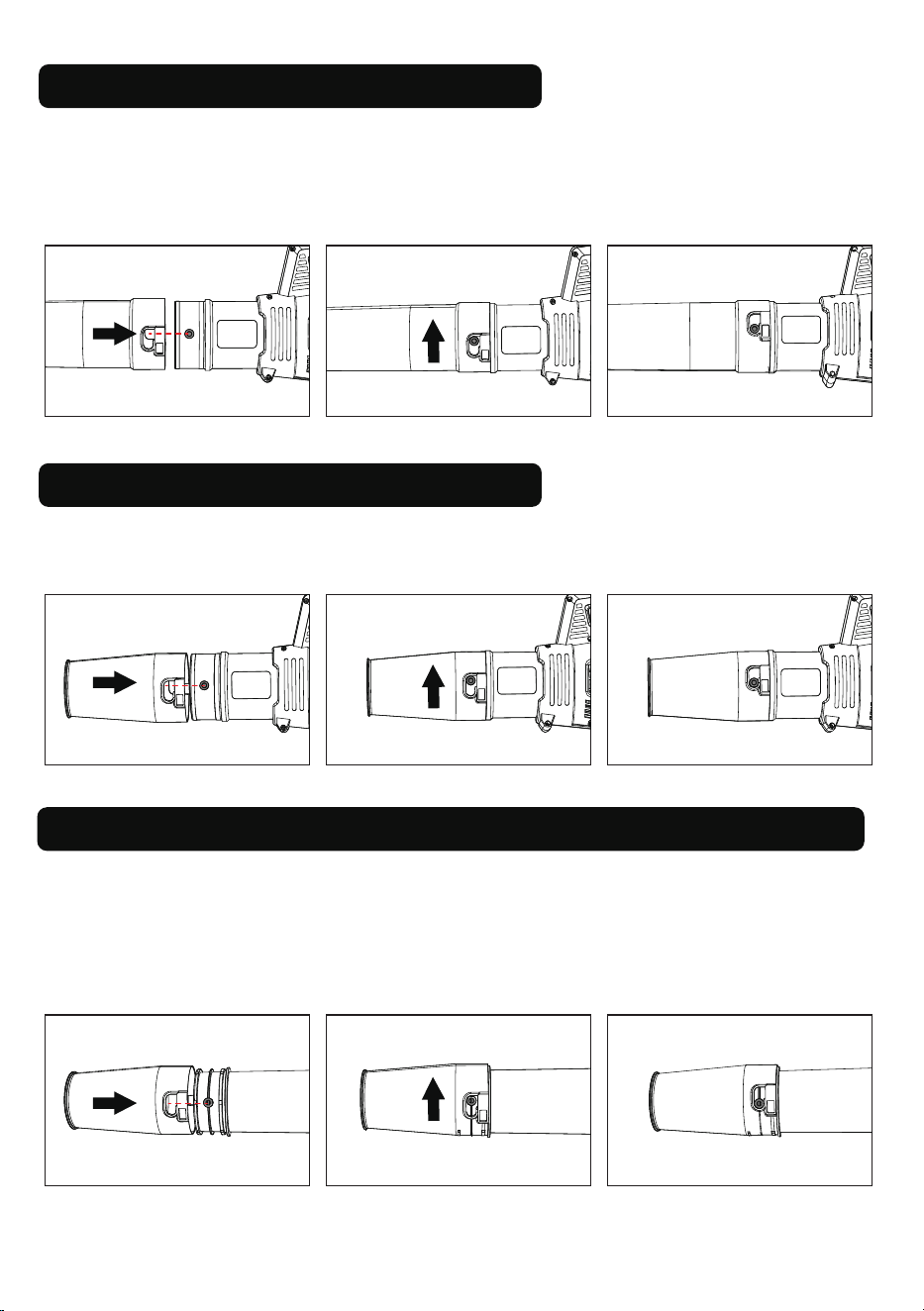
Installing the extension nozzle
1. Align the slot opening on the extension nozzle with the round snap on the
housing.
2. Slide in the extension nozzle rotate as shown in the picture the round snap is
fully embedded in the slot.
Installing the round nozzle
1. The round nozzle can be installed directly on the tip of the extension nozzle in
the same way as above.
Installing the round nozzle onto the extension nozzle
1. Install the extension nozzle as described above.
2. Align the slot opening on the round nozzle with the round snap on the
extension nozzle
3. Slide in the round nozzle rotate as shown in the picture round snap is fully
embedded in the slot.
-01- -02- -03- -04- -05- -06- -07- -08- -09- -10- -11- -12- -13- -14-
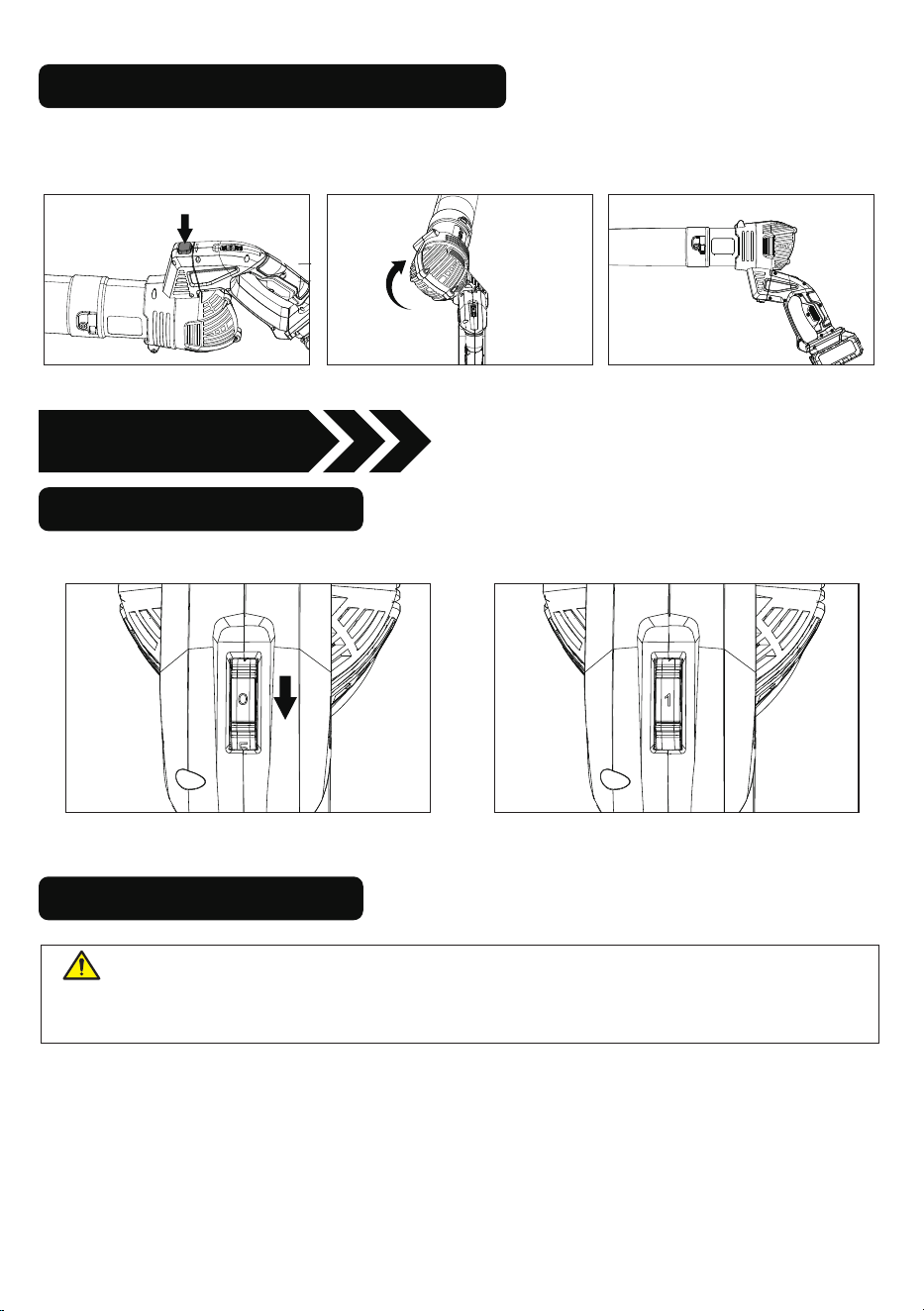
Operating angle adjustment
Pushing the rotation button, the leaf blower can be rotated 180 degrees up or
down (arcing up, not vertically) on the left side to realize two working forms--A
and B.
OPERATION
Start the machine
Slide the speed adjustment wheel down to 1 to start the machine.
① 0:Off ② 1:Start
Blower operation
CAUTION: Do not place the machine on the ground while it is switched
on. Sand or dust may enter from suction inlet and cause a malfunction or
personal injury.
1. Hold the machine firmly with a hand and perform the blowing operation by
moving it around slowly.
2. When blowing around building, big stone or vehicle, direct the nozzle away
from them.
3. When performing an operation in a corner, start from the corner and then move
to wide area.
CAUTION: These accessories or attachments are recommended for use
with your Seesii product specified in this manual. The use of any other
accessories or attachments might present a risk of injury to persons. Only use
accessory or attachment for its stated purpose.
-01- -02- -03- -04- -05- -06- -07- -08- -09- -10- -11- -12- -13- -14-
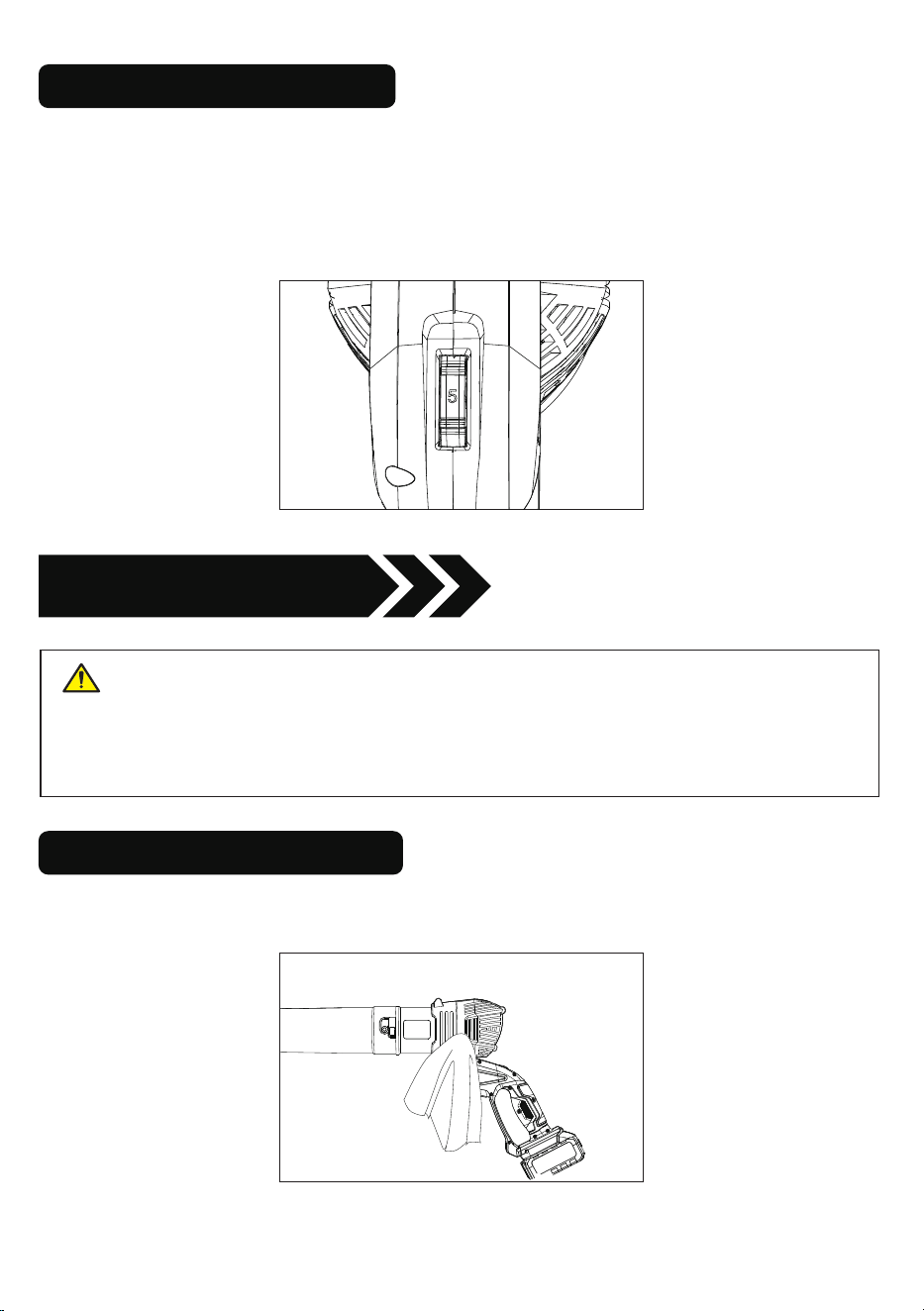
Speed adjustment
Turning the speed adjustment wheel to adjust the air speed. This can be done
even while the tool is running.
NOTICE:
The speed adjustment wheel can be turned only as far as 5 and back to 0. Avoid
setting to speed 5 (highest) in high temperature circumstances.
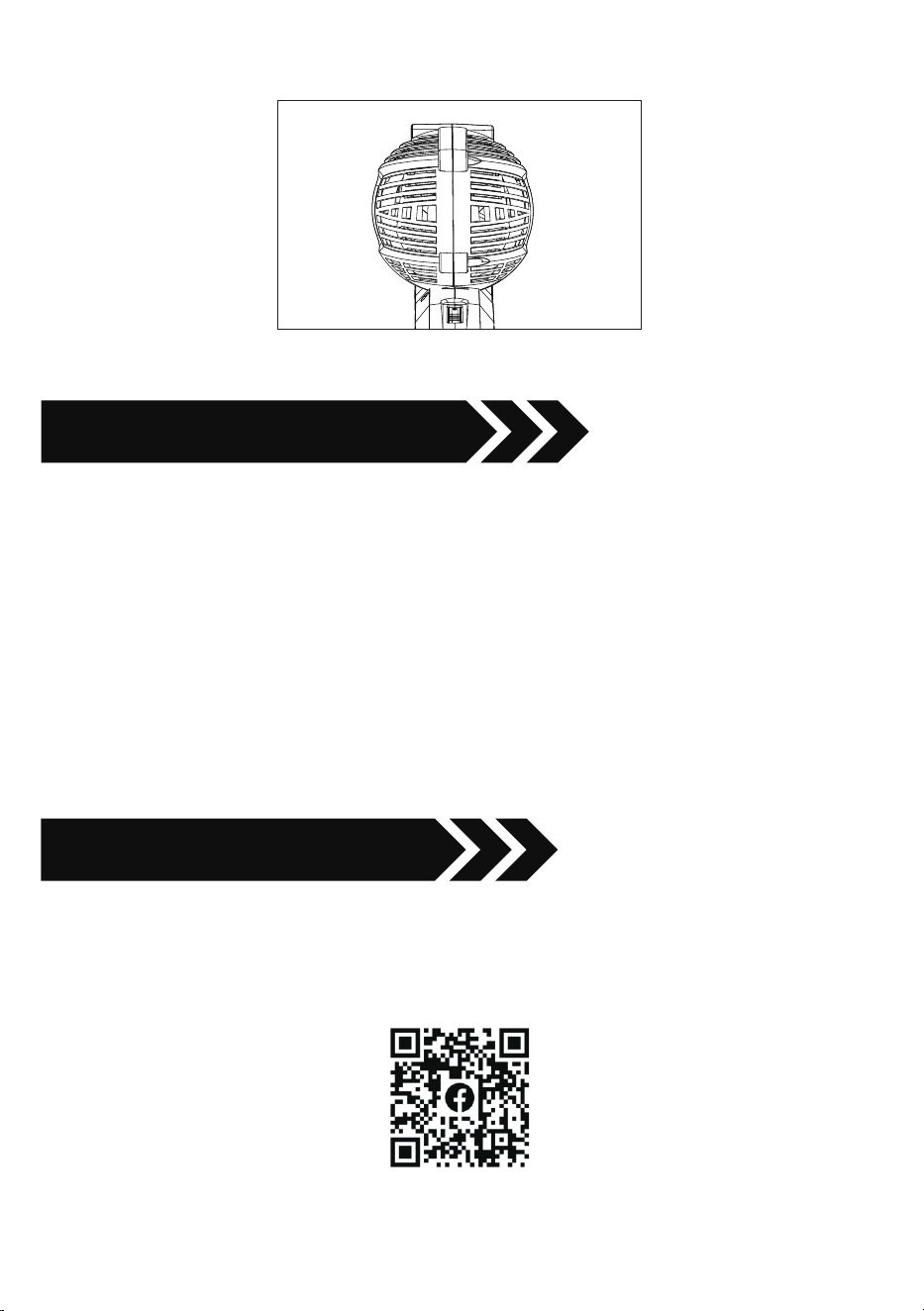
MAINTENANCE
Clean the machine by wiping off dust with a dry cloth or one dipped in soapy
water and wrung out.
Cleaning the machine
-01- -02- -03- -04- -05- -06- -07- -08- -09- -10- -11- -12- -13- -14-
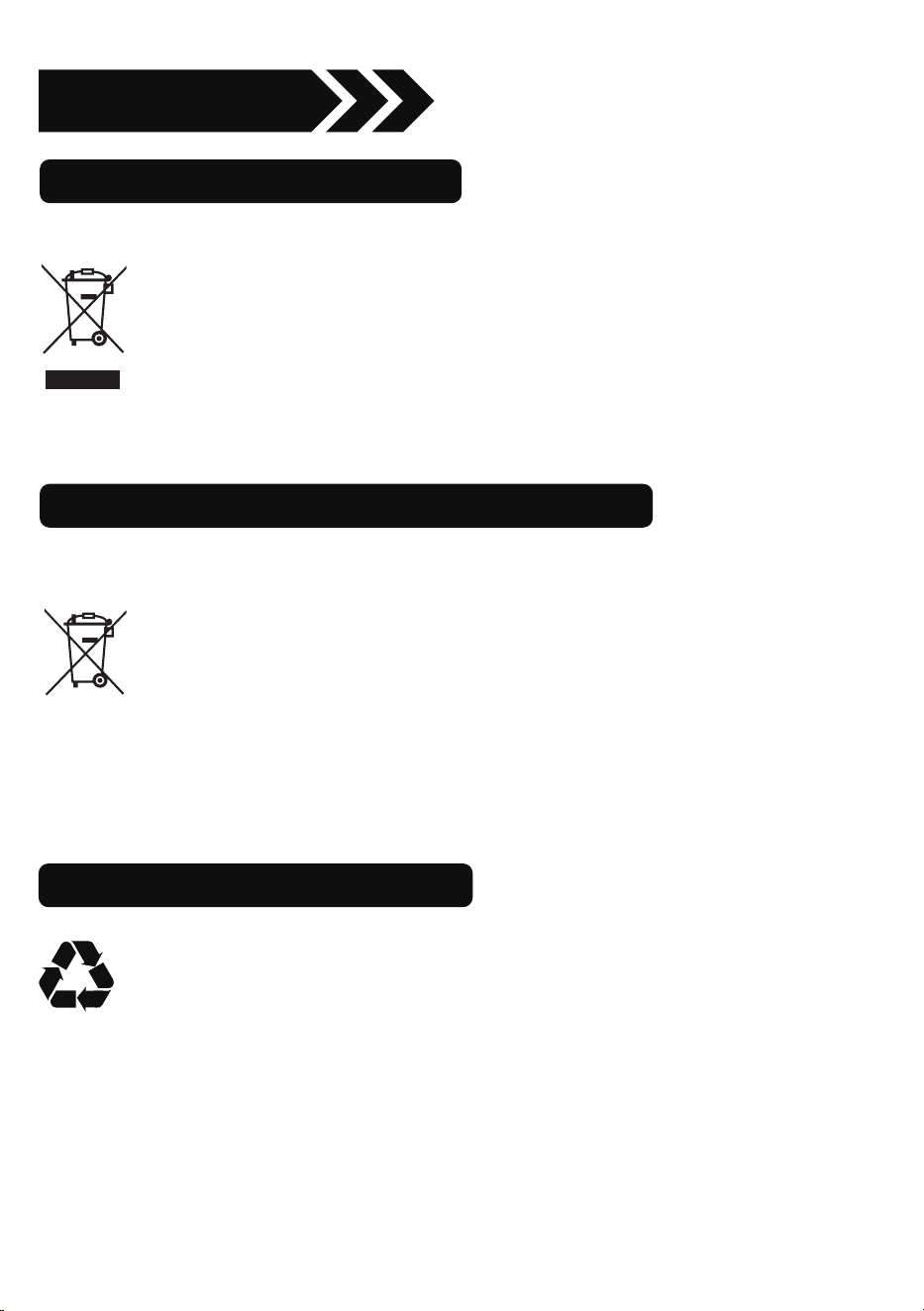
Remove dust or dirt from the suction inlet at the rear of the machine.
Suction inlet
Every Seesii tool is thoroughly inspected and tested before leaving the factory. It
is warranted to be free of defects from workmanship and materials for the period
of THREE YEARS from the date of original purchase. Should any trouble develop
during this three years period, return the COMPLETE tool, to Seesii's Service
Centers. If inspection shows the trouble is caused by defective workmanship or
material, Seesii will repair (or at our option, replace) without charge.
This Warranty does not apply where
WARRANTY POLICY
• repairs have been made or attempted by others;
• repairs are required because of normal wear and tear;
• the tool has been abused, misused or improperly maintained;
• alterations have been made to the tool.
Facebook: @See SiiOfficial
Instagram:@seesii_official
Youtube: @SeesiiOfficial
Scan to join SEESII facebook group
Contact Us Online
-01- -02- -03- -04- -05- -06- -07- -08- -09- -10- -11- -12- -13- -14-
Disposal of the appliance
Disposal of an exhausted battery pack
Disposal of the packaging
DISPOSAL
Li-ion
This product has been marked with a symbol relating to removing
electric and electronic waste. This means that this product shall
not be discarded with household waste but that it shall be
returned to a collection system. It will then be recycled or
dismantled in order to reduce the impact on the environment.
Electric and electronic equipment can be hazardous for the
environment and for human health since they contain hazardous
substances.
To preserve natural resources, please recycle or dispose of the
battery pack properly. This battery pack contains Li-ion batter-
ies. Consult your local waste authority for information regarding
available recycling and/or disposal options. Discharge your
battery pack Li-ion by operating your tool, then remove the
battery pack from the tool housing and cover the battery pack
connections with heavy-duty adhesive tape to prevent short
circuit and energy discharge. Do not attempt to open or
remove any of the components.
The packaging consists of cardboard and correspondingly
marked plastics that can be recycled. Make these materials
available for recycling.