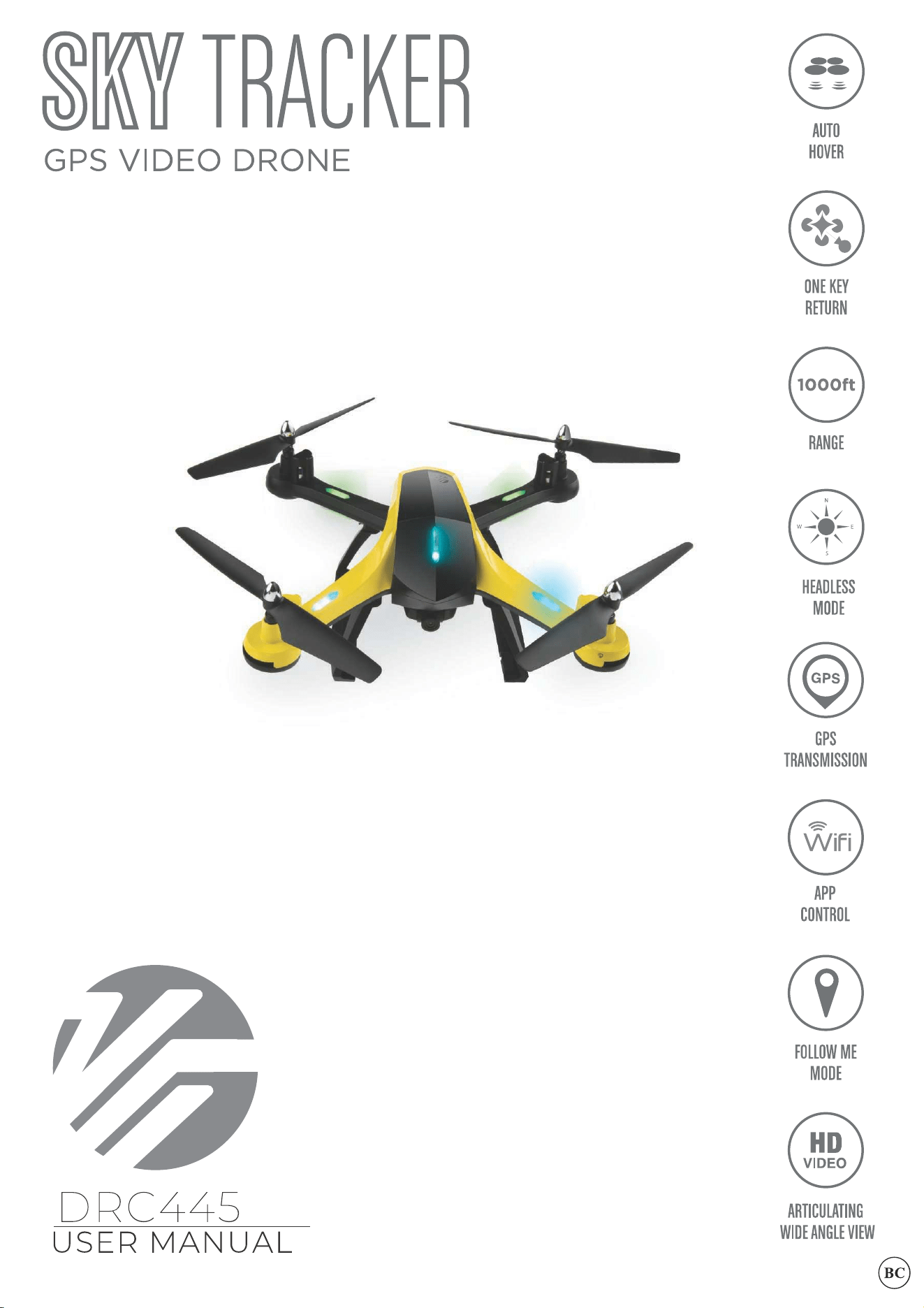
SCCfTRACKER
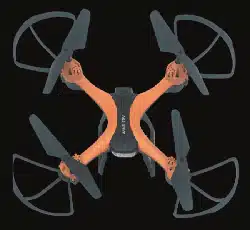
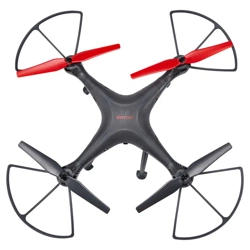
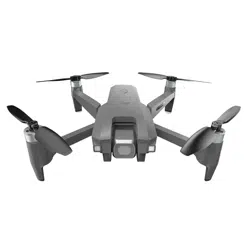
GPS VIDEO DRONE
USER MANUAL
AUTO
HOVER
ONEKEY
RETURN
IOOOft
RANGE
HEADLESS
MODE
GPS
GPS
TRANSMISSION
Wifi
APP
CONTROL
FOLLOWME
MODE
VIDEO
ARTICULATING
WIDEANGLEVIEW
BC
PRE-FLIGHT CHECKLIST
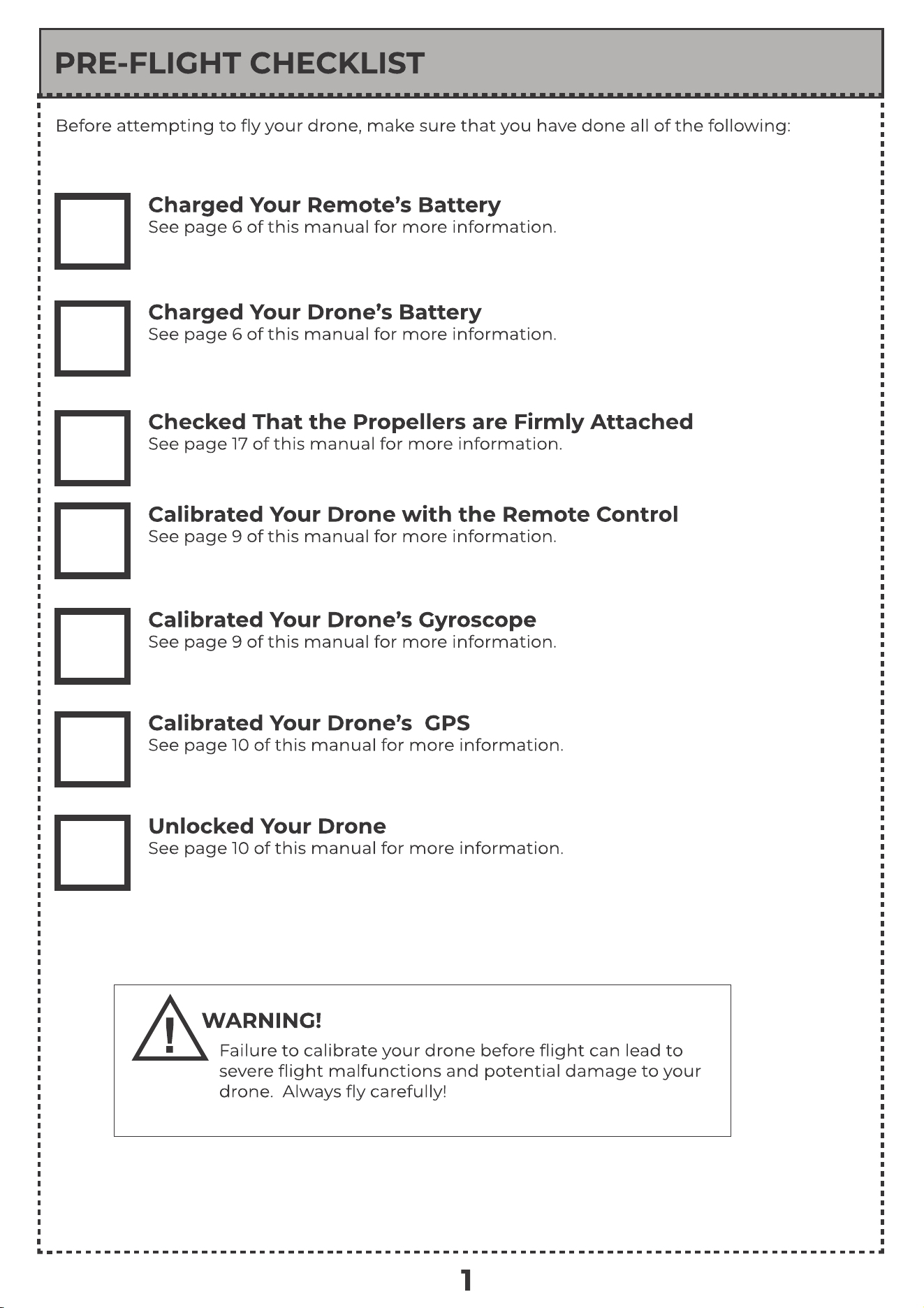
• Before attempting to fly your drone, make sure that you have done all of the following:
Charged Your Remote's Battery
See page 6 of this manual for more information.
Charged Your Drone's Battery
See page 6 of this manual for more information.
Checked That the Propellers are Firmly Attached
See page 17 of this manual for more information.
Calibrated Your Drone with the Remote Control
See page 9 of this manual for more information.
Calibrated Your Drone's Gyroscope
See page 9 of this manual for more information.
Calibrated Your Drone's GPS
See page 10 of this manual for more information.
Unlocked Your Drone
See page 10 of this manual for more information.
WARNING!
Failure to calibrate your drone before flight can lead to
severe flight malfunctions and potential damage to your
drone. Always fly carefully!
1. Introduction
Thank you for purchasing the Sky Tracker GPS Video Drone, item DRC445. The included remote
controlled aircraft is designed specifically for outdoor flying. In order to get the best possible
results, please read this user's manual carefully before using. In addition, be sure to keep this
manual in a safe place for future reference.
2. Features
-16 Minute Flight Time
-Follow Me Technology
-720p HD Video
-Auto Takeoff and Landing
-Real Time Transmission
-Headless Mode Directional Lock
-Variable Speed Settings
-GPS
-IOOOFt Range
3. Package Contents
-DRC445 Drone
-Remote Control
-7.4V Li-polymer Battery For Drone
-Protecting Ring
-Extra Rotor Blades x4
-USB Charging Cable
-Landing Gear x2
-User's Manual with Warranty Information
2
4. Important Safety Precautions
When using your Sky Tracker CPS Video Drone, basic safety precautions should always be
followed, including the following:
1. Do not allow children or the infirm to operate your drone without adult supervision. For safety
purposes, only allow experienced pilots aged 14 and up fly your drone.
2. To avoid choking hazards, keep all small parts and pieces away from children.
3. Your drone is not a toy. Makes sure that it is properly assembled before use, and operated
safely.
4. Keep your drone away from obstacles, crowds, power lines, trees, and bodies of water while it is
in flight. Always fly your drone in a wide open spacious environment. Avoid flying your drone
directly above people or animals. Maintain a 7ft (2m) distance from the aircraft when taking off
and landing.
5. Only use your drone in a dry environment. Your drone is composed of sophisticated electronic
components and parts. To avoid damage to your drone, please keep your drone away from water
and moisture. Use a soft dry cloth to wipe the surface of your drone and keep it clean.
6. Beginner and novice level pilots should practice flying with experienced pilots until suitably
experienced in flight.
7. To ensure safety, only use the included parts when using your drones.
8. Make sure to keep your ears and eyes protected when using your drone. When your drone's
blades are spinning, make sure to keep people and objects at a distance from rotating parts.
9. Keep your drone away from excessive heat or flames, especially while charging the battery.
10. Please recycle or dispose of your drone properly based on the laws and rules of your municipali-
ty. Contact local recycling facilities and/or the manufacturer of your drone for further information.
BATTERY SAFETY WARNING
--When handled incorrectly, lithium polymer batteries can be dangerous and can potentially
harm and do damage to persons or property. The manufacturer of your drone does not accept
any liability for damage to persons or property if the battery is not correctly charged, stored or
protected.
--AIways unwind all cables before charging.
--Do not over charge the battery. Once the charging process is completed, remove the battery
from the charger as soon as possible.
--0nly use the included or replacement Sky Tracker charging cable and batteries.
--You must charge the lithium polymer battery in a safe area away from flammable materials.
--The battery is only to be charged under adult supervision, do not leave charging batteries
unattended. You should always remain in constant observation to monitor the charging process
and react immediately to any potential problems that may occur.
--Do not charge the battery in temperatures hotter than 400C or colder than OOC.
--Do not cover the batteries when charging. Do not leave batteries in direct sunlight.
--After each flight and/or crash, please check the battery for any damage or swelling. Ifthe
battery is damaged, leaking, making noise, punctured or malformed in any way DO NOT attempt
to use it. Please dispose of the battery immediately and safely.
--Do not bend, puncture, crush or scratch the drone's battery. Do not store batteries in your
pockets, on your person or in extreme temperatures.
--After flying/discharging the battery you must allow it to cool to ambient room temperature
before recharging.
--lf at any time during the charge or discharge process the battery begins to balloon or swell,
discontinue charging or discharging immediately. Quickly and safely disconnect the battery, then
place it in a safe, open area away from flammable materials to observe it for at least 15 minutes.
Continuing to charge or discharge a battery that has begun to balloon or swell can result in a fire.
A battery that has ballooned or swollen even a small amount must be removed from service
completely.
--Never plug in a battery and leave it to charge unattended overnight.
--Non-compliance with the above warnings may result in the failure of the battery.
3
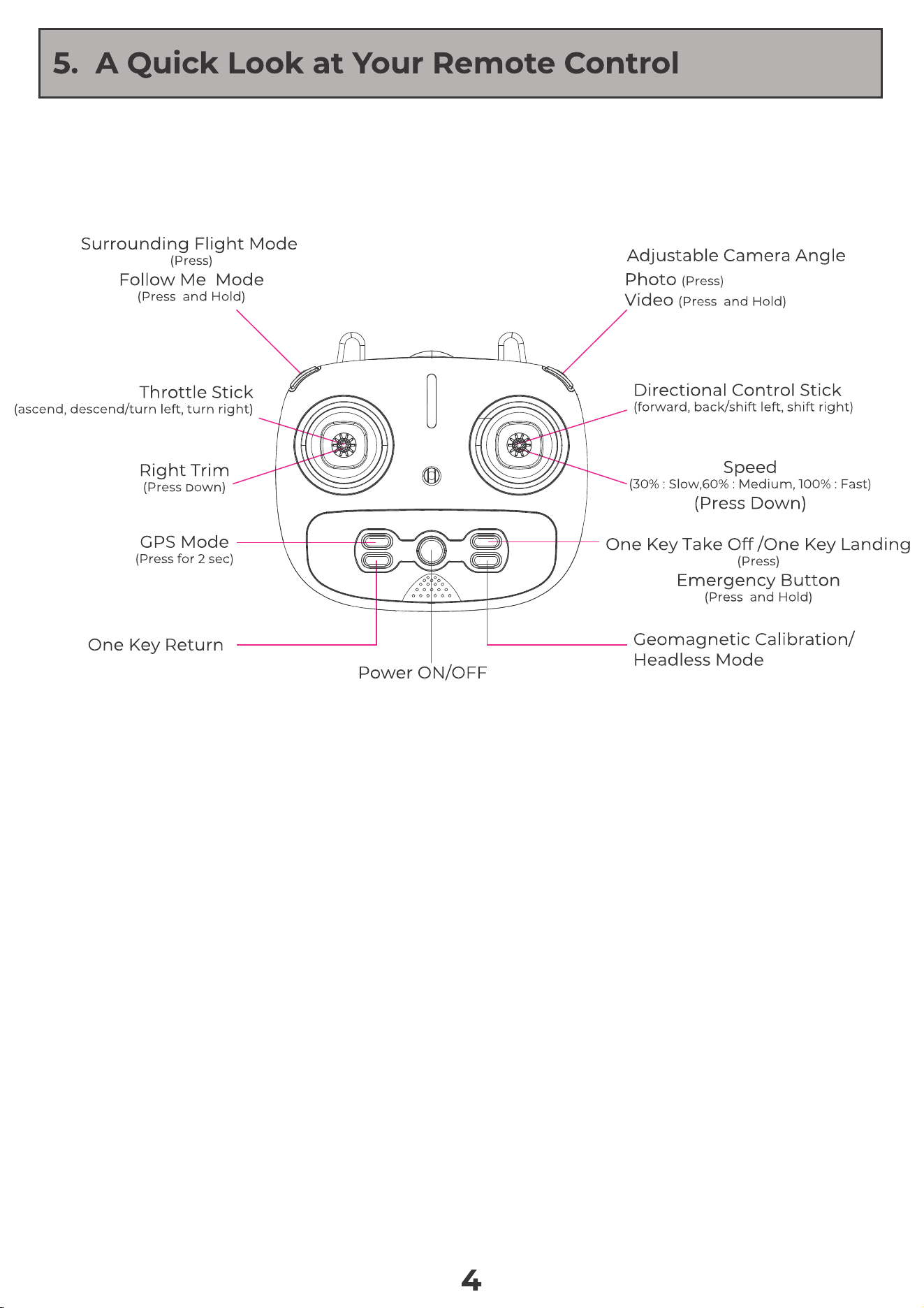
5.
A Quick Look at Your Remote Control
Surrounding Flight Mode
Follow Me Mode
(Press and Hold)
Throttle Stick
(ascend, descend/turn left, turn right)
Right Trim
(Press Down)
GPS Mode
(Press for 2 sec)
One Key Return
Adjustable Camera Angle
Photo (Press)
Video (Press and Hold)
Directional Control Stick
(forward, back/shift left, shift right)
Speed
(30% : : Medium, 100% : Fast)
(Press Down)
One Key Take Off [One Key Landing
Emergency Button
(Press and Hold)
Geomagnetic Calibration/
Headless Mode
Power ON/OFF
4
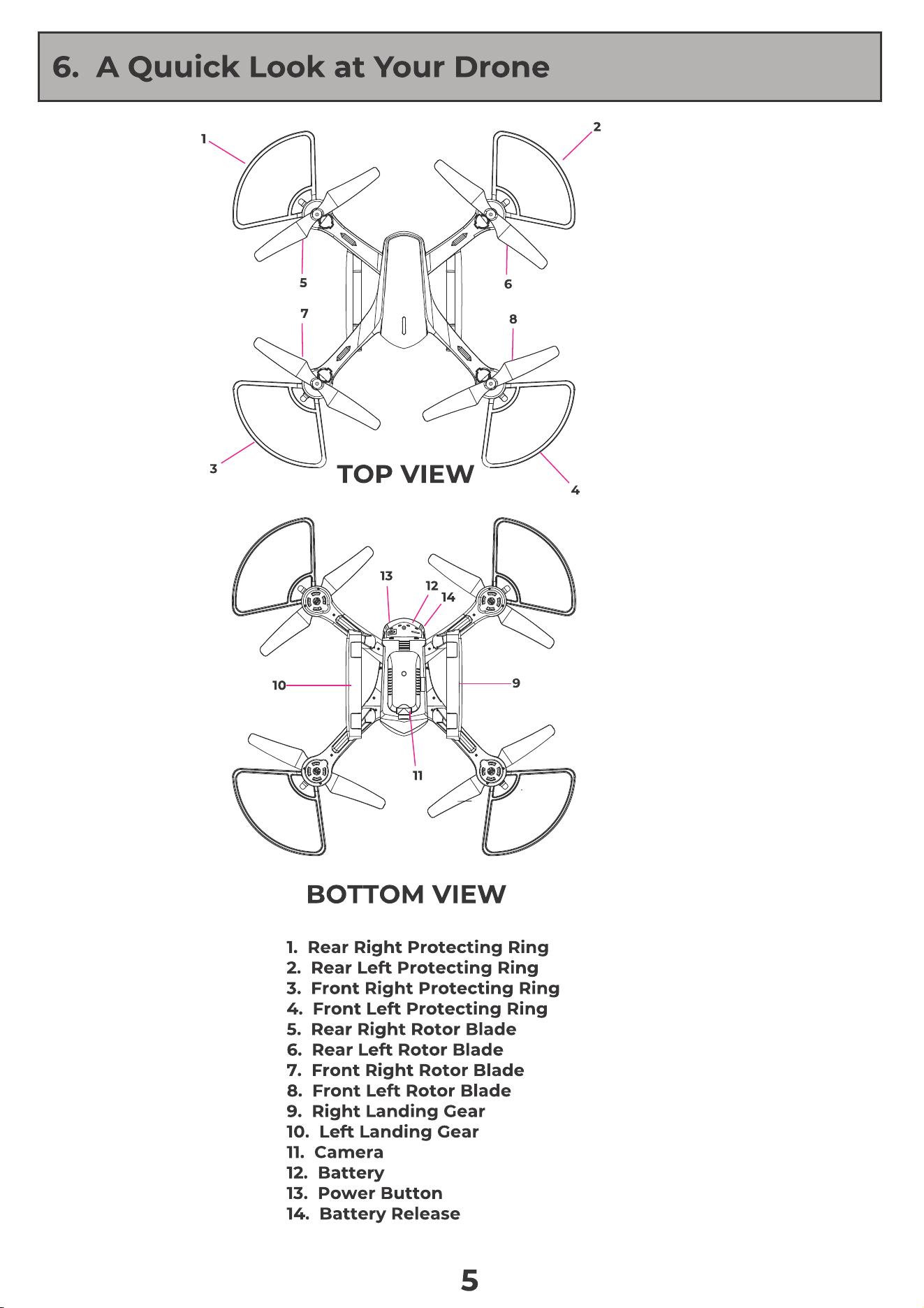
6.
A Quuick Look at Your Drone
5
7
2
6
8
0
3
TOP VIEW
4
13
12
14
11
9
60
1.
2.
3.
4.
5.
6.
7.
8.
9.
BOTTOM VIEW
Rear Right Protecting Ring
Rear Left Protecting Ring
Front Right Protecting Ring
Front Left Protecting Ring
Rear Right Rotor Blade
Rear Left Rotor Blade
Front Right Rotor Blade
Front Left Rotor Blade
Right Landing Gear
10.
11.
12.
13.
14.
Left Landing Cear
Camera
Battery
Power Button
Battery Release
5
7. Charging
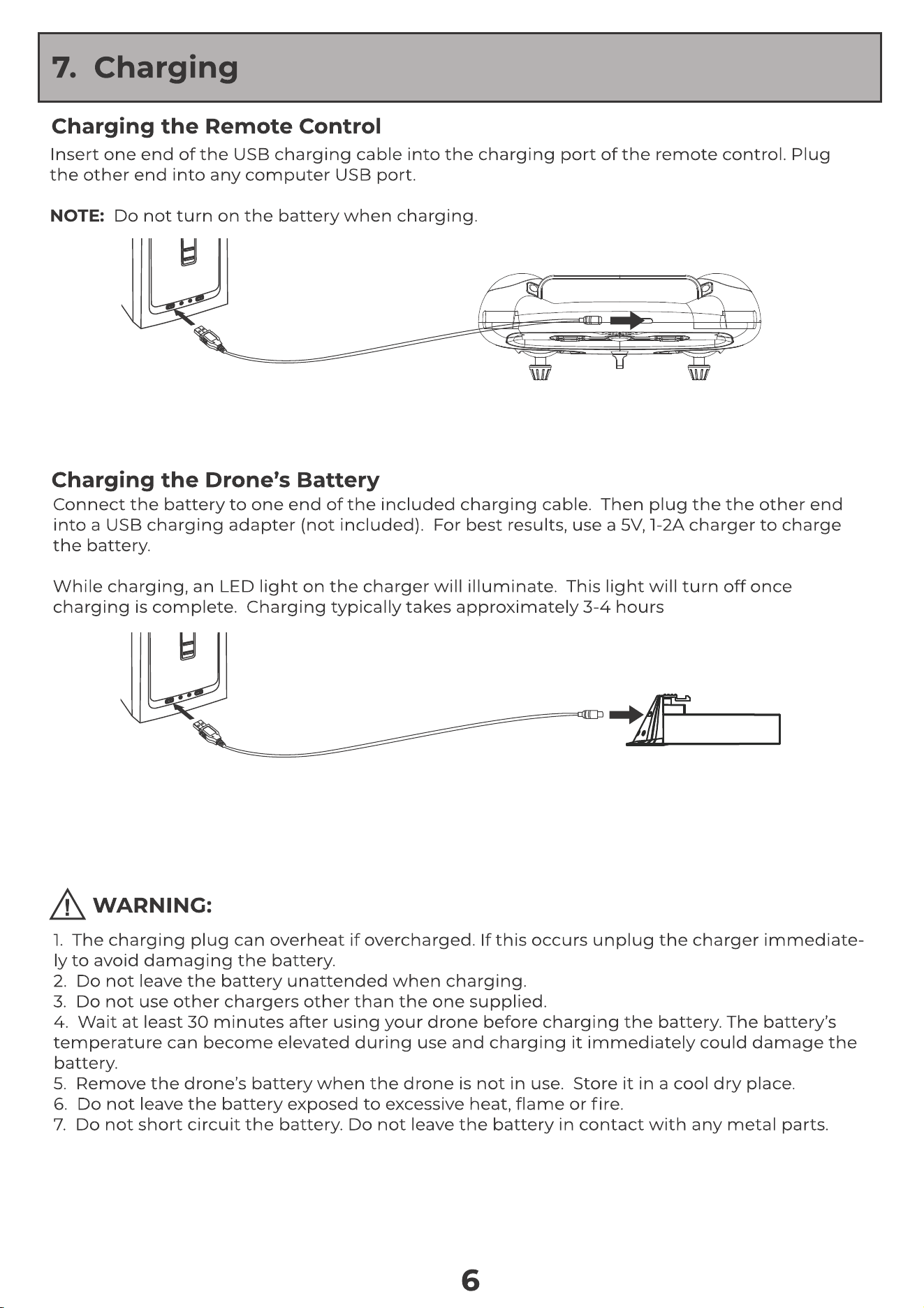
Charging the Remote Control
Insert one end of the USB charging cable into the charging port of the remote control. Plug
the other end into any computer USB port.
NOTE: Do not turn on the battery when charging.
Charging the Drone's Battery
Connect the battery to one end of the included charging cable. Then plug the the other end
into a USB charging adapter (not included). For best results, use a 5V, 1-2A charger to charge
the battery.
While charging, an LED light on the charger will illuminate. This light will turn off once
charging is complete. Charging typically takes approximately 3-4 hours
! WARNING:
1. The charging plug can overheat if overcharged. If this occurs unplug the charger immediate-
ly to avoid damaging the battery.
2. Do not leave the battery unattended when charging.
3. Do not use other chargers other than the one supplied.
4. Wait at least 30 minutes after using your drone before charging the battery. The battery's
temperature can become elevated during use and charging it immediately could damage the
battery.
5. Remove the drone's battery when the drone is not in use. Store it in a cool dry place.
6. Do not leave the battery exposed to excessive heat, flame or fire.
7. Do not short circuit the battery. Do not leave the battery in contact with any metal parts.
6
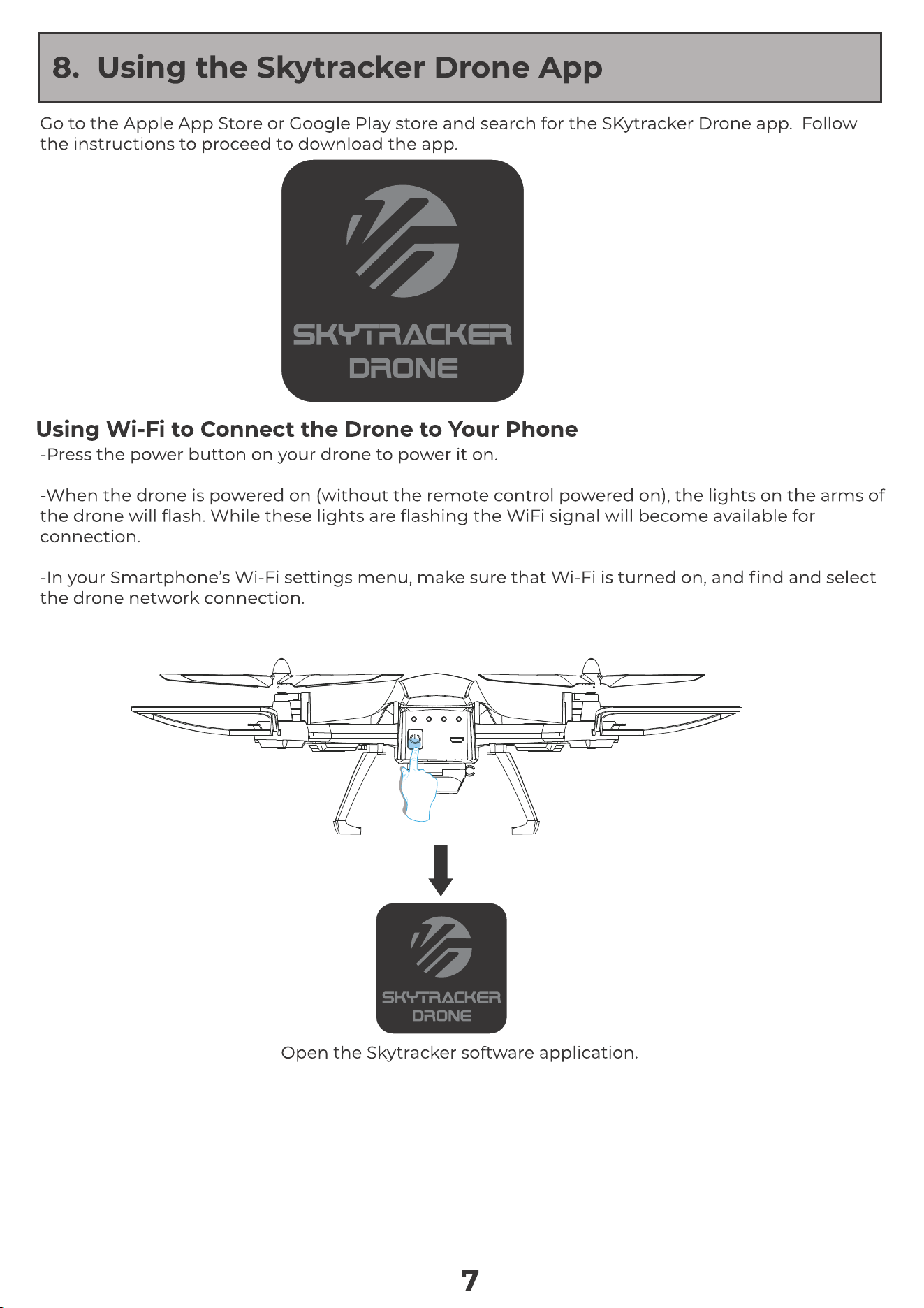
8. Using the Skytracker Drone App
Go to the Apple App Store or Google Play store and search for the SKytracker Drone app. Follow
the instructions to proceed to download the app.
SKYTRACK*
oaONE
Using Wi-Fi to Connect the Drone to Your Phone
-Press the power button on your drone to power it on.
-When the drone is powered on (without the remote control powered on), the lights on the arms of
the drone will flash. While these lights are flashing the WiFi signal will become available for
connection.
-In your Smartphone's Wi-Fi settings menu, make sure that Wi-Fi is turned on, and find and select
the drone network connection.
SKTNACKER
DRONE
Open the Skytracker software application.
7
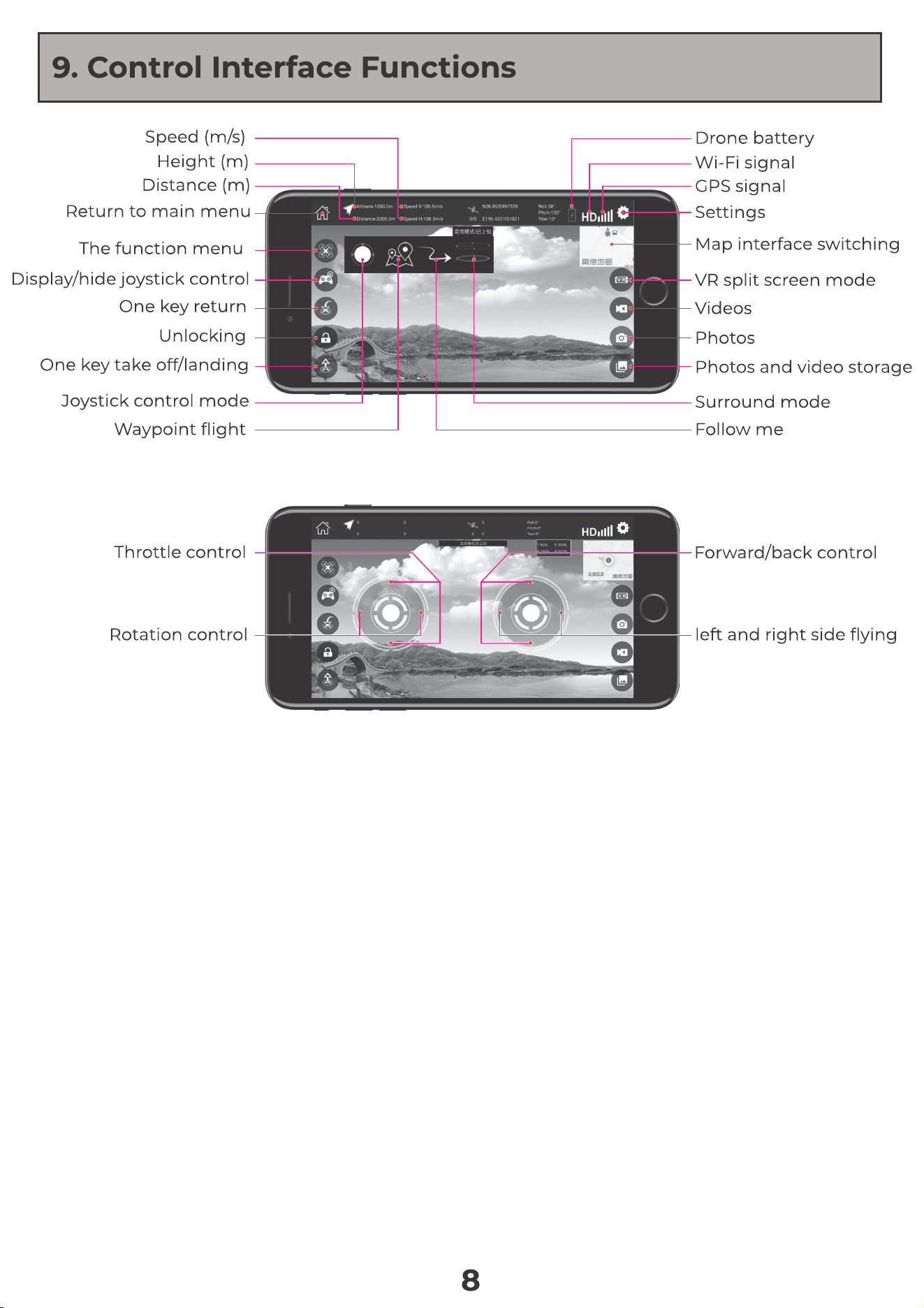
9. Control Interface Functions
Speed (m/s)
Height (m)
Distance (m)
Return to main menu
The function menu
Display/hide joystick control
One key return
Unlocking
One key take off/landing
Joystick control mode
Waypoint flight
Throttle control —
Rotation control
O
O
Drone battery
Wi-Fi signal
CPS signal
Setti ngs
Map interface switching
VR split screen mode
Videos
Photos
Photos and video storage
Surround mode
Follow me
Forward/back control
left and right side flying
8
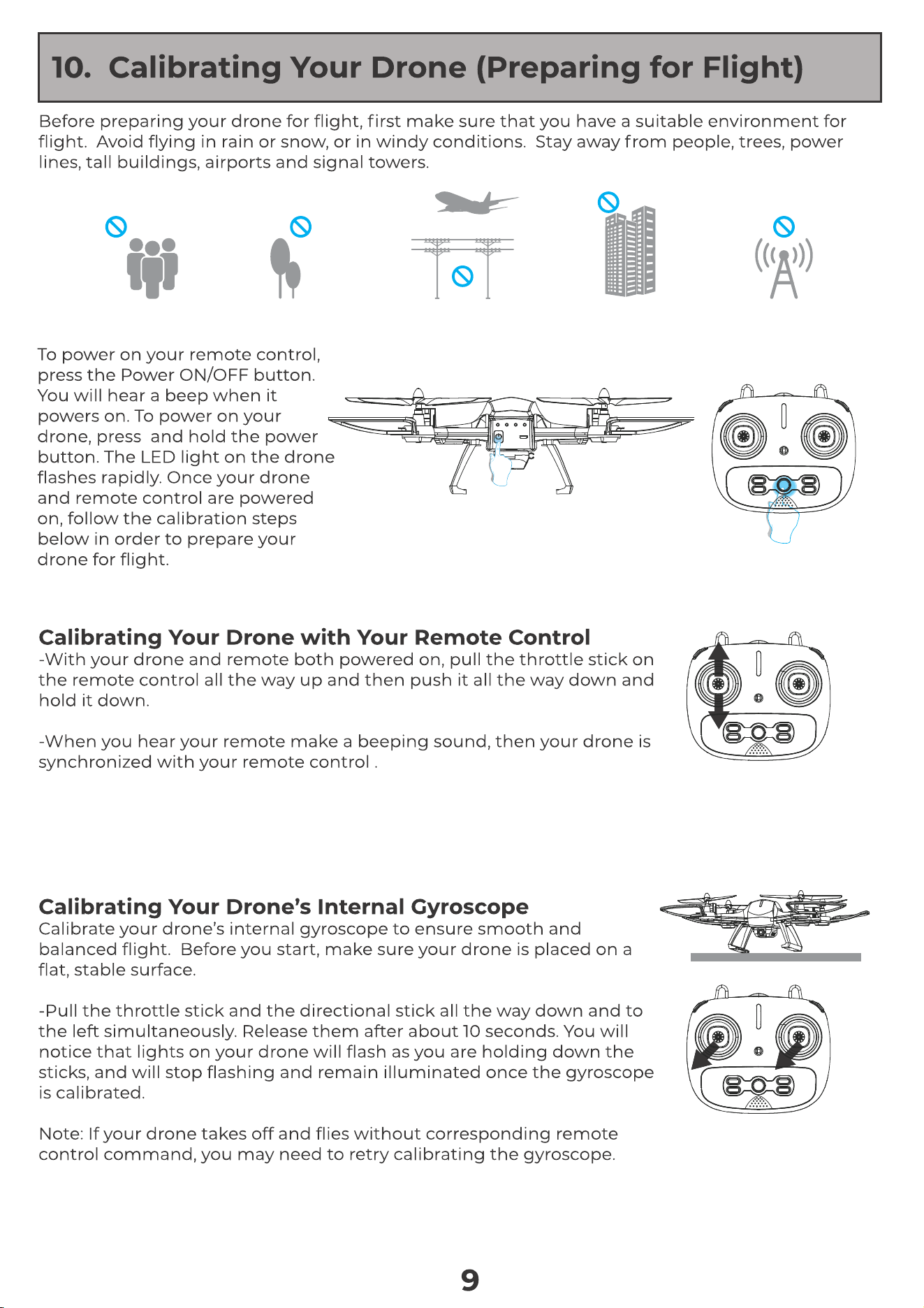
10. Calibrating Your Drone (Preparing for Flight)
Before preparing your drone for flight, first make sure that you have a suitable environment for
flight. Avoid flying in rain or snow, or in windy conditions. Stay away from people, trees, power
lines, tall buildings, airports and signal towers.
To power on your remote control,
press the Power ON/OFF button.
You will hear a beep when it
powers on. To power on your
drone, press and hold the power
button. The LED light on the drone
flashes rapidly. Once your drone
and remote control are powered
on, follow the calibration steps
below in order to prepare your
drone for flight.
Calibrating Your Drone with Your Remote Control
-With your drone and remote both powered on, pull the throttle stick on
the remote control all the way up and then push it all the way down and
hold it down.
-When you hear your remote make a beeping sound, then your drone is
synchronized with your remote control
Calibrating Your Drone's Internal Gyroscope
Calibrate your drone's internal gyroscope to ensure smooth and
balanced flight. Before you start, make sure your drone is placed on a
flat, stable surface.
-Pull the throttle stick and the directional stick all the way down and to
the left simultaneously. Release them after about 10 seconds. You will
notice that lights on your drone will flash as you are holding down the
sticks, and will stop flashing and remain illuminated once the gyroscope
is calibrated.
Note: If your drone takes off and flies without corresponding remote
control command, you may need to retry calibrating the gyroscope.
9
808
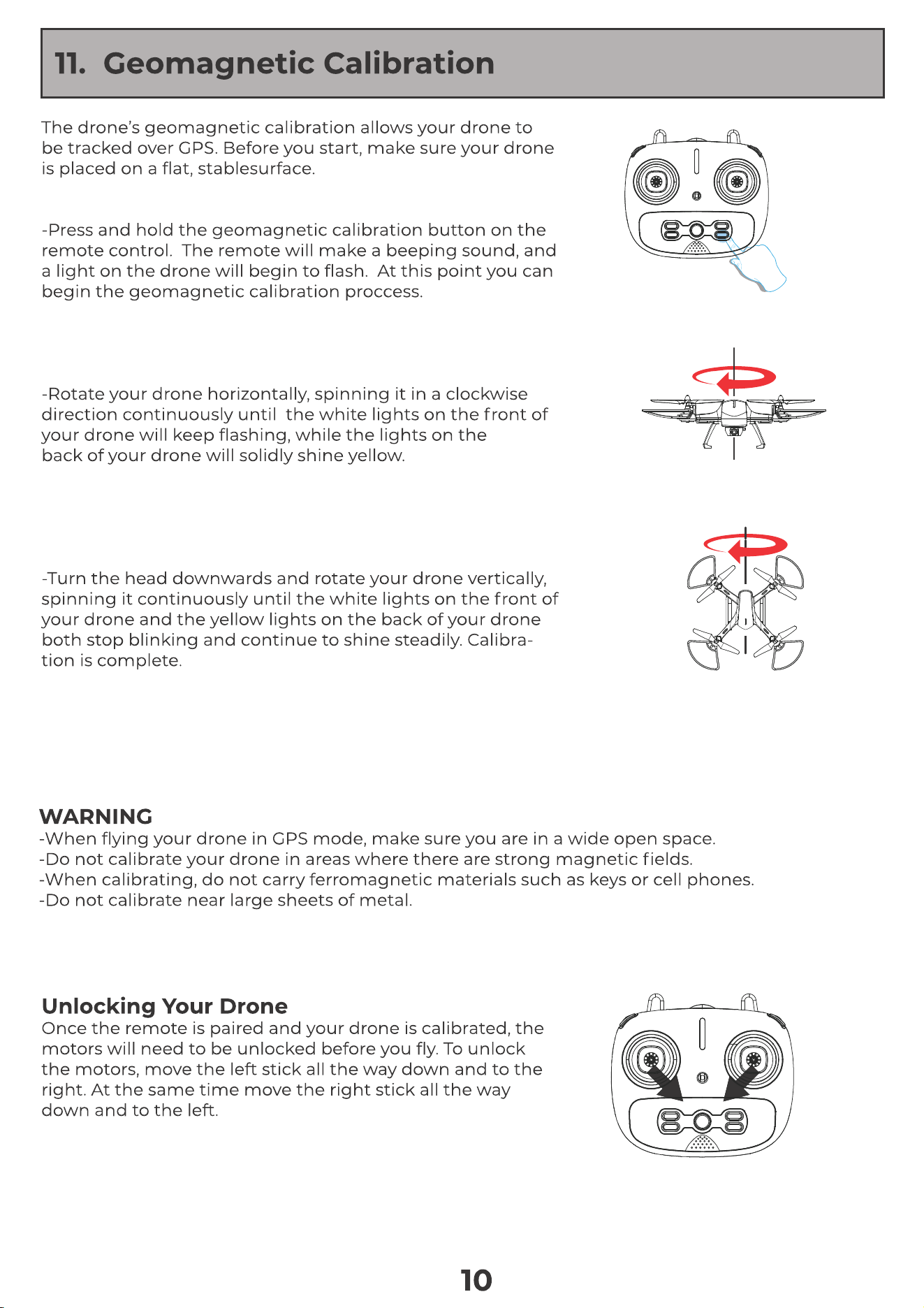
11. Geomagnetic Calibration
The drone's geomagnetic calibration allows your drone to
be tracked over CPS. Before you start, make sure your drone
is placed on a flat, stablesurface.
-Press and hold the geomagnetic calibration button on the
remote control. The remote will make a beeping sound, and
a light on the drone will begin to flash. At this point you can
begin the geomagnetic calibration proccess.
-Rotate your drone horizontally, spinning it in a clockwise
direction continuously until the white lights on the front of
your drone will keep flashing, while the lights on the
back of your drone will solidly shine yellow.
-Turn the head downwards and rotate your drone vertically,
spinning it continuously until the white lights on the front of
your drone and the yellow lights on the back of your drone
both stop blinking and continue to shine steadily. Calibra-
tion is complete.
WARNING
-When flying your drone in CPS mode, make sure you are in a wide open space.
-Do not calibrate your drone in areas where there are strong magnetic fields.
-When calibrating, do not carry ferromagnetic materials such as keys or cell phones.
-Do not calibrate near large sheets of metal.
Unlocking Your Drone
Once the remote is paired and your drone is calibrated, the
motors will need to be unlocked before you fly. To unlock
the motors, move the left stick all the way down and to the
right. At the same time move the right stick all the way
down and to the left.
10
12. Flying Your Drone
Pre-FIight Preparation
If you have never used a drone before and you are not an experienced pilot, make sure to read
these instructions carefully before flying. Get familiar with all of the controls. If necessary, read
through these instructions many times and practice handling the remote control until you feel
completely comfortable and ready.
1. Place your drone in a clear, open field. Make sure that it is resting on a secure, flat surface.
2. Practice using the throttle stick and the directional control stick (see below).
3. By simulating the use of the remote and both sticks, you will grow more comfortable with the
natural motions required during flight and you will learn to react more rapidly to unexpected
circumstances.
o
O
O
ALTITUDE HOLD
O
O
O
O
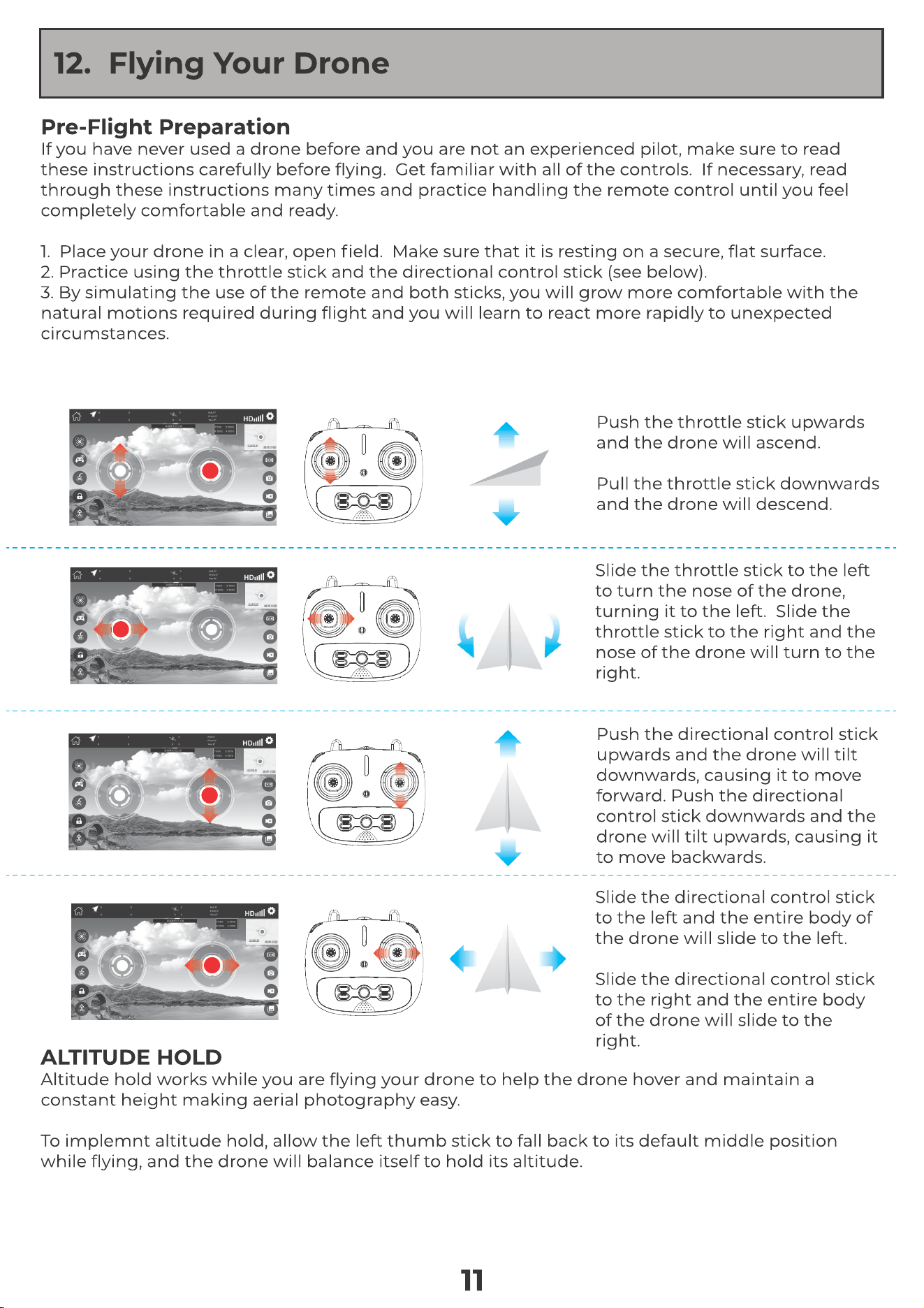
Push the throttle stick upwards
and the drone will ascend.
Pull the throttle stick downwards
and the drone will descend.
Slide the throttle stick to the left
to turn the nose of the drone,
turning it to the left. Slide the
throttle stick to the right and the
nose of the drone will turn to the
right.
Push the directional control stick
upwards and the drone will tilt
downwards, causing it to move
forward. Push the directional
control stick downwards and the
drone will tilt upwards, causing it
to move backwards.
Slide the directional control stick
to the left and the entire body of
the drone will slide to the left.
Slide the directional control stick
to the right and the entire body
of the drone will slide to the
right.
Altitude hold works while you are flying your drone to help the drone hover and maintain a
constant height making aerial photography easy.
To implemnt altitude hold, allow the left thumb stick to fall back to its default middle position
while flying, and the drone will balance itself to hold its altitude.
11
13. One Key Takeoff & Landing
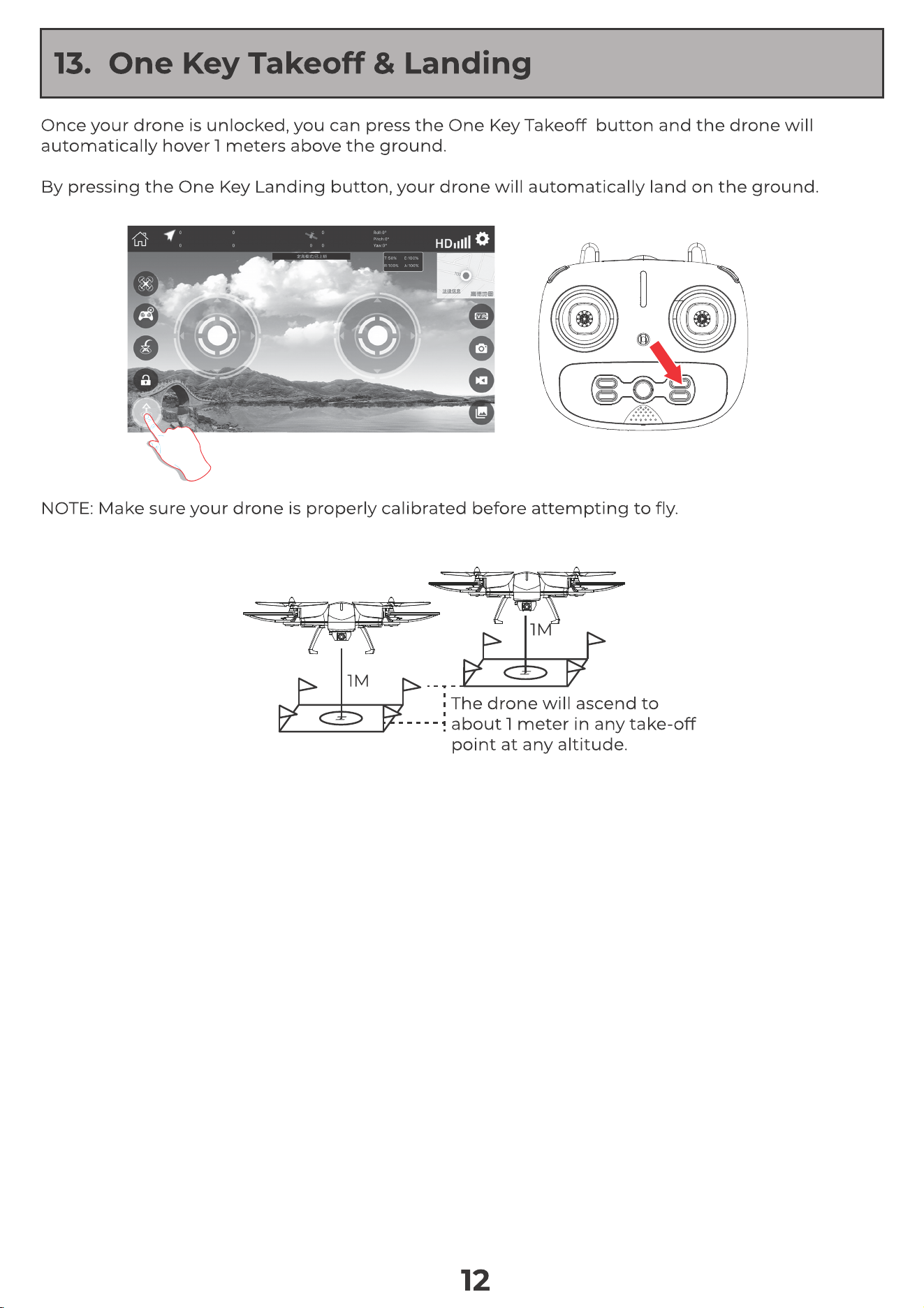
Once your drone is unlocked, you can press the One Key Takeoff button and the drone will
automatically hover 1 meters above the ground.
By pressing the One Key Landing button, your drone will automatically land on the ground.
sos
O
O
NOTE: Make sure your drone is properly calibrated before attempting to fly.
1M
: The drone will ascend to
about 1 meter in any take-off
point at any altitude.
12
14. One Key Return
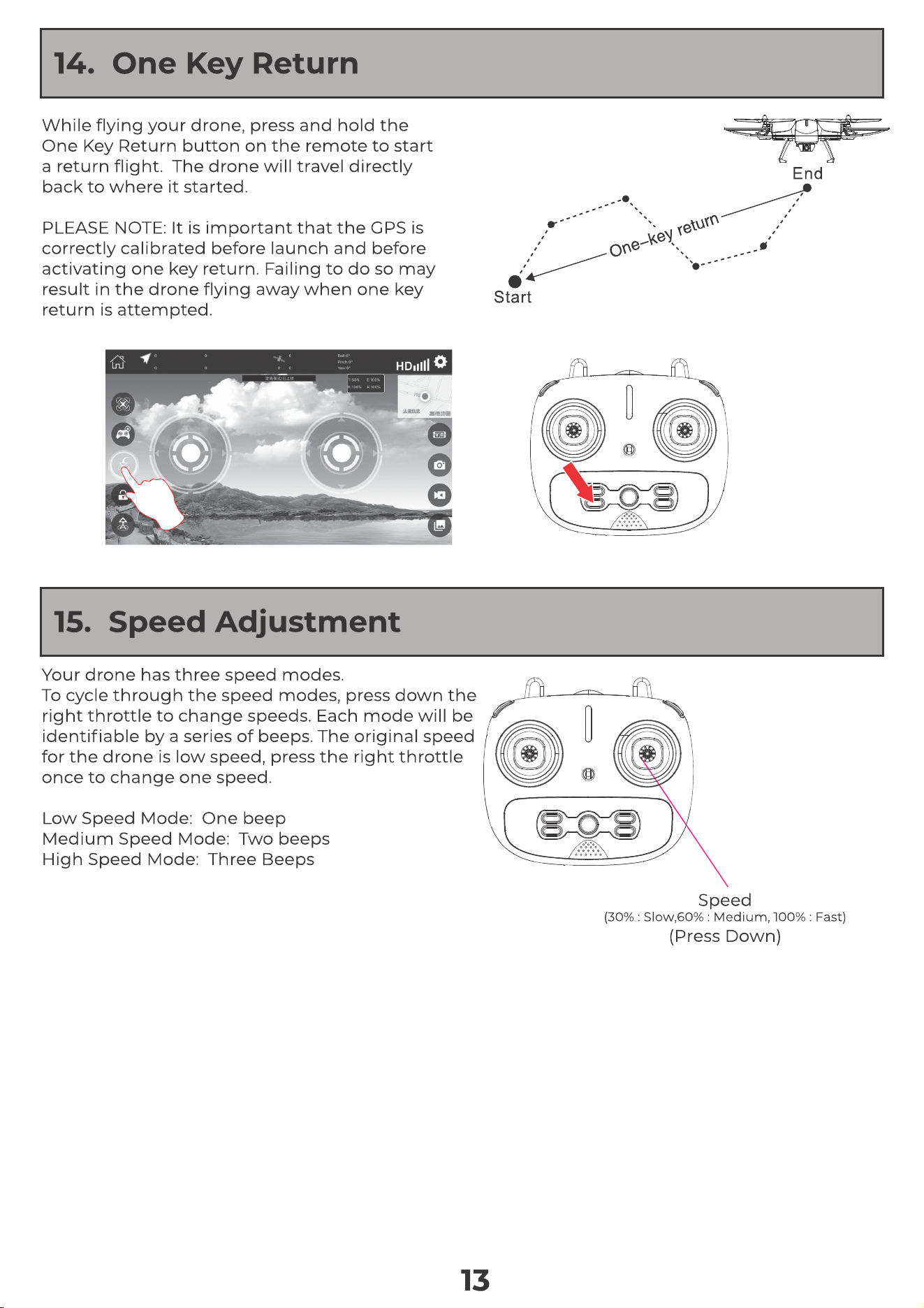
While flying your drone, press and hold the
One Key Return button on the remote to start
a return flight. The drone will travel directly
back to where it started.
PLEASE NOTE: It is important that the GPS is
correctly calibrated before launch and before
activating one key return. Failing to do so may
result in the drone flying away when one key
return is attempted.
15. Speed Adjustment
Your drone has three speed modes.
To cycle through the speed modes, press down the
right throttle to change speeds. Each mode will be
identifiable by a series of beeps. The original speed
for the drone is low speed, press the right throttle
once to change one speed.
Low Speed Mode: One beep
Medium Speed Mode: Two beeps
High Speed Mode: Three Beeps
13
End
Start
one—
(30% : Slow,600/0 : Medium, 100% • Fast)
(Press Down)
16. Emergency Stop Function
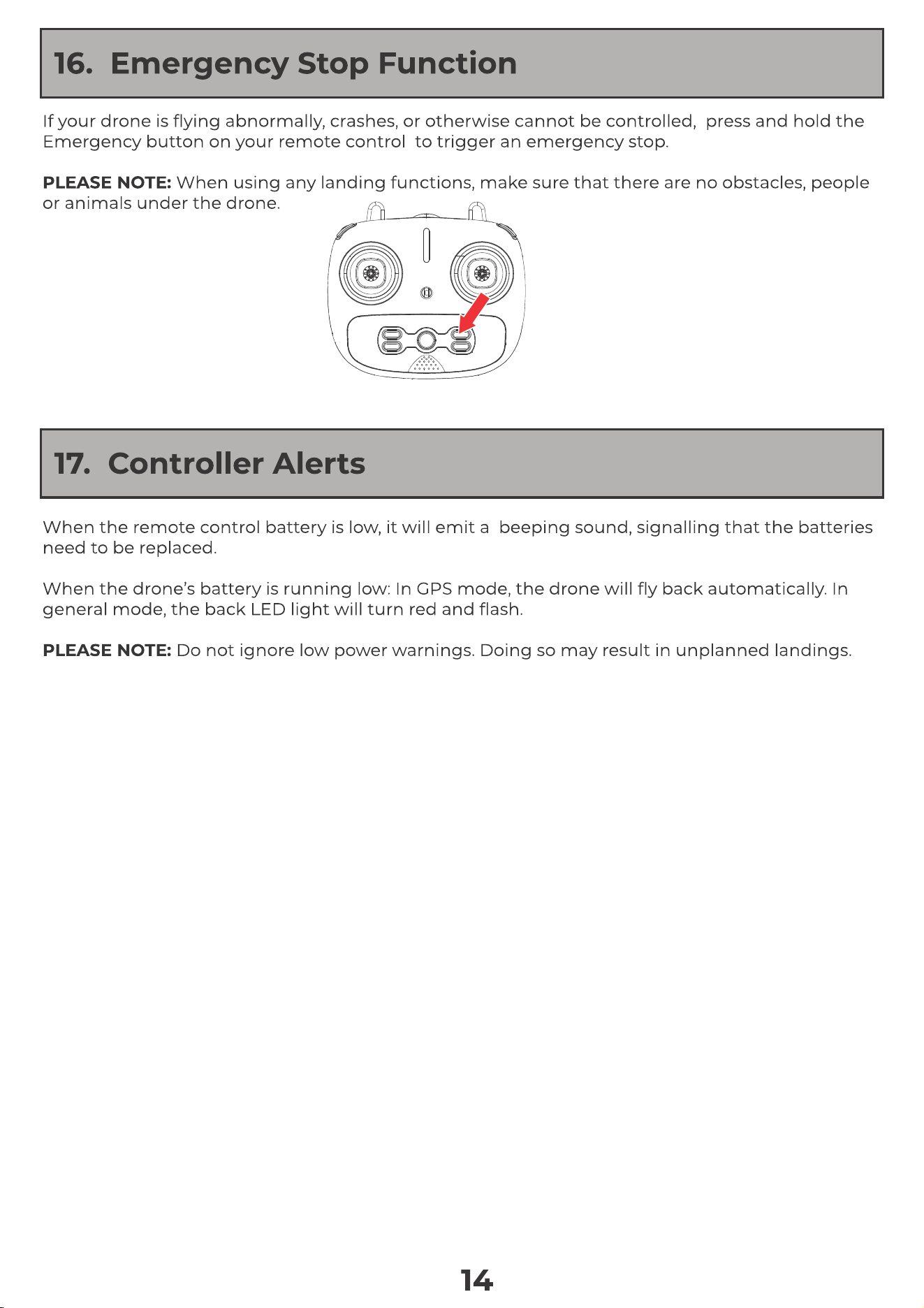
If your drone is flying abnormally, crashes, or otherwise cannot be controlled, press and hold the
Emergency button on your remote control to trigger an emergency stop.
PLEASE NOTE: When using any landing functions, make sure that there are no obstacles, people
or animals under the drone.
17. Controller Alerts
When the remote control battery is low, it will emit a beeping sound, signalling that the batteries
need to be replaced.
When the drone's battery is running low: In CPS mode, the drone will fly back automatically. In
general mode, the back LED light will turn red and flash.
PLEASE NOTE: Do not ignore low power warnings. Doing so may result in unplanned landings.
14
18. Motor Lockdown
When the rotor-blades are stopped by an obstacle the motors will go into a protective lock down
mode.
To unlock the motors make sure the rotor-blades are clear from debris and put the drone back
on the ground. Once you are ready to fly again pull the left thumb stick all the way down and the
motors will release.
15
19. Point of Interest
When activated, point of interest will make the drone circle around a desired point of interest.
To activate point of interest aim the drone at the desired point of interest and then press the
right thumb stick in like a button and the controller will beep.
While in Point of Interest mode the left thumb stick is used only to control the drone's height
and the right thumb stick is used to control the direction and speed that the drone circles the
target and how close the drone is to the target
16
22. Propeller Blade Installation
If your propeller blades become damaged or the drone is no longer flying straight, the blades may
need to be replaced. To replace the propeller blades please follow the directions below.
1. Remove the motor hat and the screw securing the rotor blade, and lift the blade off taking note
whether the blade that is being replaced is an 'A' blade or a 'B' Blade. Press the replacement blade
onto the stem making sure that the screw holes align and the replacement rotor blade is the
same ('A' or 'B') as the original rotor blade. Once the rotor blade is in position replace the securing
screw.
17
Vivitar One Year Warranty
This warranty covers the original consumer purchaser only and is not transferable.
This warranty covers products that fail to function properly UNDER NORMAL USAGE, due to
defects in material or workmanship. Your product will be repaired or replaced at no charge for
parts or labor for a period of one year.
What Is Not Covered by Warranty
Damages or malfunctions not resulting from defects in material or workmanship and damages or
malfunctions from other than normal use, including but limited to, repair by unauthorized parties,
tampering, modification or accident.
To Obtain Warranty Service and Troubleshooting Information:
Call 1-800-592-9541 in the U.S. or visit our website at www.vivitar.com.
To receive Warranty service along with the name and address of an authorized product service
center, the original consumer purchaser must contact us for problem determination and service
procedures. Proof of purchase in the form of a bill of sale or receipted invoice, evidencing that the
product is within the applicable Warranty period(s), MUST be presented in order to obtain the
requested service. It is your responsibility to properly package and send any defective products
along with a dated copy of proof of purchase, a written explanation of the problem, and a valid
return address to the authorized service center at your expense. Do not include any other items or
accessories with the defective product. Any products received by the authorized service center
that are not covered by warranty will be returned unrepaired.
FCC Compliance Statement
Changes or modifications not expressly approved by the party responsible for compliance could
void the user's authority to operate the equipment.
This device complies with Part 15 of the FCC Rules. Operation is subject to the following two
conditions: (1) this device may not cause harmful interference, and (2) this device must accept
any interference received, including interference that may cause undesired operation.
This equipment has been tested and found to comply with the limits for a Class B digital device,
pursuant to Part 15 of the FCC Rules. These limits are designed to provide reasonable protection
against harmful interference in a residential installation. This equipment generates, uses and can
radiate radio frequency energy and, if not installed and used in accordance with the instructions,
may cause harmful interference to radio communications. However, there is no guarantee that
interference will not occur in a particular installation.
If this equipment does cause harmful interference to radio or television reception, which can be
determined by turning the equipment off and on, the user is encouraged to try to correct the
interference by one or more of the following measures:
- Reorient or relocate the receiving antenna.
Increase the separation between the equipment and receiver.
Connect the equipment into an outlet on a circuit different from that to which the receiver is
connected.
- Consult the dealer or an experienced radio/T\/ technician for help.
18