SEARS
OWNER'S
MANUAL
Model: 919.16714
IMPORTANT:
Read the Safety Guidelines and
All Instructions Carefully Before
Operating.
CRRFTSMRN.
PERMANENTLY LUBRICATED
TANK MOUNTED
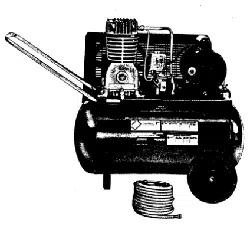
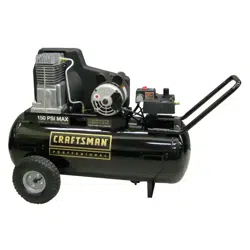
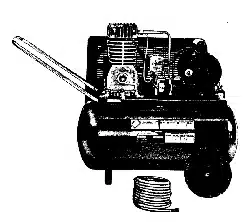
AIR COMPRESSOR
• SAFETY GUIDELINES
• ASSEMBLY
• OPERATION
• MAINTENANCE
• TROUBLESHOOTING
Sears, Roebuck and Co., Hoffman Estates, IL 60179 U.S.A.
D20517 Rev. O 312100
Page
WARNING CHART ........................................................................................................................... 2
SAFETYGUIDELINES .................................................................................................................. 3-5
GLOSSARY ..................................................................................................................................... 6
ACC ESSORIES FOR USE WITH SEARS AiR COMPRESSORS ......................................................... 6
GENERALINFORMATION ............................................................................................................... 6
DESCRIPTION OF OPERATION ....................................................................................................... 7
ASSEMBLY ..................................................................................................................................... 7
INSTALLATION AN DBREAK-IN PROCEDURES ............................................................................... 8
Location of Air Compressor ...................................................................................................... 8
Lubrication and Oil ................................................................................................................... 8
Extension Cords ....................................................................................................................... 8
Voltage and Circuit Protection ................................................................................................... 8
Grounding Instructions .............................................................................................................. 9
Break-in Procedure ................................................................................................................... 9
OPERATING PROCEDURES ......................................................................................................... 10
MAINTENANCE ............................................................................................................................. 11
Check Valve -Replacement .................................................................................................... 11
Safety Valve - Inspection ........................................................................................................ 11
Storage ................................................................................................................................... 11
TROUBLESHOOTINGGUIDE ................................................................................................... 12-13
HOW TO ORDER REPAIR PARTS ................................................................................................. 14
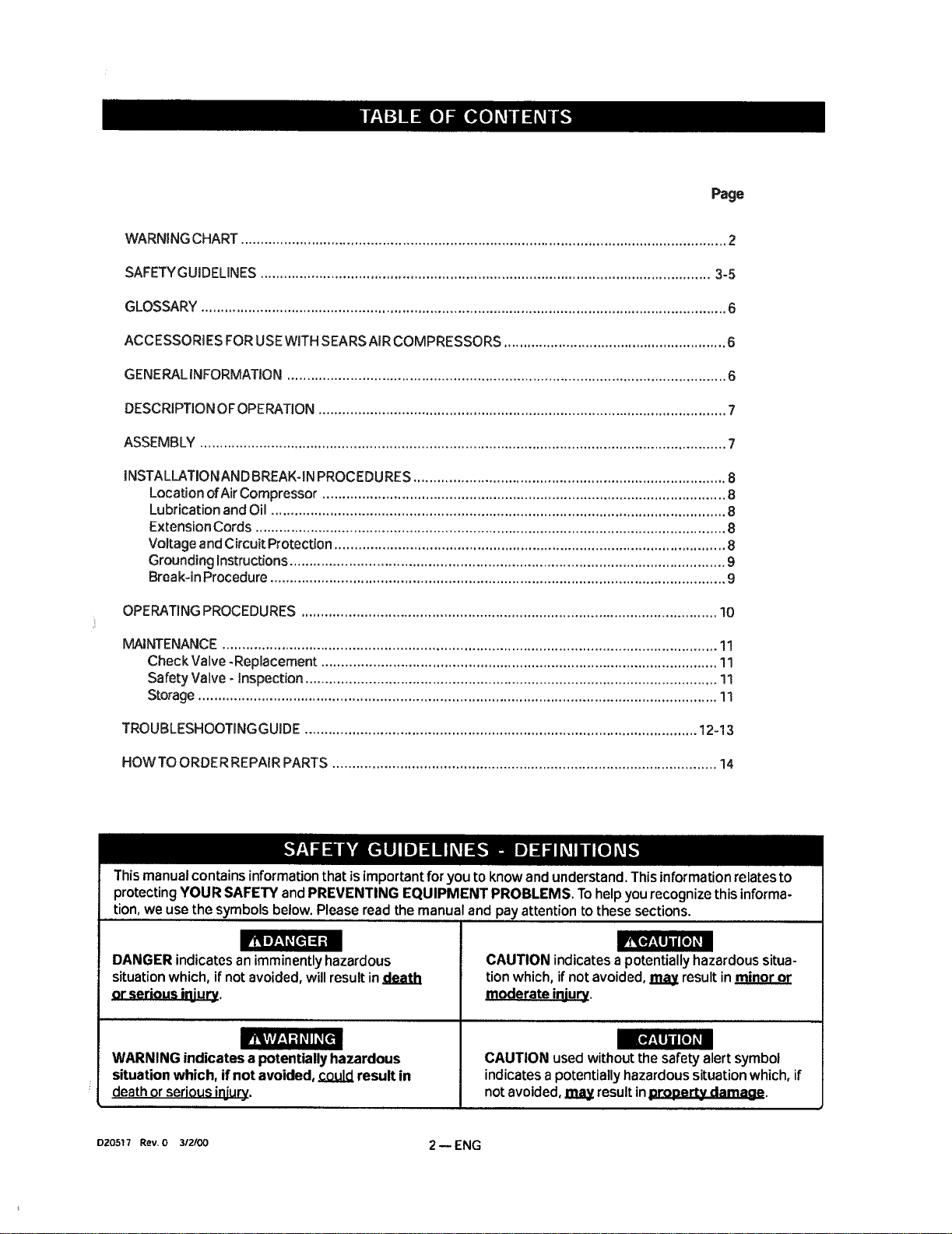
This manual contains information that is important for you to know and understand. This information relates to
protecting YOUR SAFETY and PREVENTING EQUIPMENT PROBLEMS. To help you recognize this informa-
tion, we use the symbols below. Please read the manual and pay attention to these sections.
DANGER indicates an imminently hazardous
situation which, ifnot avoided, will result in death
I[_Yj,_ujjl[o]_
WARNING indicates a potentially hazardous
situation which, if not avoided, could result in
death or serious i_ury.
CAUTION indicates a potentially hazardous situa-
tion which, if not avoided, _ result in
moderate injury.
CAUTION used without the safety alert symbol
indicates a potentially hazardous situation which, if
not avoided, _ result in _.
D20517 Rev 0 312100
2-- ENG
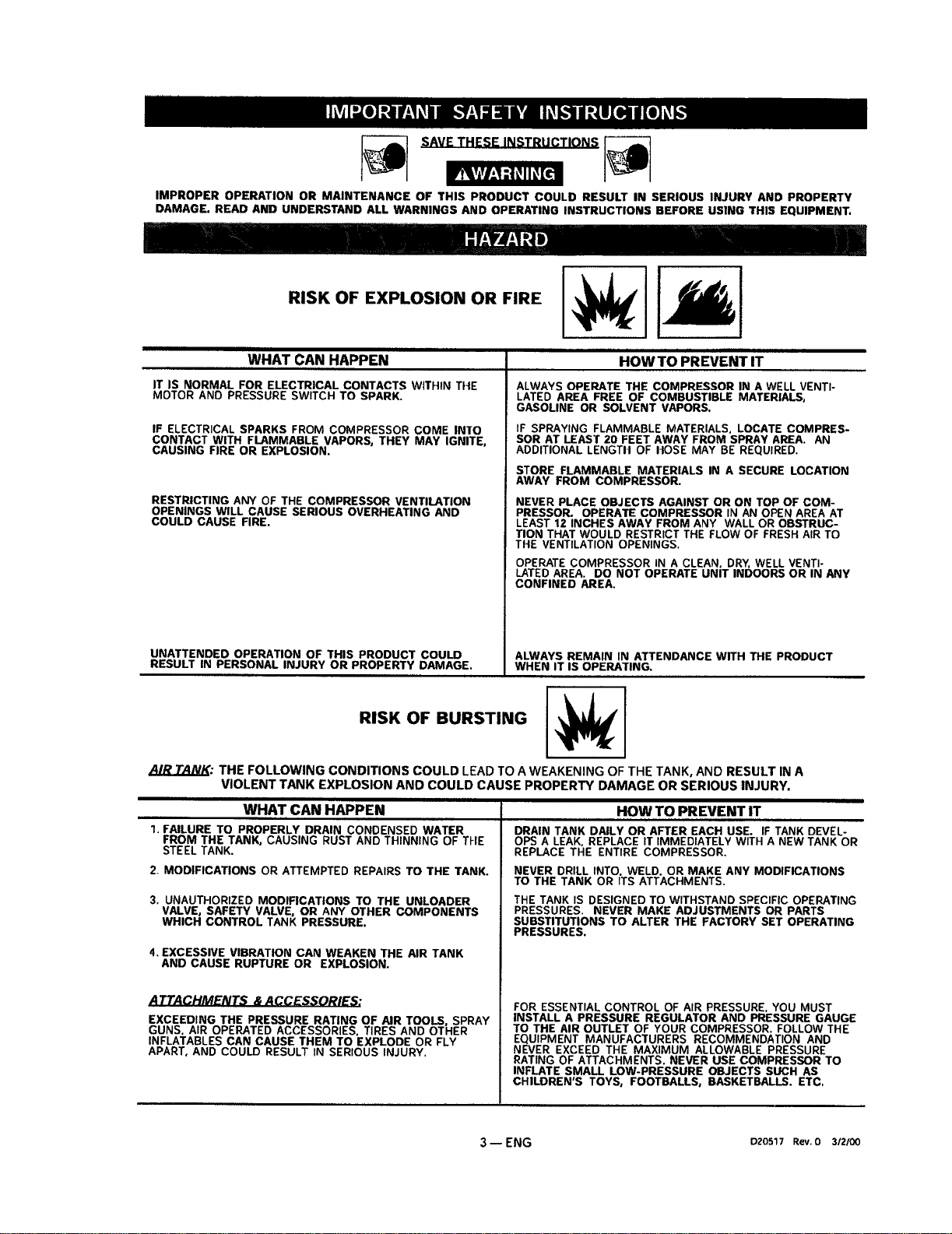
IMPROPER OPERATION OR MAINTENANCE OF THIS PRODUCT COULD RESULT IN SERIOUS INJURY AND PROPERTY
DAMAGE, READ AND UNDERSTAND ALL WARNINGS AND OPERATING INSTRUCTIONS BEFORE USING THIS EQUIPMENT,
SAVE THESE INSTRUCTIONS
RISK OF EXPLOSION OR FIRE
WHAT CAN HAPPEN
IT IS NORMAL FOR ELECTRICAL CONTACTS WITHIN TttE
MOTOR AND PRESSURE SWITCH TO SPARK.
IF ELECTRICAL SPARKS FROM COMPRESSOR COME INTO
CONTACT WITH FLAMMABLE VAPORS, THEY MAY IGNITE,
CAUSING FIRE OR EXPLOSION.
RESTRICTING ANY OF THE COMPRESSOR VENTILATION
OPENINGS WILL CAUSE SERIOUS OVERHEATING AND
COULD CAUSE FIRE.
UNATTENDED OPERATION OF THIS PRODUCT COULD
RESULT IN PERSONAL INJURY OR PROPERTY DAMAGE.
"How TO' PREVENT I'T
ALWAYS OPERATE THE COMPRESSOR IN A WELL VENTI-
LATED AREA FREE OF COMBUSTIBLE MATERIALS,
GASOLINE OR SOLVENT VAPORS,
IF SPRAYING FLAMMABLE MATERIALS, LOCATE COMPRES-
SOR AT LEAST 20 FEET AWAY FROM SPRAY AREA. AN
ADDITIONAL LENGTH OF HOSE MAY BE REQUIRED.
STORE FLAMMABLE MATERIALS IN A SECURE LOCATION
AWAY FROM COMPRESSOR.
NEVER PLACE OBJECTS AGAINST OR ON TOP OF COM-
PRESSOR. OPERATE COMPRESSOR IN AN OPEN AREA AT
LEAST 1Z INCHES AWAY FROM ANY WALL OR OBSTRUC-
TION THAT WOULD RESTRICT THE FLOW OF FRESH AIR TO
TItE VENTILATION OPENINGS.
OPERATE COMPRESSOR IN A CLEAN, DRY, WELL VENTI-
LATED AREA. DO NOT OPERATE UNIT INDOORS OR IN ANY
CONFINED AREA,
ALWAYS REMAIN IN ATTENDANCE WITH THE PRODUCT
WHEN IT IS OPERATING.
,s,o,.usr
AIR TANK: THE FOLLOWING CONDITIONS COULD LEAD TO A WEAKENING OF THE TANK, AND RESULT IN A
VIOLENT TANK EXPLOSION AND COULD CAUSE PROPERTY DAMAGE OR SERIOUS INJURY.
WHAT CAN HAPPEN
1. FAILURE TO PROPERLY DRAIN CONDENSED WATER
FROM THE TANK, CAUSING RUST AND THINNING OF THE
STEEL TANK.
2 MODIFICATIONS OR ATTEMPTED REPAIRS TO THE TANK.
3. UNAUTHORIZED MODIFICATIONS TO THE UNLOADER
VALVE, SAFETY VALVE, OR ANY OTHER COMPONENTS
WHICH CONTROL TANK PRESSURE.
4, EXCESSIVE VIBRATION CAN WEAKEN THE AIR TANK
AND CAUSE RUPTURE OR EXPLOSION.
ATTACHMENTS & ACCESSORIES:
EXCEEDING THE PRESSURE RATING OF AIR TOOLS, SPRAY
GUNS, AIR OPERATED ACCESSORIES, TIRES AND OTHER
INFLATABLES CAN CAUSE THEM TO EXPLODE OR FLY
APART, AND COULD RESULT IN SERIOUS INJURY.
HOW TO PREVENT IT
DRAIN TANK DALLY OR AFTER EACH USE. IF TANK DEVEL-
OPS A LEAK, REPLACE IT IMMEDIATELY WITH A NEW TANK OR
REPLACE THE ENTIRE COMPRESSOR.
NEVER DRILL INTO. WELD. OR MAKE ANY MODIFICATIONS
TO THE TANK OR ITS ATTACHMENTS.
THE TANK IS DESIGNED TO WITHSTAND SPECIFIC OPERATING
PRESSURES. NEVER MAKE ADJUSTMENTS OR PARTS
SUBSTITUTIONS TO ALTER THE FACTORY SET OPERATING
PRESSURES.
FOR ESSENTIAL CONTROL OF AIR PRESSURE. YOU MUST
INSTALL A PRESSURE REGULATOR AND PRESSURE GAUGE
TO THE AIR OUTLET OF YOUR COMPRESSOR. FOLLOW THE
EQUIPMENT MANUFACTURERS RECOMMENDATION AND
NEVER EXCEED THE MAXIMUM ALLOWABLE PRESSURE
RATING OF ATTACHMENTS. NEVER USE COMPRESSOR TO
INFLATE SMALL LOW-PRESSURE OBJECTS SUCH AS
CHILDREN'S TOYS, FOOTBALLS, BASKETBALLS. ETC,
3--ENG D20517 Rev. 0 312100
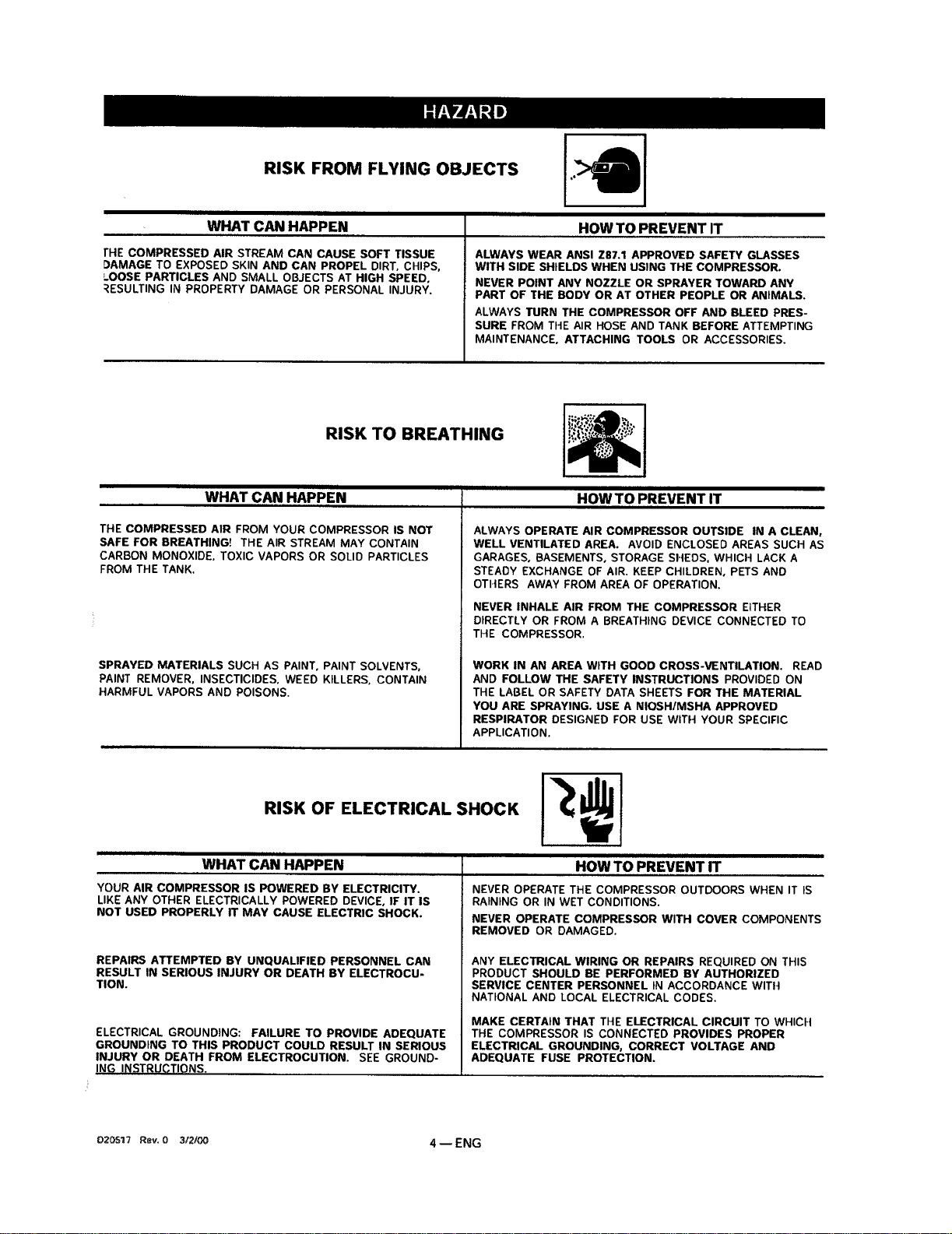
RISK FROM FLYING OBJECTS
WHAT CAN HAPPEN
FHE COMPRESSED AIR STREAM CAN CAUSE SOFT TISSUE
DAMAGE TO EXPOSED SKIN AND CAN PROPEL DIRT, CHIPS,
LOOSE PARTICLES AND SMALL OBJECTS AT HIGH SPEED,
:_ESULTING IN PROPERTY DAMAGE OR PERSONAL INJURY.
HOW TO PREVENT IT
ALWAYS WEAR ANSI ZB7.1 APPROVED SAFETY GLASSES
WITH SIDE SHIELDS WHEN USING THE COMPRESSOR.
NEVER POINT ANY NOZZLE OR SPRAYER TOWARD ANY
PART OF THE BODY OR AT OTHER PEOPLE OR ANIMALS.
ALWAYS TURN THE COMPRESSOR OFF AND BLEED PRES-
SURE FROM THE AIR HOSE AND TANK BEFORE ATTEMPTING
MAINTENANCE. ATTACHING TOOLS OR ACCESSORIES.
RISK TO BREATHING
WHAT CAN HAPPEN
THE COMPRESSED AIR FROM YOUR COMPRESSOR IS NOT
SAFE FOR BREATHING! THE AIR STREAM MAY CONTAIN
CARBON MONOXIDE, TOXIC VAPORS OR SOLID PARTICLES
FROM THE TANK,
SPRAYED MATERIALS SUCH AS PAINT. PAINT SOLVENTS,
PAINT REMOVER, INSECTICIDES. WEED KILLERS, CONTAIN
HARMFUL VAPORS AND POISONS.
HOW TO PREVENT IT
ALWAYS OPERATE AIR COMPRESSOR OUTSIDE IN A CLEAN,
WELL VENTILATED AREA. AVOID ENCLOSED AREAS SUCH AS
GARAGES, BASEMENTS, STORAGE SHEDS. WHICH LACK A
STEADY EXCHANGE OF AIR. KEEP CHILDREN, PETS AND
OTHERS AWAY FROM AREA OF OPERATION.
NEVER INHALE AIR FROM THE COMPRESSOR EITHER
DIRECTLY OR FROM A BREATHING DEVICE CONNECTED TO
THE COMPRESSOR.
WORK IN AN AREA WITH GOOD CROSS-VENTILATION. READ
AND FOLLOW THE SAFETY INSTRUCTIONS PROVIDED ON
THE LABEL OR SAFETY DATA SHEETS FOR THE MATERIAL
YOU ARE SPRAYING. USE A NIOSH/MSHA APPROVED
RESPIRATOR DESIGNED FOR USE WITH YOUR SPECIFIC
APPLICATION.
RISK OF ELECTRICAL SHOCK
WHATCAN'HAPPEN
YOUR AIR COMPRESSOR IS POWERED BY ELECTRICITY.
LIKE ANY OTHER ELECTRICALLY POWERED DEVICE, IF IT IS
NOT USED PROPERLY IT MAY CAUSE ELECTRIC SHOCK.
REPAIRS ATTEMPTED BY UNQUALIFIED PERSONNEL CAN
RESULT IN SERIOUS INJURY OR DEATH BY ELECTROCU-
TION.
ELECTRICAL GROUNDING: FAILURE TO PROVIDE ADEQUATE
GROUNDING TO THIS PRODUCT COULD RESULT IN SERIOUS
INJURY OR DEATH FROM ELECTROCUTION. SEE GROUND-
ING INSTRUCT,10NS.
HOW TO PREVENT IT
NEVER OPERATE THE COMPRESSOR OUTDOORS WHEN IT tS
RAINING OR IN WET CONDITIONS.
NEVER OPERATE COMPRESSOR WITH COVER COMPONENTS
REMOVED OR DAMAGED.
ANY ELECTRICAL WIRING OR REPAIRS REQUIRED ON THIS
PRODUCT SHOULD BE PERFORMED BY AUTHORIZED
SERVICE CENTER PERSONNEL tN ACCORDANCE WlTIt
NATIONAL AND LOCAL ELECTRICAL CODES,
MAKE CERTAIN THAT TttE ELECTRICAL CIRCUIT TO WHICH
THE COMPRESSOR IS CONNECTED PROVIDES PROPER
ELECTRICAL GROUNDING, CORRECT VOLTAGE AND
ADEQUATE FUSE PROTECTION.
o2os_7 Rev.o 3/2/_ 4 -- ENG
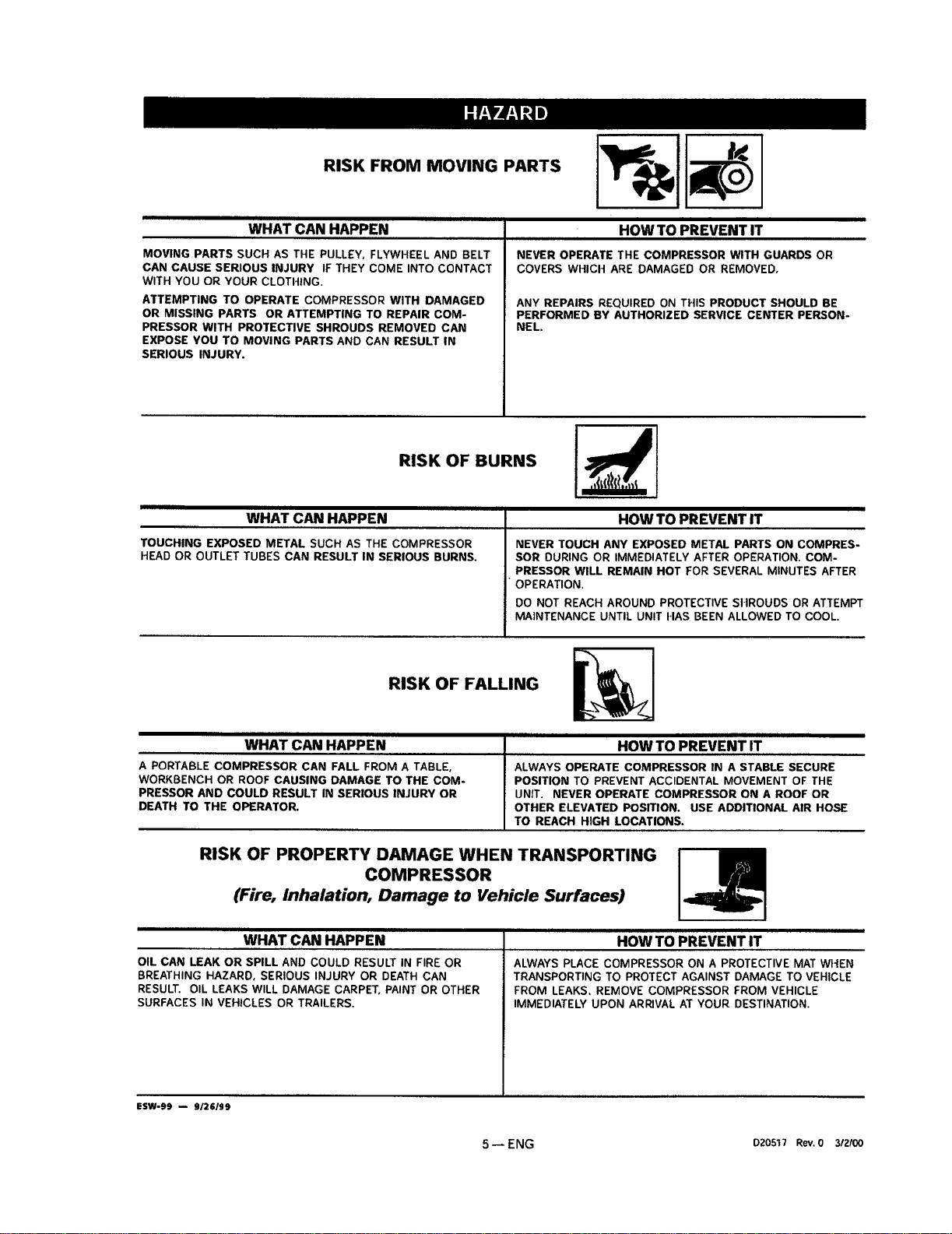
RISK FROM MOVING PARTS
WHAT CAN HAPPEN
MOVING PARTS SUCH AS THE PULLEY, FLYWHEEL AND BELT
CAN CAUSE SERIOUS INJURY IF THEY COME INTO CONTACT
WITH YOU OR YOUR CLOTItlNG.
ATTEMPTING TO OPERATE COMPRESSOR WITH DAMAGED
OR MISSING PARTS OR ATTEMPTING TO REPAIR COM-
PRESSOR WITH PROTECTIVE SHROUDS REMOVED CAN
EXPOSE YOU TO MOVING PARTS AND CAN RESULT IN
SERIOUS INJURY.
|
HOW TO PREVENT IT
NEVER OPERATE THE COMPRESSOR WITH GUARDS OR
COVERS WttlCH ARE DAMAGED OR REMOVED,
ANY REPAIRS REQUIRED ON THIS PRODUCT SHOULD BE
PERFORMED BY AUTHORIZED SERVICE CENTER PERSON-
NEL.
RISK OF BURNS
WHAT CAN HAPPEN
TOUCHING EXPOSED METAL SUCH AS THE COMPRESSOR
HEAD OR OUTLET TUBES CAN RESULT IN SERIOUS BURNS.
HOWTO PREVENTIT
NEVER TOUCH ANY EXPOSED METAL PARTS ON COMPRES-
SOR DURING OR IMMEDIATELY AFTER OPERATION. COM-
PRESSOR WILL REMAIN HOT FOR SEVERAL MINUTES AFTER
OPERATION.
DO NOT REACH AROUND PROTECTIVE SHROUDS OR ATTEMPT
MAINTENANCE UNTIL UNIT HAS BEEN ALLOWED TO COOL.
RISK OF FALLING
i
WHAT CAN HAPPEN
A PORTABLE COMPRESSOR CAN FALL FROM A TABLE,
WORKBENCH OR ROOF CAUSING DAMAGE TO THE COM-
PRESSOR AND COULD RESULT IN SERIOUS INJURY OR
DEATH TO THE OPERATOR.
ii i i i
HOW TO PREVENT IT
ALWAYS OPERATE COMPRESSOR IN A STABLE SECURE
POSITION TO PREVENT ACCIDENTAL MOVEMENT OF THE
UN{T. NEVER OPERATE COMPRESSOR ON A ROOF OR
OTHER ELEVATED POSITION. USE ADDITIONAL AIR HOSE
TO REACH HIGH LOCATIONS.
RISK OF PROPERTY DAMAGE WHEN TRANSPORTING
COMPRESSOR
(Fire, Inhalation, Damage to Vehicle Surfaces)
i
WHAT CAN HAPPEN
OIL CAN LEAK OR SPILL AND COULD RESULT IN FIRE OR
BREATHING HAZARD, SERIOUS INJURY OR DEATH CAN
RESULT. OIL LEAKS WILL DAMAGE CARPET, PAINT OR OTHER
SURFACES IN VEHICLES OR TRAILERS.
HOWTOPREVENTIT
ALWAYS PLACE COMPRESSOR ON A PROTECTIVE MAT WHEN
TRANSPORTING TO PROTECT AGAINST DAMAGE TO VEHICLE
FROM LEAKS. REMOVE COMPRESSOR FROM VEHICLE
IMMEDIATELY UPON ARRIVAL AT YOUR DESTINATION.
ESW-g9 i 9/26199
5-- ENG D20517 Rev. 0 312/00
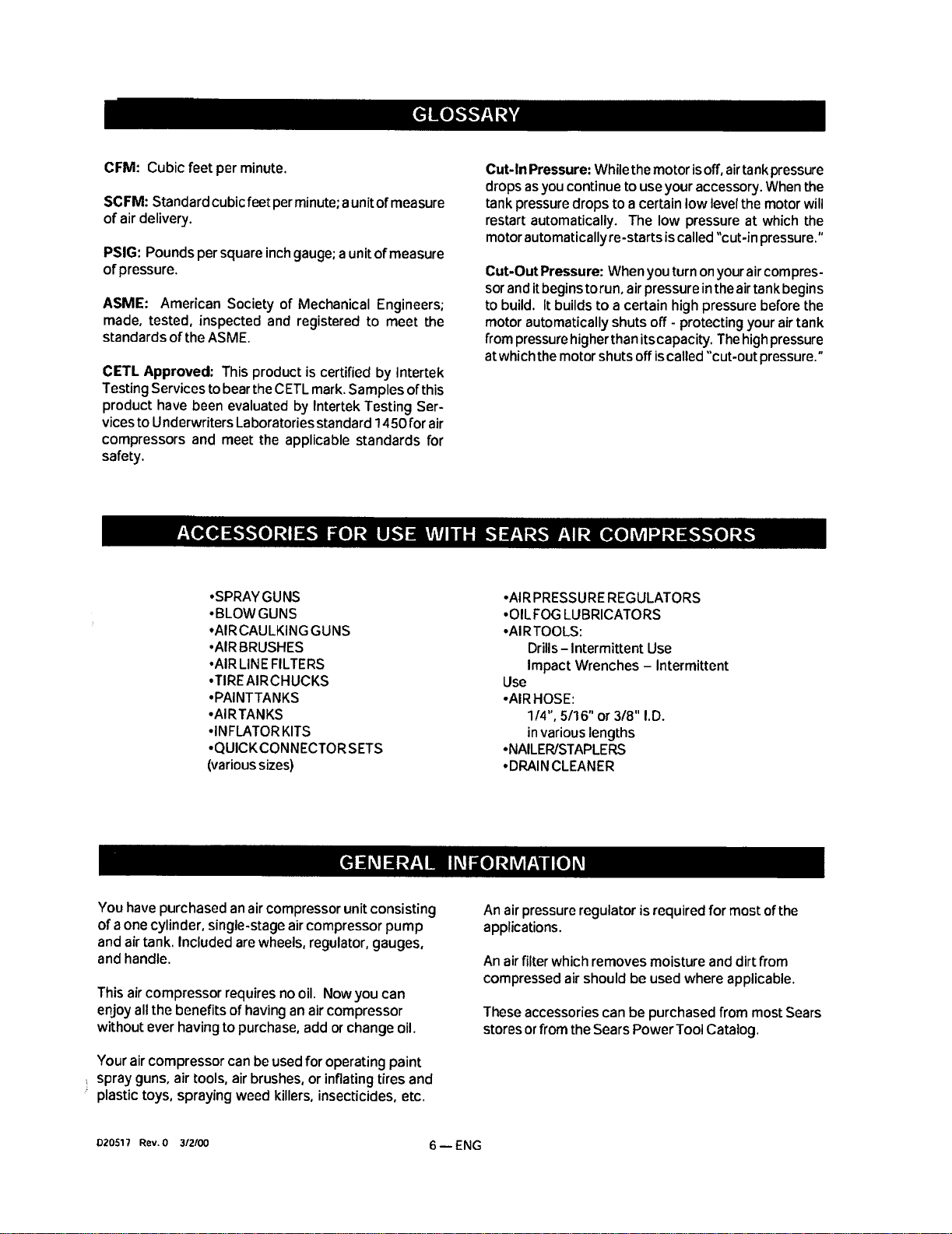
CFM: Cubic feet per minute.
SC FM" Standard cubic feet per minute; aunit of mea sure
of air delivery.
PSIG: Pounds persquareinchgauge;a unitof measure
of pressure.
ASME: American Society of Mechanical Engineers;
made, tested, inspected and registered to meet the
standards of the ASME.
CETL Approved: This product is certified by Intertek
Testing Services to bear the CETL mark. Samples of this
product have been evaluated by Intertek Testing Ser-
vices to Underwriters Laboratories standard 1450 for air
compressors and meet the applicable standards for
safety.
Cut-In Pressure:Whilethemotorisoff,airtankpressure
dropsasyou continueto useyour accessory.Whenthe
tank pressuredropsto a certainlowlevelthe motorwill
restartautomatically. The low pressureat whichthe
motorautomaticallyre-startsiscalled"cut-inpressure."
Cut-OutPressure:Whenyou turnonyourair compres-
soranditbeginstorun,airpressureintheairtankbegins
to build. It builds to a certainhighpressurebeforethe
motor automaticallyshuts off- protectingyour airtank
frompressurehigherthanitscapacity.Thehighpressure
atwhichthemotorshutsoffiscalled"cut-out pressure."
•SPRAY GUNS
-BLOWGUNS
•AIRCAULKING GUNS
.AIRBRUSHES
•AIR LIN EFILTERS
.TIREAIRCHUCKS
.PAINTTANKS
.AIRTANKS
•INFLATOR KITS
.QUICKCONNECTORSETS
(various sizes)
•AIRPRESSURE REGULATORS
•OILFOG LUBRICATORS
.AIRTOOLS:
Drills- Intermittent Use
Impact Wrenches - Intermittent
Use
-AIRHOSE:
114", 5/16" or 3/8" I.D.
in various lengths
-NAILER/STAPLERS
•DRAIN CLEANER
You have purchased an air compressor unit consisting
of aone cylinder, single-stage air compressor pump
and air tank. Included are wheels, regulator, gauges,
and handle.
This air compressor requires no oil. Now you can
enjoy all the benefits of having an air compressor
without ever having to purchase, add or change oil.
Your air compressor can be used for operating paint
spray guns, air tools, air brushes, or inflating tires and
plastic toys, spraying weed killers, insecticides, etc.
An air pressure regulator is required for most ofthe
applications.
An air filter which removes moisture and dirt from
compressed air should be used where applicable.
These accessories can be purchased from most Sears
stores or from the Sears Power Tool Catalog.
D20517 Rev. O 312100 6--ENG
Air Compressor Pump: To compress air, the piston
moves up and down in the cylinder. On the downstroke,
air is drawn inthrough the air intake valves. The exhaust
valves remain closed. On the upstroke of the piston, air
is compressed. The intake valves close and com-
pressed air is forced out through the exhaust valves,
through the outlet tube, through the check valve and into
the air tank. Working air is not available until the
compressor has raised the air tank pressure above that
required at the air outlet.
Check Valve: When the aircompressor is operating, the
check valve is"open", allowing compressed air to enter
the air tank. When the air compressor reaches"cut-out"
pressure, the checkvalve"closes", allowing air pressure
to remain inside the air tank.
Pressure Release Valve: (if equipped) The pressure
release valve located on the side of the pressure switch,
is designed to automatically release compressed air from
the compressor head and the outlet tube when the air
compressor reaches "cut-out" pressure or is shut off. If
the air is not released, the motor will not be able to start.
The pressure release valve allows the motor to restart
freely. When the motor stops running, air will be heard
escaping from the valve for afew seconds. No air should
be leaking when the motor is running.
Pressure Switch: The pressure switch automatically
starts the motor when the air tank pressure drops below
the factoryset"cut-in" pressure. Itstops the motor when
the air tank pressure reaches the factory set "cut-out"
pressure.
Safety Valve: Irthe pressure switch does not shut offthe
air compressor at its cut-out pressure setting, the safety
valve will protect the tank against high pressure by
"popping out" at its factory set pressure (slightly higher
than the pressure switch cut-out setting).
Regulator: The air pressure coming from the airtank is
controlled by the regulator. Turn the regulator knob
clockwise to increase pressure and counter-clockwise to
decrease pressure. To avoid minor readjustment after
making a change in pressure setting, always approach
the desired pressure from a lower pressure. When
reducing from a higher to a lower setting, first reduce to
some pressure less than that desired, then bring up tothe
desired pressure. Depending onthe airrequirements of
each particular accessory, the outlet regulated air pres-
sure may have to be adjusted while operating the
accessory.
Outlet Pressure Gauge; The outlet pressure gauge
indicates the air pressure available at the outlet side of
the regulator. This pressure is controlled bythe regulator
and is always less or equal to the tank pressure. See
"Operating Procedures".
Tank Pressure Gauge: The tank pressure gauge indi-
cates the reserve air pressure in the tank.
Cooling System: This compressor contains an ad-
vanced design cooling system. Atthe heart ofthis cooling
system isanengineered fan. It isperfectly normal for this
fan to blow air through the vent holes inlarge amounts.
You know that the cooling system isworking when airis
being expelled.
• a 9/16" socket or open end wrench for attaching the
wheels
• a 3/8" openendwrench or socket to tighten handle
screws
7-- ENG o2os17 R_v.o 3f2f_
Installing Wheels, Handles, Molded
Foot Bumpers
1,
THE WHEELS AND HANDLE DO NOT PROVIDE
ADEQUATE CLEARANCE, STABILITY OR SUP-
PORT FOR PULLING THE UNIT UP AND DOWN
STAIRS OR STEPS. THE UNIT MUST BE LIFTED,
OR PUSHED UP A RAMR
Attach the handle to the compressor saddle by
inserting the handle inside the compressor saddle
and lining up the bolt holes on each side. Install the
two screws, one on each side. Tighten securely.
It will be necessary to brace or support one side
of the outfit when installing the wheels because
the compressor will have a tendency to tip over.
2. Install one shoulder bolt and one nut for each wheel.
Tighten securely. The outfit will sit level ifthe wheels
are properly installed.
3.
Clean and dry underside of air tank leg opposite
wheels. Remove the protective strip from the adhe-
sive backed molded foot bumpers. Attach the foot
bumpers to the bottom of leg on each end. Press
firmly into place.
Location of the Air Compressor
Locate the air compressor in a clean, dry and well
_entilated area. The aircompressor should be located at
least12" away from the wall or other obstructions thatwill
interfere with the flow of air, The air compressor pump
and shroud are designed to allow for propercooling. The
ventilation openingson the compressor are necessary to
maintainproper operating temperature. Donotplace rags
or other containers on or near these openings.
Lubrication and Oil
This unit needs nolubrication or oiling.
ExtensionCords
Useextraair hoseinstead ofan extension cord to avoid
voltagedropandpowerlossto themotor,andtoprevent
overheating,
If an extension cord must be used, be sure it is:
• a 3-wire extension cord that has a 3-blade ground.
ing plug, and a 3.slot receptacle that will accept
the plug on the product
• in good condition
• no longer than 50 feet
• 12 gauge (AWG) or larger. (Wire size increases as
gauge number decreases. 10 AWG and 8 AWG
may also be used. DO NOT USE 14 OR 16 AWG.)
Voltage and Circuit Protection
Refer to your Parts List Manual for thevoltage and circuit
protection requirements ofyour compressor. Use only a
fuse or circuit breaker that is the same rating as the
branch circuit the air compressor is operated on. If the
compressor is connected to
a circuit protected by fuses, use only dual element time
delay fuses, as noted in that Service Bulletin.
Referto Parts List Manual for your compressor. Certain air
compressor models can be operated on a 15 amp circuit
if:
1. Voltage supply to circuit is normal.
2. Circuit is not used to supply any other electrical
needs (lights, appliances, etc.).
3. Extension cords comply with specifications,
4. Circuit is equipped with a 15 amp circuit breaker or
15 amp time delay fuse.
If any of the above conditions cannot be met, or if
operation of the compressor repeatedly causes interrup-
tion of the power, it may be necessary to operate it from
a 20 amp circuit. It is not necessary to change the cord
set.
D2os17 Rev.O 3/2/00 8-- ENG
Grounding Instructions
RISK OR ELECTRICAL SHOCK. In the event of a
short circuit,groundingreduces the riskof shock
by providing an escape wire for the electric
current. Thisair compressor must be properly
grounded.
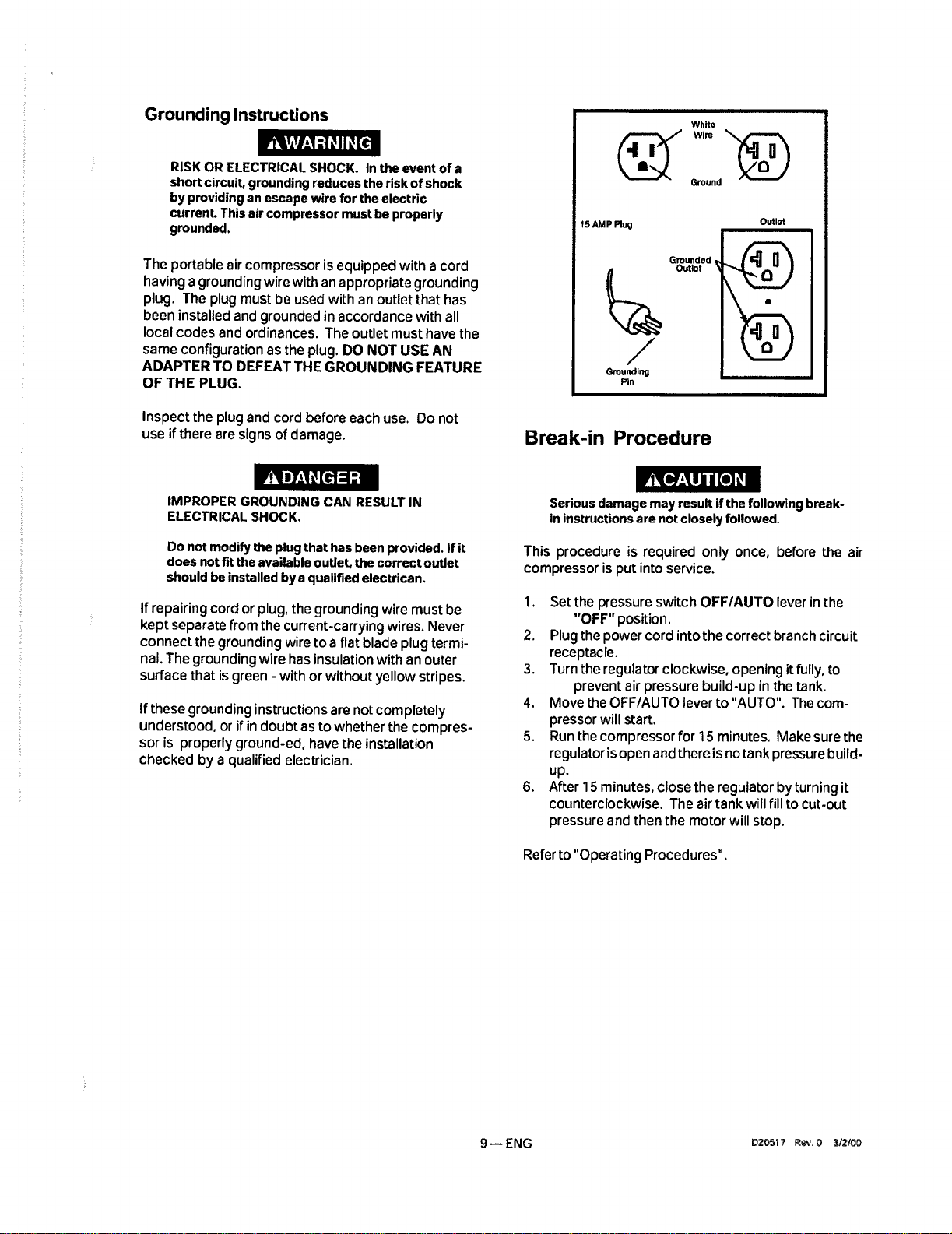
The portable air compressor isequipped with acord
having a grounding wire with an appropriate grounding
plug. The plug must be used with an outlet that has
been installed and grounded in accordance with all
local codes and ordinances. The outlet must have the
same configuration as the plug. DO NOT USE AN
ADAPTER TO DEFEAT THE GROUNDING FEATURE
OF THE PLUG.
Inspect the plug and cord before each use. Do not
use if there are signs of damage.
IMPROPER GROUNDING CAN RESULT IN
ELECTRICAL SHOCK,
Do not modify the plug that has been provided. If it
does not fitthe available outlet, the correct outlet
should be installedby a qualifiedelectrican.
If repairing cord or plug, the grounding wire must be
kept separate from the current-carrying wires. Never
connect the grounding wire to a flat blade plug termi-
nal. The grounding wire has insulation with an outer
surface that is green - with or without yellow stripes.
Ifthese grounding instructions are not completely
understood, or if in doubt as to whether the compres-
sor is properly ground-ed, have the installation
checked by a qualified electrician.
White
Ground
15 AM P Plug
/
Grounding
Pin
Groundod
Outlet
Outlot
Break-in Procedure
Serious damage may result ifthe following break-
Ininstructionsare not closely followed.
This procedure is required only once, before the air
compressor is put into service.
1. Set the pressure switch OFF/AUTO lever in the
"OFF" position.
2. Plug the power cord into the correct branch circuit
receptacle.
3. Turn the regulator clockwise, opening it fully, to
prevent air pressure build-up in the tank.
4. Move the OFF/AUTO lever to"AUTO". The com-
pressor will start.
5. Run the compressor for 15 minutes, Make sure the
regulator isopen and there is no tank pressure build-
up.
6. After 15 minutes, close the regulator by turning it
counterclockwise. The air tank will fill to cut-out
pressure and then the motor will stop.
Referto"Operating Procedures",
9--ENG DZOS17Rev.O 3/Z/OO
I.
Before attaching air hose or accessories, make sure
the OFF/AUTO lever is set to "OFF" and the air
regulator is closed.
2. Attach hose and accessories.
TOO MUCH AIR PRESSURE CREATES A HAZ-
ARDOUS RISK OF BURSTING. CAREFULLY
FOLLOW STEPS 3 AND 5 EACH TIME THE
COMPRESSOR IS USED.
Compressed air from the outfit may contain water
condensation. Do not spray unfiltered air at an
item that could be damaged. Some air operated
tools or devices may require filtered air. Read the
instructions for the air tool or device.
3,
Check the manufacturer's maximum pressure
rating for air tools and accessories. The regulator
outlet pressure must never exceed the maximum
pressure rating. Ifyour compressor is not supplied
with aregulator with gauge, install one before
using accessories.
4. Turn the OFF/AUTO lever to "AUTO" and allow
tank pressure to build. Motor will stop when tank
pressure reaches "cut-out" pressure,
5. Open the regulator by turning it clockwise. Adjust
the regulator to the correct pressure setting. Your
compressor is ready for use.
6. Always operate me air compressor in well.
ventilated areas; free of gasoline or other solvent
vapors.
Do not operate the compressor near the spray area.
When you are finished:
7. Set the "OFFIAUTO" lever to "OFF".
8. Turn the regulator counterclockwise and set the
outlet pressure to zero.
9. Remove the air tool or accessory.
10. Open the regulator and allow the air to slowly bleed
from the tank. Close the regulator when tank
pressure is approximately 20 psi.
11. Drain water from airtank.
WATER WILL CONDENSE IN THE AIR TANK. IF
NOT DRAINED, WATER WILL CORRODE AND
WEAKEN THE AIR TANK CAUSING A RISK OF
AIR TANK RUPTURE,
With tank pressure at approximately 20 psi, open the
drain cock or drain valve.
NOTE:
if drain cock valve is plugged, release all air
pressure, The valve can then be removed.
cleaned, then reinstalled.
12. After the water has been drained, close drain
cock or drain valve. The air compressor can
now be stored,
o2os17 Rev.o 3/2/oo 10-- ENG
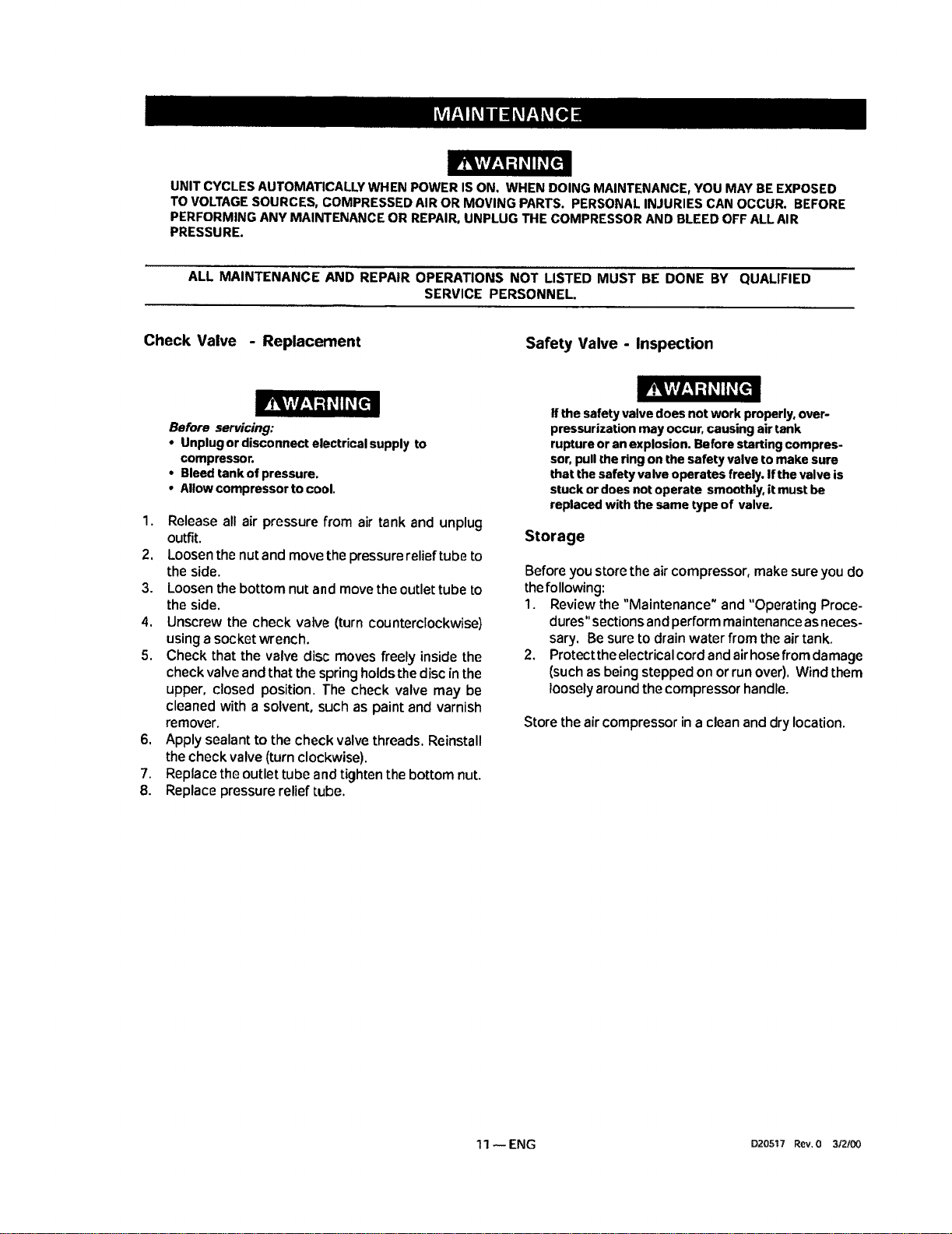
UNIT CYCLES AUTOMATICALLY WHEN POWER IS ON. WHEN DOING MAINTENANCE, YOU MAY BE EXPOSED
TO VOLTAGE SOURCES, COMPRESSED AIR OR MOVING PARTS. PERSONAL INJURIES CAN OCCUR. BEFORE
PERFORMING ANY MAINTENANCE OR REPAIR, UNPLUG THE COMPRESSOR AND BLEED OFF ALL AIR
PRESSURE.
ALL MAINTENANCE AND REPAIR OPERATIONS NOT LISTED MUST BE DONE BY QUALIFIED
SERVICE PERSONNEL.
Check Valve - Replacement
Safety Valve - Inspection
Before servicing:
• Unplug or disconnect electrical supply to
compressor.
• Bleed tank of pressure.
• Allow compressor to cool.
1. Release all air pressure from air tank and unplug
outfit,
2, Loosen the nut and move the pressure relief tube to
the side.
3. Loosen the bottom nut and move the outlet tube to
the side,
4, Unscrew the check valve (turn counterclockwise)
using a socket wrench.
5, Check that the valve disc moves freely inside the
check valve and that the spring holds the disc in the
upper, closed position, The check valve may be
cleaned with a solvent, such as paint and varnish
remover.
6, Apply sealant to the check valve threads, Reinstall
the check valve (turn clockwise).
7. Replace the outlet tube and tighten the bottom nut.
8. Replace pressure relief tube,
Ifthe safetyvalve does not work properly,over-
pressurizationmay occur, causingair tank
ruptureor an explosion. Before starting compres-
sor,pull the ringon the safety valve tomake sure
that the safety valve operates freely. Ifthe valve is
stuck or doesnot operate smoothly,itmust be
replaced with the same type of valve.
Storage
Before you store the air compressor, make sure you do
the following:
1. Review the "Maintenance" and "Operating Proce-
dures" sections and perform maintenance as neces-
sary, Be sure to drain water from the air tank.
2. Protecttheelectrical cord and air hosefrom damage
(such as being stepped on or run over), Wind them
loosely around the compressor handle.
Store the air compressor in a clean and dry location.
11 -- ENG D20517 Rev.0 3/2f00
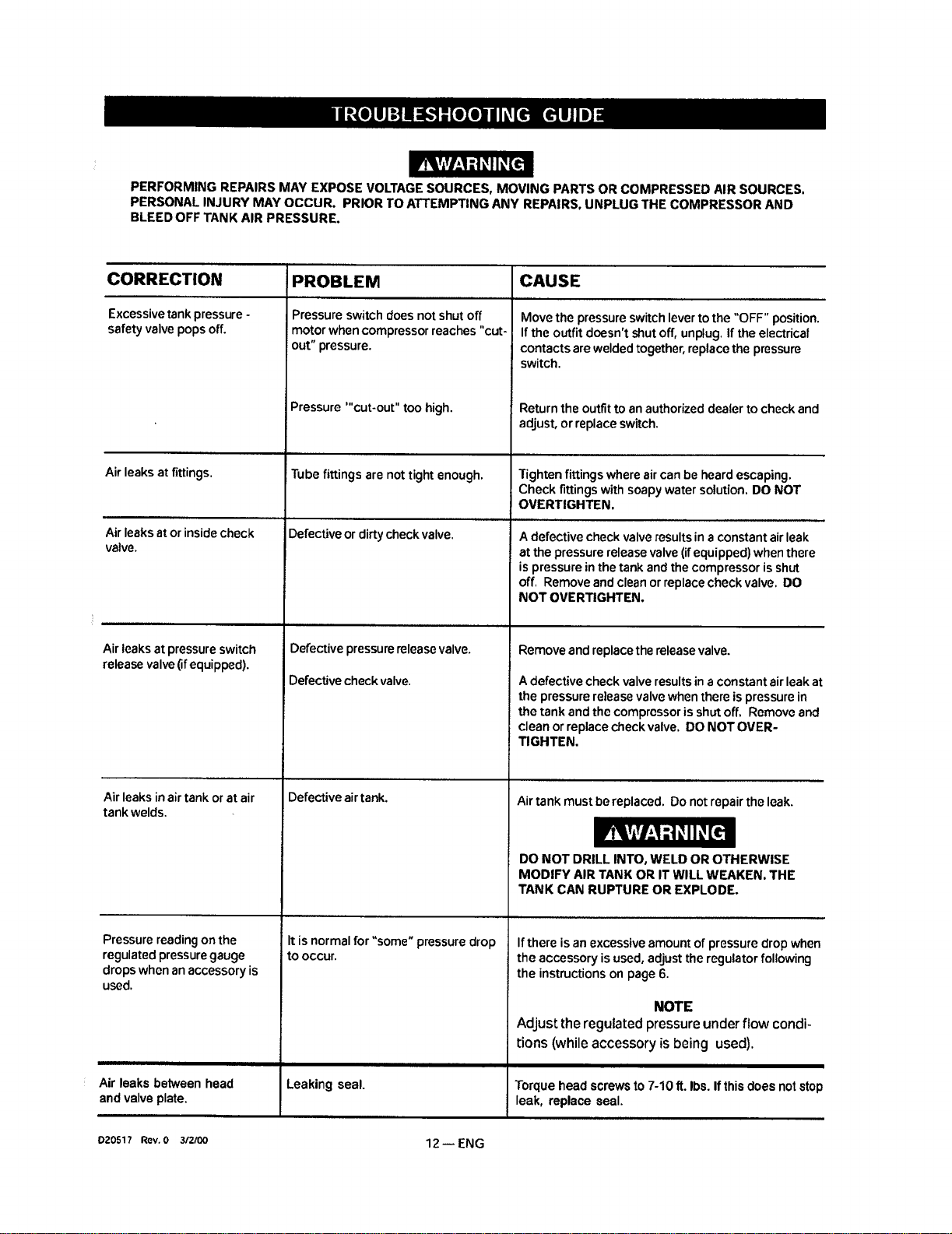
PERFORMING REPAIRS MAY EXPOSE VOLTAGE SOURCES, MOVING PARTS OR COMPRESSED AIR SOURCES,
PERSONAL INJURY MAY OCCUR. PRIOR TO ATTEMPTING ANY REPAIRS, UNPLUG THE COMPRESSOR AND
BLEED OFF TANK AIR PRESSURE.
CORRECTION
Excessivetankpressure-
safetyvalvepopsoff.
Air leaks at fittings.
Air leaksat orinsidecheck
valve,
Airleaksat pressureswitch
releasevalve(ifequipped).
PROBLEM
Pressure switchdoes not shutoff
motor when compressor reaches "cut-
out" pressure.
Pressure '"cut-out" too high.
Airleaksinairtank orat air
tankwelds.
Pressure reading on the
regulatedpressuregauge
dropswhenanaccessoryis
used,
Air leaks between head
and valve plate.
Tubefittings are nottight enough,
Defective or dirty check valve.
Defective pressure release valve.
Defective check valve.
Defectiveairtank.
It is normal for "some" pressure drop
tooccur,
Leaking seal.
CAUSE
Movethe pressureswitch levertothe "OFF" position.
Ifthe outfitdoesn't shutoff,unplug.If theelectrical
contactsareweldedtogether, replacethe pressure
switch.
Returnthe outfit to anauthorizeddealerto checkand
adjust,orreplaceswitch.
"tightenfittings whereaircanbe heardescaping,
Check fittingswithsoapywatersolution,DO NOT
OVERTIGHTEN.
A defective checkvalveresults ina constantairleak
at the pressurereleasevalve(ifequipped)whenthere
is pressureinthetank and thecompressorisshut
off. Removeandcleanorreplacecheckvalve, DO
NOT OVERTIGHTEN.
Removeandreplacethereleasevalve.
Adefectivecheckvalveresultsinaconstantair leakat
the pressurereleasevalvewhen thereispressurein
the tankandthe compressorisshutoff, Removeand
cleanor replacecheckvalve, DO NOT OVER-
TIGHTEN.
Air tank must be replaced. Do not repair the leak.
DO NOT DRILL INTO, WELD OR OTHERWISE
MODIFY AIR TANK OR IT WILLWEAKEN, THE
TANK CAN RUPTURE OR EXPLODE.
If there is an excessive amount of pressure drop when
the accessory is used, adJust the regulator following
the instructions on page 6.
NOTE
Adjust the regulated pressure under flow condi-
tions (while accessory is being used).
Torque head screws to 7-10 ft. Ibs. If this does not stop
leak, replace seal.
D20517 Rev. O 3,2/00 12--ENG
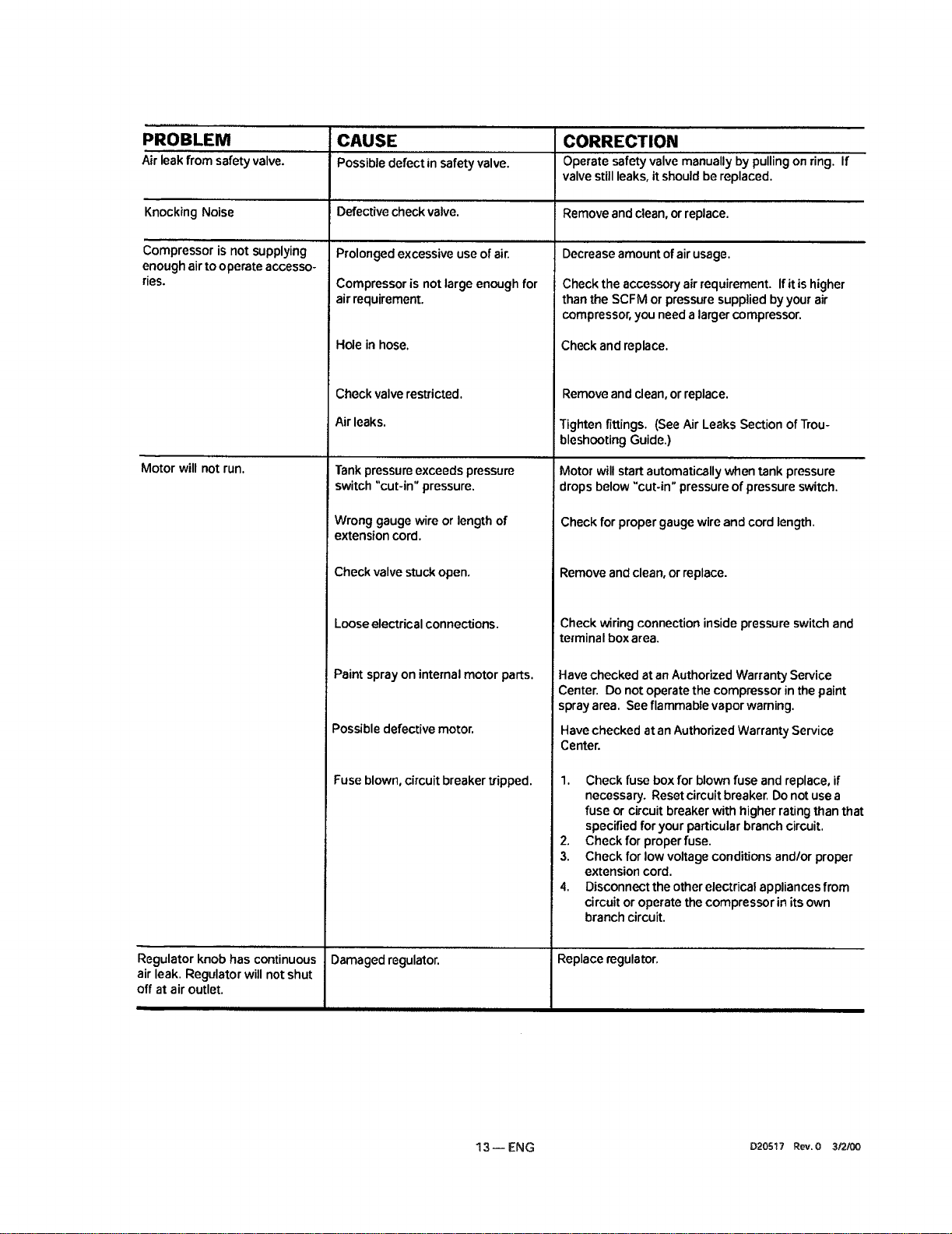
PROBLEM CAUSE CORRECTION
Air leakfromsafetyvalve. Possibledefect insafetyvalve. Operatesafety valvemanuallyby pullingonring. If
valvestillleaks,itshouldbe replaced.
KnockingNoise Removeandclean,orreplace.
Decreaseamountofairusage.
Compressor is not supplying
enough air to operate accesso-
ries.
Defectivecheckvalve.
Prolonged excessive useofair.
Compressorisnot large enoughfor
airrequirement.
Check the accessoryair requirement. Ifitis higher
thanthe SCFM orpressuresuppliedby your air
compressor,you needa largercompressor.
Hole in hose.
Motor will not run.
Regulatorknob has continuous
airleak. Regulatorwill notshut
off at airoutlet.
Checkvalverestricted.
Air leaks.
Tankpressureexceeds pressure
switch"cut-in" pressure.
Wronggaugewireor lengthof
extension cord.
Check valvestuck open.
Looseelectricalconnections.
Paintsprayon internalmotorparts.
Possible defective motor,
Fuseblown, circuit breaker tripped.
Damagedregulator.
Checkand replace.
Removeand dean, orreplace.
Tighten fittings. (See Air LeaksSection ofTrou-
bleshootingGuide.)
Motor willstartautomaticallywhen tank pressure
drops below"cut-in" pressureof pressureswitch.
Checkfor propergauge wireand cord length.
Remove and clean, or replace.
Check wiringconnection insidepressure switchand
terminalboxarea.
Havecheckedat anAuthorizedWarrantyService
Center. Donot operatethe compressorinthe paint
sprayarea. Seeflammable vaporwarning.
Have checked at an Authorized Warranty Service
Center.
1. Check fuse box forblown fuseandreplace, if
necessary. Resetcircuitbreaker.Donotusea
fuseorcircuitbreakerwith higherratingthanthat
specifiedforyour particularbranchcircuit.
2. Check for properfuse.
3. Check for lowvoltageconditionsand/orproper
extensioncord.
4, Disconnect the other electrical appliances from
circuitor operatethe compressorin itsown
branch circuit.
Replaceregulator.
!3-- ENG D20517 Rev.0 3/2/00
SB,4RS
OWNER'S
MANUAL
When requesting service or ordering
parts, always provide the following
information:
• ModelNumber
• PartNumber
• PartDescription
• NameofItem
FULL ONE YEAR
WARRANTY
AIR COMPRESSOR
Ifthis aircompressorfails cluetoadefectin
material or workmanshipwithin one year
from the dateofpurchase,RETURN IT TO
THE NEAREST SEARSREPAIR CENTER
THROUGHOUT THE UNITED STATES
AND SEARS WILL REPAIR IT, FREE OF
CHARGE. IF PURCHASED FROM OR-
CHARD SUPPLY HARDWARE, RETURN
TO THE NEAREST ORCHARD STORE
AND ORCHARD WILL REPAIR IT, FREE
OF CHARGE.
Ifthis air compressoris used for commercial
or rental purposes, the warranty will apply
for ninety days from the date of purchase.
_mm
This warranty gives you specific legal rights
and you may have other rights which vary
from state to state,
CRRFTSMRN.
PERMANENTLY LUBRICA TED
TANK MOUNTED
AIR COMPRESSOR
For the repair or replacement parts you need
Call 7 am. 7 pm, 7 days a week
1-800-366-PART
(1-800-366-7278)
For in-home major brand repair service
Call 24 hours a day, 7 days a week
1-8OO-4-REPAIR
(1-800-473-7247)
For the location of a
Sears Parts and Repair Center in your area
ca""hou o°a,.' a"awe°"
1-800-488-1222
For informationon purchasinga Sears
Maintenance Agreement or to inquire
about anexisting Agreement
call 9 am - 5 pm, Monday-Saturday
1-8OO-827-6655
SEARS
t_o! n_._'SROpl*r Spo_alitle
Sears, Roebuck and Co., Hoffman Estates, IL 60179 U.S.A.