HUAWEI Board
V600R019C00
Product Description
Issue
02
Date
2018
-10-22
HUAWEI TECHNOLOGIES CO., LTD.
Issue 02 (2018-10-22)
Copyright © Huawei Technologies Co., Ltd.
i
Copyright © Huawei Technologies Co., Ltd. 2018. All rights reserved.
No part of this document may be reproduced or transmitted in any form or by any means without prior
written consent of Huawei Technologies Co., Ltd.
Trademarks and Permissions
and other Huawei trademarks are trademarks of Huawei Technologies Co., Ltd.
All other trademarks and trade names mentioned in this document are the property of their respective
holders.
Notice
The purchased products, services and features are stipulated by the contract made between Huawei and
the customer. All or part of the products, services and features described in this document may not be
within the purchase scope or the usage scope. Unless otherwise specified in the contract, all statements,
information, and recommendations in this document are provided "AS IS" without warranties, guarantees or
representations of any kind, either express or implied.
The information in this document is subject to change without notice. Every effort has been made in the
preparation of this document to ensure accuracy of the contents, but all statements, information, and
recommendations in this document do not constitute a warranty of any kind, express or implied.
Huawei Technologies Co., Ltd.
Address: Huawei Industrial Base
Bantian, Longgang
Shenzhen 518129
People's Republic of China
Website: http://e.huawei.com
HUAWEI Board
Product Description
About This Document
Issue 02 (2018-10-22)
Copyright © Huawei Technologies Co., Ltd.
ii
About This Document
Purpose
This document describes the positioning, highlights, networking schemes, structure, features
and functions, security and reliability, operations, administration, and maintenance (OAM),
and technical specifications of HUAWEI Board (abbreviated as "the Board" or "the endpoint"
in this document).
Intended Audience
This document is intended for:
Enterprise customers
Agents
Huawei sales engineers
Huawei technical support engineers
Symbol Conventions
The symbols that may be found in this document are defined as follows.
Symbol Description
Indicates an imminently hazardous situation which, if not
avoided, will result in death or serious injury.
Indicates a potentially hazardous situation which, if not
avoided, could result in death or serious injury.
Indicates a potentially hazardous situation which, if not
avoided, may result in minor or moderate injury.
Indicates a potentially hazardous situation which, if not
avoided, could result in equipment damage, data loss,
performance deterioration, or unanticipated results.
NOTICE is used to address practices not related to
personal injury.
Calls attention to important information, best practices
and tips.

HUAWEI Board
Product Description
About This Document
Issue 02 (2018-10-22)
Copyright © Huawei Technologies Co., Ltd.
iii
Symbol Description
NOTE is used to address information not related to
personal injury, equipment damage, and environment
deterioration.
Change History
Changes between document issues are cumulative. The latest document issue contains all the
changes made in earlier issues.
Issue 02 (2018-10-22)
This issue is the second official release.
Modified 5.2 Intelligent Voice Assistant.
Modfied 7.1.1 Touchscreen.
Modfied 7.1.2 Touch.
Modfied 7.2.4 Upgrade.
Issue 01 (2018-08-31)
This issue is the first official release.

HUAWEI Board
Product Description
Contents
Issue 02 (2018-10-22)
Copyright © Huawei Technologies Co., Ltd.
iv
Contents
About This Document .................................................................................................................... ii
1 Product Positioning ...................................................................................................................... 1
2 Product Highlights ........................................................................................................................ 2
3 Networking Schemes ................................................................................................................... 3
3.1 On-Premises/IMS Hosted/SP Hosted Networking Scheme .......................................................................................... 3
3.2 eSight-based Networking Scheme ................................................................................................................................ 4
4 Product Structure........................................................................................................................... 5
4.1 Appearance ................................................................................................................................................................... 5
4.2 Front Panel and Rear Panel ........................................................................................................................................... 5
4.3 Indicator ........................................................................................................................................................................ 8
4.4 HUAWEI Touch............................................................................................................................................................ 9
4.5 Microphone Array ....................................................................................................................................................... 10
5 Functions and Features .............................................................................................................. 11
5.1 Connections and Convergence .................................................................................................................................... 11
5.1.1 Connecting to the Huawei Cloud Video Conferencing Service ............................................................................... 11
5.1.2 Hardware-Software Synergy .................................................................................................................................... 11
5.2 Intelligent Voice Assistant ........................................................................................................................................... 12
5.3 Joining or Initiating a Meeting .................................................................................................................................... 13
5.4 H.265 4K Ultra-HD Video .......................................................................................................................................... 13
5.5 Collaboration with Data Conferencing ....................................................................................................................... 14
5.6 Split-Screen Display ................................................................................................................................................... 16
5.7 Interoperability Between Data Collaboration and Content Sharing ............................................................................ 17
5.8 Controlling Meetings .................................................................................................................................................. 17
5.9 Network Address Book ............................................................................................................................................... 20
5.10 Globalization............................................................................................................................................................. 20
5.11 High-Quality Audio and Video ................................................................................................................................. 21
5.11.1 Intelligent Navigation ............................................................................................................................................ 21
5.11.2 Hi-Fi Audio ............................................................................................................................................................ 21
5.11.3 Multiple Layouts .................................................................................................................................................... 21
5.11.4 Network Adaptability ............................................................................................................................................. 21
5.12 Wireless Connections ................................................................................................................................................ 22

HUAWEI Board
Product Description
Contents
Issue 02 (2018-10-22)
Copyright © Huawei Technologies Co., Ltd.
v
5.13 Content Sharing ........................................................................................................................................................ 22
5.14 OAM ......................................................................................................................................................................... 23
5.14.1 Quick Setup ........................................................................................................................................................... 23
5.14.2 Connection to eSight .............................................................................................................................................. 23
5.15 Remote Video Monitoring ........................................................................................................................................ 24
5.16 APIs for Third-Party Integration ............................................................................................................................... 24
6 Security and Reliability ............................................................................................................. 26
6.1 Operating System Security ......................................................................................................................................... 26
6.2 Network Layer Security .............................................................................................................................................. 26
6.3 Firewall Technology (NAT) ........................................................................................................................................ 26
6.4 Traversal Between Public and Private Networks ........................................................................................................ 27
6.5 Email Security ............................................................................................................................................................ 27
6.6 Web Request Authentication ....................................................................................................................................... 27
6.7 Protocol Anti-Attack Measures ................................................................................................................................... 27
6.8 Protection of Sensitive Data ....................................................................................................................................... 28
6.9 Protection of AI Voice Commands .............................................................................................................................. 28
6.10 System Management and Maintenance Security ...................................................................................................... 28
6.11 Security Design ......................................................................................................................................................... 28
6.12 Disaster Recovery ..................................................................................................................................................... 29
7 Operations and Maintenance.................................................................................................... 30
7.1 UIs .............................................................................................................................................................................. 30
7.1.1 Touchscreen ............................................................................................................................................................. 30
7.1.2 Touch ....................................................................................................................................................................... 31
7.1.3 AirPresence Mobile/PC Client ................................................................................................................................. 32
7.1.4 Web Interface ........................................................................................................................................................... 34
7.2 Maintenance and Upgrade .......................................................................................................................................... 35
7.2.1 Log Management ..................................................................................................................................................... 35
7.2.2 System Diagnostics .................................................................................................................................................. 35
7.2.3 Inspection ................................................................................................................................................................. 36
7.2.4 Upgrade ................................................................................................................................................................... 37
7.3 CHR Data Collection .................................................................................................................................................. 37
8 Technical Specifications ............................................................................................................ 38
8.1 Physical Specifications ............................................................................................................................................... 38
8.2 Performance Specifications ........................................................................................................................................ 40
8.3 Ports and Protocols ..................................................................................................................................................... 42
8.4 Standards Compliance ................................................................................................................................................ 43
A Glossary ....................................................................................................................................... 45

HUAWEI Board
Product Description
1 Product Positioning
Issue 02 (2018-10-22)
Copyright © Huawei Technologies Co., Ltd.
1
1 Product Positioning
The Board is Huawei's next-generation ultra-HD video conferencing endpoint that facilitates
collaboration through integrated whiteboarding, content sharing, and audio and video
functions. The Board supports collaborative sharing of local and remote whiteboards, allows
content sharing and reverse control over the content source from the Board, and features a
built-in intelligent camera for close-up of focus areas and speakers. These functions can be
accessed through the Board's touchscreen or voice commands recognized by its AI voice
assistant. In summary, the Board is an ideal solution for a collaborative office.
The Board can be deployed in meeting rooms smaller than 30 m
2
that accommodate 10 people,
such as, small- and medium-sized meeting rooms, open office areas, and senior executives'
offices.
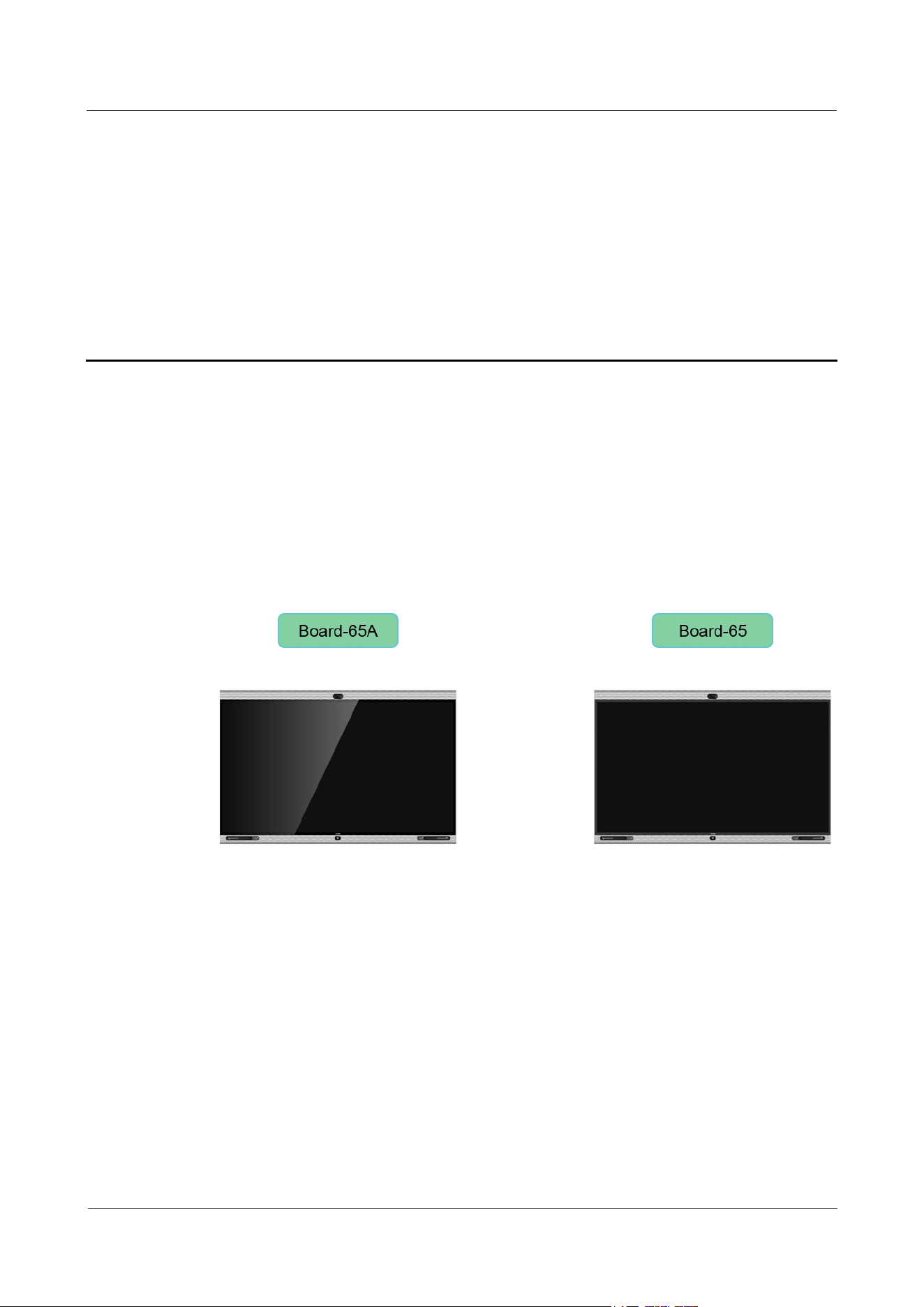
The Board has two models Board-65A (capacitive touchscreen) and Board-65 (infrared
touchscreen). In this document, "the Board" alone refers to both models unless otherwise
specified.

HUAWEI Board
Product Description
2 Product Highlights
Issue 02 (2018-10-22)
Copyright © Huawei Technologies Co., Ltd.
2
2 Product Highlights
This chapter describes the highlights of the Board.
All-in-One Device for All Conference Types
All-in-one built-in 65-inch touchscreen, 5K ultra-HD camera, microphone array, codec,
speakers, and pens, for easier collaboration in meeting rooms
65-inch touchscreen, satisfying requirements for presentations, local discussions, and
remote interaction and collaboration in small- and medium-sized meeting rooms and
spaces
Built-in microphone array, picking up sounds within six meters
Quick wireless content sharing using the AirPresence or AirPresence Key
Powerful AI Engine
Intelligent voice conference assistant: allows users to manage meetings through voice
interaction, including setting up a meeting, joining a meeting, calling a site, viewing a
site, and sharing content
Intelligent speaker tracking: detects active speakers in real time and automatically
provides close-up images of the speakers
Core Audio and Video Capabilities for Optimal Collaboration in Meetings
New H.265 core codec capability: provides 1080p 30 fps video and 4K 3 fps data for
clearer content display
New beam sound pickup technology: uses the built-in microphone array to pick up
sounds, presenting speakers' voices using an intelligent algorithm
Huawei's next-generation Video Motion Enhancement (VME) technology: guarantees
clear images even if the bandwidth is low
Simple and User-Friendly UI
Lightweight interactive UI: displays core functions directly on the UI with others
displayed under lower-level menus
Hardware buttons for key functions, ensuring convenient operations
Pens: automatically displays a whiteboard when a user takes a pen from its dock
Split-screen mode: displays content sources in two windows and supports simultaneous
operations and annotations
HUAWEI Board
Product Description
3 Networking Schemes
Issue 02 (2018-10-22)
Copyright © Huawei Technologies Co., Ltd.
3
3 Networking Schemes
3.1 On-Premises/IMS Hosted/SP Hosted Networking
Scheme
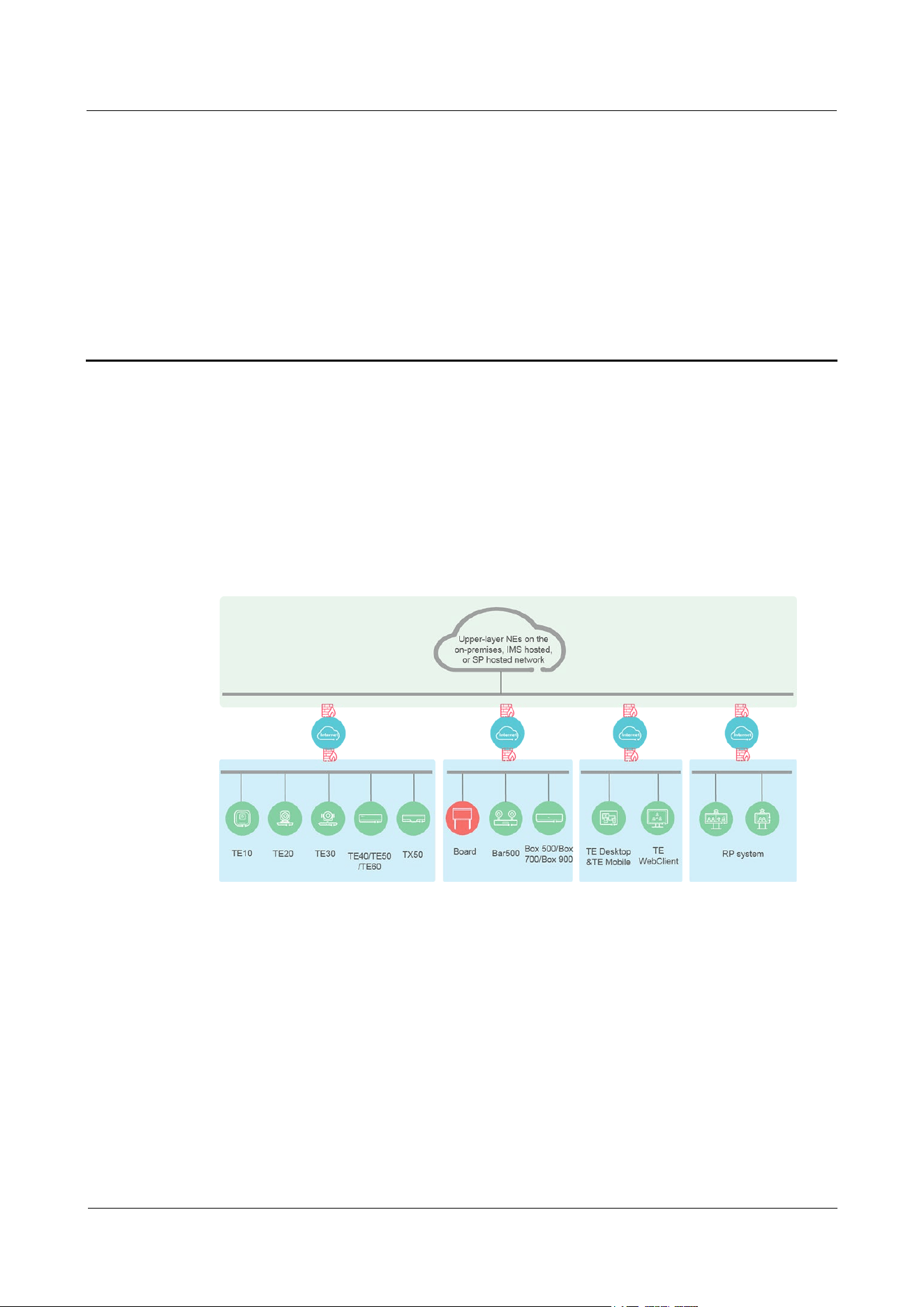
The Board connects to on-premises, IMS hosted, or SP hosted CloudEC networks, enabling
video communication for enterprises and carriers.
Figure 3-1 Networking scheme
In this networking scheme:
The Board connects to an on-premises network through the H.323 or SIP protocol, or
connects to an IMS hosted or SP hosted network through the SIP protocol.
Audio and video calling, content sharing, and data collaboration can be implemented
between the Board and various types of terminals and conference clients.
To learn more, visit http://support.huawei.com/enterprise/en/index.html or
http://support.huawei.com/carrier/en/hwe/index.html and search for the solution's
product documentation name (for example, CloudEC V600R019C00 Product
Documentation).
HUAWEI Board
Product Description
3 Networking Schemes
Issue 02 (2018-10-22)
Copyright © Huawei Technologies Co., Ltd.
4
3.2 eSight-based Networking Scheme
Technical Report 069 (TR-069) is a standard device management protocol developed from the
CPE WAN Management Protocol (CWMP) published by the Broadband Forum. Through the
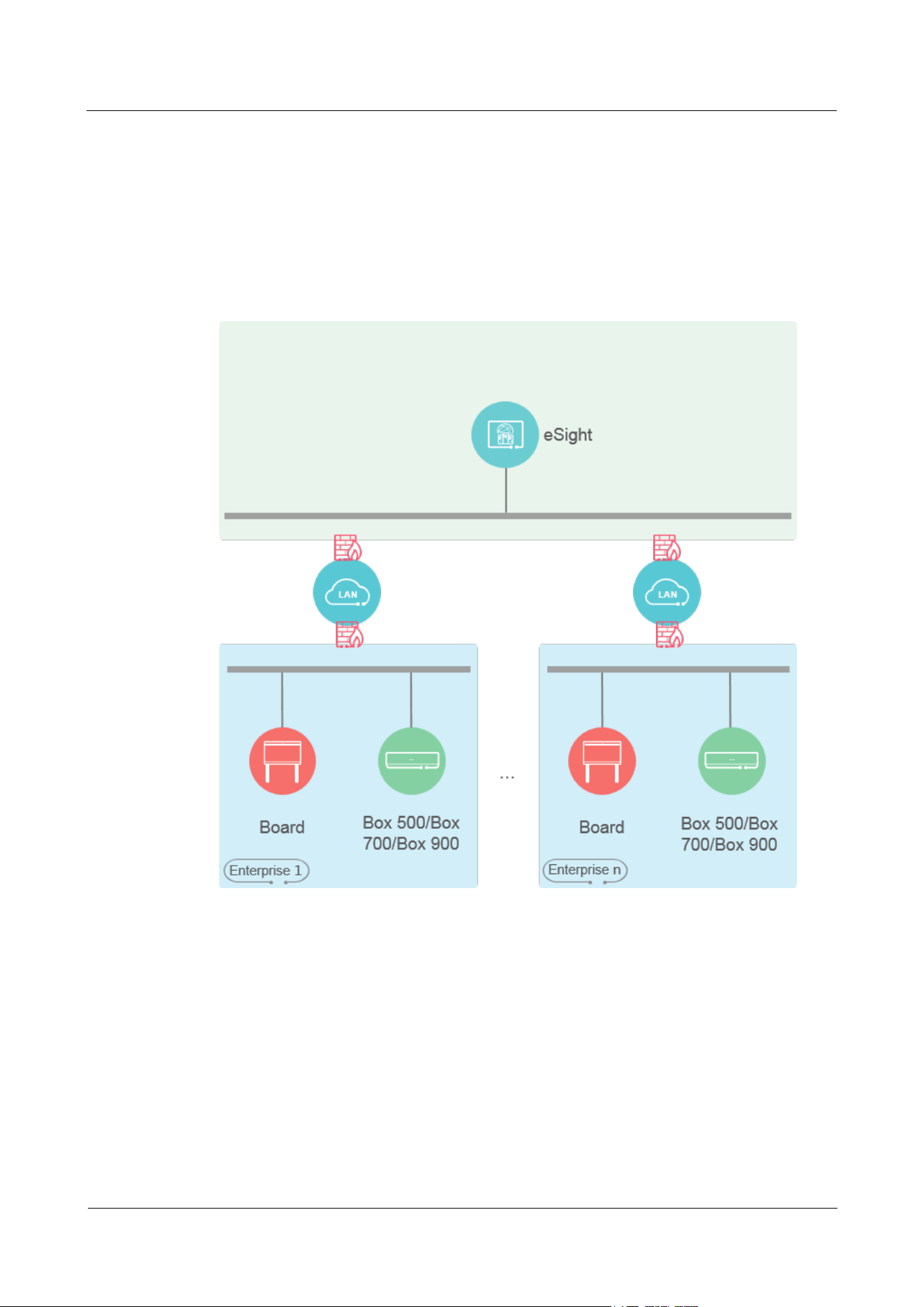
TR-069 protocol, eSight can remotely manage the connected Board.
Figure 3-2 shows a Board connecting to eSight.
Figure 3-2 Connecting to eSight
In this networking scheme:
eSight integrates the profile server and Simple Traversal of UDP through NAT (STUN)
server.
The profile server enables the Board to upload and download configuration files and
upgrade software packages through HTTPS.
The STUN server is used for traversal between public and private networks to ensure
that eSight manages all devices on both networks.
The Board can report session Call History Record (CHR) and media CHR data files to
eSight.
HUAWEI Board
Product Description
4 Product Structure
Issue 02 (2018-10-22)
Copyright © Huawei Technologies Co., Ltd.
5
4 Product Structure
4.1 Appearance
The Board features a 6-in-1 design that integrates the codec, intelligent tracking camera,
microphone, speaker, touchscreen, and pen.
As shown in Figure 4-1, the Board comes in two models: Board-65A and Board-65. The
Board-65A has a capacitive touchscreen and the Board-65 has an infrared touchscreen.
Figure 4-1 Appearance of the Board
4.2 Front Panel and Rear Panel
Front Panel
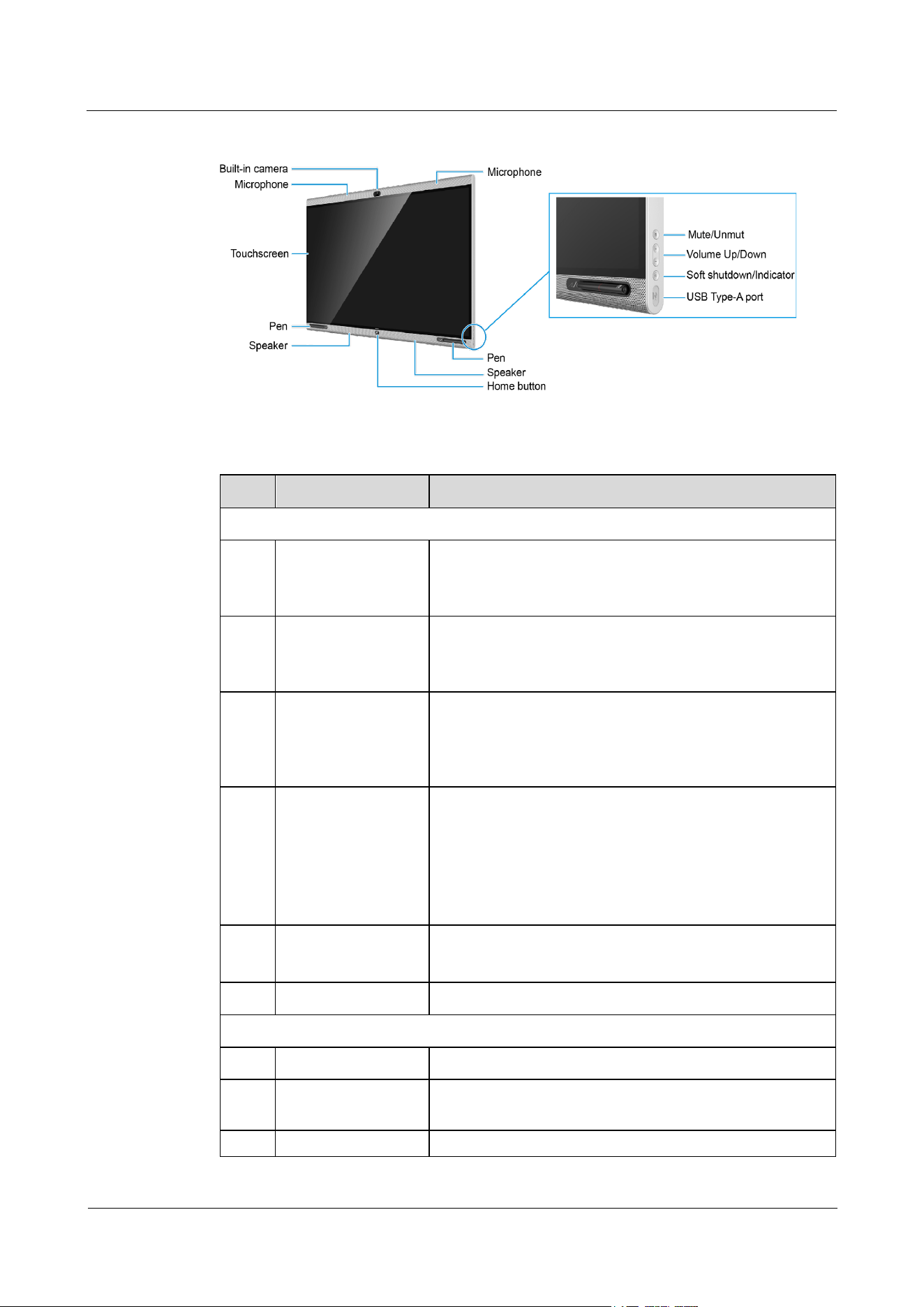
Figure 4-2 shows the components on the Board's front panel and lower-right side panel, and
Table 4-1 describes the functions of each component.
HUAWEI Board
Product Description
4 Product Structure
Issue 02 (2018-10-22)
Copyright © Huawei Technologies Co., Ltd.
6
Figure 4-2 Components on the Board's front panel and lower-right side panel
Table 4-1 Function description
No. Component Function
Front Panel
1 Built-in camera
3x digital zoom and ultra-wide angle
Image capture for local participants with voice tracking
and face detection
2 Microphones
Local sound pickup within a 180-degree pattern at a
maximum distance of 6 meters
Located on the left and right sides of the camera
3 Touchscreen
65-inch Liquid Crystal Display (LCD) with a resolution
of up to 4K 60 fps
Capacitive or infrared touchscreen with multi-touch
supported
4 Pens
Used for whiteboard writing and drawing
Two pens, placed on two docks under the touchscreen
When you take a pen from its dock for the first time, the
touchscreen automatically displays a whiteboard. After
you put the pen back to its dock, you must wait for at
least 10s before using it again.
5 Speakers
Audio output with a maximum distance of 6 meters
Located on the left and right sides of the Home button
6 Home button Tap the Home button to return to the home screen.
Components on the lower-right side panel
1 Mute button Mutes or unmutes the microphone.
2
Volume Up/Down
button
Increases or decreases the speaker volume.
3
Soft power button
Press and hold the button to put the Board in sleep
HUAWEI Board
Product Description
4 Product Structure
Issue 02 (2018-10-22)
Copyright © Huawei Technologies Co., Ltd.
7
No. Component Function
and indicator
mode, restart it, or shut it down.
Press the button to put the Board in sleep mode or wake
it up.
The indicator, located at the center of the button, shows
whether the Board is running, sleeping, faulty, or
upgrading.
4 USB Type-A port
Connects to a USB device, such as a USB flash drive or a
wireless keyboard.
Rear Panel
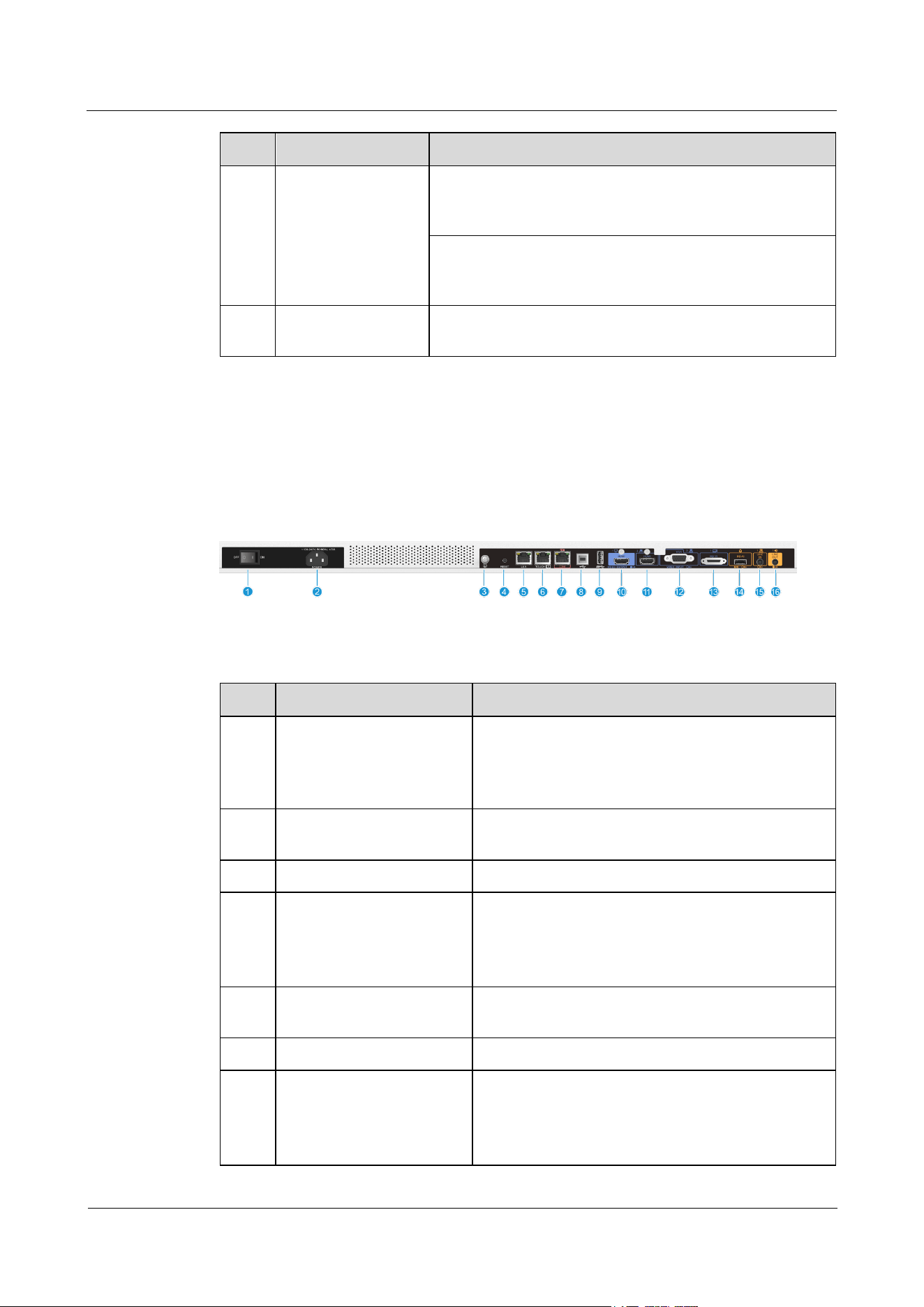
Figure 4-3 shows the components on the Board's rear panel, and Table 4-2 describes the
functions of each component.
Figure 4-3 Components on the Board's rear panel
Table 4-2 Function description
No. Component Function
1 Power switch Powers the Board on or off.
NOTICE
Connect all necessary cables before powering on the
Board.
2
Power input port (100-240
V AC, 50/60 Hz, 4.5 A)
Connects to a power supply.
3 Ground stud Connects to a ground cable.
4 RESET button
During startup, press and hold this button for 10s
to restore the A/B system.
When the Board is running, press and hold this
button for 10s to reset it to factory settings.
5 LAN port
Ethernet port, which supports 10/100/1000 Mbit/s
full duplex and half duplex
6 Touch port Connects to the Touch and supplies power to it.
7
COM port (dual-mode
serial communication port)
Connects to a camera control cable and can be used
for diagnostics and maintenance.
A camera connected to the Board can be upgraded
through this port or the HD-VI port.

HUAWEI Board
Product Description
4 Product Structure
Issue 02 (2018-10-22)
Copyright © Huawei Technologies Co., Ltd.
8
No. Component Function
8 USB Type-B port
Connects to a computer and controls it during
content sharing.
9 USB Type-A port
Connects to a USB device, such as a USB flash
drive or a wireless keyboard.
10
HDMI port (HD video
output port)
Connects to another screen to display the whiteboard
content or local site image at a resolution of up to
4K x 2K 60 fps.
11
HDMI port (HD video
input port)
Connects to a local computer or an external camera
as the third video input at a resolution of up to 4K x
2K 30 fps. This is the default port used for input of
shared content.
12 VGA port
Connects to a content source, such as a local
computer, as the second input at a resolution of up to
1080p 60 fps.
13 HD-VI port
Connects to a HUAWEI VPC620/VPC600/VPC800
HD camera or HUAWEI VPT300 intelligent camera
as the first input, at a resolution of up to 4K x 2K 30
fps. This port supports video input, power supply,
and infrared control and also functions as a serial
port.
A camera connected to the Board can be upgraded
through this port or the COM port.
14
HD-AI port (audio input
port)
Connects to a microphone array, such as the
HUAWEI VPM220. Only one VPM220 can be
connected.
15 3.5 mm audio input port
Connects to an audio input source such as a
computer.
16 3.5 mm audio output port Connects to a headset or speaker for audio output.
4.3 Indicator
By checking the status of the indicator on a Board, you can determine its operating status and
ensure that it is working properly with other videoconferencing devices.
Table 4-3 shows the Board status corresponding to each indicator status.
Table 4-3 Indicator statuses and corresponding Board statuses
Indicator Status Board Status
Off Powered off
Blinking green twice per second Powering on
HUAWEI Board
Product Description
4 Product Structure
Issue 02 (2018-10-22)
Copyright © Huawei Technologies Co., Ltd.
9
Indicator Status Board Status
Blinking green four times per second Upgrading
Steadily lit (green) Working properly
Blinking green (on for 1s, off for 2s, fading
in and out)
On standby
Blinking red once every 5s Faulty hardware
Blinking red four times per second Faulty software
Blinking red once every 2.5s Overheated
Blinking red once per second Faulty touchscreen
4.4 HUAWEI Touch
The Touch is an optional component for the Board. Featuring an all-new UI, the Touch runs
the Huawei Telepresence system. The calling and conference control functions are easy to use
and can be accessed with just a tap.
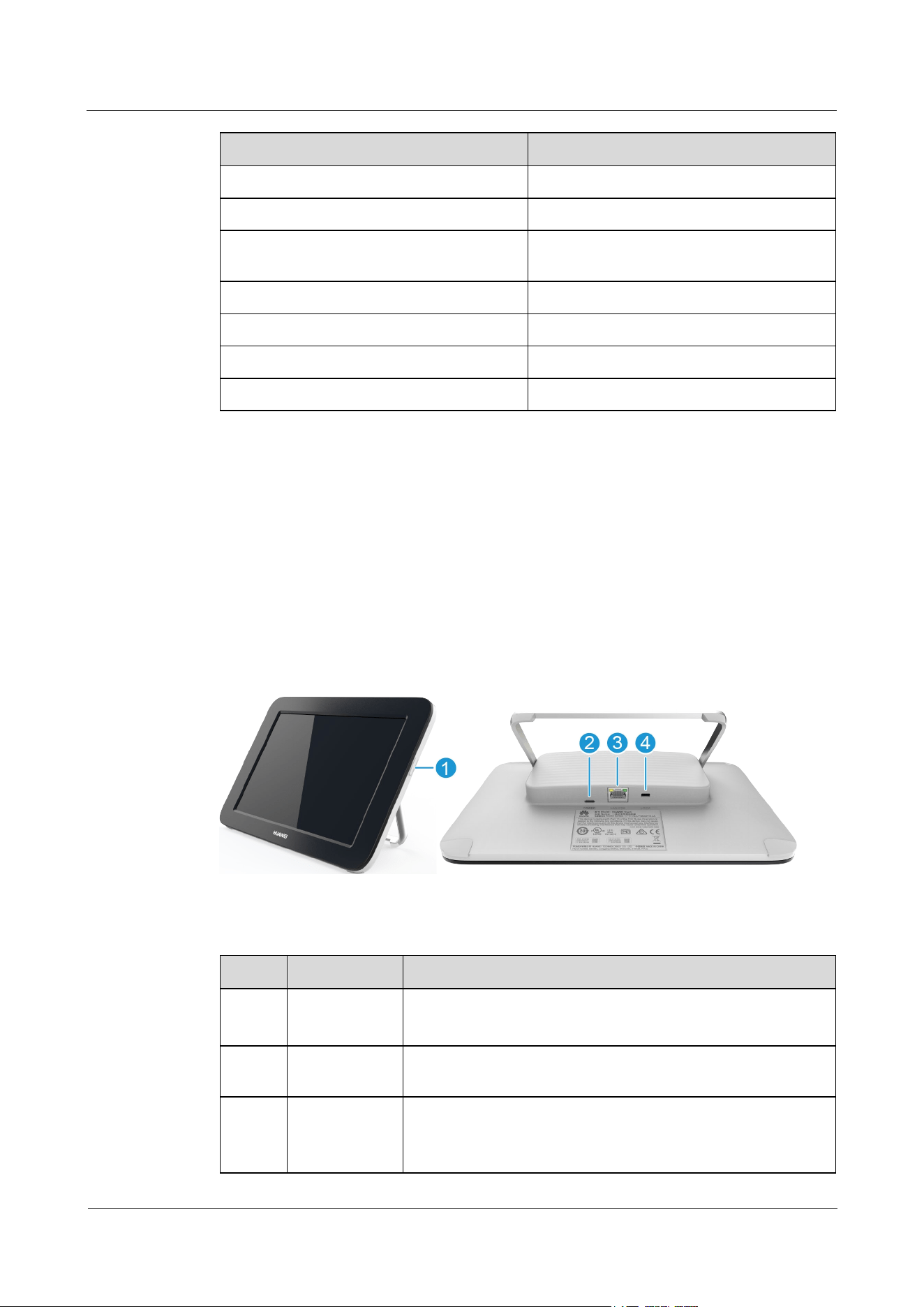
Figure 4-4 shows the appearance of the Touch and its rear components. Table 4-4 describes
the function of each component.
Figure 4-4 Front and rear appearance of the Touch
Table 4-4 Functions of the Touch's power button and rear components
No. Component Function
1 Power button
Press to lock or wake up the screen.
Press and hold to turn the Touch on or off.
2
USB Type-C
port
Connects to the power adapter that comes with the Touch to
power the Touch.
3 PoE port
Connects to the Touch port on a Board.
Connects to the PoE or common network port on a switch.
Connects to the PoE port on a Board or a switch to power
HUAWEI Board
Product Description
4 Product Structure
Issue 02 (2018-10-22)
Copyright © Huawei Technologies Co., Ltd.
10
No. Component Function
the Touch.
4
Kensington
lock hole
Connects to a Kensington lock (not included with the Touch) to
secure the Touch.
4.5 Microphone Array
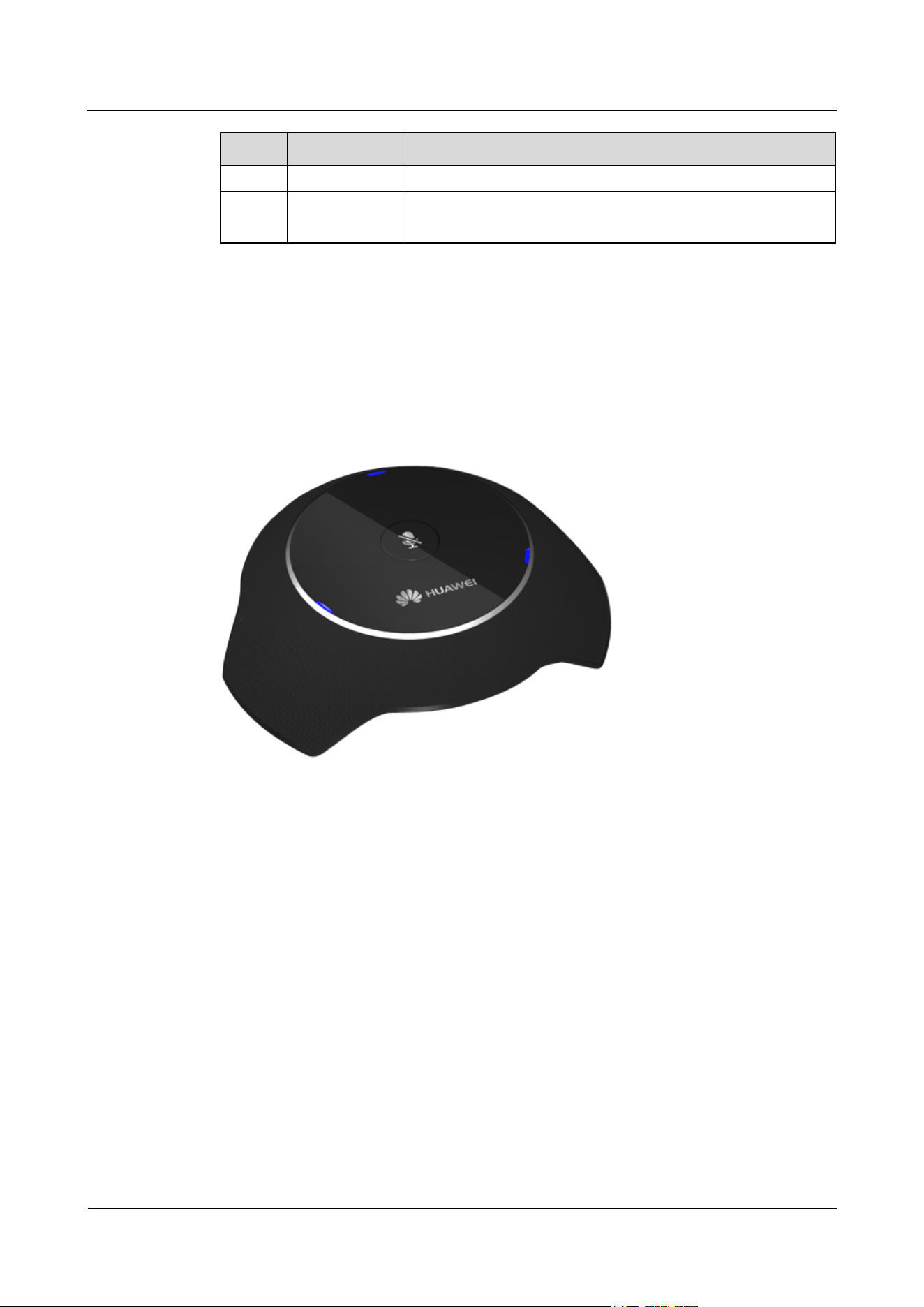
The Board can connect to the HUAWEI VPM220 microphone array shown in Figure 4-5. The
VPM220 provides dual-channel wideband audio, delivering a superior audio experience.
Figure 4-5 VPM220
High-quality audio
The VPM220 supports a sampling rate of up to 48 kHz and a full frequency range. It is
able to sample sound at rates lower than 22 kHz, which means that it can completely
pick up any sound recognized by human ears. The VPM220 significantly reduces signal
loss caused by analog transmission cables, while offering a hi-fi stereo experience. These
capabilities are made possible through the integrated digital signal processing and
transmission technology and the Acoustic Echo Cancellation (AEC), Automatic Gain
Control (AGC), and Automatic Noise Suppression (ANS) functions.
Superior sound experience
Embedded with three heart-shaped microphones, a single VPM220 supports 360-degree
sound pickup with an optimal range of six meters. This allows participants at the local
site to hear every sound nuance coming from participants at the remote site.
Power saving
Highly energy-efficient, the VPM220 requires no more than 2.5 W of power when
running.

HUAWEI Board
Product Description
5 Functions and Features
Issue 02 (2018-10-22)
Copyright © Huawei Technologies Co., Ltd.
11
5 Functions and Features
5.1 Connections and Convergence
5.1.1 Connecting to the Huawei Cloud Video Conferencing
Service
To connect a Board to the Huawei cloud video conferencing service, configure the Board on
the uPortal. The uPortal will then generate an activation code and send the code by SMS or
email. After the Board is powered on for the first time, you can activate and access the
Huawei cloud video conferencing service by entering the activation code on the touchscreen
or on the Touch.
5.1.2 Hardware-Software Synergy
The Board works with the AirPresence client (software) or AirPresence Key (hardware) that
allows you to collaborate with your teams via content sharing any time, anywhere.
About the AirPresence client and AirPresence Key:
The AirPresence client is a wireless content sharing client that works with the Board and
can run on a mobile device or PC.
− AirPresence mobile client: runs on an Android or iOS mobile device. To download
this client, you can scan the QR code on the touchscreen or Touch.
− AirPresence PC client: runs on a Windows or Mac PC. You can download this client
from the Board web interface.
The AirPresence Key is a wireless content sharing device.
Hardware-software synergy functions as follows:
You can pair an AirPresence client with a Board using the following methods:
− Entering the projection code on the client (for the AirPresence mobile or PC client)
− Scanning the QR code on the touchscreen or Touch (for the AirPresence mobile
client only)
No pairing from the AirPresence client is allowed when DND is enabled for the Board.
After the pairing succeeds, you can initiate calls and join meetings through the
AirPresence mobile client, touchscreen, or Touch.
HUAWEI Board
Product Description
5 Functions and Features
Issue 02 (2018-10-22)
Copyright © Huawei Technologies Co., Ltd.
12
Using the AirPresence mobile client, you can initiate calls, join meetings, and control the
Board. Board control operations include adjusting the speaker volume, turning on or off
the microphone, and adjusting the camera angle.
Use the AirPresence mobile or PC client or AirPresence Key for content sharing.
5.2 Intelligent Voice Assistant
You can say "Hi, Scotty" or "Hey, Scotty" to the Board or its connected microphone to wake
up "Scotty", the intelligent voice assistant, and then operate the Board using voice commands.
You can determine whether to enable the intelligent voice assistant function on the Board. By default,
this function is disabled.
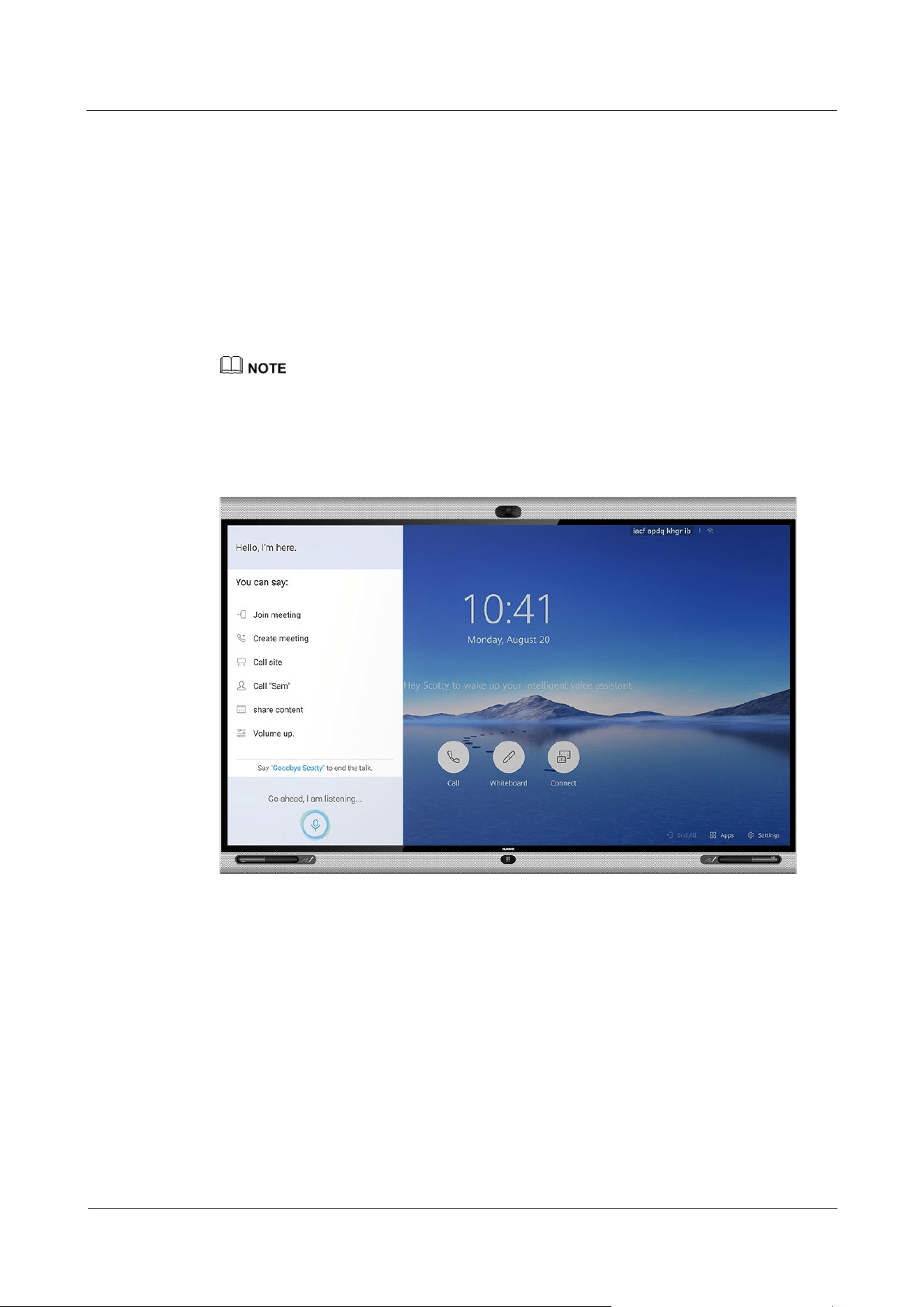
After the intelligent voice assistant wakes up, you will see the screen shown in Figure 5-1.
Figure 5-1 Intelligent voice assistant wakes up
You can then perform the following operations using voice commands:
Initiating or canceling a call
Creating a meeting
Joining a scheduled meeting
Extending a meeting
Adding participants to a meeting
Viewing participants or continuous presence
Sharing or stopping content sharing over a cable
Adjusting the speaker volume at your site
Muting or unmuting the microphones of other sites

HUAWEI Board
Product Description
5 Functions and Features
Issue 02 (2018-10-22)
Copyright © Huawei Technologies Co., Ltd.
13
Starting device diagnostics
5.3 Joining or Initiating a Meeting
Joining a Meeting
You can join a meeting from the Next Meeting popup box or by entering the meeting ID.
Initiating a Meeting
A meeting can be arranged using any of the following methods:
Creating a meeting: Create a meeting and invite participants to the meeting.
Alternatively, send the meeting ID to participants. They can then dial the meeting ID to
join the meeting.
Starting a multipoint meeting: On the touchscreen or Touch, select multiple contacts to
start a meeting. Set the meeting parameters, such as the chair password and whether to
encrypt the meeting.
Starting a point-to-point (P2P) meeting: On the touchscreen or Touch, you can search
for a participant by keyword and initiate a call, call a participant by entering its number
or IP address, or directly select a participant to make a call.
5.4 H.265 4K Ultra-HD Video
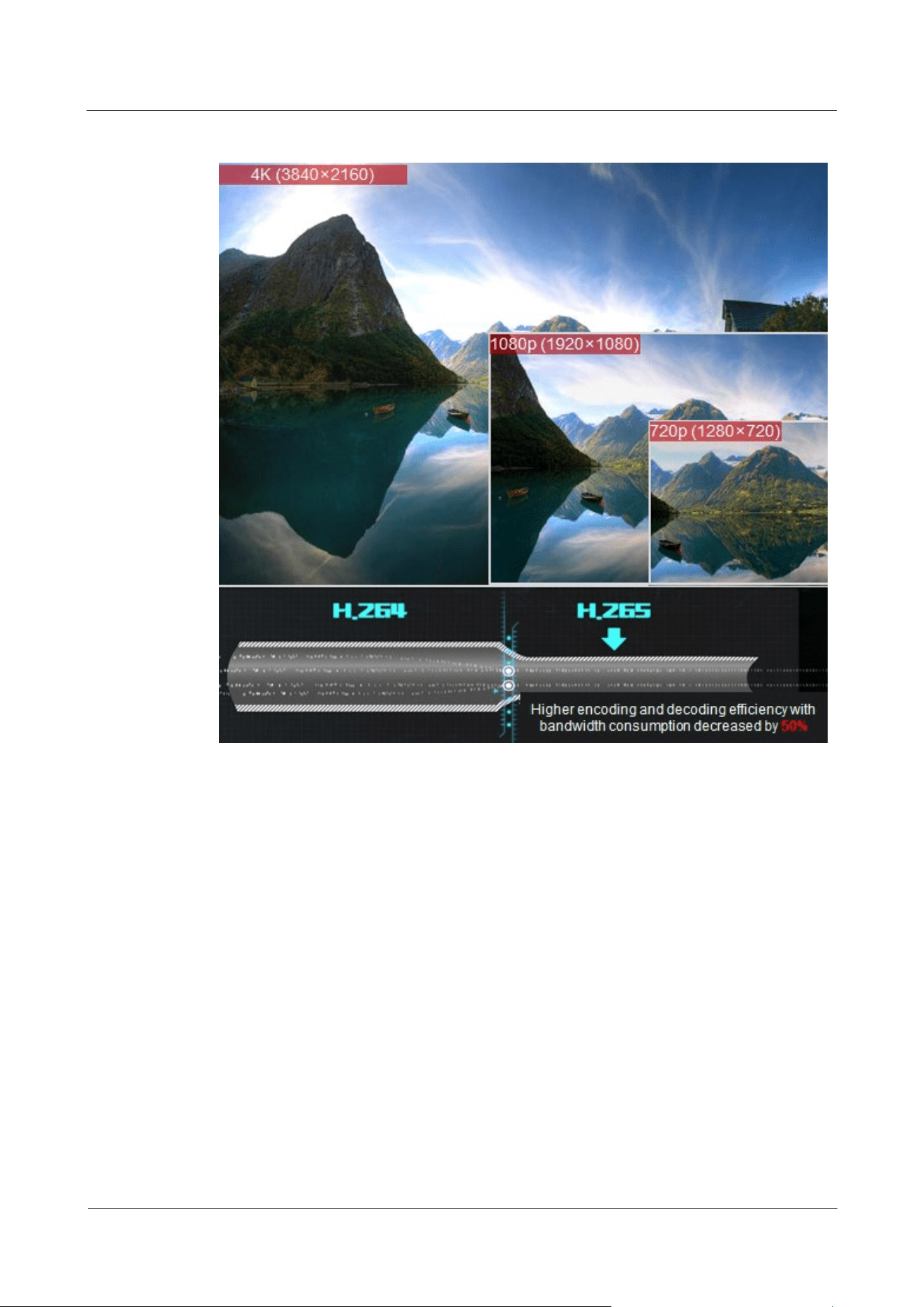
4K provides excellent clarity and lifelike detail, with a resolution four times that of 1080p, on
a larger screen. The Board supports H.265-based encoding and decoding for both video and
content, and can deliver 4K ultra-HD video through Huawei's VME technology.
HUAWEI Board
Product Description
5 Functions and Features
Issue 02 (2018-10-22)
Copyright © Huawei Technologies Co., Ltd.
14
Figure 5-2 H.265 4K ultra-HD video
5.5 Collaboration with Data Conferencing
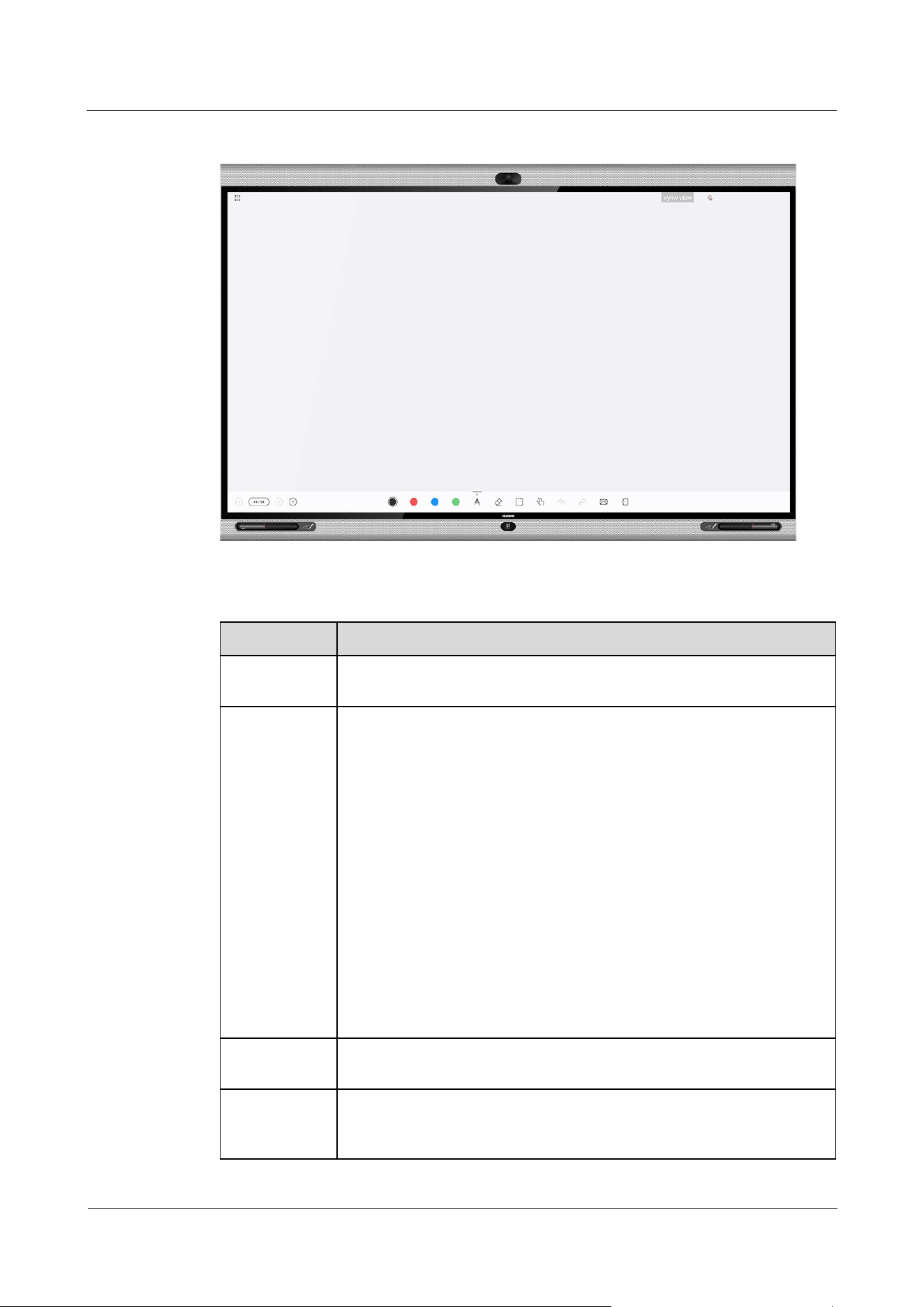
The Board supports local and remote whiteboarding, including whiteboard writing, annotation,
and sharing. Figure 5-3 shows the whiteboard screen. Table 5-1 describes the whiteboarding
functions.
HUAWEI Board
Product Description
5 Functions and Features
Issue 02 (2018-10-22)
Copyright © Huawei Technologies Co., Ltd.
15
Figure 5-3 Whiteboard screen
Table 5-1 Whiteboarding functions
Function Description
Creating a
whiteboard
Create a maximum of 100 whiteboard pages and set their background
color to white or grey.
Writing on a
whiteboard
Wake up the Board by picking up the pen from the dock.
Write using your finger or the pen.
− Black, red, blue, and green available in a white background; white,
red, blue, and green available in a grey background
− Three types of pens: pencil, marker, and brush
Resize the canvas or lock it.
− Drag, move, and zoom in or out on the canvas using your fingers.
− Disable the canvas resizing function. Then two people can write
on the canvas at the same time.
Circle an area. The content inside the circled area can be moved,
deleted, or resized.
Erase content using your palm or the eraser. Or you can directly clear
the whiteboard page to erase all content.
Undo the previous operation and redo it.
Closing a
whiteboard
Close a whiteboard with or without saving its content.
Emailing a
whiteboard
Send a whiteboard to an email address. A whiteboard with a large amount
of content will be split into multiple emails.
The email account used to send whiteboards can be configured on the
HUAWEI Board
Product Description
5 Functions and Features
Issue 02 (2018-10-22)
Copyright © Huawei Technologies Co., Ltd.
16
Function Description
Touch, touchscreen, or web interface.
Deleting a
whiteboard
Delete whiteboard pages or files.
Annotating a
whiteboard
Annotate the shared computer desktop or content and edit or delete
annotations.
Sharing a
whiteboard
In a remote collaborative meeting, the local and remote participants can
write on the shared whiteboard simultaneously.
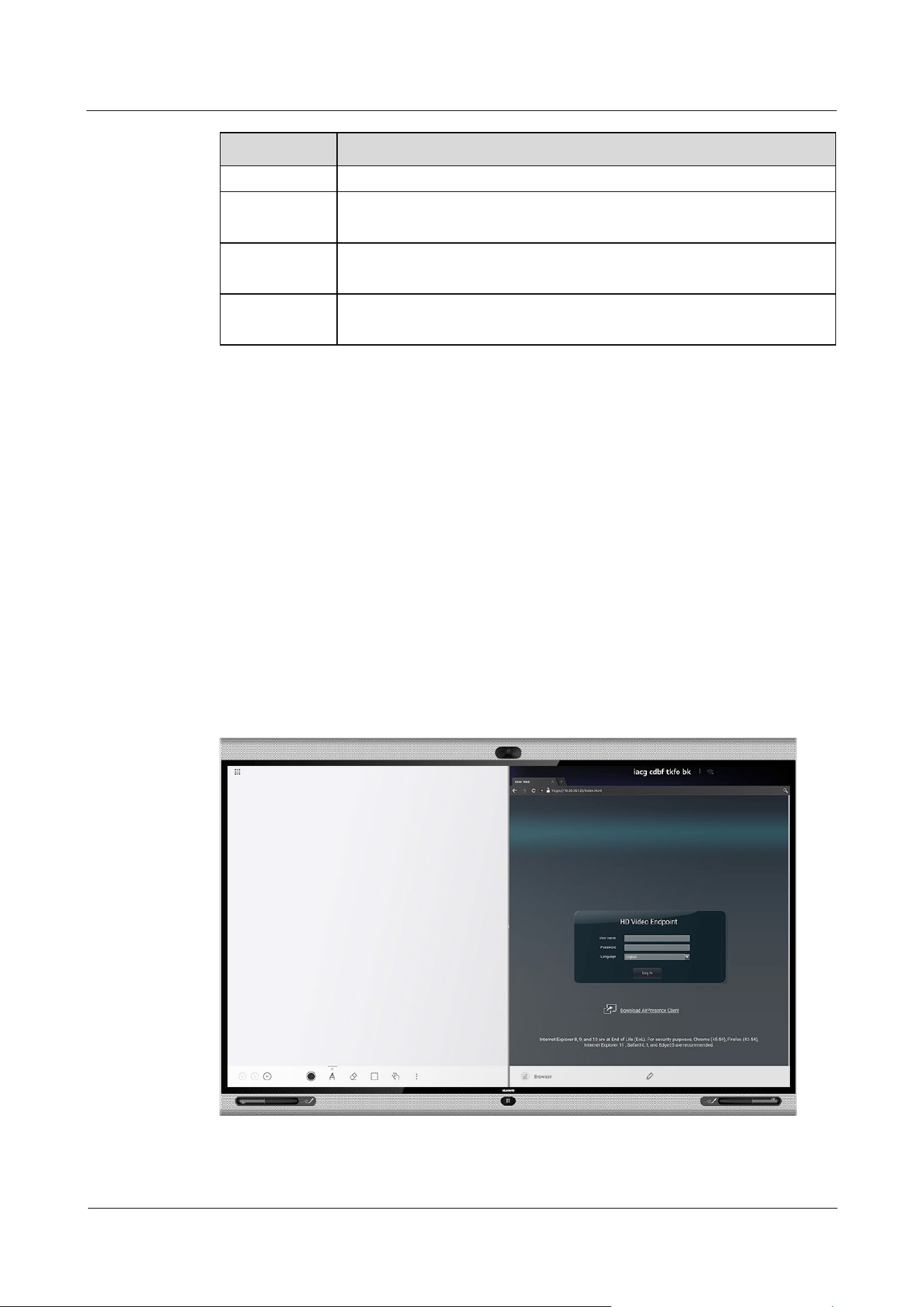
5.6 Split-Screen Display
The Board can present the whiteboard, application, and presentation shared by the local or
remote participants in split-screen mode. This mode provides two equally sized windows. The
content shared first appears in the left window, and the content shared next appears in the
right window.
The content displayed in the two windows can be exchanged and edited. When a whiteboard
is displayed in one window, the content displayed in the other window can be clipped and
then copied to the whiteboard. The content in both windows can be shared with other
participants.
Figure 5-4 shows an example of a split-screen display. On this screen, a whiteboard is
displayed in the left window and an application in the right window.
Figure 5-4 Example of a split-screen display

HUAWEI Board
Product Description
5 Functions and Features
Issue 02 (2018-10-22)
Copyright © Huawei Technologies Co., Ltd.
17
5.7 Interoperability Between Data Collaboration and
Content Sharing
If the Cloud Multipoint Control Unit (CloudMCU) is available for data conferencing, the
Board supports interoperability between whiteboard or annotation sharing and content or data
sharing.
Users of video conferencing endpoints and telepresence systems with only the content
sharing capability view the whiteboards and annotations shared by the Board as shared
content. Board users directly view the shared content of the video conferencing
endpoints and telepresence systems.
Users of the TE WebClient and other soft clients that support data conferencing view the
whiteboards and annotations shared by the Board. The Board users can also view the
shared desktops, documents, whiteboards, programs, and media of the TE WebClient and
other data conferencing soft clients.
5.8 Controlling Meetings
Both the chair and other participants in a meeting can control the meeting, but the operations
they can perform are different, as listed in Table 5-2.
Table 5-2 Operations the chair and other participants can each perform
Role Operation
Chair
Inviting a participant to a meeting
Deleting a disconnected participant
Calling an unconnected participant
Disconnecting a participant
Turning on or off the microphone of a participant
Extending or ending a meeting
Releasing the chair role
Setting the layout (only on the Touch)
Broadcasting or stopping broadcasting of a participant or continuous
presence
Viewing a participant or continuous presence
Enabling Focus on Speaker
Performing secondary dial
Locking or unlocking a meeting (only on an IMS or SP hosted network)
NOTE
The operation of locking or unlocking a meeting is allowed only on the IMS or SP
hosted network.
In a locked meeting, the computer desktops, whiteboards, and annotations cannot be
shared.
Other
participa
nts
Leaving a meeting
Viewing a participant or continuous presence
HUAWEI Board
Product Description
5 Functions and Features
Issue 02 (2018-10-22)
Copyright © Huawei Technologies Co., Ltd.
18
Role Operation
Applying for the chair role
Turning the local microphone on or off
Calling an unconnected participant
Inviting a participant to a meeting
Extending a meeting
Performing secondary dial
NOTE
A participant can call an unconnected site, invite a site, or extend a meeting only when the
service platform on the network supports specific meeting control by participants or after
the participant obtains chair control.
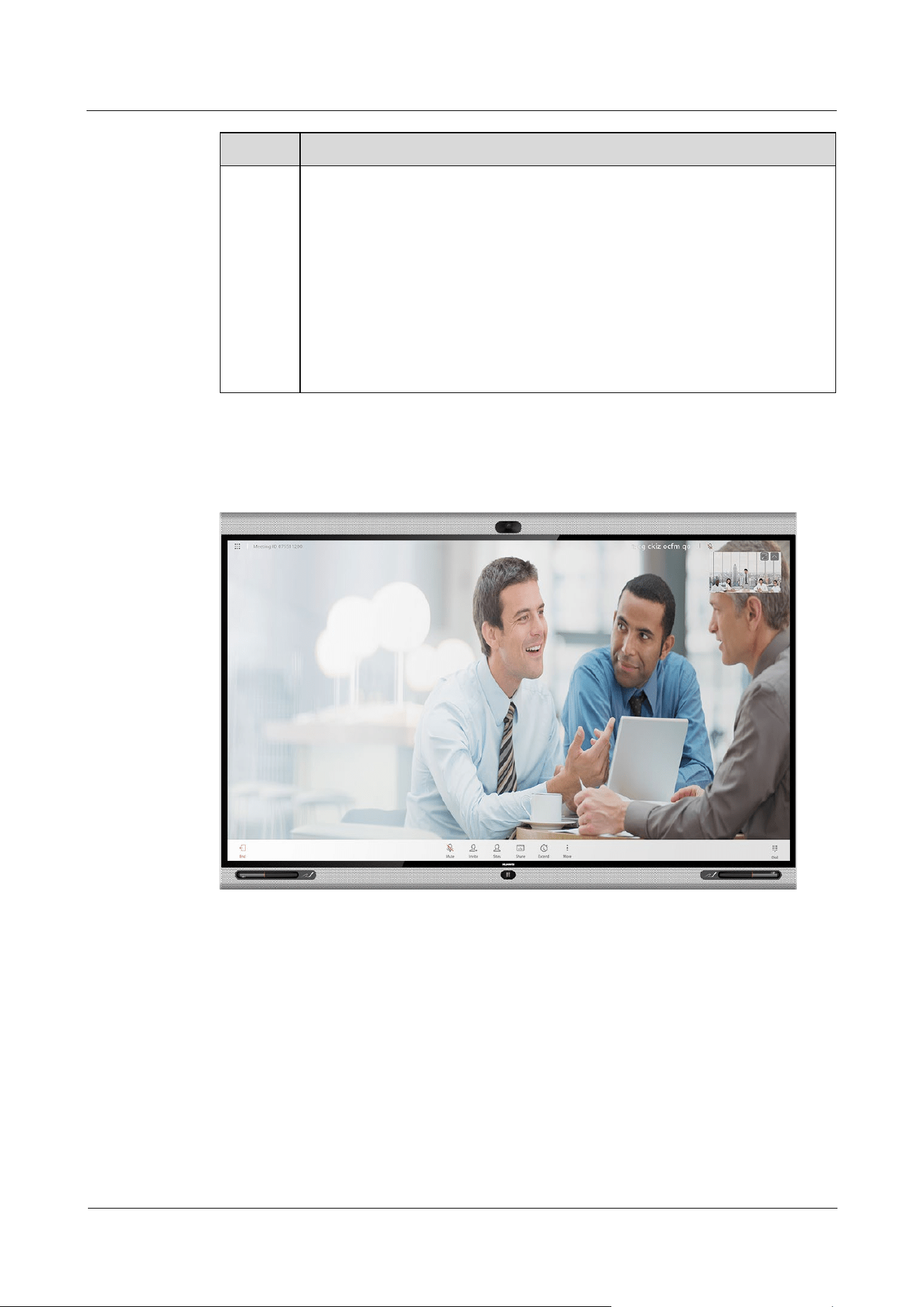
Figure 5-5 shows how the Board's screen appears when the chair is controlling a meeting.
Figure 5-5 Controlling a meeting as the chair on the Board
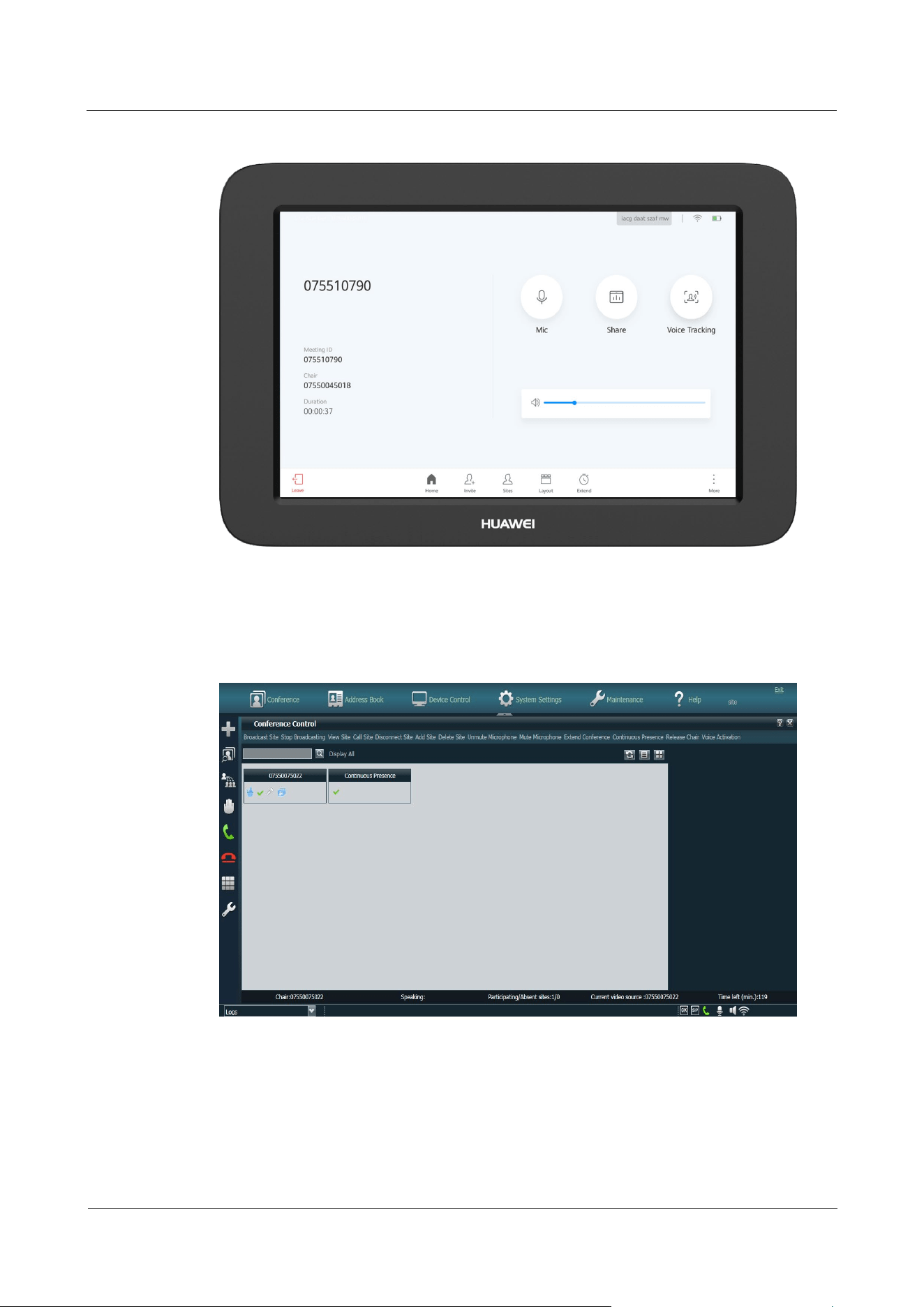
Figure 5-6 shows how the Touch's screen appears when the chair is controlling a meeting.
HUAWEI Board
Product Description
5 Functions and Features
Issue 02 (2018-10-22)
Copyright © Huawei Technologies Co., Ltd.
19
Figure 5-6 Controlling a meeting as the chair on the Touch
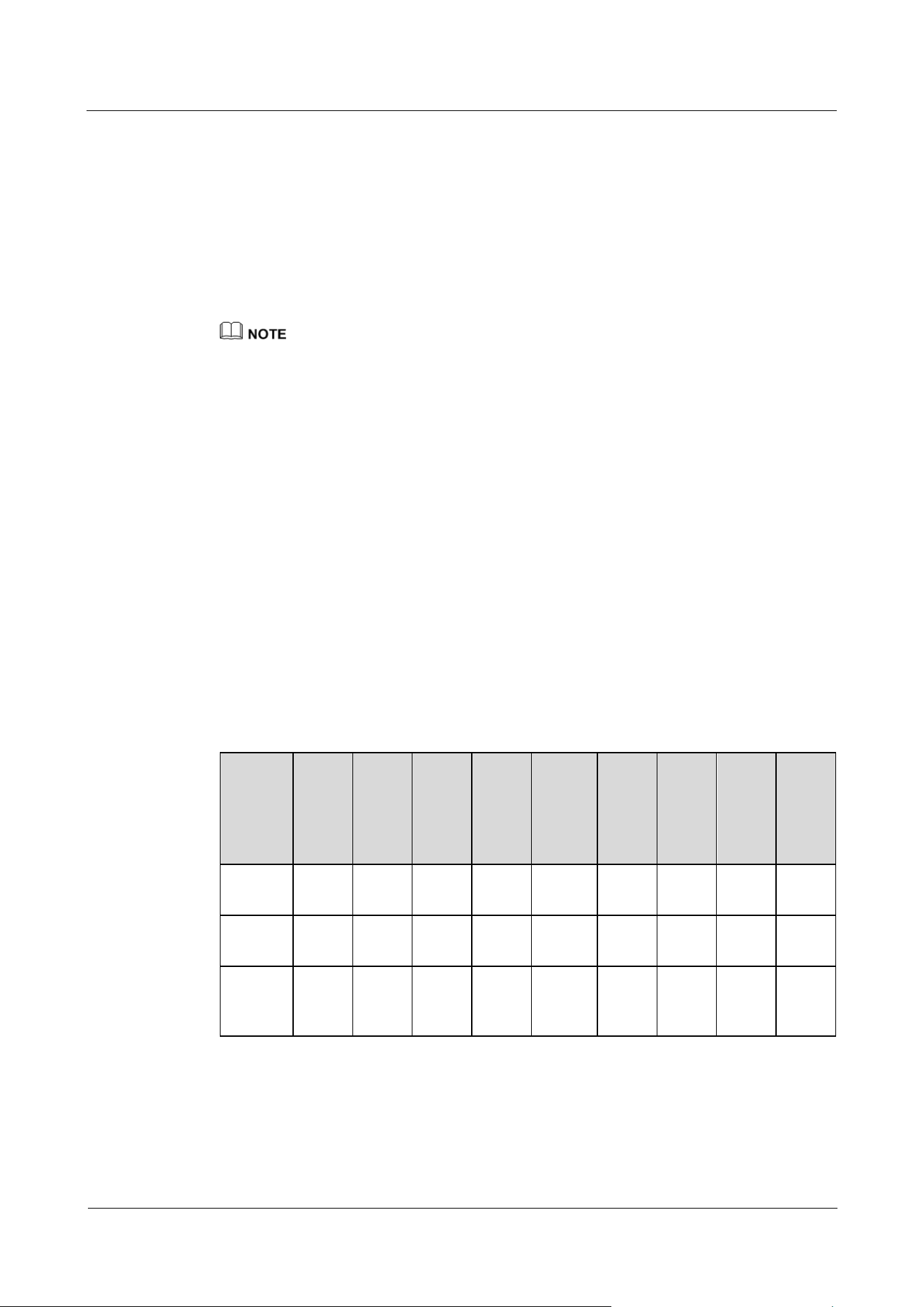
Figure 5-7 shows how the Board's web interface appears when the chair is controlling a
meeting.
Figure 5-7 Controlling a meeting as the chair on the web interface
HUAWEI Board
Product Description
5 Functions and Features
Issue 02 (2018-10-22)
Copyright © Huawei Technologies Co., Ltd.
20
5.9 Network Address Book
The network address book stores participant information. The Board can quickly obtain your
desired participant information from the network address book on the corporate directory or
LDAP server.
The administrator can perform the following operations:
Query, edit, and delete contacts on the web interface, sort contacts, add participants to
the address book, and add groups.
Contacts that are found from the LDAP address book server can be saved to the local address book, but
those found from the corporate directory cannot.
Update contacts in the local address book in batches by importing/exporting their
information into/from the web interface.
View the status of each participant in the corporate directory on the web interface and
initiate calls to participants or invite new participants to a meeting on the Touch,
touchscreen, or web interface.
5.10 Globalization
The Board's web interface, touchscreen, and connected Touch support multiple languages and
time zone settings. If some countries in the selected time zone use daylight saving time (DST),
the Board automatically enables DST and changes its clock to comply with DST.
Table 5-3 lists the languages supported by the web interface, touchscreen, and connected
Touch of the Board.
Table 5-3 Supported languages
User
Interfa
ce
Simp
le
Chin
ese
Tradi
tiona
l
Chin
ese
Engli
sh
Frenc
h
Spani
sh
(Euro
pe)
Germ
an
Portu
guese
(Braz
il)
Russi
an
Japan
ese
Touchsc
reen
Suppo
rted
Suppo
rted
Suppo
rted
Suppo
rted
Suppor
ted
Suppo
rted
Suppo
rted
Suppo
rted
Suppo
rted
Touch
Suppo
rted
Suppo
rted
Suppo
rted
Suppo
rted
Suppor
ted
Suppo
rted
Suppo
rted
Suppo
rted
Suppo
rted
Web
interfac
e
Suppo
rted
Suppo
rted
Suppo
rted
Suppo
rted
Suppor
ted
Suppo
rted
Suppo
rted
Suppo
rted
Suppo
rted

HUAWEI Board
Product Description
5 Functions and Features
Issue 02 (2018-10-22)
Copyright © Huawei Technologies Co., Ltd.
21
5.11 High-Quality Audio and Video
5.11.1 Intelligent Navigation
The built-in camera of the Board provides the following intelligent navigation functions:
Uses voice tracking and facial recognition algorithms for sound detection and
localization and collects images for facial recognition to achieve accurate and flexible
tracking.
Automatically presents the optimal view of participants in a meeting room, without
requiring any manual intervention.
− The camera automatically identifies whether only one participant is speaking or two
participants are having a conversation, and then presents the most suitable close-up
of the speaker/speakers.
− When no one is speaking, the camera automatically adjusts its lens to provide a
dynamic overview of the entire meeting room based on the number and location of
participants.
5.11.2 Hi-Fi Audio
The Board provides hi-fi, full-duplex digital audio, bringing superior voice quality to
meetings. The Board supports the following audio technologies:
Acoustic Echo Cancellation (AEC), Automatic Noise Suppression (ANS), Automatic
Gain Control (AGC), VoiceClear, AudioEnhancer, and lip synchronization
Opus-related technologies, including Forward Error Correction (FEC), Backward Error
Correction (BEC), Packet Loss Concealment (PLC), Net Automatic
Transfer-Enhancement (netATE), and Audio Jitter Buffer (AJB)
5.11.3 Multiple Layouts
You can select a layout and view the composite of the participant video and shared content on
one screen after defining necessary settings on the Touch.
Available layouts include:
Full screen: displays the participant video or shared content in full-screen mode.
PiP: includes one full-screen video and a small window that can be located at any of the
four corners. By default, the small window lies in the upper right corner.
5.11.4 Network Adaptability
With strong network adaptability, the Board is able to provide high-quality HD images even
when the bandwidth is low or the network is unstable.
The Board utilizes Super Error Concealment (SEC), Hybrid Automatic Repeat Request
(HARQ), and automatic deceleration to deliver clear and smooth video even when the
packet loss rate reaches 30%.
The Opus high-quality codec, netATE, and AJB are supported to reduce the packet loss
rate and improve audio quality.

HUAWEI Board
Product Description
5 Functions and Features
Issue 02 (2018-10-22)
Copyright © Huawei Technologies Co., Ltd.
22
5.12 Wireless Connections
The Board supports 2 x 2 Wi-Fi technology (that is, 2-channel input and 2-channel output of
Wi-Fi data), dual antennas, and dual bands (2.4 GHz and 5 GHz). The Board can serve as a
Wi-Fi hotspot or connect to a Wi-Fi network as a client.
If the Board is configured as a client, it automatically detects and connects to Wi-Fi networks.
You can set the Board IP address in DHCP or static mode. This function applies to the
scenarios in which no wired network is available and you need to connect the Board to the
Internet through Wi-Fi.
When the Board has its Wi-Fi hotspot enabled, it can serve as a hotspot for connecting other
devices (such as a PC) to Wi-Fi.
5.13 Content Sharing
AirPresence Mobile/PC Client
You can use either of the following clients for content sharing:
AirPresence mobile client: enables document and image sharing, and supports screen
sharing when running on Android 5.0 or later.
− Supported formats of shared files on Android: PDF, PNG, JPG, and BMP
− Supported formats of shared files on iOS: PDF, DOC/DOCX, XLS/XLSX, PPT,
PNG, JPG, and BMP
− Maximum size of each shared file: 30 MB for documents; 8 MB for images
AirPresence PC client: enables desktop sharing, including played audio and video files
and shared documents and images.
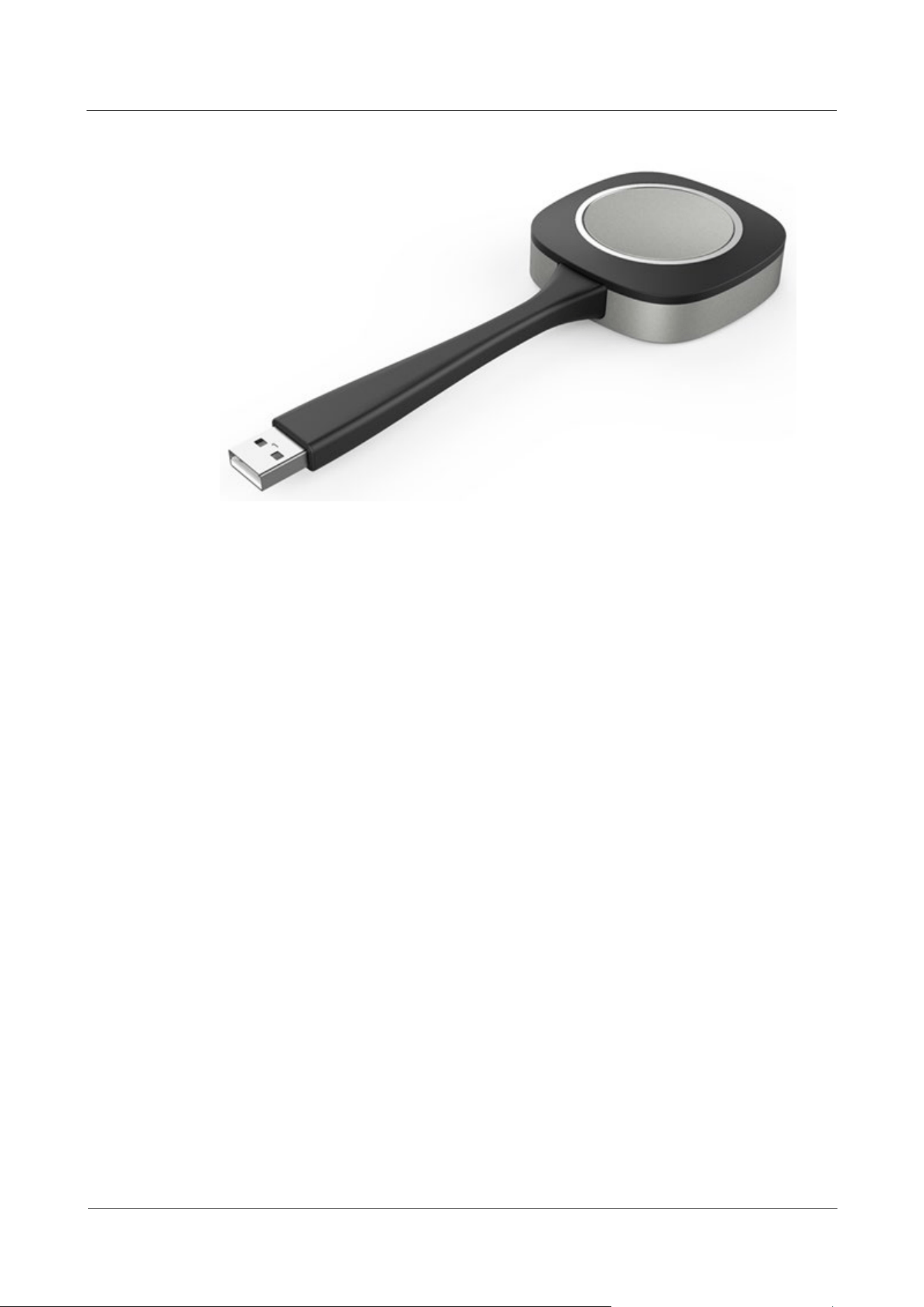
AirPresence Key
The AirPresence Key shown in Figure 5-8 also supports desktop sharing.
Plug the AirPresence Key into the USB port on the Board to automatically pair the two
devices over Wi-Fi. Then plug the AirPresence Key into the USB port on a computer and
press the button on the AirPresence Key to start sharing the desktop, including played
audio and video files and shared documents and images.
Both the AirPresence client and the AirPresence Key can share content in a meeting.
When one of them is sharing content and the other starts sharing content, the original
content sharing will stop. A maximum of three users can connect to a Board at the same
time.
The AirPresence Key can be automatically upgraded when pairing with the Board. The
AirPresence Key has two types of software packages: software packages for upgrades by
end users and software packages for upgrades by engineers at the production line. Both
end users and engineers can upgrade the Board software package using a PC. Upgrading
using a PC is applicable only to the production and depot repair scenarios.
HUAWEI Board
Product Description
5 Functions and Features
Issue 02 (2018-10-22)
Copyright © Huawei Technologies Co., Ltd.
23
Figure 5-8 AirPresence Key
Content Sharing over a Cable Connection
You can connect your Board to a computer through the HDMI or VGA port to share the
computer desktop. If no participants are sharing content in a meeting, your Board starts
sharing content after the computer is connected. If someone is sharing content when your
Board and computer are connected, you will be asked to confirm whether to start sharing
content.
Reverse Control
When a PPT file is shared through the AirPresence PC client or AirPresence Key, you can turn
pages in the document from the Board's touchscreen.
5.14 OAM
5.14.1 Quick Setup
The Board automatically determines which cloud platform or server to connect to through the
Touch, touchscreen, or web interface. Only the IP addresses of the Board and its connected
cloud platform or server need to be manually set. On the touchscreen or Touch, you can also
set mail server parameters, test audio, and adjust the camera.
5.14.2 Connection to eSight
The Board can connect to eSight and be managed by eSight through TR-069. The following
management functions are available on eSight:
Querying and setting the Board parameters
Uploading and downloading configuration files
Upgrading and restarting the Board
HUAWEI Board
Product Description
5 Functions and Features
Issue 02 (2018-10-22)
Copyright © Huawei Technologies Co., Ltd.
24
Managing private and public network configurations
Collecting the Board's logs
Uploading CHR data files
During the connection between the Board and eSight, they are mutually authenticated through
HTTPS. To ensure security in subsequent communications, the connection can be set up only
after their identities are accepted by each other.
5.15 Remote Video Monitoring
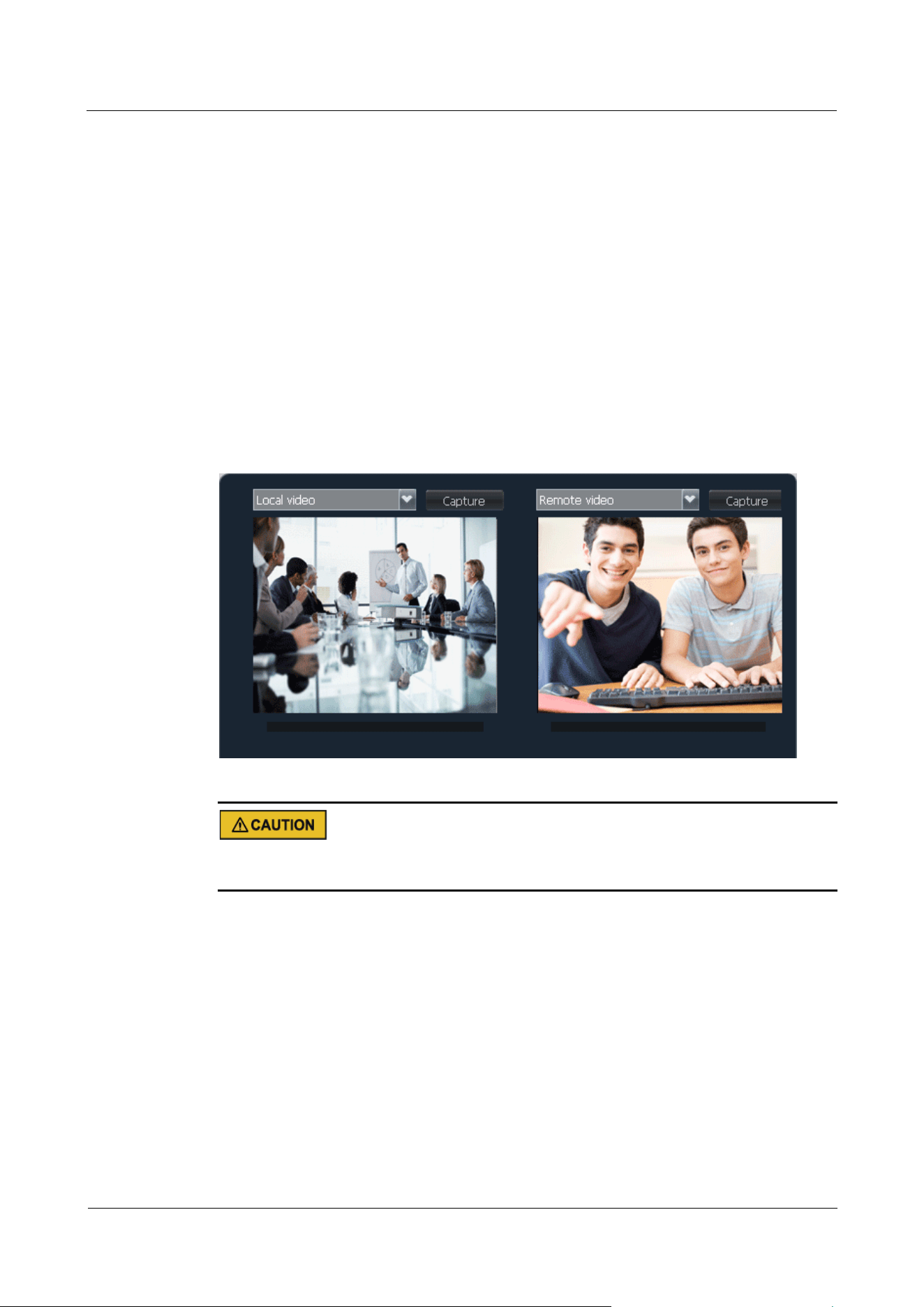
During a meeting, you can log in to the web interface of the Board and select video sources to
view local and remote video in real time. This function is shown in Figure 5-9. The remote
video monitoring function can be enabled through the touchscreen or Touch.
Figure 5-9 Viewing local and remote video
This function is related to personal privacy. Ensure that your usage of it complies with local
laws and regulations.
5.16 APIs for Third-Party Integration
The Board provides HTTP-compliant APIs for integration with third-party systems to
implement various functions, including the following:
Login authentication
P2P calling
Participant querying
Meeting control
Address book management

HUAWEI Board
Product Description
5 Functions and Features
Issue 02 (2018-10-22)
Copyright © Huawei Technologies Co., Ltd.
25
System configuration
Status parameter querying
Users can choose necessary APIs based on their actual needs to develop required functions
and integrate them into other products or applications.

HUAWEI Board
Product Description
6 Security and Reliability
Issue 02 (2018-10-22)
Copyright © Huawei Technologies Co., Ltd.
26
6 Security and Reliability
6.1 Operating System Security
Security maintenance for the system layer ensures that the operating system runs smoothly
and also supports stable services at the application layer. The touchscreen of the Board uses a
custom Android operating system, which provides higher security and virus immunity than
the Windows operating system.
6.2 Network Layer Security
On-premises, IMS hosted, and SP hosted networks each comply with different network layer
security policies.
On-premises networks:
− The Board, SMC2.0, and MCU are deployed in the trusted zone, isolated from the
Demilitarized Zone (DMZ) and the untrusted zone. Firewalls are deployed for
security domain division and access control.
− Terminals (such as TE Desktop and TE Mobile) in the untrusted zone communicate
with NEs in the trusted zone through the Session Border Controller (SBC) or
Switch Center (SC) in the DMZ.
IMS hosted and SP hosted networks:
− The Board is deployed in the untrusted zone, isolated from the DMZ and the trusted
zone through the SBC or the extranet firewall.
− If a DMZ is deployed, you need to install the SBC, SC, USM Proxy, and MediaX
Proxy in the DMZ for the Board to establish connections.
− If no DMZ is deployed, the Board connects to the trusted zone through the SBC.
The USM Proxy and MediaX Proxy are not required.
− On network borders between the DMZ and the trusted and untrusted zones,
firewalls are deployed to implement security domain division and access control.
6.3 Firewall Technology (NAT)
The firewall protects your IP network by separating the internal and external network
communication data. Using Network Address Translation (NAT) technology and signaling

HUAWEI Board
Product Description
6 Security and Reliability
Issue 02 (2018-10-22)
Copyright © Huawei Technologies Co., Ltd.
27
exchange between public network protocols and private network protocols, the firewall
enables participants on local area networks (LANs) in different places to make use of video
conferences. With NAT, a device on a LAN is allocated a dedicated internal IP address that
uniquely identifies the device on the LAN, and the device uses an external IP address to
communicate with external devices. Through NAT mapping, multiple internal IP addresses are
mapped to one external IP address. NAT mapping not only reduces the number of IP addresses
that are needed for users on a private network to access the Internet, but also enhances the
security of the private network.
6.4 Traversal Between Public and Private Networks
The standard H.460 and Security Traversing Gateway (STG) traversal technologies are used
to set up secure connections between the public and private networks through the firewall.
6.5 Email Security
To ensure the security of email accounts and sent emails, the STARTTLS protocol is used by
default to authenticate the mail server and send encrypted emails.
6.6 Web Request Authentication
When a user requests access to a specified web page or submits a Servlet request, the
Board checks whether the user's session identifier is valid and whether the user is
authorized to perform the operation.
The server implements the final authentication on the user.
Before transmitting user-generated data to clients, the server verifies the data and
encodes it using HyperText Markup Language (HTML) to prevent malicious code
injection and cross-site scripting attacks.
Web security software is used to scan the web server and applications to ensure that there
are no high-risk vulnerabilities.
6.7 Protocol Anti-Attack Measures
The communication matrix is provided in the product documentation. Do not enable the
services and ports that are not described in the communication matrix.
The communication matrix contains the following information:
− Open ports
− Transport layer protocols used by the ports
− NEs that use the ports to communicate with peer NEs
− Application layer protocols used by the ports and description of the services at the
application layer
− Whether services at the application layer can be disabled
− Authentication modes adopted by the ports
− Port functions (such as data traffic control)

HUAWEI Board
Product Description
6 Security and Reliability
Issue 02 (2018-10-22)
Copyright © Huawei Technologies Co., Ltd.
28
To ensure the security and stability of the video conferencing system, the Board utilizes
multiple encryption measures, including H.235 (for encryption of media and signaling
streams), SRTP, TLS, and HTTPS.
For network management, the Board supports the SNMP v3 protocol, which features
higher adaptability and security. User names and passwords are needed to connect the
network management system to the Board.
Robustness testing tools are used to scan protocols to ensure that there are no high-risk
vulnerabilities.
By default, the LDAP over SSL (LDAPS) protocol is used to encrypt the address book,
ensuring data integrity and preventing data from being stolen.
6.8 Protection of Sensitive Data
Sensitive data is protected in the following ways:
Sensitive data is transmitted only through secure channels or after being encrypted.
In the collaborative application scenario, the uPortal uses the root certificate for
authentication through HTTPS to protect sensitive information such as accounts and
passwords.
The Board checks the complexity of passwords. When a password is being entered, each
stroke is displayed as "." or "*", and the entered password cannot be copied.
Only standard encryption algorithms and key negotiation mechanisms are used.
Proprietary algorithms are not allowed.
6.9 Protection of AI Voice Commands
The Board collects voice commands that users give to the AI voice assistant and transmits the
commands to the AI server through the TLS1.2 secure channel for parsing. After being
transmitted to the AI server, the voice commands are immediately deleted from the Board, and
cannot be obtained through any method.
6.10 System Management and Maintenance Security
Software packages (including patches) are released only after they are scanned by at
least five types of mainstream antivirus software and no issues are detected. In special
cases, explanation is provided for alarms.
All user operations and system exceptions are logged.
6.11 Security Design
The non-metal parts of the exterior use the V1 flame retardant (FR) materials.
The component security design meets the requirements of the nine countries in the EU,
North America, Australia, Canada, and the Middle East, as well as China. The
components of mechanical parts comply with the EU Machinery Directive 2006/42/EC.
Labels and security tips are used.

HUAWEI Board
Product Description
6 Security and Reliability
Issue 02 (2018-10-22)
Copyright © Huawei Technologies Co., Ltd.
29
6.12 Disaster Recovery
On IMS and SP hosted networks, the Board supports active/standby backup of the corporate
directory. Upon failure to connect to the active corporate directory through its IP address or
domain name, the Board automatically switches to the standby corporate directory for
connections, ensuring service continuity.

HUAWEI Board
Product Description
7 Operations and Maintenance
Issue 02 (2018-10-22)
Copyright © Huawei Technologies Co., Ltd.
30
7 Operations and Maintenance
7.1 UIs
7.1.1 Touchscreen
The Board provides an all-new touchable collaborative whiteboard system. You can tap icons
on the Board's touchscreen or speak to its intelligent voice assistant to start meetings with
ease.
On the touchscreen, you can execute various types of tasks, including the following:
Joining scheduled meetings
Creating P2P or multipoint meetings
Sharing collaborative whiteboards
Managing meetings
Controlling microphones, speakers, and cameras
Enabling voice tracking for cameras
Starting syste diagnostics
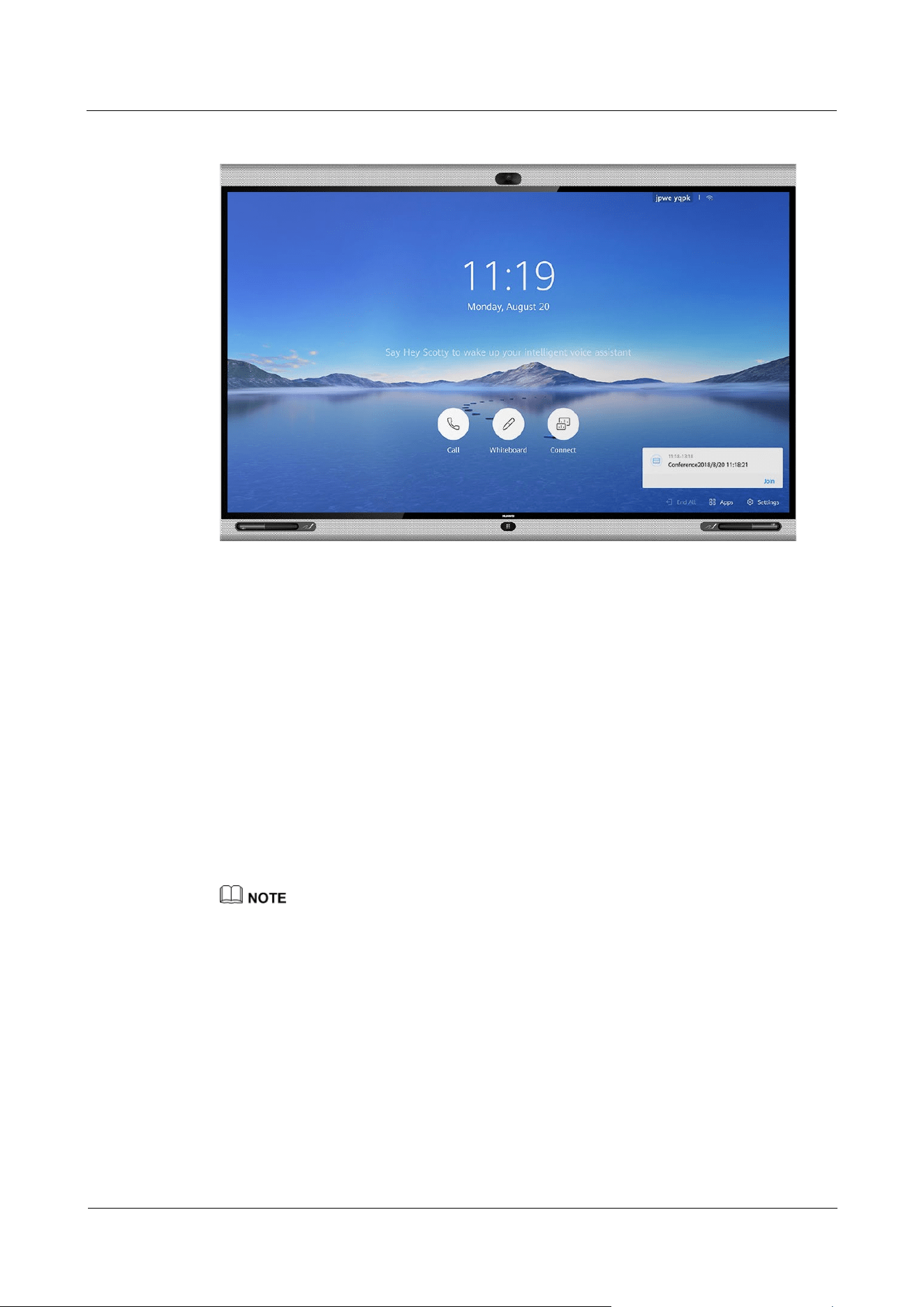
Figure 7-1 shows the home screen of the Board.
HUAWEI Board
Product Description
7 Operations and Maintenance
Issue 02 (2018-10-22)
Copyright © Huawei Technologies Co., Ltd.
31
Figure 7-1 Home screen of the Board
7.1.2 Touch
The Touch is a simple, intuitive touch control system newly developed by Huawei. On the
Touch, you can easily set up meetings with just a few taps.
With the Touch, you can execute various types of tasks, including the following:
Joining scheduled meetings
Creating P2P or multipoint meetings
Sharing content
Setting continuous presence
Managing meetings
Setting system parameters
Controlling microphones, speakers, and cameras
Remote cameras can be controlled if they have the Far-End Camera Control (FECC) function enabled
during a meeting.
Enabling voice tracking for cameras
Starting system diagnostics
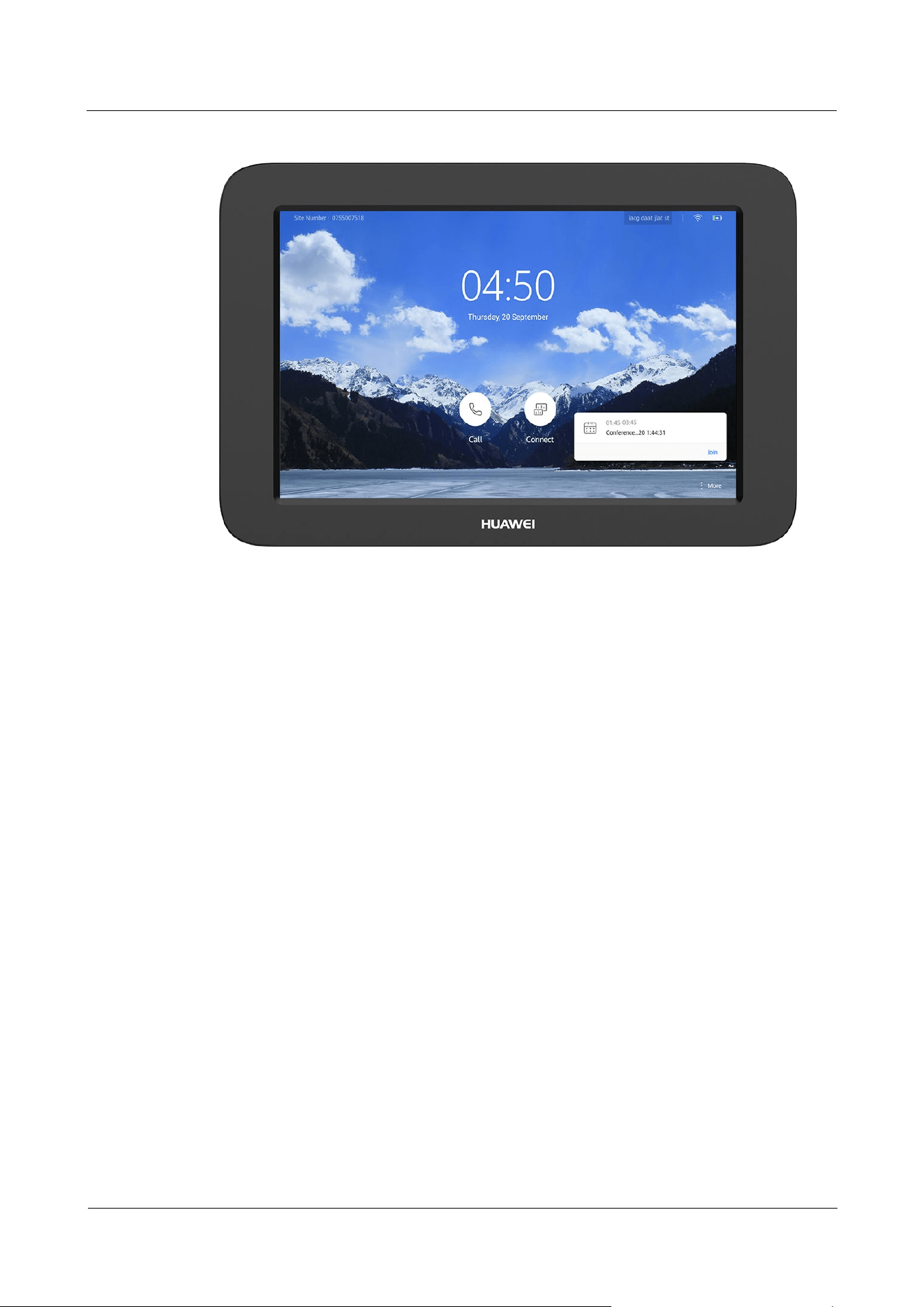
Figure 7-2 shows the home screen of the Touch.
HUAWEI Board
Product Description
7 Operations and Maintenance
Issue 02 (2018-10-22)
Copyright © Huawei Technologies Co., Ltd.
32
Figure 7-2 Home screen of the Touch
7.1.3 AirPresence Mobile/PC Client
Both the AirPresence mobile client and the AirPresence PC client can be used for content
sharing, but some functions supported by the AirPresence mobile client are unavailable on the
AirPresence PC client, including placing a P2P call, joining a meeting, and controlling the
camera.
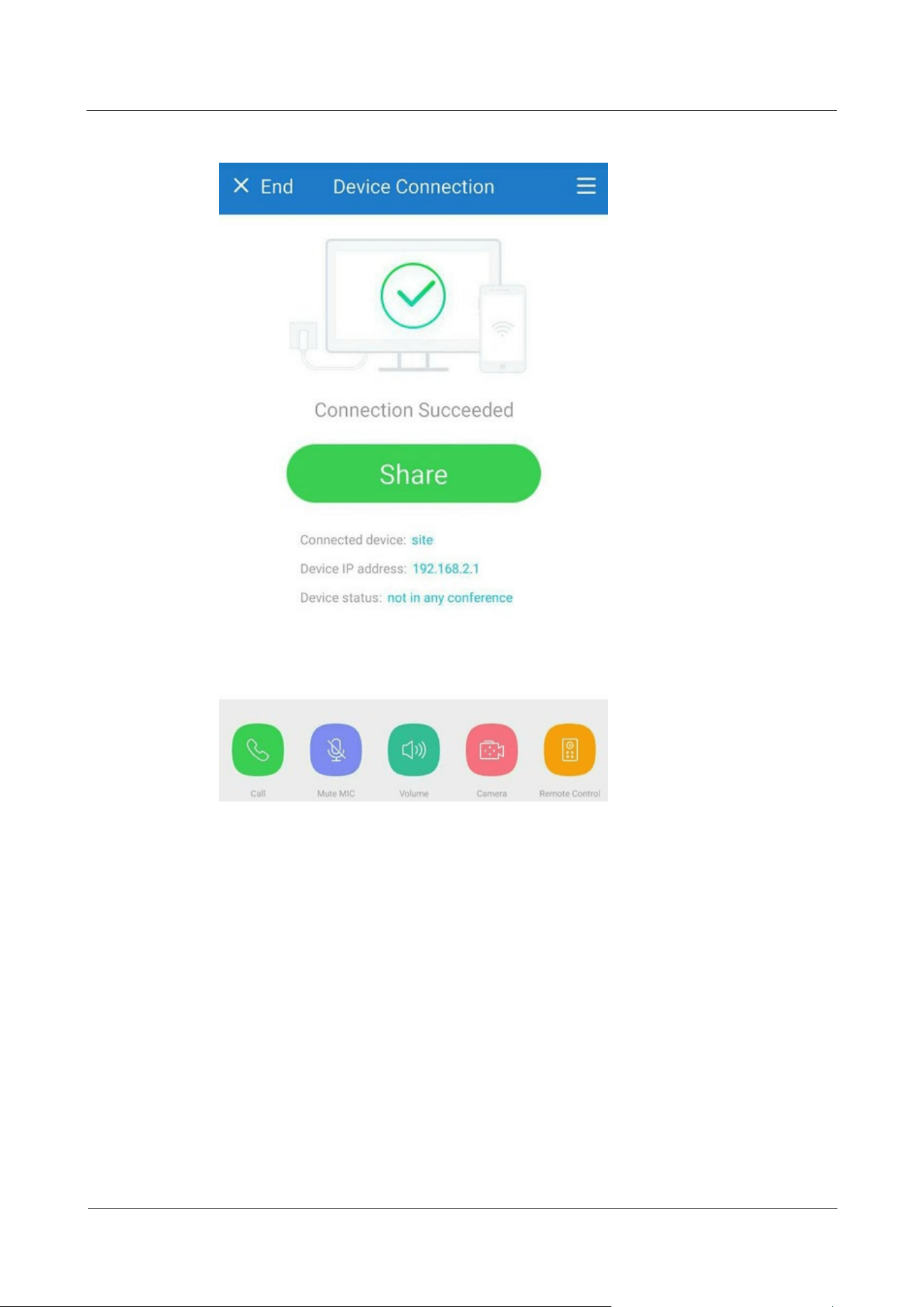
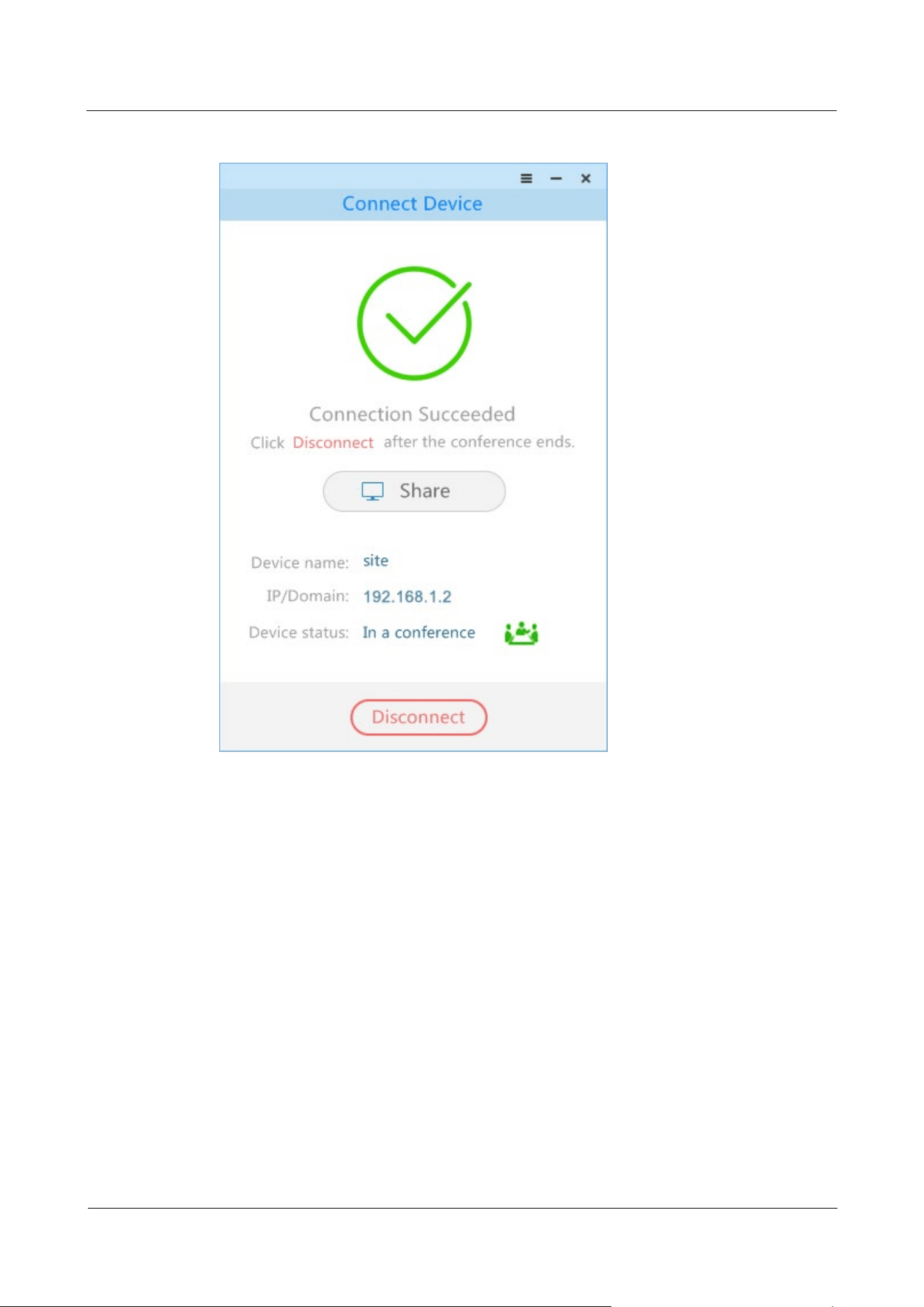
Figure 7-3 shows the UI that appears when the AirPresence mobile client running on an
Android smartphone connects to a Board.
HUAWEI Board
Product Description
7 Operations and Maintenance
Issue 02 (2018-10-22)
Copyright © Huawei Technologies Co., Ltd.
34
Figure 7-4 AirPresence PC client
7.1.4 Web Interface
The Board supports web-based management that allows the administrator to execute various
types of tasks, including the following:
Remotely operating the Board
Configuring the address book
Modifying system settings
Configuring the intelligent voice assistant
Configuring voice tracking for the camera
Performing system maintenance
Starting and control meetings
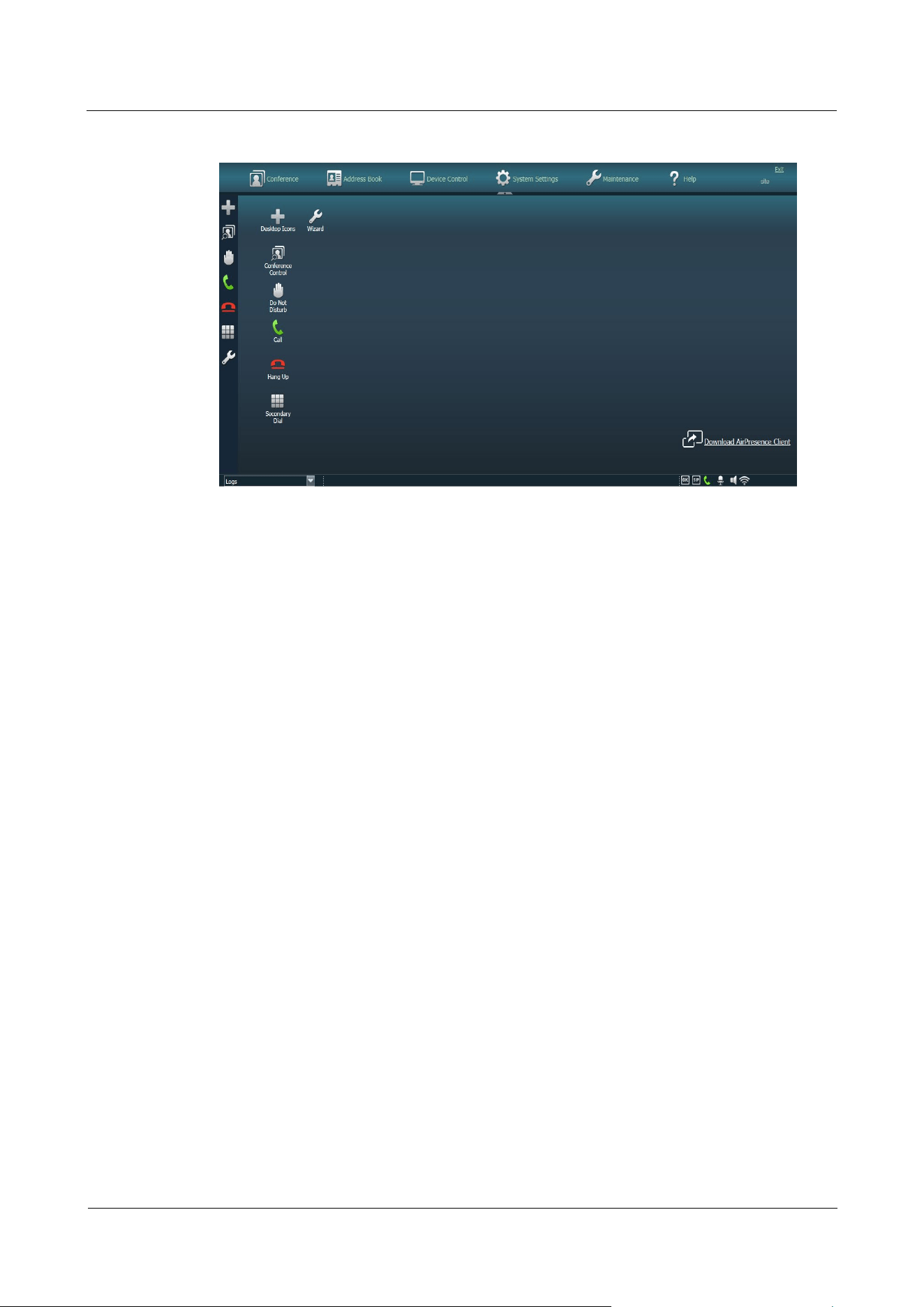
The web interface can be operated by a maximum of 10 users at a time, but only the latest
operation takes effect. These users can log in to the web interface using the same account and
password. Figure 7-5 shows the web interface of the Board.
HUAWEI Board
Product Description
7 Operations and Maintenance
Issue 02 (2018-10-22)
Copyright © Huawei Technologies Co., Ltd.
35
Figure 7-5 Web interface of the Board
7.2 Maintenance and Upgrade
The Board can record system logs and perform system diagnostics. The SMC2.0 can be used
for automatic inspection on the Board. In addition, the SMC2.0 can be used to upgrade the
Board software.
7.2.1 Log Management
The Board records logs about operations on the Touch or touchscreen, whiteboard, and system
errors, helping the administrator maintain the system and locate faults.
Logs are stored as files. On the web interface of the Board, the administrator can query, export,
or delete logs of a specified time frame or all logs.
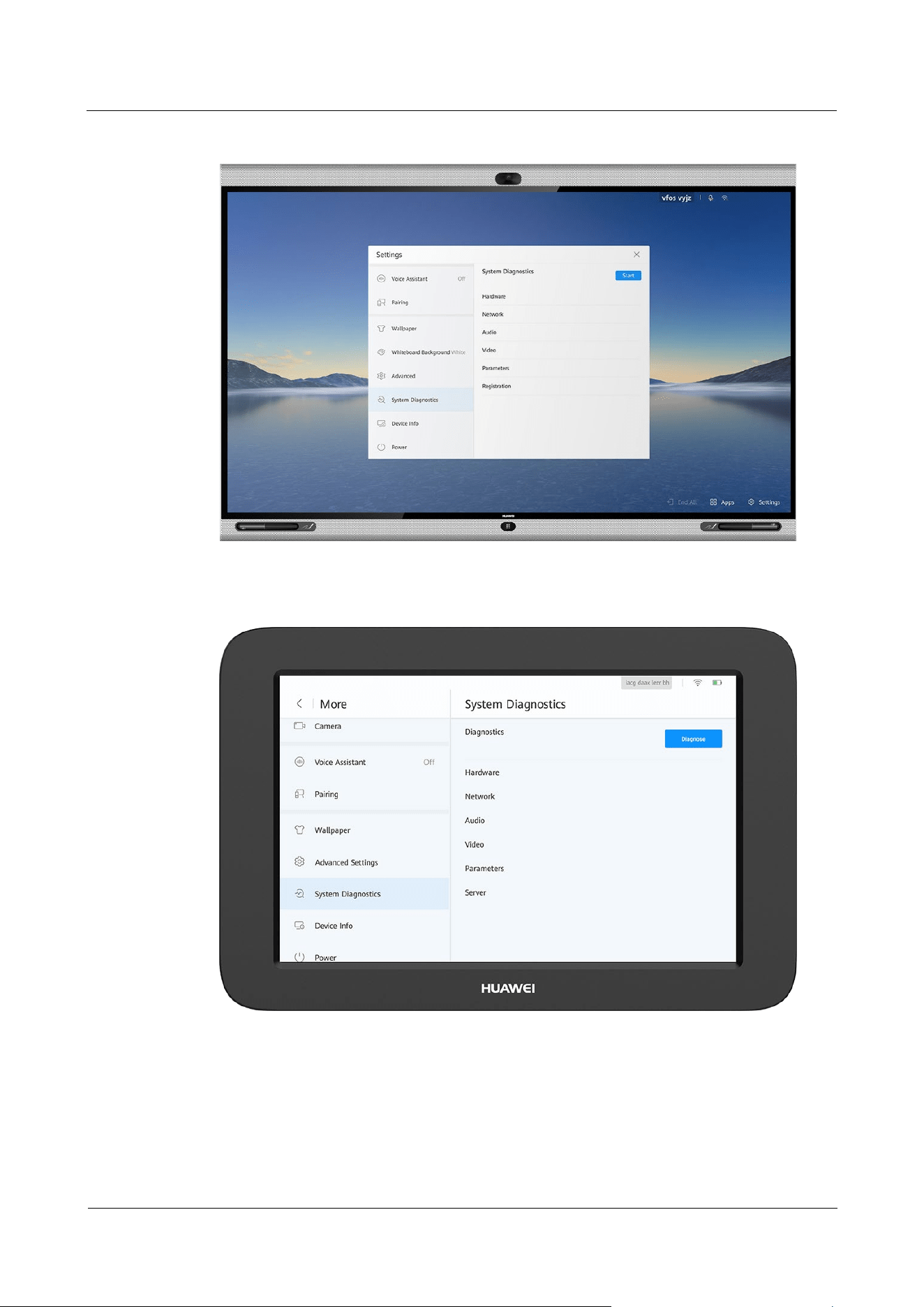
7.2.2 System Diagnostics
On the touchscreen or Touch of the Board, you can perform intelligent diagnostics to check:
Hardware operating status
Network connection status
Audio input and output status
Video input and output status
Settings of frequently used parameters
Server registration status
Based on the check results, you can easily locate any faults that have occurred.
HUAWEI Board
Product Description
7 Operations and Maintenance
Issue 02 (2018-10-22)
Copyright © Huawei Technologies Co., Ltd.
36
Figure 7-6 System Diagnostics module on the touchscreen
Figure 7-7 System Diagnostics module on the Touch
7.2.3 Inspection
The SMC2.0 can automatically check the following items on the Board:
IP line status

HUAWEI Board
Product Description
7 Operations and Maintenance
Issue 02 (2018-10-22)
Copyright © Huawei Technologies Co., Ltd.
37
System software version
System performance, including the temperature and fan status
H.323 and SIP registration status
Working status of the built-in camera
Content source connection status and input port settings
Video input cable connection status and video input port settings
Board inspection tasks are interrupted when the Board is powered off or initiates a call, and
are resumed once the Board is restarted or the call ends.
The inspection status and result can be reported to the SMC2.0.
7.2.4 Upgrade
The Board allows users to upgrade its software packages (two software packages: one for
users and the other for the production line). The software package for the production line can
be used only by the production line for manufacturing and repair.
You can upgrade the Board to the latest version to fix its vulnerabilities and use the new
functions provided in the latest version.
The Board can be upgraded using the upgrade tool or on the web interface.
The Board factory default system can be backed up and used for system restoration if
necessary.
The Board supports silent upgrade.
Boards can be upgraded in batches.
The Board upgrade can be paused and resumed.
Any Board connected to eSight can be upgraded using eSight.
As a manageable device, the Board can be upgraded using the SMC2.0. If multiple
Boards exist, they can be upgraded in batches from the SMC2.0.
7.3 CHR Data Collection
After the Board connects to eSight, its session and media CHR data files can be sent to eSight.
SessionInsight obtains CHR data files from eSight and analyzes them to quickly locate faults.

HUAWEI Board
Product Description
8 Technical Specifications
Issue 02 (2018-10-22)
Copyright © Huawei Technologies Co., Ltd.
38
8 Technical Specifications
8.1 Physical Specifications
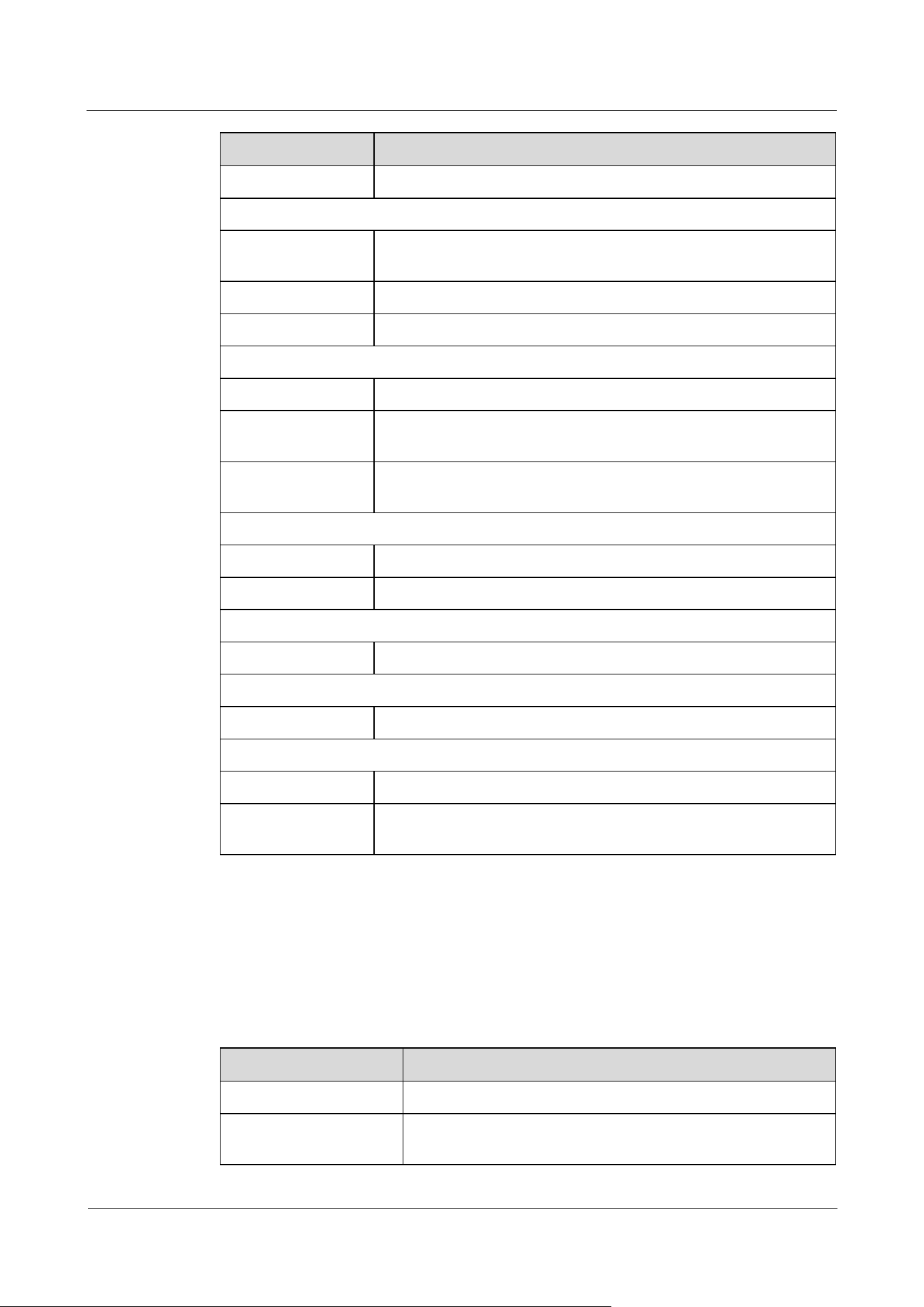
Table 8-1 lists the physical specifications of the Board.
Table 8-1 Physical specifications
Item Specifications
Electricity supply requirements
Operating voltage 100–240 V AC
Operating frequency 50–60 Hz
Maximum power
consumption
300 W
Environmental requirements (operating state)
Ambient
temperature
Board: 0°C to 40°C (32°F to 104°F)
Touch: 0°C to 35°C (32°F to 95°F)
Relative humidity 5% to 95%
Ambient noise < 46 dBA SPL
Minimum
illuminance
7 lux
Recommended
illuminance
> 200 lux
EMC Class A
Operating altitude < 5000 m (16404 ft)
Environmental requirements (non-operating state)
Ambient
temperature
–20°C to +60°C (–4°F to +140°F)
Relative humidity
5% to 95%

HUAWEI Board
Product Description
8 Technical Specifications
Issue 02 (2018-10-22)
Copyright © Huawei Technologies Co., Ltd.
39
Item Specifications
(non-condensing)
Dimensions and weight
Device dimensions
(H x W x D)
974 mm x 1492 mm x 72 mm (38.3 in. x 58.7 in. x 2.8 in.)
Package dimensions
(H x W x D)
1118 mm x 1660 mm x 252 mm (44.0 in. x 65.4 in. x 9.9 in.)
Net weight 59 kg (110.2 lb)
Gross weight 70 kg (154.3 lb)
Wi-Fi
Frequency bands 2.4 GHz and 5 GHz
Working frequency
ranges
2.4G:2400MHz~2483.5MHz
5G:5150MHz~5250MHz
Maximum
transmission power
< 20 dBm
Working range in an
environment without
barriers
Maximum: 20 m (65.6 ft)
Recommended: 10 m (32.8 ft)
Display
Touchscreen Capacitive and infrared
Screen brightness
range
80-350 cd/m
2
Built-in HD camera
Image sensor 20 megapixels, 1-inch CMOS sensor
Resolution Up to 5K
Zoom Up to 3x lossless zoom
Focal length F = 7.2 mm
Fixed aperture F2.0
Maximum
horizontal field of
view
83° to 86°
Maximum vertical
field of view
54°
Number of presets Local camera: 30 at most; remote camera: 16 at most
Control ePTZ
Image mode
HUAWEI Board
Product Description
8 Technical Specifications
Issue 02 (2018-10-22)
Copyright © Huawei Technologies Co., Ltd.
40
Item Specifications
Image mode Four image modes: standard, vivid, natural, and user-defined
Image capture
Automatic
adjustment
Auto White Balance (AWB), Auto Exposure (AE), and Auto Focus
(AF)
Exposure mode Auto, manual, and shutter priority
White balance mode Auto, manual, and one-push
Built-in microphone
Sound pickup Range: 180°; distance: 6 m (19.7 ft)
Maximum sound
localization distance
10 m (32.8 ft)
Sound localization
angle
Forward, 180°
Built-in speaker
Sound playing Distance: 6 m (19.7 ft)
Speaker sensitivity 95dB SPL@1m (3.3 ft)
Voice tracing
Distance 3 m (9.8 ft)
Installation
Installation method Wall mount and floor stand
Peripherals
VPM220 Only one VPM220 can be connected.
Wireless mouse and
keyboard
Recommended brands: Logitech, Rapoo, and A4Tech
8.2 Performance Specifications
Table 8-2 lists the performance specifications of the Board.
Table 8-2 Performance specifications
Item Specifications
Call bandwidth 64 kbit/s to 4 Mbit/s
Video capabilities
(H.264)
Minimum bandwidth required to deliver video of a specific
resolution (without any packet loss):

HUAWEI Board
Product Description
8 Technical Specifications
Issue 02 (2018-10-22)
Copyright © Huawei Technologies Co., Ltd.
41
Item Specifications
512 kbit/s for 1080p 30 fps
768 kbit/s for 720p 60 fps
384 kbit/s for 720p 30 fps
128 kbit/s for 4SIF/4CIF 30 fps
64 kbit/s for SIF/CIF/QSIF/QCIF/SQSIF/SQCIF 30 fps
Video capabilities
(H.265)
Minimum bandwidth required to deliver video of a specific
resolution (without any packet loss):
768 kbit/s for 1080p 60 fps
384 kbit/s for 1080p 30 fps
512 kbit/s for 720p 60 fps
256 kbit/s for 720p 30 fps
Presentation sharing
capabilities
Content sharing over a wireless connection
In a remote meeting:
− AirPresence mobile client: up to 1080p 3 fps
− AirPresence PC client: up to 1080p 5 fps
In a local meeting:
− AirPresence mobile client: up to 1080p 3 fps
− AirPresence PC client (Windows): up to 1080p 25 fps
− AirPresence PC client (Mac): up to 1080p 15 fps
Content sharing over a cable connection
Input resolution:
− HDMI: 4K×2K 25/30/50/60fps, 3200×1800 30/60fps,
2880×1800 30/60fps, 2880×1620 50/60fps, 2560 x 1600
60 fps, 2048 x 1536 60 fps, 1920 x 1200 60 fps, 1680 x
1050 60 fps, 1600 x 1200 60 fps, 1600 x 900 60 fps,
1440 x 900 60 fps, 1400 x 1050 60 fps, 1366 x 768 60
fps, 1360 x 768 60 fps, 1280 x 1024 60/75/85 fps, 1280
x 960 60 fps, 1280 x 768 60/75/85 fps, 1280 x 800 60
fps, 1080p 24/25/30/50/60fps, 1024 x 768 60/70/75/85
fps, 800 x 600 56/60/72/75/85 fps, 720 x 400 85 fps, 640
x 480 60/72/75/85 fps
− VGA: 640 x 480 60/72/75/85 fps, 720 x 400 85 fps, 800
x 600 56/60/72/75/85 fps, 1024 x 768 60/70/75/85 fps,
1152 x 864 75 fps, 1280 x 768 60/75/85 fps, 1280 x 800
60 fps, 1280 x 960 60 fps, 1280 x 1024 60/75/85 fps,
1360 x 768 60 fps, 1366 x 768 60 fps, 1440 x 900 60
fps, 1400 x 1050 60 fps, 1440 x 576i 60 fps, 1440 x 480i
60 fps, 720 x 480p 60 fps, 720 x 576p 50 fps, 720p
50/60 fps, 1080p 24/25/30/50/60 fps, 1600 x 900 60 fps,
1600 x 1200 60 fps, 1680 x 1050 60 fps, 1920 x 1200 60
fps
Coding/Decoding resolution: 800 x 600, 1024 x 768, 1280 x
1024, 1280 x 720, 1920 x 1080, 3840 x 2160
Output resolution: 800 x 600, 1024 x 768, 1280 x 1024,
1280 x 720, 1920 x 1080, 3840 x 2160
HUAWEI Board
Product Description
8 Technical Specifications
Issue 02 (2018-10-22)
Copyright © Huawei Technologies Co., Ltd.
42
Item Specifications
Codec capabilities
(H.264)
Video: CIF 25/30 fps, 4CIF 25/30 fps, 720p 25/30 fps, 720p
50/60 fps, 1080p 25/30 fps, 1080p 50/60fps
Content sharing: VGA (640 x 480), SVGA (800 x 600), XGA
(1024 x 768), 720p, 1280 x 1024, 1366 x 768, 1400 x 1050,
1680 x 1050, and 1080p
Codec capabilities
(H.265)
Video: CIF 25/30 fps, 4CIF 25/30 fps, 720p 25/30 fps, 720p
50/60 fps, 1080p 25/30 fps
Content sharing: VGA (640 x 480), SVGA (800 x 600), XGA
(1024 x 768), 720p, 1280 x 1024, 1366 x 768, 1400 x 1050,
1680 x 1050, 1080p, 4K 8 fps
Dual-stream (video +
presentation) capabilities
Video conferencing:
Up to 1080p 30 fps+1080p 30 fps or 1080p 30 fps+4K 8 fps
Data conferencing:
Up to 1080p 30 fps+4K 3 fps
Operating system and
hardware requirements
for AirPresence mobile
client installation
Android 4.0 or later, CPU with the ARMv7 Neon chip or
above, dominant frequency of 1.5 GHz or above, memory
of 1 GB or above
iOS 7.0 or later, iPhone 5 or later or iPad2 or later
Operating system
requirements for
AirPresence PC client
installation
32-bit Windows XP
32-bit or 64-bit Windows 7, 8, 8.1 or 10
32-bit and 64-bit macOS 10.7 to 10.11
8.3 Ports and Protocols
Table 8-3 lists the ports and protocols of the Board.
Table 8-3 Board ports and protocols
Port Type
Description and
Quantity
Standards and
Protocols
Compliance
Remarks
Video input
ports
1 x built-in camera
1 x HDMI
1 x HD-VI
1 x VGA
-
Users can select any
display mode for
video input.
Video output
port
1 x HDMI HDMI 2.0
-
Audio input
Built-in microphone
-
Only one VPM220

HUAWEI Board
Product Description
8 Technical Specifications
Issue 02 (2018-10-22)
Copyright © Huawei Technologies Co., Ltd.
43
Port Type
Description and
Quantity
Standards and
Protocols
Compliance
Remarks
ports
array
1 x 3.5 mm
1 x HD-AI
1 x HDMI (audio
input supported)
can be connected.
Audio output
ports
Built-in speaker
1 x 3.5 mm
1 x HDMI (audio
output supported)
- -
USB ports
2 x USB 3.0 Type-A
1 x USB 2.0 Type-B
USB 2.0/3.0 -
Network
ports
1 x 10/100/1000
Mbit/s LAN
1 x Touch
1 x COM RJ45 serial
port
- -
Wireless
ports
1 x Wi-Fi (built-in) - -
Ground stud 1 x ground stud - -
Power input
port
1 x power input port - -
8.4 Standards Compliance
Table 8-4 lists the standards with which the Board complies.
Table 8-4 Standards compliance
Item Standards
Video encoding and
decoding protocols
H.265, H.264 HP, and H.264 BP
Audio encoding and
decoding protocols
AAC-LD (mono/stereo), G.711A, G.711U, G.722, G.722.1C,
G.729A, and Opus
Multimedia framework
protocols
ITU-T H.323 and IETF SIP
Dual-stream protocols ITU-T H.239 and BFCP

HUAWEI Board
Product Description
8 Technical Specifications
Issue 02 (2018-10-22)
Copyright © Huawei Technologies Co., Ltd.
44
Item Standards
Network transmission
protocols
TCP/IP, RTP, RTCP, DHCP, DNS, SMTP, SNMP, SNTP,
Telnet, SSH, HTTP, HTTPS, and TR-069
Other communications
protocols
H.225, H.235, H.241, H.245, H.281, H.350, H.460,
RFC2833, LDAP, and LDAPS
IP protocol IPv4 and IPv6 dual stack
Encryption protocols H.235, STARTTLS, TLS, and SRTP
Wi-Fi standards
IEEE 802.11 a/b/g/n/ac, IEEE 802.1p/q, IEEE 802.1x, WEP,
WPA, WPA2, and WPS

HUAWEI Board
Product Description
A Glossary
Issue 02 (2018-10-22)
Copyright © Huawei Technologies Co., Ltd.
45
A Glossary
Numerics
4CIF
4 x Common Intermediate Format
A video resolution of 704 x 576 pixels.
4SIF
4 x Source Input Format.
A video format with a resolution of 704 x 480 pixels that uses
progressive scanning.
A
AAC
Advanced Audio Coding
Address book
Users can save a remote site as an address book contact, along with
the site's IP address, number, type, and bandwidth.
AEC
Acoustic Echo Cancellation
AGC
Automatic Gain Control
AI
Artificial Intelligence
AJB
Audio Jitter Buffer
ANS
Automatic Noise Suppression
API
Application Programming Interface
A particular set of rules and specifications that are used for
communication between software programs.
C
caption
Text information that appears on video. During a conference, a site
can add captions to the video sent by the local site. Users can add
captions to the top, middle, and bottom areas of the screen.
chair site
A site that has chair control rights.
CIF
Common Intermediate Format
CPE
Customer Premises Equipment
Any terminal and associated equipment located at a subscriber's
premises and connected with a carrier's telecommunication channel at

HUAWEI Board
Product Description
A Glossary
Issue 02 (2018-10-22)
Copyright © Huawei Technologies Co., Ltd.
46
the demarcation point.
CSCF
Call Session Control Function
The core component of the IMS network. It performs the functions
such as registration, authentication, session control, service
triggering, topology hiding, QoS control, NAT traversal, and security
management.
D
DMZ
demilitarized zone
A buffer area between an insecure system and the secure system and
is used to solve the problem of an external network being unable to
access an internal network equipped with a firewall. The DMZ is
located between the internal network and the external network. The
DMZ contains some public server facilities, such as the enterprise
Web server and FTP server. The DMZ protects the internal network.
DNS
Domain Name System
A mechanism that maps easy-to-remember domain names to IP
addresses recognizable for network devices.
dual stream
During a conference, two channels of video streams can be sent or
received simultaneously. One channel is used for transmitting video
(such as the video captured by a camera) and the other channel is
used for transmitting presentation (such as a computer desktop).
DVI
Digital Visual Interface
DVI-I
Digital Visual Interface-Integrated
E
EUA
Enterprise Unified Address Book
A next-generation address book server launched by Huawei. It
provides LDAP-based unified address book services for Huawei
videoconferencing and enterprise communication solutions.
G
G.722
Audio codec standard that uses adaptive differential pulse-code
modulation (ADPCM). Its data rate is 48 kbit/s, 56 kbit/s, or 64
kbit/s.
G.728
Audio codec standard that uses low-delay code excited linear
prediction (LD-CELP). Its data rate is 16 kbit/s.
H
H.239
A standard recommended by ITU-T. It enables a video conference to
simultaneously transmit both video and data content (for example,
computer desktop).
H.263
A video codec standard for video conferences at low rates. Five
formats are available: SQCIF, QCIF, CIF, 4CIF, and 16CIF.
H.264
Compared with H.263, H.264 can provide the same-quality video at
half of the bit rate, with strong error resilience.

HUAWEI Board
Product Description
A Glossary
Issue 02 (2018-10-22)
Copyright © Huawei Technologies Co., Ltd.
47
HD
High Definition
HDMI
High Definition Multimedia Interface
HD display
An HD plasma TV that is used to display the video from a
telepresence codec.
HTTP
Hypertext Transfer Protocol
HTTPS
Hypertext Transfer Protocol over Secure Sockets Layer
An HTTP protocol that runs on top of transport layer security (TLS)
and Secure Sockets Layer (SSL) for secured transactions. It is used to
establish a reliable channel for encrypted communication and secure
identification of a network web server.
I
initiate call
Initiating a call is a process in which the calling party dials the called
party's alias or IP address to set up a call and exchange audiovisual
information with the called party.
IMS
IP multimedia subsystem
L
LAN
Local Area Network
LCD
Liquid Crystal Display
LDAP
Lightweight Directory Access Protocol
A network protocol based on TCP/IP, which allows access to a
directory system agent (DSA). It involves some reduced functionality
from X.500 Directory Access Protocol (DAP) specifications.
loopback test
The terminal can transmit audio or video data on a channel as a
simulation to test whether the output is satisfactory. A user can
perform a local loopback test to check the local network connection
or a remote loopback test to check the remote network connection. If
a remote loopback test is performed, data is transmitted from the local
site to a remote site, and then back to the local site.
M
MediaX
Media Switch Server
media stream
Data stream (such as audio, video and fax) between different bearer
networks.
N
netATE
Net Automatic Transfer-enhancement
P
power on
To start up a computer; to begin a cold boot procedure; to turn on the
power.
PPPoE
Point-to-Point Protocol over Ethernet
R

HUAWEI Board
Product Description
A Glossary
Issue 02 (2018-10-22)
Copyright © Huawei Technologies Co., Ltd.
48
RSE
Recording & Streaming Engine
RTCP
Real-Time Transport Control Protocol
A protocol used to monitor data delivery. RTCP enables the receiver
to detect if there is any packet loss and to compensate for any delay
jitter.
S
SBC
Session Border Control
SC
Switch Center
The Huawei Switch Center (SC) is a next-generation network switch
system that provides H.323 GK, SIP server, and media proxy
functions.
schedule
conference
Specify the start time and duration of a conference so that the system
schedules the conference automatically.
SEC
Super Error Concealment
SIF
Source Input Format
SIP
Session Initiation Protocol
SMC
Service Management Center
A videoconferencing service management system that manages
videoconferencing devices (including GKs, MCUs, and participant
endpoints) and allocates videoconferencing resources.
SP
service provider
A system that provides services to users. In IAM, the SP for federated
identity authentication is the public cloud system.
SRTP
Secure Real-time Transport Protocol
A real time transport protocol with enhanced security and encryption
mechanism-based RTP.
SSH
Secure Shell
A network security protocol for encrypting transmitted data for secure
remote login and other secure network services over an insecure
network.
STG
Security Traversing Gateway
STUN
Simple Traversal of UDP through NAT
SVGA
Super Video Graphics Array
sound pickup
distance
The maximum distance within which sounds can be picked up by a
microphone.
T
telepresence
The Huawei telepresence system provides users a videoconferencing
environment in which they can have true-to-life and face to face
remote conferences.
terminal
A device that converts voice, sound, text, images, tables, data and

HUAWEI Board
Product Description
A Glossary
Issue 02 (2018-10-22)
Copyright © Huawei Technologies Co., Ltd.
49
video from physical display to electronic signals or from electronic
signals to physical display. A terminal generates and sends signals
(such as telecommunications circuit setup or release) that maintain
the normal operating state of the telecommunications network, and
receives call signals from the telecommunications switch and
transmission.
TCP/IP
Transmission Control Protocol/Internet Protocol
TLS
Transport Layer Security
V
VGA
Video Graphics Array
W
WPA
Wi-Fi Protected Access
A wireless security protocol replacing WEP and aiming to provide
stronger security for the IEEE 802.11 WLAN. WPA is a subset of
IEEE 802.11i, whose core is IEEE 802.1x and TKIP.
Wi-Fi
Wireless Fidelity
A short-distance wireless transmission technology. It enables wireless
access to the Internet within a range of hundreds of feet wide.
X
XGA
Extended Graphics Array
Regulatory Compliance Statement
Issue
Date
HUAWEI TECHNOLOGIES CO., LTD.

Issue ()
Huawei Proprietary and Confidential
Copyright © Huawei Technologies Co., Ltd.
i
Copyright © Huawei Technologies Co., Ltd. 2018. All rights reserved.
No part of this document may be reproduced or transmitted in any form or by any means without prior written consent
of Huawei Technologies Co., Ltd.
Trademarks and Permissions
and other Huawei trademarks are trademarks of Huawei Technologies Co., Ltd.
All other trademarks and trade names mentioned in this document are the property of their respective holders.
Notice
The purchased products, services and features are stipulated by the contract made between Huawei and the customer.
All or part of the products, services and features described in this document may not be within the purchase scope or
the usage scope. Unless otherwise specified in the contract, all statements, information, and recommendations in this
document are provided "AS IS" without warranties, guarantees or representations of any kind, either express or implied.
The information in this document is subject to change without notice. Every effort has been made in the preparation of
this document to ensure accuracy of the contents, but all statements, information, and recommendations in this
document do not constitute the warranty of any kind, express or implied.
Huawei Technologies Co., Ltd.
Address: Huawei Industrial Base
Bantian, Longgang
Shenzhen 518129
People's Republic of China
Website: http://www.huawei.com
Email: support@huawei.com

1 Regulatory Compliance Information
Issue ()
Huawei Proprietary and Confidential
Copyright © Huawei Technologies Co., Ltd.
1
Regulatory Compliance Information
About This Chapter
1.1 U.S.A Regulatory Compliance
1.2 Canada Regulatory Compliance
1.3 Japan Regulatory Compliance
1.4 India E-Waste (Management) Rules, 2016
1.5 Other Markets
1.1 U.S.A Regulatory Compliance
1.1.1 FCC Part 2
Supplier’s Declaration of Conformity (SDoC)
Unique Identifier:
trade name: Huawei; product name: Videoconferencing Endpoint,
model number: HUAWEI Board-65, HUAWEI Board-65A
Responsible Party- U.S. Contact Information
Huawei Technologies USA Inc.
5700 Tennyson Parkway, Suite 500
Plano, Texas 75024
Main: 214-919-6000 / TAC Hotline: 877-448-2934
FCC Compliance Statement ( for products subject to Part 15)
This device complies with part 15 of the FCC Rules. Operation is subject to the following
two conditions: (1) This device may not cause harmful interference, and (2) this device must
accept any interference received, including interference that may cause undesired operation.

1 Regulatory Compliance Information
Issue ()
Huawei Proprietary and Confidential
Copyright © Huawei Technologies Co., Ltd.
2
1.1.1 FCC Part 15
Product complies with Part 15 of the FCC Rules. Operation is subject to the following two
conditions:
This device does not cause harmful interference.
This device must accept any interference received, including interference that may cause
undesired operation.
If this device is modified without authorization from Huawei, the device may no longer
comply with FCC requirements for Class A digital devices. In that a case, your right to use the
device may be limited by FCC regulations. Moreover, you may be required to correct any
interference to radio or television communications at your own expense.
NOTE: This equipment has been tested and found to comply with the limits for a Class A
digital device, pursuant to part 15 of the FCC Rules. These limits are designed to provide
reasonable protection against harmful interference when the equipment is operated in a
commercial environment. This equipment generates, uses, and can radiate radio frequency
energy and, if not installed and used in accordance with the instruction manual, may cause
harmful interference to radio communications. Operation of this equipment in a residential
area is likely to cause harmful interference in which case the user will be required to correct
the interference at his own expense.
The manufacturer is not responsible for any radio or TV interference caused by unauthorized
Modifications to this equipment. Such modifications could void the user authority to operate
the equipment.
1.1.2 RF Exposure (Health) Information
This equipment complies with relevant RF radiation exposure limits set forth for a
public/uncontrolled environment. This equipment should be installed and/or operated with a
minimum distance as below between the radiator and your body.
FCC Part §1.1310: 0.2 meter
1.2 Canada Regulatory Compliance
1.2.1 RSS-Gen statement – Licence-Exempt radio apparatus
ENGLISH:
This device contains licence-exempt transmitter(s)/receiver(s) that comply with Innovation,
Science and Economic Development Canada’s licence-exempt RSS(s). Operation is subject to
the following two conditions:

1 Regulatory Compliance Information
Issue ()
Huawei Proprietary and Confidential
Copyright © Huawei Technologies Co., Ltd.
3
(1) This device may not cause interference.
(2) This device must accept any interference, including interference that may cause undesired
operation of the device.
FRENCH:
L’émetteur/récepteur exempt de licence contenu dans le présent appareil est conforme aux
CNR d’Innovation, Sciences et Développement économique Canada applicables aux appareils
radio exempts de licence. L’exploitation est autorisée aux deux conditions suivantes :
(1) L’appareil ne doit pas produire de brouillage;
(2) L’appareil doit accepter tout brouillage radioélectrique subi, même si le brouillage est
susceptible d’en compromettre le fonctionnement.
1.2.2 RSS-247 statement - LE-LAN device
ENGLISH:
This device, as licence-exempt local area network (LE-LAN) device, operates in bands 5150-
5250 MHz, 5250-5350 MHz, 5470-5600 MHz, 5650-5725 MHz and/or 5725-5850 MHz.
The operation in the band 5150-5250 MHz is only for indoor use to reduce the potential
for harmful interference to co-channel mobile satellite systems, except when installed in
vehicles;
FRENCH:
Cet appareil, en tant que dispositif de réseau local exempt de licence (LE-LAN), fonctionne
dans les bandes de fréquences des 5150-5250 MHz, 5250-5350 MHz, 5470-5600 MHz, 5650-
5725 MHz et/ou 5725-5850 MHz.
Le fonctionnement dans la bande de fréquences des 5150-5250 MHz est destiné à une
utilisation en intérieur uniquement afin de réduire les éventuelles interférences nuisibles
avec les systèmes mobiles par satellite utilisant le même canal, sauf lorsqu’il est installé
dans des véhicules;
1.2.3 RSS-102 - RF exposure (Health) information
ENGLISH:
This equipment complies with relevant RF radiation exposure limits set forth for a
public/uncontrolled environment. This equipment should be installed and/or operated with a
minimum distance as below between the radiator and your body:
0.2 meter
FRENCH:
Cet équipement est conforme aux limites d'exposition aux radiofréquences pertinentes établies
pour un environnement public ou non contrôlé. Cet équipement doit être installé et utilisé à
une distance minimale telle que précisée ci-dessous entre le radiateur et votre corps:
0.2 mètre

1 Regulatory Compliance Information
Issue ()
Huawei Proprietary and Confidential
Copyright © Huawei Technologies Co., Ltd.
4
1.3 Japan Regulatory Compliance
1.3.1 VCCI
Product complies with VCCI Class A by Information Technology Equipment (ITE).
Class A ITE
Translation:
This is a Class A equipment. Operation of this equipment in a residential
environment could cause radio interference. In such a case, the user may be
required to take corrective actions.
VCCI-A
1.4 India E-Waste (Management) Rules, 2016
Product complies with E-Waste (Management) Rules, 2016. In accordance with CHAPTER II
in E-Waste (Management) Rules, 2016, products were marked with the following symbol:
1.5 Other Markets
For relevant compliance information/documentation for markets not mentioned above, please
contact Huawei representative