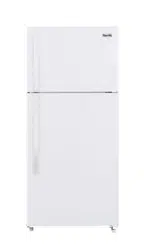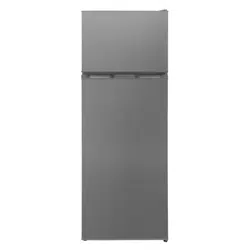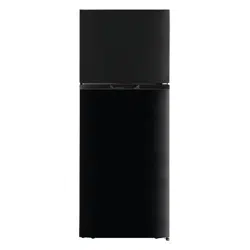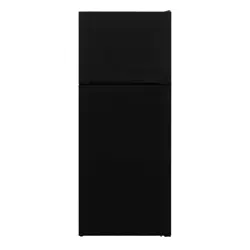
Criterion
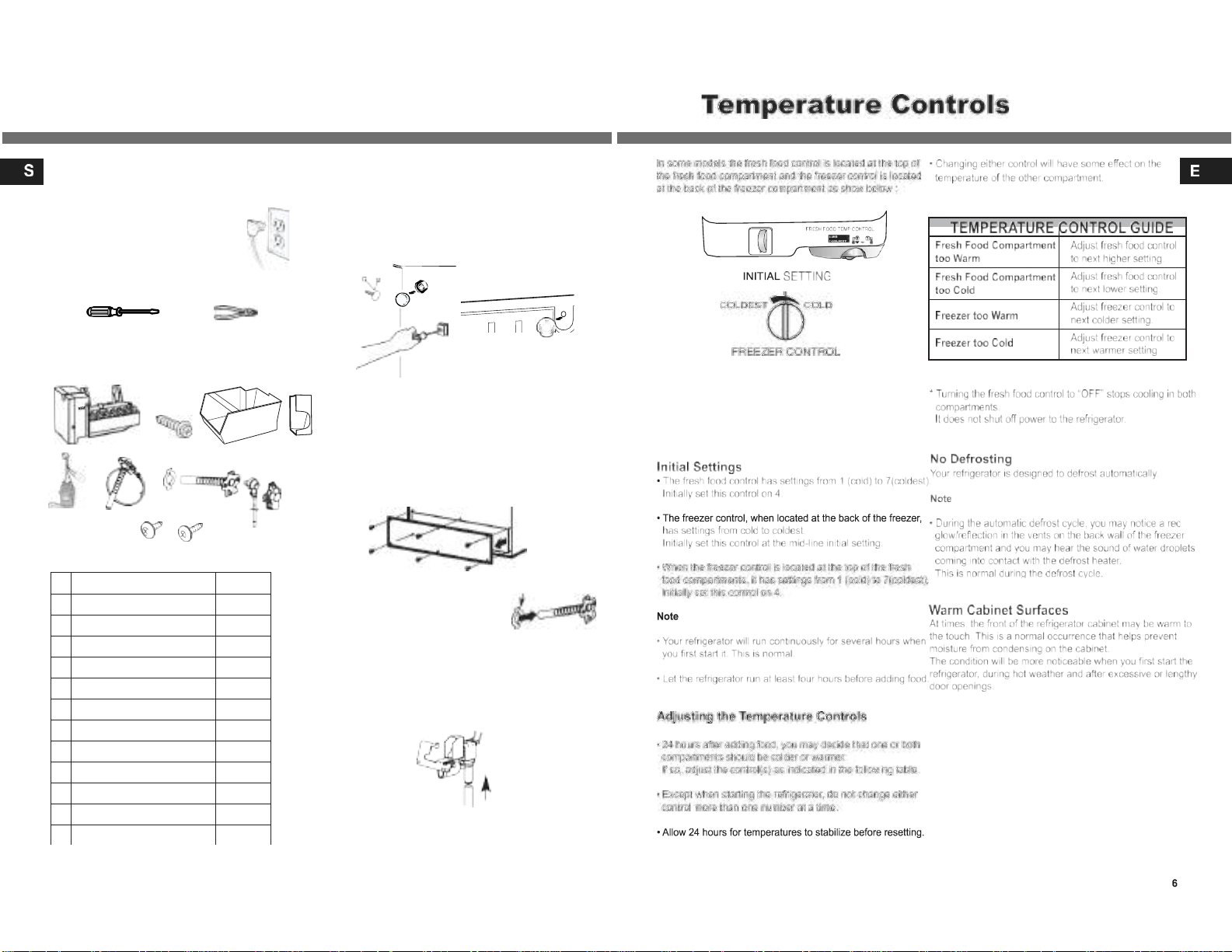
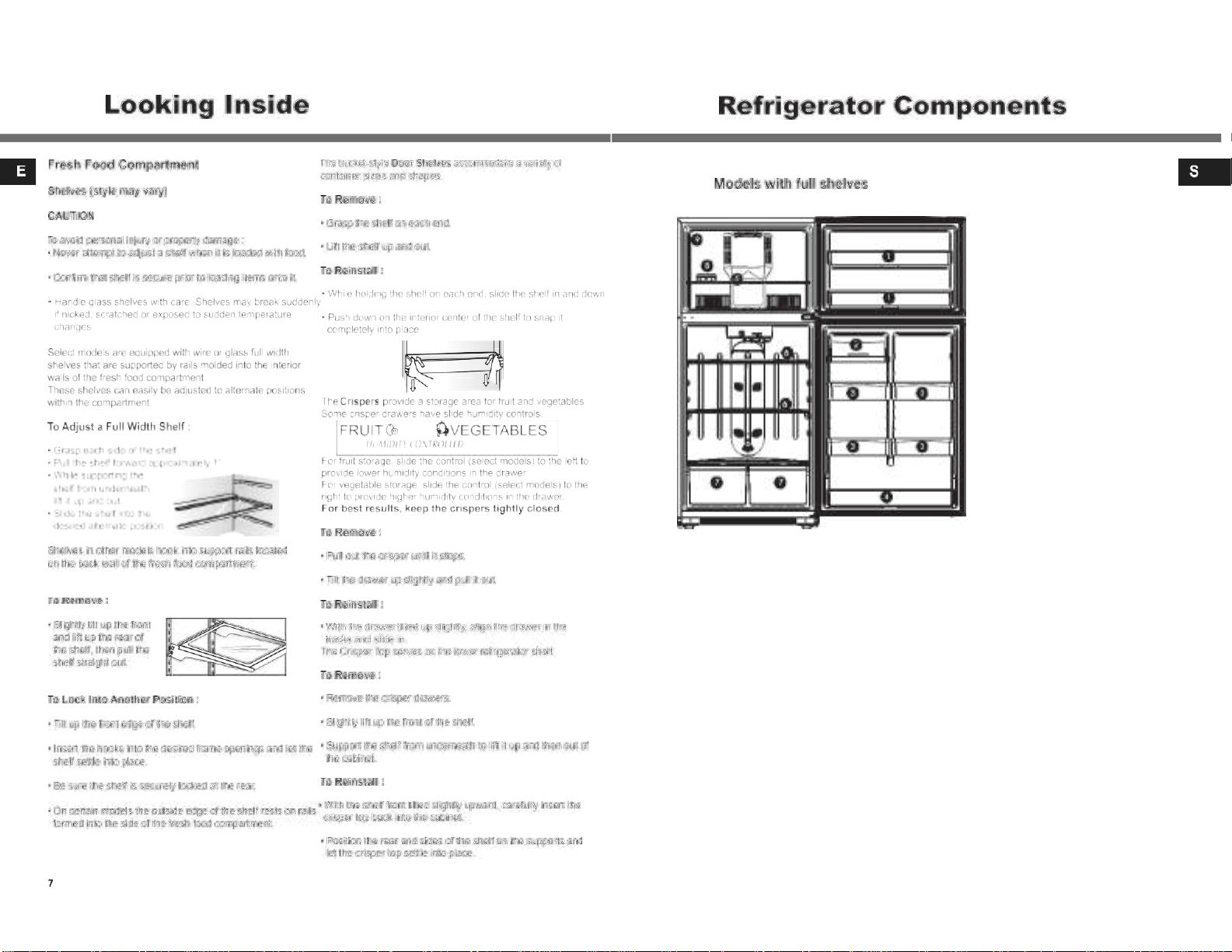
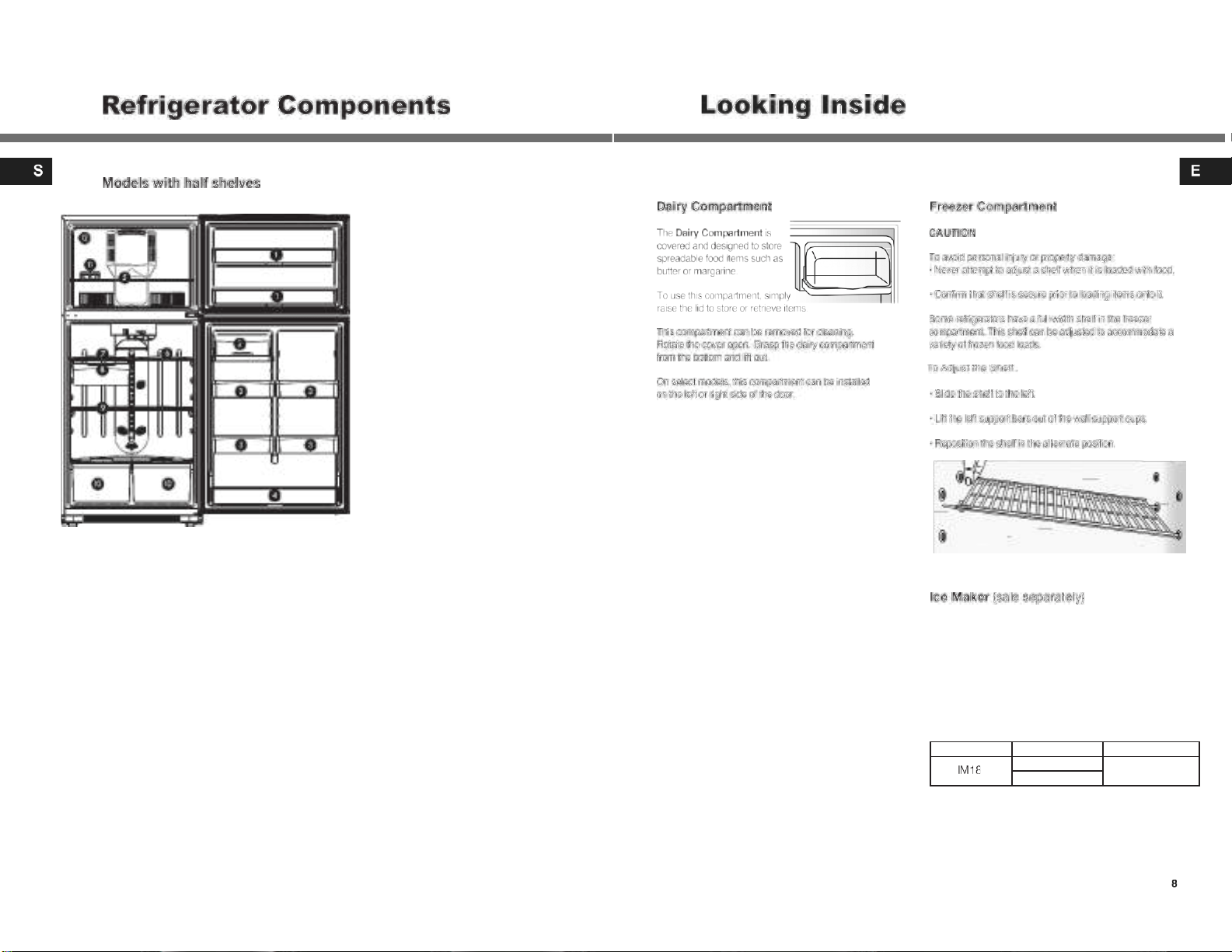
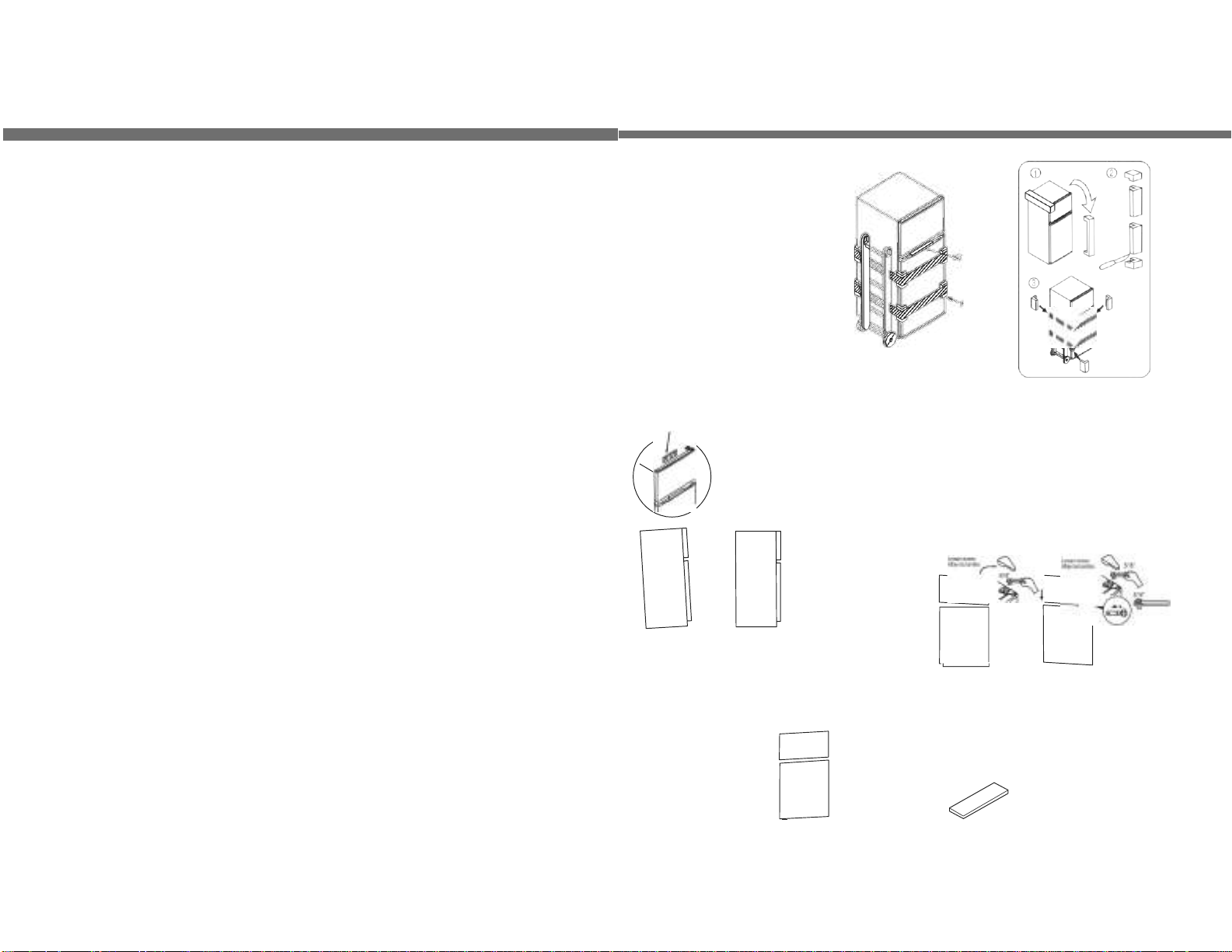
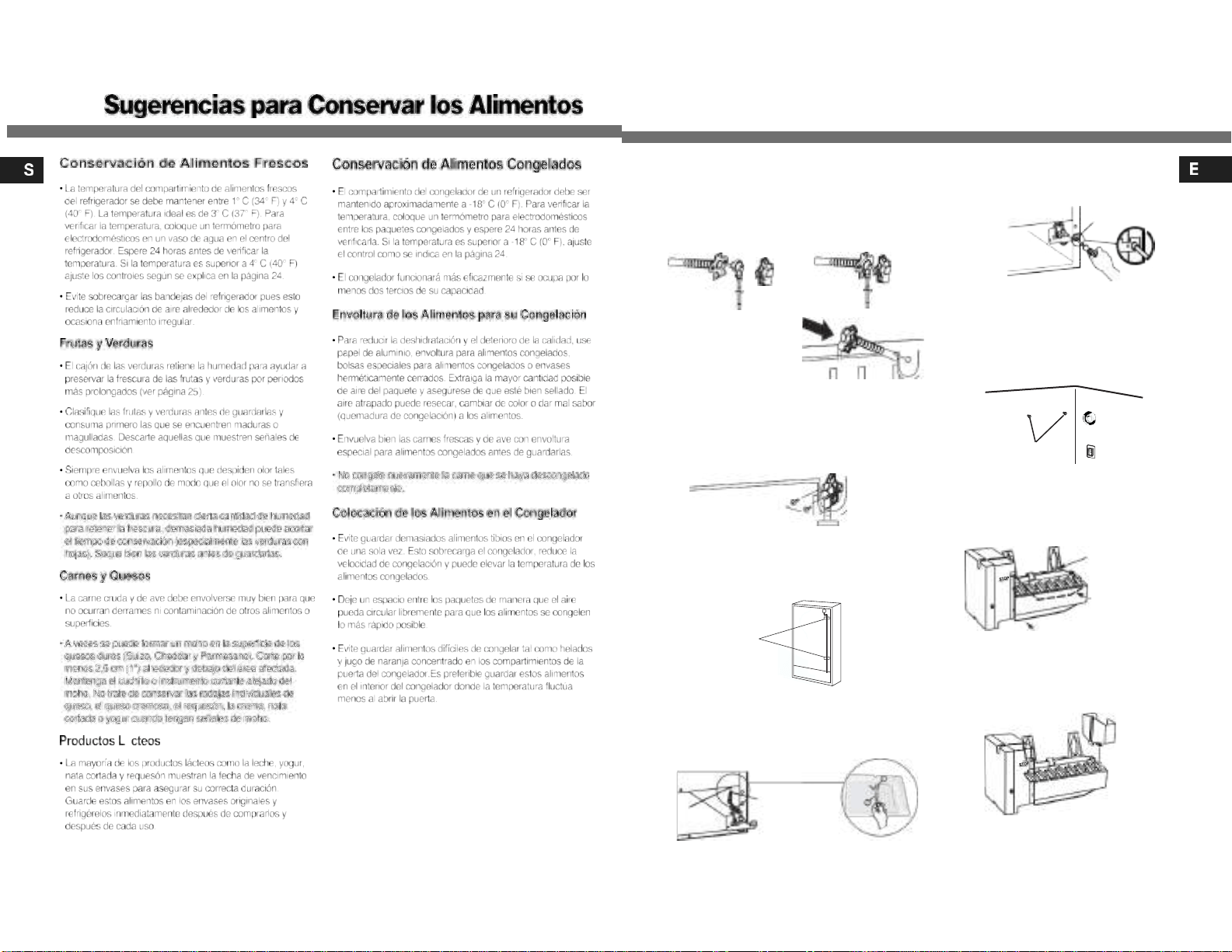
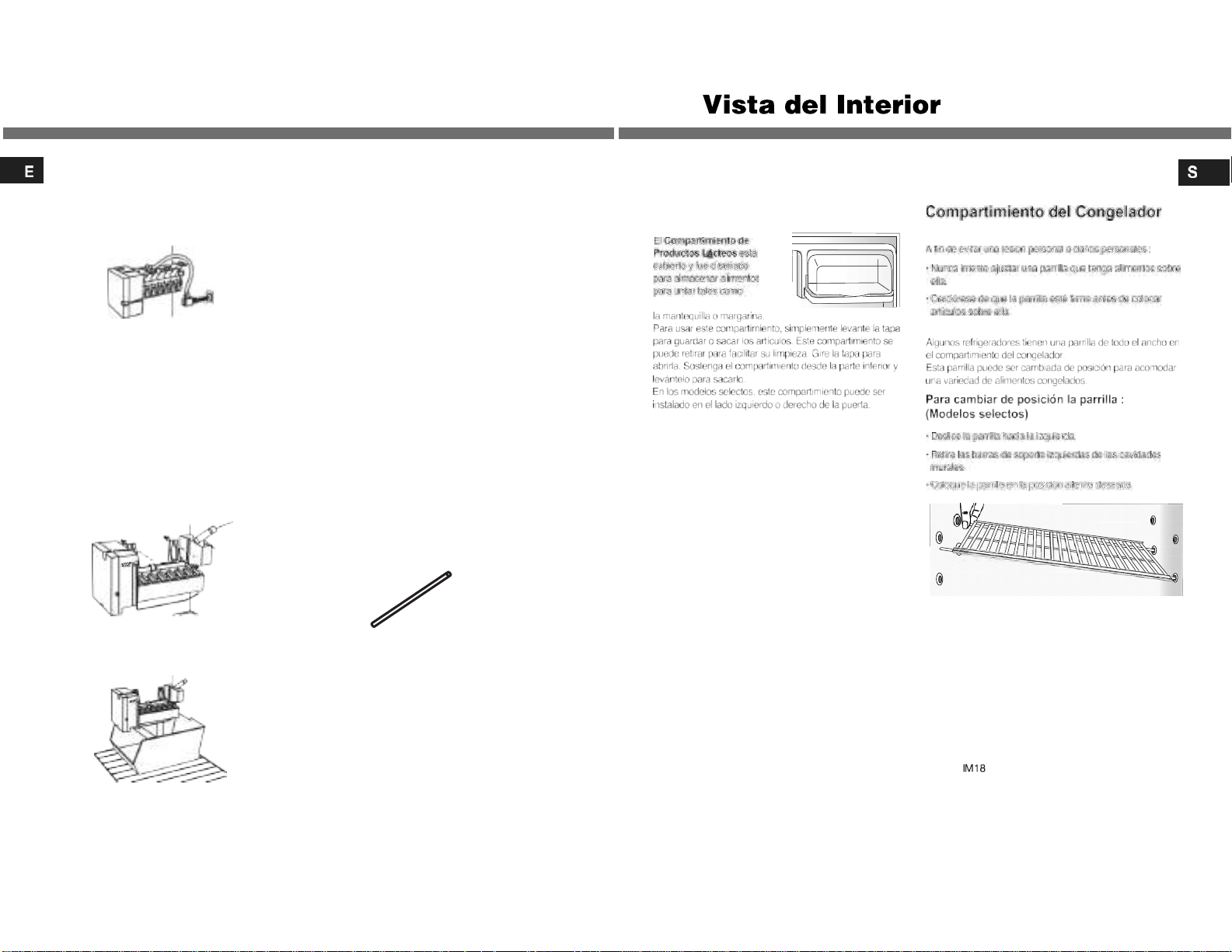
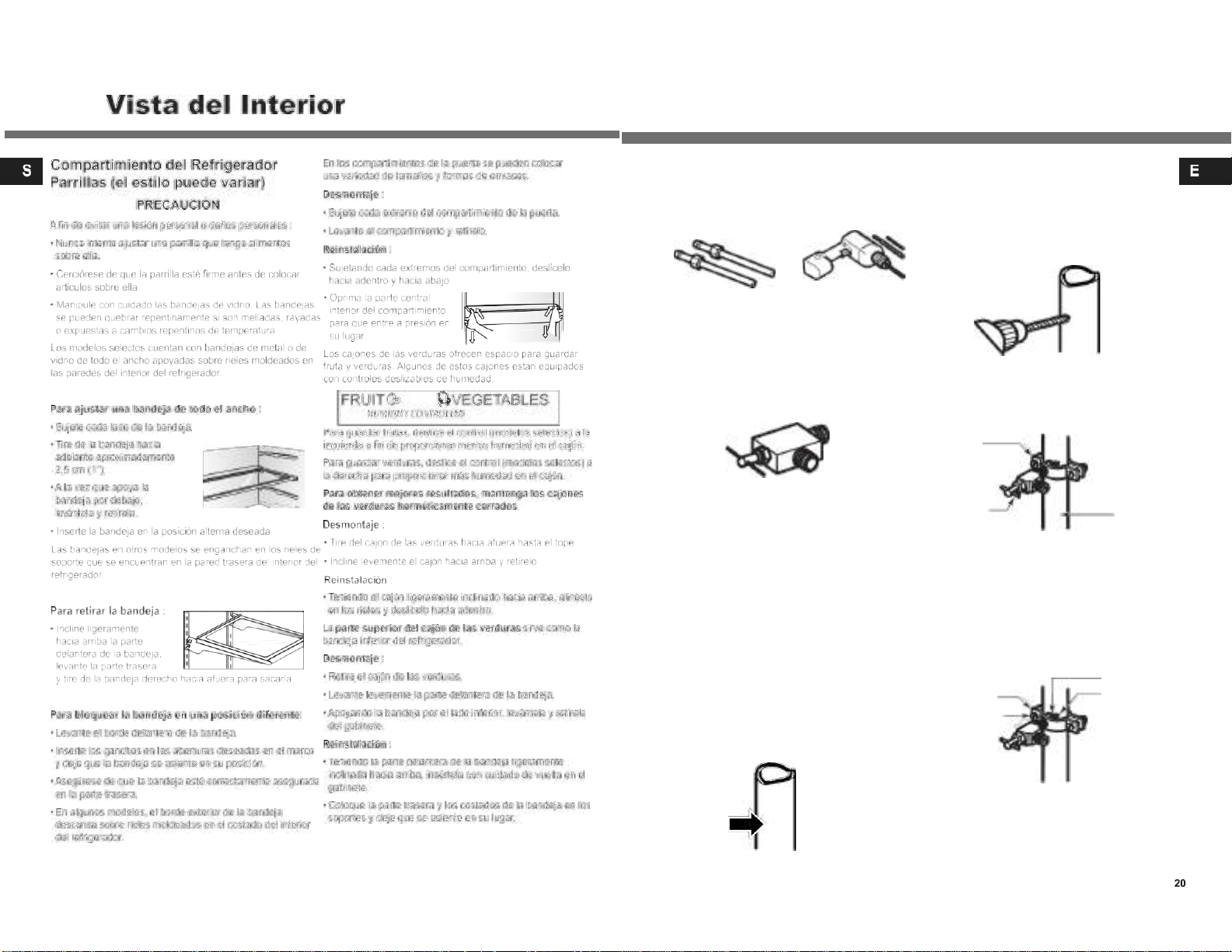
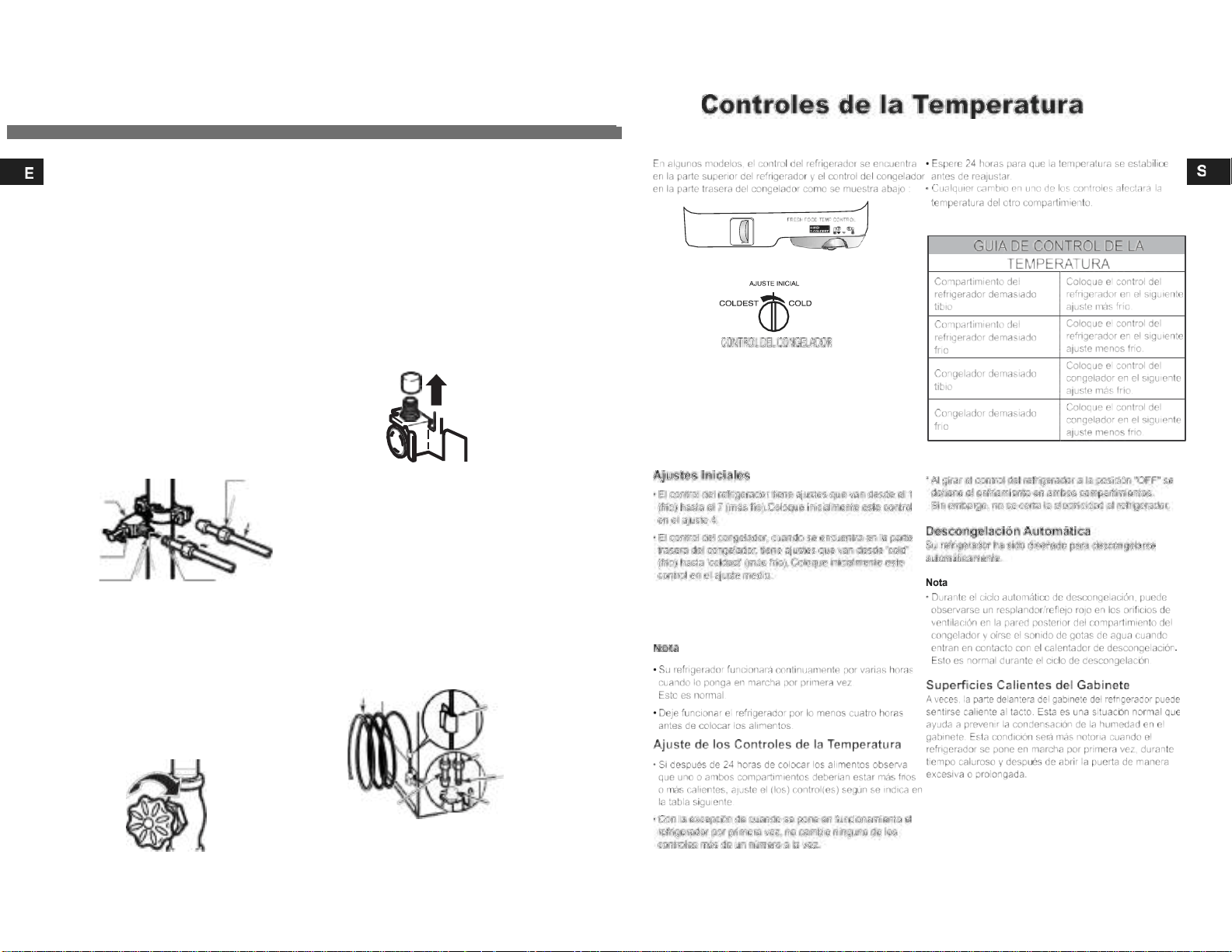
Icemaker Installation
.............
17-22
23
41
43
T1821MACR-01-V1
Garantía Limitada
CRITERION
Criterion
MODELO
Refrigerador
PARTES
1 año
MANO DE OBRA
1 año
COMPRESOR
1 año
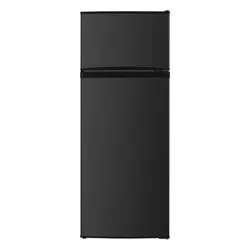
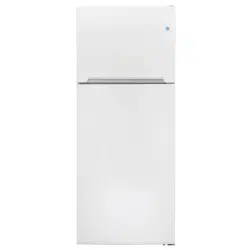
Modelos: CTMR182WD1W,CTMR182WD1B,CTMR182WD1S,
CTMR208WD1W,CTMR208WD1B,CTMR208WD1S
Nota: Para Servicio o Asistencia, por favor llame : 1-877-DWE-ASC5, 1-877-DWE-SVC3
Instalación de la Máquina de Hielos
1
50
Abra la llave del agua en la
válvula de cierre
Apriete cualquier conexión que pueda presentar fugas.
Reemplace la cubierta de acceso.
Inicie la máquina de hielos
Mueva el brazo de llenado a la posición ON (hacia abajo)
La máquina de hielos no empezará a operar hasta que
alcance su temperatura de operación de 15°F (–9°C) o
menor. Luego, empezará a operar automáticamente.
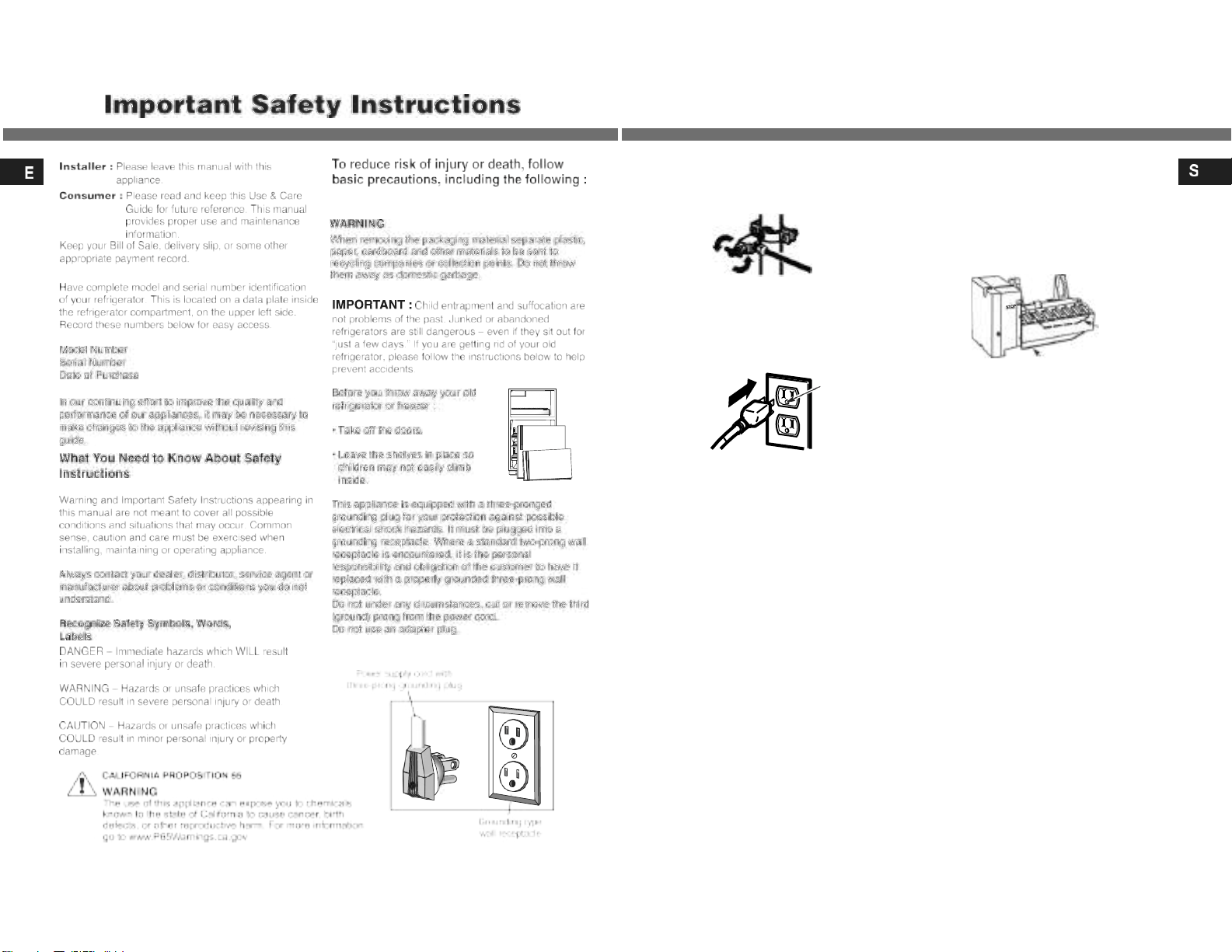
Conecte el refrigerador
Organice el cable de la tubería de manera que no vibre
contra la parte trasera del refrigerador o contra la pared.
Empuje el refrigerador hacia la pared.
V
erifique que haya
una conexión a
tierra adecuada
antes del uso.
Importante: Tenga a bien leer con atención
Para seguridad personal, este artefacto debe
conectarse a tierra de manera adecuada.
El cable de energía de este artefacto está equipado
con un enchufe de tres espigas (conexión a tierra)
que engancha con un tomacorriente de pared
de tres espigas (conexión a tierra) estándar para
minimizar el peligro de descarga eléctrica
proveniente de este artefacto. El cliente debe
hacer que un electricista calificado controle
el tomacorriente de pared y el circuito para verificar
que tengan una conexión a tierra adecuada.
Para el uso de este artefacto, es responsabilidad y
obligación del cliente cambiar un tomacorriente
estándar de dos patas por uno de tres patas con
adecuada conexión a tierra.
Bajo ninguna circunstacia corte o quite la
tercera pata (conexión a tierra) del cable
de energía.
Brazo de llenado hacia
la posición STOP (hacia
arriba).
Brazo de llanado hacia
la posicón ON (hacia
abajo).
NOTA:
En condiciones de menor presión del agua, la válvula
de agua puede encenderse hasta 3 veces para suministrar
suficiente agua a la máquina de hielos.

Instalación de la Máquina de Hielos
49
Dirija la tubería entre la línea del agua fría y el
refrigerador.
Dirija la tubería a través de un orificio perforado en
la pared o en el piso (detrás del refrigerador o del
gabinete de la base adyacente) lo más cerca posible
a la pared.
NOTA: Asegúrese de que haya suficiente tubería
adicional para permitir que el refrigerador se pueda
mover de la pared después de la instalación.
Conecte la tubería a la válvula
Coloque la tuerca de compresión y férula para la
tubería de cobre (manga) en el extremo de la
tubería y conéctela a la válvula de cierre.
Asegúrese de que la tubería esté complemente
insertada en la válvula. Apriete la tuerca de
compresión firmemente.
Para tubería de plástico, inserte el extremo
moldeado de la tubería en la válvula de cierre y
apriete la tuerca de compresión hasta que esté
firmemente apretada a mano, luego apriete otro
giro con una llave. Apretar demasiado puede
causar fugas.
Conecte la tubería al refrigerador
NOTAS:
• Antes de hacer la conexión al refrigerador, asegúrese
de que el cable de corriente del refrigerador no esté
conectado en el tomacorriente de la pared.
•
Recomendamos instalar un filtro de agua si su
suministro de agua tiene arena o partículas que
podrían obstruir la malla de la válvula de agua del
refrigerador. Instálelo en la tubería del agua cerca
al refrigerador.
Retire los tornillos sosteniendo el lado derecho de la
cubierta de acceso. Doble la cubierta hacia atrás.
Retire la tapa flexible de plástico de la válvula del
del agua (conexión del refrigerador).
Coloque la tuerca de compresión y la férula (manga)
en el extremo de la tubería como se muestra.
Válvula de cierre
tipo silla
Tuerca de empaque
Tuerca de
compresión
Tubería
de plastico
Inserte el extremo de la tubería en la conexión de la
válvula del agua lo más que se pueda. Mientras sostiene
la tubería, apriete el accesorio.
Para tubería de plástico, inserte el extremo moldeado
de la tubería en la válvula de cierre y apriete la tuerca
de compresión hasta que esté firmemente apretada a
mano, luego apriete otra vuelta con una llave. Apretar
Válvula de salida
Férula (manga)
NOTA: Se deberán seguir los Códigos 248CMR
de Plomería para el Estado de Massachusetts.
Las válvulas tipo silla son ilegales y su uso no
está permitido en Massachusetts. Consulte con
un plomero licenciado.
Lave la tubería
Abra el suministro principal de agua y lave
la tubería hasta que el agua esté limpia.
Cierre el agua en la válvula después de que un
cuarto (1 litro) de agua se haya eliminado por
la tubería.
demasiado puede causar fugas.
Una la tubería a la abrazadera provista para sostenerla
en una posición vertical. Quizás necesite apalancar la
abrazadera.
Una de las ilustraciones más abajo muestra como
luce la conexión en su refrigerador.
Tubería de 1/4
″
Abrazadera
de la tubería
Tuerca de compresión
de 1/4
″
Férula (manga)
Tubo de
Plastico
Conexión del
refrigerador
Dirija la tubería
CTMR182WD1W,
CTMR182WD1B,
CTMR182WD1S,
CTMR208WD1W,
CTMR208WD1B,
CTMR208WD1S
29.9 in
32.9 in
28.8 in
32.0 in
66.3 in
66.7 in
176.7 Lbs
220.5 Lbs
5.8 cu ft 5.8 cu ft
14.2 cu ft
15.0 cu ft
18.2 cu ft
20.8 cu ft
BY RESISTENSE, TYPE SHEATH
BY RESISTENSE, TYPE SHEATH
R 600a
R 600a
Instalación de la Máquina de Hielos
48
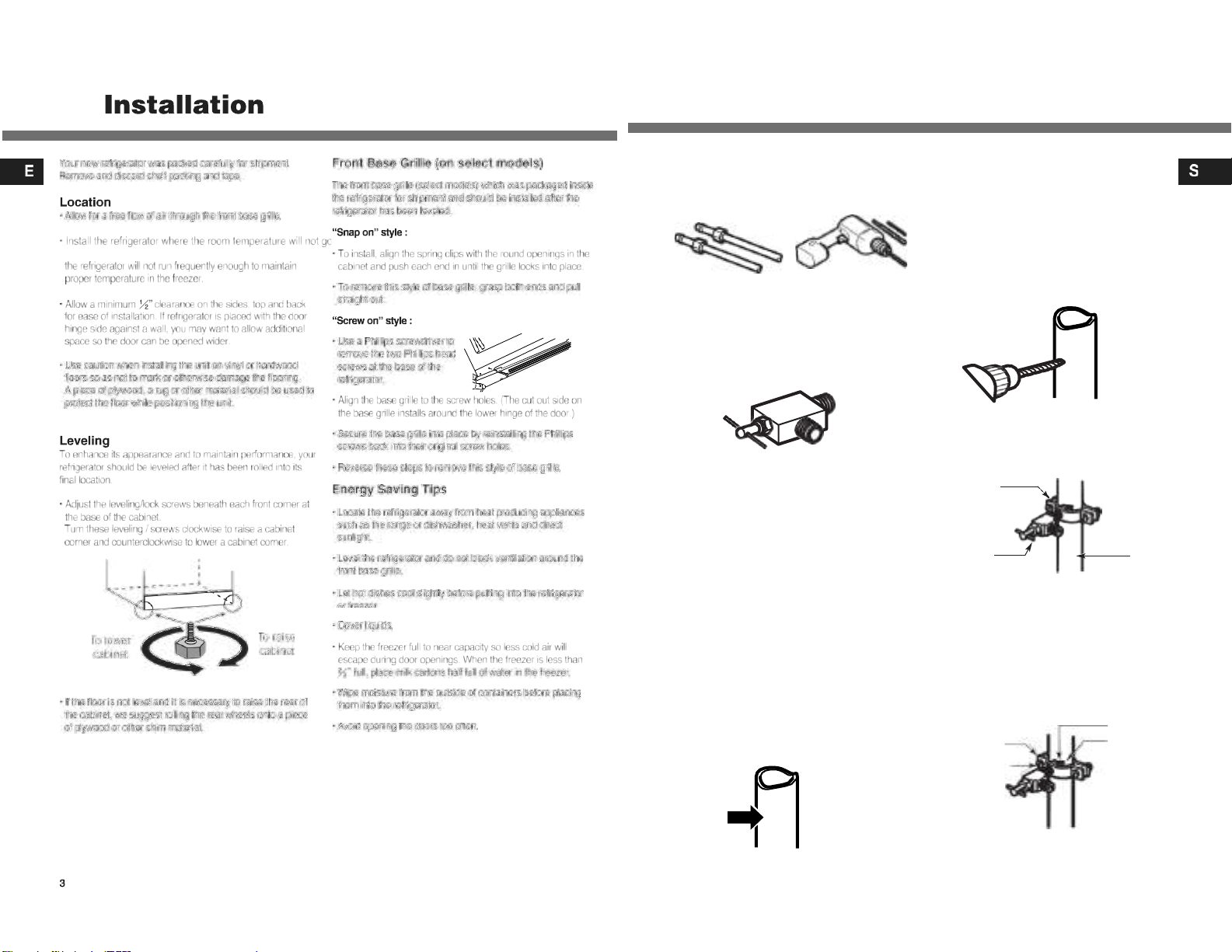
• Taladro eléctrico.
• Llave de 1/2″ o ajustable.
• Destornillador plano y de estrella.
• Dos tuercas de compresión de 1/4 ″ de diametro exterior y
2 férulas (mangas) –para conectar la tubería de cobre a la
válvula de cierre y la válvula del agua del refrigerador.
• Si su tubería existente de cobre para el agua tiene un
accesorio con vuelo en el extremo, necesitará un adaptador
(disponible en las tiendas de suministros de plomería) para
conectar la línea del agua al refrigerador o bien, podra
cortar el accesorio con vuelo con un cortador de tubos y
luego usar un accesorio de compresión.
• Válvula de cierre para conectar a la línea del agua fría. La
válvula de cierre deberá tener una entrada de agua con un
diámetro interno mínimo de 5/32 ″ en el punto de
conexión a la TUBERÍA DEL AGUA FRÍA. Las válvulas
de apagado tipo silla vienen incluidas en muchos kits de
suministro de agua. Antes de comprar, asegúrese de que
una válvula tipo silla cumple con los códigos de plomería
en su localidad.
Perfore el orificio para
la válvula
Perfore un orificio de 1/4 ″ en la tubería del
agua (incluso si está usando una válvula auto
perforadora), usando una broca afilada. Retire
cualquier sobrante que resulte de perforar el
orificio en la tubería. Tenga cuidado de no permitir
que se filtre agua hacia el taladro. No perforar un
orificio de 1/4 ″ puede resultar en menor
producción de hielo o cubos más pequeños.
Instale la válvula de cierre
Una la válvula de cierre a la tubería de agua fría
con la abrazadera para el tubo.
Abrazadera
para el tubo
Instale la válvula de cierre en la tubería del agua de
consumo más frecuentemente utilizada.
Válvula de
cierre tipo silla
Tubería vertical
de agu
a fría
Cierre el suministro principal de agua
Abra el grifo más cercano por suficiente tiempo
para limpiar la tubería del agua.
Seleccione la ubicación de
la válvula
Seleccione una ubicación para la válvula que sea
fácilmente accesible. Es mejor conectarla en el
costado de una tubería vertical de agua. Cuando sea
necesario conectarla en una tubería horizontal de
agua, haga la conexión en la parte superior o al
NOTA: Se deberán seguir los Códigos 248CMR
de Plomería para el Estado de Massachusetts. Las
válvulas tipo silla son ilegales y su uso no está
permitido en Massachusetts. Consulte con un
plomero licenciado.
Apriete la abrazadera del tubo
Apriete los tornillos de la abrazadera hasta que la
arandela sellante empiece a hincharse.
NOTA: No apriete demasiado la tubería ya que
podría romperse.
Arandela
lado, en vez de hacerlo en la parte de abajo,
para evitar retirar cualquier sedimento de la
tubería del agua.
Abrazadera
del tubo
Tornillo de la
abrazadera
Extremo de entrada
below 39°F (4 °C). With temperatures below 39 °F(4°C)
Instalación de la Máquina de Hielos
47
de hielos
Cubeta de hielos
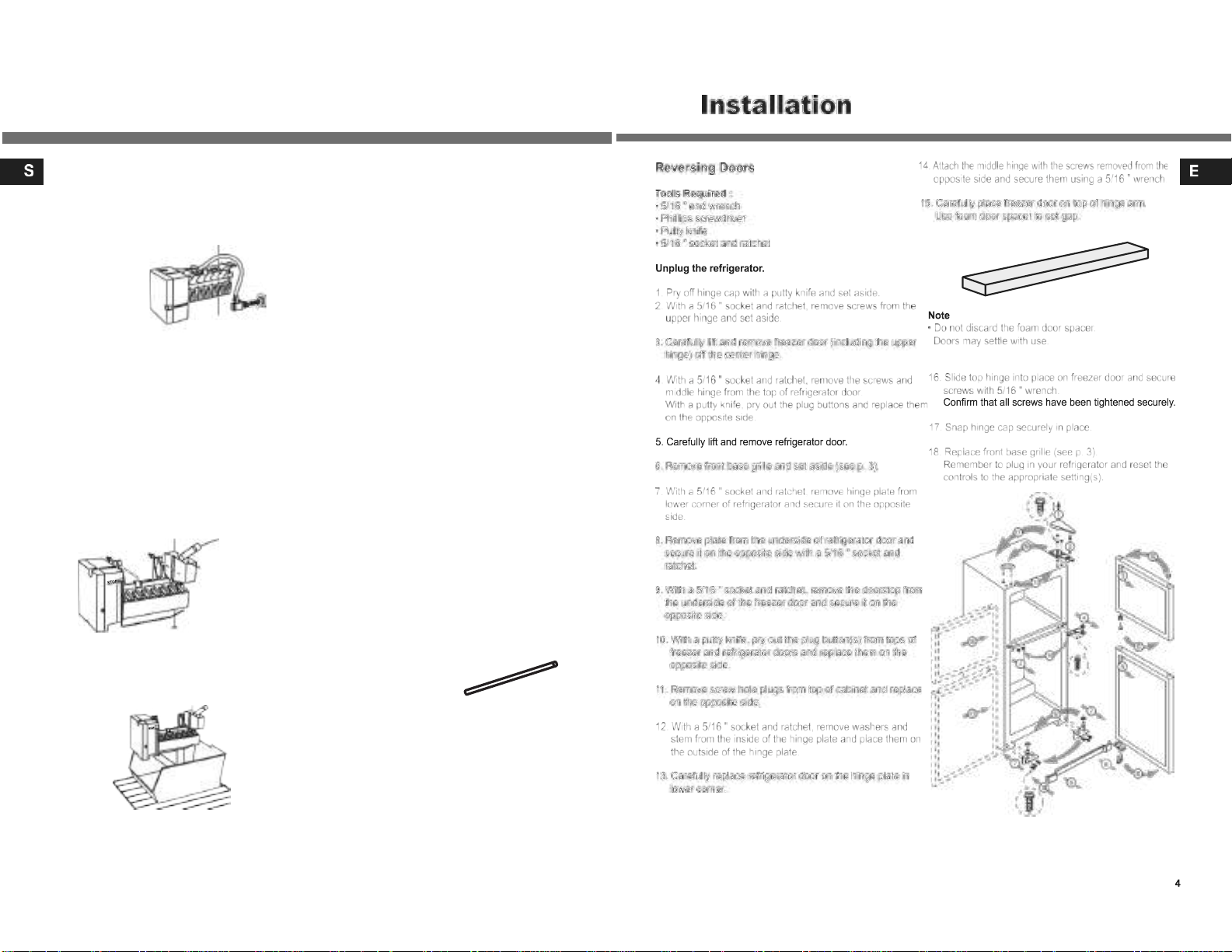
Conecte la máquina de hielos
Sosteniendo la máquina de hielos en su lugar, inserte el
enchufe del cable de corriente en el orificio de la pared
posterior, asegurándose de que las patas y los orificios se
ajusten. Presione el enchufe firmemente en el orificio.
Asegure el enchufe en su lugar fijando los sujetadores en
cada costado del enchufe. Asegúrese de que los
sujetadores encajen en su lugar.
Monte la máquina de hielos
Levante la máquina de hielos de manera que la extensión
del tubo de llenado encaje en la abertura de la taza de
llenado. Cuelgue la máquina de hielos sobre los dos
tornillos de montaje.
Asegúrese de que:
El cable de la corriente todavía esté firmemente en
el enchufe.
La extensión del tubo de llenado todavía esté en la
abertura de la taza de llenado. (Revise la parte posterior
del refrigerador para asegurar que el tubo de llenado
no se haya salido del orificio en el refrigerador).
Los tornillos de montaje de la máquina de hielos se
encuentran en la posición más alta de las ranuras de
montaje.
Luego apriete firmemente los tornillos de
montaje de la máquina de hielos.
Extensión del tubo
de llenado
Abertura de la taza
de llenado
Instale la cubeta de hielos (Box Ice)
Coloque la cubeta de hielos debajo de la máquina
de hielos
Asegúrese de que el interruptor de corriente de la
máquina de hielos esté en la posición de O (apagado)
de la máquina
Válvula del agua instalada
Después de terminar la instalación de la tubería del agua
mueva el brazo de llenado de la maquina de hielos hacia
abajo en la posición (encendido).
El ciclo de la máquina de hielos no iniciará
sino hasta que la máquina de hielos y el
compartimento del congelador alcancen la
temperatura de operación.
Cómo instalar la tubería
del agua
IMPORTANTE
Antes de Iniciar
Esta instalación de la tubería del agua no está garantizada
por el fabricante del refrigerador o de la máquina de
hielos. Siga estas instrucciones cuidadosamente para
minimizar el riesgo de un daño costoso debido al agua.
El martilleo del agua (agua golpeando contra la tubería)
en la tubería de la casa puede causar daños a las partes
del refrigerador y conducir a un goteo o inundación por
el agua. Llame a un plomero calificado para corregir el
martilleo del agua antes de instalar la tubería del agua al
refrigerador.
Para evitar quemaduras y daños con el producto, no
conecte la tubería del agua a la tubería del agua caliente.
Si usa el refrigerador antes de conectar la tubería,
asegúrese de que el interruptor de corriente de la
máquina de hielos esté en la posición de O (apagado)
(en los modelos de interruptor de energía) o el brazo de
llenado la posición STOP (hacia arriba) (en los modelos
de brazo de llenado).
No instale la tubería de la máquina de hielos en lugares
donde la temperatura caiga por debajo del nivel de
congelamiento.
Al usar cualquier aparato eléctrico (como un taladro
eléctrico) durante la instalación, asegúrese de que el
aparato esté aislado o conectado de manera que evite el
peligro de una descarga eléctrica, o se opere por baterías.
Todas las instalaciones se deben realizar según los
requisitos del código local de plomería.
QUÉ NECESITA
Tubería de cobre para el refrigerador de 1/4
″
de
diámetro externo para conectar el refrigerador al
suministro de agua. Si usa cobre, asegúrese de que
ambos extremos de la tubería se corten uniformemente
Para determinar la cantidad de tubería que necesita: mida
la distancia desde la válvula del agua en la parte posterior
del refrigerador hasta el tubo de suministro de agua.
Luego agregue 8 pies (2.4 m). Asegúrese de que haya
suficiente tubería extra para permitir que el refrigerador
pueda separarse de la pared después de la instalación.
• Un suministro de agua fría. La presión del agua debe
estar entre 20 y 120 p.s.i. (1.4–8.1 bar).
Instalación de la Máquina de Hielos
46
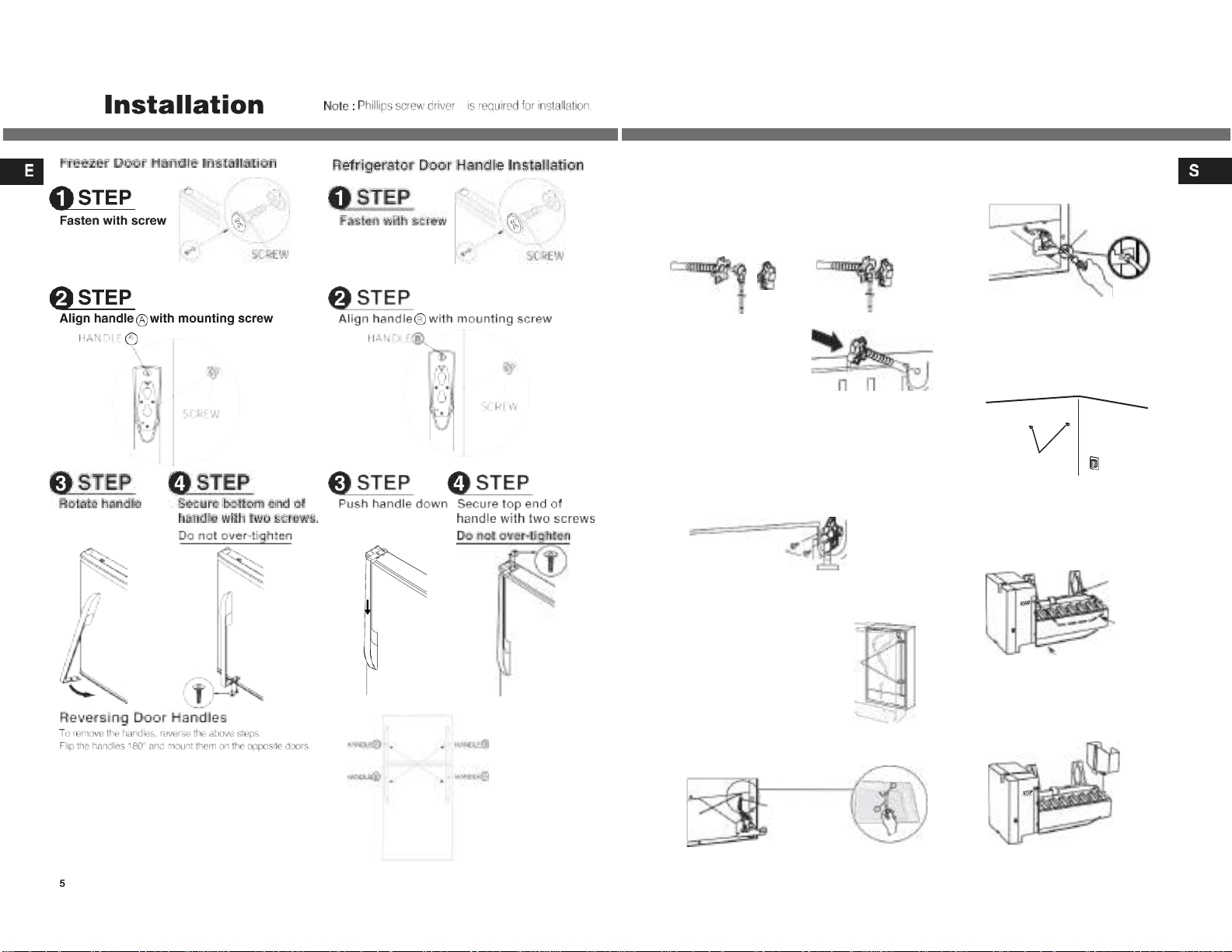
Sujete el Guide Cab W/Tube A1 e inserte el conector
del Guide Cab W/Tube A2 as sobre entrada en la parte
plana. ″ .
Luego cubra el ensamble anterior con el Cover Guide
Cab W/Tube, asegurando que inserte correctamente
sobre las guías de la cara plana del Guide Cab W/Tube A1.
Inserte y deslice el tubo sobre el
orificio central de la parte superior,
en la parte trasera del refrigerador.
Presione el mismo firmemente sobre
la entrada para que quede ajustado
al refrigerador.
Fije el tubo de Agua a el refrigerador
Presione el ensamble del Guide Cab W/Tube A1 as
una vez introducido en el respaldo del refrigerador.
Inserte los tornillos en los orificios del Cover Guide Cab
utilice los tornillos T1 4x16 mm.
Mantenga la tuberia fija aplicando cinta de algodón
sobre la tuberia plástica, aproximadamente 11/2
″
(40mm)
Screw
T1 4x16
Tape Cotton
Dirija e instale la tubería plástica
del agua
Fije la tubería plástica del
Fije la válvula del agua al gabinete introduciendo
el tornillo de cabeza Phillips T1 4x14 mm del kit
en el orificio de la base del gabinete.
Tornillo de cabeza Phillips
Prepárese para la instalación
En el congelador, afloje los dos tornillos de montaje pero
no los retire por completo. Si su modelo no tiene ya los
tornillos en la pared del congelador, busque dos botones.
Retire los botones e inserte los dostornillos de cabeza
Exagonal Phillips. Los tornillos se deberán extender
aproximadamente 1/2″ (13mm) de la pared
del congelador.
Fije el interruptor en la posición
de O (apagado)
Fije el interruptor de corriente de la máquina de hielos
en la posición de O (apagado) hasta que el refrigerador
se conecte al suministro de agua para evitar la operación
prematura de la misma.
Orificio para el
cable de amarre
Brazo de llenado hacia
la posición STOP
(hacia arriba).
agua a la parte posterior del
Cinta adhesiva
Brazo de llenado hacia la
gabinete con la cinta adhesiva
de algodón
de algodón, separando
como se muestra para tensar
la tubería.
Instale la válvula del agua
Localice el enchufe conector macho en la válvula.
localice e inserte al conector hembra en la parte
inferior del refrigerador. Observe bien la forma
correcta de conectar ambos conectores.
posición ON (hacia abajo).
Instale la taza de llenado
Instale la taza de llenado de la máquina de hielos
(montada al costado) en la máquina de hielos
como se muestra.
Taza de llenado de
la máquina de hielos
Conector
hembra
en refrigerador
Terminales
macho de la
válvula de agua
Tornillos de montaje
Instalación de la Máquina de Hielos
45
Antes de Empezar
Lea completamente los pasos antes de proceder.
PRECAUCIÓN –
Desconecte el refrigerador. Para eliminar
el peligro de una descarga eléctrica
durante la instalación, debe desconectar
el refrigerador de su tomacorriente.
Herramientas Necesarias
Retire la cubierta del enchufe
Vaya a la parte trasera del refrigerador. Busque
la etiqueta pequeña en la esquina superior
derecha y retírela. Luego deshágase de la misma.
Retire el conector blanco de la esquina superior
izquierda del fondo del congelador.
Retire la cubierta del enchufe con un destornillador
de pala plana.
Destornillador plano
y Phillips
Partes Incluidas
Alicates
Retire la cubierta
Retire la
etiqueta
trasera
1 2 3 4
Use un destornillador Phillips para retirar la cubierta
de acceso del compartimiento del compresor. Esto
requiere retirar los seis tornillos que unen la cubierta
a la parte posterior de la caja del refrigerador.
Asegúrese de guardar los tornillos ya que la cubierta
de acceso se debe reinstalar más adelante para
asegurar que su refrigerador funcione correctamente.
6-1
5
6
6-2
6-4
7 8
6-3
Instalacion del tubo de llenado
Retire un lado del papel del sello para el tubo
de llenado de agua, deslice el sello por el
tubo y anexe el mismo a la parte trasera del
borde de la entrada del tubo de agua.
Conecte la tubería del agua
Sello
Asegúrese de que haya suficiente tubería plástica del
agua para que se extienda desde la válvula del agua
hacia bien adentro de la entrada de la tubería del
agua. Corte cualquier exceso de tubería.
Retire
conector
Retire
tapa de tornillo
Tubo de
plastico
No.
Part Name Q’ty/Unit
1 CASE ICE MAKER 1
2 SPECIAL C/T BOLT 2
3 BOX ICE 1
4 GUIDE I/WATER 1
5 VALVE WATER AS 1
6 GUIDE CAB W/TUBE A1 AS 1
7 GUIDE CAB W/TUBE A1 1
8 SEAL W/TUBE A1 1
9 GUIDE CAB W/TUBE A2 AS 1
10
COVER GUIDE CAB W/TUBE 1
11
SCREW TAPPING 2
12
SCREW TAPPING
2
44
1. Freezer door bin
2. Dairy compartment
3. Adjustable half width door bin
4. Full width door bin
5. Adjustable wire shelf
6. Adjustable full width shelf
7.
Humidity controlled crisper drawer
for storage of fruits and vegetables
8. Ice tray
9. Ice maker
1. Contenedor de la puerta del congelador
2. Compartimiento para lacteos
3. Compartimiento de la puerta mediano
ajustable
4.
Compartimiento de la puerta de
conservador completo
5. Parrilla de alambre ajustable
6. Parrilla completa ajustable
7.
Cajón para almacenamiento de frutas y
verduras con control de humedad
8. Bandeja de hielos
9. Maquina para fabricar hielos
Your actual product may differ depending on the specification of the models
43
1. Freezer door bin
2. Dairy compartment
3. Adjustable half width door bin
4. Full width door bin
5. Adjustable wire shelf
6. Adjustable half width shelf
7. Adjustable half width shelf
with deli drawer
8. Deli drawer
9. Adjustable full width shelf
10.
Humidity controlled crisper drawer
for storage of fruits and vegetables
11. Ice tray
12. Ice maker
1. Contenedor de la puerta del congelador
2. Compartimiento para lacteos
3. Compartimiento de la puerta mediano
ajustable
4.
Compartimiento de la puerta de
conservador completo
5. Parrilla de alambre ajustable
6. Parrilla de mediana ajustable
7.
Parrilla de mediana ajustable con cajón
para carnes
8. Cajón para carnes
9. Parrilla completa ajustable
10.
Cajón para almacenamiento de frutas y
verduras con control de humedad
11. Bandeja de hielos
12. Maquina para fabricar hielos
This refrigerator is designed to use an ice machine. Not
included in the refrigerator. You can request the sale and
installation to the service center by calling the call center.
Different models have different Ice maker that can be
installed, so please check whether the ice maker you
bought matches to your refrigerator or not.
Kit Ice Maker Model
Ice Maker Model
Refrigerator Model
Code IM Model
WT*18*****
60140-0007602-00
WT*21*******
Your actual product may differ depending on the specification of the models
9
42
,/f
Ro
!x :::
=:i:,: s i: i::r:s"rJelar
-
-
Food Storage Tips Installation Door
Fresh Food Storage
•
The fresh food oompartment of a refrigerator should be kept
between
34°
F
(1°
C) and
40°
F
(4°
C) with an optimum
temperature of 37' F (3° C). To check the temperature, place
an appliance thermometer
in a glass of
water and place in
the center of the refrigerator. Check after
24
hours.
If the temperature is above 40' F
(4°
C) adjust the oontrol as
explained on page 6.
•
Avoid overcrowding the refrigerator shelves.
This reduces the circulation of air around the food and results
Frozen Food Storage
•
The freezer oompartment of a refrigerator should be kept at
approximately
0
°
F
(-18
°
C).
To
check
the
temperature
,
place
an appliance thermometer between the frozen packages and
check after
24
hours. If the temperature is above O' F
(-18°
C),
adjust the oontrol as explained on page
6 .
•
A freezer operates more efficiently when it is at least
21.3
full.
Packaging Foods for Freezing
HANDLING
MANIPULACION
TRUCK FROM LEFT SIDE
TRANSPORTE DESDE EL LADO IZQUIERDO
/
The refrigerator should remain
upright for at least 30minutes
prior to plugging it in.
El refrigerador debeJermanecer
/
/:-
NOTREMOVE
'{//'
NO RETIRE
> ,,;f//
//'
//'
•
/ AOTHECORN:
in uneven oooling.
Fruits and Vegetables
•
Storage in the crisper drawers traps humidity to help
preseNe the fruit and vegetable quality for longer time
•
To minimize dehydration and quality deterioration use
aluminum foil, freezer wrap, freezer bags or airtight oontainers.
Force as much air out of the packages as possible and be
sure they are tightly sealed. Trapped air can cause the food to
dry out, change oolor and develop an off-flavor (freezer burn).
REFRIGERATOR LEVELING
fun
J
6
ser enchufado.
16s
u;;t gir
¾, //"
PROTEJALA ESQUINAS
periods (see page
7).
•
Overwrap fresh meats and poultry with suitable freezer wrap
prior to freezing.
NIVELACION DEL REFRIGERADOR
•
Sort fruits and vegetables before storage and use bruised or
soft items first. Discard those showing signs of decay.
•
Always wrap odorous foods such as onions and cabbage so
the odor does not transfer to other foods.
•
While vegetables need a certain amount of humidity to
remain fresh, too much moisture can shorten storage times
(especially leafy items). Drain vegetables well before storing.
•
Do not refreeze meat that has oompletely thawed.
Loading the Freezer
•
Avoid adding too much warm food to the freezer at one time.
This overloads the freezer, slows the rate of freezing and can
raise the temperature of frozen foods.
•
Leave a space between the packages so cold air can circulate
CARPENTER'S LEVEL
N IVEL OE CARPINTERO
'
MOVE
THE
REFRIGERATOR
TO
ITS
INSIDE
LOCATION
.
(1)
Levelthecabine
t.Openan d colsethedoors .Re-levelthecabine t.
(2)
1f the cabinet rolls,exter.d thelevelers.
(3)
1f thed oorsdo ootcl oseeasily,raisethelrontofthecabine
t.
MUEVA EL REFRIGERADOR A SU POSICION DESEADA
....J!l
i: l : i :
:e ::
elgabinete
(3)
Sila puertanocie rra con!acilidad,levantela partedelanteradelgabi r.ete
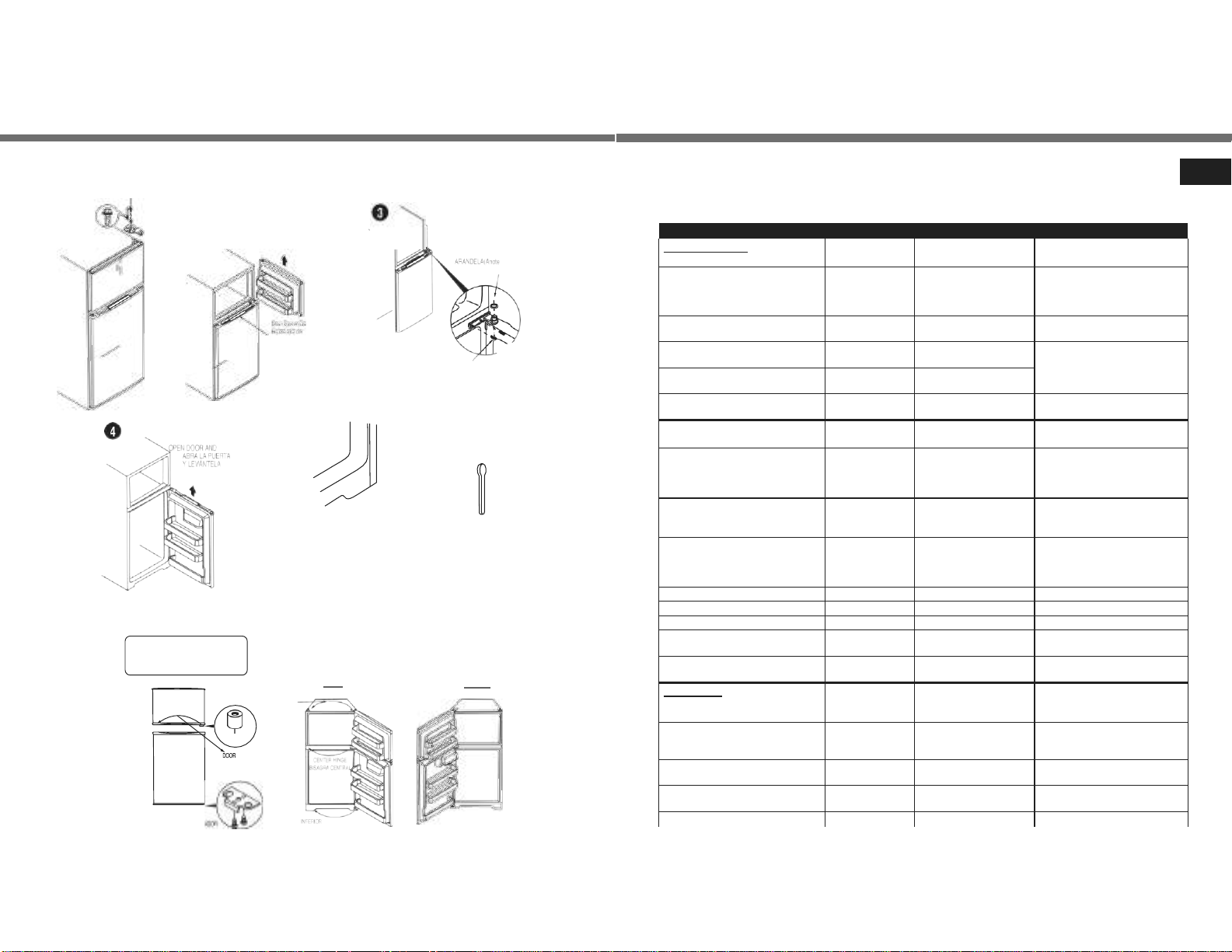
DOOR ADJUSTMENT (IF NEEDED)
AJUSTE DE LA PUERTA (SI ES NECESARIO)
Meat and Cheese
•
Raw meat and poultry should be wrapped securely so
leakage and oontamination of other foods or surfaces does
not occur.
•
Occasionally mold will develop on the surface of hard
cheeses
(Swiss
,
Cheddar,
Parmesan).
Cut
off
at
least
an
freely, allowing food to freeze as quickly as possible.
•
Avoid storing hard-to-freeze foods such as ice cream and
orange juice on the freezer door shelves.
These foods are best stored in the freezer interior where the
temperature varies less with door openings.
!
iC
TO LOWER
PARABAJAR
TO RAISE
PARA SLIBIR
::>
A) The!r eezer cloor ist oo high
B)Bothdoorsaretoohigh
La puena del congetador esta demasiado alta
Ambas puertas estan demasrado a as
inch around and below the moldy area.
Keep your knife or instrument out of the mold itself.
Do not try to save individual cheese slices, soft cheese,
cottage cheese, cream, sour cream or yogurt when mold
appears.
Dairy
Food
•
Most dairy foods such as milk, yogurt, sour cream and
oottage cheese have freshness dates on their cartons for
appropriate length of storage.
Store these foods in the original carton and refrigerate
immediately after purchasing and after each use.
8
-
Pata nivelador a
Paiarive!adola
C}Bothdoorsaretoolow
AmbaspuertasestandemasJadobaj.as
Alloje bs torrilos
5/16'
(
5116'
.
LOOSE SCREWS ANO SLIDE
RIGHT TO RAISE DOORS
AFLOJE LOS TORNILLOS Y
DESLICE A LA DERECHA PARA
SUBIR LAS PUERTAS
J
FULLY
TIGHTEN
ALL
SCREWS.
APRIETE BIENTODOS LOS TORNILLOS
SAVE THEDOOR SPACER
DOORS MAY SETTLE WITH USE
CONSERVE EL ESPACIADOR DE LA PUERTA
LAS PUERTAS PUEDEN ASENTARSE CON El USO.
DOOR SPACER
ESPACIADOR DE LA PUERTA
LOOSEN SCREWS AND SLIDE
LEFT TO LOWER DOORS
AFLOJE LOS TORNILLOS YOESLICE A
LA IZQUIERDA PARA BA.JAR LAS PUERTAS
REFER TO OWNER'S GUIDE FOR MORE DETAIL
CONSULTE LA GUiA DEL PROPIETARIO PARA MAS DETALLES
t
41
10
0
L
L
Installation Door Food Storage Tips
DOOR REMOVAL (IF REQUIRED)
REMOCION DE LAS PUERTAS (OE SER NECESARIO)
5116'
REST
A NON-SCRATCHING SURFACE
RECUESTE LAPUERTAENUNAS
UPERFICIEQUENORAYE
no1 discard)
/
WASHERS(Notelocations)
lasubicaciones)
ti)
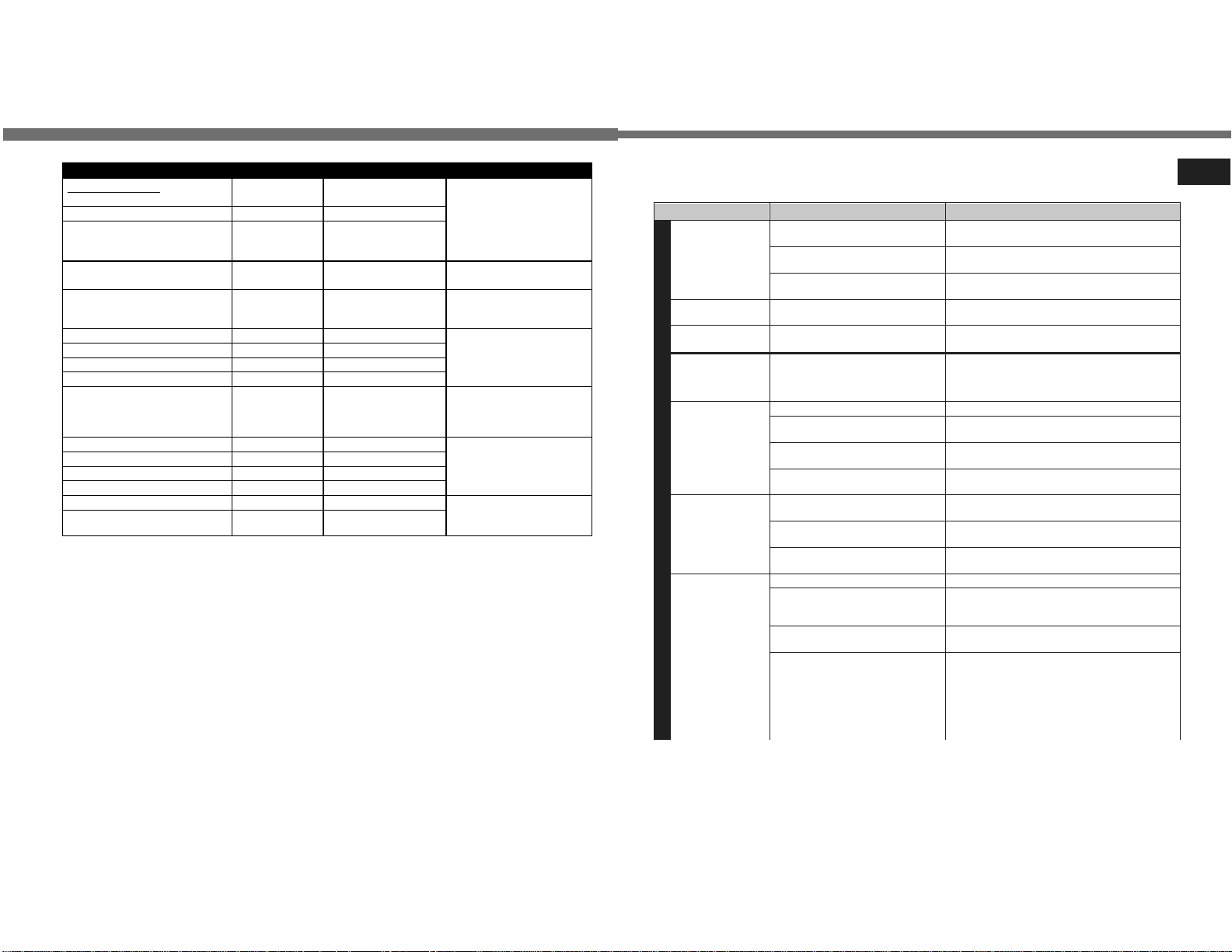
Food Storage Chart
Storage times are approximate and may vary depending on type of packaging, storage temperature, and the quality
of the food when purchased.
la puerta(Nooeseche)
(Bl REMOVE CENTER
HINGE/
RETIRE
LA
BISAGRA CENTRAL
'
(Al REMOVE SCREWS
/RETIRE
LOS TORNILLOS
BOTTOM HINGE PIN
PASADOR DE
BISAGRA INFERIOR
\
(Q),.
,.-
tf g LA
0
BIS
CW 5116"
::
REPLACING DOORS
.., "'
REINSTALACION DE LAS PUERTAS
REST DOOR ON A ON-SCRATCHINGSURFACE
RECUESTE
PUERTA EN UNA SUPERFICIE QUE
NO
RAYE
Replace doors in reverse order of their removal. Align doors using the door spacer.
Vuelva a instalar las puertas en el orden inverso a su remoci6n.
Alineelas puertas usando el espaciador de la puerta.
FRESH FOOD oo:JR STOPPER
TOPEOELAPUERTADELREFRIGERA
TOPHINGE
BISAG
RASUP
E
A
IO
R
FRZ. STOPPER
TOPE OE LA PUERTA DEL CON
BEFORE
ANTES
AFTER
OESPUES
REFER TO OWNER'S GUIDE FOR MORE DETAIL
CONSULTE LA GUiA DEL PROPIETARIO PARA MAS DETALLES
/
/a.
._
-....._
-
GELAOOR
l OWER HINGE
SISAGRA
DOOR REVERSAL
INVERSION DE LA PUERTA
LIFT
r
DAIRY PRODUCTS
Butter
1 month
6-9 months
Wrap tight ly or cover.
Milk and cream
1 week
Not recommended
Check carton date. Close tightly.
Don
t
return unused portions to
original contain er. Don t freeze
cream unless whipped.
Cream cheese. cheese spread and
cheese food
1-2 weeks
Not recommended
Wrap tight ly.
Cottage cheese
3-5 days
Not recom mended
Store in original carton. Check
carton date.
Sour cream
10 days
Not recommended
Hard cheese
(Swiss, Cheddar and Parmesan)
1-2 months
4-6 months
May become crumb ly
Wrap tight ly.
Cut off any mold.
EGGS
Eggs in the shell
3 weeks
Not recommended
Refr ige rate small ends down.
Leftover yolks or whites
2-4 days
9-12 months
For each cup of yolks to be frozen,
add 1 tsp. sugar for use in sweet, or
1 tsp. salt for non-sweet dishes.
FRUITS
Apples
1 month
8 months (cooked)
May also store unripe or hard
app les at 60-70° F ( 7 6-2 1° C).
Bananas
2-4 days
6 months (whole/peeled)
Ripen at room temperature before
refrigerating. Ban anas and
avocados darken when refrigerated.
Pears, plums, avocados
3-4 days
Not recommended
Berries, cherries, apr icots
2-3 days
6 months
Grapes
3-5 days
1 month (whole)
Citrus fruits
1-2 weeks
Not recommended
May also store at 60-70° F (1 6-2 1°
C). If refrigerated, store uncovered.
Pineapples, cut
2-3 days
6-12 months
Will not ripen after purchase. Use
qu ickly.
VEGETABLES
Asparagus
1-2 days
8-70 months
Don
t
wash before refrigerating.
Store in crisper.
Brussels sprouts, broccoli,
cauliflower, green peas,
lima beans. on ions. peppers
3-5 days
8-10 months
Wrap odorous foods. Leave peas in
pods.
Cabbage, celery
1-2 weeks
10-12 months
Wrap odorous foods and refrigerate
in crisper.
Carrots, parsnips, beets, and turnips
7-10 days
8-10 months
Remove tops. Wrap odorous foods
and refrigerate in the crisper.
Lettuce
7-10 days
Not recommended
11
40
POULTRY AND FISH
Chicken and Turkey, whole
1-2 days
12 months
Keep in original packaging for
refrigeration. Place in the Meat
and Cheese Drawer. When
freezing longer than 2 weeks,
overwrap with freezer wrap.
Chicken and Turkey, piece
1-2 days
9 months
Fish
1-2 days
2-6 months
MEATS
Bacon
7 days
1 month
Beef or lamb, ground
1-2 days
3-4
months
Fresh meats can be kept in
original packaging for
refrigeration.
Beef or lamb, roast and steak
3-5
days
6-9 months
Place in the Meat and Cheese
Drawer When freezing longer
than 2 weeks, overwrap with
freezer wrap.
Ham, fully cooked ,
whole
7 days
1-2 months
half
5days
1-2 months
slices
3days
1-2 months
Luncheon meat
3-5
days
1-2 months
Unopened, vacuum-packed
luncheon meat may be kept up
to 2 weeks in the Meat and
Cheese Drawer
Fl'.lrk, roast
3-5
days
4-6 months
Fl'.lrk, chops
3-5 days
4 months
Sausage, ground
1-2 days
1-2 months
Sausage, smoked
7 days
1-2 months
Veal
3-5
days
4-6 months
A'ocessed meats should be
tightly wrapped and stored in
the Meat and Cheese Drawer
Frankfurters
7 days
1 month
Food Storage Tips
Localizacion
y
Solucion de Averias
Sources
:
United States Department of Agriculture; Food Marketing Institute;
Cooperative Extension Service , Iowa State University
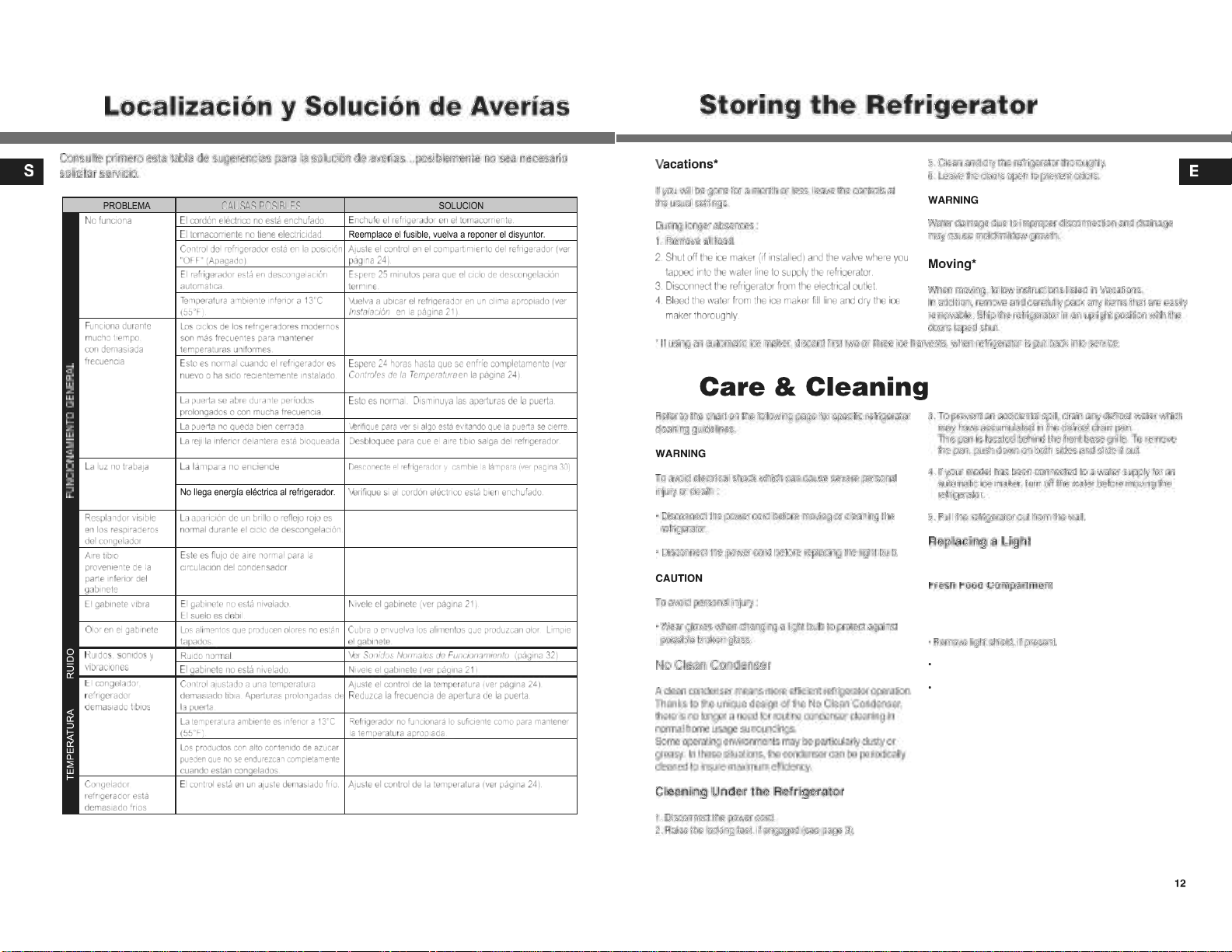
PROBLEMA
CAUS"-S POSIBLES
SOLUCION
Los cubos de hielo
Cubas de hielo aiiejos.
Descartelos; los cubos de hielo pueden absorber olores
tienen olor/sabor
que afectan tambien el sabor.
Mala calidad del agua.
P6ngase en contacto con la compaiiia de tratamiento de
agua de su localidad.
Olor/sabor transmitido de los alimentos al
Envuelvabien los alimentos.
hielo.
Los cubos de hielo se
Residua de minerales en el agua.
Limpie las bandejas con un paiio humedecido en vinagre
pegan en la bandeja
hasta que queden limpias.
Los cubos de hielo
Uso limitado del hielo.
Descarte los cubos de hielo aiiejos.
se evaporan
Humedad en la
Es comun durante periodos de alta
superficie del
humedad.
gabinete entre las
puertas
Humedad en las
1iempo humedo caliente.
Normal.
paredes interiores
del refrigerador o
en el caj6n de
las verduras
Aperturas prolongadas o muy frecuentes
de la puerta.
Reduzca las aperturas de la puerta.
Lapuerta no esta cerrada en forma
correcta.
Verifique si existe alga que evite que la puerta se cierre.
Los alimentos no envueltos en forma
Envuelvao cubra bien todos los alimentos.
correcta.
Los alimentos se
El caj6n de las verduras no esta bien
Cierre bien el caj6n de las verduras.
secan
cerrado.
Los controles de la temperatura estan en
Ajuste los controles de la temperatura
un ajuste muy trio.
(ver pagina 24 ).
Los paquetes no estan envueltos o
Envuelva o cubra bien todos los alimentos.
sellados en forma correcta.
Humedad excesiva
Tempo humedo, caliente.
Reduzca las aperturas de la puerta.
en el caj6n de las
verduras
El control deslizante de humedad en el
caj6n de las verduras necesita ser
Deslice el control al ajuste "Fruit" (Fruta) para permitir que
saga mas humedad del caj6n.
ajustado.
Los productos frescos estaban demasiado
No lave los productos antes de refrigerarlos. Lave los
humedos antes de guardarlos.
productos frescos justo antes de usarlos.
Los alimentos no fueron guardados en
Guarde las verduras con hojas en forma suelta en una
forma apropiada.
balsa de plastico cerrada. Guarde los productos que tienen
cascara (par ej. manzanas, naranjas, peras, uvas, pepinos,
etc.) en una balsa ventiladao sin envolver en el caj6n.
Guarde los hongos y frutillas en sus cartones o cajas
ventiladas
originales
,
no
en
balsas
plasticas.
39
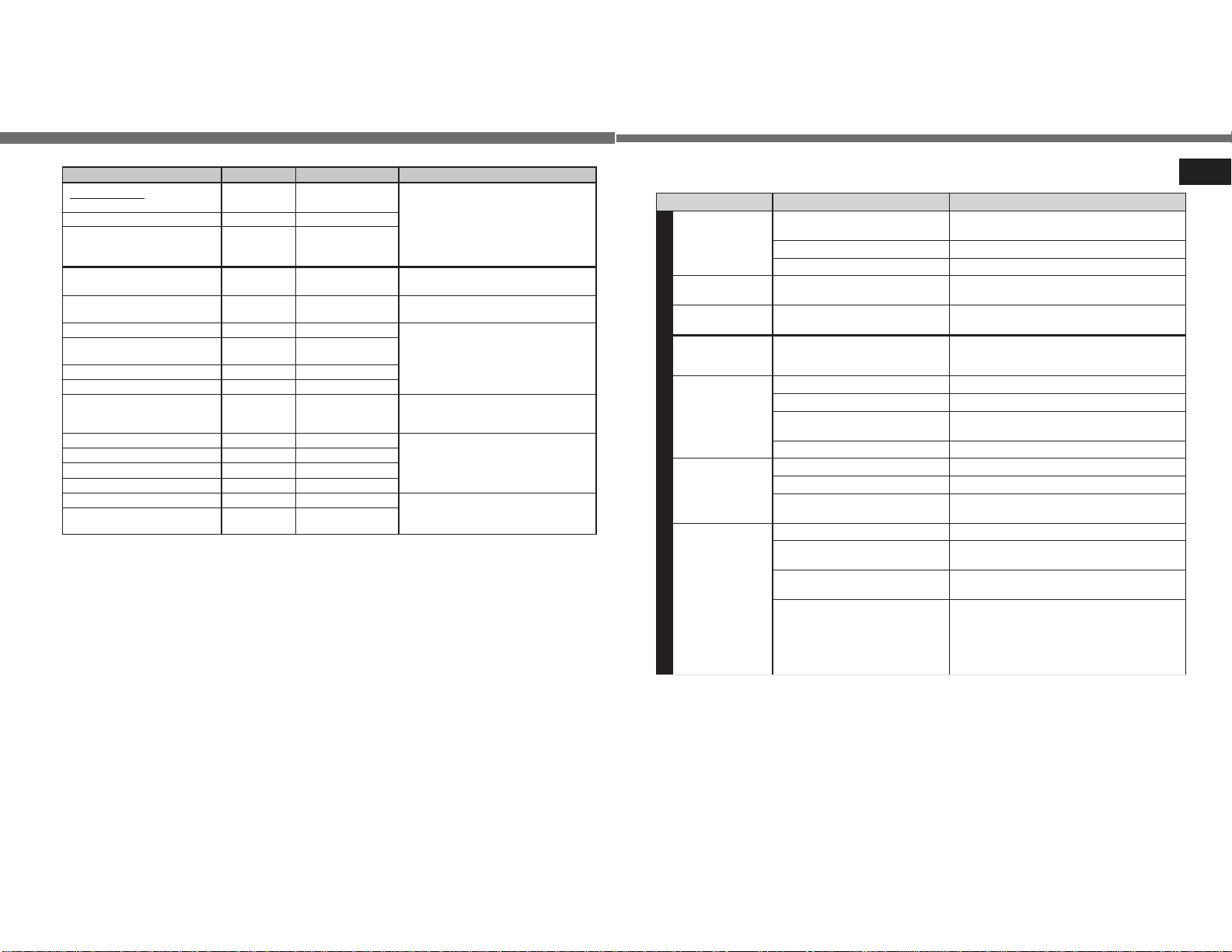
Lamp
Always use a LED lamp of similar
specification
The lamp is located under the top wall of the
refrigerator interior
Unscrew the LED lamp and remplace
Replace the cover in place by hooking the tabs into
the corresponding holes
13
38
Care
&
Cleaning
Localizacion y Solucion de Averias
WARNING
To avoid electrical shock which can cause severe personal
injury or death, disconnect power to refrigerator before
cleaning. After cleaning, connect power.
CAUTION
To avoid personal injury or property damage, observe the
follo wing :
•
Do not touch refrigerated surfaces with wet or damp hands,
they may stick to the cold metal surfaces.
•
Before cleaning the freezer, allow it to warm up.
•
Allow glass shelves to warm up before immersing in warm
water.
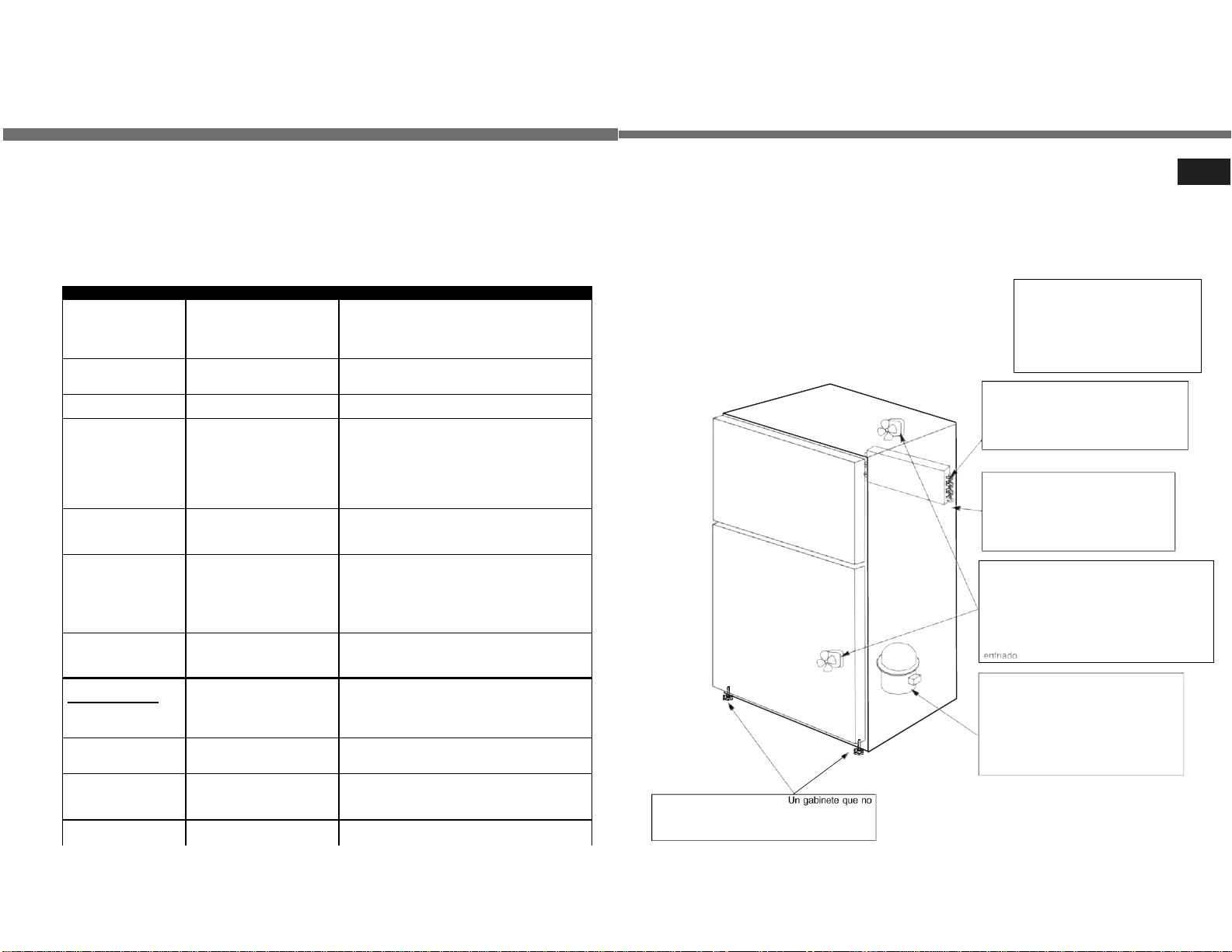
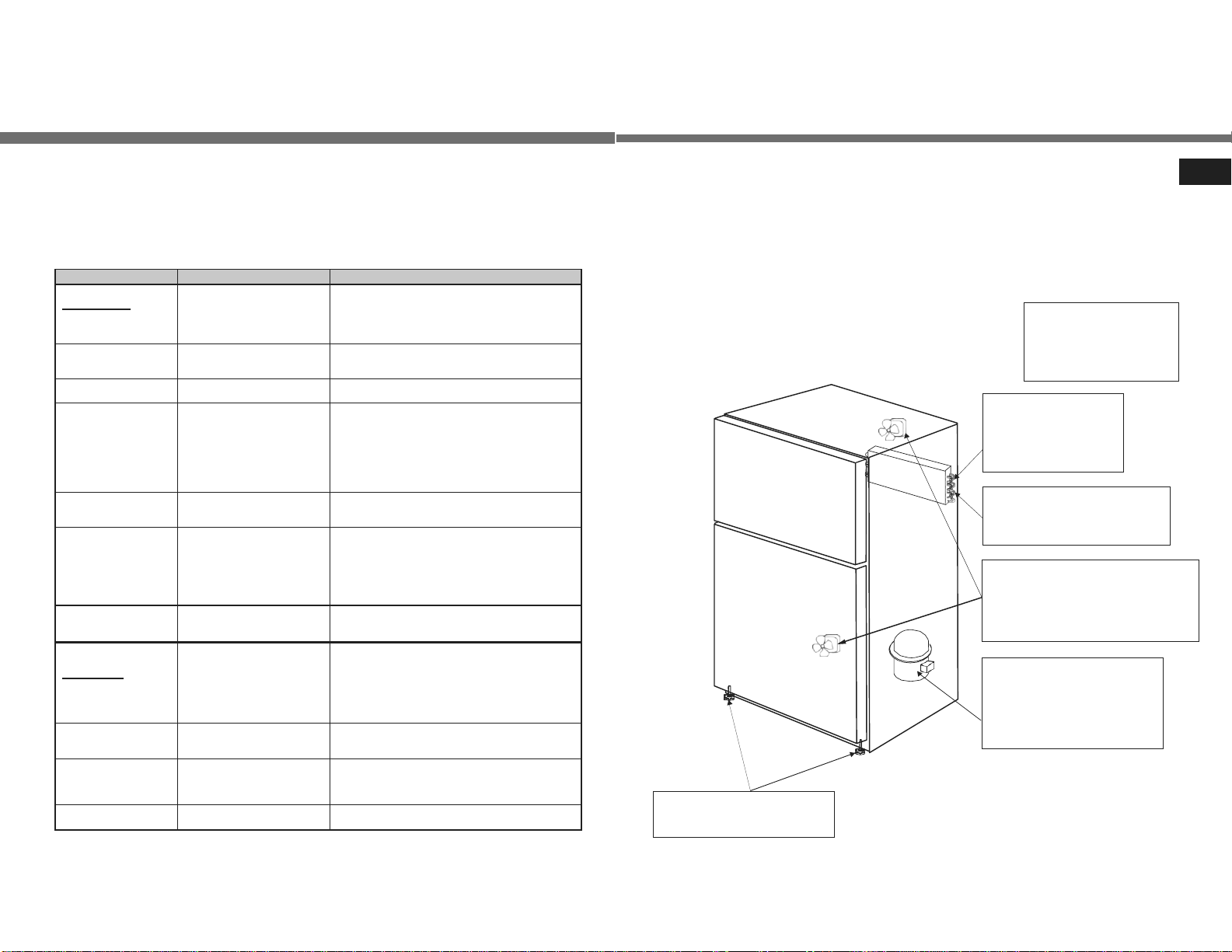
Sonidos Normales de Funcionamiento
Las mejoras en el diseiio de la refrigeraci6n pueden producir sonidos en su nuevo refrigerador que son diferentes o que no
existian en el modelo antiguo. Estas mejoras fueron hechas para crear un refrigerador que sea mejor para conservar las
alimentos, que ahorre energia y que en general sea mas silencioso. Debido a que las nuevos modelos funcionan mas
silenciosamente, ahora es posible detectar sonidos que estaban presentes en las modelos mas antiguos pero que pasaban
inadvertidos debido a las niveles de ruido mas altos. Muches de estos sonidos son normales. Par favor tome nota de que las
superficies adyacentes a un refrigerador, tales coma las paredes, las pisos y la estanteria pueden a veces aumentar el nivel de
estos sonidos. A continuaci6n se indican algunos de las sonidos normales que pueden estar presentes en un refrigerador nuevo.
Care & Cleaning Refrigerator Cleaning Chart
1
•
Brand names are the trademarks of the respective manufacturer
CONTRACCION Y EXPANSION DEL
COMPARTIMIENTO
DEL CONGELADOR
:
Puede ocurrir un sonido coma un estallido en el
congelador cuando el
refrigerador comienza a
funcionar
debido a la contracci6n o expansi6n
de las materiales en el area del congelador.
FLUJO DEL REFRIGERANTE : El flujo del
refrigerants
en su refrigerador puede causar
un
sonidocoma borboteo o golpeteo cuando
el
refrigerador est8 funcionando o justo
despues
de que el refrigerador termina el
ciclo.
El refrigerante todavia esta circulando
en las tuberias.
COMPRESOR : Para que un refrigerador
nuevo
funcione mas eficientemente, el sistema
de refrigeraci6n puede
funcionar par un tiempo
mas prolongado para
conservar las alimentos a
la temperatura
deseada para su frescura.
E
ste nuevo compresor de alta eficiencia puede
funcionar
par periodos mas larg os
y
generar
sonidos
tale s coma un zumbido agudo o un
sonido pulsante.
NIVELADO DEL GABINETE :
est8
nivelado puede causar sonidos vibratorios o
golpeteo.
Esto puede solucionarse ajustando las
tornillos o ruedecillas niveladoras en forma correcta.
SONIDOS DE LA CIRCULACION DEL AIRE :
Tanto el ventilador del evaporador del congelador
coma el ventilador del condensador en la parte inferior
del gabinete crearan sonidos de circulaci6n del aire.
El ventiladordel evaporador esta circulando el aire trio
a traves del compartimiento del refrigerador y
congelador. El vent ilador del condensador esta
extrayendo el calor generado cuando el gabinete es
CALENTADOR DE DESCONGELACION:
Durante el ciclo de descongelaci6n
autom
8.ti
ca
,
se
puede
escuchar
un
sonido
coma chisporroteo cuando las gotas de
agua entran en contacto con el calentador
de descongelaci6n.
Esto es un sonido normal que se escucha
durante la descongelaci6n.
EXTERIOR
Front base grille
Mild detergent and warm water.
Mild liquid sprays.
Vacuum cleaner attachment.
Remove the front base grille (see page 3).
Condenser
Cleaning brush
available from your dealer.
No need for cleaning unless environment is particularly
greas dusty or there is significant pet traffic in the home
(see page 12).
Door handles
Mild detergent and warm water.
Mild liquid sprays.
Painted metal surfaces:
Cabinet, doors
Mild detergent and warm water.
Mild liquid sprays.
Dry with a clean, soft cloth.
Do not wipe the refrigerator with a soiled dishwashing
cloth or wet towel. These may leave residue that can
scratch and weaken the paint.
Do not use scouring pads, powdered cleansers, bleach
0
cleaners containing bleach. These products can scratch
and erode the paint finish.
Do not wax plastic or vinyl parts.
Defrost Drain Pan
Mild detergent and warm water.
Routine cleaning usually not necessary unless environ-
ment is particularly humid or dusty Pan should be
drained and cleaned prior to moving the refrigerator (see
page 12).
Stainless steel doors
(select models)
Light cleaning: mild detergent
and warm water
Moder ate soil: Bon Ami•.
Discolorations: Cameo
Stainless Steel Cleaner•.
Use a soft cloth or sponge.
Always wipe with the grain of the stainless steel.
Do not use chlorine bleach or a cleaning product that
contains chlorine bleach.
After cleaning, rinse and dry.
To
retore luster and remo
ve
streaks follow with Stainless Steel Magic Spray•
Stainless look exterior
finish
Wash with a clean, soft cloth or
sponge and a mild detergent in
warm water.
Do not use abrasive or harsh cleaners, or cleaners
designed for Stainless Steel. Dry thoroughly with a soft
cloth.
REFRIGERATOR AND
FREEZER INTER OR
Door gasket
Baking soda and warm water.
Mild detergent and warm water.
Use 1-2 table spoons baking soda per quart of water. Be
sure to wring out excess water from sponge or cloth
when cleaning around controls, lights, or electrical parts.
Glass shelves
Mild detergent and warm water.
Glass cleaner.
Mild liquid sprays.
Allow the glass to warm up to room temperature
before immersing in warm water. Never use hot
water.
Interior and door liner
Mild detergent and warm water.
Baking soda and warm water
See above for baking soda solution.
Do not use abrasive cleaners, concentrated detergents,
bleaches, cleaning waxes, solventsor polish cleaners to
clean the refrigerator interior.
Drawers , bins,
shelves, etc.
Mild detergent and warm water.
Dry thoroughly.
Do not wash in automatic dishwasher
37
14
Cuidado y Limpieza Troubleshooting
ADVERTENCIA
Para evitar choque electrico que puede causar una lesion
personal grave o mortal, desenchufe
el refrigerador
antes de
la limpieza. Enchufelo despues de la limpieza.
Tabla de Limpieza del Refrigerador
ATENCION
A fin de evitar una lesi6n personal o darios materiales, observe lo
siguiente:
•
No toque las superficies refrigeradas con las manes hllmedas a
mojadas pues pueden adherirse a las superficies met81icas frias .
•
Antes de limpiar el congelador,espere a que se entibie.
•
Deje que las parrillas de vidrio se entibien antes de sumergirlas
en agua tibia.
Normal Operating Sounds
Improvements in refrigeration design may produce sounds in your new refrigerator that are different or were not present in an older
model. These improvements were made to create a refrigerator that is better at preserving food, is more energy efficient, and is
quieter overall. Because new units run quieter, sounds may be detected that were present in older units, but were masked by
higher sound levels. Many of these sounds are normal. Please note that the surfaces adjacent to a refrigerator, such as hard walls,
floors and cabinetry may make these sounds seem even louder.
The following are some of the normal sounds that may be noticed in a new refrigerator.
PIEZA
SUGERENC IAS Y ADVERTENCIAS
EXTERIOR DEL
REFRIGERADOR
Rejilla inferior delantera
Detergente suave y agua tibia.
Detergentes liquidos suaves en aerosol.
Accesorio de la aspiradora.
Retire la rejilla inferior delantera (ver pagina 21).
Condensador
Escobilla de Limpieza
Disponible con su Distribuidor
No necesita limpiarlo a menos que este ubicado en un lugar
grasoso, polvoriento o muy transitadopar animales domesticos
(ver pagina 30).
Manijas de la puerta
Detergente suave y agua tibia.
Detergentes liquidos suaves en aerosol.
Superficies metalicas
pintadas: gabinetes,
puertas
Detergente suave y agua tibia.
Detergentesliquidos suaves en aerosol.
Seque con un pano suave y limpio.
Nunca limpie el refrigerador con un pano sucio o una toalla
mojada. Estes pueden dejar residues que pueden rayar o
debilitar la pintura.
No use esponjas de alambre, productos de limpieza en polvo,
blanqueador o productos que contengan blanqueador. Estos
productos pueden rayar y corroer el acabado de la pintura.
No use cera en las piezas de plastico o de vinilo.
Bandeja de Desague del
Agua de Descongelaci6n.
Detergente suave y agua tibia.
No es necesaria la limpieza peri6dica a menos que el media
ambiente sea muy humedo o polvoriento. La bandeja debe ser
desaguada y limpiada antes de mover el refrigerador (ver pagina 54).
Puertas de acero inoxidable
(modelos selectos)
Limpieza leve: detergente suave y
agua tibia.
Suciedad moderada: usar 'Bon Ami...
Descoloraciones: Limpiador de
Acero lnoxidable 'Cameo"
Use un pano o una esponja suave.
Siempre limpie siguiendo el grano del acero inoxidable.
No use blanqueador con cloro ni un producto de limpieza que
contenga blanqueador con cloro.
Despues de la limpieza, enjuague y seque. Para restaurar el
brillo y quitar las vetas use el rociador para acero inoxidable
'Stainless Steel Magic Spray''.
Acabado exterior de
apariencia inoxidable
Limpie con un pano o esponja limpia y
suave y con detergente suave en agua
tibia.
No use limpiadores abrasives o asperos o limpiadores disenados
para acero inoxidable. Seque bien con un pano suave.
INTERIOR DEL
REFRIGERADO RY DEL
CONGELADOR
Junta de la puerta
Bicarbonato y agua tibia.
Detergente suave y agua tibia.
Use 1 o 2 cucharadas de bicarbonato por cada litro (cuarto de
gal6n) de agua.
Asegurese de exprimir bien el pano o la esponja antes de limpiar
alrededor de las controles, luces o piezas electricas.
Bandejas de vidrio
Detergente suave y agua tibia.
Limpiavidrios.
Detergentes liquidos suaves en aerosol.
El vidrio debe estar a la temperatura ambiente antes de
sumergirlo en agua tibia. Nunca use agua caliente.
Pared interior y
revestimiento de
la puerta
Detergente suave y agua tibia.
Bicarbonato y agua tibia.
Vea las indicaciones anteriores para la soluci6n de bicarbonato.
No use productos de limpieza abrasivos, detergentes
concentrados, blanqueadores, ceras de limpieza, solventes ni
pulidores para limpiar el interior del refrigerador.
Cajones, dep6sitos,
parrillas, etc.
Detergente suave y agua tibia.
Seque esmeradamente. No las lave en el lavavajillas automatico.
*
Los nombres de los productos son las marcas registradas de los respectivos fabricantes.
CABINET LEVELING: An unlevel cabinet
may cause rattling or vibrating noises.
This can be fixed by adjusting the wheels
or levelers properly.
COMPRESSOR:
In order for a new refrigerator to run more
efficiently, the refrigeration system may
run longer to keep food at the desired
temperatures for freshness.
That new, high efficiency compressor
may run longer and generate sounds
such as a higher pitched hum or pulsation.
AIRFLOW SOUNDS: Both the freezer evaporator
fan and the condenser fan at the bottom of the
cabinet will create airflow sounds. The evaporator
fan is circulating the cold air throughout the
refrigerator and freezer compartments.
The condenser fan is remo ving the heat
generated when the unit is cooled.
REFRIGERANT FLOW:
The flow of the
refrigerant in your refrigerator may cause a
gurgling or rattling sound when the unit is
running or just after the unit cycles off.
The refrigerant is still flowing in the tubing.
FREEZER COMPARTMENT
CONTRACTION AND EXPAN-
SION:
A popping sound may
occur in the freezer when the
unit starts up due to ontraction
or expansion of the materials in
the freezer area.
DEFROST HEATER:
During the
automatic defrost cycle, a sizzling
sound may be heard as water
droplets come intocontact with the
defrost heater.
This is a normal sound heard
during defrost.
36
Reemplazo de la Lámpara
Siempre use una lampara LED de similar
especificación.
La lámpara se encuentra debajo de la pared superior del
Quite la cubierta de la lámpara
Desatornille la lámpara y reemplacela por otra similar.
35
16
Sugerencias para Conservar los Alimentos
Troubleshooting
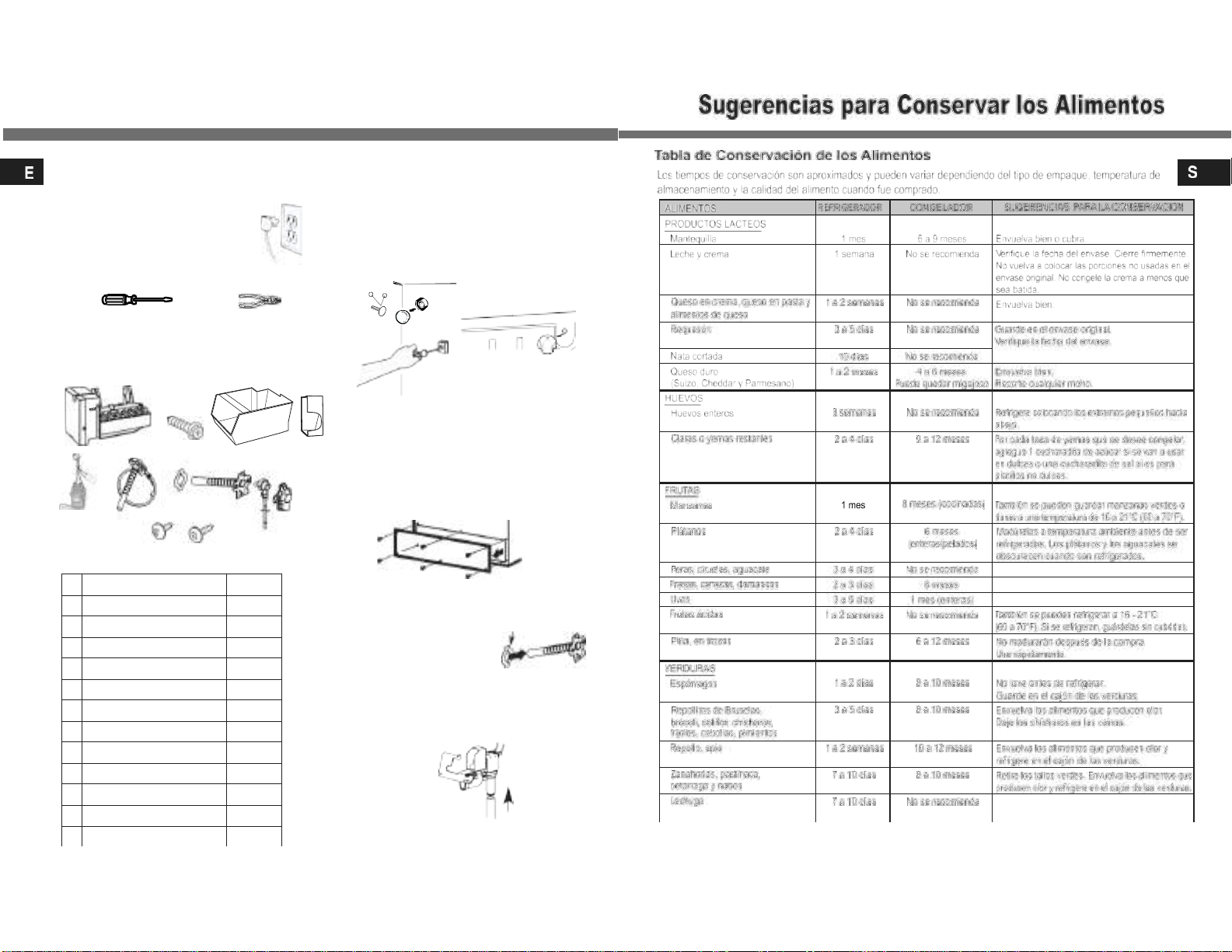
ALIMENTOS
REFRIGERADOR
CONGELADOR
SUGERENCIAS
PARA LA CONSERVACION
AVES Y PESCADO
R:lllo
y
pavo, entero
1 a 2 dias
12 meses
Mantenga en el envase original para refrigeraci6n.
Coloque en el compartimiento de la came
y
queso. Cuando congele par mas de 2 semanas,
envuelva nuevamente con envolturapara
congelador.
R:lllo
y
pavo, presas
1 a 2 dias
9 meses
PesGido
1 a 2 dias
2 a 6 meses
CARNES
Tocino
7 dias
1 mes
Res o cordero, molida
1 a 2 dias
3 a 4 meses
Las cames frescas pueden ser guardadas en el
envase original para su refrigeraci6n.
Res o temera, asada
y
bistec
3 a 5 dias
6 a 9 meses
Col6quelas en el compartimiento de la came
y
queso. Cuando congele par mas de 2 semanas,
envuelva nuevamentecon papel para congelado.r
Jamon
,
completamente
cocido,
entero
7 dias
1
a 2 meses
mitad
5 dias
1
a 2 meses
rebanadas
3 dias
1
a 2 meses
Fiambres
3 a 5 dias
1
a 2 meses
Los frambres sin abrir envasados al vacio pueden
ser guardados durante 2 semanas en el
compartimiento de la came
y
queso.
Cerda, asado
3 a 5 dias
4 a 6 meses
Cerda, chuletas
3 a 5 dias
4 meses
Salchichas, molidas
1 a 2 dias
1
a 2 meses
Salchichas, ahumadas
7 dias
1
a 2 meses
Temera
3 a 5 dias
4 a 6 meses
Las cames procesadas deben ser bien envueltas
y
guardadas en el compartimiento de la came
y
queso.
Salchichas
7 dias
1 mes
Fuentes
:
Ministerio de Agricultura de las Estados Unidos; lnstituto de Mercadotecnia de Alimentos;
Servicio de Extension Cooperativa, Universidad Estatal de Iowa
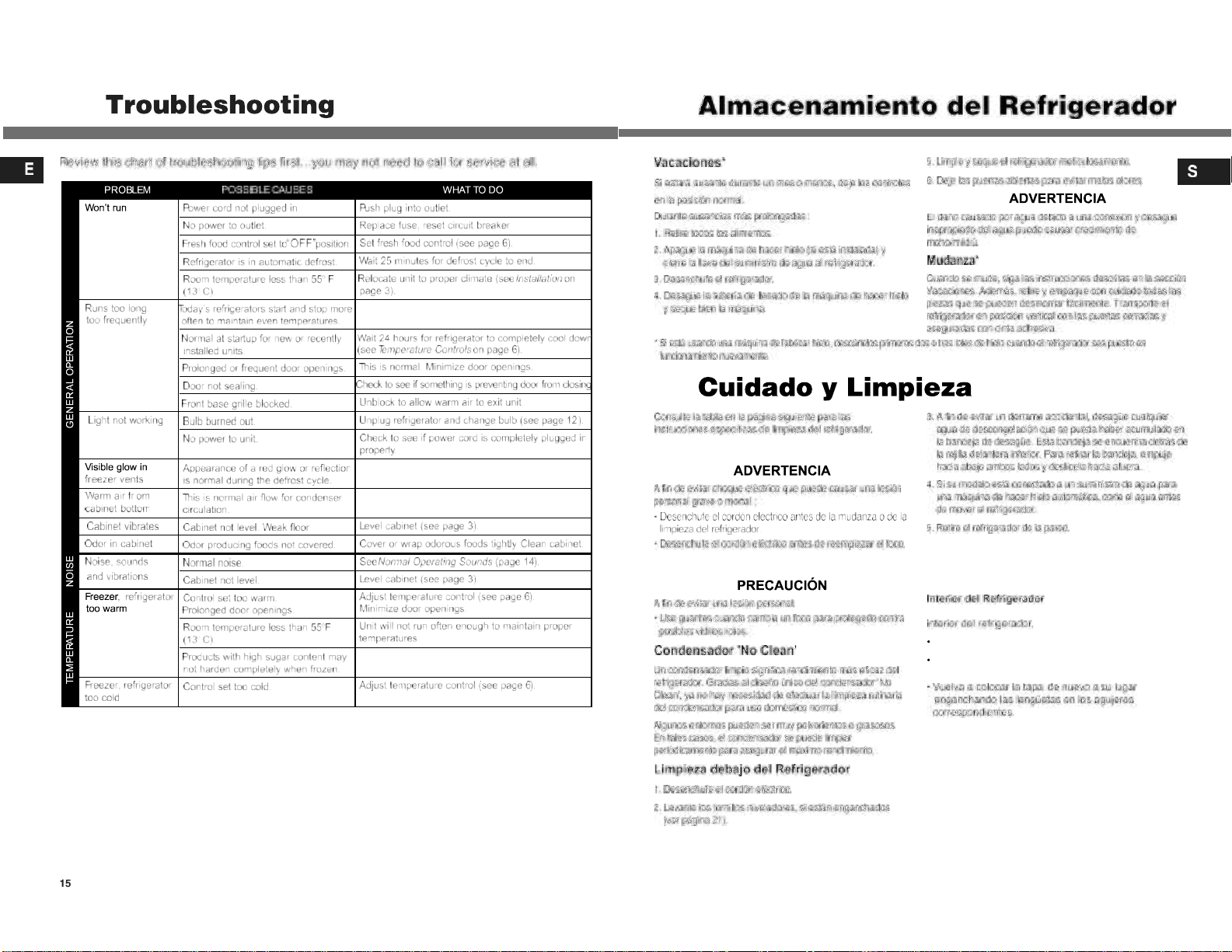
PROBLEM
POSSIBLE CAUSES
WHAT TO DO
Ice cubes have
odor/taste
Old cubes.
Discar d; ice cubes may absorb odors which affect
taste.
Bad water quality.
Contact local water treatment company.
Food transmitted odor/taste to ice.
Wrap foods tightly.
Ice cubes
sticking in tray
Residue from minerals in the water.
Wipe trays with vinegar -soaked cloth until clean.
Ice cubes
evaporating
Limited use of ice.
Dump old ice cubes.
Moisture on
cabinet surface
between doors
Not unusual during periods of high
humidity.
Moisture on inside
cabinet walls
or in crisper
Hot humid weather.
Normal.
Frequent or prolonged door openings.
Minimize door openings.
Door not closed proper ly.
Check to see if something is prevent ing door from
closing.
Food not wrapped properly.
Wrap or cover all foods tightly.
Foods dry out
Crisper not tightly closed.
Close crisper all the way.
Temperatur e controls set too cold.
Adju st temperature controls (see page 6).
Packages not wrapped or sealed
properly.
Wrap or cover all foods tightly.
Excessive moisture
in crisper
Hot, humid weather.
Mi nim ize door openings.
Humidity slide on crisper needs
adju stment.
Slide control to Fruit setting to allow more moisture
to leavethe drawer.
Too much moisture on fresh produce
before storing.
Do not wash items prior to storage. Wait to wash
fresh items until right before use.
Foods not stored properly.
Store leafy vegetables in a loosely closed plastic bag.
Store items with an outer skin (i.e.apples, oranges,
pears, grapes, cucumbers, etc.) in a vented bag or
unwrapped in the drawer.
Store mushrooms and berries in original vented
cartons or boxes, not in plastic bags.
Icemaker Installation
17
34
Plastic
Pipe
Before you begin
Read each step thoroughly before proceeding.
CAUTION – Unplug the Refrigerator.
To eliminate the danger of electric shock
during installation, you must unplug the
refrigerator from its electrical outlet.
Tools you will need
Remove the outlet cover
Go to the back of the refrigerator. Find the small
label in the upper right corner and remove it
off. Then discard the label.
Remove the white connector from the upper left
corner of the bottom of the freezer.
Remove and discard the white plug
from the lower left back corner of
the freezer wall.
Flat blade and Phillips
screwdrivers
Parts Included
Pliers
1 2 3 4
Remove the cover
Use a Phillips head screwdriver to remove the
compressor compartment access cover. This
requires removing six screws which attach the
cover to the back of the refrigerator case.
Be sure to save the screws as the access cover must
be reinstalled later to ensure your refrigerator will
6-1
5
6
6-2
6-4
function properly.
7 8
6-3
Install Guide Cab W/Tube A1
Remove one side of the seal paper for
the water fill tube, slide the seal through
the tube and adhere it to the back edge
of the water tube inlet.
Connect the water line
Seal
Make sure there is enough plastic water line to
extend from the water valve to well into the
water tube inlet. Cut off any excess tubing.
Remove
plug
Remove
Cap screw
Remove
label
Side
Back
No.
Part Name Q’ty/Unit
1 CASE ICE MAKER 1
2 SPECIAL C/T BOLT 2
3 BOX ICE 1
4 GUIDE I/WATER 1
5 VALVE WATER AS 1
6 GUIDE CAB W/TUBE A1 AS 1
6-1
GUIDE CAB W/TUBE A1 1
6-2
SEAL W/TUBE A1 1
6-3
GUIDE CAB W/TUBE A2 AS 1
6-4
COVER GUIDE CAB W/TUBE 1
11
SCREW TAPPING
2
12
SCREW TAPPING
2
Icemaker Installation
33
18
Mounting
screws
Hold the Guide Cab W / Tube A1 and insert the Guide
Cab W / Tube A2 connector onto the entrance on the
flat part.
Then cover the previous assembly with the Cover
Guide Cab W / Tube, ensuring that it fits correctly
into the guides on the flat side of the Guide
Cab W / Tube A1.
Insert and slide the tube over
the center hole at the top, at
the back of the refrigerator.
Press the same one firmly on
the entrance so that it is
adjusted to the refrigerator.
Fix the Water tube to the refrigerator
Press the Guide Cab W / Tube A1 assembly as
soon as it is inserted into the back of the
refrigerator.Insert the screws into the holes in the
Cover Guide Cab using the T1 4x16 mm
screws.Keep the fixed pipe by applying cotton tape
over the plastic pipe, approximately 1 1/2 (40mm)
Screw
T1 4x16
Tape Cotton
Route and attach the plastic water line
Attach the plastic water pipe to the back of the
cabinet with the cotton adhesive tape, separating
as shown to tighten the pipe.
Attach the water valve to the cabinet by inserting
the T1 4x14 mm Phillips head screw from the kit
into the hole in the base of the cabinet.
Prepare for Installation
Inside the freezer, loosen the two moungting screws,
but do not screw them all the way out. If your model
does not have the screws already in the freezer wall,
look for two plug buttons. Remove the plug buttons
and insert the two phillips head screws. The screws
should extend approximately 1/2 ″ (13mm) out from
the freezer wall.
Set feeler arm to Stop position.
Move the feeler arm to the STOP (up) position
until the refrigerator is connected to the water
supply to prevent premature operation.
Hole for
wire tie
Feeler arm in the STOP
(up) position.
Cotton adhesive
Tape
Install the water valve
Locate the male connector plug on the valve.
Locate and insert the female connector on the
bottom of the refrigerator. Observe the correct
way to connect both connectors.
Feeler arm in ON (down)
position.
(Appearance may vary)
Install the Icemaker Fill Cup
Install the icemaker fill cup (side-mounted) into the
icemaker as shown.
Icemaker
fill cup
Female
connector
Male
terminals
Phillips head
screw
á
Icemaker Installation
19
32
exte
Fill cup
opening
Plug in the Icemaker
Holding the icemaker in place, insert the icemaker
power cord plug into the socket on the back wall,
making sure the prongs and holes are matched.
Press the plug firmly into the socket. Lock the plug
in place by clipping the restraints onto each side of
the plug. Make sure the restraints click into place.
Mount the Icemaker
Lift the icemaker so the fill tube extension fits in
the fill cup opening. Hang the icemaker on the
two screws.
Make sure:
The power cord is still firmly in the socket.
The fill tube extension extends into the
fill cup opening at the back of the icemaker.
(Check the rear of the refrigerator to make sure
the fill tube has not been pushed out of the back
of the refrigerator).
The icemaker mounting screws are located in the
uppermost position of the mounting slots.
Then securely tighten the icemaker
mounting screws.
Fill tube
sion
Installing the water line
BEFORE YOU BEGIN
This water line installation is not warranted by the
refrigerator or icemaker manufacturer. Follow these
instructions carefully to minimize the risk of expensive
water damage.
Water hammer (water banging in the pipes) in house
plumbing can cause damage to refrigerator parts and
lead to water leakage or flooding. Call a qualified
plumber to correct water hammer before installing the
water supply line to the refrigerator.
To prevent burns and product damage, do not hook
up the water line to the hot water line.
If you use your refrigerator before connecting the
water line, make sure the icemaker power switch is in
the O (off) position (on power switch models) or the
feeler arm is in the STOP (up) position (on feeler arm
models).
Do not install the icemaker tubing in areas where
temperatures fall below freezing.
When using any electrical device (such as a power
drill) during installation, be sure the device is double
insulated or grounded in a manner to prevent the
hazard of electric shock, or is battery powered.
All installations must be in accordance with local
plumbing code requirements.
WHAT YOU WILL NEED
Compartimiento de productos Lácteos
PRECAUCIÓN
Install the Ice Bucket
Place the ice bucket under the icemaker.
Make sure the icemaker power switch is in the
O (off) position.
Water Valve Installed
After water line installation is completed, set the
icemaket power switch to I (on).
The icemaking cycle will not begin until the icemaker
and freezer compartment reach operating temperature.
•
Refrigerator copper tubing 1/4
″
outer diameter to
connect the refrigerator to the water supply. If using
copper, be sure both ends of the tubing are cut square.
To determine how much tubing you need: Measure
the distance from the water valve on the back of the
refrigerator to the water supply pipe. Then add 8′
(2.4 m). Be sure there is sufficient extra tubing to
allow the refrigerator to move out from the wall
after installation.
•
A cold water supply. The water pressure must be
between 20 and 120 p.s.i. (1.4–8.1 bar).
Este refrigerador está diseñado para usar una máquina de
hielo. No incluido en la nevera. Puede solicitar la venta e
instalación al centro de servicio llamando al call center.
Los diferentes modelos tienen diferentes máquinas de
hielo que se pueden instalar, así que verifique si la
máquina de hielo que compró es la correcta para su
refrigerador.
Kit Ice Maker Model
Ice Maker Model
Refrigerator Model
Code IM Model
WT*18*****
60140-0007602-00
WT*21*******
Ice bucket
Ice Maker
(venta por separado)
Icemaker Installation
31
• Power drill.
• 1/2 ″ or adjustable wrench.
• Straight and Phillips blade screwdriver.
• Two 1/4 ″ outer diameter compression nuts and
2 ferrules (sleeves)—to connect the copper tubing to
the shutoff valve and the refrigerator water valve.
• If your existing copper water line has a flared fitting
at the end, you will need an adapter (available at
plumbing supply stores) to connect the water line to
the refrigerator OR you can cut off the flared fitting
with a tube cutterand then use a compression fitting.
Drill the hole for the valve
Drill a 1/4 ″ hole in the water pipe (even if using a
self-piercing valve), using a sharp bit. Remove any
burrs resulting from drilling the hole in the pipe.
Take care not to allow water to drain into the drill.
Failure to drill a 1/4 ″ hole may result in reduced
ice production or smaller cubes.
Fasten the shutoff valve
Fasten the shutoff valve to the cold water pipe with
the pipe clamp.
Pipe Clamp
• Shutoff valve to connect to the cold water line.
The shutoff valve should have a water inlet with a
minimum inside diameter of 5/32 ″ at the point of
connection to the cold water line. Saddle-type
shutoff valves are included in many water supply kits.
Saddle-Type
Shutoff Valve
Vertical Cold
Water Pipe
Before purchasing, make sure a saddle-type valve
complies with your local plumbing codes.
Install the shutoff valve on the nearest frequently used
drinking water line.
Shut off the main water supply
Turn on the nearest faucet long enough to clear
the line of water.
Choose the valve location
Choose a location for the valve that is easily
NOTE: Commonwealth of Massachusetts Plumbing
Codes 248CMR shall be adhered to. Saddle valves
are illegal and use is not permitted in Massachusetts.
Consult with your licensed plumber.
Tighten the pipe clamp
Tighten the clamp screws until the sealing washer
begins to swell.
NOTE: Do not overtighten or you may crush the
tubing.
Washer
accessible. It is best to connect into the side of a
vertical water pipe. When it is necessary to connect
into a horizontal water pipe, make the connection
to the top or side, rather than at the bottom, to
avoid drawing off any sediment from the water pipe.
Pipe Clamp
Clamp Screw
Inlet End
Icemaker Installation
21
30
Route the tubing
Route the tubing between the cold water line and
the refrigerator.
Route the tubing through a hole drilled in the wall
or floor (behind the refrigerator or adjacent base
cabinet) as close to the wall as possible.
NOTE: Be sure there is sufficient extra tubing
to allow the refrigerator to move out from the wall
after installation .
Connect the tubing to the valve
Place the compression nut and ferrule (sleeve)
for copper tubing onto the end of the tubing and
connect it to the shutoff valve.
Make sure the tubing is fully inserted into the valve.
Tighten the compression nut securely.
For plastic tubing, insert the molded end of the
tubing into the shutoff valve and tighten
compression nut until it is hand-tight; then tighten
one additional turn with a wrench. Overtightening
may cause leaks.
Connect the tubing to the
refrigerator
NOTES:
• Before making the connection to the refrigerator,
be sure the refrigerator power cord is not
plugged into the wall outlet.
• We recommend installing a water filter if your
water supply has sand or particles that could clog
the screen of the refrigerator’s water valve. Install
it in the water line near the refrigerator.
Remove the screws holding the right side of the
access cover. Fold back the cover.
Remove the plastic flexible cap from the water
valve (refrigerator connection).
Saddle-Type
Shutoff Valve
Packing Nut
Compression
Nut
Plastic tubing
Place the compression nut and ferrule (sleeve)
onto the end of the tubing as shown.
Insert the end of the tubing into the water valve
connection as far as possible. While holding the
tubing, tighten the fitting.
For plastic tubing, insert the molded end of the
tubing into the water valve connection and tighten
Outlet Valve
Ferrule (sleeve)
NOTE: Commonwealth of Massachusetts Plumbing
Codes 248CMR shall be adhered to. Saddle valves
are illegal and use is not permitted in Massachusetts.
Consult with your licensed plumber.
Flush out the tubing
Turn the main water supply on and flush out the
tubing until the water is clear.
Shut the water off at the water valve after about
one quart (1 liter) of water has been flushed
through the tubing.
compression nut until it is hand-tight; then tighten
one additional turn with a wrench.
Overtightening may cause leaks.
Fasten the tubing into the clamp provided to hold
it in a vertical position. You may need to pry open
the clamp.
One of the illustrations below will look like the
connection on your refrigerator.
1/4″ Tubing
Tubing Clamp
1/4
″
Compression Nut
Ferrule (sleeve)
Plastic
Tubing
Refrigerator
Connection
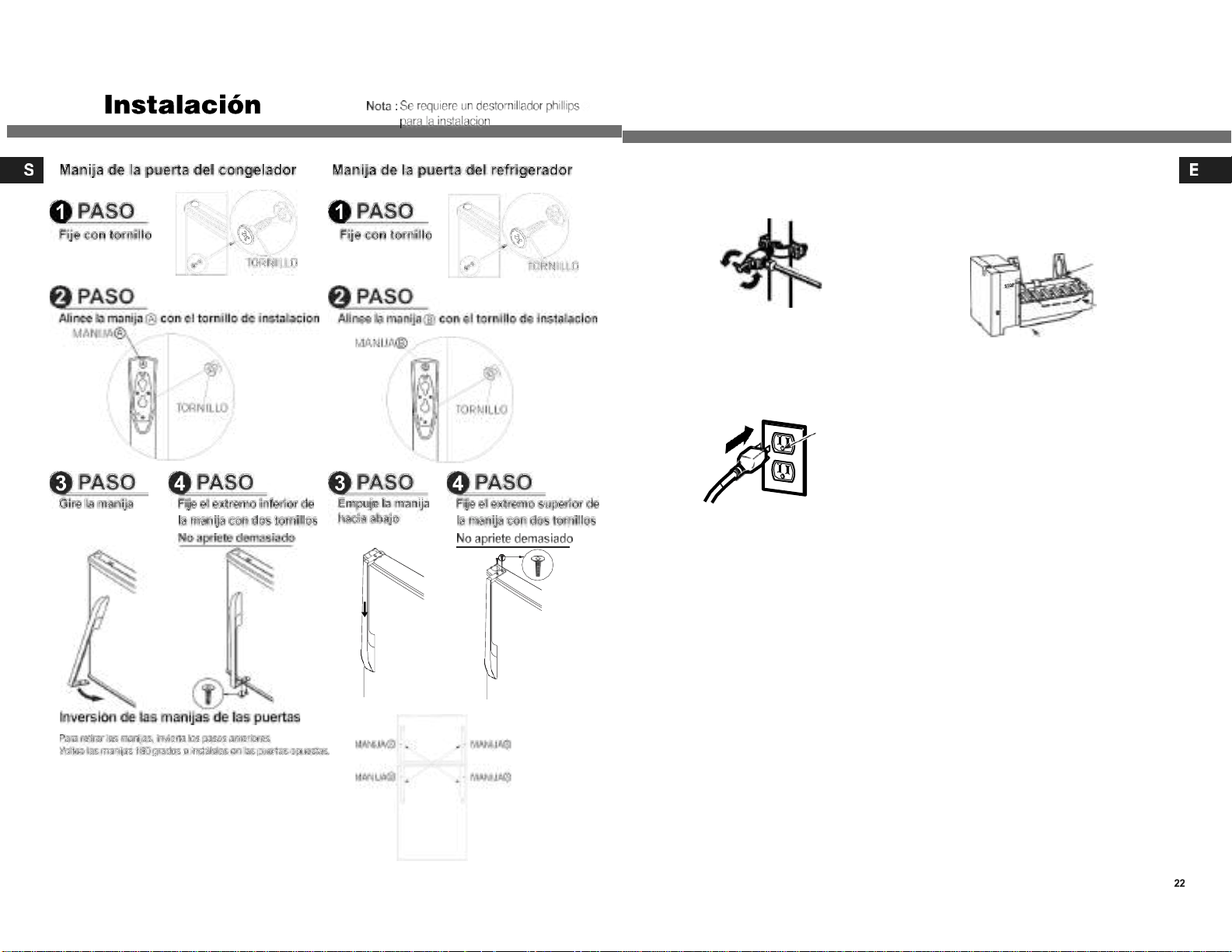
Icemaker Installation
29
Turn the water on at the shutoff valve
Tighten any connections that leak.
Reattach the access cover.
Plug in the refrigerator
Arrange the coil of tubing so that it does not vibrate
against the back of the refrigerator or against the
wall. Push the refrigerator back to the wall.
Make sure proper
ground exists
before use.
Important: Please read carefully for personal
safety, this appliance must be properly grounded
The power cord of this appliance is equipped
with a 3-prong (grounding) plug that mates with
a standard 3-prong (grounding) wall receptacle
to minimize the risk of electric shock hazard from
this appliance. The customer should have the
wall receptacle and circuit checked by a qualified
electrician to make sure the receptacle is properly
grounded.
Where a standard two-prong wall receptacle is
encountered, it is the personal responsibility and
obligation of the customer to have it replaced with
a properly grounded 3-prong wall receptacle.
Do not, Under any circumstances, cut or remove
the third (ground) prong from the power cord.
Start the Icemaker
Move the feeler arm to the ON (down) position. The
icemaker will not begin to operate until it reaches
its operating temperature of 15°F (–9°C) or below.
It will then begin operation automatically.
Hole for
wire tie
Feeler arm in the STOP
(up) position.
Feeler arm in ON (down)
position.
NOTE: In lower water pressure conditions, the
water valve may turn on up to 3 times to deliver
enough water to the icemaker.
28
Limited Warranty
CRITERION
Criterion
Model: CTMR182WD1W,CTMR182WD1B,CTMR182WD1S,
CTMR208WD1W,CTMR208WD1B,CTMR208WD1S
Note:
For Service or Assistance, please call : 1-877-DWE-ASC5, 1-877-DWE-SVC3

27
ambiente no descenderá a menos de 4°C (39°F).
Con temperaturas inferiores a 4°C (39°F), el refrigerador
Criterion
Tabla de Contenido
25-26
27
-29
30
31-32
33-35
36
36-37
38-40
41
43
Instalación Fábrica de Hielo.
...
45-50
T1821MACR-01-V1
CALIFORNIA PROPOSITION 65
ADVERTENCIA
El uso de este electrodoméstico puede exponerlo a productos
químicos conocidos por el estado de California como causantes
de cáncer, nacimientos defectuosos u otros daños reproductivos.
Para más información vea la página web:
www.P65Warnings.ca.gov
25 26
CTMR182WD1W,
CTMR182WD1B,
CTMR182WD1S
CTMR208WD1W,
CTMR208WD1B,
CTMR208WD1S
29.9 in
32.9 in
28.8 in
32.0 in
66.3 in
66.7 in
176.7 Lbs
220.5 Lbs
5.8 cu ft 5.8 cu ft
14.2 cu ft
15.0 cu ft
18.2 cu ft
20.8 cu ft
CONVECCION FORZADA CONVECCION FORZADA
POR RESISTENCIA TIPO SHEATH
POR RESISTENCIA TIPO SHEATH
AUTOMATICO AUTOMATICO
R 600a
R 600a