User Manual
IManual del usuario
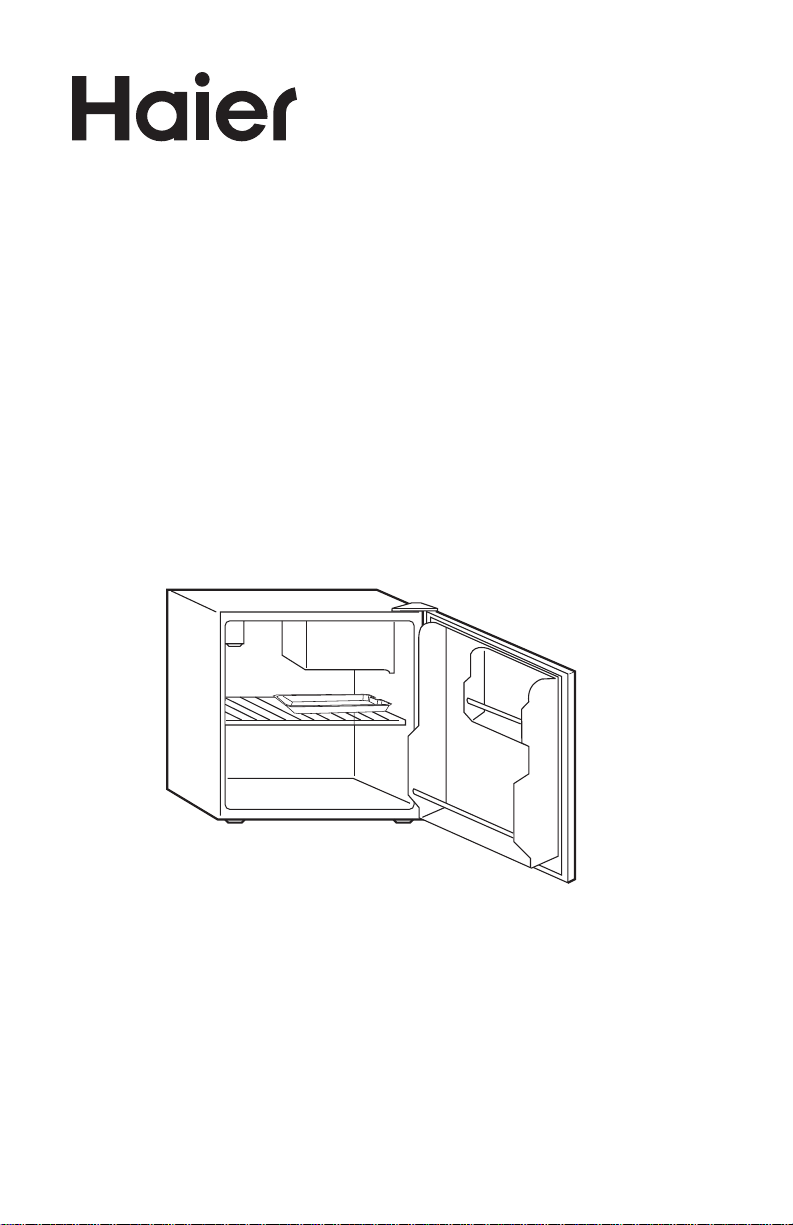
HC17SF10RB
Refrigerator / Freezer
Refrigerador / Congelador
49-60774 08-17 GEA

49-60774
2
3
49-60774
TABLE OF CONTENTS
ENGLISH
REFRIGERATOR SAFETY ....................................................4
Proper Disposal of Your Old Refrigerated Appliance ..........................5
PARTS AND FEATURES ......................................................6
INSTALLATION INSTRUCTIONS .............................................7
Unpacking Your Refrigerator .................................................7
Leveling Your Refrigerator ...................................................7
Proper Air Circulation .......................................................7
Door Alignment .............................................................7
Connecting Electricity ......................................................8
Installation Limitations ......................................................9
REFRIGERATOR USE ........................................................9
General Features ............................................................9
Food Storage Information ..................................................10
Normal Operating Sounds You May Hear ....................................10
REFRIGERATOR CARE .....................................................11
Cleaning ...................................................................11
Maintenance .............................................................. 12
TROUBLESHOOTING ...................................................... 13
LIMITED WARRANTY ......................................................15
RECORD KEEPING ........................................................16
49-60774
4
ENGLISH
Ŷ Use this appliance only for its intended purpose as described in this
user manual.
Ŷ This appliance must be properly installed in accordance with the
installation instructions before it is used. See grounding instructions in
the installation section.
Ŷ Plug into a grounded 3 prong outlet.
Ŷ Do not remove ground prong.
Ŷ Do not use an adapter or extension cord.
Ŷ Do not repair or replace any part of the appliance unless specifically
recommended in the manual. All other servicing should be referred to a
qualified technician.
Ŷ Disconnect power before servicing.
Ŷ Replace all parts and panels before operating.
Ŷ Use nonflammable cleaner.
Ŷ Do not store or use gasoline or other flammable vapors and liquids in
the vicinity of this or any other appliance.
Ŷ Do not store explosive substances such as aerosol cans with a
flammable propellant in this appliance.
Ŷ Before discarding or removing from service, remove the door. This will
reduce the possibility of danger to children.
Ŷ To avoid serious injury or death, children should not stand on, or play in
or with the appliance.
Ŷ Children and persons with reduced physical, sensory or mental
capabilities or lack of experience and knowledge can use this appliance
only if they are supervised or have been given instructions on safe use
and understand the hazards involved.
Ŷ This appliance is intended to be used in household and similar
applications such as: staff kitchen areas in shops, offices and other
working environments; farm houses; by clients in hotels, motels, bed
& breakfast and other residential environments; catering and similar
non-retail applications.
REFRIGERATOR SAFETY
CAUTION
To reduce the risk of injury when using your refrigerator,
follow these basic safety precautions.
Ŷ Keep fingers out of the “pinch point” areas; clearances between the
door and cabinet are necessarily small. Be careful closing door when
children are in the area.
Ŷ Do not refreeze frozen foods which have thawed completely.
Ŷ Do not touch the cold surfaces in the freezer compartment when hands
are damp or wet, skin may stick to these extremely cold surfaces.
IMPORTANT SAFETY INSTRUCTIONS
WARNING
To reduce the risk of fire, electrical shock, injury to
persons, or damage when using the refrigerator, follow
basic precautions, including the following:
5
49-60774
ENGLISH
STATE OF CALIFORNIA PROPOSITION 65 WARNINGS:
WARNING
This product contains one or more chemicals known to
the State of California to cause cancer and birth defects or other
reproductive harm.
REFRIGERATOR SAFETY
PROPER DISPOSAL OF YOUR OLD APPLIANCE
WARNING
SUFFOCATION AND ENTRAPMENT HAZARD
Failure to follow these disposal instructions can result in death or
serious injury.
IMPORTANT: Child entrapment and suffocation are not problems of the
past. Junked or abandoned appliances are still dangerous even if they
will sit for “just a few days.” If you are getting rid of your old appliance,
please follow the instructions below to help prevent accidents.
Before You Throw Away Your Old Appliance:
Ŷ Take off the door.
Ŷ Leave the shelves in place so that children may not easily climb inside.
WARNING
EXPLOSION HAZARD Flammable Refrigerant
This appliance contains isobutane refrigerant, R600a, a natural
gas with high environmental compatibility. However, it is also
combustible. Adhere to the warnings below to reduce the risk of
injury or property damage.
1) When handling, installing and operating the appliance, care should be
taken to avoid damage to the refrigerant tubing.
2) Service shall only be performed by authorized service personnel. Use
only manufacturer-authorized service parts.
3) Dispose of refrigerator in accordance with Federal and Local
Regulations. Flammable refrigerant and insulation material used
require special disposal procedures. Contact your local authorities for
the environmentally safe disposal of your refrigerator.
4) Keep ventilation openings in the appliance enclosures or in the built-in
structure clear of obstruction.
5) Do not use mechanical devices or other means to accelerate the
defrosting process.
6) Do not damage refrigerant circuit.
7) Do not use electrical appliances inside the food storage compartment
of the appliance.

49-60774
6
ENGLISH
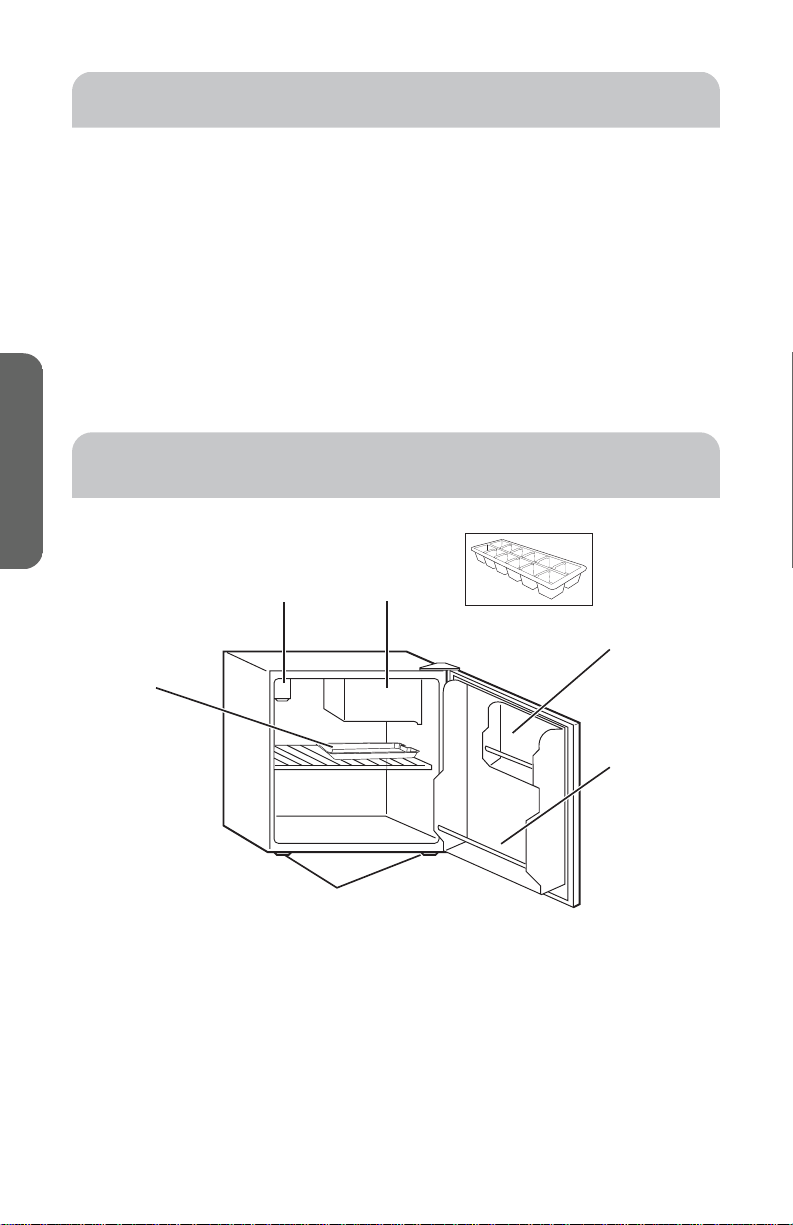
PARTS AND FEATURES
1. Freezer Compartment
2. Ice Cube Tray
3. Adjustable Temperature Control
4. Drip Tray
5. Full-Width Shelf
6. Leveling Legs
7. Half-Width Door Shelf
8. Full-Width Door Shelf
Refrigerant and Foam Disposal:
Dispose of refrigerator in accordance with Federal and Local
Regulations. Flammable refrigerant and insulation material used require
special disposal procedures. Contact your local authorities for the
environmentally safe disposal of your refrigerator.
READ AND SAVE THESE INSTRUCTIONS
REFRIGERATOR SAFETY
PROPER DISPOSAL OF YOUR OLD APPLIANCE (Cont.)
1
3
4
6
8
7
2
7
49-60774
UNPACKING YOUR REFRIGERATOR
1. Remove all packaging material. This includes the foam base and all
adhesive tape holding the refrigerator accessories inside and outside.
2. Inspect and remove any remains of packing, tape or printed materials
before powering on the refrigerator.
LEVELING YOUR REFRIGERATOR
• Your refrigerator has two leveling legs which are located in the front
bottom corners of your refrigerator. After properly placing your
refrigerator in its final position, you can level your refrigerator.
• Leveling legs can be adjusted by turning them counterclockwise to raise
your refrigerator or by turning them clockwise to lower your refrigerator.
The refrigerator door will close easier when the leveling legs are
extended.
PROPER AIR CIRCULATION
• To ensure your refrigerator works at the maximum efficiency it was
designed for, you should install it in a location where there is proper air
circulation, plumbing and electrical connections.
• The following are recommended clearances around the refrigerator:
Sides ......... 4”
Top ...........4”
Back ..........4
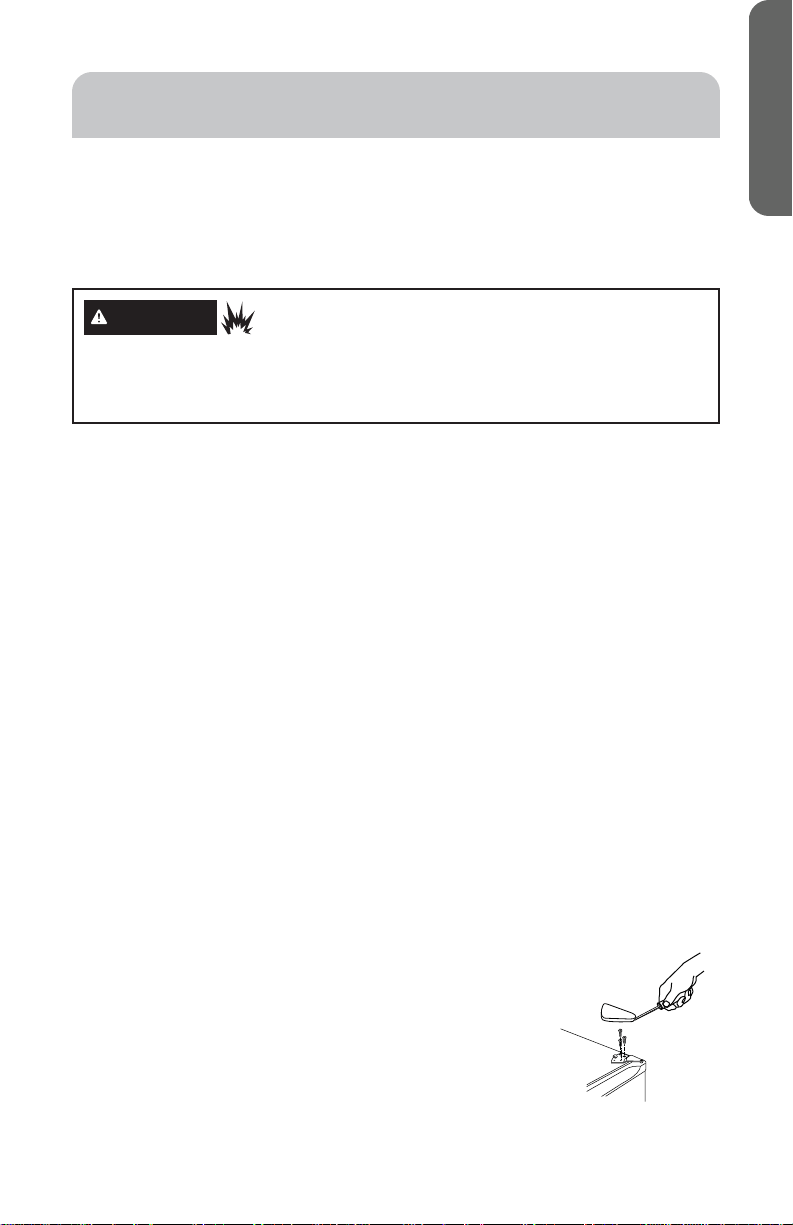
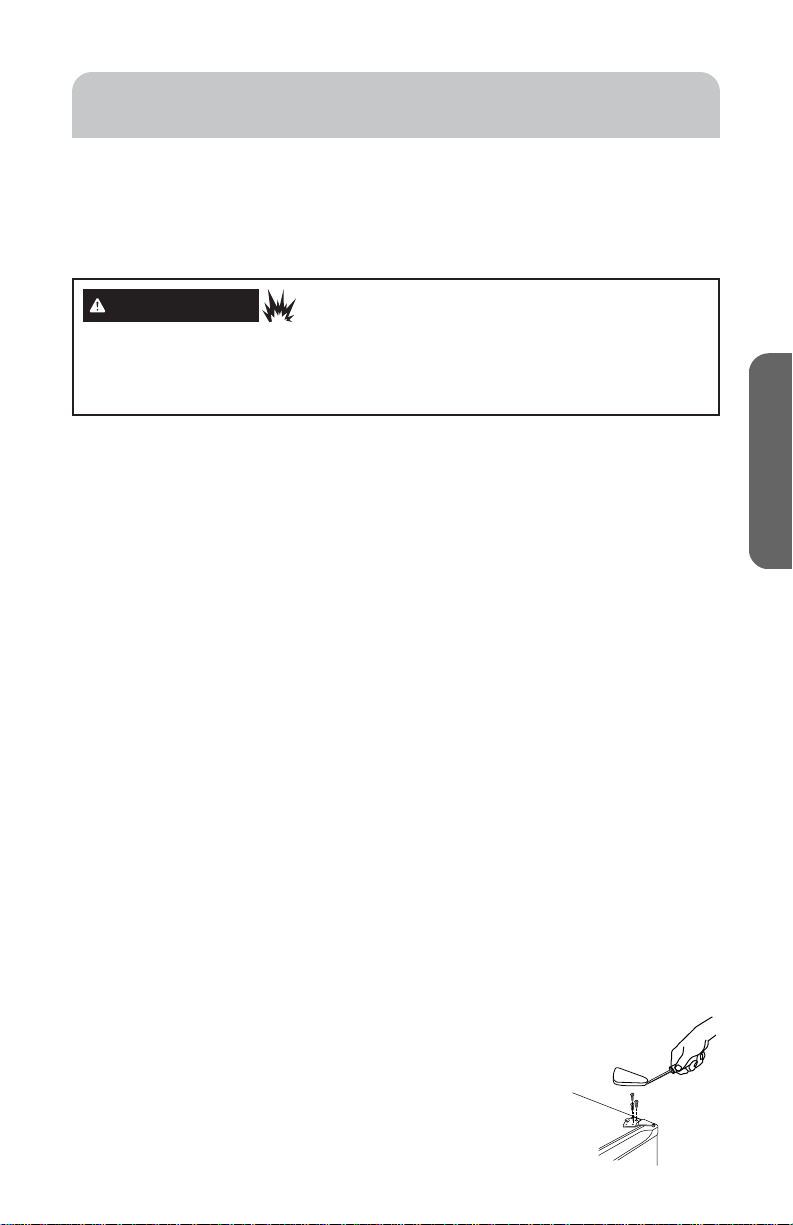
DOOR ALIGNMENT
1. Remove the top hinge cover by using a flathead screwdriver. Place the
head under the front edge of the cap and gently lift.
2. Loosen the top hinge screws using a Phillips head
screw driver.
3. Adjust the door or put a spacer in between and
tighten the screws.
4. Replace the top hinge cover by aligning the rear of
the cover with the rear of the hinge. Press firmly on
the front of the cover until it snaps in place.
ENGLISH
INSTALLATION INSTRUCTIONS
CAUTION
EXPLOSION HAZARD
Do not puncture refrigerant tubing. Flammable refrigerant used. Handle
with care when moving refrigerator to avoid either damaging the
refrigerant tubing or increasing the risk of a leak.

49-60774
8
INSTALLATION INSTRUCTIONS
ENGLISH
Do not, under any circumstances, cut or remove the third (ground)
prong from the power cord. For personal safety, this appliance must
be properly grounded.
The power cord of this appliance is equipped with a 3-prong (grounding)
plug which mates with a standard 3-prong (grounding) wall outlet to
minimize the possibility of electric shock hazard from this appliance.
Have the wall outlet and circuit checked by a qualified electrician to make
sure the outlet is properly grounded.
Where a standard 2-prong wall outlet is encountered, it is your personal
responsibility and obligation to have it replaced with a properly grounded
3-prong wall outlet.
The refrigerator should always be plugged into its own individual
electrical outlet which has a voltage rating that matches the rating plate.
A 115 Volt AC, 60 Hz, 15- or 20-amp fused, grounded electrical supply
is required. This provides the best performance and also prevents
overloading house wiring circuits which could cause a fire hazard from
overheated wires.
Never unplug your refrigerator by pulling on the power cord. Always grip
plug firmly and pull straight out from the outlet.
Immediately discontinue use of a damaged supply cord. If the supply
cord is damaged, it must be replaced by a qualified service professional
with an authorized service part from the manufacturer.
When moving the refrigerator away from the wall, be careful not to roll
over or damage the power cord.
CONNECTING ELECTRICITY
WARNING
ELECTRICAL SHOCK HAZARD
Plug into a grounded 3-prong outlet.
Do not remove the ground prong.
Do not use an adapter.
Do not use an extension cord.
Failure to follow these instructions can result in death, fire, or
electrical shock.
9
49-60774
INSTALLATION INSTRUCTIONS
INSTALLATION LIMITATIONS
• Do not install your refrigerator in any location not properly insulated or
heated, e.g. garage, etc. Your refrigerator was not designed to operate in
÷èðóèõä÷øõèöè÷÷ìñêöåèïòú%%ȋϤ!"ȋÌ¥
• Select a suitable location for the refrigerator on a hard even surface away
from direct sunlight or heat source, e.g. radiators, baseboard heaters,
cooking appliances, etc. Any floor unevenness should be corrected with
the leveling legs located on the front bottom corners of the refrigerator.
NOTE: As the door gets pressed in during shipping, after reversing the
door, the gasket may have to be reset. This is done to prevent the cool
refrigerated air from escaping. If there is a gap between the door gasket
and the cabinet, set the gasket by gently pulling it out to seal the gap.
ENGLISH
GENERAL FEATURES
NOTE: If the refrigerator has been placed in a horizontal or tilted position
for any period of time wait 30 minutes before plugging the unit in.
Adjustable temperature dial:
Your refrigerator will automatically maintain the temperature level you
select. The temperature control dial has 7 settings plus “OFF”. 1 is the
warmest. 7 is the coldest. At first, set the dial to 3 and allow 24 hours to
pass before adjusting the temperature to your needs.
Freezer Compartment / Ice Cube Trays
This compartment is designed for making ice cubes and for short-term
food storage (a few days at most).
If ice cube tray freezes to the bottom of the compartment, pour a little
warm water around it to loosen it. Do not use boiling water, which can
damage plastic parts, or sharp metal objects such as a knife or screwdriver,
which can damage the cooling system tubing. Wash the ice cube tray in
lukewarm water only. Do not wash in the dishwasher.
REFRIGERATOR USE
WARNING
This compartment is not cold enough to freeze foods
safely for more than 5 days.
49-60774
10
FOOD STORAGE INFORMATION
Fresh Food
• When storing fresh food that is not prepackaged, be sure to wrap or store
food in airtight and moisture proof material unless otherwise noted. This
will ensure proper shelf life and prevent the transfer of odors and tastes.
• Wipe containers before storing to avoid needless spills.
• Eggs should be stored in an upright position in their original carton to
maximize shelf life.
• Fruit should be washed and dried, then stored in sealed plastic bags before
storing in the refrigerator.
• Vegetables with skins should be stored in plastic bags or containers.
• Leafy vegetables should be washed and drained and then stored in plastic
bags or containers.
• Hot food should be allowed to cool before storing in the refrigeration.
This will prevent unnecessary energy use.
• Fresh seafood should be used the same day as purchased.
• When storing meats in the fresh food section, keep in the original
packaging or re-wrap as necessary. Follow the suggestions below for safe
storage:
• Chicken . . . . . . . . . . . 1-2 Days
• Ground Beef . . . . . . .1-2 Days
• Cold Cuts . . . . . . . . . .3-5 Days
• Steaks/Roasts . . . . . . .3-5 Days
• Smoked/Cured Meats . .7-10 Days
• All others . . . . . . . . . .1-2 Days
NORMAL OPERATING SOUNDS YOU MAY HEAR
• Boiling water, gurgling sounds or slight vibrations that are the result of the
refrigerant circulating through the cooling coils.
• The thermostat control will click when it cycles on and off.
REFRIGERATOR USE
ENGLISH
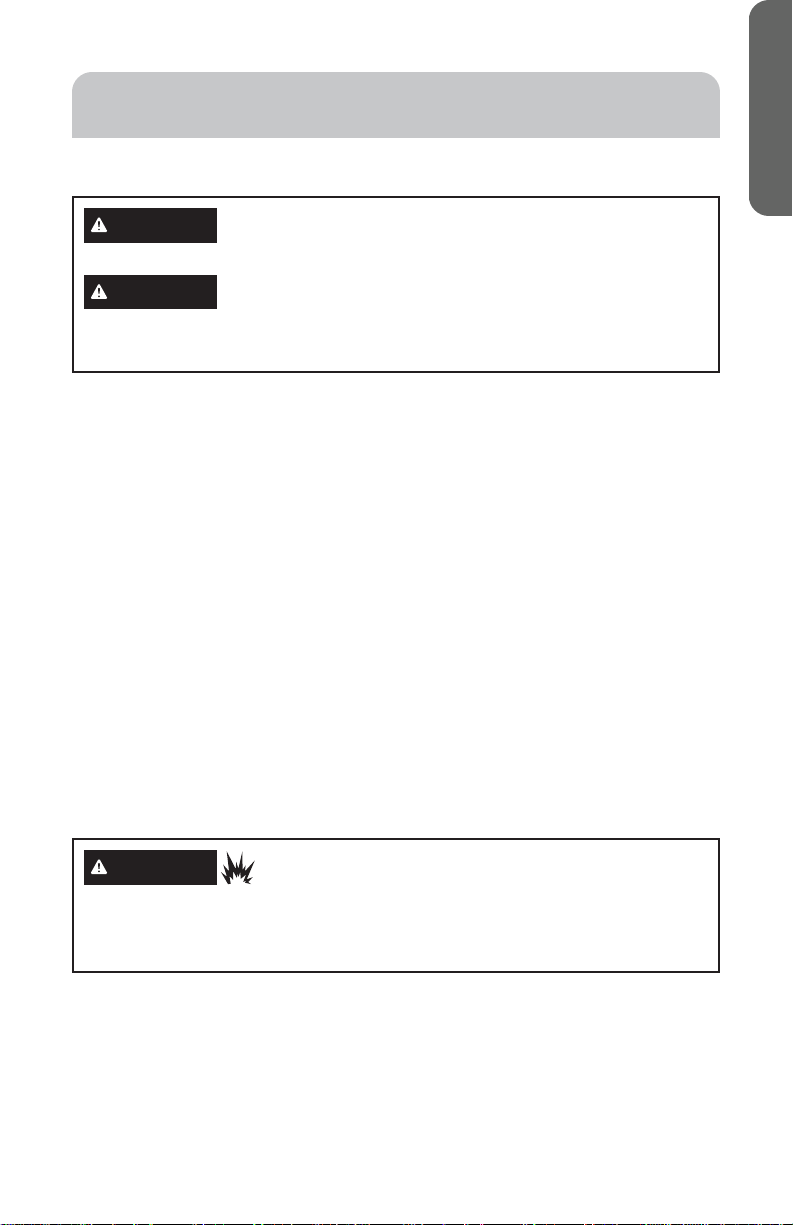
Refrigerator Interior Shelves
To remove or replace a full-width slide-out
shelf:
1. Gently tilt the shelf up and slide forward
until the shelf has been completely
removed.
2. To replace the shelf, gently slide the shelf
back.
11
49-60774
REFRIGERATOR CARE
CLEANING
General
• Prepare a cleaning solution of 3-4 tablespoons of baking soda mixed
with warm water. Use sponge or soft cloth, dampened with the cleaning
solution, to wipe down your refrigerator.
• Rinse with clean warm water and dry with a soft cloth.
• Do not use harsh chemicals, abrasives, ammonia, chlorine bleach,
concentrated detergents, solvents or metal scouring pads. Some of these
chemicals may dissolve, damage and/or discolor your refrigerator.
Door Gaskets
• Clean door gaskets every three months according to general instructions.
Gaskets must be kept clean and pliable to assure a proper seal.
• Petroleum jelly applied lightly on the hinge side of gaskets will keep the
gasket pliable and ensure a good seal.
Defrost
Defrost whenever frost on the wall of the freezer compartment becomes
1/8” thick.
To defrost, remove foods and ice cube tray from the freezer compartment.
Make sure the drip tray is in place and unplug the unit. Defrosting usually
takes a few hours. To defrost faster, keep the door open and place a bowl of
warm water in the refrigerator. After defrosting, empty water from the drip
tray and wash the drip tray in warm water.
ENGLISH
WARNING
To avoid electric shock, always unplug your refrigerator
before cleaning. Ignoring this warning may result in death or injury.
CAUTION
Before using cleaning products, always read and follow
manufacturer’s instructions and warnings to avoid personal injury or
product damage.
DANGER
EXPLOSION HAZARD
Risk of Fire or Explosion due to puncture refrigerant tubing. Flammable
refrigerant used. Do not use metal instruments to defrost refrigerator.
Do not puncture refrigerant tubing.
49-60774
12
REFRIGERATOR CARE
MAINTENANCE
Power Interruptions
• Occasionally there may be power interruptions due to thunderstorms
or other causes. Remove the power cord from wall outlet when a power
outage occurs. When power has been restored, replug power cord to wall
outlet. If outage is for a prolonged period, inspect and discard spoiled or
thawed food in freezer and refrigerator. Clean refrigerator before reusing.
Vacation and Moving Care
• For long vacations or absences, empty food from refrigerator and
freezer, move the temperature dial to the “OFF” position and clean the
refrigerator and door gaskets according to “General Cleaning” section.
Prop doors open, so air can circulate inside. When moving, always move
the refrigerator vertically. Do not move with the unit lying down. Possible
damage to the sealed system could occur.
Energy Saving Tips
• The refrigerator should be located in the coolest area of the room, away
from heat-producing appliances or heating ducts, and out of direct
sunlight.
• Let hot foods cool to room temperature before placing in the refrigerator.
Overloading the refrigerator forces the compressor to run longer and
thus increases energy consumption. Foods that refrigerate too slowly
may lose quality or spoil.
• Be sure to wrap foods properly, and wipe containers dry before placing in
the refrigerator.
• The shelves should not be lined with aluminum foil, wax paper, or paper
towels. Liners interfere with cold air circulation, making the refrigerator
ïèööèĦæìèñ÷
• Organize food to reduce door openings and extended searches. Remove
as many items as needed at one time, and close the door as soon as
possible.
ENGLISH
WARNING
EXPLOSION OR FIRE HAZARD
Risk of Fire or Explosion. Flammable refrigerant used. Do not puncture
refrigerant tubing. To be repaired only by trained authorized service
personnel. Consult Repair Manual before attempting to service this
product. All Safety Precautions Must be followed. Component parts
shall be replaced with like components to minimize the risk of possible
ignition due to incorrect parts or improper service.
13
49-60774
ENGLISH
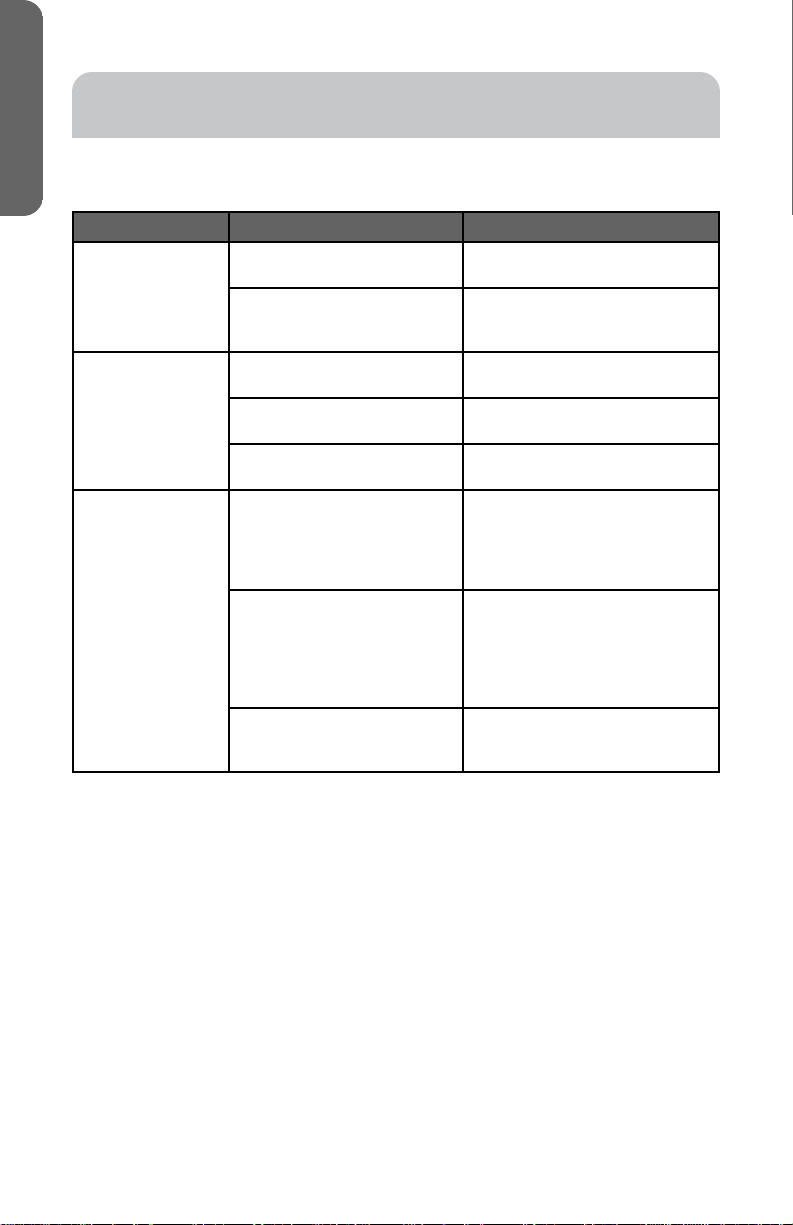
TROUBLESHOOTING
First try the solutions suggested here to possibly avoid the cost of a
service call.
PROBLEM POSSIBLE CAUSE(S) SOLUTION
Refrigerator
does not run.
Refrigerator is unplugged. Plug refrigerator into a
grounded 3 prong outlet.
The circuit breaker is
÷õìóóèç¦÷øõñèçòģòõ÷ëè
fuse is blown.
Reset/Turn on circuit breaker or
replace fuse.
The temperature control is
in the OFF position.
Turn the temperature control to
a setting between 1 and 7.
Compressor runs
too frequently
The room temperature is
hot and/or humid.
This is normal to maintain
constant temperature during
high temperature, humid days.
Refrigerator door is ajar. Close the door completely
The door gasket is not
sealing properly.
Clean the door gasket. See
Cleaning.
Frequent or prolonged
door openings.
Limit door openings to maintain
the internal temperature.
Door is blocked open. Rearrange or remove items
that are keeping the door from
closing completely.
Door does not
close properly
Refrigerator is not level or
door is not aligned.
Level refrigerator or align the
door.
Door is blocked open. Rearrange or remove items
that are keeping the door from
closing completely.
Food
temperature is
too warm
The door is opened
frequently.
Limit door openings.
A large amount of food was
recently added.
Allow time for recently added
warm food to cool.
The door is not sealing
properly.
Clean the door gasket. See
Cleaning.
The control is not set to a
cold enough temperature.
Adjust the temperature control
to a colder setting.
Food
temperature is
too cold
The control is set to a too
cold setting.
Adjust the temperature to a less
cold setting.
49-60774
14
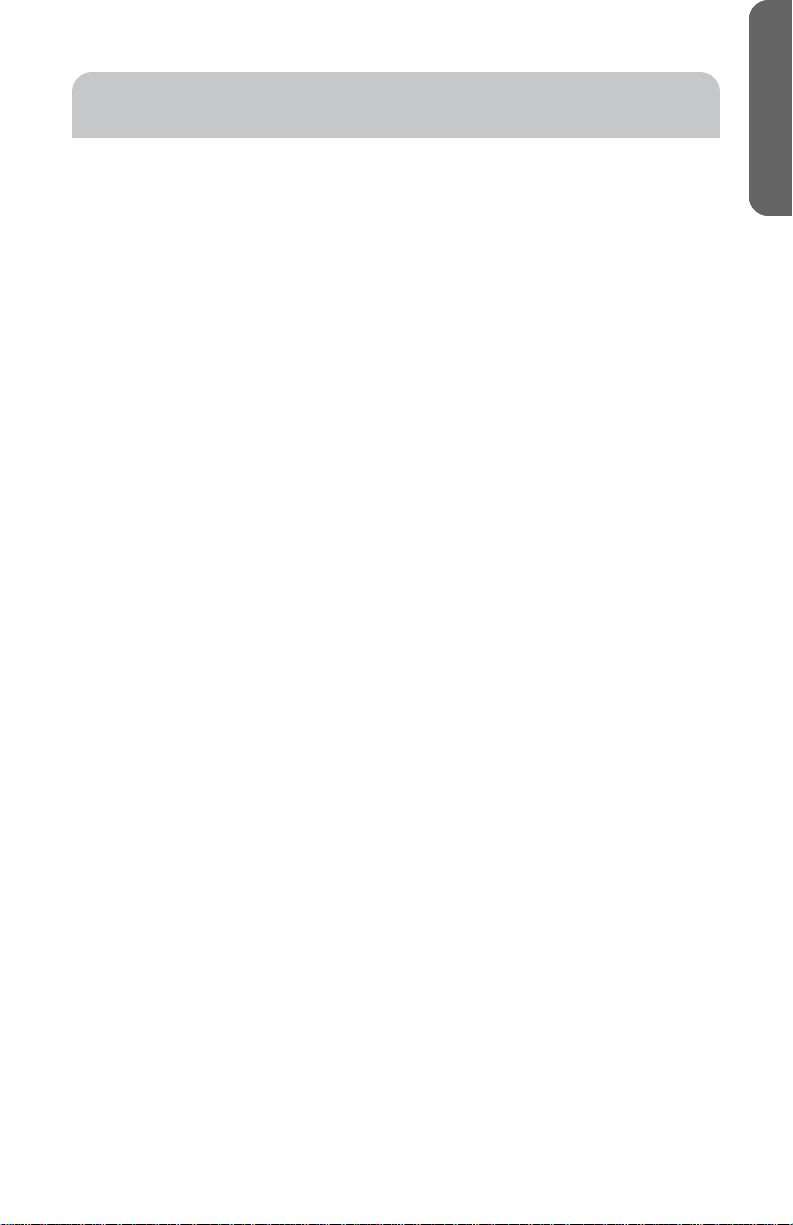
TROUBLESHOOTING
First try the solutions suggested here to possibly avoid the cost of a
service call.
PROBLEM POSSIBLE CAUSE(S) SOLUTION
Refrigerator has
an odor.
The refrigerator needs
cleaning.
Clean refrigerator. See
Cleaning.
Improperly wrapped food
ìöêìùìñêòģäñòçòõ
Wrap and seal food tightly
before storing in the
refrigerator.
Moisture build
up on interior or
exterior of the
refrigerator
The room temperature is
hot and/or humid.
This is normal during high
humidity periods.
Frequent or prolonged
door openings.
Limit door openings.
The door gasket is not
sealing properly.
Clean the door gasket. See
Cleaning.
Popping or
cracking sound
when compressor
comes on
Refrigerator is not level. Level the refrigerator. See
ÕèùèïìñêÒé÷ëèĥòòõìöøñèùèñ
you may need to place metal or
wood shims underpart of the
refrigerator.
Ýëèĥòòõðäüåèøñèùèñòõ
weak.
Ëèöøõè÷ëèĥòòõæäñ
adequately support the
refrigerator. Level the
refrigerator by putting wood or
metal shims under part of the
refrigerator.
The refrigerator is
touching a wall.
Move the refrigerator away
from the wall and re-level, if
necessary.
ENGLISH
15
49-60774
ENGLISH ENGLISH
LIMITED WARRANTY
12 Months on Parts and Labor
For 12 months from the date of original retail
purchase, GE Appliances will replace any part
of the refrigerator that fails due to a defect in
materials or workmanship. GE Appliances will
choose, at its discretion, to replace or service
the defective unit. Should GE Appliances
decide to service the unit, GE Appliances will
provide any part which fails due to a defect
in materials or workmanship free of charge,
along with any labor and related service
costs to replace the defective part. During
this period, should GE Appliances choose to
replace the unit, it may do so by providing you
with a certificate redeemable at a retailer for a
replacement product.
Product must be accessible, without
encumbrance and installed properly to receive
warranty repair service.
NOTE: This warranty commences on the
date the item was purchased, and the original
purchase receipt must be presented to the
authorized service representative before
warranty repairs are rendered.
FOR WARRANTY SERVICE
All warranty service must be performed by
our Factory Service centers or an authorized
Customer Care Technician. To schedule
service, call 1-877-337-3639.
Please have serial number and model number
available when calling for service.
EXCLUSION OF IMPLIED WARRANTIES - Your sole and exclusive remedy is product
repair as provided in this Limited Warranty. Any implied warranties, including the implied
warranties of merchantability or fitness for a particular purpose, are limited to one year or
the shortest period allowed by law.
What is not covered by this warranty:
Service trips to your home to teach you how
to use the product.
Improper installation, delivery, or
maintenance.
Failure of the product if it is abused, misused,
or used for other that the intended purpose or
used commercially.
Loss of food due to spoilage.
Damage caused after delivery.
Replacement of house fuses or resetting of
circuit breakers.
Replacement of the light bulbs.
Damage to the product caused by accident,
fire, floods or acts of God.
Incidental or consequential damage caused by
possible defects in this appliance.
Product not accessible to provide required
service.
Associated costs when GE Appliances
chooses to issue the consumer a certificate
as a form of product replacement.
This warranty is extended to the original purchaser and any succeeding owner for products
purchased for home use within the USA. If the product is located in an area where service by a
GE Appliances Authorized Servicer is not available, you may be responsible for a trip charge or
you may be required to bring the product to an Authorized GE Appliances Service location for
service. In Alaska, the warranty excludes the cost of shipping or service calls to your home.
Some states do not allow the exclusion or limitation of incidental or consequential damages.
Ýëìöúäõõäñ÷üêìùèöüòøöóèæìĤæïèêäïõìêë÷öäñçüòøðäüäïöòëäùèò÷ëèõõìêë÷öúëìæëùäõü
from state to state. To know what your legal rights are, consult your local or state consumer
äģäìõöòĦæèòõüòøõö÷ä÷èđöÊ÷÷òõñèüÐèñèõäï
Warrantor US:
GE Appliances, a Haier company
49-60774
16
RECORD KEEPING
Thank you for purchasing this Haier product.
This user manual will help you get the best
performance from your new refrigerator.
For future reference, record the model
number, serial number, and the date of
purchase. The model/serial number plate is
located on the inside wall of the refrigerator.
Staple your proof of purchase to this manual
to aid in obtaining warranty service if needed.
_______________________________________
Model number
_______________________________________
Serial number
_______________________________________
Date of purchase
ENGLISH
17
49-60774
ÍNDICE
ESPAÑOL
SEGURIDAD DEL REFRIGERADOR ..........................................18
Disposición apropiada de su antiguo aparato ................................19
PARTES Y CARACTERÍSTICAS .............................................20
INSTRUCCIONES DE INSTALACIÓN ........................................21
Desempacar el refrigerador ...............................................21
Como nivelar el refrigerador ................................................21
Circulación apropiada del aire ...............................................21
Limitaciones de instalación .................................................21
Alineación de la puerta .....................................................22
Conexión de la electricidad .................................................23
USO DEL REFRIGERADOR .................................................23
Funciones generales .......................................................23
Información sobre el almacenamiento de alimentos .........................24
Sonidos normales del funcionamiento que puede llegar a escuchar ..........24
CUIDADO DEL REFRIGERADOR ............................................25
Limpieza ...................................................................25
Mantenimiento ........................................................... 26
SOLUCIÓN DE PROBLEMAS ............................................... 27
GARANTÍA LIMITADA .....................................................29
INFORMACIÓN A TENER EN CUENTA .......................................31
49-60774
18
ESPAÑOL
INSTRUCCIONES IMPORTANTES DE SEGURIDAD
ADVERTENCIA
Para reducir el riesgo de incendio, choque eléctrico,
lesiones a personas o daños al utilizar el refrigerador, siga precauciones básicas,
incluyendo las siguientes:
Ŷ Use este aparato solamente para el propósito que fue diseñado, como se
describe en este manual para el usuario.
Ŷ Esta centro de la bebida debe instalarse correctamente de acuerdo con las
instrucciones de instalación antes de que se use. Vea las instrucciones de
conexión a tierra en la sección de instalación.
Ŷ Conecte a un contacto de pared de conexión a tierra de 3 terminales.
Ŷ No quite el terminal de conexión a tierra.
Ŷ No use un adaptador o un cable eléctrico de extensión.
Ŷ No repare ni reemplace ningún componente del aparato a menos que se
recomiende específicamente en el manual. Todas las demás tareas de
mantenimiento deben ser realizadas por un técnico calificado.
Ŷ Desconecte el suministro de energía antes de darle servicio técnico.
Ŷ Vuelva a colocar todas las piezas y paneles antes de ponerlo en funcionamiento.
Ŷ Use un limpiador no inflamable.
Ŷ No guarde ni use gasolina u otros vapores inflamables y líquidos cerca de este
ni de otro electrodoméstico.
Ŷ No guarde sustancias explosivas tales como latas de aerosoles con
propelentes inflamables en este electrodoméstico.
Ŷ Antes de desechar o dejar de utilizar el aparato, quítele la puerta. Esto evitará
que los niños se lastimen.
Ŷ Para evitar lesiones graves o la muerte, los niños no se deberán parar sobre ni
jugar en o con el electrodoméstico.
Ŷ Los niños y las personas con capacidad física, sensorial o mental reducida o con
falta de experiencia y conocimiento podrán usar este electrodoméstico sólo
si son supervisados o les fueron dadas instrucciones sobre un uso seguro y
entienden los riesgos involucrados.
Ŷ Este electrodoméstico fue diseñado para uso hogareño y para aplicaciones
similares tales como: áreas de personal de cocina en tiendas, oficinas y otros
espacios laborales; casas de campo; por clientes en hoteles, moteles, hostales
y otros espacios residenciales, catering y aplicaciones no minoristas similares.
SEGURIDAD DEL REFRIGERADOR
PRECAUCIÓN
Para reducir el riesgo de lesiones al usar el refrigerador,
siga estas precauciones básicas.
Ŷ Mantenga los dedos fuera de las áreas de “pellizco”; Los espacios libres entre
la puerta y el gabinete son necesariamente pequeños. Tenga cuidado al cerrar
la puerta cuando los niños están en el área.
Ŷ No vuelva a congelar comidas que hayan estado totalmente congeladas en
forma previa.
Ŷ No toque las superficies frías del compartimiento del freezer cuando las
manos estén húmedas o mojadas, ya que la piel se podrá adherir a estas
superficies extremadamente frías.
19
49-60774
ESPAÑOL
SEGURIDAD DEL REFRIGERADOR
ADVERTENCIAS DE LA PROPOSICIÓN 65 DEL ESTADO
DE CALIFORNIA
ADVERTENCIA
Este producto contiene uno o más químicos que el
Estado de California entiende que producen cáncer y defectos en el
nacimiento u otros daños reproductivos.
ADVERTENCIA
PELIGRO DE EXPLOSIÓN
Refrigerantes Inflamables
Este electrodoméstico cuenta con refrigerante isobutano, R600a, un gas
natural con alto nivel de compatibilidad medioambiental. Sin embargo,
también es combustible. Siga las advertencias que figuran a continuación, a
fin de reducir el riesgo de lesiones o daños sobre la propiedad.
1) Al mover, instalar y operar el electrodoméstico, se deberá tener cuidado de
no dañar la tubería del refrigerante.
2) El servicio técnico sólo debe ser realizado por personal autorizado del servicio.
Use sólo piezas del servicio autorizadas por el fabricante
3) Descarte el electrodoméstico de acuerdo con las Regulaciones Federales y
Locales. El refrigerante inflamable y el material aislante inflamable usados
requieren procedimientos de descarte especiales. Comuníquese con las
autoridades locales para descartar su refrigerador de forma ambientalmente
segura.
4) Mantenga las aberturas de ventilación en el espacio de protección del
electrodoméstico o en la estructura incorporada libres de obstrucción.
5) No use dispositivos mecánicos u otros medios para acelerar el proceso de
descongela miento.
6) No dañe el circuito del refrigerante.
7) No use dispositivos eléctricos dentro del compartimiento de almacenamiento
de comida del electrodoméstico.
DISPOSICIÓN APROPIADA DE SU ANTIGUO APARATO
ADVERTENCIA
PELIGRO DE ATRAPAMIENTO Y ASFIXIA
El incumplimiento de estas instrucciones de eliminación puede causar la muerte
o lesiones graves.
IMPORTANTE: El atrapamiento y
asfixia de niños no es un problema
del pasado. Un aparato refrigerador
desechado y abandonado es un
peligro, aún si va a quedar ahí “por
unos pocos días”. Si usted está por
deshacerse de su aparato refrigerador
viejo, siga las instrucciones a
continuación para evitar accidentes.
Antes de descartar su aparato
refrigerador viejo:
Ŷ Quite la puerta.
Ŷ Deje los estantes en su lugar así los
niños no pueden meterse adentro
con facilidad.
49-60774
20
PARTES Y CARACTERÍSTICAS
1. Compartimiento del congelador.
2. Tiroir à glace
3. Control de temperatura ajustable
4. Charola de goteo
5. Repisa del refrigerador de ancho
completo
6. Patas de nivelación (2)
7. Estante de media anchura de la puerta
8. Estante de ancho total de la puerta
LEA Y GUARDE ESTAS INSTRUCCIONES
1
3
4
6
8
7
2
ESPAÑOL
SEGURIDAD DEL REFRIGERADOR
DISPOSICIÓN APROPIADA DE SU ANTIGUO APARATO
(Cont.)
Cómo Eliminar Refrigerantes y Gomaespumas:
Descarte el electrodoméstico de acuerdo con las Regulaciones Federales y
Locales. El material aislante inflamable usado requiere procedimientos de
descarte especiales. Comuníquese con las autoridades locales para descartar su
electrodoméstico de forma ambientalmente segura.
21
49-60774
DESEMPACAR EL REFRIGERADOR
1. Quite todos los materiales de empaque, esto incluye la base de espuma y toda la
cinta adhesiva que sostiene los accesorios del refrigerador por dentro y por fuera.
2. Inspeccione y quite cualquier resto de empaque, cinta o material impreso antes
de poner en funcionamiento el refrigerador.
COMO NIVELAR EL REFRIGERADOR
• El refrigerador tiene dos patas niveladoras que están ubicadas en las esquinas
frontales inferiores del refrigerador. Después de colocar correctamente el
refrigerador en la posición final, puede nivelarlo.
• Las patas niveladoras pueden ajustarse girándolas hacia la izquierda para elevar el
refrigerador y hacia la derecha para bajarlo. La puerta del refrigerador se cerrará
con mayor facilidad si las patas niveladoras quedan extendidas.
CIRCULACIÓN APROPIADA DEL AIRE
• Para asegurarse de que el refrigerador funcione al máximo rendimiento para el que
fue diseñado, deberá instalarlo en un lugar donde haya circulación de aire, tubería
y conexiones eléctricas adecuadas.
• A continuación se muestran los espacios recomendados que debe haber
alrededor del refrigerador:
Lados ...........102 mm
Parte Superior. . . 102 mm
Parte Posterior . . 102 mm
INSTRUCCIONES DE INSTALACIÓN
PRECAUCIÓN
PELIGRO DE EXPLOSIÓN
Riesgo de incendio o explosión debido a perforación de la tubería refrigerante.
Se utiliza refrigerante inflamable. Manipule con cuidado cuando mueva el
refrigerador para evitar dañar la tubería del refrigerante o aumentar el riesgo de
una filtración.
ESPAÑOL
ALINEACIÓN DE LA PUERTA
1. Con un destornillador de punta plana, quite la cubierta de la bisagra superior.
Coloque la punta debajo del borde delantero de la cubierta y levante
suavemente.
2. Afloje los tornillos de la bisagra superior usando un destornillador de punta de
cruz.
3. Ajuste la puerta o coloque un espaciador entremedio y apriete los tornillos.
4. Vuelva a colocar la cubierta de la bisagra superior, alineando
la parte posterior de la cubierta con la parte posterior de
la bisagra. Presione firmemente en la parte delantera de la
cubierta hasta que quede asegurada en su lugar.
49-60774
22
INSTRUCCIONES DE INSTALACIÓN
ESPAÑOL
Nunca, bajo ninguna circunstancia, corte o elimine el tercer cable (tierra) del
cable de corriente. Para su seguridad personal, este electrodoméstico debe
estar adecuadamente conectado a tierra.
El cable de corriente de este electrodoméstico cuenta con un enchufe de 3
cables (conexión a tierra) que se conecta a un tomacorriente de pared estándar
de 3 cables (conexión a tierra) para minimizar la posibilidad de riesgos de
descargas eléctricas por parte del mismo.
Contrate a un electricista calificado para que controle el tomacorriente y el
circuito eléctrico, a fin de asegurar que el enchufe esté correctamente conectado
a tierra.
En caso de contar con un tomacorriente de pared de 2 cables, es su
responsabilidad y obligación reemplazarlo por un tomacorriente de pared de 3
cables correctamente conectado a tierra. No use un adaptador.
Evite usar un cable de extensión debido a los posibles riesgos de seguridad
que se producen en determinadas condiciones. Si necesita usar un cable de
extensión, utilice sólo un cable de extensión de 3 hilos que tenga un enchufe de
tres clavijas con conexión a tierra y un tomacorriente de tres clavijas que admita
el enchufe. El valor nominal marcado en el cable de extensión debe ser igual o
mayor al valor nominal eléctrico del aparato.
Se requiere un suministro eléctrico con fusible y conexión a tierra de 115 voltios
de CA, 60 Hz, 15 o 20 amperes. Esto garantiza el mejor funcionamiento y además
previene la sobrecarga de los circuitos del hogar, lo cual podría ocasionar riesgos
de incendio debido al recalentamiento de cables.
Nunca desenchufe el refrigerador tirando del cable de corriente. Siempre tome
su enchufe firmemente y empuje el mismo hacia fuera para retirarlo.
Inmediatamente interrumpa el uso de un cable de suministro de corriente
dañado. Si el cable de corriente se encuentra dañado, su reemplazo deberá ser
realizado por un profesional calificado del servicio técnico, utilizando una pieza
del servicio técnico autorizada por el fabricante.
Al alejar el refrigerador de la pared, se deberá tener cuidado de que no ruede
sobre ni dañe el cable de corriente.
CONEXIÓN DE LA ELECTRICIDAD
ADVERTENCIA
RIESGO DE DESCARGA ELÉCTRICA
Enchufe en un tomacorriente con conexión a tierra de 3 cables.
No elimine el cable de conexión a tierra.
No use un adaptador.
Si no se siguen estas instrucciones se podrá producir la muerte, incendios o
descargas eléctricas.
23
49-60774
INSTRUCCIONES DE INSTALACIÓN
FUNCIONES GENERALES
NOTA: Si el refrigerador se coloca en posición horizontal o inclinada durante un
lapso de tiempo, espere 30 minutos antes de enchufar la unidad.
Disco de control de temperatura ajustable:
El refrigerador mantendrá automáticamente el nivel de temperatura que seleccione.
El disco de control de temperatura tiene 7 ajustes además del ajuste “OFF”. El 1 es el
más tibio. El 7 es el más frío. Al principio, ajuste el disco a 3 y deje que pasen 24 horas
antes de ajustar la temperatura a sus necesidades.
Compartimiento del congelador/bandejas para cubos de hielo
Este compartimiento está diseñando para hacer cubos de hielo y para el
almacenamiento de alimentos a corto plazo (pocos días).
Si la bandeja de cubos de hielo se pega a la base del compartimiento, vierta un poco
de agua tibia alrededor para liberarla. No utilice agua hirviendo, ya que puede dañar
las piezas plásticas. Tampoco utilice objetos de metal filosos como un cuchillo o
destornillador, ya que pueden dañar la tubería del sistema de enfriamiento. Lave la
bandeja de cubos de hielo con agua tibia solamente, no la lave en el lavavajillas.
USO DEL REFRIGERADOR
ADVERTENCIA
Este compartimiento no es lo suficientemente frío
como para congelar alimentos por más de 5 días.
ESPAÑOL
Limitaciones de instalación
• No instale el refrigerador en un lugar que no tenga el aislamiento o la cal-efacción
apropiada; por ejemplo en una cochera, etc. El refrigerador no fue diseñado para
funcionar en temperaturas abajo de los 12 Centígrados (55 Fahrenheit).
¬ÜèïèææìòñèøñïøêäõäçèæøäçòóäõäèïõèéõìêèõäçòõöòåõèøñäöøóèõĤæìèöſïìçä
y nivelada, alejado de los rayos directos del sol o de una fuente de calor como
radiadores, rejillas de calefacción, electrodomésticos para cocinar, entre otros. Si
el piso está desnivelado, corrija el problema con las patas niveladoras ubicadas en
las esquinas frontales inferiores del refrigerador.
NOTA: Debido a que la puerta queda apretada durante el envío, después de
invertir la puerta es posible que se tenga que reajustar la junta. Esto es para evitar
que escape el aire frío del refrigerador. Si hay un espacio entre la junta de la puerta
y el gabinete, ajuste la junta estirándola
49-60774
24
INFORMACIÓN SOBRE EL ALMACENAMIENTO DE ALIMENTOS
Alimentos frescos
• Cuando almacene alimentos frescos que no vengan empacados, asegúrese de
envolverlos o almacenarlos con material a prueba de humedad o hermético, a
menos que se indique de otra manera. De esta forma no caducarán antes de lo
previsto y evitará que se contaminen con olores y sabores.
• Limpie los recipientes antes de guardarlos para evitar derrames innecesarios.
• Los huevos deben almacenarse en posición vertical, en su caja de cartón original
para incrementar al máximo su duración.
• Las frutas deben lavarse y secarse y después almacenarse en bolsas de plástico
selladas antes de guardarse en el refrigerador.
• Las verduras con cáscara deben almacenarse en bolsas o recipientes de plástico.
• Los vegetales con hojas deberán lavarse y escurrirse, y después almacenarse en
bolsas o recipientes de plástico.
• Los alimentos calientes deben dejarse enfriar antes de meterlos en el refrigerador.
Esto evitará el consumo innecesario de energía.
• Los mariscos frescos deberán utilizarse el mismo día que se compren.
• Cuando almacene carnes en la sección de alimentos frescos, manténgala en
el empaque original o si es necesario, envuelvas nuevamente. Siga estas
sugerencias para un almacenamiento seguro:
• Pollo . . . . . . . . . . . . . . . . . 1 a 2 días
• Carne molida de res . . . . . . . 1 a 2 días
• Carnes frías . . . . . . . . . . . . 3 a 5 días
• Bistecs/alimentos asados . . . 3 a 5 días
• Carnes ahumadas/curadas . . 7 a 10 días
• Todo lo demás. . . . . . . . . . . 1 a 2 días
SONIDOS NORMALES DEL FUNCIONAMIENTO QUE PUEDE
LLEGAR A ESCUCHAR
• Sonido de agua hirviendo, borboteos o vibraciones leves que se producen debido
a la circulación del refrigerante a través de los serpentines de enfriamiento.
• El control del termostato producirá un chasquido cuando se encienda y se apague.
USO DEL REFRIGERADOR
ESPAÑOL
Repisas interiores del refrigerador
Cómo quitar y volver a colocar una repisa corrediza de
ancho completo:
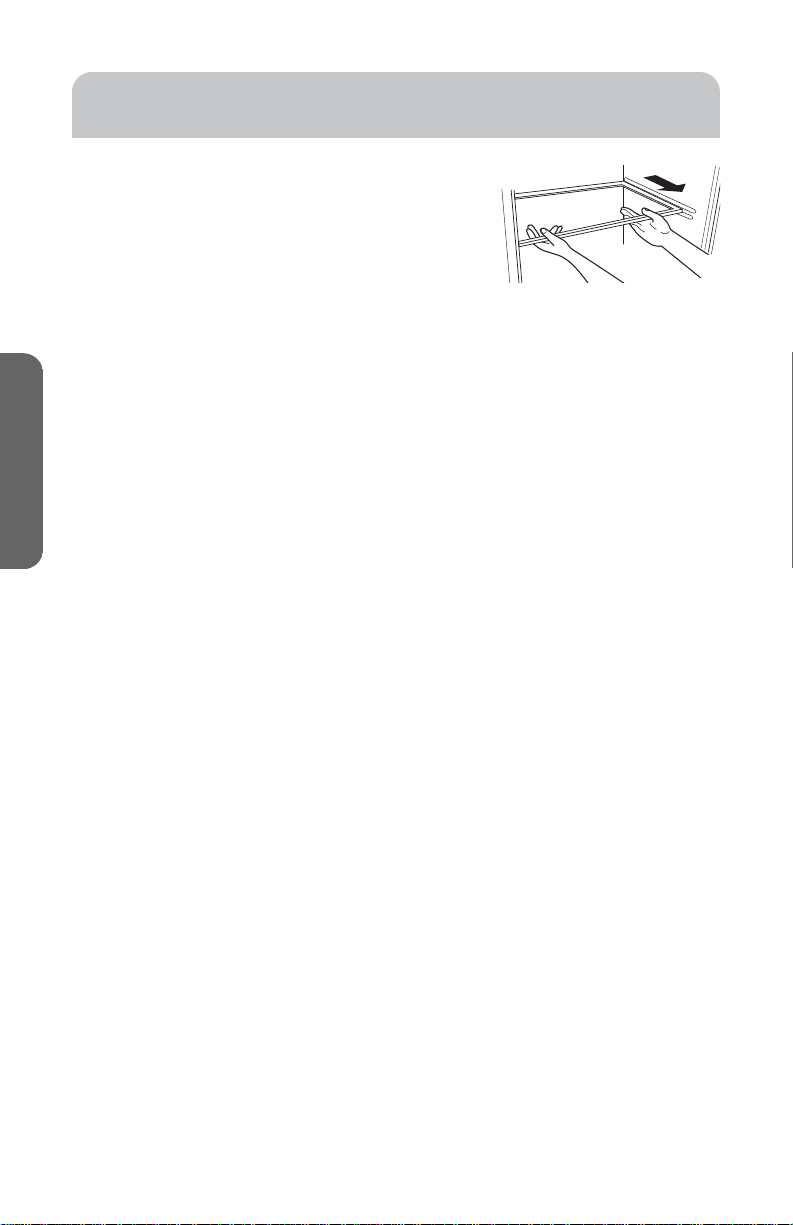
1. Incline ligeramente la repisa y deslícela hacia el
frente hasta sacarla por completo.
2. Para volver a colocar la repisa, deslícela
cuidadosamente a su lugar.
25
49-60774
CUIDADO DEL REFRIGERADOR
LIMPIEZA
En general
• Prepare una solución limpiadora de 3 a 4 cucharadas de bicarbonato de sodio
mezclado con agua tibia. Limpie el refrigerador con una esponja o un paño suave
humedecido con la solución limpiadora.
• Enjuague con agua limpia tibia y seque con un paño suave.
• No utilice sustancias químicas fuertes, abrasivos, amoniaco, blanqueador a
base de cloro, detergentes concentrados, solventes o fibras metálicas. Algunas
de estas sustancias químicas pueden deshacer, dañar y/o cambiar el color del
refrigerado
Empaques de la puerta:
• Limpie los empaques de la puerta cada tres meses de acuerdo con las
instrucciones generales. Los empaques deben mantenerse limpios y flexibles para
asegurar que sellen correctamente.
• Aplique gel de petróleo ligeramente en el lado del empaque de las bisagras para
que el empaque no pierda su flexibilidad y garantizar que selle correctamente.
Descongelamiento
Descongele cuando la escarcha en la pared del compartimiento del congelador sea
de 1/8” de espesor.
Para descongelar, quite los alimentos y la bandeja de los cubos de hielo del
compartimiento del congelador. Asegúrese de que la bandeja de goteo esté en su
lugar y desenchufe la unidad. La descongelación por lo general lleva unas horas. Para
acelerar la descongelación, mantenga la puerta abierta y coloque un recipiente de
agua tibia en el refrigerador. Luego de descongelar, vacíe el agua de la bandeja de
goteo y lave la bandeja en agua tibia.
ADVERTENCIA
Para evitar una descarga eléctrica, siempre desenchufe
su refrigerador antes de limpiarlo. Ignorar esta advertencia puede producir
lesiones o la muerte.
PRECAUCIÓN
Antes de usar productos de limpieza, lea y siga siempre
las instrucciones y advertencias del fabricante, a fin de evitar lesiones
personales o daños al producto.
PELIGRO
PELIGRO DE EXPLOSIÓN
Riesgo de incendio o explosión debido a perforación de la tubería refrigerante.
Se utiliza refrigerante inflamable. No utilice dispositivos metálicos para
descongelar el refrigerador. No perfore la tubería refrigerante.
ESPAÑOL
49-60774
26
CUIDADO DEL REFRIGERADOR
MANTENIMIENTO
Interrupciones del suministro eléctrico
• En ocasiones, puede haber interrupciones del suministro eléctrico debido a
tormentas u otros motivos. Desenchufe el cable eléctrico del tomacorriente de
pared cuando ocurra un corte eléctrico. Cuando la electricidad haya regresado,
vuelva a conectar el cable eléctrico al tomacorriente de pared. Si ocurre un
corte eléctrico durante un periodo prolongado, inspeccione los alimentos
descongelados que estaban en el refrigerador o congelador y deseche los que ya
no sirvan. Limpie el refrigerador antes de volver a usarlo.
Cuidado durante las vacaciones y mudanzas
• Durante ausencias o vacaciones largas, no deje comida en el refrigerador ni
congelador, coloque el disco de control de temperatura en la posición “0” y limpie
el refrigerador y los empaques de la puerta de acuerdo con la sección “Limpieza
general”. Mantenga las puertas abiertas para que pueda circular aire adentro.
Durante las mudanzas, traslade el refrigerador siempre en posición vertical, no
traslade la unidad acostada, podría sufrir daños en el sistema de sellado.
Recomendaciones para ahorrar energía
• El refrigerador debe ubicarse en la zona más fresca del lugar, alejado de
electrodomésticos que generen calor o de conductos de calefacción, y alejado de
la luz directa del sol.
• Deje enfriar los alimentos calientes antes de guardarlos en el refrigerador. Cuando
se satura el refrigerador de alimentos, el compresor funciona más tiempo y por
lo tanto, el consumo de energía es mayor. Los alimentos que se refrigeran por
mucho tiempo, lentamente pueden perder su calidad o descomponerse.
• Asegúrese de envolver correctamente los alimentos y de secar los recipientes
antes de colocarlos en el refrigerador.
• Las repisas metálicas no deben revestirse con papel aluminio, papel encerado o
toallas de papel. Esto interfiere con la circulación del aire frío y reduce la eficacia
del refrigerador.
• Organice los alimentos de manera que se reduzca la cantidad de veces que se
tenga que abrir la puerta y evite búsquedas prolongadas. Saque los elementos
necesarios de una sola vez y cierre la puerta lo más rápido posible.
ADVERTENCIA
PELIGRO DE EXPLOSIÓN O INCENDIO
Riesgo de incendio o explosión. Se utiliza refrigerante inflamable. No perfore
la tubería refrigerante. Debe ser reparado solo por personal de servicio
autorizado. Consulte el manual de reparación antes de intentar reparar este
producto. Deben seguirse todas las precauciones de seguridad. Las piezas
del componente deben reemplazarse con componentes equivalentes para
minimizar el riesgo de un posible incendio debido a piezas incorrectas o
reparación inapropiada.
ESPAÑOL
27
49-60774
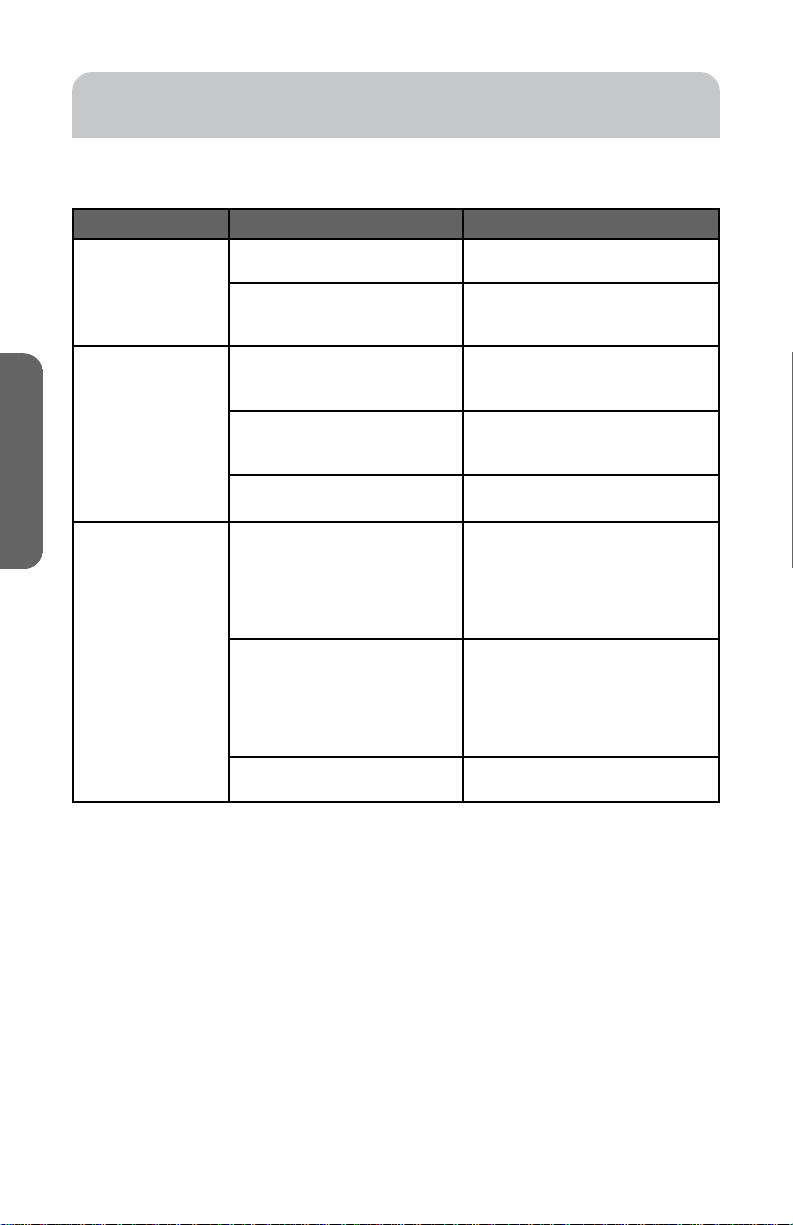
SOLUCIÓN DE PROBLEMAS
Pruebe las soluciones sugeridas aquí y posiblemente se evite el gasto de una visita
de servicio técnico.
ESPAÑOL
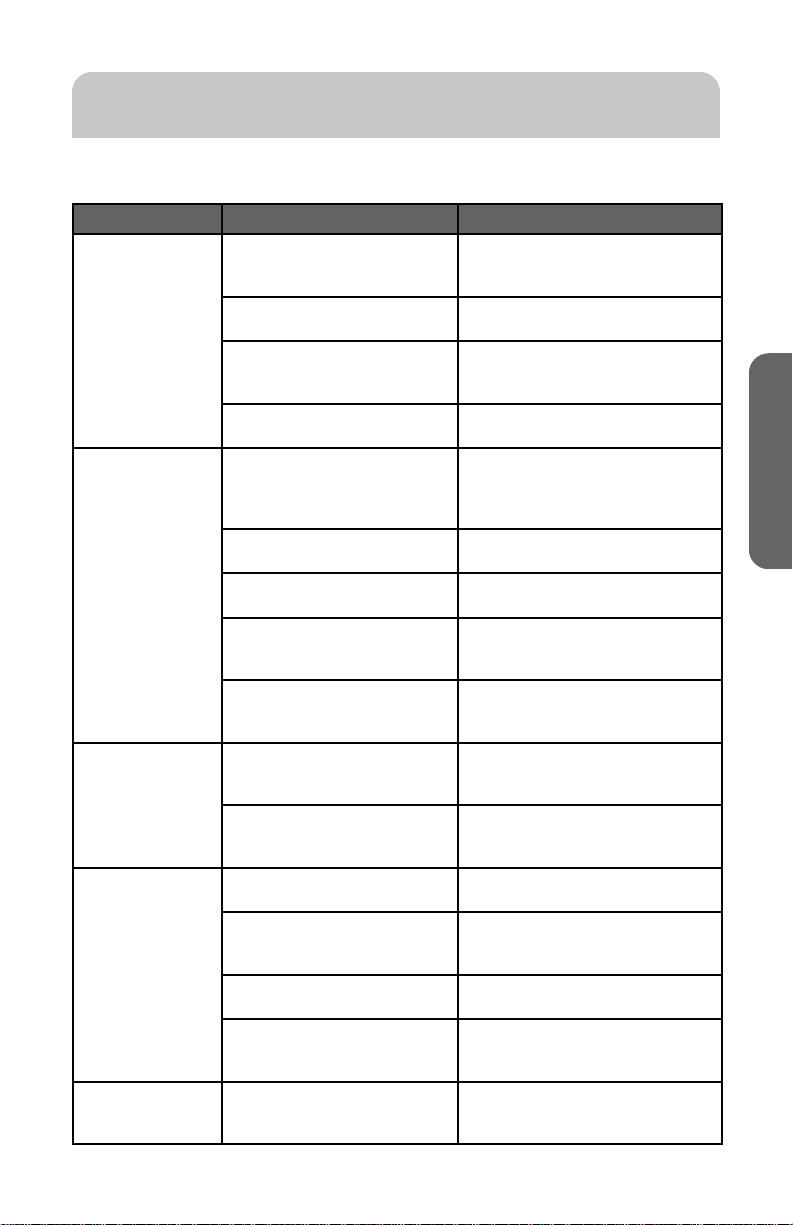
PROBLEMA POSIBLE(S) CAUSA(S) SOLUCIÓN
El refrigerador no
funciona
El refrigerador no está
enchufado.
Enchufe el refrigerador a un
tomacorriente de 3 terminales con
conexión a tierra.
Se ha quemado un fusible ose
ha disparado un cortacircuitos.
Reemplace/encienda el
cortacircuitos o cambie el fusible.
El control de temperatura se
encuentra en posición de OFF
(apagado).
Gire el control de temperatura a un
ajuste entre .
El compresor funciona en
ciclos.
Espere de 30 a 40 minutos para
comprobar si el compresor se inicia.
El compresor
funciona con
demasiada
frecuencia
La temperatura ambiente está
elevada o hay humedad.
Esto puede ser normal para
mantener la temperatura constante
en los días húmedos y de altas
temperaturas.
La puerta del refrigerador no
está cerrada por completo.
Cierre la puerta por completo.
La junta de la puerta no sella
correctamente.
Limpie la junta de la puerta.
Vea “Limpieza”.
La puerta se abre con
frecuencia o durante períodos
prolongados.
Disminuya la cantidad de veces
que abre la puerta para mantener la
temperatura interna.
La puerta está bloqueada
abierta.
Reorganizar o eliminar elementos
que mantienen la puerta se cierre
por completo.
La puerta del
centro de la
bebida no cierra
correctamente
El refrigerador no está
nivelado o la puerta no está
alineada.
Nivele el refrigerador o alinee la
puerta.
La puerta está bloqueada
abierta.
Reorganizar o eliminar elementos
que mantienen la puerta se cierre
por completo.
La temperatura
de los alimentos
está demasiado
elevada
La puerta se abre con
frecuencia.
Disminuya la cantidad de veces que
abre la puerta.
Se ha agregado recientemente
una gran cantidad de
alimentos.
Deje que pase algún tiempo para
que se enfríen los alimentos tibios
que agregó recientemente.
La puerta no sella
correctamente.
Limpie la junta de la puerta.
Vea “Limpieza”.
Îïæòñ÷õòïñòöèĤíſèñ
una temperatura lo
öøĤæìèñ÷èðèñ÷èéõżä
Regule el temperatura a un ajuste
más frío.
La temperatura de
los alimentos está
demasiado fría
El control se ha fijado en un
ajuste demasiado frío.
Ajuste la temperatura a un ajuste
menos .
49-60774
28
ESPAÑOL
SOLUCIÓN DE PROBLEMAS
Pruebe las soluciones sugeridas aquí y posiblemente se evite el gasto de una visita
de servicio técnico.
PROBLEMA POSIBLE(S) CAUSA(S) SOLUCIÓN
El refrigerador
huele mal
El refrigerador necesita
limpieza.
Limpie el refrigerador.
Vea“Limpieza”.
Los alimentos están envueltos
o sellados de manera
inadecuada y emanan olores.
Envuelva y selle bien los alimentos
antes de guardarlos en el
refrigerador.
Se acumula
humedad en el
interior o exterior
del refrigerador
La temperatura ambiente está
elevada o hay humedad.
Esto es normal durante períodos de
mucha humedad.
La puerta se abre con
frecuencia o durante períodos
prolongados.
Disminuya la cantidad de veces que
abre la puerta
La junta de la puerta no sella
correctamente.
Limpie la junta de la puerta.
Vea “Limpieza”.
Sonido de estallido
o crujido cuando
se enciende el
compresor
El refrigerador no está
nivelado.
Nivele el refrigerador.
Vea“Nivelación”. Si el piso está
desnivelado, es posible que
deba colocar cuñas de metal o
madera debajo de una parte del
refrigerador.
Es posible que el piso esté
irregular o sea inestable.
Asegúrese de que el piso soporte
el refrigerador de manera
adecuada. Coloque una cuña de
madera o de metal para nivelarlo.
El refrigerador toca la pared. Aleje el refrigerador de la pared y
vuelva a nivelar, si es necesario.
29
49-60774
GARANTÍA LIMITADA
ESPAÑOL
12 Meses para Piezas y Trabajos
Durante 12 meses desde la fecha de compra
minorista original, GE Appliances reemplazará
cualquier pieza del refrigerador que falle
debido a un defecto en los materiales o
la fabricación. GE Appliances podrá, a su
criterio, reemplazar o realizar la reparación
de la unidad defectuosa. En caso de que
GE Appliances decida realizar el servicoi
técnico sobre la unidad, GE Appliances
brindará sin costo cualquier pieza que falle
debido a un defecto en los materiales o la
fabricación, junto con cualquier trabajo o
costos relacionados con el servicio para
reemplazar la pieza defectuosa. Durante este
período, si GE Appliances decide reemplazar
la unidad, podrá hacerlo brindándole a usted
øñæèõ÷ìĤæäçòæäñíèäåïèèñøñðìñòõìö÷äèï
cual podrá ser usado para un producto de
reemplazo.
El producto deberá estar accesible, sin
obstáculos y deberá ser instalado de forma
apropiada para poder recibir el servicio de
reparación correspondiente a la garantía.
NOTA: Esta garantía comienza en la fecha
de compra de este producto, y el recibo
original deberá presentarse al representante
autorizado de servicio antes de hacerse las
reparaciones bajo la garantía.
PARA OBTENER SERVICIO BAJO LA
GARANTÍA
Para los clientes de EE.UU., todo el servicio
de garantía deberá ser provisto por nuestros
Centros de Servicio de Fabricación, o por un
técnico autorizado del Servicio al Cliente.
Para programar una visita del servicio técnico,
llame al 1.877.337.3639.
Cuando llame para solicitar el servicio, tenga
los números de serie y modelo disponibles.
Lo que no está cubierto bajo esta garantía:
Viajes del técnico del servicio a su hogar para
enseñarle sobre cómo usar el producto.
Instalación inadecuada, entrega o
mantenimiento.
Fallas del producto en caso de abuso, mal uso,
o uso para propósitos diferentes al original o
uso comercial.
Pérdida de alimentos por mal estado.
Daño causado después de la entrega.
Reemplazo de fusibles de la casa o reinicio de
disyuntores.
Reemplazo de las bombillas de luz.
Daños ocasionados sobre el producto
por accidente, incendio, inundaciones o
catástrofes naturales.
Daños consecuentes o incidentales causados
por posibles defectos de este producto.
Producto no accesible para brindar el servicio
requerido.
Costos asociados cuando GE Appliances
çèæìçèèñ÷õèêäõäïæòñöøðìçòõøñæèõ÷ìĤæäçò
como forma de reemplazo del producto.
EXCLUSIÓN DE GARANTÍAS IMPLÍCITAS - Su única y exclusiva alternativa es la reparación
del producto, como se indica en la Garantía Limitada. Las garantías implícitas, incluyendo
garantías implícitas de comerciabilidad o conveniencia sobre un propósito particular, se
limitan a un año o al período más corto permitido por la ley.
49-60774
30
GARANTÍA LIMITADA
ESPAÑOL
Esta garantía se extiende al comprador original y a cualquier dueño subsiguiente de productos
comprados para uso hogareño dentro de EE.UU. Si el producto está en un área donde no se
encuentra disponible un Proveedor Autorizado del Servicio Técnico de GE Appliances, usted
será responsable por el costo de un viaje o se podrá requerir que traiga el producto a una
ubicación del Servicio Técnico de GE Appliances Autorizado para recibir el servicio. En Alaska, la
garantía excluye el costo de envío o llamadas del servicio a su hogar.
Algunos estados no permiten la exclusión o limitación de daños fortuitos o consecuentes.
Îö÷äêäõäñ÷żäïèçäçèõèæëòöïèêäïèöèöóèæżĤæòöüèöóòöìåïèôøè÷èñêäò÷õòöçèõèæëòöïèêäïèö
que varían entre un estado y otro. Para conocer cuáles son sus derechos legales, consulte a la
òĤæìñäçèäöøñ÷òöçèïæòñöøðìçòõïòæäïòèö÷ä÷äïòäïÏìöæäïçèöøèö÷äçò
Garante:
GE Appliances, a Haier company

31
49-60774
INFORMACIÓN A TENER EN CUENTA
Le agradecemos la compra de este producto
de marca Haier. Este manual para el usuario lo
ayudará a obtener el mejor funcionamiento de
su nuevo refrigerador.
Para referencia futura, anote el número de
modelo y de serie y la fecha de compra. La
placa con el número de modelo o de serie
está ubicada en una etiqueta dentro del
refrigerador.
Engrape la prueba de compra a este manual
para asistirle cuando necesite obtener
servicio bajo la garantía.
_______________________________________
Número de modelo
_______________________________________
Número de serie
_______________________________________
Fecha de compra

49-60774
32
IMPORTANT
Do Not Return This Product To The Store
If you have a problem with this product, please call 1-877-337-3639 for the name and
telephone number of the nearest authorized service center.
DATED PROOF OF PURCHASE REQUIRED FOR WARRANTY SERVICE
IMPORTANTE
No regrese este producto a la tienda
Si tiene un problema con este producto, por favor comuníquese al 1-877-337-3639 p
ara solicitar el nombre y número telefónico del centro de servicio al cliente autorizado
más cercano.
NECESITA UNA PRUEBA DE COMPRA FECHADA, NÚMERO DE MODELO
Y DE SERIE PARA EL SERVICIO DE LA GARANTÍA