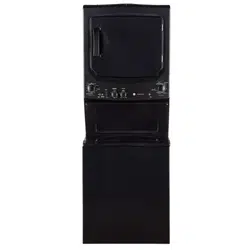
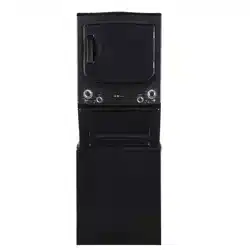
This is the manual instruction of Electric Washer and Dryer
THE WASHER
Control Panel
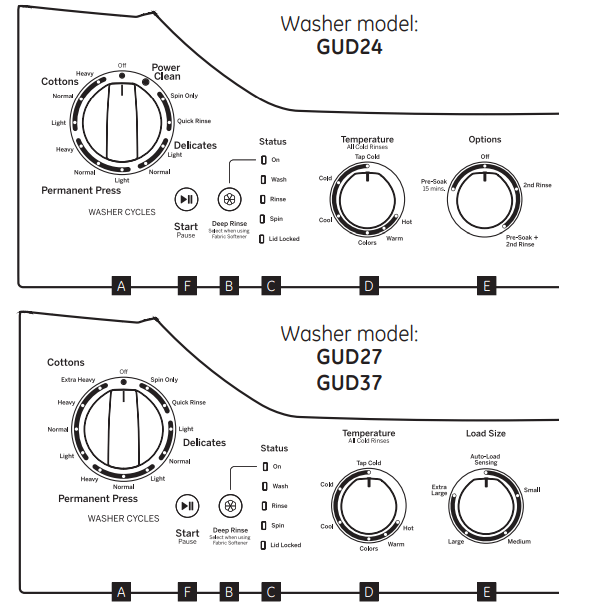
Wash Cycle Selector
The wash cycle controls the length and intensity of the washing process. The knob can be turned in either direction. Turning the Cycle Selector knob after starting a cycle will stop the washer and reset the cycle to the new selection. Press Start to begin the new cycle selection.
Below will help you match the wash cycle setting with your clothing which is ranked from longest to shortest cycle time and wash intensity. (Cycles vary by model.)
Power Clean - Uses more water than standard wash cycles. It is recommended for extra-large loads and heavily soiled clothes.
Cottons - For heavy to lightly soiled cottons, household linens, work and play clothes.
Permanent Press - For wrinkle-free and permanent press items, and knits.
Delicates - For lingerie and special-care fabrics with light to normal soil.
Quick Rinse - Rinses and spins non-soiled items where a rinse only is desired.
Spin Only - For draining the tub and spinning water out of clothes.
Off - Washer is turned off and the Start button does not function.
- NOTE: When the control is turned to OFF, the Status lights are off.
- NOTE: The cycle selector does not rotate during the operation of the washer.
Deep Rinse
Set this option when adding fabric softener to the washer.
Status lights
The Status lights show the stage the washer is in. When the selector knob is set to a new cycle, the Status lights will flash momentarily, showing the stages the cycle will go through.
On: When the fabric softener option has been selected.
Was: When the washer is in the wash portion of the cycle
Rinse: When the washer is in the rinse portion of the cycle.
Spin: When the washer draining and/or spinning.
Lid Locked: When the washer lid is locked. This feature prevents the lid from being opened while the washer is in the spin cycle or coasting to a stop.
*NOTE: If the Status lights are blinking, the operation of the washer has been paused. To resume operation press the Start button (the lid must be closed).
Temperature
Select the water temperature for the wash cycle (all rinses use cold water). Always follow fabric manufacturer’s care label or instructions when laundering.
"Tap Cold* uses incoming tap water, which can provide energy savings. For all other temperature selections, a mixture of hot and cold water is used to achieve the ideal temperature for each temperature setting.
*Please note that some detergents do not fully dissolve in very cold water. If you experience this, it is recommended you choose a setting other than Tap Cold.
Load Size
Loosely load clothes no higher than the top row of holes in the washer basket.
Auto Load Sensing- This selection automatically provides the correct amount of water suited to the size and type of load placed in the unit.
Start
Press Start to begin the cycle. With the lid closed pressing Start again will pause the cycle and Status lights will blink. To continue the cycle, close the lid and press Start again. The water fill will continue with the lid opened, except when Auto Load Sensing is selected as the load size. (The lid must be closed to continue filling when Auto Load Sensing is selected.)
If the lid is opened during the cycle, the cycle will pause and the Status lights will blink. To resume the cycle, close the lid and press Start.
f the machine is paused for more than 24 hours, the cycle will be cancelled. To stop the cycle, turn the Cycle Selector to the Off position.
Washer features
The Fabric Softener Dispenser
The fabric softener dispenser automatically releases liquid fabric softener at the proper time during the cycle.
Do NOT stop the washer during the first spin. This will cause the dispenser to empty too soon.
To use, follow these steps:
1. Make sure dispenser is securely attached to aligator.
2. Use only diluted liquid fabric softener. Pour into dispenser, using amount recommended on package.
Never pour fabric softener directly on clothes. It may stain them.
*NOTE: Do not pour bleach into FABRIC SOFTENER dispenser.
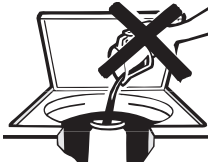
Do NOT pour anything into the agitator if the dispenser is removed.
3. Add water to dispenser until it reaches the maximum fill line.
4. Select FABRIC SOFTENER button on control panel for proper dispersion of the fabric softener.
Cleaning the Fabric Softener Dispenser
1. Remove the dispenser from the top of the agitator.
2. Separate the dispenser cup from the cover by grasping the top and pushing down on the inside of Dispenser cup will pop free from the cover.
3. To clean the dispenser, soak both the dispenser cup and the dispenser cover in the following solution:
1 US gallon (3.8 liters) warm water
1/4 cup (60 ml) heavy-duty liquid detergent
1 cup (240 ml) bleach
4. If necessary, loosen buildup with a clean, soft cloth after soaking. Do not use a stiff brush; you may roughen the surface of the dispenser.
5. Rinse and reassemble dispenser. Place dispenser back on the agitator.
Liquid Bleach Funnel
The water fill dilutes liquid chlorine bleach as the washer fills for the wash cycle.
1. Check clothing care labels for special instructions.
2. Measure liquid bleach carefully, following instructions on the bottle
Never pour undiluted liquid chlorine bleach directly onto clothes or into the wash basket.
Do not pour powdered bleach into bleach funnel.
3. Before starting the washer, pour measured amount of bleach directly into bleach funnel. Avoid splashing or over-filling dispenser. If you prefer to use powdered bleach, add it into the wash basket with your detergent.
Do not mix chlorine bleach with ammonia or acids such as vinegar and/or rust remover. Mixing can produce a toxic gas which may cause death.
*NOTE: Do not pour bleach into FABRIC SOFTENER dispenser
Using the washer
Sorting Wash Loads
Proper Use of Detergent
Add detergent and start the washer before adding clothes so that the detergent can work effectively.
Using too little or too much detergent is a common cause of laundry problems.
You can use less detergent if you have soft water, a smaller load, or a lightly soiled load.
Loading the Washer
Load dry items loosely, no higher than the top row of holes in the washer tub.
When loading wet items make sure you set the load/water level high enough to allow the items to move freely. Water level should just cover the clothes.
To add items after washer has started, lift the lid and submerge additional items next to the agitator.
Do not wrap large items like sheets around the agitator.
Do not wash fabrics containing flammable materials (waxes, cleaning fluids, etc.).
Agitation will not start with the lid up.
Care and Cleaning
Wash Basket: Leave the lid open after washing to allow moisture to evaporate. If you want to clean the basket, use a clean soft cloth dampened with liquid detergent; then rinse. (Do not use harsh or gritty cleaners.)
Fill Hoses: GE recommends changing the hoses every years.
Exterior: Immediately wipe off any spills. Wipe with damp cloth. Try not to hit surface with sharp objects.
Moving and Storage: Ask the service technician to remove water from drain pump and hoses. See the Installation Instructions packed with product for information on how to reinstall the shipping rod to keep the tub stationary when moving the washer
Long Vacations: Be sure water supply is shut off at faucets. Drain all water from hoses if weather will be below freezing.
Troubleshooting
Water
Too many suds
Too much detergent
Measure your detergent carefully. Use less soap if you have soft water, a smaller load or a lightly soiled load.
Water leaks
Using too much detergent
Use less detergent. Use less soap if you have soft water, a smaller load or a lightly soiled load.
Fill hoses or drain hose is improperly connected
Make sure hose connections are tight at faucets and rubber washers are installed. Make sure end of drain hose is correctly inserted in and secured to drain facility.
Household drain may be clogged. Check household plumbing. You may need to call a plumber.
Tighten hoses at the faucets and turn the water off after each use.
Constant water pressure to the fill hoses at the water source
Check condition of the fill hoses; they should be replaced every 5 years.
Water temperature seems incorrect
Cooler water temperatures provide improved energy efficiency
New laundry detergents have been formulated to work with cooler water temperatures without affecting wash performance.
Water supply is turned off or improperly connected
Turn both hot and cold faucets fully on and make sure hoses are connected to correct faucets.
Water valve screens are stopped up
Turn off the water source and remove the water connection hoses from the upper back of the washer. Use a brush or toothpick to clean the screens in the machine. Reconnect the hoses and turn the water back on.
House water heater is not set properly
Make sure house water heater is delivering water at 120°F–140°F (48°C–60°C)
Water pumped out before cycle is complete
Lid lifted or cycle was put in pause for over hours
Reset cycle
Water won’t drain
Drain hose is kinked or improperly connected
Straighten drain hose and make sure washer is not sitting on it. Top of drain outlet should be less than 8 ft (2.5 m) above floor.
Washer pauses during spin cycle
This is normal. The washer may pause during the spin cycle to remove soapy water more efficiently.
Can hear but not see water at the end of the cycle
This is normal. The pump leaves a little water in its intake and this is diluted with clean rinse water.
Washer Operation
Washer won’t operate
Washer is unplugged
Make sure cord is plugged securely into a working outlet.
Water supply is turned off
Turn both hot and cold faucets fully on.
Controls are not set properly
Check controls.
Lid is open—safety feature prevents agitation and spinning when lid is up
Close lid and reset cycle, to the beginning if necessary.
Circuit breaker/fuse is tripped/blown
Check house circuit breakers/fuses. Replace fuses or reset breaker. Washer should have separate outlet.
Electronics need to be reset
Unplug washer, wait 2 minutes, plug back in and press Start.
Start was not pressed
Press Start.
Lid magnet missing
Call for service.
Movement inside machine when shut off
Shifting mechanism is disengaging the motor
When the machine is manually turned off, the shifter will disengage the motor before completely shutting down. If lid is raised before the motor is disengaged, it will resume when lid is closed.
Washer Performance
Clothes too wet
Incorrect spin cycle selected
Make sure the spin cycle selected matches the load you are washing. Some fabrics will feel wetter when rinsed with cold water.
Colored spots
Incorrect use of fabric softener
Check fabric softener package for instructions and follow directions for using dispenser.
Pretreat stain and rewash.
Dye transfer
Sort whites or lightly colored items from dark colors
Grayed or yellowed clothes
Not enough detergent
Use more detergent (especially with larger loads). Be sure to follow detergent manufacturer’s directions.
Hard water
Use a water conditioner like Calgon brand or install a water softener.
Water is not hot enough
Make sure water heater is delivering water at 120°F–140°F (48°C–°C).
Washer is overloaded
Select load size to match clothes load.
Detergent is not dissolving
Add detergent as wash basket fills with water before you load clothes.
Dye transfer
Sort clothes by color. If fabric label states wash separately, unstable dyes may be indicated.
Lint or residue on clothes
Clothes are air or line dried
If you do not dry your clothes with a clothes dryer, your clothes may retain more lint.
Incorrect sorting
Separate lint producers from lint collectors.
Washing too long
Wash small loads for a shorter time than larger loads
Detergent not dissolving
Add detergent as wash basket fills with water, before you load clothes.
Try a liquid detergent.
Use warmer water temperature.
Overloading
Load clothes no higher than the top row of holes in the washer basket.
Incorrect use of fabric softener
Check fabric softener package for instructions and follow directions for using dispenser.
Pilling
Result of normal wear on poly-cotton blends and fuzzy fabrics
While this is not caused by the washer, you can slow the pilling process by washing garments inside out.
Snags, holes, tears, rips or excessive wear
Pins, snaps, hooks, sharp buttons, belt buckles, zippers and sharp objects left in pockets
Fasten snaps, hooks, buttons and zippers.
Remove loose items like pins, objects in pockets and sharp buttons.
Turn knits (which snag easily) inside out.
Undiluted chlorine bleach
Check bleach package instructions for proper amount.
Never add undiluted bleach to wash or allow clothes to come in contact with undiluted bleach.
Chemicals like hair bleach or dye, permanent wave solution
Rinse items that may have chemicals on them before washing.
Wrinkling
Improper sorting
Avoid mixing heavy items (like work clothes) with light items (like blouses).
Try a fabric softener.
Overloading or incorrect water level
Load your washer so clothes have enough room to move freely with water covering all of the clothes.
Incorrect wash and dry cycles
Match Cycle selection to the type of fabric you are washing especially for easy care loads).
Repeated washing in water that is too hot
Wash in warm or cold water.
Washer Sounds
"Metallic clicking”
Shifter mechanism is engaging or disengaging
The drive system will engage at the start of agitate and disengage when agitate is complete. This occurs multiple times during the wash.
"Back and forth swoosh” or light clicking” sound during agitate
Electric motor reversing direction
This machine has a drive system that doesn’t use gears. This sound is the motor rotating back and forth to agitate your laundry.
Quick short agitation sounds at end of agitate:
Clothing redistribution
At the end of agitate, the motor makes short agitation strokes to redistribute the load.
"Click” when water stops filling:
Relay switch
The relay makes a click sound when activated. The water level activates the relay and stops filling.
"Clicking” behind Control Panel during fill
Automatic Temperature Control Valve
This valve mixes in cold and hot water. The “clicking” is the valve turning on and off.
Water volume changes during fill
Automatic Temperature Control Valve
This valve mixes in cold and hot water. The sound changes when the valves are turned on and off.
Motor “whining up” or ”coasting down” in spin
Motor ramping up/down during spin cycle
The motor will speed up incrementally during the spin cycle. When spin is complete, it will coast until it stops.
"Humming”
Water drain pump
The drain pump will make a humming sound when pumping out water after agitation stops and continue until spin is complete.
"Gurgling”
Water drain pump
When the pump starts drawing in air, It starts to gurgle. The washer should then begin spinning and the sound will continue until it is done spinning.
THE DRYER
Control Panel
IMPORTANT: Clean the lint filter each time you use the dryer
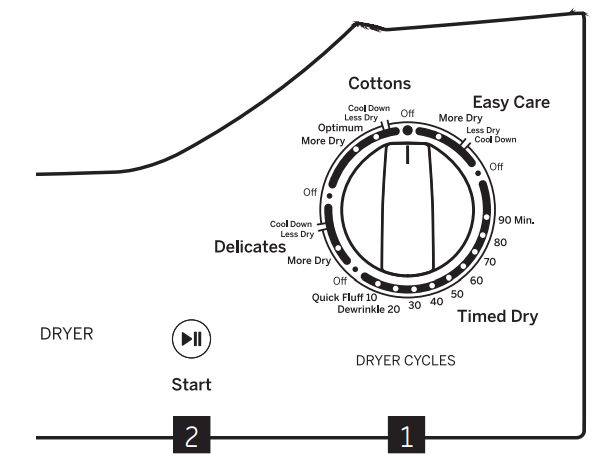
1. Fabric Care/Temperature
Cottons: For regular to heavy cottons
Delicates: For delicates, synthetics and items labeled tumble dry low.
EASY Care: For synthetics, blends, delicates and items labeled permanent press
Quick Fluff: For fluffing items without heat. Use the Timed Dry cycle.
Drying Cycles
Cottons: For cottons and most linens. For most loads, select Optimum Dry.
Delicates: For delicate items, special-care fabrics and knits
EASY Care: For wrinkle-free, permanent press and delicate items, and knits
Timed Dry: Set the Cycle Selector at the desired drying time
Dewrinkle: For removing wrinkles from items that are clean and dry or that are very lightly damp.
Quick Fluff: For freshening or fluffing up already dry clothing, fabrics, linens and pillows. Use with Fluff No Heat. Provides 10 minutes of no heat tumbling.
Automatic cycles determine fabric dryness and provide automatic sensored drying. The timer does not rotate during the cycle until the thermostats sense that the clothes are dry, then the timer rotates automatically to Off.
Select Less Dry if you want your clothes slightly damp at the end of the drying cycle.
Select More Dry if you want them to feel drier. Timed cycles run for a selected time.
Time Cycle
Timed Dry: For manual drying. The timer rotates during the entire cycle
2. Start-Close the dryer door. Press Start. Opening the door during operation will stop the dryer. To restart the dryer, close the door and select Start to complete the cycle.
Care and Cleaning
The Exterior: Wipe or dust any spills or washing compounds with a damp cloth. Dryer control panel and finishes may be damaged by some laundry pretreatment soil and stain remover products. Apply these products away from the dryer. The fabric may then be washed and dried normally. Damage to your dryer caused by these products is not covered by your warranty.
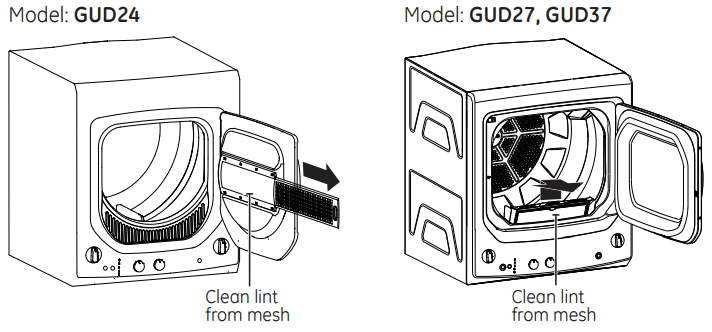
The Lint Filter: Clean the lint filter before each use.
Slide out the grid that covers the filter. Run your fingers across the filter. A waxy buildup may form on the lint filter from using dryer-added fabric softener sheets. To remove this buildup, wash the lint screen in warm, soapy water. Dry thoroughly and replace. Do not operate the dryer without the lint filter and grid in place. Have a qualified technician vacuum the lint from the dryer once a year
Dryer Interior and Duct: The interior of the appliance and exhaust duct should be cleaned once a year by qualified service personnel.
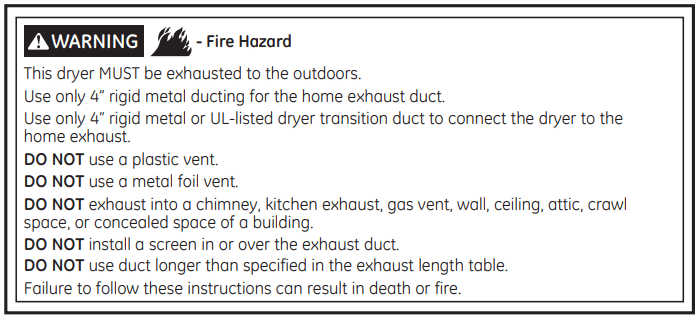
The Exhaust Duct: Inspect and clean the exhaust ducting at least once a year to prevent clogging. A partially clogged exhaust can lengthen the drying time.
Follow these steps:
Turn off electrical supply by disconnecting the plug from the wall socket.
Disconnect the duct from the dryer.
Vacuum the duct with the hose attachment and reconnect the duct.
The Exhaust Hood: Check with a mirror that the inside flaps of the hood move freely when operating. Make sure that there is no wildlife (birds, insects, etc.) nesting inside the duct or hood.
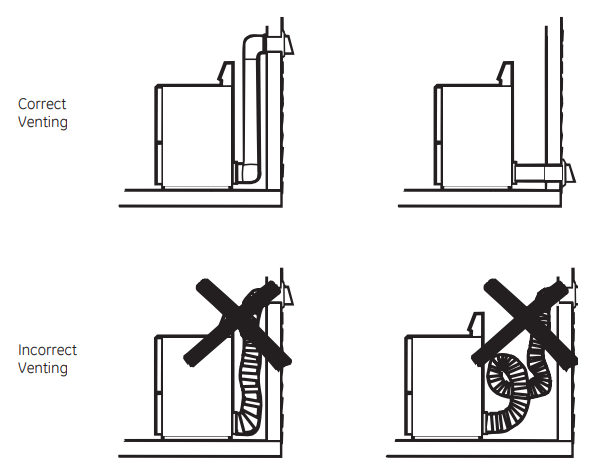
Venting
Troubleshooting
Dryer doesn’t start
Dryer is unplugged
Make sure the dryer plug is pushed completely into the outlet.
Fuse is blown/circuit breaker is tripped
Check the house fuse/circuit breaker box and replace fuse or reset breaker. Note: Most electric dryers use 2 fuses/breakers.
Dryer doesn’t heat
Fuse is blown/circuit breaker is tripped; the dryer may tumble but not heat
Check the house fuse/circuit breaker box and replace both fuses or reset both breakers. Your dryer may tumble if only one fuse is blown or one breaker tripped.
Gas service is off
Make sure gas shutoff at dryer and main shutoff are fully open.
Dryer shakes or makes noise
Some shaking/noise is normal. Dryer may be sitting unevenly
Move dryer to an even floor space, or adjust leveling legs as necessary until even.
Greasy spots on clothes
Improper use of fabric softener
Follow directions on fabric softener package.
Drying dirty items with clean ones
Use your dryer to dry only clean items. Dirty items can stain clean items and the dryer.
Clothes were not completely clean
Sometimes stains which cannot be seen when the clothes are wet appear after drying. Use proper washing procedures before drying.
Lint on clothes
Lint filter is full Clean lint screen before each load.
Overloading Separate large loads into smaller ones.
Paper, tissue, etc. left in pockets Empty all pockets before laundering clothes.
Static occurs
No fabric softener was used
Try a fabric softener.
Bounce® Fabric Conditioner Dryer Sheets have been approved for use in all GE Dryers when used in accordance with the manufacturer’s instructions.
Overdrying
Try a fabric softener.
Adjust setting to Less Dry.
Synthetics, permanent press and blends can cause static
Try a fabric softener.
Inconsistent drying times
Type of heat
Automatic drying times will vary according to the type of heat used electric, natural or LP gas), size of load, types of fabrics, wetness of clothes and condition of exhaust ducts.
Clothes take too long to dry
Improper sorting
Separate heavy items from lightweight items (generally, a well-sorted washer load is a well-sorted dryer load).
Large loads of heavy fabrics like beach towels)
Large, heavy fabrics contain more moisture and take longer to dry. Separate large, heavy fabrics into smaller loads to speed drying time.
Controls improperly set
Match control settings to the load you are drying.
Lint filter is full
Clean lint filter before every load.
Improper or obstructed ducting
Check installation instructions for proper ducting/venting.
Make sure ducting is clean, free of kinks and unobstructed.
Check to see if outside wall damper operates easily.
Check the Installation Instructions to make sure the dryer venting is correct.
Blown fuses or tripped circuit breaker
Replace fuses or reset circuit breakers. Since most dryers use 2 fuses/breakers, make sure both are operating.
Overloading/combining loads
Do not put more than one washer load in the dryer at a time.
Underloading
If you are drying only one or two items, add a few items to ensure proper tumbling.
Clothes are wrinkled
Overdrying
Select a shorter drying time.
Remove items while they still hold a slight amount of moisture. Select a Less Dry setting.
Letting items sit in dryer after cycle ends
Remove items when cycle ends and fold or hang immediately.
Overloading
Separate large loads into smaller ones.
Clothes shrink
Some fabrics will naturally shrink when washed. Others can be safely washed, but will shrink in the dryer
To avoid shrinkage, follow garment care labels exactly.
Some items may be pressed back into shape after drying
If you are concerned about shrinkage in a particular item, do not machine wash or tumble dry it.