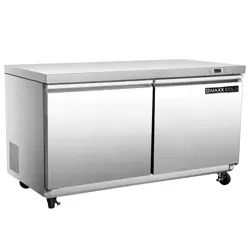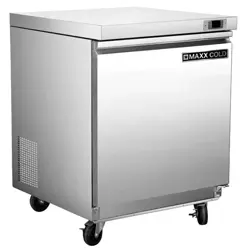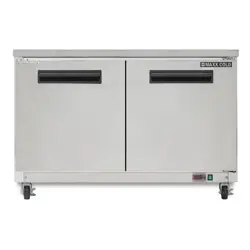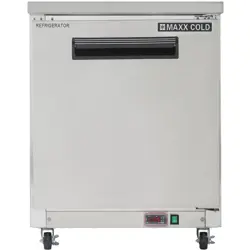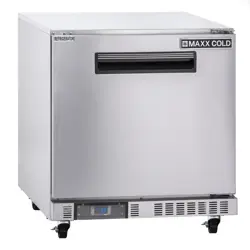
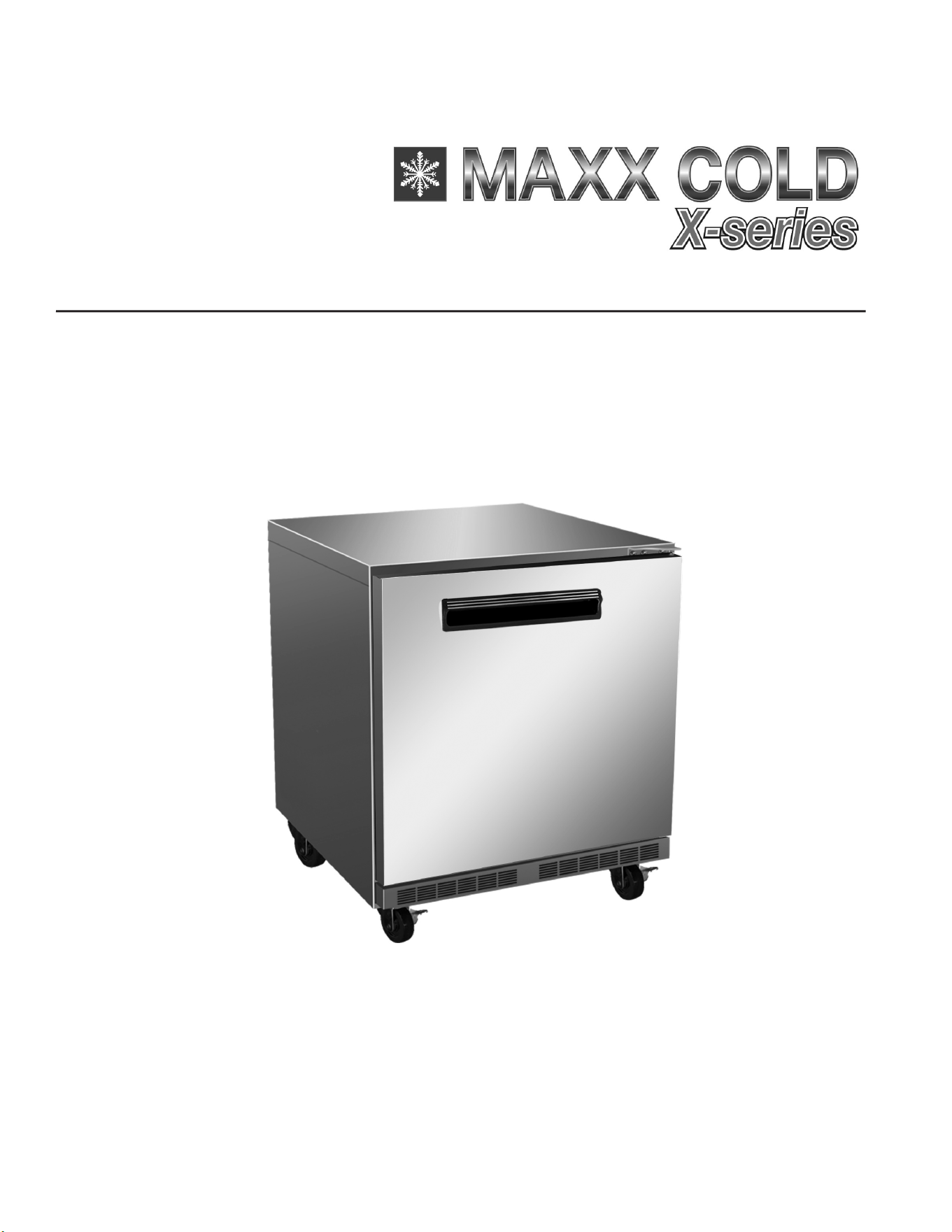
MXCR27U-FBHC
Front Breathing Undercounter Refrigerator
Service, Installation and Care Manual
IMPORTANT INFORMATION
READ BEFORE USE
PLEASE SAVE THESE INSTRUCTIONS!

Service and Installation Manual
2
CONTENTS
RECEIVING & INSPECTING EQUIPMENT .................................................................................... 2
SAFETY WARNINGS ........................................................................................................................ 3
INSTALLATION .................................................................................................................................... 5
OPERATION ......................................................................................................................................... 6
MAINTENANCE .......................................................................................................................... 8
SPECIFICATIONS & PARTS LISTING ........................................................................................... 10
WIRING DIAGRAMS ........................................................................................................ 11
All rights reserved. Reproduction without written permission is prohibited.
SERIAL NUMBER INFORMATION
The serial number of all self-contained refrigerators and freezers is located inside the unit on the left hand
side near the top on the wall.
Always have the serial number of your unit available when calling for parts or service.
You must also have a copy of your proof of purchase receipt or invoice, if you did not fill
out and submit your warranty information card.
Failure to have submitted this data or share a photo copy showing ownership and
purchase of this appliance may void it’s warranty coverage. This manual covers
standard units only.
RECEIVING AND INSPECTING THE EQUIPMENT
Even though most equipment is shipped crated, care should be taken during unloading so the equipment is not
damaged while being moved into the building.
1. Visually inspect the exterior of the package and skid or container. Any damage should be noted and reported
to the delivering carrier immediately.
2. If damaged, open and inspect the contents with the carrier.
3. In the event that the exterior is not damaged, yet upon opening, there is concealed damage to the equipment,
notify the carrier. Notification should be made verbally as well as in written form.
4. Request an inspection by the shipping company of the damaged equipment. This should be done within 10
days from receipt of the equipment. Failure to file in a timely fashion will preclude any financial reimbursement
due to any freight damage as well as a possibly voiding the warranty.
5. Be certain to check the compressor compartment housing and visually inspect the refrigeration package. Be
sure lines are secure and base is still intact.
6. Freight carriers can supply the necessary damage forms upon request.
7. Retain all crating material until an inspection has been made or waived.
8. After any claim has been processed, be sure to dispose of the packing material in an appropriate manner
that meets any local code requirements and regulations as well as those of the trash/disposal carrier.
Service and Installation Manual
3
COMMERCIAL REFRIGERATOR SAFTEY
Your safety and the safety of others are very important.
We have provided many important safety messages in this manual and on your appliance. Always read and obey
all safety messages.
Our product instructions will be uploaded on our company official website.
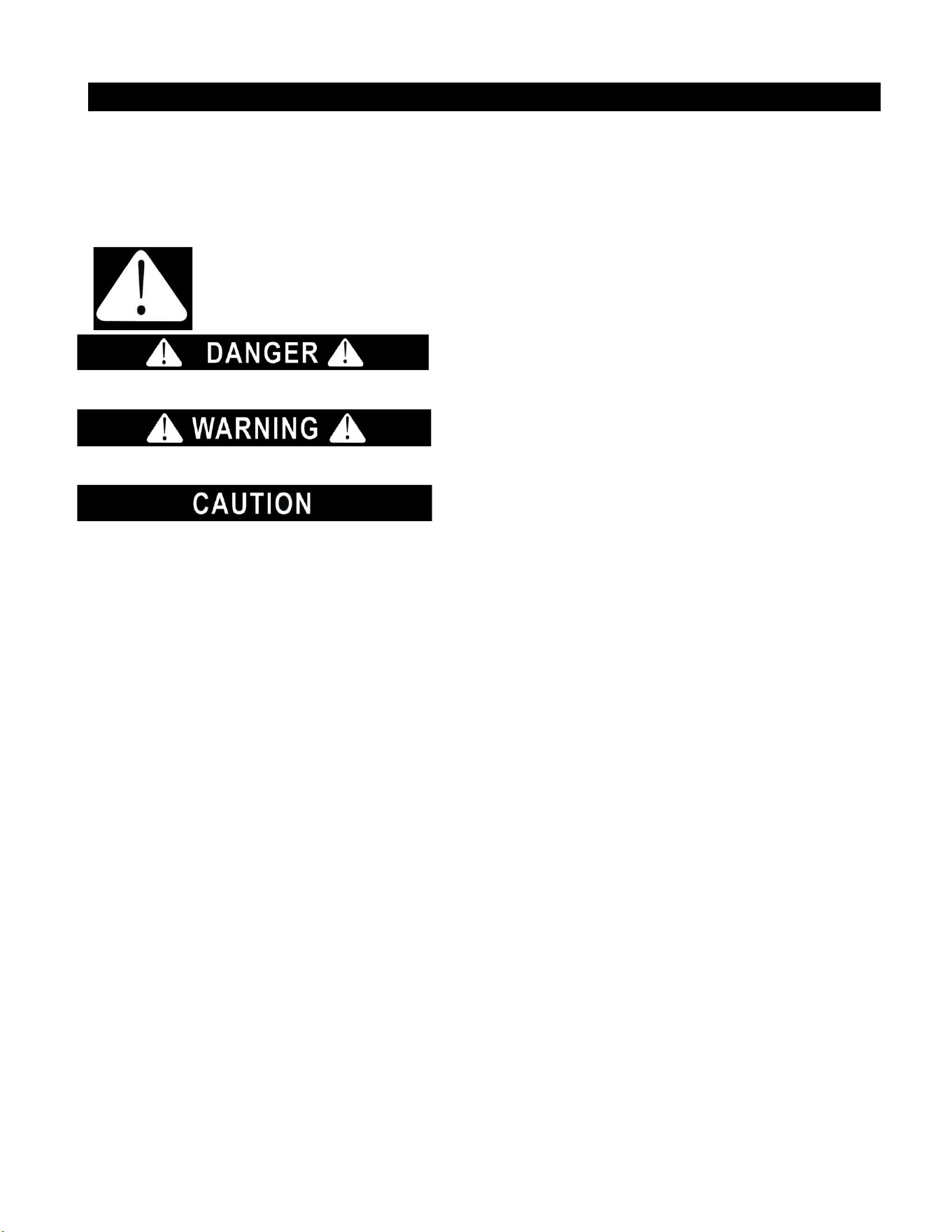
This is the Safety Alert Symbol. This symbol alerts you to potential hazards that can kill
or injure you and others. All safety messages will follow the Safety Alert Symbol and
either the words” DANGER”, “WARNING” or “CAUTION”.
Danger means that failure to heed this safety
statement may result in severe personal injury or
death.
Warning means that failure to heed this safety
statement may result in extensive product damage,
serious personal injury, or death.
Caution means that failure to heed this safety
statement may result in minor or moderate personal
injury, or property or equipment damage.
All safety messages will alert you to what the potential hazard is, tell you how to reduce the chance of injury or
damage to the unit and surroundings to let you know what can happen if the instructions aren’t followed.
If the supply cord is damaged, it must be replaced by the manufacturer, its service agent or similarly qualified
persons in order to avoid a shock, short or fire hazard.
This appliance is not intended for use by persons (including children) with reduced physical, sensory or mental
capabilities, or lack of experience and knowledge, unless they have been given supervision or instruction
concerning use of the appliance by a person responsible for their safety.
This equipment is for intended for commercial use and has satisfied North America Food Service application
standards regarding sanitizing safety and energy usage.
This appliance operation is quite basic with successful field application where teenagers and persons with
reduced physical sensory or mental capabilities or lack of experience and knowledge have successfully stocked,
cleaned and monitored the unit in operation once they have been given supervision or instruction concerning
use of the appliance in a safe way and understand the hazards involved.
Keep the appliance and its cord out of reach of small children and when or if unit is removed from service and
disposed of be sure to disconnect and remove the door.
Do not store explosive substances such as aerosol cans with a flammable propellant in or near this appliance.
The appliance insulation may have been blown with a flammable gas like C5H10 based upon regulations in force
at the time the unit was manufactured. Disposal of the appliance must comply with all local and federal
regulations.
The key for appliance electric box should be safe kept by qualified persons in order to avoid a hazard

Service and Installation Manual
4
SS
WARNING: Keep ventilation openings, in the appliance enclosure or in the built-in structure, clear of
obstruction.
WARNING: Do not use mechanical devices or other means to accelerate the defrosting process, other than
those recommended by the manufacturer.
WARNING: Do not damage the refrigerant circuit.
WARNING: Do not use electrical appliances inside the food storage compartments of the appliance, unless
they are of the type recommended by the manufacturer.
Handling, moving, and use of the refrigerator or freezer to avoid either damaging the refrigerant tubing, or
increasing the risk of a leak
Caution: Risk of Fire or Explosion due to the Flammable Refrigerant (R290) used for
this appliance to satisfy Federal and local codes, ordinances and regulations.
Follow Handling Instructions Carefully in Compliance with all prevailing regulations that
pertain to your location and this style of appliance.
Component parts shall be replaced with like components and that servicing shall be done by factory
authorized service personnel, so as to minimize the risk of possible ignition due to incorrect parts or
improper service.
CAUTION: Risk of Fire or Explosion Due to Puncture of Refrigerant Tubing; Follow Handling Instructions
Carefully. Flammable Refrigerant Used
DANGER: Risk of child entrapment. Before you throw away your old refrigerator or freezer:
Take off the doors but leave the shelves in place so that children may not easily climb
inside.
WARNING: RISK OF FIRE DUE TO
FLAMMABLE MATERIALS
Service and Installation Manual
5
INSTALLATION
Location
Units represented in this manual are intended for indoor use only. Be sure the location chosen has a floor
strong enough to support the total weight of the cabinet and contents. A fully loaded unit can weigh as much
as 1500 pounds. Reinforce the floor as necessary to provide for maximum loading. For the most efficient
refrigeration, be sure to provide good air circulation inside and out.
Do not block the real wall louvers. At least 2” clearance is needed for proper air circulation and
temperature regulation.
Inside cabinet
Do not pack the units so full that air cannot circulate. Obstructions to this air flow can cause evaporator coil
freeze ups and loss of temperature or overflow of water from the evaporator drain pan. The shelves may
have a rear turn up on them to help ensure that proper air movement/circulation will occur. However, bags
and other items can still be located to the far rear of the cabinet and obstruct the needed air flow. Air is
brought into the evaporator coil with fans. Prevent obstruction to allow the outlet or inlet of air flow.
Outside cabinet
Be sure that the unit has access to ample air. Avoid hot corners and locations near stoves and ovens.
It is recommended that the unit be installed no closer than 2" from it’s rear wall. The ambient
conditions should be less than 65% humidity with an ambient temperature between 65° and 80°F.
Leveling
A level cabinet looks better and will perform better because the doors will line up with the frames properly. Use a
level to make sure the unit is level from front to back and side to side. Units supplied with legs will have
adjustable bullet feet to make the necessary adjustments. If the unit is supplied with casters, no adjustments
other than shimming them, are available. Ensure the floor where the unit is to be located is level. It is acceptable
for the unit to slope up to ¼” down from the front to rear, which may help any condensate caused by the
refrigeration system to be properly eliminated.
Stabilizing
All models are supplied with casters for your convenience. It is very important, however, that the cabinet be
installed in a stable condition with the front wheels locked while in use.
Should it become necessary to lay the unit on its side or back for any reason, allow at least 24 hours before
start-up to allow compressor oil to flow back to place. Failure to meet this requirement can cause
compressor failure and unit damage.
NOTE
Unit repairs will not be subject to standard unit warranties if due to improper installation
or stocking procedures.
Electrical connection
Refer to the amperage data on page 5, the serial tag, your local code or the National Electrical Code to be sure
the unit is connected to the proper power source.
The unit should be turned OFF and disconnected from the power source
whenever performing service, maintenance functions or cleaning the refrigerated
area.
DANGER
Service and Installation Manual
6
OPERATION
CAUTION
Do not throw items into the storage area. Failure to heed these recommendations
could result in damage to the interior of the cabinet.
Refrigerated cabinets
Temperature range for the internal cabinets is 35°to 40°F for all undercounter refrigerators.
Continual frequent opening and closing of the appliance door may prevent the unit’s ability to maintain
optimum refrigeration temperature.
Proper programming or set up of the unit automatic defrost cycle will keep the evaporator from becoming
frozen and allow the fans to properly circulate cooling air throughout the storage compartment.
Defrosting:
The factory default setting should be such that every 6 hours, the unit will turn off so the evaporator coil can
defrost. The controller now displays the defrost symbol. When the coil temperature reaches the terminal
temperature or after 20 minutes of defrost, the unit will turn on.
SOLID-STATE THERMOSTAT DESCRIPTIONS
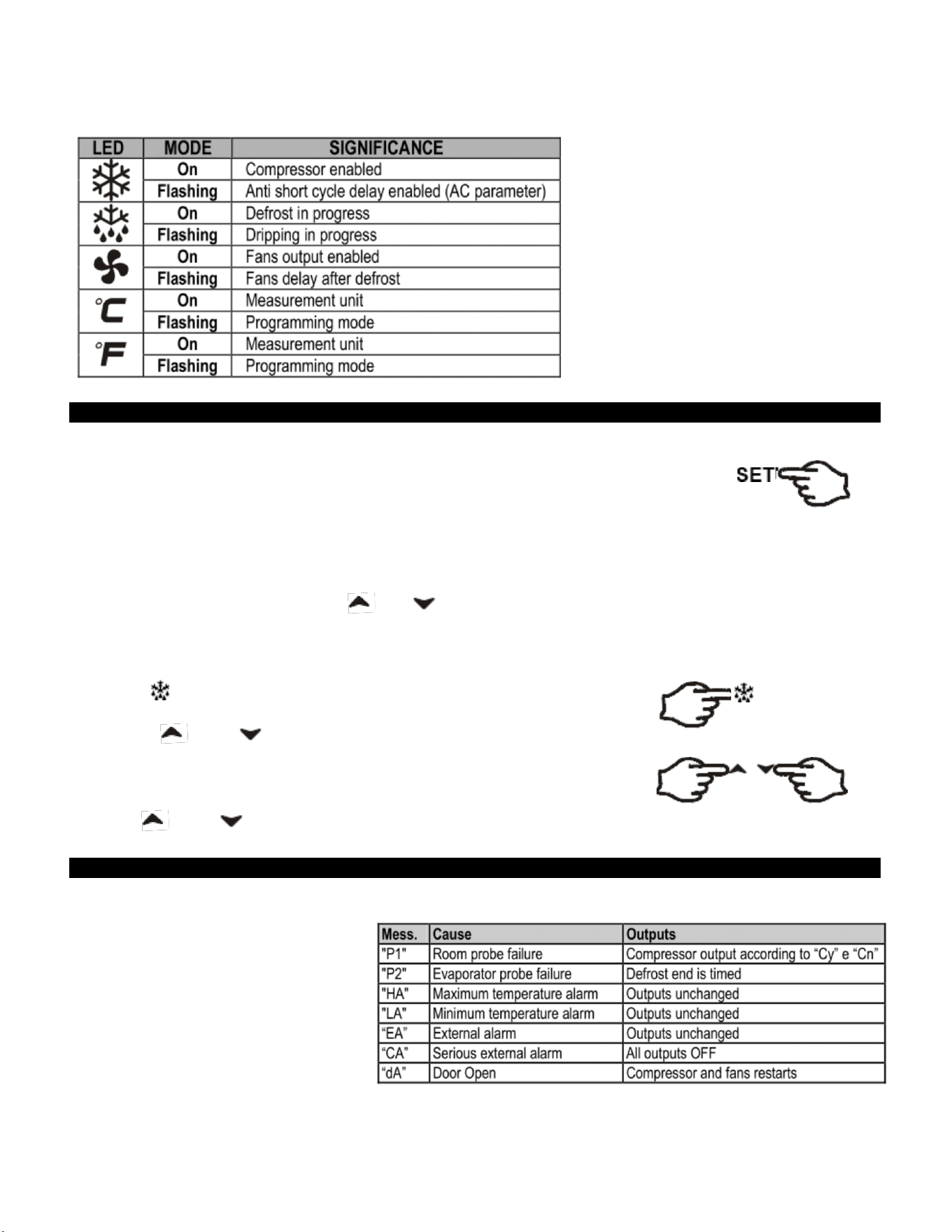
1. FRONT PANEL COMMANDS
To display target set point; in programming mode it selects a parameter or confirm an operation.
To start a manual defrost.
In programming mode it browses the parameter codes or increases the displayed value.
In programming mode it browses the parameter codes or decreases the displayed value.
KEY COMBINATIONS
To lock or unlock the keyboard.
To enter in programming mode.
To return to room temperature display.
Service and Installation Manual
7
1.1 Function of LEDS
2. MAIN FUNCTIONS
2.1 HOW TO SEE THE SETPOINT
1. Push and immediately release the SET key: the display will show the set point value.
2. Push and immediately release the SET key or wait for 5 seconds to display the
sensor value again.
2.2 HOW TO CHANGE THE SETPOINT
1. Push the SET key for more than 2 seconds to change the set point value.
2. The value of the set point will be displayed and the °C or °F LED starts blinking.
3. To change the set value push the or key within 10s.
4. To set new point value, push the SET key again or wait 10s.
5.
2.3 HOW TO START A MANUAL DEFFROST
Push the key for more than 2 seconds and a manual defrost will start
2.4 HOW TO LOCK THE KEYBOARD
1. Hold the and keys for more than 3s.
2. The “OFF” message will be displayed and the keyboard will be locked.
3. If a key is pressed more than 3s the ”OFF” message will be displayed.
2.5 HOW TO UNLOCK THE KEYBOARD
Hold the and keys together for more than 3s, until the “ON” message is displayed.
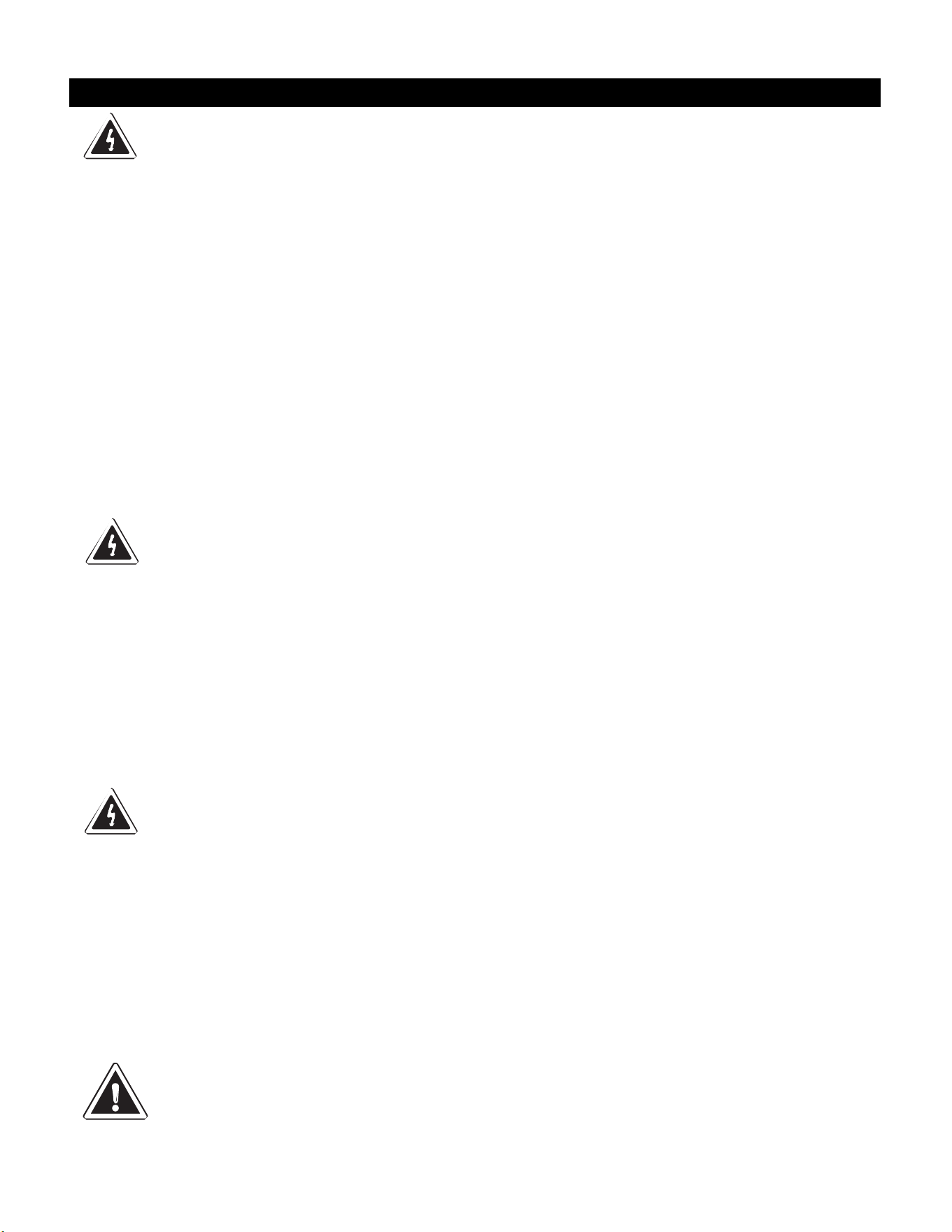
3. ALARM SIGNALS
ALARM RECOVERY
Probe alarms P1” and “P2” start some
seconds after the fault in the related probe;
they automatically stop some seconds after
the probe restarts normal operation. Check
connections before replacing the probe.
Temperature alarms “HA” and “LA”
automatically stop as soon as the temperature
returns to normal values. Alarms “EA” and
“CA” (with iF=bL) recover as soon as the
digital input is disabled.
Service and Installation Manual
8
MAINTENANCE
DANGER
The power switch must be turned OFF and the unit disconnected from the power source
whenever performing service, maintenance functions or cleaning the refrigerated area.
Refrigerators and Freezers
The interior and exterior can be cleaned using a mild detergent and warm water. If this isn't sufficient, use a
nonabrasive liquid cleaner, preferably one intended for use as a stainless steel cleaner and polisher. When cleaning the
exterior, always rub with the "grain" of the stainless steel to avoid marring the finish.
Do not use an abrasive cleaner because it will scratch the stainless steel and plastic and can damage the breaker
strips and gaskets. Always use a soft cloth or microfiber towel to apply cleaner and to dry the unit. Use of a stiff
brush or pad can damage the protective chromium oxide layer on the surface.
Cleaning the Condenser Coil
The condenser coil requires regular cleaning. Cleaning is recommended every 90 days. In some instances, you may
find that there is a large amount of debris and dust or grease accumulated prior to the 90 day time frame. In these
cases the condenser coil should be cleaned every 30 days.
If the build up on the coil consists of only light dust and debris, the condenser coil can be cleaned with a simple
brush. Heavier dust build-up may require a vacuum or even compressed air to blow through the condenser coil.
If heavy grease is present, there are de-greasing agents available for refrigeration use and specifically for the
condenser coils. The condenser coil may require cleaning with the de-greasing agent and then blown
Failure to maintain a clean condenser coil can initially cause high temperatures and excessive run times. Continuous
operation with dirty or clogged condenser coils can result in compressor failures. Neglecting the condenser coil
cleaning procedures will void any warranties associated with the compressor or cost to replace the compressor.
Never use a high pressure water wash for this cleaning procedure as water can damage the
electrical components located near or at the condenser coil.
DANGER
In order to maintain proper refrigeration performance, the condenser fins must be cleaned of dust, dirt and grease
regularly. It is recommended that this be done at least every three months. If conditions are such that the condenser is
totally blocked in three months, the frequency of cleaning should be increased. Clean the condenser with a vacuum
cleaner or stiff brush. If extremely dirty, a commercial-grade condenser cleaner may be required.
Stainless Steel Care and Cleaning
To prevent discoloration of rust on stainless steel, several important steps need to be taken. First, we need to
understand the properties of stainless steel. Stainless steel is at least 70% iron which will rust. It also contains at least
12% chromium which forms an invisible passive film over the steels surface which acts as a shield against corrosion.
As long as the protective layer is intact, the metal resists rusting. If the film is broken or contaminated, outside
elements can begin to breakdown the steel and begin to form rust of discoloration. The use of chlorinated cleaners
and hard water could result in staining and/or pitting of the stainless surface.
NEVER USE STEEL PADS, WIRE BRUSHES OR SCRAPERS, OR EXPOSE THE SURFACE
TO HARSH CLEANERS, HARD WATER, ACIDS OR CORROSIVE LIQUIDS
DANGER
Cleaning solutions need to be mild detergent/soap or non-chloride based. Any cleaner containing chlorides will damage
the protective film of the stainless steel. Chlorides are commonly found in hard water, salts, and household and
industrial cleaners. If cleaners containing chlorides are used, be sure to rinse and dry thoroughly.
Routine cleaning of stainless steel can be done with soap and water. Extreme stains or grease should be cleaned with a
non-abrasive cleaner and plastic scrub pad. It is always good to rub with the grain of the steel. There are also stainless
steel cleaners available which can restore and preserve the finish of the steels protective layer.
Early signs of stainless steel breakdown can consist of small pits and cracks. If this has begun, clean thoroughly and start
to apply stainless steel cleaners in attempt to restore the passivity of the steel. CitriSurf is a compound that will passivate
the protective chromium oxide surface if it has been penetrated and restore the luster to the stainless surface.
Never use an acid based cleaning solution! Many food products have an acidic content which can
deteriorate the finish. Be sure to clean all stainless steel surfaces.
CAUTION
Service and Installation Manual
9
MAINTENANCE (cont.)
Gasket Maintenance
Gaskets require regular cleaning to prevent mold and mildew build up and also to keep the elasticity of the
gasket. Gasket cleaning can be done with the use of warm soapy water. Avoid full strength cleaning
products on gaskets as this can cause them to become brittle and prevent proper seals. Do not use sharp tools or
knives to scrape or clean the gasket which could possibly tear the gasket and rip the bellows.
Gaskets can easily be replaced and don’t require the use of tools or authorized service technicians. The
gaskets are "Dart" style and can be pulled out of the grove in the door and replaced by pressing the new one back into
place. It is recommended to help hold the gasket in place that every 10” (260mm) a dab of gasket adhesive be
applied to help the slot retain the gasket in place.
Doors/Hinges
Over time and with heavy use, door hinges may become loose. If the door is beginning to sag, tighten the
screws that mount the hinge brackets to the frame of the unit. If the doors are loose or sagging this can cause
the hinge to pull out of the frame which may damage to both the doors and the door hinges.
Drain Maintenance
Each unit has a drain located inside the unit which removes the condensation from the evaporator coil and evaporates
it into an external condensate evaporator pan. Each drain can become loose or disconnected from moving or
bumping the drain. If you notice excessive water accumulation on the inside of the unit, be sure the drain tube is
connected from the evaporator housing to the condensate evaporator drain pan. If water starts to collect underneath
the unit, you may want to check the condensate evaporator drain tube to be sure it is still located inside the drain pan.
The leveling of the unit is important as the units are designed to drain properly when on a level surface. If your floor is
not level this can also cause drain problems. Be sure all drain lines are free of obstructions because this may cause
water to back up and overflow the drain pans.
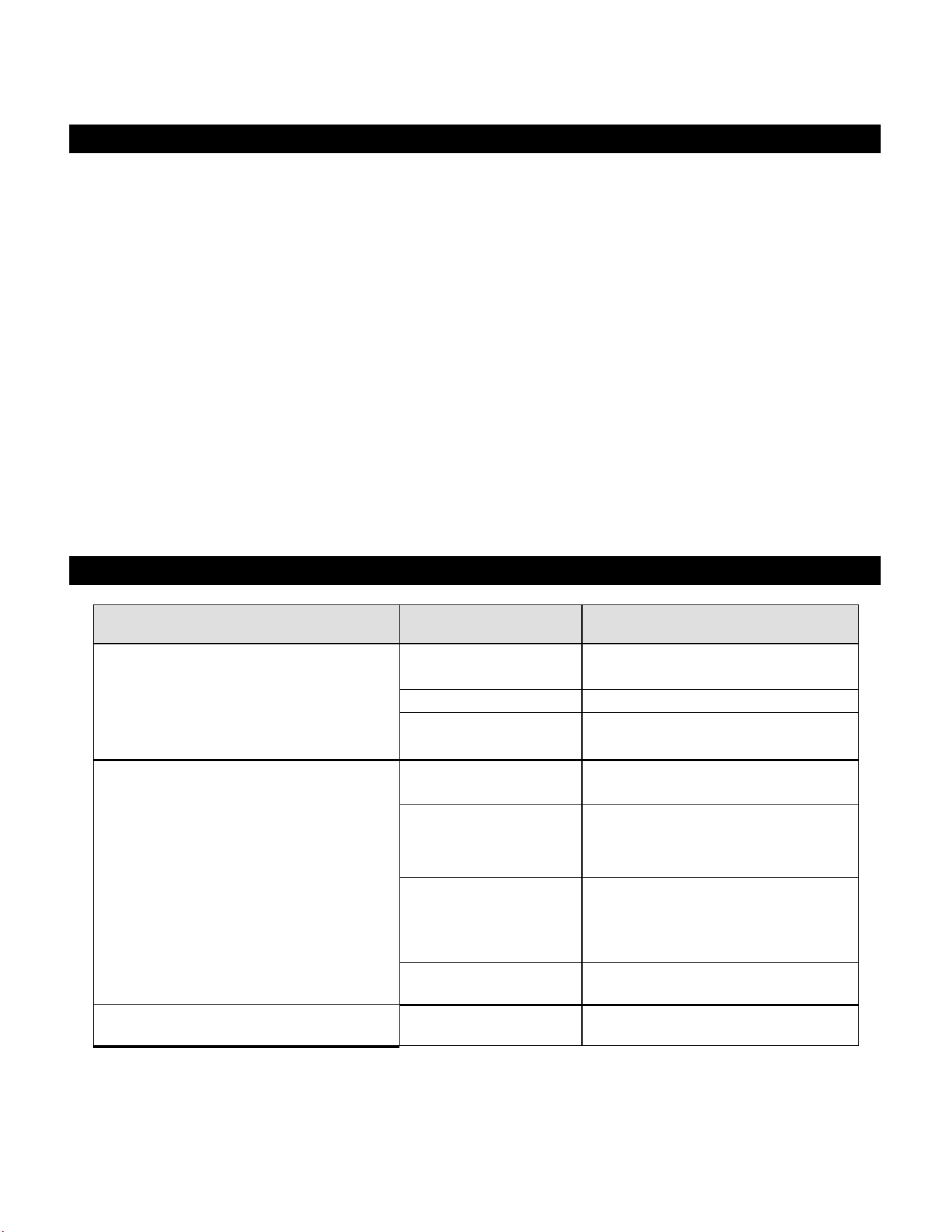
TROUBLESHOOTING
Fault
Probable Cause
Action
Compressor is Not Running
Fuse blown or circuit
breaker tripped
Replace fuse or reset circuit breaker.
Power cord unplugged
Plug in power cord
Thermostat set too high
Set thermostat to lower temperature
Cabinet Temperature is too Warm
Thermostat is set too
high
Set thermostat to lower temperature.
Airflow is blocked
Re-arrange stored products to allow
for proper air flow. Make sure there
is at least 1 ½ inches clearance from
fan louvered panel
Low refrigerant levels
Contact a service technician to check
refrigerant levels
Door is slightly ajar
Make sure door is completely closed.
Condensation is Collecting on the
Cabinet and/or Floor
Gasket is not sealing
properly
Clean, repair, or replace the gasket
as necessary
Service and Installation Manual
10
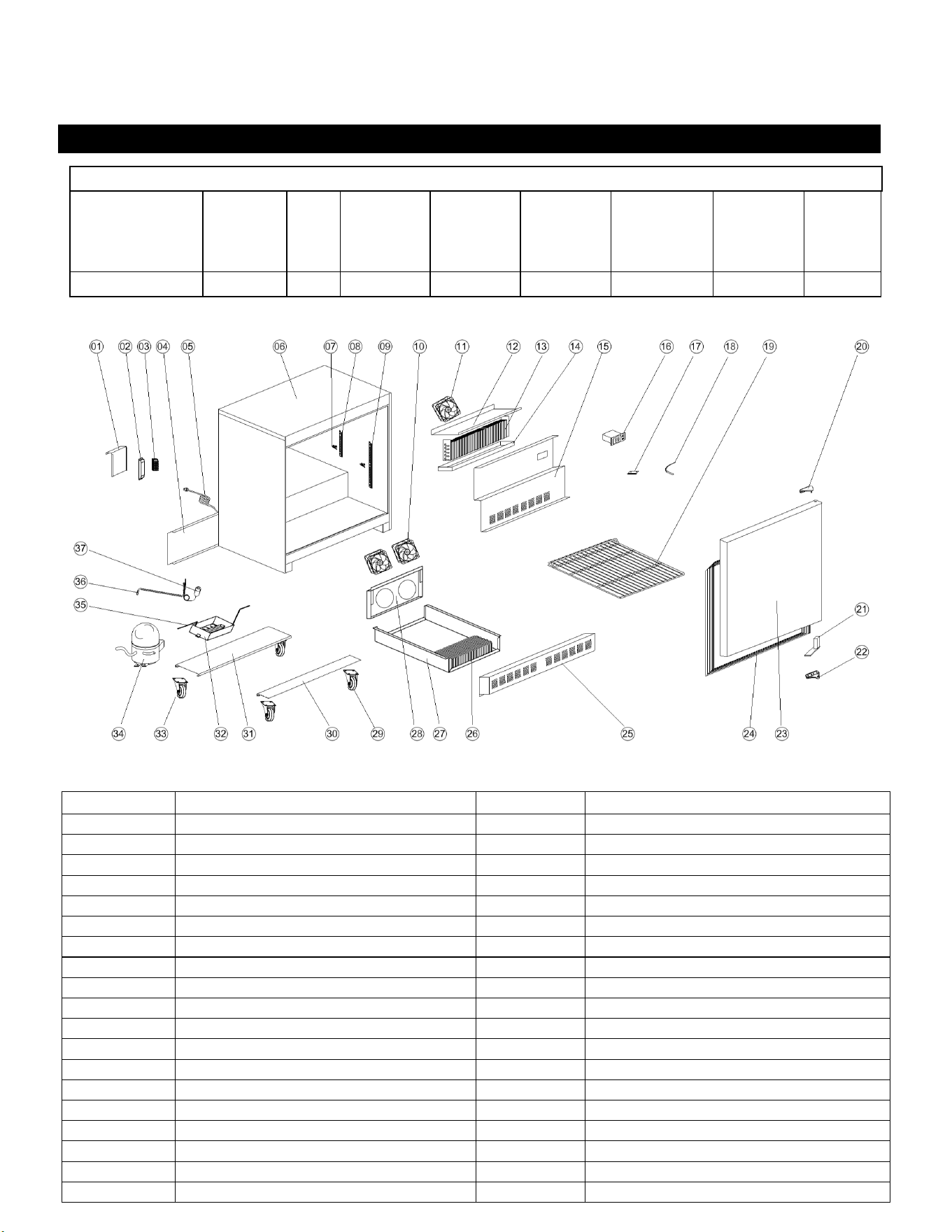
SPECIFICATION & PARTS LIST
UNDERCOUNTER & WORKTOP REFRIGERATORS
MODEL#
V/Hz/Ph
AMPS
STORAGE
CAPACITY
(Nominal/
Actual)
Cu-ft
COMPRESSOR
RATED
HP
SHELF
CAPACITY
Sq-ft
COOLING
RATE
BTU
CHARGE
OZ
NEMA
PLUG
MXCR27U-FBHC
115/60/1
1 .5
6.5 / 5.0
3/8
14
2800
2.47
5-15P
Number
Description
Number
Description
1
CONNECTOR SUPPORT
20
UP HINGE
2
POWER SUPPLY
21
DOOR SPRING HINGE
3
CABLE CONNECTOR
22
DOWN HINGE
4
BACK BOARD
23
DOOR
5
PLUG
24
GASKET
6
BODY
25
FRONT PANEL
7
K SHAPE CLIP
26
CONDENSER
8
SHELF SUPPORT B
27
CONDENSER BOX
9
SHELF SUPPORT A
28
CONDENSER FAN SUPPORT
10
CONDENSER FAN
29
BRAKE WHEEL
11
EVAPORATOR FAN
30
FRONT SUPPORT OF UNIT BOARD
12
CIRCLE FAN SUPPORT
31
UNITE BOARD
13
EVAPORATOR
32
WATER BOX
14
EVAPORATOR WATER PAN
33
NORMAL WHEEL
15
EVAPORATOR COVER
34
COMPRESSOR
16
THERMOSTAT
35
EVAPORATE PIPE
17
SENSOR FIXED CLIP
36
SUCTION PIPE
18
SENSOR
37
FILTER DRIER
19
SHELF
Service and Installation Manual
11
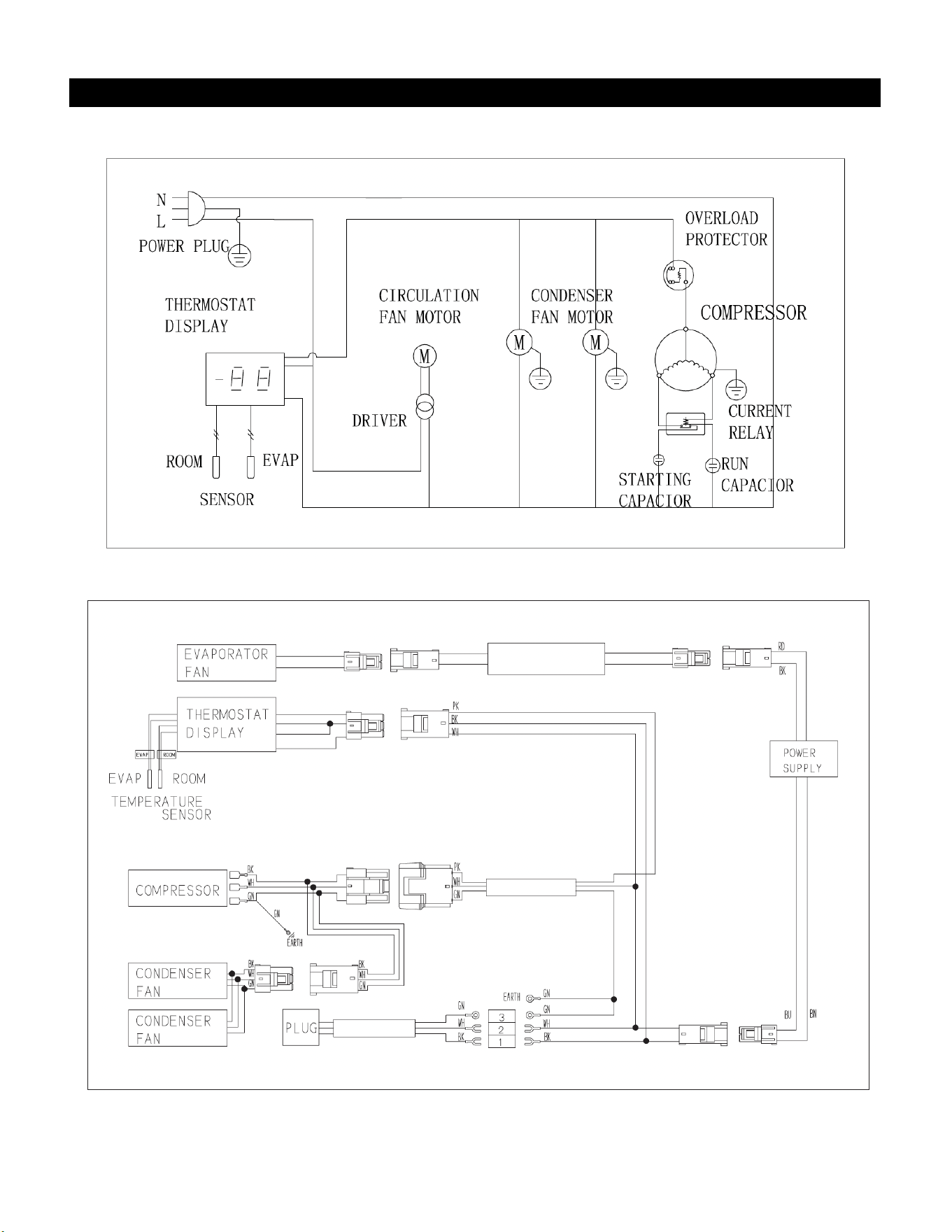
WIRING DIAGRAMS
MODEL: MXCR27U-FBHC

Service and Installation Manual
14
3355 Enterprise Ave., Suite 160 - Ft. Lauderdale, FL 33331
T: (954) 832-3724 - F: (954) 202-7337
www.maxximumfoodservice.com