USER GUIDE
NZ AU
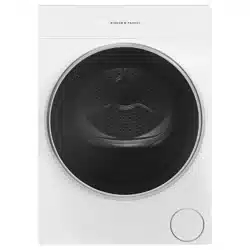
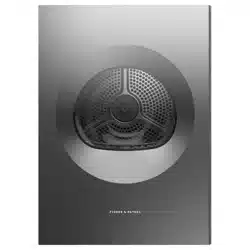
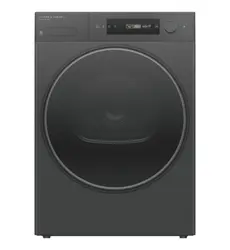
HEAT PUMP CLOTHES DRYER
DH9060D5, DH9060DG5,
DH1060D5 & DH1060DG5 models


3
CONTENTS
Safety and warnings 4
Product overview 8
Control panel 9
Get the best results from your dryer 10
Understanding fibre types 11
Sort your items 12
Load the dryer 13
Select a fibre type 14
Select an item type 15
Select a treatment 16
Select a method 17
Select Dryness 18
Set the cycle 19
Save favourite cycles 20
Set delay start 21
Check filter and tank 22
Adjust settings 23
Fit drying rack 24
Wi-Fi connection and Remote Mode 25
Clean and maintain the dryer 26
Emptying the water tank 27
Clean the lint filter 28
Clean the lower filter 29
Troubleshooting 30
Alerts and Fault codes 34
Compliance information 35
Manufacturer’s Warranty and Service Guide 36
Registration
To register your product visit our website: fisherpaykel.com/register
4
SAFETY AND WARNINGS
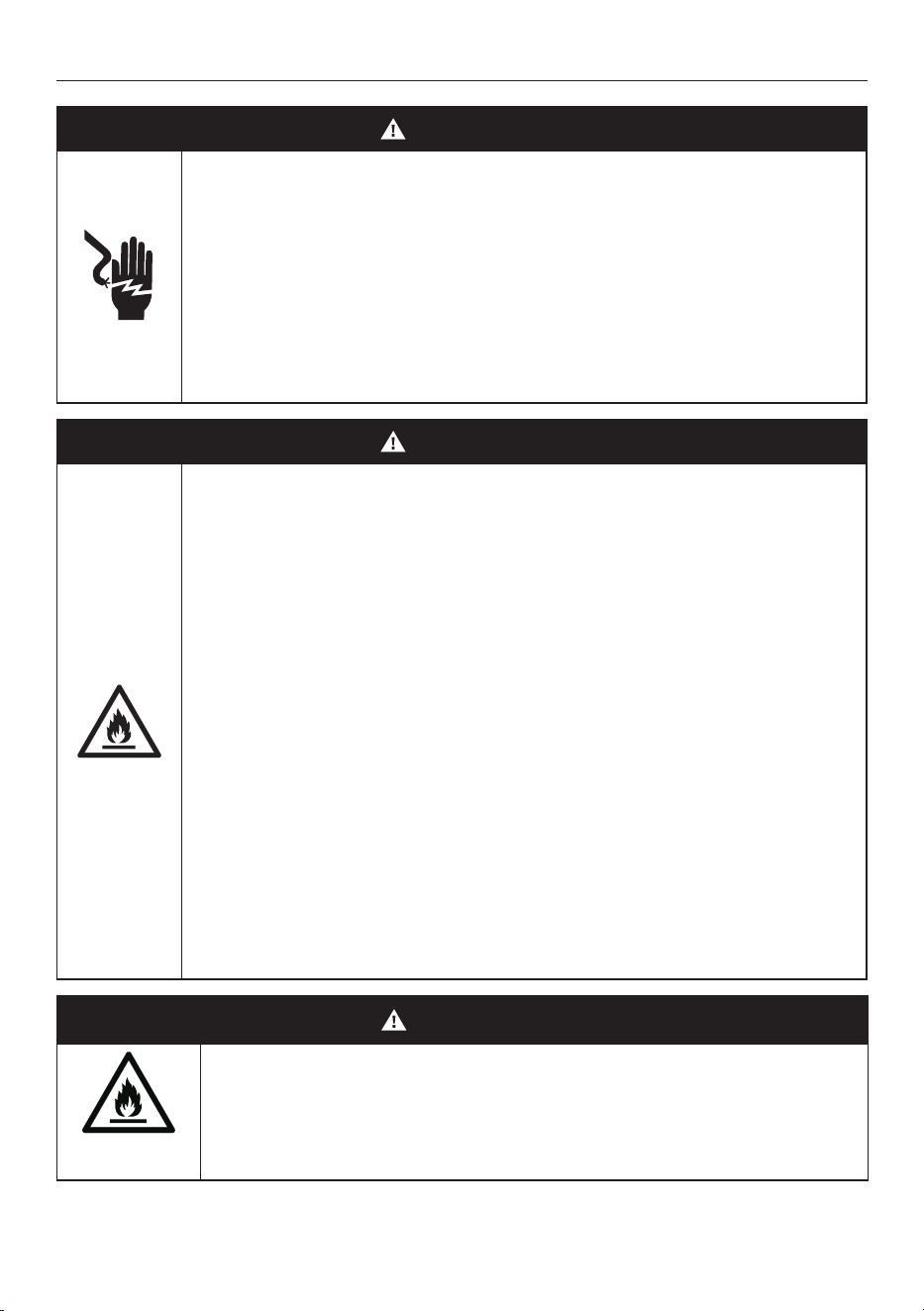
WARNING!
Electric Shock Hazard
Failure to follow this advice may result in
electric shock or death.
• If you are using an extension cord or a portable
electrical outlet device (eg multi-socket outlet
box), ensure that it is positioned so that it does
not come into contact with water or moisture.
WARNING!
Fire Hazard
• Only dry fabrics that have been washed
with water.
• Do not use heat to dry articles containing foam
rubber or similarly textured rubber–like materials.
• Never stop a tumble clothes dryer before the end
of the drying cycleunless all items are removed
and spread out in order to dissipate the heat.
• A clothes dryer produces combustible lint; the lint
filter must be cleaned before each drying cycle.
• Failure to follow the warnings outlined in these
user instructions can cause a fire hazard.
• Failure to follow these instructions can result in
death or personal injury.
WARNING!
R290
This appliance contains flammable
refrigerant isobutane (R290).

5
SAFETY AND WARNINGS
READ AND SAVE THIS GUIDE
WARNING!
Read Safety Guide. Failure to follow all guides and rules could cause personal injury or
property damage. Use this appliance only for the intended purpose as described in the
user guide and installation guide of this appliance. When using this appliance, always
exercise basic safety precautions including the following:
General
z
Do not touch or operate the appliance with wet hands or with bare feet.
z
A damaged power cord must be replaced by a Fisher & Paykel trained and supported
service technician or similarly qualified person in order to avoid a hazard. Do not use
the machine until it has been repaired to avoid a risk of electric shock.
z
Do not operate this appliance if it has been damaged during transport. Contact your
Fisher&Paykel dealer or Fisher & Paykel trained and supported service technician.
z
This product has been designed for personal, family or household use. This product is
not designed for any commercial use. Any commercial use will terminate this products
manufacturer’s warranty.
z
This appliance is not intended for use by persons (including children) with reduced
physical, sensory or mental capabilities, or lack of experience and knowledge,unless
they are supervised or given instructions on how to use the applianceby someone
responsible for their safety.
z
Supervise children to ensure they do not play with the appliance or climb inside
thedrum.
z
Do not swing on or put weight on the door.
z
Undergarments that contain metal reinforcements should not be placed in the dryer.
Damage to the dryer can result if the metal reinforcements come loose during drying. If
you wish to dry these items use a drying rack or place in a garment bag.
z
Check and remove all objects from pockets, eg lighters and matches.
z
Items should go through the cooling phase in the final part of the cycle. This ensures
items are left at a temperature where they will not be damaged. Ifforany reason the
cycle is stopped before it has finished, dry clothes should be removed immediately and
not left in the appliance. Items should be quickly spread out flat to cool so heat can
dissipate, not left bunched up, eg in a clothes basket or in a pile.
z
In the event of a power outage the cycle will be paused when power is restored. Press
Start/Pause, then press the dial to resume the cycle.
z
The only user-removable parts of the dryer are the filters, water tank and drying rack.
No other parts are designed to be removed by anyone other than aFisher & Paykel
trained and supported service technician.
z
For problems that cannot be solved from information in the user guide, turn off
and unplug your appliance and contact a Fisher & Paykel trained and supported
service technician.
z
Never attempt to repair the appliance yourself.
z
Never put dripping wet clothes in or on top of the dryer as excess water may cause an
electrical hazard.
z
Do not under any circumstances place an electric blanket or any other electrical, plastic
or rubber items in the appliance, unless the care label specifically states it is safe to
do so.
z
Do not overload your dryer beyond its rated capacity.

6
SAFETY AND WARNINGS
MODEL MAXIMUM CAPACITY* (KG)
DH9060D5, DH9060DG5, DH1060D5 & DH1060DG5 9; 10
*Capacity refers to the maximum dry weight of items the dryer can dry at any one time
z
Do not dry curtains in your dryer.
z
For models with a water tank, never run the dryer without the water tank in place
unless drain hose is connected. For models without a water tank, the drain hose must
be connected.
z
Do not use the water collected in the water tank for drinking or food processing.
z
If the water tank becomes full, the appliance will pause and sound an alarm. You must
empty the water tank before the appliance can continue running.
Lint
z
Do not operate this appliance without the lint filters in place, or allow lint to accumulate
in or around the appliance.
z
Accumulated lint in the appliance can become a fire hazard; it also reduces
the efficiency of the appliance by causing longer drying times and increased
power consumption.
z
Clean the lint filter before every load.
z
Ensure the area around the appliance is clear of lint.
z
If the lint filter becomes damaged, contact your Fisher & Paykel trained and supported
service technician to arrange getting a new filter. Do not operate your appliance
with a damaged lint filter or without the filter in place, as this will cause damage to
your appliance.
Spontaneous combustion
To reduce the risk of fire the following should be observed:
z
Items that have been spotted or soaked with vegetable oil or cooking oil are a fire
hazard and should not be placed in the appliance.
z
Oil-affected items can ignite spontaneously, especially when exposed to heat sources
such as this appliance. The items become warm causing an oxidation reaction in the
oil. This oxidation creates heat. If the heat cannot escape the items can become hot
enough to catch fire. Piling, stacking or storing oil-affected items can prevent heat from
escaping creating a fire hazard.
z
If it is unavoidable that fabrics that contain vegetable oil, cooking oil or have been
contaminated by hair care products be placed in this appliance, they should first be
washed in hot water with extra detergent — this will reduce, but not eliminate the fire
hazard. The cooling cycle should be used to reduce the temperature ofthese items.
They should not be removed from the appliance and piled or stacked while hot.
z
Items that have previously been cleaned in, washed in, soaked in or spotted with
flammable liquids or solids, eg petrol/gasoline, kerosene, dry cleaning solvents,
vegetable or cooking oil, acetone, denatured alcohol, some brands of spot removers,
turpentine, waxes and wax removers or other flammable or explosive substances should
not be placed in the appliance.
z
The appliance is not to be used if industrial chemicals have been used for cleaning.
z
Fabric softeners or similar products should not be used in the appliance to
eliminate the effects of static electricity, unless this practice is specifically
recommended by the manufacturer of the fabric softener product.

7
z
Items such as foam rubber (latex foam), shower caps, rubber backed articles, clothes
or pillows fitted with foam rubber pads, waterproof textiles, shoes containing rubber or
plastic items should not be placed in the appliance. These materials can spontaneously
combust when heated.
z
Do not dry unwashed items in the appliance.
z
When using REFRESH cycles on unwashed clothing ensure there are no flammable
substances on them.
z
Never stop a tumble clothes dryer before the end of the cool down/airing phase of the
cycle unless all items are removed and spread out in order to dissipate the heat.
Installation
z
This appliance is heavy. We recommend two persons to move and install the appliance.
z
The appliance must not be supplied through an external switching device, such as a
timer, or connected to a circuit that is regularly switched on and off by a utility.
z
We do not recommend the use of extension cords or portable electrical outlet devices
for safety reasons.
z
Install the appliance on a solid and level floor surface.
z
The appliance must be installed in a well-ventilated, dust-free environment.
z
The appliance must not be installed on any textured floor coverings (eg carpet, rugs).
Ensure that openings at the base of the appliance are not obstructed.
z
The appliance must not be installed behind a lockable door, a sliding door or a door
with the hinge on the opposite side to that of the tumble dryer, in such a way that a full
opening of the tumble dryer door is restricted.
z
If installing behind a cabinetry door, it must be hinged on the same side as the dryer
and there must be a minimum clearance of 40mm from the front of the dryer door to
the internal face of the cabinetry door for the product to operate safely. The enclosed
space must be provided with sufficient ventilation to meet local building code
requirements or the door must be open while the product is operating.
z
This appliance can be installed on a compatible Fisher & Paykel plinth. To ensure
stability, the plinth must be fitted correctly with the appliance. For installation
instructions and compatible plinth models, refer to fisherpaykel.com.
z
Do not install or operate this appliance on any other plinth or structure.
z
For more information refer to the installation guide. To access, go to fisherpaykel.com/
specify and search by appliance type, product name or model.
Water supply requirements
z
Inlet water pressure: Max. 1MPa (145psi), Min. 30kPa (4.5psi)
z
Inlet water flow rate: Min. 6litres/minute
z
The cold water temperature should not exceed35°C. Temperatures above these may
cause the appliance to fault or cause damage to it.
z
A pressure-reducing valve must be installed if pressure is higher than 1Mpa.
z
New hose sets provided should be used to connect the appliance to the water mains.
Old hose sets should not be re-used.
z
We recommend the inlet hose(s) are changed every 5 years. WARNING: Failure to do so
may result in a flood and damage to property.
Disposal
z
When disposing of this appliance, it is recommended that the door is removed to
avoidchildren getting trapped inside and that the electrical cable is cut off close to
thedryer.
SAFETY AND WARNINGS
8
PRODUCT OVERVIEW
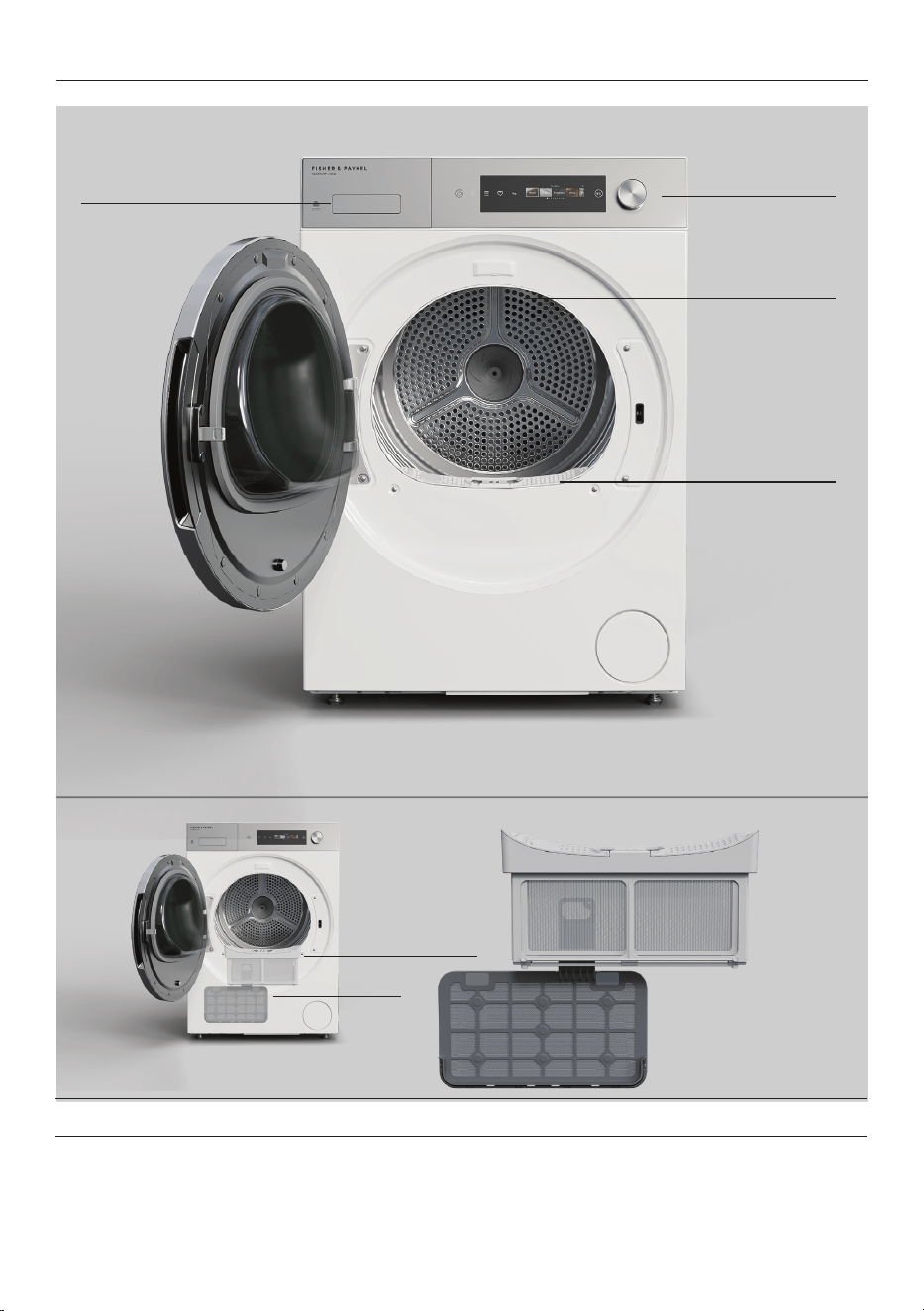
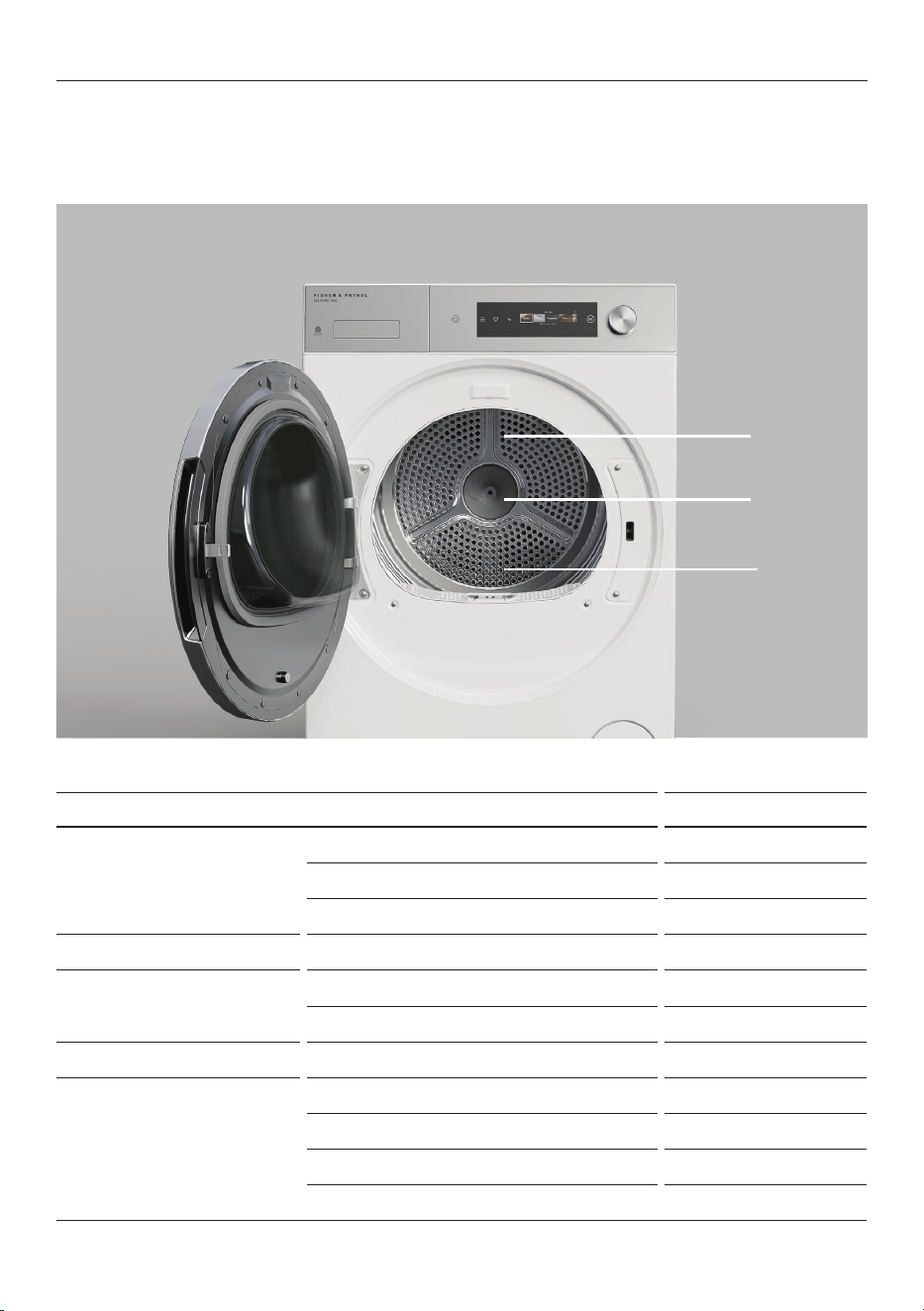
FEATURES AND ACCESSORIES
1 Control panel
2 Water tank
3 Drying rack (not shown)
4 Lint filter
5 Lower lint filter (under lint filter)
6 Drum light (inside drum)
2
1
4
5
4
6
9
CONTROL PANEL
2 3 4 5
6 7 8
9
1
!0
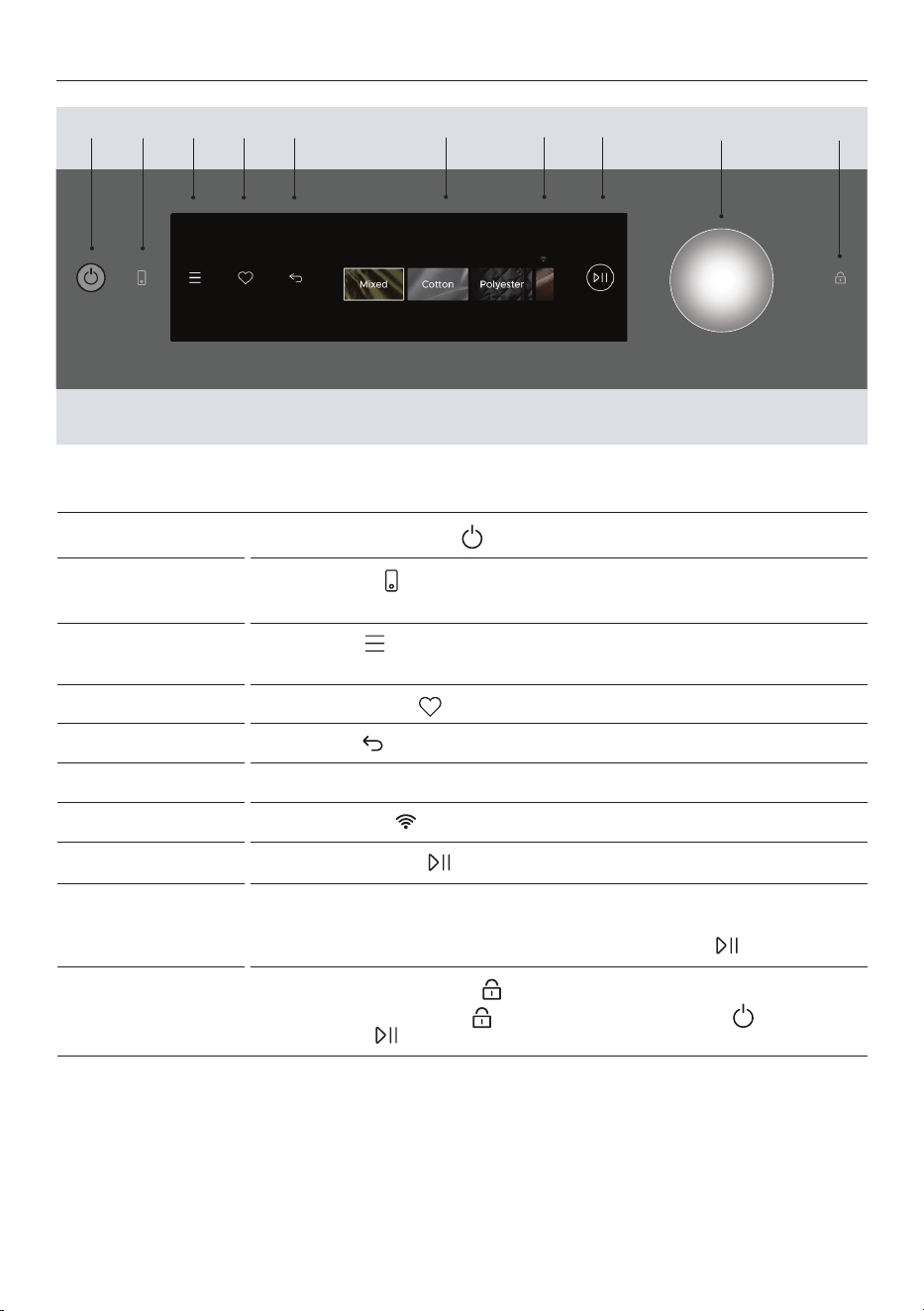
1 Power
Press and hold
POWER to turn the dryer on/off.
2 Remote
Press
REMOTE to connect to Wi-Fi and control your appliance via
the app.
3 Menu
Press
MENU to access additional features and adjust settings. See
‘Adjust settings’.
4 Favourites Press
FAVOURITES to save cycles for quick access.
5 Back
Press
BACK to go back to the previous screen.
6 Display Displays product features and settings.
7 Wi-Fi
Wi-Fi indicator
lights up when appliance is connected to Wi-Fi.
8 Start/Pause
Press
START/PAUSE to start or pause a cycle.
9 Control dial
z
Turn the dial to scroll.
z
Press to select.
z
Press to start a cycle after pressing START/PAUSE .
!0 Key lock
Press and hold
KEY LOCK to lock or unlock the controls.
When locked, KEY LOCK will be illuminated. POWER and
START/PAUSE will still be available.
10
GET THE BEST RESULTS FROM YOUR DRYER
Loading items directly from the washing machine
Make sure items have been through a spin cycle to remove excess water
before placing them in the dryer. Overly wet items will extend the drying
cycle and may affect drying performance.
Finishing air-dried items in the dryer
Use a
TIME DRY cycle for at least 30 minutes to finish partially dry items.
This allows time for the dryer to reach temperature.
Recognising post-dryer feel
Items may feel slightly damp when first removed from a heat pump dryer,
but they will feel completely dry within a few minutes and are ready to wear
immediately. If you prefer your items to feel completely dry as soon as the
drying cycle ends, you can adjust the dryness level. See ‘Select Dryness’.
Get the app for a smarter experience
z
Access extra features and information
z
Track and run cycles from your phone
z
Customise your favourite cycles
z
Get the latest software updates
z
Register your product for streamlined support
Heat pump versus vented dryer
Your heat pump dryer is different to a traditional vented dryer. Heat pump technology dries
your items at a lower temperature than a vented dryer to ensure gentle, energy-efficient
fabric care without overdrying your items.
Get to know your dryer
Take the time to become familiar with cycle selections and how they suit your items. Save
your favourite cycles for quick and easy access on the product or in the app, and clean and
maintain your dryer to keep it performing at its best.
11
UNDERSTANDING FIBRE TYPES
Every cycle starts with fibre type
Each fibre type responds differently to washing and drying. This appliance uses a fibre-led
system and precision sensing to dry your items, so selecting the right fibre type for each
load is key to setting the best cycle each time.
Treat for the most delicate fibre
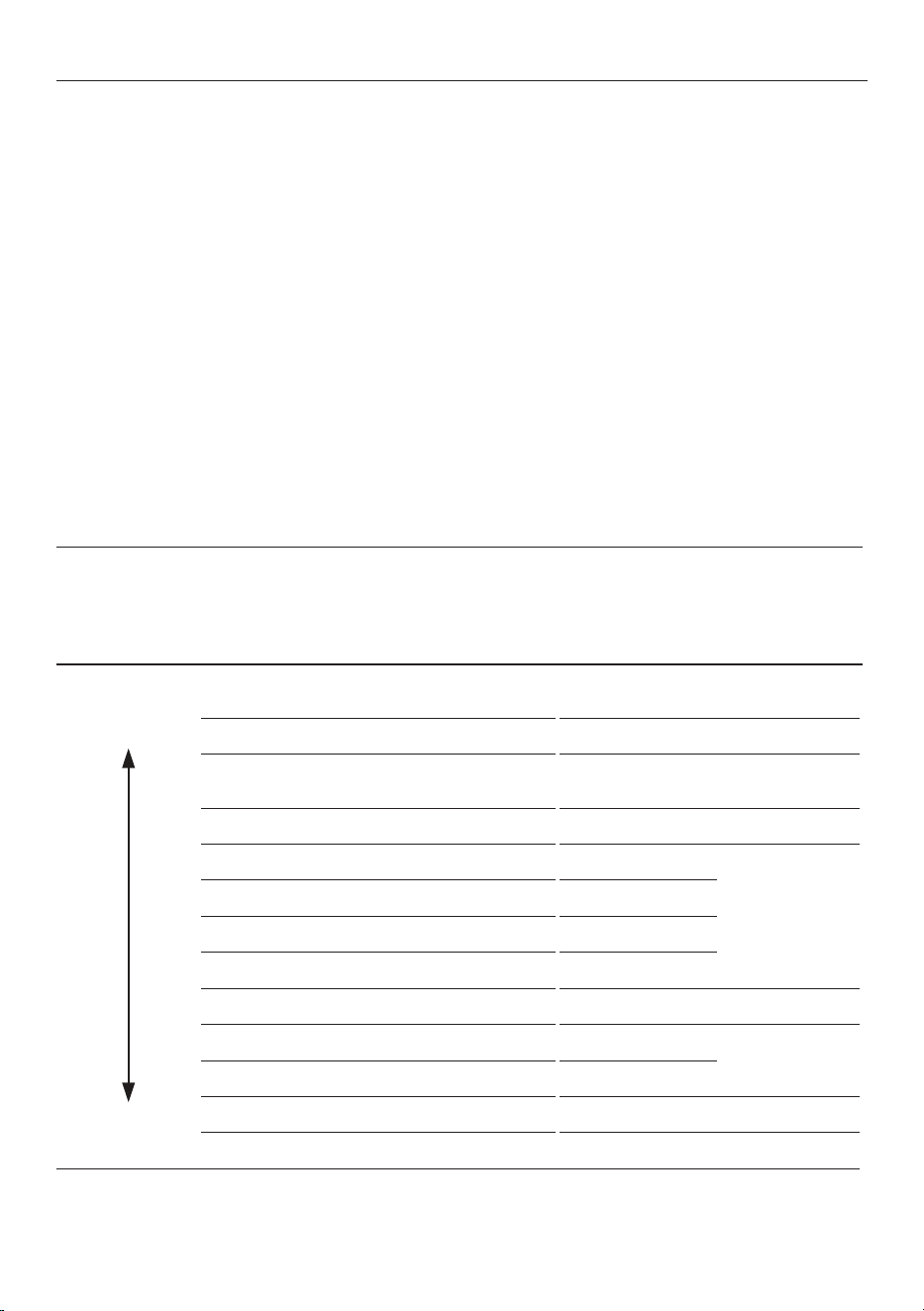
Items may be a blend of multiple fibres — some more delicate than others. The care label
on an item will tell you what fibre or fibres the item is made of and how to care for it.
Select the fibre type on your dryer that applies to the most sensitive or delicate fibre in the
blend, even if it is only a small percentage.
Identify delicate fibres
This table helps identify the most delicate or sensitive fibres commonly found on
care labels. It also offers alternative cycle suggestions for most specialist fibres.
Recommendations may not suit all items — always check your care label first.
SENSITIVITY COMMON FIBRE TYPES FIBRE TYPE ITEM TYPE
High Cashmere Not suited for machine drying in
this model
Down Down
Silk Not suited for machine drying in
this model
Wool, Merino Wool
Elastane, Lycra Elastane
Delicate
Viscose, Bamboo, Rayon, Modal Cotton
Lyocell, Tencel™ Cotton
Acrylic Polyester
Linen Cotton
Denim
Ramie Cotton
Delicate
Nylon, Polyamide Elastane
Polyester Polyester, Mixed
Low Cotton Cotton, Mixed
12
SORT YOUR ITEMS
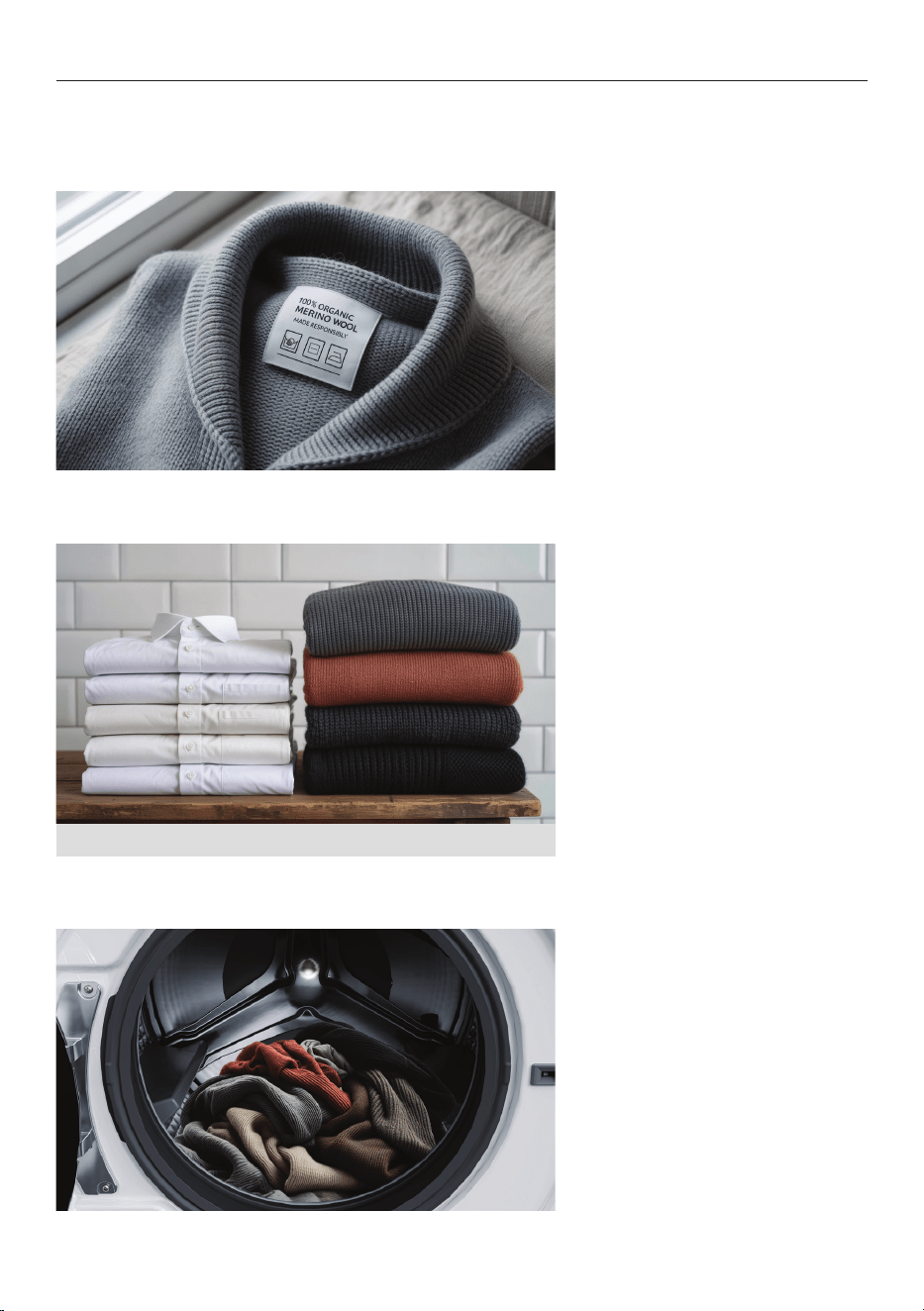
Sorting your items well is essential for taking care of your clothes and getting the best
results from your dryer. Follow these steps every time you use the dryer:
1. Check each care label to see
the fibre composition and how
each garment should be dried.
Always follow the care label
advice.
2. Sort itemsintoloads of
similar fibre, durability and
item type.
3. Check pockets, secure
fasteners and untangle items
before loading.
Allow enough room for items
to tumble freely.
13
LOAD THE DRYER
Maximum load size
The maximum load size changes based on the type of items in a load. Follow the guide
below to avoid overfilling the dryer and to maintain good drying performance.
Large
Medium
Small
ITEM TYPES MAX LOAD SIZE
Mixed, Cotton, Polyester Delicate
Small
Moderate, Durable
Large
Denim, Sports, Sheets, Towels
Medium
Wool Delicate
Small
Elastane Delicate
Small
Moderate
Medium
Down Delicate
Medium
Other Treatments Rack dry
1 or 2 items
Refresh
1 or 2 items
Sanitise
Medium
Allergy care
Medium to large
14
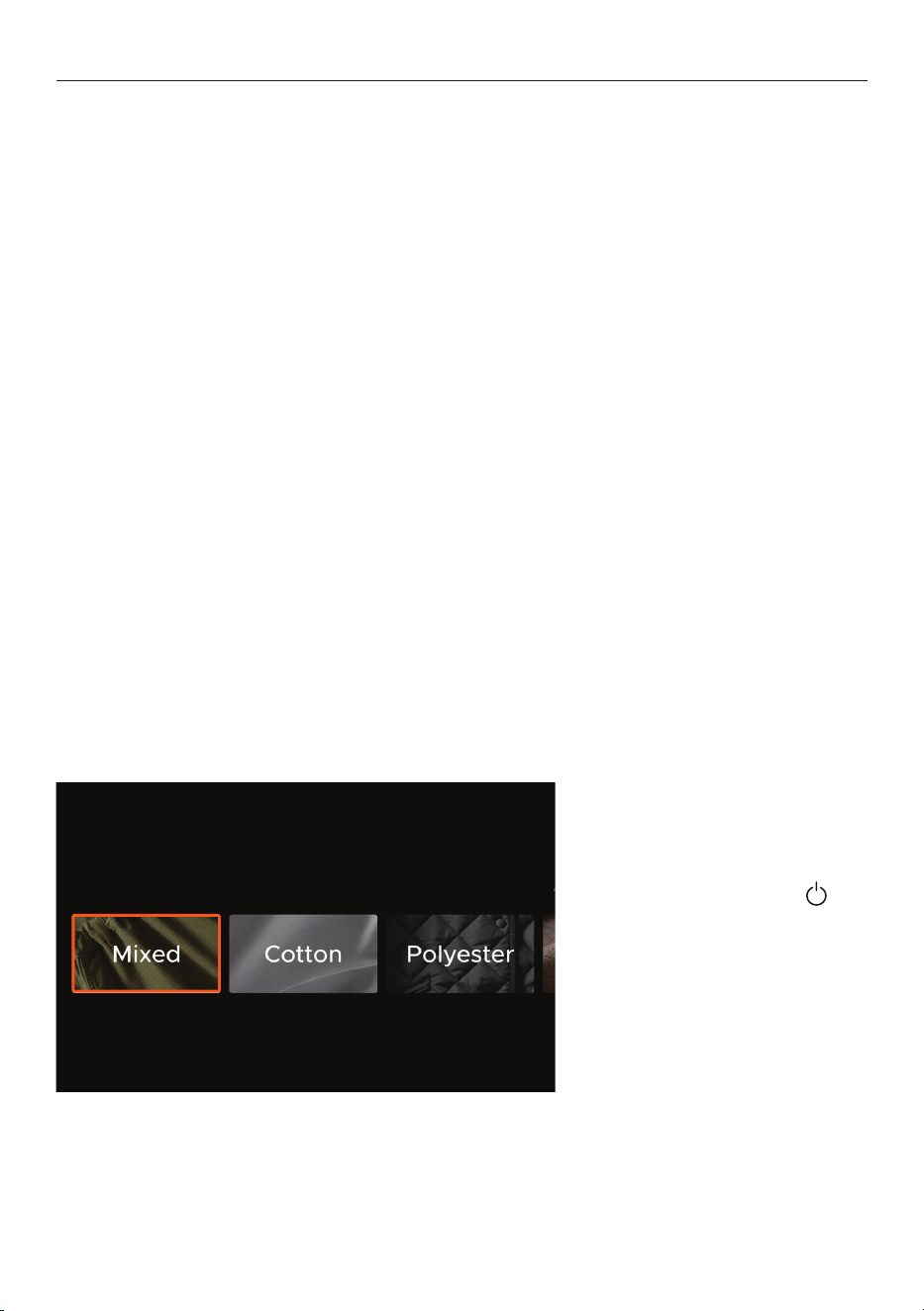
SELECT A FIBRE TYPE
Select the specific fibre type that matches the load or choose the fibre type that applies to
the most delicate fibre. The drying cycle will adjust to suit. See ‘Understanding fibre types’
for guidance about which fibre types are the most delicate or most sensitive to drying.
Mixed
For everyday mixed loads with a variety of fibres, and for cotton-polyester blends.
Cotton
For 100% cotton loads.
Polyester
For 100% polyester items.
Wool
For 100% woollen items and wool blends. This cycle meets the Woolmark requirements for
machine washable items.
Elastane
For items containing 10-50% elastane fibre, also known as spandex.
Down
For items containing down fill.
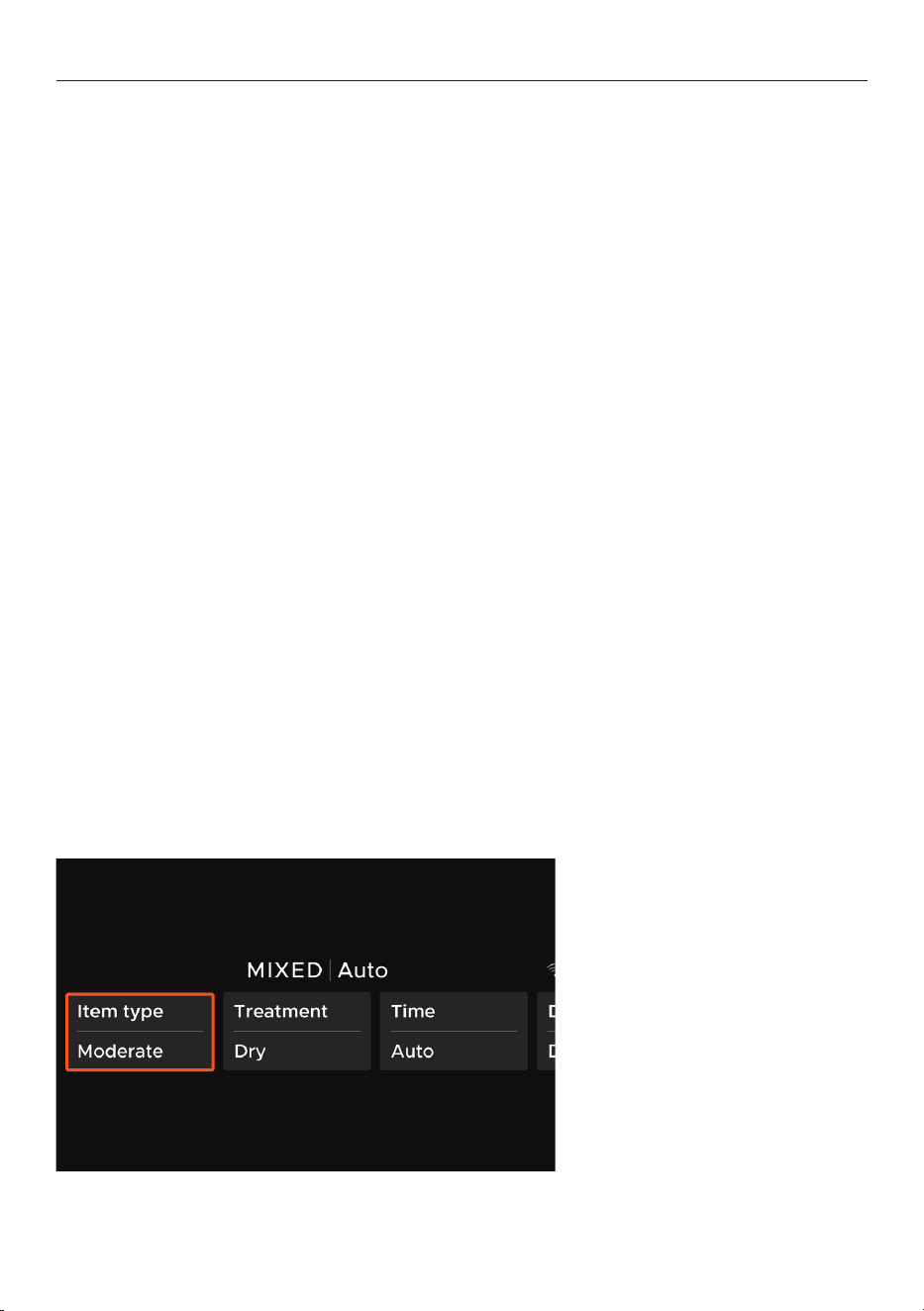
1. Press and hold
POWER to
turn the dryer on, then scroll to
select a fibre type.
Press the dial to confirm the
selection.
15
SELECT AN ITEM TYPE
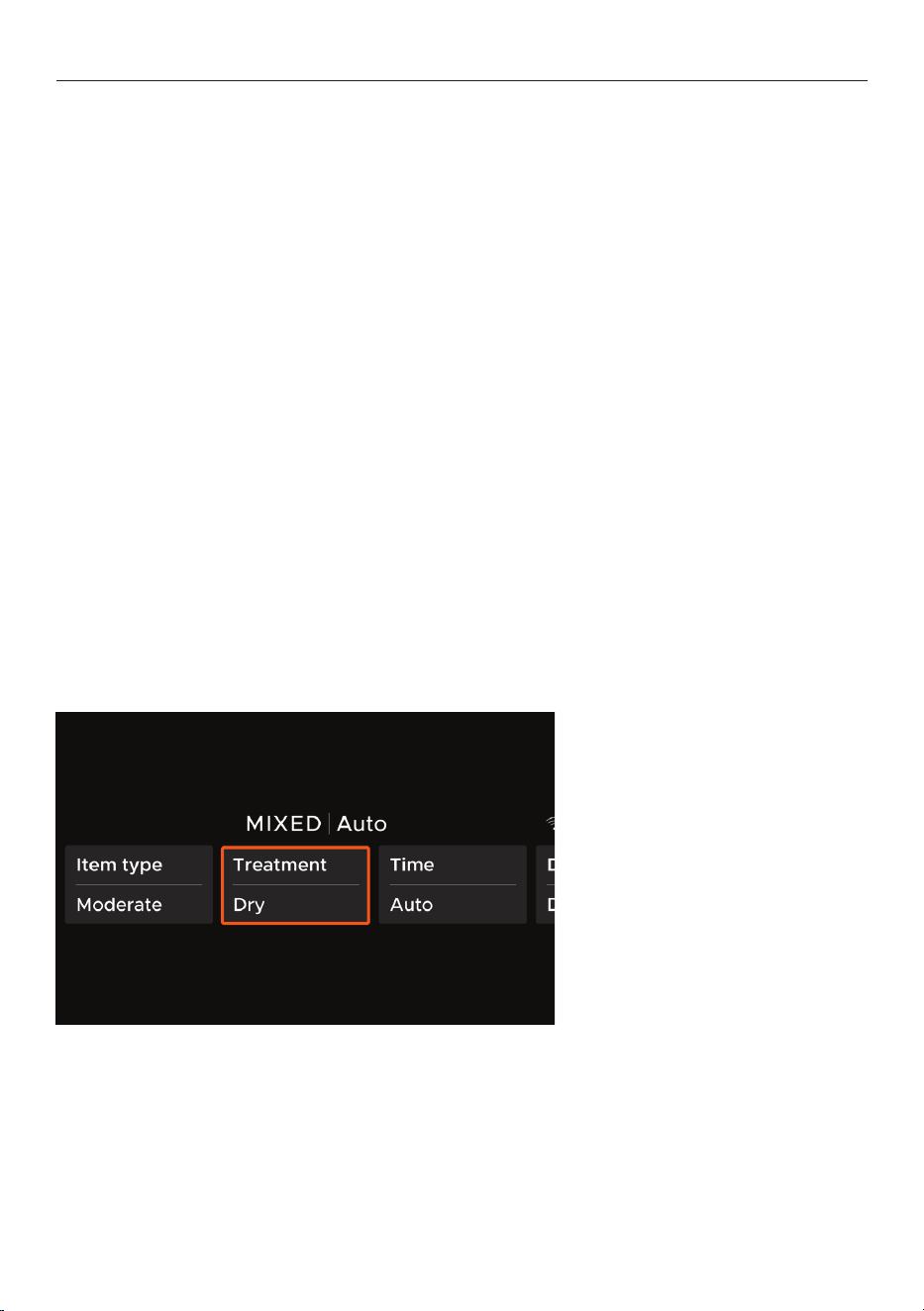
Item type relates to the durability of items in your load in terms of fabric thickness.
Dry garments and items of similar thickness together to prevent some items becoming
over-dried while others are still damp.
Delicate
Light and easily damaged or torn items like blouses, dresses and other items.
Moderate
Everyday items like t-shirts, shirts, lined dresses, shorts, pants and denim.
Durable
Strong and resilient everyday items like workwear and outerwear.
Denim
Items made of denim or stretch denim such as jeans, jackets and skirts.
Sports
Durable sportswear items made from synthetic fibre blends.
Sheets
Items such as bed sheets, pillow cases and duvet covers.
Towels
High absorbency towelling fabric items like bath, beach and hand towels.
2. Select an item type.
16
SELECT A TREATMENT
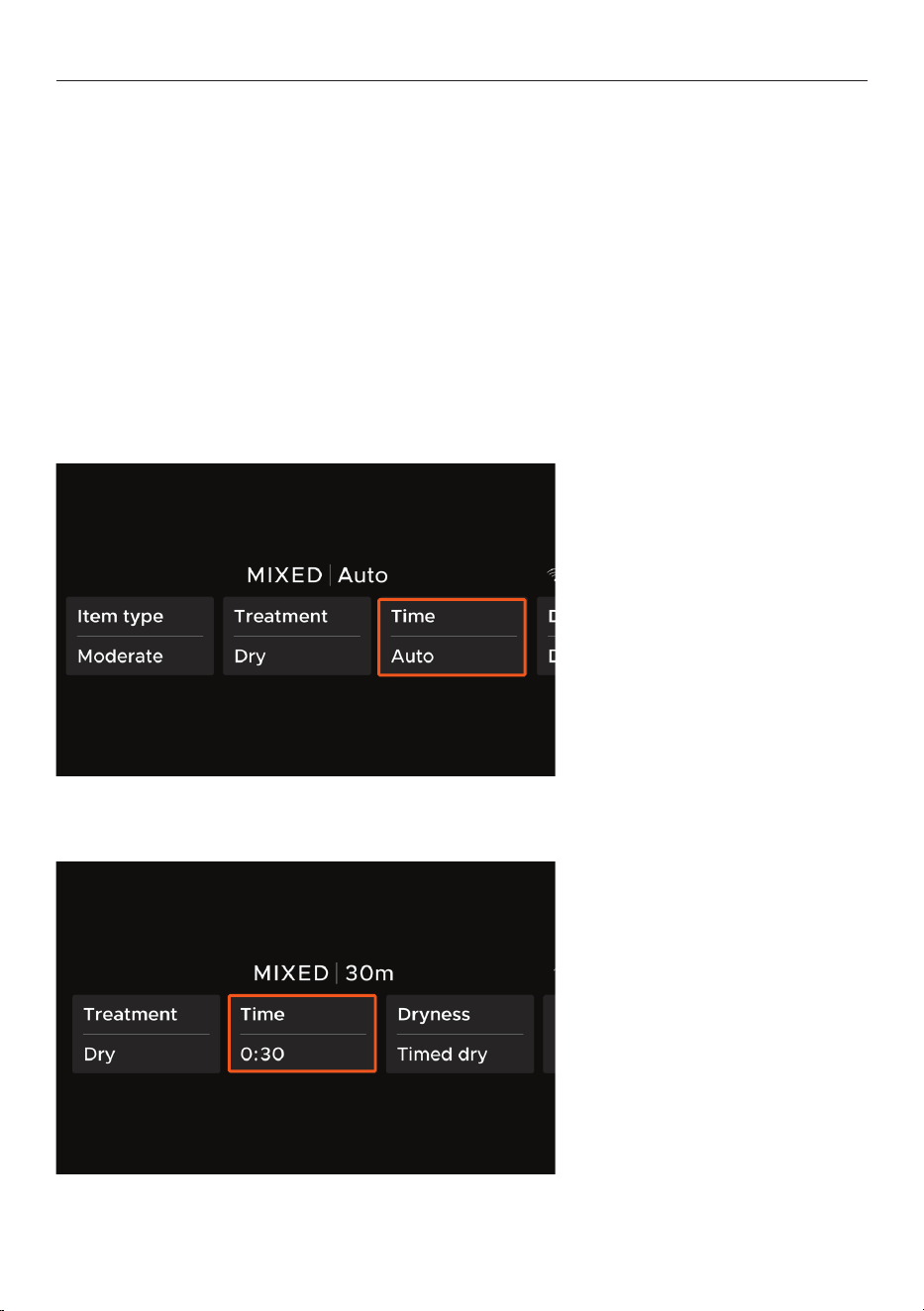
Rack dry
For items that cannot be tumbled. This option requires the drying rack to be fitted. See ‘Fit
drying rack’ for details.
Dry
Designed for everyday drying.
Refresh
A quick steam treatment to refresh dry items. Recommended for no more than two items.
Sanitise
High temperature drying to eliminate bacteria*. Ideal for towels and sheets, but unsuitable
for delicate items.
*Independently tested to eliminate greater than 99.9% of staphylococcus aureus and E. coli
using the Cotton, Item Type: Moderate, Treatment: Sanitise, Method: Auto, Dryness: Extra
Dry drying options.
Allergy care
Uses sustained higher temperatures to reduce allergens like dust mites and pollen. Ideal for
helping to manage allergies or sensitive skin.
3. Select a treatment.
17
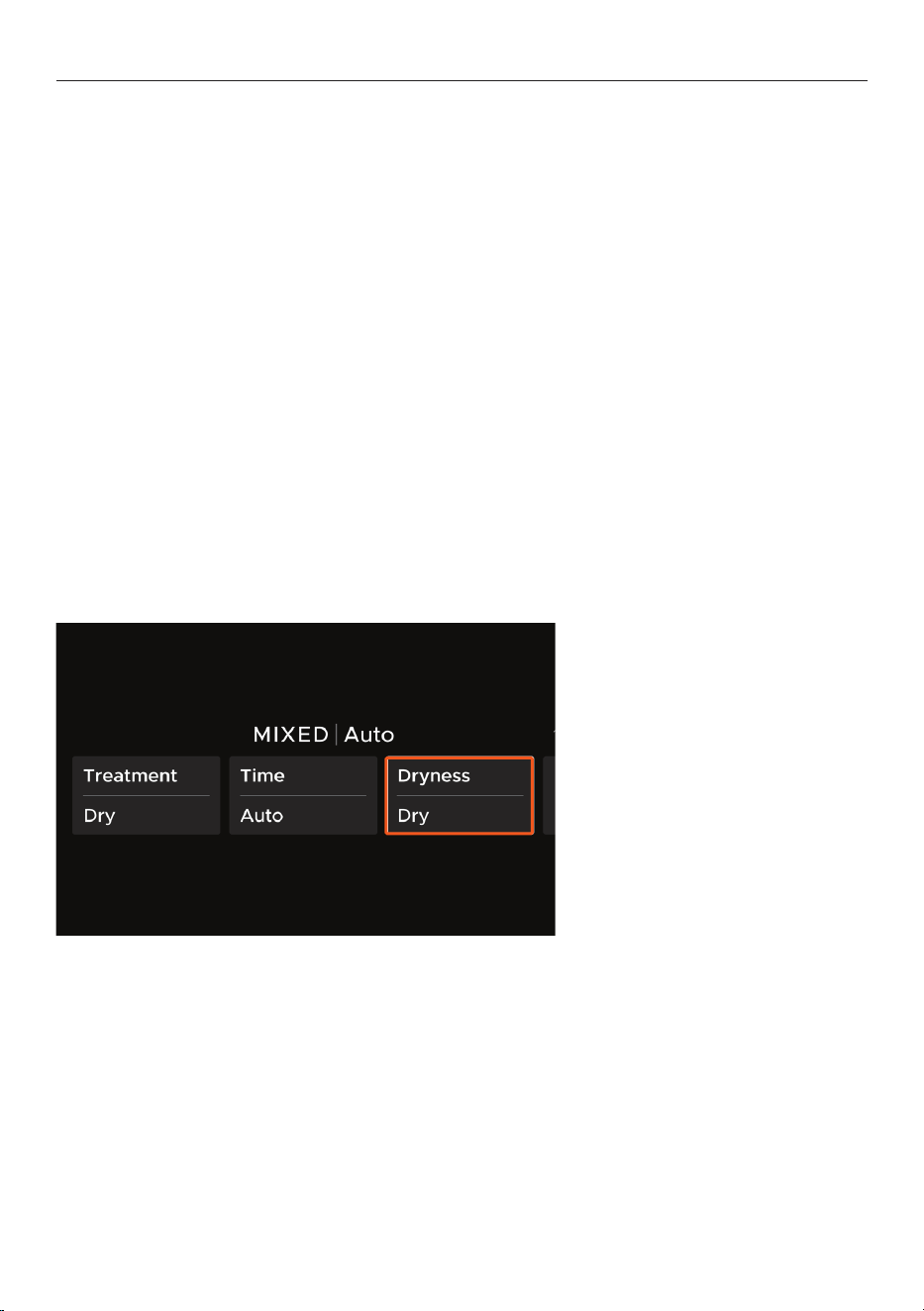
You can select a drying method that automatically ends the cycle when the load reaches
the selected dryness level or after a set duration.
Auto
Ends the cycle automatically when the load reaches the selected dryness level.
Not available for
WOOL cycle.
Time
Ends the cycle after a set duration. You will be prompted to set a drying duration for the
next step. DRYNESS is not available with this option.
SELECT A METHOD
4. Select a method.
If
AUTO, set DRYNESS next. If
TIME, set a duration.
Setting duration
After selecting
TIME, scroll
to set your preferred drying
duration from 30 to 150
minutes, and press the dial to
select.
18
SELECT DRYNESS
Dryness options let you select a dryness level that prepares items for storing, wearing or
ironing. Sensors in the dryer can detect remaining moisture in the load and will end the
cycle when the load reaches your preferred dryness level.
Not available for all cycles or if drying method is set as
TIME.
Iron ready
Leaves some moisture in the load to help reduce wrinkles and prepare items for ironing.
Dry
Dries the load thoroughly leaving items ready to wear.
Dry plus
Ideal for thicker fabrics or absorbent items that might need extra drying time.
Extra dry
An ultra-dry option for thick or heavy items. Ideal for thick or heavy items, or items that are
going to be placed in storage.
5. Select a dryness level. Press
the dial to confirm selection.
19
SET THE CYCLE
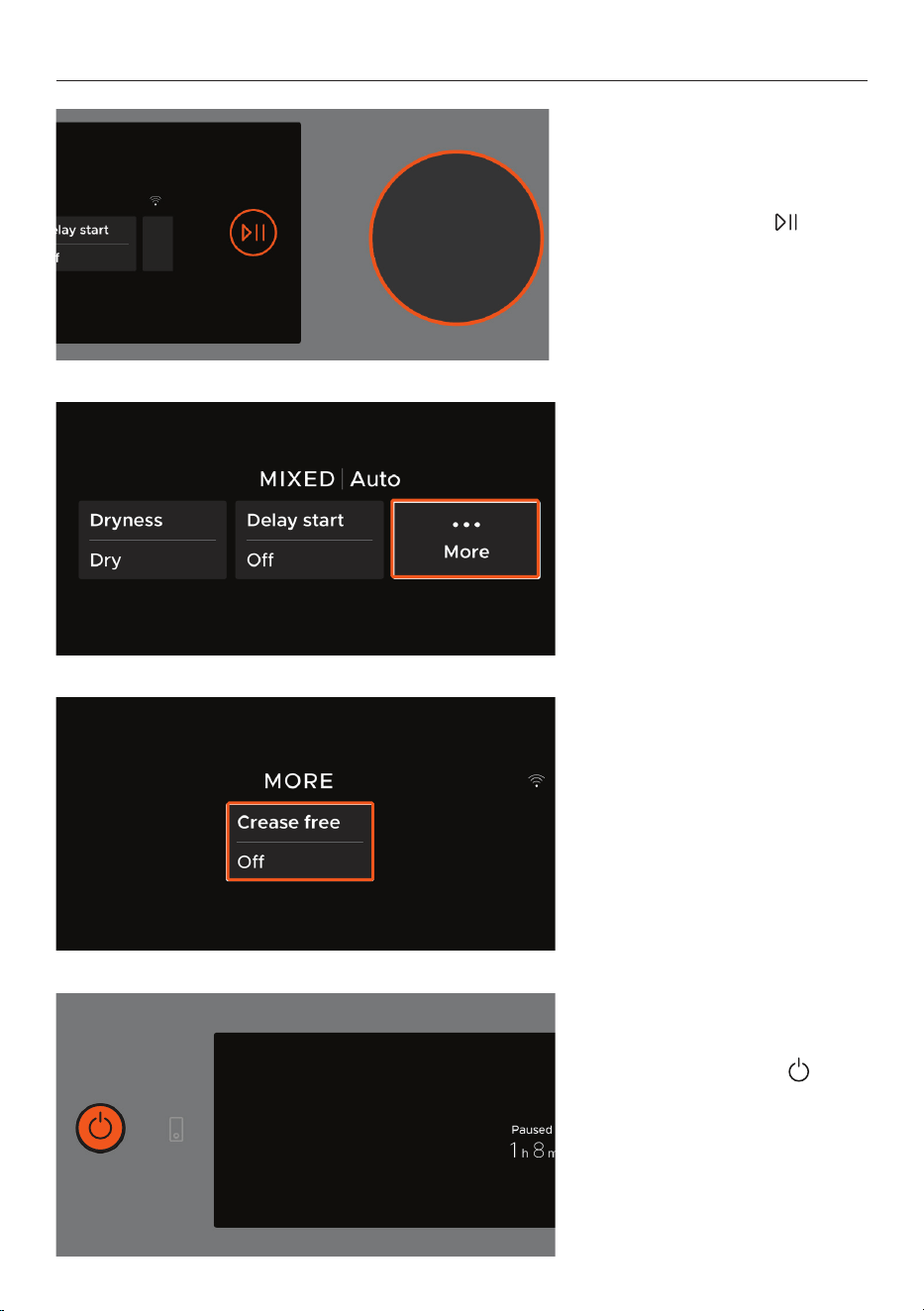
6. Press START/PAUSE to start
or pause the cycle.
Cancelling the cycle
Press and hold
POWER to
turn the dryer off and cancel
the cycle.
Remove items immediately and
spread them out to cool. Take
care as the drum and items
may be hot.
More drying options
Select
MORE to access further
drying options. See ‘More
options’ for details.
Crease free
Select
CREASE FREE to turn
Crease free on or off.
This tumbles the load
periodically after the cycle to
reduce creases in items.
Runs for 12 hours or until
turned off.
20
SAVE FAVOURITE CYCLES
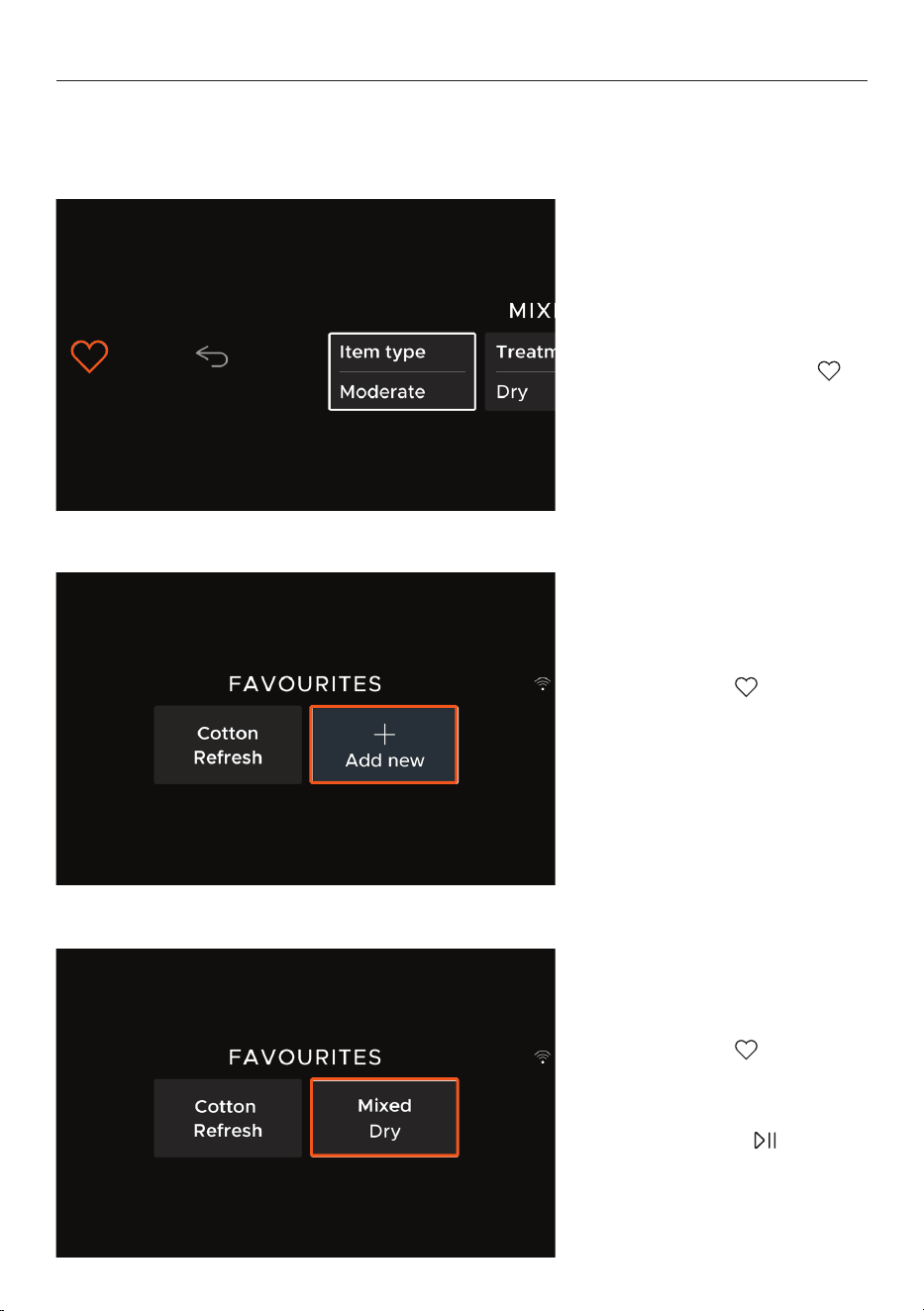
Save your favourite cycles for a quick start to your drying cycle. Favourites comes with a
preset COTTON REFRESH cycle. You can save one more on the product and up to 9 in the
app.
Add a Favourite
Press
FAVOURITE on
the home screen to go to
Favourites menu.
Select
ADD NEW and follow the
onscreen prompts to set up
and save a cycle.
Use a saved Favourite
Press
FAVOURITE to access
the Favourites menu. Scroll to
saved cycle and press the dial
to select.
Press
START/PAUSE to
confirm and press the dial to
start the cycle.
Save a Favourite at cycle setup
Select your cycle settings, then
press and hold
FAVOURITE to
save the cycle.
21
SET DELAY START
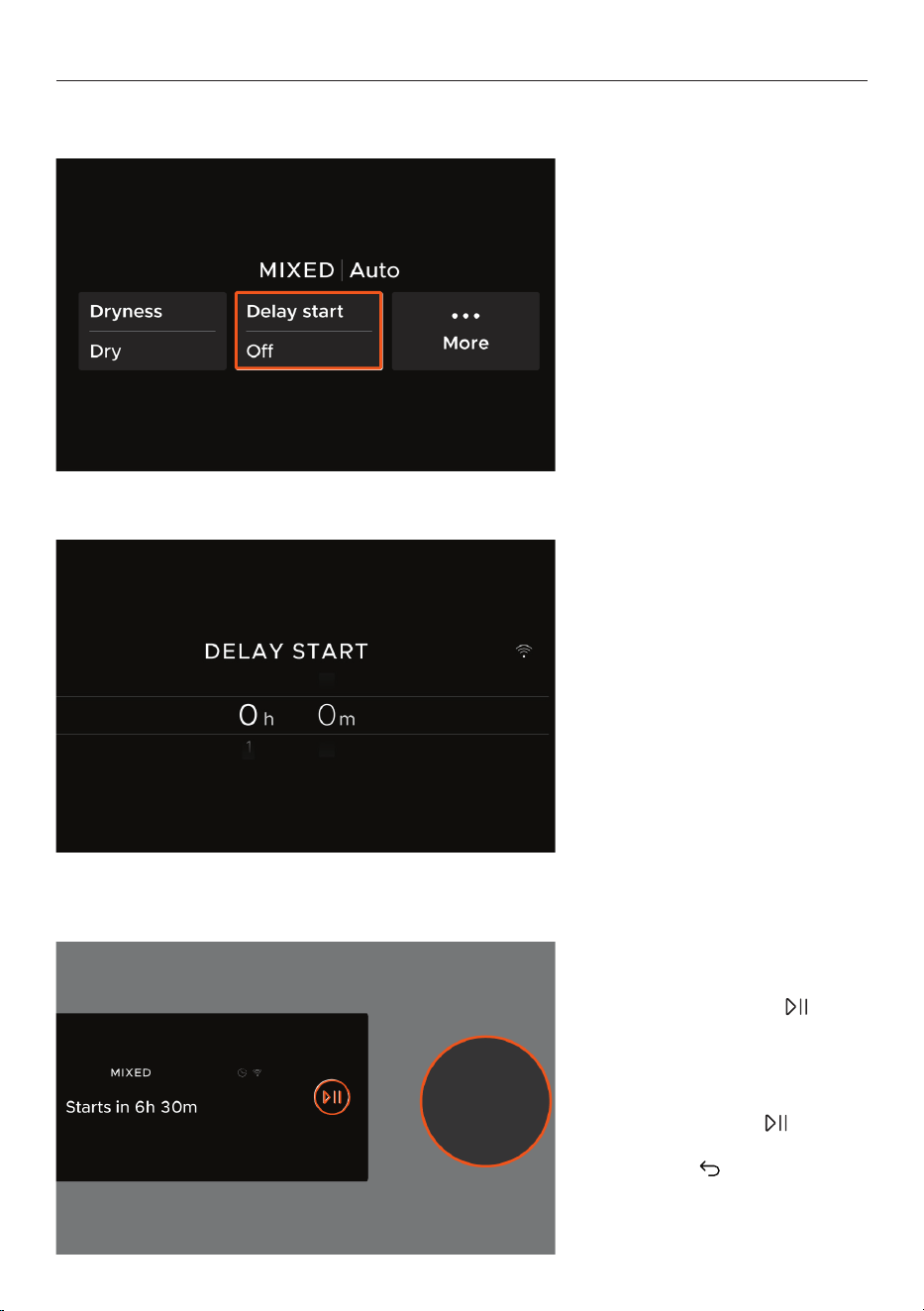
DELAY START allows you to schedule a drying cycle to begin after a set duration.
1. After setting the drying
cycle, select
DELAY START.
3. Press
START/PAUSE , then
press the dial to start the
delay countdown. The drying
cycle will begin when the
countdown ends.
Press
START/PAUSE to pause
or resume the countdown.
Press BACK to cancel the
delay.
2. Use the dial to set your
preferred delay duration, then
press the dial to confirm.
22
CHECK FILTER AND TANK
Clean the lint filter
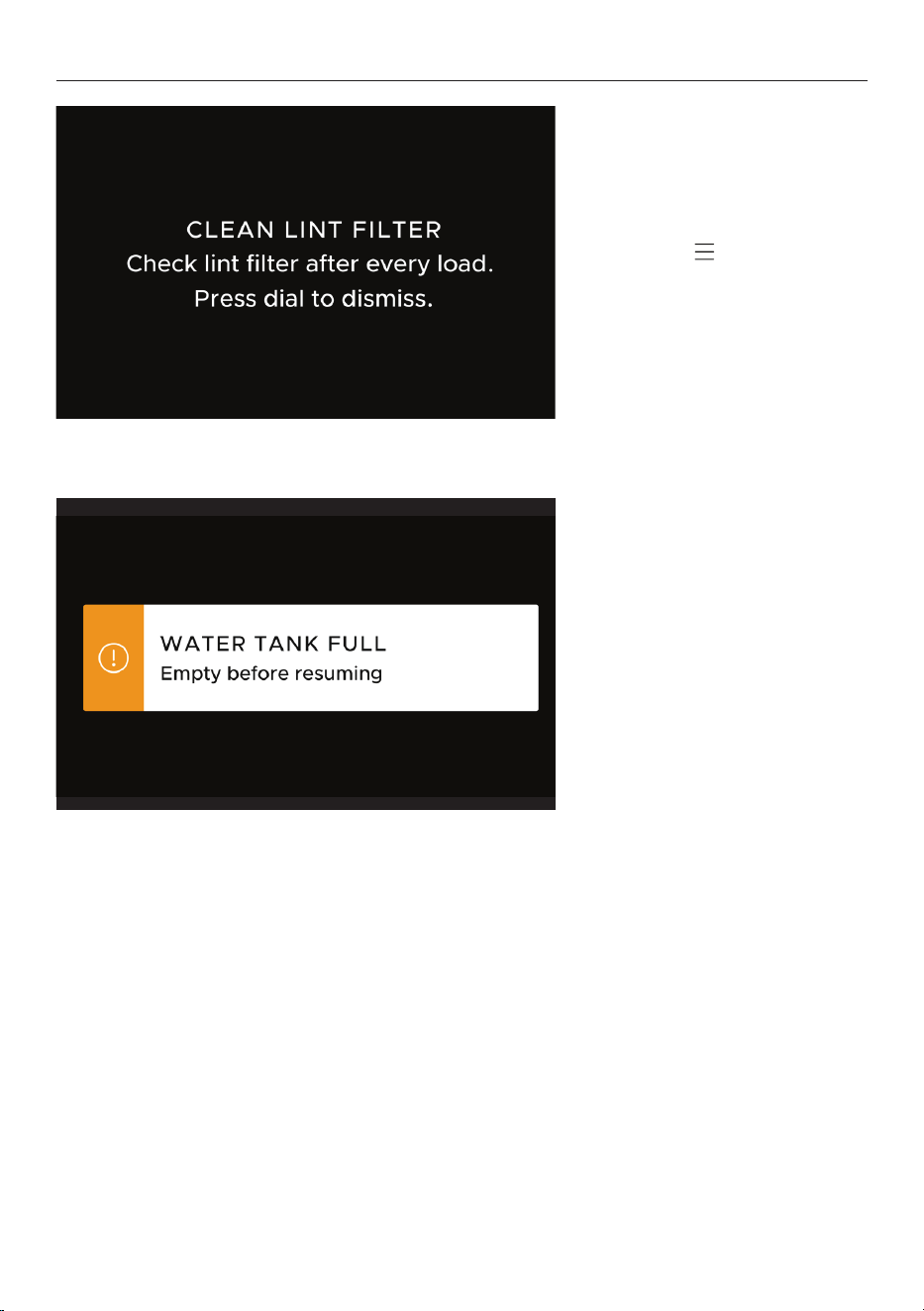
4. The Lint Filter reminder will
display after each cycle. Check
and empty it after every load.
Go to
MENU , SETTINGS to
turn reminders on or off.
See ‘Clean the lint filter’ and
‘Clean the lower lint filter’ for
details.
Empty the water tank
(if not plumbed)
5. The Water Tank reminder will
display when the tank is full.
We recommend you check and
empty it before each cycle
because the drying cycle will
stop if the tank fills up mid-
cycle.
23
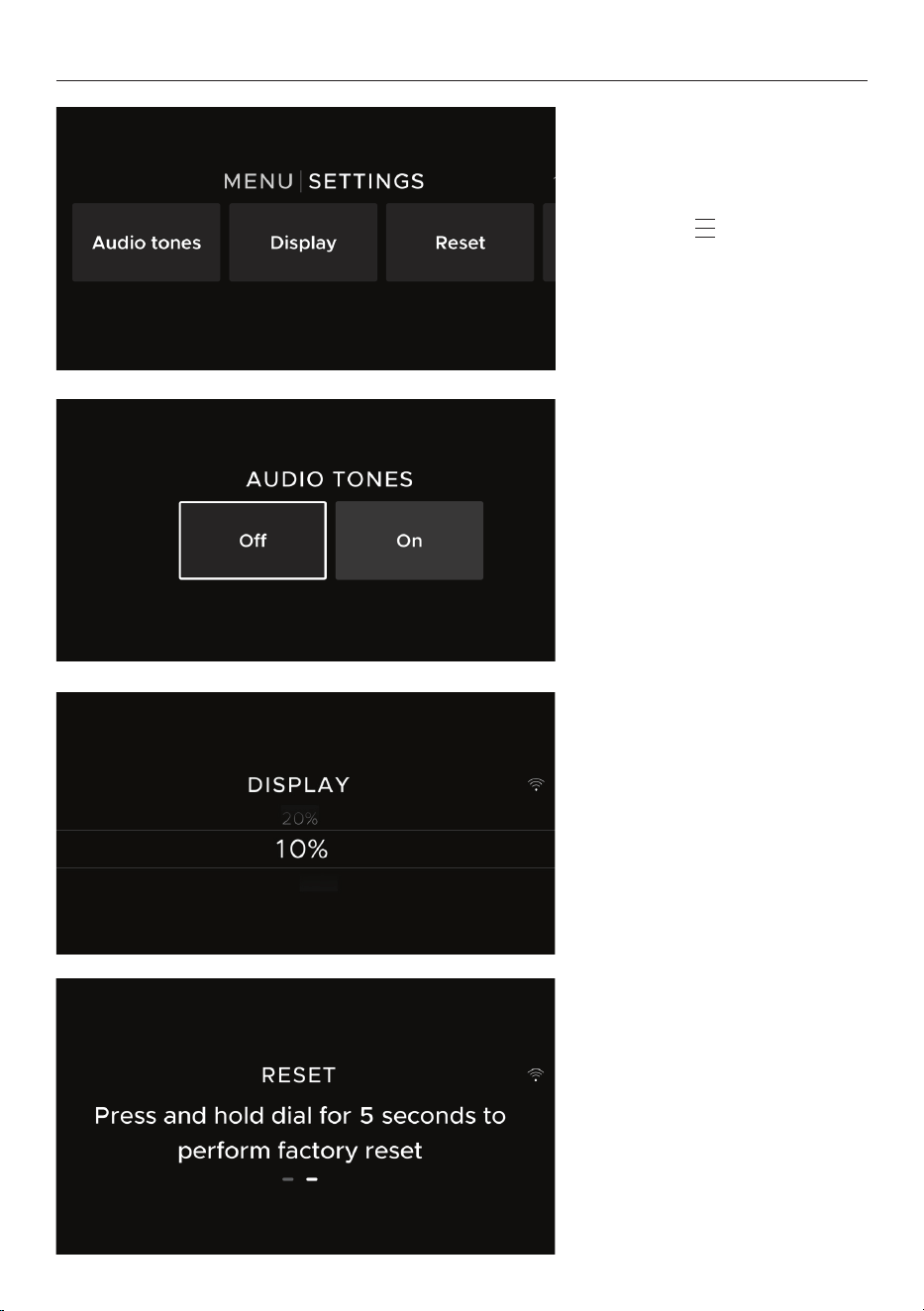
ADJUST SETTINGS
Go to MENU and select
SETTINGS.
Audio tones
Turn audio tones on or off.
Reset
Restore all settings to
factory defaults.
This action cannot be undone.
Display
Adjust the brightness of
the display screen. Set a
lower brightness to improve
energy efficiency.
24
FIT DRYING RACK
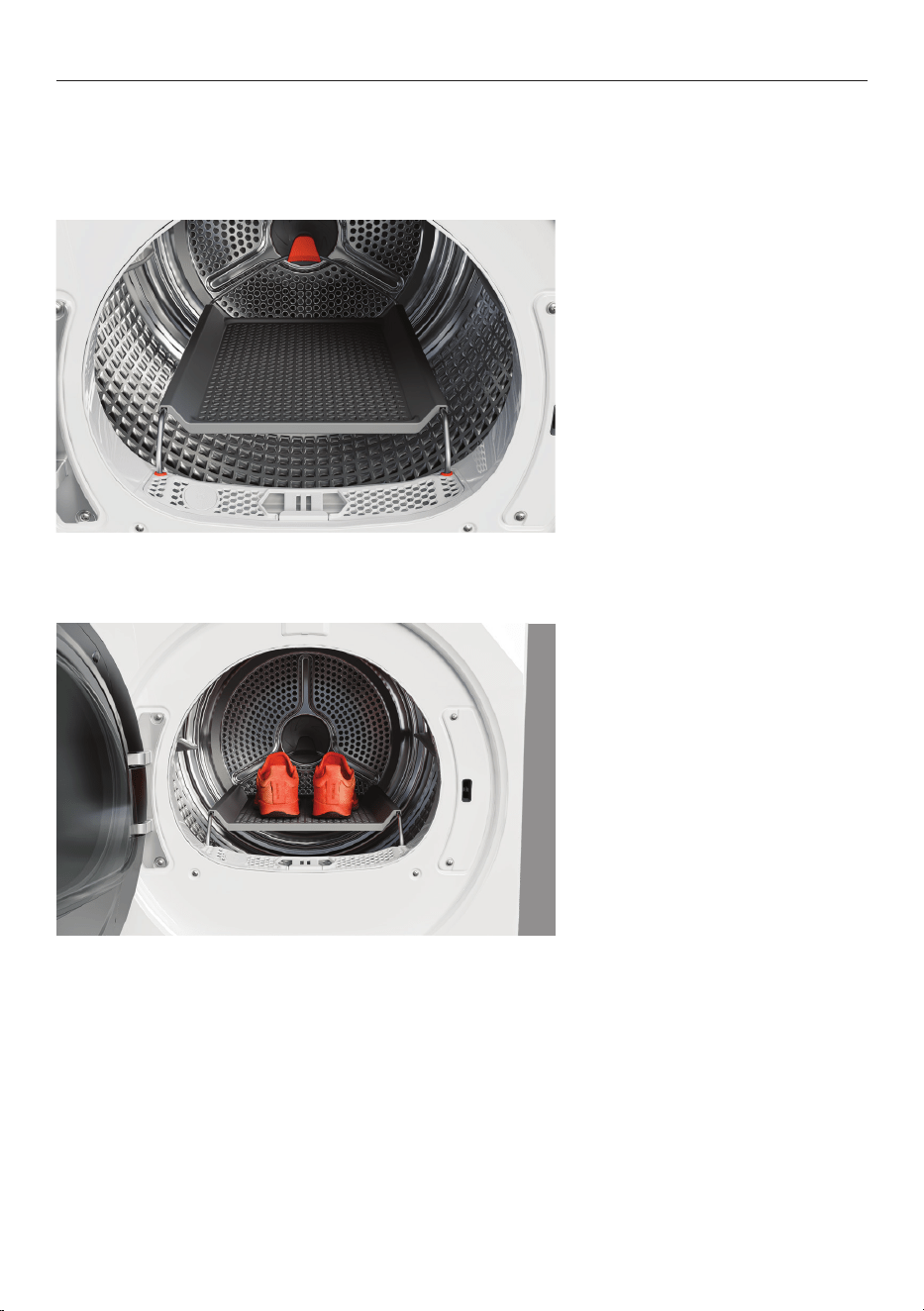
Fit the drying rack when you use the RACK DRY option. The rack is designed for items
that cannot be tumbled. When RACK DRY is selected, you have to set a cycle duration, so
DRYNESS is not available.
1. Insert the back peg into the
rear of the drum, the rack legs
into the slots in the lint filter,
then lower the rack into place.
2. Place the item/s onto the
drying rack, then close the
dryer door.
Set relevant
FIBRE TYPE,
ITEM TYPE and TREATMENT:
RACK DRY and METHOD: TIME to
set desired drying time.
For sneakers, check them
throughout the cycle. Save as
a Favourite if intending to use
this cycle regularly.
25
WI-FI CONNECTION AND REMOTE MODE
Your appliance may be connected to your home wireless network and operated remotely
using the app. Connect your appliance to ensure it stays up to date with the latest software
and features.
Getting started
z
Ensure your home Wi-Fi network and Bluetooth on your mobile device are turned on.
z
You will be given step-by-step guidance on your mobile device.
z
It may take up to 10 minutes to connect your appliance.
z
For further guidance and troubleshooting, please refer to the app.
On your mobile device:
1 Download the app. Scan the QR code or go to
www.fisherpaykel.com/connect
2 Register and create an account.
3 Add your appliance.
Connecting to Wi-Fi
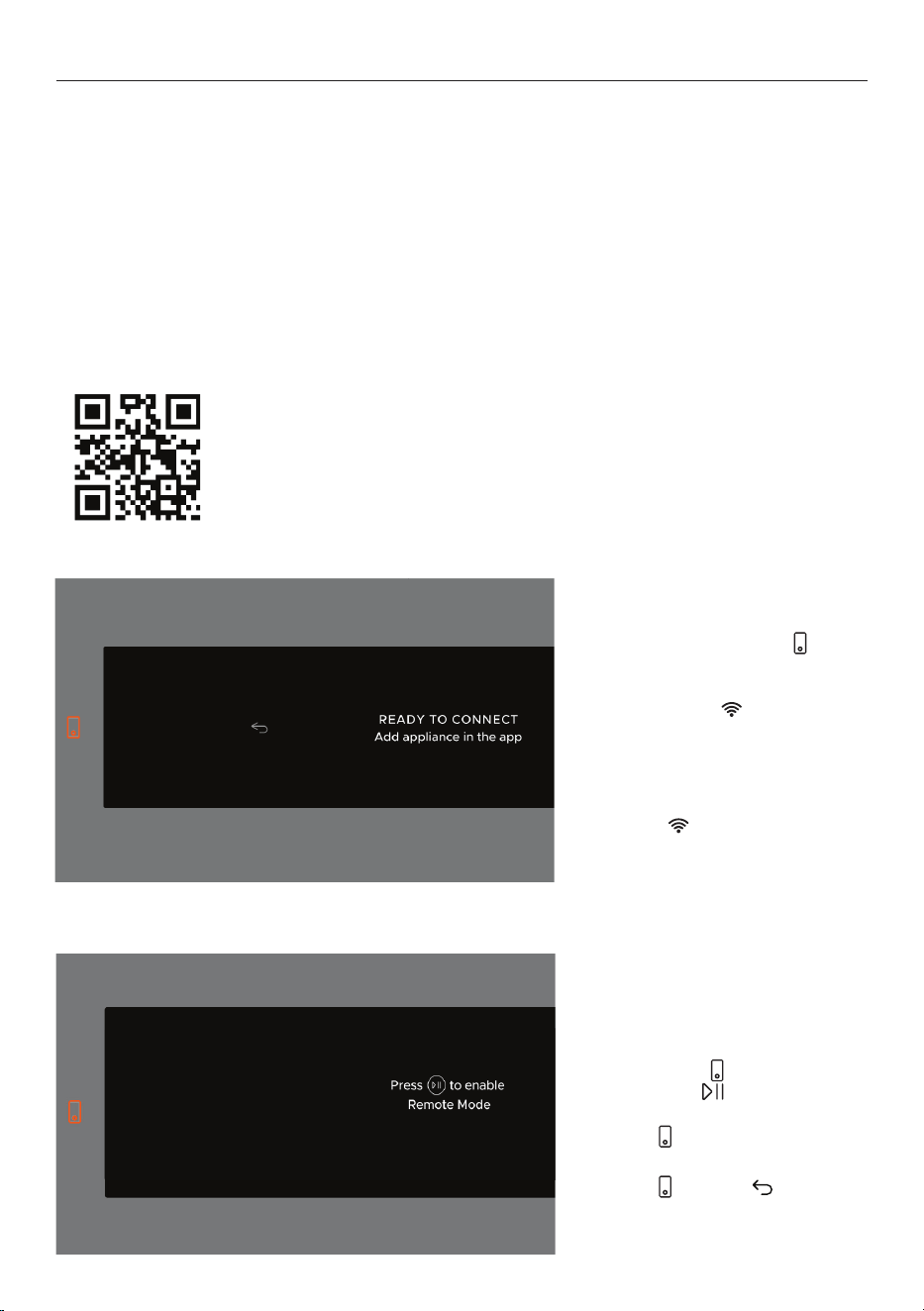
Press and hold
REMOTE
until READY TO CONNECT
shows on the display and the
Wi-Fi indicator starts to
flash. Follow the instructions
in the app to complete the
connection.
Once connected, the Wi-Fi
indicator
will stop flashing
and remain illuminated.
Turning Remote mode on/off
When connected to Wi-Fi,
press
REMOTE , then press
START/PAUSE to enable.
When in remote mode,
REMOTE will stay illuminated.
To turn remote mode off, press
REMOTE or BACK .
26
CLEAN AND MAINTAIN THE DRYER
Surfaces and accessories
Wipe with a damp cloth and mild detergent, then dry with a clean, lint-free cloth. We do
not recommend using the following cleaning products as they may cause damage:
z
Plastic or stainless steel scouring pads
z
Abrasive, solvent, household cleaners
z
Acid or alkaline cleaners
z
Hand washing liquids or soap
z
Stainless steel cleaners or polishes
z
Laundry detergents or disinfectants
Inside the dryer
Check and clean the inside of the drum regularly with a damp cloth to remove anydirt or
lint. Donot leave any metal objects in the drum as these may cause rust.
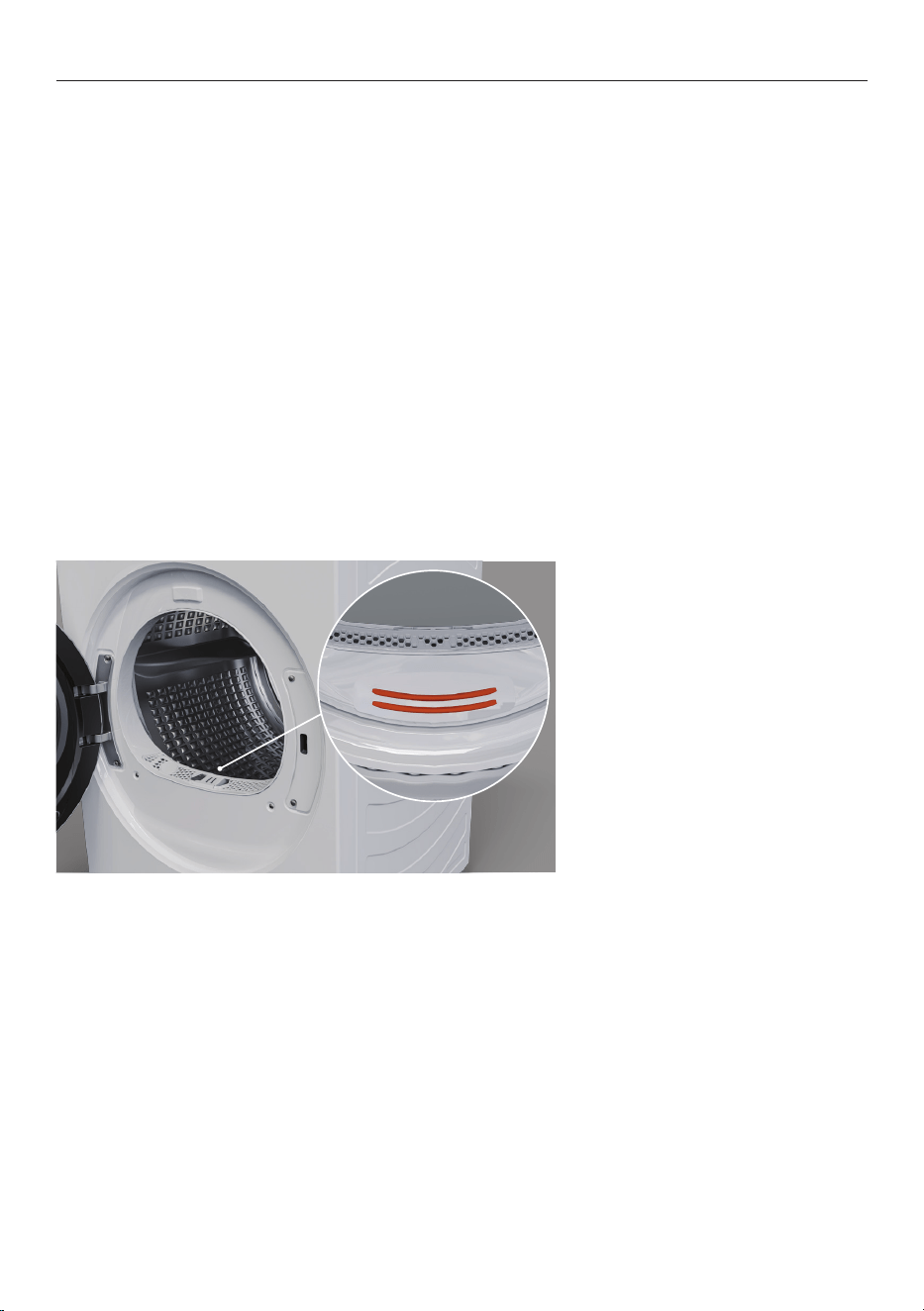
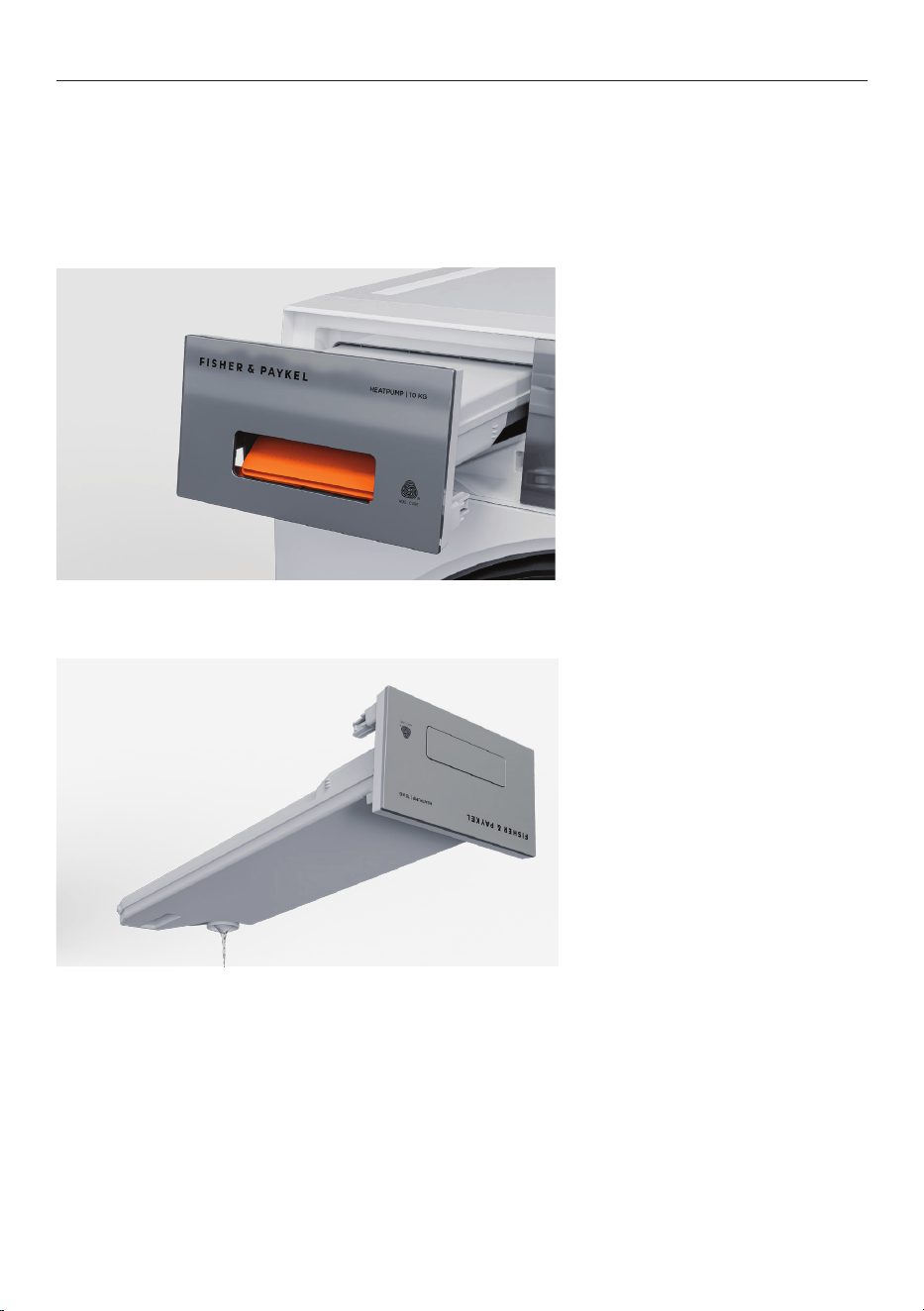
Sensors
The sensors are located behind the lint filter and detect whether the laundry is dry or not.
Clean the sensors regularly to maintain drying performance.
Cleaning the sensors
Wipe clean with a soft, damp
cloth.
27
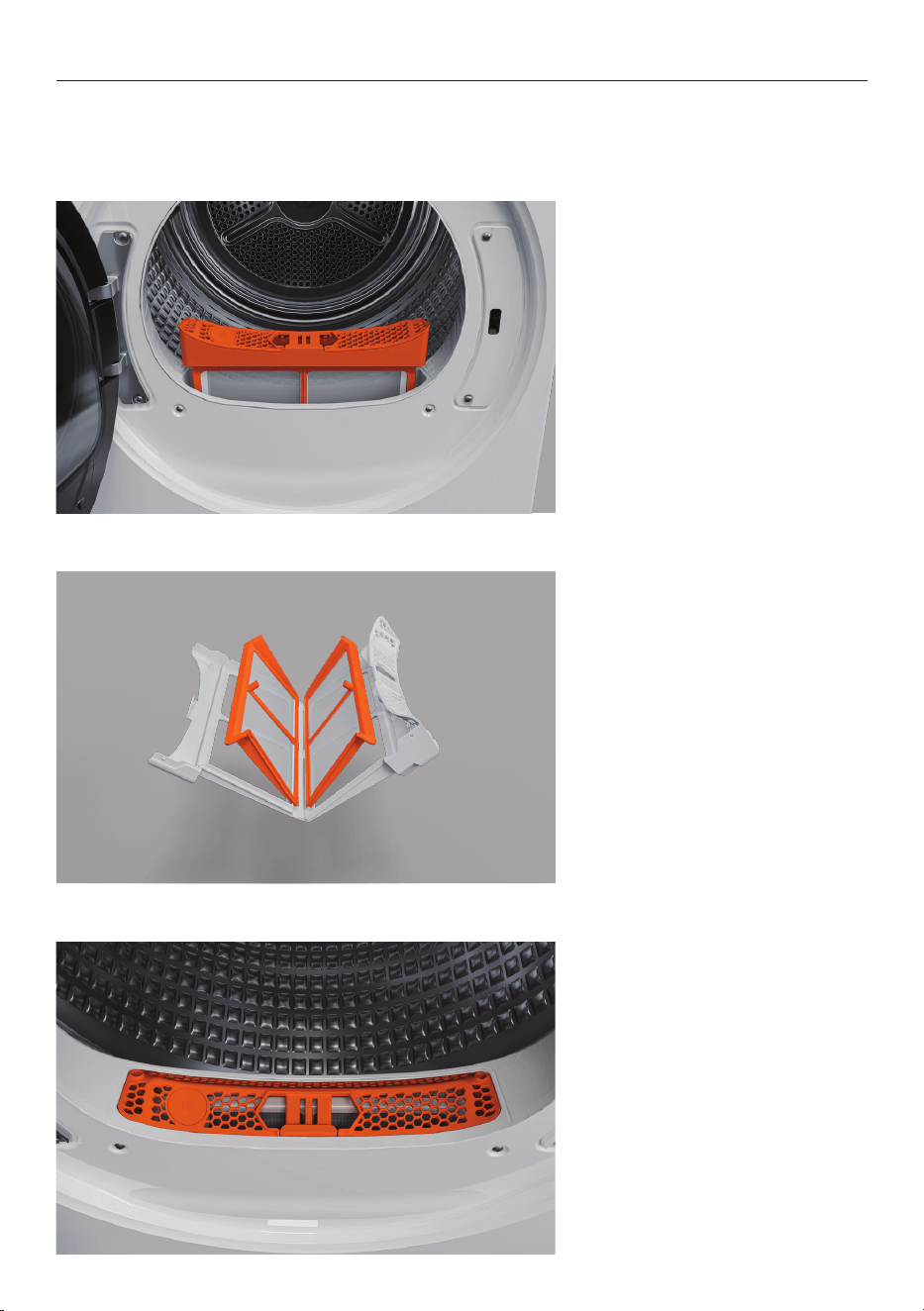
EMPTYING THE WATER TANK
Water collects in the water tank at the top left of the dryer during a drying cycle, unless the
drain hose is set up to drain water automatically.
Empty the water tank before or after every load. Never run the dryer without the water tank
in place unless the drain hose is installed. Refer to the installation guide for instructions if
you want to install the drain hose.
2. Empty the water tank, then
place it back in the dryer.
1. Use the handle to pull the
water tank out.
The tank can be heavy when
full. Support the tank and keep
it level to avoid spilling water.
28
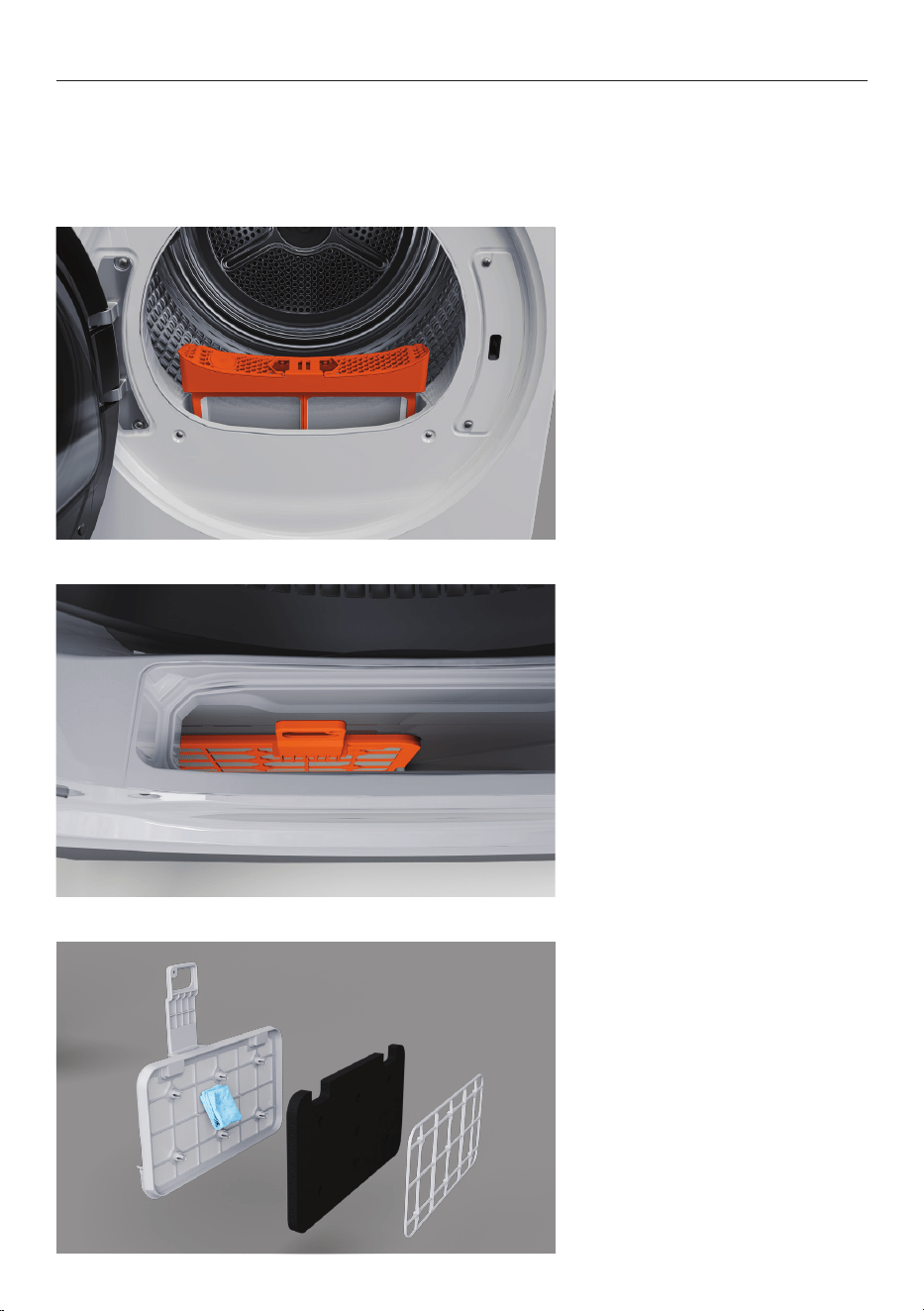
CLEAN THE LINT FILTER
The Lint Filter reminder will pop up at the end of a cycle. Remove and clean the filter
each time you use the dryer as blocked filters will reduce drying performance, and lint can
become a fire hazard if it builds up in or around your dryer.
1. Open the dryer door and
remove the lint filter.
2. Open the filter and separate
the parts. Use your hand or a
soft cloth to remove the lint
from both parts.
3. Refit the internal filter part to
the outer part, then close the
filter and place it back in the
dryer.
29
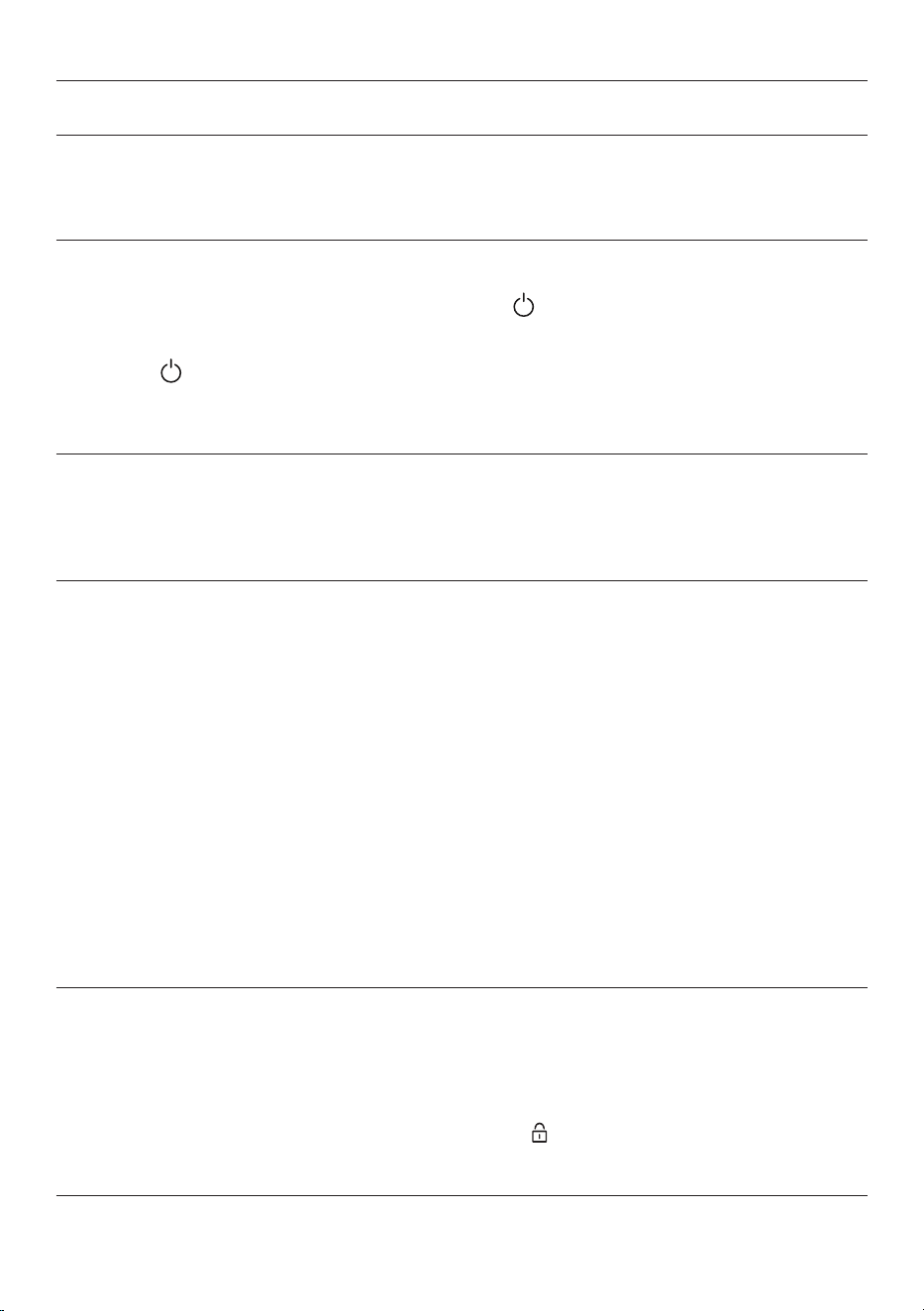
The lower lint filter sits below the lint filter. The Lower Lint Filter and Lint Filter reminders
will light up after every 10 cycles to prompt you to remove and clean both filters. Clean
them when the reminder comes on or when you notice the drying cycle is taking longer
than usual. This will help to maintain drying performance.
CLEAN THE LOWER FILTER
1. Remove the lint filter to
access the lower lint filter.
2. Remove the lower lint filter,
open it and take out the foam.
3. Use a cloth or vacuum
cleaner to remove lint, then
refit the foam to the mesh.
Place lower filter back into the
dryer, and refit the lint filter.
30
TROUBLESHOOTING
Why will the dryer not turn on?
No power. Check the dryer is connected to the power supply.
Why is the display not responding?
z
Dryer needs to be reset. Press and hold POWER to turn the dryer off. Wait a few
seconds, then turn the dryer back on. If the problem persists, disconnect the dryer
from the power supply, wait a few seconds, then reconnect and press and hold
POWER to turn the dryer on.
z
Dryer may require a software update. Connect dryer to Wi-Fi and check for updates in
the app.
Why do the items feel damp after a drying cycle?
z
Items are just warm and will feel dry once they have cooled down.
z
Incorrect drying settings for the load. Check settings and adjust if required.
Why is the drying cycle taking so long?
z
Dryer is overloaded. Pause the cycle and remove some items.
z
Items are tangled. Untangle the items and resume the cycle.
z
Lint filters need to be cleaned. Remove and clean the lint filters.
z
Incorrect drying settings for the load. Check the selected fibre type, item type,
treatment, method and dryness, and adjust if required.
z
Load was overly wet at the start of the cycle. Remove from dryer and run on a spin
cycle in the washing machine to remove excess water.
z
Water tank is full. Empty the water tank.
z
Items are very large. Large items, like duvets, require longer drying times.
z
Dryer is not draining. (Plumbed set-up only.) Check the drain hose for blockages and
correct if possible. If the problem persists contact Customer Care.
z
Air intake is blocked. Check that nothing is covering the air intake.
z
Air temperature in the space surrounding the dryer is too hot, humid or cold. The dryer
is less efficient in very hot or cold conditions. Ensure the dryer is installed in a well-
ventilated space. Donot operate this dryer inside a cupboard.
Why is the dryer not starting?
z
Dryer door not closed. Check nothing is obstructing the door, and close it firmly.
z
Water tank is full or not correctly in place. Empty the water tank and refit it.
z
Dryer is overloaded. Remove some items and restart the cycle.
z
Delayed start is set. See ‘Setting Delayed start’.
z
The controls are locked. Press and hold KEY LOCK .
z
There is a fault. See ‘Alerts and fault codes’.
31
TROUBLESHOOTING
Why is the dryer stopping and starting?
The crease free setting is turned on. Select CREASE FREE to turn off.
Why did the dryer stop mid-cycle?
z
Water tank is full. Empty the water tank.
z
Drying cycle is paused. Press START/PAUSE then press the dial to resume the cycle.
z
Door is open. Close it and press START/PAUSE then press the dial to resume the
cycle.
Why is the dryer vibrating or making noises?
z
Dryer is overloaded. Press START/PAUSE to pause the cycle and remove some items.
z
Dryer is not level. Refer to installation guide for instructions about levelling the dryer.
z
The cycle is close to ending. Prepare to remove items from the dryer.
z
Dryer has a fault. See ‘Fault codes’.
Why is there lint on the load after a drying cycle?
z
The lint filters need to be cleaned. Remove and clean the lint filters.
z
Lint-shedding items are mixed in a load with lint-collecting items. See ‘Sort your load’.
z
Clothes are over-dried and attracting lint. UseAUTO method to sense when items are at
the appropriate dryness level.
Why is the fabric damaged after a drying cycle?
z
Cycle settings not appropriate for the load type. Follow instructions on care labels
and sort items accordingly. See ‘Sort your load’.
z
Items removed from dryer before the cycle has finished. Spread items out after
removing them from the dryer and allow to cool fully before putting away.
z
Metal parts on the items or inthe load may catch on fabric. Always fasten zips and
other clasps beforeplacing items in the dryer.
Why do items in the dryer keep getting tangled?
z
Loads not separated before going in the dryer. Load items individually and try
separating larger items from smaller items.
z
Load size is too large. Try drying smaller loads. See ‘Sort your load’.
z
Cycle settings not the best option for the load type. Try SHEETS for sheets, duvet/
doona covers and TOWELS for towels.
z
Delicate items not separated. Dry pantyhose, bras and stockings in a mesh bag.

32
TROUBLESHOOTING
Why do items in the dryer keep getting creased?
z
Items have been left in the dryer after the cycle ended. Turn CREASE FREE on at the
start of the cycle to minimise creasing.
z
Dryer is overloaded. Pause the cycle and remove some items.
z
Items not sorted before going in the dryer or dryer settings not appropriate for load.
Why is dye transferring onto my clothes?
z
Items not sorted before going in the dryer. Separate white and coloured items into
separate loads.
z
Wet items left sitting in the dryer before starting the drying cycle.
Why is the dryer not draining?
z
Water tank is not correctly fitted. Check it is firmly in place.
z
Drain hose or drain is blocked. (Plumbed set-up only.) Check the drain hose and drain
for blockages and correct if possible. If the problem persists contact Customer Care.
z
Drain hose not connected correctly. See the installation guide for instructions.
Why is the dryer beeping?
z
The cycle has ended. Items can be removed.
z
Dryer has a fault. See ‘Fault codes’.
Why is water coming from under the dryer?
z
Water tank is full. Empty the water tank.
z
Water tank is not correctly fitted. Check it is firmly in place.
z
Dryer door not closed. Check nothing is obstructing the door, and close it firmly.
z
Drain hose or drain is blocked. (Plumbed set-up only.) Check the drain hose and drain
for blockages and correct if possible. If the problem persists contact Customer Care.
z
Drain hose not connected correctly. See the installation guide for instructions.
Why is there water in the dryer drum after a cycle?
z
Water tank is full. Empty the water tank.
z
Air temperature in the space surrounding the dryer is too hot, humid or cold, and water
may be recondensing in the dryer. Ensure the dryer is installed in a well-ventilated space.
Donot operate this dryer inside a cupboard.
Can I dry my sneakers in the dryer?
Yes, sneakers can be dried using the drying rack and
RACK DRY. See ‘Fit drying rack’.

33
TROUBLESHOOTING
How do I refresh my shirts?
Select the relevant fibre type, and set the item type to DELICATE and the treatment to
REFRESH. Only suitable for 1 to 2 items at a time.
Do I need to use the Sanitise cycle on my dryer if I used the Sanitise cycle on my washer?
No. You only need to use the
SANITISE cycle on one of your products to sanitise a load.
Why is the Sanitise treatment taking so long?
A Sanitise cycle requires conditions to be met to ensure sanitisation of a load. A number
of factors can affect these conditions, i.e. the ambient temperature, how wet or how dry
the load is, the temperature of the load, or if the load tangles. If the conditions are not
met, a sanitise cycle will run until time out (8 hours) and the load will not be sanitised.
The operating conditions for your dryer may be too cold.
Why is the dryer not heating?
z
Water tank is full. Empty the water tank.
z
The cycle is in the cooling phase. This is normal. Wait for the cycle to finish.
z
Dryer has not had a chance to heat. Heat pump dryers take several minutes to start
producing heat. For best results, avoid stopping and starting the dryer as this will
affect the dryer’s ability to operate efficiently.
34
ALERTS AND FAULT CODES
How do I know if there is a problem?
Your dryerwill beep and an alert will show in the display. Press the dial to stop the beeping.
How to fix
First try to fix the issue and clear the alert according to the onscreen instructions or the
steps in the following table.
ALERT
WHAT TO DO
MAX TIME REACHED
The cycle has reached the 8-hour limit and cannot continue. Press the
dial to dismiss the alert.
ROOM TEMP LOW
Wait for the temperature to increase. Press the dial to dismiss the alert.
ROOM TEMP HIGH
Wait for the temperature to decrease. Press the dial to dismiss the alert.
BLOCKED DRYER
FILTERS
Check and clean the lint filters. Press the dial to dismiss the alert.
LOW AIRFLOW
DETECTED
Check and clean the lint filters. Press the dial to dismiss the alert.
WATER TANK FULL
Empty the water tank. Press the dial to dismiss the alert.
CYCLE PAUSED
Due to lost power. Press START/PAUSE then press the dial to
resume the cycle.
‘E’ fault codes
You may be able to clear the fault by resetting the dryer. Follow the steps below:
1 Press and hold
POWER to turn the appliance off.
2 Wait a few seconds, then press and hold
POWER to turn the appliance back on.
If the fault code has disappeared, you can continue to use your dryer.
If the problem persists
3 Note down the fault code.
4 Contact Customer Care or a Fisher & Paykel trained and supported service technician.
Refer to the Service and Warranty booklet for contact details.
35
COMPLIANCE INFORMATION
Energy label cycle
The energy label cycle, in accordance with AS/NZS 2442.1 and AS/NZS 2442.2 is as follows:
Cotton, Item Type: Durable, Dryness: Dry. This cycle is the recommended energy saving
cycle for everyday drying, at the rated capacity.
Sanitise
The cycle complies with the microbial reduction requirements of QB/T 5132-2023.
Average elimination rate for the following bacteria, Staphylococcus aureus & Escherichia
coli, >99.9%
Certified cycle: COTTON, Item Type: MODERATE, Treatment: SANITISE, Method: AUTO,
Dryness: EXTRA DRY.
Load size tested at: DH9060D5 & DH9060DG5 - 2.7kg; DH1060D5 & DH1060DG5 - 3.0kg.
Woolmark Wool Care
The wool drying cycle of this machine has been tested and approved by The
Woolmark Company for the drying of machine washable wool products provided
that the products are washed and dried according to the instructions on the
garment label and those issued by the manufacturer of this machine. M2445.
The maximum capacity of the Woolmark Wool Care cycle is 1kg.
Approved cycle: WOOL, Item Type: DELICATE, Treatment: DRY, Method: TIMED.
36
MANUFACTURER’S WARRANTY AND SERVICE GUIDE
To access your Warranty and Service Guide
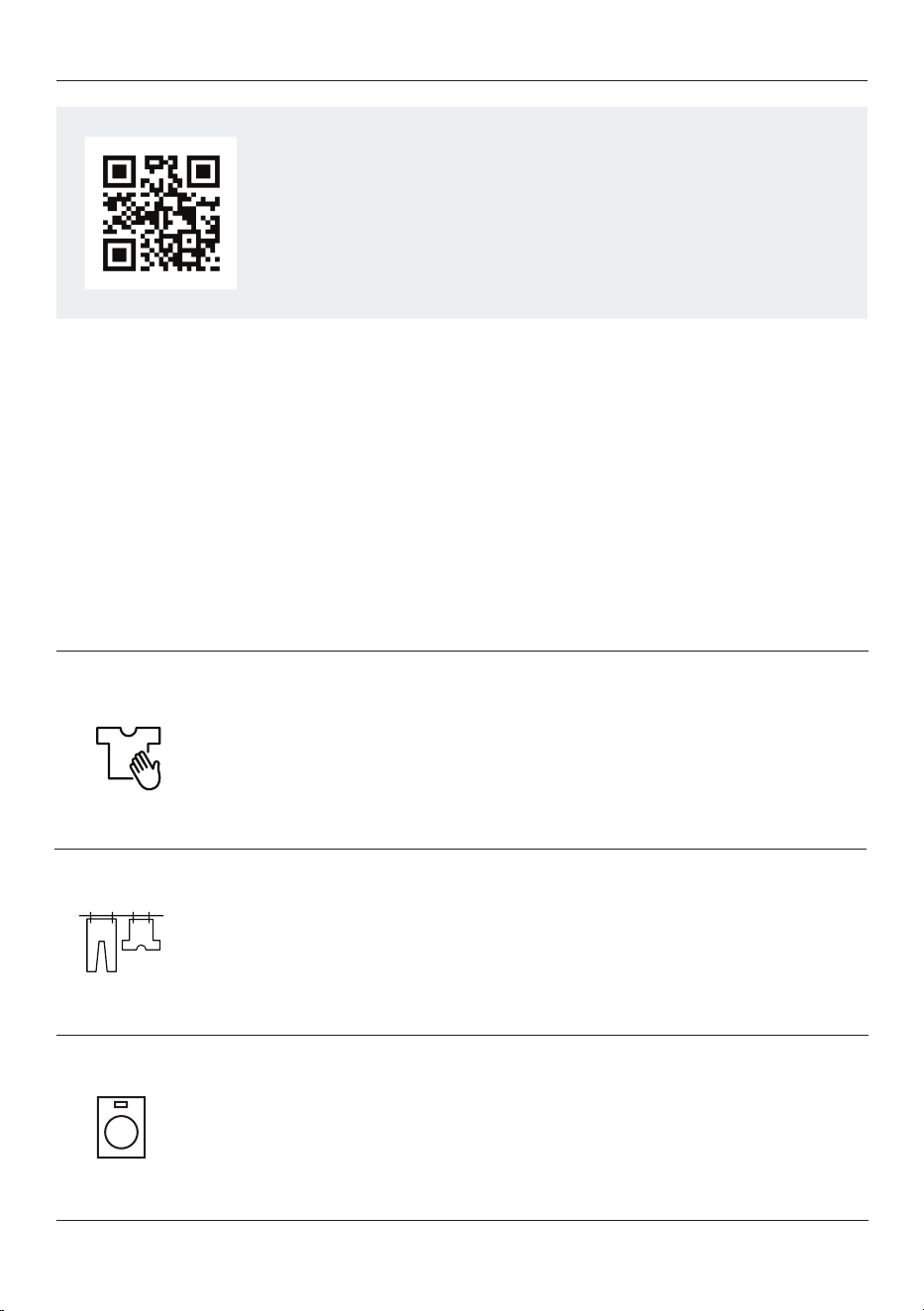
Scan the QR code with your smartphone to access your warranty
and book a service, or view online at https://www.fisherpaykel.
com/nz/help-and-support/warranty-information
This product has been designed for use in a domestic (residential) environment. This
product is not designed for any commercial use. Any commercial use by the customer will
affect this product’s Manufacturer’s Warranty.
To access your Warranty and Service Guide
Scan the QR code with your smartphone to access your warranty
and book a service, refer to your separate warranty and service
book or view online at https://www.fisherpaykel.com/au/help-and-
support/warranty-information
NZ
AU
Complete and keep for safe reference:
Model
Serial No.
Purchase Date
Purchaser
Dealer
Suburb
Tow n
Country
433287A 10.25
FISHERPAYKEL.COM

433287A 10.25
FISHERPAYKEL.COM
© Fisher & Paykel Appliances 2025. All rights reserved.
The models shown in this guide may not be available in all markets
and are subject to change at any time.
The product specifications in this guide apply to the specific products and
models described at the date of issue. Under our policy of continuous product
improvement, these specifications may change at any time.
For current details about model and specification availability in your country,
please go to our website or contact your local Fisher&Paykel dealer.