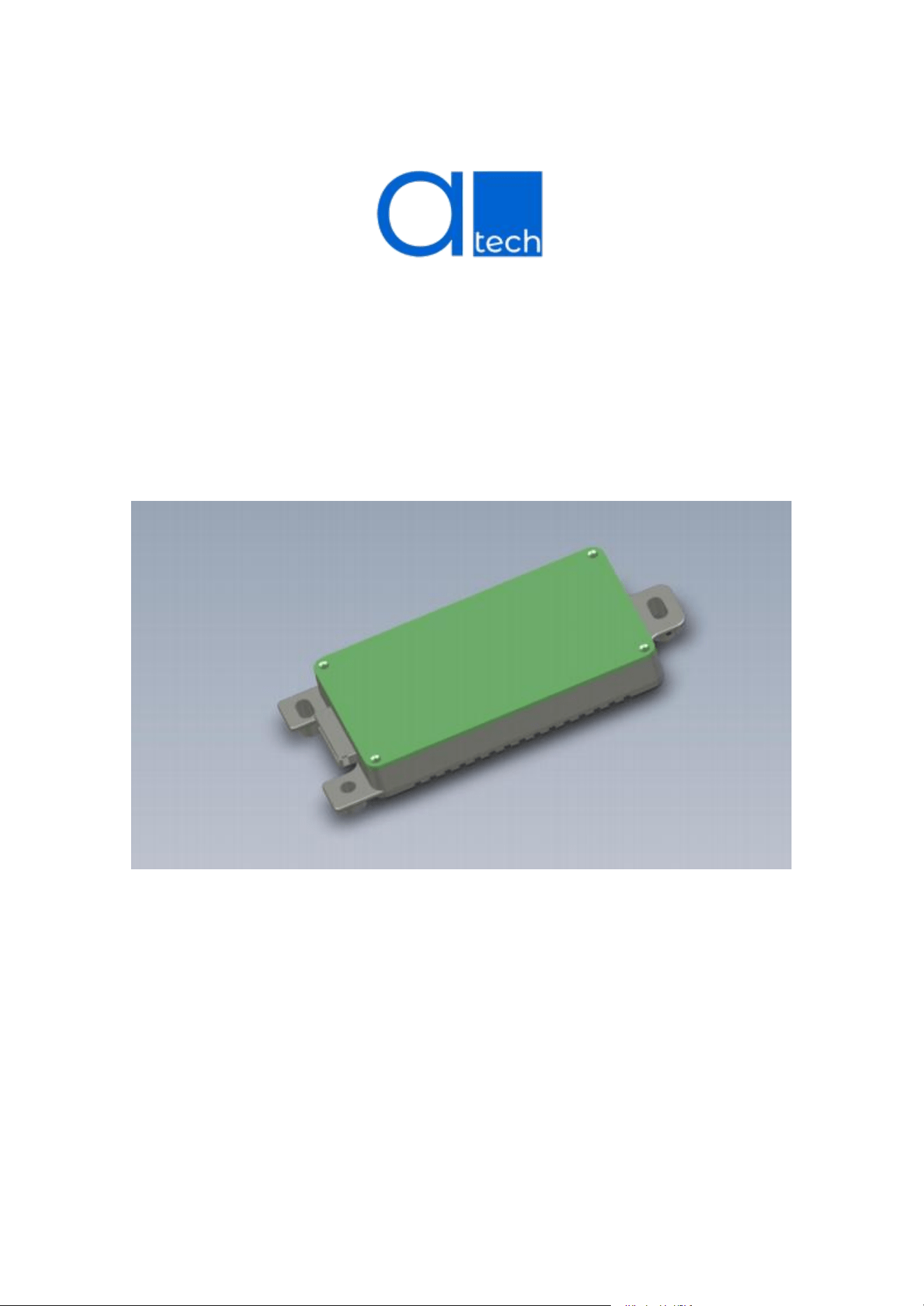
Wireless Charger
WRC-406C
1. Instruction
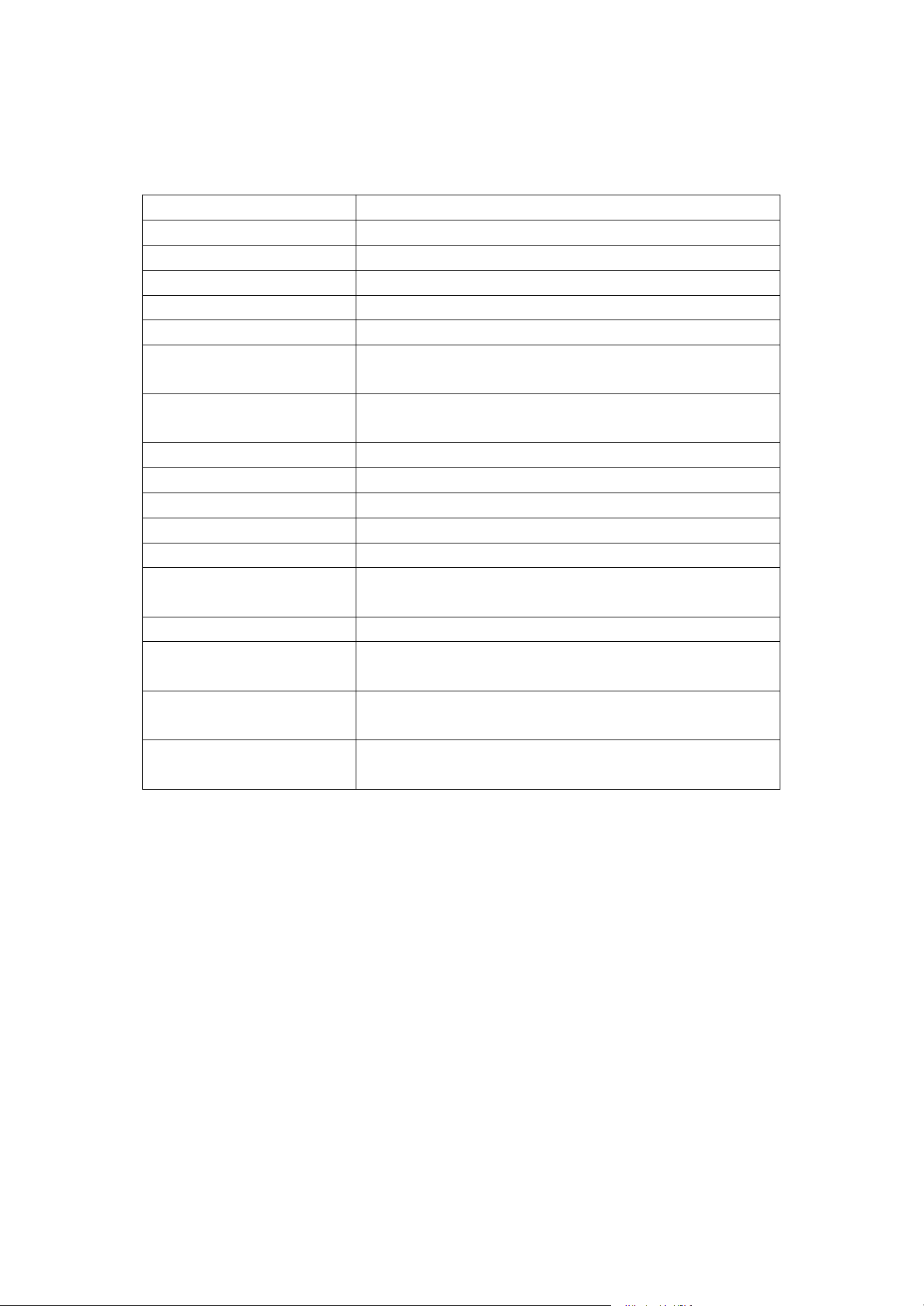
1.1 Configuration parameters
Input voltage
9-16V
Output power
15W
Wireless charging frequency
110.5kHz-205kHz
Stand-by current
≤100mA(12V)
Full load input current
≤1A(12V)
Charging distance
0-5 mm
Wireless charging
conversion efficiency
Maximum efficiency:65%
Maximum charging range
70mm*30mm(Transmitting coil and receiving coil spacing
7mm)
QI certification
Qi2.0
Overvoltage protection
19.2V±5%
Overpressure recovery
19V±5%
Undervoltage protection
8.3V±5%
Undervoltage recovery
8.5V±5%
Over temperature protection
65℃ (protection)/50℃ (recovery)
Overcurrent protection
4A
FOD Detection
Can detect metal foreign objects existing between
equipment and products
Working temperature
-20℃~85℃
Storage ambient
temperature
-30℃~90℃
1.2 Instructions for use
1.2.1 Features
1.2.1.1 Suitable for mobile phones
Support wireless charging mobile phone
- Samsung Note5/Note6/Note7/Note8/S6/S7/S8/S9/S9+ more
- iPhone XR/XS/XS MAX/8/8 plus/X more
- HUAWEI Mate 20 RS/ Mate 20 Pro/ Mate RS more
- XIAOMI Mix 3/ Mix 2S/8 more
1.2.1.2 Charging location:
(1) The center of the equipment should be aligned with the center mark of the charging
module (the position of the charging symbol).
It will cause the charging efficiency to decrease, the heat generation will increase, and
the charging function will be interrupted If the deviation from the center mark.
(2)
The effective charging distance between the product and the device is 0mm to 6 mm
;
If the distance is too high, it will stop charging. It is recommended not to use a thick mobile
phone case during charging.
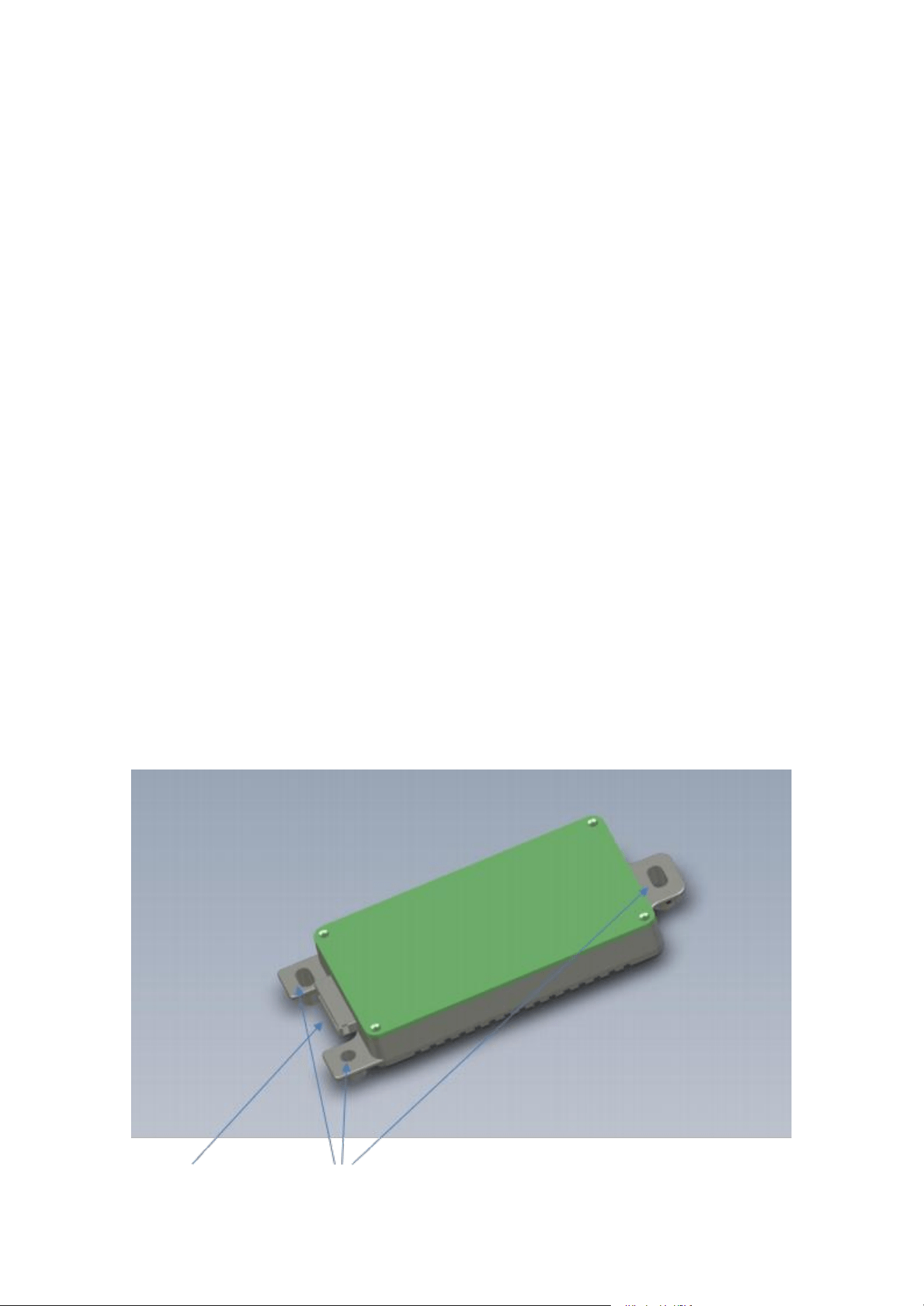
1.2.1.3 Product Composition
① Power Connector ② Screw Holes
1.2.1.4. Over temperature protection
There are Temperature detection element inside the product

(1) Internal temperature>65℃ , Stop charging
(2) Internal temperature< 50℃, Resume charging
1.2.3.5. Metal foreign object detection
The product has metal foreign object detection function
Troubleshooting
- No charging => Check connector
Check related fuse of vehicle
Ensure battery of vehicle is on
Ensure your mobile phone is working
Ensure vehicle is not in PEPS condition
-
2. Circuit principle description
1 、The principle of wireless charging: a device that uses the principle of electromagnetic
induction to charge, similar to a transformer, has a coil at the transmitting and receiving ends,
the transmitting end coil is connected with a wired power source to generate an
electromagnetic signal, and the receiving end coil senses an electromagnetic signal at the
transmitting end, thereby generating a current to Power equipment such as batteries. That is,
wireless charging technology requires two devices: RX (receiving device, which is the product
to be charged), TX (transmitting device)
2 、Voltage principle: The voltage that is not suitable for direct charging of the mobile
phone is directly adjusted to the voltage directly used by the mobile phone through the DC to
DC.
NOTE: This equipment has been tested and found to comply with the limits for
a Class B digital device, pursuant to part 15 of the FCC Rules. These limits
are
designed to provide reasonable protection against harmful interference in a
residential installation. This equipment generates, uses and can radiate radio
frequency energy and, if not installed and used in accordance with the
instructions, may cause harmful interference to radio communications.
However, there is no guarantee that interference will not occur in a particular
installation. If this equipment does cause harmful interference to radio or
television reception, which can be determined by turning the equipment off
and on, the user is encouraged to try to correct the interference by one or
more of the following measures:
- Reorient or relocate the receiving antenna.
- Increase the separation between the equipment and receiver.

-Connect the equipment into an outlet on a circuit different from that to which
the receiver is connected.
-Consult the dealer or an experienced radio/TV technician for help
Changes or modifications not expressly approved by the party responsible for
compliance could void the user's authority to operate the equipment.
This device complies with Part 15 of the FCC Rules. Operation is subject to
the following two conditions:
(1) this device may not cause harmful interference, and (2) this device must
accept any interference received, including interference that may cause
undesired operation.
RF Exposure Warning Statements:
This equipment complies with FCC radiation exposure limits set forth for an
uncontrolled environment. This equipment shall be installed and operated with
minimum distance 20cm between the radiator & body.
This device contains licence-exempt transmitter(s)/receiver(s) that comply
with Innovation, Science and Economic Development Canada’s licence-
exempt RSS(s). Operation is subject to the following two conditions:
(1) This device may not cause interference.
(2) This device must accept any interference, including interference that may
cause undesired operation of the device.
L’émetteur/récepteur exempt de licence contenu dans le présent appareil est
conforme aux CNR d’Innovation, Sciences et Développement économique
Canada applicables aux appareils radio exempts de licence. L’exploitation est
autorisée aux deux conditions suivantes :
(1) L' appareil ne doit pas produire de brouillage;
(2) L' appareil doit accepter tout brouillage radioélectrique subi, même si le
brouillage est susceptible d' en compromettre le fonctionnement.
Radio Frequency Exposure Statement for ISED

This equipment complies with ISED exposure limits set forth for an
uncontrolled environment. The device can be used in portable exposure
conditions. This equipment shall be installed and operated with minimum
distance 0 cm between the radiator & body.
Cet équipement est conforme aux limites d'exposition ISED établies pour un
environnement non contrôlé. L'appareil peut être utilisé dans des conditions
d'exposition portables. Cet équipement doit être installé et utilisé avec une
distance minimale de 0 cm entre le radiateur et le corps.