Important Safety Instructions
The following symbols and labels are used throughout this
manual to indicate immediate or potential safety hazards. It is
the owner’s and installer’s responsibility to read and comply
with all safety information and instructions accompanying
these symbols. Failure to heed safety information increases
the risk of personal injury, property damage, and/or product
damage.
Only personnel that have been trained to install, adjust,
service or repair(hereinafter, “service”) the equipment spec-
ified in this manual should service the equipment. The manu-
facturer will not be responsible for any injury or property
damage arising from improper service or service proce-
dures. If you service this unit, you assume responsibility for
any injury or property damage which may result. In addition,
in jurisdictions that require one or more licenses to service
the equipment specified in this manual, only licensed per-
sonnel should service the equipment. Improper installation,
adjustment, servicing or repair of the equipment specified
in this manual, or attempting to install, adjust, service or
repair the equipment specified in this manual without proper
training may result in product damage, property damage,
personal injury or death.
WARNING
WARNING
HIGH VOLTAGE
Disconnect all power before servicing or
installing this unit. Multiple power sources
may be present. Failure to do so may cause
property damage, personal injury or death.
CAUTION
Scroll equipped units should never be used to evacuate
the air conditioning system. Vacuums this low can cause
internal electrical arcing resulting in a damaged or failed
compressor.
CONDENSING UNIT
HEAT PUMP
INSTALLATION & SERVICE REFERENCE
© 2021 Goodman Manufacturing Company, L.P.
19001 Kermier Rd., Waller, TX 77484
www.goodmanmfg.com
P/N: IOG-4038 Date: June 2021
Shipping Inspection
Always keep the unit upright; laying the unit on its side or top
may cause equipment damage. Shipping damage, and sub-
sequent investigation is the responsibility of the carrier. Verify
the model number, specications, electrical characteristics,
and accessories are correct prior to installation. The distributor
or manufacturer will not accept claims from dealers for trans-
portation damage or installation of incorrectly shipped units.
Codes & Regulations
This product is designed and manufactured to comply with
national codes. Installation in accordance with such codes
and/or prevailing local codes/regulations is the responsibility
of the installer. The manufacturer assumes no responsibility
for equipment installed in violation of any codes or regulations.
Rated performance is achieved after 20 hours of operation.
Rated performance is delivered at the specied airow. See
outdoor unit specication sheet for split system models or
product specication sheet for packaged and light com-
mercial models. Specication sheets can be found at www.
goodmanmfg.com for Goodman
®
brand products or www.
amana-hac.com for Amana
®
brand products. Within either
website, please select the residential or commercial products
menu and then select the submenu for the type of product
to be installed, such as air conditioners or heat pumps, to
access a list of product pages that each contain links to that
model’s specication sheet.
The United States Environmental Protection Agency
(EPA) has issued various regulations regarding the in-
troduction and disposal of refrigerants. Failure to follow
these regulations may harm the environment and can
lead to the imposition of substantial nes. Should you
have any questions please contact the local oce of the EPA.
If replacing a condensing unit or air handler, the system must
be manufacturer approved and Air Conditioning, Heating and
Refrigeration Institute (AHRI) matched. NOTE: Installation of
unmatched systems is not allowed.
Outdoor units are approved for operation above 55°F in
cooling mode. Operation below 55°F requires the use of an
approved low ambient kit. NOTE: LAKT01 Low ambient kit
cannot be used with outdoor units containing ECM motors.
Damage to the unit caused by operating the unit in a structure
that is not complete (either as part of new construction or
renovation) is not covered by the warranty.
2
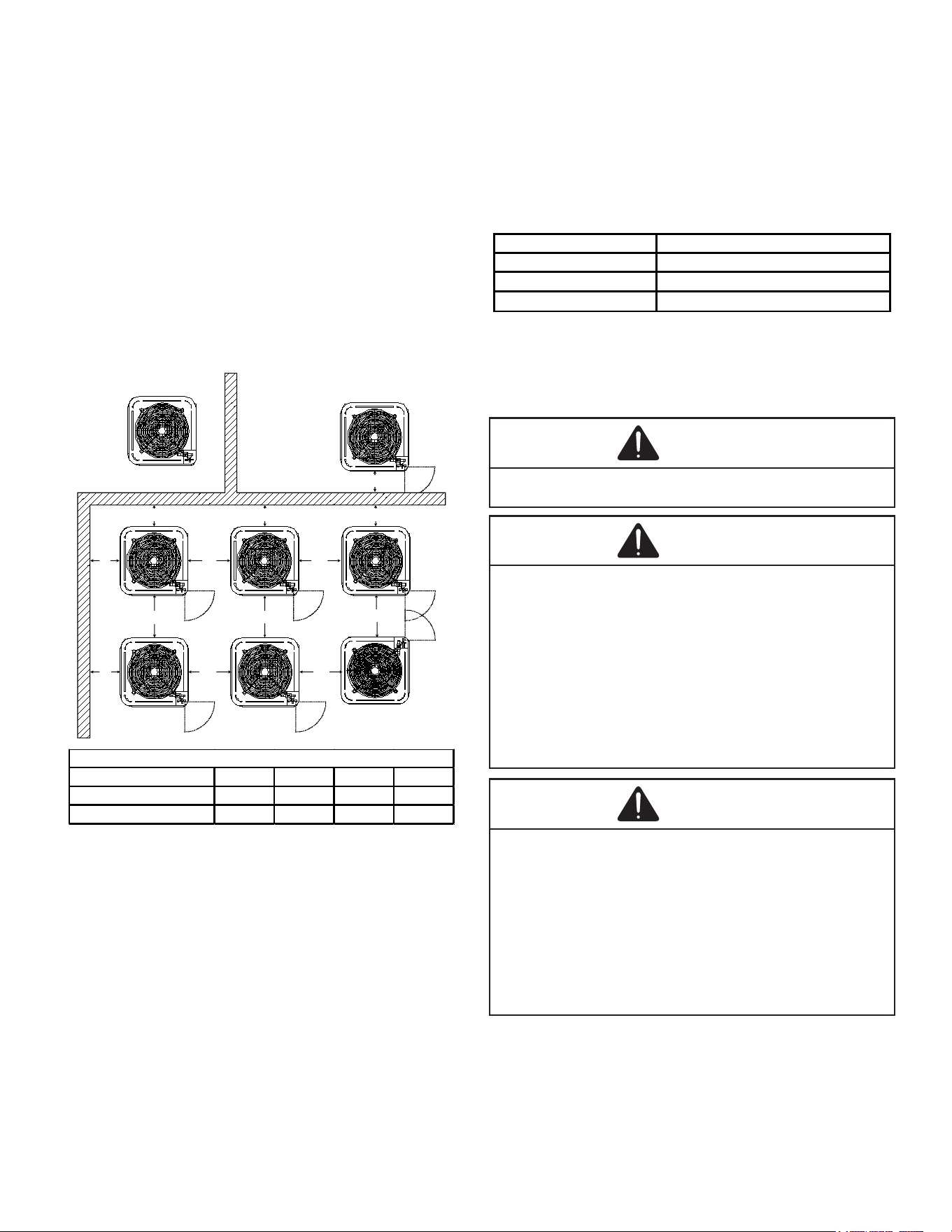
Installation Clearances
Special consideration must be given to location of the con-
densing unit(s) in regard to structures, obstructions, other
units, and any/all other factors that may interfere with air
circulation. Where possible, the top of the unit should be
completely unobstructed; however, if vertical conditions re-
quire placement beneath an obstruction there should be a
minimum of 60 inches between the top of the unit and the
obstruction(s). The specied dimensions meet requirements
for air circulation only. Consult all appropriate regulatory codes
prior to determining nal clearances.
Another important consideration in selecting a location for the
unit(s) is the angle to obstructions. Either side adjacent the
valves can be placed toward the structure provided the side
away from the structure maintains minimum service clearance.
Corner installations are strongly discouraged.
OK!
OK!
AA AAA
A
CC
C
C
OK!
OK!
OK!
OK!
NOT
RECOMMENDED
AA
AA
AA
AA
AA
B B B
B
Model Type A B C AA
Residential 10" 10" 18" 20"
Light Commercial 12" 12" 18" 24"
Minimum Airflow Clearance
This unit can be located at ground oor level or on at roofs. At
ground oor level, the unit must be on a solid, level foundation
that will not shift or settle. To reduce the possibility of sound
transmission, the foundation slab should not be in contact
with or be an integral part of the building foundation. Ensure
the foundation is sucient to support the unit. A concrete slab
raised above ground level provides a suitable base.
Rooftop Installations
If it is necessary to install this unit on a roof structure, ensure
the roof structure can support the weight and that proper
consideration is given to the weather-tight integrity of the roof.
Since the unit can vibrate during operation, sound vibration
transmission should be considered when installing the unit.
Vibration absorbing pads or springs can be installed between
the condensing unit legs or frame and the roof mounting as-
sembly to reduce noise vibration.
NOTE: These units require special location consideration
in areas of heavy snow accumulation and/or areas with
prolonged continuous subfreezing temperatures. Heat pump
unit bases have cutouts under the outdoor coil that permit
drainage of frost accumulation. Situate the unit to permit free
unobstructed drainage of the defrost water and ice.
In more severe weather locations, it is recommended that
the unit be elevated to allow unobstructed drainage and air
ow. The following elevation minimums are recommended:
Design Temperature
Suggested Minimum Elevation
+15° and above
2 1/2"
-5° to +14°
8"
below -5°
12"
Safe Refrigerant Handling
While these items will not cover every conceivable situa-
tion, they should serve as a useful guide.
WARNING
To avoid possible injury, explosion or death, practice safe
handling of refrigerants.
WARNING
Refrigerants are heavier than air. They can “push out” the
oxygen in your lungs or in any enclosed space. To avoid
possible difficulty in breathing or death:
• Never purge refrigerant into an enclosed room or
space. By law, all refrigerants must be reclaimed.
• If an indoor leak is suspected, thoroughly ventilate the
area before beginning work.
• Liquid refrigerant can be very cold. To avoid possible
frostbite or blindness, avoid contact and wear gloves
and googles. If liquid refrigerant does contact your
skin or eyes, seek medical help immediately.
• Always follow EPA regulations. Never burn refrigerant,
as poisonous gas will be produced.
WARNING
To avoid possible explosion:
• Never apply flame or steam to a refrigerant cylinder. If
you must heat a cylinder for faster charging, partially
immerse it in warm water.
• Never fill a cylinder more than 80% full of liquid
refrigerant.
• Never add anything other than R-22 to an R-22 cylinder
or R-410A to an R-410A cylinder. The service equipment
used must be listed or certified for the type of
refrigerant used.
• Store cylinders in a cool, dry place. Never use a
cylinder as a platform or a roller.
3
WARNING
To avoid possible explosion, use only returnable (not
disposable) service cylinders when removing refrigerant
from a system.
• Ensure the cylinder is free of damage which could lead
to a leak or explosion.
• Ensure the hydrostatic test date does not exceed 5
years.
• Ensure the pressure rating meets or exceeds 400 lbs.
When in doubt, do not use cylinder.
Refrigerant Lines
CAUTION
The compressor POE oil for R-410A units is extremely
susceptible to moisture absorption and could cause
compressor failure. Do not leave system open to atmosphere
any longer than necessary for installation.
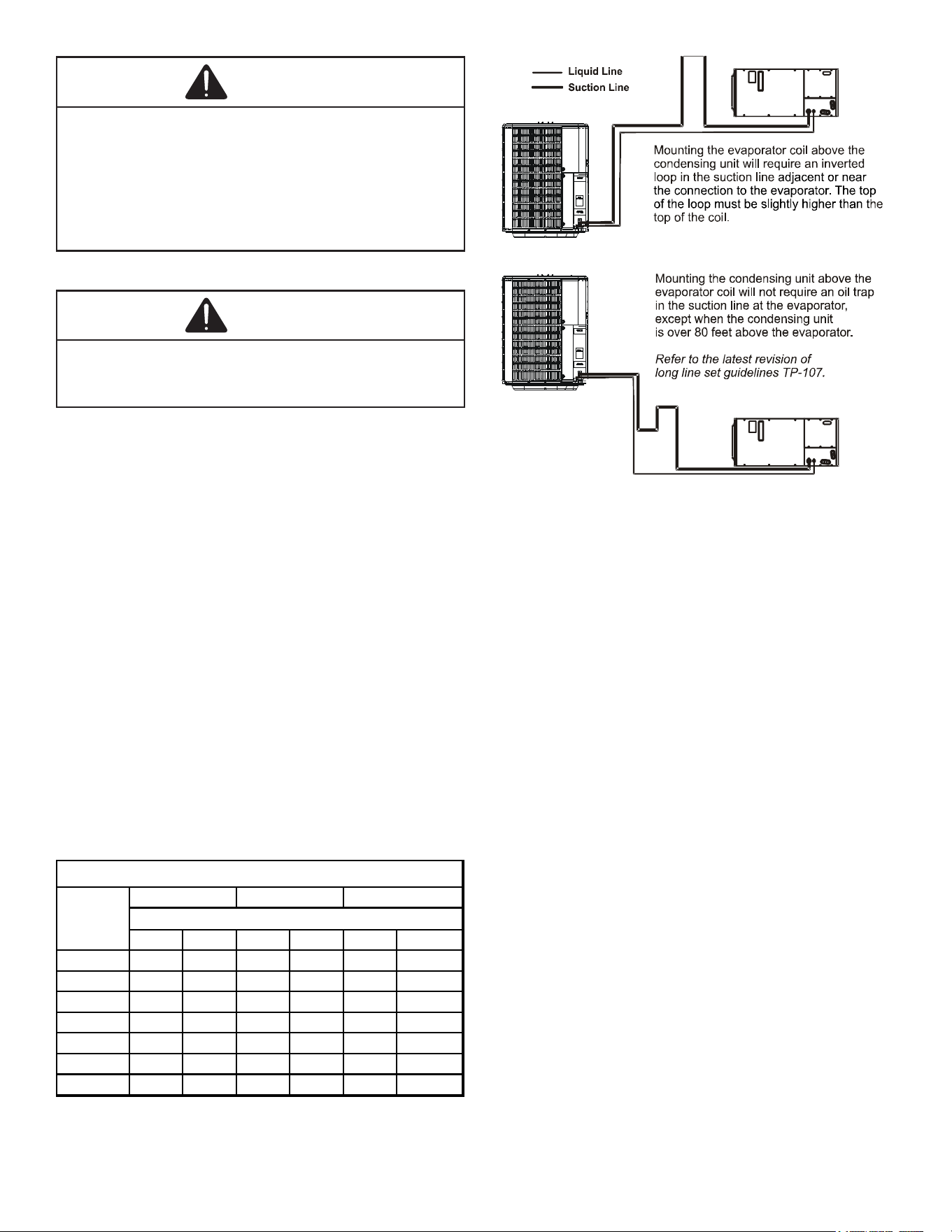
Use only refrigerant grade (dehydrated and sealed) copper
tubing to connect the condensing unit with the indoor evapo-
rator. After cutting the tubing, install plugs to keep refrigerant
tubing clean and dry prior to and during installation. Tubing
should always be cut square keeping ends round and free
from burrs. Clean the tubing to prevent contamination.
Do NOT let refrigerant lines come in direct contact with plumb-
ing, ductwork, oor joists, wall studs, oors, and walls. When
running refrigerant lines through a foundation or wall, open-
ings should allow for sound and vibration absorbing material
to be placed or installed between tubing and foundation. Any
gap between foundation or wall and refrigerant lines should
be lled with a pliable silicon-based caulk, RTV or a vibration
damping material. Avoid suspending refrigerant tubing from
joists and studs with rigid wire or straps that would come in
contact with the tubing. Use an insulated or suspension type
hanger. Keep both lines separate and always insulate the
suction line.
These sizes are recommended for line lengths of 79 feet or
less to obtain optimum performance. For alternate line sizing
options or runs of more than 79 feet, refer to TP-107 Long
Line Set Application R-410A, or contact your distributor for
assistance.
Cond
Unit
Tons Suct Liq Suct Liq Suct Liq
1 1/2 5/8 1/4 3/4 3/8 3/4 3/8
2 5/8 1/4 3/4 3/8 3/4 3/8
2 1/2 5/8 1/4 3/4 3/8 7/8 3/8
3 3/4 3/8 7/8 3/8 1 1/8 3/8
3 1/2 7/8 3/8 1 1/8 3/8 1 1/8 3/8
4 7/8 3/8 1 1/8 3/8 1 1/8 3/8
5 7/8 3/8 1 1/8 3/8 1 1/8 3/8
Line Diameter (In. OD)
RECOMMENDED INTERCONNECTING TUBING (Ft)
0-24
25-49
50-79*
* Lines greater than 79 feet in length or vertical elevation changes more
than 50 feet refer to the TP-107 R-410A Long Line Set Application
Guidelines or contact your distributor for assistance.
Insulation is necessary to prevent condensation from forming
and dropping from the suction line. Armex (or satisfactory
equivalent) with 3/8” min. wall thickness is recommended. In
severe conditions (hot, high humidity areas) 1/2” insulation
may be required. Insulation must be installed in a manner
which protects tubing from damage and contamination.
Existing Line Sets
Where possible, drain as much residual compressor oil from
existing systems, lines, and traps; pay close attention to low
areas where oil may collect. Use of an approved ushing
agent is recommended followed by a nitrogen purge to remove
any remaining ushing agent from the lines or indoor coil.
Replacement of indoor coil is recommended.
NOTE: If using existing indoor coil and changing refrigerant
types, ensure the indoor coil and metering device are com-
patible with the type of refrigerant being used. If new indoor
coil is required check spec sheet or AHRI for approved coil.
If system is being replaced due to compressor electrical fail-
ure, assume acid is in system. Refer to Service Procedure
S-115 Compressor Burnout in service manual for clean-up
procedure.
Burying Refrigerant Lines
If burying refrigerant lines can not be avoided, use the fol-
lowing checklist.
1. Insulate liquid and suction lines separately.
2. Enclose all underground portions of the refrigerant lines
in waterproof material (conduit or pipe) sealing the ends
where tubing enters/exits the enclosure.
3. If the lines must pass under or through a concrete slab,
ensure lines are adequately protected and sealed.
4
Refrigerant Line Connections
IMPORTANT
To avoid overheating the service valve, TXV valve, or
lter drier while brazing, wrap the component with a
wet rag, or use a thermal heat trap compound. Be sure
to follow the manufacturer’s instruction when using the
heat trap compound. NOTE: Remove Schrader valves
from service valves before brazing tubes to the valves.
Use a brazing alloy of 2% minimum silver content. Do
not use ux.
Torch heat required to braze tubes of various sizes is
proportional to the size of the tube. Tubes of smaller size
require less heat to bring the tube to brazing temperature
before adding brazing alloy. Applying too much heat to
any tube can melt the tube. Service personnel must use
the appropriate heat level for the size of the tube being
brazed. NOTE: The use of a heat shield when brazing
is recommended to avoid burning the serial plate or the
nish on the unit.
1. The ends of the refrigerant lines must be cut square,
deburred, cleaned, and be round and free from nicks
or dents. Any other condition increases the chance of a
refrigerant leak.
2. “Sweep” the refrigerant line with nitrogen or inert gas
during brazing to prevent the formation of copper-oxide
inside the refrigerant lines. The POE oils used in R-410A
applications will clean any copper-oxide present from the
inside of the refrigerant lines and spread it throughout
the system. This may cause a blockage or failure of the
metering device.
3. After brazing, quench the joints with water or a wet cloth
to prevent overheating of the service valve.
4. Ensure the lter drier paint nish is intact after brazing.
If the paint of the steel lter drier has been burned or
chipped, repaint or treat with a rust preventative. This
is especially important on suction line lter driers which
are continually wet when the unit is operating.
NOTE: Be careful not to kink or dent refrigerant lines. Kinked
or dented lines will cause poor performance or compressor
damage.
Do NOT make nal refrigerant line connection until plugs are
removed from refrigerant tubing.
NOTE: Before brazing, verify indoor piston size by checking
the piston kit chart packaged with indoor unit.
Standing Pressure Test (Recommended before
System Evacuation)
WARNING
To avoid the risk of fire or explosion, never use oxygen,
high pressure air or flammable gases for leak testing of a
refrigeration system.
WARNING
To avoid possible explosion, the line from the nitrogen
cylinder must include a pressure regulator and a pressure
relief valve. The pressure relief valve must be set to open at
no more than 450 psig.
Using dry nitrogen, pressurize the system to 450 PSIG. Allow
the pressure to stabilize and hold for 15 minutes (minimum).
If the pressure does not drop below 450 PSIG the system is
considered leak free. Proceed to system evacuation using
the Deep Vacuum Method. If after 15 minutes the pressure
drops below 450 PSIG follow the procedure outlined below
to identify system leaks. Repeat the Standing Pressure Test.
Leak Testing (Nitrogen or Nitrogen-Traced)
WARNING
To avoid the risk of fire or explosion, never use oxygen,
high pressure air or flammable gases for leak testing of a
refrigeration system.
WARNING
To avoid possible explosion, the line from the nitrogen
cylinder must include a pressure regulator and a pressure
relief valve. The pressure relief valve must be set to open at
no more than 450 psig.
Leak test the system using dry nitrogen and soapy water
to identify leaks. If you prefer to use an electronic leak
detector, charge the system to 10 PSIG with the appropriate
system refrigerant (see Serial Data Plate for refrigerant
identication). Do not use an alternative refrigerant. Using
dry nitrogen nish charging the system to 450 PSIG. Apply
the leak detector to all suspect areas. When leaks are
discovered, repair the leaks, and repeat the pressure test. If
leaks have been eliminated proceed to system evacuation.
System Evacuation
Condensing unit liquid and suction valves are closed to
contain the charge within the unit. The unit is shipped with
the valve stems closed and caps installed. Do not open
valves until the system is evacuated.
WARNING
REFRIGERANT UNDER PRESSURE!
Failure to follow proper procedures may cause property
damage, personal injury or death.
NOTE: Scroll compressors should never be used
to evacuate or pump down a heat pump or air
conditioning system.
5
CAUTION
Prolonged operation at suction pressures less than 20 psig
for more than 5 seconds will result in overheating of the
scrolls and permanent damage to the scroll tips, drive
bearings and internal seal.
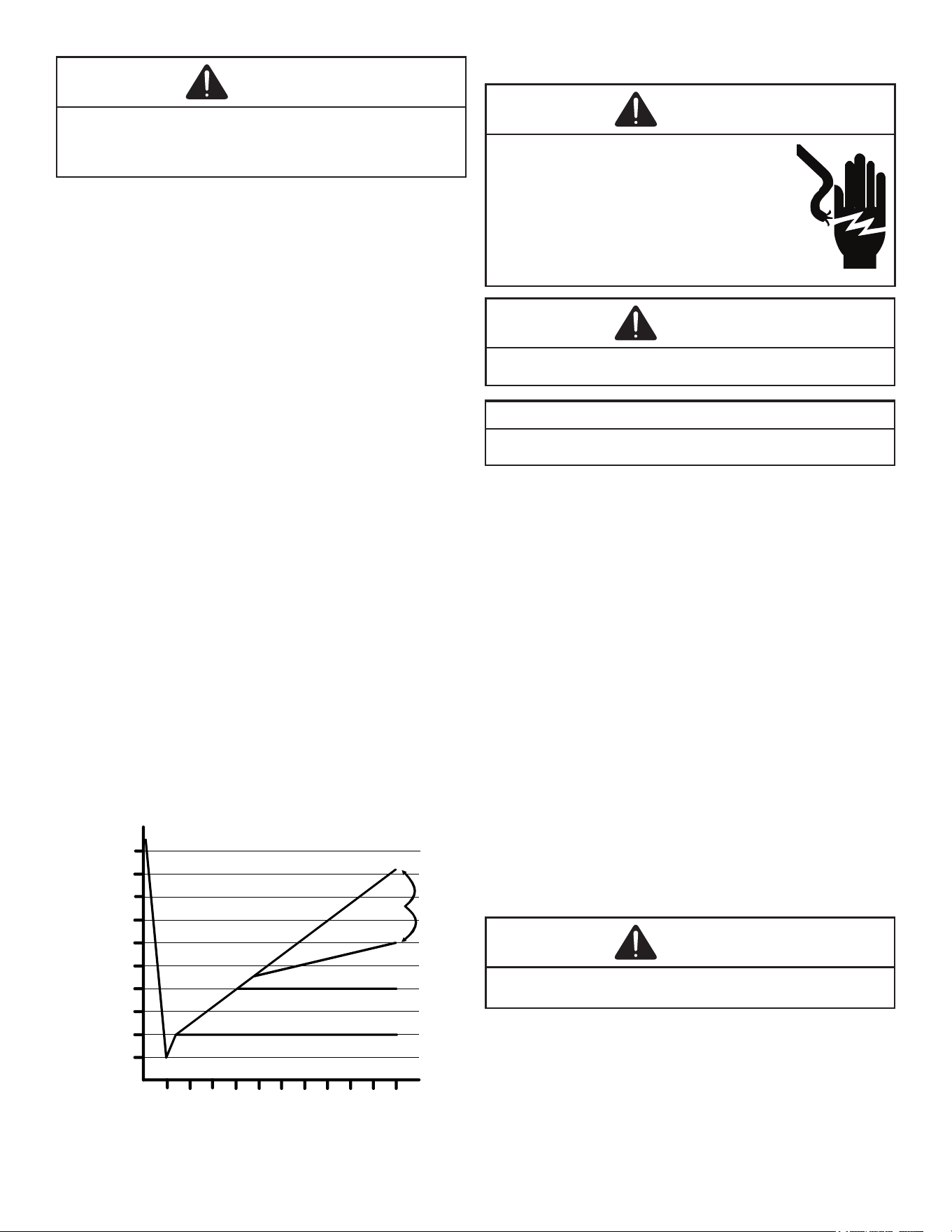
Deep Vacuum Method (Recommended)
The Deep Vacuum Method requires a vacuum pump rated for
500 microns or less. This method is an eective and ecient
way of assuring the system is free of non-condensable
air and moisture. As an alternative, the Triple Evacuation
Method is detailed in the Service Manual for this product
model.
It is recommended to remove the Schrader Cores from the
service valves using a core-removal tool to expedite the
evacuation procedure.
1. Connect the vacuum pump, micron gauge, and vacuum
rated hoses to both service valves. Evacuation must
use both service valves to eliminate system mechanical
seals.
2. Evacuate the system to less than 500 microns.
3. Isolate the pump from the system and hold vacuum
for 10 minutes (minimum). Typically, pressure will rise
slowly during this period. If the pressure rises to less
than 1000 microns and remains steady, the system is
considered leak-free; proceed to system charging and
startup.
4. If pressure rises above 1000 microns but holds steady
below 2000 microns, non-condensable air or moisture
may remain or a small leak is present. Return to step
2: If the same result is achieved check for leaks and
repair. Repeat the evacuation procedure.
5. If pressure rises above 2000 microns, a leak is pres-
ent. Check for leaks and repair. Repeat the evacuation
procedure.
5000
4500
4000
3500
3000
2500
2000
1500
1000
500
0 1 2 3 4 5 6 7 8 9
10
LEAK(S)
PRESENT
MINUTES
V
ACUUM
IN
MICRONS
CONDENSIBLES OR SMALL
LEAK PRESENT
NO LEAKS
NO CONDENSIBLES
Electrical Connections
WARNING
HIGH VOLTAGE
Disconnect all power before servicing.
Multiple power sources may be present.
Failure to do so may cause property damage,
personal injury or death due to electric
shock. Wiring must conform with NEC or CEC
and all local codes. Undersized wires could
cause poor equipment performance, equipment
damage or fire.
WARNING
To avoid the risk of fire or equipment damage, use copper
conductors.
NOTICE
Units with rotary or reciprocating compressors and non-
bleed TXV’s require a Hard Start Kit.
The condensing unit rating plate lists pertinent electrical
data necessary for proper electrical service and overcurrent
protection. Wires should be sized to limit voltage drop to 2%
(max.) from the main breaker or fuse panel to the condensing
unit. Consult the NEC, CEC, and all local codes to determine
the correct wire gauge and length.
Local codes often require a disconnect switch located near
the unit; do not install the switch on the unit. Refer to the
installation instructions supplied with the indoor furnace/air
handler for specic wiring connections and indoor unit con-
guration. Likewise, consult the instructions packaged with
the thermostat for mounting and location information.
Overcurrent Protection
The following overcurrent protection devices are approved
for use.
• Time delay fuses
• HACR type circuit breakers
These devices have sucient time delay to permit the mo-
tor-compressor to start and accelerate its load.
Three Phase Compressor Rotation
CAUTION
Use care when handling scroll compressors. Dome
temperature could be hot.
Three phase compressors are power phase dependent and
can rotate in either direction.
Verify proper rotation for three phase compressors by ensur-
ing the suction pressure drops and discharge pressure rises
when the compressor is energized. NOTE: When operated
in reverse, a three phase scroll compressors is noisier and
its current draw substantially reduced compared to marked
values.
6
To correct, disconnect power and switch any two leads at the
unit contactor and re-observe.
High Voltage Connections
Route power supply and ground wires through the high volt-
age port and terminate in accordance with the wiring diagram
provided inside the control panel cover.
Low Voltage Connections
The indoor transformer must supply 24 volt AC low voltage
power to the outdoor section for the control wiring. Cooling
only units require 25VA minimum and heat pump units re-
quire 40VA minimum. Low voltage wiring for two-stage units
depends on the thermostat used and the number of control
wires between the indoor unit and the condensing unit. Route
control wires through the low voltage port and terminate in
accordance with the wiring diagram provided inside the control
panel cover.
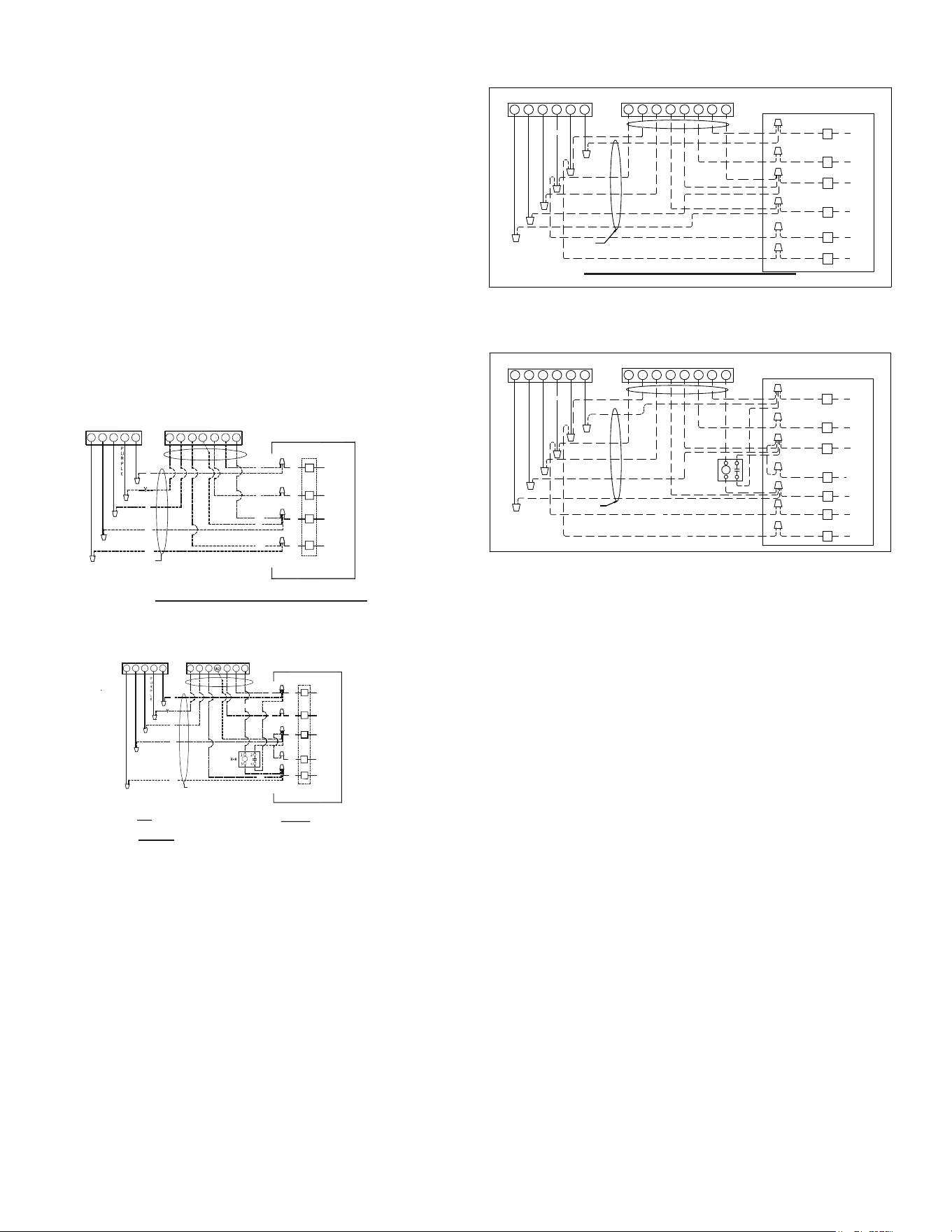
SYSTEM DIAGRAM - HEAT PUMP WITH SINGLE STAGE
COMPRESSOR AND SINGLE STAGE ELECTRIC HEATER
W2
TYPICAL H/P
ROOM THERMOSTAT
HEAT PUMP
R
G
C
W2
RED
GREEN
WHITE
BLUE
INDOOR UNIT
R
O
W
BL
#18 GA. 5 WIRE
R
G
BR
W
BL
R
E
D
O
R
A
N
G
E
W
H
I
T
E
B
L
U
E
BL
W
G
R
C O Y R
Y O C W2 G R E
SYSTEM COMPOSITE DIAGRAM - ALL SIZES (EXCEPT 5T 16SEER) HEAT PUMPS - 10 KW & BELOW
SYSTEM DIAGRAM - HEAT PUMP WITH SINGLE STAGE
COMPRESSOR AND TWO STAGE ELECTRIC HEATER
NOTES:
1) TERMINAL BLOCK MARKINGS ARE FOR AMANA
AIR HANDLERS.
NOMENCLATURE
EHR -EMERGENCY HEAT RELAY (OPTIONAL)
COLOR CODES
BL-- BLUE
BR--BROWN
GR--GREEN
OR--ORANGE
RD--RED
WH--WHITE
Y--YELLOW
PU--PURPLE
O
R
A
N
G
E
#18 GA. 5 WIRE
BL
O
W
BL
W
G
C
BLUE
W2
G
WHITE
GREEN
TYPICAL H/P
ROOM THERMOSTAT
HEAT PUMP
B
L
U
E
W
H
I
T
E
R
E
D
R
R
INDOOR UNIT
R RED
W3
BROWN
BR
R
G
BR
BL
W2C O Y R
Y O C
G R E
SYSTEM COMPOSITE DIAGRAM - ALL SIZES (EXCEPT 5T 16SEER) HEAT PUMPS - ABOVE 10 KW
SYSTEM DIAGRAM - HEAT PUMP WITH TWO STAGE COMPRESSOR
AND SINGLE STAGE ELECTRIC HEATER
WH
WH
BL
YL
PU
PURPLE
Y1
YELLOW
Y2
PU
BL
WH
GR
RD
RD
GR
BR
WH
BL
BL
OR
RD
YL
C
WH
OR
BL
YL
RD
HEAT PUMP
W2
O
Y1
Y2 R
ROOM THERMOSTAT
Y2
O
C W
GY1
R E
PU
RED
RD
GREEN
GR
WHITE
W2
BLUE
C
INDOOR UNIT
#18 GAGE
5 WIRES
SYSTEM DIAGRAM - HEAT PUMP WITH TWO STAGE COMPRESSOR
AND TWO STAGE ELECTRIC HEATER
WH
WH
BL
YL
PU
PURPLE
Y1
YELLOW
Y2
PU
BR
WH
GR
RDRD
GR
BR
WH
BL
BL
OR
RD
YL
C
WH
OR
BL
YL
RD
HEAT PUMP
W2
O Y1 Y2
R
ROOM THERMOSTAT
Y2
O
C
W GY1
R
E
PU
RED
RD
GREEN
GR
WHITE
W2
BROWN
W3
INDOOR UNIT
#18 GAGE
5 WIRES
BL
BLUE
C
1
3
2
4
PU
YL
Thermostat
with Low Voltage Wires to Heat Pump Unit
System Start Up
NOTE: Units with crankcase heaters should have high
voltage power energized for 24 hours prior to start up.
Heat Pumps are equipped with a time / temperature defrost
control with eld selectable defrost intervals of 30, 60, 90 min-
utes. In Region IV, the defrost control should be set to an
interval of 90 minutes. This setting should be adjusted at this
time if needed. The defrost control also has SmartShift (TM)
Technology, which delays compressor operation at defrost
initiation and termination. If disabling this function is desired,
move the jumper from “DLY” to “NORM” on the defrost control.
Adequate refrigerant charge for the matching HSVTC evapo-
rator coil and 15 feet of lineset is supplied with the condensing
unit. If using evaporator coils other than HSVTC coil, it may
be necessary to add or remove refrigerant to attain proper
charge. If line set exceeds 15 feet in length, refrigerant should
be added at .6 ounces per foot of liquid line.
7
NOTE: Charge should always be checked using superheat
when using a piston and subcooling when using TXV equipped
indoor coil to verify proper charge.
Open the suction service valve rst! If the liquid service valve
is opened rst, oil from the compressor may be drawn into
the indoor coil TXV, restricting refrigerant ow and aecting
operation of the system.
CAUTION
POSSIBLE REFRIGERANT LEAK
To avoid a possible refrigerant leak, open the service valves
until the top of the stem is 1/8” from the retainer.
When opening valves with retainers, open each valve only
until the top of the stem is 1/8” from the retainer. To avoid loss
of refrigerant, DO NOT apply pressure to the retainer. When
opening valves without a retainer remove service valve cap
and insert a hex wrench into the valve stem and back out the
stem by turning the hex wrench counterclockwise. Open the
valve until it contacts the rolled lip of the valve body.
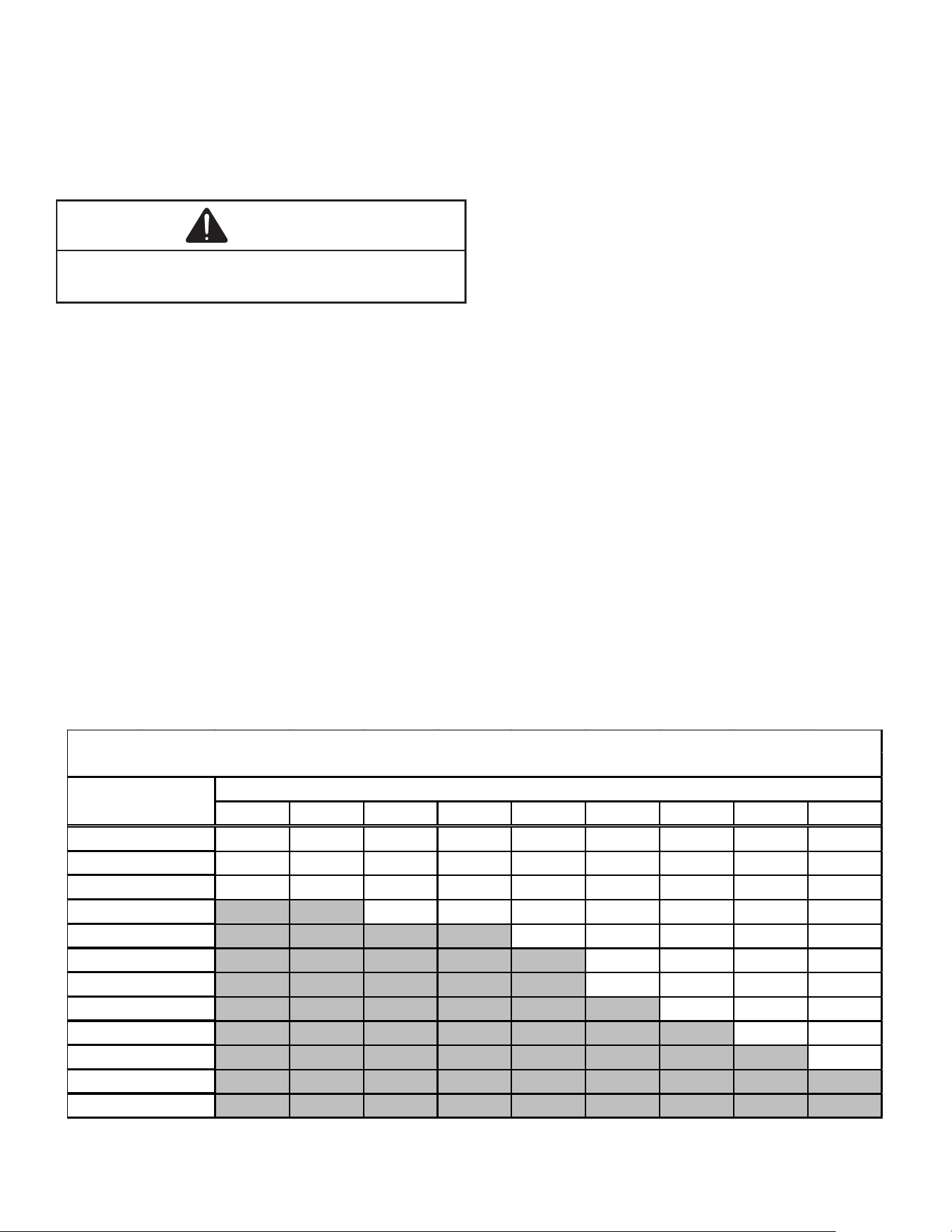
SUPERHEAT FORMULA = SUCT. LINE TEMP. - SAT. SUCT. TEMP.
55 57 59 61 63 65 67 69 71
10 13 17 20 23 26 29 30 31
8 11 14 16 19 22 26 27 29
5 8 10 13 15 19 23 24 25
--- --- 6 9 11 15 20 21 23
--- --- --- --- 7 12 17 18 20
--- --- --- --- --- 8 13 15 16
--- --- --- --- --- 7 10 11 13
--- --- --- --- --- --- 7 8 10
--- --- --- --- --- --- --- 7 8
--- --- --- --- --- --- --- --- 7
--- --- --- --- --- --- --- --- ---
--- --- --- --- --- --- --- --- ---
SYSTEM SUPERHEAT TARGET FOR PISTON MATCH-UPS (+/- 1°F)
Indoor Wet Bulb Temperature, °F
Outdoor Dry Bulb
Temperature, °F
60
65
70
105
110
115
75
80
85
90
95
100
NOTE: These are not back-seating valves. It is not necessary
to force the stem tightly against the rolled lip.
Break vacuum by fully opening liquid service valve. After the
refrigerant charge has bled into the system, open the suction
service valve. The service valve cap is the secondary seal for
the valve and must be properly tightened to prevent leaks.
Make sure cap is clean and apply refrigerant oil to threads and
sealing surface on inside of cap. Tighten cap nger-tight and
then tighten additional 1/6 of a turn (1 wrench at), or to the
following specication, to properly seat the sealing surfaces.
1. 3/8” valve to 5 - 10 in-lbs
2. 5/8” valve to 5 - 20 in-lbs
3. 3/4” valve to 5 - 20 in-lbs
4. 7/8” valve to 5 - 20 in-lbs
Do not introduce liquid refrigerant from the cylinder into
the crankcase of the compressor as this may damage the
compressor.
8
SUCTION PRESSURE
PSIG
R-22
R-410A
50
26
1
52
28
3
54
29
4
56
31
6
58
32
7
60
34
8
62
35
10
64
37
11
66
38
13
68
40
14
70
41
15
72
42
16
74
44
17
76
45
19
78
46
20
80
48
21
85
50
24
90
53
26
95
56
29
100
59
31
110
64
36
120
69
41
130
73
45
140
78
49
150
83
53
160
86
56
170
90
60
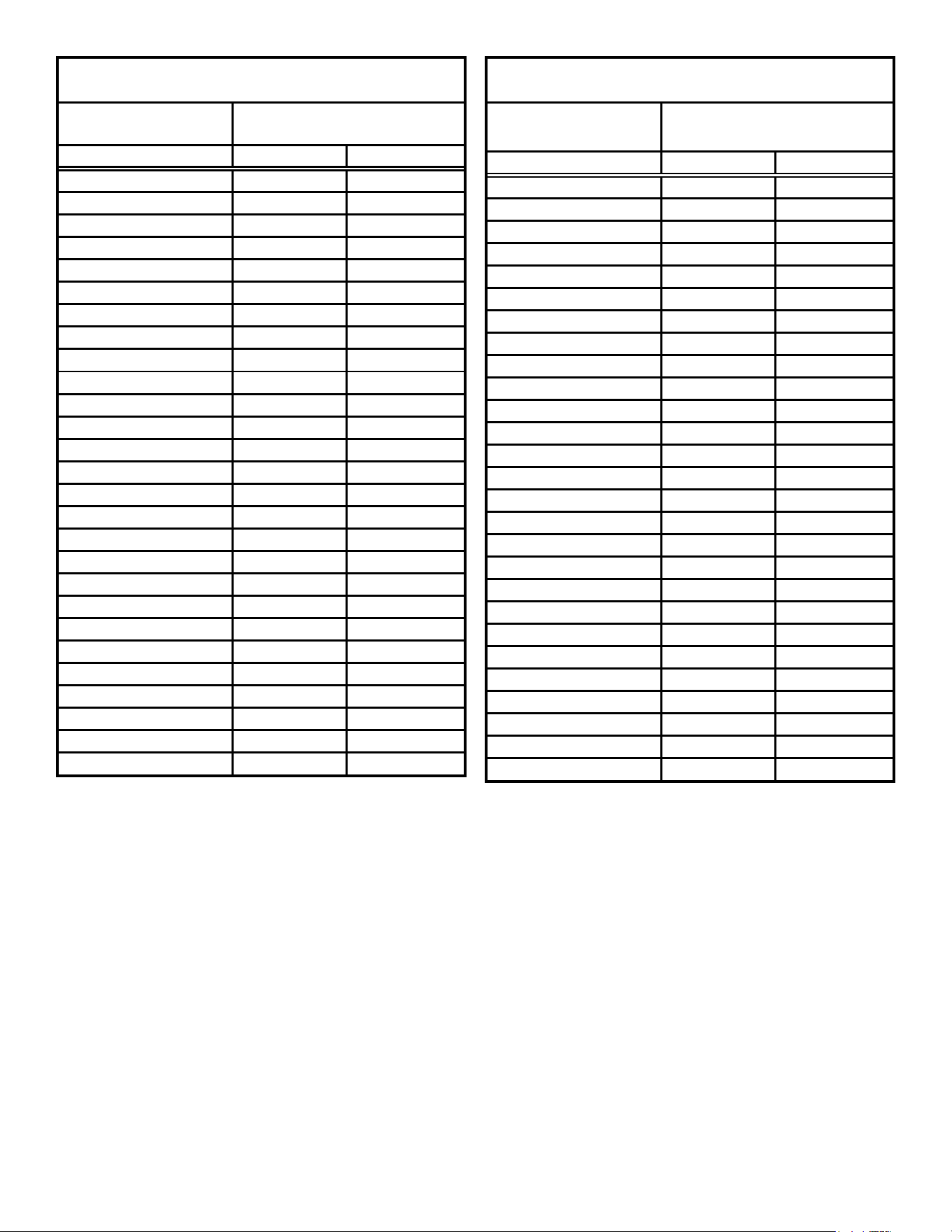
SATURATED SUCTION PRESSURE
TEMPERATURE CHART
SATURATED SUCTION
TEMPERATURE ºF
LIQUID PRESSURE
PSIG
R-22
R-410A
200
101
70
210
105
73
220
108
76
225
110
78
235 113 80
245 116 83
255 119 85
265 121 88
275 124 90
285 127 92
295 130 95
305 133 97
325 137 101
355 144 108
375 148 112
405 155 118
415 157 119
425 n/a 121
435 n/a 123
445 n/a 125
475 n/a 130
500 n/a 134
525 n/a 138
550 n/a 142
575 n/a 145
600 n/a 149
625 n/a 152
SATURATED LIQUID PRESSURE
TEMPERATURE CHART
SATURATED LIQUID
TEMPERATURE ºF
NOTE: SPECIFICATIONS AND PERFORMANCE DATA LISTED HEREIN ARE SUBJECT TO CHANGE WITHOUT NOTICE.
9
1. Break vacuum by fully opening liquid and suction base
valves.
2. Set thermostat to call for cooling. Check indoor and out-
door fan operation and allow system to stabilize for 10
minutes for xed orices and 20 minutes for expansion
valves.
Charge Verication
WARNING
REFRIGERANT UNDER PRESSURE!
• Do not overcharge system with refrigerant.
• Do not operate unit in a vacuum or at a negative pressure.
Failure to follow proper procedures may cause property
damage, personal injury or death.
WARNING
Use refrigerant certified to AHRI standards. Used
refrigerant may cause compressor damage. Most portable
machines cannot clean refrigerant to meet AHRI standards.
NOTICE
Violation of EPA regulations may result in fines or other
penalties.
CAUTION
Damage to the unit caused by operating the compressor with
the suction valve closed is not covered by the warranty and
may cause serious compressor damage.
Final Charge Adjustment
Airow and Total Static Pressure for the indoor unit should
be veried before attempting to charge system.
1. Total static pressure is .5” WC or less.
2. Airow is correct for installed unit.
3. Airow tables are in the installation manual and Spec
Sheet for Indoor Unit.
4. Complete charging information are in Service Manual
RS6200006.
NOTE: Superheat adjustments should not be made
until indoor ambient conditions have stabilized.
This could take up to 24 hours depending on
indoor temperature and humidity. Before checking
superheat run the unit in cooling for 10-15 minutes
or until refrigerant pressures stabilize. Use the
following guidelines and methods to check unit
operation and ensure that the refrigerant charge
is within limits.
The outdoor temperature must be 60°F or higher. Set the
room thermostat to COOL, fan switch to AUTO, and set the
temperature control well below room temperature.
Units matched with indoor coils equipped with a non-
adjustable TXV should be charged by Subcooling only.
Superheat on indoor coils with adjustable TXV valves are
factory set and no adjustment is normally required during
startup. Only in unique applications due to refrigerant line
length, dierences in height between the indoor and outdoor
unit and refrigerant tubing sizes or poor performance should
Superheat setting require adjustment. These adjustments
should only be performed by qualied service personnel.
For detailed charge and TXV adjustments refer to the
appropriate Service Manual.
Fixed Orice
1. Temporarily install a thermometer 4-6” from the compres-
sor on the suction line. Ensure the thermometer makes
adequate contact and is insulated for best possible
readings.
2. Measure pressure using service gauge manifold con-
nected to true suction access port. (Superheat is sat-
uration temperature from the pressure measurement
subtracted from the actual tube temperature.)
3. Refer to the superheat table provided for proper system
superheat. Add charge to lower superheat or recover
charge to raise superheat.
Expansion Valve System
Charge by Subcooling: Applicable to both Adjustable and
Non-adjustable TXV
SUBCOOLING FORMULA = SATURATED LIQUID LINE
TEMPERATURE - LIQUID LINE TEMPERATURE
NOTE: When charging unit with two-stage compressor,
charge unit at low stage.
1. Purge the gauge lines and connect the service gauge
manifold to the liquid (small) service port and true suction
access port.
2. Clamp a pipe clamp thermometer on the liquid line near
the liquid line service valve.
a. Ensure the thermometer makes adequate contact to
obtain the best possible readings.
b. The temperature read with the thermometer should
be lower than the saturated condensing temperature.
3. Measure pressure using service gauge manifold con-
nected to the liquid (small) service port. Refer to the chart
above to obtain saturated temperature corresponding to
the measured pressure.
4. The dierence between the saturated condensing tem-
perature and the recorded liquid line temperature is the
liquid Subcooling value.
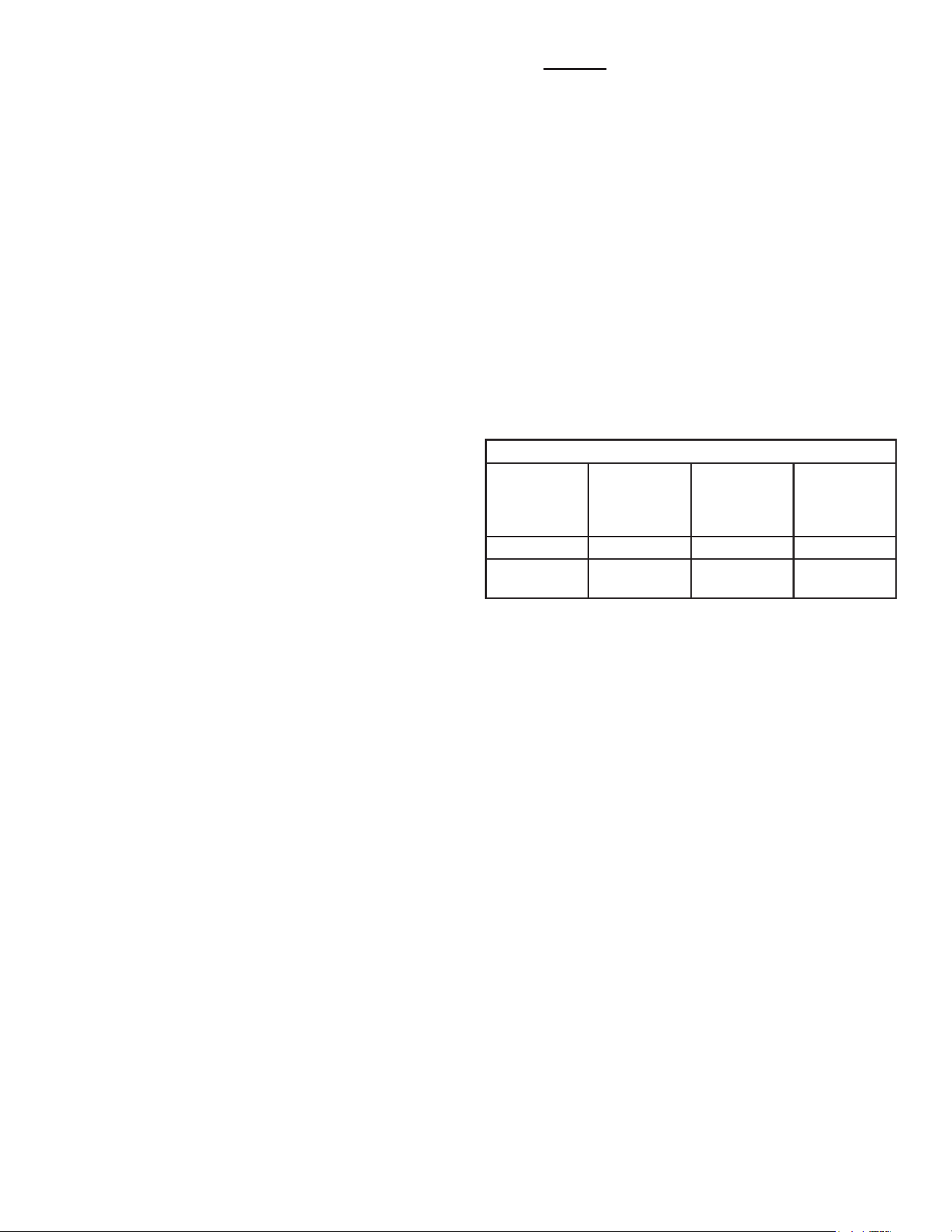
5. TXV-based systems should have a Subcooling value of
8°F +/- 1°F. In two-stage compressor systems, targeted
Subcool value is 6°F +/- 1°F.
10
6. Add refrigerant to increase Subcooling and remove
refrigerant to decrease Subcooling.
Adjust Superheat: Only Applicable to Adjustable TXV.
Superheat can also be utilized to best verify charge levels
with an adjustable TXV and make adjustments when need-
ed in unique applications due to refrigerant line length,
dierences in height between the indoor and outdoor unit
and refrigerant tubing sizes. These adjustments should
only be performed by qualied service personnel.
Advanced Adjustment Recommendations
SUPERHEAT FORMULA = SUCTION LINE TEMPERA-
TURE - SATURATED SUCTION TEMPERATURE
1. Clamp a pipe clamp thermometer 4-6” from compressor
on suction line at the outdoor unit.
a. Ensure the thermometer makes adequate contact
for the best possible readings.
b. The temperature read with the thermometer should
be higher than the saturated suction temperature.
2. Measure the pressure using service gauge manifold con-
nected to the true suction access port. Refer to the chart
above to obtain saturated temperature corresponding to
the measured pressure.
3. The dierence between the saturated suction tempera-
ture and the recorded suction line temperature is the
Superheat value.
4. TXV-based systems should have a Superheat value
of 15.5°F +/- 1.5°F. In two-stage compressor systems,
targeted superheat value is 8°F +/- 1°F.
5. Adjust Superheat by turning the TXV valve stem clock-
wise to increase and counterclockwise to decrease.
a. If Subcooling and Superheat are low, adjust the
TXV to the superheat value in step 4 and then check
Subcooling.
b. If Subcooling is low and Superheat is high, add
charge to raise Subcooling to 8°F +/- 1°F then
check Superheat. In two-stage compressor sys-
tems, targeted Subcool value is 6°F +/- 1°F.
c. If Subcooling and Superheat are high, adjust the
TXV valve to the superheat value in step 4 then
check the Subcooling value.
d. If Subcooling is high and Superheat is low, adjust
the TXV valve to the superheat value in step 4 and
remove charge to lower the Subcooling to 8°F +/-
1°F. In two-stage compressor systems, targeted
Subcool value is 6°F +/- 1°F.
NOTE: DO NOT adjust the charge based exclusively on
suction pressure unless for general charging in the case of
a gross undercharge.
NOTE: Check the Schrader ports for leaks and tighten valve
cores if necessary. Install caps nger-tight.
Heat Pump - Heating Cycle
The proper method of charging a heat pump in the heat mode
is by weight with the additional charge adjustments for line
size, line length, and other system components. For best
results, on outdoor units with TXVs, superheat should be
8°F +/- 1°F at 4-6” from the compressor. NOTE: In system
with TWO-stage compressor, make TXV adjustment in
high stage. For best results adjust OD TXV to, 5°F +/-
1°F superheat and subcool below 40°F at 4-6” from the
compressor.
Make nal charge adjustments in the cooling cycle.
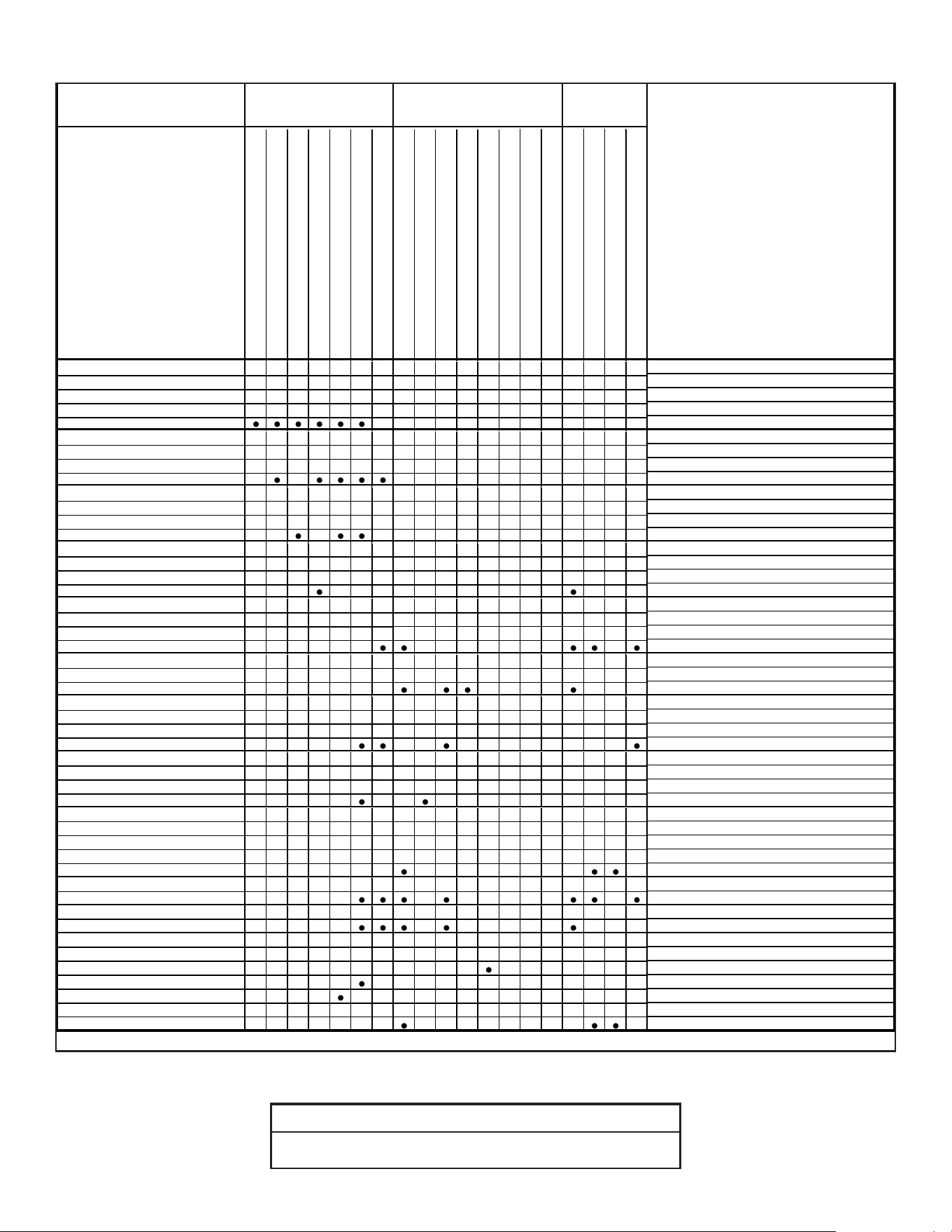
System Subcool and Superheat Target Values
System Type Superheat at
Compressor
(Cooling
Mode)
Subcool at
Liquid Valve
(Cooling
Mode)
Superheat at
Compressor
(Heating
Mode)
Single Stage 15.5 ± 1.5°F 8 ± 1°F 8 ± 1°F
Two Stage 8 ± 1°F
(low stage)
6 ± 1°F
(low stage)
5 ± 1°F
(high stage)
11
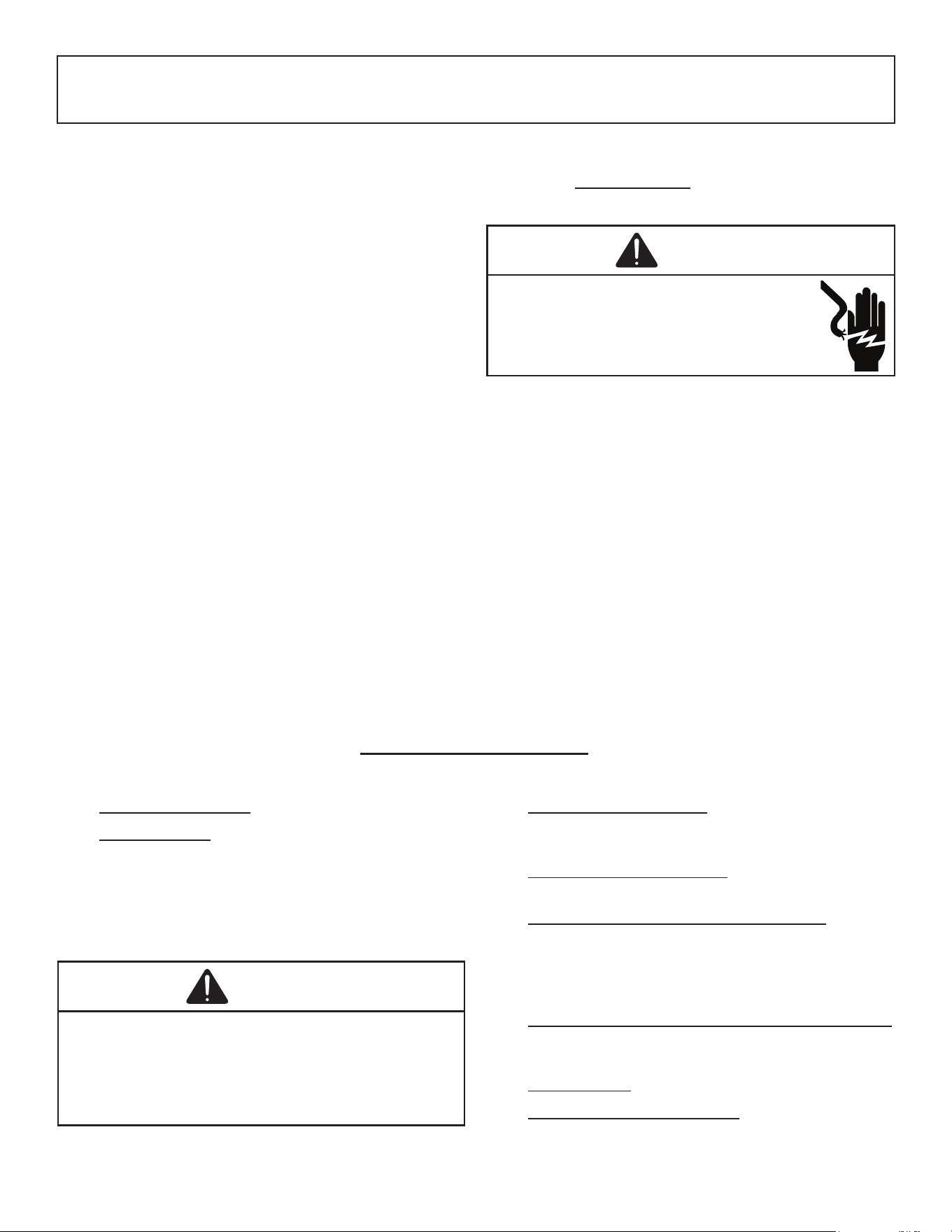
Troubleshooting Information
For detailed service information refer to the Remote Condensing Unit Service manual.
Complaint
System
Operating
Pressures
POSSIBLE CAUSE
DOTS IN ANALYSIS
GUIDE INDICATE
"POSSIBLE CAUSE"
SYMPTOM
System will not start
Compressor will not start - fan runs
Comp. and Cond. Fan will not start
Evaporator fan will not start
Condenser fan will not start
Compressor runs - goes off on overload
Compressor cycles on overload
System runs continuously - little cooling/htg
Too cool and then too warm
Not cool enough on warm days
Certain areas too cool, others too warm
Compressor is noisy
System runs - blows cold air in heating
Unit will not terminate defrost
Unit will not defrost
Low suction pressure
Low head pressure
High suction pressure
High head pressure
Test Method
Remedy
Power Failure
•
Test Voltage
Blown Fuse
•
•
•
Inspect Fuse Size & Type
Unbalanced Power, 3PH
•
•
•
Test Voltage
Loose Connection
•
•
•
Inspect Connection - Tighten
Shorted or Broken Wires
•
•
•
• •
•
Test Circuits With Ohmmeter
Open Fan Overload
•
•
Test Continuity of Overload
Faulty Thermostat
•
•
• •
Test Continuity of Thermostat & Wiring
Faulty Transformer
•
•
Check Control Circuit with Voltmeter
Shorted or Open Capacitor
•
• •
•
•
Test Capacitor
Internal
Compressor
Overload Open
•
♦
Test Continuity of Overload
Shorted or Grounded Compressor
•
•
Test Motor Windings
Compressor Stuck
•
•
•
♦
Use Test Cord
Faulty Compressor Contactor
• •
•
Test Continuity of Coil & Contacts
Faulty Fan Relay
•
Test Continuity of Coil And Contacts
Open Control Circuit
•
Test Control Circuit with Voltmeter
Low Voltage
•
•
•
Test Voltage
Faulty Evap. Fan Motor
•
•
♦
Repair or Replace
Shorted or Grounded Fan Motor
•
•
Test Motor Windings
Improper Cooling Anticipator
•
•
Check Resistance of Anticipator
Shortage of Refrigerant
•
•
♦
•
•
Test For Leaks, Add Refrigerant
Restricted Liquid Line
•
• •
•
•
Remove Restriction, Replace Restricted Part
Open Element or Limit on Elec. Heater
♦
♦
Test Heater Element and Controls
Dirty Air Filter
• •
•
•
♦
Inspect Filter-Clean or Replace
Dirty Indoor Coil
•
•
•
•
♦
Inspect Coil - Clean
Not enough air across Indoor Coil
•
•
•
•
♦
Check Blower Speed, Duct Static Press, Filter
Too much air across Indoor Coil
♦
•
Reduce Blower Speed
Overcharge of Refrigerant
•
•
•
♦
•
•
Recover Part of Charge
Dirty Outdoor Coil
•
•
•
♦
•
Inspect Coil - Clean
Noncondensibles
•
•
♦
•
Recover Charge, Evacuate, Recharge
Recirculation of Condensing Air
•
•
•
Remove Obstruction to Air Flow
Infiltration of Outdoor Air
•
•
•
Check Windows, Doors, Vent Fans, Etc.
Improperly Located Thermostat
•
•
Relocate Thermostat
Air Flow Unbalanced
•
•
Readjust Air Volume Dampers
System Undersized
• •
Refigure Cooling Load
Broken Internal Parts
•
♦
Replace Compressor
Broken Valves
•
•
•
•
Test Compressor Efficiency
Inefficient Compressor
•
♦
•
•
Test Compressor Efficiency
Wrong Type Expansion Valve
•
•
•
•
•
•
♦
Replace Valve
Expansion Device Restricted
•
•
•
•
•
•
•
Remove Restriction or Replace Expansion Device
Oversized Expansion Valve
•
•
Replace Valve
Undersized Expansion Valve
•
•
•
•
•
Replace Valve
Expansion Valve Bulb Loose
•
•
Tighten Bulb Bracket
Inoperative Expansion Valve
•
•
•
Check Valve Operation
Loose Hold-down Bolts
•
Tighten Bolts
Faulty Reversing Valve
•
♦
♦
♦
♦ ♦
♦
Replace Valve or Solenoid
Faulty Defrost Control
•
♦
♦
♦
♦ ♦
♦
Test Control
Faulty Defrost Thermostat
♦ ♦
♦
♦
♦
♦
♦
Test Defrost Thermostat
Flowrator Not Seating Properly
•
•
•
Check Flowrator & Seat or Replace Flowrator
•
Cooling or Heating Cycle (Heat Pump)
♦
No Cooling
Unsatisfactory Cooling/Heating
Heating Cycle Only (Heat Pump)
NOTICE
UNITS WITH ROTARY OR RECIPROCATING COMPRESSORS AND
NON-BLEED TXV’S REQUIRE A HARD START KIT.
12
SPLIT SYSTEMS
AIR CONDITIONING AND HEAT PUMP HOMEOWNER’S ROUTINE MAINTENANCE RECOMMENDATIONS
We strongly recommend a bi-annual maintenance checkup be performed
before the heating and cooling seasons begin by a qualied servicer.
Replace or Clean Filter
IMPORTANT NOTE: Never operate unit without a lter in-
stalled as dust and lint will build up on internal parts resulting
in loss of eciency, equipment damage and possible re.
An indoor air lter must be used with your comfort system.
A properly maintained lter will keep the indoor coil of your
comfort system clean. A dirty coil could cause poor operation
and/or severe equipment damage.
Your air lter or lters could be located in your furnace, in a
blower unit, or in “lter grilles” in your ceiling or walls. The
installer of your air conditioner or heat pump can tell you
where your lter(s) are, and how to clean or replace them.
Check your lter(s) at least once a month. When they are
dirty, replace or clean as required. Disposable type lters
should be replaced. Reusable type lters may be cleaned.
You may want to ask your dealer about high eciency lters.
High eciency lters are available in both electronic and
non-electronic types. These lters can do a better job of
catching small airborne particles.
Compressor
The compressor motor is hermetically sealed and does not
require additional oiling.
Motors
Indoor and outdoor fan motors are permanently lubricated
and do not require additional oiling.
Clean Outside Coil (Qualied Servicer Only)
WARNING
HIGH VOLTAGE
Disconnect all power before servicing or
installing this unit. Multiple power sources
may be present. Failure to do so may cause
property damage, personal injury or death.
Air must be able to ow through the outdoor unit of your
comfort system. Do not construct a fence near the unit or
build a deck or patio over the unit without rst discussing your
plans with your dealer or other qualied servicer. Restricted
airow could lead to poor operation and/or severe equipment
damage.
Likewise, it is important to keep the outdoor coil clean. Dirt,
leaves, or debris could also restrict the airow. If cleaning of
the outdoor coil becomes necessary, hire a qualied servicer.
Inexperienced people could easily puncture the tubing in the
coil. Even a small hole in the tubing could eventually cause
a large loss of refrigerant. Loss of refrigerant can cause poor
operation and/or severe equipment damage.
Do not use a condensing unit cover to “protect” the outdoor
unit during the winter, unless you rst discuss it with your
dealer. Any cover used must include “breathable” fabric to
avoid moisture buildup.
• Check the thermostat to conrm that it is properly set.
• Wait 15 minutes. Some devices in the outdoor unit or
in programmable thermostats will prevent compressor
operation for awhile, and then reset automatically. Also,
some power companies will install devices which shut
o air conditioners for several minutes on hot days. If
you wait several minutes, the unit may begin operation
on its own.
CAUTION
To avoid the risk of equipment damage or fire, install the
same amperage breaker or fuse as you are replacing. If the
circuit breaker or fuse should open again within thirty days,
contact a qualified servicer to correct the problem. If you
have repeatedly reset the breaker or replaced the fuse
without having the problem corrected, you run the risk of
severe equipment damage.
Before Calling Your Servicer
• Check the electrical panel for tripped circuit breakers
or failed fuses. Reset the circuit breakers or replace
fuses as necessary.
• Check the disconnect switch near the indoor furnace
or blower to conrm that it is closed.
• Check for obstructions on the outdoor unit . Conrm
that it has not been covered on the sides or the top.
Remove any obstruction that can be safely removed.
If the unit is covered with dirt or debris, call a qualied
servicer to clean it.
• Check for blockage of the indoor air inlets and outlets.
Conrm that they are open and have not been blocked
by objects (rugs, curtains or furniture).
• Check the lter. If it is dirty, clean or replace it.
• Listen for any unusual noise(s), other than normal op-
erating noise, that might be coming from the outdoor
unit. If you hear unusual noise(s) coming from the unit,
call a qualied servicer.
13
Start-Up Checklist
Condenser / Heat Pump (including all Inverter)
ELECTRICAL (Outdoor Unit)
Line Voltage (Measure L1 and L2 Voltage) L1 - L2
Secondary Voltage (Measure Transformer Output Voltage) NOT ALL MODELS R - C
Compressor Amps
Condenser Fan Amps
TEMPERATURES (Indoor Unit)
Return Air Temperature (Dry bulb / Wet bulb) DB °F WB °F
DB °F WB °F
Delta T (Difference between Supply and Return Temperatures) DB °F
PRESSURES / TEMPERATURES (Outdoor Unit)
Suction Circuit (Pressure / Suction Line Temperature) PSIG TEMP °F
Liquid Circuit (Pressure / Liquid Temperature) PSIG TEMP °F
Outdoor Air Temperature (Dry bulb / Wet bulb) DB °F WB °F
SUPERHEAT / SUBCOOLING SH SC
Line set length in Feet
Additional Refrigerant Charge Added over Factory Charge (Ounces)
Additional Checks
Check wire routings for any rubbing
Check factory wiring and wire connections.
Check product for proper clearances as noted by installtion instructions
°F to °C formula: (°F - 32) divided by 1.8 = °C °C to °F formula: (°C multiplied by 1.8) + 32 = °F
Model Number
Serial Number
Cooling Supply Air Temperature (Dry bulb / Wet bulb)

14
THIS PAGE IS INTENTIONALLY LEFT BLANK

15
THIS PAGE IS INTENTIONALLY LEFT BLANK
16
CUSTOMER FEEDBACK
We are very interested in all product comments.
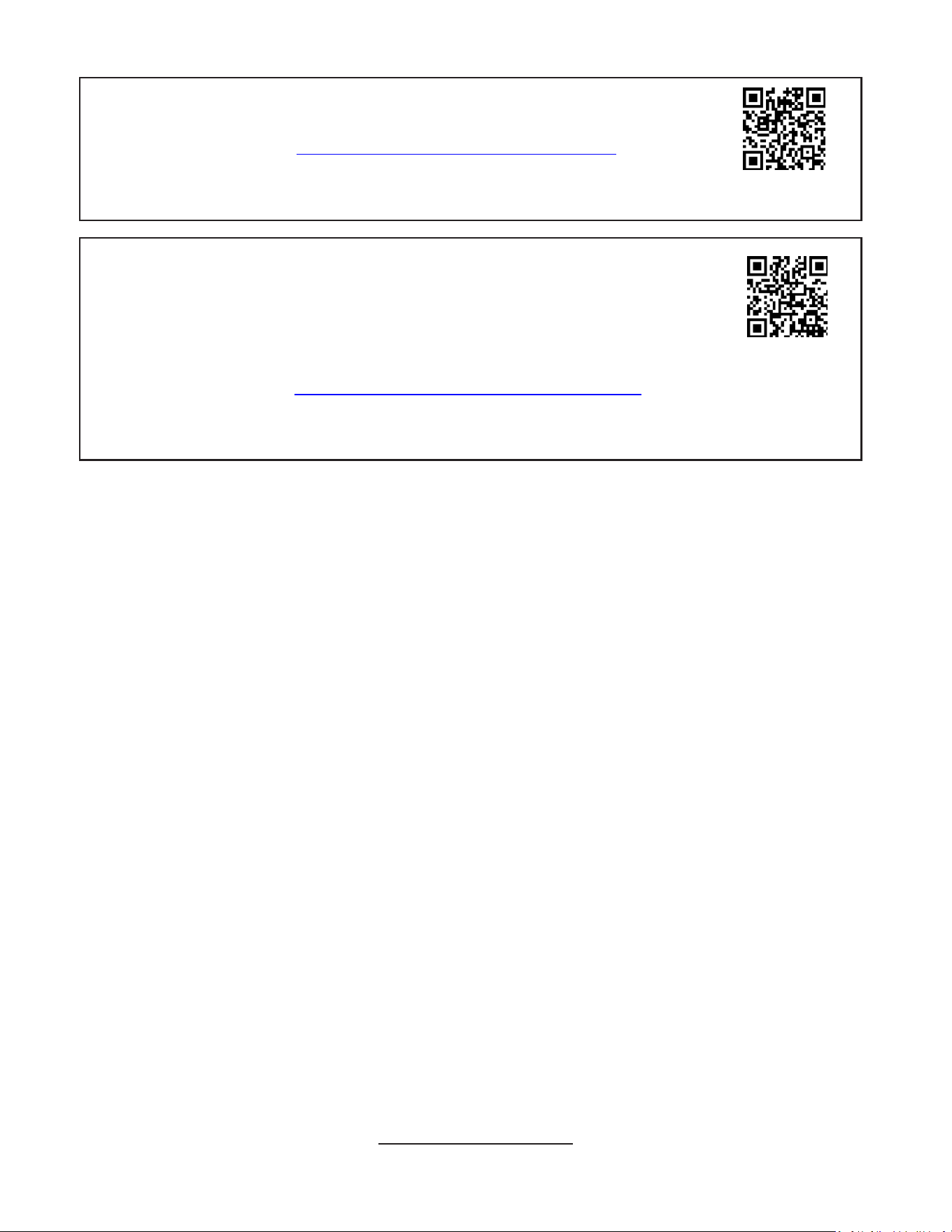
Please ll out the feedback form on one of the following links:
Goodman® Brand Products: (http://www.goodmanmfg.com/about/contact-us).
You can also scan the QR code on the right for the product brand
you purchased to be directed to the feedback page.
PRODUCT REGISTRATION
Thank you for your recent purchase. Though not required to get the protec-
tion of the standard warranty, registering your product is a relatively short
process, and entitles you to additional warranty protection, except that
failure by California and Quebec residents to register their product does not
diminish their warranty rights.
For Product Registration, please register as follows:
Goodman® Brand products: (https://www.goodmanmfg.com/product-registration).
You can also scan the QR code on the right for the product brand
you purchased to be directed to the Product Registration page.
GOODMAN® BRAND
GOODMAN® BRAND
19001 Kermier Rd. Waller, Tx 77484
www.goodmanmfg.com
© 2021 Goodman Manufacturing Company, L.P.