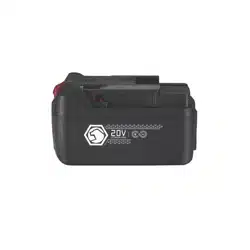
Rechargeable Lithium Ion Battery Pack
Material Safety Data Sheet
according to Federal Register / Vol. 77, No. 58 / Monday, March 26, 2012 / Rules and Regulations
Revision Date: 01/JAN/2018 Version: 1.6
SECTION 1: IDENTIFICATION OF THE SUBSTANCE/MIXTURE AND OF THE COMPANY
1.1. Product Identifier
Product Name: Rechargeable Lithium Ion Battery Pack
Product Numbers:
B301118 Rated 3.6V 9Wh max.
B306138 B306238 B308138 B308238 Rated 10.8V 27Wh max. B303138 B304138 Rated 10.8V 27Wh max.
B306148 B306248 B308148 B308248 Rated 14.4V 36Wh max. B304148 B304248 Rated 14.4V 36Wh max.
B306158 B306258 B308158 B308258 Rated 18V 45Wh max. B304158 B304258 Rated 18V 45Wh max.
B307138 B307238 B309138 B309238 Rated 10.8V 54Wh max. B313138 B314138 Rated 10.8V 54Wh max.
B307148 B307248 B309148 B309248 Rated 14.4V 72Wh max. B313148 B314148 Rated 14.4V 72Wh max.
B307158 B307258 B309158 B309258 Rated 18V 90Wh max. B313158 B314158 Rated 18V 90Wh max.
1.2. Intended Use of the Product
Use of the Substance/Mixture: Lithium-Ion battery pack
1.3. Name, Address, and Telephone of the Responsible Party
Company Techway Industrial Co., Ltd. No.32, 21
st
Road, Taichung Industrial Park, Taichung, Taiwan, R.O.C.
1.4. Emergency Telephone Number
Emergency Number: 886-4-23509298 CHEMTREC
SECTION 2: HAZARDS IDENTIFICATION
2.1. Classification of the Substance or Mixture
*Classification (GHS-US)
Within the meaning of the OSHA Hazard Communication Standard [29 CFR 1910.1200]: this mixture is not
co
nsidered a hazard
when used in a manner which is consistent with the labeled directions. See section 2.3 for information for hazards related to
the ingredients encased within this product.
2.2. Label Elements
GHS-US Labeling
No labeling applicable this product is considered an article under the OSHA Hazard communication Standard [29 CFR
1910.1200]. See section 2.3 for hazards related to the ingredients encased within this product.
*2.3. Other Hazards
Other hazards not contributing to the classification (These represent the hazards associated
with the materials encased within the product that are not available under normal
conditions of use)
May form combustible dust concentrations in air
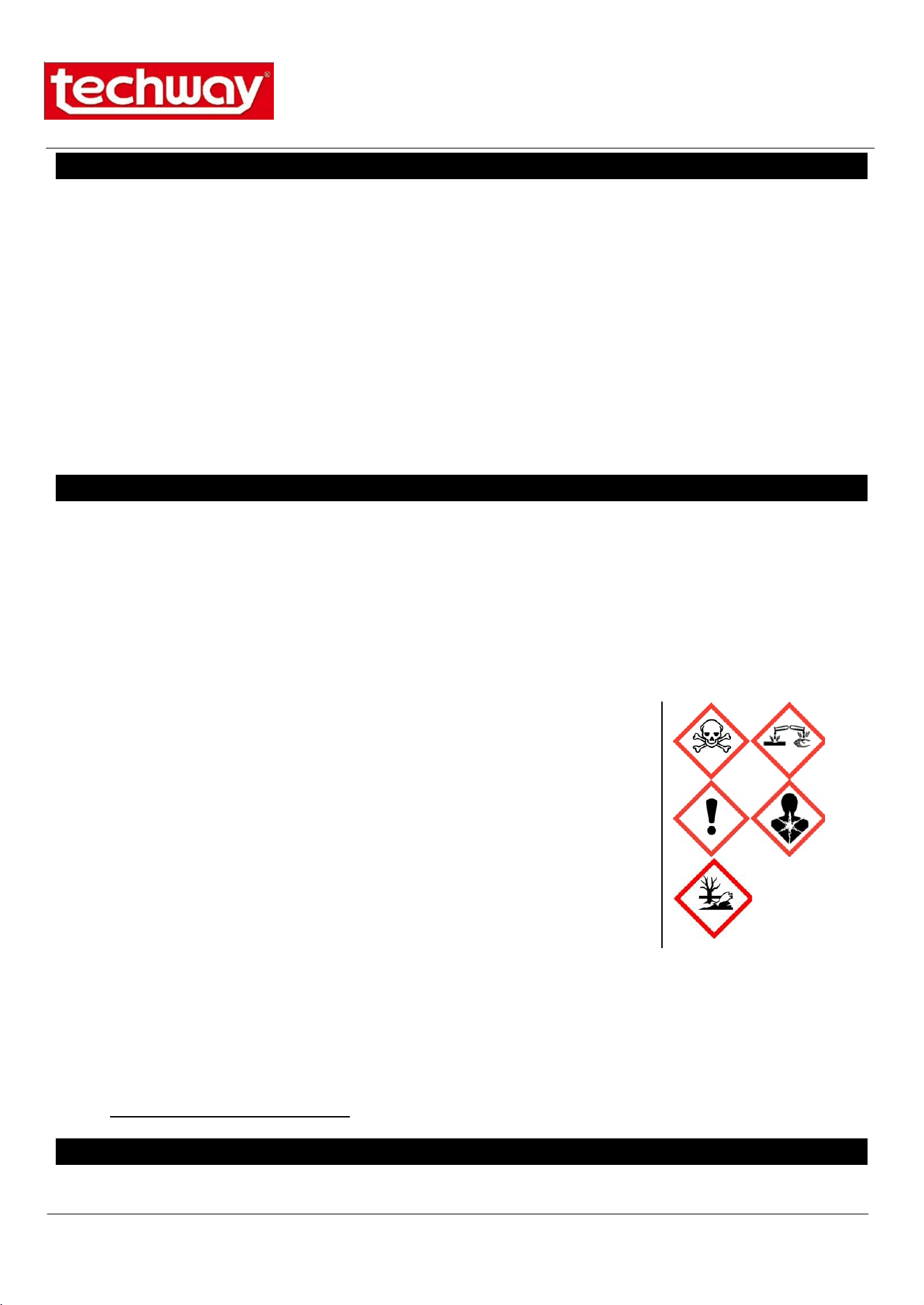
H301 - Toxic if swallowed
H314 - Causes severe skin burns and eye damage
H317 - May cause an allergic skin reaction
H318 - Causes serious eye damage
H334 - May cause allergy or asthma symptoms or breathing difficulties if inhaled
H350 - May cause cancer
H372 - Causes damage to organs through prolonged or repeated exposure
H400 - Very toxic to aquatic life
H410 - Very toxic to aquatic life with long lasting effects
Within the meaning of the OSHA Hazard Communication Standard [29 CFR 1910.1200]: this mixture is not considered a hazard
when used in a manner which is consistent with the labeled directions. This mixture is considered an article in its final
for
m.
This
MSDS covers the hazards and information of the materials contained within the article, in the event the product is
damaged or mishandled. Under normal conditions of use these chemicals are not anticipated to be available for exposure.
Substances within this product may be reactive with water, a
ir, and are flammable if released. Thermal decomposition of this
product may generate corrosive, and toxic vapors. In particular Hydrofluoric acid may be released in the case of open cells.
Hydrofluoric acid can cause severe chemical burns, is toxic by all routes of exposure, and is very reactive. Avoid extremely high
or low temperatures, keep away from incompatible materials. Do not open, puncture, damage, or incinerate container.
2.4. Unknown Acute Toxicity (GHS-US):
No data available
SECTION 3: COMPOSITION/INFORMATION ON INGREDIENTS
3.1. Substances
Not applicable
01/01/2018 EN (English US) 1/13
Rechargeable Lithium Ion Battery Pack
Material Safety Data Sheet
according to Federal Register / Vol. 77, No. 58 / Monday, March 26, 2012 / Rules and Regulations
01/01/2018
EN (English US)
2/13
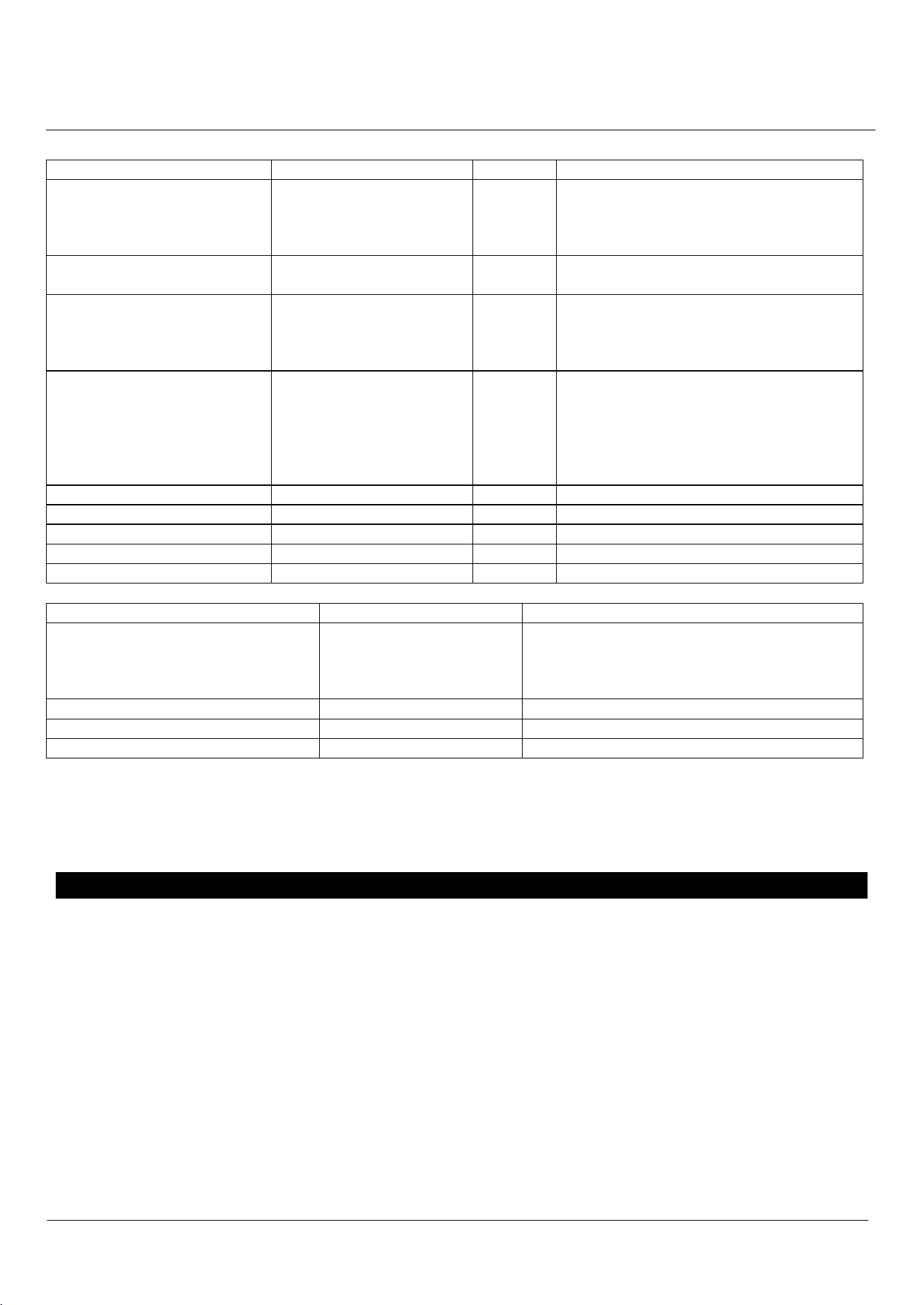
3.2. Mixtures**
Name
Product Identifier
%
Classification (GHS-US)
Manganese dioxide
(CAS No) 1313-13-9
< 30
Acute Tox. 4 (Oral), H302
Acute Tox. 4 (Inhalation), H332
STOT RE 2, H373
Aquatic Chronic 2, H411
Carbon
(CAS No) 7440-44-0
< 30
Comb. Dust
Acute Tox. Not classified (Oral)
Nickel oxide
(CAS No) 1313-99-1
< 30
Skin Sens. 1, H317
Carc. 1A, H350
STOT RE 1, H372
Aquatic Chronic 4, H413
Cobalt(II) oxide
(CAS No) 1307-96-6
< 30
Acute Tox. 3 (Oral), H301
Resp. Sens. 1B, H334
Skin Sens. 1, H317
Carc. 2, H351
Aquatic Acute 1, H400
Aquatic Chronic 1, H410
Aluminum Foil
(CAS No) 7429-90-5
2 - 10
Not classified
1,1-Difluoroethylene polymer
(CAS No) 24937-79-9
< 10
Not classified
Copper
(CAS No) 7440-50-8
2 - 10
Not classified
Aluminum and inert materials
Not available
5 - 10
Not classified
Electrolyte
See composition below***
<20
See hazards below***
***Electrolyte Components
Name
Product Identifier
Classification (GHS-US)
Phosphate(1-), hexafluoro-, lithium
(CAS No) 21324-40-3
Acute Tox. 3 (Oral), H301
Skin Corr. 1A, H314
Eye Dam. 1, H318
STOT RE 1, H372
Dimethyl carbonate
(CAS No) 616-38-6
Flam. Liq. 2, H225
Carbonate, methyl ethyl
(CAS No) 623-53-0
Flam. Liq. 2, H225
Ethylene carbonate
(CAS No) 96-49-1
Eye Irrit. 2A, H319
**These composition tables represent the hazards associated with the individual ingredients within this product. The product
itself is not hazardous under normal conditions of use.
Mercury content: Hg <0.1mg/kg
Cadmium content: Cd <1mg/kg
Lead content: Pb < 10mg/kg
Full text of H-phrases: see section 16
SECTION 4: FIRST AID MEASURES
4.1. Description of First Aid Measures
First-aid Measures General: The following first aid measures apply in case of exposure to the interior battery components, if
the battery is damaged and exposure occurs. Never give anything by mouth to an unconscious person. If you feel unwell, seek
medical advice (show the label where possible).
First-aid Measures After Inhalation: When symptoms occur: go into open air and ventilate suspected area. Immediately call a
POISON CENTER or doctor/physician.
First-aid Measures A
fter Skin Contact: Remove contaminated clothing. Drench affected area with water for at least 15
minutes. Immediately call a POISON CENTER or doctor/physician.
First-aid Measures After Eye Contact: Rinse cautiously with water for several minutes. Remove contact lenses, if present and
easy to do. Continue rinsing. Immediately call a POISON CENTER or doctor/physician.
First-aid Measures After Ingestion: Rinse mouth. Obtain emergency medical attention. IF SWALLOWED: Immediately call a
POISON CENTER or doctor/physician.

Rechargeable Lithium Ion Battery Pack
Material Safety Data Sheet
according to Federal Register / Vol. 77, No. 58 / Monday, March 26, 2012 / Rules and Regulations
01/01/2018
EN (English US)
3/13
4.2. Most important symptoms and effects, both acute and delayed
Symptoms/Injuries: Not hazardous according to OSHA 29 CFR 1910.1200 and is considered an article. Under normal conditions
of use there are no physical or health hazards associated with this product. The following symptoms apply in the event an
exposure occurs to the materials housed inside the product. Contact may cause immediate severe irritation progressing quickly
to chemical burns. May cause cancer. Exposure may produce an allergic reaction. Causes damage to orga
ns through prolonged
or repeated exposure.
Symptoms/Injuries After Inhalation: Exposure to materials housed in battery cells: may cause allergy or asthma symptoms or
breathing difficulties if inhaled. Inhalation may cause immediate severe irritation progressing quickly to chemical burns.
Symptoms/Injuries After Skin Contact: Exposure to materials housed in battery cells: may cause an allergic skin reaction, may
cause chemical burns.
Symptoms/Injuries After Eye Contact: Exposure to materials housed in battery cells: Causes serious eye damage.
Symptom
s/Injuries After Ingestion: Exposure to materials housed in battery cells: toxic if swallowed.
4.3. Indication of Any Immediate Medical Attention and Special Treatment Needed
If exposed to materials encased within the product get medical attention immediately.
SECTION 5: FIREFIGHTING MEASURES
5.1. Extinguishing Media
Suitable Extinguishing Media: Metal fire extinction powder, dry powder, sand, water spray.
Unsuitable Extinguishing Media: Do not use a heavy water stream, use of a heavy stream of water may spread fire.
5.2. Special Hazards Arising From the Substance or Mixture
Fire Hazard: Not considered flammable but will burn at high temperatures.
Explosion Hazard: If heated above 125°C (257°F) cells can explode.
Reactivity: Thermal decomposition generates: corros
ive vapors, flammable gas, toxic gas, hydrofluoric acid. Product itself is
stable, but if damaged or opened, can release hydrofluoric acid on contact with water which can cause severe chemical burns,
is toxic by all routes of exposure, and is very reactive.
5.3. Advice for Firefighters
Precautionary Measures Fire: Exercise caution when fighting any chemical fire.
Firefighting Instructions: Use water spray or fog for cooling exposed containers. In case of major fire and large quantities:
Evacuate area. Fight fire remotely due to
the risk of explosion.
Protection During Firefighting: Do not enter fire area without proper protective equipment, including respiratory protection.
Other information: Do not allow run-off from fire fighting to enter drains or water courses. Upon thermal decomposition and
high temperatures may explode, or release toxic, corrosive, and flammable gases.
SECTION 6: ACCIDENTAL RELEASE MEASURES
6.1. Personal Precautions, Protective Equipment and Emergency Procedures
General Measures: Product itself under normal conditions of use is not considered hazardous, for materials housed within
product: avoid all eyes and skin contact and do not breathe vapor and mist. Do not allow product to spread into the
environment.
6.1.1. For Non-emergency Personnel
Protective Equipment: Use appropriate personal protection equipment (PPE).
Emergency Procedures: Evacuate unnecessary personnel.
6.1.2. For Emergency Responders
Protective Equipment: Equip cleanup crew with proper protection.
Emergency Procedures: Ventilate area.
6.2. Environmental Precautions
Prevent entry to sewers and public waters. Avoid release to the environment.
6.3. Methods and Material for Containment and Cleaning Up
For Containment: Stop leak without risks if possible.
Methods for Cleaning Up: Clear up spills immediately and dispose of waste safely. For product itself take up mechanically, for
inner materials in the event of release from damage neu
tralize, and absorb material with inert material. Stop leak if possible to
do so without risk. Do not allow to spread into the environment. Contact competent authority after a spill, and follow
local/national regulations.
6.4. Reference to Other Sections
See heading 8, Exposure Controls and Personal Protection.
Rechargeable Lithium Ion Battery Pack
Material Safety Data Sheet
according to Federal Register / Vol. 77, No. 58 / Monday, March 26, 2012 / Rules and Regulations
01/01/2018
EN (English US)
4/13
SECTION 7: HANDLING AND STORAGE
7.1. Precautions for Safe Handling
Additional Hazards When Processed: Do not open or damage enclosure, or battery cell as this could cause a potential
exposure and release of hazardous materials. Under normal conditions of use this product is considered an article and
exposure to the ingredients contained within this product is unlikely. Substances within this product may be reactive with
water, air, and are flammable if released. Thermal decomposition of this product may generate corrosive, and toxic
vapors. In
particular hydrofluoric acid may be released in the case of open cells. Hydrofluoric acid can cause severe chemical burns, is
toxic by all routes of exposure, and is very reactive. Avoid extremely high or low temperatures, keep away from incompatible
materials. Do not expose to heat, or ignition sources as this could cause an explosion. If heated above 125°C (257°F) may
explode. Do not puncture or incinerate container. Avoid short circuiting the cell.
Precautions for Safe Handling: Obtain special instructions before use. Do not
handle until all safety precautions have been
read and understood. Do not breathe dust, vapors, spray from inner battery components.
Hygiene Measures: Handle in accordance with good industrial hygiene and safety procedures. Wash contaminated clothing
before reuse. Wash hands and other exposed areas with mild soap and water before eating, drinking, or smoking and again
when leaving work. Do no eat, drink or smoke when using this product.
7.2. Conditions for Safe Storage, Including Any Incompatibilities
Technical Measures: Comply with applicable regulations.
Storage Conditions: Keep container tightly closed. Store in original container. Store in a dry, cool place. Store away from
ignition sources, heat, and incompatible materials.
Incompatible Products: Strong acids, strong bases, strong oxidizers.
Storage Temperature: 20 °C (68°F); room temperature.
7.3. Specific End Use(s)
Lithium-Ion battery pack.
SECTION 8: EXPOSURE CONTROLS/PERSONAL PROTECTION
8.1. Control Parameters
Copper (7440-50-8)
USA ACGIH
ACGIH TWA (mg/m³)
0.2 mg/m³
USA NIOSH
NIOSH REL (TWA) (mg/m3)
0.1 mg/m³
USA IDLH
US IDLH (mg/m3)
100 mg/m³
USA OSHA
OSHA PEL (TWA) (mg/m3)
1 mg/m³
Aluminum (7429-90-5)
USA ACGIH
ACGIH TWA (mg/m³)
1 mg/m³
USA NIOSH
NIOSH REL (TWA) (mg/m3)
5 mg/m³
USA OSHA
OSHA PEL (TWA) (mg/m3)
5 mg/m³
8.2. Exposure Controls
Appropriate Engineering Controls : Ensure all national/local regulations are observed.
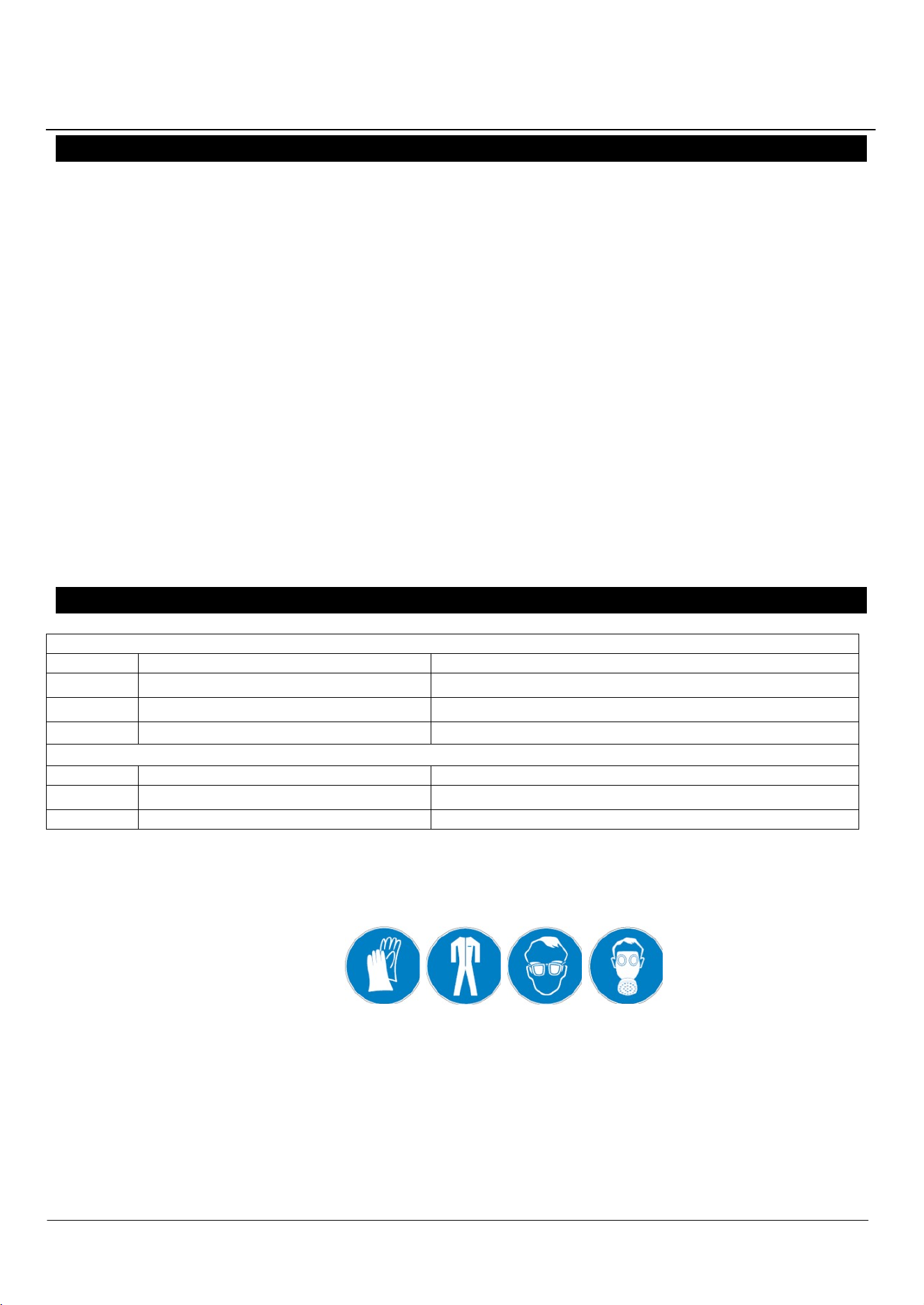
Personal Protective Equipment : Not required under normal conditions of use, when handling damaged batteries: .
Gloves. Protective clothing. Protective goggles. Insufficient ventilation: wear
respiratory protection.
Materials for Protective Clothing : Not required under normal conditions of use, when handling damaged batteries:
Chemically resistant materials and fabrics. Corrosionproof clothing.
Hand Protection : Not required under normal conditions of use, when handling damaged batteries:
Wear chemically resistant protective gloves.
Eye Protection : Not required under normal conditions of use, when handling damaged batteries:
Chemical goggles or safety glasses.
Skin and Body Protection
: Not required under normal conditions of use, when handling damaged
batteries:
.Wear suitable protective
clothing.
Respiratory Protection : Not required under normal conditions of use, when handling damaged
batteries: Use
a NIOSH-approved self-contained breathing apparatus whenever exposure may
exceed established Occupational Exposure Limits.

Rechargeable Lithium Ion Battery Pack
Material Safety Data Sheet
according to Federal Register / Vol. 77, No. 58 / Monday, March 26, 2012 / Rules and Regulations
01/01/2018
EN (English US)
5/13
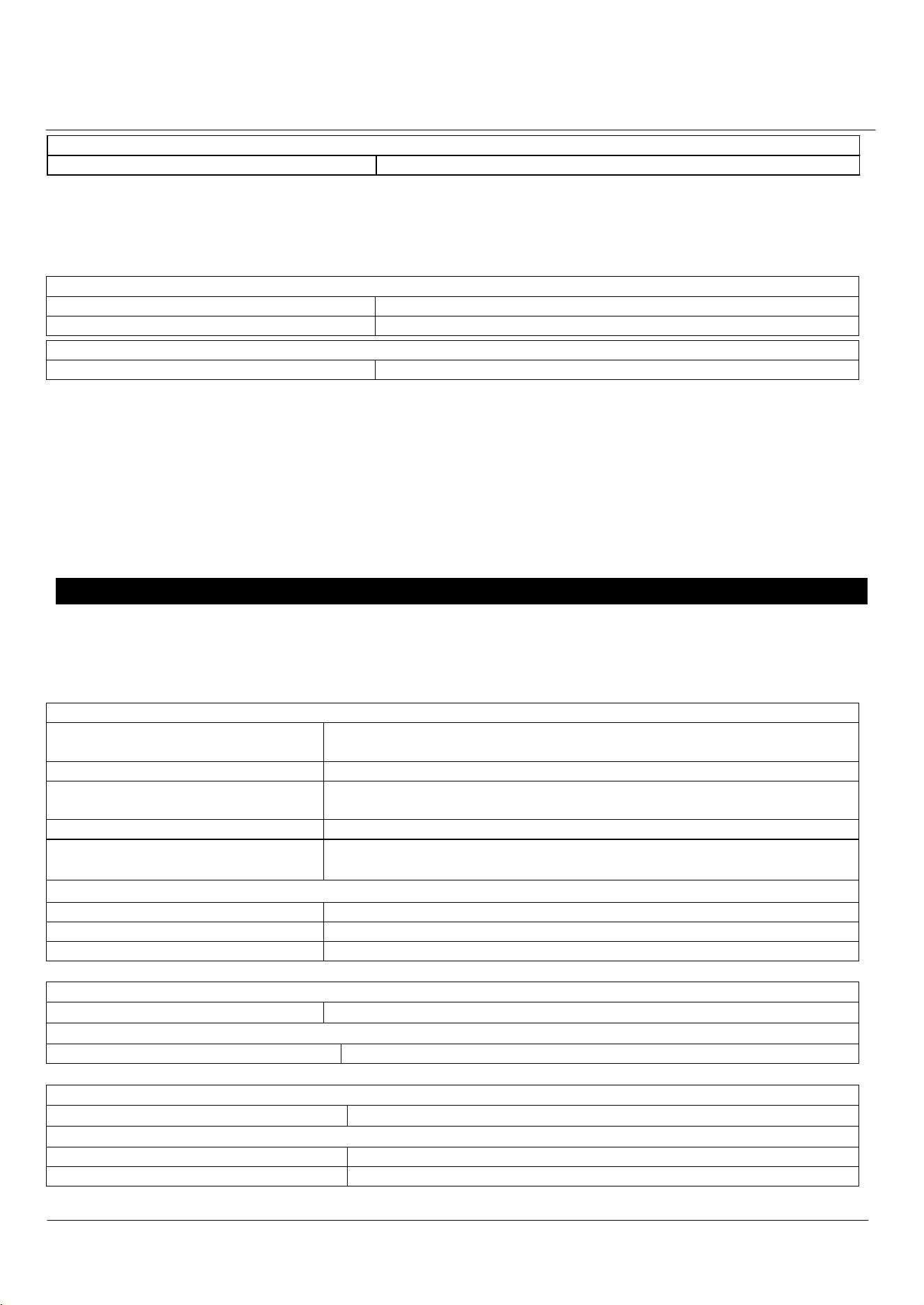
Physical State
:
Solid
Appearance
:
Manufactured Battery Cell.
Odor
:
Odorless.
Odor Threshold
:
No data available
pH
:
No data available
Relative Evaporation Rate (butylacetate=1)
:
No data available
Melting Point
:
No data available
Freezing Point
:
No data available
Boiling Point
:
No data available
Flash Point
:
No data available
Auto-ignition Temperature
:
No data available
Decomposition Temperature
:
No data available
Flammability (solid, gas)
:
No data available
Vapor Pressure
:
No data available
Relative Vapor Density at 20 °C
:
No data available
Relative Density
:
No data available
Specific Gravity
:
Not available
Solubility
:
Insoluble in water.
Log Pow
:
No data available
Log Kow
:
No data available
Viscosity, Kinematic
:
No data available
Viscosity, Dynamic
:
No data available
Explosive Properties
:
No data available
Oxidizing Properties
:
No data available
Explosive Limits
:
Not applicable
Other Information : When using, do not eat, drink or smoke.
SECTION 9: PHYSICAL AND CHEMICAL PROPERTIES
9.1. Information on Basic Physical and Chemical Properties
9.2. Other Information No additional information available
SECTION 10: STABILITY AND REACTIVITY
10.1 Reactivity: Thermal decomposition generates: corrosive vapors, flammable gas, toxic gas, hydrofluoric acid. Product
itself is stable, but if damaged or opened, can release hydrofluoric acid on contact with water which can cause severe chemical
burns, is toxic by all routes of exposure, and is very reactive.
10.2 Chemical Stability: Stable under normal conditions.
10.3 Possibility of Hazardous Reactions: Hazardous reactions will not occur under normal conditions.
10.4 Conditions to Avoid: Direct sunlight. Extremely high or low tempe
ratures. Ignition sources. Incompatible materials.
Damaging, puncturing, or opening the battery cell.
10.5 Incompatible Materials: Strong acids, strong bases, strong oxidizers, water, seawater, moisture.
10.6 Hazardous Decomposition Products: Thermal decomposition generates: carbon oxides (CO, CO2), corrosive vapors,
toxic vapors. Can also release hydrofluoric acid on contact with water which can cause severe chemical burns, is toxic by all
routes of exposure, and is very reactive.
SECTION 11: TOXICOLOGICAL INFORMATION
11.1. Information On Toxicological Effects
This product is considered an article under the OSHA Hazard communication Standard [29 CFR 1910.1200]. The information
below reflects the hazards of the individual ingredients within the product, which if damaged may be released.
Acute Toxicity : Not classified
Manganese dioxide (1313-13-9)
LD50 Oral Rat
9000 mg/kg
Dimethyl carbonate (616-38-6)
LD50 Oral Rat
13000 mg/kg
LD50 Dermal Rabbit
> 5 g/kg
LC50 Inhalation Rat (mg/l)
140 mg/l/4h
Carbon (7440-44-0)
LD50 Oral Rat
> 10000 mg/kg
Rechargeable Lithium Ion Battery Pack
Material Safety Data Sheet
according to Federal Register / Vol. 77, No. 58 / Monday, March 26, 2012 / Rules and Regulations
01/01/2018
EN (English US)
6/13
Nickel oxide (1313-99-1)
LD50 Oral Rat > 5000 mg/kg
Skin Corrosion/Irritation: Not classified
Serious Eye Damage/Irritation: Not classified
Respiratory or Skin Sensitization: Not classified
Germ Cell Mutagenicity: Not classified
Carcinogenicity: Not classified
Nickel oxide (1313-99-1)
IARC group
1
National Toxicity Program (NTP) Status
1
Cobalt(II) oxide (1307-96-6)
IARC group
2B
Reproductive Toxicity: Not classified
Specific Target Organ Toxicity (Single Exposure): Not classified
Specific Target Organ Toxicity (Repeated Exposure): Not classified
Aspiration Hazard: Not classified
Symptoms/Injuries After Inhalation: Exposure to materials housed in battery cells: may cause allergy or asthma symptoms or
breathing difficulties if inhaled. Inhalation may cause immediate severe irritation progressing quickly to chemical burns.
Symptoms/Injuries After Skin Contact: Exposure to materials housed in battery cell
s: may cause an allergic skin reaction, may
cause chemical burns.
Symptoms/Injuries After Eye Contact: Exposure to materials housed in battery cells: Causes serious eye damage.
Symptoms/Injuries After Ingestion: Exposure to materials housed in battery cells: toxic if swallowed.
SECTION 12: ECOLOGICAL INFORMATION
12.1. Toxicity
Ecology - General : The product itself is not considered hazardous and is considered and article
according to 29 CFR 1910.1200. The ecotoxicological information applies to the
materials encased within the product. Very toxic to aquatic life with long lasting
effects.
Copper (7440-50-8)
LC50 Fish 1
0.0068 (0.0068 - 0.0156) mg/l (Exposure time: 96 h - Species: Pimephales
promelas)
EC50 Daphnia 1
0.03 mg/l (Exposure time: 48 h - Species: Daphnia magna [Static])
EC50 Other Aquatic Organisms 1
0.0426 (0.0426 - 0.0535) mg/l (Exposure time: 72 h - Species: Pseudokirchneriella
subcapitata [static])
LC 50 Fish 2
0.3 mg/l (Exposure time: 96 h - Species: Pimephales promelas [static])
EC50 Other Aquatic Organisms 2
0.031 (0.031 - 0.054) mg/l (Exposure time: 96 h - Species: Pseudokirchneriella
subcapitata [static])
Nickel oxide (1313-99-1)
LC50 Fish 1
> 100 mg/l (Exposure time: 96 h - Species: Brachydanio rerio [static])
EC50 Daphnia 1
> 100 mg/l (Exposure time: 48 h - Species: Daphnia magna)
EC50 Other Aquatic Organisms 1
> 127.3 mg/l (Exposure time: 72 h - Species: Pseudokirchneriella subcapitata)
12.2. Persistence and Degradability
Rechargeable Lithium Ion Battery Pack
Persistence and Degradability
May cause long-term adverse effects in the environment.
Copper (7440-50-8)
Persistence and Degradability
Not readily biodegradable.
12.3. Bioaccumulative Potential
Rechargeable Lithium Ion Battery Pack
Bioaccumulative Potential
Not established.
Manganese dioxide (1313-13-9)
BCF fish 1
(no bioaccumulation expected)
Log Pow
< 0 (at 20 °C)
Rechargeable Lithium Ion Battery Pack
Material Safety Data Sheet
according to Federal Register / Vol. 77, No. 58 / Monday, March 26, 2012 / Rules and Regulations
01/01/2018
EN (English US)
7/13
12.4. Mobility in Soil No additional information available
12.5. Other Adverse Effects
Other Information : Avoid release to the environment.
SECTION 13: DISPOSAL CONSIDERATIONS
13.1. Waste treatment methods
Waste Disposal Recommendations: Dispose of waste material in accordance with all local, regional, national, and
international regulations. Do not puncture or incinerate container.
Ecology – Waste Materials: The materials contained within this product are hazardous to the environment, do not release
into the environment.
SECTION 14: TRANSPORT INFORMATION
In Accordance With ICAO/IATA/DOT/TDG
The rechargeable Lithium-Ion battery pack as stated are made in compliance to the requirements stated in the latest edition of
the IATA Dangerous Goods Regulations Packing Instruction 965 section II such that they can be transported as a NOT RESTRICTED
(non-hazardous/non-dangerous) goods. However, if those lithium-ion battery packs are packed with or contained in equipment,
then it is the responsibility of the shipper to ensure that the consignment are packed in compliance to the latest edition of the
IATA Dangerous Go
ods Regulations section II of either Packing Instruction 966 or 967 in order for that
consignment to be declared as NOT RESTRICTED
(non-hazardous/non-Dangerous).
With regard to transport, the following
regulations are cited and considered:
- The International Civil Aviation Organization (ICAO) Technical Instructions (2015-2016 Edition),
- The International Air Transport Association (IATA) Dangerous Goods Regulations (58th Edition,
2017)
- The International Maritime Dangerous Goods (IMDG) Code (2016 Edition),
- US Hazardous Materials Regulat
ions 49 CFR (Code of Federal Regulations)
Sections 173-185 Lithium batteries and cells.
- The UN Recommendations on the Transport of Dangerous Goods, Manual of Tests and Criteria
38.3 Lithium batteries, 6th revised edition
- UN No. 3480 (Lithium ion batteries, including lithium polymer batteries), and UN 3481
(Lithium ion batteries packed with equipment or
contained in equipment
, including lithium polymer batteries)
Our products are properly classified, described, packaged, marked, and labeled, and are in proper condition for trans
portation
according to all the applicable international and national governmental regulations, not limited to the above mentioned. We
further certify that the enclosed products have been tested and fulfilled the requirements and conditions in accordance with UN
Recommendations (T1 – T8) on the Transport of Dangerous Goods Model Regulations and the Manual of Tests and Criteria that
can be treated as “Non-Dangerous Goods”.
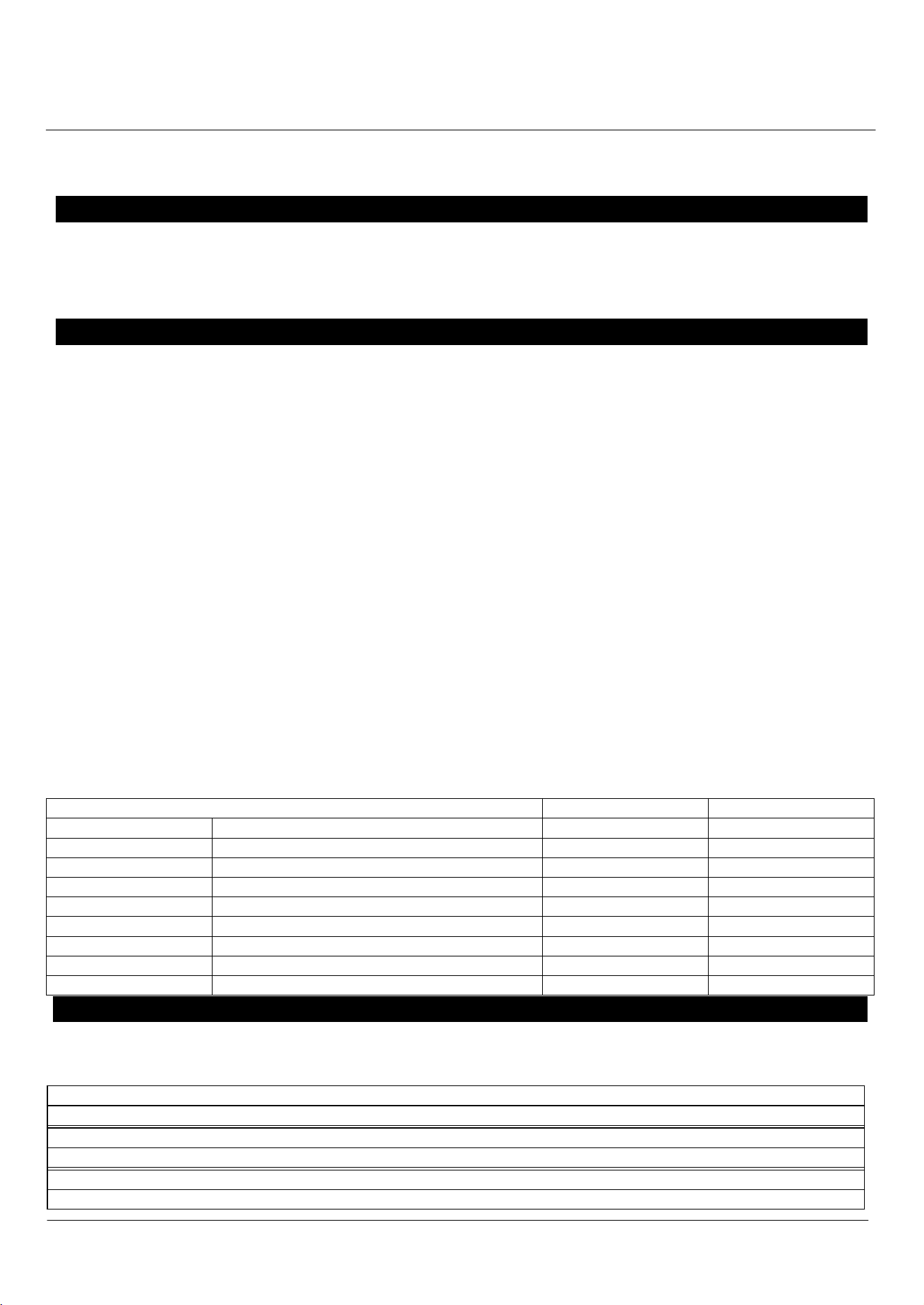
Test results of the UN Recommendation on the Transport of Dangerous
Goods
Manual of Test and Criteria (38.3 Lithium battery)
Test Results
Remark
No
Test Item
T1
Altitude Simulation
Pass
T2
Thermal test
Pass
T3
Vibration
Pass
T4
Shock
Pass
T5
External Short Circuit
Pass
T6
Impact
Pass
For cell only
T7
Overcharge
Pass
T8
Forced discharge
Pass
For cell only
SECTION 15: REGULATORY INFORMATION
15.1 US Federal Regulations
This product is considered an article under the OSHA Hazard communication Standard [29 CFR 1910.1200]. The information
below reflects the hazards of the individual ingredients within the product, which if damaged may be released.
Manganese dioxide (1313-13-9)
Listed on the United States TSCA (Toxic Substances Control Act) inventory
Phosphate(1-), hexafluoro-, lithium (21324-40-3)
Listed on the United States TSCA (Toxic Substances Control Act) inventory
1,1-Difluoroethylene polymer (24937-79-9)
Listed on the United States TSCA (Toxic Substances Control Act) inventory
Rechargeable Lithium Ion Battery Pack
Material Safety Data Sheet
according to Federal Register / Vol. 77, No. 58 / Monday, March 26, 2012 / Rules and Regulations
01/01/2018
EN (English US)
8/13
Dimethyl carbonate (616-38-6)
Listed on the United States TSCA (Toxic Substances Control Act) inventory
Carbonate, methyl ethyl (623-53-0)
Listed on the United States TSCA (Toxic Substances Control Act) inventory
Ethylene carbonate (96-49-1)
Listed on the United States TSCA (Toxic Substances Control Act) inventory
Carbon (7440-44-0)
Listed on the United States TSCA (Toxic Substances Control Act) inventory
Copper (7440-50-8)
Listed on the United States TSCA (Toxic Substances Control Act) inventory
Listed on SARA Section 313 (Specific toxic chemical listings)
SARA Section 313 - Emission Reporting
1.0 %
Aluminum (7429-90-5)
Listed on the United States TSCA (Toxic Substances Control Act) inventory
Listed on SARA Section 313 (Specific toxic chemical listings)
SARA Section 313 - Emission Reporting
1.0 % (dust or fume only)
Nickel oxide (1313-99-1)
Listed on the United States TSCA (Toxic Substances Control Act) inventory
Cobalt(II) oxide (1307-96-6)
Listed on the United States TSCA (Toxic Substances Control Act) inventory
15.2 US State Regulations
This product is considered an article under the OSHA Hazard communication Standard [29 CFR 1910.1200]. The information
below reflects the hazards of the individual ingredients within the product, which if damaged may be released
Nickel oxide (1313-99-1)
U.S. - California - Proposition 65 - Carcinogens List
WARNING: This product contains chemicals known to the State
of California to cause cancer.
Cobalt(II) oxide (1307-96-6)
U.S. - California - Proposition 65 - Carcinogens List
WARNING: This product contains chemicals known to the State
of California to cause cancer.
Manganese dioxide (1313-13-9)
U.S. - New Hampshire - Regulated Toxic Air Pollutants - Ambient Air Levels (AALs) - 24-Hour
U.S. - New Hampshire - Regulated Toxic Air Pollutants - Ambient Air Levels (AALs) - Annual
U.S. - Texas - Effects Screening Levels - Long Term
U.S. - Texas - Effects Screening Levels - Short Term
Dimethyl carbonate (616-38-6)
U.S. - Delaware - Volatile Organic Compounds Exempt from Requirements
U.S. - Massachusetts - Right To Know List
U.S. - New Jersey - Right to Know Hazardous Substance List
U.S. - New Jersey - Special Health Hazards Substances List
U.S. - Pennsylvania - RTK (Right to Know) List
U.S. - Texas - Effects Screening Levels - Long Term
U.S. - Texas - Effects Screening Levels - Short Term
Ethylene carbonate (96-49-1)
U.S. - Massachusetts - Right To Know List
U.S. - Pennsylvania - RTK (Right to Know) List
U.S. - Texas - Effects Screening Levels - Long Term
U.S. - Texas - Effects Screening Levels - Short Term
Carbon (7440-44-0)
U.S. - Idaho - Occupational Exposure Limits - TWAs
Copper (7440-50-8)
U.S. - California - Priority Toxic Pollutants - Freshwater Criteria
U.S. - California - Priority Toxic Pollutants - Human Health Criteria
U.S. - California - Priority Toxic Pollutants - Saltwater Criteria

Rechargeable Lithium Ion Battery Pack
Material Safety Data Sheet
according to Federal Register / Vol. 77, No. 58 / Monday, March 26, 2012 / Rules and Regulations
01/01/2018
EN (English US)
9/13
U.S. - California - SCAQMD - Toxic Air Contaminants - Non-Cancer Acute
U.S. - California - Toxic Air Contaminant List (AB 1807, AB 2728)
U.S. - Colorado - Primary Drinking Water Regulations - Maximum Contaminant Level Goals (MCLGs)
U.S. - Colorado - Primary Drinking Water Regulations - Secondary Maximum Contaminant Levels (SMCLs)
U.S. - Connecticut - Drinking Water Quality Standards - Groundwater Sources
U.S. - Connecticut - Drinking Water Quality Standards - Maximum Contaminant Levels
U.S. - Connecticut - Hazardous Air Pollutants - HLVs
(30 min)
U.S. - Connecticut - Hazardous Air Pollutants - HLVs (8 hr)
U.S. - Connecticut - Water Quality Standards - Acute Freshwater Aquatic Life Criteria
U.S. - Connecticut - Water Quality Standards - Acute Saltwater Aquatic Life Criteria
U.S. - Connecticut - Water Quality Standards - Chronic Freshwater Aquatic Life Criteria
U.S. - Connecticut - Water Quality Standards - Chronic Saltwater Aquatic Life Criteria
U.S. - Connecticut - Water Quality Standards - Consumption of Water and Organisms
U.S. - Connecticut - Water Quality Standards - Health Designations
U.S. - Delaware -
Pollutant Discharge Requirements - Reportable Quantities
U.S. - Florida - Drinking Water Standards - Secondary Maximum Contaminant Levels (SMCLs)
U.S. - Georgia - Drinking Water - Secondary Maximum Contaminant Levels (SMCLs)
U.S. - Hawaii - Occupational Exposure Limits - STELs
U.S. - Hawaii - Occupational Exposure Limits - TWAs
U.S. - Idaho - Non-Carcinogenic Toxic Air Pollutants - Acceptable Ambient Concentrations
U.S. - Idaho - Non-Carcinogenic Toxic Air Pollutants - Emission Levels (ELs)
U.S. - Idaho - Occupational Exposure Lim
its - TWAs
U.S. - Illinois - Toxic Air Contaminants
U.S. - Louisiana - Reportable Quantity List for Pollutants
U.S. - Maryland - Surface Water Quality Standards - Acute Freshwater Aquatic Life
U.S. - Maryland - Surface Water Quality Standards - Acute Saltwater Aquatic Life Criteria
U.S. - Maryland - Surface Water Quality Standards - Chronic Freshwater Aquatic Life
U.S. - Maryland - Surface Water Quality Standards - Chronic Saltwater Aquatic Life Criteria
U.S. - Maryland - Surface Water Quality Standards - Consumption of Water a
nd Organisms
U.S. - Massachusetts - Allowable Ambient Limits (AALs)
U.S. - Massachusetts - Allowable Threshold Concentrations (ATCs)
U.S. - Massachusetts - Drinking Water - Maximum Contaminant Levels (MCLs)
U.S. - Massachusetts - Drinking Water - Secondary Maximum Contaminant Levels (SMCLs)
U.S. - Massachusetts - Oil & Hazardous Material List - Groundwater Reportable Concentration - Reporting Category 1
U.S. - Massachusetts - Oil & Hazardous Material List - Groundwater Reportable Concentration - Reporting Category 2
U.S. -
Massachusetts - Oil & Hazardous Material List - Reportable Quantity
U.S. - Massachusetts - Oil & Hazardous Material List - Soil Reportable Concentration - Reporting Category 1
U.S. - Massachusetts - Oil & Hazardous Material List - Soil Reportable Concentration - Reporting Category 2
U.S. - Massachusetts - Right To Know List
U.S. - Massachusetts - Threshold Effects Exposure Limits (TELs)
U.S. - Massachusetts - Toxics Use Reduction Act
U.S. - Michigan - Occupational Exposure Limits - TWAs
U.S. - Michigan - Polluting Materials List
U.S. - Minnesota
- Hazardous Substance List
U.S. - Minnesota - Permissible Exposure Limits - TWAs
U.S. - Missouri - Drinking Water - Maximum Contaminant Levels (MCLs)
U.S. - Missouri - Drinking Water - Secondary Maximum Contaminant Levels (SMCLs)
U.S. - Nevada - Drinking Water - Secondary Maximum Contaminant Levels (SMCLs)
U.S. - New Hampshire - Drinking Water - Secondary Maximum Contaminant Levels (SMCLs)
U.S. - New Hampshire - Regulated Toxic Air Pollutants - Ambient Air Levels (AALs) - 24-Hour
U.S. - New Hampshire - Regulated
Toxic Air Pollutants - Ambient Air Levels (AALs) - Annual
U.S. - New Jersey - Discharge Prevention - List of Hazardous Substances
U.S. - New Jersey - Environmental Hazardous Substances List
U.S. - New Jersey - Primary Drinking Water Standards - Action Levels - ALs
U.S. - New Jersey - Right to Know Hazardous Substance List
U.S. - New Jersey - Water Quality - Ground Water Quality Criteria
U.S. - New Jersey - Water Quality - Practical Quantitation Levels (PQLs)

Rechargeable Lithium Ion Battery Pack
Material Safety Data Sheet
according to Federal Register / Vol. 77, No. 58 / Monday, March 26, 2012 / Rules and Regulations
01/01/2018
EN (English US)
10/13
U.S. - New Mexico - Water Quality - Standards for Ground Water of 10,000 mg/L TDS Concentration or Less
U.S. - New York - Occupational Exposure Limits - TWAs
U.S. - New York - Reporting of Releases Part 597 - List of Hazardous Substances
U.S. - North Dakota - Air Pollutants - Guideline Concentrations - 8-Hour
U.S. - North Dakota - Water Quality Standards - Aquatic Life Acute Value for Classes I, IA, II, III
U.S. - North Dakota - Water Quality Standards - Aquatic Life Chronic Value for Classes I, IA, II, III
U.S. - North Dako
ta - Water Quality Standards - Human Health Value for Classes I, IA, II
U.S. - Oregon - Permissible Exposure Limits - TWAs
U.S. - Pennsylvania - Beneficial Use of Sewage Sludge by Land Application - Pollutant Ceiling Limits
U.S. - Pennsylvania - Drinking Water - Maximum Contaminant Levels (MCLs)
U.S. - Pennsylvania - RTK (Right to Know) - Environmental Hazard List
U.S. - Pennsylvania - RTK (Right to Know) List
U.S. - Rhode Island - Air Toxics - Acceptable Ambient Levels - 1-Hour
U.S. -
Rhode Island - Air Toxics - Acceptable Ambient Levels - Annual
U.S. - Rhode Island - Water Quality Standards - Acute Freshwater Aquatic Life Criteria
U.S. - Rhode Island - Water Quality Standards - Acute Saltwater Aquatic Life Criteria
U.S. - Rhode Island - Water Quality Standards - Chronic Freshwater Aquatic Life Criteria
U.S. - Rhode Island - Water Quality Standards - Chronic Saltwater Aquatic Life Criteria
U.S. - Rhode Island - Water Quality Standards - Human Health Criteria for Consumption of Water and Aquatic Organisms
U.S. - South Carolina - Secondary Maximum Contaminant Levels (SMCLs)
U.S. - Tennessee - Occupational Exposure Limits - TWAs
U.S. - Texas - Drinking Water Standards - Secondary Constituent Levels (SCLs)
U.S. - Texas - Effects Screening Levels - Long Term
U.S. - Texas - Effects Screening Levels - Short Term
U.S. - Utah - Drinking Water - Secondary Maximum Contaminant Levels (SMCLs)
U.S. - Vermont - Permissible Exposure Limits - TWAs
U.S. - Virginia - Water Quality Standards - Acute Freshwater Aquatic Life
U.S.
- Virginia - Water Quality Standards - Acute Saltwater Aquatic Life
U.S. - Virginia - Water Quality Standards - Chronic Freshwater Aquatic Life
U.S. - Virginia - Water Quality Standards - Chronic Saltwater Aquatic Life
U.S. - Virginia - Water Quality Standards - Public Water Supply Effluent Limits
U.S. - Washington - Permissible Exposure Limits - STELs
U.S. - Washington - Permissible Exposure Limits - TWAs
U.S. - West Virginia - Water Quality - Groundwater Standards - Ceiling Concentrations
U.S. - Wisconsin - Hazardous Air Contam
inants - All Sources - Emissions From Stack Heights 25 Feet to Less Than 40 Feet
U.S. - Wisconsin - Hazardous Air Contaminants - All Sources - Emissions From Stack Heights 40 Feet to Less Than 75 Feet
U.S. - Wisconsin - Hazardous Air Contaminants - All Sources - Emissions From Stack Heights 75 Feet or Greater
U.S. - Wisconsin - Hazardous Air Contaminants - All Sources - Emissions From Stack Heights Less Than 25 Feet
U.S. - Alaska - Water Quality Standards - Acute Aquatic Life Criteria for Fresh W
ater
U.S. - Alaska - Water Quality Standards - Chronic Aquatic Life Criteria for Fresh Water
U.S. - Alaska - Water Quality Standards - Acute Aquatic Life Criteria for Marine Water
U.S. - Alaska - Water Quality Standards - Chronic Aquatic Life Criteria for Marine Water
U.S. - Arkansas - Surface Water Quality Standards - Chronic Aquatic Life Criteria
U.S. - Arkansas - Surface Water Quality Standards - Acute Aquatic Life Criteria
Aluminum (7429-90-5)
U.S. - California - Toxic Air Contaminant List (AB 1807, AB 2728)
U.S. - Colorado - Primary Drinking Water Regulations - Secondary Ma
ximum Contaminant Levels (SMCLs)
U.S. - Connecticut - Hazardous Air Pollutants - HLVs (30 min)
U.S. - Connecticut - Hazardous Air Pollutants - HLVs (8 hr)
U.S. - Connecticut - Water Quality Standards - Acute Freshwater Aquatic Life Criteria
U.S. - Connecticut - Water Quality Standards - Chronic Freshwater Aquatic Life Criteria
U.S. - Delaware - Pollutant Discharge Requirements - Reportable Quantities
U.S. - Florida - Drinking Water Standards - Secondary Maximum Contaminant Levels (SMCLs)
U.S. - Georgia - Drinking Water - Secondary Maximum Contaminant Leve
ls (SMCLs)
U.S. - Hawaii - Occupational Exposure Limits - STELs
U.S. - Hawaii - Occupational Exposure Limits - TWAs
U.S. - Idaho - Non-Carcinogenic Toxic Air Pollutants - Acceptable Ambient Concentrations

Rechargeable Lithium Ion Battery Pack
Material Safety Data Sheet
according to Federal Register / Vol. 77, No. 58 / Monday, March 26, 2012 / Rules and Regulations
01/01/2018
EN (English US)
11/13
U.S. - Idaho - Non-Carcinogenic Toxic Air Pollutants - Emission Levels (ELs)
U.S. - Maryland - Surface Water Quality Standards - Acute Freshwater Aquatic Life
U.S. - Maryland - Surface Water Quality Standards - Chronic Freshwater Aquatic Life
U.S. - Massachusetts - Drinking Water - Secondary Maximum Contaminant Levels (SMCLs)
U.S. - Massachusetts - Right To Know List
U.S. - Massachusetts - Toxics Use Reduction Act
U.S. - Michigan - Occupational Exposure Limits - TWAs
U.S. - Minnesota - Hazardous Substance List
U.S. - Minnesota -
Permissible Exposure Limits - TWAs
U.S. - Missouri - Drinking Water - Secondary Maximum Contaminant Levels (SMCLs)
U.S. - Nevada - Drinking Water - Secondary Maximum Contaminant Levels (SMCLs)
U.S. - New Hampshire - Drinking Water - Secondary Maximum Contaminant Levels (SMCLs)
U.S. - New Hampshire - Regulated Toxic Air Pollutants - Ambient Air Levels (AALs) - 24-Hour
U.S. - New Hampshire - Regulated Toxic Air Pollutants - Ambient Air Levels (AALs) - Annual
U.S. - New Jersey - Discharge Prevention - List of Hazardou
s Substances
U.S. - New Jersey - Environmental Hazardous Substances List
U.S. - New Jersey - Right to Know Hazardous Substance List
U.S. - New Jersey - Secondary Drinking Water Standards - Recommended Upper Limits (RULs)
U.S. - New Jersey - Special Health Hazards Substances List
U.S. - New Jersey - Water Quality - Ground Water Quality Criteria
U.S. - New Jersey - Water Quality - Practical Quantitation Levels (PQLs)
U.S. - New Mexico - Water Quality - Standards for Ground Water of 10,000 mg/L TDS Concentration or Les
s
U.S. - North Dakota - Air Pollutants - Guideline Concentrations - 8-Hour
U.S. - Oregon - Permissible Exposure Limits - TWAs
U.S. - Pennsylvania - Drinking Water - Secondary Maximum Contaminant Levels (SMCLs)
U.S. - Pennsylvania - RTK (Right to Know) - Environmental Hazard List
U.S. - Pennsylvania - RTK (Right to Know) List
U.S. - Rhode Island - Water Quality Standards - Acute Freshwater Aquatic Life Criteria
U.S. - Rhode Island - Water Quality Standards - Chronic Freshwater Aquatic Life Criteria
U.S. - South Carolina - Secondary Maximum Contaminant Levels (SMCLs)
U.S. - Tennessee - Occupational Exposure Limits - TWAs
U.S. - Texas - Drinking Water Standards - Secondary Constituent Levels (SCLs)
U.S. - Texas - Effects Screening Levels - Long Term
U.S. - Texas - Effects Screening Levels - Short Term
U.S. - Utah - Drinking Water - Secondary Maximum Contaminant Levels (SMCLs)
U.S. - Vermont - Permissible Exposure Limits - TWAs
U.S. - Washington - Permissible Exposure Limits - STELs
U.S. - Wa
shington - Permissible Exposure Limits - TWAs
U.S. - Alaska - Water Quality Standards - Acute Aquatic Life Criteria for Fresh Water
U.S. - Alaska - Water Quality Standards - Chronic Aquatic Life Criteria for Fresh Water
Nickel oxide (1313-99-1)
U.S. - California - SCAQMD - Toxic Air Contaminants - Carcinogens
U.S. - California - SCAQMD - Toxic Air Contaminants - Non-Cancer Acute
U.S. - California - SCAQMD - Toxic Air Contaminants - Non-Cancer Chronic
U.S. - California - SDAPCD - Toxic Air Contaminants - Carcinogenic Impacts
Must Be Calculated
U.S. - Connecticut - Hazardous Air Pollutants - HLVs (30 min)
U.S. - Connecticut - Hazardous Air Pollutants - HLVs (8 hr)
U.S. - Maine - Chemicals of High Concern
U.S. - Massachusetts - Allowable Ambient Limits (AALs)
U.S. - Massachusetts - Allowable Threshold Concentrations (ATCs)
U.S. - Massachusetts - Right To Know List
U.S. - Massachusetts - Threshold Effects Exposure Limits (TELs)
U.S. - Minnesota - Chemicals of High Concern
U.S. - New Hampshire - Regulated Toxic Air Pollutants - Ambient Air Levels (AALs) - 24-Hour
U.S. - New Hampshire - Regulated Toxic Air Pollutants - Ambient Air Levels (AALs) - Annual
U.S. - New Jersey - Right to Know Hazardous Substance List
Rechargeable Lithium Ion Battery Pack
Material Safety Data Sheet
according to Federal Register / Vol. 77, No. 58 / Monday, March 26, 2012 / Rules and Regulations
01/01/2018
EN (English US)
12/13
U.S. - New Jersey - Special Health Hazards Substances List
U.S. - Pennsylvania - RTK (Right to Know) - Environmental Hazard List
U.S. - Pennsylvania - RTK (Right to Know) - Special Hazardous Substances
U.S. - Pennsylvania - RTK (Right to Know) List
U.S. - South Carolina - Toxic Air Pollutants - Maximum Allowable Concentrations
U.S. - South Carolina - Toxic Air Pollutants - Pollutant Categories
U.S. - Texas - Effects Screening Levels - Long Term
U.S. - Texas - Effects Screening Levels - Short Term
Cobalt(II) oxide (1307-96-6)
U.S. - Illinois - Toxic Air Contaminant Carcinogens
U.S. - Illinois - Toxic Air Contaminants
U.S. - Maine - Chemicals of High Concern
U.S. - Minnesota - Chemicals of High Concern
U.S. - Texas - Effects Screening Levels - Long Term
U.S. - Texas - Effects Screening Levels - Short Term
SECTION 16: OTHER INFORMATION
Other Information : This document has been prepared in accordance with the MSDS requirements of the OSHA Hazard
Communication Standard 29 CFR 1910.1200. Within the meaning of the OSHA Hazard Communication
Standard [29 CFR 1910.1200]: this mixture is not considered a hazard when used in a manner which is
consistent with the labeled directions. This mixture is considered an article in its final form.
GHS Full Text Phrases (This product is considered an article under the OSHA Hazard communication Standard [29 CFR
1910.1200]. The information below reflects the
hazard descriptions for the hazards of the individual ingredients within the
product, which if damaged may be released)
Acute Tox. 3 (Oral)
Acute toxicity (oral) Category 3
Acute Tox. 4 (Inhalation)
Acute toxicity (inhalation) Category 4
Acute Tox. 4 (Oral)
Acute toxicity (oral) Category 4
Aquatic Acute 1
Hazardous to the aquatic environment - Acute Hazard Category 1
Aquatic Chronic 1
Hazardous to the aquatic environment - Chronic Hazard Category 1
Aquatic Chronic 2
Hazardous to the aquatic environment - Chronic Hazard Category 2
Aquatic Chronic 4
Hazardous to the aquatic environment - Chronic Hazard Category 4
Carc. 1A
Carcinogenicity Category 1A
Carc. 2
Carcinogenicity Category 2
Comb. Dust
Combustible Dust
Eye Dam. 1
Serious eye damage/eye irritation Category 1
Eye Irrit. 2A
Serious eye damage/eye irritation Category 2A
Flam. Liq. 2
Flammable liquids Category 2
Pyr. Sol. 1
Pyrophoric solids Category 1
Resp. Sens. 1
Respiratory sensitisation Category 1
Resp. Sens. 1B
Respiratory sensitisation Category 1B
Skin Corr. 1A
Skin corrosion/irritation Category 1A
Skin Sens. 1
Skin sensitization Category 1
STOT RE 1
Specific target organ toxicity (repeated exposure) Category 1
STOT RE 2
Specific target organ toxicity (repeated exposure) Category 2
STOT SE 3
Specific target organ toxicity (single exposure) Category 3
Water-react. 2
Substances and mixtures which in contact with water emit flammable
gases Category 2
H225
Highly flammable liquid and vapor
H250
Catches fire spontaneously if exposed to air
H261
In contact with water releases flammable gas
H301
Toxic if swallowed
H302
Harmful if swallowed
H314
Causes severe skin burns and eye damage
Rechargeable Lithium Ion Battery Pack
Material Safety Data Sheet
according to Federal Register / Vol. 77, No. 58 / Monday, March 26, 2012 / Rules and Regulations
01/01/2018
EN (English US)
13/13
H317
May cause an allergic skin reaction
H318
Causes serious eye damage
H319
Causes serious eye irritation
H332
Harmful if inhaled
H334
May cause allergy or asthma symptoms or breathing difficulties if
inhaled
H335
May cause respiratory irritation
H350
May cause cancer
H351
Suspected of causing cancer
H372
Causes damage to organs through prolonged or repeated exposure
H373
May cause damage to organs through prolonged or repeated exposure
H400
Very toxic to aquatic life
H410
Very toxic to aquatic life with long lasting effects
H411
Toxic to aquatic life with long lasting effects
H413
May cause long lasting harmful effects to aquatic life
This information is based on our current knowledge and is intended to describe the product for the purposes of health, safety and
environmental requirements only. It should not therefore be construed as guaranteeing any specific property of the product
MSDS US (GHS HazCom)