USER MANUAL
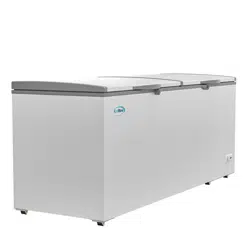
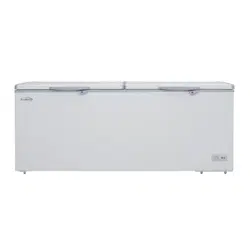
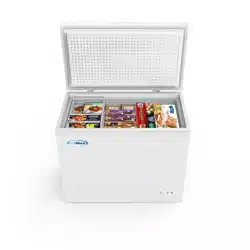
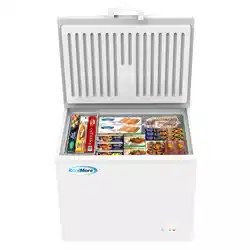
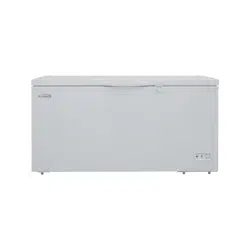
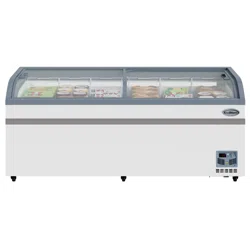
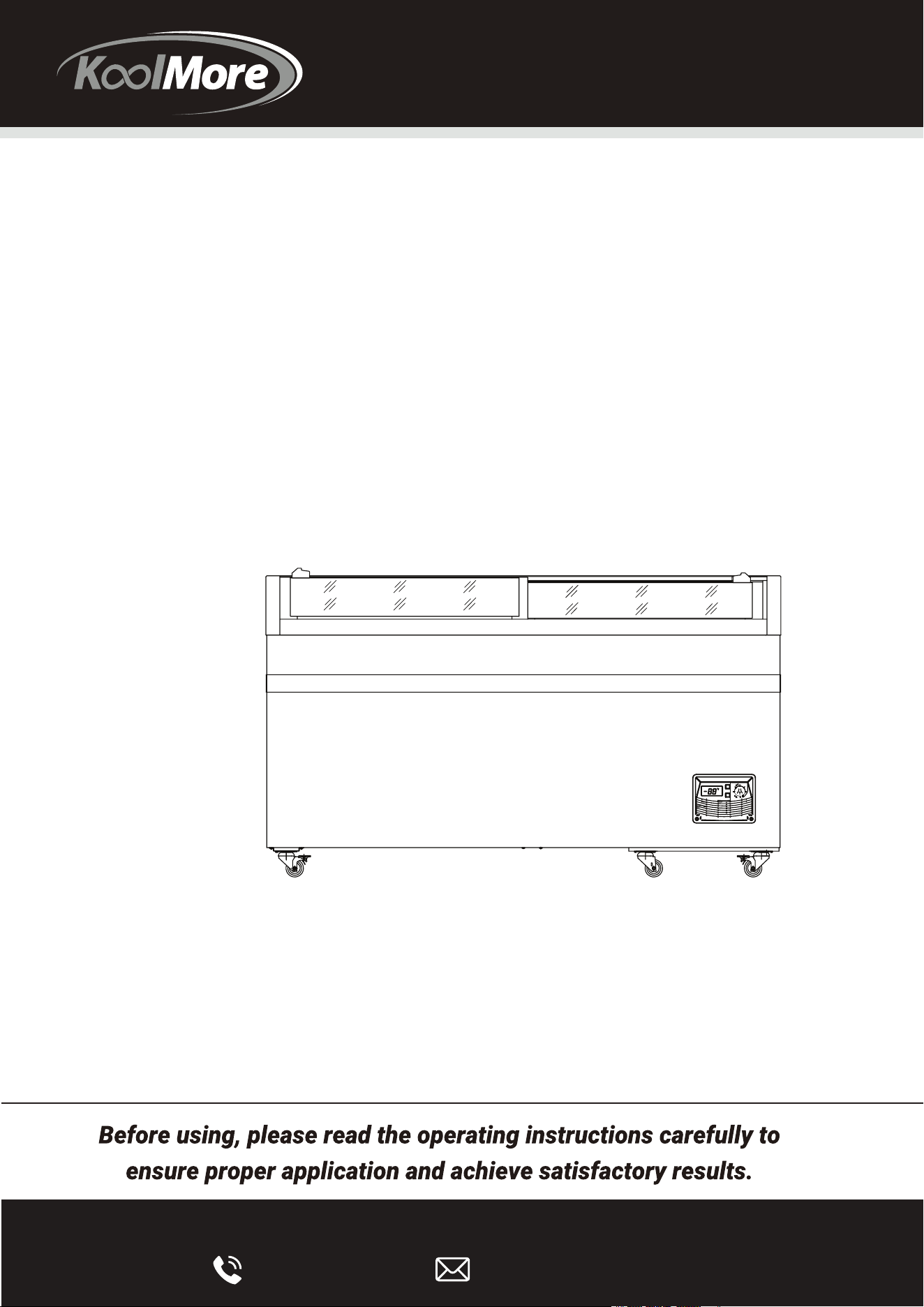
Island Chest Freezer
Models:
KM-ISCF-58MD | KM-ISCF-65MD | KM-ISCF-78MD
Manual Defrost Island Chest
Freezer
General Precautions:
• Avoid altering the cooling fluid circuit to prevent potential harm.
• Only utilize approved electronics within the appliance's storage areas.
• This equipment is designed for use by adults with standard physical, sensory, and mental
capacities. Ensure children and others without proper understanding don't operate it.
• Always maintain clear and accessible ventilation pathways within or around the structure
housing the appliance.
• Comply with local building codes during the appliance's installation.
Operational Instructions:
• Refrain from using unsanctioned methods for both defrosting and cleaning the appliance.
• Position the appliance in a spacious area with adequate ventilation.
• Ensure a safe distance from potential ignition sources like gas appliances or electric heaters.
• Avoid storing combustible materials such as aerosol cans containing flammable substances
inside the appliance.
• Steer clear of placing the appliance near open flames.
Maintenance and Service Guidelines:
• Those working on or disrupting the refrigerant circuit should possess a valid certification
from an industry-recognized authority.
• All maintenance tasks should adhere to manufacturer recommendations and be conducted
by trained professionals.
• Utilize only approved refrigerants during maintenance or servicing activities.
• It's essential to use flame-proofing strategies to minimize potential risks associated with
incorrect appliance handling.
• Always align with the Safety Standard for Refrigeration Systems when installing or
maintaining the appliance.
Safety Precautions:
• Individuals engaging with refrigeration circuits should possess relevant certifications.
• Only approved personnel should handle refrigerants, ensuring adherence to recognized safety
standards.
• Routine maintenance and repairs should be overseen by trained professionals, using
sanctioned refrigerants.
• This appliance is primarily meant for adults. Persons with sensory or mental impairments
should operate it only under supervision.
• Ensure children do not interact unsupervised with the appliance.
• When disposing of the appliance, always remove doors to avoid potential entrapment risks.
Usage and Installation Guidelines:
• In the event of a damaged power cord, contact the manufacturer or a qualified technician for
replacement.
• Local regulations should be followed when disposing of the appliance, especially if it has
flammable components.
• This appliance is suitable for various environments including homes, offices, hotel rooms,
and specific commercial settings.
• Refrain from installing the appliance in public areas like lobbies.
• Install the appliance in compliance with the Safety Standard for Refrigeration Systems.
Technical and Maintenance Protocols:
Regularly check the appliance for wear and tear, ensuring it remains free from corrosion,
abrasions, sharp edges, and other potential hazards.
During decommissioning or other technical procedures, the technician should have
comprehensive knowledge of the system and its components.
Always retrieve and safely store any refrigerant before decommissioning or repairing, ensuring
there's no mixing or mishandling.
It's recommended to review safety guidelines before any task commencement, whether for
servicing or decommissioning.
When ordering replacement parts, ensure you provide accurate details to get the right
components.
Emergency and Additional Measures:
• Instruct all staff and others working nearby about potential risks associated with the
refrigeration system.
• Always have emergency equipment, like CO2 or chemical fire extinguishers, on hand for
immediate response.
• Under no circumstances should potential ignition sources be used to detect refrigerant leaks.
General Safety Measures:
• Individuals working on a REFRIGERATION SYSTEM should ensure that all sources of ignition
are sufficiently distanced from potential release points. This minimizes the risk of fire or
explosion.
• Before starting any installation or repair, the surrounding area must be sufficiently ventilated,
ensuring a safe distance from potential ignition sources. This prevents any potential
hazardous occurrences.
Operational Precautions:
• It's essential to routinely inspect the refrigeration area for potential fire hazards or sources of
ignition. This ensures that no smoking takes place in close proximity.
• Prior to and during work, technicians should check for potentially harmful atmospheres,
especially those which could be toxic or flammable. Ensure that equipment used for leak
detection is compatible with all refrigerants and is safely sealed.
Procedures and Technical Guidelines:
• Before working on the system, ensure the area is adequately ventilated, capturing and
expelling any released refrigerant outside.
• When altering electronic components, ensure they align with the manufacturer's
specifications. Adhere strictly to the manufacturer’s guidelines at all times.
• If there's ever uncertainty regarding the refrigeration system, always refer to the
manufacturer's technical support for clarity.
Avoidance of Inappropriate Tools:
• For detecting refrigerant leaks, never use potential ignition sources like halide torches. Use
designated equipment for this purpose to ensure safety.

Stay informed with the latest information
for your KoolMore KoolGriddle Appliance.
Scan the QR code above to access the most recent user manual
on our website, which is constantly being updated and improved.
If you need any assistance or have questions, our customer
support team is here to help.
Updated October 2023
Version: 1.0
General Precautions:
• Avoid altering the cooling fluid circuit to prevent potential harm.
• Only utilize approved electronics within the appliance's storage areas.
• This equipment is designed for use by adults with standard physical, sensory, and mental
capacities. Ensure children and others without proper understanding don't operate it.
• Always maintain clear and accessible ventilation pathways within or around the structure
housing the appliance.
• Comply with local building codes during the appliance's installation.
Operational Instructions:
• Refrain from using unsanctioned methods for both defrosting and cleaning the appliance.
• Position the appliance in a spacious area with adequate ventilation.
• Ensure a safe distance from potential ignition sources like gas appliances or electric heaters.
• Avoid storing combustible materials such as aerosol cans containing flammable substances
inside the appliance.
• Steer clear of placing the appliance near open flames.
Maintenance and Service Guidelines:
• Those working on or disrupting the refrigerant circuit should possess a valid certification
from an industry-recognized authority.
• All maintenance tasks should adhere to manufacturer recommendations and be conducted
by trained professionals.
• Utilize only approved refrigerants during maintenance or servicing activities.
• It's essential to use flame-proofing strategies to minimize potential risks associated with
incorrect appliance handling.
• Always align with the Safety Standard for Refrigeration Systems when installing or
maintaining the appliance.
Safety Precautions:
• Individuals engaging with refrigeration circuits should possess relevant certifications.
• Only approved personnel should handle refrigerants, ensuring adherence to recognized safety
standards.
• Routine maintenance and repairs should be overseen by trained professionals, using
sanctioned refrigerants.
• This appliance is primarily meant for adults. Persons with sensory or mental impairments
should operate it only under supervision.
• Ensure children do not interact unsupervised with the appliance.
• When disposing of the appliance, always remove doors to avoid potential entrapment risks.
Usage and Installation Guidelines:
• In the event of a damaged power cord, contact the manufacturer or a qualified technician for
replacement.
• Local regulations should be followed when disposing of the appliance, especially if it has
flammable components.
• This appliance is suitable for various environments including homes, offices, hotel rooms,
and specific commercial settings.
• Refrain from installing the appliance in public areas like lobbies.
• Install the appliance in compliance with the Safety Standard for Refrigeration Systems.
Technical and Maintenance Protocols:
Regularly check the appliance for wear and tear, ensuring it remains free from corrosion,
abrasions, sharp edges, and other potential hazards.
During decommissioning or other technical procedures, the technician should have
comprehensive knowledge of the system and its components.
Always retrieve and safely store any refrigerant before decommissioning or repairing, ensuring
there's no mixing or mishandling.
It's recommended to review safety guidelines before any task commencement, whether for
servicing or decommissioning.
When ordering replacement parts, ensure you provide accurate details to get the right
components.
Emergency and Additional Measures:
• Instruct all staff and others working nearby about potential risks associated with the
refrigeration system.
• Always have emergency equipment, like CO2 or chemical fire extinguishers, on hand for
immediate response.
• Under no circumstances should potential ignition sources be used to detect refrigerant leaks.
General Safety Measures:
• Individuals working on a REFRIGERATION SYSTEM should ensure that all sources of ignition
are sufficiently distanced from potential release points. This minimizes the risk of fire or
explosion.
• Before starting any installation or repair, the surrounding area must be sufficiently ventilated,
ensuring a safe distance from potential ignition sources. This prevents any potential
hazardous occurrences.
Operational Precautions:
• It's essential to routinely inspect the refrigeration area for potential fire hazards or sources of
ignition. This ensures that no smoking takes place in close proximity.
• Prior to and during work, technicians should check for potentially harmful atmospheres,
especially those which could be toxic or flammable. Ensure that equipment used for leak
detection is compatible with all refrigerants and is safely sealed.
Procedures and Technical Guidelines:
• Before working on the system, ensure the area is adequately ventilated, capturing and
expelling any released refrigerant outside.
• When altering electronic components, ensure they align with the manufacturer's
specifications. Adhere strictly to the manufacturer’s guidelines at all times.
• If there's ever uncertainty regarding the refrigeration system, always refer to the
manufacturer's technical support for clarity.
Avoidance of Inappropriate Tools:
• For detecting refrigerant leaks, never use potential ignition sources like halide torches. Use
designated equipment for this purpose to ensure safety.

SAFETY
General Precautions:
• Avoid altering the cooling fluid circuit to prevent potential harm.
• Only utilize approved electronics within the appliance's storage areas.
• This equipment is designed for use by adults with standard physical, sensory, and mental
capacities. Ensure children and others without proper understanding don't operate it.
• Always maintain clear and accessible ventilation pathways within or around the structure
housing the appliance.
• Comply with local building codes during the appliance's installation.
Operational Instructions:
• Refrain from using unsanctioned methods for both defrosting and cleaning the appliance.
• Position the appliance in a spacious area with adequate ventilation.
• Ensure a safe distance from potential ignition sources like gas appliances or electric heaters.
• Avoid storing combustible materials such as aerosol cans containing flammable substances
inside the appliance.
• Steer clear of placing the appliance near open flames.
Maintenance and Service Guidelines:
• Those working on or disrupting the refrigerant circuit should possess a valid certification
from an industry-recognized authority.
• All maintenance tasks should adhere to manufacturer recommendations and be conducted
by trained professionals.
• Utilize only approved refrigerants during maintenance or servicing activities.
• It's essential to use flame-proofing strategies to minimize potential risks associated with
incorrect appliance handling.
• Always align with the Safety Standard for Refrigeration Systems when installing or
maintaining the appliance.
Safety Precautions:
• Individuals engaging with refrigeration circuits should possess relevant certifications.
• Only approved personnel should handle refrigerants, ensuring adherence to recognized safety
standards.
• Routine maintenance and repairs should be overseen by trained professionals, using
sanctioned refrigerants.
• This appliance is primarily meant for adults. Persons with sensory or mental impairments
should operate it only under supervision.
• Ensure children do not interact unsupervised with the appliance.
• When disposing of the appliance, always remove doors to avoid potential entrapment risks.
Usage and Installation Guidelines:
• In the event of a damaged power cord, contact the manufacturer or a qualified technician for
replacement.
• Local regulations should be followed when disposing of the appliance, especially if it has
flammable components.
• This appliance is suitable for various environments including homes, offices, hotel rooms,
and specific commercial settings.
• Refrain from installing the appliance in public areas like lobbies.
• Install the appliance in compliance with the Safety Standard for Refrigeration Systems.
Technical and Maintenance Protocols:
Regularly check the appliance for wear and tear, ensuring it remains free from corrosion,
abrasions, sharp edges, and other potential hazards.
During decommissioning or other technical procedures, the technician should have
comprehensive knowledge of the system and its components.
Always retrieve and safely store any refrigerant before decommissioning or repairing, ensuring
there's no mixing or mishandling.
It's recommended to review safety guidelines before any task commencement, whether for
servicing or decommissioning.
When ordering replacement parts, ensure you provide accurate details to get the right
components.
Emergency and Additional Measures:
• Instruct all staff and others working nearby about potential risks associated with the
refrigeration system.
• Always have emergency equipment, like CO2 or chemical fire extinguishers, on hand for
immediate response.
• Under no circumstances should potential ignition sources be used to detect refrigerant leaks.
General Safety Measures:
• Individuals working on a REFRIGERATION SYSTEM should ensure that all sources of ignition
are sufficiently distanced from potential release points. This minimizes the risk of fire or
explosion.
• Before starting any installation or repair, the surrounding area must be sufficiently ventilated,
ensuring a safe distance from potential ignition sources. This prevents any potential
hazardous occurrences.
Operational Precautions:
• It's essential to routinely inspect the refrigeration area for potential fire hazards or sources of
ignition. This ensures that no smoking takes place in close proximity.
• Prior to and during work, technicians should check for potentially harmful atmospheres,
especially those which could be toxic or flammable. Ensure that equipment used for leak
detection is compatible with all refrigerants and is safely sealed.
Procedures and Technical Guidelines:
• Before working on the system, ensure the area is adequately ventilated, capturing and
expelling any released refrigerant outside.
• When altering electronic components, ensure they align with the manufacturer's
specifications. Adhere strictly to the manufacturer’s guidelines at all times.
• If there's ever uncertainty regarding the refrigeration system, always refer to the
manufacturer's technical support for clarity.
Avoidance of Inappropriate Tools:
• For detecting refrigerant leaks, never use potential ignition sources like halide torches. Use
designated equipment for this purpose to ensure safety.

General Precautions:
• Avoid altering the cooling fluid circuit to prevent potential harm.
• Only utilize approved electronics within the appliance's storage areas.
• This equipment is designed for use by adults with standard physical, sensory, and mental
capacities. Ensure children and others without proper understanding don't operate it.
• Always maintain clear and accessible ventilation pathways within or around the structure
housing the appliance.
• Comply with local building codes during the appliance's installation.
Operational Instructions:
• Refrain from using unsanctioned methods for both defrosting and cleaning the appliance.
• Position the appliance in a spacious area with adequate ventilation.
• Ensure a safe distance from potential ignition sources like gas appliances or electric heaters.
• Avoid storing combustible materials such as aerosol cans containing flammable substances
inside the appliance.
• Steer clear of placing the appliance near open flames.
Maintenance and Service Guidelines:
• Those working on or disrupting the refrigerant circuit should possess a valid certification
from an industry-recognized authority.
• All maintenance tasks should adhere to manufacturer recommendations and be conducted
by trained professionals.
• Utilize only approved refrigerants during maintenance or servicing activities.
• It's essential to use flame-proofing strategies to minimize potential risks associated with
incorrect appliance handling.
• Always align with the Safety Standard for Refrigeration Systems when installing or
maintaining the appliance.
Safety Precautions:
• Individuals engaging with refrigeration circuits should possess relevant certifications.
• Only approved personnel should handle refrigerants, ensuring adherence to recognized safety
standards.
• Routine maintenance and repairs should be overseen by trained professionals, using
sanctioned refrigerants.
• This appliance is primarily meant for adults. Persons with sensory or mental impairments
should operate it only under supervision.
• Ensure children do not interact unsupervised with the appliance.
• When disposing of the appliance, always remove doors to avoid potential entrapment risks.
Usage and Installation Guidelines:
• In the event of a damaged power cord, contact the manufacturer or a qualified technician for
replacement.
• Local regulations should be followed when disposing of the appliance, especially if it has
flammable components.
• This appliance is suitable for various environments including homes, offices, hotel rooms,
and specific commercial settings.
• Refrain from installing the appliance in public areas like lobbies.
• Install the appliance in compliance with the Safety Standard for Refrigeration Systems.
Technical and Maintenance Protocols:
Regularly check the appliance for wear and tear, ensuring it remains free from corrosion,
abrasions, sharp edges, and other potential hazards.
During decommissioning or other technical procedures, the technician should have
comprehensive knowledge of the system and its components.
Always retrieve and safely store any refrigerant before decommissioning or repairing, ensuring
there's no mixing or mishandling.
It's recommended to review safety guidelines before any task commencement, whether for
servicing or decommissioning.
When ordering replacement parts, ensure you provide accurate details to get the right
components.
Emergency and Additional Measures:
• Instruct all staff and others working nearby about potential risks associated with the
refrigeration system.
• Always have emergency equipment, like CO2 or chemical fire extinguishers, on hand for
immediate response.
• Under no circumstances should potential ignition sources be used to detect refrigerant leaks.
General Safety Measures:
• Individuals working on a REFRIGERATION SYSTEM should ensure that all sources of ignition
are sufficiently distanced from potential release points. This minimizes the risk of fire or
explosion.
• Before starting any installation or repair, the surrounding area must be sufficiently ventilated,
ensuring a safe distance from potential ignition sources. This prevents any potential
hazardous occurrences.
Operational Precautions:
• It's essential to routinely inspect the refrigeration area for potential fire hazards or sources of
ignition. This ensures that no smoking takes place in close proximity.
• Prior to and during work, technicians should check for potentially harmful atmospheres,
especially those which could be toxic or flammable. Ensure that equipment used for leak
detection is compatible with all refrigerants and is safely sealed.
Procedures and Technical Guidelines:
• Before working on the system, ensure the area is adequately ventilated, capturing and
expelling any released refrigerant outside.
• When altering electronic components, ensure they align with the manufacturer's
specifications. Adhere strictly to the manufacturer’s guidelines at all times.
• If there's ever uncertainty regarding the refrigeration system, always refer to the
manufacturer's technical support for clarity.
Avoidance of Inappropriate Tools:
• For detecting refrigerant leaks, never use potential ignition sources like halide torches. Use
designated equipment for this purpose to ensure safety.
Regular Cleaning:
• Ensure the freezer is cleaned at consistent intervals.
• Before cleaning, switch off the power and remove the stored items.
• Clean the interior with water mixed with a mild neutral detergent.
• Avoid the use of boiling water, acids, chemical solvents, petrol, and abrasive powders.
• Once cleaned, ensure to dry the inside thoroughly.
Door Seal Maintenance:
When cleaning the door seal, use lukewarm water.
To prolong the life of the seal, apply talcum powder post its natural drying.
External Surface Cleaning:
• Wipe down the freezer's external surface using a soft cloth dampened with water or a mild
detergent.
• Ensure the power supply, electric cable, and plug are away from water sources to avoid
potential electric shocks.
Preventative Measures:
Refrain from servicing or attempting to fix the freezer without proper expertise.
Unauthorized repairs, especially on crucial components like the compressor or temperature
control unit, are strongly discouraged.
Defrosting Guidelines:
1. Initiate the defrosting process when the frost buildup reaches 4-5mm in thickness.
2. Turn off the freezer, remove stored items, and slightly open the door to aid the defrosting.
3. Use a soft cloth to soak up the meltwater.
4. To prevent any harm to the evaporator, avoid using sharp metallic tools like steel brushes
during the defrosting process.

SET-UP
General Precautions:
• Avoid altering the cooling fluid circuit to prevent potential harm.
• Only utilize approved electronics within the appliance's storage areas.
• This equipment is designed for use by adults with standard physical, sensory, and mental
capacities. Ensure children and others without proper understanding don't operate it.
• Always maintain clear and accessible ventilation pathways within or around the structure
housing the appliance.
• Comply with local building codes during the appliance's installation.
Operational Instructions:
• Refrain from using unsanctioned methods for both defrosting and cleaning the appliance.
• Position the appliance in a spacious area with adequate ventilation.
• Ensure a safe distance from potential ignition sources like gas appliances or electric heaters.
• Avoid storing combustible materials such as aerosol cans containing flammable substances
inside the appliance.
• Steer clear of placing the appliance near open flames.
Maintenance and Service Guidelines:
• Those working on or disrupting the refrigerant circuit should possess a valid certification
from an industry-recognized authority.
• All maintenance tasks should adhere to manufacturer recommendations and be conducted
by trained professionals.
• Utilize only approved refrigerants during maintenance or servicing activities.
• It's essential to use flame-proofing strategies to minimize potential risks associated with
incorrect appliance handling.
• Always align with the Safety Standard for Refrigeration Systems when installing or
maintaining the appliance.
Safety Precautions:
• Individuals engaging with refrigeration circuits should possess relevant certifications.
• Only approved personnel should handle refrigerants, ensuring adherence to recognized safety
standards.
• Routine maintenance and repairs should be overseen by trained professionals, using
sanctioned refrigerants.
• This appliance is primarily meant for adults. Persons with sensory or mental impairments
should operate it only under supervision.
• Ensure children do not interact unsupervised with the appliance.
• When disposing of the appliance, always remove doors to avoid potential entrapment risks.
Usage and Installation Guidelines:
• In the event of a damaged power cord, contact the manufacturer or a qualified technician for
replacement.
• Local regulations should be followed when disposing of the appliance, especially if it has
flammable components.
• This appliance is suitable for various environments including homes, offices, hotel rooms,
and specific commercial settings.
• Refrain from installing the appliance in public areas like lobbies.
• Install the appliance in compliance with the Safety Standard for Refrigeration Systems.
Technical and Maintenance Protocols:
Regularly check the appliance for wear and tear, ensuring it remains free from corrosion,
abrasions, sharp edges, and other potential hazards.
During decommissioning or other technical procedures, the technician should have
comprehensive knowledge of the system and its components.
Always retrieve and safely store any refrigerant before decommissioning or repairing, ensuring
there's no mixing or mishandling.
It's recommended to review safety guidelines before any task commencement, whether for
servicing or decommissioning.
When ordering replacement parts, ensure you provide accurate details to get the right
components.
Emergency and Additional Measures:
• Instruct all staff and others working nearby about potential risks associated with the
refrigeration system.
• Always have emergency equipment, like CO2 or chemical fire extinguishers, on hand for
immediate response.
• Under no circumstances should potential ignition sources be used to detect refrigerant leaks.
General Safety Measures:
• Individuals working on a REFRIGERATION SYSTEM should ensure that all sources of ignition
are sufficiently distanced from potential release points. This minimizes the risk of fire or
explosion.
• Before starting any installation or repair, the surrounding area must be sufficiently ventilated,
ensuring a safe distance from potential ignition sources. This prevents any potential
hazardous occurrences.
Operational Precautions:
• It's essential to routinely inspect the refrigeration area for potential fire hazards or sources of
ignition. This ensures that no smoking takes place in close proximity.
• Prior to and during work, technicians should check for potentially harmful atmospheres,
especially those which could be toxic or flammable. Ensure that equipment used for leak
detection is compatible with all refrigerants and is safely sealed.
Procedures and Technical Guidelines:
• Before working on the system, ensure the area is adequately ventilated, capturing and
expelling any released refrigerant outside.
• When altering electronic components, ensure they align with the manufacturer's
specifications. Adhere strictly to the manufacturer’s guidelines at all times.
• If there's ever uncertainty regarding the refrigeration system, always refer to the
manufacturer's technical support for clarity.
Avoidance of Inappropriate Tools:
• For detecting refrigerant leaks, never use potential ignition sources like halide torches. Use
designated equipment for this purpose to ensure safety.
Transportation and Positioning
• When moving the chest freezer from one location to another, ensure the tilt doesn't exceed 45
degrees to protect the compressor and avoid damage.
• Prior to setup, make sure to remove all packing materials. Ensure there's at least 20cm of
space between the freezer's back and the wall, and also maintain a 20cm gap from any side
items or walls.
• Position the freezer in an area with good ventilation. Avoid placing it in direct sunlight, close to
water sources, heat devices, or any materials that might be corrosive or volatile.
Power Connection and Operation
• The designated power capacity is 7A with a wire section of 0.82mm². Both single-line and
compound wires are acceptable. If using a wire of 2.5A, it should be 0.82mm². Ensure that the
specified electric current and voltage guidelines are followed.
• Ensure the power supply has a 60% duty cycle with a voltage range between 98-132V. If faced
with unstable voltage, consider integrating a voltage stabilizer with a capacity over 1000W.
• For the longevity of the device, refrain from frequently switching the power on and off. If the
freezer is turned off, allow a 5-minute gap before switching it back on.
• If not using the freezer for an extended period, disconnect the power and clean the freezer
before reconnecting. Prior to reuse, inspect the circuitry to ensure it's safe.
Regular Cleaning:
• Ensure the freezer is cleaned at consistent intervals.
• Before cleaning, switch off the power and remove the stored items.
• Clean the interior with water mixed with a mild neutral detergent.
• Avoid the use of boiling water, acids, chemical solvents, petrol, and abrasive powders.
• Once cleaned, ensure to dry the inside thoroughly.
Door Seal Maintenance:
When cleaning the door seal, use lukewarm water.
To prolong the life of the seal, apply talcum powder post its natural drying.
External Surface Cleaning:
• Wipe down the freezer's external surface using a soft cloth dampened with water or a mild
detergent.
• Ensure the power supply, electric cable, and plug are away from water sources to avoid
potential electric shocks.
Preventative Measures:
Refrain from servicing or attempting to fix the freezer without proper expertise.
Unauthorized repairs, especially on crucial components like the compressor or temperature
control unit, are strongly discouraged.
Defrosting Guidelines:
1. Initiate the defrosting process when the frost buildup reaches 4-5mm in thickness.
2. Turn off the freezer, remove stored items, and slightly open the door to aid the defrosting.
3. Use a soft cloth to soak up the meltwater.
4. To prevent any harm to the evaporator, avoid using sharp metallic tools like steel brushes
during the defrosting process.

OPERATION
MAINTENANCE
General Precautions:
• Avoid altering the cooling fluid circuit to prevent potential harm.
• Only utilize approved electronics within the appliance's storage areas.
• This equipment is designed for use by adults with standard physical, sensory, and mental
capacities. Ensure children and others without proper understanding don't operate it.
• Always maintain clear and accessible ventilation pathways within or around the structure
housing the appliance.
• Comply with local building codes during the appliance's installation.
Operational Instructions:
• Refrain from using unsanctioned methods for both defrosting and cleaning the appliance.
• Position the appliance in a spacious area with adequate ventilation.
• Ensure a safe distance from potential ignition sources like gas appliances or electric heaters.
• Avoid storing combustible materials such as aerosol cans containing flammable substances
inside the appliance.
• Steer clear of placing the appliance near open flames.
Maintenance and Service Guidelines:
• Those working on or disrupting the refrigerant circuit should possess a valid certification
from an industry-recognized authority.
• All maintenance tasks should adhere to manufacturer recommendations and be conducted
by trained professionals.
• Utilize only approved refrigerants during maintenance or servicing activities.
• It's essential to use flame-proofing strategies to minimize potential risks associated with
incorrect appliance handling.
• Always align with the Safety Standard for Refrigeration Systems when installing or
maintaining the appliance.
Safety Precautions:
• Individuals engaging with refrigeration circuits should possess relevant certifications.
• Only approved personnel should handle refrigerants, ensuring adherence to recognized safety
standards.
• Routine maintenance and repairs should be overseen by trained professionals, using
sanctioned refrigerants.
• This appliance is primarily meant for adults. Persons with sensory or mental impairments
should operate it only under supervision.
• Ensure children do not interact unsupervised with the appliance.
• When disposing of the appliance, always remove doors to avoid potential entrapment risks.
Usage and Installation Guidelines:
• In the event of a damaged power cord, contact the manufacturer or a qualified technician for
replacement.
• Local regulations should be followed when disposing of the appliance, especially if it has
flammable components.
• This appliance is suitable for various environments including homes, offices, hotel rooms,
and specific commercial settings.
• Refrain from installing the appliance in public areas like lobbies.
• Install the appliance in compliance with the Safety Standard for Refrigeration Systems.
Technical and Maintenance Protocols:
Regularly check the appliance for wear and tear, ensuring it remains free from corrosion,
abrasions, sharp edges, and other potential hazards.
During decommissioning or other technical procedures, the technician should have
comprehensive knowledge of the system and its components.
Always retrieve and safely store any refrigerant before decommissioning or repairing, ensuring
there's no mixing or mishandling.
It's recommended to review safety guidelines before any task commencement, whether for
servicing or decommissioning.
When ordering replacement parts, ensure you provide accurate details to get the right
components.
Emergency and Additional Measures:
• Instruct all staff and others working nearby about potential risks associated with the
refrigeration system.
• Always have emergency equipment, like CO2 or chemical fire extinguishers, on hand for
immediate response.
• Under no circumstances should potential ignition sources be used to detect refrigerant leaks.
General Safety Measures:
• Individuals working on a REFRIGERATION SYSTEM should ensure that all sources of ignition
are sufficiently distanced from potential release points. This minimizes the risk of fire or
explosion.
• Before starting any installation or repair, the surrounding area must be sufficiently ventilated,
ensuring a safe distance from potential ignition sources. This prevents any potential
hazardous occurrences.
Operational Precautions:
• It's essential to routinely inspect the refrigeration area for potential fire hazards or sources of
ignition. This ensures that no smoking takes place in close proximity.
• Prior to and during work, technicians should check for potentially harmful atmospheres,
especially those which could be toxic or flammable. Ensure that equipment used for leak
detection is compatible with all refrigerants and is safely sealed.
Procedures and Technical Guidelines:
• Before working on the system, ensure the area is adequately ventilated, capturing and
expelling any released refrigerant outside.
• When altering electronic components, ensure they align with the manufacturer's
specifications. Adhere strictly to the manufacturer’s guidelines at all times.
• If there's ever uncertainty regarding the refrigeration system, always refer to the
manufacturer's technical support for clarity.
Avoidance of Inappropriate Tools:
• For detecting refrigerant leaks, never use potential ignition sources like halide torches. Use
designated equipment for this purpose to ensure safety.
Managing the Temperature Control Knob
• The cabinet's temperature can be adjusted using the temperature control knob.
• Typically, the knob should be in an upright position to modify the temperature. The setting
marked as "FREEZING MAX/HI" represents the maximum cooling setting and is optimal for
rapid freezing. However, for extended durations, it's advised against keeping the knob at this
setting.
Guidelines for Storing Food
• It's essential to ensure adequate spacing: between different food items in the cabinet, and
between food items and the cabinet's inner surface. This facilitates uniform cooling and
freezing.
• Foods or beverages that have a freezing point higher than the cabinet's set temperature
shouldn't be stored when the temperature inside is below zero.
• For items prone to moisture loss or susceptible to freezer burn, consider using appropriate
food bags or plastic films. This method can minimize ice formation and reduce the likelihood
of foods becoming frost-covered.
• Storing materials prone to combustion, such as potent alkalis or strong acids, and particularly
flammable liquids like petrol, is strictly prohibited inside the cabinet.
• This appliance's primary purpose is for the storage of specific frozen treats - namely ice
cream and similar frozen desserts.
Regular Cleaning:
• Ensure the freezer is cleaned at consistent intervals.
• Before cleaning, switch off the power and remove the stored items.
• Clean the interior with water mixed with a mild neutral detergent.
• Avoid the use of boiling water, acids, chemical solvents, petrol, and abrasive powders.
• Once cleaned, ensure to dry the inside thoroughly.
Door Seal Maintenance:
When cleaning the door seal, use lukewarm water.
To prolong the life of the seal, apply talcum powder post its natural drying.
External Surface Cleaning:
• Wipe down the freezer's external surface using a soft cloth dampened with water or a mild
detergent.
• Ensure the power supply, electric cable, and plug are away from water sources to avoid
potential electric shocks.
Preventative Measures:
Refrain from servicing or attempting to fix the freezer without proper expertise.
Unauthorized repairs, especially on crucial components like the compressor or temperature
control unit, are strongly discouraged.
Defrosting Guidelines:
1. Initiate the defrosting process when the frost buildup reaches 4-5mm in thickness.
2. Turn off the freezer, remove stored items, and slightly open the door to aid the defrosting.
3. Use a soft cloth to soak up the meltwater.
4. To prevent any harm to the evaporator, avoid using sharp metallic tools like steel brushes
during the defrosting process.

Regular Cleaning:
• Ensure the freezer is cleaned at consistent intervals.
• Before cleaning, switch off the power and remove the stored items.
• Clean the interior with water mixed with a mild neutral detergent.
• Avoid the use of boiling water, acids, chemical solvents, petrol, and abrasive powders.
• Once cleaned, ensure to dry the inside thoroughly.
Door Seal Maintenance:
When cleaning the door seal, use lukewarm water.
To prolong the life of the seal, apply talcum powder post its natural drying.
External Surface Cleaning:
• Wipe down the freezer's external surface using a soft cloth dampened with water or a mild
detergent.
• Ensure the power supply, electric cable, and plug are away from water sources to avoid
potential electric shocks.
Preventative Measures:
Refrain from servicing or attempting to fix the freezer without proper expertise.
Unauthorized repairs, especially on crucial components like the compressor or temperature
control unit, are strongly discouraged.
Defrosting Guidelines:
1. Initiate the defrosting process when the frost buildup reaches 4-5mm in thickness.
2. Turn off the freezer, remove stored items, and slightly open the door to aid the defrosting.
3. Use a soft cloth to soak up the meltwater.
4. To prevent any harm to the evaporator, avoid using sharp metallic tools like steel brushes
during the defrosting process.
TROUBLESHOOTING
Regular Cleaning:
• Ensure the freezer is cleaned at consistent intervals.
• Before cleaning, switch off the power and remove the stored items.
• Clean the interior with water mixed with a mild neutral detergent.
• Avoid the use of boiling water, acids, chemical solvents, petrol, and abrasive powders.
• Once cleaned, ensure to dry the inside thoroughly.
Door Seal Maintenance:
When cleaning the door seal, use lukewarm water.
To prolong the life of the seal, apply talcum powder post its natural drying.
External Surface Cleaning:
• Wipe down the freezer's external surface using a soft cloth dampened with water or a mild
detergent.
• Ensure the power supply, electric cable, and plug are away from water sources to avoid
potential electric shocks.
Preventative Measures:
Refrain from servicing or attempting to fix the freezer without proper expertise.
Unauthorized repairs, especially on crucial components like the compressor or temperature
control unit, are strongly discouraged.
Defrosting Guidelines:
1. Initiate the defrosting process when the frost buildup reaches 4-5mm in thickness.
2. Turn off the freezer, remove stored items, and slightly open the door to aid the defrosting.
3. Use a soft cloth to soak up the meltwater.
4. To prevent any harm to the evaporator, avoid using sharp metallic tools like steel brushes
during the defrosting process.
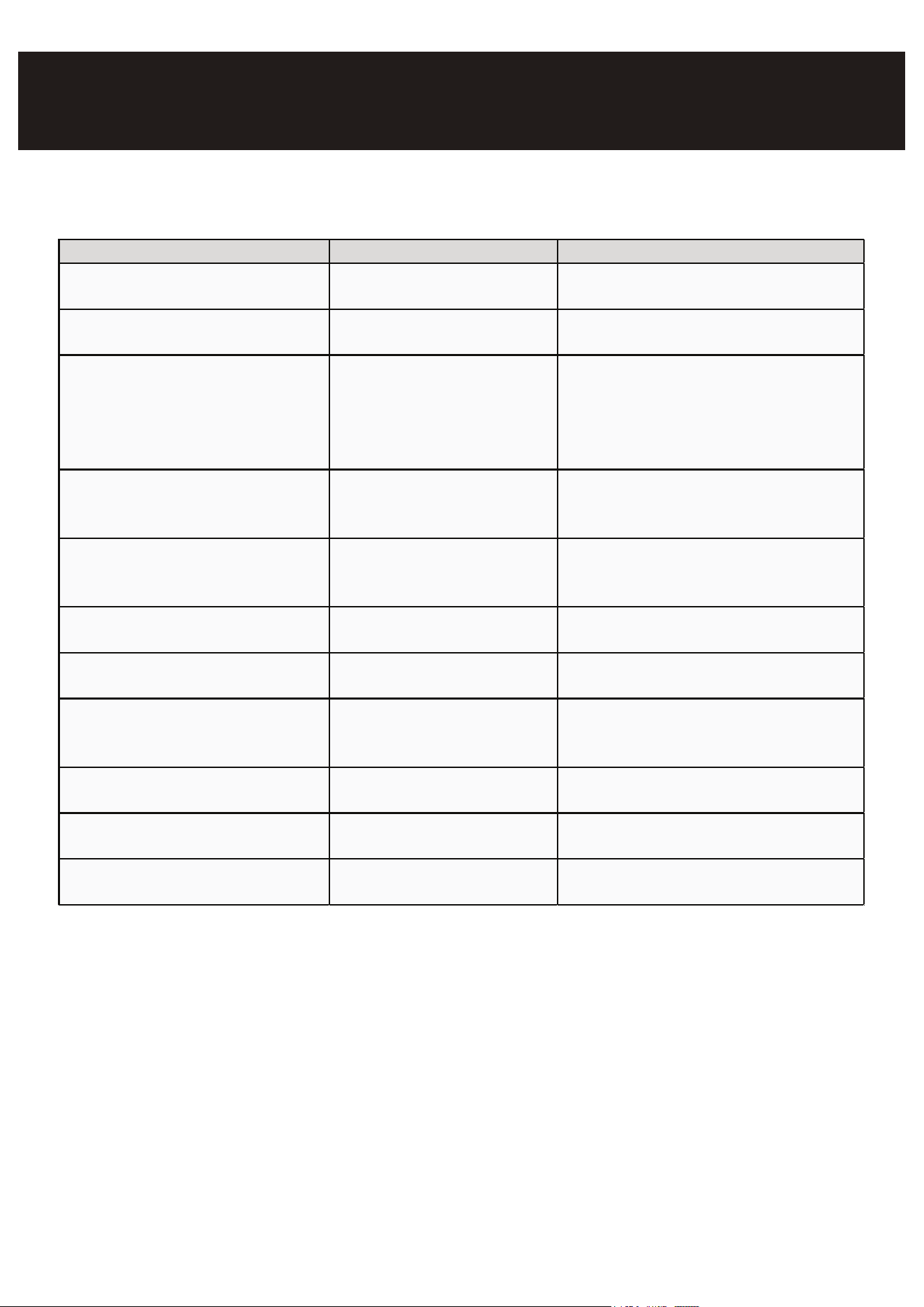
Breakdown Potential Cause Suggested Solution
The indicator is not on.
The plug is not securely
inserted into the socket.
Ensure the plug is firmly inserted into the
socket.
The compressor does not start. There's no power supply.
Ensure the power source is active and
connected.
The compressor turns on, but it
stops working shortly afterward and
only emits a buzzing sound. It then
restarts after a few minutes and this
cycle continues.
The supplied power voltage is
less than 98V or exceeds 132V.
Utilize a voltage regulator with a capacity
of more than 1000W to stabilize the
voltage.
The compressor operates as
expected, but the cooling rate inside
the cabinet is too slow.
The freezer door is being
accessed too frequently.
Limit the frequency of door openings.
Excessive or improperly
arranged items inside the
cabinet.
Organize the items efficiently and ensure
there's sufficient space for cold air
circulation.
Thick frost build-up inside the
cabinet.
Remove the stored items and initiate a
defrosting process.
The condenser's surface is
clogged with dirt.
Clean the condenser to ensure optimal
performance.
The door seal is compromised
or not fitting securely.
Inspect the door seal and adjust or
replace if necessary.
The freezer is too noisy during
operation.
The freezer isn't positioned on
a level surface.
Place the freezer on a flat and stable
surface.
Loose components or fittings
inside the freezer.
Check internal components and secure any
loose parts.
The internal pipes are in
contact with each other.
Realign the pipes to ensure they're not
touching.
Common Non-Issues with Freezers
• "Running Water" Sounds: This is just the refrigerant cycling in the pipes.
• High Compressor Temperature: It can reach 70°C to 80°C during operation.
• Heat on the Back: The heat exchange process causes this.
• Dew on the Surface: Due to humidity; simply wipe it off.
• These are standard and not indicative of faults.

Regular Cleaning:
• Ensure the freezer is cleaned at consistent intervals.
• Before cleaning, switch off the power and remove the stored items.
• Clean the interior with water mixed with a mild neutral detergent.
• Avoid the use of boiling water, acids, chemical solvents, petrol, and abrasive powders.
• Once cleaned, ensure to dry the inside thoroughly.
Door Seal Maintenance:
When cleaning the door seal, use lukewarm water.
To prolong the life of the seal, apply talcum powder post its natural drying.
External Surface Cleaning:
• Wipe down the freezer's external surface using a soft cloth dampened with water or a mild
detergent.
• Ensure the power supply, electric cable, and plug are away from water sources to avoid
potential electric shocks.
Preventative Measures:
Refrain from servicing or attempting to fix the freezer without proper expertise.
Unauthorized repairs, especially on crucial components like the compressor or temperature
control unit, are strongly discouraged.
Defrosting Guidelines:
1. Initiate the defrosting process when the frost buildup reaches 4-5mm in thickness.
2. Turn off the freezer, remove stored items, and slightly open the door to aid the defrosting.
3. Use a soft cloth to soak up the meltwater.
4. To prevent any harm to the evaporator, avoid using sharp metallic tools like steel brushes
during the defrosting process.
LIMITED WARRANTY
Koolmore Supply, Inc. extends a limited warranty to the original purchaser, guaranteeing that this Koolmore
product is free from manufacturing defects in material or workmanship for one year from the date of
purchase.
Should you discover any such defect within the warranty period, Koolmore Supply, Inc., reserves the right to
repair or replace the product without charge, or to cover the cost of replacement parts and repair labor needed
to correct defects present at the time of purchase or resulting from regular usage, when the appliance has been
installed, operated, and maintained as per the instructions provided.
At its sole discretion, Koolmore Supply Inc. may decide to replace the product. In such an event, your replace-
ment appliance will carry the warranty for the remaining term of the original unit's warranty period.
This warranty is valid exclusively to the original purchaser of the product and only applicable within the United
States. The warranty commences from the date of original consumer purchase. Proof of the original purchase
date will be required to obtain service under this warranty.
Under this limited warranty, your sole and exclusive remedy will be product repair, as outlined above. All
services must be provided by a Koolmore-designated service company.
To claim warranty or request repair service:
Email suppor[email protected]. Please include your name, address, phone number, warranty repair request,
and a copy of your proof of purchase receipt. Alternatively, visit koolmore.com and use the contact us page. A
Koolmore customer service representative will promptly arrange service for your appliance.
We thank you for choosing Koolmore.
WARRANTY EXCLUSIONS
This limited warranty will not cover:
1. Failure of the product to perform during power failures or interruptions,
or due to inadequate electrical service.
2. Damage incurred during transportation or handling.
3. Damage caused by accidents, vermin, lightning, winds, fire, floods, or acts of God.
4. Damage resulting from accidents, alterations, misuse, abuse, improper installation, repair, or mainte-
nance. This includes using any external device that alters or converts the voltage or frequency of
electricity.
5. Unauthorized product modifications, repairs by unauthorized centers, or use of non-approved
replacement parts.
6. Abnormal cleaning and maintenance not aligned with the user's manual.
7. Use of incompatible accessories or components.
8. Any costs associated with repairs or replacements under these excluded circumstances shall be the
responsibility of the consumer.
WARRANTY