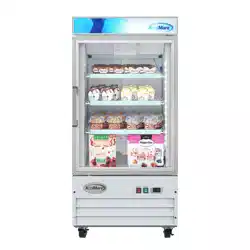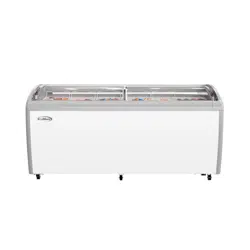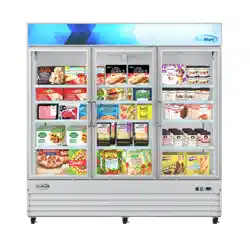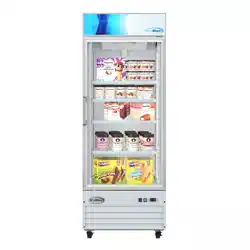
USER MANUAL
Reach-In Freezers
Model:
KoolMore
Reach-In Freezers
MDF-1GD-9C-WH | MDF-1GD-13C-WH |
MDF-1GD-23C-WH | MDF-2GD-45C-WH |
MDF-3GD-52C-WH
Safety Precautions:
• Ensure adequate space between the wall, the ceiling, and the top of the cabinet to allow for
proper air circulation. The gap should be at least 8 inches to facilitate exhaust.
• Keep the back part of the cabinet clear to ensure effective heat dispersion and to prevent
potential fire hazards.
• Store chemicals responsibly. Flammable and explosive substances must be kept away from
the appliance area to prevent accidents.
• Only use a dedicated single-phase electrical outlet with a reliable grounding connection.
Remember, connecting to a water or gas pipe is strictly prohibited.
Installation Guidance:
• Handle the appliance with care during transportation. Maintain a tilt angle of no more than 45
degrees from vertical to avoid damage.
• Should the appliance exhibit any operational issues, refer to the troubleshooting section of
your manual. If the problem persists, contact a certified technician for assistance. Do not
attempt repairs on your own to avoid risks associated with the flammable refrigerant used in
the appliance.
Operating Cautions:
• For any service needs, rely solely on trained service personnel. Do not puncture refrigerant
tubing, as it poses a fire or explosion risk.
• Before attempting any service or cleaning, consult the owner's manual to familiarize yourself
with all safety precautions.
• Properly dispose of the appliance in accordance with federal and local environmental
regulations.
• Follow the manufacturer's instructions carefully to prevent puncturing the refrigerant tubing,
which could result in a fire or explosion.
• Keep all ventilation openings in the appliance and the surrounding enclosure free from
obstructions to maintain efficient operation.
Service and Repair:
• Only authorized service personnel should perform repairs to prevent the risk of ignition from
incorrect parts or improper service.
By adhering to these instructions, you'll ensure the safety and longevity of your appliance while
maintaining compliance with safety regulations.
Installation Instructions:
• Position the refrigeration system in an area with cool, dry air to ensure optimal efficiency. A
minimum clearance of 6 inches on all sides is recommended for proper air flow.
• Select a location away from heat and moisture sources such as ovens, stoves, or direct
sunlight to avoid overheating and condensation.
• Verify the installation surface is level and capable of supporting the weight of the unit and its
contents without sagging.
• It is imperative that the unit is grounded for safety; each unit comes equipped with a
three-prong grounding plug—never bypass this feature.
• These units are intended solely for indoor use; external placement can lead to significant
damage.
Precautionary Measures:
• Avoid overloading the electrical outlet to prevent shock and fire hazards.
• Keep the unit dry; introducing water during cleaning or operation can cause electric shock or
malfunction.
• Flammable sprays and products should not be used near the unit to minimize fire risk.
• If you need to unplug the unit, wait at least 6 minutes before re-plugging to prevent compres-
sor damage.
Cleaning Instructions:
• Always unplug the power cord before beginning any cleaning to ensure your safety.
• When unplugging, handle the power cord with dry hands to prevent electric shock.
• Use only non-abrasive cleaners and avoid solvents or harsh chemicals on plastic components
to prevent damage.
General Usage Tips:
• When not in use, it’s best practice to unplug the power cord to conserve energy and enhance
safety.
• Regularly clean the interior with a dry cloth. If necessary, leave the door ajar briefly to air out
any excess moisture and prevent odors.
By following these guidelines, you will ensure the safe and efficient operation of your refrigeration
unit, contributing to the success of your business operations
Daily Operation Tips:
• When loading your unit, take care not to obstruct the air duct at the back or the fan on the
ceiling, as this can impair cooling performance.
• Aim to maintain a minimum of 4 inches of clearance between stored contents and the air
duct for optimal airflow.
Unit Maintenance:
• Adjust the shelving to accommodate the specific requirements of your stock while ensuring
efficient air circulation.
• The temperature controller, situated at the right front corner of the ceiling, is preset to '4'—ad-
just as needed for your specific cooling requirements.
• To maintain the most efficient operation and to conserve energy, keep the unit door closed
except when actively adding or removing items.
MDF-1GD-9C-WH

Safety Precautions:
• Ensure adequate space between the wall, the ceiling, and the top of the cabinet to allow for
proper air circulation. The gap should be at least 8 inches to facilitate exhaust.
• Keep the back part of the cabinet clear to ensure effective heat dispersion and to prevent
potential fire hazards.
• Store chemicals responsibly. Flammable and explosive substances must be kept away from
the appliance area to prevent accidents.
• Only use a dedicated single-phase electrical outlet with a reliable grounding connection.
Remember, connecting to a water or gas pipe is strictly prohibited.
Installation Guidance:
• Handle the appliance with care during transportation. Maintain a tilt angle of no more than 45
degrees from vertical to avoid damage.
• Should the appliance exhibit any operational issues, refer to the troubleshooting section of
your manual. If the problem persists, contact a certified technician for assistance. Do not
attempt repairs on your own to avoid risks associated with the flammable refrigerant used in
the appliance.
Operating Cautions:
• For any service needs, rely solely on trained service personnel. Do not puncture refrigerant
tubing, as it poses a fire or explosion risk.
• Before attempting any service or cleaning, consult the owner's manual to familiarize yourself
with all safety precautions.
• Properly dispose of the appliance in accordance with federal and local environmental
regulations.
• Follow the manufacturer's instructions carefully to prevent puncturing the refrigerant tubing,
which could result in a fire or explosion.
• Keep all ventilation openings in the appliance and the surrounding enclosure free from
obstructions to maintain efficient operation.
Service and Repair:
• Only authorized service personnel should perform repairs to prevent the risk of ignition from
incorrect parts or improper service.
By adhering to these instructions, you'll ensure the safety and longevity of your appliance while
maintaining compliance with safety regulations.
Installation Instructions:
• Position the refrigeration system in an area with cool, dry air to ensure optimal efficiency. A
minimum clearance of 6 inches on all sides is recommended for proper air flow.
• Select a location away from heat and moisture sources such as ovens, stoves, or direct
sunlight to avoid overheating and condensation.
• Verify the installation surface is level and capable of supporting the weight of the unit and its
contents without sagging.
• It is imperative that the unit is grounded for safety; each unit comes equipped with a
three-prong grounding plug—never bypass this feature.
• These units are intended solely for indoor use; external placement can lead to significant
damage.
Precautionary Measures:
• Avoid overloading the electrical outlet to prevent shock and fire hazards.
• Keep the unit dry; introducing water during cleaning or operation can cause electric shock or
malfunction.
• Flammable sprays and products should not be used near the unit to minimize fire risk.
• If you need to unplug the unit, wait at least 6 minutes before re-plugging to prevent compres-
sor damage.
Cleaning Instructions:
• Always unplug the power cord before beginning any cleaning to ensure your safety.
• When unplugging, handle the power cord with dry hands to prevent electric shock.
• Use only non-abrasive cleaners and avoid solvents or harsh chemicals on plastic components
to prevent damage.
General Usage Tips:
• When not in use, it’s best practice to unplug the power cord to conserve energy and enhance
safety.
• Regularly clean the interior with a dry cloth. If necessary, leave the door ajar briefly to air out
any excess moisture and prevent odors.
By following these guidelines, you will ensure the safe and efficient operation of your refrigeration
unit, contributing to the success of your business operations
Daily Operation Tips:
• When loading your unit, take care not to obstruct the air duct at the back or the fan on the
ceiling, as this can impair cooling performance.
• Aim to maintain a minimum of 4 inches of clearance between stored contents and the air
duct for optimal airflow.
Unit Maintenance:
• Adjust the shelving to accommodate the specific requirements of your stock while ensuring
efficient air circulation.
• The temperature controller, situated at the right front corner of the ceiling, is preset to '4'—ad-
just as needed for your specific cooling requirements.
• To maintain the most efficient operation and to conserve energy, keep the unit door closed
except when actively adding or removing items.
CONTENTS
Please carefully read this manual before using the dishwasher, it will help you
use and maintain the dishwasher properly .
SAFETY.................................................................................2
INNSTALLATION....................................................................3
OPERATION...........................................................................4
TROUBLESHOOTING..............................................................5
WARRENTY............................................................................6

Safety Precautions:
• Ensure adequate space between the wall, the ceiling, and the top of the cabinet to allow for
proper air circulation. The gap should be at least 8 inches to facilitate exhaust.
• Keep the back part of the cabinet clear to ensure effective heat dispersion and to prevent
potential fire hazards.
• Store chemicals responsibly. Flammable and explosive substances must be kept away from
the appliance area to prevent accidents.
• Only use a dedicated single-phase electrical outlet with a reliable grounding connection.
Remember, connecting to a water or gas pipe is strictly prohibited.
Installation Guidance:
• Handle the appliance with care during transportation. Maintain a tilt angle of no more than 45
degrees from vertical to avoid damage.
• Should the appliance exhibit any operational issues, refer to the troubleshooting section of
your manual. If the problem persists, contact a certified technician for assistance. Do not
attempt repairs on your own to avoid risks associated with the flammable refrigerant used in
the appliance.
Operating Cautions:
• For any service needs, rely solely on trained service personnel. Do not puncture refrigerant
tubing, as it poses a fire or explosion risk.
• Before attempting any service or cleaning, consult the owner's manual to familiarize yourself
with all safety precautions.
• Properly dispose of the appliance in accordance with federal and local environmental
regulations.
• Follow the manufacturer's instructions carefully to prevent puncturing the refrigerant tubing,
which could result in a fire or explosion.
• Keep all ventilation openings in the appliance and the surrounding enclosure free from
obstructions to maintain efficient operation.
Service and Repair:
• Only authorized service personnel should perform repairs to prevent the risk of ignition from
incorrect parts or improper service.
By adhering to these instructions, you'll ensure the safety and longevity of your appliance while
maintaining compliance with safety regulations.
SAFETY
Installation Instructions:
• Position the refrigeration system in an area with cool, dry air to ensure optimal efficiency. A
minimum clearance of 6 inches on all sides is recommended for proper air flow.
• Select a location away from heat and moisture sources such as ovens, stoves, or direct
sunlight to avoid overheating and condensation.
• Verify the installation surface is level and capable of supporting the weight of the unit and its
contents without sagging.
• It is imperative that the unit is grounded for safety; each unit comes equipped with a
three-prong grounding plug—never bypass this feature.
• These units are intended solely for indoor use; external placement can lead to significant
damage.
Precautionary Measures:
• Avoid overloading the electrical outlet to prevent shock and fire hazards.
• Keep the unit dry; introducing water during cleaning or operation can cause electric shock or
malfunction.
• Flammable sprays and products should not be used near the unit to minimize fire risk.
• If you need to unplug the unit, wait at least 6 minutes before re-plugging to prevent compres-
sor damage.
Cleaning Instructions:
• Always unplug the power cord before beginning any cleaning to ensure your safety.
• When unplugging, handle the power cord with dry hands to prevent electric shock.
• Use only non-abrasive cleaners and avoid solvents or harsh chemicals on plastic components
to prevent damage.
General Usage Tips:
• When not in use, it’s best practice to unplug the power cord to conserve energy and enhance
safety.
• Regularly clean the interior with a dry cloth. If necessary, leave the door ajar briefly to air out
any excess moisture and prevent odors.
By following these guidelines, you will ensure the safe and efficient operation of your refrigeration
unit, contributing to the success of your business operations
Daily Operation Tips:
• When loading your unit, take care not to obstruct the air duct at the back or the fan on the
ceiling, as this can impair cooling performance.
• Aim to maintain a minimum of 4 inches of clearance between stored contents and the air
duct for optimal airflow.
Unit Maintenance:
• Adjust the shelving to accommodate the specific requirements of your stock while ensuring
efficient air circulation.
• The temperature controller, situated at the right front corner of the ceiling, is preset to '4'—ad-
just as needed for your specific cooling requirements.
• To maintain the most efficient operation and to conserve energy, keep the unit door closed
except when actively adding or removing items.

Safety Precautions:
• Ensure adequate space between the wall, the ceiling, and the top of the cabinet to allow for
proper air circulation. The gap should be at least 8 inches to facilitate exhaust.
• Keep the back part of the cabinet clear to ensure effective heat dispersion and to prevent
potential fire hazards.
• Store chemicals responsibly. Flammable and explosive substances must be kept away from
the appliance area to prevent accidents.
• Only use a dedicated single-phase electrical outlet with a reliable grounding connection.
Remember, connecting to a water or gas pipe is strictly prohibited.
Installation Guidance:
• Handle the appliance with care during transportation. Maintain a tilt angle of no more than 45
degrees from vertical to avoid damage.
• Should the appliance exhibit any operational issues, refer to the troubleshooting section of
your manual. If the problem persists, contact a certified technician for assistance. Do not
attempt repairs on your own to avoid risks associated with the flammable refrigerant used in
the appliance.
Operating Cautions:
• For any service needs, rely solely on trained service personnel. Do not puncture refrigerant
tubing, as it poses a fire or explosion risk.
• Before attempting any service or cleaning, consult the owner's manual to familiarize yourself
with all safety precautions.
• Properly dispose of the appliance in accordance with federal and local environmental
regulations.
• Follow the manufacturer's instructions carefully to prevent puncturing the refrigerant tubing,
which could result in a fire or explosion.
• Keep all ventilation openings in the appliance and the surrounding enclosure free from
obstructions to maintain efficient operation.
Service and Repair:
• Only authorized service personnel should perform repairs to prevent the risk of ignition from
incorrect parts or improper service.
By adhering to these instructions, you'll ensure the safety and longevity of your appliance while
maintaining compliance with safety regulations.
INSTALLATION
Installation Instructions:
• Position the refrigeration system in an area with cool, dry air to ensure optimal efficiency. A
minimum clearance of 6 inches on all sides is recommended for proper air flow.
• Select a location away from heat and moisture sources such as ovens, stoves, or direct
sunlight to avoid overheating and condensation.
• Verify the installation surface is level and capable of supporting the weight of the unit and its
contents without sagging.
• It is imperative that the unit is grounded for safety; each unit comes equipped with a
three-prong grounding plug—never bypass this feature.
• These units are intended solely for indoor use; external placement can lead to significant
damage.
Precautionary Measures:
• Avoid overloading the electrical outlet to prevent shock and fire hazards.
• Keep the unit dry; introducing water during cleaning or operation can cause electric shock or
malfunction.
• Flammable sprays and products should not be used near the unit to minimize fire risk.
• If you need to unplug the unit, wait at least 6 minutes before re-plugging to prevent compres-
sor damage.
Cleaning Instructions:
• Always unplug the power cord before beginning any cleaning to ensure your safety.
• When unplugging, handle the power cord with dry hands to prevent electric shock.
• Use only non-abrasive cleaners and avoid solvents or harsh chemicals on plastic components
to prevent damage.
General Usage Tips:
• When not in use, it’s best practice to unplug the power cord to conserve energy and enhance
safety.
• Regularly clean the interior with a dry cloth. If necessary, leave the door ajar briefly to air out
any excess moisture and prevent odors.
By following these guidelines, you will ensure the safe and efficient operation of your refrigeration
unit, contributing to the success of your business operations
Daily Operation Tips:
• When loading your unit, take care not to obstruct the air duct at the back or the fan on the
ceiling, as this can impair cooling performance.
• Aim to maintain a minimum of 4 inches of clearance between stored contents and the air
duct for optimal airflow.
Unit Maintenance:
• Adjust the shelving to accommodate the specific requirements of your stock while ensuring
efficient air circulation.
• The temperature controller, situated at the right front corner of the ceiling, is preset to '4'—ad-
just as needed for your specific cooling requirements.
• To maintain the most efficient operation and to conserve energy, keep the unit door closed
except when actively adding or removing items.

Safety Precautions:
• Ensure adequate space between the wall, the ceiling, and the top of the cabinet to allow for
proper air circulation. The gap should be at least 8 inches to facilitate exhaust.
• Keep the back part of the cabinet clear to ensure effective heat dispersion and to prevent
potential fire hazards.
• Store chemicals responsibly. Flammable and explosive substances must be kept away from
the appliance area to prevent accidents.
• Only use a dedicated single-phase electrical outlet with a reliable grounding connection.
Remember, connecting to a water or gas pipe is strictly prohibited.
Installation Guidance:
• Handle the appliance with care during transportation. Maintain a tilt angle of no more than 45
degrees from vertical to avoid damage.
• Should the appliance exhibit any operational issues, refer to the troubleshooting section of
your manual. If the problem persists, contact a certified technician for assistance. Do not
attempt repairs on your own to avoid risks associated with the flammable refrigerant used in
the appliance.
Operating Cautions:
• For any service needs, rely solely on trained service personnel. Do not puncture refrigerant
tubing, as it poses a fire or explosion risk.
• Before attempting any service or cleaning, consult the owner's manual to familiarize yourself
with all safety precautions.
• Properly dispose of the appliance in accordance with federal and local environmental
regulations.
• Follow the manufacturer's instructions carefully to prevent puncturing the refrigerant tubing,
which could result in a fire or explosion.
• Keep all ventilation openings in the appliance and the surrounding enclosure free from
obstructions to maintain efficient operation.
Service and Repair:
• Only authorized service personnel should perform repairs to prevent the risk of ignition from
incorrect parts or improper service.
By adhering to these instructions, you'll ensure the safety and longevity of your appliance while
maintaining compliance with safety regulations.
Installation Instructions:
• Position the refrigeration system in an area with cool, dry air to ensure optimal efficiency. A
minimum clearance of 6 inches on all sides is recommended for proper air flow.
• Select a location away from heat and moisture sources such as ovens, stoves, or direct
sunlight to avoid overheating and condensation.
• Verify the installation surface is level and capable of supporting the weight of the unit and its
contents without sagging.
• It is imperative that the unit is grounded for safety; each unit comes equipped with a
three-prong grounding plug—never bypass this feature.
• These units are intended solely for indoor use; external placement can lead to significant
damage.
Precautionary Measures:
• Avoid overloading the electrical outlet to prevent shock and fire hazards.
• Keep the unit dry; introducing water during cleaning or operation can cause electric shock or
malfunction.
• Flammable sprays and products should not be used near the unit to minimize fire risk.
• If you need to unplug the unit, wait at least 6 minutes before re-plugging to prevent compres-
sor damage.
Cleaning Instructions:
• Always unplug the power cord before beginning any cleaning to ensure your safety.
• When unplugging, handle the power cord with dry hands to prevent electric shock.
• Use only non-abrasive cleaners and avoid solvents or harsh chemicals on plastic components
to prevent damage.
General Usage Tips:
• When not in use, it’s best practice to unplug the power cord to conserve energy and enhance
safety.
• Regularly clean the interior with a dry cloth. If necessary, leave the door ajar briefly to air out
any excess moisture and prevent odors.
By following these guidelines, you will ensure the safe and efficient operation of your refrigeration
unit, contributing to the success of your business operations
Daily Operation Tips:
• When loading your unit, take care not to obstruct the air duct at the back or the fan on the
ceiling, as this can impair cooling performance.
• Aim to maintain a minimum of 4 inches of clearance between stored contents and the air
duct for optimal airflow.
Unit Maintenance:
• Adjust the shelving to accommodate the specific requirements of your stock while ensuring
efficient air circulation.
• The temperature controller, situated at the right front corner of the ceiling, is preset to '4'—ad-
just as needed for your specific cooling requirements.
• To maintain the most efficient operation and to conserve energy, keep the unit door closed
except when actively adding or removing items.
OPERATION
Safety Precautions:
• Ensure adequate space between the wall, the ceiling, and the top of the cabinet to allow for
proper air circulation. The gap should be at least 8 inches to facilitate exhaust.
• Keep the back part of the cabinet clear to ensure effective heat dispersion and to prevent
potential fire hazards.
• Store chemicals responsibly. Flammable and explosive substances must be kept away from
the appliance area to prevent accidents.
• Only use a dedicated single-phase electrical outlet with a reliable grounding connection.
Remember, connecting to a water or gas pipe is strictly prohibited.
Installation Guidance:
• Handle the appliance with care during transportation. Maintain a tilt angle of no more than 45
degrees from vertical to avoid damage.
• Should the appliance exhibit any operational issues, refer to the troubleshooting section of
your manual. If the problem persists, contact a certified technician for assistance. Do not
attempt repairs on your own to avoid risks associated with the flammable refrigerant used in
the appliance.
Operating Cautions:
• For any service needs, rely solely on trained service personnel. Do not puncture refrigerant
tubing, as it poses a fire or explosion risk.
• Before attempting any service or cleaning, consult the owner's manual to familiarize yourself
with all safety precautions.
• Properly dispose of the appliance in accordance with federal and local environmental
regulations.
• Follow the manufacturer's instructions carefully to prevent puncturing the refrigerant tubing,
which could result in a fire or explosion.
• Keep all ventilation openings in the appliance and the surrounding enclosure free from
obstructions to maintain efficient operation.
Service and Repair:
• Only authorized service personnel should perform repairs to prevent the risk of ignition from
incorrect parts or improper service.
By adhering to these instructions, you'll ensure the safety and longevity of your appliance while
maintaining compliance with safety regulations.
Installation Instructions:
• Position the refrigeration system in an area with cool, dry air to ensure optimal efficiency. A
minimum clearance of 6 inches on all sides is recommended for proper air flow.
• Select a location away from heat and moisture sources such as ovens, stoves, or direct
sunlight to avoid overheating and condensation.
• Verify the installation surface is level and capable of supporting the weight of the unit and its
contents without sagging.
• It is imperative that the unit is grounded for safety; each unit comes equipped with a
three-prong grounding plug—never bypass this feature.
• These units are intended solely for indoor use; external placement can lead to significant
damage.
Precautionary Measures:
• Avoid overloading the electrical outlet to prevent shock and fire hazards.
• Keep the unit dry; introducing water during cleaning or operation can cause electric shock or
malfunction.
• Flammable sprays and products should not be used near the unit to minimize fire risk.
• If you need to unplug the unit, wait at least 6 minutes before re-plugging to prevent compres-
sor damage.
Cleaning Instructions:
• Always unplug the power cord before beginning any cleaning to ensure your safety.
• When unplugging, handle the power cord with dry hands to prevent electric shock.
• Use only non-abrasive cleaners and avoid solvents or harsh chemicals on plastic components
to prevent damage.
General Usage Tips:
• When not in use, it’s best practice to unplug the power cord to conserve energy and enhance
safety.
• Regularly clean the interior with a dry cloth. If necessary, leave the door ajar briefly to air out
any excess moisture and prevent odors.
By following these guidelines, you will ensure the safe and efficient operation of your refrigeration
unit, contributing to the success of your business operations
Daily Operation Tips:
• When loading your unit, take care not to obstruct the air duct at the back or the fan on the
ceiling, as this can impair cooling performance.
• Aim to maintain a minimum of 4 inches of clearance between stored contents and the air
duct for optimal airflow.
Unit Maintenance:
• Adjust the shelving to accommodate the specific requirements of your stock while ensuring
efficient air circulation.
• The temperature controller, situated at the right front corner of the ceiling, is preset to '4'—ad-
just as needed for your specific cooling requirements.
• To maintain the most efficient operation and to conserve energy, keep the unit door closed
except when actively adding or removing items.
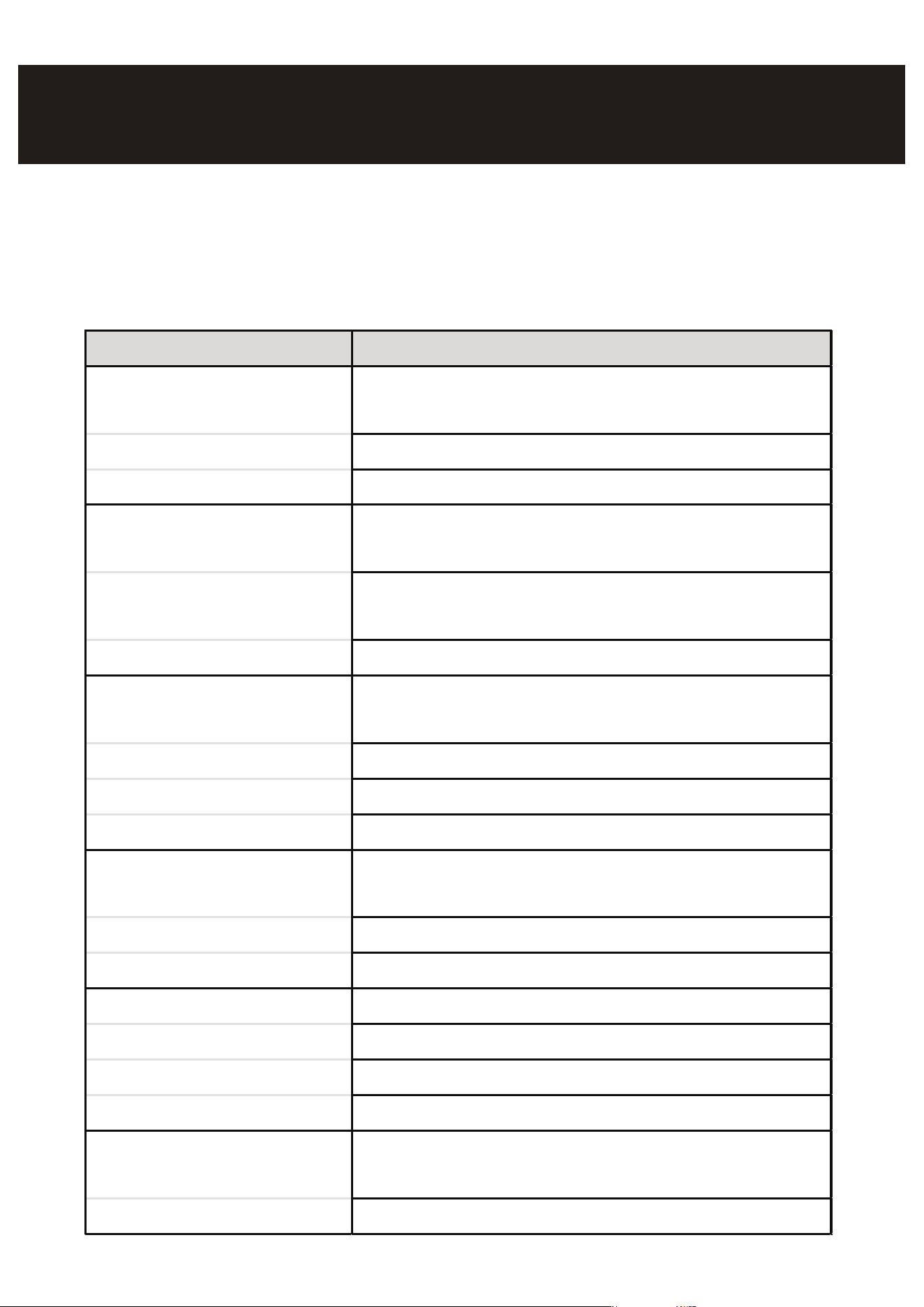
TROUBLE SHOOTING
Iss ue Solution
Compressor Won't Start - Ensure power cord is connected.
- Check outlet is operational.
- Inspect for tripped breaker or blown fuse.
Poor Performance
- Position away from direct sunlight and heat
sources.
- Maintain at least 6" clearance at the back
for ventilation.
- Clean condenser coils regularly.
Unit Not Cooling - Check for obstructions around the air duct.
- Verify and adjust temperature settings.
- Ensure refrigerant levels are adequate.
- Check that the door seals tightly.
Interior Light Not
Functioning
- Cycle the light switch off and on.
- Ensure bulb is secure in socket.
- Replace bulb if necessary.
Excessive Noise - Place unit on a level surface.
- Ensure proper clearance from walls.
- Secure any loose parts.
- Insulate tubing against vibration.
Condensation on
Cabinet/Floor
- Reduce humidity in the area.
- Inspect and replace door seals or gaskets
Before reaching out to a service technician, consult this Troubleshooting Guide
for potential solutions

Safety Precautions:
• Ensure adequate space between the wall, the ceiling, and the top of the cabinet to allow for
proper air circulation. The gap should be at least 8 inches to facilitate exhaust.
• Keep the back part of the cabinet clear to ensure effective heat dispersion and to prevent
potential fire hazards.
• Store chemicals responsibly. Flammable and explosive substances must be kept away from
the appliance area to prevent accidents.
• Only use a dedicated single-phase electrical outlet with a reliable grounding connection.
Remember, connecting to a water or gas pipe is strictly prohibited.
Installation Guidance:
• Handle the appliance with care during transportation. Maintain a tilt angle of no more than 45
degrees from vertical to avoid damage.
• Should the appliance exhibit any operational issues, refer to the troubleshooting section of
your manual. If the problem persists, contact a certified technician for assistance. Do not
attempt repairs on your own to avoid risks associated with the flammable refrigerant used in
the appliance.
Operating Cautions:
• For any service needs, rely solely on trained service personnel. Do not puncture refrigerant
tubing, as it poses a fire or explosion risk.
• Before attempting any service or cleaning, consult the owner's manual to familiarize yourself
with all safety precautions.
• Properly dispose of the appliance in accordance with federal and local environmental
regulations.
• Follow the manufacturer's instructions carefully to prevent puncturing the refrigerant tubing,
which could result in a fire or explosion.
• Keep all ventilation openings in the appliance and the surrounding enclosure free from
obstructions to maintain efficient operation.
Service and Repair:
• Only authorized service personnel should perform repairs to prevent the risk of ignition from
incorrect parts or improper service.
By adhering to these instructions, you'll ensure the safety and longevity of your appliance while
maintaining compliance with safety regulations.
Installation Instructions:
• Position the refrigeration system in an area with cool, dry air to ensure optimal efficiency. A
minimum clearance of 6 inches on all sides is recommended for proper air flow.
• Select a location away from heat and moisture sources such as ovens, stoves, or direct
sunlight to avoid overheating and condensation.
• Verify the installation surface is level and capable of supporting the weight of the unit and its
contents without sagging.
• It is imperative that the unit is grounded for safety; each unit comes equipped with a
three-prong grounding plug—never bypass this feature.
• These units are intended solely for indoor use; external placement can lead to significant
damage.
Precautionary Measures:
• Avoid overloading the electrical outlet to prevent shock and fire hazards.
• Keep the unit dry; introducing water during cleaning or operation can cause electric shock or
malfunction.
• Flammable sprays and products should not be used near the unit to minimize fire risk.
• If you need to unplug the unit, wait at least 6 minutes before re-plugging to prevent compres-
sor damage.
Cleaning Instructions:
• Always unplug the power cord before beginning any cleaning to ensure your safety.
• When unplugging, handle the power cord with dry hands to prevent electric shock.
• Use only non-abrasive cleaners and avoid solvents or harsh chemicals on plastic components
to prevent damage.
General Usage Tips:
• When not in use, it’s best practice to unplug the power cord to conserve energy and enhance
safety.
• Regularly clean the interior with a dry cloth. If necessary, leave the door ajar briefly to air out
any excess moisture and prevent odors.
By following these guidelines, you will ensure the safe and efficient operation of your refrigeration
unit, contributing to the success of your business operations
Daily Operation Tips:
• When loading your unit, take care not to obstruct the air duct at the back or the fan on the
ceiling, as this can impair cooling performance.
• Aim to maintain a minimum of 4 inches of clearance between stored contents and the air
duct for optimal airflow.
Unit Maintenance:
• Adjust the shelving to accommodate the specific requirements of your stock while ensuring
efficient air circulation.
• The temperature controller, situated at the right front corner of the ceiling, is preset to '4'—ad-
just as needed for your specific cooling requirements.
• To maintain the most efficient operation and to conserve energy, keep the unit door closed
except when actively adding or removing items.
LIMITED WARRANTY
Koolmore Supply, Inc. extends a limited warranty to the original purchaser, guaranteeing that this Koolmore
product is free from manufacturing defects in material or workmanship for one year from the date of
purchase.
Should you discover any such defect within the warranty period, Koolmore Supply, Inc., reserves the right to
repair or replace the product without charge, or to cover the cost of replacement parts and repair labor needed
to correct defects present at the time of purchase or resulting from regular usage, when the appliance has been
installed, operated, and maintained as per the instructions provided.
At its sole discretion, Koolmore Supply Inc. may decide to replace the product. In such an event, your replace-
ment appliance will carry the warranty for the remaining term of the original unit's warranty period.
This warranty is valid exclusively to the original purchaser of the product and only applicable within the United
States. The warranty commences from the date of original consumer purchase. Proof of the original purchase
date will be required to obtain service under this warranty.
Under this limited warranty, your sole and exclusive remedy will be product repair, as outlined above. All
services must be provided by a Koolmore-designated service company.
To claim warranty or request repair service:
Email support@koolmore.com. Please include your name, address, phone number, warranty repair request,
and a copy of your proof of purchase receipt. Alternatively, visit koolmore.com and use the contact us page. A
Koolmore customer service representative will promptly arrange service for your appliance.
We thank you for choosing Koolmore.
WARRANTY EXCLUSIONS
This limited warranty will not cover:
1. Failure of the product to perform during power failures or interruptions,
or due to inadequate electrical service.
2. Damage incurred during transportation or handling.
3. Damage caused by accidents, vermin, lightning, winds, fire, floods, or acts of God.
4. Damage resulting from accidents, alterations, misuse, abuse, improper installation, repair, or mainte-
nance. This includes using any external device that alters or converts the voltage or frequency of
electricity.
5. Unauthorized product modifications, repairs by unauthorized centers, or use of non-approved
replacement parts.
6. Abnormal cleaning and maintenance not aligned with the user's manual.
7. Use of incompatible accessories or components.
8. Any costs associated with repairs or replacements under these excluded circumstances shall be the
responsibility of the consumer.
WARRANTY

Safety Precautions:
• Ensure adequate space between the wall, the ceiling, and the top of the cabinet to allow for
proper air circulation. The gap should be at least 8 inches to facilitate exhaust.
• Keep the back part of the cabinet clear to ensure effective heat dispersion and to prevent
potential fire hazards.
• Store chemicals responsibly. Flammable and explosive substances must be kept away from
the appliance area to prevent accidents.
• Only use a dedicated single-phase electrical outlet with a reliable grounding connection.
Remember, connecting to a water or gas pipe is strictly prohibited.
Installation Guidance:
• Handle the appliance with care during transportation. Maintain a tilt angle of no more than 45
degrees from vertical to avoid damage.
• Should the appliance exhibit any operational issues, refer to the troubleshooting section of
your manual. If the problem persists, contact a certified technician for assistance. Do not
attempt repairs on your own to avoid risks associated with the flammable refrigerant used in
the appliance.
Operating Cautions:
• For any service needs, rely solely on trained service personnel. Do not puncture refrigerant
tubing, as it poses a fire or explosion risk.
• Before attempting any service or cleaning, consult the owner's manual to familiarize yourself
with all safety precautions.
• Properly dispose of the appliance in accordance with federal and local environmental
regulations.
• Follow the manufacturer's instructions carefully to prevent puncturing the refrigerant tubing,
which could result in a fire or explosion.
• Keep all ventilation openings in the appliance and the surrounding enclosure free from
obstructions to maintain efficient operation.
Service and Repair:
• Only authorized service personnel should perform repairs to prevent the risk of ignition from
incorrect parts or improper service.
By adhering to these instructions, you'll ensure the safety and longevity of your appliance while
maintaining compliance with safety regulations.
Installation Instructions:
• Position the refrigeration system in an area with cool, dry air to ensure optimal efficiency. A
minimum clearance of 6 inches on all sides is recommended for proper air flow.
• Select a location away from heat and moisture sources such as ovens, stoves, or direct
sunlight to avoid overheating and condensation.
• Verify the installation surface is level and capable of supporting the weight of the unit and its
contents without sagging.
• It is imperative that the unit is grounded for safety; each unit comes equipped with a
three-prong grounding plug—never bypass this feature.
• These units are intended solely for indoor use; external placement can lead to significant
damage.
Precautionary Measures:
• Avoid overloading the electrical outlet to prevent shock and fire hazards.
• Keep the unit dry; introducing water during cleaning or operation can cause electric shock or
malfunction.
• Flammable sprays and products should not be used near the unit to minimize fire risk.
• If you need to unplug the unit, wait at least 6 minutes before re-plugging to prevent compres-
sor damage.
Cleaning Instructions:
• Always unplug the power cord before beginning any cleaning to ensure your safety.
• When unplugging, handle the power cord with dry hands to prevent electric shock.
• Use only non-abrasive cleaners and avoid solvents or harsh chemicals on plastic components
to prevent damage.
General Usage Tips:
• When not in use, it’s best practice to unplug the power cord to conserve energy and enhance
safety.
• Regularly clean the interior with a dry cloth. If necessary, leave the door ajar briefly to air out
any excess moisture and prevent odors.
By following these guidelines, you will ensure the safe and efficient operation of your refrigeration
unit, contributing to the success of your business operations
Daily Operation Tips:
• When loading your unit, take care not to obstruct the air duct at the back or the fan on the
ceiling, as this can impair cooling performance.
• Aim to maintain a minimum of 4 inches of clearance between stored contents and the air
duct for optimal airflow.
Unit Maintenance:
• Adjust the shelving to accommodate the specific requirements of your stock while ensuring
efficient air circulation.
• The temperature controller, situated at the right front corner of the ceiling, is preset to '4'—ad-
just as needed for your specific cooling requirements.
• To maintain the most efficient operation and to conserve energy, keep the unit door closed
except when actively adding or removing items.