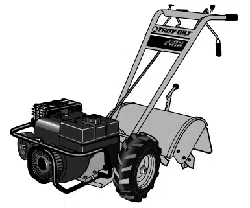
Operator’s Manual
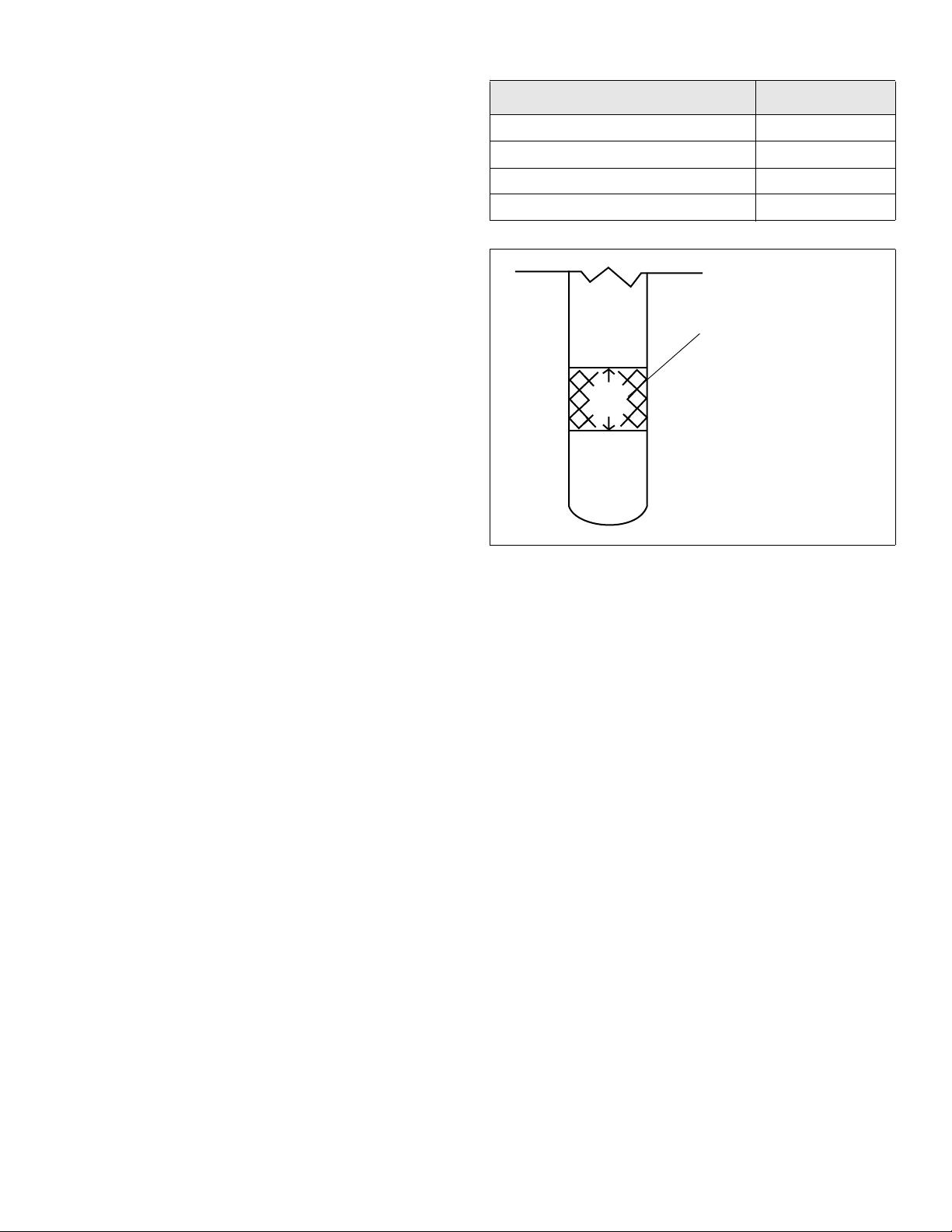
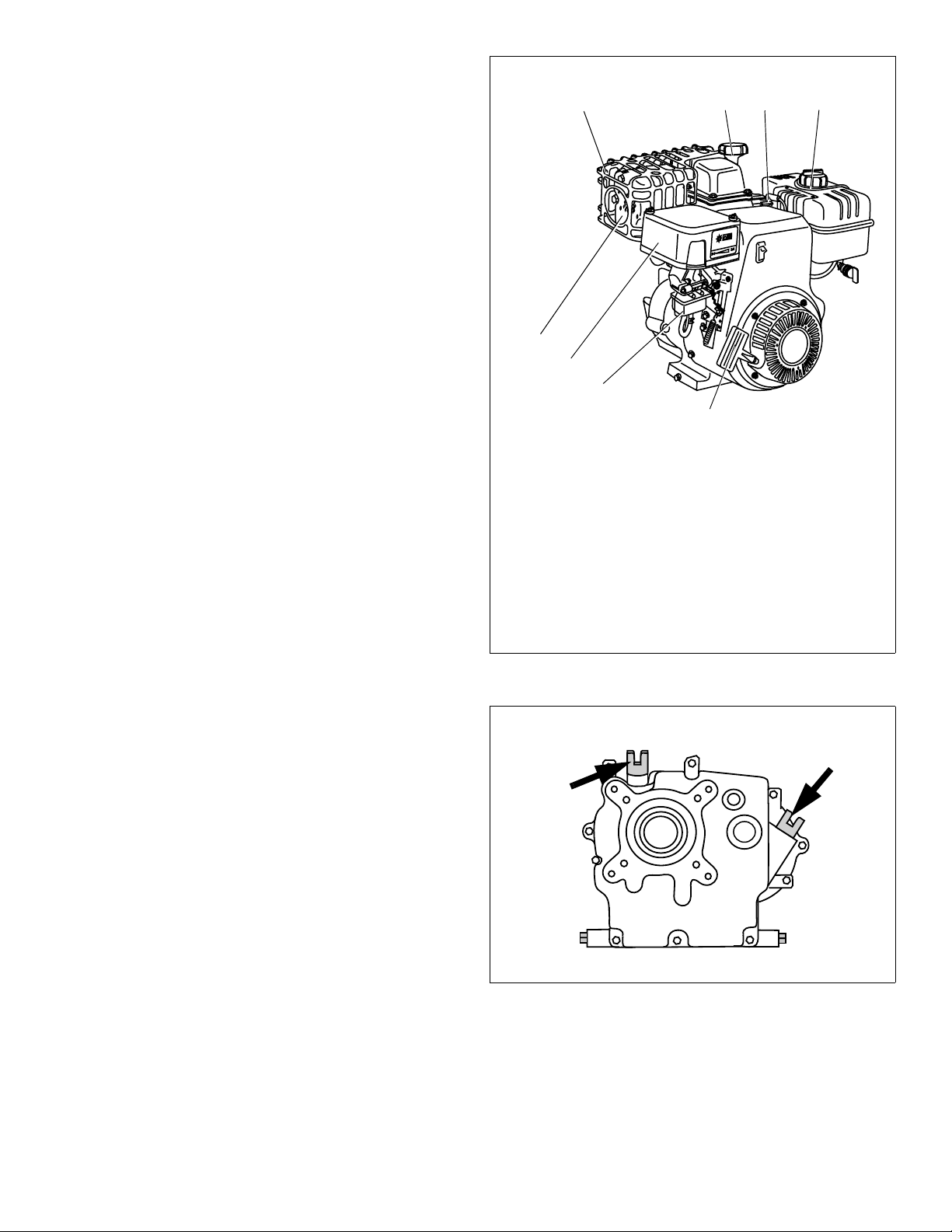
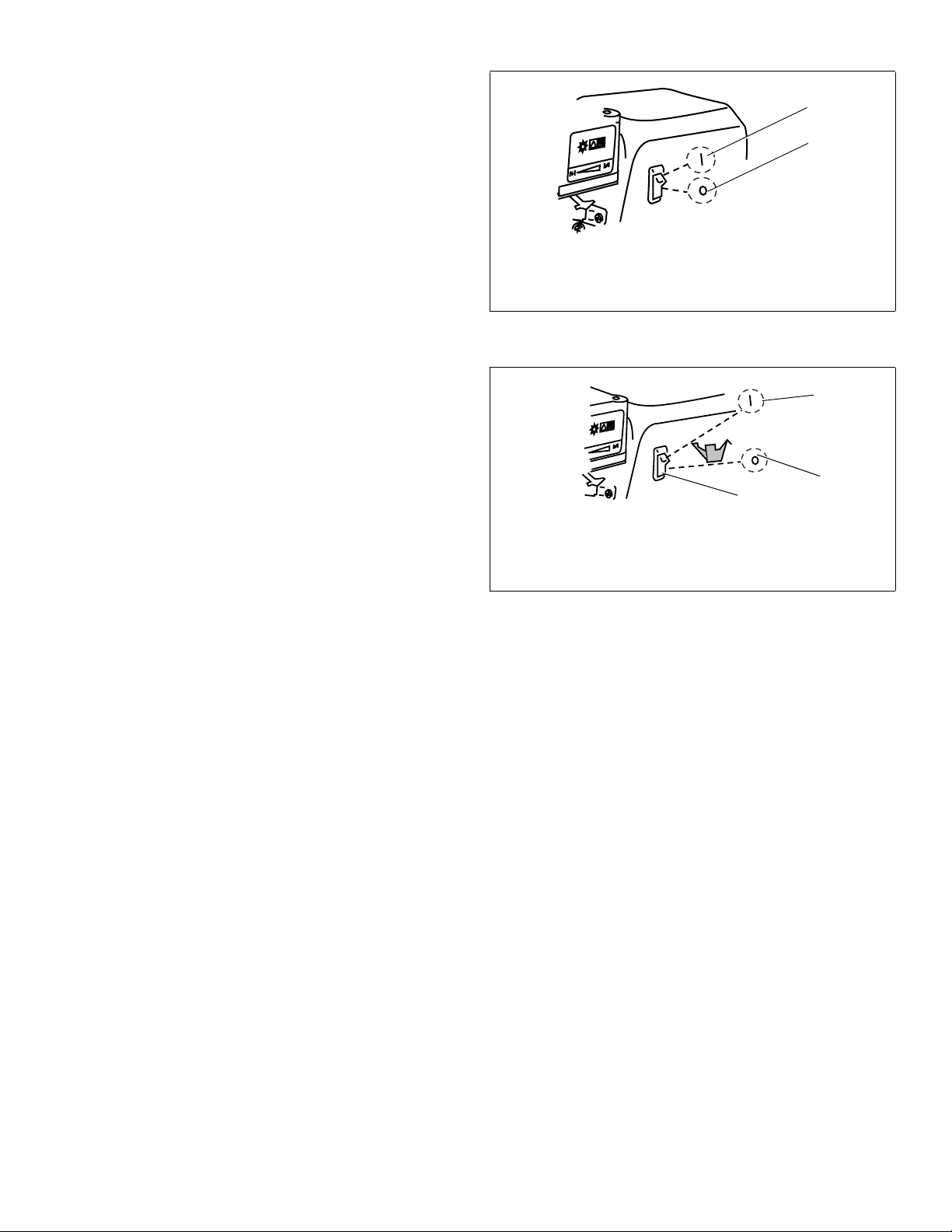
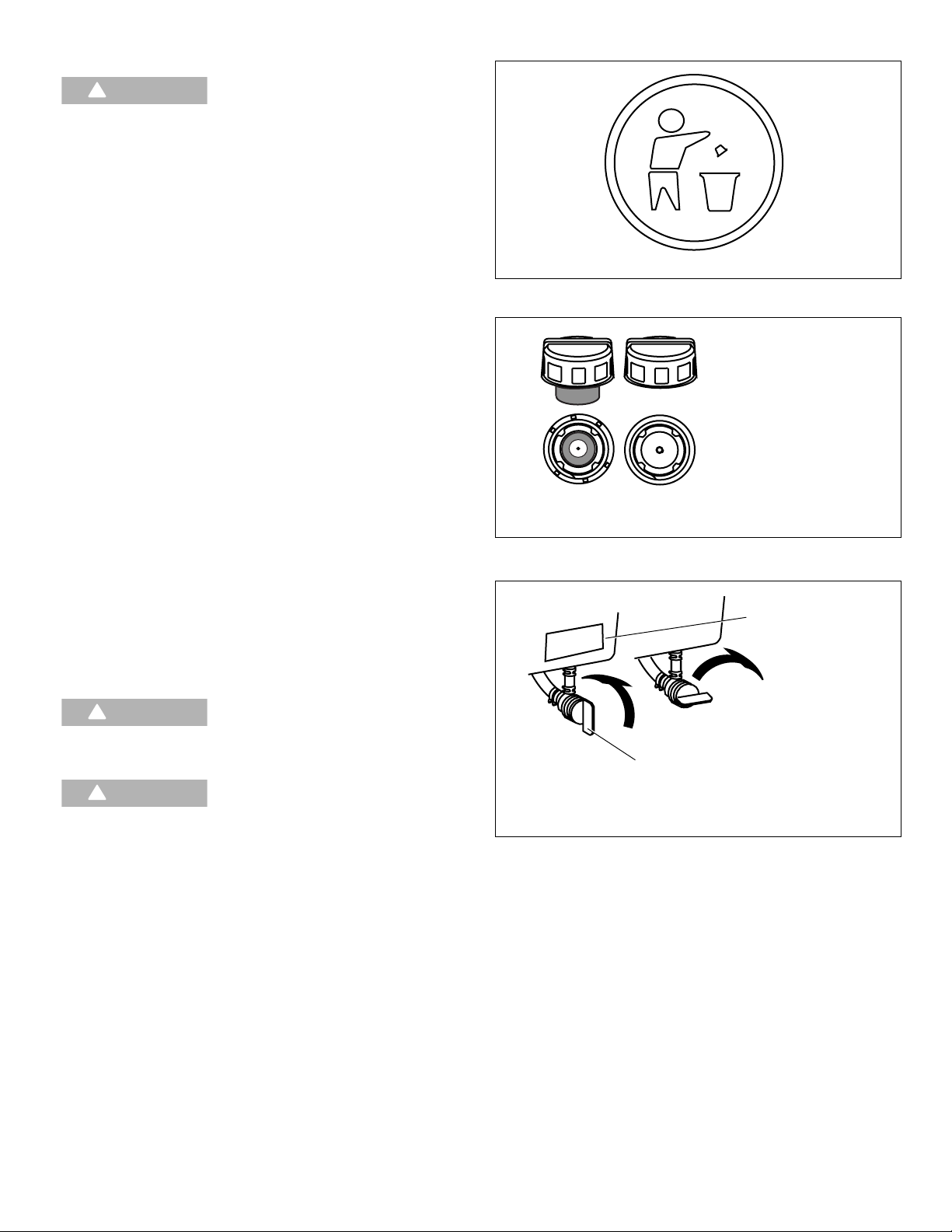
Four-Cycle Engine • Horizontal Crankshaft • Air-Cooled
Table of Contents
Important Notice! Safety Definitions ................................................ ii
I. General Safety Precautions ........................................................... 1
II. How to Get Service ........................................................................ 3
III. Oil and Fuel Specifications ............................................................. 3
IV. Before Starting Your Engine ........................................................... 4
V. Starting Your Engine ...................................................................... 7
VI. Stopping Your Engine and Short-Term Storage ........................... 12
VII. Maintenance ................................................................................ 12
VIII. Transporting Your Engine ............................................................. 16
IX. Storing Your Engine ..................................................................... 17
X. Preventing Forest, Brush and Grass Fires ................................... 18
XI. Maintenance Intervals................................................................... 19
California & US EPA Emission Control Warranty Statement ........ 20
Emission Control System Warranty ............................................. 21
XII. Warranty Information ..................................................................... 22
181-719-14
(English) 01/01/04
OH318EA (OHM90-110)

Page ii Four-Cycle Engine • Horizontal Crankshaft • Air-Cooled 181-719-14
IMPORTANT NOTICE!
Safety Definitions
Statements in this manual preceded by the following words
and graphics are of special significance:
Or
WARNING indicates a potentially hazardous situation
which if not avoided, could result in death or serious injury.
NOTE
Refers to important information and is placed in italic type.
It is recommended that you take special notice of all items
discussed on the next two pages and wear the appropriate
safety equipment.
Before operating this engine it is your responsibility to read
this Operator’s Manual. Follow these basic rules for your
personal safety:
• Keep this manual handy at all times for future
reference.
• Read it carefully and familiarize yourself with
operating, maintenance, components and safety
instructions.
Notice Regarding Emissions
NOTE
Engines which are certified to comply with California and
U.S. EPA emission regulations for SORE (Small Off Road
Equipment), are certified to operate on regular unleaded
gasoline, and may include the following emission control
systems: (EM) Engine Modification and (TWC) Three-Way
Catalyst (if so equipped).
Tecumseh Contact Information
For engine adjustments, repairs or warranty service not
covered in this manual, contact your nearest Authorized
Tecumseh Servicing Dealer. Find them on our website at
www.TecumsehPower.com or call Tecumseh Power
Company at 1-800-558-5402.
!
WARNING
!
WARNING
©Copyright 2004
Tecumseh Power Company
All Rights Reserved
181-719-14 Four-Cycle Engine • Horizontal Crankshaft • Air-Cooled Page 1
I. General Safety Precautions
!
WARNING
A. Avoid Carbon Monoxide Poisoning
All engine exhaust contains
carbon monoxide, a deadly
gas. Breathing carbon
monoxide can cause
headaches, dizziness,
drowsiness, nausea, confusion
and eventually death.
Carbon monoxide is a colorless, odorless, tasteless gas
which may be present even if you do not see or smell any
engine exhaust. Deadly levels of carbon monoxide can
collect rapidly and you can quickly be overcome and
unable to save yourself. Also, deadly levels of carbon
monoxide can linger for hours or days in enclosed or
poorly-ventilated areas. If you experience any symptoms of
carbon monoxide poisoning, leave the area immediately,
get fresh air, and SEEK MEDICAL TREATMENT.
To prevent serious injury or death from carbon monoxide:
• NEVER run engine indoors. Even if you try to
ventilate engine exhaust with fans or open windows
and doors, carbon monoxide can rapidly reach
dangerous levels.
• NEVER run engine in poorly-ventilated or partially
enclosed areas such as barns, garages,
basements, carports, under dwellings, or in pits.
• NEVER run engine outdoors where engine exhaust
can be drawn into a building through openings such
as windows and doors.
B. Avoid Gasoline Fires
Gasoline (fuel) vapors are highly flammable
and can explode. Fuel vapors can spread
and be ignited by a spark or flame many feet
away from engine. To prevent injury or death
from fuel fires, follow these instructions:
• NEVER store engine with fuel in fuel
tank inside a building with potential
sources of ignition such as hot water and space
heaters, clothes dryers, electric motors, etc.
• NEVER remove fuel cap or add fuel when engine is
running.
• NEVER start or operate the engine with fuel fill cap
removed.
• Allow engine to cool before refueling.
• NEVER fill fuel tank indoors. Fill fuel tank outdoors
in a well-ventilated area.
• DO NOT smoke while refueling tank.
• Use only an approved red GASOLINE container to
store and dispense fuel. Tecumseh recommends
purchasing gasoline in containers with a capacity of
2.5 gallons or less. Small containers are easier to
handle and help eliminate spillage during refueling.
• DO NOT pour fuel from engine or siphon fuel by
mouth. To empty fuel tank see "I. Draining Fuel"
instructions on page 17.
C. Adult Supervision of Operation, Refueling
and Maintenance
The manufacturer of the application may provide
information about who is allowed to use this engine (see
equipment manufacturer’s manual). Not everyone who is
allowed to use this engine is capable of safely and
responsibly operating, maintaining and/or fueling it.
Tecumseh recommends the following:
• An adult should fuel this engine. NEVER allow
children to refuel this engine. See "G. Filling Fuel
Tank" instructions on page 7.
• An adult should perform maintenance on this
engine. See "VII. Maintenance" instructions on
page 12. Only allow children to perform
maintenance if an adult has determined they are
experienced and capable of such operation.
• An adult should start the engine. See "G. Avoid
Accidental Starts" instructions on page 2. Only allow
children to start the engine if an adult has
determined they are experienced and capable of
such operation.
To avoid unsupervised operation of the engine, especially
by children, NEVER leave it unattended when it is running.
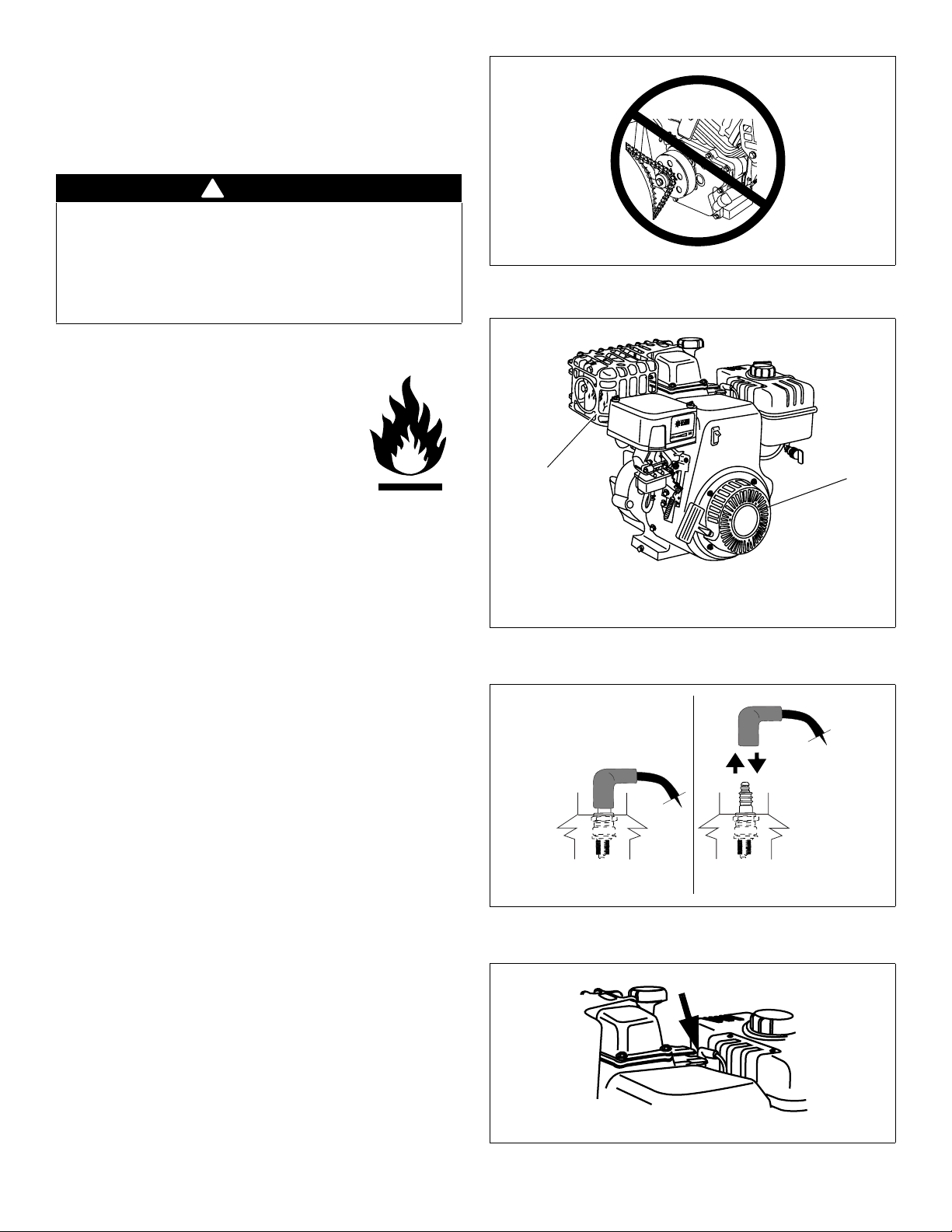
D. Stay Away from Rotating Parts
NEVER operate the engine with an unguarded engine
shaft. See Figure 1.
The equipment manufacturer may attach
a sprocket and chain or pulley and belt to
the engine shaft. If these parts are not
properly guarded, or if you are not sure
whether they are properly guarded, DO
NOT use your engine; contact the
equipment manufacturer. Hands, feet,
hair, jewelry, clothing, etc. can become
entangled in rotating parts, leading to
serious injury or death. To avoid serious
injury or death, be sure the flywheel
guard is in place. See Figures 1, and 2.
Read equipment manufacturer’s manual and this
material thoroughly before using this engine. Failure to
do so can result in serious injury or death. Call Tecumseh
Power Company at 1-800-558-5402 or visit
www.TecumsehPower.com if you have any questions.
Page 2 Four-Cycle Engine • Horizontal Crankshaft • Air-Cooled 181-719-14
E. Do Not Modify Engine
To avoid serious injury or death, DO NOT modify engine in
any way. Tampering with the governor setting can lead to a
runaway engine and cause it to operate at unsafe speeds.
NEVER tamper with factory setting of engine governor.
!
WARNING
F. Avoid Burns and Fire from Hot Surfaces
The muffler and other engine parts become
extremely hot during operation and remain
hot after the engine has stopped.
• To avoid severe burns on contact,
NEVER operate the engine without
the muffler guard in place, see
Figure 2. and avoid hot areas of the
engine.
• To reduce the risk of fire keep all materials that can
burn, including grass and leaves, away from muffler
and rest of engine. DO NOT operate, idle or park
the engine application in long dry grass or other dry
ground cover.
G. Avoid Accidental Starts
To prevent accidental starting when working on equipment
always:
• Disconnect spark plug wire and keep it away from
spark plug. See Figure 3.
• Keep the disconnected spark plug wire
securely away from metal parts where arcing
could occur.
• Attach the spark plug wire to the grounding
post, if provided. See Figure 4.
• Disconnect battery at negative terminal first, if
engine is equipped with an electric starter.
• Turn off all engine switches.
• Remove ignition key, if provided.
H. Use Hearing Protection
Engine noise may cause hearing damage. Always wear
hearing protection when operating an engine.
Use of this engine on fun-carts, go-karts or mini-bikes
could result in serious injury or death. Tecumseh
manufactures the Power Sport line of engines for use in
such applications. Consult your local Authorized
Tecumseh Servicing Dealer, call 1-800-558-5402, or go
to www.TecumsehPower.com for additional information.
Figure 1. DO NOT Use Without Engine Shaft Guard
Figure 2. Typical Engine Guard Locations
Figure 3. Disconnecting/Connecting Spark Plug
Figure 4. Typical Spark Plug Connection
!
1. Muffler Guard
2. Flywheel Guard
1
2
181-719-14 Four-Cycle Engine • Horizontal Crankshaft • Air-Cooled Page 3
II. How to Get Service
For engine adjustments, repairs or warranty service not
covered in this manual, contact your nearest Authorized
Tecumseh Servicing Dealer. Find them on our website at
www.TecumsehPower.com or call Tecumseh Power
Company at 1-800-558-5402.
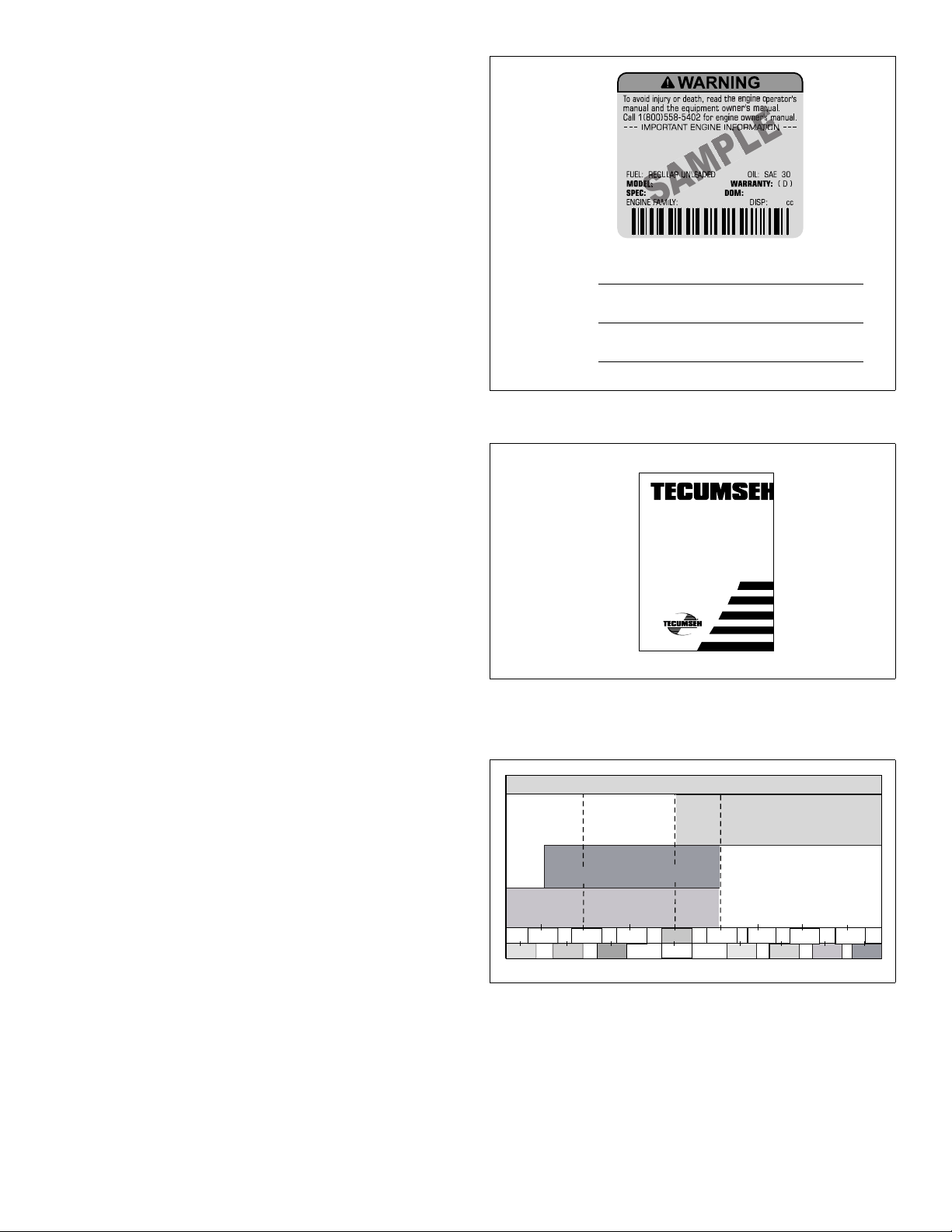
A. Engine Identification Decal
A sample engine identification decal (See Figure 5.)
indicates the engine’s model number, specification of
engine and the date of manufacture (D.O.M.). Please look
at the decal on your engine and fill in this information in the
spaces provided for future reference.
The engine identification decal also includes engine life
specifications for the emissions-related useful life period of
your engine. This period relates to the emission compliance
life as certified by EPA and/or CARB. To find the life period
specification for your engine, please look on your engine’s
decal and find the letter enclosed by quotation marks
between the words MODERATE and LIFE PERIOD. Match
one of the following letters with the letter printed on your
decal. For example, OH (OHM) models are designated as
“C” 250 hours, “B” 500 hours, and “A” 1000 hours.
B. Tecumseh Technician’s Handbooks
If you have a general understanding of internal combustion
engines and wish to repair and service your engine and/or
engine emission control systems yourself, a Technician’s
Handbook is available from your Authorized Tecumseh
Servicing Dealer. See Figure 6. This handbook covers
repairs and adjustments not covered within this Operator’s
Manual, and it is intended for individuals who have had
adequate training, experience and who practice proper tool
usage. Service procedures should be clearly understood
and practiced when servicing Tecumseh Engines. Order as
part no. 695244A for OH (OHM) Models.
Tecumseh manufactures and is responsible only for the
engine used on this power equipment. If repair or service is
needed for anything other than the engine, contact the
service source recommended by the equipment
manufacturer.
III. Oil and Fuel Specifications
A. Oil
To operate engine you need to use a clean, high quality,
detergent oil. For recommended engine oil, See Table 1.
NOTES
Be sure original container is marked A.P.I. Service “SL/SJ”.
Using multigrade oil above 32°F (0°C) will increase oil
consumption. SAE10W40 is not recommended.
Tecumseh special-formulated oils are available at your
Authorized Tecumseh Servicing Dealer.
I. OH318EA (OHM 90-110) Models
The oil sump capacity is 26 ounces or 1-5/8 U.S. Pints (.78
liters).
Figure 5. Engine Identification Label
Figure 6. Technician’s Handbook
Table 1. Recommended Engine Oil
S
S
S
S
S
S
S
S
S
S
S
S
S
A
A
A
A
A
A
A
A
A
M
M
M
M
M
M
P
L
L
L
L
L
E
E
E
E
E
E
E
E
E
E
TECUMSEH POWER COMPANY
THIS ENGINE MEETS 1995-2005 CALIF & US EPA
PHI APPLICABLE EMISSION REGULATIONS FOR SI
SORE ENGINES
LV195EA
361540D
4TPXS.1951BB 195
04015AA0001
EM
2083
ENGINE
MODEL:
SPEC:
D.O.M.:
4 -CYCLE
OVERHEAD VALVE
ENGINES
TECHNICIAN'S HANDBOOK
-20 F
O
32 F
O
32 F
O
32 F
O
40 F
O
-20 C
O
20 F
O
40 C
O
30 C
O
20 C
O
10 C
O
0C
O
-10 C
O
-30 C
O
0F
O
60 F
O
80 F
O
100 F
O
Straight Grade
730225A or SAE30W
Tecumseh Part No.
Multi Grade
730226A or SAE5W30 or SAE10W
Tecumseh Part No.
Synthetic
730263 or SAE0W30
Tecumseh Part No.
Tecumseh Recommended Oil Usage
Page 4 Four-Cycle Engine • Horizontal Crankshaft • Air-Cooled 181-719-14
B. Fuel
Use unleaded regular, unleaded premium or reformulated
automotive fuel only. You may use gasoline containing the
following components identified in Table 2.
• DO NOT use leaded fuel.
• Fuel must be fresh and clean. NEVER use fuel left
over from last season or stored for long periods.
• NEVER mix oil with fuel.
• DO NOT use fuel containing Methanol (Wood
Alcohol).
IV. Before Starting Your Engine
A. Checking Oil Level
To avoid engine damage, it is important to:
• Check oil level before each use and every 5
operating hours when engine is warm. Check oil
level more frequently during engine break-in.
• Keep oil level between “FULL” and “ADD” marks on
dipstick. See Figure 7.
• Be sure oil fill cap is tightened securely.
NOTES
Do not overfill oil filler. Doing so may result in oil carry-over
to the air cleaner and equipment malfunction or damage.
Do not allow oil level to fall below the “ADD” mark on
dipstick. Doing so may result in equipment malfunction or
damage.
Contact your Authorized Tecumseh Servicing Dealer for
Tecumseh Oil.
Table 2. Recommended Fuel
Fuel Component Percentage
Ethanol 10%
Grain Alcohol (“Gasohol”) 10%
MTBE (Methyl Tertiary Butyl Ether) 15%
ETBE (Ethyl Tertiary Butyl Ether) 15%
Figure 7. Engine Oil Level
FULL
ADD
OK
Fill between “Full”
and “ADD” Marks
181-719-14 Four-Cycle Engine • Horizontal Crankshaft • Air-Cooled Page 5
B. Filling Oil Sump
I. Oil Fill Cap With Dipstick
If your engine has an oil fill cap go to step 1. If your engine
has an oil fill plug see “Oil Fill Cap Without Dipstick”
instructions listed below.
1. Be sure engine is upright and level.
2. Unscrew oil fill cap from oil filler tube and wipe dipstick
clean. See Figure 8.
3. Screw oil fill cap back into oil filler tube. Tighten
securely.
4. Unscrew and remove oil fill cap from oil filler tube. Note
oil level. If oil reading on dipstick is below “ADD” mark,
slowly add oil to reach “FULL” level. See Figure 7.
5. Screw oil fill cap back into oil filler tube. Tighten
securely.
6. Wipe away any spilled oil.
II. Oil Fill Cap Without Dipstick (Oil Fill Plug)
If your engine has an oil fill plug go to step 1. If your engine
has an oil fill cap see “Oil Fill Cap With Dipstick”
instructions listed above.
1. Be sure engine is upright and level.
2. Clean area around oil fill plugs. See Figure 9.
3. Unscrew oil fill plug.
4. Add oil to overflow point, making sure to avoid spilling.
5. Screw oil fill plug back into oil fill hole. Tighten securely.
6. Wipe away any spilled oil.
Figure 8. Engine Components
Figure 9. Oil Fill Locations
!
1
2
3
547
8
1. Carburetor
2. Air Cleaner
3. Muffler
4. Muffler Guard
5. Oil Fill Cap
6. Spark Plug Cap
7. Fuel Fill Cap
8. Starter Cord Handle
6
Page 6 Four-Cycle Engine • Horizontal Crankshaft • Air-Cooled 181-719-14
C. Engine Stop Switch
Some engines are equipped with an optional Stop Switch.
This rocker switch is used to shut off the ignition that
supplies the spark plug with power. Pressing the "OFF"
position will turn the engine off when it is running. This
switch must be in the “ON” position or the engine will not
start. See Figure 10.
D. Low Oil Shutdown Switch
Some engines are equipped with an optional Low Oil
Shutdown Switch. This is a lighted rocker switch that is
connected to a float switch in the engine crankcase. When
oil level drops below a predetermined level, the float switch
cuts off current to the spark plug and the engine stops
running. Oil must be added to the engine to bring the oil to
the proper level before the engine will start. If an attempt is
made to start the engine before oil is added, the switch will
flash as the engine rotates, and the engine will not start.
See Figure 11.
Pressing the “OFF” position of the Shutdown Switch while
the engine is running, will turn the engine off. The engine
will not start with the switch in the “OFF” position.
E. Low Oil Shutdown Light
Some engines are equipped with an optional low oil
shutdown system that includes a light but does not include
a rocker switch. The float switch in this system will shut the
engine off while it is running if the oil level in the crankcase
falls below a predetermined level. Oil must be added to the
engine to bring the oil to the proper level before the engine
will start. If an attempt is made to start the engine before oil
is added, the light will flash as the engine rotates, and the
engine will not start. See Figure 11.
F. Low Oil Shutdown System
Some engines are equipped with an optional low oil
shutdown system that does not have a rocker switch or a
light. The float switch in this system will shut the engine off
while it is running if the oil level in the crankcase falls below
a predetermined level. Oil must be added to the engine to
bring the oil to the proper level before the engine will start.
Figure 10. Engine Stop Switch
Figure 11. Low Oil Shutdown Switch
Climate G
u
ard
RU
N
CHOK
E
!
1. ON Position
2. OFF Position
1
2
Climate G
u
ard
!
1
2
3
1. ON Position
2. OFF Position
3. Lighted Switch
181-719-14 Four-Cycle Engine • Horizontal Crankshaft • Air-Cooled Page 7
G. Filling Fuel Tank
An adult should fuel this engine.
NEVER allow children to refuel this
engine. Gasoline (fuel) vapors are highly flammable and
can explode. Fuel vapors can spread and be ignited by a
spark or flame many feet away from engine. To prevent
injury or death from fuel fires, follow these instructions:
1. Stop engine and allow it to cool before refueling.
2. Be sure engine is outdoors and in a well-ventilated
area.
3. Clean area around fuel fill cap and remove fuel fill cap.
See Figure 8.
4. Using an approved red GASOLINE container, add fuel
slowly, being careful to avoid spilling. DO NOT overfill
fuel tank. Leave space in the tank to allow fuel to
expand without overflowing.
5. Replace anti-splash fuel fill cap securely and wipe up
spilled fuel before starting engine. If fuel is spilled DO
NOT start engine. Move machine away from area of
spillage. Avoid creating any source of ignition until fuel
vapors are gone.
NOTES
Remove and discard white plastic fuel tank insert, if
provided. See Figure 12.
Replace a damaged or missing gas cap only with a genuine
Tecumseh replacement anti-splash fuel fill cap. Failure to do
so may VOID YOUR WARRANTY. See Figure 13.
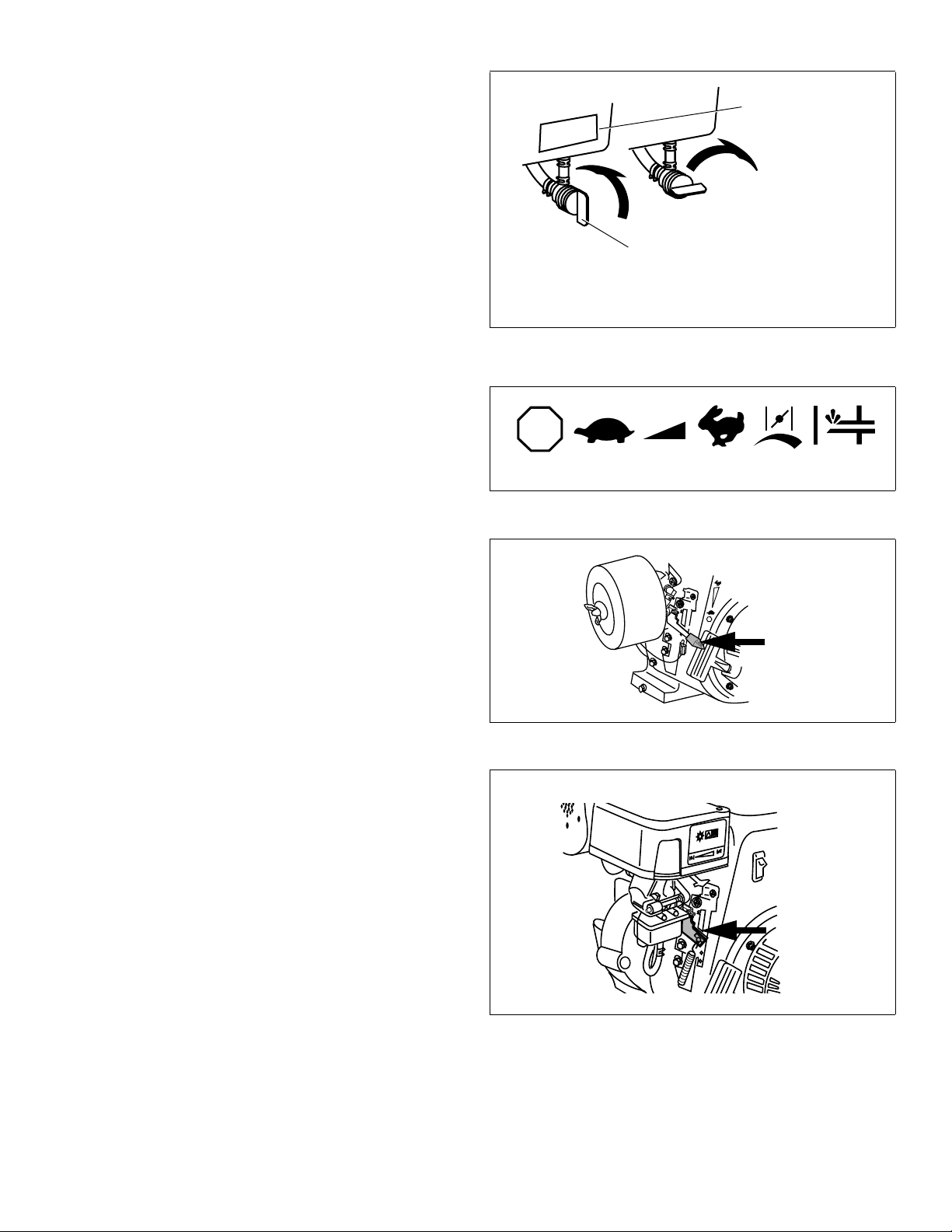
6. Be sure fuel valve (optional) is open. See Figure 14.
V. Starting Your Engine
An adult should start the engine.
Only allow children to start engine if
an adult has determined they are experienced and capable
of such operation.
If you are unable to start this engine
after following instructions in this
manual, contact your Authorized Tecumseh Servicing
Dealer. To avoid serious burn injuries or damage to your
engine, DO NOT attempt to start or troubleshoot this
engine in any other way. For example:
• DO NOT use starting fluid.
• DO NOT spray flammable vapors into carburetor or
onto air cleaner.
• DO NOT put flammable liquids into carburetor or
onto air cleaner.
• DO NOT operate engine or pull on starter rope with
spark plug removed. Fuel can spray from spark plug
hole and ignite.
!
WARNING
!
WARNING
!
WARNING
Figure 12. Fuel Cap Insert Symbol
Figure 13. Possible Anti-Splash Fuel Fill Cap(s)
Figure 14. Fuel Valve Positions
Front View
Bottom View
Fuel Tank
Fuel Valve “Open” Position Shown
Turn Valve Clockwise
To “Off” Position
Page 8 Four-Cycle Engine • Horizontal Crankshaft • Air-Cooled 181-719-14
This section contains starting instructions for several
different types of engines. In order to locate the instructions
that apply to your engine, first determine what type of
starter you have. If you have an electric starter see “A.
Engines with Electric Starters” instructions. If you have a
manual recoil starter see "B. Engines with Recoil Starters"
instructions on page 10.
A. Engines with Electric Starters
1. To avoid carbon monoxide poisoning, make sure
engine is outdoors in a well-ventilated area.
2. Be sure fuel valve (optional) is open and all switches
are on. See Figure 15.
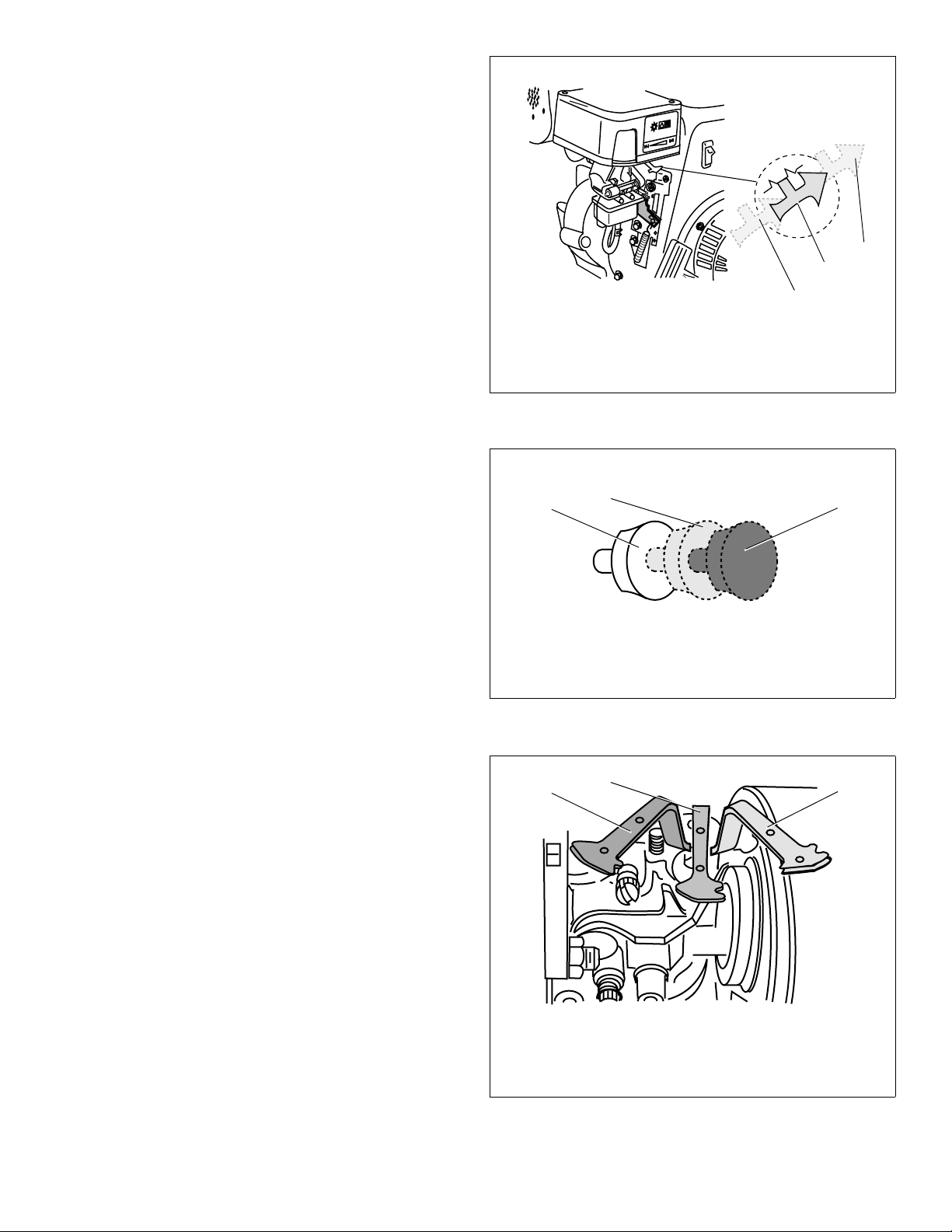
3. Move Engine Speed Control to “FAST” position and set
Choke Control to ”FULL” position, (see equipment
manufacturer’s instructions). See Figures 15 thru 19.
NOTE
If restarting a warm engine after a short shutdown, move
Engine Speed Control to “FAST” position and Choke
Control to “NO CHOKE” position.
4. Push starter button or turn ignition switch key, (see
equipment manufacturer’s instructions) to start engine.
NOTE
DO NOT operate an electric starter for more than 5 seconds
each attempt.
Figure 15. Fuel Valve Positions
Figure 16. Typical Engine Symbols
Figure 17. Engine Mounted Speed Control
Figure 18. Engine Components
Fuel Tank
Fuel Valve “Open” Position Shown
Turn Valve Clockwise
To “Off” Position
STOP
STOP SLOW RUN FAST CHOKE PRIMER
Climate G
u
ard
R
UN
CHO
K
E
!
181-719-14 Four-Cycle Engine • Horizontal Crankshaft • Air-Cooled Page 9
5. When engine starts:
a. Release starter button or ignition switch key.
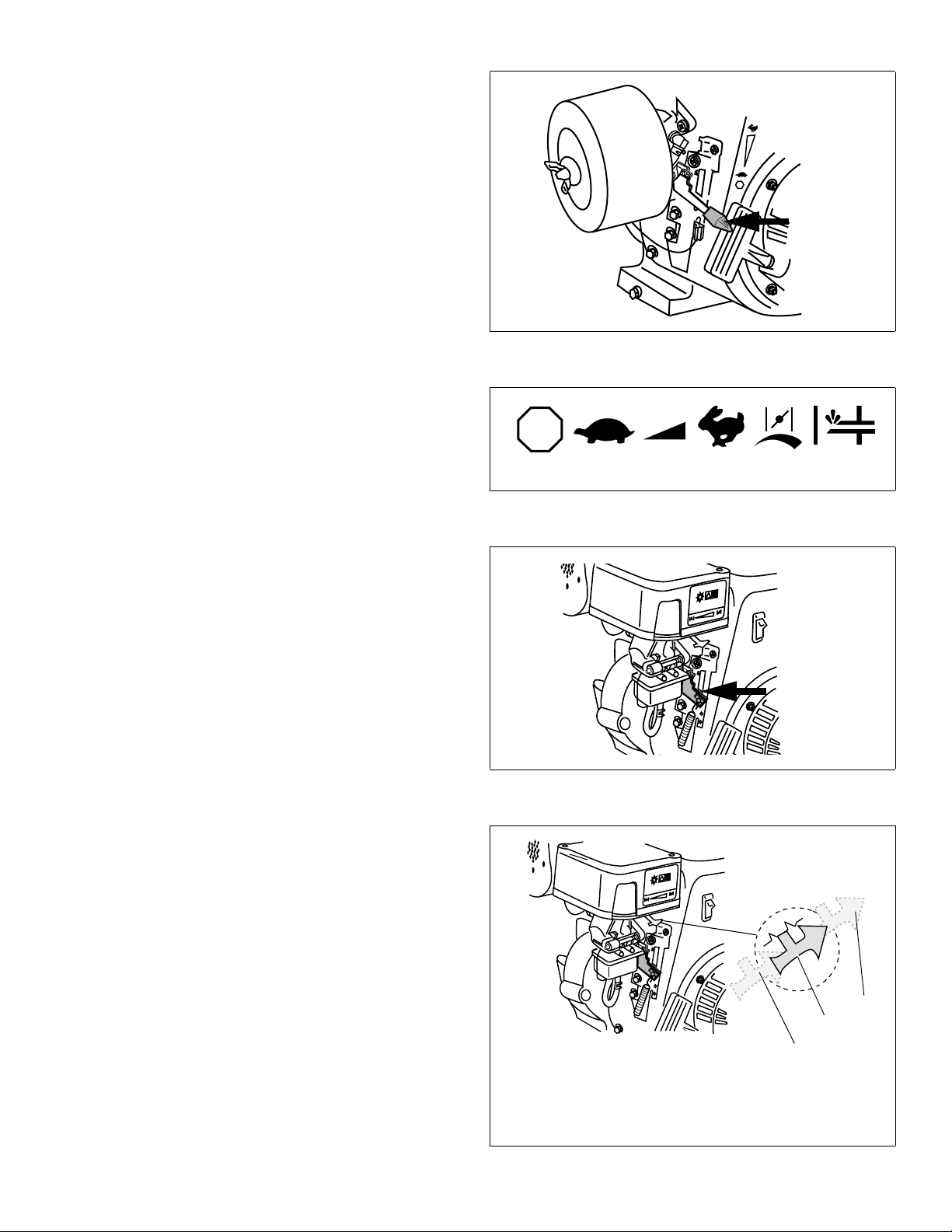
b. Move Choke Control to “1/2 CHOKE” position until
engine runs smoothly.
c. Next, move Choke Control to “NO CHOKE” position.
See Figures 19, 20 and 21.
6. Move Engine Speed Control to desired speed in “RUN”
range. See Figure 16.
NOTES
If engine starts but falters when Choke Control is moved to
“NO CHOKE” position:
a. Momentarily move Choke Control back to “FULL
CHOKE” position. See Figures 19, 20 and 21.
b. Next, move Choke Control to “1/2 CHOKE” position
until engine runs smoothly.
c. Finally, move Choke Control to “NO CHOKE”
position.
7. If engine dies after Choke Control is to moved to “NO
CHOKE” position repeat steps 2 thru 6 to restart
engine.
8. If engine fires but does not continue to run, move
Choke Control to “NO CHOKE” position and start
engine.
9. If engine fails to start after 3 attempts in the “NO
CHOKE” position, move Choke Control to “FULL
CHOKE” position and start engine.
10. If engine does not start after following steps 1 thru 8,
contact your Authorized Tecumseh Servicing Dealer.
DO NOT attempt to start or troubleshoot this engine in
any other way.
Figure 19. OH (OHM) Choke Control Positions
Figure 20. Remote Choke Control Positions
Figure 21. OH (OHM) Choke Control Positions
Climat
e
Gu
a
rd
RUN
CHOK
E
!
1. No Choke Position
2. 1/2 Choke Position
3. Full Choke Position
1
2
3
1. No Choke Position
2. 1/2 Choke Position
3. Full Choke Position
1
2
3
1. Full Choke Position
2. 1/2 Choke Position
3. No Choke Position
1
2
3
Page 10 Four-Cycle Engine • Horizontal Crankshaft • Air-Cooled 181-719-14
B. Engines with Recoil Starters
1. To avoid carbon monoxide poisoning, make sure
engine is outdoors in a well-ventilated area.
2. Be sure fuel valve (optional) is open and all switches
are on. See Figure 20.
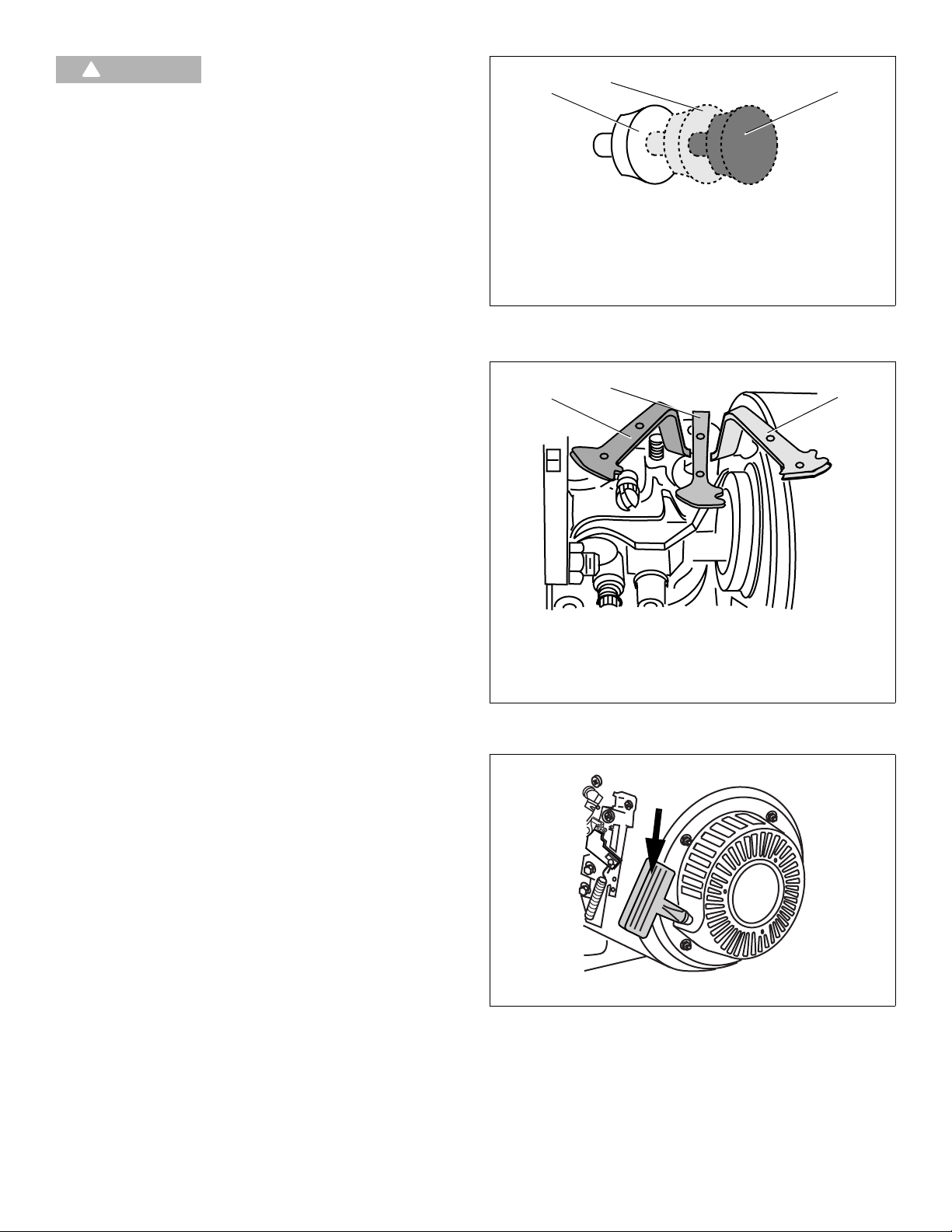
3. Move Engine Speed Control to ”FAST” position and set
Choke Control to ”FULL” position, (see equipment
manufacturer’s instructions). See Figures 22 thru 28.
NOTE
If restarting a warm engine after a short shutdown, move
Engine Speed Control to “FAST” position and Choke
Control to “NO CHOKE” position.
Figure 22. Engine Mounted Speed Control
Figure 23. Typical Engine Symbols
Figure 24. Engine Components
Figure 25. Choke Control Option “A”
STOP
STOP SLOW RUN FAST CHOKE PRIMER
Climate G
u
ard
R
UN
CHO
K
E
!
Climat
e
Gu
a
rd
R
UN
CHOK
E
!
1. No Choke Position
2. 1/2 Choke Position
3. Full Choke Position
1
2
3
181-719-14 Four-Cycle Engine • Horizontal Crankshaft • Air-Cooled Page 11
When pulling starter rope, the rope
can unexpectedly jerk back toward
engine causing serious injury. To avoid this risk, carefully
follow these instructions:
4. Grasp starter cord handle. See Figure 28.
a. Pull rope out slowly until you feel drag.
b. Next, pull rope with one rapid full arm stroke.
c. Return rope slowly to original position.
NOTE
Following the instructions listed in the steps above avoids
potential damage to the recoil mechanism.
5. When engine starts:
d. Momentarily move Choke Control to “1/2 CHOKE”
position until engine runs smoothly. See Figures 22
thru 28.
e. Next, move Choke Control to “NO CHOKE” position.
6. Move Engine Speed Control to desired speed in “RUN”
range.
NOTES
If engine starts but falters when Choke Control is moved to
“NO CHOKE” position:
a. Momentarily move Choke Control back to “FULL
CHOKE” position.
b. Next, move Choke Control to “1/2 CHOKE” position
until engine runs smoothly.
c. Finally, move Choke Control to “NO CHOKE”
position.
7. If engine dies after Choke Control is moved to “NO
CHOKE” position repeat steps 2 thru 6 to restart
engine.
8. If engine fires but does not continue to run, move
Choke Control to “NO CHOKE” position and start
engine.
9. If engine fails to start after 3 attempts in the “NO
CHOKE” position, move Choke Control to “FULL
CHOKE” position and start engine.
10. If engine does not start after following steps 1 thru 8,
contact your Authorized Tecumseh Servicing Dealer.
DO NOT attempt to start or troubleshoot this engine in
any other way.
!
WARNING
Figure 26. Remote Choke Control Positions
Figure 27. OH (OHM) Choke Control Positions
Figure 28. Starter Cord Handle
1. No Choke Position
2. 1/2 Choke Position
3. Full Choke Position
1
2
3
1. Full Choke Position
2. 1/2 Choke Position
3. No Choke Position
1
2
3
Page 12 Four-Cycle Engine • Horizontal Crankshaft • Air-Cooled 181-719-14
VI. Stopping Your Engine and
Short-Term Storage
Stop engine according to equipment manufacturer’s
instructions.
To avoid unsupervised operation of
an engine, especially by children,
NEVER leave it unattended when it is running. Always turn
off the engine after use and remove ignition key, if
provided.
NEVER store the engine with fuel in
the fuel tank inside a building with
potential sources of ignition such as hot water and space
heaters, clothes dryers, electric motors, etc.
VII. Maintenance
An adult should perform
maintenance on this engine.
Only allow children to perform maintenance if an adult has
determined they are experienced and capable of such
operation.
To prevent accidental starting when
working on equipment always:
• Disconnect spark plug wire and keep it away from
spark plug. See "G. Avoid Accidental Starts"
instructions on page 2. See Figure 29.
• Keep the disconnected spark plug wire
securely away from metal parts where arcing
could occur.
• Attach the spark plug wire to the grounding
post, if provided.
• Disconnect battery at negative terminal first, if
engine is equipped with an electric starter.
• Turn off all engine switches.
• Remove ignition key, if provided.
!
WARNING
!
WARNING
!
WARNING
!
WARNING
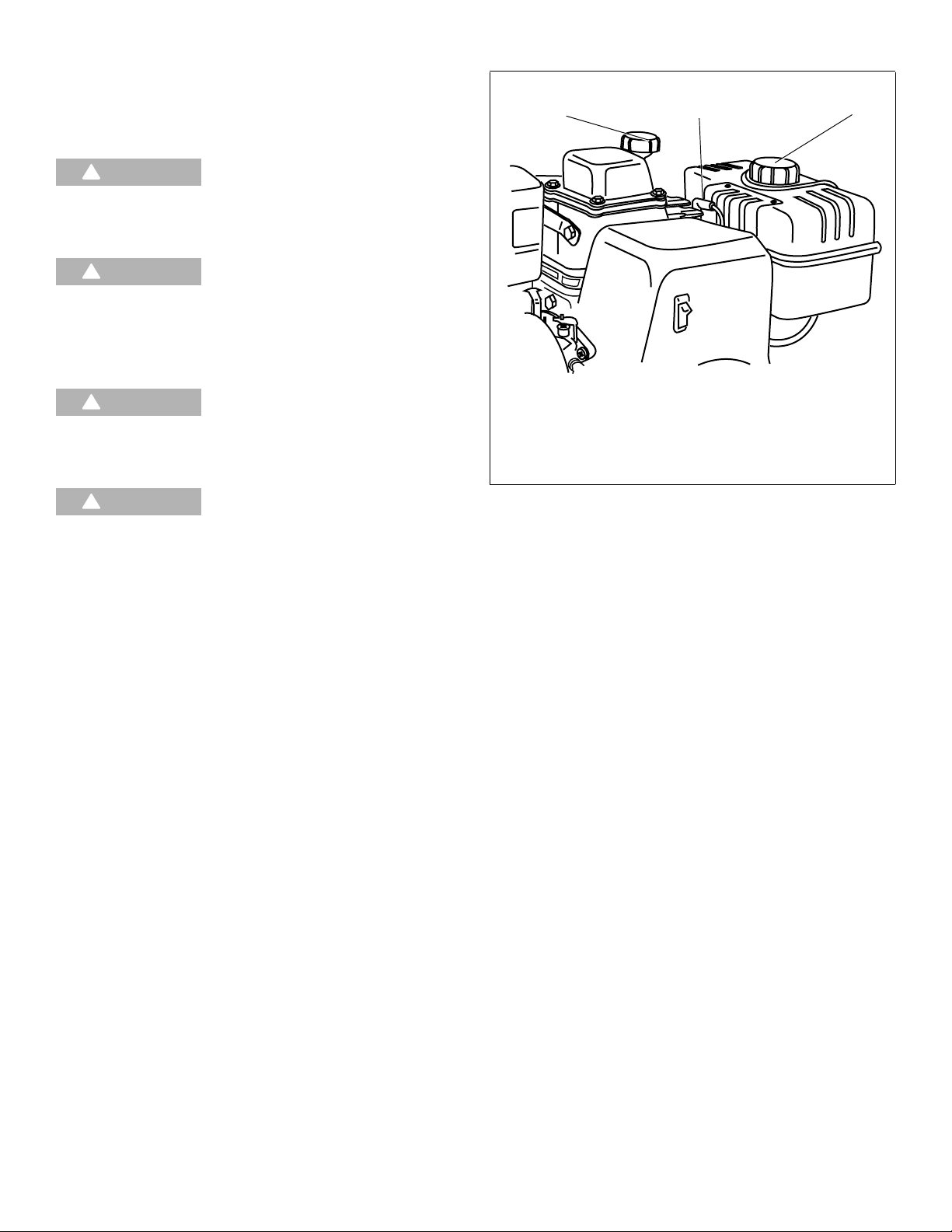
Figure 29. Engine Components
1
2
3
1. Oil Fill Cap and Dipstick
2. Spark Plug Cap
3. Fuel Fill Cap
181-719-14 Four-Cycle Engine • Horizontal Crankshaft • Air-Cooled Page 13
A. Checking and Changing Oil
To avoid engine damage, it is important to:
• Check oil level before each use and every 5
operating hours. See "A. Checking Oil Level"
instructions on page 4.
• Change oil after first 2 operating hours and every 50
operating hours thereafter; more often if operated in
extremely dusty or dirty conditions. Engine should
still be warm but not hot from recent use.
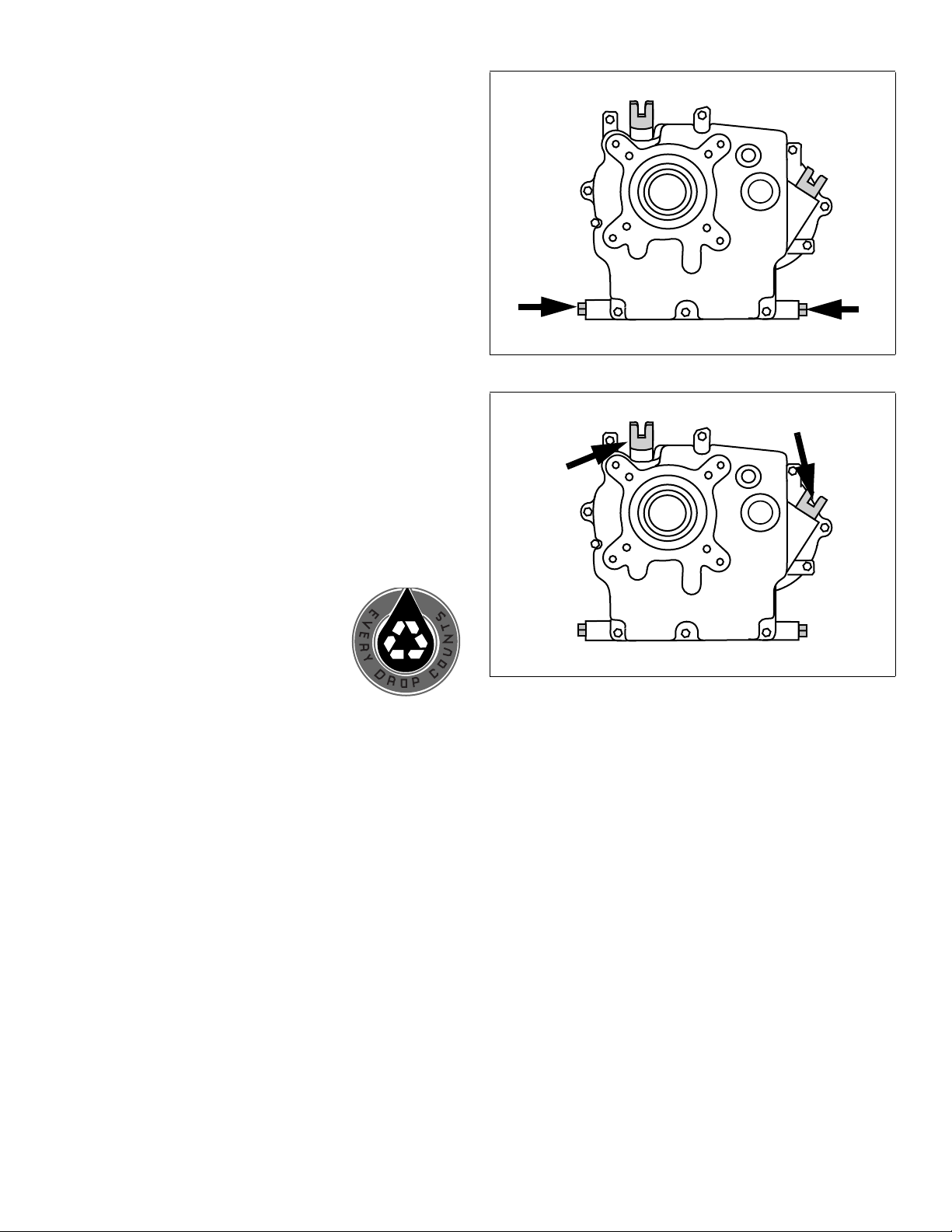
1. Be sure you find the correct drain plug location, if pro-
vided. See Figures 30, 31.
2. Disconnect spark plug wire and keep it away from
spark plug. See "G. Avoid Accidental Starts" instruc-
tions on page 2.
• Keep the disconnected spark plug wire securely
away from metal parts where arcing could occur.
• Attach the spark plug wire to the grounding post, if
provided.
3. Be sure the gas cap is on and is tightened securely.
4. Clean area around oil drain plug. See Figure 30.
5. Place approved recyclable oil container under oil drain
plug, tipping engine to position the oil drain plug at the
lowest point on the engine. (See equipment manufac-
turer’s instructions).
6. Remove oil drain plug and drain oil.
See Figure 30.
NOTE
Used oil must be disposed of at a proper
collection center.
7. Install oil drain plug and tighten
securely.
8. Fill with recommended oil. See "III. Oil and Fuel Speci-
fications" instructions on page 3. See Table 1 on page
3 and Figure 2 on page 2.
9. Wipe away any spilled oil.
10. Carefully disconnect spark plug wire from grounding
post, if provided.
11. Carefully re-connect spark plug wire to spark plug. See
Figure 3, on page 2.
Figure 30. Oil Drain Plug Locations
Figure 31. Oil Fill Locations
Page 14 Four-Cycle Engine • Horizontal Crankshaft • Air-Cooled 181-719-14
B. Removing Debris from Engine
Before each use, remove grass clippings, dirt and debris
from the following areas:
• Levers and Linkage
• Cooling Fins
• Air Intake Screen
• Guards
Removing debris will facilitate adequate cooling, correct
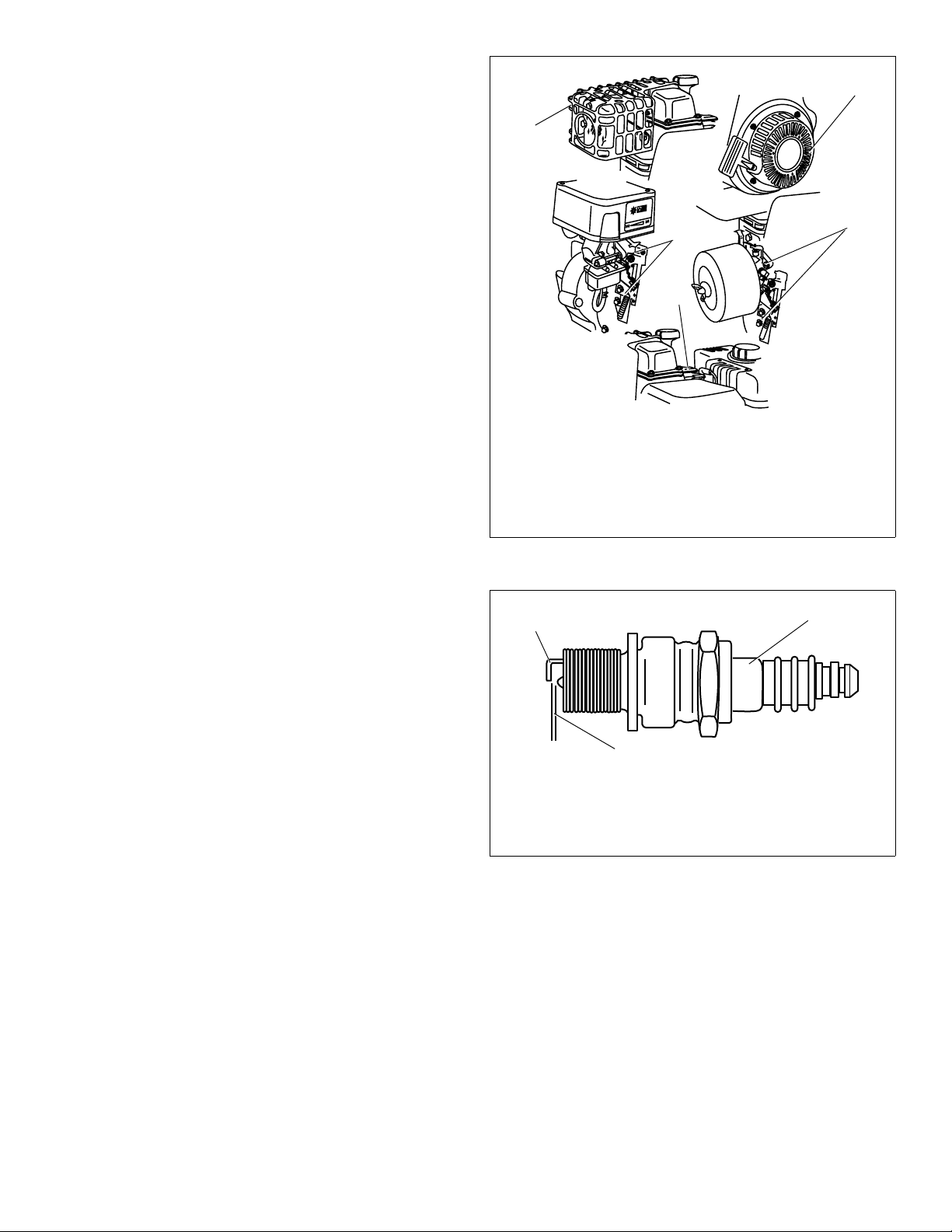
engine speed and reduce the risk of fire. See Figure 32.
C. Spark Plug
Check spark plug yearly or every 100 operating hours.
1. Clean area around spark plug.
2. Remove and inspect spark plug.
3. Replace spark plug if porcelain is cracked or if elec-
trodes are:
•Pitted
• Burned
• Fouled with deposits
4. Check electrode gap with wire feeler gauge and set
gap to .030 (0.76mm) if necessary. See Figure 33.
5. Install spark plug and tighten securely.
NOTE
A resistor spark plug must be used for replacement. Contact
your Authorized Tecumseh Servicing Dealer for a
Tecumseh Resistor Spark Plug.
D. Cleaning/Replacing Air Cleaner
Your engine has an air cleaner which helps prevent
premature engine wear and failure. NEVER run engine
without complete air cleaner installed on engine. Your air
cleaner periodically needs to be cleaned or replaced. To do
this, you first need to determine the type of air cleaner on
your engine. Follow instructions for the air cleaner type that
resembles your model.
NOTE
Contact your Authorized Tecumseh Servicing Dealer for
Tecumseh Air Cleaner.
I. Servicing Foam Filters
Clean foam pre-filter every 3 months or every 25 operating
hours. Clean daily if used in extremely dusty conditions.
After removing the pre-filter, follow these cleaning
instructions below:
1. Wash in warm water and detergent solution then press
(DO NOT twist) until all dirt is removed.
2. Rinse thoroughly until water is clear.
3. Wrap in a clean cloth and press (DO NOT twist) until
completely dry.
NOTE
DO NOT oil foam pre-filter.
Replace foam pre-filter onto paper filter.
II. Servicing Paper Filters
Paper filters cannot be cleaned and must be replaced once
a year or every 100 operating hours; more often if used in
extremely dusty conditions. Replacement filters are
available at a Authorized Tecumseh Servicing Dealer.
Follow the instructions next to the drawing of your air
cleaner to remove and replace it.
NOTE
DO NOT put oil on or clean a paper filter.
Figure 32. Debris Removal Areas
Figure 33. Resistor Spark Plug
C
lima
te Gu
a
rd
R
U
N
C
H
O
K
E
!
1. Levers and Linkage
2. Air Intake Screen
3. Muffler Guard
4. Cooling Fins
1
2
4
3
1
1. .030 (0.76 mm) Gap
2. Electrodes
3. Porcelain
1
2
3
181-719-14 Four-Cycle Engine • Horizontal Crankshaft • Air-Cooled Page 15
III. Removal and Installation of
OH318EA (OHM 90-110) Air Filters
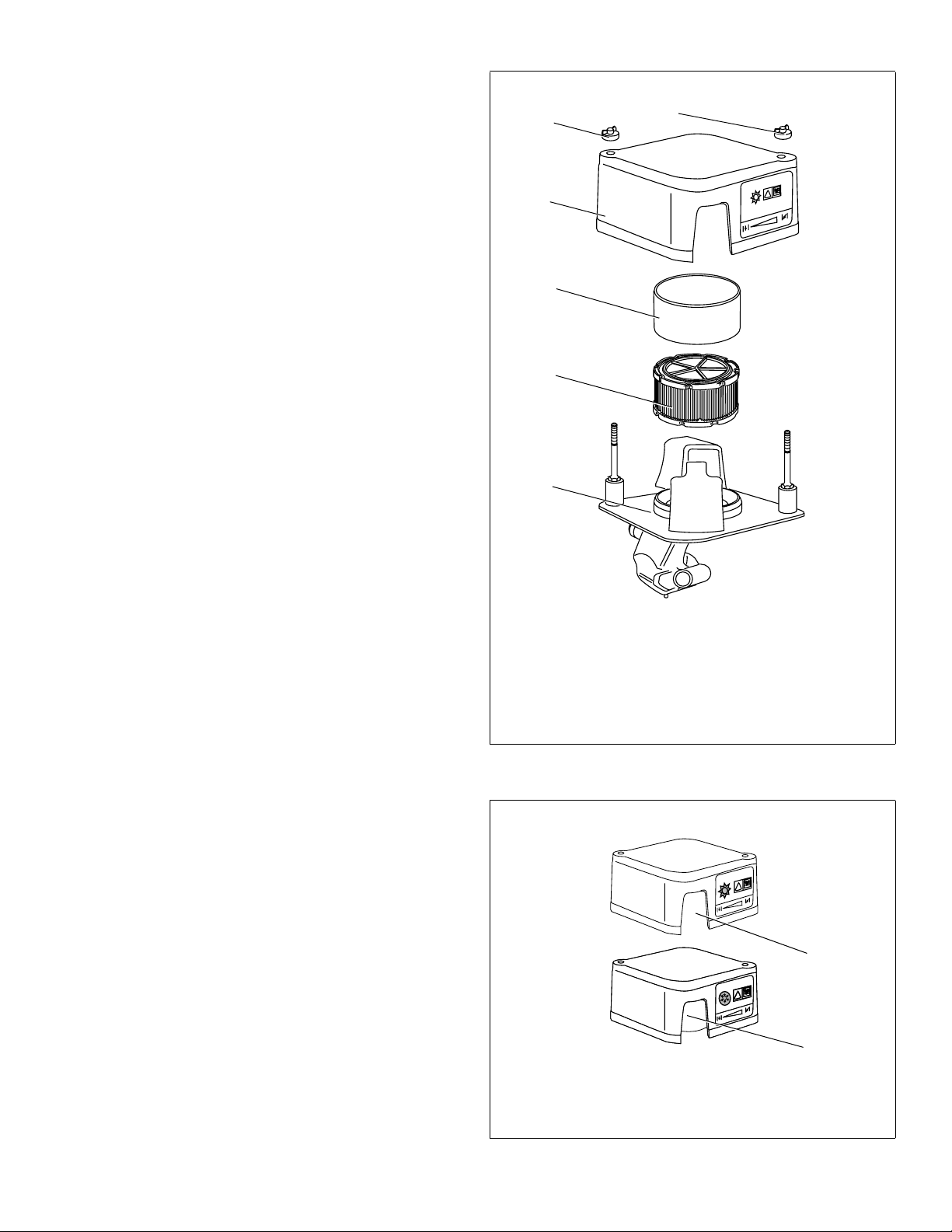
1. Remove wing nuts and air cleaner cover. See Figure
34.
2. Remove foam filter from paper filter.
3. Remove paper filter from base.
4. Inspect filters for discoloration or dirt accumulation. If
either is present, see "I. Servicing Foam Filters"
instructions on page 14. See "II. Servicing Paper Fil-
ters" instructions on page 14.
5. Clean inside of base and air cleaner cover thoroughly.
6. Install paper filter into base.
7. Install foam filter onto paper filter.
8. Install air cleaner cover on base.
9. Install wing nuts and tighten securely.
a. Anti Icing Baffle
Some engines may be equipped with an anti-icing air
cleaner baffle that prevents ice from forming in the
carburetor when the engine is run at temperatures below
32°F (0°C).
Engines equipped with the baffle will have an opening
which draws warm air from the muffler into the air cleaner
housing. To work effectively, it is necessary for the baffle to
block cold air from entering the air cleaner.
NOTE
Be sure Air Cleaner Cover is in Correct “WINTER” or
“SUMMER” position before operation.
b. At temperatures of 32°F (0°C) and Below
1. Remove wing nuts from Air Cleaner Cover. See Figure
34.
2. Remove Air Cleaner Cover from base.
3. Rotate Air Cleaner Cover in “WINTER” position shown.
See Figure 35.
4. Install air cleaner cover onto base.
NOTE
Be sure Air Cleaner Cover is in Correct “WINTER” position.
5. Install wing nuts and tighten securely.
c. At temperatures above 32°F (0°C)
1. Remove wing nuts from Air Cleaner Cover. See Figure
34.
2. Remove Air Cleaner Cover from base.
3. Rotate Air Cleaner Cover in “SUMMER” position
shown. See Figure 35.
4. Install Air Cleaner Cover onto base.
NOTE
Be sure Air Cleaner Cover is in Correct “SUMMER”
position.
5. Install wing nuts and tighten securely.
Figure 34. Climate Guard Assembly
Figure 35. Air Cleaner Cover Positions
Climate Guard
R
U
N
CHOK
E
!
1. Wing Nuts
2. Air Cleaner Cover
3. Foam Filter
4. Paper Filter
5. Base
2
1
1
3
4
5
Climate Guard
R
UN
CH
O
K
E
!
Climate Guard
R
UN
C
HO
K
E
Climate Guard
R
UN
C
HO
K
E
!!
1. Summer Position-Above 32°F (0°C)
2. Winter Position-Below 32°F (0°C)
2
1

Page 16 Four-Cycle Engine • Horizontal Crankshaft • Air-Cooled 181-719-14
E. Alternator (Optional)
For alternator related electrical problems such as:
• Inoperative starter
• Discharged battery
• Fuse replacement
• Alternator maintenance/repairs
See your equipment manufacturer’s instructions and an
Authorized Tecumseh Servicing Dealer.
F. Carburetor
If you think your carburetor needs adjusting, see your
nearest Authorized Tecumseh Servicing Dealer. Engine
performance should not be affected at altitudes up to 7,000
feet (2,134 meters). For operation at higher elevations,
contact your Authorized Tecumseh Servicing Dealer.
G. Engine Speed
To avoid serious injury or death, DO
NOT modify engine in any way.
Tampering with the governor setting can lead to a runaway
engine and cause it to operate at unsafe speeds. NEVER
tamper with factory setting of engine governor.
Running the engine faster than the speed set at the factory
can be dangerous and will VOID THE ENGINE
WARRANTY.
H. Adjustments
Do not make any engine adjustments. Factory settings are
satisfactory for most conditions. If adjustments are needed,
contact your Authorized Tecumseh Servicing Dealer.
VIII. Transporting Your Engine
NEVER transport this engine inside
another vehicle or in any enclosed
space if there is any gasoline in the tank. Fuel vapor or
spilled fuel may ignite.
If there is fuel in the fuel tank, close
the fuel shut off valve, if equipped,
and transport the engine upright in an open vehicle, such
as an open trailer or open bed of a pickup truck.
If you do not have an open vehicle and have to transport
the engine upright in a closed vehicle, follow these steps
for emptying the fuel tank before transporting:
1. Empty fuel tank by using a commercially available suc-
tion device designed for use with gasoline.
DO NOT pour fuel from engine or
siphon fuel by mouth.
2. Drain fuel into an approved red GASOLINE container,
being careful to avoid spilling.
3. Run the engine until remaining fuel is consumed.
NEVER leave the engine
unattended when it is running and
NEVER run engine in enclosed areas.
!
WARNING
!
WARNING
!
WARNING
!
WARNING
!
WARNING

181-719-14 Four-Cycle Engine • Horizontal Crankshaft • Air-Cooled Page 17
IX. Storing Your Engine
A. Short Term/Seasonal Storage
I. Clean Engine
Before servicing the engine remove the blower housing. In
addition, remove grass clippings, dirt and debris from the
following areas:
• Cooling fins
• Air intake screen
• Levers
• Linkage
• Guards
• Carburetor
•Head
Removing debris will facilitate adequate cooling, correct
engine speed and reduce the risk of fire.
II. Fuel Storage
NEVER store engine with fuel in fuel
tank inside a building with potential
sources of ignition such as hot water and space heaters,
clothes dryers, electric motors, etc. Failure to do so may
result in an explosion and result in death or serious injury.
NOTES
If engine fuel stored in the gas tank and/or an approved gas
container is to be unused without gasoline stabilizer for
more than 15-30 days, prepare it for short term/seasonal
storage. See "IV. Fuel Treatment" instructions.
If engine fuel is to be stored for more than one season,
without gasoline stabilizer, it will gradually deteriorate. Also,
if it is stored in the engine’s gas tank without gasoline
stabilizer it is likely that your carburetor will have gum
deposits, a clogged fuel system and will void your warranty.
Prepare the fuel for extended storage. See "B. Extended
Storage" instructions.
If you operate the engine during all 4 seasons, it is not
necessary to lubricate the cylinder bore.
III. Fuel System
To avoid stale gas and carburetor problems, treat the fuel
system in the following method below:
NOTES
Tecumseh recommends using ULTRA-FRESH™ or Fuel
Saver Plus Gasoline Stabilizer plus Fuel System Cleaner as
an acceptable method of minimizing formation of fuel gum
deposits during storage. This product is available from your
Authorized Tecumseh Servicing Dealer.
Always follow mix ratio found on stabilizer container. Failure
to do so may result in equipment damage.
It is not necessary to drain stabilized gas from carburetor.
IV. Fuel Treatment
1. Add fuel stabilizer according to manufacturer’s
instructions.
2. Run engine at least 10 minutes after adding stabilizer
to allow it to reach carburetor.
NEVER store the engine with fuel in
the fuel tank inside a building with
potential sources of ignition such as hot water and space
heaters, clothes dryers, electric motors, etc.
NOTE
Instead of using a fuel preservative/stabilizer, you can
empty the fuel tank as described under See "I. Draining
Fuel" instructions. See "B. Extended Storage" instructions.
B. Extended Storage
I. Draining Fuel
NOTES
Clean debris from engine before draining fuel from
carburetor. See "I. Clean Engine" instructions.
If you have prepared your fuel for short term storage it is not
necessary to drain fuel that contains stabilizer from your
carburetor. See "A. Short Term/Seasonal Storage"
instructions.
To avoid severe injury or death,
DO NOT pour fuel from engine or
siphon fuel by mouth.
1. To prevent serious injury from fuel fires, empty fuel tank
by running engine until it stops from lack of fuel. DO
NOT attempt to pour fuel from engine.
2. Run the engine while waiting until the remaining fuel is
consumed.
NEVER leave the engine
unattended when it is running and
NEVER run engine in enclosed areas.
3. Begin servicing the cylinder bore. See "II. Oil Cylinder
Bore" instructions on page 18.
!
WARNING
!
WARNING
!
WARNING
!
WARNING
!
WARNING
Page 18 Four-Cycle Engine • Horizontal Crankshaft • Air-Cooled 181-719-14
II. Oil Cylinder Bore
When lubricating cylinder bore, fuel
may spray from spark plug hole. To
prevent serious injury from fuel fires, follow these
instructions:
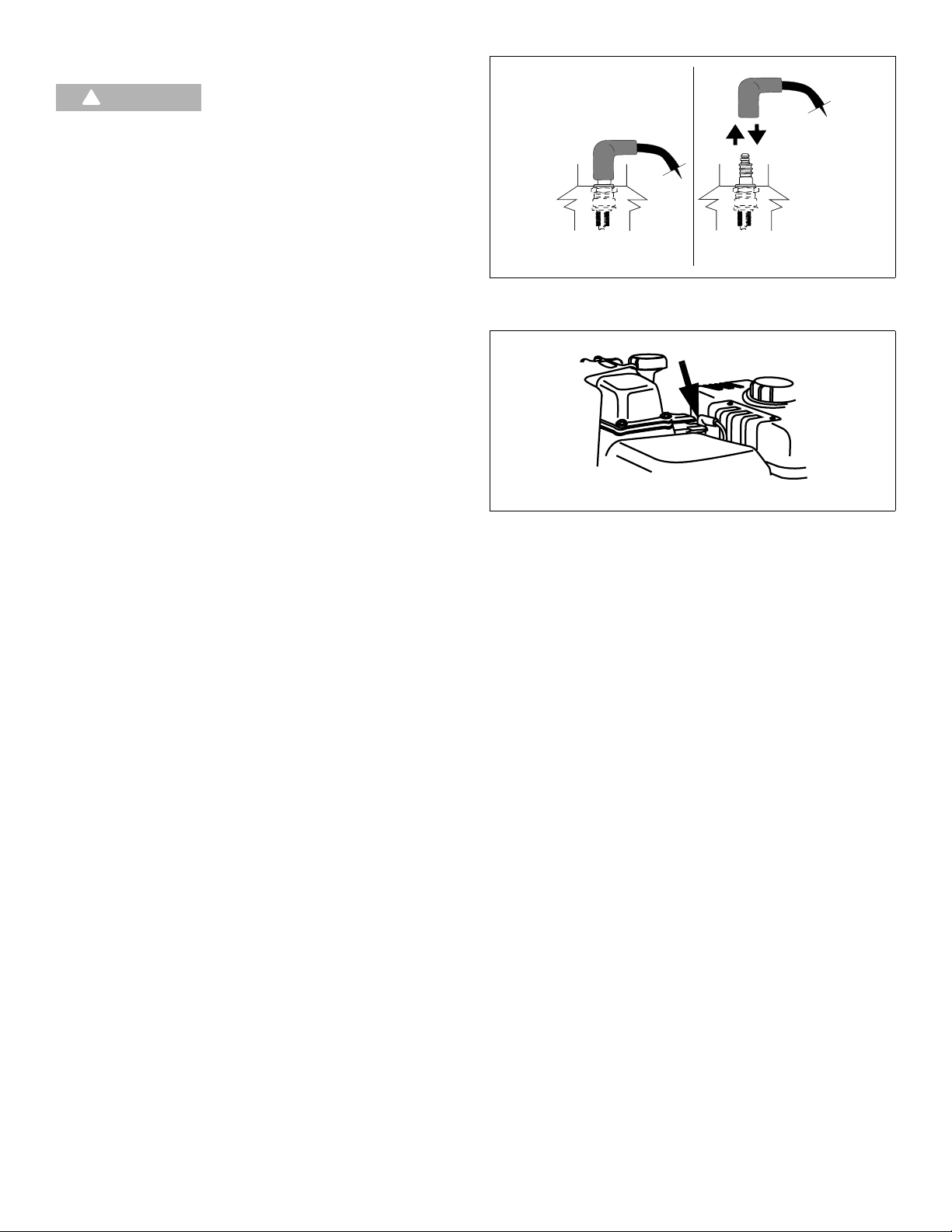
1. Disconnect spark plug wire and keep it away from
spark plug. See "G. Avoid Accidental Starts" instruc-
tions on page 2. See Figure 36.
• Keep the disconnected spark plug wire
securely away from metal parts where arcing
could occur.
• Attach the spark plug wire to the grounding
post, if provided. See Figure 37.
• Disconnect battery at negative terminal first,
if engine is equipped with an electric starter.
• Turn off all engine switches.
• Remove ignition key, if provided.
2. Remove spark plug.
3. Squirt 1oz. (30ml) of clean engine oil into spark plug
hole.
4. Cover spark plug hole with rag to prevent fuel from
spraying from spark plug hole when starter rope is
pulled.
NOTES
For engines equipped with recoil starters proceed to Step 5.
For engines equipped with electric starters proceed to
Step 6.
5. Grasp starter cord handle and pull out slowly using a
full arm stroke. Repeat once. (This will distribute oil
throughout the cylinder to prevent corrosion during
storage.) Proceed to Step 8.
6. Push starter button or turn ignition switch key, (see
equipment manufacturer’s instructions) to cycle the
engine for one to two seconds.
7. Turn ignition switch key to “OFF” position. Repeat Step
6. and Step 7. (This will distribute oil throughout the cyl-
inder to prevent corrosion during storage.)
8. Remove rag covering spark plug hole and install spark
plug.
9. Carefully disconnect spark plug wire from grounding
post, if provided. See Figure 37.
NOTE
Connect spark plug wire before attempting to start engine
once engine is out of storage.
III. Oil
Change oil if not changed within the last 3 months. See "A.
Checking and Changing Oil" instructions on page 13.
IV. Battery
See equipment manufacturer’s instructions for proper
battery storage if machine is equipped with a battery.
X. Preventing Forest, Brush and Grass
Fires
Local, state and federal laws may require use of a spark
arrester to prevent fires. For example, it is a violation of
California Public Resources Code (section 4442) to use or
operate engine on any forest-covered, brush-covered or
unimproved grass-covered land unless engine is equipped
with a spark arrester. Spark arrester must be maintained in
effective working order by owner and/or operator.
To determine if your engine has a spark arrester, locate the
muffler on your engine. For example, the muffler discharge
will have a spark arrester cover that reads “Tecumseh
Screen Type 36085”.
If your engine does not have a spark arrester, you may
purchase one from your Authorized Tecumseh Servicing
Dealer. In some cases the muffler may need to be replaced
to allow the spark arrester to be installed.
!
WARNING
Figure 36. Disconnecting/Connecting Spark Plug
Figure 37. Typical Spark Plug Connection

181-719-14 Four-Cycle Engine • Horizontal Crankshaft • Air-Cooled Page 19
XI. Maintenance Intervals
Maintenance is one of the most important things that you
can do to extend the life of your Tecumseh Engine. If you
are unable to perform maintenance intervals yourself,
contact your nearest Authorized Tecumseh Servicing
Dealer. You may also call Tecumseh Power company at
1-800-558-5402 or visit www.TecumsehPower.com to
locate your dealer.
ALWAYS promptly follow maintenance intervals listed. See
Table 3.
First Scheduled Maintenance
After First 2 Hours When Engine is Warm
1. Change Oil
Date_______________Owner/Dealer
Before Each Use Scheduled Maintenance
Every 5 Hours or Before Each Use
1. Check Oil Level
2. Clean Cooling Fins
Date_______________Owner/Dealer
Date_______________Owner/Dealer
Date_______________Owner/Dealer
Date_______________Owner/Dealer
Date_______________Owner/Dealer
Date_______________Owner/Dealer
Date_______________Owner/Dealer
Date_______________Owner/Dealer
Date_______________Owner/Dealer
Date_______________Owner/Dealer
Date_______________Owner/Dealer
Date_______________Owner/Dealer
Every 25 Hours or 3 Months Scheduled Maintenance
1. Clean Foam Pre-Filter
Date_______________Owner/Dealer
Date_______________Owner/Dealer
Date_______________Owner/Dealer
Date_______________Owner/Dealer
Date_______________Owner/Dealer
Date_______________Owner/Dealer
Date_______________Owner/Dealer
Date_______________Owner/Dealer
Date_______________Owner/Dealer
Every 50 Hours or 3 Months Scheduled Maintenance
1. Change Oil
Date_______________Owner/Dealer
Date_______________Owner/Dealer
Date_______________Owner/Dealer
Date_______________Owner/Dealer
Date_______________Owner/Dealer
Date_______________Owner/Dealer
Date_______________Owner/Dealer
Date_______________Owner/Dealer
Date_______________Owner/Dealer
Date_______________Owner/Dealer
Date_______________Owner/Dealer
Every 100 Hours or Seasonally
1. Replace Paper Element
2. Check Spark Plug
Date_______________Owner/Dealer
Date_______________Owner/Dealer
Date_______________Owner/Dealer
Date_______________Owner/Dealer
Date_______________Owner/Dealer
Date_______________Owner/Dealer
Date_______________Owner/Dealer
Date_______________Owner/Dealer
Date_______________Owner/Dealer
Every 200 Hours or Seasonally
1. Replace Spark Plug
Date_______________Owner/Dealer
Date_______________Owner/Dealer
Date_______________Owner/Dealer
Date_______________Owner/Dealer
Date_______________Owner/Dealer
Date_______________Owner/Dealer
Date_______________Owner/Dealer
Date_______________Owner/Dealer
Date_______________Owner/Dealer
Table 3. Maintenance Intervals
Procedure Time
Change Oil
After first 2 hrs.
when engine is warm
Check Oil Level
5 hrs. or Before Each Use
Clean Cooling Fins
5 hrs. or Before Each Use
Change Oil
50 hrs. or 3 mos.
Clean
Foam Pre-Filter
25 hrs. or 3 mos.
Replace Paper
Filter
100 hrs. or
seasonally
Check Spark Plug
100 hrs. or
seasonally
Replace
Spark Plug
200 hrs. or
seasonally

Page 20 Four-Cycle Engine • Horizontal Crankshaft • Air-Cooled 181-719-14
Revised January, 2004
CALIFORNIA & US EPA EMISSION CONTROL WARRANTY STATEMENT
The U. S. Environmental Protection Agency (“EPA”), the
California Air Resources Board (“CARB”) and Tecumseh Power
Company are pleased to explain the Federal and California
Emission Control Systems Warranty on your new small off-road
engine. In California, new 1995 and later small off-road engines
must be designed, built and equipped to meet the State’s
stringent anti-smog standards. In other states, new 1997 and later
model year engines must be designed, built and equipped, at the
time of sale, to meet the U.S. EPA regulations for small non-road
engines. Tecumseh Power Company will warrant the emission
control system on your small off-road engine for the periods of
time listed below, provided there has been no abuse, neglect,
unapproved modification, or improper maintenance of your small
off-road engine.
Your emission control system may include parts such as the
carburetor, ignition system and exhaust system. Also included
may be the compression release system and other emission-
related assemblies.
Where a warrantable condition exists, Tecumseh Power
Company will repair your small off-road engine at no cost to you
for diagnosis, parts and labor.
MANUFACTURER’S EMISSION CONTROL
SYSTEM WARRANTY COVERAGE
Emission control systems on 1995 and later model year California
small off-road engines are warranted for two years as hereinafter
noted. In other states, 1997 and later model year engines are also
warranted for two years. If, during such warranty period, any
emission-related part on your engine is defective in materials or
workmanship, the part will be repaired or replaced by Tecumseh
Power Company
OWNER’S WARRANTY RESPONSIBILITIES
As the small off-road engine owner, you are responsible for the
performance of the required maintenance listed in your Operator’s
Manual, but Tecumseh Power Company will not deny warranty
solely due to the lack of receipts or for your failure to provide
written evidence of the performance of all scheduled
maintenance.
As the small off-road engine owner, you should, however, be
aware that Tecumseh Power Company may deny you warranty
coverage if your small off-road engine or a part thereof has failed
due to abuse, neglect, improper maintenance or unapproved
modifications.
You are responsible for presenting your small off-road engine to a
Tecumseh Authorized Service Outlet (any Tecumseh Registered
Service Dealer, Tecumseh Authorized Service Distributor or
Tecumseh Central Warehouse Distributor) as soon as a problem
exists. The warranty repairs should be completed in a reasonable
amount of time, not to exceed 30 days.
Warranty service can be arranged by contacting either an
Authorized Tecumseh Servicing Dealer and/or Tecumseh Power
Company, c/o Service Manager, 900 North Street, Grafton, WI
53024-1499. Telephone 1-262-377-2700 [or in USA/Canada call
1-800-558-5402].
IMPORTANT NOTE
This warranty statement explains your rights and obligations
under the Emission Control System Warranty (“ECS Warranty”)
which is provided to you by Tecumseh Power Company pursuant
to California law. Tecumseh Power Company also provides to
original purchasers of new Tecumseh Power Company engines.
The Tecumseh Power Company Limited Warranties for New
Tecumseh Engines and Electronic Ignition Modules (“Tecumseh
Power Company Warranty”) are located on the back cover of the
Operator’s Manual, enclosed with all new Tecumseh Power
Company engines. The ECS Warranty applies only to the
emission control system of your new engine. To the extent that
there is any conflict in terms between the ECS Warranty and the
Tecumseh Power Company Warranty, the ECS Warranty shall
apply except in any circumstances in which the Tecumseh Power
Company Warranty may provide a longer warranty period. Both
the ECS Warranty and the Tecumseh Power Company Warranty
describe important rights and obligations with respect to your new
engine.
Warranty service can only be performed by a Tecumseh Power
Company Authorized Servicing Dealer. At the time of requesting
warranty service, evidence must be presented of the date of sale
to the original purchaser. The purchaser shall pay any charges for
making service calls and/or for transporting the products to and
from the place where the inspection and/or warranty work is
performed. The purchaser shall be responsible for any damage or
loss incurred in connection with the transportation of any engine
or any part(s) thereof submitted for inspection and/or warranty
work.
If you have any questions regarding your warranty rights and
responsibilities, you should contact Tecumseh Power Company at
1-262-377-2700 or in USA/Canada call 1-800-558-5402.

181-719-14 Four-Cycle Engine • Horizontal Crankshaft • Air-Cooled Page 21
EMISSION CONTROL SYSTEM WARRANTY
Emission Control System Warranty (“ECS Warranty”) for 1995
and later model year California small off-road engines (for other
states, 1997 and later model year engines):
A. APPLICABILITY: This warranty shall apply to 1995 and later
model year California small off-road engines (for other states,
1997 and later model year engines). The ECS Warranty
Period shall begin on the date the new engine or equipment is
delivered to its original, end-use purchaser, and shall continue
for 24 consecutive months thereafter.
B. GENERAL EMISSIONS WARRANTY COVERAGE:
Tecumseh Power Company warrants to the original, end-use
purchaser of the new engine or equipment and to each
subsequent purchaser that each of its small off-road engines
is:
1. Designed, built and equipped so as to conform with all
applicable regulations adopted by the Air Resources
Board pursuant to its authority in Chapters 1 and 2, Part 5,
Division 26 of the Health and Safety Code, and
2. Free from defects in materials and workmanship which, at
any time during the ECS Warranty Period, will cause a
warranted emissions-related part to fail to be identical in all
material respects to the part as described in the engine
manufacturer’s application for certification.
C. The ECS Warranty only pertains to emissions-related parts on
your engine, as follows:
1. Any warranted, emissions-related parts which are not
scheduled for replacement as required maintenance in the
Operator’s Manual shall be warranted for the ECS
Warranty Period. If any such part fails during the ECS
Warranty Period, it shall be repaired or replaced by
Tecumseh Power Company according to Subsection 4
below. Any such part repaired or replaced under the ECS
Warranty shall be warranted for any remainder of the ECS
Warranty Period.
2. Any warranted, emissions-related part which is scheduled
only for regular inspection as specified in the Operator’s
Manual shall be warranted for the ECS Warranty Period. A
statement in such written instructions to the effect of
“repair or replace as necessary”, shall not reduce the ECS
Warranty Period. Any such part repaired or replaced under
the ECS Warranty shall be warranted for the remainder of
the ECS Warranty Period.
3. Any warranted, emissions-related part which is scheduled
for replacement as required maintenance in the Operator’s
Manual, shall be warranted for the period of time prior to
the first scheduled replacement point for that part. If the
part fails prior to the first scheduled replacement, the part
shall be repaired or replaced by Tecumseh Power
Company according to Subsection 4 below. Any such
emissions-related part repaired or replaced under the ECS
Warranty, shall be warranted for the remainder of the ECS
Warranty Period prior to the first scheduled replacement
point for such emissions-related part.
4. Repair or replacement of any warranted, emissions-
related part under this ECS Warranty shall be performed
at no charge to the owner at a Tecumseh Authorized
Service Outlet.
5. The owner shall not be charged for diagnostic labor which
leads to the determination that a part covered by the ECS
Warranty is in fact defective, provided that such diagnostic
work is performed at a Tecumseh Authorized Service
Outlet.
6. Tecumseh Power Company shall be liable for damages to
other original engine components or approved
modifications proximately caused by a failure under
warranty of an emission-related part covered by the ECS
Warranty.
7. Throughout the ECS Warranty Period, Tecumseh Power
Company shall maintain a supply of warranted emission-
related parts sufficient to meet the expected demand for
such emission-related parts.
8. Any Tecumseh Power Company authorized and approved
emission-related replacement part may be used in the
performance of any ECS Warranty maintenance or repair
and will be provided without charge to the owner. Such
use shall not reduce Tecumseh Power Company ECS
Warranty obligations.
9. Unapproved add-on or modified parts may not be used to
modify or repair a Tecumseh Power Company engine.
Such use voids this ECS Warranty and shall be sufficient
grounds for disallowing an ECS Warranty claim.
Tecumseh Power Company shall not be liable hereunder
for failures of any warranted parts of a Tecumseh Power
Company engine caused by the use of such an
unapproved add-on or modified part.
EMISSION-RELATED PARTS INCLUDE THE
FOLLOWING:
1. Carburetor Assembly and its Internal Components
a) Fuel filter
b) Carburetor gaskets
c) Intake pipe
2. Air Cleaner Assembly
a) Air filter element
3. Ignition System, including:
a) Spark plug
b) Ignition module
c) Flywheel assembly
4. Catalytic Muffler (if so equipped)
a) Muffler gasket (if so equipped)
b) Exhaust manifold (if so equipped)
5. Crankcase Breather Assembly and its Components
a) Breather connection tube
Revised January, 2004
WARNING
!
Tecumseh Power Company • Grafton, Wisconsin 53024-1499 • USA
Telephone: 1-800-558-5402
Visit us at: www.TecumsehPower.com
CALIFORNIA PROPOSITION 65
reproductive harm.
to the State of California to cause cancer, birth defects or other
The engine exhaust from this product contains chemicals known
181-719-14
(English) 01/01/04
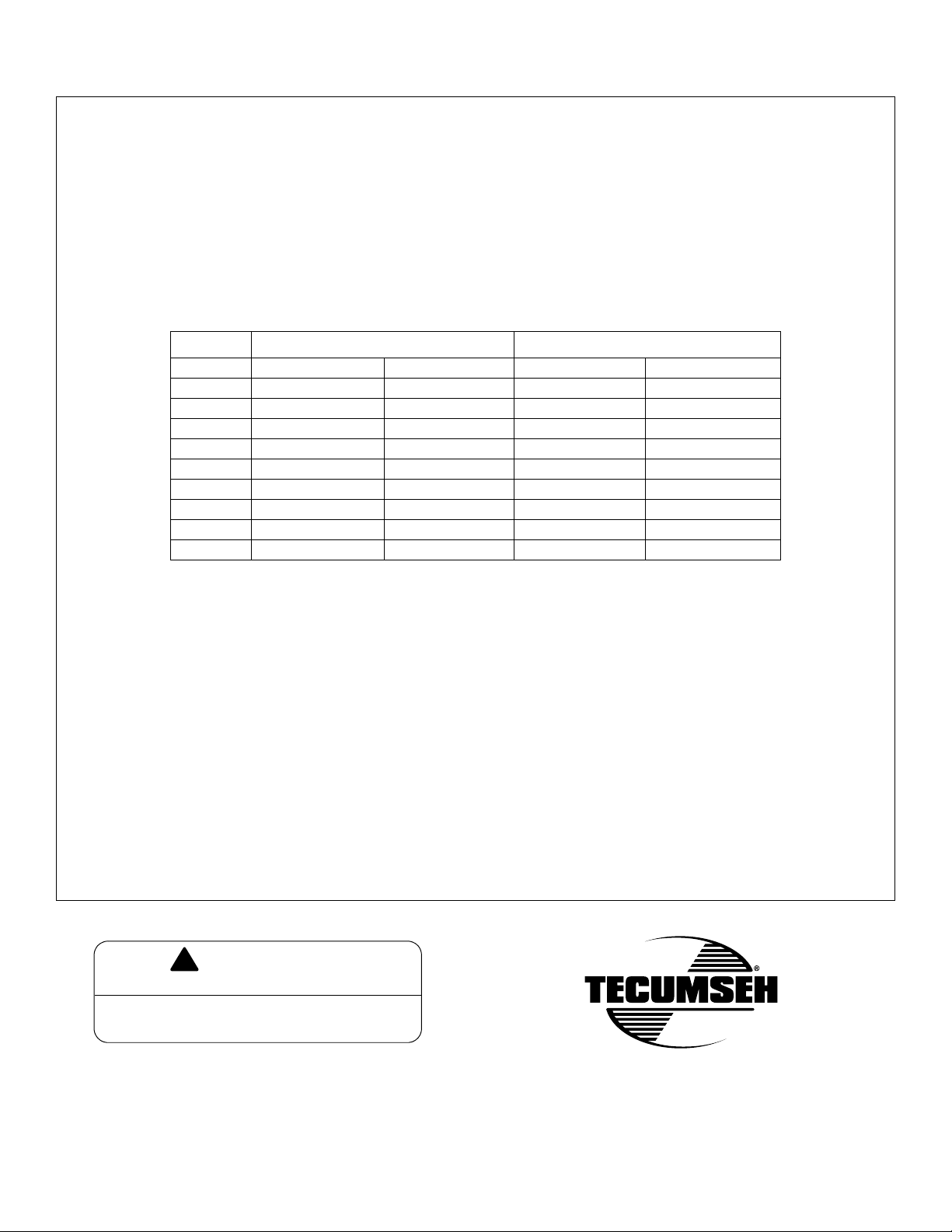
XII. Warranty Information
LIMITED WARRANTY FOR NEW TECUMSEH ENGINES
AND ELECTRONIC IGNITION MODULES
For the time period shown below from the date of purchase and subject to the exceptions and limitations described herein, Tecumseh Power Company will, at its option as
the exclusive remedy, either repair or replace for the original purchaser, free of charge, any part of any new Tecumseh engine which is found, upon examination by any
Authorized Tecumseh Servicing Outlet or by Tecumseh’s factory in Grafton, Wisconsin, to be DEFECTIVE IN MATERIAL AND/OR WORKMANSHIP. This Limited
Warranty DOES NOT COVER (i) any Tecumseh engine or part(s) thereof used to power any vehicle in competitive racing and/or used on any commercial or rental track, or
(ii) defects or damage caused by alterations or modifications of new Tecumseh engines or parts or by normal wear, accidents, improper maintenance, improper use or
abuse of the product, or failure to follow the instructions contained in an Instruction Manual for the operation of the new Tecumseh engine or part. The cost of normal
maintenance or replacement of service items which are not defective shall be paid for by the original purchaser. At the time warranty service is requested, evidence must
be presented of the date of purchase by the original purchaser. Any charge for making service calls and/or for transporting any engine or part(s) thereof to and from the
place where the inspection and/or warranty work is performed is payable solely by the purchaser. The purchaser is responsible for any damage or loss incurred in
connection with the transportation of any engine or part(s) thereof submitted for inspection and/or warranty work. WARRANTY SERVICE CAN ONLY BE PERFORMED
BY A TECUMSEH AUTHORIZED SERVICE OUTLET. Warranty service can be arranged by contacting a Tecumseh Authorized Service Outlet (any Tecumseh Registered
Service Dealer, Tecumseh Authorized Service Distributor, or Tecumseh Central Warehouse Distributor) or by contacting Tecumseh c/o Service Manager, 900 North Street,
Grafton, Wisconsin 53024-1499.
(1) 2 years for Member States of the European Union. Consumers may have additional legal rights not affected by the terms of this warranty pursuant to EU Directive
1999/44/EC and the national legislation of certain Member States of the European Union.
(2) 1 year for Australian/New Zealand for rotary mower engines.
(3) 2 years on engine and 10 years (the first 5 years covering parts and labor only; the second 5 years covering parts only) on electronic ignition.
(4) For purposes of this warranty policy, “consumer use” shall mean consumer’s personal, residential, household use by the original retail purchaser.
(5) For purposes of this warranty policy, “commercial use” shall mean all other uses, including use for commercial, income producing, or rental purposes.
(6) The engine warranty category of your engine can be determined by review of the engine model number on the “Important Engine Information” decal. One letter in the
engine model number will be surrounded by parenthesis (A), (B), (C), (D), (E), (H) (K) or (M) and that letter is your engine warranty category designation.
(7) Qualification for three (3) year consumer use warranty under engine warranty category (M) may be determined by notation of an (M) designation on the “Important
Engine Information” decal located on the engine housing or an addendum decal affixed adjacent thereto.
THIS EXPRESS WARRANTY IS SUPPLEMENTED BY THE TECUMSEH CALIFORNIA EMISSION CONTROL WARRANTY STATEMENT, if any.
THIS EXPRESS WARRANTY IS IN LIEU OF ALL OTHER EXPRESS WARRANTIES. Neither Tecumseh nor any of its affiliates makes any warranties, representations, or
promises, written or oral, as to the quality of the engine or any of its parts, other than as set forth herein. ANY IMPLIED WARRANTY OF MARKETABILITY,
MERCHANTABILITY, OR FITNESS FOR A PARTICULAR PURPOSE, TO THE EXTENT THAT EITHER MAY APPLY TO ANY TECUMSEH ENGINE OR PART(S)
THEREOF, SHALL BE LIMITED IN DURATION TO THE PERIODS OF THE EXPRESS WARRANTIES SHOWN IN THE WARRANTY PERIOD CHART ABOVE AND TO
THE EXTENT PERMITTED BY LAW ANY AND ALL IMPLIED WARRANTIES ARE EXCLUDED. IN NO EVENT WILL TECUMSEH BE LIABLE FOR ANY INDIRECT,
INCIDENTAL, CONSEQUENTIAL OR SPECIAL DAMAGES AND/OR EXPENSES, INCLUDING, BUT NOT LIMITED TO, ANY LOSS OF TIME, INCONVENIENCE,
LOSS OF UNIT USE OR ANY COST OR EXPENSE OF SUBSTITUTE UNITS DURING PERIODS OF MALFUNCTION OR NON-USE. Some states do not allow
limitations on how long an implied warranty lasts or the exclusion or limitation of incidental or consequential damages, so the above limitation(s) or exclusion(s) may not
apply to you. This Limited Warranty gives you specific legal rights and you may also have other legal rights which vary from state-to-state.
Tecumseh neither assumes nor authorizes any other person, natural or corporate, to assume for Tecumseh any other obligations or liabilities in connection with or with
respect to any Tecumseh product or parts. The seller or dealer of a Tecumseh Product or part has no authority, whatsoever, to make any representations or promises on
behalf of Tecumseh or to modify the terms or limitations of Tecumseh’s warranty in any way.
“CONSUMER USE”
(4)
“COMMERCIAL USE”
(5)
Warranty Within Outside Within Outside
Category U.S.A. and Canada U.S.A. and Canada U.S.A. and Canada U.S.A. and Canada
(A) 90 Day 90 Day
(1)
No Warranty No Warranty
(B) 1 Year 1 Year
(1)
1 Year 1 Year
(C) 2 Years 1 Year
(1)
1 Year 1 Year
(D) 2 Years 2 Years
(2)
1 Year 1 Year
(E) 2 Years 2 Years 1 Year 1 Year
(H) 2 ‘n 10
(3)
2 ‘n 10
(3)
1 Year 1 Year
(K) 2 ‘n 10
(3)
2 ‘n 10
(3)
2 ‘n 10
(3)
1 Year
(M)
(7)
3 Years 3 Years 1 Year 1 Year
Revised January, 2004