
Instructions for Use
Microwave Oven
Manuel d'instructions
Micro-ondes
Manual de Instrucciones
Horno Microondas

2
Contents
Grounding Instructions ...................................................................................................................... 3
Important safety instructions ............................................................................................................ 4
Precautions to avoid possible exposure to excessive Microwave energy .................................... 6
Precautions to be observed before and during servicing to avoid possible exposure to excessive
Microwave energy ............................................................................................................................... 7
The advantages of microwaves ....................................................................................................... 10
Description of microwave oven ....................................................................................................... 11
Basic settings ................................................................................................................................... 13
Basic functions ................................................................................................................................. 15
When the oven is working... ............................................................................................................. 17
Defrosting .......................................................................................................................................... 18
Cooking with a microwave oven ..................................................................................................... 20
Cooking with the grill ....................................................................................................................... 22
What kind of ovenware can be used? ............................................................................................. 25
Oven Cleaning and Maintenance ..................................................................................................... 27
What should I do if the oven doesn’t work? ................................................................................... 2 9
Technical characteristics ................................................................................................................. 30
Installation instructions ................................................................................................................... 31
Installation ......................................................................................................................................... 96

3
GROUNDING INSTRUCTIONS
This appliance must be grounded. In the event of an electrical short circuit,
grounding reduces the risk of electric shock by providing an escape wire for
the electric current. This appliance is equipped with a cord having a
grounding wire with a grounding plug. The plug must be plugged into an
outlet that is properly installed and grounded.
Warning! IMPROPER USE OF THE GROUNDING CAN RESULT IN A RISK OF
ELECTRICAL SHOCK.
Consult a qualified electrician or serviceman if the grounding instructions are
not completely understood, or if doubt exists as to whether the appliance is
properly grounded, and do not use an extension cord. If the power supply
cord is too short, have a qualified electrician or serviceman install an outlet
near the appliance.

4
IMPORTANT SAFETY
INSTRUCTIONS
When using electrical appliances basic safety precautions should be followed,
including the following:
Warning! To reduce the risk of burns, electric shock, fire, injury to persons,
or exposure to excessive microwave energy:
Read all instructions before using the appliance.
Read and follow the specific “PRECAUTIONS TO AVOID POSSIBLE
EXPOSURE TO EXCESSIVE MICROWAVE ENERGY” found on this manual.
This appliance must be grounded. Connect only to properly grounded outlet.
See “GROUNDING INSTRUCTIONS” found on this manual.
Install or locate this appliance only in accordance with the provided installation
instructions.
Some products such as whole eggs and sealed containers – for example,
closed glass jars are able to explode and should not be heated in this oven.
Use this appliance only for its intended use as described in the manual. Do not
use corrosive chemicals or vapors in this appliance. This type of oven is
specifically designed to heat, cook, or dry food. It is not designed for industrial
or laboratory use.
As with any appliance, close supervision is necessary when used by children.
Do not operate this appliance if it is has a damaged cord or plug, if it is not
working properly, or if it has been damaged or dropped.
This appliance should be serviced only by qualified service personnel. Contact
nearest authorized service facility for examination, repair, or adjustment.
Do not cover or block any openings on the appliances.
Do not store this appliance outdoors. Do not use this product near water – for
example, near a kitchen sink, in a wet basement, near a swimming pool, or
similar locations.
Do not immerse cord or plug in water.
Keep cord away from heated surfaces.
Do not let cord hang over edge of table or counter.
When cleaning surfaces of door and oven that comes together on closing the
door, use only mild, nonabrasive soaps, or detergents applied with a sponge or
soft cloth.
5
IMPORTANT SAFETY
INSTRUCTIONS
To reduce the risk of fire in the oven cavity:
Do not overcook food. Carefully attend appliance when paper, plastic, or other
combustible materials are placed inside the oven to facilitate cooking.
Remove wire twist-ties from paper or plastic bags before placing bag in oven.
If materials inside the oven ignite, keep oven door closed, turn oven off, and
disconnect the power cord, or shut off power at the fuse or circuit breaker
panel.
Do not use the cavity for storage purposes. Do not leave paper products,
cooking utensils, or food in the cavity when not in use.
Liquids such as water, coffee, or tea are able to be overheated beyond the
boiling point without appearing to be boiling. Visible bubbling or boiling when
the container is removed from the microwave oven is not always present.
THIS COULD RESULT IN VERY HOT LIQUIDS SUDDENLY BOILING OVER
WHEN THE CONTAINER IS DISTURBED OR A UTENSIL INTO THE
LIQUID.
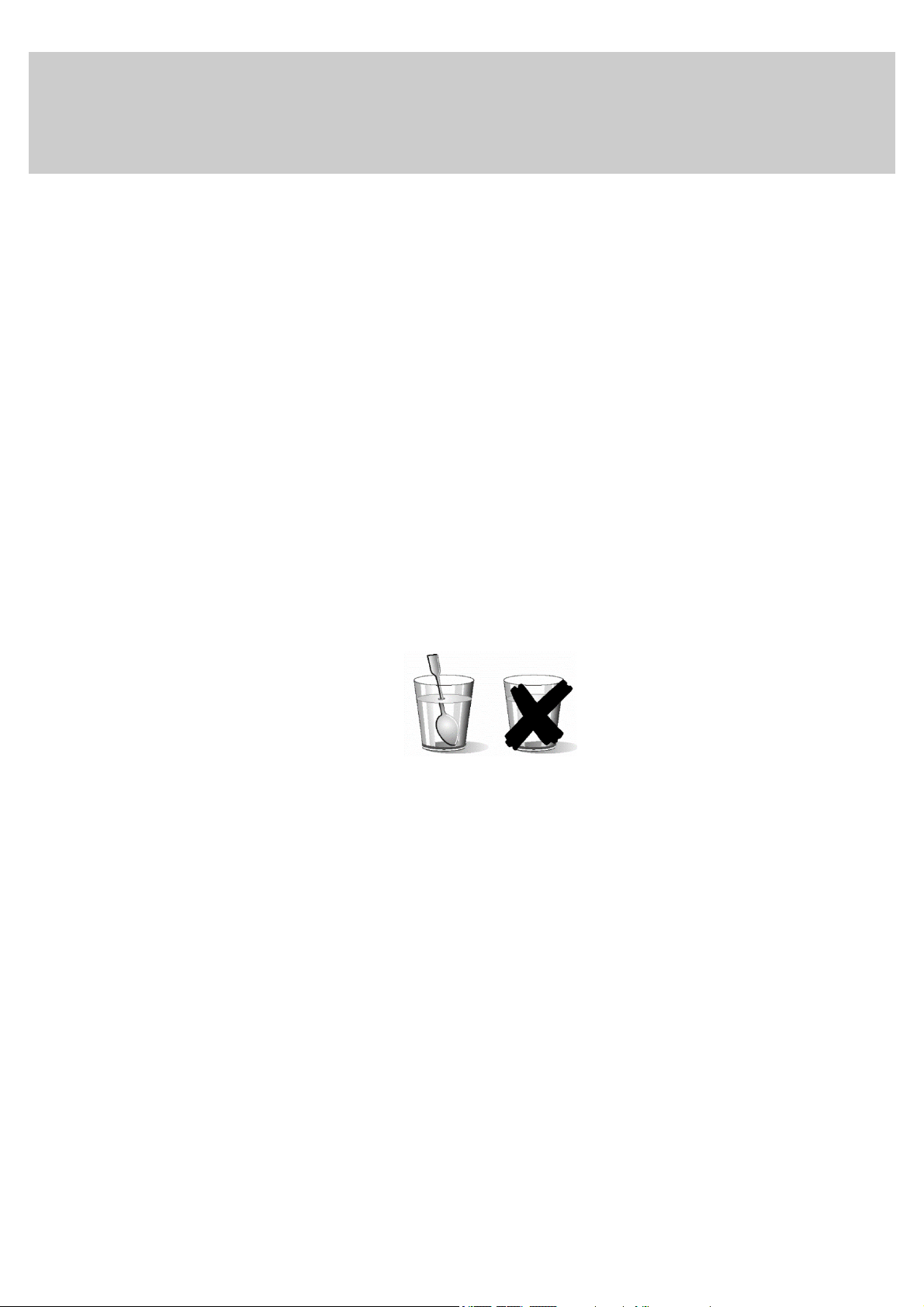
To avoid that type of situation when heating liquids, put a teaspoon or glass
rod inside the container.

6
PRECAUTIONS TO AVOID
POSSIBLE EXPOSURE TO
EXCESSIVE MICROWAVE
ENERGY
(a) Do not attempt to operate this oven with the door open since open – door
operation can result in harmful exposure to microwave energy. It is important
not to defeat or tamper with the safety interlocks.
(b) Do not place any object between the oven front face and the door or allow
soil or cleaner residue to accumulate on sealing surfaces.
(c) Do not operate the oven if it is damaged. It is particularly important that the
oven door closes properly and that there is no damage to the: (1) door (bent),
(2) hinges and latches (broken or loosened), (3) door seals and sealing
surfaces.
(d) The oven should not be adjusted or repaired by anyone except properly
qualified service personnel.
Pacemakers:
Most pacemakers are shielded from interference from electronic products, including
microwaves. However, patients with pacemakers may wish to consult their
physicians if they have concerns.

7
PRECAUTIONS TO BE
OBSERVED BEFORE AND
DURING SERVICING TO AVOID
POSSIBLE EXPOSURE TO
EXCESSIVE MICROWAVE
ENERGY
(a) Do not operate or allow the oven to be operated with the door open.
(b) Make the following safety checks on all ovens to be serviced before
activating the magnetron or other microwave source, and make repairs as
necessary: interlock operation, proper door closing, seal and sealing
surfaces (arcing, wear, and other damage), damage to or loosening of hinges
and latches, evidence of dropping or abuse).
(c) Before turning on microwave power for any service test or inspection within
the microwave generating compartment, check the magnetron, wave guide
or transmission line, and cavity for proper alignment, integrity and
connection.
(d) Any defective or misadjusted components in the interlock, monitor, door seal,
and microwave generation and transmission systems, shall be repaired,
replaced, or adjusted by procedures described in this manual before the
oven is released to the owner.
(e) A microwave leakage check, to verify compliance with the Federal
Performance Standard, should be performed on each oven prior to release to
the owner.

8
Microwave safety
Warning! Never leave the oven unwatched,
especially when using paper, plastic or other
combustible materials. These materials can
char and may fire. FIRE RISK!
Warning! Do not heat pure alcohol or
alcoholic drinks in the microwave. FIRE
RISK!
Warning! Do not heat liquids or other foods
in closed containers since these may
explode readily.
Warning! This appliance is not intended for
use by persons (including children) with
reduced physical, sensory or mental
capabilities, or lack of experience and
knowledge, unless they have been given
supervision or instruction concerning use of
the appliance by a person responsible for
their safety. Children should be supervised
to ensure that they do not play with the
appliance.
Warning! If the oven has a combined
function mode (microwave with other means
of heating), children should not be allowed to
use the oven without adult supervision on
account of the high temperatures generated.
Warning! The oven cannot be used if:
- The door is not closed correctly;
- The door hinges are damaged;
- The surfaces of the contact between the
door and the oven front are damaged;
- The door window glass is damaged;
- There is frequent electrical arcing inside
the oven even though there is no metal
object inside.
The oven can only be used again after it
has been repaired by a Technical
Assistance Service technician.
Beware!
Never heat baby foods or drinks in bottles or
jars with the teats or lids on them. After
heating the food mix or shake well so that
the heat is spread evenly. Check the food
temperature before feeding this to the child.
DANGER OF BURNING!
To avoid food overheating or burning it is
very important not to select long time
periods or power levels that are too high
when heating small quantities of food. For
example, a bread roll can burn after 3
minutes if the power selected is too high.
For toasting, use just the grilling function and
watch the oven all the time. It you use a
combined function to toast bread it will catch
fire in a very short time.
Make sure you never catch the power cables
of other electrical appliances in the hot door
or the oven. The cable insulation may melt.
Danger of short-circuiting!

9
Microwave safety
This oven is exclusively for domestic use!
Use the oven only for preparing meals.
Avoid damaging the oven or other
dangerous situations by following these
instructions:
Do not switch on the oven without the
turntable support, the turntable ring and
the respective plate being in place.
Never switch on the microwave when it
is empty. If there is no food inside there
may be an electrical overcharge and the
oven could be damaged. RISK OF
DAMAGE!
For carrying out oven programming
tests put a glass of water inside the oven.
The water will absorb the microwaves and
the oven will not be damaged.
Use only dishes suitable for
microwaves. Before using dishes and
containers in the microwave, check that
these are suitable (see the section on
types of dishes).
Never remove the mica cover on the
ceiling of the oven interior! This cover
stops fat and pieces of food damaging the
microwave generator.
Do not keep any inflammable object
inside the oven as it may burn if the oven
is switched on.
Do not use the oven as a pantry.
Eggs with their shells and whole boiled
eggs must not be heated in microwave
ovens because they may explode.
Do not use the oven for frying as it is
impossible to control the temperature of oil
heated by microwaves.
To avoid being burnt, always use oven
gloves for handling dishes and containers
and touching the oven.
Do not lean or sit on the open oven
door. This may damage the oven,
especially in the hinge zone. The door can
bear a maximum weight of 8 kg.
The turntable and the grills can bear a
maximum load of 8 kg. To avoid damaging
the oven, do not exceed this load.
Cleaning:
Warning! Your microwave oven must be
cleaned regularly. All food remains must
be removed (see section on Oven
Cleaning). If the microwave oven is not
kept clean its surface may deteriorate and
this may shorten the oven’s working life
and could even result in a dangerous
situation.
The door contact surfaces (the front of the
cavity and the inside part of the doors)
must be kept very clean in order to ensure
the oven functions correctly.
Do not use harsh abrasive cleaners or
sharp metal scrapers to clean the oven
door glass since they can scratch the
surface, which may result in shattering
of the glass.
Do not use high pressure or stream jet
cleaning appliances.
Please follow the instructions regarding
cleaning in the section “Oven Cleaning and
Maintenance”.
Repairs:
Warning – Microwaves! The outer
protection of the oven must not be
removed. It is dangerous for anyone not
authorized by the manufacturer to carry
out any kind of repair or maintenance
work.
If the power cable is damaged it should be
substituted by the manufacturer,
authorized agents or technicians qualified
for this task in order to avoid dangerous
situations. Furthermore, special tools are
required for this task.
Repair and maintenance work, especially
of current carrying parts, can only be
carried out by technicians authorized by
the manufacturer.
10
The advantages of microwaves
In conventional ovens, heat radiated by electrical
elements or gas burners slowly penetrates the
food from outside to inside. On account of this
there is a major amount of energy is wasted
heating the air, the oven components and the food
containers.
In a microwave oven, heat is generated by the
food itself and the heat travels from inside to
outside. No heat is lost to the air, the walls of the
oven cavity or the dishes and containers (if these
are suitable for use in microwave oven), in other
words, only the food is heated.
Microwave ovens have the following advantages:
1. Shorter cooking times; in general these are
up to 3/4 less than the time required for
conventional cooking.
2. Ultra-fast food defrosting, thus reducing the
danger of bacterial development.
3. Energy savings.
4. Conservation of the nutritional value of foods
due to the shorter cooking times.
5. Easy to clean.
How a microwave oven works
In a microwave oven there is a high tension valve
called a magnetron which converts electrical
energy into microwave energy. These
electromagnetic waves are channelled to the
interior of the oven through a wave guide and
distributed by a metallic spreader or through a
turntable.
Inside the oven the microwaves propagate in all
directions and are reflected by the metal walls,
uniformly penetrating the food.
Why food heats up
Most foods contain water and water molecules
vibrate when subjected to microwaves.
The friction between molecules produces heat
which raises the temperature of the food, de-
freezing it, cooking it or keeping it hot.
Since the heat arises inside the food:
This can be cooked with little or no liquid
or fats/oils;
De-freezing, heating or cooking in a
microwave oven is quicker than in a
conventional oven;
The vitamins, minerals and nutritional
substances in the food are conserved;
The natural colour and aroma of the food
are unchanged.
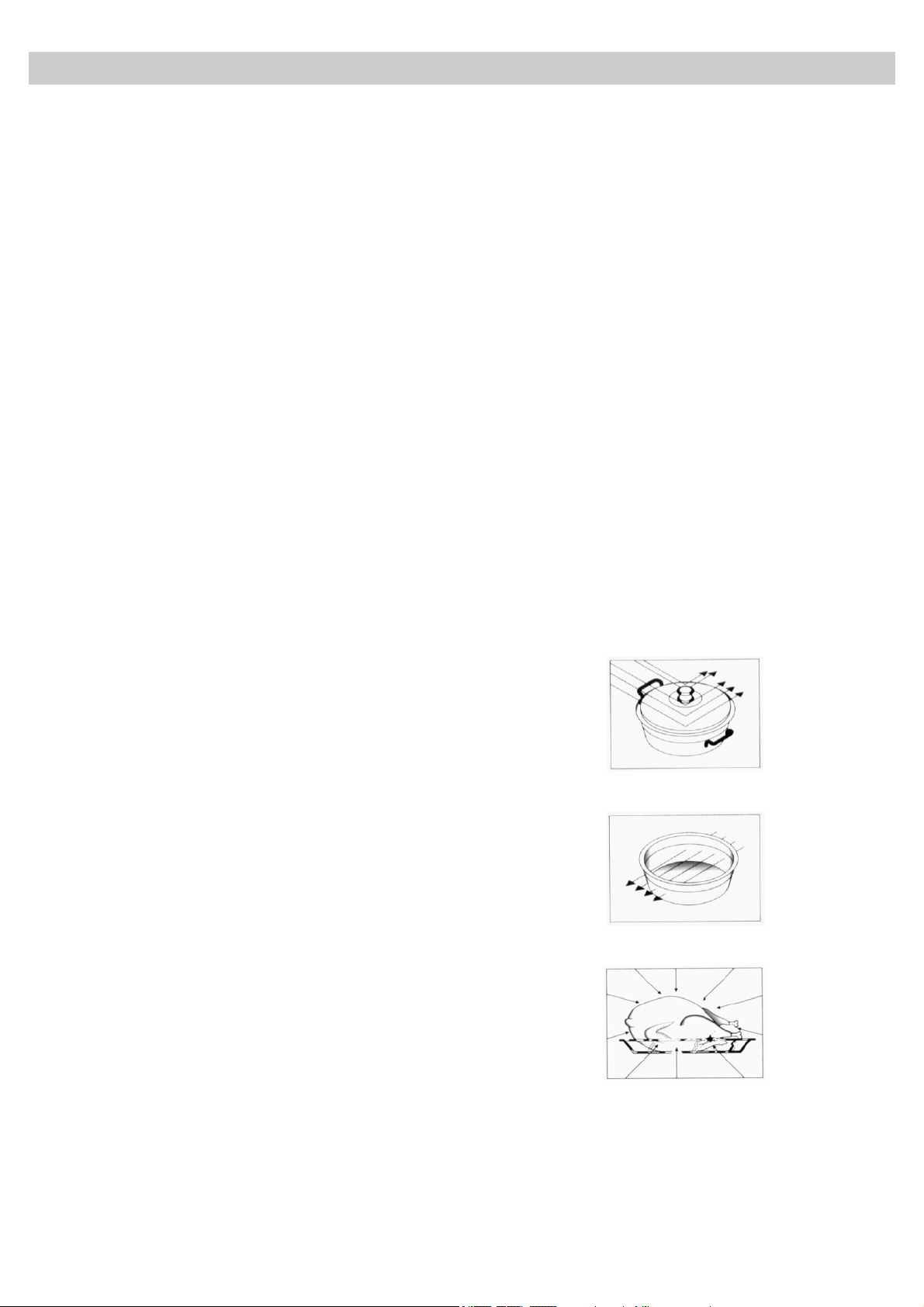
Microwaves pass through china, glass, cardboard
or plastic but do not go through metal. For this
reason, metal containers or ones with metal parts
must not be used in a microwave oven.
Microwaves are reflected by metal...
... but go through glass and china...
and are absorbed by foods.
11
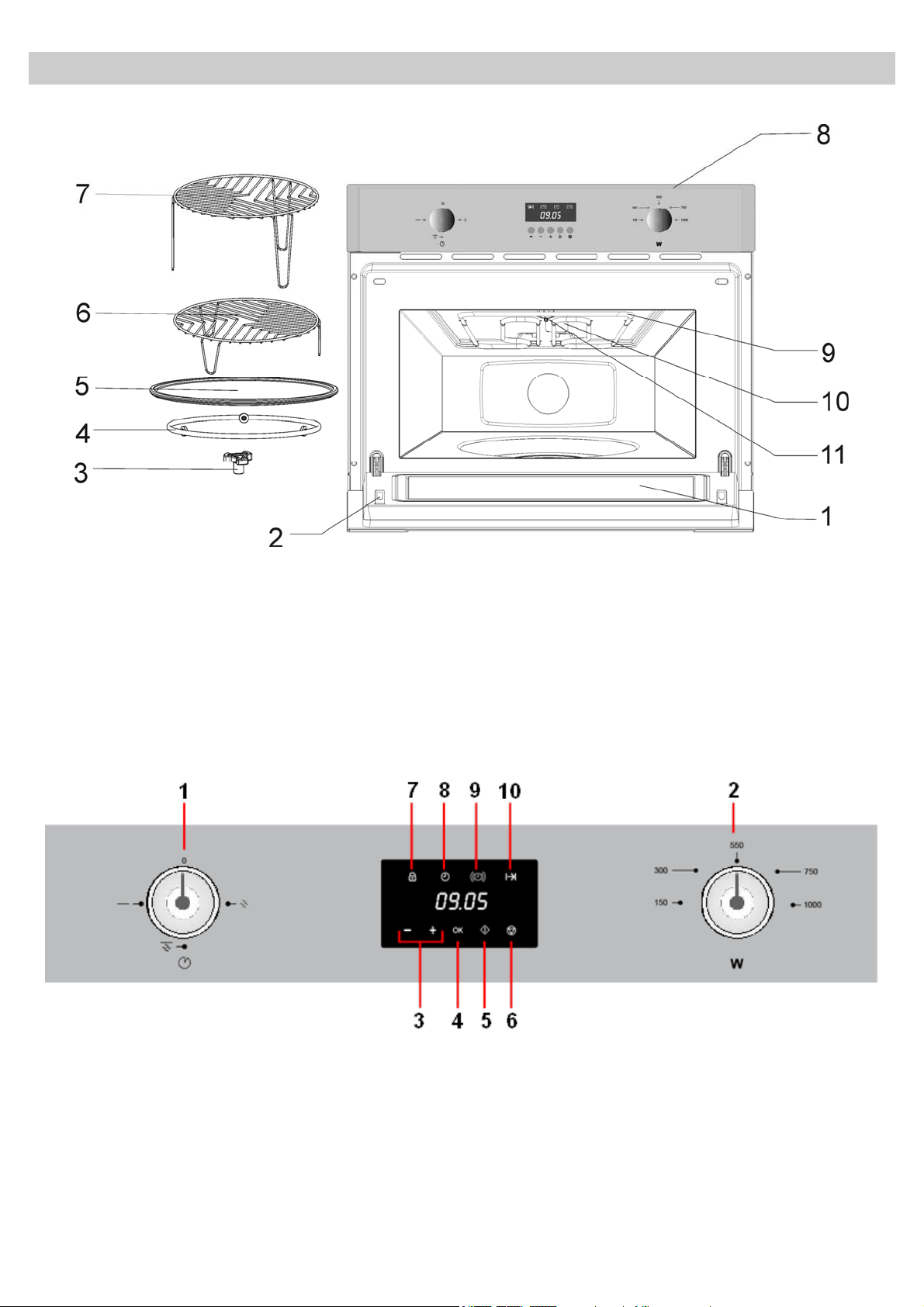
Description of microwave oven
1.
–
Door window
g
lass 7.
–
Hi
g
h
g
rille
2.
–
Catches 8.
–
Cont
r
ol panel
3.
–
Turntable support 9.
–
Grill
4.
–
Turntable rin
g
10.
–
Mica cove
r
5.
–
Turntable plate 11.
–
Lamp
6.
–
Low
g
rille
1.
–
Function selecto
r
5.
–
Start ke
y
7.
–
Child lock indicator li
g
ht
2.
–
Microwave power level selecto
r
6.
–
Stop ke
y
8.
–
Clock indicator li
g
ht
3.
–
”-”/ “+” ke
y
9.
–
Timer indicator li
g
ht
4. – OK key 10. – Operating time indicator light
12
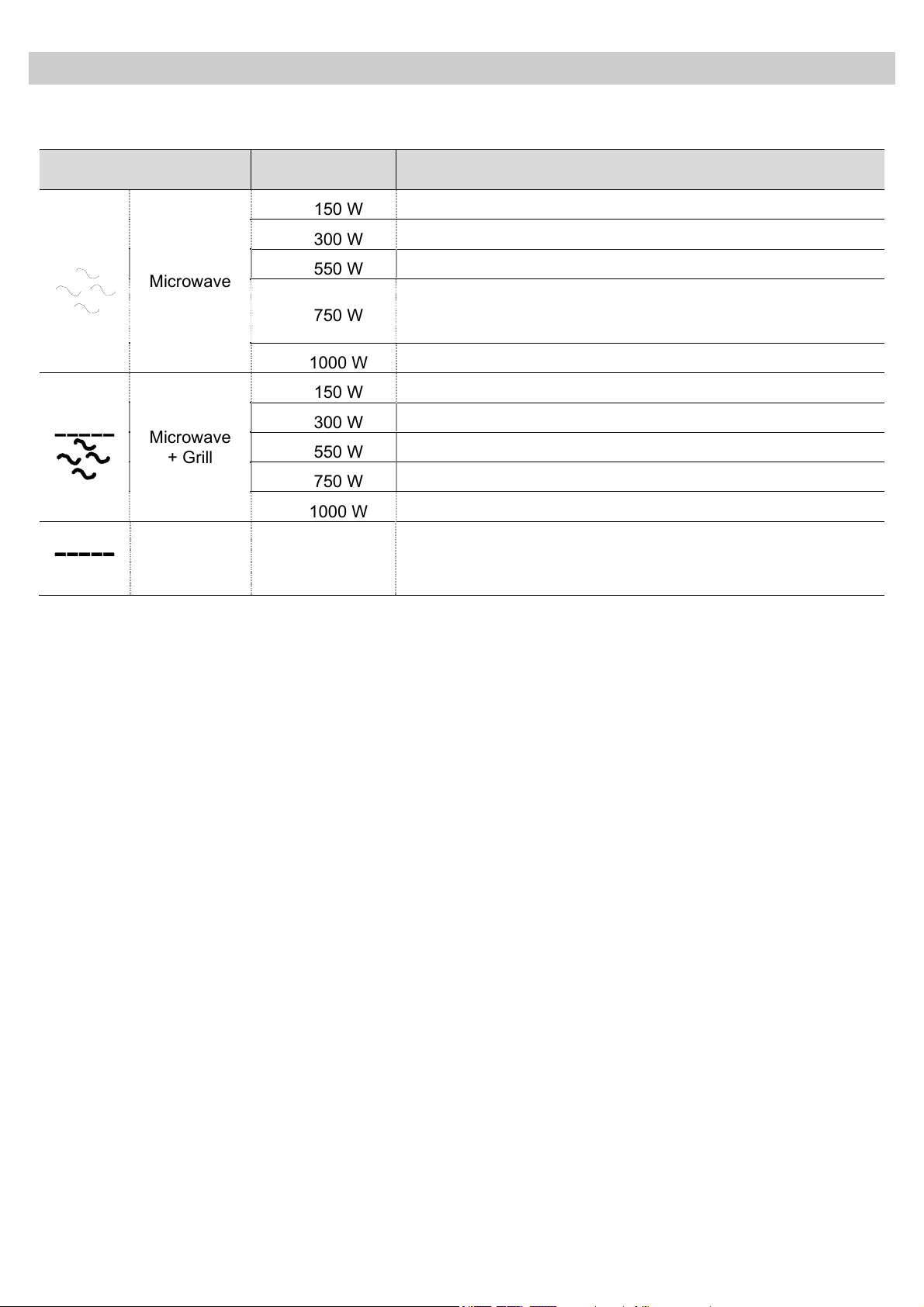
Description of microwave oven
Description of Functions
Function
Microwaves
Power
Foods
Microwave
150 W
Slow defrosting for delicate foods; keeping food hot
300 W
Cooking with little heat; boiling rice. Rapid defrosting
550 W
Melting butter. Heating baby food
750 W
Cooking vegetables and food. Cooking and heating carefully.
Heating and cooking small portions of food. Heating delicate
food
1000 W
Cooking and rapidly heating liquids and pre-cooked foods
Microwave
+ Grill
150 W
Toasting food
300 W
Grilling poultry and meat
550 W
Cooking pies and cheese-topped dishes
750 W
Use carefully: food might burn.
1000 W
Use carefully: food might burn.
Grill
---
Grilling food
13
Basic settings
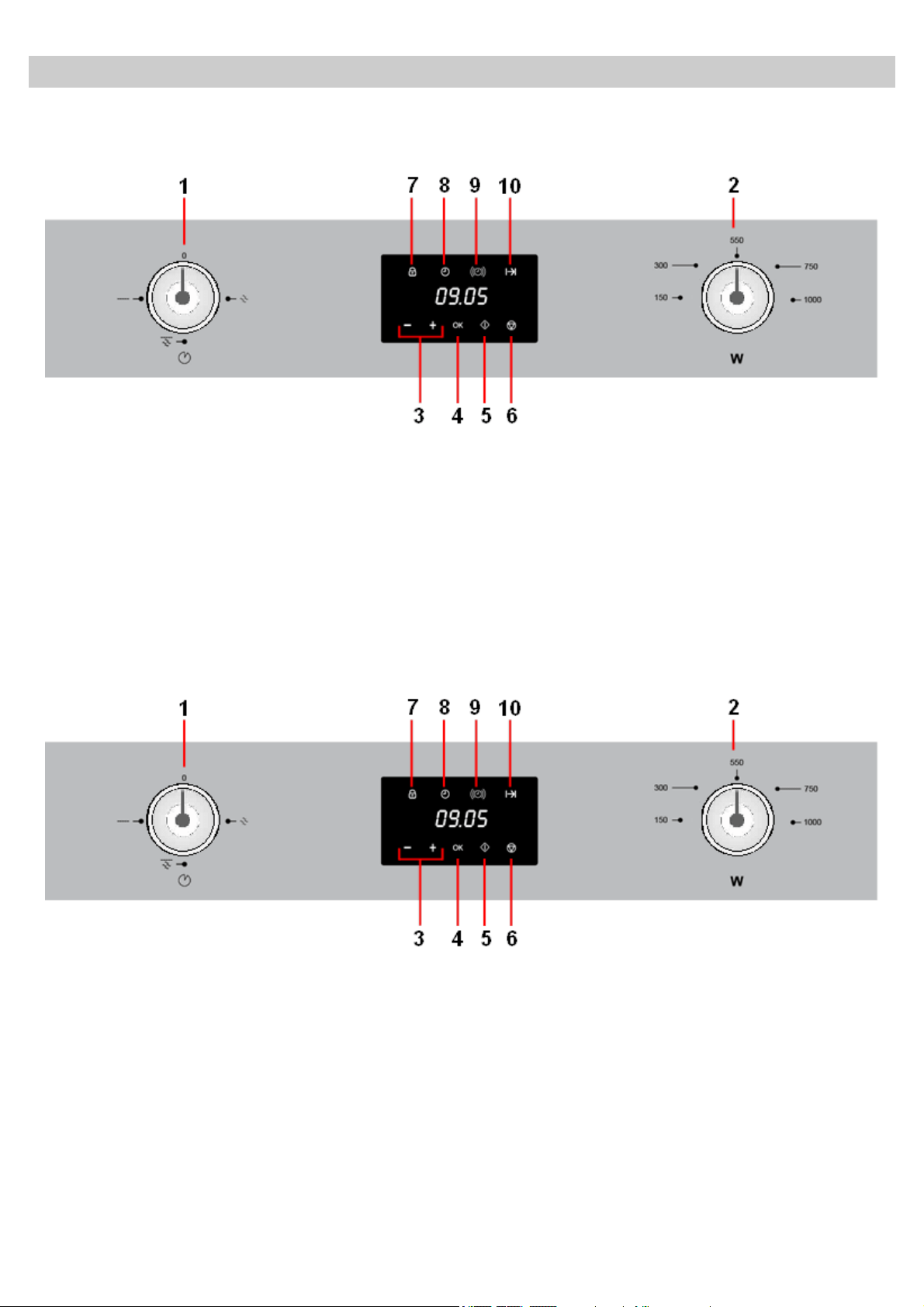
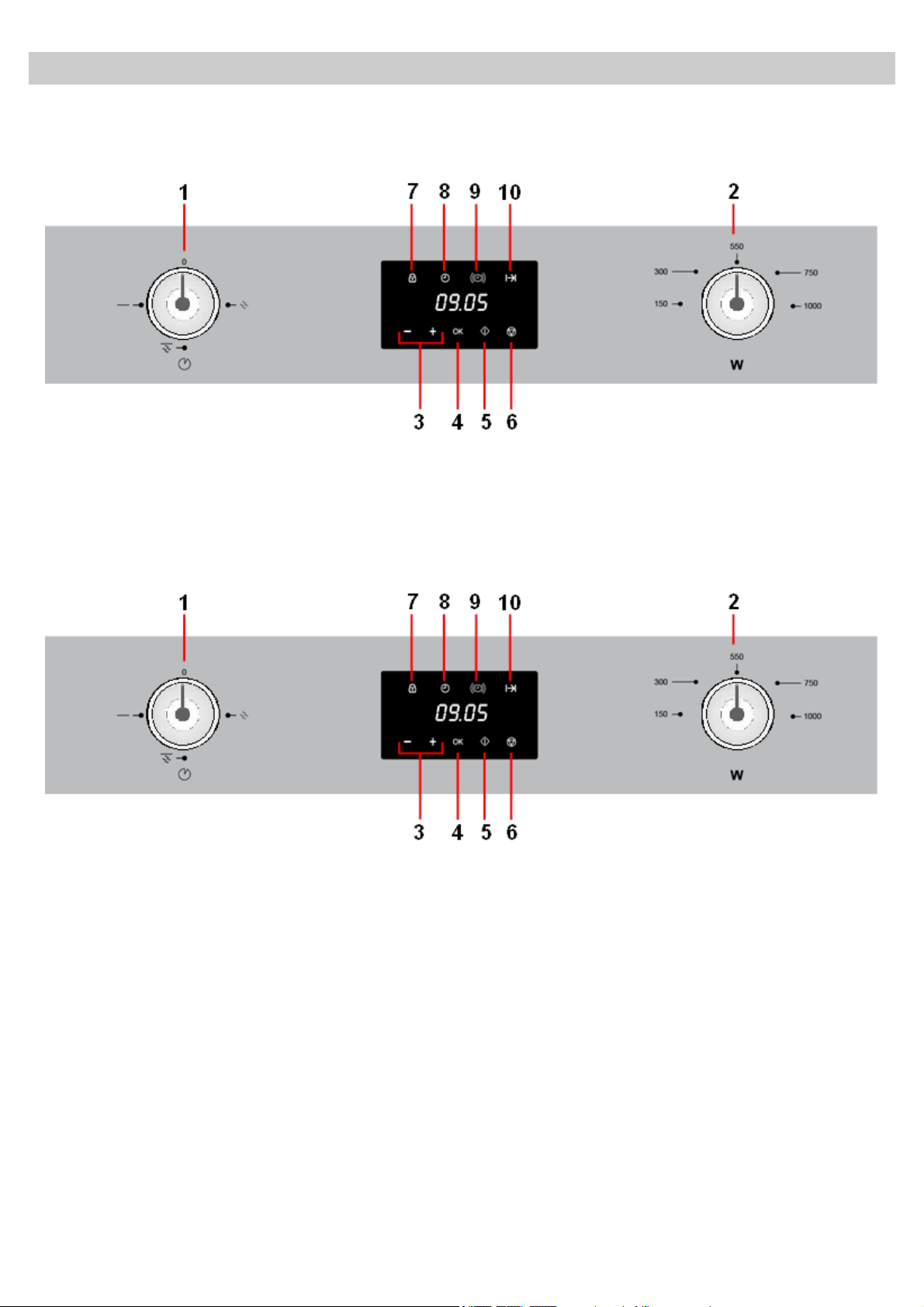
Setting the clock
After your microwave oven is first plugged-in or after a power failure, the clock display will flash to
indicate that the time shown is not correct.
To set the clock, proceed as follows:
1. Press the “+” key until the Clock Indicator
Light starts to flash.
2. Press the Start key.
3. Press “+” and “-” keys to set the correct hour
value.
4. Press the Start key to validate the hour
value. The minute numbers will start to flash.
5. Press “+” and “-” keys to set the correct
minute value.
6. To finish, press the Start key again.
Hiding / Displaying the Clock
If the clock display disturbs you, you can hide it.
1. Press the “+” and “-” keys simultaneously
for 5 seconds. The dots that separate the hours
and minutes will flash but the rest of the clock
display will be hidden.
2. If you want to see the clock again, press the “+”
and “-” simultaneously again for 5 seconds.
14
Basic settings
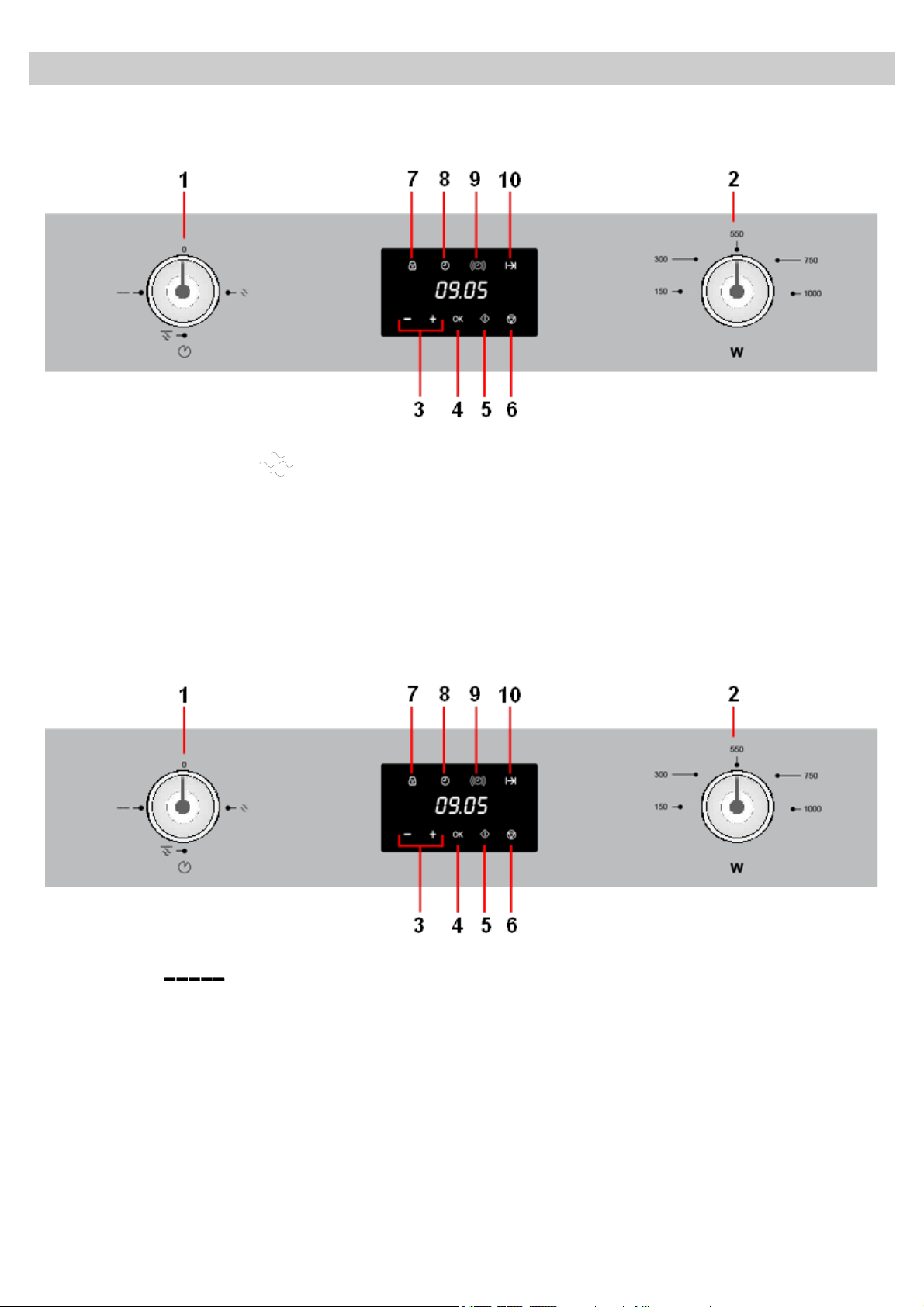
Child lock
The oven can be blocked against improper use (e.g., to prevent children from using it).
1. To block the oven, press the Stop key for 3-
5 seconds. When the oven is blocked
“SAFE” appears on the display and the
oven performs no function.
2. To unblock the oven press again the
Stop key
for 3-5 seconds.
.
Timer
1. Press the “+” key until the Timer indicator
light flashes.
2. Press the Start key.
3. The numbers flash. Press the “+” and “-” keys
to set the desired time.
4. Press the Start key. The timer will countdown
to zero and at the end of the set time the
oven will sound 3 beeps every 30 seconds
until the Stop key is pressed.
To cancel the active Timer function repeat the
above steps but setting the time to zero.
15
Basic functions
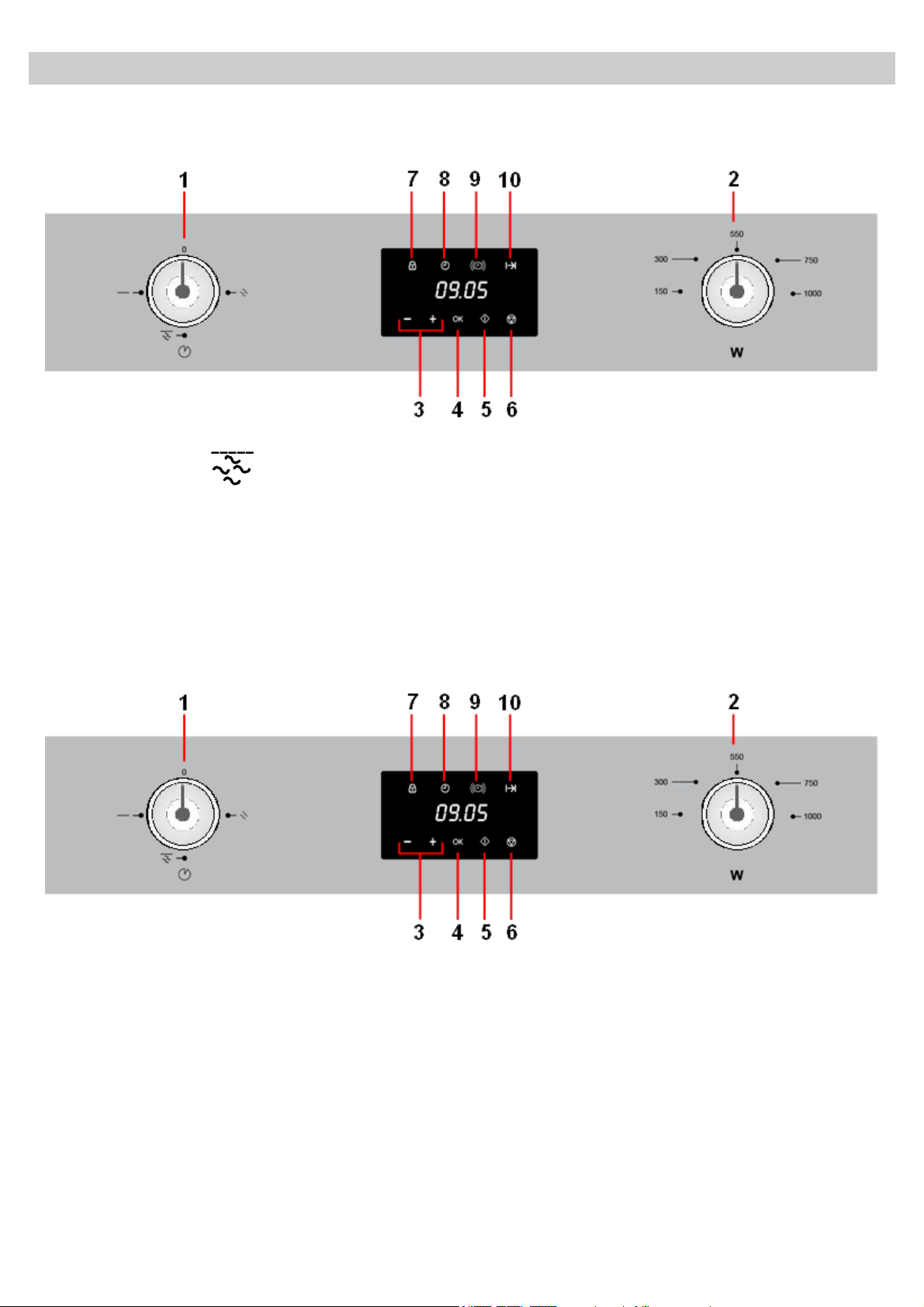
Microwave
Use this function to cook and heat up vegetables, potatoes, rice, fish and meat.
1. Turn the Function selector to the
microwave position “ ”. The Operating
time indicator Light and Display
(numbers) start to flash.
2. With the “-” and “+“ keys, select the desired
time.
3. Set the desired microwave power level with
the Microwave power level selector (see
technical features).
4. Press the Start key. The cooking process
begins.
Grill
Use this function to brown the surface of food quickly.
1. Turn the Function selector to the grill
position “ ”. The Operating time
indicator light and Display (numbers) start
to flash.
2. With the “-” and “+“ keys, select the desired
time.
3. Press the start key. The cooking process will
begin.
Please note: The position of the microwave power
level selector does not affect the operation.
16
Basic functions
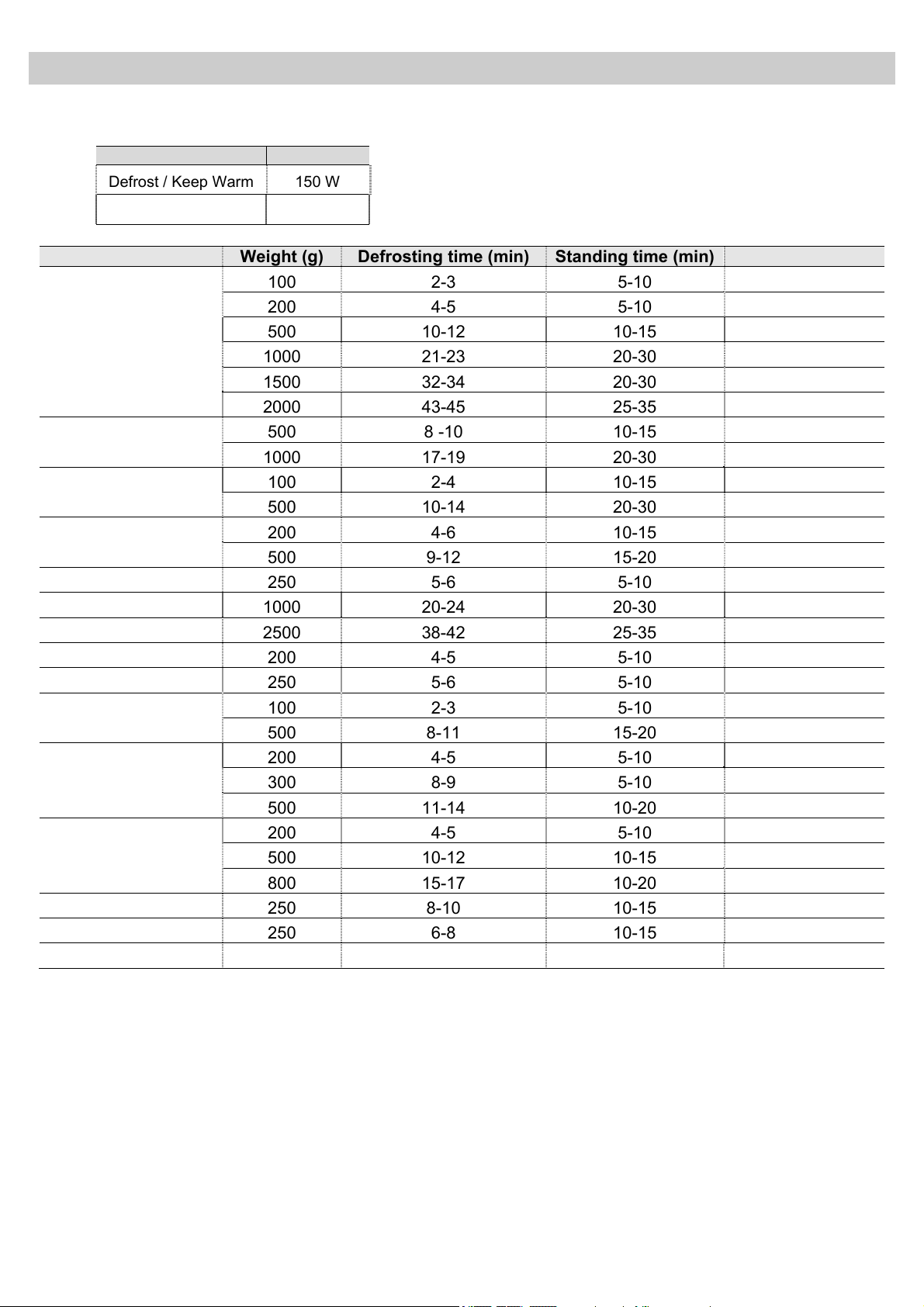
Microwave + Grill
Use this function to cook lasagne, poultry, baked potatoes and casseroles.
1. Turn the function selector to the microwave
+ grill position “ ”. The Operating time
indicator light and Display (numbers) start
to flash.
2. With the “-” and “+-“ keys, select the desired
time.
3. Set the desired microwave power level with
the Microwave power level selector (see
technical features).
4. Press the Start key. The cooking process
will begin.
Quick start
This function can be used with all the basic functions (microwave, grill, and microwave + grill).
1. In the Standby mode (function selector in
any position: microwave, grill or microwave +
grill) press the Start key . The oven starts to
operate for 30 seconds.
2. If you want to increase the operating time
press the Start key again. Each time you
press this key the operating time will be
increased by 30 seconds.

17
When the oven is working...
Interrupting a cooking cycle
You can stop the cooking process at any time by
pressing the Stop key once or by opening the
oven door.
In both cases:
Microwave emission is stopped
immediately.
The grill is de-activated but is still very
hot. Danger of burning!
The timer stops automatically, indicating
the operating time that is left.
If you wish, at this time you can:
1. Turn or stir the food to ensure it will be
evenly cooked.
2. Change the process parameters.
To restart the process, close the door and press
the Start key
Altering parameters
The operating parameters
Time (with the “+“ and “-“ keys)
Function (with the function selector)
Power (with the microwave power level
selector)
can be altered when the oven is operating or
when the cooking process has been interrupted
by simply turning the respective knob to the new
value.
Cancelling a cooking cycle
If you wish to cancel the cooking process, press
the Stop key twice.
End of a cooking cycle
At the end of the process you will hear one beep
and the display will show the word “End”.

18
Defrosting
General instructions for defrosting
1. When defrosting, use only dishes that are
appropriate for microwaves (china, glass,
suitable plastic).
2. The defrost function by weight and the tables
refer to the defrosting of raw food.
3. The defrosting time depends on the quantity
and thickness of the food. When freezing
food keep the defrosting process in mind.
Distribute the food evenly in the container.
4. Distribute the food as best as possible inside
the oven. The thickest parts of fish or
chicken drumsticks should be turned towards
the outside. You can protect the most
delicate parts of food with pieces of
aluminium foil. Important: The aluminium foil
must not come into contact with the oven
cavity interior as this can cause electrical
arcing.
5. Thick portions of food should be turned
several times.
6. Distribute the frozen food as evenly as
possible since narrow and thin portions
defrost more quickly than the thicker and
broader parts.
7. Fat-rich foods such as butter, cream cheese
and cream should not be completely
defrosted. If they are kept at room
temperature they will be ready to be served
in a few minutes. With ultra-frozen cream, if
you find small pieces of ice in it, you should
mix these in before serving.
8. Place poultry on an upturned plate so that
the meat juices can run off more easily.
9. Bread should be wrapped in a napkin so that
it does not become too dry.
10. Turn the food at regular intervals.
11. Remove frozen food from its wrapping and
do not forget to take off any metal twist-tags.
For containers that are used to keep frozen
food in the freezer and which can also be
used for heating and cooking, all you need to
do is take off the lid. For all other cases you
should put the food into containers that are
suitable for microwave use.
12. The liquid resulting from defrosting,
principally that from poultry, should be
discarded. In no event should such liquids be
allowed to come into contact with other
foods.
13. Do not forget that by using the defrosting
function you need to allow for standing time
until the food is completely defrosted.
19
Defrosting
To defrost food you should select Microwave
function with one of the following Power Levels:
Power Level Powe
r
Defrost / Keep Warm 150 W
Defrost 300 W
The table below shows different defrosting and
standing times (in order to ensure the food
temperature is evenly distributed) for different types
and weights of food, plus recommendations.
Food Weight (g) Defrosting time (min) Standing time (min) Recommendation
Portions of meat,
veal, beef, pork
100 2-3 5-10 Turn once
200 4-5 5-10 Turn once
500 10-12 10-15 Turn twice
1000 21-23 20-30 Turn twice
1500 32-34 20-30 Turn twice
2000 43-45 25-35 Turn three times
Goulash
500 8 -10 10-15 Turn twice
1000 17-19 20-30 Turn three times
Minced meat
100 2-4 10-15 Turn twice
500 10-14 20-30 Tu
r
n three times
Sausages
200 4-6 10-15 Turn once
500 9-12 15-20 Turn twice
Poultry (portions) 250 5-6 5-10 Turn once
Chicken 1000 20-24 20-30 Turn twice
Poularde 2500 38-42 25-35 Turn three times
Fish fillet 200 4-5 5-10 Turn once
Trout 250 5-6 5-10 Turn once
Prawns
100 2-3 5-10 Turn once
500 8-11 15-20 Turn twice
Fruit
200 4-5 5-10 Turn once
300 8-9 5-10 Turn once
500 11-14 10-20 Turn twice
Bread
200 4-5 5-10 Turn once
500 10-12 10-15 Turn once
800 15-17 10-20 Turn twice
Butte
r
250 8-10 10-15
Cream cheese 250 6-8 10-15
Creams 250 7-8 10-15

20
Cooking with a microwave oven
Warning! Read the section “Microwave Safety”
before cooking with your microwave.
Follow these recommendations when cooking with
your microwave:
Before heating or cooking foods with peel
or skin (e.g. apples, tomatoes, potatoes,
sausages) prick them so that they do not
burst. Cut the food up before starting to
prepare it.
Before using a container or dish make
sure that it is suitable for microwave use
(see the section on types of ovenware).
When cooking food with very little moisture
(e.g. defrosting bread, making popcorn,
etc.) evaporation is very quick. The oven
then works as if it was empty and the food
may burn. The oven and the container
may be damaged in such a situation. You
should therefore set just the cooking time
necessary and you must keep a close eye
on the cooking process.
It is not possible to heat large quantities of
oil (frying) in the microwave.
Remove pre-cooked food from the
containers they come in since these are
not always heat resistant. Follow the food
manufacturer’s instructions.
If you have several containers, such as
cups, for example, set them out uniformly
on the turntable plate.
Do not close plastic bags with metal clips.
Use plastic clips instead. Prick the bags
several times so that the steam can
escape easily.
When heating or cooking foods, check that
they reach at least a temperature of
70°C.
During cooking, steam may form on the
oven door window and may start to drip.
This situation is normal and may be more
noticeable if the room temperature is low.
The oven’s safe working is not affected by
this. After you have finished cooking, clean
up the water coming from the
condensation
When heating liquids, use containers
with a wide opening, so that the steam
can evaporate easily.
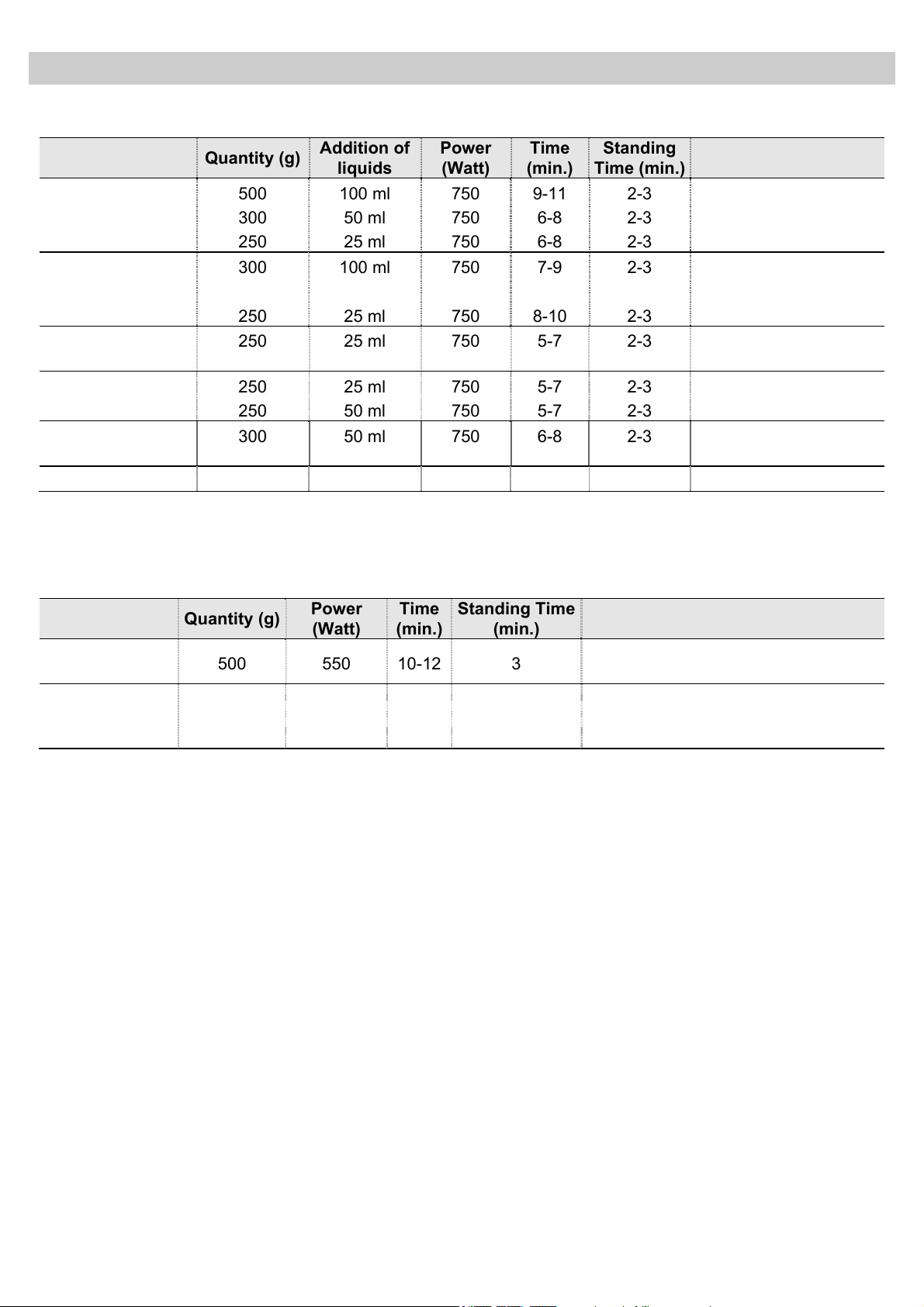
Prepare the foods as per the instructions and
keep in mind the cooking times and power levels
indicated in the tables.
Keep in mind that the figures given are only
indicative and can vary depending on the initial
state, temperature, moisture and type of food. It is
advisable to adjust the times and power levels to
each situation. Depending on the exact
characteristics of the food you may need to
increase or shorten the cooking times or increase
or decrease the power levels.
Cooling with microwaves...
1. The greater the amount of food, the longer
the cooking time. Keep in mind that:
Double the quantity » double the time
Half the quantity » half the time
2. The lower the temperature, the longer the
cooking time.
3. Foods containing a lot of liquid heat up more
quickly.
4. Cooking will be more uniform if the food is
evenly distributed on the turntable. If you put
dense foods on the outside part of the plate
and less dense ones on the centre of the
plate, you can heat up different types of food
simultaneously.
5. You can open the oven door at any time.
When you do this the oven switches off
automatically. The microwave will only start
working again when you close the door and
press the start key.
6. Foods that are covered require less cooking
time and retain their characteristics better.
The lids used must let microwaves pass
through and have small holes that allow
steam to escape.
21
Cooking with a microwave oven
Tables and suggestions – Cooking vegetables
Food Quantity (g)
Addition of
liquids
Power
(Watt)
Time
(min.)
Standing
Time (min.)
Instructions
Cauliflower
Broccoli
Mushrooms
500
300
250
100 ml
50 ml
25 ml
750
750
750
9-11
6-8
6-8
2-3
2-3
2-3
Divide into florets
Cut into slices
Turn 1 x, cove
r
Peas & carrots,
Frozen carrots
300
250
100 ml
25 ml
750
750
7-9
8-10
2-3
2-3
Cut into cubes or slices.
Cover.
Turn 1 x
Potatoes 250 25 ml 750 5-7 2-3 Peel, cut into uniform
pieces. Cover, turn 1 x
Pepper
Leek
250
250
25 ml
50 ml
750
750
5-7
5-7
2-3
2-3
Cut into pieces or slices.
Cover. Turn 1 x
Frozen Brussel
sprouts
300 50 ml 750 6-8 2-3 Cover. Turn 1 x
Sauerk
r
aut 250 25 ml 750 8-10 2-3 Cover. Turn 1 x
Tables and suggestions – Cooking fish
Food Quantity (g)
Power
(Watt)
Time
(min.)
Standing Time
(min.)
Instructions
Fish fillets 500 550 10-12 3
Cook covered over. Turn after half of
cooking time.
Whole fish 800
750
300
2-3
7-9
2-3
Cook covered over. Turn after half of
cooking time. You may wish to cover
up the small edges of the fish.

22
Cooking with the grill
For good results with the grill, use the grid iron
supplied with the oven.
Fit the grid iron in such a way that it doesn’t
come into contact with the metal surfaces of
the oven cavity since if it does there is a
danger of electric arcing which may damage
the oven.
IMPORTANT POINTS:
1. When the microwave grill is used for the first
time there will be some smoke and a smell
coming from the oils used during oven
manufacture.
2. The oven door window becomes very hot
when the grill is working. Keep children
away.
3. When the grill is operating, the cavity walls
and the grid iron become very hot. You
should use oven gloves.
4. If the grill is used for extended period of time
it is normal to find that the elements will
switch themselves off temporarily due to the
safety thermostat.
5. Important! When food is to be grilled or
cooked in containers you must check that
the container in question is suitable for
microwave use. See the section on types of
ovenware!
6. When the grill is used it is possible that some
splashes of fat may go onto the elements
and be burnt. This is a normal situation and
does not mean there is any kind of operating
fault.
7. After you have finished cooking, clean the
interior and the accessories so that cooking
remains do not become encrusted.
23
Cooking with the grill
Tables and suggestions – Grill without microwave
Fish Quantity (g) Time (min.) Instructions
Fish
Bass
Sardines/gurnard
800
6-8 fish.
18-24
15-20
Spread lightly with butter. After half of
cooking time turn and spread with
seasoning.
Meat
Sausages 6-8 units 22-26 Halfway through, pierce and turn over.
Frozen hamburgers 3 units 18-20 Turn over 2 or 3x
Spare rib (approx. 3 cm thick) 400 25-30 Baste with oil, turn over halfway through
Others
Toast 4 units 1½-3 Keep an eye on the toasting process, turn
ove
r
Toasted sandwiches 2 units 5-10 Keep an eye on the toasting process.
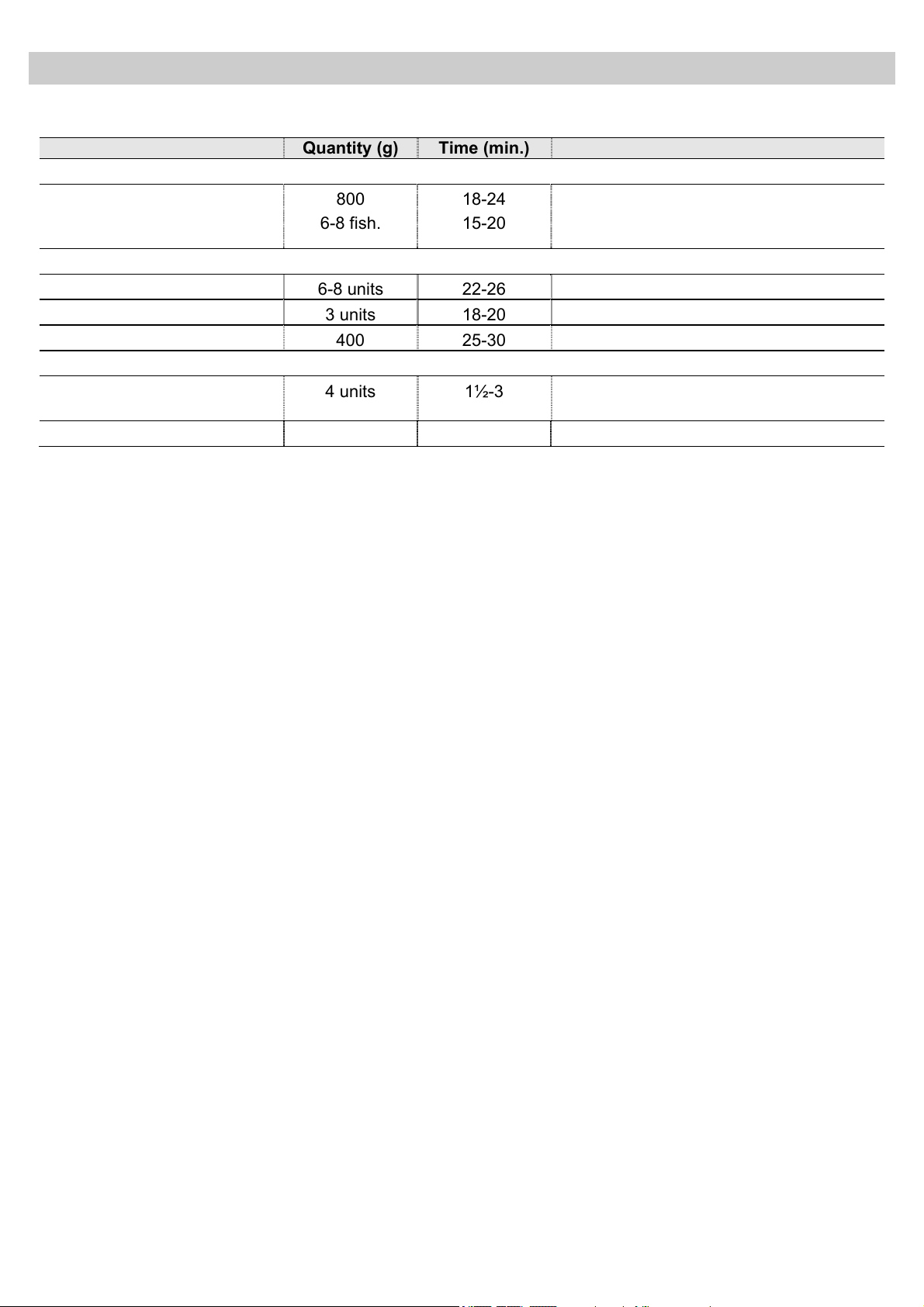
Heat up the grill beforehand for 2 minutes. Unless
indicated otherwise, use the grid iron. Place the
grid on a bowl so that the water and the fat can
drop.
The times shown are merely indicative and can
vary as a function of the composition and quantity
of the food, as well as the final condition wished
for. Fish and meat taste great if, before grilling,
you brush them with vegetable oil, spices and
herbs and leave to marinate for a few hours. Only
add salt after grilling.
Sausages will not burst if you prick them with a
fork before grilling.
After half the grilling time has passed, check on
how the cooking is going and, if necessary, turn
the food over.
The grill is especially suitable for cooking thin
portions of meat and fish. Thin portions of meat
only need to be turned once, but thicker portions
should be turned several times.
24
Cooking with the Grill
Tables and suggestions – Microwave + Grill
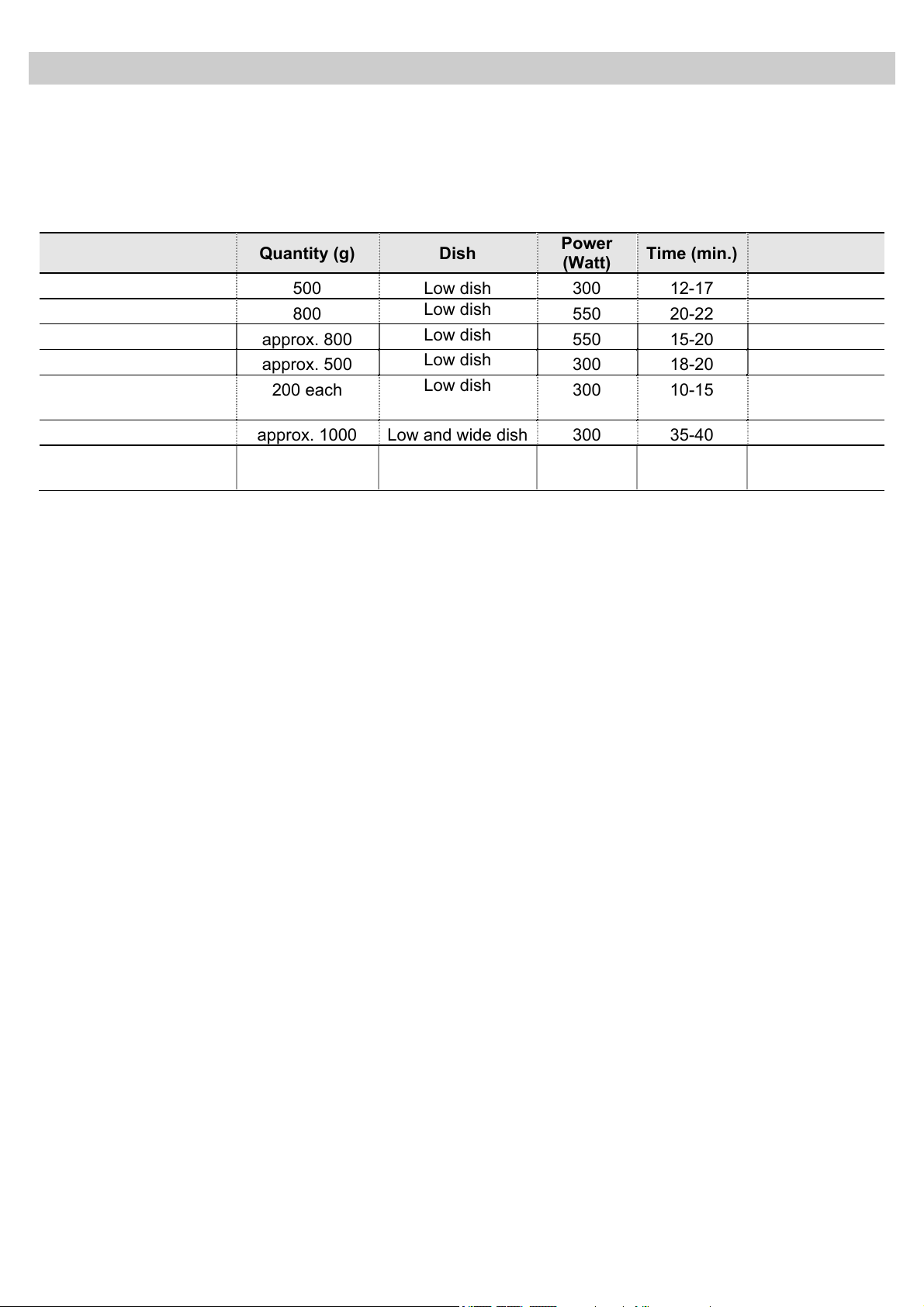
The microwave + grill function is ideal for cooking
quickly and, at the same time, browning foods.
Furthermore, you can also grill and cook cheese
covered food. The microwave and the grill work
simultaneously. The microwave cooks and the grill
toasts.
Food Quantity (g) Dish
Power
(Watt)
Time (min.)
Standing time
(min.)
Cheese topped pasta 500 Low dish 300 12-17 3-5
Cheese topped potatoes 800
Low dish
550 20-22 3-5
Lasagne approx. 800
Low dish
550 15-20 3-5
Grilled cream cheese approx. 500
Low dish
300 18-20 3-5
2 fresh chicken legs
(grilled)
200 each
Low dish
300 10-15 3-5
Chicken approx. 1000 Low and wide dish 300 35-40 3-5
Cheese topped onion
soup
2 x 200 g cups Soup bowls 300 2-4 3-5
Before using a dish in the microwave oven make
sure that it is suitable for microwave use. Only use
dishes or containers that are suitable for
microwave use.
The dish to be used in the combined function
must be suitable for microwave and grill use. See
the section on types of ovenware!
Keep in mind that the figures given are merely
indicative and can vary as a function of the initial
state, temperature, moisture and type of food.
If the time is not enough to brown the food well,
put it under the grill for another 5 or 10 minutes.
Please follow the standing times and don’t forget
to turn the meat pieces.
Unless indicated to the contrary, use the turntable
plate for cooking.
The values given in the tables are valid when the
oven cavity is cold (it is not necessary to pre-heat
the oven).

25
What kind of ovenware can be used?
Microwave function
For the microwave function, keep in mind that
microwaves are reflected by metal surfaces.
Glass, china, clay, plastic, and paper let
microwaves pass.
For this reason, metal pans and dishes or
containers with metal parts or decorations
cannot be used in the microwave. Glass ware
and clay with metallic decoration or content
(e.g. lead crystal) cannot be used in microwave
ovens.
The ideal materials for use in microwave ovens
are glass, refractory china or clay, or heat
resistant plastic. Very thin, fragile glass or china
should only be used for short period of times (e.g.
heating).
Hot food transmits heat to the dishes which can
become very hot. You should, therefore, always
use an oven glove!
How to test ovenware you want to use
Put the item you want to use in the oven for 20
seconds at maximum microwave power. After that
time, if it is cold and just slightly warm, it is
suitable to use. However, if it heats up a lot or
causes electric arcing it is not suitable for
microwave use.
Grill function
In the case of the grill function, the ovenware must
be resistant to temperature of at least 300°C.
Plastic dishes are not suitable for use in the grill.
Microwave + grill function
In the microwave + grill function, the ovenware
used must be suitable for use in both the
microwave and the grill.
Aluminium containers and foil
Pre-cooked food in aluminium containers or in
aluminium foil can be put in the microwave if the
following aspects are respected:
Keep in mind the manufacturer’s
recommendations written on the
packaging.
The aluminium containers cannot be more
than 3 cm high or come in contact with the
cavity walls (minimum distance 3 cm).
Any aluminium lid or top must be removed.
Put the aluminium container directly on top
of the turntable plate. If you use the grid
iron, put the container on a china plate.
Never put the container directly on the grid
iron!
The cooking time is longer because the
microwaves only enter the food from the
top. If you have any doubts, it is best to
use only dishes suitable for microwave
use.
Aluminium foil can be used to reflect
microwaves during the defrosting process.
Delicate food, such as poultry or minced
meat, can be protected from excessive
heat by covering the respective
extremities/edges.
Important: aluminium foil cannot come
into contact with the cavity walls since this
may cause electrical arcing.
Lids
We recommend you use glass or plastic lids or
cling film since:
1. This will stop excessive evaporation (mainly
during very long cooking times);
2. The cooking times are shorter;
3. The food does not become dry;
4. The aroma is preserved.
The lid should have holes or openings so that no
pressure develops. Plastic bags must also be
opened. Baby feeding bottles or jars with baby
food and similar containers can only be heated
without their tops / lids otherwise they can burst.
26
What kind of ovenware can be used?
Table of Ovenware
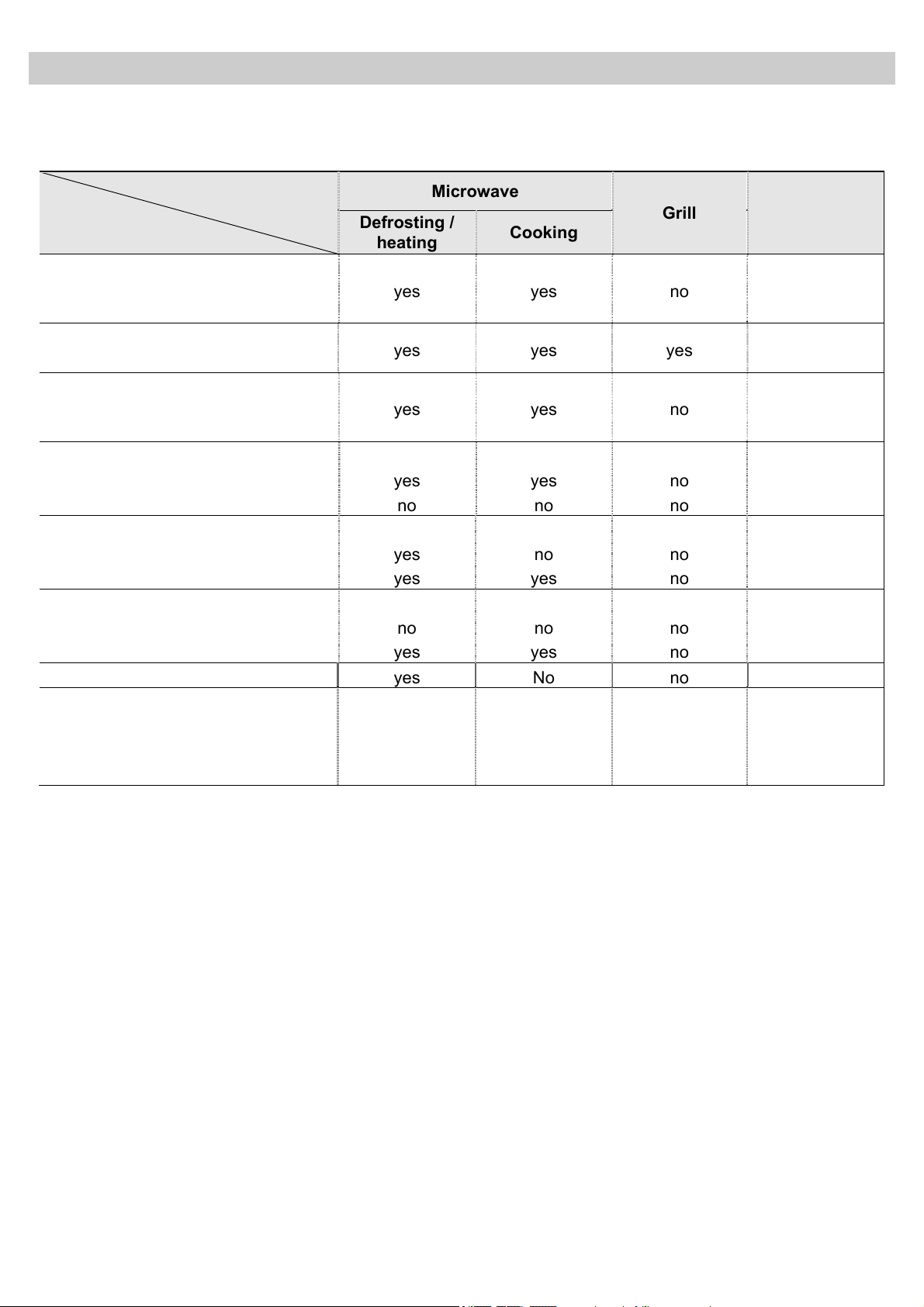
The table below gives you a general idea of what type of ovenware is suitable for each situation.
Operating mode
Type of
ovenware
Microwave
Grill
Microwave +
Grill
Defrosting /
heating
Cooking
Glass and china 1)
Home use, not flame resistant, can be
used in dish washe
r
yes yes no no
Glazed china
Flame resistant glass and china
yes yes yes yes
China, stone ware 2)
Unglazed or glazed without metallic
decorations
yes yes no no
Clay dishes 2)
Glazed
Unglazed
yes
no
yes
no
no
no
no
no
Plastic dishes 2)
Heat resistant to 100°C
Heat resistant to 250°C
yes
yes
no
yes
no
no
no
no
Plastic films 3)
Plastic film for food
Cellophane
no
yes
no
yes
no
no
no
no
Paper, cardboard, parchment 4) yes No no no
Metal
Aluminium foil
Aluminium wrappings
5)
A
ccessories
yes
no
yes
no
yes
yes
yes
yes
yes
no
yes
yes
1. Without any gold or silver leaf edging; no
lead crystal.
2. Keep the manufacturer’s instructions in
mind!
3. Do not use metal clips for closing bags.
Make holes in the bags. Use the films only to
cover the food.
4. Do not use paper plates.
5. Only shallow aluminium containers without
lids/tops. The aluminium cannot come into
contact with the cavity walls.

27
Oven Cleaning and Maintenance
Cleaning is the only maintenance normally
required.
Warning! Your microwave oven should be
cleaned regularly, with all food remains being
removed. If the microwave is not kept clean its
surfaces may deteriorate, reducing the oven’s
working life and possibly resulting in a
dangerous situation.
Warning! Cleaning should be done with the
oven power switched off. Take the plug out of
the socket or switch off the oven’s power
circuit.
Do not use aggressive or abrasive cleaning
products, scourers that scratch surfaces or
sharp objects, since stains may appear.
Do not use high pressure or stream jet
cleaning appliances.
Front surface
Normally you just need to clean the oven with a
damp cloth. If it is very dirty, add a few drops of
dishwashing liquid to the cleaning water.
Afterwards, wipe the oven with a dry cloth.
In an oven with an aluminium front, use a glass
cleaning product and a soft cloth that does not
release any fibres or threads. Wipe from side to
side without exerting any pressure on the surface.
Immediately remove lime, fat, starch or egg white
stains. Corrosion can occur under these stains.
Do not let any water get inside the oven.
Oven interior
After each time the oven is used, clean the inside
walls with a damp cloth since this is the easiest
way to remove splashes or spots of food that may
have stuck to the inside.
To remove dirt that is harder to shift, use a non-
aggressive cleaning product. Do not use oven
sprays or other aggressive or abrasive
cleaning products.
Always keep the door and the oven front very
clean to ensure that the door opens and
closes properly.
Make sure water does not enter the microwave
ventilation holes.
Regularly take out the turntable plate and the
respective support and clean the cavity base,
especially after any liquid spillage.
Do not switch on the oven without the
turntable and the respective support being in
place.
If the oven cavity is very dirty, put a glass of water
on the turntable and switch on the microwave
oven for 2 or 3 minutes at maximum power. The
steam released will soften the dirt which can then
be cleaned easily using a soft cloth.
Unpleasant odours (e.g. after cooking fish) can be
eliminated easily. Add a few drops of lemon juice
or vinegar in a cup of water. Put a spoonful of
coffee in the cup to avoid the water boiling over.
Heat the water for 2 to 3 minutes at maximum
microwave power.
28
Oven Cleaning and Maintenance
Oven ceiling
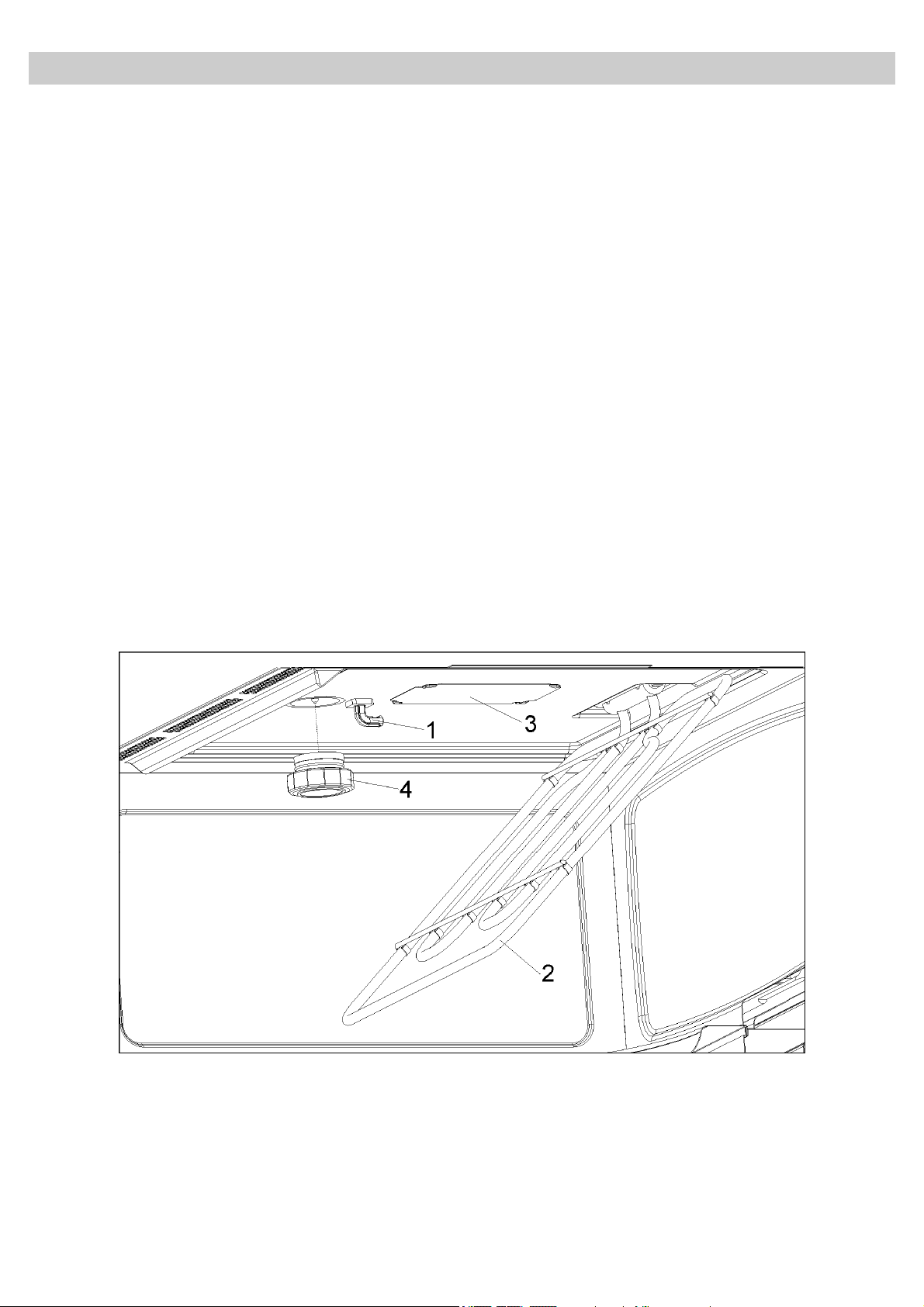
If the oven ceiling is dirty, the grill can be lowered
to make cleaning easier.
To avoid the danger of burning, wait until the
grill is cold before lowering it.
Proceed as follows:
1. Turn the grill support by 180º (1).
2. Lower the grill gently (2). Do not use
excessive force as this may cause
damage.
3. After cleaning the ceiling, put the grill (2)
back in its place, carrying out the previous
operation.
IMPORTANT WARNING: The grill heating
element support (1) may fall when it is rotated. If
this happens, insert the grill heating element
support (1) into the slot in the ceiling of the cavity
and rotate it 90º to the grill heating element
support (2) position.
The mica cover (3) located in the ceiling must
always be kept clean. Any food remains that
collect on the mica cover can cause damage or
provoke sparks.
Do not use abrasive cleaning products or
sharp objects.
To avoid any risk, do not remove the mica
cover.
The glass lamp cover (4) is located on the oven
ceiling and can be removed easily for cleaning.
For this you just need to unscrew it and clean it
with water and dishwashing liquid.
Accessories
Clean the accessories after each use. If they are
very dirty, soak them first of all and then use a
brush and sponge. The accessories can be
washed in a dish washing machine.
Make sure that the turntable plate and the
respective support are always clean. Do not
switch on the oven unless the turntable and the
respective support are in place.
29
What should I do if the oven doesn’t work?
WARNING! Any type of repair must only be
done by a specialised technician. Any repair
done by a person not authorised by the
manufacturer is dangerous.
You do not need to contact Technical Assistance
to resolve the following questions:
The display is not showing! Check if:
- The time indication has been switched off
(see section on Basic Settings).
Nothing happens when I press the keys!
Check if:
- The Safety Block is active (see section on
Basic Settings).
The oven does not work! Check if:
- The plug is correctly fitted in the socket.
- The oven’s power is switched on.
- The door is completely closed. The door
should close with an audible click.
- There are any foreign bodies between the
door and the cavity front.
When the oven is operating I can hear some
strange noises! Check if:
- There is any electrical arcing inside the oven
caused by foreign metallic objects (see
section on type of ovenware).
- The ovenware is touching the oven walls.
- There are any loose items of cutlery or
cooking tools inside the oven.
The food doesn’t heat up or heats very
slowly! Check if:
- You have inadvertently used metal
ovenware.
- You have selected the correct operating
times and power level.
- The food you have put inside the oven is a
larger amount or colder than you usually put
in.
The food is too hot, dried out or burnt!
Check if you selected the correct operating
time and power level.
I hear some noises after the cooking
process is finished! This is not a problem.
The cooling fan keeps on working for some
time. When the temperature has dropped
sufficiently, the fan will switch itself off.
The oven switches on but the interior light
does not go on! If all the functions work
properly it is probable that the lamp has
blown. You can keep on using the oven.
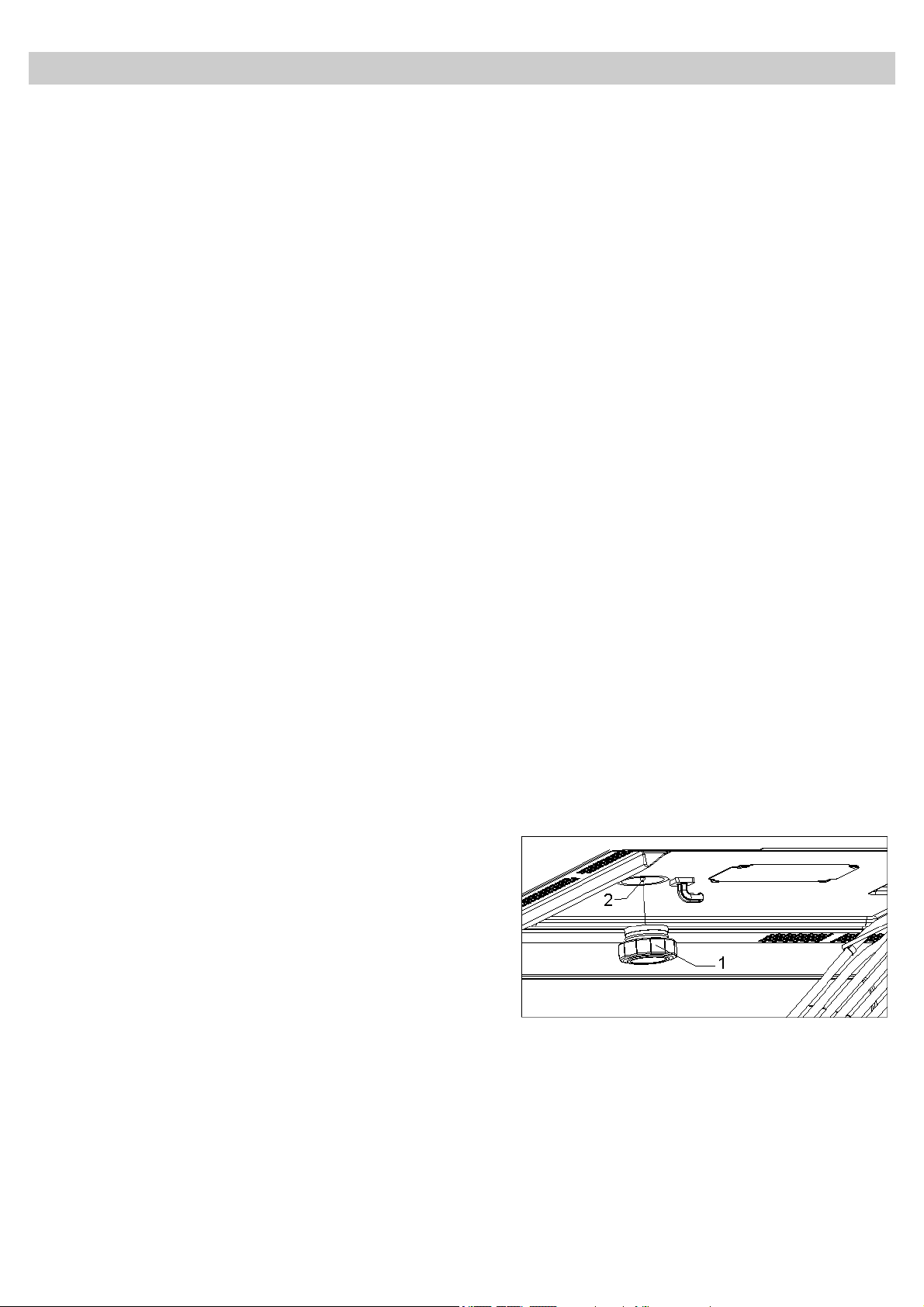
Substitution of light bulb
To substitute the light bulb, proceed as follows:
- Disconnect the oven from the power supply.
Take the plug out of the socket or switch off
the oven’s power circuit.
- Unscrew and remove the glass light cover
(1).
- Remove the halogen light bulb (2). Warning!
The bulb may be very hot.
- Fit a new 12V / 10W halogen bulb. Warning!
Do not touch the light bulb surface
directly with your fingers because you
may damage the bulb. Follow the lamp
manufacturer’s instructions.
- Screw the glass light cover into place (1).
- Connect the oven again to the power
supply.

30
Technical characteristics
Specifications
AC Voltage ................................................................................... 230-240 V / 50 Hz
Power required ............................................................................. 3300 W
Grill power.... ................................................................................ 1500 W
Microwave output power. ............................................................. 1000 W
Microwave frequency … ............................................................... 2450 MHz
Exterior dimensions (WHD). ..................................................... 595 455 472 mm
Interior dimensions (WHD). ...................................................... 420 210 390 mm
Oven capacity. ............................................................................. 32 l
Weight .......................................................................................... 35 kg

31
Installation instructions
Before installation
Check that the input voltage indicated on the
rating plate is the same as the voltage of the
power outlet you are going to use. The rating plate
is located on the front part of the cavity and it is
only visible after opening the door.
If required by the National Electrical Code (or
Canadian Electrical Code), this appliance must be
installed on a separate branch circuit.
Installer – show the owner the location of the
circuit breaker or fuse. Mark it for easy reference.
Before installing, turn power OFF at the service
panel. Lock service panel to prevent power from
being turned ON accidentally.
Be sure your appliance is properly installed and
grounded by a qualified technician. Installation,
electrical connections and grounding must comply
with all applicable codes.
Open the oven door and take out all the
accessories and remove the packing material.
Do not remove the mica cover on the ceiling of
the interior! This cover stops fat and pieces of
food damaging the microwave generator.
Warning! The front surface of the oven may be
wrapped with a protective film. Before using the
oven for the first time, carefully remove this film,
starting on the inside.
Make sure that the oven is not damaged in any
way. Check that the oven door closes correctly
and that the interior of the door and the front of
the oven opening are not damaged. If you find any
damage contact the Technical Assistance
Service.
DO NOT USE THE OVEN if the metal conduit is
damaged, if the oven does not function correctly
or if it has been damaged or dropped. Contact the
Technical Assistance Service.
Place the oven on a flat and stable surface. The
oven must not be put close to any sources of
heat, radios or televisions.
Electrical supply
Before installing the oven have a qualified
electrician verify that your home is provided with
adequate electrical service and that the addition of
the oven will not overload the branch circuit on
which it is to be installed.
A separate three-wire or four-wire single phase,
240 Volt, 60 Hz, branch circuit is required.
For hook-up of the oven you will need to have an
approved junction box installed where it will be
easily reached through the front of the cabinet
where the oven will be located. The oven has 3
feet of conduit.
Allow two to three feet of slack in the line so that
the oven can be moved if servicing is ever
necessary.
DO NOT shorten the flexible conduit.
Wiring requirements
When making the wire connections, use the entire
length of the conduit provided (3 feet). The
conduit must not be cut.
Before making connections make sure the power
is off and read and observe the following:
1. A separate three-wire or four-wire, single
phase, 240 Volt, 60 Hz branch circuit is
required for the oven.
2. The oven must be connected with Copper or
Aluminum wire.
3. In the United States:
Wiring must conform to the National
Electrical Code, ANSI/NFPA No. 7 latest
edition. You can obtain a copy of the
National Electrical Code by writing to:
National Fire Protection Association
Batterymarch Park Quincy, MA 02269
32
Installation instructions
In Canada:
Wiring must conform to Cana dian Electrical
Code C22.1- latest edition. You can obtain a
copy of the Canadian Electrical Code by
writing to: Canadian Standards Association
178 Rexdale Boulevard Rexdale (Toronto),
Ontario, Canada M9W 1R3
4. Wire size (Copper or Aluminum wire) and
connections must be suitable for the rating of
the appliance as per the National Electrical
Code requirements. The flexible armoured
cable extending from the oven should be
connected directly to the junction box.
5. The junction box should be located so as to
allow as much slack as possible between the
junction box and the oven so it can be
moved if servicing is ever required.
6. A U.L. listed conduit connector must be
provided at each end of the power supply
cable.
Electrical connections
Be sure your appliance is properly installed
and grounded by a qualified technician. Ask
your dealer to recommend a qualified
technician or an authorized repair service.
This appliance is manufactured with a green
GROUND wire connected to the oven chassis.
After making sure that the power has been turned
off, connect the flexible conduit from the oven to
the junction box using a U.L. listed conduit
connector. The figures and the instructions
provided below present the most common way of
connecting the ovens.
Your local codes and ordinances, of course, take
precedence over these instructions.
WARNING” Risk of Electric Shock, frame
grounded to neutral of appliance through a
link.
Grounding through the neutral conductor is
prohibited for new branch-circuit installations
(1996 NEC); mobile homes; and recreational
vehicles, or in an area where local codes prohibit
grounding through the neutral conductor. For
installations where grounding through the neutral
conductor is prohibited:
Disconnect the ground from the neutral at
free end of conduit;
Use grounding terminal or lead to ground
unit; and
Connect neutral terminal or lead to branch
circuit neutral in usual manner.
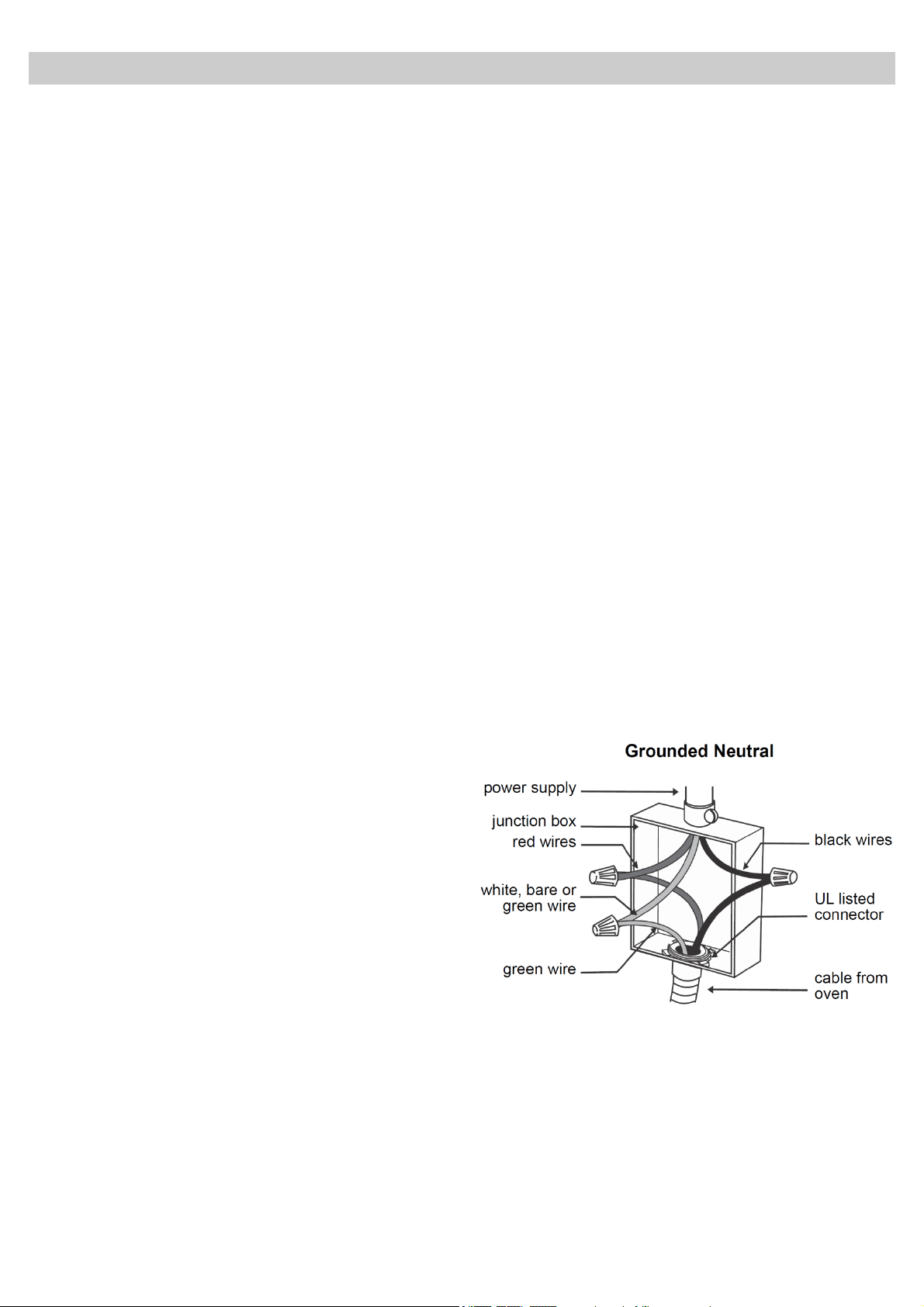
3-Wire branch circuit (for US only)
Refer to the following Figure, where local codes
allow the connection of GROUND wire from the
oven to the branch circuit NEUTRAL wire (gray or
white colored wire):
If local codes permit, connect the green
GROUND wire from the oven and the white
wire from the oven to the branch circuit
NEUTRAL wire (gray or white colored wire).
Connect the red and black leads from the
oven to the corresponding leads in the
junction box.
33
Installation instructions
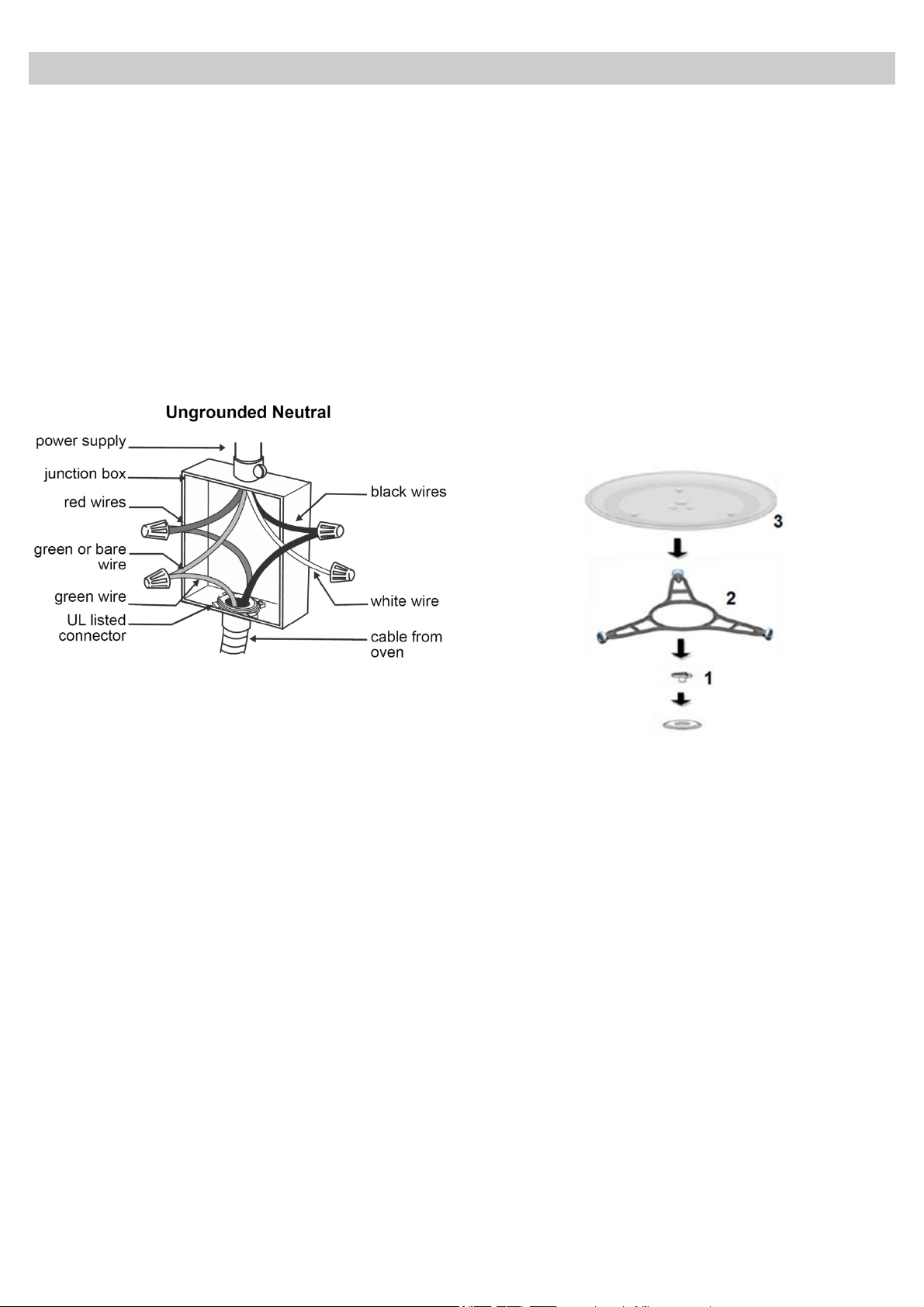
4-Wire branch circuit (for US and
CANADA)
Refer to the following Figure:
Disconnect ground from neutral at free end
of conduit.
Connect the green GROUND wire from the
oven to the GROUND wire in the junction
box (bare or green colored wire).
Connect the red and black leads from the
oven to the corresponding leads in the
junction box.
After installation
The oven only functions when the door is closed
correctly.
After the first use, clean the inside of the oven and
the accessories, following the cleaning instructions
given in the section “Oven cleaning and
maintenance”.
Fit the Turntable support in the center of the oven
cavity and put the Turntable ring and the Turntable
plate on top, making sure they slot in. Whenever
you use the microwave, the turntable plate and the
respective accessories must be inside and
correctly fitted. The turntable plate can rotate in
both directions.
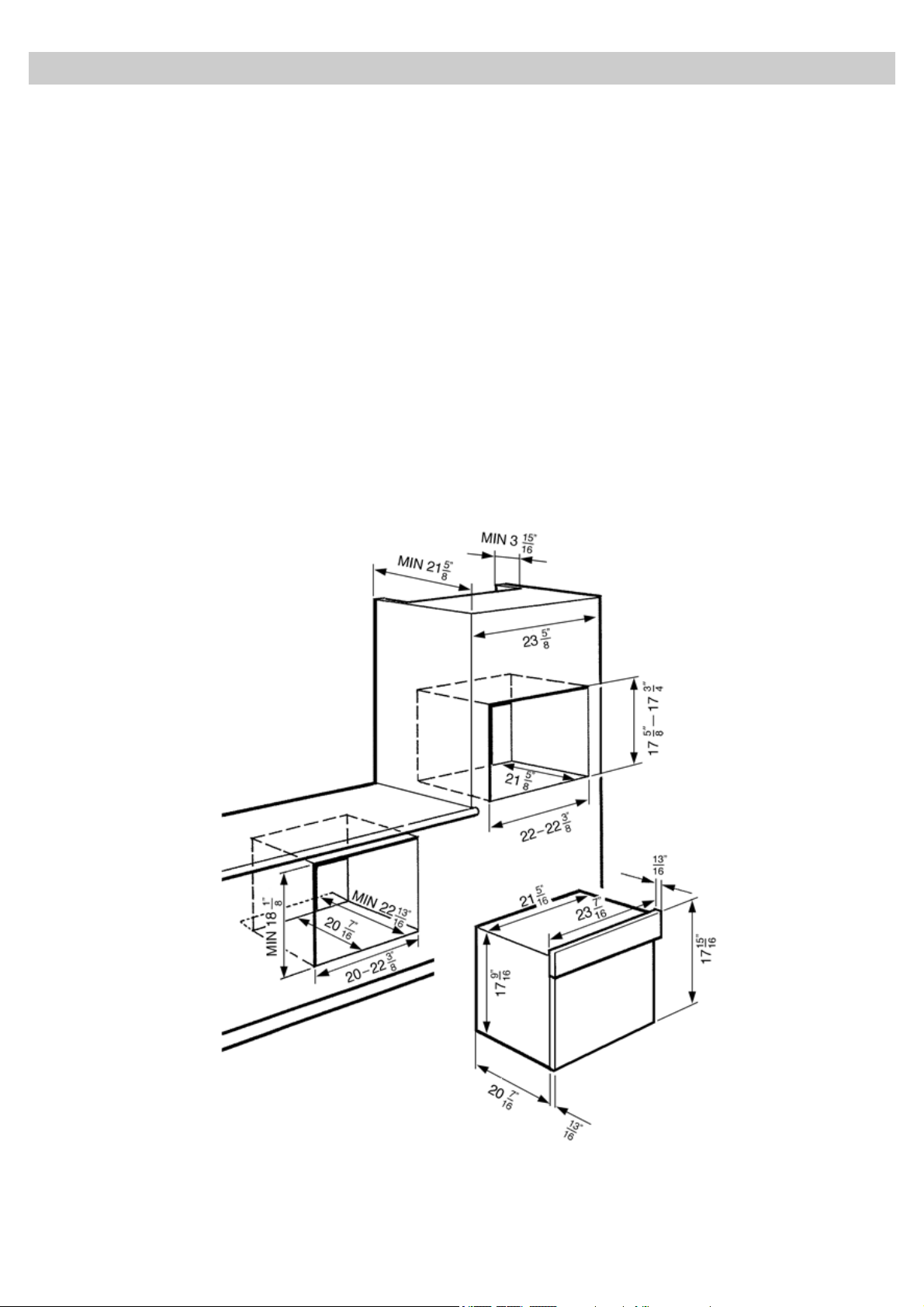
Installation/ Installation/ Instalación
EN - Positioning the oven
The appliance is designed for building-in to cabinets made from any heat-resistant material. Comply with
the dimensions shown in following pictures.
When installing in tall units bear in mind that the top/rear of the unit must have an opening 100 mm
deep.
FR - Pour mettre le four en place
L'appareil est étudié pour être encastré dans des armoires fabriquées dans un matériau résistant à la
chaleur. S'en tenir aux dimensions indiquées sur les figures suivantes.
Lors de la pose dans de grands meubles, ne pas oublier que la partie supérieure/arrière de l'appareil
doit impérativement présenter une ouverture de 100 mm de profondeur
ES - Colocación del horno
El aparato está diseñado para ser instalado en armarios de cualquier material resistente al calor.
Respete las dimensiones indicadas en las siguientes imágenes.
Cuando se instale en armarios altos, tenga en cuenta que la parte superior/trasera del aparato debe
tener una abertura de 100 mm de profundidad.
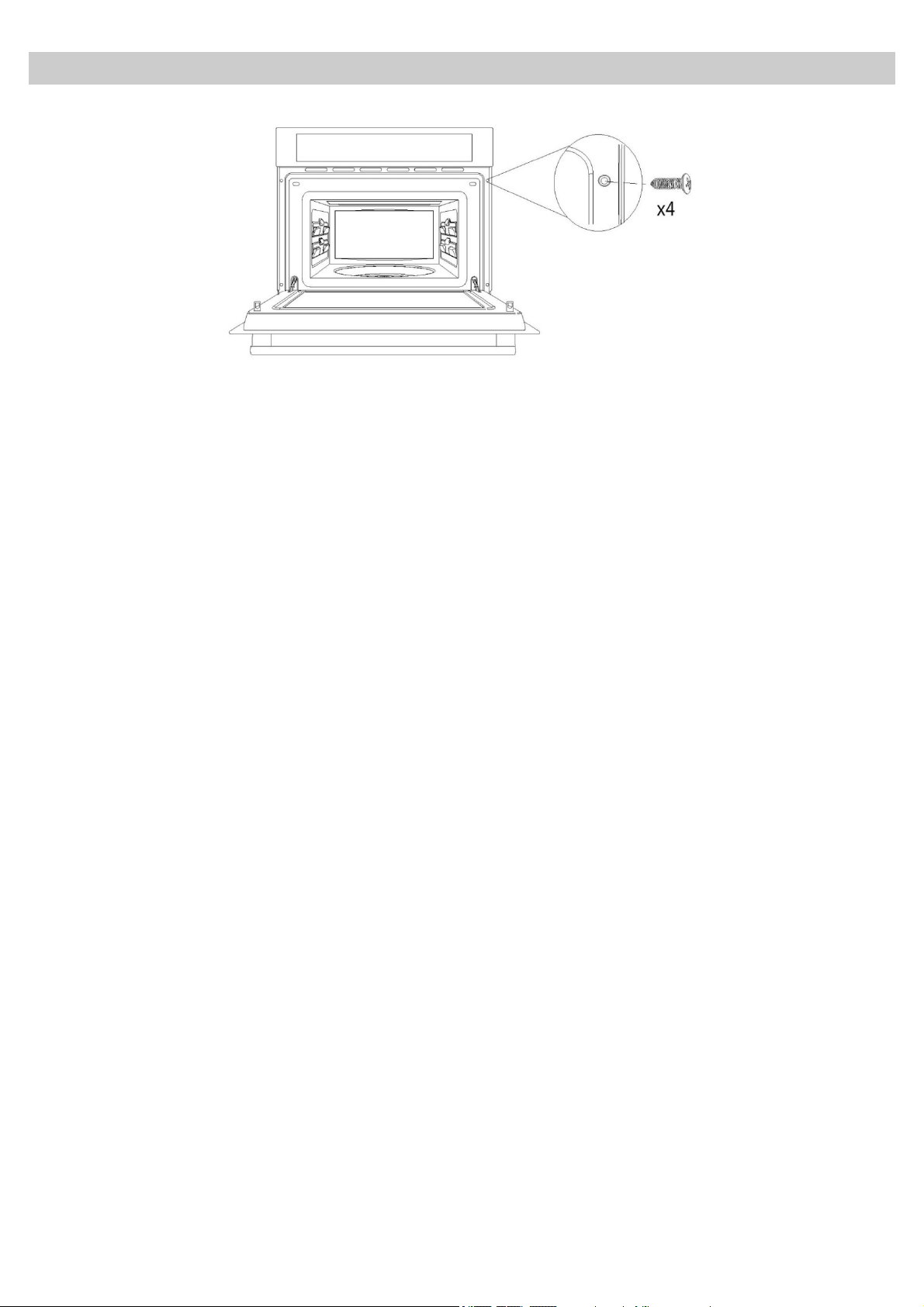
Installation/ Installation/ Instalación
EN
Push oven completely into the cabinet and centre it.
Open microwave door and fasten the appliance to the cabinet using the four screws provided. Insert the
screws through the front holes.
FR
Introduisez le four dans le meuble jusqu'à ce que l'avant du four butte sur le bois et alignez-le.
Ouvrez la porte du four et fixez ce dernier aux parois latérales du meuble au moyen des 4 vis fournies, par
les trous prévus à cet effet.
ES
Introduzca el horno de cocción al vapor en el hueco y ajústelo.
Abra la puerta y fije el aparato al mueble de la cocina con los cuatro tornillos suministrados como se indica
en la ilustración.
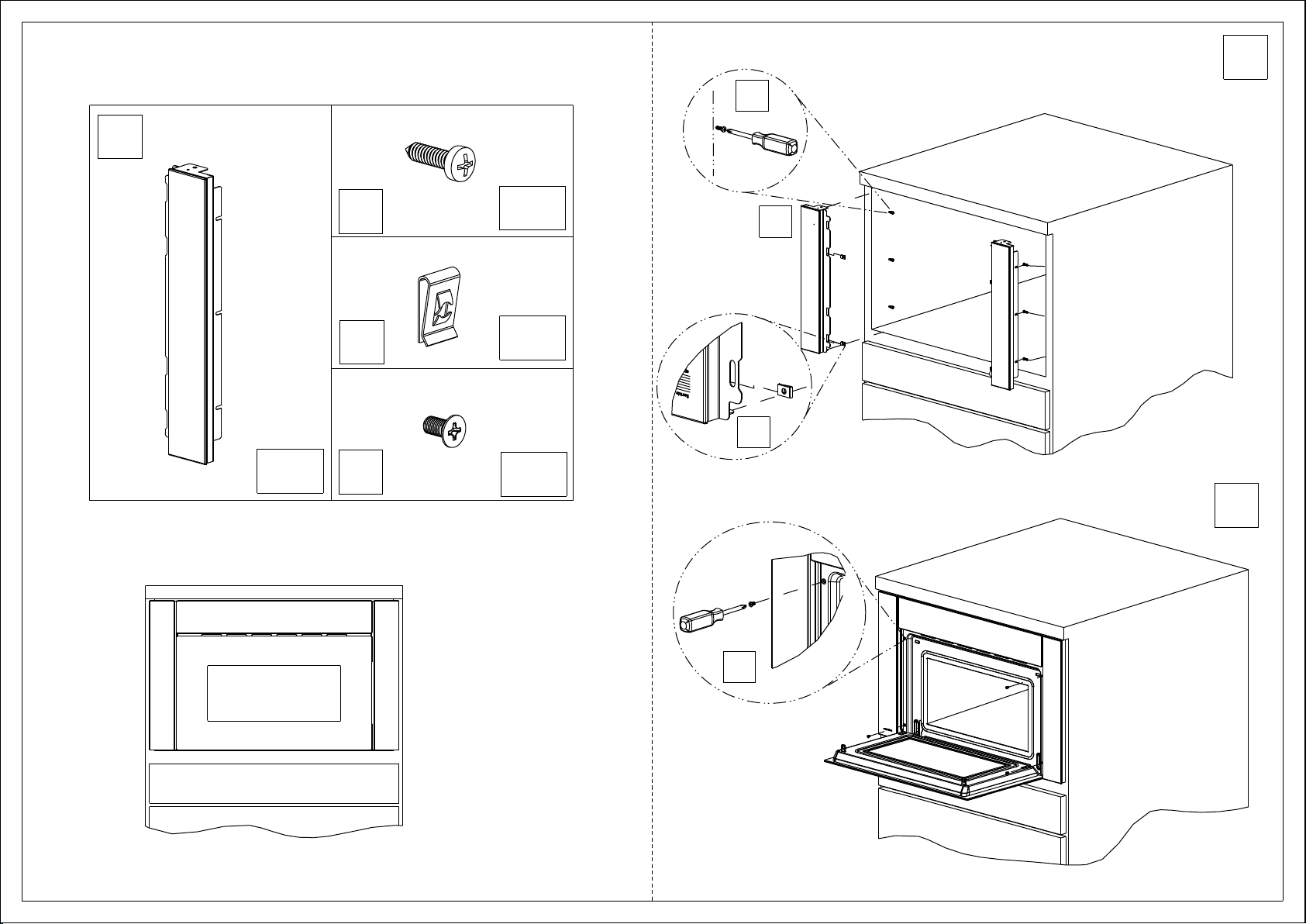
x 2
x 6
x 4
x 4
1
2
A
B
C
D
C
B
D
893689-b
A