CONTENTS
Contents
EN
1 INTRODUCTION .................................................................................
2 ................................................................... SAFETY INFORMATION
3 INSTALLATION MATERIAL..................................................................
3.1 Kit supplied dishwasher (fully integrated)............................................
3.2 Kit supplied dishwasher (integrated)....................................................
4 DIMENSIONS OF DISHWASHER........................................................
5 INSTALLATION AND HOOK-UP ..........................................................
5.1 Levelling................................................................................................
5.2 Connections .........................................................................................
5.2.1 Connection to the water supply.............................................................
5.2.1.1 Connection to the water tap...............................................................
5.2.1.2 Connection to the drain hose.............................................................
5.2.2 Electrical connections and warnings ....................................................
5.3 Commissioning......................................................................................
5.3.1 Installation procedure (all models)........................................................
5.3.2 Door panel assembly procedure (fully integrated).................................
5.3.3 Door panel assembly procedure (integrated)........................................
5.3.4 Door screwing procedure......................................................................
5.3.5 Completion of installation.......................................................................
5.4 Apply the gaskets - type A.....................................................................
5.5 Apply the gaskets - type B.....................................................................
5.6 Testing ...................................................................................................
3
4
7
8
9
10
11
12
13
14
14
16
22
23
23
25
27
29
30
32
34
36
1

Thank you for choosing one of our products. To install this dishwasher
correctly and safely, please read this manual carefully. The manual is
divided into sections giving you a step-by-step guide to installation of the
appliance. The texts are easy to understand and are complete with
detailed illustrations. This user-friendly manual will provide answers to all
your questions about installation of the dishwasher.
This manual comprises the following sections:
INTRODUCTON: general information about the manual.
WARNINGS: a list of warnings concerning safety during installation.
INSTALLATION INSTRUCTIONS: for the qualified technician who must
carry out the installation, hook-up and testing of the appliance.
INTRODUCTION
1 INTRODUCTION
DANGER. This symbol highlights information and warnings which, if not
observed, may compromise personal safety or damage the appliance.
Simbols used in this manual
DANGER OF ELECTROCUTION. This symbol highlights information and
warnings of an electrical nature which, if not observed, may compromise
personal safety or damage the appliance.
This symbol highlights general information and warnings.
EN
3
WARNINGS
2 SAFETY INFORMATION
THIS MANUAL FORMS AN INTEGRAL PART OF THE APPLIANCE: IT
MUST ALWAYS BE KEPT INTACT TOGETHER WITH THE
DISHWASHER. BEFORE USING THE APPLIANCE, CAREFULLY
READ ALL THE INSTRUCTIONS CONTAINED IN THIS MANUAL.
INSTALLATION MUST BE PERFORMED BY A QUALIFIED
TECHNICIAN, IN COMPLIANCE WITH THE REGULATIONS IN
FORCE. THIS APPLIANCE IS INTENDED FOR DOMESTIC USE AND
SIMILAR APPLICATIONS SUCH AS THE STAFF KITCHENS OF
SHOPS, OFFICES AND OTHER WORPLACES, INSTITUTIONS, AND
FOR THE USE OF GUESTS AT HOTELS, HOSTELS, BED AND
BREAKFAST ESTABLISHMENTS AND OTHER RESIDENTIAL
FACILITIES AND COMPLIES WITH DIRECTIVES CURRENTLY IN
FORCE, INCLUDING THE PREVENTION AND ELIMINATION OF
RADIO FREQUENCY INTERFERENCE. THE APPLIANCE IS
DESIGNED FOR THE FOLLOWING PURPOSE: WASHING AND
DRYING OF DISHES; ANY OTHER USE SHALL BE CONSIDERED
IMPROPER. THE MANUFACTURER DECLINES ALL
RESPONSABILITY FOR USES OTHER THAN THOSE DESCRIBED
ABOVE.
INSTALLATION, REPAIRS AND SERVICING MUST BE
PERFORMED BY QUALIFIED AND AUTHORIZED TECHNCIANS.
AS WELL AS INVALIDATING THE WARRANTY, WORK CARRIED
OUT BY UNAUTHORIZED PERSONS MAY GENERATE HAZARDS.
INSTALLATION MUST BE PERFORMED IN COMPLIANCE WITH ALL
THE DIRECTIVES IN FORCE IN THE COUNTRY OF INSTALLATION
AND, IF THESE DO NOT EXIST: IN THE UNITED STATES THE
NATIONAL ELECTRIC CODE C22.1 - LATEST EDITION/PROVINCIAL
AND MUNICIPAL CODES AND/OR LOCAL CODES.
THE NAME PLATE FEATURING THE TECHNICAL DATA, SERIAL
NUMBER AND MARKINGS IS VISIBLY POSITIONED ON THE INNER
EDGE OF THE DOOR . THE NAMEPLATE ON THE INNER EDGE OF
THE DOOR MUST NEVER BE REMOVED.
THIS APPLIANCE IS NOT SUITABLE FOR USE ON BOATS,
CARAVANS OR THE LIKE. DISHWASHERS CERTIFIED FOR
DOMESTIC USE ARE NOT SUITABLE FOR AUTHORISED FOOD
FACTORIES.
EN
4
CHECK THAT THE VOLTAGE, FREQUENCY AND PROTECTION OF THE
DOMESTIC MAINS POWER SUPPLY MATCH THE RATINGS ON THE NAME
PLATE OF THE APPLIANCE.
TWO PEOPLE WEARING SAFETY GLOVES ARE REQUIRED TO LIFT THE
DISWASHER.
DO NOT LEAVING DISCARDED PACKAGING MATERIALS UNSUPERVISED
WITHIN THE HOME. SEPARATE THE VARIOUS PACKAGING MATERIALS
AND TAKE THEM TO THE NEAREST SORTED WASTE COLLECTION
CENTRE. KEEP CHILDREN, PHYSICALLY AND/OR MENTALLY IMPAIRED
ADULTS, AND ANIMALS AWAY FROM PACKAGING WASTE; DANGER OF
SUFFOCATION.
BEFORE PROCEEDING WITH INSTALLATION, DISCONNECT THE MAINS
POWER SUPPLY FROM THE WORK AREA.
DURING INSTALLATION, TAKE CARE NOT TO INJURE YOURSELF ON
THE SHARP EDGES OF THE APPLIANCE; WEAR SAFETY GLOVES.
THE APPLIANCE MUST BE PROVIDED WITH A GROUND CONNECTION IN
ACCORDANCE WITH THE ELECTRICAL SAFETY REGULATIONS IN
FORCE. IF IN DOUBT, HAVE THE SYSTEM CHECKED BY A QUALIFIED
ELECTRICIAN.
THE MANUFACTURER DECLINES ALL RESPONSABILITY FOR DAMAGE
TO PERSONS OR PROPERTY RESULTING FROM THE FAILURE TO
GROUND THE APPLIANCE OR FROM A DEFECTIVE GROUND
CONNECTION.
DO NOT USE APPLIANCES WHICH HAVE BEEN DAMAGED DURING
TRANSIT! IF IN DOUBT, CONSULT YOUR DEALER. THE APPLIANCE
MUST BE INSTALLED AND CONNECTED IN ACCORDANCE WITH THE
INSTRUCTIONS PROVIDED BY THE MANUFACTURER OR BY A
QUALIFIED TECHNICIAN.
WARNINGS
EN
5
DO NOT OPERATE THE DISHWASHER UNLESS ALL THE OUTER
PANELS HAVE BEEN POSITIONED CORRECTLY. IMMEDIATELY
AFTER INSTALLATION, BRIEFLY TEST THE APPLIANCE
FOLLOWING THE INSTRUCTIONS INDICATED BELOW. IF THE
DISHWASHER FAILS TO OPERATE CORRECTLY, DISCONNECT IT
FROM THE ELECTRICAL POWER SUPPLY AND CALL THE
NEAREST TECHNICAL SERVICE CENTRE.
DO NOT ATTEMPT TO REPAIR THE APPLIANCE.
DO NOT USE EXTENSION CORDS, ADAPTORS OR SHUNT
CONNECTIONS IN ORDER TO AVOID THE POSSIBILITY OF OVER
HEATING OR BURNING, WITH CONSEQUENT FIRE HAZARD.
THE MANUFACTURER DECLINES ALL RESPONSABILITY FOR
DAMAGE TO PERSONS, ANIMALS OR PROPERTY RESULTING
FROM FAILURE TO OBSERVE THE ABOVE PRECAUTIONS,
FROM TAMPERING WITH EVEN A SINGLE COMPONENT OF THE
APPLIANCE, OR FROM THE USE OF UNORIGINAL SPARE
PARTS. IF IN DOUBT ABOUT THE CONTENTS OF THIS MANUAL,
CONTACT THE TECHNICAL ASSISTANCE SERVICE.
WARNINGS
EN
6
INSTALLATION INSTRUCTION
3 INSTALLATION MATERIAL
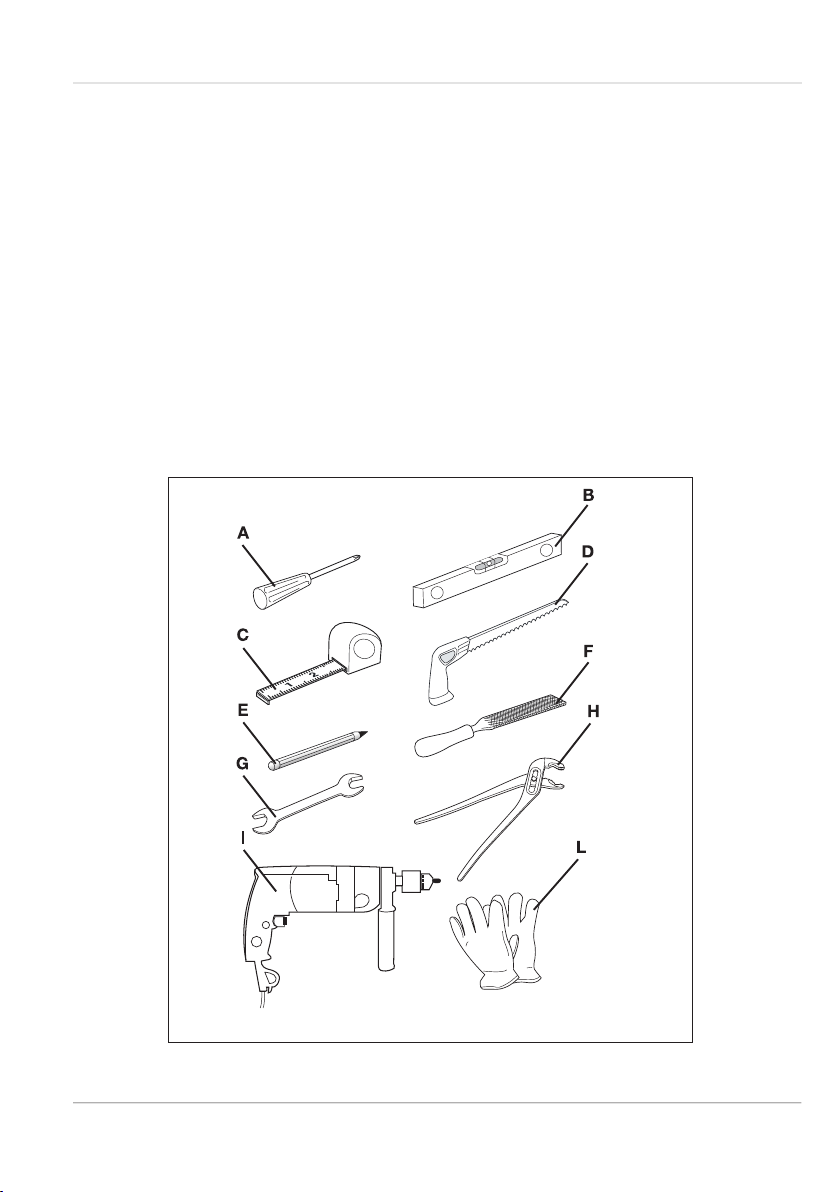
To install the dishwasher correctly, the following materials are
required:
Ÿ phillips screwdriver ( rif. A Fig. 1);
Ÿ spirit level (rif. B Fig. 1);
Ÿ tape measure ( rif. C Fig. 1);
Ÿ compass saw ( rif. D Fig. 1);
Ÿ pencil ( rif. E Fig. 1);
Ÿ file (rif. F Fig. 1);
Ÿ 13mm open-ended whrench( rif. G Fig. 1);
Ÿ plumbing pliers ( rif. H Fig. 1);
Ÿ drill (rif. I Fig. 1);
Ÿ safety gloves ( rif . L Fig. 1).
Fig. 1
EN
7
INSTALLATION INSTRUCTION
*The adhesive protection is suitable for kitchens with worktops that do not
allow the steel protection to be fixed with screws (e.g.+ marble or
masonry), but it can be also used with other materials.
Fig. 2
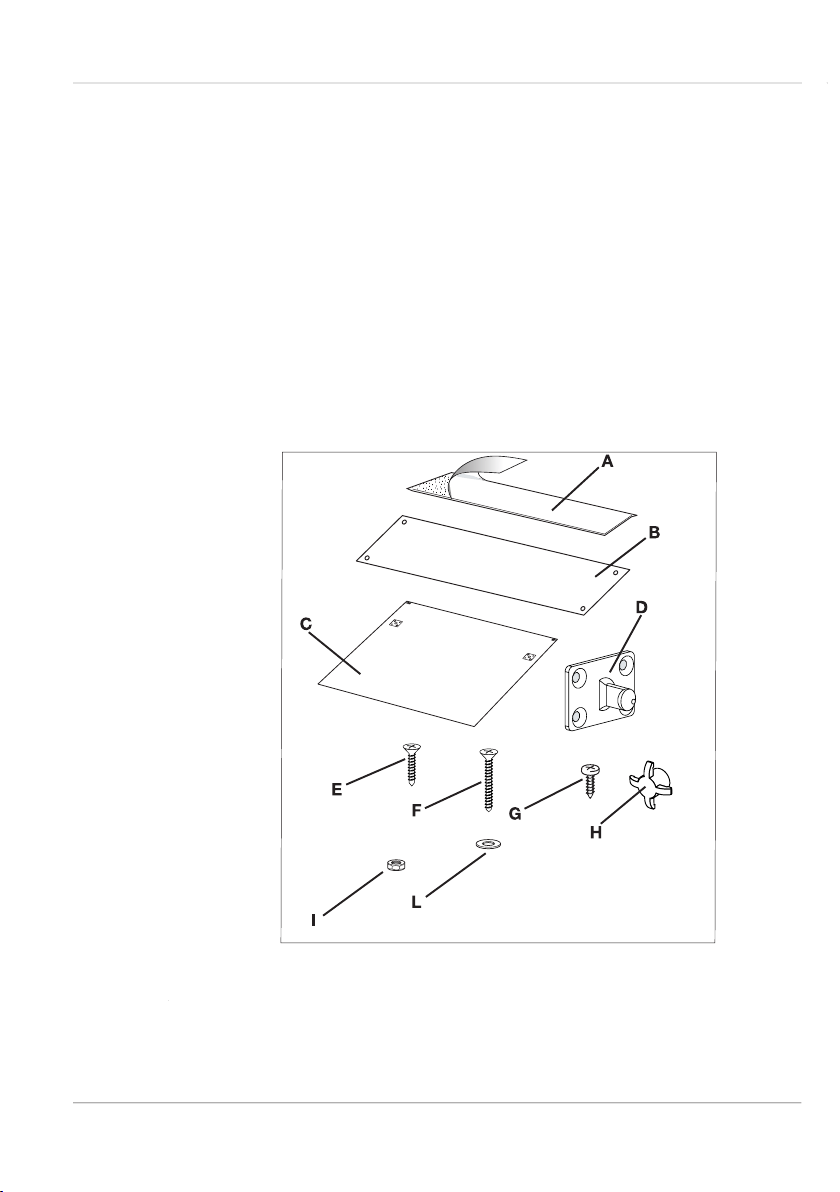
3.1 Kit supplied with dishwasher
The kit supplied with the dishwasher comprises:
1 adhesive steam guard or 1 steel steam guard (ref. A or B fi g. 2)*;
1 template for door panel (ref. C fi g. 2);
2 hooks for door panel (ref. D fi g. 2);
8 screws for securing the door panel hooks (ref. E fi g. 2);
2 screws for securing the door (ref. F fi g. 2);
2 screws for fi xing the dishwasher to the adjacent walls (ref.G fi g.2);
2 screw caps (ref. H fi g.2).
2 adjustment feet (only for some models) (ref. I fi g.2);
•
•
•
•
•
•
•
•
(fully integrated)
Ÿ 2 nuts (only for some models) (ref. L fig. 2);
EN
8
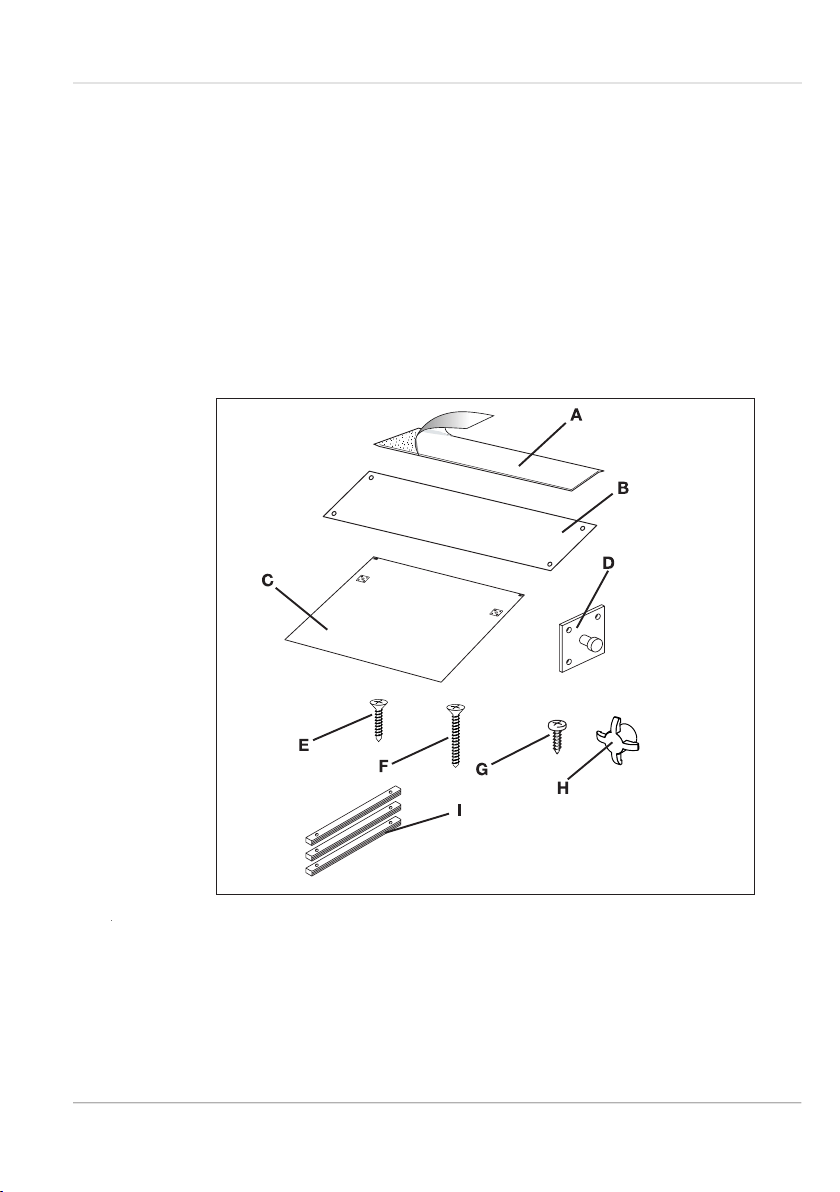
Fig. 3
3.2 Kit supplied with dishwasher
(integrated)
*The adhesive protection is suitable for kitchens with worktops that do not
allow the steel protection to be fixed with screws (e.g.+ marble or
masonry), but it can be also used with other materials.
The kit supplied with the dishwasher comprises:
1 adhesive steam guard or 1 steel steam guard (ref. A or B fi g. 2)*;
1 template for door panel (ref. C fi g.3);
2 hooks for door panel (ref. D fi g.3);
8 screws for securing the door panel hooks (ref. E fi g.3);
2 screws for securing the door (ref. F fi g.3);
2 screws for fi xing the dishwasher to the adjacent walls (ref. G fi g.3);
2 screw caps (ref. H fi g.3).
3 compensation strips (ref. I fi g.3).
•
•
•
•
•
•
•
•
INSTALLATION INSTRUCTION
EN
9
INSTALLATION INSTRUCTION
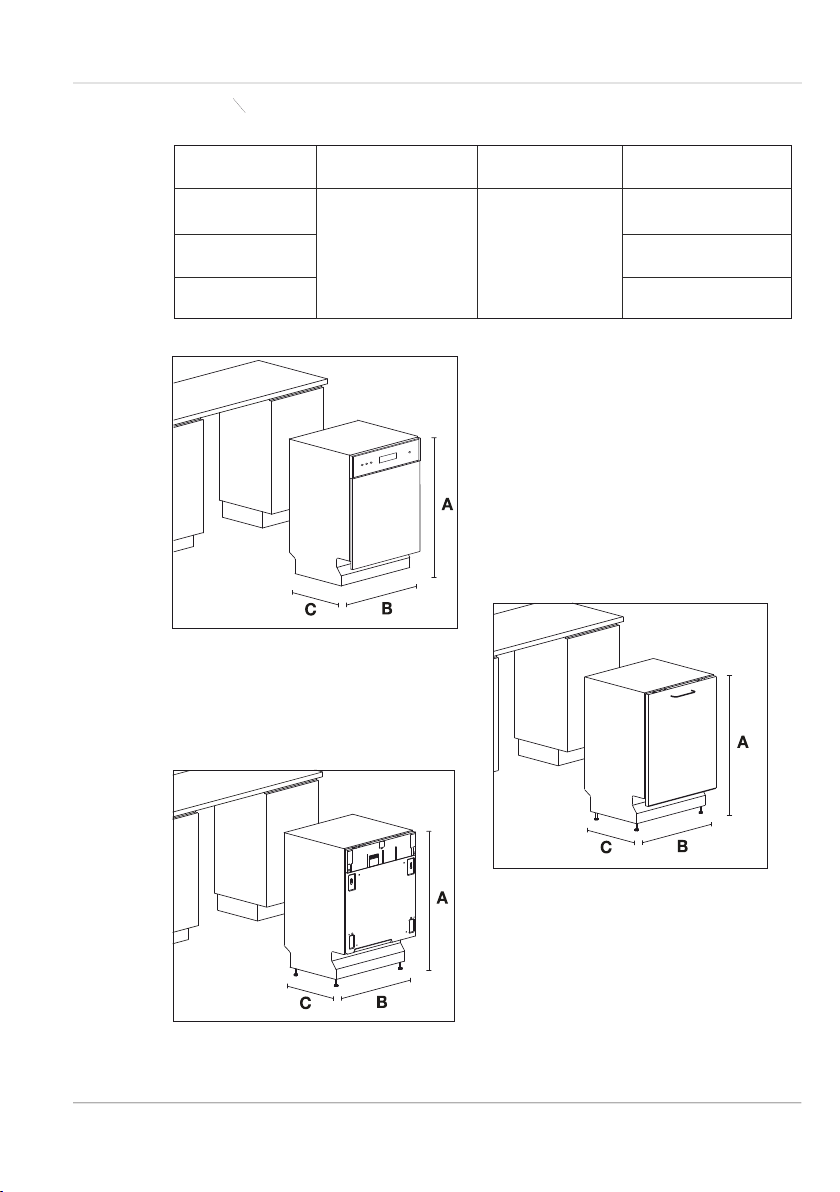
4 DIMENSION OF DISHWASHER
A height
B width
C depth
Fig. 4
Fig. 4a
Fig. 4b
Fig. 4a
Fig. 4b
81.8 cm ÷ 88.8 cm
32-13/64"÷ 34-61/64"
59.7 cm ÷ 59.9 cm
23-1/2"÷ 23-37/64"
Fig. 4
55 cm - 21-21/32"
57 cm - 22-7/16"
60 cm - 23-5/8"
86 cm ÷ 93 cm
33-35/64"÷ 36-39/64"
Integrated with steel
door
Integrated
dishwasher
Fully integrated
integrated
Integrated with
steel door
Fully
integrated
EN
10
INSTALLATION INSTRUCTION
5 INSTALLATION AND HOOK-UP
DURING INSTALLATION, TAKE CARE NOT TO INJURE YOURSELF ON
THE SHARP EDGES OF THE APPLIANCE.
Remove the polystyrene rack blocks. Position the appliance in the chosen
installation position. The sides and rear of the appliance can lie against
kitchen units or walls. If the dishwasher is installed next to a heat source,
separate it with a heat insulating panel in order to prevent overheating and
malfunctions.
To assure stability, only install built-in appliances under continuous
worktops, securing them to the adjacent kitchen units or worktop with
screws.
BUILDING-IN A DISHWASHER UNDERNEATH A CERAMIC HOB IS
ABSOLUTELY FORBIDDEN. A DISHWASHER CAN BE BUILT-IN
UNDERNEATH A CONVENTIONAL HOB PROVIDED THERE IS NO
BREAK IN THE KITCHEN WORKTOP, AND THE DISHWASHER AND
HOB ARE INSTALLED AND SECURED CORRECTLY, SO THAT NO
HAZARDS ARE GENERATED.
MAKE SURE THE DISHWASHER HAS BEEN CORRECTLY INSTALLED
AND GROUNDED BY A QUALIFIED FITTER. THIS
SAFETY REQUIREMENT MUST BE MET. IN CASE OF DOUBT,
CALL IN A QUALIFIED FITTER. THE MANUFACTURER DECLINES
ALL RESPONSIBILITY FOR DAMAGE TO PERSONS
OR PROPERTY RESULTING FROM THE FAILURE TO GROUND
THE APPLIANCE OR FROM A DEFECTIVE GROUND CONNECTION.
BEFORE PROCEEDING WITH INSTALLATION, DISCONNECT
THE MAINS POWER SUPPLY FROM THE WORK AREA.
EN
11
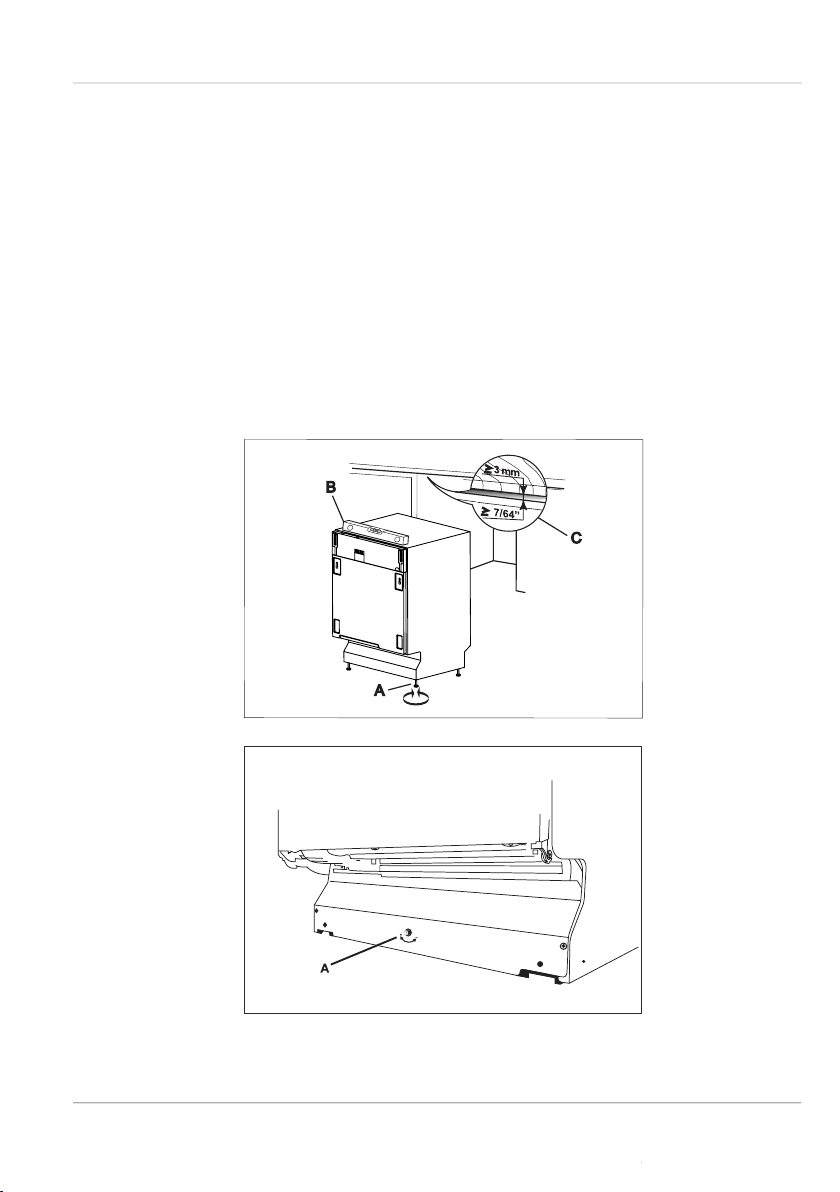
Level the appliance using the relative adjustable feet (e.g.: ref. A fig. 5);
use an open-ended wrench to rotate the feet until the dishwasher is
perfectly level. Some models are fitted with just one rear foot which can be
adjusted with a screw located at the bottom front of the appliance (ref. A
fig. 6); use a suitable Phillips screwdriver to turn the screw until the
dishwasher is perfectly level.
Use a spirit level to check the appliance is perfectly level (ref. B fig.
6).Leveling is vital for assuring correct dishwasher operation.
Make sure to leave a gap of at least 3 mm (7/64”) between the top of the
dishwasher and the worktop (ref. C fig. 6).
INSTALLATION INSTRUCTION
Fig. 6
Fig. 5
5.1 Leveling
EN
12
5.2 Connections
Install the dishwasher so as to allow ease of access to the electrical and
hydraulic connections through the adjacent unit. These connections must
never
be behind the dishwasher. The inlet and drain hoses can be pointed in all
directions. make sure that they are not bent, crushed or too tight. Tighten
the ring nut after pointing the hoses in the required direction.
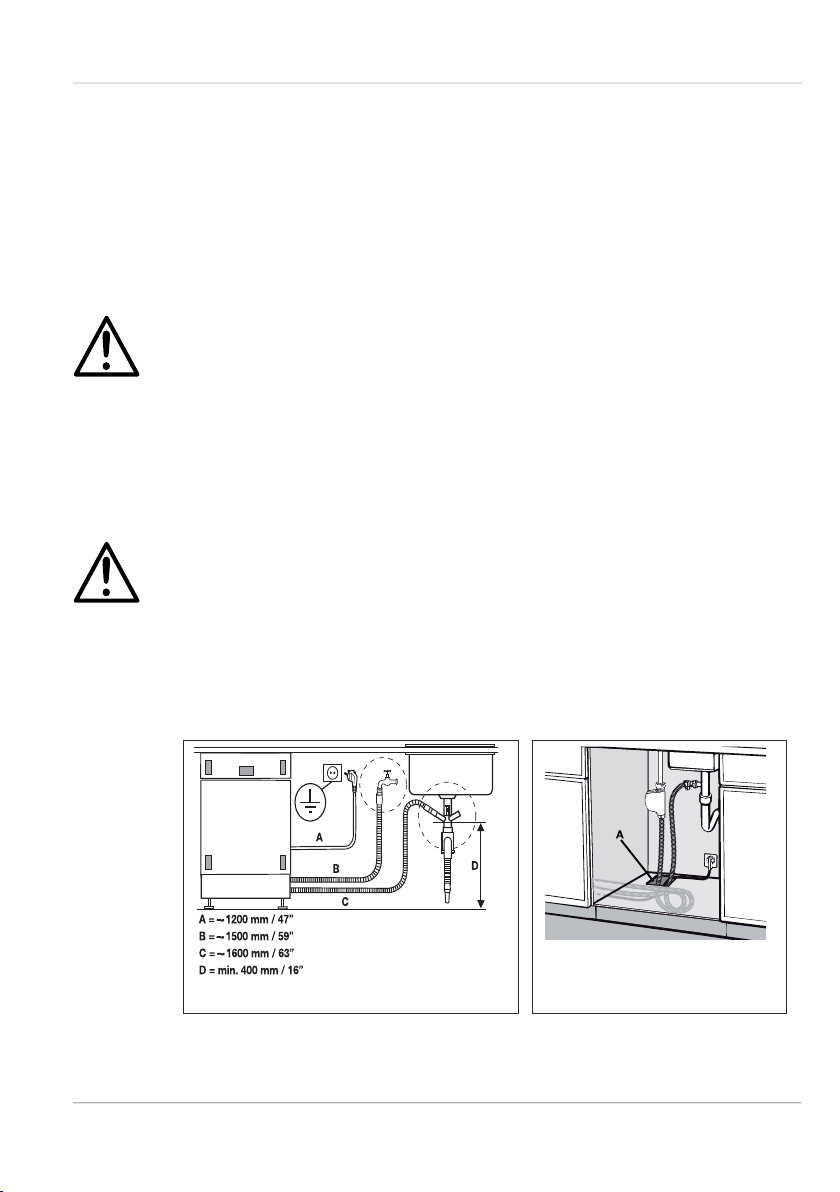
Figure 7 indicates the distances to maintain between the dishwasher and
the various connections.
FIRE HAZARD!
DO NOT COVER OR CRUSH THE CORD PLUG.
A through hole with a diameter of at least 8 cm (5/32”) is required to pass
the hoses and power cord (ref. A fig. 8). Make sure there area no rough
edges that could damage the power cord or hoses. If the dishwasher is
installed in a metal unit protect the edge of the through hole for the hoses
and power cord with a gasket. Do not use extension cords when making
the electrical connection as these do not guarantee safety.
ATTENTION!
INSTALLING THE DISHWASHER IN A NARROW SPACE MAY BEND
OR CRUSH THE POWER CORD. TAKE GREAT CARE IN ORDER TO
REDUCE THE POSSIBILITY OF DAMAGING THE POWER CORD
WHEN INSTALLING OR REMOVING THE APPLIANCE.
INSTALLATION INSTRUCTION
Fig.7
Fig.8
EN
13
5.2.1 Connecting to the water supply
PREVENTING THE RISK OF CLOGGING OR DAMAGE: IF THE
WATER PIPE IS NEW OR HAS NOT BEEN USED FOR A LONG
TIME, BEFORE CONNECTING TO THE WATER SUPPLY CHECK
THAT THE WATER IS CLEAR AND FREE OF IMPURITIES, TO
PREVENT DAMAGE TO THE APPLIANCE. THE DISHWASHER
MUST ALWAYS BE CONNECTED TO THE WATER SYSTEM WITH
NEW HOSES; OLD OR USED HOSES MUST NEVER BE REUSED.
5.2.1.1 Connecting to the water tap
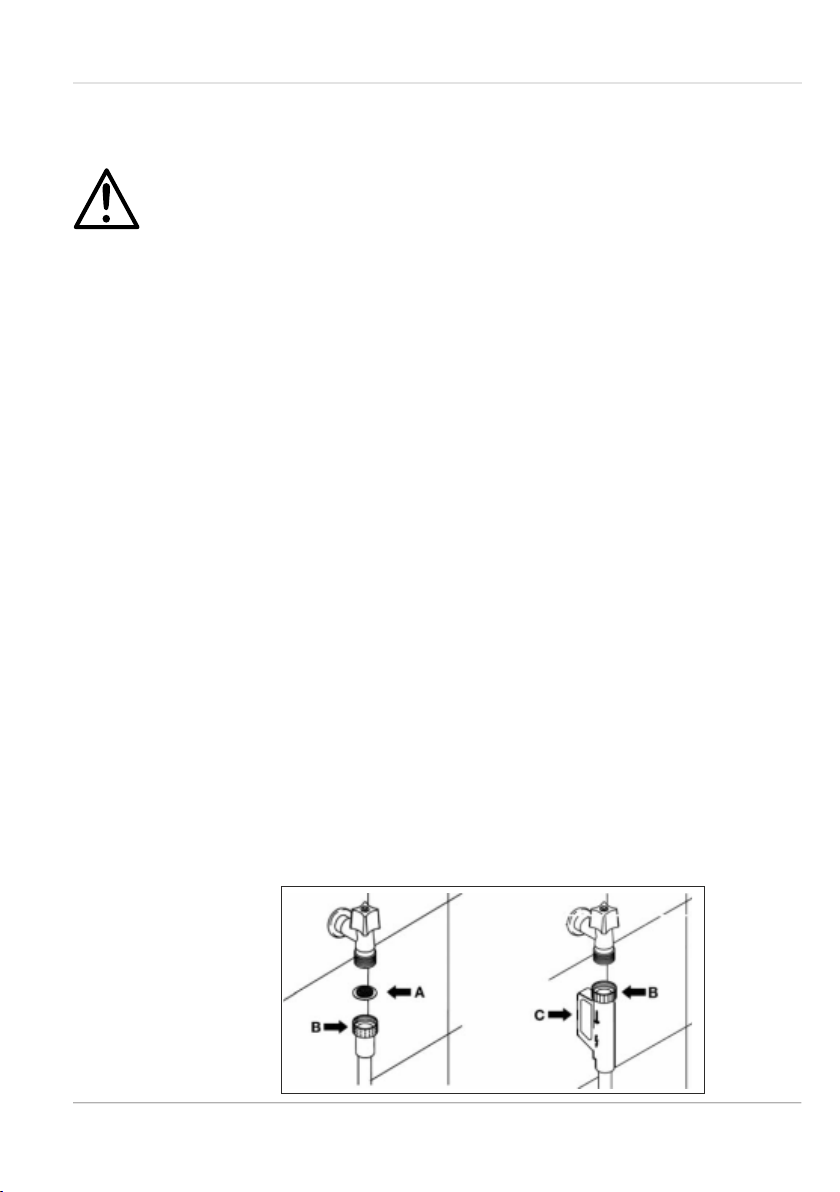
Connect the inlet hose to a threaded ¾” gas cold water tap, fitting the
supplied filter (ref. A fig.9). Firmly secure the hose by tightening the
relative ring nut with your hands (ref. B fig. 9); fi nish by tightening
another ¼ turn using a pair of plumbing pliers. For models fi tted with
ACQUASTOP (ref. C fig. 9) the fi lter is already present in the threaded
ring nut.
The dishwasher can be fi lled with water at a temperature of less than
60°C (140°F).
If the appliance is fi lled with hot water, washing times will be reduced by
about 20 minutes, but effi ciency will be slightly impaired. Make the
connection to the domestic hot water tap using the same methods
described for connecting the appliance to the cold water tap.
Recommended temperature: 49°C (120°F), max. 60°C (140°F).
Recommended water pressure: 0.5 - 9 bar (7 -130 PSI).
If the pressure is too high, fi t a pressure reducer.
A rubber hose connected to a sink spray may burst if installed on the
same pipes feeding the dishwasher. If your sink is fi tted with this
accessory, remove the hose and plug the hole.
INSTALLATION INSTRUCTION
EN
14
Fig. 9
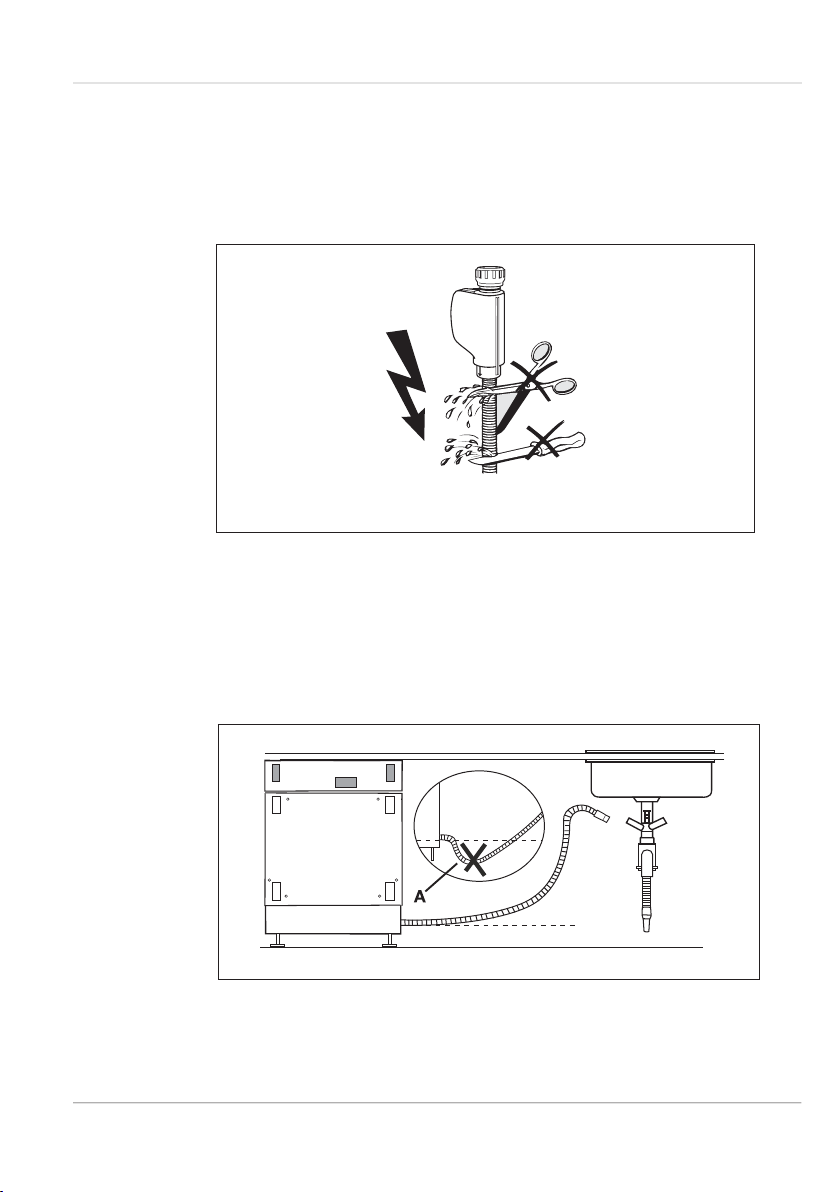
Do not cut the inlet hose (see fig. 10). If the hose is cut, the dishwasher will
not work, water will leak and you may be injured. If the hose is too long,
wind it up tidily and place it behind the appliance. The cable harness and
electrical components must not come into contact with the hydraulic
system and the water inlet and drain hoses.
When connecting the dishwasher drain hose to the sink make sure that the
hose is not bent (ref. A fig. 11) in order to prevent cracks or breakages that
could damage it.
INSTALLATION INSTRUCTION
Fig. 10
Fig. 11
EN
15
INSTALLATION INSTRUCTION
5.2.1.2 Connecting to a drain hose
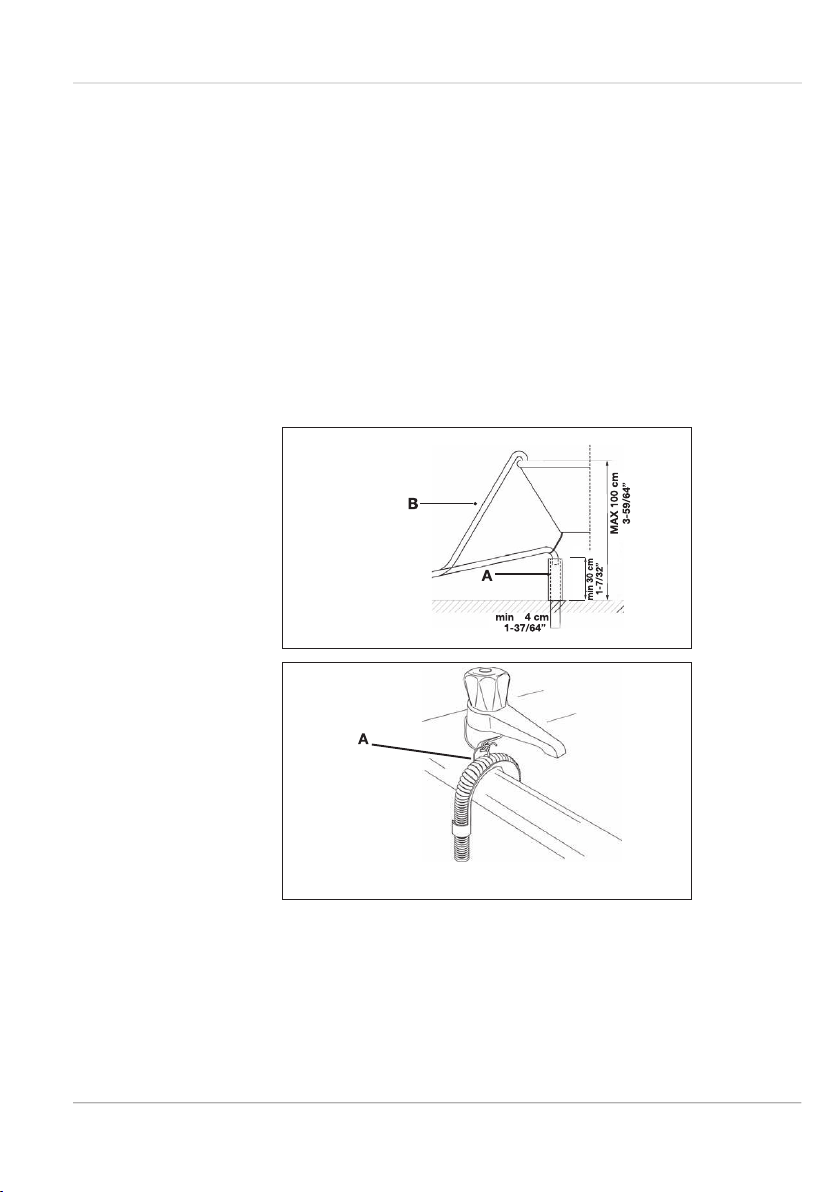
Insert the relative hose into a drain with a minimum diameter of 4 cm
(1-37/64") (ref. A fig.12); alternatively, place the hose on the sink
(ref. B fig. 11) using the supplied hose support (see fig.13), but taking care to
avoid obstructions or excessive curving. Make sure the hose cannot fall out.
For this purpose, the hose support is fi tted with a hole (ref. A fig. 13) which
can be used to fi x it to the wall or the tap with a piece of string.
The free end must lie at a height ranging from of 30 to 100 cm (from of 1-
7/32" to 3-59/64") (see fig.12) and must never be immerged in water.
If horizontal extension hoses with a maximum length of 3m are used, position
the drain hose at a maximum height of 85 cm (3-11/32") above the floor.
Fig. 12
Fig. 13
EN
16
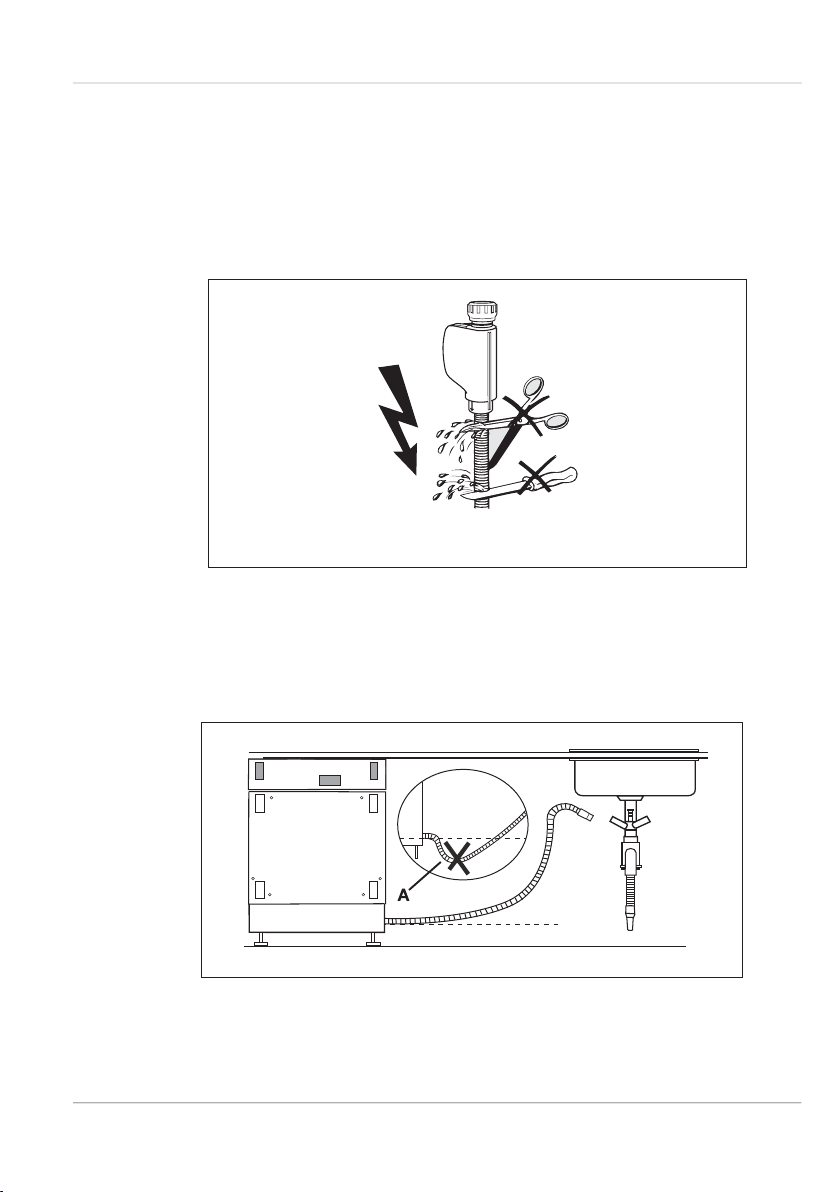
Do not cut the inlet hose (see Fig. 14)
If the hose is cut, the dihwasher will not work, water will leak and you may
be injured. If the hose is too long, wind it up tidily and place it behind the
appliance. The cable harness and electrical components must not come
into contact with the hydraulic system and the water inlet and drain hoses.
When connecting the dishwasher drain hose to the sink make sure that the
hose is not bent (ref. A fig. 15) in order to prevent cracks or breakages
that could damage it.
INSTALLATION INSTRUCTION
Fig. 14
Fig. 15
EN
17
INSTALLATION INSTRUCTION
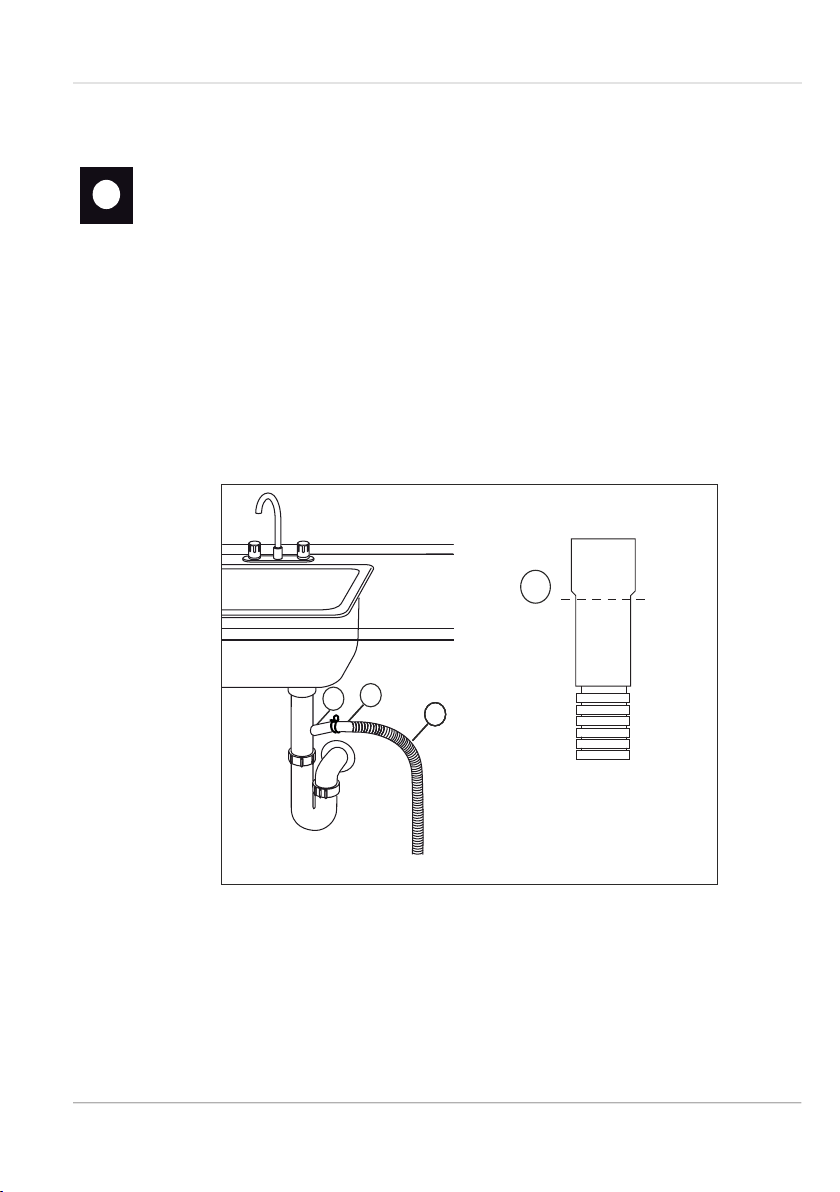
MAKE THE CONNECTION UPLINE FROM THE SIPHON OF THE
DRAIN LINE AND AT LEAST 400 mm
(15-3/4 ") ABOVE THE FLOOR ON WHICH THE DISHWASHER WILL
BE INSTALLED.
1. Connect the dishwasher drain hose (ref. A Fig. 16) to the «T» union (ref.
B Fig.16) of the drain circuit using a 38 mm to 50 mm
(1-1/2" a 2") screw clamp* (ref.C fig 15); if necessary, cut the end of the
dishwasher drain hose (ref. D Fig. 16) (do not cut the corrugate section).
* Available from any plumbing stockist.
AAAA
B
C
D
Fig. 16
Connecting to a «T» union of the drain circuit
EN
18
INSTALLATION INSTRUCTION
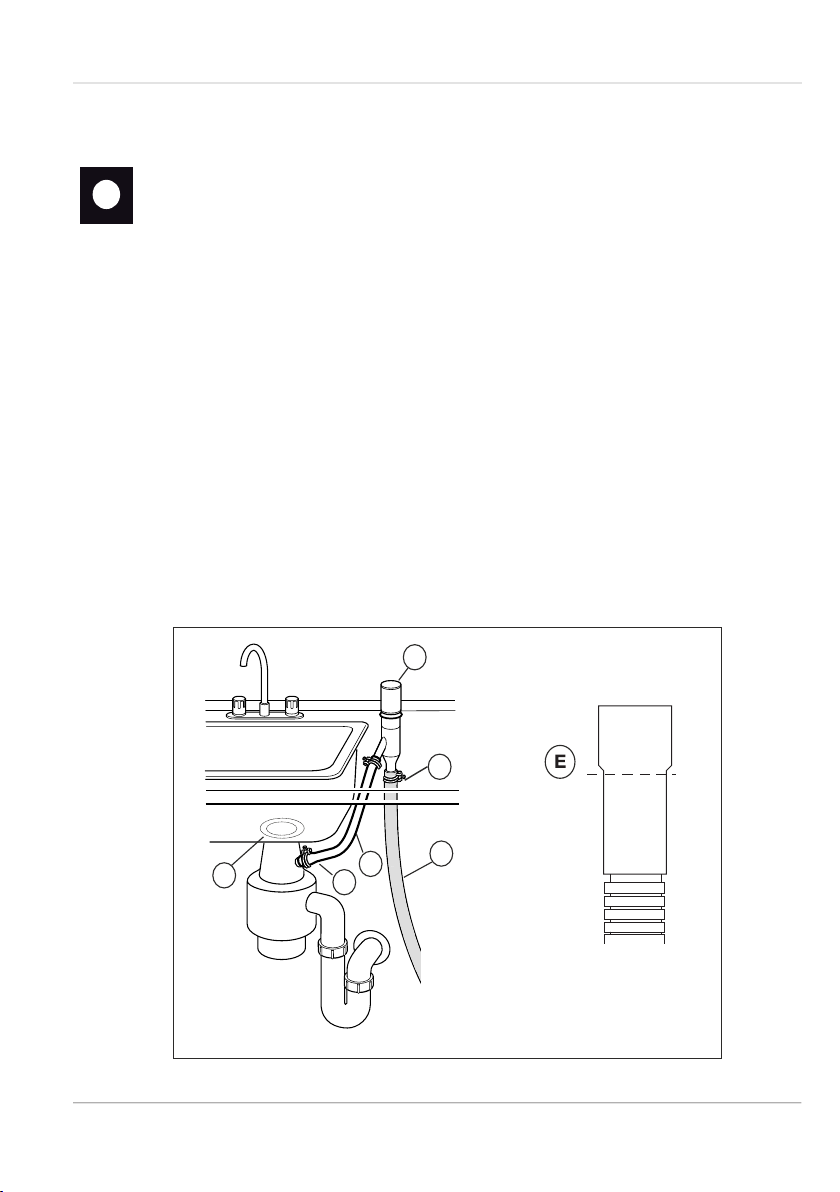
Connecting to a waste disposal unit with an air gap
1. Remove the cover of the waste disposal unit ( ref. A Fig. 17).
2. Connect the dishwasher drain hose (ref. B Fig.17) to the air gap
(ref.C Fig. 16) using the wide spring clamp (ref. D Fig. 17); if necessary,
cut the end of the dishwasher drain hose (ref. E Fig. 17) (do not cut
the corrugated section). If the drain hose has been cut, use a 38 to 50 mm
( da 1-1/2" a 2") screw clamp*.
3. To connect the air gap (ref.C Fig. 17) to the waste disposal unit inlet
(ref. A Fig 17),use a rubber union * ( ref. G Fig 17) with spring or
screw clamps* (ref. H Fig. 17).
* Available from any plumbing stockist.
MAKE THE CONNECTION UPLINE FROM THE SIPHON OF THE
DRAIN LINE AND AT LEAST 400 mm (15-3/4 ") ABOVE THE FLOOR
ON WHICH THE DISHWASHER WILL BE INSTALLED.
A
Fig. 17
B
C
D
G
D
H
EN
19
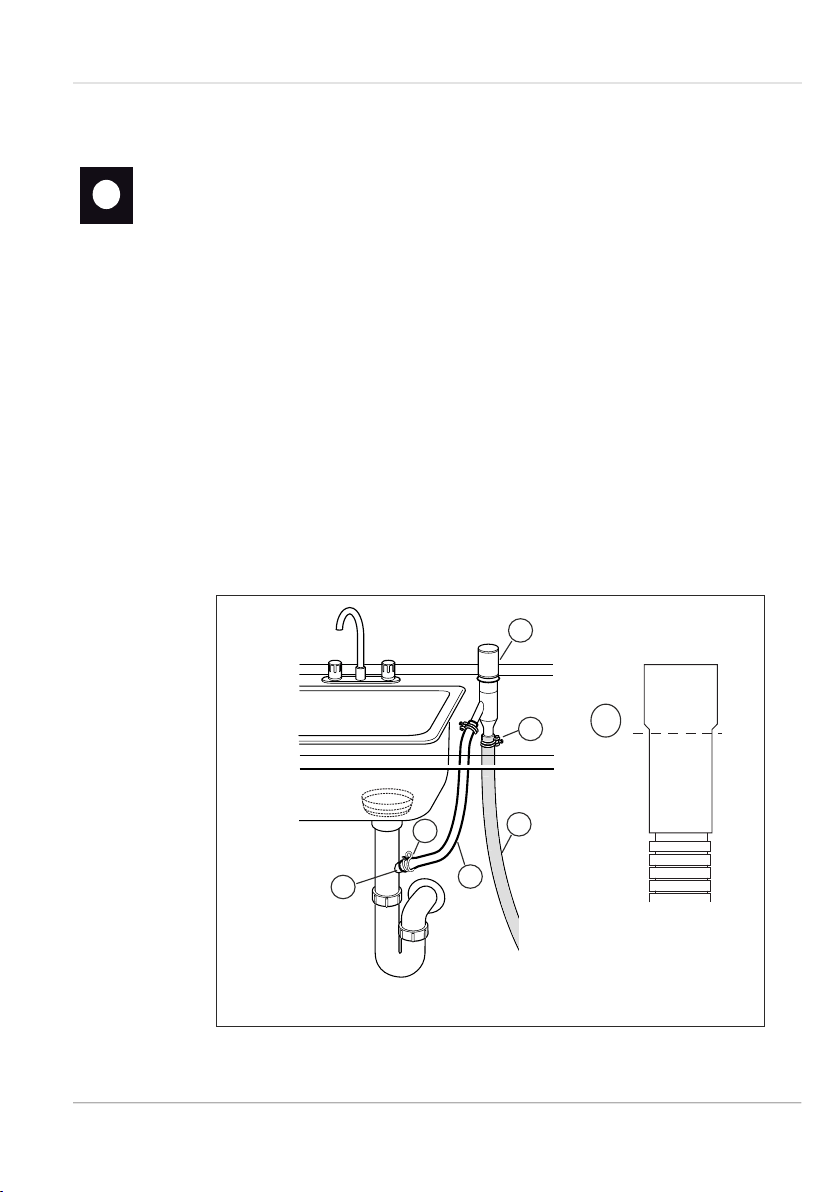
Connecting to the air gap (no waste disposal unit)
IMAKE THE CONNECTION UPLINE FROM THE SIPHON OF THE
DRAIN LINE AND AT LEAST 400 mm (15-3/4 ") ABOVE THE FLOOR
ON WHICH THE DISHWASHER WILL BE INSTALLED.
1. Connect the dishwasher drain hose (ref. A Fig. 18) to the air gap
(ref. B Fig. 18) using the wide spring clamp(ref. C Fig. 18); if necessary,
cut the end of the dishwasher drain hose (ref. D Fig. 18) (do not cut the
corrugated section). If the drain hose has been cut, use a 38 to 50 mm
(from 1-1/2" to 2") screw clamp*.
2. To connect the air gap (ref. B Fig. 18) to the « T» union
(ref. E Fig. 18) of the drain line, use a rubber union* (ref. F Fig. 18) with
spring or screw clamps* (ref. G Fig.18).
* Available from any plumbing stockist.
Fig. 18
B
C
E
A
G
F
D
INSTALLATION INSTRUCTION
EN
20
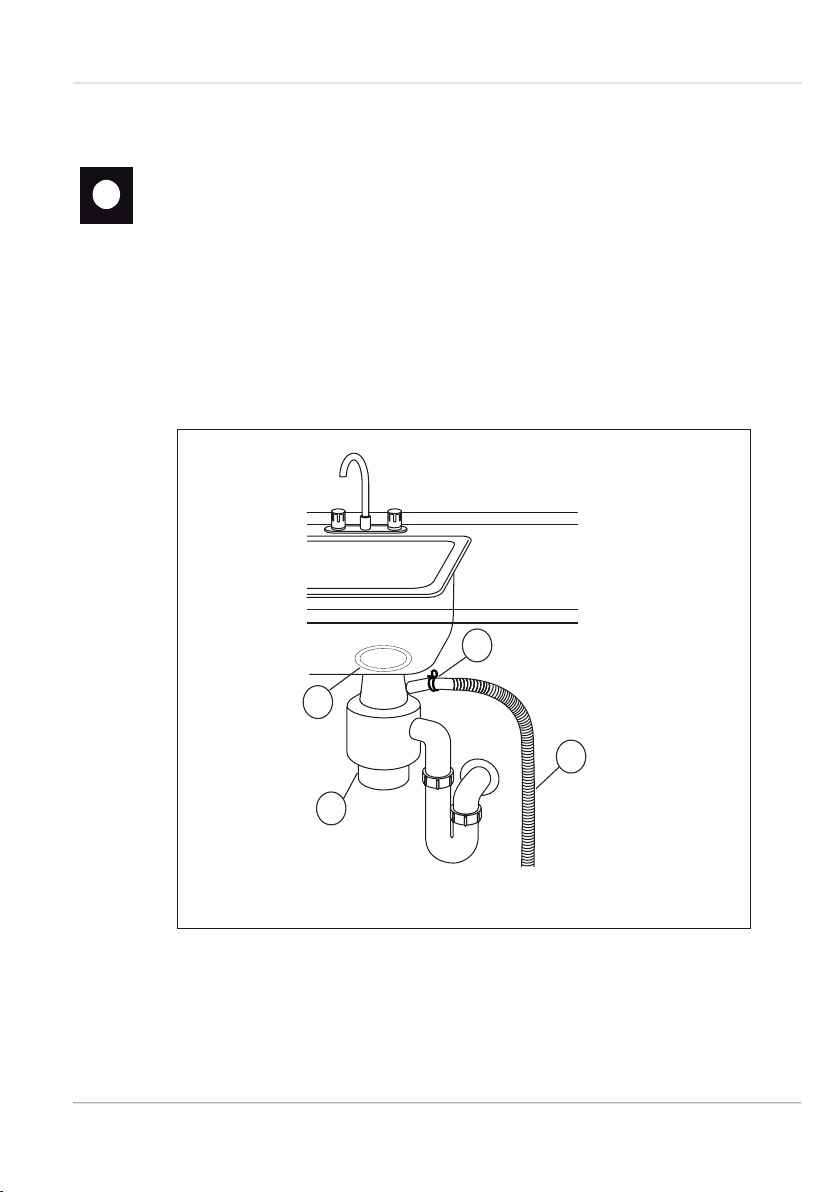
IMAKE THE CONNECTION UPLINE FROM THE SIPHON OF THE
DRAIN LINE AND AT LEAST 400 mm (15-3/4 ") ABOVE THE FLOOR
ON WHICH THE DISHWASHER WILL BE INSTALLED.
1. Remove the cover of the waste disposal unit (ref. A Fig. 19 ).
2. Connect the dishwasher drain hose (ref. B Fig. 19) to the waste
disposal unit inlet (ref. C Fig. 19), using the wide spring clamp
(ref. D Fig. 19).
Connecting to a waste disposal unit (no air gap)
Fig. 19
D
A
B
C
INSTALLATION INSTRUCTION
EN
21
CHECK THAT THE VOLTAGE AND THE FREQUENCY OF THE
MAINS MATCH THE RATINGS ON THE NAMEPLATE OF THE
APPLIANCE POSITIONED ON THE INNER EDGE OF THE DOOR.
IN THE EVENT OF DAMAGE TO THE SUPPLY CORD, HAVE IT
REPLACED BY THE MANUFACTURER OR AN AUTHORIZED
TECHNICAL SERVICE CENTRE. THIS APPLIANCE MUST BE
GROUNDED. IN CASE OF A MALFUNCTION OF FAULT, THE
GROUND REDUCES THE RISK OF ELECTROCUTION BY
PROVIDING THE ELECTRICAL CURRENT WITH AN ALTERNATIVE,
LESS RESISTANT PATH.
THIS APPLIANCE MUST BE GROUNDED. IN CASE OF A
MALFUNCTION OF FAULT, THE GROUND REDUCES THE RISK OF
ELECTROCUTION BY PROVIDING THE ELECTRICAL CURRENT
WITH AN ALTERNATIVE, LESS RESISTANT PATH. THIS APPLIANCE
IS FITTED WITH A SUPPLY CORD CONTAINING A GROUND WIRE
AND PLUG. FIT THE PLUG INTO A SUITABLE SOCKET, INSTALLED
AND GROUNDED IN COMPLIANCE WITH THE LAWS IN FORCE IN
THE COUNTRY OF INSTALLATION.
BEFORE MAKING ELECTRICAL CONNECTIONS, DISCONNECT
THE MAINS POWER SUPPLY FROM THE WORK AREA.
5.2.2 Electrical connections and warnings
Grounding instructions
THIS APPLIANCE IS FITTED WITH A CORD WITH GROUND WIRE AND
PLUG. FIT THE PLUG INTO A SUITABLE SOCKET, INSTALLED AND
GROUNDED IN COMPLIANCE WITH THE LAWS IN FORCE IN THE
COUNTRY OF INSTALLATION.
CHECK THAT THE MAINS SUPPLY IN THE PLACE OF
INSTALLATION COMPLIES WITH THE REGULATIONS IN FORCE IN
THE COUNTRY OF USE, AND THAT IT IS CORRECTLY
GROUNDED.
WARNING AN INCORRECTLY CONNECTED GROUND WIRE MAY
GENERATE THE RISK OF ELECTROCUTION. IF IN DOUBT AS TO
THE CORRECT GROUNDING OF THE APPLIANCE, CALL IN A
QUALIFIED ELECTRICIAN OR THE TECHNICAL ASSISTANCE
SERVICE.
INSTALLATION INSTRUCTION
EN
22
DO NOT CHANCE THE PLUG ATTACHED TO THE APPLIANCE. IF
THE PLUG IS NOT SUITABLE FOR THE SOCKET, CALL IN A
QUALIFIED ELECTRICIAN TO FIT A SUITABLE PLUG.
THE PLUG AT THE END OF THE POWER CORD AND THE
CORRESPONDING SOCKET MUST BE OF THE SAME TYPE AND
MUST CONFORM TO CURRENT REGULATIONS GOVERNING
ELECTRICAL APPLIANCES. THE PLUG MUST BE ACCESSIBLE
AFTER INSTALLATION.
NEVER REMOVE THE PLUG BY PULLING ON THE WIRE. IF THE
POWER CORD IS DAMAGED, HAVE IT REPLACED BY THE
MANUFACTURER OR AN AUTHORIZED SERVICE CENTRE.
DO NOT USE EXTENSION CORDS, ADAPTORS OR SHUNT
CONNECTIONS IN ORDER TO AVOID THE POSSIBILITY OF
OVERHEATING OR BURNING, WITH CONSEQUENT FIRE HAZARD.
IN THE EVENT OF DAMAGE TO THE SUPPLY CORD, HAVE IT
REPLACED BY THE MANUFACTURER OR AN AUTHORIZED
TECHNICAL SERVICE CENTRE IN ORDER TO AVOID ANY RISK.
5.3 Commissioning
5.3.1 Installation procedure (all models)
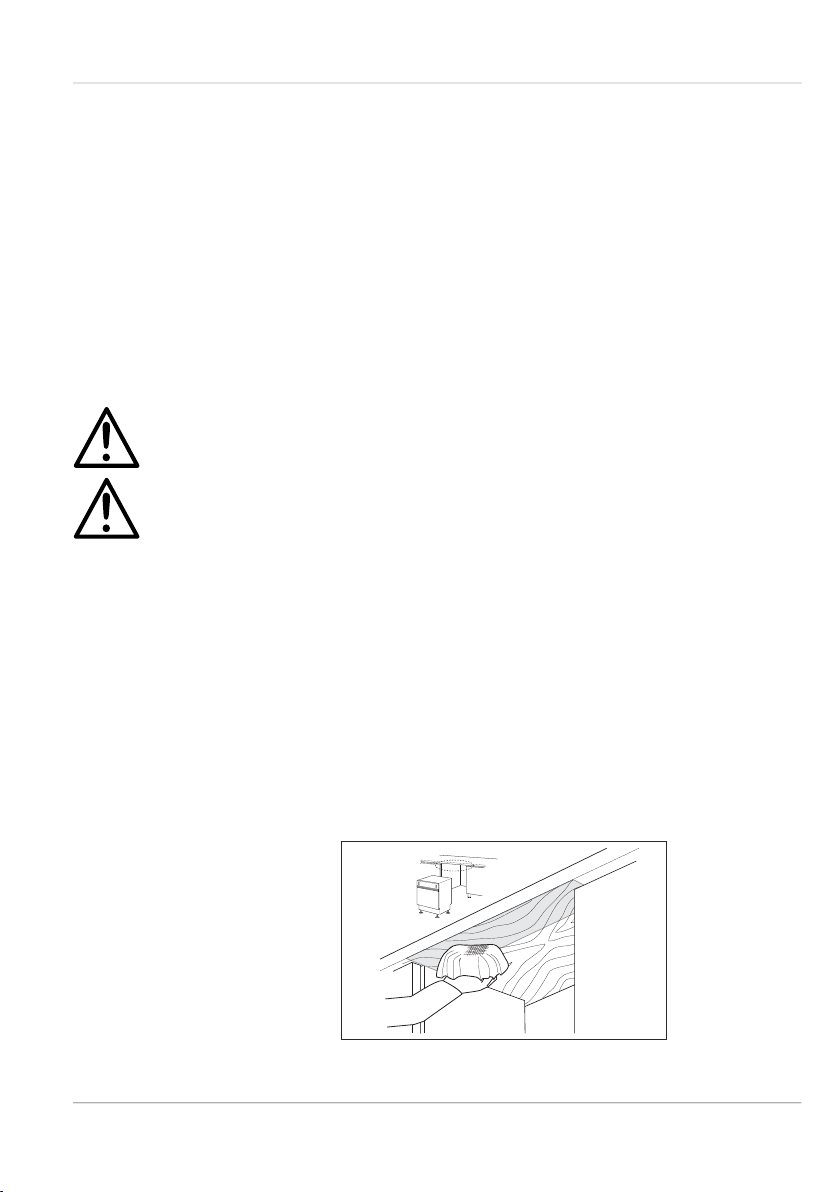
Clean the underneath of the worktop lying over the dishwasher door
(Fig. 20) and apply the steam guard, as shown (see Fig. 21 if the adhesive
guard is applied, see Fig. 22 if the steel guard is applied). This guard
protects the worktop from steam and condensation when the door of the
dishwasher is opened at the end of the washing cycle.
INSTALLATION INSTRUCTION
Fig.20
EN
23
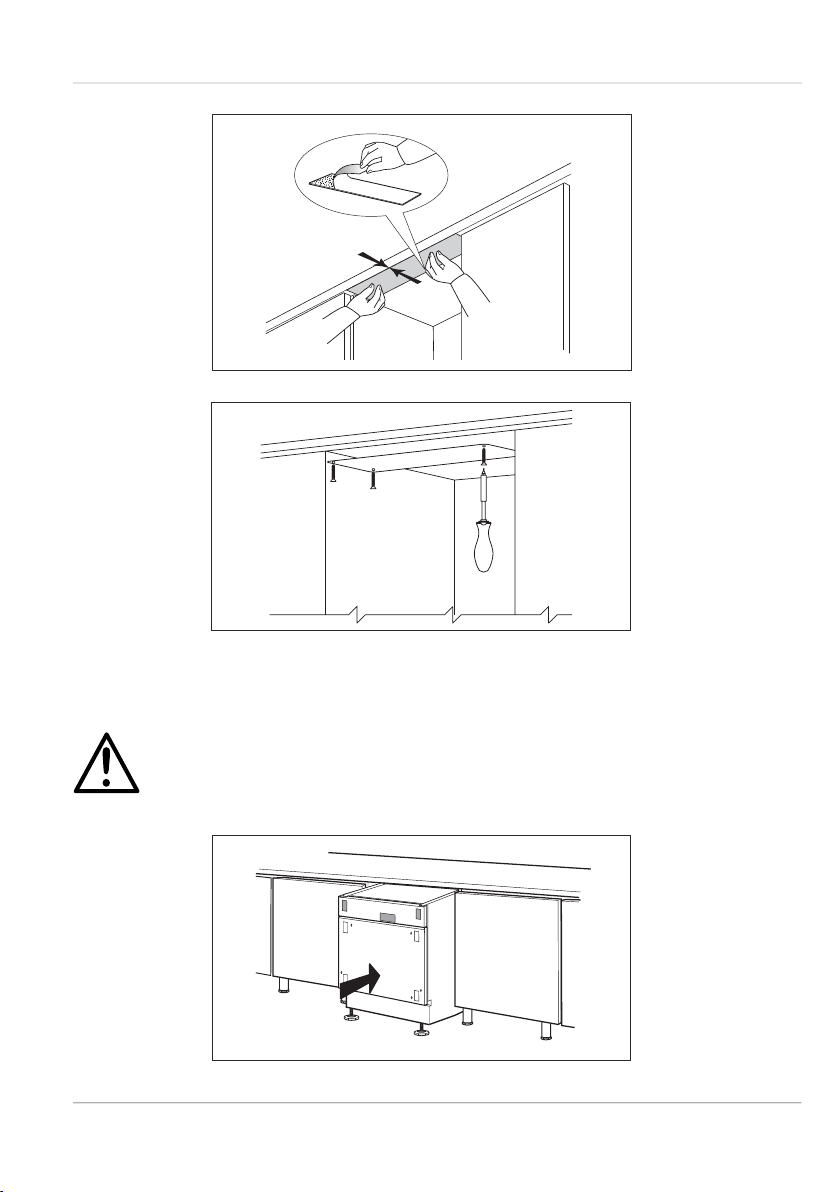
TWO PEOPLE WEARING SAFETY GLOVES ARE NEEDED TO
PUSH THE DISHWASHER INTO PLACE.
Put the dishwasher into position, taking care not twist or crush the power
cord or hoses (see Fig. 23).
INSTALLATION INSTRUCTION
Fig.21
Fig.22
Fig.23
EN
24
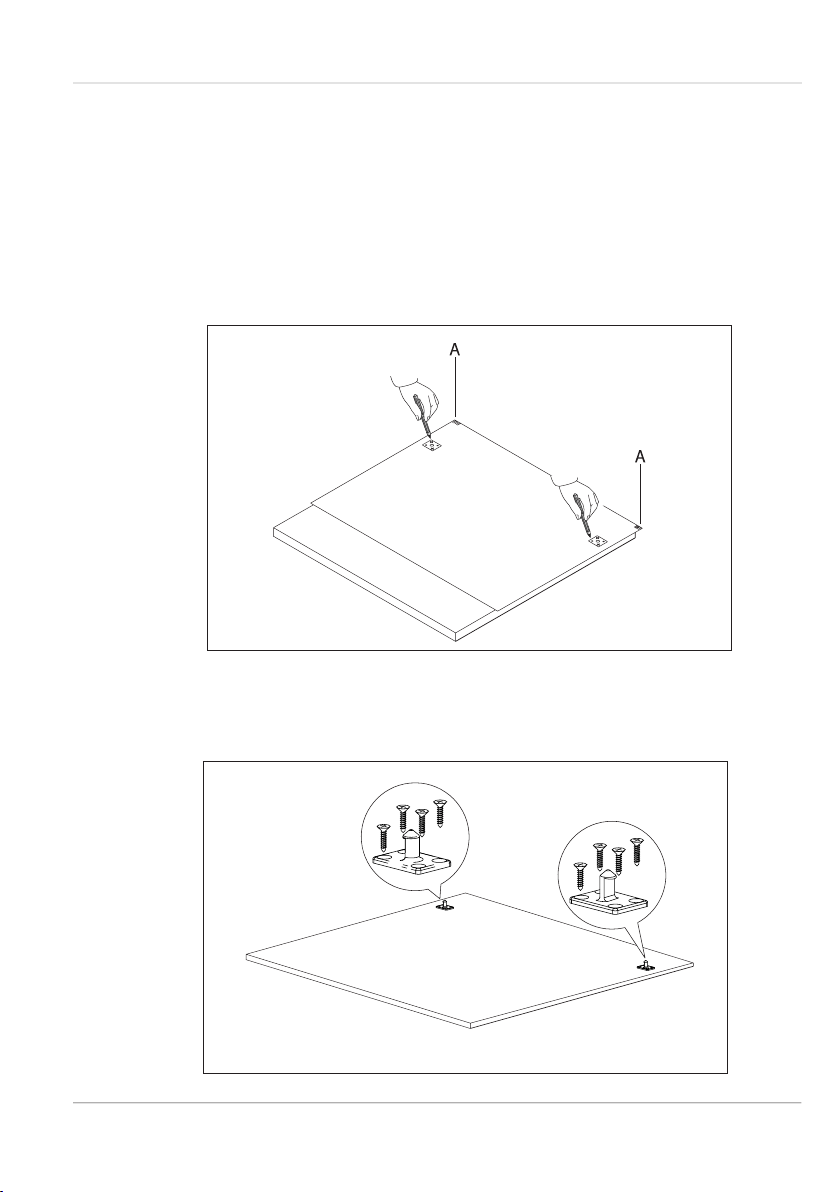
5.3.2 Door panel assembly procedure
(fully integrated)
Mount the door panel.
Place the template on the inner surface of the panel, centering it along the
upper side and matching up the reference locators (ref. A Fig. 24); mark
the position of the door hooks with a pencil (see Fig. 24). Remove the
template and use a drill with a suitable bit to make holes at the points
marked on the panel.
Use the screwdriver to secure the door hooks with the 8 supplied screws
(see Fig.25) at the marked reference points.
INSTALLATION INSTRUCTION
Fig. 24
Fig. 25
EN
25
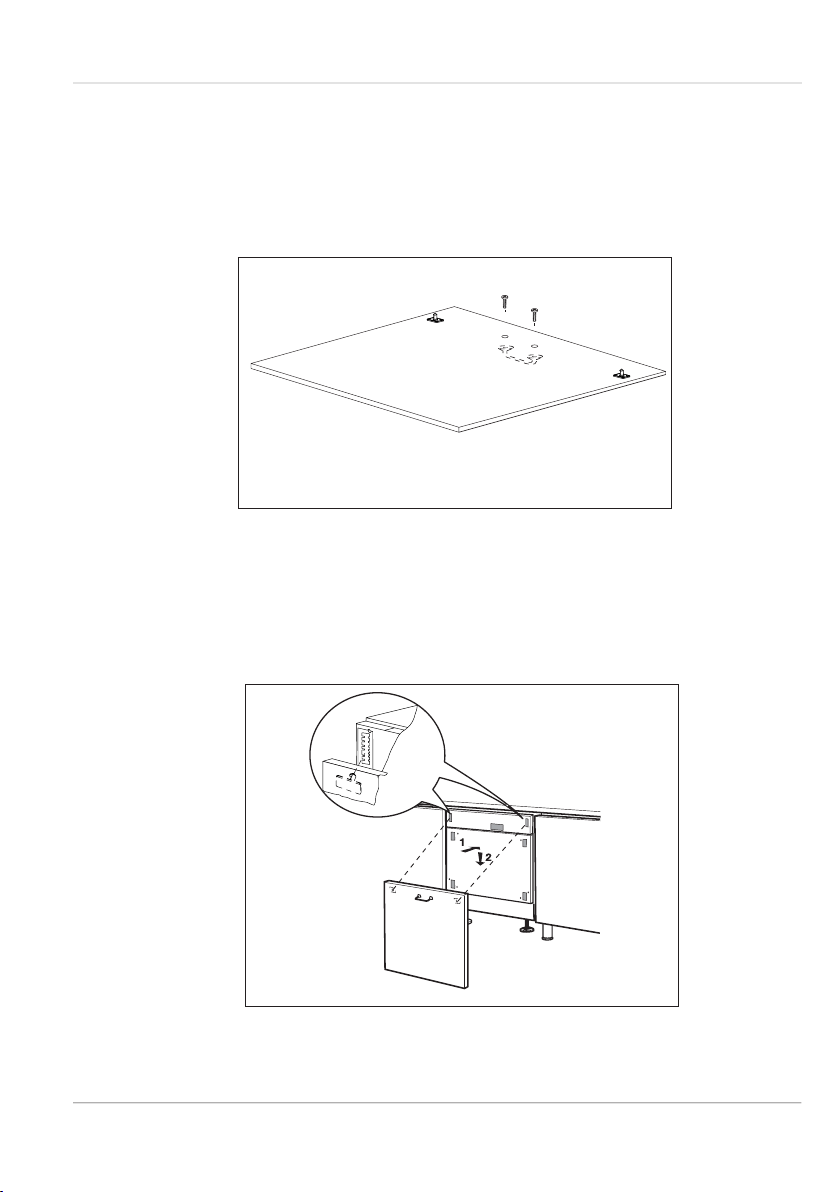
Attach the door panel: fit the hooks into their slots on the dishwasher and
allow the panel to slide downwards and slip into place (see Fig. 27)
Drill holes for the panel handle using a drill with a suitable bit. Use the
screw-driver to secure the door handle before hooking the panel to the
dishwasher (see Fig. 26).
N.B.: the screws are not supplied.
INSTALLATION INSTRUCTION
Fig. 26
Fig. 26
EN
26
INSTALLATION INSTRUCTION
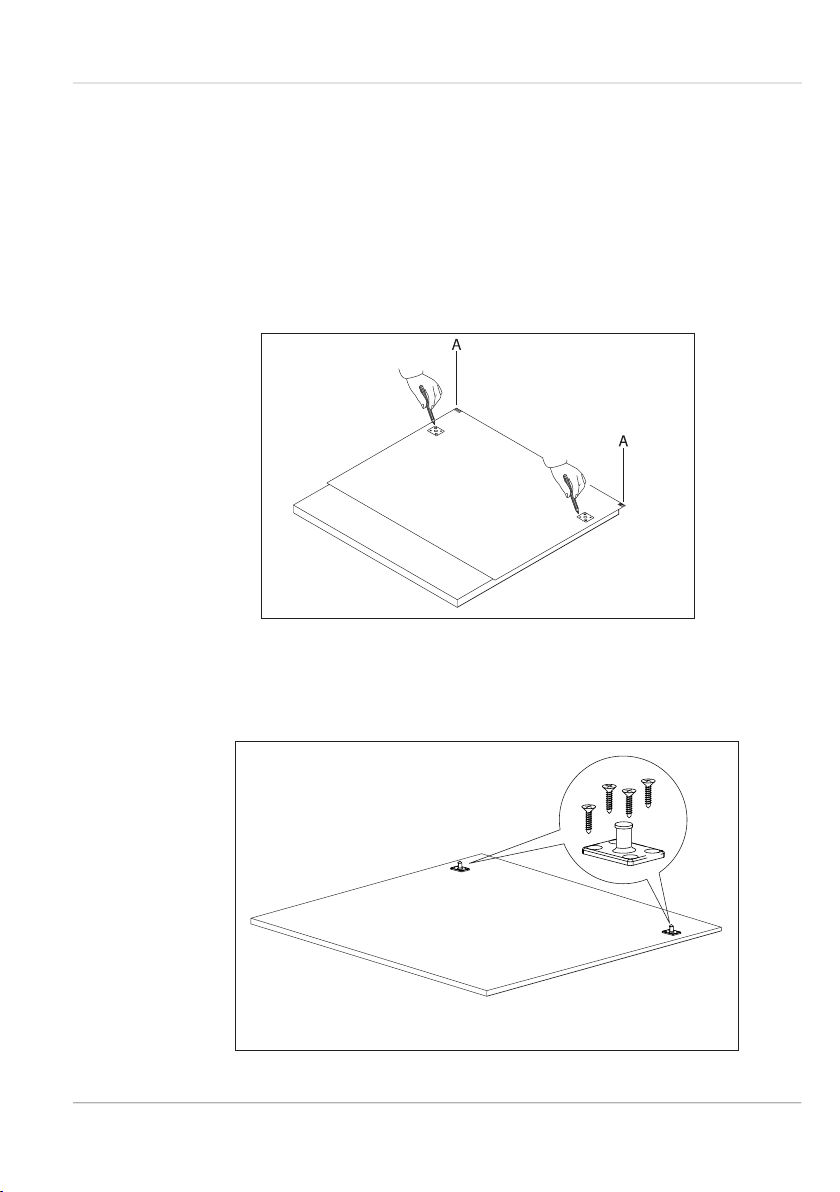
5.3.3 Door panel assembly procedure
(integrated)
Mount the door panel.
Place the template on the inner surface of the panel, centering it along the
upper side and matching up the reference locators (ref. A Fig. 28); mark
the position of the door hooks with a pencil (see Fig. 28).
Remove the template and use a drill with a suitable bit to make holes at
the points marked on the panel.
Fig. 28
Fig. 29
Use the screwdriver to secure the door hooks with the 8 supplied screws
(see Fig.29) at the marked reference points.
EN
27
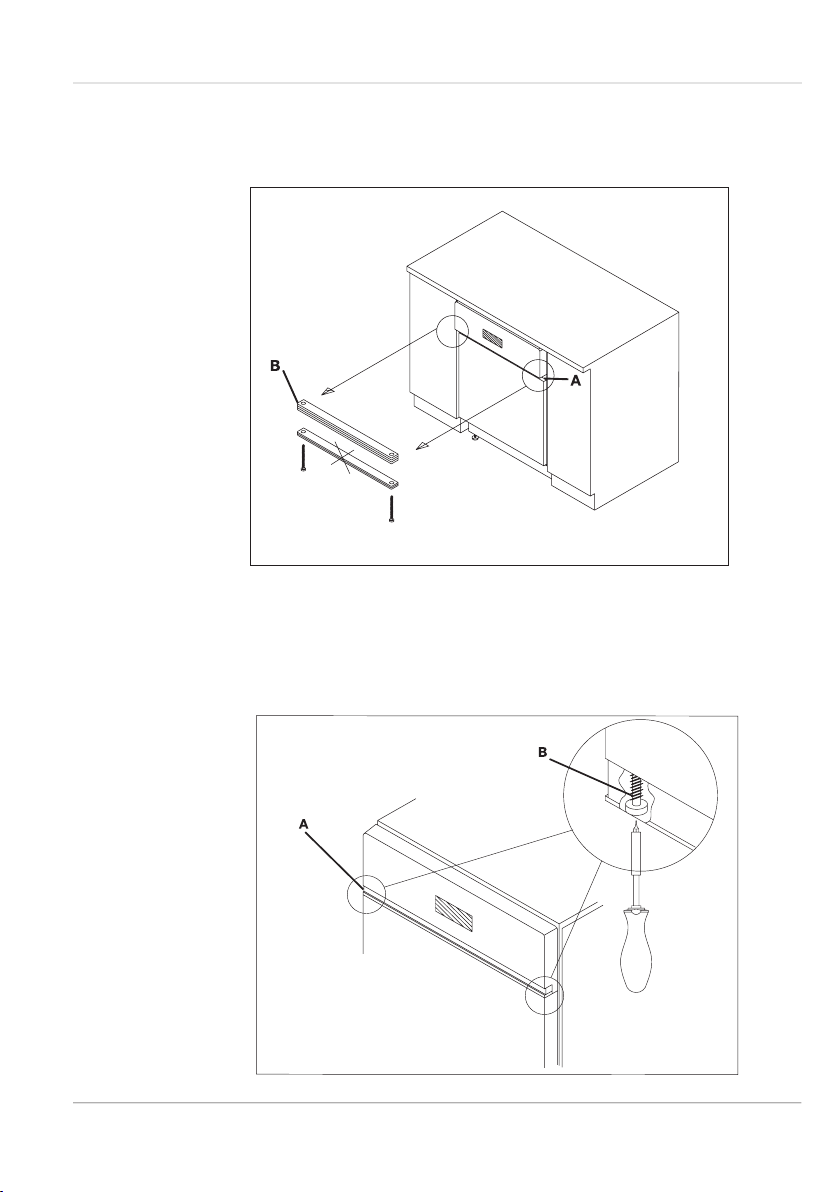
If a gap is created between the control panel and the door panel (ref. A
Fig.30), use the supplied strips (ref. B Fig.30) to fill it.
The number of strips depends on the size of the gap.
Position the strips between the control panel and the door panel of the
dishwasher (ref. A Fig. 31) and fix them from under the control panel with
the supplied screws (ref. B Fig. 31 ) using a screwdriver. Adjust the strips
until a suitable compromise is reached.
INSTALLATION INSTRUCTION
Fig.30
Fig.31
EN
28
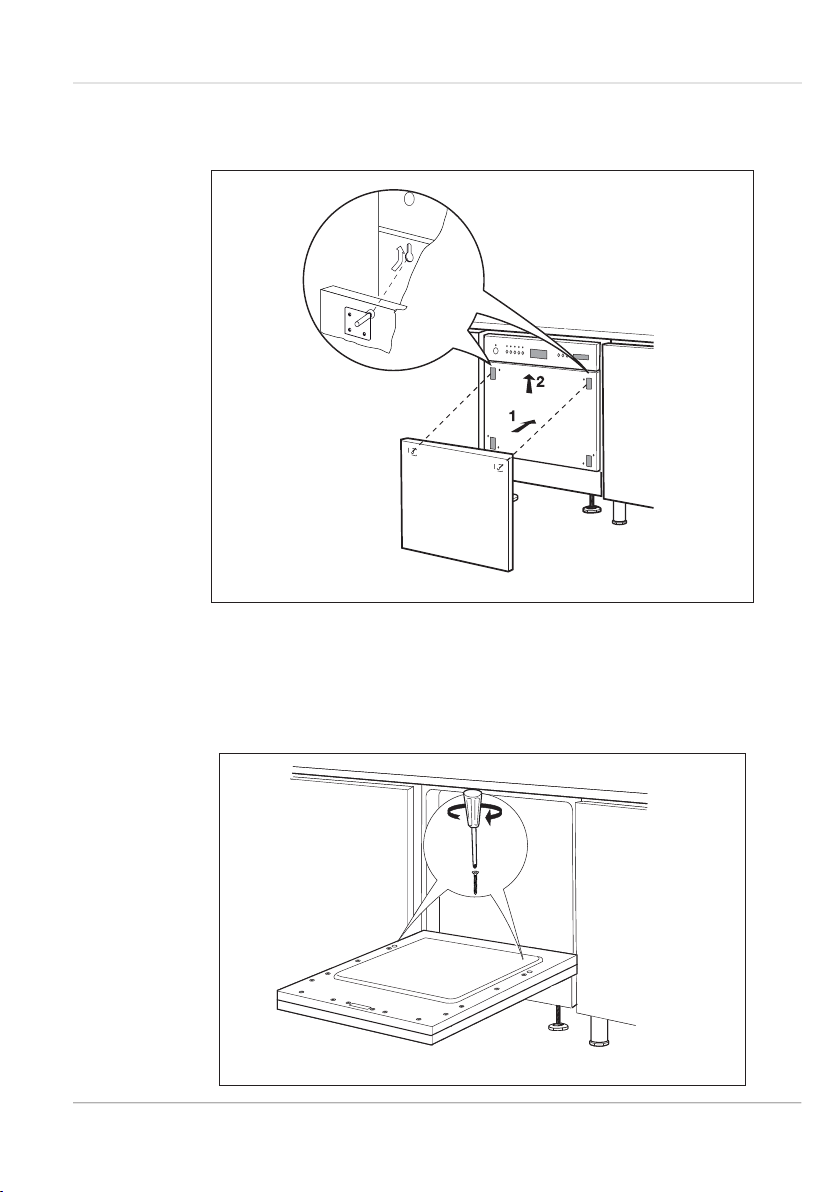
Attach the door panel: fit the hooks into their slots on the dishwasher and
allow the panel to slide upwards and slip into place (see Fig. 32).
INSTALLATION INSTRUCTION
Fig.32
Secure the door to the panel with the supplied screws. The panel must
have a minimum tickness of 20mm (25/32") (see Fig. 33).
Fig.33
5.3.4 Door screwing
EN
29
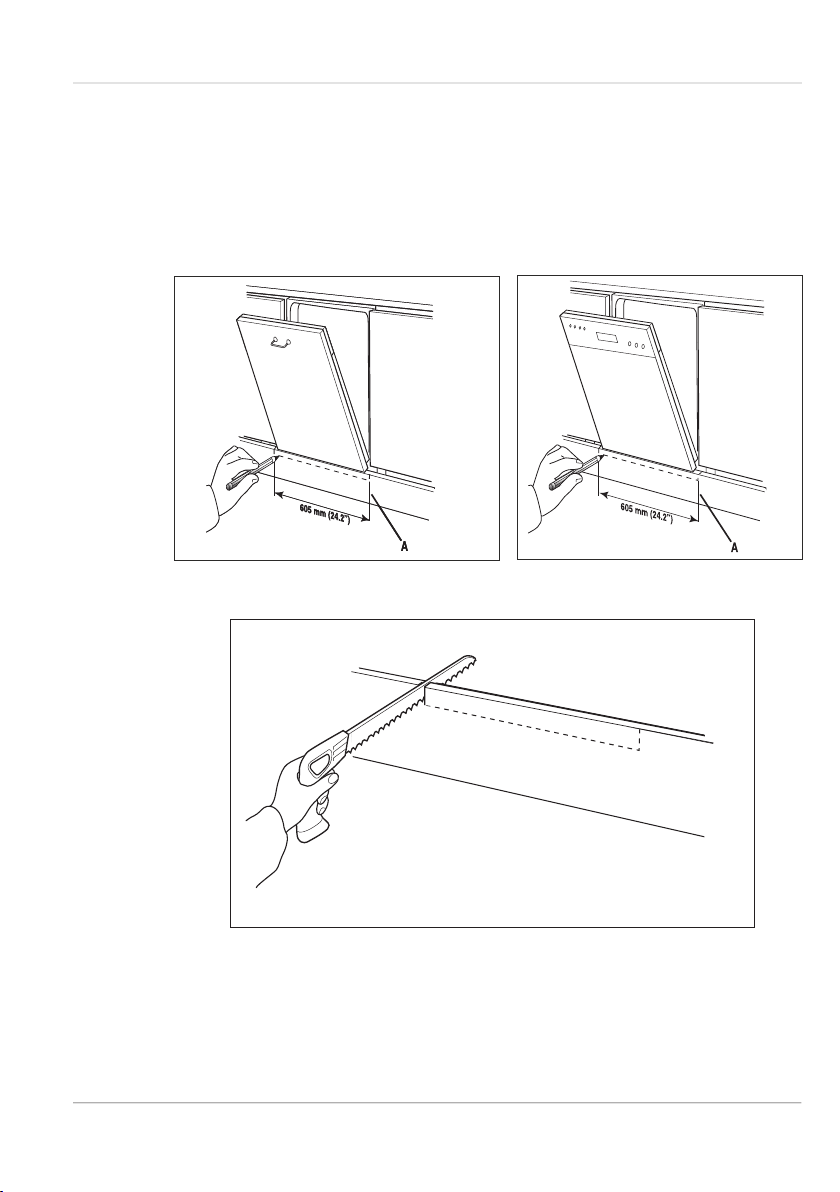
Make sure the dishwasher door, complete with panel, opens confortably
and that the base plate (ref. A Fig. 34-35) does not prevent it from opening
fully. If the base plate prevents the door from opening, mark out the section
to remove (see Fig. 34-35), take out the base plate and cut it along the
marking using a compass saw (see Fig. 36).
INSTALLATION INSTRUCTION
Fig.34
Fig.36
Fig.35
5.3.5 Completion of installation
(if necessary, for all models)
EN
30
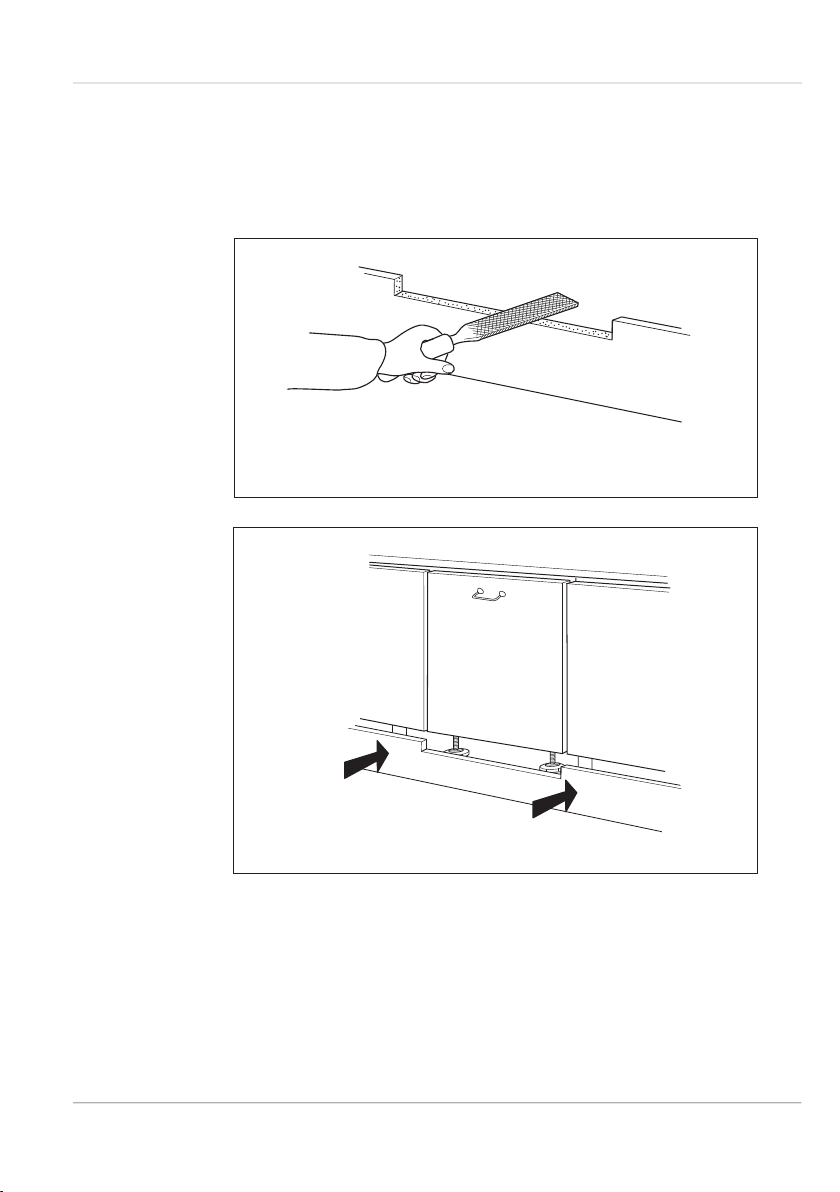
Finish the cut with a file (see Fig. 37), in order to remove any burrs and/or
imperfections. Put back the base plate (see Fig. 38) and try to open the
dishwasher door fully; if the base plate still obstructs the door, repeat the
above operations.
INSTALLATION INSTRUCTION
Fig.37
Fig.38
EN
31
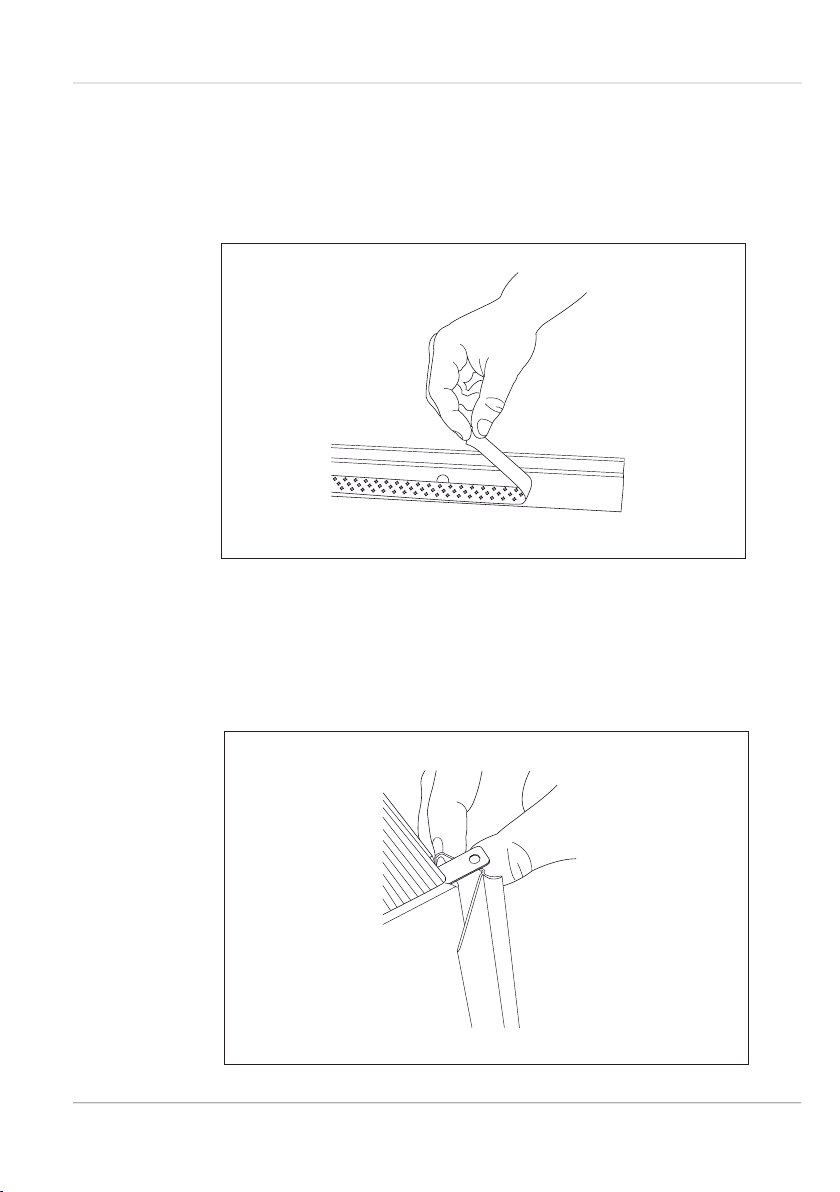
Fig.39
Fig.40
Before securing the dishwasher to the adjacent units, attach the gaskets
to the sides. Remove the adhesive band on the gasket (see Fig. 39)
5.4 Apply the gaskets - Type A
(the shape of the gaskets depends on the model)
Fix the gasket to the dishwasher, inserting it in the seat on the sides
towards the front (see Fig.39), and making sure that the long side of the
gasket, the one with the hole for inserting the screw, is attached to the
outside of the dishwasher; the hole in the long side must match the hole in
the dishwasher (see ref. A Fig.40) . Make sure the gasket adheres
perfectly to the dishwasher.
INSTALLATION INSTRUCTION
EN
32
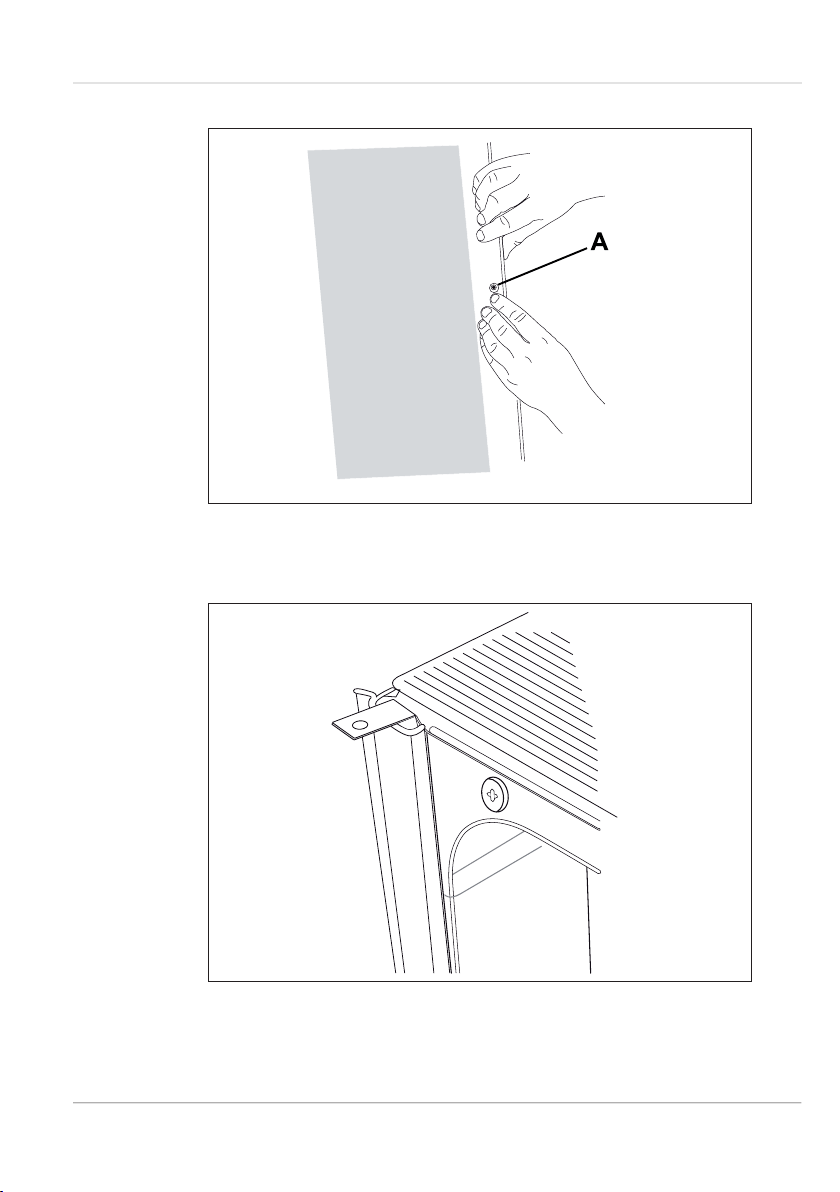
Fig.44
Fig.42
Fig.42 shows the state of the dishwasher after the above operations are
performed.
INSTALLATION INSTRUCTION
EN
33
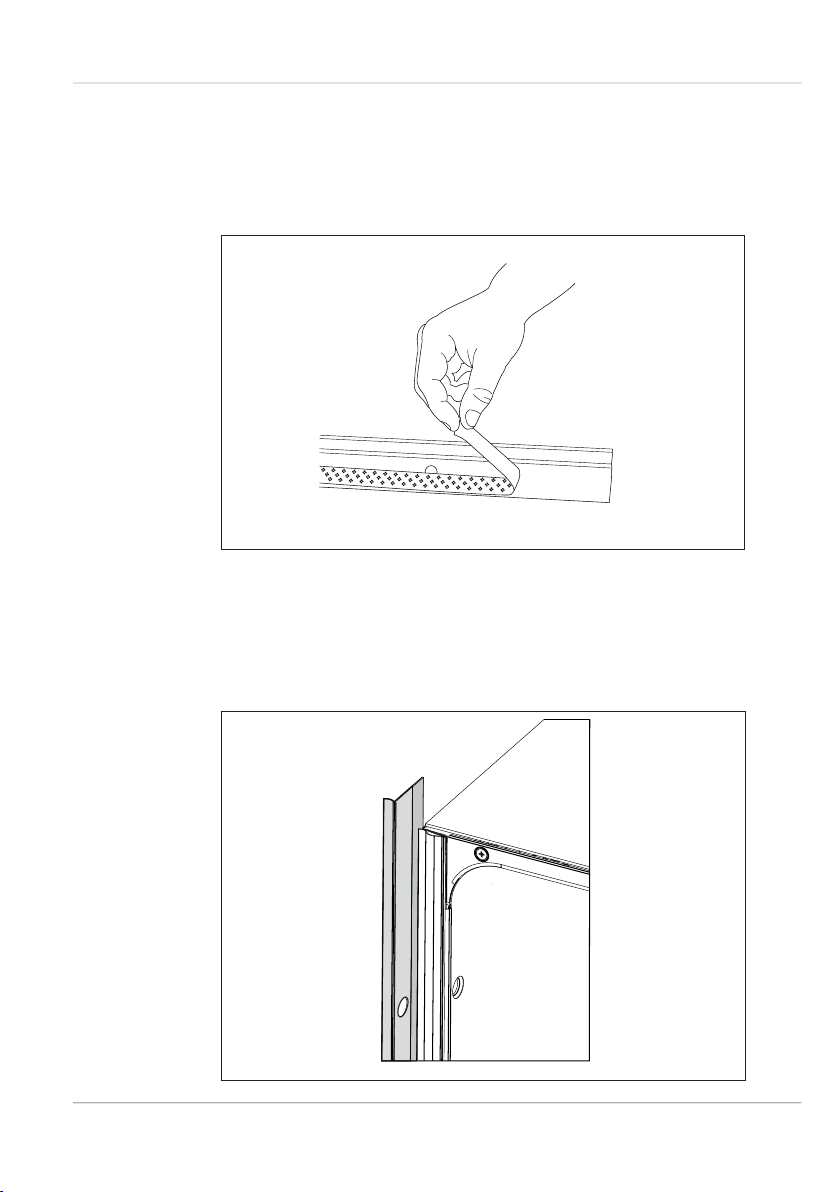
Before securing the dishwasher to the adjacent units, attach the gaskets to
the sides. Remove the adhesive band on the gasket (see Fig. 43)
Fix the gasket to the dishwasher, inserting it in the seat on the sides
towards the front (see Fig.43), and making sure that the long side of the
gasket, the one with the hole for inserting the screw, is attached to the
outside of the dishwasher; the hole in the long side must match the hole in
the dishwasher (see ref. A Fig.44) . Make sure the gasket adheres perfectly
to the dishwasher.
Fig.43
INSTALLATION INSTRUCTION
5.5 Apply the gaskets - Type B
(the shape of the gaskets depends on the model)
Fig.44
4
4
EN
34
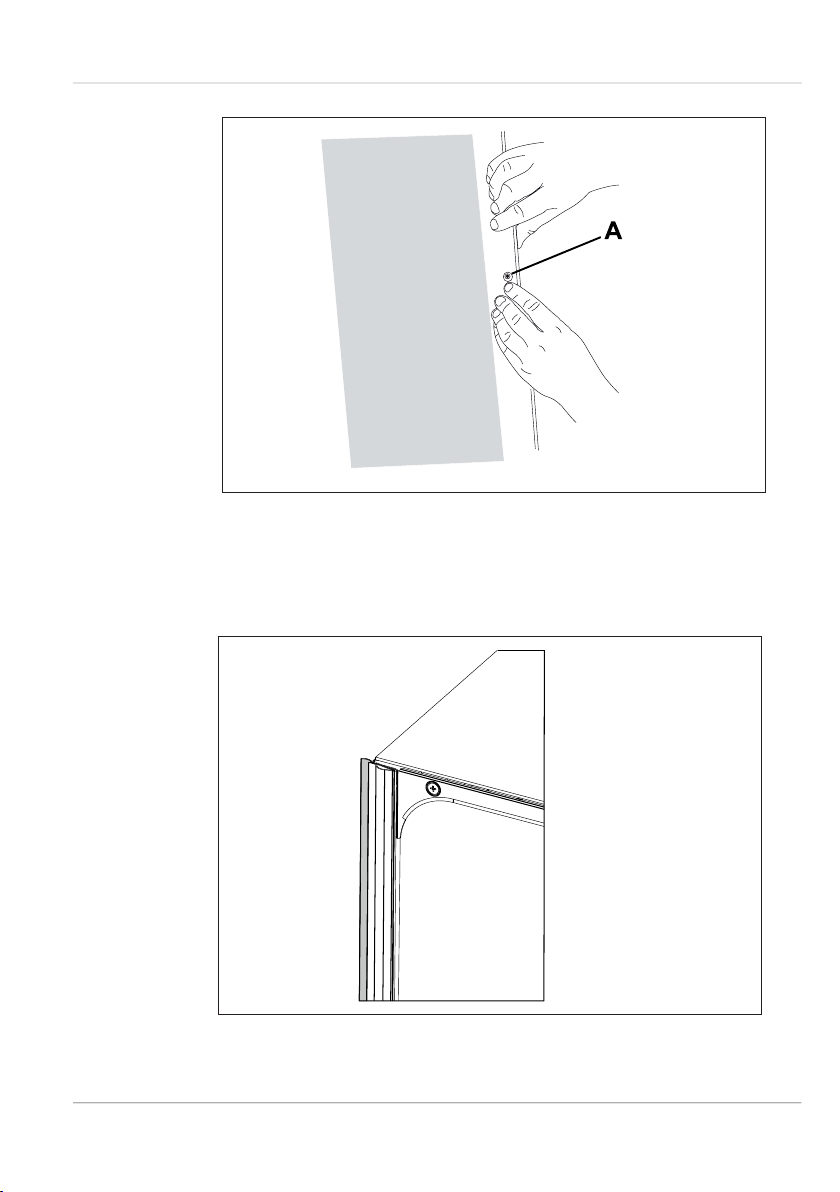
Fig.46 shows the state of the dishwasher after the above operations are
performed.
INSTALLATION INSTRUCTION
Fig.45
Fig.46
EN
35
INSTALLATION INSTRUCTION
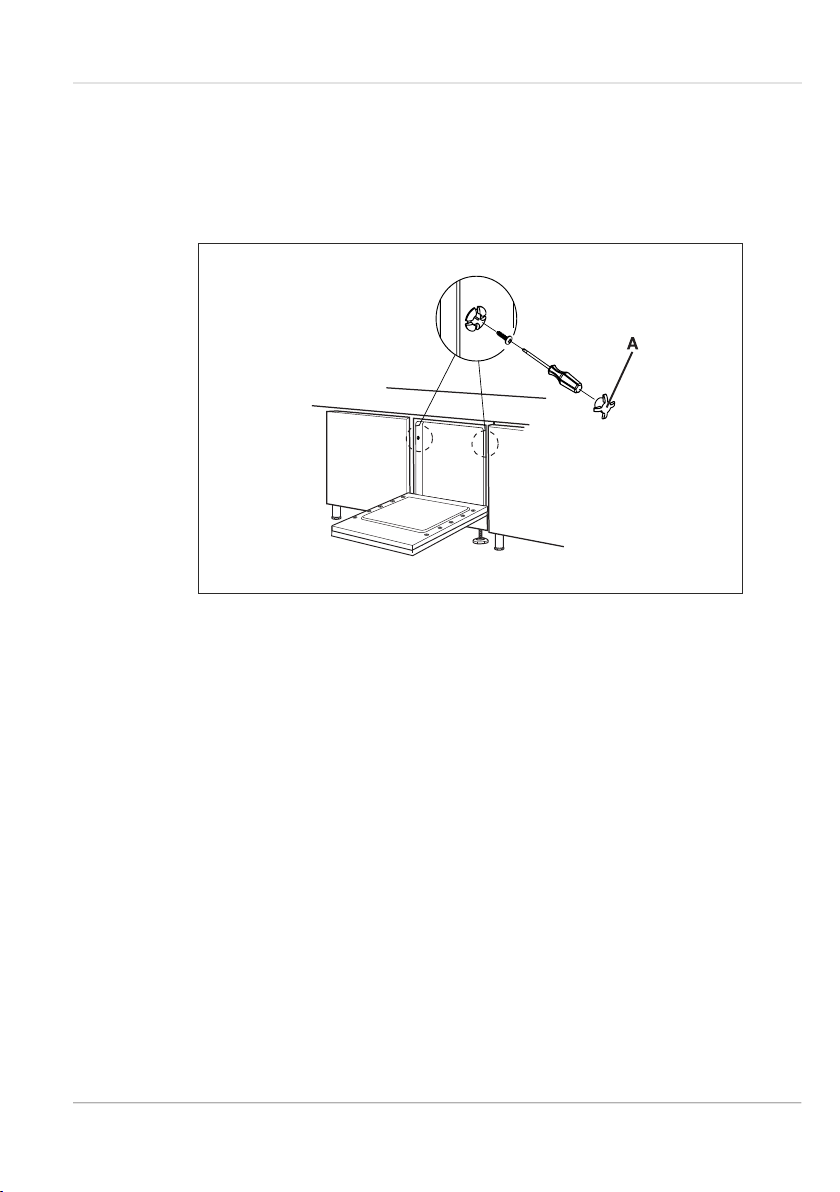
Tighten the supplied screws with a screwdriver; this operation definitively
fixes the dishwasher to the adjacent units; cover the side holes using the
supplied plugs ( rif. A Fig.47 ).
5.6 Testing
Fig.47
EN
36
After installation, test the dishwasher by starting a work cycle. Check for
leaks and make sure the appliance does not malfunction