de Gebrauchsanleitung .............................................2
en User manual .......................................................28
fr Notice d'utilisation .............................................53
it Istruzioni per l’uso ............................................. 82
nl Gebruiksaanwijzing ..........................................109
Kühl- und Gefrierkombination
Fridge-freezer
Réfrigérateur / Congélateur combiné
Combinazione frigorifero / congelatore
Koel-/diepvriescombinatie
KGN..

de
2
de Inhaltsverzeichnis
de Gebrauchsanleitung
( Sicherheitshinweise . . . . . . . . . . 4
Zu dieser Anleitung . . . . . . . . . . . . . . .4
Explosionsgefahr . . . . . . . . . . . . . . . . . 4
Stromschlaggefahr. . . . . . . . . . . . . . . .4
Verbrennungsgefahr durch Kälte. . . . .4
Verletzungsgefahr . . . . . . . . . . . . . . . .5
Gefahren durch Kältemittel . . . . . . . . .5
Vermeidung von Risiken für Kinder
und gefährdete Personen . . . . . . . . . .5
Sachschäden. . . . . . . . . . . . . . . . . . . .6
Gewicht . . . . . . . . . . . . . . . . . . . . . . . .6
8 Bestimmungsgemäßer
Gebrauch. . . . . . . . . . . . . . . . . . . 6
7 Umweltschutz . . . . . . . . . . . . . . . 6
Verpackung . . . . . . . . . . . . . . . . . . . . . 6
Altgerät . . . . . . . . . . . . . . . . . . . . . . . .6
5 Aufstellen und Anschließen . . . 7
Lieferumfang . . . . . . . . . . . . . . . . . . . .7
Technische Daten . . . . . . . . . . . . . . . .7
Gerät aufstellen . . . . . . . . . . . . . . . . . . 7
Energie sparen . . . . . . . . . . . . . . . . . .8
Vor dem ersten Gebrauch . . . . . . . . . .9
Elektrischer Anschluss. . . . . . . . . . . . .9
* Gerät kennenlernen . . . . . . . . . 10
Gerät . . . . . . . . . . . . . . . . . . . . . . . . .10
Bedienelemente. . . . . . . . . . . . . . . . .10
Ausstattung . . . . . . . . . . . . . . . . . . . .11
1 Gerät bedienen . . . . . . . . . . . . . 12
Gerät einschalten. . . . . . . . . . . . . . . .12
Gerät ausschalten und stilllegen . . . .12
Temperatur einstellen . . . . . . . . . . . .12
Super-Kühlen . . . . . . . . . . . . . . . . . . .13
Super-Gefrieren . . . . . . . . . . . . . . . . .13
Energiesparmodus . . . . . . . . . . . . . .13
M Alarm . . . . . . . . . . . . . . . . . . . . . .14
Türalarm . . . . . . . . . . . . . . . . . . . . . . 14
Temperaturalarm . . . . . . . . . . . . . . . 14
o Home Connect . . . . . . . . . . . . . .14
Home Connect einrichten. . . . . . . . . 15
Update der Home Connect Software
installieren . . . . . . . . . . . . . . . . . . . . 18
Hinweis zum Datenschutz. . . . . . . . . 18
Konformitätserklärung . . . . . . . . . . . 19
U Kühlfach . . . . . . . . . . . . . . . . . . .19
Beim Einlagern beachten . . . . . . . . . 19
Kältezonen im Kühlfach beachten . . 19
Gemüsebehälter mit
Feuchtigkeitsregler . . . . . . . . . . . . . . 20
Kaltlagerfach . . . . . . . . . . . . . . . . . . 20
W Gefrierfach . . . . . . . . . . . . . . . . .20
Maximales Gefriervermögen. . . . . . . 21
Gefriervolumen vollständig nutzen . . 21
Tiefkühlkost einkaufen . . . . . . . . . . . 21
Beim Einordnen beachten . . . . . . . . 21
Frische Lebensmittel einfrieren. . . . . 22
Gefriergut auftauen. . . . . . . . . . . . . . 23
= Abtauen. . . . . . . . . . . . . . . . . . . .23
D Reinigen . . . . . . . . . . . . . . . . . . .23
Ausstattung reinigen. . . . . . . . . . . . . 23
l Gerüche. . . . . . . . . . . . . . . . . . . .24
9 Beleuchtung . . . . . . . . . . . . . . . .24
> Geräusche. . . . . . . . . . . . . . . . . .24
Normale Geräusche . . . . . . . . . . . . . 24
Geräusche vermeiden . . . . . . . . . . . 24


de Sicherheitshinweise
4
(Sicherheitshinweise
Sicherheitshinweise
Dieses Gerät entspricht den
einschlägigen
Sicherheitsbestimmungen für
Elektrogeräte und ist
funkentstört.
Der Kältekreislauf ist auf
Dichtheit geprüft.
Zu dieser Anleitung
■ Lesen und befolgen Sie die
Gebrauchs- und
Montageanleitung. Sie
enthalten wichtige
Informationen über
Aufstellen, Gebrauch und
Wartung des Geräts.
■ Der Hersteller haftet nicht,
wenn Sie die Hinweise und
Warnungen der Gebrauchs-
und Montageanleitung
missachten.
■ Bewahren Sie alle
Unterlagen für späteren
Gebrauch und für
nachfolgende Besitzer auf.
Explosionsgefahr
■ Nie elektrische Geräte
innerhalb des Geräts
verwenden (z. B. Heizgeräte
oder elektrische Eisbereiter).
■ Keine Produkte mit
brennbaren Treibgasen
(z. B. Spraydosen) und keine
explosiven Stoffe im Gerät
lagern.
■ Hochprozentigen Alkohol nur
dicht verschlossen und
stehend lagern.
Stromschlaggefahr
Unsachgemäße Installationen
und Reparaturen können den
Benutzer erheblich gefährden.
■ Bei beschädigter
Netzanschlussleitung: Gerät
sofort vom Netz trennen.
■ Gerät nur vom Hersteller,
Kundendienst oder einer
ähnlich qualifizierten Person
reparieren lassen.
■ Nur Originalteile des
Herstellers verwenden.
Bei diesen Teilen
gewährleistet der Hersteller,
dass sie die
Sicherheitsanforderungen
erfüllen.
■ Eine Verlängerung der
Netzanschlussleitung darf
nur über den Kundendienst
bezogen werden.
Verbrennungsgefahr durch
Kälte
■ Nie Gefriergut sofort –
nachdem es aus dem
Gefrierfach genommen
wurde – in den Mund
nehmen.
■ Längeren Kontakt der Haut
mit Gefriergut, Eis und den
Rohren im Gefrierfach
vermeiden.

Sicherheitshinweise de
5
Verletzungsgefahr
Behälter mit
kohlensäurehaltigen Getränken
können platzen.
Keine Behälter mit
kohlensäurehaltigen Getränken
im Gefrierfach lagern.
Gefahren durch Kältemittel
In den Rohren des
Kältekreislaufs befindet sich in
geringer Menge das
umweltfreundliche aber
brennbare Kältemittel R600a.
Es schädigt nicht die
Ozonschicht und erhöht nicht
den Treibhauseffekt. Wenn das
Kältemittel austritt, kann es die
Augen verletzen oder sich
entzünden.
■ Rohre nicht beschädigen.
Bei Beschädigung der Rohre:
■ Feuer und Zündquellen vom
Gerät fernhalten.
■ Raum lüften.
■ Gerät ausschalten und
Netzstecker ziehen.
■ Kundendienst rufen.
Vermeidung von Risiken für
Kinder und gefährdete
Personen
Gefährdet sind:
■ Kinder,
■ Personen, die körperlich,
psychisch oder in ihrer
Wahrnehmung
eingeschränkt sind,
■ Personen, die nicht
genügend Wissen über die
sichere Bedienung des
Geräts haben.
Maßnahmen:
■ Sicherstellen, dass Kinder
und gefährdete Personen die
Gefahren verstanden haben.
■ Eine für die Sicherheit
verantwortliche Person muss
Kinder und gefährdete
Personen am Gerät
beaufsichtigen oder anleiten.
■ Nur Kinder ab 8 Jahren das
Gerät benutzen lassen.
■ Bei Reinigung und Wartung
Kinder beaufsichtigen.
■ Niemals Kinder mit dem
Gerät spielen lassen.

de Bestimmungsgemäßer Gebrauch
6
Erstickungsgefahr
■ Bei Gerät mit Türschloss:
Schlüssel außer Reichweite
von Kindern aufbewahren.
■ Verpackung und deren Teile
nicht Kindern überlassen.
Sachschäden
Um Sachschäden zu
vermeiden:
■ Nicht auf Sockel, Auszüge
oder Türen treten oder
darauf abstützen.
■ Kunststoffteile und
Türdichtungen öl- und fettfrei
halten.
■ Am Stecker ziehen – nicht
am Anschlusskabel.
Gewicht
Beachten Sie beim Aufstellen
und Transport des Gerätes,
dass es sehr schwer sein kann.
~ "Aufstellort" auf Seite 7
8 Bestimmungsgemäßer
Gebrauch
Bestimmungsgemäßer Gebrauch
Verwenden Sie dieses Gerät
■ nur zum Kühlen und Gefrieren von
Lebensmitteln und zur Eisbereitung.
■ nur im Privathaushalt und im
häuslichen Umfeld.
■ nur gemäß dieser
Gebrauchsanleitung.
Dieses Gerät ist für eine Nutzung bis zu
einer Höhe von maximal 2000 Metern
über dem Meeresspiegel bestimmt.
7 Umweltschutz
Umweltschutz
Verpackung
Alle Materialien sind umweltverträglich
und wieder verwertbar:
■ Entsorgen Sie die Verpackung
umweltgerecht.
■ Informieren Sie sich über
Entsorgungswege bei Ihrem
Fachhändler oder bei der
öffentlichen Verwaltung.
Altgerät
Durch umweltgerechte Entsorgung
können wertvolle Rohstoffe
wiedergewonnen werden.
:Warnung
Kinder können sich im Gerät
einschließen und ersticken!
■ Um Kindern das Hineinklettern zu
erschweren, Ablagen und Behälter
nicht aus dem Gerät nehmen.
■ Kinder vom ausgedienten Gerät
fernhalten.
Achtung!
Kältemittel und schädliche Gase
können austreten.
Rohre des Kältemittel-Kreislaufs und
Isolierung nicht beschädigen.
1. Netzstecker ziehen.
2. Netzanschlussleitung durchtrennen.
3. Gerät fachgerecht entsorgen lassen.
Dieses Gerät ist entsprechend
der europäischen Richtlinie
2012/19/EU über Elektro- und
Elektronikaltgeräte (waste
electrical and electronic equipment -
WEEE) gekennzeichnet.
Die Richtlinie gibt den Rahmen für eine
EU-weit gültige Rücknahme und
Verwertung der Altgeräte vor.
Aufstellen und Anschließen de
7
5 Aufstellen und
Anschließen
Aufstellen und Anschließen
Lieferumfang
Prüfen Sie nach dem Auspacken alle
Teile auf eventuelle Transportschäden.
Wenden Sie sich bei Beanstandungen
an den Händler, bei dem Sie das Gerät
erworben haben oder an unseren
Kundendienst.
~ "Kundendienst" auf Seite 27
Die Lieferung besteht aus folgenden
Teilen:
■ Standgerät
■ Ausstattung (modellabhängig)
■ Gebrauchsanleitung
■ Kundendienstheft
■ Garantiebeilage
■ Informationen zu Energieverbrauch
und Geräuschen
Technische Daten
Kältemittel, Nutzinhalt und weitere
technische Angaben befinden sich auf
dem Typenschild.
~ "Gerät kennenlernen" auf Seite 10
Gerät aufstellen
Aufstellort
Je mehr Kältemittel in einem Gerät ist,
desto größer muss der Raum sein, in
dem das Gerät steht. In zu kleinen
Räumen kann bei einem Leck ein
brennbares Gas-Luft-Gemisch
entstehen.
Pro 8 g Kältemittel muss der Raum
mindestens 1 m³ groß sein. Die Menge
des Kältemittels Ihres Geräts steht auf
dem Typenschild im Inneren des
Geräts.
~ "Gerät kennenlernen" auf Seite 10
Das Gewicht des Gerätes kann je nach
Modell bis zu 81 kg betragen.
Zulässige Raumtemperatur
Die zulässige Raumtemperatur hängt
von der Klimaklasse des Geräts ab.
Angaben zur Klimaklasse finden Sie auf
dem Typenschild.
~ "Gerät kennenlernen" auf Seite 10
Das Gerät ist innerhalb der zulässigen
Raumtemperatur voll funktionsfähig.
Wird ein Gerät der Klimaklasse SN bei
kälteren Raumtemperaturen betrieben,
können Beschädigungen am Gerät bis
zu einer Raumtemperatur von +5 °C
ausgeschlossen werden.
Klimaklasse Zulässige Raumtemperatur
SN +10 °C ... 32 °C
N +16 °C ... 32 °C
ST +16 °C ... 38 °C
T +16 °C ... 43 °C
de Aufstellen und Anschließen
8
Energie sparen
Wenn Sie die folgenden Hinweise befolgen, verbraucht Ihr Gerät weniger Strom.
Hinweis: Die Anordnung der Ausstattungsteile hat keinen Einfluss auf den
Energieverbrauch des Geräts.
Gerät aufstellen
Gerät vor direkter Sonneneinstrahlung schützen. Das Gerät muss bei niedrigeren Umgebungstempe-
raturen seltener kühlen und verbraucht dadurch
weniger Strom.
Gerät mit möglichst großem Abstand zu Heizkör-
pern, Herd und anderen Wärmequellen aufstellen:
3 cm zu Elektro- oder Gasherden
30 cm zu Öl- oder Kohleherden
Hinweis: Wenn das nicht möglich ist eine Isolier-
platte zwischen Gerät und Wärmequelle anbringen.
Aufstellort mit einer Raumtemperatur von ca. 20 °C
wählen.
Falls vorhanden:
Wandabstandshalter montieren, um die ausgewie-
sene Energieaufnahme des Gerätes zu erreichen
(siehe Montageanleitung). Ein reduzierter Wand-
abstand schränkt das Gerät in seiner Funktion nicht
ein. Die Energieaufnahme kann sich geringfügig
erhöhen.
Achtung!
Verbrennungsgefahr!
Einzelne Teile des Geräts werden bei Betrieb heiß.
Eine Berührung dieser Teile kann zu Verbrennun-
gen führen.
Die Luft an der Rückwand des Geräts erwärmt sich
nicht so stark. Das Gerät verbraucht weniger Strom,
wenn die warme Luft abziehen kann.
Nicht Lüftungsöffnungen abdecken oder zustellen.
~ Bild #
Raum täglich lüften.
Gerät nutzen
Gerätetür nur kurz öffnen. Die Luft im Gerät erwärmt sich nicht so stark. Das
Gerät muss seltener kühlen und verbraucht
dadurch weniger Strom.
Gekaufte Lebensmittel in einer Kühltasche trans-
portieren und schnell ins Gerät legen.
Warme Lebensmittel und Getränke erst abkühlen
lassen, dann in ins Gerät stellen.
Gefriergut zum Auftauen ins Kühlfach legen, um die
Kälte des Gefrierguts zu nutzen.
Aufstellen und Anschließen de
9
--------
Vor dem ersten Gebrauch
1. Infomaterial entnehmen und
Klebestreifen sowie Schutzfolie
entfernen.
2. Gerät reinigen.
~ "Reinigen" auf Seite 23
Elektrischer Anschluss
Achtung!
Das Gerät nicht an elektronische
Energiesparstecker anschließen.
Hinweis: Sie können das Gerät an
netzgeführte und an sinusgeführte
Wechselrichter anschließen.
Netzgeführte Wechselrichter werden bei
Photovoltaikanlagen mit direktem
Anschluss an das öffentliche Stromnetz
verwendet. Bei Insellösungen müssen
Sie sinusgeführte Wechselrichter
verwenden. Insellösungen, z. B. auf
Schiffen oder Gebirgshütten, haben
keinen direkten Anschluss an das
öffentliche Stromnetz.
1. Nach dem Aufstellen des Geräts mit
dem Anschluss mindestens
1 Stunde warten, um Schäden am
Verdichter zu vermeiden.
2. Gerät über eine vorschriftsmäßig
installierte Steckdose anschließen.
Die Steckdose muss folgende Daten
erfüllen:
Außerhalb Europas: Prüfen, ob die
angegebene Stromart des Geräts
mit den Werten Ihres Stromnetzes
übereinstimmt. Die Angaben zum
Gerät stehen auf dem Typenschild.
~ "Gerät kennenlernen"
auf Seite 10
3. Gerät an eine Steckdose in der Nähe
des Geräts anschließen.
Die Steckdose muss auch nach dem
Aufstellen des Geräts frei zugänglich
sein.
Zwischen den Lebensmitteln und zu der Rückwand
immer etwas Platz lassen.
Die Luft kann zirkulieren und die Luftfeuchtigkeit
bleibt konstant. Das Gerät muss seltener kühlen
und verbraucht dadurch weniger Strom.
Lebensmittel luftdicht verpacken.
Geräterückseite einmal jährlich absaugen. Die Luft an der Rückwand des Geräts erwärmt sich
nicht so stark. Das Gerät verbraucht weniger Strom,
wenn die warme Luft abziehen kann.
Nicht Lüftungsöffnungen abdecken oder zustellen.
Gerät nutzen
Steckdose mit 220 V ... 240 V
Schutzleiter 50 Hz
Sicherung 10 A ... 16 A
de Gerät kennenlernen
10
* Gerät kennenlernen
Gerät kennenlernen
Klappen Sie die letzte Seite mit den
Abbildungen aus. Abweichungen
zwischen Gerät und Abbildungen sind
je nach Ausstattung möglich.
Gerät
~ Bild !
* Nicht bei allen Modellen.
Bedienelemente
~ Bild "
# Kühlfach
+ Gefrierfach
(-)" Bedienelemente
)* Hauptschalter Ein/Aus
)2 Beleuchtung
): Ablage
)B Kamera
)J Ventilationsöffnung (Kühlfach)
)R Kaltlagerfach
)Z Gemüsebehälter mit
Feuchtigkeitsregler
)b Typenschild
)j Gefriergutbehälter
1" Gefrierkalender
1* Schraubfüße
12* Butter- und Käsefach
1: Ablage für große Flaschen
( Anzeige Temperatur Kühlfach
Zeigt die eingestellte Temperatur
in °C an.
0 Anzeige super
Leuchtet, wenn das
Super-Kühlen eingeschaltet ist.
8 Anzeige Temperatur Gefrierfach
Zeigt die eingestellte Temperatur
in °C an.
@ Anzeige super
Leuchtet, wenn das
Super-Gefrieren eingeschaltet ist.
H Taste alarm off
Schaltet den Warnton ab.
P Anzeige Energiesparmodus
Leuchtet, wenn das Gerät nicht in
Benutzung ist.
X Taste - + Kühlfach
Stellt die Temperatur des
Kühlfachs ein.
` Taste super Kühlfach
Schaltet Super-Kühlen ein oder
aus.
h Taste - + Gefrierfach
Stellt die Temperatur des
Gefrierfachs ein.
)" Taste super Gefrierfach
Schaltet Super-Gefrieren ein oder
aus.

Gerät kennenlernen de
11
Ausstattung
(nicht bei allen Modellen)
Kamera
~ Bild !/)B
Die Kameras machen bei jeder
Türschließung ein Foto des Innenraums
und der Türablagen. Mit Home Connect
können Sie die Fotos mit einem mobilen
Endgerät abrufen.
Hinweis: Verschwommene Bilder sind
ein Zeichen dafür, dass die Tür zu
schnell geschlossen wurde. Um eine
ausreichende Bildqualität zu
gewährleisten, Tür langsam schließen!
Ablage
~ Bild (
Sie können die Ablage variieren:
■ Ablage herausziehen und
herausnehmen.
Variable Ablage
~ Bild %
Sie können hier Lebensmittel und
Flaschen einlagern:
■ Ablage nach vorne ziehen, absenken
und nach hinten drücken.
Behälter
~ Bild $
Sie können den Behälter
herausnehmen:
■ Behälter bis zum Anschlag
herausziehen, vorne anheben und
herausnehmen.
Absteller
~ Bild )
Sie können den Absteller
herausnehmen:
■ Absteller nach oben anheben und
herausnehmen.
Flaschenhalter
~ Bild *
Wenn Sie die Tür öffnen und schließen:
■ Der Flaschenhalter verhindert, dass
Flaschen kippen.
Gefrierkalender
~ Bild !/1"
Der Gefrierkalender gibt die maximale
Lagerdauer in Monaten bei einer
durchgehenden Temperatur von
–18 °C an.
Eisschale
Sie können Eiswürfel bereiten:
1. Eisschale zu 3/4 mit Wasser füllen
und in das Gefrierfach stellen.
Hinweis: Festgefrorene Eisschale
nur mit stumpfem Gegenstand lösen
(z. B. Löffelstiel).
2. Zum Lösen der Eiswürfel Eisschale
kurz unter fließendes Wasser halten
oder leicht verwinden.
Kälteakku
Bei einem Stromausfall oder einer
Störung:
■ Der Kälteakku verzögert die
Erwärmung des eingelagerten
Gefrierguts.
Hinweis: Die Lagerdauer ist am
längsten, wenn Sie den Kälteakku im
obersten Fach auf die Lebensmittel
legen.
Sie können den Kälteakku zum
vorübergehenden Kühlhalten von
Lebensmitteln, z. B. in einer Kühltasche,
herausnehmen.

de Gerät bedienen
12
1 Gerät bedienen
Gerät bedienen
Gerät einschalten
1. Taste )* drücken.
Das Gerät beginnt zu kühlen.
Warnton, blinkende
Temperaturanzeige des Gefrierfachs
und leuchtende Taste alarm off
zeigen an, dass das Gefrierfach
noch zu warm ist.
2. Taste alarm off drücken.
Der Warnton schaltet ab.
3. Die gewünschte Temperatur
einstellen.
~ "Temperatur einstellen"
auf Seite 12
Hinweise zum Betrieb
■ Nach dem Einschalten kann es
mehrere Stunden dauern, bis die
eingestellten Temperaturen erreicht
sind. Vor Erreichen der gewählten
Temperatur keine Lebensmittel
einlegen.
■ Durch das vollautomatische
NoFrost-System bleibt das
Gefrierfach eisfrei.
Abtauen ist nicht notwendig.
■ Die Stirnseiten des Gehäuses
werden teilweise leicht beheizt. Dies
verhindert Schwitzwasserbildung im
Bereich der Türdichtung.
■ Wenn sich die Gefrierfach-Tür nach
dem Schließen nicht sofort wieder
öffnen lässt: einen Moment warten,
bis sich der entstandene Unterdruck
ausgeglichen hat.
Gerät ausschalten und
stilllegen
Gerät ausschalten
■ Taste )* drücken.
Das Gerät kühlt nicht mehr.
Gerät stilllegen
Wenn Sie das Gerät längere Zeit nicht
benutzen:
1. Taste )* drücken.
Das Gerät kühlt nicht mehr.
2. Netzstecker ziehen oder Sicherung
ausschalten.
3. Gerät reinigen.
4. Gerät offen lassen.
Temperatur einstellen
Empfohlene Temperatur
Kühlfach
■ Taste - + so oft drücken, bis die
Anzeige die gewünschte Temperatur
zeigt.
Gefrierfach
■ Taste - + so oft drücken, bis die
Anzeige die gewünschte Temperatur
zeigt.
Kühlfach: +4 °C
Gefrierfach: –18 °C

Gerät bedienen de
13
Aufkleber OK
(nicht bei allen Modellen)
Mit dem Aufkleber OK können Sie
prüfen, ob die Temperatur im Kühlfach
+4 °C oder kälter erreicht.
Wenn der Aufkleber nicht OK zeigt,
Temperatur schrittweise verringern.
Nach Inbetriebnahme des Geräts kann
es bis zu 12 Stunden dauern, bis die
eingestellte Temperatur erreicht ist.
Korrekte Einstellung
Super-Kühlen
Beim Super-Kühlen kühlt das Kühlfach
so kalt wie möglich.
Super-Kühlen einschalten z. B.:
■ vor dem Einlegen großer Mengen
Lebensmittel
■ zum Schnellkühlen von Getränken
Hinweis: Wenn Super-Kühlen
eingeschaltet ist, kann es zu vermehrten
Geräuschen kommen.
Nach ca. 6 Stunden schaltet das Gerät
auf Normalbetrieb.
Super-Kühlen ein-/ausschalten:
■ Taste super drücken.
Wenn das Super-Kühlen
eingeschaltet ist, leuchtet die
Anzeige super.
Super-Gefrieren
Beim Super-Gefrieren kühlt das
Gefrierfach so kalt wie möglich.
Super-Gefrieren einschalten z. B.:
■ um Lebensmittel schnell bis zum
Kern durchzufrieren
■ 4 ... 6 Stunden vor dem Einlegen
einer Lebensmittelmenge ab 2 kg
■ zur Ausnutzung des max.
Gefriervermögens
~ "Maximales Gefriervermögen"
auf Seite 21
Hinweis: Wenn Super-Gefrieren
eingeschaltet ist, kann es zu vermehrten
Geräuschen kommen.
Nach ca. 2 ^ Tagen schaltet das Gerät
auf Normalbetrieb.
Super-Gefrieren ein-/ausschalten:
■ Taste super drücken.
Wenn das Super-Gefrieren
eingeschaltet ist, leuchtet die
Anzeige super.
Energiesparmodus
Wenn das Gerät nicht bedient wird,
wechselt die Anzeige der
Bedienelemente in den
Energiesparmodus:
■ Anzeige Energiesparmodus leuchtet.
■ Die Leuchtstärke der
Temperaturanzeigen ist reduziert.
■ Wenn Super-Kühlen und/oder
Super-Gefrieren eingeschaltet ist,
leuchtet die entsprechende Anzeige
in normaler Leuchtstärke.
Sobald das Gerät bedient wird,
z. B. Türöffnung oder Tastendruck,
schalten die Anzeigen auf die normale
Leuchtstärke um.

de Alarm
14
M Alarm
Alarm
Türalarm
Wenn die Gerätetür längere Zeit offen
steht, schaltet sich der Türalarm
(Dauerton) ein.
■ Tür schließen.
Der Warnton wird abgeschaltet.
Temperaturalarm
Wenn es im Gefrierfach zu warm wird,
schaltet sich der Temperaturalarm
(Intervallton, Anzeige Temperatur blinkt,
Taste alarm off leuchtet) ein.
Achtung!
Beim Auftauen können Bakterien
entstehen und das Gefriergut kann
verderben.
An- oder aufgetautes Gefriergut nicht
wieder einfrieren.
Erst nach dem Kochen oder Braten
erneut einfrieren. Die maximale
Lagerdauer nicht mehr voll nutzen.
Hinweis: Ohne Gefahr für das
Gefriergut kann sich der Alarm in
folgenden Fällen einschalten:
■ Das Gerät wird in Betrieb
genommen.
■ Große Mengen frischer Lebensmittel
werden eingelegt.
■ Die Gefrierfach-Tür ist zu lange
geöffnet.
Wärmste Temperatur anzeigen und
Warnton ausschalten:
■ Taste alarm off drücken.
Die Anzeige zeigt kurz die wärmste
Temperatur an, die im Gefrierfach
geherrscht hat. Danach zeigt die
Anzeige wieder die eingestellte
Temperatur an.
Von diesem Zeitpunkt an wird die
wärmste Temperatur neu ermittelt
und gespeichert.
Hinweis: Die Taste alarm off
leuchtet, bis die eingestellte
Temperatur wieder erreicht ist.
o Home Connect
Home Connect
Dieses Gerät ist Wi-Fi-fähig und über ein
mobiles Endgerät fernsteuerbar.
Hinweis: Wi-Fi ist eine eingetragene
Marke der Wi-Fi Alliance.
Wird das Gerät nicht mit dem
Heimnetzwerk verbunden, funktioniert
das Gerät wie ein Kühlgerät ohne
Netzwerkanbindung und ist weiterhin
über die Bedienelemente manuell
bedienbar.
Hinweise
■ Bitte beachten Sie die
Sicherheitshinweise dieser
Gebrauchsanleitung und stellen Sie
sicher, dass diese auch dann
eingehalten werden, wenn Sie das
Gerät über die Home Connect App
bedienen und dabei nicht zu Hause
sind.
~ "Sicherheitshinweise" auf Seite 4
Beachten Sie auch die Hinweise in
der Home Connect App.
■ Die Bedienung am Gerät hat
jederzeit Vorrang. In dieser Zeit ist
die Bedienung über die Home
Connect App nicht möglich.

Home Connect de
15
Home Connect einrichten
Hinweise
■ Nach dem Einschalten des Gerätes
mindestens zwei Minuten warten, bis
die interne Geräteinitialisierung
abgeschlossen ist. Erst dann Home
Connect einrichten.
■ Um Einstellungen mit Home Connect
durchführen zu können, muss die
Home Connect App auf Ihrem
mobilen Endgerät installiert sein.
Beachten Sie dazu die mitgelieferten
Unterlagen von Home Connect.
Folgen Sie den von der App
vorgegebenen Schritten, um die
Einstellungen vorzunehmen.
■ Wenn das Gerät für längere Zeit
nicht bedient wird, schließt sich das
Home Connect Menü automatisch.
Hinweise zum Öffnen des Home
Connect Menüs finden Sie am
Anfang der entsprechenden Kapitel.
Automatische Verbindung mit dem
Heimnetzwerk (WLAN)
Wenn ein WLAN Router mit WPS
Funktion verfügbar ist, kann das
Kühlgerät automatisch mit dem
Heimnetzwerk verbunden werden.
1. Taste alarm off drücken.
Anzeige Temperatur Kühlfach
zeigt Cn.
2. Taste + Kühlfach so oft drücken, bis
Anzeige Temperatur Kühlfach AC
anzeigt und Anzeige Temperatur
Gefrierfach OF anzeigt.
3. Taste + Gefrierfach drücken.
Das Gerät ist bereit für die
automatische Verbindung.
Anzeige Energiesparmodus blinkt.
Anzeige Temperatur Gefrierfach
zeigt für 2 Minuten eine Animation.
Solange die Animation angezeigt
wird, ist das Gerät bereit für die
automatische Verbindung.
4. Innerhalb der 2 Minuten die WPS
Funktion am Heimnetzwerk-Router
aktivieren (z. B. über WPS/WLAN
Taste, Informationen dazu in den
Unterlagen zum Router beachten).
Bei erfolgreicher Verbindung zeigt
Anzeige Temperatur Gefrierfach On
und Anzeige Energiesparmodus
leuchtet.
Das Kühlgerät ist bereit zur
Verbindung mit der App.
Hinweis: Wenn Anzeige Temperatur
Gefrierfach OF zeigt, konnte keine
Verbindung hergestellt werden.
1. Kontrollieren, ob sich das Kühlgerät
innerhalb der Reichweite des
Heimnetzwerkes (WLAN) befindet.
2. Den Vorgang wiederholen oder
manuelle Verbindung durchführen.
Manuelle Verbindung mit dem
Heimnetzlaufwerk (WLAN)
Wenn der vorhandene WLAN Router
über keine WPS Funktion verfügt bzw.
dies nicht bekannt ist, können Sie das
Kühlgerät manuell mit dem
Heimnetzwerk verbinden.
1. Taste alarm off drücken.
Anzeige Temperatur Kühlfach
zeigt Cn.
2. Taste + Kühlfach so oft drücken, bis
Anzeige Temperatur Kühlfach SA
anzeigt und Anzeige Temperatur
Gefrierfach OF anzeigt.
3. Taste + Gefrierfach drücken.
Das Gerät ist bereit für die manuelle
Verbindung.
Anzeige Energiesparmodus blinkt.
Anzeige Temperatur Gefrierfach
zeigt eine Animation.
Solange die Animation angezeigt
wird, ist das Gerät bereit für die
manuelle Verbindung.

de Home Connect
16
4. Das Kühlgerät hat nun ein eigenes
WLAN Netzwerk mit dem
Netzwerknamen “HomeConnect”
eingerichtet.
Auf dieses Netzwerk können Sie nun
mit dem mobilen Endgerät zugreifen.
5. Im Einstellungsmenü des mobilen
Endgerätes die WLAN Einstellungen
aufrufen.
6. Das mobile Endgerät mit dem WLAN
Netzwerk “HomeConnect”
verbinden.
Passwort: “HomeConnect”
Der Verbindungsaufbau kann bis zu
60 Sekunden dauern.
7. Nach erfolgreicher Verbindung die
Home Connect App auf dem
mobilen Endgerät öffnen.
Die App sucht nach dem Kühlgerät.
8. Sobald das Kühlgerät gefunden
wurde, den Netzwerknamen (“SSID”)
und das Passwort (“Key”) des
eigenen Heimnetzwerks (WLAN) in
die entsprechenden Felder
eingeben.
9. Mit Schaltfläche An Hausgeräte
übertragen bestätigen.
– Bei erfolgreicher Verbindung
zeigt Anzeige Temperatur
Gefrierfach On und Anzeige
Energiesparmodus leuchtet.
Sie können jetzt das Kühlgerät
mit der App verbinden.
– Wenn Anzeige Temperatur
Gefrierfach OF zeigt, konnte
keine Verbindung hergestellt
werden.
Kontrollieren, ob sich das
Kühlgerät innerhalb der
Reichweite des Heimnetzwerkes
(WLAN) befindet.
Den Vorgang wiederholen.
Kühlgerät mit App verbinden
1. Taste alarm off drücken.
Anzeige Temperatur Kühlfach
zeigt Cn.
2. Taste + Kühlfach so oft drücken, bis
Anzeige Temperatur Kühlfach PA
anzeigt und Anzeige Temperatur
Gefrierfach OF anzeigt.
3. Taste + Gefrierfach drücken, um das
Gerät mit der App zu verbinden.
Anzeige Temperatur Gefrierfach
zeigt eine Animation und Anzeige
Energiesparmodus leuchtet.
4. In der Home Connect App auf dem
mobilen Endgerät warten, bis das
Kühlgerät angezeigt wird.
Wenn das Kühlgerät nicht
automatisch angezeigt wird, in der
Home Connect App zuerst
Hausgeräte suchen und
anschließend Hausgerät verbinden
auswählen.
5. Den Anweisungen der App folgen,
bis der Vorgang abgeschlossen ist.
Anzeige Temperatur Kühlfach zeigt
Pa und Anzeige Temperatur
Gefrierfach zeigt On.
Das Kühlgerät ist erfolgreich mit der
App verbunden.
Wenn die Verbindung
fehlgeschlagen ist prüfen, ob das
mobile Endgerät mit dem
Heimnetzwerk (WLAN) verbunden
ist.
Anschließend den
Verbindungsaufbau wiederholen.
Wenn in der Anzeige Temperatur
Gefrierfach Er erscheint, die Home
Connect Einstellungen zurücksetzen.
Hinweis: Beim Zurücksetzen
werden alle Home Connect
Einstellungen zurückgesetzt.

Home Connect de
17
Signalstärke überprüfen
Die Signalstärke sollten Sie überprüfen,
wenn die Verbindungsherstellung nicht
funktioniert.
1. Taste alarm off drücken.
Anzeige Temperatur Kühlfach
zeigt Cn.
2. Taste + Kühlfach so oft drücken, bis
Anzeige Temperatur Kühlfach SI
anzeigt. In Anzeige Temperatur
Gefrierfach erscheint ein Wert
zwischen 0 (kein Empfang) und
3 (voller Empfang).
Die Signalstärke sollte mindestens 2
betragen. Ist die Signalstärke zu
niedrig, kann die Verbindung
unterbrochen werden.
– Stellen Sie Router und Kühlgerät
näher zusammen.
– Stellen Sie sicher, dass die
Verbindung nicht durch
abschirmende Wände gestört
wird.
– Installieren Sie einen Repeater,
um das Signal zu verstärken.
Kameras aktivieren
Wenn das Kühlgerät mit dem
Heimnetzwerk (WLAN) und mit der
Home Connect App verbunden ist,
können Sie die Kameras aktivieren:
1. Taste alarm off drücken.
Anzeige Temperatur Kühlfach
zeigt Cn.
2. Taste + Kühlfach so oft drücken, bis
Anzeige Temperatur Kühlfach CA
anzeigt und Anzeige Temperatur
Gefrierfach OF anzeigt.
3. Taste + Gefrierfach drücken.
Anzeige Temperatur Gefrierfach
zeigt On und Anzeige
Energiesparmodus leuchtet.
Die Kameras sind aktiviert.
Hinweise
■ Wenn die Kameras aktiviert sind und
mit der App häufig der
Kühlgeräteinhalt abgefragt wird,
kommt es zu einem erhöhten
Datentransfer.
■ Das Hochladen der Fotos dauert bis
zu drei Minuten.
■ Verschiedene externe Faktoren im
Heimnetzwerk und Internet
verursachen Übertragungsprobleme
und das Verwerfen von Bildern. Dies
hat keine Auswirkung auf
grundsätzliche Gerätefunktionen.
Kameras deaktivieren:
1. Taste alarm off drücken.
Anzeige Temperatur Kühlfach
zeigt Cn.
2. Taste + Kühlfach so oft drücken, bis
Anzeige Temperatur Kühlfach CA
anzeigt und Anzeige Temperatur
Gefrierfach On anzeigt.
3. Taste - Gefrierfach drücken.
Anzeige Temperatur Gefrierfach
zeigt OF.
Die Kameras sind deaktiviert.
Home Connect Einstellungen
zurücksetzen
Wenn es beim Versuch der
Verbindungsherstellung zu einem
Problem kommt oder Sie das Gerät in
einem anderen Heimnetzwerk (WLAN)
anmelden möchten, können die Home
Connect Einstellungen zurückgesetzt
werden:
1. Taste alarm off drücken.
Anzeige Temperatur Kühlfach
zeigt Cn.
2. Taste + Kühlfach so oft drücken, bis
Anzeige Temperatur Kühlfach rE
anzeigt und Anzeige Temperatur
Gefrierfach OF anzeigt.

de Home Connect
18
3. Taste + Gefrierfach drücken.
Anzeige Temperatur Gefrierfach
zeigt für 15 Sekunden eine
Animation.
Anschließend zeigt die Anzeige
Temperatur Gefrierfach OF.
Anzeige Energiesparmodus leuchtet
nicht.
Die Home Connect Einstellungen
sind zurückgesetzt.
Update der Home Connect
Software installieren
Das Kühlgerät prüft in regelmäßigen
Abständen ob Updates zur Home
Connect Software verfügbar sind.
Wenn ein Update verfügbar ist, zeigt
Anzeige Temperatur Kühlfach “UP”.
Mit Druck auf eine beliebige Taste wird
die Anzeige auf die eingestellte
Temperatur zurückgesetzt.
Update installieren:
1. Taste alarm off drücken.
Anzeige Temperatur Kühlfach
zeigt Cn.
2. Taste + Kühlfach so oft drücken, bis
Anzeige Temperatur Kühlfach UP
anzeigt und Anzeige Temperatur
Gefrierfach OF anzeigt.
3. Taste + Gefrierfach drücken.
Anzeige Temperatur Gefrierfach
zeigt eine Animation.
Das Update wird installiert.
Während der Installation sind alle
Tasten gesperrt.
– Wenn die Installation erfolgreich
abgeschlossen wurde, zeigt
Anzeige Temperatur
Gefrierfach On.
– Wenn die Installation nicht
erfolgreich abgeschlossen
wurde, zeigt Anzeige Temperatur
Gefrierfach Er.
Update zu einem späteren
Zeitpunkt erneut starten.
Wenn die Installation auch nach
mehrfachem Versuchen nicht
abgeschlossen werden konnte,
Kundendienst benachrichtigen.
Hinweis zum Datenschutz
Mit der erstmaligen Verbindung Ihres
Home Connect Geräts mit einem an das
Internet angebundenen WLAN-Netzwerk
übermittelt Ihr Gerät nachfolgende
Kategorien von Daten an den Home
Connect Server (Erstregistrierung):
■ Eindeutige Gerätekennung
(bestehend aus Geräteschlüsseln
sowie der MAC Adresse des
verbauten Wi-Fi
Kommunikationsmoduls).
■ Sicherheitszertifikat des Wi-Fi
Kommunikationsmoduls (zur
informationstechnischen
Absicherung der Verbindung).
■ Die aktuelle Software- und
Hardwareversion Ihres Hausgeräts.
■ Status eines eventuellen
vorangegangenen Rücksetzens auf
Werkseinstellungen.
Diese Erstregistrierung bereitet die
Nutzung der Home Connect
Funktionalitäten vor und ist erst zu dem
Zeitpunkt erforderlich, zu dem Sie Home
Connect Funktionalitäten erstmals
nutzen möchten.
Hinweis: Beachten Sie, dass die Home
Connect Funktionalitäten nur in
Verbindung mit der Home Connect App
nutzbar sind. Informationen zum
Datenschutz können in der Home
Connect App abgerufen werden.
Kühlfach de
19
Konformitätserklärung
Hiermit erklärt Robert Bosch
Hausgeräte GmbH, dass sich das Gerät
mit Home Connect Funktionalität in
Übereinstimmung mit den
grundlegenden Anforderungen und den
übrigen einschlägigen Bestimmungen
der Richtlinie 1999/5/EG befindet.
Eine ausführliche R&TTE
Konformitätserklärung finden Sie im
Internet unter www.bosch-home.com auf
der Produktseite Ihres Gerätes bei den
zusätzlichen Dokumenten.
U Kühlfach
Kühlfach
Das Kühlfach eignet sich zum
Aufbewahren von Fleisch, Wurst, Fisch,
Milchprodukten, Eiern, fertigen Speisen
und Backwaren.
Die Temperatur ist von +2 °C ... +8 °C
einstellbar.
Durch die Kühllagerung können Sie
auch hoch verderbliche Lebensmittel
kurz- bis mittelfristig lagern. Je tiefer die
gewählte Temperatur, desto langsamer
laufen enzymatische, chemische sowie
auch der Verderb durch
Mikroorganismen ab. Eine Temperatur
von +4 °C oder darunter gewährleistet
die optimale Frischhaltung und
Sicherheit der gelagerten Lebensmittel.
Beim Einlagern beachten
Hinweis: Kontakt zwischen
Lebensmitteln und Rückwand
vermeiden.
Die Luftzirkulation wird sonst
beeinträchtigt und Lebensmittel oder
Verpackungen können an der
Rückwand festfrieren.
■ Frische, unversehrte Lebensmittel
einlagern.
So bleibt Frische und Qualität länger
erhalten.
■ Bei Fertigprodukten und abgefüllten
Waren das vom Hersteller
abgegebene Mindesthaltbarkeits-
oder Verbrauchsdatum nicht
überschreiten.
■ Um Aroma, Farbe und Frische zu
erhalten, Lebensmittel gut verpackt
oder abgedeckt einlagern.
So vermeiden Sie
Geschmacksübertragungen und
Verfärbungen der Kunststoffteile.
■ Warme Speisen und Getränke erst
abkühlen lassen, dann in das
Kühlfach stellen.
Kältezonen im Kühlfach
beachten
Durch die Luftzirkulation im Kühlfach
entstehen Zonen unterschiedlicher
Kälte.
Kälteste Zone
Die kälteste Zone ist im Innenraum an
der Rückwand und im Kaltlagerfach.
~ Bild !
Hinweis: Lagern Sie in der kältesten
Zone empfindliche Lebensmittel, z. B.
Fisch, Wurst und Fleisch.
Wärmste Zone
Die wärmste Zone ist an der Tür ganz
oben.
Hinweis: Lagern Sie in der wärmsten
Zone z. B. Hartkäse und Butter. Käse
kann sein Aroma weiter entfalten, Butter
bleibt streichfähig.

de Gefrierfach
20
Gemüsebehälter mit
Feuchtigkeitsregler
~ Bild &
Der Gemüsebehälter ist der optimale
Lagerort für frisches Obst und Gemüse.
Über den Feuchtigkeitsregler und eine
spezielle Abdichtung können Sie die
Luftfeuchtigkeit im Gemüsebehälter
anpassen. Damit können Sie frisches
Obst und Gemüse bis zu zweimal
länger einlagern als bei konventioneller
Lagerung.
Die Luftfeuchtigkeit im Gemüsebehälter
können Sie nach Art und Menge der
einzulagerndern Ware einstellen:
■ überwiegend Obst sowie bei hoher
Beladung – niedrigere
Luftfeuchtigkeit einstellen
■ überwiegend Gemüse sowie bei
Mischbeladung oder geringer
Beladung – höhere Luftfeuchtigkeit
einstellen
Hinweise
■ Kälteempfindliches Obst (z. B.
Ananas, Banane, Papaya und
Zitrusfrüchte) und Gemüse (z. B.
Auberginen, Gurken, Zucchini,
Paprika, Tomaten und Kartoffeln)
sollten Sie für den optimalen Erhalt
von Qualität und Aroma außerhalb
des Kühlschranks bei Temperaturen
von circa +8 °C ... +12 °C lagern.
■ Je nach Lagermenge und Lagergut
kann sich im Gemüsebehälter
Kondenswasser bilden.
Kondeswasser mit einem trockenen
Tuch entfernen und Luftfeuchtigkeit
im Gemüsebehälter über den
Feuchtigkeitsregler anpassen.
Kaltlagerfach
~ Bild '
Im Kaltlagerfach herrschen tiefere
Temperaturen als im Kühlfach.
Temperaturen unter 0 °C können
auftreten.
Ideal zum Lagern von Fisch, Fleisch und
Wurst. Nicht für Salate und Gemüse und
kälteempfindliche Lebensmittel
geeignet.
Die Temperatur im Kaltlagerfach
können Sie bei Bedarf anpassen:
■ Tiefere Temperaturen: Regler nach
rechts
■ Höhere Temperaturen: Regler nach
links
■ Empfehlung: mittlere Einstellung
W Gefrierfach
Gefrierfach
Das Gefrierfach eignet sich zum:
■ Lagern von Tiefkühlkost
■ Herstellen von Eiswürfeln
■ Einfrieren von Lebensmitteln
Die Temperatur ist von
–16 °C ... –24 °C einstellbar.
Durch die Gefrierlagerung können Sie
verderbliche Lebensmittel nahezu ohne
merkliche Qualitätseinbußen langfristig
lagern, da die tiefen Temperaturen den
Verderb stark verlangsamen oder
stoppen. Aussehen, Aroma und alle
wertvollen Inhaltsstoffe bleiben
weitestgehend erhalten.
Die langfristige Lagerung von
Lebensmitteln sollte bei –18 °C oder
darunter erfolgen.

Gefrierfach de
21
Die Zeitspanne zwischen der
Einlagerung frischer Lebensmittel und
dem völligen Durchfrieren ist abhängig
von folgenden Faktoren:
■ eingestellter Temperatur
■ Art des Lebensmittels
■ Füllung des Gefrierfachs
■ Einlagerungsmenge und -art
Maximales Gefriervermögen
Das maximale Gefriervermögen gibt an,
welche Menge Lebensmittel in
24 Stunden bis zum Kern durchgefroren
werden kann.
Angaben zum maximalen
Gefriervermögen finden Sie auf dem
Typenschild.
~ "Gerät kennenlernen" auf Seite 10
Zur Nutzung des maximalen
Gefriervermögens das Super-Gefrieren
24 Stunden vor dem Einlegen der
frischen Lebensmittel einschalten.
Voraussetzungen für das maximale
Gefriervermögen
1. Circa 24 Stunden bevor Sie frische
Ware einlegen: Super-Gefrieren
einschalten.
~ "Super-Gefrieren" auf Seite 13
2. Behälter aus dem Gefrierfach
nehmen und die Lebensmittel direkt
auf den Ablagen und dem
Gefrierfachboden stapeln.
3. Zuerst das oberste Fach mit
Lebensmitteln füllen. Dort werden sie
am schnellsten durchgefroren.
4. Wenn das oberste Fach nicht
ausreicht, die verbleibende Menge
im darunterliegenden Fach von
vorne rechts beginnend lagern.
5. Frische Lebensmittel möglichst dicht
an den Seitenwänden einfrieren.
Gefriervolumen vollständig
nutzen
Um die maximale Menge an Gefriergut
unterzubringen:
■ Alle Ausstattungsteile entnehmen.
■ Lebensmittel direkt auf den Ablagen
und dem Gefrierfachboden lagern.
Tiefkühlkost einkaufen
■ Auf unbeschädigte Verpackung
achten.
■ Mindesthaltbarkeitsdatum nicht
überschreiten.
■ Temperatur in der Verkaufstruhe
muss –18 °C oder kälter sein.
■ Tiefkühlkost möglichst in einer
Isoliertasche transportieren und
schnell in das Gefrierfach legen.
Beim Einordnen beachten
■ Größere Mengen Lebensmittel im
obersten Fach einfrieren.
Dort werden sie besonders schnell
und schonend eingefroren.
■ Lebensmittel großflächig in die
Fächer oder Gefriergutbehälter
legen.
■ Einzufrierende Lebensmittel nicht mit
gefrorenen Lebensmitteln in
Berührung bringen.
Bei Bedarf durchgefrorene
Lebensmittel in die
Gefriergutbehälter umstapeln.
■ Wichtig für einwandfreie
Luftzirkulation im Gerät:
Gefriergutbehälter bis zum Anschlag
einschieben.
de Gefrierfach
22
Frische Lebensmittel
einfrieren
Zum Einfrieren nur frische und
einwandfreie Lebensmittel verwenden.
Lebensmittel, die gekocht, gebraten
oder gebacken verzehrt werden, sind
geeigneter für das Einfrieren als
Lebensmittel, die roh verzehrt werden.
Vor dem Einfrieren sind je nach
Lebensmittel Vorbereitungsprozesse
durchzuführen, um Nährwert, Aroma
und Farbe bestmöglich zu erhalten:
■ Gemüse: waschen, zerkleinern,
blanchieren.
■ Obst: waschen, entkernen und
eventuell schälen, eventuell Zucker
oder Ascorbinsäurelösung zufügen.
Hinweise dazu finden Sie in
einschlägiger Literatur.
Zum Einfrieren geeignet
■ Backwaren
■ Fisch und Meeresfrüchte
■ Fleisch
■ Wild und Geflügel
■ Gemüse, Obst und Kräuter
■ Eier ohne Schale
■ Milchprodukte, z. B. Käse, Butter
und Quark
■ fertige Gerichte und Speisereste,
z. B. Suppen, Eintöpfe, gegartes
Fleisch, gegarter Fisch,
Kartoffelspeisen, Aufläufe und
Süßspeisen
Zum Einfrieren nicht geeignet
■ Gemüsesorten, die üblicherweise
roh verzehrt werden, z. B. Blattsalate
oder Radieschen
■ ungeschälte oder hartgekochte Eier
■ Weintrauben
■ ganze Äpfel, Birnen und Pfirsiche
■ Joghurt, Dickmilch, saure Sahne,
Creme Fraiche und Mayonnaise
Gefriergut verpacken
Die richtige Art der Verpackung und
Materialauswahl bestimmen maßgeblich
den Erhalt der Produktqualität und
vermeidet die Entwicklung von
Gefrierbrand.
1. Lebensmittel in die Verpackung
einlegen.
2. Luft herausdrücken.
3. Verpackung luftdicht verschließen,
damit die Lebensmittel den
Geschmack nicht verlieren oder
austrocknen.
4. Verpackung mit Inhalt und
Einfrierdatum beschriften.
Geeignete Verpackung:
■ Kunststoff-Folie
■ Schlauch-Folie aus Polyethylen (PE)
■ Alu-Folie
■ Gefrierdosen
Geeignete Verschlüsse:
■ Gummiringe
■ Kunststoff-Klipse
■ Kältebeständige Klebebänder
Nicht geeignete Verpackung:
■ Packpapier
■ Pergamentpapier
■ Cellophan
■ Müllbeutel und gebrauchte
Einkaufstüten
Haltbarkeit des Gefriergutes
bei –18 °C
Fisch, Wurst, fertige Speisen,
Backwaren:
bis zu 6 Monate
Geflügel, Fleisch: bis zu 8 Monate
Gemüse, Obst: bis zu 12 Monate

Abtauen de
23
Gefriergut auftauen
Die Auftaumethode ist an Lebensmittel
und Verwendungszweck anzupassen,
um die Produktqualität bestmöglich zu
erhalten.
Auftaumethoden:
■ im Kühlfach (besonders geeignet für
tierische Lebensmittel wie Fisch,
Fleisch, Käse, Quark)
■ bei Raumtemperatur (Brot)
■ Mikrowelle (Lebensmittel zum
sofortigen Verzehr oder sofortiger
Zubereitung)
■ Backofen/Herd (Lebensmittel zum
sofortigen Verzehr oder sofortiger
Zubereitung)
Achtung!
An- oder aufgetautes Gefriergut nicht
wieder einfrieren. Erst nach dem
Verarbeiten zu einem Fertiggericht
(gekocht oder gebraten) können Sie es
erneut einfrieren.
Die maximale Lagerdauer des
Gefrierguts nicht mehr voll nutzen.
= Abtauen
Abtauen
Durch das vollautomatische
NoFrost-System bleibt das Gerät eisfrei.
Ein Abtauen ist nicht notwendig.
D Reinigen
Reinigen
Achtung!
Schäden am Gerät und den
Ausstattungsteilen vermeiden.
■ Keine sand-, chlorid- oder
säurehaltigen Putz- und
Lösungsmittel verwenden.
■ Keine scheuernden oder kratzenden
Schwämme verwenden.
Auf den metallischen Oberflächen
kann Korrosion entstehen.
■ Nie Ablagen und Behälter im
Geschirrspüler reinigen.
Die Teile können sich verformen.
Gehen Sie wie folgt vor:
1. Gerät ausschalten.
2. Netzstecker ziehen oder Sicherung
ausschalten.
3. Lebensmittel herausnehmen und an
einem kühlen Ort lagern.
Wenn vorhanden: Kälteakku auf die
Lebensmittel legen.
4. Wenn vorhanden: Warten, bis die
Reifschicht abgetaut ist.
5. Gerät mit einem weichen Tuch,
lauwarmen Wasser und etwas
pH-neutralem Spülmittel reinigen.
Achtung!
Das Spülwasser darf nicht in die
Beleuchtung oder in die
Ventilationsöffnungen gelangen.
6. Türdichtung mit klarem Wasser
abwischen und gründlich trocken
reiben.
7. Gerät wieder anschließen,
einschalten und Lebensmittel
einlegen.
Ausstattung reinigen
Zum Reinigen die variablen Teile aus
dem Gerät nehmen.
~ "Ausstattung" auf Seite 11

de Gerüche
24
Kamera
Durch den Wechsel der Temperaturen
und der Luftfeuchtigkeit können die
Kameralinsen beschlagen.
Zur Vorbeugung: Kameralinsen mit
einem handelsüblichen Regenabweiser
behandeln.
Für diese Behandlung sowie zum
Reinigen ein Mikrofasertuch verwenden.
l Gerüche
Gerüche
Falls Sie unangenehme Gerüche
feststellen:
1. Gerät mit Ein/Aus-Taste )*
ausschalten.
2. Alle Lebensmittel aus dem Gerät
herausnehmen.
3. Innenraum reinigen.~ "Reinigen"
auf Seite 23
4. Alle Verpackungen reinigen.
5. Stark riechende Lebensmittel
luftdicht verpacken, um
Geruchsbildung zu verhindern.
6. Gerät wieder einschalten.
7. Lebensmittel einordnen.
8. Nach 24 Stunden prüfen, ob es
erneut zu Geruchsbildung
gekommen ist.
9 Beleuchtung
Beleuchtung
Ihr Gerät ist mit einer wartungsfreien
LED-Beleuchtung ausgestattet.
Nur der Kundendienst oder autorisierte
Fachkräfte dürfen die Beleuchtung
reparieren.
Ist das Gerät länger als 10 Minuten
geöffnet, erfolgt eine automatische
Abschaltung der Beleuchtung.
> Geräusche
Geräusche
Normale Geräusche
Brummen: Ein Motor läuft,
z. B. Kälteaggregat, Ventilator.
Blubbern, Surren oder Gurgeln:
Kältemittel fließt durch die Rohre.
Klicken: Motor, Schalter oder
Magnetventile schalten ein oder aus.
Klicken der Kameras: Beendigung des
Standby-Modus und Kalibrierung der
Kameras. Es erfolgt keine
Datenübertragung.
Knacken: Automatische Abtauung
erfolgt.
Geräusche vermeiden
Gerät steht uneben: Gerät mit Hilfe
einer Wasserwaage ausrichten. Falls
nötig etwas unterlegen.
Gerät “steht an”: Gerät von
anstehenden Möbeln oder Geräten
wegrücken.
Behälter, Ablagen oder Absteller
wackeln oder klemmen:
Herausnehmbare Ausstattungsteile
prüfen und eventuell neu einsetzen.
Flaschen oder Gefäße berühren sich:
Flaschen oder Gefäße
auseinanderrücken.
Störungen, was tun? de
25
3 Störungen, was tun?
Störungen, was tun?
Bevor Sie den Kundendienst rufen, überprüfen Sie anhand dieser Tabelle, ob Sie die
Störung selbst beheben können.
Die Temperatur weicht stark von der Einstellung ab.
Gerät für 5 Minuten ausschalten.
~ "Gerät ausschalten und stilllegen" auf Seite 12
Wenn die Temperatur zu warm ist, Temperatur nach
ein paar Stunden erneut prüfen.
Wenn die Temperatur zu kalt ist, Temperatur am Fol-
getag erneut prüfen.
Keine Anzeige leuchtet.
Der Netzstecker sitzt nicht fest. Netzstecker anschließen.
Die Sicherung wurde ausgelöst. Sicherungen prüfen.
Der Strom ist ausgefallen. Prüfen, ob Strom vorhanden ist.
Anzeige blinkt.
Die Temperatur im Gefrierfach war zu warm. Nach Drücken der Taste alarm off wird 5 Sekunden
lang die wärmste Temperatur angezeigt, die im
Gefrierfach geherrscht hat. Taste alarm off drü-
cken. Die Anzeige blinkt nicht mehr.
Gerät kühlt nicht, Anzeige und Beleuchtung leuchten.
Ausstellmodus eingeschaltet. Taste alarm off für 10 Sekunden gedrückt halten,
bis ein Bestätigungston ertönt. Warten und prüfen,
ob Gerät kühlt.
Anzeige blinkt, Warnton ertönt und Taste alarm off leuchtet.
Taste alarm off drücken. Alarm ist ausgeschaltet.
Gerätetür ist offen. Gerätetür schließen.
Be- und Entlüftungsöffnungen sind verdeckt. Be- und Entlüftungsöffnungen freiräumen.
Es wurden große Mengen frischer Lebensmittel ein-
gelagert.
Maximales Gefriervermögen nicht überschreiten.
de Störungen, was tun?
26
--------
Vollautomatische Abtauung funktioniert nicht mehr, die eingestellte Temperatur wird nicht er-
reicht.
Gefrierfach-Tür war lange Zeit geöffnet. Verdampfer
(Kälteerzeuger) im NoFrost-System ist sehr stark
vereist.
Zum Abtauen des Verdampfers, Behälter mit Gefrier-
gut entnehmenn und gut isoliert an einem kühlen Ort
lagern.
■ Gerät ausschalten und von der Wand wegrü-
cken. Gerätetür offen lassen.
■ Nach ca. 20 Minuten beginnt das Tauwasser in
die Verdunstungsschale auf der Geräterückseite
zu laufen.
~ Bild +
Um ein Überlaufen der Verdunstungsschale zu ver-
meiden, Tauwasser mit einem Schwamm aufsau-
gen. Der Verdampfer ist abgetaut, wenn kein
Tauwasser mehr in die Verdunstungsschale läuft.
Innenraum reinigen.
Gerät wieder in Betrieb nehmen.
Kameras machen keine Fotos.
Kameras sind in Home Connect nicht aktiviert. Kameras aktivieren.
Kameras machen unscharfe Fotos.
Tür wurde zu schnell geschlossen. Tür langsamer schließen.
Kameralinsen beschlagen
Gerät war zu lange geöffnet. Kameralinsen mit einem Mikrofasertuch reinigen.
Gerät nicht zu lange geöffnet lassen.
Anzeige Energiesparmodus blinkt im Home Connect Betrieb.
Serverstörung Einige Minuten warten.
Am mobilen Endgerät ist die Verbindung zum Ser-
ver ausgeschaltet.
Serververbindung einschalten.
Kühlgerät empfängt keine WLAN Signale. Signalstärke prüfen.
Keine oder schwache Verbindung ins Internet. Internetverbindung am Router überprüfen.
Kundendienst de
27
4 Kundendienst
Kundendienst
Sollte es Ihnen nicht gelingen die
Störung zu beheben, wenden Sie sich
bitte an unseren Kundendienst. Wir
finden immer eine passende Lösung,
auch um unnötige Technikerbesuche zu
vermeiden.
Die Kontaktdaten für den
nächstgelegenen Kundendienst finden
Sie hier bzw. im beiliegenden
Kundendienst-Verzeichnis.
Geben Sie beim Anruf bitte die
Erzeugnis-Nummer (E-Nr.) und die
Fertigungsnummer (FD) an, die Sie auf
dem Typenschild finden.
~ "Gerät kennenlernen" auf Seite 10
Vertrauen Sie auf die Kompetenz des
Herstellers. Sie stellen somit sicher,
dass die Reparatur von geschulten
Servicetechnikern durchgeführt wird, die
mit den Original-Ersatzteilen für Ihr
Hausgerät ausgerüstet sind.
Reparaturauftrag und
Beratung bei Störungen
Die Kontaktdaten aller Länder finden Sie
im beiliegenden
Kundendienst-Verzeichnis.
--------
Garantie
Nähere Angaben zu Garantiezeit und
Garantiebedingungen in Ihrem Land
erhalten Sie bei Ihrem Kundendienst,
Ihrem Fachhändler und auf unserer
Internetseite.
D 089 69 339 339
A 0810 550 511
CH 0848 840 040

en
28
en Table of contents
en User manual
( Safety instructions . . . . . . . . . . 30
About these instructions . . . . . . . . . .30
Risk of explosion . . . . . . . . . . . . . . . .30
Risk of electric shock . . . . . . . . . . . .30
Risk of cold burns . . . . . . . . . . . . . . .30
Risk of injury . . . . . . . . . . . . . . . . . . .30
Danger due to refrigerants. . . . . . . . .31
Avoiding placing children and
vulnerable people at risk . . . . . . . . . .31
Damage. . . . . . . . . . . . . . . . . . . . . . .31
Weight . . . . . . . . . . . . . . . . . . . . . . . .31
8 Intended use . . . . . . . . . . . . . . . 32
7 Environmental protection . . . . 32
Packaging . . . . . . . . . . . . . . . . . . . . .32
Old appliances . . . . . . . . . . . . . . . . .32
5 Installation and connection . . . 32
Contents of package . . . . . . . . . . . . .32
Technical specifications. . . . . . . . . . .33
Installing the appliance . . . . . . . . . . .33
Tips for saving energy . . . . . . . . . . . .34
Before using your appliance for the
first time. . . . . . . . . . . . . . . . . . . . . . .35
Electrical connection . . . . . . . . . . . . .35
* Getting to know your
appliance . . . . . . . . . . . . . . . . . . 36
Appliance. . . . . . . . . . . . . . . . . . . . . .36
Controls . . . . . . . . . . . . . . . . . . . . . . .36
Interior fittings . . . . . . . . . . . . . . . . . .37
1 Operating the appliance. . . . . . 38
Switching on the appliance . . . . . . . .38
Switching off and disconnecting the
appliance. . . . . . . . . . . . . . . . . . . . . .38
Setting the temperature . . . . . . . . . . .38
Super cooling . . . . . . . . . . . . . . . . . .39
Super freezing . . . . . . . . . . . . . . . . . .39
Energy saving mode . . . . . . . . . . . . .39
M Alarm . . . . . . . . . . . . . . . . . . . . . .40
Door alarm . . . . . . . . . . . . . . . . . . . . 40
Temperature alarm . . . . . . . . . . . . . . 40
o Home Connect . . . . . . . . . . . . . .40
Setting up Home Connect . . . . . . . . 40
Installing updates for the Home
Connect software . . . . . . . . . . . . . . . 43
Information on data protection . . . . . 44
Declaration of conformity . . . . . . . . . 44
U Refrigerator compartment. . . . .44
Note when storing food . . . . . . . . . . 45
Note the chill zones in the refrigerator
compartment . . . . . . . . . . . . . . . . . . 45
Vegetable container with humidity
control . . . . . . . . . . . . . . . . . . . . . . . 45
Chill comp. . . . . . . . . . . . . . . . . . . . . 46
W Freezer compartment. . . . . . . . .46
Maximum freezing capacity . . . . . . . 46
Fully utilising the freezer volume . . . 47
Purchasing frozen food . . . . . . . . . . 47
Note when loading products . . . . . . 47
Freezing fresh food . . . . . . . . . . . . . 47
Thawing frozen food. . . . . . . . . . . . . 48
= Defrosting . . . . . . . . . . . . . . . . . .48
D Cleaning . . . . . . . . . . . . . . . . . . .49
Cleaning the equipment . . . . . . . . . . 49
l Odours . . . . . . . . . . . . . . . . . . . .49
9 Lighting . . . . . . . . . . . . . . . . . . . .49
> Noises . . . . . . . . . . . . . . . . . . . . .50
Normal noises . . . . . . . . . . . . . . . . . 50
Preventing noises. . . . . . . . . . . . . . . 50


en Safety instructions
30
( Safety instructions
Safety instructions
This appliance complies with
the relevant safety regulations
for electrical appliances and is
fitted with noise suppression.
The refrigeration circuit has
been checked for leaks.
About these instructions
■ Read and follow the
operating and installation
instructions. They contain
important information on how
to install, use and maintain
the appliance.
■ The manufacturer is not
liable if you disregard the
instructions and warnings in
the operating and installation
instructions.
■ Retain all documents for
subsequent use or for the
next owner.
Risk of explosion
■ Never use electric devices
inside the appliance (e.g.
heaters or electric ice
makers).
■ Do not store products which
contain flammable
propellants (e.g. spray cans)
or explosive substances in
the appliance.
■ Store high-percentage
alcohol tightly closed and
standing up.
Risk of electric shock
Improper installations
and repairs may put the user at
considerable risk.
■ If the power cord is
damaged: Immediately
disconnect appliance from
the power supply.
■ Have the appliance repaired
by the manufacturer,
customer service or a
similarly qualified person
only.
■ Use original parts supplied
by the manufacturer only.
The manufacturer
guarantees that these parts
satisfy the safety
requirements.
■ Only purchase an extension
cable from customer service.
Risk of cold burns
■ Never put frozen food
straight from the freezer
compartment into your
mouth.
■ Avoid prolonged contact of
skin with frozen food, ice and
the tubes in the freezer
compartment.
Risk of injury
Containers which contain
carbonated drinks may burst.
Do not store containers which
contain carbonated drinks in
the freezer compartment.

Safety instructions en
31
Danger due to refrigerants
The tubes of the refrigeration
circuit contain a small quantity
of the environmentally friendly
but flammable refrigerant
R600a. It does not damage the
ozone layer and does not
increase the greenhouse effect.
If refrigerant escapes, it may
injure your eyes or ignite.
■ Do not damage the tubes
If the tubes are damaged:
■ Keep naked flames and
ignition sources away from
the appliance.
■ Ventilate the room.
■ Switch off the appliance and
pull out the mains plug.
■ Call the after-sales service.
Avoiding placing children and
vulnerable people at risk
At risk are:
■ Children,
■ People who have limited
physical, mental or sensory
abilities,
■ People who have inadequate
knowledge concerning safe
operation of the appliance.
Measures:
■ Ensure that children and
vulnerable people have
understood the hazards.
■ Children or vulnerable
people must be supervised
by a responsible person
when using the appliance.
■ Only children from 8 years
and above may use the
appliance.
■ Supervise children while the
appliance is being cleaned
or maintained.
■ Never allow children to play
with the appliance.
Risk of suffocation
■ If the appliance features a
lock: keep the key out of the
reach of children.
■ Keep children away from the
packaging and its parts.
Damage
To prevent damage:
■ Do not stand or support
yourself on the base, runners
or doors.
■ Keep plastic parts and door
seals free of oil and grease.
■ Pull the mains plug – not the
power cord.
Weight
When installing and
transporting the appliance, note
that it may be very heavy.
~ "Installation location"
on page 33

en Intended use
32
8 Intended use
Intended use
Use this appliance
■ only for the cooling and freezing of
food and for making ice.
■ only in the home and in the home
environment.
■ only according to these operating
instructions.
This appliance is intended for use up to
a maximum height of 2000 metres
above sea level.
7 Environmental
protection
Environmental protection
Packaging
All materials are environmentally safe
and recyclable:
■ Dispose of packaging in an
environmentally friendly manner.
■ Please ask your dealer or inquire at
your local authority about current
means of disposal.
Old appliances
Valuable raw materials can be
reclaimed by recycling old appliances.
:Warning
Children may become locked in the
appliance and suffocate!
■ To prevent children from climbing in,
leave shelves and containers in the
appliance.
■ Keep children away from the
redundant appliance.
Caution!
Refrigerant and harmful gases may
escape.
Do not damage the tubes of the
refrigerant circuit and insulation.
1. Remove the mains plug.
2. Sever the power cord.
3. Have the appliance disposed of
professionally.
This appliance is labelled in
accordance with European
Directive 2012/19/EU
concerning used electrical and
electronic appliances (waste electrical
and electronic equipment - WEEE). The
guideline determines the framework for
the return and recycling of used
appliances as applicable throughout the
EU.
5 Installation and
connection
Installation and connection
Contents of package
After unpacking all parts, check for any
damage in transit.
If you have any complaints, contact the
dealer from whom you purchased the
appliance or our after-sales service.
~ "Customer service" on page 52
The delivery consists of the following
parts:
■ Free-standing appliance
■ Interior fittings (depending on model)
■ User manual
■ Customer service booklet
■ Warranty enclosure
■ Information on the energy
consumption and noises
Installation and connection en
33
Technical specifications
Refrigerant, cubic capacity and further
technical specifications can be found on
the rating plate.
~ "Getting to know your appliance"
on page 36
Installing the appliance
Installation location
The more refrigerant an appliance
contains, the larger the room must be
in which the appliance is situated.
Leaking refrigerant can form
a flammable gas-air mixture in rooms
which are too small.
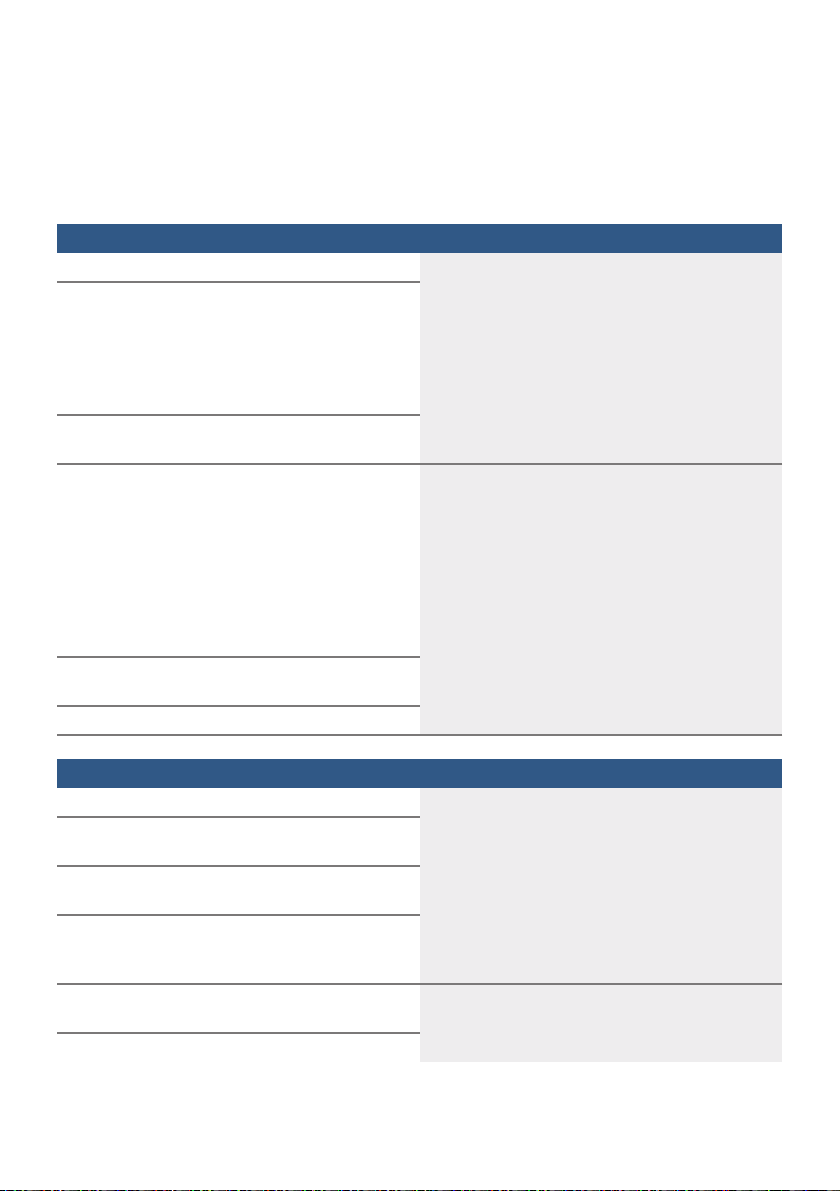
The room must be at least 1 m³ per 8 g
of refrigerant. The amount of refrigerant
in your appliance is indicated
on the rating plate inside the appliance.
~ "Getting to know your appliance"
on page 36
The weight of the appliance may be up
to 81 kg depending on the model.
Permitted room temperature
The permitted room temperature
depends on the climatic class of the
appliance.
Information on the climatic class can be
found on the rating plate.
~ "Getting to know your appliance"
on page 36
The appliance is fully functional within
the permitted room temperature.
If an appliance of climatic class SN is
operated at colder room temperatures,
the appliance will not be damaged up to
a room temperature of +5 °C.
Climatic cate-
gory
Permitted room temperature
SN +10 °C ... 32 °C
N +16 °C ... 32 °C
ST +16 °C ... 38 °C
T +16 °C ... 43 °C
en Installation and connection
34
Tips for saving energy
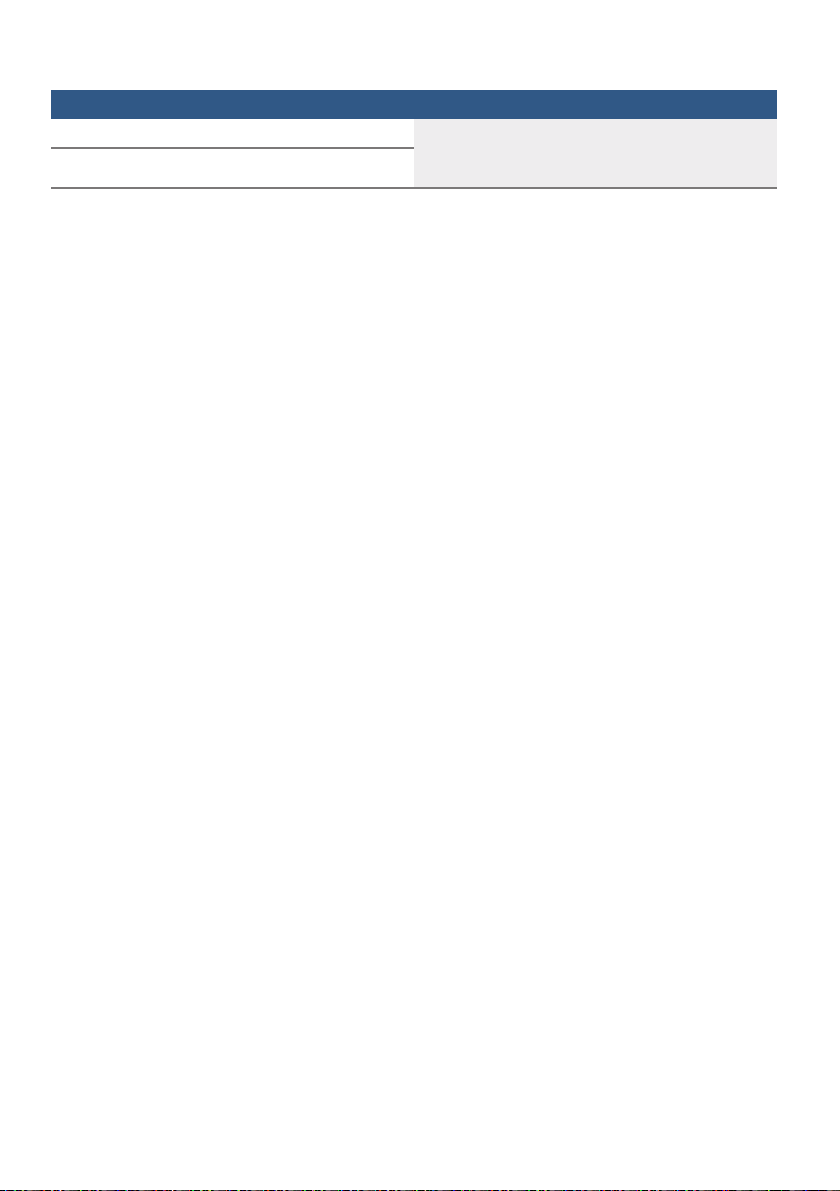
If you follow the instructions below, your appliance will use less power.
Note: The arrangement of the features does not affect the energy consumption of
the appliance.
Installing the appliance
Keep the appliance out of direct sunlight. The appliance must cool less frequently at low
ambient temperatures and therefore consumes less
power.
Install the appliance as far away as possible from
heating elements, cooker and other heat sources:
3 cm to electric or gas cookers.
30 cm to an oil or solid-fuel cooker.
Note: If this is not possible, attach an insulating
plate between the appliance and heat source.
Select an installation location at a room tempera-
ture of approx. 20 °C.
If available:
Fit wall spacers to obtain the indicated energy rat-
ing of the appliance (see installation instructions). A
reduced wall gap will not restrict the function of the
appliance. The energy rating may increase slightly.
Caution!
Risk of burns!
Individual parts of the appliance become hot during
operation. Touching these parts may result in burns.
The air on the back wall of the appliance does not
warm up so intensely. The appliance consumes less
power if the warm air can escape.
Do not cover or block the ventilation openings.
~ Fig. #
Ventilate the room daily.
Using the appliance
Open the appliance door only briefly. The air in the appliance does not warm up so
intensely. The appliance must cool less frequently
and therefore consumes less power.
Transport purchased food in a cool bag and place
quickly in the appliance.
Allow warm food and drinks to cool down before
placing in the appliance.
Thaw frozen food in the refrigerator compartment in
order to utilise the low temperature of the frozen
food.
Always leave a space between the food and the rear
panel.
The air can circulate and the air humidity will
remain constant. The appliance must cool less fre-
quently and therefore consumes less power.
Pack food airtight.
Installation and connection en
35
--------
Before using your appliance
for the first time
1. Remove leaflets, adhesive tape and
protective film.
2. Clean the appliance.
~ "Cleaning" on page 49
Electrical connection
Caution!
Do not connect the appliance to
electronic energy saver plugs.
Note: You can connect the appliance
to mains-controlled and sine-controlled
inverters.
Mains-controlled inverters are used for
photovoltaic systems which are
connected directly to the national grid.
Sine-controlled inverters must be used
for isolated applications. Isolated
applications, e.g. on ships or in
mountain lodges, which are not
connected directly to the national grid.
1. After installing the appliance, wait at
least 1 hour before connecting it to
prevent damaging the compressor.
2. Connect the appliance via a
correctly installed socket.
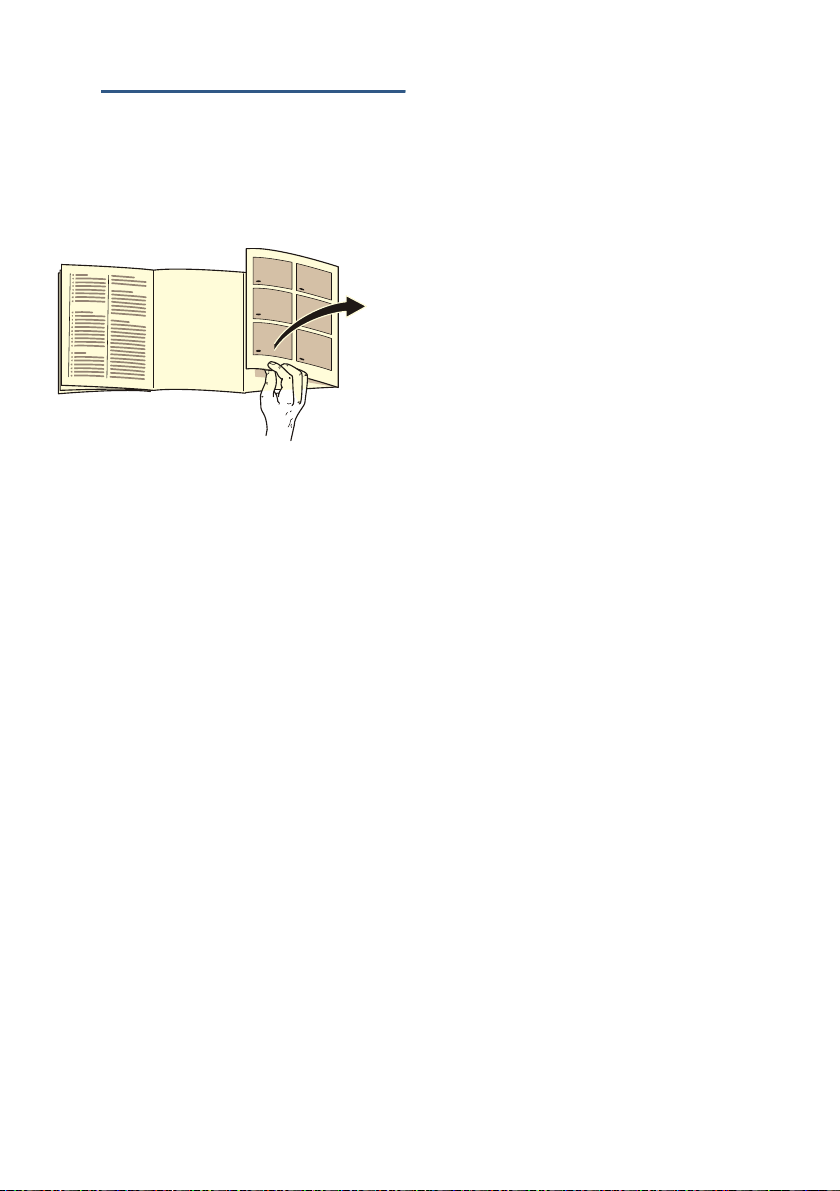
The socket must comply with the
following data:
Outside Europe: Check whether the
indicated current type of the
appliance corresponds with the
values of your power supply.
Appliance specifications are on the
rating plate.
~ "Getting to know your appliance"
on page 36
3. Connect the appliance to a socket
near the appliance.
The socket must be freely
accessible even after the appliance
has been installed.
Vacuum the back of the appliance once a year. The air on the rear panel of the appliance does not
warm up so intensely. The appliance consumes less
power if the warm air can escape.
Do not cover or block the ventilation openings.
Using the appliance
Socket with 220 V ... 240 V
Conductor 50 Hz
Fuse 10 A ... 16 A
en Getting to know your appliance
36
* Getting to know your
appliance
Getting to know your appliance
Fold out the last page with the
diagrams. The appliance and diagrams
may differ according to features.
Appliance
~ Fig. !
* Not all models.
Controls
~ Fig. "
# Refrigerator compartment
+ Freezer compartment
(-)" Controls
)* Main switch on/off
)2 Lighting
): Shelf
)B Camera
)J Ventilation opening
(refrigerator compartment)
)R Chill comp.
)Z Vegetable container with
humidity control
)b Rating plate
)j Frozen food container
1" Freezer calendar
1* Height-adjustable feet
12* Butter and cheese
compartment
1: Tray for large bottles
( Refrigerator compartment
temperature display
Indicates the set temperature
in °C.
0 super display
Lights up if super cooling is
switched on.
8 Freezer compartment
temperature display
Indicates the set temperature
in °C.
@ super display
Lights up if super freezing is
switched on.
H Button alarm off
Switches the warning signal off.
P Energy saving mode display
Lights up if the appliance is not
in use.
X Button - + refrigerator
compartment
Sets the temperature of the
refrigerator compartment.
` Button super refrigerator
compartment
Switches Super cooling on or off.
h Button - + freezer compartment
Sets the temperature of the
freezer compartment.
)" Button super freezer
compartment
Switches Super freezing on or
off.

Getting to know your appliance en
37
Interior fittings
(not all models)
Camera
~ Fig. !/)B
Every time the door is closed, the
cameras take a photo of the interior and
the door shelves. With Home Connect,
you can call up the photos using a
mobile device.
Note: Blurred pictures are an indication
that the door was closed too quickly.
Please close the door slowly in order to
guarantee satisfactory image quality!
Shelf
~ Fig. (
You can vary the shelf:
■ Pull out and remove the shelf.
Variable shelf
~ Fig. %
You can store food and bottles here:
■ Pull the shelf out to the front, lower it
and push it backwards.
Container
~ Fig. $
You can remove the container:
■ Pull out the container all the way, lift
at the front and remove.
Storage compartment
~ Fig. )
You can remove the storage
compartment:
■ Lift up storage compartment and
remove.
Bottle holder
~ Fig. *
When you open and close the door:
■ The bottle holder prevents the
bottles from overturning.
Freezer calendar
~ Fig. !/1"
The freezer calendar indicates the
maximum storage duration in months at
a constant temperature of –18 °C.
Ice cube tray
You can make ice cubes:
1. Fill the ice cube tray 3/4 full with
water and place in the freezer
compartment.
Note: If the ice cube tray is stuck to
the freezer compartment, loosen with
a blunt implement only (e.g. spoon
handle).
2. To loosen the ice cubes, twist the ice
cube tray slightly or hold briefly
under flowing water.
Ice pack
In the event of a power failure or a fault:
■ The ice pack delays the warming of
the stored frozen food.
Note: The longest storage time is
obtained by placing the ice pack on the
food in the top compartment.
You can take out the ice pack for
temporarily keeping food cool, e.g. in a
cool bag.

en Operating the appliance
38
1 Operating the
appliance
Operating the appliance
Switching on the appliance
1. Press the )* button.
The appliance begins to cool.
Warning signal, flashing temperature
display on the freezer compartment
and lit button alarm off indicate that
the freezer compartment is still too
warm.
2. Press the alarm off button.
The warning signal switches off.
3. Setting the required temperature.
~ "Setting the temperature"
on page 38
Operating tips
■ After the appliance has been
switched on, it may take several
hours until the set temperatures
have been reached. Do not put in
any food until the selected
temperature has been reached.
■ The fully automatic NoFrost system
ensures that the freezer
compartment remains free of ice.
Defrosting is not required.
■ The sides of the housing are partly
heated slightly. This prevents
condensation in the area of the door
seal.
■ If the freezer compartment door
cannot be immediately re-opened
after it has been closed, wait until the
resulting low pressure has
equalised.
Switching off and
disconnecting the appliance
Switching off the appliance
■ Press the )* button.
The appliance no longer cools.
Disconnecting the appliance
If you do not use the appliance for a
prolonged period:
1. Press the )* button.
The appliance no longer cools.
2. Pull out the mains plug or switch off
the fuse.
3. Clean the appliance.
4. Leave the appliance open.
Setting the temperature
Recommended temperature
Refrigerator compartment
■ Keep pressing the button - + until the
display indicates the required
temperature.
Freezer compartment
■ Keep pressing the button - + until the
display indicates the required
temperature.
Refrigerator compartment: +4 °C
Freezer compartment: –18 °C

Operating the appliance en
39
Sticker OK
(not all models)
You can use sticker OK to check
whether the temperature in the
refrigerator compartment reaches +4 °C
or lower.
If the sticker does not indicate OK,
gradually reduce temperature.
When the appliance is switched on, it
may take up to 12 hours until the set
temperature is reached.
Correct setting
Super cooling
Super cooling cools the refrigerator
compartment as cold as possible.
Switch on super cooling mode, e.g.:
■ before placing large quantities of
food in the compartment
■ for cooling drinks quickly
Note: When super cooling is switched
on, increased operating noises may
occur.
After 6 hours the appliance switches to
normal operation.
Switching Super cooling on/off:
■ Press the super button.
The display is lit when Super cooling
is switched on super.
Super freezing
Super freezing cools the freezer
compartment as cold as possible.
Switch on super freezing mode, e.g.:
■ to freeze food solid as quickly as
possible:
■ 4–6 hours before placing food
weighing 2 kg or more in the freezer
compartment
■ to use the max. freezing capacity
~ "Maximum freezing capacity"
on page 46
Note: When super freezing is switched
on, increased operating noises may
occur.
After approx. 2 ^ days the appliance
switches to normal operation.
Switching Super freezing on/off:
■ Press the super button.
If super freezing is switched on, the
display lights up super.
Energy saving mode
If the appliance is not operated, the
display of the controls switches to
energy saving mode:
■ Energy saving mode display lights
up.
■ The light intensity of the temperature
displays is reduced.
■ If super cooling and/or super
freezing are switched on, the
corresponding display lights up with
the normal light intensity.
As soon as the appliance is operated,
e.g. by opening the door or pressing a
button, the displays switch to the normal
light intensity.

en Alarm
40
M Alarm
Alarm
Door alarm
If the appliance door is open for a
longer time, the door alarm (continuous
audible signal) switches on.
■ Close the appliance door.
The audible warning signal is
switched off.
Temperature alarm
If the freezer compartment becomes too
warm, the temperature alarm
(intermittent signal, temperature display
flashes, alarm off is lit).
Caution!
During the thawing process, bacteria
may develop and spoil the frozen food.
Do not refreeze thawing or thawed food.
Refreeze food only after cooking. Do
not store the frozen produce for the
max. storage period.
Note: The alarm may be actuated
without risk to the frozen food in the
following cases:
■ The appliance is switching on.
■ Large quantities of fresh food are put
in.
■ The freezer compartment door has
been open too long.
Indicating warmest temperature and
switching off warning signal:
■ Press the alarm off button.
The display briefly indicates the
warmest temperature reached in the
freezer compartment. Then the
display indicates the set temperature
again.
From this time on the warmest
temperature is recalculated and
saved.
Note: The button alarm off remains
lit until the set temperature has been
reached again.
o Home Connect
Home Connect
This appliance is Wi-Fi-capable and can
be remotely controlled using a mobile
device.
Note: Wi-Fi is a registered trade mark
of the Wi-Fi Alliance.
If the appliance is not connected to the
home network, the appliance functions
like a refrigerator without a network
connection, and can still be manually
operated via the controls.
Notes
■ Please observe the safety
information in this instruction manual
and ensure that this is still adhered
to, even if you operate the appliance
via the Home Connect app and are
not at home when doing so.
~ "Safety instructions" on page 30
Follow the instructions in the Home
Connect app as well.
■ Operation on the appliance always
has priority. During this time, it is not
possible to operate the appliance
using the Home Connect app.
Setting up Home Connect
Notes
■ After switching on the appliance,
wait at least two minutes until
internal device initialisation is
complete. Only then start setting up
Home Connect.
■ To implement settings with Home
Connect, theHome Connect app
must be installed on your mobile
device.
Observe the supplied Home
Connect documents for this.
Follow the steps specified by the
app to implement the settings.

Home Connect en
41
■ The Home Connect menu will close
automatically when the appliance is
not operated for a lengthy period of
time. You can find information on
how to open the Home Connect
menu at the start of the appropriate
section.
Automatic connection with the home
network (WLAN)
If a WLAN router withWPS function is
available, the refrigerator can
automatically connect to the home
network.
1. Press the alarm off button.
The refrigerator compartment
temperature display shows Cn.
2. Press button + refrigerator
compartment until the refrigerator
compartment temperature display
shows AC and the freezer
compartment temperature display
shows OF.
3. Press button + freezer compartment.
The appliance is ready for the
automatic connection.
The energy saving mode display
flashes.
Freezer compartment temperature
display shows an animation for 2
minutes.
The appliance is ready for the
automatic connection for as long as
the animation is displayed.
4. Within those 2 minutes, activate the
WPS function on the home network
router (e.g. using the
WPS/WLANbutton; observe
information on this topic in the router
documentation).
If the connection is successful, the
freezer compartment temperature
display shows On and the energy
saving mode display lights up.
The refrigerator is ready to connect
with the app.
Note: If the freezer compartment
temperature display shows OF, no
connection could be established.
1. Check whether the refrigerator is
located within the range of the home
network (WLAN).
2. Repeat the process or establish the
connection manually.
Manual connection with the home
network (WLAN)
If the WLAN router present does not
have aWPS function, or if this is
unknown, you can manually connect the
refrigerator with the home network.
1. Press the alarm off button.
The refrigerator compartment
temperature display shows Cn.
2. Press button + refrigerator
compartment until the refrigerator
compartment temperature display
shows SA and the freezer
compartment temperature display
shows OF.
3. Press button + freezer compartment.
The appliance is ready for the
manual connection.
The energy saving mode display
flashes.
The freezer compartment
temperature display shows an
animation.
The appliance is ready for the
manual connection for as long as
the animation is displayed.
4. The refrigerator has now set up its
own WLAN network with the network
name "HomeConnect".
You can now access this network
with your mobile device.
5. Call up the WLANsettings in the
settings menu of the mobile device.
6. Connect the mobile device with the
WLAN network "HomeConnect".
Password: "HomeConnect"
It can take up to 60 seconds to
establish the connection.

en Home Connect
42
7. After successfully connecting, open
the Home Connect app on the
mobile device.
The app will search for the
refrigerator.
8. As soon as the refrigerator has been
found, enter the network name
("SSID") and the password ("Key") of
your own home network (WLAN) into
the corresponding fields.
9. Confirm with the button Transmit to
domestic appliances.
– If the connection is successful,
the freezer compartment
temperature display shows On
and the energy saving mode
display lights up.
You can now connect the
refrigerator with the app.
– If the freezer compartment
temperature display shows OF,
no connection could be
established.
Check whether the refrigerator is
located within the range of the
home network (WLAN).
Repeat the process.
Connecting the refrigerator with the
app
1. Press the alarm off button.
The refrigerator compartment
temperature display shows Cn.
2. Press button + refrigerator
compartment until the refrigerator
compartment temperature display
shows PA and the freezer
compartment temperature display
shows OF.
3. Press the button + freezer
compartment to connect the
appliance with the app.
The freezer compartment
temperature display shows an
animation and the energy saving
mode display lights up.
4. Wait until the refrigerator is displayed
in the Home Connect app on the
mobile device.
If the refrigerator is not automatically
displayed, first select Search for
domestic appliances and then
Connect domestic appliance in the
Home Connect app.
5. Follow the instructions in the app
until the process is complete.
Refrigerator compartment
temperature display shows Pa and
freezer compartment temperature
display shows On.
The refrigerator is successfully
connected with the app.
If the connection fails, check whether
the mobile device is connected to
the home network (WLAN).
Then try to establish the connection
again.
If Er appears in the freezer
compartment temperature display,
reset the Home Connectsettings.
Note: When resetting, all the Home
Connect settings are reset.
Verify signal strength
You should verify the signal strength if
no connection can be established.
1. Press the alarm off button.
The refrigerator compartment
temperature display shows Cn.
2. Press button + refrigerator
compartment until the refrigerator
compartment temperature display
shows SI. In the freezer
compartment temperature display, a
value appears between 0 (no signal)
and 3 (full signal).
The signal strength should be at
least 2. If the signal strength is too
weak, the connection may be
interrupted.
– Place the router and refrigerator
closer together.
– Ensure that the connection is not
interfered with by screening walls.
– Install a repeater to make the
signal stronger.

Home Connect en
43
Activating the cameras
If the refrigerator is connected to the
home network (WLAN) and to the Home
Connect app, you can activate the
cameras:
1. Press the alarm off button.
The refrigerator compartment
temperature display shows Cn.
2. Keep pressing button + refrigerator
compartment until the refrigerator
compartment temperature display
shows CA and the freezer
compartment temperature display
shows OF.
3. Press button + freezer compartment.
The freezer compartment
temperature display shows On and
the energy saving mode display
lights up.
The cameras are activated.
Notes
■ If the cameras are activated and the
refrigerator contents are interrogated
frequently via the app, this will result
in increased data transfer.
■ Uploading the photos takes up to
three minutes.
■ Various external factors in the home
network and Internet cause transfer
problems and pictures to be
discarded. This has no effect on the
basic functions of the appliance.
Deactivating the cameras:
1. Press the alarm off button.
The refrigerator compartment
temperature display shows Cn.
2. Keep pressing button + refrigerator
compartment until the refrigerator
compartment temperature display
shows CA and the freezer
compartment temperature display
shows On.
3. Press button - freezer compartment.
The freezer compartment
temperature display shows OF.
The cameras are deactivated.
Resetting Home Connect settings
If there is a problem when trying to
establish a connection or if you would
like to register the appliance in a
different home network (WLAN), the
Home Connectsettings can be reset:
1. Press the alarm off button.
The refrigerator compartment
temperature display shows Cn.
2. Press button + refrigerator
compartment until the refrigerator
compartment temperature display
shows rE and the freezer
compartment temperature display
shows OF.
3. Press button + freezer compartment.
Freezer compartment temperature
display shows an animation for 15
seconds.
Then the freezer compartment
temperature display shows OF.
The energy saving mode display
does not light up.
The Home Connect settings have
been reset.
Installing updates for the
Home Connect software
The refrigerator checks at regular
intervals whether updates are available
for the Home Connectsoftware.
If an update is available, the refrigerator
compartment temperature display
shows "UP".
Pressing any button will reset the
display to the set temperature.
Installing the update:
1. Press the alarm off button.
The refrigerator compartment
temperature display shows Cn.
2. Press button + refrigerator
compartment until the refrigerator
compartment temperature display
shows UP and the freezer
compartment temperature display
shows OF.
en Refrigerator compartment
44
3. Press button + freezer compartment.
The freezer compartment
temperature display shows an
animation.
The update will be installed.
During the installation, all buttons are
locked.
– If the installation was successfully
completed, the freezer
compartment temperature display
will show On.
– If the installation was not
successfully completed, the
freezer compartment temperature
display will show Er.
Start the update again at a later
point in time.
Inform the Customer Service if
the installation has still not been
successfully completed after
several attempts.
Information on data protection
The first time your Home Connect
appliance is registered on the WLAN
network connected to the Internet, your
appliance will transmit the following
types of data to the Home Connect
server (initial registration):
■ Unique appliance identification
(consisting of appliance codes as
well as the MAC address of the
installed Wi-Fi communication
module).
■ Security certificate of the Wi-Fi
communication module (to ensure a
secure IT connection).
■ The current software and hardware
version of your domestic appliance.
■ Status of any previous resetting to
factory settings.
This initial registration prepares the
Home Connectfunctions for use and is
only required when you want to use
these Home Connect functions for the
first time.
Note: Be aware that the Home Connect
functions can only be utilised with the
Home Connect app. Information on data
protection can be called up in the Home
Connectapp.
Declaration of conformity
Robert Bosch Hausgeräte GmbHhereby
declares that the appliance with Home
Connect functionality conforms to the
basic requirements and other relevant
provisions of the directive 1999/5/EC.
A comprehensive R&TTE declaration of
conformity can be found on the internet
under www.bosch-home.com on the
product page of your appliance in the
additional documents.
U Refrigerator
compartment
Refrigerator compartment
The refrigerator compartment is suitable
for storing meat, sausages, fish, dairy
products, eggs, ready meals and
pastries.
The temperature can be set from +2 °C
... +8 °C.
The refrigerator compartment can also
be used to store highly perishable foods
in the short to medium term. The lower
the selected temperature, the slower the
enzymatic and chemical processes and
deterioration by microorganisms. A
temperature of +4 °C or lower ensures
optimum freshness and safety of the
stored foods.

Refrigerator compartment en
45
Note when storing food
Note: Avoid contact between food and
the rear panel.
Otherwise, the air circulation will be
impaired and food or packaging may
freeze to the rear panel.
■ Store fresh, undamaged food.
The quality and freshness will then
be retained for longer.
■ In the case of ready products and
bottled goods do not exceed the
minimum sell-by date or use-by-date
indicated by the manufacturer.
■ To retain aroma, colour
and freshness, pack or cover food
well before placing it in the
appliance.
This avoids transference of flavours
and discolouration of the plastic
parts.
■ Leave warm food and drinks to cool
down before placing them in the
refrigerator compartment.
Note the chill zones
in the refrigerator
compartment
The air circulation in the refrigerator
compartment creates different chill
zones.
Coldest zone
The coldest zone is in the interior at the
rear wall and in the chill compartment.
~ Fig. !
Note: Store perishable food (e.g. fish,
sausages and meat) in the coldest
zone.
Warmest zone
The warmest zone is at the very top of
the door.
Note: Store e.g. hard cheese and
butter in the warmest zone. Cheese can
continue to release its flavour and the
butter will still be easy to spread.
Vegetable container with
humidity control
~ Fig. &
The vegetable container is the best
storage location for fresh fruit and
vegetables. You can adjust the air
humidity in the vegetable container via
the humidity controller and a special
seal. This allows fresh fruit and
vegetables to be stored twice as long
as with conventional storage.
The air humidity in the vegetable
container can be set according to
the type and amount of products to be
stored:
■ Mainly fruit as well as for a large
load – set lower air humidity
■ Mainly vegetables as well as for
a mixed load or small load – set
higher air humidity
Notes
■ Fruit sensitive to cold (e.g.
pineapple, banana, papaya and
citrus fruit) and vegetables sensitive
to cold (e.g. aubergines, cucumbers,
zucchini, peppers, tomatoes and
potatoes) should be stored outside
the refrigerator at temperatures of
approx. +8 °C – +12 °C for optimum
preservation of quality and flavour.
■ Condensation may form in the
vegetable container depending on
the food and quantity stored.
Remove condensation with a dry
cloth and adjust air humidity in the
vegetable container with
the humidity controller.

en Freezer compartment
46
Chill comp.
~ Fig. '
The chill compartment has lower
temperatures than the refrigerator
compartment. Temperatures below 0
°C may occur.
Ideal for storing fish, meat and sausage.
Not suitable for salads, vegetables and
food sensitive to the cold.
The temperature in the chill
compartment can be adjusted if
required:
■ Lower temperatures: regulator to the
right
■ Higher temperatures: regulator to the
left
■ Recommended: middle setting
W Freezer compartment
Freezer compartment
The freezer compartment is suitable for:
■ storing frozen food
■ making ice cubes
■ freezing food
The temperature can be set from
–16 °C ... –24 °C.
The freezer compartment can be used
to store perishable foods long-term
almost without any noticeable reduction
in quality, as the low temperatures
considerably slow down or stop
deterioration. Appearance, flavour and
all valuable ingredients are largely
retained.
Long-term storage of food should be at
–18 °C or lower.
The time between putting fresh food in
the freezer compartment and it freezing
solid depends on the following factors:
■ set temperature
■ type of food
■ amount of food in the freezer
compartment
■ quantity and type of storage
Maximum freezing capacity
The maximum freezing capacity
indicates the quantity of food which can
be frozen solid within 24 hours.
Information on the max. freezing
capacity can be found on the rating
plate.
~ "Getting to know your appliance"
on page 36
To use the maximum freezer capacity,
switch on Super freeze 24 hours before
placing the fresh food in the freezer
compartment.
Prerequisites for max. freezing
capacity
1. Approx. 24 hours before inserting
fresh produce: switch on Super
freeze.
~ "Super freezing" on page 39
2. Take the container out of the freezer
compartment and stack the food
directly on the shelves and on the
floor of the freezer compartment.
3. First fill the upper compartment with
food. This is where the food will
freeze most quickly.
4. If the top compartment is
inadequate, store the remaining
quantity in the compartment
underneath starting at the front right
side.
5. Freeze fresh food as close as
possible to the side panels.

Freezer compartment en
47
Fully utilising the freezer
volume
To place the maximum quantity of
frozen food in the freezer compartment:
■ remove all fittings.
■ Store food directly on the shelves
and on the floor of the freezer
compartment.
Purchasing frozen food
■ Ensure the packaging is not
damaged.
■ Do not exceed the minimum sell-by
date.
■ The temperature in the supermarket
freezer must be –18 °C or lower.
■ If possible, transport frozen food in a
cool bag and place quickly in the
freezer compartment.
Note when loading products
■ Freeze large quantities of food in the
top compartment.
This is where the food will freeze
especially quickly and gently.
■ Distribute food in the compartments
or frozen food containers.
■ Do not bring food which is to be
frozen into contact with frozen food.
If required, restack frozen food in the
frozen food containers.
■ Important for unrestricted air
circulation in the appliance:
push in frozen food container all the
way.
Freezing fresh food
Freeze only fresh and undamaged food.
Food which is boiled, fried or baked is
more suitable for freezing than food
which is raw.
Before freezing food, make preparations
appropriate to the food in order to retain
the best possible nutritional value,
flavour and colour:
■ Vegetables: wash, chop, blanch.
■ Fruit: wash, pit and perhaps peel,
possibly add sugar or ascorbic acid
solution.
Information on how to do this can be
found in the relevant literature.
Suitable for freezing
■ Baked goods
■ Fish and seafood
■ Meat
■ Poultry and game
■ Vegetables, fruit and herbs
■ Eggs without shells
■ Dairy products, e.g. cheese, butter
and quark
■ Ready meals and leftovers, e.g.
soups, stews, cooked meat and fish,
potato dishes, soufflés and desserts
Not suitable for freezing
■ Types of vegetables which are
usually eaten raw, e.g. lettuce or
radishes
■ Unpeeled or hard boiled eggs
■ Grapes
■ Whole apples, pears and peaches
■ Yoghurt, soured milk, sour cream,
creme fraiche and mayonnaise
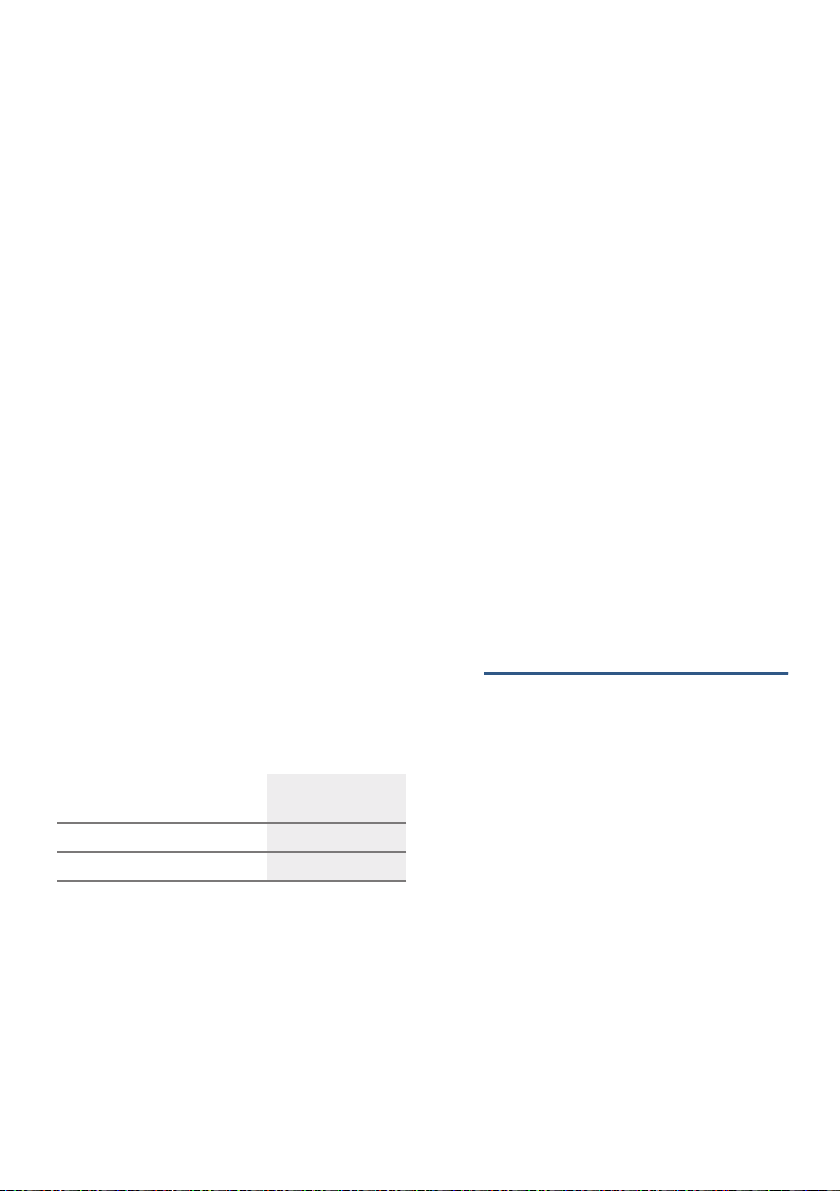
en Defrosting
48
Packing frozen food
The correct type of packaging and
material selection are decisive factors in
the retention of the product quality and
prevent the development of freezer
burn.
1. Place food in packaging.
2. Remove air.
3. Pack food airtight to prevent it from
losing flavour and drying out.
4. Label packaging with contents and
date of freezing.
Suitable packaging:
■ Plastic film
■ Tubular film made of polyethylene
(PE)
■ Aluminium foil
■ Freezer containers
Suitable locks:
■ Rubber bands
■ Plastic clips
■ Cold-resistant adhesive tape
Not suitable packaging:
■ Wrapping paper
■ Greaseproof paper
■ Cellophane
■ Refuse bags and used shopping
bags
Shelf life of frozen food at –18 °C
Thawing frozen food
The thawing method must be adjusted
to the food and application in order to
retain the best possible product quality.
Thawing methods:
■ in the refrigerator compartment
(especially suitable for animal-based
foods such as fish, meat, cheese,
quark)
■ at room temperature (bread)
■ in the microwave (food for
immediate consumption or
immediate preparation)
■ in the oven/cooker (food for
immediate consumption or
immediate preparation)
Caution!
Do not refreeze thawing or thawed food.
You can only refreeze the food when it
has been used for a ready-to-eat meal
(boiled or fried).
The frozen food can no longer be stored
for the maximum duration.
= Defrosting
Defrosting
The fully automatic NoFrost system
ensures that the appliance remains free
of ice. Defrosting is not required.
Fish, sausage, ready meals
and cakes and pastries:
up to 6 months
Meat, poultry: up to 8 months
Fruit, vegetables: up to 12 months

Cleaning en
49
D Cleaning
Cleaning
Caution!
Avoid damaging the appliance and the
fittings.
■ Do not use abrasive, chloride or
acidic cleaning agents or solvents.
■ Do not use scouring or abrasive
sponges.
The metallic surfaces may corrode.
■ Never clean the shelves
or containers in the dishwasher.
The parts may become deformed.
Proceed as follows:
1. Switch off the appliance.
2. Pull out the mains plug or switch off
the fuse.
3. Take out the food and store
in a cool location.
Place ice pack (if available)
on the food.
4. If present: wait until the layer of frost
has thawed.
5. Clean the appliance with a soft cloth,
lukewarm water and a little
pH-neutral washing-up liquid.
Caution!
The rinsing water must not get into
the lighting system or into the
ventilation openings.
6. Wipe door seal with clear water and
dry thoroughly with a cloth.
7. Reconnect and switch on appliance
and put in food.
Cleaning the equipment
To clean, take the variable parts out of
the appliance.
~ "Interior fittings" on page 37
Camera
The change in temperature and
humidity can cause the camera lenses
to steam up.
To prevent this: treat the camera lenses
with a commercially available rain
deflector.
Use a micro-fibre cloth for this
treatment, and for cleaning as well.
l Odours
Odours
If you experience unpleasant odours:
1. Switch off the appliance with
the On/Off button )*.
2. Take all food out of the appliance.
3. Clean the inside.~ "Cleaning"
on page 49
4. Clean all packages.
5. Seal strong smelling food in order
to avoid odours from forming.
6. Switch the appliance on again.
7. Store food in the appliance.
8. Check whether the formation of
odours is still occurring after
24 hours.
9 Lighting
Lighting
Your appliance features a
maintenance-free LED light.
Only customer service or authorised
technicians may repair the light.
If the appliance is open for longer than
10 minutes, the lighting is automatically
switched off.

en Noise
50
> Noises
Noise
Normal noises
Droning: A motor is running, e.g.
refrigerating unit, fan.
Bubbling, buzzing or gurgling:
Refrigerant is flowing through the tubes.
Clicking: Motor, switches or solenoid
valves are switching on and off.
Clicking on cameras: End standby
modus and calibrate cameras. No data
transfer takes place.
Cracking: Automatic thawing
successful.
Preventing noises
Appliance is not level: Align appliance
using a spirit level. If required, place a
little packing underneath.
The appliance is not "free-standing":
please move the appliance away from
adjacent furniture or appliances.
Containers, shelves or storage
compartments wobble or stick: Check
the removable fittings and re-insert if
required.
Bottles or receptacles are touching
each other: Move bottles or receptacles
away from each other.
3 Faults – what to do?
Faults – what to do?
Before you call customer service, use this table to check whether you can rectify the
fault yourself.
Temperature differs greatly from the set value.
Switch off appliance for 5 minutes.
~ "Switching off and disconnecting the appliance"
on page 38
If the temperature is too warm, check temperature
again after a couple of hours.
If the temperature is too cold, check temperature
again on the following day.
Displays do not illuminate.
The mains plug has not been inserted properly. Connect the mains plug.
The fuse has tripped. Check the fuses.
The power has failed. Check whether the power is on.
Display flashes.
The temperature in the freezer compartment was
too warm.
When button alarm off has been pressed, the warm-
est temperature reached in the freezer compartment
is displayed for 5 seconds. Press the alarm off but-
ton. The display stops flashing.
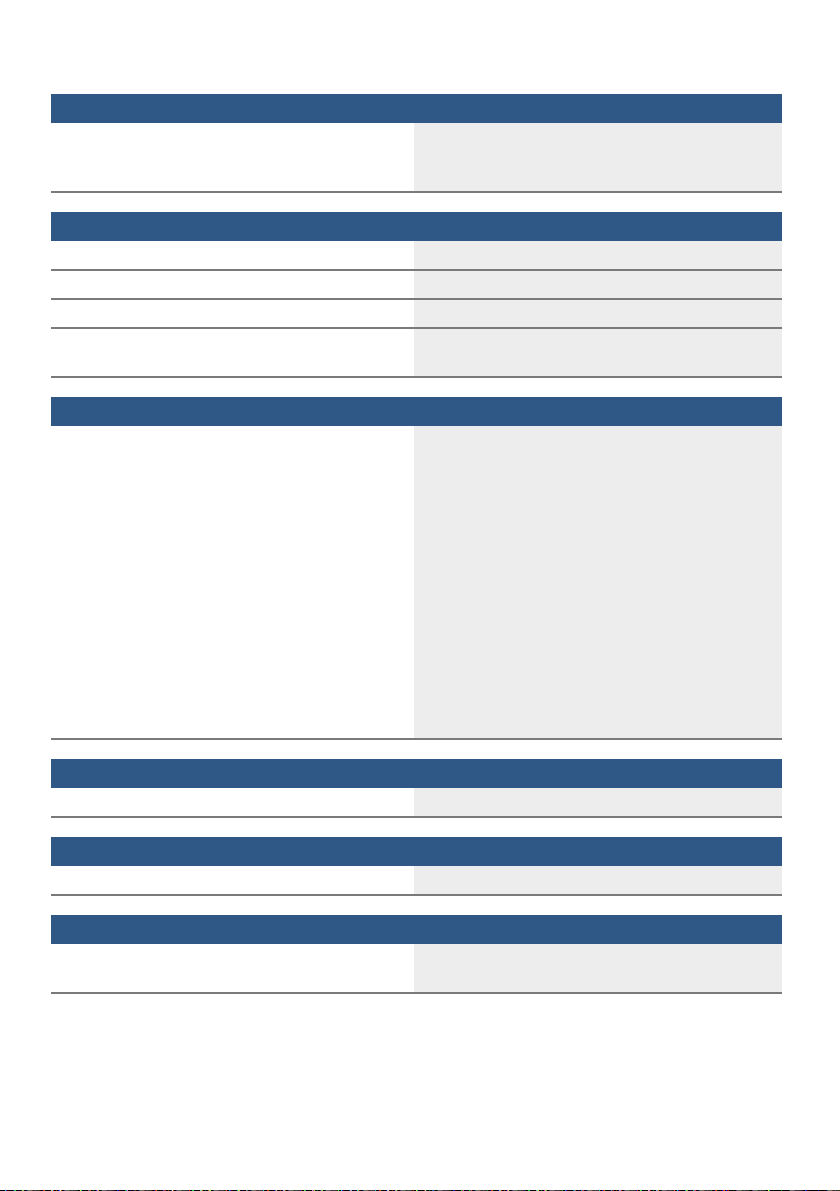
Faults – what to do? en
51
Appliance is not cooling, display and light are lit.
Demo mode switched on. Hold down button alarm off for 10 seconds until an
acknowledgement signal sounds. Wait and check
whether the appliance is cooling.
Display flashes, warning signal sounds and button alarm off is lit.
Press the alarm off button. Alarm is switched off.
Appliance door is open. Close the appliance door.
Ventilation openings have been covered. Clear ventilation openings.
Large quantities of fresh food were placed in the
appliance.
Do not exceed max. freezing capacity.
Fully automatic defrosting no longer functions, the set temperature is not attained.
The freezer compartment door was open for a long
period. The evaporator (refrigeration unit) in the
NoFrost system is heavily iced up.
To defrost the evaporator, remove the containers
with the frozen food, insulate well and store in a cool
location.
■ Switch off the appliance and move it away from
the wall. Leave the appliance door open.
■ After approx. 20 minutes, the condensation
water starts to run into the evaporation pan at
the rear of the appliance.
~ Fig. +
To prevent the evaporation pan from overflowing,
mop up the condensation water with a sponge. The
evaporator is defrosted if no more condensation
water runs into the evaporation pan.
Clean the inside.
Switch the appliance back on again.
The cameras do not take any photos.
The cameras are not activated in Home Connect. Activate the cameras.
Cameras take blurred photos.
Door was closed too quickly. Close door more slowly.
Camera lenses misted up
Appliance was open too long. Clean the camera lenses using a micro-fibre cloth.
Do not leave appliance open too long.
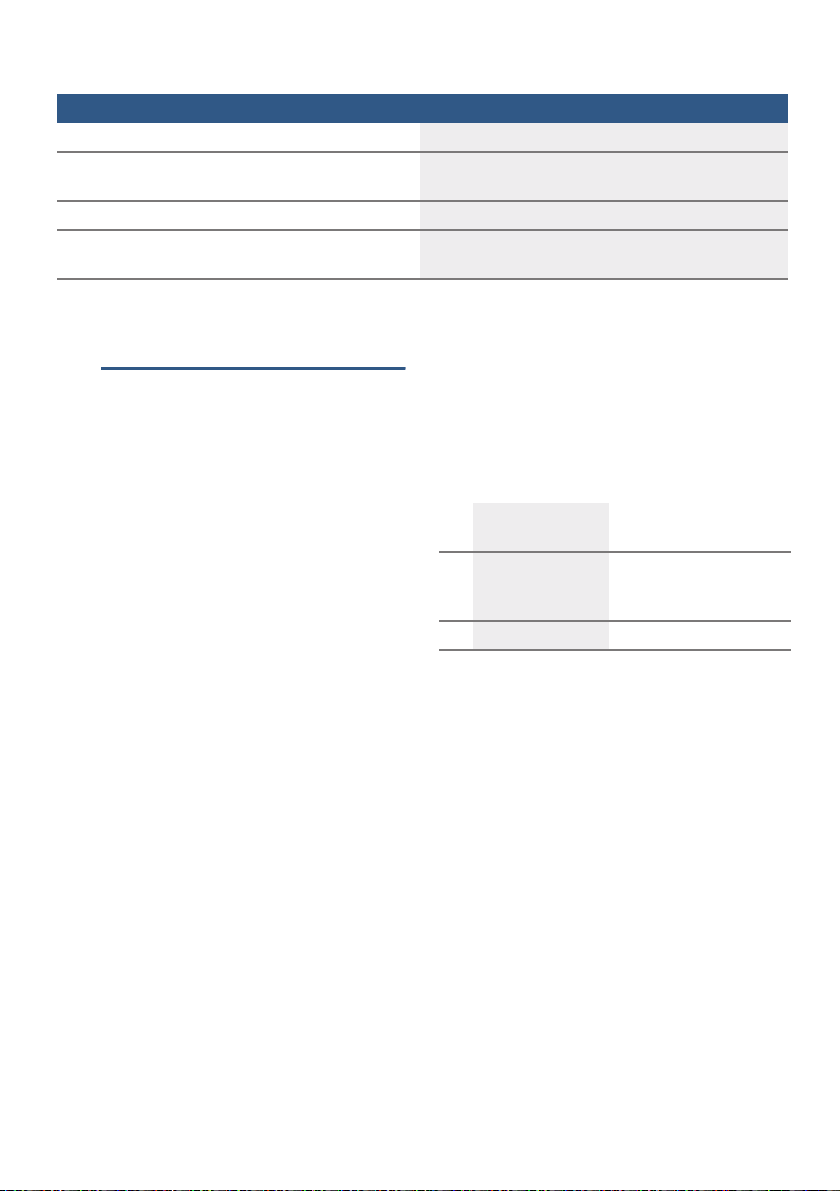
en Customer service
52
--------
4 Customer service
Customer service
If you are unable to rectify the fault,
please contact our customer service.
We will always find an appropriate
solution in order to avoid unnecessary
visits by engineers.
The contact information for your nearest
customer service can be found here or
on the enclosed customer service list.
When calling, please state the product
number (E-Nr.) and the production
number (FD) which can be found on the
rating plate.
~ "Getting to know your appliance"
on page 36
Trust the expertise of the
manufacturer. You can therefore be
sure that the repair is carried out by
trained service technicians who carry
original spare parts for your domestic
appliances.
Repair order and advice on
faults
Contact information for all countries can
be found on the enclosed customer
service list.
--------
Guarantee
Detailed information on the warranty
period and warranty conditions in your
country are available from your
customer service, your dealer and on
our website.
The energy saving mode display flashes in Home Connect mode.
Server error Wait for a few minutes.
The connection to the server has been deactivated
on the mobile device.
Establish server connection.
Refrigerator not receiving any WLAN signals. Check signal strength.
No connection to the Internet or only a weak con-
nection.
Verify Internet connection on the router.
GB 0344 892 8979 Calls charged at local or
mobile rate
IE 01450 2655 0.03 € per minute at
peak. Off peak 0.0088 €
per minute.
US 800 944 2904 toll-free

fr
53
fr Table des matières
fr Notice d'utilisation
( Consignes de sécurité . . . . . . . 55
À propos de cette notice . . . . . . . . . 55
Risque d'explosion . . . . . . . . . . . . . . 55
Risque d’électrocution . . . . . . . . . . . 55
Risque d'engelures provoquées par
le froid . . . . . . . . . . . . . . . . . . . . . . . 56
Risque de blessure. . . . . . . . . . . . . . 56
Risques dus au fluide frigorigène . . . 56
Évitez des risques pour les enfants
et les personnes en danger : . . . . . . 56
Dégâts matériels. . . . . . . . . . . . . . . . 57
Poids . . . . . . . . . . . . . . . . . . . . . . . . 57
Prescriptions-d’hygiène-alimentaire. . 57
8 Conformité d'utilisation. . . . . . . 58
7 Protection de l'environnement . 59
Emballage. . . . . . . . . . . . . . . . . . . . . 59
Appareil usagé . . . . . . . . . . . . . . . . . 59
5 Installation et branchement . . . 60
Étendue des fournitures . . . . . . . . . . 60
Données techniques. . . . . . . . . . . . . 60
Installer l’appareil . . . . . . . . . . . . . . . 60
Economies d’énergie . . . . . . . . . . . . 61
Avant la première utilisation . . . . . . . 62
Raccordement électrique . . . . . . . . . 62
* Présentation de l’appareil. . . . . 63
Appareil . . . . . . . . . . . . . . . . . . . . . . 63
Eléments de commande. . . . . . . . . . 63
Équipement . . . . . . . . . . . . . . . . . . . 64
1 Utilisation de l'appareil . . . . . . . 65
Mettre l'appareil sous tension . . . . . . 65
Arrêt et remisage de l’appareil . . . . . 65
Régler la température. . . . . . . . . . . . 65
Super-réfrigération . . . . . . . . . . . . . . 66
Supercongélation . . . . . . . . . . . . . . . 66
Mode économie d‘énergie . . . . . . . . 66
M Alarme . . . . . . . . . . . . . . . . . . . . 67
Alarme de porte . . . . . . . . . . . . . . . . 67
Alarme de température . . . . . . . . . . . 67
o Home Connect . . . . . . . . . . . . . . 67
Configurer Home Connect. . . . . . . . . 68
Installer une mise à jour du logiciel
Home Connect . . . . . . . . . . . . . . . . . 71
Remarque liée à la protection des
données . . . . . . . . . . . . . . . . . . . . . . 72
Déclaration de conformité . . . . . . . . . 72
U Compartiment réfrigérateur . . . 73
Consignes de rangement . . . . . . . . . 73
Tenez compte des différentes zones
froides dans le compartiment
réfrigérateur. . . . . . . . . . . . . . . . . . . . 73
Bac à légumes avec régulateur
d’humidité . . . . . . . . . . . . . . . . . . . . . 73
Compartiment froid . . . . . . . . . . . . . . 74
W Compartiment congélateur . . . 74
Capacité de congélation maximale . . 75
Utiliser l’intégralité du volume de
congélation . . . . . . . . . . . . . . . . . . . . 75
Achats de produits surgelés . . . . . . . 75
Attention lors de rangement . . . . . . . 75
Congélation de produits frais . . . . . . 76
Décongélation des produits . . . . . . . 77
= Dégivrer l’appareil. . . . . . . . . . . 77
D Nettoyage . . . . . . . . . . . . . . . . . . 77
Nettoyage des accessoires . . . . . . . . 77
l Odeurs . . . . . . . . . . . . . . . . . . . . 78
9 Éclairage . . . . . . . . . . . . . . . . . . 78

fr
54
> Bruits . . . . . . . . . . . . . . . . . . . . . 78
Bruits normaux . . . . . . . . . . . . . . . . .78
Éviter la génération de bruits. . . . . . .78
3 Dérangements, Que faire si … 79
4 Service après-vente . . . . . . . . . 81
Conseils et réparations . . . . . . . . . . .81
Garantie. . . . . . . . . . . . . . . . . . . . . . .81

Consignes de sécurité fr
55
( Consignes de sécurité
Consignes de sécurité
Cet appareil est conforme aux
dispositions de sécurité
applicables aux appareils
électriques et il est déparasité.
Le circuit frigorifique a subi
un contrôle d’étanchéité.
À propos de cette notice
■ Veillez lire et respecter le
contenu de cette notice
d'utilisation et de montage.
Elle contiennent des
remarques importantes
concernant l’installation,
l’utilisation et l’entretien de
l’appareil.
■ Le fabricant décline toute
responsabilité si vous ne
tenez pas compte des
remarques et avertissements
figurant dans la notice de
montage et celle d'utilisation.
■ Veuillez conserver tous ces
documents en vue d’une
réutilisation ultérieure ou
pour le cas où l’appareil
changerait de propriétaire.
Risque d'explosion
■ N’utilisez pas d’appareils
électriques à l’intérieur
de l’appareil (par ex.
appareils de chauffage,
machine à glaçons).
■ Ne stockez dans l'appareil
aucun produit contenant des
gaz propulseurs
combustibles (bombes
aérosols par exemple) et
aucune substance explosive.
■ Stockez les boissons
fortement alcoolisées en
position verticale dans des
récipients bien fermés.
Risque d’électrocution
Les installations et réparations
inexpertes peuvent engendrer
des risques considérables pour
l’utilisateur.
■ Si le cordon d'alimentation
est endommagé :
Débranchez immédiatement
l'appareil du secteur.
■ Ne confiez la réparation
qu'au fabricant, au service
après-vente ou à une
personne présentant une
qualification équivalente.
■ N’utilisez que des pièces de
rechange d'origine venant du
fabricant.
Le fabricant garantit que ces
pièces d'origine remplissent
les exigences de sécurité.
■ S’il faut allonger le cordon
de raccordement au secteur
avec un prolongateur,
procurez-vous-le
exclusivement auprès du
service après-vente.

fr Consignes de sécurité
56
Risque d'engelures
provoquées par le froid
■ Ne portez jamais des
produits surgelés à la
bouche immédiatement
après les avoir sortis du
compartiment congélateur.
■ Évitez tout contact prolongé
de la peau avec le produit
congelé, la glace et les
tubulures présents dans le
compartiment congélateur.
Risque de blessure
Les récipients contenant des
boissons gazeuses risquent
d'éclater.
Dans le compartiment
congélateur, ne rangez jamais
de boissons gazeuses.
Risques dus au fluide
frigorigène
Dans les tubulures du circuit
frigorifique circule une petite
quantité de R600a, un fluide
frigorigène respectueux de
l'environnement mais
combustible. Il n'abîme pas
la couche d'ozone et n'accroît
pas l'effet de serre. Le fluide
frigorigène risque en fuyant de
blesser les yeux ou
de s'enflammer.
■ Ne pas endommager les
tubulures.
Si les tubulures ont été
endommagées :
■ Eloignez l’appareil de toute
flamme nue ou source
d’inflammation.
■ Aérez la pièce.
■ Éteignez l’appareil puis
débranchez-le.
■ Appeler le service
après-vente.
Évitez des risques pour les
enfants et les personnes en
danger :
Personnes à risques :
■ les enfants,
■ les personnes présentant un
handicap physique,
psychique ou sensoriel,
■ les personnes qui ne savent
pas suffisamment comment
utiliser l'appareil de manière
sûre.
Mesures :
■ Assurez-vous que les enfants
et les personnes à risques
ont bien compris la nature
des dangers.
■ Une personne responsable
de la sécurité doit surveiller
ou guider les enfants et les
personnes en danger
lorsqu’elles se trouvent près
de l’appareil.
■ Ne permettez l’utilisation de
l’appareil qu’aux enfants à
partir de 8 ans.

Consignes de sécurité fr
57
■ Surveillez les enfants
pendant le nettoyage et la
maintenance.
■ Ne jamais laisser des
enfants jouer avec l'appareil.
Risque d'étouffement
■ Appareils équipés d’une
serrure : rangez la clé hors
de portée des enfants.
■ Ne permettez jamais aux
enfants de jouer avec
l’emballage et ses pièces
constitutives.
Dégâts matériels
Pour éviter des dégâts
matériels :
■ Ne vous servez jamais
du socle, des glissières
ou des portes comme
marchepieds et ne vous
appuyez jamais dessus.
■ Veillez à ce que les pièces
en matière plastique et les
joints de porte soient
exempts d'huile et de
graisse.
■ Pour débrancher, ne
saisissez que la fiche mâle,
pas le cordon de
branchement.
Poids
Rappelez-vous pendant le
transport et l'installation de
l'appareil que ce dernier peut
être très lourd.
~ "Lieu d’installation"
à la page 60
Prescriptions-d’hygiène-alime
ntaire
Conformément
à la réglementation française
visant à empêcher la présence
de listeria dans le
compartiment réfrigérateur,
nous vous remercions de
respecter les consignes
suivantes :
■ Nettoyez fréquemment le
compartiment intérieur du
réfrigérateur à l’aide d’un
détergent non agressif, ne
provoquant pas d’oxydation
des pièces métalliques
(utilisez par ex. de l’eau tiède
additionnée d’un peu de
produit à vaisselle).
Ensuite, désinfectez avec de
l’eau additionnée de vinaigre
ou de jus de citron les
surfaces que vous avez
préalablement nettoyées, ou
utilisez un produit germicide
en vente dans le commerce
et adapté aux réfrigérateurs
(avant d’utiliser ce produit
sur les pièces métalliques,
faites un test de compatibilité
à un endroit peu visible).
■ Enlevez les emballages
commerciaux avant de
mettre les produits
alimentaires dans le
compartiment réfrigérateur
(par ex. le carton qui réunit
les pots de yaourt).

fr Conformité d'utilisation
58
■ Pour éviter toute
contamination entre des
produits alimentaires de
nature différente, rangez-les
bien séparés les uns des
autres, bien emballés ou
rangés dans des récipients
à couvercle.
■ Avant de préparer des plats
et de saisir des produits
alimentaires, lavez-vous les
mains. Avant de préparer
d’autres plats, lavez-vous
à nouveau les mains.
Lavez-les encore une fois
avant de prendre un repas.
■ Lavez les ustensiles
de cuisine dont vous venez
de vous servir avant de les
réutiliser (cuillère en bois,
planche de découpe,
couteau de cuisine, etc.).
8 Conformité
d'utilisation
Conformité d'utilisation
Utilisez cet appareil
■ Uniquement pour réfrigérer et
congeler des produits alimentaires,
et pour préparer de la glace.
■ Uniquement dans un foyer et dans
l'environnement domestique.
■ Uniquement en conformité avec la
présente notice d'utilisation.
Cet appareil est conçu pour une
utilisation jusqu'à une altitude maximale
de 2 000 m.
Protection de l'environnement fr
59
7 Protection de
l'environnement
Protection de l'environnement
Emballage
Tous les matériaux sont compatibles
avec l’environnement et recyclables :
■ Éliminer l’emballage dans le respect
de l’environnement.
■ Veuillez vous informer sur les circuits
d'élimination auprès de votre
revendeur ou de l'administration
publique.
Eliminez l'emballage en
respectant l'environnement.
Appareil usagé
Leur élimination dans le respect
de l’environnement permet d’en
récupérer de précieuses matières
premières.
:Mise en garde
Les enfants risque de s'enfermer dans
l'appareil et de s'asphyxier !
■ Pour compliquer la pénétration des
enfants dans l'appareil, ne retirez
pas les clayettes et les bacs.
■ Éloignez les enfants de l’appareil qui
a cessé de servir.
Attention !
Le fluide frigorigène et des gaz nocifs
peuvent se dégager.
Veillez à ne pas endommager les
tubulures du circuit frigorifique et
l'isolant.
1. Débrancher la fiche mâle de la prise
de courant.
2. Tranchez le cordon
de raccordement au secteur.
3. Faites éliminer l'appareil
professionnellement.
Cet appareil est marqué selon la
directive européenne
2012/19/UE relative aux
appareils électriques et
électroniques usagés (waste electrical
and electronic equipment - WEEE).
La directive définit le cadre pour une
reprise et une récupération des
appareils usagés applicables dans les
pays de la CE.
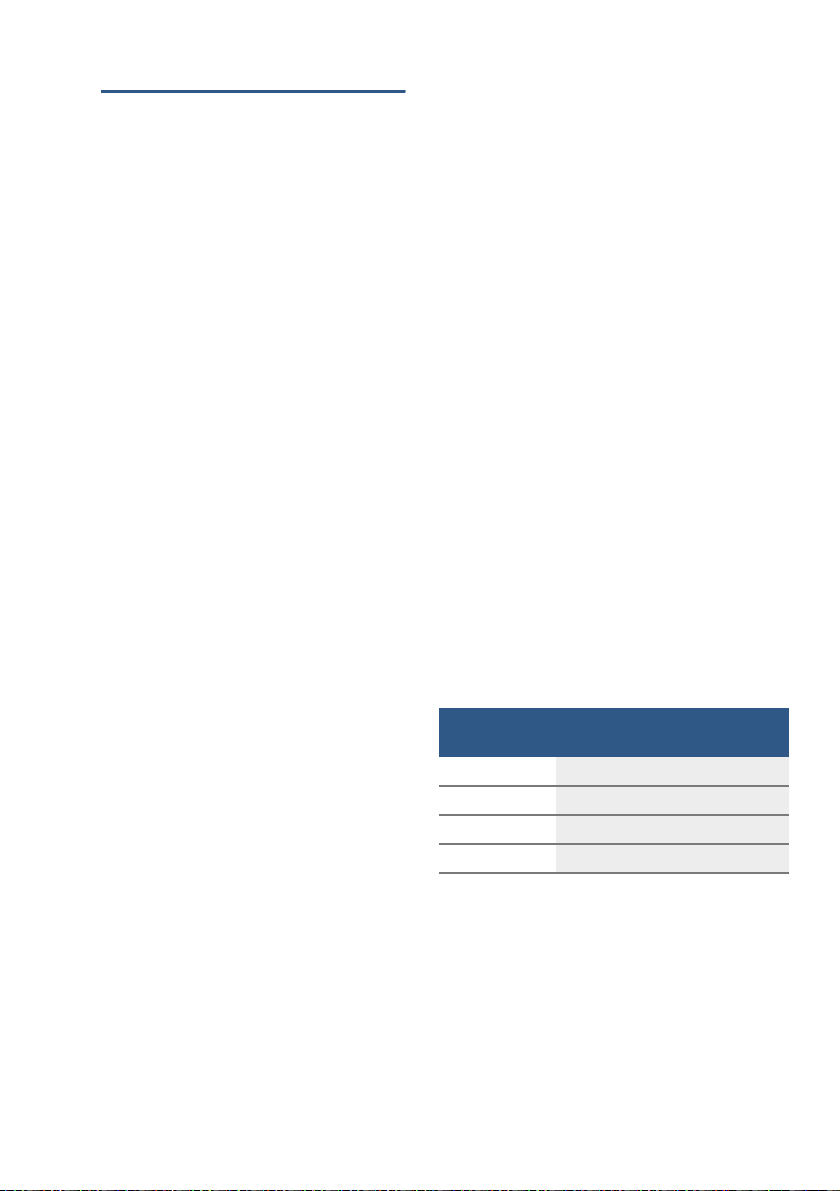
fr Installation et branchement
60
5 Installation et
branchement
Installation et branchement
Étendue des fournitures
Après avoir déballé, vérifiez toutes les
pièces pour détecter d’éventuels dégâts
dus au transport.
En cas de réclamation, veuillez vous
adresser au revendeur auprès duquel
vous avez acquis l'appareil ou à notre
service après-vente.
~ "Service après-vente" à la page 81
La livraison comprend les pièces
suivantes :
■ Appareil indépendant
■ Équipement (selon le modèle)
■ Mode d'emploi
■ Carnet de service après-vente
■ Pièce annexe de la garantie
■ Informations relatives à la
consommation d’énergie et aux
bruits
Données techniques
La plaque signalétique mentionne le
fluide frigorigène, la contenance utile
ainsi que d'autres indications.
~ "Présentation de l’appareil"
à la page 63
Installer l’appareil
Lieu d’installation
Plus l’appareil contient du fluide
réfrigérant et plus grande doit être
la pièce dans laquelle il se trouve. Dans
les pièces trop petites, un mélange
gaz-air inflammable peut se former en
cas de fuite.
Comptez 1 m³ de volume minimum de
la pièce pour 8 g de fluide réfrigérant.
La quantité de fluide présente dans
l’appareil est indiquée sur la plaque
signalétique située à l’intérieur de ce
dernier.
~ "Présentation de l’appareil"
à la page 63
Selon le modèle, le poids de l'appareil
peut atteindre 81 kg.
Température ambiante admissible
La température ambiante admissible
dépend de la catégorie climatique de
l'appareil.
Des indications sur la classe climatique
se trouvent sur la plaque signalétique.
~ "Présentation de l’appareil"
à la page 63
L'appareil est entièrement opérationnel
dans la plage de température ambiante
admissible.
Si un appareil de la catégorie climatique
SN est utilisé à des températures
ambiantes plus basses, il n’est pas
possible d’exclure que l’appareil
s’endommage jusqu'à une température
de +5 °C.
Catégorie cli-
matique
Température ambiante admis-
sible
SN +10 °C ... 32°C
N +16 °C ... 32°C
ST +16 °C ... 38 °C
T +16 °C ... 43 °C
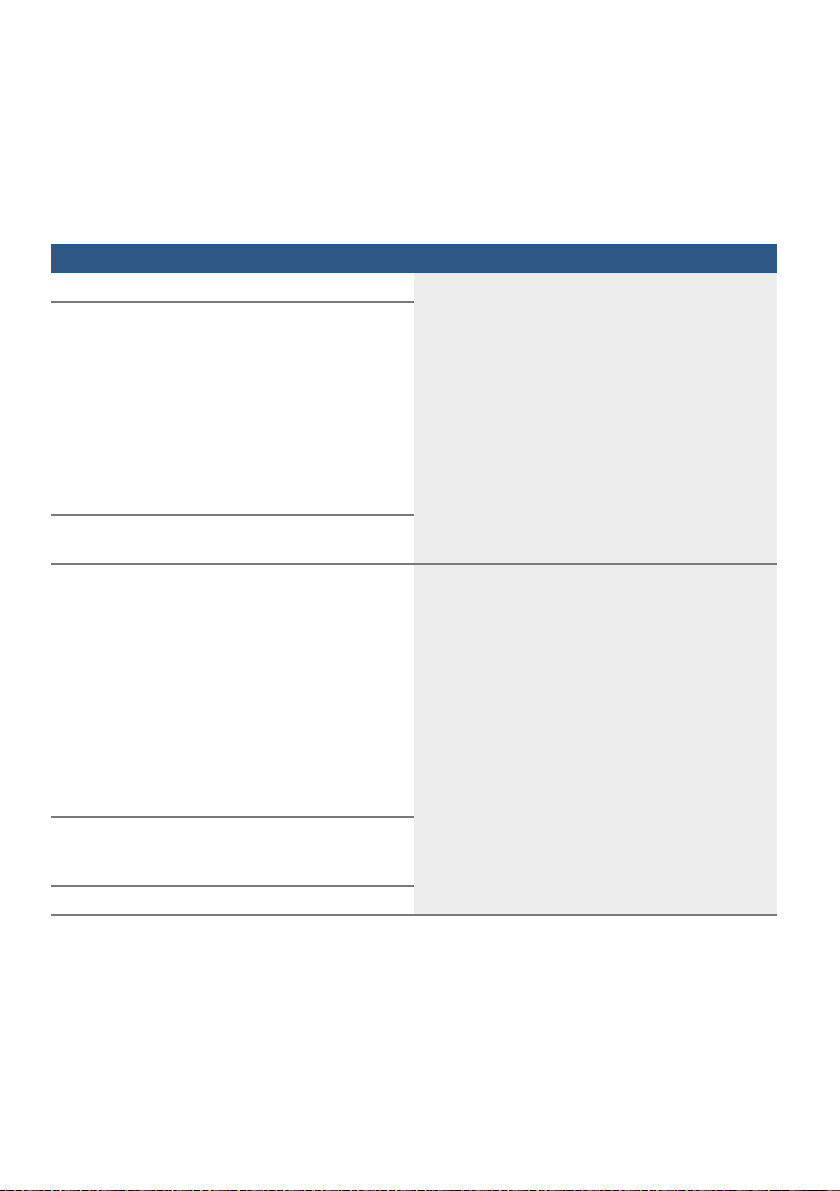
Installation et branchement fr
61
Economies d’énergie
Si vous respectez les instructions suivantes, votre appareil consommera moins de
courant.
Remarque : L’agencement des pièces d’équipement n’a aucune influence sur la
consommation d’énergie de l’appareil.
Installer l’appareil
Protégez l'appareil contre l’ensoleillement direct. En présence de températures ambiantes assez
basses, l'appareil doit réfrigérer moins souvent et il
consomme donc moins de courant.
Installez l'appareil à la plus grande distance pos-
sible d'un radiateur, d'une cuisinière et d'autres
sources de chaleur.
3 cm par rapport aux cuisinières électriques ou à
gaz.
30 cm par rapport à un appareil de chauffage
au fuel ou au charbon.
Remarque : Si ce n'est pas possible, il faut installer
une plaque isolante entre l'appareil et la source de
chaleur.
Choisissez un lieu d'installation où règne une tem-
pérature ambiante d'environ 20 °C.
Si présent(s) :
Monter les écarteurs muraux pour parvenir à la
quantité mentionnée d’énergie absorbée par l’appa-
reil (voir la notice de montage). Un écart moins
élevé par rapport au mur ne restreint pas le fonc-
tionnement de l’appareil. Dans ce cas, l’énergie
absorbée peut augmenter légèrement.
Attention !
Risque de brûlures !
Certaines pièces de l'appareil deviennent très
chaudes en service. Le fait de toucher ces pièces
peut provoquer des brûlures.
L'air au contact de la paroi arrière de l'appareil ne
s'échauffe pas aussi fortement. L'appareil
consomme moins de courant si l'air chaud peut
s'échapper.
Ne recouvrez et ne bouchez pas les orifices d'aéra-
tion.
~ Fig. #
Aérez quotidiennement la pièce.
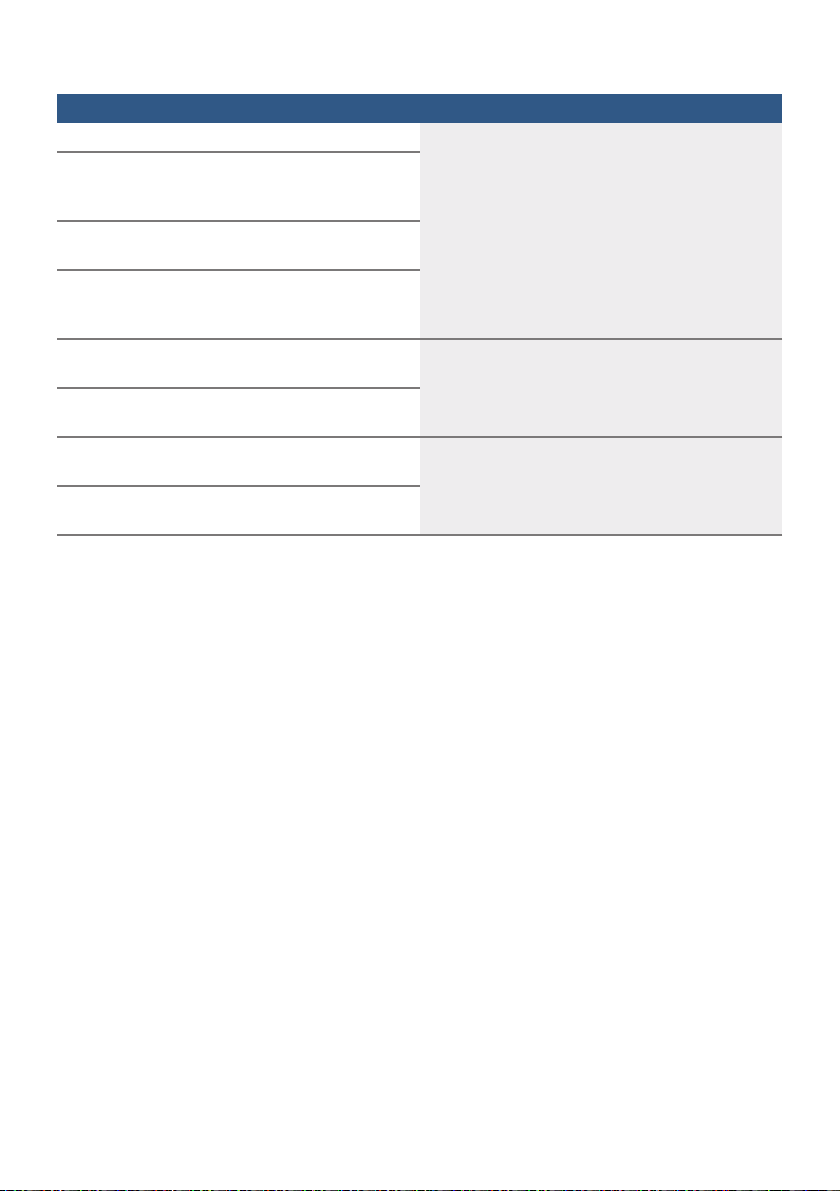
fr Installation et branchement
62
--------
Avant la première utilisation
1. Retirez la documentation informative
et les rubans adhésifs ainsi que la
feuille protectrice.
2. Nettoyez l’appareil.
~ "Nettoyage" à la page 77
Raccordement électrique
Attention !
Ne raccordez pas l’appareil à une fiche
électronique d'économie d'énergie.
Remarque : Vous pouvez raccorder
l'appareil à des onduleurs pilotés par le
réseau et pilotés en onde sinusoïdale.
Les onduleurs pilotés par le réseau
s'utilisent sur les installations
photovoltaïques directement raccordées
au réseau public d'électricité. Dans les
solutions en îlot, vous devrez utiliser des
onduleurs pilotés en onde sinusoïdale.
Les solutions en îlot, par exemple sur
les bateaux ou les refuges de montage,
n'ont pas de raccordement direct au
réseau public d'électricité.
1. Après l'installation de l'appareil,
attendez au moins 1 heure avant de
le raccorder car cela empêche
d'endommager le compresseur.
2. Raccordez l'appareil via une prise
femelle réglementairement installée.
La prise doit répondre aux
spécifications suivantes :
Hors d’Europe : Vérifiez si
le paramétrage du courant indiqué
pour l'appareil correspond à celui
offert par le secteur dans votre
localité. Les indications se trouvent
sur la plaque signalétique.
~ "Présentation de l’appareil"
à la page 63
3. Raccordez l'appareil à une prise
proche de lui.
Cette prise doit rester accessible
même après avoir installé l'appareil.
Utilisation de l'appareil
N'ouvrez la porte de l'appareil que brièvement. L'air dans l'appareil ne s'échauffe pas aussi forte-
ment. L'appareil doit réfrigérer plus rarement et
consomme de la sorte moins d'électricité.
Transportez les produits alimentaires achetés dans
un sac isotherme et rangez-les rapidement dans
l'appareil.
Attendez que les plats chauds aient refroidi avant
de les ranger dans le compartiment congélateur !
Pour dégeler les produits congelés, rangez-les dans
le compartiment réfrigérateur pour profiter du froid
des produits congelés.
Laissez toujours un peu de place entre les produits
alimentaires et la paroi arrière.
L'air peut circuler de cette manière et l'humidité de
l'air demeure constante. L'appareil doit réfrigérer
plus rarement et consomme de la sorte moins
d'électricité.
Emballez hermétiquement les produits alimen-
taires.
Une fois par an, passez l'aspirateur au dos de
l'appareil.
L'air au contact de la paroi arrière de l'appareil ne
s'échauffe pas aussi fortement. L'appareil
consomme moins de courant si l'air chaud peut
s'échapper.
Ne recouvrez et ne bouchez pas les orifices d'aéra-
tion.
Prise avec 220 V ... 240 V
Fil de terre 50 Hz
Fusible 10 A ... 16 A

Présentation de l’appareil fr
63
* Présentation de
l’appareil
Présentation de l’appareil
Dépliez le volet illustré situé à la
dernière page. Selon l'équipement, des
différences sont possibles entre
l'appareil et les illustrations.
Appareil
~ Fig. !
* Selon le modèle.
Eléments de commande
~ Fig. "
# Compartiment réfrigérateur
+ Compartiment congélateur
(-)" Eléments de commande
)* Interrupteur principal
marche/arrêt
)2 Éclairage
): Clayette
)B Caméra
)J Orifice de ventilation
(compartiment réfrigérateur)
)R Compartiment froid
)Z Bac à légumes avec
régulateur d’humidité
)b Plaque signalétique
)j Bac à produits congelés
1" Calendrier de congélation
1* Pieds à vis
12* Casier à beurre et à fromage
1: Clayette à grandes bouteilles
( Affichage de la température du
compartiment réfrigérateur
Affiche la température réglée en
°C.
0 Affichage super
Le voyant de la touche est
allumé si la super-réfrigération
est activée.
8 Affichage de la température dans
le compartiment congélateur
Affiche la température réglée en
°C.
@ Affichage super
Le voyant de la touche est
allumé si la supercongélation est
activée.
H Touche alarm off
Éteint l'alarme sonore.
P Indicateur de Mode Économie
d’énergie
S’allume lorsque l'appareil n’est
pas en service.
X Touche - + compartiment
réfrigérateur
Règle la température du
compartiment réfrigérateur.
` Touche super compartiment
réfrigérateur
Allume ou éteint la
superréfrigération.
h Touche - + compartiment
congélateur
Règle la température du
compartiment congélateur.
)" Touche super compartiment
congélateur
Allume ou éteint la
supercongélation.

fr Présentation de l’appareil
64
Équipement
(selon le modèle)
Caméra
~ Fig. !/)B
Les caméras prennent, lors de
l'ouverture d'une porte, une photo de
l'habitacle et des vide-poches de porte.
Grâce à Home Connect, il est possible
de prendre les photos avec un terminal
mobile.
Remarque : Les images floues
prouvent que la porte a été fermée trop
rapidement. Pour garantir une qualité
d'image suffisante, fermer doucement la
porte.
Clayette
~ Fig. (
Vous pouvez varier la position des
clayettes :
■ Tirez la clayette à vous et sortez-la.
Rangement variable de la clayette
~ Fig. %
Il est possible d'y stocker vos aliments
et vos bouteilles :
■ Tirer la clayette en avant, l'abaisser
et la pousser en arrière.
Récipient
~ Fig. $
Vous pouvez retirer le bac :
■ Tirez le bac à vous jusqu’à la butée,
soulevez-le à l’avant puis extrayez-le.
Rangement
~ Fig. )
Vous pouvez retirer le rangement :
■ Soulevez le rangement et retirez-le.
Porte-bouteilles
~ Fig. *
Lorsque vous ouvrez et fermez la porte :
■ Le porte-bouteille empêche les
bouteilles de se renverser.
Calendrier de congélation
~ Fig. !/1"
Le calendrier de congélation indique
la durée maximale de stockage, en
mois, à une température permanente
de –18 °C.
Bac à glaçons
Vous pouvez préparer des glaçons :
1. Remplissez le bac à glaçons aux
3/4 avec de l’eau, puis placez-le
dans le compartiment congélateur.
Remarque : Si le bac est resté collé
dans le compartiment congélateur,
n’utilisez qu’un instrument émoussé
pour le décoller (un manche de
cuiller par ex.).
2. Pour enlever les glaçons du bac,
passez-le brièvement sous l’eau
du robinet ou déformez légèrement
le bac.
Accumulateur de froid
En cas de panne de courant ou de
dérangement :
■ L'accumulateur de froid retarde
le réchauffement des produits
congelés rangés.
Remarque : La durée maximale de
stockage est maximale si vous placez
l’accumulateur de froid sur les produits
alimentaires situés dans
le compartiment le plus haut.
Vous pouvez sortir l'accumulateur de
froid pour maintenir temporairement
des produits alimentaires au frais, par
exemple dans un sac isotherme.

Utilisation de l'appareil fr
65
1 Utilisation de l'appareil
Utilisation de l'appareil
Mettre l'appareil sous tension
1. Appuyez sur la touche )*.
L’appareil commence à réfrigérer.
L'alarme sonore, l'affichage
clignotant de température du
compartiment congélateur et
l'allumage de la touche alarm off
indiquent que le compartiment
congélateur n'est pas encore assez
froid.
2. Appuyez sur la touche alarm off.
L’alarme sonore s’éteint.
3. Réglez la température souhaitée.
~ "Régler la température"
à la page 65
Remarques concernant le
fonctionnement de l’appareil
■ Après son allumage, l’appareil peut
avoir besoin de plusieurs heures
pour atteindre les températures
réglées. Ne rangez pas de produits
alimentaires tant que la température
choisie n'est pas atteinte.
■ Grâce au système NoFrost
entièrement automatique,
le compartiment congélateur ne se
couvre pas de givre.
Il n’est pas nécessaire de dégivrer.
■ L’appareil chauffe légèrement une
partie de ses surfaces frontales pour
empêcher une condensation d’eau
dans la zone du joint de porte.
■ Si la porte du compartiment
congélateur ne se laisse pas
immédiatement rouvrir après l’avoir
fermée, attendez un moment pour
laisser à la dépression régnant dans
le compartiment le temps de se
résorber.
Arrêt et remisage de l’appareil
Éteindre l'appareil
■ Appuyez sur la touche )*.
L’appareil ne réfrigère plus.
Remisage de l’appareil
Si l'appareil doit rester longtemps hors
service :
1. Appuyez sur la touche )*.
L’appareil ne réfrigère plus.
2. Débranchez la fiche de la prise ou
ramenez le disjoncteur en position
éteinte.
3. Nettoyez l'appareil.
4. Laissez l'appareil ouvert.
Régler la température
Température recommandée
Compartiment réfrigérateur
■ Appuyez sur la touche - +
répétitivement jusqu'à ce que la
température souhaitée s'affiche.
Compartiment congélateur
■ Appuyez sur la touche - +
répétitivement jusqu'à ce que la
température souhaitée s'affiche.
Compartiment réfrigérateur : +4 °C
Compartiment congélateur : –18 °C

fr Utilisation de l'appareil
66
Autocollant OK
(selon le modèle)
Avec l'autocollant OK, vous pouvez
vérifier si la température dans
le compartiment congélateur descend
jusqu'à +4 °C ou plus bas.
Si l'autocollant n'affiche pas OK,
abaissez progressivement la
température.
Après la mise en service de l'appareil,
ce dernier peut nécessiter jusqu'à
12 heures pour atteindre la température
réglée.
Réglage correct
Super-réfrigération
Pendant la super-réfrigération, le
compartiment réfrigérateur refroidit
au maximum.
Enclenchez la super-réfrigération par ex.
dans les cas suivants :
■ avant de ranger de grandes
quantités d’aliments
■ pour refroidir rapidement des
boissons
Remarque : Si vous avez activé la
super-réfrigération, l’appareil peut
fonctionner plus bruyamment.
Au bout de 6 heures, l'appareil revient
en service normal.
Allumer / Éteindre la super-réfrigération:
■ Appuyez sur la touche super.
Quand la super-réfrigération est
activée, le voyant super est allumé.
Supercongélation
Pendant la supercongélation,
le compartiment congélateur refroidit
au maximum.
Enclenchez la supercongélation par ex.
dans les cas suivants :
■ Pour congeler les produits
alimentaires rapidement à cœur :
■ 4 à 6 heures avant de ranger 2 kg
de produits alimentaires ou plus
■ pour profiter de la capacité
de congélation maximale
~ "Capacité de congélation
maximale" à la page 75
Remarque : Si vous avez activé la
supercongélation, l’appareil peut
fonctionner plus bruyamment.
Au bout de 2 jours et ^ environ,
l'appareil revient en service normal.
Allumer / Éteindre la supercongélation:
■ Appuyez sur la touche super.
Si la supercongélation est activée, le
voyant super est allumé.
Mode économie d‘énergie
Si l'appareil n'est pas utilisé, l’affichage
des éléments de commande passe en
mode Économie d’énergie :
■ L’affichage du Mode Économie
d’énergie est allumé.
■ L'intensité lumineuse des voyants de
température est réduite.
■ Si la super-réfrigération et/ou la
super-congélation est activée, le
voyant correspondant est allumé à
une intensité lumineuse normale.
Dès que l'appareil fonctionne, par
exemple ouverture de porte ou touche
enfoncée, les voyants passent à
l'intensité lumineuse normale.

Alarme fr
67
M Alarme
Alarme
Alarme de porte
Si la porte de l'appareil reste ouverte
pendant une période prolongée,
l'alarme de porte s'allume (tonalité
permanente).
■ Fermer la porte.
L’alarme sonore s’éteint.
Alarme de température
Si la température monte trop dans le
compartiment congélation, l'alarme de
température s'enclenche (sonorité
intermittente, clignotement de l'afficheur
de température,
touche alarm offallumée).
Attention !
Pendant la décongélation, des
bactéries peuvent apparaître et les
aliments congelés s'avarier.
Ne pas congeler de nouveau des
aliments partiellement ou entièrement
décongelés.
Ne congeler de nouveau les aliments
qu'après les avoir cuits ou rôtis. Ne pas
utiliser pas la durée de conservation
dans son intégralité.
Remarque : L’alarme peut s’activer
dans les cas suivants, sans qu'il y ait de
risque pour les aliments congelés :
■ Mise en service de l’appareil
■ Rangement de grandes quantités de
produits alimentaires frais
■ Porte du compartiment congélation
restée ouverte trop longtemps
Pour afficher la température la plus
élevée qui a régné et pour éteindre
l'alarme sonore :
■ Appuyez sur la touche alarm off.
La température la plus élevée qui
a régné dans le compartiment
congélateur s'affiche brièvement.
Ensuite s'affiche à nouveau
la température qui a été réglée.
A partir de ce moment-là, l’appareil
recommence à déterminer
et enregistrer la température la plus
élevée.
Remarque : La touche alarm off
s’allume jusqu'à ce que la
température réglée soit à nouveau
atteinte.
o Home Connect
Home Connect
Cet appareil est compatible Wi-Fi et
peut être commandé à distance via un
terminal mobile.
Remarque : Wi-Fi est une marque
déposée de la société Wi-Fi Alliance.
Si l'appareil n'est pas relié au réseau
domestique, ce dernier fonctionne
comme un appareil réfrigérant sans
connexion réseau et il peut encore être
utilisé manuellement depuis les
éléments de commande.
Remarques
■ Observer les consignes de sécurité
de cette notice d'utilisation et
s'assurer qu'elles sont également
respectées si vous utilisez l'appareil
via l'appli Home Connect alors que
vous n'êtes pas à la maison.
~ "Consignes de sécurité"
à la page 55
Observer aussi les consignes dans
l’appli Home Connect.
■ La commande au niveau de
l'appareil est à tout moment
prioritaire. Pendant ce temps, la
commande via l'appli Home
Connectn'est pas possible.

fr Home Connect
68
Configurer Home Connect
Remarques
■ Attendre au moins deux minutes
après la mise en marche de
l'appareil pour que l'initialisation
interne de l'appareil soit achevée. Ne
pas configurer Home Connect avant.
■ Afin de pouvoir procéder à des
réglages via Home Connect, l'appli
Home Connect doit être installée sur
votre terminal mobile.
Pour ce faire, observez les
documents Home Connectfournis.
Suivez les étapes prescrites par
l’appli pour procéder aux réglages.
■ Si l'appareil n'est pas utilisé pendant
une durée prolongée, le menu Home
Connect se ferme automatiquement.
Vous trouverez les instructions pour
ouvrir le menu Home Connect au
début des chapitres correspondants.
Connexion automatique au réseau
domestique (WLAN)
Si un routeur WLAN avec la fonction
WPS est disponible, le réfrigérateur peut
être connecté automatiquement au
réseau domestique.
1. Appuyer sur la touche alarm off.
L’affichage de la température du
compartiment réfrigérateur
indique Cn.
2. Appuyer sur la touche + du
compartiment réfrigérateur autant de
fois que nécessaire pour que
l'affichage de la température du
compartiment réfrigérateur
indique AC et que l'affichage de la
température du compartiment
congélateur indique OF.
3. Appuyer sur la touche + du
compartiment congélateur.
L’appareil est prêt pour la connexion
automatique.
L'affichage du mode Économie
d'énergie clignote.
L’affichage de la température du
compartiment congélateur montre
pendant 2 minutes une animation.
Tant que l’animation est affichée,
l’appareil est prêt pour la connexion
automatique.
4. Pendant ces 2 minutes, activer la
fonctionWPS du routeur du réseau
domestique (par exemple via la
touche WPS/WLAN ; pour plus
d’informations, voir les documents
relatifs au routeur).
Lorsque la connexion est établie,
l'affichage de la température du
compartiment congélateur
indique On et l'affichage du mode
Économie d'énergie est allumé.
L’appareil est prêt pour une
connexion à l’appli.
Remarque : Si l'affichage de la
température du compartiment
congélateur indique OF, la connexion
n'a pu être établie.
1. Vérifier si le réfrigérateur se trouve
dans la zone de portée du réseau
domestique (WLAN).
2. Répéter l’opération ou établir une
connexion manuelle.

Home Connect fr
69
Connexion manuelle au réseau
domestique (WLAN)
Si le routeur WLAN existant ne dispose
d'aucune fonction WPS ou si celle-ci
n'est pas connue, il est possible de
connecter le réfrigérateur manuellement
au réseau domestique.
1. Appuyer sur la touche alarm off.
L’affichage de la température du
compartiment réfrigérateur
indique Cn.
2. Appuyer sur la touche + du
compartiment réfrigérateur autant de
fois que nécessaire pour que
l'affichage de la température du
compartiment réfrigérateur
indique SA et que l'affichage de la
température du compartiment
congélateur indique OF.
3. Appuyer sur la touche + du
compartiment congélateur.
L’appareil est prêt pour la connexion
manuelle.
L'affichage du mode Économie
d'énergie clignote.
L’affichage de la température du
compartiment congélateur montre
une animation.
Tant que l’animation est affichée,
l’appareil est prêt pour la connexion
manuelle.
4. Le réfrigérateur possède désormais
son propre réseau WLAN portant le
nom « HomeConnect ».
II est maintenant possible d’accéder
à ce réseau via le terminal mobile.
5. Dans le menu de réglage du
terminal mobile, sélectionner les
réglages WLAN.
6. Connecter le terminal mobile au
réseau WLAN « HomeConnect ».
Mot de passe : « HomeConnect »
L’établissement de la connexion
peut durer jusqu’à 60 secondes.
7. Une fois la connexion établie, ouvrir
l’appli Home Connect sur le terminal
mobile.
L’appli recherche le réfrigérateur.
8. Lorsque le réfrigérateur a été trouvé,
saisir le nom du réseau (« SSID ») et
le mot de passe (« Key ») du réseau
domestique (WLAN) dans les
champs correspondants.
9. Confirmer avec le bouton Transférer
aux appareils domestiques.
– Lorsque la connexion est établie,
l'affichage de la température du
compartiment congélateur
indique On et l'affichage du
mode Économie d'énergie est
allumé.
Il est désormais possible de
connecter le réfrigérateur à
l’appli.
– Si l'affichage de la température
du compartiment congélateur
indique OF, la connexion n’a pu
être établie.
Vérifier si le réfrigérateur se
trouve dans la zone de portée du
réseau domestique (WLAN).
Répéter l'opération.
Connecter le réfrigérateur à l’appli
1. Appuyer sur la touche alarm off.
L’affichage de la température du
compartiment réfrigérateur
indique Cn.
2. Appuyer sur la touche + du
compartiment réfrigérateur autant de
fois que nécessaire pour que
l'affichage de la température du
compartiment réfrigérateur
indique PA et que l'affichage de la
température du compartiment
congélateur indique OF.
3. Appuyer sur la touche + du
compartiment congélateur pour
connecter l’appareil à l’appli.
L'affichage de la température du
compartiment congélateur montre
une animation et l'affichage du mode
Économie d'énergie est allumé.

fr Home Connect
70
4. Dans l’appli Home Connect du
terminal mobile, attendre que le
réfrigérateur s’affiche.
Si le réfrigérateur ne s’affiche pas
automatiquement, sur l’appli Home
Connect, sélectionner tout d’abord
Rechercher des appareils
domestiques et ensuite Connecter
un appareil domestique.
5. Suivre les instructions de l’appli
jusqu’à la fin de l’opération.
L’affichage de la température du
compartiment réfrigérateur indique
Pa et l’affichage de la température
du compartiment congélateur
indiqueOn.
Le réfrigérateur est connecté à
l’appli.
Si la connexion a échoué, vérifier si
le terminal mobile est connecté au
réseau domestique (WLAN).
Répéter ensuite la procédure de
connexion.
Si Er s’affiche sur l'affichage de la
température du compartiment
congélateur, réinitialiser les réglages
de Home Connect.
Remarque : Lors de la
réinitialisation, tous les réglages de
Home Connect sont réinitialisés.
Contrôler l'intensité du signal.
L'intensité du signal doit être contrôlée
s'il n'est pas possible d'établir de
connexion.
1. Appuyer sur la touche alarm off.
L’affichage de la température du
compartiment réfrigérateur
indique Cn.
2. Appuyer sur la touche + du
compartiment réfrigérateur autant de
fois que nécessaire pour que
l'affichage de la température du
compartiment réfrigérateur
indique SI. L'affichage de la
température du compartiment
réfrigérateur indique une valeur entre
0 (absence de réception) et
3 (réception maximale).
Le signal doit avoir une intensité
minimale de 2. La connexion peut
être coupée si l'intensité du signal
est trop faible.
– Rapprocher davantage le routeur
et le réfrigérateur.
– S'assurer que la connexion n'est
pas perturbée par des murs qui
font écran.
– Installer un répéteur pour
amplifier le signal.
Activer les caméras
Si le réfrigérateur est connecté au
réseau domestique (WLAN) et à l'appli
Home Connect, les caméras peuvent
être activées :
1. Appuyez sur la touche alarm off.
L’affichage de la température du
compartiment réfrigérateur
indique Cn.
2. Appuyez sur la touche + du
compartiment réfrigérateur autant de
fois que nécessaire pour que
l'affichage de la température du
compartiment réfrigérateur
indique CA et que l'affichage de la
température du compartiment
congélateur indique OF.
3. Appuyez sur la touche + du
compartiment congélateur.
L'affichage de la température du
compartiment congélateur
indique On et l'affichage du mode
Économie d'énergie est allumé.
Les caméras sont activées.

Home Connect fr
71
Remarques
■ Si les caméras sont activées et si le
contenu du réfrigérateur est souvent
consulté avec l’appli, le transfert de
données augmente.
■ Le téléchargement des photos dure
environ trois minutes.
■ Divers facteurs externes du réseau
domestique et d'Internet entraînent
des problèmes de transfert et le rejet
de photos. Cela n'a aucune
incidence sur les fonctions de base
de l'appareil.
Désactiver les caméras :
1. Appuyez sur la touche alarm off.
L’affichage de la température du
compartiment réfrigérateur
indique Cn.
2. Appuyez sur la touche + du
compartiment réfrigérateur autant de
fois que nécessaire pour que
l'affichage de la température du
compartiment réfrigérateur
indique CA et que l'affichage de la
température du compartiment
congélateur indique On.
3. Appuyez sur la touche - du
compartiment congélateur.
L'affichage de la température du
compartiment congélateur
indique OF.
Les caméras sont désactivées.
Réinitialiser les réglages de Home
Connect
Si un problème se présente lors de la
tentative d’établissement d’une
connexion ou si vous souhaitez
enregistrer l'appareil dans un autre
réseau domestique (WLAN), les
réglages de Home Connect peuvent
être réinitialisés :
1. Appuyer sur la touche alarm off.
L’affichage de la température du
compartiment réfrigérateur
indique Cn.
2. Appuyer sur la touche + du
compartiment réfrigérateur autant de
fois que nécessaire pour que
l'affichage de la température du
compartiment réfrigérateur
indique rE et que l'affichage de la
température du compartiment
congélateur indique OF.
3. Appuyer sur la touche + du
compartiment congélateur.
L’affichage de la température du
compartiment congélateur montre
une animation pendant
15 secondes.
Ensuite, l’affichage de la
température du compartiment
congélateur indique OF.
L'affichage du Mode Économie
d'énergie est éteint.
Les réglages de Home Connect sont
réinitialisés.
Installer une mise à jour du
logiciel Home Connect
Le réfrigérateur vérifie régulièrement si
des mises à jour du logiciel Home
Connect sont disponibles.
Si une mise à jour est disponible,
l’affichage de la température du
compartiment réfrigérateur
indique « UP ».
Appuyer sur n’importe quelle touche
pour revenir à l'affichage de la
température réglée.
Installer une mise à jour :
1. Appuyer sur la touche alarm off.
L’affichage de la température du
compartiment réfrigérateur
indique Cn.
2. Appuyer sur la touche + du
compartiment réfrigérateur autant de
fois que nécessaire pour que
l'affichage de la température du
compartiment réfrigérateur
indique UP et que l'affichage de la
température du compartiment
congélateur indique OF.
fr Home Connect
72
3. Appuyer sur la touche + du
compartiment congélateur.
L’affichage de la température du
compartiment congélateur montre
une animation.
La mise à jour est installée.
Pendant l’installation, toutes les
touches sont verrouillées.
– Si l’installation s’est déroulée
correctement, l’affichage de la
température du compartiment
congélateur indique On.
– Si l’installation ne s’est pas
déroulée correctement,
l’affichage de la température du
compartiment congélateur
indique Er.
Redémarrer la mise à jour
ultérieurement.
Si l’installation n'a pu être
achevée, même après plusieurs
tentatives, contacter le service
après-vente.
Remarque liée à la protection
des données
Lors de la première connexion de votre
appareil Home Connect à un réseau
WLANrelié à Internet, votre appareil
transmet les catégories de données
suivantes au serveur Home Connect
(premier enregistrement) :
■ code d’appareil univoque (constitué
de clés d’appareil ainsi que de
l’adresse MAC du module de
communication Wi-Fi intégré).
■ Certificat de sécurité du module de
communication Wi-Fi (pour la
protection technique des
informations de la connexion).
■ La version actuelle du logiciel et du
matériel de votre appareil ménager.
■ État d’une précédente restauration
éventuelle des réglages d’usine.
Ce premier enregistrement prépare
l’utilisation des fonctionnalités Home
Connect et ne s’avère nécessaire qu’au
moment où vous voulez utiliser les
fonctionnalités Home Connectpour la
première fois.
Remarque : Vérifiez que les
fonctionnalités Home Connect ne sont
utilisables qu’en connexion avec l’appli
Home Connect. Vous pouvez avoir
accès aux informations sur la protection
des données dans l’appli Home
Connect.
Déclaration de conformité
Par la présente,Robert Bosch
Hausgeräte GmbH déclare que
l’appareil avec la fonctionnalité Home
Connectest en accord avec les
exigences fondamentales et les autres
dispositions adaptées de la directive
1999/5/CE.
Vous trouverez une déclaration de
conformité R&TTE détaillée sur Internet
à l’adresse www.bosch-home.com à la
page Produit de votre appareil dans les
documents supplémentaires.

Compartiment réfrigérateur fr
73
U Compartiment
réfrigérateur
Compartiment réfrigérateur
Le compartiment réfrigérateur convient
pour conserver la viande, la charcuterie,
le poisson, les produits laitiers, les
œufs, les plats précuisinés et les
pâtisseries.
La température est réglable entre +2 °C
... +8 °C.
En raison du stockage au froid, vous
pouvez aussi ranger des denrées très
périssables à court et moyen terme.
Plus la température choisie est basse
et plus les processus enzymatiques
et chimiques ainsi que la détérioration
par des micro-organismes sont lents.
Une température de +4 °C ou inférieure
garantit un maintien au frais optimal
ainsi que la sécurité des produits
alimentaires stockés.
Consignes de rangement
Remarque : Évitez que les produits
alimentaires entrent en contact avec la
paroi arrière.
Cela gêne sinon la circulation de l'air et
les aliments ou leurs emballages
risquent de coller contre la paroi arrière.
■ Rangez les produits alimentaires
frais et intacts.
Ils conserveront ainsi plus
longtemps leur qualité et leur
fraîcheur.
■ Produits tout prêts et liquides
conditionnés : respectez la date de
conservation minimum ou la date
de consommation indiquée par
le fabricant.
■ Pour préserver l'arôme, la teinte et la
fraîcheur, rangez les produits
alimentaires bien emballés ou
couverts.
Vous évitez ainsi les
communications d'odeurs et que les
pièces en plastique se colorent.
■ Attendez que les produits
alimentaires chauds et les boissons
aient refroidi avant de les mettre
dans le compartiment réfrigérateur.
Tenez compte des différentes
zones froides dans
le compartiment réfrigérateur
L’air circulant dans le compartiment
réfrigérateur fait que des zones
différemment froides apparaissent.
La zone la plus froide
La zone la plus froide se trouve dans le
compartiment intérieur, contre la paroi
arrière et dans le compartiment froid.
~ Fig. !
Remarque : Rangez les produits
alimentaires délicats dans la zone la
plus froide (par ex. le poisson, la
charcuterie et la viande).
Zone la moins froide
La zone la moins froide se trouve
complètement en haut, contre la porte.
Remarque : Rangez dans la zone la
moins froide par ex. le fromage dur et le
beurre. Le fromage peut continuer
de développer son arôme et le beurre
demeure tartinable.
Bac à légumes avec régulateur
d’humidité
~ Fig. &
Le bac à légumes est l’endroit optimal
où stocker les fruits et légumes frais. Le
régulateur d’humidité et un joint spécial
vous permettent d’ajuster l’humidité de
l’air dans le bac à légumes. Les fruits et
légumes frais se conservent ainsi
jusqu'à deux fois plus longtemps
qu’avec un mode de rangement
conventionnel.

fr Compartiment congélateur
74
Vous pouvez adapter l’humidité de l’air
régnant dans le bac à légumes
en fonction de la nature et de
la quantité des produits à ranger :
■ Fruits principalement et appareil très
rempli – Réglez l'appareil sur une
humidité de l’air moins élevée
■ Légumes principalement et appareil
rempli de produits différents ou
faiblement rempli – Réglez l'appareil
sur une humidité de l’air plus élevée
Remarques
■ Il est recommandé de ranger les
fruits (par exemple ananas, bananes,
papayes, agrumes) et légumes (par
exemple les aubergines,
concombres, courgettes, poivrons,
tomates et pommes de terre) qui
craignent le froid hors du
réfrigérateur à des températures
entre +8 °C à +12 °C pour
en préserver optimalment la qualité
et l’arôme.
■ Suivant la quantité et la nature des
produits stockés, de l’eau peu se
condenser dans le bac à légumes.
Retirez l’eau condensée avec un
essuie-tout sec et ajustez l'humidité
de l’air dans le bac à légumes via
le régulateur d’humidité.
Compartiment froid
~ Fig. '
Les températures régnant dans le
compartiment froid sont plus basses
que dans le compartiment réfrigérateur.
Des températures inférieures à 0 °C
peuvent se manifester.
Idéal pour ranger le poisson, la viande
et la charcuterie. Ne convient pas pour
les salades, les légumes et les aliments
qui craignent le froid.
Si besoin, régler la température qui
règne dans le compartiment froid :
■ Températures plus basses : régler
vers la droite
■ Températures plus élevées : régler
vers la gauche
■ Conseil : réglage moyen
W Compartiment
congélateur
Compartiment congélateur
Le compartiment congélateur convient
pour ceci :
■ pour stocker des produits surgelés
■ pour préparation de glaçons
■ pour congeler des produits
alimentaires
La température est réglable entre –16
°C ... –24 °C.
La congélation vous permet de stocker
longtemps les denrées périssables
sans pertes notables de qualité vu que
les basses températures ralentissent
fortement la détérioration ou la
stoppent. L'aspect, l'arôme et
l'ensemble des ingrédients demeurent
préservés dans leur très large majorité.
La température de stockage à long
terme des produits alimentaires doit
être de –18 °C ou encore plus basses.
Le temps nécessaire pour permettre
aux produits frais rangés au
congélateur de congeler à cœur
dépend des facteurs suivants :
■ Température réglée
■ Nature du produit alimentaire
■ Degré de remplissage du
compartiment congélation
■ Quantité et type de stockage

Compartiment congélateur fr
75
Capacité de congélation
maximale
La capacité maximale de congélation
indique quelle quantité d'aliments
l'appareil peut congeler à cœur en
24 heures.
Sur la plaque signalétique, vous
trouverez des indications concernant la
capacité de congélation maximale.
~ "Présentation de l’appareil"
à la page 63
Pour profiter de la capacité de
congélation maximale, allumez la
supercongélation 24 heures avant de
ranger des produits frais.
Conditions préalables pour une
capacité de congélation maximale
1. 24 heures environ avant de ranger
des produits frais : allumez la
supercongélation.
~ "Supercongélation" à la page 66
2. Retirez le récipient du compartiment
congélateur et déposez les produits
alimentaires directement sur les
clayettes et le fond du compartiment
congélateur.
3. Commencez par garnir le
compartiment supérieur avec des
produits alimentaires. C'est là qu'ils
seront congelés à cœur le plus
rapidement.
4. Si le compartiment supérieur ne
suffit pas, stockez la quantité
restante dans le compartiment situé
en dessous, en commençant du
côté avant droit.
5. Faites congelez les produits
alimentaires frais le plus près
possible des parois latérales.
Utiliser l’intégralité du volume
de congélation
Pour loger la quantité maximale de
produits congelés :
■ retirez toutes les pièces
d'équipement.
■ Déposez les produits alimentaires
directement sur les clayettes et le
fond du compartiment congélateur.
Achats de produits surgelés
■ Vérifiez que l'emballage est intact.
■ Ne dépassez pas la date de
conservation minimum.
■ La température indiquée par le
thermomètre du congélateur
commercial doit être égale à –18 °C
ou encore plus basse.
■ Utilisez de préférence un sac
isotherme pour le transport puis
rangez les produits le plus
rapidement possible dans le
compartiment congélateur.
Attention lors de rangement
■ Congelez des quantités d'aliments
plus importantes dans le
compartiment supérieur.
C'est là qu'ils seront congelés le
plus vite et en douceur.
■ Étalez les produits alimentaires sur
une grande surface dans les
compartiments ou les bacs
à produits congelés.
■ Veillez à ce que les produits
alimentaires à congeler n'entrent pas
en contact avec d'autres déjà
congelés.
Si nécessaire, réordonnez les
produits alimentaires congelés
à cœur déjà présents dans les bacs.
■ Consigne importante pour que l'air
circule de manière impeccable dans
l'appareil :
Insérez le bac à produits congelés
jusqu'à la butée.
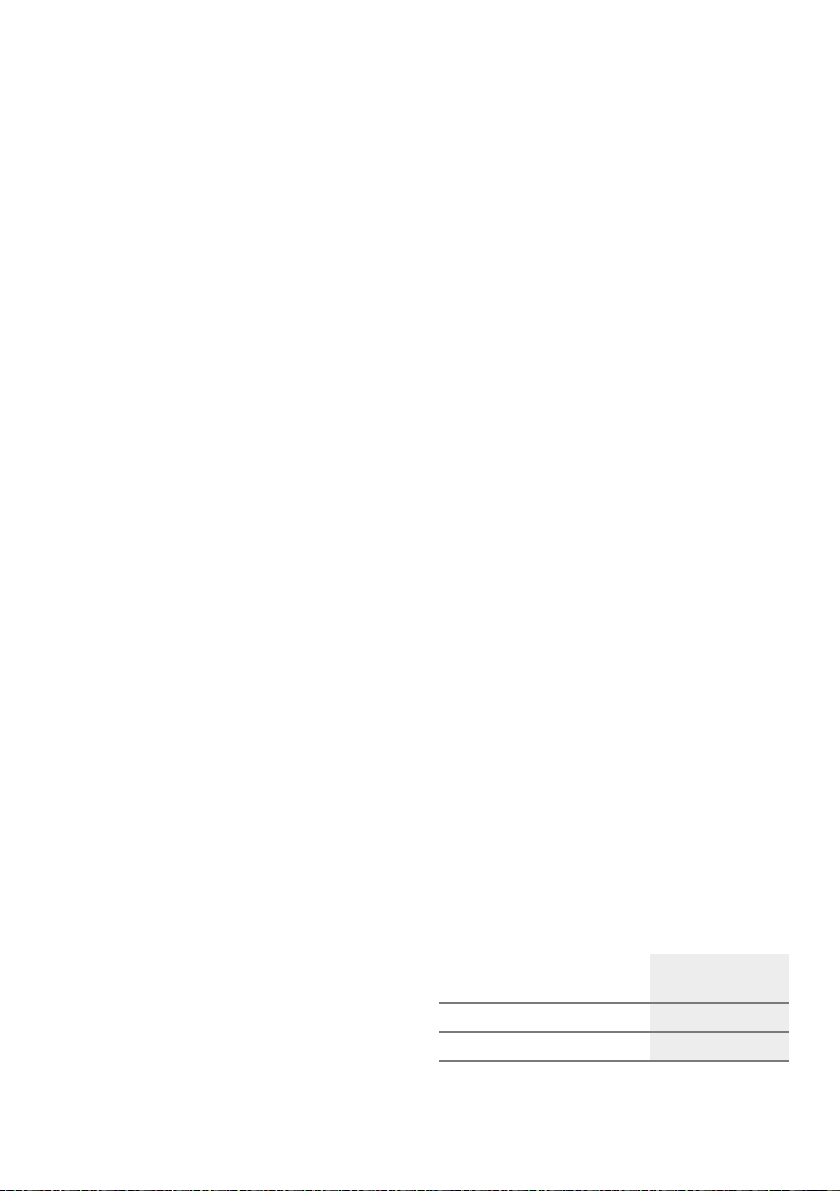
fr Compartiment congélateur
76
Congélation de produits frais
Pour congeler les aliments, n’utilisez
que des aliments frais et d’un aspect
impeccable.
Les aliments consommés cuits (y
compris au four) et rôtis se prêtent
mieux à la congélation que les aliments,
consommés crus.
Avant la congélation, il faut soumettre
les aliments à des processus de
préparation différents selon la variété,
pour préserver au mieux leur valeur
nutritive, leur arôme et leur couleur :
■ Légumes : Lavage, broyage,
blanchiment.
■ Fruits : Lavage, dénoyautage et
éventuellement épluchage ; ajoutez
le cas échéant du sucre ou de
l'acide ascorbique en solution.
Vous trouverez des conseils à ce sujet
dans la littérature spécialisée.
Vont au congélateur
■ Pain et pâtisserie
■ Poisson et fruits de mer
■ Viande
■ Le gibier et la volaille
■ Fruits, légumes et herbes
■ Les œufs sans coque
■ Les produits laitiers, par ex.
le fromage, le beurre et le fromage
blanc
■ Les plats précuisinés et restes de
plats, par exemple soupes, ragoûts,
viande cuite, poisson cuit, plats
à base de pommes de terre, soufflés
et mets sucrés
Ne vont pas au congélateur
■ Variétés de légumes habituellement
dégustées crues, par exemple les
salades ou radis
■ Œufs avec coque ou les œufs cuits
durs
■ Raisins
■ Pommes, poires, pêches entières
■ Yaourt, lait caillé, crème acidulée,
crème fraîche et mayonnaise
Emballer les surgelés
La nature correcte de l'emballage et le
choix du matériau conditionnent
de manière déterminante
la préservation de la qualité du produit,
et évitent l'apparition de brûlures par le
froid.
1. Placez les aliments dans
l’emballage.
2. Presser pour chasser l’air.
3. Fermez hermétiquement l'emballage
afin que les produits alimentaires ne
perdent pas leur goût ou ne sèchent
pas.
4. Indiquez sur l’emballage le contenu
et la date de congélation.
Emballage adapté :
■ Feuilles en plastique
■ Feuilles en polyéthylène
■ Feuilles d’aluminium
■ Boîtes de congélation
Moyens de fermeture appropriés :
■ Caoutchoucs
■ Clips en plastique
■ Rubans adhésifs résistants au froid
Emballage non approprié :
■ Papier d’emballage
■ Papier sulfurisé
■ Cellophane
■ Sacs-poubelles et sacs d’achat déjà
utilisés
Durée de conservation du produit
congelé à –18 °C
Poisson, charcuterie, plats
pré-cuisinés, pâtisseries :
jusqu’à 6 mois
Viande, volaille : jusqu’à 8 mois
Fruits, légumes : jusqu’à 12 mois

Dégivrer l’appareil fr
77
Décongélation des produits
Il faut adapter la méthode de
décongélation au produit alimentaire
concerné et au but d'utilisation afin de
préserver au mieux la qualité du produit.
Méthodes de décongélation :
■ Dans le compartiment réfrigérateur
(convient particulièrement aux
denrées d'origine animale comme le
poisson, la viande, le fromage et le
fromage blanc)
■ À la température ambiante (pain)
■ Au micro-ondes (produits
alimentaires destinés à une
consommation ou une préparation
immédiate)
■ Four / cuisinière (produits
alimentaires destinés à une
consommation ou une préparation
immédiate)
Attention !
Ne remettez pas à congeler des
produits alimentaires partiellement ou
entièrement décongelés. Vous ne
pouvez recongeler qu'après avoir
transformé la denrée en plat prêt à
déguster (plat cuit au four compris).
N'utilisez plus intégralement la durée
maximale de conservation du produit
congelé.
= Dégivrer l’appareil
Dégivrer l’appareil
Grâce au système NoFrost-entièrement
automatique l'appareil ne se couvre pas
de givre. Il n’est pas nécessaire de
dégivrer.
D Nettoyage
Nettoyage
Attention !
Évitez d'endommager l'appareil et ses
pièces d'équipement.
■ N’utilisez aucun produit de nettoyage
contenant du sable, du chlorure ou
de l’acide, ni aucun solvant.
■ N’utilisez jamais d’éponges
abrasives ou susceptibles de rayer.
De la corrosion peut apparaître
sur les surfaces métalliques.
■ Ne nettoyez jamais les clayettes
et les bacs au lave-vaisselle.
Ces pièces pourraient se déformer !
Procédez comme suit :
1. Mettre l'appareil hors tension.
2. Débranchez la fiche mâle du secteur
ou ramenez le disjoncteur en
position éteinte.
3. Sortez les produits alimentaires et
rangez-les dans un endroit frais.
Si présent : Déposez l'accumulateur
de froid sur les produits
alimentaires.
4. Si présente : Attendez que la couche
de givre ait fondu.
5. Ne nettoyez l’appareil qu’avec
un chiffon doux, de l’eau tiède
et du produit à vaisselle présentant
un pH neutre.
Attention !
L’eau de nettoyage ne doit pas
pénétrer dans l’éclairage ou dans
les orifices de ventilation.
6. Essuyez le joint de porte avec
de l'eau claire et frottez
soigneusement pour le sécher.
7. Rebrancher l'appareil, l'allumer et
ranger les produits alimentaires.
Nettoyage des accessoires
Pour nettoyer, retirez les pièces
variables de l'appareil.
~ "Équipement" à la page 64

fr Odeurs
78
Caméra
Suite au changement de températures
et à l'humidité de l'air, les lentilles de la
caméra peuvent être embuées.
À titre préventif : traiter les lentilles de la
caméra avec un produit anti-pluie
disponible dans le commerce.
Pour ce traitement ainsi que pour le
nettoyage, utiliser un chiffon en
micro-fibres.
l Odeurs
Odeurs
Si des odeurs désagréables se
manifestent :
1. Éteignez l’appareil par la touche
Marche / Arrêt )*.
2. Sortez tous les produits alimentaires
de l’appareil.
3. Nettoyer l'intérieur de
l'appareil.~ "Nettoyage"
à la page 77
4. Nettoyer tous les emballages.
5. Pour empêcher l'apparition d'odeurs,
mettez sous emballage hermétique
les produits alimentaires qui
dégagent une forte odeur.
6. Rallumez l’appareil.
7. Rangez les produits alimentaires.
8. Au bout de 24 heures, vérifiez si de
nouveau des odeurs sont apparues.
9 Éclairage
Éclairage
Votre appareil est équipé d’un éclairage
par LED ne demandant pas d’entretien.
Seul le service après-vente ou des
spécialistes agréés sont autorisés
à réparer l'éclairage.
Si l'appareil est resté ouvert plus de
10 minutes, il est automatiquement
éteint.
> Bruits
Bruits
Bruits normaux
Bourdonnement : Un moteur tourne,
par exemple le groupe frigorifique, un
ventilateur.
Gargouillis, ronflement ou clapotis :
Le fluide frigorigène circule dans les
tuyaux.
Cliquetis : Le moteur, les interrupteurs
ou les électrovannes s’allument /
s’éteignent.
Clic sur les caméras : fin du mode
Veille et calibrage des caméras. Aucun
transfert de données.
Craquement : le dégivrage automatique
est en cours.
Éviter la génération de bruits
L’appareil ne repose pas d’aplomb :
Ajustez l’appareil à l’aide d’un niveau
à bulle. Si nécessaire, insérez quelque
chose sous l'appareil.
L'appareil “ressort”: décaler l'appareil
des meubles ou appareils existants.
Des récipients, clayettes ou
rangements vacillent ou se coincent :
Vérifiez les pièces d'équipement
amovibles et remettez-les
éventuellement en place.
Des bouteilles ou récipients se
touchent : Éloignez les bouteilles ou
récipients les uns des autres.
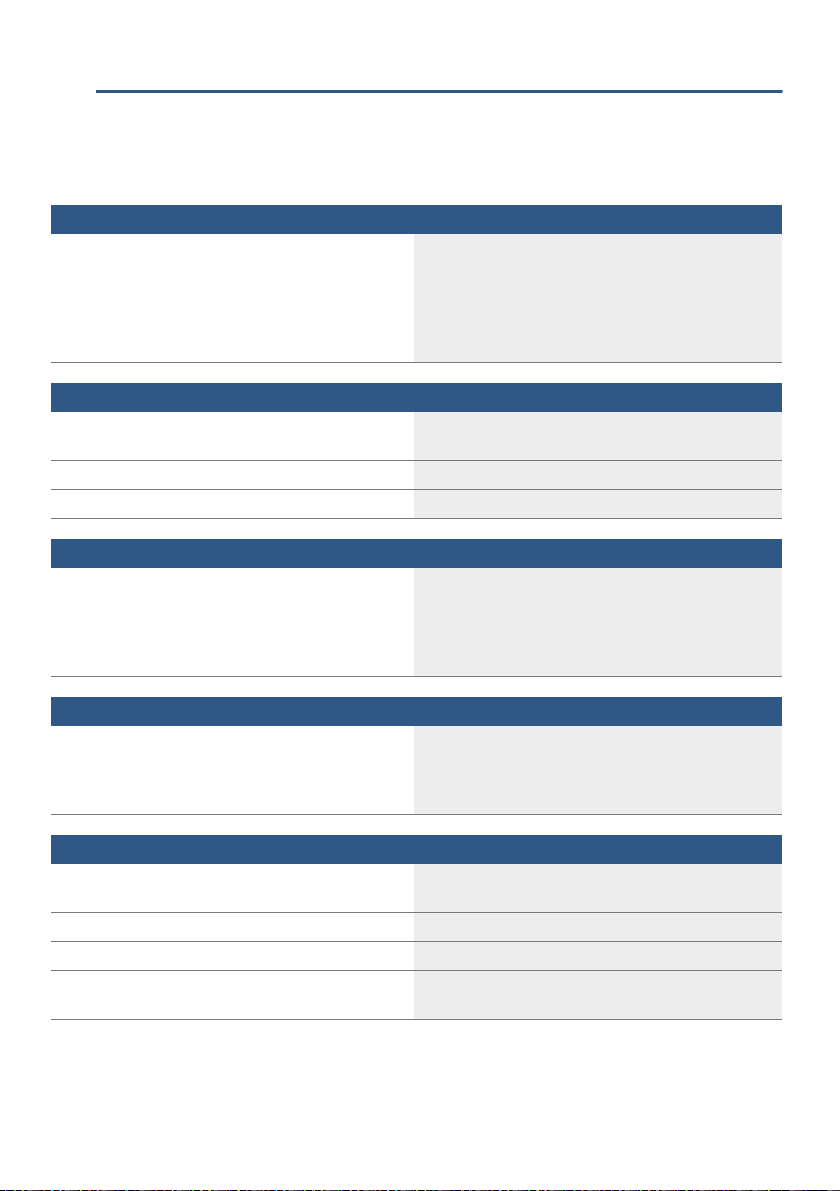
Dérangements, Que faire si … fr
79
3 Dérangements, Que faire si …
Dérangements, Que faire si …
Avant d’appeler le service après-vente, veuillez vérifier si le tableau ci-après ne vous
permet pas de supprimer le dérangement vous-même.
La température dévie fortement par rapport au réglage.
Éteignez l'appareil et laissez-le éteint 5 minutes.
~ "Arrêt et remisage de l’appareil" à la page 65
Si la température est trop élevée, vérifiez-la
à nouveau au bout de quelques heures.
Si la température est trop basse, vérifiez-la
à nouveau le jour suivant.
Aucun voyant ne s’allume.
Fiche mâle incorrectement branchée dans la prise
de courant.
Raccordez la fiche mâle.
Fusible grillé / disjoncteur disjoncté. Vérifiez les fusibles / disjoncteurs.
Une coupure de courant s'est produite. Vérifiez la présence de courant.
L'affichage clignote.
La température a trop monté dans le compartiment
congélateur.
Après avoir appuyé sur la touche alarm off
la température la plus élevée qui a régné dans
le compartiment congélateur s'affiche pendant
5 secondes. Appuyer sur la touche alarm off. L'affi-
chage ne clignote plus.
L'appareil ne réfrigère pas, l’affichage et l'éclairage sont allumés.
Mode Exposition activé. Appuyez sur la touche alarm off, pendant
10 secondes, jusqu’à ce qu’une tonalité
de confirmation se fasse entendre. Attendez
et vérifiez si l'appareil réfrigère.
Le voyant clignote, une alarme sonore retentit et la touche alarm off s'allume.
Appuyer sur la touche alarm off. L'alarme est
éteinte.
La porte de l'appareil est ouverte. Fermer la porte de l'appareil.
Orifices d’entrée et de sortie d’air recouverts. Dégagez les orifices d'entrée et de sortie d'air.
De grandes quantités de produits alimentaires frais
ont été rangés.
Ne dépassez pas la capacité de congélation maxi-
male.
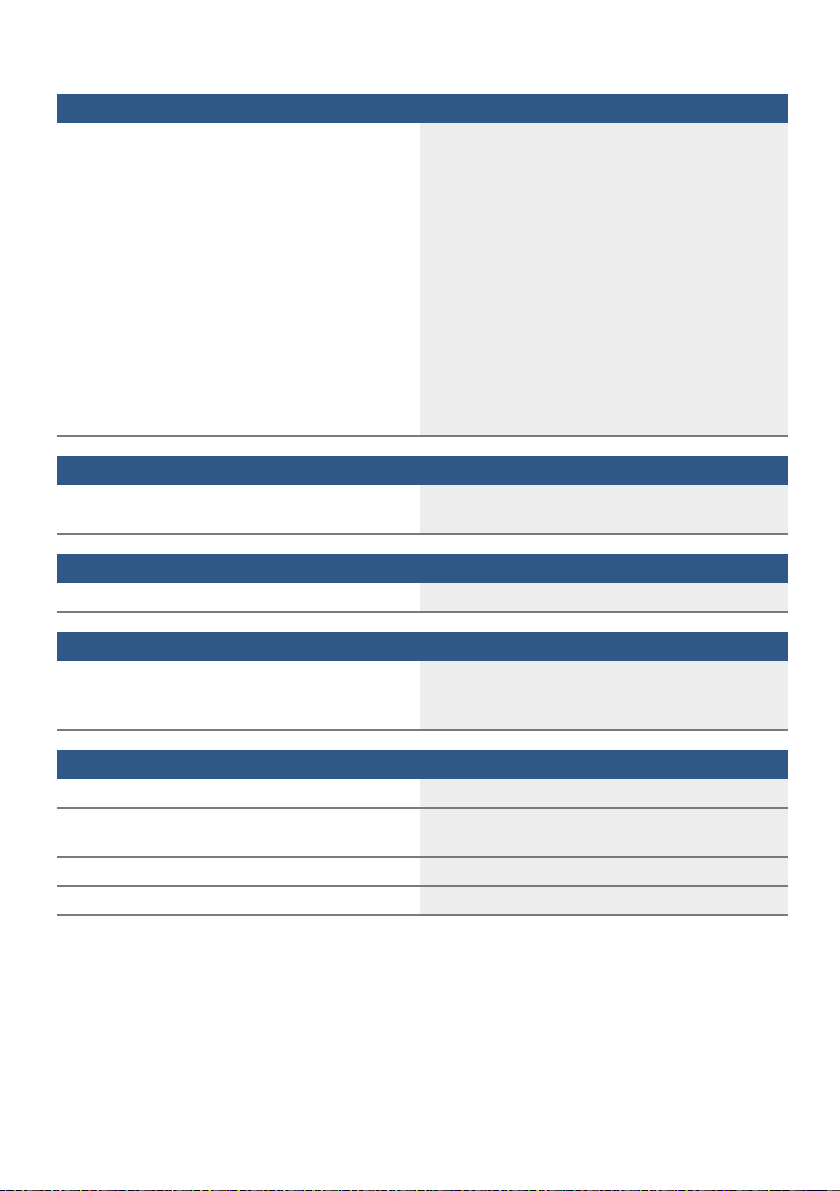
fr Dérangements, Que faire si …
80
--------
Si le dégivrage entièrement automatisé ne fonctionne plus, la température réglée n'est pas atteinte.
La porte du compartiment congélateur est restée
longtemps ouverte. L’évaporateur (générateur de
froid) du système NoFrostest très fortement givré.
Pour dégivrer l’évaporateur, sortez les bacs de pro-
duits alimentaires et rangez-les bien isolés dans un
endroit frais.
■ Éteignez l’appareil et éloignez-le du mur. Laisser
la porte de l’appareil ouverte.
■ Au bout de 20 minutes environ, l’eau de
dégivrage commence à couler dans le bac
d’évaporation au dos de l’appareil.
~ Fig. +
Pour éviter dans ce cas que le bac d’évaporation ne
déborde, récupérer cette eau à l’aide d’une éponge.
L’évaporateur est dégivré lorsqu’il ne coule plus
d’eau de dégivrage dans le bac d’évaporation.
Nettoyer l'intérieur de l'appareil.
Remettre ensuite l’appareil en service.
Les caméras ne prennent pas de photo.
Les caméras ne sont pas activées dans Home
Connect.
Activer les caméras.
Les caméras prennent de photos floues.
La porte a été fermée trop rapidement. Fermer la porte plus lentement.
Lentilles de la caméra embuées
L’appareil est resté ouvert trop longtemps. Nettoyer les lentilles de la caméra avec un chiffon en
microfibres.
Ne pas laisser l'appareil ouvert trop longtemps.
L'affichage du mode Économie d'énergie clignote dans le mode Home Connect.
Dérangement du serveur Attendre quelques minutes.
La connexion au serveur est désactivée sur l'appa-
reil terminal mobile.
Activer la connexion au serveur.
Le réfrigérateur ne reçoit aucun signal WLAN. Contrôler l'intensité du signal.
Connexion Internet faible ou absence de connexion. Contrôler la connexion Internet sur le routeur.
Service après-vente fr
81
4 Service après-vente
Service après-vente
Si vous ne parvenez pas à supprimer
le défaut, veuillez s.v.p. vous adresser
à notre service après-vente. Nous
trouverons toujours une solution
adaptée, aussi afin d’éviter des
déplacements inutiles du technicien.
Vous trouverez ici ou dans le répertoire
du service après-vente les données
permettant de contacter le service
après-vente le plus proche.
Lors de l’appel, veuillez indiquer
le numéro de série (E-Nr) et le numéro
de fabrication (FD) que vous trouverez
sur la plaque signalétique.
~ "Présentation de l’appareil"
à la page 63
Faites confiance aux compétences du
fabricant. Vous vous assurerez ainsi
que les réparations soient réalisées par
des techniciens de SAV formés à cet
effet, qui disposent des pièces de
rechange d’origine adaptées à vos
appareils électroménagers.
Conseils et réparations
Vous trouverez les coordonnées du
service après-vente des différents pays
dans la liste ci-jointe.
--------
Garantie
Vous recevrez des renseignements
détaillés sur la durée et les conditions
de la garantie dans votre pays auprès
de votre service après-vente, de votre
revendeur et sur notre site Internet.
FR 01 40 10 11 00
B 070 222 141
CH 0848 840 040

it
82
it Indice
it Istruzioni per l’uso
( Istruzioni di sicurezza . . . . . . . 84
Su questo libretto d'istruzioni. . . . . . .84
Pericolo di esplosione . . . . . . . . . . . .84
Pericolo di scarica elettrica . . . . . . . .84
Pericolo di ustioni da freddo . . . . . . .85
Pericolo di lesioni . . . . . . . . . . . . . . .85
Pericoli da refrigerante. . . . . . . . . . . .85
Evitare pericoli a bambini e persone
a rischio. . . . . . . . . . . . . . . . . . . . . . .85
Danni materiali. . . . . . . . . . . . . . . . . .86
Peso . . . . . . . . . . . . . . . . . . . . . . . . .86
8 Uso corretto . . . . . . . . . . . . . . . 86
7 Tutela dell'ambiente . . . . . . . . . 87
Imballaggio . . . . . . . . . . . . . . . . . . . .87
Apparecchio dismesso . . . . . . . . . . .87
5 Installazione e allacciamento . 87
Contenuto della confezione . . . . . . . .87
Dati tecnici. . . . . . . . . . . . . . . . . . . . .88
Installazione dell'apparecchio . . . . . .88
Risparmio energetico. . . . . . . . . . . . .89
Prima del primo utilizzo . . . . . . . . . . .90
Allacciamento elettrico. . . . . . . . . . . .90
* Conoscere l'apparecchio . . . . . 91
Apparecchio . . . . . . . . . . . . . . . . . . .91
Elementi di comando. . . . . . . . . . . . .91
Caratteristiche . . . . . . . . . . . . . . . . . .92
1 Utilizzare l'apparecchio . . . . . . 93
Accensione dell’apparecchio. . . . . . .93
Spegnere e mettere fuori servizio
l’apparecchio . . . . . . . . . . . . . . . . . . .93
Impostazione della temperatura. . . . .93
Super-raffreddamento . . . . . . . . . . . .94
Super-congelamento . . . . . . . . . . . . .94
Modalità risparmio energetico . . . . . .94
M Allarme . . . . . . . . . . . . . . . . . . . .95
Allarme porta . . . . . . . . . . . . . . . . . . 95
Allarme temperatura. . . . . . . . . . . . . 95
o Home Connect . . . . . . . . . . . . . .95
Configurazione di Home Connect . . 96
Installazione degli aggiornamenti del
software Home Connect. . . . . . . . . . 99
Avvertenze sulla tutela dei dati. . . . . 99
Dichiarazione di conformità . . . . . . 100
U Frigorifero . . . . . . . . . . . . . . . . .100
Tenere presente nella
conservazione . . . . . . . . . . . . . . . . 100
Considerare le zone fredde nel
frigorifero . . . . . . . . . . . . . . . . . . . . 100
Cassetto per verdure con regolatore
di umidità . . . . . . . . . . . . . . . . . . . . 101
Scomparto frigo . . . . . . . . . . . . . . . 101
W Congelatore . . . . . . . . . . . . . . .101
Massima capacità di congelamento 102
Sfruttare interamente il volume utile 102
Acquisto di alimenti surgelati . . . . . 102
Tenere presente nella sistemazione 102
Congelamento di alimenti freschi . . 103
Scongelamento di alimenti
congelati. . . . . . . . . . . . . . . . . . . . . 104
= Sbrinamento . . . . . . . . . . . . . . .104
D Pulizia . . . . . . . . . . . . . . . . . . . .104
Pulire gli elementi in dotazione
all’apparecchio. . . . . . . . . . . . . . . . 104
l Odori . . . . . . . . . . . . . . . . . . . . .105
9 Illuminazione . . . . . . . . . . . . . .105

it
83
> Rumori . . . . . . . . . . . . . . . . . . . 105
Rumori normali . . . . . . . . . . . . . . . . 105
Evitare i rumori . . . . . . . . . . . . . . . . 105
3 Guasti, Che fare se? . . . . . . . . 106
4 Servizio di assistenza clienti . 108
Ordine di riparazione e consulenza in
caso di guasti . . . . . . . . . . . . . . . . . 108
Garanzia . . . . . . . . . . . . . . . . . . . . . 108

it Istruzioni di sicurezza
84
( Istruzioni di sicurezza
Istruzioni di sicurezza
Questo apparecchio
è conforme alle vigenti norme
di sicurezza per
le apparecchiature elettriche ed
è schermato contro
i radiodisturbi.
La tenuta ermetica del circuito
refrigerante è stata sottoposta
a controllo.
Su questo libretto d'istruzioni
■ Leggere e osservare le
istruzioni per l'uso ed
il montaggio. Esse
contengono importanti
informazioni per
l’installazione, l’uso e la
manutenzione
dell’apparecchio.
■ Il produttore non risponde
in caso di inosservanza delle
istruzioni e avvertenze del
libretto di istruzioni per l'uso
ed il montaggio.
■ Conservare tutta
la documentazione per l'uso
futuro e per eventuali
successivi proprietari.
Pericolo di esplosione
■ Non introdurre mai
apparecchi elettrici all’interno
di questo elettrodomestico
(es. apparecchi
di riscaldamento, produttori
di ghiaccio elettrici).
■ Non conservare
nell'apparecchio prodotti
contenenti gas propellenti
combustibili (ad es.
bombolette spray)
e sostanze esplosive.
■ Conservare alcool ad alta
gradazione in un contenitore
ermeticamente chiuso,
e posto in posizione
verticale.
Pericolo di scarica elettrica
Le riparazioni male eseguite
possono causare all'utente
pericoli e danni considerevoli.
■ In caso di danni al cavo
di collegamento: scollegare
immediatamente
l’apparecchio dalla rete.
■ Fare riparare l'apparecchio
solo dal produttore, dal
centro di assistenza tecnica
autorizzato o da altra
persona dotata di uguale
qualifica.
■ Usare solo parti di ricambio
originali.
Solo con queste parti
il costruttore garantisce che
i requisiti di sicurezza siano
soddisfatti.
■ Il prolungamento del cavo
elettrico di alimentazione
deve essere eseguito dal
centro di assistenza tecnica
autorizzato.

Istruzioni di sicurezza it
85
Pericolo di ustioni da freddo
■ Non mettere in bocca
alimenti congelati appena
presi dal congelatore.
■ Evitare il contatto prolungato
della pelle con prodotti
surgelati, ghiaccio e con
i tubi nel congelatore.
Pericolo di lesioni
I contenitori di bevande
contenenti anidride carbonica
possono esplodere.
Non conservare nel
congelatore contenitori con
bevande contenenti anidride
carbonica.
Pericoli da refrigerante
Il circuito del refrigeratore
contiene nei suoi tubi piccole
quantità del gas refrigerante
R600a non inquinante ma
infiammabile. Esso non
danneggia lo strato di ozono
e non aumenta l'effetto serra. In
caso di fuoruscita, il
refrigerante può ferire gli occhi
o incendiarsi.
■ Non danneggiare i tubi.
In caso di danno ai tubi:
■ Tenere le fonti di calore
lontane dall'apparecchio.
■ Ventilare l'ambiente.
■ Spegnere l’apparecchio ed
estrarre la spina
d’alimentazione.
■ Rivolgersi al servizio di
assistenza.
Evitare pericoli a bambini
e persone a rischio
Sussiste pericolo per:
■ bambini,
■ persone con limiti fisici,
psichici o di percezione,
■ persone non
sufficientemente informate
sull'uso sicuro
dell'apparecchio.
Provvedimenti:
■ accertarsi che i bambini e le
persone a rischio abbiano
compreso i pericoli.
■ Una persona responsabile
della sicurezza è tenuto a
sorvegliare o istruire i
bambini e le persone a
rischio in rapporto con
l'apparecchio.
■ Permettere l’uso
dell’apparecchio solo a
bambini in età di 8 anni o
superiore.
■ Sorvegliare i bambini
durante la pulizia e la
manutenzione.
■ Non permettere che i
bambini giochino con
l'apparecchio.
Pericolo di asfissia
■ Per apparecchi con serratura
della porta: conservare la
chiave fuori della portata dei
bambini.
■ Non abbandonare parti
dell’imballaggio che
possano essere fonte
di gioco per i bambini.

it Uso corretto
86
Danni materiali
Per evitare danni materiali:
■ Non salire su zoccolo, parti
estraibili o porte né
sostenersi sugli stessi.
■ Tenere le parti in materiale
plastico e le guarnizioni delle
porte sempre libere da olio
e grasso.
■ Evitare di esercitare trazioni
sul cavo linea,
ma impugnare correttamente
la spina.
Peso
Nell'installazione e nel trasporto
di questo apparecchio
considerare che è molto
pesante.
~ "Luogo d’installazione"
a pagina 88
8 Uso corretto
Uso corretto
Utilizzare questo apparecchio
■ solo per raffreddare e congelare
alimenti e per la produzione
di ghiaccio.
■ solo nell'uso domestico e nella sfera
privata.
■ solo osservando queste istruzioni
per l'uso.
Questo apparecchio è progettato solo
per l'utilizzo fino ad un'altezza di
massimo 2000 metri sul livello del
mare.

Tutela dell'ambiente it
87
7 Tutela dell'ambiente
Tutela dell'ambiente
Imballaggio
Tutti i materiali sono compatibili con
l'ambiente e riciclabili:
■ Si prega di smaltire le confezioni nel
rispetto dell’ambiente.
■ Informarsi sulle possibilità
di smaltimento presso il proprio
rivenditore specializzato o presso
l'amministrazione pubblica.
Apparecchio dismesso
Un corretto smaltimento nel rispetto
dell’ecologia, permette di recuperare
materie prime pregiate.
:Avviso
I bambini possono restare
imprigionati nell'apparecchio
e soffocare!
■ Per rendere difficile ai bambini
l'ingresso nell'apparecchio, non
rimuovere dal suo interno ripiani
e contenitori.
■ Tenere i bambini lontano
dall'apparecchio dismesso.
Attenzione!
Possibile fuoruscita di refrigerante
e gas dannosi.
Non danneggiare i tubi del circuito
refrigerante e l'isolamento.
1. Staccare la spina di alimentazione.
2. Troncare il cavo di allacciamento
alla rete.
3. Fare smaltire l'apparecchio a regola
d'arte.
Questo apparecchio dispone di
contrassegno ai sensi della
direttiva europea 2012/19/UE in
materia di apparecchi elettrici ed
elettronici (waste electrical and
electronic equipment - WEEE).
Questa direttiva definisce le norme per
la raccolta e il riciclaggio degli
apparecchi dismessi valide su tutto il
territorio dell’Unione Europea.
5 Installazione e
allacciamento
Installazione e allacciamento
Contenuto della confezione
Dopo lo sballaggio controllare
l’apparecchio per accertare eventuali
danni di trasporto.
In caso di contestazioni rivolgersi al
fornitore presso il quale l’apparecchio è
stato acquistato oppure al nostro
servizio di assistenza clienti.
~ "Servizio di assistenza clienti"
a pagina 108
La dotazione comprende i seguenti
componenti:
■ Apparecchio a libera installazione
■ Accessori (a secondo del modello)
■ Istruzioni per l'uso
■ Libretto del centro di assistenza
tecnica autorizzato
■ Allegato di garanzia convenzionale
■ Informazioni sul consumo energetico
e sui possibili rumori
it Installazione e allacciamento
88
Dati tecnici
Il refrigerante, il contenuto utile ed altri
dati tecnici sono indicati sulla targhetta
porta-dati.
~ "Conoscere l'apparecchio"
a pagina 91
Installazione dell'apparecchio
Luogo d’installazione
Sussiste una relazione circa la quantità
di gas refrigerante contenuto in un
apparecchio e la cubatura del locale
dove è posizionato. In ambienti troppo
piccoli, in caso di fuga si può formare
una miscela infiammabile d’aria e gas.
Ogni 8 g di refrigerante l’ambiente deve
disporre di un volume minimo di 1 m³.
La quantità di refrigerante del vostro
apparecchio è indicata sulla targhetta
d’identificazione nell’interno
dell’apparecchio.
~ "Conoscere l'apparecchio"
a pagina 91
A seconda del modello l'apparecchio
può pesare fino a 81 kg.
Temperatura ambiente ammessa
La temperatura ambiente ammessa
dipende dalla classe climatica
dell'apparecchio.
La classe climatica è indicata sulla
targhetta porta-dati.
~ "Conoscere l'apparecchio"
a pagina 91
Nei limiti della temperatura ambiente
ammessa l'apparecchio è pienamente
efficiente.
Se un apparecchio della classe
climatica SN viene messo in funzione
a temperature ambiente inferiori,
possono essere esclusi danni
all’apparecchio fino ad una temperatura
ambiente di +5 °C.
Classe clima-
tica
Temperatura ambiente am-
messa
SN +10 °C ... 32 °C
N +16 °C ... 32 °C
ST +16 °C ... 38 °C
T +16 °C ... 43 °C
Installazione e allacciamento it
89
Risparmio energetico
Osservando le avvertenze seguenti l'apparecchio consuma meno energia elettrica.
Avvertenza: La disposizione delle parti dell'attrezzatura non incide sul consumo di
energia dell'apparecchio.
Installazione dell'apparecchio
Proteggere l'apparecchio dalla luce diretta del sole. A più basse temperature ambiente l'apparecchio
deve raffreddare con minore frequenza e consuma
perciò meno energia elettrica.
Disporre l'apparecchio alla maggiore distanza pos-
sibile da radiatori, piano di cottura e altre fonti
di calore.
Da cucine elettriche o a gas: 3 cm.
Da stufe ad olio o a carbone: 30 cm.
Avvertenza: Quando questo non è possibile, inseri-
re un pannello isolante fra apparecchio e fonte di ca-
lore.
Scegliere un luogo di installazione con una tempe-
ratura ambiente di ca. 20 °C.
Se disponibile:
Per evitare sprechi di energia, applicare i distanzia-
tori dal muro (vedi istruzioni per il montaggio). Una
minore distanza dal muro non influisce sulla funzio-
nalità dell’apparecchio. Può causare un piccolo
aumento dell'assorbimento di energia.
Attenzione!
Pericolo di ustioni!
Singole parti dell'apparecchio si riscaldano durante
il funzionamento. Un contatto con queste parti può
causare ustioni.
L'aria circolante lungo la parete posteriore
dell'apparecchio non si riscalda eccessivamente.
L'apparecchio consuma meno energia elettrica se
l'aria calda può defluire.
Non coprire o ostruire le aperture di ventilazione.
~ Figura #
Ventilare l'ambiente ogni giorno.
Uso dell'apparecchio
Aprire la porta dell'apparecchio solo brevemente. Si evita così un eccessivo riscaldamento dell'aria
nell'apparecchio. L'apparecchio deve raffreddare
con minore frequenza e consuma così meno ener-
gia elettrica.
Trasportare gli alimenti acquistati in una borsa ter-
mica e metterli subito nell'apparecchio.
Lasciare raffreddare gli alimenti e le bevande, se
caldi, prima di introdurli nell’apparecchio!
Per scongelare gli alimenti surgelati metterli nel fri-
gorifero, per sfruttare il freddo accumulato dai sur-
gelati.
it Installazione e allacciamento
90
--------
Prima del primo utilizzo
1. Togliere il materiale d'informazione
e rimuovere i nastri adesivi e il film
protettivo.
2. Pulire l’apparecchio.
~ "Pulizia" a pagina 104
Allacciamento elettrico
Attenzione!
Non collegare l'apparecchio ad una
presa a risparmio energetico
elettronica.
Avvertenza: L'apparecchio può essere
collegato ad inverter gestiti dalla rete ed
a inverter sinusoidali.
Gli inverter gestiti dalla rete sono
utilizzati in impianti fotovoltaici con
collegamento diretto alla rete elettrica
pubblica. In caso di soluzioni ad isola
utilizzare inverter sinusoidali. Le
soluzioni ad isola, ad es. sulle navi o in
baite di montagna, non hanno un
allacciamento diretto alla rete elettrica
pubblica.
1. Per evitare danni al compressore,
dopo l'installazione dell'apparecchio
attendere almeno 1 ora prima di
collegarlo.
2. Collegare l'apparecchio tramite una
presa elettrica installata a norma.
La presa elettrica deve soddisfare
i dati seguenti:
Fuori dell'Europa: verificare se il tipo
di corrente indicato dell'apparecchio
coincide con i valori della propria
rete elettrica. I dati dell'apparecchio
sono indicati sulla targhetta
porta-dati.
~ "Conoscere l'apparecchio"
a pagina 91
3. Collegare l'apparecchio ad una
presa elettrica in prossimità
dell'apparecchio.
La presa deve essere liberamente
accessibile anche dopo
l'installazione dell'apparecchio.
Lasciare sempre un poco di spazio fra gli alimenti
e la parete posteriore.
L'aria può così circolare e l'umidità dell'aria resta
costante. L'apparecchio deve raffreddare con
minore frequenza e consuma così meno energia
elettrica.
Conservare gli alimenti in confezioni ermetiche.
Aspirare una volta all'anno il lato posteriore
dell'apparecchio.
L'aria circolante lungo la parete posteriore
dell'apparecchio non si riscalda eccessivamente.
L'apparecchio consuma meno energia elettrica se
l'aria calda può defluire.
Non coprire o ostruire le aperture di ventilazione.
Uso dell'apparecchio
Presa con 220 V ... 240 V
Linea di terra 50 Hz
Fusibile 10 A ... 16 A
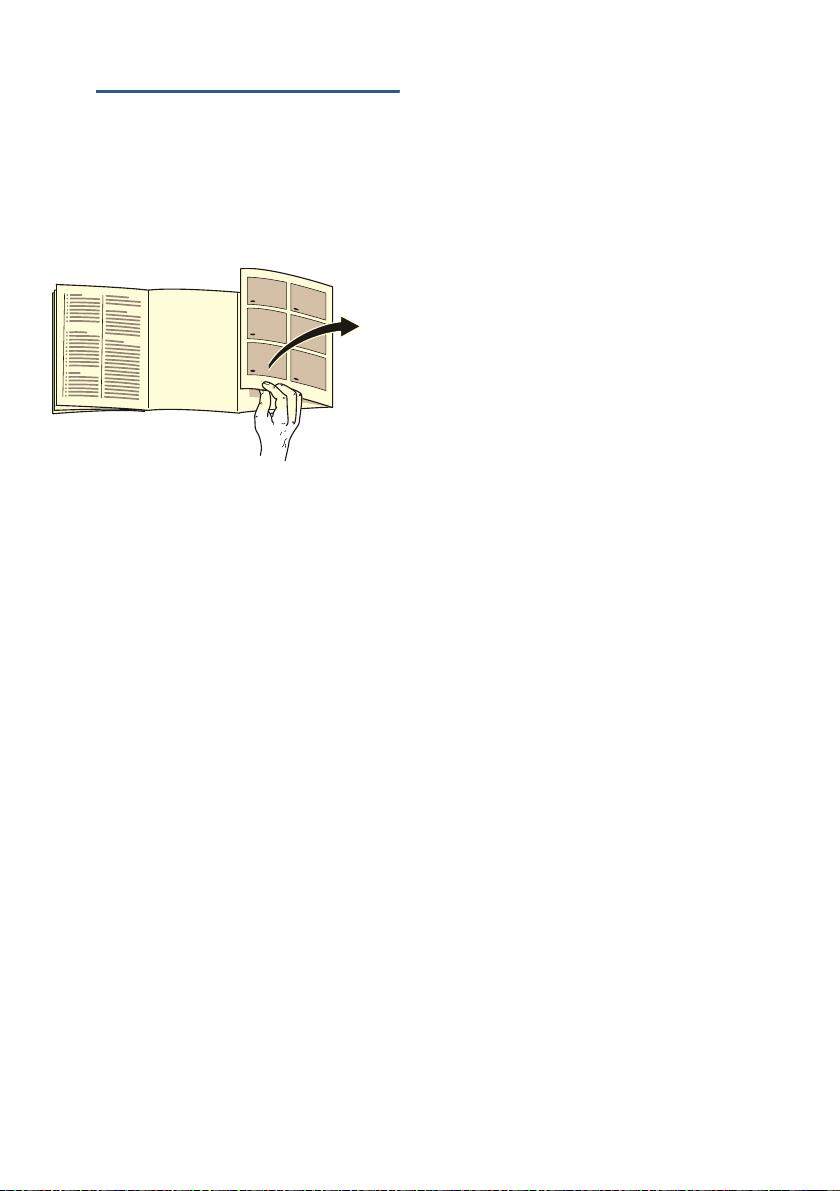
Conoscere l'apparecchio it
91
* Conoscere
l'apparecchio
Conoscere l'apparecchio
Aprire l'ultima pagina con le figure.
A seconda della dotazione sono
possibili differenze fra apparecchio
e figure.
Apparecchio
~ Figura !
* Non in tutti i modelli.
Elementi di comando
~ Figura "
# Frigorifero
+ Congelatore
(-)" Elementi di comando
)* Interruttore principale
acceso/spento
)2 Illuminazione
): Ripiano
)B Fotocamera
)J Apertura di ventilazione
(frigorifero)
)R Scomparto frigo
)Z Cassetto per verdure con
regolatore di umidità
)b Targhetta identificativa
)j Cassetto surgelati
1" Calendario di congelamento
1* Piedini regolabili
12* Scomparto per burro e
formaggio
1: Ripiano per bottiglie grandi
( Display temperatura frigorifero
Indica in °C la temperatura
regolata.
0 Indicazione super
È acceso quando il
super-raffreddamento è inserito.
8 Display temperatura congelatore
Indica in °C la temperatura
regolata.
@ Indicazione super
È acceso quando il
super-congelamento è inserito.
H Pulsante alarm off
Disattiva il segnale acustico.
P Indicatore modalità risparmio
energetico
È acceso quando l’apparecchio
non è in uso.
X Pulsante - + frigorifero
Regola la temperatura del
frigorifero.
` Pulsante super frigorifero
Attiva o disattiva
il super-raffreddamento.
h Pulsante - + congelatore
Regola la temperatura del
congelatore.
)" Pulsante super congelatore
Attiva o disattiva
il super-congelamento.

it Conoscere l'apparecchio
92
Caratteristiche
(non in tutti i modelli)
Fotocamera
~ Figura !/)B
Le fotocamere scattano foto dell'interno
e degli scomparti della porta ogni volta
che viene chiusa la porta. Con Home
Connect è possibile visualizzare le foto
con un dispositivo mobile.
Avvertenza: Se le foto sono sfocate
significa che la porta è stata chiusa
troppo velocemente. Per garantire foto
di qualità sufficiente, chiudere la porta
lentamente!
Ripiano
~ Figura (
La posizione del ripiano è variabile:
■ estrarre il ripiano e rimuoverlo.
Ripiano variabile
~ Figura %
Qui è possibile riporre alimenti e
bottiglie:
■ tirare il ripiano in avanti, abbassarlo
e spingerlo all'indietro.
Contenitore
~ Figura $
Il cassetto può essere rimosso:
■ Estrarre il cassetto fino all’arresto,
sollevarlo avanti ed estrarlo.
Balconcino
~ Figura )
Il balconcino può essere rimosso:
■ Sollevare ed estrarre il balconcino.
Fermabottiglie
~ Figura *
Quando si apre e chiude la porta:
■ Il fermabottiglie impedisce la caduta
di bottiglie.
Calendario di congelamento
~ Figura !/1"
Il calendario di congelamento indica la
massima durata di conservazione in
mesi ad una temperatura costante di
–18 °C.
Vaschetta del ghiaccio
Possono essere prodotti cubetti
di ghiaccio:
1. Riempire la vaschetta del ghiaccio
per 3/4 con acqua e inserirla nel
congelatore.
Avvertenza: Staccare la vaschetta
del ghiaccio eventualmente
attaccata solo con un oggetto non
acuminato (manico di cucchiaio).
2. Per staccare i cubetti di ghiaccio
mettere brevemente la vaschetta
sotto acqua corrente oppure torcerla
leggermente.
Accumulatori del freddo
In caso di interruzione dell'energia
elettrica o di un guasto:
■ L'accumulatore di freddo ritarda
il riscaldamento dei surgelati
conservati nell'interno.
Avvertenza: La massima durata
di conservazione si raggiunge
deponendo l'accumulatore di freddo
sopra gli alimenti nel primo scomparto
superiore.
L'accumulatore di freddo può essere
utilizzato per la temporanea
conservazione al fresco di alimenti, ad
es. in una borsa termica.

Utilizzare l'apparecchio it
93
1 Utilizzare
l'apparecchio
Utilizzare l'apparecchio
Accensione dell’apparecchio
1. Premere il tasto )*.
L’apparecchio inizia a raffreddare.
Segnale acustico, display
temperatura del congelatore
intermittente e tasto alarm off
acceso indicano che la temperatura
nel congelatore è ancora troppo alta.
2. Premere il tasto alarm off.
Il segnale acustico si disattiva.
3. Regolare la temperatura desiderata.
~ "Impostazione della temperatura"
a pagina 93
Istruzioni per il funzionamento
■ Dopo l’accensione possono
trascorrere diverse ore prima che le
temperature regolate vengano
raggiunte. Non introdurre alimenti
prima che sia stata raggiunta la
temperatura scelta.
■ Grazie al sistema NoFrost,
completamente automatico,
nel congelatore non si forma
ghiaccio.
Un intervento di sbrinamento non
è necessario.
■ Il lato anteriore dell’apparecchio è in
parte leggermente riscaldato, questo
impedisce la formazione
di condensa nella zona
della guarnizione della porta.
■ Se la porta del congelatore, dopo
averla chiusa, oppone resistenza ad
una nuova apertura, attendere un
attimo finché le pressioni interne non
si siano compensate.
Spegnere e mettere fuori
servizio l’apparecchio
Spegnimento dell’apparecchio
■ Premere il tasto )*.
L’apparecchio non raffredda più.
Mettere fuori servizio l’apparecchio
Quando non si usa l’apparecchio per un
lungo periodo:
1. Premere il tasto )*.
L’apparecchio non raffredda più.
2. Estrarre la spina di alimentazione o
disinserire il dispositivo di sicurezza.
3. Pulire l’apparecchio.
4. Lasciare aperto l’apparecchio.
Impostazione della
temperatura
Temperatura consigliata
Frigorifero
■ Premere ripetutamente il pulsante - +
finché il display non indica
la temperatura desiderata.
Congelatore
■ Premere ripetutamente il pulsante - +
finché il display non indica
la temperatura desiderata.
Frigorifero: +4 °C
Congelatore: –18 °C

it Utilizzare l'apparecchio
94
Adesivo OK
(non in tutti i modelli)
Con l'adesivo OK si può controllare se
la temperatura nel frigorifero
ha raggiungo +4 °C o meno.
Se l'adesivo non indica OK, ridurre
progressivamente la temperatura.
Dopo la messa in funzione
dell'apparecchio possono passare fino
a 12 ore prima che sia raggiunta
la temperatura regolata.
Corretta regolazione
Super-raffreddamento
Con il super-raffreddamento il frigorifero
raffredda al massimo della potenza.
Inserire il super-raffreddamento per es.:
■ prima d’introdurre grandi quantità
di alimenti
■ per raffreddare rapidamente
bevande
Avvertenza: Con
il super-raffreddamento attivato
il rumore dell'apparecchio aumenta.
Dopo 6 ore l'apparecchio commuta
a funzionamento normale.
Attivare/disattivare il
super-raffreddamento:
■ Premere il pulsante super.
Il display è acceso quando il
super-raffreddamento è inserito
super.
Super-congelamento
Con il super-congelamento
il congelatore raffredda al massimo
della potenza.
Inserire il super-congelamento ad es.:
■ Per congelare rapidamente
e completamente gli alimenti.
■ 4–6 ore prima di introdurre una
quantità di generi alimentari di 2 kg
o superiore
■ per utilizzare la massima capacità di
congelamento
~ "Massima capacità
di congelamento" a pagina 102
Avvertenza: Con il
super-congelamento inserito, maggiori
sono i rumori di funzionamento.
Dopo ca. 2 ^ giorni l'apparecchio
commuta a funzionamento normale.
Attivare/disattivare il
super-congelamento:
■ Premere il pulsante super.
Quando il super-congelamento è
inserito, l'indicatore super è acceso.
Modalità risparmio energetico
Se l'apparecchio non riceve comandi, il
pannello degli elementi di comando
passa alla modalità di risparmio
energetico:
■ L'indicatore della modalità risparmio
energetico è acceso.
■ L'intensità degli indicatori di
temperatura è ridotta.
■ Quando il super-raffreddamento e/o
il super-congelamento sono inseriti,
il relativo indicatore è acceso con
intensità normale.
Non appena si usa l'apparecchio, ad es.
si apre la porta o si preme un tasto, gli
indicatori passano all'intensità normale.

Allarme it
95
M Allarme
Allarme
Allarme porta
Se la porta dell'apparecchio resta
aperta a lungo scatta l'allarme porta
(segnale acustico continuo).
■ Chiudere la porta.
Il segnale acustico viene disattivato.
Allarme temperatura
Se nel congelatore la temperatura
aumenta troppo scatta l'allarme
temperatura (segnale acustico
intermittente, l'indicatore di temperatura
lampeggia, si accende il
pulsante alarm off).
Attenzione!
Durante lo sbrinamento possono
svilupparsi batteri e i prodotti surgelati
possono deteriorarsi.
Non ricongelare gli alimenti
parzialmente o completamente
decongelati.
Ricongelare solo dopo la cottura.
Considerare una durata di
conservazione inferiore.
Avvertenza: Senza pericolo per gli
alimenti surgelati l'allarme può attivarsi
nei casi seguenti:
■ L'apparecchio viene messo
in funzione.
■ Vengono introdotte grandi quantità
di alimenti freschi.
■ Porta del congelatore aperta per
troppo tempo.
Visualizzare la massima temperatura
raggiunta e disattivare il segnale
acustico:
■ Premere il tasto alarm off.
Il display indica brevemente
la massima temperatura raggiunta
nel congelatore. Dopo il display
indica di nuovo la temperatura
regolata.
Iniziando da questo momento
la massima temperatura viene
di nuovo rilevata e memorizzata.
Avvertenza: Il tasto alarm off resta
acceso finché la temperatura
regolata non è stata di nuovo
raggiunta.
o Home Connect
Home Connect
Questo apparecchio è dotato di
connessione Wi-Fi e può essere
comandato a distanza con un
dispositivo mobile.
Avvertenza: Wi-Fi è un marchio
registrato di Wi-Fi Alliance.
Se non è collegato alla rete domestica,
l'apparecchio funziona come un
frigorifero senza collegamento alla rete
e può essere comandato manualmente
con gli elementi di comando.
Avvertenze
■ Osservare le avvertenze di sicurezza
delle presenti istruzioni per l'uso e
accertarsi che vengano rispettate
quando l'apparecchio viene utilizzato
mediante l'app Home Connect e non
si è in casa.
~ "Istruzioni di sicurezza"
a pagina 84
Osservare anche le avvertenze
presenti nell'app Home Connect.
■ I comandi impartiti direttamente
sull'apparecchio hanno sempre la
priorità. Quando l'apparecchio viene
comandato direttamente, i comandi
tramite l'app Home Connect non
sono disponibili.

it Home Connect
96
Configurazione di Home
Connect
Avvertenze
■ Dopo l'accensione dell'apparecchio
attendere almeno due minuti per
consentire l'inizializzazione interna
dell'apparecchio. Configurare Home
Connect soltanto al termine.
■ Per poter eseguire le impostazioni
mediante Home Connect, l'app
Home Connect deve essere
installata sul proprio dispositivo
mobile.
Osservare pertanto la
documentazione fornita di Home
Connect.
Seguire i passi indicati all'interno
dell'app per eseguire le
impostazioni.
■ Dopo diversi istanti di inutilizzo, il
menu di Home Connect si chiude
automaticamente. Informazioni
sull'apertura del menu Home
Connect sono disponibili all'inizio del
capitolo corrispondente.
Connessione automatica alla rete
domestica (WLAN)
Se è disponibile un router WLAN con
funzione WPS, il frigorifero può
collegarsi automaticamente alla rete
domestica.
1. Premere il tasto alarm off.
L'indicatore di temperatura del
frigorifero mostra Cn.
2. Premere il tasto + del frigorifero
finché l'indicatore di temperatura del
frigorifero non mostra AC e
l'indicatore di temperatura del
congelatore non mostra OF.
3. Premere il tasto + del congelatore.
L'apparecchio è pronto per la
connessione automatica.
L'indicatore della modalità risparmio
energetico lampeggia.
L'indicatore di temperatura del
congelatore mostra un'animazione
per 2 minuti.
Finché è visualizzata l'animazione,
l'apparecchio è pronto per la
connessione automatica.
4. Entro 2 minuti attivare la funzione
WPS sul router della rete domestica
(ad es. con il tasto WPS/WLAN,
osservare le informazioni riportate
nella documentazione del router).
Se la connessione è stata stabilita,
l'indicatore di temperatura del
congelatore On e l'indicatore della
modalità di risparmio energetico si
accendono.
Il frigorifero è pronto per la
connessione all'app.
Avvertenza: Se l'indicatore di
temperatura del congelatore mostra OF,
significa che non è stato possibile
stabilire la connessione.
1. Verificare che il frigorifero si trovi
entro il campo di copertura della rete
domestica (WLAN).
2. Ripetere la procedura oppure
eseguire la connessione
manualmente.
Connessione manuale alla rete
domestica (WLAN)
Se il router WLAN presente non è
dotato di funzione WPS o se l'utente
non ne è a conoscenza, è possibile
collegare il frigorifero manualmente alla
rete domestica.
1. Premere il tasto alarm off.
L'indicatore di temperatura del
frigorifero mostra Cn.
2. Premere il tasto + del frigorifero
finché l'indicatore di temperatura del
frigorifero non mostra SA e
l'indicatore di temperatura del
congelatore non mostra OF.
3. Premere il tasto + del congelatore.
L'apparecchio è pronto per la
connessione manuale.

Home Connect it
97
L'indicatore della modalità risparmio
energetico lampeggia.
L'indicatore di temperatura del
congelatore mostra un'animazione.
Finché è visualizzata l'animazione,
l'apparecchio è pronto per la
connessione manuale.
4. Per il frigorifero è ora configurata
una propria rete WLAN con il nome
“HomeConnect”.
A questa rete è ora possibile
accedere con il dispositivo mobile.
5. Nel menu delle impostazioni del
dispositivo mobile richiamare le
impostazioni WLAN.
6. Collegare il dispositivo mobile alla
rete WLAN “HomeConnect”.
Password: “HomeConnect”
Per stabilire la connessione possono
essere necessari fino a 60 secondi.
7. Una volta stabilita la connessione,
aprire l'app Home Connect sul
dispositivo mobile.
L'app cerca il frigorifero.
8. Non appena viene rilevato il
frigorifero, inserire il nome della rete
(“SSID”) e la password (“Key”) della
propria rete domestica (WLAN) nei
campi corrispondenti.
9. Confermare con il pulsante
An Hausgeräte übertragen
(Trasferisci agli elettrodomestici).
– Se la connessione è stata
stabilita, l'indicatore di
temperatura del congelatore On
e l'indicatore della modalità di
risparmio energetico si
accendono.
Ora è possibile collegare il
frigorifero all'app.
– Se l'indicatore di temperatura del
congelatore mostra OF, significa
che non è stato possibile stabilire
la connessione.
Verificare che il frigorifero si trovi
entro il campo di copertura della
rete domestica (WLAN).
Ripetere l’operazione.
Collegamento del frigorifero con l'app
1. Premere il tasto alarm off.
L'indicatore di temperatura del
frigorifero mostra Cn.
2. Premere il tasto + del frigorifero
finché l'indicatore di temperatura del
frigorifero non mostra PA e
l'indicatore di temperatura del
congelatore non mostra OF.
3. Premere il tasto + del congelatore
per collegare l'apparecchio all'app.
L'indicatore di temperatura del
congelatore mostra un'animazione e
l'indicatore della modalità di
risparmio energetico si accende.
4. Nell'app Home Connect sul
dispositivo mobile attendere finché
non viene visualizzato il frigorifero.
Se il frigorifero non viene visualizzato
automaticamente, nell'app Home
Connect selezionare prima
Hausgeräte suchen (Cerca
elettrodomestici) e poi Hausgerät
verbinden (Collega
elettrodomestico).
5. Seguire le istruzioni dell'app fino alla
fine della procedura.
L'indicatore di temperatura del
frigorifero mostra Pa e l'indicatore di
temperatura del congelatore
mostra On.
Il frigorifero è connesso all'app.
Se la connessione non è stata
stabilita, verificare che il dispositivo
mobile sia connesso alla rete
domestica (WLAN).
Quindi riprovare a stabilire la
connessione.
Se l'indicatore di temperatura del
congelatore mostra Er resettare le
impostazioni di Home Connect.
Avvertenza: Con il reset tutte le
impostazioni di Home Connect
vengono resettate.

it Home Connect
98
Verifica dell'intensità del segnale
Se non viene instaurata la connessione
occorre verificare l'intensità del segnale.
1. Premere il tasto alarm off.
L'indicatore di temperatura del
frigorifero mostra Cn.
2. Premere il tasto + del frigorifero
finché l'indicatore di temperatura del
frigorifero non mostra SI.
Nell'indicatore di temperatura del
frigorifero viene visualizzato un
valore compreso tra 0 (nessuna
ricezione) e 3 (massima ricezione).
L'intensità del segnale deve essere
pari almeno a 2. Se l'intensità del
segnale è troppo bassa, la
connessione può interrompersi.
– Avvicinare il router e il frigorifero.
– Assicurarsi che la connessione
non sia disturbata da pareti
schermanti.
– Installare un ripetitore per
rafforzare il segnale.
Attivazione delle fotocamere
Quando il frigorifero è collegato alla rete
domestica (WLAN) e all'app Home
Connect è possibile attivare le
fotocamere:
1. Premere il tasto alarm off.
L'indicatore di temperatura del
compartimento frigorifero mostra Cn.
2. Premere il tasto + del
compartimento frigorifero finché
l'indicatore di temperatura del
compartimento frigorifero non
mostra CA e l'indicatore di
temperatura del compartimento
congelatore non mostra OF.
3. Premere il tasto + del
compartimento congelatore.
L'indicatore di temperatura del
compartimento congelatore
mostra On e l'indicatore della
modalità di risparmio energetico si
accende.
Le fotocamere sono attivate.
Avvertenze
■ Quando le fotocamere sono attivate
e si richiede spesso all'app di
scattare foto del contenuto del
frigorifero, aumenta il traffico di dati.
■ Il caricamento delle foto richiede fino
a tre minuti.
■ Diversi fattori esterni nella rete
domestica e in internet causano
problemi di trasmissione e di
eliminazione delle foto. Ciò si
ripercuote sulle funzioni principali
dell'apparecchio.
Disattivazione delle fotocamere:
1. Premere il tasto alarm off.
L'indicatore di temperatura del
compartimento frigorifero mostra Cn.
2. Premere il tasto + del
compartimento frigorifero finché
l'indicatore di temperatura del
compartimento frigorifero non
mostra CA e l'indicatore di
temperatura del compartimento
congelatore non mostra On.
3. Premere il tasto + del
compartimento congelatore.
L'indicatore di temperatura del
compartimento congelatore
mostra OF.
Le fotocamere sono disattivate.
Home Connect Reset delle
impostazioni
Se provando a stabilire la connessione
si verifica un problema oppure se si
desidera registrare l'apparecchio in
un'altra rete domestica (WLAN), è
possibile resettare le impostazioni di
Home Connect:
1. Premere il tasto alarm off.
L'indicatore di temperatura del
frigorifero mostra Cn.
2. Premere il tasto + del frigorifero
finché l'indicatore di temperatura del
frigorifero non mostra rE e
l'indicatore di temperatura del
congelatore non mostra OF.
3. Premere il tasto + del congelatore.

Home Connect it
99
L'indicatore di temperatura del
congelatore mostra un'animazione
per 15 secondi.
Quindi l'indicatore di temperatura del
congelatore mostra OF.
L'indicatore della modalità risparmio
energetico non si accende.
Le impostazioni di Home Connect
sono resettate.
Installazione degli
aggiornamenti del software
Home Connect
Il frigorifero controlla a intervalli regolari
se sono disponibili aggiornamenti del
software Home Connect.
Quando è disponibile un
aggiornamento, l'indicatore di
temperatura del frigorifero mostra “UP”.
Premendo un tasto qualsiasi l'indicatore
viene resettato alla temperatura
impostata.
Installazione dell'aggiornamento:
1. Premere il tasto alarm off.
L'indicatore di temperatura del
frigorifero mostra Cn.
2. Premere il tasto + del frigorifero
finché l'indicatore di temperatura del
frigorifero non mostra UP e
l'indicatore di temperatura del
congelatore non mostra OF.
3. Premere il tasto + del congelatore.
L'indicatore di temperatura del
congelatore mostra un'animazione.
L'aggiornamento viene installato.
Durante l'installazione tutti i tasti
sono bloccati.
– Se l'installazione è stata
completata correttamente,
l'indicatore di temperatura del
congelatore mostra On.
– Se l'installazione non è stata
completata correttamente,
l'indicatore di temperatura del
congelatore mostra Er.
Riavviare l'aggiornamento in un
secondo momento.
Se dopo vari tentativi non è
ancora possibile completare
l'installazione, contattare il
servizio di assistenza clienti.
Avvertenze sulla tutela dei dati
Con il primo collegamento
dell'apparecchio Home Connect a una
rete WLAN connessa a Internet,
l'apparecchio trasmette le seguenti
categorie di dati al server Home
Connect (prima registrazione):
■ Identificativo univoco
dell'apparecchio (codici e indirizzo
MAC del modulo di comunicazione
Wi-Fi installato).
■ Certificato di sicurezza del modulo di
comunicazione Wi-Fi (per la
protezione della connessione).
■ La versione attuale del software e
dell'hardware dell'elettrodomestico.
■ Stato di un eventuale ripristino delle
impostazioni di fabbrica.
La prima registrazione prepara
l'apparecchio per l'utilizzo delle
funzionalità Home Connect ed è
necessaria soltanto nel momento in cui
si desidera utilizzare le funzionalità
Home Connect per la prima volta.
Avvertenza: Osservare che le
funzionalità Home Connect sono
utilizzabili solo in abbinamento all'app
Home Connect. Le informazioni sulla
tutela dei dati possono essere
richiamate nell'app Home Connect.
it Frigorifero
100
Dichiarazione di conformità
Con la presente dichiarazione Robert
Bosch Hausgeräte GmbH dichiara che
l'apparecchio con funzionalità Home
Connect è conforme ai requisiti
fondamentali e alle altre disposizioni in
materia della direttiva 1999/5/CE.
La dichiarazione di conformità
dettagliata R&TTE è consultabile su
Internet, sul sito www.bosch-home.com,
alla pagina del prodotto nei documenti
supplementari.
U Frigorifero
Frigorifero
Il frigorifero è adatto alla conservazione
di carne, insaccati di carne, pesce,
latticini, uova, alimenti pronti e prodotti
da forno.
La temperatura può essere regolata da
+2 °C ... +8 °C.
Mediante conservazione in frigorifero
anche alimenti altamente deperibili
possono essere conservati a breve
o medio termine. Quanto più bassa
è la temperatura selezionata, tanto più
lentamente si sviluppa il deterioramento
enzimatico, chimico o causato
da microrganismi. Una temperatura di
+4 °C o inferiore garantisce la
conservazione della freschezza ottimale
e la sicurezza degli alimenti conservati.
Tenere presente nella
conservazione
Avvertenza: Evitare che gli alimenti
vengano a contatto con la parete di
fondo.
Altrimenti la circolazione dell'aria
è pregiudicata e gli alimenti o le
confezioni congelandosi possono
attaccarsi alla parete posteriore.
■ Conservare alimenti freschi e integri.
Così la qualità e la freschezza si
conservano più a lungo.
■ Per prodotti pronti e alimenti
confezionati non superare la data
minima di conservazione o la data di
consumo indicata dal produttore.
■ Sistemare gli alimenti ben
confezionati o coperti, per
conservare aroma, colore
e freschezza.
Si evitano così trasmissioni di gusto
e alterazione di colore delle parti in
materiale sintetico.
■ Lasciare raffreddare alimenti
e bevande caldi e solo dopo
introdurli nel frigorifero.
Considerare le zone fredde nel
frigorifero
La circolazione dell’aria nel frigorifero,
genera delle zone con temperature
differenti.
La zona più fredda
La zona più fredda è all’interno del
frigorifero lungo la parete posteriore e
nel vano a 0 °C.
~ Figura !
Avvertenza: Conservare nella zona più
fredda gli alimenti delicati (per es.
pesce, salsiccia e carne).
Zona più calda
La zona meno fredda è nella parte più
alta della porta.
Avvertenza: Conservare nelle zone
meno fredde ad es. formaggio duro e
burro. Il formaggio può così continuare
a diffondere il suo aroma e il burro resta
spalmabile.

Congelatore it
101
Cassetto per verdure con
regolatore di umidità
~ Figura &
Il cassetto per verdure è il luogo di
conservazione ottimale per frutta fresca
e verdura. L'umidità dell'aria nel
cassetto verdura può essere adattata
per mezzo del regolatore umidità e di
una speciale guarnizione. Con ciò la
frutta e verdura fresche possono essere
conservate fino a raddoppiare la durata
rispetto alla conservazione tradizionale.
L'umidità dell'aria nel cassetto per
verdure può essere regolata a seconda
del tipo e della quantità dei prodotti da
conservare:
■ Prevalentemente frutta e, in caso
di carico elevato, regolare una
bassa umidità dell'aria
■ Prevalentemente verdura e, in caso
di carico misto o di carico ridotto,
regolare a maggiore umidità dell'aria
Avvertenze
■ Per la conservazione ottimale della
qualità e dell'aroma di frutta (ad es.
ananas, banane, papaie ed agrumi)
e ortaggi (ad es. melanzane, cetrioli,
zucchine, peperoni, pomodori
e patate) che temono il freddo,
conservarli fuori del frigorifero a
temperature di circa + 8 °C ...
+12 °C.
■ A seconda della quantità e del
prodotto conservato, nel cassetto
verdura può formarsi condensa.
Rimuovere la condensa con un
panno asciutto e adattare l’umidità
dell’aria nel cassetto verdura con il
regolatore umidità.
Scomparto frigo
~ Figura '
Nel vano a 0 °C le temperature sono
più basse rispetto al frigorifero.
Possono essere raggiunte anche
temperature inferiori a 0 °C.
Ideale per la conservazione di pesce,
carne e salsiccia. Non adatto per
insalata, verdura e alimenti sensibili al
freddo.
All'occorrenza la temperatura all'interno
del vano a 0 °C può essere modificata:
■ Temperature più basse: regolatore
verso destra
■ Temperature più alte: regolatore
verso sinistra
■ Consiglio: regolazione media
W Congelatore
Congelatore
Il congelatore è adatto per:
■ conservare surgelati
■ produrre cubetti di ghiaccio
■ congelare alimenti
La temperatura può essere regolata da
–16 °C ... –24 °C.
Con la conservazione nel congelatore
gli alimenti deteriorabili possono essere
conservati a lungo senza apprezzabili
perdite di qualità, poiché le basse
temperature rallentano notevolmente
o addirittura arrestano il deterioramento.
L'aspetto, l'aroma e tutte le preziose
sostanze si conservano in massima
parte integre.
La conservazione a lungo termine degli
alimenti va eseguita a –18 °C o a
temperature più basse.

it Congelatore
102
Il tempo necessario per il congelamento
completo di alimenti freschi dipende dai
fattori seguenti:
■ temperatura regolata
■ genere di alimento
■ riempimento del congelatore
■ quantità e tipo di conservazione
Massima capacità
di congelamento
La massima capacità di congelamento
indica la quantità di alimenti, che può
essere completamente congelata anche
nel suo interno in 24 ore.
Sulla targhetta porta-dati sono riportati i
dati della max. capacità di
congelamento.
~ "Conoscere l'apparecchio"
a pagina 91
Per sfruttare la massima capacità di
congelamento, accendere il
super-congelamento 24 ore prima di
introdurre gli alimenti freschi.
Condizioni per la max. capacità
di congelamento
1. Circa 24 ore prima di introdurre
prodotti freschi: accendere il
super-congelamento.
~ "Super-congelamento"
a pagina 94
2. Togliere i contenitori dal congelatore
e accumulare gli alimenti
direttamente sui ripiani e sul fondo
del congelatore.
3. Riempire con gli alimenti prima
il primo scomparto superiore. Qui
essi vengono completamente
congelati nel modo più rapido.
4. Se lo scomparto superiore non
è sufficiente, conservare la quantità
restante nello scomparto sottostante
iniziando da avanti a destra.
5. Congelare gli alimenti freschi
possibilmente vicino alle pareti
laterali.
Sfruttare interamente il
volume utile
Per sistemare la massima quantità
di surgelati:
■ Rimuovere tutte le parti
dell'attrezzatura interna.
■ Deporre gli alimenti direttamente sui
ripiani e sul fondo del congelatore.
Acquisto di alimenti surgelati
■ Prestare attenzione all'integrità delle
confezioni.
■ Non superare la data di scadenza
minima.
■ La temperatura
nell’espositore-congelatore di
vendita deve essere –18 °C
o inferiore.
■ Trasportare gli alimenti surgelati
possibilmente in una borsa termica e
conservarli poi al più presto nel
congelatore.
Tenere presente nella
sistemazione
■ Congelare grandi quantità di alimenti
nello scomparto superiore.
In esso si congelano in modo
particolarmente rapido e delicato.
■ Deporre gli alimenti sparsi sulla
superficie negli scomparti o nei
cassetti surgelati.
■ Non mettere gli alimenti da surgelare
a contatto con gli alimenti surgelati.
Se necessario, spostare gli alimenti
surgelati nei cassetti dei surgelati.
■ Importante per la perfetta
circolazione dell'aria
nell'apparecchio:
Spingere nell'interno i cassetti
surgelati fino all’arresto.

Congelatore it
103
Congelamento di alimenti
freschi
Congelare soltanto alimenti freschi e
integri.
Gli alimenti che si consumano cotti,
arrostiti o cotti in forno sono più adatti
per il congelamento rispetto agli
alimenti che si consumano crudi.
Prima del congelamento, a seconda
dell'alimento, eseguire i processi
di preparazione per conservare al
meglio il valore nutritivo, l'aroma
e il colore:
■ Verdura: lavare, sminuzzare,
sbollentare.
■ Frutta: lavare, snocciolare ed
eventualmente sbucciare,
aggiungere eventualmente zucchero
o soluzione di acido ascorbico.
Indicazioni a proposito sono disponibili
in ricettari o riviste di cucina.
Sono idonei per il congelamento
■ Prodotti da forno
■ Pesce e frutti di mare
■ Carne
■ Selvaggina e pollame
■ Verdura, frutta ed erbe aromatiche
■ Uova senza buccia
■ Latticini, ad es. formaggio, burro
e quark
■ Alimenti pronti e residui di pietanze,
ad es. minestre, piatti unici, carne
cotta, pesce cotto, alimenti di patate,
sformati e dolci
Non sono idonei per il congelamento
■ I tipi di ortaggi, che solitamente
si consumano crudi, ad es. insalata
in foglia o ravanelli
■ Uova non sbucciate o uova sode
■ Uva
■ Mele, pere e pesche intere
■ Yogurt, latte cagliato, panna acida,
crème fraiche e maionese
Confezionamento di alimenti surgelati
Il giusto tipo di imballaggio e scelta del
materiale influenzano in modo
determinante la conservazione della
qualità del prodotto ed evitano
lo sviluppo di ustione da freddo.
1. Introdurre l’alimento nella
confezione.
2. Fare uscire l’aria.
3. Chiudere le confezioni a tenuta
d'aria, per evitare che gli alimenti
perdano il gusto o possano
essiccarsi.
4. Scrivere sulla confezione
il contenuto e la data
di congelamento.
Imballaggio idoneo:
■ Film di plastica
■ Film tubolare in polietilene (PE)
■ Film di alluminio
■ Contenitori freezer
Chiusure adatte:
■ Anelli di gomma
■ Clip di plastica
■ Nastri adesivi resistenti al freddo
Confezioni non adatte:
■ Carta da imballaggio
■ Carta pergamena
■ Cellofan
■ Sacchetti per rifiuti e borse della
spesa usate
Durata di conservazione dei prodotti
surgelati a –18 °C
Pesce, salsiccia, pietanze
pronte, prodotti da forno:
fino a 6 mesi
Carne, pollame: fino a 8 mesi
Frutta, verdura: fino a 12 mesi

it Sbrinamento
104
Scongelamento di alimenti
congelati
Per conservare al meglio la qualità del
prodotto, il metodo di scongelamento
va adeguato all'alimento e all'uso
previsto.
Metodi di scongelamento:
■ nel frigorifero (particolarmente
adatto per alimenti di origine
animale, come pesce, carne,
formaggio, quark)
■ a temperatura ambiente (pane)
■ microonde (alimenti per il consumo
immediato o la preparazione
immediata)
■ forno/fornello (alimenti per il
consumo immediato o la
preparazione immediata)
Attenzione!
Non ricongelare gli alimenti
parzialmente o completamente
decongelati. Ricongelare solo dopo
aver trasformato il prodotto in alimento
pronto (cotto o arrosto).
Considerare una durata di
conservazione inferiore del prodotto
surgelato.
= Sbrinamento
Sbrinamento
Grazie al sistema NoFrost
completamente automatico,
nell'apparecchio non si forma ghiaccio.
Lo sbrinamento da parte del cliente non
è necessario.
D Pulizia
Pulizia
Attenzione!
Evitare danni all'apparecchio e alle sue
dotazioni.
■ Per la pulizia non utilizzare prodotti
abrasivi, prodotti a base di cloro,
solventi o acidi.
■ Non usare spugne abrasive o
spugne che graffiano.
Sulle superfici metalliche può
formarsi corrosione.
■ Non lavare i ripiani ed i contenitori
nella lavastoviglie.
Questi elementi si possono
deformare.
Procedere come segue:
1. Spegnere l’apparecchio.
2. Estrarre la spina di alimentazione o
disinserire il dispositivo di sicurezza.
3. Estrarre gli alimenti e conservarli in
un luogo fresco.
Se disponibile: mettere sugli alimenti
l'accumulatore di freddo.
4. Se presente: attendere che lo strato
di brina si sia sciolto.
5. Pulire l’apparecchio con un panno
morbido e acqua tiepida
leggermente saponata.
Attenzione!
L’acqua non deve penetrare
nell’unità di illuminazione o nelle
aperture di ventilazione.
6. Strofinare la guarnizione della porta
con acqua pura e asciugarla
accuratamente.
7. Collegare di nuovo l'apparecchio,
accenderlo e introdurre gli alimenti.
Pulire gli elementi in
dotazione all’apparecchio
Per la pulizia estrarre dall'apparecchio
le parti variabili.
~ "Caratteristiche" a pagina 92

Odori it
105
Fotocamera
Gli obbiettivi delle fotocamere possono
appannarsi per via degli sbalzi di
temperatura e dell'umidità.
Per prevenire l'appannamento,
applicare sugli obbiettivi un trattamento
antipioggia reperibile in commercio.
Sia per questo trattamento sia per la
pulizia utilizzare un panno in microfibra.
l Odori
Odori
Nel caso si avvertano odori sgradevoli:
1. Spegnere l’apparecchio con
il pulsante Acceso/Spento )*.
2. Estrarre tutti gli alimenti
dall’apparecchio.
3. Pulire il vano interno.~ "Pulizia"
a pagina 104
4. Pulire tutte le confezioni.
5. Per impedire la formazione di odori,
sigillare ermeticamente gli alimenti
che emanano forte odore.
6. Accendere di nuovo l'apparecchio.
7. Inserire gli alimenti.
8. Dopo 24 ore controllare se si è di
nuovo sviluppato odore.
9 Illuminazione
Illuminazione
L’apparecchio è dotato di
un’illuminazione a LED esente da
manutenzione.
Solo il servizio assistenza clienti
o tecnici specializzati sono autorizzati
a riparare l'illuminazione.
Se la porta dell'apparecchio rimane
aperta per oltre 10 minuti, la luce si
spegne automaticamente.
> Rumori
Rumori
Rumori normali
Ronzio: un motore è in funzione, ad es.
gruppo frigorifero, ventola.
Ribollire, fruscìo o gorgoglìo:
refrigerante che scorre attraverso i tubi.
Clicchettio: Inserimento
o disinserimento del motore,
di interruttori o elettrovalvole.
Scatto delle fotocamere: Termine della
modalità standby e calibrazione delle
fotocamere. Non avviene alcuna
trasmissione dei dati.
Crepitio: esecuzione sbrinamento
automatico.
Evitare i rumori
Appoggio non livellato
dell'apparecchio: Livellare
l'apparecchio con una livella a bolla
d'aria. Se necessario inserire sotto
spessori.
L'apparecchio è in “contatto laterale”:
allontanare l’apparecchio da mobili o da
altri apparecchi con i quali è in contatto.
Contenitore, ripiani o balconcini
vibrano o sono bloccati: controllare le
parti di attrezzatura estraibili ed
eventualmente reinserirle.
Bottiglie o contenitori si toccano:
distanziare le bottiglie o i contenitori.
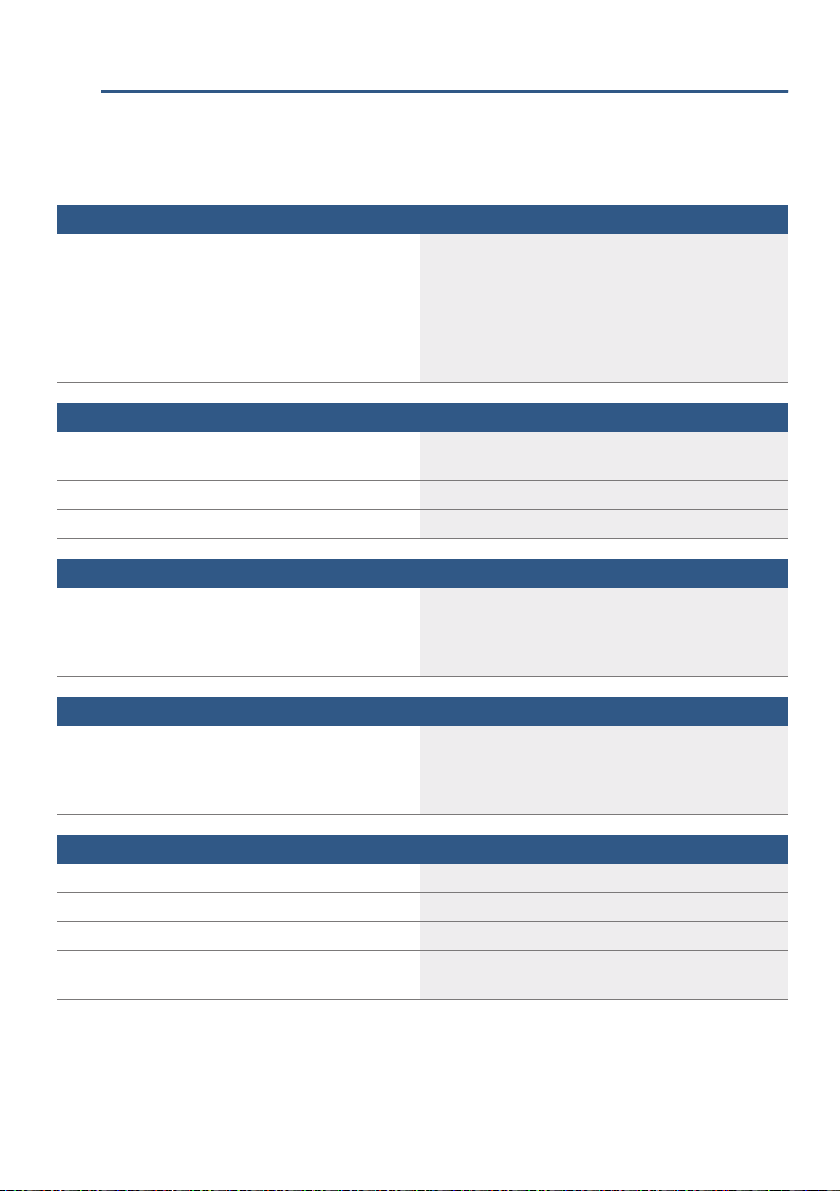
it Guasti, Che fare se?
106
3 Guasti, Che fare se?
Guasti, Che fare se?
Prima di rivolgersi al servizio assistenza clienti, verificare sulla base di questa tabella
se si riesce ad eliminare da soli le anomalie di funzionamento.
La temperatura si discosta notevolmente dalle impostazioni iniziali.
Spegnere l'apparecchio per 5 minuti.
~ "Spegnere e mettere fuori servizio
l’apparecchio" a pagina 93
Se la temperatura è troppo elevata, controllare di
nuovo la temperatura dopo circa due ore.
Se la temperatura è troppo bassa, controllare
di nuovo la temperatura il giorno seguente.
Tutte le spie spente.
La spina d’alimentazione non è inserita corretta-
mente.
Collegare la spina di alimentazione.
È intervenuto il dispositivo di sicurezza. Controllare il dispositivo elettrico di sicurezza.
Manca l'energia elettrica. Controllare se vi è energia elettrica.
L'indicatore lampeggia.
La temperatura nel congelatore è troppo elevata. Dopo avere premuto il pulsante alarm off viene
visualizzata per 5 secondi la temperatura più elevata
raggiunta nel congelatore. Premere il tasto
alarm off. Il display non lampeggia più.
L'apparecchio non raffredda, e l'illuminazione è accesa.
Modalità di esposizione attivata. Mantenere premuto il pulsante alarm off per
10 secondi, finché non viene emesso un tono
di conferma. Attendere e controllare se l'apparec-
chio raffredda.
Il display lampeggia, viene emesso un segnale acustico e il pulsante alarm off è acceso.
Premere il tasto alarm off. L'allarme è disattivato.
La porta dell'apparecchio è aperta. Chiudere la porta dell'apparecchio.
I passaggi dell’aria per l’aerazione sono ostruiti. Liberare le aperture di afflusso e deflusso dell'aria.
Sono state conservate grandi quantità di alimenti
freschi.
Non superare la capacità massima di congelamento.
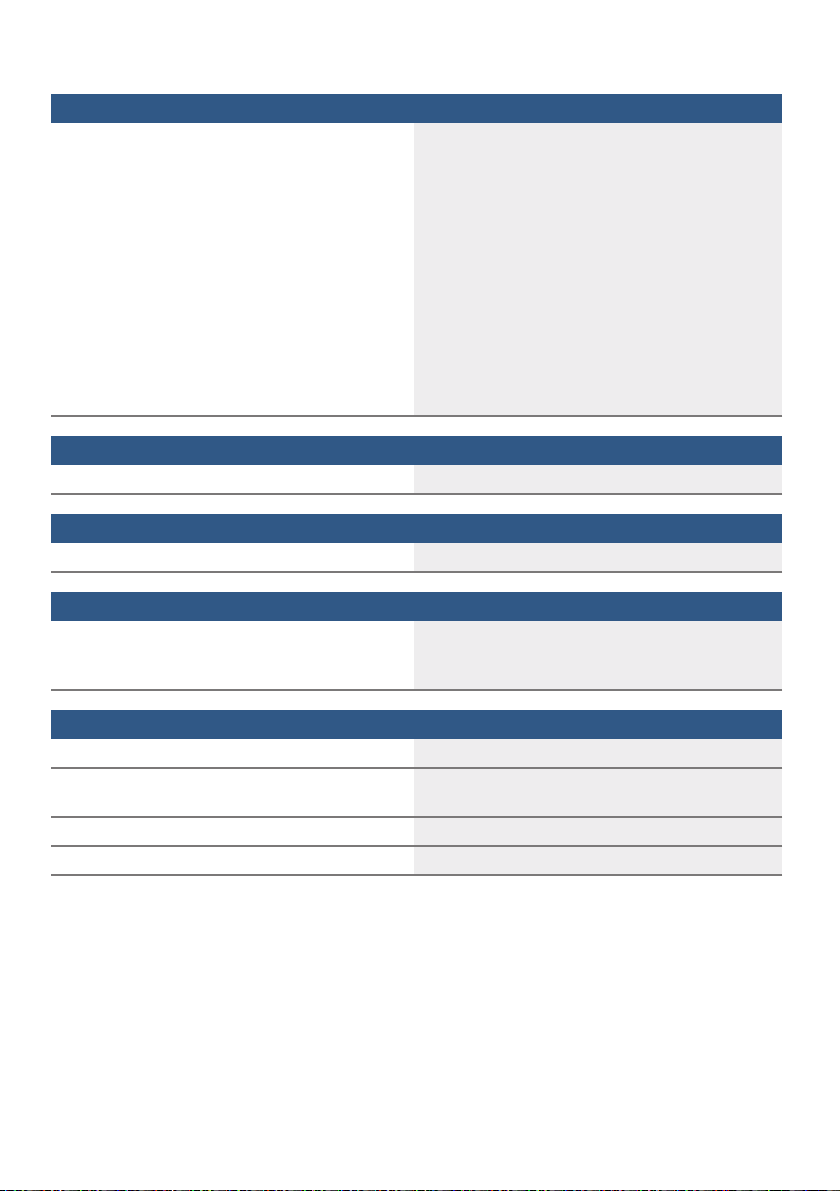
Guasti, Che fare se? it
107
--------
Lo sbrinamento automatico non funziona più, la temperatura impostata non viene raggiunta.
La porta del congelatore è rimasta aperta a lungo.
L'evaporatore (dispositivo di generazione del
freddo) del sistema NoFrostè fortemente gelato.
Per sbrinare l’evaporatore estrarre i contenitori con
gli alimenti e riporli ben isolati in un luogo fresco.
■ Spegnere l’apparecchio ed allontanar-lo dal
muro. Lasciare aperta la porta dell’apparecchio.
■ Dopo ca. 20 min. l’acqua di sbrinamento comin-
cia a gocciolare nella vaschetta d’evaporazione
sul lato posteriore dell’apparecchio.
~ Figura +
Per evitare che la vaschetta d’evaporazione traboc-
chi, assorbire l'acqua con una spugna. L'evaporatore
è sbrinato quando nella vaschetta d’evaporazione
non defluisce più acqua di sbrinamento.
Pulire il vano interno.
Rimettere l’apparecchio in funzione.
Le fotocamere non scattano foto.
Le fotocamere non sono attivate in Home Connect. Attivare le fotocamere.
Le fotocamere scattano foto non nitide.
La porta è stata chiusa troppo velocemente. Chiudere la porta più lentamente.
Lenti della fotocamera appannate.
L'apparecchio è rimasto aperto per troppo tempo. Pulire le lenti della fotocamera con un panno in
microfibra.
Non lasciare l'apparecchio aperto per troppo tempo.
L'indicatore della modalità risparmio energetico lampeggia in modalità Home Connect.
Malfunzionamento del server Attendere alcuni minuti.
Sul dispositivo mobile il collegamento al server è
disattivato.
Attivare il collegamento al server.
Il frigorifero non riceve segnali WLAN. Controllare l'intensità del segnale.
Connessione a Internet assente o debole. Verificare la connessione a Internet sul router.

it Servizio di assistenza clienti
108
4 Servizio di assistenza
clienti
Servizio di assistenza clienti
Contattate il nostro servizio assistenza
clienti, nel caso in cui non è possibile
risolvere eventuali anomalie di
funzionamento. Troviamo sempre una
soluzione idonea, anche per evitare una
inutile uscita del tecnico.
L’elenco dei centri di assistenza più
vicini sono indicati o fornibili dal servizio
assistenza clienti.
Alla chiamata indicare la sigla del
prodotto (E-Nr.) e il numero di
fabbricazione (FD), che si trovano sulla
targhetta porta-dati.
~ "Conoscere l'apparecchio"
a pagina 91
Fidatevi della competenza del
costruttore. La competenza del
produttore e dei tecnici dei centri di
assistenza autorizzati, garantiscono la
qualità delle riparazioni, con l’impiego di
parti di ricambio originali.
Ordine di riparazione e
consulenza in caso di guasti
I dati di contatto di tutti i paesi sono
reperibili nell'elenco dei centri di
assistenza clienti allegato.
--------
Garanzia
Per avere maggiori dettagli sulla durata
della garanzia e sulle condizioni di
garanzia nel proprio paese rivolgersi al
proprio servizio assistenza clienti, al
proprio rivenditore specializzato
o consultare il nostro sito Internet.
I 800-829120 Linea verde
CH 0848 840 040

nl
109
nl Inhoud
nl Gebruiksaanwijzing
( Veiligheidsvoorschriften. . . . . 111
Over deze gebruiksaanwijzing . . . . 111
Kans op explosie . . . . . . . . . . . . . . 111
Risico van een elektrische schok . . 111
Verbrandingsgevaar door kou . . . . 111
Risico op letsel . . . . . . . . . . . . . . . . 112
Gevaren door of van het
koelmiddel . . . . . . . . . . . . . . . . . . . 112
Vermijden van risico's voor kinderen
en kwetsbare personen . . . . . . . . . 112
Materiële schade . . . . . . . . . . . . . . 113
Gewicht. . . . . . . . . . . . . . . . . . . . . . 113
8 Correct gebruik van het
apparaat . . . . . . . . . . . . . . . . . . 113
7 Milieubescherming . . . . . . . . . 114
Verpakking . . . . . . . . . . . . . . . . . . . 114
Oude apparaten . . . . . . . . . . . . . . . 114
5 Installeren en aansluiten. . . . . 114
Inhoud van de verpakking . . . . . . . 114
Technische gegevens. . . . . . . . . . . 114
Apparaat installeren . . . . . . . . . . . . 115
Energie besparen . . . . . . . . . . . . . . 115
Voor het eerste gebruik . . . . . . . . . 117
Elektrische aansluiting . . . . . . . . . . 117
* Het apparaat leren kennen . . . 118
Apparaat. . . . . . . . . . . . . . . . . . . . . 118
Bedieningselementen . . . . . . . . . . . 118
Uitrusting . . . . . . . . . . . . . . . . . . . . 119
1 Apparaat bedienen . . . . . . . . . 120
Apparaat inschakelen . . . . . . . . . . . 120
Apparaat uitschakelen en buiten
werking stellen . . . . . . . . . . . . . . . . 120
Temperatuur instellen . . . . . . . . . . . 120
Superkoelen . . . . . . . . . . . . . . . . . . 121
Supervriezen. . . . . . . . . . . . . . . . . . 121
Energiebesparingsmodus. . . . . . . . 121
M Alarm . . . . . . . . . . . . . . . . . . . . 122
Deuralarm . . . . . . . . . . . . . . . . . . . .122
Temperatuuralarm . . . . . . . . . . . . . . 122
o Home Connect . . . . . . . . . . . . . 122
Home Connect instellen . . . . . . . . . 123
Update van de Home Connect
software installeren . . . . . . . . . . . . . 126
Aanwijzing over
gegevensbescherming . . . . . . . . . . 126
Verklaring van overeenstemming . . 127
U Koelvak. . . . . . . . . . . . . . . . . . . 127
In acht nemen bij het bewaren . . . . 127
Let op de koudezones in het
koelvak . . . . . . . . . . . . . . . . . . . . . . 127
Groentelade met
vochtigheidsregelaar . . . . . . . . . . . . 128
Chillervak. . . . . . . . . . . . . . . . . . . . . 128
W Vriesvak . . . . . . . . . . . . . . . . . . 128
Maximale invriescapaciteit. . . . . . . . 129
Vriesvermogen volledig benutten . . 129
Inkopen van diepvriesproducten . . . 129
Attentie bij het inruimen. . . . . . . . . . 129
Verse levensmiddelen invriezen . . . 130
Ontdooien van diepvrieswaren . . . . 131
= Ontdooien . . . . . . . . . . . . . . . . 131
D Schoonmaken . . . . . . . . . . . . . 131
Schoonmaken van het interieur. . . . 131
l Luchtjes . . . . . . . . . . . . . . . . . . 132
9 Verlichting . . . . . . . . . . . . . . . . 132
> Geluiden. . . . . . . . . . . . . . . . . . 132
Normale geluiden . . . . . . . . . . . . . . 132
Voorkomen van geluiden. . . . . . . . . 132


Veiligheidsvoorschriften nl
111
(
Veiligheidsvoorschriften
Veiligheidsvoorschriften
Dit apparaat voldoet aan de
geldende veiligheidsbepalingen
voor elektrische apparatuur en
het is radio-ontstoord.
Het koelcircuit is op dichtheid
gecontroleerd.
Over deze gebruiksaanwijzing
■ Lees de gebruiksaanwijzing
en de montagehandleiding
en neem deze in acht. U
vindt daarin belangrijke
informatie over plaatsing,
gebruik en onderhoud van
het apparaat.
■ De fabrikant is niet
aansprakelijk wanneer
u de aanwijzingen en
waarschuwingen in
de gebruiksaanwijzing en de
montagehandleiding negeert.
■ Bewaar alle documenten
voor later gebruik en voor
eventuele volgende
eigenaars.
Kans op explosie
■ Gebruik nooit elektrische
apparaten in het apparaat
(bijv. verwarmingsapparaten
of elektrische ijsbereiders).
■ Geen producten met
brandbare drijfgassen (bijv.
spuitbussen) en geen
explosieve stoffen in het
apparaat opslaan.
■ Dranken met een hoog
alcoholpercentage altijd
goed afgesloten en staand
bewaren.
Risico van een elektrische
schok
Onvakkundige installatie en
reparaties kunnen groot gevaar
opleveren voor de gebruiker
van het apparaat.
■ Bij een beschadigd
aansluitsnoer: Apparaat
direct losmaken van het
stroomnet.
■ Het apparaat uitsluitend laten
repareren door de fabrikant,
de klantenservice of een
andere gekwalificeerde
persoon.
■ Alleen originele onderdelen
van de fabrikant gebruiken.
De fabrikant garandeert dat
deze onderdelen voldoen
aan de veiligheidseisen.
■ Een verlengsnoer voor de
aansluitkabel mag uitsluitend
via de klantenservice worden
aangeschaft.
Verbrandingsgevaar door kou
■ Diepvrieswaren nadat u ze
uit het vriesvak hebt gehaald,
nooit onmiddellijk in de
mond nemen.
■ Voorkom dat de huid
langdurig in contact komt
met diepvrieswaren, ijs en de
buizen in het vriesvak.

nl Veiligheidsvoorschriften
112
Risico op letsel
Flessen of blikjes met
koolzuurhoudende drank
kunnen barsten.
Geen flessen of blikjes met
koolzuurhoudende drank in het
vriesvak bewaren.
Gevaren door of van het
koelmiddel
De leidingen van het koelcircuit
bevatten een kleine
hoeveelheid van het
milieuvriendelijke, maar
brandbare koelmiddel R600a.
Dit is niet schadelijk voor de
ozonlaag en verhoogt het
broeikaseffect niet. Vrijkomend
koelmiddel kan echter
oogletsel veroorzaken of vlam
vatten.
■ Leidingen niet beschadigen.
Bij beschadiging van de
leidingen:
■ Vuur en ontstekingsbronnen
uit de buurt van het apparaat
houden.
■ De ruimte ventileren.
■ Het apparaat uitschakelen en
de stekker uit het
stopcontact trekken.
■ Contact opnemen met de
servicedienst.
Vermijden van risico's voor
kinderen en kwetsbare
personen
Er bestaat gevaar voor:
■ kinderen;
■ personen met lichamelijke,
geestelijke of zintuiglijke
beperkingen;
■ personen die onvoldoende
kennis hebben over de
veilige bediening van het
apparaat.
Maatregelen:
■ Zorg dat kinderen en
kwetsbare personen
begrijpen wat de gevaren
zijn.
■ Een voor de veiligheid
verantwoordelijke persoon
moet toezicht houden op
kinderen en kwetsbare
personen bij het apparaat of
hen instrueren.
■ Alleen kinderen vanaf 8 jaar
het apparaat laten
gebruiken.
■ Bij reiniging en onderhoud
toezicht houden op kinderen.
■ Laat kinderen nooit met het
apparaat spelen.

Bestemming van het apparaat nl
113
Kans op stikken
■ Bij een apparaat met
deurslot: Sleutel buiten
bereik van kinderen
opbergen.
■ Verpakkingsmateriaal en
onderdelen van het apparaat
zijn geen speelgoed voor
kinderen.
Materiële schade
Om materiële schade te
voorkomen:
■ Niet op de sokkel,
uitschuifdelen of deuren
staan of leunen.
■ Kunststof onderdelen en
deurafdichtingen olie- en
vetvrij houden.
■ Aan de stekker trekken –
niet aan de aansluitkabel.
Gewicht
Houd er bij plaatsing en
transport van het apparaat
rekening mee dat het apparaat
erg zwaar kan zijn.
~ "De juiste opstelplaats"
op pagina 115
8 Correct gebruik van
het apparaat
Bestemming van het apparaat
Gebruik dit apparaat
■ uitsluitend voor het koelen en
invriezen van levensmiddelen en
voor ijsbereiding.
■ uitsluitend voor privégebruik en
huishoudelijk gebruik.
■ uitsluitend volgens deze
gebruiksaanwijzing.
Dit apparaat is bestemd voor gebruik tot
op hoogten van maximaal 2.000 meter
boven zeeniveau.

nl Milieubescherming
114
7 Milieubescherming
Milieubescherming
Verpakking
Alle materialen zijn onschadelijk voor
het milieu en kunnen hergebruikt
worden.
■ Zorg dat de verpakking
milieuvriendelijk wordt afgevoerd.
■ Informatie over het afvoeren van
afval en het oude apparaat kunt
u opvragen bij uw speciaalzaak of bij
de gemeente.
Oude apparaten
Door een milieuvriendelijke afvoer
kunnen waardevolle grondstoffen
worden teruggewonnen.
:Waarschuwing
Kinderen kunnen zichzelf in het
apparaat opsluiten en stikken!
■ Legplateaus en lades niet uit het
apparaat nemen, om te voorkomen
dat kinderen in het apparaat kruipen.
■ Kinderen uit de buurt van een
afgedankt apparaat houden.
Attentie!
Er kan koelmiddel en schadelijk gas
vrijkomen.
Buizen van de koelmiddelkringloop en
isolatie niet beschadigen.
1. Stekker uit het stopcontact halen.
2. Aansluitsnoer doorknippen.
3. Apparaat op deskundige wijze laten
afvoeren.
Dit apparaat is gekenmerkt in
overeenstemming met de
Europese richtlijn 2012/19/EU
betreffende afgedankte
elektrische en elektronische apparatuur
(waste electrical and electronic
equipment - WEEE).
De richtlijn geeft het kader aan voor de
in de EU geldige terugneming en
verwerking van oude apparaten.
5 Installeren en
aansluiten
Installeren en aansluiten
Inhoud van de verpakking
Controleer na het uitpakken alle
onderdelen op eventuele
transportschade.
Voor klachten kunt u terecht bij de
winkel waar u het apparaat hebt
aangeschaft of bij onze servicedienst.
~ "Servicedienst" op pagina 135
De levering bestaat uit de volgende
onderdelen:
■ Vrijstaand apparaat
■ Uitrusting (modelafhankelijk)
■ Gebruiksaanwijzing
■ Klantenserviceboekje
■ Garantiebijlage
■ Informatie over energieverbruik en
geluiden
Technische gegevens
Koelmiddel, netto inhoud van het
apparaat en andere technische
gegevens vindt u op het typeplaatje.
~ "Het apparaat leren kennen"
op pagina 118
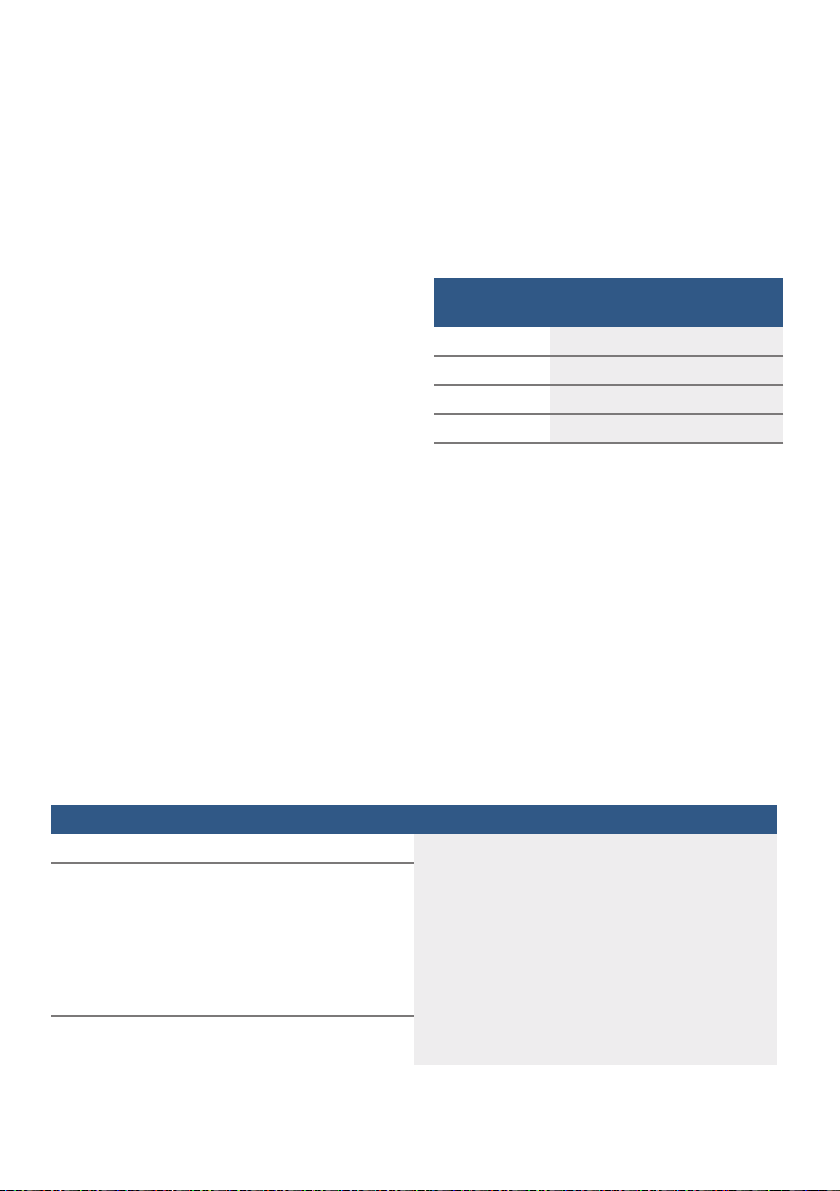
Installeren en aansluiten nl
115
Apparaat installeren
De juiste opstelplaats
Hoe meer koelmiddel het apparaat
bevat, des te groter moet de ruimte zijn
waarin het apparaat wordt opgesteld. In
een te kleine ruimte kan bij een lek een
ontvlambaar mengsel van gas en lucht
ontstaan.
Per 8 g koelmiddel moet het vertrek
minstens 1 m³ groot zijn. De
hoeveelheid koelmiddel in uw apparaat
vindt u op het typeplaatje aan de
binnenkant van het apparaat.
~ "Het apparaat leren kennen"
op pagina 118
Het gewicht van het apparaat kan
afhankelijk van het model tot 81 kg
bedragen.
Toegestane omgevingstemperatuur
De toegestane binnentemperatuur is
afhankelijk van de klimaatklasse van het
apparaat.
Informatie over de klimaatklasse vindt u
op het typeplaatje.
~ "Het apparaat leren kennen"
op pagina 118
Het apparaat is volledig functioneel
binnen de toegestane
binnentemperatuur.
Wanneer een apparaat uit klimaatklasse
SN wordt gebruikt bij een lagere
binnentemperatuur, kunnen
beschadigingen aan het apparaat
worden uitgesloten tot een
binnentemperatuur van +5 °C.
Energie besparen
Wanneer u de volgende aanwijzingen opvolgt, verbruikt uw apparaat minder stroom.
Aanwijzing: De plaatsing van de uitrustingsonderdelen heeft geen invloed op het
energieverbruik van het apparaat.
Klimaatklasse Toegestane omgevingstem-
peratuur
SN +10 °C ... 32 °C
N +16 °C ... 32 °C
ST +16 °C ... 38 °C
T +16 °C ... 43 °C
Apparaat installeren
Apparaat niet blootstellen aan direct zonlicht. Bij een lage omgevingstemperatuur hoeft het appa-
raat minder vaak te koelen en verbruikt daardoor
minder stroom.
Het apparaat zo ver mogelijk van radiatoren, fornui-
zen en andere warmtebronnen plaatsen:
Naast elektrische of gasfornuizen: 3 cm
Naast een olie- en kolenfornuizen: 30 cm
Aanwijzing: Als dat niet mogelijk is, een isolatie-
plaat aanbrengen tussen het apparaat en de warm-
tebron.
Een opstelplaats met een binnentemperatuur van
ca. 20 °C kiezen.
nl Installeren en aansluiten
116
--------
Indien aanwezig:
Wandafstandhouder monteren om het geplande
energieverbruik van het apparaat te bereiken (zie
montagehandleiding). Een kleinere afstand tot de
muur heeft geen nadelige invloed op de werking
van het apparaat. Het energieverbruik kan dan iets
hoger worden.
Attentie!
Gevaar voor verbranding!
Sommige onderdelen van het apparaat worden tij-
dens het gebruik heet. Aanraking van deze onderde-
len kan brandwonden veroorzaken.
De lucht bij de achterwand van het apparaat wordt
niet zo warm. Het apparaat verbruikt minder stroom
wanneer de warme lucht kan wegtrekken.
Ventilatieopeningen niet afdekken of versperren.
~ Afb. #
De ruimte dagelijks luchten.
Apparaat installeren
Gebruik van het apparaat
Deur van het apparaat slechts kort openen. De lucht in het apparaat wordt niet veel warmer. Het
apparaat hoeft minder vaak te koelen en verbruikt
daardoor minder stroom.
Gekochte levensmiddelen in een koeltas transpor-
teren en snel in het apparaat leggen.
Warme gerechten en dranken eerst laten afkoelen,
daarna in het apparaat plaatsen.
Diepvrieswaren ter ontdooiing in het koelvak leg-
gen, om de kou van de diepvrieswaren te benutten.
Altijd wat ruimte openlaten tussen de levensmidde-
len en de achterwand.
De lucht kan circuleren en de luchtvochtigheid blijft
constant. Het apparaat hoeft minder vaak te koelen
en verbruikt daardoor minder stroom.
Levensmiddelen luchtdicht verpakken.
Achterkant van het apparaat eenmaal per jaar
schoon zuigen.
De lucht bij de achterwand van het apparaat wordt
niet zo warm. Het apparaat verbruikt minder stroom
wanneer de warme lucht kan wegtrekken.
Ventilatieopeningen niet afdekken of versperren.

Installeren en aansluiten nl
117
Voor het eerste gebruik
1. Infomateriaal eruit nemen en zowel
plakband als beschermfolie
verwijderen.
2. Apparaat schoonmaken.
~ "Schoonmaken" op pagina 131
Elektrische aansluiting
Attentie!
Het apparaat niet aansluiten op een
elektronische electronische
energiebesparende stekker.
Aanwijzing: U kunt het apparaat
aansluiten op netvoedingsinverters en
sinusinverters.
Netvoedingsinverters worden gebruikt
bij fotovoltaïsche installaties met
rechtstreekse aansluiting op het
openbare elektriciteitsnet. Bij
losstaande systemen dient u
sinusinverters gebruiken. Losstaande
systemen, bijv. op schepen of in
berghutten, hebben geen rechtstreekse
aansluiting op het openbare
elektriciteitsnet.
1. Na plaatsing van het apparaat
minstens 1 uur wachten met
aansluiten, om beschadiging van
de compressor te voorkomen.
2. Het apparaat aansluiten op een
volgens de voorschriften
geïnstalleerd stopcontact.
Het stopcontact moet voldoen aan
de volgende voorwaarden:
Buiten Europa: controleren of de
vermelde stroomsoort van het
apparaat overeenkomt met de
waarden van uw elektriciteitsnet. De
gegevens van het apparaat staan op
het typeplaatje.
~ "Het apparaat leren kennen"
op pagina 118
3. Het apparaat aansluiten op een
stopcontact in de buurt van het
apparaat.
Het stopcontact moet vrij
toegankelijk zijn na de plaatsing van
het apparaat.
Stopcontact met 220 V ... 240 V
Aardleiding 50 Hz
Zekering 10A ... 16 A
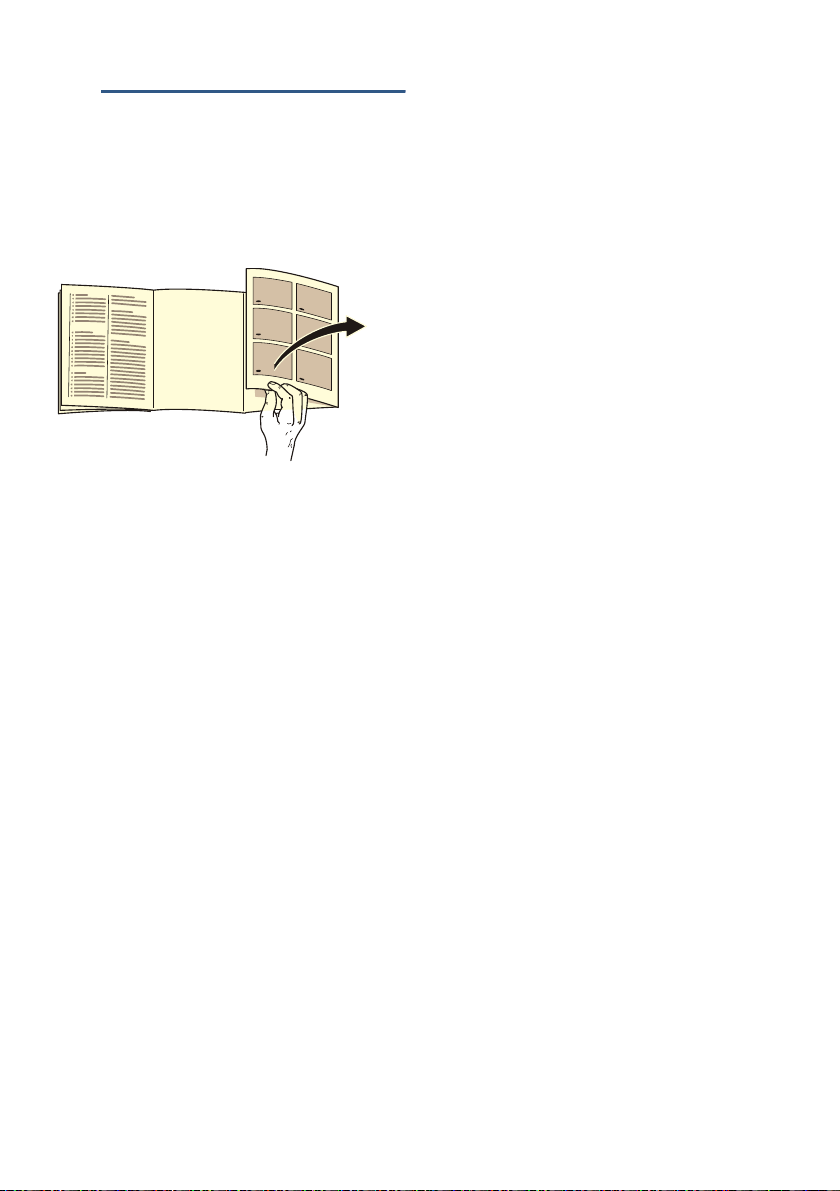
nl Het apparaat leren kennen
118
* Het apparaat leren
kennen
Het apparaat leren kennen
Klap het laatste blad met afbeeldingen
open. Afhankelijk van de uitrusting
kunnen er verschillen zijn tussen uw
apparaat en de afbeeldingen.
Apparaat
~ Afb. !
* Niet bij alle modellen.
Bedieningselementen
~ Afb. "
# Koelvak
+ Vriesvak
(-)" Bedieningselementen
)* Hoofdschakelaar Aan/Uit
)2 Verlichting
): Legplateau
)B Camera
)J Ventilatieopening (koelvak)
)R Chillervak
)Z Groentelade met
vochtigheidsregelaar
)b Typeplaatje
)j Diepvrieslade
1" Diepvrieskalender
1* Schroefvoetjes
12* Boter- en kaasvak
1: Vak voor grote flessen
( Indicatie temperatuur koelvak
Toont de ingestelde temperatuur
in °C.
0 Indicatie super
Brandt als het superkoelsysteem
is ingeschakeld.
8 Indicatie temperatuur
diepvriesvak
Toont de ingestelde temperatuur
in °C.
@ Indicatie super
Brandt als het supervriessysteem
is ingeschakeld.
H Toets alarm off
Schakelt het alarmsignaal uit.
P Indicatie Energiebesparingsmod
us
Brandt als het apparaat niet in
gebruik is.
X Toets - + koelvak
Stelt de temperatuur van het
koelvak in.
` Toets super koelvak
Schakelt het superkoelen in of
uit.
h Toets - + vriesvak
Stelt de temperatuur van het
vriesvak in.
)" Toets super vriesvak
Schakelt het supervriezen in of
uit.

Het apparaat leren kennen nl
119
Uitrusting
(niet bij alle modellen)
Camera
~ Afb. !/)B
De camera's maken telkens als de deur
wordt gesloten, een foto van de
binnenruimte en van de deurplateaus.
Met Home Connect kunt u de foto's met
een mobiel eindapparaat oproepen.
Aanwijzing: Wazige opnames zijn een
teken dat de deur te snel is gesloten.
Om een voldoende beeldkwaliteit te
waarborgen deur langzaam sluiten!
Legplateau
~ Afb. (
U kunt het legplateau variëren:
■ Legplateau eruit trekken en
verwijderen.
Variabel legplateau
~ Afb. %
U kunt hier levensmiddelen en flessen
opbergen:
■ Het legplateau naar voren trekken,
laten zakken en naar achteren
duwen.
Reservoir
~ Afb. $
U kunt de lade verwijderen:
■ Reservoir tot aan de aanslag
uittrekken, vooraan optillen en
verwijderen.
Voorraadvakken
~ Afb. )
U kunt het flessenrek verwijderen:
■ Flessenrek optillen en verwijderen.
Flessenhouder
~ Afb. *
Wanneer u de deur opent en sluit:
■ Het flessenrek voorkomt dat de
flessen kantelen.
Diepvrieskalender
~ Afb. !/1"
De vrieskalender geeft de maximale
bewaartijd in maanden aan bij een
constante temperatuur van –18 °C.
IJsbakje
U kunt ijsblokjes maken:
1. Het ijsbakje voor 3/4 met water
vullen en in het vriesvak zetten
zetten.
Aanwijzing: Het vastgevroren
ijsbakje alleen met een bot voorwerp
losmaken (bijv. steel van een lepel).
2. Om de ijsblokjes los te maken:
het ijsbakje iets verbuigen of kort
onder stromend water houden.
Koude-accu
Bij stroomuitval of een storing:
■ Het koelelement zorgt ervoor dat de
opgeslagen diepvrieswaren
langzamer opwarmen.
Aanwijzing: De bewaartijd is het langst
wanneer u het koelelement in het
bovenste vak op de levensmiddelen
legt.
U kunt het koelelement uit het vriesvak
nemen om er tijdelijk levensmiddelen te
koelen, bijv. in een koeltas.

nl Apparaat bedienen
120
1 Apparaat bedienen
Apparaat bedienen
Apparaat inschakelen
1. Toets )* indrukken.
Het apparaat begint te koelen. Een
alarmsignaal, een knipperende
temperatuurindicatie van het
diepvriesvak en een brandende
toets alarm off geven aan dat het
diepvriesvak nog te warm is.
2. Toets alarm off indrukken.
Het alarmsignaal gaat uit.
3. De gewenste temperatuur instellen.
~ "Temperatuur instellen"
op pagina 120
Opmerkingen bij/voor het gebruik
■ Na het inschakelen kan het een
aantal uren duren voordat de
ingestelde temperaturen zijn bereikt.
Geen levensmiddelen inruimen
voordat de ingestelde temperatuur is
bereikt.
■ Door het volledig automatische
NoFrost-systeem blijft de vriesvak
ijsvrij.
Ontdooien is niet nodig.
■ De voorzijde van het apparaat achter
de deur wordt gedeeltelijk licht
verwarmd waardoor de vorming van
condenswater in de buurt van de
deurafdichting wordt voorkomen.
■ Wanneer de deur van de
diepvriesruimte na het sluiten niet
direct weer geopend kan worden,
dient u even te wachten tot de
onderdruk is verdwenen.
Apparaat uitschakelen en
buiten werking stellen
Apparaat uitschakelen
■ Toets )* indrukken.
Het apparaat koelt niet meer.
Apparaat buiten werking stellen
Als u het apparaat langere tijd niet
gebruikt:
1. Toets )* indrukken.
Het apparaat koelt niet meer.
2. De stekker uit het stopcontact
trekken of de zekering uitschakelen.
3. Apparaat schoonmaken.
4. Apparat open laten.
Temperatuur instellen
Aanbevolen temperatuur
Koelvak
■ Toets - + meermaals indrukken tot
de gewenste temperatuur verschijnt
op de display.
Vriesvak
■ Toets - + meermaals indrukken tot
de gewenste temperatuur verschijnt
op de display.
Koelvak: +4 °C
Vriesvak: –18 °C

Apparaat bedienen nl
121
Sticker OK
(niet bij alle modellen)
Met de sticker OK kunt u controleren of
de temperatuur in het koelvak +4 °C
of kouder wordt.
Als de sticker niet OK aangeeft, moet
de temperatuur stapsgewijs worden
verlaagd.
Na ingebruikneming van het apparaat
kan het 12 uur duren voordat de
ingestelde temperatuur is bereikt.
Correcte instelling
Superkoelen
Bij het superkoelen wordt het koelvak
zo koud als mogelijk is.
Het superkoelen inschakelen bijv.:
■ vóór het inladen van grote
hoeveelheden levensmiddelen
■ voor het snelkoelen van dranken
Aanwijzing: Wanneer superkoelen is
ingeschakeld, wordt het apparaat iets
luider.
Na 6 uur schakelt het apparaat over op
het normale werking.
Superkoelen in-/uitschakelen:
■ Toets super indrukken.
Als het superkoelsysteem is
ingeschakeld, brandt de toets super.
Supervriezen
Bij het supervriezen wordt het vriesvak
zo koud als mogelijk is.
Het supervriezen inschakelen bijv.:
■ Om levensmiddelen snel tot in de
kern in te vriezen:
■ 4–6 uur voor het inruimen van een
levensmiddelhoeveelheid vanaf 2 kg
■ Om het max. vriesvermogen te
benutten
~ "Maximale invriescapaciteit"
op pagina 129
Aanwijzing: Als het supervriessysteem
is ingeschakeld kunnen de
bedrijfsgeluiden toenemen.
Na ca. 2 ^ dag schakelt het apparaat
over op het normale werking.
Supervriezen in-/uitschakelen:
■ Toets super indrukken.
Als het supervriessysteem is
ingeschakeld, brandt de
indicatie super.
Energiebesparingsmodus
Wanneer het apparaat niet wordt
bediend, wordt de indicatie van de
bedieningselementen op de
energiebesparingsmodus gezet:
■ Indicatie Energiebesparingsmodus
brandt.
■ De lichtsterkte van de
temperatuurindicaties is
gereduceerd.
■ Als het superkoel- en/of
supervriessysteem is ingeschakeld,
brandt de bijbehorende indicatie op
normale lichtsterkte.
Zodra het apparaat wordt bediend, bijv.
door openen van de deur of druk op
een toets, schakelen de indicaties over
op de normale lichtsterkte.

nl Alarm
122
M Alarm
Alarm
Deuralarm
Als de deur van het apparaat langere
tijd open staat, wordt het deuralarm
(continu signaal) ingeschakeld.
■ Sluit de vuldeur.
Het waarschuwingssignaal wordt
uitgeschakeld.
Temperatuuralarm
Wanneer het te warm wordt in het
vriesvak, wordt het temperatuuralarm
(intervaltoon, indicatie temperatuur
knippert, toets alarm off brandt)
geactiveerd.
Attentie!
Bij het ontdooien kan er
bacterievorming optreden en kunnen
de diepvrieswaren bederven.
Half of geheel ontdooide
diepvrieswaren niet opnieuw invriezen.
Het voedsel pas na het koken of braden
opnieuw invriezen. De maximale
bewaartijd niet meer ten volle benutten.
Aanwijzing: In de volgende gevallen
kan een alarmsignaal klinken zonder
dat er gevaar voor de diepvrieswaren
bestaat:
■ Het apparaat wordt in gebruik
genomen.
■ Er worden grote hoeveelheden verse
levensmiddelen ingeruimd.
■ De deur van het vriesvak staat te
lang open.
Hoogste temperatuur weergeven en
alarmsignaal uitschakelen:
■ Toets alarm off indrukken.
De indicatie toont kort de hoogste
temperatuur die in het diepvriesvak
heeft geheerst. Daarna toont de
indicatie weer de ingestelde
temperatuur.
Vanaf dit moment wordt de warmste
temperatuur opnieuw bepaald en
opgeslagen.
Aanwijzing: Toets alarm off brandt
tot de ingestelde temperatuur weer
is bereikt.
o Home Connect
Home Connect
Dit apparaat is voorzien van wifi en kan
via een mobiel eindapparaat op afstand
worden bediend.
Aanwijzing: Wi-Fi is een geregistreerd
handelsmerk van de Wi-Fi Alliance.
Als het apparaat niet wordt verbonden
met het thuisnetwerk, werkt het als een
koelapparaat zonder netwerkaansluiting
en kan het nog steeds via de
bedieningselementen handmatig
worden bediend.
Aanwijzingen
■ Houd u aan de veiligheidsinstructies
in deze gebruiksaanwijzing. Zorg
ervoor dat deze ook worden
nageleefd wanneer u niet thuis bent
en u het apparaat bedient via de
Home Connect app.
~ "Veiligheidsvoorschriften"
op pagina 111
Neem ook de aanwijzingen in de
Home Connect app in acht.
■ De directe bediening van het
apparaat heeft altijd voorrang.
Gedurende deze tijd is de bediening
via de Home Connect app niet
mogelijk.

Home Connect nl
123
Home Connect instellen
Aanwijzingen
■ Na het inschakelen van het apparaat
ten minste twee minuten wachten
totdat de interne initialisatie van het
apparaat is voltooid. Pas daarna
Home Connect instellen.
■ Om instellingen met Home Connect
te kunnen uitvoeren, moet de Home
Connect app op uw mobiele
eindapparaat zijn geïnstalleerd.
Zie hiervoor de meegeleverde
documentatie van Home Connect.
Volg de door de app aangegeven
stappen om de instellingen aan te
brengen.
■ Het Home Connect menu wordt
automatisch gesloten wanneer het
apparaat langere tijd niet wordt
bediend. Aanwijzingen voor het
openen van het Home Connect
menu vindt u aan het begin van het
desbetreffende hoofdstuk.
Automatische verbinding met het
thuisnetwerk (WLAN)
Wanneer een WLAN router met WPS
functie beschikbaar is, kan het
koelapparaat automatisch met het
thuisnetwerk worden verbonden.
1. Toets alarm off indrukken.
Indicatie temperatuur koelvak
geeft Cn aan.
2. Toets + koelvak net zo vaak
indrukken tot indicatie temperatuur
koelvak AC aangeeft en indicatie
temperatuur vriesvak OF aangeeft.
3. Toets + vriesvak indrukken.
Het apparaat is klaar voor de
automatische verbinding.
Indicatie energiebesparingsmodus
knippert.
Indicatie temperatuur vriesvak toont
gedurende 2 minuten een animatie.
Zolang de animatie wordt
weergegeven, is het apparaat klaar
voor de automatische verbinding.
4. Binnen 2 minuten de WPS functie op
de thuisnetwerkrouter activeren (bijv.
via WPS/WLAN toets, informatie
daarover in de documentatie van de
router in acht nemen).
Als er verbinding is gemaakt, geeft
indicatie temperatuur vriesvak On
aan en brandt indicatie
energiebesparingsmodus.
Het koelapparaat is klaar voor de
verbinding met de app.
Aanwijzing: Wanneer indicatie
temperatuur vriesvak OF aangeeft, kon
er geen verbinding worden gemaakt.
1. Controleer of het koelapparaat zich
binnen het bereik van het
thuisnetwerk (WLAN) bevindt.
2. Het proces herhalen of handmatig
verbinding maken.
Handmatige verbinding met het
thuisnetwerkstation (WLAN)
Wanneer de aanwezige WLAN router
niet over een WPS functie beschikt of
als dit niet bekend is, kunt u het
koelapparaat handmatig met het
thuisnetwerk verbinden.
1. Toets alarm off indrukken.
Indicatie temperatuur koelvak
geeft Cn aan.
2. Toets + koelvak net zo vaak
indrukken tot indicatie temperatuur
koelvak SA aangeeft en indicatie
temperatuur vriesvak OF aangeeft.
3. Toets + vriesvak indrukken.
Het apparaat is klaar voor de
handmatige verbinding.
Indicatie energiebesparingsmodus
knippert.
Indicatie temperatuur vriesvak toont
een animatie.
Zolang de animatie wordt
weergegeven, is het apparaat klaar
voor de handmatige verbinding.

nl Home Connect
124
4. Het koelapparaat heeft nu een eigen
WLAN netwerk met de netwerknaam
“HomeConnect” ingesteld.
Tot dit netwerk kunt u nu toegang
krijgen met het mobiele
eindapparaat.
5. Roep in het instellingenmenu van het
mobiele eindapparaat de WLAN
instellingen op.
6. Verbind het mobiele eindapparaat
met het WLAN netwerk
“HomeConnect”.
Wachtwoord: “HomeConnect”
Het tot stand brengen van de
verbinding kan tot 60 minuten duren.
7. Als verbinding is gemaakt, de Home
Connect app op het mobiele
eindapparaat openen.
De app zoekt naar het koelapparaat.
8. Zodra het koelapparaat is gevonden,
de netwerknaam (“SSID”) en het
wachtwoord (“Key”) van het eigen
thuisnetwerk (WLAN) invoeren in de
daarvoor bestemde velden.
9. Bevestigen met de knop Naar
huishoudelijke apparaten sturen.
– Als er verbinding is gemaakt,
geeft indicatie temperatuur
vriesvak On aan en brandt
indicatie
energiebesparingsmodus.
U kunt het koelapparaat nu
verbinden met de app.
– Wanneer indicatie temperatuur
vriesvak OF aangeeft, kon er
geen verbinding worden
gemaakt.
Controleer of het koelapparaat
zich binnen het bereik van het
thuisnetwerk (WLAN) bevindt.
Herhaal de procedure.
Koelapparaat verbinden met app
1. Toets alarm off indrukken.
Indicatie temperatuur koelvak
geeft Cn aan.
2. Toets + koelvak net zo vaak
indrukken tot indicatie temperatuur
koelvak PA aangeeft en indicatie
temperatuur vriesvak OF aangeeft.
3. Toets + vriesvak indrukken om het
apparaat met de app te verbinden.
Indicatie temperatuur vriesvak toont
een animatie en indicatie
energiebesparingsmodus brandt.
4. Wacht in de Home Connect app op
het mobiele eindapparaat tot het
koelapparaat wordt aangegeven.
Wanneer het koelapparaat niet
automatisch wordt aangegeven,
selecteer dan in de Home Connect
app eerst Huishoudelijke apparaten
zoeken en vervolgens
Huishoudelijk apparaat verbinden.
5. De instructies van de app volgen tot
het proces is voltooid.
Indicatie temperatuur koelvak geeft
Pa aan en indicatie temperatuur
vriesvak geeft On aan.
Het koelapparaat is verbonden met
de app.
Wanneer er geen verbinding is
gemaakt, controleer dan of het
mobiele eindapparaat met het
thuisnetwerk (WLAN) is verbonden.
Vervolgens opnieuw verbinding
proberen te maken.
Wanneer in de indicatie temperatuur
vriesvak Er verschijnt, de Home
Connect instellingen terugzetten.
Aanwijzing: Bij het terugzetten
worden alle Home Connect
instellingen teruggezet.

Home Connect nl
125
Signaalsterkte controleren
Als er geen verbinding kan worden
gemaakt, kunt u het beste de
signaalsterkte controleren.
1. Toets alarm off indrukken.
Indicatie temperatuur koelvak
geeft Cn aan.
2. Toets + koelvak net zo vaak
indrukken tot indicatie temperatuur
koelvak SI aangeeft. In indicatie
temperatuur vriesvak verschijnt een
waarde tussen 0 (geen ontvangst)
en 3 (volledige ontvangst).
De signaalsterkte moet minimaal 2
bedragen. Als de signaalsterke te
laag is, kan de verbinding worden
onderbroken.
– Plaats de router en het
koelapparaat dichter bij elkaar.
– Zorg dat de verbinding niet door
afschermende wanden wordt
verstoord.
– Installeer een repeater om het
signaal te versterken.
Camera's activeren
Wanneer het koelapparaat met het
thuisnetwerk (WLAN) en met de Home
Connect app is verbonden, kunt u de
camera's activeren:
1. Toets alarm off indrukken.
Indicatie temperatuur koelvak
geeft Cn aan.
2. Toets + koelvak net zo vaak
indrukken tot indicatie temperatuur
koelvak CA aangeeft en indicatie
temperatuur vriesvak OF aangeeft.
3. Toets + vriesvak indrukken.
Indicatie temperatuur vriesvak
geeft On aan en indicatie
energiebesparingsmodus brandt.
De camera's zijn geactiveerd.
Aanwijzingen
■ Wanneer de camera's zijn
geactiveerd en met de app vaak de
inhoud van het koelapparaat wordt
opgevraagd, vindt er een verhoogde
gegevensoverdracht plaats.
■ Het uploaden van de foto's kan tot
drie minuten duren.
■ Verscheidene externe factoren in het
thuisnetwerk en op het internet
veroorzaken overdrachtsproblemen
en leiden ertoe dat foto's worden
geannuleerd. Dit heeft geen
gevolgen voor de basisfuncties van
het apparaat.
Camera's deactiveren:
1. Toets alarm off indrukken.
Indicatie temperatuur koelvak
geeft Cn aan.
2. Toets + koelvak net zo vaak
indrukken tot indicatie temperatuur
koelvak CA aangeeft en indicatie
temperatuur vriesvak On aangeeft.
3. Toets - vriesvak indrukken.
Indicatie temperatuur vriesvak
geeft OF aan.
De camera's zijn gedeactiveerd.
Home Connect Instellingen terugzetten
Wanneer er bij de poging verbinding te
maken een probleem optreedt of
wanneer u het het apparaat in een
ander thuisnetwerk (WLAN) wilt
aanmelden, kunnen de Home Connect
instellingen worden teruggezet:
1. Toets alarm off indrukken.
Indicatie temperatuur koelvak
geeft Cn aan.
2. Toets + koelvak net zo vaak
indrukken tot indicatie temperatuur
koelvak rE aangeeft en indicatie
temperatuur vriesvak OF aangeeft.

nl Home Connect
126
3. Toets + vriesvak indrukken.
Indicatie temperatuur vriesvak toont
gedurende 15 seconden een
animatie.
Vervolgens geeft de indicatie
temperatuur vriesvak OF aan.
Indicatie energiebesparingsmodus
brandt niet.
De Home Connect instellingen zijn
teruggezet.
Update van de Home Connect
software installeren
Het koelapparaat controleert met
regelmatige tussenpozen of er updates
voor de Home Connectsoftware
beschikbaar zijn.
Wanneer er een update beschikbaar is,
geeft indicatie temperatuur koelvak
“UP” aan.
Wanneer u op een willekeurige toets
drukt, wordt de indicatie teruggezet op
de ingestelde temperatuur.
Update installeren:
1. Toets alarm off indrukken.
Indicatie temperatuur koelvak
geeft Cn aan.
2. Toets + koelvak net zo vaak
indrukken tot indicatie temperatuur
koelvak UP aangeeft en indicatie
temperatuur vriesvak OF aangeeft.
3. Toets + vriesvak indrukken.
Indicatie temperatuur vriesvak toont
een animatie.
De update wordt geïnstalleerd.
Tijdens de installatie zijn alle toetsen
geblokkeerd.
– Wanneer de installatie is voltooid,
geeft indicatie temperatuur
vriesvak On aan.
– Wanneer de installatie niet is
gelukt, geeft indicatie
temperatuur vriesvak Er aan.
Update op een later tijdstip
opnieuw starten.
Wanneer de installatie ook na
meerdere pogingen niet kon
worden voltooid, klantenservice
informeren.
Aanwijzing over
gegevensbescherming
Wanneer uw Home Connect apparaat
voor de eerste keer wordt verbonden
met een WLAN-netwerk dat op het
internet is aangesloten, geeft het de
volgende gegevenscategorieën door
aan de Home Connect server (eerste
registratie):
■ Unieke identificatie van het apparaat
(bestaande uit apparaatsleutels en
het MAC-adres van de ingebouwde
Wi-Fi communicatiemodule).
■ Veiligheidscertificaat van de Wi-Fi
communicatiemodule (voor de
informatietechnische beveiliging van
de verbinding).
■ De actuele software- en
hardwareversie van uw
huishoudelijke apparaat.
■ Status van een eventuele eerdere
reset naar de fabrieksinstellingen.
Bij de eerste registratie wordt het
gebruik van de Home Connect
functionaliteiten voorbereid. Deze
registratie dient pas te worden
uitgevoerd op het moment dat u voor
het eerst van de Home Connect
functionaliteiten gebruik wilt maken.
Aanwijzing: Let erop dat de Home
Connect functionaliteiten alleen kunnen
worden gebruikt in combinatie met de
Home Connect app. Informatie over
gegevensbescherming kan worden
opgeroepen in deHome Connect app.
Koelvak nl
127
Verklaring van
overeenstemming
Hierbij verklaart Robert Bosch
Hausgeräte GmbHdat het apparaat met
Home Connect functionaliteit voldoet
aan de fundamentele vereisten en de
overige toepasselijke bepalingen van de
Richtlijn 1999/5/EG.
Een uitvoerige R&TTE verklaring van
overeenstemming vindt u op het internet
onder www.bosch-home.com op de
productpagina van uw apparaat bij de
aanvullende documenten.
U Koelvak
Koelvak
Het koelvak is geschikt voor het
bewaren van vlees, worst, vis,
melkproducten, eieren, bereide
gerechten en bakproducten.
De temperatuur is instelbaar van +2 °C
... +8 °C.
Door de koelopslag kunt u ook zeer
bederfelijke levensmiddelen op korte
of middellange termijn bewaren. Hoe
lager de temperatuur, hoe langzamer
de gistingsprocessen, de chemische
processen en het bederf door
micro-organismen verloopt. Een
temperatuur van +4 °C of lager
waarborgt een optimale versheid en
veiligheid van de levensmiddelen.
In acht nemen bij het bewaren
Aanwijzing: Voorkom dat de
levensmiddelen de achterwand raken.
Anders raakt de luchtcirculatie
verstoord en kunnen levensmiddelen of
verpakkingen vastvriezen aan de
achterwand.
■ Verse, onbeschadigde
levensmiddelen inruimen.
Zo blijft de kwaliteit en de versheid
langer bewaard.
■ Bij kant-en-klaarproducten en
gebottelde producten de door de
fabrikant vermelde
houdbaarheidsdatum of
gebruiksdatum niet overschrijden.
■ De levensmiddelen goed verpakt
of afgedekt inruimen, om
aroma/smaak, kleur en versheid te
bewaren.
Zo voorkomt u smaakvermenging en
verkleuring van de kunststof
onderdelen.
■ Warme gerechten en dranken eerst
laten afkoelen, dan in het koelvak
zetten.
Let op de koudezones
in het koelvak
Door de luchtcirculatie in de koelruimte
ontstaan verschillende koudezones.
Koudste zone
De koudste zone bevindt zich in de
binnenruimte tegen de achterwand en in
het chillervak.
~ Afb. !
Aanwijzing: Bewaar in de koudste
zone gevoelige levensmiddelen (bijv.
vis, worst en vlees).

nl Vriesvak
128
De warmste zone
De warmste zone bevindt zich helemaal
bovenaan in de deur.
Aanwijzing: Bewaar in de warmste
zone bijv. harde kaas en boter. Kaas
kan zijn aroma/smaak verder
ontwikkelen en boter blijft goed
smeerbaar.
Groentelade met
vochtigheidsregelaar
~ Afb. &
De groentelade is de optimale plaats
voor het bewaren van vers fruit en verse
groente. Met de vochtigheidsregelaar
en een speciale afdichting kunt u de
luchtvochtigheid in de groentelade
aanpassen. Hierdoor kunt u vers fruit en
verse groente tot tweemaal zo lang
bewaren als bij een conventionele
bewaarmethode.
De luchtvochtigheid in de groentelade
kunt u instellen afhankelijk van het soort
en de hoeveelheid bewaarde
levensmiddelen:
■ Overwegend fruit en bij hoge
belading – lagere luchtvochtigheid
instellen.
■ Overwegend groente en bij
gemengde belading of geringe
belading – hogere luchtvochtigheid
instellen.
Aanwijzingen
■ Voor een optimaal behoud van
kwaliteit en aroma/smaak dient u
koudegevoelig fruit (bijv. ananas,
bananen, papaja's en citrusvruchten)
en groente (bijv. aubergines,
komkommers, courgettes, paprika's,
tomaten en aardappels) buiten de
koelkast te bewaren op een
temperatuur tussen circa +8 °C en
+12 °C.
■ Afhankelijk van de soort
levensmiddelen en de hoeveelheid
kan zich condenswater vormen in de
groentelade.
Condenswater verwijderen met een
droge doek en de luchtvochtigheid
in de groentelade aanpassen met
behulp van de vochtigheidsregelaar.
Chillervak
~ Afb. '
De temperatuur in het chillervak is lager
dan in het koelvak. Er kunnen
temperaturen onder 0 °C optreden.
Ideaal voor het bewaren van vis, vlees
en worst. Niet geschikt voor salades,
groente en koudegevoelige
levensmiddelen.
De temperatuur in het chillervak kunt nu
indien nodig aanpassen:
■ Lagere temperatuur: regelaar naar
rechts
■ Hogere temperatuur: regelaar naar
links
■ Aanbevolen: middelhoge instelling
W Vriesvak
Vriesvak
Het vriesvak is geschikt voor:
■ bewaren van diepvriesproducten;
■ maken van ijsblokjes;
■ om levensmiddelen in te vriezen.
De temperatuur is instelbaar van
–16 °C ... –24 °C.
Door diepvriesopslag kunt
u bederfelijke levensmiddelen vrijwel
zonder kwaliteitsafname langdurig
bewaren, omdat de lage temperatuur
het bederf sterk vertraagt of stopzet. Het
uiterlijk, het aroma en alle belangrijke
inhoudsstoffen blijven grotendeels
behouden.

Vriesvak nl
129
Langdurig bewaren van levensmiddelen
moet op een temperatuur van –18 °C
of lager gebeuren.
De tijd die nodig is om verse
levensmiddelen volledig diep te vriezen
is afhankelijk van de volgende factoren:
■ ingestelde temperatuur
■ soort levensmiddel
■ vulling van het vriesvak
■ bewaarde hoeveelheid en soort
levensmiddelen
Maximale invriescapaciteit
Het maximum vriesvermogen geeft de
hoeveelheid levensmiddelen aan die in
24 uur tot in de kern kunnen worden
ingevroren.
Gegevens over de maximale
invriescapaciteit vindt u op het
typeplaatje.
~ "Het apparaat leren kennen"
op pagina 118
Om het maximale vriesvermogen te
benutten, het supervriezen inschakelen
24 uur voordat de verse
levensmiddelen worden ingeruimd.
Voorwaarden voor max.
invriesvermogen
1. Circa 24 uur voordat u verse waar
inruimt: supervriezen inschakelen.
~ "Supervriezen" op pagina 121
2. Houders uit het vriesvak nemen en
de levensmiddelen rechtstreeks op
de legplateaus en de vriesvakbodem
stapelen.
3. Eerst het bovenste vak vullen met
levensmiddelen. Daar worden ze het
snelst diepgevroren.
4. Wanneer het bovenste vak niet groot
genoeg is, de resterende
hoeveelheid inruimen in het vak
eronder, te beginnen rechts vooraan.
5. Verse levensmiddelen zo dicht
mogelijk bij de zijwanden invriezen.
Vriesvermogen volledig
benutten
Om de maximale hoeveelheid
diepvrieswaren onder te brengen:
■ Alle uitrustingsdelen verwijderen.
■ Levensmiddelen rechtstreeks op de
legplateaus en de bodem van het
vriesvak leggen.
Inkopen van
diepvriesproducten
■ Op onbeschadigde verpakking
letten.
■ Houdbaarheidsdatum niet
overschrijden.
■ De temperatuur in de
supermarktvriezer moet –18 °C of
kouder zijn.
■ De diepvriesproducten liefst in een
koeltas transporteren en snel in het
vriesvak leggen.
Attentie bij het inruimen
■ Grote hoeveelheden levensmiddelen
invriezen in het bovenste vak.
Daar worden ze bijzonder snel en
behoedzaam ingevroren.
■ Levensmiddelen uitgespreid in de
vakken of diepvrieslades leggen.
■ In te vriezen levensmiddelen niet in
aanraking brengen met ingevroren
levensmiddelen.
Tot in de kern bevroren
levensmiddelen eventueel in de
diepvrieslades omstapelen.
■ Belangrijk voor een goede
luchtcirculatie in het apparaat:
Diepvrieslade tot aan de aanslag
inschuiven.
nl Vriesvak
130
Verse levensmiddelen
invriezen
Uitsluitend verse en onberispelijke
levenmiddelen invriezen.
Levensmiddelen die gekookt, gebraden
of gebakken worden geconsumeerd,
zijn geschikter voor invriezen dan
levensmiddelen die rauw worden
gegeten.
Om voedingswaarde, aroma en kleur zo
goed mogelijk te behouden, dienen de
levensmiddelen voorbereid te worden:
■ Groente: wassen, kleiner maken,
blancheren.
■ Fruit: wassen, ontpitten en eventueel
schillen, eventueel suiker of
ascorbinezuuroplossing toevoegen.
Aanwijzingen daarover vindt u in de
desbetreffende literatuur.
Geschikt voor invriezen
■ brood en banket;
■ vis en zeevruchten;
■ vlees;
■ wild en gevogelte;
■ groente, fruit en kruiden;
■ eieren zonder schaal;
■ melkproducten, bijv. kaas, boter en
kwark;
■ bereide gerechten en kliekjes, zoals
soep, stoofschotels, gaar vlees en
gare vis, aardappelgerechten,
ovenschotels en zoete toetjes.
Niet geschikt om in te vriezen
■ groentesoorten die meestal rauw
worden gegeten, zoals kropsla en
radijsjes;
■ ongepelde of hardgekookte eieren;
■ wijndruiven/druiven;
■ hele appels, peren en perziken;
■ yoghurt, dikke zure melk, zure room,
crème fraîche en mayonaise.
Diepvrieswaren verpakken
De juiste verpakking en materiaalkeuze
bepalen in belangrijke mate het behoud
van de productkwaliteit en het
voorkomen van vriesbrand.
1. Levensmiddelen in de verpakking
leggen.
2. Lucht eruit drukken.
3. Verpakking luchtdicht afsluiten om te
voorkomen dat de levensmiddelen
hun smaak verliezen of uitdrogen.
4. Vermeld op de pakjes inhoud en
invriesdatum.
Als verpakking geschikt:
■ kunststoffolie;
■ wrapfolie van polyethyleen (PE);
■ aluminiumfolie;
■ diepvriesdozen.
Geschikte afsluitingen:
■ rubber ringen;
■ kunststofclips;
■ koudebestendig plakband.
Ongeschikte verpakking:
■ (in)pakpapier;
■ perkamentpapier;
■ cellofaan;
■ vuilniszakken en plastic zakken.
Houdbaarheid van de diepvrieswaren
bij –18 °C
Vis, worst, klaargemaakte
gerechten, brood en banket:
tot 6 maanden
Vlees, gevogelte: tot 8 maanden
Groente, fruit: tot 12 maanden

Ontdooien nl
131
Ontdooien van diepvrieswaren
De ontdooimethode dient te worden
aangepast aan het levensmiddel en het
gebruiksdoel, om de productkwaliteit zo
goed mogelijk te behouden.
Ontdooimethoden:
■ in het koelvak (vooral geschikt voor
dierlijke levensmiddelen zoals vis,
vlees, kaas, kwark)
■ op kamertemperatuur (brood)
■ magnetron (levensmiddelen voor
directe consumptie of directe
toebereiding)
■ oven/fornuis (levensmiddelen voor
directe consumptie of directe
toebereiding)
Attentie!
Half of geheel ontdooide
diepvrieswaren niet opnieuw invriezen.
Pas nadat het is verwerkt tot een
panklaar gerecht (gekookt of
gebraden), kunt u het opnieuw
invriezen.
De maximale opslagtijd van het
diepvrieswaren niet meer volledig
benutten.
= Ontdooien
Ontdooien
Door het volledig automatische
NoFrost-systeem blijft het apparaat
ijsvrij. Ontdooien is niet nodig.
D Schoonmaken
Schoonmaken
Attentie!
Beschadiging van het apparaat en de
uitrustingsonderdelen vermijden.
■ Gebruik geen schoonmaak of
oplosmiddelen die zand, chloride of
zuren bevatten.
■ Geen schurende of krassende
sponsjes gebruiken.
Op de metalen oppervlakken kan
corrosie ontstaan.
■ De legplateaus en voorraadvakken
mogen niet in de afwasautomaat
gereinigd worden.
Ze kunnen vervormen.
Ga als volgt te werk:
1. Apparaat uitschakelen.
2. De stekker uit het stopcontact
trekken of de zekering uitschakelen.
3. Levensmiddelen eruit halen en op
een koele plaats bewaren.
De koude-accu (indien aanwezig) op
de levensmiddelen leggen.
4. Indien aanwezig: Wachten tot de
rijplaag is ontdooid.
5. Het apparaat schoonmaken met
een zachte doek en lauw water
met een scheutje pH neutraal
schoonmaakmiddel.
Attentie!
Het afwaswater mag niet in de
verlichting of in de
ventilatieopeningen terechtkomen.
6. Deurafdichting afvegen met schoon
water en goed afdrogen.
7. Apparaat weer aansluiten,
inschakelen en levensmiddelen erin
leggen.
Schoonmaken van het
interieur
De variabele onderdelen uit het
apparaat nemen.
~ "Uitrusting" op pagina 119

nl Luchtjes
132
Camera
Door de wisseling van de temperaturen
en de luchtvochtigheid kunnen de
cameralenzen beslaan.
Om dit te voorkomen: cameralenzen
behandelen met een gangbare
regenafstoter.
Voor deze behandeling en voor
reiniging een microvezeldoek
gebruiken.
l Luchtjes
Luchtjes
Als u onaangename luchtjes ruikt:
1. Apparaat uitschakelen met
de Aan/Uit-toets )*.
2. Alle levensmiddelen uit het apparaat
halen.
3. De binnenruimte
reinigen.~ "Schoonmaken"
op pagina 131
4. Alle verpakkingen reinigen.
5. Sterk ruikende levensmiddelen
luchtdicht verpakken om luchtjes te
voorkomen.
6. Apparaat weer inschakelen.
7. Levensmiddelen inruimen.
8. Na 24 uur controleren of er opnieuw
luchtjes zijn ontstaan.
9 Verlichting
Verlichting
Het apparaat is voorzien van een
onderhoudsvrije LED verlichting.
Alleen de klantenservice of een
geautoriseerde vakman mag de
verlichting repareren.
Als het apparaat langer dan 10 minuten
openstaat, wordt de verlichting
automatisch uitgeschakeld.
> Geluiden
Geluiden
Normale geluiden
Brommen: Er loopt een motor, bijv.
koelaggregaat, ventilator.
Borrelen, zoemen of gorgelen:
Koelmiddel stroomt door de buizen.
Klikgeluiden: Motor, schakelaar of
magneetventielen schakelen in/uit.
Klikken van de camera's: beëindiging
van de stand-bymodus en kalibratie van
de camera's. Er vindt geen
gegevensoverdracht plaats.
Gekraak: automatische ontdooiing
wordt uitgevoerd.
Voorkomen van geluiden
Het apparaat staat niet waterpas: Het
apparaat met behulp van een waterpas
stellen. Indien nodig er iets
onderleggen.
Apparaat staat ergens tegen aan:
apparaat op voldoende afstand van
meubels of andere apparaten zetten.
Lades, legplateaus of flessenrekken
wiebelen of klemmen: Uitneembare
uitrustingsonderdelen controleren en
eventueel opnieuw aanbrengen.
Flessen of serviesgoed raken elkaar:
Flessen of schalen uit elkaar zetten.
Storingen, wat te doen? nl
133
3 Storingen, wat te doen?
Storingen, wat te doen?
Controleer aan de hand van deze tabel of u de storing zelf kunt verhelpen, voordat
u de klantenservice belt.
De temperatuur wijkt erg af van de instelling.
Apparaat 5 minuten uitschakelen.
~ "Apparaat uitschakelen en buiten werking
stellen" op pagina 120
Wanneer de temperatuur te hoog is, de temperatuur
na een paar uur opnieuw controleren.
Wanneer de temperatuur te laag is, de temperatuur
de volgende dag opnieuw controleren.
Geen enkele indicatie brandt.
De stekker zit niet goed in het stopcontact. Stekker in het stopcontact steken.
De zekering is geactiveerd. Zekeringen controleren.
De stroom is uitgevallen. Controleren of er stroom is.
Indicatie brandt.
De temperatuur in het vriesvak was te hoog. Na het indrukken van de toets alarm off wordt gedu-
rende vijf seconden de warmste temperatuur aange-
geven die in het vriesvak heeft geheerst. Toets
alarm off indrukken. De indicatie knippert niet
meer.
Het apparaat koelt niet, de indicatie en de verlichting branden.
Het presentatiemodus is ingeschakeld. Toets alarm off 10 seconden ingedrukt houden tot
er een bevestigingssignaal klinkt. Wachten en con-
troleren of het apparaat koelt.
De indicatie knippert, het alarmsignaal klinkt en toets alarm off brandt.
Toets alarm off indrukken. Het alarm is uitgescha-
keld.
De deur van het apparaat is open. Apparaatdeur sluiten.
De be- en ontluchtingsopeningen zijn afgedekt. De beluchtings- en ontluchtingsopeningen vrijma-
ken.
Er zijn grote hoeveelheden verse levensmiddelen
opgeslagen.
Max. invriescapaciteit niet overschrijden.
nl Storingen, wat te doen?
134
--------
Volledig automatische ontdooiing werkt niet meer; de ingestelde temperatuur wordt niet bereikt.
De deur van het vriesvak stond lange tijd open. Er
zit heel veel ijs op de verdamper (koudegenerator)
in hetNoFrost-systeem.
Om de verdamper te ontdooien: bak met diep-
vrieswaren eruit halen en goed geïsoleerd op een
koele plaats bewaren.
■ Apparaat uitschakelen en van de wand weg-
schuiven. Deur van het apparaat open laten
staan.
■ Na ca. 20 minuten begint het dooiwater in de
dooiwateropvangschaal aan de achterwand van
het apparaat te lopen.
~ Afb. +
Om te voorkomen dat de dooiwateropvangschaal
overloopt: het dooiwater met een spons opnemen.
De verdamper is ontdooid als er geen dooiwater
meer in de dooiwateropvangschaal loopt.
Reinig de binnenruimte.
Apparaat weer in gebruik nemen.
Camera's maken geen foto's.
De camera's zijn in Home Connect niet geactiveerd. Camera's activeren.
Camera's maken onscherpe foto's.
Deur werd te snel gesloten. Deur langzamer sluiten.
Cameralenzen beslagen
De deur stond te lang open. De cameralenzen reinigen met een microvezel-
doekje.
Laat de deur niet te lang open staan.
Indicatie energiebesparingsmodus knippert in de Home Connect modus.
Serverstoring Enkele minuten wachten.
Op het mobiele eindapparaat is de verbinding met
de server uitgeschakeld.
Serververbinding inschakelen.
Koelapparaat ontvangt geen WLAN-signalen. Signaalsterkte controleren.
Geen of zwakke verbinding met het internet. Internetverbinding op de router controleren.
Servicedienst nl
135
4 Servicedienst
Servicedienst
Als het u niet lukt om de storing zelf te
verhelpen, kunt u contact opnemen met
onze klantenservice. Wij vinden altijd
een passende oplossing, ook om een
onnodig bezoek van de monteur te
voorkomen.
De contactgegevens van de
dichtstbijzijnde Servicedienst vindt u
hier of in de lijst met
Servicedienstadressen.
Vermeld bij het telefoongesprek a.u.b.
het fabrikaatnummer (E-Nr.) en het
productnummer (FD), die u op het
typeplaatje vindt.
~ "Het apparaat leren kennen"
op pagina 118
Vertrouw op de competentie van de
fabrikant. U bent er dan van verzekerd
dat de reparatie door ervaren technici
wordt uitgevoerd die gebruik maken van
de originele reserveonderdelen voor uw
apparaat.
Verzoek om reparatie en
advies bij storingen
De contactgegevens in alle landen vindt
u in de bijgesloten lijst met
Servicedienstadressen.
--------
Garantie
Meer informatie over de garantieperiode
en de garantievoorwaarden in uw land
zijn verkrijgbaar bij uw klantenservice,
uw speciaalzaak en op onze website.
NL 088 424 4010
B 070 222 141

!
&
VXSHU
VXSHU
VXSHU
VXSHU
DODUPRII
7RXFK7HFKQRORJ\
3L]]D
3L]]D
3L]]D
3L]]D
3L]]D
3L]]D
3L]]D
7RQQR
&KHHVH
&KHHVH
&KHHVH
5
-
=
M
E
%
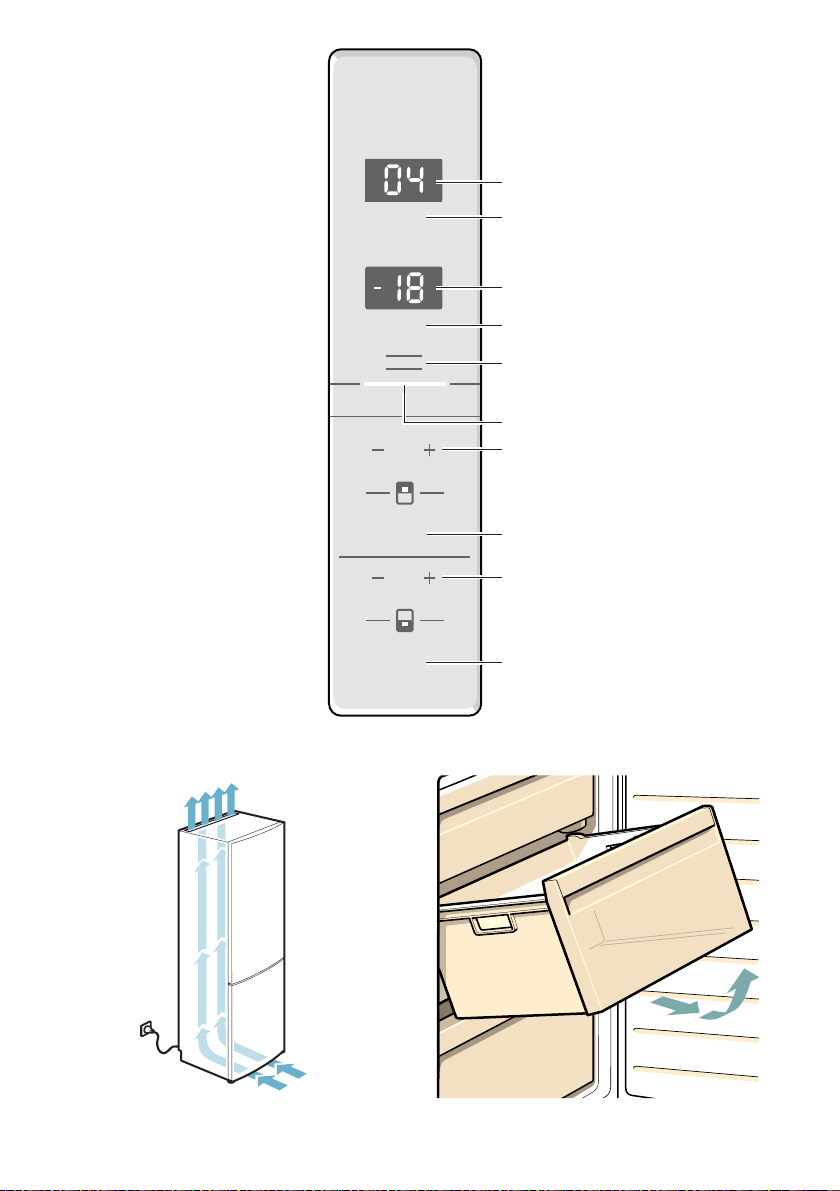
"
#$
°C
super
super
super
super
alarm off
Touch Technology
(
0
8
@
H
X
P
`
h
)"
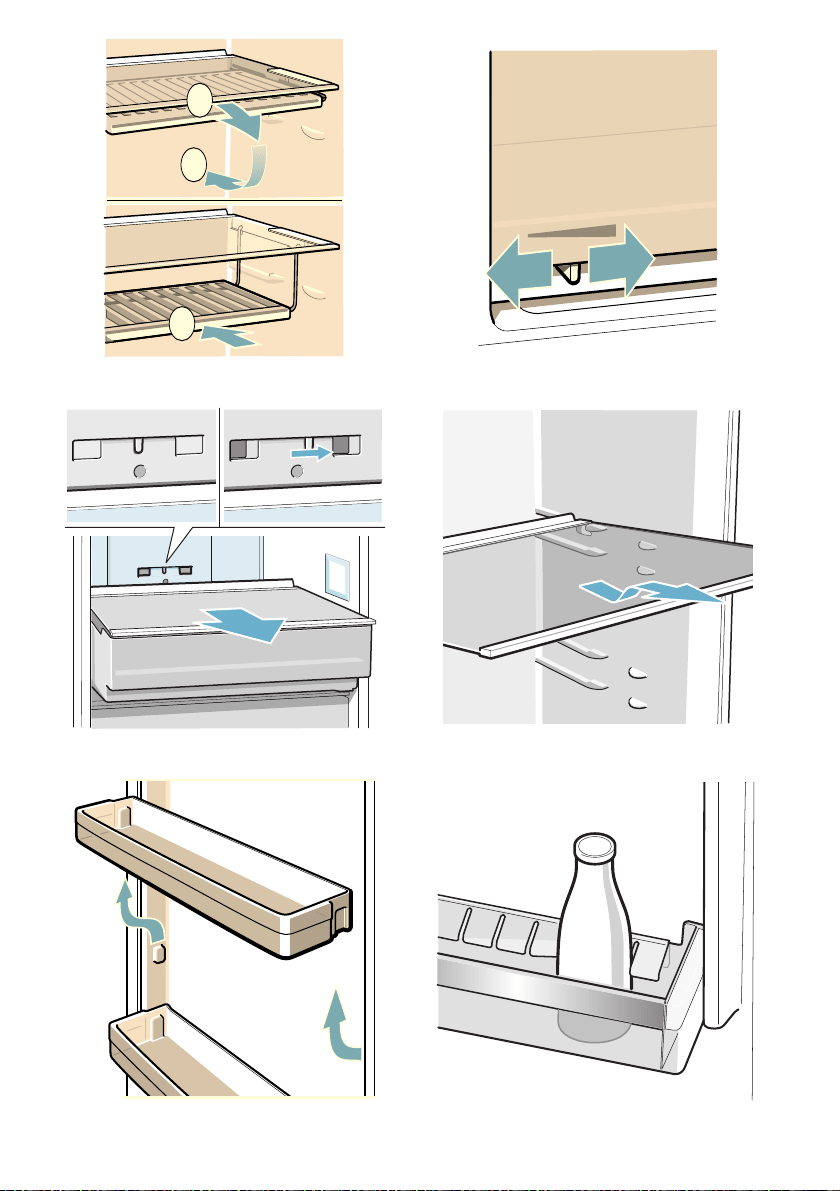
%&
'(
)*
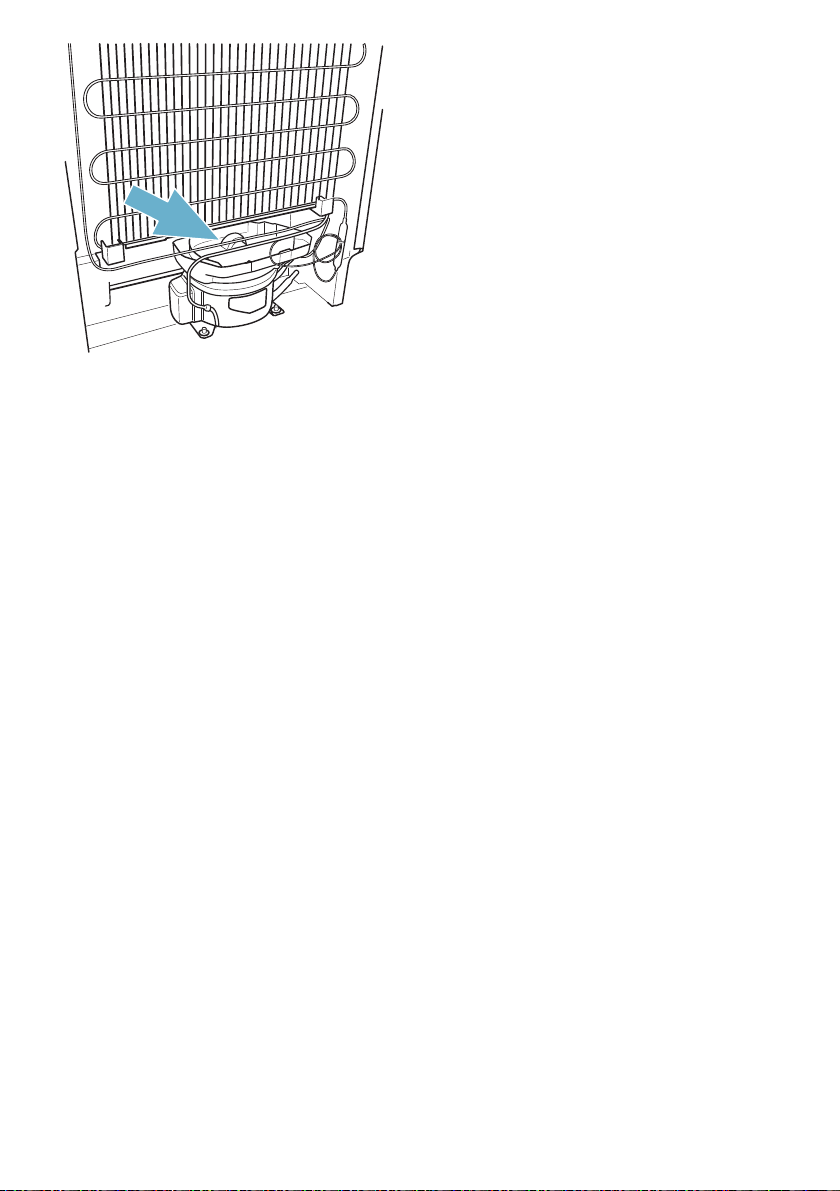
+
*9001171778*
9001171778 (9512)
de, en, fr, it, nl