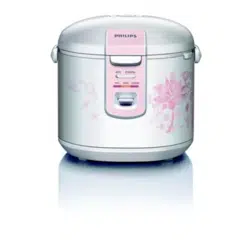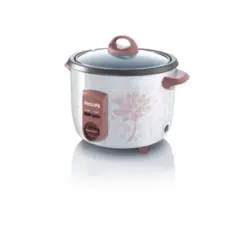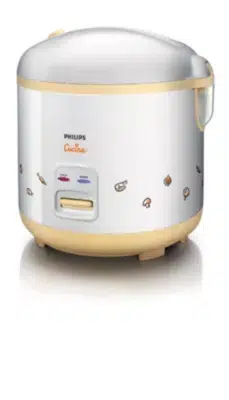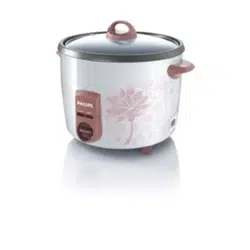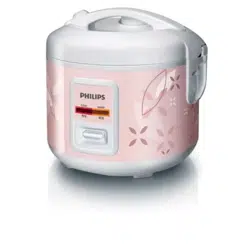
HD4729, HD4724
(
MAX
)
2 3 4 5
6
7 8 9
10 11 12 13
14
A
J
L
F
G
H
E
D
K
I
O
P
C
B
M
N
1
Chúc mừng bạn đã mua được sản phẩm Philips mới và chào mừng bạn đến
với Philips! Để có được lợi ích đầy đủ từ sự hỗ trợ do Philips cung cấp, hãy
đăng ký sản phẩm tại www.philips.com/welcome.
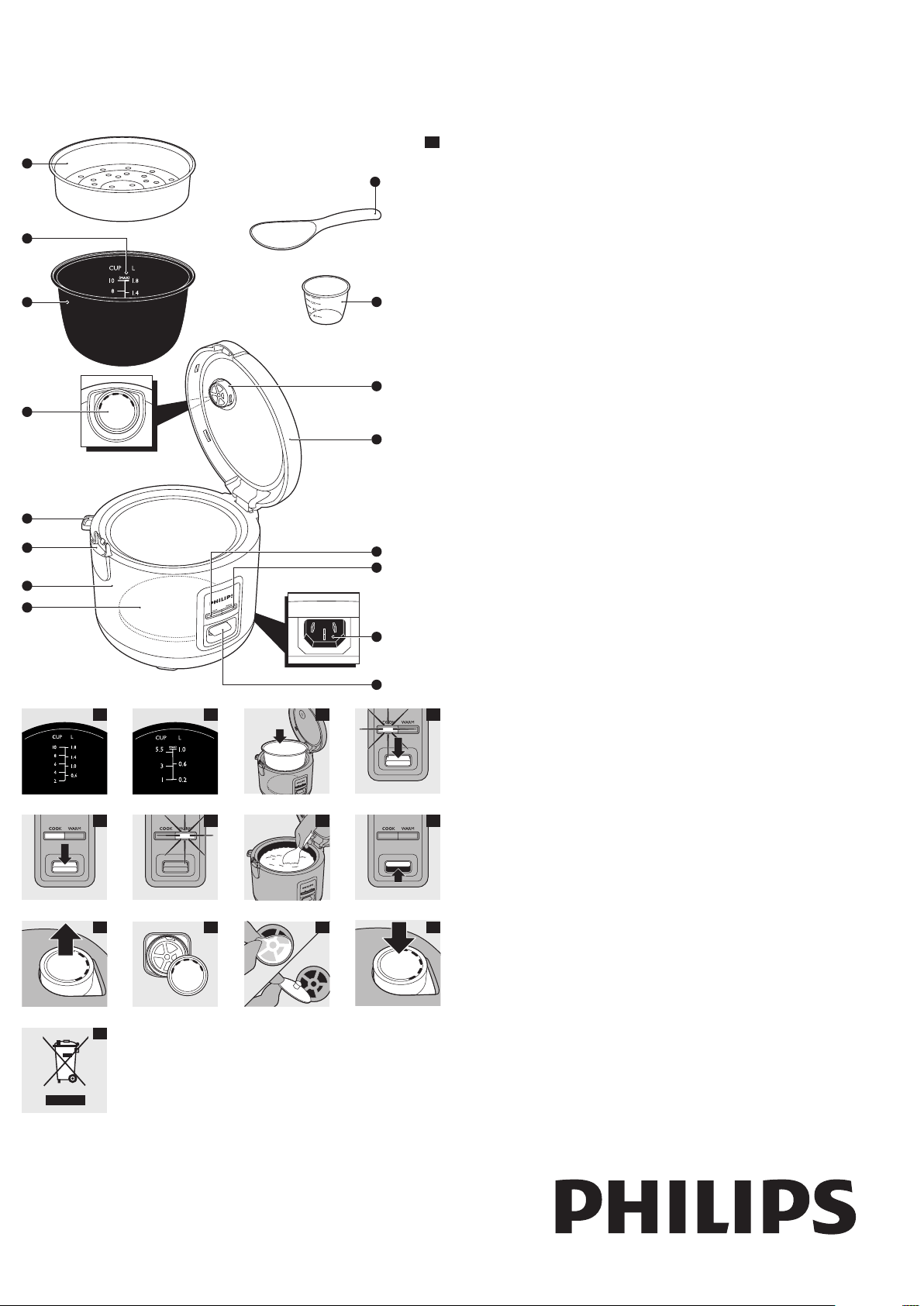
A Khay hấp
B Chỉ báo mức nước
C Nồi trong
D Nắp thông hơi có thể tháo rời có miếng đệm kín bằng cao su
E Bộ phận giữ muỗng
F Cần mở
G Thân chính
H Đế nhiệt
I Muỗng cơm
J Cc đnh lượng
K Lỗ thông hơi
L Nắp
M Đèn báo nấu cơm
N Đèn hâm nóng
O Ổ ni dây điện
P Cần điều khiển
Hãy đọc kỹ hướng dẫn sử dụng này trước khi sử dụng thiết b và cất giữ để
tiện tham khảo sau này.
- Không nhúng phần vỏ của nồi vào trong nước, hay rửa dưới vòi nước.
- Kiểm tra xem điện áp ghi trên máy có tương ứng với điện áp nguồn nơi
sử dụng trước khi bạn ni máy vào nguồn điện.
- Chỉ ni thiết b này vào cắm điện có dây tiếp đất. Luôn đảm bảo rằng
phích cắm được cắm cht vào điện.
- Không sử dụng bếp nếu phích cắm, dây điện nguồn hay chính bếp b hư.
- Nếu dây điện b hư hỏng, bạn nên thay dây điện tại trung tâm bảo
hành của Philips hoc các trung tâm bảo hành do Philips ủy quyền hoc
những nơi có khả năng và trnh độ tương đương để trành gây nguy hiểm.
- Thiết b này không dành cho người dùng (bao gồm cả trẻ em) có sức
khỏe kém, khả năng giác quan hoc có dấu hiệu tâm thần, hoc thiếu
kinh nghiệm và kiến thức, trừ khi họ được giám sát hoc hướng dẫn sử
dụng thiết b bởi người có trách nhiệm đảm bảo an toàn cho họ.
- Trẻ em phải được giám sát để đảm bảo rằng chúng không chơi đùa với
thiết b này.
- Để dây điện xa tầm tay trẻ em. Không để dây điện treo lơ lửng ngang
cạnh bàn hay mt bếp nơi đt bếp.
- Đảm bảo đế nhiệt, công tắc từ và mt ngoài của nồi trong luôn sạch sẽ
và khô trước khi cắm phích cắm vào điện.
- Không che lỗ thoát hơi nước và nắp trong khi nồi cơm điện đang hoạt
động.
- Không cắm phích cắm của thiết b vào điện hay sử dụng cần điều
khiển bằng tay ướt.
- Không sử dụng bất kỳ phụ kiện hoc bộ phận nào mà Philips không đc
biệt khuyên dùng. Nếu bạn sử dụng các phụ kiện hoc bộ phận không
pahỉ của Philips, việc bảo hành sẽ b mất hiệu lực.
- Chỉ sử dụng tha múc cơm đi kèm. Tránh sử dụng những dụng cụ sắc.
- Không để nồi dưới nhiệt độ cao, hay đt nồi lên bếp hay dụng cụ nấu
khác đang đun hoc vẫn còn nóng.
- Luôn đt nồi trong vào trước khi cắm phích cắm vào điện.
- Luôn rút phích cắm của nồi cơm điện ra và để cho nồi nguội trước khi
lau chùi.
- Không đt nồi trong trực tiếp lên ngọn lửa để nấu cơm.
- Bàn ủi này được thiết kế chỉ để dùng trong gia đnh. Nếu sử dụng thiết
b này không đúng cách hay dùng cho những mục đích chuyên nghiệp
hay bán chuyên nghiệp hoc nếu sử dụng thiết b này không theo hướng
dẫn, chế độ bảo hành sẽ b mất hiệu lực và Philips sẽ không chu trách
nhiệm đi với bất cứ hư hỏng nào gây ra.
- Đt nồi cơm điện này trên một mt phẳng nằm ngang,vững chắc và
bằng phẳng.
- Những bộ phận có thể tiếp xúc của thiết b này có thể trở nên rất nóng
khi thiết b đang hoạt động.
- Cẩn thận với hơi nước thoát ra từ lỗ thoát hơi nước trong khi nấu hoc
hơi nước trực tiếp từ trong nồi khi mở nắp.
- Luôn rút phích cắm điện của máy ra sau khi sử dụng.
- Không nhấc và di chuyển nồi cơm điện trong khi nồi cơm đang hoạt
động.
Thiết b Philips này tuân thủ tất cả các tiêu chuẩn liên quan đến các từ
trường điện (EMF). Nếu được sử dụng đúng và tuân thủ các hướng dẫn
trong sách hướng dẫn này, theo các bằng chứng khoa học hiện nay, việc sử
dụng thiết b này là an toàn.
Tháo tấm giữa nồi trong và bộ phận làm nóng.
1 Làmsạchkỹcácbộphậncủanồicơmđiệntrướckhisửdụnglầnđầu
tiên(xemchương‘Vệsinhmáy’).Đảmbảotấtcảcácbộphậnkhô
hoàntoàntrướckhibắtđầusửdụng.
1 Lưnggạođnấucơmbngchnđịnhlượnggạocấpkm.
Thông thường mỗi chén lường gạo có thể cho ra 2 bát cơm. Không nấu
nhiều hơn những s lượng được ghi ở trong nồi. 1 chén lường gạo có thể
tích khoảng 180ml.
Menu Thể tích/L Lượng gạo (chén) Thể tích/L Lượng gạo (chén)
Gạo trắng 1,0 1-5,5 1,8 2-10
2 Vogạothậtsạch.
Sử dụng một đồ đựng khác để vo gạo nhằm tránh làm hư hỏng lớp tráng
chng dính ở nồi trong.
3 Chogạođvosạchvàonồitrong.
4 Chonướcvàođnmcnướchướngdntrênthangphânchiacác
mcnướcnồitrong,chnmcnướctươngngvớislượngchn
gạosửdụng.Sauđlàmchobmtgạotrongnồibngđu.
Ví dụ, nếu bạn nấu 4 chén gạo, cho nước vào đến mức nước s 4 trên thang
phân chia các mức nước.
, HD4729(Hnh2)
, HD4724(Hnh3)
Lưu ý: Mc nưc đưc đnh du ni trong ny ch l mt mc nưc ch bo
tham kho; bn luôn luôn c th điu chnh mc nưc cho thch hp vi cc
loi go khc nhau v theo s thch ca riêng bn.
5 Nhấncầntháođmnắp.
6 Đtnồitrongvàonồicơmđiện.Kimtraxemnồitrongctipxc
ttvớibộphậnlàmnngcủathitbị(Hnh4).
Đảm bảo rằng mt ngoài của nồi trong khô ráo và sạch sẽ và không có vật
g hay cáu cn bám dính trên bề mt bộ phận làm nóng hay trên công tắc
tử.
7 Đậynắpnồinấucơmlại,cắmphíchcắmvàoổđiệnvàbậtcôngtắc
chínhcủanồicơmđiện.
, Đnbáonấucơmsẽsángđchobitthitbịđangđược
bật.(Hnh5)
8 ncầnđiukhinxungđbắtđầuquátrnhnấu(Hnh6).
Nếu không ấn cần điều khiển xung, nồi cơm điện sẽ tự động chuyển sang
chế độ hâm nóng. Đèn báo nấu cơm sẽ tắt và đèn hâm nóng sẽ sáng.
, Khinấuxongcơm,đnbáonấucơmsẽtắtvàđnhâmnngsẽ
sángđbáorngnồinấucơmđtựđộngchuynsangchđộhâm
nng(Hnh7).
9 Mnắpvàđảolênđlàmtơicơm(Hnh8).
Để có kết quả tt nhất, thực hiện bước này ngay sau khi nồi cơm điện
chuyển sang chế độ giữ nóng. Sau đó đậy cht nắp nồi lại. Đảo cơm cho
phép hơi nước còn thừa thoát ra ngoài. Làm như vậy cơm sẽ xp hơn.
10 Đngừngquátrnhnấucơmhocchđộgiữấm,gạtcầnđiukhin
lên,tắtcôngtắcchính,vàrtphíchcắmrakhỏiổđiện(Hnh9).
1 Đổlượngnướcbng3chnlưngvàonồitrong.
Lượng nước có thể thay đi tùy thuộc vào lượng thức ăn cần hấp.
Sẽ mất khoảng 8 phút để đun sôi 3 chén nước.
2 Chothcăncầnhấplênmộtcáiđiahaychovàotrongkhayhấp
thcăn.
Để đảm bảo hấp đều, hãy trải đều thức ăn và không chất đng.
3 Đtkhayhấpvàonồitrong.
2
4222.200.0249.3
Khi kết hợp cả hấp và nấu cơm, đảm bảo rằng bạn đo lượng gạo vừa để có
chỗ cho khay hấp. Thức ăn được hấp sẽ sẵn sàng để dùng khi nấu xong cơm.
4 Nusửdụngđiariêng,hyđtđĩavàotrongkhayhấpthcăn.
5 Thựchiệntheocácbướctừ7đn10trongmục‘Nấucơm’.
, Đnbáonấucơmsẽsángvàquátrnhhấpsẽbắtđầu.
, Thcănhấpsẽsnsàngkhiquátrnhnấucơmktthc.
6 Mnắpnồiravàcnthậnlấythcănhấprakhỏiđiahaykhayhấp
thcăn.Sửdụnggăngtaynhàbphayvảivđiahaykhayhấpthcăn
sẽrấtnng.
Hycnthậnvớihơinướcnng.
7 Đngừngquátrnhhấp,hygạtcầnđiukhinlên,tắtcôngtắcchính,
vàrtphíchcắmrakhỏiổđiện(Hnh9).
Chế độ này cho phép bạn giữ ấm cơm trong một khoảng thời gian dài.
Khi nấu xong cơm, nồi cơm sẽ tự động chuyển sang chế độ hâm nóng. Đèn
báo nấu cơm sẽ tắt và đèn hâm nóng sẽ sáng.
Chúng tôi khuyên bạn không nên để chế độ hâm nóng cơm quá 12 tiếng
để giữ cơm được ngon.
Đèn báo nấu cơm thỉnh thoảng có thể bật sáng để cho biết nhiệt độ trong
nồi nấu cơm đã xung thấp và bộ phận làm nóng đã được bật để làm nóng
nồi nấu cơm đến nhiệt độ hâm nóng thích hợp.
Để ngừng quá hâm nóng, hãy gạt cần điều khiển lên, tắt công tắc chính, và
rút phích cắm ra khỏi điện.
Rtphíchcắmcủanồicơmđiệnrakhỏiổcắmđiệntrướckhilàmsạch
nồi.
Chchotớikhinồicơmđiệnđủnguộitrướckhilàmsạch.
Để bảo vệ lớp chng dính của nồi trong, không:
- sử dụng nồi trong để rửa chén;
- đ giấm vào nồi.
1 Lấykhayhấpvànồitrongrakhỏithânchínhcủathitbị.
2 Dùngvảimđlausạchnắptrongvàphầnbênngoàicũngnhưbên
ngoàicủathânnồicơmđiện.Lausạchbộphậnlàmnngbngvảikhô.
Khôngnhngphầnthânnồivàotrongnước,hayrửadướivòinước.
3 Kobộphậnthônghơilênđtháonrakhỏinắpngoài.(Hnh10)
4 Tháonắpthônghơirakhỏibộphậnthônghơi(Hnh11).
5 Tháomingđệmkínbngcaosurakhỏibộphậnthônghơi(Hnh12).
6 Vệsinhnồitrong,khayhấp,thacơmnắpthônghơi,bộphạnthông
hơivàmingđệmkínbngcaosubngmingxphocgiẻlautrong
nướcnngvớimộtítnướcrửachn.
Khôngsửdụngnhữngchấtlàmsạchctínhănmòn,máyrửachnhay
dụngcụkimloạiđlàmsạchnồitrongvnhữngthnàysẽlàmhỏnglớp
chngdínhcủanồitrong.
7 Lắplạimingđệmkínbngcaosuvàobộphậnthônghơi.
8 Vnnắpthônghơivàolạibộphậnthônghơi.(Hnh13)
9 Đtbộphậnthônghơitrlạinắpngoàivàấnchtxung.
- Không vứt thiết b cùng chung với chất thải gia đnh thông thường khi
ngừng sử dụng nó. Hãy đem nó đến điểm thu gom chính thức để tái
chế. Làm như thế, bạn sẽ giúp bảo vệ môi trường (Hnh 14).
Nếu bạn cần biết dch vụ, thông tin hay gp trục trc, vui lòng vào website
của Philips tại www.philips.com hoc liên hệ với Trung Tâm Chăm Sóc
Khách Hàng của Philips ở nước bạn (bạn sẽ tm thấy s điện thoại của Trung
tâm trong tờ bảo hành khắp thế giới). Nếu không có Trung Tâm Chăm Sóc
Khách Hàng tại quc gia của bạn, hãy liên hệ với đại lý Philips tại đa phương
bạn.
Nếu nồi cơm điện không hoạt động bnh thường hoc chất lượng nấu
không tt, hãy tham khảo bảng sau đây. Nếu bạn không thể giải quyết được
vấn đề, vui lòng liên hệ với Trung Tâm Chăm Sóc Khách Hàng của Philips
trong nước của bạn.
Vấn đề Nguyên nhân Giải pháp
Đèn báo
nấu cơm
không bật
sáng.
Có vấn đề về
dây ni hay
phích cắm
điện.
Kiểm tra xem nồi cơm đã được ni với
nguồn điện và phích cắm đã được cắm
cht vào điện chưa.
Đèn báo b
trục trc.
Mang thiết b đến đại lý Philips của bạn
hoc trung tâm dch vụ được ủy quyền
bởi Philips.
Đèn hâm
nóng không
bật sáng khi
quá trnh
nấu kết thúc.
Đèn báo b
trục trc.
Mang thiết b đến đại lý Philips của bạn
hoc trung tâm dch vụ được ủy quyền
bởi Philips.
Nước chảy
ra từ nồi
trong khi
nấu.
Đã có quá
nhiều nước
được sử dụng
để nấu cơm.
Nhớ cho nước vào đến mức nước hướng
dẫn trên thang phân chia các mức nước
ở nồi trong, chọn mức nước tương ứng
với s lượng chén gạo sử dụng. Đảm bảo
nước không vượt quá mức tiếp theo trên
thang, v làm như vậy có thể làm cho nước
trào ra ngoài trong khi nấu.
Cơm không
chín.
Không có đủ
nước.
Cho thêm nước theo thang phân chia các
mức nước ở nồi trong (xem chương ‘Cách
sử dụng thiết b’).
Quá trnh nấu
không bắt
đầu.
Bạn quên không ấn cần điều khiển xung
để bắt đầu quá trnh nấu.
Nồi trong
không tiếp
xúc tt với
bộ phận làm
nóng.
Đảm bảo rằng không có vật lạ trên bộ
phận làm nóng.
Bộ phận làm
nóng b hư
hỏng.
Mang thiết b đến đại lý Philips của bạn
hoc trung tâm dch vụ được ủy quyền
bởi Philips.
Cơm quá
cứng.
Đã không
dùng đủ nước
để nấu cơm.
Cho nước vào nhiều hơn một chút so với
mức nước được chỉ báo trên thang phân
chia các mức nước ở nồi trong, chọn mức
nước tương ứng với s lượng chén gạo
sử dụng. Đảm bảo nước không vượt quá
mức tiếp theo trên thang, v làm như vậy
có thể làm cho nước trào ra ngoài trong
khi nấu.
Cơm quá
mềm.
Đã có quá
nhiều nước
được sử dụng
để nấu cơm.
Nhớ đ nước theo thang phân chia các
mức nước ở nồi trong (xem chương ‘Cách
sử dụng thiết b’).
Cơm b khét. Gạo chưa
được vo sạch
tt.
Rửa sạch gạo đến khi nước vo gạo trong
hoàn toàn.
Nồi nấu
cơm không
tự động
chuyển sang
chế độ hâm
nóng.
Bộ điều khiển
nhiệt độ b
hư hỏng.
Mang thiết b đến đại lý Philips của bạn
hoc trung tâm dch vụ được ủy quyền
bởi Philips.
3
4222.200.0249.3
Pendahuluan
Selamat atas pembelian Anda dan selamat datang di Philips! Untuk
memanfaatkan sepenuhnya dukungan yang ditawarkan Philips, daftarkan
produk Anda di www.philips.com/welcome.
Gambaran umum (Gbr. 1)
A Baki kukusan
B Indikator ukuran air
C Panci bagian dalam
D Tutup lubang uap yang dapat dilepas dengan bantalan segel karet
E Tempat sendok nasi
F Tuas pembuka
G Kabel alat
H Elemen pemanas
I Sendok nasi
J Gelas ukur
K Lubang uap
L Tutup
M Lampu Cook [masak]
N Lampu Warm [hangat]
O Sambungan kabel listrik
P Tuas kontrol
Penting
Bacalah petunjuk pengguna ini secara saksama sebelum Anda menggunakan
alat dan simpan untuk referensi di kemudian hari.
Bahaya
- Jangan sekali-kali merendam wadah penanak nasi di dalam air, atau
membilasnya di bawah keran.
Peringatan
- Periksalah apakah voltase pada alat sesuai dengan voltase listrik di rumah
Anda, sebelum menghubungkan alat.
- Alat hanya boleh dihubungkan ke stopkontak dinding yang telah
dibumikan. Selalu pastikan steker masuk dengan pas ke stopkontak
dinding.
- Jangan gunakan alat ini jika steker, kabel listrik atau alatnya sendiri rusak.
- Jika kabel listrik rusak, maka harus diganti oleh Philips, pusat servis resmi
Philips atau orang yang mempunyai keahlian sejenis agar terhindar dari
bahaya.
- Alat ini tidak dimaksudkan untuk digunakan oleh orang (termasuk anak-
anak) dengan cacat sik, indera atau kecakapan mental yang kurang,
atau kurang pengalaman dan pengetahuan, kecuali jika mereka diberikan
pengawasan atau petunjuk mengenai penggunaan alat oleh orang yang
bertanggung jawab bagi keselamatan mereka.
- Anak kecil harus diawasi untuk memastikan mereka tidak bermain-main
dengan alat ini.
- Jauhkan kabel listriknya dari jangkauan anak-anak. Jangan biarkan kabel
listrik tergantung di tepi meja atau tempat alat berada.
- Pastikan elemen pemanas, sakelar magnet dan bagian luar panci dalam,
bersih dan kering sebelum menancapkan steker ke stopkontak dinding.
- Jangan menutupi lubang uap sewaktu penanak nasi sedang bekerja.
- Jangan tancapkan steker pada alat atau mengoperasikan tuas kontrol
dengan tangan basah.
Perhatian
- Jangan sekali-kali menggunakan aksesori atau komponen apa pun dari
produsen lain atau yang tidak secara khusus direkomendasikan oleh
Philips. Jika Anda menggunakan aksesori atau komponen tersebut,
garansi Anda menjadi batal.
- Hanya gunakan sendok nasi yang disediakan. Hindari menggunakan
peralatan yang tajam.
- Jangan biarkan penanak nasi terkena suhu yang tinggi atau
menempatkannya di atas kompor atau alat memasak lainnya yang
sedang bekerja atau masih panas.
- Selalu masukkan pot bagian dalam sebelum Anda menancapkan steker
ke stopkontak dinding.
- Sebelum membersihkannya, selalu cabut steker penanak nasi dan tunggu
sampai dingin.
- Jangan menempatkan panci bagian dalam secara langsung di atas nyala
api untuk memasak nasi.
- Alat ini dimaksudkan untuk penggunaan rumah tangga saja. Jika alat ini
digunakan tidak sebagaimana layaknya atau untuk tujuan profesional
atau semi-profesional, atau digunakan dengan cara yang tidak sesuai
dengan petunjuknya, maka garansi menjadi tidak berlaku dan Philips
tidak bertanggung jawab atas setiap kerusakan yang disebabkannya.
- Tempatkan penanak nasi pada permukaan yang stabil, horisontal dan
rata.
- Permukaan alat akan menjadi panas pada saat dioperasikan.
- Hati-hati, ada uap panas yang keluar dari lubang uap penanak nasi
sewaktu memasak atau sewaktu Anda membuka tutupnya.
- Selalu mencabut steker setiap kali selesai menggunakan alat.
- Jangan mengangkat dan memindahkan penanak nasi dengan
menggenggam pegangannya saat alat masih bekerja.
Medan elektromagnet (EMF)
Alat Philips ini mematuhi semua standar yang berkenaan dengan medan
elektromagnet (EMF). Jika ditangani dengan benar dan sesuai dengan
instruksi petunjuk pengguna ini, alat tersebut aman digunakan berdasarkan
pada bukti ilmiah yang kini tersedia.
Sebelum menggunakan alat pertama kali.
Lepaskan lapisan antara panci bagian dalam dan elemen pemanas.
1 Bersihkan tiap-tiap bagian penanak nasi dengan saksama sebelum
menggunakan alat pertama kali (lihat bab ‘Membersihkan’). Pastikan
semua bagian benar-benar kering sebelum Anda mulai menggunakan
alat ini.
Menggunakan alat
Memasak nasi
1 Takar nasi dengan gelas ukur yang sudah disediakan.
Tiap cangkir beras biasanya menghasilkan 2 cangkir nasi. Jangan melewati
takaran yang ada pada panci bagian dalam. 1 cangkir beras sekitar 180 ml.
Takaran beras untuk menanak nasi:
Menu Volume/L Takaran beras
(cangkir)
Volume/L Takaran beras
(cangkir)
Beras
putih
1,0 1-5,5 1,8 2-10
2 Cuci beras sampai bersih.
Gunakan wadah lain untuk mencuci beras agar tidak merusak lapisan anti
lengket pada panci bagian dalam.
3 Masukkan beras yang sudah dicuci sebelumnya ke panci bagian dalam.
4 Tambahkan air sampai ukuran yang ditunjukkan pada skala di bagian
dalam panci sesuai dengan jumlah cangkir beras yang dipakai. Lalu
ratakan permukaan beras.
Misalnya, untuk 4 cangkir beras, tambahkan air hingga seukuran 4 cangkir
yang ditunjukkan pada skala.
, HD4729 (Gbr. 2)
, HD4724 (Gbr. 3)
Catatan: Ukuran yang tertera pada panci bagian dalam hanya sebagai
panduan saja; Anda boleh saja menyesuaikan ukuran air dengan jenis beras
yang berbeda sesuai selera.
5 Tekan tuas pelepas untuk membuka tutupnya.
6 Masukkan panci bagian dalam ke penanak nasi. Periksa apakah panci
bagian dalam sudah pas menempel ke elemen pemanas (Gbr. 4).
Pastikan bagian luar panci bagian dalam sudah kering dan bersih dan tidak
ada benda apa pun pada elemen pemanas atau saklar magnetik.
7 Tutup kembali penanak nasi, pasang steker ke stopkontak dinding dan
hidupkan alat.
, Lampu masak menyala yang menandakan bahwa alat bekerja. (Gbr. 5)
8 Tekan tuas kontrol ke bawah untuk memulai proses memasak (Gbr. 6).
Jika Anda tidak bisa menekan tuas kontrol, penanak nasi akan secara
otomatis beralih ke modus keep-warm. Lampu cook [masak] akan padam
dan lampu warm menyala.
, Apabila proses memasak sudah selesai, lampu cook padam dan lampu
warm yang menandakan bahwa penanak nasi sudah secara otomatis
beralih ke fungsi keep-warm (Gbr. 7).
9 Buka tutupnya dan aduk-aduk agar nasi tidak lengket (Gbr. 8).
Untuk hasil terbaik, lakukan ini setelah penanak nasi beralih ke fungsi keep-
warm. Kemudian tutup kembali rapat-rapat. Dengan mengaduk-aduk nasi,
uap yang berlebih akan keluar. Dengan cara ini, nasi bisa menjadi lebih pulen.
10 Untuk mengakhiri proses memasak atau fungsi keep-warm, naikkan
tuas kontrol, matikan listrik dan lepaskan steker dari stopkontak di
dinding (Gbr. 9).
Mengukus
1 Takar 3 cangkir air dengan gelas ukur dan tuangkan ke panci bagian
dalam.
Banyaknya air bervariasi, tergantung banyaknya makanan yang akan dikukus.
INDONESIA
4
4222.200.0249.3
Ini akan berlangsung sekitar 8 menit untuk 3 cangkir air hingga mendidih.
2 Letakkan makanan yang akan dikukus pada piring atau baki kukusan.
Untuk memastikan pengukusan yang merata, sebarkan makanan hingga
merata dan jangan menumpuknya.
3 Taruh baki kukusan di dalam panci.
Apabila Anda mengkombinasikan mengukus dan menanak nasi, pastikan
takaran beras Anda akan menyisakan ruang untuk baki kukusan. Makanan
yang dikukus akan siap apabila proses menanak nasi sudah selesai.
4 Jika Anda menggunakan piring lain, letakkan piring itu dalam baki
kukusan.
5 Ikuti langkah 7 hingga 10 dalam bagian ‘Menanak nasi’.
, Lampu cook [masak] akan menyala dan memulai proses pengukusan.
, Makanan yang dikukus akan siap setelah proses menanak nasi selesai.
6 Buka tutup lalu dengan hati-hati, keluarkan makanan yang dikukus
dari baki kukusan atau piring. Gunakan sarung tangan dapur atau kain,
karena baki kukusan dan piring sangat panas.
Hati-hati dengan uap panas.
7 Untuk mengakhiri proses mengukus, naikkan tuas kontrol, matikan
listrik dan cabut steker dari stopkontak dinding (Gbr. 9).
Menghangatkan
Dengan fungsi ini Anda dapat selalu menghangatkan nasi untuk jangka waktu
yang lebih lama.
Apabila proses menanak nasi selesai, penanak nasi secara otomatis beralih
ke fungsi tetap hangat. Lampu cook [masak] padam dan lampu keep-warm,
menyala.
Kami sarankan Anda tidak menghangatkan lebih dari 12 jam agar rasanya
tidak hilang.
Lampu cook [masak] mungkin akan menyala sesekali untuk menandakan
bahwa suhu di dalam penanak nasi sudah terlalu rendah dan pelat pemanas
telah dinyalakan untuk memanaskan penanak nasi ke suhu tetap-hangat.
Untuk mengakhiri mode keep-warm, naikkan tuas kontrol, matikan listrik dan
lepaskan steker dari stopkontak dinding.
Membersihkan
Cabut steker penanak nasi sebelum membersihkannya.
Tunggu sampai penanak nasi sudah cukup dingin sebelum
membersihkannya.
Untuk melindungi lapisan anti-lengket panci bagian dalam, jangan:
- menggunakan panci bagian dalam untuk mencuci piring;
- menuangkan cuka ke dalam panci.
1 Keluarkan baki kukusan dan panci bagian dalam dari badan alat.
2 Gunakan kain lembab untuk mengelap bagian dalam penutup dan
bagian luar dan dalam wadah penanak nasi. Lap elemen pemanas
dengan kain kering.
Jangan sekali-kali merendam wadah penanak nasi di dalam air, atau
membilasnya di bawah keran.
3 Tarik tutup lubang uap ke atas untuk melepasnya dari tutup
luar. (Gbr. 10)
4 Putar tutup lubang uap untuk melepaskannya dari lubang
uang (Gbr. 11).
5 Lepaskan bantalan segel karet dari lubang uap (Gbr. 12).
6 Bersihkan panci bagian dalam, baki kukusan sendok nasi, dan tutup
lubang uap dengan spons atau kain yang dibasahi air panas dengan
cairan pembersih.
Jangan gunakan bahan pembersih yang keras, sabut gosok atau perkakas
logam untuk membersihkan panci bagian dalam karena bisa merusak
lapisan anti-lengketnya pada panci bagian dalam.
7 Pasang kembali bantalan segel karet dari lubang uap.
8 Putar kembali tutup tangki uap ke dalam lubang uap. (Gbr. 13)
9 Tempatkan lubang uap kembali ke tutup luar dan dorong ke bawah
hingga terpasang erat.
Lingkungan
- Jangan membuang alat bersama limbah rumah tangga biasa jika alat
sudah tidak bisa dipakai lagi, tetapi serahkan ke tempat pengumpulan
barang bekas yang resmi untuk didaur ulang. Dengan melakukan hal ini,
Anda ikut membantu melestarikan lingkungan (Gbr. 14).
Garansi & servis
Jika Anda butuh servis atau informasi atau mengalami masalah, harap
kunjungi situs web Philips di www.philips.com atau hubungi Pusat Layanan
Konsumen Philips di negara Anda (Anda dapat menemukan nomor
teleponnya dalam leaet garansi internasional). Jika tidak ada Pusat Layanan
Konsumen di negara Anda, kunjungi dealer Philips setempat.
Pemecahan Masalah
Jika penanak nasi tidak berfungsi sebagaimana mestinya atau jika kualitas
masakan kurang baik, lihat tabel di bawah. Jika Anda tidak dapat mengatasi
masalah, harap hubungi Pusat Layanan Pelanggan Philips di negara Anda.
Masalah Penyebab Solusi
Lampu
cook tidak
menyala.
Ada masalah
sambungan.
Periksa apakah penanak nasi sudah
terhubung ke listrik dan steker sudah
dimasukkan dengan pas ke dalam
stopkontak dinding.
Lampu rusak. Bawalah alat ke dealer Philips Anda
atau pusat servis resmi Philips.
Lampu
warm
[hangat]
tidak
menyala
ketika proses
memasak
sudah selesai.
Lampu rusak. Bawalah alat ke dealer Philips Anda
atau pusat servis resmi Philips.
Air
menciprat
dari alat
selama
menanak
nasi.
Terlalu banyak air
yang digunakan
selama menanak
nasi.
Pastikan menambahkan air sampai
ukuran yang ditunjukkan pada skala
di bagian dalam panci sesuai dengan
jumlah cangkir beras yang dipakai.
Pastikan air tidak melebihi ukuran
berikutnya pada skala karena hal ini
dapat menyebabkan meluap selama
menanak.
Nasi tidak
matang.
Air yang
ditambahkan
kurang banyak.
Tambahkan air sesuai skala pada
panci bagian dalam (lihat bab
‘Menggunakan alat’).
Proses memasak
belum dimulai.
Anda tidak menekan ke bawah
tuas kontrol untuk memulai proses
memasak.
Panci bagian dalam
kurang menempel
ke elemen
pemanas.
Pastikan tidak ada benda asing pada
elemen pemanas.
Elemen pemanas
rusak.
Bawalah alat ke dealer Philips Anda
atau pusat servis resmi Philips.
Nasi yang
ditanak
terlalu keras.
Tidak cukup air
yang digunakan
selama menanak
nasi.
Tambahkan sedikit air lagi sampai
ukuran yang ditunjukkan pada skala
di bagian dalam panci sesuai dengan
jumlah cangkir beras yang dipakai.
Pastikan air tidak melebihi ukuran
berikutnya pada skala karena hal ini
dapat menyebabkan meluap selama
menanak.
Nasi yang
ditanak
terlalu
lembek.
Terlalu banyak air
yang digunakan
selama menanak
nasi.
Pastikan menambahkan air sesuai
skala pada panci bagian dalam (lihat
bab ‘Menggunakan alat’).
Nasi gosong. Beras belum dicuci
dengan baik.
Cuci beras hingga air bekas cucian
habis.
Penanak nasi
tidak secara
otomatis
beralih ke
fungsi keep-
warm.
Kontrol suhu rusak. Bawalah alat ke dealer Philips Anda
atau pusat servis resmi Philips.
5
4222.200.0249.3

Introduction
Congratulations on your purchase and welcome to Philips! To fully benet
from the support that Philips offers, register your product at www.philips.
com/welcome.
General description (Fig. 1)
A Steam tray
B Water level indication
C Inner pot
D Detachable steam vent cap with rubber sealing pad
E Scoop holder
F Release lever
G Main body
H Heating element
I Rice scoop
J Measuring cup
K Steam vent
L Lid
M Cook light
N Warm light
O Mains cord connection
P Control lever
Important
Read this user manual carefully before you use the appliance and save it for
future reference.
Danger
- Never immerse the housing of the rice cooker in water, nor rinse it
under the tap.
Warning
- Check if the voltage indicated on the appliance corresponds to the local
mains voltage before you connect the appliance.
- Only connect the appliance to an earthed wall socket. Always make
sure that the plug is inserted rmly into the wall socket.
- Do not use the appliance if the plug, the mains cord or the appliance
itself is damaged.
- If the mains cord is damaged, it must be replaced by Philips, a service
centre authorised by Philips or similarly qualied persons in order to
avoid a hazard.
- This appliance is not intended for use by persons (including children)
with reduced physical, sensory or mental capabilities, or lack of
experience and knowledge, unless they have been given supervision or
instruction concerning use of the appliance by a person responsible for
their safety.
- Children should be supervised to ensure that they do not play with the
appliance.
- Keep the mains cord out of the reach of children. Do not let the
mains cord hang over the edge of the table or worktop on which the
appliance stands.
- Make sure the heating element, the magnetic switch and the outside
of the inner pot are clean and dry before you put the plug in the wall
socket.
- Do not cover the steam vent and the lid while the rice cooker is
operating.
- Do not plug in the appliance or operate the control lever with wet
hands.
Caution
- Never use any accessories or parts from other manufacturers or that
Philips does not specically recommend. If you use such accessories or
parts, your guarantee becomes invalid.
- Only use the rice scoop provided. Avoid using sharp utensils.
- Do not expose the rice cooker to high temperatures, nor place it on a
working or still hot stove or cooker.
- Always insert the inner pot before you put the plug in the wall socket.
- Always unplug the rice cooker and let it cool down before you clean it.
- Do not place the inner pot directly over an open re to cook rice.
- This appliance is intended for household use only. If the appliance is
used improperly or for professional or semi-professional purposes or
if it is not used according to the instructions in this user manual, the
guarantee becomes invalid and Philips refuses liability for any damage
caused.
- Place the rice cooker on a stable, horizontal and level surface.
- The accessible surfaces may become hot when the appliance is in
operation.
- Beware of hot steam coming out of the steam vent during cooking or
out of the rice cooker when you open the lid.
- Always unplug the appliance after use.
- Do not lift and move the rice cooker by its handle while it is operating.
Electromagnetic elds (EMF)
This Philips appliance complies with all standards regarding electromagnetic
elds (EMF). If handled properly and according to the instructions in this
user manual, the appliance is safe to use based on scientic evidence
available today.
Before first use
Remove the sheet between the inner pot and the heating element.
1 Clean the parts of the rice cooker thoroughly before you use the
appliance for the rst time (see chapter ‘Cleaning’). Make sure all
parts are completely dry before you start using the appliance.
Using the appliance
Cooking rice
1 Measure the rice with the measuring cup provided.
Each cup of uncooked rice normally gives 2 bowls of cooked rice. Do not
exceed the quantities indicated on the inside of the inner pot. 1 cup of rice
is approx. 180ml.
Quantity for rice cooking:
Menu Volume/L Quantity of rice
(cups)
Volume/L Quantity of rice
(cups)
White
rice
1.0 1-5.5 1.8 2-10
2 Wash the rice thoroughly.
Use a separate container to wash the rice to avoid damaging the non-stick
coating of the inner pot.
3 Put the pre-washed rice in the inner pot.
4 Add water to the level indicated on the scale inside the inner pot that
corresponds to the number of cups of rice used. Then smooth the
rice surface.
For instance, if you cook 4 cups of rice, add water up to the 4-cup level
indicated on the scale.
, HD4729 (Fig. 2)
, HD4724 (Fig. 3)
Note: The level marked inside the inner pot is just an indication; you can always
adjust the water level for different types of rice and your own preference.
5 Press the release lever to open the lid.
6 Put the inner pot in the rice cooker. Check if the inner pot is in
proper contact with the heating element (Fig. 4).
Make sure that the outside of the inner pot is dry and clean and that there
is no foreign residue on the heating element or the magnetic switch.
7 Close the lid of the rice cooker, put the plug in the wall socket and
switch on the mains.
, The cook light goes on to indicate that the appliance is on. (Fig. 5)
8 Press the control lever down to start the cooking process (Fig. 6).
If you fail to press down the control lever, the rice cooker automatically
switches to the keep-warm mode. The cook light goes out and the warm
light goes on.
, When the cooking process is nished, the cook light goes out and the
warm light goes on to indicate that the rice cooker has automatically
switched to the keep-warm mode (Fig. 7).
9 Open the lid and stir the rice to loosen it (Fig. 8).
For the best results, do this just after the rice cooker has switched to keep-
warm mode. Then close the lid rmly. Stirring the rice allows excess steam
to escape. This gives ufer rice.
10 To end the cooking process or keep-warm mode, pull up the control
lever, switch off the mains and remove the mains plug from the wall
socket (Fig. 9).
Steaming
1 Measure 3 cups of water with the measuring cup and pour the
water into the inner pot.
The amount of water varies according to the quantity of food being
steamed.
It takes approx. 8 minutes for 3 cups of water to come to the boil.
ENGLISH
6
4222.200.0249.3
2 Put the food to be steamed on a plate or in the steam tray.
To ensure even steaming, spread out the food evenly and do not pile it up.
3 Put the steam tray in the inner pot.
When you combine steaming and rice cooking, make sure you measure out
an amount of rice that leaves enough room for the steam tray. The steamed
food will be ready when the rice cooking process is nished.
4 If you use a separate plate, put it in the steam tray.
5 Follow steps 7 to 10 in section ‘Cooking rice’.
, The cook light goes on and the steaming process starts.
, The steamed food is ready when the rice cooking process is nished.
6 Open the lid and carefully remove the steamed food from the plate
or steam tray. Use a kitchen glove or a cloth, as the plate and the
steam tray are very hot.
Beware of the hot steam.
7 To end the steaming process, pull up the control lever, switch off the
mains and remove the mains plug from the wall socket (Fig. 9).
Keeping warm
This mode allows you to keep your rice warm for a longer period of time.
When the rice cooking process is nished, the rice cooker automatically
switches to the keep-warm mode. The cook light goes out and the keep-
warm light goes on.
We advise you to keep rice warm for not more than 12 hours so as to
preserve its taste.
The cook light may go on occasionally to indicate that the temperature
inside the rice cooker has become too low and the heating element
has switched on to heat up the rice cooker to the right keep-warm
temperature.
To end the keep-warm mode, pull up the control lever, switch off the mains
and remove the mains plug from the wall socket.
Cleaning
Unplug the rice cooker before you clean it.
Wait until the rice cooker has cooled down sufciently before you clean
it.
To protect the non-stick coating of the inner pot, do not:
- use the inner pot for washing dishes;
- put vinegar in the pot.
1 Take the steam tray and the inner pot out of the body of the
appliance.
2 Use a damp cloth to wipe the inner lid and the outside and inside
of the body of the rice cooker. Wipe the heating element with a dry
cloth.
Never immerse the body of the rice cooker in water, nor rinse it under
the tap.
3 Pull the steam vent upwards to remove it from the outer lid. (Fig. 10)
4 Unscrew the steam vent cap from the steam vent (Fig. 11).
5 Remove the rubber sealing pad from the steam vent (Fig. 12).
6 Clean the inner pot, steam tray, rice scoop, steam vent cap, steam vent
and rubber sealing pad with a sponge or a cloth in hot water with
some washing-up liquid.
Do not use abrasive cleaning agents, scourers or metal utensils to clean
the inner pot, as they damage the non-stick coating of the inner pot.
7 Reattach the rubber sealing pad to the steam vent.
8 Screw the steam vent cap back onto the steam vent. (Fig. 13)
9 Put the steam vent back into the outer lid and push it down rmly.
Environment
- Do not throw away the appliance with the normal household waste
at the end of its life, but hand it in at an ofcial collection point for
recycling. By doing this, you help to preserve the environment (Fig. 14).
Guarantee & service
If you need service or information or if you have a problem, please visit
the Philips website at www.philips.com or contact the Philips Consumer
Care Centre in your country (you nd its phone number in the worldwide
guarantee leaet). If there is no Consumer Care Centre in your country, go
to your local Philips dealer.
Troubleshooting
If the rice cooker does not function properly or if the cooking quality is
insufcient, consult the table below. If you are unable to solve the problem,
please contact the Philips Consumer Care Centre in your country.
Problem Cause Solution
The cook
light does not
go on.
There is a
connection
problem.
Check if the rice cooker is connected
to the mains and if the plug is inserted
rmly into the wall socket.
The light is
defective.
Take the appliance to your Philips dealer
or a service centre authorised by Philips.
The warm
light does not
go on when
the cooking
process is
nished.
The light is
defective.
Take the appliance to your Philips dealer
or a service centre authorised by Philips.
Water spills
out of the
appliance
during rice
cooking.
Too much
water was
used for
cooking rice.
Make sure that you add water to the
level indicated on the scale inside the
inner pot that corresponds to the
number of cups of rice used. Make sure
the water does not exceed the next level
on the scale as this may cause overow
during cooking.
The rice is
not cooked.
Not enough
water has
been added.
Add water according to the scale on
the inside of the inner pot (see chapter
‘Using the appliance’).
The cooking
process has
not started.
You have failed to press down the
control lever to start the cooking
process.
The inner
pot is not
properly in
contact with
the heating
element.
Make sure that there is no foreign
residue on the heating element.
The heating
element is
damaged.
Take the appliance to your Philips dealer
or a service centre authorised by Philips.
The rice is
cooked too
hard.
Not enough
water was
used for
cooking rice.
Add slightly more water to the level
indicated on the cale inside the inner pot
that corresponds to the number of cups
of rice used. Make sure the water does
not exceed the next level on the scale as
this may cause overow during cooking.
The rice is
cooked too
soft.
Too much
water was
used for
cooking rice.
Make sure you add water according to
the scale on the inside of the inner pot
(see chapter ‘Using the appliance’).
The rice is
scorched.
The rice has
not been
rinsed well.
Rinse the rice until water runs clear.
The rice
cooker
does not
automatically
switch to
keep-warm
mode.
The
temperature
control is
defective.
Take the appliance to your Philips dealer
or a service centre authorised by Philips.
7
4222.200.0249.3
บทนำ�
ขอแสดงความยินดีที่คุณสั่งซื้อและยินดีตอนรับสผลิตภัณฑของ Philips! เพื่อใหคุณไดรับประโยชนอยางเต็มที่จากบริการที่
Philips มอบให โปรดลงทะเบียนผลิตภัณฑของคุณที่ www.philips.com/welcome
สวนประกอบ (รูปที่ 1)
A ถาดสำาหรับนึ่งอาหาร
B ขีดแสดงระดับน
C หมอภายใน
D ฝาปดชองไอนถอดออกไดพรอมแผนซีลยาง
E ชองสำาหรับใสทัพพี
F ปุ่มคลายล็อค
G ตัวหมอ
H แผนทำาความรอน
I ทัพพีตักขาว
J ถวยตวง
K ชองระบายไอน
L ฝาปด
M สัญญาณไฟแสดงการหุงขาว
N สัญญาณไฟแสดงการอน
O ชองเชื่อมตอสายไฟ
P ปุ่มควบคุม
ขอควรจำ�
ควรอานคมืออยางละเอียดกอนใชงานและเก็บไวเพื่อใชอางอิงในครั้งตอไป
อันตร�ย
- หามจมหมอหุงขาวลงในนหรือเปดกอกนลาง
คำ�เตือน
- กอนใชงานโปรดตรวจสอบแรงดันไฟที่ระบุบนผลิตภัณฑวาตรงกับแรงดันไฟที่ใชภายในบานหรือไม
- เสียบปลั๊กไฟหมอหุงขาวเขากับเตารับบนผนังที่ตอสายดินไวเรียบรอยแลว จากนั้นตรวจดูใหแนใจอีกครั้งวาเสียบปลั๊กไฟ
เขากับเตารับบนผนังเรียบรอยแลวหรือไม
- หามใชเครื่อง หากปลั๊กไฟ สายไฟ หรือตัวเครื่องเกิดการชำารุด
- หากสายไฟหลักของเครื่องเสียหาย ควรนำาไปเปลี่ยนที่บริษัทฟลิปส, ศูนยบริการที่ไดรับอนุญาตจากฟลิปส หรือบุคคลที่ผา
นการอบรมจากฟลิปสดำาเนินการเปลี่ยนให เพื่อหลีกเลี่ยงอันตรายที่อาจเกิดขึ้นได
- ไมควรใหบุคคล (รวมทั้งเด็กเล็ก) ที่มีสภาพรางกายไมแข็งแรงหรือสภาพจิตใจไมปกติ หรือขาดประสบการณและความ
รความเขาใจ นำาอุปกรณนี้ไปใชงาน เวนแตจะอยในการควบคุมดูแลหรือไดรับคำาแนะนำาในการใชงานโดยผที่รับผิดชอบ
ในดานความปลอดภัย
- เด็กเล็กควรไดรับการดูแลเพื่อปองกันไมใหเด็กนำาอุปกรณนี้ไปเลน
- ควรเก็บสายไฟใหพนมือเด็ก ไมควรปลอยใหสายไฟหอยลงมาจากขอบโตะหรือบริเวณที่วางเครื่องตมกาแฟอย
- ตรวจดูใหแนใจวาแผนทำาความรอน เทอรโมสตัท และดานนอกของหมอในสะอาดและแหงกอนเสียบปลั๊กไฟเขากับเตา
รับบนผนัง
- หามปดชองระบายไอนและฝาหมอในขณะที่หมอหุงขาวทำางาน
- ไมควรใชมือเปยกเสียบปลั๊กไฟเครื่องหรือใชงานปุ่มควบคุม
ขอควรระวัง
- หามใชอุปกรณเสริม หรือชิ้นสวนที่ผลิตโดยผผลิตรายอื่น หรือบริษัทที่ฟลิปสไมไดแนะนำา การรับประกันจะเปนโมฆะ
ทันที หากคุณใชอุปกรณเสริม หรือชิ้นสวนดังกลาว
- ใชทัพพีตักขาวที่ใหมาเทานั้น ไมควรใชอุปกรณอื่นๆ ที่มีความคม
- ไมควรวางหมอหุงขาวลงบนบริเวณที่มีอุณหภูมิสูง หรือวางบนเตาไฟหรือเครื่องหุงตมที่กำาลังใชงานหรือที่มีความรอน
- ใสหมอในทุกครั้งกอนเสียบปลั๊กไฟเขากับเตารับบนผนัง
- ถอดปลั๊กไฟออกทุกครั้งหลังเลิกใชงาน แลวปลอยใหเย็นลงกอนทำาความสะอาด
- หามตั้งหมอในไวบนเตาไฟเพื่อหุงขาวโดยตรง
- หมอหุงขาวเครื่องนี้ใชภายในครัวเรือนเทานั้น หากนำาไปใชในทางการคาหรือกึ่งการคา หรือนำาไปใชโดยไมถูกตองตามคำา
แนะนำาการใชงานในคมือนี้ การรับประกันถือวาเปนโมฆะ และทางบริษัทฟลิปสจะไมรับผิดชอบคาเสียหายใดๆ ทั้งสิ้น
- วางหมอหุงขาวไวบนพื้นผิวที่เรียบและมั่นคง
- ขณะที่เครื่องกำาลังทำางานอย บริเวณรอบๆ พื้นที่วางหมออาจจะมีความรอน
- ควรระวังไอนพงออกจากชองระบายในระหวางหุงขาวหรือเมื่อเปดฝาหมอหุงขาว
- ถอดปลั๊กไฟออกทุกครั้งหลังเลิกใชงาน
- หามยกและเคลื่อนยายหมอหุงขาวโดยดึงดามจับขณะหมอหุงขาวทำางาน
Electromagnetic fields (EMF)
ผลิตภัณฑของฟลิปสไดมาตรฐานดานคลื่นแมเหล็กไฟฟา (EMF) หากมีการใชงานอยางเหมาะสมและสอดคลองกับคำาแนะนำา
ในคมือนี้ คุณสามารถใชผลิตภัณฑไดอยางปลอดภัยตามขอพิสูจนทางวิทยาศาสตรในปจจุบัน
กอนใชง�นครั้งแรก
ลอกแผนรองระหวางหมอในและแผนทำาความรอนออกกอน
1 ควรทำ�คว�มสะอ�ดหมอหุงข�วและอุปกรณต�งๆ กอนใชง�นในครั้งแรก (ดูไดจ�กบท ‘ก�รทำ�คว�มสะอ�ด’)
และควรเช็ดใหแหงกอนใชง�น
ก�รใชง�น
วิธีหุงข�ว
1 ตวงข�วดวยถวยตวงที่จัดให
ขาวสาร 1 ถวยสามารถหุงขาวสวยได 2 ชาม ทั้งนี้ไมควรตวงขาวสารเกินตำาแหนงที่ระบุไวภายในหมอ ขาวสาร 1 ถวยจะมี
ปริมาณราว 180 มิลลิลิตร
ปริม�ณข�วสำ�หรับก�รหุง:
เมนู ปริมาณ/ลิตร ปริมาณขาว (ถวย) ปริมาณ/ลิตร ปริมาณขาว (ถวย)
ขาวสวย 1.0 1-5.5 1.8 2-10
2 ซ�วข�วใหสะอ�ด
ไมควรใชหมอในซาวขาว เพราะผิวเคลือบอาจเสียหายได
3 เทข�วที่ซ�วเรียบรอยแลวลงในหมอใน
4 เติมนต�มระดับนที่แสดงอยภ�ยในหมอต�มจำ�นวนข�วที่ตวง จ�กนั้นเกลี่ยข�วที่จะหุงใหอยในระดับที่เสมอ
กัน
ตัวอยางเชน ถาหุงขาว 4 ถวยตวง ควรเติมนถึงระดับนเลข 4
, HD4729 (รูปที่ 2)
, HD4724 (รูปที่ 3)
หมายเหตุ: ระดับนที่แสดงภายในหมอเปนการคาดคะเนเทานั้น สามารถเติมนไดตามความตองการหรือตามชนิด
ของขาวที่หุง
5 กดปุ่มคล�ยล็อคเพื่อเปดฝ�
6 ว�งหมอในลงในหมอหุงข�ว ตรวจดูว�ว�งหมอในตรงกับแผนคว�มรอนแลวหรือยัง (รูปที่ 4)
ตรวจสอบใหแนใจวาดานนอกของหมอในแหงสะอาดและปราศจากสิ่งแปลกปลอมบนแผนความรอนหรือบนเทอรโมสตัท
7 ปดฝ�หมอหุงข�ว เสียบปลั๊กไฟแลวเปดสวิตชก�รทำ�ง�น
, สัญญ�ณไฟแสดงก�รหุงข�วจะสว�งขึ้น เมื่อหมอหุงข�วเริ่มทำ�ง�น (รูปที่ 5)
8 กดปุ่มควบคุมลง เพื่อเริ่มก�รหุงข�ว (รูปที่ 6)
หากไมสามารถกดปุ่มดังกลาวได หมอหุงขาวจะเขาสโหมดอนโดยอัตโนมัติ สัญญาณไฟแสดงการหุงขาวจะดับลงและสัญญาณ
ไฟแสดงการอนจะสวางแทน
, เมื่อหุงข�วเสร็จเรียบรอยแลว สัญญ�ณไฟหุงข�วจะดับลงและสัญญ�ณไฟอนข�วจะสว�งขึ้นแทน เพื่อ
ใหทร�บว�หมอหุงข�วเข�สโหมดอนรอนโดยอัตโนมัติเรียบรอยแลว (รูปที่ 7)
9 เปดฝ�และคนข�วไมใหติดกัน (รูปที่ 8)
เพื่อใหไดผลดีที่สุด ควรคนขาวทันทีหลังจากหมอหุงขาวเขาสโหมดอนรอน จากนั้นปดฝาใหสนิท การคนขาวนี้เปนการระบาย
ไอนสวนเกิน ซึ่งจะชวยใหขาวสวยรวนซุยยิ่งขึ้น
10 เมื่อหุงข�วเสร็จเรียบรอยแลวหรือออกจ�กโหมดอน ใหดันสวิตชควบคุมก�รทำ�ง�นขึ้น ปดสวิตชและถอดปลั๊ก
ไฟออกจ�กเต�รับ (รูปที่ 9)
ก�รนึ่งอ�ห�ร
1 ตวงน 3 ถวยตวง แลวเทใสลงในหมอใน
ปริมาณนจะแตกตางกันโดยขึ้นอยกับปริมาณอาหารที่นึ่ง
น 3 ถวยตวงจะเดือดในเวลาประมาณ 8 นาที
2 ว�งอ�ห�รที่ตองก�รนึ่งลงในจ�นหรือบนถ�ดสำ�หรับนึ่งอ�ห�ร
เพื่อการนึ่งอยางทั่วถึง ควรจัดอาหารใหกระจายออกเสมอกัน และไมควรกองอาหารทับกัน
3 ว�งถ�ดสำ�หรับนึ่งอ�ห�รลงในหมอใน
หากใชตัวเลือกการนึ่งอาหารและหุงขาวพรอมกัน ตรวจดูวาปริมาณขาวนั้นยังพอมีเนื้อที่วางเหลือพอสำาหรับการนึ่งหรือไม
อาหารที่นึ่งจะสุกพรอมกับขาวที่หุง
4 ห�กใชจ�นแยกต�งห�ก ใหว�งจ�นบนถ�ดสำ�หรับนึ่ง
5 ทำ�ต�มขั้นตอนที่ 7 ถึง 10 ในบท ‘วิธีหุงข�ว’
, เมื่อสัญญ�ณไฟแสดงก�รทำ�อ�ห�รสว�งขึ้น โหมดก�รนึ่งอ�ห�รจะเริ่มขึ้น
, อ�ห�รจะนึ่งเสร็จพรอมกับข�วที่หุงสุก
6 เปดฝ�แลวนำ�อ�ห�รที่นึ่งออกจ�กแผนทำ�คว�มรอนหรือออกจ�กถ�ดสำ�หรับนึ่งอย�งระมัดระวัง ควรใชถุงมือ
กันคว�มรอนหรือผ�นำ�อ�ห�รออกม� เพร�ะแผนทำ�คว�มรอนและถ�ดสำ�หรับนึ่งอ�ห�รมีคว�มรอนม�ก
ระวังไอนรอน
7 เมื่อนึ่งอ�ห�รเสร็จเรียบรอยแลว ดันสวิตชควบคุมก�รทำ�ง�นขึ้น ปดสวิตช และถอดปลั๊กไฟออกจ�กเต�
รับ (รูปที่ 9)
ก�รอน
โหมดนี้สามารถอนขาวใหรอนไดนานขึ้น
เมื่อหุงขาวสุกแลว หมอหุงขาวจะเปลี่ยนไปที่โหมดอนโดยอัตโนมัติ สัญญาณไฟแสดงการหุงจะดับลงและสัญญาณไฟการอน
จะสวางขึ้น
ขอแนะนำาไมใหอนขาวนานเกิน 12 ชั่วโมง เพื่อคงรสชาติที่ดีไว
สัญญาณไฟแสดงการหุงขาวจะสวางเปนครั้งคราว เพื่อแจงวาอุณหภูมิภายในหมอหุงขาวตเกินไป และแผนความรอนจะทำางาน
เพื่อเพิ่มอุณหภูมิภายในหมอใหถึงระดับอุณหภูมิสำาหรับการอน
เมื่อใชงานโหมดอนอาหารเสร็จเรียบรอยแลว ดันสวิตชควบคุมการทำางานขึ้น ปดสวิตชแลวถอดปลั๊กไฟออกจากเตารับ
ก�รทำ�คว�มสะอ�ด
ถอดปลั๊กไฟหมอหุงข�วออกกอนเริ่มทำ�คว�มสะอ�ด
รอจนกว�หมอหุงข�วเย็นลงกอนเริ่มทำ�คว�มสะอ�ด
เพื่อปองกันสารเคลือบกันอาหารติดของหมอใน คุณไมควร:
- ใชหมอในลางจานชาม
- ใสนสมสายชูลงในหมอ
1 นำ�ถ�ดสำ�หรับนึ่งอ�ห�รและหมอในออกจ�กตัวหมอหุงข�ว
2 ใชผ�ชุบนบิดพอหม�ดเพื่อเช็ดทำ�คว�มสะอ�ดฝ�ใน ด�นนอกและด�นในของตัวหมอหุงข�ว ควรเช็ด
แผนทำ�คว�มรอนดวยผ�แหง
ภ�ษ�ไทย
8
4222.200.0249.3
ห�มจมหมอหุงข�วลงในนและห�มเปดนกอกล�งเปนอันข�ด
3 ดึงฝ�ปดชองไอนขึ้นเพื่อถอดออกจ�กฝ�ด�นนอก (รูปที่ 10)
4 คล�ยเกลียวฝ�ปดชองไอนจ�กชองระบ�ยไอน (รูปที่ 11)
5 ถอดแผนซีลย�งออกจ�กชองระบ�ยไอน (รูปที่ 12)
6 ทำ�คว�มสะอ�ดหมอใน ถ�ดสำ�หรับนึ่งอ�ห�ร ทัพพีตักข�ว ฝ�ปดชองไอน ชองระบ�ยไอน และแผนซีลย�
งดวยฟองนหรือผ�ชุบนอนที่ผสมนย�ล�งจ�นเล็กนอย
ไมควรใชส�รขัดถู ใยขัดถูหรือฝอยขัดหมอ หรือเครื่องใชที่เปนโลหะทำ�คว�มสะอ�ดหมอใน เพร�ะอ�จทำ�ล�ยส�ร
เคลือบภ�ยในหมอได
7 ใสแผนซีลย�งกลับเข�ชองระบ�ยไอน
8 หมุนฝ�ปดชองไอนกลับเข�ที่ต�มเดิม (รูปที่ 13)
9 ว�งชองระบ�ยไอนกลับเข�ที่ฝ�ด�นนอกแลวกดลงใหแนน
สภ�พแวดลอม
- หามทิ้งไดรรวมกับขยะในครัวเรือนทั่วไป เมื่อเครื่องหมดอายุการใชงานแลว ควรทิ้งลงในถังขยะสำาหรับนำากลับ
ไปใชใหมได (รีไซเคิล) เพื่อชวยรักษาสภาวะสิ่งแวดลอมที่ดี (รูปที่ 14)
ก�รรับประกันและก�รบริก�ร
หากคุณตองการขอรับบริการหรือตองการทราบขอมูล โปรดเขาชมเว็บไซตของ Philips ไดที่ www.philips.com หรือติดตอ
ศูนยบริการดูแลลูกคาของบริษัท Philips ในประเทศของคุณ (หมายเลขโทรศัพทของศูนยบริการฯ อยในเอกสารแผนพับเกี่ยว
กับการรับประกันทั่วโลก) หากในประเทศของคุณไมมีศูนยบริการ โปรดติดตอตัวแทนจำาหนายผลิตภัณฑของบริษัท Philips ใน
ประเทศ
ก�รแกปญห�
หากหมอหุงขาวทำางานผิดปกติ หรือประสิทธิภาพการทำางานไมดีพอ โปรดอานขอมูลในตารางดานลาง หากไมสามารถแกไขปญ
หาได โปรดติดตอศูนยบริการลูกคาของ Philips ในประเทศของทาน
ปญหา สาเหตุ การแกปญหา
สัญญาณไฟแสดงกา
รหุงขาวไมทำางาน
มีปญหาเกี่ยวกับการตอสายไฟ ตรวจดูวาตอสายไฟหมอหุงขาวเรียบรอยแลวหรือยัง หรือปลั๊ก
ไฟเสียบเขากับเตารับที่ผนังแนนดีแลวหรือยัง
สัญญาณไฟทำางานบกพรอง นำาหมอหุงขาวไปที่ตัวแทนจำาหนายฟลิปสหรือศูนยบริการที่ได
รับอนุญาตจากฟลิปส
สัญญาณไฟแสดงกา
รอนอาหารไมทำางาน
เมื่อขาวหุงเสร็จเรียบ
รอยแลว
สัญญาณไฟทำางานบกพรอง นำาหมอหุงขาวไปที่ตัวแทนจำาหนายฟลิปสหรือศูนยบริการที่ได
รับอนุญาตจากฟลิปส
นหกออกจากหมอหุง
ขาวขณะหุงขาว
เติมนมากเกินไปสำาหรับกา
รหุงขาว
ตรวจดูใหแนใจวาคุณเติมนใหไดปริมาณตรงกับขีดระดับน
ที่แสดงอยภายในหมอซึ่งสอดคลองกับจำานวนขาวที่ตวง ตรวจ
ดูใหแนใจวาระดับนไมสูงเกินขีดระดับถัดไป ซึ่งอาจเปนสาเห
ตุใหนลนออกมาขณะหุงขาว
หมอหุงขาวไมทำางาน เติมนไมเพียงพอ ควรเติมนตามที่กำาหนดไวภายในหมอในโดยดูที่ขีดบอกระดับ
น (ดูไดจากหัวขอ ‘การใชงาน’)
หมอหุงขาวไมทำางาน ไมไดกดปุ่มควบคุมการทำางานเพื่อเริ่มการหุง
หมอในไมแนบสนิทกับแผนท
ำาความรอน
ตรวจดูวาไมมีสิ่งแปลกปลอมอยบนทำาแผนทำาความรอน
แผนทำาความรอนชำารุดเสียหาย นำาหมอหุงขาวไปที่ตัวแทนจำาหนายฟลิปสหรือศูนยบริการที่ได
รับอนุญาตจากฟลิปส
ขาวที่หุงแข็งเกินไป เติมนไมเพียงพอสำาหรับกา
รหุงขาว
เติมนใหมากกวาปริมาณตรงกับขีดระดับนที่แสดงอยภาย
ในหมอซึ่งสอดคลองกับจำานวนขาวที่ตวงเพียงเล็กนอย ตรวจ
ดูใหแนใจวาระดับนไมสูงเกินขีดระดับถัดไป ซึ่งอาจเปนสาเห
ตุใหนลนออกมาขณะหุงขาว
ขาวที่หุงนิ่มเกินไป เติมนมากเกินไปสำาหรับกา
รหุงขาว
ตรวจดูใหแนใจวาคุณเติมนตามที่กำาหนดไวภายในหมอในโดย
ดูที่ขีดบอกระดับน (ดูไดจากหัวขอ ‘การใชงาน’)
ขาวไหมเกรียม ซาวขาวไมดีพอ ซาวขาวจนกระทั่งนใสขึ้น
หมอหุงขาวไมเปลี่ย
นไปที่โหมดอนโดยอั
ตโนมัติ
ปุ่มควบคุมอุณหภูมิมีความ
ผิดปกติ
นำาหมอหุงขาวไปที่ตัวแทนจำาหนายฟลิปสหรือศูนยบริการที่ได
รับอนุญาตจากฟลิปส
9
4222.200.0249.3