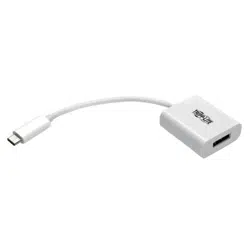
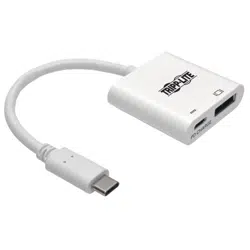
Make sure that your computer is connected to the internet.
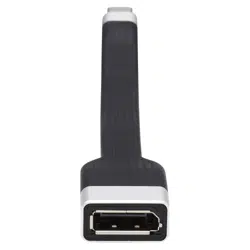
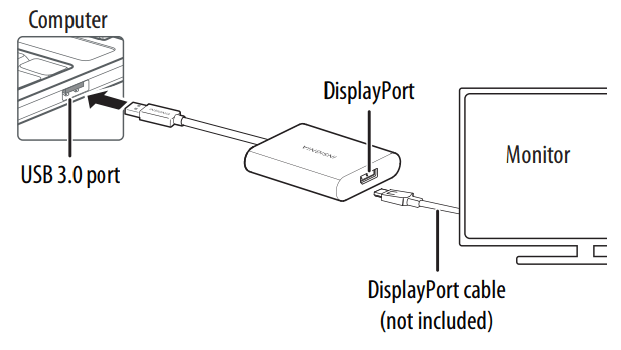
Connect the DisplayPort device to the adapter. Turn on the DisplayPort device.
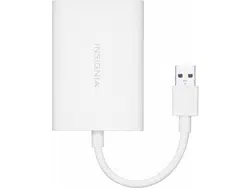
Plug the adapter into a USB 3.0 port on your computer. The driver installs automatically.
If the driver doesn’t automatically install, see "Manually installing the Windows driver” or “Manually installing the Mac OS driver” below.
Manually installing the Windows driver:
Go to Website
Search for NS-PCA3D, then select the Support & Download tab.
Under the Drivers, Firmware & Software click Files to download the driver.
Open the downloaded .zip folder, then follow the on-screen instructions to install the driver.
Manually installing the Mac OS driver
Unplug the adapter from your Mac before installing the driver manually.
Go to Website
Search for NS-PCA3D, then select the Support & Download tab.
Under the Drivers, Firmware & Software click Files to download the driver.
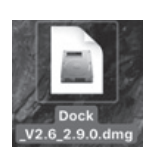
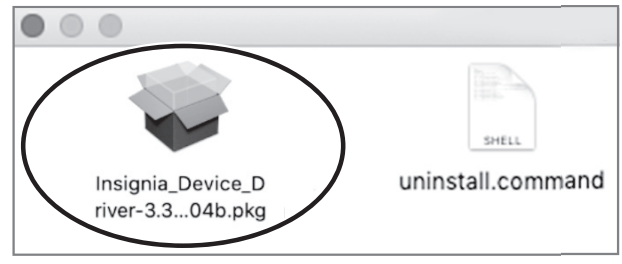
Open the .dmg file to load drivers to your Mac.
Click the .pkg file to install the USB Video Display driver.
Follow the instructions to install the device driver. Note: A screen requesting permission to install the driver might come up. If so, click OK, then go to System Preferences > Security & Privacy to allow App Store and identified developers, then click Open to allow the install.
When installation is complete, restart your computer to configure the update.
Connect the adapter to your Mac.
TROUBLESHOOTING
My computer does not detect the adapter
Make sure that all of the cables are connected securely and correctly.
Make sure that the cables are not damaged.
Try connecting to another USB port.
Make sure that the driver is installed (if required).
The driver did not install on my system
Make sure that the adapter and network cable are not damaged.
To check the device installation, go to
Windows: Control Panel>Device cManager>Display Adapters. Look for a string like Insignia USB3.0 Display Adapter.
Mac: Click the Apple icon ( ), then click About This Mac>System Report>Hardware - USB. Look for a string like Insignia USB3.0 Display Adapter Station.
Temporarily shut down your firewall and antivirus software in case they are preventing the installation of the driver.
Make sure that your system is compatible with the driver.
See System Requirements for more information.
My monitor won't extend or mirror my computer's display.
Change the display settings on your computer
LEGAL NOTICES
FCC Information
This device complies with Part 15B of the FCC Rules. Operation is subject to the following two conditions: (1) this device may not cause harmful interference, and (2) this device must accept any interference received, including interference that may cause undesired operation.
This equipment has been tested and found to comply with the limits for a Class B digital device, pursuant to part 15 of the FCC Rules. These limits are designed to provide reasonable protection against harmful interference in a residential installation. This equipment generates, uses, and can radiate radio frequency energy and, if not installed and used in accordance with the instructions, may cause harmful interference to radio communications.
However, there is no guarantee that interference will not occur in a particular installation. If this equipment does cause harmful interference to radio or television reception, which can be determined by turning the equipment off and on, the user is encouraged to try to correct the interference by one or more of the following measures:
Reorient or relocate the receiving antenna.
Increase the separation between the equipment and receiver.
Connect the equipment into an outlet on a circuit different from that to which the receiver is connected.
Consult the dealer or an experienced radio/TV technician for help.
Changes or modifications not expressly approved by the party responsible for compliance could void the user’s authority to operate the equipment.
ICES-003
This Class B digital apparatus complies with Canadian ICES-003; Cet appareil numerique de la classe Best conforme a la norme NMB-003 du Canada.
#1 I want to connect a Dell monitor to my MacBook Pro macOS 10.15.7. After downloading the driver manually, the adaptor is not recognized when I try to connect to Dell monitor. When I run a System Report - Hardware - USB, I don't see Insignia listed.
*There are two issues that could cause this issue: 1. The driver was not installed successfully. 2. The connection of the hardware is not complete. *To verify that the driver has been installed successfully: 1. Click: Apple menu > About this Mac > System Report > Software > Extensions. Look under the Extension Name for MCTDisplay and MCTTrigger6USB. 2. Click: Apple menu > System Preferences > Security & Privacy > Privacy; select Screen Recording and select the checkbox next to DJTVirtualDisplayAgent to allow it to record your screen. * To verify the adapter has been added to the system: 1. Restart your computer after finishing the driver installation, then connect the monitor to the adapter, turn on the monitor. Plug the adapter to the USB port on your computer. 2. Make sure the adapter has been recognized. Click: Apple menu > About this Mac > System Report > Hardware > USB > under the USB Device Tree look under the USB 3.1 Bus for the Insignia USB3.0 Display Adapter Station.
#2 I have 2 monitors (2560 x 1440) to my laptop, one via HDMI, and 2nd via this adapter. The 2nd works for a few secs and then freezes. Can drag windows from 2nd to the 1st but the 2nd stays frozen. Re-downloaded driver, restarted comp. Nothing helps.
Try the steps below: 1. Uninstall the driver. 2. Update the embedded graphic card driver of your computer (e.g. NVIDIA or Intel) to the latest version from their website. 3. Reinstall the driver.
 ), then click About This Mac>System Report>Hardware - USB. Look for a string like Insignia USB3.0 Display Adapter Station.