MFL69124626
Rev.00_061616
OWNER’S MANUAL
REFRIGERATO
R
Read this owner's manual thoroughly before operating the appliance
and keep it handy for reference at all times.
www.lg.com
TABLE OF CONTENTS
This manual may contain images or
content different from the model you
purchased.
This manual is subject to revision by
the manufacturer.
SAFETY INSTRUCTIONS .......................................................03
INSTALLATION ........................................................................ 11
Compartments .......................................................................................... 11
Notes for Moving and Transporting .......................................................... 12
Notes for Installation ................................................................................. 12
Removing the Door ................................................................................... 12
Refitting the Door ...................................................................................... 14
Adjusting the Height of the Door ............................................................... 14
Connecting the Water Line (For Plumbed models Only) .......................... 15
OPERATION ............................................................................18
Parts and Functions .................................................................................. 18
Notes for Operation ................................................................................. 22
Control Panel ............................................................................................ 23
Water Dispenser Tank (Non plumbed models only) ................................. 25
Water and Ice Dispenser .......................................................................... 26
Automatic Icemaker .................................................................................. 26
Door in Door (Optional) ............................................................................ 28
Fresh Vegetable Drawer (Optional) .......................................................... 29
Other Functions ....................................................................................... 29
SMART FUNCTION .................................................................30
Application Installation .............................................................................. 30
Product Registration ................................................................................. 30
Using the Tag On Function ....................................................................... 30
Using Smart Diagnosis™ ......................................................................... 31
MAINTENANCE .......................................................................33
Notes for Cleaning ................................................................................... 33
Replacing the Pure N Fresh Filter (Optional) ........................................... 33
Cleaning the Door Basket ......................................................................... 34
Cleaning the Shelf .................................................................................... 34
Cleaning the Water Dispenser .................................................................. 35
Replacing the Water Filter (For Plumbed models Only) ........................... 35
TROUBLESHOOTING .............................................................36
03
SAFETY INSTRUCTIONS
The following safety guidelines are intended to prevent
unforeseen risks or damage from unsafe or incorrect operation
of the appliance.
The guidelines are separated into ‘WARNING’ and ‘CAUTION’
as described below.
This symbol is displayed to indicate matters and
operations that can cause risk. Read the part with this
symbol carefully and follow the instructions in order to
avoid risk.
WARNING
To reduce the risk of explosion, re, death, electric
shock, injury or scalding to persons when using
this product, follow basic precautions, including the
following:
CAUTION
This indicates that failure to follow the instructions can
cause minor injury or damage to the product.
To reduce the risk of explosion, re, death, electric shock,
injury or scalding to persons when using this product,
follow basic precautions, including the following:
Children in the Household
This appliance is not intended for use by persons (including
children) with reduced physical, sensory or mental capabilities, or
lack of experience and knowledge, unless they have been given
supervision or instruction concerning use of the appliance by a
person responsible for their safety. Children should be supervised
to ensure that they do not play with the appliance.
WARNING
04
Important Safety Instructions
Installation
•
This appliance should only be transported by two or more people
holding the appliance securely.
•
Ensure that the outlet socket is properly grounded, and that the
earth pin on the power cord is not damaged or removed from
the power plug. For more details on grounding, inquire at an LG
Electronics customer information centre.
•
This appliance is equipped with a power cord having an equipment-
grounding conductor and a grounding power plug. The power plug
must be plugged into an appropriate outlet socket that is installed
and grounded in accordance with all local codes and ordinances.
•
If the power cord is damaged or the hole of the socket outlet is
loose, do not use the power cord and contact an authorized service
centre.
•
Do not plug the appliance into a multi way power board, a double
adaptor or an extension power cable.
•
Do not modify or extend the power cord.
•
Avoid using any extension cords or double adaptor. The appliance
should be connected to a dedicated power line which is separately
fused.
•
Install the appliance in a place where is easy to unplug the power
plug of the appliance.
•
Be careful not to point the power plug up or let the appliance lean
against the power plug.
•
Install the appliance on a rm and level oor.
•
Do not install the appliance in a damp and dusty place. Do not
install or store the appliance in any outdoor area, or any area that
is subject to weathering conditions such as direct sunlight, wind or
rain or temperatures below freezing.
05
•
Do not place the appliance in direct sunlight or expose it to the heat
from heating appliances such as stoves or heaters.
•
Be careful not to expose the rear of the appliance when installing.
•
Be careful not to let the appliance door fall during assembly or
disassembly.
•
Be careful not to pinch, crush, or damage the power cable during
assembly or disassembly of the appliance door.
Operation
•
Do not use the appliance for any purpose (storage of medical
or experimental materials or shipping) other than any domestic
household food storage use.
•
In case of ood, disconnect the power plug and contact the LG
Electronics customer information centre.
•
Unplug the power plug during a severe thunderstorm or lightening
or when not in use for a long period of time.
•
Do not touch the power plug or the appliance controls with wet
hands.
•
Do not bend the power cable excessively or place a heavy object
on it.
•
If water penetrates electrical parts of the appliance, disconnect
power plug and contact an LG Electronics customer information
centre.
•
Do not place hands or metallic objects inside the area emitting the
cold air, cover or heat releasing grille on the back.
•
Do not apply excessive force or impact to the back cover of the
appliance.
•
Do not put animals, such as pets into the appliance.
•
Be careful of nearby children when you open or close the appliance
door. The door may bump the child and cause injury. Do not allow
any persons to swing from any of the doors as it can cause the unit
to topple over and cause serious injury.
06
•
Avoid the danger of children getting trapped inside the appliance. A
child trapped inside the appliance can cause suffocation.
•
Do not place heavy or fragile objects, liquid lled containers,
combustible substances, or ammable objects (such as candles
and lamps) on the appliance.
•
If there is a gas leakage (isobutane, propane, natural gas, etc.),
do not touch the appliance or power plug and ventilate the
area immediately. This appliance uses a very eco-friendly gas
(isobutane, R600a) as the refrigerant. Although it uses a small
amount of the gas, it is still combustible gas. Gas leakage during
appliance transport, installation or operation can cause re,
explosion or injury if sparks are caused.
•
Do not use or store ammable or combustible substances (ether,
benzene, alcohol, chemical, LPG, combustible spray, insecticide,
air freshener, cosmetics, etc.) near the appliance.
•
Immediately unplug the power plug and contact an LG Electronics
customer information centre if you detect a strange sound, odour,
or smoke coming from the appliance.
•
Fill with potable water only into icemaker or dispenser water tank.
Maintenance
•
Disconnect the power cord before cleaning the appliance or
replacing the inside lamp (where tted).
•
Securely plug the power plug in the outlet socket after completely
removing any moisture and dust.
•
Never unplug the appliance by pulling on the power cable. Always
grip the power plug rmly and pull straight out from the socket
outlet.
•
Do not spray water inside or outside the appliance to clean it.
07
•
Do not clean the appliance with brushes, cloths or sponges with
rough surfaces or which are made of metallic material.
•
Only a qualied service personnel from LG Electronics service
centre should disassemble, repair, or modify the appliance. Contact
an LG Electronics customer information centre if you move and
install the appliance in a different location.
•
Do not use a hair drier to dry the inside of the appliance or place a
candle inside to remove the odours.
Disposal
•
When discarding the appliance, remove the door gasket while
leaving the shelves and baskets in place and keep children away
from the appliance.
•
Dispose of all packaging materials (such as plastic bags and
styrofoam) away from children. The packaging materials can cause
suffocation.
Technical safety
•
Keep ventilation openings, in the appliance enclosure or in the
built-in structure, clear of obstruction.
•
Do not use electrical appliances inside the food storage
compartments of the appliance, unless they are of the type
recommended by the manufacturer.
•
The refrigerant and insulation blowing gas used in the appliance
require special disposal procedures. Consult with service agent or
a similarly qualied person before disposing of them.
•
This appliance contains a small amount of isobutane refrigerant
(R600a), natural gas with high environmental compatibility, but it is
also combustible. When transporting and installing the appliance,
care should be taken to ensure that no parts of the refrigerating
circuit are damaged.
08
•
Refrigerant leaking out of the pipes could ignite or cause an
explosion.
•
If a leak is detected, avoid any naked ames or potential sources
of ignition and air the room in which the appliance is standing for
several minutes. In order to avoid the creation of a ammable
gas air mixture if a leak in the refrigerating circuit occurs, the size
of the room in which the appliance is used should correspond to
the amount of refrigerant used. The room must be 1 m
2
in size for
every 8 g of R600a refrigerant inside the appliance.
•
The amount of refrigerant in your particular appliance is shown on
the identication plate inside the appliance.
•
Never start up an appliance showing any signs of damage. If in
doubt, consult your dealer.
•
Do not store explosive substances such as aerosol cans with a
ammable propellant in this appliance.
•
This appliance is intended to be used in household and similar
applications only. It should not be used for commercial, or catering
purposes, or in any mobile application such as a caravan or boat.
CAUTION
To reduce the risk of minor injury to persons, malfunction,
or damage to the product or property when using this
product, follow basic precautions, including the following:
Installation
•
Do not tilt the appliance to pull or push it when transporting.
09
Operation
•
Do not touch frozen food or the metal parts in the freezer
compartment with wet or damp hands. It may cause frostbite.
•
Do not place glass containers or bottles in the freezer
compartment, shelves or ice bin that will be exposed to
temperatures below freezing.
•
The tempered glass on the front side of the appliance door or
the shelves can be damaged by an impact. If it is broken, do not
touch it with hands, as this may result in injury.
•
Make sure your hands and feet do not get stuck when opening
and closing the appliance door or the door in door.
•
Do not place heavy objects on top of the door in door.
•
Do not use the door in door as a chopping board and ensure
it is not scratched by a sharp tool,as this may cause appliance
damage.
•
Do not store an excessive amount of water bottles or containers
for side dishes on the door baskets. The basket may break or
your hand may bump into the surrounding structure, causing
injury.
•
Keep food organized inside the appliance.
•
Prevent animals from nibbling on the power cable or water hose.
•
Do not open or close the appliance door with excessive force.
•
If the hinge of the appliance door is damaged or operates
improperly, stop using the appliance and contact an authorized
service centre.
•
Supervise a child or a person with poor cognitive skills to ensure
they use the appliance safely.Do not damage the pipes of the
refrigerant circuit.
10
•
Do not place any electronic appliance (such as heater and mobile
phone) inside the appliance.
•
Do not clean glass shelves or covers with warm water when
they are cold. They may break if exposed to sudden temperature
changes.
•
Never eat frozen foods immediately after they have been taken
out in the freezer compartment
•
Do not insert your hands into the mechanical part of the automatic
icemaker such as the ice bin or the ice dispenser.
•
Do not use a thin crystal cup or chinaware when using the
dispenser.
•
Do not remove the cover of the automatic icemaker. Touching any
mechanical part of the automatic icemaker. It may result in injury.
Maintenance
•
Do not insert the shelves upside down. The shelves may fall,
causing injury.
•
To remove frost from the appliance, contact an LG Electronics
customer information centre.
•
Dispose of the ice inside the ice bin in the freezer compartment
during an extended power outage.
•
Connect the water supply line (for plumbed models only) to a
potable water source only. Otherwise, impurities in the water may
cause illness.
11
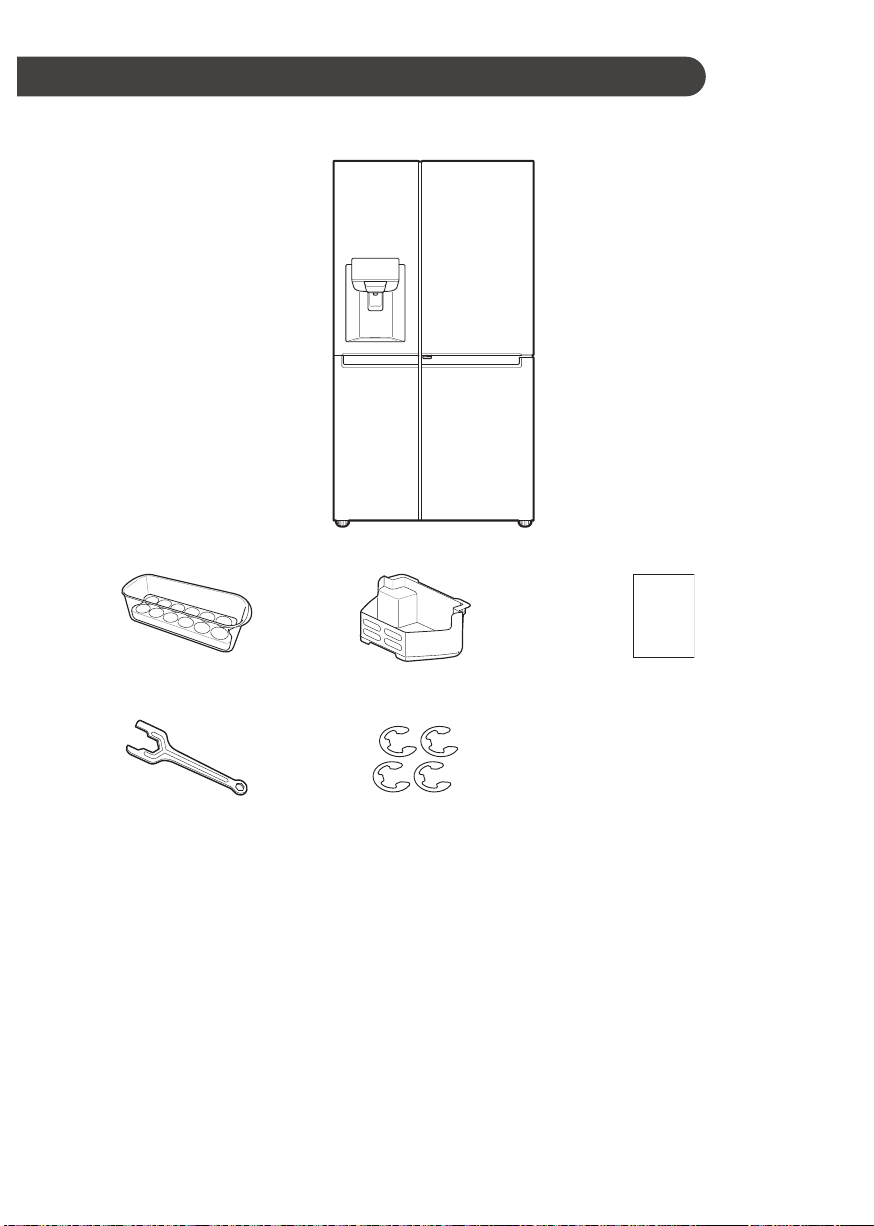
Compartments
Egg Box (Optional) Freezer Basket Owner's Manual
Spanner Ring Sheet
•
The appearance or components of the product may differ from model to model.
INSTALLATION
12
Notes for Moving and
Transporting
•
Remove all food from inside the appliance.
Then, transport the appliance only after xing
fragile parts such as shelves and the door
handle with tape. Failure to do so may cause
appliance damage.
•
Pull the power plug out, insert and x it into the
power plug hook at the rear or on top of the
appliance. Failure to do so may cause damage
to the power plug or oor scratch.
•
When transporting the appliance, more than two
people should transport the appliance carefully.
Dropping the appliance, which is extremely
heavy, may cause personal injury or appliance
failure.
•
When transporting the appliance over a long
distance, keep the appliance upright. The
appliance may fall over, causing malfunctions.
Never transport the appliance laying down as it
can cause a refrigerant circulation malfunction
when it is turned back on again.
Notes for Installation
•
Install the appliance on a solid and at area.
–
If the appliance is installed on an uneven
oor, it can cause vibration and noise
causing the appliance to fall resulting in
injury. It could also cause the doors not to
close correctly and introduce moisture inside
the unit during operation.
–
If the appliance front or rear is not level,
adjust the front feet so that it can be
corrected. Severe cases may need the oor
to be packed out with strips of thin timber.
•
Avoid placing the unit near heat sources, direct
sunlight or moisture.
•
Connect the power supply cord (or plug) to the
outlet. Don't double up with other appliances on
the same outlet.
•
After connecting the power supply cord (or plug)
to the outlet, Wait two or three hours before
you put food into the appliance. If you add food
before the appliance has cooled completely,
your food may spoil.
•
Models with handles should be located at least
55 mm from the wall on the hinge side to open
door by 90°.
•
Allow over 55 mm clearance to the right, left,
back and top when installing.
Removing the Door
When it is necessary to move the appliance
through a narrow opening, removing the doors is
the recommended procedure.
WARNING
•
Disconnect the power cord, house fuse or
circuit breaker before installing or service the
appliance. Failure to follow these instructions
may result in death, re or electric shock.
If your entrance door is too narrow for the
appliance to pass through, remove the appliance
doors and pass the appliance laterally.
13
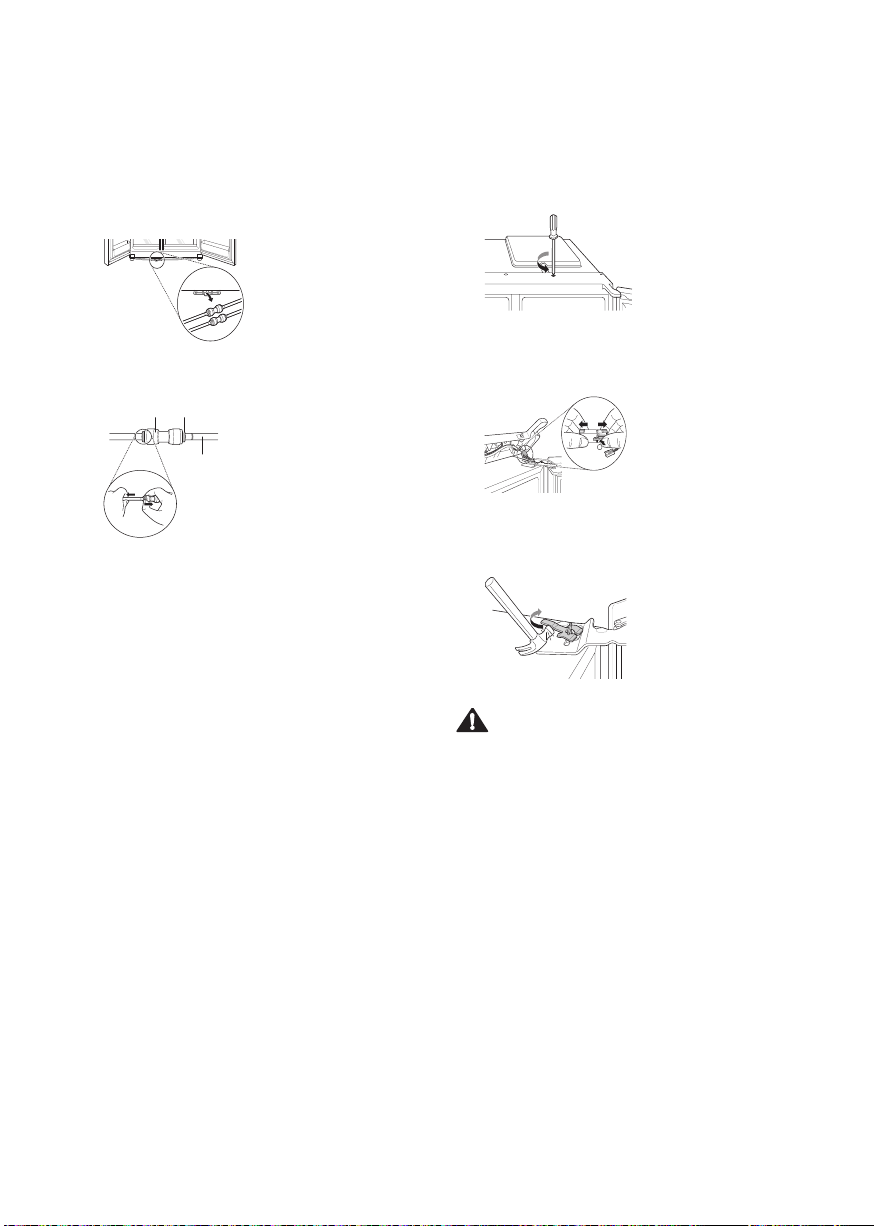
[For freezer door only]
1
Hold the 2 tube connectors at the bottom of
the appliance with your ngers and pull them
out so that the hoses can then be carefully
removed by following the instructions in step 2.
2
While pressing the collet part of the tube
connector, remove the connected water tube.
Collet Tube connector
Water tube
[For both freezer and fridge]
3
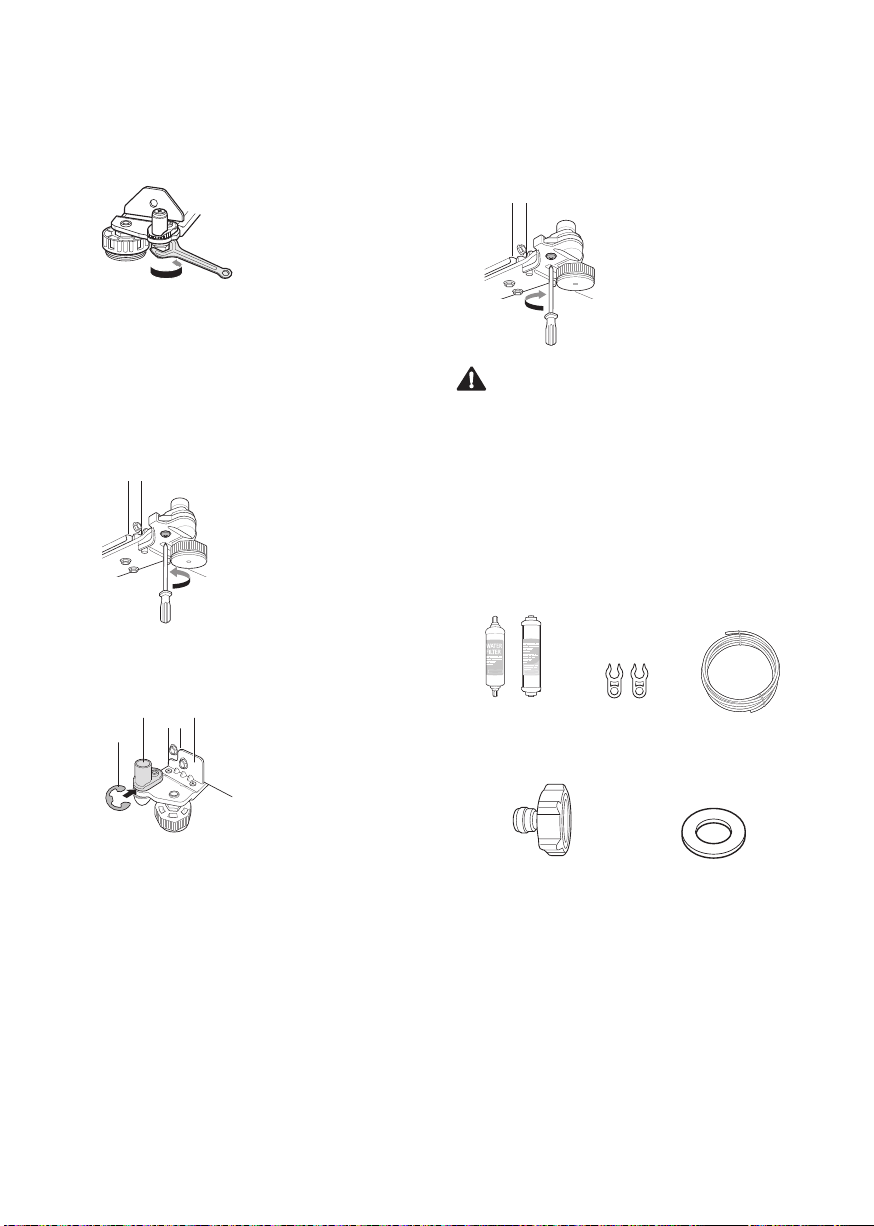
Remove the screw of the hinge cover on top of
the appliance by rotating it counterclockwise.
4
While pressing
①
hook of the link of the
electrical connectors, remove the link by
pulling it in both directions.
1
5
Remove the hinge lever by tapping the
end of it toward the outside edge of the
cabinet.
CAUTION
•
When removing the upper hinge, be sure to
support the door as it will fall forwards. It is
recommended that 2 people carry out the door
removal and retting
14
Adjusting the Height of the
Door
If the door of the appliance is not level, adjust the
difference in the height of appliance door using the
following method.
NOTE
•
Because the hinge pin may falll out, do not
adjust the height of the appliance door more
than 5 cm.
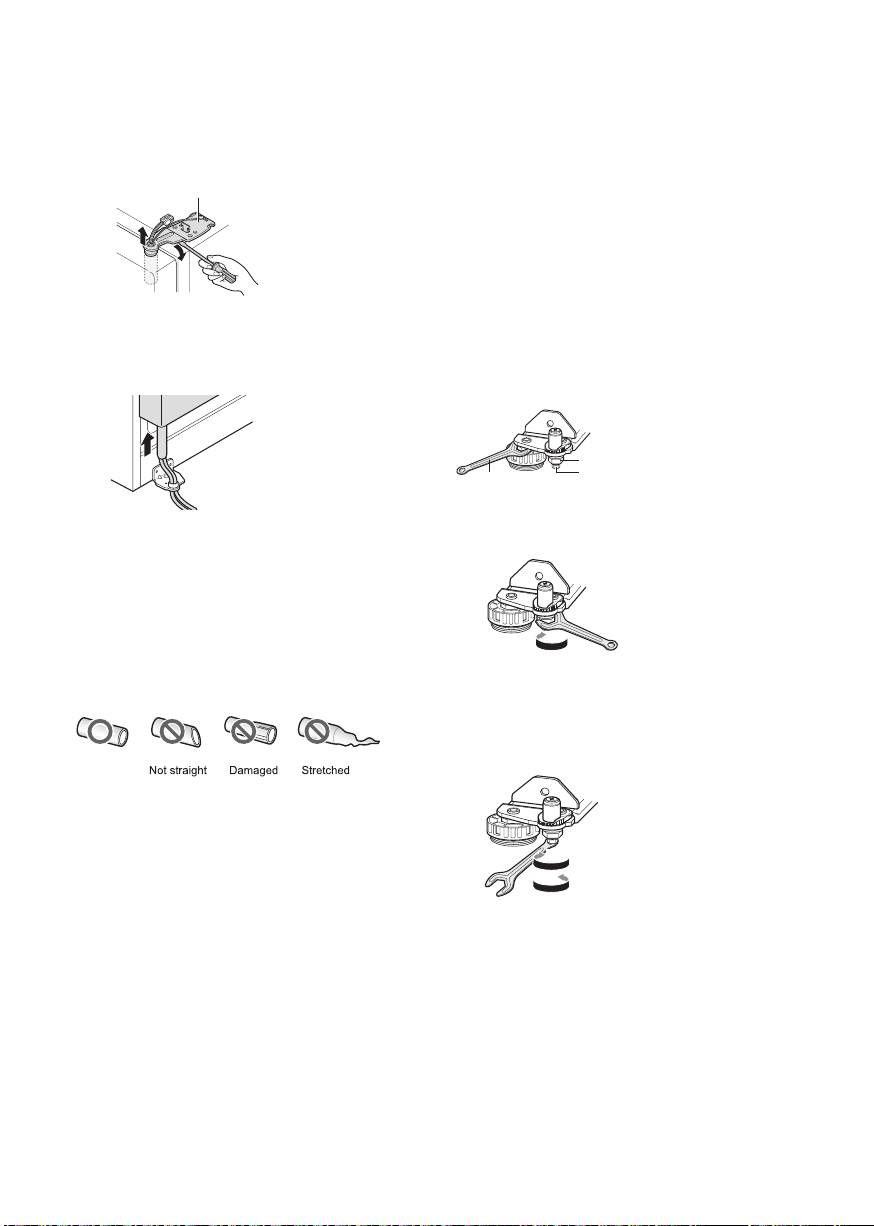
[Method 1]
* Reference
Keeper nut
Adjustment hinge pin
Spanner
1
Loosen the keeper nut by rotating it
counterclockwise using a 19 mm spanner.
To loosen
the nut
2
Adjust the difference in the height of the
appliance door by rotating the adjustment
hinge pin clockwise or counterclockwise with
an 8 mm spanner.
Up
Down
6
Lift the upper hinge xed between the
appliance and the appliance door and then
remove it.
Upper hinge
Door
7
Remove the freezer and fridge compartment
door by lifting it upward. At this time, the
door should be lifted enough for the steel
pipe to be completely pulled out.
NOTE
•
When moving the freezer door, be careful not to
damage the water tubes. The doors should be
laid down on a blanket in a safe area once they
have been removed.
•
If the water tube end is damaged, it should be
trimmed to ensure it does not leak when retted.
Retting the Door
Mount them in the reverse sequence of removal
after the appliance is passed through the access
door.
15
3
After adjusting the difference in the height of
the appliance door, fasten the keeper nut by
rotating it clockwise.
To tighten
the nut
If it is impossible to adjust the height of the
appliance door through the above method, level
the door according to the following guide.
[Method 2]
1
When the appliance door is removed, loosen
the screw at the bottom of the lower hinge.
2
Insert the appropriate number of ring sheets
between the lower hinge and the lower
bracket. (Total number of ring sheets: 4)
Ring sheet
Lower hingeLower bracket
3
Resecure the bracket screw after tting the
ring sheets before retting the door. When the
door is retted, steps 1,2 and 3 of adjusting
the height of the door can then be repeated.
CAUTION
•
When tilting the appliance backward to loosen
the screen at the bottom of the appliance, more
than two people should hold the handles at the
bottom and rear top side of the appliance.
Connecting the Water Line (For
Plumbed models Only)
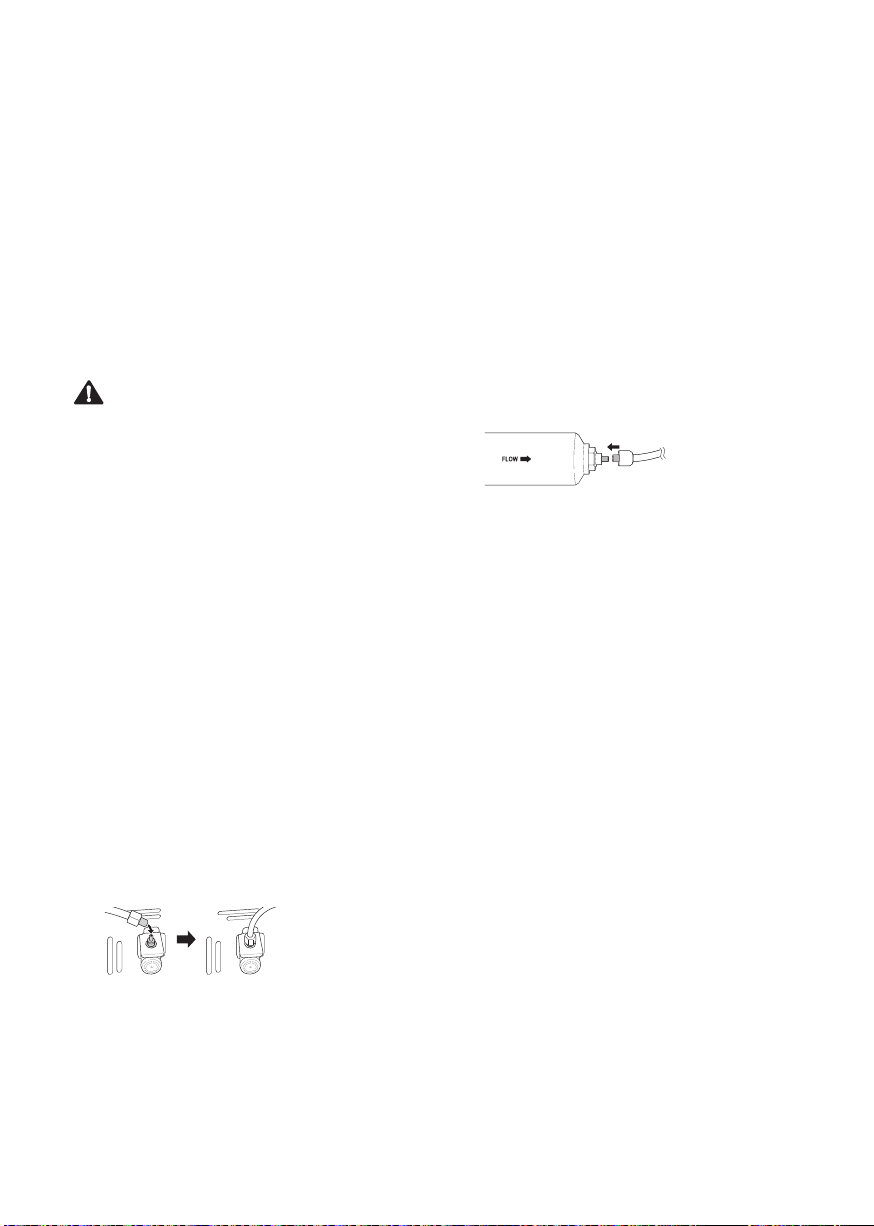
Accessories
Water Filter
(Optional)
Clip Water Tube
Tube Connector Rubber Seal
16
Connecting to the Water Filter
There are two types of lters. The methods of
connection are different. One has a threaded
plastic nut tting and the other uses a self locking
push t connectors. The lter is marked with the
direction of the water ow from the water tap to the
appliance.
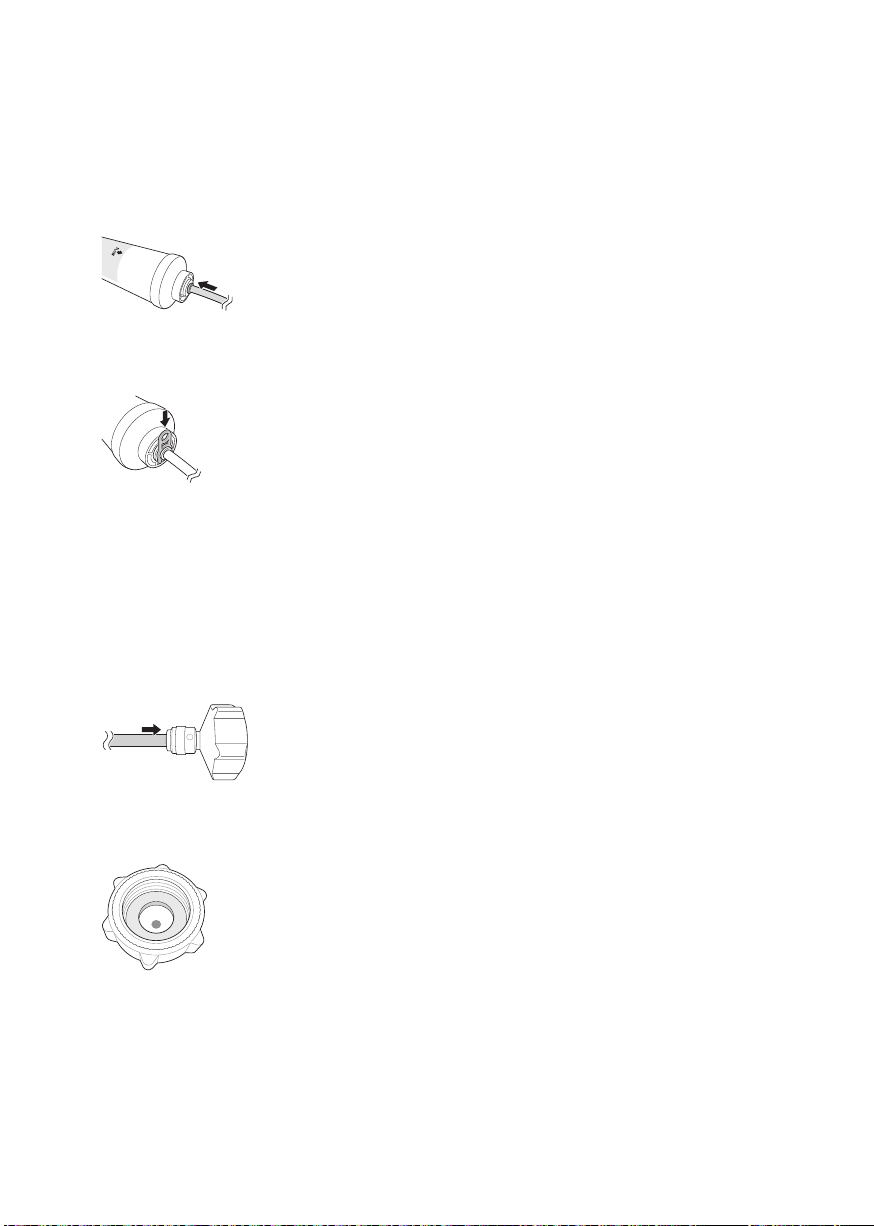
<Nut Type>
1
Unscrew the threaded connector and place it
over the end of the cut section of pipe coming
from the appliance. Push the pipe over the
end of the lter that the ow arrow points to
and tighten up the threaded connector.
2
Repeat the same process on the other end
of the lter using the remainder of the water
tube.
Water Supply Requirements
A cold water supply with water pressure between
147 kPa and 834 kPa (1.5 - 8.5 kgf/cm²) is requried
to operate the water dispenser. If the refrigerator
is installed in an area with low water pressure
(below 147 kPa), you can install a booster pump to
compensate for the low pressure.
If a reverse osmosis water ltration system is
connected to your cold water supply, the water
pressure to the reverse osmosis system needs to
be a minimum of 147 kPa to 834 kPa (1.5 - 8.5 kgf/
cm²)
WARNING
•
Unplug the appliance before carrying out any
work on connecting the water line. Failure to do
so may cause electric shock.
•
Only connect the water line to a cold water
supply. Failure to do so may cause the water
lter to malfuction. Water hammer (water
banging in the pipes) within the house's
plumbing can cause damage to appliance parts
and can lead to water leakage or ooding.
•
Connecting the water line must only be installed
by a suitably qualied person. Not doing
so could cause property damage due to an
incorrect or poor connection.
NOTE
•
This water line installation is not covered by the
appliance warranty.
Connecting to the Appliance
1
Unscrew the metal threaded collar nut at the
back of the appliance and place it over one
end of the water tube.
2
Firmly push the water tube onto the water inlet
valve and tighten up the collar nut.
17
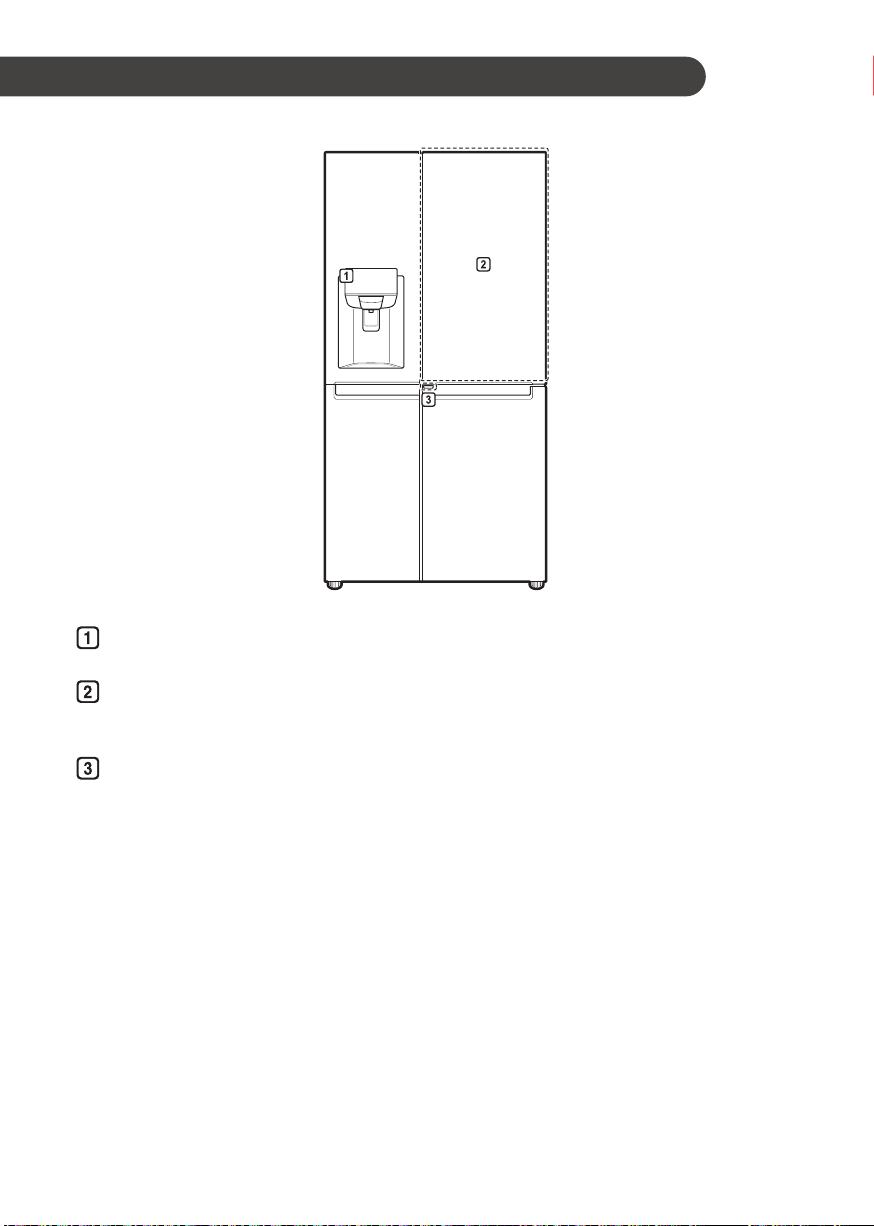
<Push t Connector Type>
1
Firmly push the water tube connected from
the appliance into the end that has the arrow
pointing outward. Push the tube all the way in
(approx. 10 - 12 mm).
2
After inserting the tube securely into the lter,
t the locking clip into position under the pull
up collar.
3
Repeat on the other end of the lter using the
remainder of the water tube.
Connecting to the Water Tap
1
Push the water tube into the hole of the tap
connector supplied in the accessories. The
pipe should be held rmly whilst the connector
is pushed onto the pipe.
2
Ensure that the rubber washer is tted to the
inside of the tap connector before screwing it
onto the correct type tap.
Checking the Water Connection
1
Turn on the water supply and switch on the
appliance. Carefully check all ttings for
possible leaks due to poorly tted hoses.
2
Press and hold the Water Filter button for
three seconds. This will reset the Replacement
Filter icon. The new water lter has been
activated.
3
Place a cup under the water dispenser
to verify that water is owing throughthe
appliance. it is normal for cloudy water to
be dispensed until the air from the lter is
removed completely.
4
Check the connecting tube and joints for leaks
once again.
5
The water lter should be located in an
appropriate place where it is easy to reach for
replacement purposes.
18
OPERATION
Control Panel
To set the freezer and fridge target temperatures.
Door in Door (Optional)
The Door inDoor is a double layered door system. It can be opened individually or together with the
main door. You can conveniently locate and access your favourite snacks or food items.
Door in Door Lever (Optional)
This lever opens Door in Door.
•
The appearance or components of the appliance may differ from model to model.
Parts and Functions
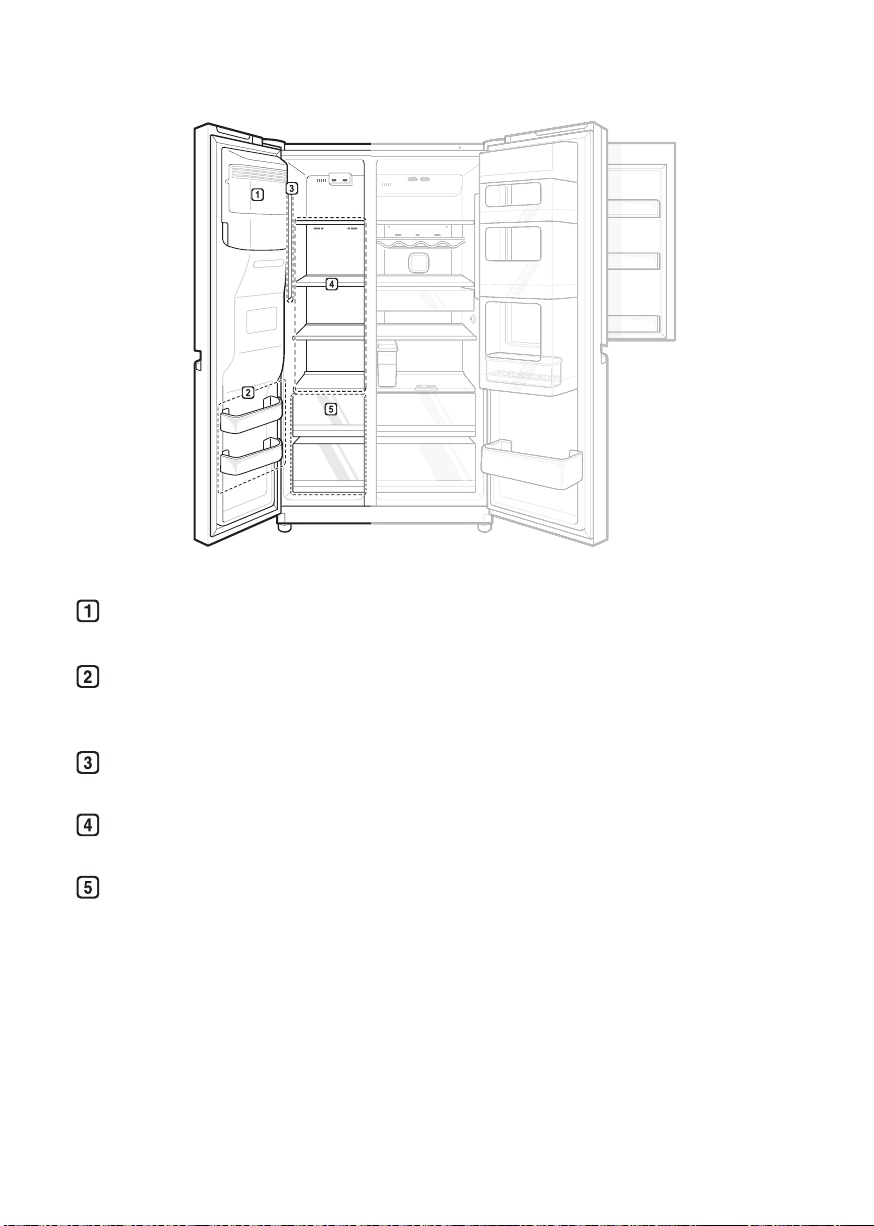
19
Automatic Icemaker
This is where ice is automatically produced and stored.
Freezer Door Basket
This is where small packages of frozen food can be stored.
•
Do not store ice cream or food which will be stored for a long period of time within these baskets.
LED Lamp
The LED lamps inside the appliance light up when you open the door.
Freezer Shelf (Optional)
This is where frozen foods such as meat, sh, and ice cream, can be stored.
Freezer Drawer (Optional)
This is for long-term storage of frozen items.
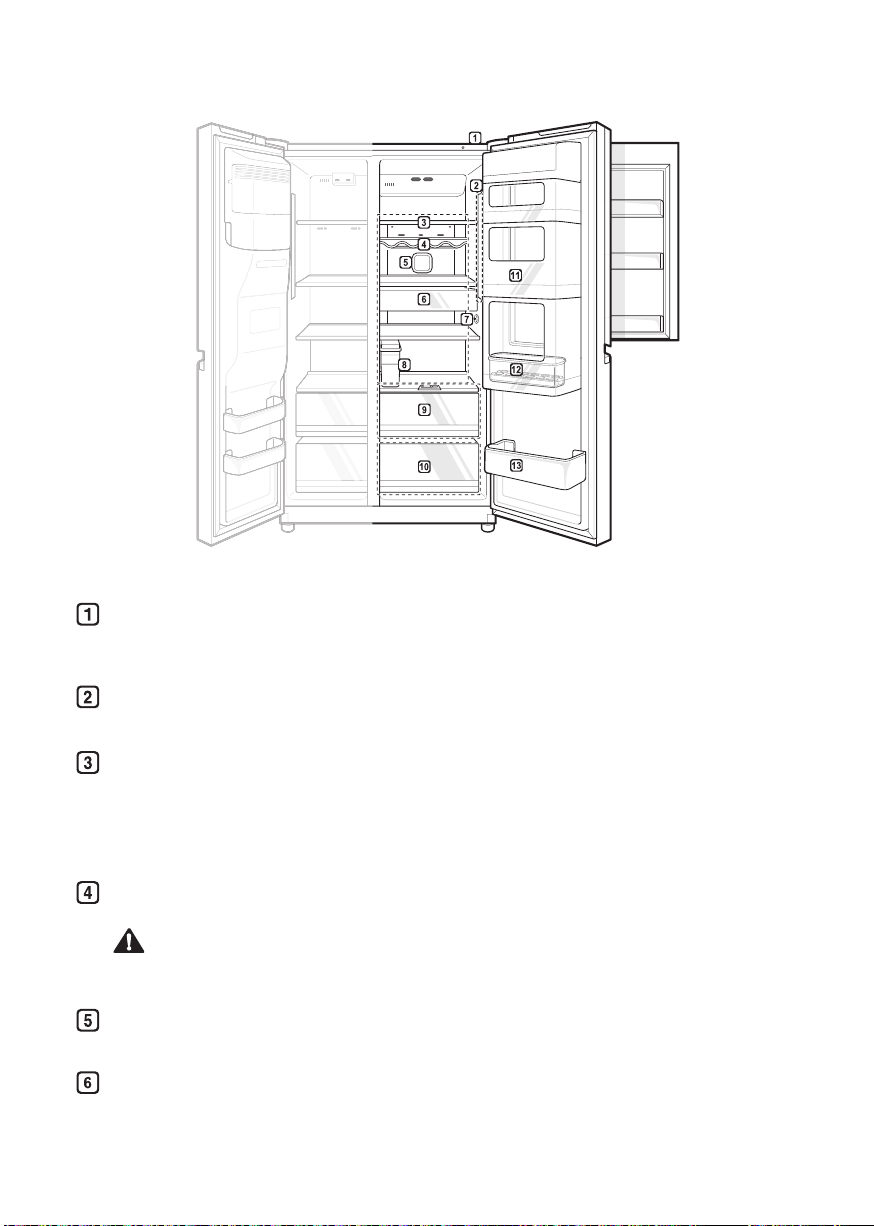
20
Smart Diagnosis Unit
Use this function when contacting LG Electronics customer information centre to help make an
accurate diagnosis when the appliance operates abnormally or a failure occurs.
LED Lamp
The LED lamps inside the appliance light up when you open the door.
Fridge Shelf
This is where refrigerated foods and other items are stored.
•
This adjusts the shelf height by inserting the shelf in another groove of different height.
•
Store the foods with higher moisture content at the front of the shelf.
•
The actual number of shelves will differ from model to model.
Bottle Rack (Optional)
This is where drinks tall bottles or containers are stored.
CAUTION
•
Do not store short bottles or containers. The items may fall and to cause an injury or appliance
damage.
Pure N Fresh (Optional)
This function minimizes bacteria and ordor inside the appliance.
Snack Drawer (Optional)
This is where small packages of refrigerated foods are stored.
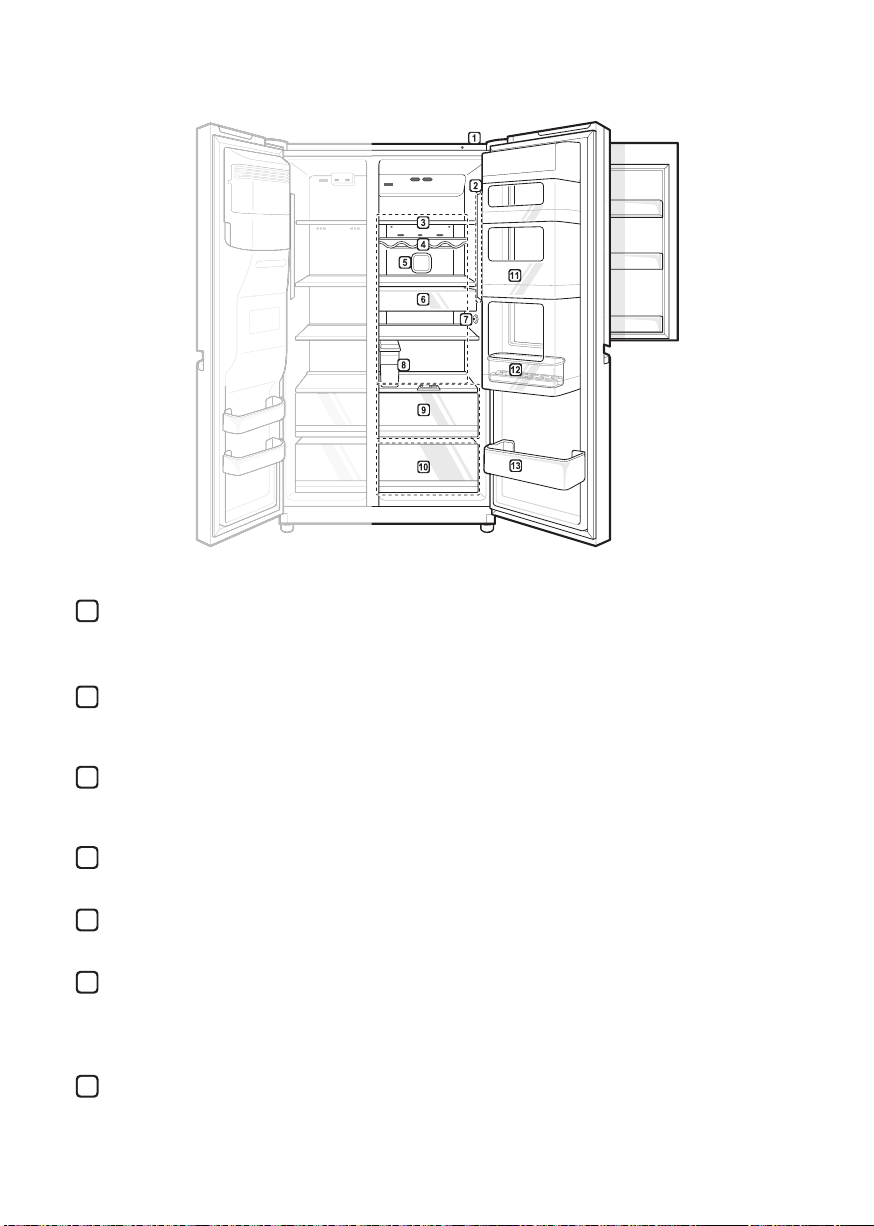
21
7
Temperature Sensor
This sensor senses the temperature of the fridge compartment.
•
Maintain the distance between the sensor and food to accurately sense the temperature.
8
Water Dispenser Tank (Optional)
This is where water to supply the dispenser or the automatic icemaker is stored. It requires manual
lling. (Non plumbed models only)
9
Fresh Vegetable Drawer (Optional)
This is where fruits and vegetables are stored to help maintain freshness by adjusting the humidity
controller.
10
Vegetable Drawer
This is where fruits and vegetables are stored to remain fresh for as long as possible.
11
Door in Door (Optional)
This is where foods which are taken out frequently such as beverages and snacks are stored.
12
Movable Egg Box (Optional)
This is where eggs are stored.
•
You can move it to and use it at a desired position as needed. However, do not use it as the ice bin
or place it on the shelf on top of the fridge or the vegetable drawer.
13
Fridge Door Basket
This is where small packages of refrigerated foods, drinks and sauce containers are stored.

22
Notes for Operation
•
Do not use the ice water dispenser tank for
beverages other than drinking water.
•
Users should keep in mind that frost can form If
the door is not closed completely, if the humidity
is high during the summer, or if the freezer door
is opened frequently.
•
Ensure there is sufcient space between food
stored on the shelf or door basket to allow the
door to close completely.
•
Opening the door lets warm air enter the
appliance, and may cause the internal
temperature to rise.
•
Do not open or close the appliance door
excessively.
•
The LED lamp is only intended for use in
domestic appliances and is not suitable for
household room illumination.
Suggestion for Energy Saving
•
Ensure there is sufcient space between stored
foods. This allows cold air to be circulated
evenly and lowers electricity bills.
•
Store hot food only after it has cooled in order to
prevent dew or frost.
•
When storing food in the freezer compartment,
set the freezer temperature lower than the
temperature indicated on the appliance.
•
Do not set the temperature of the appliance
lower than needed. For ice making in normal
climates, the freezer temperatures should be set
to -19 or colder.
•
Do not put food near the temperature sensor of
the fridge compartment. Keep a distance of at
least 3 cm from the sensor.
•
Please note that a temperature rise after
defrosting has a permissible range in the
appliance specications. If you wish to minimise
the impact this may have on the food storage
due to a temperature rise, seal or wrap the
stored food in several layers.
Storing Foods Effectively
•
Store frozen food or refrigerated food inside
sealed containers.
•
Check the expiration date and label (storage
instructions) before storing food in the appliance.
•
Do not store food for a long period of time(more
than four weeks) if it spoils easily at a low
temperature.
•
Place the refrigerated food or frozen food in
each fridge or freezer compartment immediately
after purchasing.
•
Avoid refreezing any food which has been
completely thawed. Freezing any food which
has been completely thawed again will lower its
taste and nutrition.
•
Do not wrap and store vegetables with
newspaper. Printing material of newspaper
or other foreign substances may smear and
contaminate food.
•
Do not overll the appliance. Fill less than 70 %
of the space. Cold air can not circulate properly
if the appliance is overlled.
•
Cool hot food before storing. If too much hot
food is placed inside, the internal temperature of
the appliance can increase and negatively affect
other foods stored in the appliance.
•
If you set an excessively low temperature
for food, it may become frozen. Do not set a
temperature lower than the required temperature
for the food to be stored correctly
•
Always keep the appliance clean.
NOTE
•
Do not put living plants into the appliance.
Max Freezing Capacity
•
The Express Freeze function will allow the
freezer to its maximum freezing capacity. This
generally takes up to seven hours, however, it
will automatically turn off after a given time and
can also be turned off manually at any given
time.
•
To get better air circulation, insert all inner parts
like baskets, drawers, and shelves.
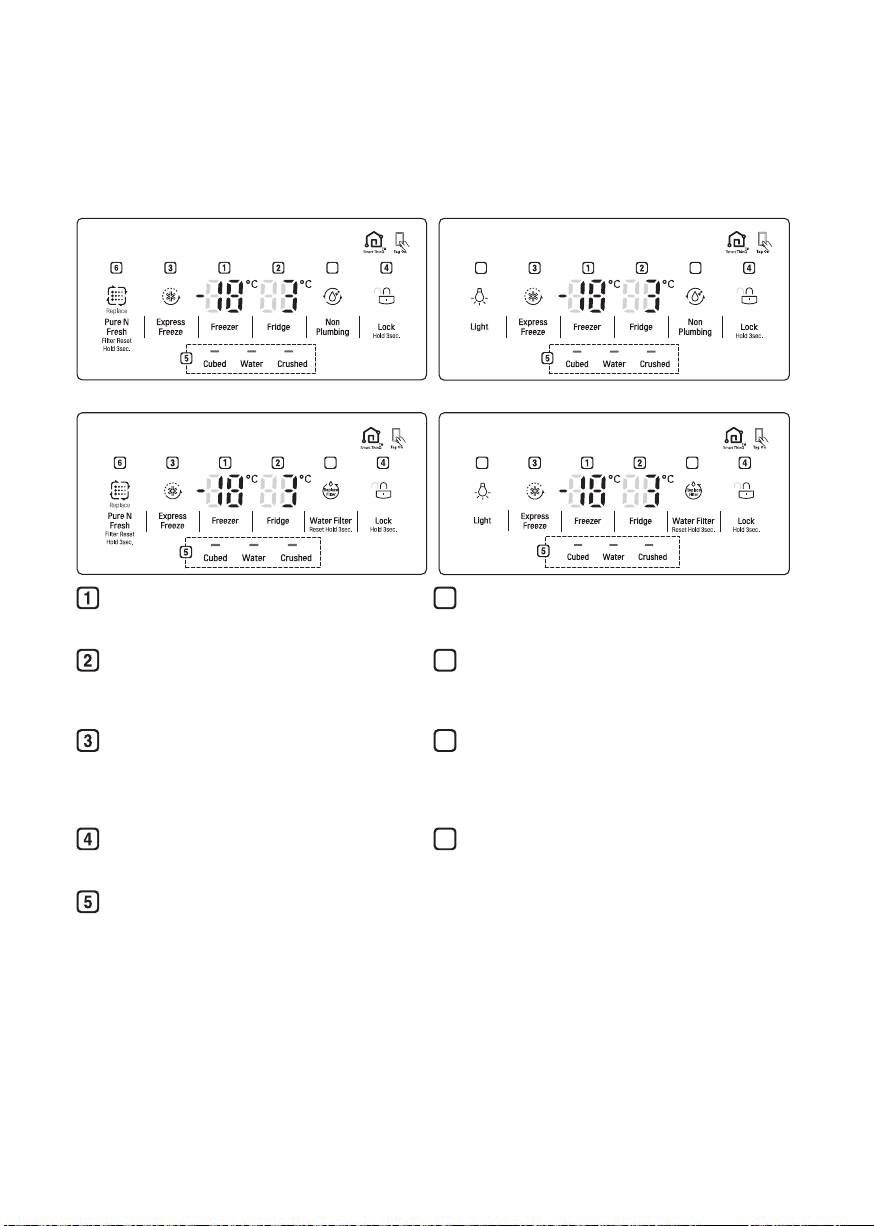
23
Control Panel
Units and Functions
<Type 1> <Type 2>
7
7
9
<Type 3> <Type 4>
8
9
8
Freezer Temperature
•
This sets the freezer target temperature
6
Pure N Fresh (Optional)
•
This sets the Pure N Fresh function.
Fridge Temperature
•
This sets the fridge target temperature.
7
Non Plumbing (Optional)
•
This Non Plumbing icon is illuminated when
the water dispenser tank is installed correctly.
Express Freeze
•
This sets Express Freeze function.
8
Replacement Filter (Optional)
•
This shows the replacement period of the
water lter automatically (plumbed models
only).
Lock
•
This locks the buttons on the control panel.
9
Light (Optional)
•
This sets the Light function of the dispenser.
•
The function is enabled and disabled in
turn each time you press the Light button.
However, in Energy Saving mode, the
function will be set according to the operation
sequence shown above.
Water Dispenser
•
This sets the function of Cubed ice, Water,
Crushed ice.
•
The actual control panel may differ from model to model.

24
Notes for Use the Control Panel
•
The control panel will turn on in any of the
following cases.
–
When the power is turned on
–
When a button is pressed
–
When the appliance door (fridge
compartment, freezer compartment, Door in
Door) is opened
•
The control panel will turn off automatically for
energy saving in any of the following cases.
–
When one minute has passed after turning
on the power
–
When no button operation is carried out for
20 seconds after a desired button is pressed
–
When 20 seconds has passed after the
appliance door (fridge compartment, freezer
compartment, magic space) is opened and
closed
•
If there is any nger or skin contact to the control
panel while cleaning it, the button function may
operate.
Setting the Temperature
This sets the fridge temperature or freezer
temperature.
•
Press the
Fridge
button or
Freezer
button to
adjust the temperature.
•
The initial temperature of the fridge is set to 3
°C, and the temperature can be adjusted from 1
°C to 7 °C.
•
The initial temperature of the freezer is set to
- 18 °C, and the temperature can be adjusted
from -14°C to -24 °C.
•
The actual inner temperature varies depending
on the food status, as the indicated setting
temperature is a target temperature, not the
actual temperature within the appliance.
NOTE
•
Wait until two or three hours have passed after
connecting the appliance to the outlet before
storing food in the appliance.
•
The appliance can automatically detect
problems during the operation.
•
If a problem is detected, the appliance does not
operate and an error code is displayed even
when any button is pressed.
•
When this occurs, do not turn off the power and
immediately contact an LG Electronics customer
information centre. If you turn off the power,
the repair technician from the LG Electronics
customer information centre. It may have
difculty nding the problem.
Setting Express Freeze
The function can quickly freeze a large amount of
ice or frozen foods.
•
When you press the
Express Freeze
button, the
Express Freeze
icon lights on the control panel.
•
The function is enabled and disabled in turn
each time you press the button.
•
The Express Freeze function automatically
terminates after a specic period has passed.
Setting and Resetting Lock
This locks the buttons on the control panel.
•
When you press the
Lock
button for three
seconds, the set/reset icon on the control panel
lights. The function is enabled and disabled in
turn each time you press the button.
•
If you press a button other than
Lock
when the
child lock is set, the button will not function.
•
When you press a button other than
Lock
when
the child lock is set, the set/reset icon on the
control panel will ash 3 times.
•
To change a setting, rst press the
Lock
button
for three seconds to disable the function.
Setting Pure N Fresh (Optional)
Bacteria and odor inside the appliance can
be minimized with the Pure N Fresh function.
However, the function is only effective for bacteria
oating in the appliance, not bacteria adsorbed
onto food.
Setting Light (Optional)
This sets the Light function of the dispenser.
•
When you press the
Light
button, the Light
icon is illuminated on the control panel and the
function is set. The function is enabled and
disabled in turn each time you press the button.
•
When lighting is set to the on position, the
dispenser lamp will remain on regardless if
water or ice is being dispensed.
25
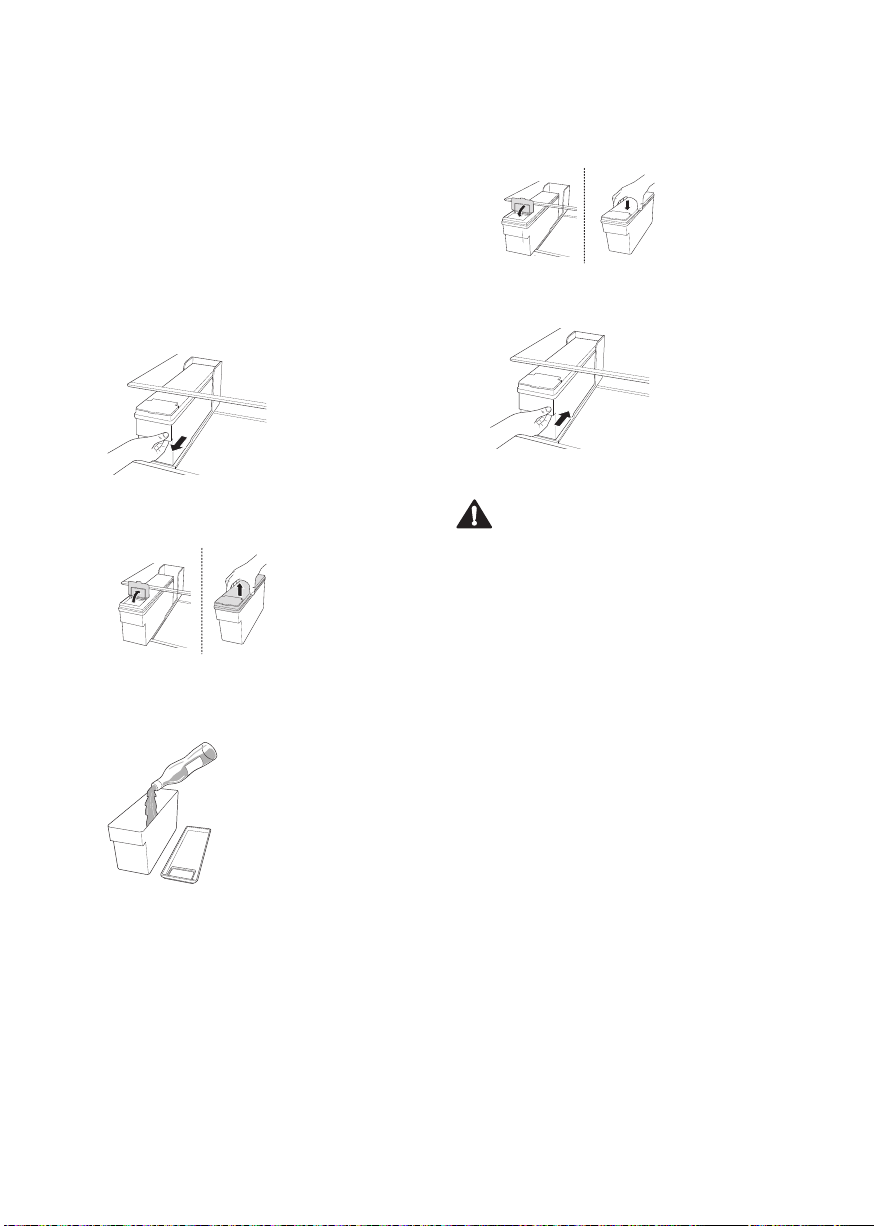
Water Dispenser Tank (Non
plumbed models only)
The water tank holds the water in which is to be
dispensed or used by the automatic ice maker to
make ice. Do not ll this tank with any other liquid
other than water. Doing so can damage the water
dispensing system.
1
Remove the water dispenser tank by pulling
it out while holding the handle.
2
Open the cover or cap of the water dispenser
tank.
3
Fill with bottle ltered or clean ltered water
up to the reference line indicated inside the
water dispenser tank. (Total capacity: 4 ℓ)
4
After lling with water, close the cover or cap
of the water dispenser tank.
5
Ret the water dispenser tank in to the fridge
shelf.
CAUTION
•
Children should not be allowed near the
dispenser tank. If the child drops the water
dispenser tank while it is completely lled with
water, injury may occur.Do not ll the water tank
with drinks other than water or ll with hot water.
•
Do not apply excessive force or impact when
removing or assembling the water dispenser
tank. Doing so can cause appliance damage or
injury. Use both hands to remove and hold the
water tank. The tank can be broken if it falls on
to the oor.
NOTE
•
Before using the water dispenser tank after
installing the appliance, it should be washed
before lling it with water.
•
Check if the water dispenser tank has been
placed in to the appliance correctly. If it is not
assembled correctly, water may leak from the
tank into the appliance.
•
If there is an insufcient amount of water in the
water dispenser tank, ice cube size and quantity
may be affected and may result in no ice being
made.
•
If the water level is low, or there is no water in
the water dispenser tank, the cold water and
ice dispensing function of the dispenser cannot
be used. Check if there is water in the water
dispenser tank and then ll it if necessary.
26
•
Wait at least 15 seconds before removing the
water tank after after having dispensed water
or ice from the dispenser. Not doing so could
cause an air lock.
•
Sound from the water tank will be normal
when supplying water to the dispenser and
the Automatic Ice Maker. It is not a sign of
malfunction.
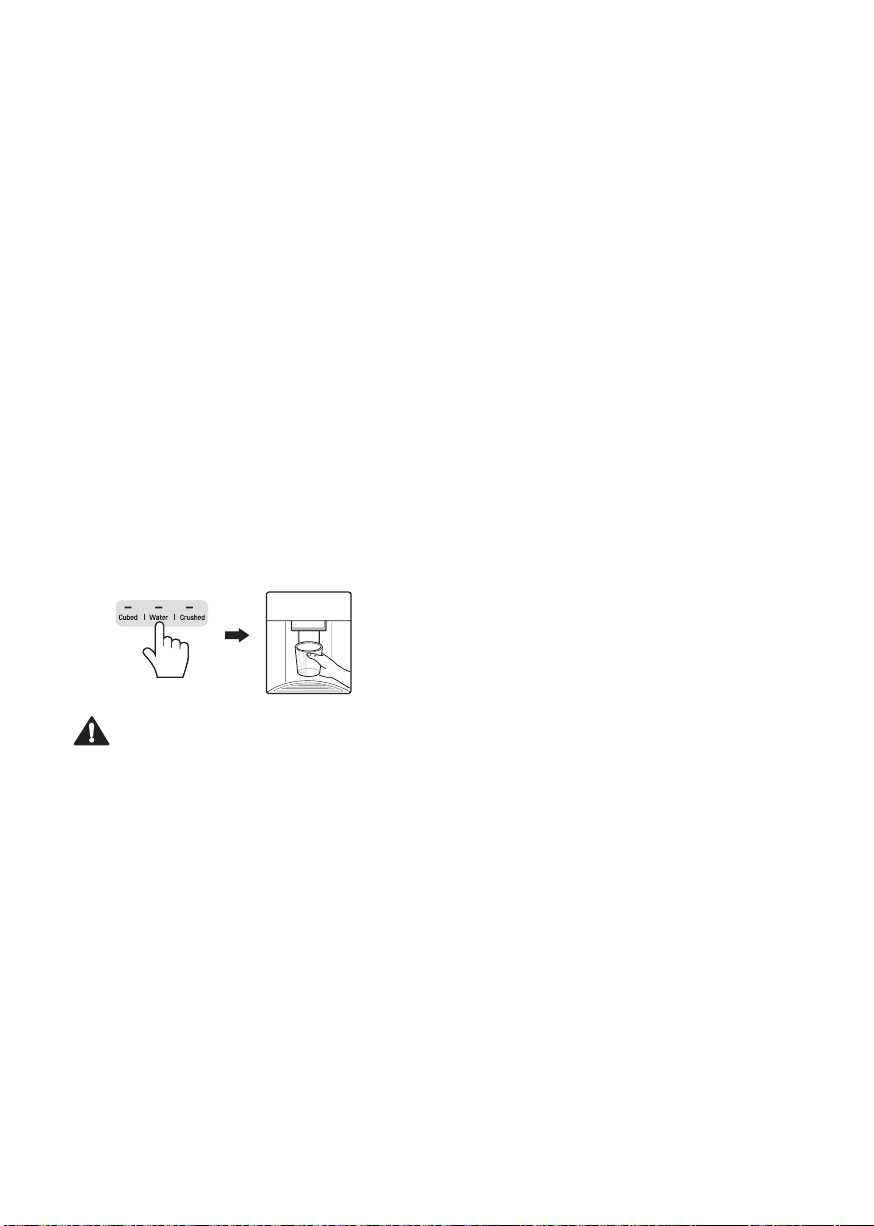
Water and Ice Dispenser
You can dispense cubed ice, water or crushed ice
by pressing the respective button for the desired
mode.
•
When you touch the
Cubed, Water
or
Crushed
button on the control panel, the lamp on the
control panel will turn on and the desired mode
will be set. At this time, when you press the
dispenser lever, the selected appliance (cubed
ice, water and crushed ice) will be dispensed,
•
The function is enabled and disabled in turn
each time you press the button on the control
panel.
CAUTION
•
Keep children away from the dispenser to
prevent children playing with or damaging the
controls.
•
Throw away the rst few batches of ice (about
20 cubes and 7 cups of water). This is also
necessary if the appliance has not been used
for a long time.
NOTE
•
If you open the freezer door while water is being
dispensed, the water supply will stop and the
control panel will return to the initial screen.
•
If you open the fridge door while water,
cubed ice or crushed ice is being dispensed,
dispensing will be paused. When you close the
door, the selected item for the previously set
mode will continue to be dispensed.
•
If the cup rim is small, water may splash out of
the glass or miss it completely.
•
Use a cup with a rim of over 68 mm in diameter
when dispensing water, cubed ice or crushed
ice.
•
When the ice maker produces smaller ice
cubes, or the cubes become lumped together,
the amount of water supplied to the ice maker
may be low due to insufcient water in the water
tank. If ice is not used frequently, it may also
lump together.
Automatic Icemaker
The automatic icemaker can automatically make 6
cubes at a time, 50~60 pieces within a 24hr period
if conditions are favorable. This amount may vary
according to the environment (ambient temperature
around the appliance, frequency of the door being
opened, amount of food stored in the appliance,
etc.).
•
If the ice bin is completely lled with ice, ice
production will stop.
•
Sound of ice dropping into the ice bin is normal.
•
The icemaker produces ice normally when
approximately 48 hours have passed after the
appliance is initially installed.
•
Discard ice produced for the rst time without
using it.
•
While the automatic icemaker is operating, do
not touch it with your hands directly.
•
If ice cubes are stored in the ice bin for a long
period of time, they may clump together and
may not be separated easily. In such a case,
clean the ice bin before using it.
27
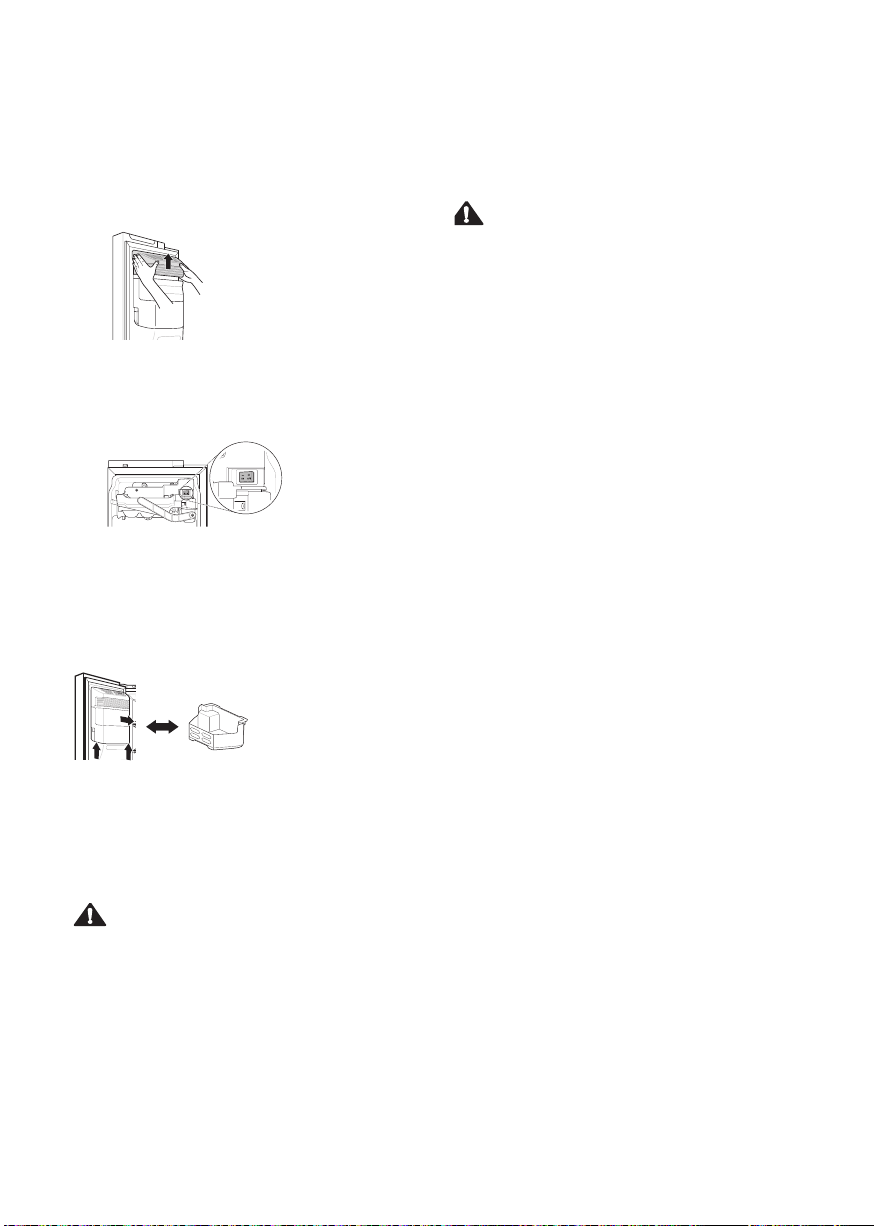
Switching the Automatic Icemaker
On and Off
1
Hold and remove the cover of the automatic
icemaker by lifting it upward.
2
When the automatic icemaker is not used,
the ice bin can be used as a freezer basket
after selecting the icemaker switch to the off
position.
Removing the Ice Bin (Optional)
Hold the ice bin with both hands and pull it out
while lifting it upward.
•
When the automatic icemaker is not used, the
ice bin can be used as a freezer basket.
•
If the ice bin is completely lled with ice, it may
be heavy. Remove it using both hands.
WARNING
•
Do not touch the automatic icemaker mechanical
parts with your hand or a tool. Otherwise,
appliance damage or injury may occur.
•
Caution should be taken, as the automatic
icemaker operates continuously after the freezer
door is opened when the automatic icemaker
switch is set to the on position.
•
Do not disassemble, repair or alter the automatic
icemaker.These tasks should only be done by a
service technician.
CAUTION
•
Throw away the rst few batches of ice (about
20 cubes and 7 cups of water). This is also
necessary if the appliance has not been used
for a long time.
•
The rst ice and water dispensed may include
particles or odor from the water supply line or
the water tank.
•
Keep children away from the dispenser. Children
may play with or damage the controls.
•
The ice passage may become blocked with
frost if only crushed ice is used. Remove the
frost that accumulates by removing the ice bin
and clearing the passage with a rubber spatula.
Dispensing cubed ice periodically can also help
prevent frost buildup.
•
If discolored ice is dispensed, check the water
tank and the water supply for a possible
source. If the problem continues, contact the
LG Electronics customer information centre.
Do not use the ice or water until the problem is
corrected.
•
Never use thin crystal glass or crockery to
collect ice. Such containers may chip or break
resulting in glass fragments in the ice.
•
Dispense ice into a glass before lling it with
water or other beverages. Splashing may occur
if ice is dispensed into a glass that already
contains liquid.
•
Do not touch the ice outlet or the automatic
icemaker with your hand or a tool. Otherwise,
appliance damage or injury may occur.
•
When retting the ice bin, ensure it is placed
correctly. If it is tilted or unleveled, it may not
continue to make ice due to sensor disruption.
•
Never use a glass that is exceptionally narrow
or deep. Ice may jam in the ice passage and
appliance performance may be affected.
•
Keep the glass at a proper distance from the ice
outlet. A glass held too close to the outlet may
prevent ice from dispensing.
•
Dispose of the ice inside the ice bin in the
freezer compartment if you go out on vacation or
an extended power outage occurs. Water from
melting ice may drop from the dispenser onto
the oor.
28
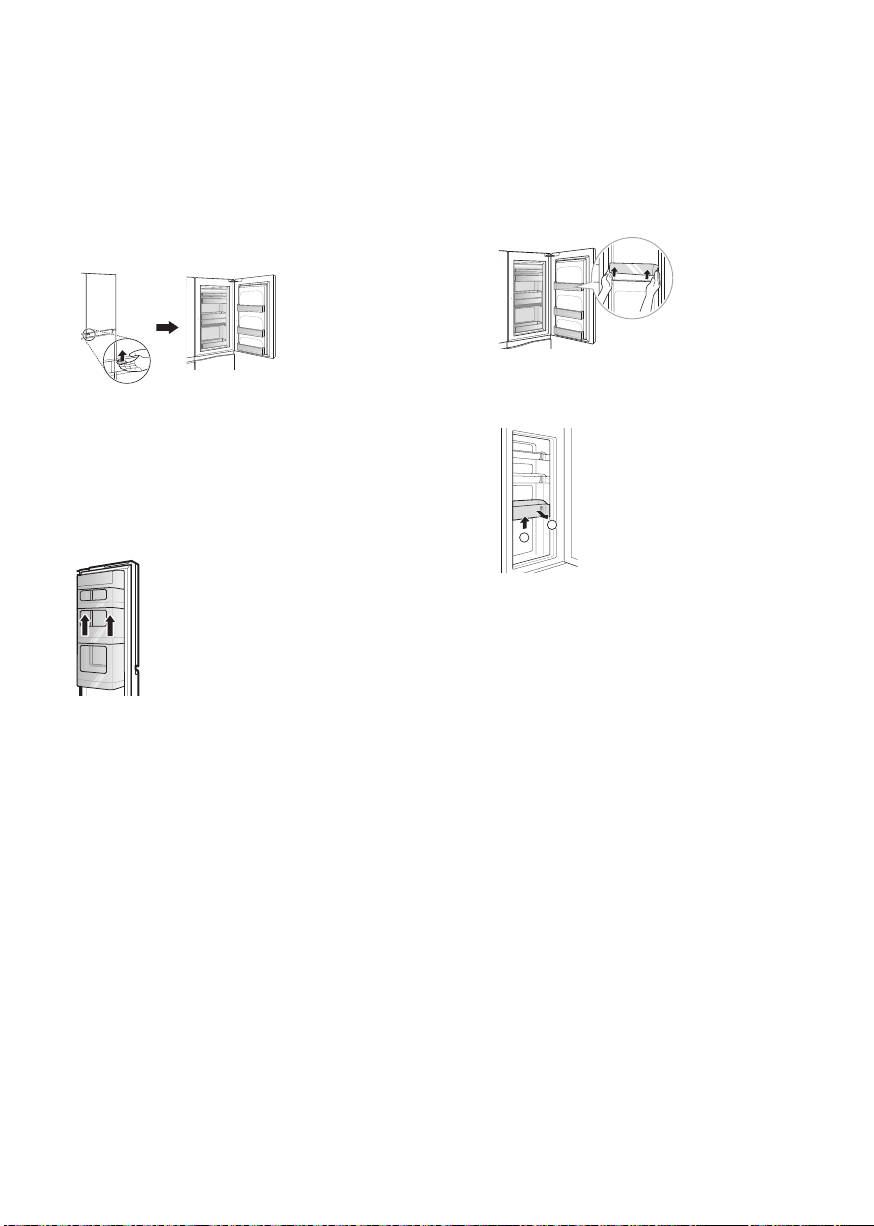
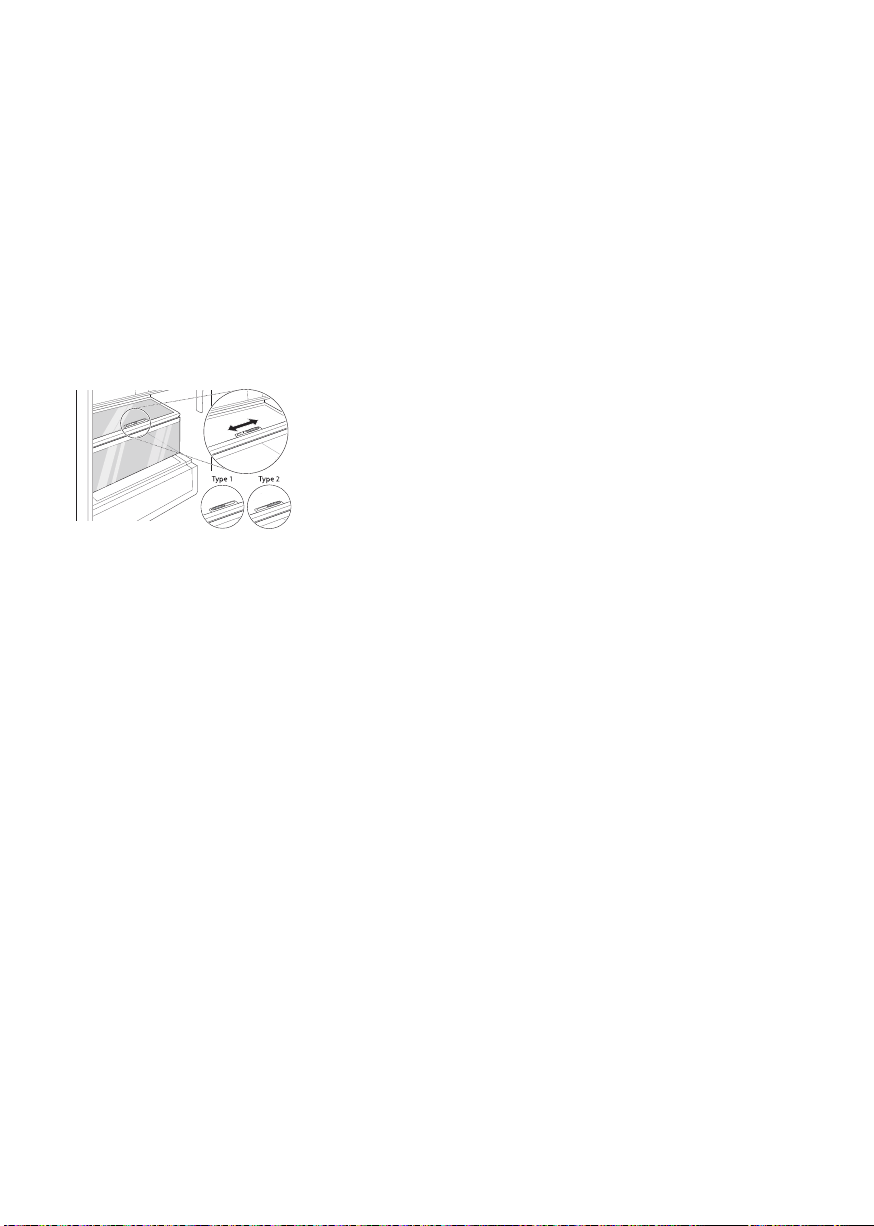
Door in Door (Optional)
Press the lever on the lower edge door in door until
it opens.
There is plenty of storage space inside the door in
door and its surrounding baskets, allowing you to
store food in an organized manner.
Removing the Case from the Door
in Door
Hold the case from inside the door in door with
both hands and remove it by lifting it upward.
Retting the Door in Door Case
Mount them in the reverse order of the removal
process.
Removing the Baskets from the
Door in Door
1
Hold both edges of the basket and remove
it by lifting it upward.
2
Lift the xed basket up as shown in
①
and
remove it by pulling it out as shown in
②
.
1
2
Retting the Baskets to the Door in
Door Hombar
Mount them in the reverse order of the removal
process.
29
Fresh Vegetable Drawer
(Optional)
The Humidity in the vegetable crisper drawer can
be controlled by sliding the lever in either direction.
If moved to the left side, the air guide will be open
and allow air to circulate through the drawer for
reduced humidity. And if moved to the right side,
the air guide will be closed and will maintain any
humidity that is currently in the crisper drawer.
The closed state is recommended for storing
vegetables, and open state is recommended for
storing fruit.
Other Functions
Door Open Alarm
The alarm sounds 3 times in 30 second intervals if
any one of the appliance's doors are left open for
longer than 1 minute.
•
Contact an LG Electronics customer information
centre if the alarm sound continues after 30
seconds even after closing the door.
Malfunction Detection
The appliance can automatically detect certain
problems during the operation.
•
If a problem is detected, or the appliance does
not operate an error code is displayed even
when any button is pressed.
•
When this occurs, do not turn off the power but
immediately contact an LG Electronics customer
information centre. If you turn off the power,
the repair technician from an LG Electronics
customer information centre may have difculty
nding the problem.
30
SMART FUNCTION
Application Installation
Search for the LG Smart ThinQ application from
the Google Play Store on a smart phone. Follow
instructions to download and install the application.
Product Registration
1
Run the LG Smart ThinQ application on a
smart phone.
2
Create an account and sign in.
3
Select
Register
.
4
Select
Refrigerator
.
5
Follow the instruction on the smart phone.
•
If the NFC function is not turned on, turn
on the NFC function in the smart phone.
6
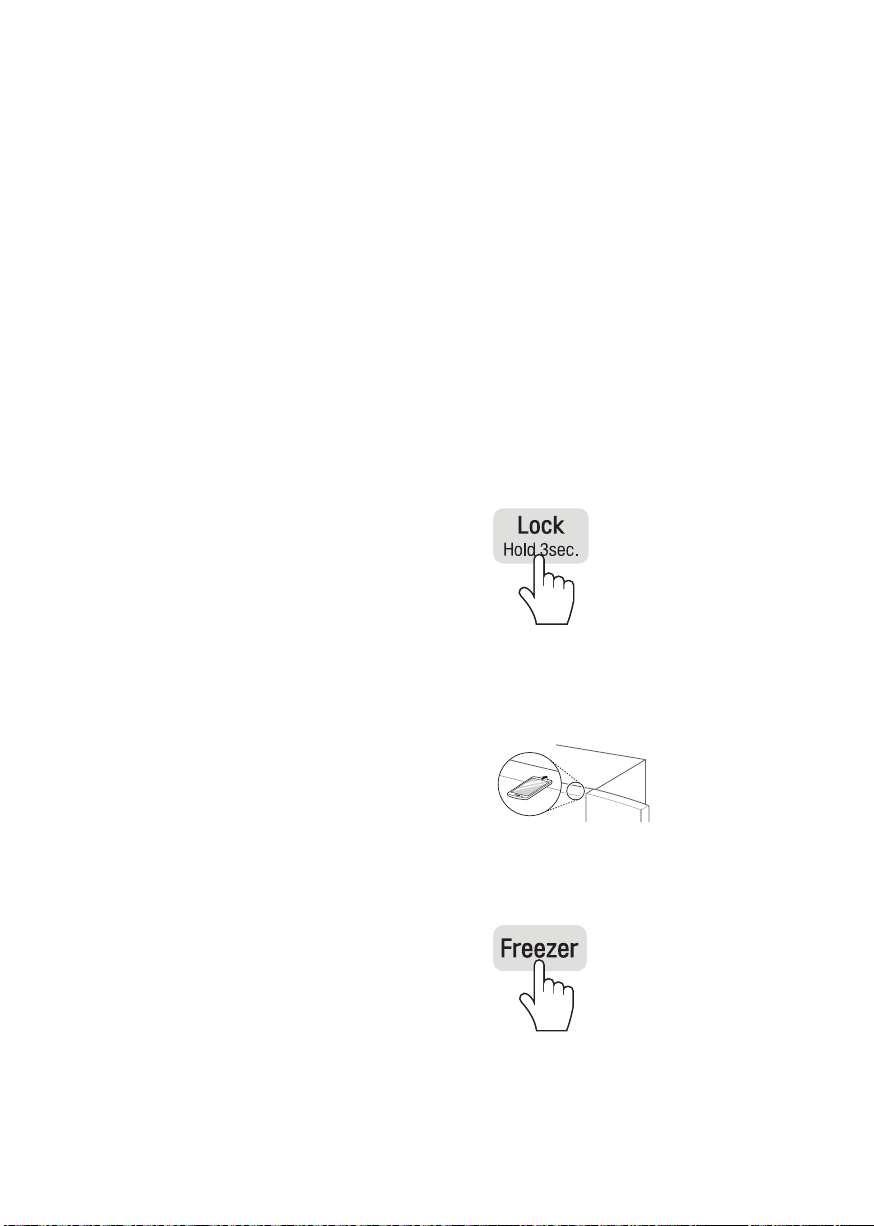
Firmly attach the smart phone to the Tag On
logo on the appliance.
•
If you can not make a connection, then
move the smart phone up and down
slowly.
NOTE
•
Press
?
in the LG Smart ThinQ application for a
more detailed guide on how to use the Tag On
function.
•
To operate the NFC function on this product
will require a smart phone which has at least
a certain level of NFC function recognition.
Because of the characteristics of NFC, if the
transmission distance is too far, or if there is
a metal sticker or a protective case on the
phone, transmission will not be good. In some
cases, NFC-equipped phones may be unable to
transmit successfully.
•
The content found in this manual may differ
from the current version of the LG Smart ThinQ
application, and the software may be modied
without informing customers.
•
NFC function will vary depending on the smart
phone.
Using the Tag On Function
Conveniently use the Smart Diagnosis™ to
communicate with the appliance directly from a
smart phone.
The Tag On function can only be used with most
smart phones equipped with the NFC (Near
Field Communication) function and based on the
Android OS (operating system).
Using the Application
Select the appliance from the Dashboard to
use the desired functions by touching the LG
appliance's Tag On logo with an NFC-equipped
smart phone.
Smart Diagnosis™
If you use the Smart Diagnosis function, you will
be provided with the useful information such as
a correct way of using the appliance based on
the pattern of use.
31
Using Smart Diagnosis™
Use this function if you need an accurate diagnosis
by an LG Electronics customer information centre
when the appliance malfunctions or fails.
Smart Diagnosis™ can not be activated unless the
appliance is connected to power. If the appliance
is unable to turn on, then troubleshooting must be
done without using Smart Diagnosis™..
Smart Diagnosis™ Using a Smart
Phone
1
Open the LG Smart ThinQ application on the
smart phone.
2
Select the refrigerator in dashboard.
3
Press
Start Smart Diagnosis
button.
4
Follow the instructions on the smart phone.
NOTE
•
If the diagnosis is continually unsuccessful, then
use the following instructions.
5
Select the
Audible Diagnosis
.
6
Follow the instructions on the smart phone.
7
Keep the phone in place until the tone
transmission has nished. View the diagnosis
on the phone.
NOTE
•
The Smart Diagnosis™ function depends on
the local call quality.
•
The communication performance will improve
and you can transmit a better signal if you use a
land line home phone.
•
If the Smart Diagnosis™ data transfer is poor
due to poor call quality, you may not receive the
best Smart Diagnosis™ service.
Smart Diagnosis™ Through the
Customer Information Centre
Use this function if you need an accurate diagnosis
by an LG Electronics customer information center
when the appliance malfunctions or fails. Use this
function only to contact the service representative,
not during normal operation.
1
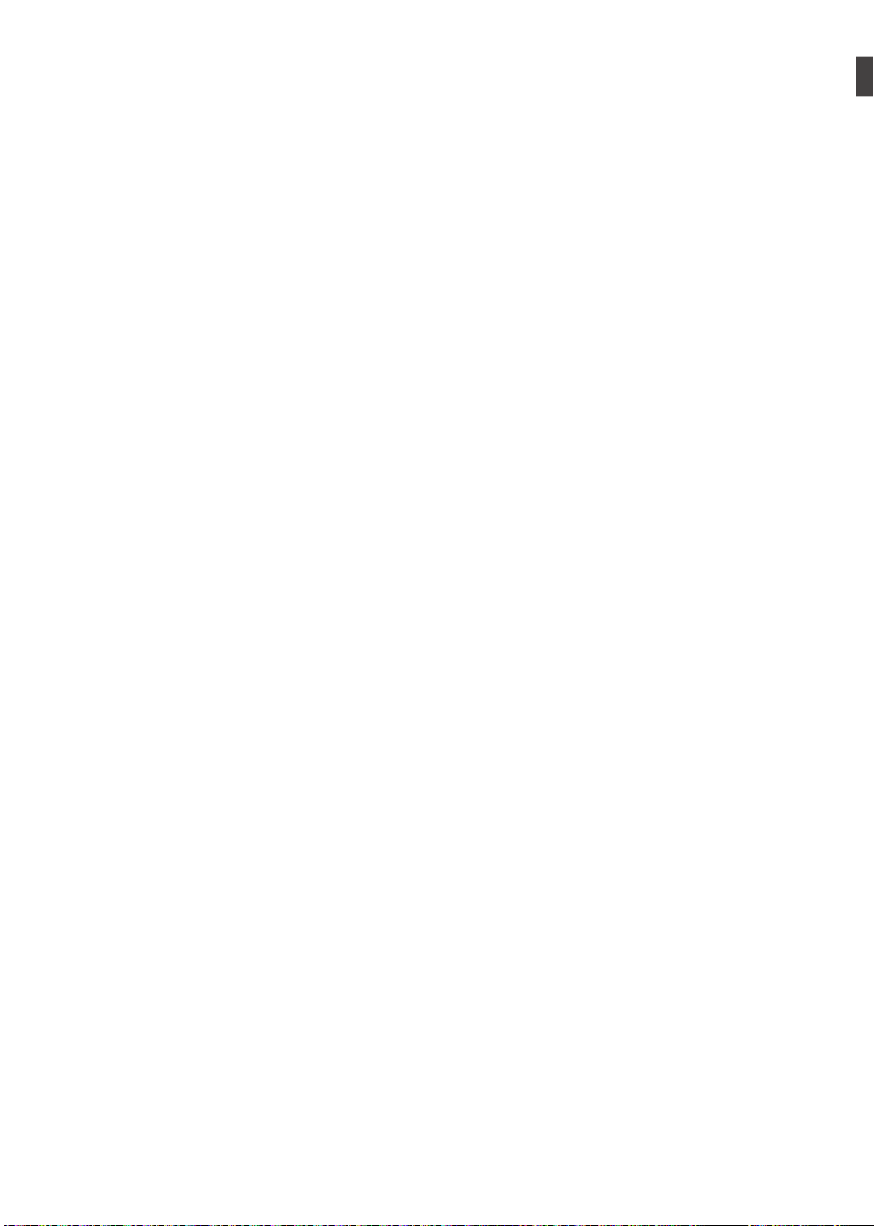
Press the
Lock
button to activate the Lock
function.
•
If the Lock function has been activated
already, press the
Lock
button to
deactivate the Lock function, and then
press the
Lock
button again to activate
the Lock function.
•
Please note that the Smart Diagnosis
function will not operate until ve minutes
has passed since the Lock function was
activated.
2
Open the fridge door and then hold the
phone on the upper right speaker hole.
•
Position the phone so that its microphone
is aligned with the speaker hole.
3
Press and hold the
Freezer
button for three
seconds or longer while continuing to hold
your phone to the speaker.
32
4
Keep the phone on the speaker hole in the
upper right corner.
•
Position the phone so that its microphone is
aligned with the speaker hole.
•
The Smart Diagnosis™ sound is generated
after around three seconds.
•
Do not take the phone off the speaker hole
while the data is transmitted.
•
Hold the phone to the upper right speaker
hole and wait while the data is transmitted.
•
The data transfer sound may be harsh to
the ear while the Smart Diagnosis™ data is
being transmitted, but do not take the phone
off the speaker hole for accurate diagnosis
until the data transfer sound has stopped.
5
After the data transfer is complete, the service
agent will explain the result of the Smart
Diagnosis™.
•
When the data transfer is complete, the
transfer completion message is displayed
and the control panel is automatically
turned off and then on again after a few
seconds. After the customer information
centre explains the diagnosis result.
NOTE
•
The Smart Diagnosis™ function depends on the
local call quality.
•
The communication performance will improve
and you can transmit a better signal if you use a
land line home phone.
•
If the Smart Diagnosis™ data transfer is poor
due to poor call quality, you may not receive the
best Smart Diagnosis™ service.
33
Notes for Cleaning
•
When removing a shelf or drawer from inside
the appliance, remove all stored foods.
–
Otherwise, injury may occur due to the
weight of stored foods.
•
If cleaning the outside air vents of the appliance
by means of vacuuming, then the power cord
should be unplugged from the outlet to avoid
any static discharge that can damage the
electronics or cause an electric shock.
•
Detach the shelves and drawers and clean them
with water, and then dry them sufciently, before
replacing them.
•
Regularly wipe the door gasket with a wet soft
towel.
•
Door basket spills and stains should be cleaned
as they can compromise storage ability of the
basket and could even be damaged.
•
After cleaning, check if the power cable is
damaged, warm or improperly plugged.
•
Keep the air vents on the exterior of the
appliance clean.
–
Blocked air vents can cause re or appliance
damage.
•
Waxing external painted metal surfaces helps
provide rust protection. Do not wax plastic parts.
Wax painted metal surfaces at least twice a year
using appliance wax (or auto paste wax). Apply
wax with a clean, soft cloth.
•
For the appliance exterior, use a clean sponge
or soft cloth and a mild detergent in warm water.
Do not use abrasive or harsh cleaners. Dry
thoroughly with a soft cloth.
•
Never clean the shelves or containers in the
dishwasher.
–
The parts may become deformed due to the
heat.
•
If the appliacne is equipped with an LED lamp,
do not remove lamp cover and LED lamp in any
attempt to repair or service it. Please, contact an
LG Electronics customer information centre.
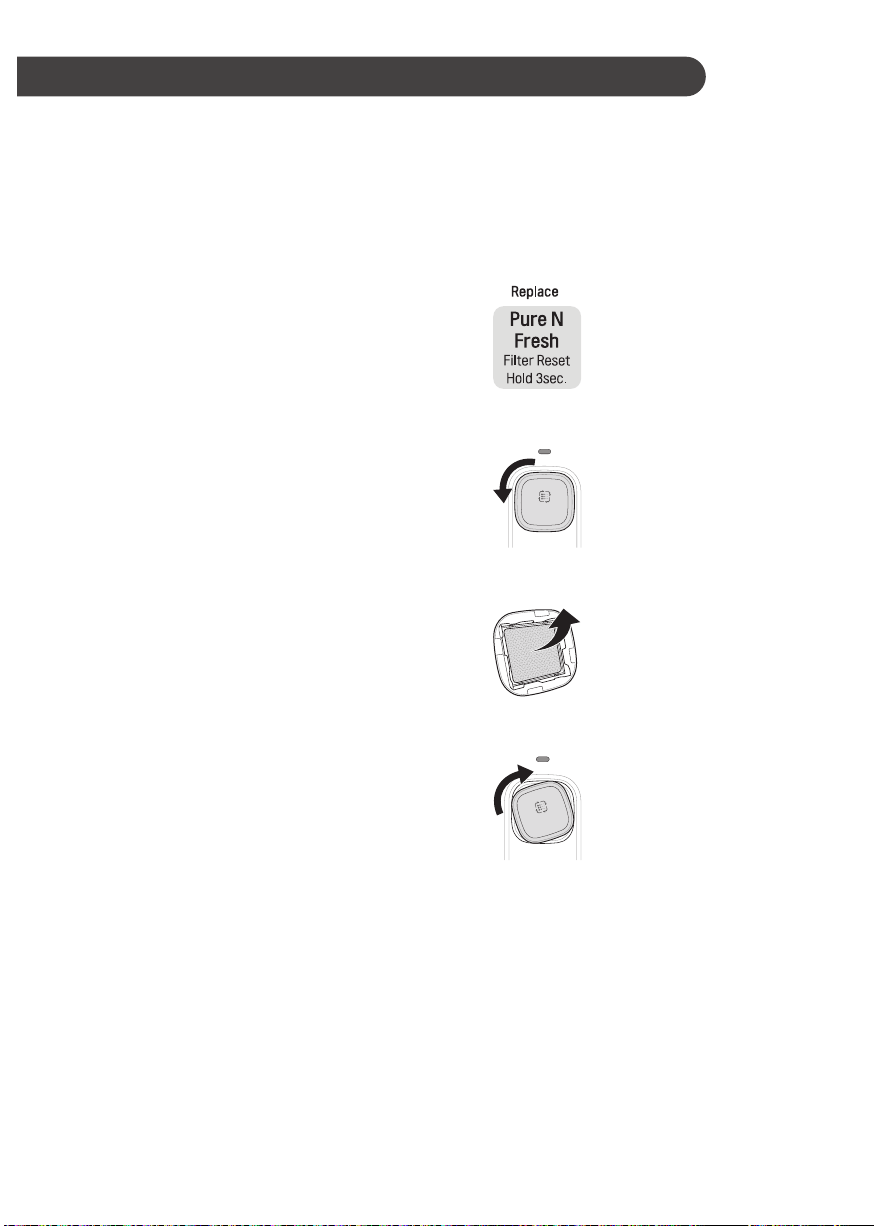
Replacing the Pure N Fresh
Filter (Optional)
To maintain the performance of the Pure N Fresh
lter, if a message indicating the lter replacement
is displayed, replace the lter as soon as possible.
1
If
Replace
icon lights on the control panel,
replace the Pure N Fresh lter.
2
Hold and remove the Pure N Fresh lter
cover by rotating it counterclockwise.
3
Remove the lter inside the Pure N Fresh
lter cover and replace it with a new lter.
4
After replacing the lter, insert the Pure N
Fresh lter cover by rotating it clockwise.
5
To reset the lter replacement period, press
the
Pure N Fresh
button on the control panel
for more than three seconds. The
Replace
icon on the control panel will turn off.
6
It will then operate after replacing the lter.
MAINTENANCE
34
NOTE
•
Do not insert your nger or other foreign objects
inside the lter or its mounting. Doing so may
result in injuries or malfunctions.
•
If the replacement period has passed, the
bacteria and odor removal performance may be
compromised.
•
Please note that if you wash the lter with water,
the lter performance may also deteriorate.
•
Caution should be taken not to change the
direction of the lter to be inserted into the lter
cover.
•
The lter can be purchased from an LG
Electronics customer information centre.
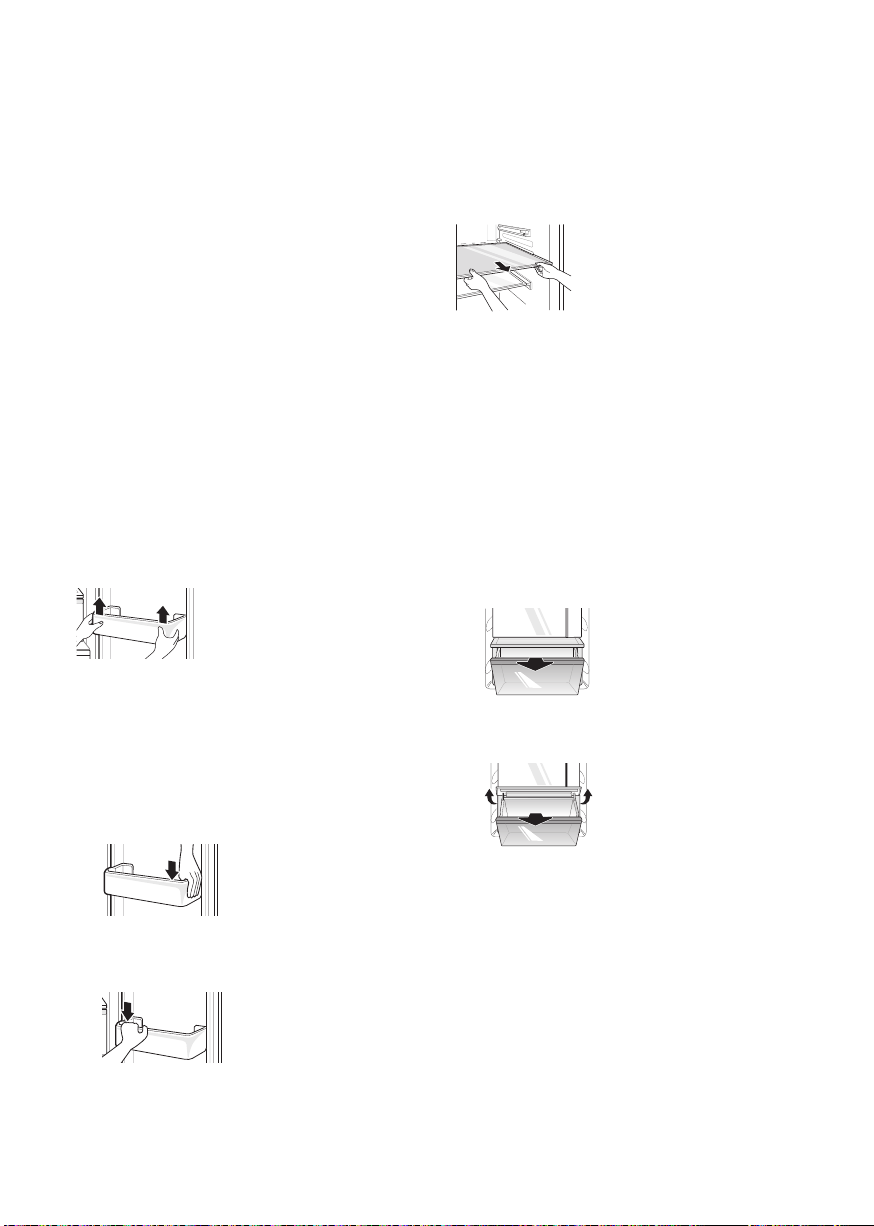
Cleaning the Door Basket
Removing the Fridge/Freezer Door
Basket
Hold both edges of the basket and remove it by
lifting it upward.
Retting the Fridge/Freezer Door
Basket
1
Hold both edges of the door basket, gently
push one edge to align it in place, and then in
the same manner align the other edge.
2
After aligning it, tap on the door basket gently
to secure it to its horizontal position.
Cleaning the Shelf
Removing the Fridge/Freezer Shelf
Remove the shelf by pulling it out.
Retting the Fridge/Freezer Shelf
Mount them in the reverse order of the removal
process.
Cleaning the Vegetable Drawer
Removing the Vegetable Drawer
1
Remove the contents of the drawer. Hold the
handle of the vegetable drawer and pull it out
completely until it outward gently until it stops.
2
Lift the vegetable drawer up and remove it by
pulling it out.
35
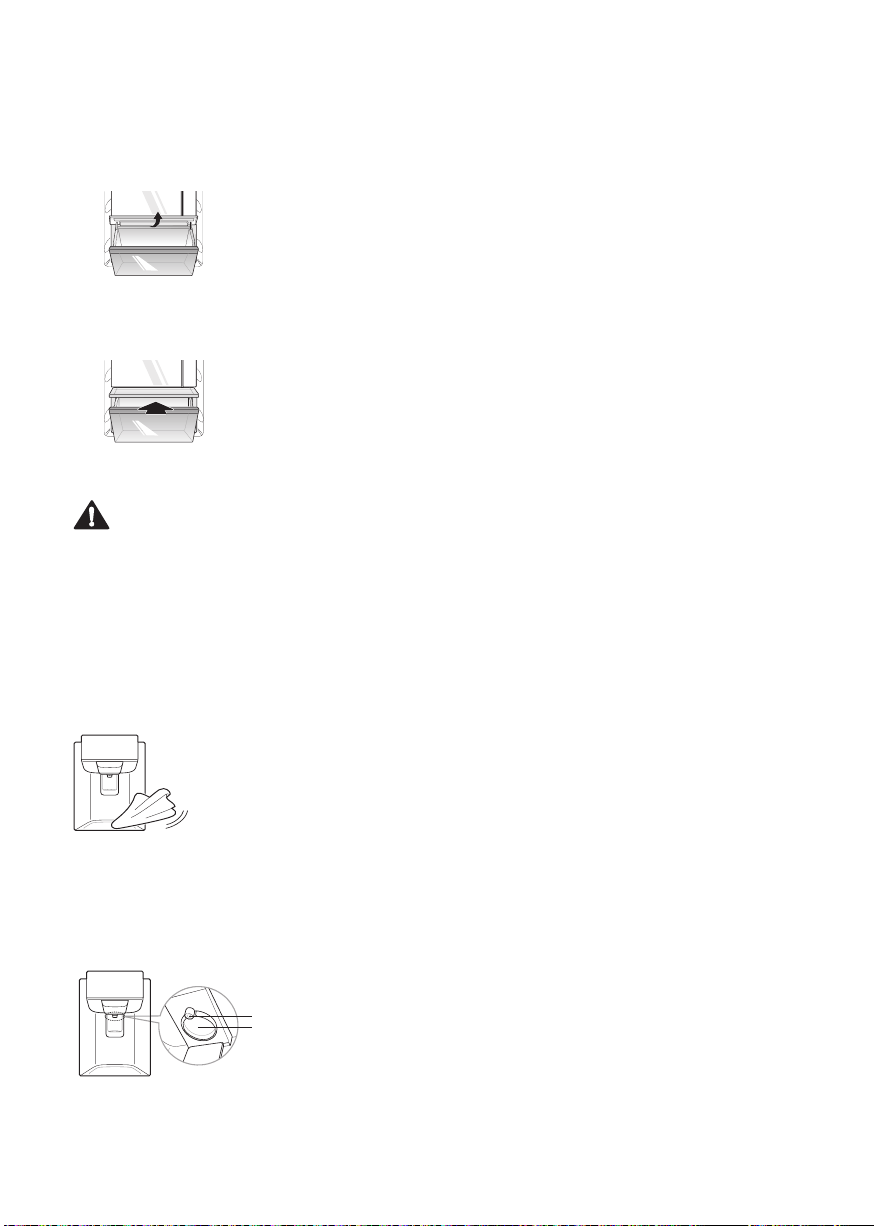
Retting the Vegetable Drawer
1
If the vegetable drawer has a cover, lift it..
2
Insert the bottom of the vegetable drawer into
its original position and gently push it back in
while lowering it.
CAUTION
•
Please note that injuries can be caused by
the weight of stored foods when removing the
vegetable drawer if they are not removed.
Cleaning the Water Dispenser
Cleaning the Dispenser Tray
The dispenser tray may become wet easily due
to spilled ice or water. Wipe the entire area with a
damp cloth.
Cleaning the Water and Ice Outlet
Wipe the water or ice outlet frequently with a clean
cloth as it may get dirty easily. Please note that lint
from a cloth may adhere to the outlet.
Water Outlet
Ice Outlet
Replacing the Water Filter (For
Plumbed models Only)
Replace the disposable water lter when indicated
on the
Replacement Filter
icon or at least every 6
months.
To give you preparation time to get a new lter, the
light will come on just before the capacity of the
current lter runs out. Changing the lter on time
provides you with the fresh and clean water from
the appliance.
1
Unplug the appliance.
2
Turn off the water supply to the appliance.
3
Remove the disposalbe water lter.
4
Install the replacement water lter by
following the 'Connecting to the Water Filter'
section.
5
Turn on the water supply and switch on the
appliance.
6
Press and hold the
Water Filter
button for
three seconds.This will reset the Replacement
Filter icon. The new water lter has been
activated. Water from a new lter will appear
cloudy until several liters are dispensed. The
cloudiness is an accumulation of microscopic
air bubbles and is safe to drink.
NOTE
•
To purchase a replacement water lter, contact
an LG Electronics service centre.
36
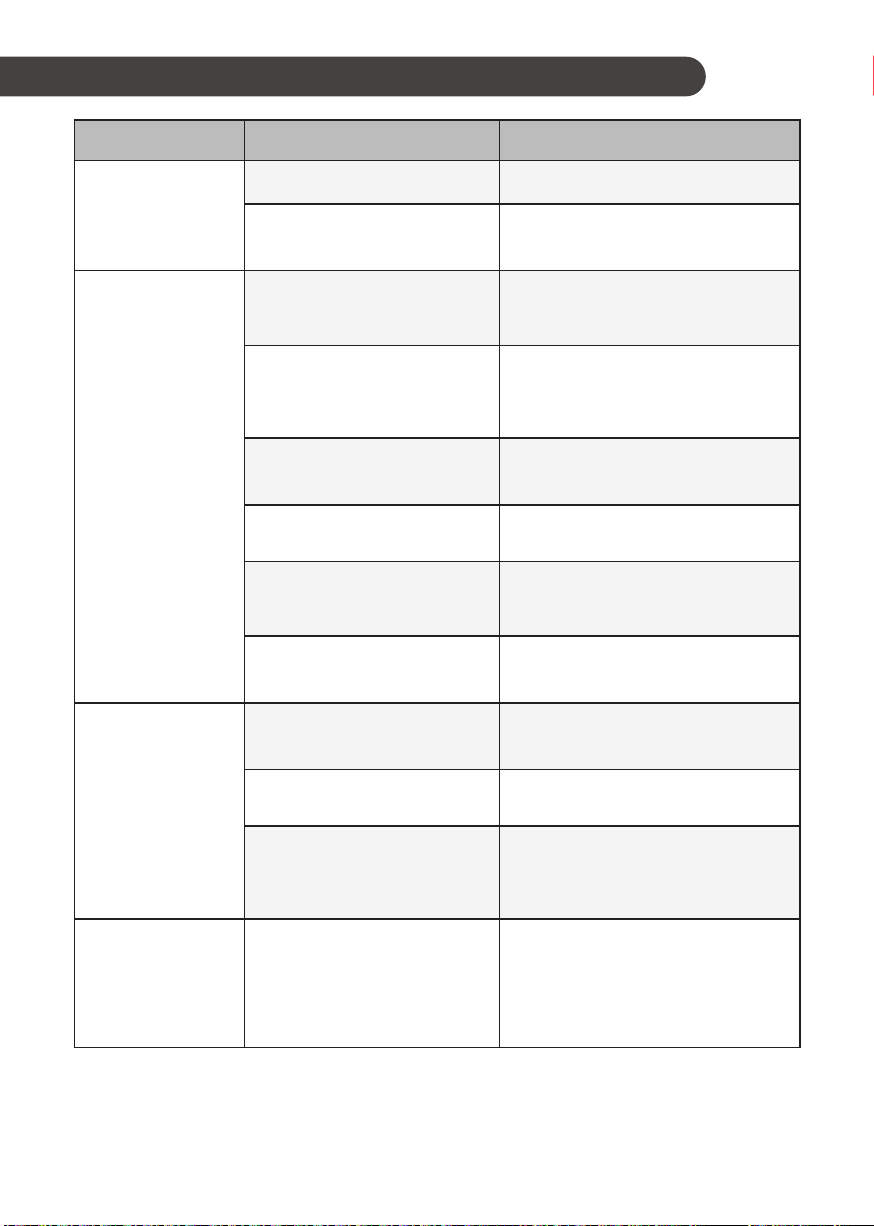
TROUBLESHOOTING
Symptoms Reason Solution
There is no
refrigeration or
freezing.
Is there a power interruption?
•
Check the power of other appliances.
If the power plug unplugged
from the outlet?
•
Plug the power plug in the outlet
properly.
There is poor
refrigeration or
freezing.
Is the fridge or freezer
temperature set to its warmest
setting?
•
Set the fridge or freezer temperature
to 'Medium' or cooler and re check
after 24Hrs
Is the appliance in direct
sunlight, or is it near a heat
generating object such as
cooking oven or heater?
•
Check the installation area and
reinstall it away from heat generating
objects.
Did you store hot food without
cooling it rst?
•
Cool the hot food rst before putting it
in the fridge or freezer compartment.
Did you put in too much food?
•
Maintain an appropriate space
between food.
Are the appliance doors
completely closed?
•
Completely close the door and make
sure that stored food is not obstructing
the door.
Is there enough space around
the appliance?
•
Adjust the installation position to make
enough space around the appliance.
The appliance
contains a bad
smell.
Is the fridge or freezer
temperature set to 'Warm'?
•
Set the fridge or freezer temperature
to 'Medium'.
Did you put in food with a
strong smell?
•
Store foods with strong smells in
sealed containers.
Vegetables or fruit may have
spoiled in the drawer?
•
Throw away rotten vegetables and
clean the vegetable drawer. Do not
store vegetables too long in the
vegetable drawer.
The inside lamp in
the appliance does
not turn on.
Does the inside lamp in the
appliance turn off?
•
It is hard for customers to replace the
inside lamp in the appliance as they
are not serviceable. If the inside lamp
does not turn on, please contact the
LG Electronics customer information
centre.
37
Symptoms Reason Solution
The appliance
door is not closed
tightly.
Is the appliance leaning
forward?
•
Adjust the front feet to raise the front
side slightly.
Were the shelves properly
assembled?
•
Ret the shelves if needed.
Did you close the door with
excessive force?
•
If you apply too much force or speed
when closing the door, it may remain
briey open before closing. Make sure
that you do not slam the door closed.
Close without force.
It is difcult to
open the appliance
door.
Did you open the door right
after you closed it?
•
If you try to open the appliance door
within one minute after you closed
it, you may have difculties because
of the pressure inside the appliance.
Try to open the appliance door again
in a few minutes so that the internal
pressure stabilizes.
There is
condensation
inside the
appliance or on
the bottom of the
vegetable drawer
cover.
Did you store hot food without
cooling it rst?
•
Cool the hot food rst before putting it
in the fridge or freezer compartment.
Did you leave the appliance
door open?
•
Although the condensation will
disappear soon after you close the
appliance door, you can wipe it with a
dry cloth.
Do you open and close the
appliance door frequently?
•
Condensation can form due to the
temperature difference from the
outside. Wipe out the dampness with a
dry cloth.
Did you put warm or moist
food inside without sealing it
in a container?
•
Store food in a covered or sealed
container.
Frosts has formed
in the freezer
compartment.
Doors may not be closed
properly?
•
Check if the food item inside the
appliance is blocking the door and
make sure that the door is tightly
closed.
Did you store hot food without
cooling it rst?
•
Cool the hot food rst before putting it
in the fridge or freezer compartment.
38
Symptoms Reason Solution
Frosts has formed
in the freezer
compartment.
Is the air entry or exit of the
freezer compartment blocked?
•
Make sure that air entry or exit is not
blocked so that the air can circulate
inside.
Is the freezer compartment
overlled?
•
Maintain an appropriate space
between items.
Frost or
condensation has
formed inside
or outside the
appliance.
Did you open and close the
appliance door frequently or is
the appliance door improperly
closed?
•
Frosts or condensation can form if
the outside air penetrates inside the
appliance.
Is the installation environment
humid?
•
Condensation can appear on the
exterior of the appliance if the
installation area is too humid or on a
humid day such as a rainy day. Wipe
off any moisture with a dry cloth.
The appliance
is noisy and
generates
abnormal sounds.
Is the appliance installed on
a weak oor or improperly
leveled?
•
Install the appliance on a solid and at
area.
Does the rear of the appliance
touch the wall?
•
Adjust the installation position to
allow enough clearance around the
appliance.
Are objects scattered behind
the appliance?
•
Remove the scattered objects from
behind the appliance.
Is there an object on top of the
appliance?
•
Remove the object on top of the
appliance.
The side or front
of the appliance is
warm.
There are anti condensation
pipes tted to these areas
of the appliance to reduce
condensation forming from
around the door area.
•
The heat releasing pipe to prevent
condensation is installed on the front
and side of the appliance. You may
feel it particularly hot right after the
appliance is installed or during the
summer. You can be assured that this
is not a problem and is quite normal.
There is water
inside or outside of
the appliance.
Is there water leakage around
the appliance?
•
Check if the water has leaked from a
sink or another place.
Is there water on the bottom
of the appliance?
•
Check if the water is from the thawed
frozen food or a broken or dropped
container.
39
Symptoms Reason Solution
The automatic
icemaker does
not produce ice or
produces a small
amount of ice.
Did you install the appliance
recently?
•
The ice maker produces ice normally
when approximately 48 hours have
passed after the appliance is installed.
Did you connect the water
supply pipe to the appliance
and open the supply valve?
•
Connect the water supply pipe to the
appliance and open the supply valve
completely.
Is the water supply hose bent?
•
If the water supply hose is bent, the
water ow could be compromised.
Have you dispensed a large
amount of ice recently?
•
It takes approximately 24 hours to
produce more ice in the automatic
icemaker. Please wait.
Did you set the ice maker
switch or the automatic
icemaker button on the control
panel to ON?
•
Press
I
on the automatic icemaker
switch or set
ON
for the automatic
icemaker button on the control panel.
(For more details on how to use, visit
LG electronics website or use your
smart device.)
The automatic
icemaker does
not produce ice or
produces a small
amount of ice.
Is the temperature of the
freezer compartment set too
high?
•
If the set temperature is too warm, ice
will be produced slowly or not at all.
Set the Freezer temperature to -18 °C
for normal operation of the automatic
icemaker.
Have you been opening the
appliance door frequently?
•
If you open the appliance door
frequently, cold air will escape,
lowering the speed of ice production.
Do not open and close the appliance
door frequently.
Is the appliance door
completely closed?
•
If the appliance door is not completely
closed, the temperature of the freezer
compartment will increase, slowing
down the ice production speed. Close
the appliance door completely.
Is the water tank lled with
water(non plumbed models
only)
•
Fill the water tank with water.
40
Symptoms Reason Solution
Water does not
come out.
The supply valve may be
turned off? (For Plumbed
models Only)
•
Open the water supply valve.
The water dispenser tank
may be empty? (Non plumbed
models only)
•
Fill the water dispenser tank.
Is the water supply valve
closed? (For Plumbed models
Only)
•
Open the water supply valve.
Are you using unltered
water?
•
Unltered water can contain a large
amount of various heavy metals
or foreign substances, so the lter
may be clogged in the early stage
regardless of the life of the lter.
Water tastes
strange.
Is the taste of water different
when comparing it with
the taste of water from the
previous water purier?
•
You may notice a difference in the
taste of water according to the raw
materials used to make the lter in
each company. However, it is not a
sign of malfunction.
Has it been a long time since
you installed and replaced the
lter?
•
If an expired lter is used, the
purication performance may decline.
It is recommended to replace the lter
according to the lter replacement
period.
Have you ushed out the lter
properly in the initial stage
after installing it?
•
When you install or replace the lter
for the rst time, you need to remove
air and activated carbon residue from
inside the lter. Use the appliance
after dispensing and discharging
approximately 5 litres of puried water
from the dispenser by pressing the
water dispensing lever. (Activated
carbon is harmless to humans.)
Has the puried water or cold
water not been used for an
extended period of time?
•
The taste of old water may change due
to bacterial growth. Use the product
after dispensing and discharging
approximately 5 litres (approximately
three minutes) from the water
dispenser.
41
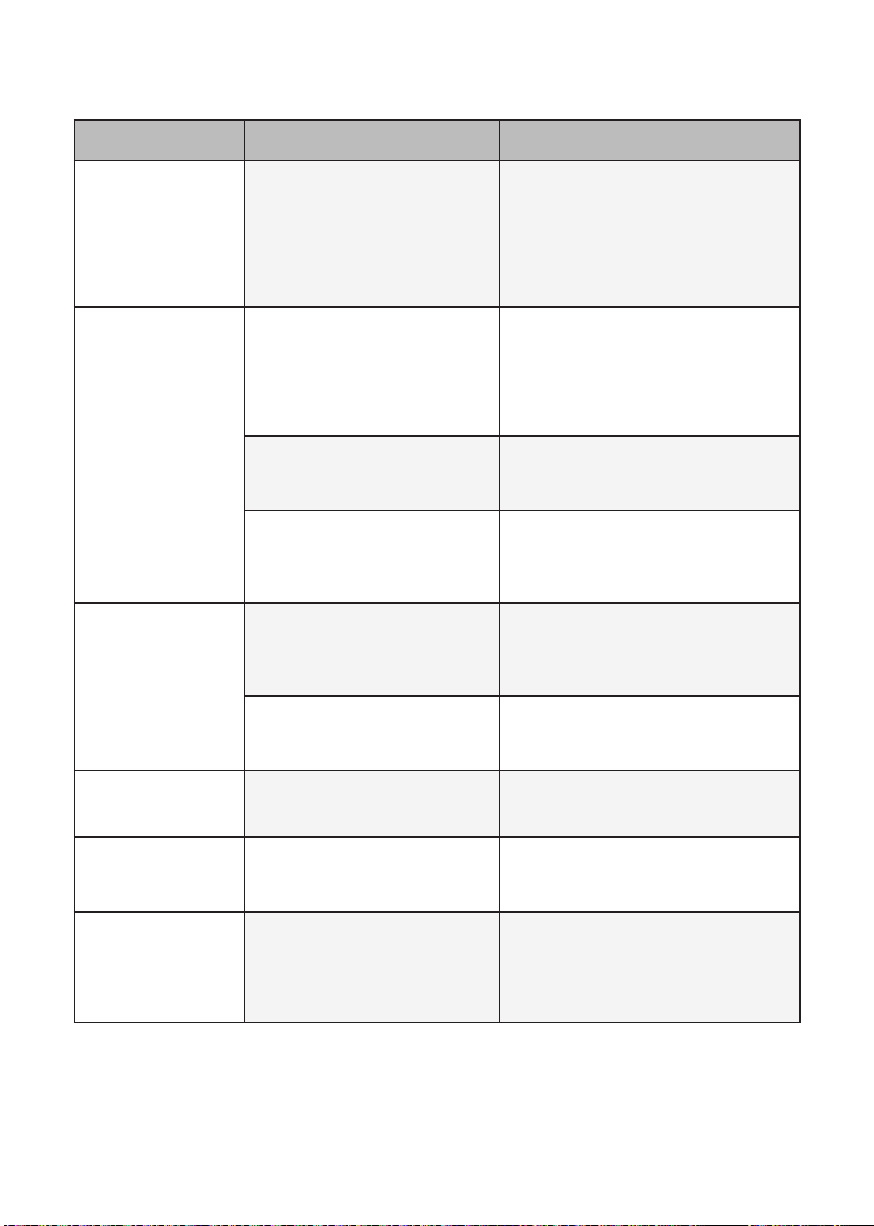
Symptoms Reason Solution
Clicking noises
The defrost control will click
when the automatic defrost
cycle begins and ends.
The thermostat control (or
appliance control on some
models) will also click when
cycling on and off.
•
Normal Operation
Rattling nosies
Rattling noises may come
from the ow of refrigerant,
the water line on the back of
the unit (for plumbed models
only), or items stored on top
of or around the appliance.
•
Normal Operation
Appliance is not resting
evenly on the oor.
•
Floor is weak or uneven or leveling
legs need to be adjusted. See the door
alignment section.
Appliance with linear
compressor was moved while
operating.
•
Normal operation. If the compressor
does not stop rattling after three
minutes, turn the power to the
appliance off and then on again.
Whooshing nosies
Evaporator fan motor is
circulating air through
the fridge and freezer
compartments.
•
Normal Operation
Air is being forced over the
condenser by the condenser
fan.
•
Normal Operation
Gurgling nosies
Refrigerant owing through
the cooling system
•
Normal Operation
Popping nosies
Contraction and expansion
of the inside walls due to
changes in temperature.
•
Normal Operation
Vibrating
If the side or back of the
appliance is touching a
cabinet or wall, some of the
normal vibrations may make
an audible sound.
•
To eliminate the noise, make sure that
the sides and back do not make any
contact with any wall or cabinet.
42