
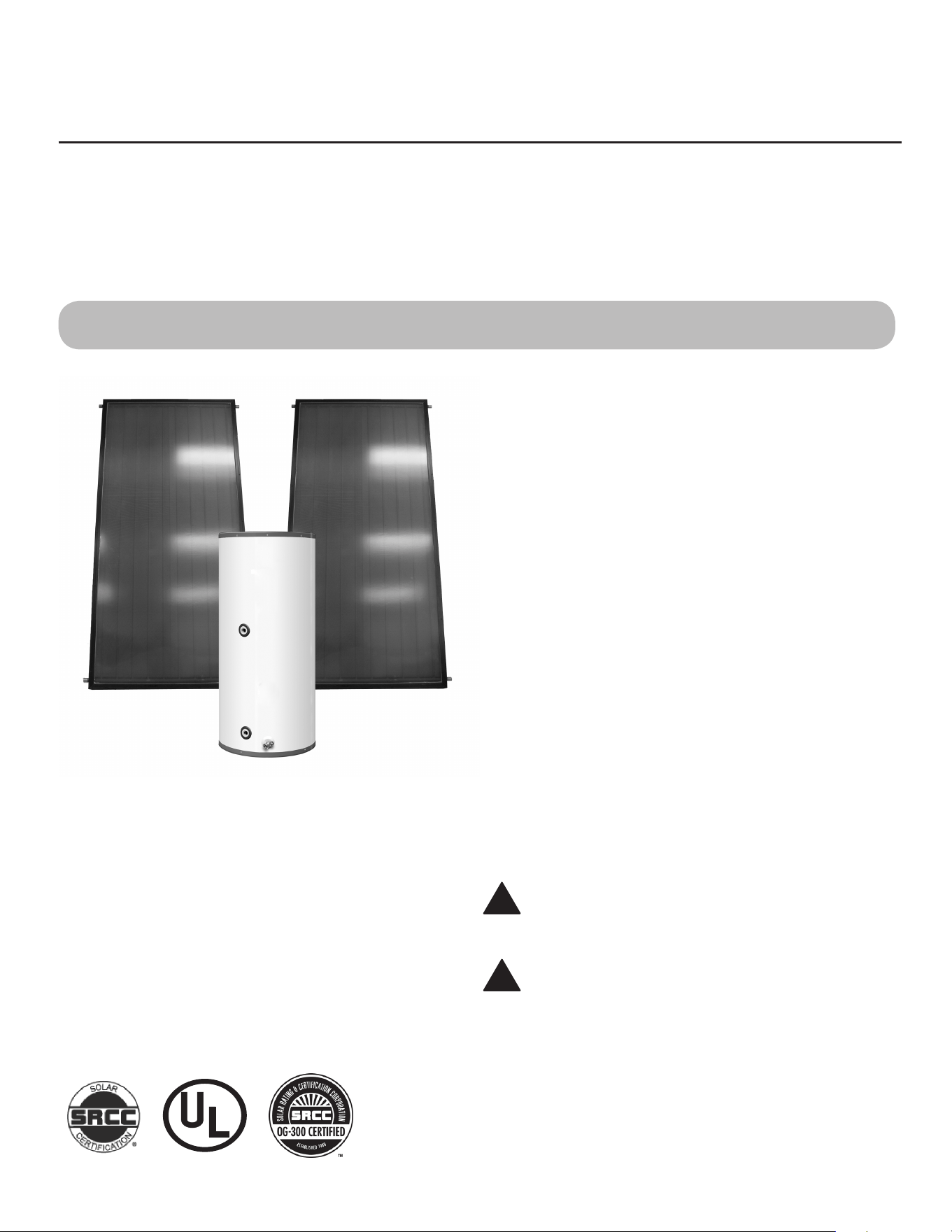
The purpose of this manual is twofold: one, to
provide the installer with the basic directions and
recommendations for the proper installation and
adjustment of the water heater; and two, for the
owner–operator, to explain the features, operation,
safety precautions, maintenance and troubleshooting
of the water heater. This manual also includes a parts
list.
It is very important that all persons who are expected
to install, operate or adjust this water heater read the
instructions carefully so they may understand how to
perform these operations. If you do not understand
these instructions or any terms within it, seek
professional advice.
Any questions regarding the operation, maintenance,
service or warranty of this water heater should be
directed to the seller from whom it was purchased. If
additional information is required, refer to the section
on “If You Need Service.”
Do not destroy this manual. Please read carefully
and keep in a safe place for future reference.
Recognize this symbol as an indication of
Important Safety Information!
California Proposition 65 Warning: This
product contains chemicals known to the State of
California to cause cancer, birth defects or other
reproductive harm.
AP14990-4 (05/13)
Use & Care Manual
With Installation Instructions for the Installer
Pumped Solar Water
Heating Systems
®
LISTED
786H
!
!

2
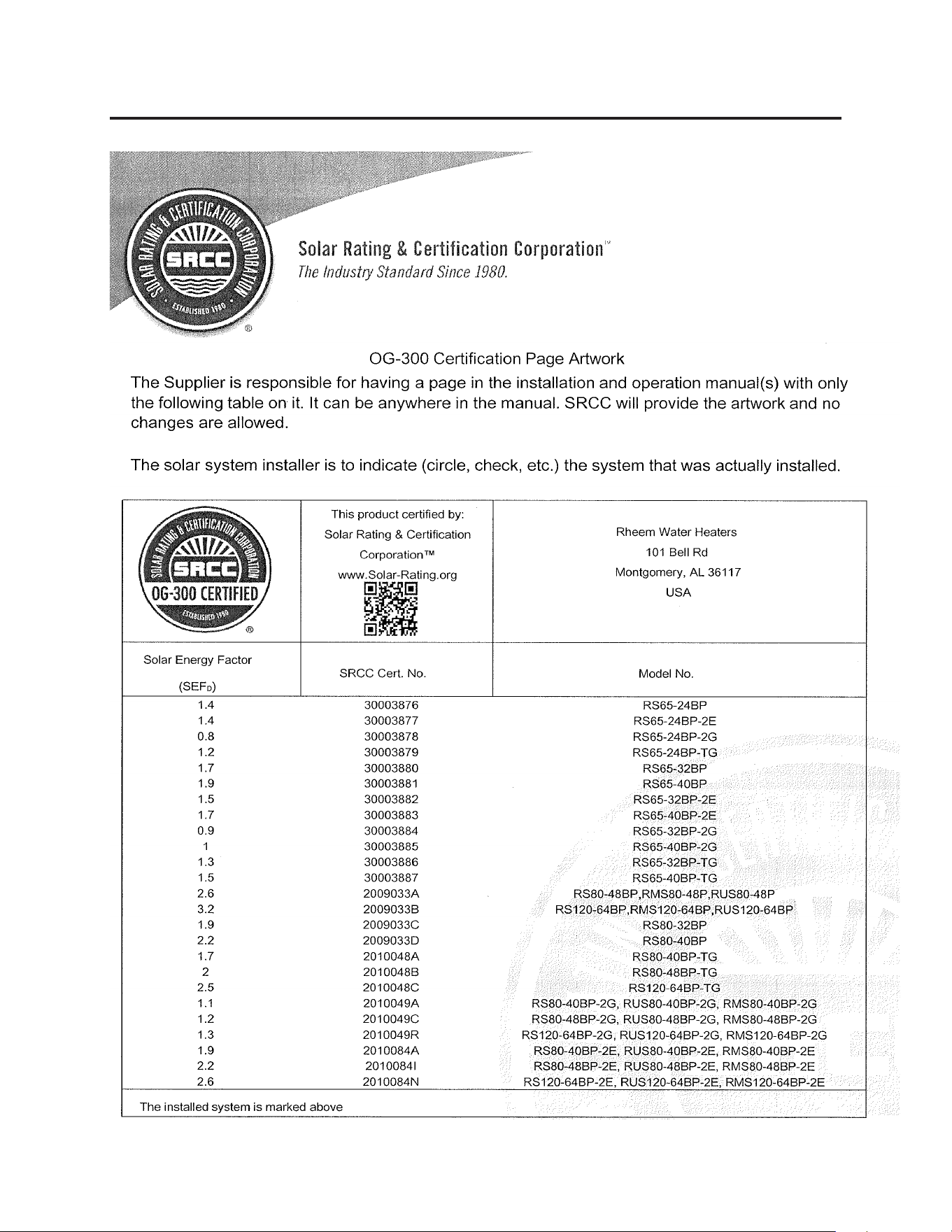
System Model Numbers
Please visit our web site for new product updates, answers to frequently asked questions (faq) and
useful information about solar water heating systems.
www.rheem.com
RS80-40BP
RS80-40BP-2E
RS80-40BP-2G
RS80-40BP-TG
RS80-48BP
RS80-48BP-2E
RS80-48BP-2G
RS80-48BP-TG
RS120-64BP
RS120-64BP-2E
RS120-64BP-2G
RS120-64BP-TG
RS65-24BP
RS65-32BP
RS65-40BP
RS65-24BP-2E
RS65-32BP-2E
RS65-40BP-2E
RS65-24BP-2G
RS65-32BP-2G
RS65-40BP-2G
RS65-24BP-TG
RS65-32BP-TG
RS65-40BP-2G
RHEEM
3
4
subtext
FOR YOUR RECORDS
Write the model and serial numbers here:
Model Number of Solar System Tank: _____________________________
Serial Number of Solar System Tank: _____________________________
Model Number of Collector Panel #1: _____________________________
Serial Number of Collector Panel #1: _____________________________
Model Number of Collector Panel #2: _____________________________
Serial Number of Collector Panel #2: _____________________________
Model Number of Solar System Pump: ____________________________
Serial Number of Solar System Pump: ____________________________
Model Number of Solar System Control: __________________________
Serial Number of Solar System Control: ___________________________
You can find them on a label on the appliance.
Staple sales slip or cancelled check here.
Proof of the original purchase date is needed to obtain service under
the warranty.
Inside you will find many helpful hints on how to use and maintain
your water heater properly. Just a little preventive care on your part
can save you a great deal of time and money over the life of your
water heater.
You’ll find many answers to common problems in the Before You
Call For Service section. If you review our chart of Troubleshooting
Tips first, you may not need to call for service at all.
READ THIS MANUAL
Your safety and the safety of others are very important. There
are many important safety messages in this manual and on your
appliance. Always read and obey all safety messages.
!
This is the safety alert symbol. Recognize this symbol
as an indication of Important Safety Information!
This symbol alerts you to potential hazards that can
kill or hurt you and others.
All safety messages will follow the safety alert symbol and
either the word “DANGER”, “WARNING”, “CAUTION” or
“NOTICE”.
These words mean:
!
DANGER
An imminently hazardous situation
that will result in death or serious
injury.
!
WARNING
A potentially hazardous situation that
could result in death or serious injury
and/or damage to property.
!
CAUTION
A potentially hazardous situation that
may result in minor or moderate
injury.
NOTICE:
Attention is called to observe a
specified procedure or maintain
a specific condition.
READ THE SAFETY INFORMATION
Safety Information
System Model Numbers ....... 2
For Your Records ............. 4
Introduction ................. 5
Safety Precautions .......... 6, 7
Installing the System
Introduction to Solar .......8
System Description and
Operational Principle .......9
Installation Requirements -
General .................10
Installation Requirements -
Specic ..............11-21
Operating the System
Start Up Procedures .......22
Three Modes of System
Operation ............23, 24
Use and Care of the
System
Solpak OG300 System
Labels ..................25
Isolating the Major Components
& Shut Down Procedures 26
Summer Vacation
Recommendations ........26
Maintenance and
Troubleshooting .......27, 28
System Component
Parts ................28, 29
System Schematics .....30-33
Customer Service
If You Need Service .......36

5
Introduction
Thank you for purchasing a solar water heating
system. It is one of the most effective and trouble-
free systems available today. In addition to
reducing your water-heating bills, it will help
preserve precious natural resources by using free
energy from the sun.
As with an electric or gas water heater, your new
solar water heating system operates automatically to
ensure you will always have an ample supply of hot
water. However, there are simple steps you can take to
increase both its efficiency and service life.
This manual provides the manufacturers recommended
procedures for solar water-heating systems. The
procedures are essential for correct installation,
troubleshooting and maintenance.
Read each section of this manual thoroughly before
beginning work on the system.
!
CAUTION: Changes to the design or intended
use of the Solar Water Heating System will void the
manufacturers warranty. Installation,
troubleshooting, and maintenance must be
performed by a qualified technician.
This manual will help you get the most out of your
solar water heating system. Please read it carefully
when the installation is complete, and review it from
time to time to refresh your memory about the service
requirements and safety measures.
The Operation section of the manual contains
important information regarding the system
procedures as well as safety measures pertaining
to the system. It is important that you follow these
guidelines to ensure safe, efficient and trouble-free
operation.
While the system requires very little maintenance,
there will be a periodic need for some upkeep. The
Maintenance section outlines those requirements for
service, which you may do yourself, as well as those
procedures best performed by a qualified service
technician.
The Troubleshooting section contains steps you can
take if the system is not performing, as it should.
The solar energy system described by this manual,
when properly installed and maintained, meets
the minimum standards established by the Solar
Rating and Certification Corporation (SRCC). This
certification does not imply endorsement or warranty
of this product by the SRCC.
The solar energy system described by this manual,
when properly installed and maintained, meets the
minimum standards established by the Florida Solar
Energy Center, in accordance with Section 377.705,
Florida Statutes. This certification does not imply
endorsement or warranty of this product by the Florida
Solar Energy Center or the state of Florida.
The components of the system include a water storage
tank, solar collector panels, expansion tank, pump
valves and fittings.
In locations which are subject to temperatures below
41°F, a mixture of heat transfer fluid and water
circulates through the solar collector panels. This fluid
is heated by the sun, then circulated through a heat
exchange, heating the potable (drinking) water inside
the storage tank. The heat transfer fluid is a non-toxic,
food-grade liquid, which provides freeze protection
for the closed loop heat transfer loop. It is colored to
differentiate the closed system fluid from the potable
water supply.
This circulation of the heat transfer fluid is
accomplished by a pump and sensors. These solar
water heaters are referred to as closed loop systems.
Your hot water is stored in a steel tank lined with
porcelain enamel and thickly insulated to help
maintain the water temperature throughout the day
and night.
To ensure your hot water supply is never depleted, the
system is equipped with a backup heating element..
When there may be insufficient solar energy, you are
still assured of all the hot water you will need.
While your system is one of the most efficient
available, there are two simple steps you can take to
increase your water-heating cost savings.
Keep the use of the Backup Heater to a Minimum
You can save the most money on your water-heating
bills by using the backup heating element on your
system as little as possible. If the sun shines brightly
between 10 am and 3 pm, enough heat will normally
be generated to keep the water hot throughout the rest
of the day and night.
However, on days when the sky is cloudy or when
large quantities of hot water are being used, we
suggest that the backup heating element be left “ON”
overnight to ensure adequate hot water the next
morning.
Try to use Hot Water during Daylight Hours
When possible, schedule heavy hot water use, such
as dish washing, laundry and showers, in the middle
of the day. If hot water usage occurs while the sun is
up, the fresh (cold) water added to the storage tank is
heated more quickly.
When water is used late in the day or at night, the
fresh water entering the tank will be heated by the
heating element so hot water is available in the
morning.
6
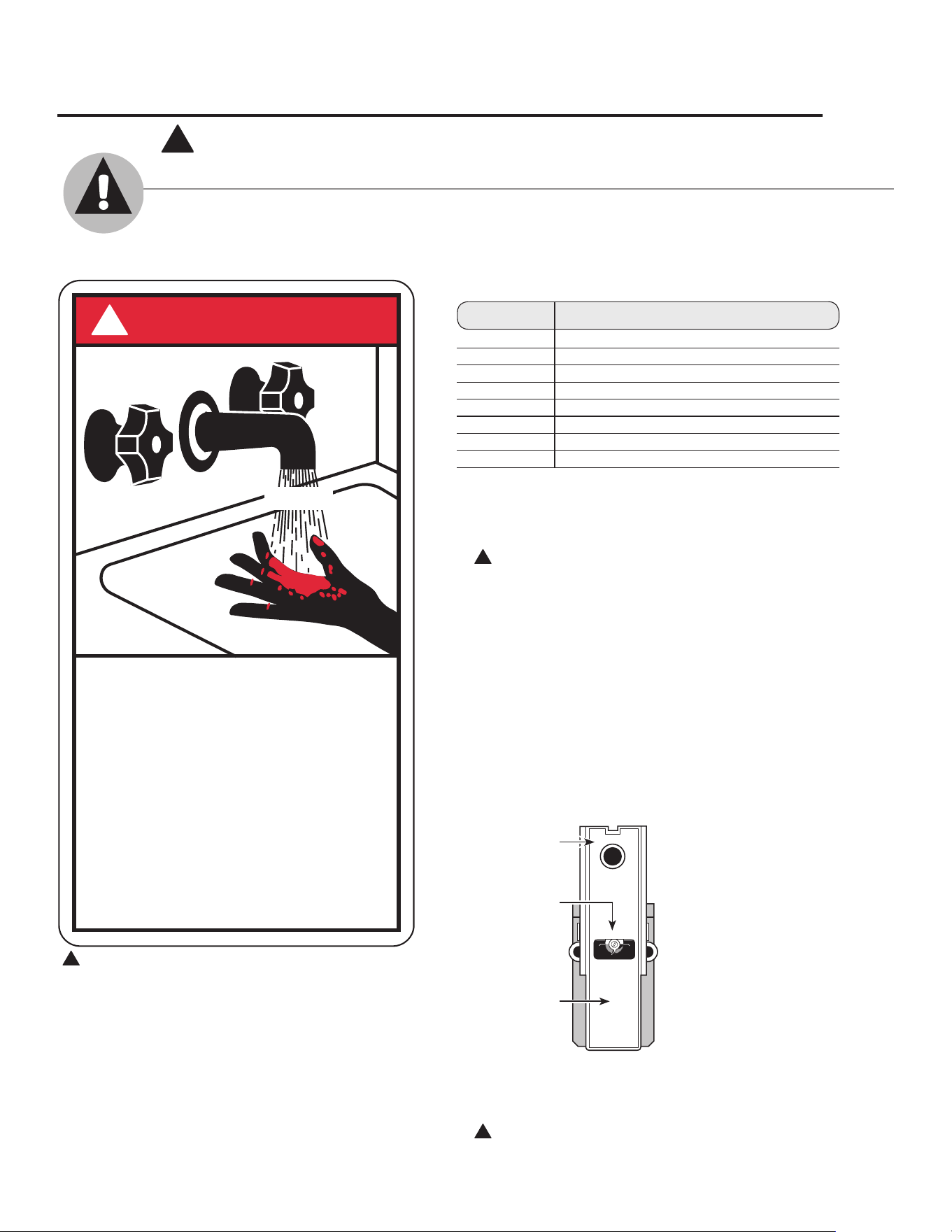
Time/Temperature Relationship in Scalds
Temperature Time To Produce a Serious Burn
120°F More than 5 minutes
125°F 1½ to 2 minutes
130°F About 30 seconds
135°F About 10 seconds
140°F Less than 5 seconds
145°F Less than 3 seconds
150°F About 1½ seconds
155°F About 1 second
Table courtesy of Shriners Burn Institute
The chart shown above may be used as a guide in
determining the proper water temperature for your
home.
!
DANGER: Households with small children,
disabled, or elderly persons may require a 120°F or
lower thermostat setting to prevent contact with
“HOT” water.
Notice: Mixing valves are recommended for reduc-
ing point of use water temperature by mixing hot
and cold water in branch water lines. It is recom-
mended that a mixing valve complying with the
Standard for Temperature Actuated Mixing Valves
for Hot Water Distribution Systems, ASSE 1017 be
installed. Contact a licensed plumber or the local
plumbing authority for further information.
The temperature of the
water in the water heater
can be regulated by set-
ting the temperature dial
of the adjustable surface
mounted thermostat lo-
cated behind the jacket
access panel.
This thermostat controls
the water heater’s heat-
ing element only. (A sep-
arate thermostat should
be utilized in monitoring
the temperature from the
collector).
To comply with safety regulations the thermostat is factory
set at 120° F or less where local codes require.
!
DANGER: Hotter water increases the potential
for Hot Water SCALDS.
D ANGER
!
HOT
Water temperature over 125˚F can
cause severe burns instantly or
death from scalds.
Children, disabled and elderly are
at highest risk of being scalded.
See instruction manual before
setting temperature at water
heater.
Feel water before bathing or
showering.
Temperature limiting valves are
available, see manual.
BURN
IMPORTANT SAFETY INFORMATION.
READ ALL INSTRUCTIONS BEFORE USING.
!
DANGER!
WATER TEMPERATURE SETTING
Safety and energy conservation are factors to be considered when selecting the water
temperature setting of water heater’s thermostat. Water temperatures above 125°F can
cause severe burns or death from scalding. Be sure to read and follow the warnings
outlined on the label pictured below.
!
DANGER: Burns from Hot Water and
Steam - Use extreme care when opening
relief valves, charging closed loop, and filling
storage tank.
The electrical element booster thermostat has been
factory set at 50°C (120°F) to reduce the risk of
scald injury. Adjusting the thermostat to a higher
setting is not recommended. Hotter water increases
the potential for Hot Water Scalds.
R
E
S
E
T
R
E
S
E
T
TURN OFF
POWER
BEFORE
SERVI CING
90°F150°F
125°F
(66°C)
(52°C)
(32°C)
Reset button
Thermostat
protective
cover
Thermostat
dial pointer
7
IMPORTANT SAFETY INFORMATION.
READ ALL INSTRUCTIONS BEFORE USING.
FOR INSTALLATIONS IN THE STATE OF CALIFORNIA
California Law requires that residential water heaters must be braced, anchored or strapped
to resist falling or horizontal displacement due to earthquake motions. For residential water
heaters up to 52 gallon capacity, a brochure with generic earthquake bracing instructions can be
obtained from: Office of the State Architect, 1102 Q Street, Suite 5100, Sacramento, CA 95814
or you may call 916-445-8100 or ask a water heater dealer.
However, applicable local codes shall govern installation. For residential water heaters
of a capacity greater than 52 gallons, consult the local building jurisdiction for acceptable
bracing procedures.
READ AND FOLLOW THIS SAFETY INFORMATION
CAREFULLY.
SAVE THESE INSTRUCTIONS
Have the installer show you the location of the circuit breaker and how to shut it off if
necessary. Turn off the circuit breaker if the water heater has been subjected to overheating,
fire, flood, physical damage or if the ECO fails to shut off.
● Read this manual entirely before installing
or operating the water heater.
● Use this appliance only for its intended
purpose as described in this Use and Care
Manual.
● Be sure your appliance is properly installed
in accordance with local codes and the
provided installation instructions.
● DO NOT attempt to repair or replace
any part of your water heater unless it is
specifically recommended in this manual.
All other servicing should be referred to a
qualified technician.
SAFETY PRECAUTIONS
WARNING!
For your safety, the information in this manual must be followed to minimize the risk of fire or
explosion, electric shock, or to prevent property damage, personal injury, or loss of life.
Be sure to read and understand the entire Use and Care Manual before attempting to install or
operate this water heater. It may save you time and cost. Pay particular attention to the Safety
Instructions. Failure to follow these warnings could result in serious bodily injury or death.
Should you have problems understanding the instructions in this manual, or have any questions,
STOP, and get help from a qualified service technician, or the local utility.

8
Installing the System
Solar water heating systems are climate and
site specic appliances. Different types of
solar systems are installed around the world
in accordance with regional weather and
water quality conditions. System performance
varies as a function of the household hot
water load, including daily showers, laundry
and kitchen uses, average ground water and
ambient air temperatures, the home’s roof pitch
and orientation, and, of course, the seasonal
intensity of solar radiation. These variables,
some of which change from home to home on
the same neighborhood street, will determine
how much energy and money your system will
save on an annual basis.
Your solar system is known as a "forced
circulation" system because it utilizes a
mechanical pump to efciently circulate
the Dow Chemical Dowfrost HD propylene
glycol heat transfer uid (HTF) throughout the
system. The HTF protects the collector piping
from freezing and inhibits scaling deposits
that can reduce performance in "open-loop"
systems utilizing potable water as the HTF.
Proper application and maintenance of the HTF
can protect your solar water heating system to
minus 60° Fahrenheit.
This manual is intended as a basic solar water
heating primer. Our goal is to familiarize
you with the proper installation, operation,
and maintenance of your solar system. This
system is required to be installed by properly
licensed solar or plumbing contractors in
accordance with SRCC Standard OG-300
and all applicable national, state and local
codes, ordinances and regulations governing
solar water heating installations, as well as
good trade practices. Failure to follow the
procedures and practices described in this
manual can void the manufacturer's warranty
for specic component parts.
This manual covers installations utilizing two
solar collectors with a single solar storage tank
and also two tank systems that include a solar
storage tank and a conventional water heater.
For simplicity, the singular form will be used
throughout this manual when referring to all
of these components and system permutations.
Frequent reference is made throughout this
manual to specic component parts. The
placement of each component can be seen in
system schematic gures 16, 17 18 & 19. A
description of each component and its function
is found in the System Component Parts
section.
Let us rst offer two words of grateful
appreciation. Thank You! We sincerely
appreciate your business. We also wish to
say thank you for "going solar". Solar water
heating systems help to reduce our nation’s
dependence on polluting fossil fuels, minimize
the greenhouse gas emissions associated
with conventional water heating and, very
importantly, lower your monthly utility costs.
Your solar water heating system has been
designed to meet exacting SRCC OG-300
certication requirements. The components
found in your system have been selected
for their proven reliability, longevity and
performance in your specic region of the
country.
Introduction to Solar Water Heating Systems
Preface

9
Installing the System
The key components in the solar water
heating system include the solar collector,
solar storage tank with integral heat
exchanger, circulation pump, differential
thermostat, expansion tank, pressure gauge,
mixing valve and the non-toxic propylene
glycol heat transfer uid (HTF).
The solar collector is the heart of the
system. Simply stated, when the sun is
shinning, heat energy is absorbed by the
solar collector’s all copper absorber plate
and transferred to the HTF circulating pump
through the solar collector. The system
pump efciently circulates this heated uid
through the collector piping and integral
tank heat exchanger. As the HTF passes
through the heat exchanger the heat in the
uid is transferred by conduction to the
potable water in your solar storage tank. As
this process is continuously repeated during
the average sunny day the temperature in
your solar storage tank rises.
When the solar collector absorber plate is
approximately sixteen degrees hotter than
the temperature in the bottom of your solar
storage tank, the controller will turn the
circulating pump on. When the temperature
difference has been reduced to eight
degrees, the controller automatically turns
the pump off.
Both single and double tank systems are
designed to provide three separate modes
of system operation. The system will, (1)
accommodate 100% solar operation, (2)
serve as a preheater to your solar storage
tank or back-up water heater, or (3) bypass
the solar collector and run 100% on utility
power. Section Six provides instructions for
setting the system for automatic operation in
each of these three modes.
The Dowfrost HD HTF protects your
solar system against freezing. Dowfrost
HD can provide reliable freeze protection
at temperatures as low as minus 60°
Fahrenheit if properly applied and
maintained. Use of uninhibited propylene
glycol, plain water or a concentration of
these two uids as the HTF in this system is
strictly prohibited.
Propylene glycol can degrade over time.
The process of degradation is accelerated in
presence of oxygen and/or heat. We strongly
encourage you to establish a preventative
maintenance schedule with your installation
contractor. The HTF pH level must be
maintained between 8 and 10 in order to
prevent glycol oxidation and corrosion
of the collector piping. Manufacturer’s
collector warranty specically excludes
freeze damage for any reason and absorber
plate damage resulting from the oxidation of
the propylene glycol HTF.
In order to completely protect the integrity
of the solar collector and piping, the system
is designed to be drained manually if subject
to extended periods of disuse or persistent
hard freeze conditions below minus
60° Fahrenheit. (See Summer Vacation
Recommendations and Procedures Section).
System Description and Operational Principle

10
The contractor shall obtain all required permits
and approvals.
The installation shall conform to all federal,
state and local regulations, codes, ordinances
and standards governing solar water heating
system installations, and the contractor shall
adhere to sound building safety and trade
practices. Special consideration must be
given to building code requirements for the
penetration of structural members and re rated
assemblies.
The solar collector must be located in a
structurally sound area of the roof that will be
unshaded for the majority of the day all year
round. Adjacent buildings and trees should
be checked for possible winter shading. An
instrument such as the Pathnder can be used
for solar site analysis.
Before the installation the contractor shall
inspect the condition of the roof and notify the
homeowner of any existing roof damage or
necessary repairs.
The homeowner and contractor shall conrm
the location of all roof and ground mounted
components in advance of the installation.
Installation Requirements- General
11
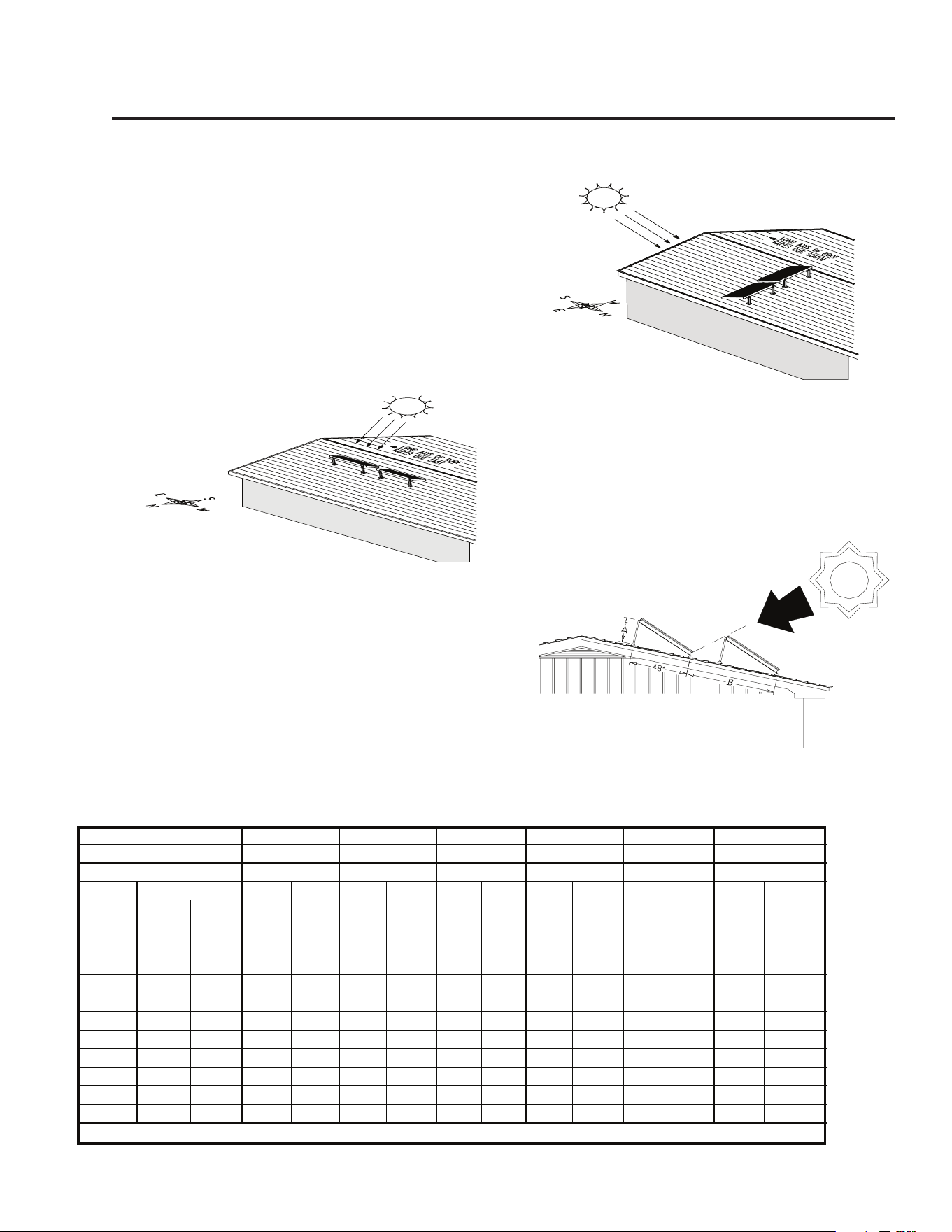
Collector Orientation
The performance of solar water heating systems
in the Northern Hemisphere is optimized when
the collector is mounted facing True South.
Performance, however, suffers very little when
the collector is oriented no more than 45° East
or West of True South. The collector should be
unshaded by any permanent obstacle between
9:00 a.m. and 3:00 p.m. on any day of the year.
Collector Tilt
Optimal annual efciency is achieved by tilting
the solar collector at an angle that equals your
latitude plus an additional 10°. This tilt angle
favors the lower winter sun when collector
performance is at it’s lowest and minimizes
overheating during the hottest summer months.
The solar collectors in a two collector staggered
mount installation must be spaced far enough
apart to prevent winter shading. Table 1 shows
the correct spacing between collectors to
prevent shading on December 21, when the sun
is at its lowest angle.
LATITUDE 25°N 30°N 35°N 40°N 45°N 50°N
COLL. TILT 35° 40° 45° 50° 55° 60°
A B A B A B A B A B A B
FLAT 29 96 33 113 37 145 41 145 44 145 48 145
5° 1/12 25 83 29 93 33 113 37 132 41 133 44 141
9° 2/12 22 74 26 82 30 77 34 110 38 115 41 118
14° 3/12 17 66 22 72 26 82 30 92 34 95 38 98
18° 4/12 14 61 18 66 22 74 26 82 30 85 34 87
ROOF 23° 5/12 10 58 14 60 18 66 22 72 26 74 30 77
PITCH 27° 6/12 7 58 11 58 15 61 19 66 23 68 27 70
30° 7/12 4 58 8 58 13 58 17 62 21 65 25 66
34° 8/12 0 58 5 58 9 58 13 58 17 60 22 62
37° 9/12 0 58 3 58 7 58 11 58 15 58 19 58
40° 10/12 0 58 0 58 4 58 8 58 13 58 17 58
43° 11/12 0 58 0 58 2 58 6 58 10 58 14 58
45° 12/12 0 58 0 58 0 58 4 58 8 58 13 58
DIMENSIONS A AND B ARE DESIGNATED IN INCHES
TABLE 1
Installing the System
Figure 1 - Reverse Pitch Mounting
Figure 2 - Side Pitch Mounting
Figure 3 - Staggered Mount Collector Spacing
Installation Requirements- Specific
12
Basic Mounting Procedures
The solar collector in your solar system can
be mounted in either a vertical or horizontal
orientation on the roof (See Figure 4). Although
the collector is protected from freeze conditions by
the glycol HTF and does not normally need to be
drained, it is still important to slope the collectors
just slightly to allow for complete drainage if
necessary. The recommended slope is 1/4" per foot
of horizontal run.
To ensure proper water drainage from the glazing,
the collectors must maintain a minimum angle from
horizontal of at least 10°. Never mount the collector
directly or parallel to a at roof surface. Use "Solar
Strut" tilt mount kits to rack the collectors to the
proper angle.
The collector should be mounted as close to the
storage tank as possible to minimize heat loss in the
piping runs. If the home has attic access, mounting
the collectors near the roof peak provides for
additional attic workspace.
The solar collector should be mounted on the roof
in accordance with these general principles:
The most important structural consideration is
to securely anchor the solar collector and the
mounting hardware to the structural members
of the roof with stainless steel hanger or lag
bolts. The solar collector must be attached to
the mounting hardware as detailed in Figures
5–10. (Note: The drawings in this manual
detail mounting hardware for the series
collector.)
The collector must be raised from the roof
surface to allow for rainwater and debris
to pass under the collectors and for proper
ventilation of the roong material. There
should be at least 3" of clearance between
the roof surface and the bottom of the solar
collectors.
In selecting mounting hardware and fasteners
it is extremely important to avoid galvanic
corrosion resulting from the direct contact
of incompatible metals. Use of anodized
aluminum mounting hardware and stainless
steel lag or hanger bolts, lock washers and
round washers is recommended. In climates
subject to severe winters or high humidity use
of galvanized fasteners is prohibited.
Preserving the integrity of the roof membrane
is the most important roong consideration.
Ensure that all roof penetrations required
to plumb and mount the solar collector are
properly ashed and sealed in accordance with
standard roong practices.
If the region is subject to hurricane conditions,
additional steps may be required to secure
the collector and mounting hardware to the
structural members. In certain areas of the
country, local building codes may require
collector wind load testing or prescribe specic
mounting procedures. Consult your local
building department.
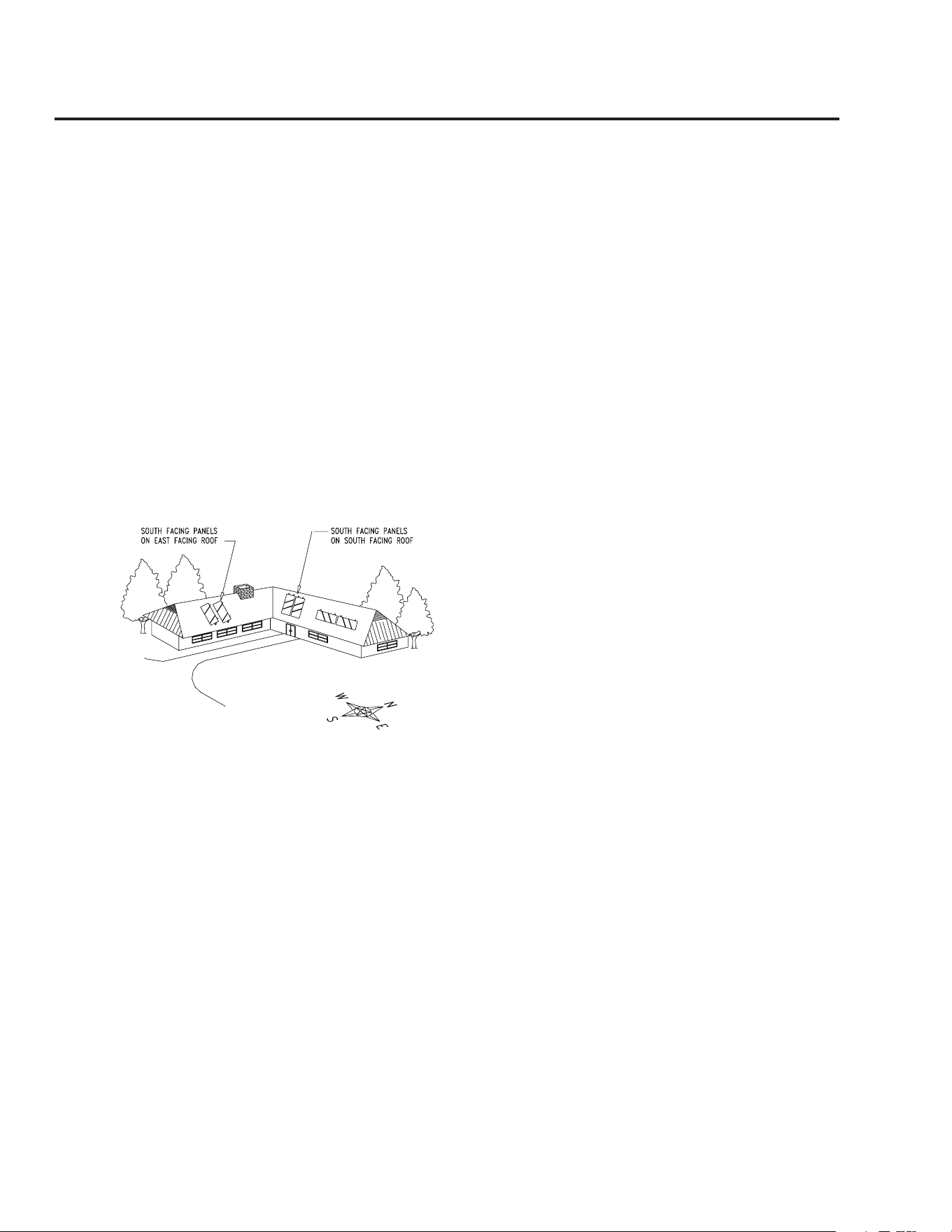
Figure 4 - Collector Orientation
13
Installing the System
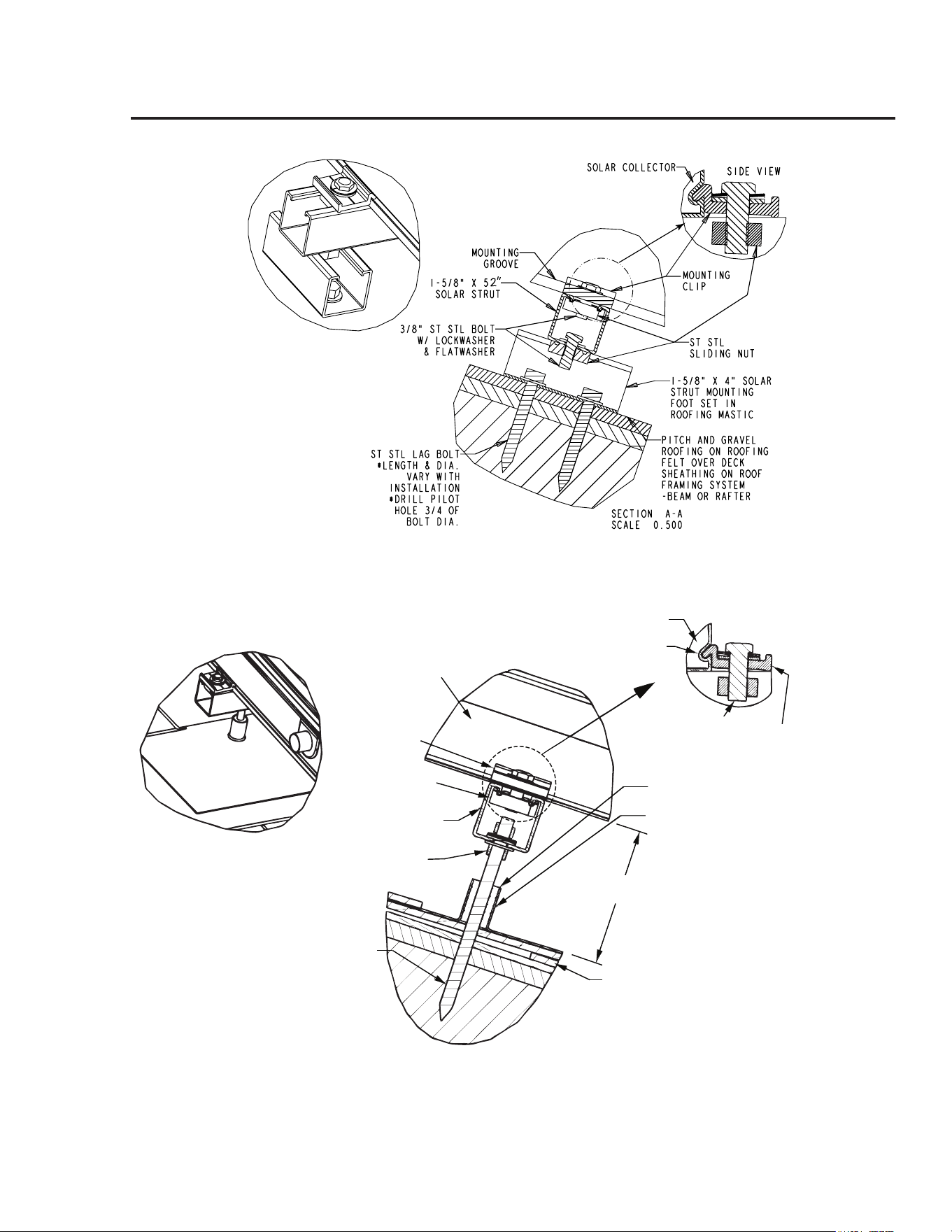
FIGURES 5-10
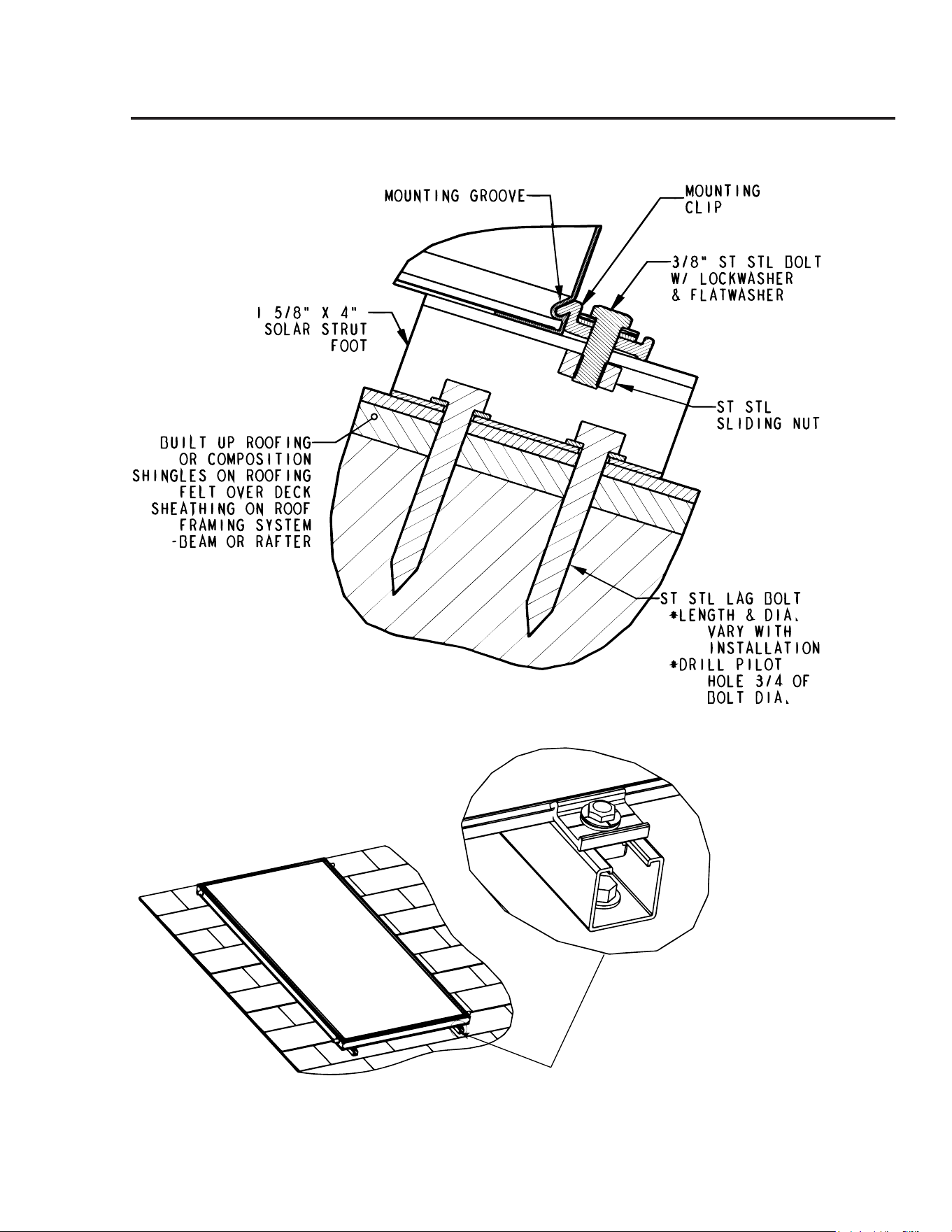
Figure 5- Composition Shingle Mounting
Figure 6- Shingle Roof Mounting
SOLAR COLLECTOR
MOUNTING GROOVE
SIDE VIEW
MOUNTING
CLIP
3/8" ST STL BOLT
W/ LOCKWASHER &
FLATWASHER
ROOFING SEALANT
12" X 12" LEAD
FLASHING
3" MIN.
CEDAR SHAKE OR SHINGLES ON
ROOF FELT OVER ROOF DECK
SHEATHING ON ROOF FRAMING
SYSTEM - BEAM OR RAFTER
ST STL HANGER BOLT SET
IN SEALANT
* LE NGTH & DIA. VARY
WITH INSTALLATION
* DR ILL PILOT HOLE 3/4
OF BOLT DIA.
ST STL NUTS &
WASHERS
ANODIZED ALUM
SOLAR STRUT
ST STL SLIDING
NUT
MOUNTING
CLIP
SOLAR COLLECTOR
14
MOUNTING
GROOVE
SIDE VIEW
3/8" ST STL
BOLT W/ LOCK
-
WASHER &
FLATWASHER
ROOFING
SEALANT
12" X 12" LEAD FLASHING
HOLE 2X BOLT DIA. MIN.
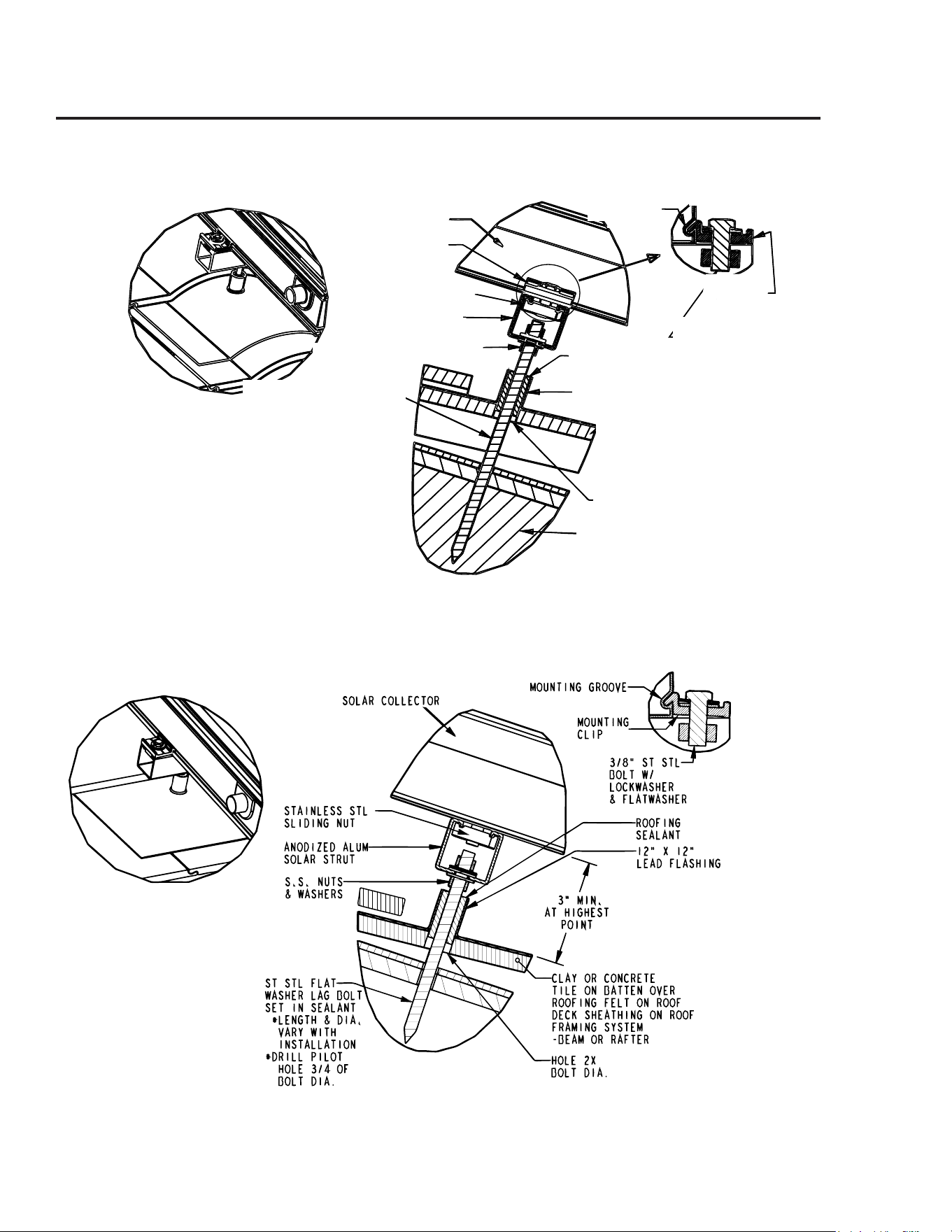
CLAY OR CONCRETE TILE
ON BATTEN OVER ROOF-
ING FELT ON ROOF DECK
SHEATHING ON ROOF
FRAMING SYSTEM BEAM
OR RAFTER
MOUNTING
CLIP
Figure 7 - Tile Roof Mounting
SOLAR COLLEC
TOR
MOUNTING CLIP
ST STL HANGER BOLT
SET IN SEALANT
* LE NGTH & DIA. VARY
WITH INSTALLA-
TION
* DR ILL PILOT HOLE
3/4 OF BOLT DIA.
ST STL NUTS & WASH
-
ERS
ANODIZED ALUM
SOLAR STRUT
ST STL SLIDING
NUT
BLOCK BETWEEN RAFTERS FOR
HANGAR BOLT ATTACHEMENT
IF RAFTER SPACING DOES NOT
MATCH BOTH SPACING.
SOLAR COLLECTOR
MOUNTING
GROOVE
SIDE VIEW
MOUNTING CLIP
3/8" ST STL
BOLT W/ LOCK-
WASHER &
FLATWASHER
ROOFING
SEALANT
12" X 12" LEAD FLASHING
HOLE 2X BOLT DIA. MIN.
BLOCK BETWEEN RAFTERS FOR
HANGAR BOLT ATTACHMENT
IF RAFTER SPACING DOES NOT
MATCH BOTH SPACING.
ST STL HANGER BOLT
SET IN SEALANT
* LE NGTH & DIA. VARY
WITH INSTALLA-
TION
* DR ILL PILOT HOLE 3/4
OF BOLT DIA.
ST STL NUTS & WASHERS
ANODIZED ALUM
SOLAR STRUT
ST STL SLIDING NUT
CLAY OR CONCRETE TILE
ON BATTEN OVER ROOF-
ING FELT ON ROOF DECK
SHEATHING ON ROOF
FRAMING SYSTEM BEAM
OR RAFTER
MOUNTING
CLIP
FIGURES 5-10
Figure 8 - Tile Roof Mounting
15
Installing the System
FIGURES 5-10
Figure 9 - Flush Mounting
16
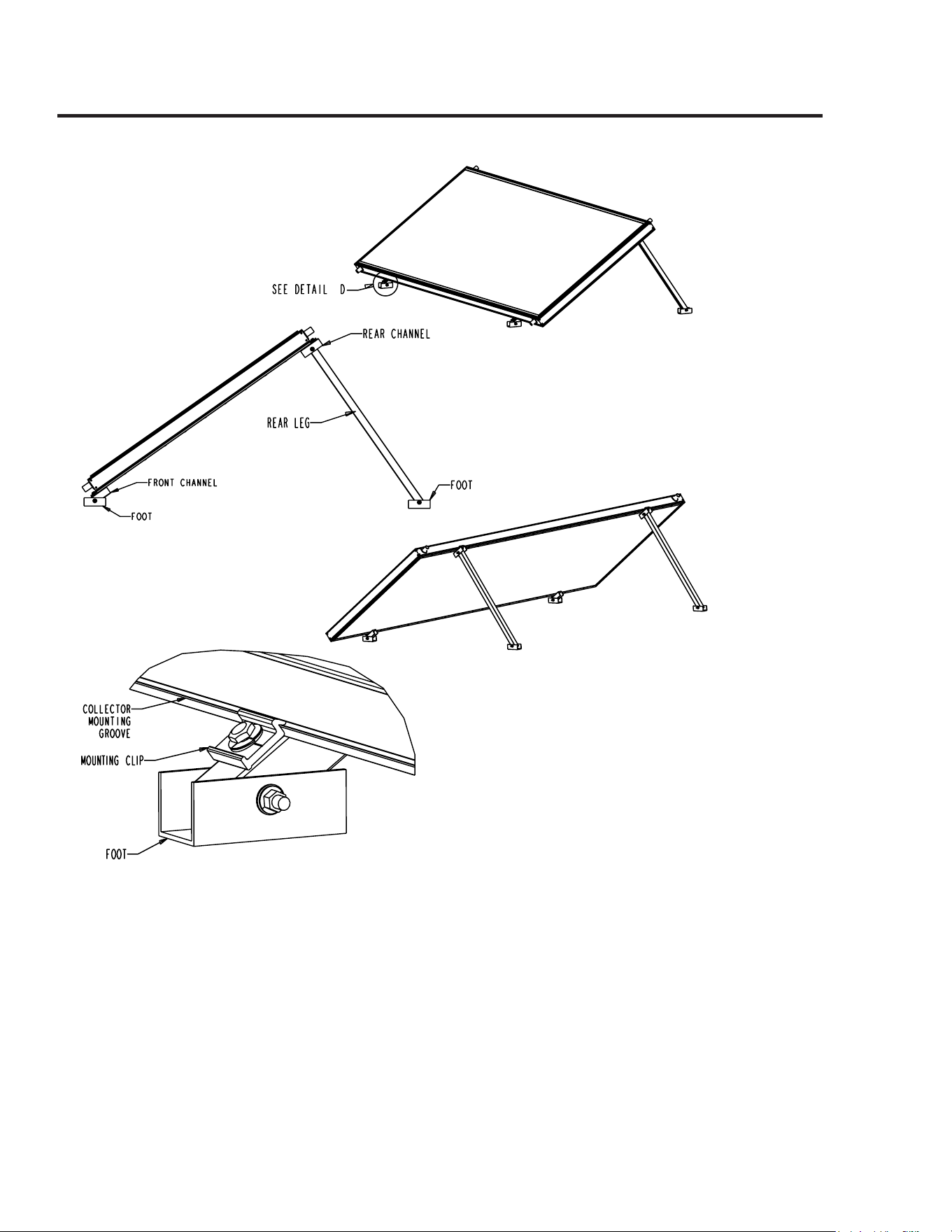
Figure 10 - Universal Tilt Mount
Detail "D"
FIGURES 5-10
17
Installing the System
Collector Loop Pipe Insulation
The collector loop cold supply and hot return
lines must be well insulated with a high quality
exible closed cell insulation to minimize
heat loss. The wall thickness of the pipe
insulation should not be less than 3/4". A 1"
wall thickness is required in all areas prone to
annual hard freeze conditions. When it comes
to pipe insulation the rule is simple: thicker is
better. Use 3/4" Armaex (or similar) exible
elastomeric closed cell thermal insulation.
To the extent possible, slide the insulation
material over the pipe without cutting or
taping. All butt joints must be sealed with
contact adhesive. The use of rigid polyethylene
pipe insulation is prohibited. The temperatures
generated by your collector in the summer
months or under stagnation conditions can melt
this type of material.
Any above ground exterior pipe insulation
is subject to UV degradation and must be
wrapped with foil tape or painted with two
coats of high quality water-based acrylic
resin coating as supplied by the insulation
manufacturer. Use 3/4" Armaex (or similar)
exible elastomeric closed cell thermal
insulation.
Collector Plumbing
This solar heating system requires the use of all
copper and brass ttings in the collector loop
plumbing. Couplings rather than unions should
be used to join the collectors to avoid leaks and
uid loss. Use only lead-free solder. Use of
50/50 lead solder is expressly prohibited. Use
of galvanized steel, CPVC, PVC, or any other
type of plastic pipe is prohibited.
Piping in new solar installations can be covered
with dirt, grease, solder ux or other impurities
that over time affect the quality of the glycol
HTF. A thorough cleaning is required before
charging the system with glycol. Carefully
review the cleaning procedures in "Charging
The System" outlined below.
All vertical piping between the storage tank
and the collector shall be supported at each
story or at maximum intervals of ten feet (10').
Copper plumbers tape or tube strap is required.
The pipe insulation may not be compressed or
crimped by the strapping material
The installation of all horizontal and vertical
piping may not reduce the performance or
rating of any structural member or re rated
assembly. Adhere to all applicable local codes
and ordinances.
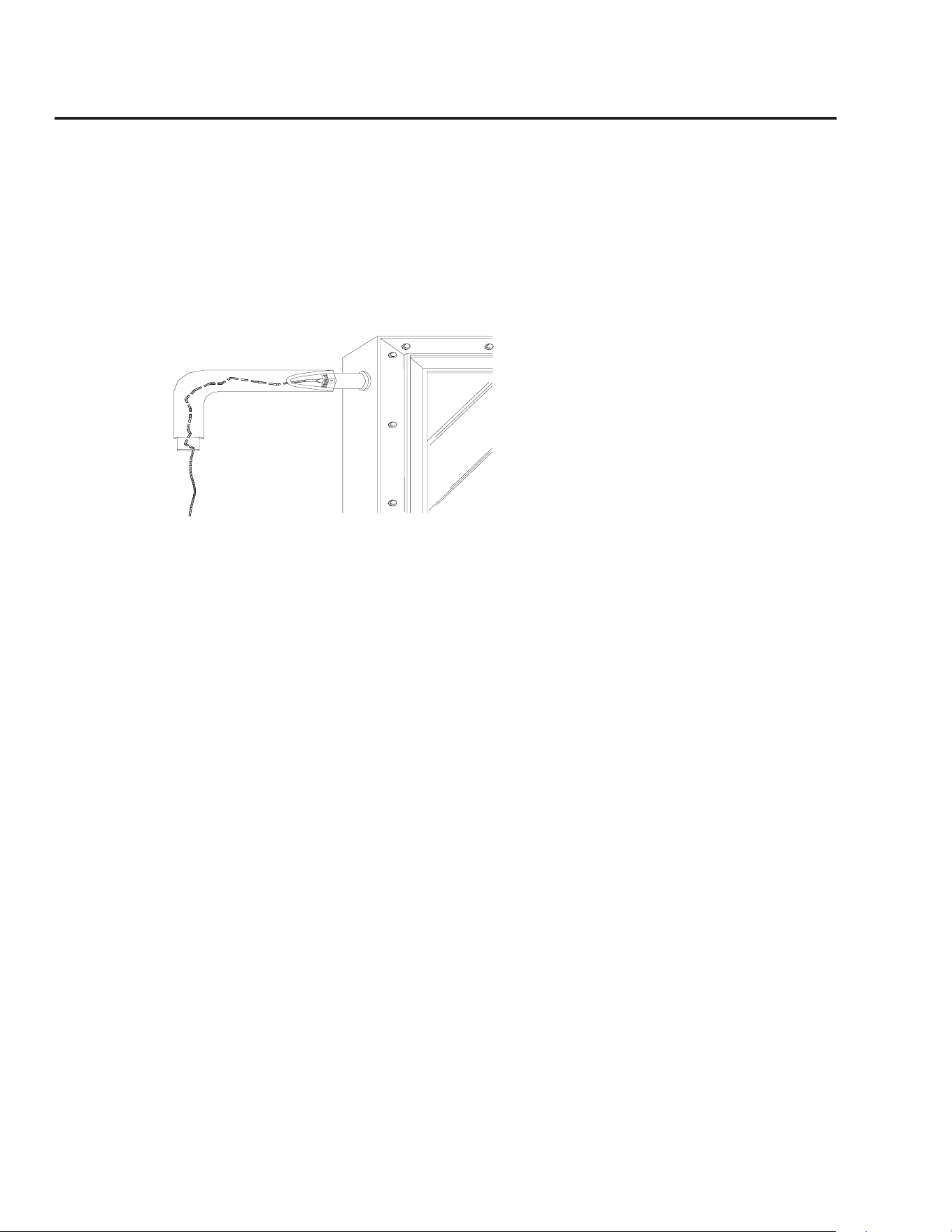
Collector Sensor Placement
The collector sensor must be located on the
hot water return line as close to the collector as
possible. Sensors are typically accurate to +/-
1/2°F if properly installed and weatherized. To
maximize sensor accuracy, attach the anged
portion of the sensor to the collector header
pipe with a stainless steel hose clamp. Wire
nuts used to connect the sensor and low voltage
wiring shall be all plastic, sealed with silicone
and thoroughly wrapped in electrician’s tape.
collector in the summer months or under stagna-
tion conditions can melt this type of material.
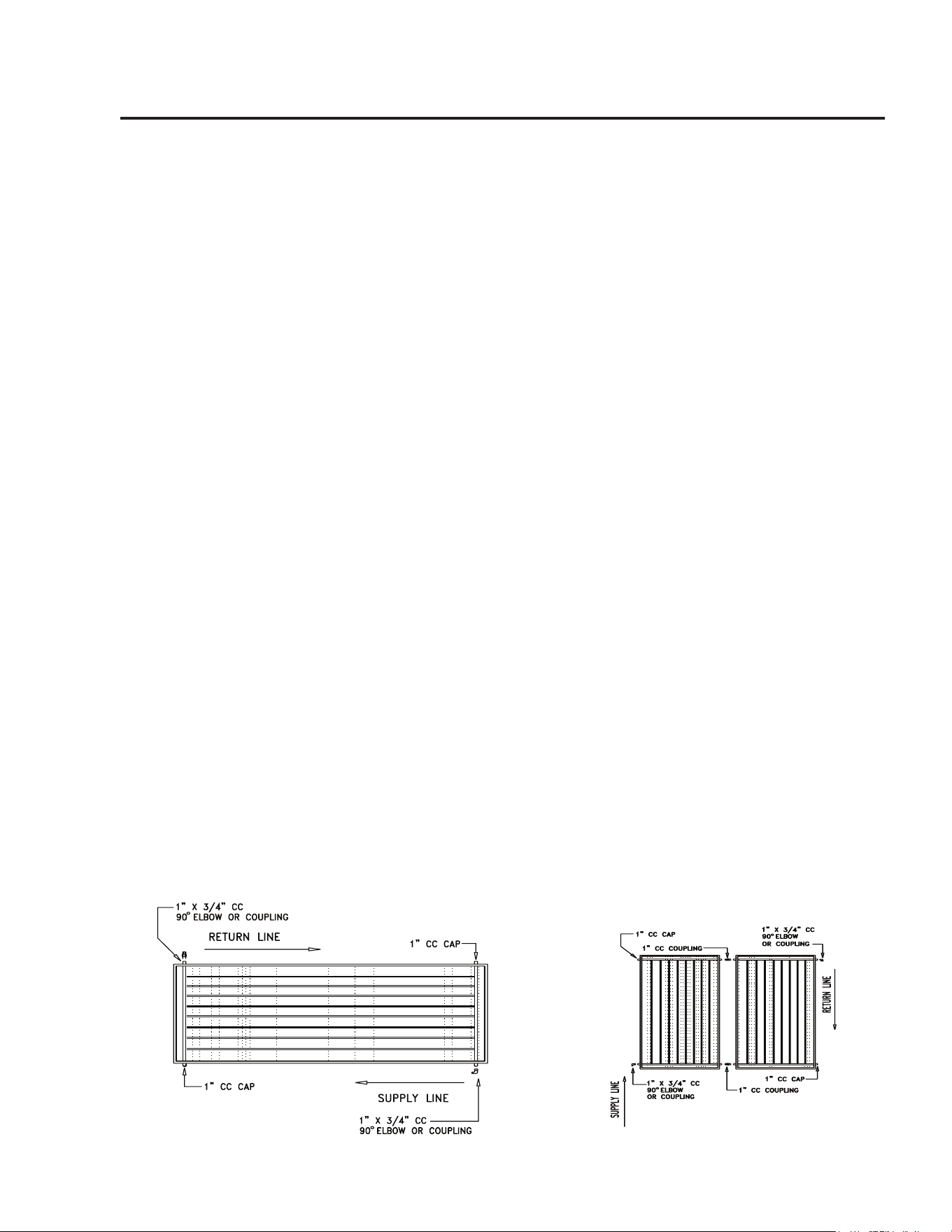
g.14
COLLECTOR PLUMBING - VERTICAL MOUNT
Figure 14
COLLECTOR PLUMBING - VERTICAL MOUNT
Figure 15 COLLECTOR PLUMBING - HORIZONTAL MOUNT
Installation Requirements- Specific continued
18
The sensor "bundle" must be placed under the
rubber pipe insulation covering the collector
header. Thoroughly wrap and weatherize the
insulation with electrician’s tape or insulation tape
as provided by the manufacturer (Rubatex Insul-
Tape or equal). See Figure 13 for collector sensor
installation detail.
Low Voltage Wiring
The low voltage wiring used to connect the sensors
to the controller should be a minimum 18 AWG.
The wiring should be bare or tinned copper, two
conductor, PVC insulated, with a PVC UV rated
gray jacket suitable for exterior use. Use Eastman
Wire & Cable No. 5704, Belden Wire and Cable
No. 8461 or equal.
Installing the Solar Storage Tank and
Expansion Tank
Refer to the installation manuals for the storage
tank and expansion tank.
Refer to Figure 16, Single Tank System
Schematic and Figure 17, 18 & 19 Double Tank
System Schematic on pages 28 - 31, for all items
listed as (No.##) through out this manual.
In plumbing the solar storage tank and expansion
tank make sure that all the components are
accessible and easy to reach. Provide for clear
access to the storage tank, pump, expansion tank,
mixing valve, and other key components. If a
component in the potable water side of the system
may require future service or maintenance make
the connections with brass unions. Use only brass
nipples and unions and copper and brass ttings
in plumbing the solar storage tank and expansion
tank. The use of galvanized ttings or nipples, di-
electric unions, CPVC, PVC or other plastic pipe is
prohibited.
Hard copper connections to the city cold water
supply line and the home hot water feed lines
are recommended. The gaskets in standard water
heater ex hose connectors can become brittle and
compressed over time and begin leaking on the
water heater. If not detected in a timely manner
even a small drip or leak may cause serious damage
to the tank’s electrical components or, in extreme
cases, may cause the tank to leak from the outside
in.
Tank plumbing is required to provide for the
isolation of the solar storage tank from the city
cold water supply line by means of an isolating ball
valve (No. 19).
Line thermometers shall be installed in the collector
supply and return lines to allow for a simple
diagnostic check of proper system operation. On
a sunny day the hot water return line should be
approximately 5 – 12° warmer than the water in
the collector supply line. Compare the temperature
readings in the two line thermometers (No. 22).
In a single tank system install a third thermometer
(No. 22) directly after the mixing valve above the
solar storage tank. In a two tank system you may
install the third thermometer either directly above
the hot outlet on the solar storage tank or after the
mixing valve on the back-up water heater.
Figure 13
COLLECTOR
SENSOR
19
Installing the System
The circulation pump shall be the Grundfos
model UPS15-5BFC/LC, 115 volt or equivalent.
The pump shall be pre-wired with a 6’ line cord
so that it can be plugged directly into the 115
volt receptacle on the side of the differential
control. Isolation/Drain valves (No. 6 & 7) must
be installed on either side of the circulating
pump so that the pump can be isolated from
the collector loop. Repairs or routine system
maintenance can be completed without
introducing air into the system or draining the
HTF.
The expansion tank shall have a minimum 60
PSIG working pressure and have a total volume
of not less than 2.1 gallons. The expansion tank
shall be Watts Model ET-15 or equal (No. 11).
A high quality thermostatic mixing valve
(No. 12) is a required component in all OG-300
certied systems and should be plumbed in line
with brass union connections for ease of future
repair or replacement. The specied mixing
valve shall be the Heatguard model HGBASE or
equal and shall have an operating range between
95°F and 140°F. The mixing valve shall be set to
120°F.
The temperatures generated by your system
will vary throughout the year. In the Northern
Hemisphere the water temperature will be hottest
in the spring and summer months while cooler
temperatures are to be expect from November
through March. On sunny days system
temperatures may range between 110ºF to
180ºF depending upon the season and hot water
demand. The mixing valve described above
blends the hot and cold water supplies to deliver
hot water to your xtures at a safe, controlled
temperature.
!
WARNING: Scalding can occur within
ve seconds when water temperatures
approach 140ºF. The mixing valve should
be adjusted by your contractor to provide
water to your xtures at no more than
120ºF.
The 3/4" cold water supply line to the solar
storage tank must be insulated with minimum
7/8" X 1/2" pipe insulation to a minimum
distance of 5 feet (5') behind the storage tank, or
to the wall if closer than 5 feet (5').
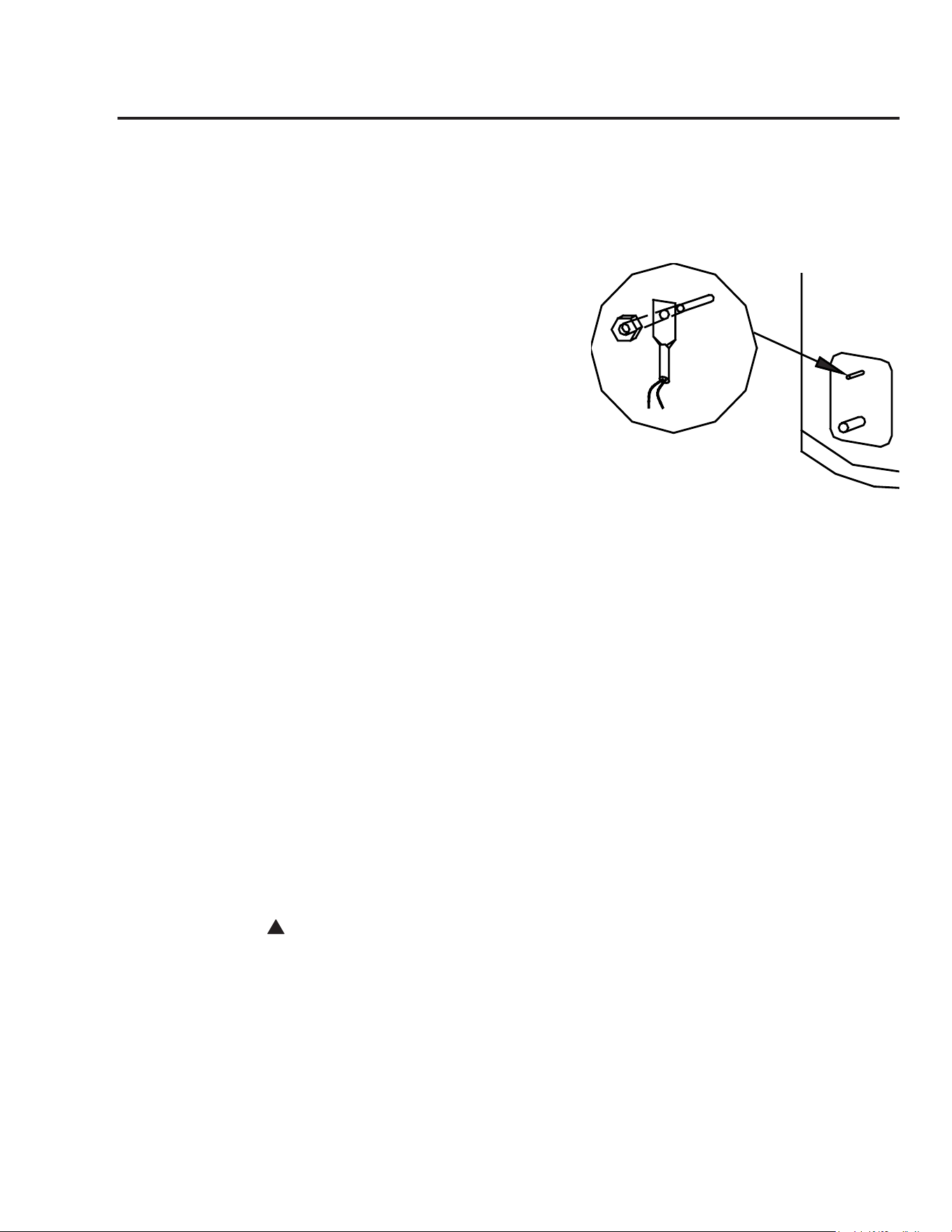
Tank Sensor Placement
Figure 18 details the proper placement of the
solar storage tank sensor. Make sure the sensor is
secured to the threaded stud on the storage tank
with a 10-24 stainless steel nut.
Figure 18 TANK SENSOR
Thoroughly weatherize the wire connections in
accordance with the roof sensor detail above.
Replace the berglass insulation batting and
close the access cover.
A properly licensed contractor must make the
230 volt electrical connection to the water heater
or solar storage tank and the electronic time
switch (Optional No. 33). If your solar contractor
is not allowed by law to make these connections
consult a licensed electrician.
Never activate the circuit breaker controlling the
electrical heating element until the solar stor-
age tank is completely lled with water. This
will prevent “dry ring” of the heating element.
The electrical heating element will be destroyed
almost instantaneously if not completely sub-
merged in water when activated. Make sure the
water heater circuit breaker is off until the solar
storage tank is completely lled.
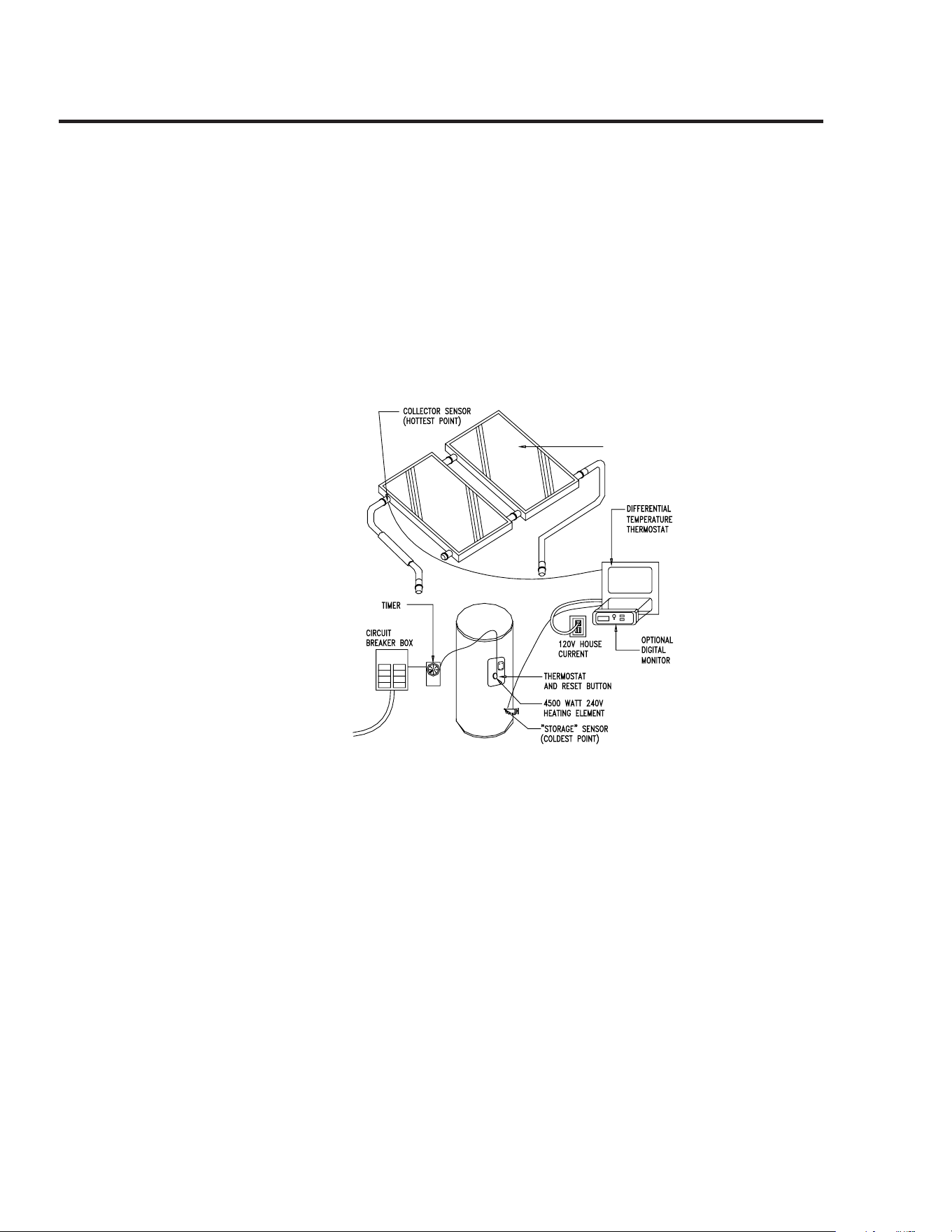
We recommend the use of a 115 volt differential
control with a factory installed six foot line cord.
The installation requires one 115 volt outlet to
be installed near the solar storage tank. Plug the
control into the outlet. The circulation pump line
cord is plugged into the receptacle on the side of
the controller.
20
Charging the System
!
WARNING: Under no circumstances can
any fluid other than dowfrost hd be used,
alternate fluids could be hazardous to your
health.
Once the components are plumbed you are ready to
ll the solar storage tank with water and to charge
the collector loop with a mixture of heat transfer
uid (HTF) and distilled or deionized water. The
use of regular tap water as a mixing agent is
prohibited.
Proceed as follows:
• Begin by lling the solar tank with water.
Do this by opening the cold water isolation ball
valve to the solar tank (No. 19). When the tank
is lled, inspect all threaded ttings and solder
joints for leaks.
• Fill and pressurize the solar collector loop with
water. Begin by connecting a washing machine
hose to the upper isolation/drain valve
(No. 7) and ll the collector loop with water.
The isolation ball valve (No. 7) remains closed
at this point. While the hose is still connected
to the upper isolation/drain valve and the water
is running, open the lower isolation/drain valve
(No. 6) and let the water run out until it is free
of impurities or debris that might have entered
the piping as the components were plumbed.
Run the water long enough to eliminate any air
bubbles that may be trapped in the system.
• Close the lower isolation/drain valve. The
collector loop now has been subjected to city
pressure and the pressure gauge (No. 10) should
read somewhere in the range of 50 - 75 PSI
in most cases. Make a nal inspection of the
collector plumbing connections to ensure that
there are no leaks anywhere in the collector
loop piping.
• After you have determined the integrity of the
entire piping system turn on the circulating
pump. Do this by setting the manual switch
within the controller to the “on” position. Run
the pump for a full ve minutes and carefully
check to ensure there is proper uid ow and
that all the air has been purged from the solar
collector glycol loop. An inexpensive ow
meter is recommended as an optional system
component. A ow meter allows you to monitor
and adjust the ow rate through the piping and
also to visually inspect the HTF uid quality.
• Set the controller to the "off" position and
proceed to the next step.
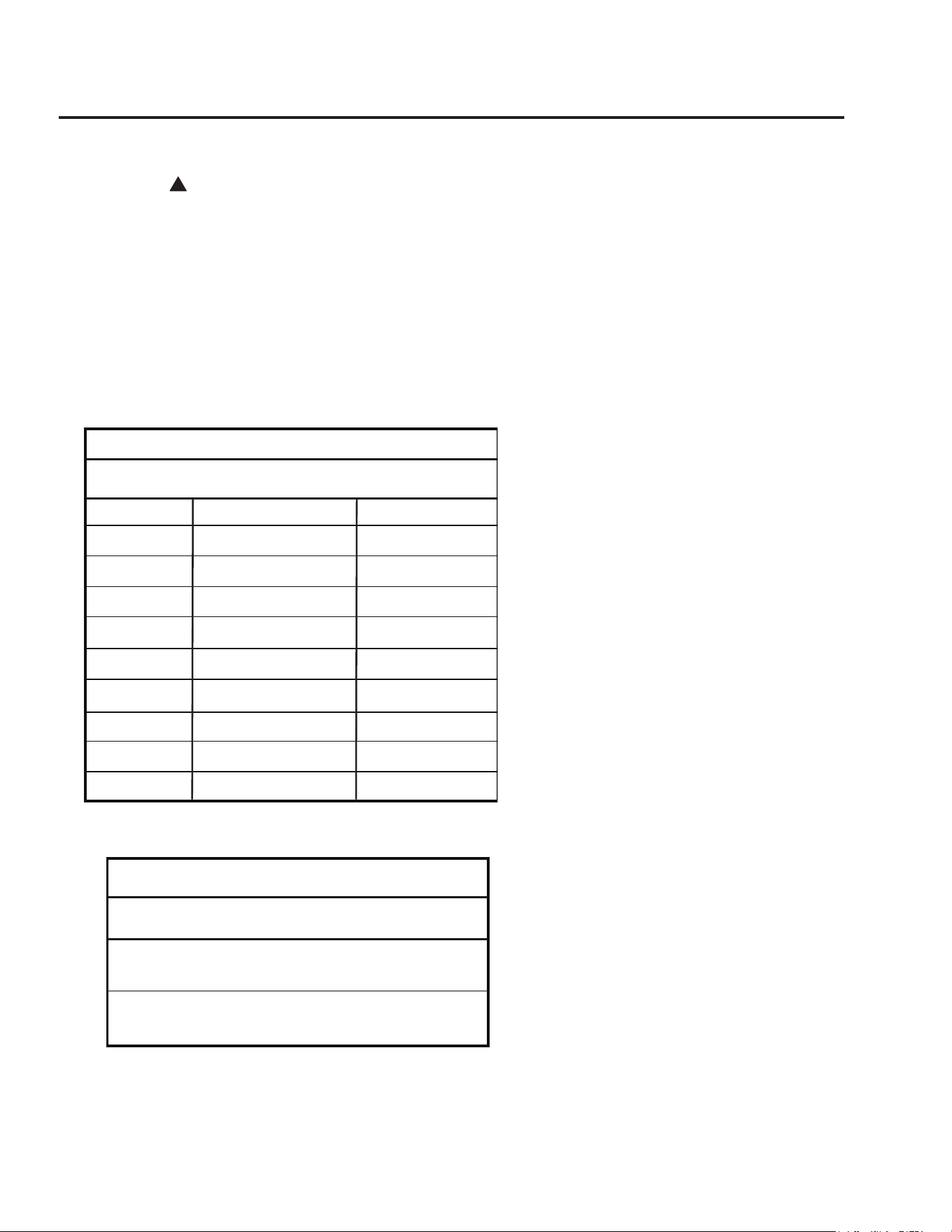
• Mix the Dowfrost HD propylene glycol and
distilled water mixture in accordance with
Table 4 and Table 5 in a large clean bucket. You
will need a second empty bucket as well. The
charging process also will require a low ow
diaphragm pump (Flojet or equal) to ll and
pressurize the collector loop.
Table 4
Percent (volume) Glycol Concentration Required
Temperature F For Freeze Protection For Burst Protection
20 18% 12%
10 29 20
0 36 24
-10 42 28
-20 46 30
-30 50 33
-40 54 35
-50 57 35
-60 60 35
Table 5
Total Collector Loop Fluid Capacity In Gallons*
1 Collector System 4 Gallons
2 Collector System 5 Gallons

21
Installing the System
• Connect the discharge side of the pressure
pump to the upper isolation/drain valve
(No. 7) Place the pump suction side hose in
the glycol solution. Close the isolation ball
valve (No. 7) and connect a second hose
to the lower isolation/drain valve (No. 6).
Place the other end of the hose in the empty
bucket.
• Open the upper drain valve and allow the
pressure from the expansion tank to push
the water in the glycol loop back to prime
the pressure pump. When the hose in the
bucket containing the glycol mixture stops
bubbling you may begin charging the
collector loop with glycol.
With both drain valves (No. 6 & 7) faucets
now open, run the Flojet pressure pump
until the pinkish glycol mixture begins
owing into the empty bucket. Quickly
switch the hose from the empty/return
bucket to the bucket containing the glycol
mixture. Continue to circulate the uid
using the pressure pump until the bubbling
has stopped and the air has been purged.
• After charging the collector loop, shut
the lower drain valve (No. 6) and let the
pressure pump drive up the loop pressure to
the appropriate level (Generally in the range
of 25 PSI). To more accurately calculate
the proper pressure measure the height of
the solar collector above the solar storage
tank and divide this number by 2.31. Then
add 20 PSI to this number. As a word of
caution, the pressure in the glycol loop
should not exceed 45 PSI when the system
is operational on a good sunny day. Contact
your solar contractor if the charged collector
loop pressure exceeds this threshold.
• Your solar water heating system must be
charged and the uid quality maintained by
an experienced contractor. If the system is
drained during the winter, or you notice a
signicant drop in collector loop pressure,
contact your installation contractor
immediately for service. The glycol HTF
provides the freeze protection for your
system and must be properly maintained.
An experienced contractor should
periodically check the HTF uid quality.
Dowfrost HD HTF
• To ensure maximum effectiveness for
corrosion protection, the glycol inhibitor
package is designed for a minimum 25-
30 percent concentration of glycol in
water. Table 4 shows the concentrations of
Dowfrost HD required to provide freeze and
burst protection at various temperatures.
Use the mixture most appropriate for your
climate. DO NOT use a higher glycol to
water concentration than necessary, as
this will adversely impact the relative heat
transfer efciency of the solution.
• Generally, for an extended margin of
protection, you should select a temperature
that is at least 5°F lower than the expected
lowest ambient temperature. These gures
are examples only and should not be
regarded as specications. As conditions
are not within our control, we DO NOT
guarantee that freeze damage may not occur
at temperatures other than shown.
Water used to dilute the HTF must meet certain
minimum standards for purity. Impurities in
the dilution water can increase metal corrosion,
reduce the effectiveness of corrosion inhibitors,
increase inhibitor depletion rate, and cause the
formation of scale and other deposits on the heat
exchanger's internal heat transfer surfaces.
Distilled or deionized water is required.
The HTF pH level must be maintained between
8 and 10 to minimize corrosion and glycol
oxidation in the piping system.
22
Throughout the installation procedures outlined
in Installation requirements - Specic, emphasis
has been placed on the correct procedures for
plumbing and wiring the components, checking
for plumbing leaks, pressurizing the collector
glycol loop, and eliminating any trapped air that
can impact uid quality and pump performance.
Having completed these tasks it is time to start up
your solar water heating system.
When the glycol loop has been fully charged and
the pressure is around 25 psi (check the pressure
gauge,(No. 10), set the differential controller to
the "Automatic" setting. This will activate your
circulating pump. The controller allows you to set
the "on" differential.
Adjust the valve settings in accordance with
the following section, Three Modes of system
Operation.
ELECTRICAL COMPONENTS
SOLAR COLLECTOR
(OPTIONAL)
Solar Components
System Start - Up Procedures
Operating the System

23
Operating the System
Three Modes of System Operation
Both single and double tank systems are
designed to accommodate three separate modes
of operation. Your solar water heating system
can, (1) provide 100% solar operation during
good weather, or (2) serve as a preheater
to your electric or gas water heater adding
solar energy when and as available, or (3)
completely bypass the solar collector loop
and solar storage tank and run 100% on utility
power during inclement weather.
Single Tank Operating Instructions:
100% Solar Operation:
Turn off the heating element to your solar
storage tank. If a water heater time switch
has been installed, set the switch to the "off"
position. If you have a mechanical timer
remove the trippers from the face of the switch.
Solar Preheat
Leave the heating element to your solar storage
tank on and set the tank thermostat to the
lowest acceptable temperature setting. The
heating element will come on only when the
tank temperature falls below the thermostatic
set point. If the solar heated water entering the
tank is warmer than the thermostat set point,
the heating element will not come on. If you
have a water heater timer, you may preset the
timer to turn the heating element on and off at
specied times throughout the day if desired.
100% Utility Power
Leave the heating element to your solar
storage tank on and close the isolation ball
valves in the collector loop (Nos. 6 and 8).
In this mode of operation you must turn
off the circulation pump. To turn the pump
off open the controller and change the
operational setting from automatic to off.
Failure to turn off the pump can quickly
damage the pump motor, shaft, bearings or
impeller.
Two Tank System Instructions:
100% Solar Operation
Follow the instructions for single tank systems
above. You also must change the position of
the three way ball valves above both the solar
storage tank and the back-up water heater
(Nos. 24 and 25). Valve handle No. 24 must
be in the horizontal position. Valve handle No.
25 must be in the vertical position. (See Figure
19a, 100% Solar Operation)
Solar Preheat
Follow the instructions for the single tank
system for setting the heating element for
automatic operation. The three way valve
above the solar storage tank (No. 24) must
be in the vertical position. Each valve handle
(Nos. 24 and 25) must be placed in the
horizontal position. (See Figure 19b, Solar
Preheat)
100% Utility Power
Follow the instructions for the single tank
system above. All three way ball valves above
the heaters (Nos. 24 and 25) must have the
valve handles placed in the horizontal position.
(See Figures 19c, 100% Utility Power and 19d,
Valve Position Diagram)
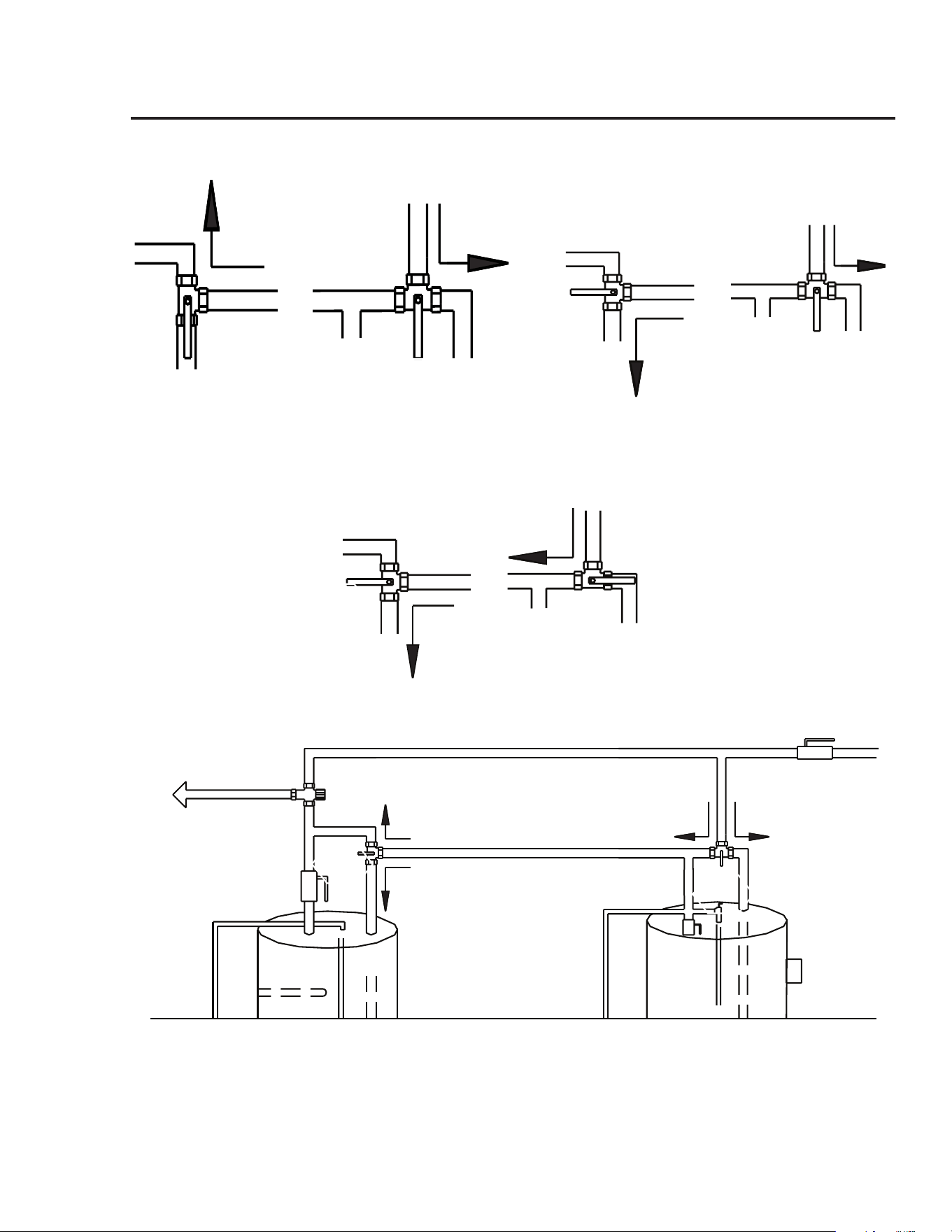
24
25
24
Figure 19a - 100% Solar Operation
24
25
Figure 19b - Solar Preheat Operation
25
24
Figure 19c - 100% Utility Power Operation
24
25
Figure 19d - Valve Position Diagram - Two Tank System
Cold Inlet
Hot Outlet
See Handle Above
25
SOLPAK OG300 SYSTEM LABELS
FLUID IDENTIFICATION:
The heat transfer fluid used in this system
is inhibited propylene glycol. It must be
handled and disposed of in accordance with
the manufacturers recommendations.
BE EXTREMELY CAREFUL WHEN
DRAINING THIS FLUID. IT MAY
BE DISCHARGED AT A VERY HIGH
TEMPERATURE AND PRESSURE.
The heat transfer fluid used in the system shall
be FDA generally recognized as sage (GRAS).
No other fluid shall be used that would change
the original classification of this system.
Unauthorized alterations to this system could
result in a hazardous health condition.
PLEASE CONSULT YOU INSTALLATION
MANUAL FOR INSTRUCTION ON SHUTTING
DOWN AND DRAINING THE SYSTEM.
HEAT EXCHANGER
The heat exchanger used in this system is
double wall vented to atmosphere. The heat
exchanger is integral to the solar storage tank.
FREEZE LABEL:
A 60% concentration of propylene glycol
and distilled water can protect your Solaray
system to temperatures as low as -60°F. Lesser
concentrations of dowfrost HD and distilled water
will provide a lower level of freeze protection.
PLEASE CONSULT YOU INSTALLATION
MANUAL FOR SPECIFIC FREEZE
TOLERANCE INFORMATION.
COLD WATER SUPPLY ISOLATION VALVE
This valve is normally open and allows potable
water to fill the solar storage tank. When closed
the solar storage tank is isolated from the
pressurized city cold water supply line piping.
TANK ISOLATION VALVE
This valve is normally open. When closed
in conjunction with the tank and pump
isolation valve the solar collector loop piping
is isolated from the solar storage tank.
TANK AND PUMP ISOLATION VALVE
This valve is normally open. When closed in
conjunction with the tank isolation valve the solar
collector loop piping is isolated from the solar
storage tank. When closed in conjunction with the
pump isolation valve the circulator pump is isolated
from the solar storage tank. NEVER shut these
valves while the circulating pump is in operation.
PUMP ISOLATION VALVE
This valve is normally open. When closed in
conjunction with the tank and pump isolation
valve the circulating pump is isolated from the
solar collector loop piping. NEVER shut these
valves while the circulating pump is in operation.
System Purge Valve
This valve is normally closed. When open it is used
to charge and drain the solar collector loop piping.
BE EXTREMELY CAREFUL WHEN
DRAINING THIS FLUID. IT MAY
BE DISCHARGED AT A VERY HIGH
TEMPERATURE AND PRESSURE.
SYSTEM FILL VALVE
This valve is normally closed. When open it is used
to charge and drain the solar collector loop piping.
BE EXTREMELY CAREFUL WHEN
DRAINING THIS FLUID. IT MAY
BE DISCHARGED AT A VERY HIGH
TEMPERATURE AND PRESSURE.

26
Isolating the Major Components and System Shut Down
Procedures
Your solar water heating system is designed so
that the key components can be easily isolated
for emergency repairs or routine maintenance.
By shutting a single valve you can isolate the
entire system from the pressurized cold water
supply line (No. 19). In the case of a storage
tank or tting leak immediately shut this valve
and call your installation contractor for service.
The collector loop can be isolated from the solar
storage tank by closing isolation ball valves
(Nos. 6 and 8). If the pressure in this loop drops
or you nd a glycol leak shut these valves and
contact your installation contractor. Turn the
circulating pump off by setting the controller to
the “off” position.
In two tank systems the solar storage tank can
be isolated from the back-up water heater.
Set all necessary isolation ball valves to the off
position to service the solar storage tank or the
back up water heater.
Solar water heating systems can build up very
high temperatures when there is no daily draw
on the system. If a short summer vacation
is planned the best way to dissipate heat in
the system is to set the controller to the "on"
position. The circulating pump will run twenty-
four hours a day and cool off the water in
the solar storage tank at night. The collector
radiates heat back to the atmosphere at night,
preventing the system from stagnating at very
high temperatures. This will not harm the pump
or add substantially to your monthly utility bill.
Remember to set the control to the "Automatic"
setting upon your return!
During extended summer vacations (4 weeks
or more) it is advisable to either cover the
solar collectors with an opaque material or to
manually drain the collector loop HTF. The
manufacturer recommends that you cover the
collectors if practical.
If you choose to drain the HTF in the collector
loop follow these steps:
• Turn the controller to the “off” position
(No. 4).
• Connect one end of a garden hose to the
isolation/drain valve (No. 6) and place
the other end in a ve gallon bucket.
Open the valve and gravity will drain the
heat transfer uid into the bucket. Repeat
process using isolation / drain valve
(No. 7). A licensed recycler, reclaimer or
incinerator must dispose of the Dowfrost
HD.
DO NOT DUMP DOWFROST HD INTO
A STORM SEWER, ON THE GROUND
OR INTO ANY BODY OF WATER.
BE CAREFUL. THE HTF MAY BE
EXTREMELY HOT!
If the system is installed with an optional time
clock make sure the clock is not preset to
go "ON" during your absence. If you have a
mechanical time switch, remove the "on" tripper
from the clock face (No. 33).
When you return home contact your service
contractor to recharge the system with HTF.
After the system has been recharged, set the
controller to the “automatic” position.
Summer Vacation Recommendations and Procedures
Use and Care of the System

27
The following simple procedures are intended to
optimize the performance of your solar water heating
system and also to extend the life of the primary
components.
• Fluid Quality: It is extremely important to
monitor the quality of the Dowfrost HD HTF on
a periodic basis. The chemical composition of the
heat transfer uid may change over time. System
pH must be maintained between 8 and 10 to
avoid damage to the collector loop and absorber
plate piping.
• The second most important component in your
system, at least from a longevity standpoint, is
often ignored and never seen. We are referring to
the sacricial "anode rod" installed in your solar
storage tank (No. 14). Typically constructed from
magnesium, anode rods are installed in "glass
lined" water heaters and storage tanks to inhibit
corrosion.
• As the name implies, the "sacricial" anode rod
is consumed so that the tank lining is not. At a
certain point in the process, the anode rod is no
longer completely effective and the corrosive
processes begin to eat away at the tank's glass
lining. In time the solar storage tank, like any
other gas or electric water heater, will begin to
leak. The process is not reversible and the tank
must be replaced.
• System temperatures and water quality affect
the rate at which the anode rod is consumed.
In general, the higher the average system
temperature the faster the rate of corrosion. By
changing the anode rod after the fth year of
system operation, and every three to ve years
thereafter, it is possible to extend the life of
the solar storage tank. Periodic replacement of
the anode rod in your solar storage tank can
signicantly extend the tank life.
• The solar storage tank also should be ushed
annually to minimize sediment build-up on the
bottom of the tank. If you live in an area with
high mineral content in your water, ush the tank
on a semi-annual basis. Turn the heating element
to the solar tank off before ushing. Turn the
controller to the off position.
• Open the ush valve on the bottom of the storage
tank (No. 18) and drain a sufcient volume
of water to eliminate the sediment. After the
procedure is complete make sure the tank is
completely full of water before turning on the
heating element. Turn the controller to the "on"
position.
• If you live in a dusty climate it is a good idea to
wash off the dirt that settles on the collector glass
once a month. Clean glass allows the collector to
maintain a high level of thermal performance.
• Check the exterior pipe insulation annually and
patch or repair any exposed surfaces or degraded
areas. Repaint as necessary.
• In the unusual instance of collector glass
breakage, the glass should be replaced
immediately. This will reduce the likelihood
of water accumulating inside the collector
and deteriorating the insulation. Contact your
installation contractor.
• If you detect a glycol or water leak, or the glycol
loop pressure drops unexpectedly, contact your
installation contractor immediately to diagnose
the problem and recharge the system.
• If it’s been a sunny day and you don’t have
hot water, rst make sure that the controller is
set in the automatic position. If the controller
is properly set and the pump has not been
running, unplug the line cord from the controller
receptacle and plug the pump directly into a
nearby 115 volt outlet. If the pump does not run
it may need to be replaced. If the pump does run
when plugged directly into the wall outlet, the
problem may be located in the controller or one
of the 10k ohm sensors. Contact your installation
contractor for service.
• If you have a full tank of hot water before bed
and the solar storage tank is cold in the morning,
the check valve (No. 20) may not be seating
correctly and should be cleaned or replaced.
Also make sure that the circulating pump is not
running after 6:00 p.m. If the pump is running
and the control indictor light "Solar" #1 is on
after 6:00 p.m., check both sensors to see that
they calibrate to 10K ohm resistance at 77°F. If
Maintenance and Troubleshooting

28
1) Solar Collector(s) (Rheem RS Series collectors): Absorbs
the sun’s heat energy and transfers this heat to the HTF
circulating through the collector. (Provided)
2) Collector Sensor (Stecca PT1000): Wired to the system
controller. Works in conjunction with the tank sen-
sor to automatically turn your circulating pump on and
off at preset temperature differentials. (Provided)
3) Tank Sensor (Stecca PT1000): Wired to the system
controller. Works in conjunction with the collector sen-
sor to automatically turn your circulating pump on and
off at preset temperature differentials. (Provided)
4) Differential Thermostat (Stecca Controller
RHTR0301U): Known as the controller. Automatically
turns the circulating pump on and off when there is
sufficient heat to be gained from the solar operation.
The controller also may be set to limit high tempera-
ture build up in the solar storage tank. (Provided)
5) Circulating Pump (Grundfos UPS15-58FC or equivalent):
Circulates the HTF through the collector loop. (Provided)
6) Isolation / Drain Valve (Unique 50613 or equivalent):
When closed in conjunction with No. 7 will isolate the
circulation pump for repair or replacement. Used to
charge the collector loop with glycol, purge air from
the loop and drain the heat exchange fluid. (Provided)
7) Isolation / Drain Valve (Unique 50613 or equivalent):
When closed in conjunction with No. 6 it will isolate
the circulation pump for repair or replacement. Used
to charge the collector loop with glycol, purge air from
the loop and drain the heat exchange fluid. (Provided)
8) Isolation Ball Valve (Cash Acme 20800-204
or equivalent): Used in conjunction with com-
ponent No. 7 to isolate the solar collector loop
from the solar storage tank. (Provided)
9) Pressure Relief Valve (Cash Acme 09564-0125 or
equivalent): Will release glycol loop HTF at 75 PSI.
If this valve opens and the HTF fluid is expelled
contact your contractor immediately. This valve
also can be opened to drain the HTF from the
charge glycol loop for replacement. (Provided)
10) Pressure Gauge (Winters PFQ804): Indicates
pressure in the collector loop. (Provided).
11) Expansion Tank (Arrow 12-A101): Pre-charged with
air to allow for the expansion and contraction of
the glycol HTF as it heats and cools. (Provided)
12) Mixing Valve (Watts 1170USM2): Automatically
blends hot water from the solar storage tank with
incoming city cold water to an acceptable set
point. Note: A mixing valve must be installed on
every solar water heating system. (Provided)
13) Temperature and Pressure Relief Valve:
Universally required by the plumbing code on
water heaters. Will automatically release
14) Anode Rod: The “sacrificial” anode rod is installed
in your solar storage tank to prevent corrosion to the
tank lining by neutralizing aggressive water action.
Anode rods have a finite life and require periodic
replacement depending on annual tank temperatures
and water quality. Determine a replacement sched-
ule with your installation contractor. (Provided)
Maintenance and Troubleshooting continued
Use and Care of the System
System Component Parts
• You nd a defective sensor replace it immediately.
Note that in a two tank system nighttime heat loss will
be harder to detect, especially if you are operating in
the solar preheat mode. Check the line thermometers
(No. 22) in the collector loop piping to detect night
thermosiphoning.
• If the weather is poor and the auxiliary heating
element will not re, the bright red reset button on the
thermostat may have to be depressed to be reset. Single
tank systems have one heating element and thermostat.
Double tank systems with conventional electric water
heaters have two heating elements and thermostats.
Never remove the protective access plate on the exterior
of the solar storage tank or conventional water heater
without disconnecting the 230 volt power supply at the
circuit breaker.
• After the circuit breaker has been turned off, remove
the access plate on the storage tank or water heater
and depress the red reset button on the thermostat. If it
clicks when depressed the heating element should re
immediately when you reconnect the circuit breaker. If
the reset button does not click and you do not have hot
water after one hour, the heating element of thermostat
may be defective. Contact your installation contractor
for service.
• In two tank systems the conventional electric water
heater will be wired for electrical back-up. The solar
tank will serve solely as a storage tank and not be wired.
See Figures 16, 17, 18 and 19 for the location of the
specific components numbered below.

29
15) Cold Water Dip Tube: Forces incoming city
cold water to the bottom of the solar stor-
age tank to prevent mixing with the warm
water at the top of the tank. (Provided)
16) Heat Exchanger: Transfers heat from the
solar collector loop to the potable water
in the solar storage tank. (Provided)
17) Heating Element & Tank Thermostat: The solar
storage tank is equipped with an auxiliary 4500
watt, 230 volt electrical heating element. The ther-
mostat controls the temperature setting of the auxil-
iary heating element. (Provided)
18) Drain Valve: Used to drain the stor-
age tank and to flush sediment from the
tank on an annual basis. (Provided)
19) Isolation Ball Valve (Cold Water Supply Line):
When open allows potable water to fill the
solar storage tank or back-up water heater.
When closed isolates the solar storage tank
and back-up water heater from the pressurized
city cold water supply line. (Not Provided)
20) Check Valve: This valve is installed to stop
or minimize convective evening heat loss in
the system. The heat in the solar storage tank
will rise through the collector loop piping in
the evening in the much cooler solar collec-
tor and dissipate heat unless prevented from
doing so by a check valve. Check valves are also
referred to as one way valves. (Not Provided)
21) Isolation Ball Valve (Hot Water): Used in
conjunction with component No. 19 to com-
pletely isolate the solar storage tank for repair
or replacement as necessary. (Not Provided)
22) Tank / Line Thermometer(s): Will read the tem-
perature of the water and the collector supply
and return lines on sunny days. (Not Provided)
23) Optional Time Switch: Allows you to automatically
or manually turn the auxiliary heating element in
the solar storage tank on and off. (Not Provided)
24) Three Way Ball Valve: Used in conjunction
with component No. 25 to establish the proper
mode of system operation. (Not Provided)
25) Three Way Ball Valve: Used in conjunction
with component No. 24 to establish the proper
mode of system operation. (Not Provided)
26) Isolation Ball Valve: Used in conjunction
with component No. 21 to completely iso-
late the back-up water heater for repair or
replacement as necessary. (Not Provided)
27) Temperature and Pressure Relief Valve:
See No. 13 above. (Provided)
28) Anode Rod: See No. 14 above. (Provided)
29) Cold Water Dip Tube: See No. 15 above. (Provided)
30) Drain Valve: See No. 18 above. (Provided)
31) Thermal Well (Tasseron 8TW4550 or equivalent):
Not pictured. (Two thermal wells provided)
Use and Care of the System
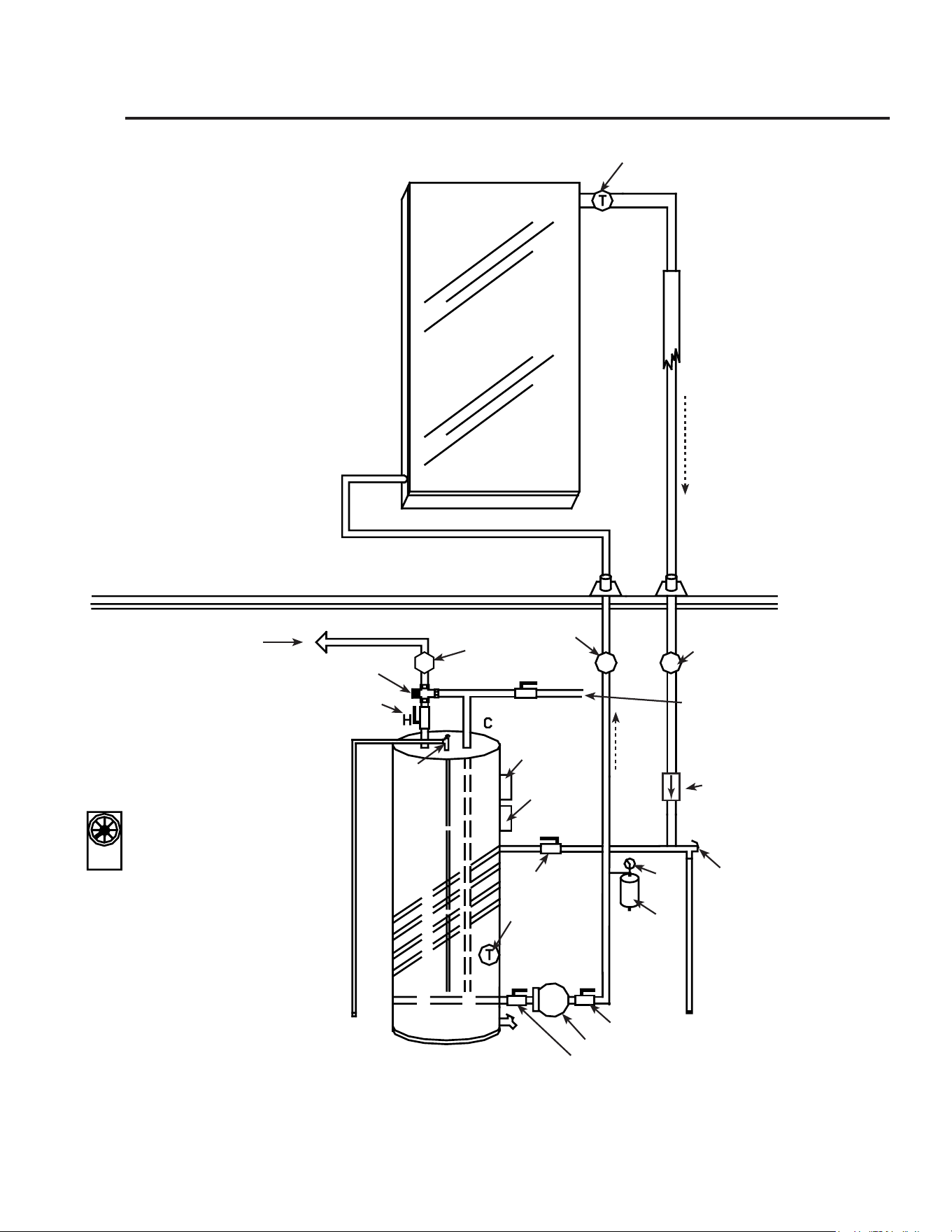
30
System Schematics
Figure 16
SINGLE TANK SYSTEM SCHEMATIC
Note: When two collectors are
required, plumb in parallel.
Pipe Insulation
Collector Return
Cold Water Supply Inlet
Hot Water Supply Outlet to
Fixtures
Feed
1
2
6
5
4
3
23 - Optional
Time Switch
7
8
9
10
11
12
13
14
15
16
18
17
19
20
21
22
22
22
SINGLE TANK SYSTEM SCHEMATIC
Figure 16
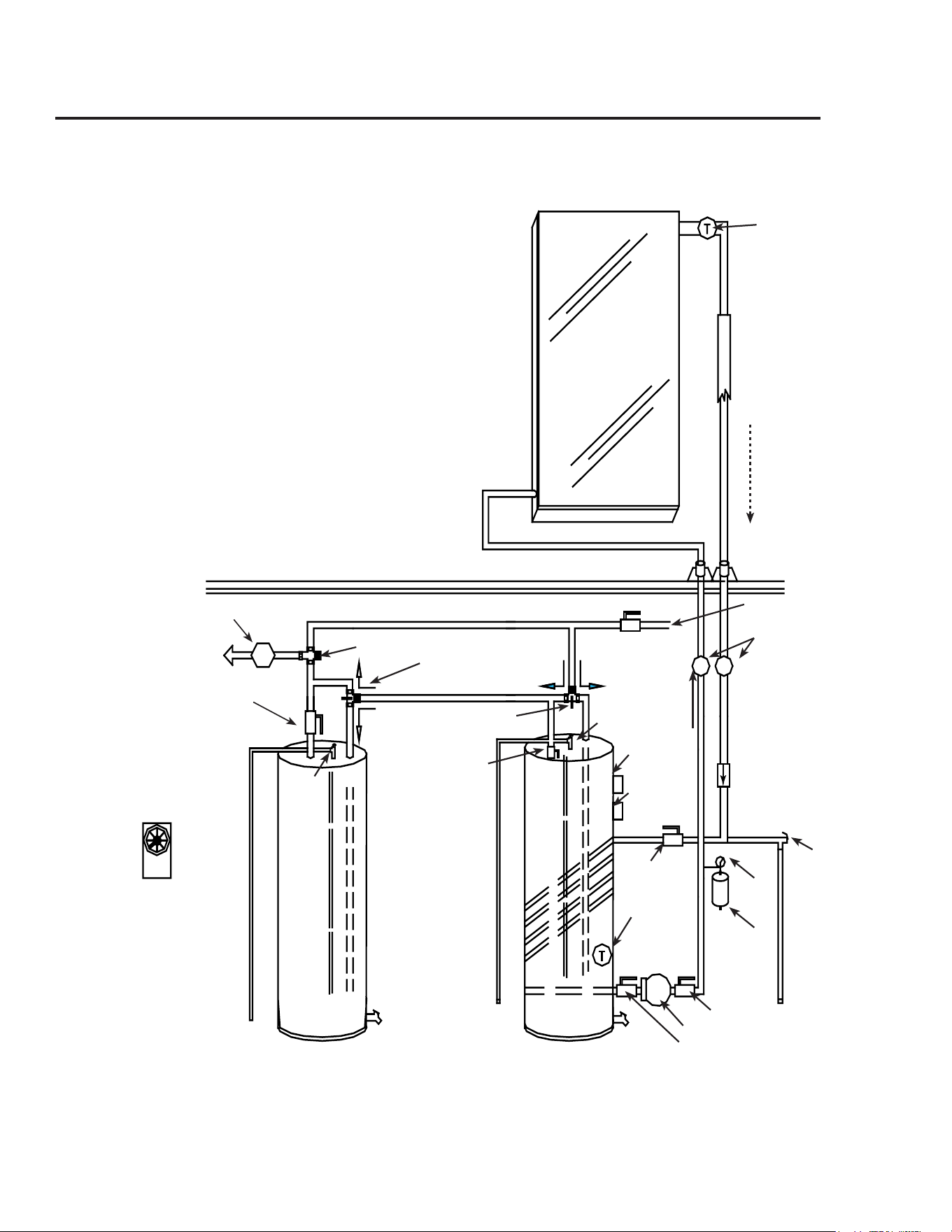
31
Figure 17
DOUBLE TANK SYSTEM SCHEMATIC
with Gas or Electric Back up Tank
Note: When two collectors are
required, plumb in parallel.
Pipe Insulation
Collector Return
Cold Water Supply
Inlet
Feed
1
2
4
23 - Optional
Time Switch
Hot Water Supply
Outlet to Fixtures
3
5
6
7
8
9
10
12
13
14
15
16
18
17
19
20
21
22
25
22
26
27
28
29
30
Roof Jacks
Cold
11
24
Gas or Electric Back up Tank
DOUBLE TANK SYSTEM SCHEMATIC
with Gas or Electric Back up Tank
Figure 17
32
System Schematics
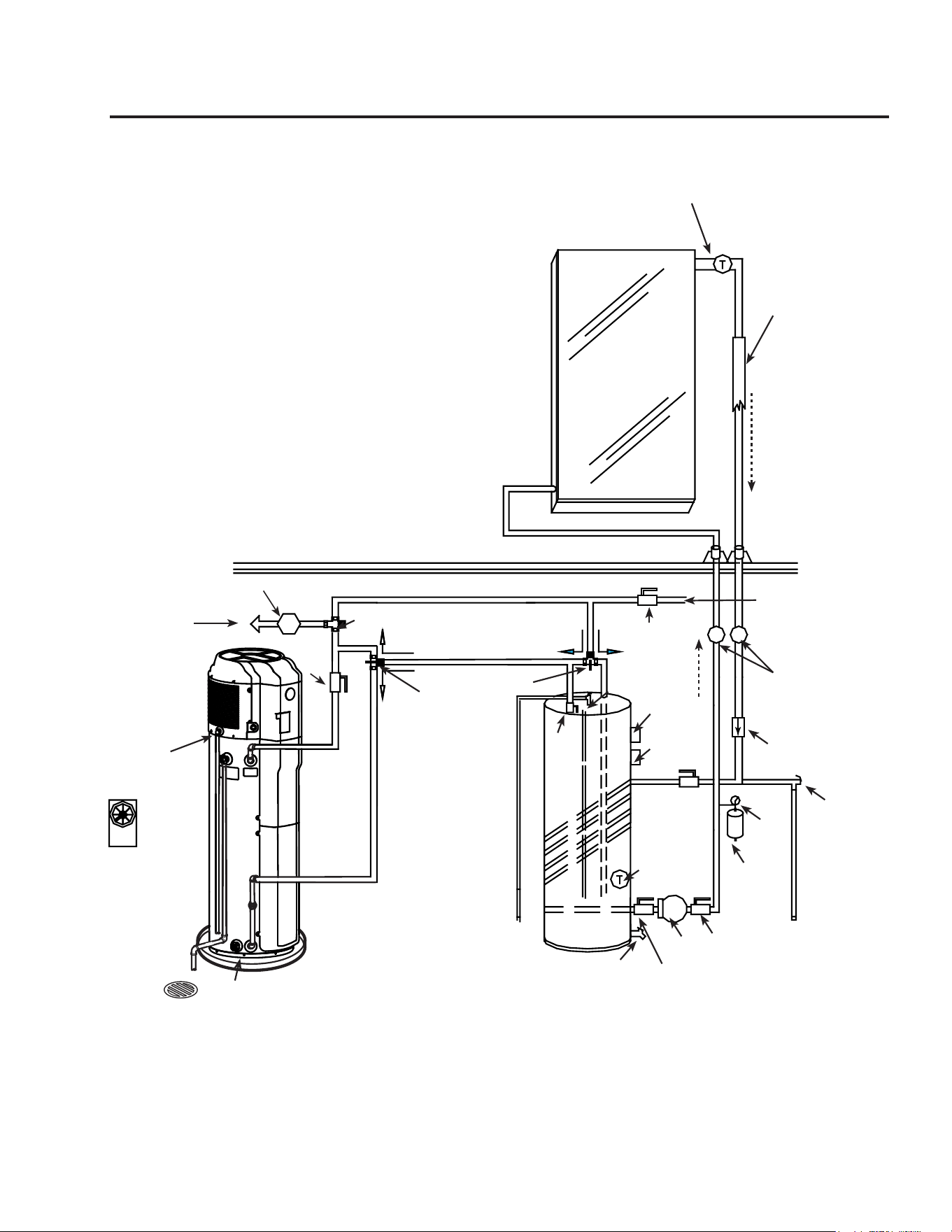
Figure 18
DOUBLE TANK SYSTEM SCHEMATIC
with Heat Pump Back up Tank
Note: When two collectors are required,
plumb in parallel.
Pipe Insulation
Collector Return
Cold Water Supply
Inlet
Feed
1
2
4
23 - Optional
Time Switch
Hot Water Supply
Outlet to Fixtures
9
12
13
14
15
16
17
19
21
22
24
22
26
27
30
Roof Jacks
Heat Pump Back-up Tank
25
20
10
11
7
5
6
18
3
* Installation as shown does not reflect SRCC approval or certification.
DOUBLE TANK SYSTEM SCHEMATIC with
HEAT PUMP BACK UP TANK*
Figure 18
33
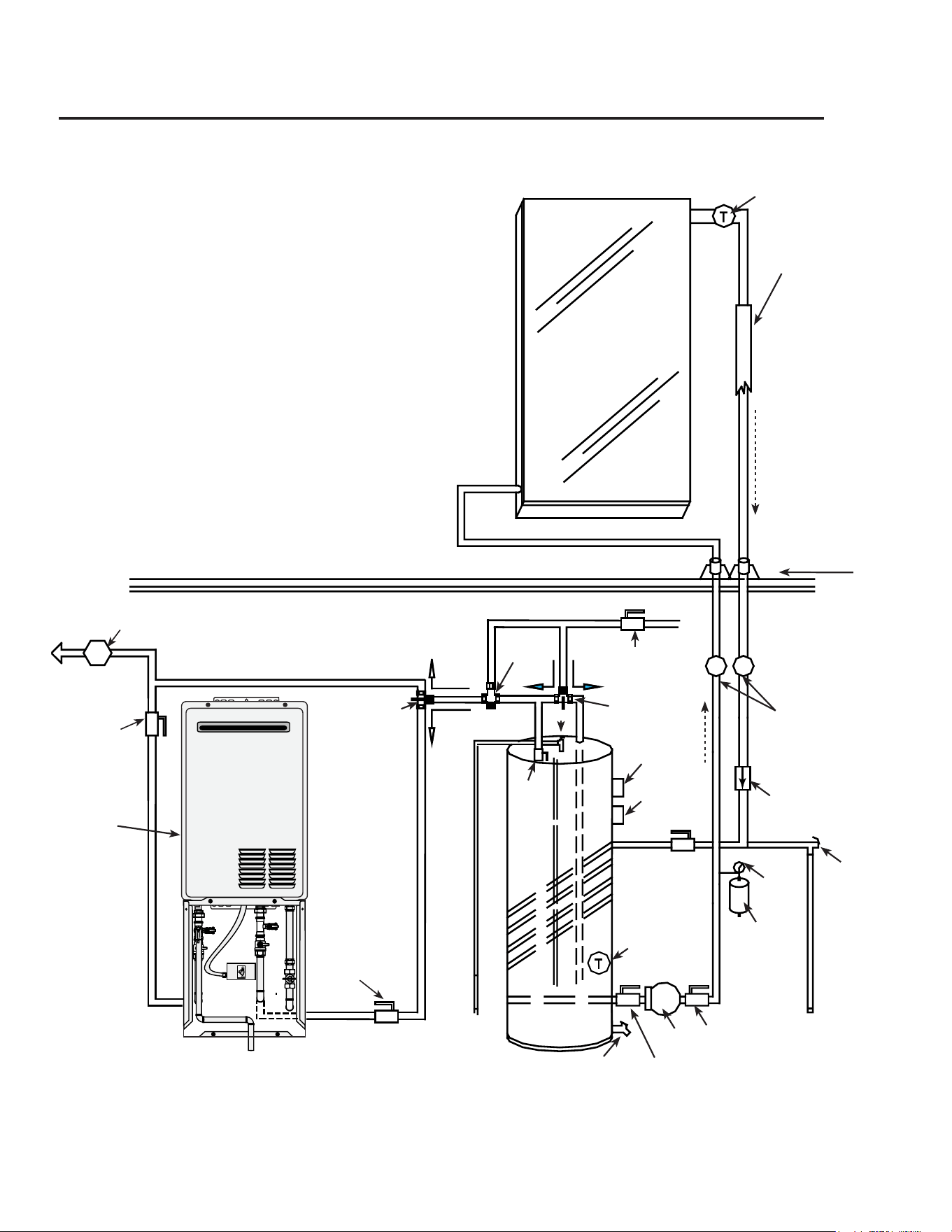
Note: When two collectors are required,
plumb in parallel.
Collector Return
Cold Water Supply
Inlet
Feed
1
2
4
Hot Water Supply
Outlet to Fixtures
9
12
13
14
15
16
17
19
21
22
24
22
26
27
Roof Jacks
Tankless Back-up Tank
25
20
10
11
7
5
6
18
3
26
DOUBLE TANK SYSTEM SCHEMATIC
with TANKLESS BACKUP
Pipe Insulation
Figure 19

34
NOTES:

35
NOTES:

36
IF YOU NEED SERVICE
1. Should you have any questions about your new water heater, or if it requires adjustment, repair,
or routine maintenance, it is suggested that you first contact your installer, plumbing contractor or
previously agreed upon service agency. In the event the firm has moved, or is unavailable, refer to the
telephone directory, commercial listings or local utility for qualified service assistance.
2. Should your problem not be solved to your complete satisfaction, you should then contact the
Manufacturer’s National Service Department at the following address:
1241 Carwood Court
Montgomery, Alabama 36117
Phone: 1-800-432-8373
When contacting the manufacturer, the following information will be requested:
a. Model and serial number of the water heater as shown on the rating plate attached to the jacket of the
heater.
b. Address where the water heater is located and physical location.
c. Name and address of installer and any service agency who performed service on the water heater.
d. Date of original installation and dates any service work was performed.
e. Details of the problems as you can best describe them.
f. List of people, with dates, who have been contacted regarding your problem.