
www.klarstein.com
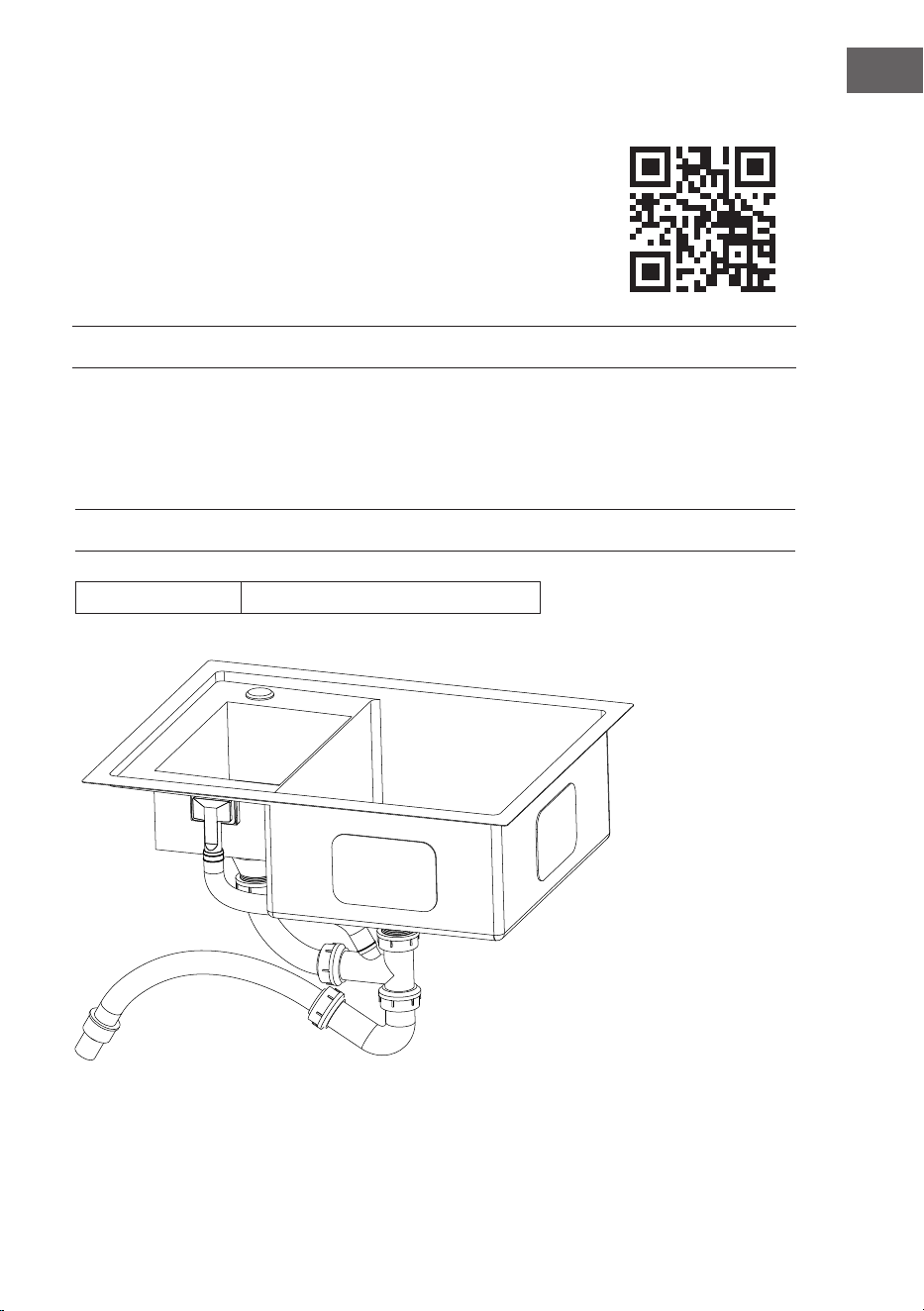
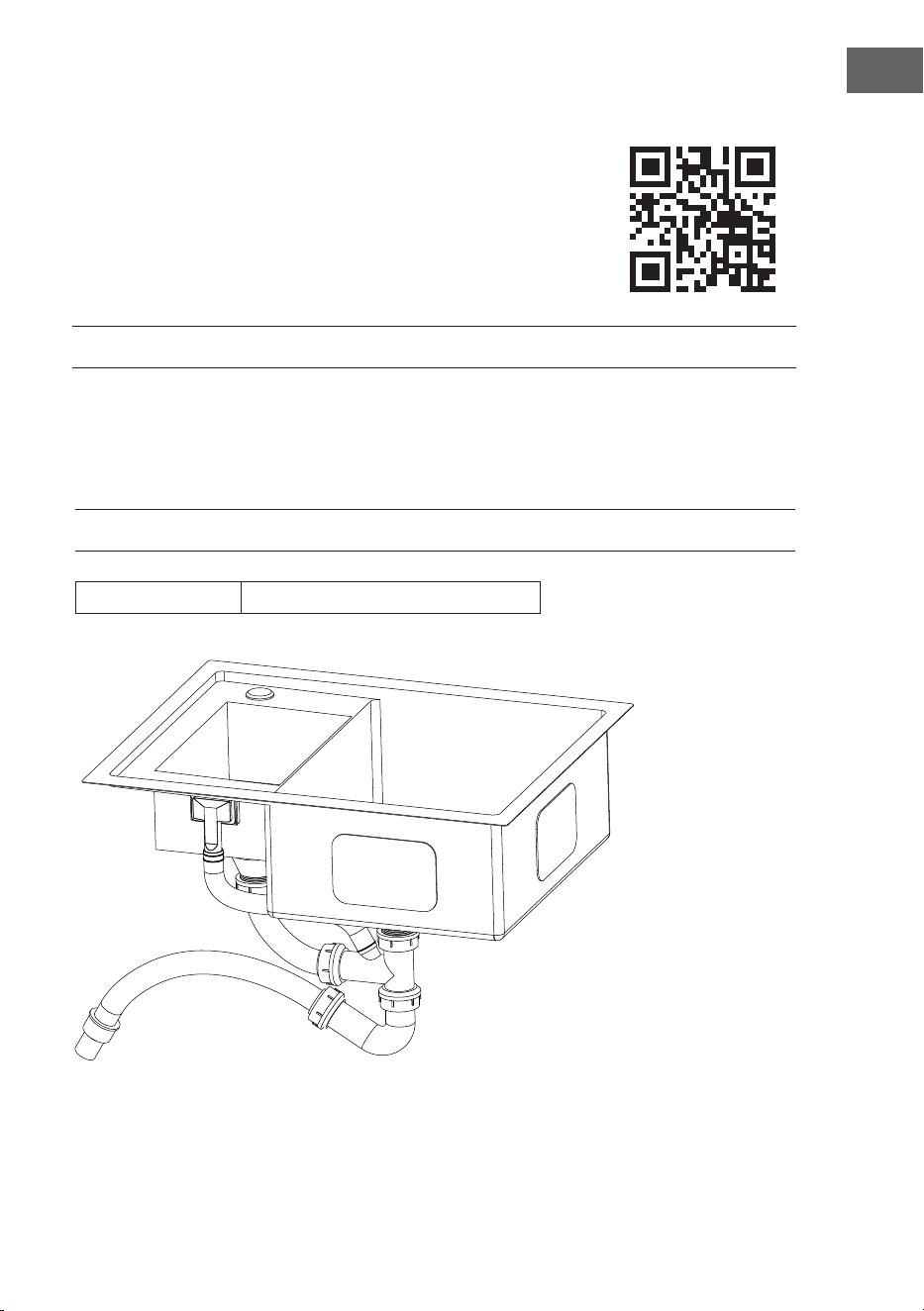
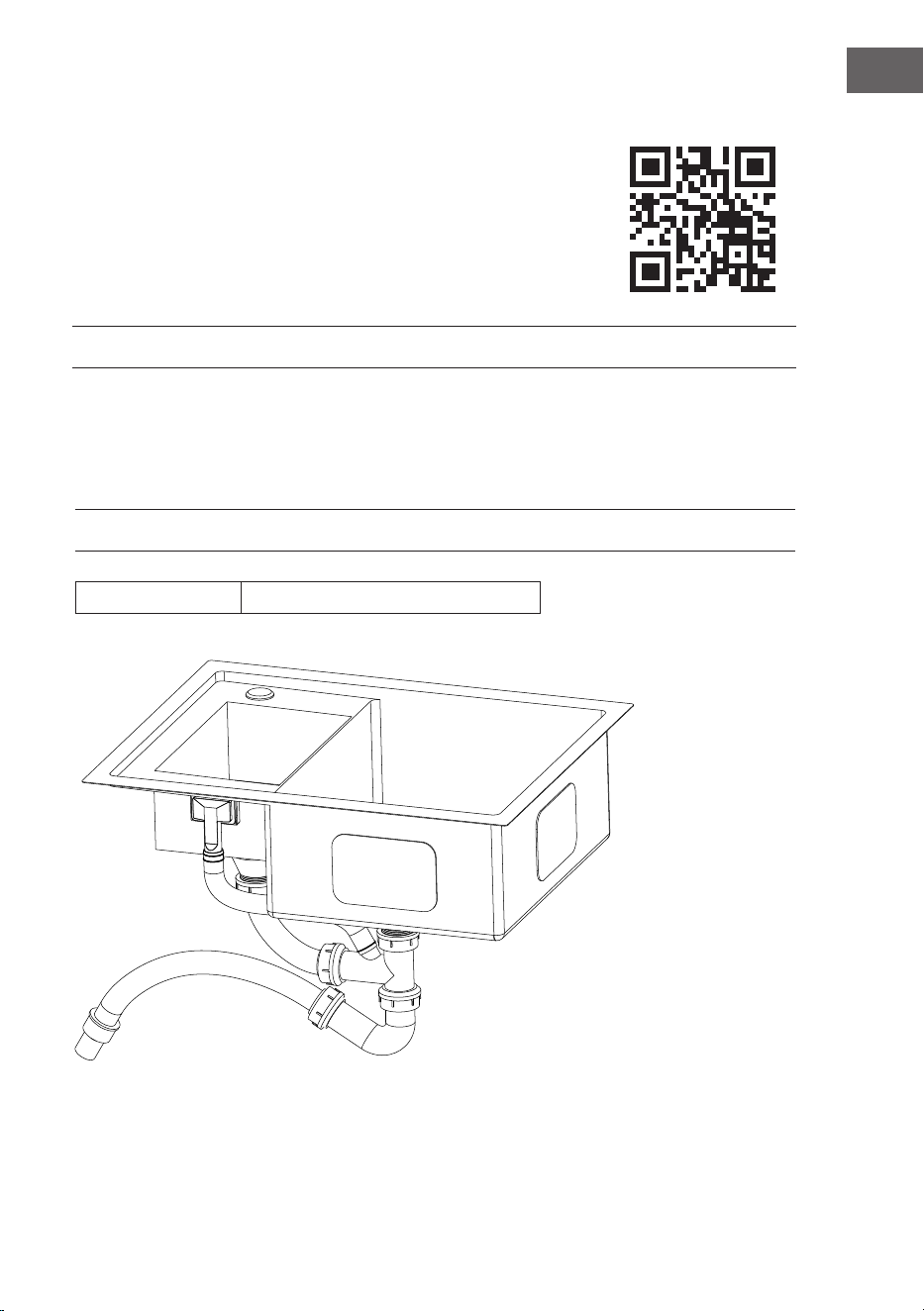
TITANSTEEL 1.5
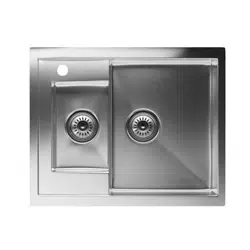
Küchenspüle 24+18x43
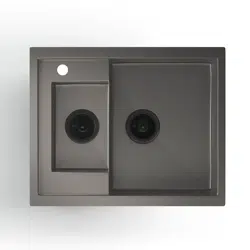
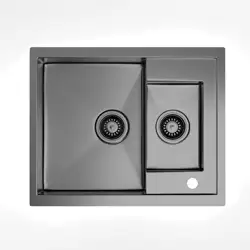
Kitchen Sink 24+18x43
Évier de cuisine 24+18x43
Lavandino da cucina 24+18x43
Fregadero de cocina 24+18x43
10046021 10046022

3
DE
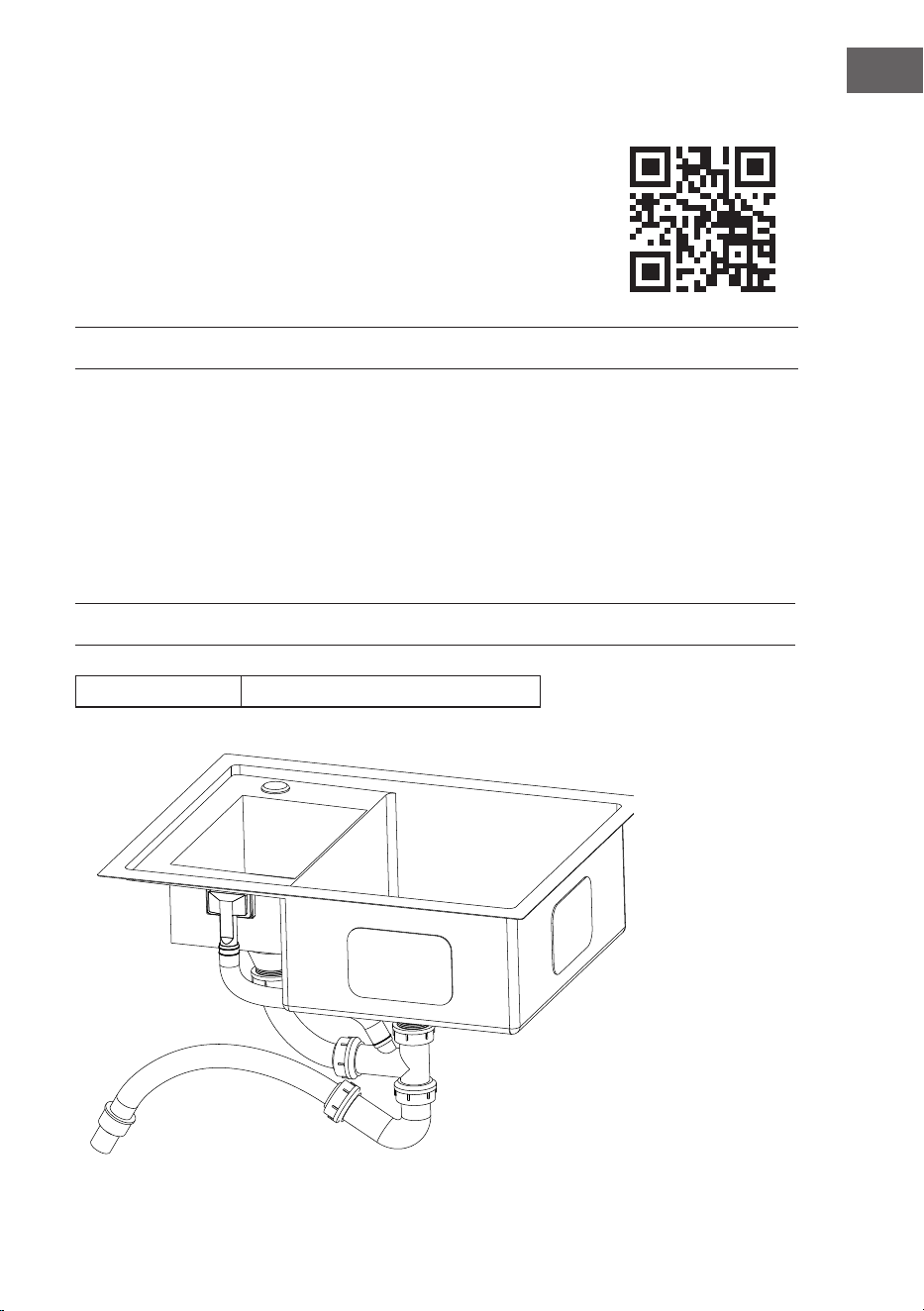
ARTIKEL
Artikelnummer 10046021, 10046022
INHALTSVERZEICHNIS
Lieferumfang 4
Unterbauinstallation 6
Abusset Installation 11
Prüfen der Dichtungsleistung und Reinigung 15
Sehr geehrter Kunde,
wir gratulieren Ihnen zum Erwerb Ihres Gerätes. Lesen Sie die
folgenden Hinweise sorgfältig durch und befolgen Sie diese, um
möglichen Schäden vorzubeugen. Für Schäden, die durch Missachtung
der Hinweise und unsachgemäßen Gebrauch entstehen, übernehmen
wir keine Haftung. Scannen Sie den folgenden QR-Code, um Zugriff
auf die aktuellste Bedienungsanleitung und weitere Informationen
rund um das Produkt zu erhalten:
4
DE
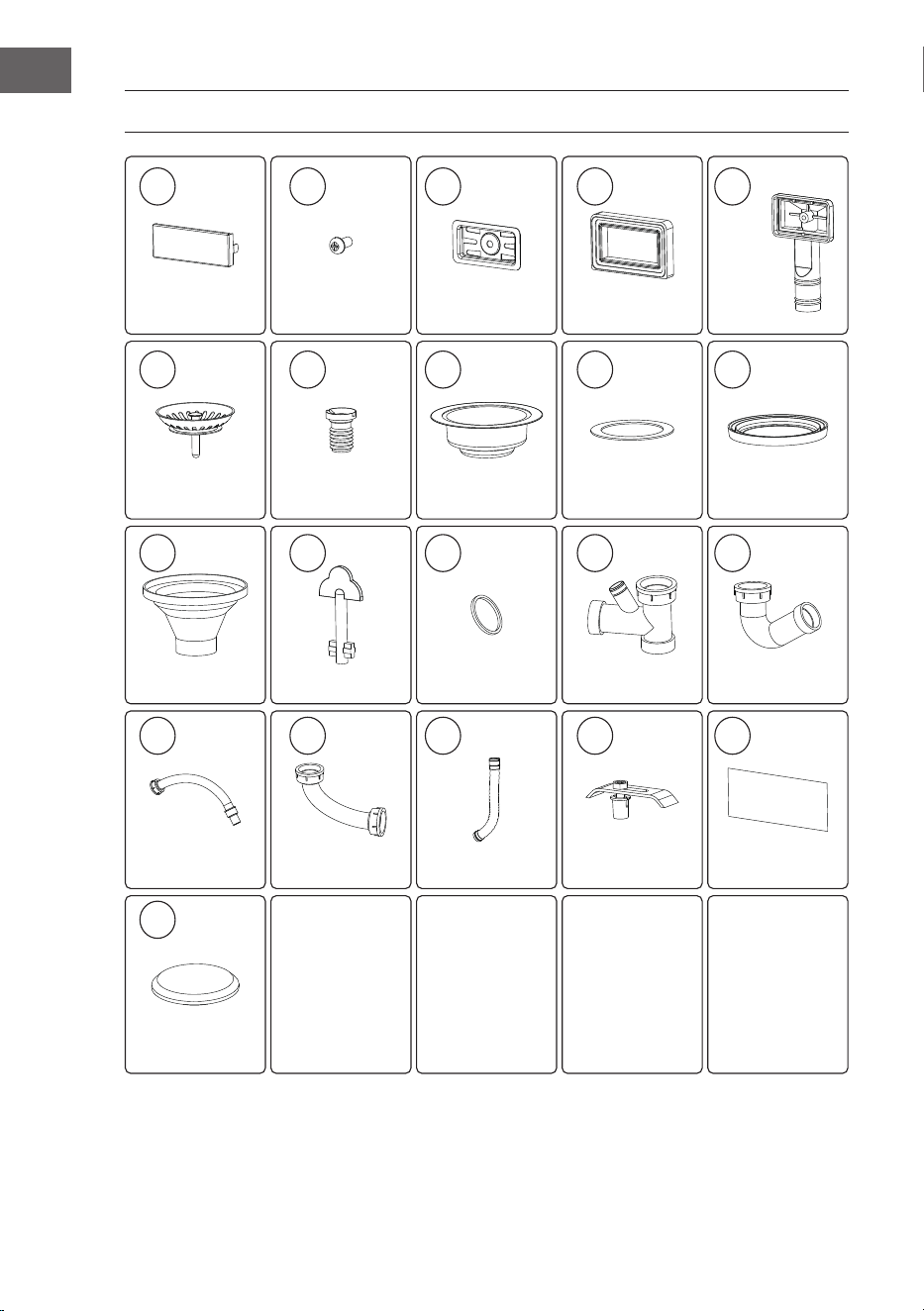
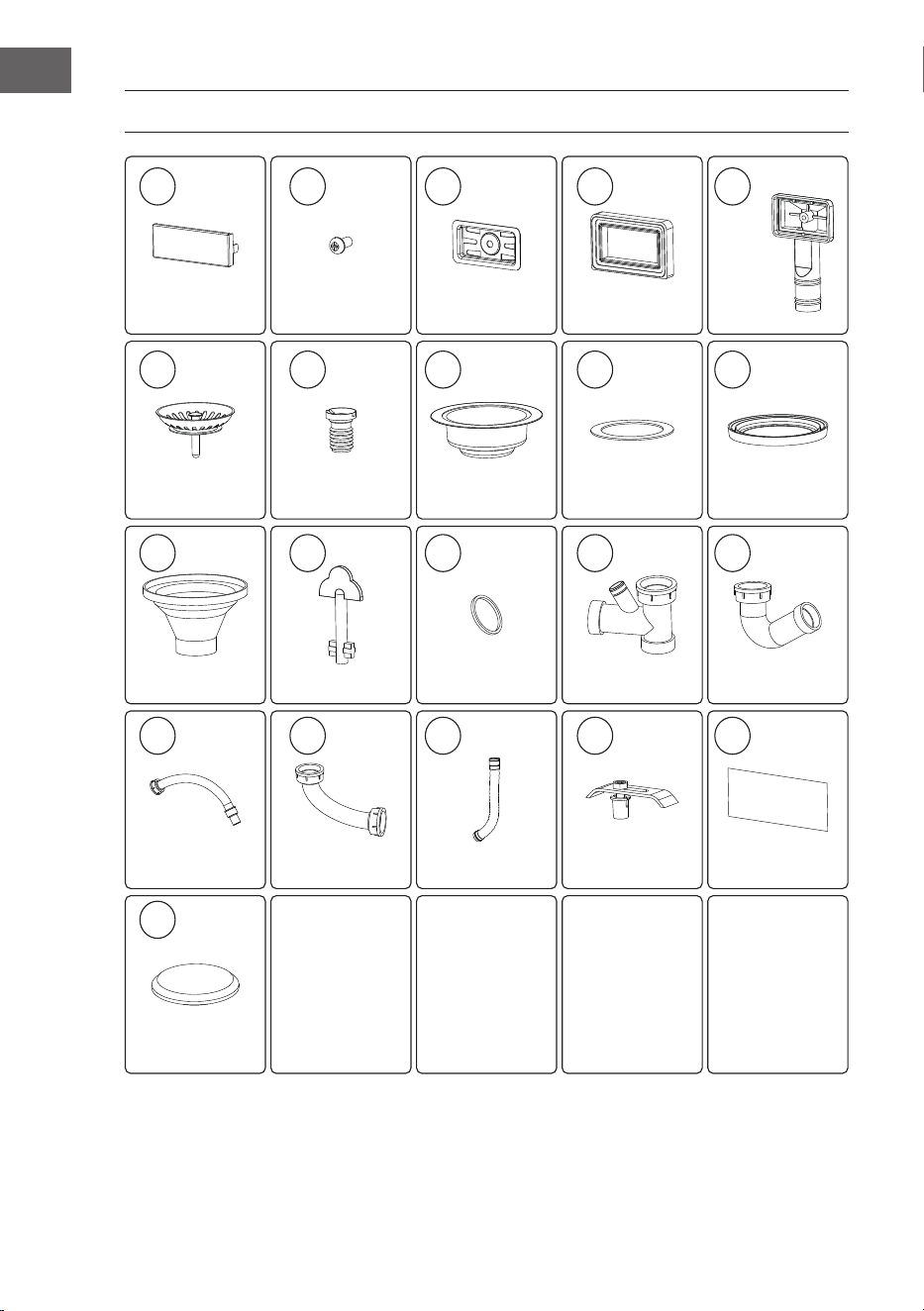
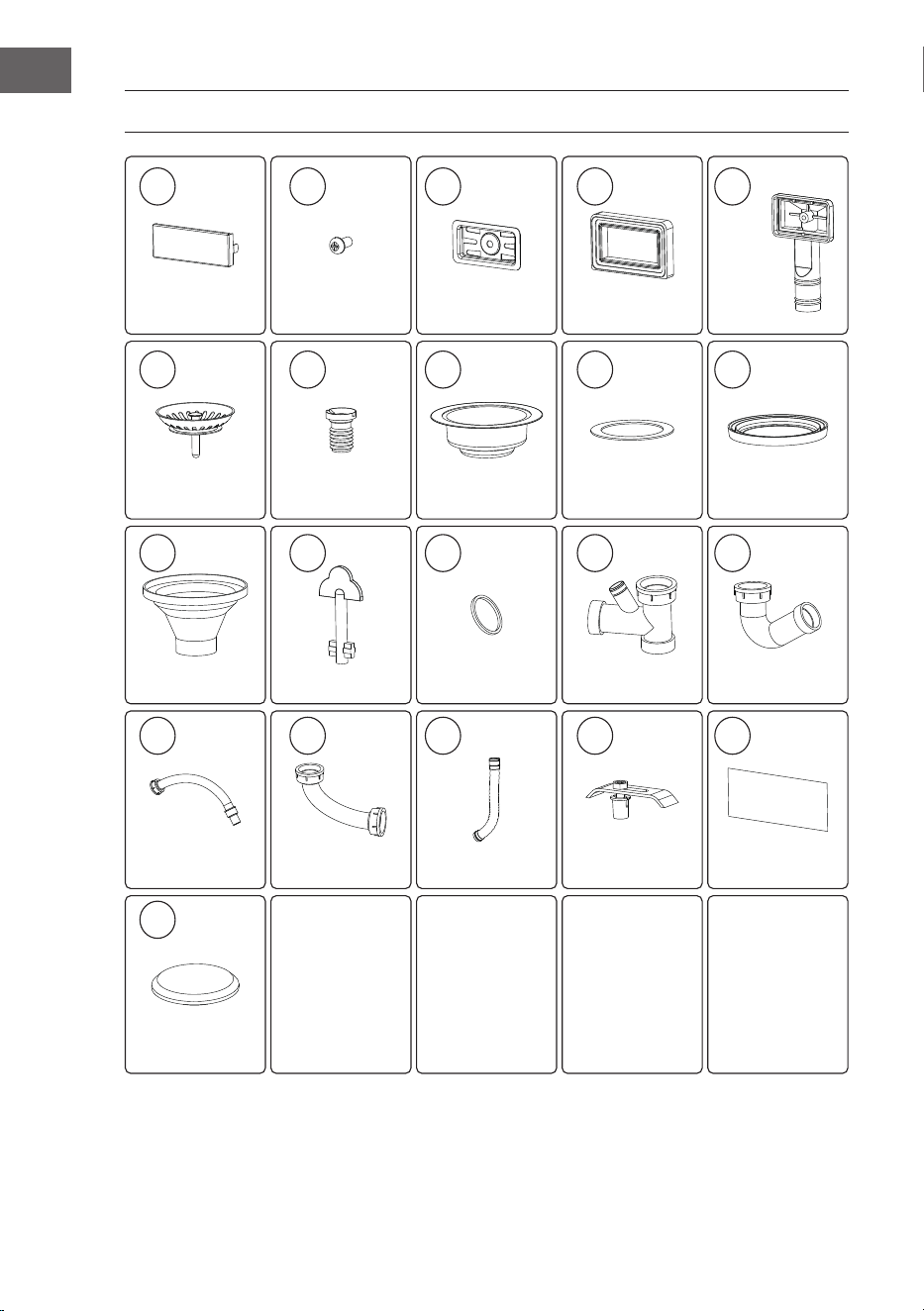
LIEFERUMFANG
x1 x1 x1 x1 x1
x2 x2 x2 x2 x2
x2 x2 x5 x1 x1
x1 x1 x6
x1
T
C
E
UT-OUT
MPLAT
E
1 2 3 4 5
x1
6 7 8 9 10
11 12
13
14
15
16 17
18
19
20
21
x1
⌀
35
5
DE
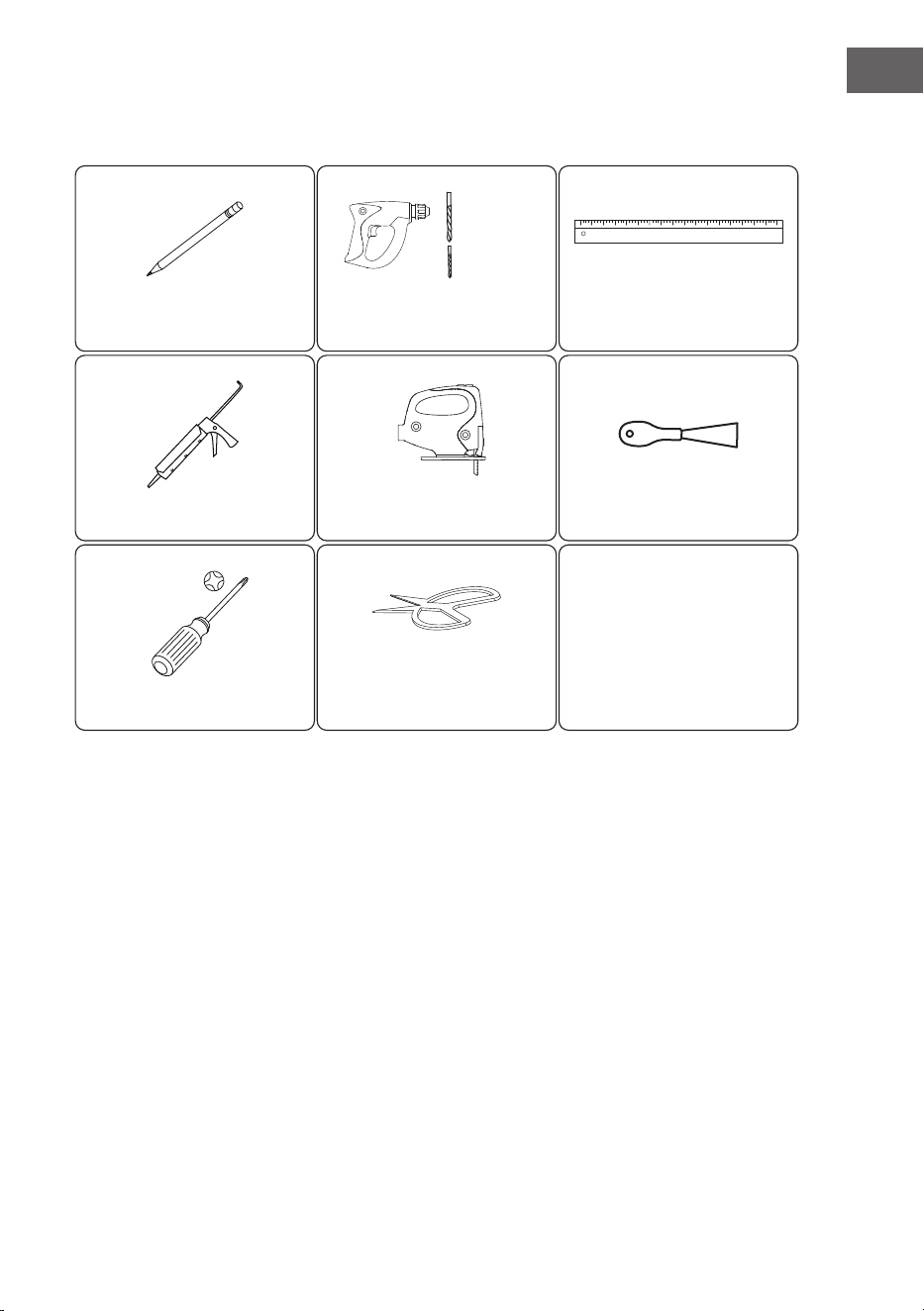
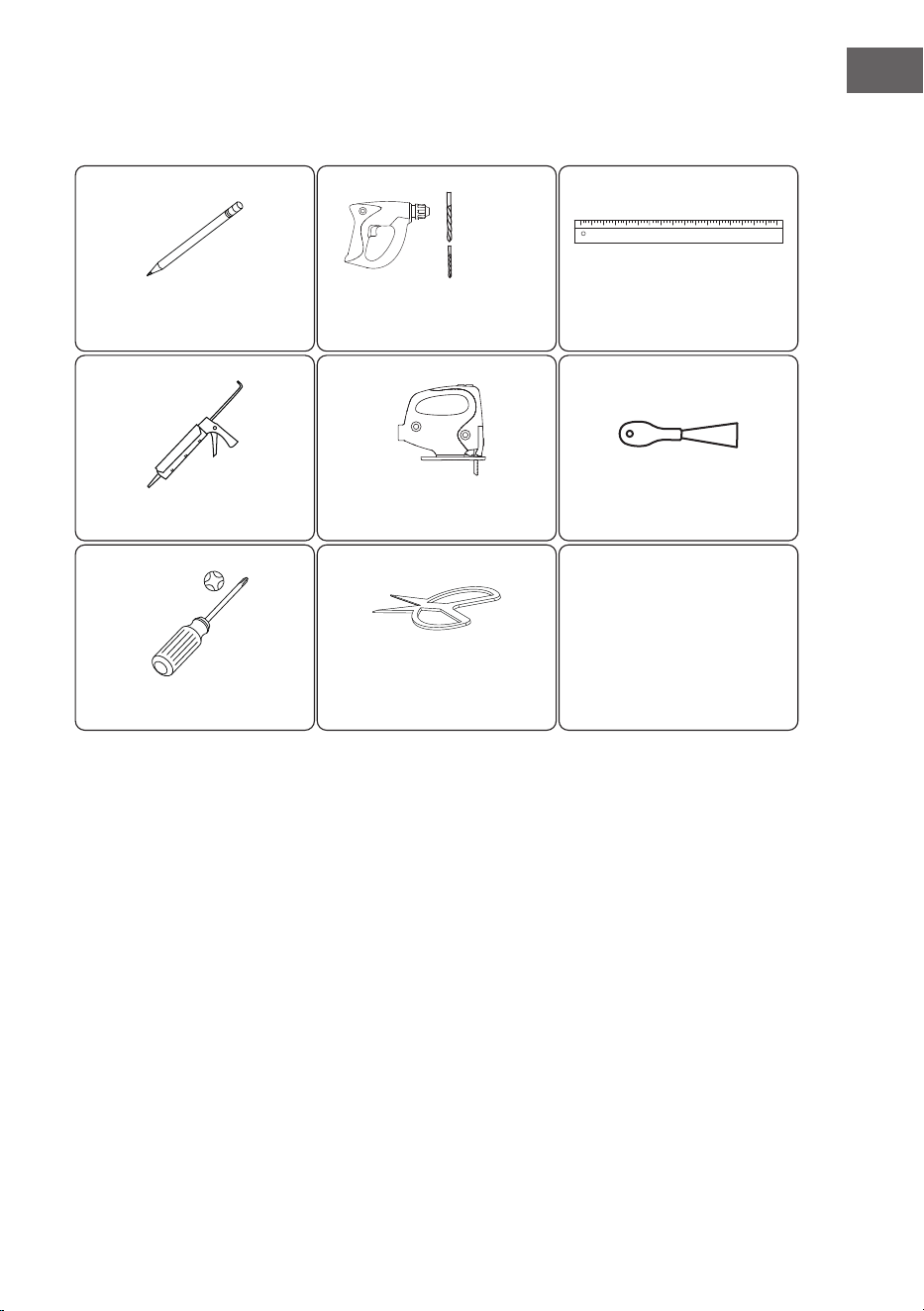
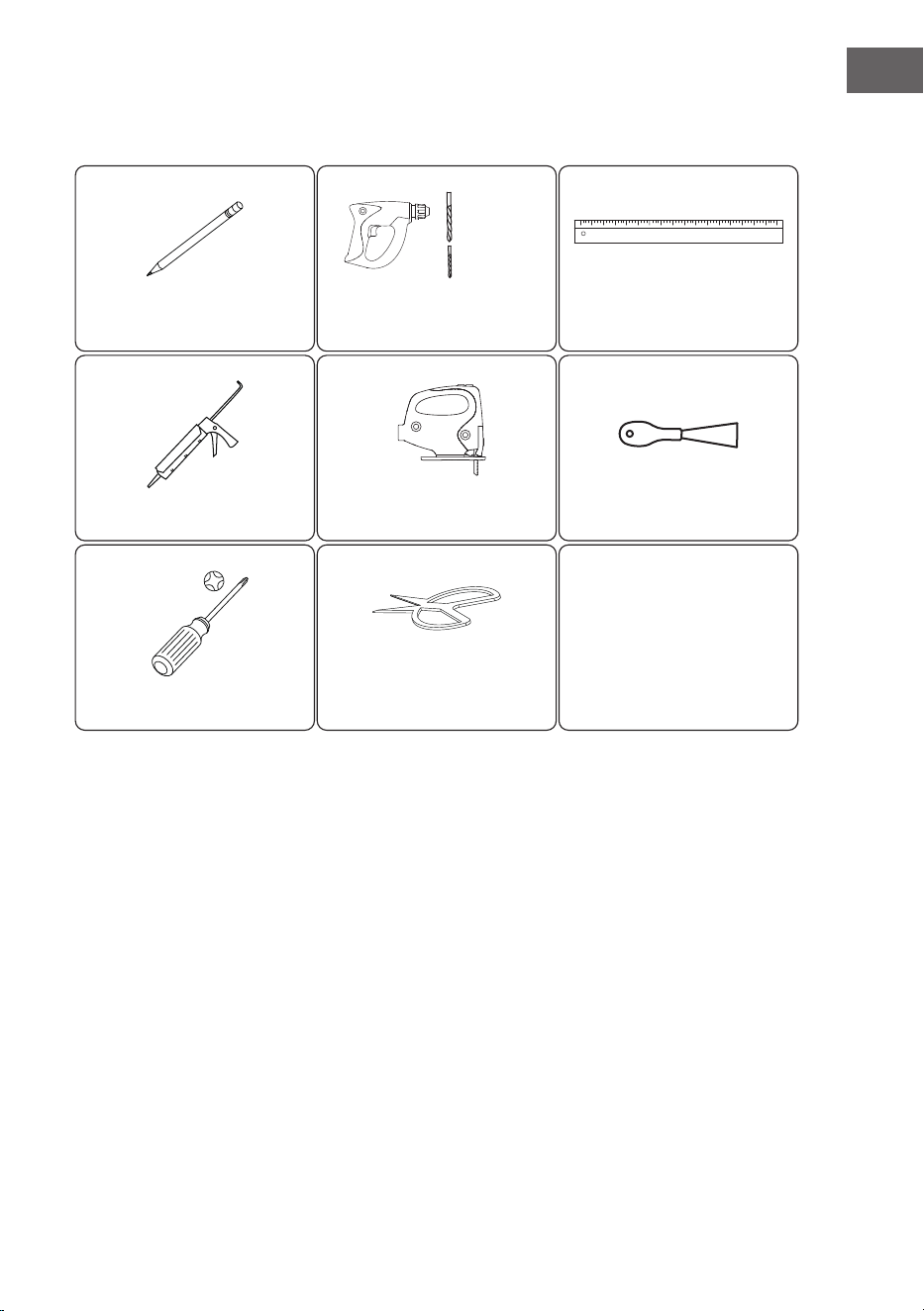
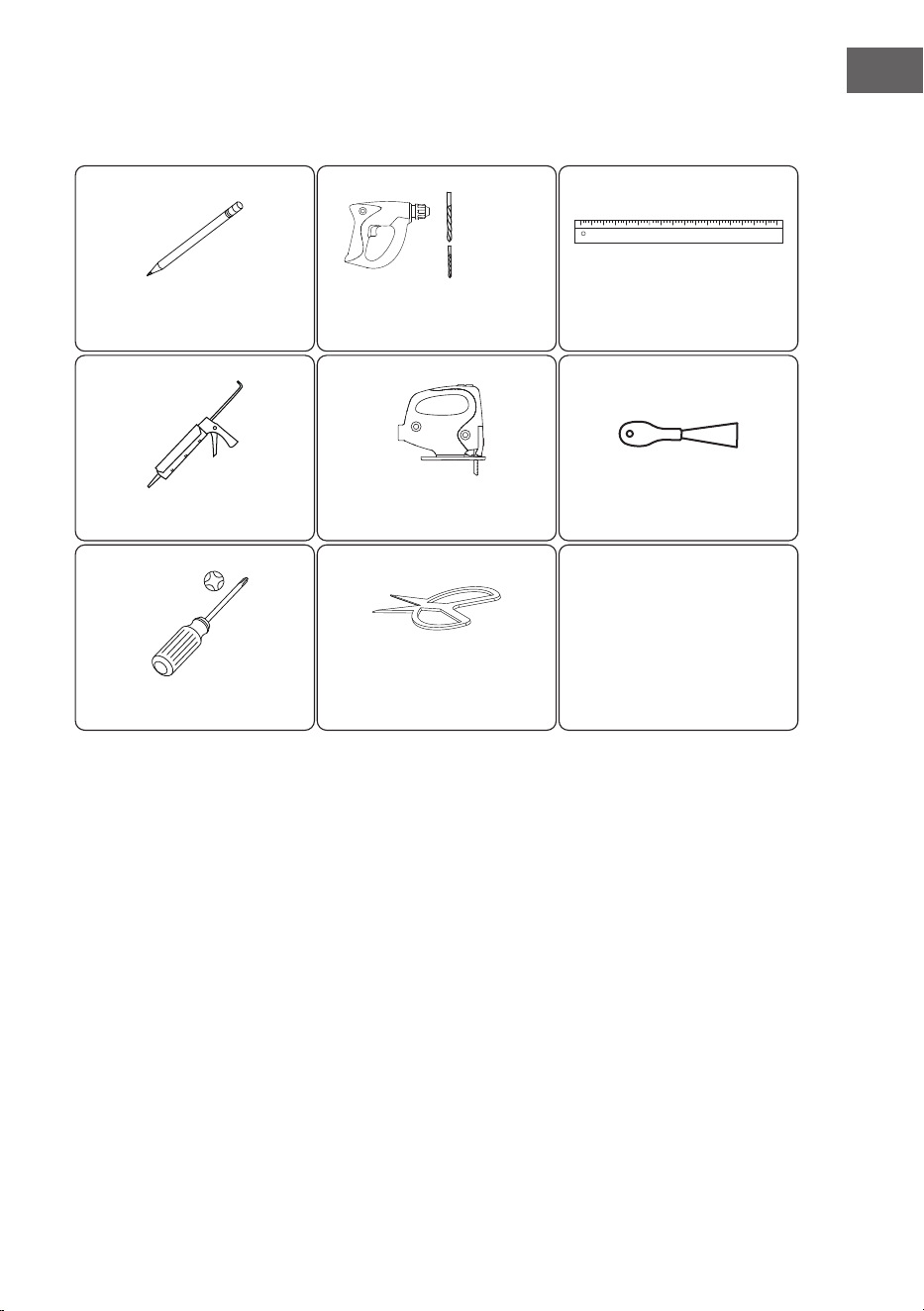
Werkzeuge
Pencil x1
Silicon x1
Screw driver x1 Scissor x1
Electric saw x1
Electric drill x1
⌀10 mm
⌀ 3 mm
Ruler x1
Shovel x1
Bleistift Bohrer Zollstock
Silikon elektrische Säge Spatel
Schraubenzieher Schere
6
DE
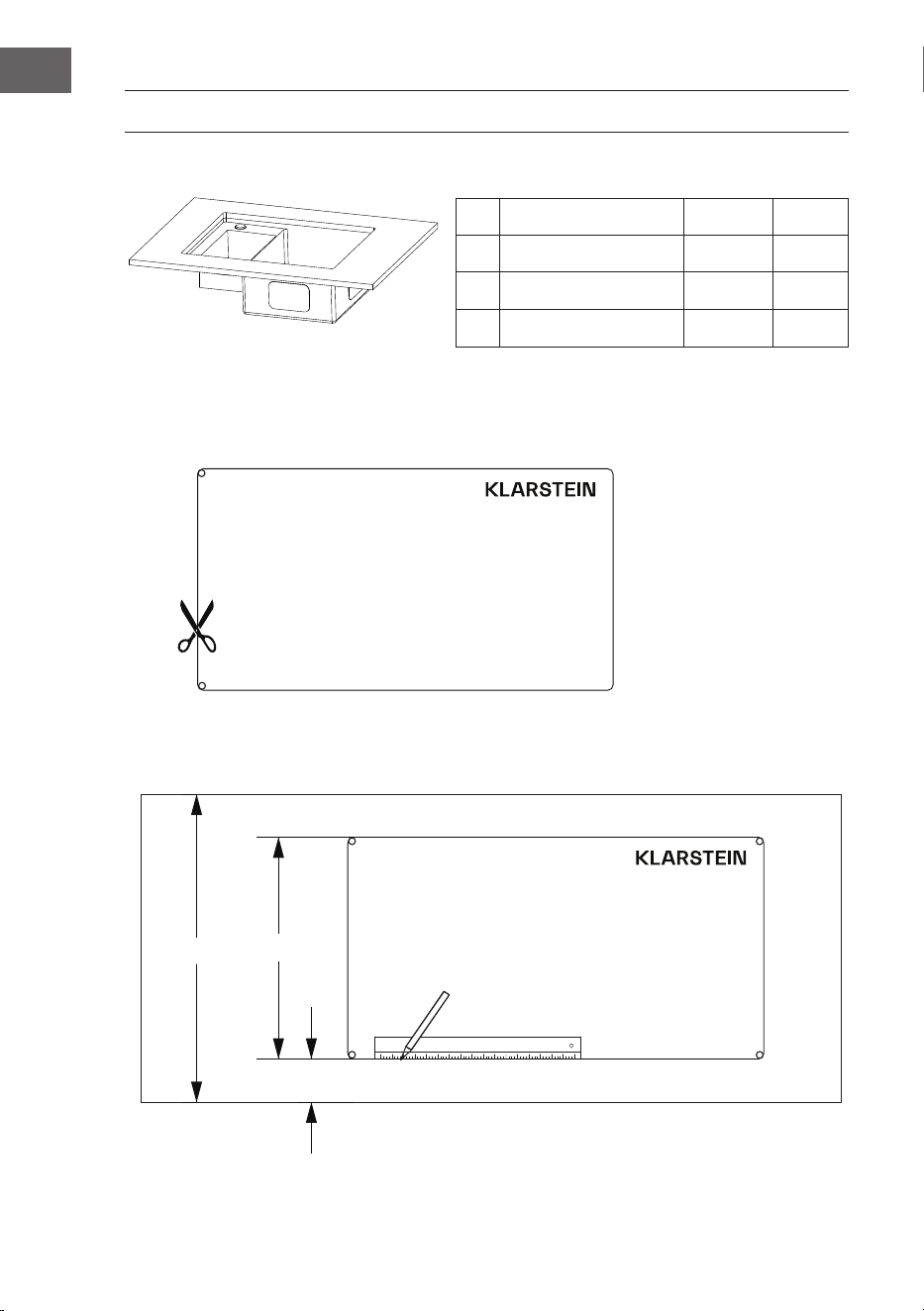
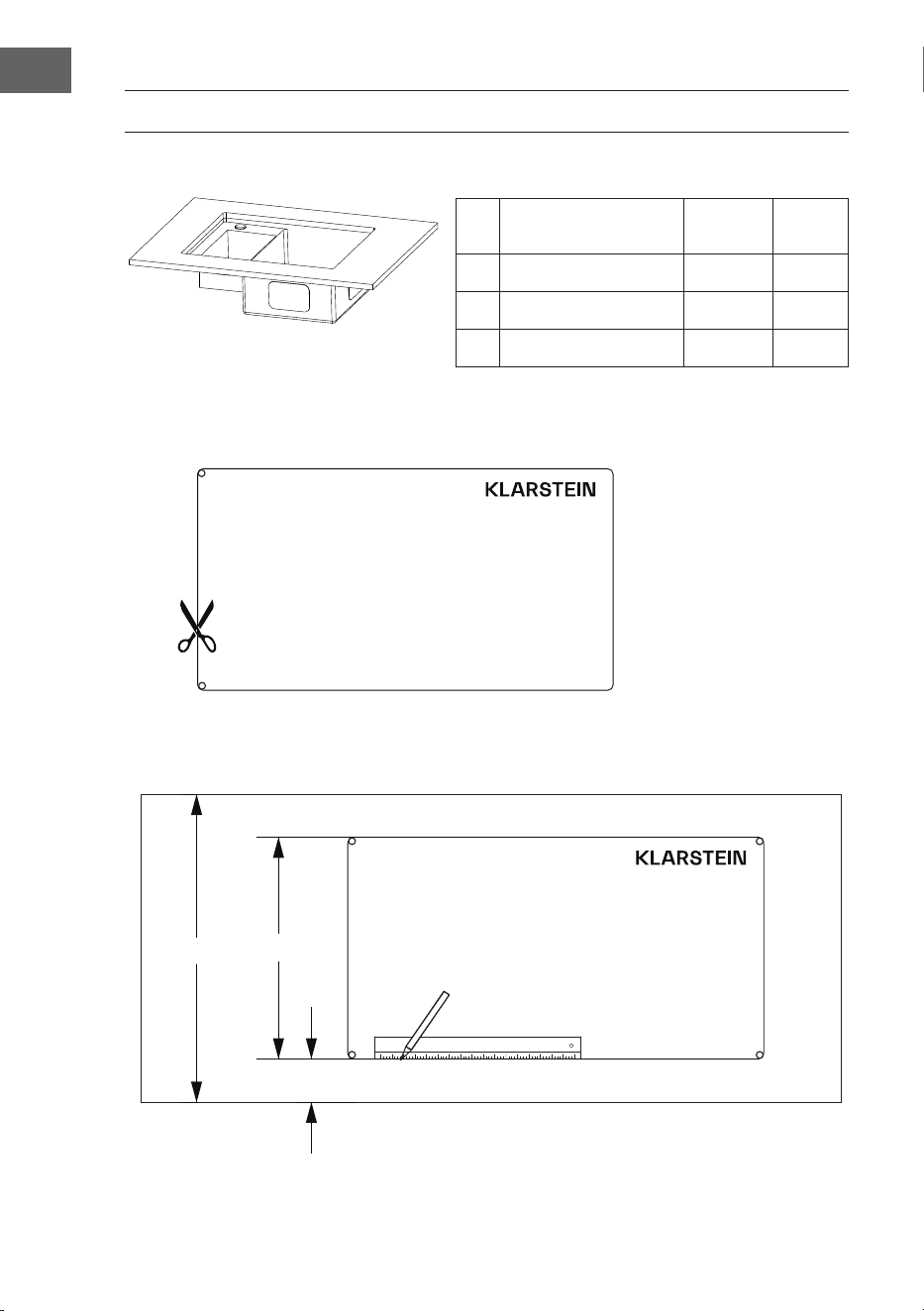
UNTERBAUINSTALLATION
Nr. Beschreibung Referenz
Anzahl
A Küchenspüle 1
B Unterputzklemmen
⑲
1
C Ausschneideschablone
⑳
1
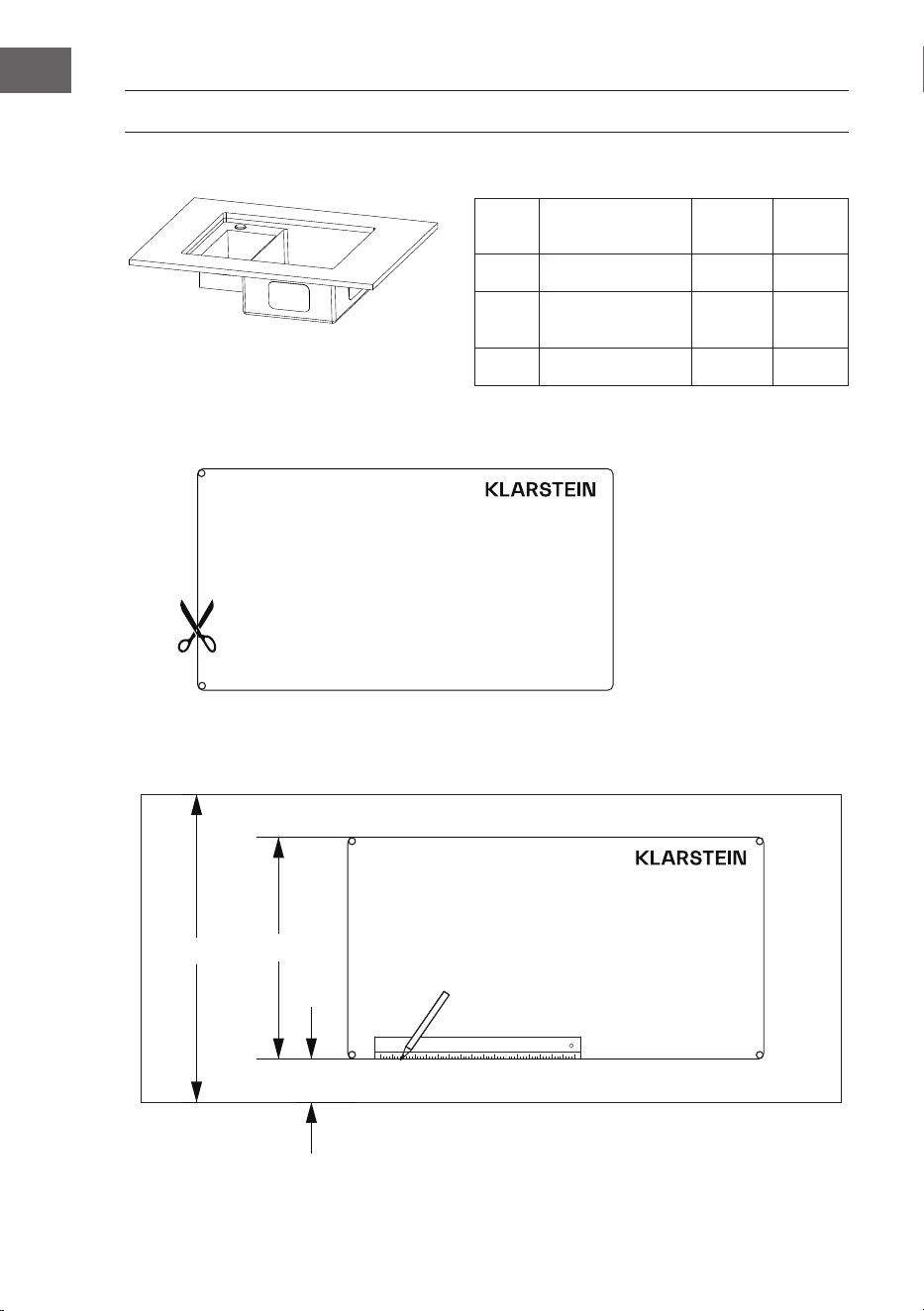
1. Schneiden Sie die Ausschneideschablone entlang der Markierung mit einer Schere aus.
CUT-OUT TEMPLATE
2. Legen Sie die Ausschneideschablone auf die Arbeitsplatte und zeichnen Sie mit einem Bleistift
und einem Zollstock an der Markierung der Schablone entlang.
650mm
110mm
430mm
Schablone ach auegen.
Ausschneide-Schablone
Ausschneide Schablone
7
DE
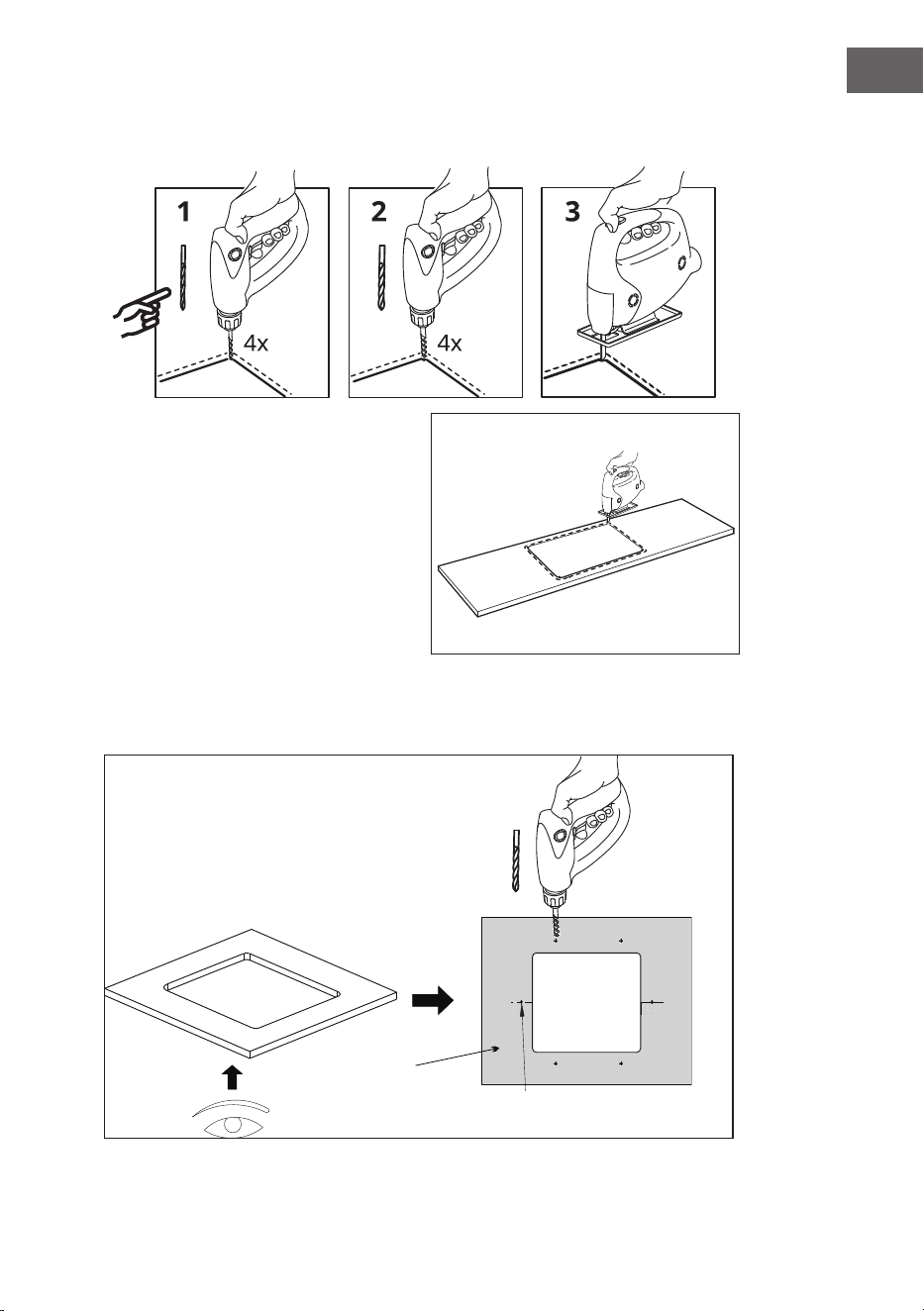
3. Bohren Sie mit einem elektrischen Bohrer 4 kleine Löcher. Bohren Sie die Löcher zunächst mit
einem Aufsatz mit ⌀3 vor und anschließend mit einem Aufsatz mit ⌀20.
⌀3 mm ⌀20mm
4. Schneiden Sie die Arbeitsplatte entlang
der Markierung mit einer elektrischen
Säge aus.
5. Bohren Sie die entsprechende Anzahl von Löchern gemäß den Abmessungen der Spüle auf der
Rückseite der Arbeitsplatte mit einer elektrischen Bohrmaschine. Beachten Sie den Abstand
zwischen Löchern und Linien..
⌀10 mm
Unterseite der
Arbeitsplatte
Lochgröße: ⌀10 mm mit 15 mm Tiefe
8
DE
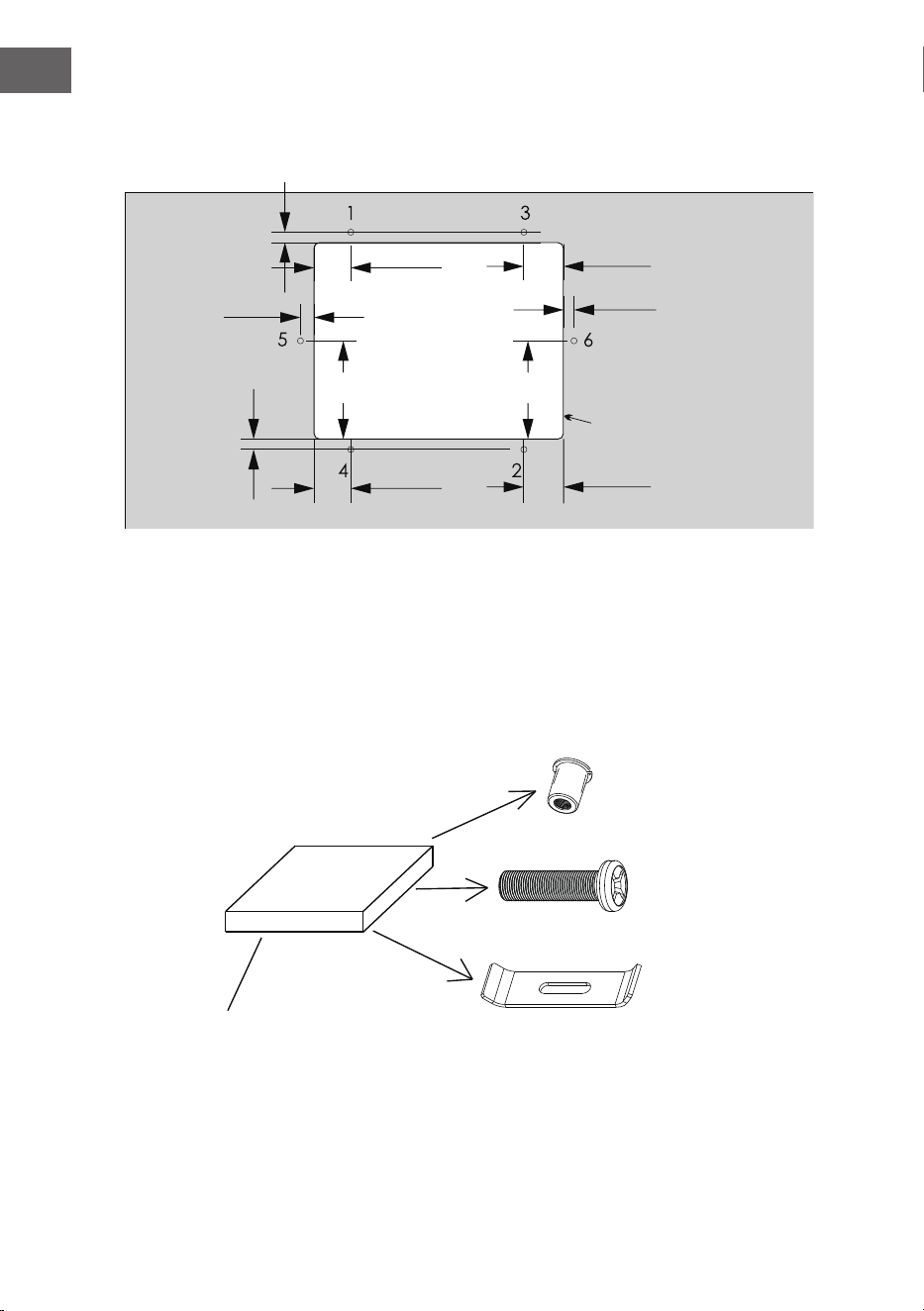
6. Bohren Sie gemäß der folgenden Abbildung 6 φ10mm große Löcher mit einer Tiefe von 15 mm
auf der Rückseite der Arbeitsplatte rund um die Öffnung herum.
160mm
215mm
45mm
45mm
160mm
215mm
45mm
45mm
160mm
160mm
Kante der Öffnung
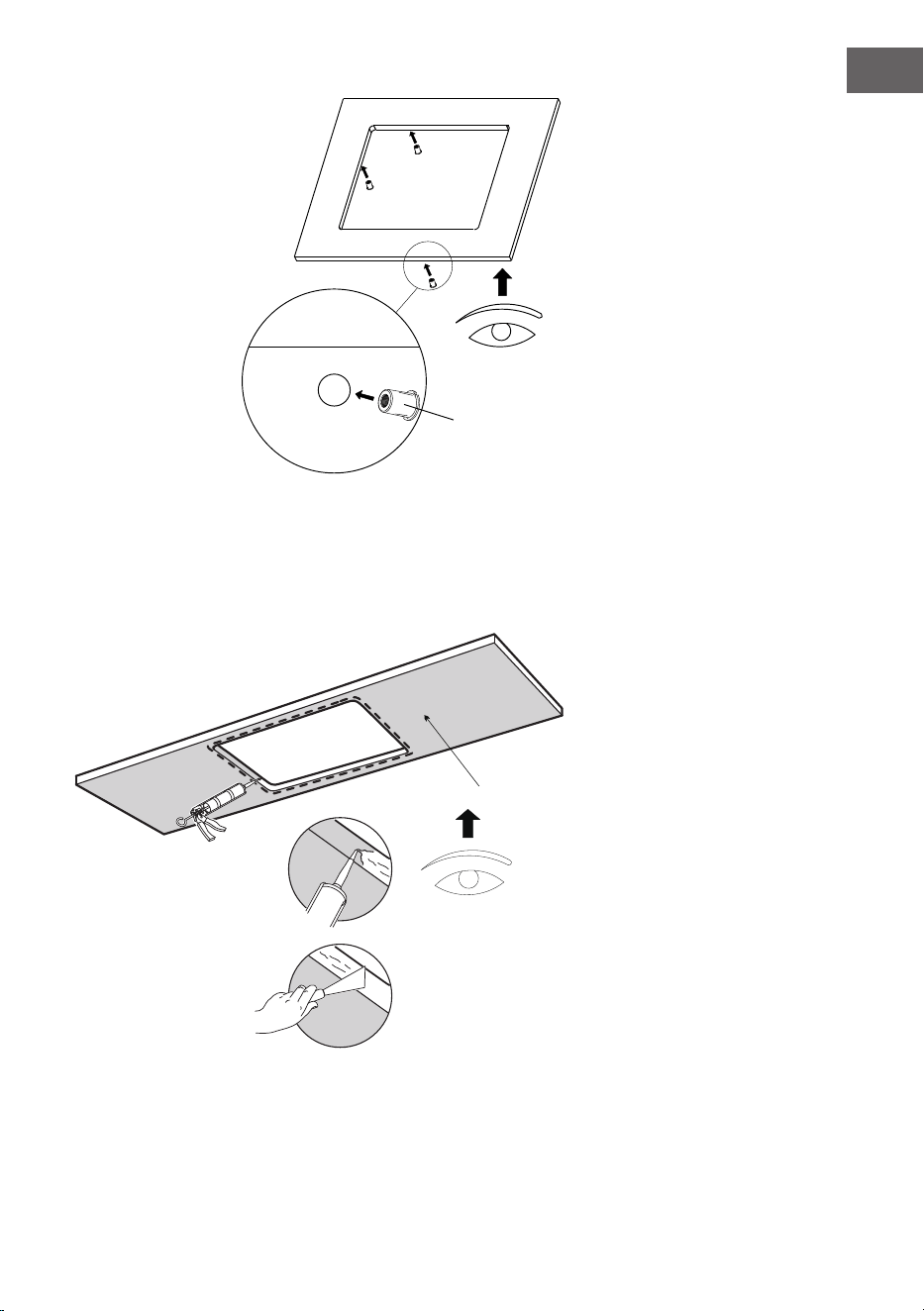
7. Öffnen Sie die Unterbauklemmen, nehmen Sie die Dübel heraus und setzen Sie sie in die Löcher
unter der Arbeitsplatte ein.
⑲
B1 Dübel
B2 Schraube
B3 Halterung
Unterbauklemmen
9
DE
Unterseite der
Arbeitsplatte
B1
8. Legen Sie eine Schicht Silikon entlang der Schnittlinien auf die Rückseite der Arbeitsplatte und
streichen Sie das Silikon ab, damit es gleichmäßig und eben ist.
10
DE
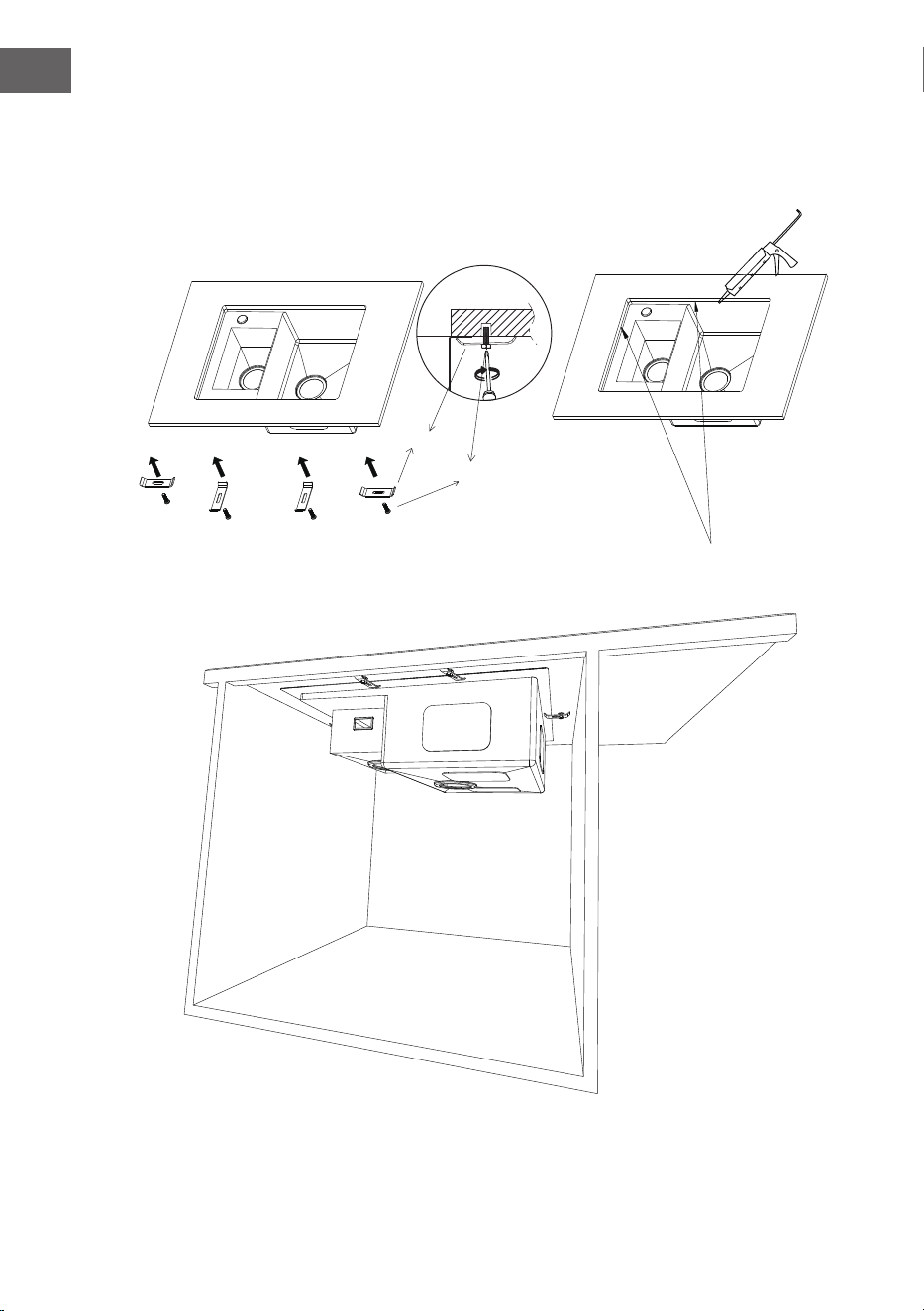
9. Installation der Küchenspüle mit Unterbauklemmen.
10. Befestigen Sie die Spüle am Ausschnitt auf der Rückseite der Arbeitsplatte, setzen Sie die
Schrauben und Klammern in den Dübel und ziehen Sie sie fest, um dann das Silikon zwischen
Arbeitsplatte und Spüle auf der Vorderseite aufzutragen.
B3
B2
Silikon auftragen
11
DE
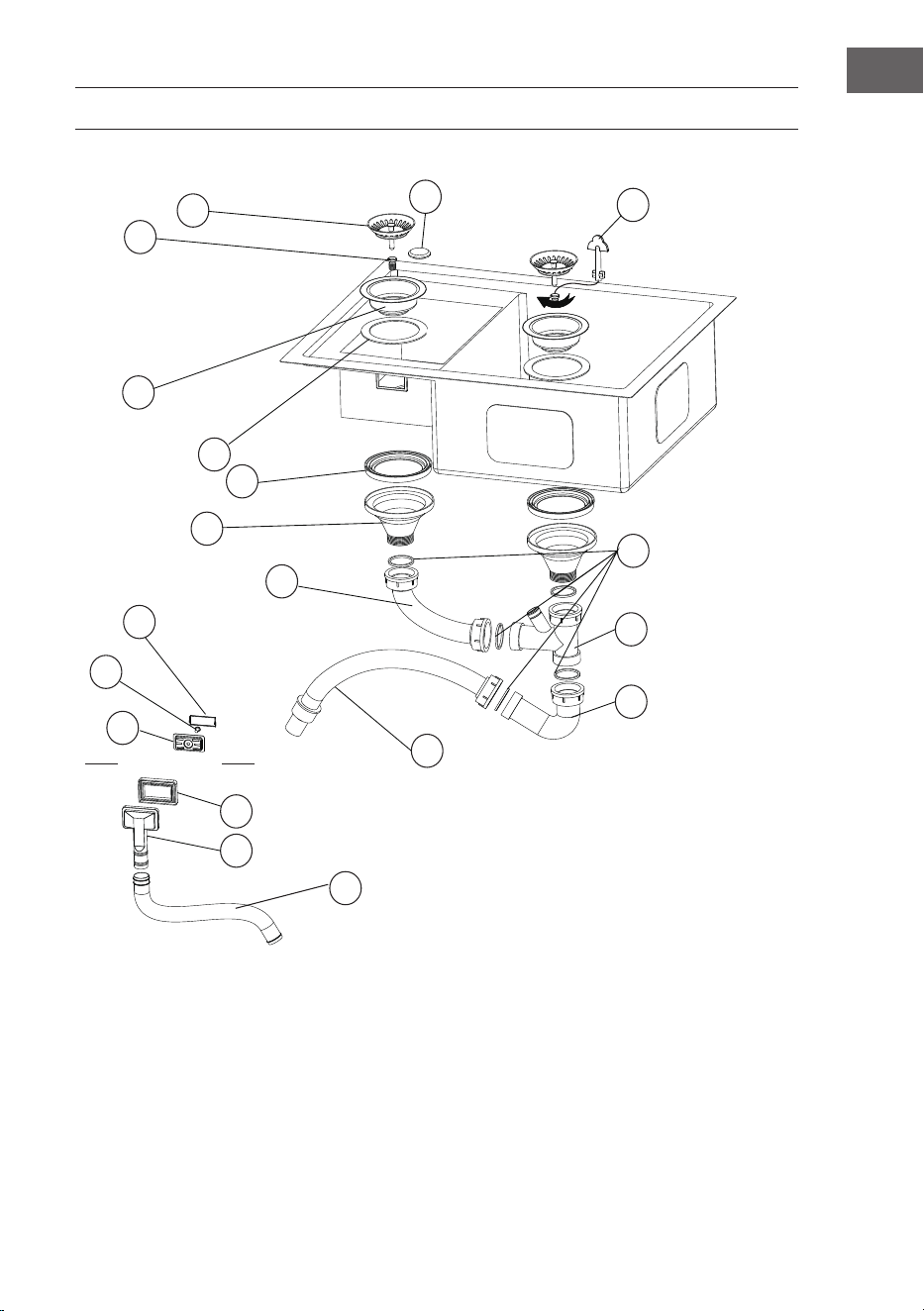
ABFLUSSET INSTALLATION
Overflow
1
2
3
4
5
6
7
8
9
13
10
11
15
14
16
18
12
17
21
1 Überlaufabdeckung
2 Schraube A
3 Überlaufhalterung
4 Dichtungsring
5 Überlauf
6 Siebabdeckung
7 Schraube B
8 Edelstahlsiebboden
9 Dichtungsring des Siebs A
10 Dichtungsring des Siebs B
11 Kunststoffsiebboden
12 Schraubenanziehwerkzeug
13 Übergangsdichtungsring
14 Dreifachsteckverbindungen
15 Gebogenes Rohr A
16 PVC-Stahldrahtrohr
17 Gebogenes Rohr B
18 Überlaufrohr
12
DE
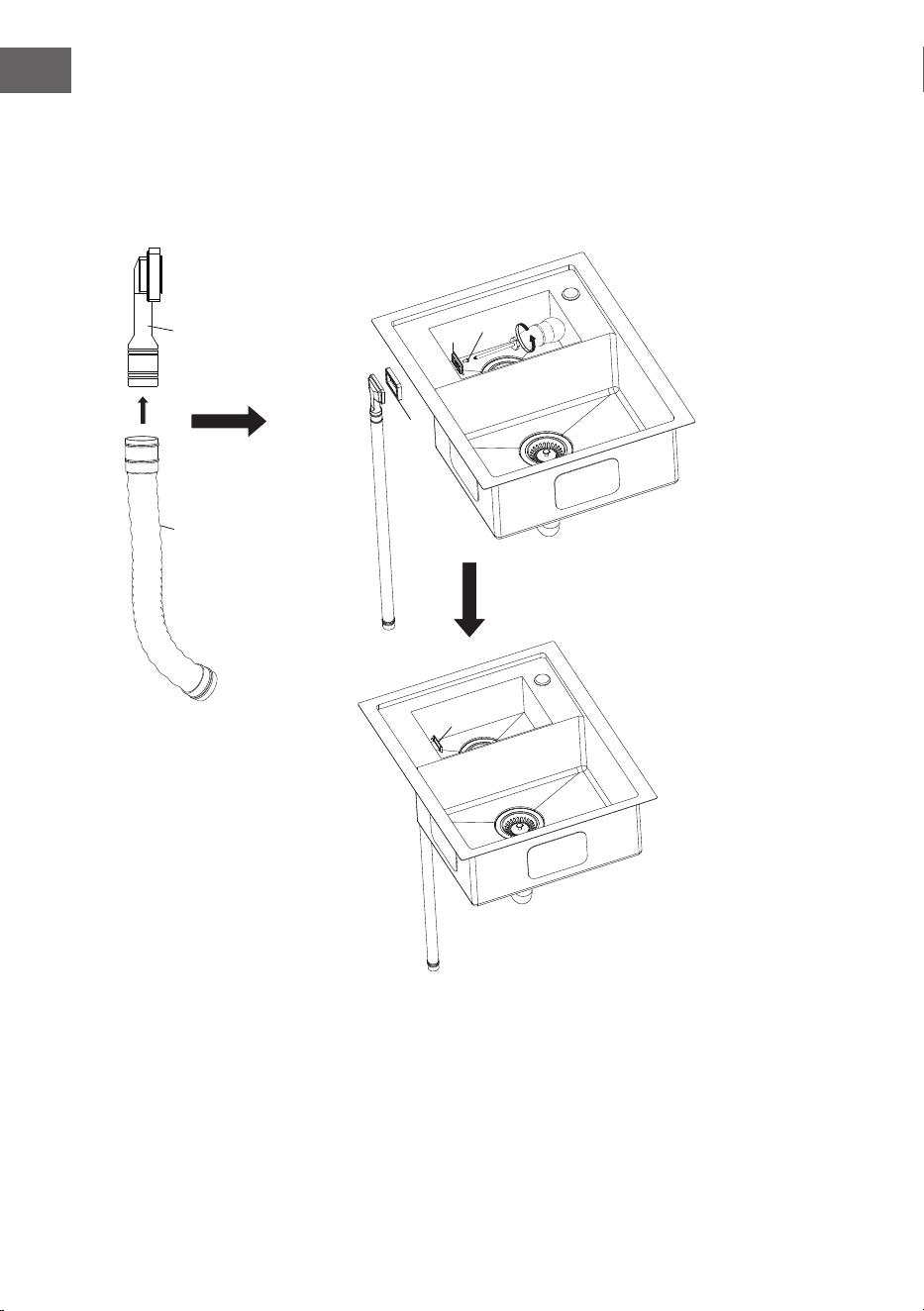
Installation der Überlaufgarnitur
Stecken Sie ④ auf ⑤ und ② in ③ und verbinden Sie sie anschließend durch die Überlauföffnung.
Stellen Sie sicher, dass ② und ⑤ richtig verbunden sind und ziehen Sie ② anschließend fest.
⑤
⑱
④
③
②
①
⑤ und ⑱.verbinden
① in ③ stecken, hineindrücken, bis es
festsitzt.
13
DE
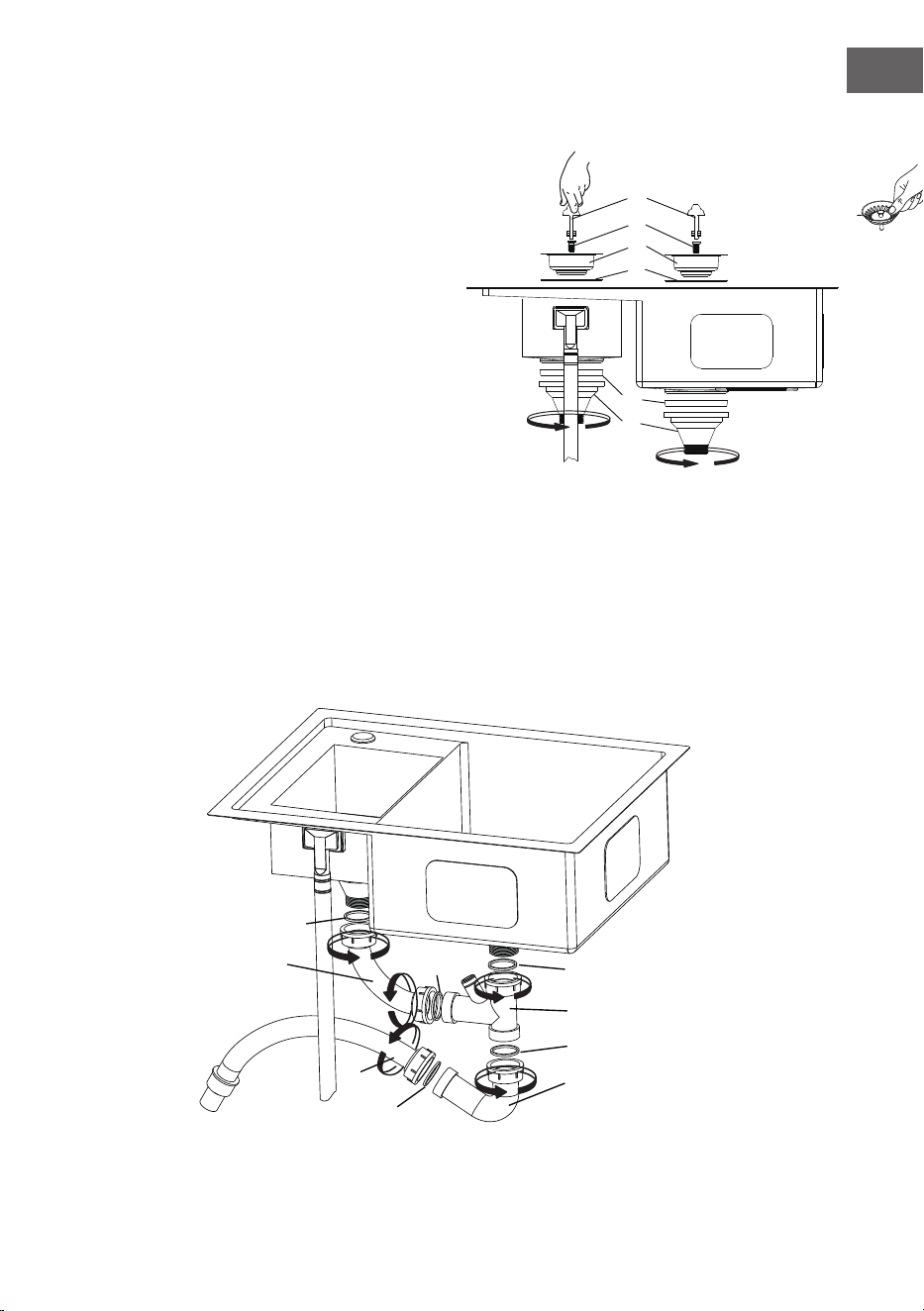
1. Nehmen Sie ⑥ heraus und verbinden
Sie die einzelnen Bestandteile des
Siebeinsatzes folgendermaßen:
Setzen Sie ⑦ in ⑧ ein und ziehen Sie
⑦ mit ⑫ fest. Setzen Sie ⑨ unter ⑧
ein und setzen Sie die Baugruppe in die
Abussöffnung der Spüle ein.
Setzen Sie ⑩ in ⑪ ein, verbinden Sie
beides mit der oberen Baugrupe und
ziehen Sie es fest.
Installation der Ablaufgarnitur
⑬C
⑭
⑮
⑬A
⑬B
⑬D
⑬E
⑯
⑰
⑥
⑧
⑨
⑩
⑪
⑦
⑫
2. Entnahme der Rohrleitungen
Setzen Sie den Dichtungsring ⑬A in ⑰ und verbinden Sie ⑰ anschließend mit ⑪ und ziehen Sie es fest.
Stecken Sie den Dichtungsring ⑬B in ⑰ und verbinden Sie anschließend ⑰ mit ⑭ und ziehen Sie es fest.
Stecken Sie den Dichtungsring ⑬C in ⑭ und verbinden Sie anschließend ⑭ mit ⑪ und ziehen Sie es fest.
Stecken Sie den Dichtungsring ⑬D in ⑮ und verbinden Sie anschließend ⑮ mit ⑭ und ziehen Sie es fest.
Stecken Sie den Dichtungsring ⑬E in ⑯ und verbinden Sie anschließend ⑯ mit ⑮ und ziehen Sie es fest..
14
DE
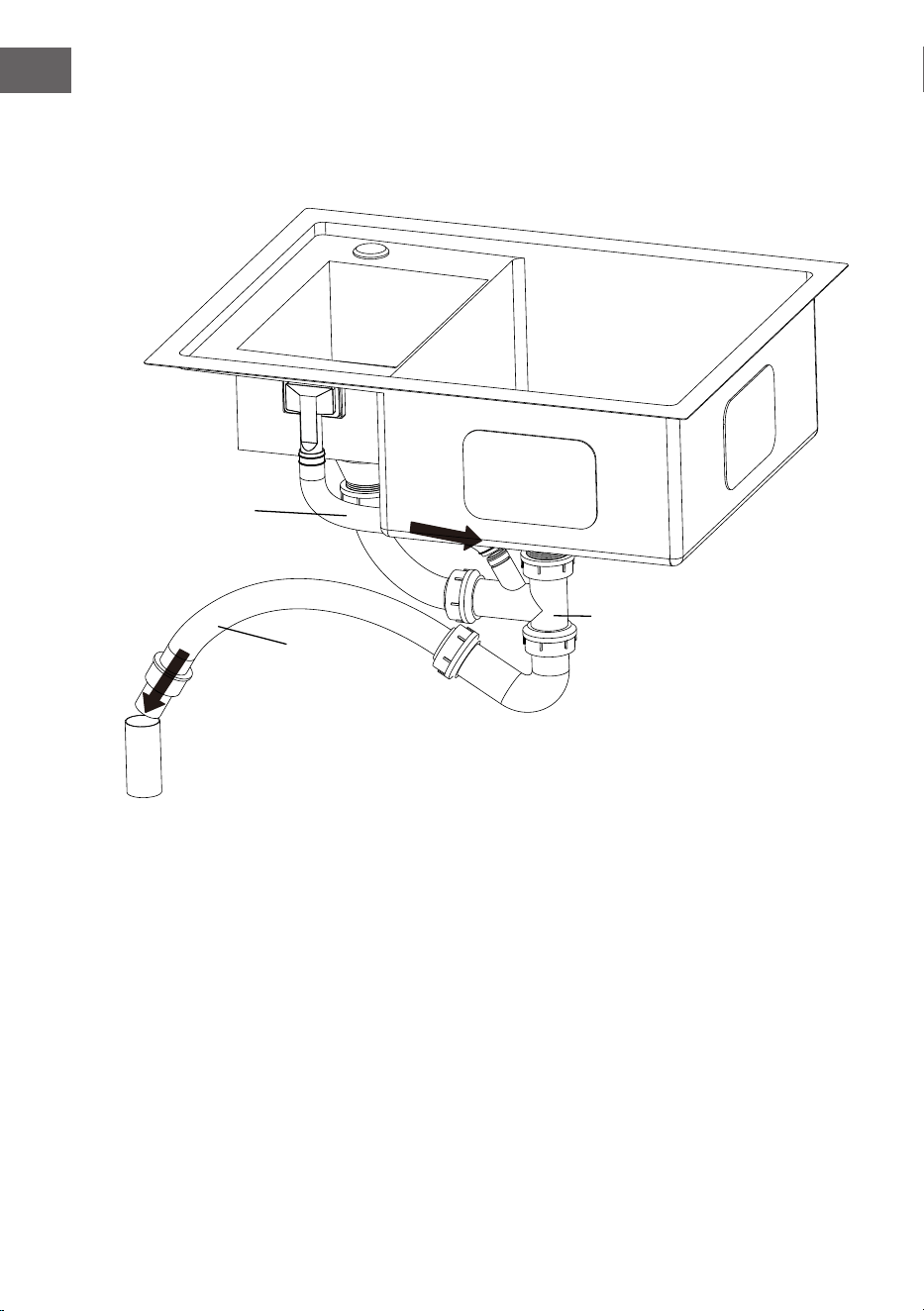
Abussset installieren
⑱
⑭
⑯
⑱ an ⑭ anschließen und ⑯ in das Abussrohr stecken.
15
DE
PRÜFEN DER DICHTUNGSLEISTUNG UND REINIGUNG
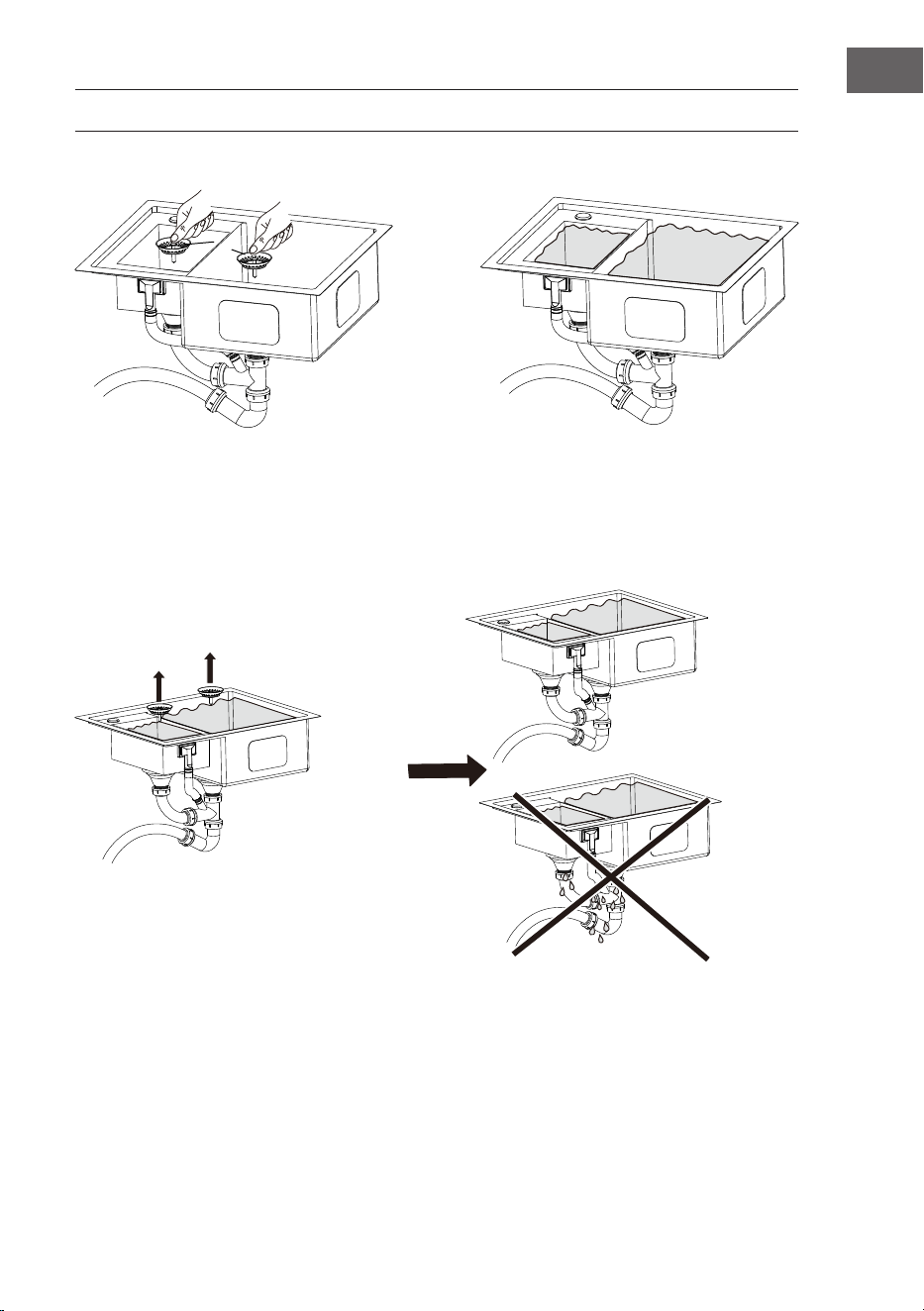
⑥
⑥ in ⑧ stecken.
Wenn ⑥ herausgenommen wird,
ießt das Wasser ab.
Befüllen Sie die Spüle bis zur
Überlauföffnung mit Wasser, so dass Wasser
aus dem Überlaufrohr kommt.
Wenn aus den Rohren kein Wasser tropft,
war die Installation erfolgreich.
Sollte Wasser aus den Rohren tropfen, überprüfen Sie, ob die Dichtungen richtig sitzen und passen
Sie diese gegebenenfalls an, um das Leck zu beseitigen.
16
DE
HERSTELLER
Chal-Tec GmbH, Wallstraße 16, 10179 Berlin, Deutschland (Germany).
IMPORTEUR FÜR GROSSBRITANIEN
Berlin Brands Group UK Limited
PO Box 42
272 Kensington High Street
London, W8 6ND
United Kingdom
17
EN
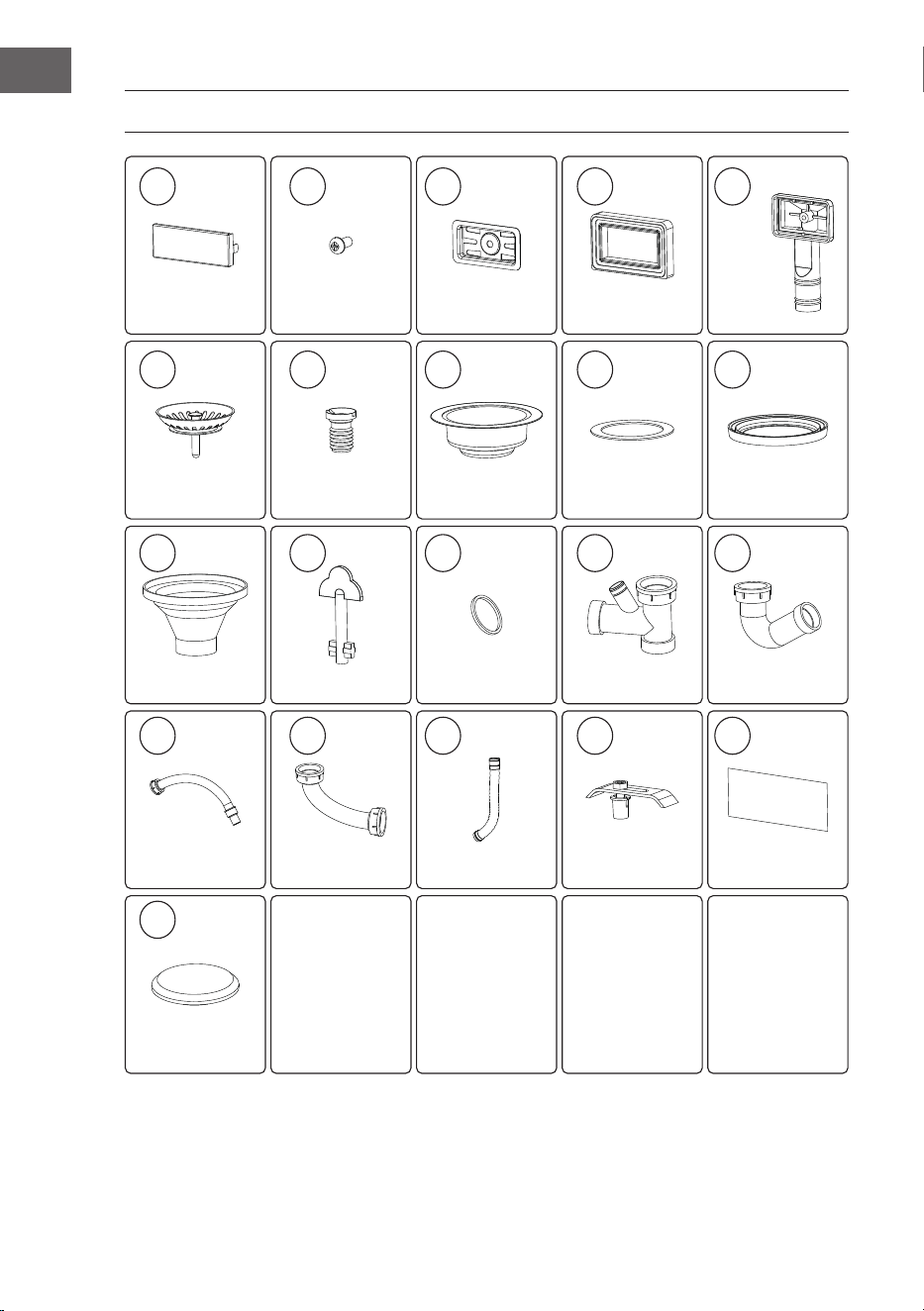
ARTICLE
Article number 10046021, 10046022
CONTENTS
Parts List 18
Sink installtion for Undermouting 20
Drain set Installation 25
Check Sealing Performance and Clean 29
Manufacturer 30
Importer for Great Britain 30
Dear Customer,
Congratulations on purchasing this equipment. Please read this
manual carefully and take care of the following hints on installation
and use to avoid technical damages. Any failure caused by ignoring
the items and cautions mentioned in the operation and installation
instructions are not covered by our warranty and any liability. Scan
the QR code to get access to the latest user manual and more product
information.
18
EN
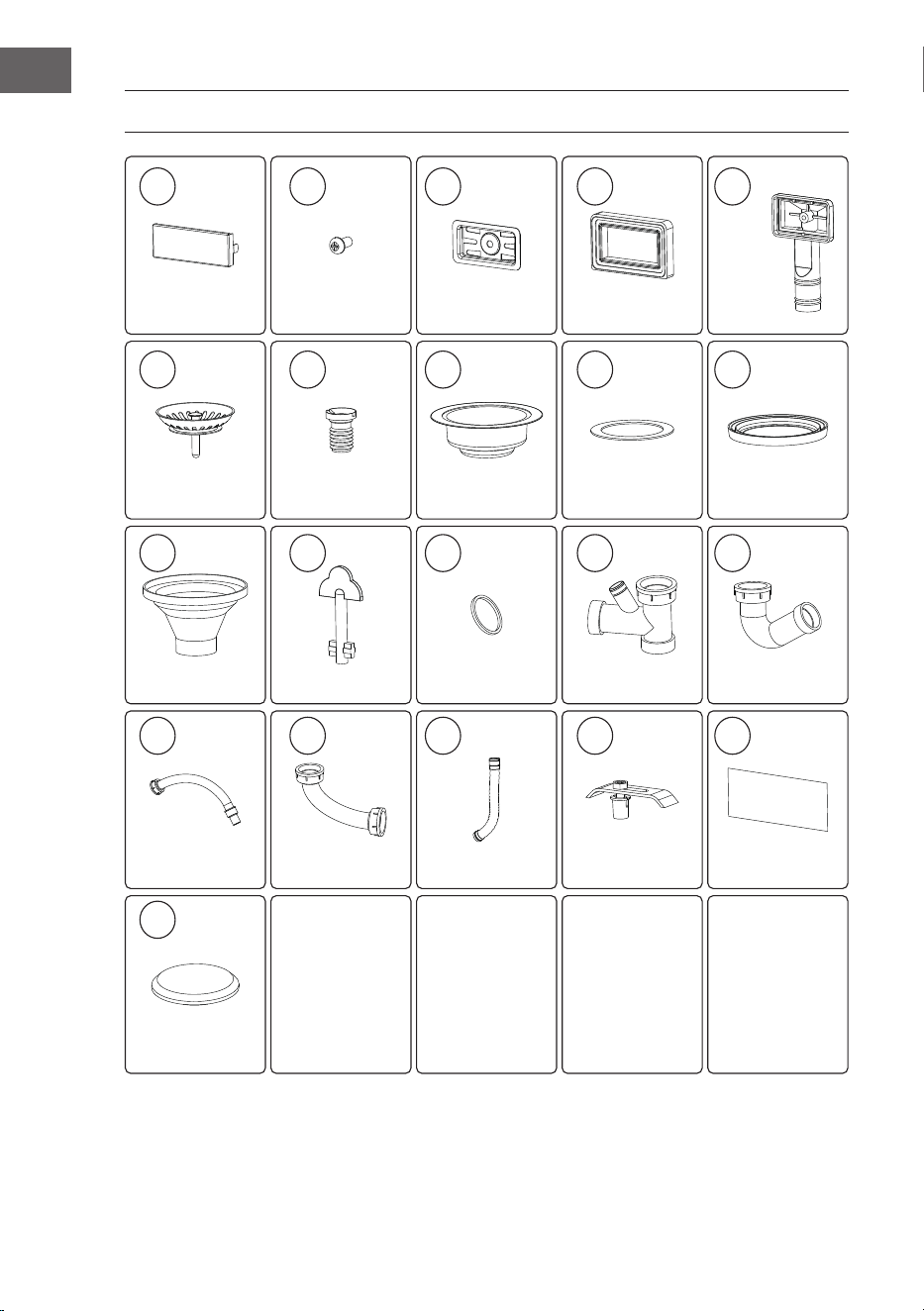
PARTS LIST
x1 x1 x1 x1 x1
x2 x2 x2 x2 x2
x2 x2 x5 x1 x1
x1 x1 x6
x1
T
C
E
UT-OUT
MPLAT
E
1 2 3 4 5
x1
6 7 8 9 10
11 12
13
14
15
16 17
18
19
20
21
x1
⌀
35
19
EN
Tools
Pencil x1
Silicon x1
Screw driver x1 Scissor x1
Electric saw x1
Electric drill x1
⌀10 mm
⌀ 3 mm
Ruler x1
Shovel x1
20
EN
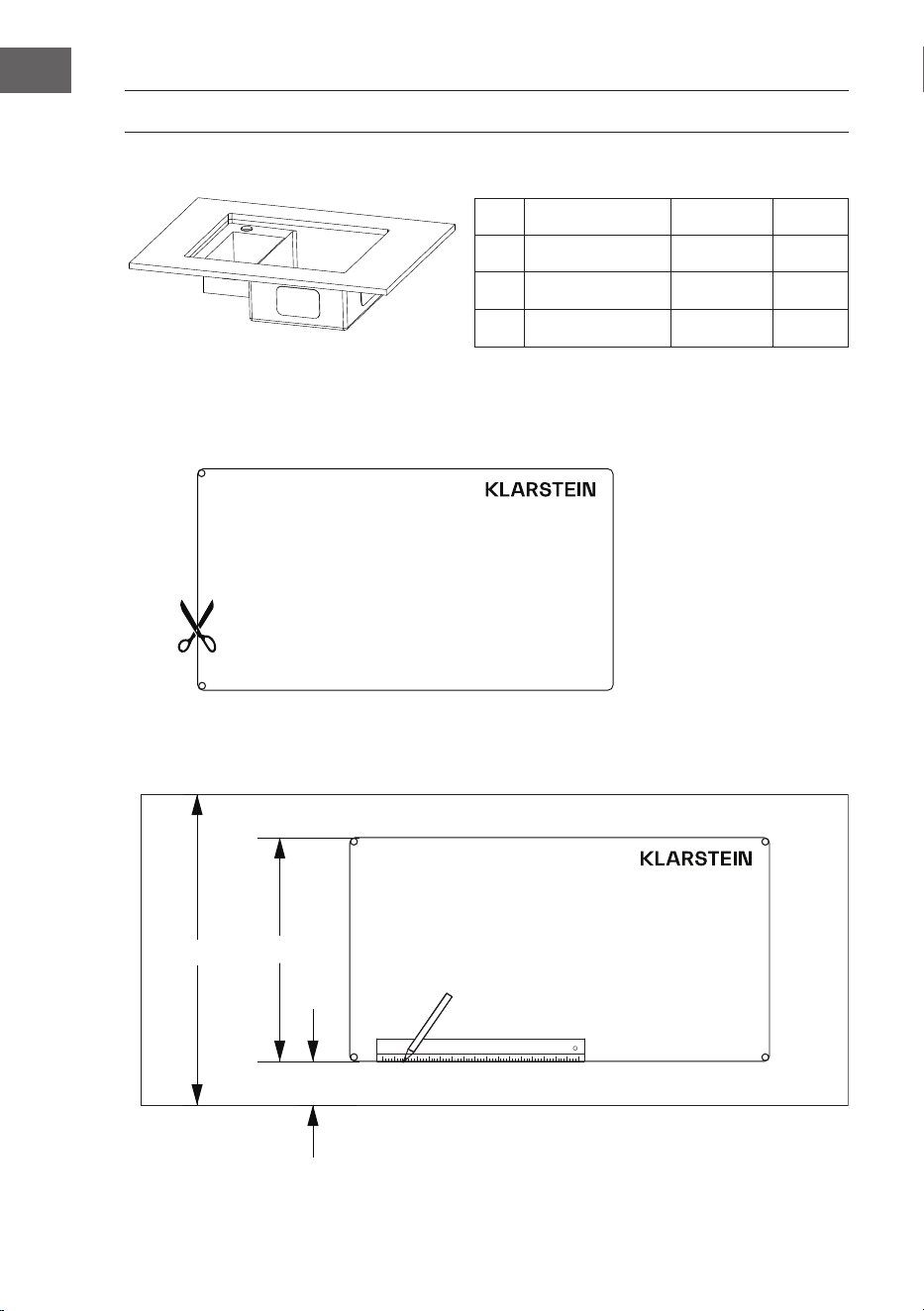
SINK INSTALLTION FOR UNDERMOUTING
No. Description Reference
Qty
A Kitchen Sink 1
B Undermout Clips
⑲
1
C Cutout Template
⑳
1
1. Cut the cut-out template along the wireframe with a scissor
CUT-OUT TEMPLATE
2. Place the cut-out template on the counter and draw the wireframe on the counter with pencil
and ruler.
650mm
110mm
430mm
Keep the template at.
Cut out the template
21
EN
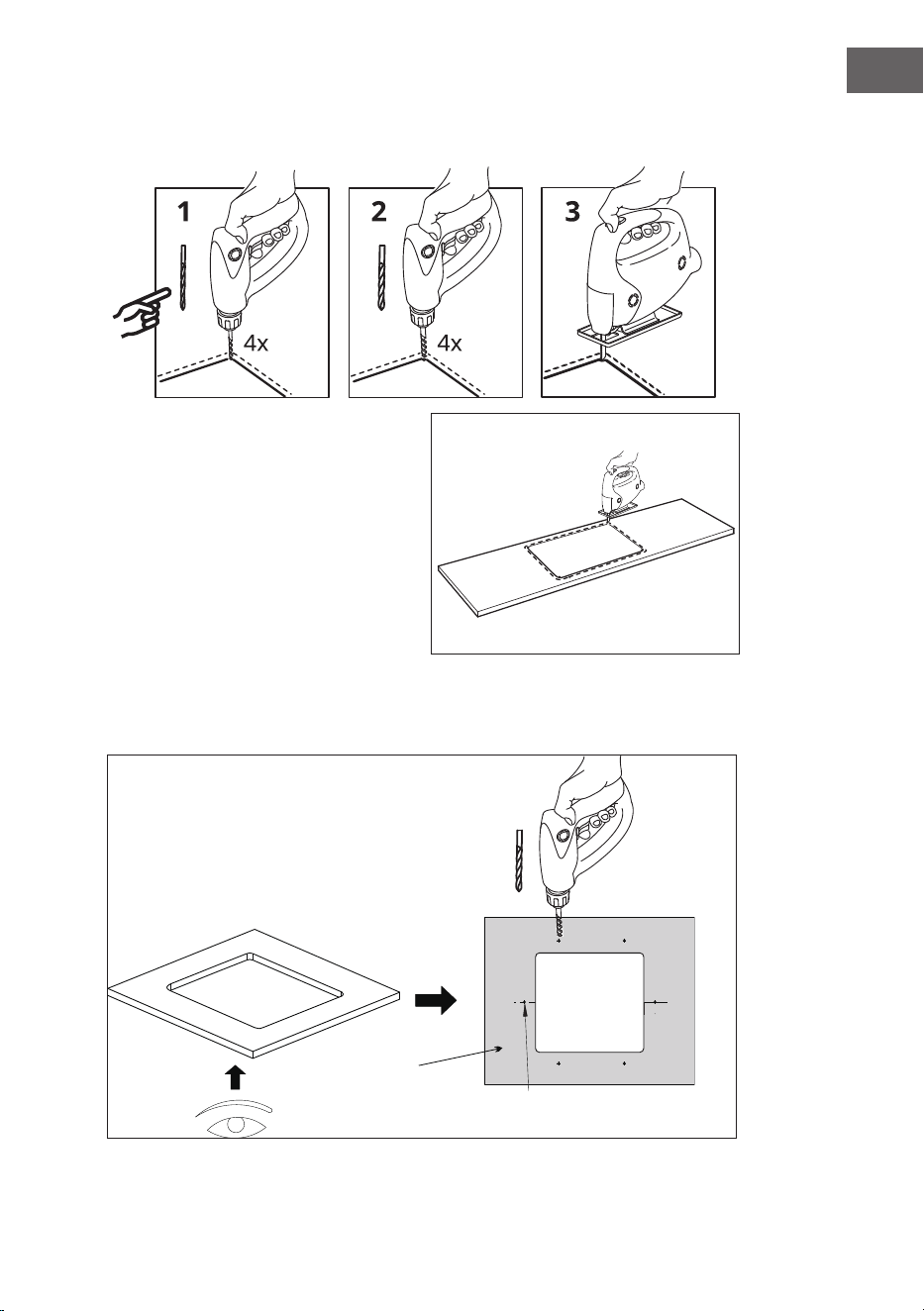
3. Drill 4 small holes with electric drills. First cut with small drill(⌀3), then cut with big drill (⌀20),
twice totally.
⌀3 mm ⌀20mm
4. Cut the counter along the cutting line
with electric saw.
5. Drill corresponding quantity holes according to the sink dimension at the back of counter with
electric drills, please refer to the distance between holes and lines.
⌀10 mm
back of counter
hole size: ⌀10 mm with depth 15 mm
22
EN
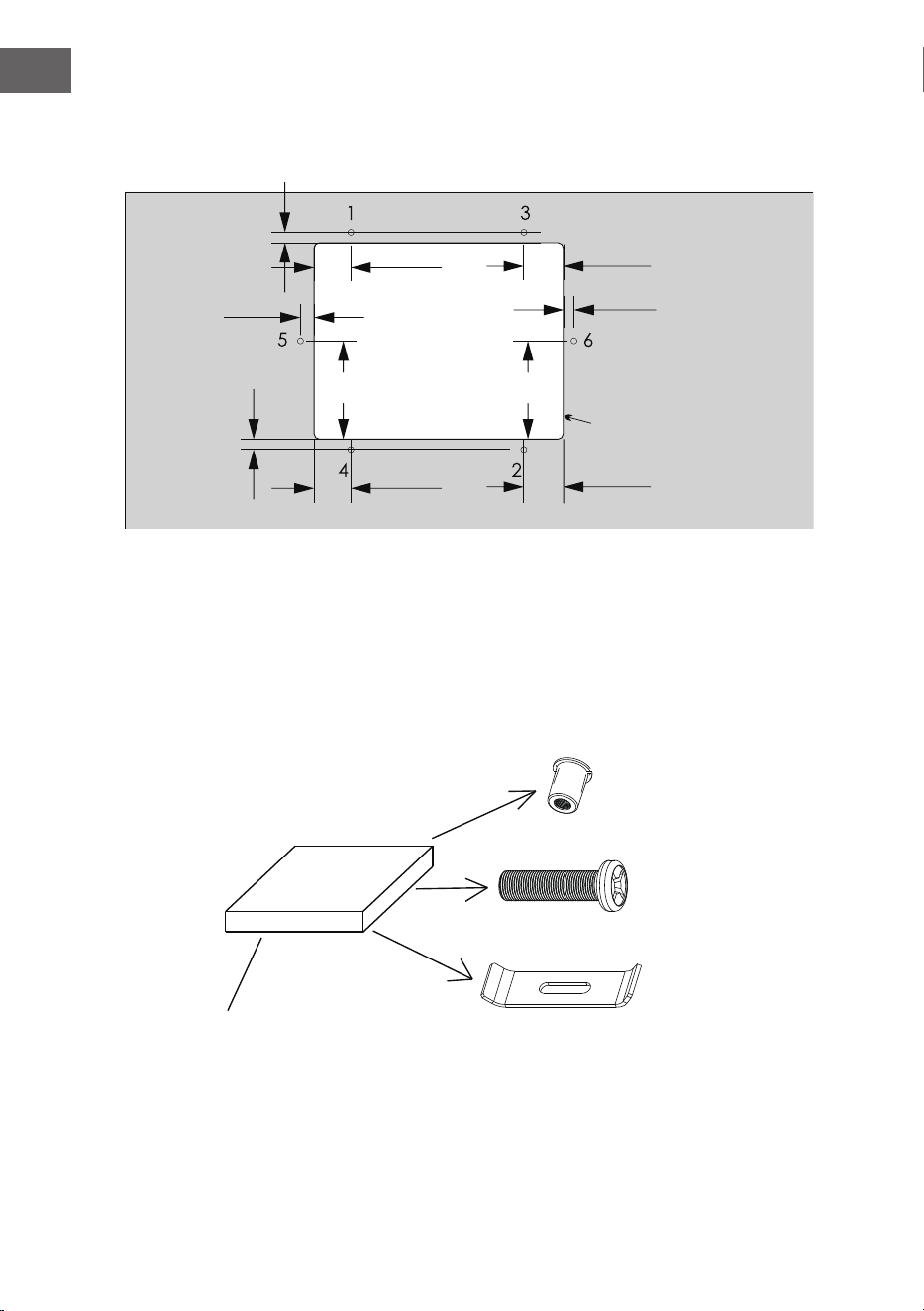
6. According to the following drawing, drill 6 ⌀10mm holes with a depth of 15 mm on the back of
the counter around the opening holes successively.
160mm
215mm
45mm
45mm
160mm
215mm
45mm
45mm
160mm
160mm
edge of the opening
7. Open the undermount clips, take out the anchors and install them to the holes under the
counter.
⑲
B1 anchor
B2 screw
B3 bracket
undermount clips
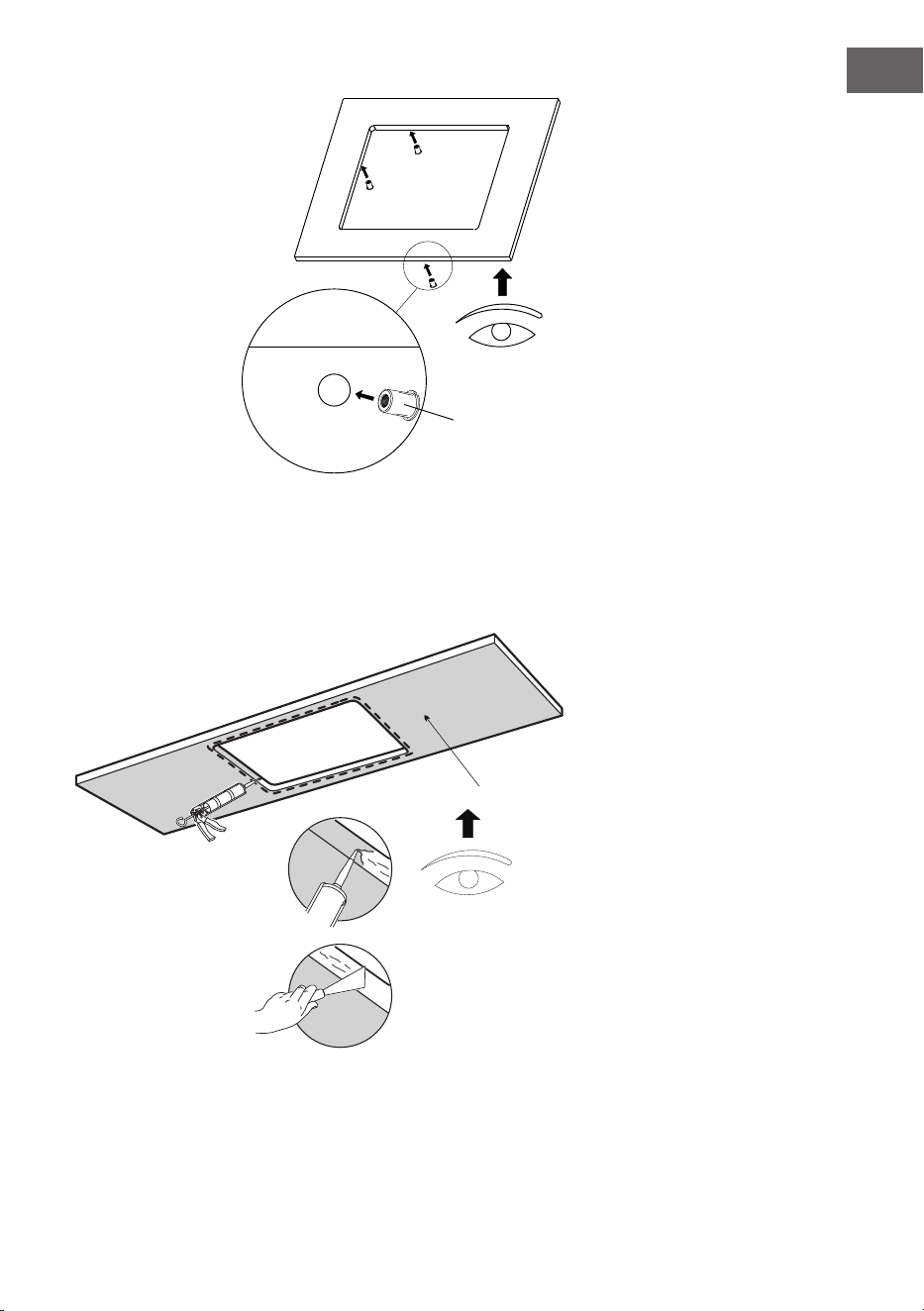
23
EN
back of counter
B1
8. Put a layer of silicon along side the cutting lines at the back of the counter and scrape the
silicon to be even and level.
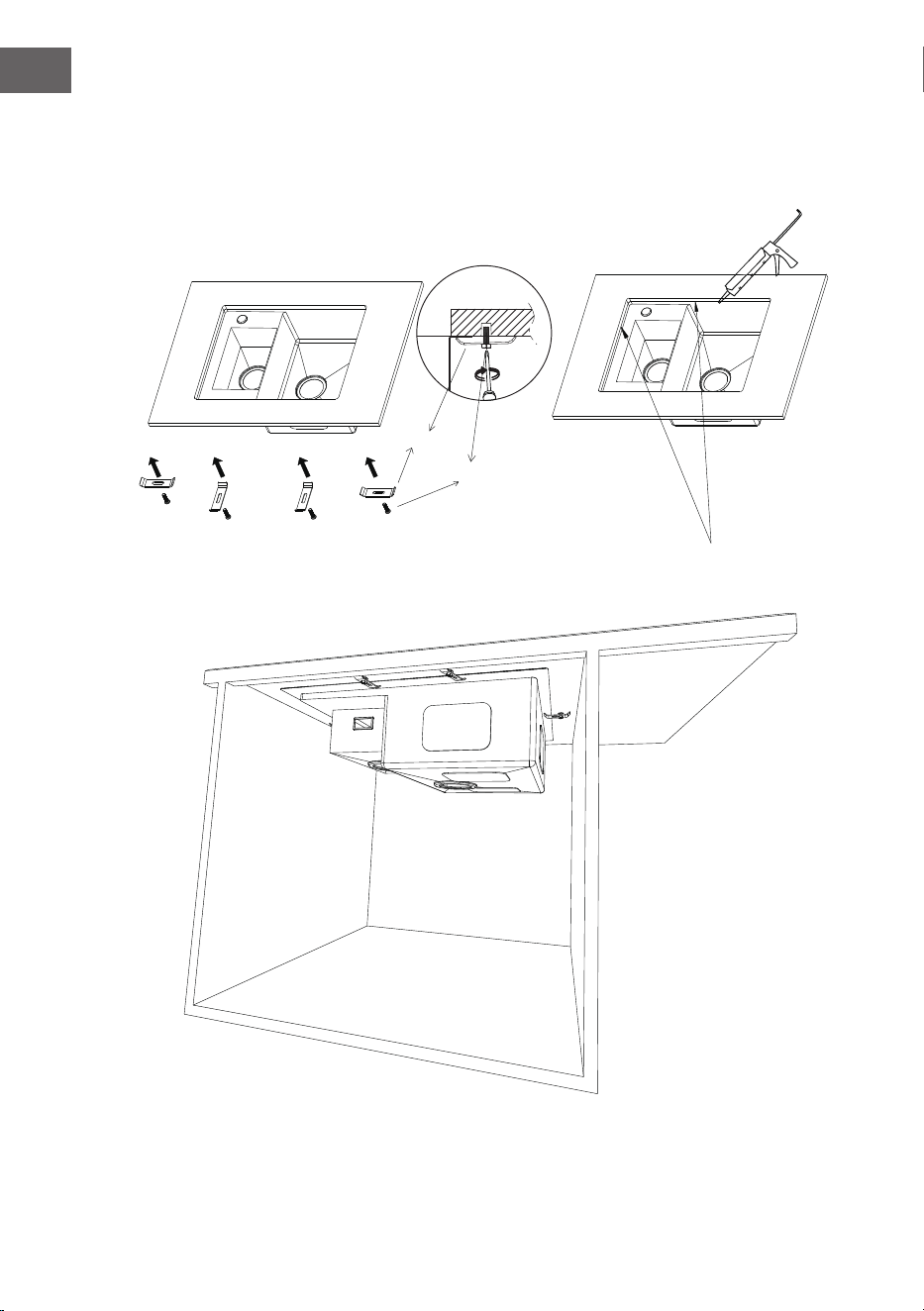
24
EN
9. Install the kitchen sink with undermount clips.
Connect the sink to the cut-out hole at the back of the counter, put the screws and brackets into
the anchor and tighten, then to apply the silicon between counter and sink at the front.
B3
B2
Apply the silicon.
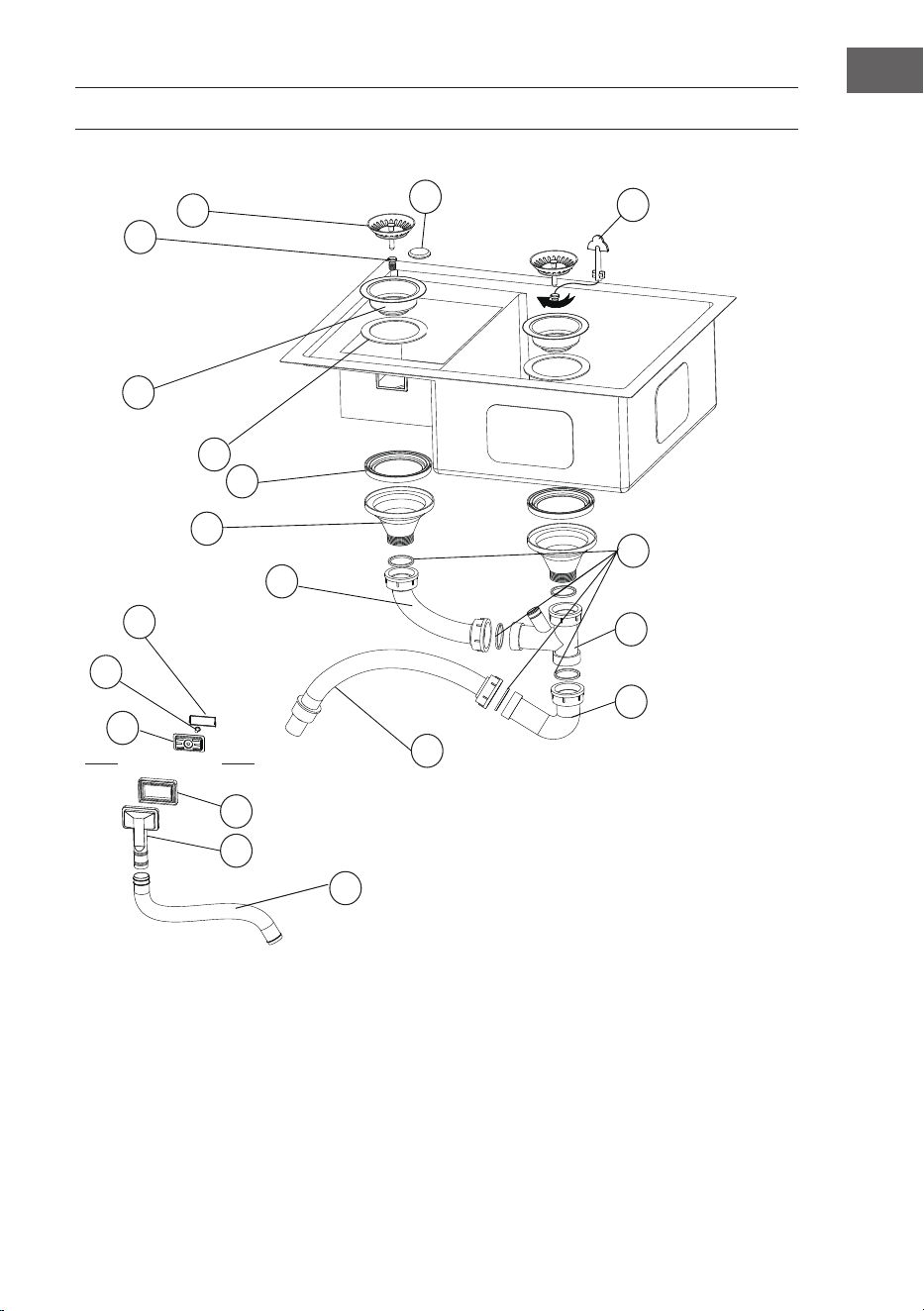
25
EN
DRAIN SET INSTALLATION
Overflow
1
2
3
4
5
6
7
8
9
13
10
11
15
14
16
18
12
17
21
1 Overow cover
2 ScrewA
3 Overow base
4 Sealing ring
5 Overow head
6 Strainer cover
7 Screw B
8 Strainer stainless steel base
9 Strainer sealing ring A
10 Strainer sealing ring B
11 Strainer plastic base
12 Screw tightening tool
13 Interface sealing ring
14 Three-way connectors
15 Bend pipe A
16 PVC steel wire pipe
17 Bend pipe B
18 Overow pipe
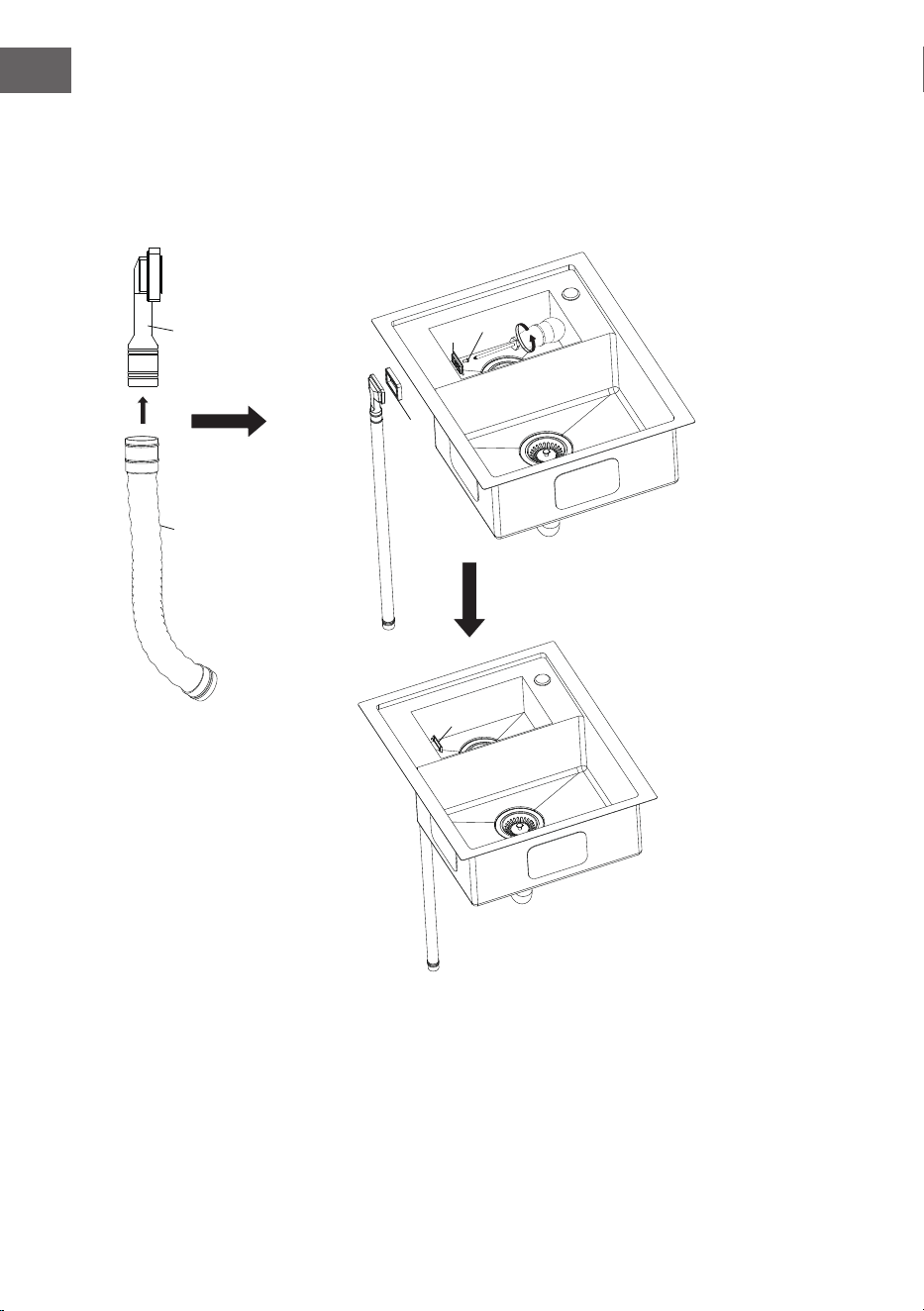
26
EN
Install the overow set
Put ④ on ⑤, put ② in ③, then put them together through the overow hole , make sure ② is in ⑤,
then tighten ②.
⑤
⑱
④
③
②
①
Connect ⑤ and ⑱.
Put ① on ③, push it until stuck.
27
EN
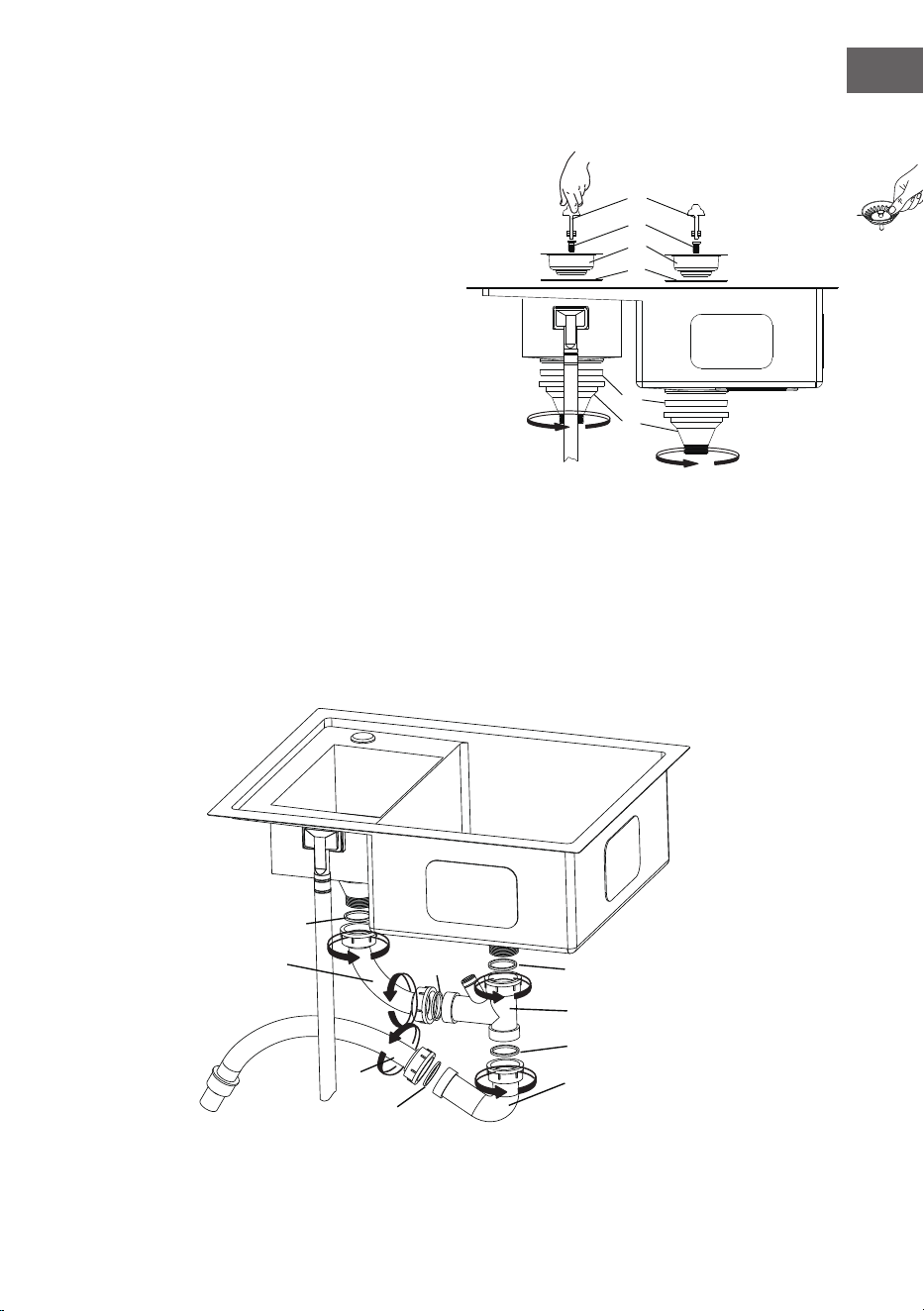
1. Take out ⑥, dismiss to several parts as
below:
Put ⑦ in ⑧ and tighten ⑦ with ⑫, put
⑨ under ⑧ and put the whole assembly
into sink drain hole.
Put ⑩ in ⑪, then connect the above
assembly and tighten.
Install the strainer set
⑬C
⑭
⑮
⑬A
⑬B
⑬D
⑬E
⑯
⑰
⑥
⑧
⑨
⑩
⑪
⑦
⑫
2. Take out the pipes
Put sealing ring ⑬A in ⑰, then connect ⑰ with ⑪ and tighten.
Put sealing ring ⑬B in ⑰, then connect ⑰ with ⑭ and tighten.
Put sealing ring ⑬C in ⑭, then connect ⑭ with ⑪ and tighten.
Put sealing ring ⑬D in ⑮, then connect ⑮ with ⑭ and tighten.
Put sealing ring ⑬E in ⑯, then connect ⑯ with ⑮ and tighten.
28
EN
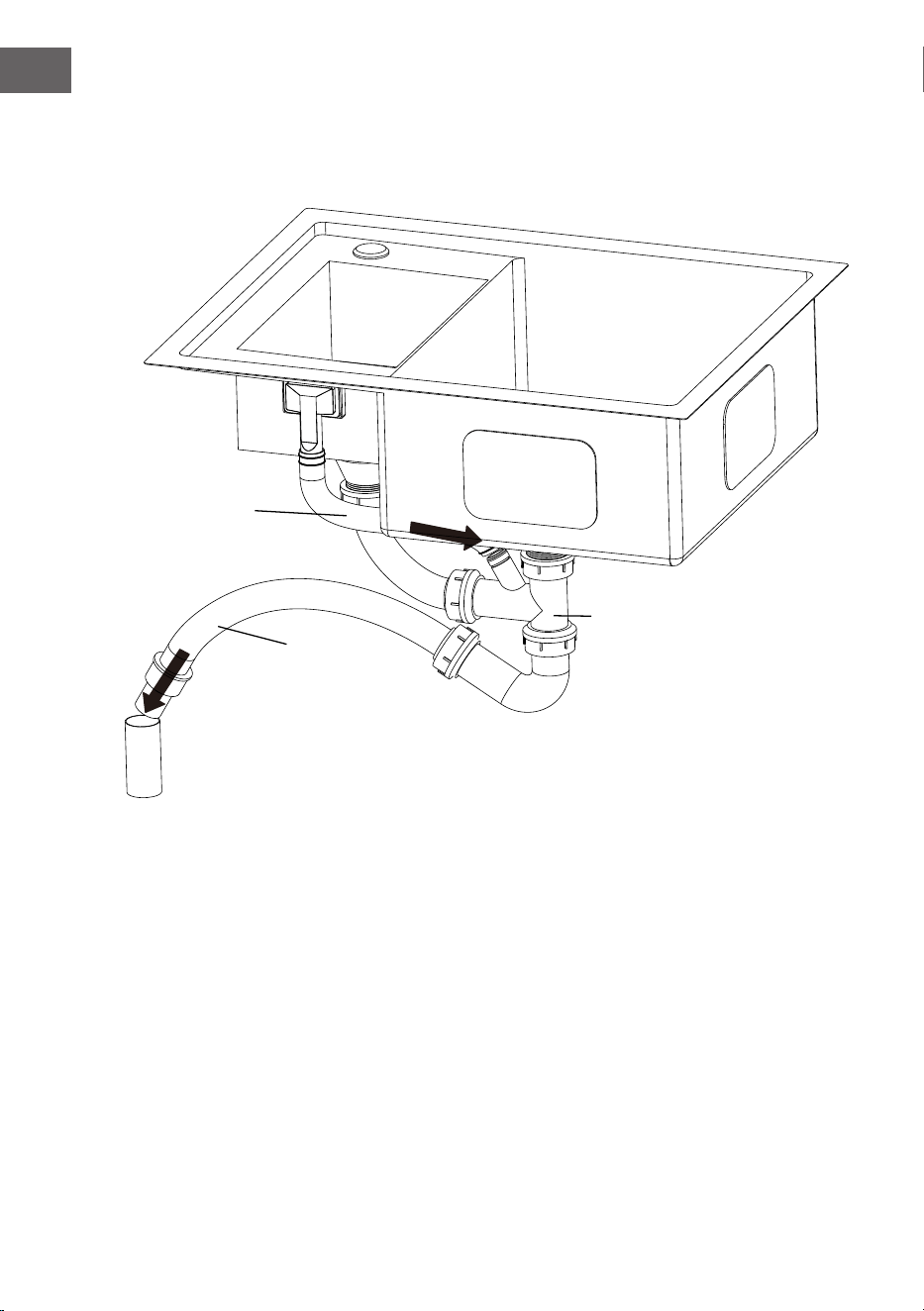
Install the waste pipe set
⑱
⑭
⑯
Connect ⑱ with ⑭ , then put ⑯ into family waste pipe.
29
EN
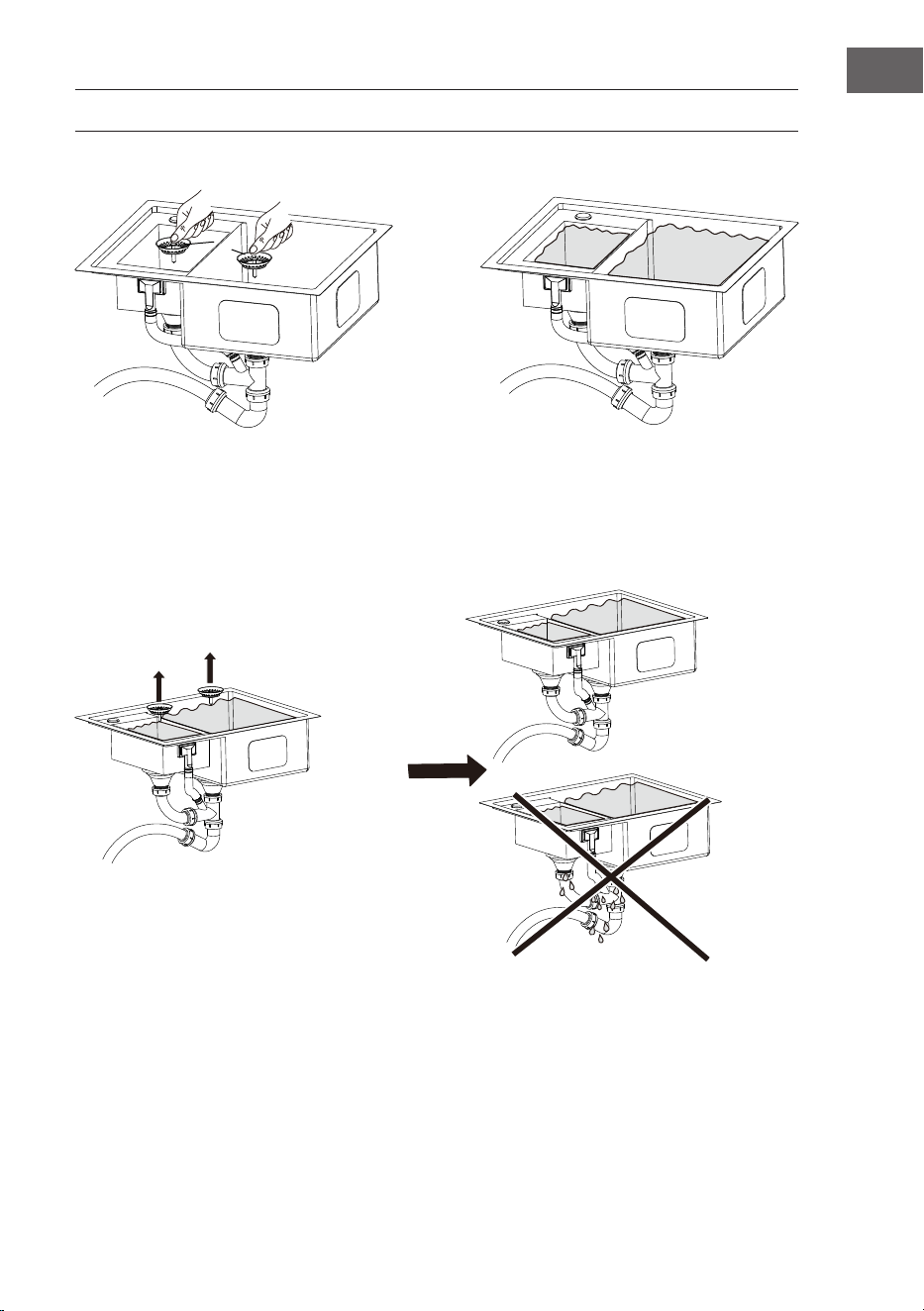
CHECK SEALING PERFORMANCE AND CLEAN
⑥
Put ⑥ into ⑧.
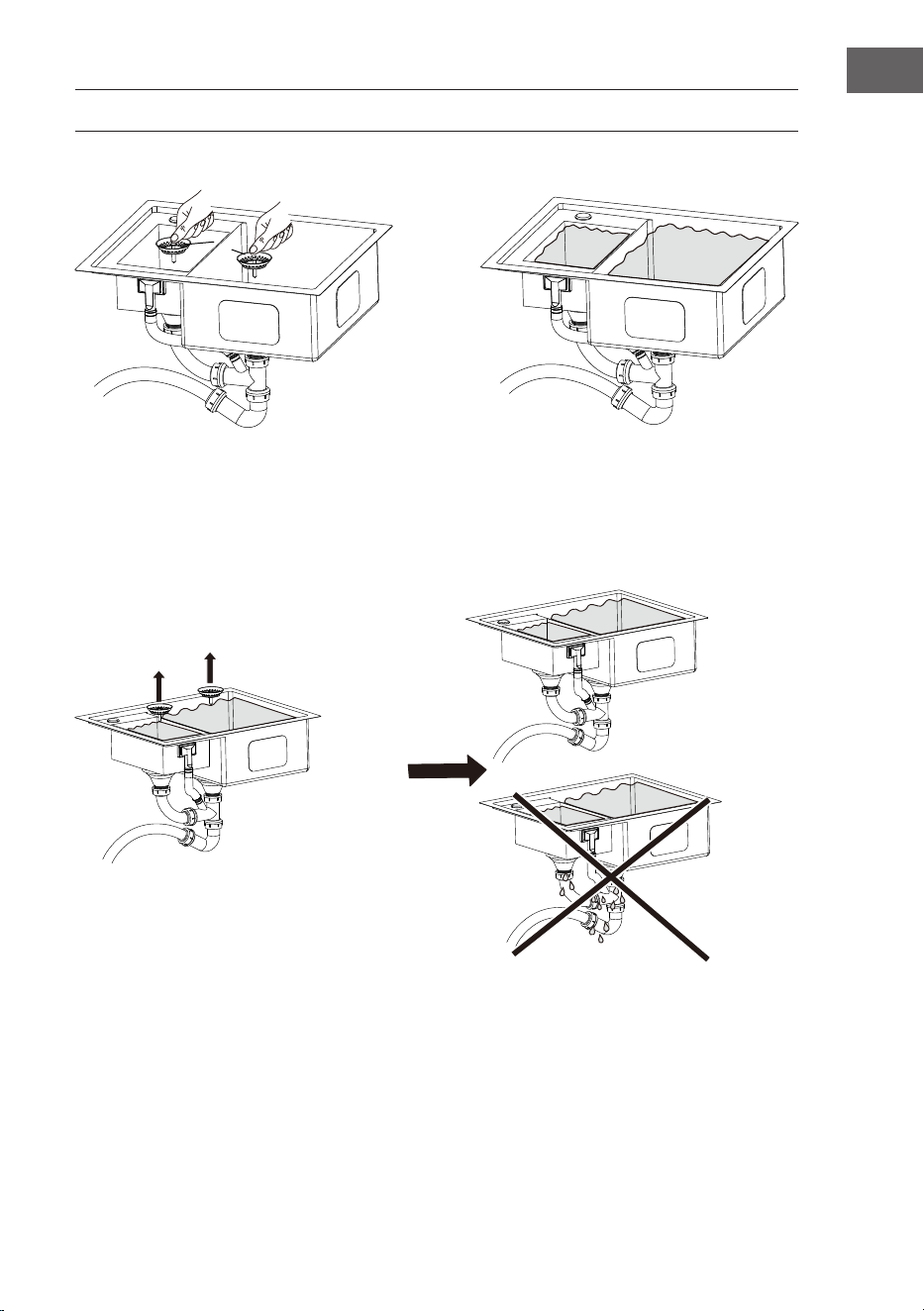
Take out ⑥, the water will drain.
Fill in water to overow hole.There is water
coming out from overow pipe.
There is no water coming out outside the
pipes. then it is successfully installed.
If there is water leakage, please check whether the fittings are tightened in this position to remove
water leakage.
30
EN
MANUFACTURER
Chal-Tec GmbH, Wallstraße 16, 10179 Berlin, Deutschland (Germany).
IMPORTER FOR GREAT BRITAIN
Berlin Brands Group UK Limited
PO Box 42
272 Kensington High Street
London, W8 6ND
United Kingdom
31
FR
ARTICLE
Numéro d'article 10046021, 10046022
SOMMAIRE
Contenu de l'emballage 32
Installation encastrée 34
Installation de l'ensemble d'évacuation 39
Contrôle des performances des joints et nettoyage 43
Cher client, chère cliente,
Toutes nos félicitations pour l’acquisition de ce nouvel appareil.
Lisez attentivement les consignes suivantes et suivez-les pour
éviter d'éventuels dommages. Nous ne saurions être tenus pour
responsables des dommages dus au non-respect des consignes et à
la mauvaise utilisation de l’appareil. Scannez le QR-Code pour obtenir
la dernière version du mode d'emploi ainsi que d'autres informations
concernant le produit :
32
FR
CONTENU DE L'EMBALLAGE
x1 x1 x1 x1 x1
x2 x2 x2 x2 x2
x2 x2 x5 x1 x1
x1 x1 x6
x1
T
C
E
UT-OUT
MPLAT
E
1 2 3 4 5
x1
6 7 8 9 10
11 12
13
14
15
16 17
18
19
20
21
x1
⌀
35
33
FR
Outillage
Pencil x1
Silicon x1
Screw driver x1 Scissor x1
Electric saw x1
Electric drill x1
⌀10 mm
⌀ 3 mm
Ruler x1
Shovel x1
Crayon Perceuse Règle
Silicone Scie électrique Spatule
Tournevis Ciseaux
34
FR
INSTALLATION ENCASTRÉE
N° Description Réfé-
rence
Quan-
tité
A Évier de cuisine 1
B Bornes encastrées
⑲
1
C Gabarit de découpe
⑳
1
1. Découpez suivant le gabarit de découpe avec des ciseaux.
CUT-OUT TEMPLATE
2. Placez le gabarit de découpe sur le plan de travail et utilisez un crayon et une règle pour tracer
le long des repères du gabarit.
650mm
110mm
430mm
Placez le gabarit à plat.
Gabarit de découpe
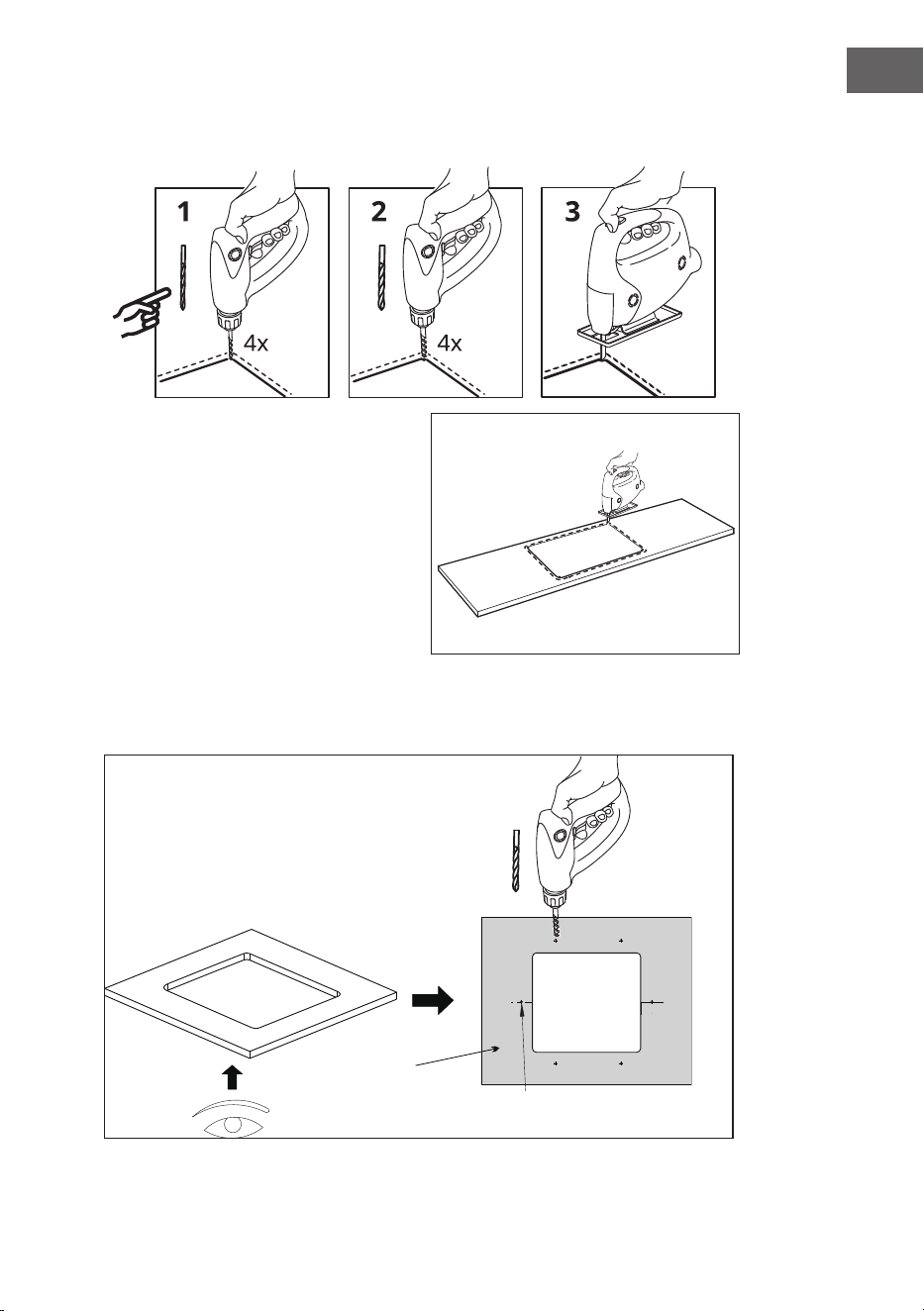
Gabarit de découpe
35
FR
3. Percez quatre petits trous avec une perceuse électrique. Pré-percez d'abord les trous avec un
foret ⌀3 puis avec un foret ⌀20.
⌀3 mm ⌀20mm
4. Découpez le plan de travail le long du
marquage avec une scie électrique.
5. Percez le nombre approprié de trous
selon les dimensions de l'évier à l'arrière du comptoir à l'aide d'une perceuse électrique.
Respectez l'espacement entre les trous et les lignes.
⌀10 mm
Dessous du
plan de travail
Taille du trou : ⌀ 10 mm avec une
profondeur de 15 mm
36
FR
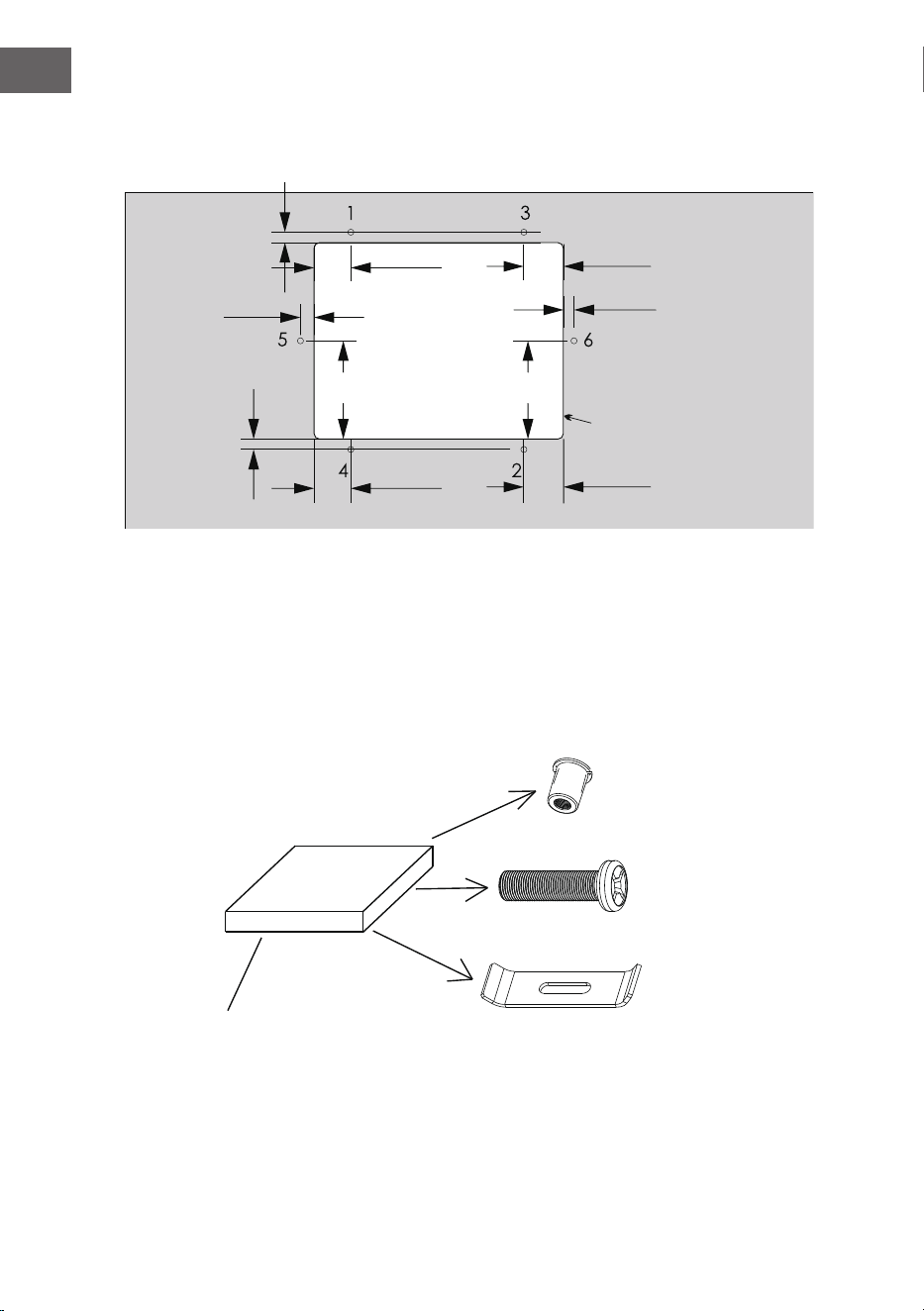
6. Comme le montre la figure ci-dessous, percez 6 trous de φ 10 mm de 15 mm de profondeur à
l'arrière du plan de travail autour de l'ouverture.
160mm
215mm
45mm
45mm
160mm
215mm
45mm
45mm
160mm
160mm
Bord de l'ouverture
7. Ouvrez les supports de base, retirez les chevilles et insérez-les dans les trous sous le plan de
travail.
⑲
Cheville B1
Vis B2
Support B3
Pinces de fixation sous plan
37
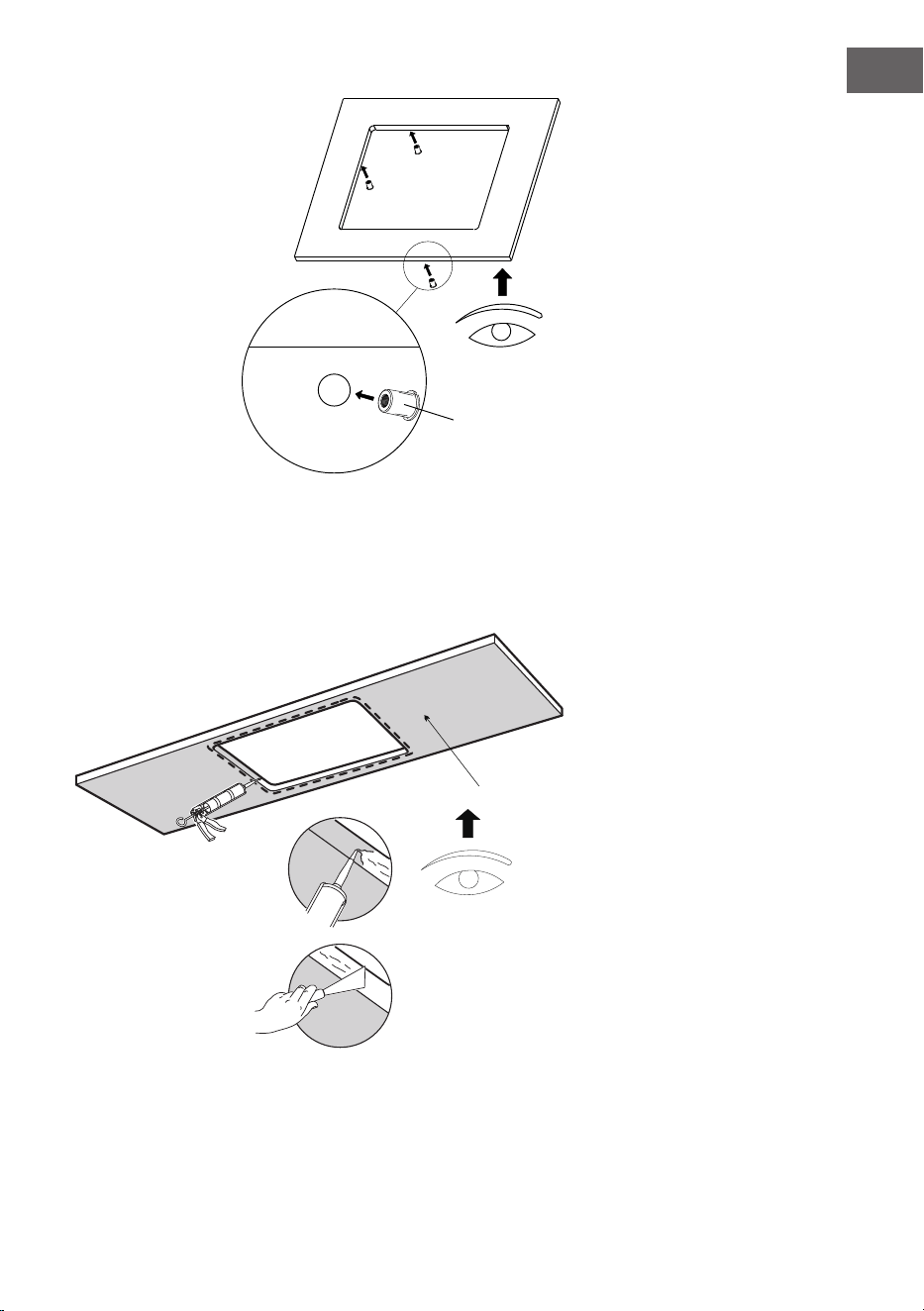
FR
Dessous du plan de travail
B1
8. Placez une couche de silicone à l'arrière du comptoir le long des lignes de coupe et lissez le
silicone pour qu'il soit uniforme et de niveau.
38
FR
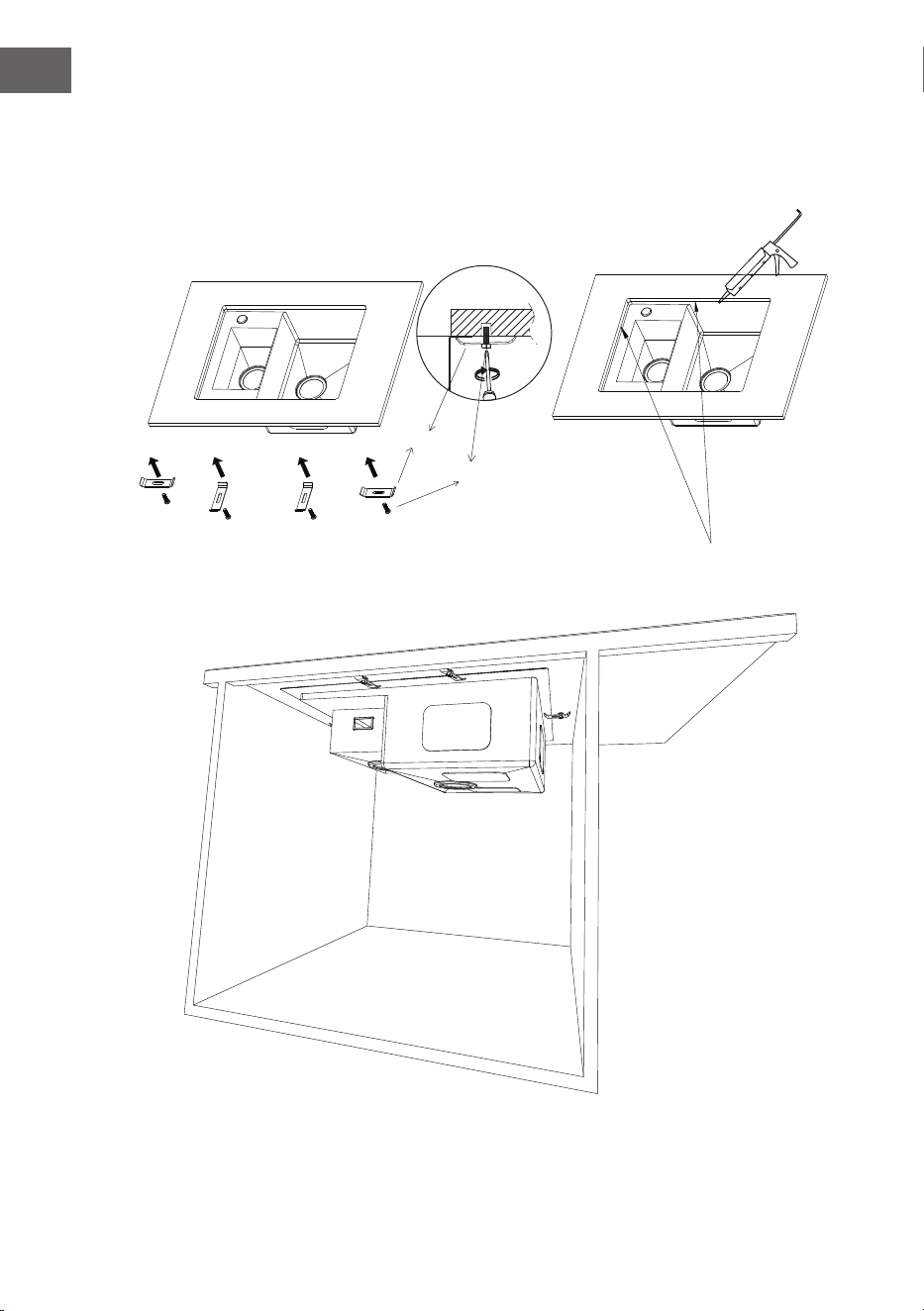
9. Installation d'évier de cuisine avec pinces sous le plan.
10. Fixez l'évier à la découpe à l'arrière du comptoir, insérez les vis et les supports dans la cheville
et serrez, puis appliquez le silicone entre le comptoir et l'évier sur le devant.
B3
B2
Appliquez du silicone
39
FR
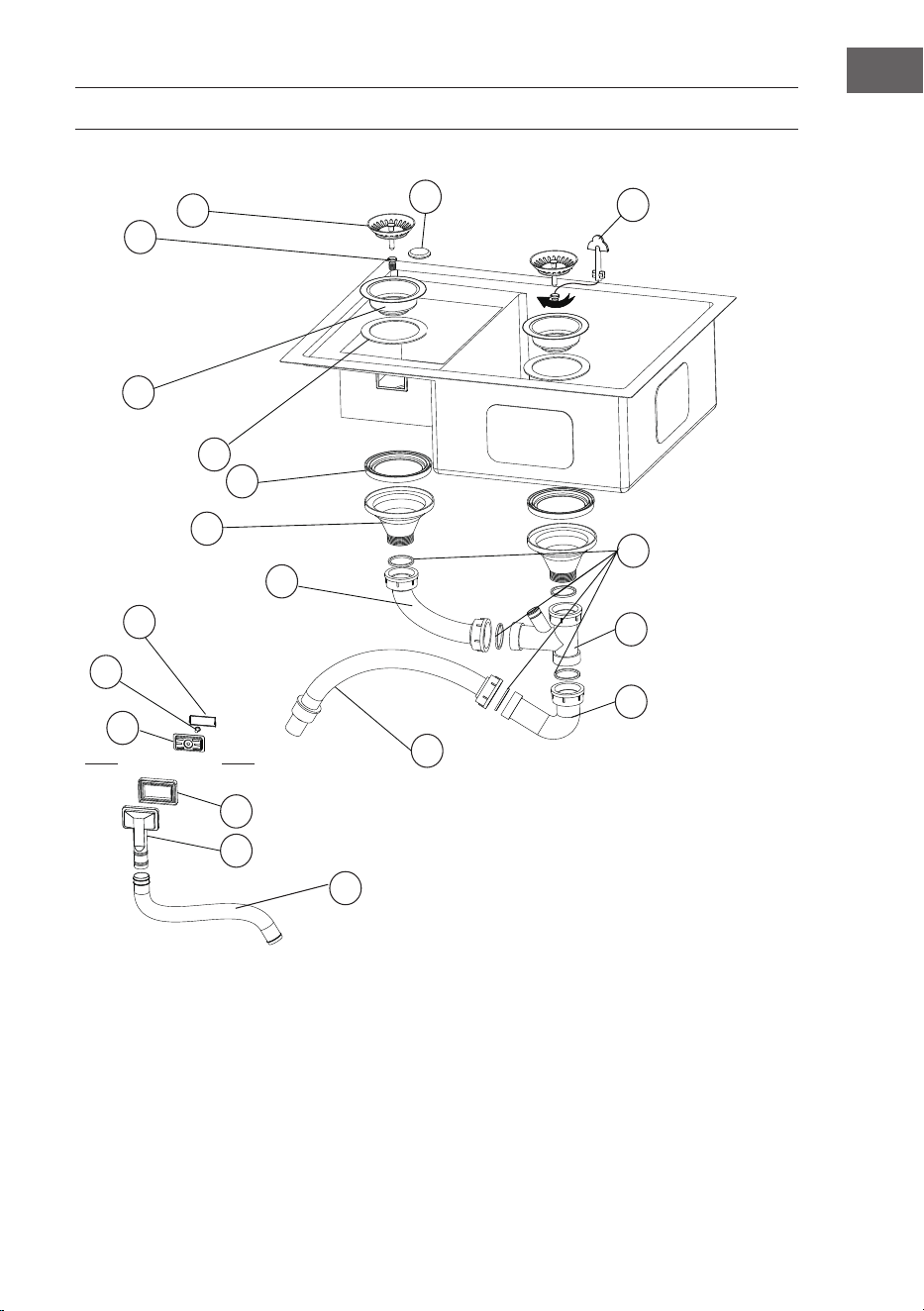
INSTALLATION DE L'ENSEMBLE D'ÉVACUATION
Overflow
1
2
3
4
5
6
7
8
9
13
10
11
15
14
16
18
12
17
21
1 Couvercle de trop-plein
2 Vis A
3 Support de trop-plein
4 bague d'étanchéité
5 Débordement
6 Couvercle de tamis
7 Vis B
8 Fond de tamis en acier inoxydable
9 bague d'étanchéité du tamis A
10 bague d'étanchéité du tamis B
11 Fond en plastique du tamis
12 Tournevis
13 Bague d'étanchéité de transition
14 Connecteurs triples
15 Tuyau coudé
16 Tuyau en fil d'acier et PVC
17 Tuyau coudé
18 Tuyau de trop-plein
40
FR
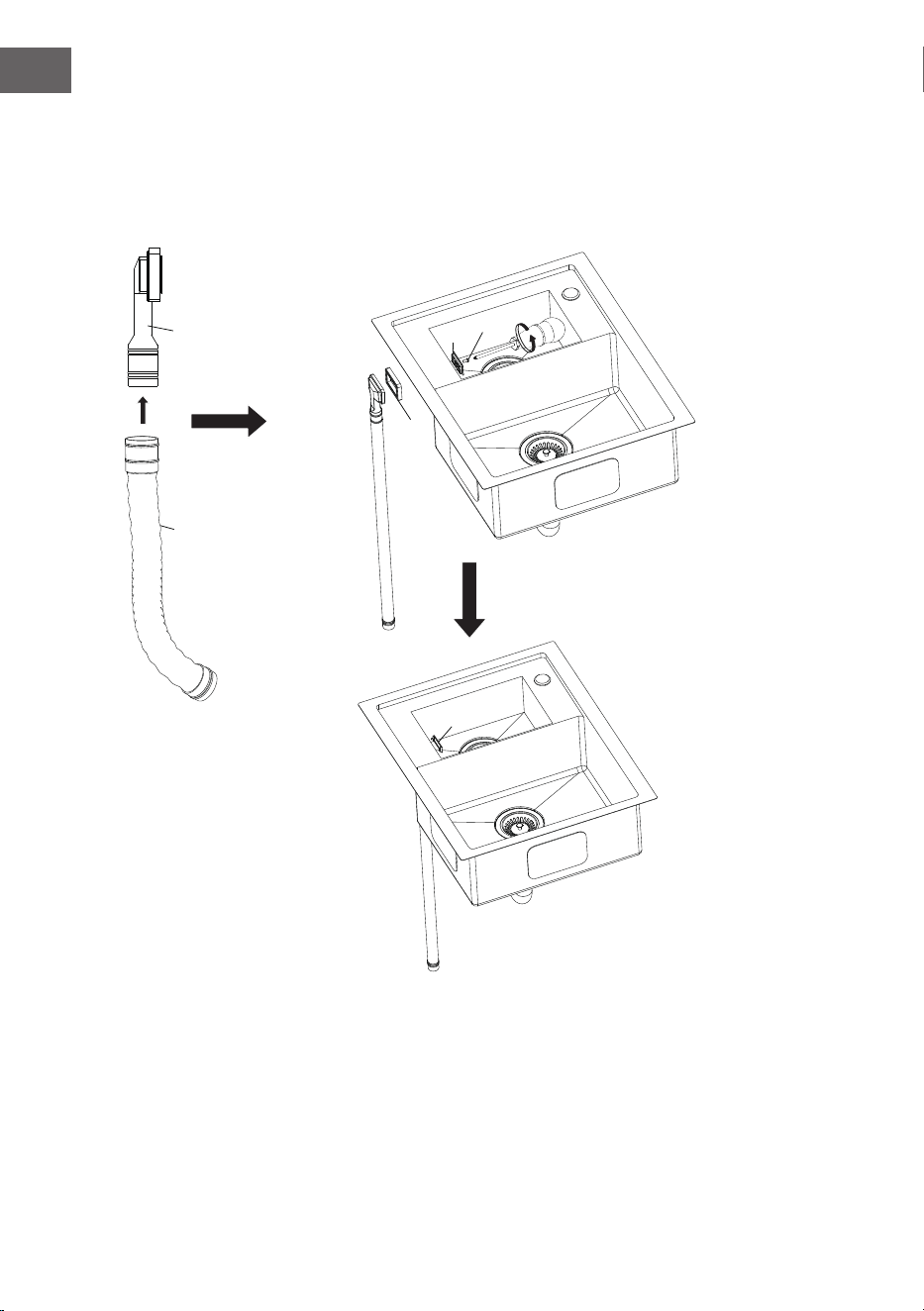
Installation du trop-plein
Branchez ④ sur ⑤ et ② sur ③, puis connectez-les via l'ouverture de trop-plein. Assurez-vous que
② et ⑤ sont correctement connectés, puis serrez ②.
⑤
⑱
④
③
②
①
Connectez ⑤ et ⑰
Insérez ① dans ③, appuyez jusqu'à ce
qu'il soit fermement en place
41
FR
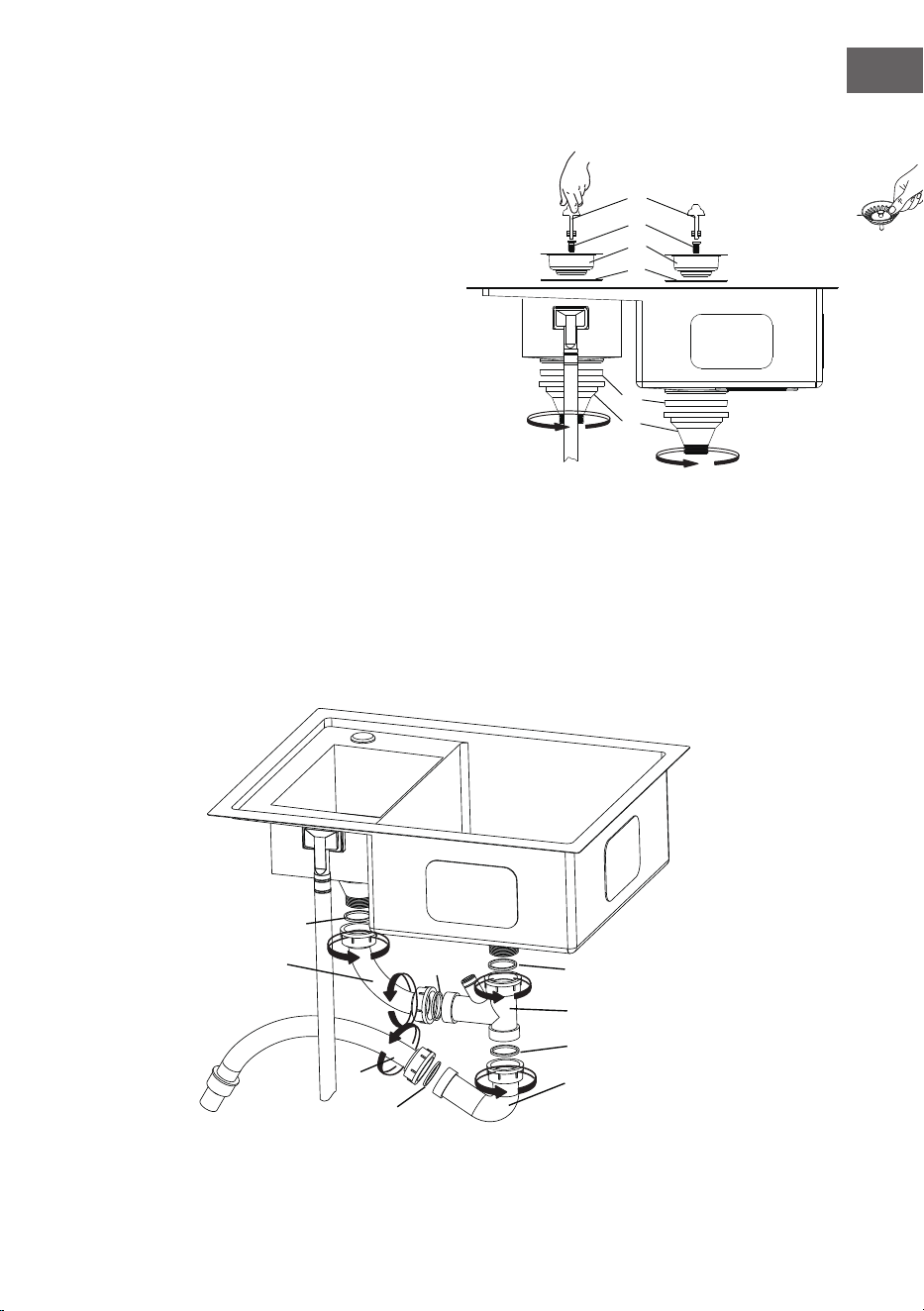
1. Retirez ⑥ et raccordez les différents
composants du tamis comme suit :
Insérez ⑦ dans ⑧ et serrez ⑦ avec ⑫.
Insérez ⑨ sous ⑧ et insérez l'ensemble
dans l'ouverture de vidange de l'évier.
Insérez ⑩ dans ⑪, connectez les deux à
l'assemblage supérieur et serrez.
Installation de l'évacuation
⑬C
⑭
⑮
⑬A
⑬B
⑬D
⑬E
⑯
⑰
⑥
⑧
⑨
⑩
⑪
⑦
⑫
2. Dépose des tuyaux
Placez la bague d'étanchéité ⑬A dans ⑰ puis connectez ⑰ à ⑪ et serrez-la. Insérez la bague d'étanchéité
⑬B dans ⑰, puis connectez ⑰ à ⑭ et serrez-la. Insérez la bague d'étanchéité ⑬C dans ⑭, puis connectez
⑭ à ⑪ et serrez-la. Insérez la bague d'étanchéité ⑬D dans ⑮, puis connectez ⑮ à ⑭ et serrez-la.
Dépose des tuyaux Placer la bague d'étanchéité ⑬A dans ⑯puis connecter ⑯ à ⑮ et serrer.
42
FR
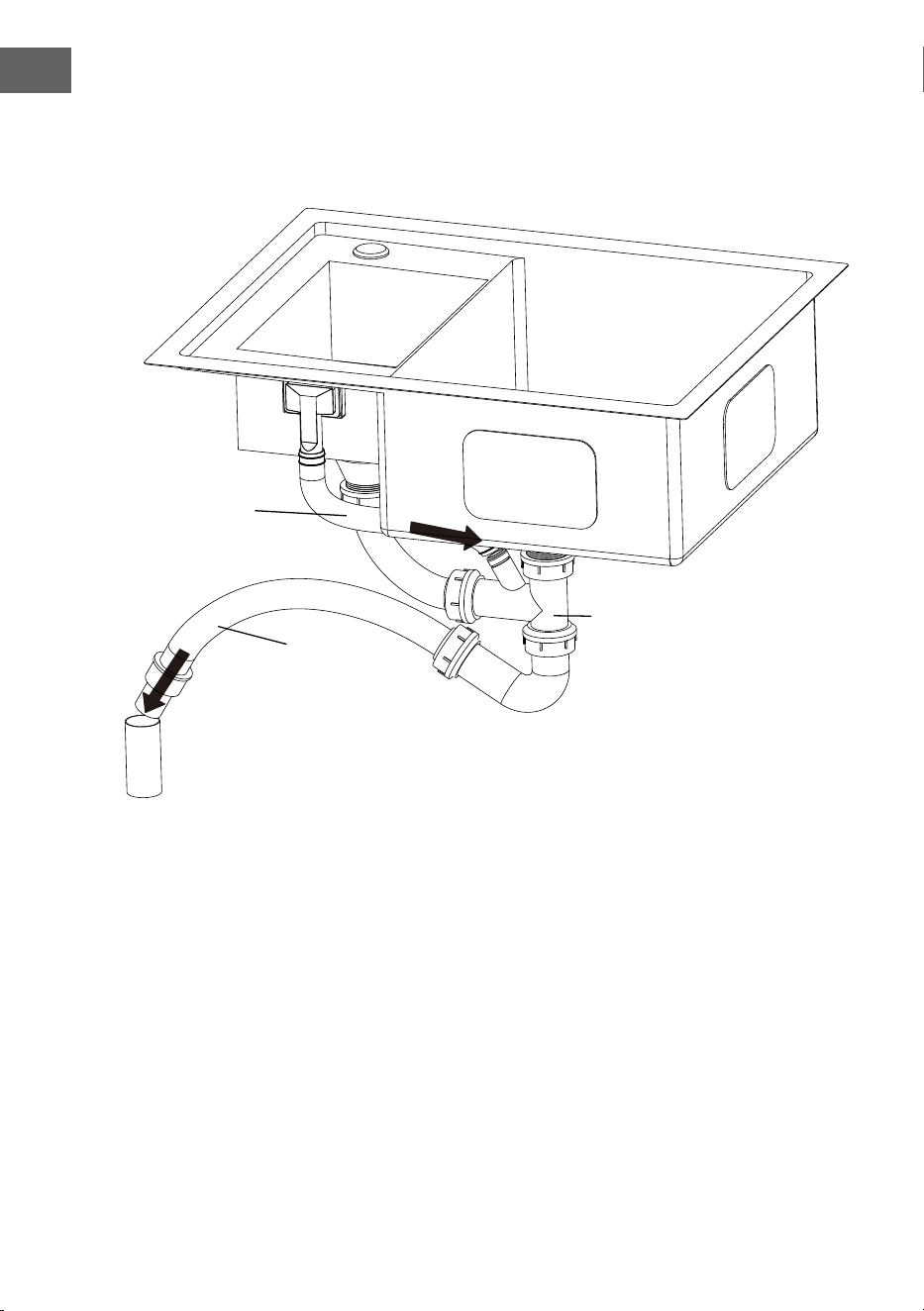
Installation du kit d'évacuation
⑱
⑭
⑯
Connectez ⑱ à ⑭ et insérez ⑯ dans le tuyau de vidange.
43
FR
CONTRÔLE DES PERFORMANCES DES JOINTS ET NETTOYAGE
⑥
Insérez ⑥ dans ⑧.
Lorsque vous retirez ⑥, l'eau
s'écoule.
Remplissez l'évier d'eau jusqu'à l'ouverture
de trop-plein afin que l'eau sorte du tuyau
de trop-plein.
S’il n’y a pas d’eau qui coule des tuyaux,
l’installation a réussi.
Si de l'eau s'écoule des canalisations, vérifiez que les joints sont bien en place et ajustez-les si
nécessaire pour éliminer la fuite.
44
FR
FABRICANT
Chal-Tec GmbH, Wallstraße 16, 10179 Berlin, Deutschland (Allemagne).
IMPORTATEUR POUR LA GRANDE BRETAGNE :
Berlin Brands Group UK Ltd
PO Box 42
272 Kensington High Street
London, W8 6ND
United Kingdom
45
IT
ARTICOLO
Numero articolo 10046021, 10046022
INDICE
Volume di consegna 46
Installazione della sottostruttura 48
Installazione del set di scarico 53
Controllo delle prestazioni della guarnizione e pulizia 57
Gentile cliente,
La ringraziamo per l'acquisto del dispositivo. La preghiamo di leggere
attentamente le seguenti indicazioni e di seguirle per evitare eventuali
danni. Non ci assumiamo alcuna responsabilità per danni scaturiti da
una mancata osservanza delle indicazioni relative alla sicurezza e da
un uso improprio del dispositivo. Scansionare il codice QR seguente
per accedere al manuale d'uso più attuale e ricevere informazioni sul
prodotto.
46
IT
VOLUME DI CONSEGNA
x1 x1 x1 x1 x1
x2 x2 x2 x2 x2
x2 x2 x5 x1 x1
x1 x1 x6
x1
T
C
E
UT-OUT
MPLAT
E
1 2 3 4 5
x1
6 7 8 9 10
11 12
13
14
15
16 17
18
19
20
21
x1
⌀
35
47
IT
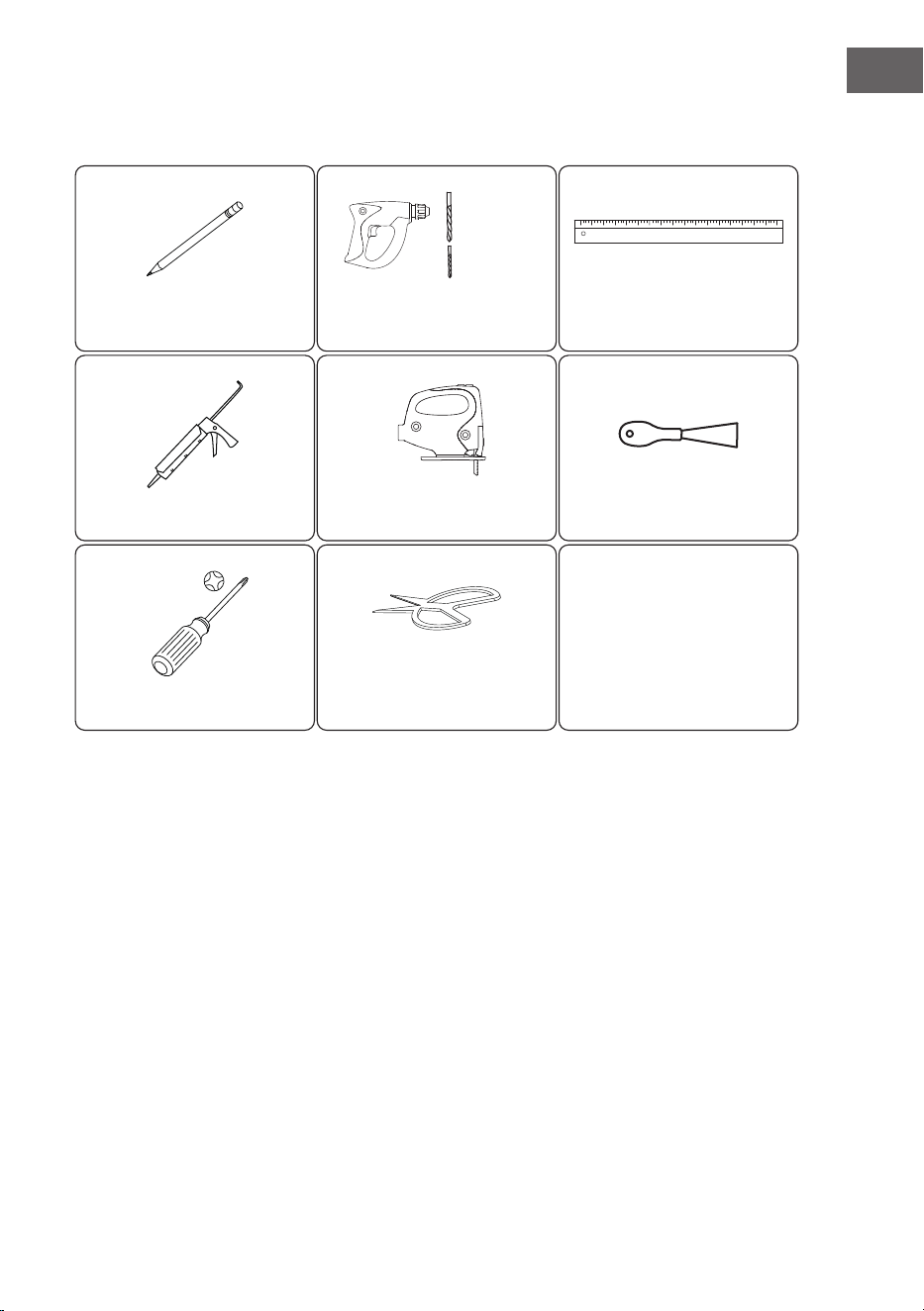
Attrezzi
Pencil x1
Silicon x1
Screw driver x1 Scissor x1
Electric saw x1
Electric drill x1
⌀10 mm
⌀ 3 mm
Ruler x1
Shovel x1
Matita Trapano Metro pieghevole
Silicone Sega elettrica Spatola
Cacciavite Forbice
48
IT
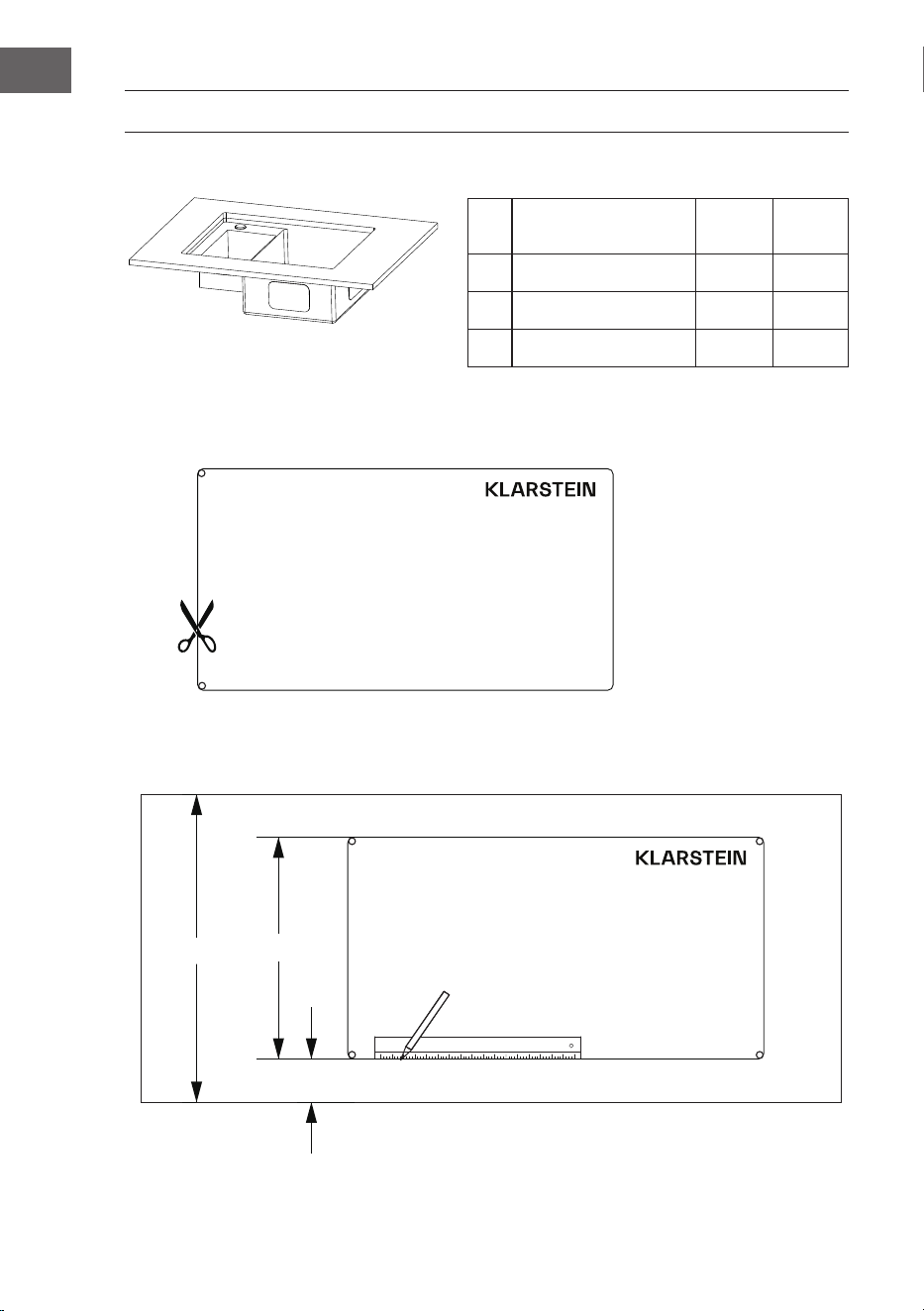
INSTALLAZIONE DELLA SOTTOSTRUTTURA
N. Descrizione Riferi-
mento
Quan-
tità
A Lavandino da cucina 1
B Morsetti per l'incasso
⑲
1
C Sagoma
⑳
1
1. Tagliare la sagoma con una forbice seguendo la linea.
CUT-OUT TEMPLATE
2. Poggiare la sagoma sul piano di lavoro e seguire la linea con una matita e un metro pieghevole.
650mm
110mm
430mm
Poggiare la sagoma.
Sagoma
Sagoma per tagliare
l'apertura
49
IT
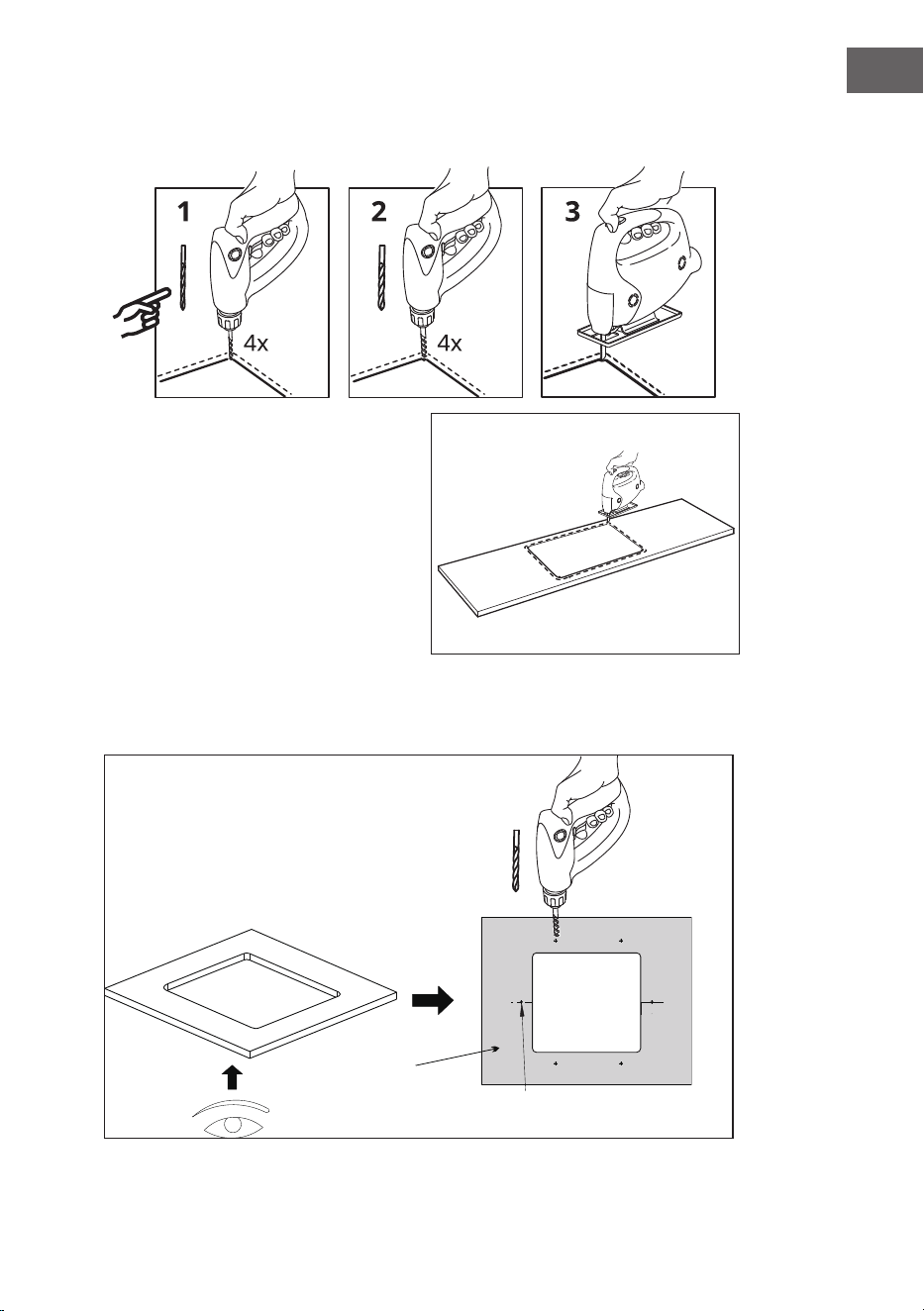
3. Realizzare 4 piccoli fori con un trapano elettrico. Realizzare prima i fori con una punta di ⌀3 e
poi con una di ⌀20.
⌀3 mm ⌀20mm
4. Tagliare il piano di lavoro con una sega
elettrica seguendo la forma disegnata
utilizzando la sagoma.
5. Realizzare il numero di fori relativo alle dimensioni del lavandino sul retro del piano di lavoro
con un trapano elettrico. Fare attenzione alla distanza tra fori e linee.
⌀10 mm
Lato inferiore del
piano di lavoro
Dimensione dei fori: ⌀10 mm con
15 mm di profondità
50
IT
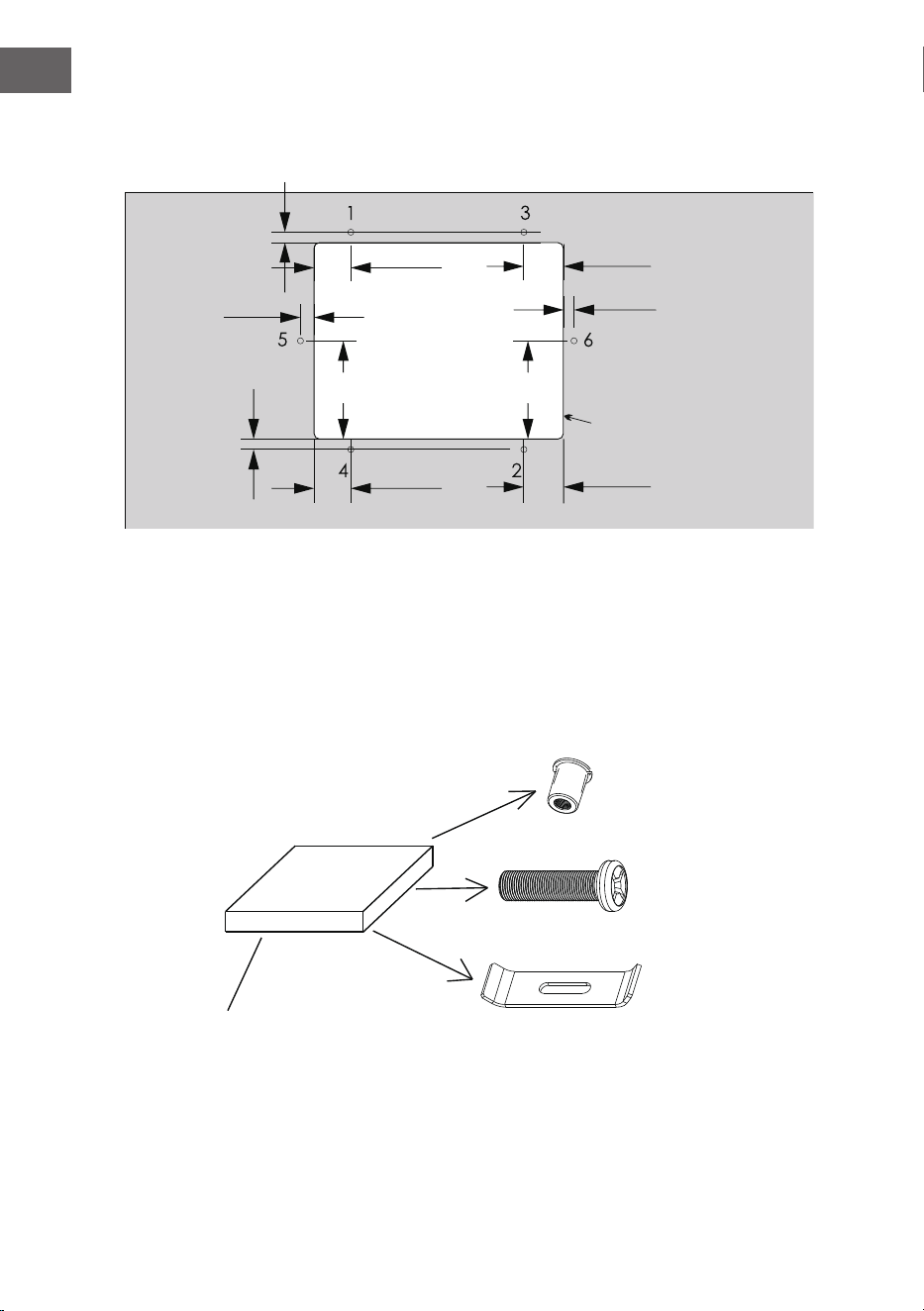
6. Seguendo l'immagine seguente, realizzare 6 fori da φ10mm con una profondità di 15 mm sul
retro del piano di lavoro intorno all'apertura che è stata tagliata in precedenza.
160mm
215mm
45mm
45mm
160mm
215mm
45mm
45mm
160mm
160mm
Bordo dell'apertura
7. Aprire i morsetti per l'incasso, tirare fuori i tasselli e inserirli nei fori sotto il piano di lavoro.
⑲
B1 Tassello
B2 Vite
B3 Supporto
Morsetti per l'incasso
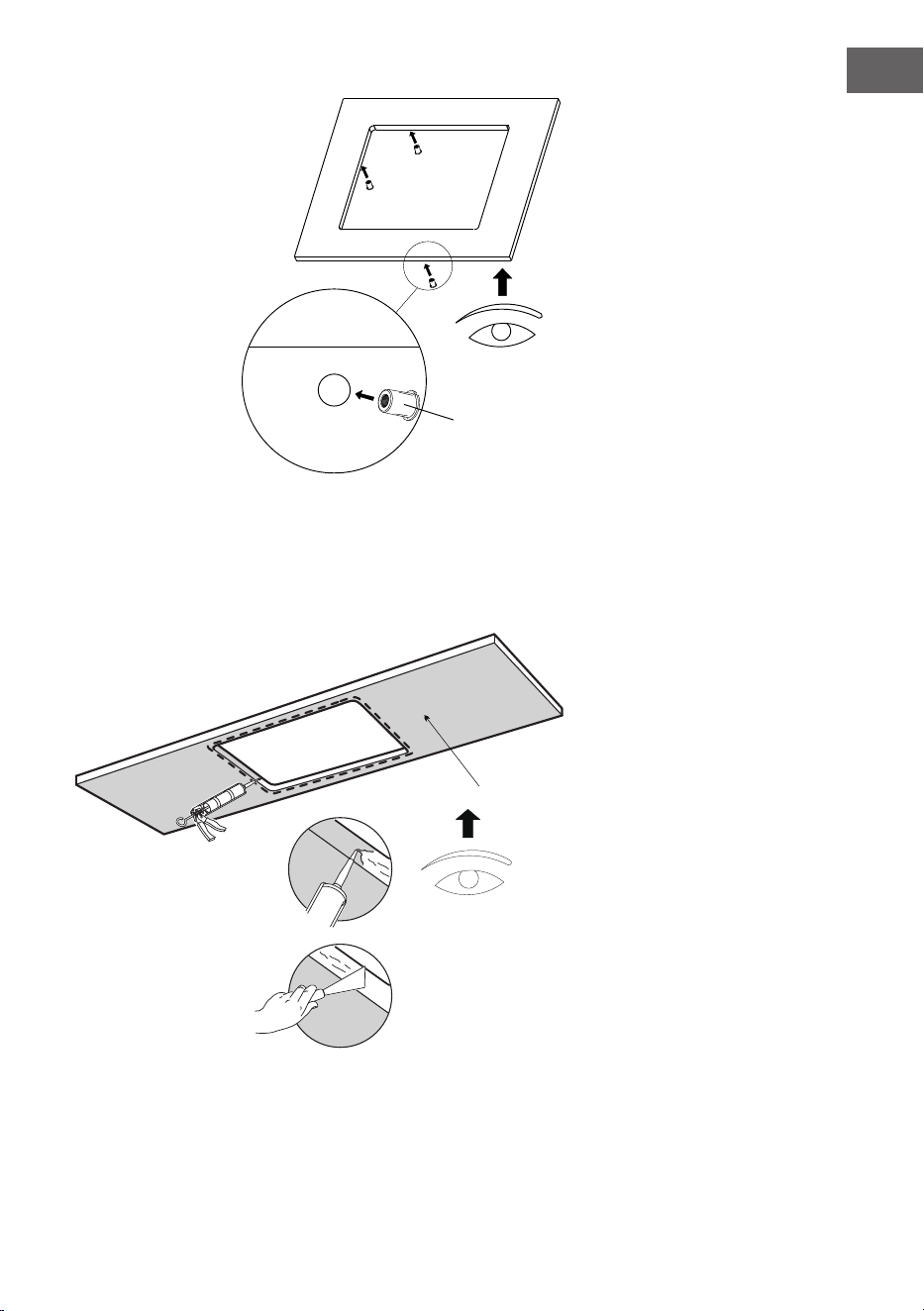
51
IT
Lato inferiore del piano di
lavoro
B1
8. Applicare uno strato di silicone lungo le linee di taglio sul retro del piano di lavoro e stenderlo,
in modo che risulti piatto e omogeneo.
52
IT
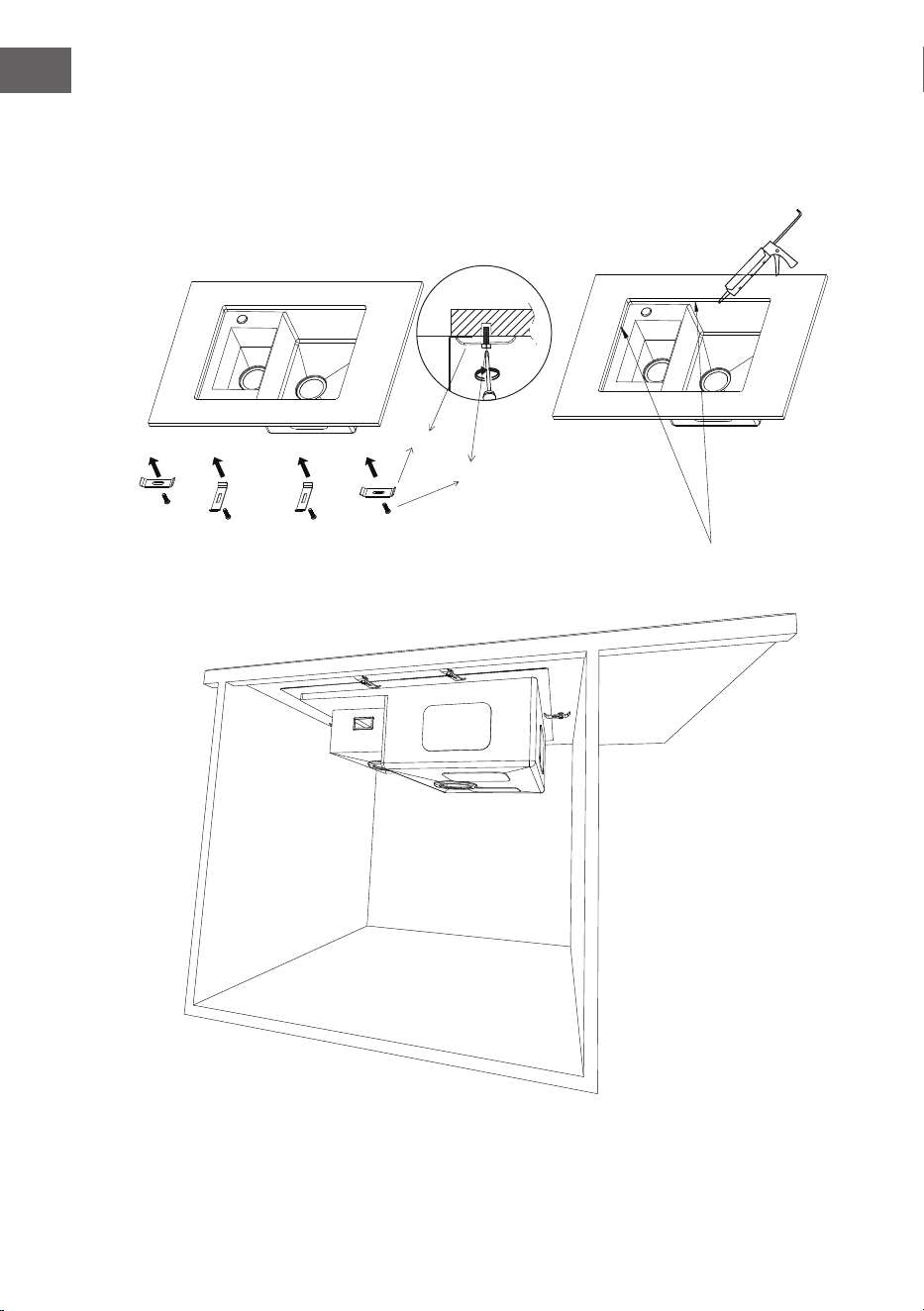
9. Installazione del lavandino da cucina con morsetti per l'incasso.
10. Fissare il lavandino all'apertura sul retro del piano di lavoro, inserire le viti e i morsetti nei
tasselli e stringere saldamente. Applicare poi il silicone tra il piano di lavoro e il lavandino sul
lato anteriore.
B3
B2
Applicare il silicone
53
IT
INSTALLAZIONE DEL SET DI SCARICO
Overflow
1
2
3
4
5
6
7
8
9
13
10
11
15
14
16
18
12
17
21
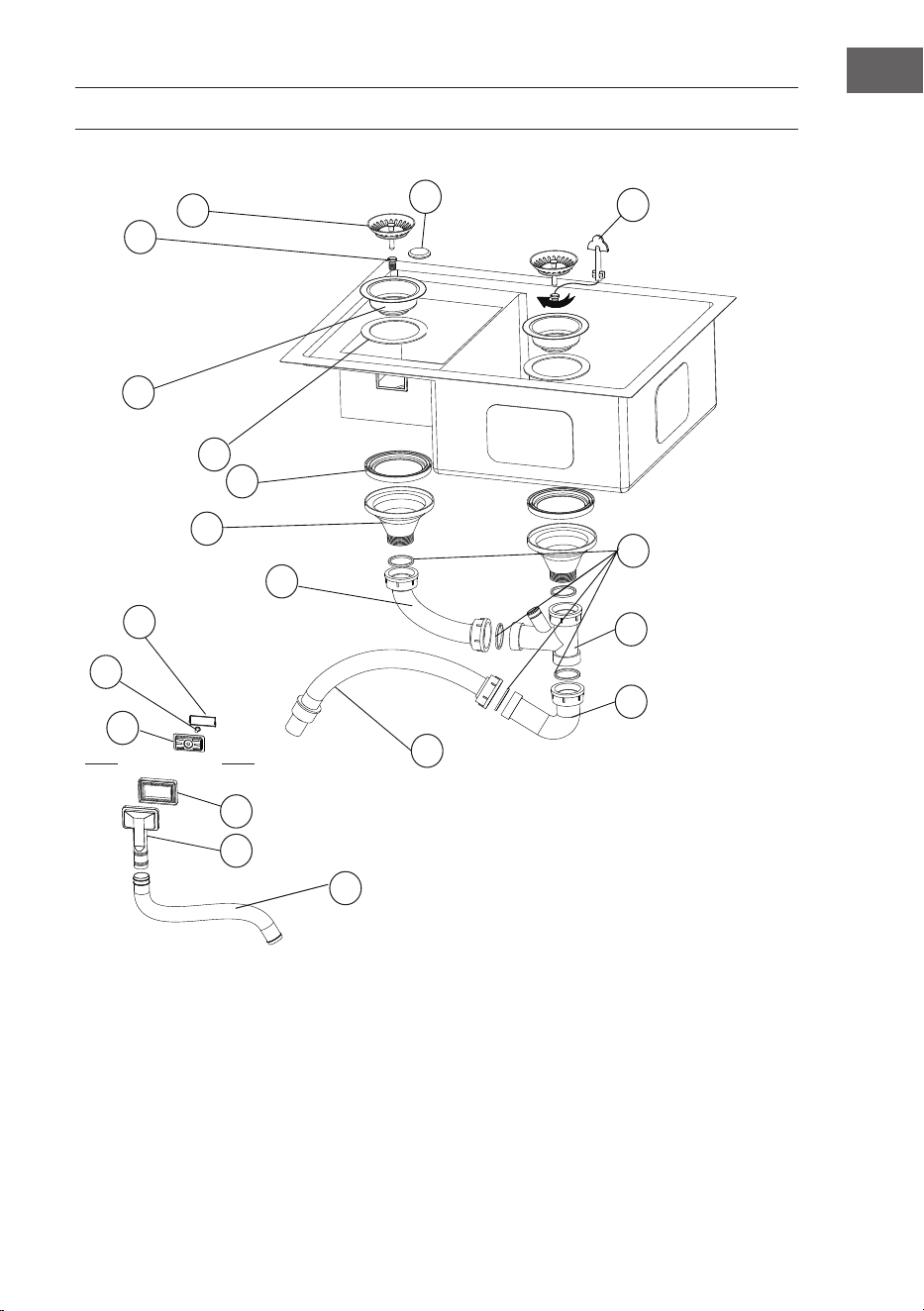
1 Copertura di traboccamento
2 Vite A
3 Supporto di traboccamento
4 Guarnizione ad anello
5 Traboccamento
6 Copertura a setaccio
7 Vite B
8 Fondo del setaccio in acciaio inox
9 Guarnizione ad anello del setaccio A
10 Guarnizione ad anello del setaccio B
11 Fondo del setaccio di plastica
12 Attrezzo per stringere le viti
13 Guarnizione ad anello di transizione
14 Connettori tripli
15 Tubo curvo
16 Tubo in cavo d'acciaio e PVC
17 Tubo curvo
18 Tubo di traboccamento
54
IT
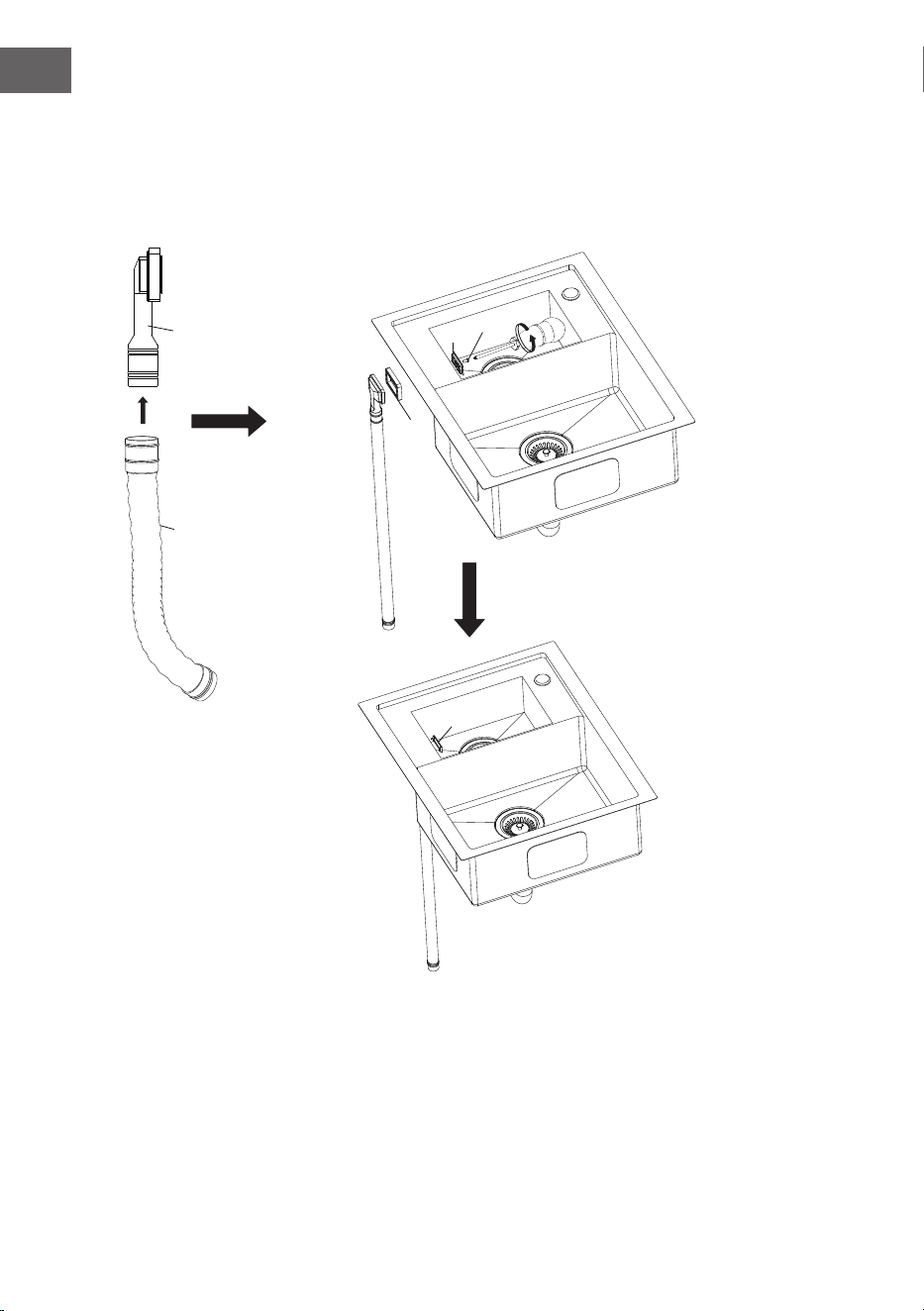
Installazione del set di traboccamento
Posizionare ④ su ⑤ e ② in ③ e collegarli poi attraverso l'apertura di traboccamento. Assicurarsi
che ② e ⑤ siano collegati correttamente e stringere poi ② saldamente.
⑤
⑱
④
③
②
①
Collegare ⑤ e ⑱.
Inserire ① in ③ e premere fino al
fissaggio.
55
IT
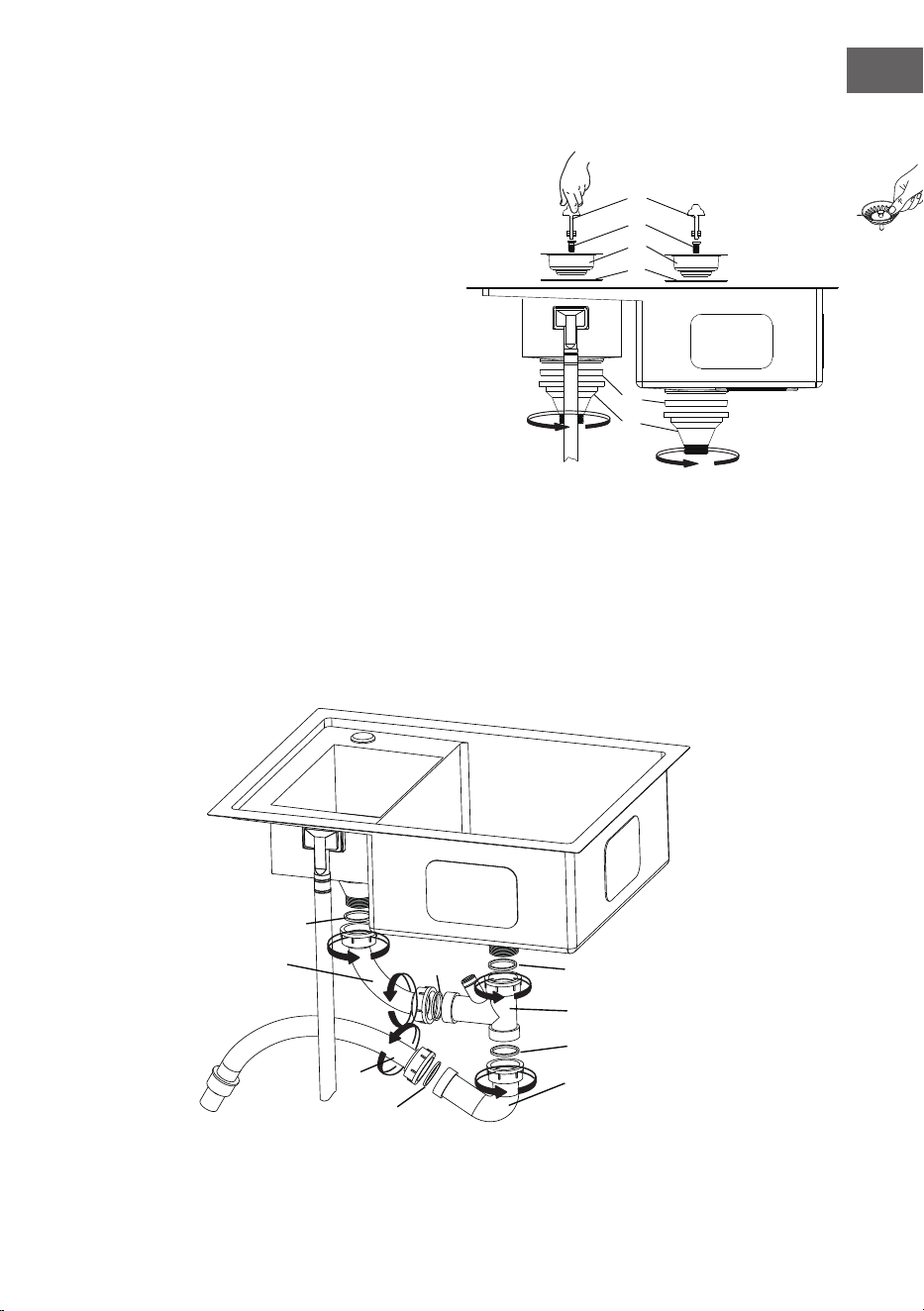
1. Estrarre ⑥ e collegare i singoli pezzi
dell'attacco a setaccio in questo modo:
Inserire ⑦ in ⑧ e stringere ⑦
saldamente con ⑫. Posizionare ⑨ sotto
⑧ e inserire il gruppo nell'apertura di
scarico del lavandino.
Inserire ⑩ in ⑪, collegarli entrambi
con il gruppo superiore e stringere
saldamente.
Installazione del set di scarico
⑬C
⑭
⑮
⑬A
⑬B
⑬D
⑬E
⑯
⑰
⑥
⑧
⑨
⑩
⑪
⑦
⑫
2. Rimozione dei condotti
Inserire la guarnizione ad anello ⑬A in ⑰, collegare poi ⑰ con ⑪ e stringere saldamente. Inserire la
guarnizione ad anello ⑬B in ⑰, collegare poi ⑰ con ⑭ e stringere saldamente. Inserire la guarnizione ad
anello ⑬C in ⑭, collegare poi ⑭ con ⑪ e stringere saldamente. Inserire la guarnizione ad anello ⑬D in
⑮, collegare poi ⑮ con ⑭ e stringere saldamente.
Inserire la guarnizione ad anello ⑬E in ⑯, collegare poi ⑯ con ⑮ e stringere saldamente.
56
IT
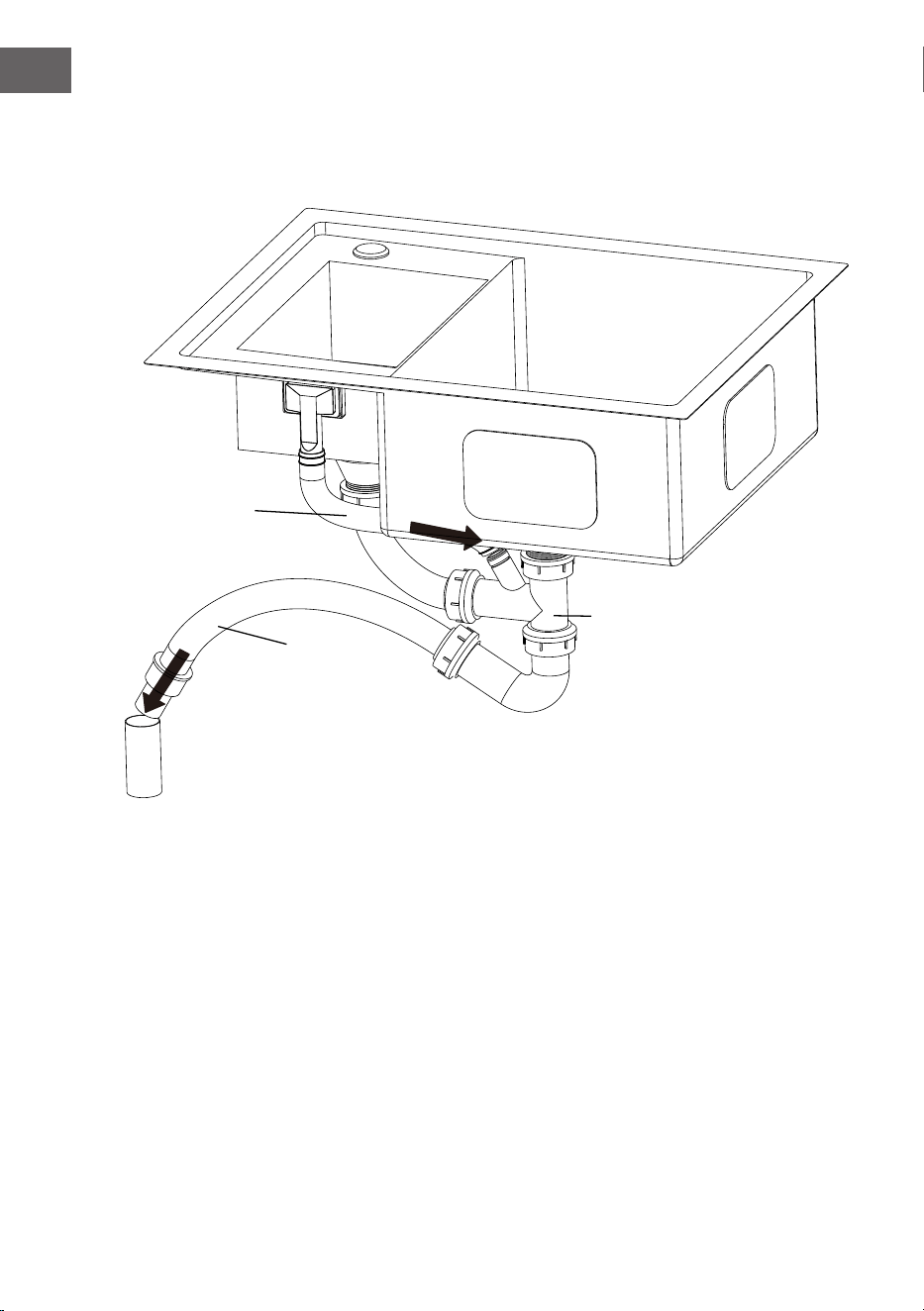
Installare il set di scarico
⑱
⑭
⑯
Collegare ⑱ a ⑭ e inserire ⑯ nel tubo di scarico.
57
IT
CONTROLLO DELLE PRESTAZIONI DELLA GUARNIZIONE E
PULIZIA
⑥
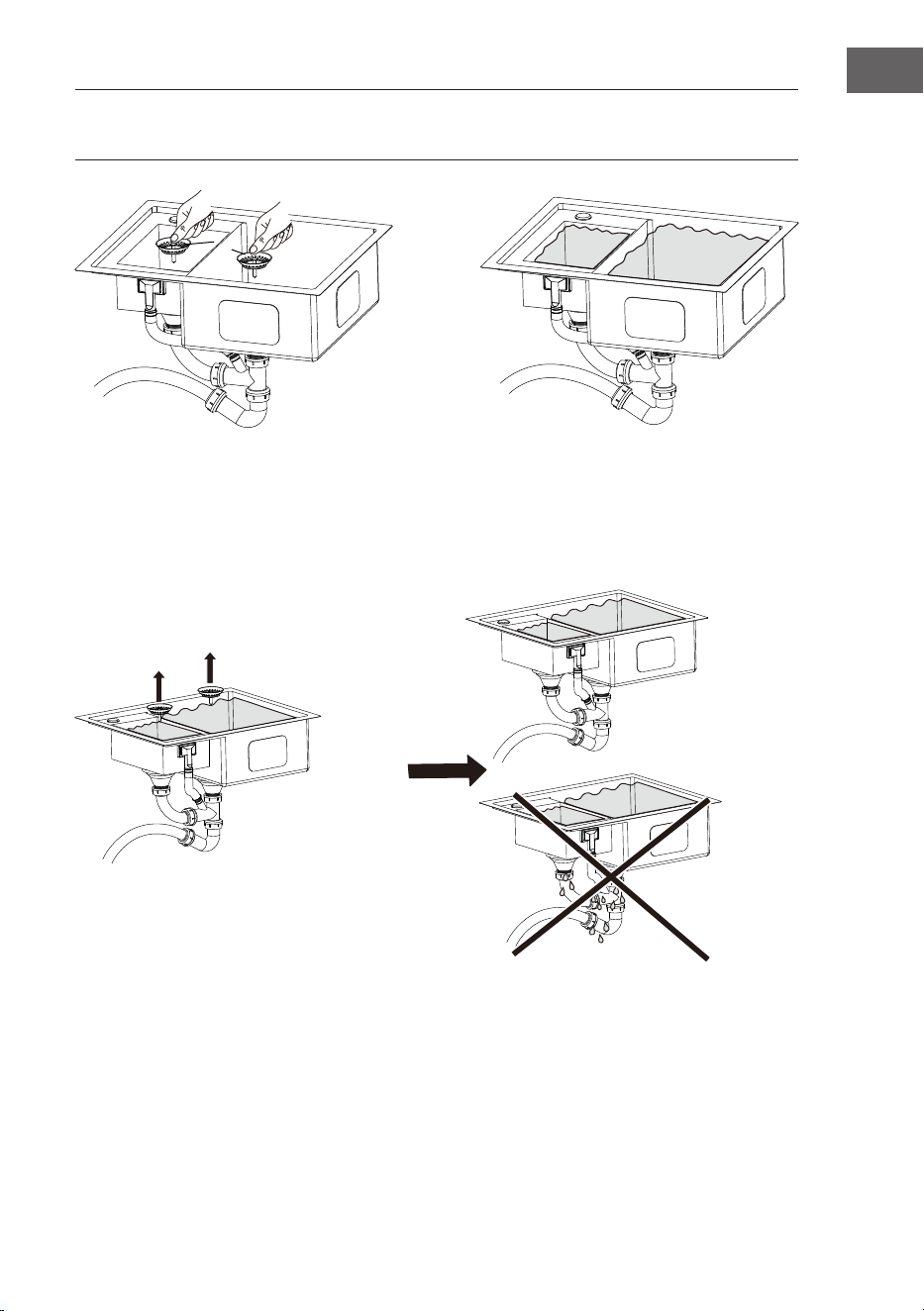
Inserire ⑥ in ⑧.
Se si rimuove ⑥, l'acqua viene
scaricata.
Riempire il lavandino d'acqua fino
all'apertura di traboccamento, in modo che
l'acqua esca dal tubo di traboccamento.
Se dai tubi non gocciola acqua, l'installazione
è stata realizzata correttamente.
Se gocciola acqua dai tubi, controllare se le guarnizioni sono posizionate correttamente e, se
necessario, regolarle in modo da eliminare la perdita.
58
IT
PRODUTTORE
Chal-Tec GmbH, Wallstraße 16, 10179, Berlino (Germania)
IMPORTATORE PER LA GRAN BRETAGNA:
Berlin Brands Group UK Limited
PO Box 42
272 Kensington High Street
London, W8 6ND
United Kingdom
59
ES
ARTÍCULO
Número del artículo 10046021, 10046022
ÍNDICE
Contenido del envío 60
Instalación de la subestructura 62
Instalación del desagüe 67
Comprobación de la estanqueidad y limpieza 71
Estimado cliente:
Le felicitamos por la adquisición de este producto. Lea atentamente
el siguiente manual y siga cuidadosamente las instrucciones de uso
con el fin de evitar posibles daños. La empresa no se responsabiliza
de los daños ocasionados por un uso indebido del producto o por
haber desatendido las indicaciones de seguridad. Escanee el siguiente
código QR para obtener acceso al manual de usuario más reciente y
otra información sobre el producto.
60
ES
CONTENIDO DEL ENVÍO
x1 x1 x1 x1 x1
x2 x2 x2 x2 x2
x2 x2 x5 x1 x1
x1 x1 x6
x1
T
C
E
UT-OUT
MPLAT
E
1 2 3 4 5
x1
6 7 8 9 10
11 12
13
14
15
16 17
18
19
20
21
x1
⌀
35
61
ES
Herramientas
Pencil x1
Silicon x1
Screw driver x1 Scissor x1
Electric saw x1
Electric drill x1
⌀10 mm
⌀ 3 mm
Ruler x1
Shovel x1
Lápiz Broca Regla plegable
Silicona Sierra eléctrica Espátula
Destornillador Tijeras
62
ES
INSTALACIÓN DE LA SUBESTRUCTURA
Núm. Descripción Refe-
rencia
Canti-
dad
A Fregadero 1
B
Terminales
empotrados
⑲
1
C Plantilla de corte
⑳
1
1. Recorte la plantilla de corte por la marca con unas tijeras.
CUT-OUT TEMPLATE
2. Coloque la plantilla de corte sobre la encimera y trace a lo largo de las marcas de la plantilla
utilizando un lápiz y una regla de plegado.
650mm
110mm
430mm
Coloque la plantilla en posición horizontal.
Plantilla de corte
Plantilla de corte
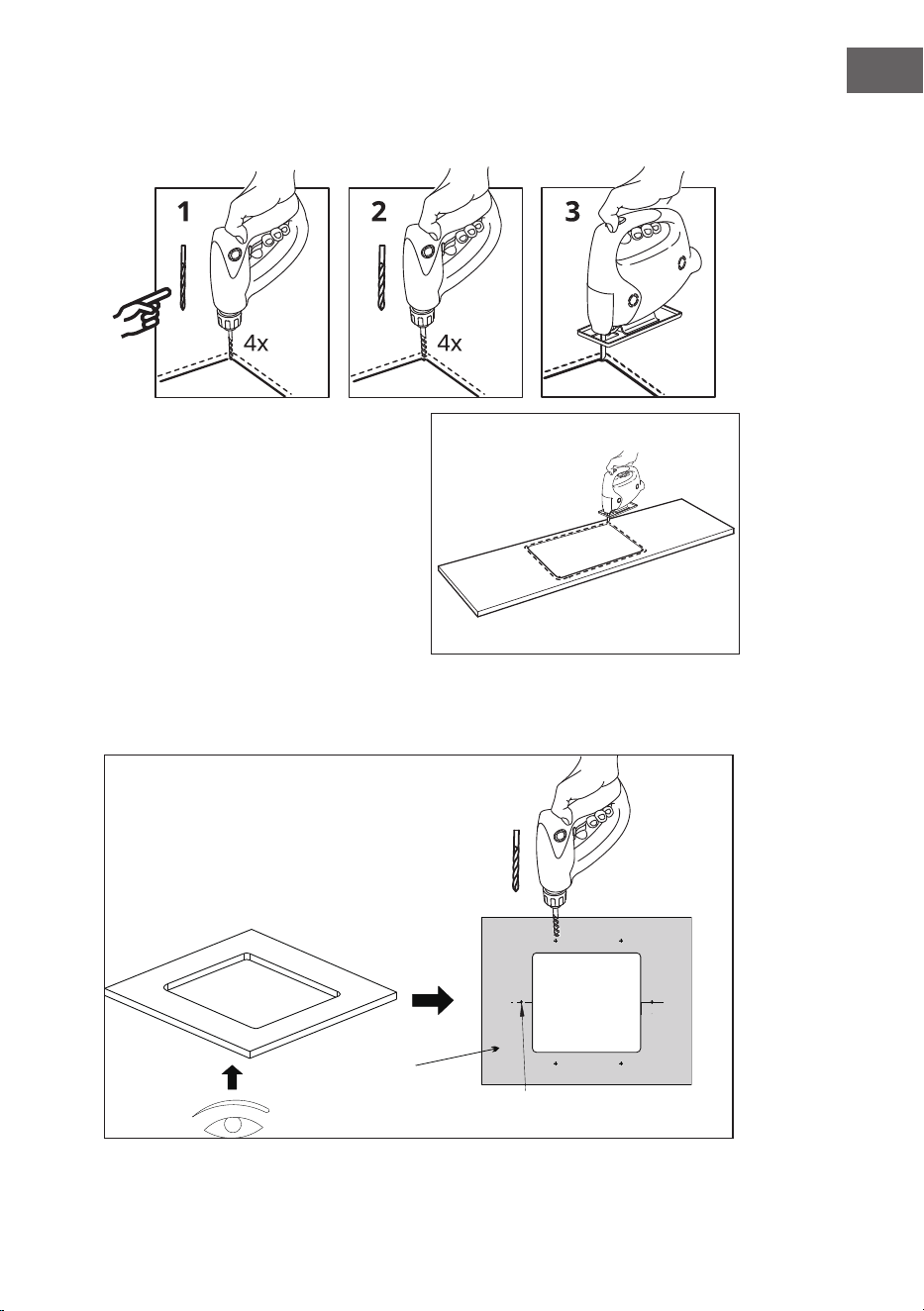
63
ES
3. Taladre 4 agujeros pequeños con un taladro eléctrico. Pretaladre primero los agujeros con un
accesorio con ⌀3 y después con un accesorio con ⌀20.
⌀3 mm ⌀20mm
4. Recorte la encimera a lo largo de la
marca utilizando una sierra eléctrica.
5. Taladre con un taladro eléctrico el
número de orificios adecuado a las dimensiones del fregadero en la parte posterior de la
encimera. Observe la distancia entre los orificios y las líneas.
⌀10 mm
Parte inferior
de la encimera
Tamaño del agujero: ⌀10 mm con 15 mm
de profundidad
64
ES
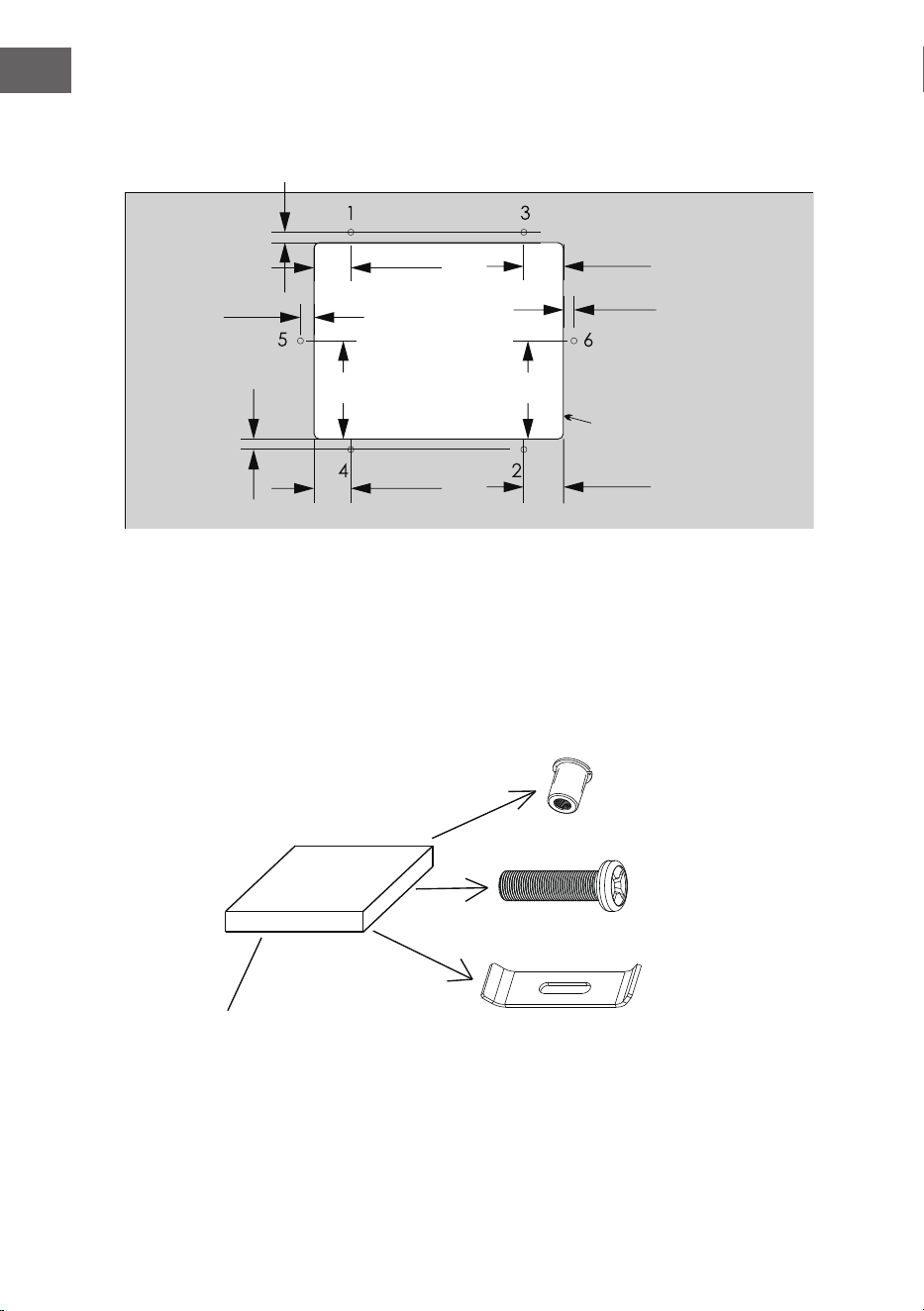
6. Taladre 6 agujeros de φ10 mm con una profundidad de 15 mm en la parte posterior de la
encimera alrededor de la abertura como se muestra en la siguiente ilustración.
160mm
215mm
45mm
45mm
160mm
215mm
45mm
45mm
160mm
160mm
Borde de la apertura
7. Abra las abrazaderas de la subestructura, extraiga los tacos e introdúzcalos en los orificios
situados debajo de la encimera.
⑲
Taco B1
Tornillo B2
Soporte B3
Abrazaderas de subestructura
65
ES
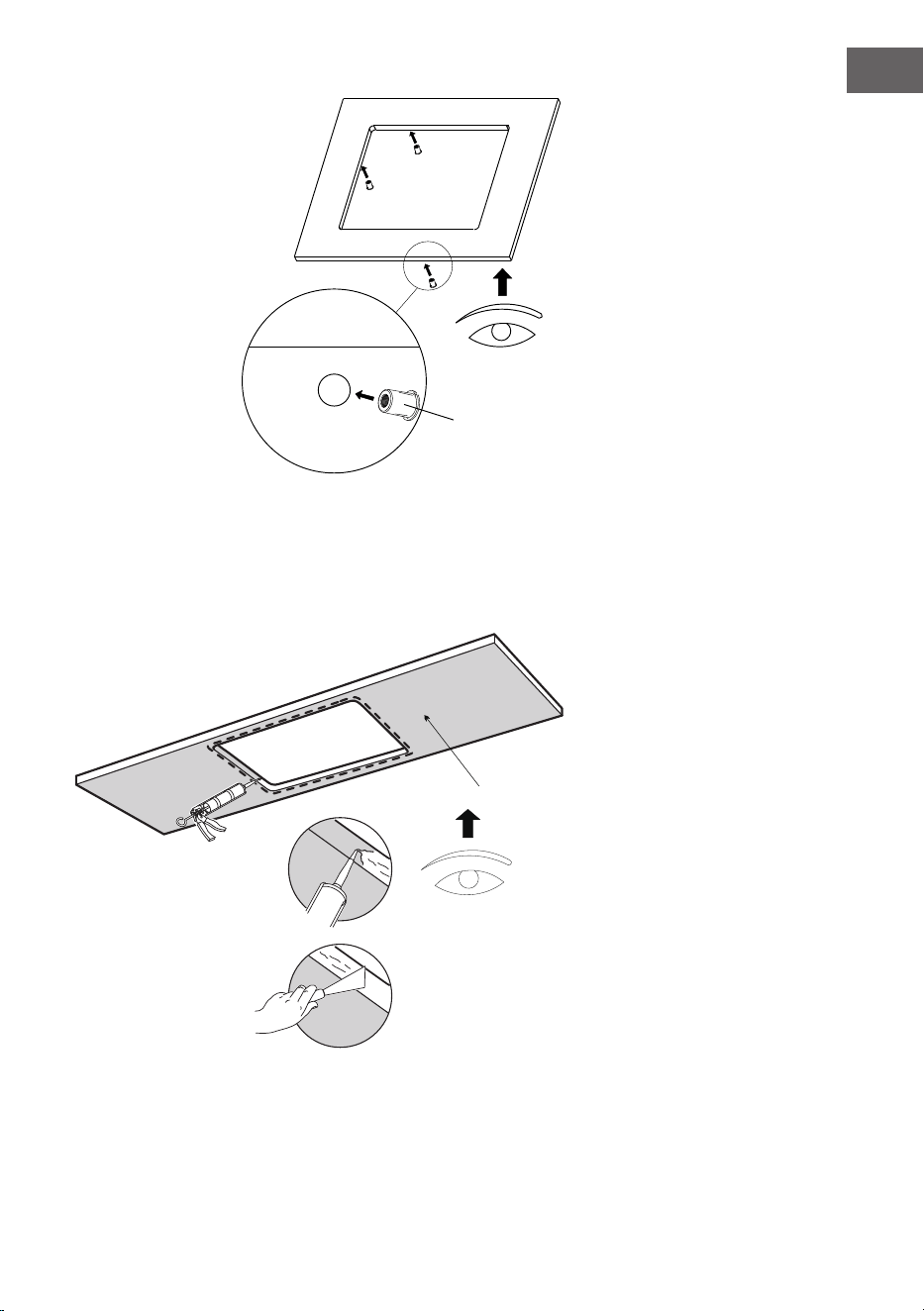
Parte inferior de la
encimera
B1
8. Coloque una capa de silicona a lo largo de las líneas de corte en la parte posterior de la
encimera y extienda la silicona de forma que quede uniforme y lisa.
66
ES
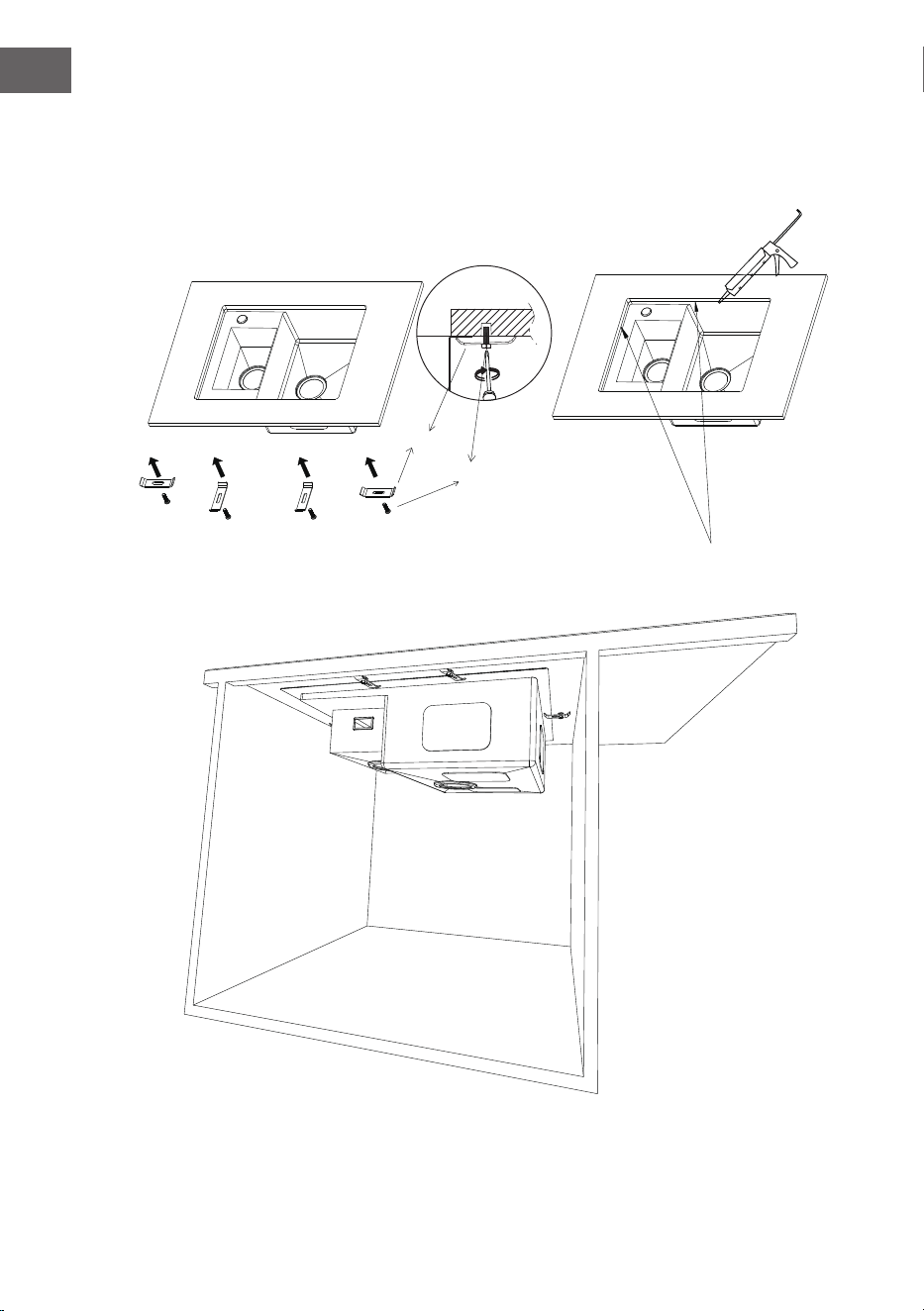
9. Instalación con abrazadera del fregadero de cocina con montaje bajo encimera.
10. Fijar el fregadero en el recorte de la parte posterior de la encimera, insertar los tornillos y los
soportes en la espiga y apretarlos, después aplicar la silicona entre la encimera y el fregadero
en la parte frontal.
B3
B2
Aplicar silicona
67
ES
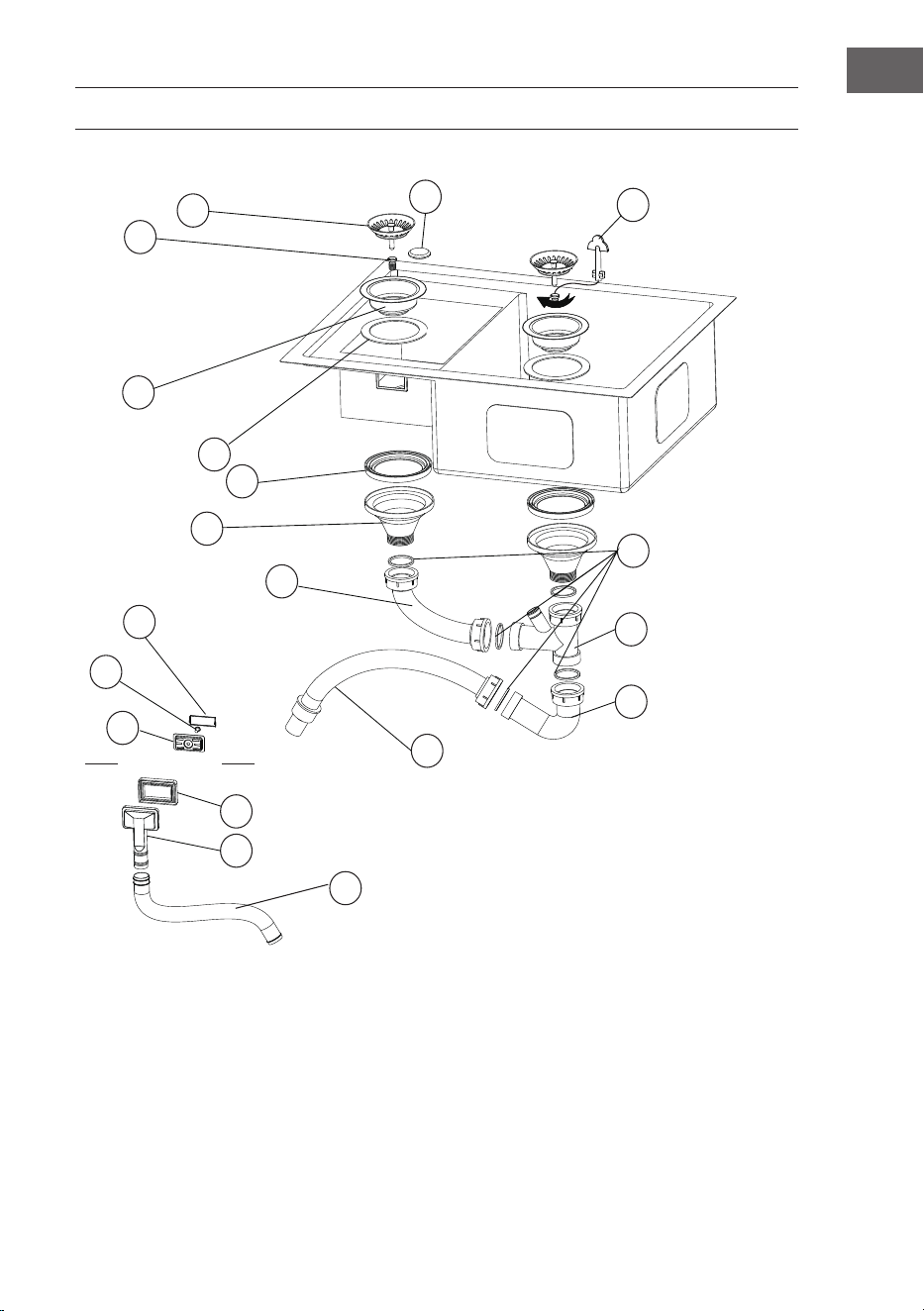
INSTALACIÓN DEL DESAGÜE
Overflow
1
2
3
4
5
6
7
8
9
13
10
11
15
14
16
18
12
17
21
1 Tapa del rebosadero
2 Tornillo A
3 Soporte del rebosadero
4 Junta de estanqueidad
5 Desbordamiento
6 Cubierta de malla
7 Tornillo B
8 Fondo del filtro de acero inoxidable
9 Anillo de estanqueidad del filtro A
10 Anillo de estanqueidad del filtro B
11 Fondo de filtro de plástico
12 Herramienta de apriete de tornillos
13 Junta de paso
14 Conectores triples
15 Tubo doblado
16 Tubo de alambre de acero PVC
17 Tubo doblado
18 Tubo de rebasamiento
68
ES
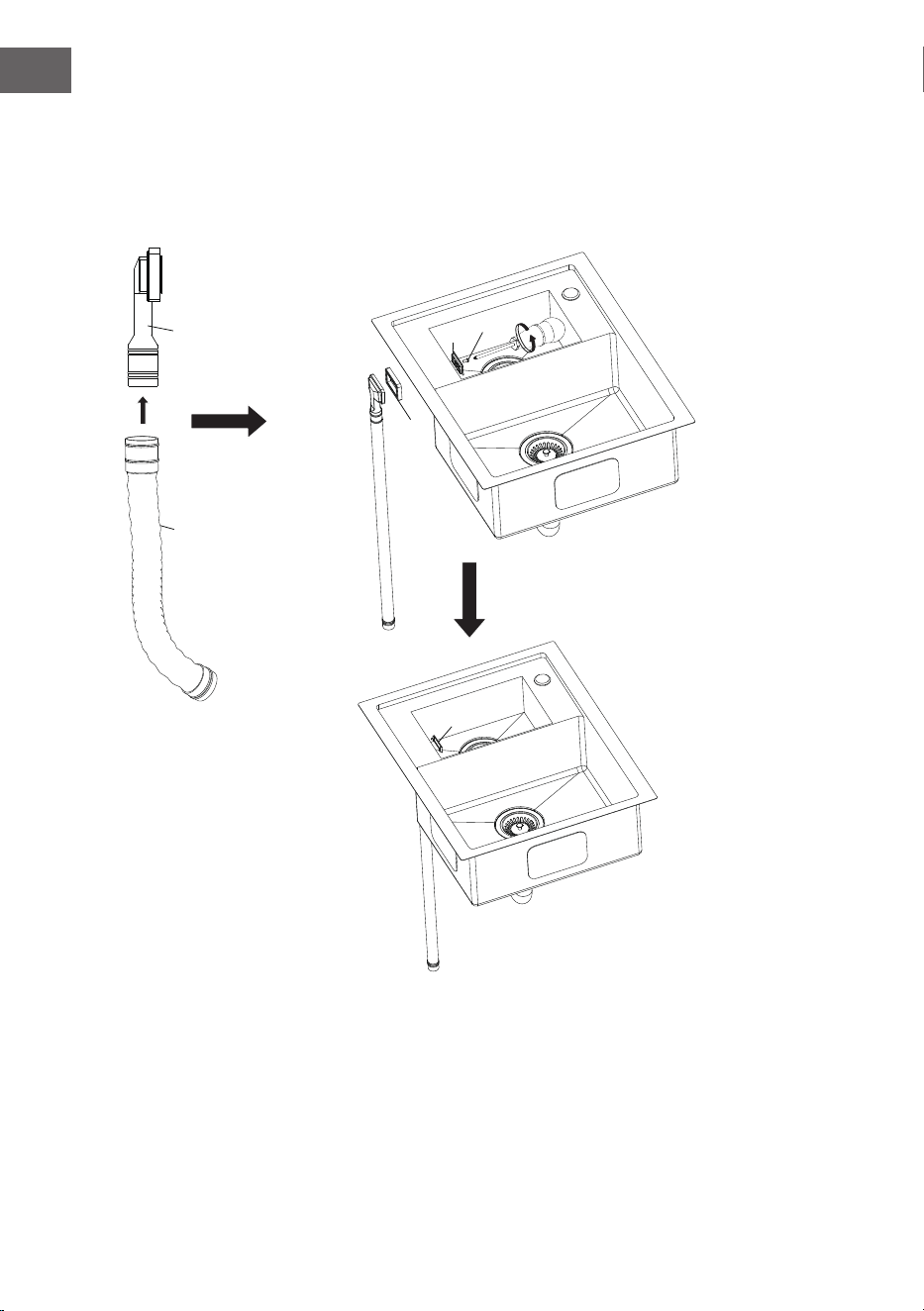
Instalación del kit de desagüe
Enchufe④ en ⑤ y ② en ③ y, a continuación, conéctelos a través de la abertura de rebose.
Asegúrese de que ② y ⑤ están conectados correctamente y luego apriete ②.
⑤
⑱
④
③
②
①
Conecte ⑤ y ⑱.
Inserte ① en ③, presione hasta que quede
firmemente asentado
69
ES
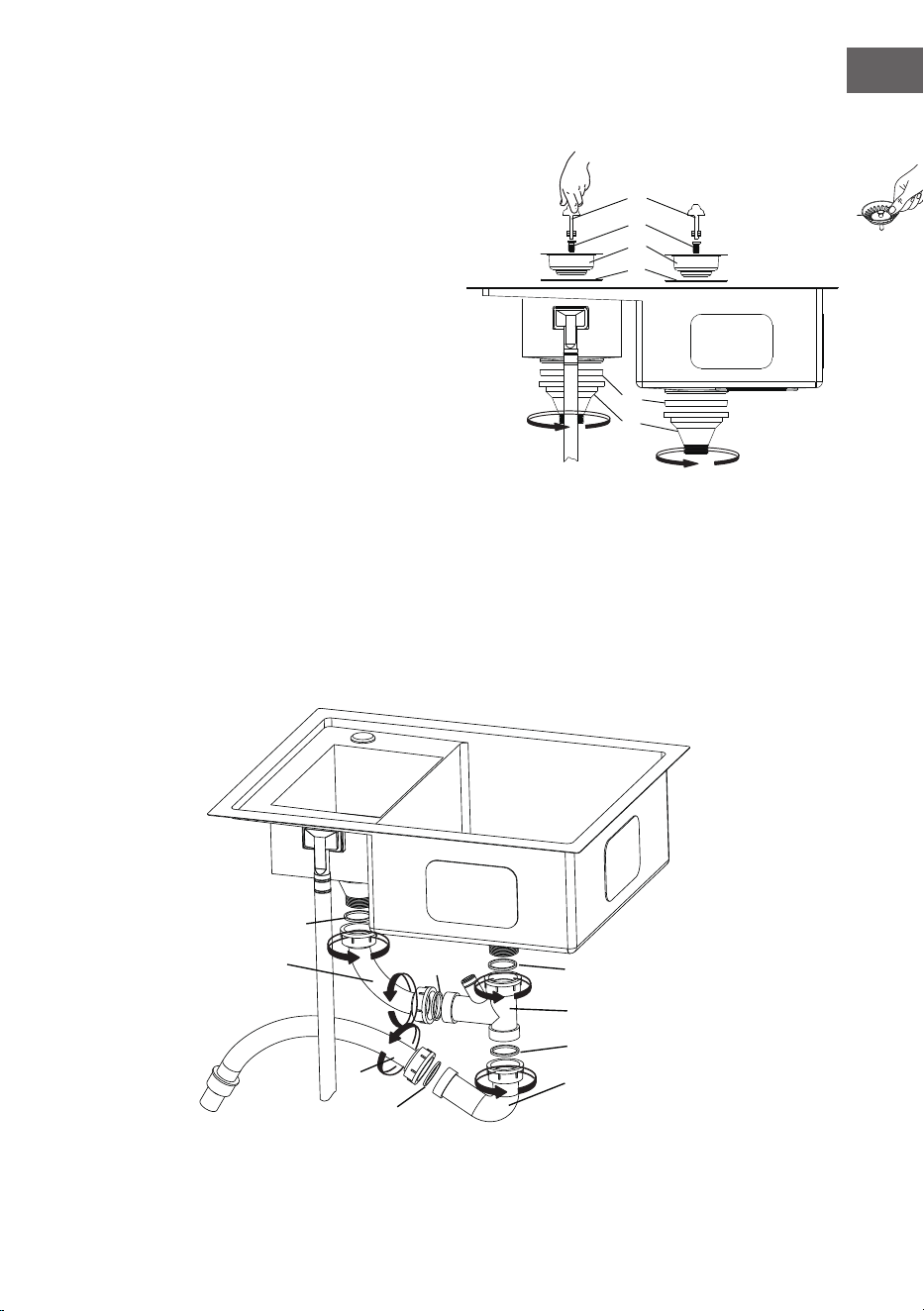
1. Retire ⑥ y conecte los componentes
individuales del conjunto de desagüe
como se indica a continuación:
Inserte ⑦ en ⑧ y apriete ⑦ con ⑫.
Inserte ⑨ debajo de ⑧ e introduzca el
conjunto en la abertura de desagüe del
fregadero.
Inserte ⑩ en ⑪, conecte ambos al
conjunto superior y apriete.
Instalación del kit de desagüe
⑬C
⑭
⑮
⑬A
⑬B
⑬D
⑬E
⑯
⑰
⑥
⑧
⑨
⑩
⑪
⑦
⑫
2. Extracción de la tubería
Inserte el anillo de sellado ⑬A en ⑰ y, a continuación, conecte ⑰ a ⑪ y apriételo. Inserte el anillo de
sellado ⑬B en ⑰ y luego conecte ⑰ a ⑭y apriételo. Inserte el anillo de sellado ⑬C en ⑭ y luego conecte
⑭ con ⑪ y apriételo. Inserte el anillo de sellado ⑬D en ⑮ y luego conecte ⑮ con ⑭ y apriételo.
Inserte el anillo de sellado ⑬C en ⑯ y, a continuación, conecte ⑯ a ⑮ y apriete.
70
ES
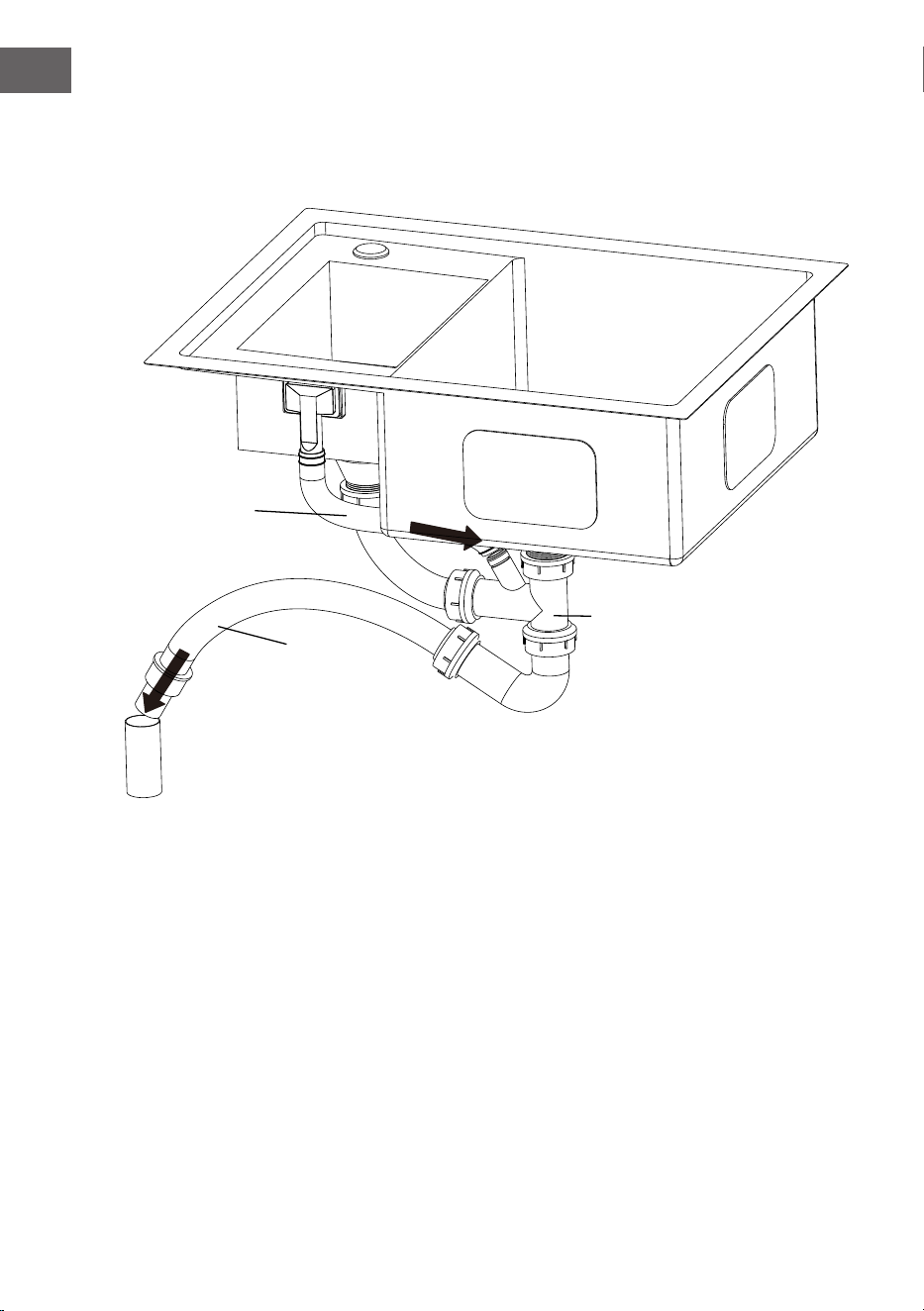
Instalación del kit de desagüe
⑱
⑭
⑯
Conectar ⑱ a ⑭ e insertar ⑯ en el tubo de desagüe.
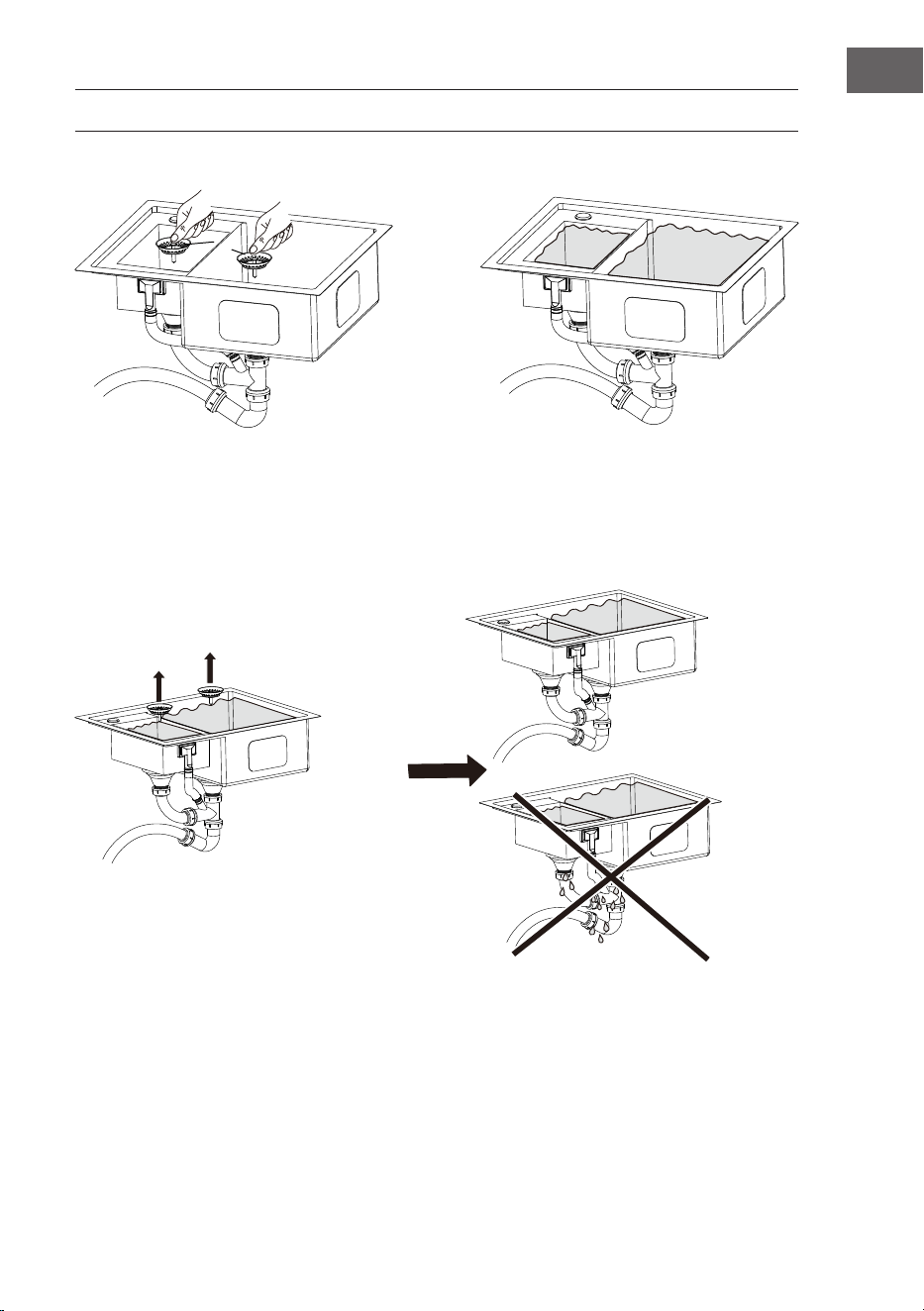
71
ES
COMPROBACIÓN DE LA ESTANQUEIDAD Y LIMPIEZA
⑥
Inserte ⑥ en ⑧.
Cuando se retira ⑥, el agua sale.
Llene el fregadero con agua hasta la
abertura de rebose para que el agua salga
por el tubo de rebose.
Si no gotea agua de las tuberías, la
instalación se ha realizado correctamente.
Si gotea agua de las tuberías, compruebe que las juntas están correctamente asentadas y ajústelas
si es necesario para eliminar la fuga.
72
ES
FABRICANTE
Chal-Tec GmbH, Wallstraße 16, 10179 Berlín, Alemania.
IMPORTADOR PARA EL REINO UNIDO
Berlin Brands Group UK Limited
PO Box 42
272 Kensington High Street
London, W8 6ND
Reino Unido