Questions, problems, missing parts? Before returning to your retailer, call our
customer service department at 877-447-4768 8:00 a.m. - 4:30 p.m. CST,
Monday - Friday or e-mail us at [email protected].
SAFETY NOTICE: IF THIS WOOD BURNING APPLIANCE IS NOT PROPERLY INSTALLED,
OPERATED, AND MAINTAINED, A HOUSE FIRE MAY RESULT.
TO REDUCE THE RISK OF FIRE, FOLLOW THE INSTALLATION INSTRUCTIONS. FAILURE
TO FOLLOW THE INSTALLATION INSTRUCTIONS MAY RESULT IN PROPERTY DAMAGE,
BODILY INJURY OR EVEN DEATH. CONTACT LOCAL BUILDING OFFICIALS ABOUT
RESTRICTIONS AND INSTALLATION INSPECTION REQUIREMENTS IN YOUR AREA.
US Environmental Protection agency certified to comply with 2020 particulate emissions standards using
cordwood. Please read this entire manual before you install and use your new room heater. This wood
heater needs periodic inspection and repair for proper operation. It is against federal regulations to oper-
ate this wood heater in a manner inconsistent with operating instructions in this manual. Please read this
entire manual before you install and use your new room heater. Failure to follow instructions may result in
property damage, bodily injury, or even death.
This stove is listed by OMNI-Test Laboratories of Portland,
Oregon using Test Method ASTM 3053 and Tested to
UL-1482-11 (R2015)/ULC-S627-00
(UM) 84 HUD, mobile home approved.
6” Flue
required
Do Not Discard This Manual: Retain for Future Use
Save These Instructions
W arming Y our Home. Warming Your Heart.
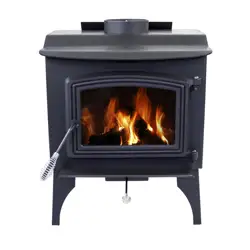
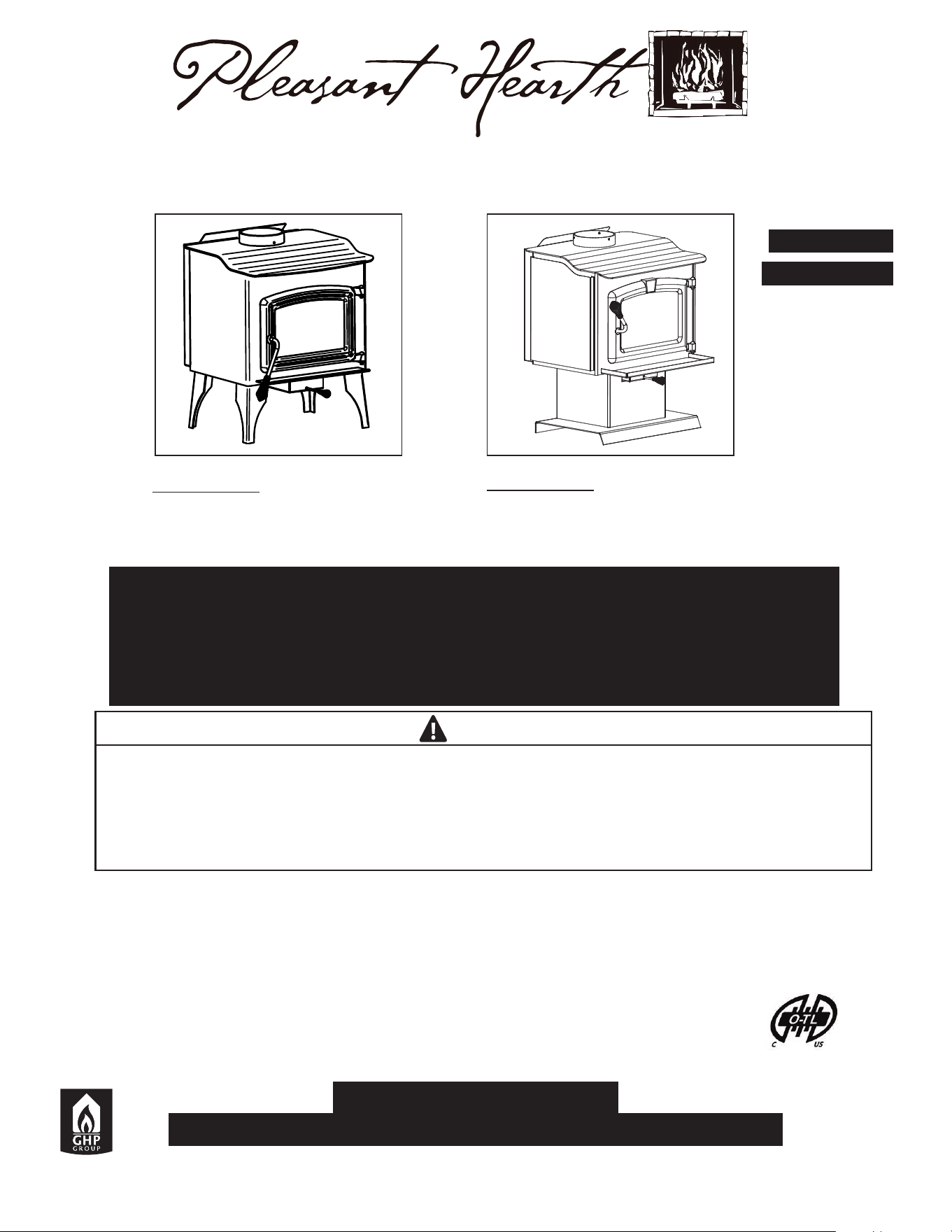
Model Series:
SWS-1200, HWS-1200, HWS-1200-B
Mobile Home Approved in USA Only
Not for use in Mobile Homes in Canada
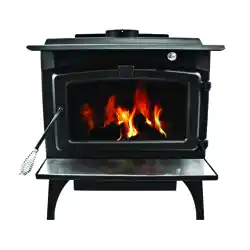
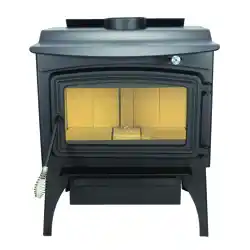
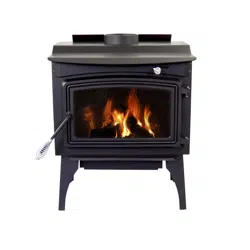
Model Series:
PH1200WS, PH1200WS-B, GWS-1200,
GWS-1200-B, WSL-1200, WSL-1200-B,
WS-1200, WS-1200-B
Non-Mobile Home rated with Legs
REPORT NO. 0418WS019E/0418WS019S
11/02/2022
80-10-635
6440 W. Howard St.
Niles, IL 60714-3302
877-447-4768
BEFORE LIGHTING YOUR FIRST FIRE, REMOVE PLASTIC FILM OFF TRIM AND CLEAN THE
PLATED SURFACES WITH DENATURED ALCOHOL OR A GOOD QUALITY, NON-ABRASIVE LIQUID
GLASS CLEANER. APPLY WITH A VERY SOFT, CLEAN CLOTH. DO NOT USE PAPER TOWELS
TO CLEAN THE PLATED PARTS. FAILURE TO CLEAN ALL MARKS AND FINGERPRINTS FROM
THE PLATED SURFACES WILL CAUSE PERMANENT DAMAGE.
NOTE: Some states and provinces do not allow the exclusion or limitation of incidental or consequen-
tial damages. The above limitations may not apply to you.
WARNING
Español p. 21
Français p. 43
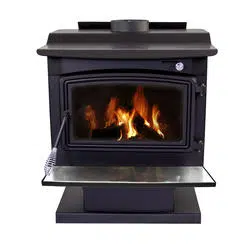
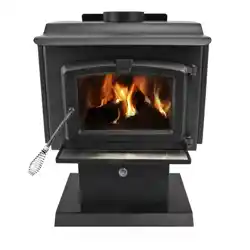
High Efficiency Wood Stove - Small
OMNI-Test Laboratories, Inc.
Tested &
Listed By
EM
Portland
Oregon USA
2
CAUTION
After reading these instructions, if you have any doubt about
your ability to complete your installation in a professional like
manner you should obtain the services of an installer versed in
all aspects as to the correct and safe installation. Do not use
temporary makeshift compromises during installation.
BEFORE INSTALLATION OF YOUR APPLIANCE
1. Check with the building inspector’s office for compliance
with local codes; a permit may be required.
2. The room heater must be connected to 1) a chimney
complying with the requirements for Type HT chimneys in
the standard for Chimneys, Factory-Built, Residential Type
and Building Heating Appliance, UL 103, or in Canada CAN/
ULC-S629 Standard for 650 degree C Factory Built Chimneys
and applicable building codes or 2) a code-approved masonry
chimney with a flue liner.
3. A 6” (152mm) diameter, 24 gauge Black Steel flue is
required for proper performance.
4. Always connect this unit to a chimney and NEVER vent to
another room or inside a building.
5. DO NOT connect this unit to any duct work to which
another appliance is connected such as a furnace.
6. DO NOT CONNECT THIS UNIT TO A CHIMNEY FLUE
SERVING ANOTHER APPLIANCE.
7. The connector pipe and chimney should be inspected
periodically and cleaned if necessary.
8. Remember the clearance distances when you place
furniture or other objects within the area. DO NOT store wood,
flammable liquids or other combustible materials too close to
the unit.
Refer to certification label on back of your unit for required
clearances.
9. Contact your local municipal or provincial fire authority for
information on how to handle a chimney fire. Have a clearly
understood plan to handle a chimney fire. In the event of a
Chimney fire, turn air control to closed position and CALL THE
FIRE DEPARTMENT.
10. DO NOT tamper with combustion air control beyond
normal adjustment.
11. DO NOT CONNECT TO ANY AIR DISTRIBUTION DUCT
OR SYSTEM.
12. When installing a solid fuel appliance, it is also
recommended to install Smoke and Carbon Monoxide
Detectors on every level of the house. During the initial firing
of the appliance, some smoke or odor may occur due to
paint curing. You may want to keep some windows open for
ventilation during the first few hours of burning to prevent
smoke detector activation. Test your smoke and carbon
monoxide detectors regularly.
CAUTION
DO NOT operate heater if glass window is broken.
OPERATION
WHY THE CORRECT FLUE SIZE IS IMPORTANT - 6”
Draft is the force which moves air from the appliance up
through the chimney. The amount of draft in your chimney
depends on the length of the chimney, local geography,
nearby obstructions, and other factors. Too much draft
may cause excessive temperatures in the appliance. An
uncontrolled burn or a glowing red part or chimney connector
indicates excessive draft. Inadequate draft may cause back
puffing into the room and “plugging” of the chimney and/
or cause the appliance to leak smoke into the room through
appliance and chimney connector joints.
Today’s solid fuel appliances are more efficient than in
the past. The units are designed to give you controlled
combustion, and maximum heat transfer, using less fuel to do
so.
The design of your new appliance is such that the exhaust
smoke is now at lower temperatures than in the past,
therefore requiring proper chimney size to give adequate
draft. If your chimney is too large, the heating appliance
will have a difficult time to raise the chimney flue
temperature to give adequate draft, therefore causing a
smoke back up, poor burn, or both.
Should you experience such a problem call in a local
chimney expert.
With the door closed, the rate of burning is regulated by
the amount of air allowed to enter the unit through the air
control. With experience you will be able to set the control
for heat and burning time desired.
Once the required chimney draft is obtained, operate only with
doors closed and open doors slowly when re-fueling. (This
will reduce or eliminate smoke from entering the room).
Attempts to achieve higher output rates that exceed heater
design specifications can result in permanent damage to
the heater. The recommended wood load is level with the
top of the firebricks.
Overloading may prevent sufficient air entering the heater to
properly fuel the fire.
Operate this heater only with the door closed.
DO NOT BURN GARBAGE OR FLAMMABLE FLUIDS,
SUCH AS GASOLINE, NAPHTHA, OR ENGINE OIL
DO NOT USE CHEMICALS OR FLUIDS TO START
THE FIRE.
IMPORTANT: It is highly recommended that the wood
stove and chimney be installed by a qualified installer. (A
qualified installer is a person or entity who regularly installs
wood heating products and chimneys, in the ordinary
course of their regular business.)
This wood heater has a manufacturer-set minimum low burn
rate that must not be altered. It is against federal regulations
to alter this setting or otherwise operate this wood heater in a
manner inconsistent with operating instructions in this manual.
HOT WHILE IN OPERATION. KEEP CHILDREN,
CLOTHING AND FURNITURE AWAY. CONTACT MAY
CAUSE SKIN BURNS.
ALWAYS PROVIDE A SOURCE OF FRESH AIR INTO THE
ROOM WHERE THE UNIT IS INSTALLED. FAILURE TO
DO SO MAY RESULT IN AIR STARVATION OF OTHER
FUEL BURNING APPLIANCES AND THE POSSIBLE
DEVELOPMENT OF HAZARDOUS CONDITIONS.
Note: The BTU ratings mentioned above are based on the EPA
test protocol under specific test conditions. Our advertised
BTU’s are based on the first hour of operation at high burn rate
burning dry cordwood.
3
MOBILE HOME APPROVED
This appliance, excluding Model # WS-2417 is approved
for mobile home installations when not installed in a sleep-
ing room and when an outside combustion air inlet is pro-
vided. The structural integrity of the mobile home floor,
ceiling, and walls must be maintained. The appliance must
be properly grounded to the frame of the mobile home and
use only listed double-wall connector pipe. An Outside Air
Kit must be installed in a mobile home installation.
NOTE: This installation must conform with local
codes. In the absence of local codes you must comply
with the UL1482, (UM) 84-HUD and NPFA211 in the
U.S.A. and the CAN/ULC-S629 and CAN/CSA-B365
Installation Codes in Canada.
OUTSIDE AIR KIT INSTALLATION
A source of air (oxygen) is necessary in order for com-
bustion to take place. Whatever combustion air is con-
sumed by the fire must be replaced. Air is replaced via
air leakage around windows and under doors. In homes
that have tightly sealed doors and windows, an outside
air source is needed.
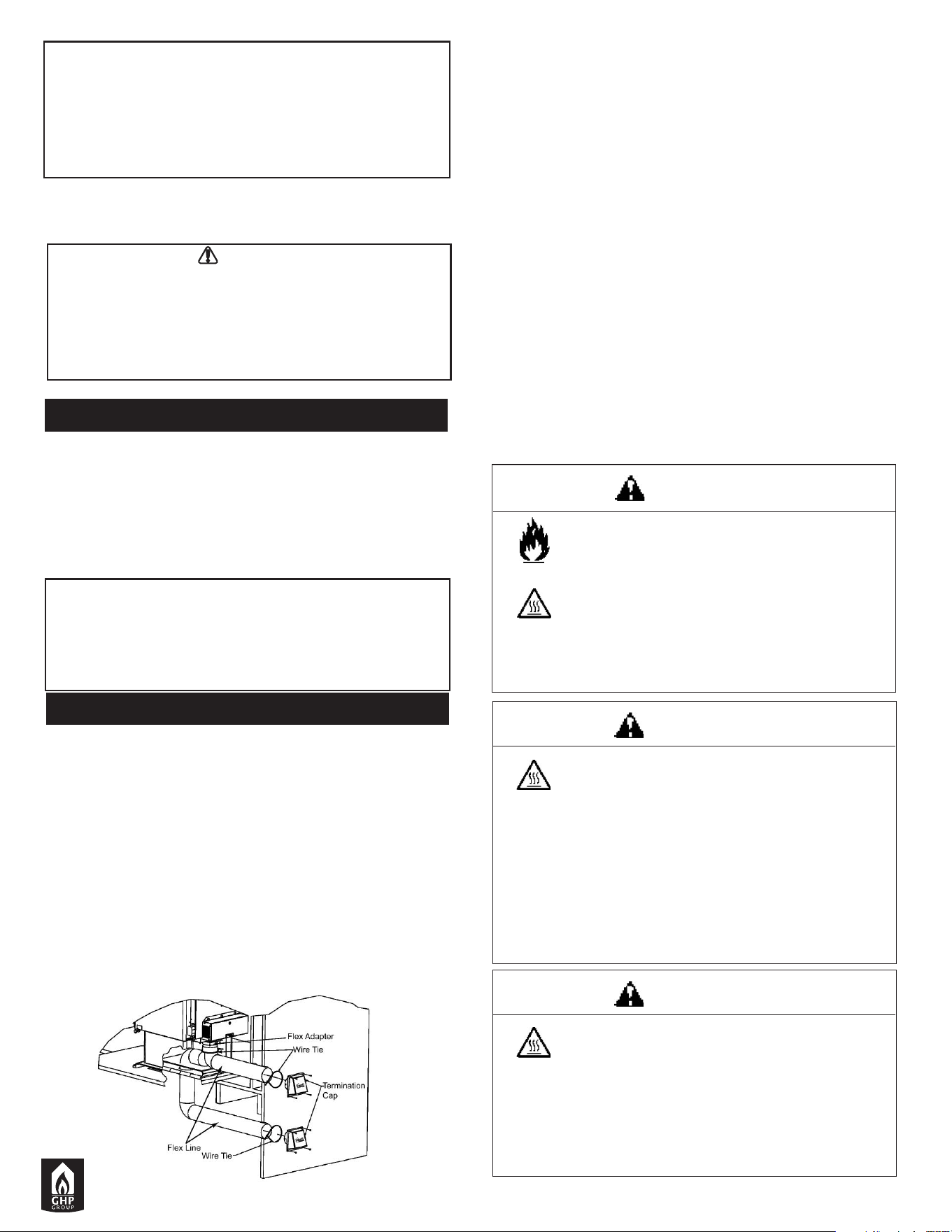
Items Needed for Installation
• Pipe clamp, termination cap, (2) wire ties, and fasteners
• 4 inch flex aluminum pipe, or if using alternate mate-
rial, then it shall be made from durable, non-combustible,
heat resistant material up to 350°F. Cut the pipe to the
required length for your installation.
Figure 00
WARNING
Asphyxiation Risk.
Outside air inlet must be located to prevent
blockage from:
• Leaves
• Snow or ice
• Other debris
Block may cause combustion air starvation.
Smoke spillage may set off alarms or irritate
sensitive individuals.
WARNING
Asphyxiation Risk.
Length of outside air supply duct shall NOT
exceed the length of the vertical height of the
exhaust flue.
• Fire will not burn properly.
• Smoke spillage occurs when door is open due
to air starvation.
WARNING
Fire Risk.
Asphyxiation Risk.
Do not draw outside combustion air from:
• Wall, floor, or ceiling cavity
• Enclosed space such as an attic or garage
• Close proximity to exhaust vents or chimneys
Fumes or odors may result
• Electric screw driver with bits
• Silicone sealant
• Drills and saws necessary for cutting holes through
the wall or flooring in your home
AN OUTSIDE AIR KIT (ITEM NO: OAK-MH) IS
AVAILABLE FOR PURCHASE BY CALLING GHP
GROUP CUSTOMER SERVICE AT 1-877-447-4768.
1. Remove all materials from packing boxes.
2. Floor & Rear Installation: Cut a 4 inch (102mm) hole
in outside wall or floor to accommodate outside air pip-
ing. Use 4 inch (102mm) aluminum metal flex or rigid
piping to directly connect outside air to appliance intake.
Use a termination cap with a rodent screen. Seal
between the wall (or floor) and the pipe with silicone to
prevent moisture penetration.
3. Using a #2 Phillips screw driver attach the flex pipe to
the flex adaptor on the stove using a pipe clamp.
Figure 00.
OPTIONAL BLOWER: MODEL PBAR-2427,
120 VOLTS, 60Hz, 1.0 AMPS, 2900 RPM
DANGER: RISK OF ELECTRIC SHOCK.
DISCONNECT POWER BEFORE SERVICING UNIT.
IMPORTANT: FOR OPTIMUM HEATER
PERFORMANCE AT LOW BURN RATE, OPERATE
THE FAN AT LOW SPEED.
For installation information on optional blower PBAR-2427,
please refer to the Wood Stove Blower Installation and
Operating Instructions supplied with the blower.
WARNING
This product and the fuels used to operate this product (charcoal
or wood), and the products of combustion of such fuels, can
expose you to chemicals including carbon black, which is known
to the State of California to cause cancer, and carbon monoxide,
which is known to the State of California to cause birth defects or
other reproductive harm.
For more information go to www.p65Warnings.ca.gov
4
INSTALLATION
1. Remove all parts from inside the stove body.
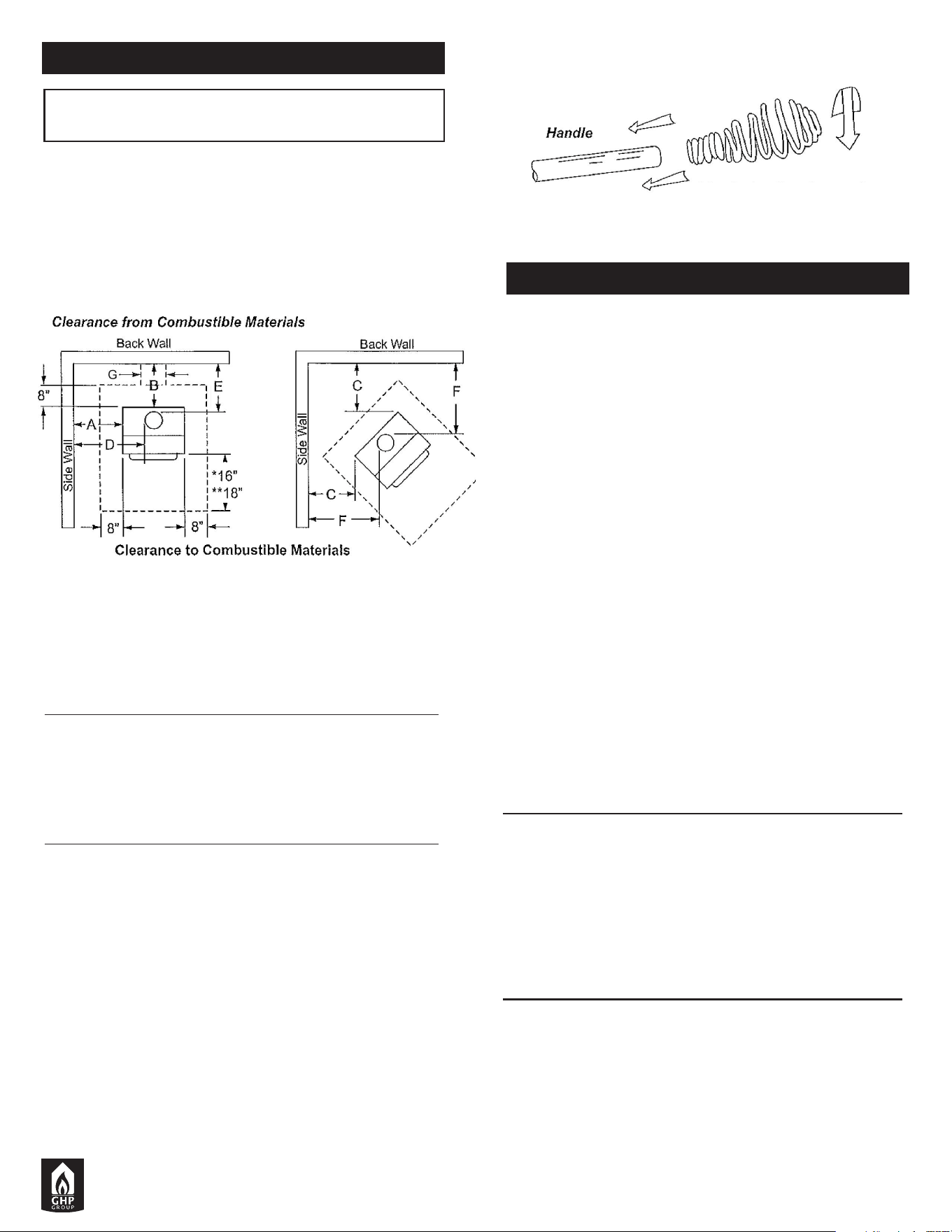
2. Select the proper location for the stove. These
appliances must not be installed any closer than the
minimum clearance to combustible materials shown
in Brick pattern (Figure 1). The stove must be installed
on a non combustible surface as shown in Figure 1.
3. If noncombustible materials have been installed on
the walls, obtain the minimum clearances from either
the manufacturer of these materials or the local
building inspectors office.
4. Install the stovepipe INSIDE the flue collar on the top
of the stove between the stove and chimney.
5. DO NOT use a grate to elevate the fire.
STOVE PIPE
1. A clearance of 18 inches (457mm) between the
stovepipe and combustible materials may be required.
Check with authorities having jurisdiction in your area.
2. All pipe sections must be connected with the male end
(crimped end) toward the stove.
3. Fasten the stove pipe to the flue collar by the use of
three sheet metal screws. Do the same at each
additional joint to make the entire installation rigid.
4. Maintain the required diameter flue for the entire
installation.
5. If you are connecting the stove to an old masonry flue,
be sure to have it inspected for cracks and general
condition. Resizing with a stainless steel liner may be
required.
6. It is recommended that no more than two (2) 90°
bends be used in the stove pipe installation. More
than two (2) 90° bends may decrease the amount
of draw and possibly cause smoke spillage.
7. A damper is not required in this installation. Remove
damper plate in the chimney or secure in OPEN position.
8. Single wall flue pipe assemblies must not exceed
10 feet (3 m) in overall length.
CAUTION: DO NOT open fire-door to a point where it
would be in contact with the combustible sidewall.
Optional Fan - An optional heat exchange blower is
available for this wood burning appliance. To order
please see the local dealer where you purchased the
appliance.
IMPORTANT: It is highly recommended that the wood
stove and chimney be installed by a qualified installer.
(A qualified installer is a person or entity who regularly
installs wood heating products and chimneys, in the
ordinary course of their regular business.)
Contact your local building inspector prior to installation.
A permit may be required in your area.
Note: Clearances may only be reduced by means
approved by the regulatory authority.
A minimum clearance of 18” (457 mm) to the chimney connector
may be required by the authority having jurisdiction.
SINGLE WALL PIPE
From Heater From Chimney Connector
A. Sidewall 18” (457mm) D. Sidewall 26” (660mm)
B. Back Wall 9” (229mm) E. Back Wall 12” (305mm)
C. Corner 10” (254mm) F. Corner 18” (457mm)
Minimum height to ceiling 56.8” (1441mm)
*16” (406 mm) US **18” (457 mm) Canada
DOUBLE WALL PIPE (Mobile Home)
From Heater From Chimney Connector
A. Sidewall 9” (229mm) D. Sidewall 17” (432mm)
B. Back Wall 5” (127mm) E. Back Wall 8” (203mm)
C. Corner 4” (102mm) F. Corner 12” (305mm)
Minimum height to ceiling 53.3” (1353mm)
*16” (406 mm) US **18” (457 mm) Canada
G. 2” beyond pipe when pipe exits horizontally through a wall (4”
greater than pipe diameter).
Figure 1
Floor
Protection
(Dotted line)
Floor
Protection
(Dotted line)
Twist spring handle on in a clockwise
motion. Spring handle will “thread”
down to desired location.
5
FLOOR PROTECTION
INSTALLATION ON A CONCRETE FLOOR
An appliance installed on a concrete floor does not
require floor protection. If carpeting or any other com-
bustible floor covering is installed, a clearance around
the stove must be maintained equivalent to the size of
the floor protector described in the following section.
INSTALLATION ON A COMBUSTIBLE FLOOR
If the appliance is to be installed on a combustible floor
or floor covering, a floor protector must be inserted
under the stove and project beyond the front of the stove
a minimum of 16” (406mm) in the US or 18” (457mm) in
Canada and 8”(203mm) on all other sides. In the US
the floor protector must also be positioned under any
horizontal chimney run and project beyond the pipe a
minimum of 2” (51mm) on both sides. The floor protector
must be a durable noncombustible material with an “R”
value of 0 (no thermal protection required).
CHIMNEY
Where passing through a wall or partition of
combustible construction is desired, the installation
shall conform to CAN/CSA-B365.
CONTACT YOUR LOCAL BUILDING AUTHORITY
FOR APPROVED METHODS OF INSTALLATION
1. This appliance requires a masonry or pre-manufactured
chimney listed to CAN/ULC-S629 (Canada) and
UL103HT (USA) sized correctly.
2. If a masonry chimney is used it is advisable to have
your chimney inspected for cracks and check the
general condition before you install your unit.
Relining may be required to reduce flue diameter to
the appropriate functional size.
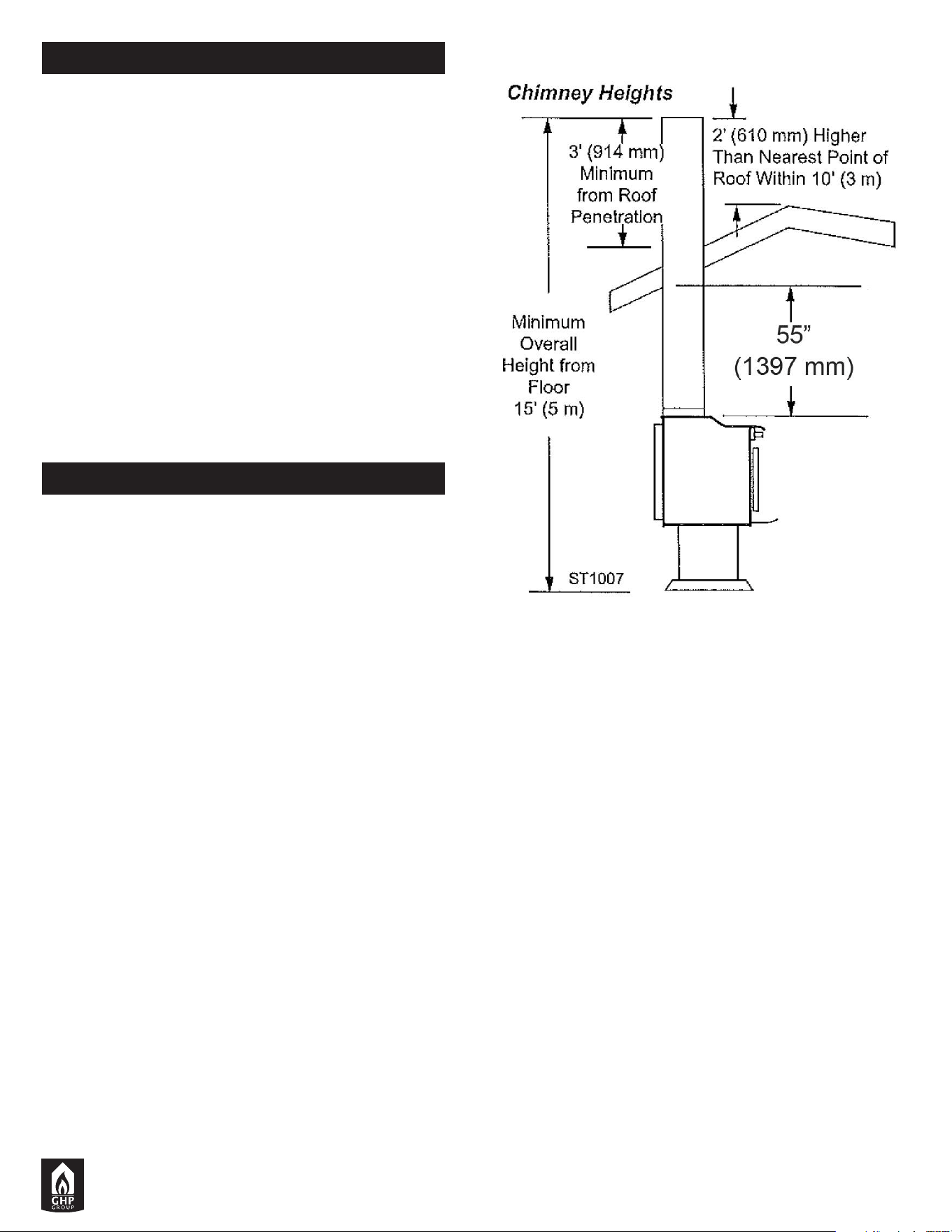
3. To help ensure a good draft, the top of the chimney
should be at least 3 feet (914mm) above the point of
penetration through the roof, and be at least 2
(610mm) feet higher than any point of the roof within
10 feet (3M).
4. The chimney connector shall not pass through an
attic, roof space, closet, concealed space, floor,
ceiling, wall, or any partition of combustible construction.
5. The minimum overall height of your chimney should be
15 feet (5 m) from the floor (Figure 3).
6. Do not use makeshift compromises during installation.
REFER TO CHIMNEY MANUFACTURER’S
INSTRUCTIONS
FLUE DRAFT CONSIDERATIONS
Location of the appliance and chimney will affect perfor-
mance. The chimney should:
• Penetrate the highest part of the roof. This minimizes
the affects of wind turbulence and down drafts.
• Consider the appliance location in order to avoid floor
and ceiling attic joists and rafters.
Exterior conditions such as roof line, surrounding trees,
prevailing winds and nearby hills can influence stove
performance. Your local dealer is the expert in your geo-
graphic area and can usually make suggestions or dis-
cover solutions that will easily correct your flue problem.
NOTE: These are guidelines only, and may vary some-
what for individual installations.
Figure 3
6
INSPECT APPLIANCE & COMPONENTS AND
PRE-USE CHECK LIST
1. Place the appliance in a location near the final
installation area and follow the procedures below:
2. Open the appliance and remove all the parts and
articles packed inside the Component Pack.
Inspect all the parts and glass for shipping damage.
Contact your dealer if any irregularities are noticed.
3. All safety warnings have been read and followed.
4. This Owner’s Manual has been read.
5. Floor protection requirements have been met.
6. Venting is properly installed.
7. The proper clearances from the appliance and
chimney to combustible materials have been met.
8. The masonry chimney is inspected by a professional
and is clean, or the factory built metal chimney is
installed according to manufacturer’s instructions
and clearances.
9. The chimney meets the required minimum height.
10. All labels have been removed from the glass door.
11. A power outlet is available nearby if installing
optional blower assembly.
VENTING SYSTEMS
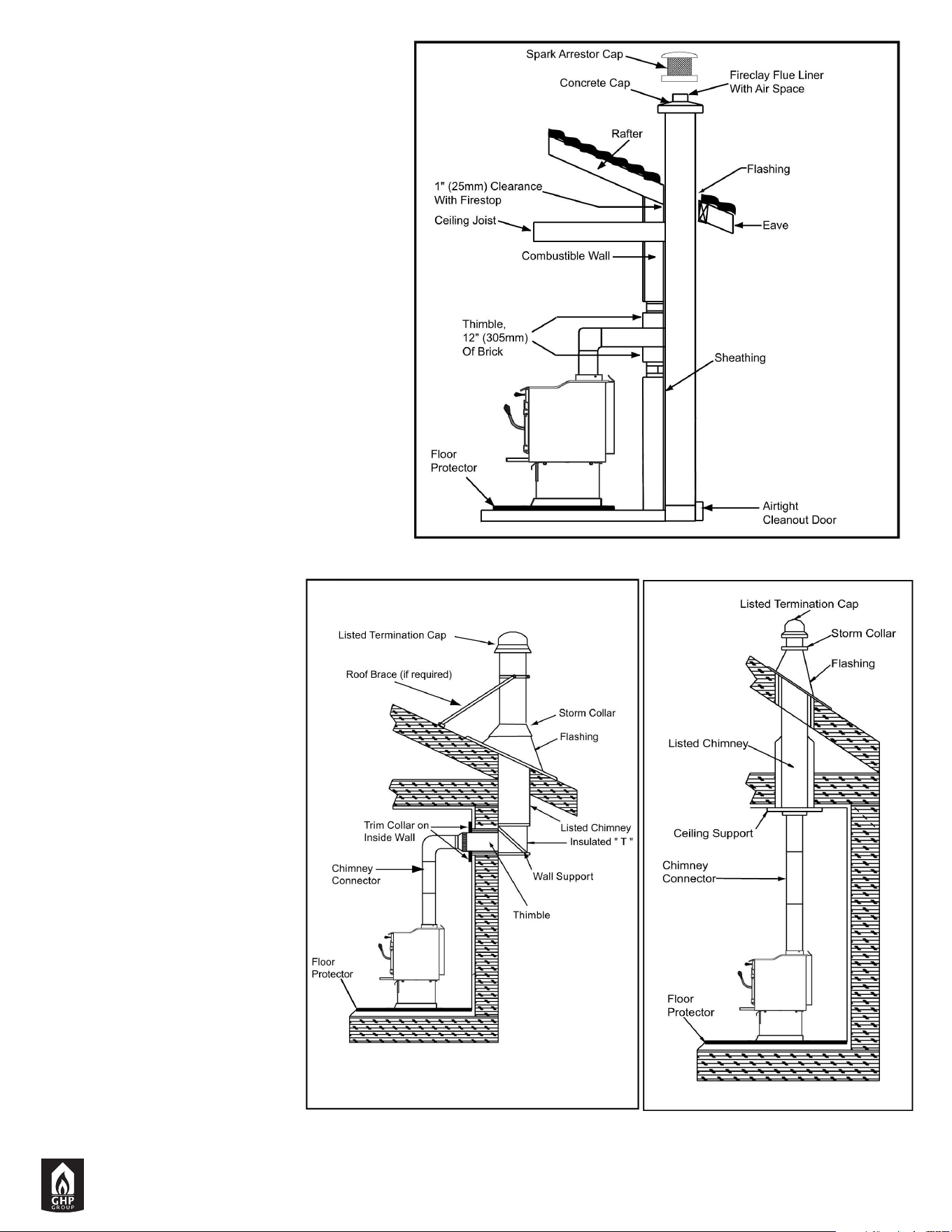
The venting system consists of a chimney connector
(also known as stove pipe) and a chimney. These get
extremely hot during use. Temperatures inside the
chimney may exceed 2000°F (1100°C) in the event of
a creosote fire. To protect against the possibility of a
house fire, the chimney connector and chimney must
be properly installed and maintained. An approved
thimble must be used when a connection is made
through a combustible wall to a chimney. A chimney
support package must be used when a connection is
made through the ceiling to a prefabricated chimney.
These accessories are absolutely necessary to provide
safe clearances to combustible wall and ceiling material.
Follow venting manufacturer’s clearances when installing
venting system.
TOOLS AND SUPPLIES NEEDED
Before beginning the installation be sure that the follow-
ing tools and building supplies are available.
Reciprocating saw Framing Material
Pliers Hi-Temp Caulking Material
Hammer Gloves
Phillips Head Screwdriver Framing Square
Flat Blade Screwdriver Electric Drill & Bits (1/4”)
Plumb Line Safety Glasses
Level 1/2 in. - /4 in. length, #6 or
Tape Measure #8 self drilling screws (need
per pipe section connection)
WARNING
Asphyxiation Risk.
• Do NOT connect this unit to a chimney flue servicing
another appliance.
• Do NOT connect to any air distributon duct or system.
May allow flue gases to enter the house.
WARNING
Fire Risk.
Inspect appliance and components for damage.
Damaged parts may impair safe operation.
• Do NOT install damaged components.
• Do NOT install incomplete components.
• Do NOT install substitute components.
Report damaged parts to dealer.
7
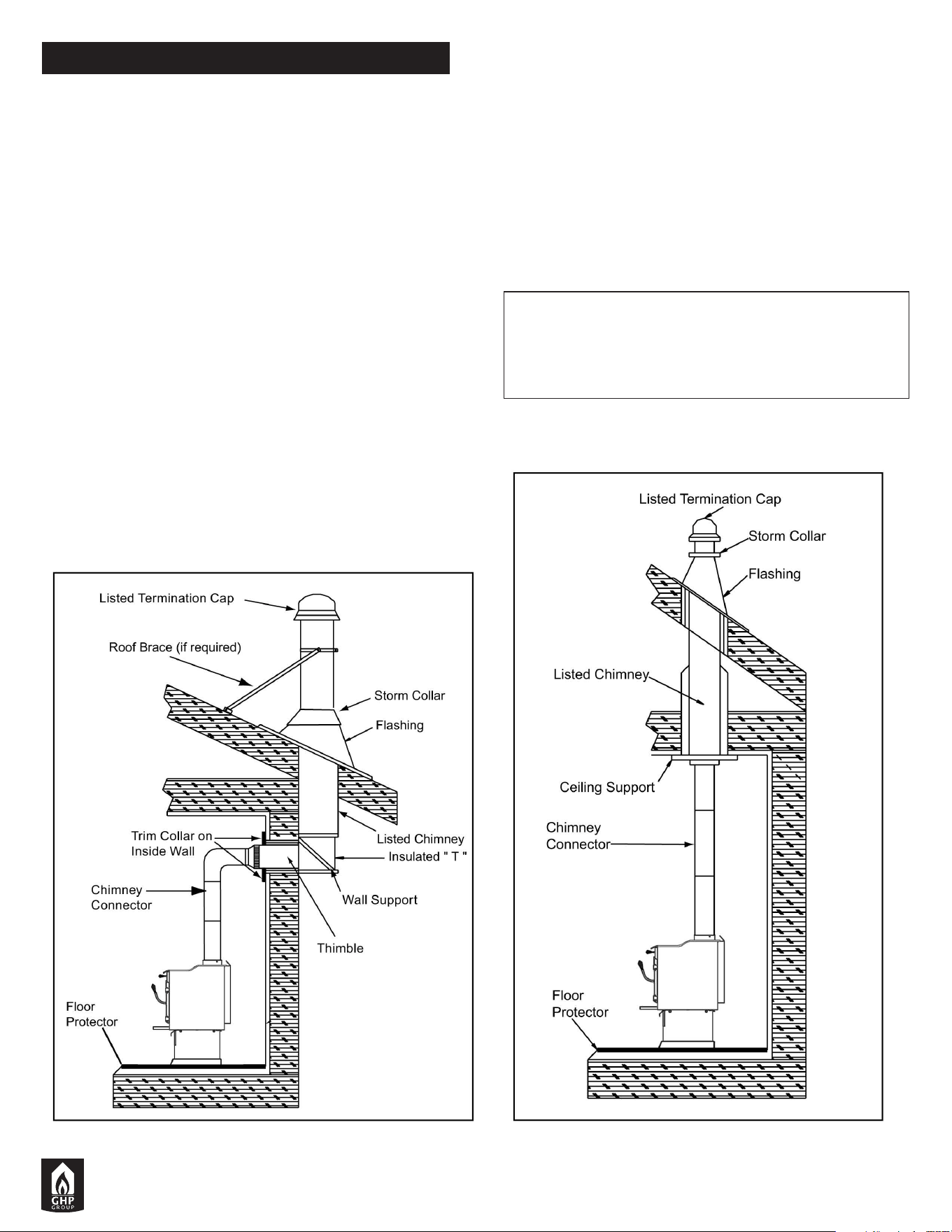
Typical Stove Systems
Stove system with masonry chimney
consists of:
• Stove
• Chimney Connector (stove pipe)
• Thimble
• Masonry Chimney
• Hearth Pad Floor Protection
Stove system with prefabricated
metal chimney consists of:
• Stove
• Chimney Connector (stove pipe)
• Thimble (for exterior chimney)
• Firestops
• Insulations Shields
• Storm Collar and Flashing
• Termination Cap
• Hearth Pad Floor Protection
Figure 4.1 Masonry Chimney
Figure 4.2 Exterior Prefabricated Chimney Figure 4.3 Interior Prefab. Chimney
8
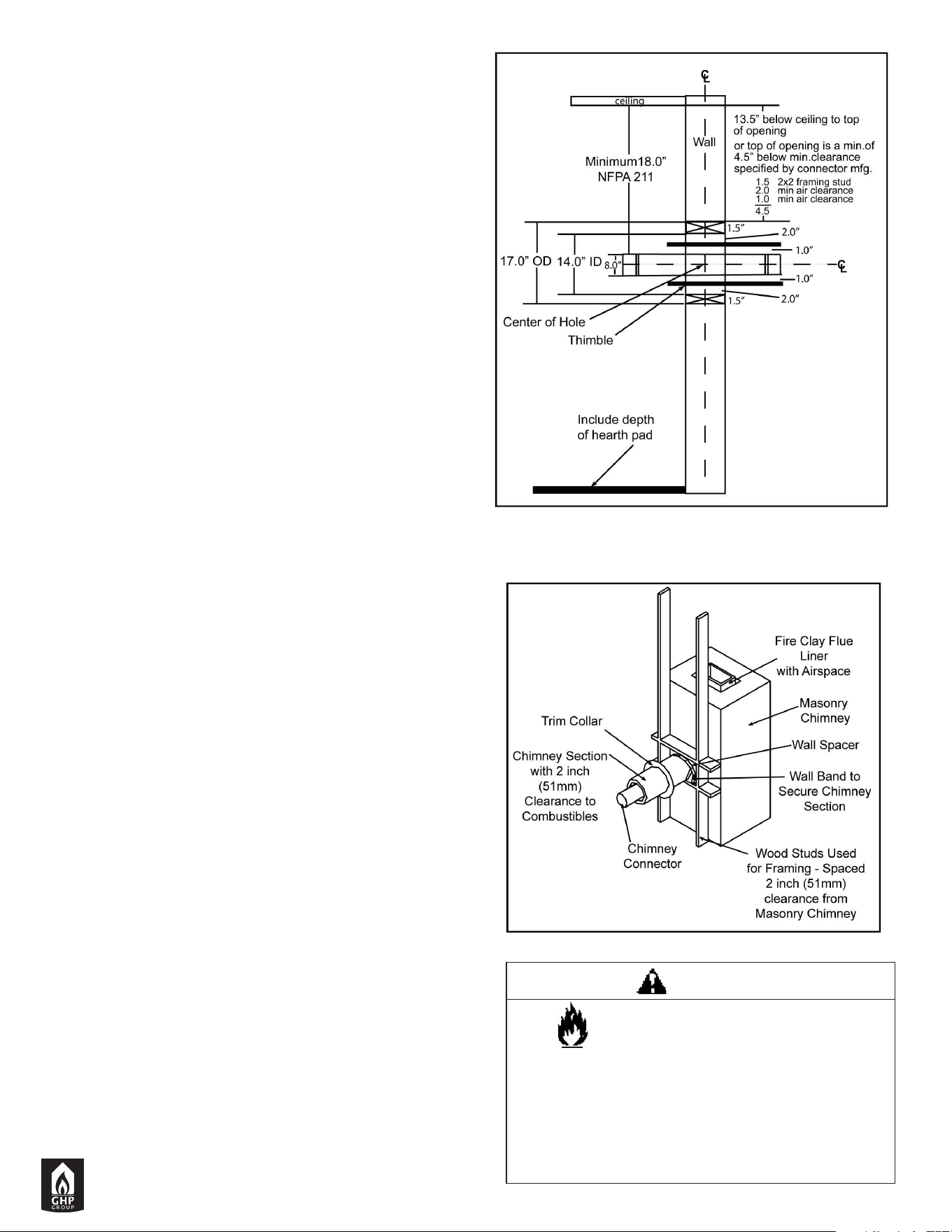
CHIMNEY SYSTEMS
Prefabricated Metal Chimney
• Must be a 6 inch (152mm) diameter (ID) high
temperature chimney listed to UL 103HT (2100°F) or
CAN/ULC-S629.
• Must use components required by the manufacturer for
installation.
• Must maintain clearances required by the manufacturer
for installation.
NOTE: In Canada when using a factory-built chimney
it must be safety listed, Type UL103 HT (2100°F)
CLASS “A” or conforming to CAN/ULC-S629,
STANDARD FOR 650°C FACTORY-BUILT CHIMNEYS.
VENTING COMPONENTS
Chimney Connector:
It is also known as flue pipe or stove pipe. The chimney
connector joins the stove to the chimney. It must be a
6 inch (152mm) minimum diameter 24 gauge mild steel
black steel, or an approved air-insulated double wall
venting pipe.
Thimble:
A manufactured or site-constructed device installed in
combustible walls through which the chimney connector
passes to the chimney. It is intended to keep the walls
from igniting. Site constructed thimbles must meet
NFPA 211 Standards. Prefabricated must be suitable
for use with selected chimney and meet UL103 Type
HT Standards. Follow instructions provided by the
manufacturer for manufactured thimbles for masonry
chimney and prefabricated chimneys.
Chimney:
The chimney can be new or existing, masonry or
prefabricated and must meet the following minimum
requirements specified in Section 5B.B.
Figure 5.1 Prefabricated Exterior Chimney Figure 5.2 Prefabricated Interior Chimney
CHIMNEY REQUIREMENTS
9
• Refer to manufacturers instructions for installation.
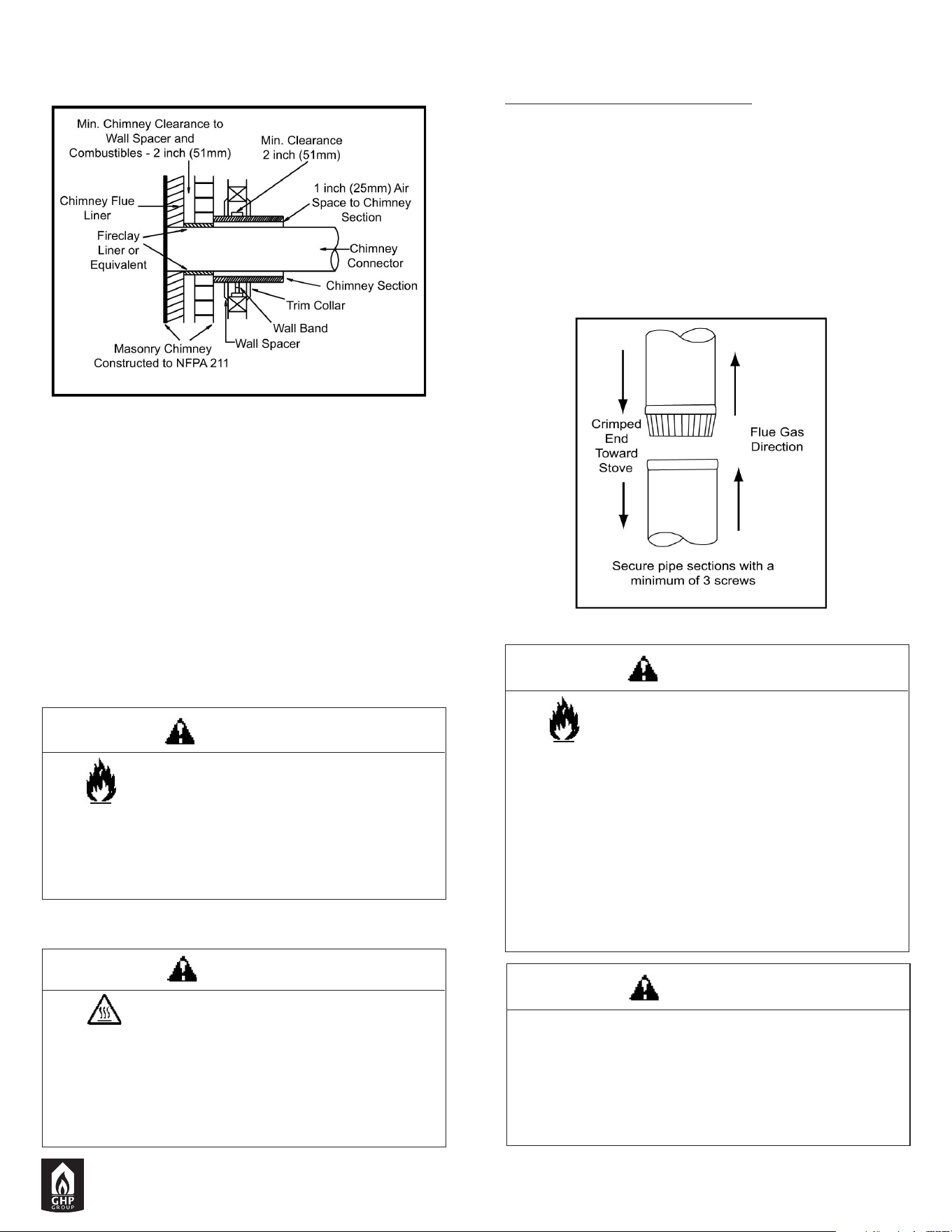
Thimble
Site constructed for masonry chimney installation:
Components
• A minimum length of 12 inches [05mm] (longer for
thicker walls) of solid insulated factory-built chimney
length constructed to UL 103 Type HT 6 inch (152mm)
inside diameter. Chimney needs to extend a minimum of
2 inches (51mm) from the interior wall and a minimum of
1 inch (25mm) from the exterior wall.
• Wall spacer, trim collar and wall band to fit solid pack
chimney selected.
• Minimum 8 inch (20mm) diameter clay liner section (if
not already present in chimney) and refractory mortar.
Air Clearances
• Masonry chimney clearance must meet NFPA 211
minimum requirement of 2 inches (51mm) to sheet metal
supports and combustibles.
• Minimum of 1 inch (25mm) clearance around the chim-
ney connector.
• Top of wall opening is a minimum of 1-1/2 inches
(4mm) from ceiling or 4-1/2 inches (114mm) below mini-
mum clearance specified by chimney connector manu-
facturer. NFPA 211 minimum vertical clearance of 18
inches (457mm) from chimney connector and ceiling or
minimum recommended by chimney connector manufac-
turer. Figure 6.1.
Instructions:
1. Open inside wall at proper height for the chimney con-
nector to entry the masonry chimney. Figure 6.1.
2. Entry hole to masonry chimney must be lined with an 8
inch (20mm) minimum diameter clay liner, or equiva-lent,
secured with refractory mortar.
3. Construct a 17 inch x 17 inch (42mm x 42mm) out-
side dimension frame from 2 x 2 framing lumber to fit
into wall opening. Inside opening of frame should be no
less than 14 inch x 14 inch (56mm x 56mm). Figure 6.1.
4. Attach the wall spacer to the chimney side of the
frame.
5. Nail the frame into the wall opening. The spacer
should be on the chimney side.
6. Insert the section of the solid insulated chimney into
the outer wall of the masonry chimney.
7. Tightly secure the length of the solid insulated chimney
with the wall band to the masonry chimney.
8. Insert a section of chimney connector into the chim-
ney. Make sure it does not protrude past the edge of the
clay chimney liner inside the chimney.
9. Seal the end of the chimney connector to the clay liner
with refractory mortar.
Figure 6.1
Solid Pack Chimney with Metal Supports as a Thimble
Figure 7.1
WARNING
Fire Risk.
Do NOT pack insulation or other combustibles
between spacers.
• ALWAYS maintain specified clearances around
venting and spacers.
• Install spacers as specified.
Failure to keep insulation or other material away
from vent pipe may cause fire.
10
10. Install trim collar around the sold pack chimney section.
Solid Pack Chimney with Metal Supports as a Thimble
(Cont’d)
Chimney Height / Rise and Run
This product was designed for and tested on a 6 inch
(152mm) chimney, 14 to 16 feet (420-480cm) high,
(includes stove height) measured from the base of the
appliance. The further your stack height or diameter varies
from this configuration, the possibility of performance
problems exists. Chimney height may need to be increased
by 2% per each 1000 feet above sea level. It is not recom-
mended to use offsets or elbows at altitudes above 4000
feet above sea level or when there are other factors that
affect flue draft.
INSTALLING CHIMNEY COMPONENTS
Chimney Connector
Single wall connector or stove pipe.
This must be at least 24 gauge mild steel. The sections
must be attached to the appliance and to each other with
the crimped (male) end pointing toward the stove. All
joints, including the connection at the flue collar, should be
secured with sheet metal screws. Make sure to follow the
minimum clearances to combustibles. Where passage
through the wall, or partition of combustible construction
is desired in Canada, the installation shall conform to
CAN/CSA-B365.
Figure 7.2
Figure 8
WARNING
Asphyxiation Risk.
• Do NOT connect this unit to a chimney flue servicing
another appliance.
• Do NOT connect to any air distributon duct or system.
May allow flue gases to enter the house.
WARNING
Fire Risk.
Inspection of Chimney:
• Chimney must be in good condition.
• Meets minimum standard of NFPA 211
• Factory-built chimney must be 6 inch (152mm) UL103HT.
WARNING
Fire Risk.
Follow Chimney Connector Manufacturer’s
Instructions for Proper Installation.
ONLY use connector:
• Within the room, between appliance and ceiling
or wall.
Connector shall NOT pass through:
• Attic or roof space
• Closet or similar concealed space
• Floor or ceiling
Maintain minimum clearances to combustibles
WARNING
Improper installation, adjustment, alteration, service or
maintenance can cause injury or property damage.
Refer to the owner’s information manual provided with
this appliance. For assistance or additional information
consult a qualified installer, service agency or your dealer.
11
Chimney Termination Requirements
Follow manufacturer’s instructions for clearance,
securing flashing and terminating the chimney.
• Must have an approved and listed cap
• Must not be located where it will become plugged
by snow or other material
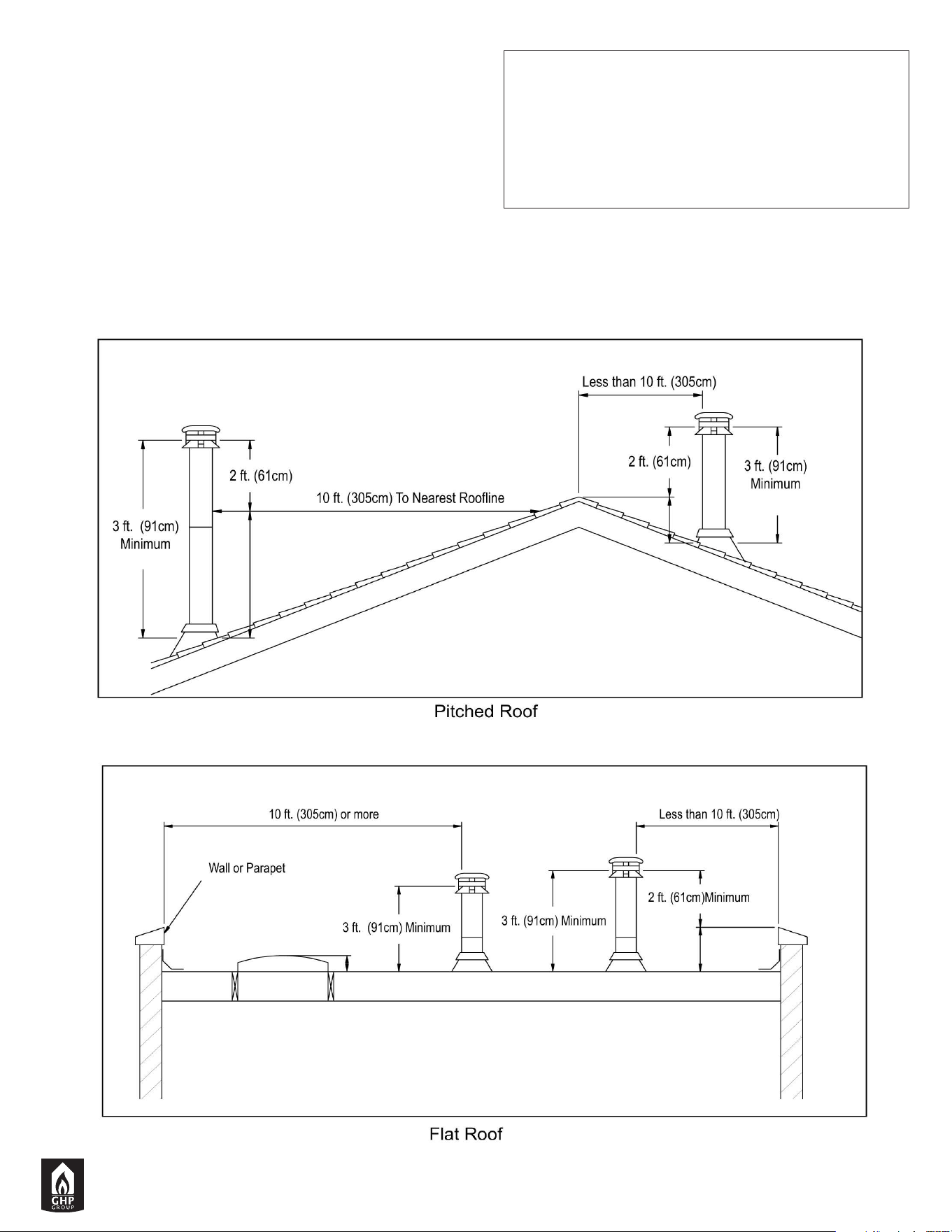
• Must terminate at least 3 feet (91cm) above the roof
and at least 2 feet (61cm) above any portion of the
roof within 10 feet (305cm).
• Must be located away from trees or other structures
2-10-3 Rule
These are safety requirements and are not meant to assure proper flue draft.
OPERATION
NOTE:
• Chimney performance may vary.
• Trees, buildings, roof lines and wind conditions
affect performance.
• Chimney height may need adjustment if smoking
or overdraft occurs.
12
MOBILE HOME INSTALLATION
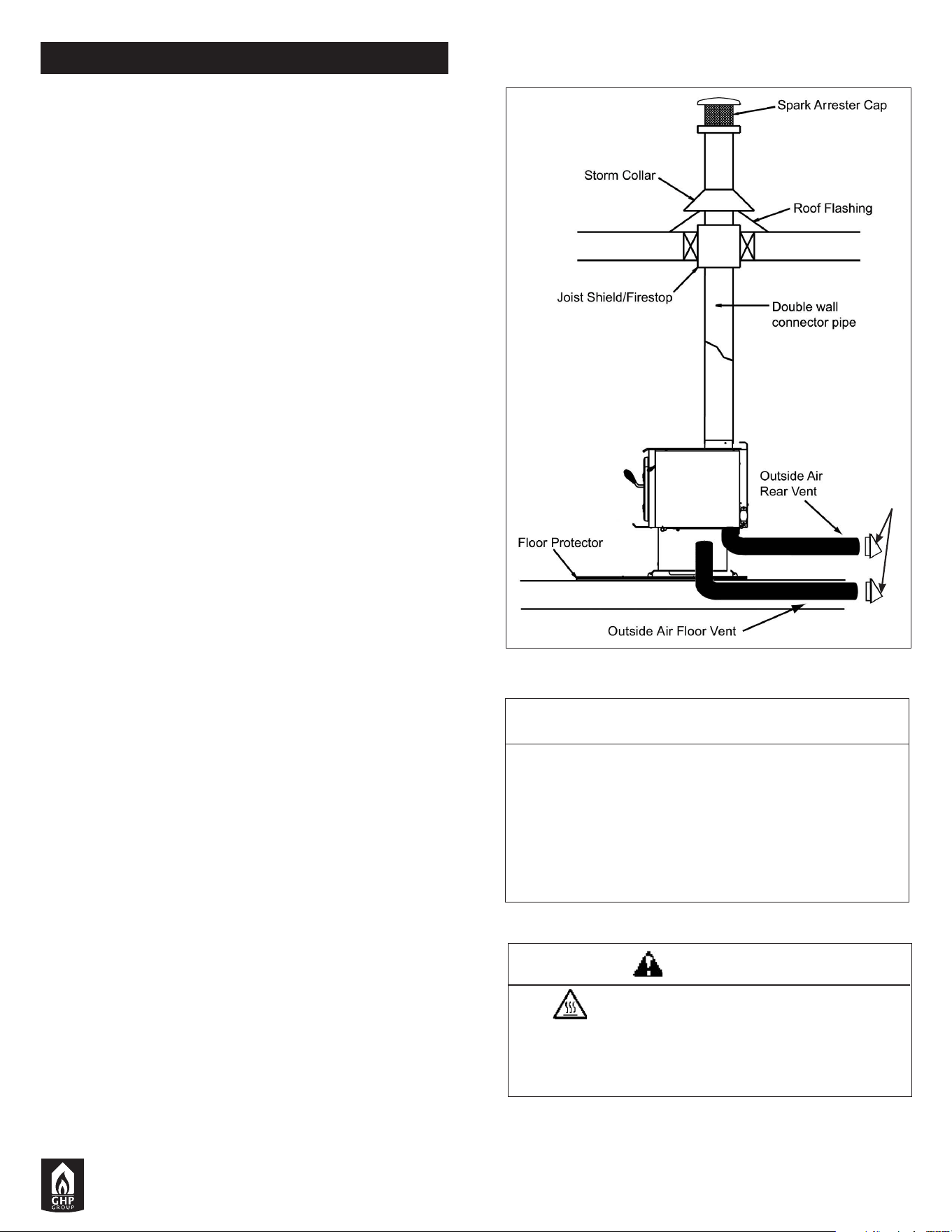
1. An outside air inlet must be provided for
combustion when installing in a mobile home. See
page 3 for installation information.
2. Appliance must be secured to the mobile home structure
by bolting the pedestal through hearth pad and into floor.
3. Appliance must be grounded with #8 solid copper
grounding wire or equivalent and terminated at each end
with N.E.C. approved grounding device.
4. Appliance must be installed with an approved UL10
HT ventilated chimney connector, UL10 HT chimney, and
terminal cap with spark arrestor. Never use a single wall
connector (stove pipe) in a mobile home installation. Use
only double-wall connector pipe, Dura-Vent DVL, Selkirk
metalbestos DS or Security DL double-wall connector or
any listed double-wall connector pipe.
5. Follow the chimney and chimney connector
manufacturer’s instructions when installing the flue
system for use in a mobile home.
6. Maintain clearance to combustibles.
7. Floor protection requirements must be followed
precisely.
8. Use silicone to create an effective vapor barrier at
the location where the chimney or other component
penetrates to the exterior of the structure.
NOTE: Offsets from the vertical, not exceeding 45°, are
allowed per Section 905(a) of the Uniform Mechanical
Code (UMC). Offsets greater than 45° are considered
horizontal and are also allowed, providing the horizontal
run does not exceed 75% of the vertical height of the
vent. Construction, clearance and termination must be
in compliance with the UMC Table 9C. This installation
must also comply with NFPA 211.NOTE: Top sections of
chimney must be removable to allow maximum clearance
of 1.5 feet (411cm) from ground level for transportation
purposes.
9. Burn wood only. Other types of fuels may generate
poisonous gases (e.g., carbon monoxide).
10. If unit burns poorly while an exhaust blower is on in
home, (i.e., range hood), increase combustion air.
11.
Installation shall be in accordance with the Manufacturers
Home & Safety Standard (HUD) CFR 280, Part 24.
Figure 8
Vent
Termination
Cap with
Screen Mesh
WARNING
ASPHYXIATION RISK
• DO NOT INSTALL IN A SLEEPING ROOM.
CONSUMES OXYGEN IN THE ROOM.
CAUTION
MAINTAIN STRUCTURAL INTEGRITY OF MOBILE HOME
• FLOOR, WALL, CEILING, AND/OR ROOF.
DO NOT CUT THROUGH:
• FLOOR JOIST, WALLS, STUDS, OR CEILING TRUSSES.
• ANY SUPPORTING MATERIAL THAT WOULD AFFECT
THE STRUCTURAL INTEGRITY.