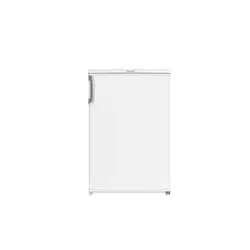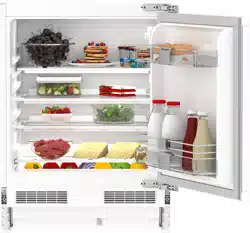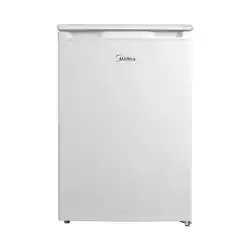
Refrigerator
SINGLE DOOR SERIES
MDRD168FGE*
USER MANUAL
Warning notices: Before using this product, please read this manual carefully and keep it for future reference.
The design and specifications are subject to change without prior notice for product improvement.
Consult with your dealer or manufacturer for details.
The diagram above is just for reference. Please take the appearance of the actual product as the standard.
01
EN
THANK YOU LETTER
Thank you for choosing Midea! Before using your new Midea product, please read
this manual thoroughly to ensure that you know how to operate the features and
functions that your new appliance oers in a safe way.
CONTENTS
THANK YOU LETTER
------------------------------------------- 01
SPECIFICATIONS
------------------------------------------------ 02
PRODUCT OVERVIEW
----------------------------------------- 03
PRODUCT INSTALLATION
----------------------------------- 04
OPERATION INSTRUCTIONS
-------------------------------- 08
CLEANING AND MAINTENANCE
--------------------------- 11
TROUBLESHOOTING
------------------------------------------- 12
APPENDIX
--------------------------------------------------------- 14
02
EN
SPECIFICATIONS
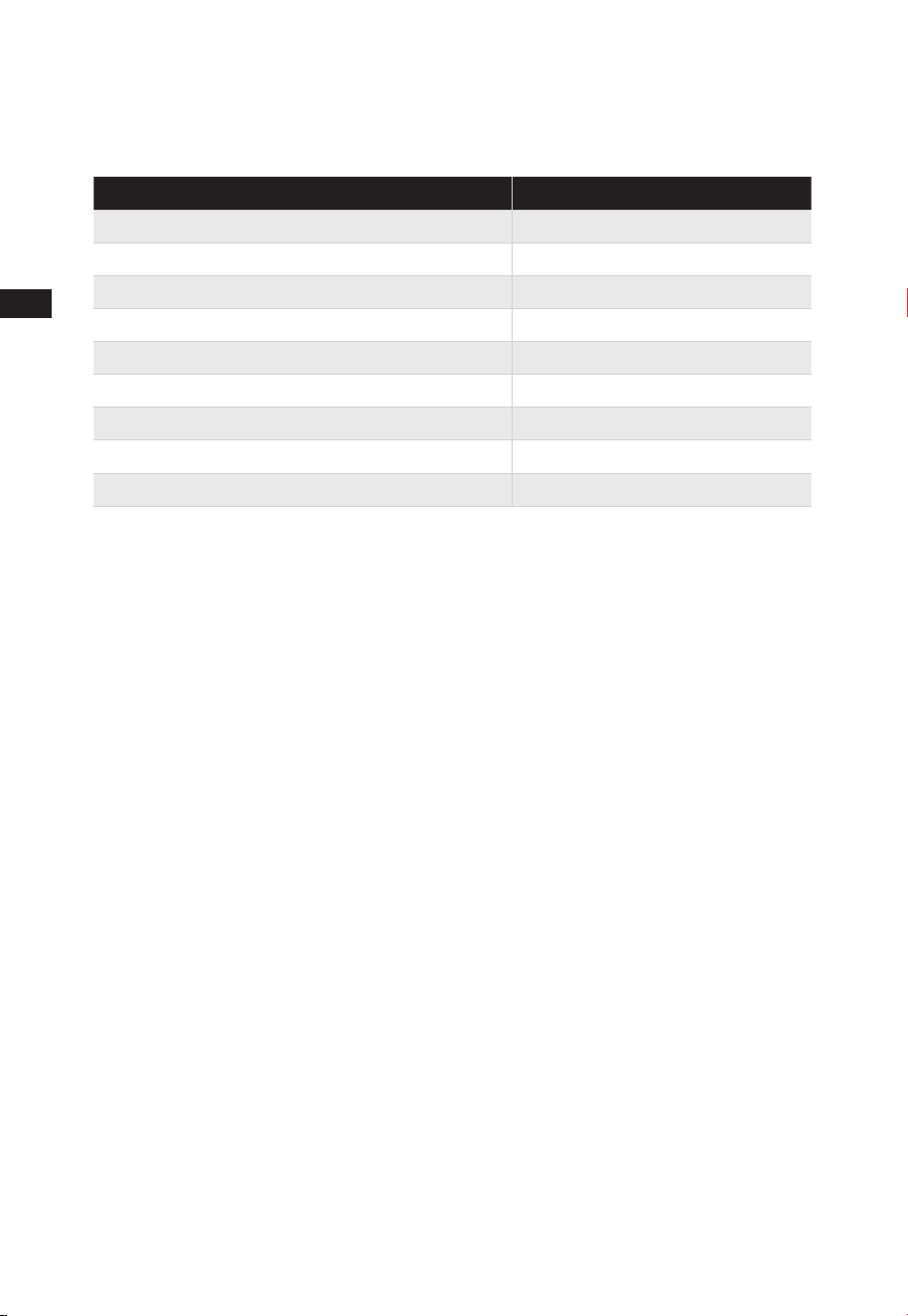
Product model MDRD168FGE
Rated Voltage/Frequency 220-240V~/50Hz
Rated Current 0.6A
Total Volume 113L
Fresh Food Storage Compartment Volume 97L
Four-star Compartment Volume 16L
Freezing Capacity 2kg/24h
Temperature Rise Time 9h
Refrigerant, Amount R600a,27g
Overall Dimension (W x D x H) 553x574x845mm
03
EN
PRODUCT OVERVIEW
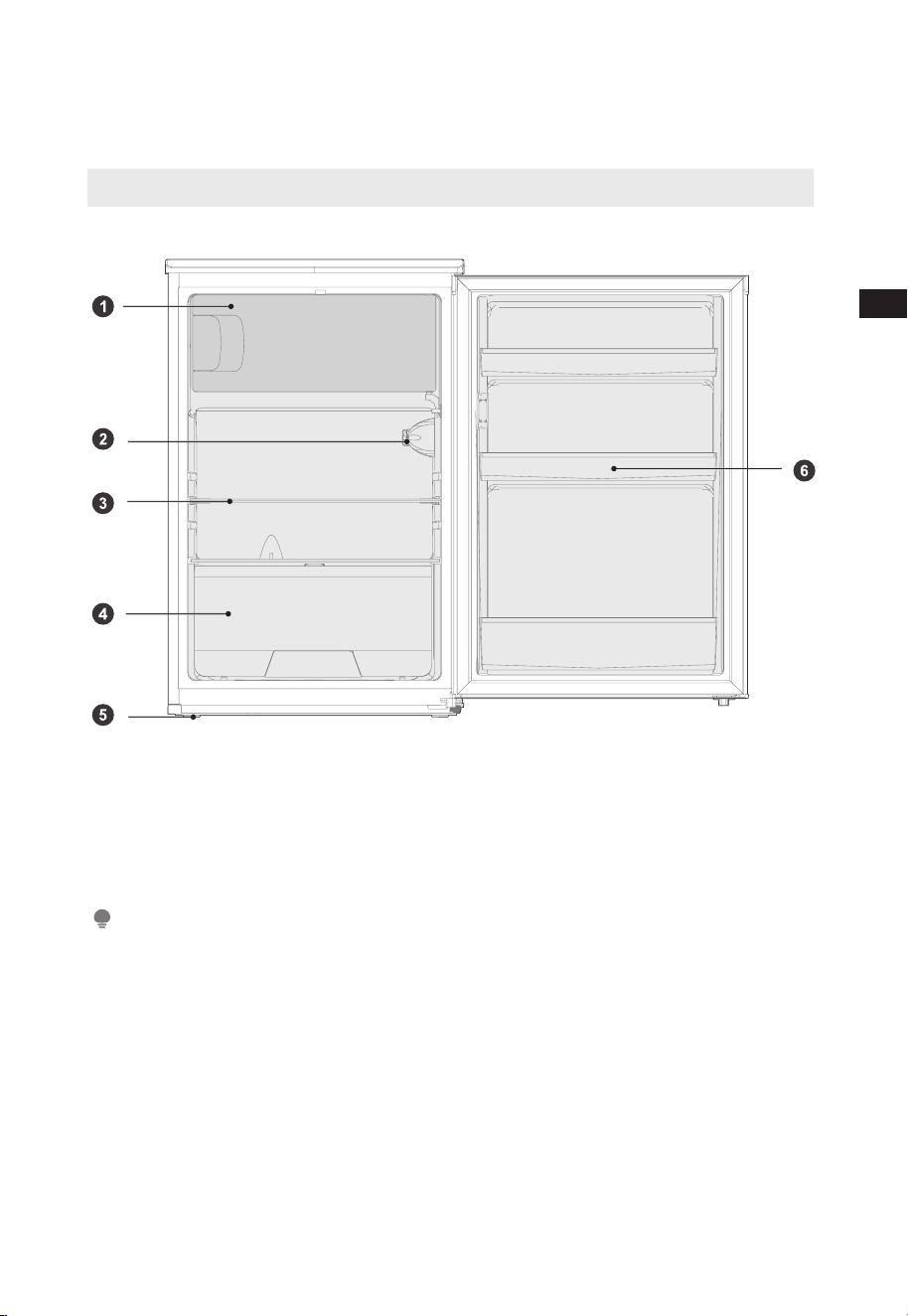
Names of components
1
Small door
2
Temperature control knob
3
Glass shelf
4
Fruits and vegetables box
5
Leveling feet
6
Bottle box
ATTENTION
The picture above is only for reference. The actual configuration will depend on the physical
product or statement by the distributor.
04
EN
PRODUCT INSTALLATION
Install Instruction
For refrigerating appliances with climate class
• Depending on the climate class, this refrigerator is intended to be used at an
ambient temperature range as specified in the following table.
• The climate class can be found on the rating plate. The product may not
operate properly at temperatures outside of the specific range.
• You can find the climate class on the product label.
Effective temperature range
• The product is designed to operate normally in the temperature range specified
by its class rating.
Class Symbol
Ambient temperature range °C
IEC 62552 (ISO 15502) ISO 8561
Extended temperate SN + 10 to + 32 + 10 to + 32
Temperate N + 16 to + 32 + 16 to + 32
Subtropical ST + 16 to + 38 + 18 to + 38
Tropical T + 16 to + 43 + 18 to + 43
Dimensions and Clearances
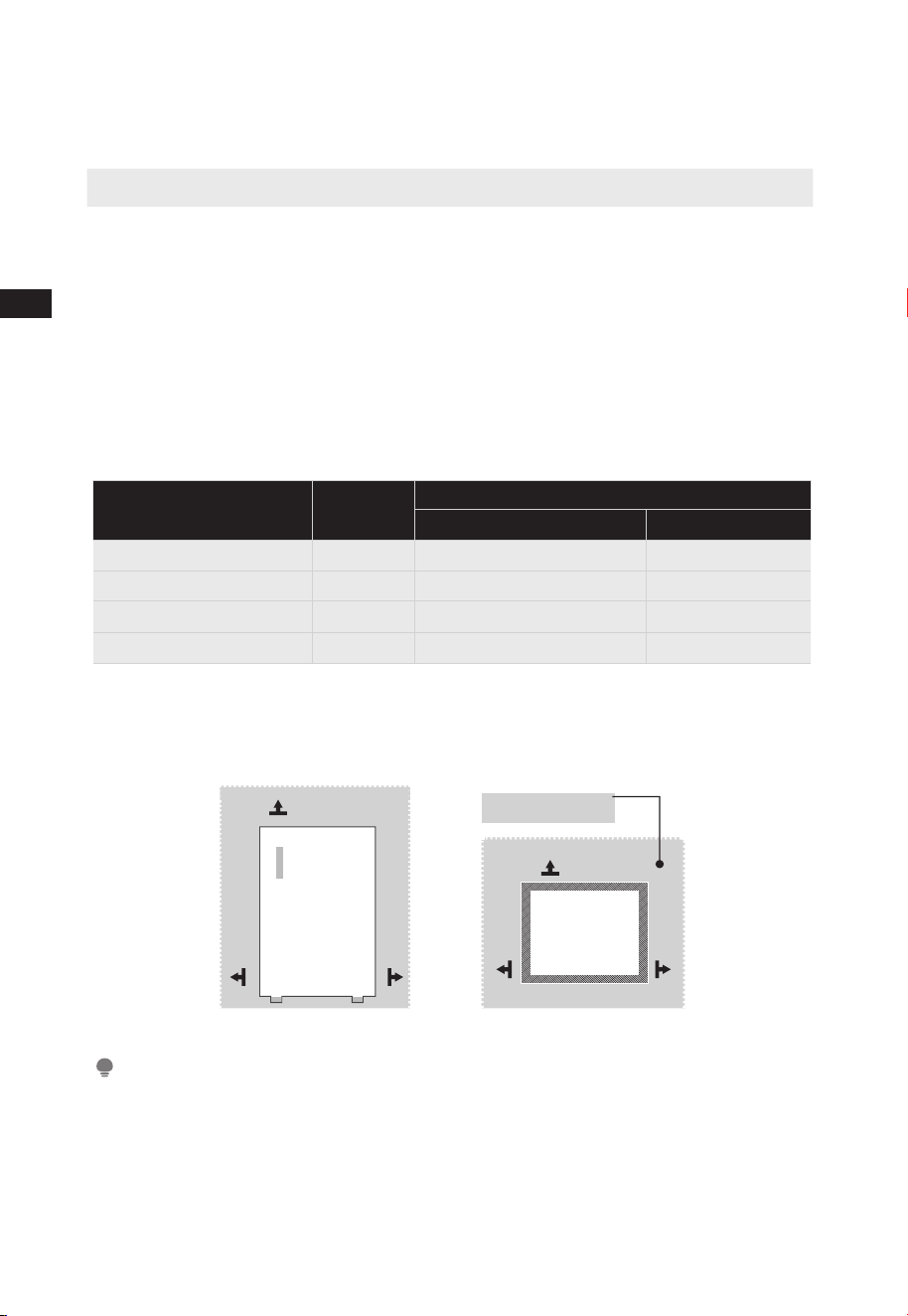
• Too small of a distance from adjacent items may result in the degradation
of freezing capability and increased electricity costs. Allow over 100 mm of
clearance from each adjacent wall when installing the appliance.
>100mm
>100mm
>100mm
>100mm
>100mm
>100mm
Required space for
air circulation
Top View
ATTENTION
The picture above is only for reference. The actual configuration will depend on the physical
product or statement by the distributor.
05
EN
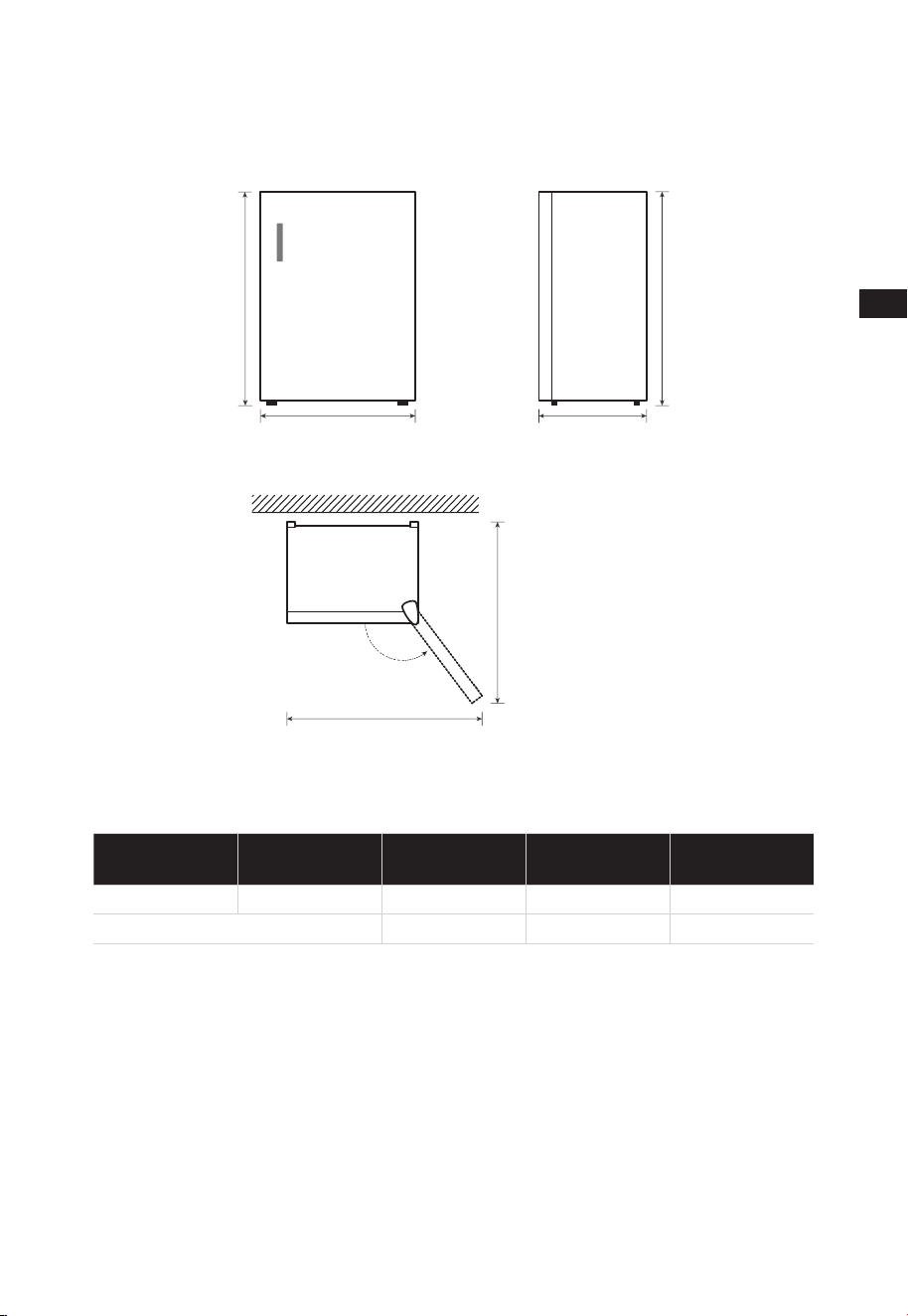
Space requirement diagram (when the door is open and when the door is closed)
B
A
C
D
B
E
135 ˚
Width Overall Height Depth
Width doors
open 135
o
Depth doors
open 135
o
A B C D E
553 845 574 935 960
Notice: All dimensions in mm.
06
EN
Door right-left change
List of tools to be provided by the user
Cross screwdriver
Putty knife Thin-blade screwdriver
5/16
″
socket spanner
Masking tape
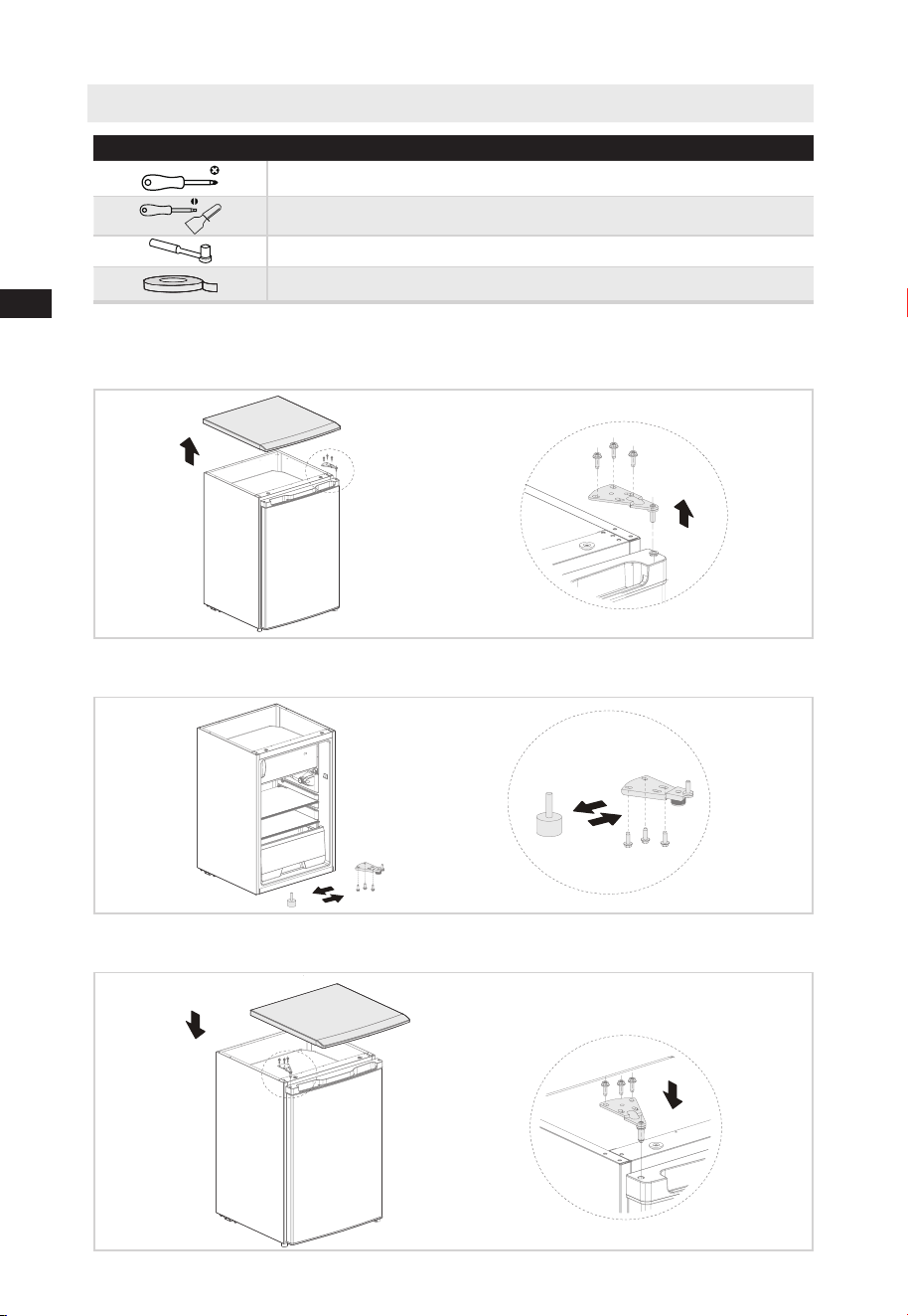
1. Power o the refrigerator, and remove all objects from the door trays.
2. Dismantle the upper cover,fitting screws of upper hinge, and remove the upper
hinge, please keep the door vertical in whole process for avoiding falling down.
3. Dismantle the door and the bottom hinge assembly and adjustable foot, then
assemble the bottom hinge assembly and adjustable foot on other side.
4. Put the door on bottom hinge and assemble the upper hinge, screws, and
upper cover.
07
EN
Leveling feet
To avoid vibration, the unit must be leveled.
If required, adjust the leveling screws to compensate for the uneven floor.
The front should be slightly higher than the rear to aid in door closing.
Leveling screws can be turned easily by tipping the cabinet slightly.
Turn the leveling screws counterclockwise to raise the unit, clockwise to
lower it.
Connecting the appliance
After installing the appliance, connect the power plug into a socket outlet.
ATTENTION
After connecting the power supply cord (or plug) to the outlet, wait 2 or 3 hours before you
put food into the appliance. If you add food before the appliance has cooled completely, your
food may spoil.
Tips for energy saving
• Do not place the appliance near cookers, radiators or other heat sources. If the
ambient temperature is high, the compressor will run more frequently and for longer,
resulting in increased energy consumption.
• Ensure that there is sucient ventilation at the base of the appliance, on the sides of
the appliance and at the back of the appliance. Never cover ventilation openings.
• Please also observe the spacing dimensions in the chapter “Installation”.
• The arrangement of drawers, shelves and racks as shown in the illustration oers the
most ecient use of energy and should therefore be retained as far as possible. All
drawers and shelves should remain in the appliance to keep the temperature stable
and save energy.
• To obtain a larger storage space (e.g. for large refrigerated/frozen goods), the
middle drawers can be removed. The top and bottom drawers and shelves should be
removed last if necessary.
• An evenly filled refrigerator/freezer compartment contributes to optimal energy use.
Therefore, avoid empty or half-empty compartments.
• Allow warm food to cool before placing it in the refrigerator/freezer. Food that has
already cooled down increases energy eciency.
• Allow frozen food to defrost in the refrigerator. The coldness of the frozen food
reduces the energy consumption in the refrigerator compartment and thus increases
the energy eciency.
• Open the door only as briefly as necessary to minimize cold loss. Opening the door
briefly and closing it properly reduces energy consumption.
• The door seals of your appliance must be perfectly intact so that the doors close
properly and energy consumption is not increased unnecessarily.
08
EN
OPERATION INSTRUCTIONS
Control panel
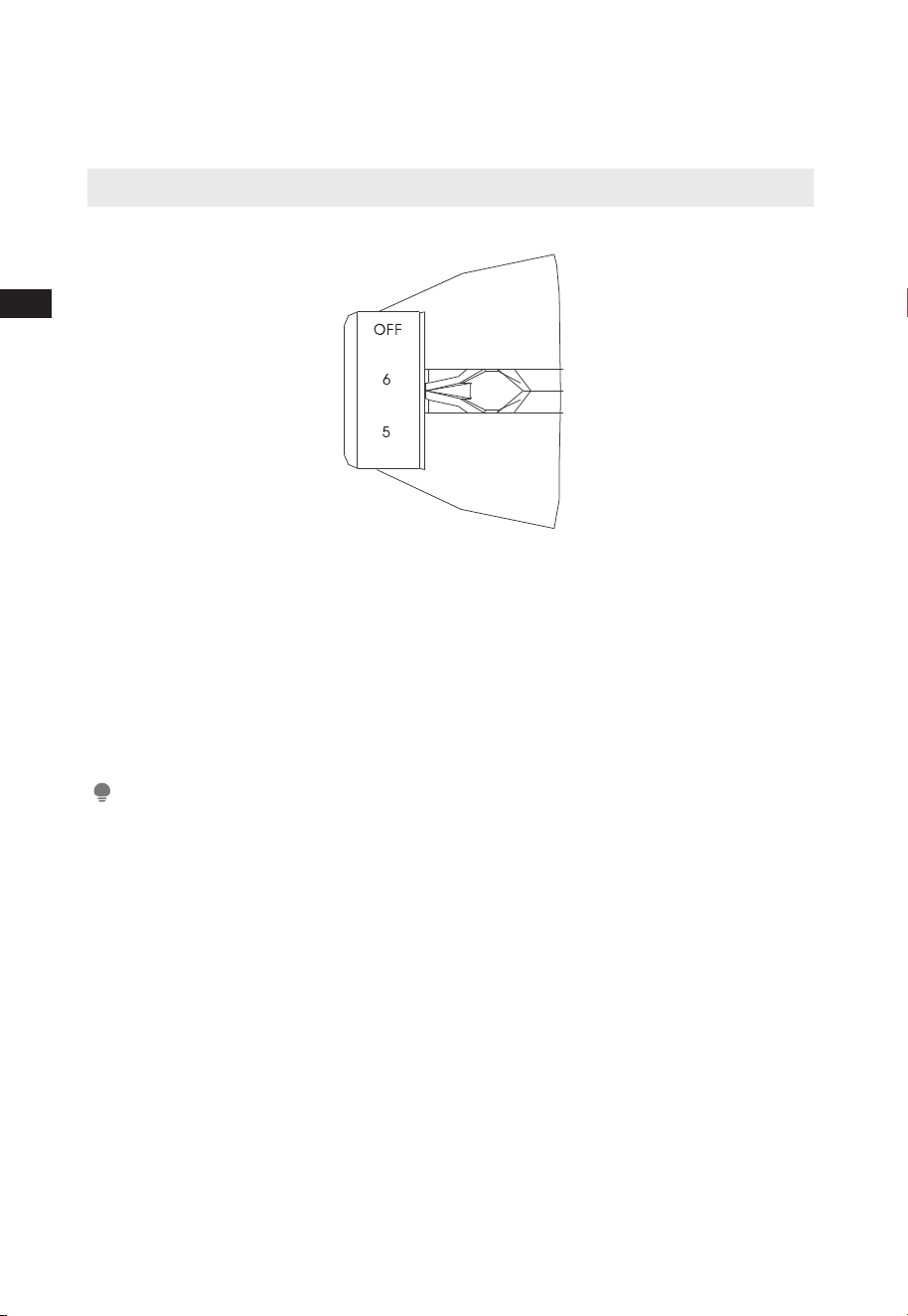
• The figures do not mean specific set temperature, but temperature level.
• “1” means the warmest setting
• “6”means the coldest setting
• The higher the figure is, the lower the actual temperature inside refrigerator
shall be.
• “OFF” means stop running.Recommended gear: “3”
ATTENTION
The actual control panel may dier from model to model.
09
EN
Tips on storing food
Freezer compartment
• The freezer is designated for the storage of food frozen at very low temperature,
long-term storage of frozen food, and for the production of ice.
• Only use the shelves in the door of the freezer to store frozen food, not for storing
hot food designated for freezing.
• Do not put fresh and frozen food next to each other. The frozen food may thaw.
• When freezing fresh food (such as meat, fish or chopped meat), cut them into parts
that can be used at the same time.
• Storing frozen food: instructions are usually stated on the packages, which must be
followed. If there is no information on the packaging, food should not be stored for
longer than three months from the date of purchase.
• When purchasing frozen food, make sure that it was frozen at a suitable temperature
and that the packaging is not damaged.
• Frozen food should be kept in suitable packages to retain the quality and should be
returned to the freezer compartment as soon as possible.
• If a package of frozen food shows moisture or abnormal bulging, it is probable that
it was stored at the wrong temperature and the content is spoiled.
• The storage period for frozen food depends on the room temperature, the
thermostat setting, the frequency of opening the door of the freezer, the type of
food and the time of transporting the product from the shop to the household.
Always follow the instructions printed on the packaging and never exceed the
maximum storage time stated on the package.
Cooling compartment
• To reduce moisture and subsequent ice build-up, never put liquid into the
refrigerator in unsealed containers. Frost tends to concentrate in the coolest parts
of the evaporator. Storing uncovered liquids results in a more frequent need for
defrosting.
• Never put warm foods in the refrigerator. These should first cool down at room
temperature and then be placed so as to ensure adequate air circulation in the
refrigerator.
• Foods or food containers should not touch the back wall of the refrigerator because
they could freeze to the wall. Do not keep regularly opening the door of the
refrigerator.
• Meat and clean fish (packed in a package or plastic foil) can be placed in the
refrigerator, which can be used in 1–2 days.
• Fruit and vegetables without packaging can be placed in the part designated for
fresh fruit and vegetables.
ATTENTION
The optimal temperature setting of each compartment depends on the ambient temperature.
Above optimal temperature is based on the ambient temperature of 25 °C.
10
EN
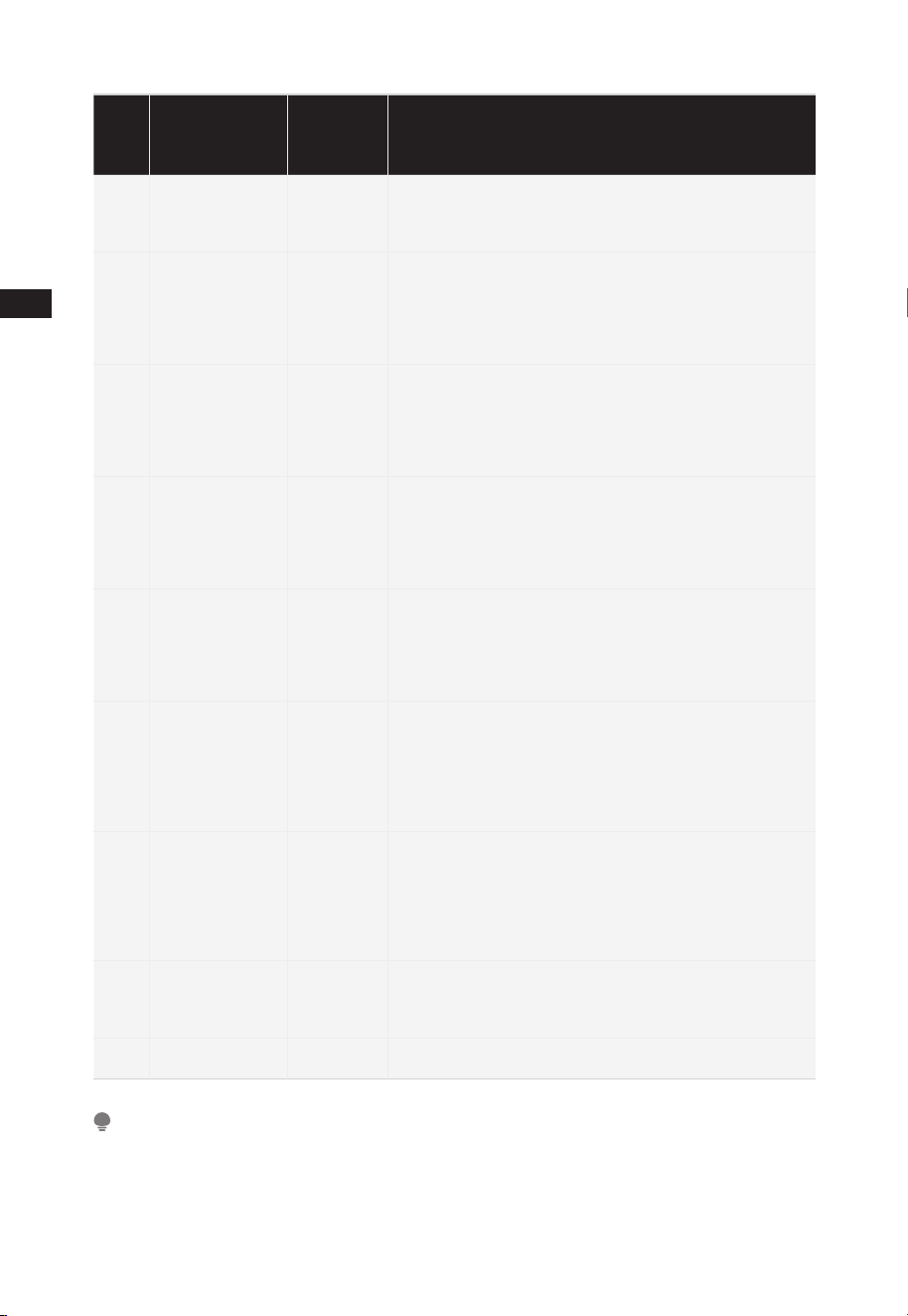
Order
Compartments
TYPE
Target
storage
temp. [°C]
Appropriate food
1 Fridge +2 ~ +8
Eggs, cooked food, packaged food, fruits and
vegetables, dairy products, cakes, drinks and
other foods are not suitable for freezing.
2 (***)*-Freezer
≤
-18
Seafood (fish, shrimp, shellfish), freshwater
aquatic products and meat products
(recommended for 3 months, the longer the
storage time, the worse the taste and nutrition),
suitable for frozen fresh food.
3 ***-Freezer
≤
-18
Seafood (fish, shrimp, shellfish), freshwater
aquatic products and meat products
(recommended for 3 months, the longer the
storage time, the worse the taste and nutrition),
suitable for frozen fresh food.
4 **-Freezer
≤
-12
Seafood (fish, shrimp, shellfish), freshwater
aquatic products and meat products
(recommended for 3 months, the longer the
storage time, the worse the taste and nutrition),
suitable for frozen fresh food.
5 *-Freezer
≤
-6
Seafood (fish, shrimp, shellfish), freshwater
aquatic products and meat products
(recommended for 3 months, the longer the
storage time, the worse the taste and nutrition),
suitable for frozen fresh food.
6 0-star -6 ~ 0
Fresh pork, beef, fish, chicken, some packaged
processed foods, etc. (Recommended to eat
within the same day, preferably no more than
3days).
Partially encapsulated processed foods (non-
freezable foods).
7 Chill -2 ~ +3
Fresh/ frozen pork, beef, chicken, freshwater
aquatic products, etc. (7 days below 0°C and
above 0°C is recommended for consumption
within that day, preferably no more than 2days).
Seafood (less than 0 for 15 days, it is not
recommended to store above 0°C.
8 Fresh food 0 ~ +4
Fresh pork, beef, fish, chicken, cooked food, etc.
(Recommended to eat within the same day,
preferably no more than 3 days)
9 Wine +5 ~ +20 Red wine, white wine, sparkling wine, etc.
ATTENTION
please store dierent foods according to the compartments or target storage temperature of
your purchased.
11
EN
CLEANING AND MAINTENANCE
Defrost
• Power o the refrigerator.
• Remove the food from the refrigerator and place it properly to prevent food
from melting.
• Clear the drain pipe (to use soft materials to prevent damage to the liner),
Prepare the water containers for defrosting. (pay attention to clean the
compressor compartment water draining tray, Ovoding overflow to the
ground).
• You can also use the appropriate amount of hot water to speed up the defrost,
with a dry towel to dry the water after defrosting.
• After defrosting, put back the foods in cabinet, and power on the refrigerator.
Stop using
Power failure:
In case of power failure, even if it is in summer, foods inside the appliance can be
kept for several hours; during the power failure, the times of door opening shall
be reduced, and no more fresh food shall be put into the appliance.
Long-time nonuse:
The appliance shall be unplugged and then cleaned; then the doors are left open
to prevent odor.
Moving:
Before the refrigerator is moved, take all objects inside out, fix the glass partitions,
vegetable holder, freezing chamber drawers and etc. with tape, and tighten
the leveling feet; close the doors and seal them with tape. During moving, the
appliance shall not be laid upside down or horizontally, or be vibrated; the
inclination during movement shall be no more than 45°.
The appliance shall run continuously once it is started. Generally, the operation of the
appliance shall not be nterrupted; otherwise the service life may be impaired.
Foods can be preserved for a couple of hours even in summer in case of power failure; it is
recommended to reduce the frequency of opening door.
12
EN
TROUBLESHOOTING
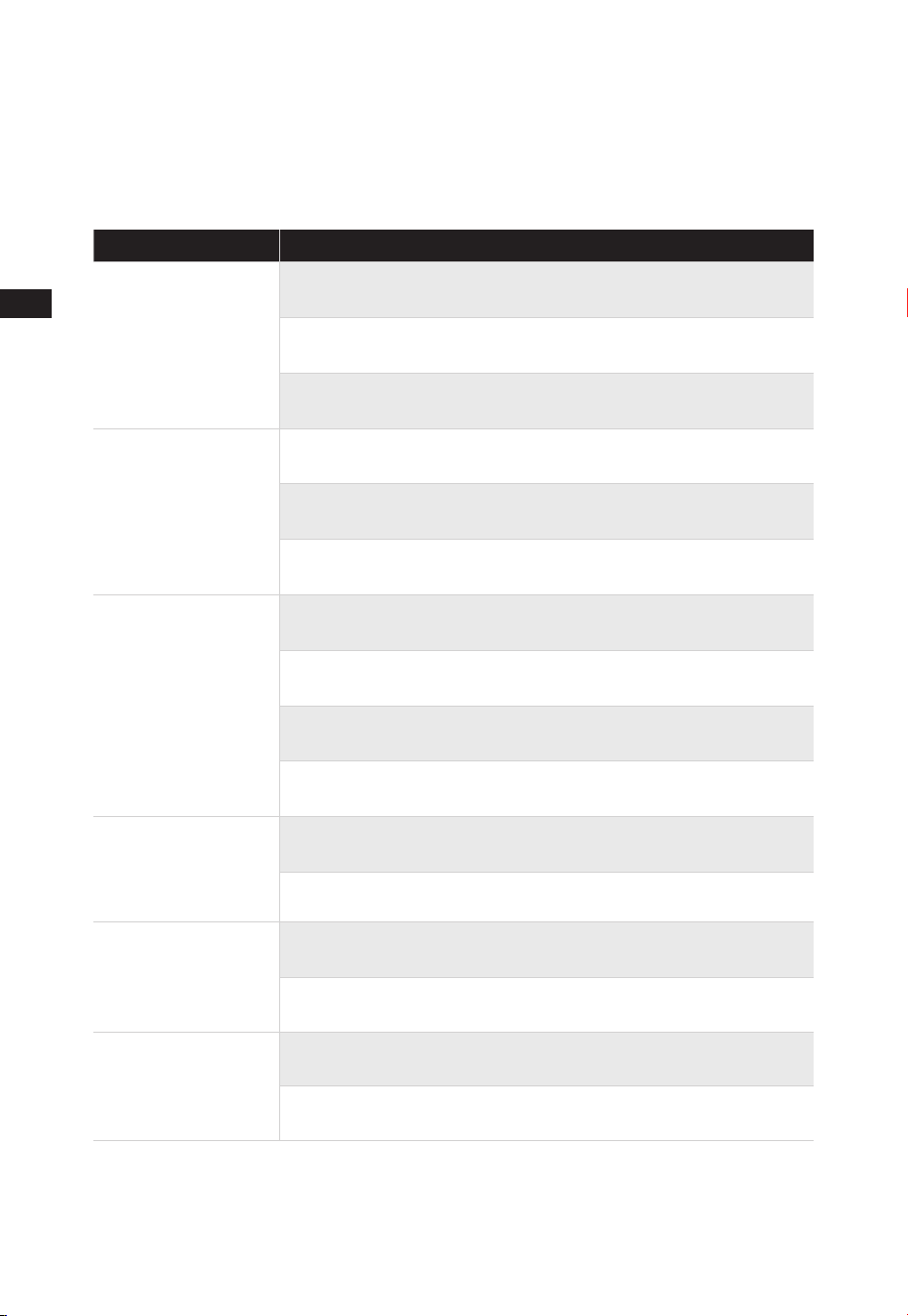
The following simple issues can be handled by the user. Please call the after-sale
service department if the issues are not solved.
Problem Possible reason
Failed operation
• Check whether the appliance is connected to power or
whether the plug is in well contact
• Check whether the voltage is too low
• Check whether there is a power failure or partial circuits have
tripped
Odor
• Odorous foods shall be tightly wrapped
• Check whether there is any rotten food
• Clean the inside of the refrigerator
Long-time operation
of the compressor
• Long operation of the refrigerator is normal in summer
• when the ambient temperature is high it is not suggestible
having too much food in the appliance at the same time
• Food shall get cool before being put into the appliance
• The doors are opened too frequently
Light fails to get lit
• Check whether the refrigerator is connected to power supply
and whether the illuminating light is damaged
• Have the light replaced by a specialist
Door can not be
properly closed
• The door is stuck by food packages too much food is placed
• The refrigerator is tiltedr.
Loud noises
• Check whether the floor is level and whether the refrigerator
is placed stably
• Check whether accessories are placed at proper locations
13
EN
Problem Possible reason
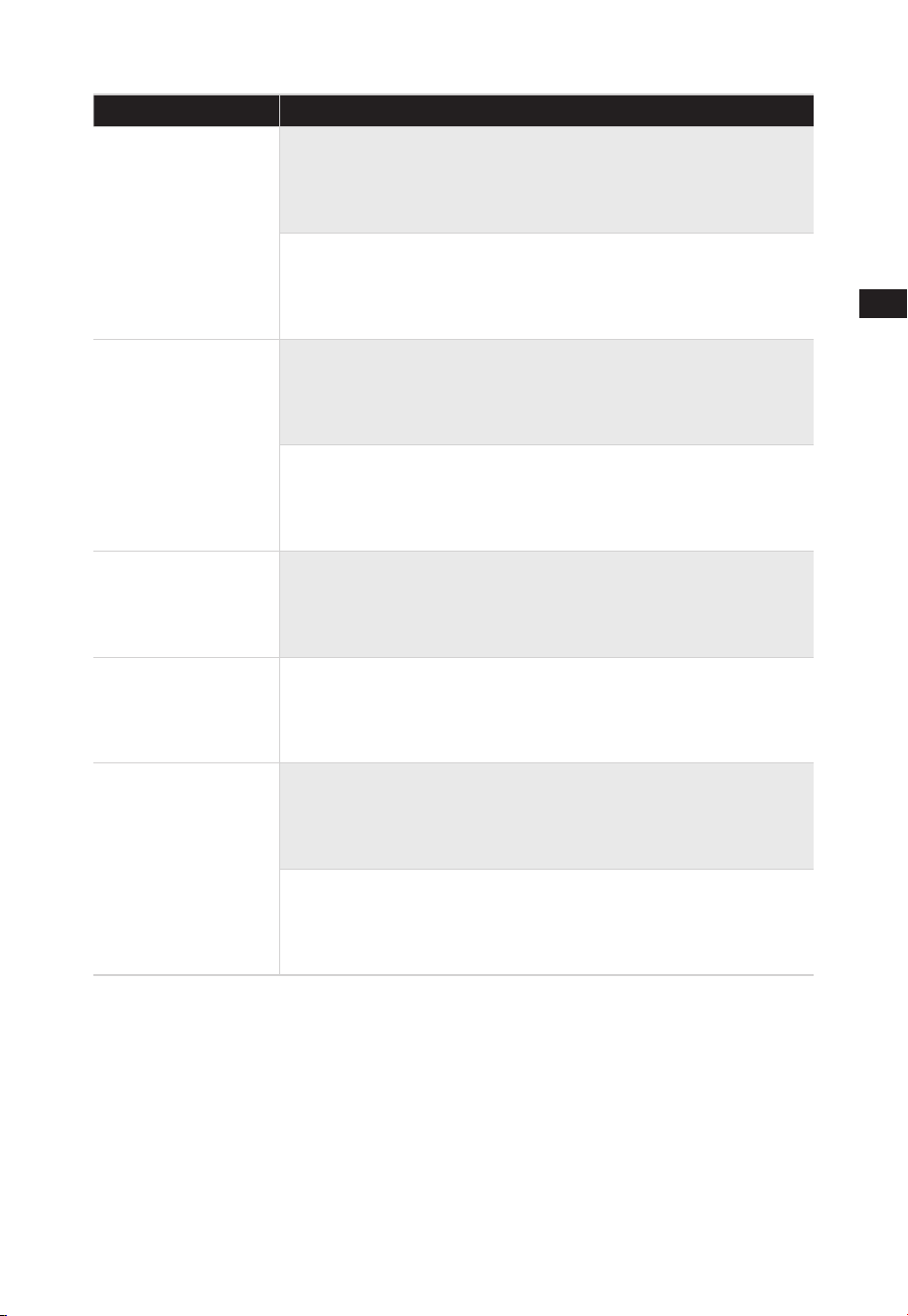
Door seal fails to be
tight
• Remove foreign matters on the door seal
• Heat the door seal and then cool it for restoration (or blow it
with an electrical drier or use a hot towel for heating)
Water pan overflows
• There is too much food in the chamber or food stored
contains too much water,resulting in heavy defrosting
• The doors are not closed properly, resulting in frosting due to
entry of air and increased water due to defrosting
Hot housing
• Heat dissipation of the built-in condenser via the housing,
which is normal when housing becomes hot due to high
ambient temperature, storage of too much food or shutdown
of the compressor is shut down, provide sound ventilation to
facilitate heat dissipation
Surface
condensation
• Condensation on the exterior surface and door seals of the
refrigerator is normal when the ambient humidity is too high.
Just wipe the condensate with a clean towel.
Abnormal noise
• Buzz: The compressor may produce buzzes during operation,
and the buzzes are loud particularly upon start or stop. This is
normal.
• Creak: Refrigerant flowing inside of the appliance may
produce creak, which is normal.
14
EN
APPENDIX
Special for new European standard
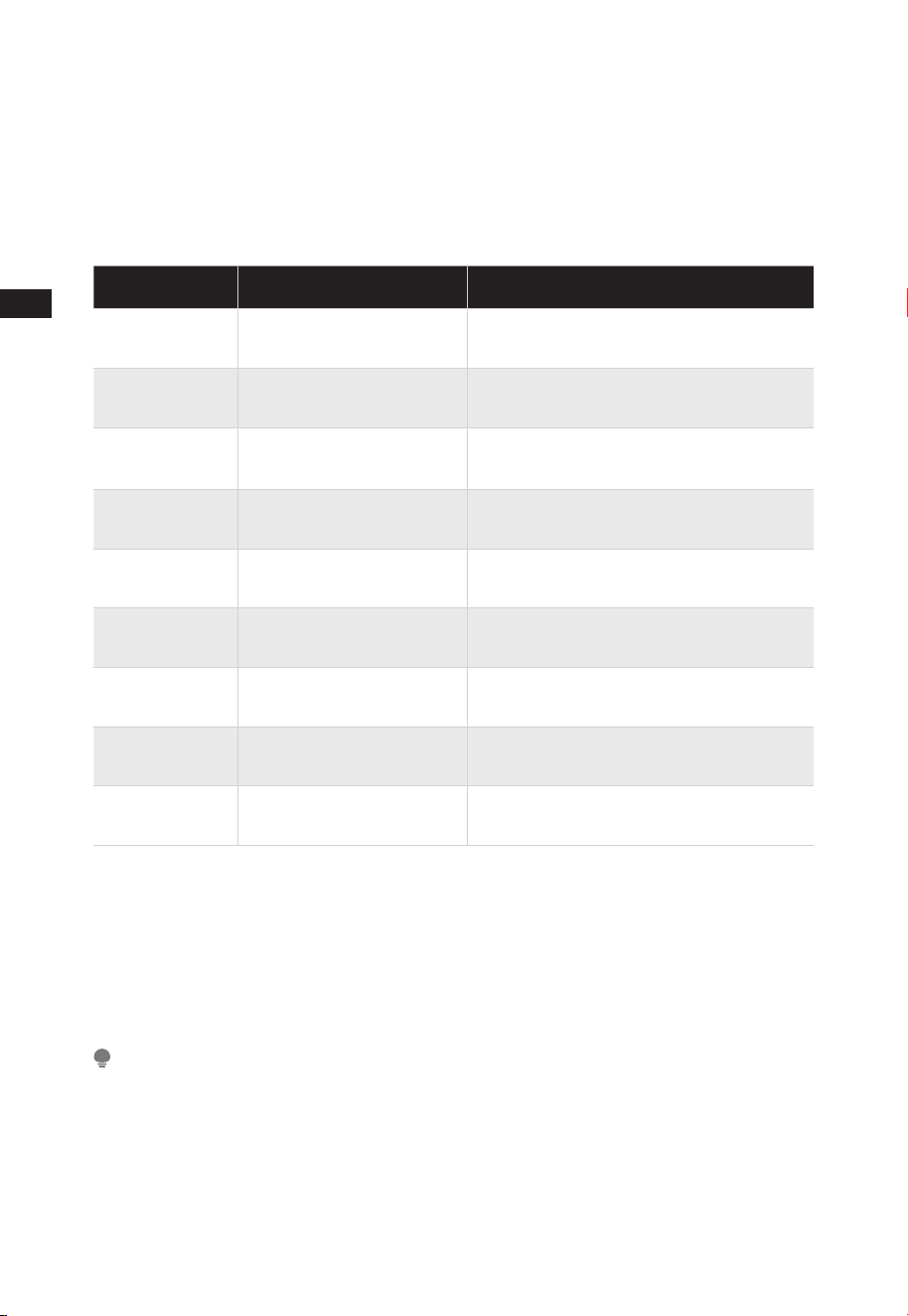
The ordered parts in the following table can be acquired from Service provider
channel.
Ordered part Provided by
Minimum time required for Provision
Thermostats Professional maintenance
personnel
At least 7 years after the last model is
launched on the market
Temperature
sensors
Professional maintenance
personnel
At least 7 years after the last model is
launched on the market
Printed circuit
boards
Professional maintenance
personnel
At least 7 years after the last model is
launched on the market
Light sources Professional maintenance
personnel
At least 7 years after the last model is
launched on the market
Door handles Professional repairers and
final users
At least 7 years after the last model is
launched on the market
Door hinges Professional repairers and
final users
At least 7 years after the last model is
launched on the market
Trays Professional repairers and
final users
At least 7 years after the last model is
launched on the market
Baskets Professional repairers and
final users
At least 7 years after the last model is
launched on the market
Door gaskets Professional repairers and
final users
At least 10 years after the last model is
launched on the market
Dear customer
1. If you want to return or replace the product, please contact the store where you
buy.
(Remember to bring the purchase invoice)
2. If your product breaks down which needs to repair, please contact after-sales
service provider.
ATTENTION
The model information inthe product database, as well as the model identifier, can be
obtained througha weblink scanned by a QR code, if any, on the energy eciency label of the
product.
For more information about the energy eciency of the appliance, visit https://ec.europa.eu
and search using the model name
.
The model name can be found on the rating label of the appliance.
15
EN
Coldest zone in the refrigerator
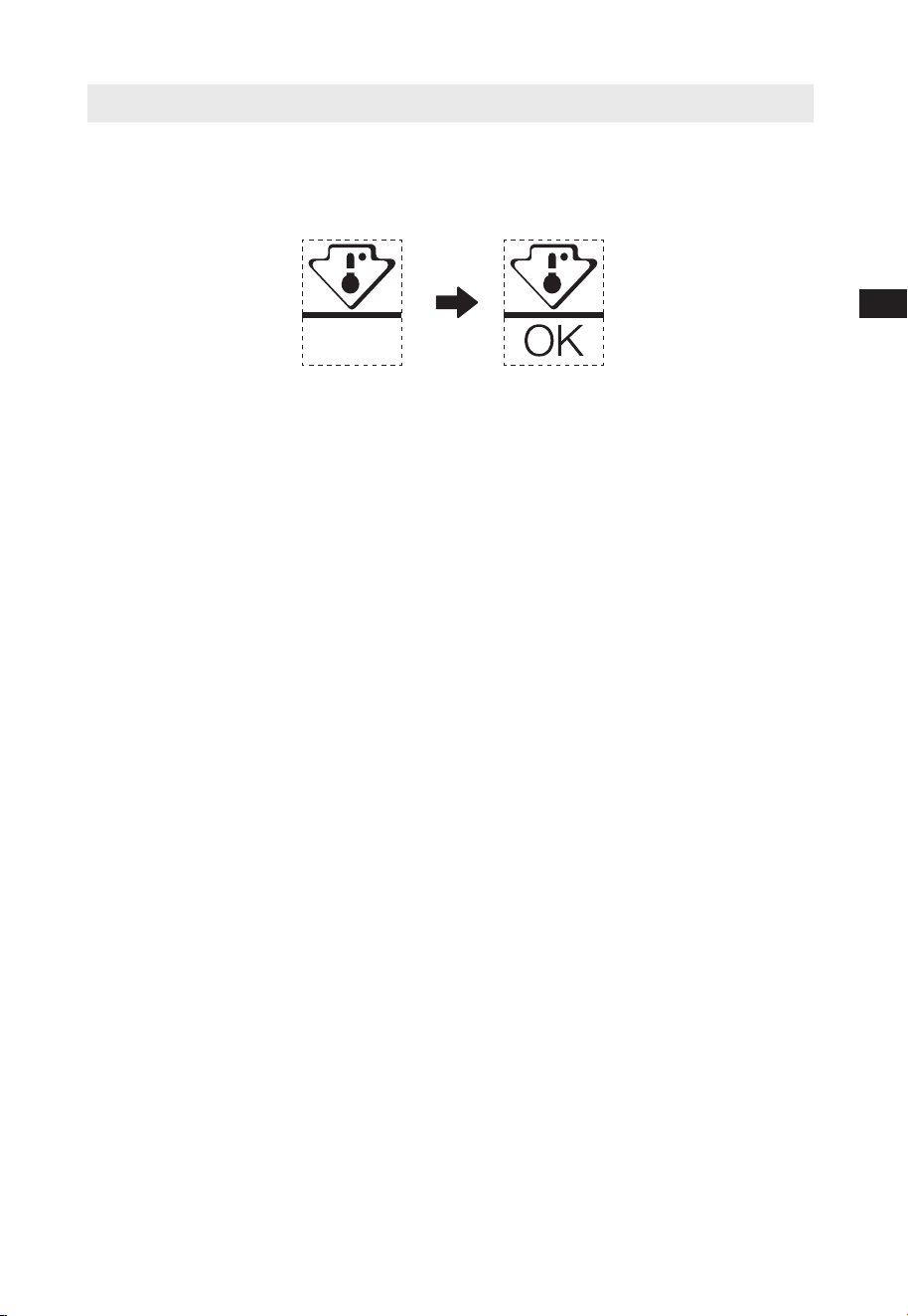
OPTIONAL: OK-temperature indicator
• The OK-temperature indicator can be used to determine temperatures below
+4°C. Gradually reduce the temperature if the sign does not indicate “OK”.
• To ensure the temperature in this area, do not change the positioning of the
shelf. Inforced air refrigerators (equipped with a fan or No Frost models),the
symbol of the coldest zone is not represented because the temperature inside
is homogeneous.
Temperature indicator setting
• To help you set your refrigerator well, it is equipped with a temperature
indicator that will monitor the average temperature in the coldest zone.
• WARNING:This indicator is intended to work only with your refrigerator, do not use
it in another refrigerator (in fact, the coldest zone is not the same), or for any other
use.
Checking the temperature in the coldest zone
• With the temperature indicator, you can check regularly that the temperature of
the coldest zone is correct. Indeed, the internal temperature of the refrigerator
depends on several factors such as the ambient temperature of the room, the
amount of food stored and the frequency of door opening. Take these factors
into consideration when setting the device.
• When the indicator shows « OK », this means that your thermostat is well
adjusted and the internal temperature correct.
• If the indicator of temperature turns WHITE, this means that the temperature is
too high; in this case, increase the refrigerator temperature control setting and
wait for 12 hours before performing a new visual inspection of the indicator.
When fresh food has been introduced or the door has been left open, it is
possible for the indicator of temperature to turn WHITE after a while.