Instruction Manual
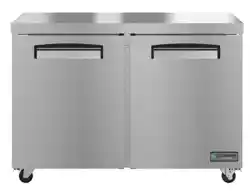
VUR27A
VUF27A
VUR48A
VUF48A
VUR60A
VUF60A
by
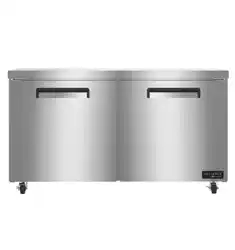
VWR27A
VWF27A
VWR48A
VWF48A
VWR60A
VWF60A
Issued: 09-30-2025
Revised: 05-14-2026
2
Only qualified service technicians should install and service the
appliance. To obtain the name and phone number of your local Hoshizaki
Cered Service Representave, visit www.hoshizakiamerica.com. No
installaon, operaon, or maintenance should be undertaken unl
the technician has thoroughly read this Instrucon Manual. No service
should be undertaken unl the technician has thoroughly read the
service manual available at www.hoshizakiamerica.com. Likewise, the
owner/manager should not proceed to operate the appliance unl the
installer has instructed them on its proper operaon. Failure to install,
operate, and maintain the appliance in accordance with this manual
may adversely aect safety, performance, component life, and warranty
coverage. Proper installaon is the responsibility of the installer. Product
failure or property damage due to improper installaon is not covered
under warranty.
Hoshizaki provides this manual primarily to assist qualified service
technicians in the installaon, operaon, maintenance, and service of the
appliance.
Should the reader have any quesons or concerns which have not been
sasfactorily addressed, please call, send an e-mail message, or write to
the Technical Support Department for assistance.
Phone: (800) 227-3172
E-mail: t[email protected]
618 Highway 74 South
Peachtree City, GA 30269 USA
An: Technical Support Department
Web Site: www.hoshizakiamerica.com
NOTE: To expedite assistance, all correspondence/communicaon MUST
include the following informaon:
• Model Number ____________________________
• Serial Number _____________________________
• Complete and detailed explanaon of the problem.
WARNING
3
Table of Contents
Important Safety Informaon ..................................................... 6
Know your Appliance .................................................................. 11
Check for Shipping Damage ........................................................12
Handling the Appliance .............................................................. 13
Locaon ...................................................................................... 13
Remove the Crate and Skid .........................................................14
Level the Appliance ....................................................................14
Electrical Installaon .................................................................. 15
Electrical and Refrigerant Data ................................................... 16
Installing the Shelves .................................................................. 17
Operang Instrucons ................................................................ 18
Start up the Appliance ................................................................23
Final Checklist ............................................................................. 24
Controls and Adjustments .......................................................... 25
Cleaning and Prevenve Maintenance ....................................... 26
Troubleshoong .......................................................................... 28
Decommissioning and Disposal .................................................. 30
IMPORTANT
This manual should be read carefully before the appliance is installed
and operated. Read the warnings and guidelines contained in this
manual carefully as they provide essenal informaon for the
connued safe use and maintenance of the appliance. Retain this
manual for any further reference that may be necessary

4
VUR60A, VUF60A
VUR48A, VUF48A
VUR27A, VUF27A

5
VWR60A, VWF60A
VWR48A, VWF48A
VWR27A, VWF27A
6
Important Safety Informaon
Important Safety Informaon
Throughout this manual, noces appear to bring your aenon to situaons
which could result in death, serious injury, damage to the appliance, or damage
to property.
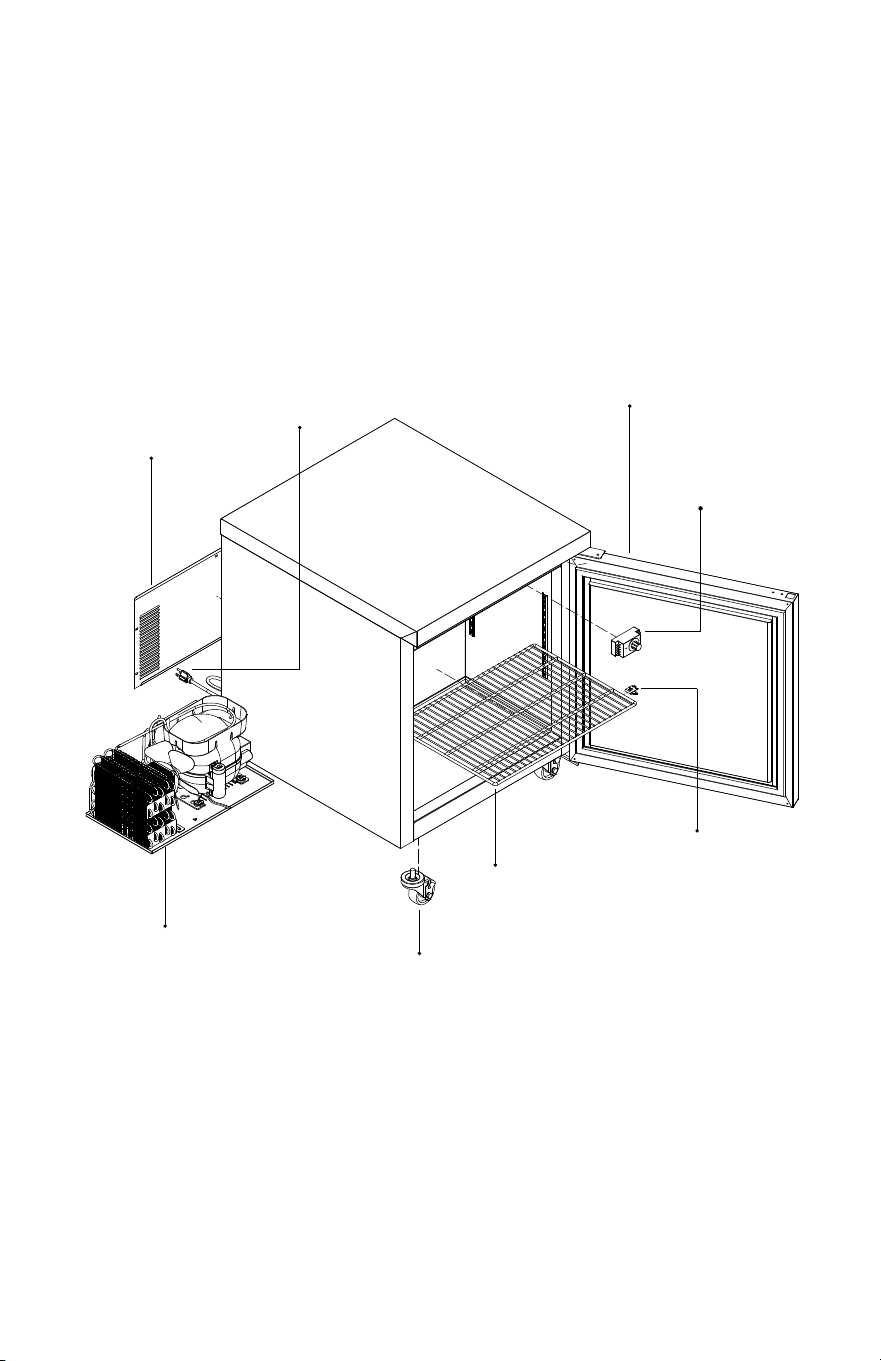
R-290 Class A3 Flammable Refrigerant Used
DANGER
Indicates a hazardous situation that, if not avoided, will
result in death or serious injury.
WARNING
Indicates a hazardous situation that, if not avoided, could
result in death or serious injury.
NOTICE
Indicates a situation that, if not avoided, could result in
damage to the appliance or property.
IMPORTANT
Indicates important information about the use and care of the
appliance.
DANGER
Risk of Fire or Explosion
Flammable Refrigerant Used
• Follow handling instrucons carefully
in compliance with government
regulaons.
• Do not use mechanical devices
or other means to accelerate the
defrosng process, other than those
recommended by the manufacturer.
• Do not puncture refrigerant tubing. Risk
of re or explosion due to puncture
of refrigerant tubing; follow handling
instrucons carefully.
• Component parts shall be replaced with
like components.
• Servicing shall be done by trained
service personnel with cered
competence in handling ammable
refrigerants to minimize the risk of
possible ignion due to incorrect parts
or improper service.
• Consult instrucon manual / service
manual before aempng to install
or service this product. All safety
precauons must be followed.
• Dispose of properly in accordance with
federal or local regulaons.
• The appliance shall be stored in a room
without connuously operang ignion
sources (for example: open ames, an
operang gas appliance, or an operang
electric heater).
• Do not pierce or burn.
• Be aware that refrigerants may not
contain an odor.
• Do not place any potenal ignion
sources in or near the appliance.
• Keep clear of obstrucon all venlaon
openings in the appliance enclosure or
in the structure for building-in.
• Before making repairs, ensure the area
in adequately venlated before breaking
into the refrigeraon circuit.
• No potenal sources of ignion are to
be used in the searching for or detecon
of refrigerant leaks.
• Do not use electrical appliances inside
the food storage compartments unless
they are of the type recommended by
the manufacturer.
• Do not store explosive substances
such as aerosol cans with a ammable
propellant in this appliance.
• Do not damage the refrigeraon circuit.
7
• L’appareil doit étre entreposé dans
un local ne contenant pas de sources
d’inammaon permanentes
(ammes nues, appareil à gaz ou
disposif de chauage électrique en
fonconnement, par exemple).
• Ne pas percer ou brûler.
• Aenon, les uides frigourgénes
peuvbent ne pas dégager d’odeur.
• Ne placez aucune source
d’inammaon potenelle dans ou près
de l’appareil.
• Gardez dégagées toutes les ouvertures
de venlaon dans l’enceinte de
l’appareil ou dans la structure à
encastrer.
• Avant d’eectuer des réparaons,
assurez-vous que la zone est
correctement venlée avant d’entrer
dans le circuit de réfrigéraon.
• Aucune source potenelle
d’inammaon ne doit être ulisée lors
de la recherche ou de la détecon de
fuites de réfrigérant.
• N’ulisez pas d’appareils électriques
à l’intérieur des comparments de
stockage des aliments sauf s’ils sont du
type recommandé par le fabricant.
• Ne stockez pas de substances explosives
telles que des bombes aérosol
contenant un propulseur inammable
dans cet appareil.
• N’endommagez pas le circuit
frigorique.
DANGER
Risque De Feu Ou D’Explosion
Le Frigorigène Est Inammable
•
Suivre aenvement les instrucons
de manipulaon conformément à la
réglementaon gouvernementale.
• N’ulisez pas de disposifs mécaniques
ou d’autres moyens pour accélérer le
processus de dégivrage, autres que ceux
recommandés par le fabricant.
• Ne pas perforer la tubulure contenant le
frigorigène. Risque de feu ou d’explosion
si la tubulure contenant le frigorigène
est perforée; suivre les instrucons de
manutenon avec soin.
• Les pièces des composants doivent
être remplacées par des pièces et
accessoires équivalents.
• L’entreen doit être eectué par un
personnel de service agréé par l’usine
et possédant une compétence cerée
dans la manipulaon de réfrigérants
inammables an de minimiser le risque
d’inammaon possible en raison de
pièces incorrectes ou d’un entreen
inapproprié.
• Consulter le manuel du propriétaire/
guide de réparaon avant de tenter
une réparaon. Toutes les mesures de
sécurité doivent être respectées.
• Éliminer conformément aux règlements
fédéraux ou locaux.
8
WARNING
This appliance should be desned only to the use for which it has been
expressly conceived. Any other use should be considered improper and
therefore dangerous. The manufacturer cannot be held responsible for injury
or damage resulng from improper, incorrect, and unreasonable use. Failure
to install, operate, and maintain the appliance in accordance with this manual
will adversely aect safety, performance, component life, and warranty
coverage.
To reduce the risk of death, electric shock, serious injury, or re, follow basic
precauons including the following:
• Only qualied service technicians should install and service this appliance.
• Wear appropriate personal protecve equipment (PPE) when servicing the
appliance.
• The appliance must be installed in accordance with applicable naonal,
state, and local codes and regulaons.
• Appliance is heavy. Use care when liing or posioning. Work in pairs when
needed to prevent injury or damage. Do not li using the top secon or the
doors/drawers.
• To reduce the risk of electric shock, do not touch the plug with damp hands.
• Unplug the appliance before servicing.
• The appliance requires an independent power supply of proper capacity. See
the nameplate for electrical specicaons. Failure to use an independent
power supply of proper capacity can result in a tripped breaker, blown fuse,
damage to exisng wiring, or component failure. This could lead to heat
generaon or re.
• Unplug the appliance from the electrical outlet prior to maintenance.
• THE APPLIANCE MUST BE GROUNDED: The appliance is equipped with a
NEMA 5-15 three-prong grounding plug to reduce the risk of potenal
shock hazards. It must be plugged into a properly grounded, independent
3-prong wall outlet. If the outlet is a 2-prong outlet, it is your personal
responsibility to have a qualied electrician replace it with a properly
grounded, independent 3-prong wall outlet. Do not remove the ground
prong from the plug and do not use an adapter plug. Failure to follow these
instrucons may result in death, electric shock, or re.
• The GREEN ground wire in the factory-installed power cord is connected to
the appliance. If it becomes necessary to remove or replace the power cord,
be sure to connect the power cord’s ground wire.
• Do not use an extension cord.
• Do not use an appliance with a damaged power cord. The power cord
should not be altered, jerked, bundled, weighed down, pinched, or tangled.
Such acons could result in electric shock or re. To unplug the appliance,
be sure to pull the plug, not the cord, and do not jerk the cord.
• Do not splash, pour, or spray water directly onto or into the appliance. This
might cause short circuit, electric shock, corrosion, or failure.
• Do not make any alteraons to the appliance. Alteraons could result in
electric shock, injury, re, or damage to the appliance.
9
WARNING, continued
• The appliance is designed only for temporary storage of food. Employ
sanitary methods. Use for any other purposes (for example, storage of
chemicals or medical supplies such as vaccine and serum) could cause
deterioraon of stored items.
• This appliance is not intended for use by persons (including children) with
reduced physical, sensory, or mental capabilies, or lack of experience
and knowledge, unless they have been given supervision or instrucon
concerning use of the appliance by a person responsible for their safety.
• Children should be supervised to ensure that they do not play with the
appliance.
• Do not climb, stand, or hang on the appliance or door or allow children
or animals to do so. Do not climb into the appliance or allow children or
animals to do so. Death or serious injury could occur or the appliance could
be damaged.
• Be careful not to pinch ngers when opening and closing the doors. Be
careful when opening and closing the doors when children are in the area.
• Open and close the doors with care. Doors opened too quickly or forcefully
may cause injury or damage to the appliance or surrounding equipment.
• Do not use combusble spray or place volale or ammable substances in
or near the appliance. They might catch re.
• Keep the area around the appliance clean. Dirt, dust, or insects in the
appliance could cause harm to individuals or damage to the equipment.
• All foods should be wrapped in plasc lm or stored in sealed containers.
Otherwise foods may dry up, pass their smells onto other foods, cause frost
to develop, result in poor appliance performance, on increise the likelihood
of cross-contaminaon. Certain dressings and food ingredients, if not stored
in sealed containers, may accelerate corrosion of the evaporator, resulng
in failure.
• Do not load any shelf with more than 120 lb. (54.5 kg) of product. They
might fall o and cause injury.
• Do not place anything on top of the appliance. Foreign objects or moisture
could enter the appliance and result in electric shock or re.
• Do not block the appliance air inlet or outlet, otherwise cooling performance
may be reduced.
• Do not ghtly pack the appliance. Allow some space between items to
ensure good air ow. Also allow space between items and interior surfaces.
• Do not place any product on the oor of the appliance. All product must be
placed on properly installed shelves.
• Do not put warm or hot products in the appliance. Let them cool rst, or
they will raise the appliance temperature and could deteriorate other foods
in the appliance or overload the appliance.
• Food storage and handling must comply with applicable codes and
regulaons.
• Do not store items near the air outlet. They might freeze up and crack or
break causing a risk of injury or contaminaon of other food.
10
NOTICE
• This appliance is for commercial use only.
• Protect the oor when moving the appliance to prevent damage to the oor.
• Keep venlaon openings, in the appliance enclosure or in the built-in
structure,
clear of obstrucon. Do not place anything on top of the appliance. Blockage
of airow could negavely aect performance and damage the appliance.
• Do not allow the appliance to bear any outside weight.
• To prevent deformaon or cracks, do not spray inseccide onto the plasc
parts or let them come into contact with oil.
• To avoid damage to the gasket, use only the door handle when opening and
closing.
• Appliance must be handled in compliance with ASHRAE 15 safety standards.
WARNING, continued
• This appliance must be installed and located appropriately, following the
installaon instrucons before its use.
• Do not touch the cold surfaces of the appliance with wet or moist hands.
Skin can sck to these cold surfaces.
• Do not store gasoline or other ammable liquids or gases, near this or other
electrical equipment.
• Do not store explosive materials in this appliance.
• Keep your ngers away from grills; the spaces between doors and appliance
are small, so be careful when closing doors when children are around.
Unplug the appliance before cleaning or performing any repair.
• Keep clear of obstrucon all venlaon openings in the appliance enclosure
or in the structure for building-in.
• Means for disconnecon must be incorporated in the xed wiring in
accordance with the wiring rules.
- Avoid prolonged exposure of the appliance to direct sunlight.
- Only original parts should be used to service this appliance.
GENERAL SAFETY
11
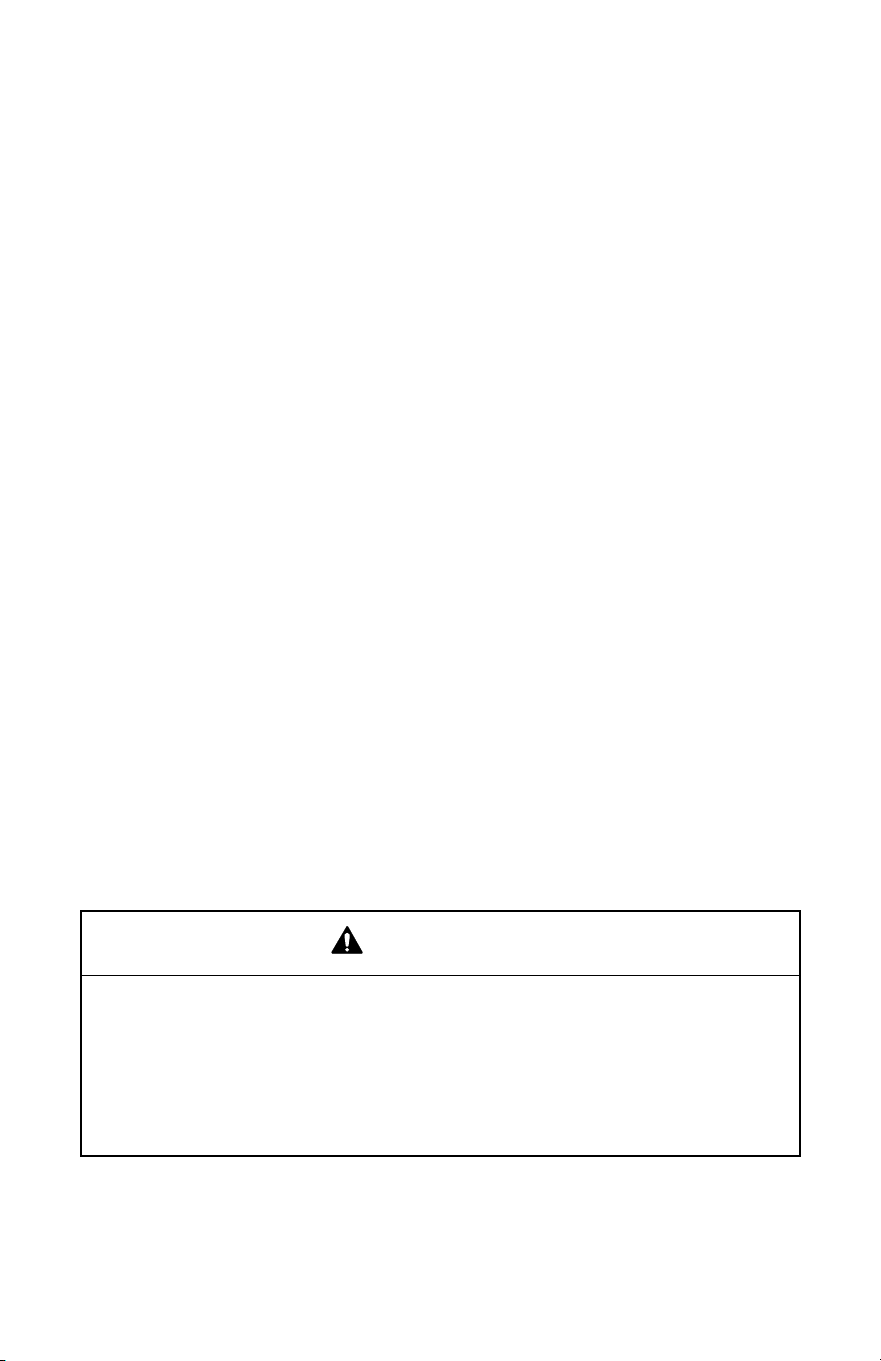
Know your Appliance
CONTROL
MODULE
DOOR
SHELF CLIP
BOLT HEAD CASTER
POWER
CORD
BACK GRILL
SHELF
CONDENSER
Undercounter refrigerator/freezer.
12
Check for Shipping Damage
Prior to leaving the factory, each appliance is throughly inspected and
performance tested to assure proper operang temperatures.
Check the crate thoroughly for signs of shipping damage. If external
damage exists, internal damage is also probable. Uncrang should be done
while the carrier´s representave is present. Otherwise, the appliance
should be uncrated as soon as possible, preferably within ve (5) days.
The manufacturer is not responsible for in-transit damage and the
consignee must le any required damage claims directly with the carrier.
If the damage is severe and obvious, write a brief descripon of the evidence
on the carrier’s delivery receipt, and above the carrier representave’s
signature. Call the distributor or dealer immediately, indicang that the
appliance was damaged.
If no obvious crate damage is present, within two hours of receiving the
appliance from the carrier, remove the packaging to inspect for concealed
damage.
If concealed damage is found, call the carrier immediately, save all crang
materials, and le the necessary freight claim with the carrier.
• This appliance must be installed in accordance with all applicable
naonal, state, and local regulaons.
• Appliance is heavy. Use care when liing or posioning. Work in pairs
when needed to prevent injury or damage.
• Do not lt the appliance more than 45°.
Installaon instrucons
Check for accesories: Check that the shelves are inside the appliance,
including the four clips or supports for each shelf.
WARNING
13
Handling the Appliance
2”
1. Always move the appliance in an upright posion. Do not set the appliance
on its side or upside down as you may damage the appliance and spill the
compressor oil.
2. If liing the appliance, hold it from its base. It is recommended to use a dolly.
3. Do not let the appliance fall abruptly.
1. Place the appliance on a surface solid enough to prevent vibraon and strong
enough to support the combined weight of the appliance and the product
load. Quick guideline: Esmate 35 pounds per cubic foot of storage space.
2. Appliances should never be placed in front of windows or glass doors where
sunlight will be in direct contact with the appliances. If an appliance is located
near a window or glass door, provide an adequate shade to block the sun´s rays.
3. Ambient temperature must be between 45°F (7°C) and 100°F (38°C). Low
ambient temperatures below 45°F (7°C) are as harmful as high ambient
temperatures. Extreme temperatures will denitely aect the performance
of the appliance.
4. Failure to properly level the appliance could hinder proper drainage and door
operaon.
5. Clearance: Leave a space of at least 2” between the back of the appliance and
the wall to provide adequate air circulaon of the unit compartment.
6. The appliance must be placed in the required clear space for safe performance.
Locaon
• This appliance is not intended for outdoor use.
WARNING
14
Remove the Crate and Skid
Level the Appliance
1. Remove the external packaging
(corrugated board and plastic
wrapping). Check for concealed
damage. If any damage is idened,
immediately forward a complaint to
the transportaon company.
2. Move the appliance to its final
locaon, before removing the skid.
3. Using a screwdriver remove the
screws that aaches the skid to the
appliance.
Screw
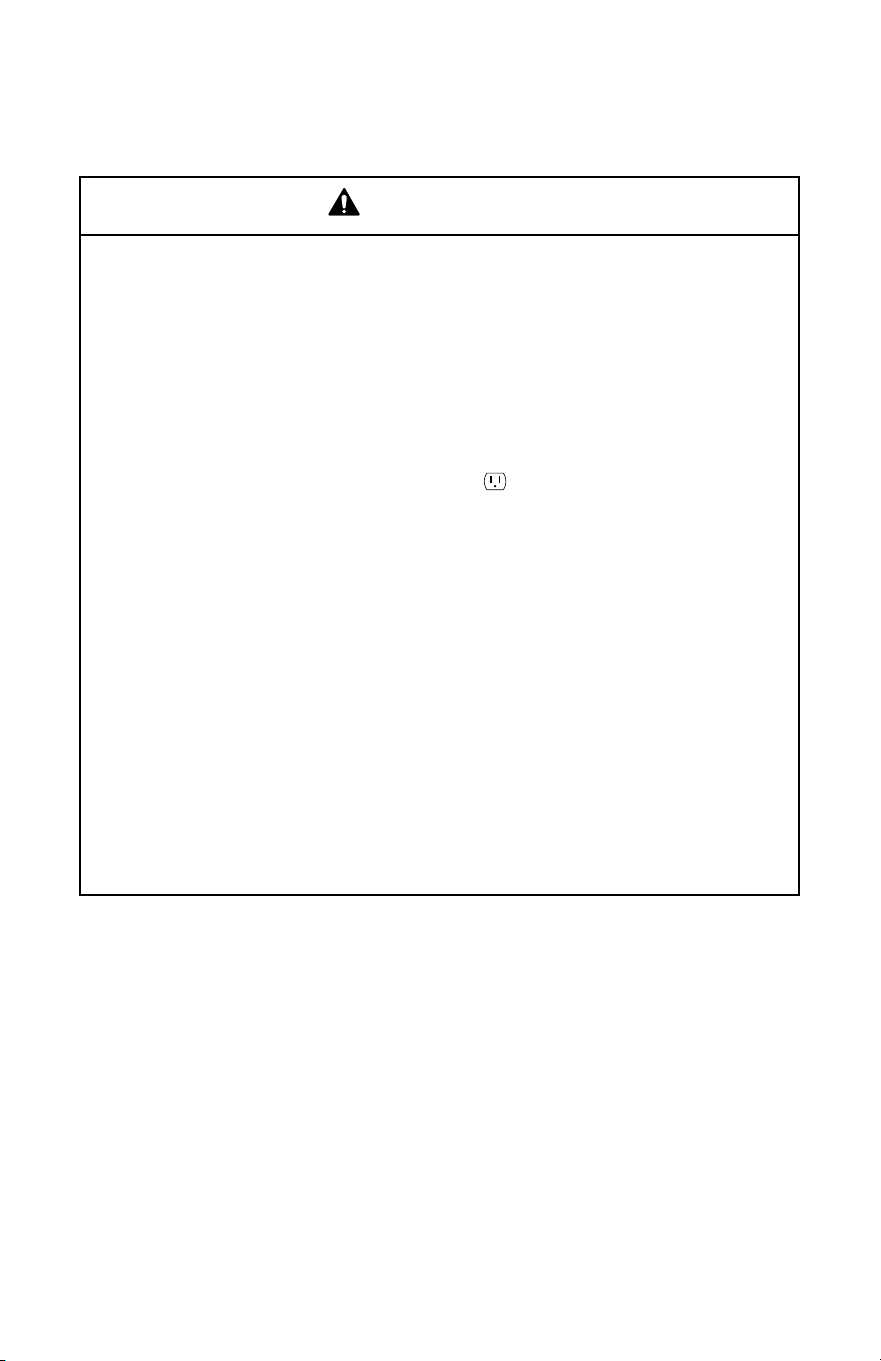
To install casters:
Casters are supplied as oponal appliance. Only use original casters or the base of
the appliance might suer damages. When installing the casters it is important to
hand ghten securely against the base rail reinforcement assembly (see image). The
top edge of the caster must make rm contact with the reinforcement assembly.
Caster
Base rail
NOTE:
Casters with hand-brakes must be placed in FRONT of the appliance.
Hand-brake
15
Electrical Installaon
• Electrical connecon must meet naonal, state, and local electrical code
requirements. Failure to meet these code requirements could result in
death, electric shock, serious injury, re, or severe damage to appliance.
• This appliance requires an independent power supply of proper capacity. See
the nameplate for electrical specicaons. Failure to use an independent
power supply of proper capacity can result in a tripped breaker, blown fuse,
damage to exisng wiring, or component failure. This could lead to heat
generaon or re.
• THIS APPLIANCE MUST BE GROUNDED: This appliance is equipped with a
NEMA 5-15 three-prong grounding plug to reduce the risk of potenal
shock hazards. It must be plugged into a properly grounded, independent
3-prong wall outlet. If the outlet is a 2-prong outlet, it is your personal
responsibility to have a qualied electrician replace it with a properly
grounded, independent 3-prong wall outlet. Do not remove the ground
prong from the plug and do not use an adapter plug. Failure to follow these
instrucons may result in death, electric shock, or re.
• To reduce the risk of electric shock, do not touch the power switch or plug
with damp hands.
• Do not use an extension cord.
• Do not use an appliance with a damaged power cord. The power cord
should not be altered, jerked, bundled, weighed down, pinched, or tangled.
Such acons could result in electric shock or re. To unplug the appliance,
be sure to pull the plug, not the cord, and do not jerk the cord.
• The GREEN ground wire in the factory-installed power cord is connected to
the appliance. If it becomes necessary to remove or replace the power cord,
be sure to connect the power cord’s ground wire.
Electrical Connecon
• Usually an electrical permit and services of a licensed electrician are required.
• The maximun allowable voltage variaon is ± 10 percent of the nameplate
rang.
WARNING
16
Electrical and Refrigerant Data
Model
AC Supply
Voltage
Current Rated Power
Design
Pressure
kPa (PSI)
Refrigerant
g (oz.)
Climac
Class
(A) (W) HIGH LOW R-290
VUR27A
VWR27A
~115/60/1 1.5 180
1930
(280)
896
(130)
55 (1.9)
5
VUF27A
VWF27A
~115/60/1 1.7 245
1999
(290)
1034
(150)
55 (1.9)
VUR48A
VWR48A
~115/60/1 1.5 190
1999
(290)
448
(65)
71 (2.5)
VUF48A
VWF48A
~115/60/1 3.8 420
1862
(270)
414
(60)
65 (2.3)
VUR60A
VWR60A
~115/60/1 2.0 270
2034
(295)
448
(65)
79 (2.8)
VUF60A
VWF60A
~115/60/1 5.6 545
1965
(285)
483
(70)
96 (3.4)
Electrical and Refrigerant Data
See the nameplate for electrical and refrigerant data. The nameplate is
located inside the appliance.
17
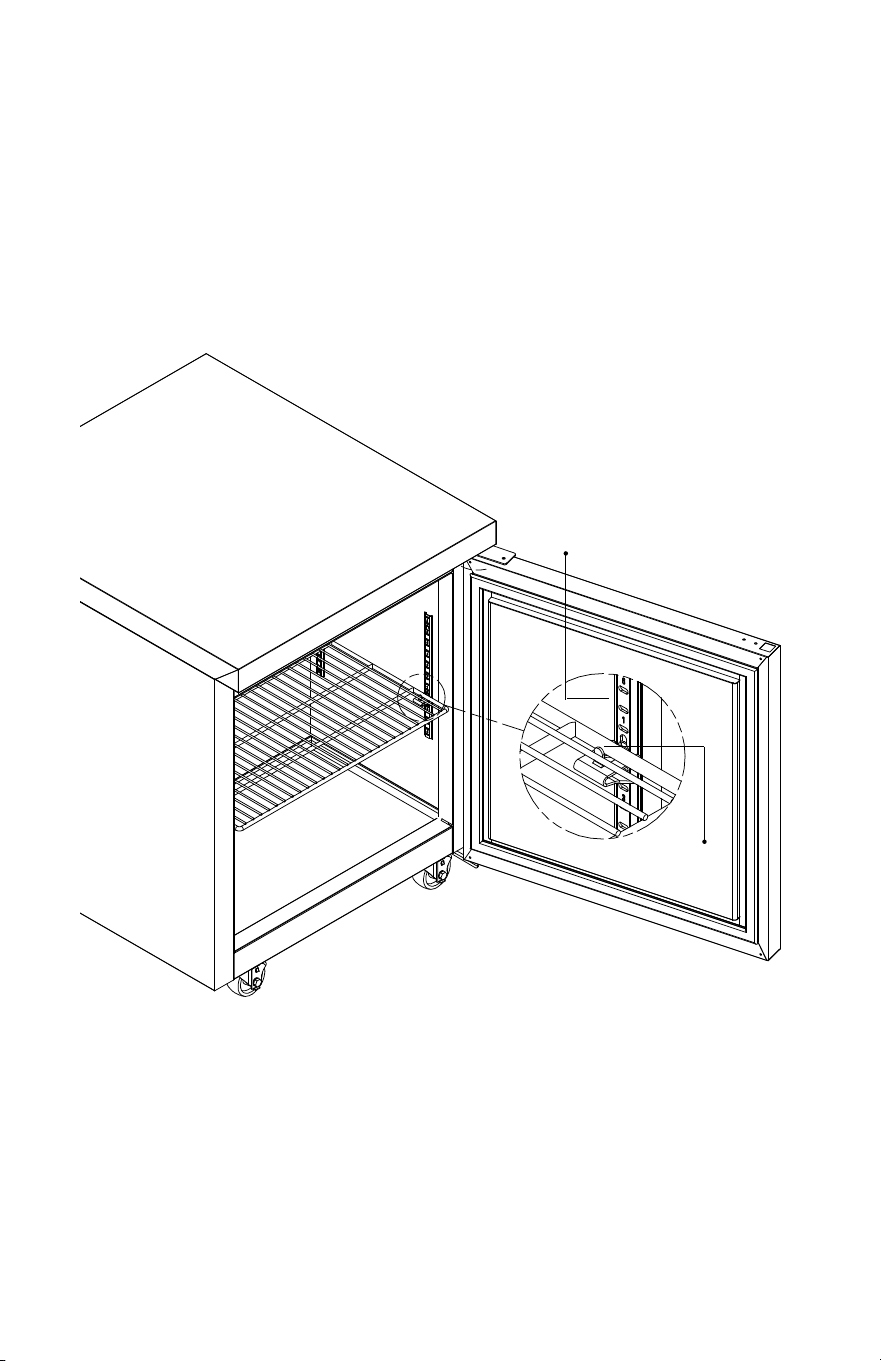
Installing the Shelves
Shelves and shelf clips (4 clips per shelf) are packed inside the appliance
prior to shipment. Aer selecng the appropriate spacing inside the
appliance, install shelf clips by inserng top of clip inside the pilaster and
then press the lower secon of the clip while pushing inwards unl it snaps
into place. Repeat unl all clips are in desired locaon. Place shelf on clips
checking that all four corners of shelves are leveled and supported by the
four shelf clips.
Pilaster
Shelf clip
18
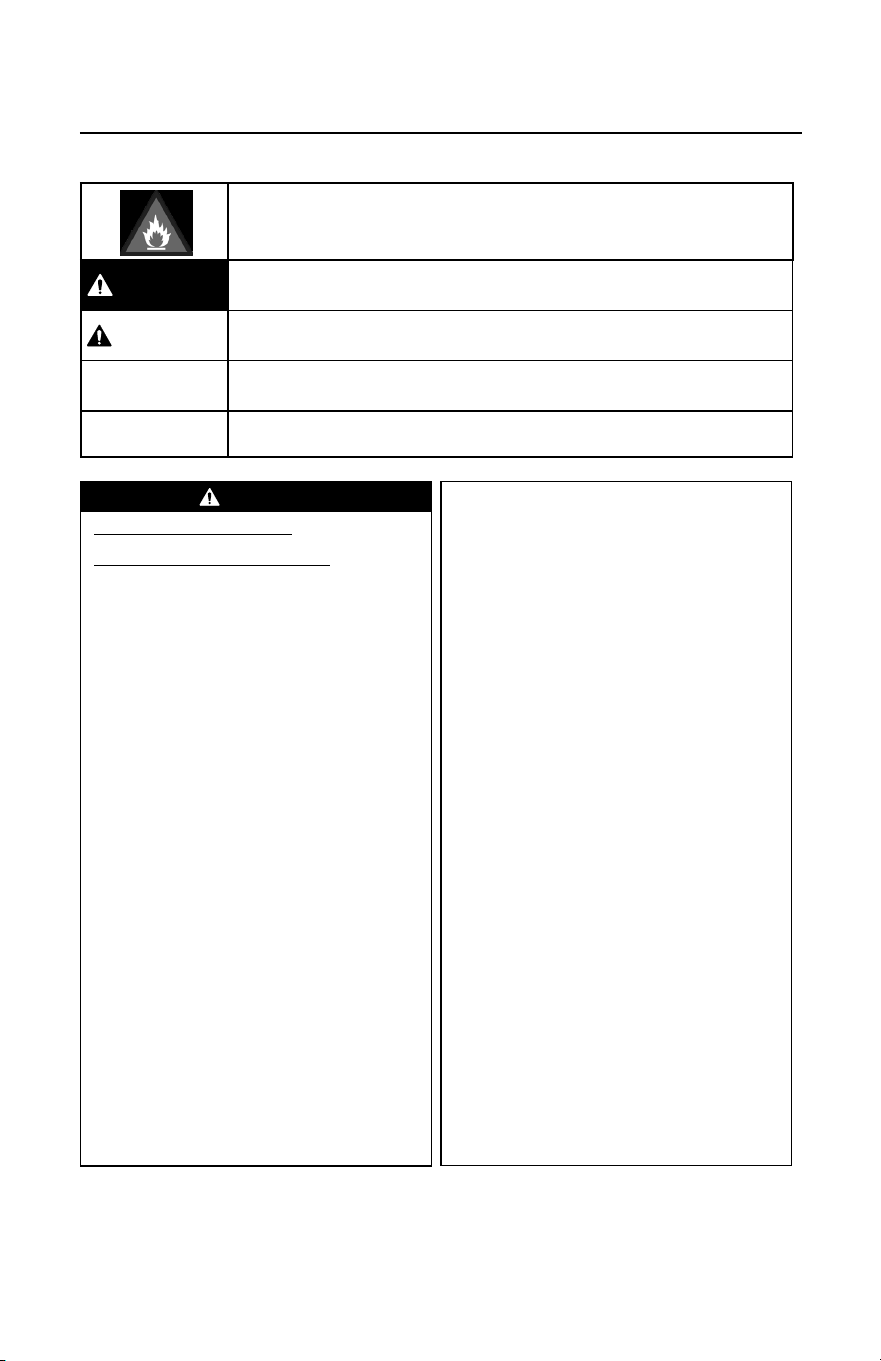
Operang Instrucons
Important Notes About Usage
R-290 Class A3 Flammable Refrigerant Used
DANGER
Indicates a hazardous situation that, if not avoided, will
result in death or serious injury.
WARNING
Indicates a hazardous situation that, if not avoided, could
result in death or serious injury.
NOTICE
Indicates a situation that, if not avoided, could result in
damage to the appliance or property.
IMPORTANT
Indicates important information about the use and care of the
appliance.
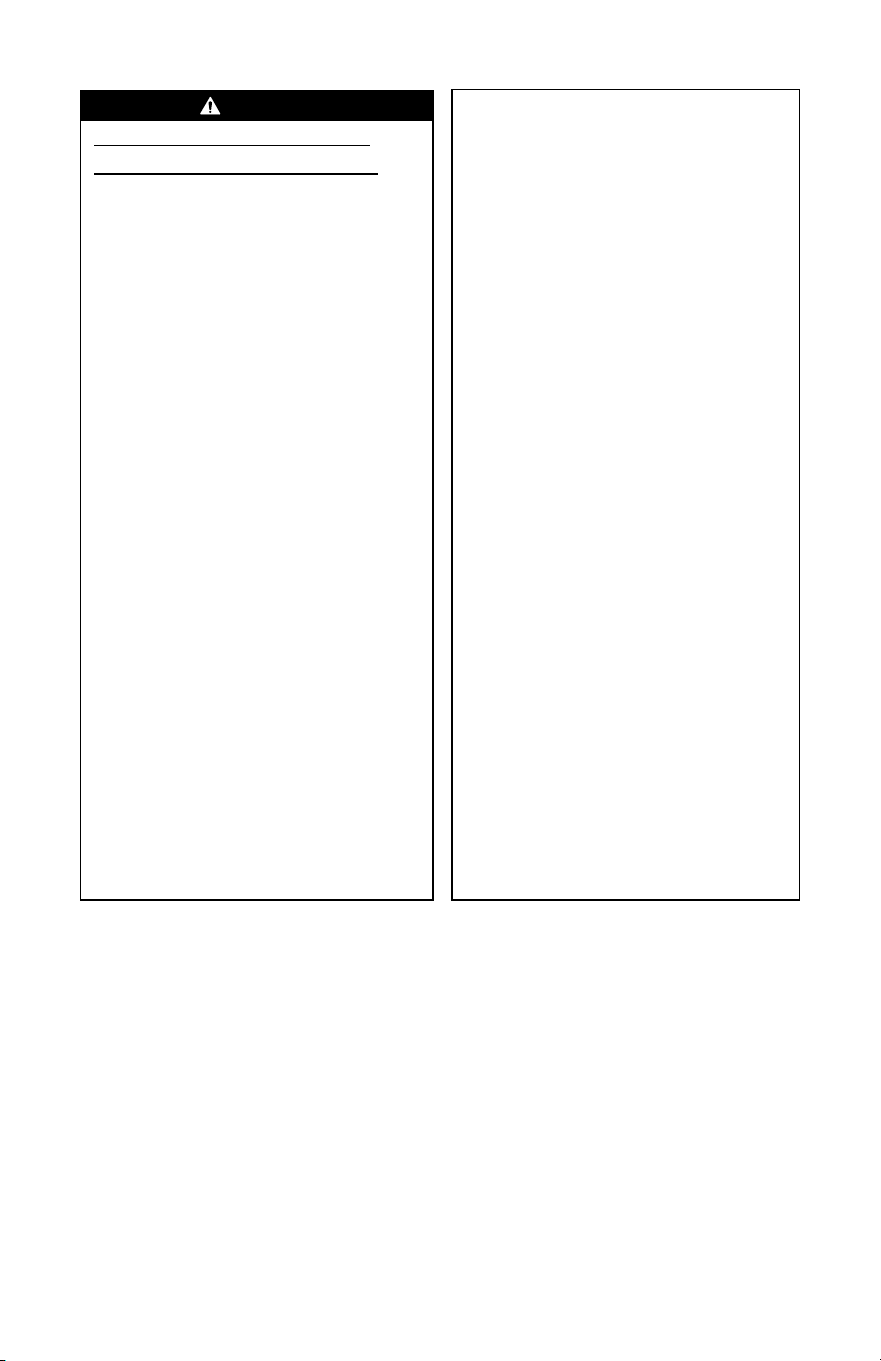
DANGER
Risk of Fire or Explosion
Flammable Refrigerant Used
• Follow handling instrucons carefully
in compliance with government
regulaons.
• Do not use mechanical devices
or other means to accelerate the
defrosng process, other than those
recommended by the manufacturer.
• Do not puncture refrigerant tubing. Risk
of re or explosion due to puncture
of refrigerant tubing; follow handling
instrucons carefully.
• Component parts shall be replaced with
like components.
• Servicing shall be done by trained
service personnel with cered
competence in handling ammable
refrigerants to minimize the risk of
possible ignion due to incorrect parts
or improper service.
• Consult instrucon manual / service
manual before aempng to install
or service this product. All safety
precauons must be followed.
• Dispose of properly in accordance with
federal or local regulaons.
• The appliance shall be stored in a room
without connuously operang ignion
sources (for example: open ames, an
operang gas appliance, or an operang
electric heater).
• Do not pierce or burn.
• Be aware that refrigerants may not
contain an odor.
• Do not place any potenal ignion
sources in or near the appliance.
• Keep clear of obstrucon all venlaon
openings in the appliance enclosure or
in the structure for building-in.
• Before making repairs, ensure the area
in adequately venlated before breaking
into the refrigeraon circuit.
• No potenal sources of ignion are to
be used in the searching for or detecon
of refrigerant leaks.
• Do not use electrical appliances inside
the food storage compartments unless
they are of the type recommended by
the manufacturer.
• Do not store explosive substances
such as aerosol cans with a ammable
propellant in this appliance.
• Do not damage the refrigeraon circuit.
19
• L’appareil doit étre entreposé dans
un local ne contenant pas de sources
d’inammaon permanentes
(ammes nues, appareil à gaz ou
disposif de chauage électrique en
fonconnement, par exemple).
• Ne pas percer ou brûler.
• Aenon, les uides frigourgénes
peuvbent ne pas dégager d’odeur.
• Ne placez aucune source
d’inammaon potenelle dans ou près
de l’appareil.
• Gardez dégagées toutes les ouvertures
de venlaon dans l’enceinte de
l’appareil ou dans la structure à
encastrer.
• Avant d’eectuer des réparaons,
assurez-vous que la zone est
correctement venlée avant d’entrer
dans le circuit de réfrigéraon.
• Aucune source potenelle
d’inammaon ne doit être ulisée lors
de la recherche ou de la détecon de
fuites de réfrigérant.
• N’ulisez pas d’appareils électriques
à l’intérieur des comparments de
stockage des aliments sauf s’ils sont du
type recommandé par le fabricant.
• Ne stockez pas de substances explosives
telles que des bombes aérosol
contenant un propulseur inammable
dans cet appareil.
• N’endommagez pas le circuit
frigorique.
DANGER
Risque De Feu Ou D’Explosion
Le Frigorigène Est Inammable
• Suivre aenvement les instrucons
de manipulaon conformément à la
réglementaon gouvernementale.
• N’ulisez pas de disposifs mécaniques
ou d’autres moyens pour accélérer le
processus de dégivrage, autres que ceux
recommandés par le fabricant.
• Ne pas perforer la tubulure contenant le
frigorigène. Risque de feu ou d’explosion
si la tubulure contenant le frigorigène
est perforée; suivre les instrucons de
manutenon avec soin.
• Les pièces des composants doivent
être remplacées par des pièces et
accessoires équivalents.
• L’entreen doit être eectué par un
personnel de service agréé par l’usine
et possédant une compétence cerée
dans la manipulaon de réfrigérants
inammables an de minimiser le risque
d’inammaon possible en raison de
pièces incorrectes ou d’un entreen
inapproprié.
• Consulter le manuel du propriétaire/
guide de réparaon avant de tenter
une réparaon. Toutes les mesures de
sécurité doivent être respectées.
• Éliminer conformément aux règlements
fédéraux ou locaux.
20
WARNING
This appliance should be desned only to the use for which it has been
expressly conceived. Any other use should be considered improper and
therefore dangerous. The manufacturer cannot be held responsible for injury
or damage resulng from improper, incorrect, and unreasonable use. Failure
to install, operate, and maintain the appliance in accordance with this manual
will adversely aect safety, performance, component life, and warranty
coverage.
To reduce the risk of death, electric shock, serious injury, or re, follow basic
precauons including the following:
• Only qualied service technicians should install and service this appliance.
• Wear appropriate personal protecve equipment (PPE) when servicing the
appliance.
• The appliance must be installed in accordance with applicable naonal,
state, and local codes and regulaons.
• Appliance is heavy. Use care when liing or posioning. Work in pairs when
needed to prevent injury or damage. Do not li using the top secon or the
doors/drawers.
• To reduce the risk of electric shock, do not touch the plug with damp hands.
• Unplug the appliance before servicing.
• The appliance requires an independent power supply of proper capacity. See
the nameplate for electrical specicaons. Failure to use an independent
power supply of proper capacity can result in a tripped breaker, blown fuse,
damage to exisng wiring, or component failure. This could lead to heat
generaon or re.
• THE APPLIANCE MUST BE GROUNDED: The appliance is equipped with a
NEMA 5-15 three-prong grounding plug to reduce the risk of potenal
shock hazards. It must be plugged into a properly grounded, independent
3-prong wall outlet. If the outlet is a 2-prong outlet, it is your personal
responsibility to have a qualied electrician replace it with a properly
grounded, independent 3-prong wall outlet. Do not remove the ground
prong from the plug and do not use an adapter plug. Failure to follow these
instrucons may result in death, electric shock, or re.
• Do not use an extension cord.
• Do not use an appliance with a damaged power cord. The power cord
should not be altered, jerked, bundled, weighed down, pinched, or tangled.
Such acons could result in electric shock or re. To unplug the appliance,
be sure to pull the plug, not the cord, and do not jerk the cord.
• The GREEN ground wire in the factory-installed power cord is connected to
the appliance. If it becomes necessary to remove or replace the power cord,
be sure to connect the power cord’s ground wire.
• Do not make any alteraons to the appliance. Alteraons could result in
electric shock, injury, re, or damage to the appliance.
21
WARNING, continued
• The appliance is designed only for temporary storage of food. Employ sanitary
methods. Use for any other purposes (for example, storage of chemicals or
medical supplies such as vaccine and serum) could cause deterioraon of
stored items.
• Appliance is heavy. Use care when liing or posioning. Work in pairs when
needed to prevent injury or damage.
• The appliance is not intended for use by persons (including children) with
reduced physical, sensory, or mental capabilies, or lack of experience and
knowledge, unless they have been given supervision or instrucon concerning
use of the appliance by a person responsible for their safety.
• Children should be properly supervised around the appliance.
• Do not use combusble spray or place volale or ammable substances in or
near the appliance. They might catch re.
• Do not place any product on the oor of the appliance. All product must be
placed on properly installed shelves.
• Do not block air inlets or outlets, otherwise cooling performance may be
reduced.
• Do not ghtly pack the appliance. Allow some space between items to ensure
good air ow. Also allow space between items and interior surfaces.
• Do not put warm or hot foods in the cabinet. Let them cool rst, or they
will raise the appliance temperature and could deteriorate other foods in the
cabinet or overload the appliance.
• Food storage and handling must comply with applicable codes and regulaons.
• Do not climb, stand, or hang on the appliance or doors or allow children
or animals to do so. Do not climb into the appliance or allow children or
animals to do so. Death or serious injury could occur or the appliance could
be damaged.
• Keep the area around the appliance clean. Dirt, dust, or insects in the
appliance could cause harm to individuals or damage to the equipment.
• Do not place more than 20 lb. (9 kg.) on the top panel. Items must be stable
and secure to prevent items from falling o of the appliance.
• All foods should be wrapped in plasc lm or stored in sealed containers.
Otherwise foods may dry up, pass their smells onto other foods, cause frost
to develop, result in poor appliance performance, on increise the likelihood
of cross-contaminaon. Certain dressings and food ingredients, if not stored
in sealed containers, may accelerate corrosion of the evaporator, resulng in
failure.
• Care should be used when placing items on top of the appliance. Do not store
liquid containers or items that could fall through the louvers on top of the
appliance. This could cause electric shock or re.
• Do not load any shelf with more than 120 lb. (54.5 kg) of product. They might
fall o and cause injury.
• Do not store items near air outlets. Otherwise, items may freeze up and crack
or break causing a risk of injury or contaminaon of other food.
22
NOTICE
• Install the appliance in a locaon that stays above freezing. Normal operang
ambient temperature must be within:
Refrigerators: 45°F to 100°F (7°C to 38°C)
Freezers: 45°F to 80°F (7°C to 27°C).
• Protect the oor when moving the appliance to prevent damage to the oor.
• Keep venlaon openings, in the appliance enclosure or in the built-in
structure, clear of obstrucon.
• Do not allow the appliance to bear any outside weight.
• To prevent deformaon or cracks, do not spray inseccide onto the plasc
parts or let them come into contact with oil.
• To avoid damage to the gasket, use only the door handle when opening and
closing.
• Protect the oor when moving the appliance to prevent damage to the oor.
• Keep venlaon openings, in the appliance enclosure or in the built-
in
structure, clear of obstrucon. Do not place anything on top of the appliance
in an undercounter installaon. There must be at least 1.5” (4 cm) overhead
clearance for proper venlaon. The factory-installed rear bumpers must
be in place to ensure proper rear clearance. Blockage of airow could
negavely aect performance and damage the appliance.
• Do not allow the appliance to bear any outside weight.
• To prevent deformaon or cracks, do not spray inseccide onto the plasc
parts or let them come into contact with oil.
• To avoid damage to the gasket, use only the door/drawer handle when
opening and closing.
• To avoid damage to the top seal, do not li the appliance by the top panel
or remove the top panel.

23
1. Plug in the electrical cord of the appliance to a wall outlet, following
the recommendaons about electrical installaon in this manual.
2. Let the appliance run with no product load for 2 hours, or let
the compressor complete three on/o cycles to assure that the
temperature inside is appropriate for the products before loading
them into the appliance.
3. When placing products in the appliance, you should leave small gaps
between one and the other to assure free circulaon of air inside the
appliance.
4. Do not leave the door open for extended periods of me, to avoid
increased temperature of the products.
5. Do not unplug your appliance during the night, since when you turn it
back on during the day the electrical consumpon will increase.
6. Do not ghtly pack the appliance. Allow some space between items
to ensure good air ow. Also allow space between items and interior
surfaces.
7. Do not overload the appliance with product.
8. Be careful not to pinch ngers when opening and closing the door. Be
careful when opening and closing the door when children are in the
area.
Start up the Appliance

24
1. Is the appliance level?
2. Have the casters been properly installed and have the front casters
been locked?
3. Is the appliance in a site where the ambient temperature is constantly
within 45°F to 100°F (7°C to 38°C)?
4. Have the shipping carton, tape, and packing material been removed
from the appliance? Has the protecve plasc lm been removed
from both the exterior panels and the interior door/drawer panel?
5. Have the appliance and accessories been checked for shipping
damage?
6. Are the factory-installed rear bumpers in place to ensure proper rear
clearance? For undercounter and worktop models, is there at least
1.5” (4 cm) overhead clearance for proper venlaon?
7. Has the power supply voltage been checked or tested against
the nameplate rang?Is the power supply a properly grounded,
independent wall outlet? Does the electrical connecon meet all
naonal, state, and local code and regulaon requirements?
8. Have the refrigerant lines been checked to make sure they do not
rub or touch other lines or surfaces? Has the condenser fan blade
been checked to make sure it turns freely? Is the compressor securely
aached?
9. Have the shelves been adjusted to the desired height?
10. Has the end user been given the instrucon manual, and instructed
on how to operate the appliance and the importance of the
recommended periodic maintenance?
11. Has the end user been given the contact informaon of an authorized
service agent?
12. Has the warranty card been lled out and forwarded to the factory
for warranty registraon?
Final Checklist
25
Controls and Adjustments
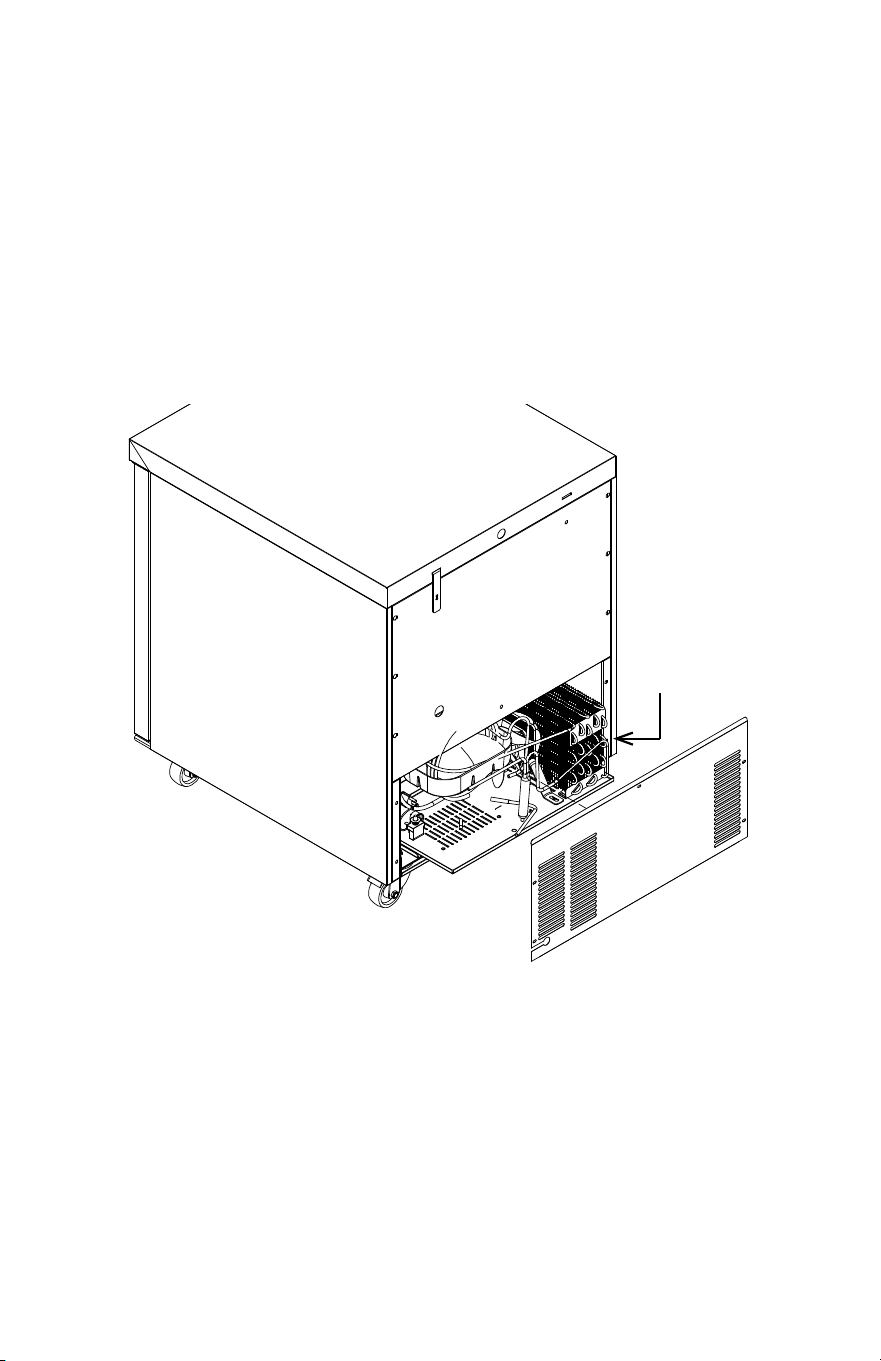
The posion of the appliance temperature control dial is preset to an
appropriate temperature under normal condions.
To change temperature clockwise for colder and counter clockwise for
warmer.
Control module
DEFROST CYCLES
The control module is programmed to perform a defrost cycle:
Every four hours for VUR27A, VUR48A, VWR27A, and VWR48A for a
duraon of 25 minutes.
Every six hours for VUR60A, and VWR60A for a duraon of 25 minutes.
Every eight hours for all the freezers for a duraon of 25 minutes.
These defrosts ensure that the evaporator remains free of ice build-up,
opmizing the performance of the appliance.
The temperature of a refrigerator should be between +31°F (-1°C) to +40°F (4°C)
The temperature of a freezer should be between -12°F (-24°C) to -2°F (-19°C)
1. LED 1 (GREEN): Shows the instrument status:
ON = Instrument in Eco mode;
Flashing = Instrument in Normal mode.
2. LED 2 (RED): Indicates the status Alarm/Standby:
ON = Powered, but in standby status;
Flashing = Alarm acve.
3. LED 3 (BLUE): Species the control status:
ON = Control actuator (compressor) ON;
Flashing = Defrost in progress.
4. Set Point seng knob: The knob is used to manage the control Set
Point. The knob acts on a trimmer with 10 snap posions.
ALARM SAFETIES
26
Your appliance requires very lile maintenance. However, periodic cleaning
can help maintain eciency and prolong product life. Remember to
disconnect the power source before cleaning. Remove all products and
place them in another appliance.
1. Only qualified service technicians should install and service this
appliance.
2. Clean once a month the condenser with a grease remover. The condenser
is located in the lower part of your appliance, behind the front grill.
Condenser
Cleaning and Prevenve Maintenance
3. Clean the inside and the exterior of your appliance, including the shelves,
with a mild soap soluon. Do not use strong detergents. Wipe dry the
inside of the appliance before loading product again.
4. Allow the appliance to cool down to setpoint before loading with
product.
5. Do not splash, pour, or spray pressure water directly onto or into the
appliance. This might cause short circuit, electric shock, corrosion, or
failure.
27
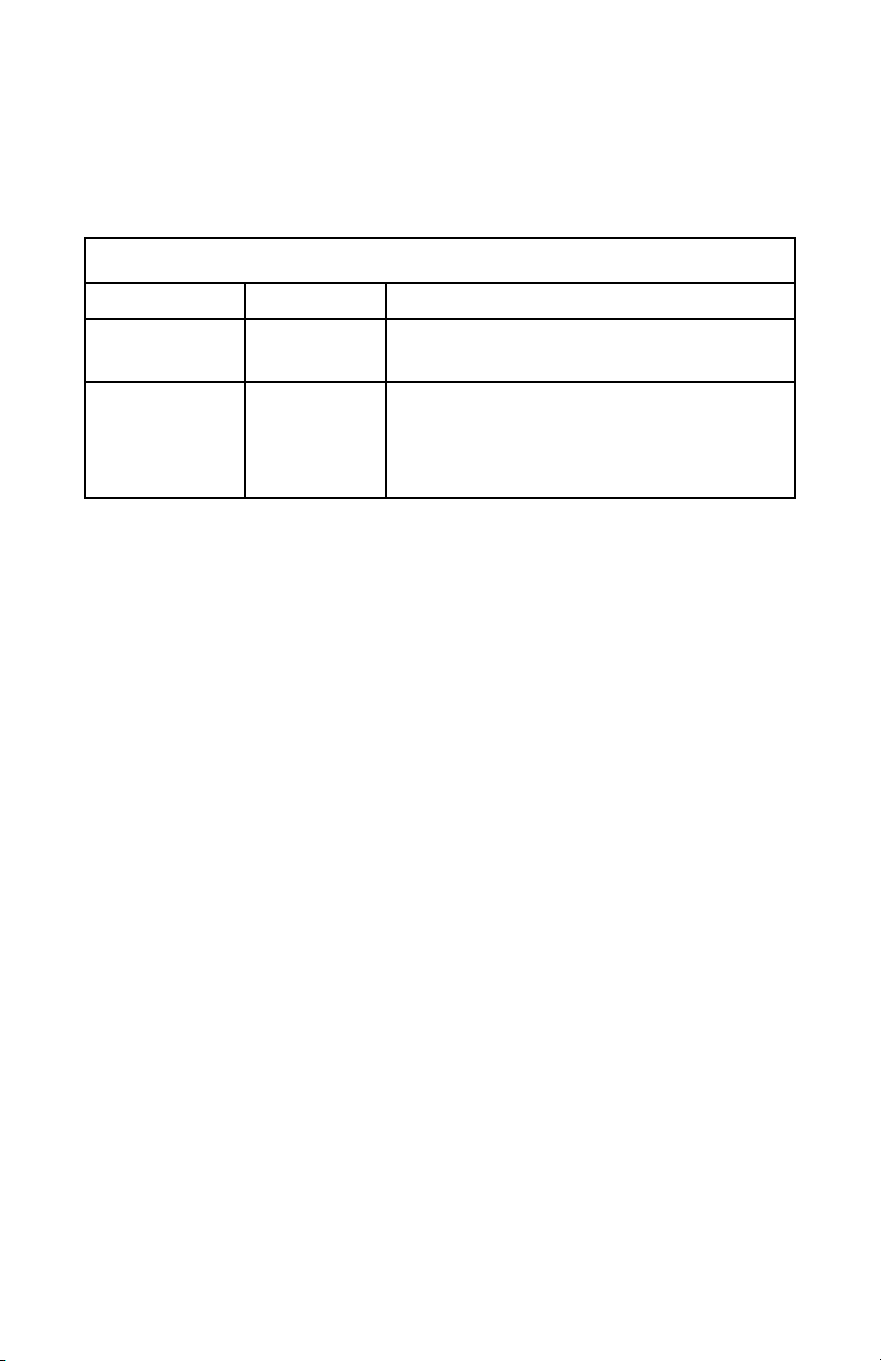
Maintenance Schedule
The maintenance schedule below is a guideline. More frequent
maintenance may be required depending on the appliance’s environment,
and local sanitaon regulaons.
Maintenance Schedule
Frecuency Area Task
Bi-Weekly Air lters Inspect. Wash with warm water and
neutral cleaner if dirty.
Bi-Yearly Condenser Inspect. Clean if necessary by using
a brush or vacuum cleaner. More
frequent cleaning may be required
depending on locaon.
28
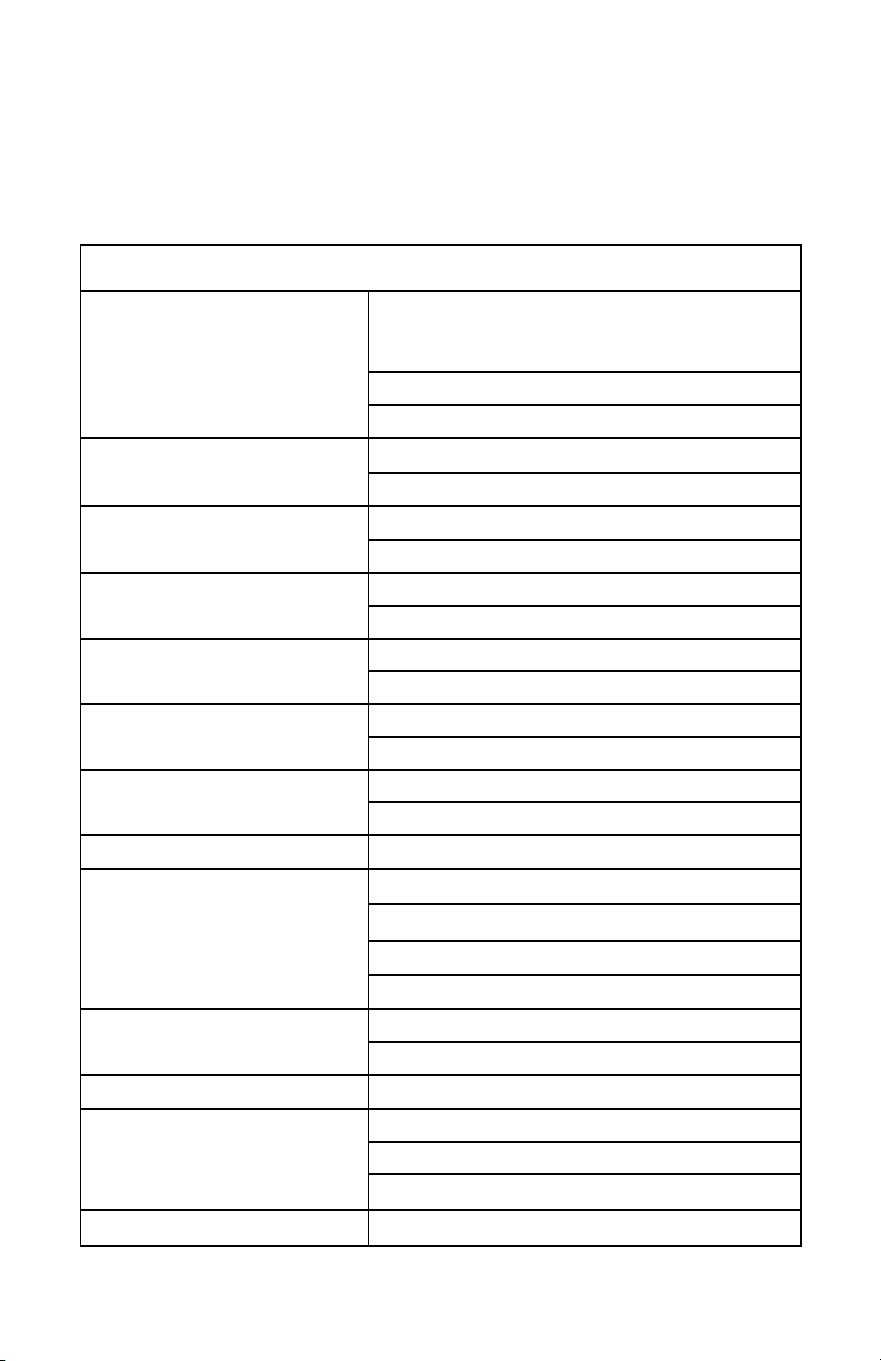
Troubleshoong
a) Not Cooling
Check for correct appliance installaon per the instrucon manual and
proper voltage per appliance nameplate.
Not Cooling - Possible Cause
1. Power Supply a) Unplugged, o, blown fuse, tripped or defecve circuit
breaker. On three-secon receptacle box, only top
receptacles have power.
b) Loose connecon.
c) Not within specicaons.
2. Cord and Plug a) Loose connecon.
b) Defecve.
3. Control Module a) In alarm.
b) Defecve.
4. Door Switch a) Not engaged.
b) Defecve.
5. Door Switch Relay a) Loose connecon.
b) Defecve.
6. Fan Motors
a) Defecve.
b) Dirty condenser.
7. Wiring a) Loose connecon.
b) Faulty.
8. Compressor Relay (ptc) a) Defecve.
9. C o m p ressor External Pro tector a) Dirty condenser.
b) Condenser fan motor not operang.
c) Compressor capacitor or start relay defecve.
d) Defecve.
10. Compressor a) Defecve.
b) Low voltage.
11. Condenser a) Dirty.
12. Refrigerant/Refrigerant Lines a) Low or overcharged.
b) Refrigerant leak.
c) Refrigerant lines restricted.
13. Filter Drier a) Defecve.
29
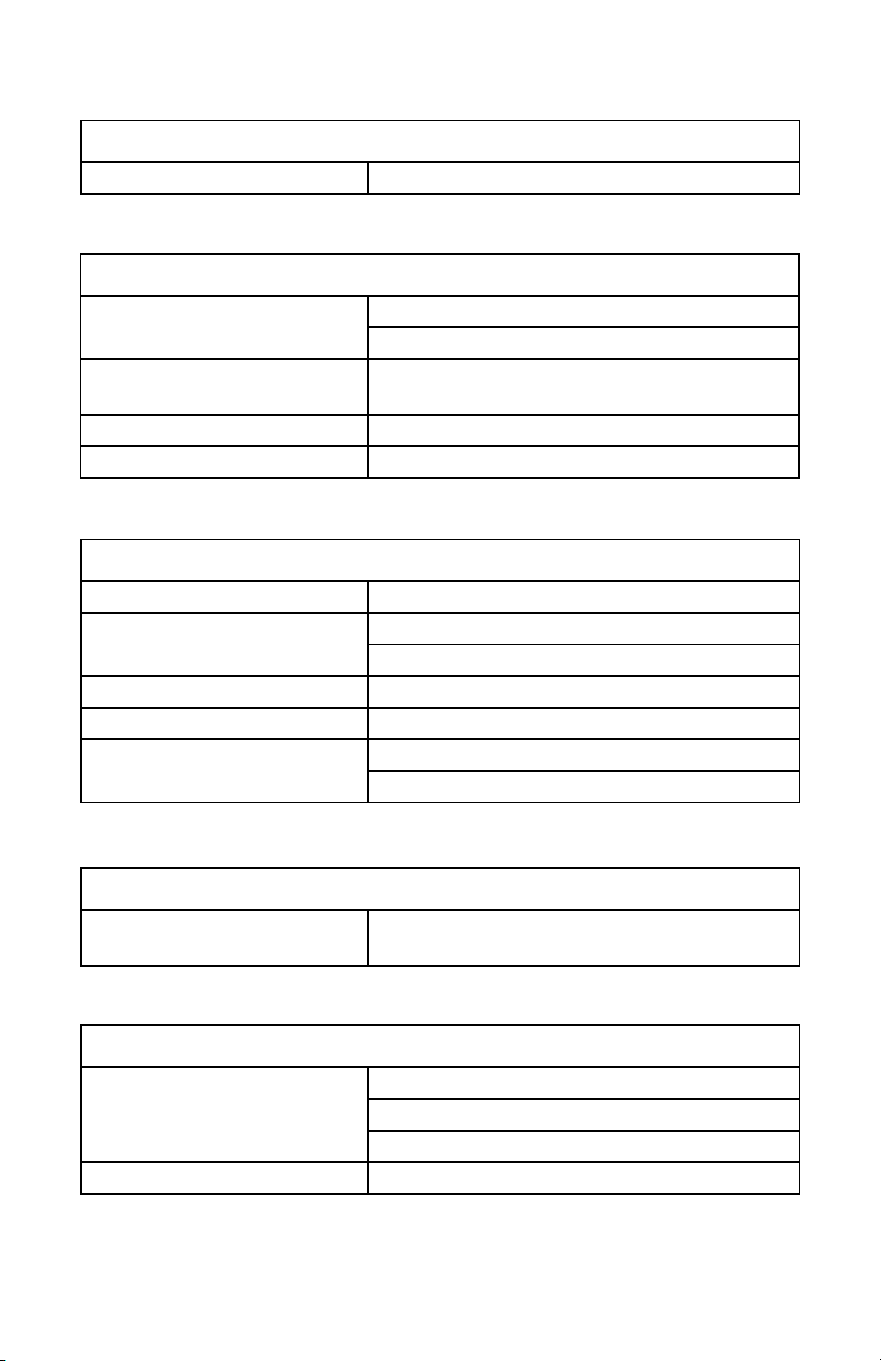
Evaporator Frozen Up - Possible Cause
1. Evaporator a) Dirty.
2. Evaporator Fan Motor a) Fan blades binding.
b) Defecve.
3. Control Module a) Defecve.
4. Compressor Relay (ptc) a) Defecve.
5. Refrigerant Charge/Refrigerant
Lines
a) Low.
b) Component restricon (cap tube or drier).
Refrigerator Defrost Fails to Iniate - Possible Cause
1. Control Module (6-hrs. defrost
mer)
a) Defecve.
d) Evaporator Frozen Up
e) Defrost
b) Too Much Cooling
Too much cooling - Possible Cause
1. Cabinet Thermistor a) Defecve.
c) Extreme Condensaon
Extreme condensaon - Possible Cause
1. Cabinet Thermistor a) Loose.
b) Installed improperly.
2. Door a) Do not shut completly (Defecve gasket or hinges not
adjusted).
3. Locaon a) Inadequate locaon.
4. Environment a) High relave humidity (Over 75%).
No illuminaon - Possible Cause
1. Light Switch a) “OFF” posion.
b) Open contact.
c) Defecve.
2. Control Module
6. Control Module program.
f) No Illuminaon
If the problem is not eliminated aer compleng the suggested acons,
please get in touch with customer service for technical assistance.
30
Decommissioning and Disposal
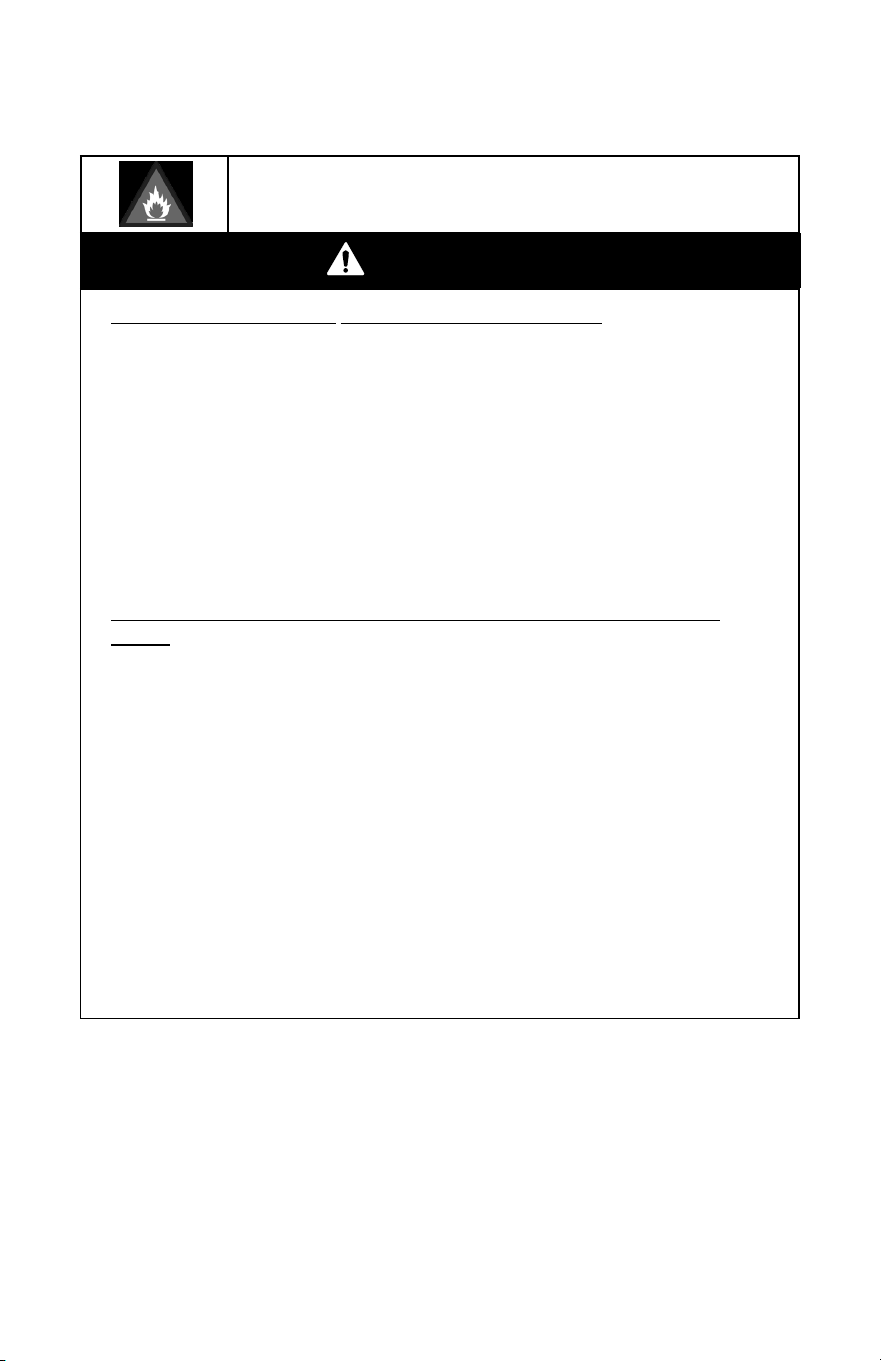
DANGER
Risk of Fire or Explosion Flammable Refrigerant Used
• Only qualied service technicians should install and service the appliance.
• Follow handling instrucons carefully in compliance with naonal
regulaons.
• Dispose of properly in accordance with federal or local regulaons.
• Do not puncture refrigerant tubing. Risk of re or explosion due to
puncture of refrigerant tubing; follow handling instrucons carefully.
• Be sure to follow the full Decommissioning and Disposal informaon
located in the Service Manual for this model. The Service Manual is
available at www.hoshizakiamerica.com.
Risque D'Incendie ou D'Explosion. Fluide Frigorigène Inammable
Ulisé
• Seuls des techniciens de service qualiés doivent installer et entretenir
l'appareil.
• Suivre aenvement les instrucons de manutenon conformément aux
réglements naonaux.
• Mere au rebut conformément aux conformément aux réglements
fédéraux ou locaux.
• Ne pas perforer la conduite de uide frigorigène. Risque d'incendie ou
d'explosion en cas de perforaon d'une canalisaon de uide frigorigène;
suivez aenvement les instrucons de manutenon.
• Veiller à respecter l'ensemble des informaons relaves à la mise hors
service et à la mise au rebut gurant dans le manuel d'entreen de
ce modèle. Le manuel d'entreen est disponible à l'adresse suivante:
www.hoshizakiamerica.com.
R-290 Class A3 Flammable Refrigerant Used

618 Hwy. 74 South, Peachtree City, GA 30269 USA (P) (800) 227-3172
www.hoshizakiamerica.com
MAN-412-R-03
by