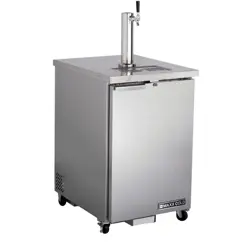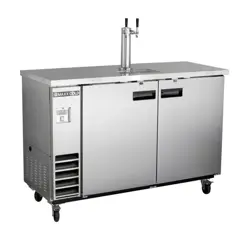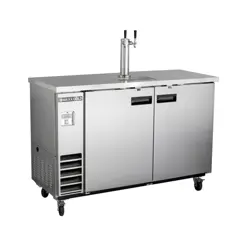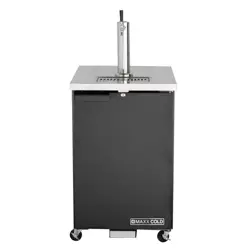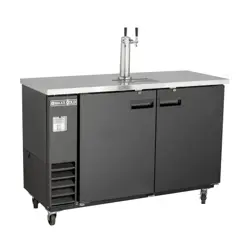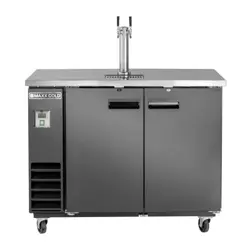
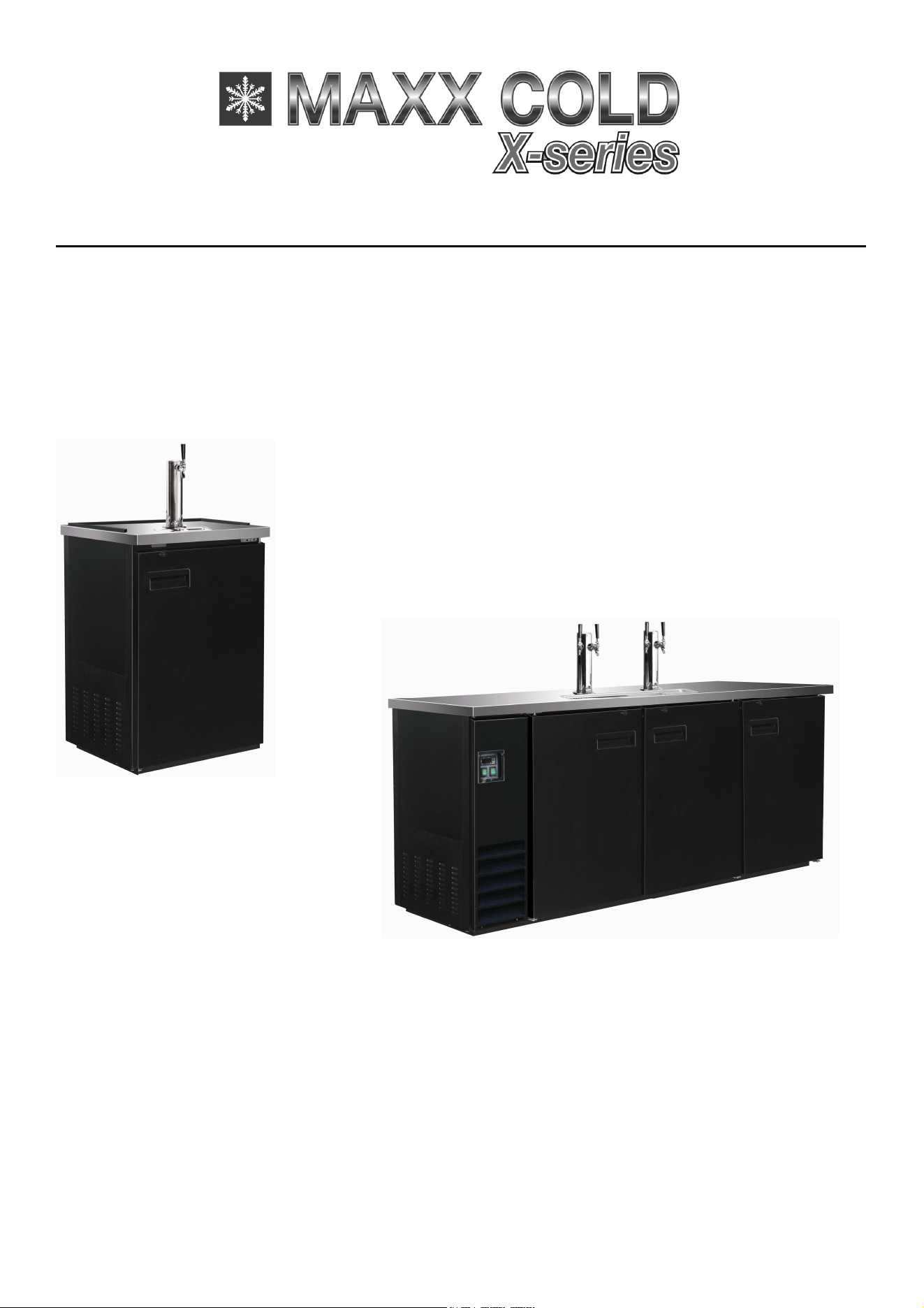
Beer Dispensers
Service, Installation and Care Manual
Please read this manual completely before attempting to install or operate this equipment.
Notify carrier of damage! Inspect all components immediately.
IMPORTANT INFORMATION
READ BEFORE USE
PLEASE SAVE THESE INSTRUCTIONS!
Service and Installation Manual
2
COMMECIAL REFRIGERATOR SAFETY
Your safety and the safety of others are very important.
We have provided many important safety messages in this manual and on your appliance. Always read and obey all
safety messages.
Our product instructions will be uploaded on our company official website.
This is the Safety Alert Symbol. This symbol alerts you to potential hazards that can kill or
injure you and others. All safety messages will follow the Safety Alert Symbol and either the
words” DANGER”, “WARNING” or “CAUTION”.
Danger means that failure to heed this safety statement
may result in severe personal injury or death.
Warning means that failure to heed this safety statement
may result in extensive product damage, serious personal
injury, or death.
Caution means that failure to heed this safety statement
may result in minor or moderate personal injury, or property
or equipment damage.
All safety messages will alert you to what the potential hazard is, tell you how to reduce the chance of injury, and let
you know what can happen if the instructions are not followed.
I
f the supply cord is damaged, it must be replaced by the manufacturer, its service agent or similarly qualified persons
in order to avoid a hazard.
T
his appliance is not intended for use by persons (including children) with reduced physical, sensory or mental
capabilities, or lack of experience and knowledge, unless they have been given supervision or instruction concerning
use of the appliance by a person responsible for their safety.
C
hildren should be supervised to ensure that they do not play with the appliance.
T
his appliance can be used by children aged from 8 years and above and persons with reduced physical sensory or
mental capabilities or lack of experience and knowledge if they have been given supervision or instruction concerning
use of the appliance in a safe way and understand the hazards involved. Children shall not play with the appliance.
Cleaning and user maintenance shall not be made by children without supervision.
K
eep the appliance and its cord out of reach of children less than 8 years.
D
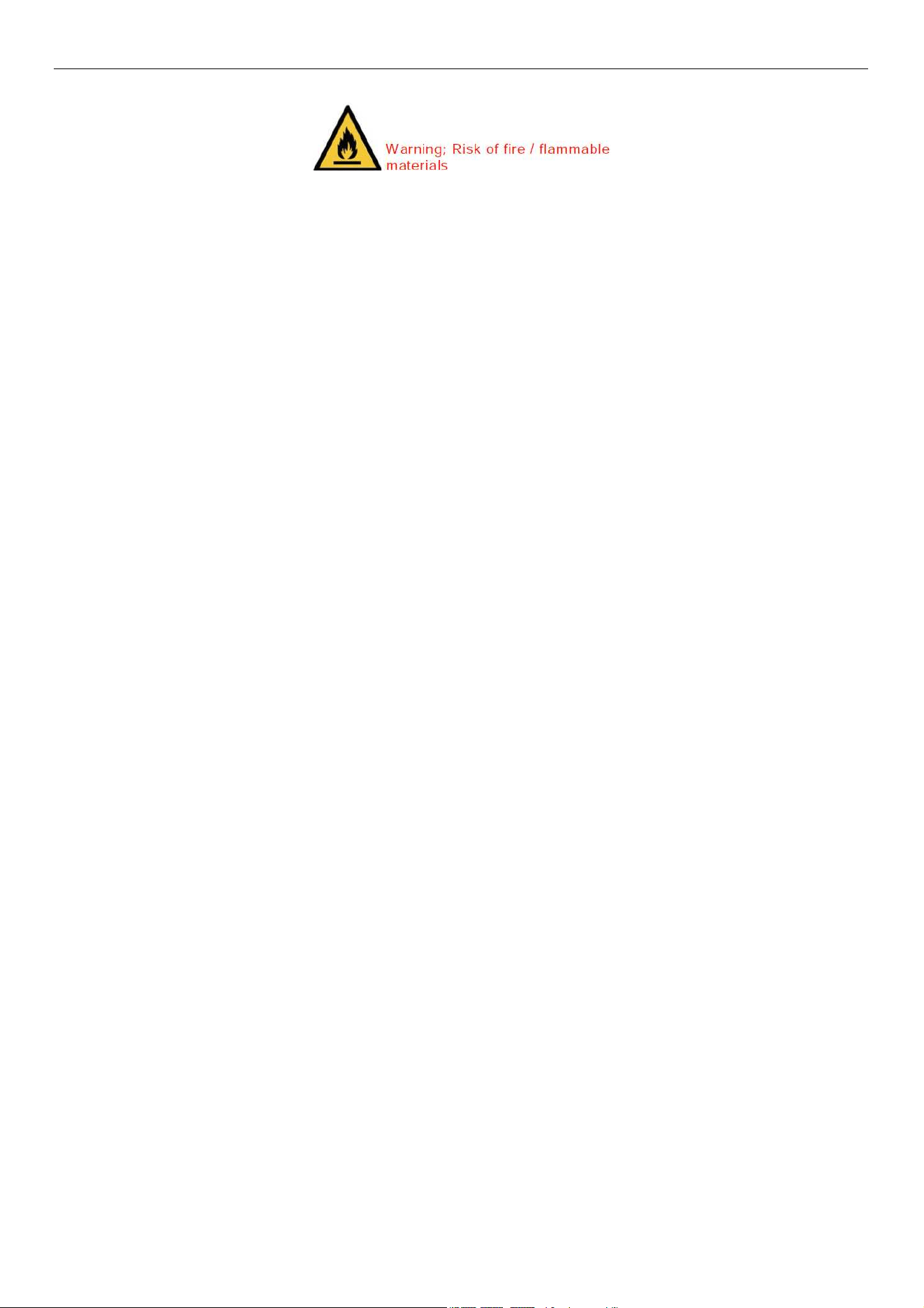
o not store explosive substances such as aerosol cans with a flammable propellant in this appliance.
T
he appliance use flammable insulation blowing gas C5H10, disposal of the appliance shall in accordance with the
regulations of local authorities.
Service and Installation Manual
3
T
he key for appliance electric box should be safe kept by qualified persons in order to avoid a hazard
W
ARNING: Keep ventilation openings, in the appliance enclosure or in the built-in structure, clear of obstruction.
W
ARNING: Do not use mechanical devices or other means to accelerate the defrosting process, other than those
recommended by the manufacturer.
W
ARNING: Do not damage the refrigerant circuit.
W
ARNING: Do not use electrical appliances inside the food storage compartments of the appliance, unless they are
of the type recommended by the manufacturer.
H
andling, moving, and use of the refrigerator or freezer to avoid either damaging the refrigerant tubing, or increasing
the risk of a leak
L’opération, le mouvement et l’utilisation du réfrigérant ou le congélateur doivent éviter les dommages du tuyau
réfrigérant ou le rique de la fuite.
C
aution – Risk of Fire or Explosion due to Flammable Refrigerant Used. Follow Handling
Instructions Carefully in Compliance with U.S. Government Regulations.
C
omponent parts shall be replaced with like components and that servicing shall be done by factory authorized
service personnel, so as to minimize the risk of possible ignition due to incorrect parts or improper service.
L
es pièces de rechange doivent être remplacées par les components relatifs et les opérations doivent être faites par
les professionnels afin de minimaliser le risque d’allumage à cause des parts incorrects ou des opérations impropres.
C
AUTION – Risk Of Fire Or Explosion Due To Puncture Of Refrigerant Tubing; Follow Handling Instructions Carefully.
Flammable Refrigerant Used
D
ANGER: Risk of child entrapment. Before you throw away your old refrigerator or freezer:
Take off the doors
Leave the shelves in place so that children may not easily climb inside.

Service and Installation Manual
4
CONTENTS
RECEIVING & INSPECTING EQUIPMENTIIIIIIIIIIIIIII..II.I.III4
SPECIFICATIONSIIIIIIIIIIIIIIIIIIII.IIIIIIIII...II...5
INSTALLATIONIIIIIIIIIIIIIIIIIIIIIIIIIIII.II..III.6
OPERATIONIII..IIIIIIIIIIIIIIIIIIIIIIIIII..III....I.7
MAINTENANCEIIIIIIIIIIIIIIIIIIIIIIIIIII.I.......I.I.....9
WIRING DIAGRAMIIIIIIIIIIIIIIIIIIIIIIIII...IIII...I12
All rights reserved. Reproduction without written permission is prohibited.
SERIAL NUMBER INFORMATION
The serial number of all self-contained refrigerators and freezers is located inside the unit on the left hand
side near the top on the wall. Always have the serial number of your unit available when calling for parts or
service.
This manual covers standard units only. If you have a custom unit, consult the customer service department
at the number listed in the back cover.
RECEIVING AND INSPECTING THE EQUIPMENT
Even though most equipment is shipped crated, care should be taken during unloading so the equipment is
not damaged while being moved into the building.
1. Visually inspect the exterior of the package and skid or container. Any damage should be noted and
reported to the delivering carrier immediately.
2. If damaged, open and inspect the contents with the carrier.
3. In the event that the exterior is not damaged, yet upon opening, there is concealed damage to the
equipment notify the carrier. Notification should be made verbally as well as in written form.
4. Request an inspection by the shipping company of the damaged equipment. This should be done within
10 days from receipt of the equipment.
5. Be certain to check the compressor compartment housing and visually inspect the refrigeration package.
Be sure lines are secure and base is still intact.
6. Freight carriers can supply the necessary damage forms upon request.
7. Retain all crating material until an inspection has been made or waived.
Service and Installation Manual
5
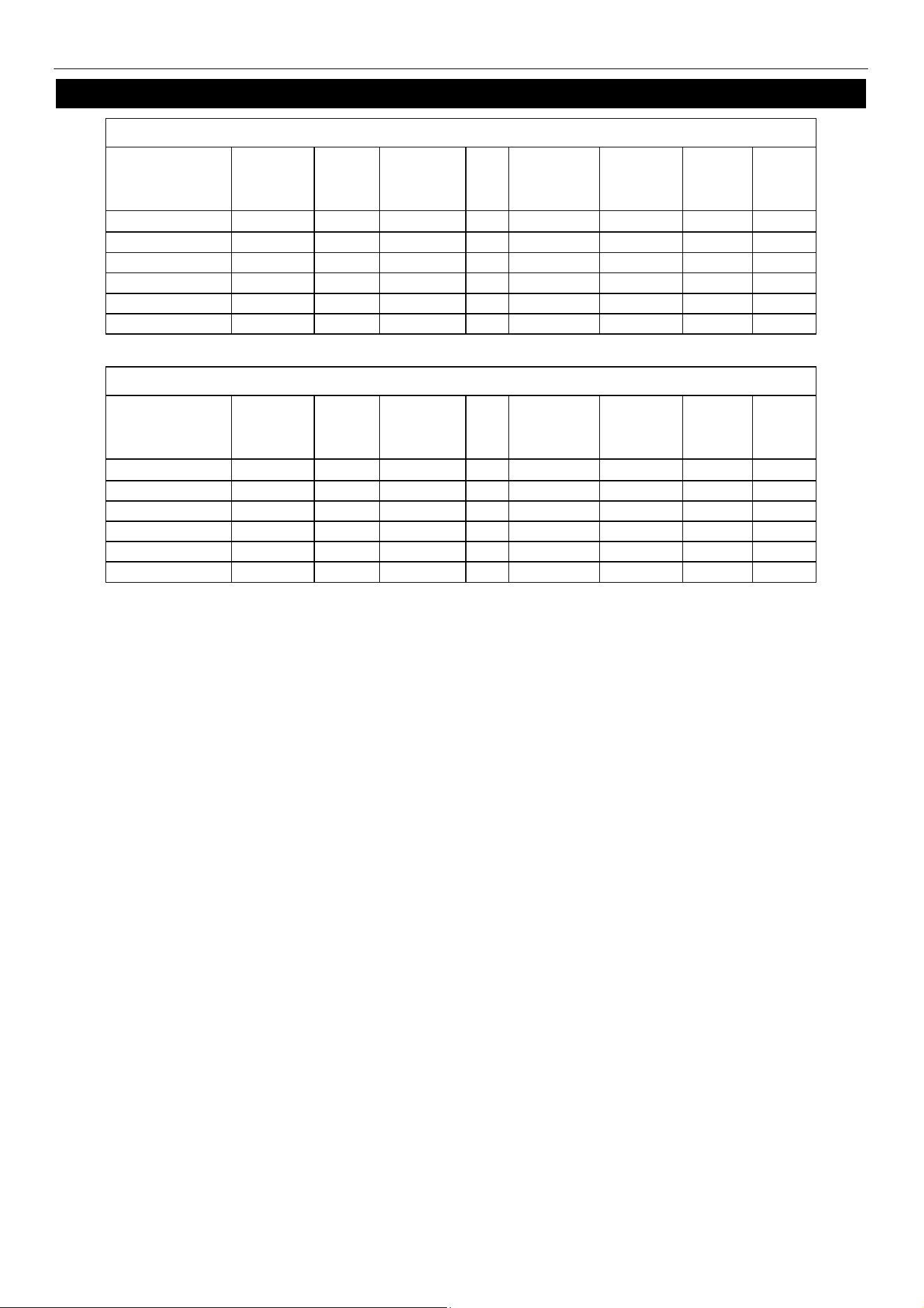
SPECIFICATION
BEER DISPENSERS
MODEL# V/Hz/Ph
AMPS
STORAG
E
CAPACIT
Y
HP
BTU
CHARGE
OZ
SHIP
WEIGH
T
LBS
NEMA
PLUG
MX
BD
24
-
1
B
115/60/1
2
.2
7.2
1
/8
740
2.82
161
5
-
15P
MX
BD
48
-
1
B
115/60/1
3
10.45
2
/
5
1155
3.88
264
5
-
15P
MX
BD
48
-
2B
115/60/1
3
10.45
2
/
5
1155
3
.88
267
5
-
15P
MX
BD
60
-
1
B
115/60/1
3
14.16
2
/
5
1155
3.88
302
5
-
15P
MX
BD
60
-
2B
115/60/1
3
14.16
2
/
5
1155
3.88
304
5
-
15P
MX
BD
72
-
2B
115/60/1
3
17.26
1
/
2
1771
4.59
351
5
-
15P
BEER DISPENSERS
MODEL# V/Hz/Ph
AMPS
STORAG
E
CAPACIT
Y
HP
BTU
CHARGE
OZ
SHIP
WEIGH
T
LBS
NEMA
PLUG
MX
BD
24
-
1
S
115/60/1
2
.2
7.2
1
/8
740
2.82
161
5
-
15P
MX
BD
48
-
1
S
115/60/1
3
10.45
2
/
5
1155
3.88
264
5
-
15P
MX
BD
48
-
2S
115/60/1
3
10.45
2
/
5
1155
3.88
267
5
-
15P
MX
BD
60
-
1
S
115/60/1
3
14.16
2
/
5
1155
3.88
302
5
-
15P
MX
BD
60
-
2S
115/60/1
3
14.16
2
/
5
1155
3.88
304
5
-
15P
MX
BD
72
-
2S
115/60/1
3
17.26
1
/
2
1771
4.59
351
5
-
15P
Service and Installation Manual
6
INSTALLATION
Location
Units represented in this manual are intended for indoor use only. Be sure the location chosen has a floor
strong enough to support the total weight of the cabinet and contents. A fully loaded unit can weigh as much
as 1500 pounds. Reinforce the floor as necessary to provide for maximum loading. For the most efficient
refrigeration, be sure to provide good air circulation inside and out.
Outside cabinet:
Be sure that the unit has access to ample air. Avoid hot corners and locations near stoves and ovens.
It is recommended that the unit be installed no closer than 2" from any wall with at least 12" of clear space
above the unit. Should it become necessary to lay the unit on its side or back for any reason, allow at least
24 hours before start-up so as to allow compressor oil to flow back to the sump. Failure to meet this
requirement can cause compressor failure and unit damage.
Leveling
A level cabinet looks better and will perform better because the doors will line up with the frames properly,
the cabinet will not be subject to undue strain and the contents of the cabinet will not move around on the
shelves. Use a level to make sure the unit is level from front to back and side to side. Units supplied with
legs will have adjustable bullet feet to make the necessary adjustments. If the unit is supplied with casters,
no adjustments are available. Ensure the floor where the unit is to be located is level.
Stabilizing
Models are supplied on casters for your convenience, ease of cleaning underneath and for mobility. It is very
important, however, that the cabinet be installed in a stable condition with the front wheels locked while in
use.
Standard warranties will be voided due to improper installation procedures.
Electrical connection
Refer to the amperage data on page 3, the serial tag, your local code or the National Electrical Code to be
sure the unit is connected to the proper power source. A protected circuit of the correct voltage and
amperage must be run for connection of the line cord, or permanent connection to the unit.
The ON/OFF switch must be turned to OFF and the unit disconnected from the
power source whenever performing service, maintenance functions or cleaning
the refrigerated area.
Service and Installation Manual
7
OPERATION
Do not throw items into the storage area. Failure to heed these
recommendations could result in damage to the interior of the cabinet.
Refrigerators: The factory setting for temperature range is 34°F - 38°F
On/Off Switch:
An on/off switch is located on the side of the bottom shroud. When the unit is on, the switch will glow
green.
Light Switch:
An light switch is located next to on/off switch on the front of the bottom shroud.
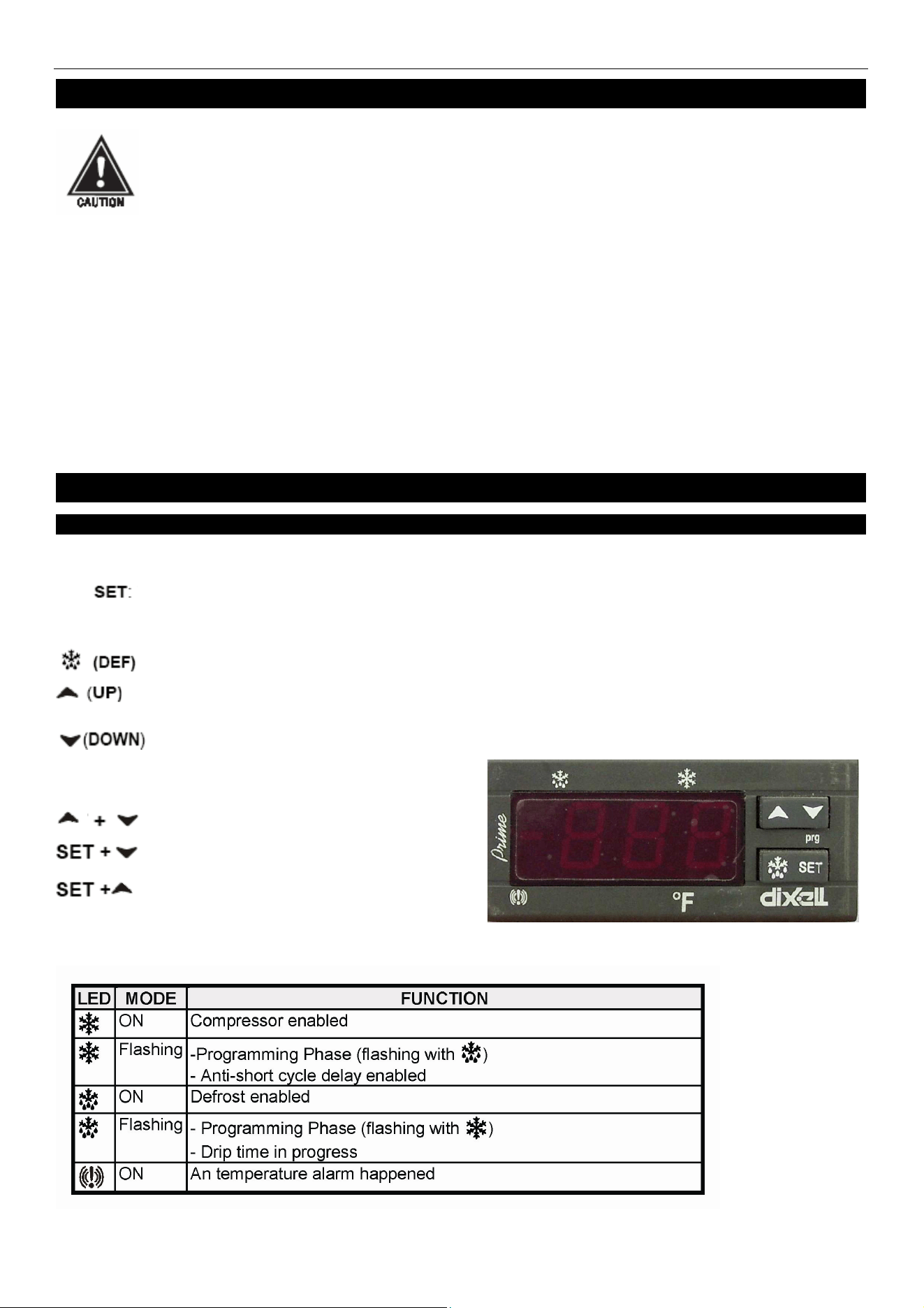
SOLID-STATE THERMOSTAT DESCRIPTIONS
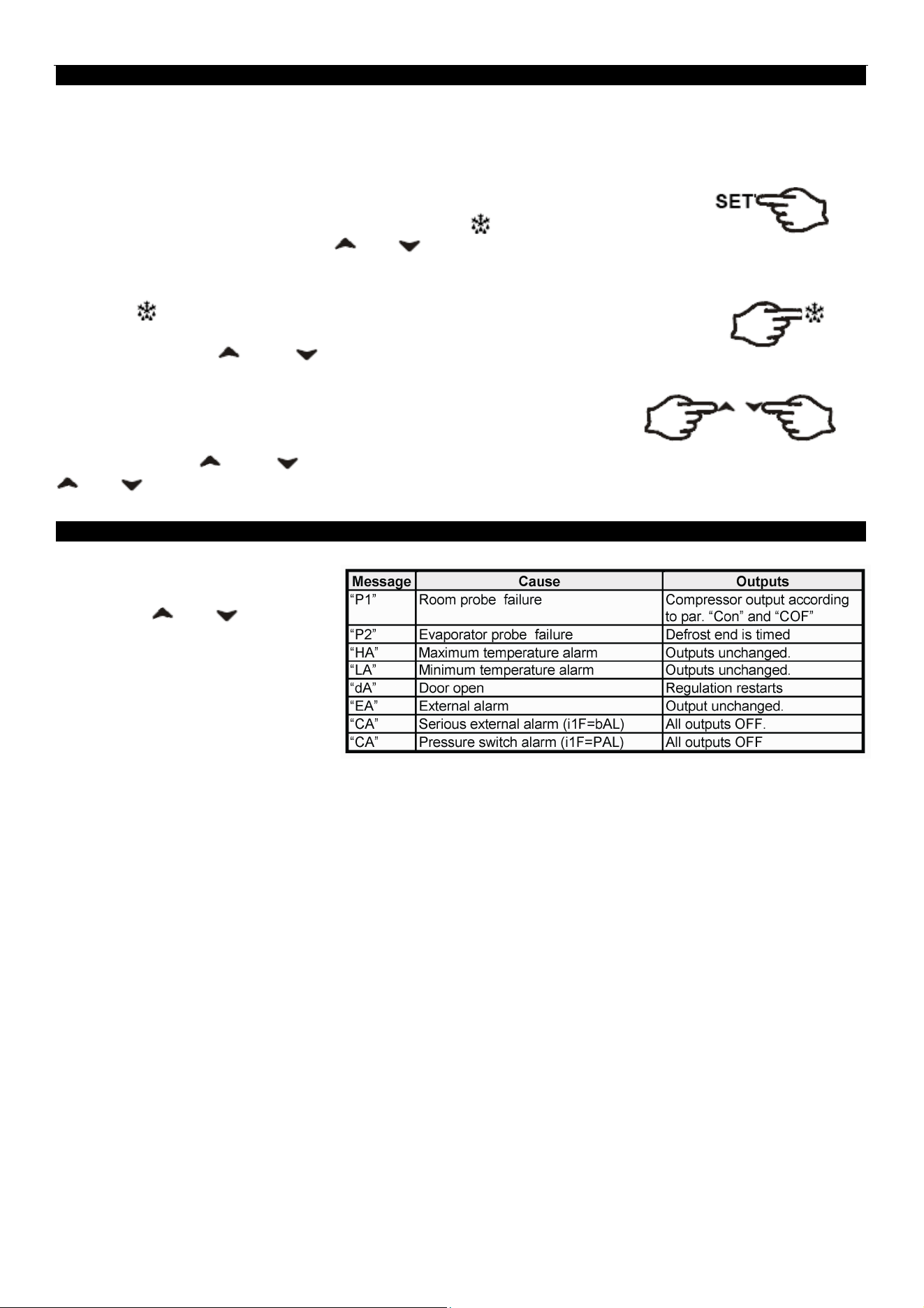
1. FRONT PANEL COMMANDS
1.1 KEY FUNCTION
To display target set point; in programming mode it selects a parameter or confirm an
operation.
To start a manual defrost
To see the last temperat
ure alarm happened; in programming mode it browses the parameter
codes or increases the display value
To see the last temperature alarm happened; in programming mode it browses the parameter
codes or decreases the display value
KEY COMBINATION
To lock & unlock the keyboard
To enter in programming mode
To return to the room temperature display
1.2 Function of LEDS
Service and Installation Manual
8
2. MAIN
FUNCTIONS
2.1 HOW TO SEE THE SETPOINT
1. Push and immediately release the SET key: the display will show the set point value;
2. Push and immediately release the SET key or wait for 5 seconds to display the sensor value again.
2.2 HOW TO CHANGE THE SETPOINT
1. Push the SET key for more than 2 seconds to change the set point value;
2. The value of the set point will be displayed and the LED starts blinking;
3. To change the set value push the or key within 10s;
4. To memory the new set point value and push the SET key again or wait 10s.
2.3 HOW TO START A MANUAL DEFFROST
Push the key for more than 2 seconds and a manual defrost will start
2.4 HOW TO LOCK THE KEYBOARD
1. Keep pressed the and keys for more than 3s;
2. The “POF” message will be displayed and the keyboard will be locked. At this point, it will be possible only
to see the set point or the MAX or Min temperature stored;
3. If a key is pressed more than 3s the ”POF” message will be displayed.
2.5 HOW TO UNLOCK THE KEYBOARD
Keep pressed the and keys together for more than 3s, till the “Pon” message display, then press
or key to select the item to check or program.
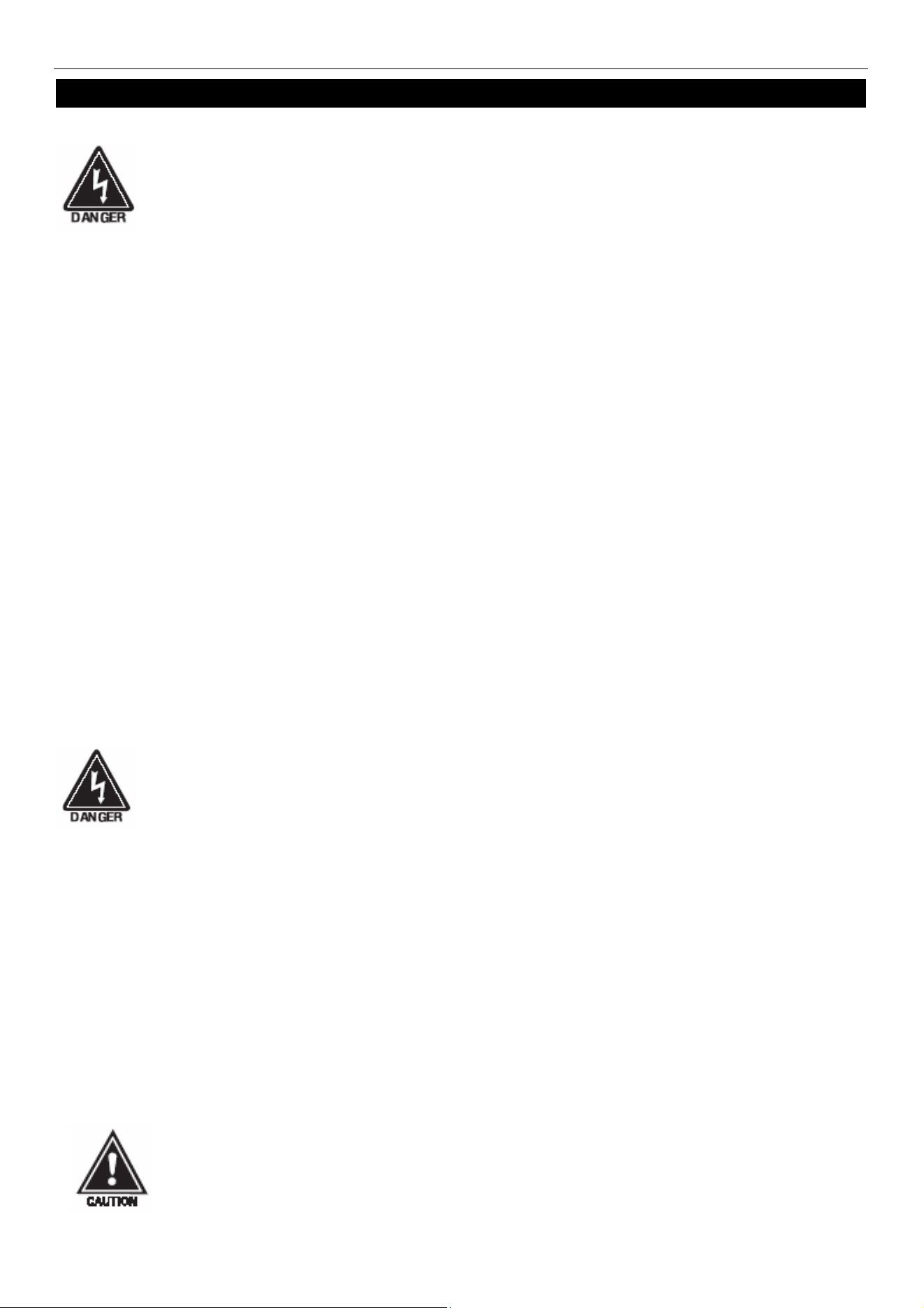
3. ALARM SIGNALS
HOW TO SEE THE ALARM AND
RESET THE RECORDED ALARM
1. Push the or key, the
alarm signals are displayed;
2. When the signal is displayed, hold
the SET key until the “rst” message
is displayed, and push the SET key
again, the “rst” message start
blinking and the normal temperature
will be displayed again.
Service and Installation Manual
9
MAINTENANCE
The power switch must be turned to OFF and the unit disconnected from the
power source whenever performing service, maintenance functions or cleaning
the refrigerated area.
Refrigerators
The interior and exterior can be cleaned using soap and warm water. If this isn't sufficient, try ammonia and
water or a nonabrasive liquid cleaner. When cleaning the exterior, always rub with the "grain" of the stainless
steel to avoid marring the finish.
Do not use an abrasive cleaner because it will scratch the stainless steel and plastic and can damage the
breaker strips and gaskets.
Cleaning the Condenser Coil
The condenser coil requires regular cleaning, recommended is every 90 days. In some instances, you may
find that there is a large amount of debris and dust or grease accumulated prior to the 90 day time frame. In
these cases the condenser coil should be cleaned every 30 days.
If the build up on the coil consists of only light dust and debris the condenser coil can be cleaned with a
simple brush, heavier dust build up may require a vacuum or even compressed air to blow through the
condenser coil.
If heavy grease is present, there are de-greasing agents available for refrigeration use and specifically for
the condenser coils. The condenser coil may require a spray with the de-greasing agent and then blown
through with compressed air.
Failure to maintain a clean condenser coil can initially cause high temperatures and excessive run times,
continuous operation with dirty or clogged condenser coils can result in compressor failures. Neglecting the
condenser coil cleaning procedures will void any warranties associated with the compressor or cost to
replace the compressor.
Never use a high pressure water wash for this cleaning procedure as water can
damage the electrical components located near or at the condenser coil.
In order to maintain proper refrigeration performance, the condenser fins must be cleaned of dust, dirt and
grease regularly. It is recommended that this be done at least every three months. If conditions are such that
the condenser is totally blocked in three months, the frequency of cleaning should be increased. Clean the
condenser with a vacuum cleaner or stiff brush. If extremely dirty, a commercially available condenser
cleaner may be required.
Stainless Steel Care and Cleaning
To prevent discoloration of rust on stainless steel several important steps need to be taken. First, we need to
understand the properties of stainless steel. Stainless steel contains 70-80% iron which will rust. It also
contains 12-30% chromium which forms an invisible passive film over the steels surface which acts as a
shield against corrosion. As long as the protective layer is intact, the metal is still stainless. If the film is
broken or contaminated, outside elements can begin to breakdown the steel and begin to form rust of
discoloration. Proper cleaning of stainless steel requires soft cloths or plastic scouring pads,
NEVER USE STEEL PADS, WIRE BRUSHES OR SCRAPERS!
Service and Installation Manual
10
MAINTENANCE
Cleaning solutions need to be alkaline based or non-chloride cleaners. Any cleaner containing chlorides
will damage the protective film of the stainless steel. Chlorides are also commonly found in hard water, salts,
and household and industrial cleaners. If cleaners containing chlorides are used be sure to rinse repeatedly
and dry thoroughly upon completion.
Routine cleaning of stainless steel can be done with soap and water. Extreme stains or grease should be
cleaned with a non-abrasive cleaner and plastic scrub pad. It is always good to rub with the grain of the steel.
There are also stainless steel cleaners available which can restore and preserve the finish of the steels
protective layer.
Early signs of stainless steel breakdown can consist of small pits and cracks. If this has begun, clean
thoroughly and start to apply stainless steel cleaners in attempt to restore the passivity of the steel.
Never use an acid based cleaning solution!Many food products have an acidic
content which can deteriorate the finish. Be sure to clean the stainless steel
surfaces of ALL food products. Common items include, tomatoes, peppers and
other vegetables.
Gasket Maintenance
Gaskets require regular cleaning to prevent mold and mildew build up and also to keep the elasticity of
the gasket. Gasket cleaning can be done with the use of warm soapy water. Avoid full strength
cleaning products on gaskets as this can cause them to become brittle and prevent proper seals. Also,
never use sharp tools or knives to scrape or clean the gasket which could possibly tear the gasket and
rip the bellows.
Gaskets can easily be replaced and don’t require the use of tools or authorized service persons. The
gaskets are "Dart" style and can be pulled out of the grove in the door and new gaskets can be "pressed"
back into place.
Doors/Hinges
Over time and with heavy use doors the hinges may become loose. If it is noticed that the door is
beginning to sag, it may become necessary to tighten the screws that mount the hinge brackets to the
frame of the unit. If the doors are loose or sagging this can cause the hinge to pull out of the frame which
may damage both the doors and the door hinges. In some cases this can require qualified service
agents or maintenance personnel.
Drain Maintenance
Each unit has a drain located inside the unit which removes the condensation from the evaporator coil and
evaporates it at an external condensate evaporator pan. Each drain can become loose or disconnected from
moving or bumping the drain. If you notice excessive water accumulation on the inside of the unit, be sure
the drain tube is connected from the evaporator housing to the condensate evaporator drain pan. If water is
collected underneath the unit you may want to check the condensate evaporator drain tube to be sure it is
still located inside the drain pan. The leveling of the unit is important as the units are designed to drain
properly when on a level surface, if your floor is not level this can also cause drain problems. Be sure all
drain lines are free of obstructions typically food product is found blocking drain lines causing water to back
up and overflow the drain pans.
Service and Installation Manual
11
MAINTENANCE
Swing Door Replacement and Adjustment
1. Open the bottom shroud and hold the door, then loose bottom hinge’s screws and take off the old door;
2. Prepare new door, insert top pin into top hinge, get one bottom hinge to hold the door by the bottom pin ,
then fasten bottom hinge securely to the door frame with three screws;
3. Allow the door to freely swing, make sure it swing close by itself with no restriction;
4. Plug the unit in and make sure the lock work well;
5. If not, adjust the door height by adding the plastic spacer/washer provided to the bottom hinge pin.
DIRECT DRAW DRAFT ARM INSTALLATION
On direct draws, the drain is located at the front of the cabinet. To plumb in the drain, connect P.V.C. pipe to
the barbed fitting supplies with the unit.
INSTALLING C02 CYLINDER AND REGULATOR
Make certain that all fittings in system are tight. Always keep the CO
2
cylinder in vertical position.
The recommended pressure for the CO
2
system is 8-10 psi.
Handle all pressure system components with care. Do not use excessive pressures. Be sure
instructions are understood thoroughly. If in doubt, contact your dealer/distributor for
explanation.
Filled CO
2
tanks are potentially dangerous because of the pressure they contain. If you are
unfamiliar with their use or the use of the CO
2
regulator, seek information from your local
distributor, or your local beverage man before proceeding.
Service and Installation Manual
12
MAINTENANCE
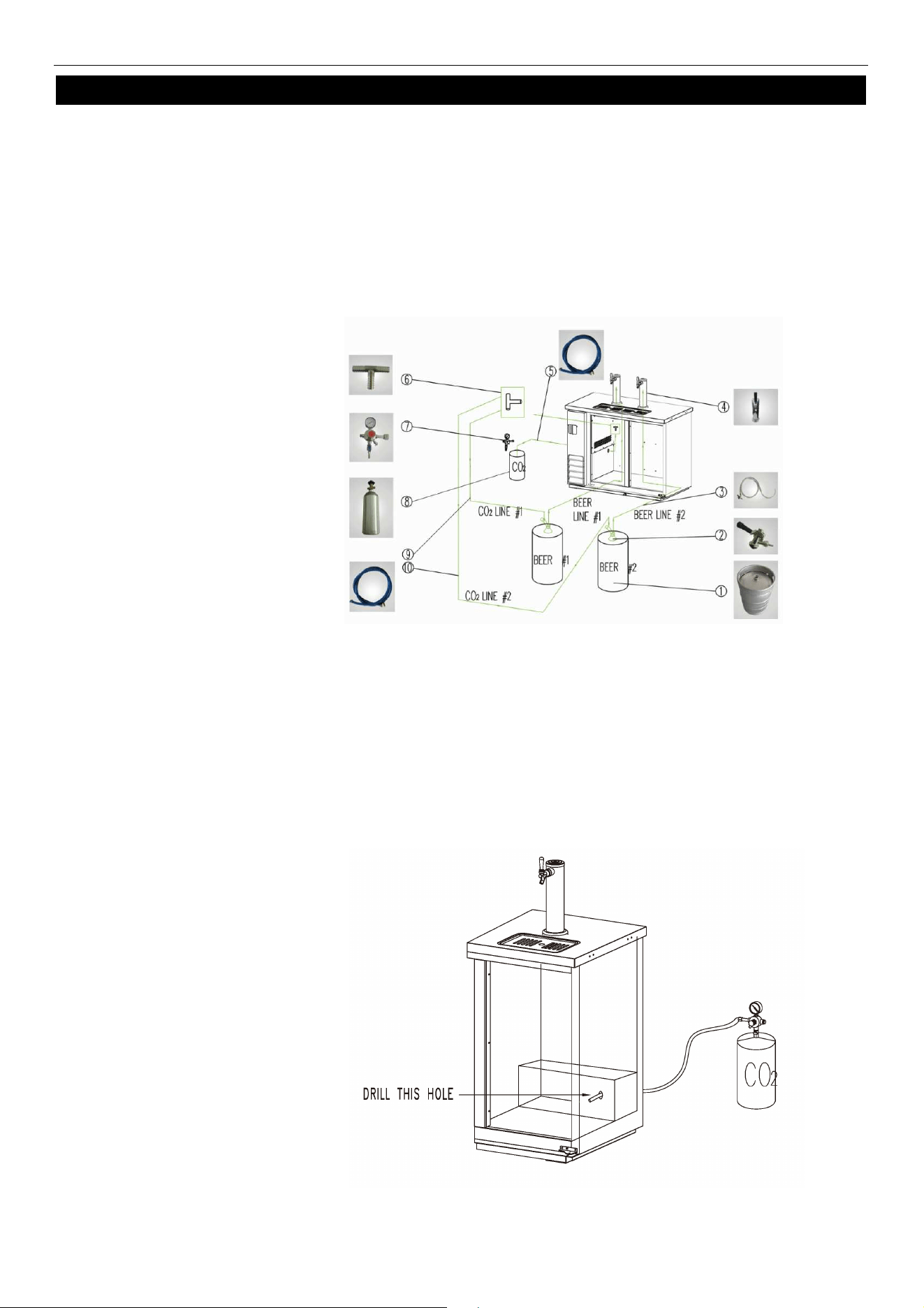
INSTALL DRAFT ARM AND PARTS LIST
Place rubber washer over draft arm mounting holes in cabinet, put beer line connector down through hole.
Next, secure draft arm with four screws.
Insert air hose (one inch plastic tube) in draft arm, being careful not to disturb insulation. Remove top cover
of draft arm and attach air hose clip to the insulating sleeve at the top of the draft arm. Replace top cover.
The air hose clip will assure that the hose remains in proper place at all times, keeping the beer faucet cold.
1. Beer Keg
2. “D” Sharp Keg Tap
3. Beer Line
4. Beer Dispenser
5. CO
2
Line
6. CO
2
Tee Joint
7. CO
2
Regulator
8. CO
2
Cylinder
9. CO
2
Line#1
10. CO
2
Line#2
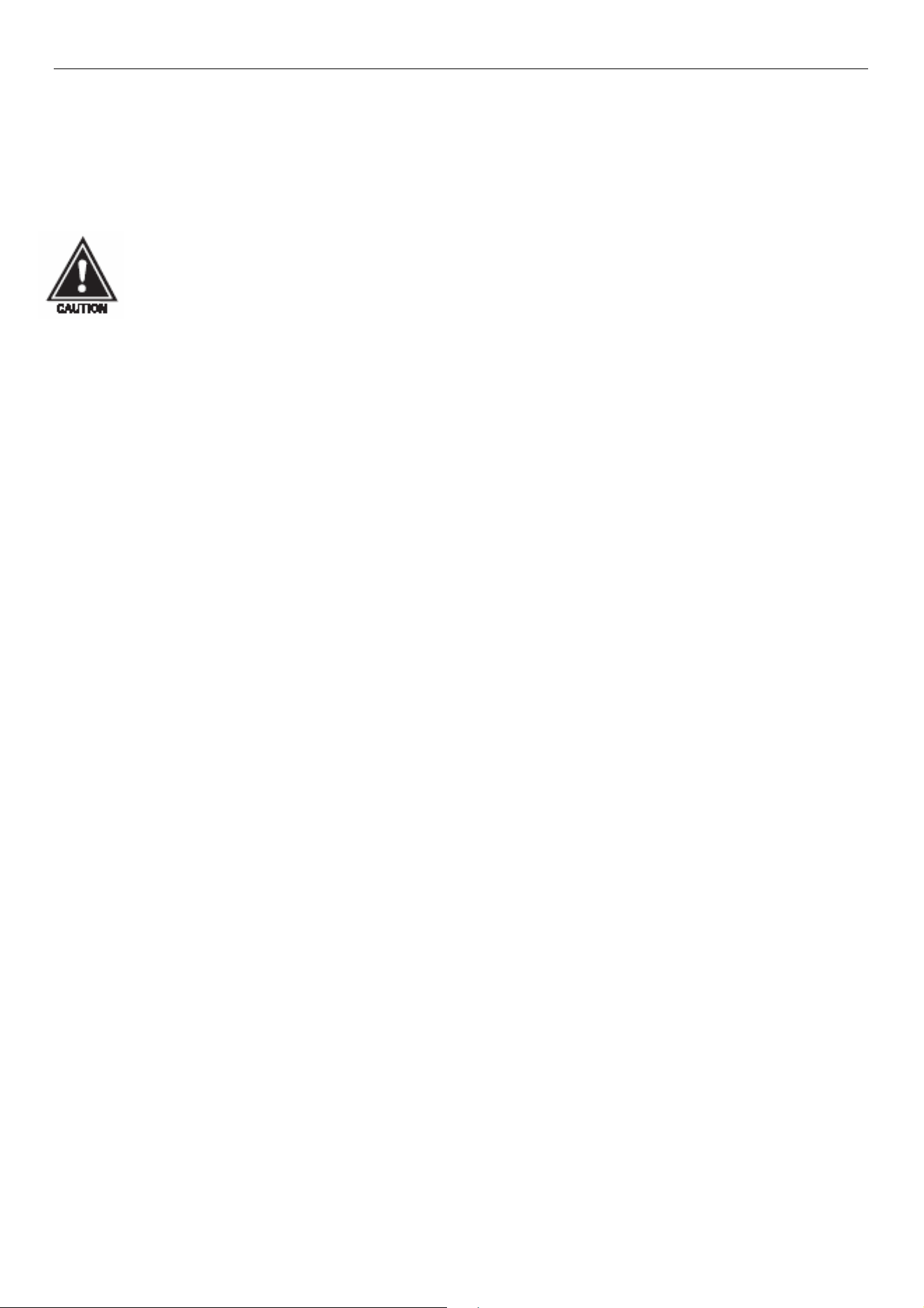
ONE DOOR CO
2
KNOCK-OUT
This instruction is the procedure for installing a remote CO
2
container for one door unit.
REQUIRED TOOLS
• Pliers
• Power Drill
• Silicone Sealer
• Drill bit, 1/2”
Service and Installation Manual
13
STEP 1 - Remove black knockout plug with a pair of pliers.
NOTE: Knockout plug for CO
2
line can be locate in two different areas.
View diagram to locate these two areas.
STEP 2 - Use drill and bit to bore hole straight back through wall into compressor compartment.
STEP 3 - Snake CO
2
line through hole down and around exiting behind rear castor underneath rear grill.
STEP 4 - Seal hole around CO
2
line with silicone sealer to prevent cold air leakage.
Don't lay CO
2
cylinders flat.
Don't drop CO
2
cylinders.
Service and Installation Manual
14
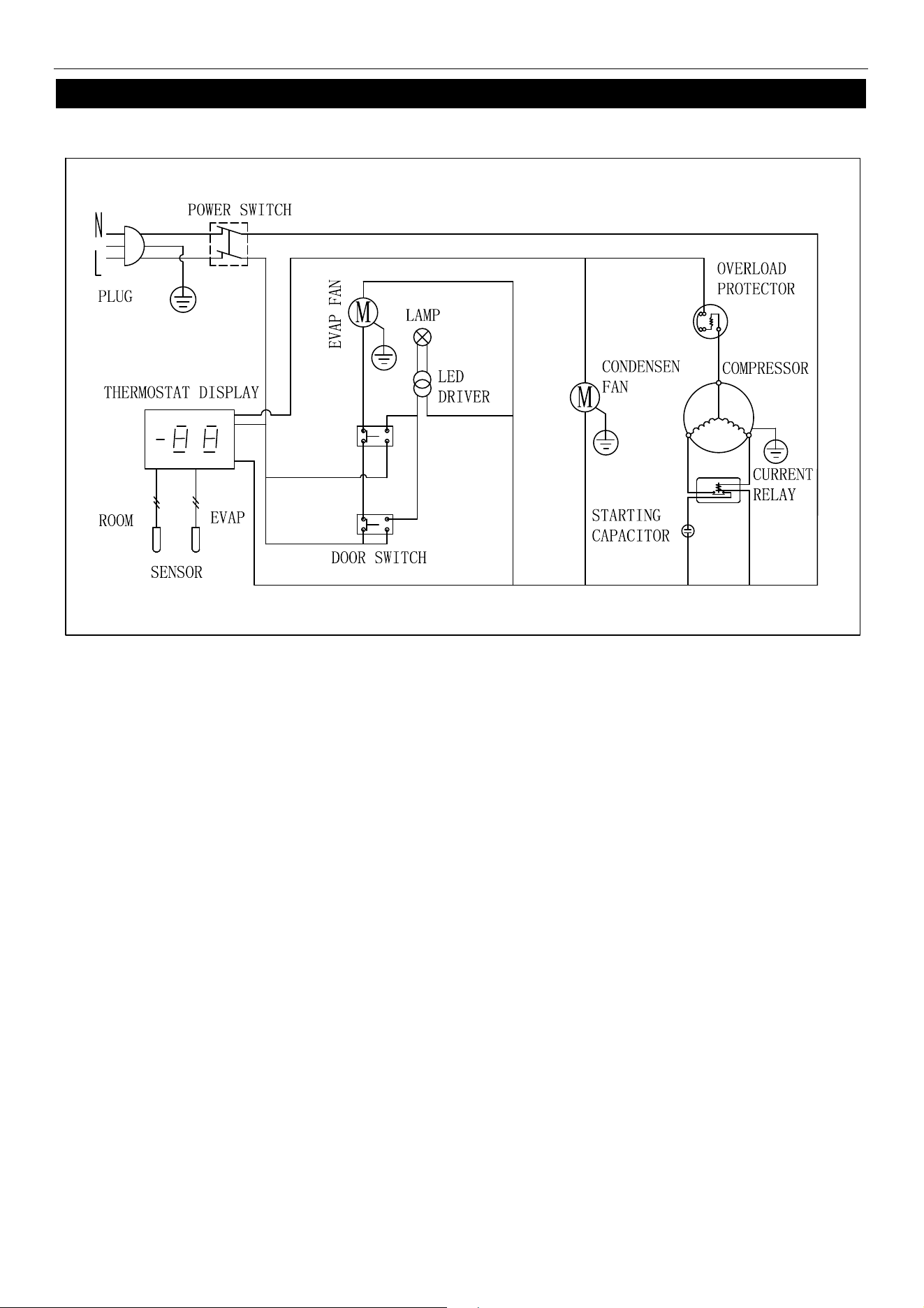
WIRING DIAGRAM
Model: MXBD24-1B/MXBD24-1S
Model: MXBD48-1B/MXBD48-1S/MXBD48-2B/MXBD48-2X/MXBD60-1B/ MXBD60-1S/MXBD60-2B/
MXBD60-2S
Service and Installation Manual
15
WIRING DIAGRAM
Model: MXBD72-2B/MXBD72-2S
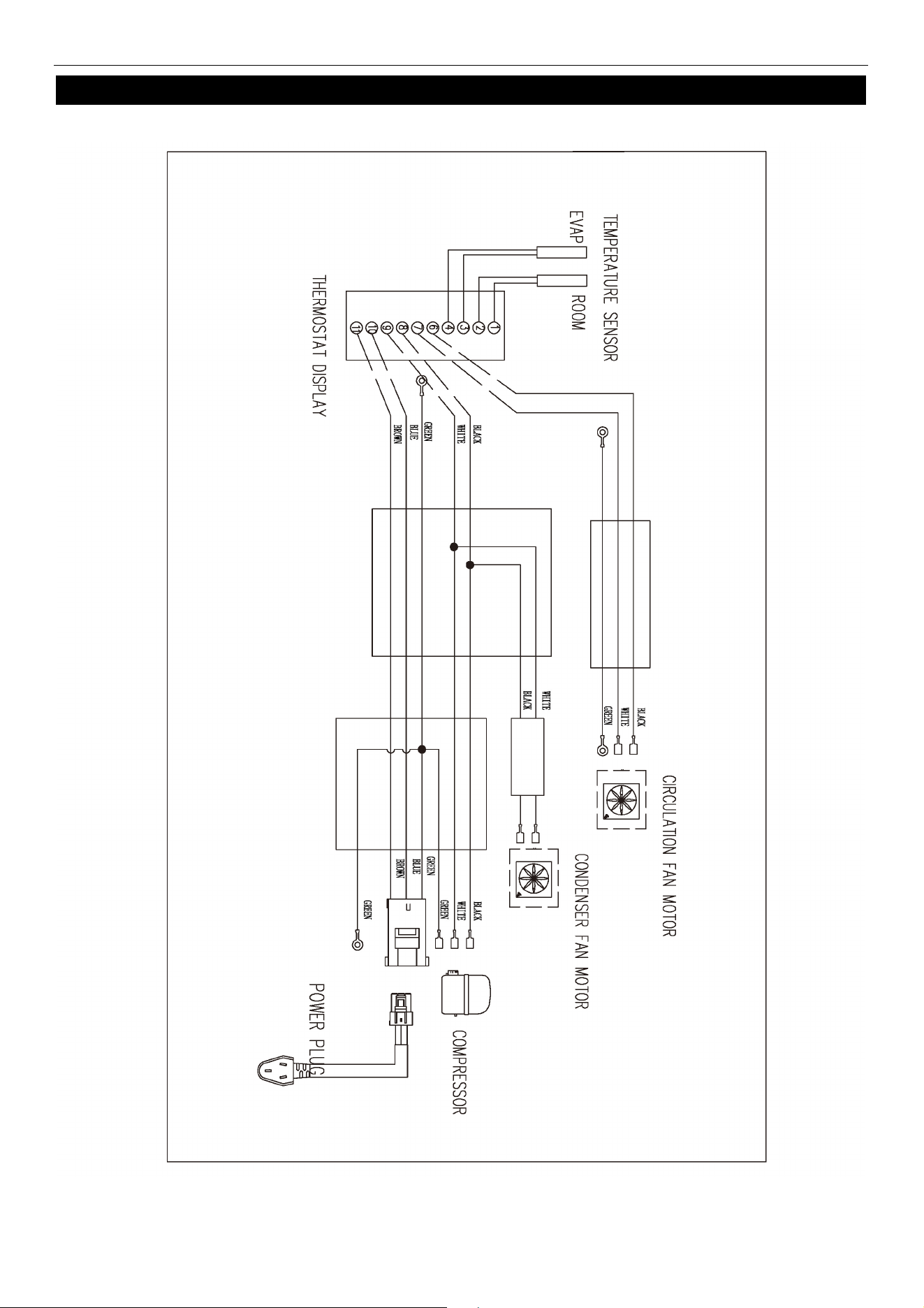
Service and Installation Manual
16
WIRING DIAGRAM
Model: MXBD24-1B/MXBD24-1S
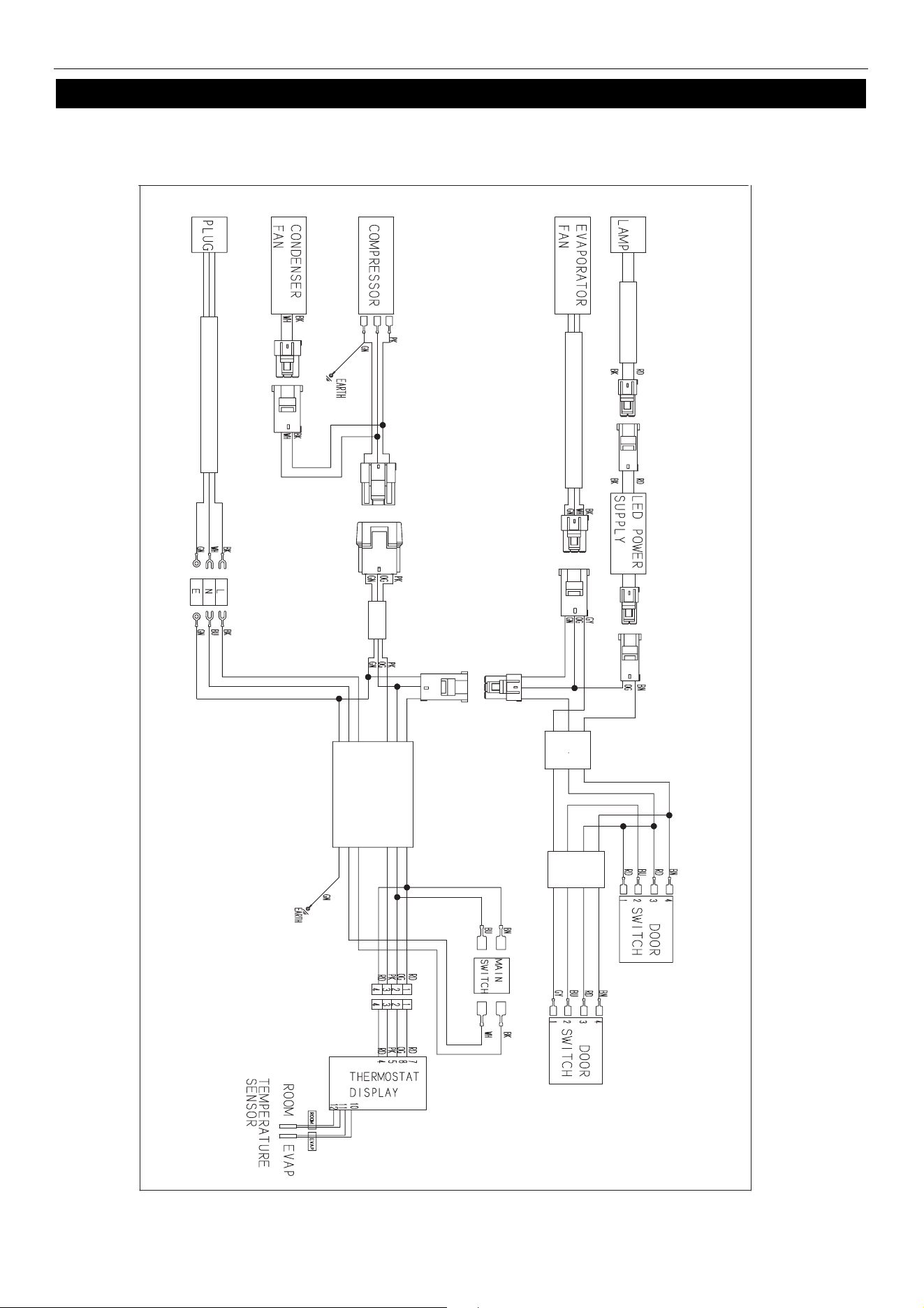
Service and Installation Manual
17
WIRING DIAGRAM
Model: MXBD48-1B/MXBD48-1S/MXBD48-2B/MXBD48-2X/MXBD60-1B/ MXBD60-1S/MXBD60-2B/
MXBD60-2S
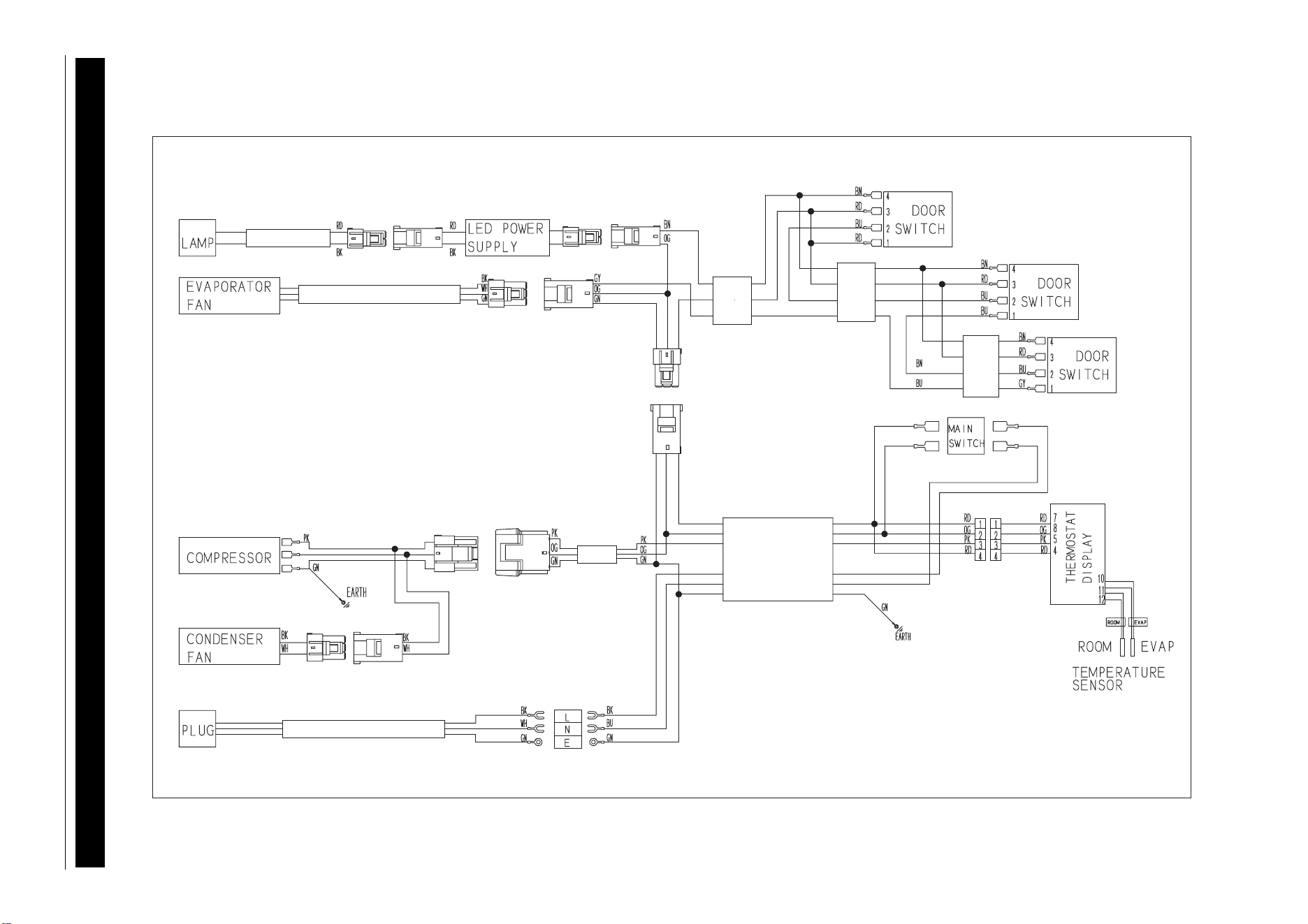
Service and Installation Manual
18
WIRING DIAGRAM
Model: MXBD72-2B/MXBD72-2S