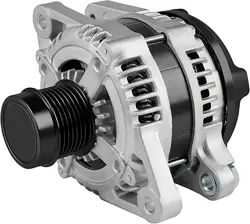

ASTOU Alternator Installation Notes
1. Pre-installation inspection
1
Make sure that the power is off (the installation without power off may be a
safety hazard)
2
Confirm that the wiring harness is normal and there is no damage
3
Ensure that the battery is compatible, a small number of users have the situation
that the battery does not match the alternator
4
Pay attention to whether the installation bearings are on the same horizontal line,
and ensure that the bolts are originally fitted
5
Please pay attention to the safety of the interface when connecting, poor contact
may lead to voltage instability
6
When installing, please pay attention to the tightness of the pulley and the timing
belt, and pay attention to the matching of the number of timing belt grooves and the
number of pulley shafts
7
To ensure compatibility, you can check its suitability through the VIN code or
through the page content and the AMZ suitability checker

2. Installation Steps
NOTE: professional installation recommended
1
First disconnect the battery connection harness
2
Locate the alternator on the vehicle, use the serpentine belt
tool to loosen the belt, and remove it from the alternator pulley
3
Remove the bolts supporting the alternator, the number of
bolts should be at least 2 and not more than 4, the specification depends
on different brands and models
4
Remove the alternator, then unplug and remove any nuts
connecting the electrical parts
5
Reverse the process to install a new alternator, attach the
electrical plug and wires to the new alternator
6
Once the alternator slides into place, start installing the old
bolts in the correct position, put the alternator pulley back in place and
secure it. Be sure to check that the pulley is aligned with the belt
tensioner
7
Use the serpentine belt tool to control the desired tension and
slide the belt back onto the pulleys, the tool can then be released by the
tension of the belt
8
Reconnect the battery cables, start the car, and make sure the
alternator is charging.