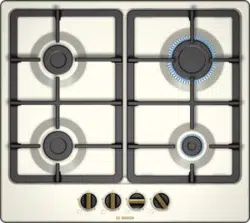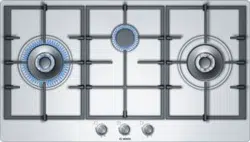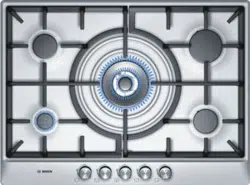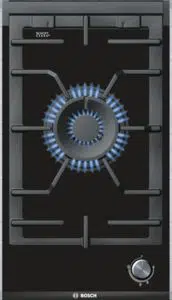

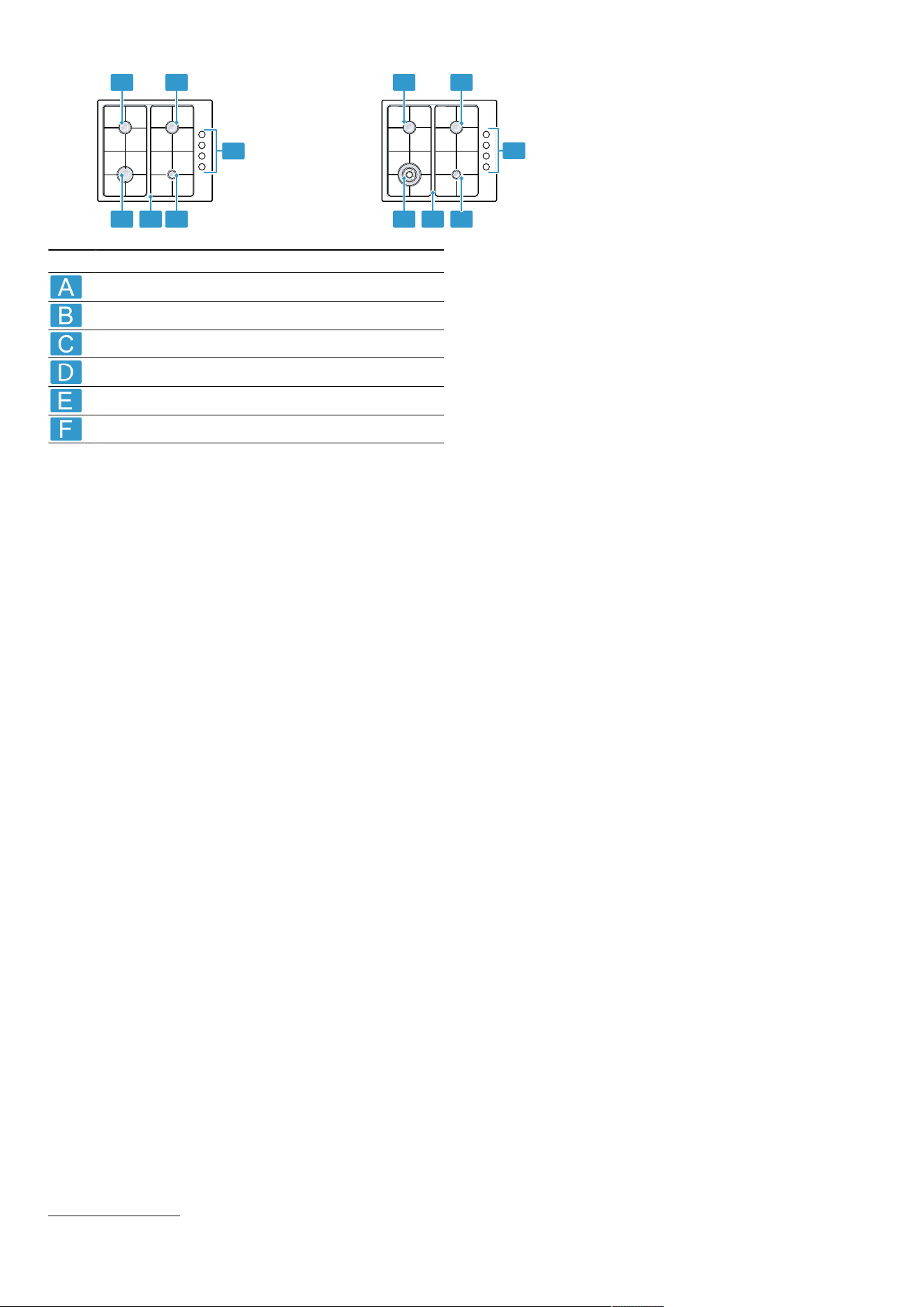
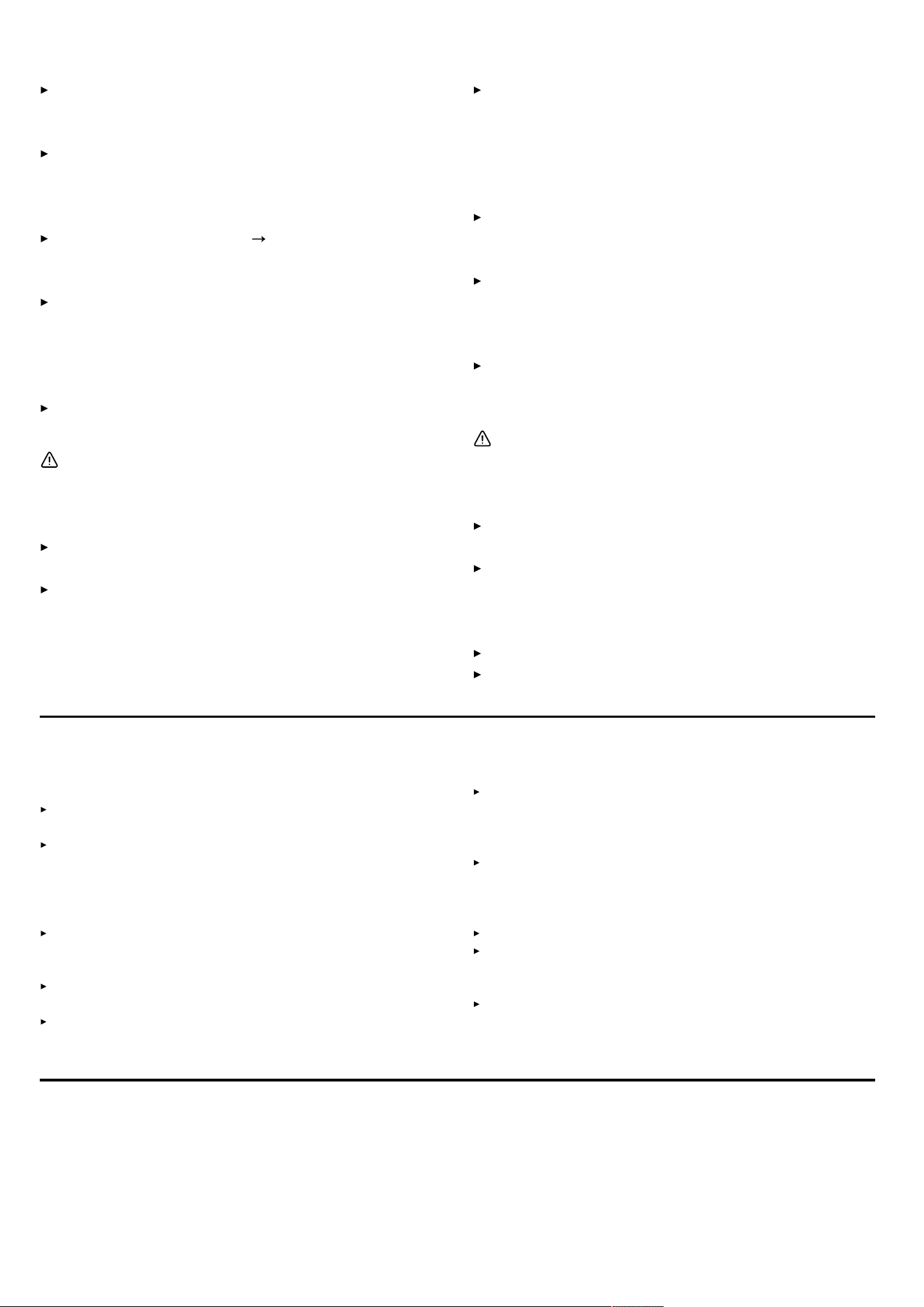
PBP6B.K6.., PBP6B.K8..
E
B
A
D D
C
PBH6B.K6.., PBH6B.K8..
A CF
B
D D
1
Component
Pan support -
Control knob -
Economy burner
1.00 / 1.02kW
Standard-output burner
1.75 / 1.80kW
High-output burner
3.00 / 3.10kW
Mini-wok multi-crown burner
3.30 / 3.40kW
1
The images shown in these instructions are for guidance only.
2
Table of contents en
You can find additional information and explanations online.
Scan the QR code on the title page.
Table of contentsTable of contents
1 Safety ........................................................................ 3
2 Preventing material damage .................................. 5
3 Environmental protection and saving energy ...... 5
4 Familiarising yourself with your appliance .......... 6
5 Accessories ............................................................. 6
6 Basic operation ....................................................... 7
7 Cookware ................................................................. 8
8 Recommended settings for cooking .................... 8
9 Cleaning and servicing .......................................... 9
10 Troubleshooting ................................................... 9
11 Customer Service ............................................... 11
12 Disposal ............................................................... 11
Safety 1 Safety
Observe the following safety instructions.
1.1 General information
¡ Read this instruction manual carefully.
¡ Keep the instruction manual and the product
information safe for future reference or for
the next owner.
¡ Do not connect the appliance if it has been
damaged in transit.
1.2 Intended use
The appliance can only be used safely if it is
correctly installed according to the safety in-
structions. The installer is responsible for en-
suring that the appliance works perfectly at its
installation location.
CAUTION‒Risk of injury!
This appliance is for cooking purposes only.
It shall not be used for other purposes, for
example room heating.
Only use this appliance:
¡ To prepare meals and drinks.
¡ Under supervision. Never leave the appli-
ance unattended when cooking for short
periods.
¡ In a private household and in a domestic en-
vironment.
¡ Up to an altitude of 2000m above sea level.
Do not use the appliance:
¡ On boats or in vehicles.
¡ as a room heater.
¡ with an external timer or a remote control.
¡ Outdoors.
Call the after-sales service if you want to con-
vert your appliance to a different type of gas.
1.3 Restriction on user group
This appliance may be used by children aged
8 or over and by people who have reduced
physical, sensory or mental abilities or inad-
equate experience and/or knowledge,
provided that they are supervised or have
been instructed on how to use the appliance
safely and have understood the resulting
dangers.
Do not let children play with the appliance.
Children must not perform cleaning or user
maintenance unless they are at least 15 years
old and are being supervised.
Keep children under the age of 8 years away
from the appliance and power cable.
1.4 Safe use
WARNING‒Risk of explosion!
Escaping gas may cause an explosion.
WHAT TO DO IF YOU SMELL GAS OR IF
THERE ARE FAULTS IN THE GAS INSTALLA-
TION
Immediately shut off the gas supply or close
the gas cylinder valve.
Immediately extinguish all naked flames and
cigarettes.
Do not operate any light switches or appli-
ance switches.
Do not pull any plugs out of any sockets.
Do not use any telephones or mobile
phones within the building.
Open windows and ventilate the room.
Call the after sales service or the gas sup-
plier.
3

en Safety
Escaping gas may cause an explosion.
Small amounts of gas can collect over a
longer period of time and ignite.
Close the safety valve for the gas supply
when the appliance is out of use for pro-
longed periods.
Escaping gas may cause an explosion.
If the liquefied gas bottle is not upright, lique-
fied propane/butane can enter the appliance.
Intense darting flames may therefore escape
from the burners. Components may become
damaged and start to leak over time so that
gas escapes uncontrollably.
Always use liquefied gas bottles in an up-
right position.
WARNING‒Risk of poisoning!
The use of a gas cooking appliance results in
the production of heat, moisture and products
of combustion in the room in which it is in-
stalled. Ensure that the kitchen is well ventil-
ated especially when the appliance is in use.
Prolonged intensive use of the appliance
may require additional ventilation, for ex-
ample the increasing of mechanical ventila-
tion where present, additional ventilation to
safely remove the products of combustion to
outside (external) air whilst also providing
room air changes with additional ventilation.
Consult a professional before installation of
the additional ventilation.
WARNING‒Risk of fire!
Leaving fat or oil cooking on an unattended
hob can be dangerous and may lead to fires.
Never leave hot oil or fat unattended.
Never attempt to extinguish a fire using wa-
ter; instead, switch off the appliance and
then cover with a lid or a fire blanket.
The appliance becomes very hot.
Never place flammable objects on the cook-
top or in its immediate vicinity.
Never store any objects on the cooktop.
The appliance will become hot.
Do not keep combustible objects or aerosol
cans in drawers directly underneath the hob.
Never store or use combustible materials
(e.g. spray cans or cleaning agents) under
the appliance or in its immediate vicinity.
Hob covers can cause accidents, for example
due to overheating, catching fire or materials
shattering.
Do not use hob covers.
When gas burners are in operation without any
cookware placed on them, they can build up a
lot of heat. The extractor hood above it may
become damaged or catch fire.
Only operate the gas burners with cookware
on them.
The appliance becomes very hot, fabrics and
other objects may ignite.
Keep fabrics (e.g. garments or curtains)
away from the flames.
Never reach over the flames.
Do not place combustible objects (e.g. tea
towels or newspapers) on, next to or behind
the appliance.
Escaping gas may ignite.
If the burner does not ignite after
10seconds, turn the control knob to the
"Off" position and open the door or window
in the room. do not attempt to re-ignite the
burner for at least one minute.
In the event of the burner flames being acci-
dentally extinguished, turn off the burner
control and do not attempt to re-ignite the
burner for at least one minute.
Food may catch fire.
The cooking process must be monitored. A
short process must be monitored continu-
ously.
WARNING‒Risk of burns!
The accessible parts can become hot during
operation.
Small children should be kept away from the
appliance.
Hob guards may cause accidents.
Never use hob guards.
Empty cookware becomes extremely hot when
set on gas burners that are operating.
Never heat up empty cookware.
The appliance becomes hot during operation.
Allow the appliance to cool down before
cleaning.
WARNING‒Risk of electric shock!
Improper repairs are dangerous.
Repairs to the appliance should only be car-
ried out by trained specialist staff.
Only use genuine spare parts when repairing
the appliance.
If the power cord of this appliance is dam-
aged, it must be replaced by the manufac-
turer, the manufacturer's Customer Service
or a similarly qualified person in order to pre-
vent any risk.
If the appliance or the power cord is damaged,
this is dangerous.
Never operate a damaged appliance.
4
Preventing material damage en
Never pull on the power cord to unplug the
appliance. Always unplug the appliance at
the mains.
If the appliance or the power cord is dam-
aged, immediately unplug the power cord or
switch off the fuse in the fuse box and turn
off the gas supply.
Call customer service.
Page11
An ingress of moisture can cause an electric
shock.
Do not use steam- or high-pressure cleaners
to clean the appliance.
The insulation on cables of electrical appli-
ances may melt if it touches hot parts of the
appliance.
Never bring electrical appliance cables into
contact with hot parts of the appliance.
WARNING‒Risk of injury!
Faults or damage to the appliance and repairs
that have not been carried out correctly are
dangerous.
Never switch on the appliance if there is a
fault with it.
If the appliance is faulty, unplug the mains
plug or switch off the fuse in the fuse box.
Shut off the gas supply and call the after
sales service.
Always have repairs carried out to the appli-
ance and damaged gas lines replaced by
trained, specialist personnel.
Cookware that is not the right size, or that is
damaged or incorrectly positioned may cause
serious injuries.
See the notes on cookware.
When switching on the burner, sparks are gen-
erated in the ignition plugs.
Never touch the ignition plugs while the
burner is being lit.
If a control knob is too stiff to turn or it is
loose, it must no longer be used.
Contact our after-sales service immediately
to have the control knob repaired or re-
placed.
WARNING‒Risk of suffocation!
Children may put packaging material over their
heads or wrap themselves up in it and suffoc-
ate.
Keep packaging material away from chil-
dren.
Do not let children play with packaging ma-
terial.
Children may breathe in or swallow small
parts, causing them to suffocate.
Keep small parts away from children.
Do not let children play with small parts.
Preventing material damage2 Preventing material damage
ATTENTION
A build-up of heat may damage the appliance.
Never cover the stainless steel hob, for example with
aluminium foil or oven protectors.
Only use the accessories specified.
Heat can cause damage to adjacent appliances or kit-
chen units.
If the appliance is in operation for an extended period,
heat and moisture will be generated.
Open a window or switch on an extractor hood lead-
ing to the outside.
A build-up of heat may damage the appliance.
Do not use two burners or heat sources to heat one
single item of cookware.
Do not use griddle plates, clay pots, etc. for a long
time at full power.
A build-up of heat may damage the controls.
Do not use a large item of cookware on burners that
are close to the control knobs.
If a control knob is in the wrong position, this could lead
to malfunctions.
Always turn the control knob to the "Off" position
when the appliance is not being used.
Handling the cookware roughly may damage the sur-
face of the appliance.
Handle the cookware on the hob carefully.
Do not place any heavy objects on the hob.
Acidic liquids, such as lemon juice or vinegar, may dam-
age the surface of the appliance.
Do not leave acidic liquids on the hob.
Environmental protection and saving energy3 Environmental protection and saving energy
3.1 Saving energy
If you follow these instructions, your appliance will use
less energy.
Choose a burner roughly the same size as your pan.
Centre the cookware on the hob.
Tip: Cookware manufacturers often give the upper dia-
meter of the saucepan. It is often larger than the base
diameter.
5
en Familiarising yourself with your appliance
Unsuitable cookware or incompletely covered cook-
ing zones consume a lot of energy.
Cover saucepans with suitable lids.
Cooking without a lid consumes considerably more
energy.
Lift lids as infrequently as possible.
When you lift the lid, a lot of energy escapes.
Using a glass lid
You can see into the pan through a glass lid without
having to lift it.
Use cookware that is suitable for the quantity of food.
Large items of cookware containing little food need
more energy to heat up.
Cook with only a little water.
The more water there is in the cookware, the more
energy that is required to heat it up.
Turn down to a lower power level early on.
If you use an ongoing power level that is too high,
you will waste energy.
3.2 Disposing of packaging
The packaging materials are environmentally compatible
and can be recycled.
Sort the individual components by type and dispose
of them separately.
Familiarising yourself with your appliance4 Familiarising yourself with your appliance
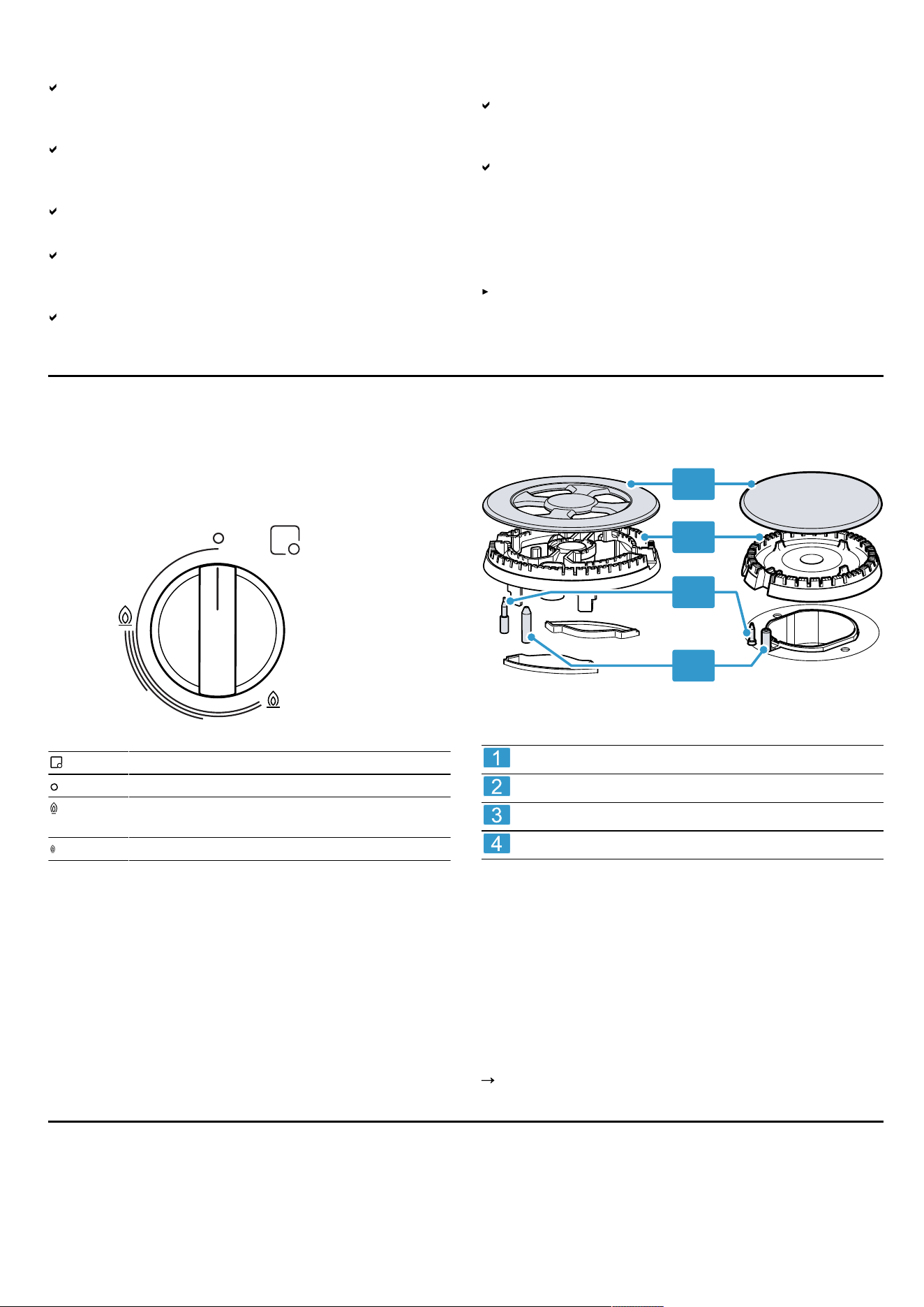
4.1 Control knob
Use the control knobs to set the flame size increment-
ally.
Burner assigned to the control knob.
Burner off.
Highest power setting and electric ignition of
the burner.
Lowest power setting.
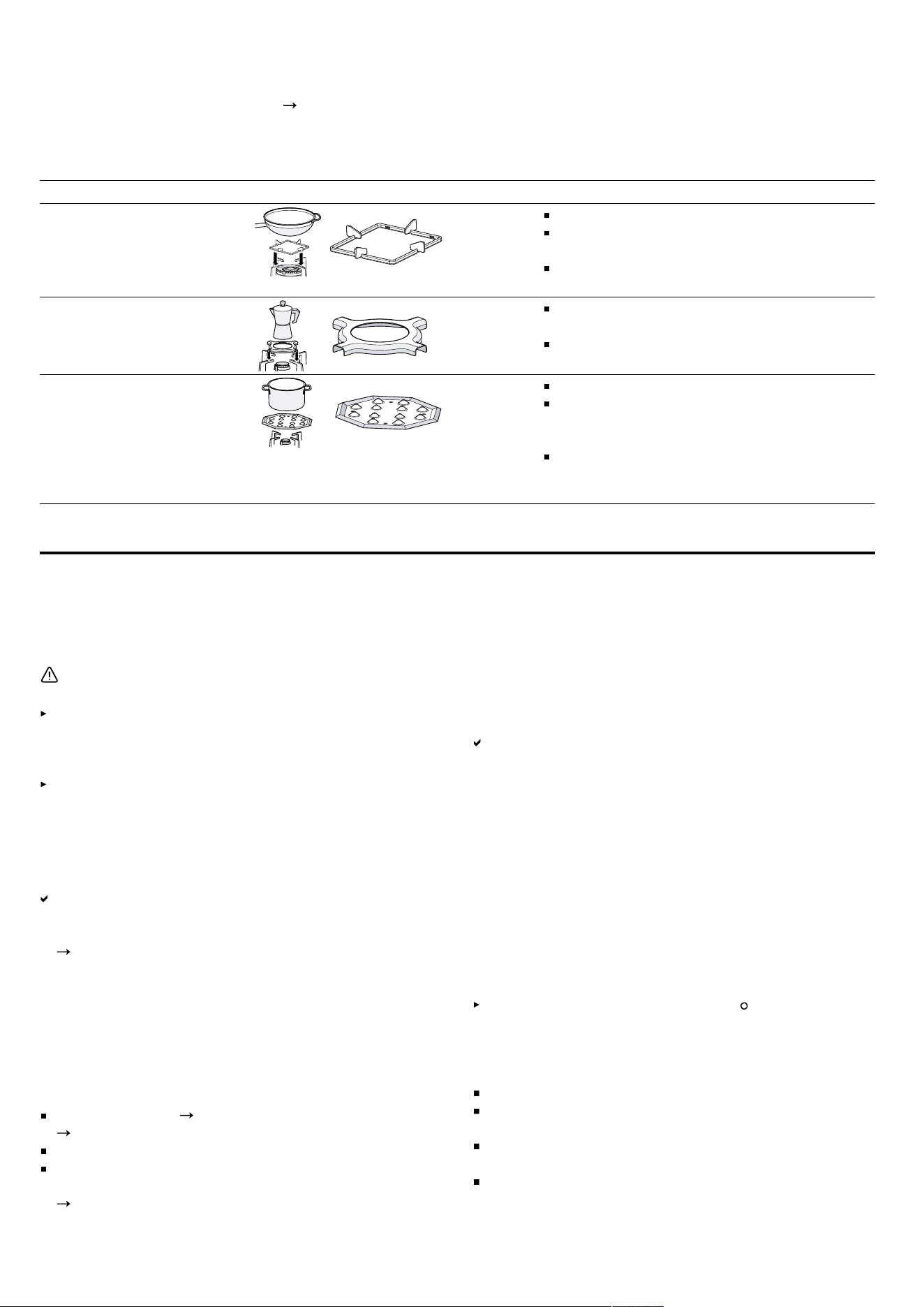
4.2 Burner
You can find an overview of the parts of the burner here.
2
1
4
3
Burner cover
Burner cup
Thermocouple for the flame monitoring
Ignition plug
4.3 Pan supports
Insert the pan supports correctly.
→Page2
Place the cookware correctly on the pan supports.
Never place the cookware directly on the burner.
Always carefully remove the pan supports. When mov-
ing a pan support, the pan supports next to it may also
move.
Tip: You can remove the metal residue that remains
when some items of cookware are moved on the pan
support by cleaning it properly.
"Cleaning and servicing", Page9
Accessories5 Accessories
You can buy accessories from the after-sales service, from specialist retailers or online. Only use original accessor-
ies, as these have been specifically designed for your appliance.
6
Basic operation en
Accessories vary from one appliance to another. When purchasing accessories, always quote the exact product
number (E no.) of your appliance.
Page11
You can find out which accessories are available for your appliance in our catalogue, in the online shop or from our
after-sales service.
www.bosch-home.com
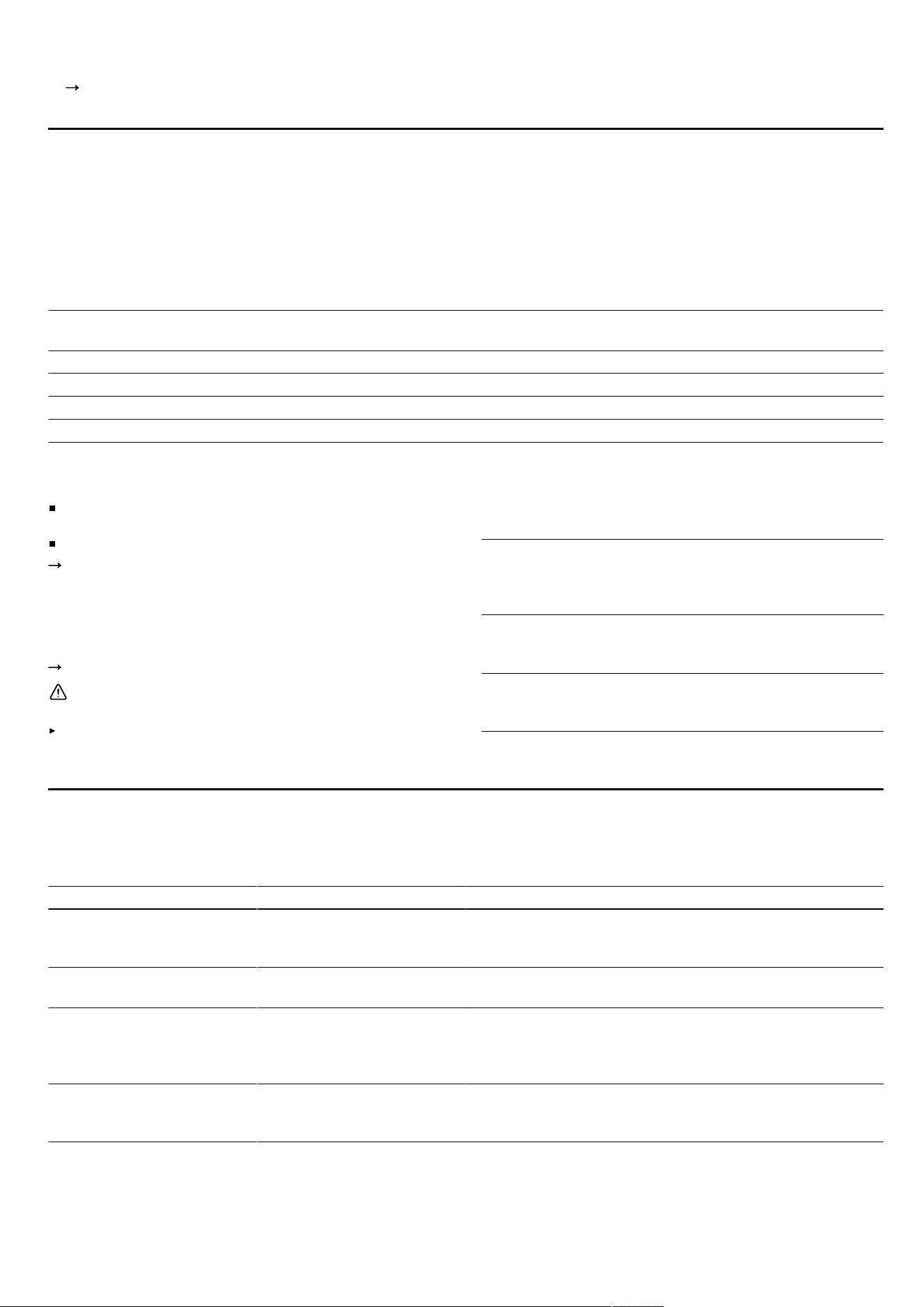
Accessories Description Use
Additional wok grid Only use on the multi-crown burner.
Always use for cookware with a rounded
base.
Recommended in order to extend the ser-
vice life of the appliance.
Additional espresso maker
grid
Only use on the burner with the lowest
power setting.
Use with cookware with a diameter smaller
than 12.
Simmer plate Use for cooking on a low heat.
Place it on the pan support with the bumps
facing up – never place it directly on the
burner.
Use the economy burner or the standard-
output burner. If you have multiple standard-
output burners, use the rear burner.
Basic operation6 Basic operation
6.1 Igniting a gas burner
The hob has automatic ignition of the burners.
WARNING‒Risk of fire!
Escaping gas may ignite.
If the burner does not ignite after 10seconds, turn
the control knob to the "Off" position and open the
door or window in the room. do not attempt to re-ig-
nite the burner for at least one minute.
In the event of the burner flames being accidentally
extinguished, turn off the burner control and do not at-
tempt to re-ignite the burner for at least one minute.
1.
Press the control knob for the selected burner and
turn it anti-clockwise to the highest level.
Keep the control knob pressed in.
For all of the burners, sparks are generated and the
flame ignites in the selected burner.
2.
Wait a few seconds and release the control knob.
"Safety system", Page7
3.
Turn the control knob to the required position.
4.
If the burner does not ignite, turn the control knob to
the off position and repeat the steps described
above. This time, hold the control knob down for
longer (up to 10 seconds).
Note
Take the following information into account to ensure
that the appliance works correctly:
The burner parts
Page6
and the pan supports
Page6
must be inserted correctly.
Do not swap the burner caps around.
The burner holes and grooves must be clean to en-
sure a correct flame.
"Cleaning recommendations", Page9
6.2 Safety system
The safety system (thermocouple) prevents the flow of
gas if the flames accidentally go out. To ignite the
burner, you must activate the system that enables the
gas flow.
1.
Ignite the burner without releasing the control knob.
The flame ignites.
2.
Press and hold the control knob for a further four
seconds.
6.3 Igniting a gas burner manually
In the event of a power cut, you can light the burners
manually.
1.
Press the control knob for the selected burner and
turn it anti-clockwise to the highest level.
2.
Hold a lighter or a flame (lighter, match, etc.) against
the burner.
6.4 Switching off a burner
Turn the control knob clockwise to .
6.5 Normal behaviour during operation
This behaviour is normal for the appliance:
Slight hissing noise from the ignited burner.
Release of odours when using the appliance for the
first time. These odours disappear after a short time.
An orange flame is normal. This is due to dust in the
environment, spilled liquids, etc.
Popping noise a few seconds after the burner is
switched off. This is caused by switching on the
safety system.
7
en Cookware
"Safety system", Page7
Cookware7 Cookware
This information has been provided to help you save en-
ergy and avoid damaging your cookware.
7.1 Suitable cookware
Only use cookware with a suitable diameter. The cookware must not protrude over the edge of the hob.
Never use small cookware on large burners. The flames must not touch the sides of the cookware.
Burner Minimum diameter of the cookware
base (cm)
Maximum diameter of the cookware
base (cm)
Mini-wok multi-crown burner 22 28
High output burner 20 26
Standard output burner 14 22
Economy burner 12 20
Only use cookware with a concave base on the multi-
crown burner.
The hob must have a multi-crown burner and addi-
tional wok grid.
The additional wok grid must be correctly inserted.
"Accessories", Page6
7.2 Using cookware
The selection and positioning of the cookware affects
the safety and energy efficiency of your appliance.
"Saving energy", Page5
WARNING‒Risk of fire!
Flammable objects may ignite.
Maintain a distance of at least 50mm between the
cookware and flammable objects.
Note: When using some items of cookware, a tempor-
ary, slight deformation of the stainless steel cooking sur-
face may occur. This is normal and does not affect the
functionality of the appliance.
Do not use deformed
cookware. Only use cook-
ware with a thick, flat
base.
Deformed cookware is not
stable on the hob and may
tip over.
Place the cookware right
in the centre of the burner.
The cookware may tip over
if it is not placed in the
centre of the burner.
Place the cookware cor-
rectly on the pan supports.
The cookware may tip over
if you place it directly on
the burner.
Recommended settings for cooking8 Recommended settings for cooking
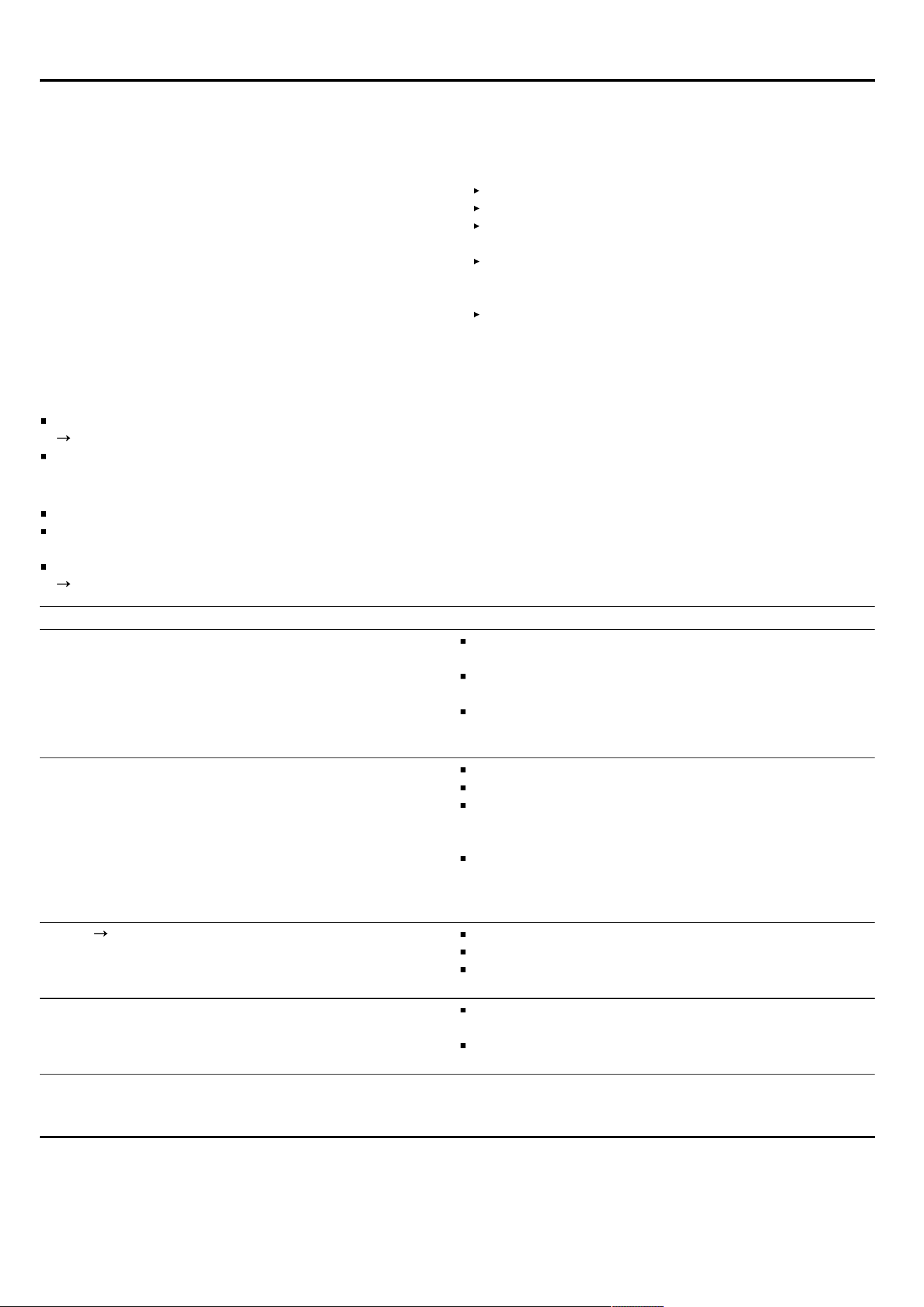
The cooking times and power levels may vary depending on the type of food, its weight and quality, on the type of
gas used, and on the material from which the cookware is made.
Burner Highest/high heat setting Medium power level Lowest power level
Mini-wok multi-crown burner Cooking, grilling, browning,
paella, Asian dishes (wok)
Warming up and keeping
warm: Ready-to-eat meals,
prepared meals
Warming up and keeping
warm: Ready-to-eat meals,
prepared meals
High-output burner Escalope, steaks, tortilla,
deep-fried
Rice, bechamel sauce, rag-
out
Steaming: Fish, vegetables
Standard-output burner Steamed potatoes, fresh ve-
getables, stews, pasta
Warming up ready-to-eat
meals and keeping them
warm, and cooking fine
stews
Warming up ready-to-eat
meals and keeping them
warm, and cooking fine
stews
Economy burner Cooking: Stews, rice pud-
ding, caramel
Defrosting and slow cook-
ing: Pulses, fruit, frozen
products
Preparing/melting: Butter,
chocolate, gelatine
8
Cleaning and servicing en
Cleaning and servicing9 Cleaning and servicing
To keep your appliance working efficiently for a long
time, it is important to clean and maintain it carefully.
9.1 Cleaning product
You can obtain suitable cleaning products from after-
sales service or the online shop
www.bosch-home.com
.
ATTENTION
Unsuitable cleaning products may damage the surfaces
of the appliance.
Do not use harsh or abrasive detergents.
Do not use steel wool or scouring sponges.
Do not use a knife or sharp objects to remove dried-
on food remnants from the hob.
Do not use knives or sharp objects to clean the con-
nection between the metal and the glass or alu-
minium plate wit.
Do not use steam-cleaning appliances.
9.2 Cleaning recommendations
Clean all parts of the appliance after each use.
Notes
Read the information on the cleaning agents.
"Cleaning product", Page9
The high temperatures of the multi-crown burner can cause the stainless steel surface to discolour slightly. This is
normal.
General information:
Allow the appliance to cool down before cleaning.
After cleaning, dry all parts of the appliance completely using a soft cloth. Surface damage may occur if there are
still drops of water or residual moisture at the beginning of the cooking process.
Reattach the parts of the appliance properly, making sure that the surfaces are not damaged.
"Familiarising yourself with your appliance", Page6
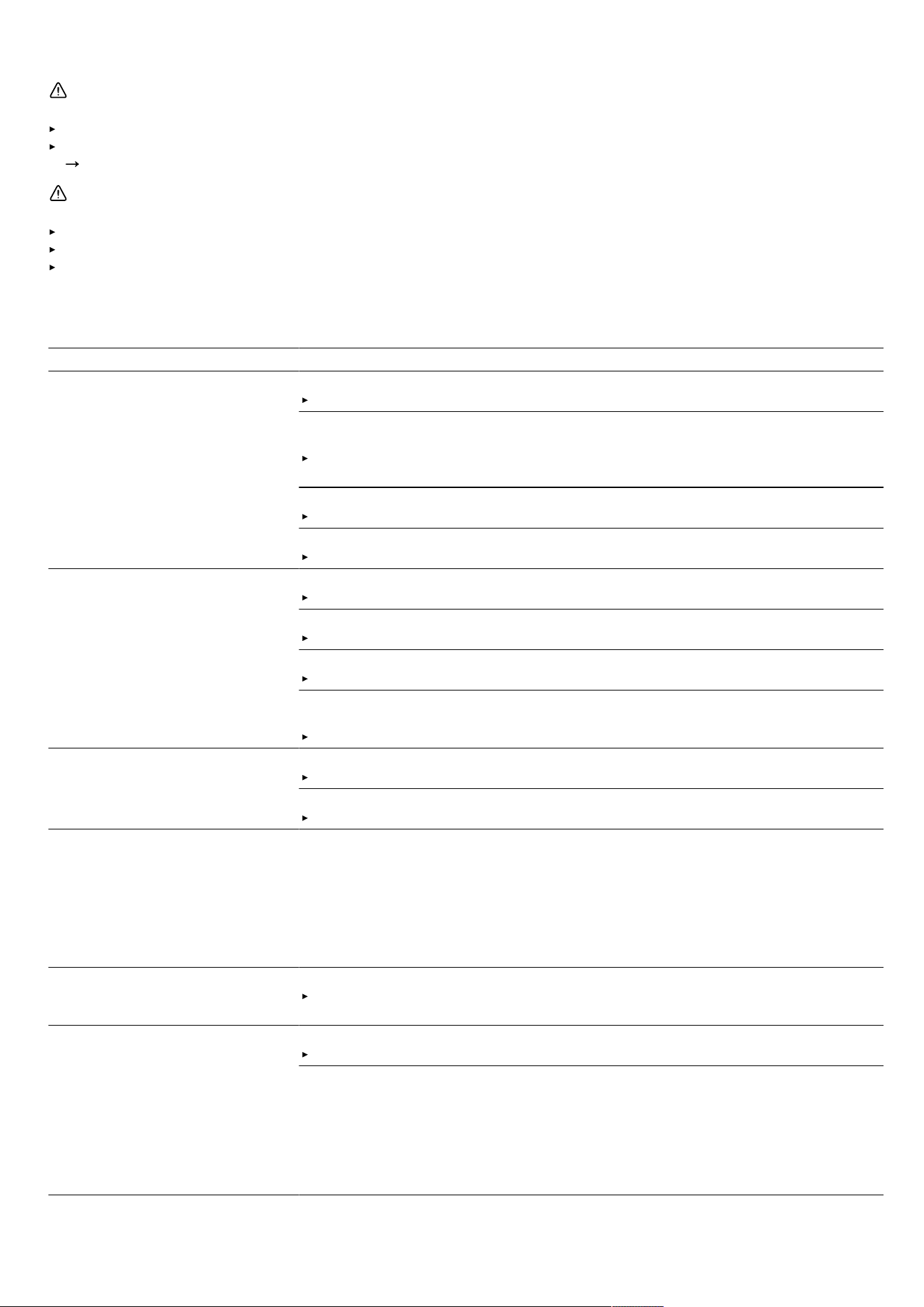
Part Recommended cleaning method Notes
Appliance surface Clean using a sponge and soapy
water.
Use stainless steel cleaner regu-
larly for stainless steel surfaces.
Stainless steel cleaner is avail-
able from customer service.
Wipe up spilled liquids immediately. This prevents food
residues from burning.
Never remove the control elements when cleaning the
appliance.
Do not use stainless steel cleaner in the area around
the control elements. Stainless steel cleaners may re-
move screen-printed displays.
Pan supports Scrub with a non-metallic brush
or a non-scratching scouring
sponge and soapy water.
Do not clean in the dishwasher.
Carefully remove the pan supports.
Carefully clean the area around the rubber pads. If the
rubber pads come loose, the pan support may scratch
the hob.
After cleaning, dry the pan supports completely using a
soft cloth. Damage to enamel may occur if there are
still drops of water or residual moisture at the beginning
of the cooking process.
Burner
Page6
Scrub with a non-metallic brush
or a non-scratching scouring
sponge and soapy water.
Do not clean in the dishwasher.
Do not mix up the burner lids.
Gently move the burner lid back and forth until it locks
into the projections on the burner.
Thermocouples/igni-
tion plugs
Clean using a small non-metallic
brush.
Clean carefully. Thermocouples and ignition plugs are
sensitive.
Do not moisten the thermocouple and the ignition plug.
If there is excessive moisture, the burner may not light.
Troubleshooting10 Troubleshooting
You can rectify minor faults on your appliance yourself. Read the troubleshooting information before contacting after-
sales service. This will avoid unnecessary costs.
9
en Troubleshooting
WARNING‒Risk of injury!
Improper repairs are dangerous.
Repairs to the appliance should only be carried out by trained specialist staff.
If the appliance is defective, call Customer Service.
"Customer Service", Page11
WARNING‒Risk of electric shock!
Improper repairs are dangerous.
Repairs to the appliance should only be carried out by trained specialist staff.
Only use genuine spare parts when repairing the appliance.
If the power cord of this appliance is damaged, it must be replaced by the manufacturer, the manufacturer's Cus-
tomer Service or a similarly qualified person in order to prevent any risk.
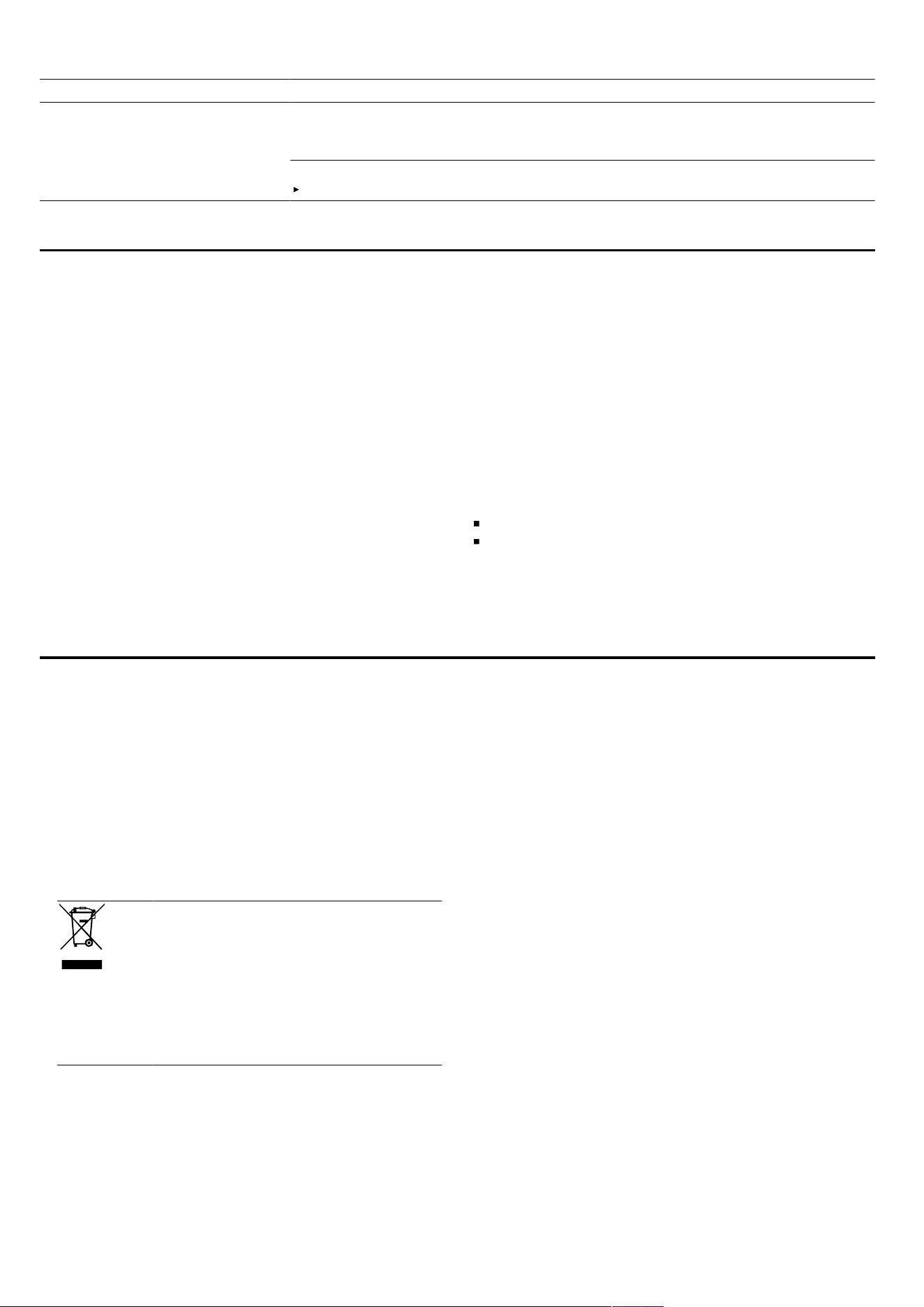
10.1 Malfunctions
Fault Cause and troubleshooting
The general electrical operation is
impaired.
The circuit breaker is faulty.
Check the circuit breaker in the fuse box.
The circuit breaker or one of the residual-current circuit breakers has been
triggered.
In the fuse box, check whether the circuit breaker or one of the residual-current
circuit breakers has been triggered.
The mains plug of the power cord is not plugged in.
Connect the appliance to the power supply.
There has been a power cut.
Check whether the lighting in your room or other appliances are working.
Automatic ignition is not working. Food remnants or dirt are located between the ignition plug and the burner.
Clean the space between the ignition plugs and burners.
Burner parts are wet.
Carefully dry the burner parts.
The burner parts are positioned incorrectly.
Correctly position the burner parts.
The appliance is not earthed or has not been connected correctly, or the earth
cable is damaged.
Contact an electrician.
The burner flame is not uniform. The burner parts are positioned incorrectly.
Correctly position the burner parts.
Openings on the burner are soiled.
Clean and dry the openings on the burner.
Burner flames are large or un-
stable.
The gas reaches the appliance at excessive pressure.
1.
Switch off the appliance.
2.
Contact an approved installer and have them check the regulator of the gas
cylinder or liquid gas tank.
Tip: To prevent damage due to excessive pressure, you can install an overpres-
sure safety device that limits or cuts off the gas supply if the regulator of the gas
cylinder or liquid gas tank fails.
The gas does not appear to be
flowing normally or there is no
gas being produced at all.
The gas supply has been shut off by the intermediate valves.
Open the intermediate valves.
There is a smell of gas in the kit-
chen.
The control knob is open.
Close the control knob.
The gas pipe to the appliance is leaking.
1.
Close the main gas tap.
2.
Ventilate the room.
3.
Immediately call an authorised installer, who can inspect the gas system and
issue an installation certificate.
4.
Do not use the appliance until you are sure that gas is not leaking from the in-
stallation or the appliance.
10
Customer Service en
Fault Cause and troubleshooting
The burner switches off as soon
as you release the control knob.
Control knob not pressed down long enough.
1.
Keep the control knob pressed down for a few seconds after ignition.
2.
Press the control knob down firmly.
Openings on the burner are soiled.
Clean and dry the openings on the burner.
Customer Service11 Customer Service
Function-relevant genuine spare parts according to the
corresponding Ecodesign Order can be obtained from
Customer Service for a period of at least 10 years from
the date on which your appliance was placed on the
market within the European Economic Area.
Note: Under the terms of the manufacturer's warranty
the use of Customer Service is free of charge.
Detailed information about the warranty period and the
warranty conditions in your country is available via the
QR code on the enclosed document on service con-
tacts and warranty conditions, from our customer ser-
vice or on our website.
If you contact Customer Service, you will require the
product number (E-Nr.) and the production number (FD)
of your appliance.
You can find the contact details for our customer ser-
vice via the QR code on the enclosed document on ser-
vice contacts and warranty conditions or on our website.
You can find the information required as per Regula-
tions (EU) 66/2014 and (EU) 2023/826 online at
www.bosch-home.com
on the product and service
pages for your appliance, in the area of user manuals
and additional documents.
11.1 Product number (E-Nr.) and production
number (FD)
You can find the product number (E-Nr.) and the pro-
duction number (FD) on the appliance's rating plate.
The rating plate can be found:
on the appliance certificate.
on the lower section of the hob.
Make a note of your appliance's details and the Cus-
tomer Service telephone number to find them again
quickly.
Disposal12 Disposal
12.1 Disposing of old appliance
Valuable raw materials can be reused by recycling.
1.
Unplug the appliance from the mains.
2.
Cut through the power cord.
3.
Close the main gas tap.
4.
Dispose of the appliance in an environmentally
friendly manner.
Information about current disposal methods are avail-
able from your specialist dealer or local authority.
This appliance is labelled in accordance
with European Directive 2012/19/EU
concerning used electrical and elec-
tronic appliances (waste electrical and
electronic equipment - WEEE).
The guideline determines the framework
for the return and recycling of used ap-
pliances as applicable throughout the
EU.
11
Thank you for buying a
Bosch Home Appliance!
Register your new device on MyBosch now and profit directly from:
• Expert tips & tricks for your appliance
• Warranty extension options
• Discounts for accessories & spare-parts
• Digital manual and all appliance data at hand
• Easy access to Bosch Home Appliances Service
Free and easy registration – also on mobile phones:
www.bosch-home.com/welcome
Looking for help?
You'll find it here.
Expert advice for your Bosch home appliances, help with problems
or a repair from Bosch experts.
Find out everything about the many ways Bosch can support you:
www.bosch-home.com/service
Contact data of all countries are listed in the attached service directory.
BSH Hausgeräte GmbH
Carl-Wery-Straße 34
81739 München, GERMANY
www.bosch-home.com
A Bosch Company
Valid within Great Britain:
Imported to Great Britain by
BSH Home Appliances Ltd.
Grand Union House
Old Wolverton Road
Wolverton, Milton Keynes
MK12 5PT
United Kingdom
*8001313065*
8001313065 (050718) REG25
en