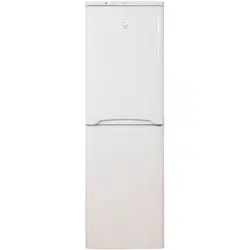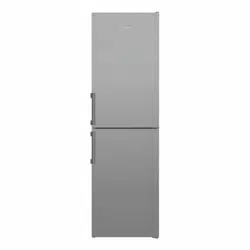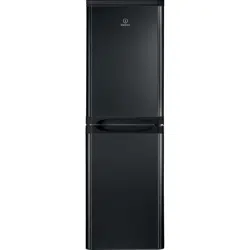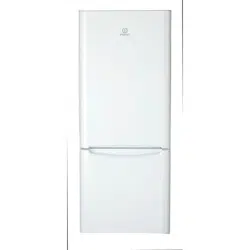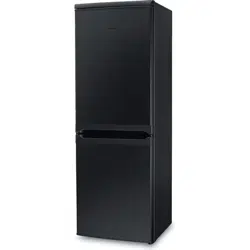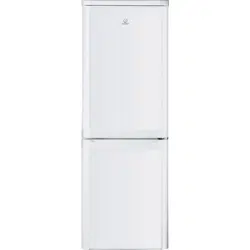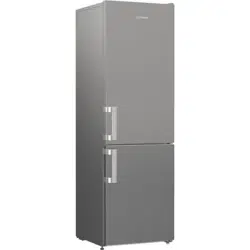
Refrigerator Freezer
User manual
IKNS 1261 S4UK
EN
EN / 1
Please read these instructions first before using your appliance
Please take some time to read this user manual before using your appliance, to ensure you know
how to safely operate the controls and functions.
Carefully follow all unpacking and installation instructions to ensure the appliance is correctly
connected and fitted prior to use.
Please write your product model and serial number on the last page of this user manual, and store
in a safe location close to the appliance for easy future reference.
This user manual may also be applicable for several other models.
Differences between models will be listed.
If you have any questions or concerns, please call our Customer Service Team or find help and
information online on the Web.
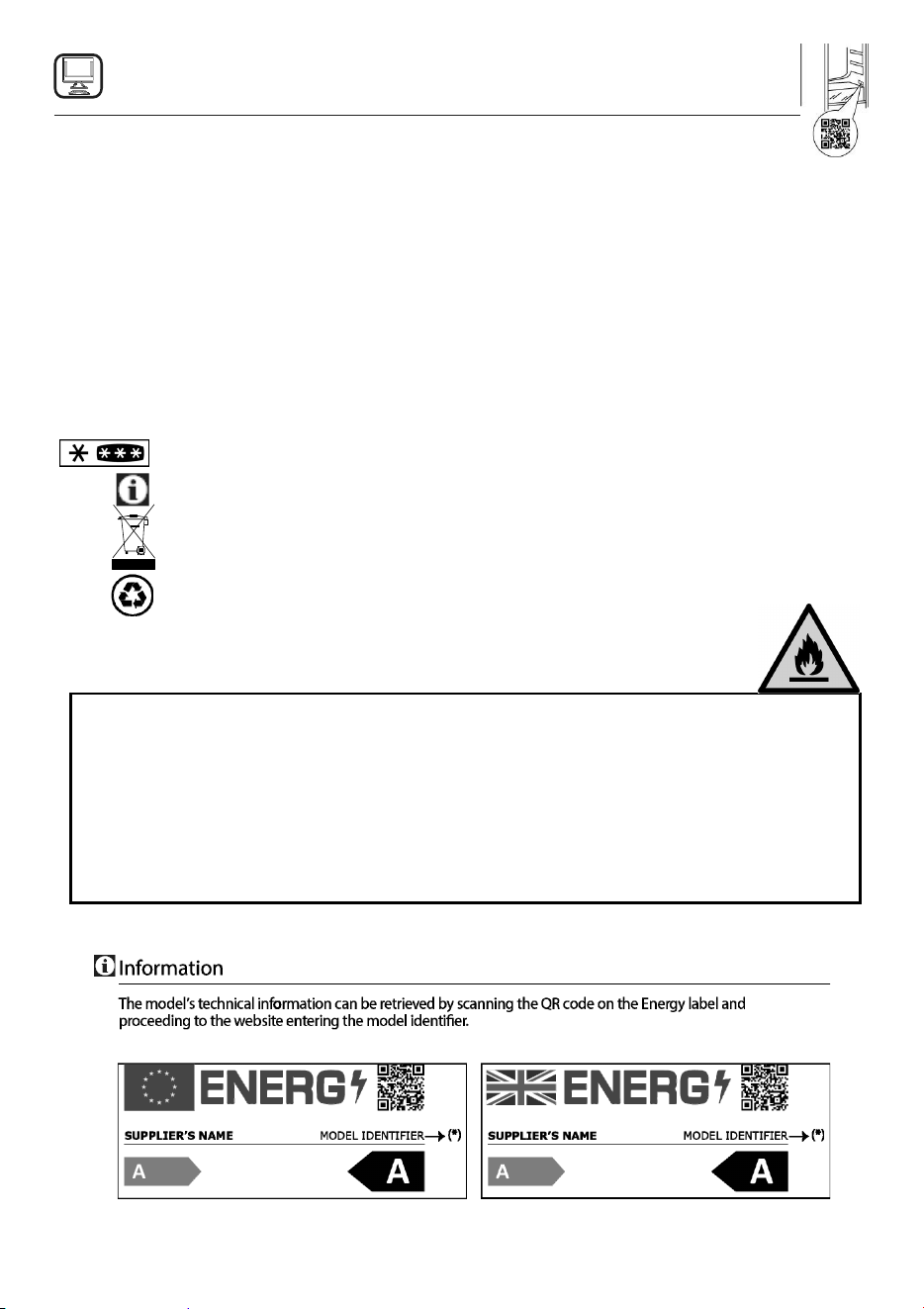
Explanation of symbols used throughout this User Manual
- The freezer compartment is marked with the symbol.
- Important information or useful usage tips.
- Symbol for waste electrical and electronic equipment.
- Symbol for Packaging information.
MORE INFORMATION ON docs.indesit.eu & parts-selfservice.europeanappliances.com.
THANK YOU FOR BUYING A INDESIT PRODUCT
In order to receive a more complete assistance,
please register your product on www.register10.eu
PLEASE SCAN THE QR CODE ON
YOUR APPLIANCE IN ORDER TO
REACH MORE INFORMATION
WARNING!
In order to ensure a normal operation of your refrigerating appliance, which uses a completely
environmentally friendly refrigerant the R600a (flammable only under certain conditions) you
must observe the following rules:
Do not hinder the free circulation of the air around the appliance.
Do not use mechanical devices in order to accelerate the defrosting, others than the ones
recommended by the manufacturer.
Do not destroy the refrigerating circuit.
Do not use electric appliances inside the food keeping compartment, other than those that
might have been recommended by the manufacturer.

EN / 2
CONTENTS PAGE
INTRODUCTION & SAFETY WARNINGS……………………………………… 3
SAFETY FIRST / ELECTRICAL REQUIREMENTS……………………………. 4
TRANSPORTATION INSTRUCTIONS………………………………………….. 4
INSTALLATION INSTRUCTIONS………………………………………………... 5
GETTING TO KNOW YOUR COMBI FRIDGE / FREEZER……….………….. 6
REVERSING THE DOOR…………………………………………………………. 7
SUGGESTED ARRANGEMENT OF FOOD IN THE FRIDGE/FREEZER……... 8
GUIDANCE FOR STORING FRESH FOOD…………………………………………. 9
TEMPERATURE CONTROL AND ADJUSTMENT ………………………..………... 10
BEFORE OPERATING……………………………………………………………. 10
STORING FROZEN FOOD……………………………………………………….. 10
FREEZING FRESH FOOD………………………………………………………... 11
MAKING ICE CUBES……………………………………………………………… 11
CRISPER…………………………………………………………………………… 11
DEFROSTING……………………………………………………………………… 11
REPLACING THE INTERIOR LIGHT BULB……………………………………. 12
CLEANING AND CARE…………………………………………………………… 12
DO’S AND DON’TS………………………………………………………………... 13
ENERGY SAVING TIPS…………………………………………………………... 14
PROBLEM SOLVING……………………………………………………………… 14
DISCLAIMER / WARNING………………………………………………………... 14
Please keep this handbook for future reference,
or for anyone else who may use the appliance.
EN / 3
WARNING!
IMPORTANT!
DO NOT connect your appliance to the electricity supply until all packing and transit protectors have been
removed.
• Leave to stand for at least 4 hours before switching on to allow compressor oil to settle if transported
horizontally.
• If you are discarding an old refrigerator with a lock or latch fitted to the door, disable the lock / latch, ensure
that it is left in a safe condition to prevent the entrapment of children.
• This fridge/freezer must only be used for its intended purpose i.e. the storing of edible foodstuff.
• Do not dispose of the appliance on a fire. At INDESIT, the care and protection of our environment is an
ongoing commitment. This appliance which is among the latest range introduced is particularly environment
friendly. Your appliance contains non-CFC / HFC natural substances in the cooling system (Called R600a)
and in the insulation (Called cyclopentane) which are potentially flammable if exposed to fire. Therefore, take
care not to damage, the cooling circuit / pipes of the appliance in transportation and in use. In case of a
damage do not expose the appliance to fire, potential ignition source and immediately ventilate the room
where the appliance is situated.
• We suggest you contact your local authority for disposal information and facilities available.
• We do not recommend use of this appliance in an unheated, cold room.
(E.g.: garage, conservatory, annex, shed, out-house etc.) See Installation Instructions on page 5 for further
information.
• To obtain the best possible performance and trouble-free operation from your appliance it is very important
to carefully read these instructions.
• On delivery, check to make sure that the product is not damaged and that all the parts and accessories are
in perfect condition.
• Ensure that the plug remains readily accessible.
• We do not recommend the use of extension leads and multi-way adapters.
• Failure to observe these instructions may invalidate your right to free service during the guarantee period.
WARNING- Do not use electrical appliances inside the food storage compartments of the appliance, unless
they are of the type recommended by the manufacturer.
WARNING- Do not use mechanical devices or other means to accelerate the defrosting process, other than
those recommended by the manufacturer.
WARNING- Do not damage the refrigerant circuit.
WARNING- Do not use electrical appliances inside the food storage compartments of the appliance, unless
they are of the type recommended by the manufacturer.
• We suggest you keep these instructions in a safe place for easy reference.
Compliance with RoHS Directive
The product you have purchased complies with EU RoHS Directive (2011/65/EU). It does not contain harmful
and prohibited materials specified in the Directive.
Packaging information
Packaging materials of the product are manufactured from recyclable materials in accordance with
our National Environment Regulations. Do not dispose of the packaging materials together with the
domestic or other wastes. Take them to the packaging material collection points designated by the
local authorities.
Recycling This product bears the selective sorting symbol for waste electrical and electronic equipment
(WEEE).
This means that this product must be handled pursuant to European Directive 2012/19/EU in
order to be recycled or dismantled to minimize its impact on the environment.
For further information, please contact your local or regional authorities.
Electronic products not included in the selective sorting process are potentially dangerous for
the environment and human heath due to the presence of hazardous substances.

EN / 4
ELECTRICAL REQUIREMENTS
Before you insert the plug into the wall socket make sure that the voltage and the frequency shown in the
rating plate inside the appliance corresponds to your electricity supply.
Rating label is on the left-hand side of fridge inner liner.
WARNING:
When positioning the appliance ensure the supply cord is not trapped or damaged.
We recommend that this appliance is connected to the mains supply via a suitable switched and fused
socket in a readily accessible position.
Should the mains lead of the appliance become damaged or should it need replacing at any time, it must be
replaced by a special purpose made mains lead which can only be obtained from a INDESIT Authorised
Service Agent.
TRANSPORTATION INSTRUCTIONS
1. The appliance should be transported only in an upright position. The packing as supplied must be intact
during transportation.
2. If transported horizontally, leave to stand upright for at least 4 hours before switching on, to allow
compressor oil to settle.
3. Failure to comply with the above instructions could result in damage to the appliance, for which the
manufacturer will not be held liable.
4. The appliance must be protected against rain, moisture and other atmospheric influences.
5. When positioning your appliance take care not to damage your flooring, pipes, wall coverings etc. Do not
move the appliance by pulling by the door or handle.
6. Empty any water in the drain tray before moving. See section “DEFROSTING” and “CLEANING AND
CARE” for further information.
7. Make sure that the defrost water pipe at the back of the product is fixed to the plastic evaporating pan on
the top of the compressor, to avoid defrost water spillage on the floor.
Important!
• Care must be taken while cleaning/carrying the appliance not to touch the bottom of the condenser metal
wires at the back of the appliance, as this could cause injury to fingers and hands.
• Do not attempt to sit or stand on top of your appliance as it is not designed for such use. You could injure
yourself or damage the appliance.
EN / 5
1708 mm
574 mm 30 mm
• Make sure that the mains cable is not caught under the appliance during and after moving, as this could
damage the cable.
• Do not allow children to play with the appliance or tamper with the controls. INDESIT declines to accept
any liability should the instructions not be followed.
INSTALLATION INSTRUCTIONS
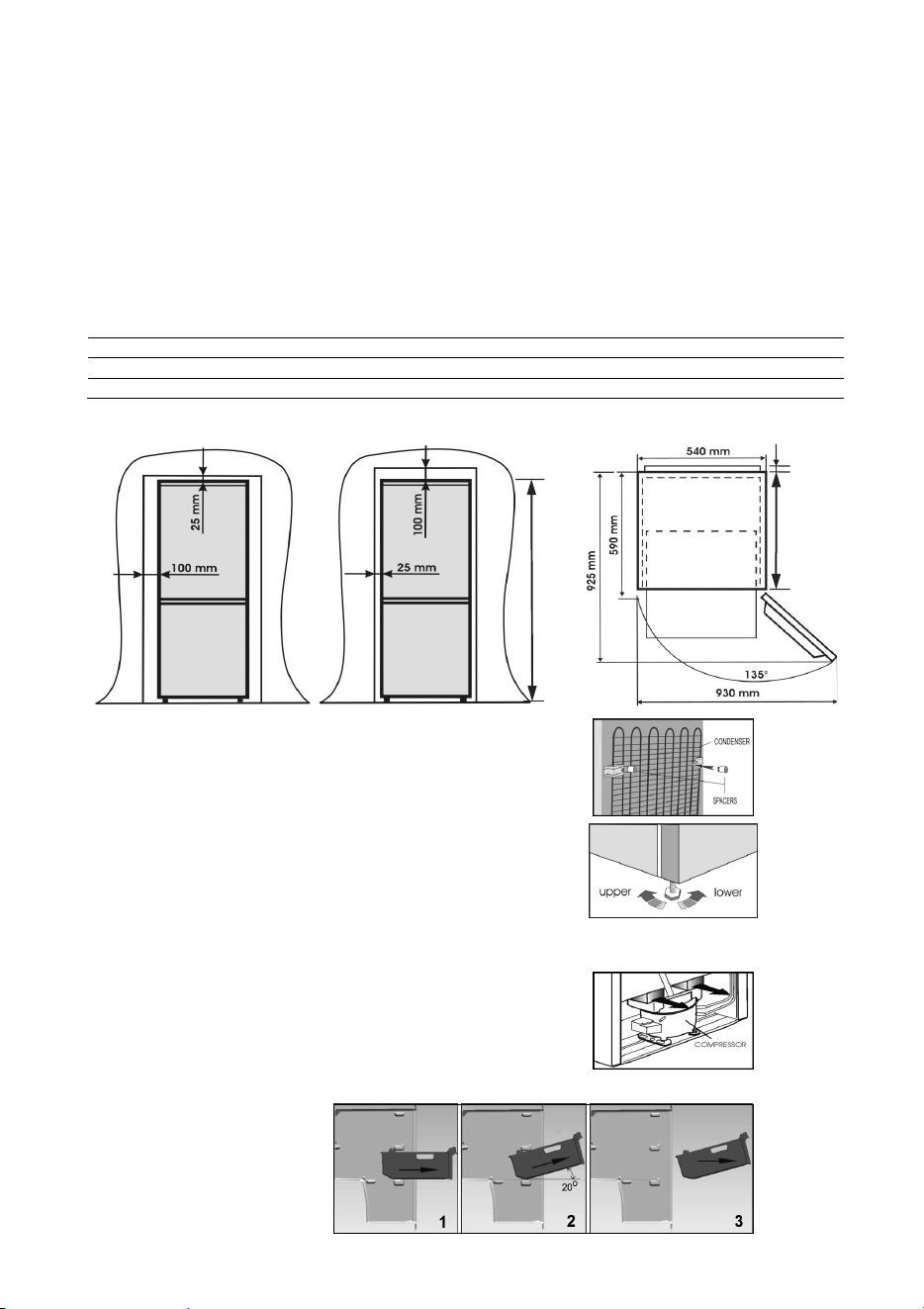
1. The space in the room where the appliance is installed must not be smaller than 10 cubic metres.
2. Do not put your fridge freezer in a cold room where the temperature is likely to go below +10 degrees C
(50 degrees F) during night-time and/or especially in winter. This fridge freezer has been designed to
operate in ambient temperatures between +10 and +38 degrees C (50 and 100 degrees F). Therefore, if
the appliance is installed in an unheated/cold room (e.g.: conservatory / annex / shed / garage etc.) then
the appliance will not operate causing the freezer compartment to run warmer and as a result the storage
time of frozen food may be reduced.
3. Do not place the appliance near cookers, radiators or in direct sunlight as this will cause your appliance to
work harder. If installed next to a source of heat or freezer, maintain the following minimum side clearances:
From Cookers 2"
(
50 mm
)
From Radiators 12"
(
300 mm
)
From Refri
g
erators or Larder Frid
g
e 1"
(
25 mm
)
4. Make sure that sufficient room is provided around the appliance to ensure free air circulation (see diagram).
5. Fit the two plastic wall spacers supplied with the appliance rotating
1/4 turn to the condenser at the back of the refrigerator (see diagram).
6. The fridge/freezer should be located on a smooth surface. The two
front feet can be adjusted as required. To ensure that, your appliance
is standing upright adjust the two front feet by turning clockwise or
anti-clockwise, until the product is in firm contact with the floor.
Correct adjustment of feet avoids excessive vibration and noise.
7. Refer to “CLEANING AND CARE” section to prepare your appliance for use.
WARNING!
Do not connect your appliance to the electricity supply until all the
packing and transit protectors have been removed including
polystyrene block(s) inserted between the compressor motor and the
cabinet (see diagram). Do not remove the plastic drain tray fitted
above the compressor motor on models with auto-defrost fridge.
8. To take out the baskets from the freezer compartment please proceed as in item:
EN / 6
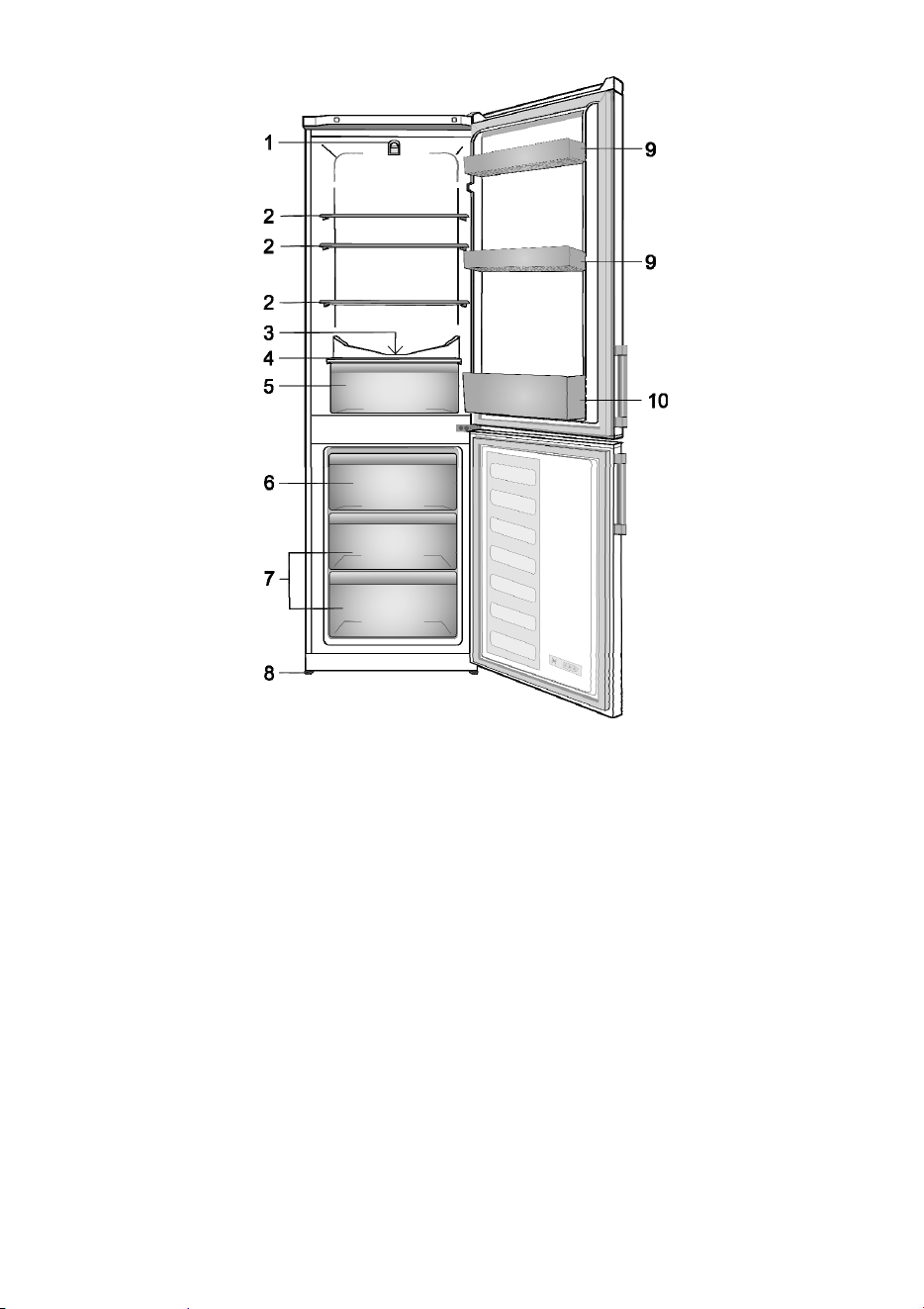
GETTING TO KNOW YOUR FRIDGE FREEZER
1 - Thermostat control and interior light
2 - Cabinet shelves
3 - Defrost water collection channel
4 - Salad crisper cover
5 - Salad crisper
6 - Fast freeze compartment
7 - Frozen foods storage drawers
8 - Adjustable feet
9 - Door shelves
10 - Bottle shelf
C Figures in this user manual are schematic and may not match the
product exactly. If the subject parts are not included in the product
you have purchased, then those parts are valid for other models
.
Please check appropriate Climate Class of your appliance rated on the rating plate. One of below information is
valid for your appliance according to rated Climate Class.
• SN: Extended Temperate: This refrigerating appliance is intended to be used at ambient temperatures ranging
from 10°C to 32°C.
• N: Temperate: This refrigerating appliance is intended to be used at ambient temperatures ranging from 16°C to
32°C.
• ST: Subtropical: This refrigerating appliance is intended to be used at ambient temperatures ranging from 16°C to
38°C.
• T: Tropical: This refrigerating appliance is intended to be used at ambient temperatures ranging from 16°C to 43°C.
EN / 7
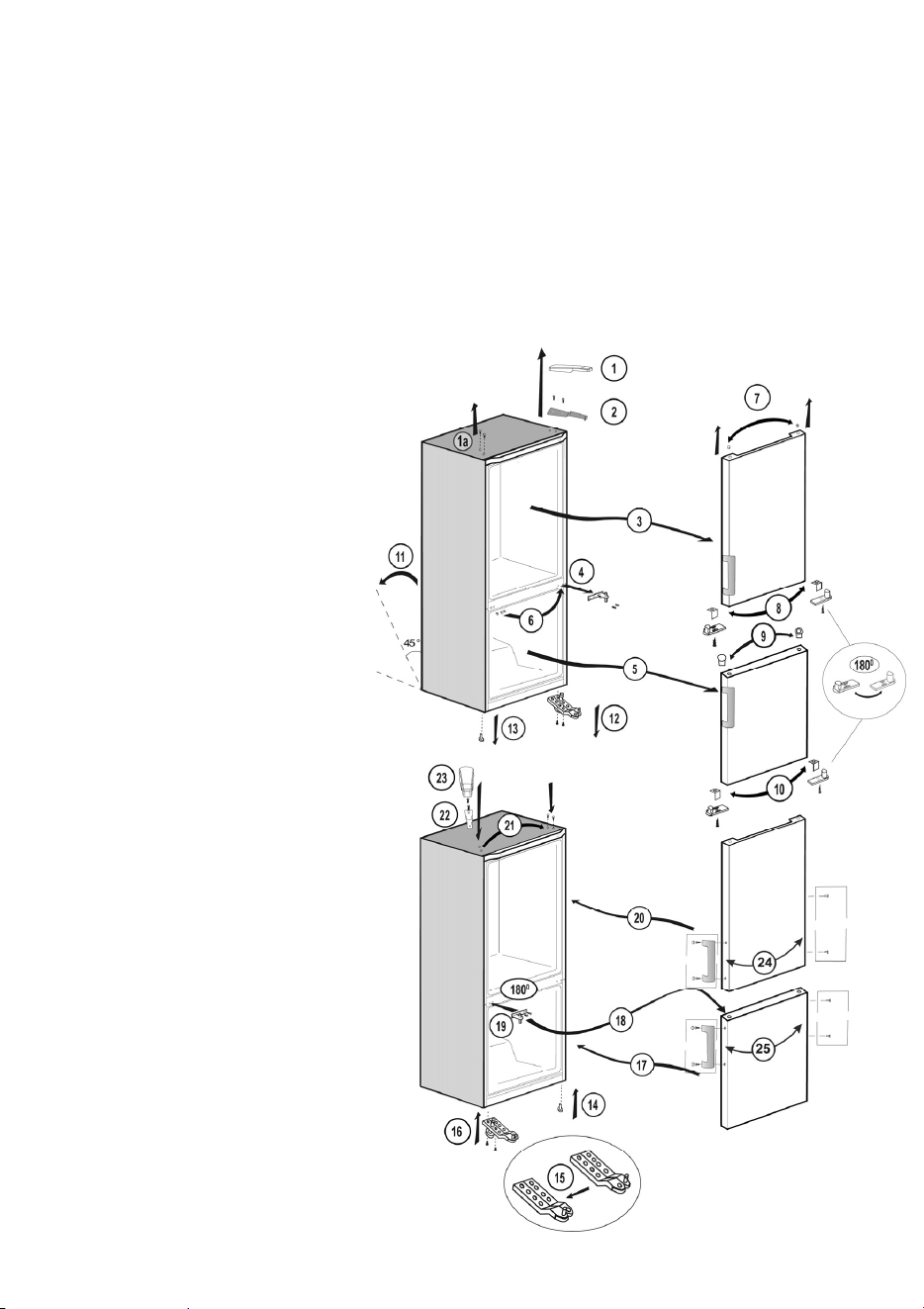
REVERSING THE DOORS
(You may need somebody to help you.)
1- Switch off the appliance at the socket outlet and pull out the mains plug.
2- Remove all loose items and fittings and food, if any, from inside the appliance and door racks.
3- Remove the plastic cover of the top hinge and the two plastic ornaments on top of the cabinet. (1 & 1a)
4- Unscrew the bolts and remove the top hinge while holding fridge door. (2)
5- Remove the fridge door from the middle hinge. (3)
6- Unscrew the bolts and remove the middle hinge while holding freezer door. (4)
7- Remove the freezer door from the lower hinge. (5)
8- Reposition plugs on the opposite side. (6)
9- Reposition the hinge bushing and the tap on the fridge door. (7)
10- Unscrew and reposition the middle hinge bushing from fridge door. (8)
11- Reposition the hinge bushing and the tap on the freezer door. (9)
12- Unscrew and reposition the bottom hinge bushing from freezer door. (10)
13- Carefully tilt the appliance on its back. (11) (You may need somebody to help you.)
14- Take off lower hinge. (12)
15- Unscrew the screw level. (13)
16- Screw the screw level. (14)
17- Reposition the lower hinge pin. (15)
18- Take on lower hinge. (16)
19- Locate the freezer door to the lower
hinge and attach to the cabinet. (17)
20- Locate the middle hinge on the freezer
door. (18)
21- Fit the middle hinge. (19)
22- Locate the fridge door to the middle hinge
and attach to the cabinet. (20)
23- Reposition the two plastic ornaments
on top of the cabinet. (21)
24- Locate the top hinge on the fridge door,
fit on top of the cabinet and screw the
bolts. (22)
25- Fit the plastic cover of the top hinge. (23)
26- Unscrew and reposition the handles from
the doors. (24 & 25)
27- Carefully stand your appliance (you
may need somebody to help you)
adjust the front feet.
28- Put back all, loose items and fittings.
29- Wait for at least 4 hours to allow the system
to settle before switching on.
30- Once the correct storage temperatures have
been reached in the appliance, put back
all the food.
EN / 8
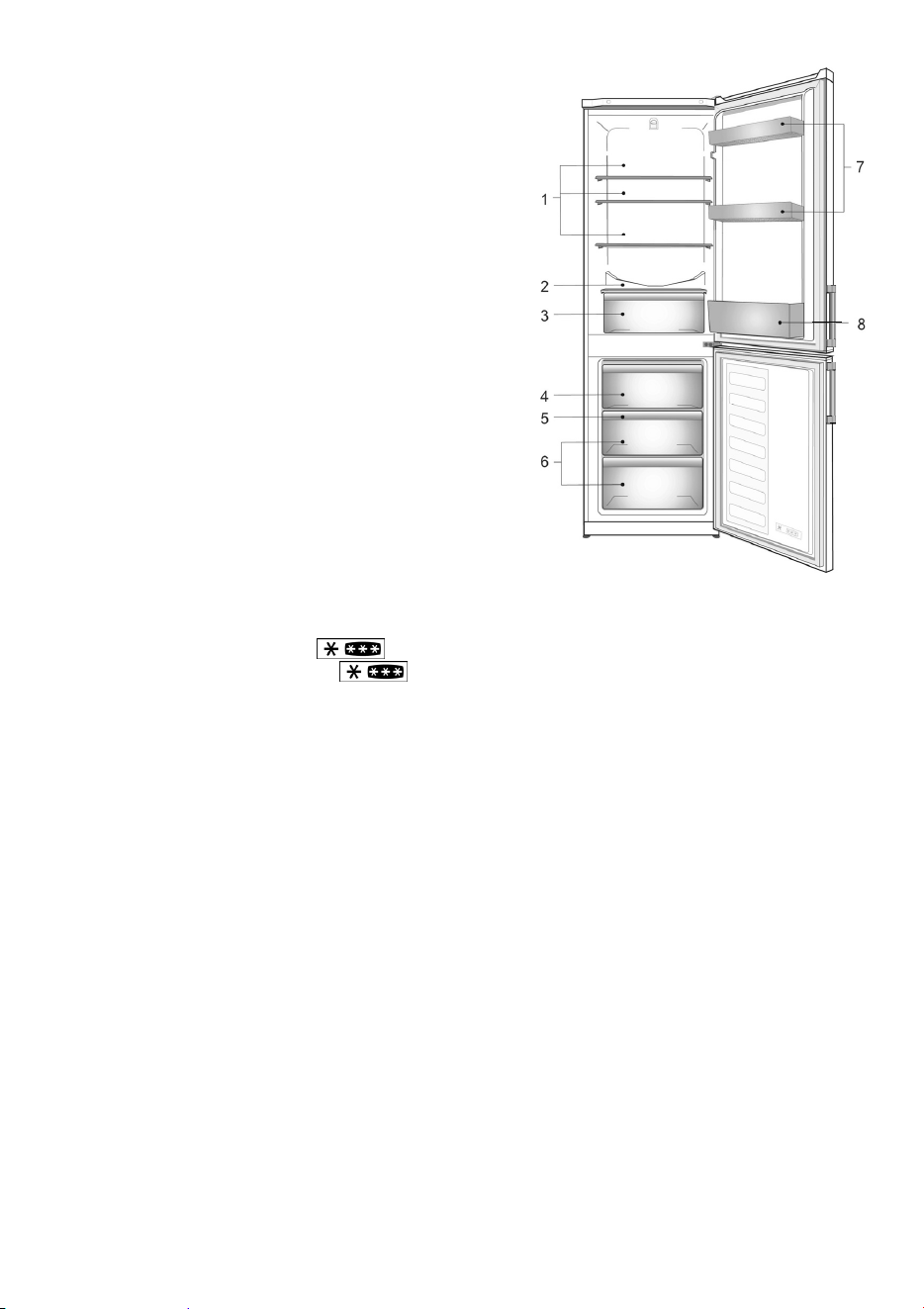
SUGGESTED ARRANGEMENT OF FOOD IN THE FRIDGE FREEZER
Arrangement Examples (see diagram)
1. Baked, chilled cooked food,
dairy products, cans.
2. Meat, sausages, cold cuts.
3. Fruit, vegetables, salads.
4. Frozen food and freezing of fresh food.
5. Making, storing ice cubes.
6. Frozen food.
7. Butter, cheese, eggs, small bottles,
cans, tubes.
8. Tall, large bottles, beverages.
The following guidelines and recommendations are suggested to obtain the best results and storage
hygiene.
1. The fridge compartment is for the short term storage of fresh food and drinks.
2. The freezer compartment is rated and suitable for the freezing and storage of pre frozen
food. The recommendation for storage as stated on the food packaging should be
observed at all times.
3. Cooked dishes must be stored in airtight covered containers.
4. Fresh wrapped produce can be placed on the shelf. Fresh fruit and vegetables should be
cleaned and stored in the crisper bins.
5. Bottles can be placed in the door section.
6. To store raw meat, wrap in polythene bags and place on the lowest shelf.
Do not allow to come into contact with cooked food to avoid contamination. For safety, only
store raw meat for two to three days.
7. Keep the food packed wrapped or covered. Allow hot food and beverages to cool before placing
them in the fridge.
Do not store explosive substances. High proof alcohol must be stored upright in sealed
containers. Left over canned food should not be stored in the can.
8. Fizzy drinks should not be frozen and products such as flavoured water ices should not be
consumed too cold.
9. Some fruit and vegetables suffer damage if kept at temperatures near 0°C. Therefore, wrap
pineapples, melons, cucumbers, tomatoes and similar produce in polythene bags.
10. Place chilled cooked food and similar food near the rear of the fridge inner liner where the cold
wall is located.
11. Shelves, racks, crisper bins, drawers, flaps, bottle grippers are all removable.
12. Do not leave frozen food at room temperature to thaw; the best way to defrost food is to put it in
the fridge to thaw slowly. Make sure you avoid defrosting food or food juices drip onto other
food.
13. For hygiene reasons, always wrap food using a suitable packaging material before storing in
your appliance to avoid contact with the appliance surface.
EN / 9
GUIDANCE FOR STORING FRESH FOOD
Storing into the Fridge Compartment:
•
Keep your fridge at recommended temperature level as 4°C.
•
Food to be stored should be properly sealed to avoid odour or taste alterations.
•
Do not store excessive quantities of food inside your refrigerator. Leave spaces between foods to
allow cold air flowing around them to achieve a better and more homogeneous cooling.
•
To allow shorter door openings, foods eaten daily should be stored at the front of the shelf.
•
Leave a gap between foods and the inner walls, allowing air to flow. If you store foods against the
rear wall foods could freeze against rear wall.
•
Hot, cooked food must be cooled down at room temperature before storing in the appliance. Then,
warm food can be stored in the lower shelves of your fridge. Please do not put warm food nearby
highly perishable foods.
•
Thaw your frozen food in the fresh food compartment. This way, you can use the frozen food to
cool down the fresh food compartment and save energy.
•
If unripe tropical fruits (mango, melons, papaya, banana, pineapple) are stored in refrigerator, ageing
process can be accelerated and it is not advisable since it causes shorter storage times. However, the
ripening of strongly green fruits (apple, pear) can be promoted for a certain period in fridge
compartment.
•
Onions, garlic, ginger and other root vegetables should be stored at dark and cool room conditions,
not in the fridge.
•
When a spoiled food inside refrigerator is realized, it should be disposed. When rotten food is
noticed, please clean inner liner or accessories which were in contact to prevent contamination.
•
Large pots of food, such as soups or stews can be divided into shallow containers to quickly cool in
the refrigerator. Large pieces of cooked meat and whole poultry should be divided into smaller pieces
for the same purpose.
•
Do not store unpacked foods nearby eggs.
•
Keep fruits and vegetables separate and store like with like: apples with apples, carrots with carrots.
Fruits and vegetables give off different gases that can cause others to deteriorate.
•
Take leafy greens out of plastic bags, wrap them in a paper towel or tea towel before stored in
refrigerator. Do not forget to dry them if they are rinsed or wet before storing.
•
Store fruits and vegetables susceptible to drying out in perforated or unsealed plastic bags
to maintain a moist environment yet still allow air to circulate.
•
Different foods should be placed in different areas according to their properties:
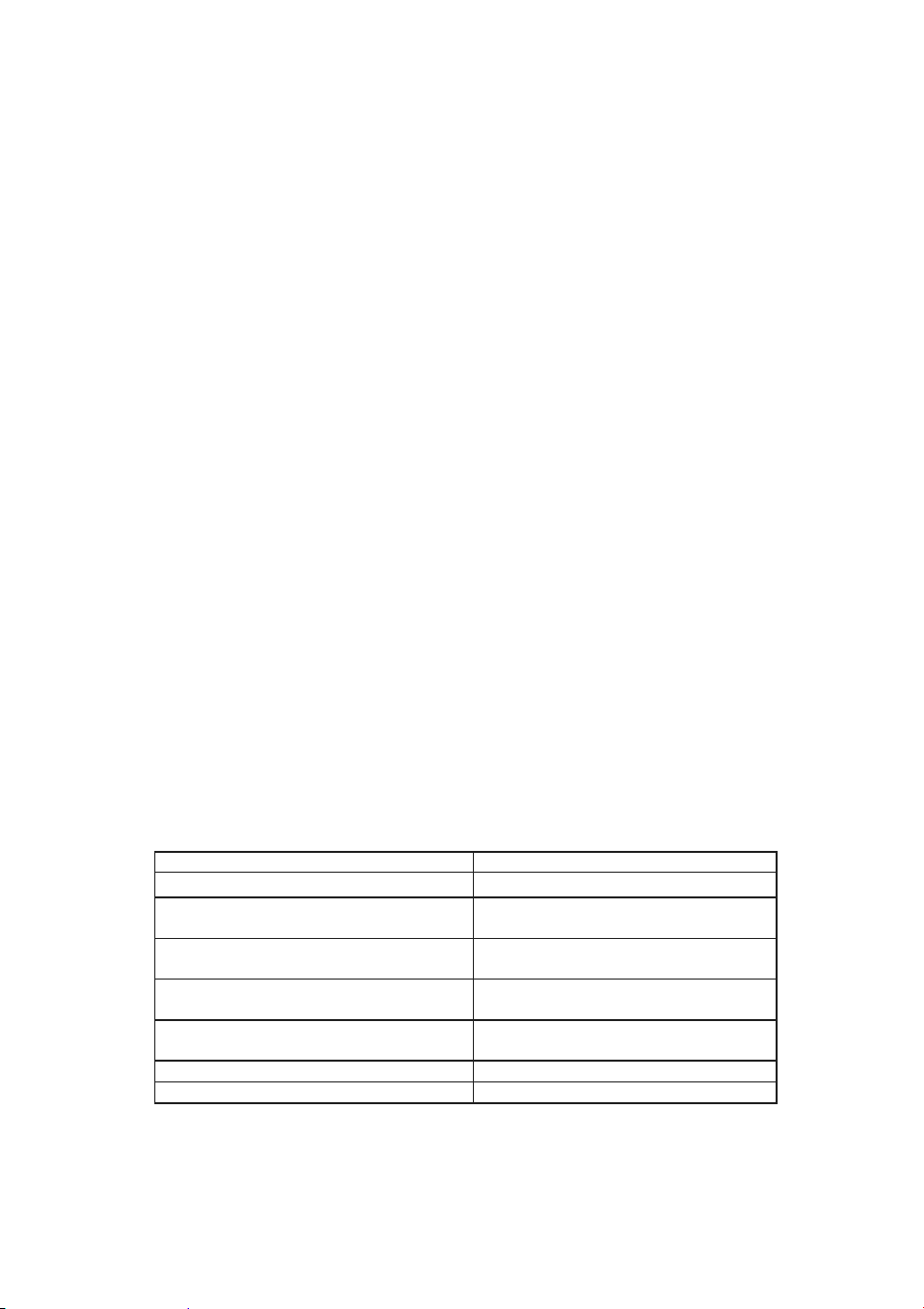
Food Location
Eggs
Door rack
Dairy products (butter, cheese)
If available, biofresh or chiller compartment
Lowest shelves
Fruits, vegetables and salad
Fruit and vegetable box, crisper or EverFresh+
compartment (if available)
Fresh meat, poultry, fresh fish, sausages, cooked
foods
If available, biofresh or chiller compartment
Lowest shelf
Ready to eat foods, packaged products, canned
foods, pickled products
Upper shelves or door rack
Drinks, bottles, condiments, snacks Door rack
Leftovers Middle shelves
Storing into the Freezer Compartment:
•
It is recommended to keep freezer setting at -18°C except extreme ambient conditions.
•
8 hours before freezing switch on the Fast Freeze function (if available) to provide faster freezing.
•
Hot food must be cooled to room temperature before storing in the freezer compartment.
•
Food cut into small portions will freeze faster and be easier to defrost and cook.
EN / 10
•
It is better to pack food before putting it into the freezer.
•
In order to avoid expiry of storage periods, please note the freezing date, time limit and name of the food
on the packaging according to the storage periods of different foods.
•
Do not exceed the food storage times recommended by the food manufacturers. Only take the required
amount of food out of the freezer.
•
Consume defrosted food quickly. Defrosted food cannot be re-frozen unless it is cooked. It is not safe to
consume uncooked re-frozen fresh food.
•
When freezing fresh food, avoid bringing it in contact with already frozen food. It may cause thawing of
already frozen pieces.
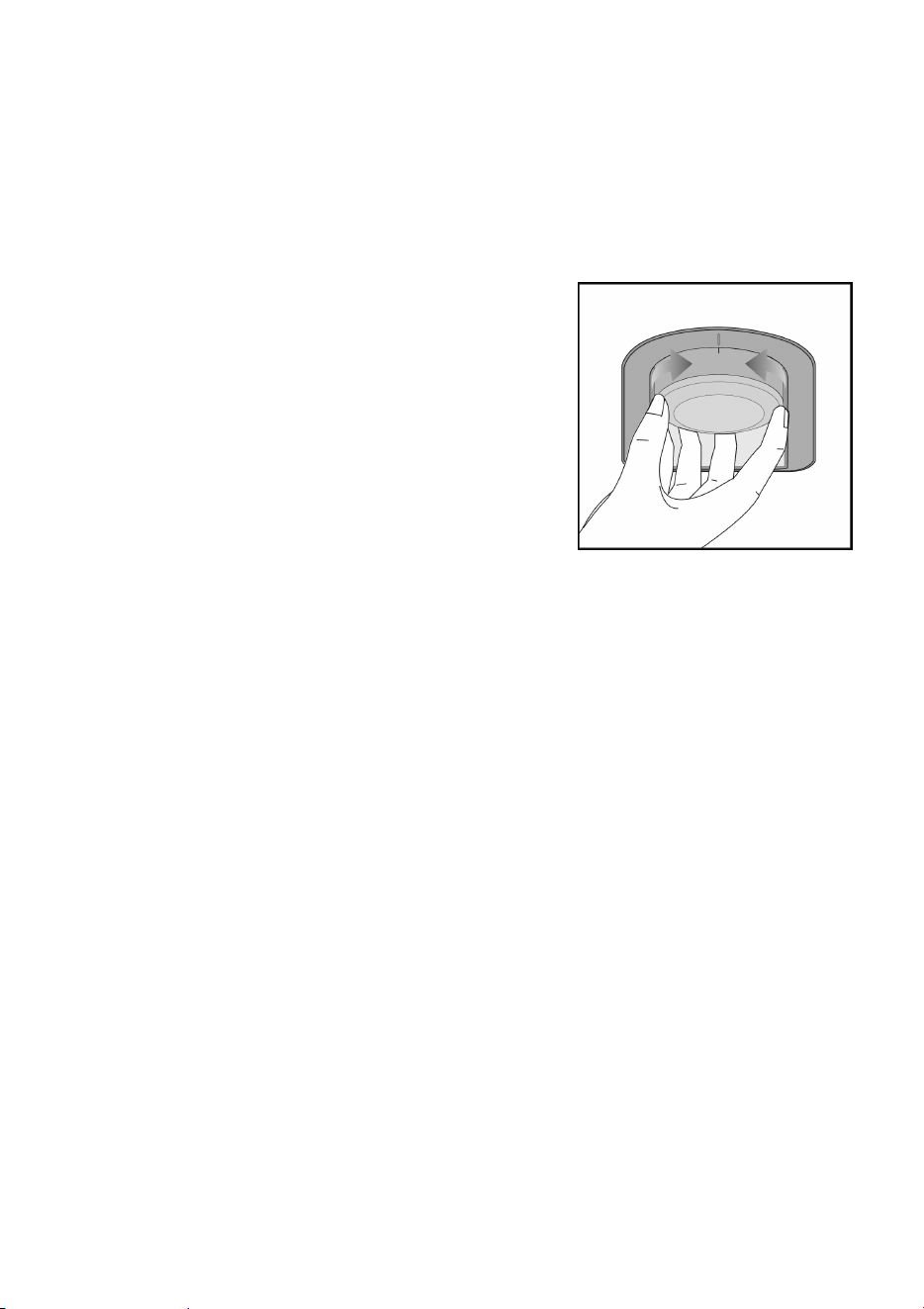
TEMPERATURE CONTROL AND ADJUSTMENT
Operating temperatures are controlled by the thermostat
Knob and may be set at any position between 1 and 5
(the coldest position). The average temperature inside the fridge
should be around +5°C (+41°F). Therefore, adjust the thermostat
to obtain the desired temperature. Some sections of the fridge
may be cooler or warmer (such as salad crisper and top part of
the cabinet) which is quite normal. We recommend that you
check the temperature periodically with a thermometer to ensure
that the cabinet is kept to this temperature. Frequent door
openings cause internal temperatures to rise, so it is advisable
to close the door as soon as possible after use.
BEFORE OPERATING
Final Check
Before you start using the appliance check that:
1. The feet have been adjusted for perfect levelling.
2. The interior is dry, and air can circulate freely at the rear.
3. The interior is clean as recommended under "CLEANING AND CARE.”
4. The plug has been inserted into the wall socket and the electricity is switched on. When the door
is open the interior light will come on.
And note that:
5. You will hear a noise as the compressor starts up. The liquid and gases sealed within the
refrigeration system may also make some (noise), whether the compressor is running or not. This is
quite normal.
6. Slight undulation of the top of the cabinet is quite normal due to the manufacturing process used;
it is not a defect.
7. We recommend setting the thermostat knob midway and monitor the temperature to ensure the
appliance maintains desired storage temperatures (see section TEMPERATURE CONTROL AND
ADJUSTMENT).
8. Do not load the appliance immediately it is switched on. Wait until the correct storage temperature
has been reached. We recommend checking the temperature with an accurate thermometer (see
TEMPERATURE CONTROL AND ADJUSTMENT).
STORING FROZEN FOOD
Your freezer is suitable for the long-term storage of commercially frozen foods and also can be used
to freeze and store fresh food.
If there is a power failure, do not open the door. Frozen food should not be affected if the failure
lasts for less than 13 hours. If the failure is longer, then the food should be checked and either
eaten immediately or cooked and then re-frozen.
WHEN STORING COMMERCIALLY FROZEN FOODS, PLEASE FOLLOW THESE GUIDELINES:
Always follow manufacturers’ guidelines for the length of time you should store the food for. Do not exceed these
guidelines!
•
Try to keep the length of time between purchase and storage as short as possible to preserve food quality.
•
Buy frozen foods, which have been stored at a temperature of -18°C or below.
0
EN / 11
•
Avoid buying food which has ice or frost on the packaging – This indicates that the products might have
been partially defrosted and refrozen at some point – temperature rises affect the quality of food.
•
We recommend a temperature setting of 4°C for fresh food compartment and -18°C for freezer
compartment to achieve better food preservation!
•
With the exception of extreme conditions in ambient, if temperature is set to recommended
values as +4°C / -18°C, overall freshness will be prolonged within fresh food and freezer
compartments. If temperature of fresh food compartment is set to cooler, fresh fruits and
vegetables may be partially frozen or exposed to cold injury, while warmer temperature level
may cause faster spoilage of highly perishable foods (dairy products, meat products)!
FREEZING FRESH FOOD
Please observe the following instructions to obtain the best results.
Do not freeze too large a quantity at any one time. The quality of the food is best preserved when it
is frozen right through to the core as quickly as possible.
Do not exceed the freezing capacity of your appliance in 24 h.
Placing warm food into the freezer compartment causes the refrigeration machine to operate
continuously until the food is frozen solid. This can temporarily lead to excessive cooling of the
refrigeration compartment.
When freezing fresh food, keep the thermostat knob at medium position. Small quantities of food up
to 1/2 kg. (1 lb) can be frozen without adjusting the temperature control knob.
Take special care not to mix already frozen food and fresh food.
MAKING ICE CUBES
Fill the ice - cube tray 3/4 full with water and place it in the Ice Bank. Loosen frozen trays with the
handle of a spoon, never use sharp edged objects such as knives, forks. Store ice-cubes in the Ice
Bank.
Note: If freshly made ice cubes are not consumed for several weeks and stored in Ice Bank, they will
slowly reduce in size and eventually disappear completely.
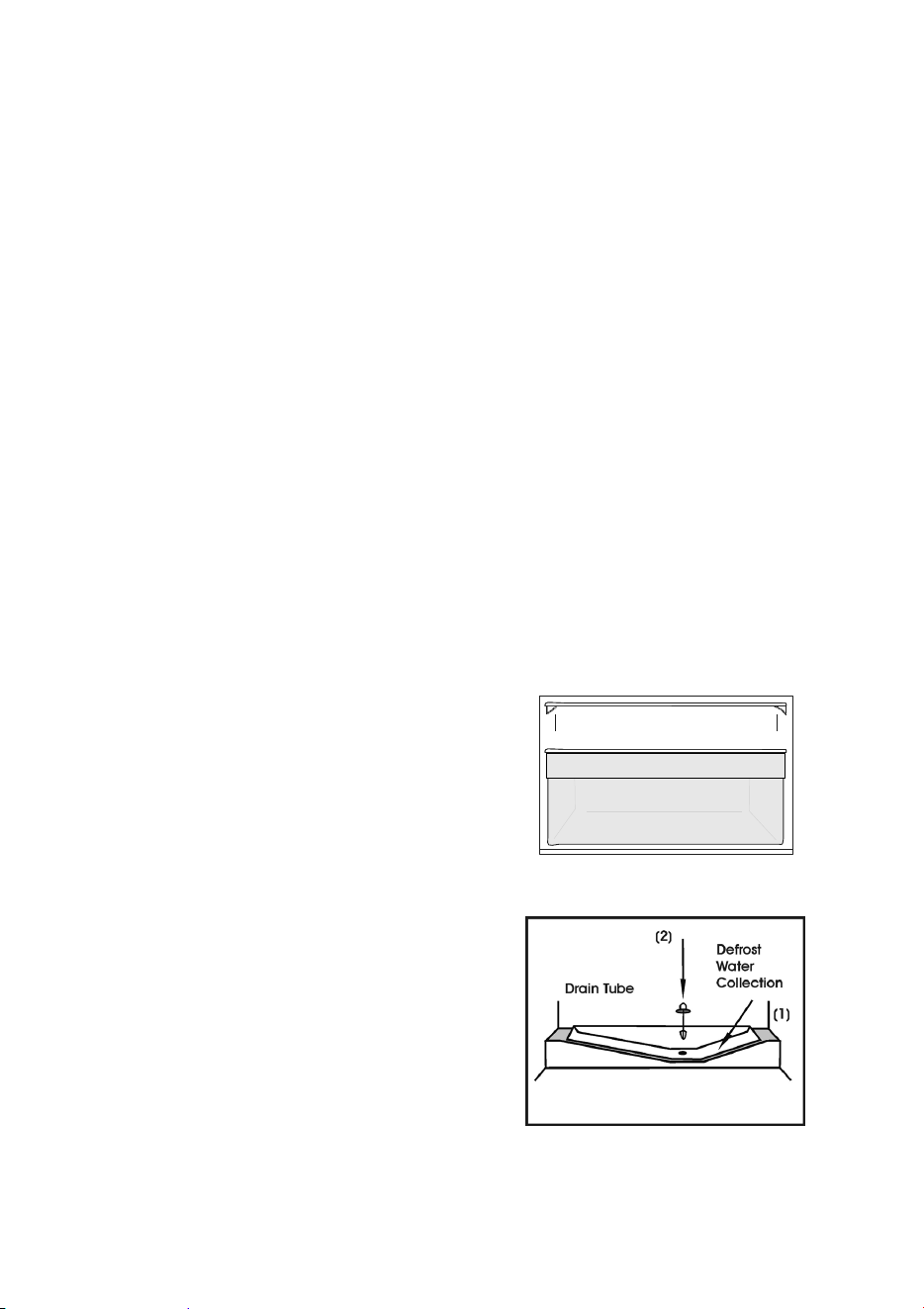
CRISPER
The refrigerator's crisper is designed to keep vegetables
fresh by preserving their humidity. For this purpose,
the overall cold air circulation is intensified in the crisper.
Keep fruits and vegetables in this compartment.
Keep the green-leaved vegetables and fruits separately
to prolong their life.
DEFROSTING
A) Fridge compartment
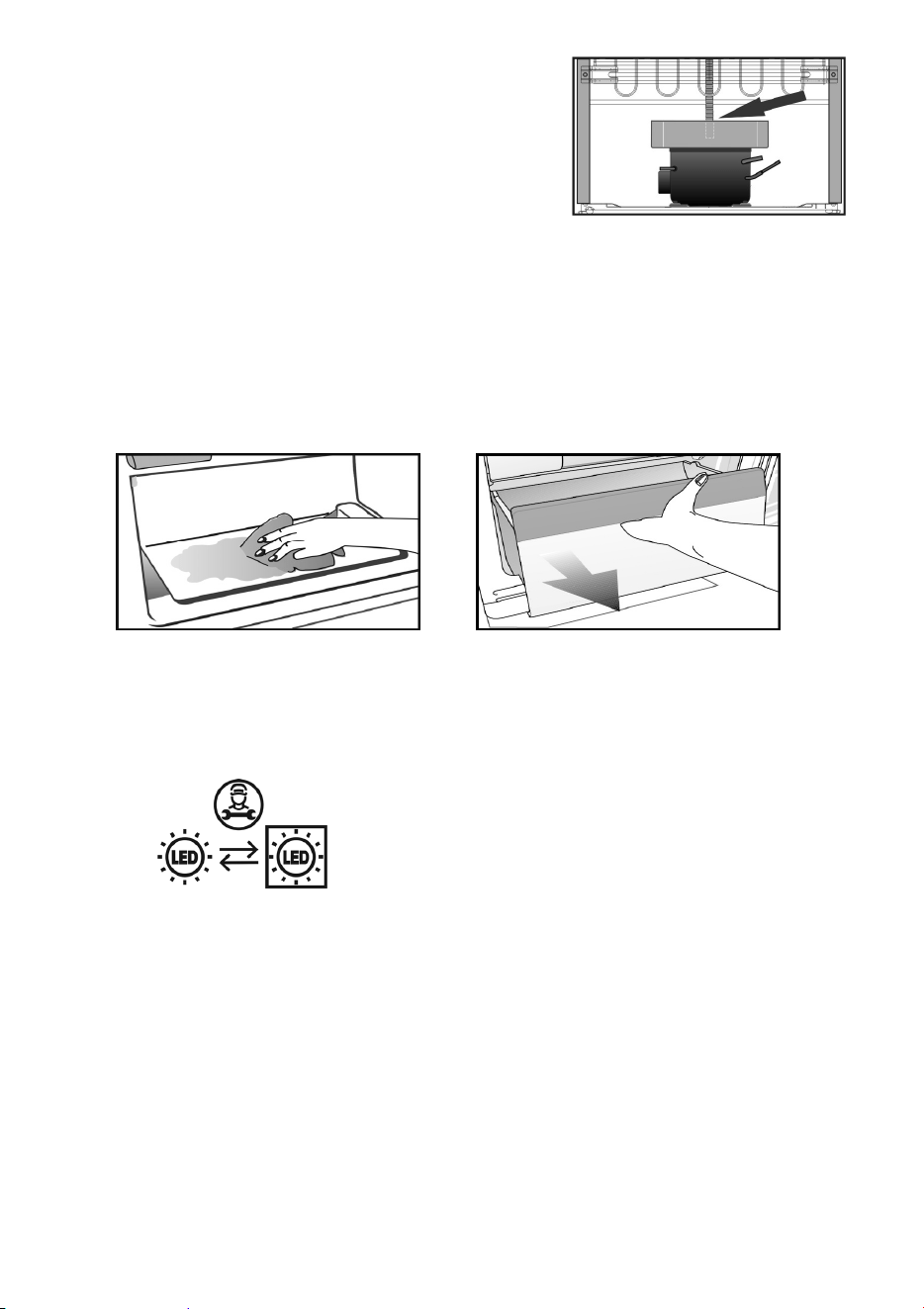
The fridge compartment defrosts automatically. The defrost
water runs to the drain tube via a collection container at the
back of the appliance (1).
During defrosting, water droplets may form at the back of
the fridge compartment where a concealed evaporator is
located. Some droplets may remain on the liner and
refreeze when defrosting is completed. Do not use pointed
or sharp-edged objects such as knives or forks to remove
the droplets which have refrozen. If, at any time, the defrost
water does not drain from the collection channel, check that
no food particles have blocked the drain tube. The drain
tube can be cleared with a pipe-cleaner or pushing the
special plastic plunger provided down the drain tube (2).
EN / 12
Please flush with approximately 100 ml of warm tap water, to
ensure that the water drains. If the blockage is still present,
use a suitable "refrigerator drain cleaning tool", and flush
with approximately 100 ml of warm tap water.
NOTE: Do not flush with excessive water, this will cause the
evaporator tray at the back of the appliance to overflow and
cause a leak. If the problem persists please contact service.
Check that the tube is permanently placed with its end in the
collecting tray on the compressor to prevent the water spilling.
B) Freezer compartment
Defrosting is very straightforward and without mess, thanks to a special defrost collection basin.
Defrost twice a year or when a frost layer of around 7 (1/4") mm has formed. To start the defrosting
procedure, switch off the appliance at the socket outlet and pull out the mains plug. All food should be
wrapped in several layers of newspaper and stored in a cool place (e.g. fridge or larder). Containers of
warm water may be placed carefully in the freezer to speed up the defrosting.
Do not use pointed or sharp-edged objects, such as knives or forks to remove the frost.
Never use hairdryers, electrical heaters or other such electrical appliances for defrosting.
Sponge out the defrost water collected in the bottom of the freezer compartment. After defrosting,
dry the interior thoroughly.
Insert the plug into the wall socket and switch on the electricity supply.
REPLACING THE INTERIOR LIGHT BULB
To change the Bulb/LED used for illumination of your refrigerator, call your Authorised Service.
The lamp(s) used in this appliance is not suitable for household room illumination. The intended
purpose of this lamp is to assist the user to place foodstuffs in the refrigerator/freezer in a safe and
comfortable way. The lamps used in this appliance have to withstand extreme physical conditions
such as temperatures below -20°C.
CLEANING AND CARE
1. We recommend that you switch off the appliance at the socket outlet and pull out the mains plug
before cleaning.
2. Never use any sharp instruments or abrasive substances, soap, household cleaner, detergent or
wax polish for cleaning.
3. Use lukewarm water to clean the cabinet of the appliance and wipe it dry.
4. Use a damp cloth wrung out in a solution of one teaspoon of bicarbonate of soda to one pint of water
to clean the interior and wipe it dry.
5. Make sure that no water enters the temperature control box.
6. If the appliance is not going to be used for a long period of time, switch it off, remove all food, clean it
and leave the door ajar.
7. Any dust that gathers on the condenser, which is located at the back of the appliance, should be
removed once a year with a vacuum cleaner.
8. Check door seals regularly to ensure they are clean and free from food particles.
9. Never:
• Clean the appliance with unsuitable material, e.g. petroleum based products.
• Subject it to high temperatures in any way.
• Scour, rub, etc., with abrasive material.
This product is equipped with a lighting source of the
"G" energy class. The lighting source in this product
shall onl
y
be re
p
laced b
y
p
rofessional re
p
airers.

EN / 13
10. Removal of door tray:
• To remove a door tray, remove all the contents and then simply push the door tray upwards from the
base.
11. Make sure that the special plastic container (drain tray) at the back of the appliance which collects
defrost water is clean at all times. If you want to remove the tray to clean it follow the instructions below:
• Switch off at the socket outlet and pull out the mains plug.
• Push the lug down with the tip of a screwdriver & pull out with a jerk movement.
• Clean the drain tray and wipe it dry.
• Reassemble, reversing the sequence and operations
12. To remove a freezer drawer, pull it as far as possible, tilt it upwards and then pull it out completely.
DO’S AND DON’TS
Do- Clean and defrost your appliance regularly (see "CLEANING AND CARE").
Do- Keep raw meat and poultry below cooked food and dairy products.
Do- Take off any unusable leaves on vegetables and wipe off any soil.
Do- Leave lettuce, cabbage, parsley and cauliflower on the stem.
Do- Wrap cheese firstly in greaseproof paper and then in a polythene bag, excluding as much air as
possible. For best results, take out of the fridge compartment an hour before eating.
Do- Wrap raw meat and poultry loosely in polythene or aluminium foil. This prevents drying.
Do- Wrap fish and offal in polythene bags.
Do- Wrap food with a strong odour or which may dry out, in polythene bags, or aluminium foil or place
in airtight container.
Do- Wrap bread well to keep it fresh.
Do- Chill white wines, beer, lager and mineral water before serving.
Do- Check contents of the freezer every so often.
Do- Keep food for as short a time as possible and adhere to "Best Before" and "Use by" etc. dates.
Do- Store commercially frozen food in accordance with the instructions given on the packets.
Do- Always choose high quality fresh food and be sure it is thoroughly clean before you freeze it.
Do- Prepare fresh food for freezing in small portions to ensure rapid freezing.
Do- Wrap all food in aluminium foil or freezer quality polythene bags and make sure any air is
excluded.
Do- Wrap frozen food immediately after purchasing and put it in to the freezer as soon as possible.
Do- Defrost food in the fridge compartment.
Do- Remove ice cream from the freezer 10-20 minutes before serving.
Don’t- Store bananas in your fridge compartment.
Don’t- Store melon in your fridge. It can be chilled for short periods as long as it is wrapped to prevent
it flavouring other food.
Don’t- Cover the shelves with any protective materials which may obstruct air circulation.
Don’t- Store poisonous or any dangerous substances in your appliance. It has been designed for the
storage of edible foodstuffs only.
Don’t- Consume food which has been stored for an excessive length of time.
Don’t- Store cooked and fresh food together in the same container. They should be packaged and
stored separately.
Don’t- Let defrosting food or food juices drip onto food.
Don’t- Leave the door open for long periods, as this will make the appliance more costly to run and
cause excessive ice formation.
Don’t- Use sharp edged objects such as knives or forks to remove the ice.
Don’t- Put hot food into the appliance. Let it cool down first.
Don’t- Put liquid-filled bottles or sealed cans containing carbonated liquids into the freezer, as they
may burst.
Don’t- Exceed the maximum freezing loads (4 kg in any 24 hours) when freezing fresh food.
Don’t- Give children ice-cream and water ices direct from the freezer. The low temperature may cause
'freezer burns' on lips.
Don’t- Freeze fizzy drinks.
Don’t- Try to keep frozen food which has thawed; it should be eaten within 24 hours or cooked and
refrozen.
Don’t- Remove items from the freezer with wet hands.
Don’t- Close the freezer door before placing the compartment cover in its place.
Don’t- Leave frozen food at room temperature to thaw; the best way to defrost food is to put it in the
fridge to thaw slowly. Make sure you avoid defrosting food or food juices drip onto other food.

EN / 14
ENERGY SAVING TIPS
1- Ensure your appliance is installed in a well-ventilated area. If the ambient temperature is low (but in
no case lower than 10 degrees C), then the energy saving will be more. In this case, check
temperatures of fridge and freezer compartments with an accurate thermometer and lower the
thermostat setting (towards 1) if necessary.
2- Ensure the time between buying chilled/frozen food and placing them in your appliance is kept at
minimum, particularly in summer. We recommend you use a cool bag or a special carrier bag to carry
frozen food.
3- Do not leave the door (s) of your appliance open longer than necessary and ensure they are closed
properly after each opening.
4- Defrost frozen food in the fridge compartment, so that frozen food acts as an ice pack to assist
cooling in the fridge.
PROBLEM SOLVING
If the appliance does not operate when switched on, check whether:
• The plug is inserted properly in the socket and that the power supply is on. (To check the power
supply to the socket, plug in another appliance).
• The fuse has blown/circuit breaker has tripped/main distribution switch has been turned off.
• The temperature control has been set correctly.
• New plug is wired correctly if you have changed the fitted moulded plug.
If the appliance is still not operating after the above checks, please refer to the section on "HOW TO
OBTAIN SERVICE”.
Please ensure that above checks have been made as a charge will be made if no fault is found.
DISCLAIMER / WARNING
Some (simple) failures can be adequately handled by the end-user without any safety issue or
unsafe use arising, provided that they are carried out within the limits and in accordance with the
following instructions (see the “Self-Repair” section).
Therefore, unless otherwise authorized in the “Self-Repair” section below, repairs shall be
addressed to registered professional repairers in order to avoid safety issues. A registered
Professional repairer is a professional repairer that has been granted access to the instructions and
spare parts list of this product by the manufacturer according to the methods described in legislative
acts pursuant to Directive 2009/125/EC.
However, only the service agent (i.e. authorized professional repairers) that you can reach
through the phone number given in the user manual/warranty card or through your authorized
dealer may provide service under the guarantee terms. Therefore, please be advised that
repairs by professional repairers (who are not authorized) shall void the guarantee.
Self-Repair
Self-repair can be done by the end-user with regard to the following spare parts: door handles, door
hinges, trays, baskets and door gaskets (an updated list is also available on the Web as of 1st March
2021). Moreover, to ensure product safety and to prevent risk of serious injury, the mentioned self-
repair shall be done following the instructions in the user manual for self-repair or which are available
on the Web.
For your safety, unplug the product before attempting any self-repair. Repair and repair attempts by
end-users for parts not included in such list and/or not following the instructions in the user manuals
for self-repair or which are available on the Web, might give raise to safety issues not attributable to
manufacturer/seller, and will void the warranty of the product.
Therefore, it is highly recommended that end-users refrain from the attempt to carry out repairs
falling outside the mentioned list of spare parts, contacting in such cases authorized professional
repairers or registered professional repairers. On the contrary, such attempts by end-users may cause
safety issues and damage the product and subsequently cause fire, flood, electrocution and serious
personal injury to occur.
By way of example, but not limited to, the following repairs must be addressed to authorized
professional repairers or registered professional repairers: compressor, cooling circuit, main board,
inverter board, display board, etc.
The manufacturer/seller cannot be held liable in any case where end-users do not comply with the
above.

4578338843_AB
EN