![PFD 401 U [240V] photo](https://manualsfile.com/images/appliances/k5/ah/k5ahm4do6ma_0_1756268162269_thumbnail.webp)

OPERATING INSTRUCTIONS
Commercial Dishwasher
PFD401U / PFD404U
To prevent accidents and machine dam-
age, read these instructions before in-
stallation or use.
en-US, CA
M.-Nr. 12 276 760

Contents
2
Guide to the manual.................................................................................................................... 6
Symbols used on the commercial dishwasher .........................................................................
7
Definition of terms ........................................................................................................................
7
IMPORTANT SAFETY INSTRUCTIONS.................................................................................. 8
APPROPRIATE USE .....................................................................................................................
8
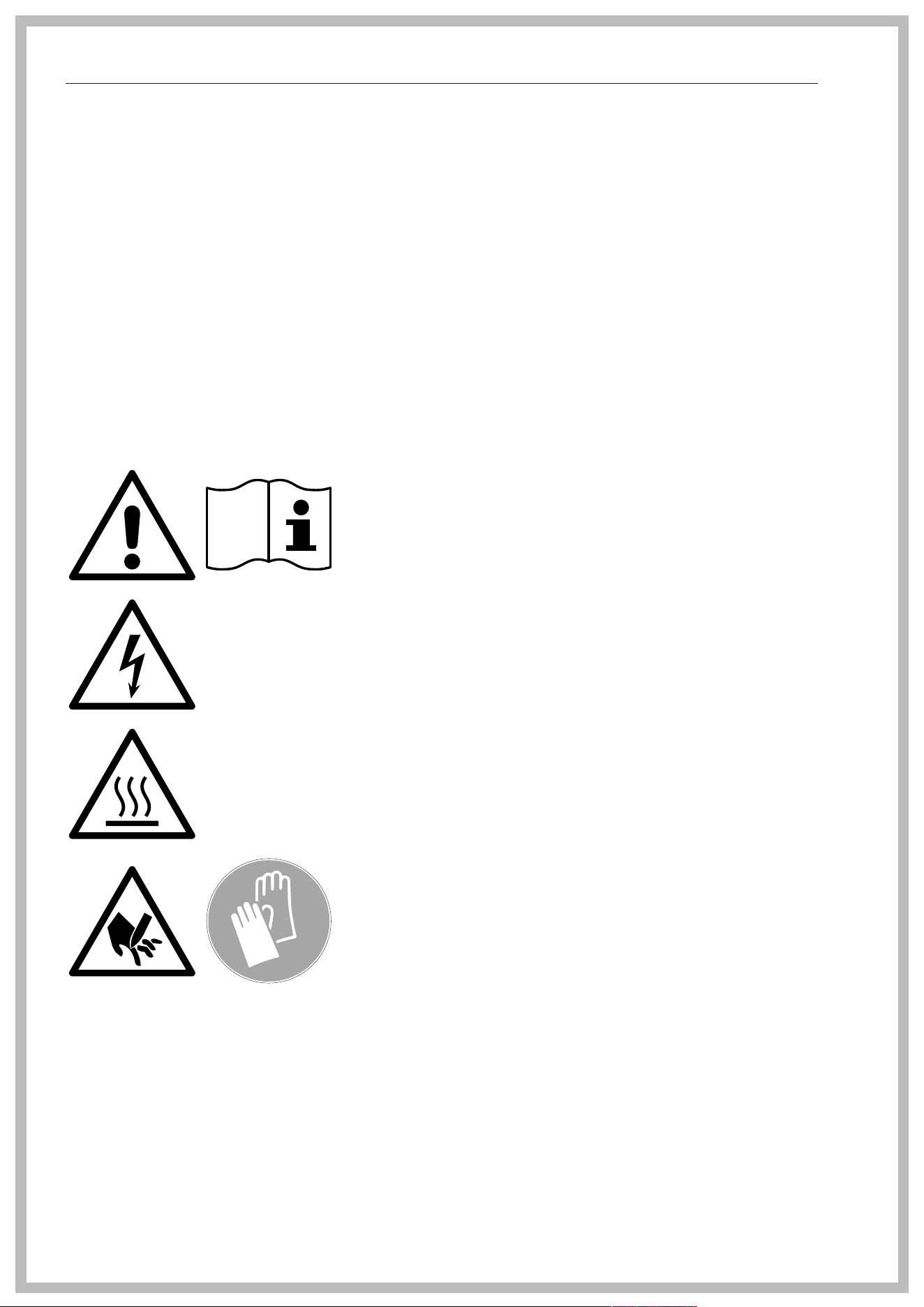
Warning signs and symbols attached to the dishwasher........................................................
12
Disposal of your old dishwasher ................................................................................................
13
Caring for the environment ........................................................................................................ 14
Machine description ................................................................................................................... 15
Appliance overview .......................................................................................................................
15
Control panel..................................................................................................................................
16
LEDs in the buttons ......................................................................................................................
17
User profiles.................................................................................................................................. 18
User groups....................................................................................................................................
18
Operation tips............................................................................................................................... 19
Switching on...................................................................................................................................
19
Switching off ..................................................................................................................................
19
Standby/Off....................................................................................................................................
20
Display illustrations.......................................................................................................................
20
Touch display..................................................................................................................................
20
Lists............................................................................................................................................. 20
Setting numerical values ......................................................................................................... 20
Status window .......................................................................................................................... 21
Fault messages........................................................................................................................
21
Commissioning............................................................................................................................. 22
Installation and connection..........................................................................................................
22
Procedure .......................................................................................................................................
22
Switching on.............................................................................................................................. 22
Selecting the language............................................................................................................. 22
WiFi setup.................................................................................................................................. 22
Setting the date ........................................................................................................................ 22
Setting the time of day ............................................................................................................ 23
Setting the temperature units................................................................................................. 23
Setting the water hardness..................................................................................................... 23
Selecting water connections .................................................................................................. 24
Commissioning completed ..................................................................................................... 24
Opening and closing the door ................................................................................................... 25
Door lock ........................................................................................................................................
25
Comfort Door Lock................................................................................................................... 25
Pull-open lock............................................................................................................................ 26
Filling the container for reactivation salt................................................................................. 27
Water hardness..............................................................................................................................
27
Setting the water hardness..........................................................................................................
27
Salt refill indicator..........................................................................................................................
29
Reactivation notification.......................................................................................................... 29
Machine blocked if salt is not available......................................................................................
29

Contents
3
Cleaning agent and rinsing agent ............................................................................................. 31
Dispensing systems......................................................................................................................
31
Dispenser module .................................................................................................................... 31
Process chemicals ........................................................................................................................
32
Filling the door dispenser ........................................................................................................ 32
Tips for the Rapidprogram...................................................................................................... 33
Refill indicator............................................................................................................................ 34
Replacing the media canister.................................................................................................. 34
Rinse aid .........................................................................................................................................
35
Refill indicator............................................................................................................................ 35
Filling the door dispenser ........................................................................................................ 35
Refill indicator............................................................................................................................ 36
Replacing the media canister.................................................................................................. 36
Loading the dishwasher.............................................................................................................. 37
Preparing the wash items.............................................................................................................
37
It is recommended ........................................................................................................................
38
Upper basket..................................................................................................................................
39
Adjusting the upper basket ..........................................................................................................
40
Lower basket..................................................................................................................................
41
Use of plastic trays........................................................................................................................
42
Operation....................................................................................................................................... 43
Switching on...................................................................................................................................
43
Selecting a program ......................................................................................................................
44
Starting a program ........................................................................................................................
44
Starting the program using a timer ........................................................................................ 44
Program sequence display...........................................................................................................
45
End of the program........................................................................................................................
46
Switching off ..................................................................................................................................
46
Unloading the dishware................................................................................................................
46
Interrupting a program..................................................................................................................
46
Canceling a program .....................................................................................................................
47
Machine functions ................................................................................................................. 48
Menu structure..............................................................................................................................
48
Filter interval...................................................................................................................................
49
Dispensing paths...........................................................................................................................
49
Filling dispensing paths ........................................................................................................... 49
Rinsing dispensing paths......................................................................................................... 50
Dry+.................................................................................................................................................
51
Program selection..................................................................................................................... 51
Extension ................................................................................................................................... 51
AutoOpen .......................................................................................................................................
52
AutoClose.......................................................................................................................................
52
Settings..................................................................................................................................... 53
Menu structure..............................................................................................................................
53
Time of day.....................................................................................................................................
54
Date.................................................................................................................................................
55
Display brightness.........................................................................................................................
56
Volume ............................................................................................................................................
56
Welcome tone................................................................................................................................
57

Contents
4
Temperature unit ...........................................................................................................................
57
Additional settings................................................................................................................ 58
Menu structure..............................................................................................................................
58
Filter program lock.........................................................................................................................
61
Standby/Off....................................................................................................................................
61
Log book .........................................................................................................................................
62
Program release.............................................................................................................................
63
Set Favorites ..................................................................................................................................
63
Program parameters .....................................................................................................................
64
Selecting a program ................................................................................................................. 64
Wash temperature.................................................................................................................... 64
Main wash holding time .......................................................................................................... 64
Final rinse temperature............................................................................................................ 65
Final rinse holding time............................................................................................................ 65
Increased water level ............................................................................................................... 65
Changing the name .................................................................................................................. 66
Interim rinse .............................................................................................................................. 66
Resetting parameters............................................................................................................... 66
A0 value display ............................................................................................................................
67
Dispensing systems......................................................................................................................
67
Selecting a dispensing system ............................................................................................... 67
Door dispenser.......................................................................................................................... 68
Activating dispensing from the media canister.................................................................... 69
Deactivating dispensing from the media canister ............................................................... 69
Dispensing concentration ....................................................................................................... 70
Filling dispensing paths ........................................................................................................... 70
Rinsing dispensing paths......................................................................................................... 70
Cycles until empty.................................................................................................................... 70
Water hardness..............................................................................................................................
70
Reactivation notification...............................................................................................................
71
Memory ..........................................................................................................................................
71
PIN code.........................................................................................................................................
72
Entering a PIN code ................................................................................................................. 72
Blocking further settings or making them available............................................................. 72
Changing the PIN code............................................................................................................ 73
Door lock code...............................................................................................................................
73
Networking/WiFi...........................................................................................................................
74
WiFi setup.................................................................................................................................. 74
Connection via WPS................................................................................................................ 74
Soft AP ....................................................................................................................................... 75
Connecting via Soft-AP ........................................................................................................... 75
RemoteUpdate ..............................................................................................................................
76
Demo mode ...................................................................................................................................
76
Software version............................................................................................................................
76
Data plate .......................................................................................................................................
76
Factory default settings................................................................................................................
77
Legal information...........................................................................................................................
77
Cleaning and care ........................................................................................................................ 78
MAINTENANCE............................................................................................................................
78
Wipe lock........................................................................................................................................
79

Contents
5
Cleaning the control panel ...........................................................................................................
79
Cleaning the machine front..........................................................................................................
79
Cleaning the wash cabinet...........................................................................................................
80
Cleaning the door and the door seal ..........................................................................................
80
Cleaning filters in the wash cabinet............................................................................................
80
Changing the air filter (depending on the model).....................................................................
82
Removing the plastic support................................................................................................. 82
Replacing the filter.................................................................................................................... 82
Troubleshooting............................................................................................................................ 83
Technical faults ..............................................................................................................................
83
Faults with water inlet or drainage..............................................................................................
84
Cancel with fault code..................................................................................................................
85
Door.................................................................................................................................................
87
General problems with the dishwasher .....................................................................................
88
Noises .............................................................................................................................................
90
Poor cleaning results.....................................................................................................................
91
Frequently asked questions....................................................................................................... 93
Cleaning the water inlet filter.......................................................................................................
93
Cleaning the drain pump and non-return valve.........................................................................
94
Program chart ............................................................................................................................... 95
Program parameters.................................................................................................................... 96
Miele Service ................................................................................................................................ 99
INSTALLATION INSTRUCTIONS............................................................................................. 100
Installation..................................................................................................................................... 101
Installation......................................................................................................................................
101
Undercounter installation.............................................................................................................
101
Hose holder....................................................................................................................................
101
Adjustable toe-kick panel (depending on the model) .............................................................
102
Leveling and securing the dishwasher .......................................................................................
103
Leveling and securing the dishwasher................................................................................... 104
Moving the dishwasher’s installation site..................................................................................
104
Electrical connection................................................................................................................... 105
GROUNDING INSTRUCTIONS............................................................................................ 105
Peak-load negotiation ...................................................................................................................
106
Plumbing ........................................................................................................................................ 107
Connecting the water inlet...........................................................................................................
107
Connecting the water drainage system .....................................................................................
108
Technical details........................................................................................................................... 109
Guide to the manual
6
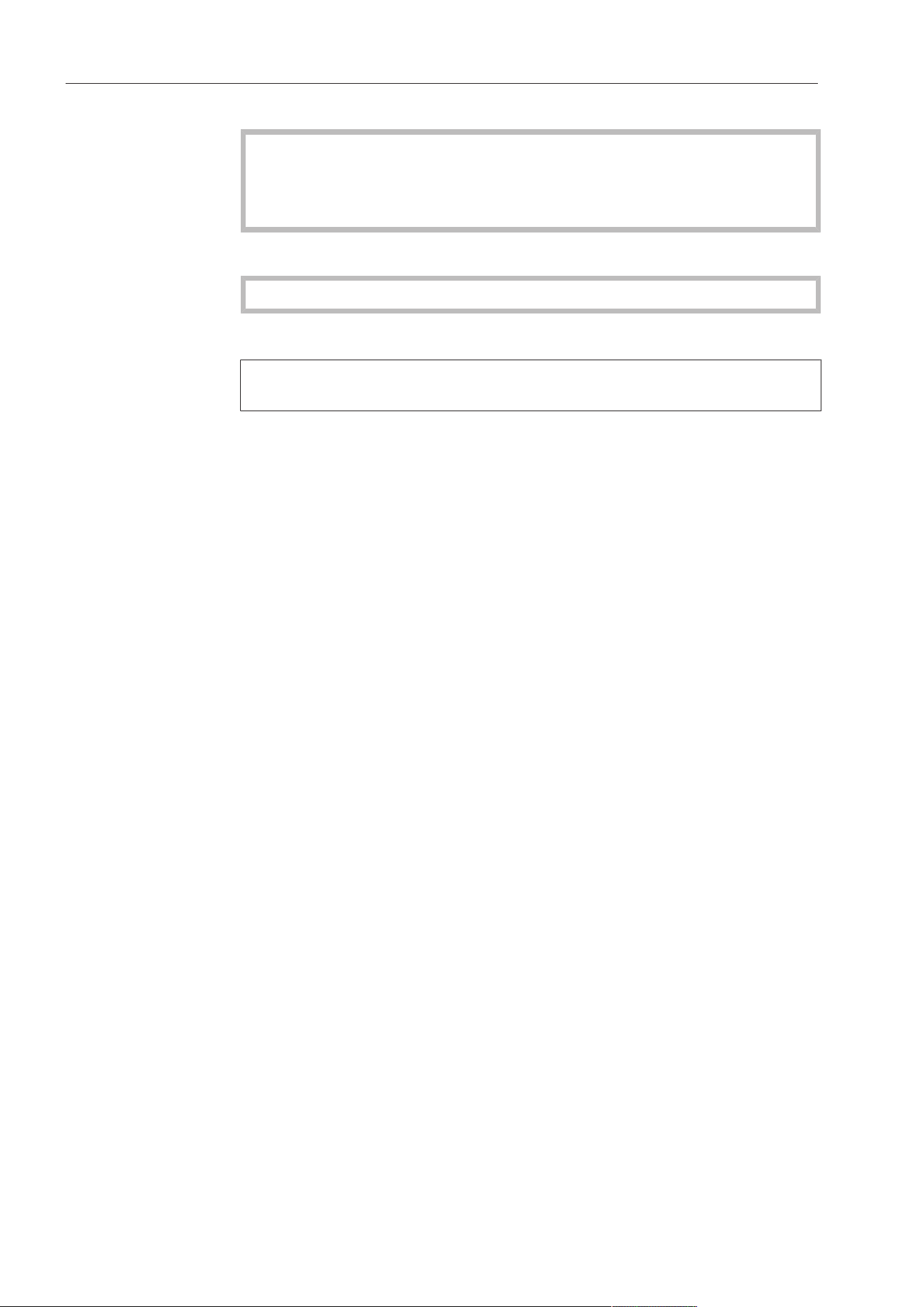
Warnings
Warnings contain information related to safety. This alerts you to
the potential danger of injury to people or damage to property.
Read the warnings carefully and follow the instructions and direc-
tions.
Notes
Notes contain information that is particularly important to follow.
Additional information and comments
Additional information and comments are contained in a simple
frame.
Operating steps
Instructions on operation are identified by specially marked operating
steps. They explain the procedure step by step. Operating steps are
indicated by a black square bullet point.
Example:
Open the door.
Display
Information that is shown in the Commercial Dishwasher display ap-
pears in a special font similar to the display text.
Example:
Select Settings and confirm your choice with the OKbutton.
Guide to the manual
7
Symbols used on the commercial dishwasher
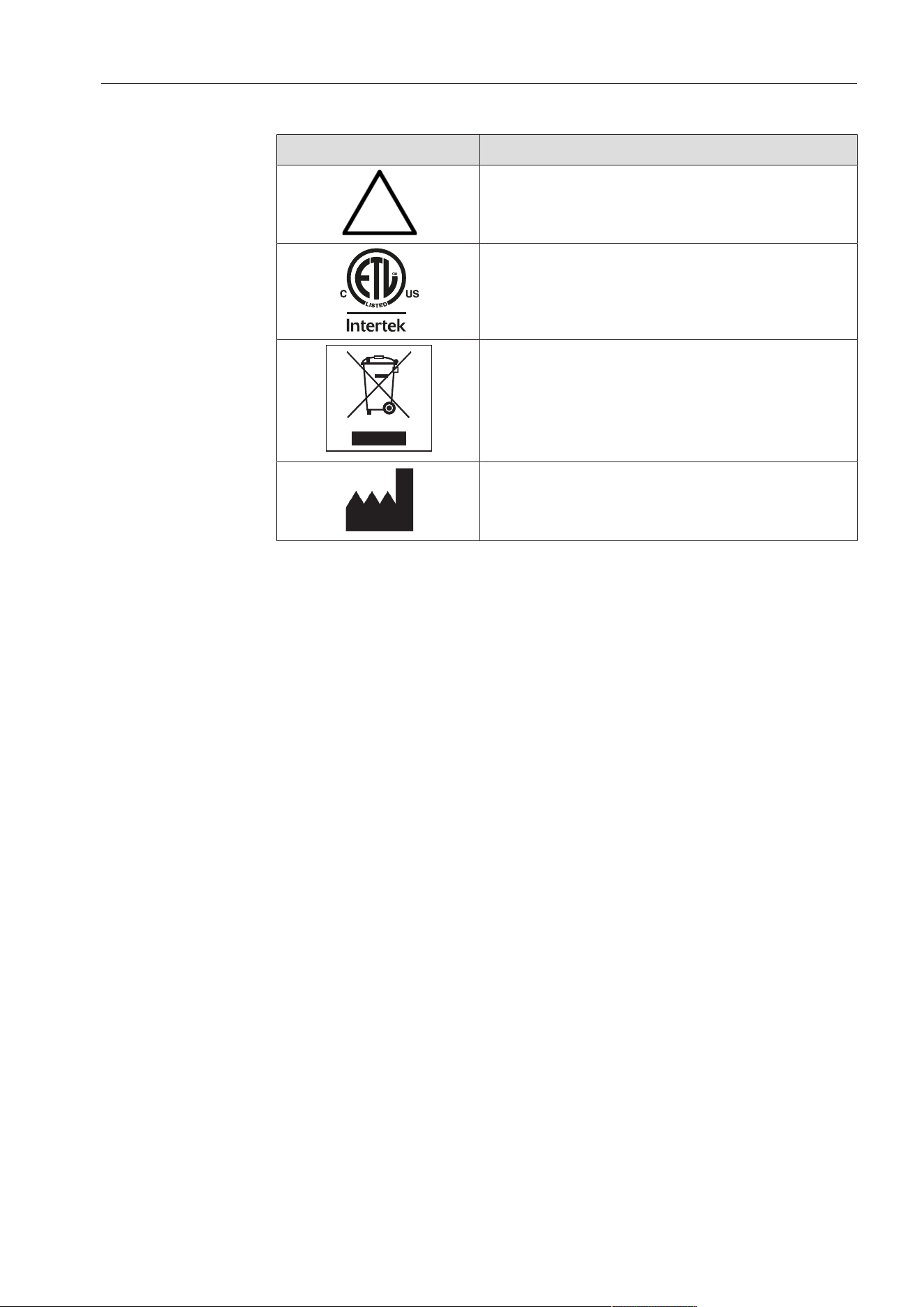
Symbol Legend
For warnings and safety notes; see
“IMPORTANT SAFETY INSTRUCTIONS”
ETL mark
Do not dispose of electrical machines in
household waste; they need to be disposed
of separately,
see “Disposal of your old machine”
Manufacturer
Definition of terms
Dishwashers
The commercial dishwasher is referred to as a dishwasher in these
operating instructions.
Wash items
The term “wash items” is used wherever the items to be reprocessed
are not defined in any further detail.
Wash water
The term “wash water” is used for the mixture of water and process
chemicals.
Process chemicals
All media dispensed during a program sequence are generally referred
to as process chemicals, e.g., cleaning agents.
Cycle
Machine-based cleaning and reprocessing procedures are generally
referred to as cycles.
IMPORTANT SAFETY INSTRUCTIONS
8
APPROPRIATE USE
This Commercial Dishwasher complies with all current local and national safety require-
ments. Inappropriate use can, however, lead to personal injury and material damage.
WARNING:
When using your dishwasher, follow basic precautions, including the following:
Read the operating instructions carefully before using the Commercial Dishwasher for the
first time. They contain important information on the safety, use, and maintenance of the
machine. Keep these operating instructions in a safe place and pass them on to any fu-
ture user.
This Miele Dishwasher with its short program cycle times and powerful cleaning perfor-
mance is intended for commercial use, for example in:
- senior living facilities
- buttler pantries in residential homes
- restaurants and pubs
- hotels and guesthouses
- similar commercial environments
The commercial dishwasher is subsequently referred to as a dishwasher in these operat-
ing instructions.
Glasses, cutlery and dishes are referred to generally as cookware when not more specifi-
cally defined.
This machine is designed exclusively for use as a “dishwasher” for cleaning wash items
as described in these instructions. Conversions, modifications, and any other use are not
permitted.
This dishwasher is intended for stationary, indoor use only.
The special inserts in the baskets should only be used for their specific application.
This dishwasher is not intended to be used to clean medical devices or products.
This dishwasher can only be used by people with reduced physical, sensory or mental ca-
pabilities, or lack of experience or knowledge, if they are supervised while using it or have
been shown how to use it in a safe way and understand and recognize the consequences of
incorrect operation.
This dishwasher should only be operated by appropriately trained personnel. They should
be instructed and trained regularly.
Children should be supervised in the vicinity of the dishwasher. Never allow children to
play with the dishwasher. There is a danger that children might shut themselves in the dish-
washer.
Children must not use the dishwasher.

IMPORTANT SAFETY INSTRUCTIONS
9
Proper installation
Do not install the machine in an area where a danger of explosion or of freezing tempera-
tures may be present.
To ensure the stability of undercounter dishwashers, these units may only be installed
beneath a continuous countertop that is bolted to adjacent cabinetry.
In order to reduce the risk of damage from condensation, the cabinetry in the area around
the dishwasher should be designed for commercial use.
Delicate cabinetry can be protected using the damp protection set, which is available as an
optional accessory.
The vapor barrier film needs to be adhered to the underside of the countertop where the
dishwasher door is opened.
Technical safety
This dishwasher should be installed, commissioned, repaired, and maintained by Miele
Service, a dealer, or a suitably qualified specialist. Unauthorized installation, maintenance,
and repairs can cause considerable danger for the user.
This dishwasher should only be operated by appropriately trained personnel. They should
be instructed and trained regularly.
Do not operate your dishwasher unless all enclosure panels are properly in place. Before
using the dishwasher, check it for any externally visible damage. Do not use a damaged
dishwasher. This could be dangerous.
In the event of a damaged or leaking dishwasher, switch off at the power supply immedi-
ately and call Miele Technical Service, a Miele dealer, or a suitably qualified service techni-
cian.
Faulty components should only be replaced by genuine Miele original parts. Only when
these parts are fitted can Miele guarantee the safety standards of the appliance.
WARNING – Improper connection of the equipment-grounding conductor can result in a
risk of electric shock. Check with a qualified electrician or service representative if you are
in doubt whether the appliance is properly grounded. Do not modify the plug provided with
the appliance, if it will not fit the outlet, have a proper outlet installed by a qualified electri-
cian.
Please follow the advice on installation in these operating instructions and the installa-
tion plan.
Ensure that the connection data on the data plate (voltage, frequency, and fuse rating)
match those of your electrical supply.
WARNING - Fire hazard! Do not cover or crush the plug of the appliance. Ensure that the
cabinet opening for the dishwasher provides ample space for the plug and cord. Installing
the dishwasher in a tight space may crimp the power cord or put pressure on it. See “Elec-
trical connection”.
Do not use an extension cord to connect this machine to electricity. Extension cords do
not guarantee the required safety of the machine (e.g., danger of overheating).
Do not open the casing of the dishwasher. Any contact with live connections or tamper-
ing with the electrical or mechanical components of the dishwasher will endanger your
safety and may lead to machine malfunctions.

IMPORTANT SAFETY INSTRUCTIONS
10
The dishwasher must not be used if the wire is damaged. A damaged wire may only be
replaced by a suitable wire of the same type. For safety reasons, such replacement should
only be carried out by Miele Technical Service or a qualified service technician.
Before servicing the appliance, disconnect it from the power supply.
The plastic housing of the water connection contains electrical components. It must not
be dipped in water.
There are live wires in the water intake hose. Do not shorten the water intake hose, even
if it is too long.

IMPORTANT SAFETY INSTRUCTIONS
11
Correct use
This dishwasher is designed for operation with water and cleaning agents suitable for use
in dishwashers only. Organic solvents and flammable liquid agents must not be used.
This could cause an explosion, damage rubber or plastic components in the dishwasher,
and cause liquids to leak out of it.
Only use cleaning agents formulated for use in dishwashers. Unsuitable cleaning agents
could adversely affect components of the dishwasher or the wash items.
Do not sit, stand, or lean on the opened door or dish rack. This could tip or damage the
dishwasher.
After any plumbing work, the water pipework to the dishwasher will need to be vented. If
this is not done, components can be damaged.
Please be aware that the dishwasher may be operating at high temperatures. When the
door is opened there is a risk of burning or scalding. Wash items, baskets, and inserts must
be allowed to cool down before they are unloaded. Any water remaining in containers could
still be very hot. Empty them into the wash cabinet before taking them out.
The water in the wash cabinet is NOT safe to drink!
The pretreatment of items (for example with dishwashing liquid and other detergents),
but also some types of soiling and some detergents, can cause a build-up of foam in the
wash cabinet. Foam can have an adverse effect on the cleaning result.
Foam escaping from the wash chamber can cause damage to the dishwasher. If foam es-
capes, the program must be canceled immediately and the dishwasher must be discon-
nected from the mains electrical supply.
Depending on the properties of the flooring and footwear worn on it, liquids can cause a
slipping hazard. Keep the floor dry where possible and take care to clean up any liquid spills
straight away. Take the necessary precautions when cleaning up hazardous substances and
hot liquids.
When using cleaning agents and specialized products, it is essential that the manufac-
turer’s instructions are followed. Cleaning agents must only be used for the purpose they
are designed for by the manufacturer to avoid any material damage or the occurrence of
strong chemical reactions (e.g., oxyhydrogen explosion).
Under certain conditions, hydrogen gas might be produced in a hot-water system that
has not been used for two weeks or more. HYDROGEN GAS IS EXPLOSIVE. If the hot-wa-
ter system has not been used for such a period, before using the dishwasher turn on all hot-
water faucets and let the water flow from each for several minutes. This will release any ac-
cumulated hydrogen gas. As the gas is flammable, do not smoke or use an open flame dur-
ing this time.
To avoid material damage and corrosion, do not allow any acids or solutions containing
chloride to get into the wash cabinet or onto the casing. Similarly avoid any ferrous materi-
als with a corrosive effect.
Do not wash items soiled with ash, sand, wax, lubricating grease, or paint in the dish-
washer. These materials will cause damage to the dishwasher.
Do not clean the dishwasher or its near vicinity with a hose or a pressure washer.
Ensure that the outer casing of the machine does not come into contact with solutions or
steam containing acid to avoid any corrosion damage.
IMPORTANT SAFETY INSTRUCTIONS
12
Be careful when sorting items with sharp pointed ends and positioning them in the dish-
washer so that you do not hurt yourself or create a danger for others. Cutlery should be
placed in baskets in such a way that no injuries can occur.
Arrange sharp and pointy utensils so that they cannot damage the door seal.
The grille of dishwashers with active drying must not be blocked or sealed.
Accessories
Only use genuine Miele original spare parts and accessories with this dishwasher. Miele
will provide you with the article designations of the accessories.
Only use Miele baskets and inserts with this dishwasher. Using baskets and inserts
made by other manufacturers, or making modifications to Miele accessories can cause un-
satisfactory cleaning results, for which Miele cannot be held liable. Any resultant damage
would not be covered by the guarantee.
Warning signs and symbols attached to the dishwasher
Attention:
Observe the operating instructions!
Attention:
Danger of electric shock!
Warning: Hot surfaces:
It can be very hot inside the wash cabinet when the door
is opened!
Risk of being cut:
Wear cut-resistant protective gloves when transporting
and setting up the machine!
IMPORTANT SAFETY INSTRUCTIONS
13
Disposal of your old dishwasher
For safety and environmental reasons, dispose of all process chemicals according to the
manufacturer's instructions and to safety regulations. Safety goggles and protective gloves
should be worn.
Remove or disable the door lock, so that children cannot become trapped inside. Ensure
a safe removal and proper disposal of the dishwasher (see “Caring for the environment”).
Transport
Only transport the dishwasher in an upright position so that no water flows into the elec-
trical controls, as this would cause faults.
If you wish to transport the dishwasher, empty it and securely fasten all loose parts such
as baskets, hoses, and cords.
After use
Remove the door to the washing compartment when removing an old dishwasher from
service or discarding it.
Miele cannot be held liable for damage caused by failure to comply with these
IMPORTANT SAFETY INSTRUCTIONS.
SAVE THESE INSTRUCTIONS
Caring for the environment
14
Disposal of the packing material
The cardboard box and packing materials
protect the appliance during shipping. They
have been designed to be recyclable.
Ensure that any plastic wrappings, bags, etc.
are disposed of safely and kept out of the
reach of children. Danger of suffocation!
Disposal of your old appliance
Electrical and electronic appliances contain
valuable materials. They also contain certain
substances, compounds and components
which were essential for the proper func-
tioning and safe use of the equipment. Han-
dling these materials improperly by dispos-
ing of them in your household waste can be
harmful to your health and the environment.
Therefore, please do not dispose of your old
appliance with regular household waste and
follow local regulations on proper disposal.
Consult with local authorities, dealers or
Miele in order to dispose of and recycle
electrical and electronic appliances. Miele
assumes no responsibility for deleting any
personal data left on the appliance being
disposed. Please ensure that your old appli-
ance is kept away from children until re-
moval. Observe safety requirements for ap-
pliances that may tip over or pose an entrap-
ment hazard.
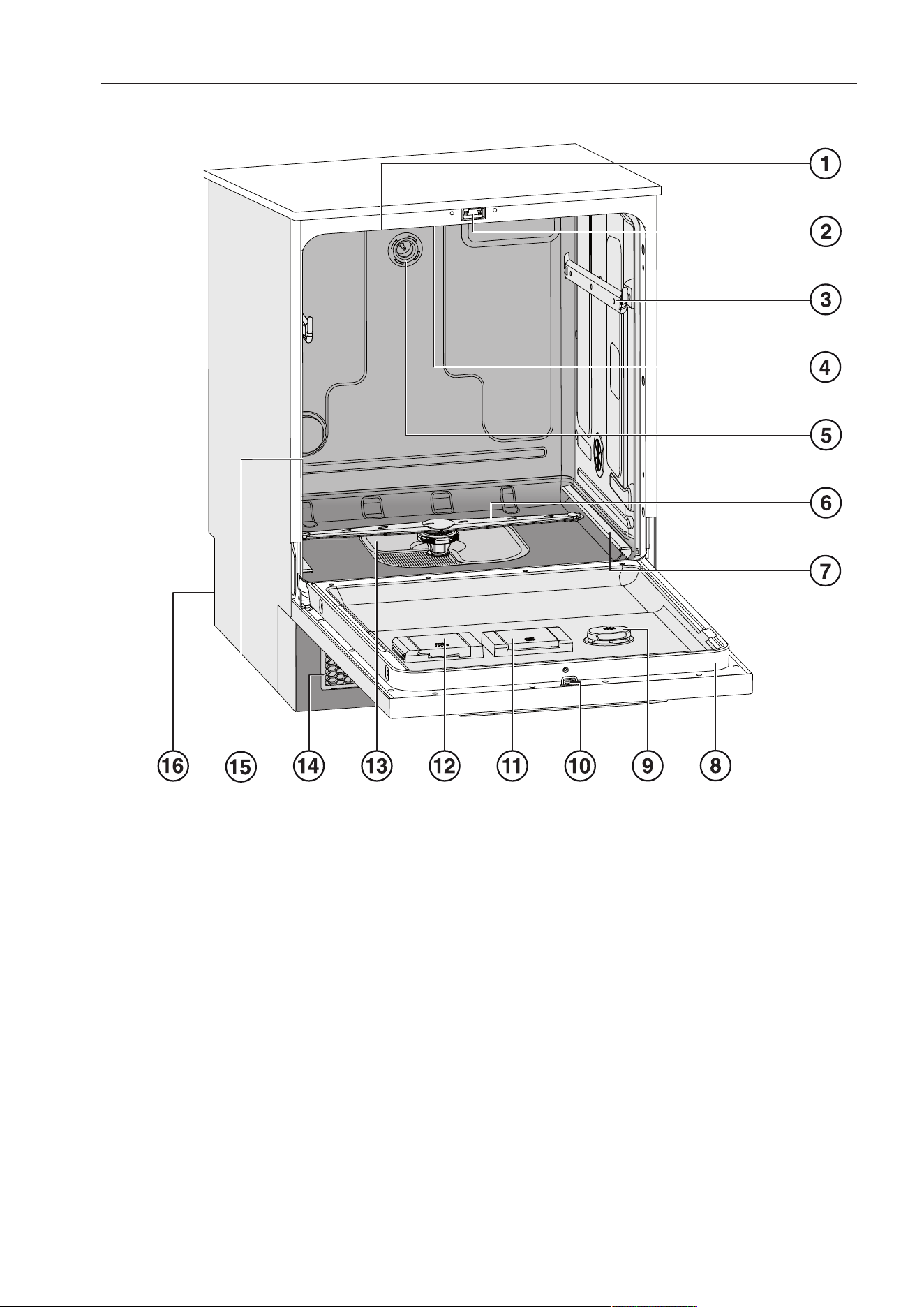
Machine description
15
Appliance overview
a
Air inlet for fresh air (depending on the
model)
b
Door lock
c
Upper basket runners
d
Top machine spray arm
e
Upper basket water connection
f
Lower machine spray arm
g
Lower basket runners
h
Data plate
i
Rinsing agent container
j
Door lock latch
k
Container for reactivation salt
l
Container for powder cleaning agents
m
Filter combination
n
Air outlet and inlet grille with filter for fresh
air (depending on the model)
o
Outlet for wash cabinet air (depending on
the model)
p
Rear:
– electrical and water connections
– suction wand(s) for external containers
(depending on the model)
– connections for external dispenser mod-
ules (DOS modules)
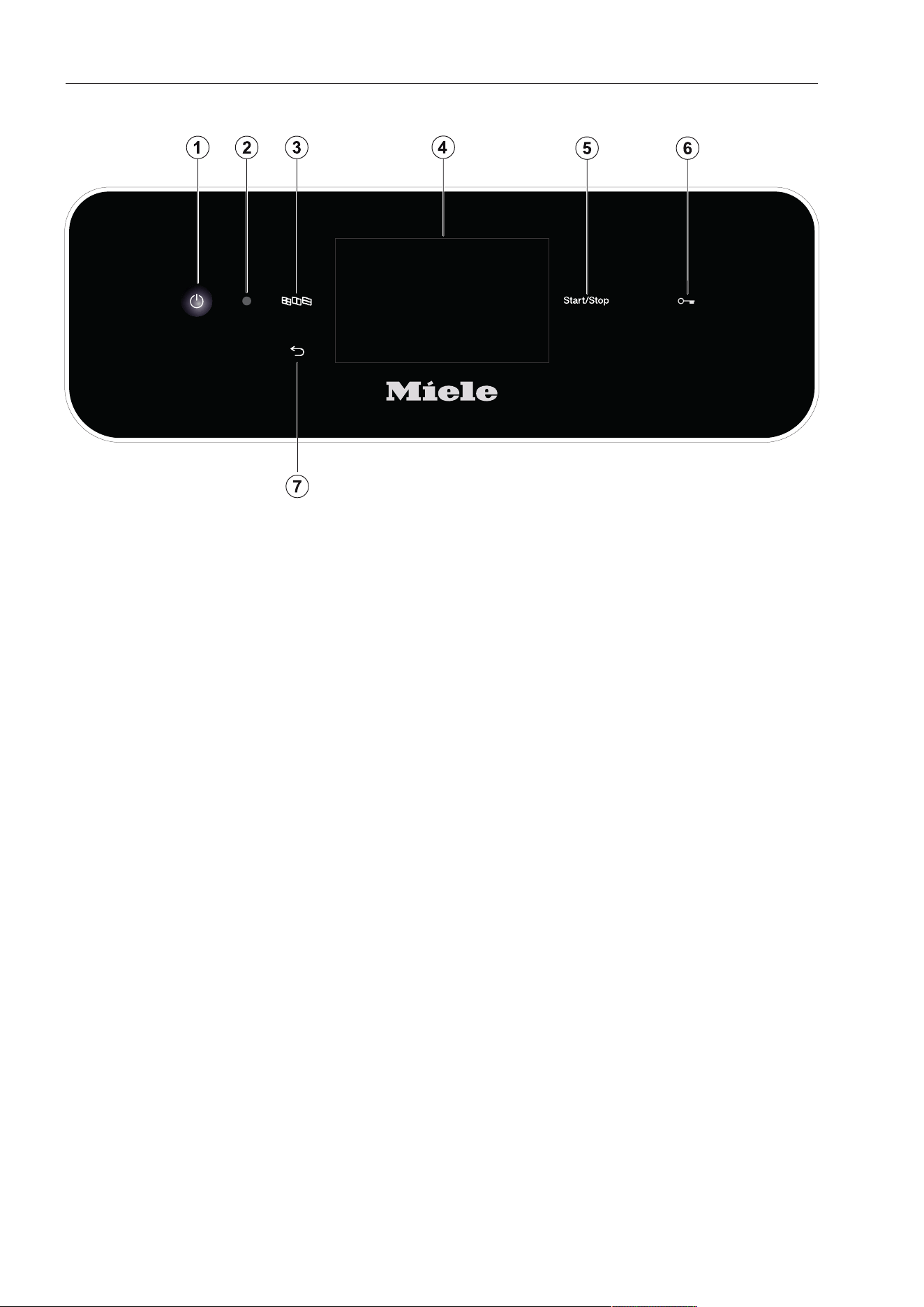
Machine description
16
Control panel
a
On/Off switch
For switching the dishwasher on and off
b
Service interface
Testing and transmission point for Miele
Customer Service
c
button (language selection)
For selecting the display language
d
Touch display
For displaying and selecting control ele-
ments
e
Start/Stopbutton
For starting or canceling a program
f
(Depending on the model)
button (door release)
For opening the door
g
button (cancel or back)
For canceling a process in the user inter-
face (not for canceling programs)
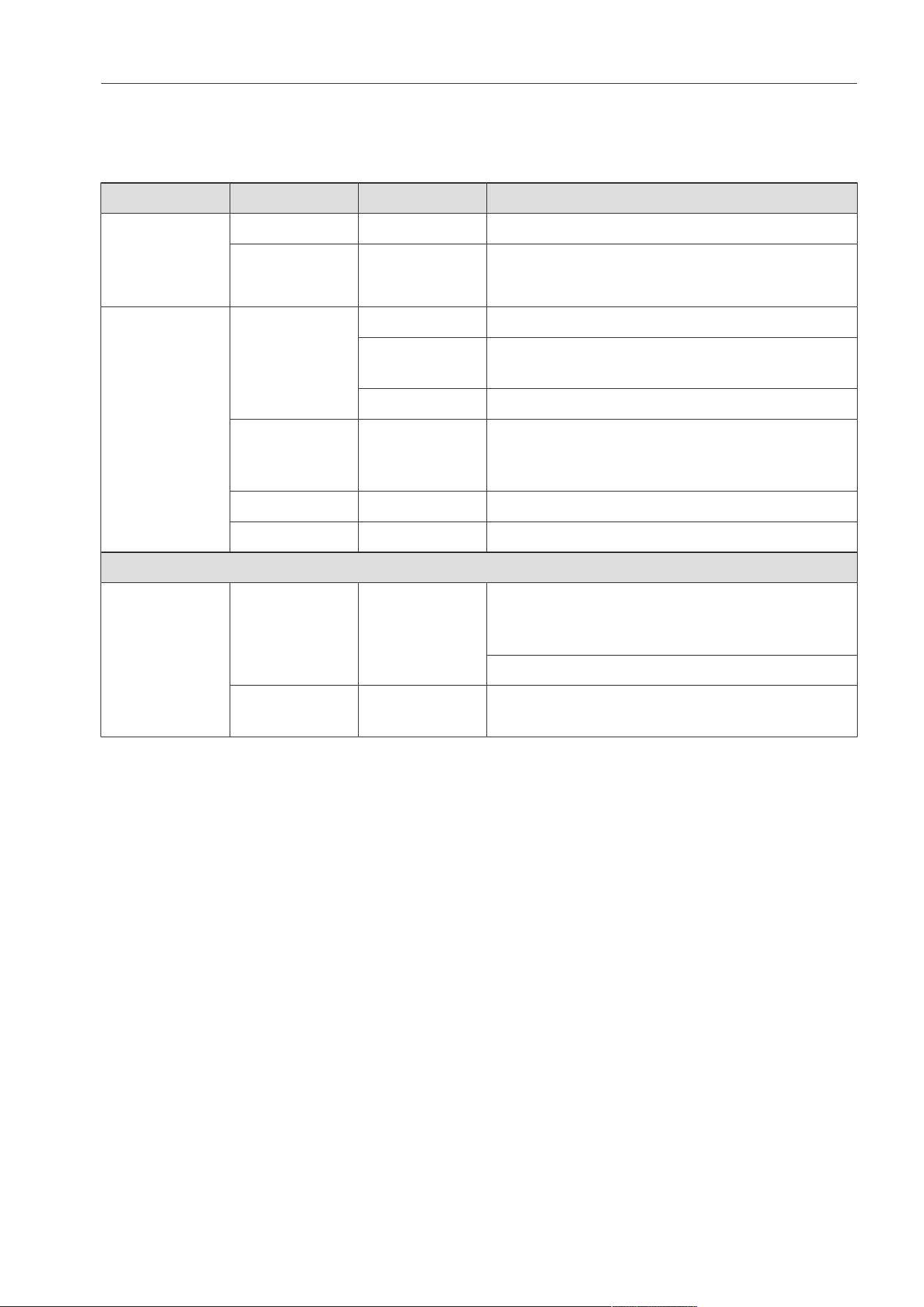
Machine description
17
LEDs in the buttons
Light-emitting diodes are incorporated in the buttons. They indicate the status of the dish-
washer.
Button LED Display Status
Display
(Reaction to
On/Off
switch)
ON The dishwasher is switched on.
OFF The dishwasher is switched off.
Start/Stop
button
Pulsing OFF The dishwasher is in standby mode.
ON A program has been selected, but has not
yet started.
ON A message has appeared on the display.
Flashes red A fault has occurred (see the fault message
on the display and the “Problem solving
guide”).
ON A program is running.
OFF A program has finished.
(Depending on model)
button
(door button)
ON A program has been selected, but has not
yet started.
A program is running.
FLASHING A program has finished and the door is
closed.

User profiles
18
User groups
Users can be divided into two groups:
- Daily operators
Daily operators must be instructed on the
functions and on operating and loading
the dishwasher and trained regularly to
guarantee safe daily use.
- Experienced operators
Experienced operators can additionally
block access to programs and modify pro-
gram parameters. These functions are
stored in a PIN code-protected area of the
control unit.
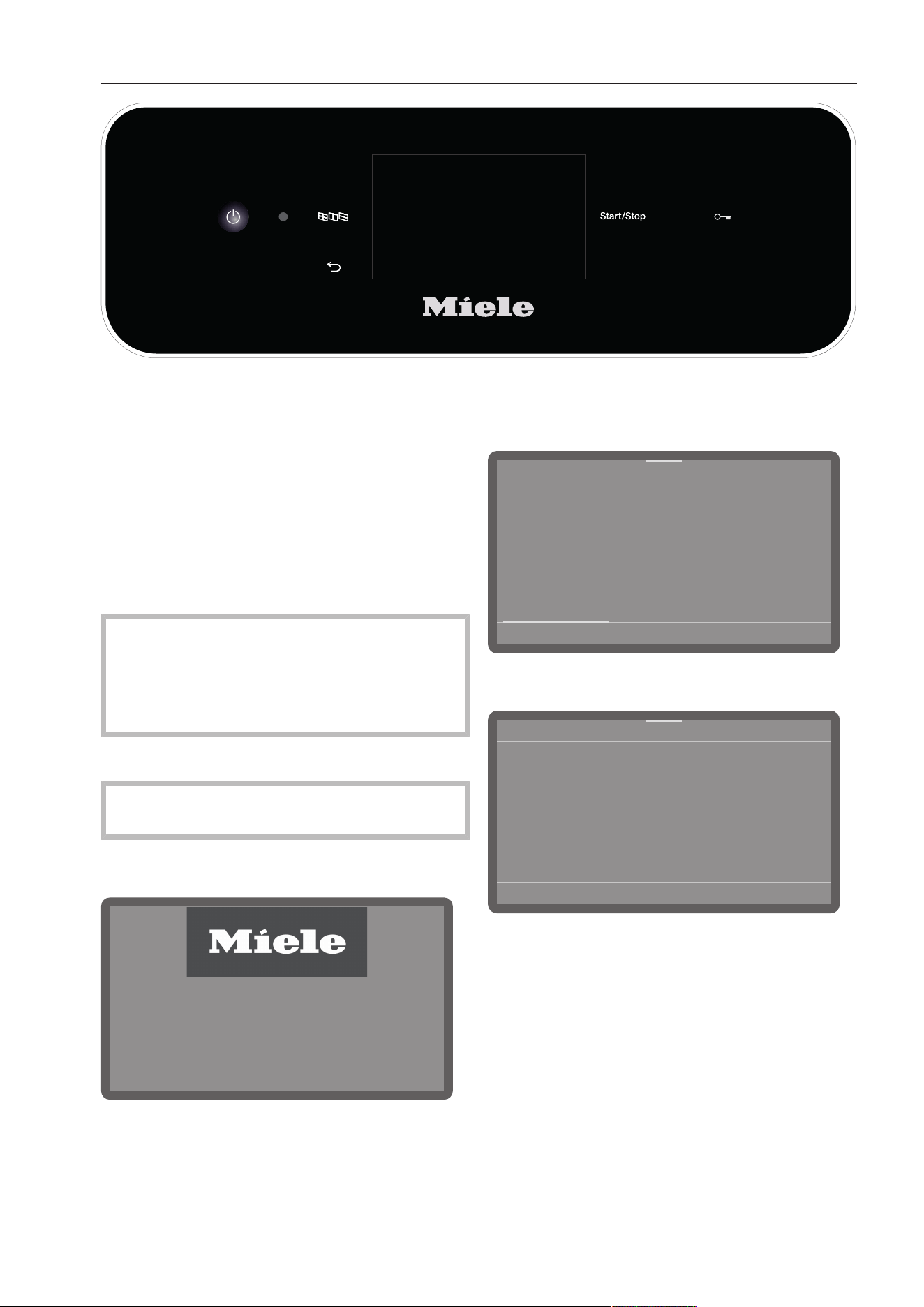
Operation tips
19
Operation
Operation is carried out via the touch display
as well as via the buttons on the control
panel.
The sensor controls on the control panel and
the buttons on the display react to finger tip
contact. Every touch on the sensor controls
is confirmed by a keypad tone. You can ad-
just the volume of the keypad tone or switch
it off (see “Settings/Volume”).
The control panel with sensor controls
and the touch display can be scratched by
pointed or sharp objects, e.g., pens.
Only touch the control field with your fin-
gers.
Switching on
The dishwasher needs to be connected to
the electricity supply.
Press and hold the button until the fol-
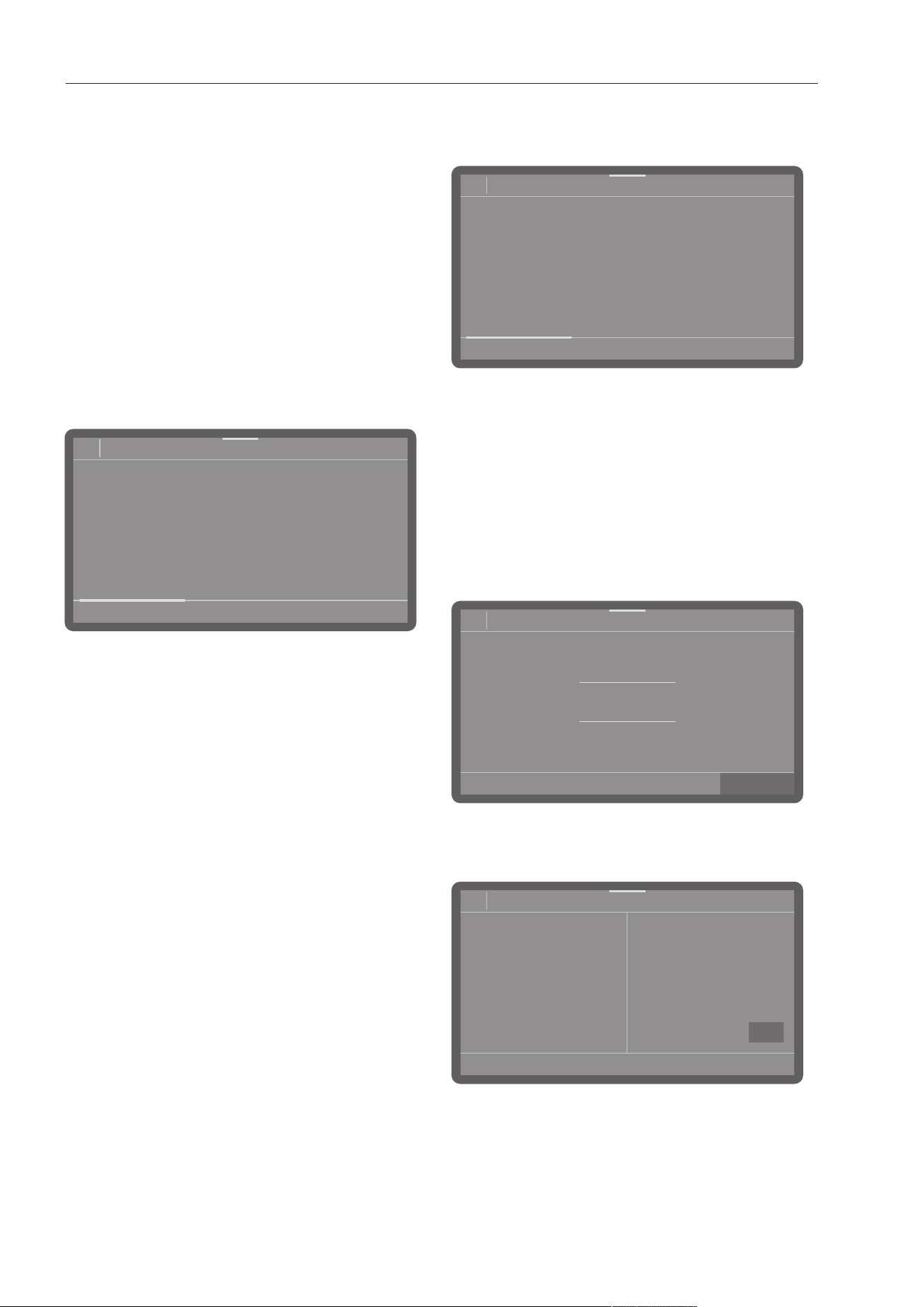
lowing appears on the display:
As soon as the dishwasher is ready for oper-
ation, the display message changes to show
the program selection screen, e.g.:
08:15
Programs
Normal
66°C
0:13 h
Normal plus
66°C
0:19 h
Intensive
66°C
0:21 h
Rapid
55°C
0:05 h
If the Memory function is activated, the most
recently started program is displayed, e.g.:
08:15
Program
Normal plus
66°C
AutoOpen
0:19 h
Timer
Dry+
Switching off
Press the button.
The dishwasher remains in standby mode
for about one minute before it switches off
completely.
Operation tips
20
Standby/Off
If the dishwasher has not been used for
10minutes, it can be set to standby or
switched off automatically.
In standby mode, the dishwasher remains
switched on and the Start/Stop button
flashes. The dishwasher can be reactivated
by pressing the Start/Stop button, touching
the display, or opening the door.
After automatic switch-off, the dishwasher
is switched off and can be switched on again
by pressing the button.
Display illustrations
08:15Language
dansk
deutsch
english
(GB)
français
español
hrvatski
All display illustrations shown in these oper-
ating instructions are examples which can
be different from the actual display screens
shown.
Touch display
Lists
08:15
Programs
Normal
66°C
0:13 h
Normal plus
66°C
0:19 h
Intensive
66°C
0:21 h
Rapid
55°C
0:05 h
You can scroll to the right or the left by swip-
ing your finger across the screen. To do this,
place a finger on the touch display and
swipe it in the direction you want.
The colored scroll bar shows that there are
further options to choose from.
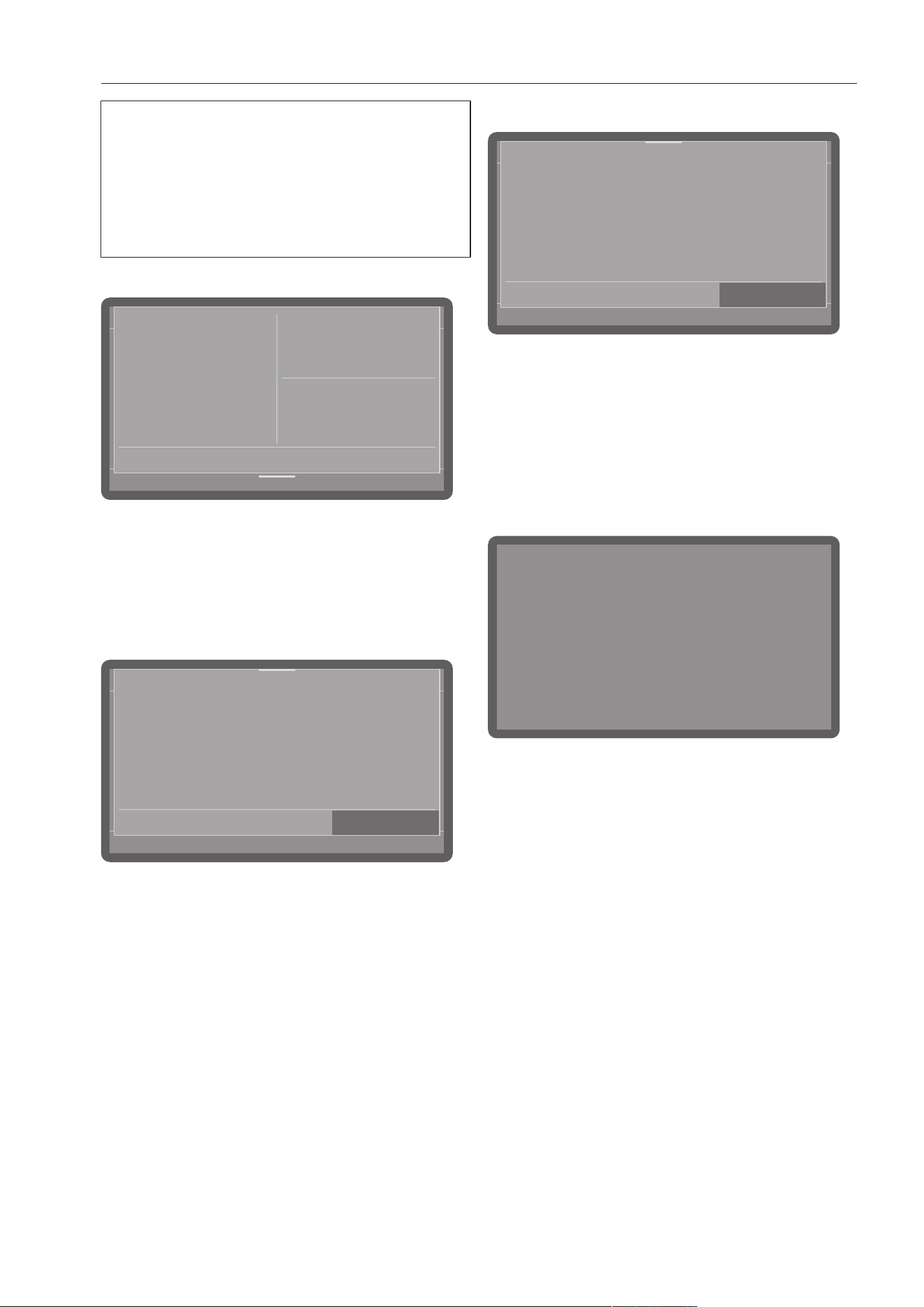
Setting numerical values
Numerical values can be entered in 2 differ-
ent ways.
OK
08:15
32
31
30
29
28
Time
10
11
12
13
14
Firstly, you can place a finger on the num-
bers highlighted in color and change them by
swiping up or down.
OK
0
987
65
4
321
08:15
Time
12:30
Secondly, you can call up a numerical key-
pad by briefly tapping the numbers high-
lighted in color and then entering the num-
bers directly.
Operation tips
21
Depending on the context, numbers en-
tered directly may be rounded up or down.
If, for example, it is only possible to enter
values in increments of 10 (10, 20, 30,
etc.), the value is rounded down to 10
when you enter 12, and rounded up to 20
when you enter 15.
Status window
Target temperature:
66°C
Actual temperature:
51°C
Information
AutoOpen
A colored bar is shown at the top of the dis-
play. If you tap this and drag it down, a sta-
tus window opens. You can use this to dis-
play various status messages, e.g., about the
program in progress.
System messages
OK
Refill salt -appliance will be locked
shortly.
The symbol denotes system messages.
These give information about current pro-
cesses and the status of the machine. Sys-
tem messages are displayed at the end of
the program. If there is more than one sys-
tem message, they are shown one after the
other and must be acknowledged individu-
ally by pressing OK.
Show me how
OK
Refill salt
Then start the “Rinse” program.
Help
If you are notified of a fault or defect when
switching on the machine or at the end of
the program and the Helpbutton is pre-
sented to you, you can tap the Helpbutton
to be guided through the individual steps to
be carried out in order to eliminate the fault
or defect.
Fault messages
In the event of a fault, a warning symbol
appears on the display and the Start/Stop
button flashes red in rapid succession. If au-
dible signals are activated, a warning tone
will also sound.
Acknowledge the fault by tapping on the
warning symbol. Then follow the instruc-
tions on the display and in the “Frequently
asked questions”.

Commissioning
22
Installation and connection
Before commissioning, the dishwasher must
be securely installed, and the water inlet,
drain hoses, and the power cord correctly
connected. Follow the instructions in “In-
stallation”, “Water connection”, and “Electri-
cal connection” as well as the installation
plan.
Procedure
The commissioning process requires a set
period of time which cannot be interrupted.
All settings, except for water connections,
can be retrospectively altered via the
Machine functions, Settings, and
Extended settings menus.
Switching on
Press the button.
Selecting the language
Commissioning starts with the selection of
the display language.
08:15Language
dansk
deutsch
english
(GB)
français
español
hrvatski
Scroll to the language you want and select
it by tapping on it.
WiFi setup
In the next step, you can connect your dish-
washer to the WiFi network.
08:15
Set up WiFi?
Network/WiFi
Yes
No
Select No if you do not want to integrate
the dishwasher into the WiFi network or
want to do it later.
If you select Yes, the next steps will guide
you through the process to set this up.
Please refer to “Further settings, Network-
ing/WiFi”.
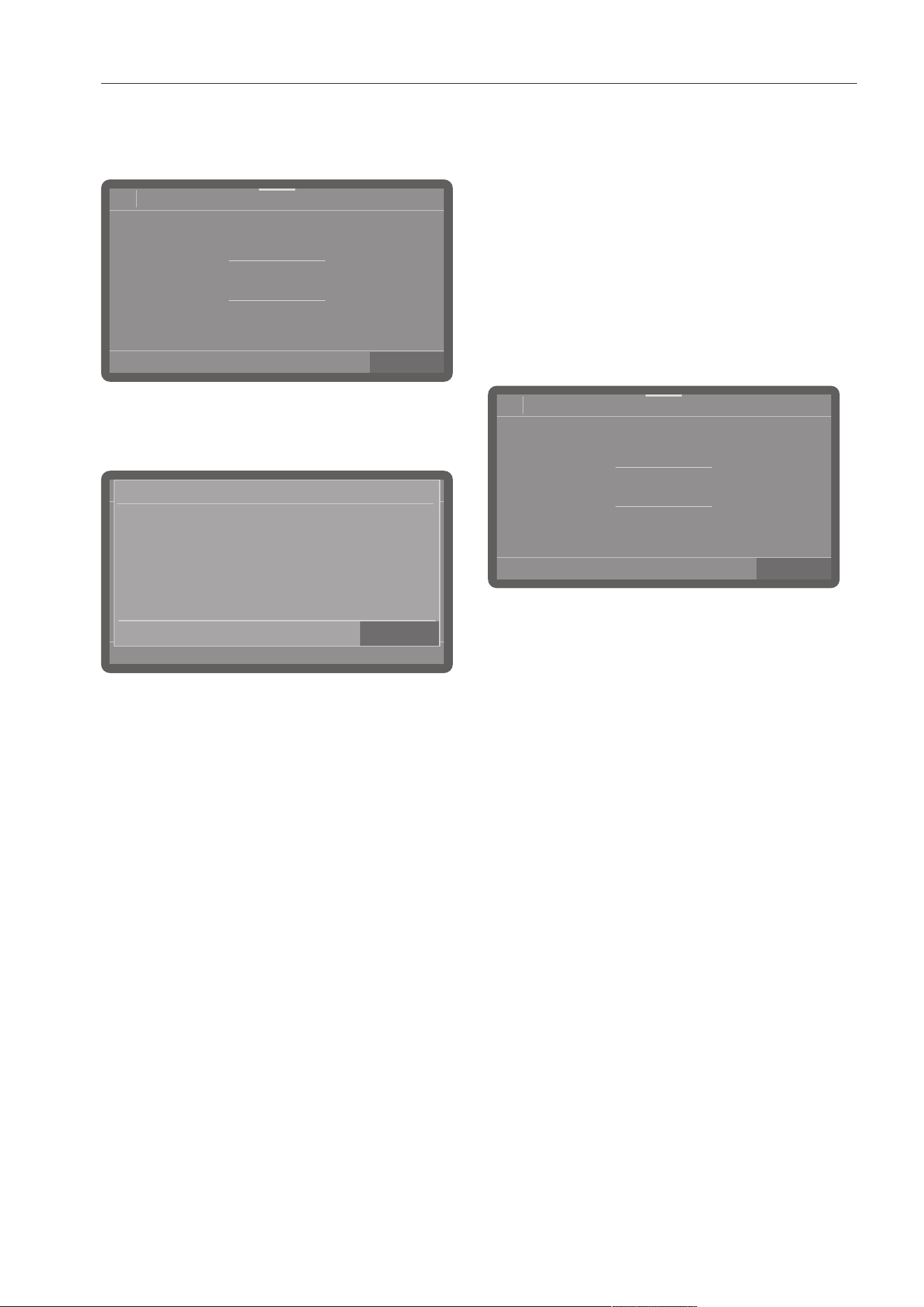
Setting the date
OK
08:15
2022
09
2023
2024
07
08
10
11
Date
May
April
June
July
August
Set the date. The order of year, month, and
day is the same regardless of the date for-
mat set.
Press OK to save the setting.
Commissioning
23
Setting the time of day
The time of day is set in the set time of day
format.
OK
08:15
32
31
30
29
28
Time
10
11
12
13
14
Set the time of day and confirm your se-
lection with the OKbutton.
Setting the temperature units
OK
08:15
Temperature unit
°C
°F
- °C
Temperature display in Celsius.
- °F
Temperature display in Fahrenheit.
Select the temperature unit you want and
confirm your selection with the OKbutton.
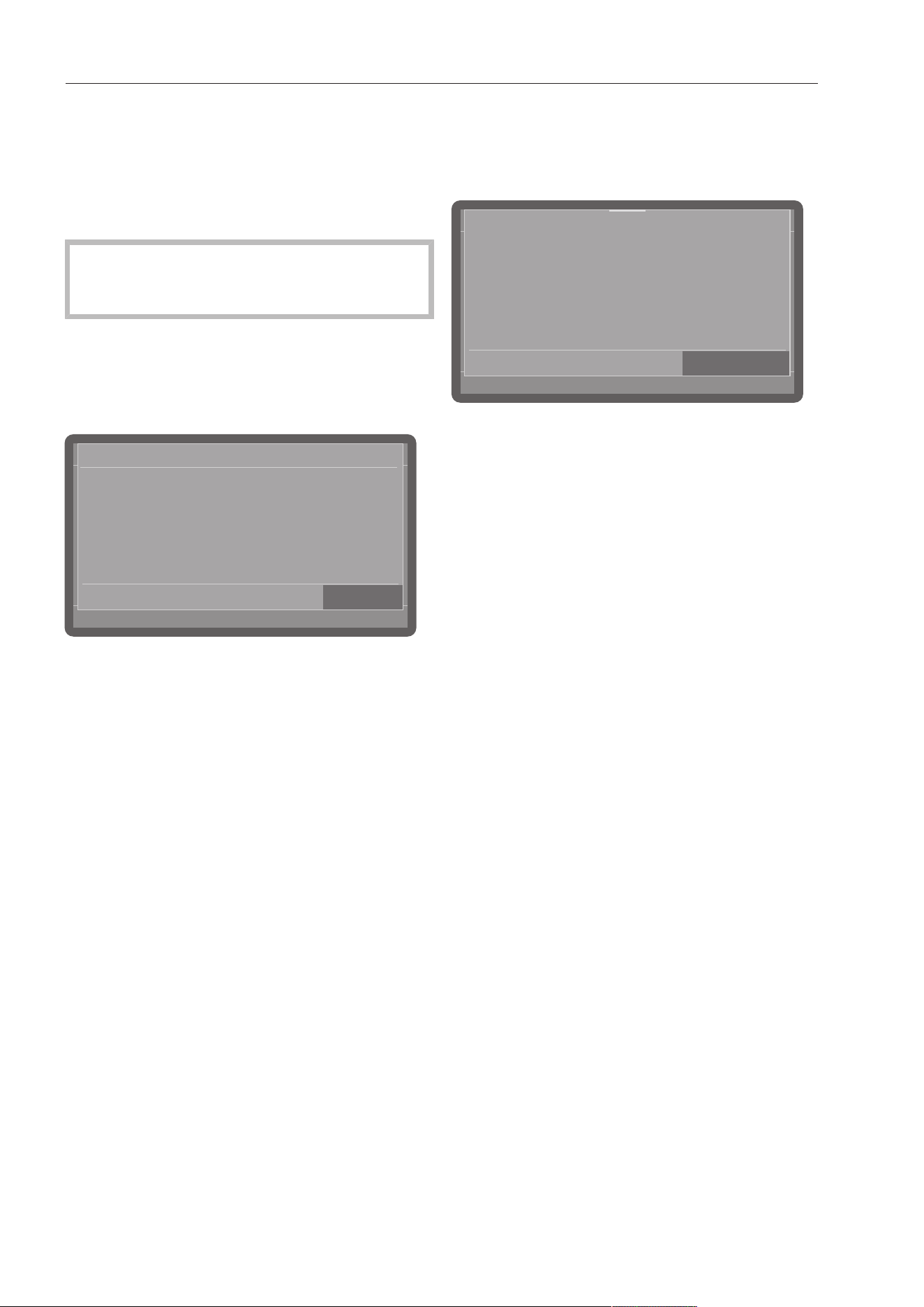
Setting the water hardness
Your local water authority can give you infor-
mation about the water hardness level in
your area.
With varying water hardness, always set the
highest level. If the water hardness fluctu-
ates between, for instance, 8.3 and 17.7gpg
(8 and 17°dH), the water hardness must be
set to 17.7gpg (17°dH).
The water hardness setting values can be
found in the chart in “Filling the salt con-
tainer”.
OK
08:15
16
15
14
13
12
Water hardness
°dH
Set the water hardness.
Press OK to save the setting.
It is useful to know your water hardness so
that you can provide the service technician
with this information in the event of any sub-
sequent service calls. Document the water
hardness in “Filling the salt container”.
Commissioning
24
Selecting water connections
All available water connections are activated
in the control system at the factory. Individ-
ual water connections can be subsequently
deactivated, e.g., if no connection options
are available for them.
Following commissioning, the water con-
nections can be reinstated by Miele Cus-
tomer Service.
Select one of the available water connec-
tions, e.g.:
- Hot water
Hot water connection
OK
Hot water
Water connections
The activated water connection is high-
lighted in color. Tapping the connection re-
moves the color and permanently deacti-
vates the water connection.
Select OK to confirm your choice.
Commissioning completed
Your machine has been successfully com-
missioned once you see the following mes-
sage.
OK
Set-up successfully completed
Confirm the message with OK.
The dishwasher is now ready for operation.
Opening and closing the door
25
Door lock
Depending on the model, the dishwashers
are equipped with a Comfort Door Lock with
electronic door lock or a pull-open lock.
Dishwashers with a Comfort Door Lock have
a door button on the control panel. This
button is not available on machines with a
pull-open lock.
Comfort Door Lock
The door of the wash cabinet is equipped
with a Comfort Door Locking Mechanism.
When the door is closed, the Comfort Door
Locking Mechanism automatically pulls the
door into the closed position and thus en-
sures it is sealed. The door is locked elec-
tronically.
For opening the door
A door that has been locked electronically
can be opened under the following circum-
stances:
- The machine is connected to the power
supply and switched on (the LED is lit
up).
- The LED is lit.
Press the button to open the door.
If the temperature in the wash cabinet ex-
ceeds 153°F (67°C), a message is shown on
the display: Hot wash cabinet: Risk of injury,
take care when opening the door..
Press the button again to open the door.
The Comfort Door Lock opens the door
slightly. The LED in the button goes out as
soon as the door is unlocked.
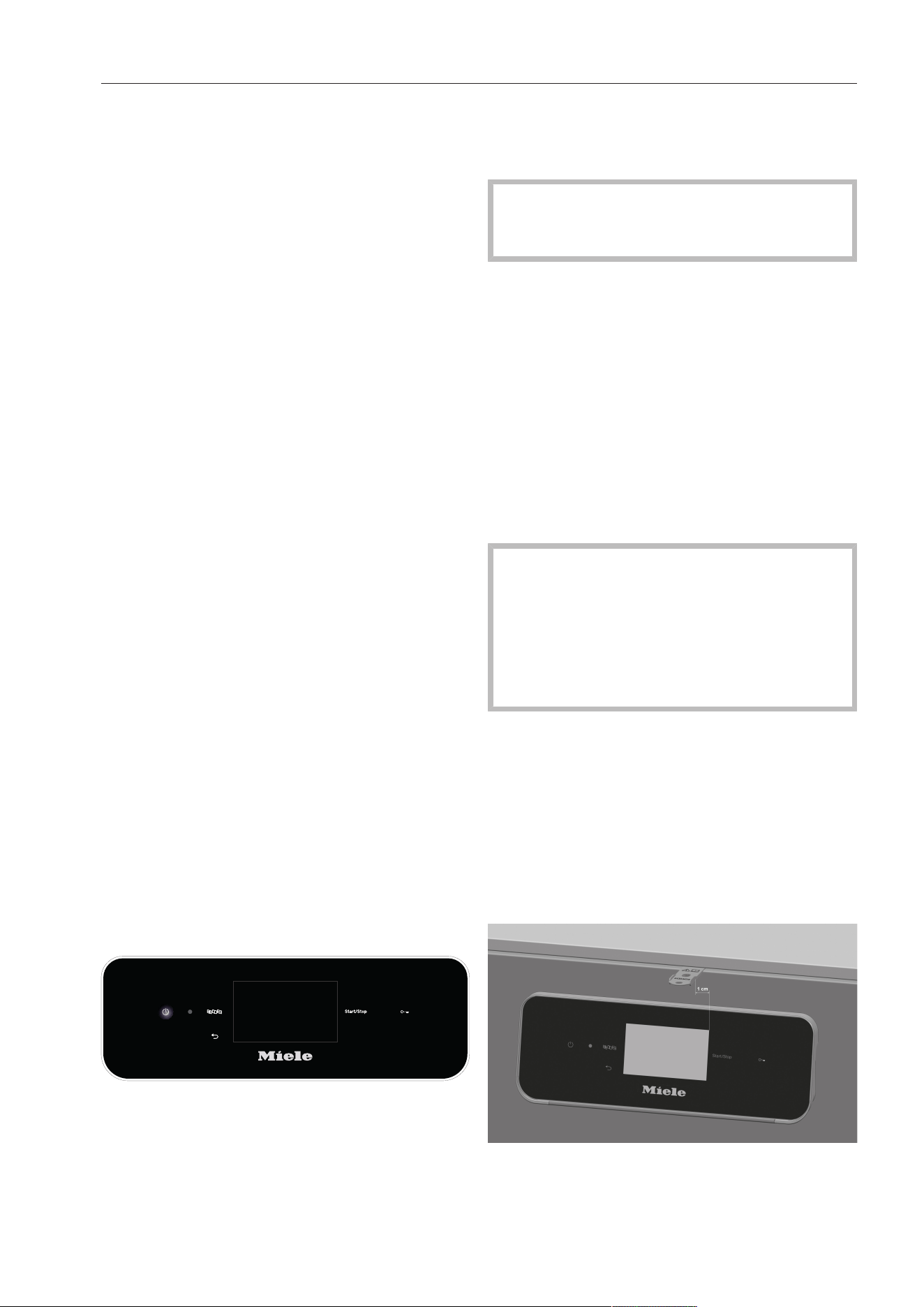
The control panel of the machine is also a
door handle.
Grasp the handle underneath the control
panel and lower the door to open it.
Close the door.
Make sure that no objects or wash items
protrude into the closing area of the door.
Risk of injury caused by crushing.
Do not put your hand inside the door as it
is closing. Risk of crushing.
Raise the door upward until the catch en-
gages.
The door will be drawn into its final close po-
sition if the AutoClosefunction is activated
(see “AutoClose”).
Opening the door using the emergency re-
lease
The emergency release may only be used
when it is no longer possible to open the
door normally, e.g., in the event of a power
failure.
Danger of scalding, burning, and
chemical burns!
If the emergency release is operated dur-
ing a program sequence, hot water and
process chemicals can escape.
Only open the door using the emergency
release when strictly necessary.
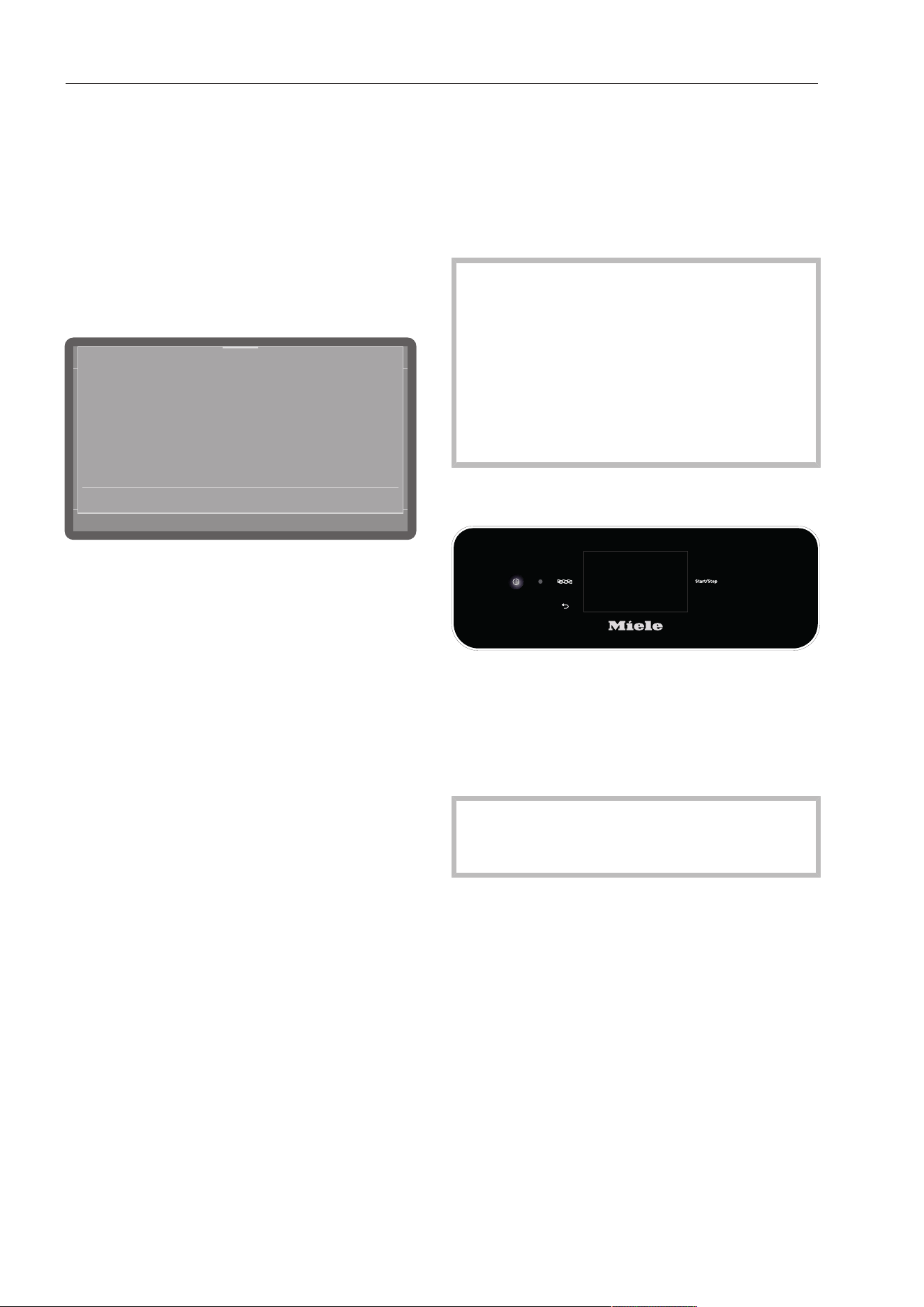
The emergency release mechanism is lo-
cated on the right beside the door lock in the
gap between the door and the lid of the ma-
chine or the countertop.
There should be 3/8" (1cm) between the
right edge of the tool and the right edge of
the display.
Press against the door to release the
emergency release mechanism.
Opening and closing the door
26
Insert the tool from the companion pack
horizontally into the gap between the door
and the lid or countertop.
Press the tool against the release mecha-
nism until you hear the door open. Con-
tinue to press the tool against the release
mechanism and fully open the door.
If the machine is switched on, the following
message is shown on the display when the
emergency release is triggered:
Emergency release: To continue, open
the door.
The message is acknowledged when the
door is closed.
Pull-open lock
In the case of dishwashers with a pull-open
lock, the door can be opened at any time,
even during a program sequence. In the lat-
ter case, special caution is needed.
Opening the door
Danger of scalding, burning, and
chemical burns!
If the door is opened during a program se-
quence, hot water and process chemicals
can escape. The program in progress is
also interrupted and, under certain cir-
cumstances, even canceled.
Do not open the door if a program is run-
ning.
The dishwasher control panel also serves as
a door handle.
Grasp the handle underneath the control
panel and lower the door to open it.
Close the door.
Make sure that no objects or wash items
protrude into the closing area of the door.
Risk of injury caused by crushing.
Do not put your hand inside the door as it
is closing. Risk of crushing.
Raise the door upward until the catch en-
gages.
Filling the container for reactivation salt
27
Water hardness
In order to achieve excellent cleaning re-
sults, the machine requires a supply of soft
water with a low calcium content. Hard tap
water results in the build-up of calcium de-
posits on wash items and on the wash cabi-
net walls.
Tap water with a water hardness of 4gpg
(4°dH) or more must be softened. This oc-
curs automatically during a program se-
quence in the built-in water softener.
The water softener must be set to the exact
hardness of the tap water (see “Setting the
water hardness”).
Your local water authority can give you infor-
mation about the water hardness level in
your area.
It is useful to know your water hardness so
that you can provide the service technician
with this information in the event of any
subsequent service calls. Record the hard-
ness of the tap water here:
______________________gpg or °dH
The water softener must be reactivated at
regular intervals. Special reactivation salt is
required for this. Reactivation is carried out
automatically during a program sequence.
If the water hardness level of your water is
consistently less than 4gpg (= 4°dH), salt
is not required for the water softener. The
water hardness level must, however, still
be set.
Setting the water hardness
Water hardness can be set between 0 and
70gpg (0–70°dH).
The water hardness is preset to 14gpg
(14°dH) at the factory.
With varying water hardness, always set the
highest level. If the water hardness fluctu-
ates between, for instance, 8.3 and 17.7gpg
(8 and 17°dH), the water hardness must be
set to 17.7gpg (17°dH).
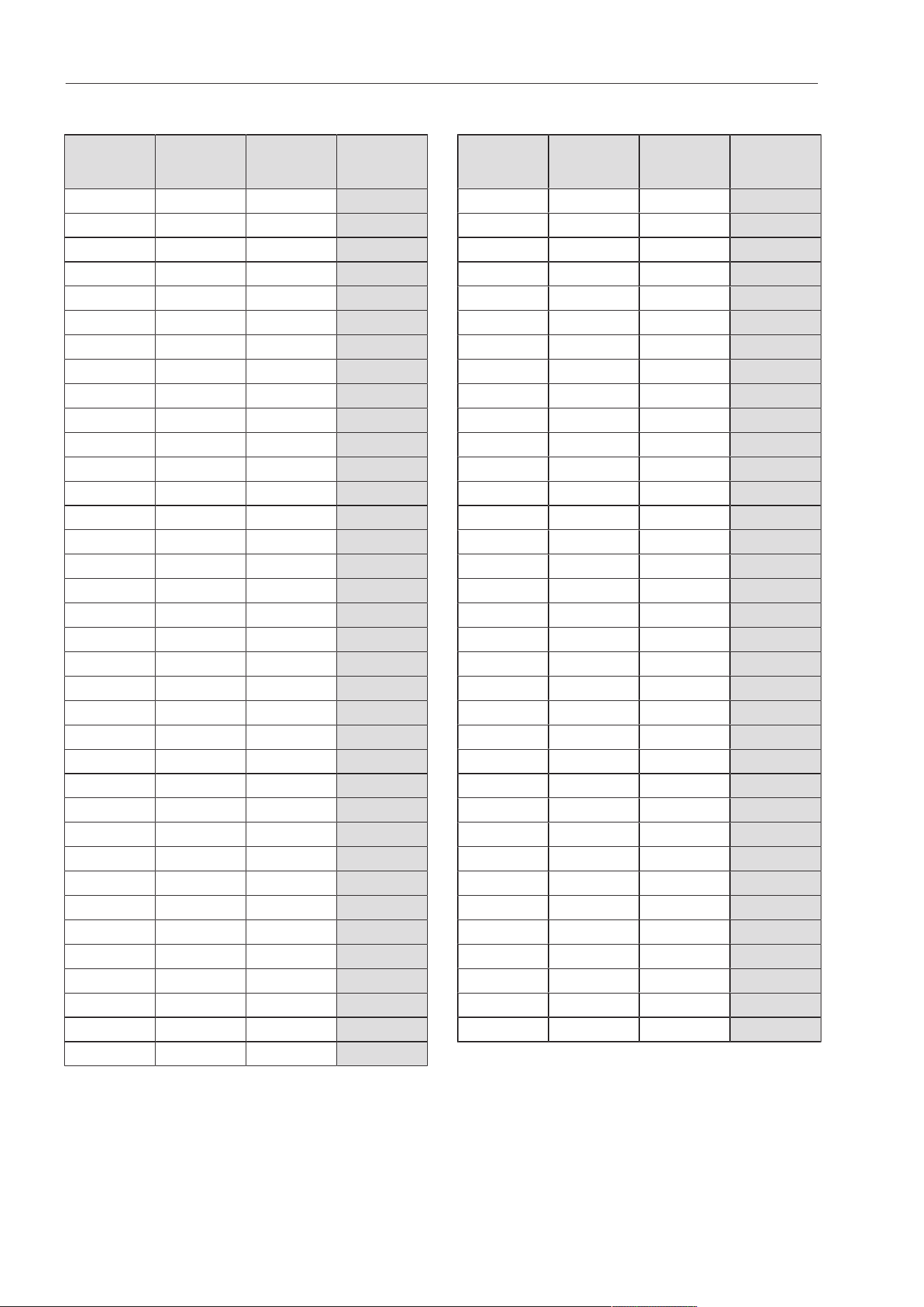
Water hardness setting values can be found
in the chart on the next page.
The menu is saved under the following input
path.
Extended settings
Water hardness
OK
08:15
16
15
14
13
12
Water hardness
°dH
Set the water hardness.
Press OK to save the setting.
Filling the container for reactivation salt
28
Settings table
gr/gal ppm
CaCO
3
mmol/l Display gr/gal ppm
CaCO
3
mmol/l Display
0 0 0 0 36 650 6.5 36
1 20 0.2 1 37 670 6.7 37
2 40 0.4 2 38 680 6.8 38
3 50 0.5 3 39 700 7.0 39
4 70 0.7 4 40 720 7.2 40
5 90 0.9 5 41 740 7.4 41
6 110 1.1 6 42 760 7.6 42
7 130 1.3 7 43 770 7.7 43
8 140 1.4 8 44 790 7.9 44
9 160 1.6 9 45 810 8.1 45
10 180 1.8 10 46 830 8.3 46
11 200 2.0 11 47 850 8.5 47
12 220 2.2 12 48 860 8.6 48
13 230 2.3 13 49 880 8.8 49
14 250 2.5 14 *) 50 900 9.0 50
15 270 2.7 15 51 920 9.2 51
16 290 2.9 16 52 940 9.4 52
17 310 3.1 17 53 950 9.5 53
18 320 3.2 18 54 970 9.7 54
19 340 3.4 19 55 990 9.9 55
20 360 3.6 20 56 1000 10.0 56
21 380 3.8 21 57 1020 10.2 57
22 400 4.0 22 58 1040 10.4 58
23 410 4.1 23 59 1060 10.6 59
24 430 4.3 24 60 1070 10.7 60
25 450 4.5 25 61 1090 10.9 61
26 470 4.7 26 62 1110 11.1 62
27 490 4.9 27 63 1130 11.3 63
28 500 5.0 28 64 1150 11.5 64
29 520 5.2 29 65 1160 11.6 65
30 540 5.4 30 66 1180 11.8 66
31 560 5.6 31 67 1200 12.0 67
32 580 5.8 32 68 1220 12.2 68
33 590 5.9 33 69 1240 12.4 69
34 610 6.1 34 70 1250 12.5 70
35 630 6.3 35
*) Factory default setting
Filling the container for reactivation salt
29
Salt refill indicator
If the level in the salt container is low and a
reactivation is carried out, the following
message appears on the display:
OK
Refill salt -appliance will be locked
shortly.
Confirm the message with OK.
Fill the salt container as described.
If the message is being displayed for the first
time, further program runs may be possible
depending on the set water hardness. If no
salt is added, the message is displayed again
at the end of every program.
Reactivation notification
OK
Approx. wash cycles left until
reactivation
You can set how many cleaning cycles in ad-
vance you want to be notified of the upcom-
ing reactivation; see “Extended settings”,
“Reactivation notification”.
Machine blocked if salt is not avail-
able
If the salt in the water softener has been
used up, a fault appears on the display and
the machine blocked from performing fur-
ther applications.
Acknowledge the fault by tapping on the
warning symbol. Then follow the instructions
on the display:
OK
F561 Machine locked insufficient salt:
Refill regeneration salt. Machine will
unlock after a few seconds. Then start
the “Rinse” program.
Fill the salt container as described.
The machine lock is lifted with a delay of a
few minutes once salt has been added.
Filling the container for reactivation salt
30
Filling the container for reactivation
salt
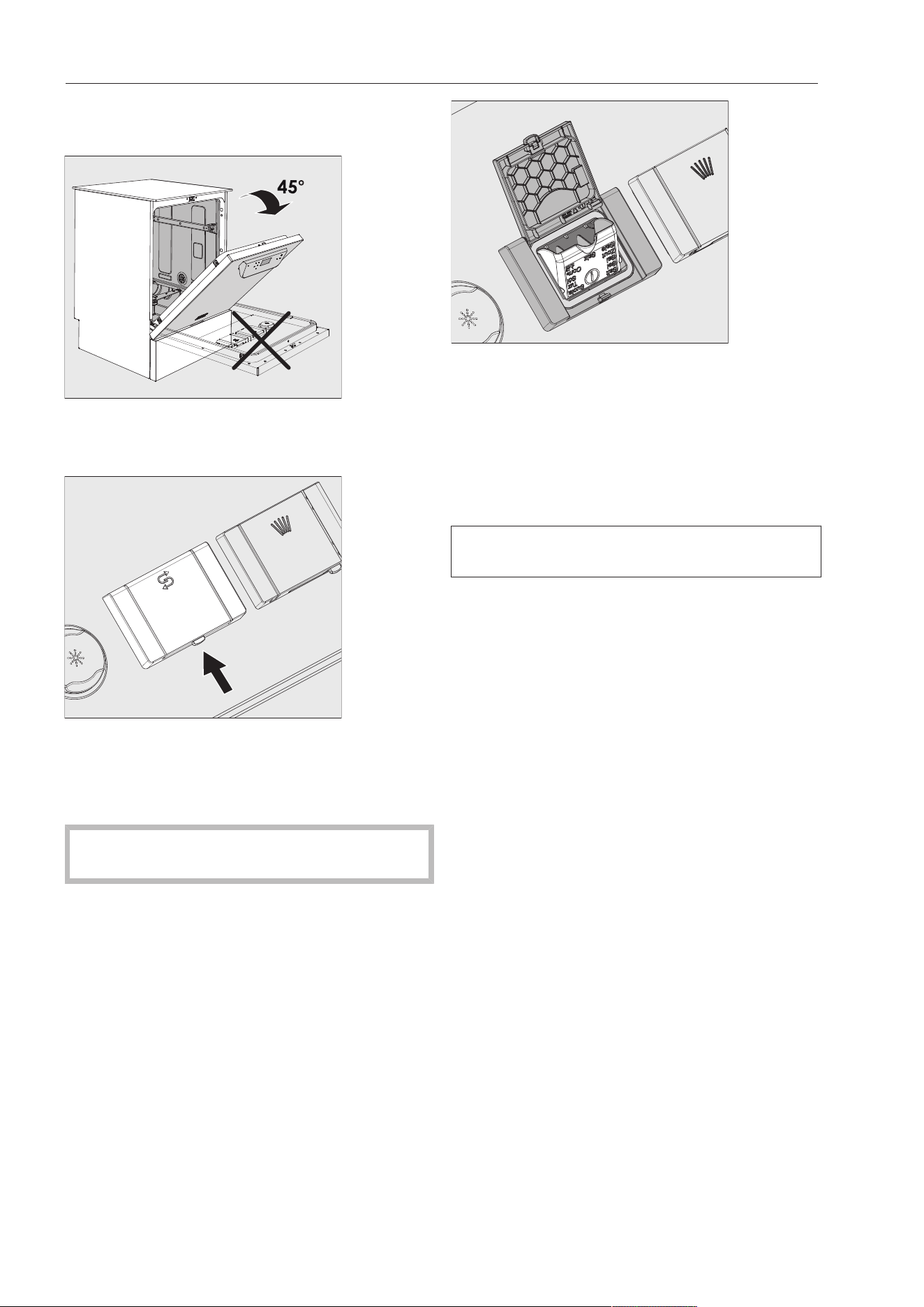
When filling the salt container, only open
the door halfway to ensure that all the salt
gets into the container.
Press the button on the lid of the salt con-
tainer in the direction of the arrow. The ac-
cess panel will spring open.
Open the funnel.
Do not pour any water into the salt con-
tainer!
Add salt into the container until the funnel
is full but still closes easily. The salt con-
tainer will take approx. 4.4 lb (2kg) of salt
on the first fill depending on the degree of
coarseness.
Subsequent refills may take less salt, as
there may still be salt remaining in the
container.
If there is water present in the container, it
may be forced out by the added salt.
Clean any excess salt from around the
container opening and the seal surround-
ing it, and then close the flap.
To avoid corrosion in the wash cabinet, run
the Rinse program (without any wash
items in the dishwasher) immediately after
refilling the salt container. This will dilute
and rinse away any remaining traces of
salt.
Cleaning agent and rinsing agent
31
Dispensing systems
Risk to health due to
process chemicals.
Some process chemicals may be corro-
sive and irritant. Swallowing process
chemicals can cause chemical burns in
the mouth and throat or lead to asphyxia-
tion. If process chemicals get into the
eyes, they can irritate or burn them.
Observe the relevant safety regulations is-
sued by the process chemical manufac-
turers when handling process chemicals
and take all the protective measures stip-
ulated by the process chemical manufac-
turers.
Depending on the model, dishwashers are
equipped with multiple dispensing systems
for process chemicals:
- Cleaning agent
Cleaning agent can be dispensed in pow-
der form, as a tab, or in liquid form. Pow-
der cleaning agent and tabs are dispensed
via the door dispenser with the symbol.
Depending on the model, liquid cleaning
agent is dispensed either via an internal
dispensing system or via an external dis-
penser module (DOS module).
- Rinsing agent
Depending on the model, rinsing agent
can be dispensed via the door dispenser
with the symbol or via an external dis-
penser module (DOS module).
External dispenser modules (DOS modules)
can be retrofitted at any time by Miele Cus-
tomer Service, provided that corresponding
DOS module connections are available.
Dispenser module
In addition to the internal dispensing sys-
tems, up to two additional external dispens-
ing systems (dispenser modules) can be
connected for dispensing liquid process
chemicals.
Labeling of the suction wands
Liquid process chemicals from external con-
tainers are dispensed by suction wands.
Color coding the suction wands can be help-
ful for correct dispensing.
Specific types of soiling may require differ-
ent combinations of cleaning agents and
additives. Miele Customer Service will be
able to advise you.
DOS modules
In the case of dishwashers without an inter-
nal dispenser pump for liquid cleaning agent,
up to two additional, external dispenser
modules for liquid process chemicals can be
installed retrospectively.
In the case of dishwashers with an internal
dispenser pump for liquid cleaning agent,
one additional, external dispenser module
for liquid process chemicals can be con-
nected.
External dispenser modules can be retrofit-
ted by Miele Customer Service or by a suit-
ably qualified specialist. Internal dispensing
systems cannot be installed retrospectively.
The dispenser module comes with separate
installation instructions.
Cleaning agent and rinsing agent
32
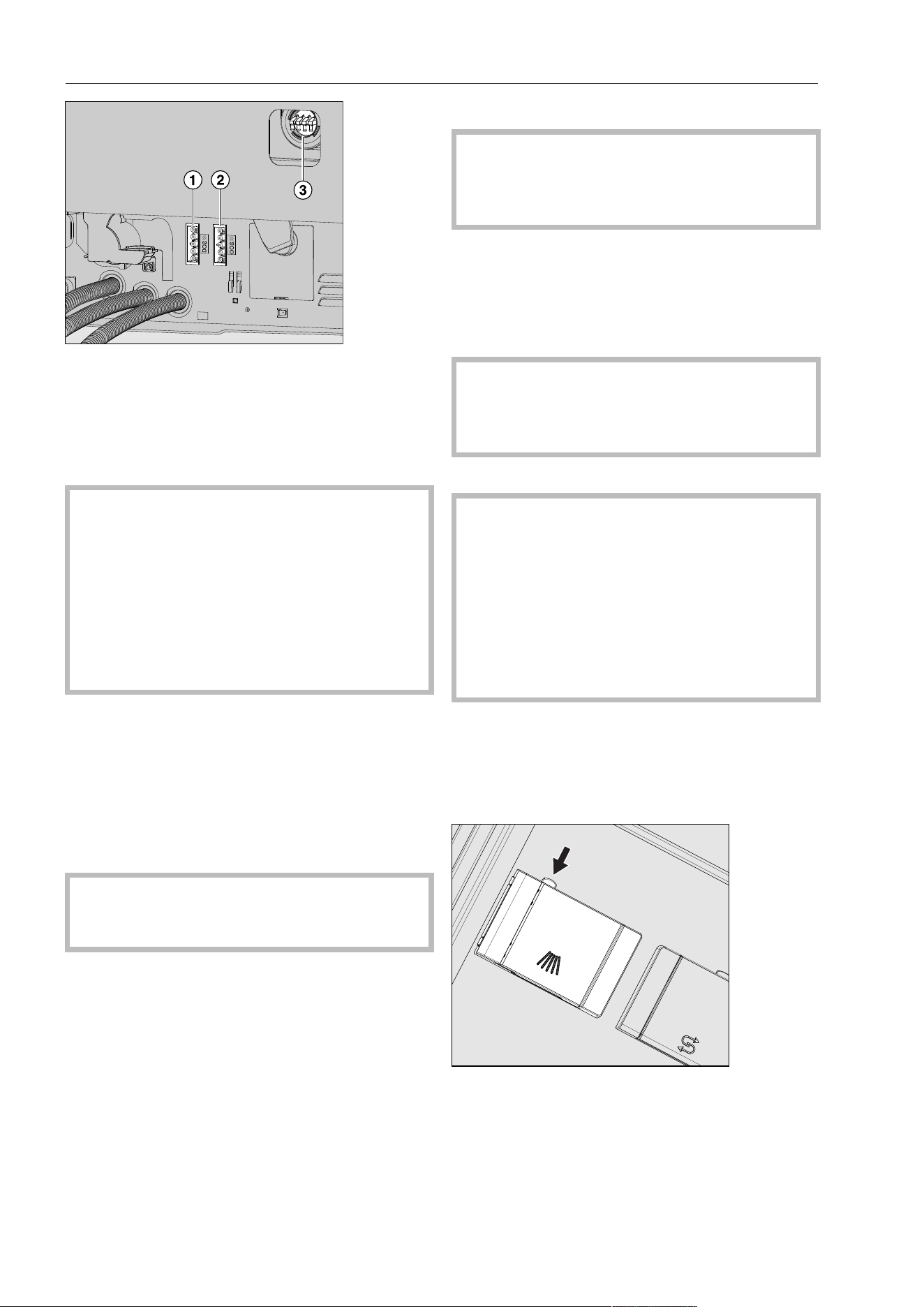
Power supply connection for DOS1,
cleaning agent (depending on the model).
Power supply connection for DOS4, rins-
ing agent.
Connections for dispensing hoses.
Damage caused by incorrect voltage.
Before fitting the dispenser module, com-
pare the connection data (voltage and fre-
quency) on the data plate with that on the
data plate of your machine. If the data
does not match, the module could sustain
damage.
If in any doubt, consult a qualified electri-
cian.
Connect the module to the machine’s
power supply.
To connect the dispensing hose, release
the hose clip on a free connector and re-
move the safety cap.
Push the dispensing hose onto the con-
nector and secure it with a hose clip.
Blank off unused connectors for dispens-
ing hoses with safety caps to prevent the
leakage of wash water.
Process chemicals
Only use cleaning agent suitable for com-
mercial dishwashers.
Suitable products are available from the
Miele Professional product range.
Cleaning agent can be dispensed in powder
form, as a tab, or in liquid form.
Powder cleaning agent and tabs are dis-
pensed via the door dispenser with the
symbol.
Only use cleaning agent tabs that are
quick-dissolving. Suitable tabs are avail-
able from the Miele Professional product
range.
Filling the door dispenser
Risk to health due to dust production.
When dispensing powder cleaning agents
and tabs, dust from fine cleaning agents
can be stirred up. If this dust gets into the
mouth, throat, or eyes, it can cause irrita-
tion or burns.
When dispensing powder cleaning agents
and tabs, avoid the production of dust as
much as possible.
Add powder cleaning agent or a tab to the
powder cleaning agent dispenser before ev-
ery wash program (except Rapid, Cold, Re-
activation, and Drain). Follow the tips on the
Rapid program.
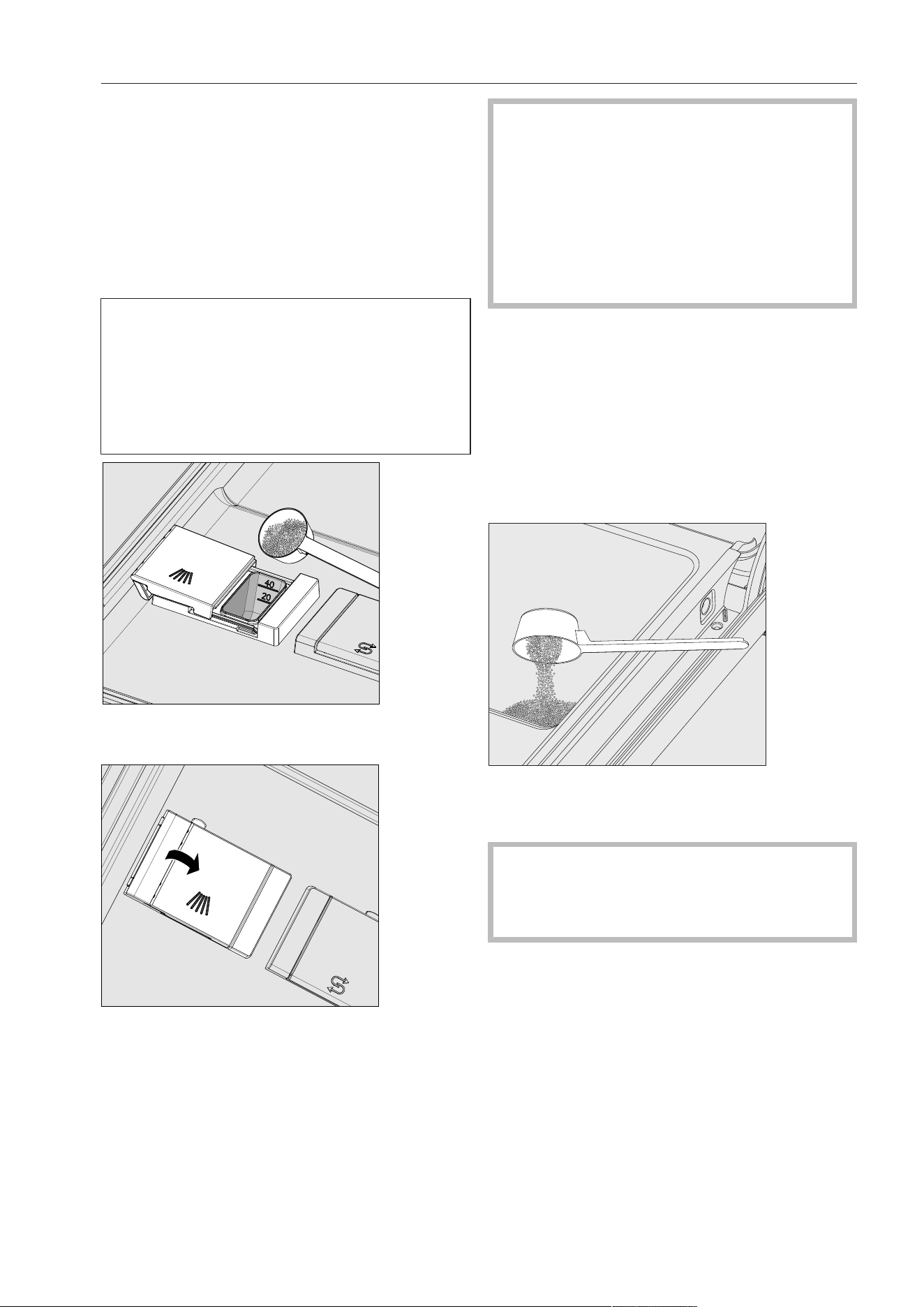
Press the yellow button on the dispensing
canister with the symbol.
The flap will spring open. The flap is always
open at the end of a program cycle.
Cleaning agent and rinsing agent
33
The level markers in the powder dispensing
canister with the door in the horizontal posi-
tion equate to the amount dispensed in
milliliters (ml). The max. capacity is approx.
60ml of cleaning agent.
The amount in ml equates to approx. the
amount normally recommended in grams (g)
for proprietary powder cleaning agents.
Powder density can affect this amount.
Dispensing example:
Approx. 8.5liters of water are taken into
the machine for the main wash. With a
cleaning agent concentration of approx.
3g/l, you will need approx. 25g of cleaning
agent. Please observe the manufacturer’s
recommendations, which may vary!
Add cleaning agent to the dispensing can-
ister.
Close the flap.
Make sure that all of the cleaning
agent has dissolved at the end of the pro-
gram sequence.
Repeat the program if residual cleaning
agent is present.
Check whether any wash items have pre-
vented the flushing out of the dispensing
canister and rearrange the wash items if
necessary.
Tips for the Rapidprogram
With the Rapid program (depending on the
model), the final rinse water is not pumped
away at the end of the program in order to
achieve short program cycle times in contin-
uous use.
Cleaning agent cannot be rinsed out of the
dispenser during the short program cycle
time.
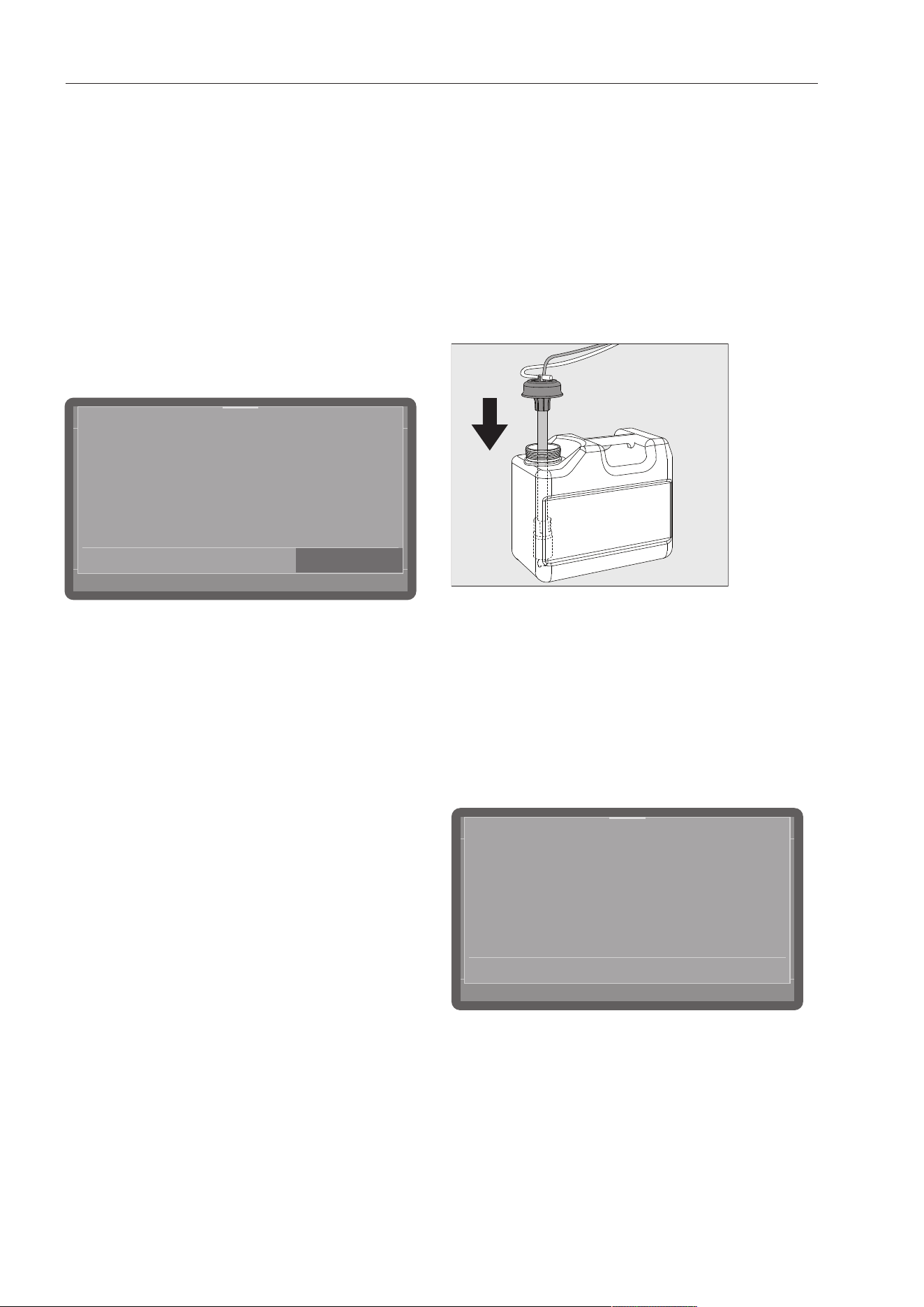
If liquid cleaning agent dispensing is not
being used, add powder cleaning agent di-
rectly onto the inside of the door.
To avoid corrosion or discoloration, start
the wash program immediately after dis-
pensing cleaning agent directly onto the
inside of the door.
Cleaning agent and rinsing agent
34
Liquid cleaning agent is dispensed from an
external media canister via a suction wand.
Depending on the model, liquid cleaning
agent is dispensed either via an internal dis-
penser pump or via an external dispenser
module. Dispenser modules are installed by
Miele Customer Service and can be retrofit-
ted at any time.
Refill indicator
When the fill level in the cleaning agent can-
ister is low, you are reminded to change the
media canister.
OK
Change cleaning agent canister.
Empty status detected.
Confirm the prompt with OK and change
the cleaning agent canister.
Fill the dispensing path (see “Machine
functions”)
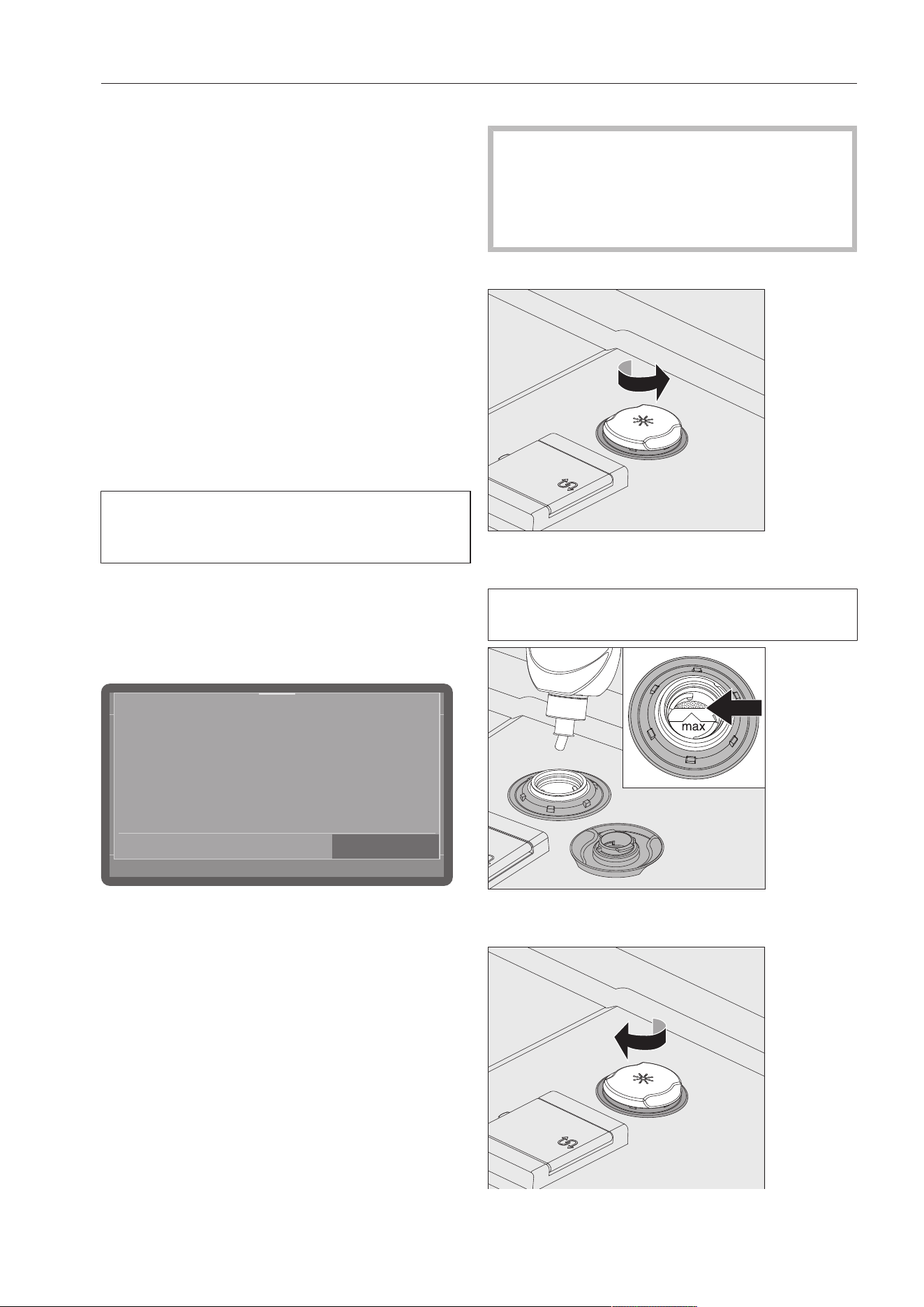
Replacing the media canister
Place the liquid cleaning agent container
(note the color marking) on the open wash
cabinet door or on a surface which is ro-
bust and easy to clean.
Take the lid off the canister and remove
the suction wand. Place the suction wand
on the open wash cabinet door.
Replace the empty container with a full
one.
Push the suction wand into the opening of
the container and secure the lid. Observe
the color coding.
Feed the suction lance into the container
until it reaches the bottom.
If you use a long suction lance in a 5litre
canister, or the 10litre canister is only half
full, the following prompt appears in the
display:
: Please
select current canister volume.
10l5l
Select the canister size.
Wipe up any spilled process chemical
thoroughly.
Cleaning agent and rinsing agent
35
Rinse aid
Rinsing agent is necessary to ensure water
does not cling and leave marks on wash
items, and to help wash items dry faster af-
ter the final rinse.
The rinsing agent concentration must be ad-
justed in the following circumstances:
- If there are spots of water left on wash
items after reprocessing, then the dis-
pensing concentration is set too low.
- If clouding or smearing appears on wash
items after reprocessing, the dispensing
concentration is set too high.
The rinsing agent is dispensed in the Final
rinse program stage. The container needs to
be filled for this purpose.
In the Glasses program (depending on the
model), the final rinse is carried out with
cold water and without rinsing agent.
Refill indicator
When the fill level in the rinsing agent con-
tainer is low, you are reminded to refill the
dispensing canister, e.g.:
OK
Fill door dispenser with rinse aid.
Confirm the prompt with OK and top up
the rinsing agent as described.
Fill the dispensing path (see “Machine
functions”)
Filling the door dispenser
Never add cleaning agent.
This will always destroy the rinsing agent
container!
Only fill the rinsing agent container with
rinsing agent for commercial dishwashers.
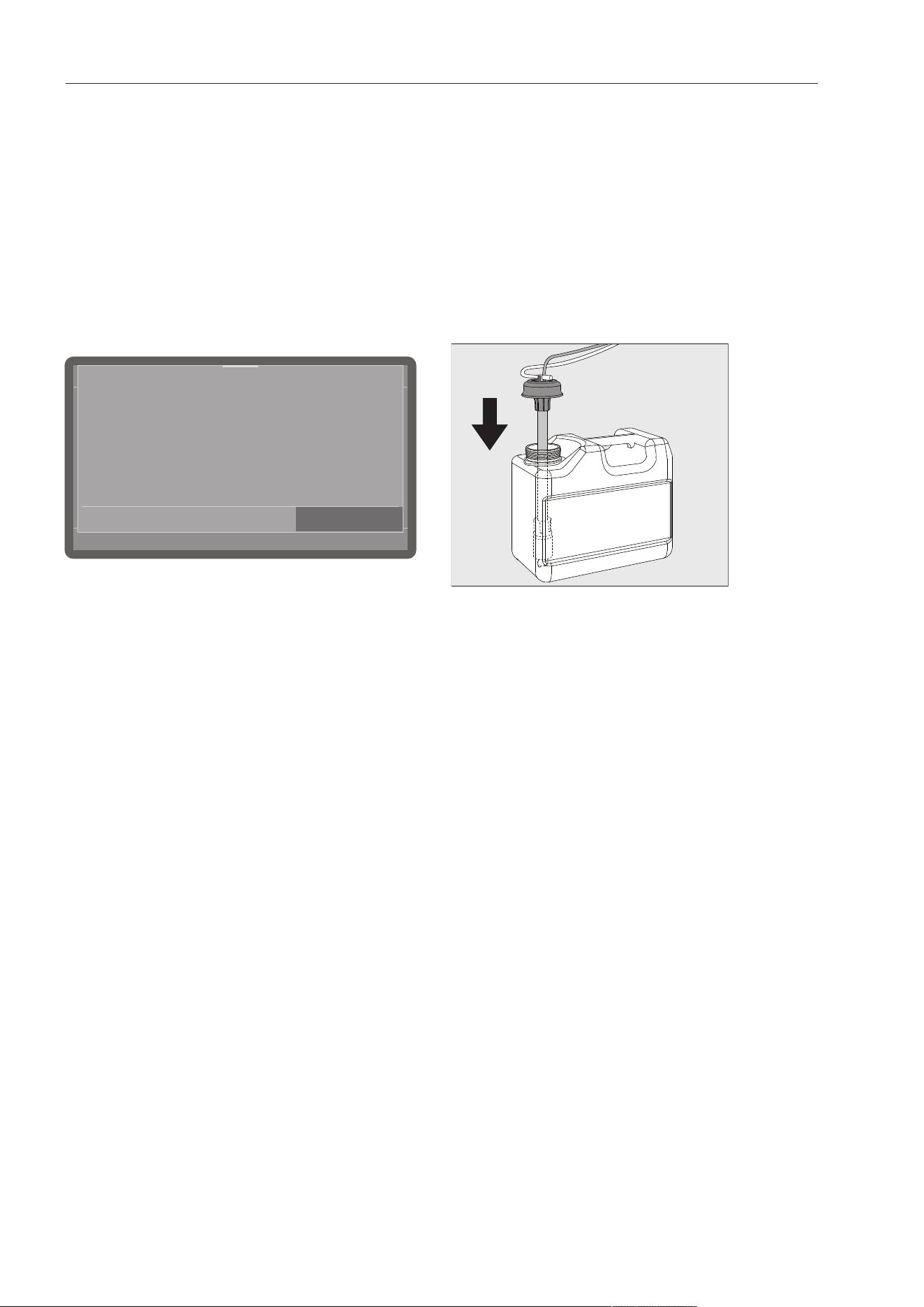
Open the door fully.
Unscrew the yellow lid with
the symbol in the direction of the arrow.
The container holds approx. (10 oz)
300ml.
Add rinsing agent only until it is up to the
“max.” mark on the edge of the funnel.
Cleaning agent and rinsing agent
36
Close the container.
Wipe up any spilled rinsing agent thor-
oughly. This prevents over-foaming during
the next program.
Alternatively, you can start the Coldpro-
gram to rinse off any spilled rinsing agent.
Refill indicator
When the fill level in the rinsing agent con-
tainer is low, you are reminded to change the
media canister, e.g.:
OK
Change rinse aid canister. Empty
status detected.
Confirm the prompt with OK and change
the rinsing agent canister as described.
Fill the dispensing path (see “Machine
functions”)
Replacing the media canister
Place the rinsing agent container (note the
color marking) on the open wash cabinet
door or on a surface which is robust and
easy to clean.
Take the lid off the media canister and re-
move the suction wand. Place the suction
wand on the open wash cabinet door.
Replace the empty container with a full
one.
Push the suction wand into the opening of
the container and secure the lid. Observe
the color coding.
Feed the suction wand into the container
until it reaches the bottom.
Wipe up any spilled process chemical
thoroughly.
Loading the dishwasher
37
Preparing the wash items
Remove coarse food residues from dish-
ware.
There is no need to pre-rinse items under
running water!
Tips
Risk of damage caused by acids and
solvents.
Acid or solvent residues, especially hy-
drochloric acid or chlorides, may not get
inside the wash cabinet.
Do not put acids or solvents in the wash
cabinet.
Damage caused by items soiled with
ash, sand, wax, lubricant, or paint
These materials will cause damage to the
dishwasher.
Do not wash items soiled with ash, sand,
wax, lubricant, or paint in the dishwasher.
Load dishware and utensils into the appro-
priate places in the baskets. The following
notes should be observed:
Load the dishware so that water can ac-
cess all surfaces. This ensures that they
get properly cleaned.
Load plates symmetrically in the upper and
lower baskets with the concave surfaces
facing the center of the basket (as shown
on the following pages).
Do not place dishware or utensils inside
other pieces. They will cover one another.
Make sure that all items are securely posi-
tioned.
Hollow items such as cups, glasses, pans,
etc., must be inverted in the basket.
Tall, narrow, hollow items should be placed
in the center of the basket if possible. This
ensures better water coverage.
Concave items such as mugs or bowls
should be placed at an angle so that the
water can run off.
The spray arms must not be blocked by
items which are too tall or hang through
the baskets. If in doubt, test for free move-
ment by manually rotating the spray arms.
If you need to wash large wash items in
the lower basket, you can remove the up-
per basket.
Small items can fall through the holders in
the baskets. They should therefore be
placed in the cutlery basket.
Wash items not suitable for dishwashers
- Wooden cutlery and dishware or items
with wooden parts may discolor or fade.
Furthermore, the glue used in these items
is not dishwasher safe. Wooden parts may
come loose after being washed in a dish-
washer.
- Craft items, antiques, valuable vases, and
decorative glasses are not dishwasher-
safe.
- Plastic items which are not heat resistant
may melt or lose shape.
- Copper, brass, tin, and aluminum items:
these may discolor or become matte.
- Colors painted over a glaze may fade after
a number of rinses.
- Delicate glasses and glassware containing
crystal may become cloudy over time.
Loading the dishwasher
38
It is recommended
- When purchasing new dishware and cut-
lery, make sure they are dishwasher-safe if
you want to wash them in the dishwasher.
- Clouding may occur on glasses after fre-
quent rinses in the dishwasher. When
washing delicate glasses in the dish-
washer, ensure that only a special glass-
care program with very low temperatures
(see “Program overview”) is selected and
that a suitable cleaning agent is used. This
will reduce the risk of clouding.
Please note:
Silver and aluminum which has been in
contact with foods containing sulfur can
discolor.
Risk due to chemical reaction
Aluminum components (e.g., grease fil-
ters) must not be cleaned in the dish-
washer with caustic alkaline commercial
or industrial cleaning agents.
These may damage the material. In ex-
treme cases, there is a risk of an explosive
chemical reaction (such as an explosive
oxyhydrogen gas reaction).
Do not clean pretreated aluminum com-
ponents in the dishwasher.
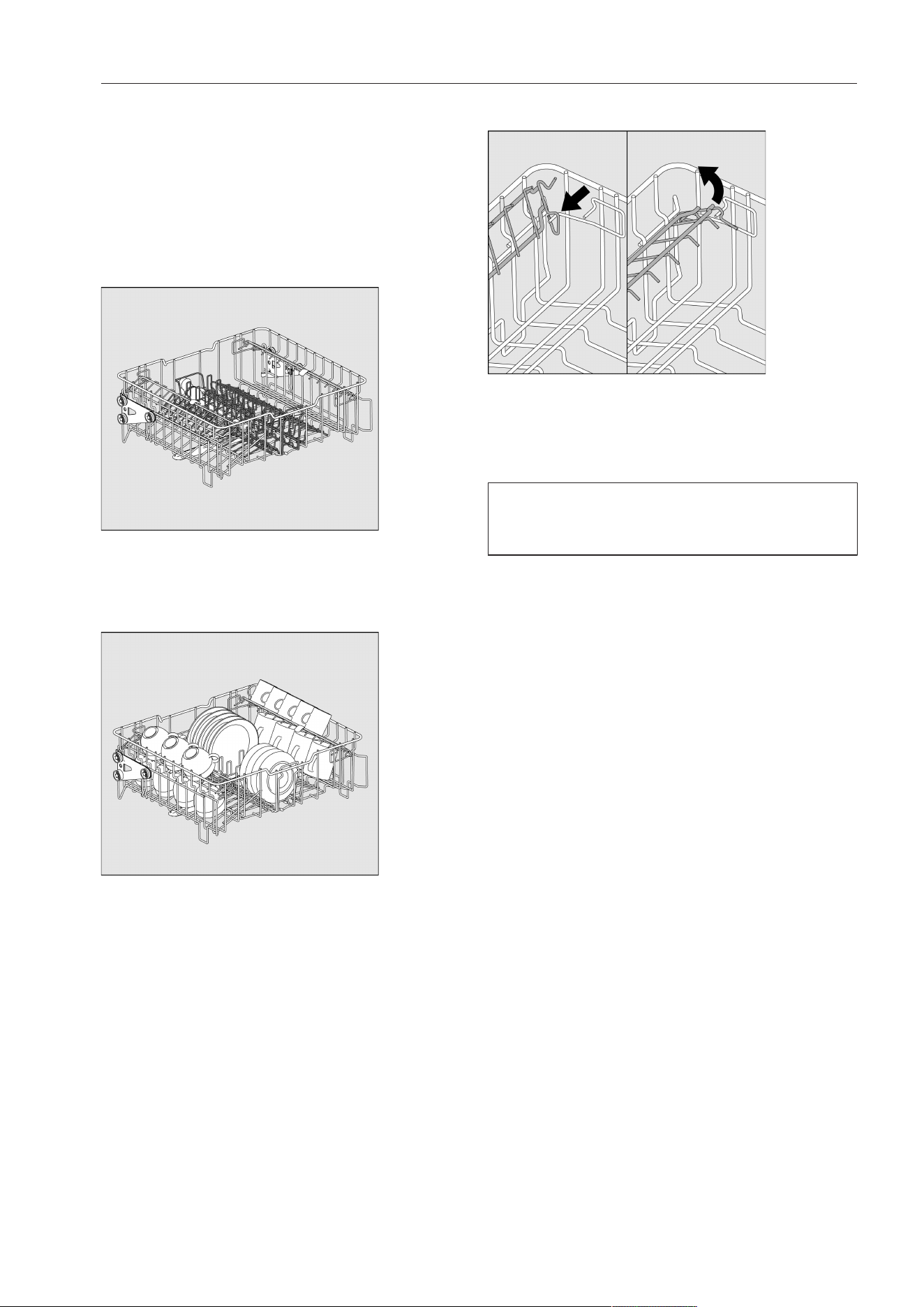
Loading the dishwasher
39
Upper basket
Use the upper basket for small, lightweight,
and delicate items such as cups, saucers,
glasses, dessert bowls, etc. Light, heat-re-
sistant plastic items can also be loaded in
the upper basket.
Smaller shallow pots and pans can also be
washed in the upper basket.
APFD215 Upper Basket with APFD415 Insert
The middle insert can be removed from the
upper basket to wash larger pots and pans
or to replace it with other inserts.
With APFD415 Insert for 20cups and
32saucers or 18dessert plates and
20cups, for example.
FlexCare cup rack
You can fold up the FlexCare cup rack to
place large cups, glasses, and mugs in the
upper basket.
Fold up the FlexCare cup rack.
The upper basket can be removed in order
to wash larger items in the lower basket
(e.g., serving dishes).
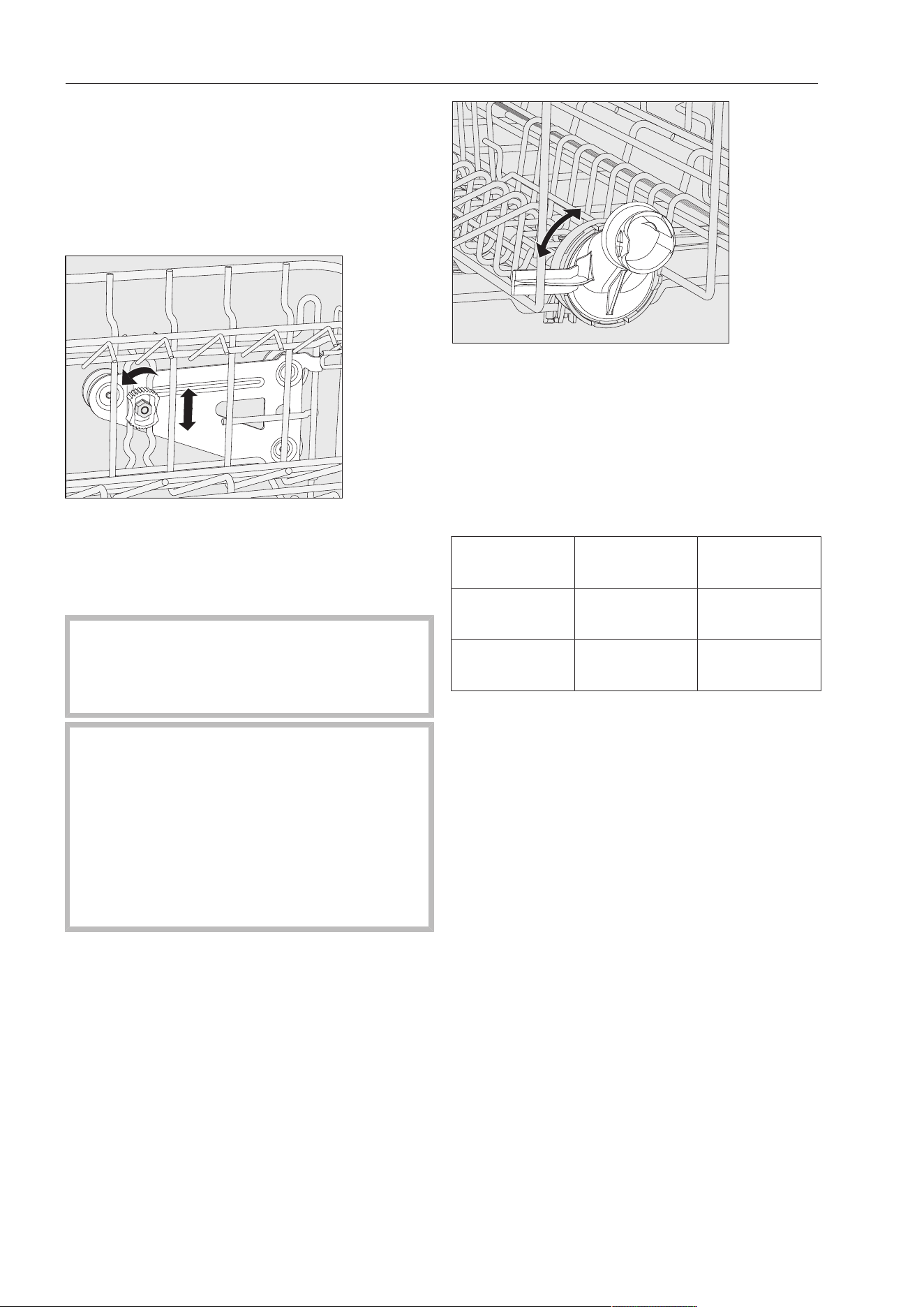
Loading the dishwasher
40
Adjusting the upper basket
In order to obtain more space for taller items
in the lower or upper basket, the upper bas-
ket can be adjusted between two vertical
positions that are approx. 2" (5cm) apart.
Pull out the upper basket.
Unscrew the lock nuts on both sides.
Lift or lower the basket into the desired
position.
Tighten the lock nuts again.
The upper basket must be level in both
positions.
If the upper basket is inclined, a water
connection is not possible.
Damage caused by the water connec-
tion being positioned incorrectly.
The position of the water connection
needs to be adjusted after the height of
the upper basket has been changed.
When changing the height of the upper
basket, always adjust the water connec-
tion accordingly before pushing the upper
basket back in.
Turn the upper basket water connection to
the upper or lower position.
The water connection must click audibly
into place.
Depending on the position of the upper bas-
ket, the following plate dimensions can be
accommodated:
Example with APFD215 Upper Basket:
Upper basket
position
Upper basket
plate Ø
Lower basket
plate Ø
Top Max. 57/8"
(15cm)
13"
(33cm)*
Bottom Max. 77/8"
(20cm)
93/4"
(25cm)
* The E816 Plate Insert is required in the lower basket.
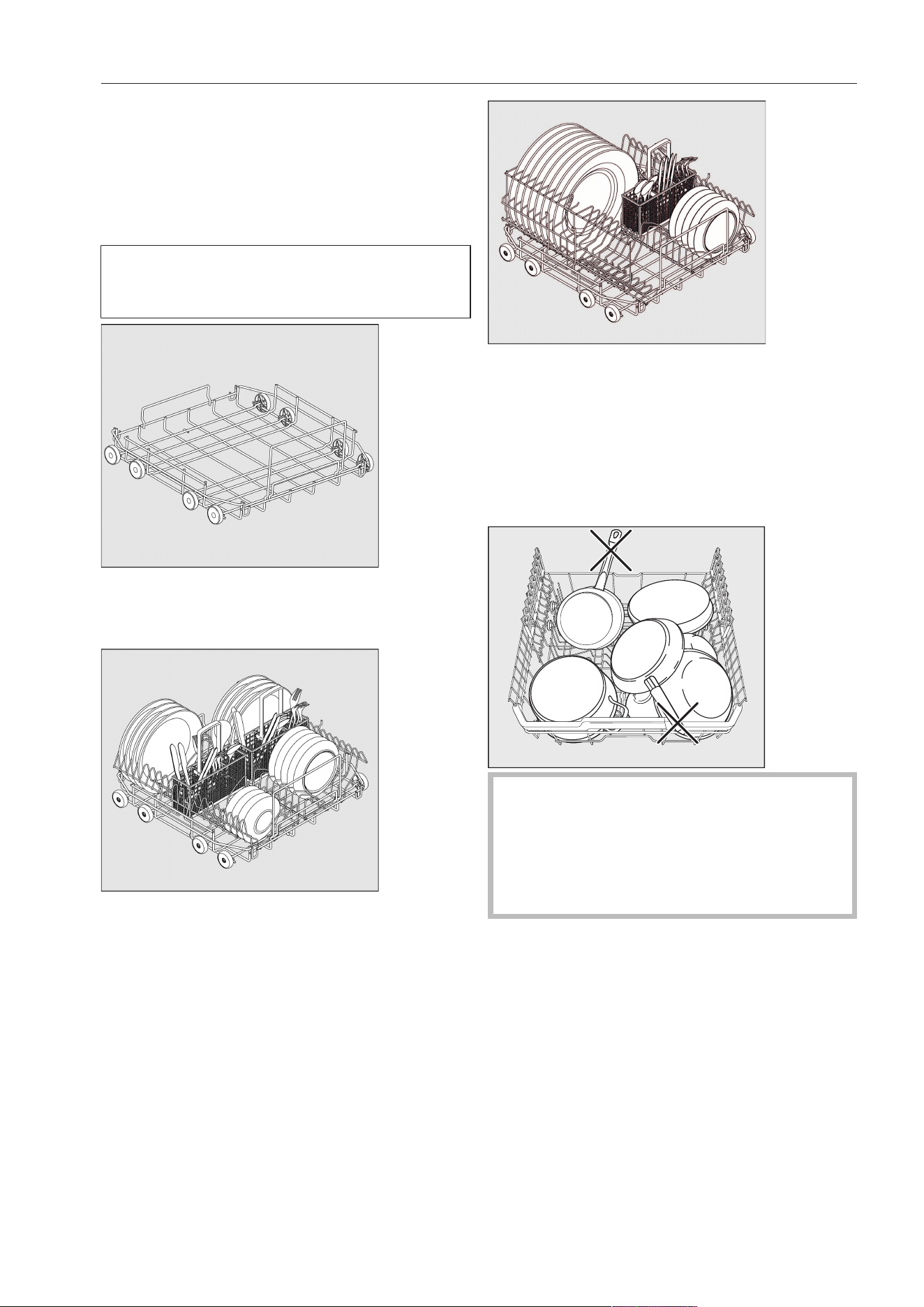
Loading the dishwasher
41
Lower basket
Place larger and heavier wash items such as
plates, serving platters, pots, bowls, etc. in
the lower basket.
Only place thin, delicate glasses in a suitable
insert or lower basket.
Always arrange plates with the top side
facing inward, as shown in the pictures, to
achieve the best cleaning result.
APFD220 Lower Basket Carrier
For plastic trays, various inserts, and cutlery
baskets.
APFD220 Lower Basket with 2xE816 Inserts and
2xAPFD420 Cutlery Inserts
32plates each with Ø9 3/4" (25cm) and
various items of cutlery can be loaded.
Without cutlery inserts, 38plates each with
Ø9 3/4" (25cm) can be loaded into the
E816 Inserts.
APFD220 Lower Basket with an E816 Insert rotated
90°
With the APFD420 Cutlery Insert,
32plates each with Ø13" (33cm) and vari-
ous items of cutlery can be loaded. Without
the cutlery insert, 38plates each with Ø13"
(33cm) can be loaded into the rotated
E816 Insert.
Damage due to protruding items
Protruding items can damage the interior
of the dishwasher.
When loading the baskets, make sure that
no parts, such as handles, are protruding
over the edge of the baskets.
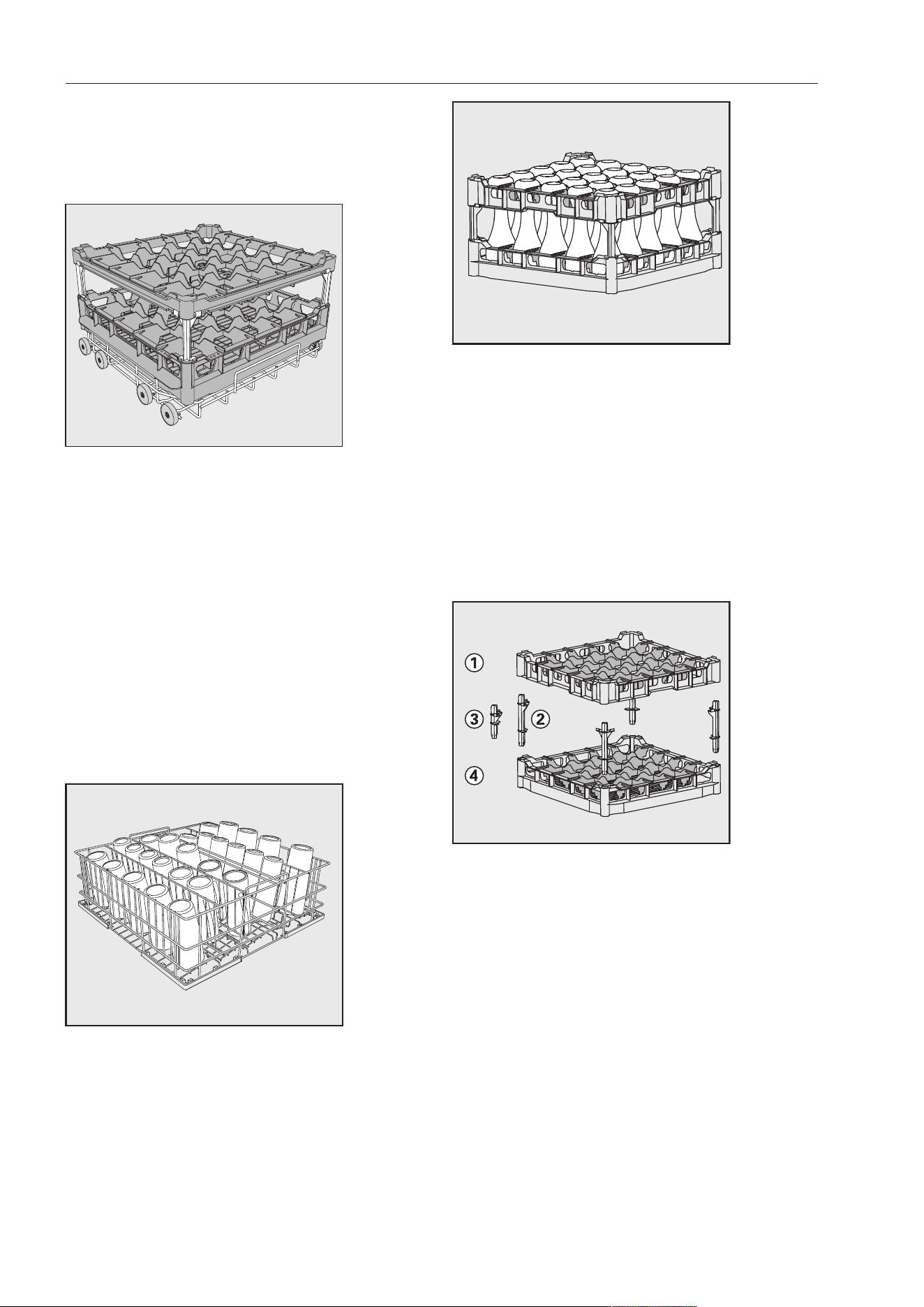
Loading the dishwasher
42
Use of plastic trays
The APFD220 Lower Basket Carrier can be
loaded with plastic trays measuring 19 3/4"
x 19 3/4" (500x500mm).
The special O885 Upper Basket Carrier is
required for loading plastic trays in the upper
basket (max. loading height for wash items
5" (130mm)).
The special U876 Lower Basket Carrier is
required for loading taller wash items in the
lower basket.
Which basket combination to use will de-
pend on the type, shape, and size of the
wash items.
For further information on baskets, please
contact your Miele dealer or Miele Cus-
tomer Service.
Examples: (lower baskets)
U525/5-Row Wire Basket
The wire basket can be used for glasses with
a maximum diameter of 8cm.
U534–U537 Plastic Trays with compartments for
different glass heights
In this example, the plastic tray is connected
to the top frame by long extenders.
(For assembly in U876 Lower Basket Carrier
only)
Assembling a plastic tray
The height of the tray can be altered by in-
stalling a top frame to the base basket
with long or short extenders.
Push all four extenders into the base bas-
ket.
Press the top frame securely onto the
extenders.
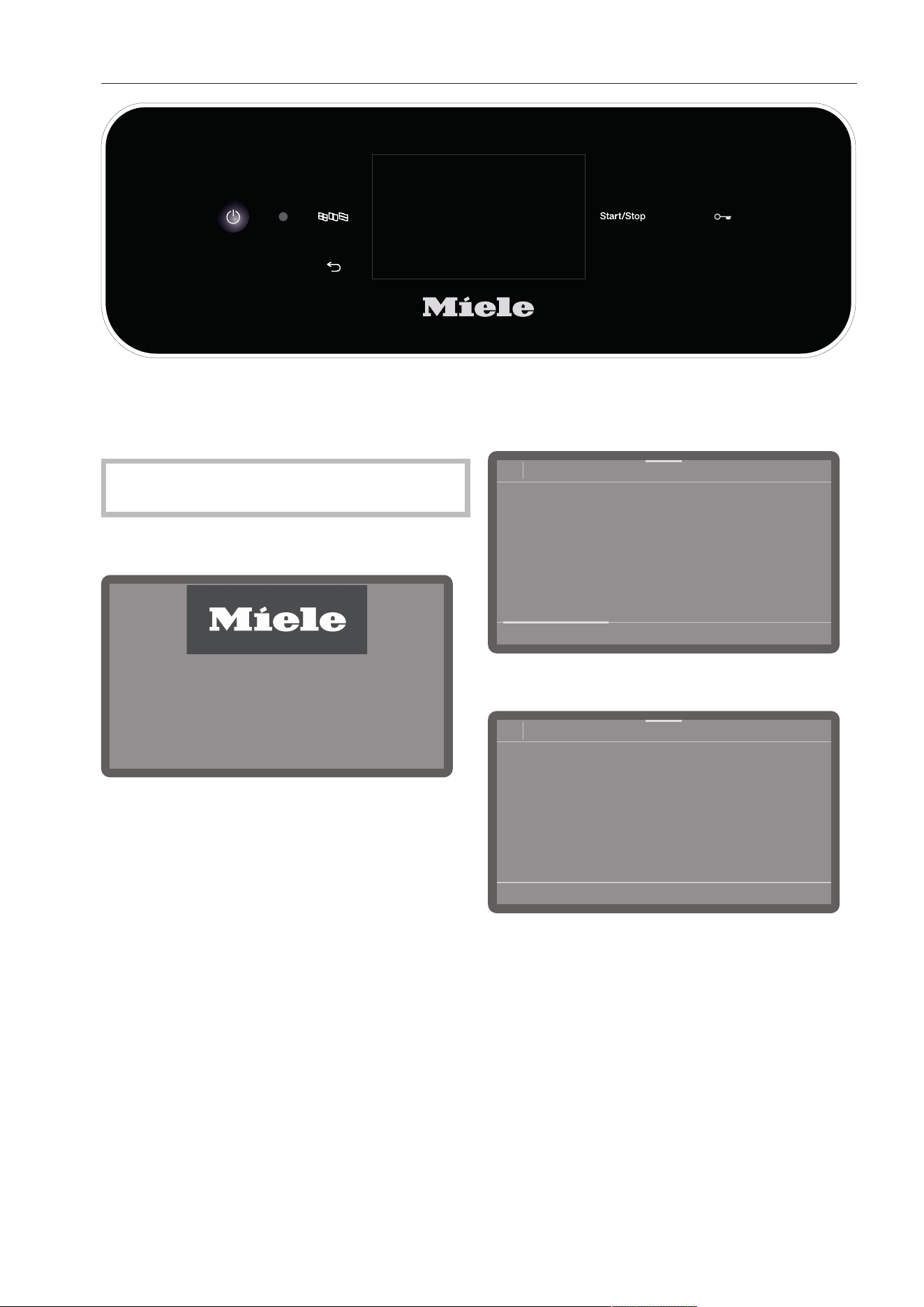
Operation
43
Switching on
Switch on the water supply faucet if it is
off.
The dishwasher needs to be connected to
the electricity supply.
Press and hold the button until the fol-
lowing appears on the display:
As soon as the dishwasher is ready for oper-
ation, the display message changes to show
the program selection screen, e.g.:
08:15
Programs
Normal
66°C
0:13 h
Normal plus
66°C
0:19 h
Intensive
66°C
0:21 h
Rapid
55°C
0:05 h
If the Memory function is activated, the most
recently started program is displayed, e.g.:
08:15
Program
Normal plus
66°C
AutoOpen
0:19 h
Timer
Dry+
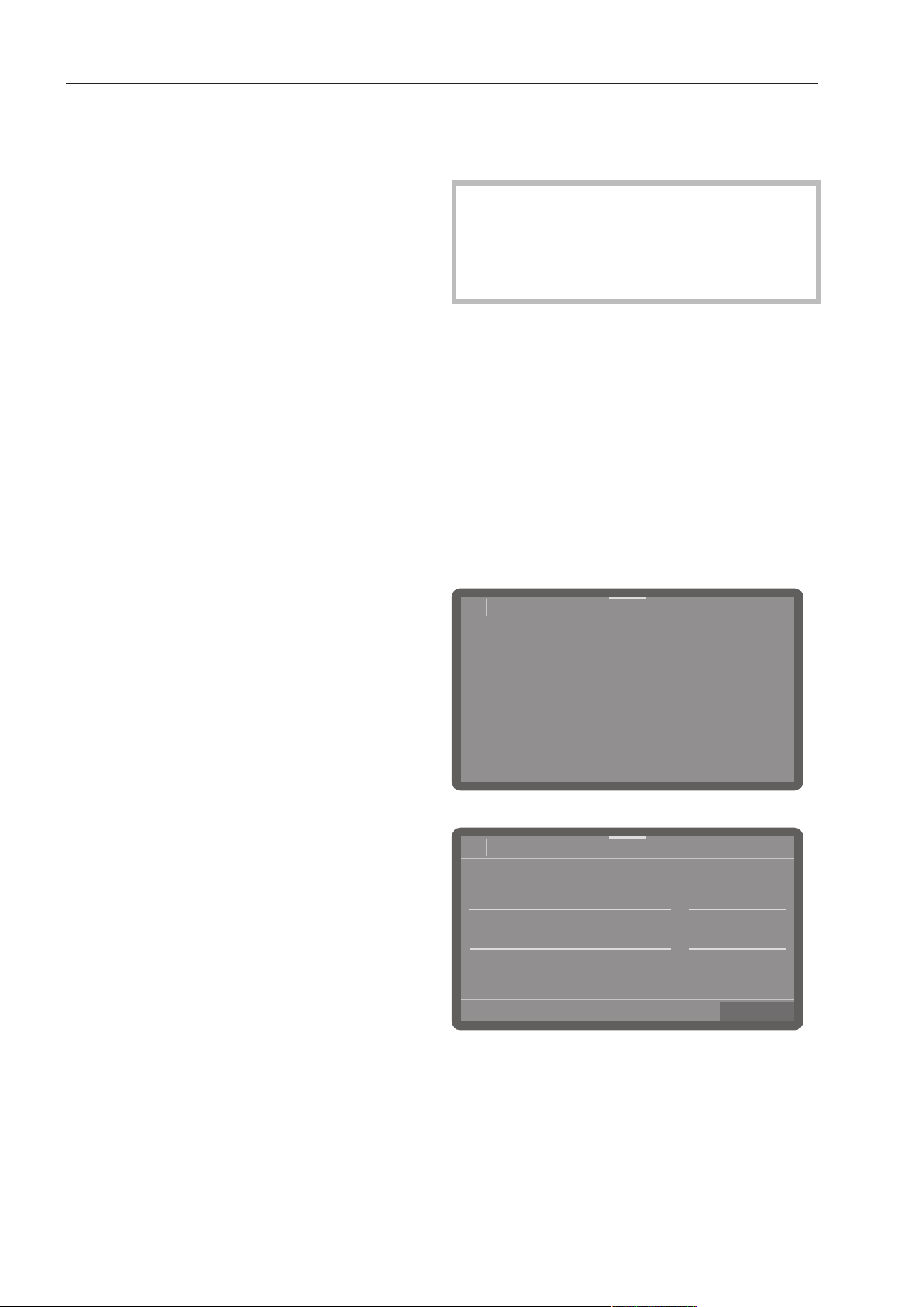
Operation
44
Selecting a program
Choose your program according to the type
of wash items and the degree of soiling.
As soon as you have selected a program, the
LED for the Start/Stopbutton starts to
flash.
Use the button to return to the program
selection screen before the program starts,
e.g., to select a different program. This is no
longer possible once the program has
started. If necessary, you must cancel the
program (see “Canceling a program”).
Starting a program
Press the Start/Stop button (the LED of
the Start/Stop button will light up).
Once it has been started, a program can
no longer be changed.
You can interrupt (see “Interrupting a pro-
gram”) or cancel (see “Canceling a pro-
gram”) the program in progress.
Starting the program using a timer
The start of a program can be delayed; for
example, to benefit from economy rates of
electricity at night. You can set a start time
at which the program should start (Start at)
or a finish time by which the program should
end at the latest (Finish at). The times are set
based on the set time of day; see “Time of
day”.
Setting the timer
Select a program.
08:15
Program
Normal plus
66°C
AutoOpen
0:19 h
Timer
Dry+
Tap on Timer to set the timer.
OK
08:15
Finish at
Start at
Timer
14 32
13 31
12 30
11 29
10 28
12:30
Delete
Then select the start (Start at) or finish
time (Finish at).
Set the time.
Confirm your entries with the OK button.
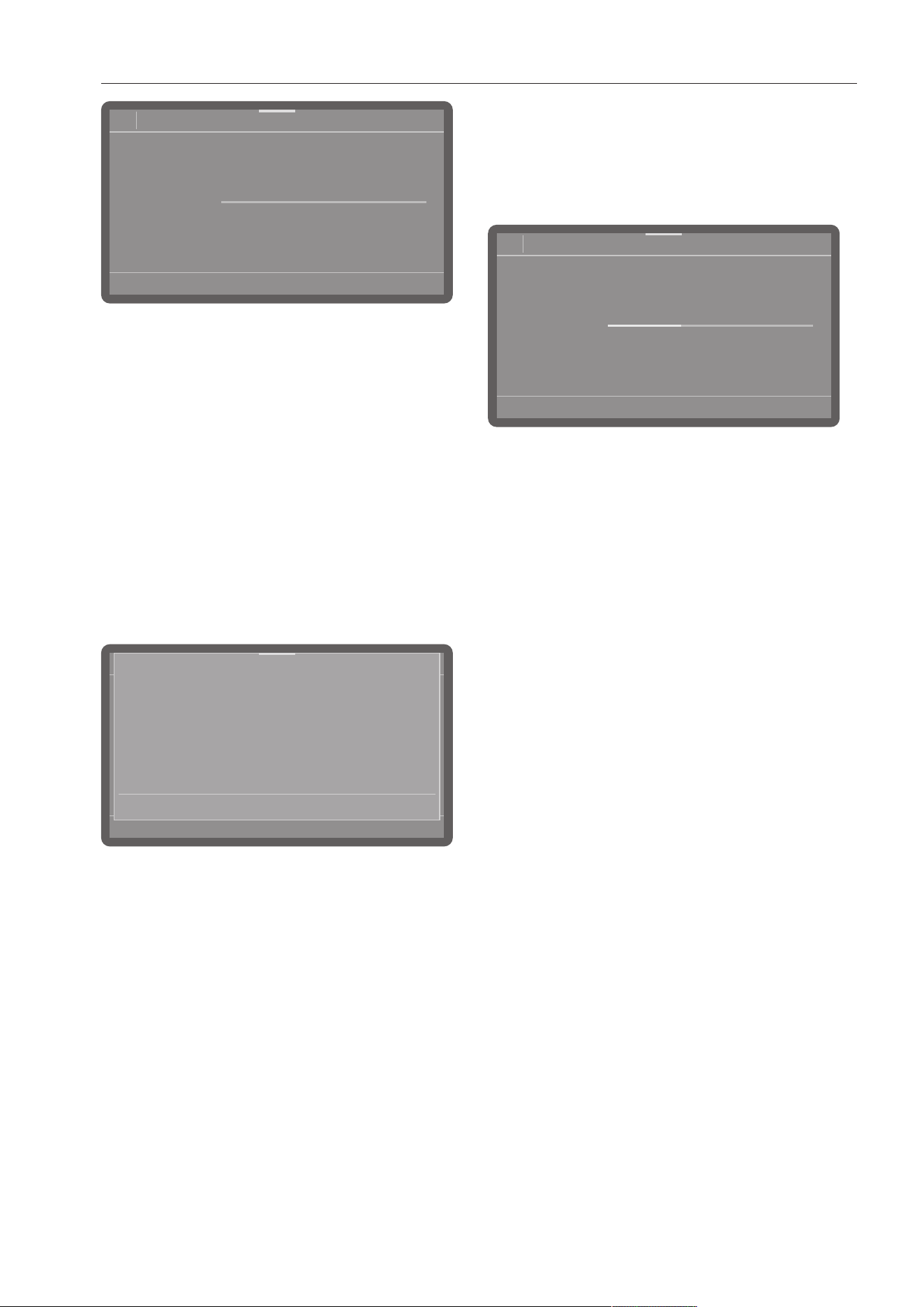
Operation
45
08:15
Status
Normal plus
66°C
0:19 h
Start at
Timer
12:30
Options
This activates the timer.
Selecting Delete allows you to delete the en-
tries and deactivate the timer.
You can add or switch off functions such as
AutoOpen or Dry+ for the next program via
Extras (depending on the model).
Changing the timer
If you want to change the time set for the
timer, tap on Timer and enter the start
or finish time.
Deleting the timer
Press the Start/Stopbutton.
Cancel program?
Delete Now
You will then be asked whether you want to
start the program immediately (Now) or
whether you want to delete the timer set-
tings (Delete).
Alternatively, you can tap Timer again in
the program
view and delete the timer via the settings
that follow.
Program sequence display
Once a program has started, the display
shows the program name, the name of the
current wash phase, and the time left until
the program is finished.
08:15
66°C
Normal plus
Time left
h0:45
Main wash 1
Status
Program parameters such as the actual and
target temperature can be queried during a
program sequence.
To do this, tap the colored bar in the mid-
dle of the upper edge of the display and
swipe downward.
Operation
46
End of the program
After a program has ended normally, the LED
of the Start/Stopbutton will go out and the
following will appear on the display.
Program completed successfully
In addition to this, an audible signal will
sound for approx. 3seconds (factory de-
fault). The audible signal is repeated three
times every 30seconds. To change audible
signal settings; see “Volume”.
Tap to acknowledge the display.
If system messages are present, they are
displayed afterward, e.g., if the salt container
level or the level of the liquid process chemi-
cals containers was low during the program,
or when the next service is due. Every mes-
sage needs to be acknowledged individually
by pressing OK.
Switching off
Press the button until the display turns
off.
Unloading the dishware
Dishware tends to break and chip more eas-
ily when it is hot. Allow the dishes to cool in
the dishwasher until they are comfortable
enough to handle before unloading them.
The dishware will cool much faster if you
open the door when the program has ended.
Unload the lower basket first, and then the
upper basket. This will prevent water drops
from the upper basket from falling onto the
dishware in the lower basket.
Interrupting a program
A program which is already running should
only be interrupted if strictly necessary, e.g.,
if the wash items are moving significantly.
Danger of scalding, burning, and
chemical burns
The wash items, the load carrier, and the
interior of the wash cabinet may be very
hot.
Steam may also escape when the door is
opened. Depending on the wash phase,
process chemicals may be dissolved
within the steam, which can cause irrita-
tion and burns in the eyes and respiratory
tract.
A program should only be interrupted if
strictly necessary.
Open the door slowly and carefully and
avoid contact with the steam that may es-
cape. Touch the wash items at your own
risk.
Open the door (see “Opening and closing
the door”).
If the temperature in the wash cabinet is
more than 153°F (67°C), the following mes-
sage alerts you to possible dangers when
opening the door.
OK
Hot wash cabinet: Risk of injury, take
care when opening the door.
Confirm the message with OK.
Rearrange the wash items so that they are
stable.
After the door is closed, the following mes-
sage will appear in the display: Press “Start”
to continue.
Press the Startbutton to continue the pro-
gram.
The program automatically continues from
the point at which the interruption occurred.
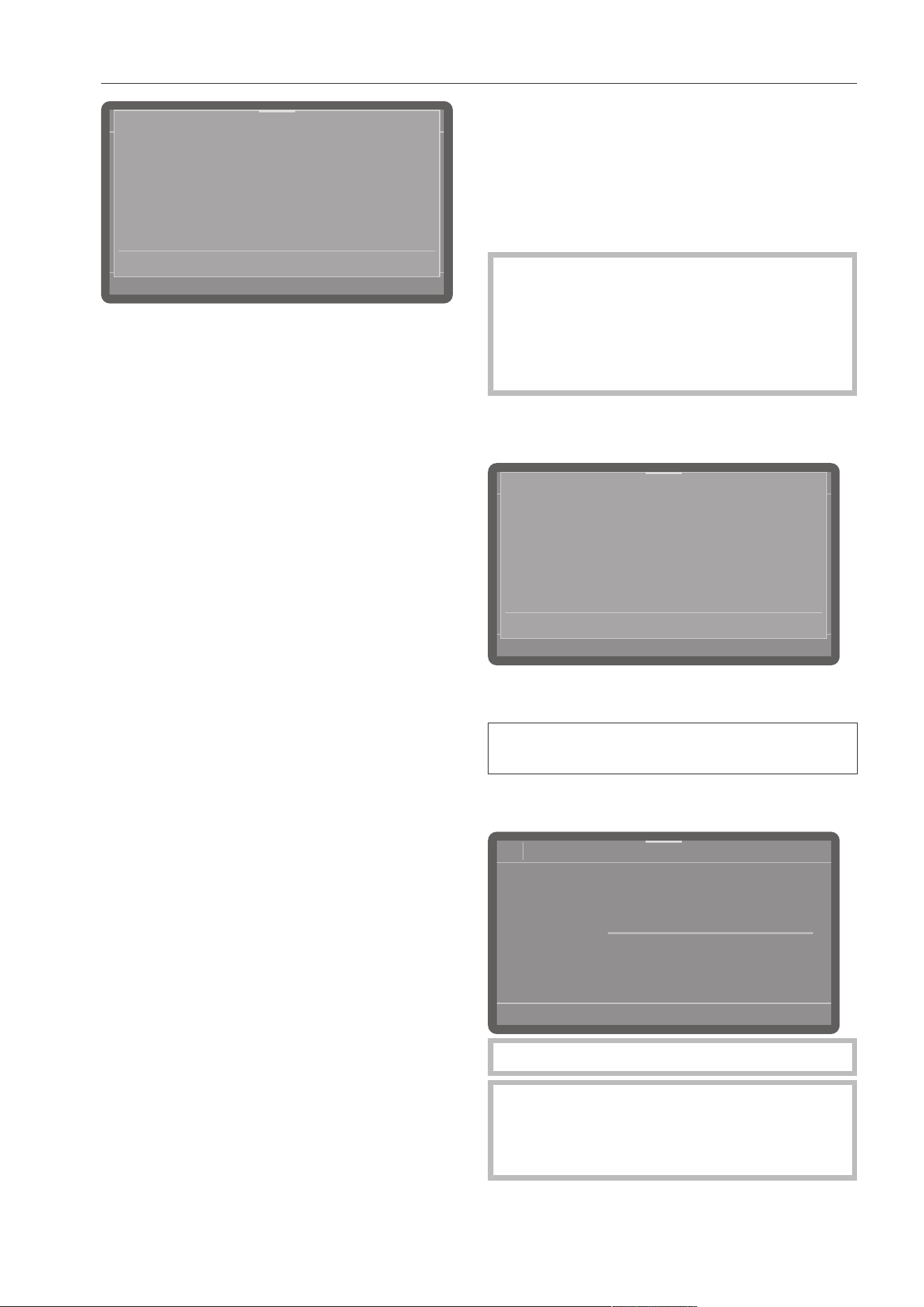
Operation
47
Pressure equalization: Program will
continue in min
If the temperature inside the wash cabinet is
more than 120°F (50°C) at this point, the
pressure is equalized first. Then the program
continues.
Canceling a program
Only cancel a program which has already
started if strictly necessary, e.g., if you want
to change the program.
In the event of a fault, the program will be
canceled automatically.
Risk of scalding and burning due to hot
wash items.
The wash items and the wash cabinet
may be very hot.
Open the door slowly, taking care not to touch
the wash items or the interior cabinet.
Press the Start/Stopbutton.
The following will appear in the display:
Cancel the program?
Yes No
Select Yes and confirm your choice with
the OKbutton.
The program will only be canceled when
Yes is confirmed.
The following message will appear in the dis-
play:
08:15
66°C
Normal plus
Status
Program cancelled
Close
The door needs to be opened.
If you change the program and the clean-
ing agent dispenser flap has already
opened, add more cleaning agent as
needed.
Machine functions
48
The Machine functions menu includes rel-
evant functions to support daily routine
tasks.
The factory settings are indicated by a
tick. A description of how to configure
settings is provided after the overview.
Menu structure
Machine functions
Filter interval
*)
Filter interval
Reset interval
Dispensing systems
*)
Fill dispensing paths
Cleaning agent canis-
ter
Rinse aid canister
Rinse dispensing paths
Cleaning agent canister
Rinse aid canister
Dry+
*)
Program selection
All programs
Selection
Extend Dry+ time
Selection
AutoOpen
*)
On
Off
AutoClose
*)
On
Off
*) Depending on the model
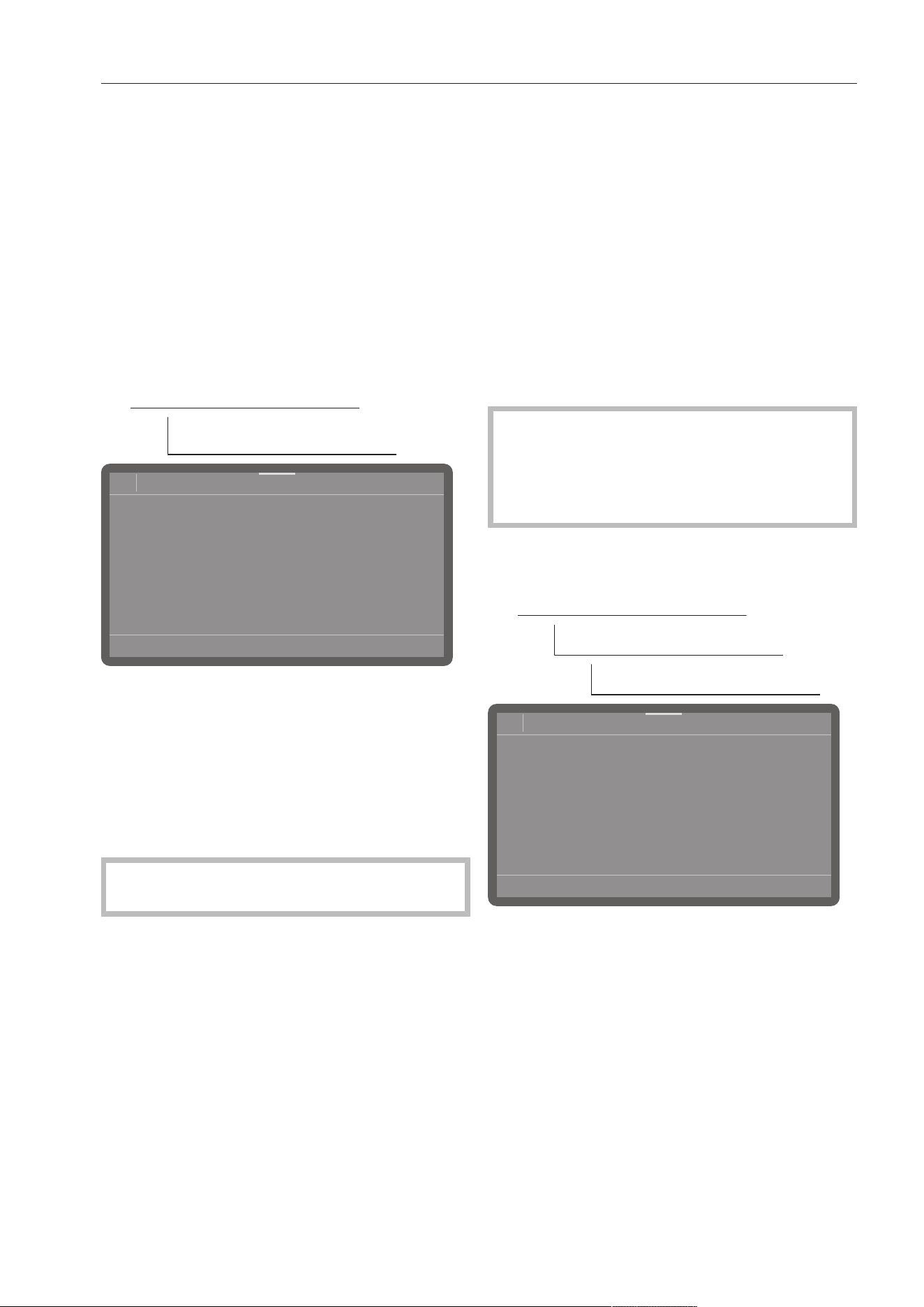
Machine functions
49
Filter interval
The air filters for active drying inside the ma-
chine have a limited service life. For this rea-
son, the filters must be replaced regularly.
For more information on replacing the filter;
see “Cleaning and care/Changing the filter”.
You can use the following menu to display
the remaining life of the filter and to reset
the counter after changing the filter.
The menu is saved under the following input
path.
Machine functions
Filter interval
*)
08:15
Filter interval
Remaining time
filter
Reset interval
- Remaining time filter
The time remaining before the filter will
need to be changed.
- Reset interval
Resets the number of operating hours be-
fore the filter will need to be changed.
Select an option.
The interval must only be reset when
the filter has been changed.
Dispensing paths
The dispensing systems for liquid media can
only dispense reliably if the dispensing sys-
tem has been purged of air and contains no
deposits.
Filling dispensing paths
The dispensing systems need to be topped
up in the following situations:
- If the dispensing system is being used for
the first time.
- If air has been sucked in or the system has
been drained due to a lack of liquid media.
Before filling the dispensing paths, make
sure that the containers are full and that
the suction wands are screwed securely
to the containers and that they cannot
suck in air.
The menu is saved under the following input
path.
Machine functions
Dispensing systems
Fill dispensing paths
08:15
Cleaning agent
canister
Rinse aid
canister
Fill dispensing paths
- Cleaning agent canister
Fill the cleaning agent dispensing system.
- Rinse aid canister
Fill the rinsing agent dispensing system.
Select the dispensing system that you
want to fill.
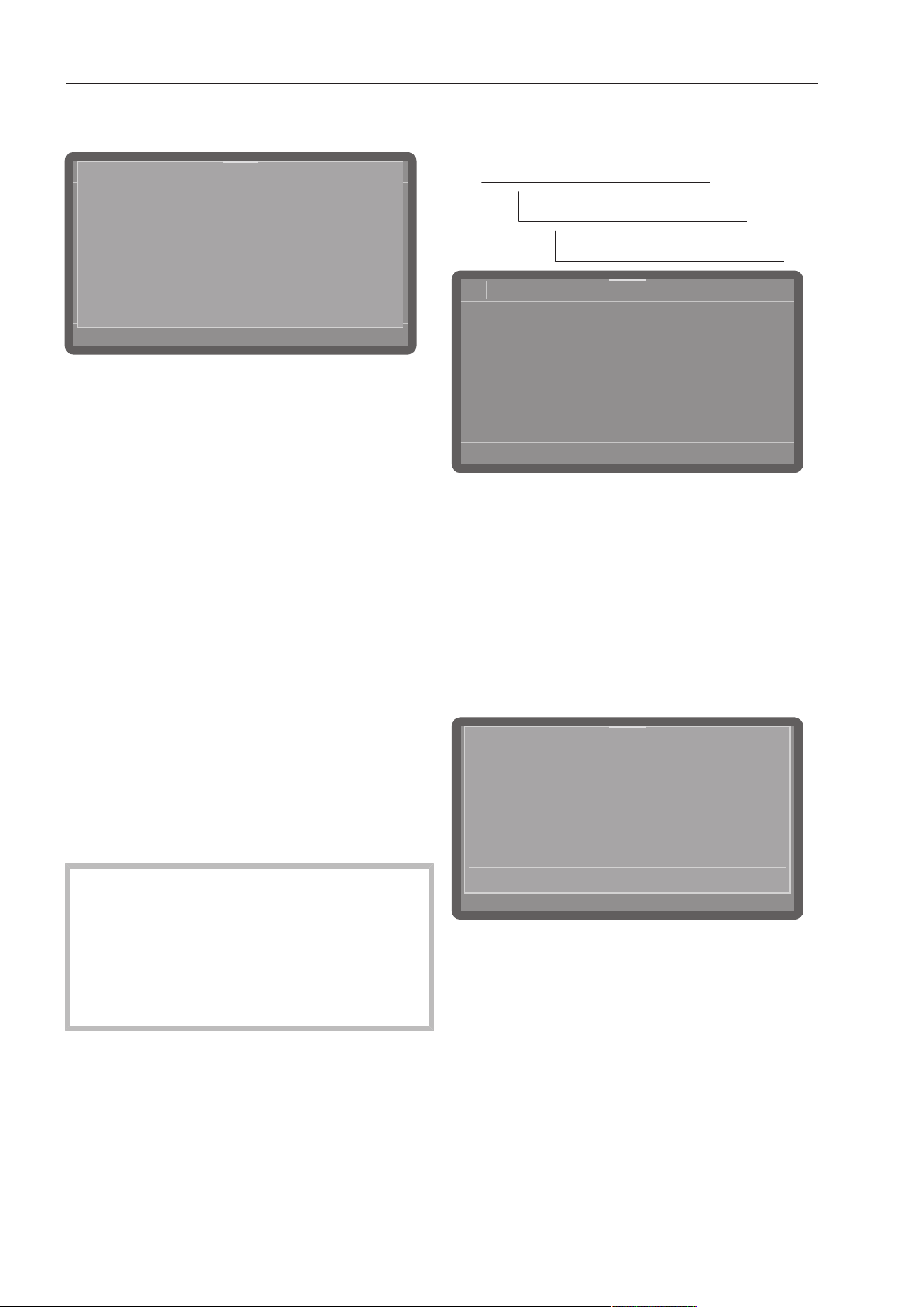
Machine functions
50
You will then be asked if you want to start
the filling process, e.g.:
08:15
Start filling dispensing paths?
Yes No
Select Yes to start the process.
The dispensing system is filled automati-
cally. The message Filling of dispensing
paths completed is displayed following
successful completion. If filling is inter-
rupted prematurely, the process must be
repeated.
Cancel the process at this point by selecting No.
Rinsing dispensing paths
A dispensing system must be rinsed in the
following situations:
- If a dispensing system was accidentally
filled with the wrong medium.
- If deposits have formed in the dispensing
paths or in the containers, which could
completely or partially clog the systems.
Deposits can form, for example, after long
periods of downtime or when the contain-
ers are refilled instead of being replaced.
Fill a clean container, e.g., a bucket, with
clear, clean water.
Damage to the dispensing system.
Small foreign objects in the water, such as
sand, lint, or similar, can be sucked in by
the dispensing system and may clog or
damage it.
Make sure that there are no foreign ob-
jects in the water.
Place the suction wand in the container
with the water. The lower end of the suc-
tion wand with the suction opening must
be thoroughly rinsed.
Secure the suction wand so that it cannot
tip over or fall out of the container.
The menu is saved under the following input
path.
Machine functions
Dispensing systems
Rinse dispensing paths
08:15
Rinse aid
canister
Cleaning agent
canister
Rinse dispensing paths
- Cleaning agent canister
Rinse the cleaning agent dispensing sys-
tem.
- Rinse aid canister
Rinse the rinsing agent dispensing system.
Select the dispensing system that you
want to rinse.
You will then be asked if you want to start
the process, e.g.:
Start rinsing dispensing
paths?
Yes No
Select Yes to start the process.
The dispensing system is rinsed automati-
cally. The message Rinse dispensing paths
completed is displayed following success-
ful completion. If rinsing is interrupted pre-
maturely, the process must be repeated.
Cancel the process at this point by select-
ing No.
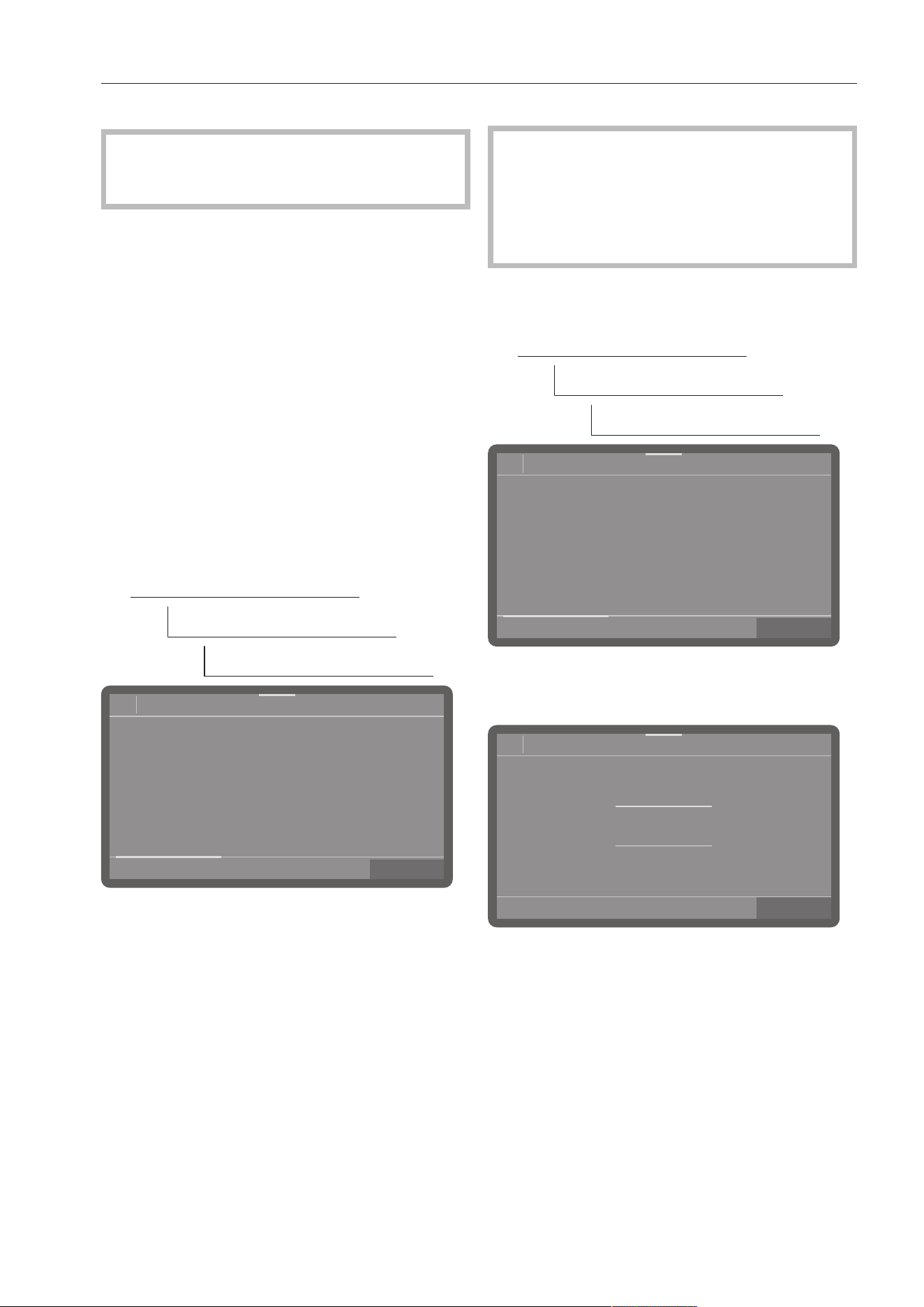
Machine functions
51
Dry+
Dry+ active drying is only available on
dishwashers with a drying fan (depending
on the model).
Dry+ active drying accelerates and improves
the drying process at the end of the pro-
gram. When the door is closed, a fan con-
veys filtered fresh air into the wash cabinet
for active drying.
You can subsequently activate or deactivate
active drying for all programs that support
Dry+, as well as extend the fan cycle time
and in turn adjust the drying phase for indi-
vidual programs. You can find out which pro-
grams support Dry+ in “Program parame-
ters”.
Program selection
The menu is saved under the following input
path.
Machine functions
Dry+
Program selection
OK
08:15
Normal
Normal plus
Selection
66°C
66°C
70°C
Sanitize plus
50°C
China & Crystal
Intensive
66°C
SaniWash
60°C
All programs
Select the programs for which you want to
activate Dry+. Activated programs are
highlighted in color.
If you want to activate Dry+ for all pro-
grams, tap on All programs.
Press OK to save the selection.
Extension
The fan cycle time is preset for each pro-
gram and it is only possible to extend this
cycle time or to cancel an extension. It is
not possible at this point in time to
shorten the preset cycle time or to switch
off the fan.
The menu is saved under the following input
path.
Machine functions
Dry+
Extend Dry+ time
OK
08:15Extend Dry+ time
66°C
66°C
70°C
66°C 60°C
50°C
Normal
Intensive SaniWash
China & CrystalSanitize plusNormal plus
Scroll through the program list and select
the program for which you want to extend
the fan cycle time.
OK
08:15
2
1
0
30
29
Normal plus
min
The program cycle time can be extended by
up to 30minutes in 1-minute increments.
Set the program cycle time. In the lowest
setting, the program cycle time corre-
sponds to the preset baseline value.
Press OK to save the setting.
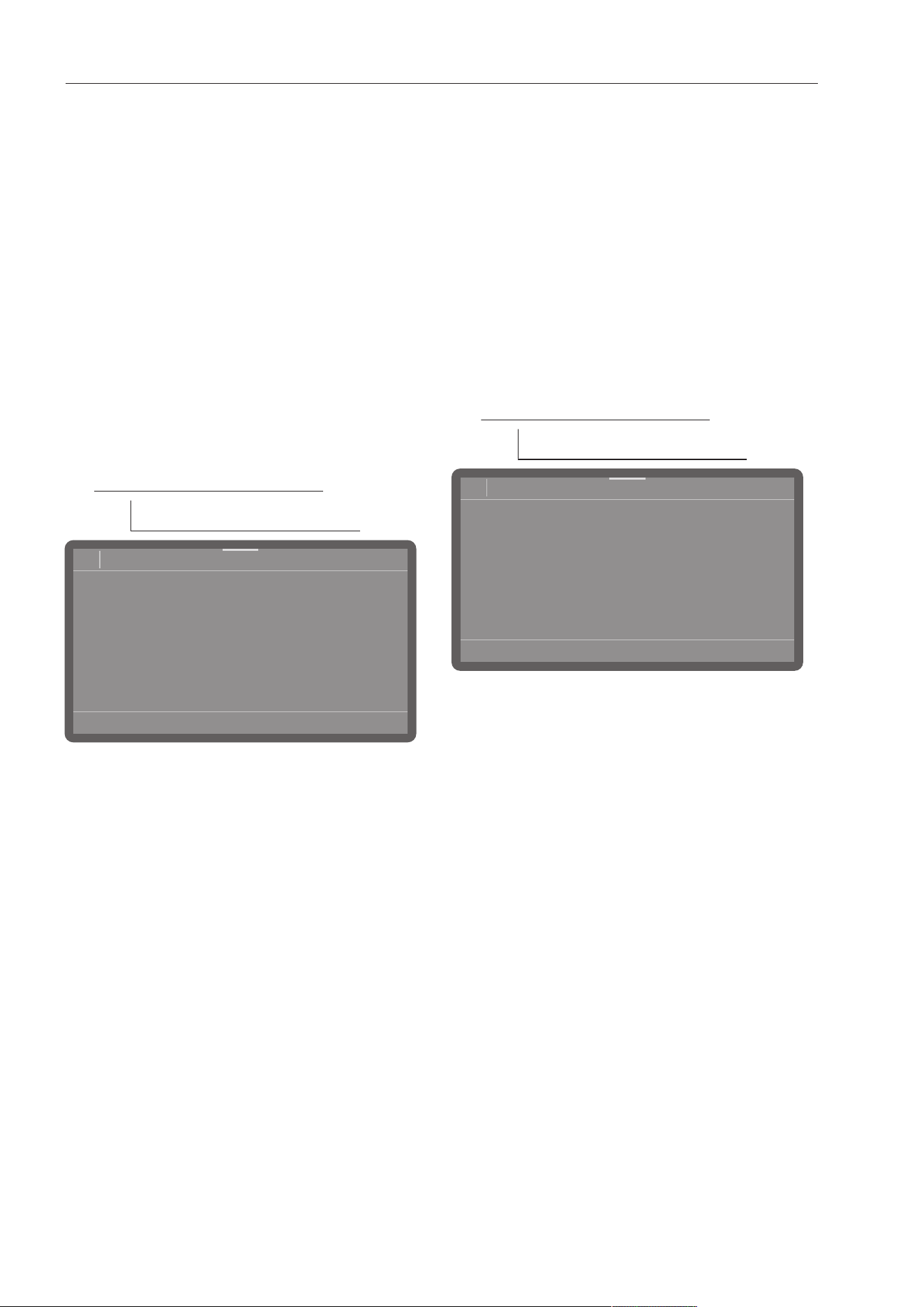
Machine functions
52
AutoOpen
AutoOpen is an additional assisted drying
function. At the end of the program, the door
opens slightly to allow residual moisture to
escape from the wash cabinet more quickly.
The door is opened as soon as the tempera-
ture in the wash cabinet has dropped below
a certain value. Before the door is opened, a
corresponding message is shown on the dis-
play and an audible signal sounds if audible
signals are activated.
You can find out which programs support
this function in the “Program overview”.
The menu is saved under the following input
path.
Machine functions
AutoOpen
08:15
Off
On
AutoOpen
- On
AutoOpen is activated for all programs.
- Off
AutoOpen is deactivated for all programs.
Select an option.
AutoClose
This can be used to determine whether the
door should be drawn into the final closed
position by the automatic door lock immedi-
ately after closing or whether it should re-
main slightly open.
In its final closed position, the door is me-
chanically locked and can be unlocked and
opened again by pressing the door but-
ton.
The menu is saved under the following input
path.
Machine functions
AutoClose
08:15AutoClose
On
Off
- On
AutoClose is activated for all programs.
The door is drawn into the final closed po-
sition and locked immediately after clos-
ing.
- Off
AutoClose is deactivated for all programs.
The door hooks into the latch and can be
pulled open again without pressing the
button.
Select an option.
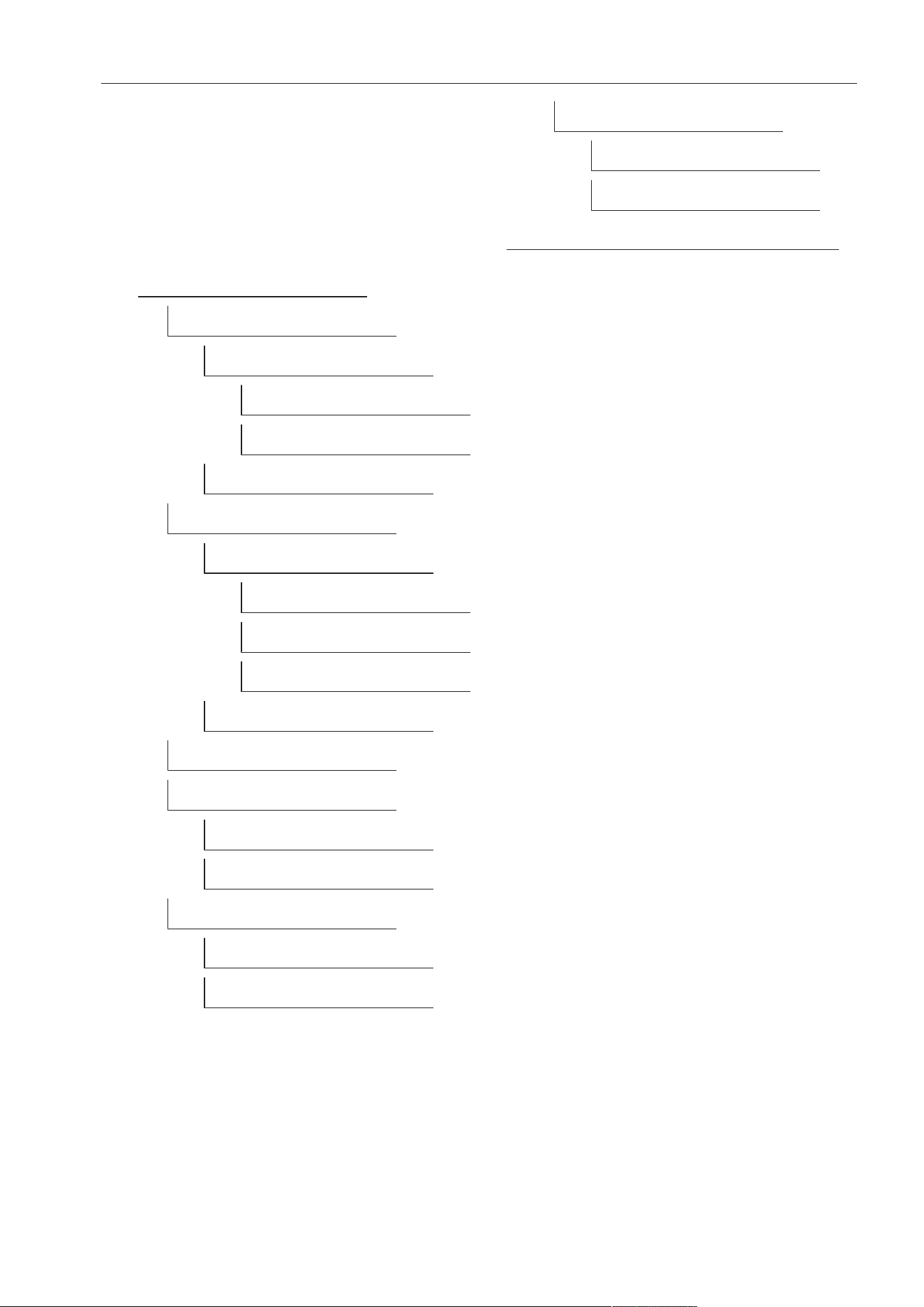
Settings
53
Basic parameters for machine control are
stored in the Settings menu.
The factory settings are indicated by a
tick. A description of how to configure
settings is provided after the overview.
Menu structure
Settings
Time
Clock format
12 h
24 h
Set time
Date
Date format
DD/MM/YYYY
MM/DD/YYYY
YYYY/MM/DD
Set date
Display brightness
Volume
Buzzer tones
Keypad tone
Welcome Melody
On
Off
Temperature unit
°C
°F
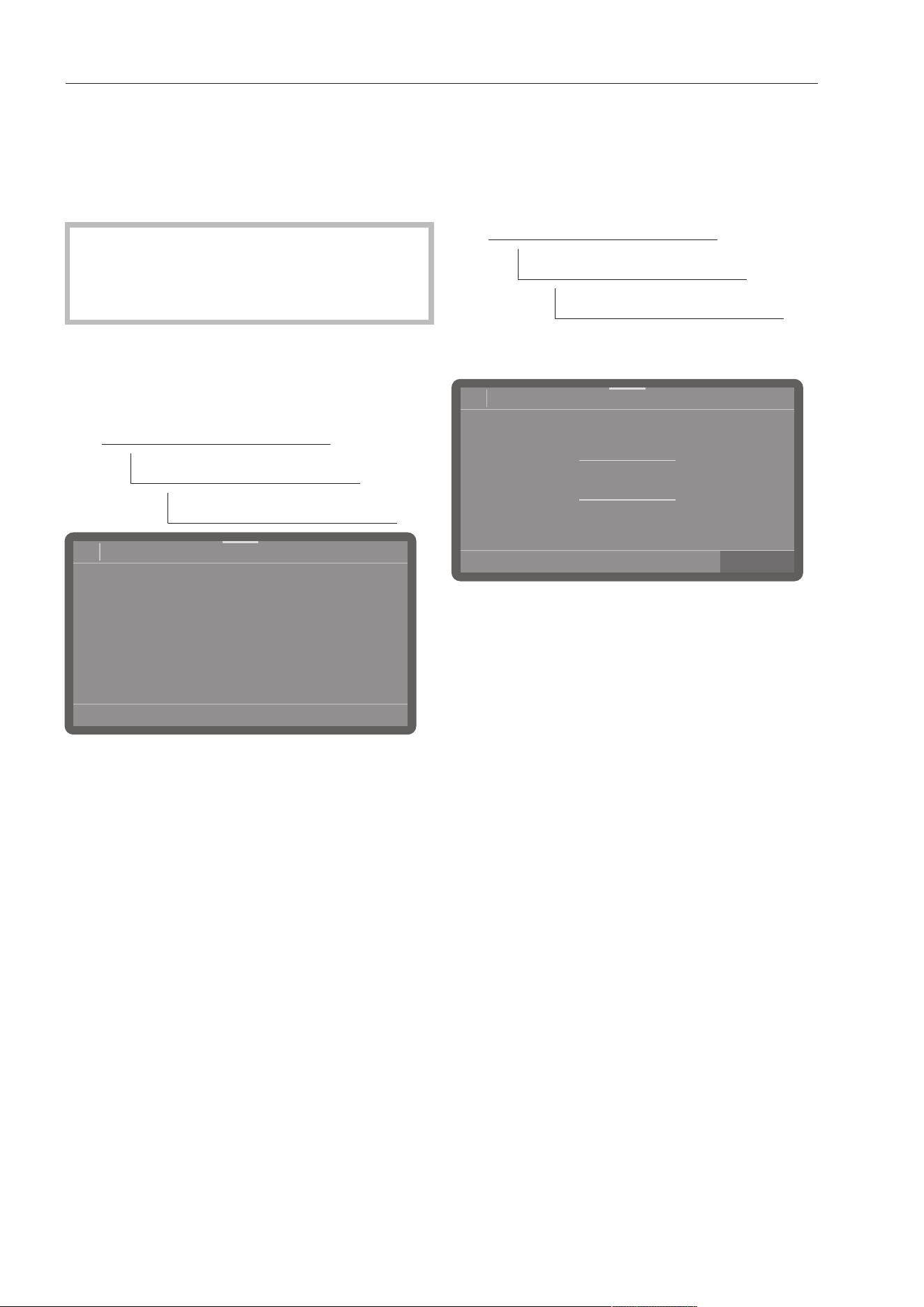
Settings
54
Time of day
The time of day is required for the display
and the delay start, for example. The date
format and the current time of day have to
be set.
There is no automatic adjustment be-
tween daylight savings and standard time.
You need to make this adjustment your-
self as necessary.
Selecting the clock format
The menu is saved under the following input
path.
Settings
Time
Clock format
08:15
Clock format
24 h
12 h
- 24 h
Time of day display in 24-hour format.
- 12 h
Time of day display in 12-hour format (am/
pm).
Tap to select a format.
Setting the clock
To set the format for the time of day:
The menu is saved under the following input
path.
Settings
Time
Set time
The time of day is set in the set time of day
format.
OK
08:15
32
31
30
29
28
Time
10
11
12
13
14
Set the time of day and confirm your se-
lection with the OKbutton.
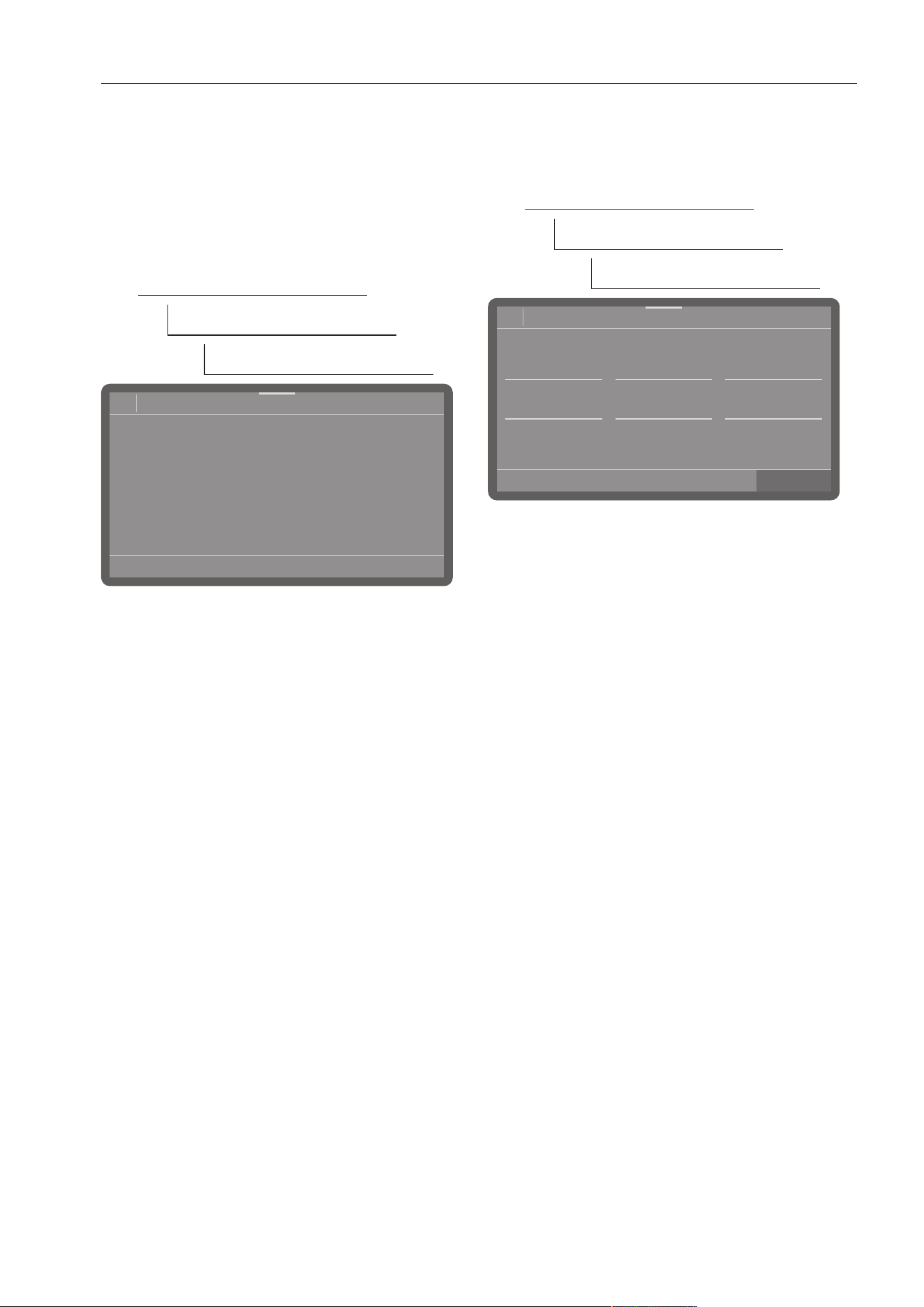
Settings
55
Date
The date format and the current date have to
be set.
Selecting the date format
The menu is saved under the following input
path.
Settings
Date
Date format
08:15Date format
DD/MM/
YYYY
MM/DD/YYYY
YYYY/MM/
DD
- DD is the day (D = day)
- MM is the month (M = month)
- YYYY is the year (Y = year)
Select the format you want.
Setting the date
The menu is saved under the following input
path.
Settings
Date
Set date
OK
08:15
2022
09
2023
2024
07
08
10
11
Date
May
April
June
July
August
Set the date. The order of year, month, and
day is the same regardless of the date for-
mat set.
Press OK to save the setting.
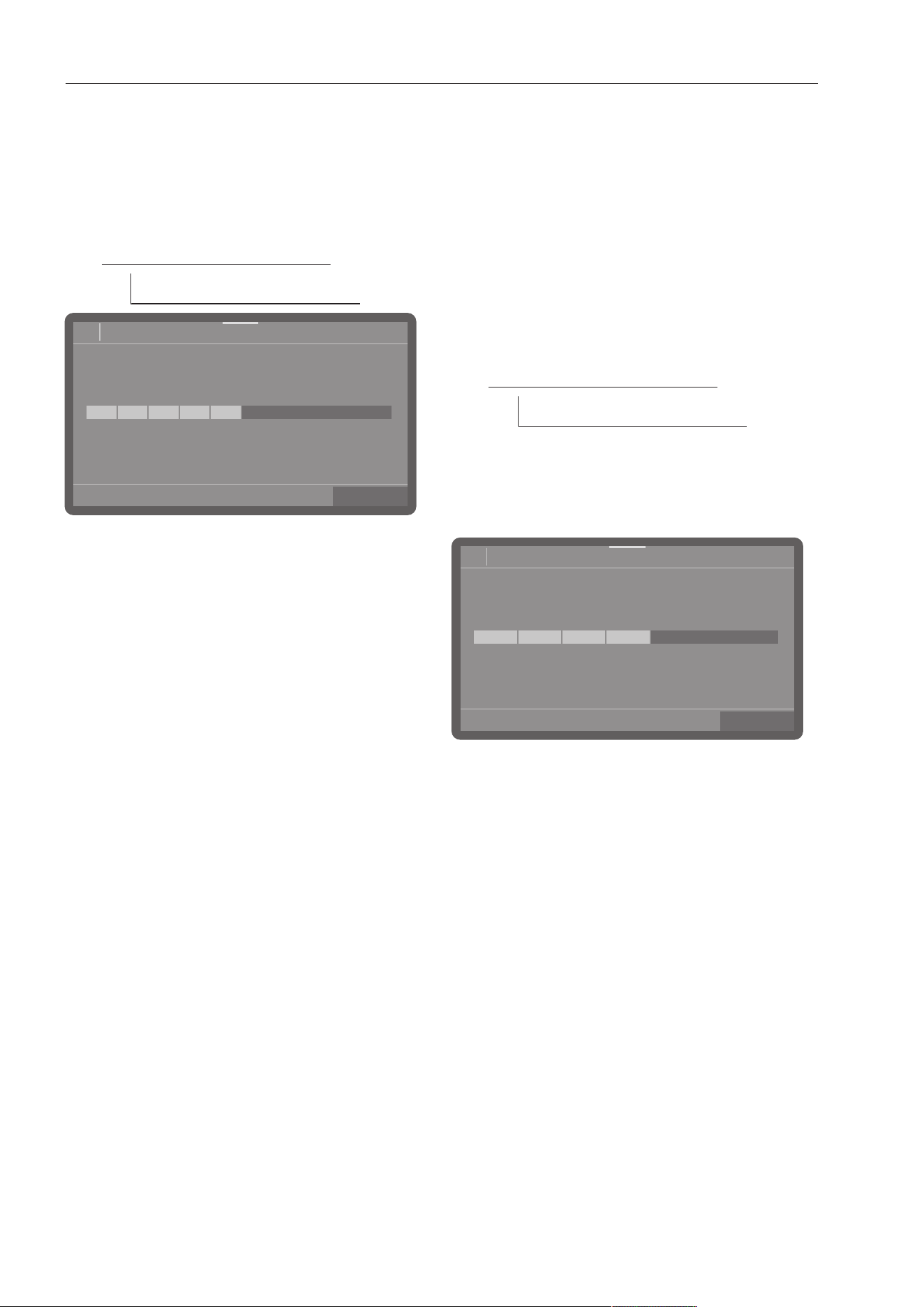
Settings
56
Display brightness
You can also set the brightness of the dis-
play.
The menu is saved under the following input
path.
Settings
Display brightness
OK
08:15
BrighterDarker
Display brightness
Adjust the brightness of the display and
save the setting by pressing OK.
Volume
An acoustic signal transmitter is integrated
in the control panel, which can provide
acoustic feedback in the following situa-
tions:
- Keypad tone when operating the buttons
- Buzzer tone at the end of the program or
for system messages (notifications)
The menu is saved under the following input
path.
Settings
Volume
The volume for the Keypad tone and the
Buzzer tone is always set in the same way.
Select one of the options Keypad tone or
Buzzer tone.
OK
08:15
Quieter Louder
Buzzer tones
Off
Set the volume. In the lowest setting, the
sound is switched off and can be switched
back on again if required by selecting On
(displayed instead of Off).
Press OK to save the setting.
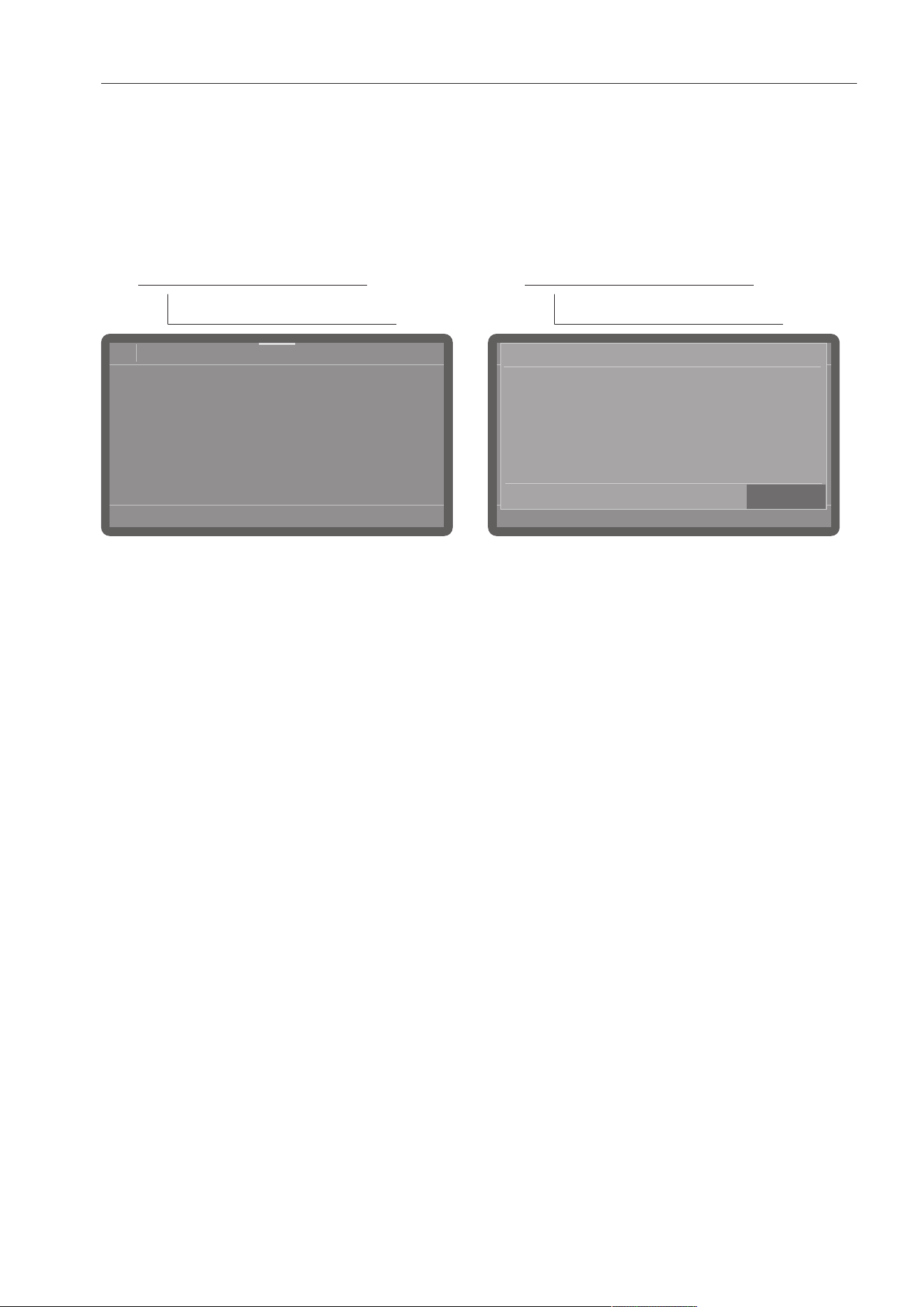
Settings
57
Welcome tone
There is a brief melody when the machine is
switched on and off. You can use this option
to switch this melody off and back on again.
The menu is saved under the following input
path.
Settings
Welcome Melody
08:15Welcome Melody
On
Off
- On
A welcome melody is played when the
machine is switched on.
- Off
The melody is switched off.
Select an option.
Temperature unit
The temperature can be shown on the dis-
play in °C (degrees Celsius) or °F (degrees
Fahrenheit).
The menu is saved under the following input
path.
Settings
Temperature unit
OK
08:15
Temperature unit
°C
°F
- °C
Temperature display in Celsius.
- °F
Temperature display in Fahrenheit.
Tap to select the option you want.
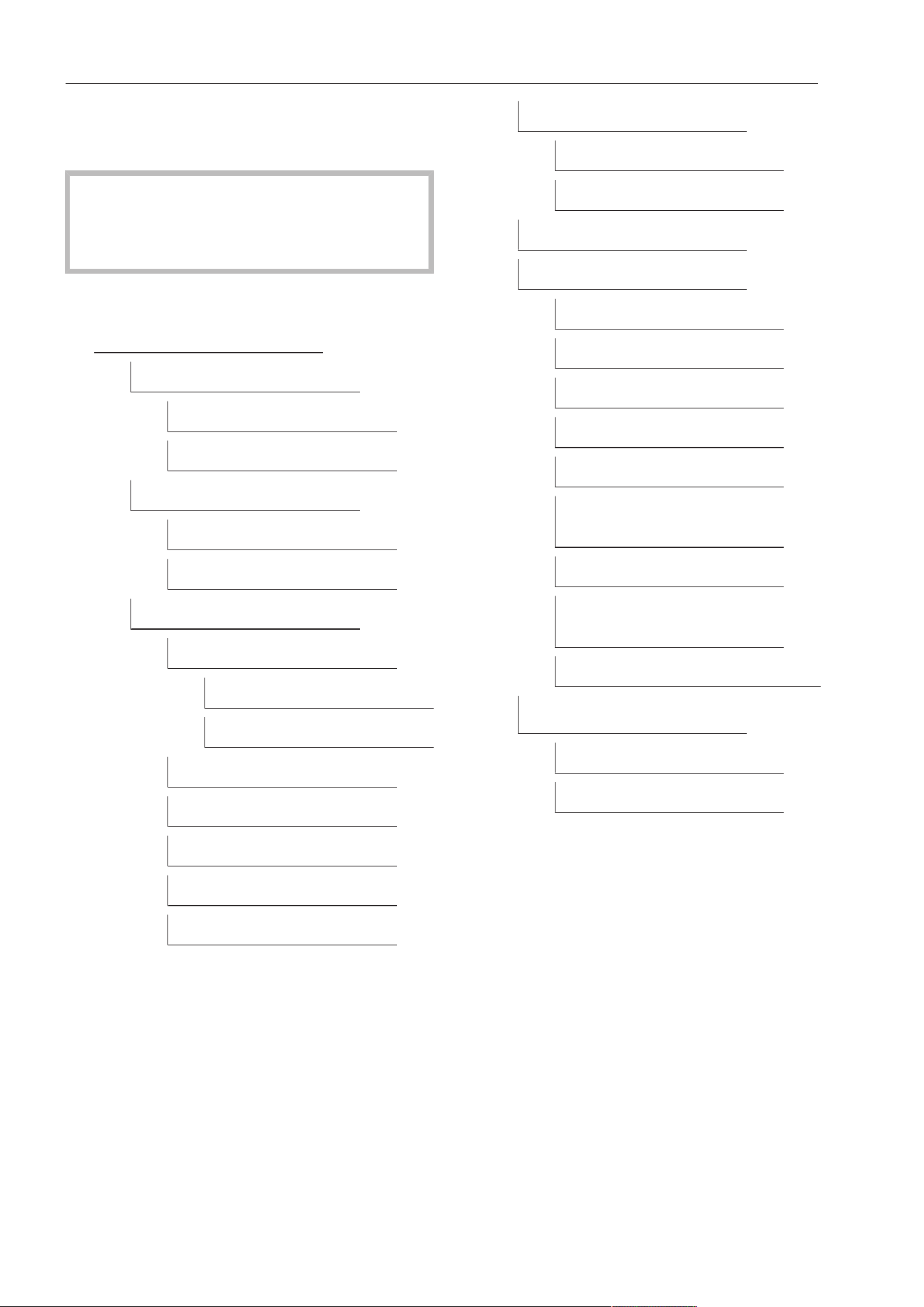
Additional settings
58
The Additional settings menu incorpo-
rates all administrative processes and set-
tings.
Access to the Additional settings menu
is protected by a PIN code.
You must enter the correct PIN code to
open the menu.
Menu structure
Extended settings
Program lock filter
On
Off
Standby/Off
Standby after 10 min
Off after 10 min
Log book
Water
Consumption cold water
Consumption hot water
Liquid clean. agent
Rinse aid
Operating hours
Program cycles
Service interval
Release programs
All programs
Selection
Set Favorites
Configure programs
[Program name]
Cleaning temperature
Main wash holding time
Final rinse temperature
Final rinse holding time
Increased water quan-
tity
Interim rinse
Increased water quan-
tity
Reset
AoDisplay A0 value
*)
AoOff
AoOn

Additional settings
59
Dispensing systems
Cleaning agent door
Rinse aid door
Refill indicator
On
Off
Dispens. concentration
Cleaning agent canister
Dispens. concentration
Dispens. concentration
Dispens. concentration
Deactivate
Rinse aid canister
Dispens. concentration
Dispens. concentration
Dispens. concentration
Deactivate
Cycles until empty
Water hardness
2.5mmol/l (14°dh)
Cycles bef. reactivation
1
Memory
On
Off
PIN code
Change PIN code
Door lock code
Yes
No
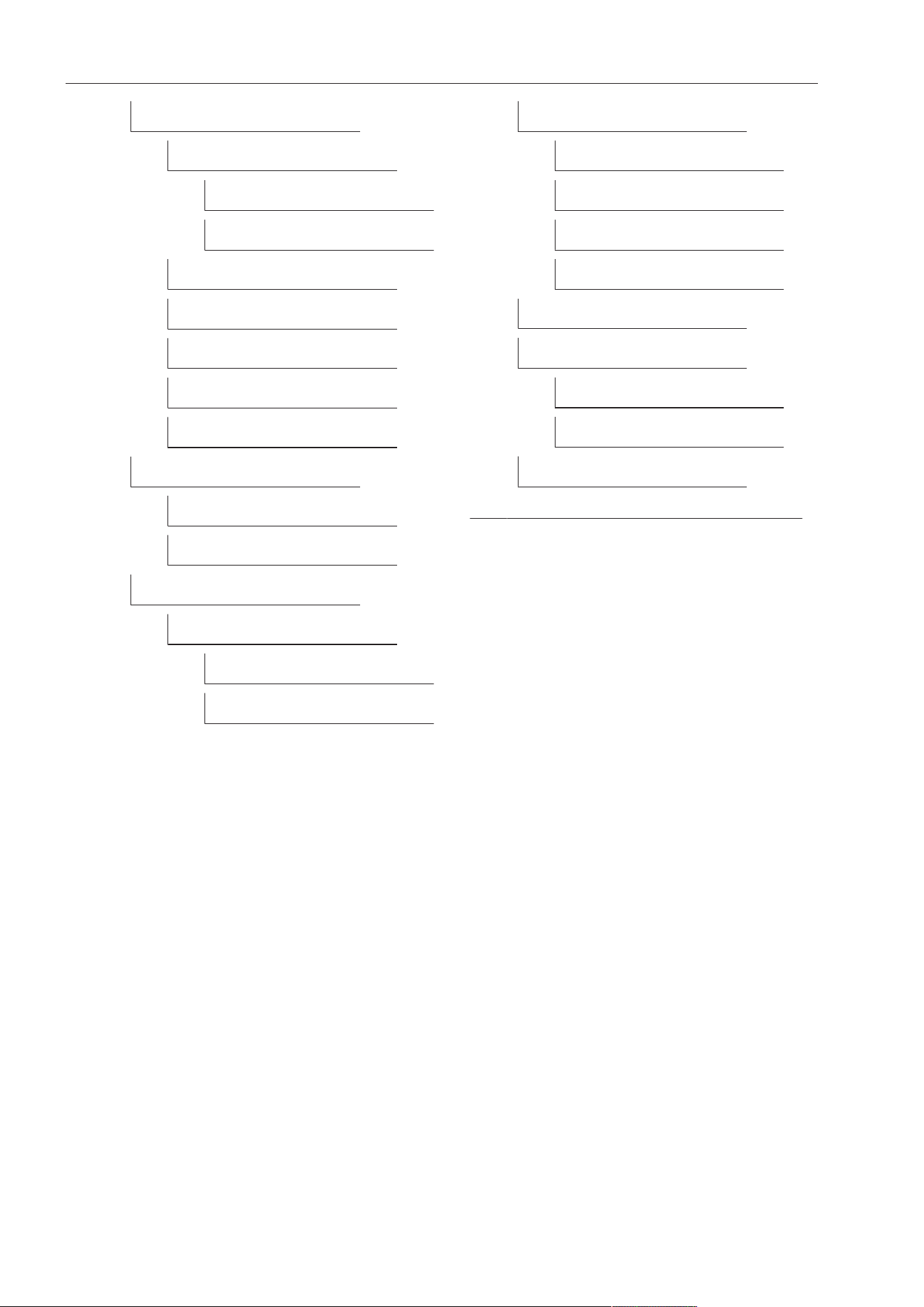
Additional settings
60
Network/WiFi
Set up
Via WPS
Via Soft AP
Activate
Deactivate
Connection status
Set up again
Reset
RemoteUpdate
On
Off
Dealer
Demo mode
On
Off
Software version
1-SBAEIDXXXX
2-ELIDXXXX
3-EFUIDXXXX
5-LGIDXXXX
Data plate
Factory default
Program settings only
All settings
§Legal Information
*) Depending on the model
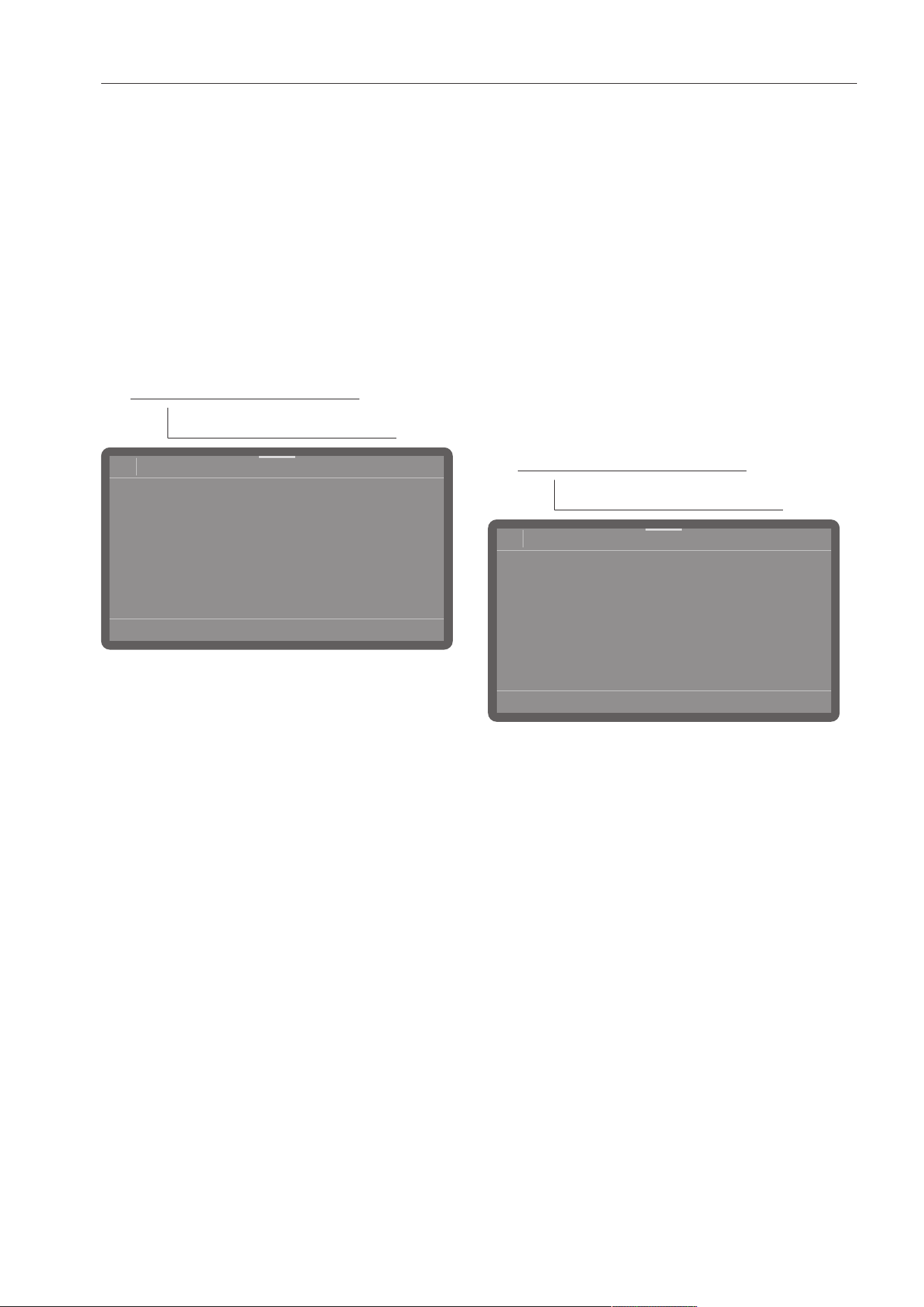
Additional settings
61
Filter program lock
The filter combination in the wash cabinet
filters coarse dirt particles out of the wash
water. If dirt particles enter the circulation
system, they may clog the spray arms,
valves, etc.
It is possible to stop the program from start-
ing if the micro-fine filter has been inserted
incorrectly or is missing.
The menu is saved under the following input
path.
Extended settings
Program lock filter
08:15
Off
On
Program lock filter
- On
Programs are prevented from starting if
the micro-fine filter has been inserted in-
correctly or is missing.
A program can only be started when the
micro-fine filter is inserted correctly.
- Off
Programs can be started regardless of the
status of the micro-fine filter. A confirma-
tion prompt is displayed, which must be
confirmed if the micro-fine filter is not in-
serted correctly.
Select an option.
Standby/Off
If the dishwasher has not been used for
10minutes, it can be set to standby or
switched off automatically.
In standby mode, the dishwasher remains
switched on and the Start/Stop button
flashes. The dishwasher can be reactivated
by pressing the Start/Stop button, touching
the display, or opening the door.
After automatic switch-off, the dishwasher
is switched off and can be switched on again
by pressing the button.
The menu is saved under the following input
path.
Extended settings
Standby/Off
08:15
Standby/Off
Standby after
10 min
Off after 10 min
- Standby/Off
Switch to standby mode after 10minutes
- Off after 10 min
Switch off after 10minutes.
Select an option.
Additional settings
62
Log book
The consumption data for water and process
chemicals as well as the operating hours
and program sequences are logged in the log
book. The entire life cycle of the machine is
recorded.
Miele Customer Service can also use the log
book to calculate a recommendation for ser-
vice intervals.
The menu is saved under the following input
path.
Extended settings
Log book
08:15Log book
Water Rinse aid
Liquid clean.
agent
Program
cycles
Operating
hours
Service
interval
- Water
Display of water consumption in liters (l)
If there are several water connections (de-
pending on the model), the consumption
is displayed according to the water type.
- Liquid cleaning agent
Consumption of liquid cleaning agent in
liters (l)
- Rinsing agent
Consumption of rinsing agent in liters (l)
- Operating hours
Number of operating hours
- Program sequences
Total of all program sequences.
The display can be broken down by pro-
gram.
- Service interval
Reminder about the next service. The date
of the next service is entered by Miele
Customer Service.
Scroll to the option you want using the
and arrow buttons and select it by
tapping on it.
The values in the log book cannot be
changed.
Press the button to exit the menu.
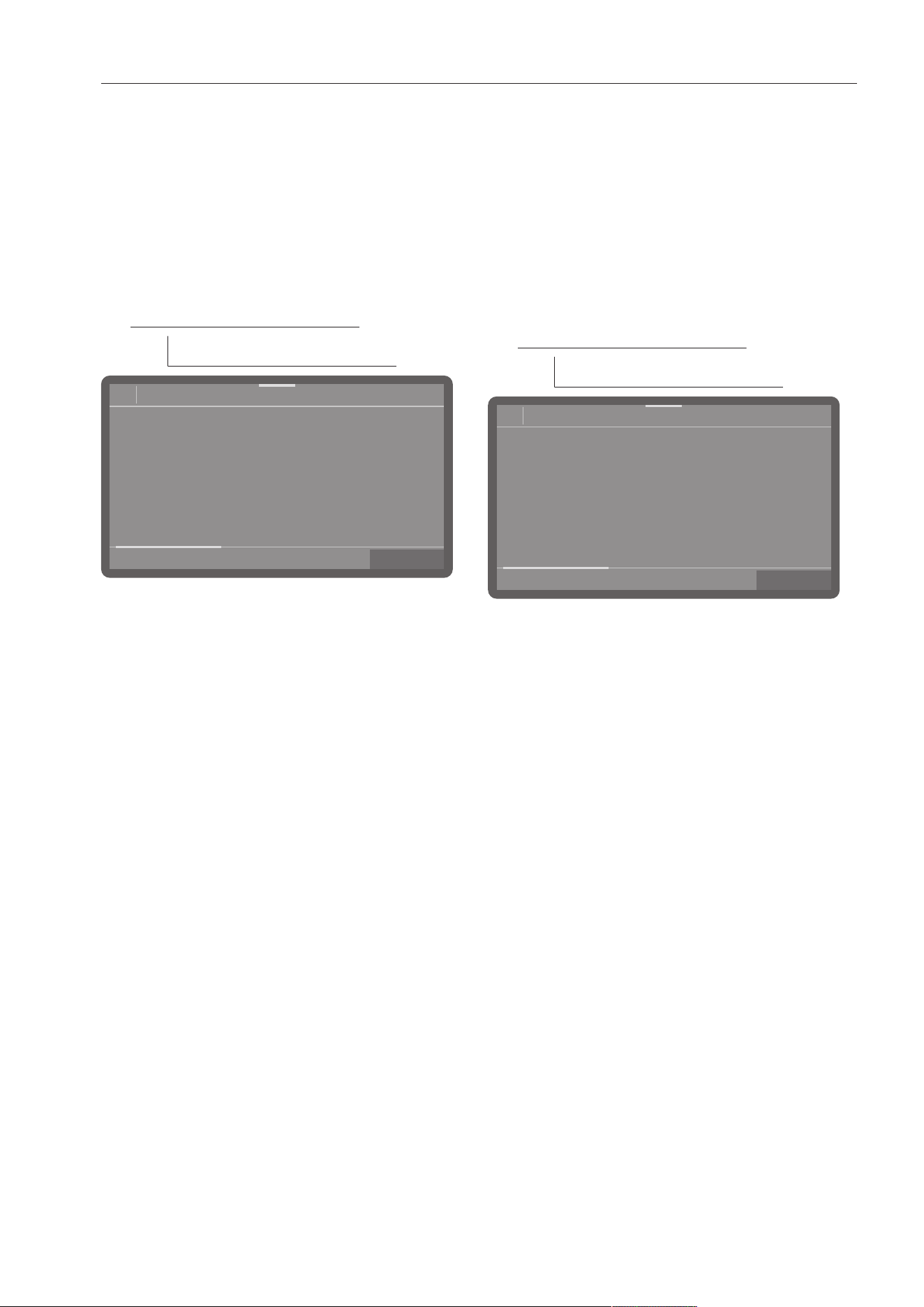
Additional settings
63
Program release
There is an option to block individual pro-
grams. Blocked programs are no longer
available in the program selection screen.
This ensures, for example, that only pro-
grams suitable for the wash items are used.
The menu is saved under the following input
path.
Extended settings
Release programs
OK
08:15Release programs
Normal
66°C
Intensive
66°C
SaniWash
60°C
50°C
China & CrystalSanitize plus
70°C
Normal plus
66°C
All programs
Scroll through the program list and select
the programs that you want to make avail-
able to users. Multiple selection is possi-
ble. Activated programs are highlighted in
color.
Press All programs to select all programs at
once.
Press OK to save the selection.
Set Favorites
Under Favorite programs, you can define the
order of the programs and choose which
programs should be immediately accessible
in the program selection screen. You can
choose from all the programs available un-
der Approved programs.
The menu is saved under the following input
path.
Extended settings
Set Favorites
OK
08:15
Set Favorites
Normal
66°C
0:13 h
Normal plus
66°C
0:19 h
Intensive
66°C
0:21 h
Rapid
55°C
0:05 h
The program overview appears on the dis-
play.
Select a program by tapping and holding it
until a frame appears around the program.
Drag the program to the required position
and remove your finger from the display.
The frame around the program disappears
and the program remains in the required po-
sition.
Press OK to save the setting.
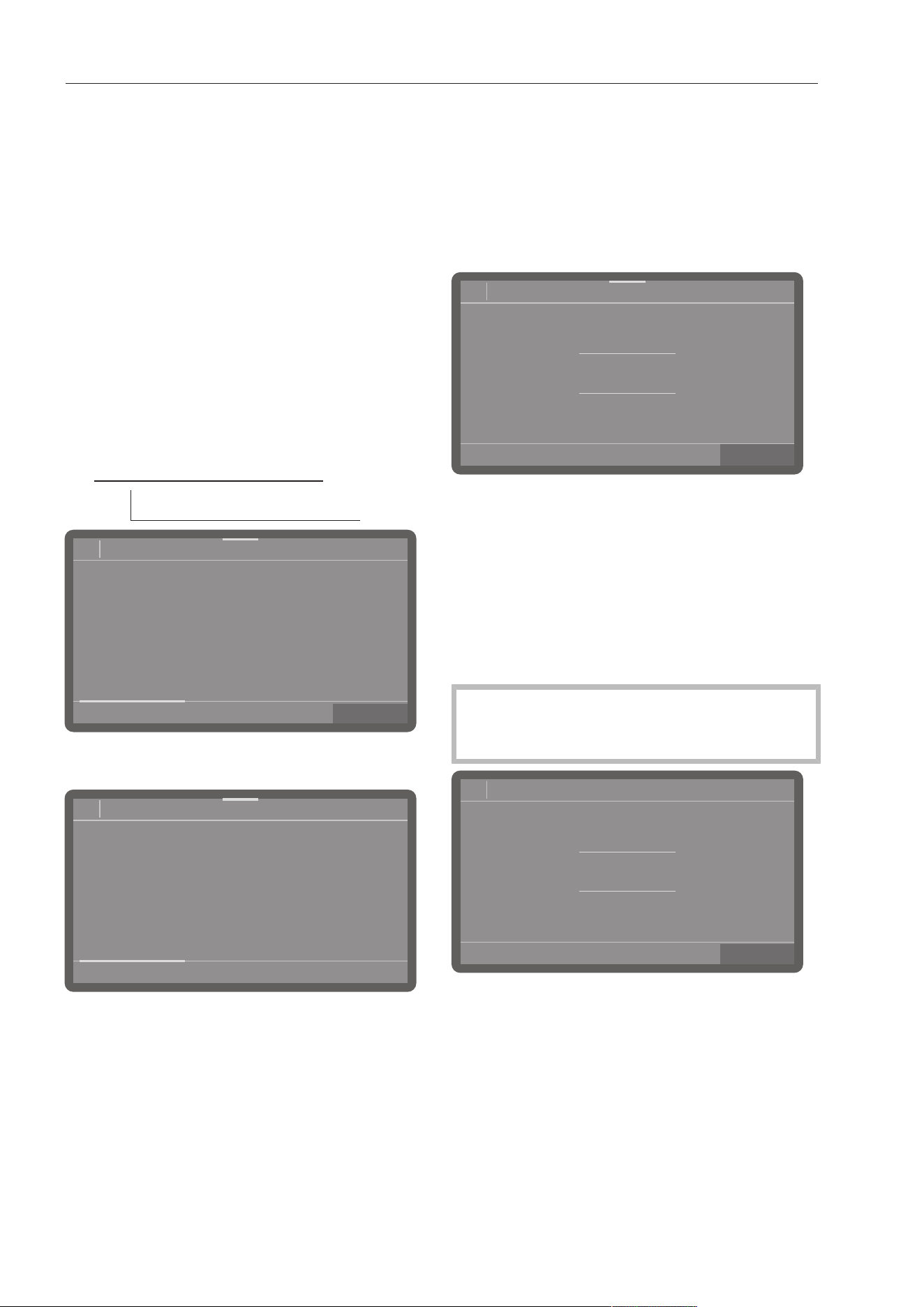
Additional settings
64
Program parameters
The program parameters should be adjusted
to suit technical requirements and the wash
items.
Additional specialist knowledge about the
machine and its processes is required to
modify program parameters and this should
therefore be undertaken only by experienced
users or by Miele Customer Service.
Start by selecting the program you want to
change.
Selecting a program
The menu is saved under the following input
path.
Extended settings
Configure programs
OK
08:15
Configure programs
Normal
66°C
Intensive
66°C
SaniWash
60°C
China & Crystal
50°C
70°C
Sanitize plusNormal plus
66°C
Scroll through the program list and select
the program that you want to change.
08:15
Normal plus
Cleaning
temperature
Final rinse
temperature
Increased
water quantity
Interim rinse
Final rinse
holding time
Main wash
holding time
Reset
Select a program parameter that you want
to change.
Wash temperature
The wash temperature is reached by heating
up the wash water. The temperature needs
to be adjusted to the task.
Dispensing of process chemicals occurs at a
default dispensing temperature set at the
factory.
OK
08:15
°C
57
56
55
54
53
Cleaning temperature
Set the temperature. The adjustment
range varies depending on the model and
program.
Press OK to save the setting.
Main wash holding time
The holding time is a period during which
the temperature in the wash block is kept
constant.
In the case of the Rapid program, the
holding time is entered in seconds and
can be adjusted in 5-second increments.
OK
08:15
Main wash holding time
10
9
8
min
7
6
Set the holding time.
Press OK to save the setting.
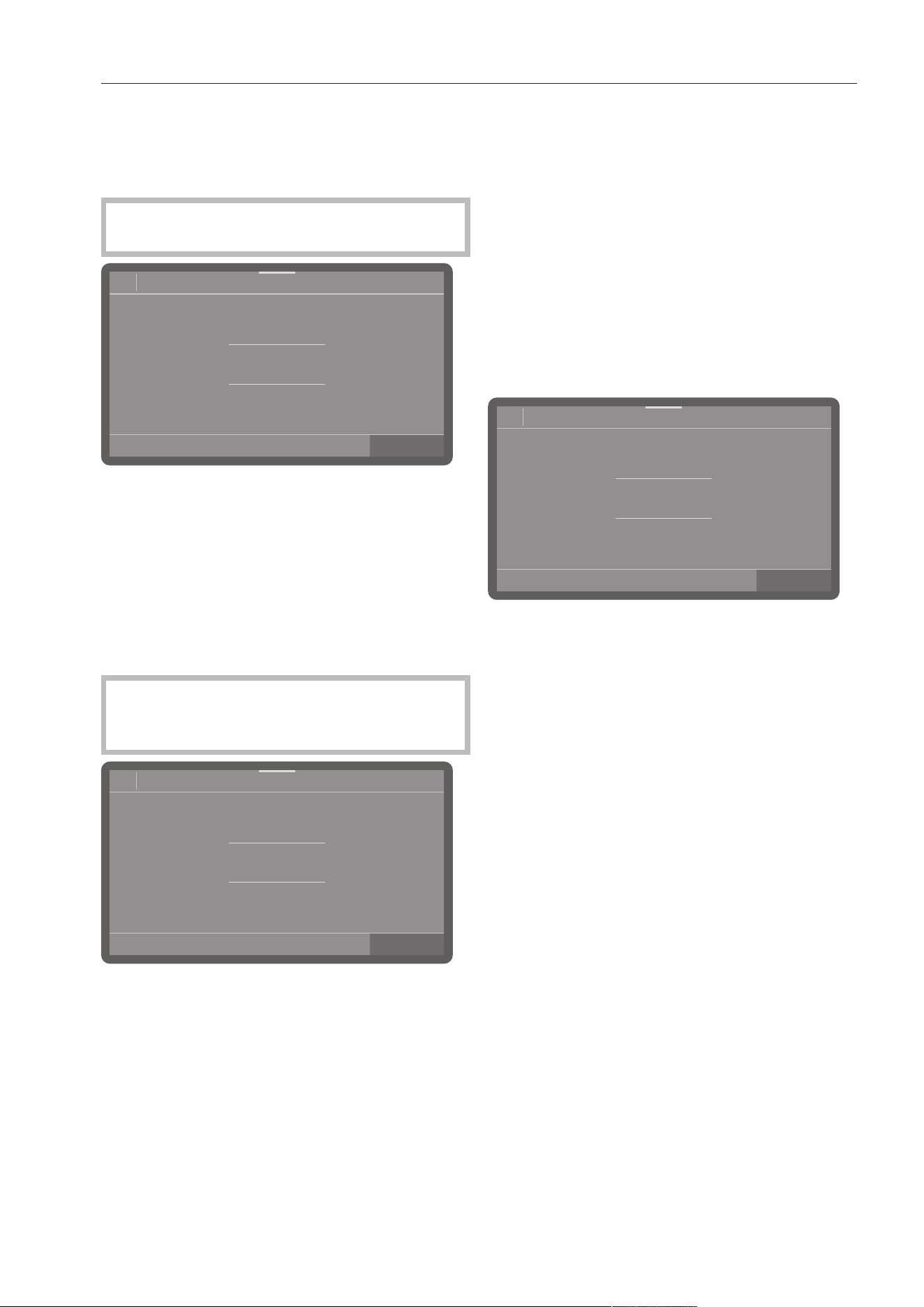
Additional settings
65
Final rinse temperature
The final rinse temperature is reached by
heating up the wash water. The temperature
needs to be adjusted to the task.
This menu option is not available on dish-
washers with Dry+ drying.
OK
08:15
78
79
80
°C
81
82
Final rinse temperature
Set the temperature. The adjustment
range varies depending on the model and
program.
Press OK to save the setting.
Final rinse holding time
The holding time is a period during which
the temperature in the wash block is kept
constant.
In the case of the Rapid program, the
holding time is entered in seconds and
can be adjusted in 5-second increments.
OK
08:15
Final rinse holding time
10
9
8
min
7
6
Set the holding time.
Press OK to save the setting.
Increased water level
It is then advisable to increase the water
level when a lot of water is absorbed due to
the structure of the wash items or when the
type of soiling and the process chemicals
used lead to excess foam development. The
additional volume of water depends on the
type of basket or mobile unit used, the type
of soiling, and the wash items.
If slightly soiled wash items which absorb a
little water are being reprocessed, the water
level can be reset to the factory default to
save water and energy.
OK
08:15
2,0
1,5
1,0
0,5
0,0
Increas. water quantity
l
Set the additional volume of water. In the
lowest setting, the volume of water corre-
sponds to the factory default.
Press OK to save the setting.
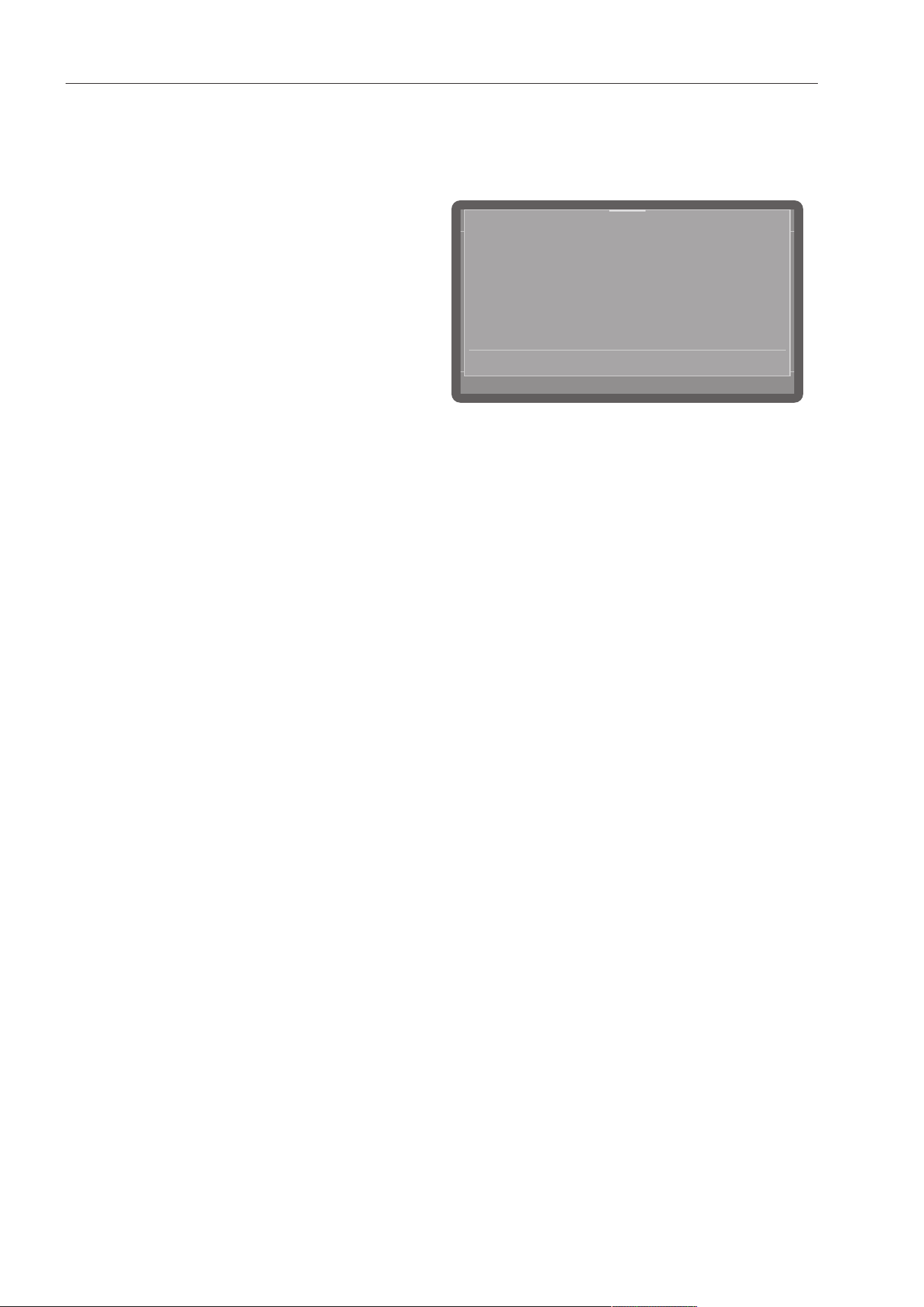
Additional settings
66
Changing the name
You can change a program name if required.
The preceding symbol cannot be changed.
Select the Program name option.
Names can consist of up to 15characters in-
cluding spaces. The following options are
available for naming:
- Letters from A to Z;
each new word will automatically start
with a capital letter.
- Numbers from 0 to 9.
- Spaces.
- Use the symbol to delete the last entry.
- Select Reset to reset the program names
to the factory default.
- Press the button to end the process
without saving the name change.
Enter the name.
Confirm your entry by pressing OK.
Interim rinse
If required, an additional interim rinse block
can be activated for selected programs.
You can find out which programs support
this function in the “Program overview”.
- On
Activates the additional interim rinse block
for the selected program.
- Off
Deactivates the additional interim rinse
block.
Tap to select an option.
Resetting parameters
You can reset individual programs to the fac-
tory default settings. The program parame-
ters and changed program names are reset.
Only reset program settings?
Yes No
Select Yes to reset the parameters and
program names to the factory default set-
tings.
Select No to cancel the process.
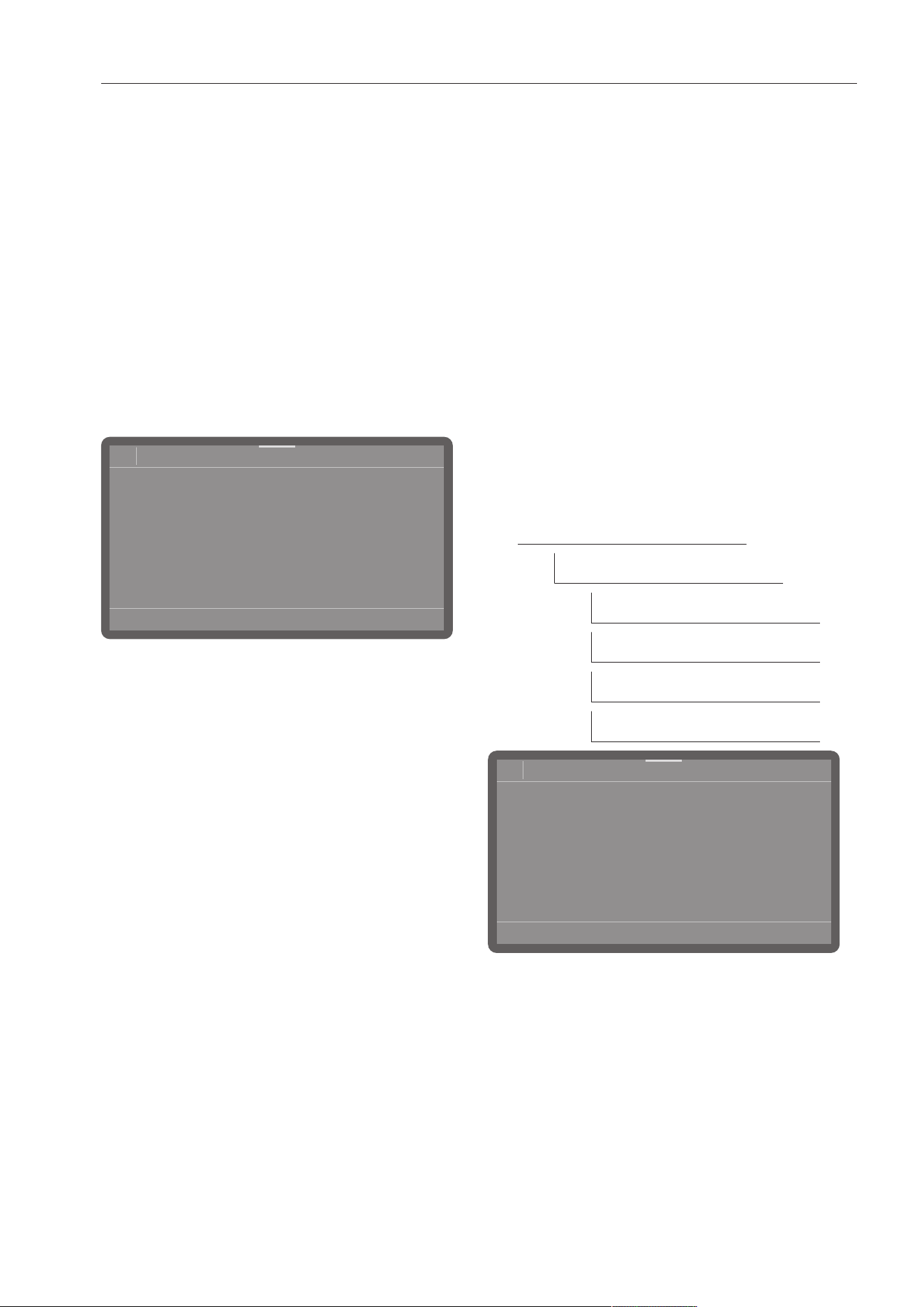
Additional settings
67
A0 value display
The A
0
value is a standard known from med-
ical technology for the destruction of micro-
organisms with moist heat (cf.ISO15883);
it is calculated from the temperature and
holding time.
The information “A
0
value” that is displayed
at the end of the program in this dishwasher
is calculated from the temperature in the
wash chamber and the corresponding hold-
ing time. The displayed value only gives an
indication, but doesn’t exactly fulfill the di-
rective ISO15883, as this dishwasher is not
a medical device.
08:15
Off
On
Display A0 value
- On
A0 value measuring is switched on and
the value is displayed at the end of the
program
- Off
A0 value measuring is switched off
Select an option.
Dispensing systems
The following menu allows you to activate,
fill, and rinse dispensing systems, to change
their names if required, and to set the dis-
pensing concentration for all programs.
Depending on the model, various dispensing
systems are available for dispensing process
chemicals.
Cleaning agent and rinsing agent can be dis-
pensed either via a corresponding door dis-
penser (cleaning agent, rinsing agent)
or via suction wands for liquid media from an
external media canister. It is not possible to
activate both systems at the same time.
Selecting a dispensing system
The menu is saved under the following input
path.
Extended settings
Dispensing systems
Cleaning agent door
Cleaning agent canister
Rinse aid door
Rinse aid canister
08:15Dispensing systems
Cleaning
agent door
Rinse aid
door
Rinse aid
canister
Cleaning agent
canister
Only the available dispensing systems are
displayed.
Select a dispensing system.
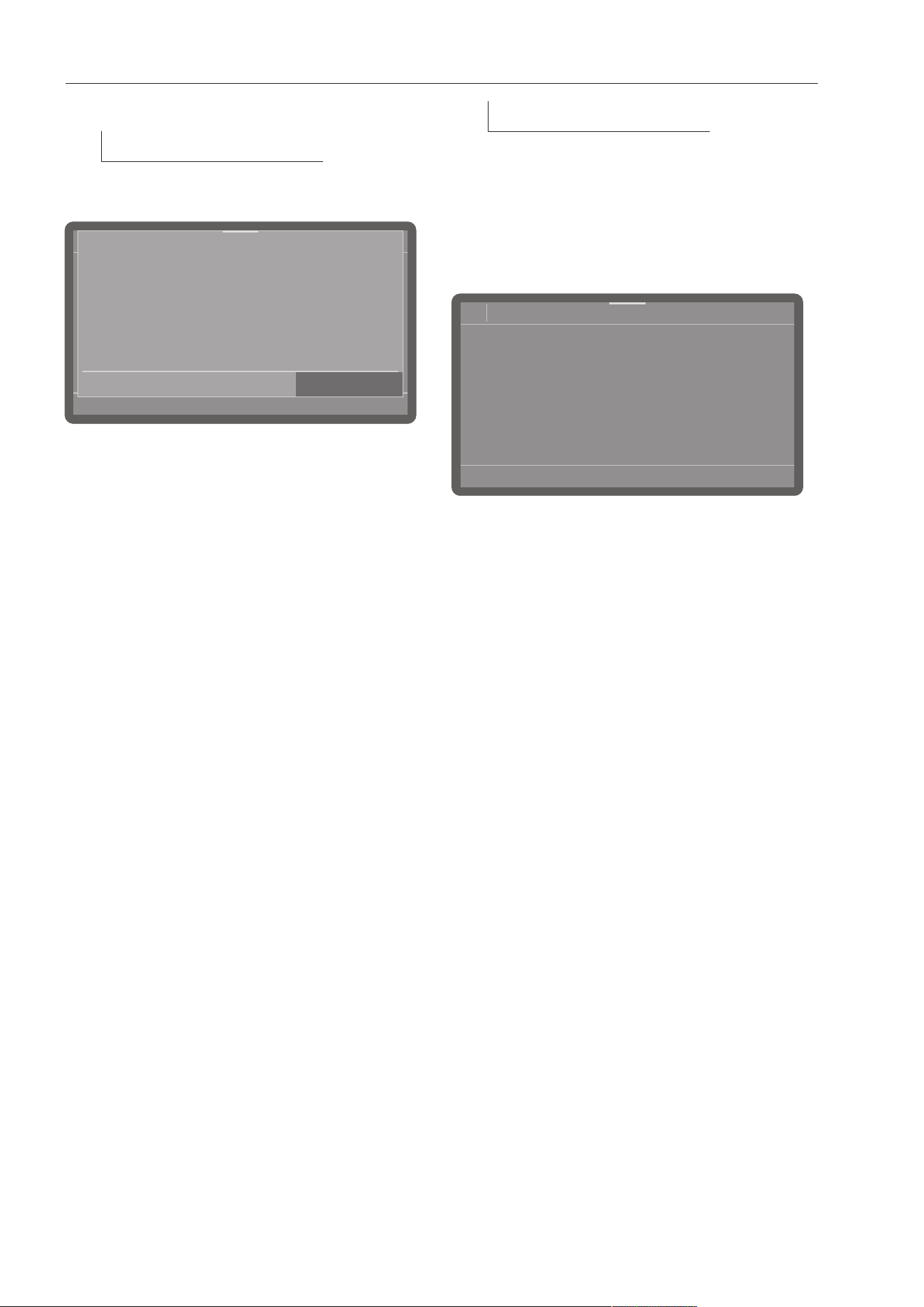
Additional settings
68
Door dispenser
Cleaning agent door
One of the following messages is displayed
if you have selected Cleaning agent door.
OK
“Cleaning agent door” is active. No
additional settings are necessary.
- Door dispenser is activated
No further settings are possible. Confirm
the message by pressing OK.
If you want to change dispensing to the
powder dispenser, select “Cleaning agent
door” and activate it, or select the Cleaning
agent canister option and deactivate dis-
pensing.
Rinse aid door
Refill indicator
The refill indicator indicates a lack of rinsing
agent in the door dispenser. If you want to
stop dispensing rinsing agent via the door
dispenser, you need to switch off the refill
indicator.
08:15
On
Refill indicator
Off
- On
The display indicates a lack of rinsing
agent in the door dispenser.
- Off
The display does not indicate a lack of
rinsing agent.
Select an option.
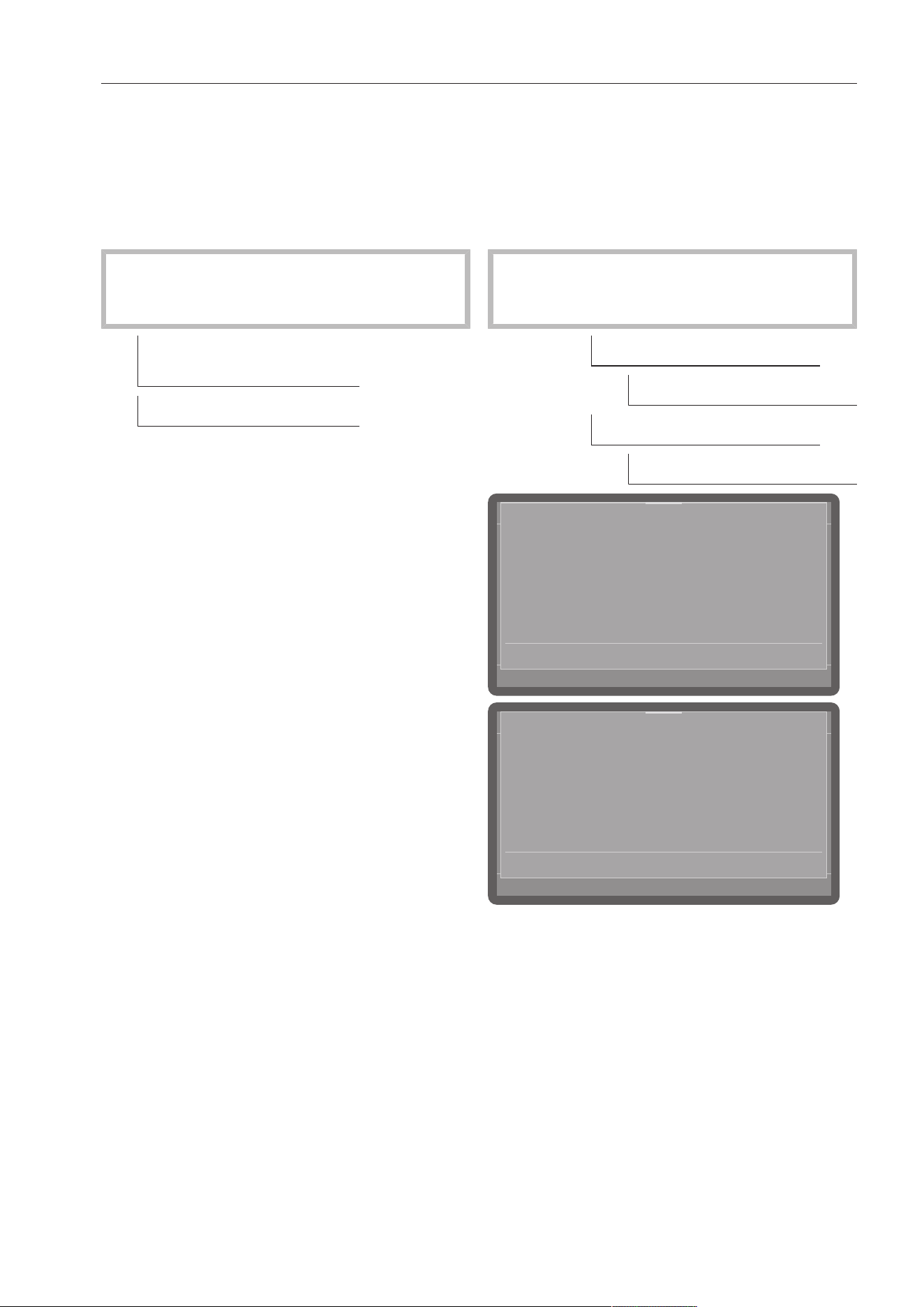
Additional settings
69
Activating dispensing from the media can-
ister
To activate dispensing of liquid process
chemicals from external media canisters,
you must proceed as follows.
Start by selecting a dispensing system.
This selection is only available if the corre-
sponding dispensing system is present
(depending on the model).
Cleaning agent canis-
ter
Rinse aid canister
If a rinsing agent door dispenser or a
powder dispenser is present and acti-
vated (depending on the model), when you
select Cleaning agent canister or Rinse aid
canister, you will first be asked if you want to
switch to dispensing from the media canis-
ter. There is no query if dispensing from the
media canister is already activated.
Deactivating dispensing from the media
canister
You can subsequently switch dispensing
from the media canisters to the door dis-
pensers or deactivate it completely.
Start by selecting a dispensing system.
This selection is only available if the corre-
sponding dispensing system is present
(depending on the model).
Cleaning agent canister
Deactivate
Rinse aid canister
Deactivate
Deactivate “Cleaning agent
canister”?
Yes No
Deactivate “Rinse aid canister”?
NoYes
Select OK to deactivate dispensing from
the media canister. This change will take
place immediately.
If you do not want to change the setting,
press the button.
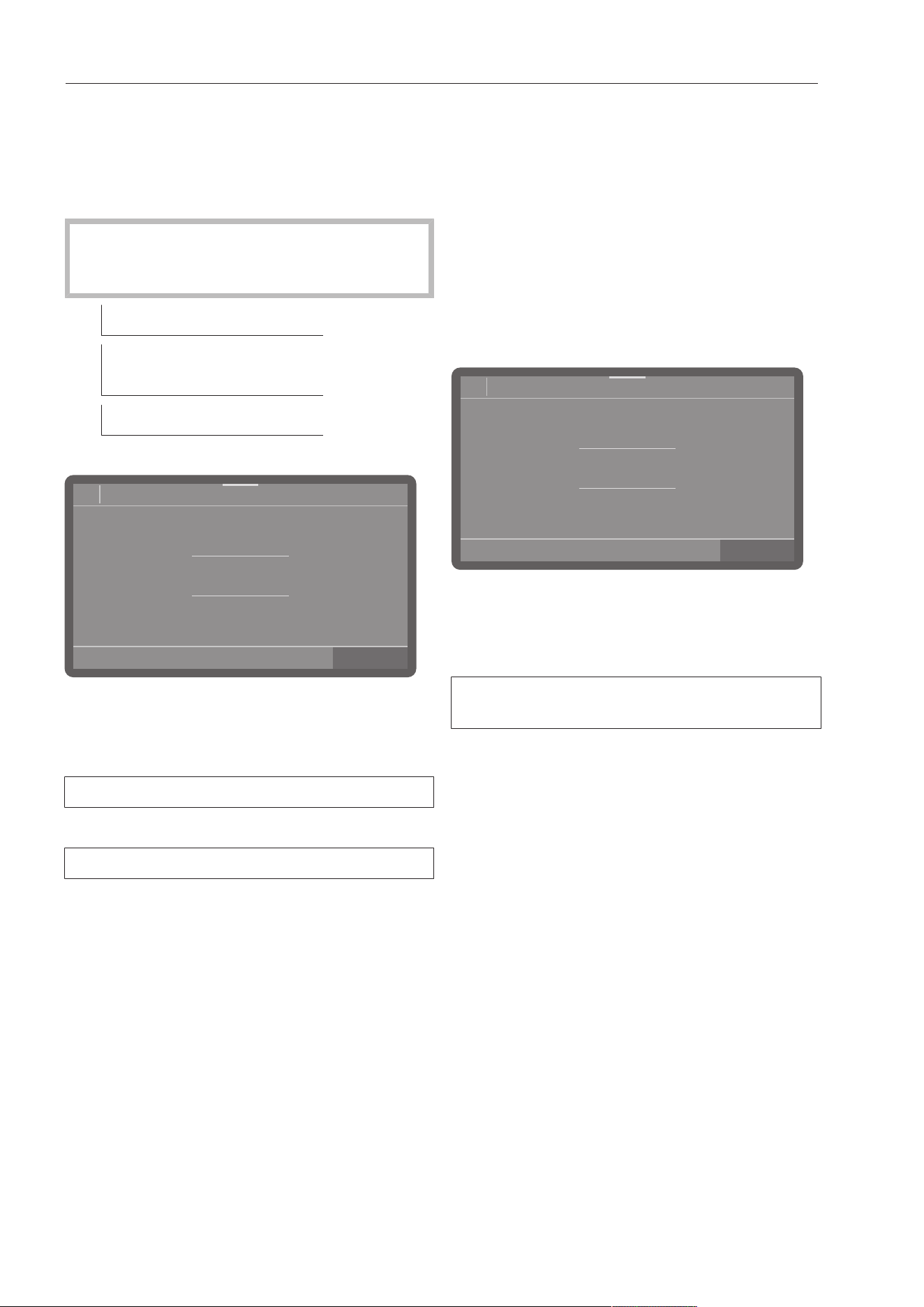
Additional settings
70
Dispensing concentration
The dispensing concentration for liquid
process chemicals is set in the same way for
all dispensing systems. The setting applies
to all programs.
This selection is only available if the corre-
sponding dispensing system is present
(depending on the model).
Rinse aid door
Cleaning agent canis-
ter
Rinse aid canister
Start by selecting a dispensing system.
OK
08:15
0,05
0,04
Dispens. concentration
0,03
0,02
0,01
%
Set the dispensing concentration.
Press OK to save the setting.
Filling dispensing paths
See Machine functions
Rinsing dispensing paths
See Machine functions
Cycles until empty
When dispensing liquid process chemicals
from external media canisters, the fill level in
the canister is monitored. You can use the
following function to set the number of pro-
gram sequences (cycles) from which you
want to be warned about the imminently
empty media canisters. The message is dis-
played after switching on the machine and
before every program start.
You can set the number of cycles from 0–
150cycles.
OK
08:15
30
20
10
Cycles until empty
Set the number of cycles.
Press OK to save the setting.
Water hardness
The water hardness setting is described in
“Filling the salt container”.
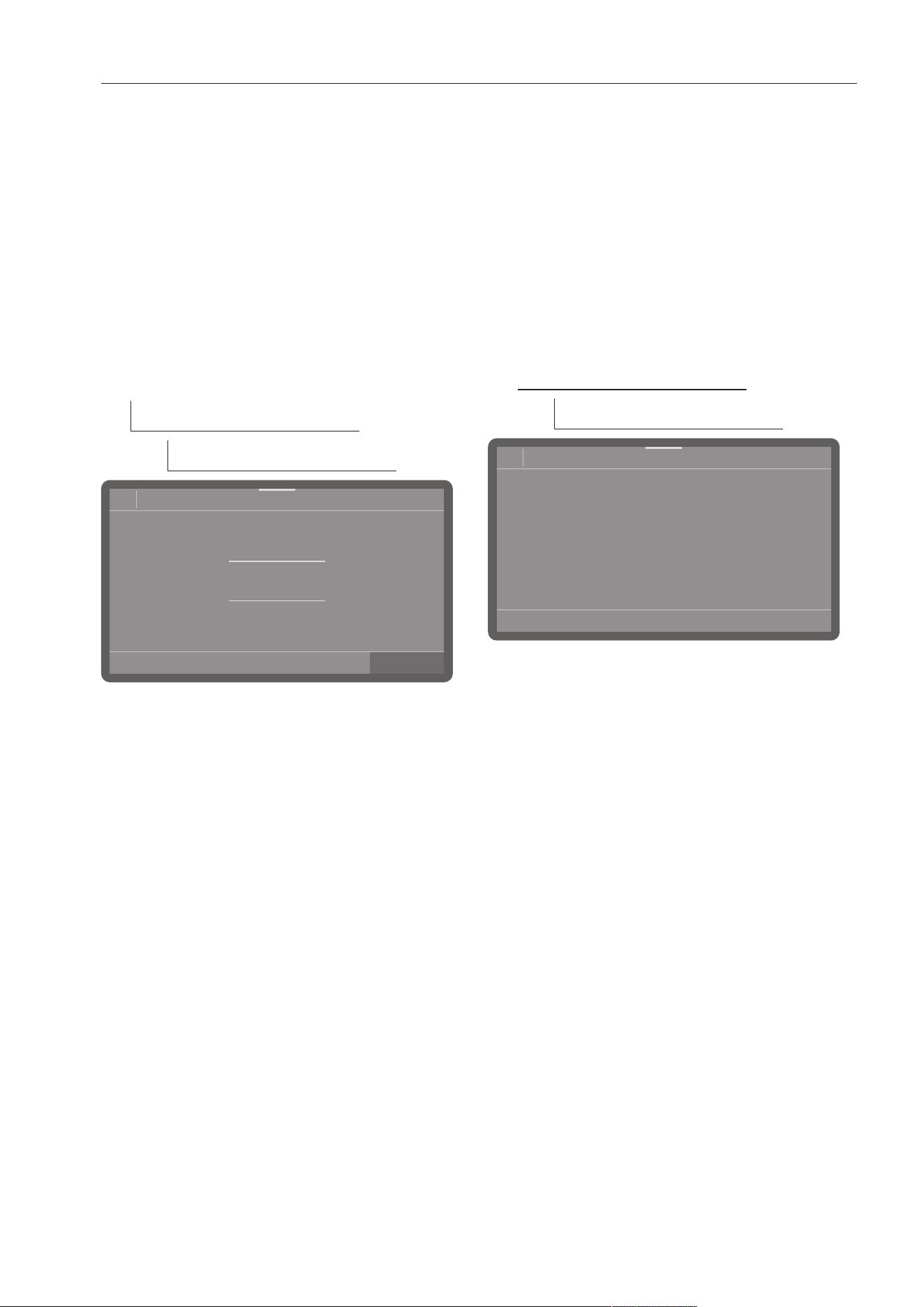
Additional settings
71
Reactivation notification
In order to plan wash phases more effec-
tively, you can have the remaining number of
wash cycles before the next reactivation dis-
played as a notification.
When the set number of cycles before the
next reactivation has been reached, a notifi-
cation is displayed after each completed
program.
You can set the number of cycles from 0–20
cycles; at 0, no notification is displayed.
The menu is saved under the following input
path.
Extended settings
Cycles bef. reactivation
OK
08:15
3
2
1
0
20
Cycles bef. reactivation
Set the number of cycles.
Press OK to save the setting.
Memory
If you are always using the same program in
a continuous sequence, you can use the
memory function. This automatically sug-
gests the most recently selected program so
that you can start the program immediately
after loading. The program selection screen
is therefore not displayed, but it is still avail-
able.
The menu is saved under the following input
path.
Extended settings
Memory
08:15
Off
On
Memory
- On
The most recently selected program is
pre-selected before the next program
starts.
- Off
The programs need to be selected via the
program selection screen.
Select an option.
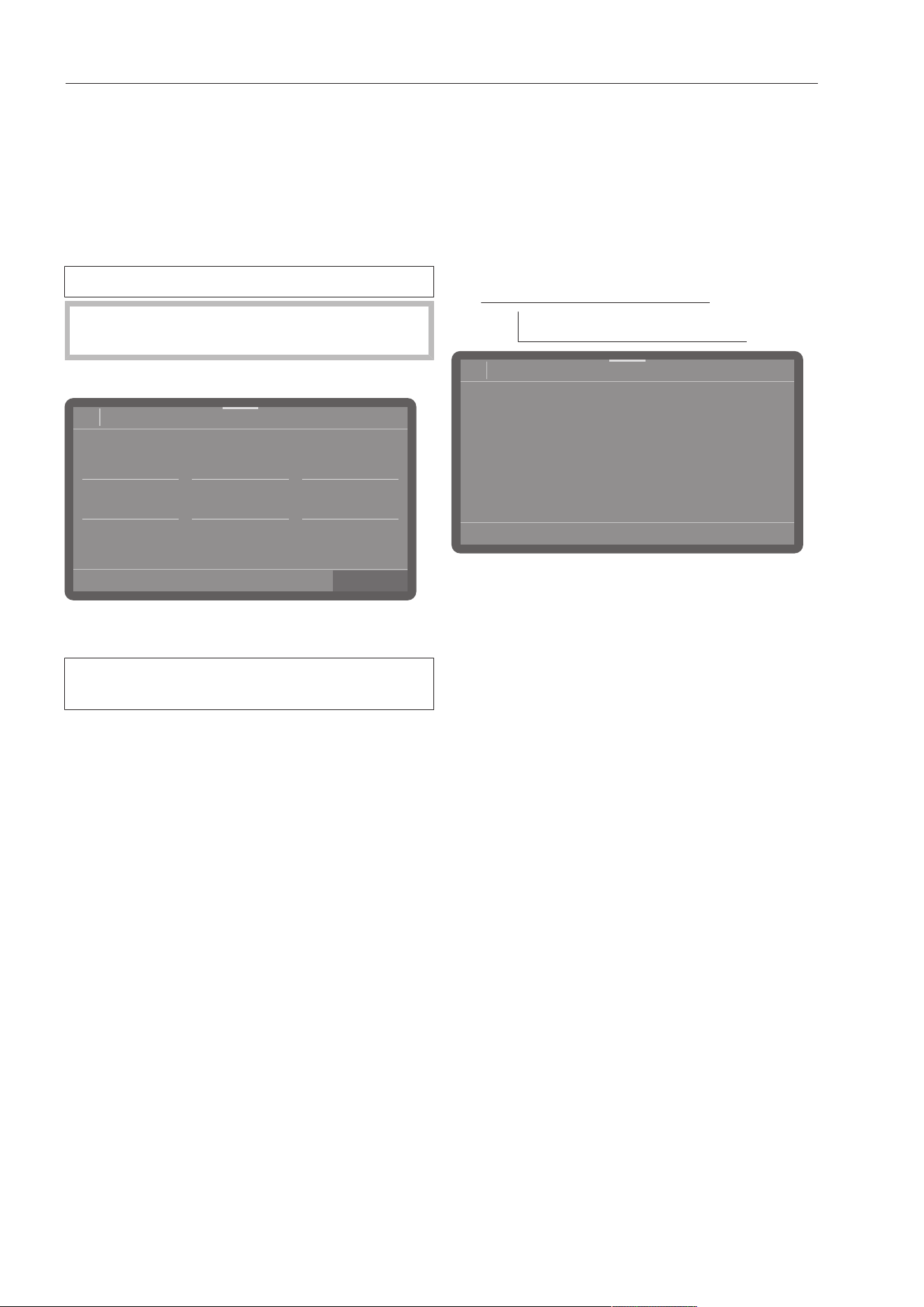
Additional settings
72
PIN code
Access to relevant system settings and ma-
chine functions that require advanced
knowledge of the machine and its processes
can be protected by PIN codes. A PIN code
consists of 3 numbers from 0–9 in any or-
der.
The factory-assigned PIN code is 800.
If a PIN code is lost, a new code must
be issued by Miele Customer Service.
Entering a PIN code
OK
08:15
2
1
0
9
8
PIN code
8
9
0
1
2
8
9
0
1
2
Set the relevant numerical values and con-
firm your input with the OKbutton.
You can cancel the process at any time by
pressing the button.
If the PIN code was entered correctly, the
protected area is made available for further
use.
If it is entered incorrectly, a corresponding
message is displayed and the process is
canceled.
Blocking further settings or making them
available
Access to the menu can be protected by a
PIN code or can be made available to all
users. A new code can also be assigned.
The menu is saved under the following input
path.
Extended settings
PIN code
08:15
Change PIN
code
Release exte.
settings?
PIN code
- Change PIN code
Assign a new PIN code (see “Changing a
PIN code”).
- Release exte. settings?
The Extended settings menu is avail-
able to all users.
Select an option.
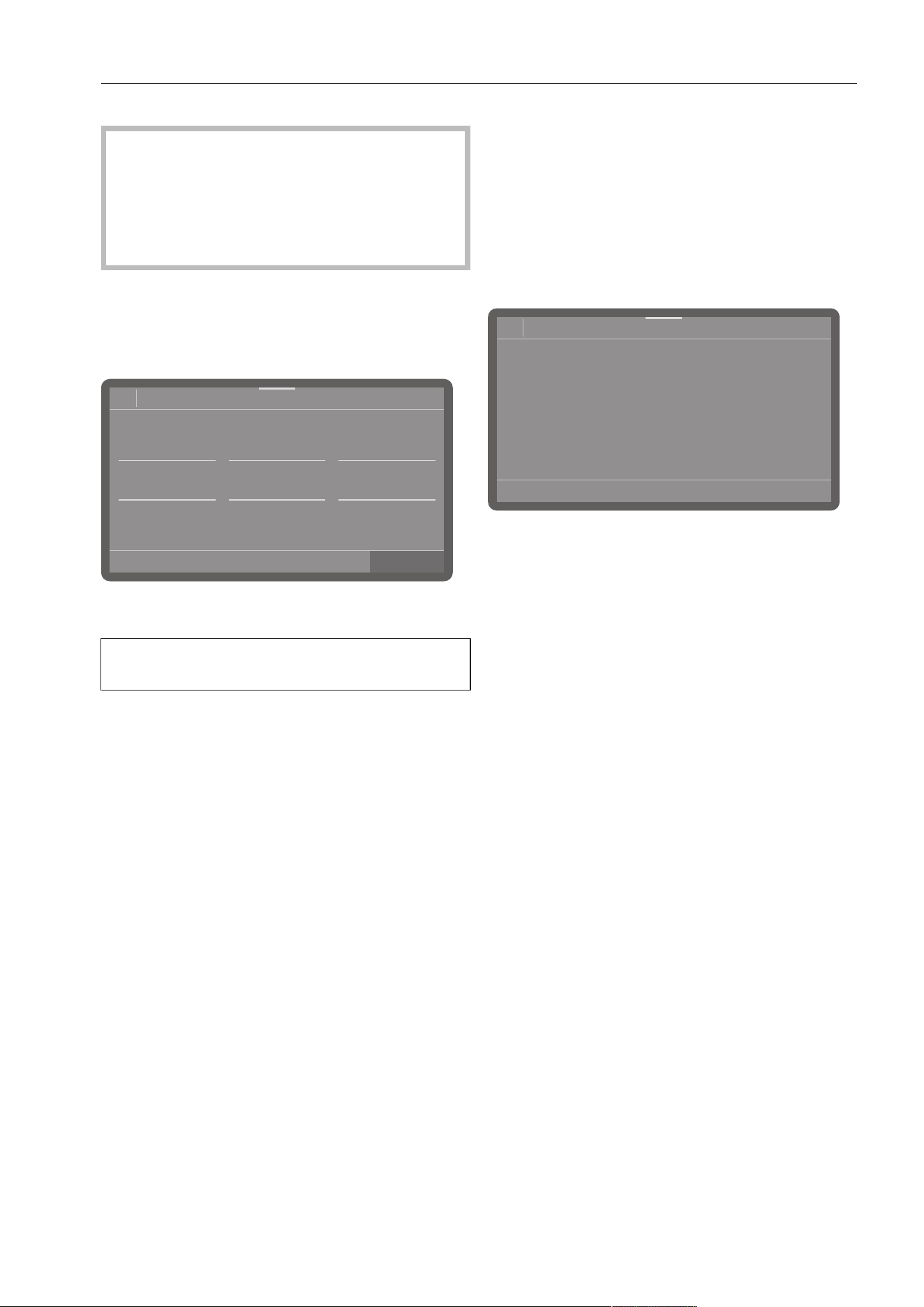
Additional settings
73
Changing the PIN code
When a new PIN code is entered, the old
PIN code is overwritten and is perma-
nently deleted. It is therefore not possible
to reinstate the old code.
If a PIN code is lost, a new code must be
issued by Miele Customer Service.
Assign a new PIN code by selecting the
Change PIN codeoption in the menu.
Follow the instructions on the display and
start by entering the current PIN code.
OK
08:15
2
1
0
9
8
PIN code
8
9
0
1
2
8
9
0
1
2
Set the relevant numerical values and con-
firm your input with the OKbutton.
You can cancel the process at any time by
pressing the button.
Then enter the new code.
Confirm the new PIN code by entering it
again.
If both entries match, the old PIN code is re-
placed by the new code.
If the entries do not match, a corresponding
message is shown on the display and the old
PIN code remains in use.
Door lock code
Opening the door during a running program
results in a program interruption. Interrup-
tions involve certain risks for the user and
can impair the cleaning result, e.g., if dirty
wash items are added. For this reason, a
door lock can be set up that requires a PIN
code to be entered if the door needs to be
opened during a program.
08:15
Cancel door lock?
Door lock code
No
Yes
Select Yes.
Activation of the door lock, which requires a
PIN code to be entered if the door needs to
be opened during a running program.
You need to assign a new PIN code (see
“Changing the PIN code”).
Or
Cancel the process by selecting No.
The menu disappears.
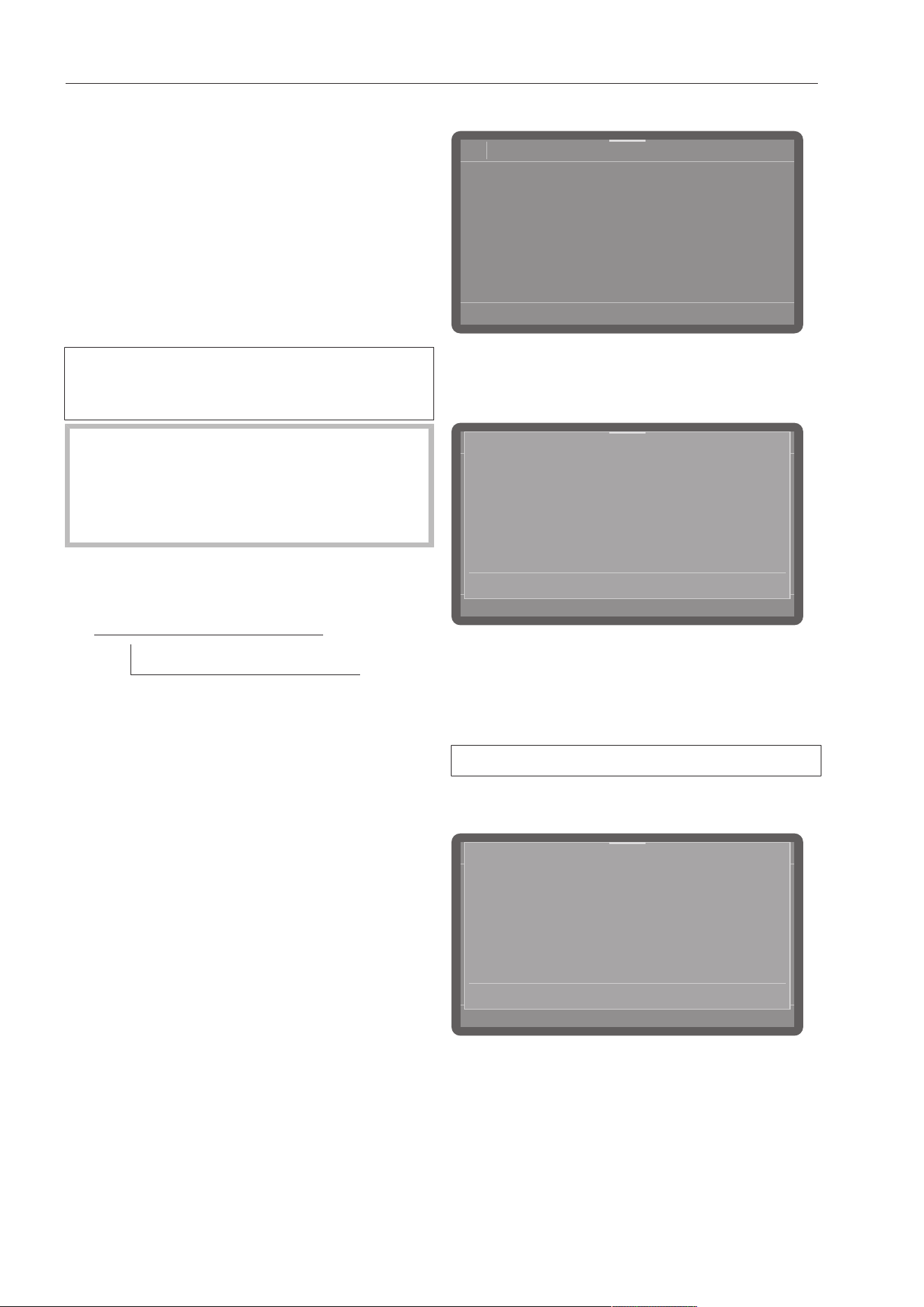
Additional settings
74
Networking/WiFi
Your dishwasher is equipped with an inte-
grated WiFi module.
You can connect your dishwasher to your lo-
cal network in order to use digital solutions
from Miele.
Once the dishwasher is connected to your
local network, more menu options are added
to the “Further settings” and “Networking/
WiFi” menu.
Check the settings of your WiFi router, es-
pecially when operating several machines
in the WiFi network.
Make sure that your WiFi network signal
strength is strong enough at the installa-
tion site of your dishwasher.
Place the dishwasher and the router at a
suitable distance from each other.
The menu is saved under the following input
path.
Extended settings
Network/WiFi
WiFi setup
08:15
Set up
Network/WiFi
Select the Set up menu option.
You can connect your dishwasher to your
network using Via WPS or Via Soft AP.
Which connection method
do you want to use?
Via Soft APVia WPS
Connection via WPS
You can connect your dishwasher to your
WiFi network using WPS (WiFi Protected
Setup).
Your WiFi router must support WPS.
When asked Which connection method do
you want to use?, select WPS.
Press the WPS button on
your
router.
OK
When Press the WPS button on your
router. appears on the display, activate the
WPS function on your router within 2min-
utes.
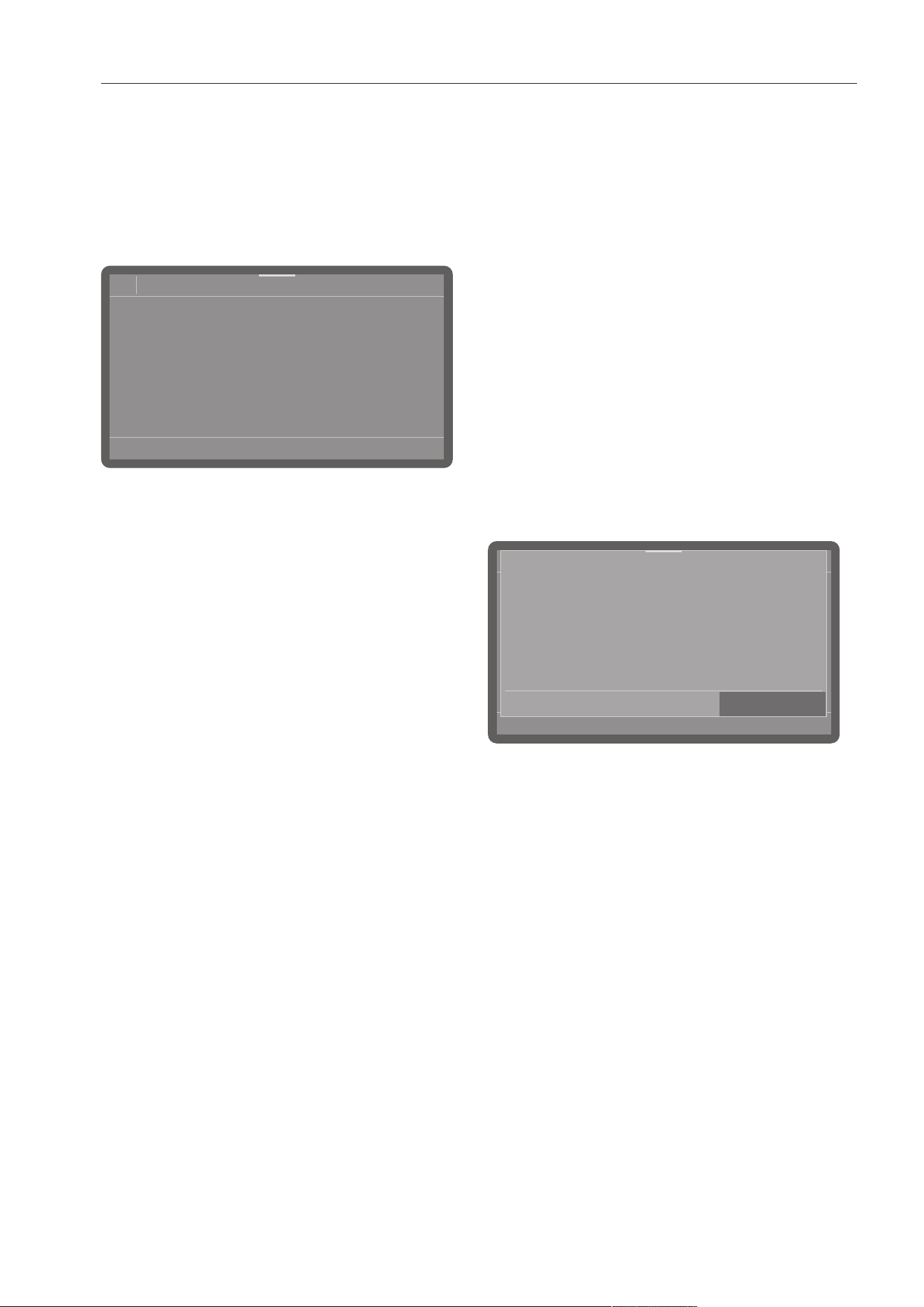
Additional settings
75
Once the connection has been estab-
lished, Connection established will appear
on the display. Confirm the message with
OK.
If the connection fails, you have probably not
activated WPS on your router quickly
enough. Repeat the steps above.
08:15Network/WiFi
Deactivate
Set up
again
Connection
status
Reset
- Deactivate
The WiFi connection is deactivated but
the connection options are retained. The
WiFi connection can be reactivated with-
out having to repeat the connection
process.
- Connection status
Displays the IP address and the connec-
tion status of the WiFi connection.
- Set up again
Menu option for setting up a new WiFi
connection.
- Reset
Resets the WiFi connection. The connec-
tion options are lost and need to be set up
again.
Soft AP
If Connection via WPS is not possible, you
can connect the dishwasher to your local
network Via Soft AP.
A Soft-AP (Software-enabled Access Point)
is a wireless access point provided by your
dishwasher that can be used by other wire-
less machines in the vicinity.
With Soft-AP, the dishwasher is not con-
nected to the Internet. A Soft AP is only
used to connect two machines locally via
WiFi.
Connecting via Soft-AP
You can connect your dishwasher to your
WiFi network via a Soft-AP (Software En-
abled Access Point).
When asked Which connection method do
you want to use?, select Soft AP.
OK
Follow the instructions in the
external application.
Confirm the message by pressing OK and
follow the instructions in the external ap-
plication.
Waiting for connection will appear on the
display. This message remains active for ap-
prox. 10minutes after selection and is then
closed.
Once the connection has been estab-
lished, Connection established will appear
on the display.
Confirm the message with OK.
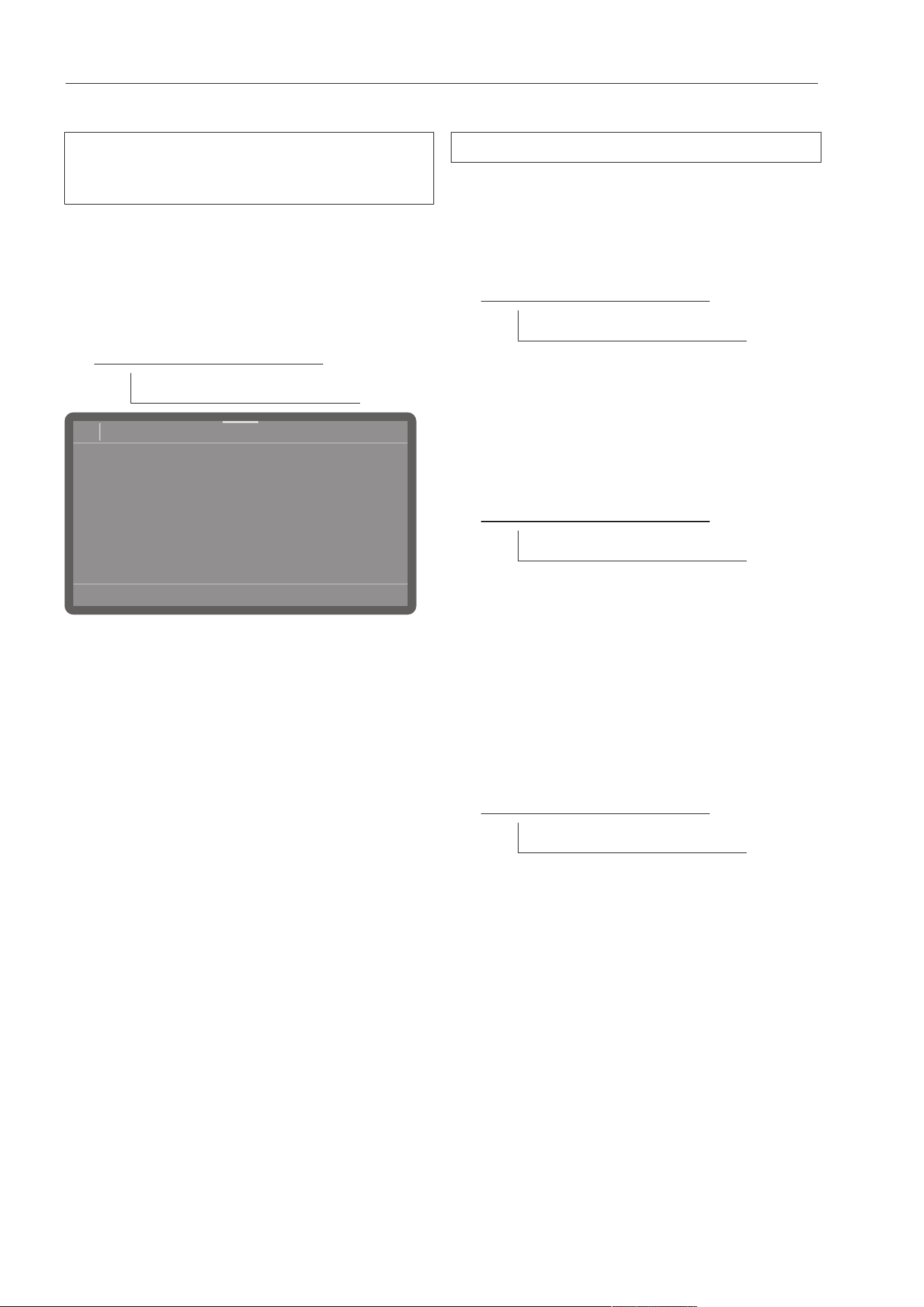
Additional settings
76
RemoteUpdate
This menu option only appears if the dish-
washer has been integrated into the WiFi
network.
When a new version of the dishwasher con-
trol system is available, you can decide
whether or not to automatically update it.
The menu is saved under the following input
path.
Extended settings
RemoteUpdate
08:15
Off
On
Remote Update
- On
The updates are displayed and can be
downloaded.
- Off
Updates are ignored.
Select an option.
Demo mode
For dealer demonstration purposes only.
The dishwasher is equipped with a Demo
mode for dealer use.
The menu is saved under the following input
path.
Extended settings
Dealer
Software version
Displays the versions of the individual soft-
ware components.
The menu is saved under the following input
path.
Extended settings
Software version
The relevant software version numbers ap-
pear on the display. No settings are possible.
Data plate
Display of the data plate with all important
information for your dishwasher, such as the
model identifier, electrical connection, etc.
The menu is saved under the following input
path.
Extended settings
Data plate
The data plate appears on the display. No
settings are possible.
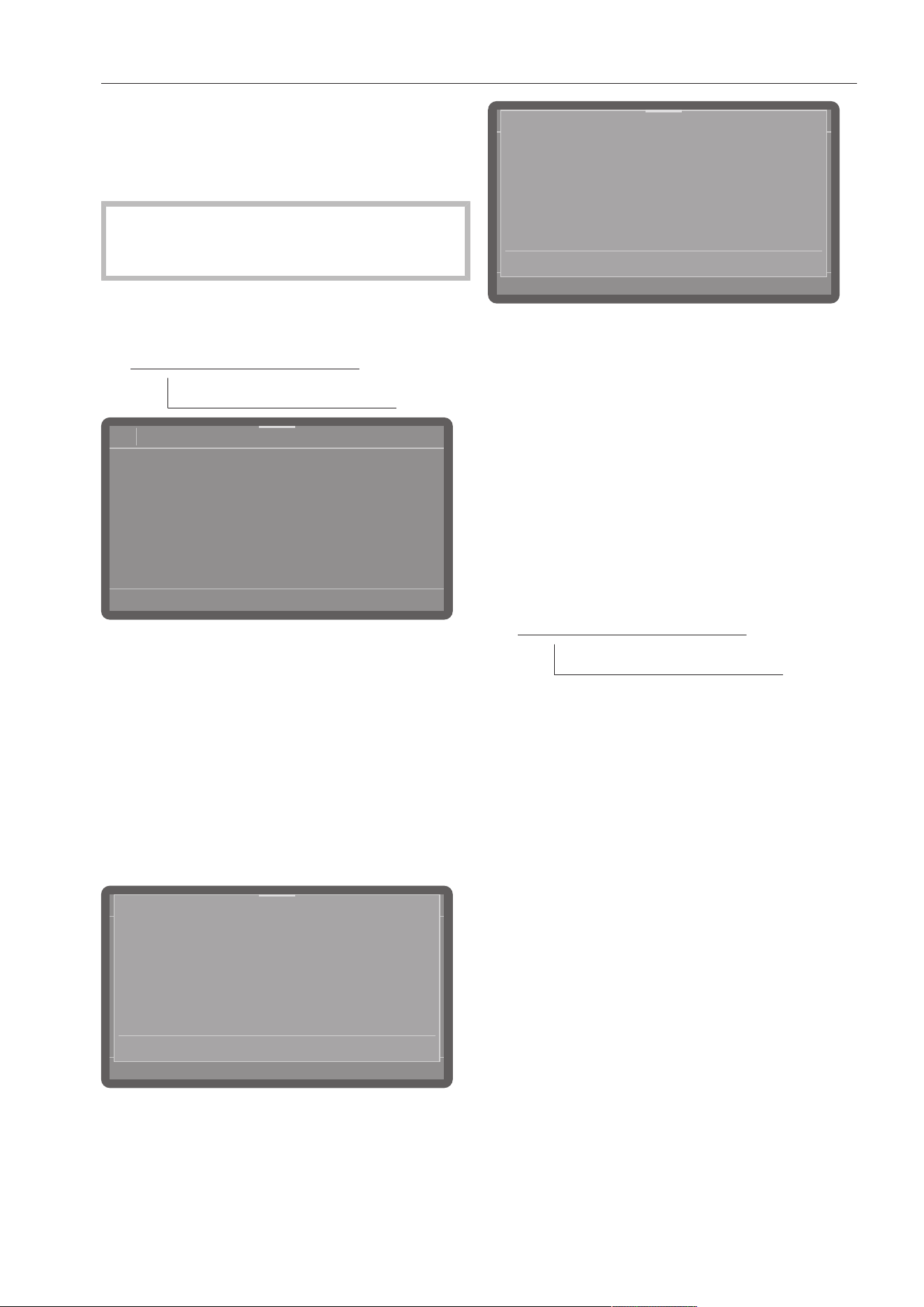
Additional settings
77
Factory default settings
If necessary, the modified program parame-
ters or all dishwasher parameters can be re-
set to the factory default settings.
The factory default settings should only be
restored in consultation with Customer
Service.
The menu is saved under the following input
path.
Extended settings
Factory default
08:15
All settings
Program settings only
Factory default
- Program settings only
The changes to the program settings are
reset to the factory default settings.
- All settings
All changes are reset to the factory default
settings.
Select an option.
Depending on the option you have chosen,
you will be asked whether Program settings
only or All settings should be reset.
Yes No
Only reset program settings?
Yes No
Reset all settings?
Selecting Yes resets the program settings
or all settings, depending on the option
chosen.
Or:
If you do not want to reset, select No.
Legal information
This menu contains legal information such
as the imprint, information on data protec-
tion, and the terms of use.
The menu is saved under the following input
path.
Extended settings
§Legal Information
The information appears on the display. No
settings are possible.
Cleaning and care
78
MAINTENANCE
To prolong the service life of the dishwasher,
maintenance should be carried out at least
once a year by Miele Customer Service.
This service work covers the following
points:
- Door mechanism and door seal
- Screw connectors and connections in the
wash cabinet
- Water intake and drainage
- Internal and external dispensing systems
- Spray arms
- Filter combination
- Collecting basin with drain pump and non-
return valve
- All baskets and inserts
The following operational tests will be car-
ried out as part of the maintenance:
- A program will be run as a test run
- Seals will be tested for water tightness
- All relevant measuring systems will be
safety tested, including fault displays
- Safety features
Soiling alters the surface.
Soiling that is left too long might become
impossible to remove and could cause the
external surfaces to alter or discolor.
Remove any soiling from the control panel
and from the front of the machine straight
away.
All surfaces are susceptible to scratch-
ing.
Contact with unsuitable cleaning agents
can alter or discolor the external surfaces.
Only use suitable cleaning agents.
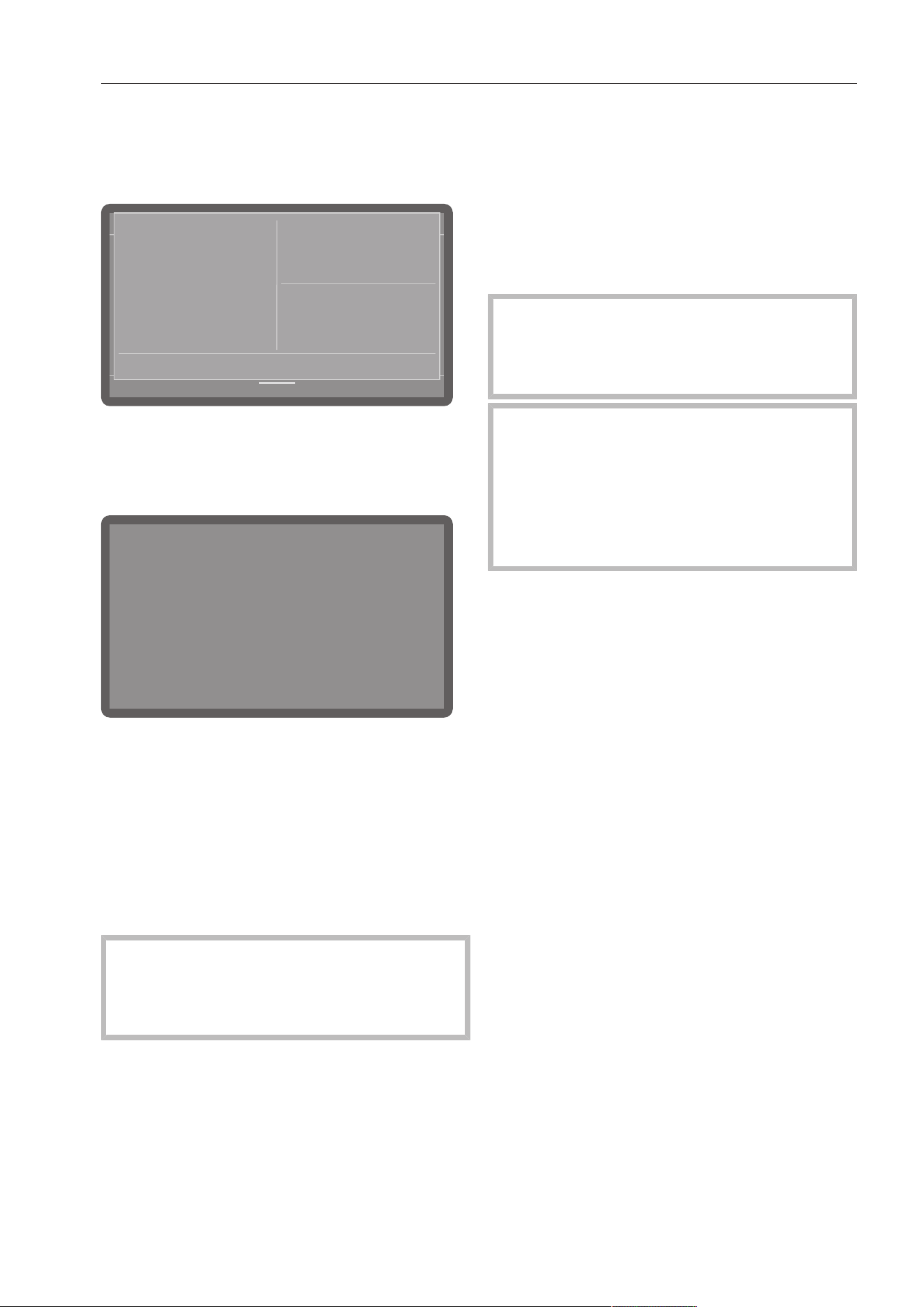
Cleaning and care
79
Wipe lock
You can lock the display when cleaning the
control panel and the display to prevent
accidental operation during cleaning.
Target temperature:
66°C
Actual temperature:
51°C
Information
AutoOpen
Open the status window by tapping and
dragging the orange bar at the top of the
display.
Tap the symbol.
The display is locked to prevent operation.
Tap and hold the symbol for 5seconds
to end the wipe lock.
Cleaning the control panel
Only clean the control panel with warm
water and liquid dish soap, applied with a
soft sponge or cloth. Then dry the control
panel with a soft cloth.
Damage to the user interface.
Abrasive cleaning agents can damage the
user interface.
Do not use abrasive detergents!
Cleaning the machine front
To clean the stainless steel front, use a
damp cloth with a solution of liquid dish
soap and hot water, or with a non-abrasive
cleaning agent for use on stainless steel.
To help prevent re-soiling (fingerprints, etc.),
a suitable stainless steel care product can
be used after cleaning.
Damage to the surfaces.
Cleaning agents containing ammonia and
thinners can damage surfaces.
Avoid these products when cleaning.
Damage to the dishwasher caused by
ingress of water.
Do not clean the dishwasher or its imme-
diate vicinity with a hose or a pressure
washer.
Make sure that water does not enter the
dishwasher when it is being cleaned.
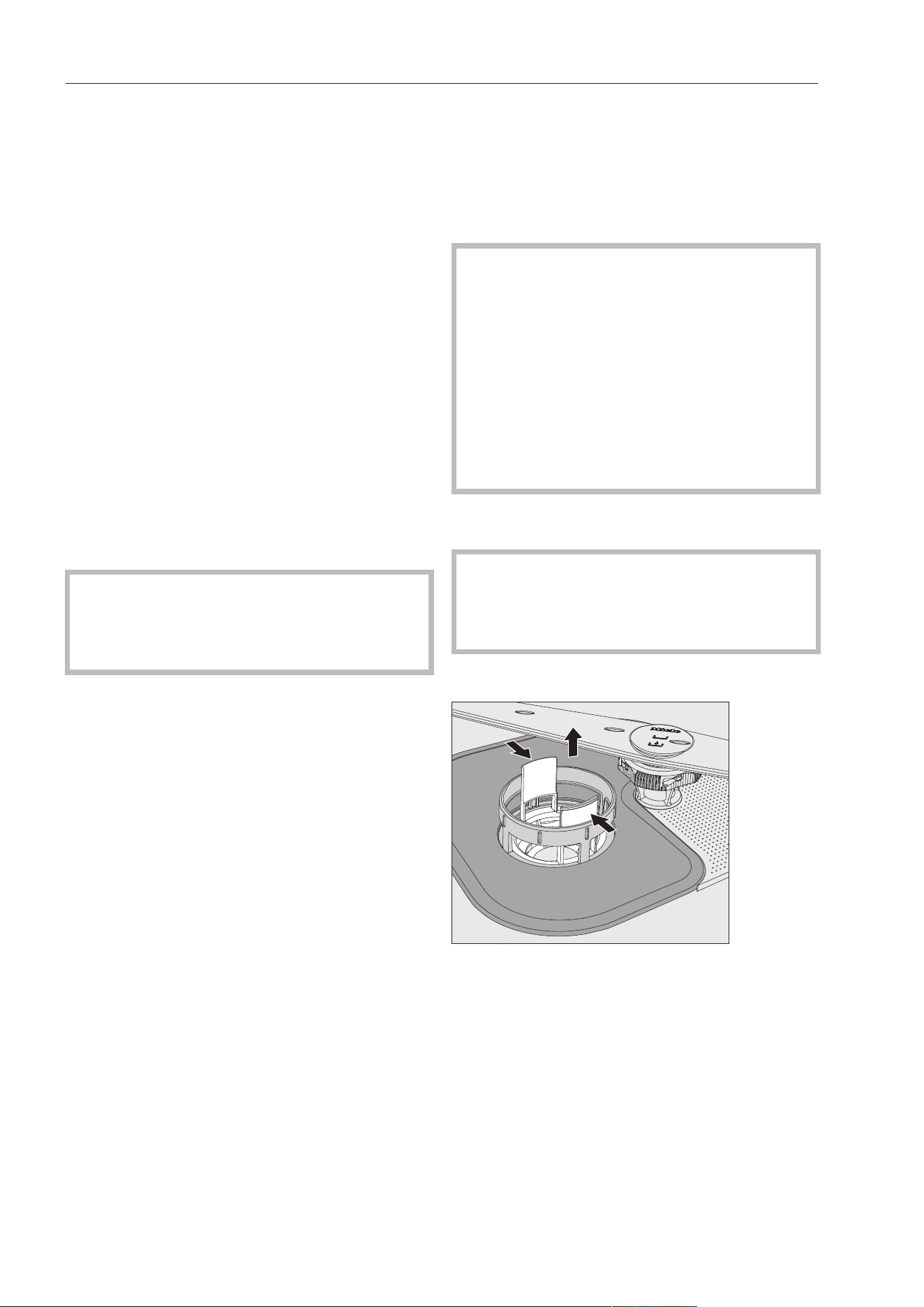
Cleaning and care
80
Cleaning the wash cabinet
The wash cabinet is largely self-cleaning,
provided that the correct amount of deter-
gent is always used.
If, despite this, lime scale or grease deposits
accumulate in the cabinet, these can be re-
moved with a proprietary dishwasher
cleaner (available from Miele).
Cleaning the door and the door seal
Wipe the door seal and the area beneath
the door regularly with a damp cloth to re-
move food deposits.
Wipe off any food or drink residues that
may have dripped onto the sides and
hinges of the dishwasher door.
With freestanding dishwashers that have a
base facing, remove spillages of food and
beverages from the channel that runs be-
low the door.
Risk of cutting yourself.
There is a risk of cutting yourself.
Be cautious of sharp edges when clean-
ing.
These surfaces are outside the wash cabi-
net. They are not accessed by water from
the spray jets. As a result, mold fungi can
develop here.
Cleaning filters in the wash cabinet
The filter combination in the base of the
wash cabinet retains coarse soil from the
suds solution. It prevents soiling from enter-
ing the circulation system and causing
blockages in the spray arms.
When Program lock filter is activated, it is
not possible to use the dishwasher with-
out a micro-fine filter!
If the micro-fine filter is not inserted prop-
erly, it is not possible to start a program
and the following fault message Program
lock filter appears on the display.
Insert the micro-fine filter properly and
make sure it is positioned correctly (see
“Cleaning and care, Cleaning filters in the
wash cabinet”).
The filter combination must be checked reg-
ularly and cleaned when necessary.
Risk of injury from glass splinters.
Glass splinters cannot always be detected
in the filter straight away.
Take extra care when cleaning the filters.
Cleaning the coarse filter
Press the catches toward each other and
remove the coarse filter.
Rinse the filter thoroughly under running
water. If necessary, use a soft cleaning
brush to remove dirt.
Replace the filter, making sure it engages
correctly.
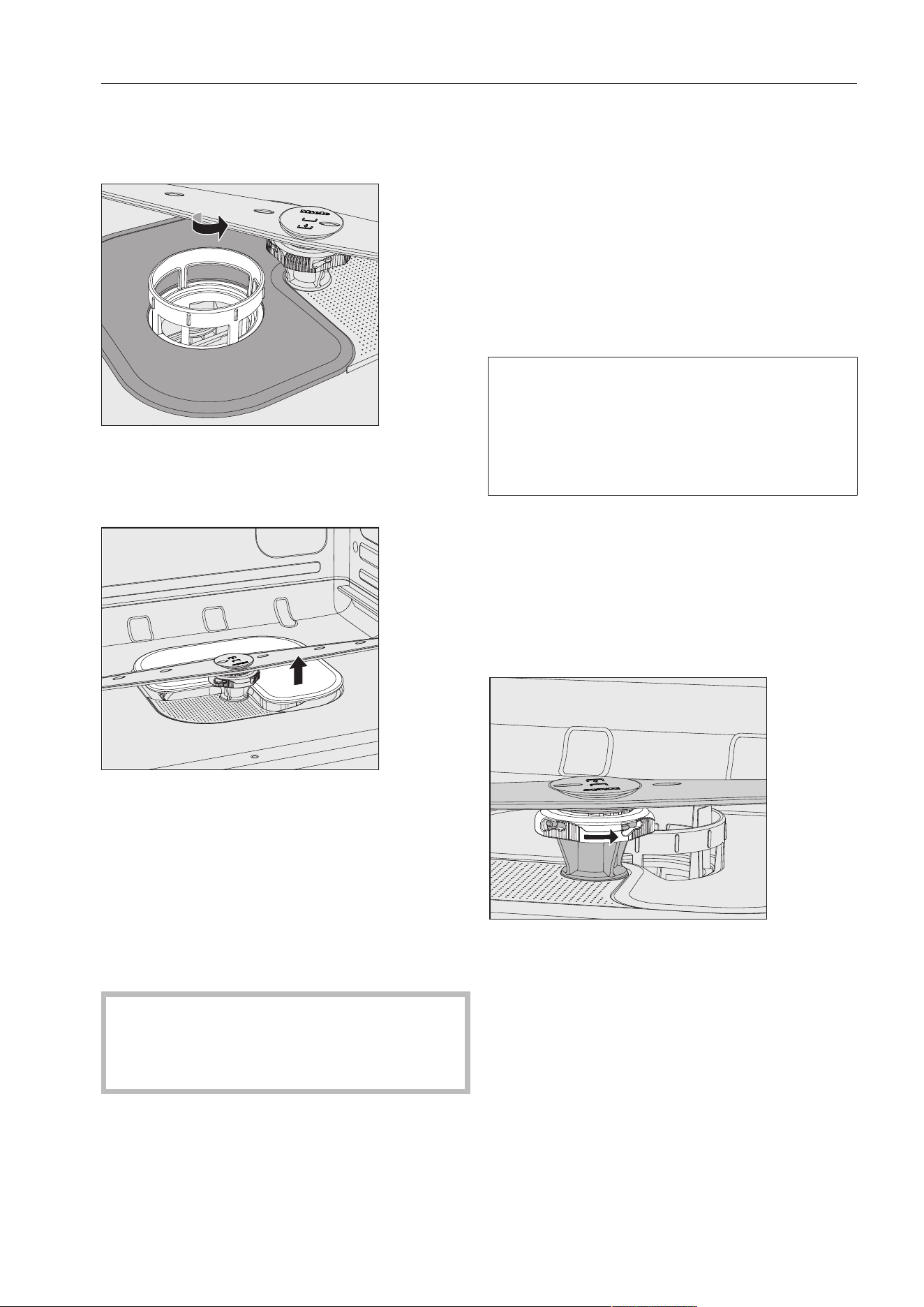
Cleaning and care
81
Cleaning the flat and micro-fine filters
Remove the coarse filter as described be-
fore.
Grasp the micro-fine filter by the upper rim
and turn it in the direction of the arrow to
release it.
Then lift it out.
Remove the flat filter.
Rinse the filters under running water. If
necessary, use a soft cleaning brush to re-
move dirt.
Replace the filter combination in the reverse
order, turning the micro-fine filter to the left
to re-engage it.
The flat filter must lie flat in the bottom of
the wash cabinet.
The spray arms may get blocked if the fil-
ters are not replaced correctly.
Ensure that the filters are positioned cor-
rectly.
Cleaning the spray arms
The dishwasher has three different spray
arms.
Particles of food can get stuck in the spray
arm jets and bearings. The spray arms
should therefore be checked and cleaned
regularly.
Turn off the dishwasher.
Pull the upper spray arm downward to re-
move it.
The middle and bottom spray arms are se-
cured with a bayonet fitting.
The middle spray arm is marked with the
symbol and the lower spray arm is
marked with the symbol to avoid mixing
up the spray arms when they are removed.
To release the bayonet fitting proceed as fol-
lows:
Using the knurled nut, turn the middle
spray arm to the left as far as it will go and
then pull the spray arm downward to re-
move it.
Remove the lower basket.
Using the knurled nut turn the lower spray
arm to the right as far as it will go and then
pull the spray arm upward to remove it.
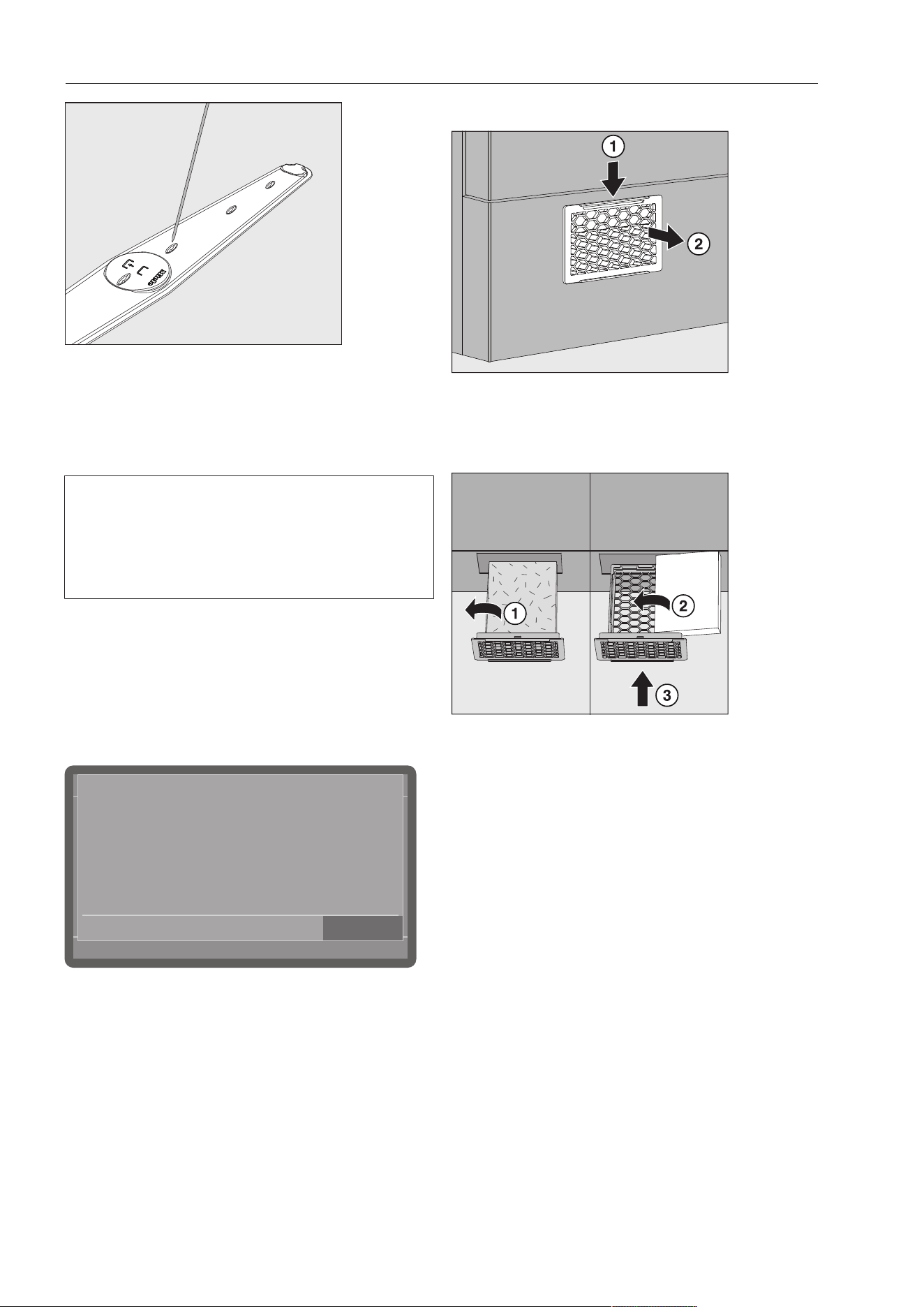
Cleaning and care
82
Use a pointed object to push food parti-
cles that are stuck in the spray arm jets
into the spray arm.
Rinse the spray arms thoroughly under
running water.
Reinstall the spray arms and check that
they rotate freely.
Make sure that the spray arm with the yel-
low bayonet fitting is installed in the bot-
tom of the wash cabinet.
Changing the air filter (depending on
the model)
The air filter for Dry+drying must be re-
placed at regular intervals.
A message will appear on the display when
the filter needs changing.
OK
Change air filter. Then reset filter interval (see
machine functions).
Removing the plastic support
Push the snap-fit down and pull the
plastic support forward to remove it .
Replacing the filter
Remove the used filter from the plastic
support.
Insert the new filter into the plastic sup-
port with the printed side facing down
and push the plastic support into the slot
in the toe-kick until it clicks into place.
Reset the filter interval (see Machine
functions, Filter interval).
Troubleshooting
83
With the aid of the following guide, most minor problems can be corrected without contact-
ing Miele. You can save time and money in many cases, as you do not need to contact
Miele Customer Service.
The following guide should help you to find the reason for a malfunction or fault, and to cor-
rect it. However, please note:
Danger due to incorrect repairs.
Repairs by unqualified persons can cause considerable danger to users.
Repairs should only be carried out by Miele Customer Service, an authorized Miele
dealer, or a suitably qualified specialist in accordance with local and national safety regu-
lations.
Technical faults
Problem Possible cause and solution
The display remains dark
and the Start/Stop display
light is not flashing after the
dishwasher has been
switched on with the
button.
The electrical plug is not plugged in.
Insert the electrical plug.
The circuit breaker has tripped.
Reset the breaker
(see data plate for minimum protection rating).
The dishwasher stops dur-
ing a program.
The circuit breaker has tripped.
Reset the breaker (see data plate for minimum protection
rating).
If the circuit breaker trips again, contact Miele Customer
Service.
Power outage during opera-
tion
If a temporary power outage occurs during a program se-
quence, no measures are required.
The program which was running continues without inter-
ruption.
If the temperature in the wash cabinet drops below the
minimum value required for the program block during the
power outage, the program block is repeated.
Troubleshooting
84
Faults with water inlet or drainage
Problem Possible cause and solution
One of the following fault
messages or notifications
appears on the display:
Before remedying the fault:
Turn the dishwasher off with the button.
F404 Water inlet, cold too
low: check water inlet. Open
water supply fully. Turn appli-
ance off and on. If fault per-
sists, contact service. Service
phone: Serial number:
Water inlet fault.
Open the faucet all the way.
Clean the water inlet filter (see “Cleaning and Care”).
F541 Water drainage: Turn
appliance off and on. Start
“Drain” program. Clean filter
combination and non-return
valve. If fault persists, contact
Service. Service phone: Serial
number:
Water drainage fault. There may be water in the wash cabi-
net.
Clean the filter combination (see “Cleaning and care”).
Clean the drain pump (see “Frequently asked ques-
tions”).
Clean the non-return valve (see “Frequently asked ques-
tions”).
Remove any kinks or loops in the drain hose.
Troubleshooting
85
Cancel with fault code
If a program is canceled and a fault code appears, e.g., Fault F XXX (where XXX represents a
number), there could be a serious technical fault.
In the event of a program being canceled and a fault code being shown:
Turn the dishwasher off with the button.
Wait approximately 10seconds before switching the dishwasher on again with the but-
ton.
Start the previously selected program again.
If the same fault message appears again:
Make a note of the fault message.
Turn the dishwasher off with the button.
Contact Miele Customer Service.
Please also read the notes regarding the following fault codes.
Problem Possible cause and solution
Fault F 404–405 If Check water intake appears on the display, the control
system is checking the water intake approx. every 30sec-
onds. If, after three attempts, water is not getting into the
dishwasher, one of these fault codes will appear on the dis-
play and the program will be canceled.
Open the faucet all the way.
Turn the dishwasher off and back on again.
Select the program you want to use.
Press the Start/Stopbutton.
Fault F 407–408 Water inlet fault.
If the flow pressure is too low, one of these fault codes will
appear on the display and the program will be canceled.
The flow pressure at the water connection is too low (see
“Technical data”). Contact Miele Customer Service for
advice.
Fault F 413–414 Water inlet fault.
If the flow pressure is too high, one of these fault codes will
appear on the display and the program will be canceled.
The flow pressure at the water connection is too high
(see “Technical data”). Contact Miele Customer Service
for advice.
Fault F 433 The door was obstructed when closing and cannot be
drawn into the final closed position.
Remove the obstruction from the door area.
Fault F 438 Heavy objects in front of the machine can impede the auto-
matic opening of the door via the Comfort Door Lock.
Do not place (heavy) objects in front of the door of the
dishwasher.
Troubleshooting
86
Problem Possible cause and solution
Fault F 446 The door lock is defective.
Contact Miele Customer Service.
Fault F 492, 541 The program has not started properly. There may be water
in the wash cabinet.
Clean the filter combination (see “Cleaning and care”).
Clean the non-return valve (see “Frequently asked ques-
tions”).
Fault F 550 The Waterproof system has reacted.
Close the faucet.
Contact Miele Customer Service.
Fault F578 The peak-load negotiation has lasted longer than 2hours.
Have your electrical system and your energy manage-
ment system tested by a specialist.
Troubleshooting
87
Door
Problem Possible cause and solution
The door opens again after
being closed.
If the door is closed with too much force, the Comfort Door
Lock will open it again.
Guide the door into the door lock with less force.
Hot wash cabinet: Risk of in-
jury, take care when opening
the door.
The temperature in the wash cabinet is over 153°F (67°C)
when the button is pressed.
When the door is opened, hot steam and process
chemicals can escape!
Open the door only when strictly necessary.
The door is open a fraction
and cannot be closed using
the button.
This is not a fault.
The Comfort door lock has opened the door slightly at the
end of the program.
Open the door. The door can now be closed completely
again using the button.
F433 Door blocked: Remove
blockages in door area. Turn
appliance off and on.
A protruding wash item is obstructing the door.
Sort the wash items so that that they do not obstruct the
door.
Close the door.
The Comfort Door Lock is blocked.
Try to open the door carefully (without using force) by
pulling on the door handle.
If the door is still blocked:
Open the door using the emergency release.
Close the door and try to open it again using the but-
ton.
If it is still blocked:
Contact Miele Customer Service.
Anti-trap guard: To continue,
open door
This is not a fault.
The door is locked while the door locking mechanism re-
tracts to the lock position.
Open the door and wait until the door locking mechanism
reaches its final position.
Troubleshooting
88
General problems with the dishwasher
Problem Possible cause and solution
The dishwasher does not
respond to any button. The
indicator lights and the dis-
play are dark.
The dishwasher is switched off after 10minutes to save en-
ergy.
Press the button to switch the dishwasher back on.
The display is dark and the
Start/Stopbutton is flash-
ing.
The dishwasher is switched to standby mode after 10min-
utes to save energy.
Press any button to exit standby mode.
The following fault mes-
sage appears on the display
before the program starts:
Salt container lid: check fit.
The salt container is not closed properly.
Close the container properly.
Salt residues are preventing it from closing.
Remove the salt residues from the refilling funnel, the lid,
and the seal. Do not use running water to rinse away salt
residues as this can cause the container to overflow.
Close the container properly.
The following fault mes-
sage appears on the dis-
play:
F553 Salt container: Turn ap-
pliance off and on. Close flap
in the door correctly. If fault
persists, contact service.
Service phone: Serial number:
The salt container flap has sprung open during a program.
When the door is opened, hot steam and process
chemicals can escape!
Open the door and close the container flap.
The following fault mes-
sage appears on the dis-
play:
Program lock filter
The filter combination in the base of the wash cabinet is
not inserted correctly. The program does not start.
Open the door and insert the entire filter combination
correctly; see “Cleaning and care, Cleaning filters in the
wash cabinet”.
The dispenser cover cannot
be closed.
Detergent residue is blocking the latch.
Remove the detergent residue.
The inside of the door and/
or the interior walls are wet
after a program has fin-
ished.
This is not a fault.
It is caused by the drying system.
The moisture will dissipate after a short while.
Water remains in the wash
cabinet at the end of the
program.
(This does not apply to the
Rapid program)
Before remedying the fault:
Turn the dishwasher off with the button.
The filter combination in the wash cabinet is clogged.
Clean the filter combination (see “Cleaning and care”).
The drain pump or non-return valve is blocked.
Clean the drain pump or the non-return valve (see “Fre-
quently asked questions”).
The drain hose is kinked.
Remove any kinks from the drain hose.
The on-site drain siphon is blocked.
Check and clean the drain siphon.
Troubleshooting
89
Problem Possible cause and solution
Peak-load negotiation: Heat-
ing mode temporarily dis-
abled.
This is not a fault.
Your energy management system has detected a peak
load in the power supply. Some components in the dish-
washer stop operating for the duration of the peak-load
negotiation.
Cycles until empty
This is not a fault.
The level of process chemicals has reached the value
specified for the remaining wash cycles and this is indi-
cated on the display.
Temperature compensation
after door opened: Program
will continue in min
This is not a fault.
If the door is opened during a program sequence and the
temperature in the wash cabinet is above 140°F (60°C),
pressure equalization takes place once the door is closed.
Troubleshooting
90
Noises
Problem Possible cause and solution
There is a knocking noise in
the wash cabinet.
A spray arm is hitting the dishware.
Interrupt the program, and rearrange the items which are
obstructing the spray arm.
There is a rattling noise in
the wash cabinet.
Dishware is moving around in the wash cabinet.
Interrupt the program and rearrange loose pieces.
A foreign object (e.g. a cherry pit) has become lodged in the
drain pump.
Remove the foreign object from the drain pump (see
“Cleaning the drain pump and non-return valve”).
There is a knocking noise
from the water pipe
This may be caused by the installation or the diameter of
the water pipe.
However, this will not affect the dishwasher function in any
way.
If in doubt, contact a plumber.
Troubleshooting
91
Poor cleaning results
Problem Possible cause and solution
The dishware is not clean. The dishware was not loaded correctly.
Please observe the instructions in “Application technol-
ogy, Preparing the wash items”.
The program was not suitable for the requirements.
Select a more suitable program (see “Program over-
view”).
Not enough cleaning agent was dispensed.
Use more cleaning agent.
The cleaning agent used is not suitable for the type of soil-
ing present.
Switch to another cleaning agent.
Items are blocking the path of the spray arms.
Carry out a rotation check and if needed rearrange the
items so that the spray arms can rotate freely.
The filter combination in the wash cabinet is not clean or
was incorrectly installed.
This may have caused the spray-arm jets to become
blocked.
Clean and/or install the filter combination correctly.
Clean the spray arm jets, if necessary (see “Cleaning and
care”).
The non-return valve is open and blocked. Dirty water has
flowed back into the wash cabinet.
Clean the drain pump and the non-return valve (see “Fre-
quently asked questions”).
If necessary, alter the temperature and/or the holding time
of the program being used.
Change the relevant parameters for the program. (see
“Additional settings, Additional functions”)
Smearing appears on glass-
ware and cutlery. There is a
bluish sheen on the surface
of glassware; film can be
wiped off.
The rinse aid dosage is set too high.
Reduce the dosage (see “Additional settings, Additional
functions, Dispensing systems”).
Dishware is not dry or cut-
lery and glasses are spotty.
The rinse aid dosage is set too low or the rinse aid reservoir
is empty.
Replenish the rinse aid, increase the dosage or change
the brand of rinse aid used (see “Adding rinse aid”).
The drying result is unsatis-
factory for a dishwasher
with Dry+.
Not a fault.
The drying time was not sufficient for the dishware.
Extend the active drying time (see “Settings, Dry+”).
Troubleshooting
92
Problem Possible cause and solution
White residue is visible on
the dishware. Clouding oc-
curs on glassware and cut-
lery; the deposit can be
wiped off.
The rinse aid dosage is too low.
Increase the quantity dispensed (see “Additional set-
tings, Additional functions, Dispensing system”).
The salt reservoir is empty.
Fill the reactivation salt reservoir (see “Filling the salt
reservoir”).
The water softener is programmed to too low for the water
hardness level.
Program the water softener assembly to the correct value
(see “Additional settings, Water hardness”).
Glasses have a brownish-
blue discoloration; the
residue cannot be wiped
off.
This may be caused by the ingredients of the cleaning
agent.
Switch to another cleaning agent.
Glasses are dull and discol-
ored; the deposit cannot be
wiped off.
The glassware is not dishwasher-safe. The surfaces are af-
fected.
Purchase glassware which is dishwasher-safe.
Tea or lipstick stains have
not been completely re-
moved.
The wash temperature of the selected program was too
low.
Select a program with a higher wash
temperature.
The bleaching effect of the cleaning agent is too low.
Switch to another cleaning agent.
Plastic parts are discol-
ored.
Natural dyes e.g. from carrots, tomatoes or ketchup may be
the cause. The amount of detergent used or its bleaching
effect was not sufficient to deal with natural dyes.
Use more detergent (see “Operation, Adding detergent”).
Discolored plastic items will not regain their original color.
There are rust stains on the
cutlery.
The affected items are not corrosion resistant.
Purchase cutlery which is dishwasher-safe.
The “Cold” program was not run after dishwasher salt was
added. Traces of salt have got into the normal wash cycle.
Always run the “Cold” program without any wash items
after refilling the salt.
Rust or superficial rust has built up in the wash cabinet,
e.g., due to an excessively high iron content in the water or
rust on other wash items.
Discard any rusty wash items.
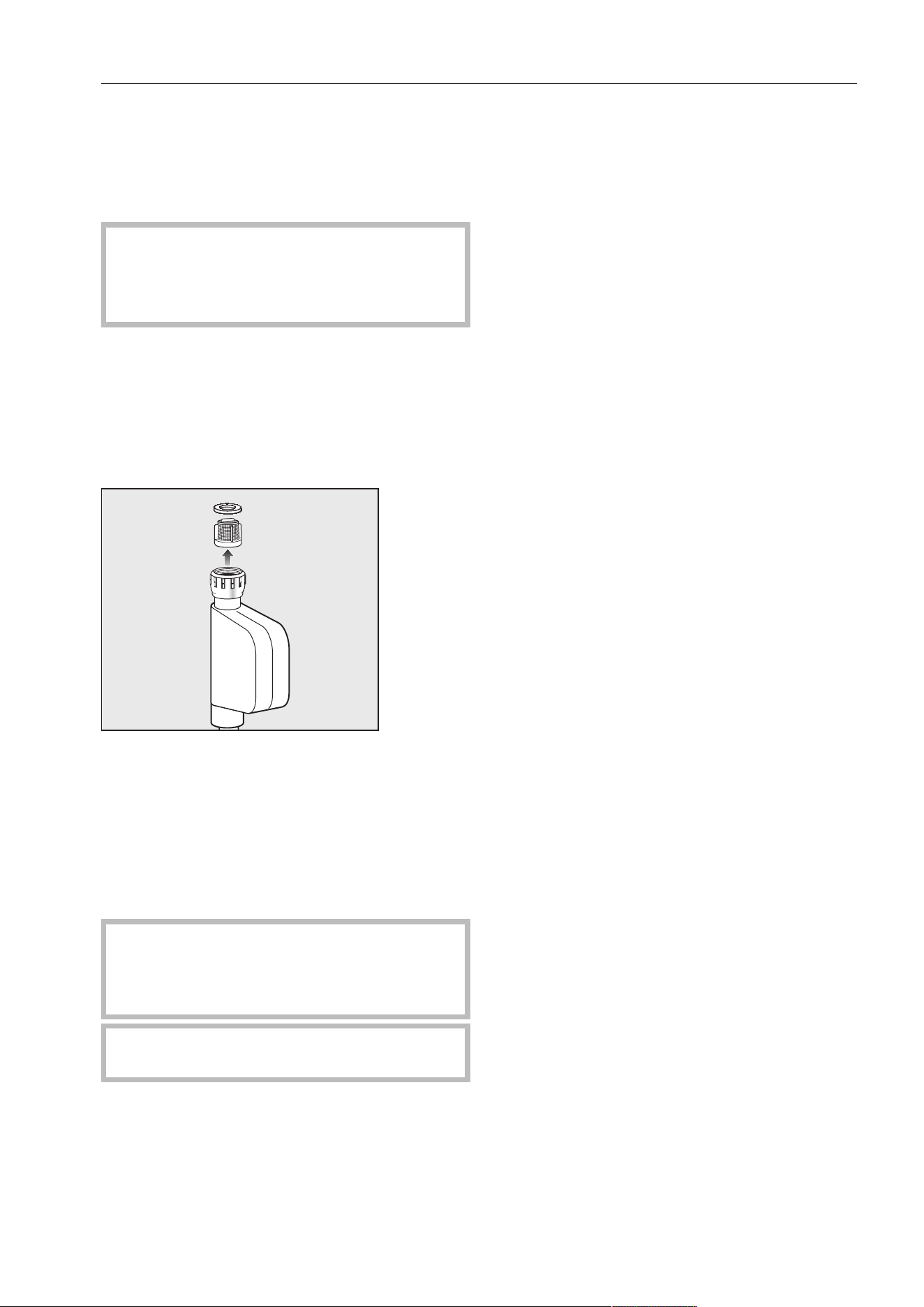
Frequently asked questions
93
Cleaning the water inlet filter
A filter is incorporated in the screw connec-
tion to protect the water intake valve. If the
filter is soiled, insufficient water flows into
the wash cabinet.
Risk of electric shock from voltage.
The plastic housing of the water connec-
tion contains an electrical valve.
The housing must not be dipped in water.
Disconnect the dishwasher from the
power supply.
To do this, turn off the dishwasher and dis-
connect the electrical plug.
Close the faucet.
Unscrew the water intake valve.
Take the seal ring out of the screw connec-
tion.
Using needle-nose pliers, take hold of the
plastic filter bar and pull it through the fil-
ter.
Rinse the filter under running water.
Re-assemble in reverse order.
Screw the screw connection securely
back onto the faucet. Slowly open the
faucet. If water drips out, tighten the con-
nection.
Never forget to put the filter back in place
after cleaning.
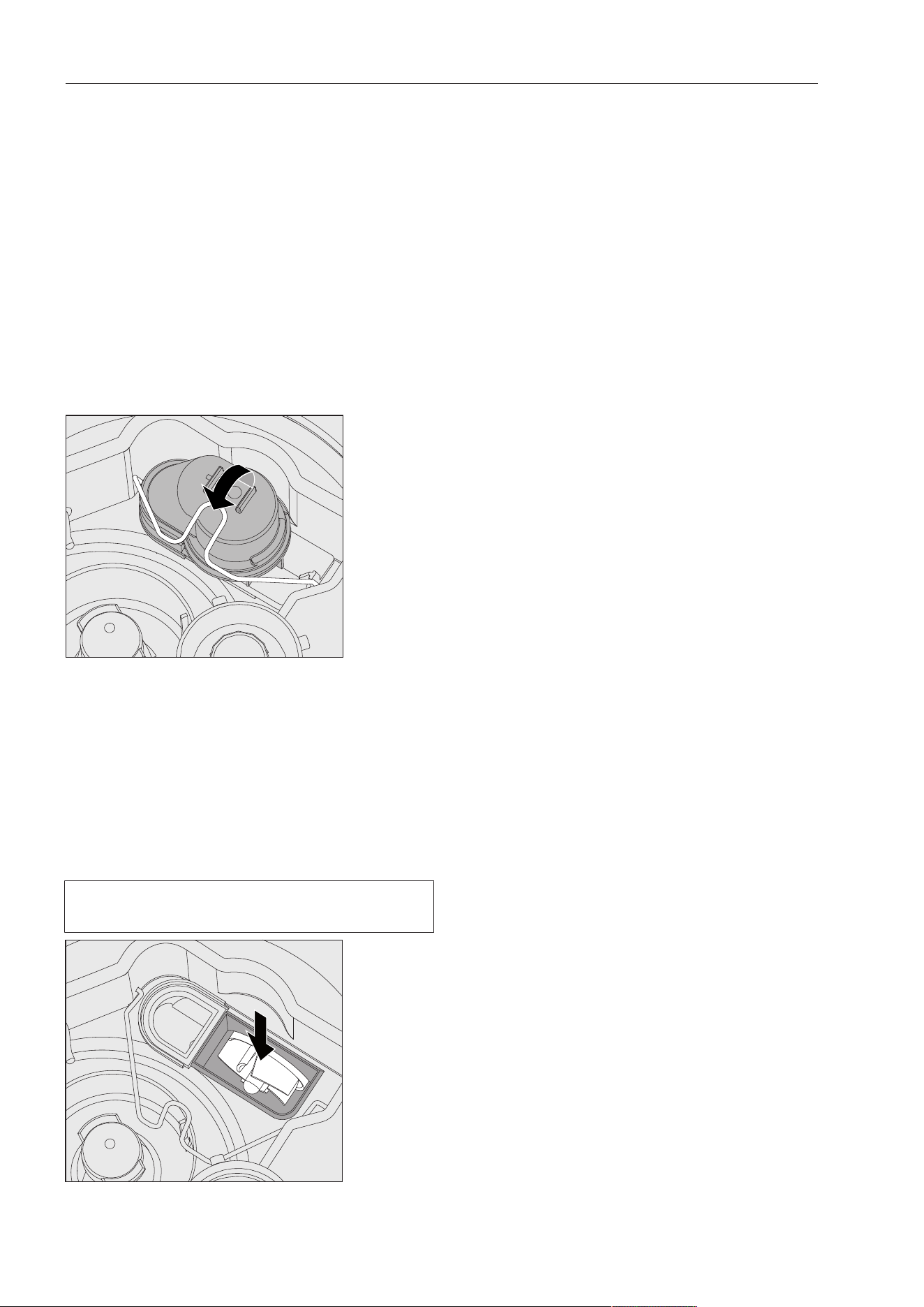
Frequently asked questions
94
Cleaning the drain pump and non-
return valve
If the water has not been pumped away at
the end of a wash program (excluding the
Rapid program), there may be a foreign ob-
ject blocking the drain pump or the non-re-
turn valve. These are easy to remove.
Disconnect the dishwasher from the water
supply and the power supply (switch the
dishwasher off, unplug the electrical plug,
or disconnect or disable the breaker).
Take the filter combination out of the wash
cabinet (see “Cleaning and care”).
Open the locking clamp.
Lift out the non-return valve and rinse well
under running water.
Make sure that the vent on the outside of
the non-return valve is not blocked (this
vent is only visible after the non-return
valve has been taken out). If it is blocked,
use a pointed object to release the block-
age.
The drain pump is situated under the non-
return valve (arrow).
Check for foreign objects blocking the
drain pump before replacing the non-re-
turn valve.
Carefully replace the non-return valve and
secure it with the clamp.
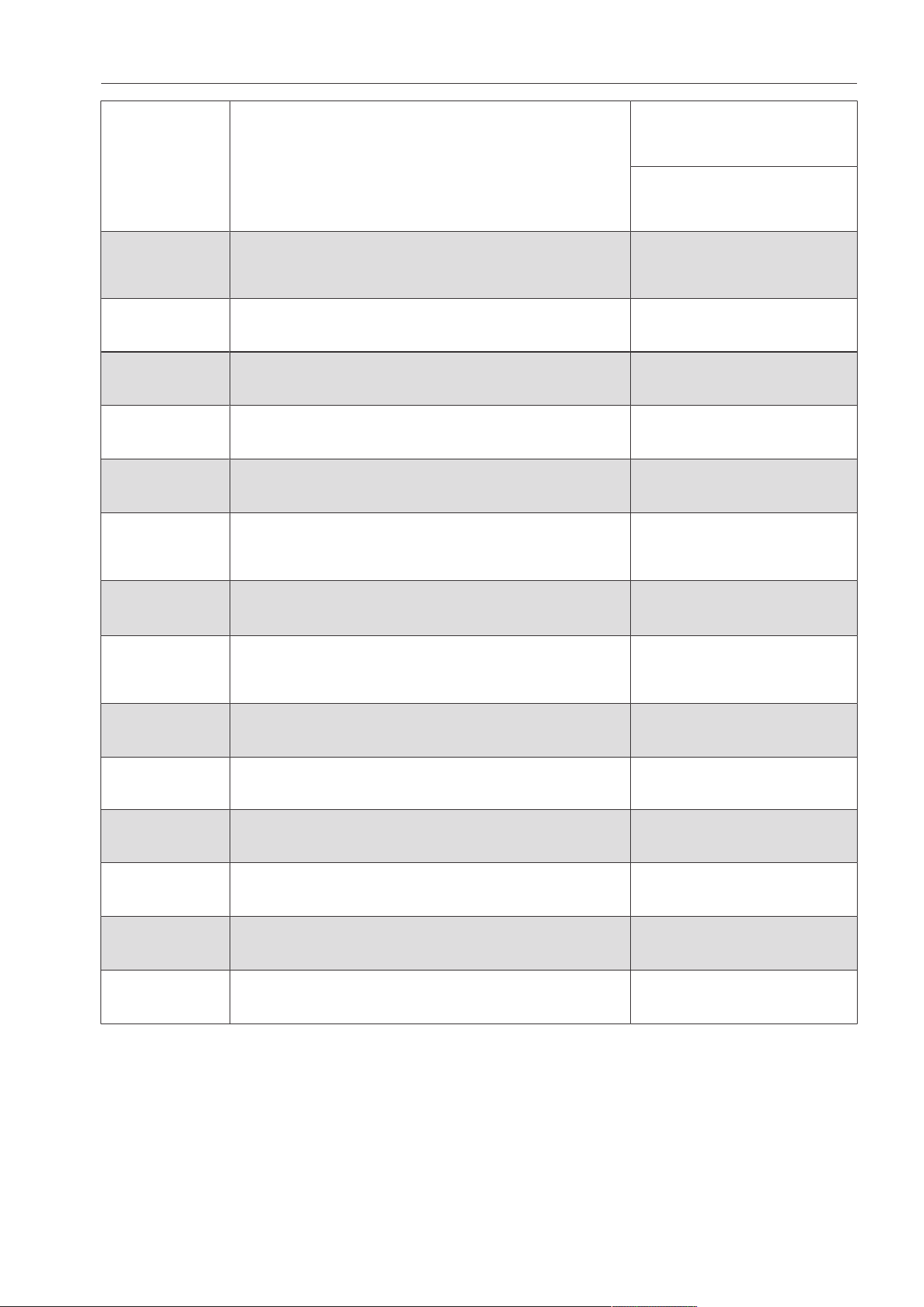
Program chart
95
Program Application Powder cleaning agent
(if liquid cleaning agent is not dis-
pensed)
The following dosages are based on
Miele cleaning products.
Please follow manufacturer’s instruc-
tions.
Normal
(1)
Program for regular use to completely wash a full load of normally
soiled dishes
20–25g
or 1 detergent tab
Normal plus
For more soiled wash items. 20–25g
or 1 detergent tab
Intensive
For heavily soiled wash items. 20–25g
or 1 detergent tab
Rapid
“Quick program” for lightly soiled wash items that are in continual use
and that have fresh, easily removed food residues.
20–25g
placed on the inside of the door
SaniWash
For wash items that must be hygienically reprocessed. 20–25g
or 1 detergent tab
Sanitize plus
(depending on
model)
For wash items that must be hygienically reprocessed. 20–25g
or 1 detergent tab
China & Crystal
Special glasses program. 20–25g
or 1 detergent tab
Glasses
(depending on
model)
Special program for beer glasses.
The glasses do not dry through their own heat after the program has
ended and may have to be dried by hand.
20–25g
or 1 detergent tab
Utensils
Special program for cutlery. 20–25g
or 1 detergent tab
Plastics
Special program for plastic items and other lightweight wash items. 20–25g
or 1 detergent tab
Economy
Energy-saving program offering the most efficient combined energy
and water consumption for normally soiled dishware.
20–25g
or 1 detergent tab
Reactivation
Manual reactivation.
This can be run to avoid being forced to run a reactivation program dur-
ing busy periods.
Cold
Use for rinsing heavily soiled wash items and to prevent soiling from
drying on.
Also used for flushing salt residues out after refilling the salt container.
Drain
For pumping away the water when, for example, the water for the
Rapid program needs to be renewed or a program has been canceled.
(1)
This program is used for energy labeling purposes.
Program parameters
96
Program Model
(see data plate)
Program sequence
1.
Pre-wash 1
2.
Pre-wash 2
3.
Main wash 1
,
4.
Interim rinse 1
5.
Interim rinse 2
6.
Final rinse 1
,
7.
Dry+
8.
AutoOpen
Normal
PFD401
X X
131°F (55°C)
1min
(X) X
140°F (60°C)
1min
− −
PFD404
X X
131°F (55°C)
1min
(X) X
140°F (60°C)
1min
− −
Normal plus
PFD401
X X
131°F (55°C)
2min
X (X) X
140°F (60°C)
1min
− −
PFD404
X X
150°F (66°C)
1min
X (X) X
185°F (85°C)
1min
− −
Intensive
PFD401
X X X
150°F (66°C)
3min
X (X) X
140°F (60°C)
1min
− −
PFD404
X X X
150°F (66°C)
3min
X (X) X
185°F (85°C)
1min
− −
Rapid *)
PFD401
X
131°F (55°C)
30s
(X) X
131°F (55°C)
30s
− −
PFD404
X
131°F (55°C)
30s
(X) X
131°F (55°C)
30s
− −
SaniWash
PFD401
X X
160°F (70°C)
10min
X (X) X
140°F (60°C)
1min
− −
PFD404
X X
140°F (60°C)
3min
X (X) X
185°F (85°C)
4min
− −
Sanitize plus
PFD401
PFD404
X X
160°F (70°C)
10min
X (X) X
185°F (85°C)
4min
− −
97
Program Model
(see data plate)
Program sequence
1.
Pre-wash 1
2.
Pre-wash 2
3.
Main wash 1
,
4.
Interim rinse 1
5.
Interim rinse 2
6.
Final rinse 1
,
7.
Dry+
8.
AutoOpen
China & Crystal
PFD401
X
120°F (50°C)
1min
X (X) X
120°F (50°C)
1min
− −
PFD404
X
120°F (50°C)
1min
X (X) X
120°F (50°C)
1min
− −
Glasses
PFD401
X
120°F (50°C)
1min
X (X) X
1min
− −
PFD404
X
120°F (50°C)
1min
X (X) X
1min
− −
Utensils
PFD401
X X
140°F (60°C)
2min
X (X) X
131°F (55°C)
1min
− −
PFD404
X X
140°F (60°C)
2min
X (X) X
131°F (55°C)
1min
− −
X Scheduled program block (X) Additional program block; deactivated ex-works
(activated by Customer)
− Program block not available for this program or program not avail-
able for this model
Temperature adjustable from 85-185°F (30–85°C)
Except:
–Rapid program adjustable to max. 160°F (70°C)
Holding time adjustable from 0–10minutes
Except:
–Rapid program adjustable from 0–255seconds
Cold water without rinsing agent
*) Important note for the Rapid program
With the Rapid program, water from the final rinse is not pumped away at the end of the program. It will be used as the cleaning water in the next Rapid program.
If the water temperature drops below 105°F (40°C) or if another program is started, this water will be automatically pumped away when the program starts.
Program parameters
98
Program Model
(see data plate)
Program sequence
1.
Pre-wash 1
2.
Pre-wash 2
3.
Main wash 1
,
4.
Interim rinse 1
5.
Interim rinse 2
6.
Final rinse 1
,
7.
Dry+
8.
AutoOpen
Plastics
PFD401
X X
120°F (50°C)
5min
X (X) X
140°F (60°C)
1min
− −
PFD404
X X
120°F (50°C)
5min
X (X) X
140°F (60°C)
1min
− −
Economy
PFD401
X
115°F (46°C)
15min
X (X) X
120°F (50°)C)
2min
− −
PFD404
X
115°F (46°C)
15min
X (X) X
120°F (50°C)
2min
− −
Reactivation
All Reactivation sequence
X − −
Cold
All
X − −
X Scheduled program block (X) Additional program block; deactivated ex-works
(activated by Customer)
− Program block not available for this program or program not avail-
able for this model
Temperature adjustable from 85-185°F (30–85°C)
Except:
–Rapid program adjustable to max. 160°F (70°C)
Holding time adjustable from 0–10minutes
Except:
–Rapid program adjustable from 0–255seconds
Cold water without rinsing agent
Miele Service
99
Customer Service
If, despite following the notes in these oper-
ating instructions, you are unable to rectify a
problem, please contact one of the follow-
ing, quoting the fault code shown on the dis-
play:
- your Miele dealer, or
- Miele Customer Service
Contact details for Miele Customer Ser-
vice can be found at the back of these op-
erating instructions.
When contacting Miele Customer Service,
you will need the model number and 8-digit
machine number of the dishwasher.
Both are shown on the data plate, located
at the top of the door.
INSTALLATION INSTRUCTIONS
100
Please refer to the Installation Diagram supplied with these instructions.
To comply with IEC sound testing protocols, please contact Miele for additional instruc-
tions.
Information is subject to change. Please refer to our website to obtain the most current
product specification, technical & warranty information.
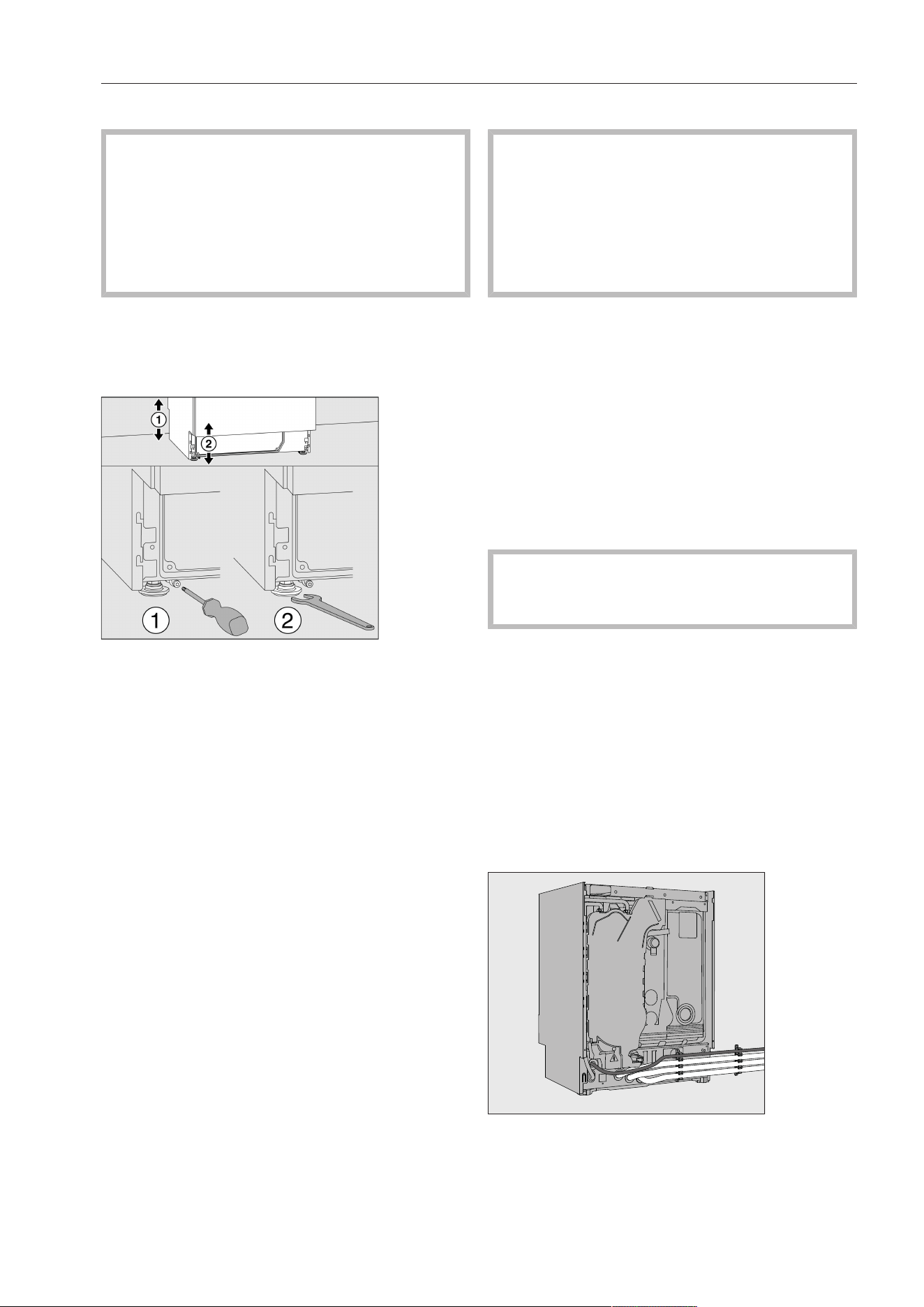
Installation
*INSTALLATION*
101
Installation
Damage caused by condensation.
In order to reduce the risk of damage from
condensation, the cabinetry in the area
around the dishwasher should be de-
signed for commercial use.
Only use cabinetry that is designed for
commercial use.
The dishwasher must be stable and horizon-
tal. Any unevenness in the floor level and
height of the machine can be compensated
for by adjusting the four feet.
The machine height can be adjusted from 32
5/16"-34 5/8" (820–880mm) using the
machine feet. Dishwashers with lids have an
additional 9/16" (15mm) in height.
The front machine feet can be adjusted with
a wrench (wrench size 13); the rear ones can
be adjusted with a T20 Torx screw.
If the runners of the rear machine feet are
not installed, the machine feet can also be
adjusted with the wrench.
They are adjusted upward when turned
clockwise and downward when turned
counterclockwise.
If the dishwasher is to be installed next to
other machines and cabinetry or in a recess,
an installation space measuring at least 23
5/8" (600mm) in width and 23 5/8"
(600mm) in depth is required.
Dishwashers with active drying require a
space measuring 22 3/4" (580mm) in
depth.
Undercounter installation
Risk of the machine tipping.
To ensure stability, an undercounter dish-
washer must only be installed beneath a
continuous countertop that is bolted to
the adjacent cabinetry.
Install the dishwasher underneath a
bolted continuous countertop.
If the dishwasher is to be installed beneath a
continuous countertop, an installation space
measuring at least 23 5/8" (600mm) wide,
23 5/8" (600mm) deep, and 32 5/16"
(820mm) high is required.
Dishwashers with active drying require an
installation space measuring 22 3/4"
(580mm) in depth.
Dishwashers with a plinth return are sup-
plied with a toe-kick filler panel. This can be
installed instead of a toe-kick board.
When adjusting the dishwasher height,
the feet must not be unscrewed by more
than 2 3/8" (60mm).
Hose holder
The supplied hose holders can be used to
lay the power cord and the hoses for supply
and waste water in a way that saves space.
The hose holder prevents hoses from kinking
or crushing when installing the machine in
tight recesses.
The power cord and hoses can be laid either
on the left or the right, depending on the
connection situation.
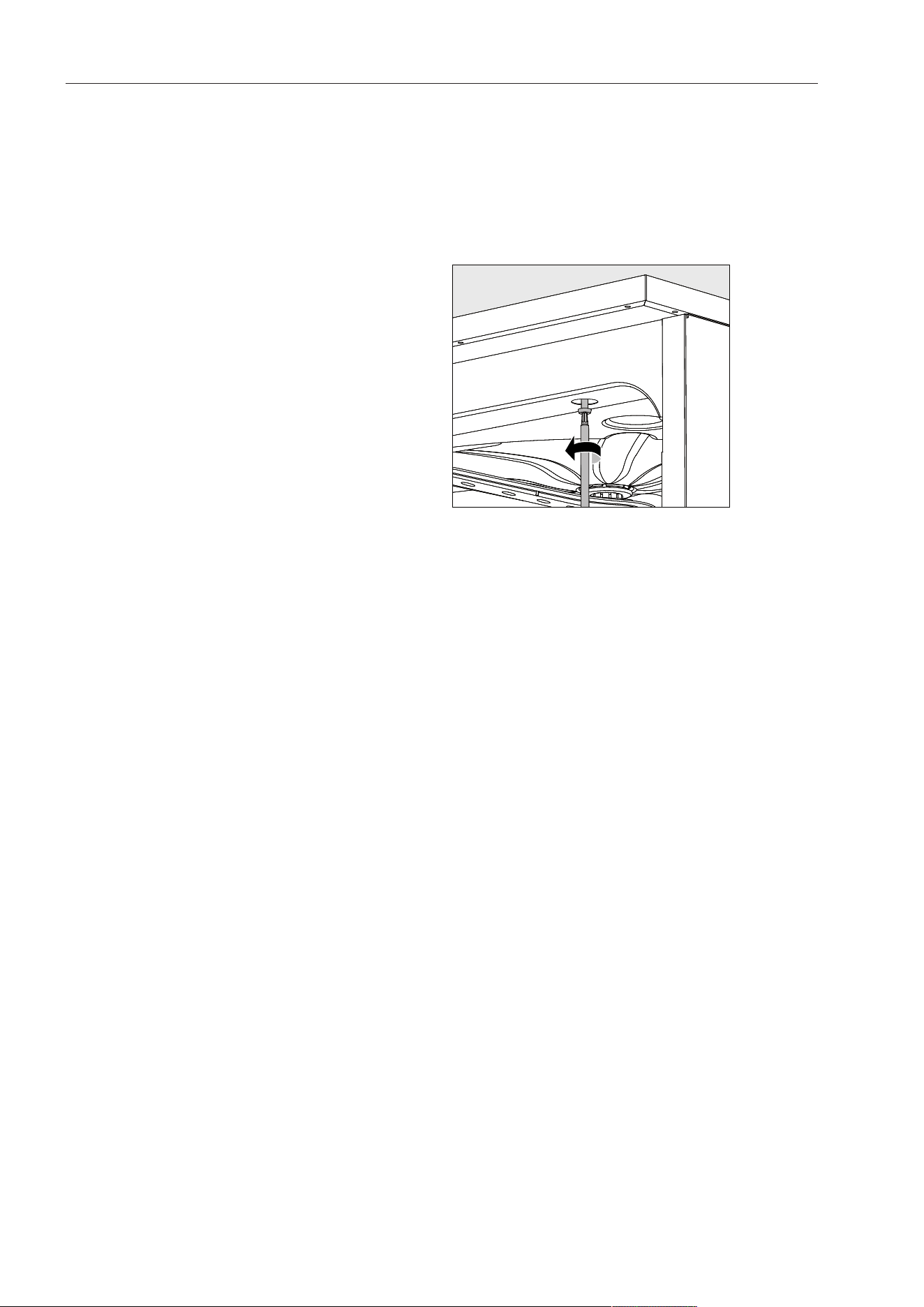
Installation
*INSTALLATION*
102
Adjustable toe-kick panel
(depending on the model)
Dishwashers with internal dispensing or ac-
tive drying have an adjustable toe-kick panel.
Level the dishwasher.
Open the dishwasher door halfway and
loosen the two screws now visible at the
top of the toe-kick panel.
Pull the toe-kick panel upward first and
then forward.
Loosen the two screws on the right and
left of the toe-kick behind the panel.
Pull the inside of the toe-kick down to the
floor.
Tighten the two screws again.
Reassemble the toe-kick panel by follow-
ing the instructions above, but in reverse
order.
Removing the machine lid
If the dishwasher is installed with a lid, it can
be removed as follows:
Remove both securing screws on the back
of the dishwasher with a screwdriver.
Open the door.
Unscrew the left and right fastening
screws with a screwdriver.
Lift the machine lid upward to remove.
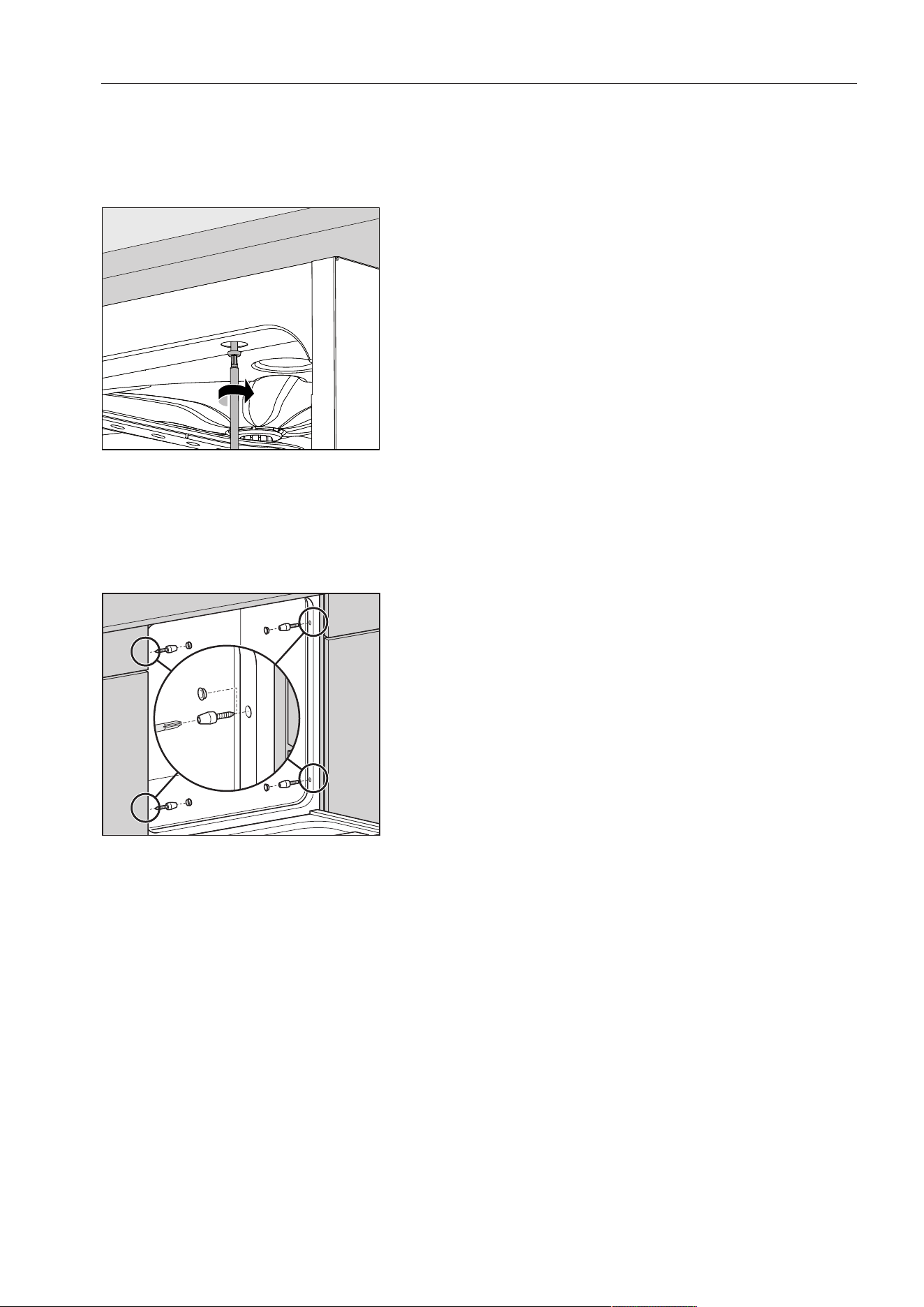
Installation
*INSTALLATION*
103
Leveling and securing the dish-
washer
To guarantee stability, the dishwasher must
be secured to the countertop after leveling.
After leveling, secure the dishwasher to
the continuous countertop.
With the door open, screw into the coun-
tertop through the holes in the front trim
on the left- and right-hand sides of the
dishwasher.
With stainless steel or stone countertops,
the dishwasher must be secured at the
sides to the left and right adjacent cabinetry
with two screws on each side.
Special screws (4x27/TorxT20) are sup-
plied in the accessories companion pack.
Holes must be drilled in the side wall in front
of the door seal for these.
In the case of undercounter dishwashers,
the holes are already provided in the side
walls.
The gaps between undercounter dishwash-
ers and adjacent cabinets or machines must
not be filled with silicone sealant as this
could compromise the ventilation of the cir-
culation pump.
Depending on the undercounter situation,
the stainless steel cover plate supplied can
be attached to the lower edge of the coun-
tertop. The stainless steel cover plate pro-
tects the lower edge of the countertop
against steam damage.
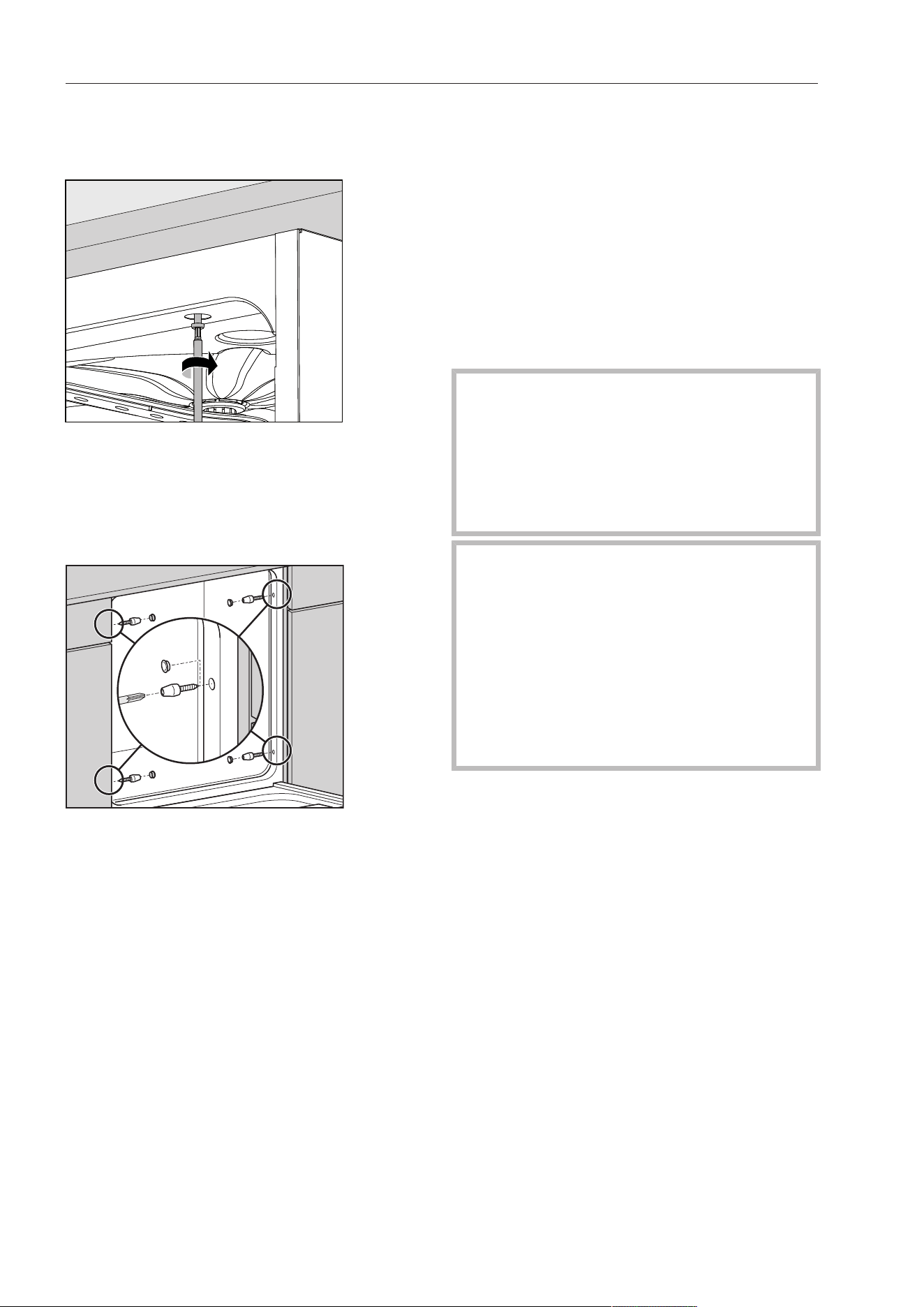
Installation
*INSTALLATION*
104
Leveling and securing the dishwasher
To guarantee stability, the dishwasher must
be secured to the countertop after leveling.
After leveling, secure the dishwasher to
the continuous countertop.
With the door open, screw into the coun-
tertop through the holes in the front trim
on the left- and right-hand sides of the
dishwasher.
With stainless steel or stone countertops,
the dishwasher must be secured at the
sides to the left and right adjacent cabinetry
with two screws on each side.
Special screws (4x27/TorxT20) are sup-
plied in the accessories companion pack.
Holes must be drilled in the side wall in front
of the door seal for these.
In the case of undercounter dishwashers,
the holes are already provided in the side
walls.
The gaps between undercounter dishwash-
ers and adjacent cabinets or machines must
not be filled with silicone sealant as this
could compromise the ventilation of the cir-
culation pump.
Depending on the undercounter situation,
the stainless steel cover plate supplied can
be attached to the lower edge of the coun-
tertop. The stainless steel cover plate pro-
tects the lower edge of the countertop
against steam damage.
Moving the dishwasher’s installation
site
Before moving the dishwasher, screw in the
adjustable feet fully so that they do not get
damaged.
Component damage caused by carry-
ing.
Do not lift the dishwasher by any protrud-
ing components, e.g., the control panel.
These parts could break off.
Do not hold onto protruding components
when moving the dishwasher.
Damage caused by transportation us-
ing a hand truck.
Using a hand truck to subsequently move
the dishwasher may cause damage to the
machine.
Only transport the dishwasher on a hand
truck in its original packaging. For subse-
quent moves, the dishwasher must be
placed on a continuous base to avoid
damage.
Electrical connection
*INSTALLATION*
105
Electrical connection
Danger caused by improper electrical
connection
All electrical connection work must be
carried out by a qualified electrician in ac-
cordance with local and national safety
regulations.
Ask a qualified specialist to complete the
electrical connection work.
- The electrical installation must be in com-
pliance with current local and national
safety regulations!
- The connection to the power supply must
comply with national regulations (plug and
socket must be accessible after the ma-
chine has been installed). An electrical
safety test can be carried out after any
service or maintenance work.
- If the dishwasher is hard-wired to the
power supply, a circuit breaker capable of
disconnecting the dishwasher at all poles
must be installed in accordance with local
codes.
- If necessary, equipotential bonding must
be carried out.
- The power cord should only be replaced
with an original Miele spare part.
- For technical data, see the data plate or
the attached wiring diagram.
The machine must only be operated with the
voltage, frequency, and fuse rating shown on
the data plate.
This machine can be converted to a differ-
ent type of power supply in accordance
with the conversion diagram and wiring dia-
gram supplied.
The conversion diagram and the data plate
are on the dishwasher or supplied with it.
WARNING
THIS APPLIANCE MUST BE GROUNDED
GROUNDING INSTRUCTIONS
For a grounded, cord-connected appli-
ance:
This appliance must be grounded. In the
event of a malfunction or breakdown,
grounding will reduce the risk of electric
shock by providing a path of least resistance
for electric current. This appliance is
equipped with a cord having an equipment-
grounding conductor and a grounding plug.
The plug must be plugged into an appropri-
ate outlet that is installed and grounded in
accordance with all local codes and ordi-
nances.
For a permanently connected appliance:
This appliance must be connected to a
grounded metal, permanent wiring system,
or an equipment-grounding conductor must
be run with the circuit conductors and con-
nected to the equipment-grounding terminal
or lead on the appliance.
Electrical connection
*INSTALLATION*
106
Peak-load negotiation
The dishwasher is suitable for use in an en-
ergy management system. For this purpose,
the dishwasher must be technically adapted
and the controls reset by Miele Customer
Service.
Please contact Miele Customer Service for
additional information.
Load management
In the event of a peak-load negotiation,
some dishwasher components, such as the
heater elements, will be switched off for a
while. The dishwasher will remain on during
this period and the current program will not
be interrupted. If one of the components
that is switched off is needed during the cur-
rent program stage, the program cycle time
will simply increase for the duration of the
load negotiation.
Load negotiation is indicated by the follow-
ing message, e.g.:
Peak-load negotiation:
Heating mode temporarily
disabled.
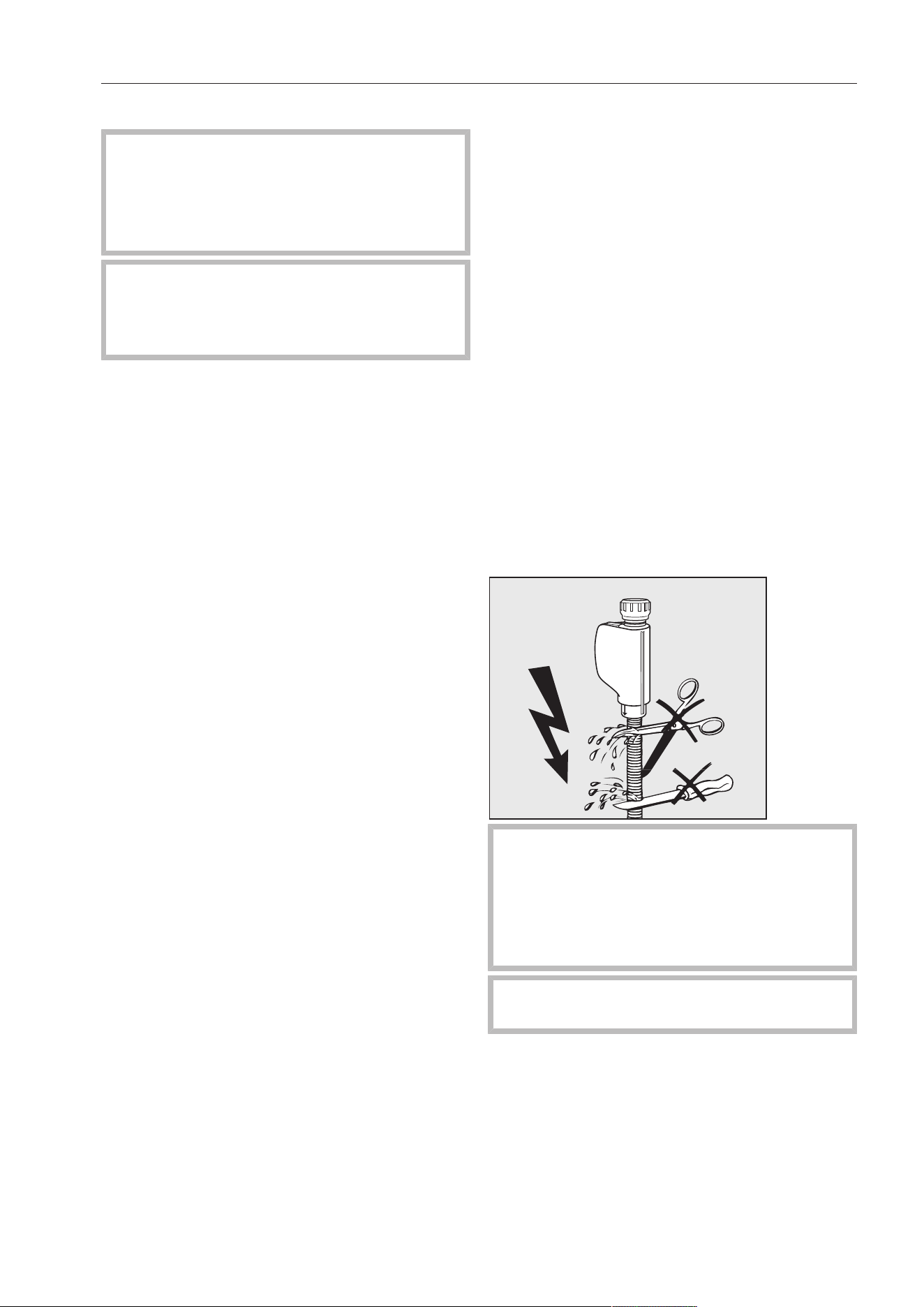
Plumbing
*INSTALLATION*
107
Connecting the water inlet
Health risk posed by process chemi-
cals
Water in the dishwasher must not be
used as drinking water.
Do not drink water from the dishwasher.
Do not re-use removable sets of hoses.Do
not re-use removable hose attachments.
Use the sets of hoses supplied with the
dishwasher.
- The dishwasher must be connected to the
water supply in strict accordance with cur-
rent local and national water authority reg-
ulations.
- The water used must at least comply with
national codes for drinking water quality. If
the water supply has a high iron content,
there is a risk of corrosion occurring on
wash items in the dishwasher, as well as
the dishwasher itself. If the chloride con-
tent of the water exceeds 100mg/l, the
risk of corrosion to wash items being
cleaned in the dishwasher will be further
increased.
- In certain regions (e.g., mountainous re-
gions), the water composition may cause
precipitates to form, requiring the use of
softened water for the dishwasher.
- The water pressure (flow pressure) must
amount to at least 29 psi (200kPa) over-
pressure (100kPa = 1bar = 14.5 psi). At a
water pressure (flow pressure) below 29
psi (200kPa), the water inlet time extends
automatically. The maximum permissible
static pressure amounts to 145 psi
(1,000kPa) (overpressure). If the water
pressure does not lie in the 29-145 psi
(200–1,000kPa) range, contact Miele
Customer Service for advice.
- The dishwasher is supplied as standard for
connection to cold water (blue coded
hose) and hot water up to max. 150°F
(65°C) (red coded hose). Connect the wa-
ter inlet hoses to the supply valves for cold
and hot water.
- If no hot water supply is available, the inlet
hose with the red marking must also be
connected to the cold water supply.
- A faucet with a 3/4inch male thread must
be provided on site. This should be easily
accessible, since the water inlet should be
shut off whenever the machine is not in
use.
- The DN10 water inlet hose hose is ap-
prox. 67" (1.7m) long, terminating in a
3/4inch female thread. A 59" (1.5m) long
flexible metal extension hose (tested to
140bar) is available as an optional acces-
sory if required. On no account may the in-
let filter in the female thread be removed.
Damage caused by shortening the
hose.
Do not shorten or otherwise damage the
water inlet hoses supplied with the ma-
chine.
Do not shorten the water inlet hoses.
Please also refer to the installation plan
provided.
Plumbing
*INSTALLATION*
108
Connecting the water drainage sys-
tem
- The dishwasher drainage system has a
non-return valve, which prevents dirty wa-
ter from flowing back into the dishwasher
via the drain hose.
- The dishwasher drainage hose should be
connected to a separate on-site drainage
system for the dishwasher only. If no sep-
arate drain is available, we recommend
connecting it to a dual-chamber siphon.
The on-site connection must be between
12" (0.3m) and 39" (1m) in height, mea-
sured from the lower edge of the machine.
If the connection is lower than 12"
(0.3m), the drain hose must be placed in
an arc at least 12" (0.3m) high.
- The dishwasher is supplied with an ap-
prox. 59" (1.5m) flexible drain hose with
an internal diameter of 7/8" (22mm).
Hose clips are supplied with the dish-
washer.
- The drain hose must not be shortened.
The hose can be extended using a connec-
tion piece to attach a further length of
hose. The drainage length must not be
longer than 13 ft (4m).
- The drainage system must be able to han-
dle a discharge rate of at least 4.2 gpm
(16l/min).
Damage caused by incorrect routing.
Make sure that there are no kinks in the
drain hose, and that it is not crushed or
stretched.
Make sure that there are no kinks in the
drain hose and that it is not crushed or
stretched.
Please refer to the installation plan pro-
vided.
Technical details
109
Imperial Metric
Height with machine lid
Height without machine lid
32 7/8" adjustable+2 1/4"
32 5/16" adjustable+2 1/4"
835mm adjustable+ 60mm
820mm adjustable+60mm
Width 23 1/2"
598mm
Depth
Depth with door open
23 1/2"
47 1/4"
580mm
1,180mm
Weight (net) Approx.154lbs
Approx.70kg
Voltage, rated load, fuse rating See data plate See data plate
Power supply cord Approx. 5' 6"
Approx. 1.7m
Water connection water temperature:
Cold water/steam condenser (optional)
Hot water
Max. 68°F
Max. 149°F
Max. 20°C
Max. 65°C
Static water pressure Max. 145psi
1.000kPa overpressure
Minimum water connection flow pressure:
Cold water/steam condenser (optional)
Hot water
14.5psi
5.8psi
100kPa overpressure
40kPa overpressure
Recommended water connection flow pressure:
Cold water/hot water
Steam condenser (optional – connection via cold
water)
29psi
14.5psi
≥200kPa overpressure
≥200kPa overpressure
Water inlet hose Approx. 5' 7"
Approx. 1.7m
Drain hose Approx. 4' 9"
Approx. 1.5m
Delivery head Min. 1',
max.3' 3"
Min. 0.3m
max. 1.0m
Drainage length Max. 13' 1"
Max. 4.0m
Operating conditions:
Ambient temperature
Maximum relative humidity
Linear decrease to
Minimum relative humidity
40 - 104°F
80 % for temperatures up to 88°F
50% for temperatures up to 104°F
10%
5°C to 40°C
80% for temperatures up to 31°C
50% for temperatures up to 40°C
10%
Storage and transportation conditions:
Ambient temperature
Relative humidity
Air pressure
-4°F to 140°F
10% to 85%
7.25psi to 15.37psi
-20°C to 60°C
10% to 85%
500hPa to 1060hPa
Altitude above sea level (according to IEC/EN
60335)
Up to 6,561ft*
Up to 2,000 (m)*
Protection category (according to IEC 60529) IP21 IP21
Noise emission values
Sound power in LwA
Sound pressure in LpA
Undercounter installation with
wooden trim in front of toe-kick,
Short program
59dB(A)
47dB(A)
Undercounter installation with
wooden trim in front of toe-kick,
Short program
57dB(A)
45dB(A)
WiFi standard
802.11 b/g/n
WiFi frequency band
2,400-2,483.5MHz
Maximum WiFi transmission power
< 100mW
Certification marks Intertek approval
Manufacturer’s address Miele & Cie. KG, Carl-Miele-Strasse 29,
33332 Gütersloh, Germany
* If installation site is above 2,000m, the boiling point of the wash water will be lower. For this reason, the program parameters
may have to be adjusted.



Please have the model and serial number
of your machine available when
contacting Technical Service.
U.S.A.
Miele, Inc.
National Headquarters
Importer
Miele Limited
Professional Division
Miele Professional
Technical Service
Phone: 1-888-325-3957
Canada
161 Four Valley Drive
Vaughan, ON L4K 4V8
Phone: 1-888-325-3957
www.mieleprofessional.ca
Manufacturer: Miele & Cie. KG
Carl-Miele-Straße 29, 33332 Gütersloh, Germany
9 Independence Way
Princeton, NJ 08540
Phone: 800-991-9380
www.mieleusa.com/professional
Technical Service & Support
Phone: 800-991-9380
Alteration rights reserved / Publication date: 2024-02-09 M.-Nr. 12 276 760 / 02